 |
|
HOME
|
US Navy -
ships
|
US Navy - air
units
|
USMC - air
units
|
International
Navies
|
Weapon Systems
|
Special Reports |
|
Weapon System PJ-10 BrahMos Anti-ship and Land-Attack Cruise Missile |
 |
| 11/26 |
|
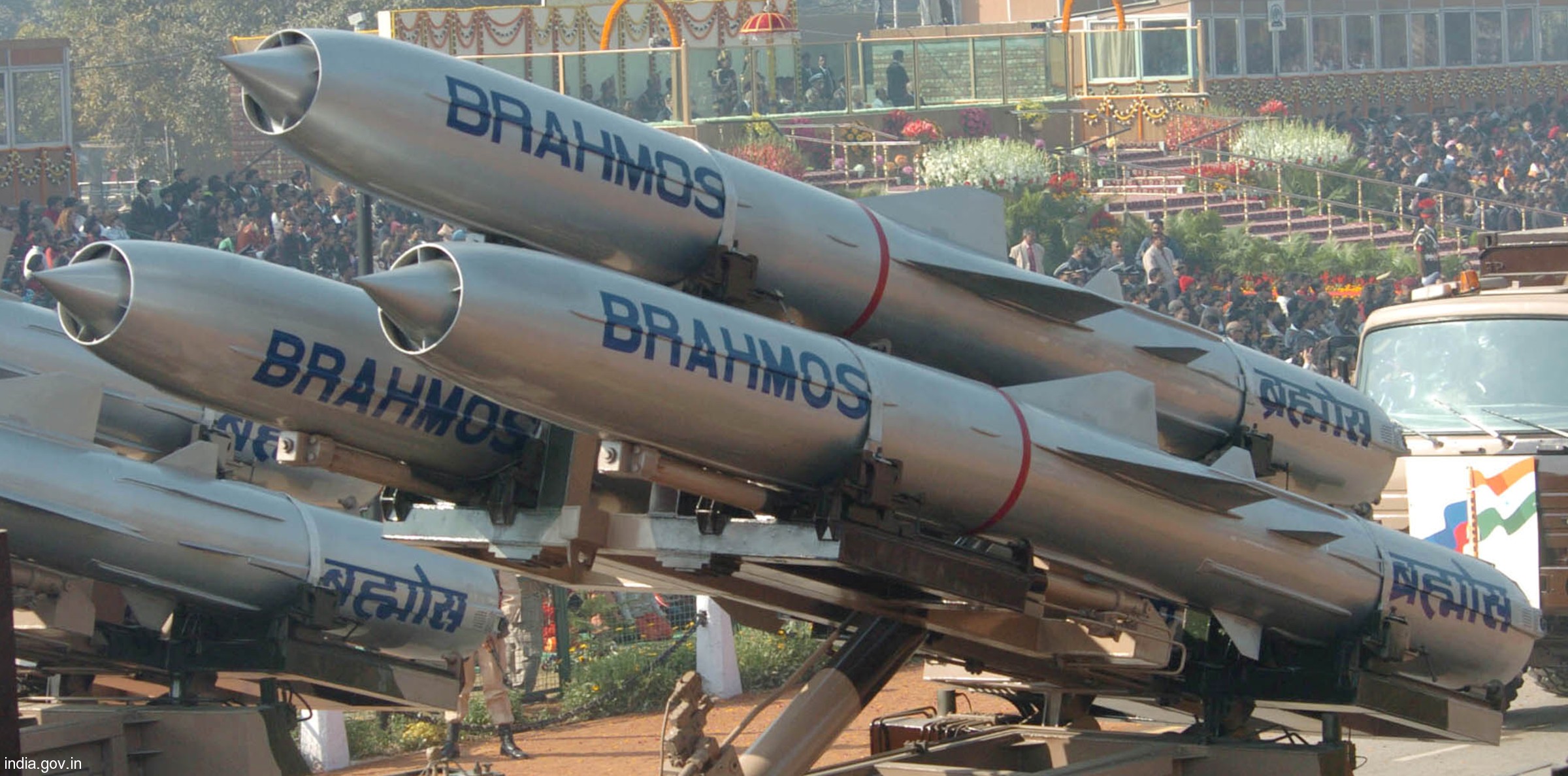
The PJ-10 BrahMos is a long-range, ramjet-powered supersonic
anti-ship and land-attack cruise missile that can be launched from
submarines, ships, fighter aircraft or ground vehicles. It is a
joint venture between India's Defence Research and Development
Organisation (DRDO) and the Russian Federation's NPO
Mashinostroyeniya, who together have formed BrahMos Aerospace. The
missile is based on the Russian P-800 Oniks. The name BrahMos formed
from the names of two rivers, the Brahmaputra of India and the
Moskva of Russia. Land-launched, ship-launched as well as
air-launched versions have been inducted across the services of the
Indian Armed Forces. Specifications: BrahMos has the capability of attacking surface targets by flying as low as five metres in altitude and the maximum altitude it can fly is 15,000 metres. It has a diameter of 70 cm and a wingspan of 1.7 m. It can gain a speed of Mach 3.5, and has a maximum range of 650 km. The ship-launched and land-based missiles can carry a 200 kg warhead, whereas the aircraft-launched variant (BrahMos A) can carry a 300 kg warhead. It has a two-stage propulsion system, with a solid-propellant rocket for initial acceleration and a liquid-fuelled ramjet responsible for sustained supersonic cruise. Air-breathing ramjet propulsion is much more fuel-efficient than rocket propulsion, giving the BrahMos a longer range than a pure rocket-powered missile would achieve. The propulsion systems of BrahMos is supplied by Solar Defence and Aerospace Limited (SDAL), Nagpur. The high speed of the BrahMos likely gives it better target-penetration characteristics than lighter subsonic cruise-missiles, such as Tomahawk. Being twice as heavy and almost four times as fast as Tomahawk, the BrahMos has more than 32 times the on-cruise kinetic energy of a Tomahawk missile, although it carries only 3/5 the payload and a fraction of the range, which suggests that the missile was designed with a different tactical role. Its Mach 2.8 speed means that it cannot be intercepted by some existing missile defence systems and its precision makes it lethal to water targets. Although BrahMos was primarily an anti-ship missile, the BrahMos Block III can also engage land-based targets. It can be launched either in a vertical or inclined position and is capable of covering targets over a 360-degree horizon. The BrahMos missile has an identical configuration for land, sea, and sub-sea platforms. The air-launched version has a smaller booster and additional tail fins for added stability during launch. The BrahMos has currently been configured for aerial deployment with the Su-30MKI as its carrier. The BrahMos missile also utilises a "fire-and-forget" system, requiring no additional input from the operator once the missile has been launched. Variants: Surface-launched (Block I): Ship-launched, anti-ship variant (operational) Ship-launched, land-attack variant (operational) Land-launched, land-attack variant (operational) Land-launched, anti-ship variant (in induction) Surface-launched (Upgraded): BrahMos Block II land-attack variant (operational) BrahMos Block III land-variant (in induction) Anti-aircraft carrier variant (tested in March 2012): the missile gained the capability to attack aircraft carriers using the supersonic vertical dive variant of the missile that could travel up to 290 km. Air-launched: Air-launched, anti-ship variant (operational) Air-launched, land-attack variant (operational) Submarine-launched: Submarine-launched, anti-ship variant Submarine-launched, land-attack variant Extended Range: In 2016, India became a member of the Missile Technology Control Regime (MTCR). India and Russia are now planning to jointly develop a new generation of BrahMos missiles with 400, 800 and even 1500 km-plus range and an ability to hit protected targets with pinpoint accuracy. In its March 2024 order for 220 units of the missile, the Indian Navy has reportedly sought the 800 km ranged variant of the BrahMos. As of October 2025, the 800 km ranged variant is under trials and most of its development have completed, including the modified ramjet motor. The development is expected to be completed by 2027-end. After this, the existing 450 km range BrahMos, including those in service with the Navy could be modified to extend their range to 800 km. The procedure would include changes in the software, the graphical user interface of the fire control system and others. While the Army and Navy will induct the missile earlier, the air-launched variant will take more time to be developed. The ground-launched variant when in service with the Army, will be part of the proposed Integrated Rocket Force (IRF). BrahMos-NG (Next Generation) or BrahMos-MA: ... is a shortened version based on the existing BrahMos system. A model of the new variant was revealed on 20 February 2013, at the 15th anniversary celebrations of BrahMos Corporation. It will maintain range of 290 km and speed of Mach 3.5 but will weigh around 1.5 tons, with a length of 6 metres and a diameter of 50 cm, making it 50% lighter and three metres shorter than its predecessor. The first test flight was expected to take place in late 2024 induction by the end of 2025. BrahMos-NG will have lesser radar cross section (RCS) compared to its predecessor, making it harder for air defense systems to detect and engage the target. BrahMos-NG will have Air-launched and Submarine torpedo tube/VLS-launched variants. The missile has been designated as BrahMos-M, BrahMos-NG and BrahMos-MA over the years. Additionally, the BrahMos-NG will have an AESA radar rather than the mechanically scanned one on the BrahMos. BrahMos-II or BrahMos-2 or BrahMos Mark II: ... is a hypersonic scramjet-propelled missile currently under joint development by India's Defence Research and Development Organisation and Russia's NPO Mashinostroyenia, which have together formed BrahMos Aerospace Private Limited. The BrahMos-II is expected to have a range of 1,500 kilometres (930 mi; 810 nmi) and a speed of Mach 8. During the cruise stage of flight, the missile will be propelled by a scramjet airbreathing jet engine. Testing was planned to start in 2020 has been delayed but is now expected to be ready by 2026 or 2027 for flight testing. Specifications: Mass: BrahMos: 3,000 kg (6,600 lb) BrahMos-A: 2,500 kg (5,500 lb) BrahMos-NG: 1,200-1,500 kg (2,600-3,300 lb) Length: BrahMos: 8.4 m (28 ft) BrahMos-NG: 6 m (20 ft) Diameter: BrahMos: 0.6 m (2.0 ft) BrahMos-NG: 0.5 m (1.6 ft) Warhead: 200-300 kg (440-660 lb) nuclear conventional semi-armour-piercing warhead Engine: 1st Stage: Solid fuel rocket booster (EEL - Economic Explosives Limited, India) 2nd Stage: Liquid fuel rocket ramjet (NPO Maschinostrojenija / NPO Mash, Russia) Operational range: Ship or Land launched: 800-900 km (500-560 mi) Air launched: 450-500 km (280-310 mi) Export variant: 290 km (180 mi) Flight ceiling: 15 km (49,000 ft) Flight altitude: Sea skimming, as low as 3 to 10 meters Maximum speed: Mach 3 (3,700 km/h; 2,300 mph; 1.0 km/s) Guidance system: Mid-course: Inertial navigation system (INS) + multi- global navigation satellite system (GNSS) Terminal: Active radar homing (ARH) Accuracy: 1 m Manufacturer: BrahMos Aerospace (Indo-Russian multinational aerospace and defense corporation), headquartered in New Delhi, India. Users: Indian Army Indian Air Force Indian Navy Philippine Marine Corps sources: wikipedia, Brahmos + other |
| images |
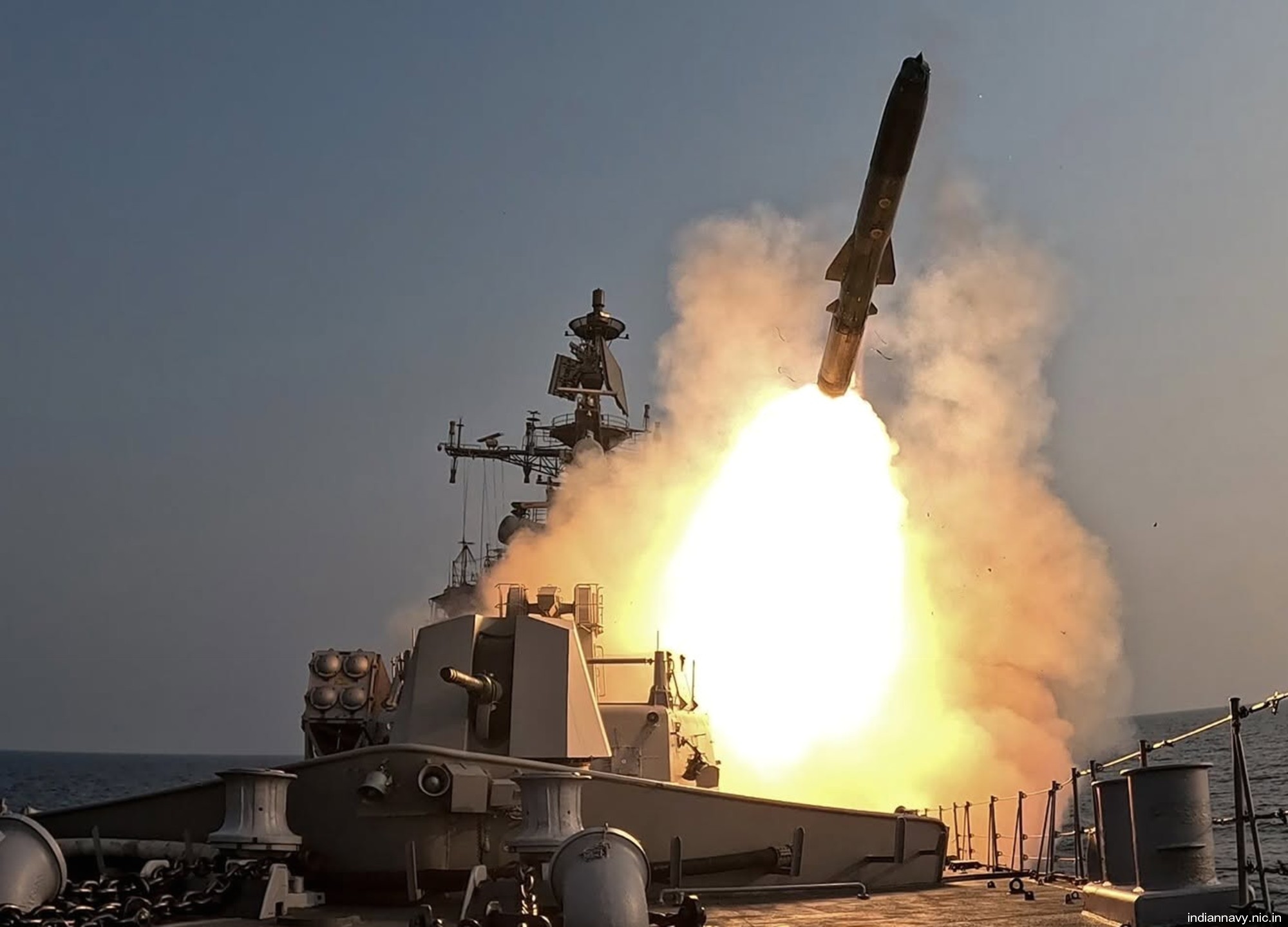 ship-launched from Box-launcher 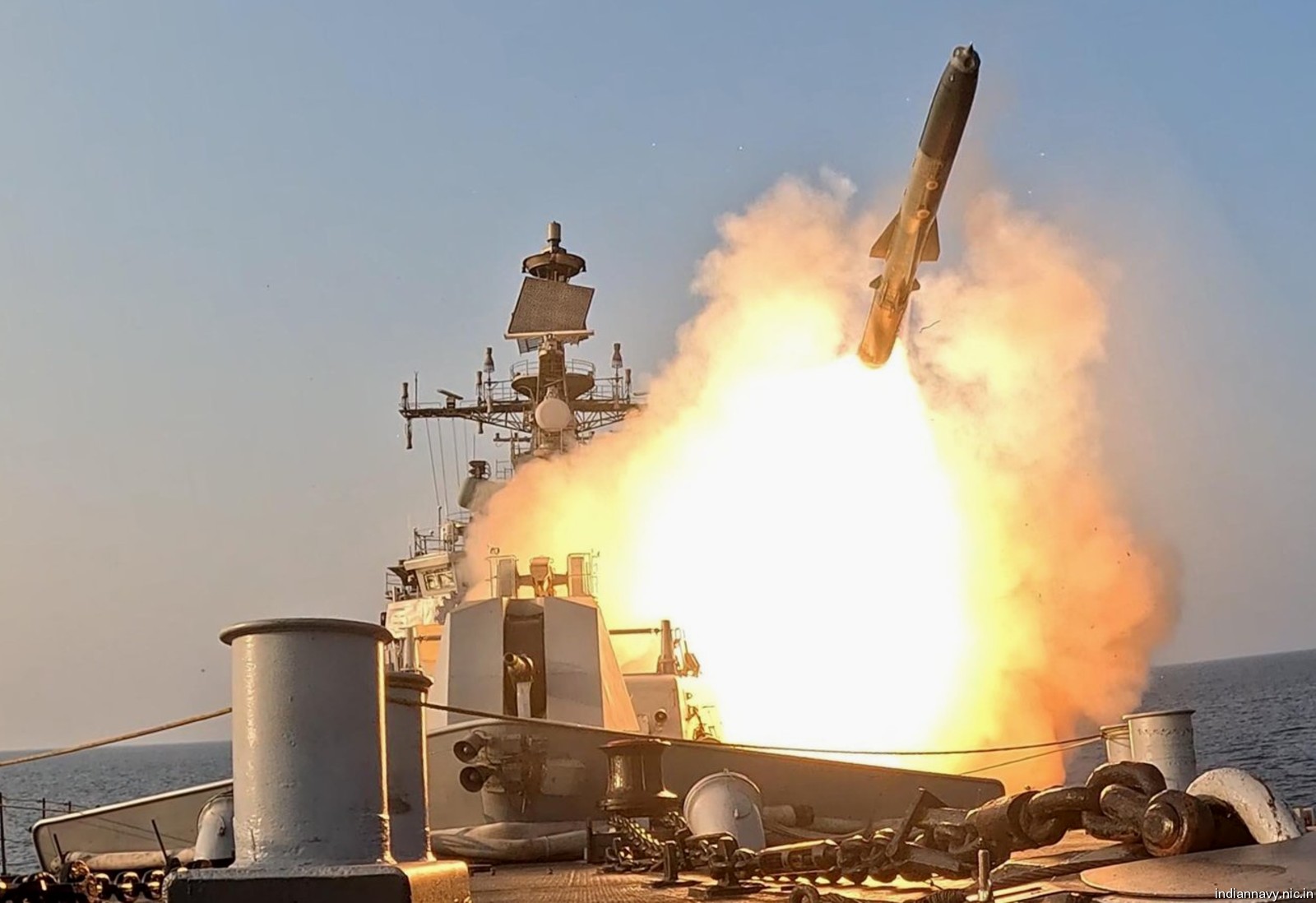 ship-launched from Box-launcher 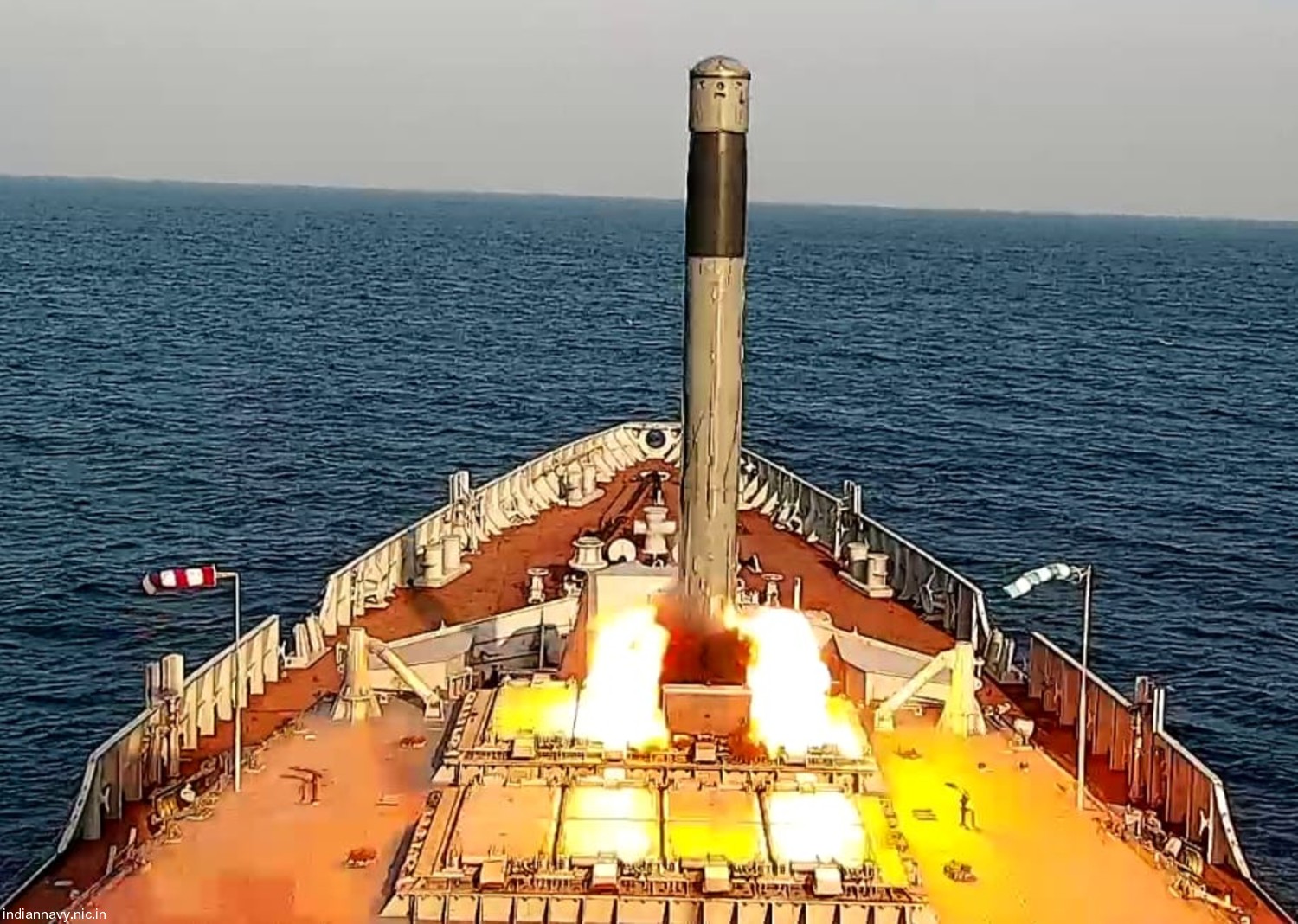 ship-launched from Vertical Launching System (VLS) 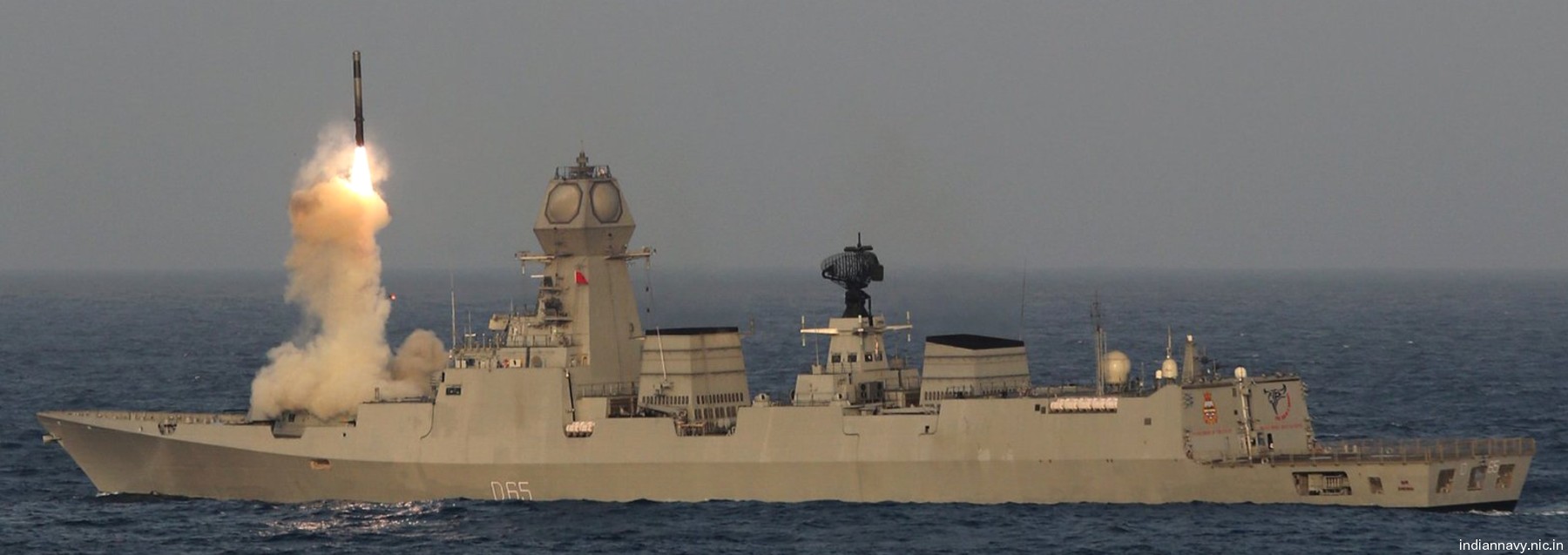 ship-launched from Vertical Launching System (VLS) 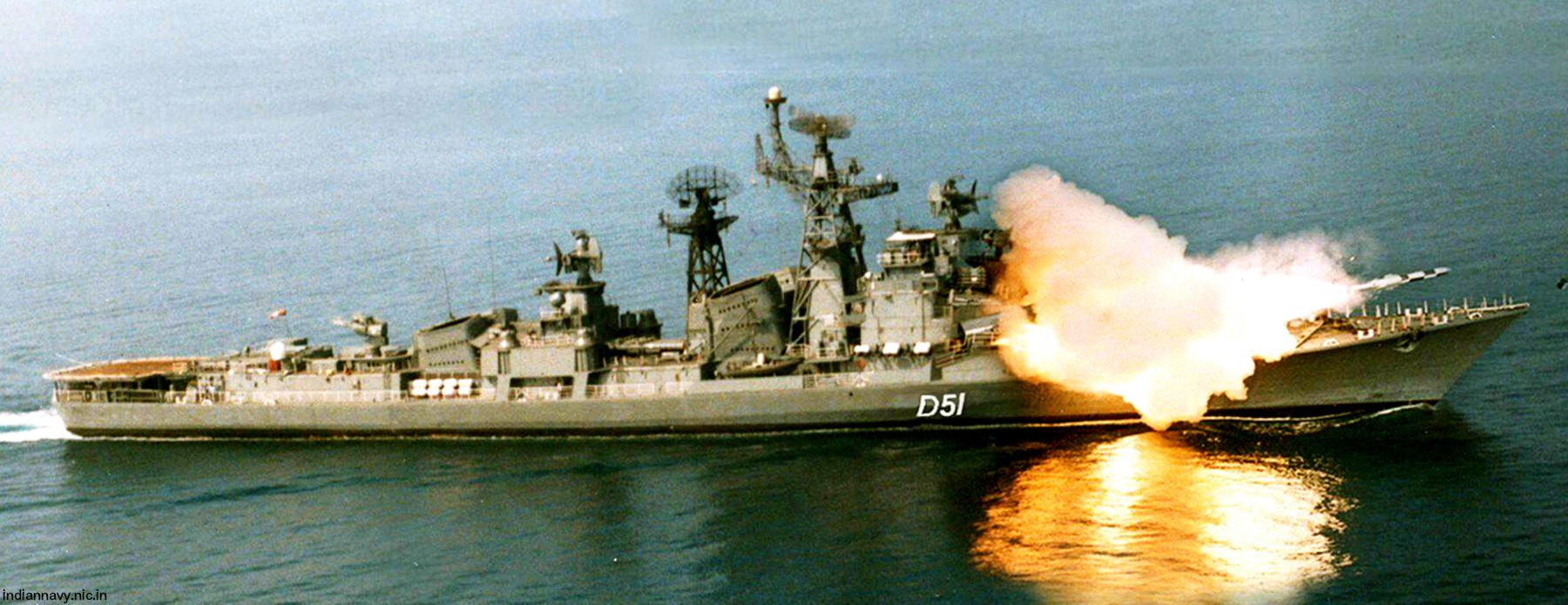 ship-launched from Box-launcher 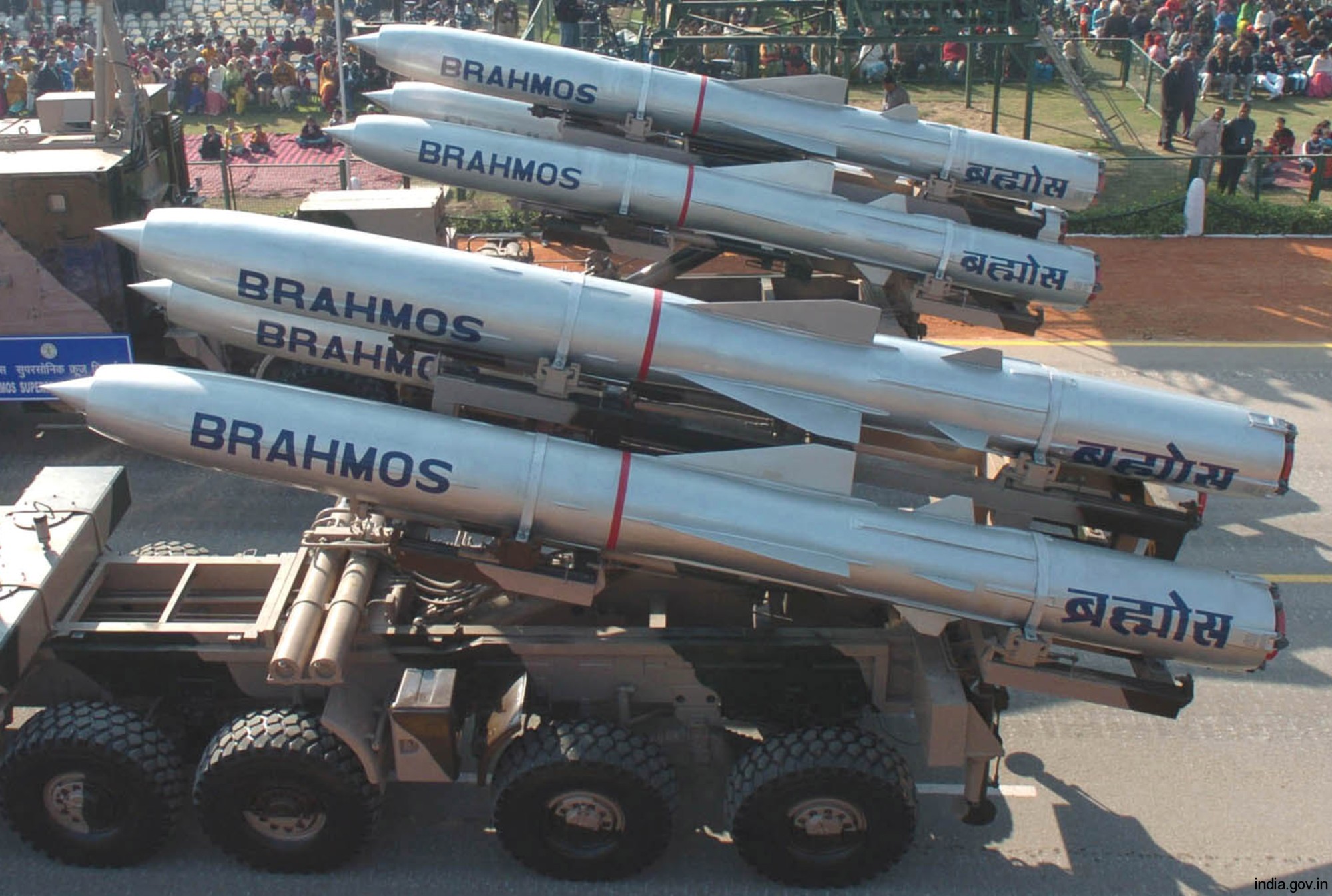 Transporter Erector Launcher (TEL) 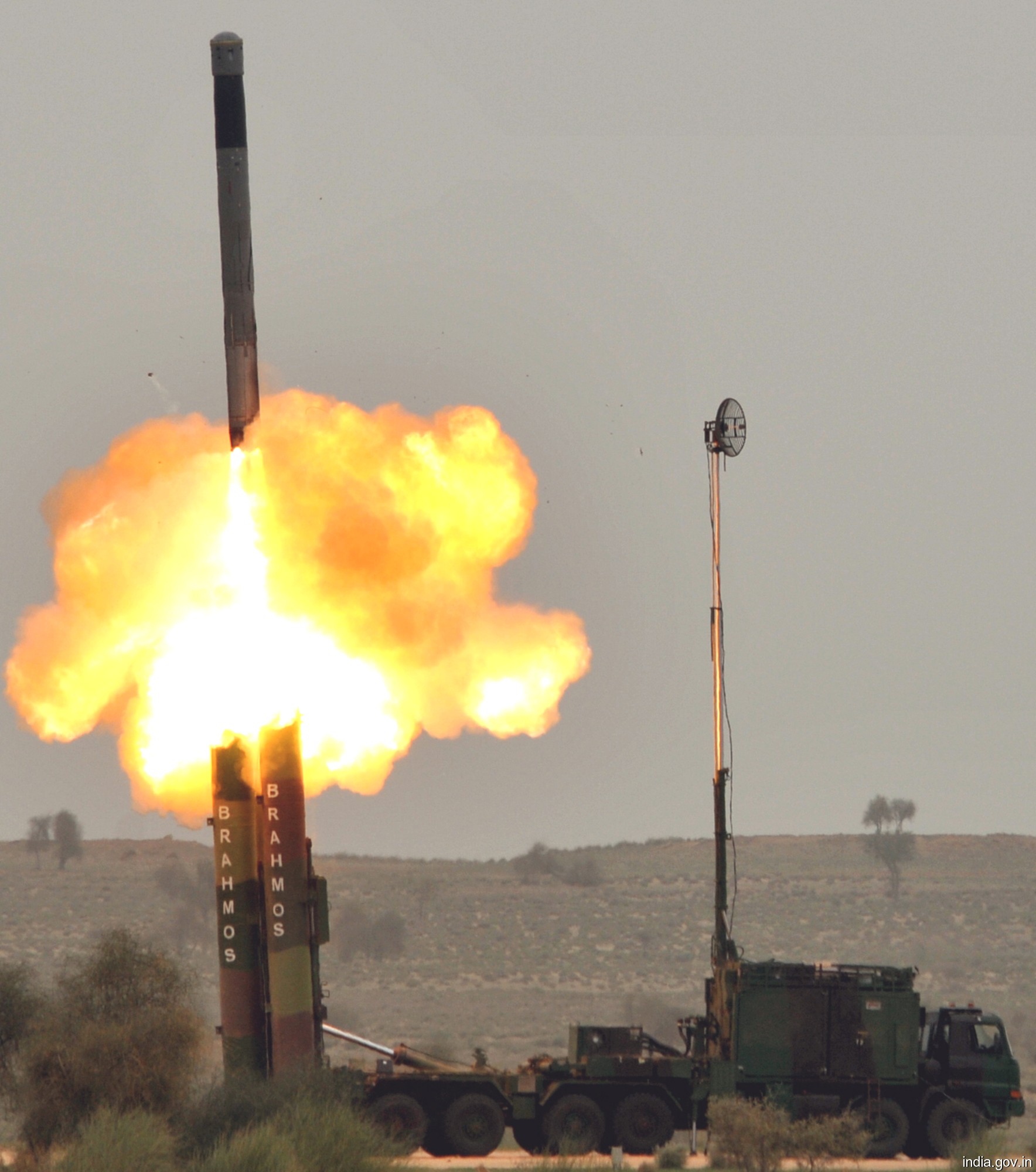 test firing from Transporter Erector Launcher (TEL) 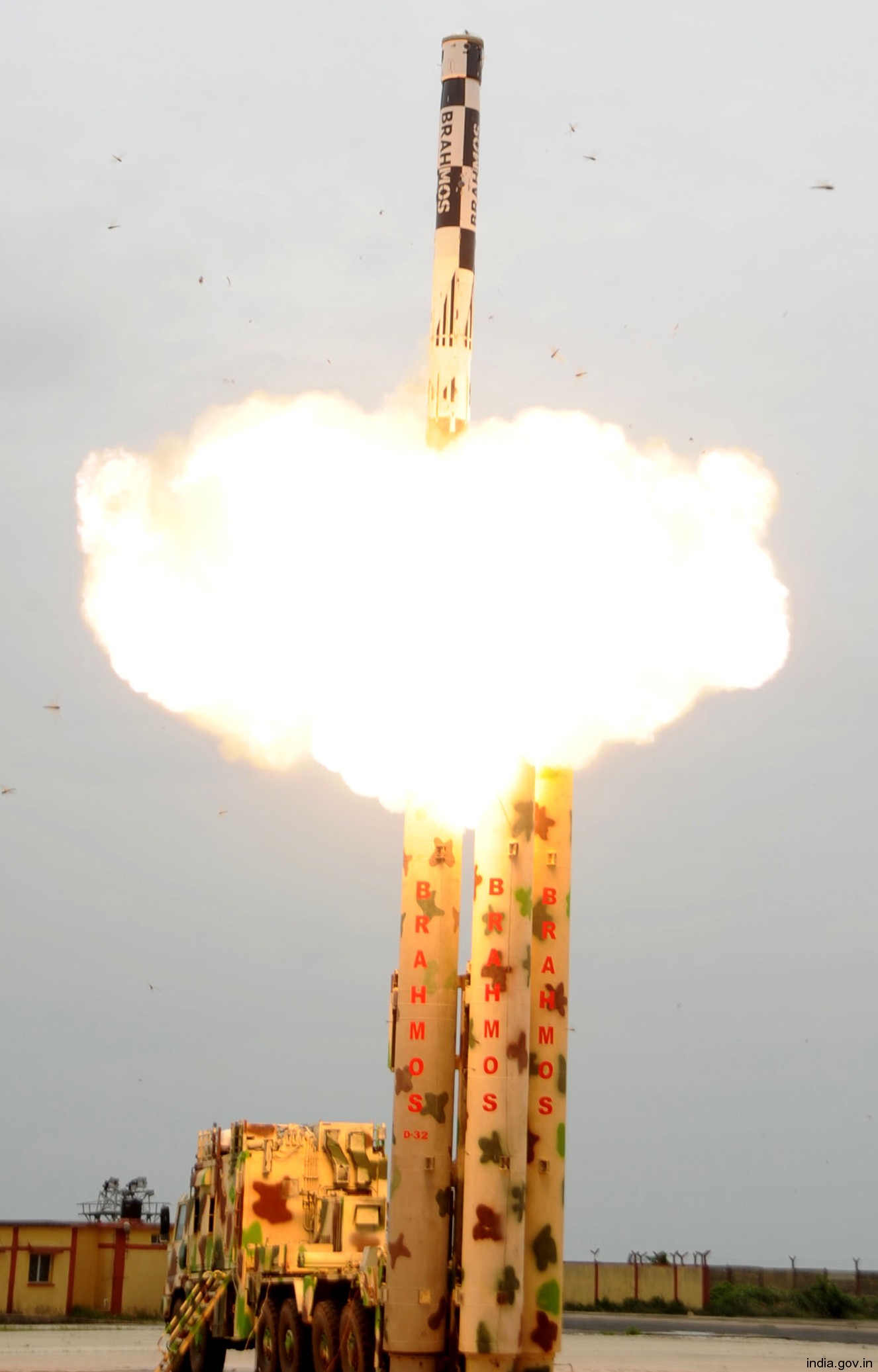 test firing from Transporter Erector Launcher (TEL) 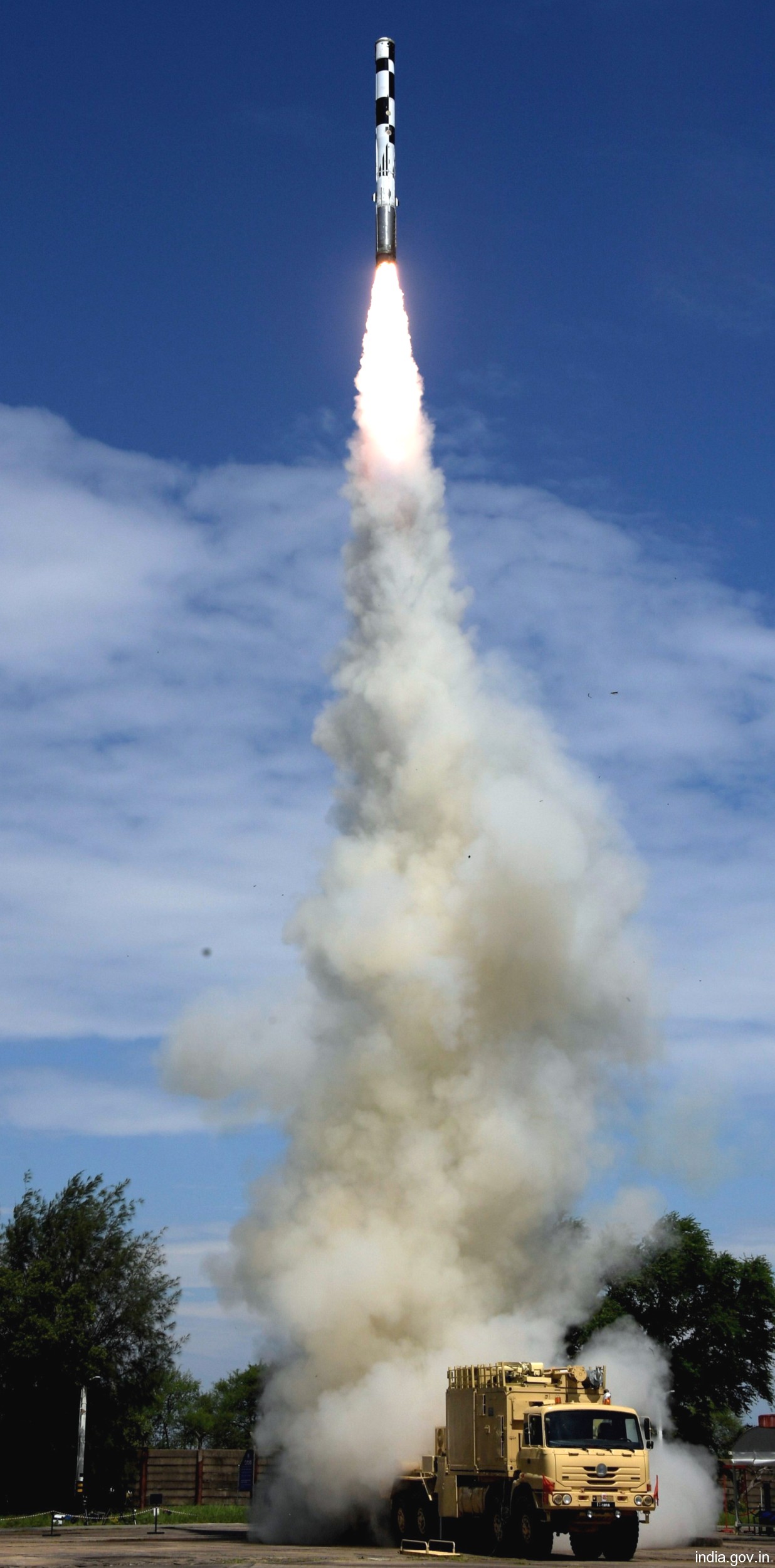 test firing from Transporter Erector Launcher (TEL) 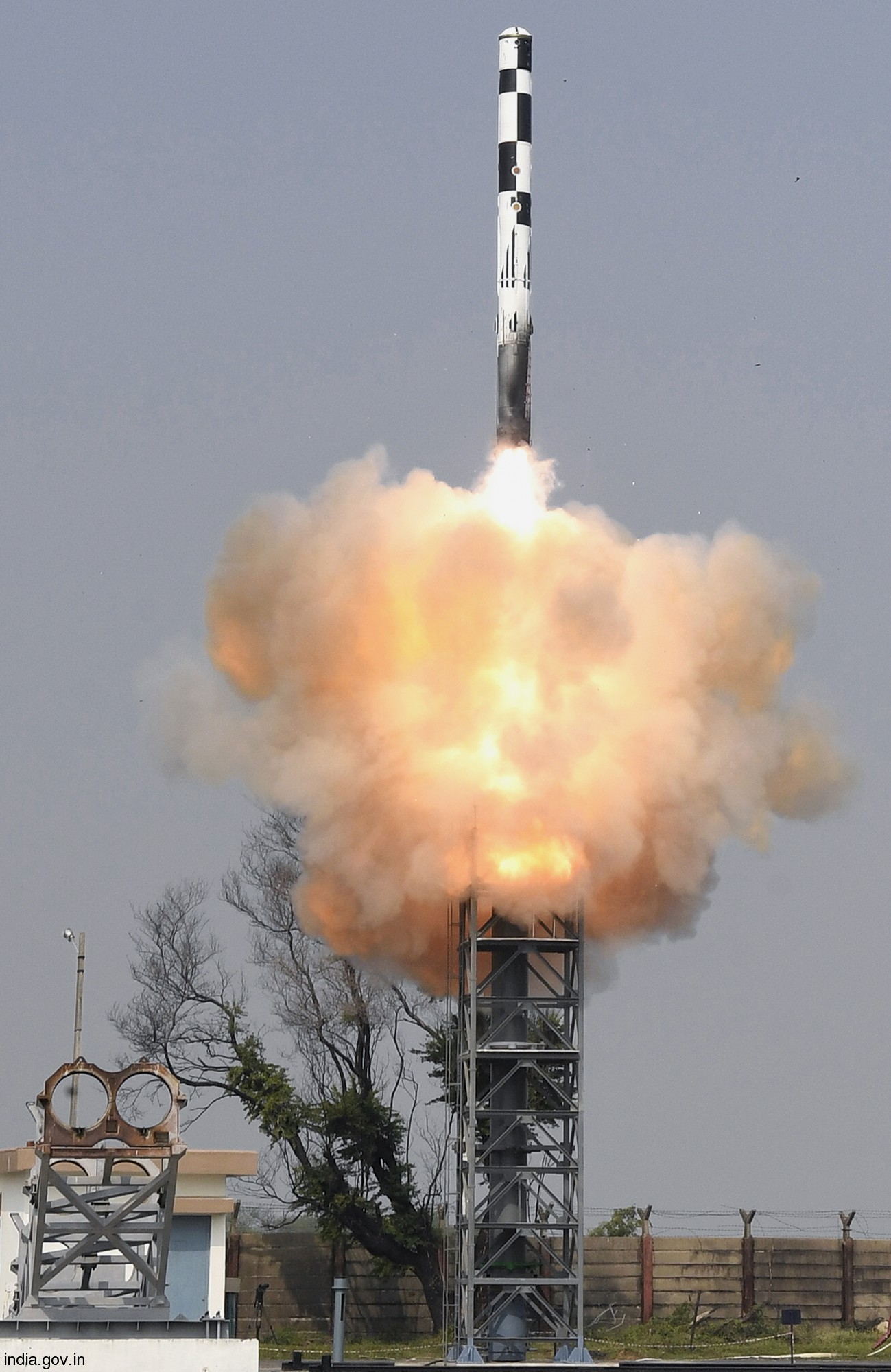 test firing 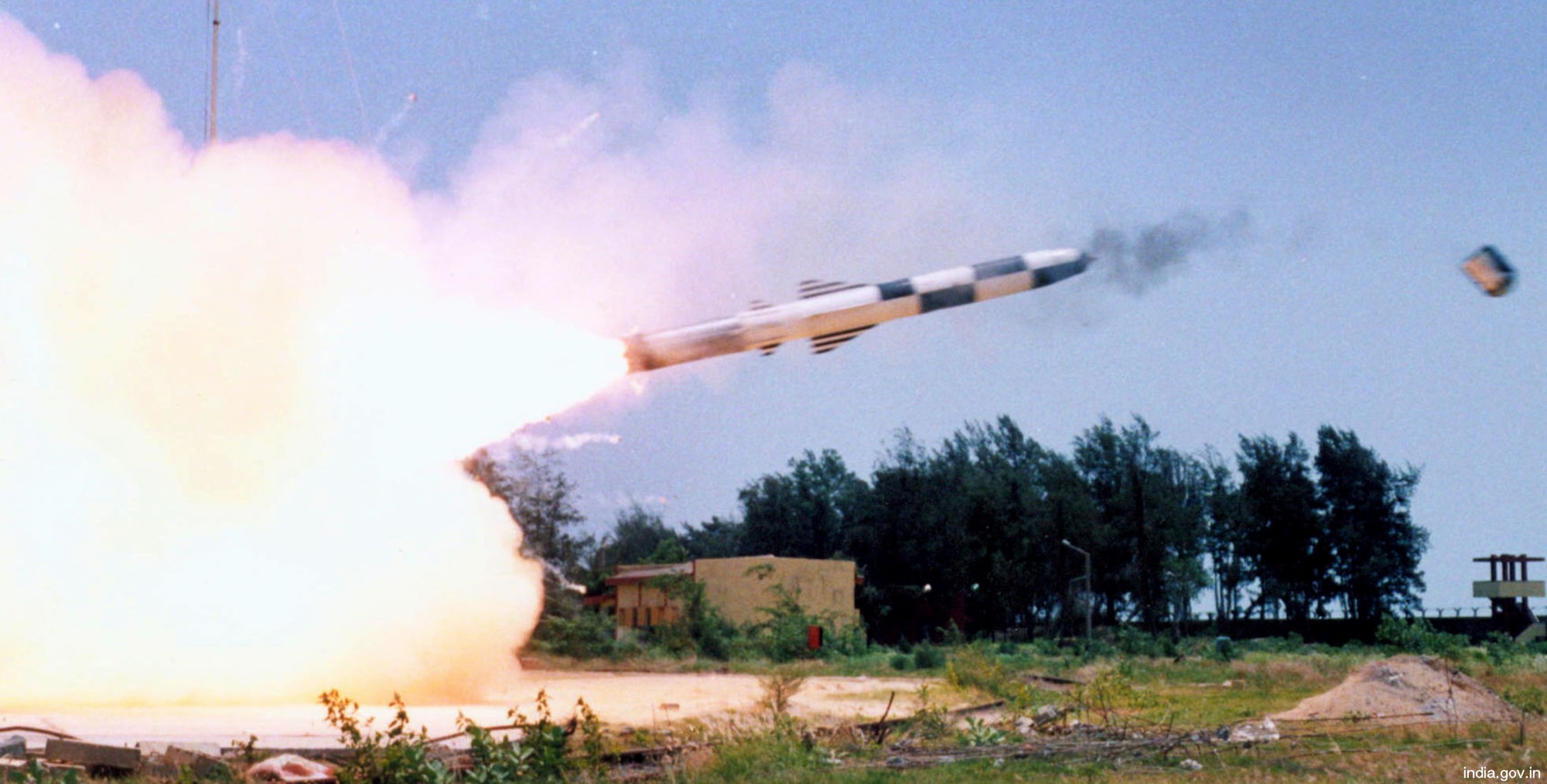 test firing 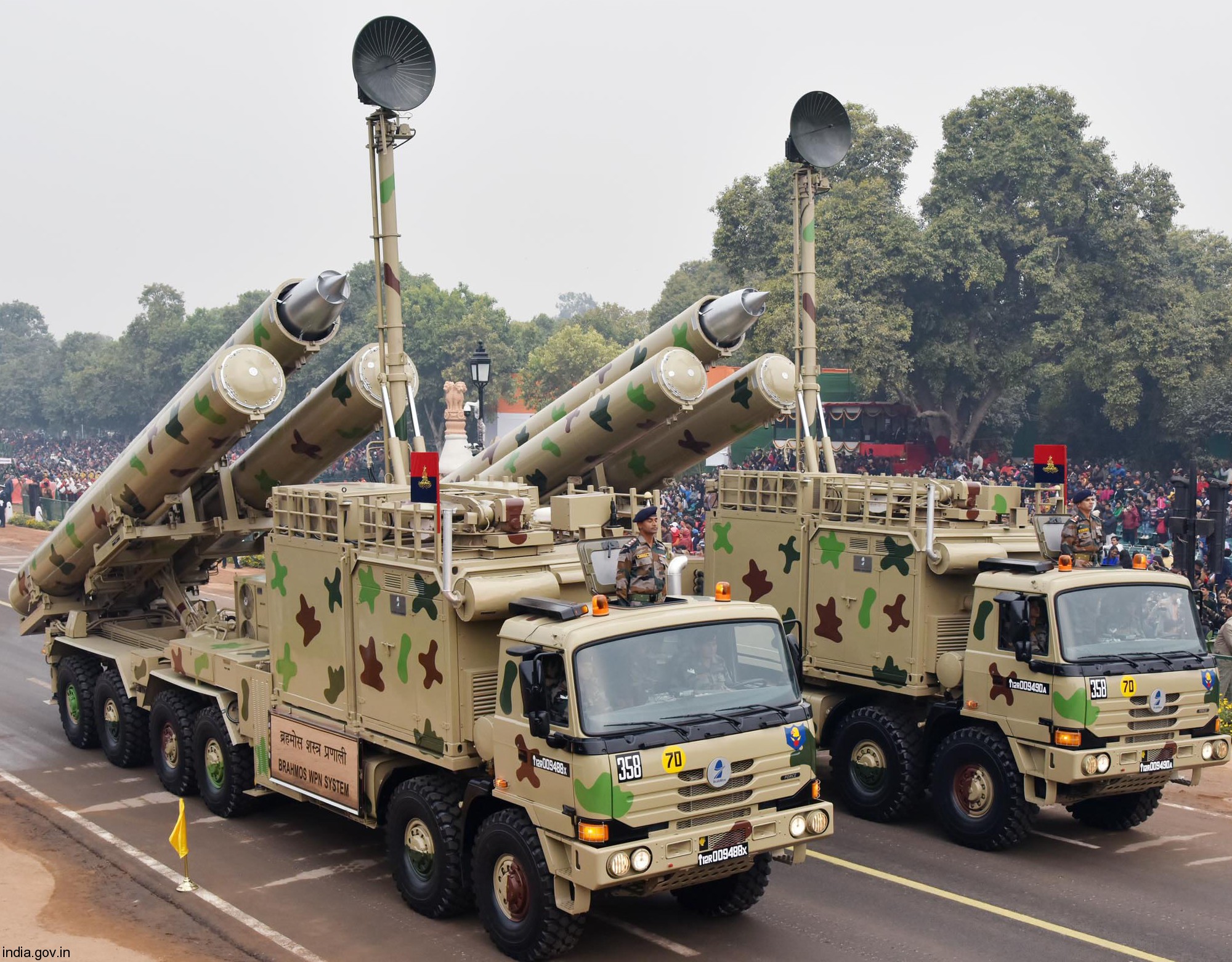 Transporter Erector Launcher (TEL) 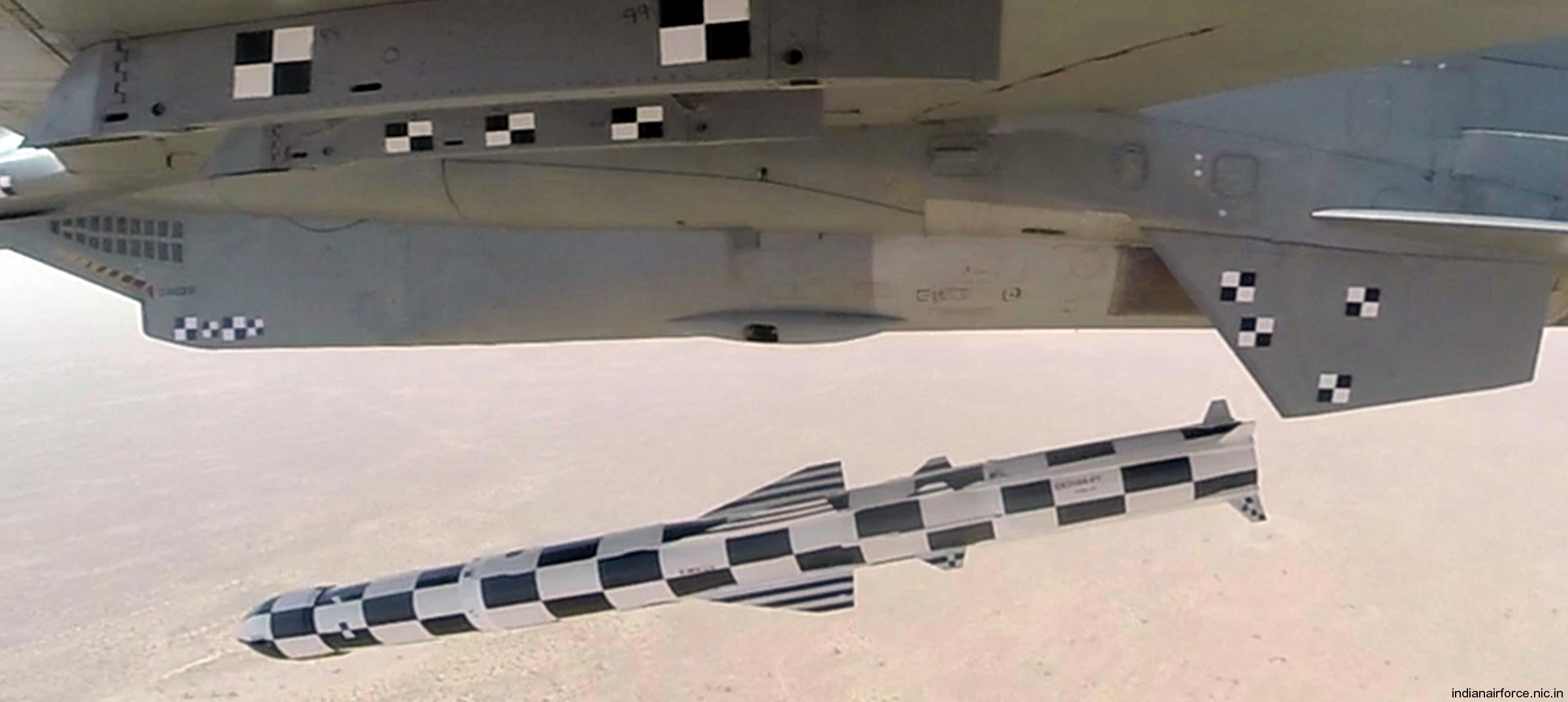 aircraft-launched 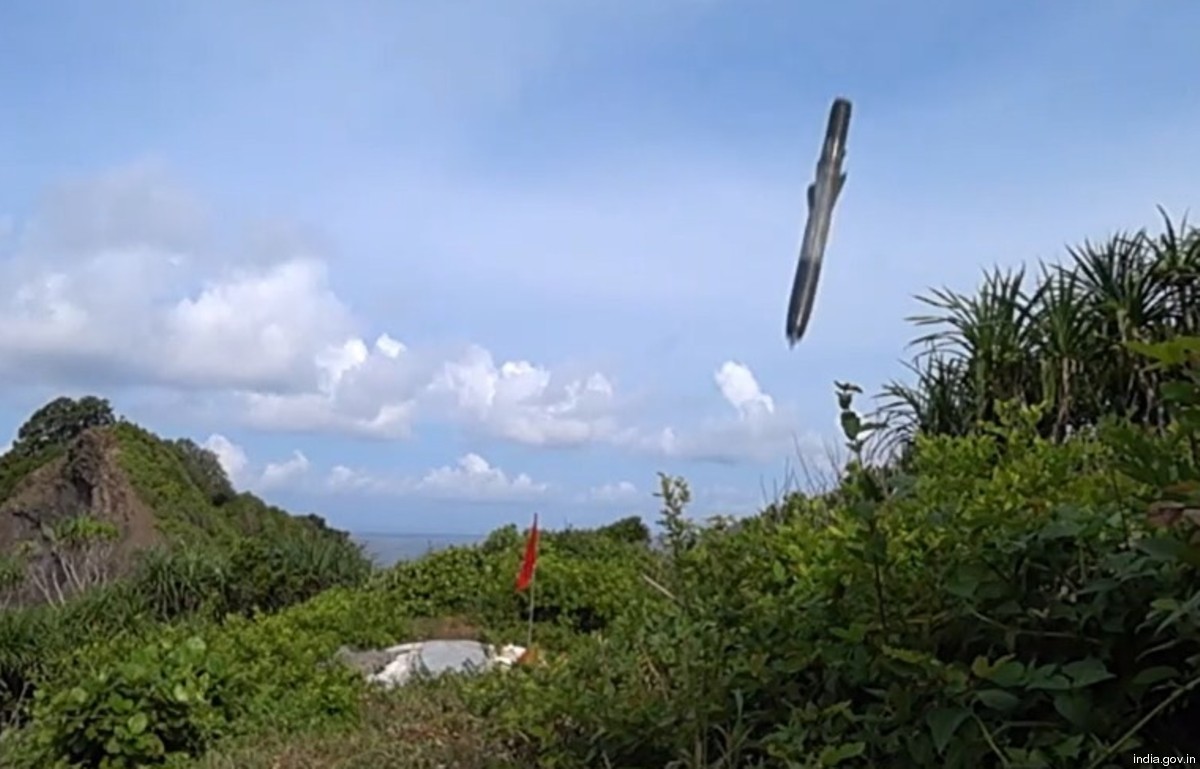 before impact |
|
|
seaforces.org
|
Weapon Systems
start page
| |