|
|
|
HOME
|
US Navy -
ships
|
US Navy - air
units
|
USMC - air
units
|
International
Navies
|
Weapon Systems
|
Special Reports |
|
Surface Vessel Weapon System AK-630 Close-in Weapon System (CIWS) AK-630 / AK-630M / AK-630M1-2 / AK-630M2 / H/PJ-13 |
 |
| 05/26 |
|
The AK-630 is a Soviet and Russian fully automatic naval, rotary
cannon, close-in weapon system. The "630" designation refers to the
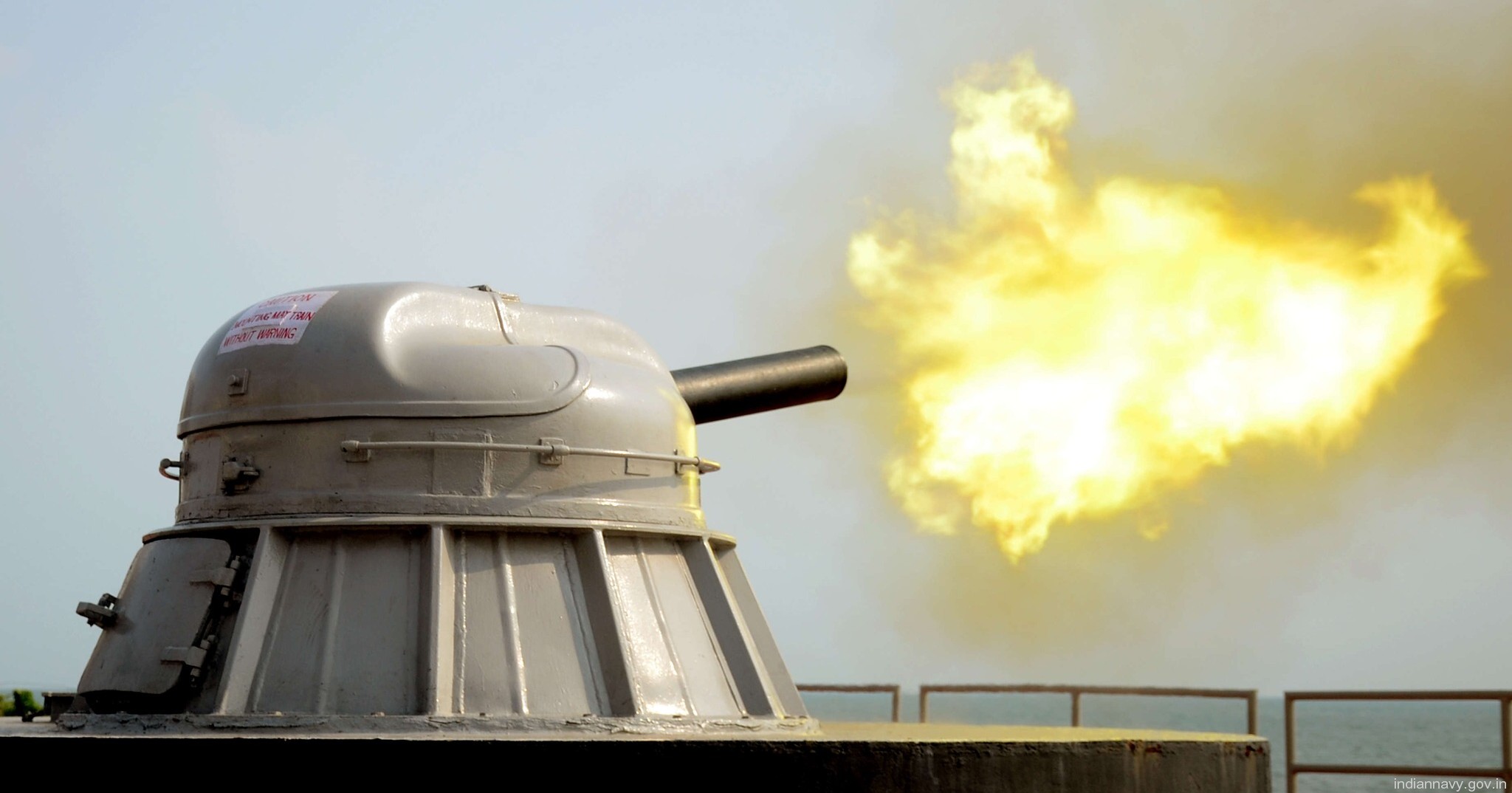
weapon's six gun barrels and their 30 mm caliber. The system is mounted in an enclosed automatic turret and directed by MR-123 fire-control radar and television detection and tracking. The weapon's primary purpose is defense against aircraft and helicopters. As one of the tried-and-true CIWS systems available, effectiveness against anti-ship missiles has been demonstrated over the years in exercises, making it the staple anti-air weapon of most Soviet naval vessels. The AK-630 can also be employed against ships and other small craft, coastal targets, and floating mines. Once operational, the system was rapidly adopted and installed in every new Soviet warship (from mine-hunters to aircraft carriers) with up to eight units on larger vessels; hundreds have been produced in total. The complete weapon system is called A-213-Vympel-A, which comprises the AK-630M Gun Mount, MR-123-02 Fire-Control Radar System, and SP-521 Electrical-Optical Tracker. A single MR-123 radar system (NATO Reporting Name: Bass Tilt) can simultaneously control two guns. The radar system can engage aerial and surface targets at 4 and 5 kilometres (2.5 and 3.1 mi) respectively. The electro-optical system can detect a MiG-21-sized aerial target 7 kilometres (4.3 mi) away, while torpedo boat-sized surface targets can be detected at a range of up to 70 kilometres (43 mi). Features include surveillance and tracking modes, high jamming immunity, laser range finder and TV optical sight. Variants: AK-630 The design of the AK-630 CIWS was initiated in 1963, with the first operational prototype completed in 1964. Trials of the complete system, including radar and controls went on until 1976 when the system was accepted for service. AK-630M During the deployment of the system, numerous problems that did not appear in trials were exposed in its application, and some modification of the original AK-630 was made to correct these problems, and in 1979, the new system was named as AK-630M and was accepted into service. AK-306 A derivative of AK-630M was developed for light craft and this system was named as AK-306. Externally, the air-cooled AK-306 can be distinguished from the AK-630 by the absence of the water cooling system (a cylindrical jacket that surrounds the barrel cluster of the AK-630). Internally, the AK-306 (A-219) used electricity to power the automatics, instead of using the exhaust. This version also lacked radar control, being only optically guided, hence making it less of an anti-missile weapon and more of a surface-to-surface weapon, and the designation of the overall system is consequently changed from A-213-Vympel-A to A-219. The design started in 1974 and the system was accepted into service in 1980. When production was completed in 1986, 125 systems were in service. AK-630M1-2 In 1983, a decision was made to update the design and modify the AK-630 system to include a second gun mounted above the first, which provides 10,000 rpm in total. The AK-630M1-2 "Roy" was roughly the same size and weight allowing installation in existing AK-630 mounts. Though the system proved to be successful, the AK-630M1-2 Roy was not accepted for production due to the maturity of a combined missile and gun system, then designated the 3M87 Kortik, but later called Kashtan. AK-630M2 In July 2007 at IMDS-2007, a modernized version of the AK-630M1-2 called AK-630M2 with two AO-18KD rotary cannons was showcased by OAO AK Tulamashzavod under the new name "Duet". Visually "Duet" differs from "Roy" in having a new mount with a stealthy low RCS design compared with the more traditional rounded AK-630 mounts. In 2012 it was announced that the new Ivan Gren class landing ship would be armed with the modified AK-630M2 system. It is also used by the Buyan-M class missile corvette. H/PJ-13 H/PJ-13 is the Chinese upgraded version of AK-630M. The most obvious visual difference between AK-630 and its Chinese cousin H/PJ-13 is that the latter has a stealth turret. Instead of MP-123-02 fire-control radar originally used on AK-630M, a modified version of Type 347 radar is used. The original electro-optical system of AK-630M is also replaced by domestic Chinese system ZGJ-1B, and the fire control system is replaced by domestic Chinese ZFJ-1A fire control system. To improve its anti-missile capability, Chinese have also developed APDS round for H/PJ-13 to supplement/replace the original high explosive round of the AK-630M. Specifications: Mass (Gun Mount): 1,000 kg (2,200 lb) (AK-630) / 1,800 kg (4,000 lb) (AK-630M) / 2,500 kg (5,500 lb) (AK-630M-2) Barrel length: 1,629 mm (64 in) (total) / 1,460 mm (57 in) (rifled) Width: 1,240 mm (49 in) (mount ring) Height: 1,070 mm (42 in) (above deck) / 2,050 mm (81 in) (below deck) Gun: Gryazev-Shipunov GSh-6-30 AO-18 autocannon Caliber: 30x165mm Barrels: 6 (AK-630M) / 2x6 (AK-630M1-2) Shell: HEI-Frag, Frag-T Shell weight: 0.39 kg (0.86 lb) Action: Gas-operated rotary cannon Elevation: +88° to -12° (50°/sec) / +90° to -25° (60°/sec) AK-630M-2 Traverse: ±180° (70°/sec) / ±180° (80°/sec) AK-630M-2 Rate of fire: 4,000-5,000 rounds/min (AK-630M) / 10,000 rounds/min (AK-630M1-2) Muzzle velocity: 880-900 m/s (2,900-3,000 ft/s) Maximum firing range: Projectiles self-destruct past 5,000 m (16,000 ft) Effective firing range: 4,000 m (13,000 ft) (aerial) / 5,000 m (16,000 ft) (maritime) / 5,000 m (16,000 ft) (all, AK-630M-2) Feed system - belt: 2,000 rounds (additional 1,000 rounds in reserve feed in AK-630M) / 4,000 rounds (AK-630M1-2) Sights: Radar / TV-optical Manufacturer: JSC Tulamashzavod (Tula Machine-Building Plant), Tula, Russia Advanced Weapons and Equipment India Limited (AWEIL), Kanpur, India |
| images |
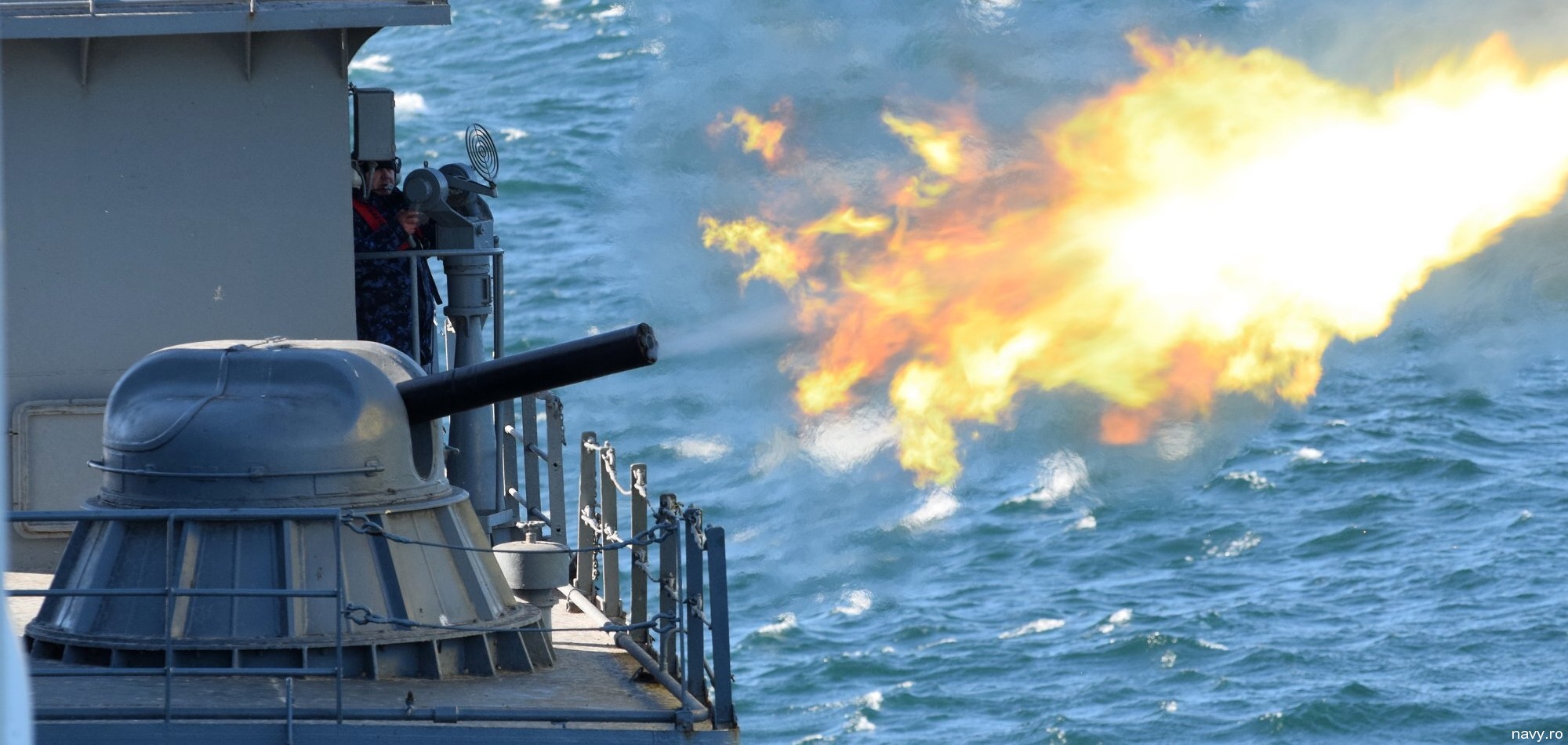 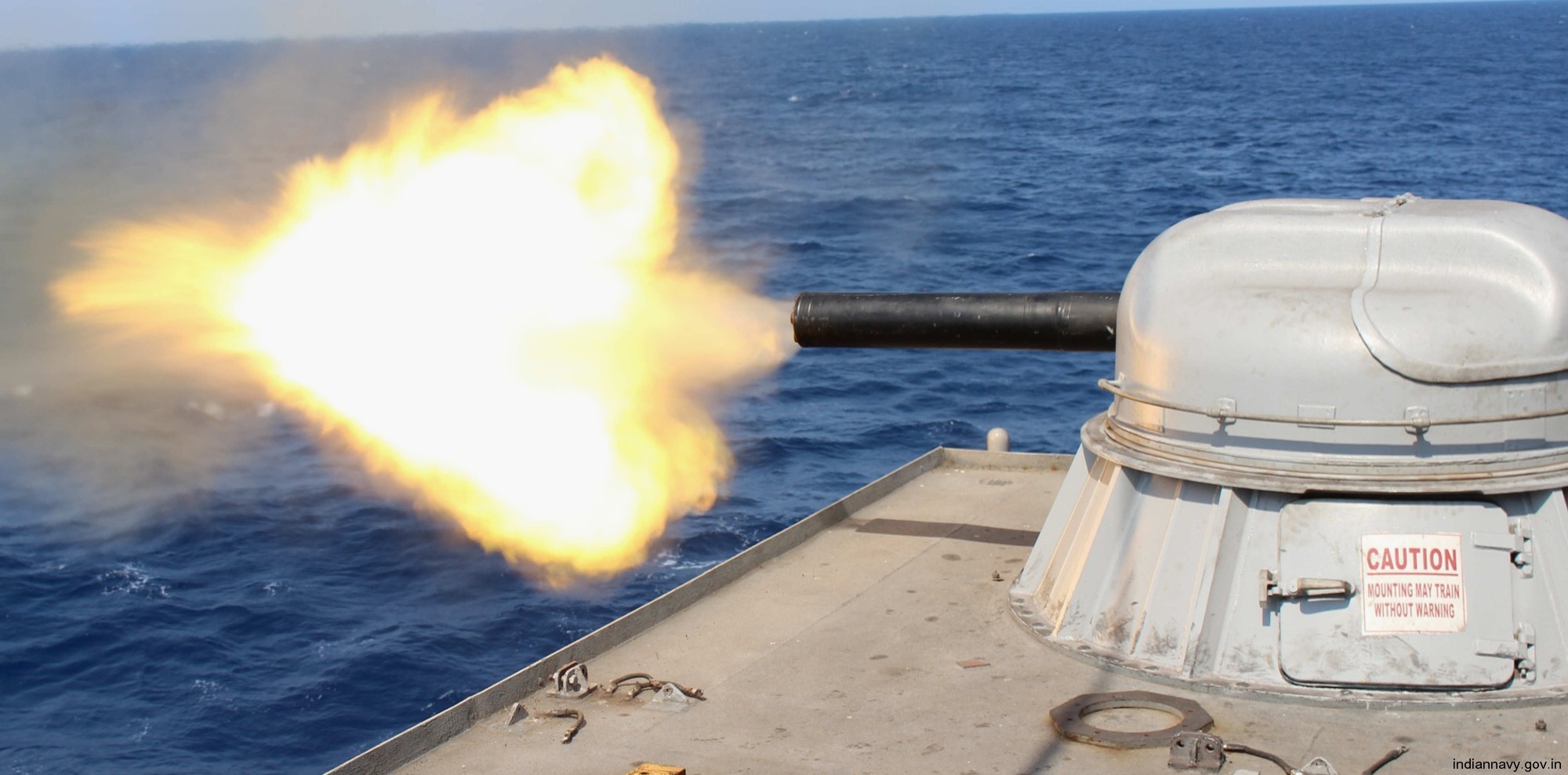 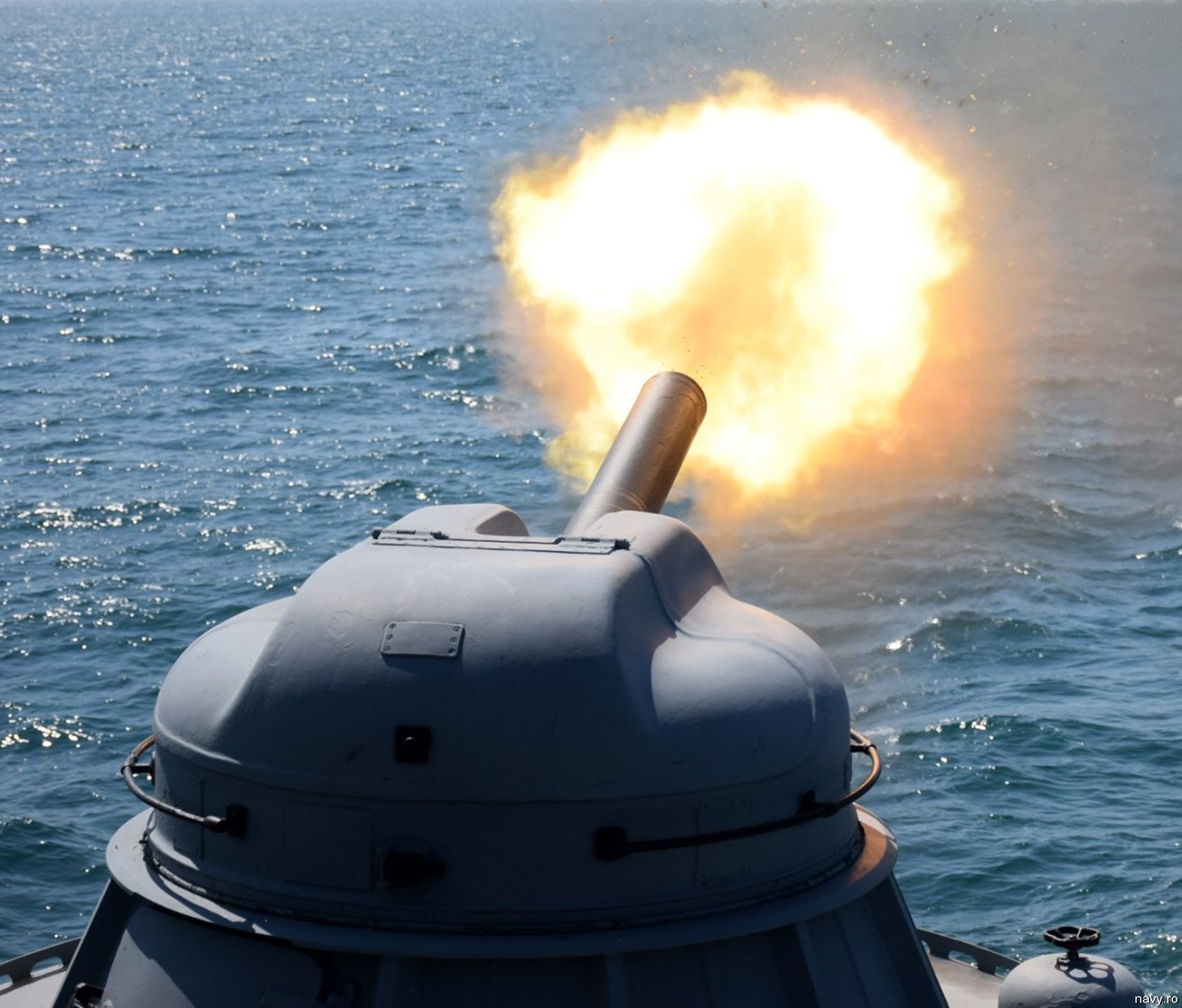 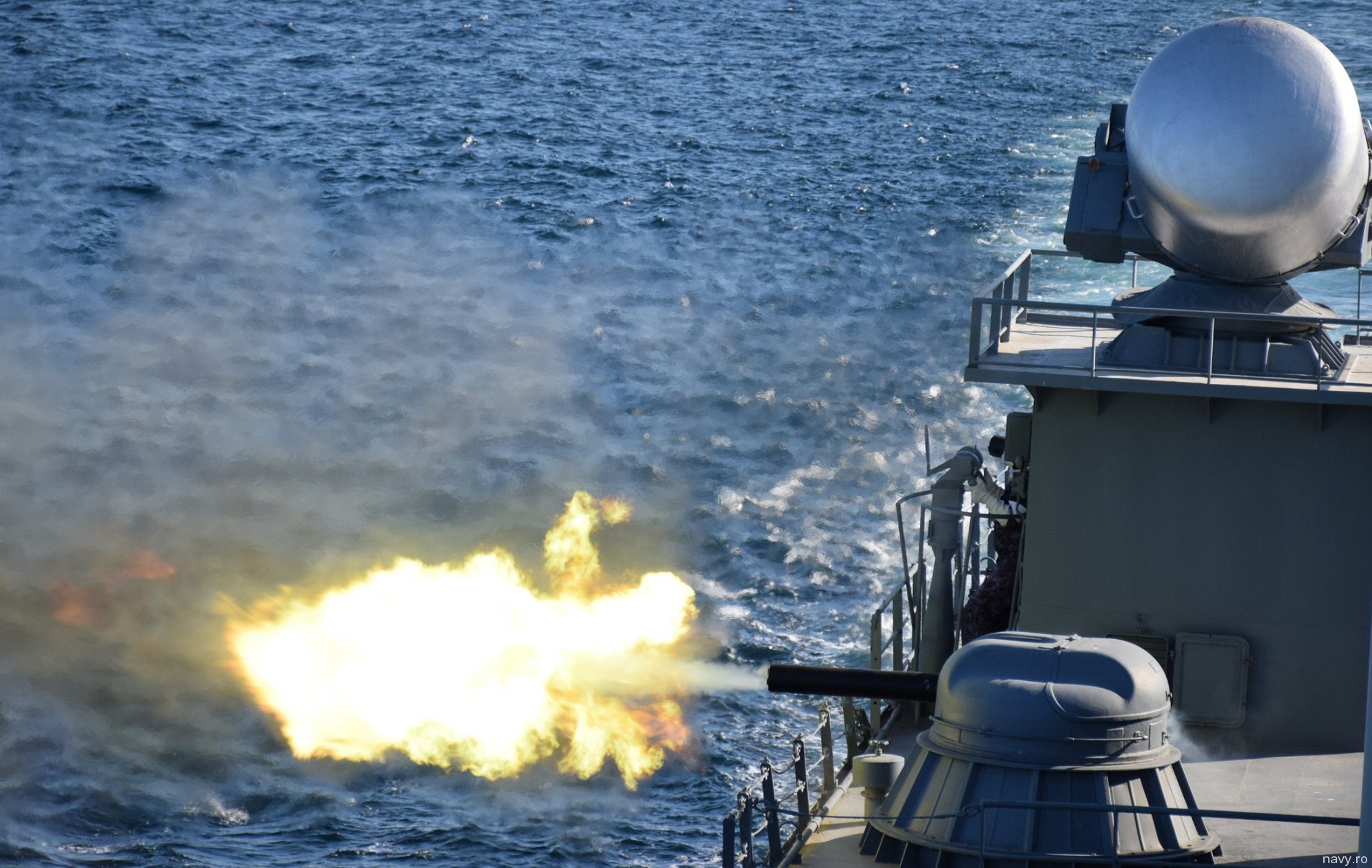 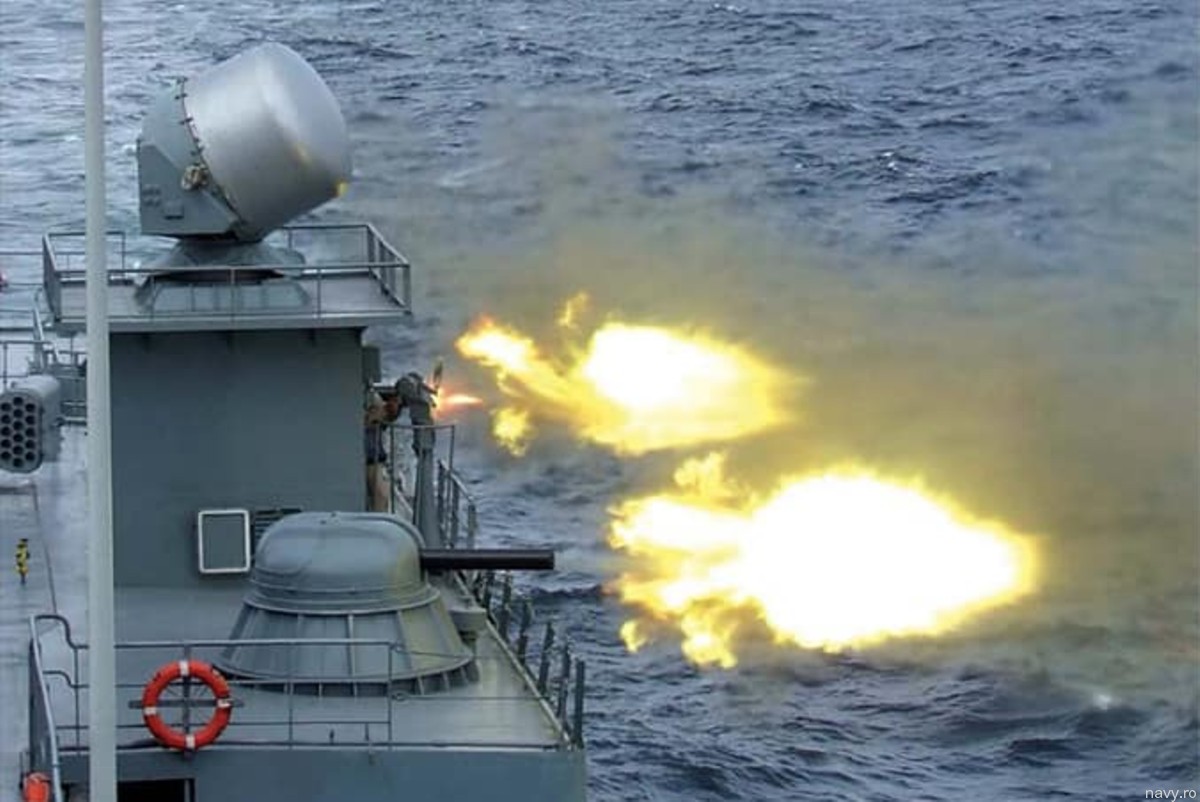 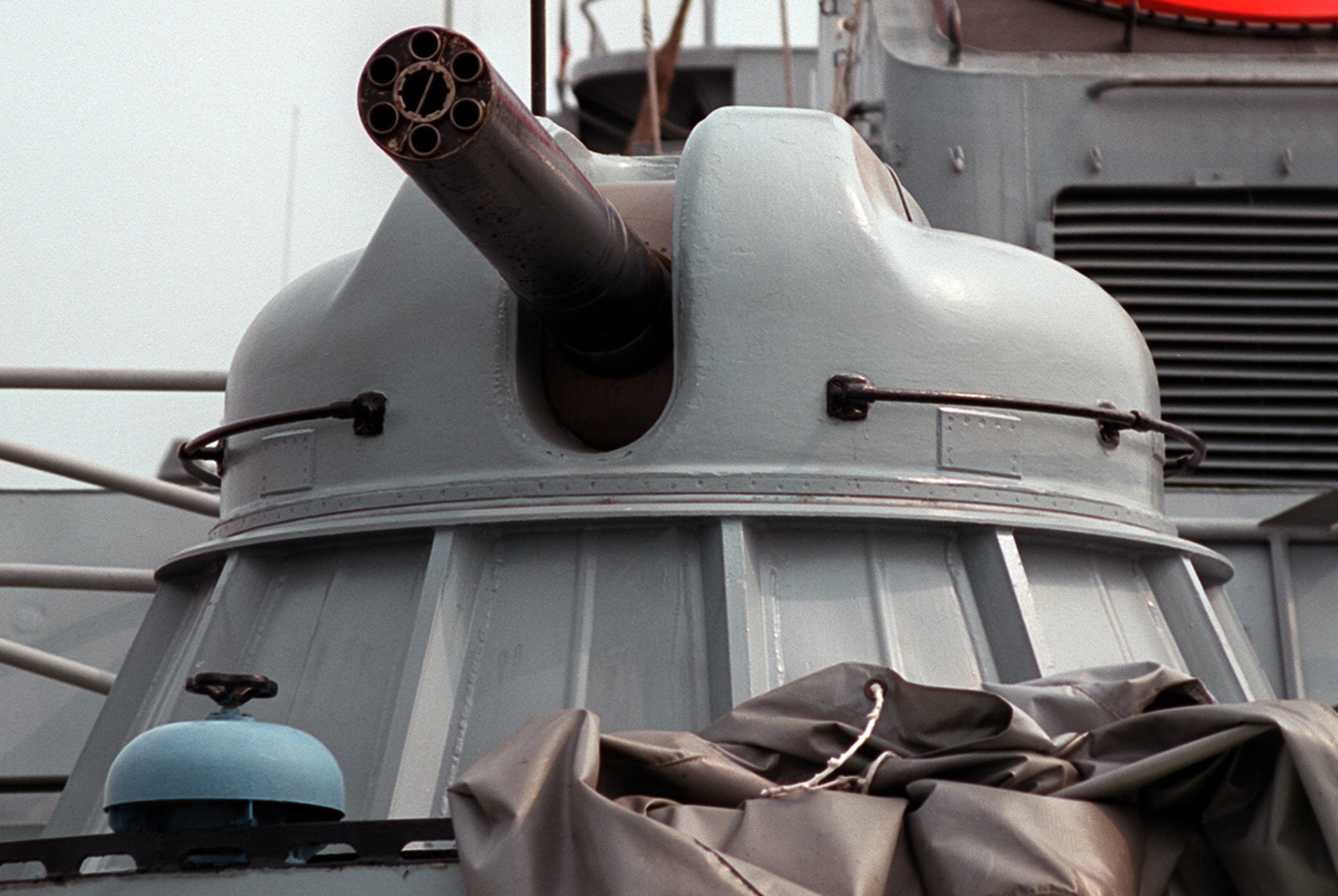 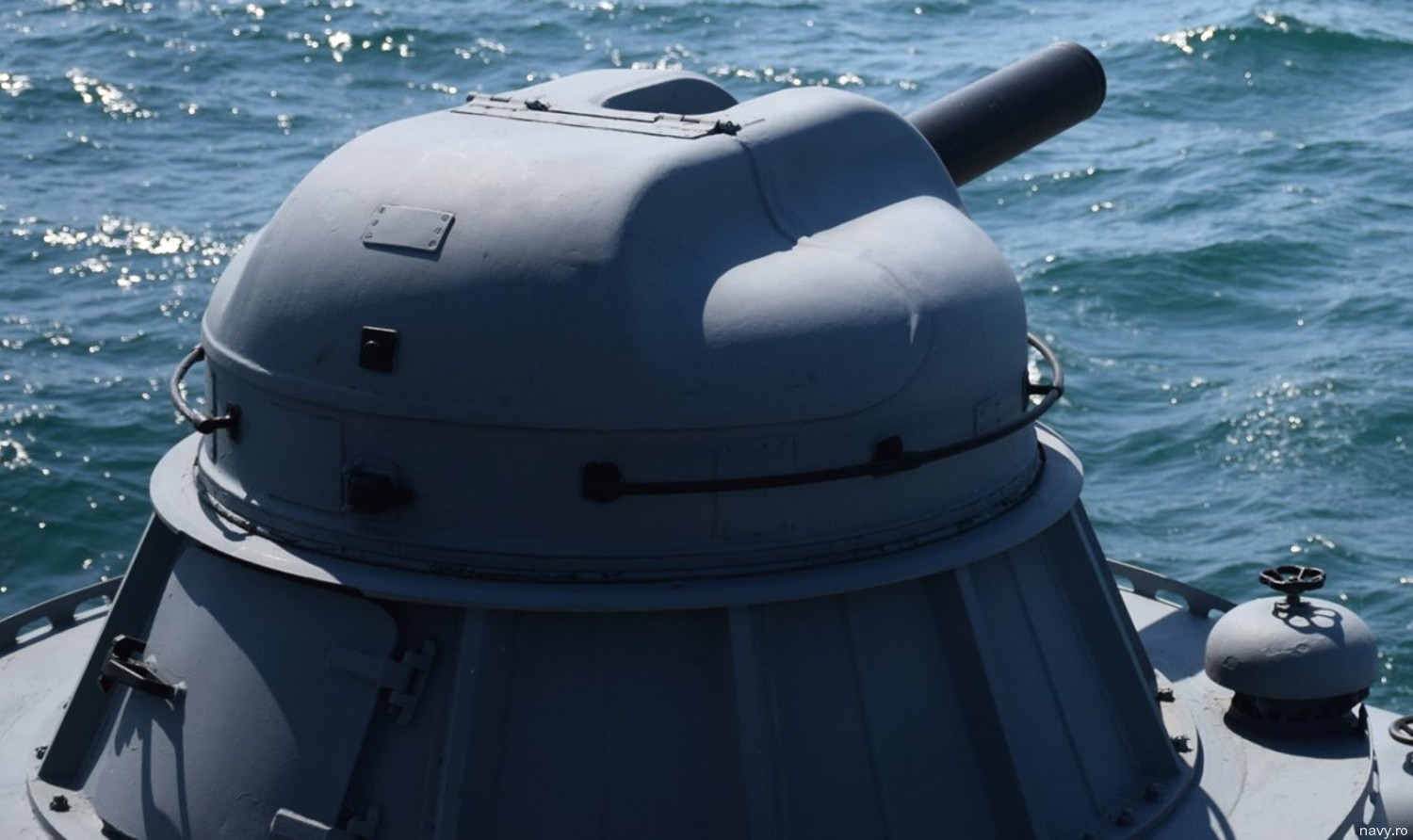 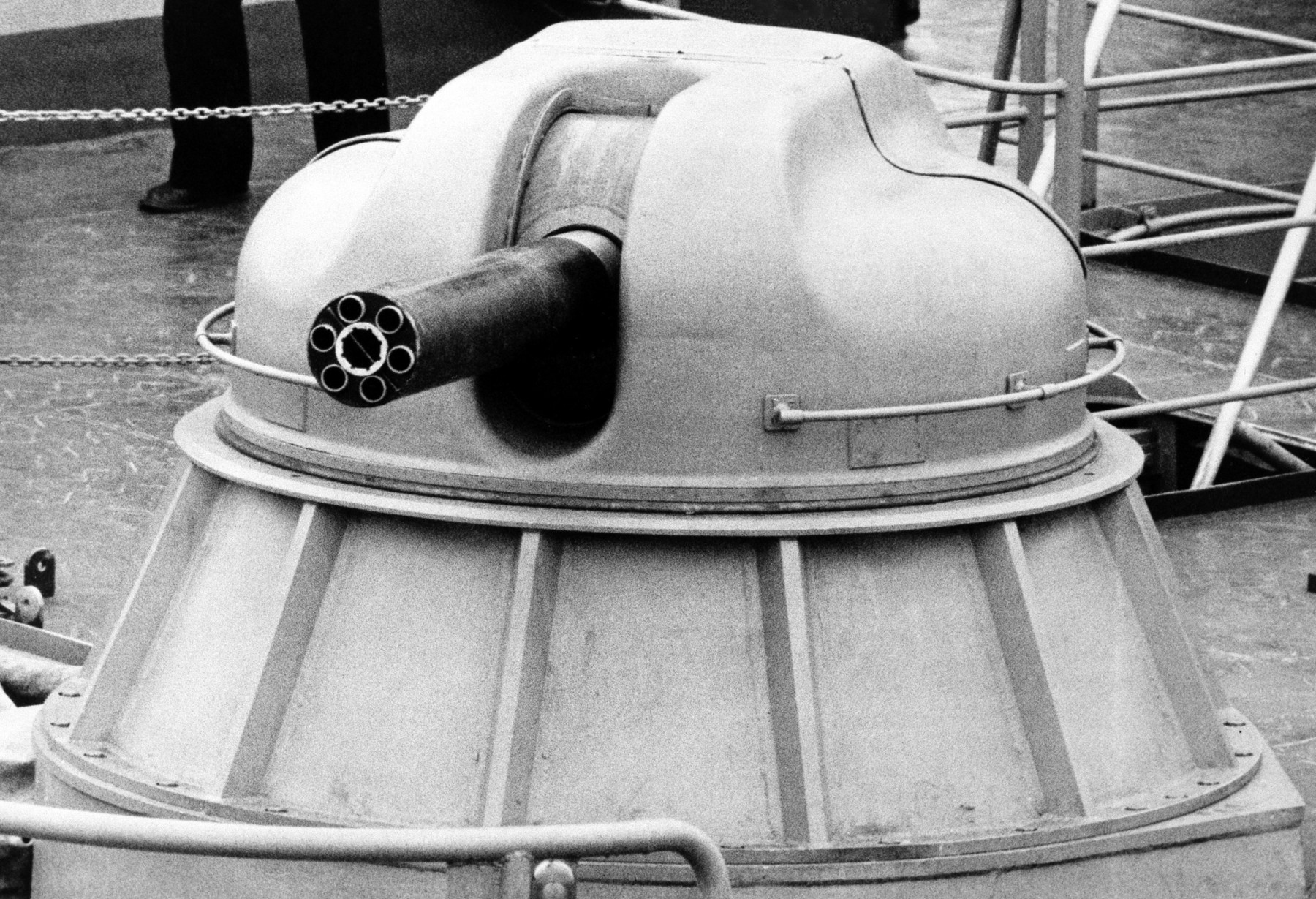 H/PJ-13 (Chinese-produced CIWS, based on the Russian AK-630M) 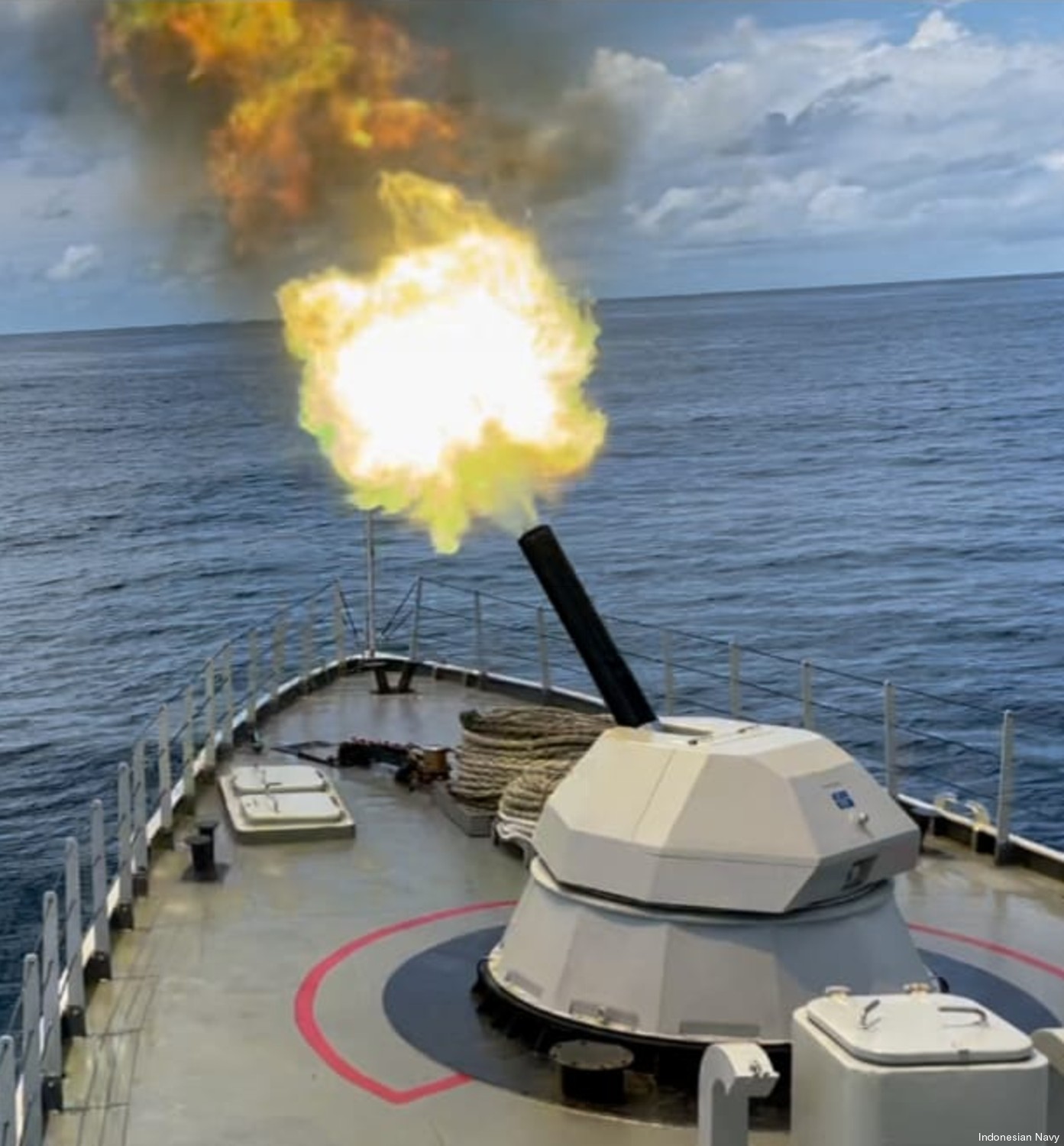 |
|
|
seaforces.org
|
Weapon Systems
start page
| |
