|
|
|
HOME
|
US Navy -
ships
|
US Navy - air
units
|
USMC - air
units
|
International
Navies
|
Weapon Systems
|
Special Reports |
|
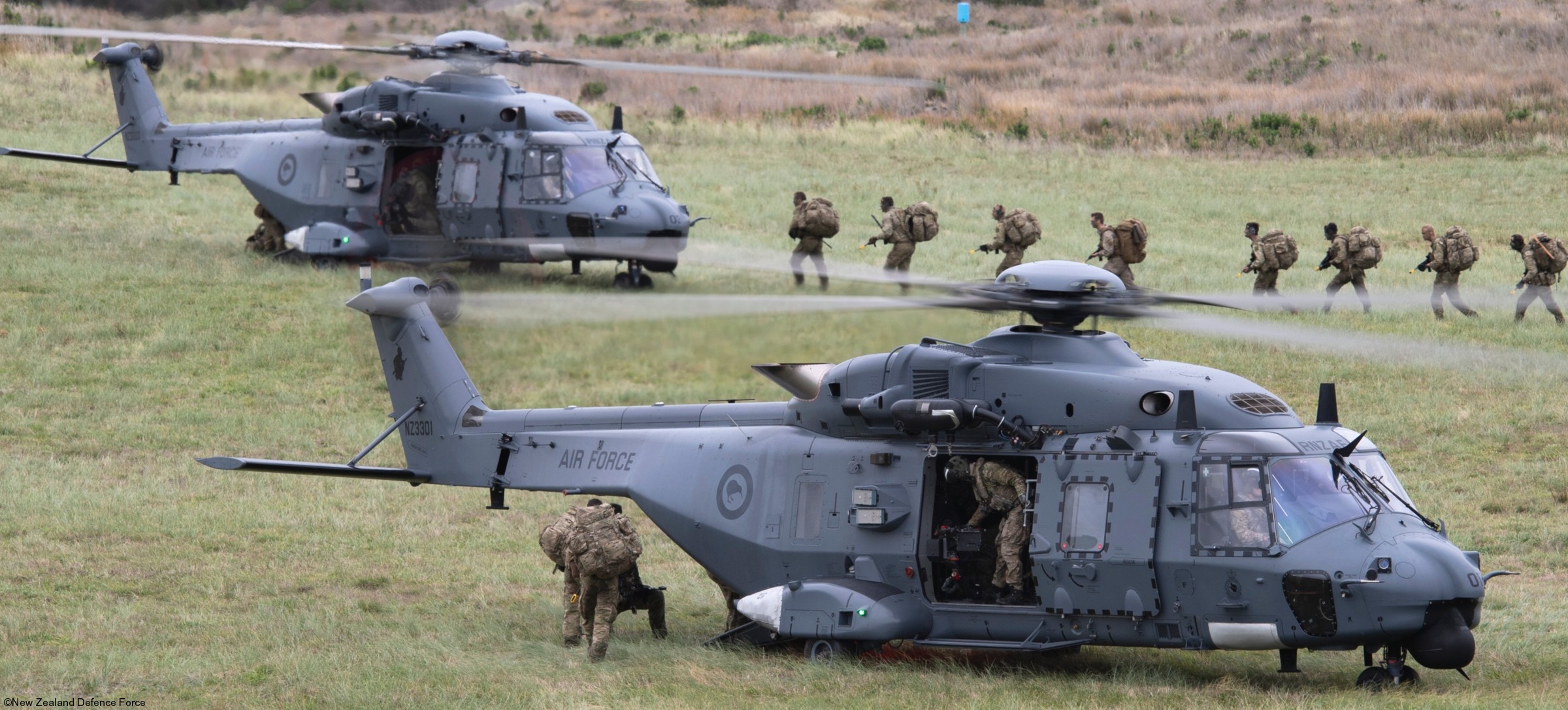
Royal New Zealand Air Force - Helicopter NHIndustries NH90 TTH |
 |
| 02/26 |
| Aircraft: |
|
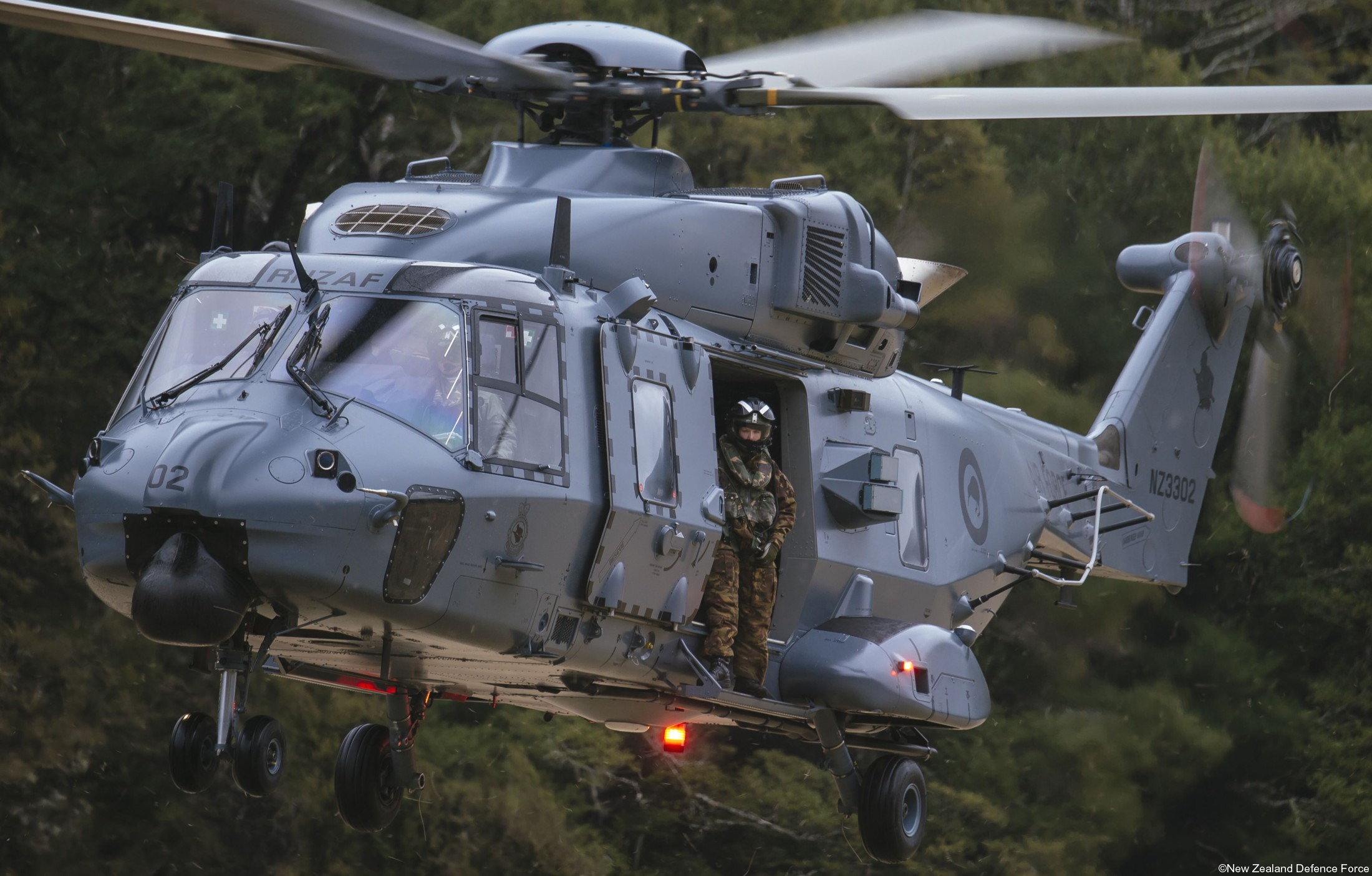
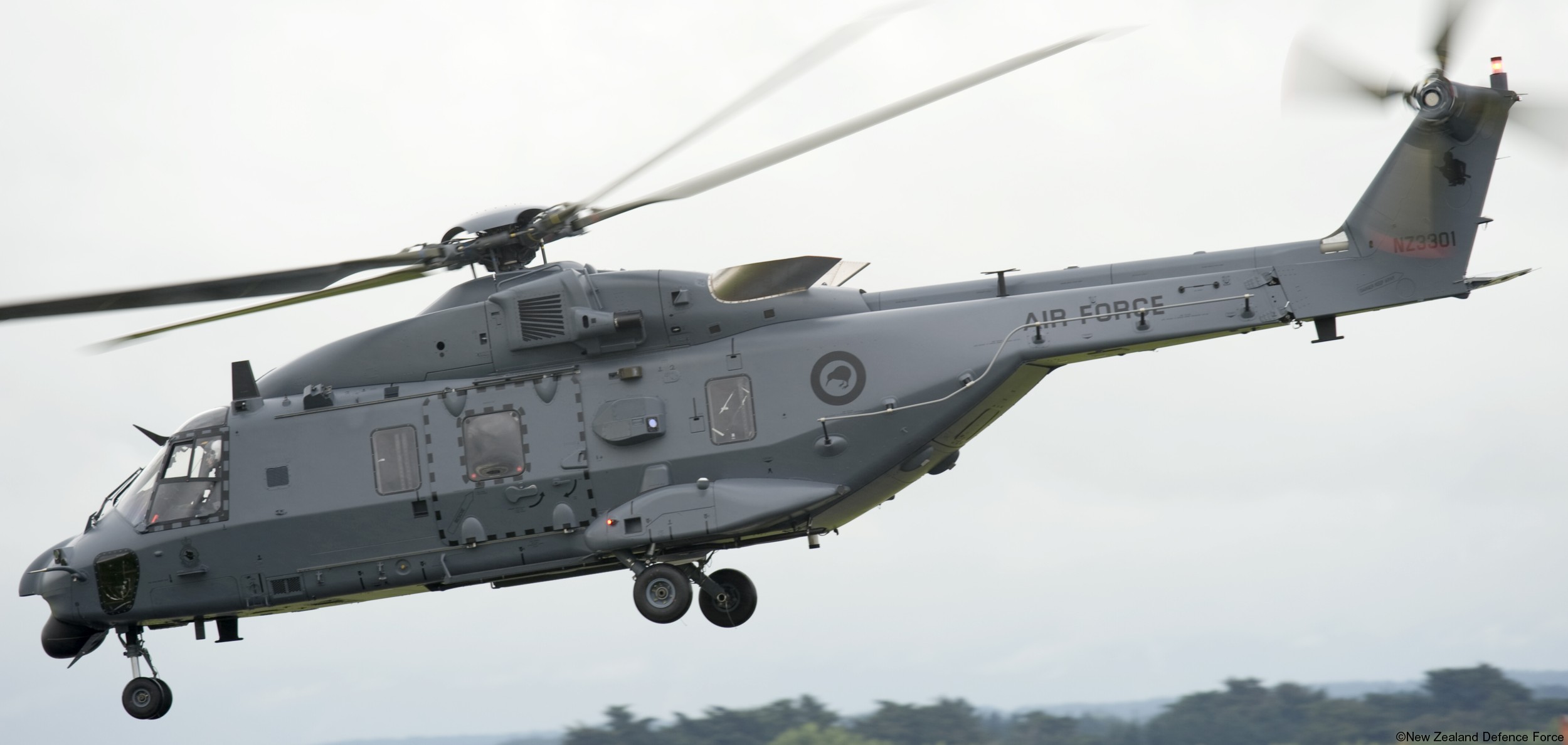
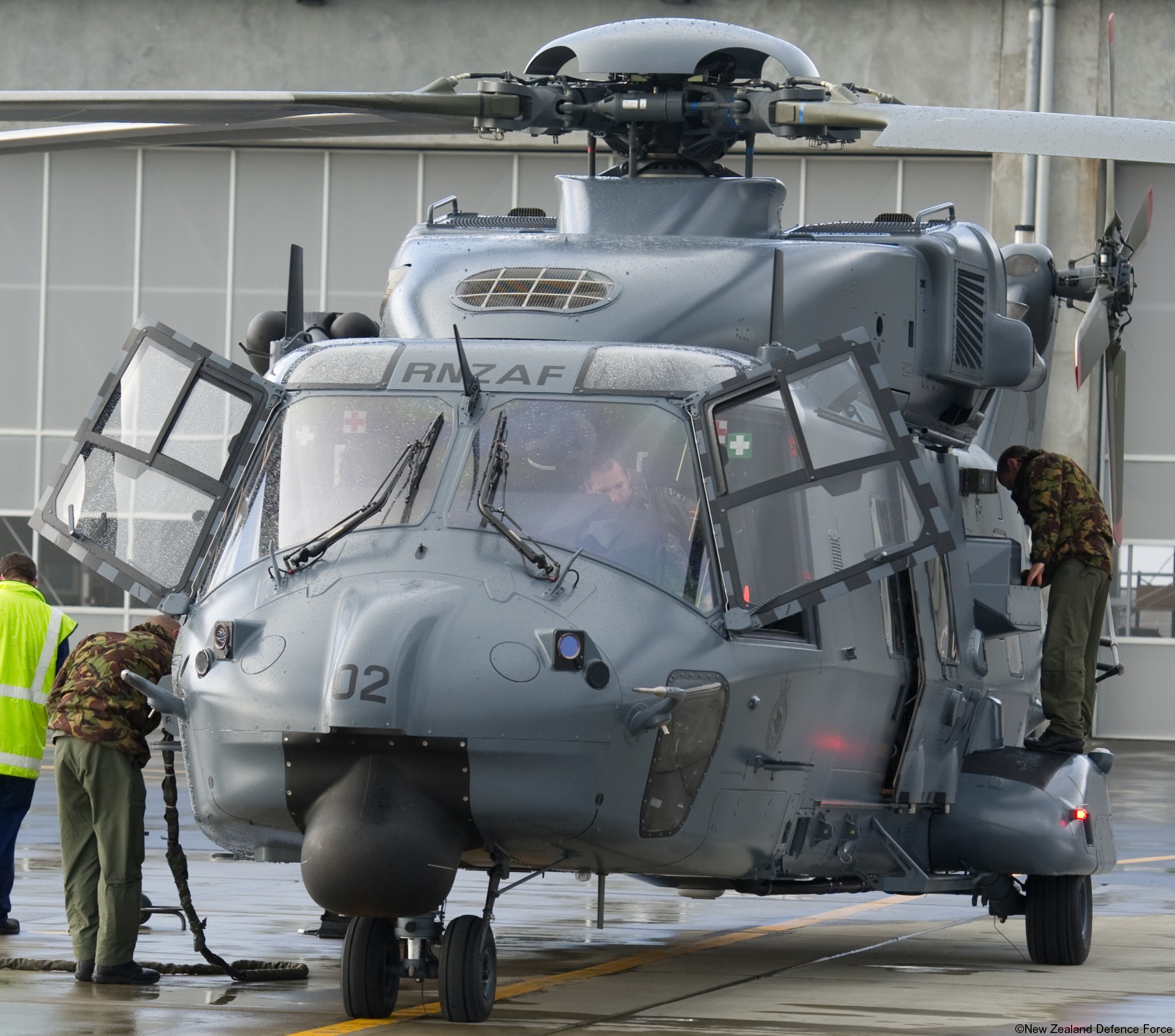
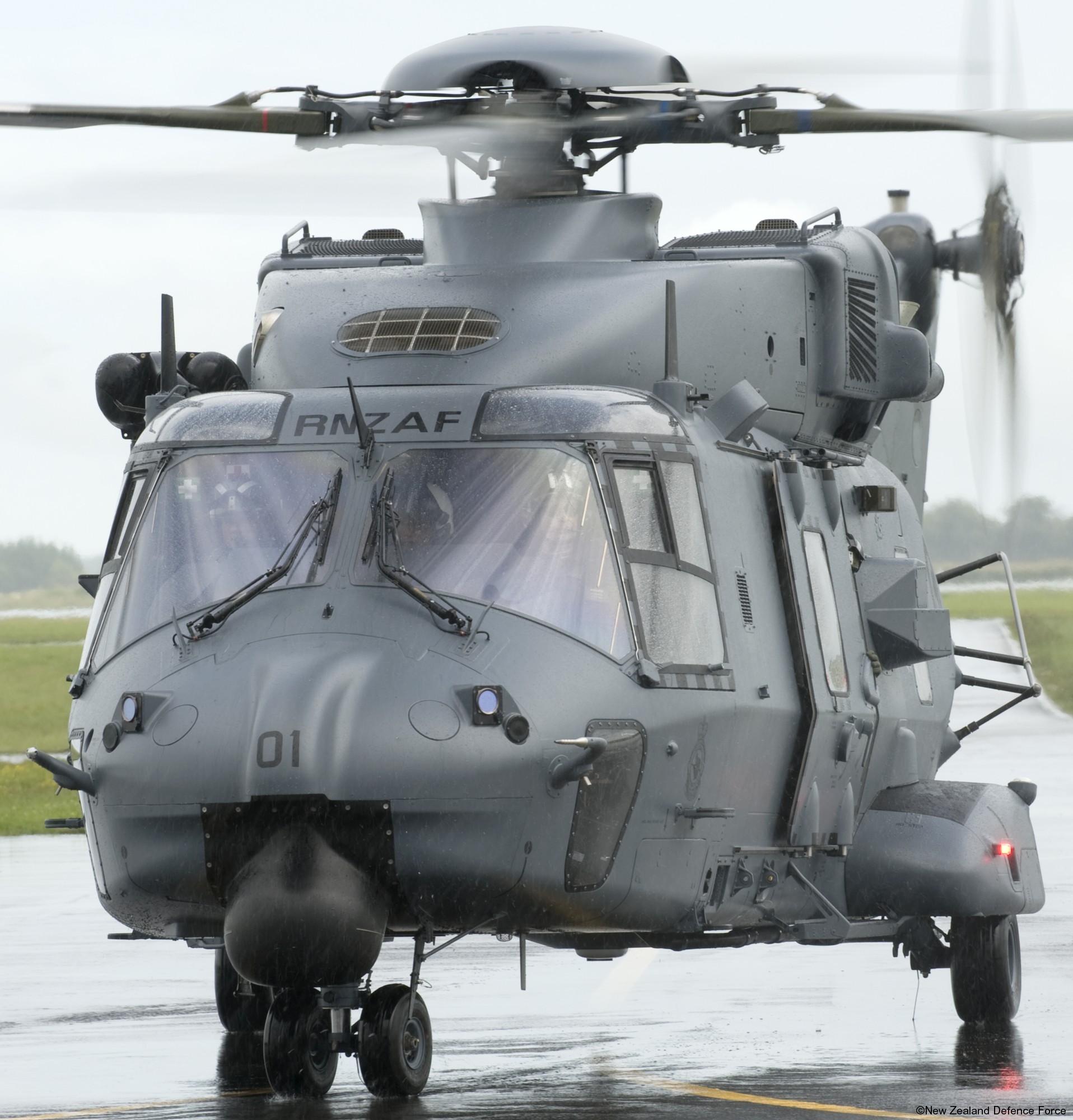
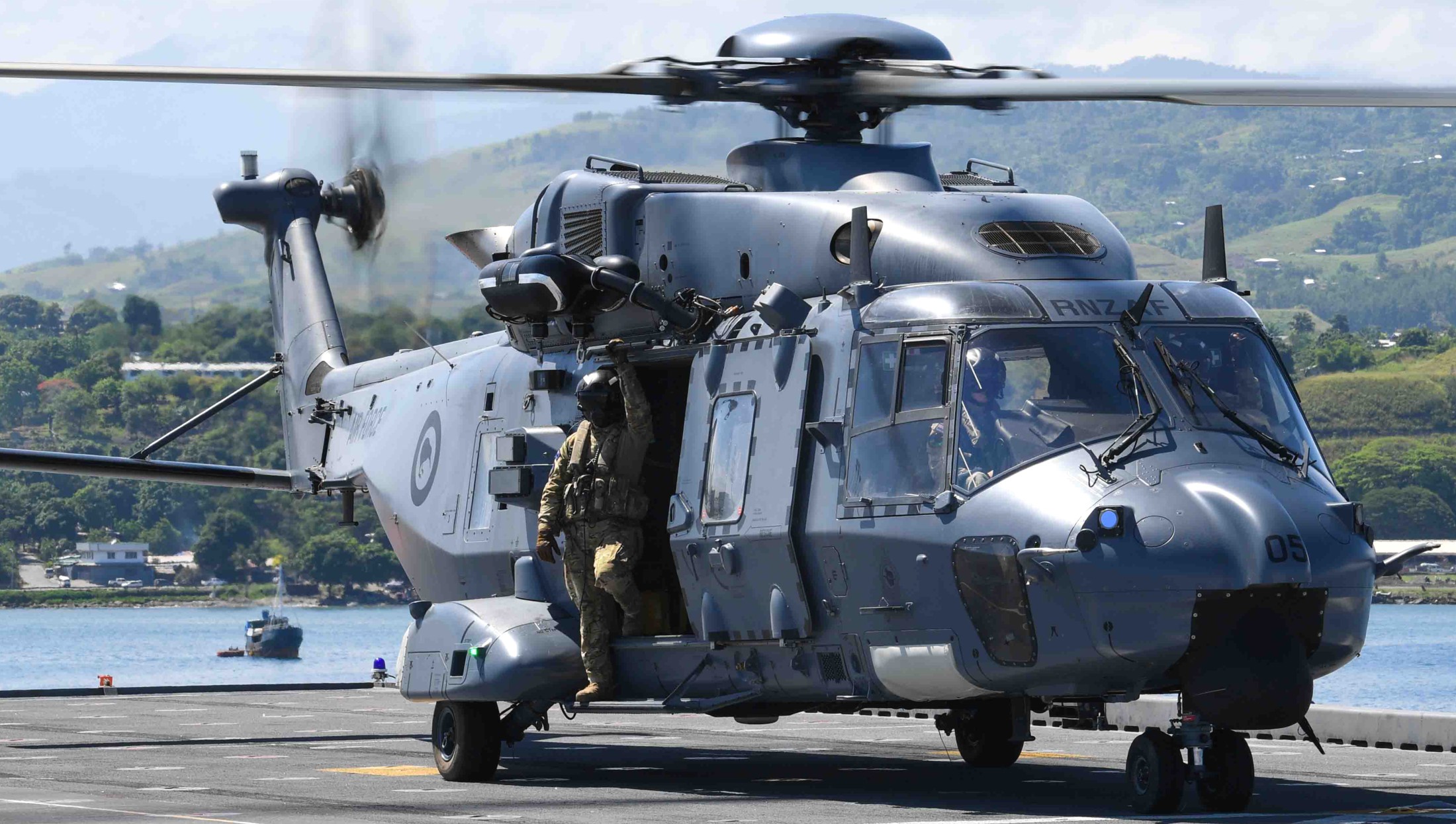
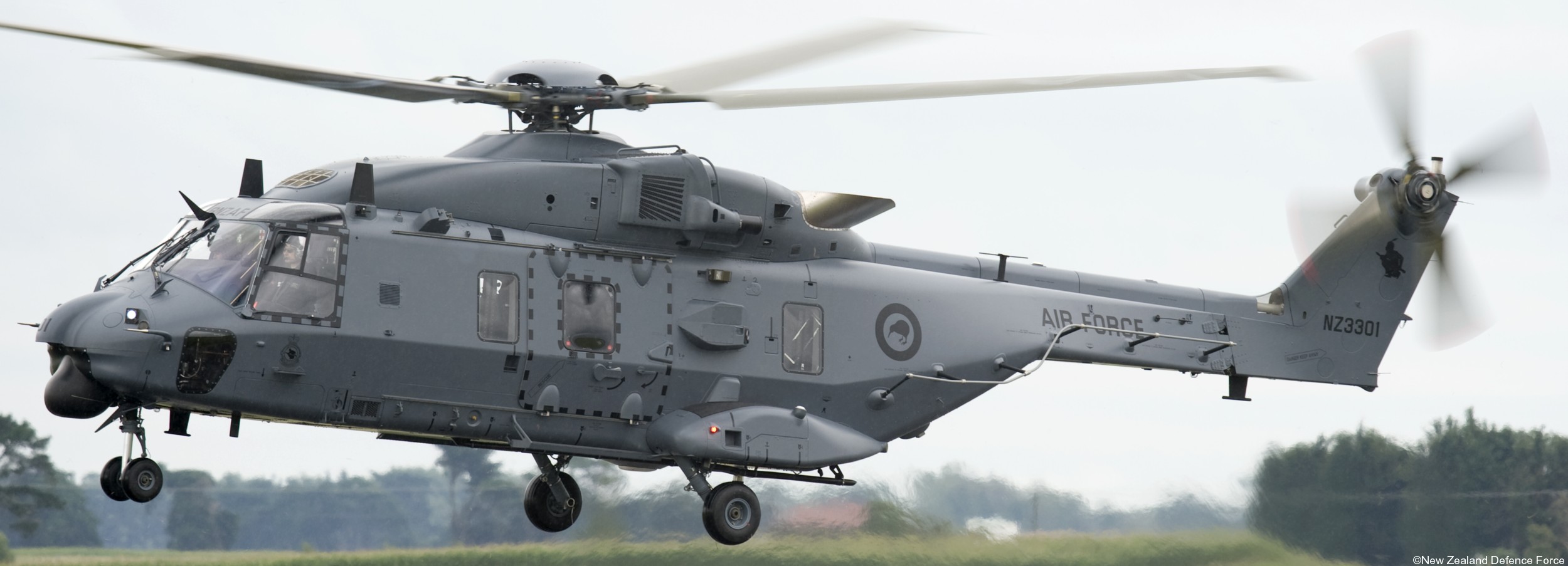
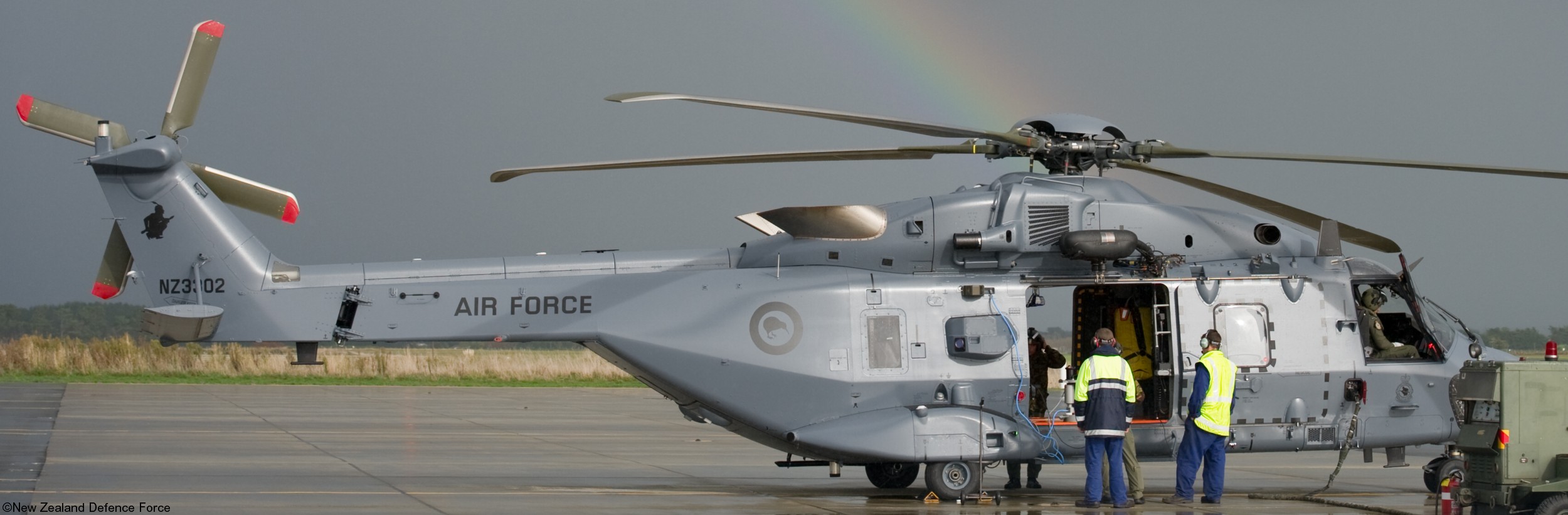
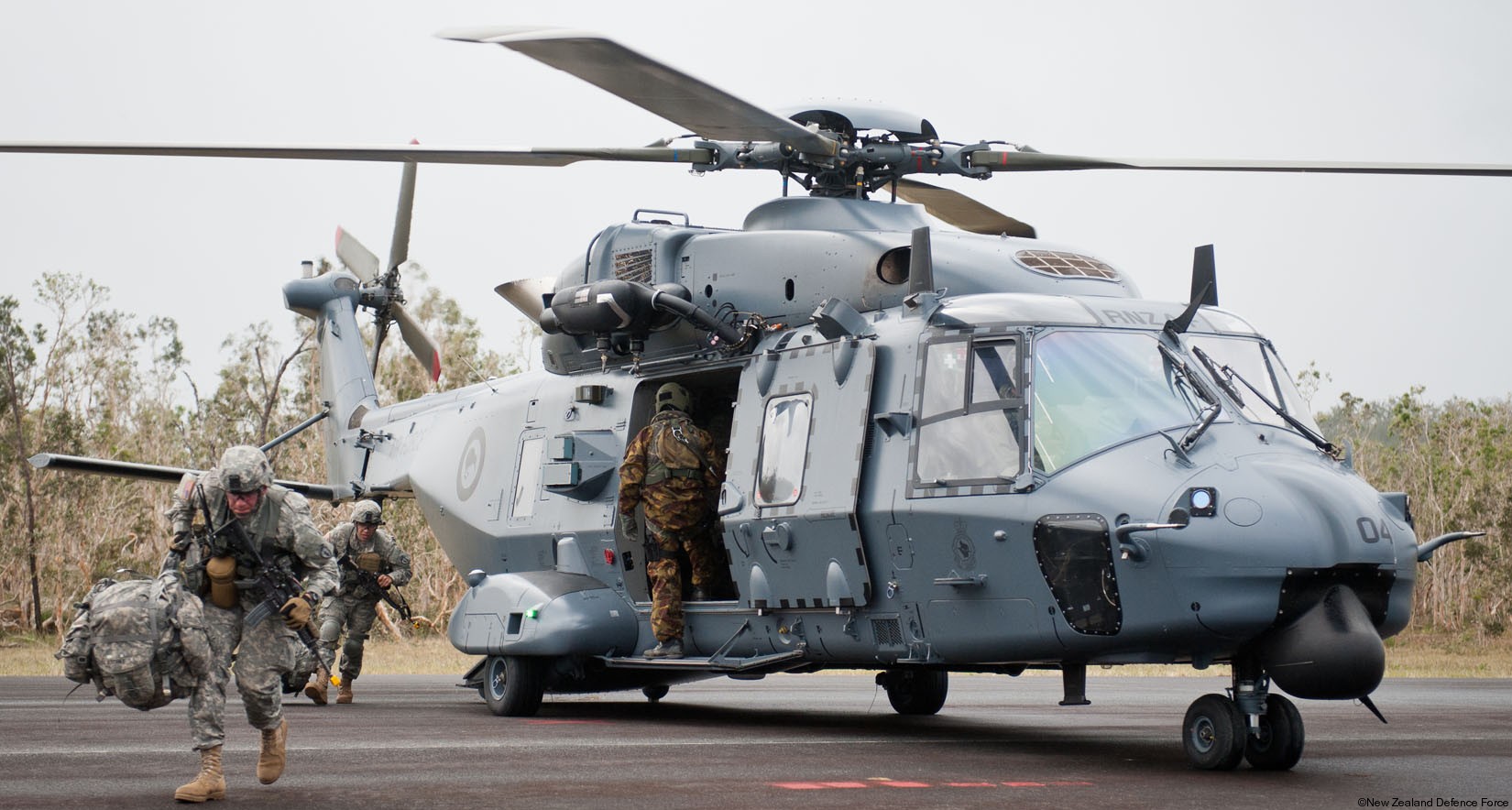
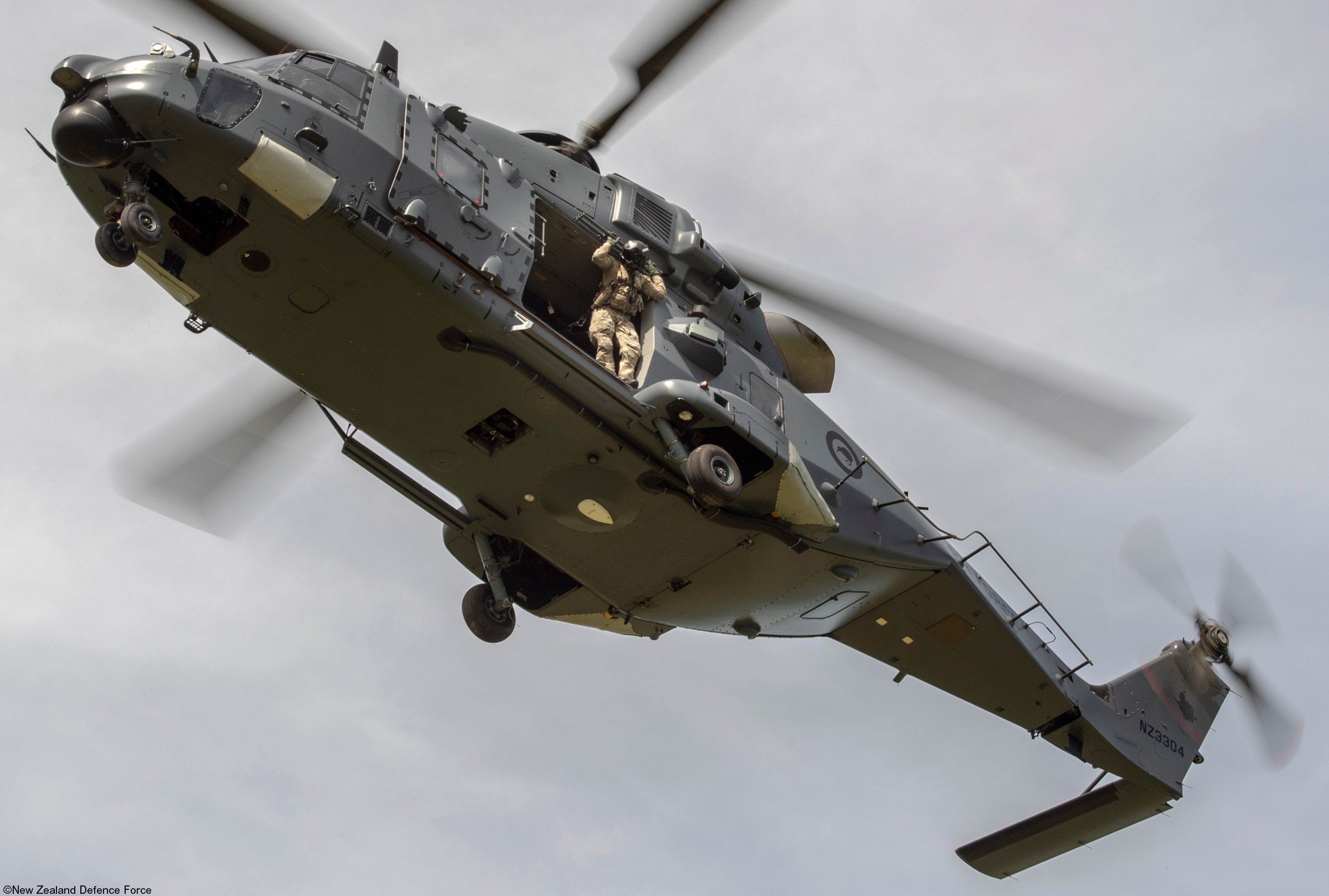
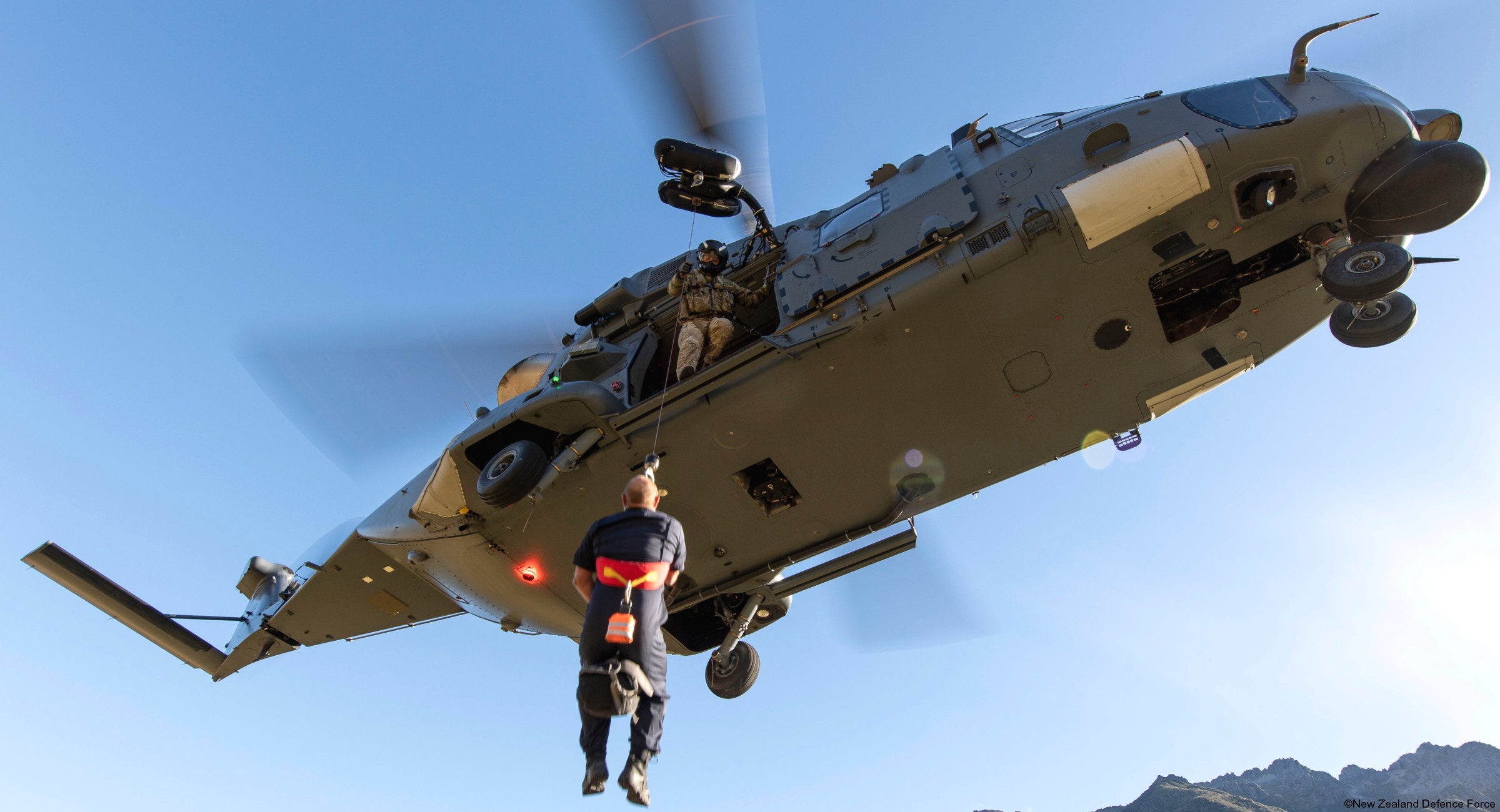
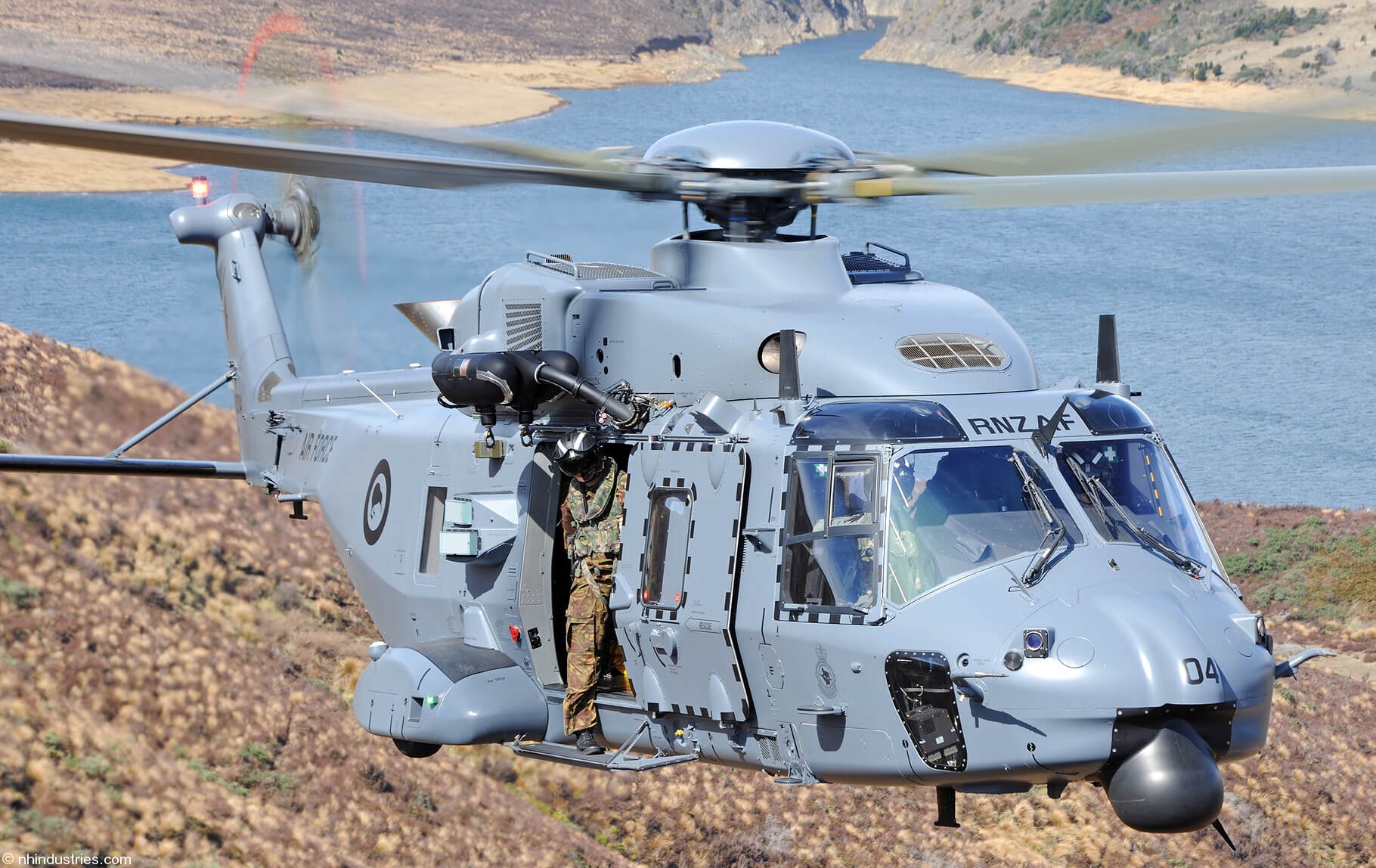
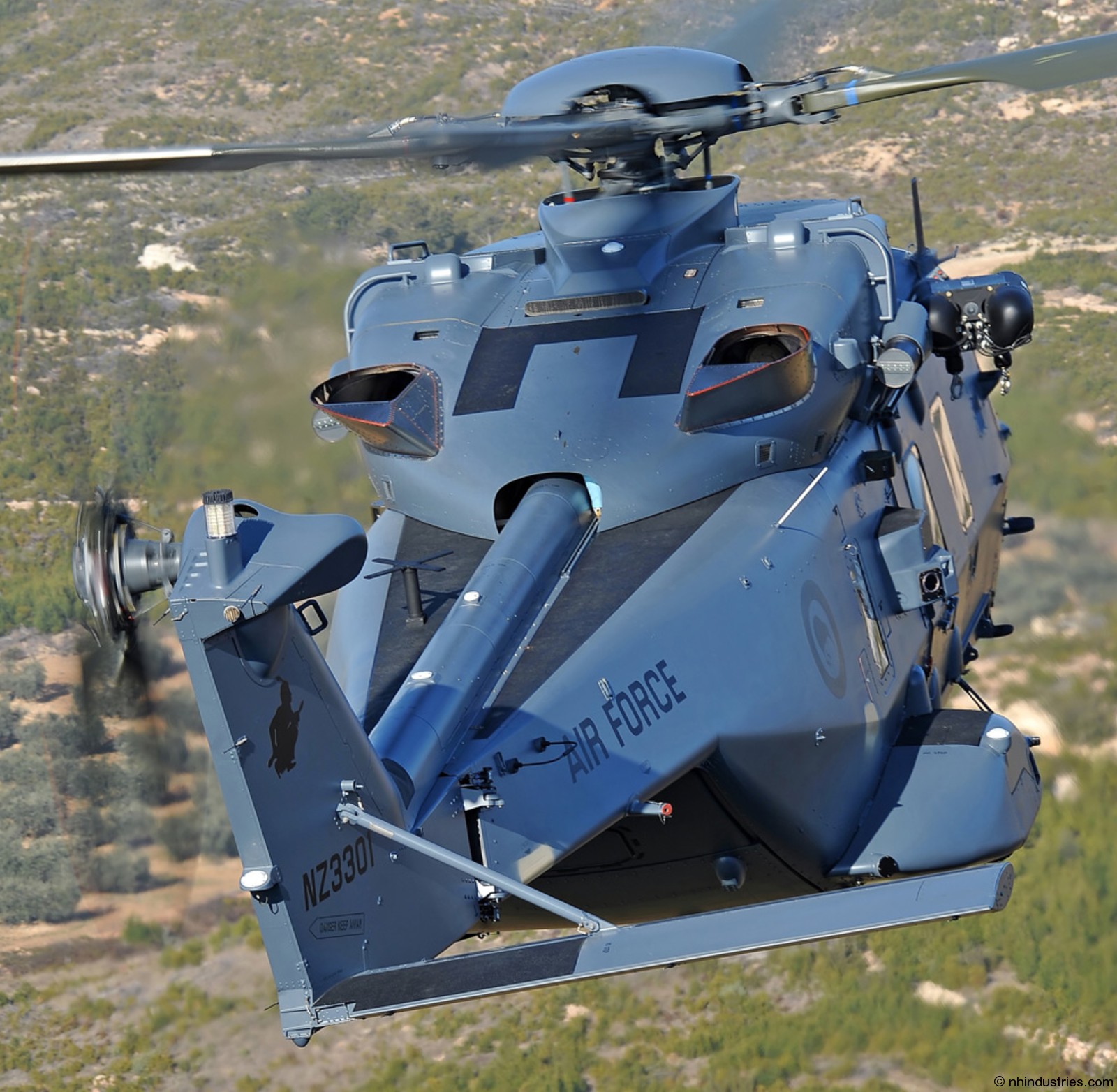
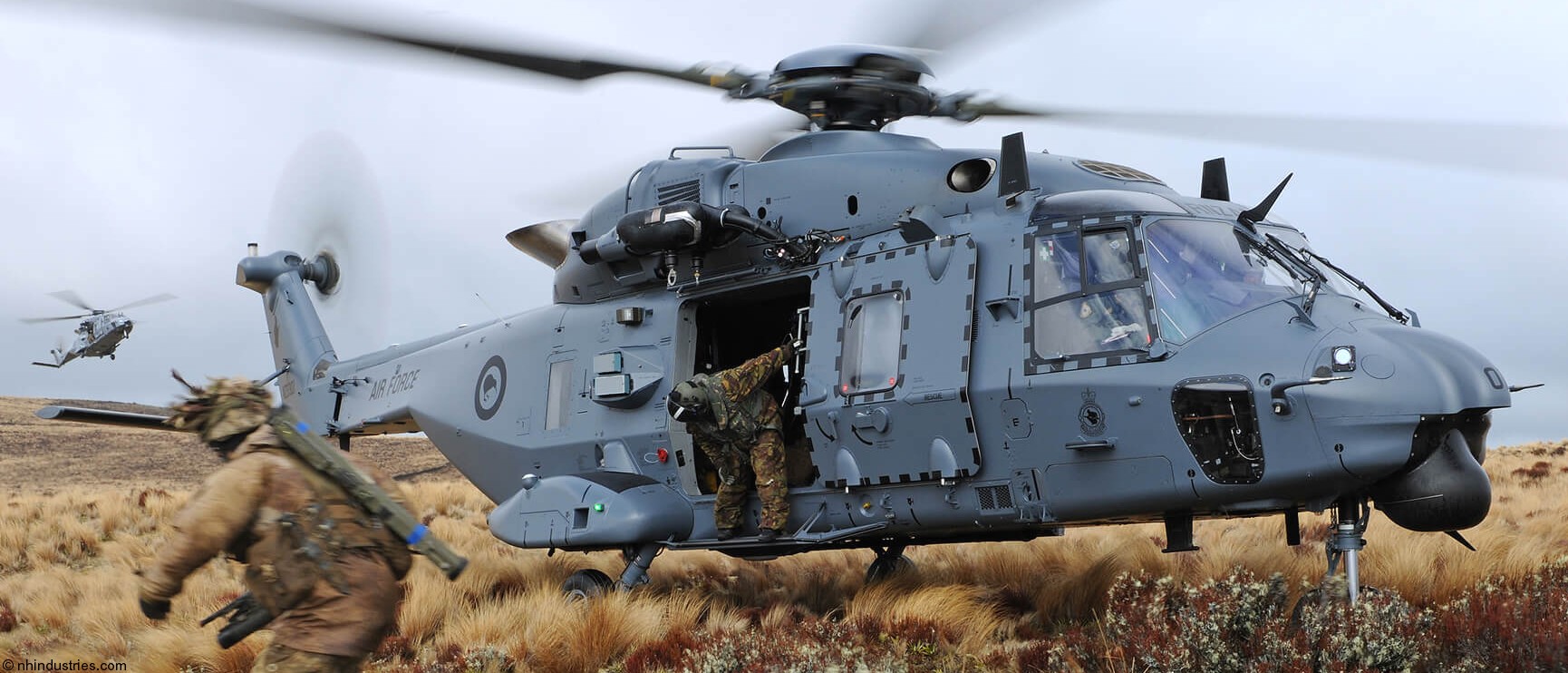
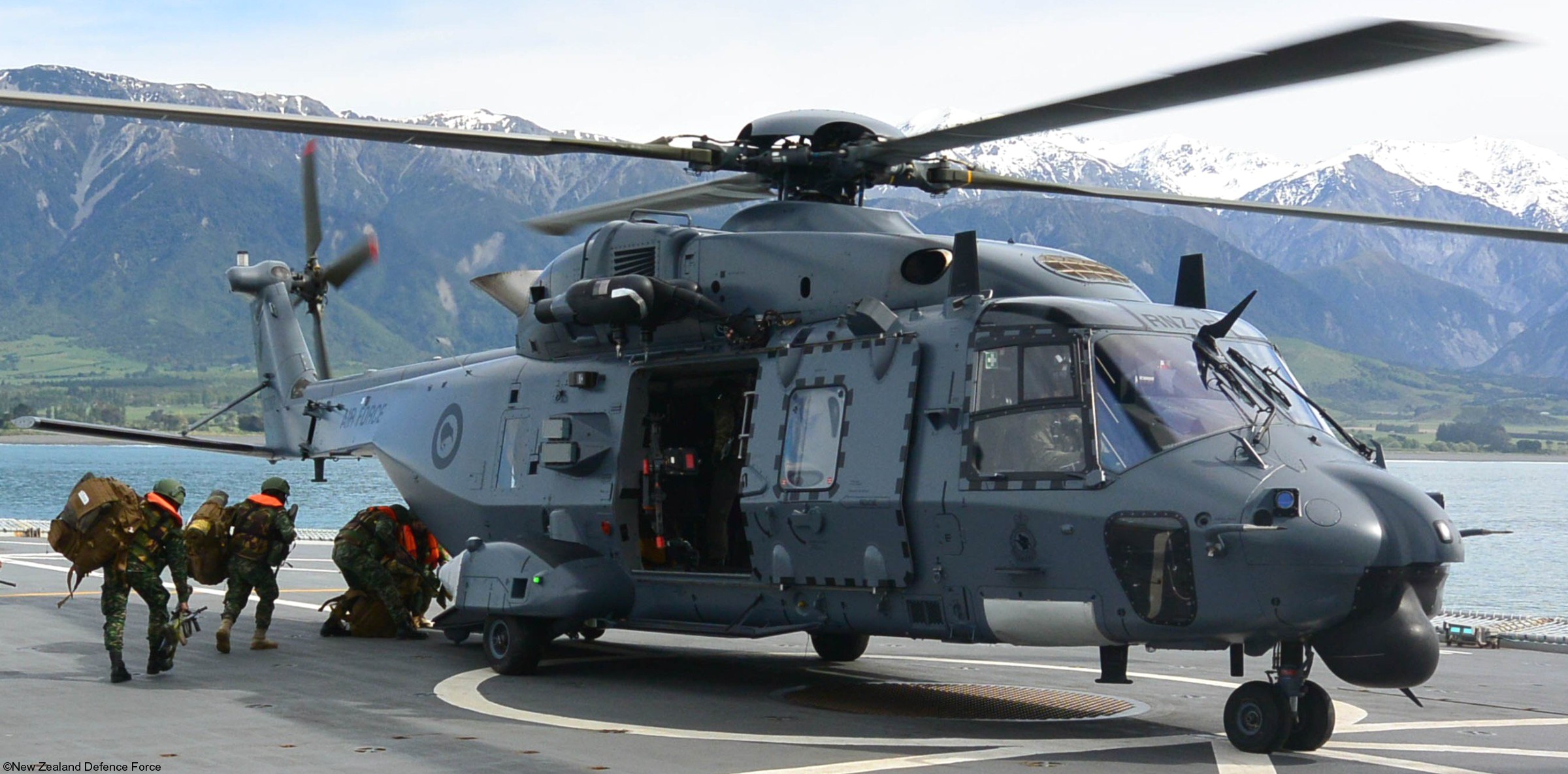
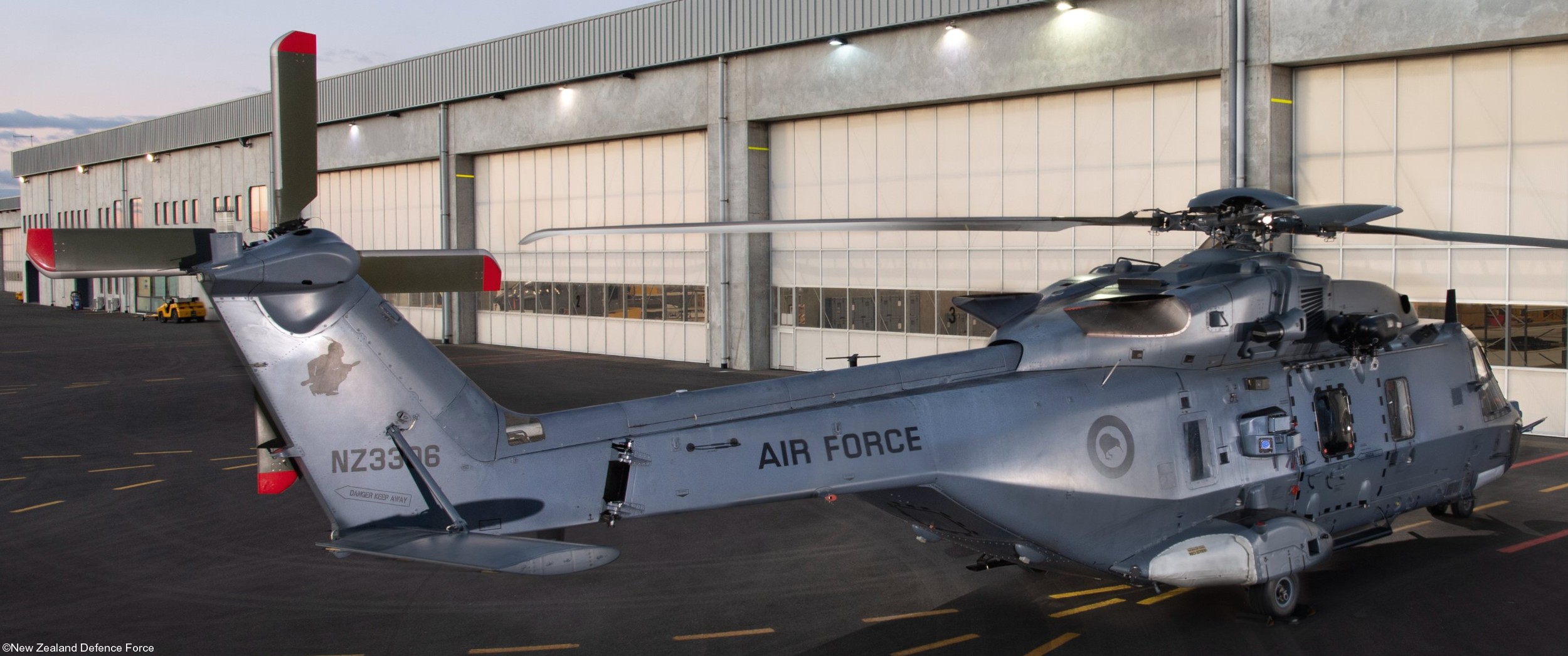
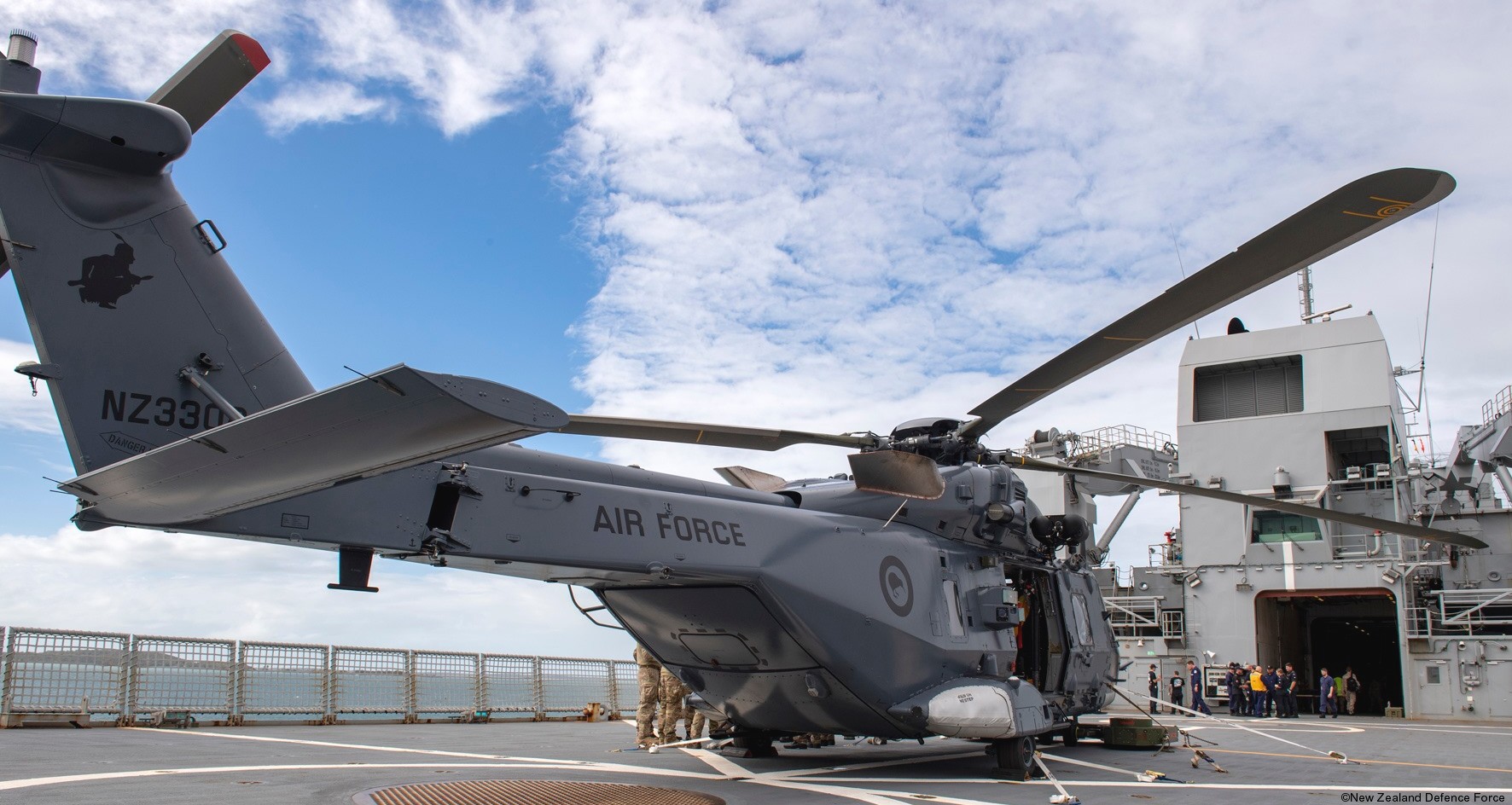
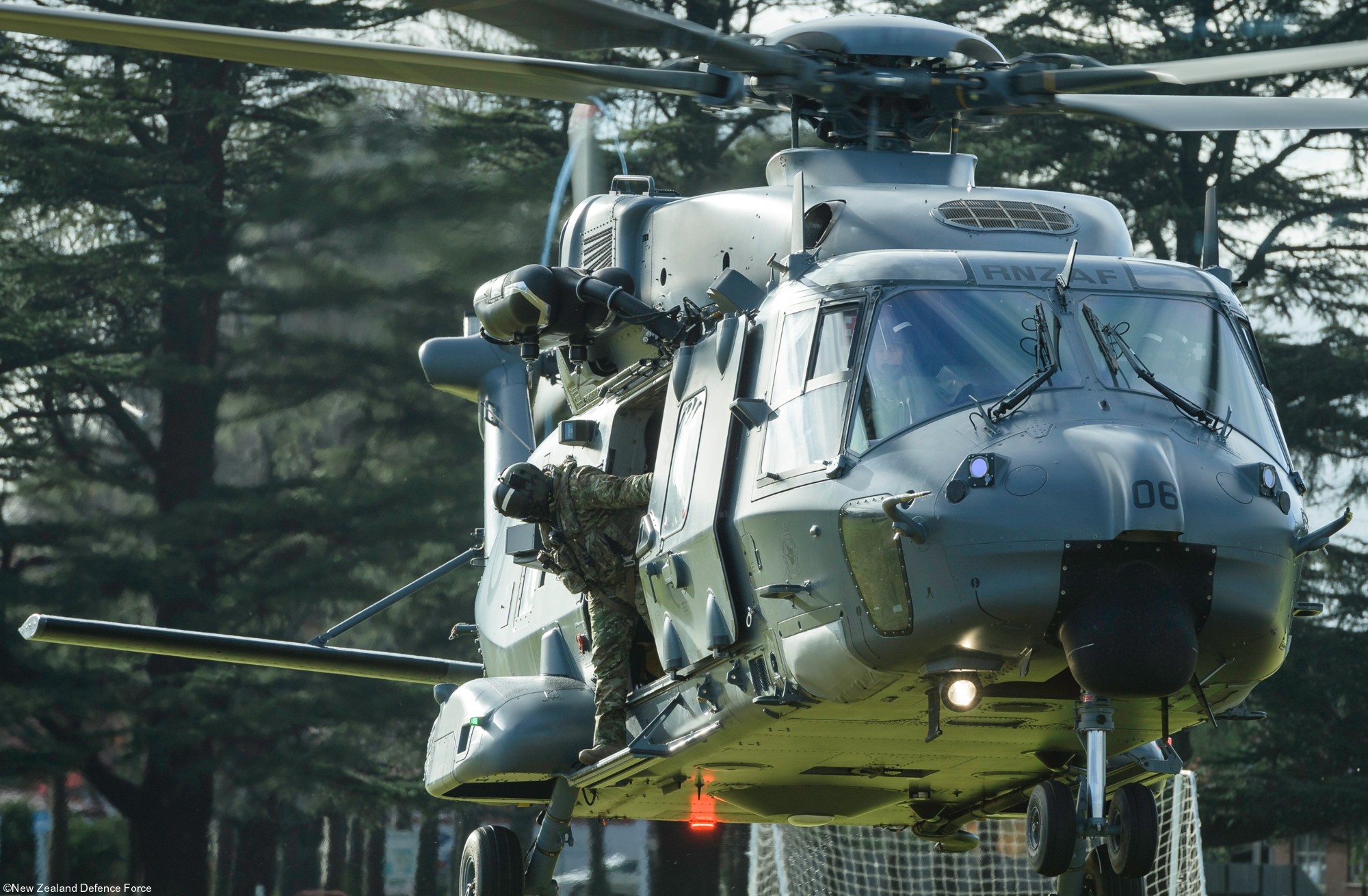
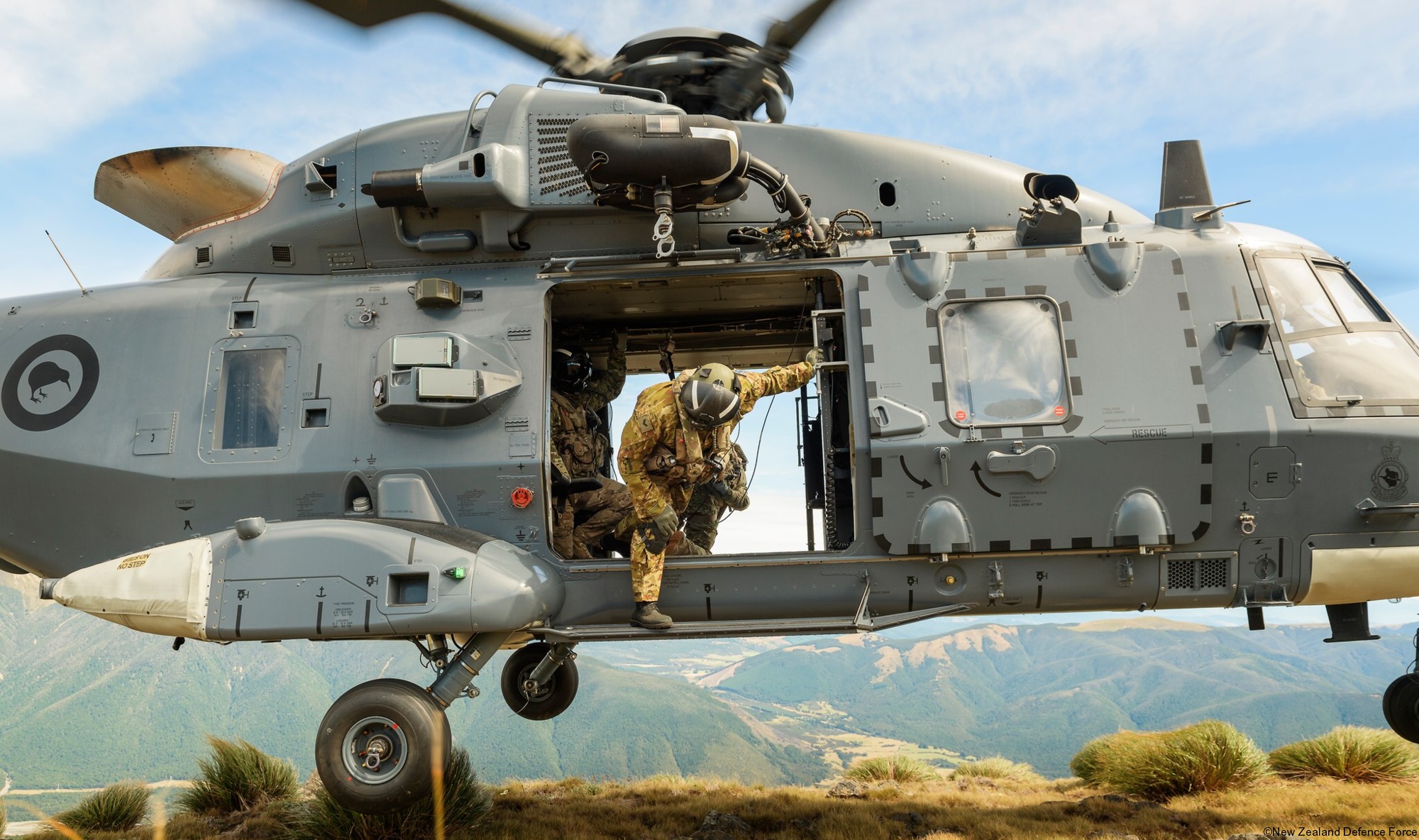
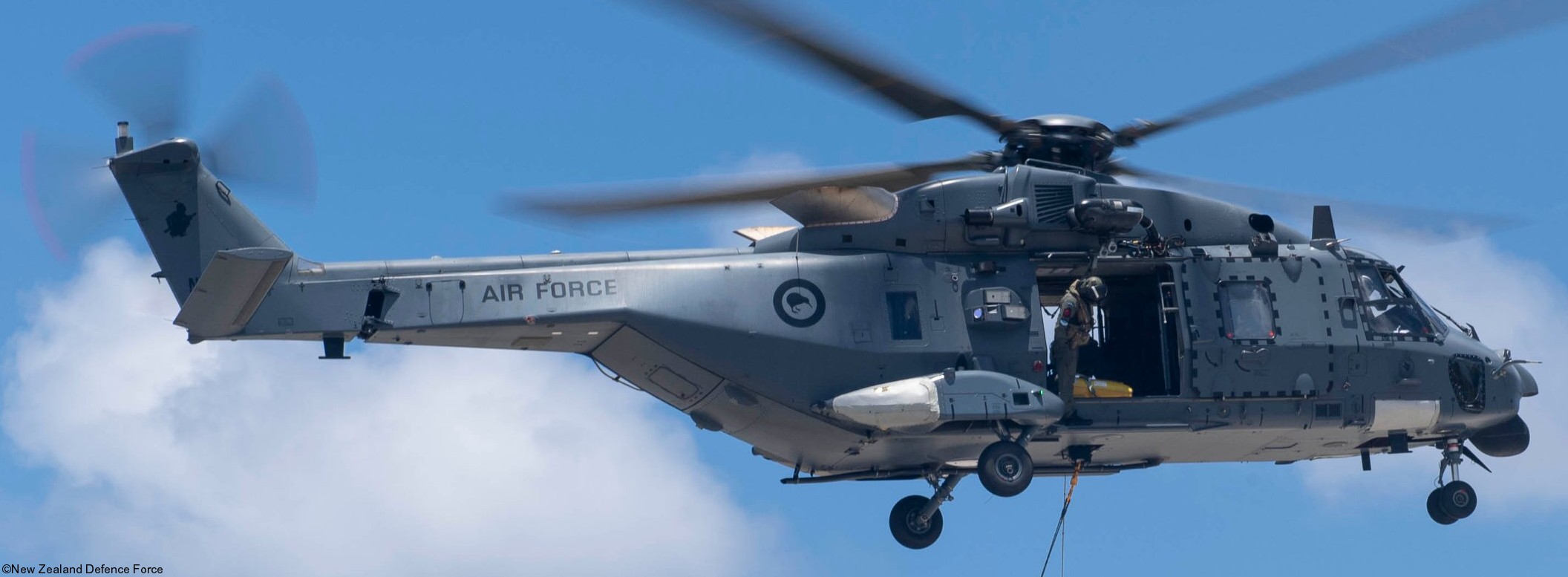
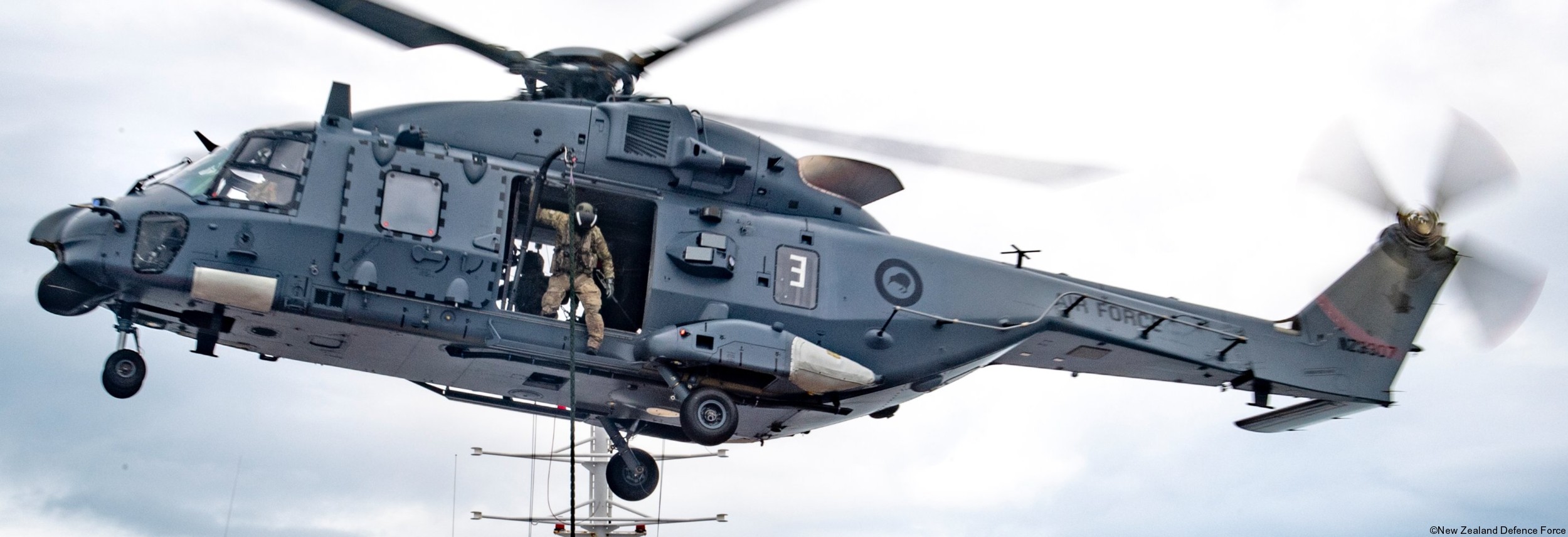
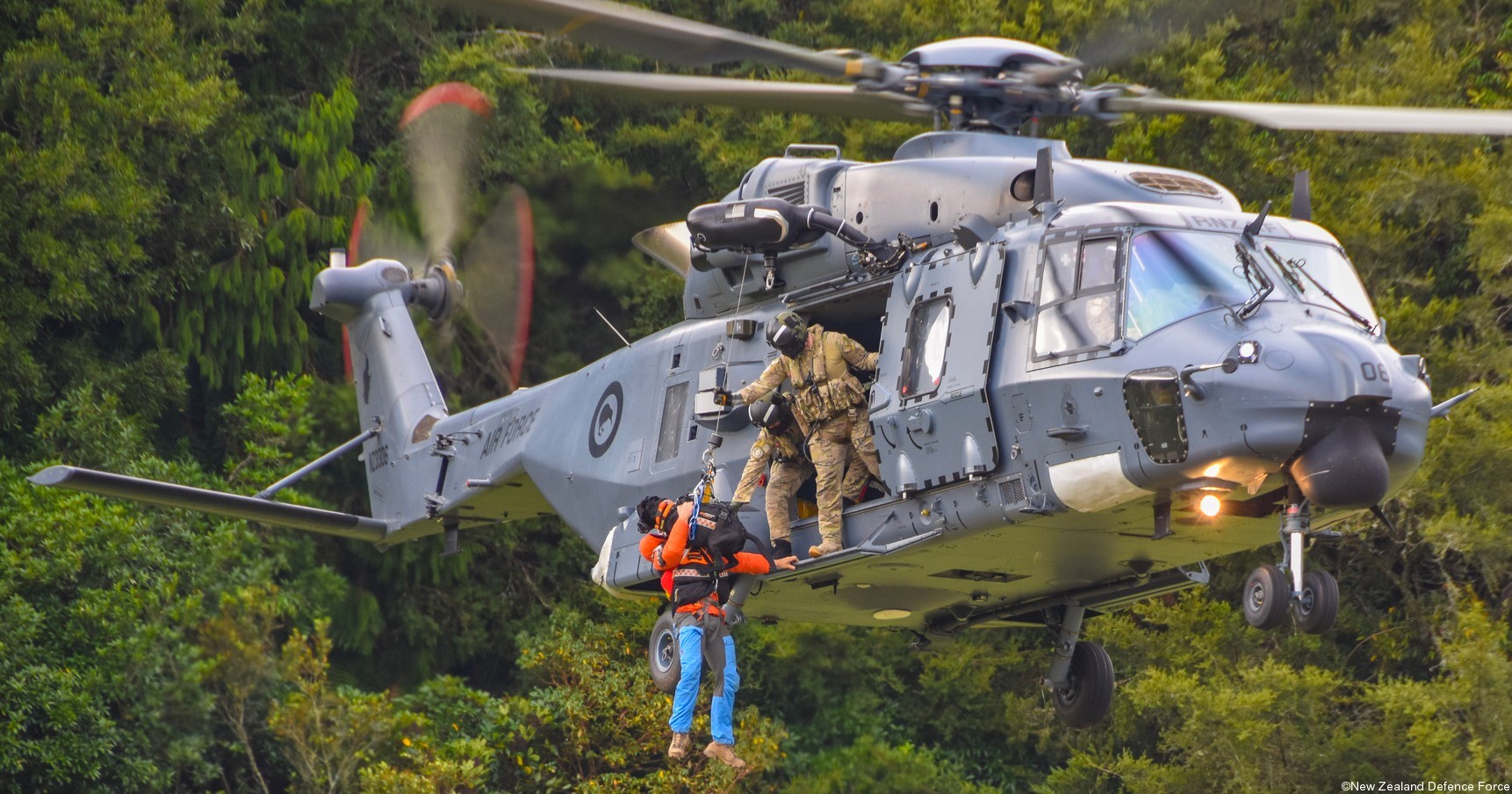
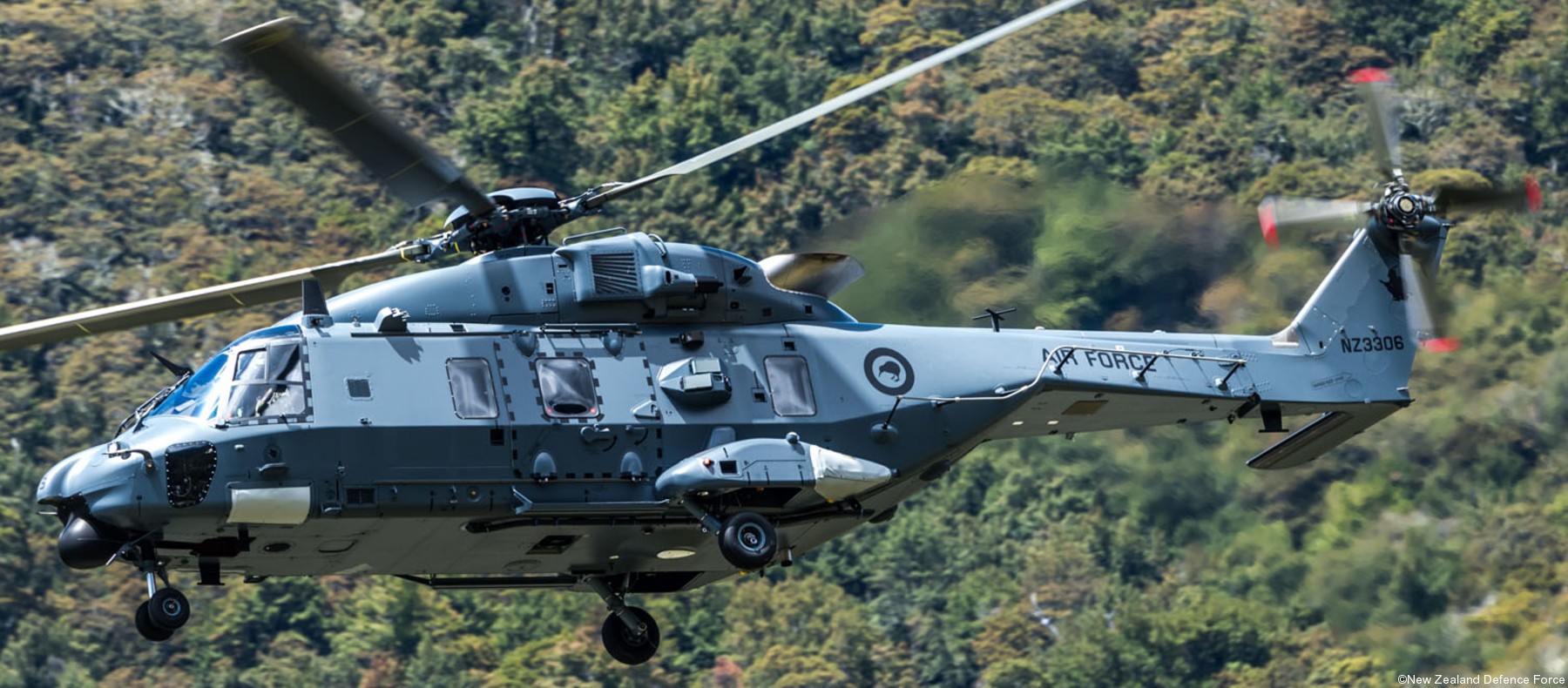
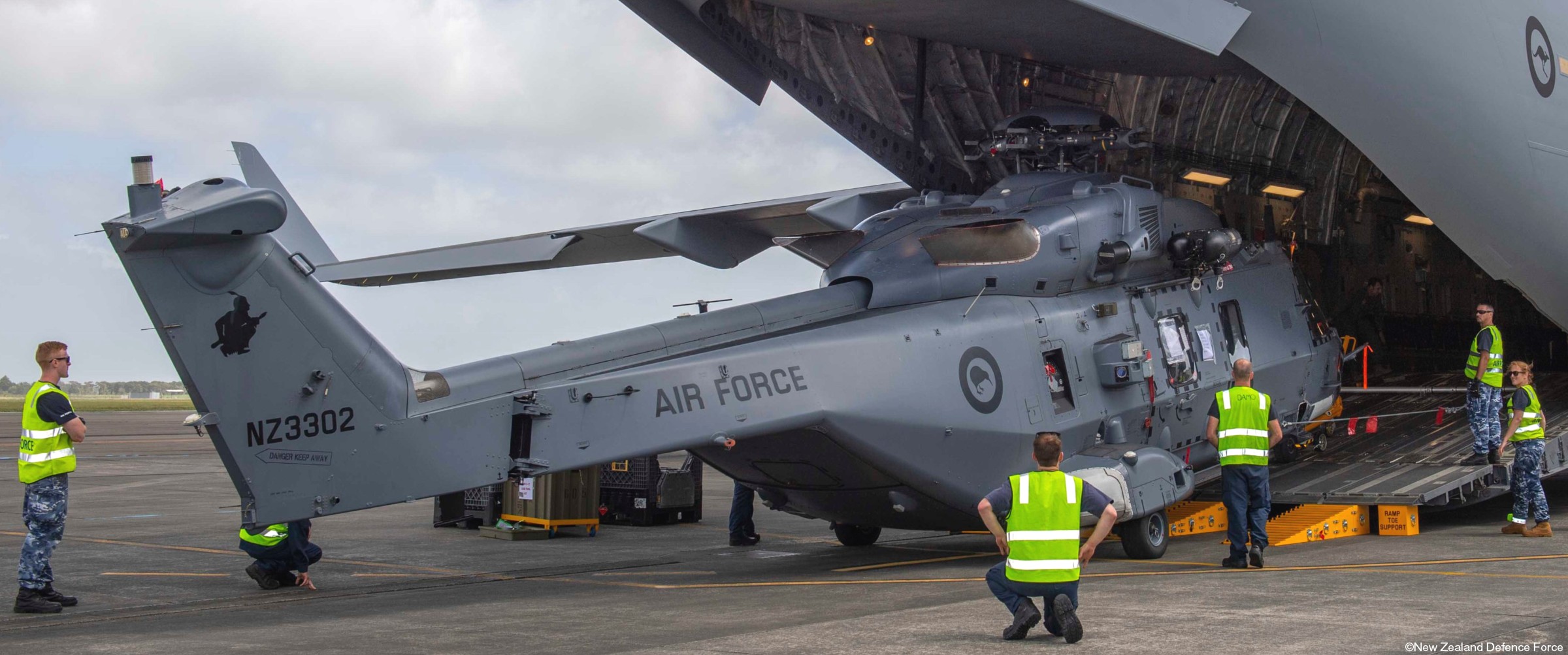
Serials: NZ3301 / NZ3302 / NZ3303 / NZ3304 / NZ3305 / NZ3306 / NZ3307 / NZ3308 (NZ3309 - stored) Operator: No.3 Squadron Royal New Zealand Air Force (RNZAF) Homebase: RNZAF Base Ohakea |
| Description: |
|
The NHIndustries NH90 is a medium-sized, twin-engine, multi-role
military helicopter. It was developed in response to NATO
requirements for a battlefield helicopter which would also be
capable of being operated in naval environments. The NH90 was
developed and is manufactured by NHIndustries, a collaborative
company, which is owned by Airbus Helicopters, Leonardo (formerly
AgustaWestland) and Fokker Aerostructures. The first prototype
conducted its maiden flight in December 1995; the type first entered
operational service in 2007. As of January 2017, the NH90 has logged
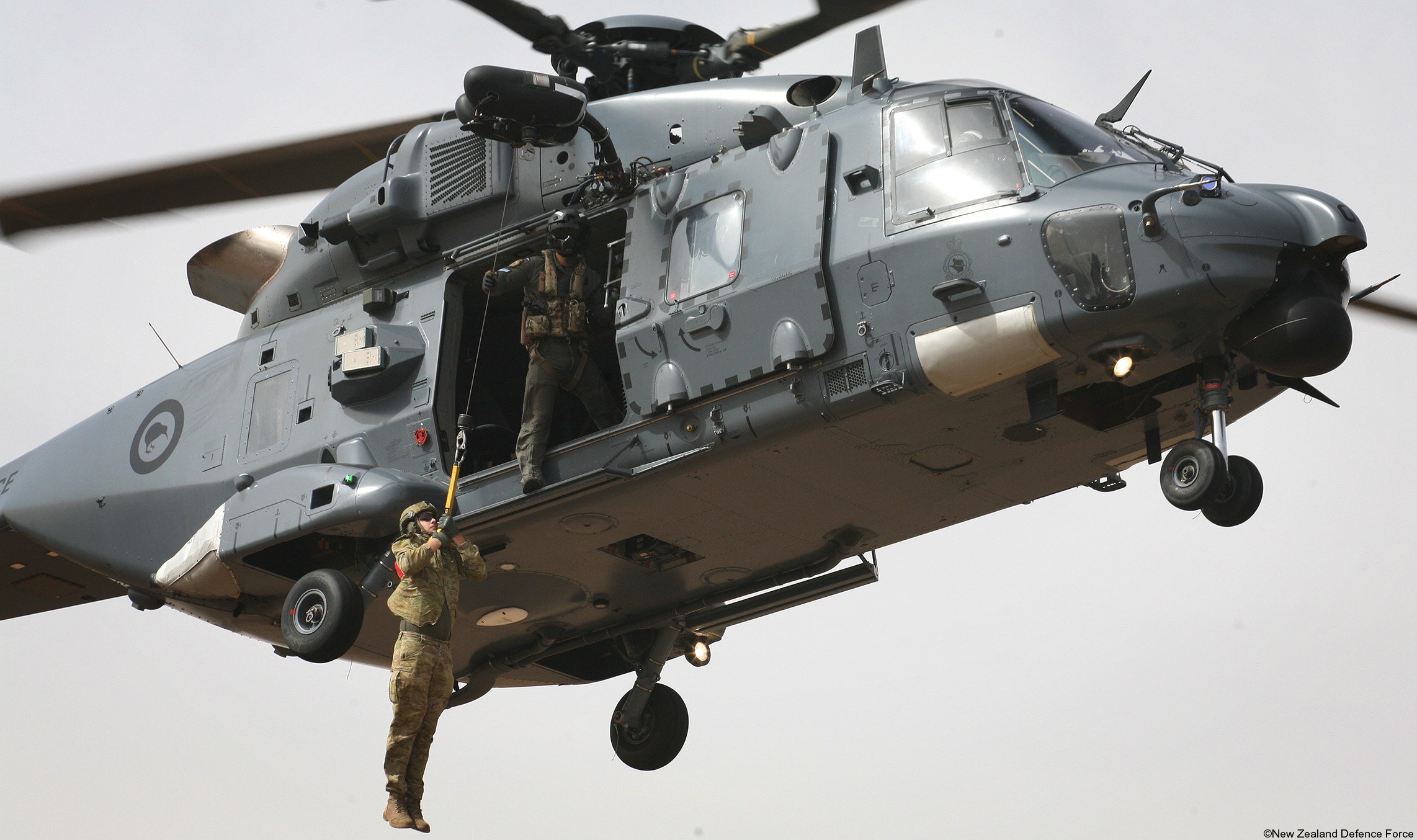
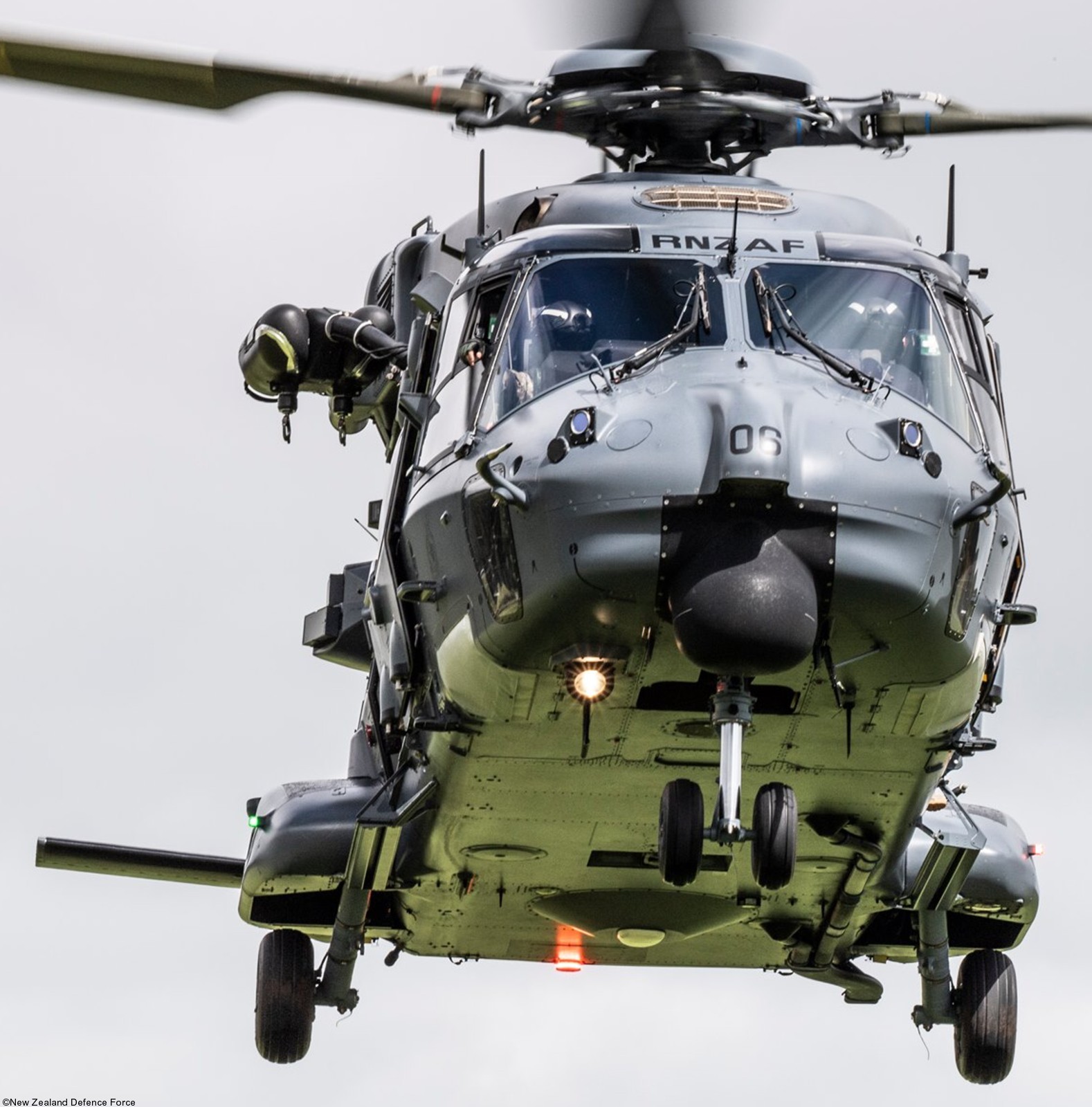
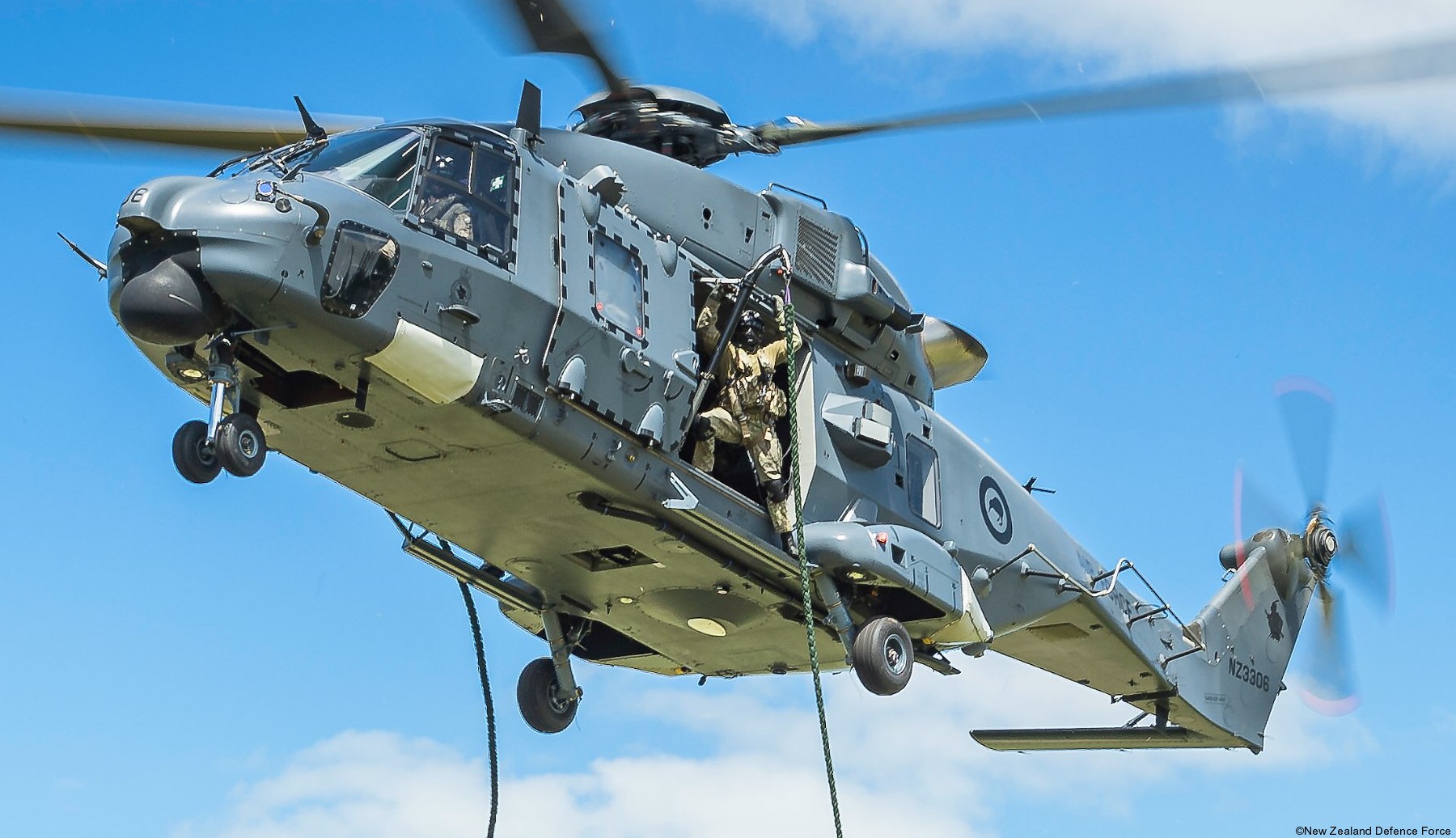
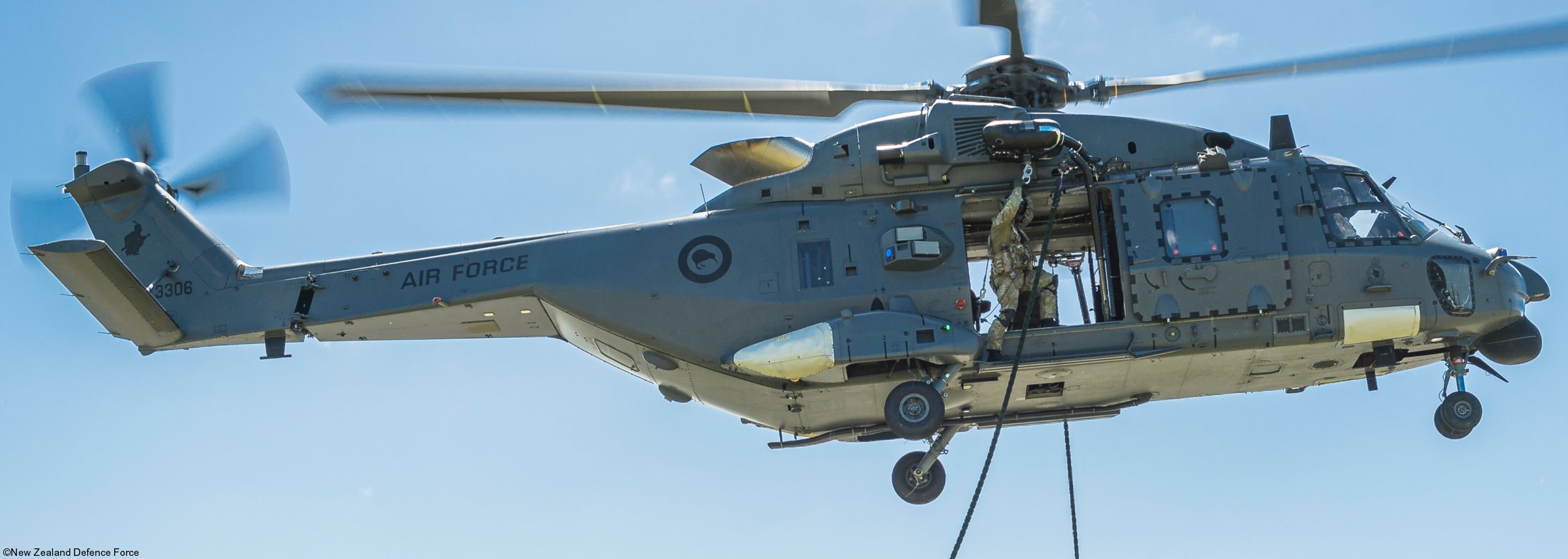
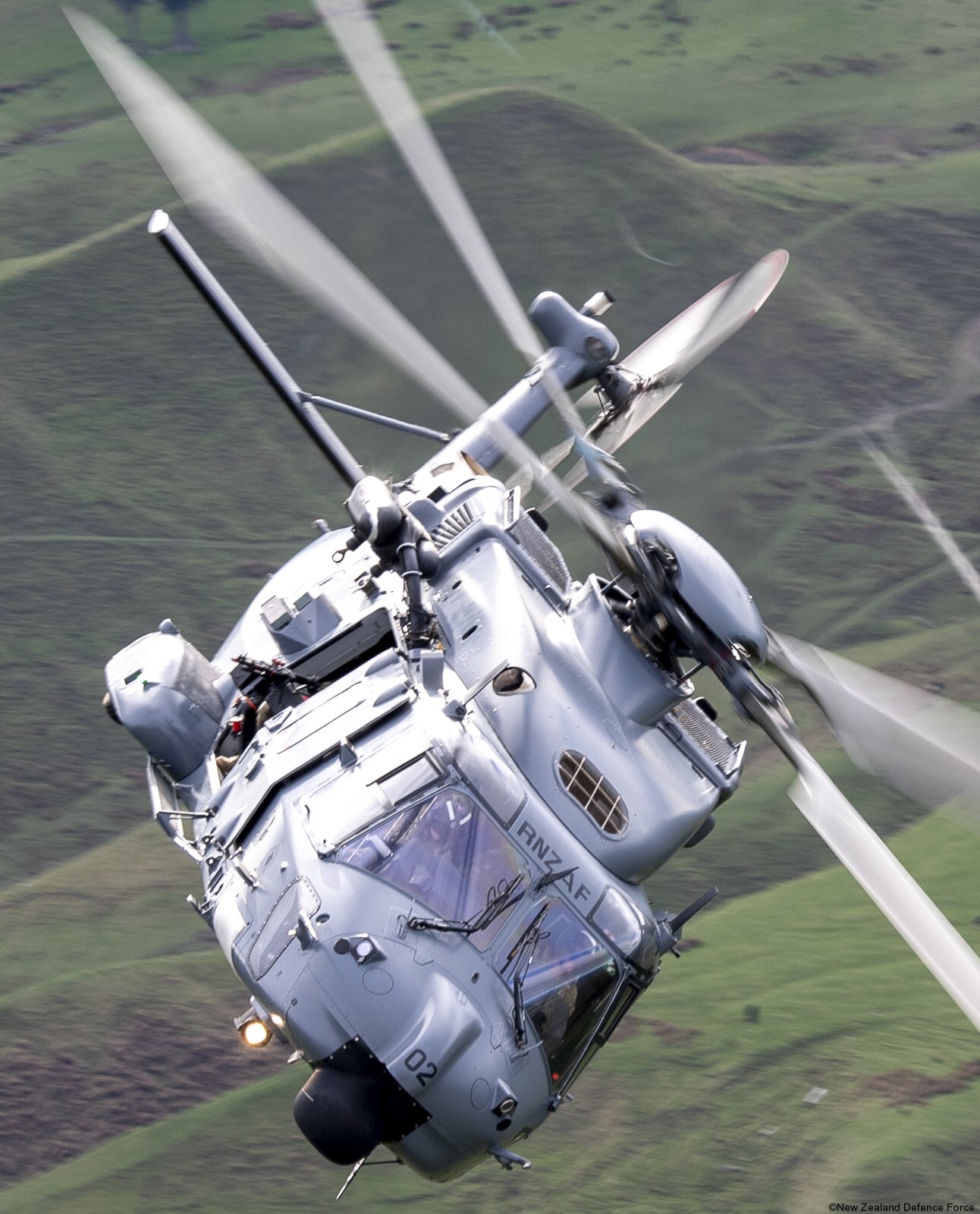
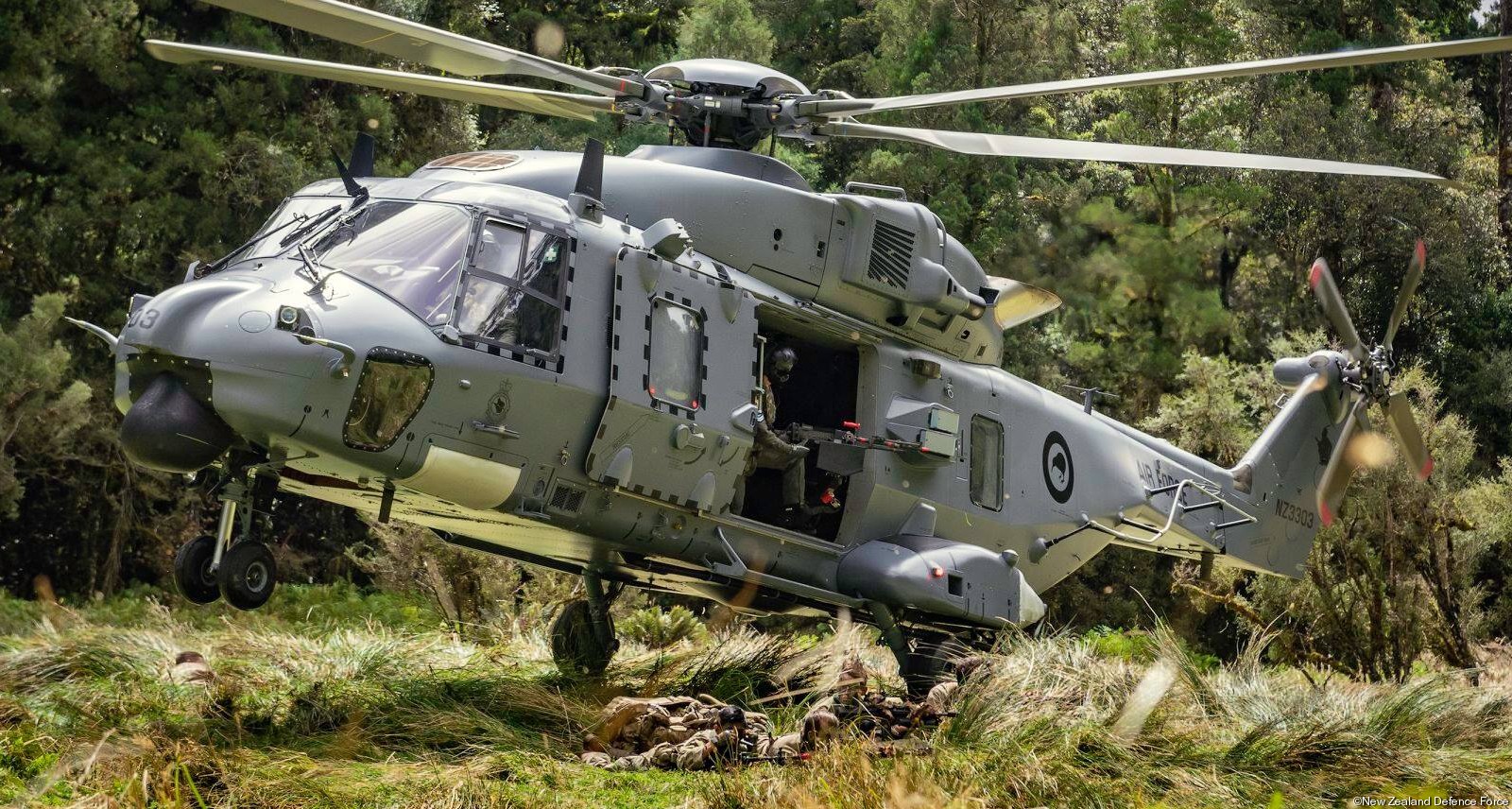
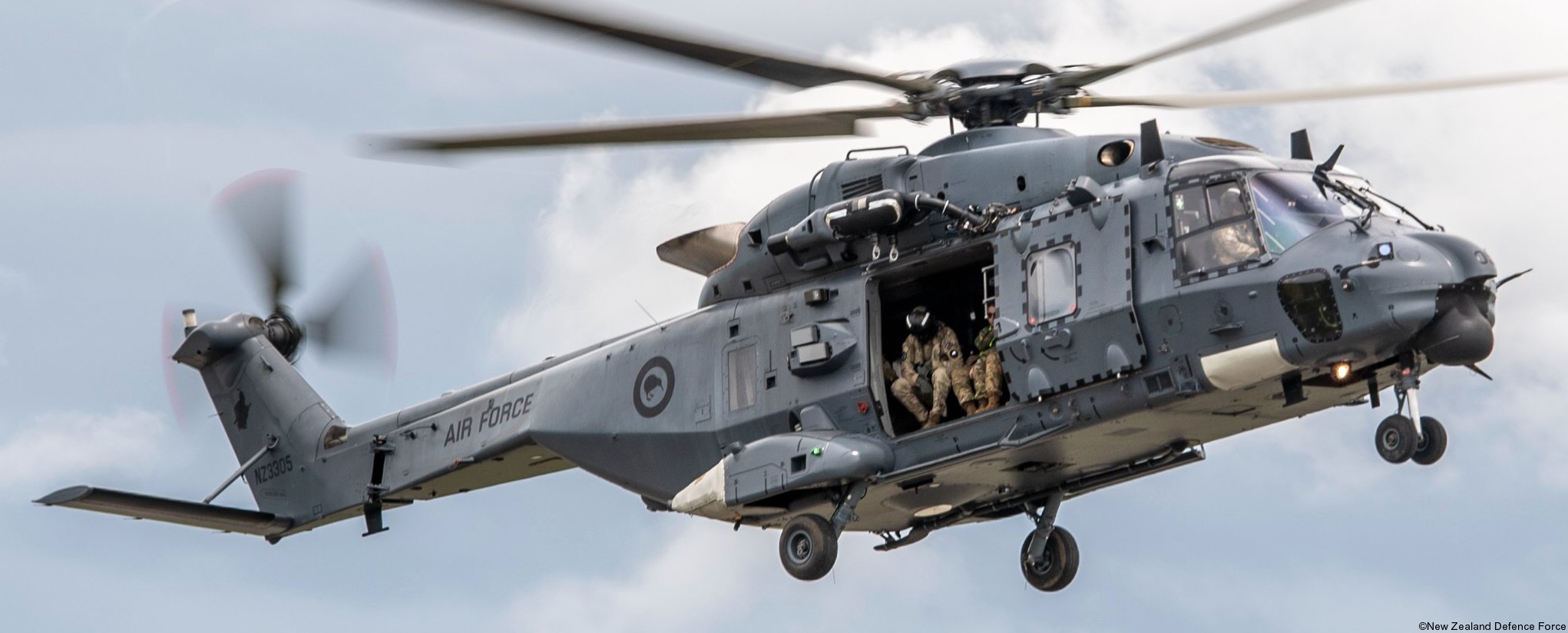
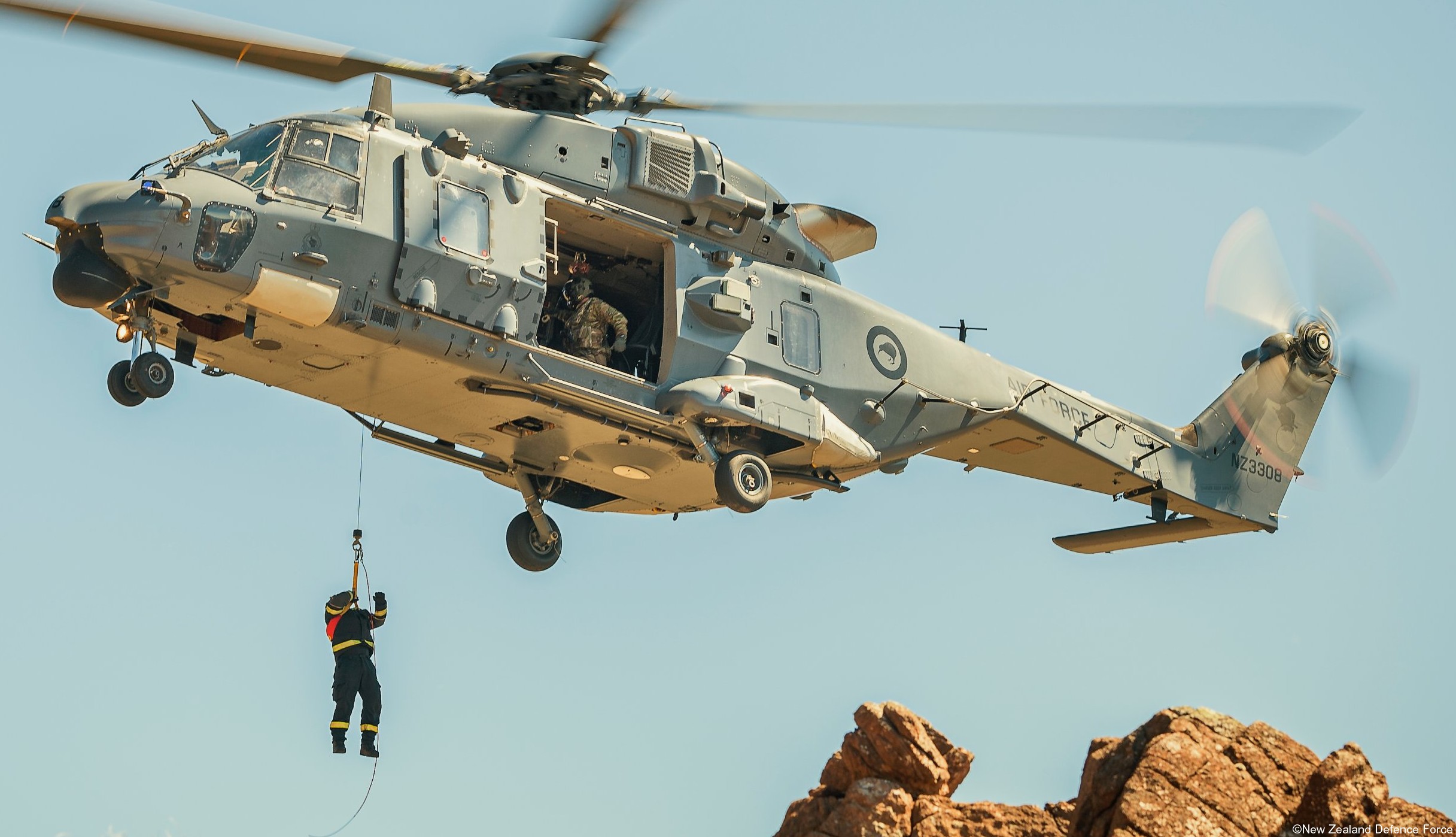
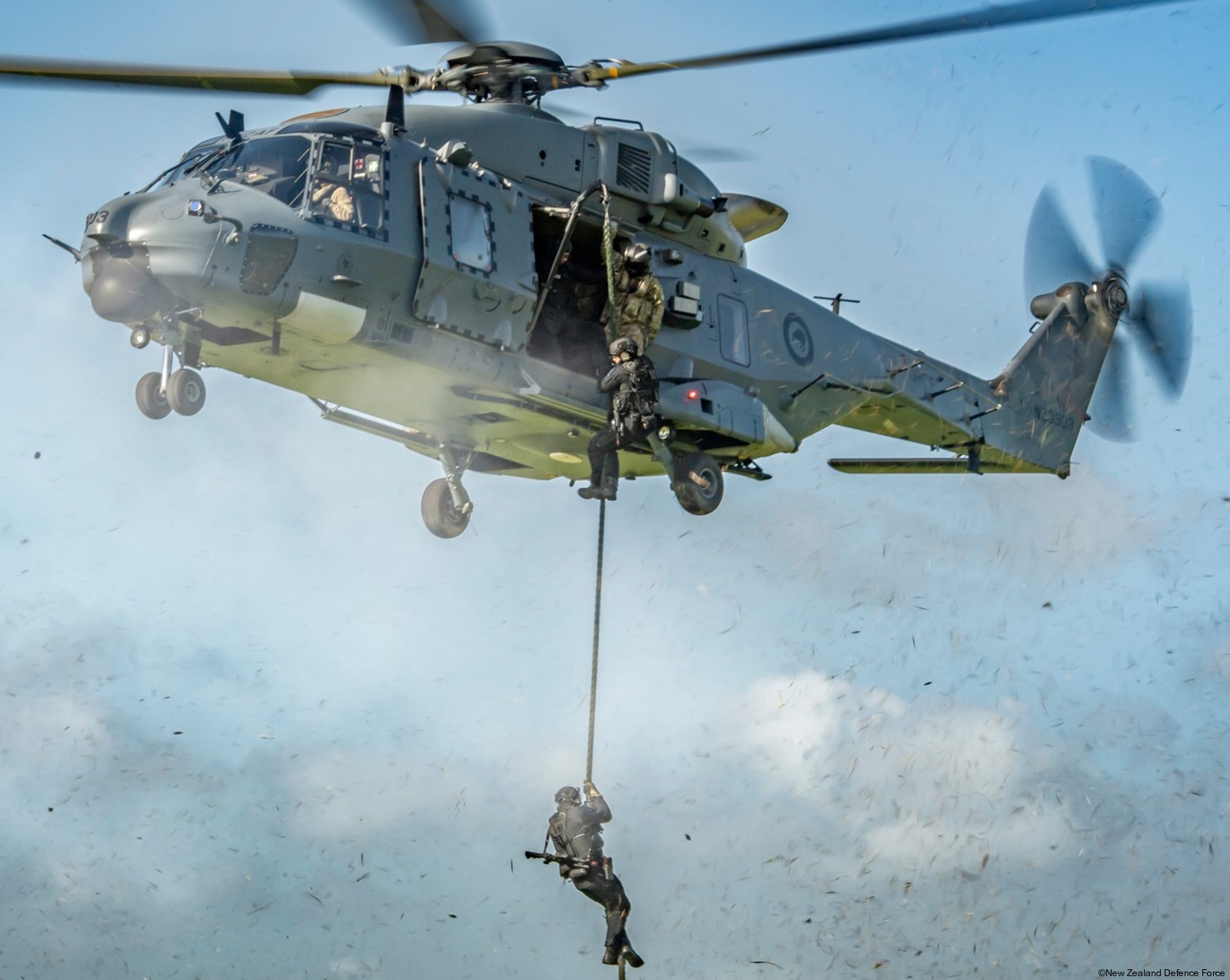
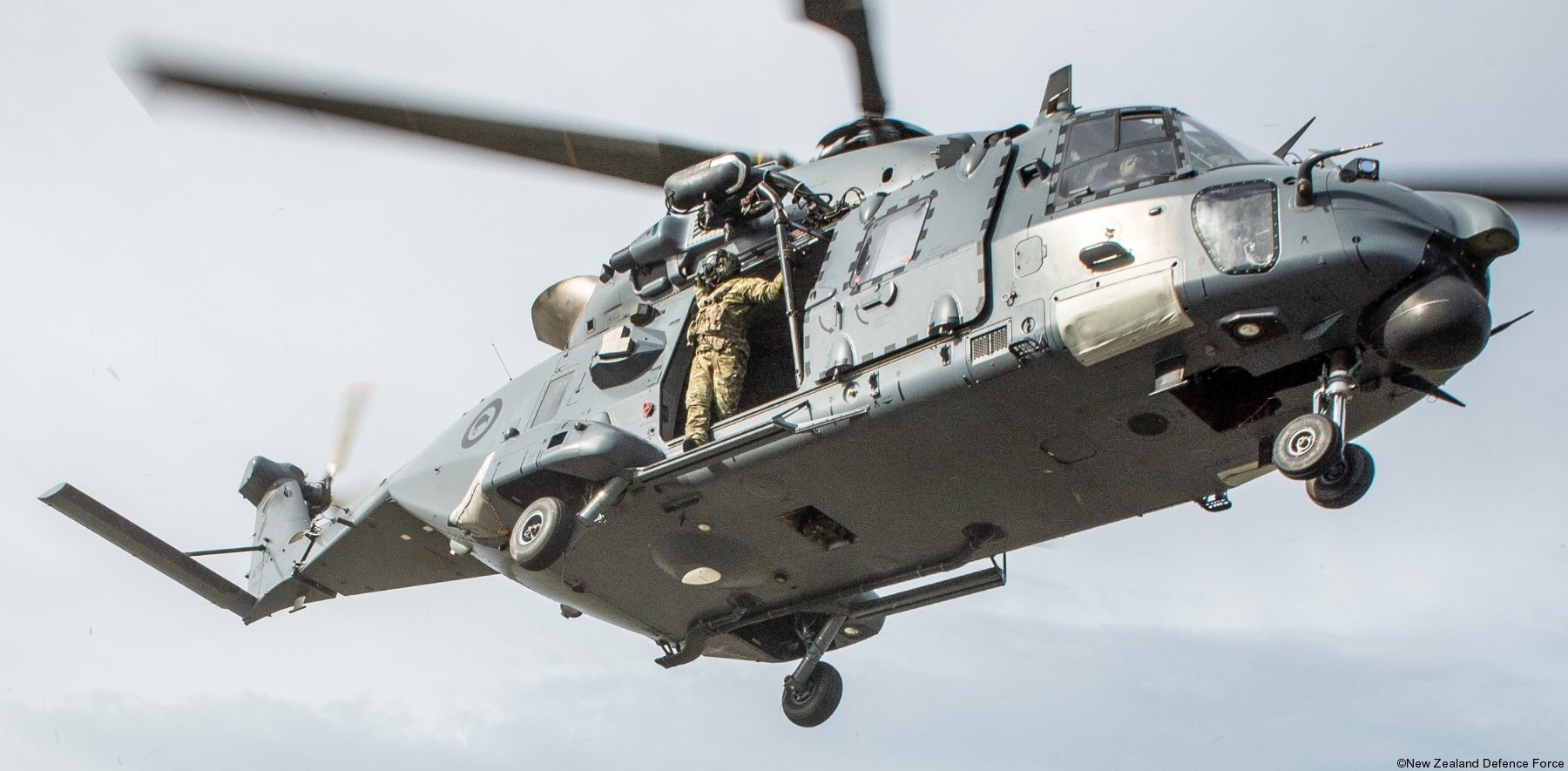
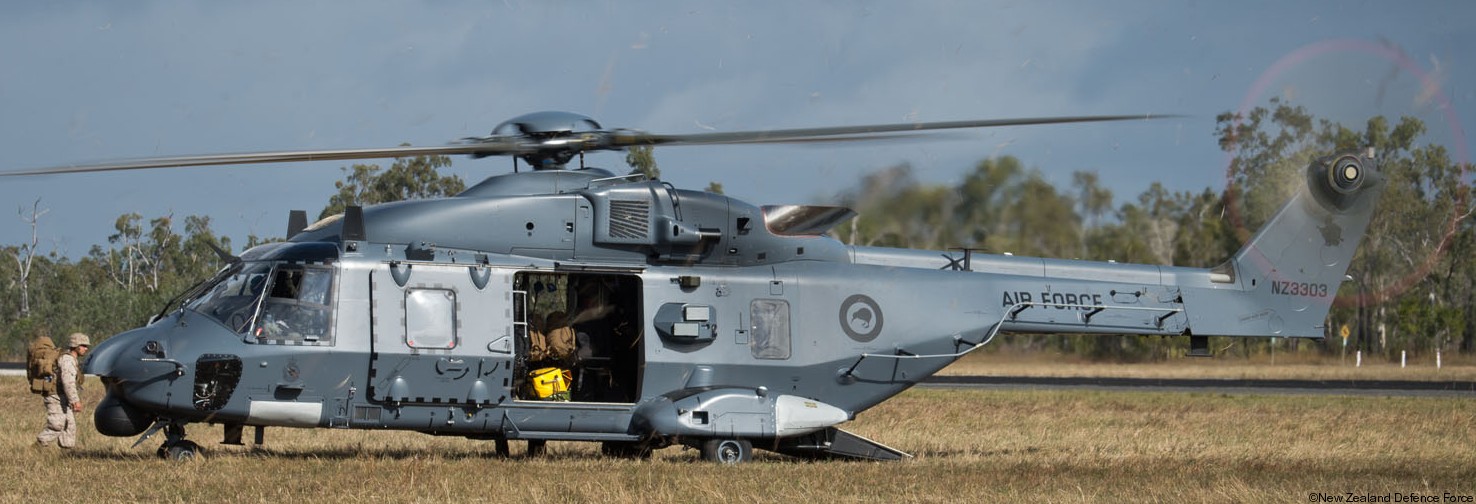
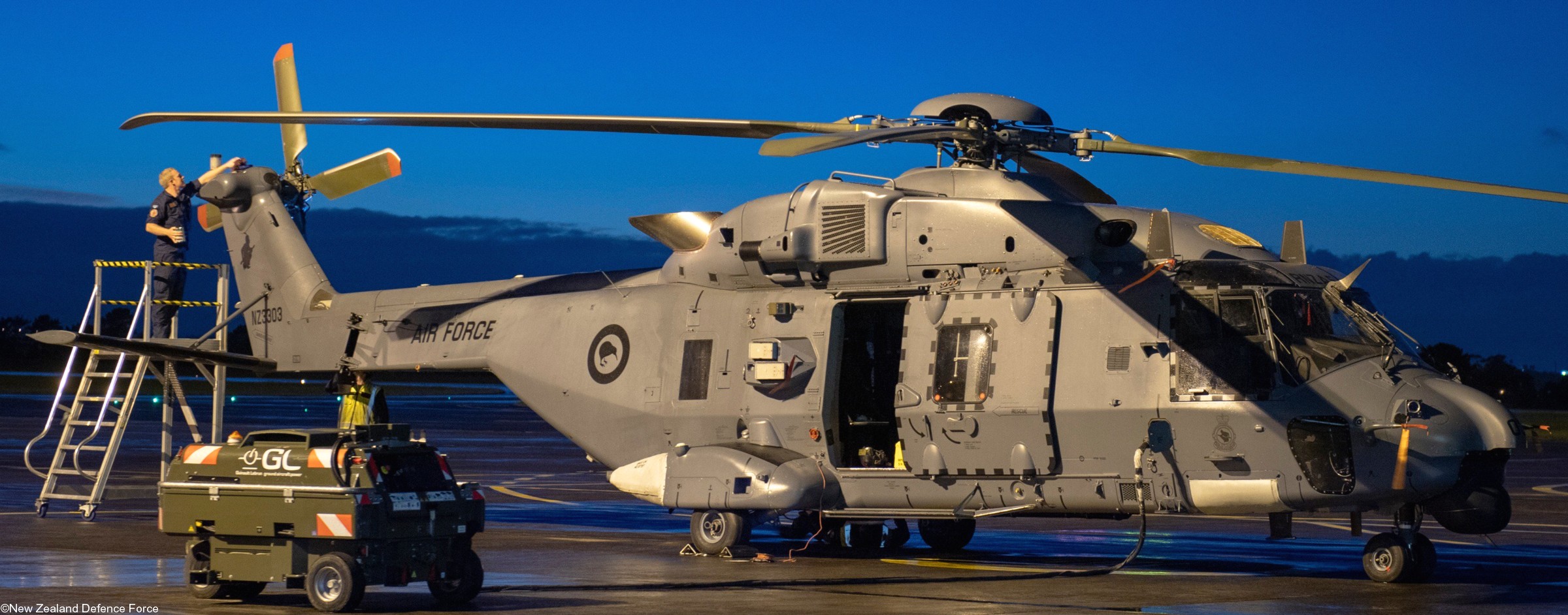
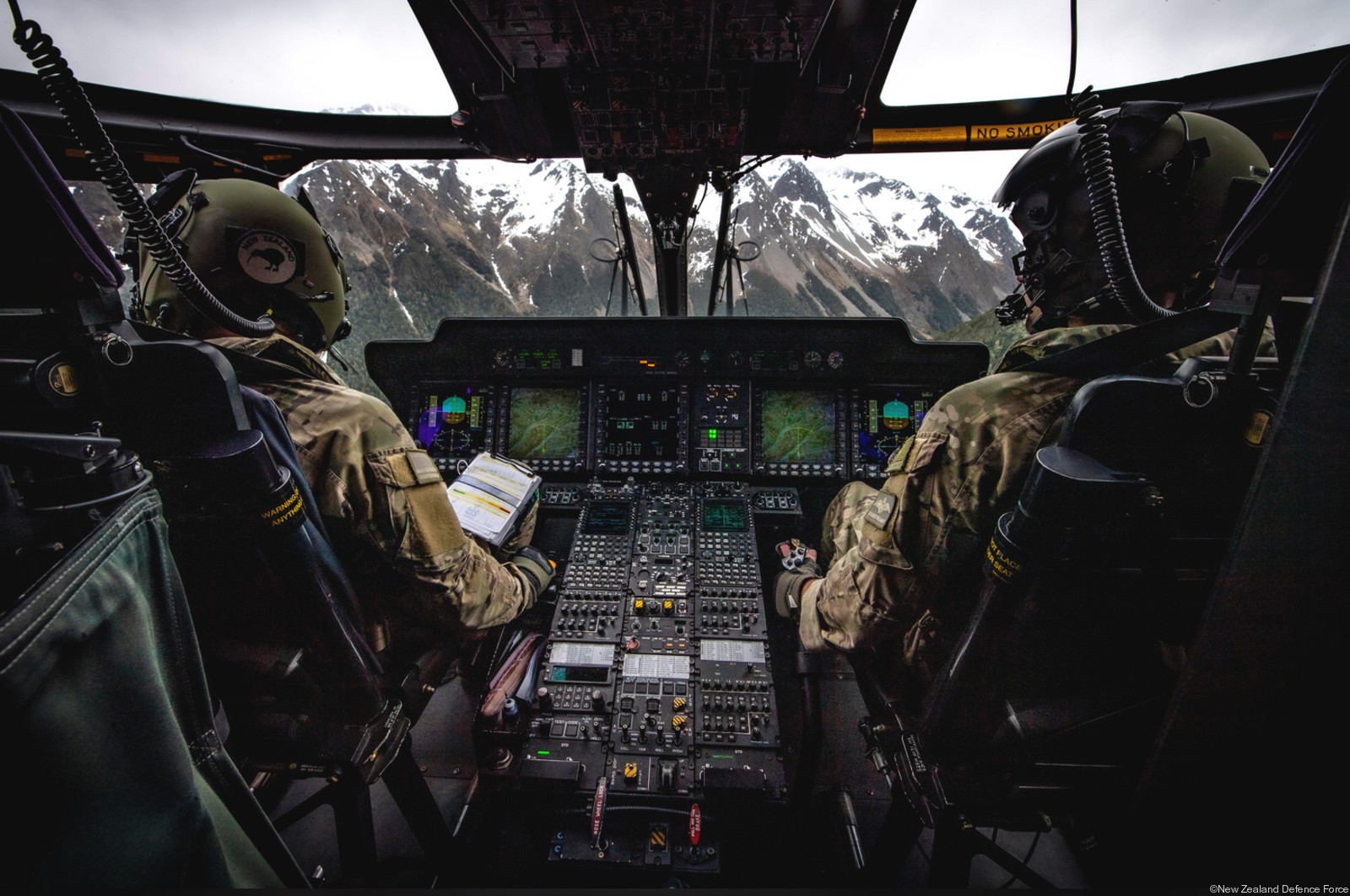
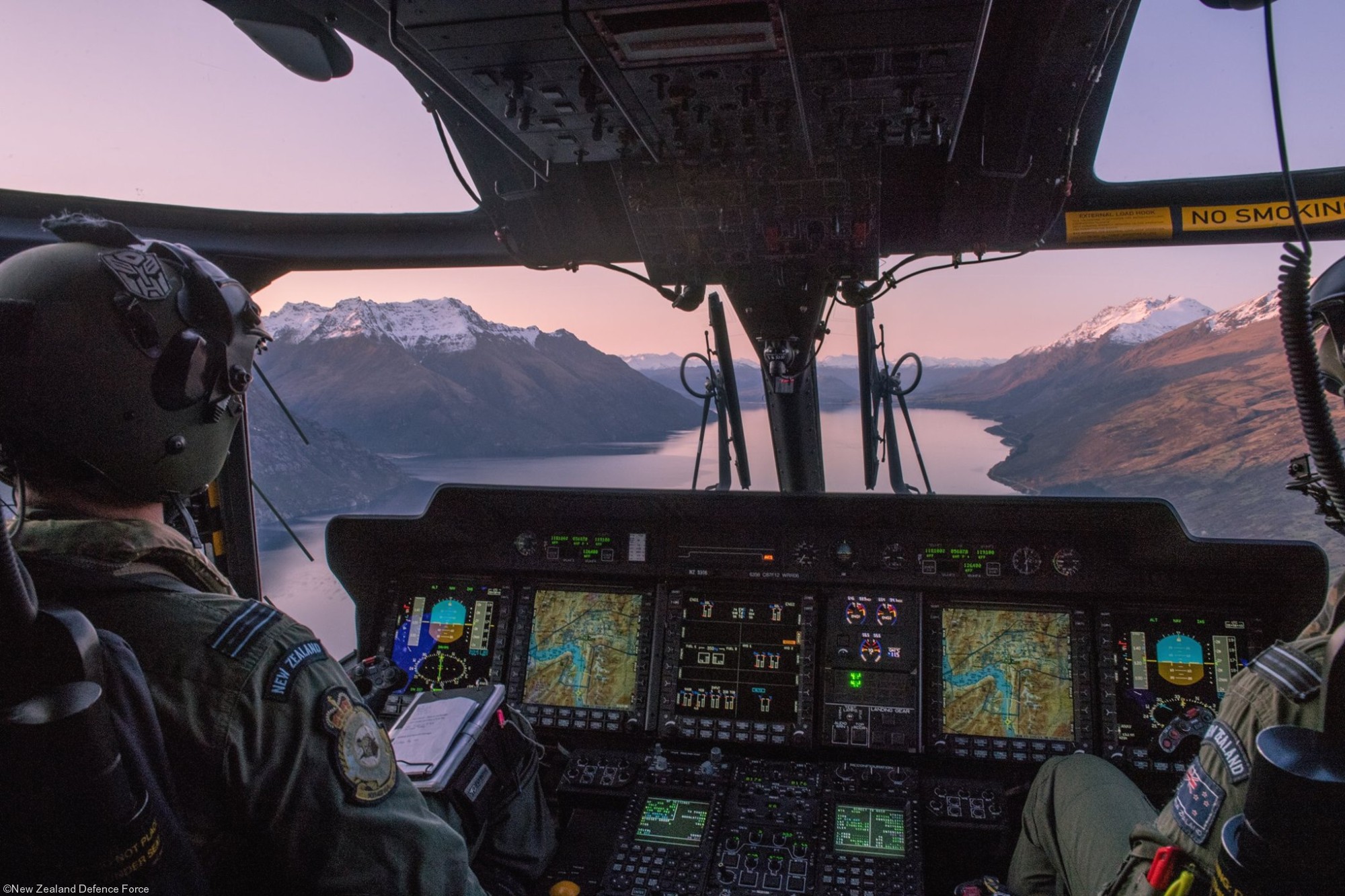
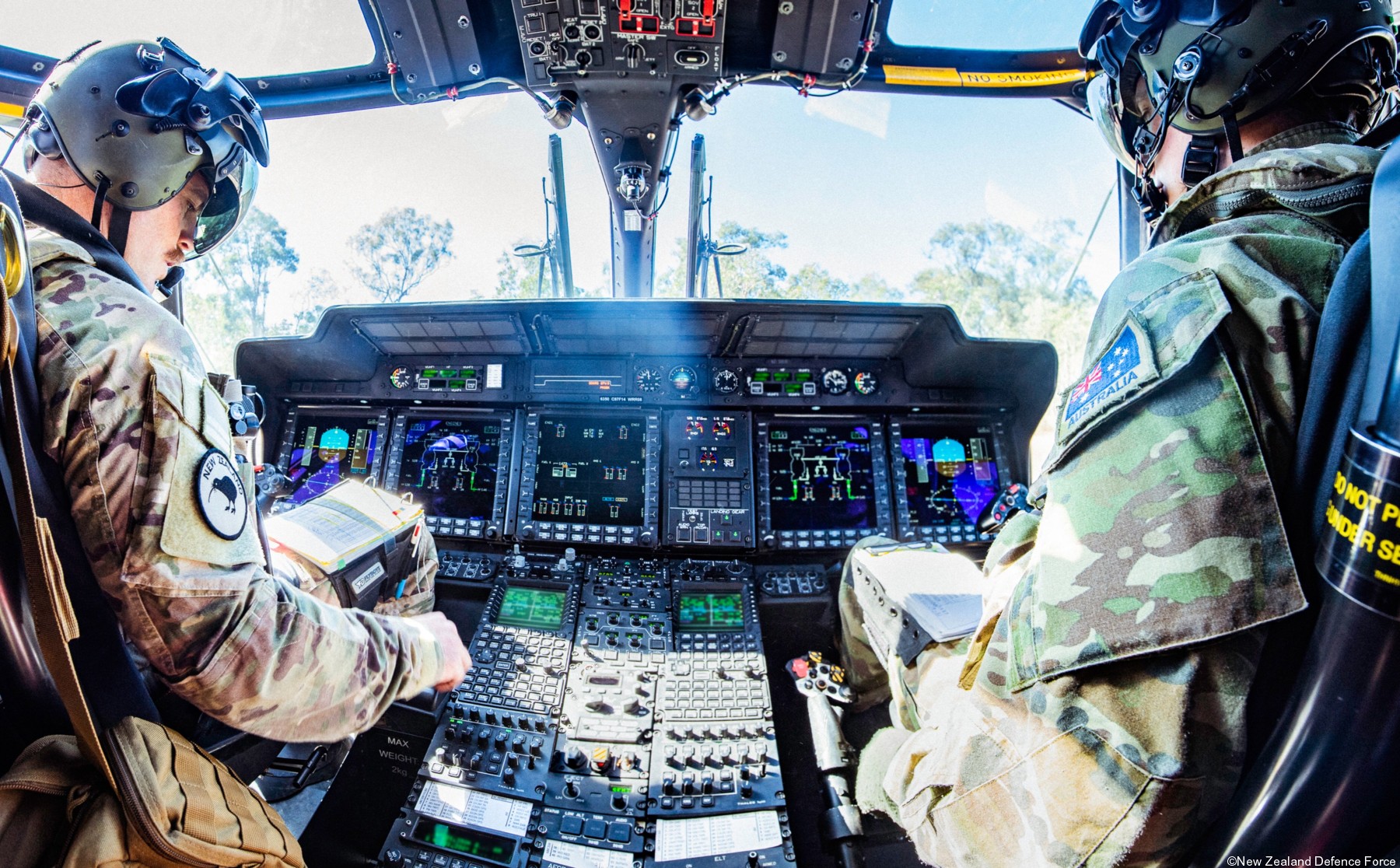
127,000 flight hours in the armed forces of thirteen nations. The NH90 has the distinction of being the first production helicopter to feature entirely fly by wire flight controls. There are two main variants, the Tactical Transport Helicopter (TTH) for army use and the navalised NATO Frigate Helicopter (NFH); each customer typically has various alterations and customisations made to their own NH90 fleets, such as different weapons, sensors and cabin arrangements, to meet their own specific requirements. In early service, the NH90 has suffered several teething issues, which has in turn delayed active deployment of the type by some operators. The NH90 was designed to fulfill a NATO staff requirement for a multi-role, medium-sized military helicopter for both land and maritime operations. According to Flight International, the NH90 has the distinction of being the first helicopter in the world to be developed in line with NATO requirements. As such, the design of the NH90 meets with multiple national and international standards, including military airworthiness processes in Germany, France, Italy, and the Netherlands; conformance with FAR 29 and MIL-STDS design standards, as well as DEF-STN 00-970 icing conditions performance and electro-magnetic compatibility. It is produced in two principal variants, the battlefield Tactical Transport Helicopter (TTH) and the maritime NATO Frigate Helicopter (NFH). One key innovation of the rotorcraft is the four-channel fly-by-wire control system employed; the NH90 is the first helicopter in the world to be equipped with full fly-by-wire flight controls. A four-axis autopilot is also integrated with the fly-by-wire system, as are mission and navigation systems to enable greater autonomy during operations and to reduce pilot workload. The flight envelope of the NH90 is capable of all-weather day-and-night operations, ship-borne operations during high sea states, across a temperature range from −40 °C to +50 °C, and up to a maximum altitude of 20,000 feet. Power is provided by a pair of turboshaft engines, dependent on customer selection, the NH90 is either fitted with Rolls-Royce Turbomeca RTM322 or General Electric T700E powerplants; exhaust gases from the engines are filtered through an infrared suppression system for decreased sensory visibility. According to Airbus Helicopters, the NH90 possesses the lowest radar signature in its class, principally due to its diamond-shaped composite fuselage. The NH90 featured an advanced composite airframe, designed for ballistic tolerance, a high level of crashworthiness, lower weight, and 30 per cent greater endurance than a metallic counterpart. The four main rotor blades are also composed of composite materials, increasing fatigue strength and lifespan while providing for greater damage tolerance. The unobstructed main cabin area is entered either by large sliding doors on either side of the fuselage or via a rear ramp, the cabin is designed to accommodate modular equipment packages to enable the rotorcraft to be rapidly reconfigured, providing for operational flexibility. In a troop-transport capacity, the cabin can accommodate up to 20 fully equipped soldiers, or up to 12 stretchers in a medical evacuation role, some light vehicles may also be transported; the main cabin is equipped with environmental control systems and sound proofing measures to improve passenger conditions. The NH90 can be equipped with various mission-specific systems, including modular armor plating around the cabin area for undertaking high-risk missions and an ice protection system for operations within cold climates. It can also make use of the In-Hover Flight Refuelling System (HIFR) as well as additional internal and external fuel tanks to conduct extended range missions. Other equipment includes a wire strike protection system, rappelling system, hoist, cargo hook, search light and various seating options, including crashworthy foldable seats. For performing maritime operations, such tasked NH90s are typically equipped with the Harpoon deck-locking system, automatic main rotor blade and tail folding mechanisms, and other deck handling systems to conduct all-weather ship-borne operations; it is also typically outfitted with dipping sonar and sonobuoy processing equipment. The NH90 features a range of customizable avionics systems, dependent on customer selection and purpose. On some models, French firm Thales Group provides various parts of the avionics, such as the glass cockpit, full-colour multifunction displays, tactical mission and encrypted communication systems, the TopOwl helmet-mounted sight/display, IFF and autonomous navigation systems, and the electrical power generation system. Other systems include a forward looking infrared (FLIR), weather radar, digital map generation system, enhanced ground proximity warning system, personal locator system, and VHF/UHF/HF tactical radios. In 2015, the NH90 became the first helicopter to receive an laser-based airborne collision avoidance system. Onboard mission systems feature a dual-redundant databus, are compliant with MIL-STD 1553, and are comprehensively managed via sensor fusion functionality. Customer demand for future avionics improvements such as new data links and communication systems, as well as additional electro-optical sensors, have been anticipated by the manufacturer. New Zealand service: In July 2006, the New Zealand government signed an NZ$771 million (~€500M) contract to purchase eight NH90s (plus one extra for spares) to replace the Royal New Zealand Air Force's (RNZAF) fleet of 13 UH-1 Iroquois helicopters. For ease of manufacture and logistics, New Zealand deliberately chose its NH90 configuration to be nearly identical to the larger Australian fleet. On 7 December 2011, deliveries to New Zealand formally began with the first two NH90s being airlifted by a leased Antonov An-124 cargo aircraft to RNZAF Base Ohakea. In February 2013, the first phase of the RNZAF's operational evaluation of the NH90 was completed, clearing the type to begin operational duties. Between September 2013 and July 2014, the first four delivered NH90s were retrofitted to a final operational configuration; later aircraft were already delivered to this standard. On 31 October 2014, the RNZAF announced that they had received into service the last of the eight NH90 TTHs. Following command structure changes in December 2014, the NH90 fleet was tasked with additional responsibilities, including casualty evacuation during search and rescue operations and providing transport services to the New Zealand Police and other government personnel. In April 2015, Defence Minister Gerry Brownlee questioned the inability of the NH90 fleet to contribute to relief efforts in the aftermath of Cyclone Pam, revealing that the fleet may be refitted with an automated blade and tail folding system to better enable ship borne deployments in the future. In April 2016, NH90s flew 160 hours during relief missions in Fiji following the devastation of Cyclone Winston, and transported a variety of staff to different locations. The NH90 served alongside the NZ Sea sprites, and with additional logistical support from fixed wing aircraft. After the Kaikōura earthquakes in November 2016, the NH90s were critical in delivering aid and supplies to the area. They also assisted with civilian evacuations of foreign nationals. In April 2017, the RNZAF's NH90 fleet was grounded following an in-flight single engine failure which forced an emergency landing. In November 2021, New Zealand NH90, NZ3302, became the first of its type to reach 2,000 flying hours. According to the RNZAF, despite being delivered years after other customers, high serviceability rates allow New Zealand NH90s to fly more hours per aircraft than other operators. New Zealand states it was getting acceptable flight hours from its fleet and was not going to change its maintenance regime. In May 2025, the RNZAF flew a formation flight of 7 of the 8 airframes in the fleet from Base Ohakea, displaying their continued high availability rate. In September 2025, two New Zealand NH90s flew from Cairns, Australia, to Port Moresby in Papua New Guinea. The 838 km flight across the Coral Sea, which took four hours to complete, was the longest NH90 flight conducted by the RNZAF and necessitated two 500kg external gas tanks and an additional internal gas tank as a reserve. It was the first time New Zealand NH90s had flown between two countries. Characteristics: Crew: 2 pilots (and possible sensor operator on NFH) Capacity: 20 seated troops; or 12 medevac stretchers; or 2 NATO pallets; or 4200 kg (9260 lb) external slung load Length: 16.13 m (52 ft 11 in) Rotor diameter: 16.30 m (53 ft 6 in) Height: 5.23 m (17 ft 2 in) Empty weight: 6400 kg (14100 lb) Useful load: 4200 kg (9260 lb) Max. takeoff weight: 10600 kg (23370 lb) Powerplant: 2 x Rolls-Royce Turbomeca RTM322-01/9 turboshaft, 1662 kW (2230 shp) Maximum speed: 300 km/h (162 knots, 186 mph) Range: 800 km (497 mi) TTH / 1000 km (621 mi) NFH Service ceiling: 6000 m (20000 ft) Rate of climb: 8 m/s (1574 ft/m) source: wikipedia |
| No. 3 Squadron RNZAF |
|
No. 3 Squadron RNZAF is a unit of
the Royal New Zealand Air Force (RNZAF). It currently operates
NHIndustries NH90 TTH and Agusta A109 helicopters. The squadron
was initially formed as a territorial unit of the New Zealand
Permanent Air Force in Christchurch in 1930. During World War
II, the squadron served in the Pacific, undertaking patrol
operations. In the early post war period, the squadron was
converted to a Territorial formation flying fixed wing aircraft,
but later converted to rotary wing aircraft, and returning to
permanent status. Since then, personnel from the squadron have
served in the Vietnam War, East Timor, Singapore, the Sinai, and
the Solomon Islands. The squadron has a total personnel strength of approximately 135, and operates the following aircraft: Five Agusta A109 LUH helicopters - Callsign: MAKO. (One extra purchased as a source for spare parts and/or an attrition airframe). A procurement to purchase a further three A-109 signalled by the Defence Force White Paper. Eight NH-90 TTH helicopters - Callsign: WARRIOR. One NH-90 purchased used as a source of spare parts and/or an attrition airframe. Motto: KIMIHIA KA PATU (seek and destroy) 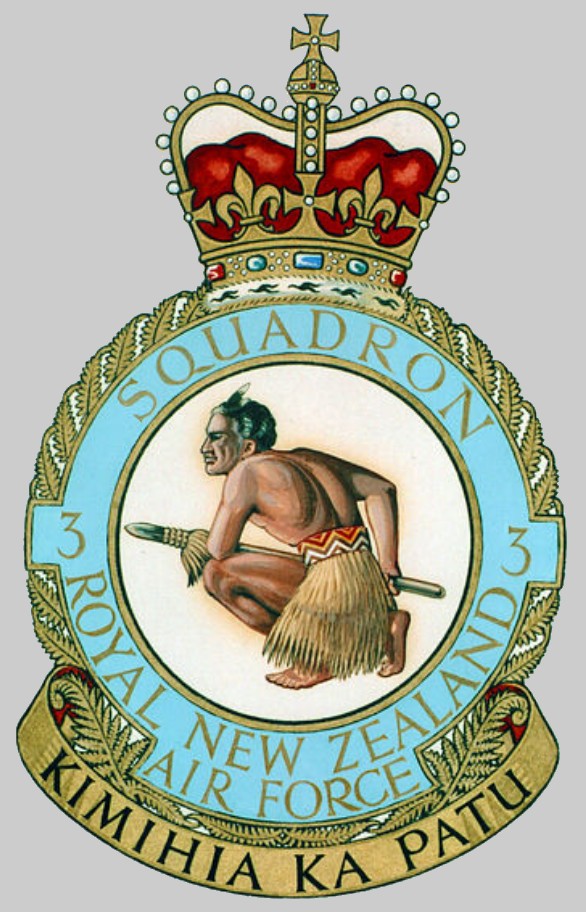 |
| images |
                                      |
|
|
seaforces.org
|
Royal
New Zealand
Navy start page
| |
