|
|
|
|
|
||
|
|
|
|
|||
|
|
|
|
|||
|
|
|||||
|
|
|||||
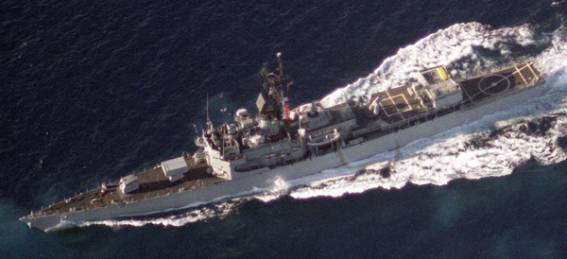
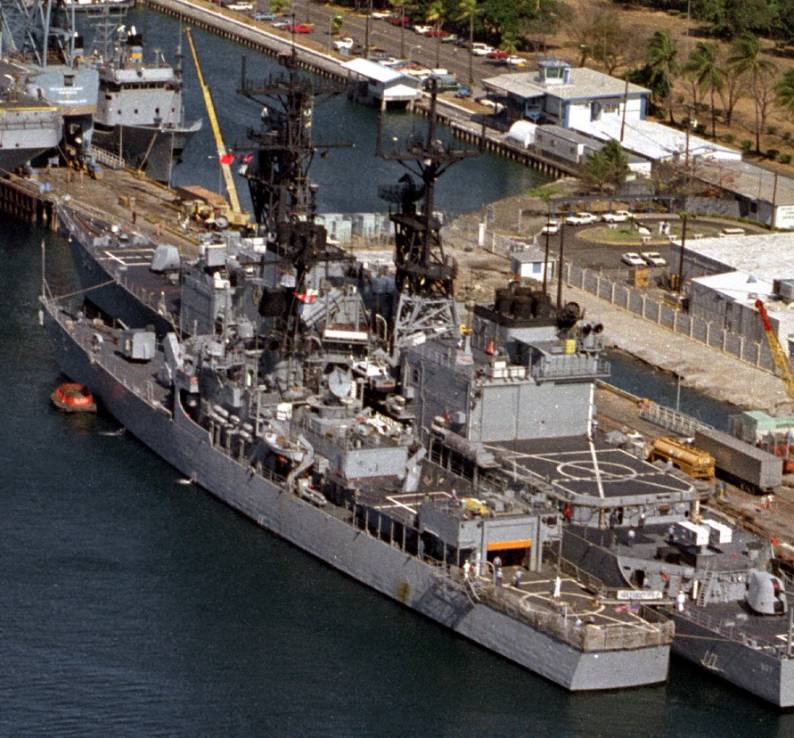
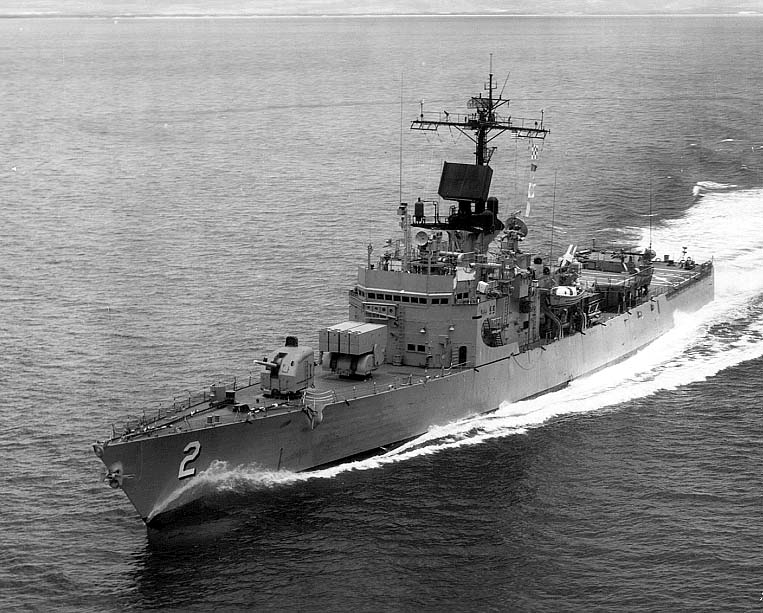
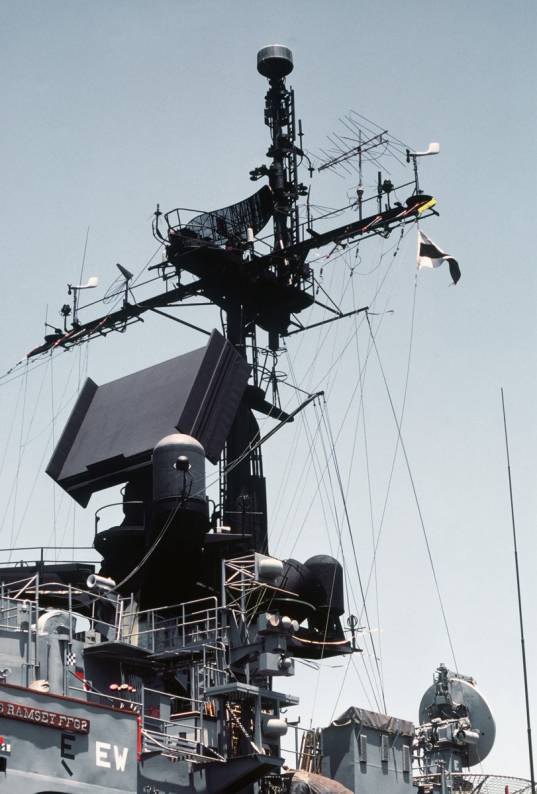
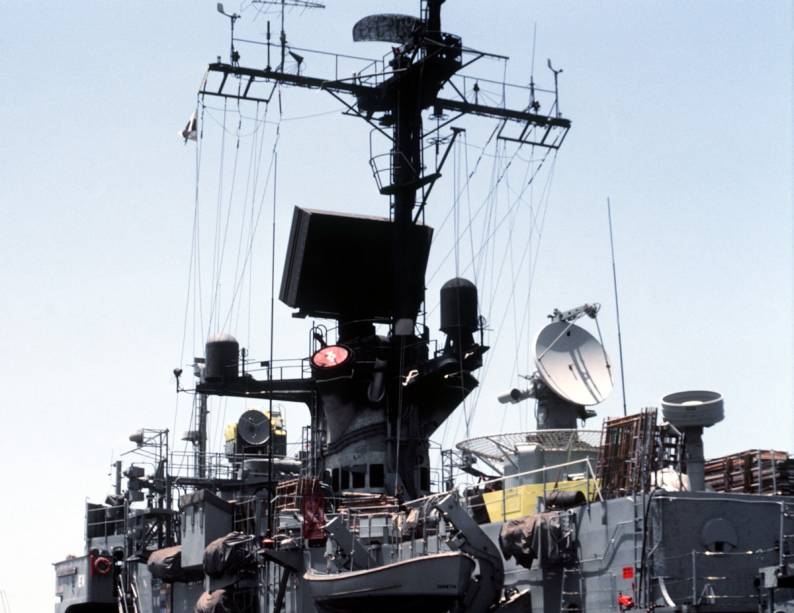
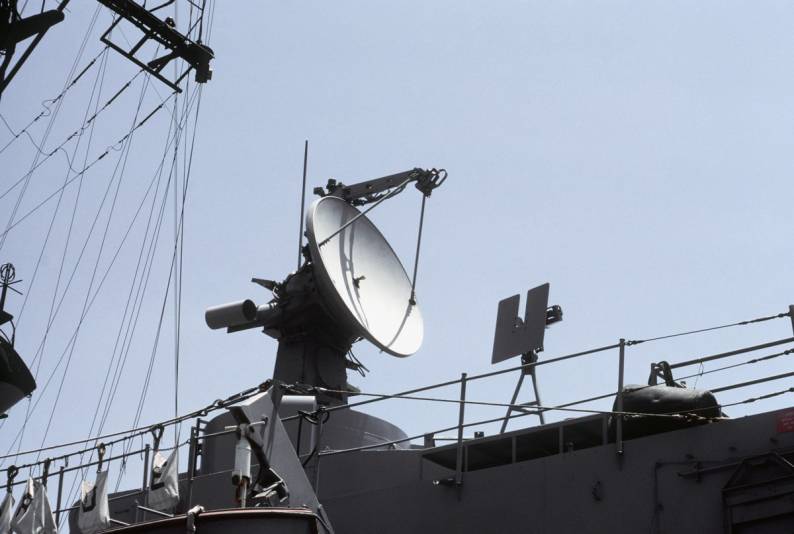
Guided Missile Frigate
|
|||||
FFG 2
- USS Ramsey
|
|||||
|
|
|||||
|
|
|||||
|
|
|
||||
Type,
Class:
|
|
Guided Missile Destroyer Escort; Guided Missile Frigate;
Brooke - class
planned and built
as DEG 2; reclassified to FFG 2 |
|||
Builder:
|
|
Lockheed
Shipbuilding & Construction, Seattle, Washington, USA |
|||
STATUS:
|
|
Awarded:
January 4,
1962 Laid
down: February 4, 1963
(as DEG 2) Launched: October 15, 1963 (as DEG 2) Commissioned: June 3, 1967 (as DEG 2) Reclassified to
FFG 2: June 30, 1975 Decommissioned:
September 1,
1988 Fate: sunk as a target during exercise
RIMPAC 2000 on June 15, 2000; location:
023° 53' 06.0" N / 159° 35' 05.0" W (Pacific) in a depth of 4938
meters; |
|||
Homeport:
|
|
-
|
|||
Namesake:
|
|
Named
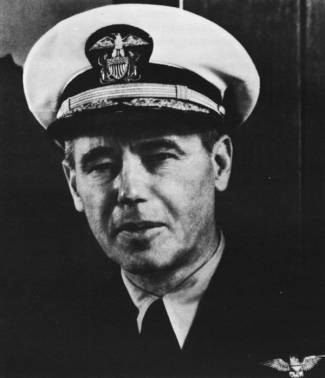
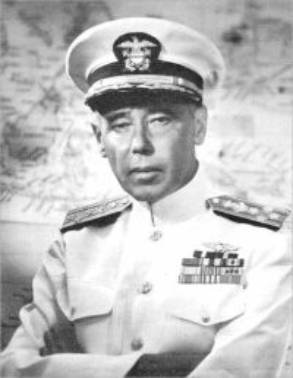
after and in honor of Admiral DeWitt Clinton Ramsey (1888 - 1961) >
see history, below; |
|||
Ship's
Motto:
|
|
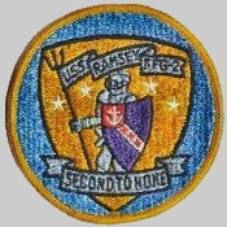
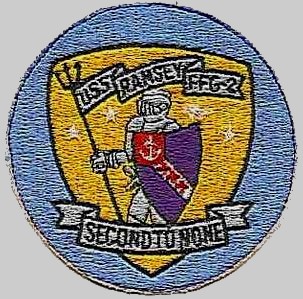
SECOND TO NONE |
|||
Technical Data:
(Measures, Propulsion, Armament, Aviation, etc.)
|
|
||||
|
|
|||||
ship
images
|
|||||
|
|
|||||
|
|
|||||
|
DeWitt Clinton Ramsey |
|||||
|
|
|||||
|
|
|||||
|
Namesake & History: |
|||||
|
Admiral
DeWitt Clinton Ramsey (October 2, 1888 – September 7, 1961): |
|||||
|
DeWitt Clinton Ramsey
was born on 2 October 1888 at Whipple Barracks, Ariz. Graduated from the
Naval Academy, he was commissioned Ensign in June 1912. In 1917 he qualified
as a naval aviator. During World War I, he was Inspection Officer for United
States Naval Air Stations in France, and a member of the Inter-Allied
Armistice Commission. |
|||||
|
|
|||||
|
USS
Ramsey (DEG/FFG 2): |
|||||
|
FFG 2
history wanted |
|||||
|
|
|||||
|
patches |
|||||
|
|
|||||
|
|
|||||