 |
||
|
HOME
|
US Navy -
ships
|
US Navy - air
units
|
USMC - air
units
|
International
Navies
|
Weapon Systems
|
Special Reports |
||
|
US Navy - Guided Missile Destroyer DDG 98 - USS Forrest Sherman |
||
|
||
| 04/26 | ||
|
Type, class:
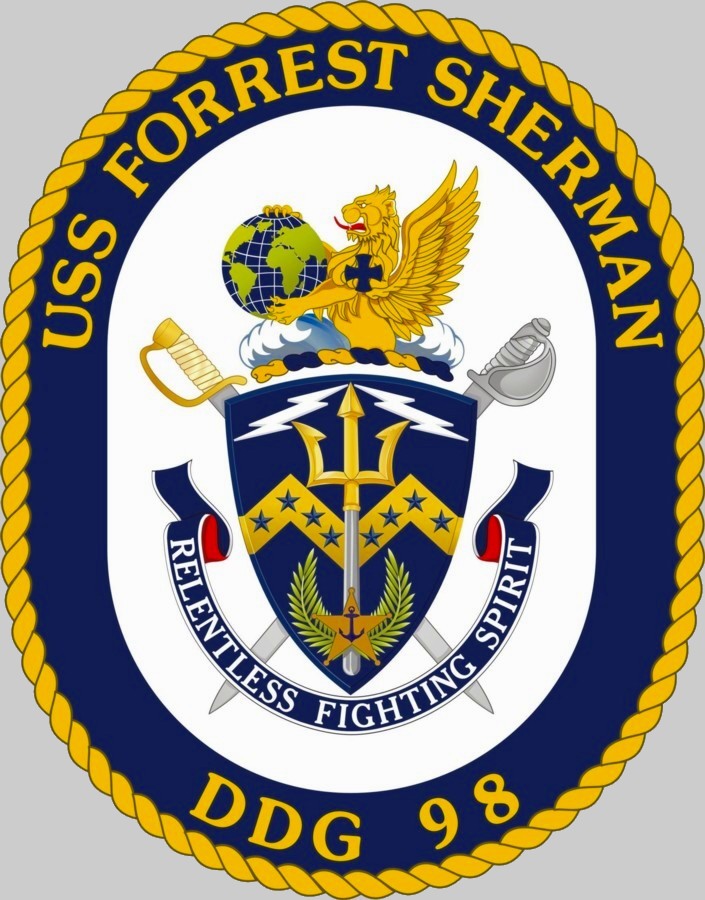
Guided Missile Destroyer - DDG; Arleigh Burke class, Flight IIA Builder: Ingalls Shipbuilding, Pascagoula, Mississippi, USA STATUS: Awarded: March 6, 1998 Laid down: August 7, 2003 Launched: October 2, 2004 Commissioned: January 28, 2006 IN SERVICE Homeport: Naval Station Norfolk, Virginia Namesake: Admiral Forrest Percival Sherman (1896-1951) Ships Motto: RELENTLESS FIGHTING SPIRIT Technical Data: see: INFO > Arleigh Burke class Guided Missile Destroyer - DDG |
||
| images | ||
 5th Fleet AOR - August 2025  5th Fleet AOR - August 2025  departing Naval Station Norfolk, Virginia - May 6, 2025  Atlantic Ocean - March 2025  torpedo loading exercise - Naval Station Norfolk, Virginia - February 2024 > March 2023 - September 2023: Selected Restricted Availability (SRA) at Marine Hydraulics Industries (MHI) Ship Repair & Services, Norfolk, Virginia 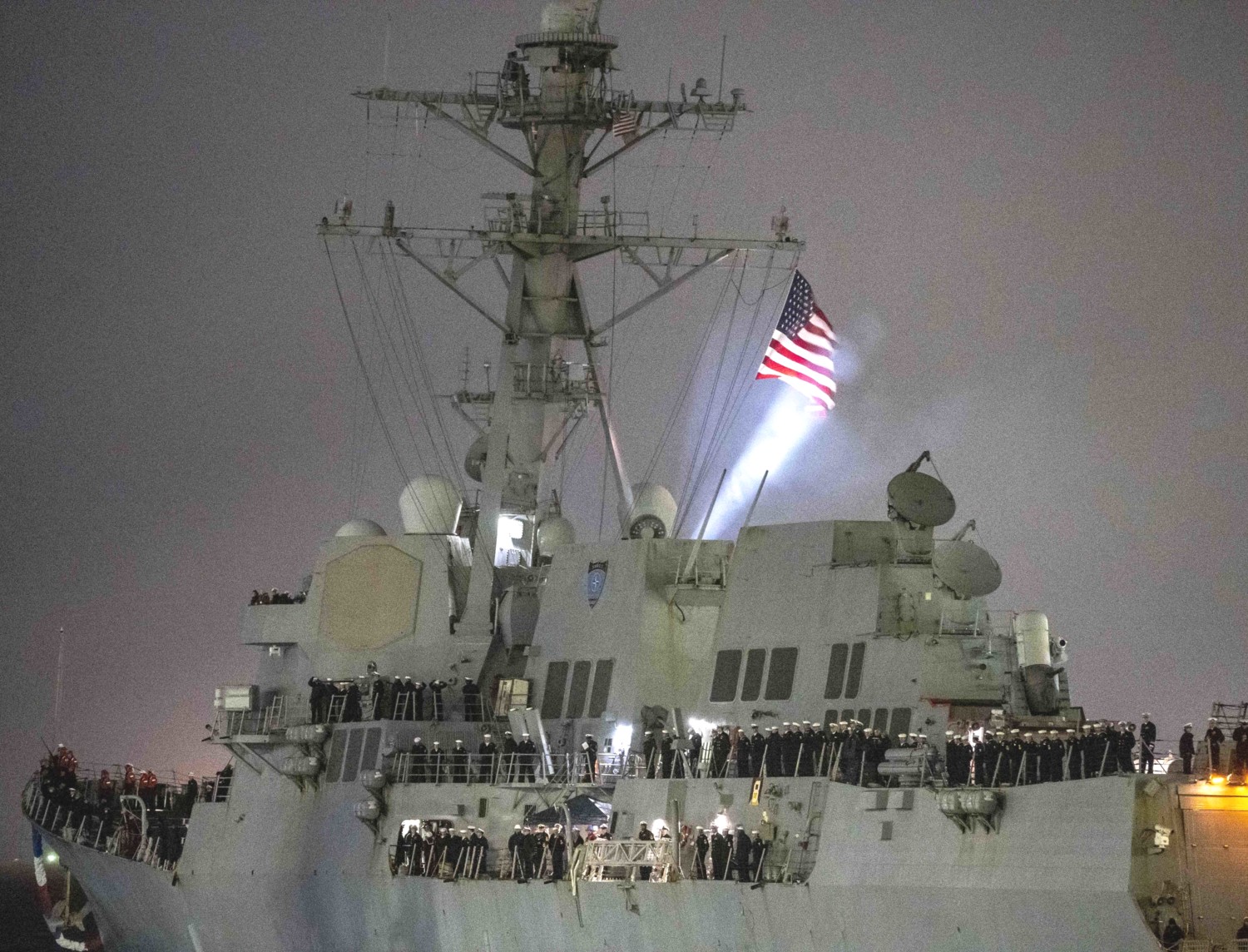 returning to Naval Station Norfolk, Virginia - December 22, 2022 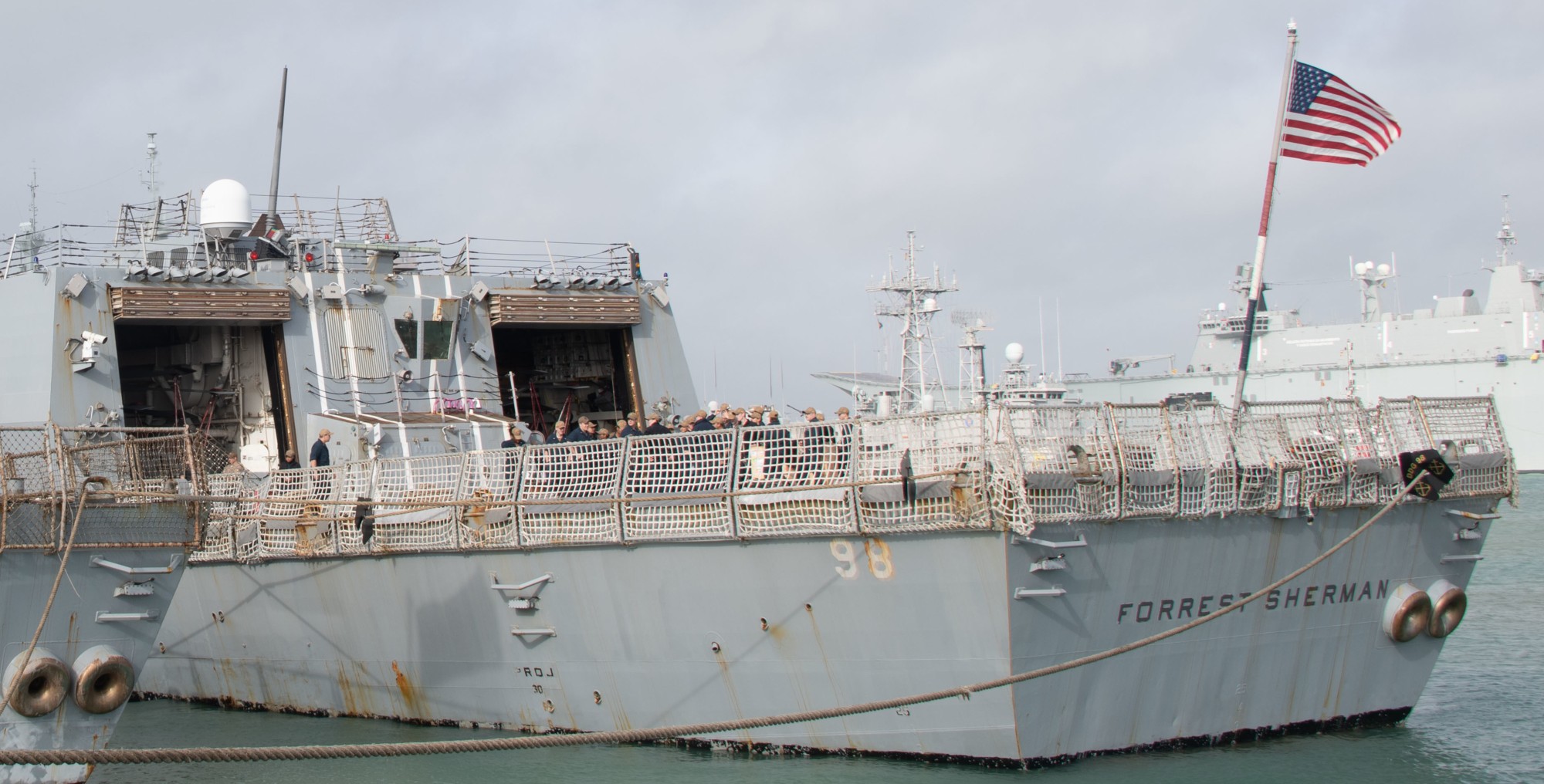 Naval Station Rota, Spain - December 2022 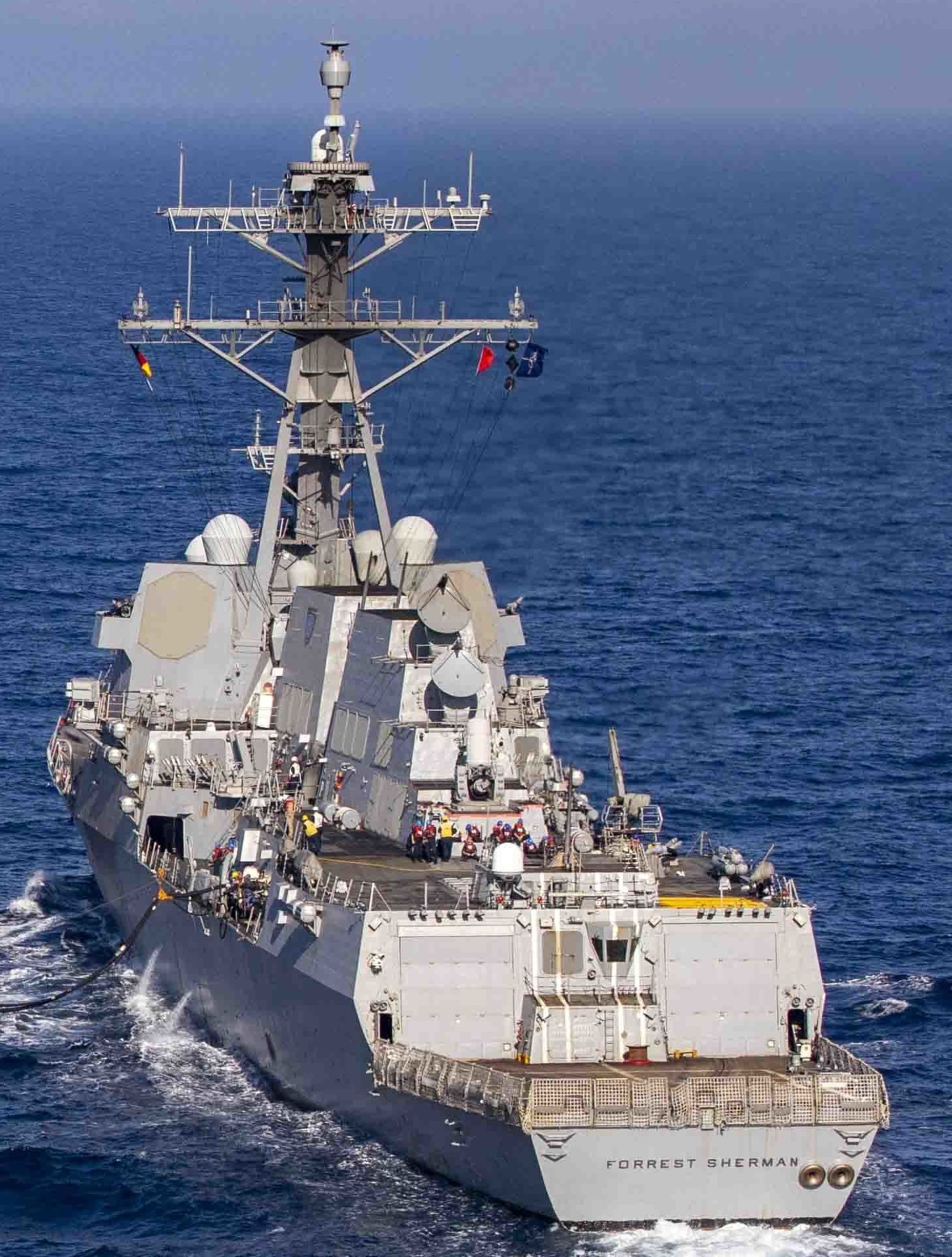 Adriatic Sea - October 2022 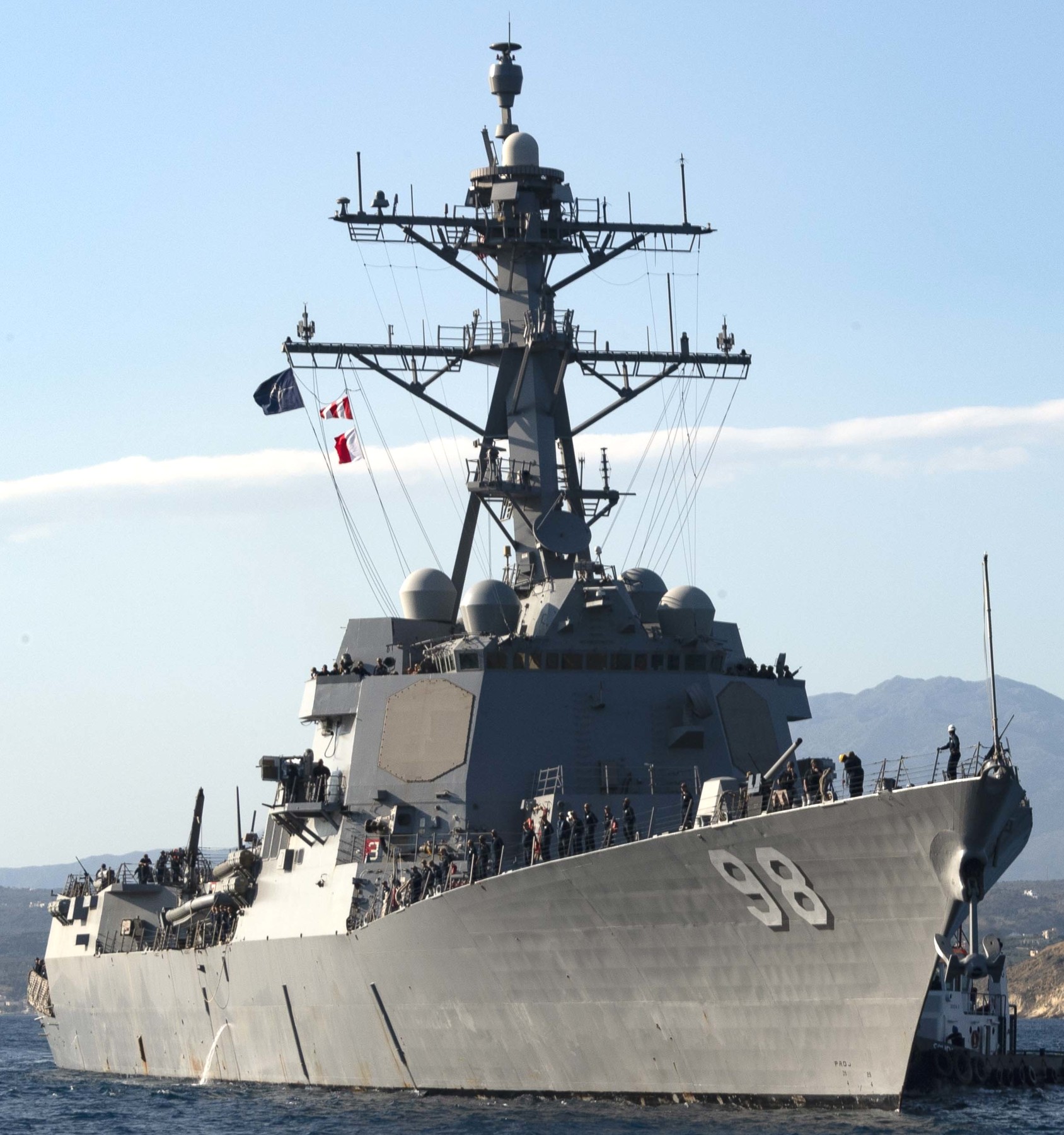 Naval Support Activity Souda Bay, Crete, Greece - July 2022 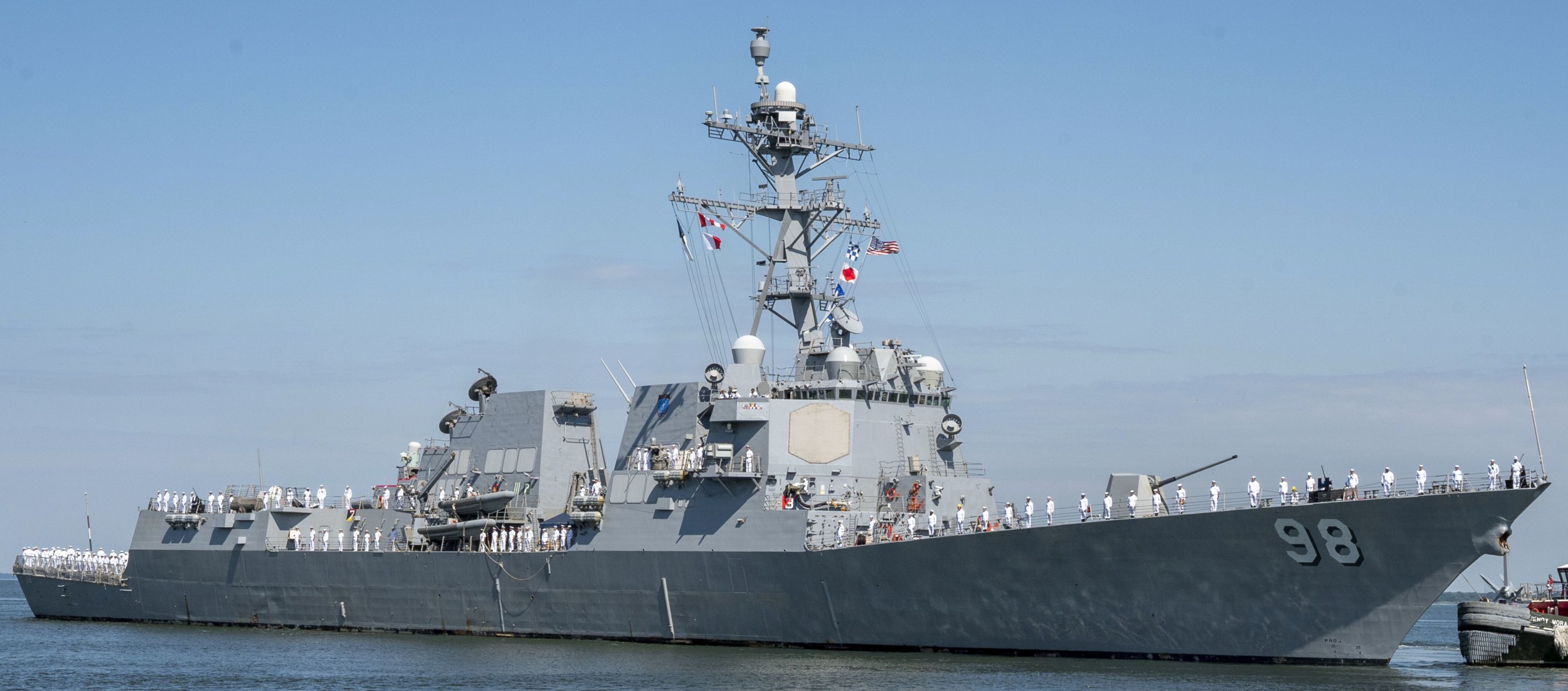 departing Naval Station Norfolk, Virginia - June 11, 2022 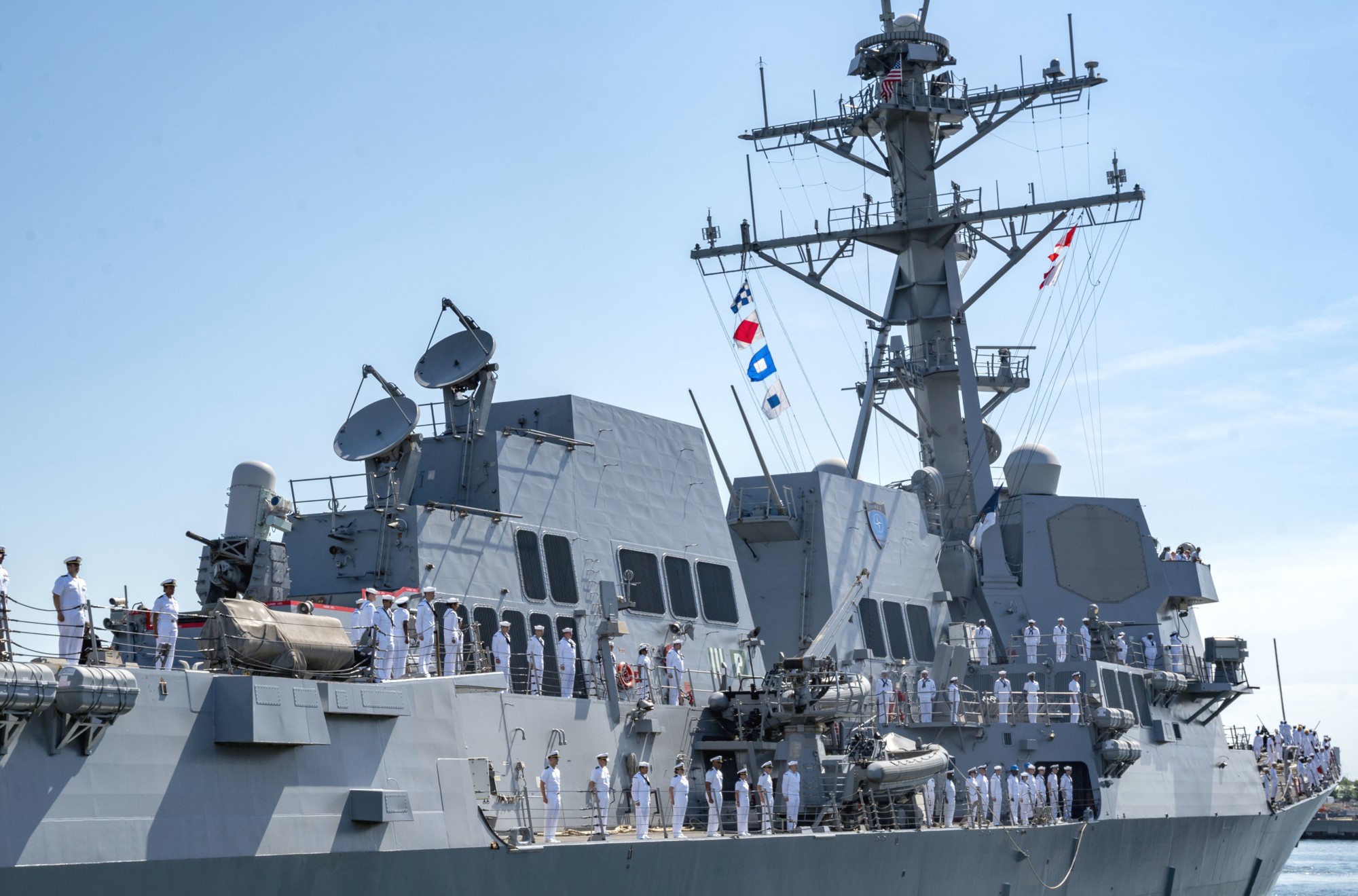 departing Naval Station Norfolk, Virginia - June 11, 2022 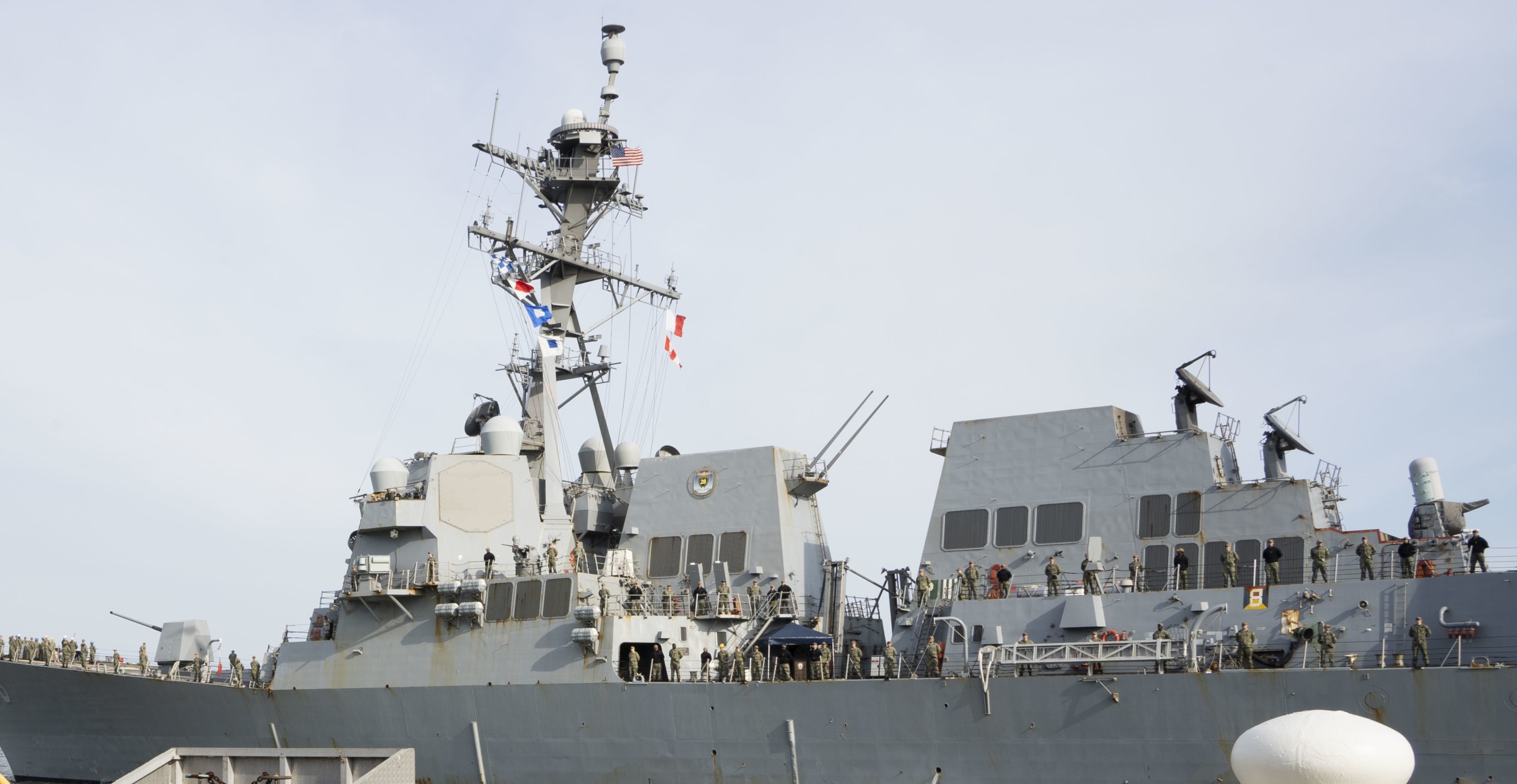 returning to Naval Station Norfolk, Virginia - April 13, 2022 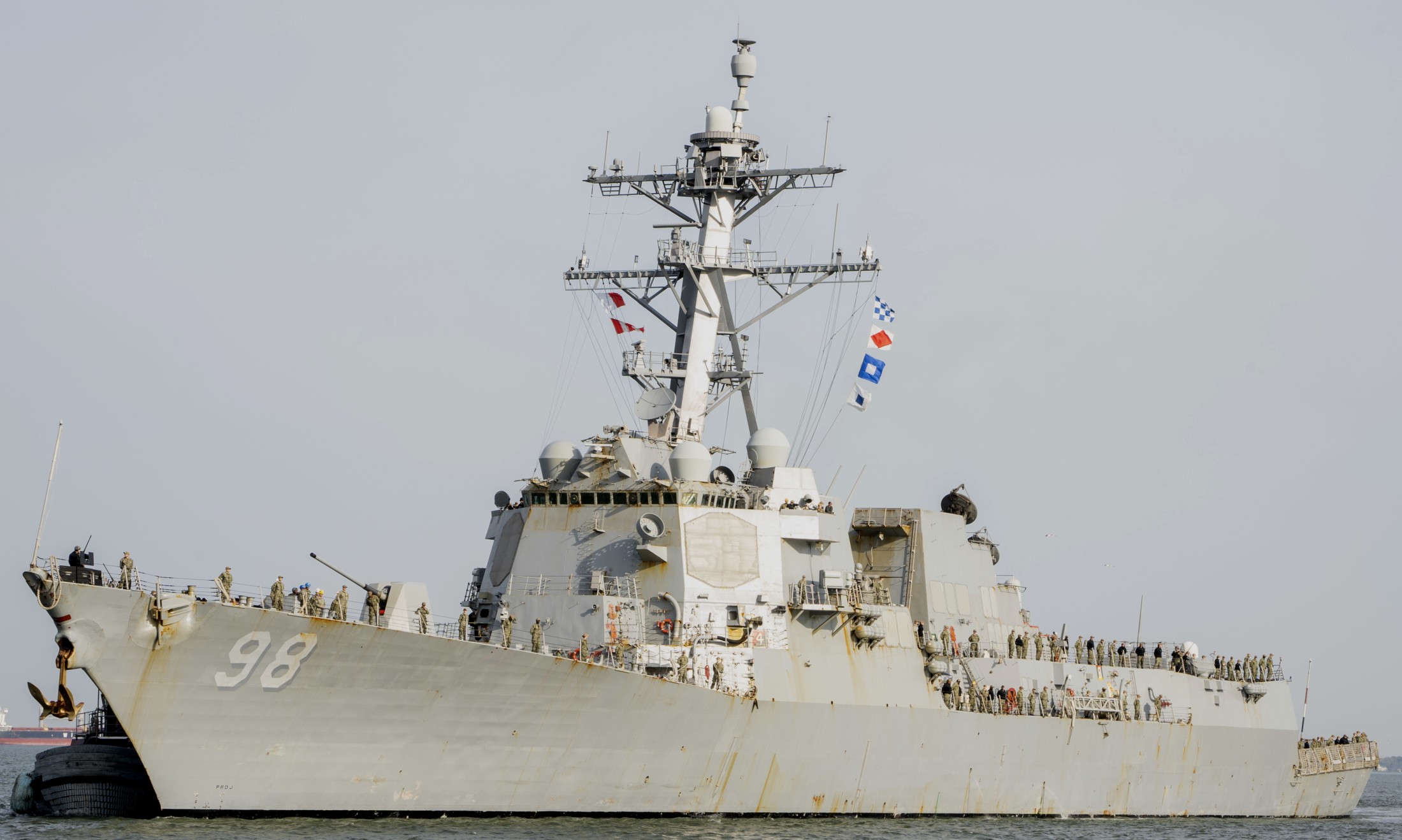 returning to Naval Station Norfolk, Virginia - April 13, 2022 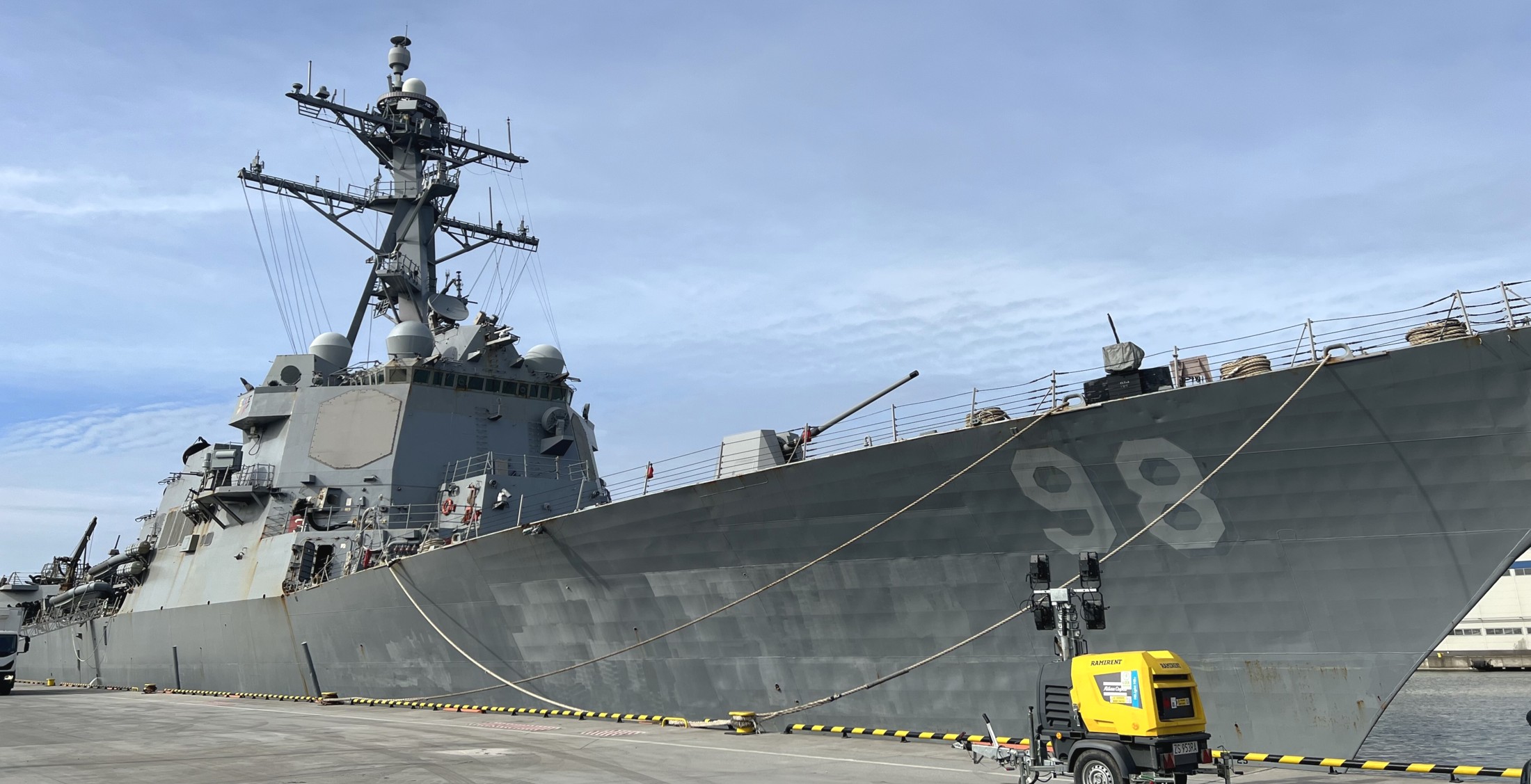 Gdansk, Poland - March 2022 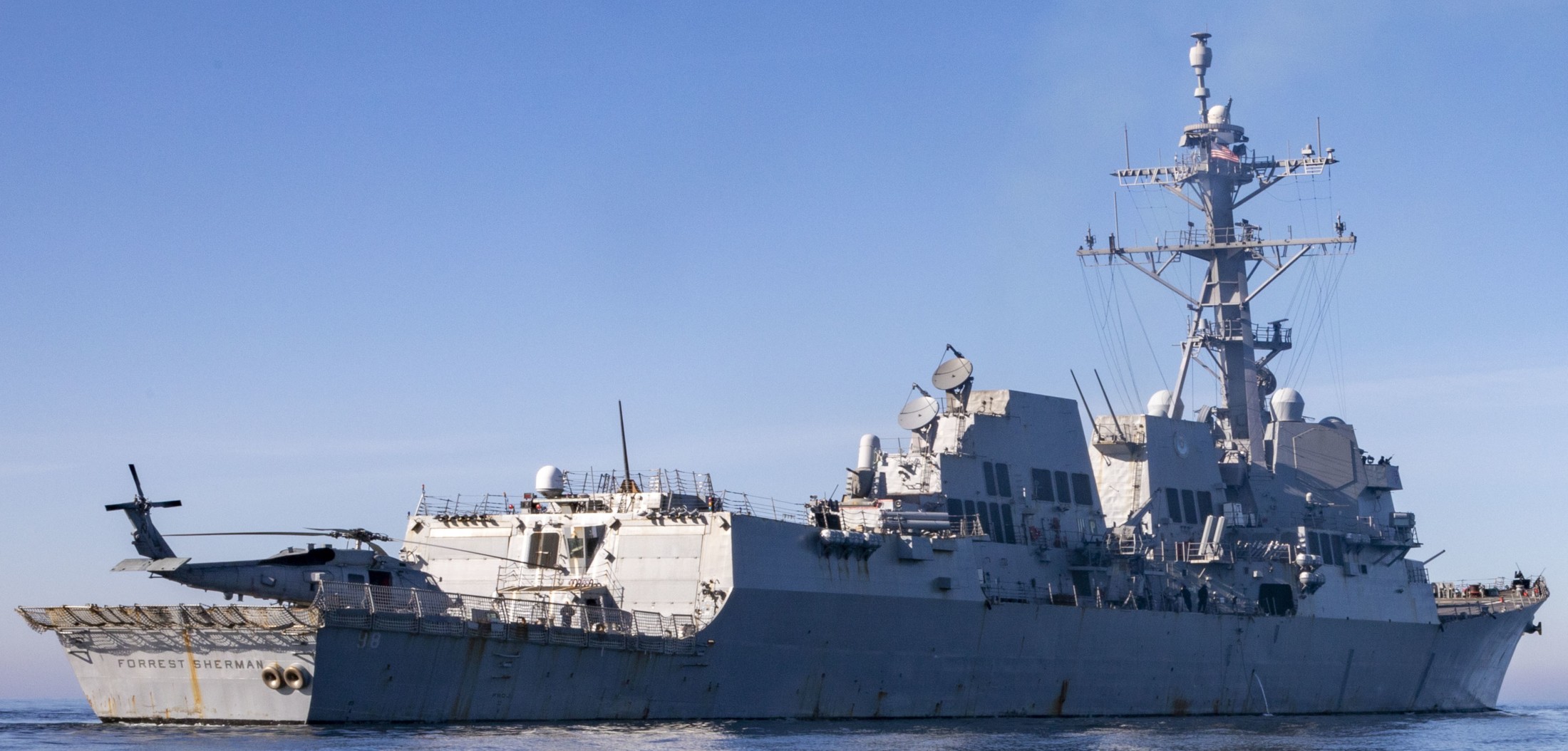 Baltic Sea - March 2022  Baltic Sea - March 2022 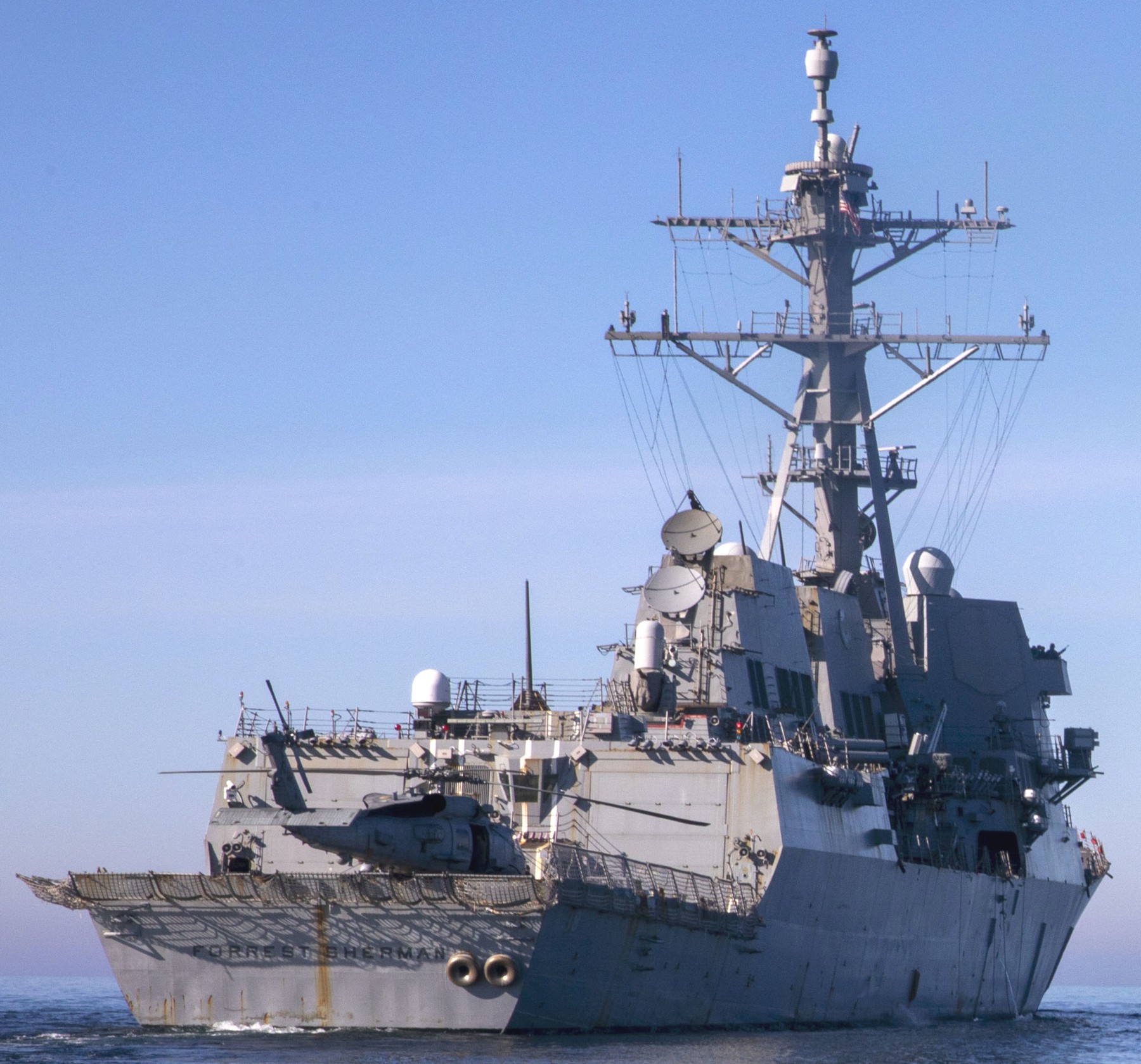 Baltic Sea - March 2022 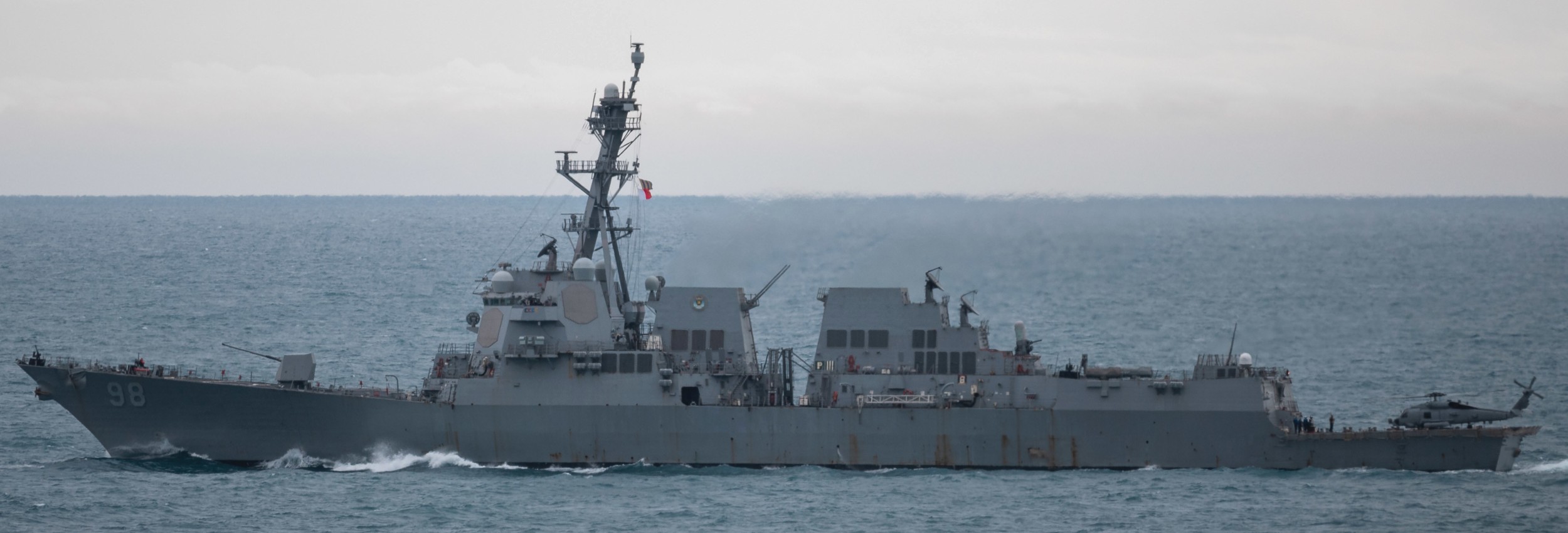 Atlantic Ocean - January 2022 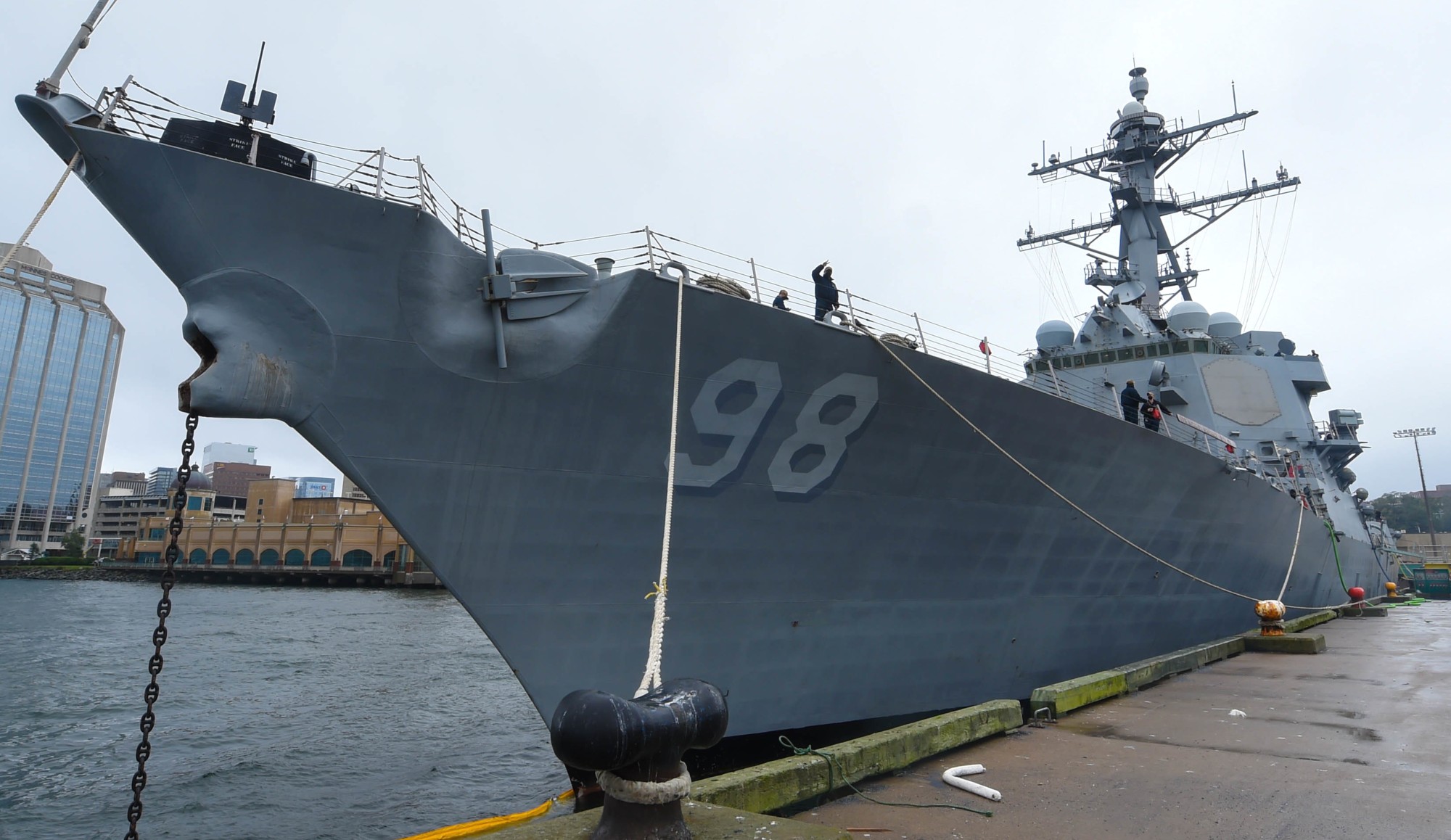 Halifax, Nova Scotia, Canada - September 2021 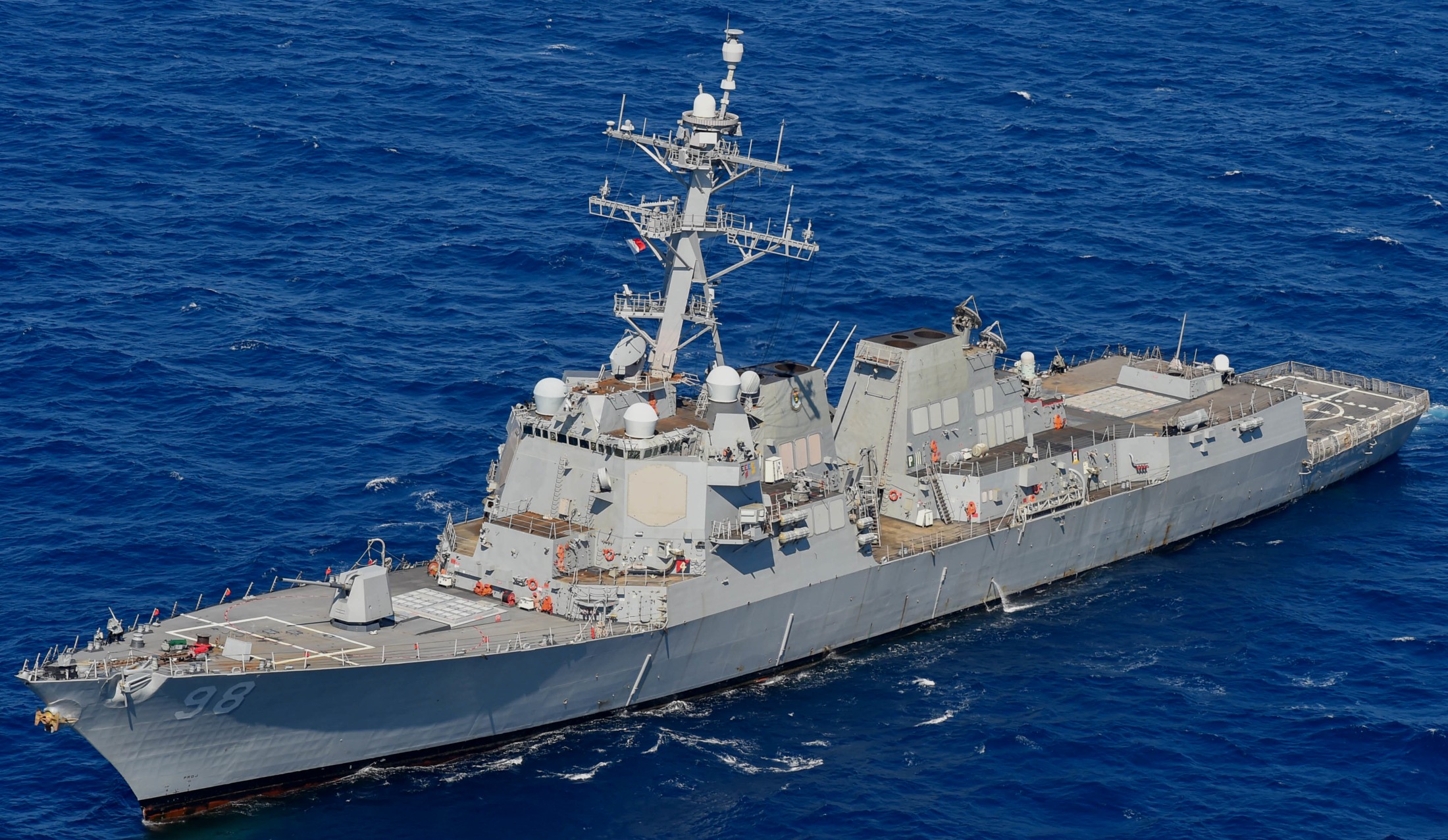 Atlantic Ocean - September 2021 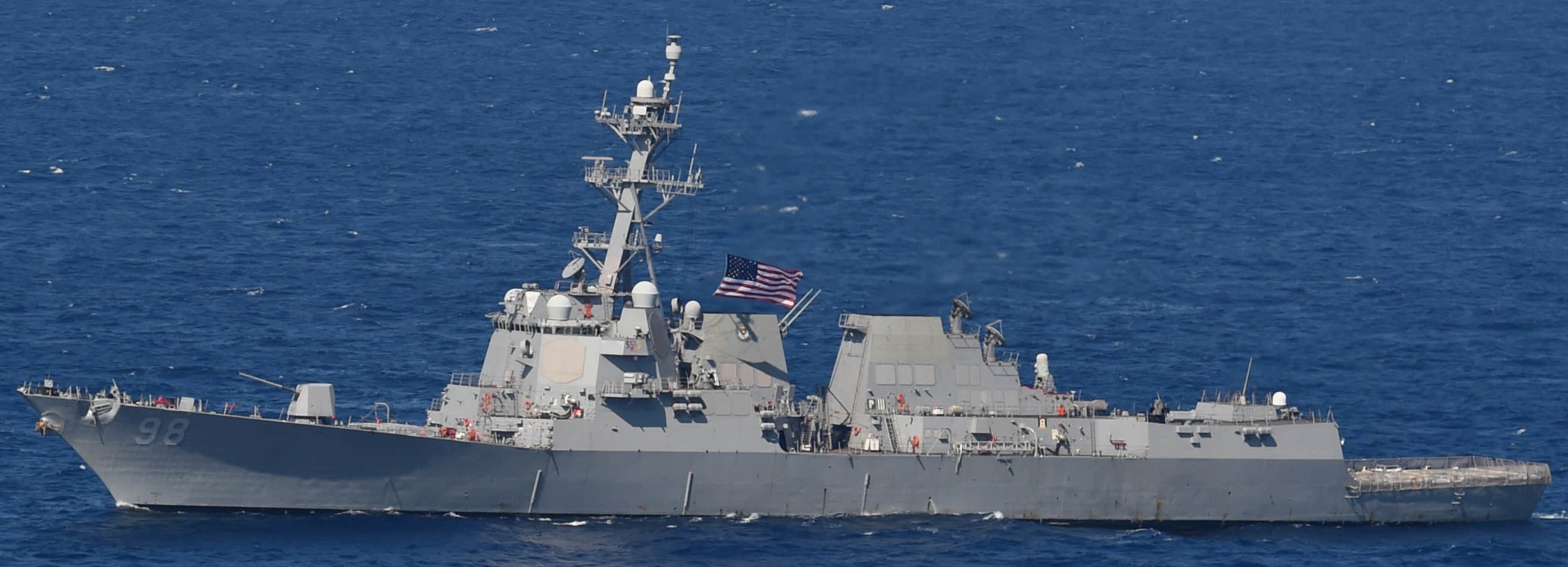 Atlantic Ocean - September 2021 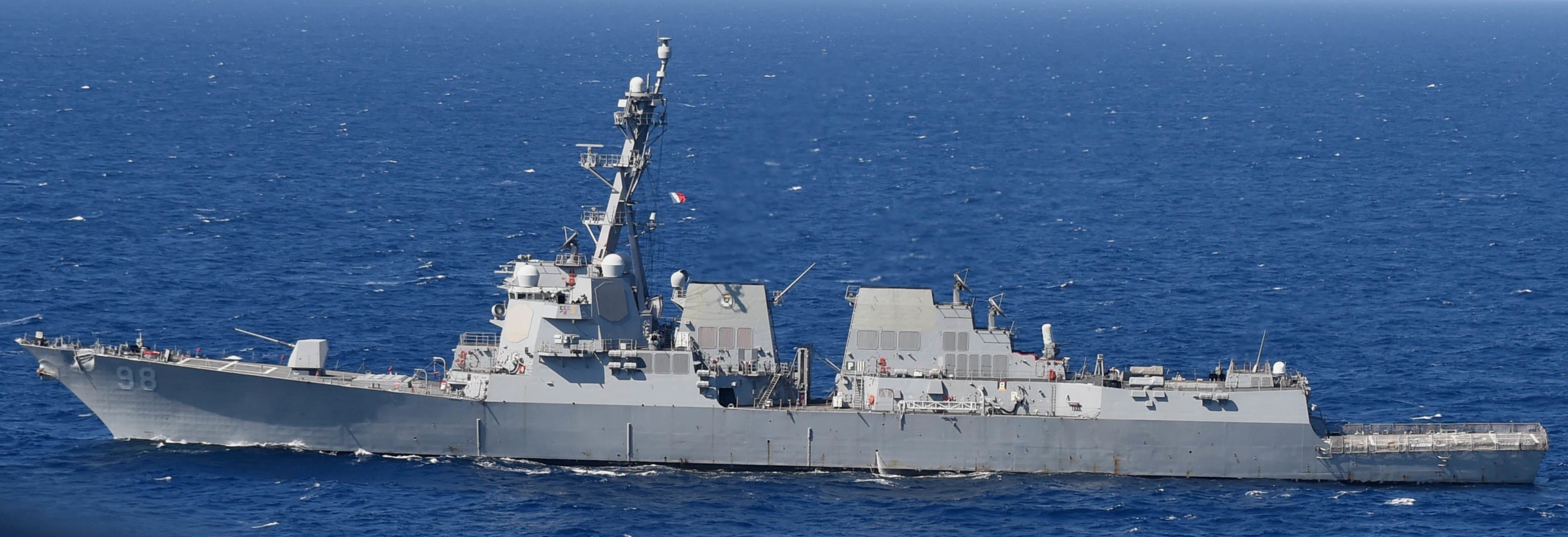 Atlantic Ocean - September 2021 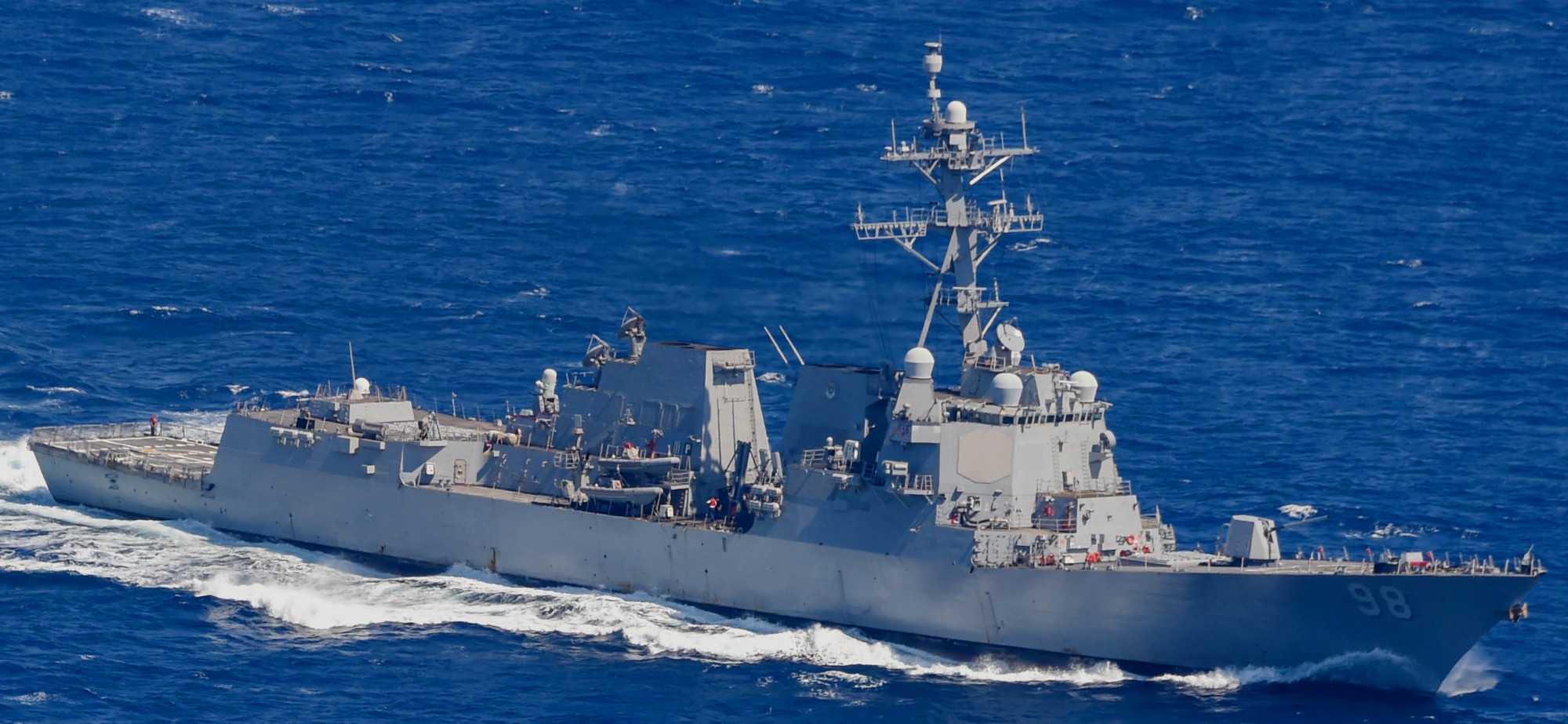 Atlantic Ocean - September 2021 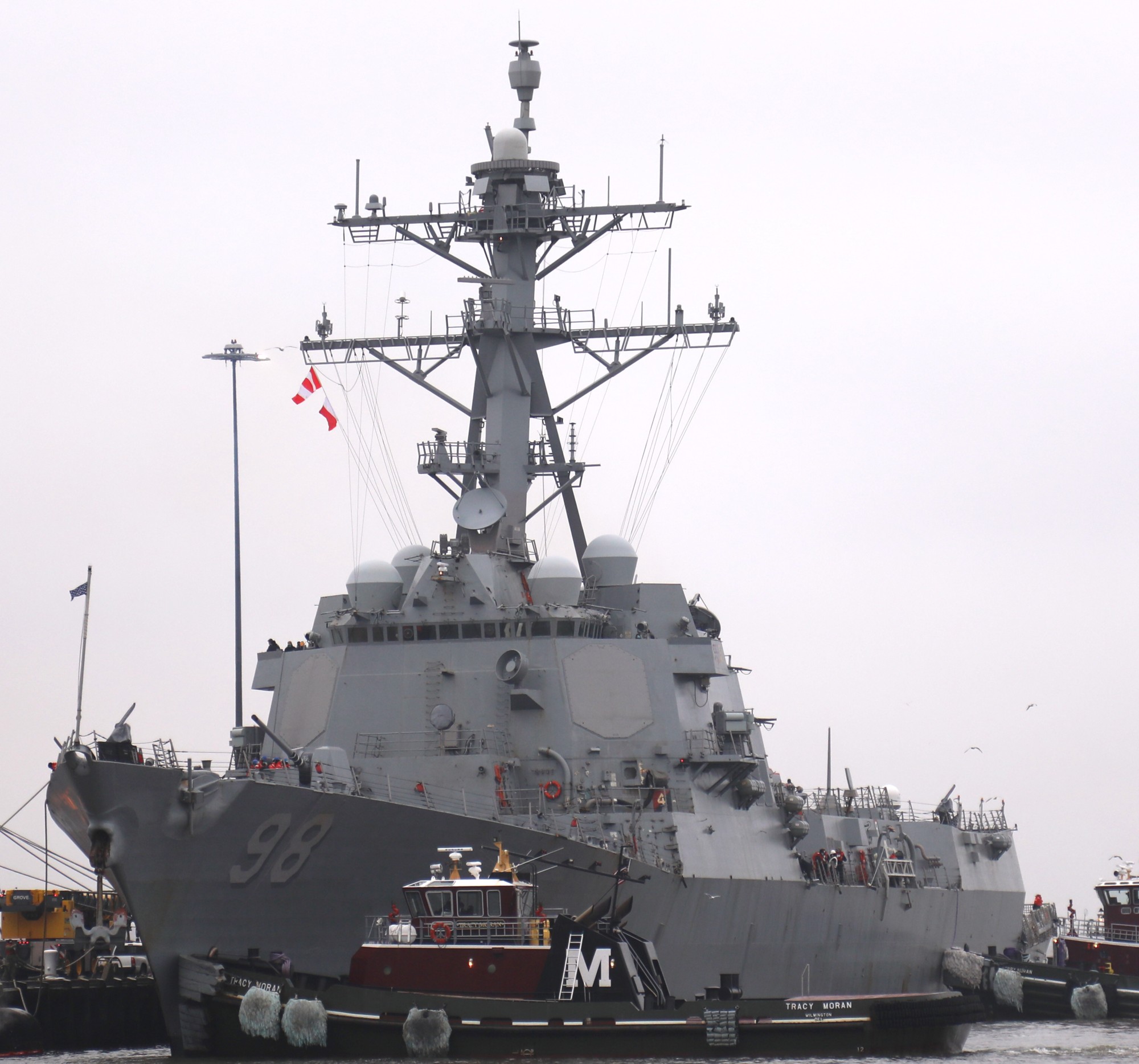 returning to Naval Station Norfolk after trials - February 12, 2021 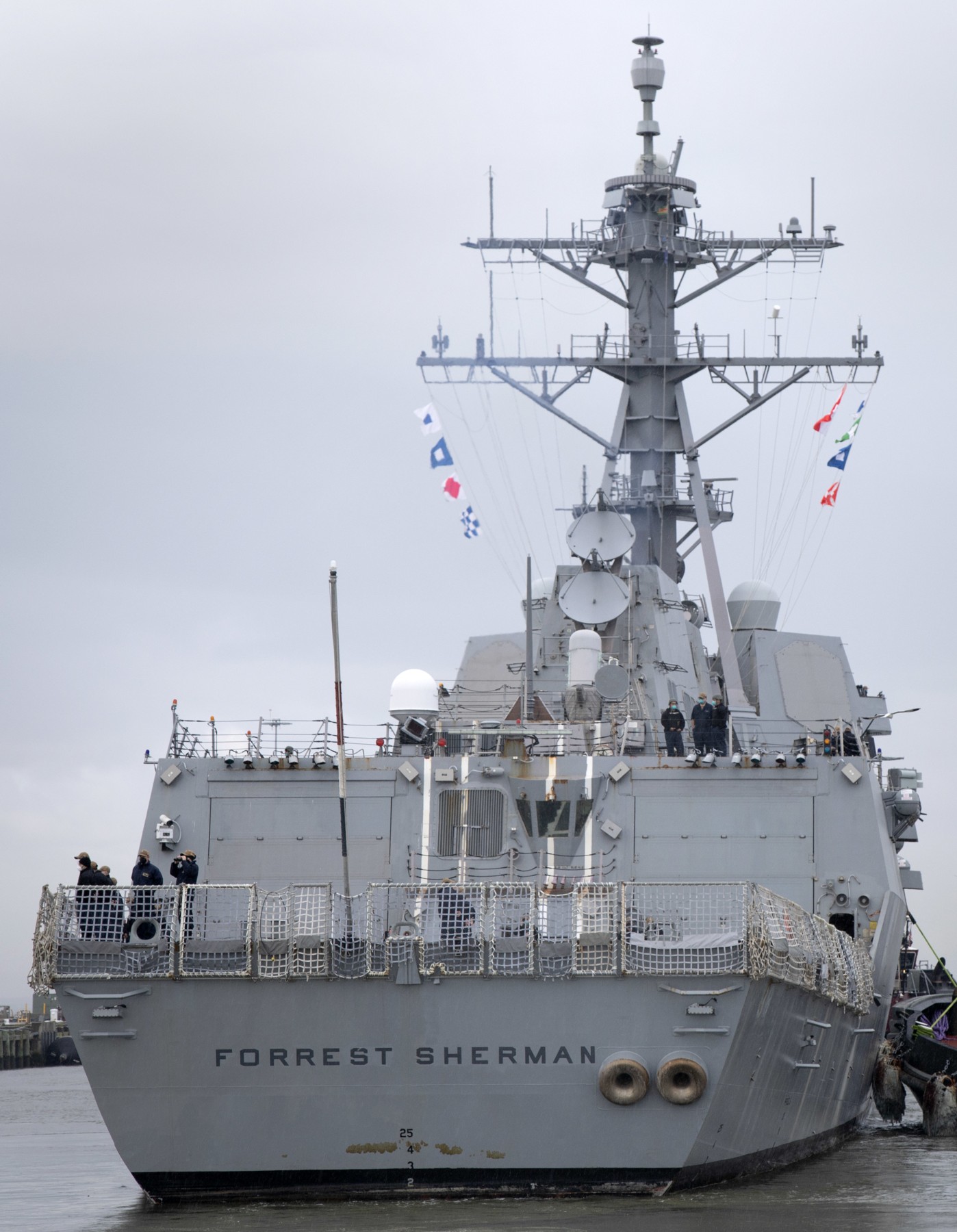 departing Naval Station Norfolk for trials after completing a six-month Selected Restricted Availability (SRA) - February 9, 2021 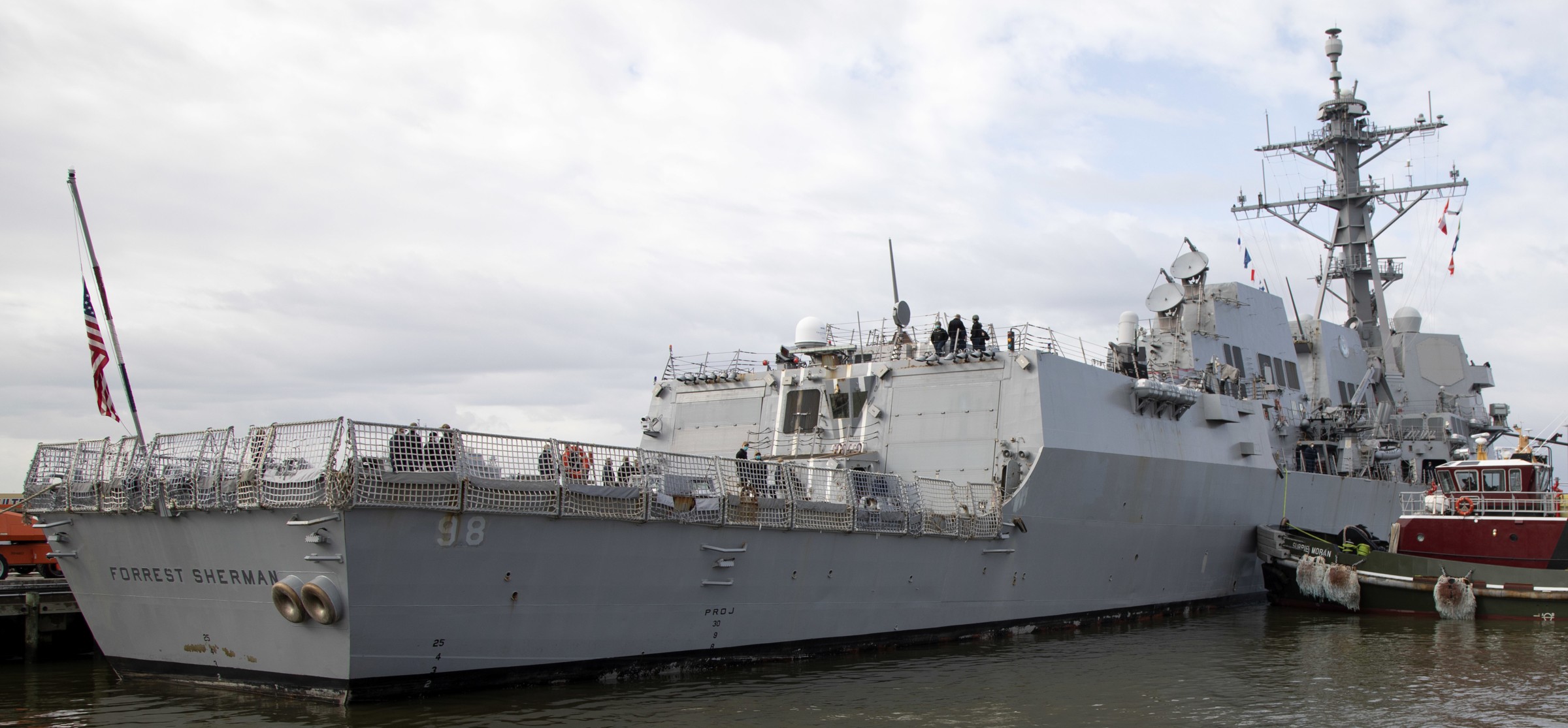 departing Naval Station Norfolk for trials after completing a six-month Selected Restricted Availability (SRA) - February 9, 2021 > July 2020 - January 2021: Selected Restricted Availability (SRA) at Marine Hydraulics Industries (MHI) Ship Repair & Services, Norfolk, Virginia 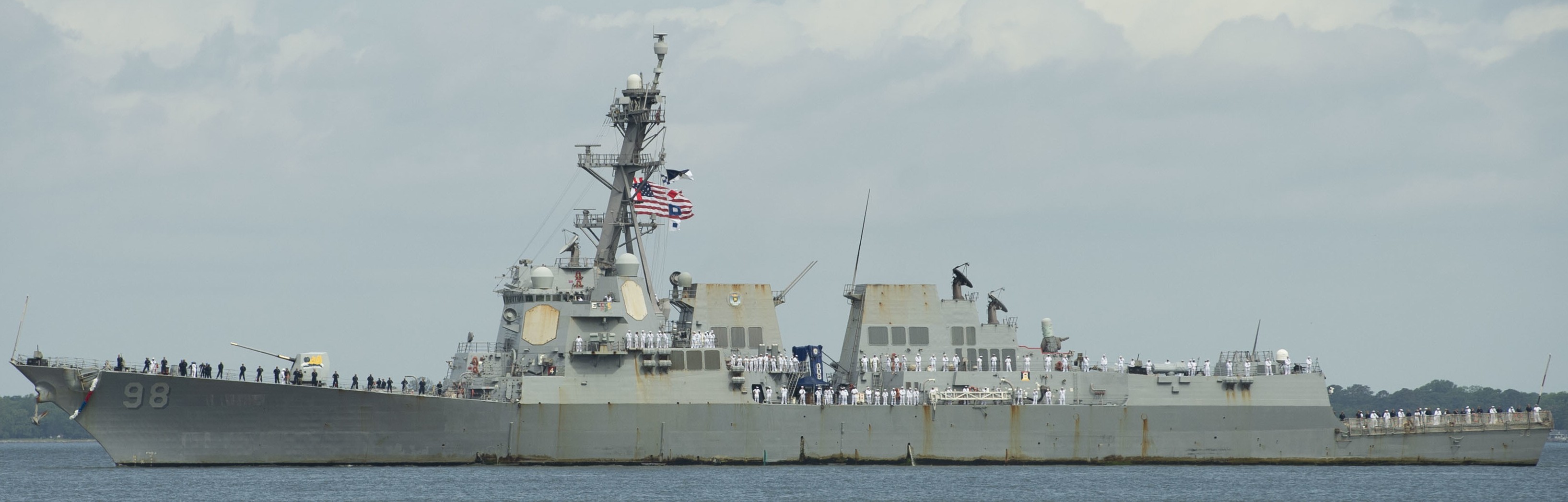 returning to Naval Station Norfolk, Virginia - June 5, 2020 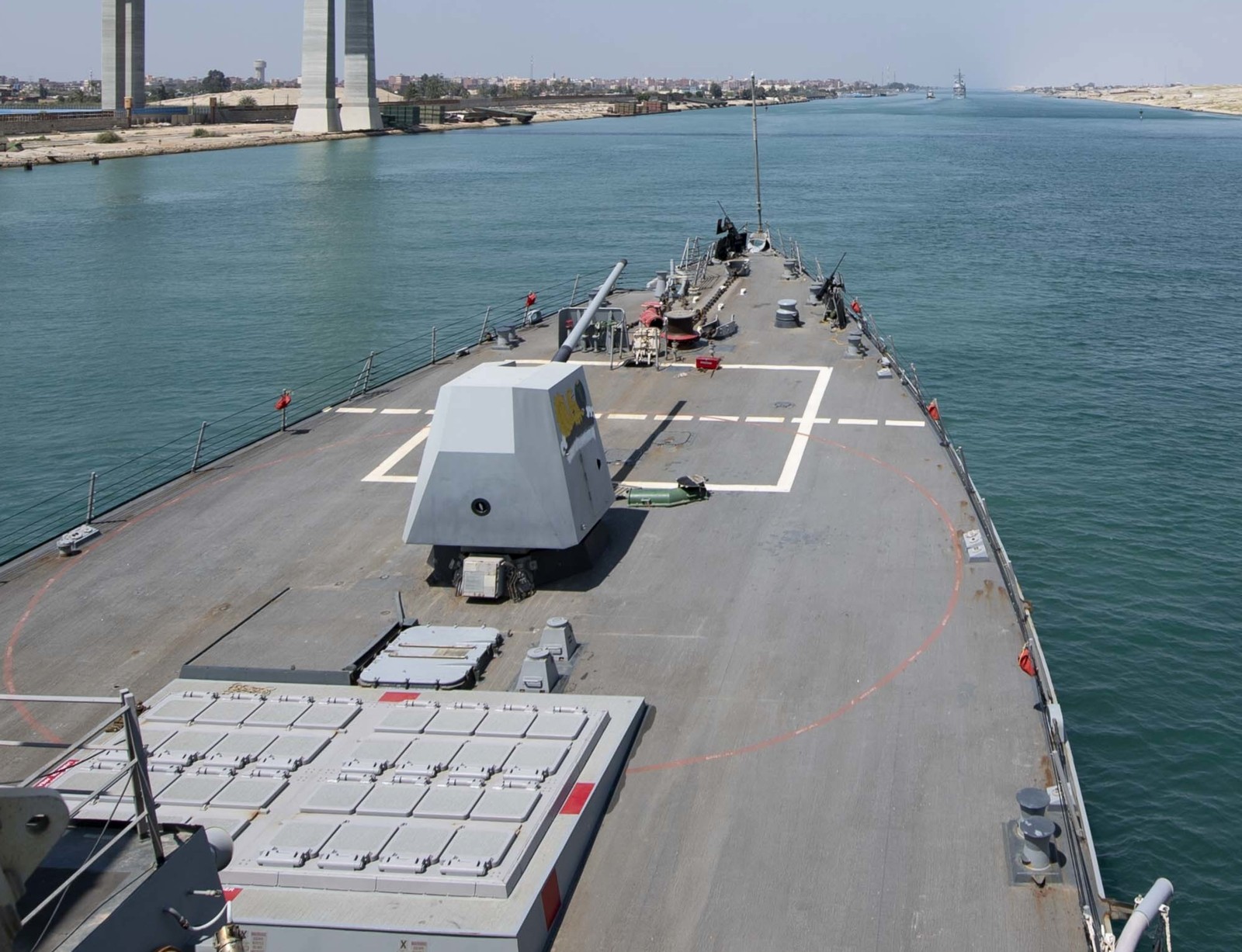 Suez Canal - April 2020 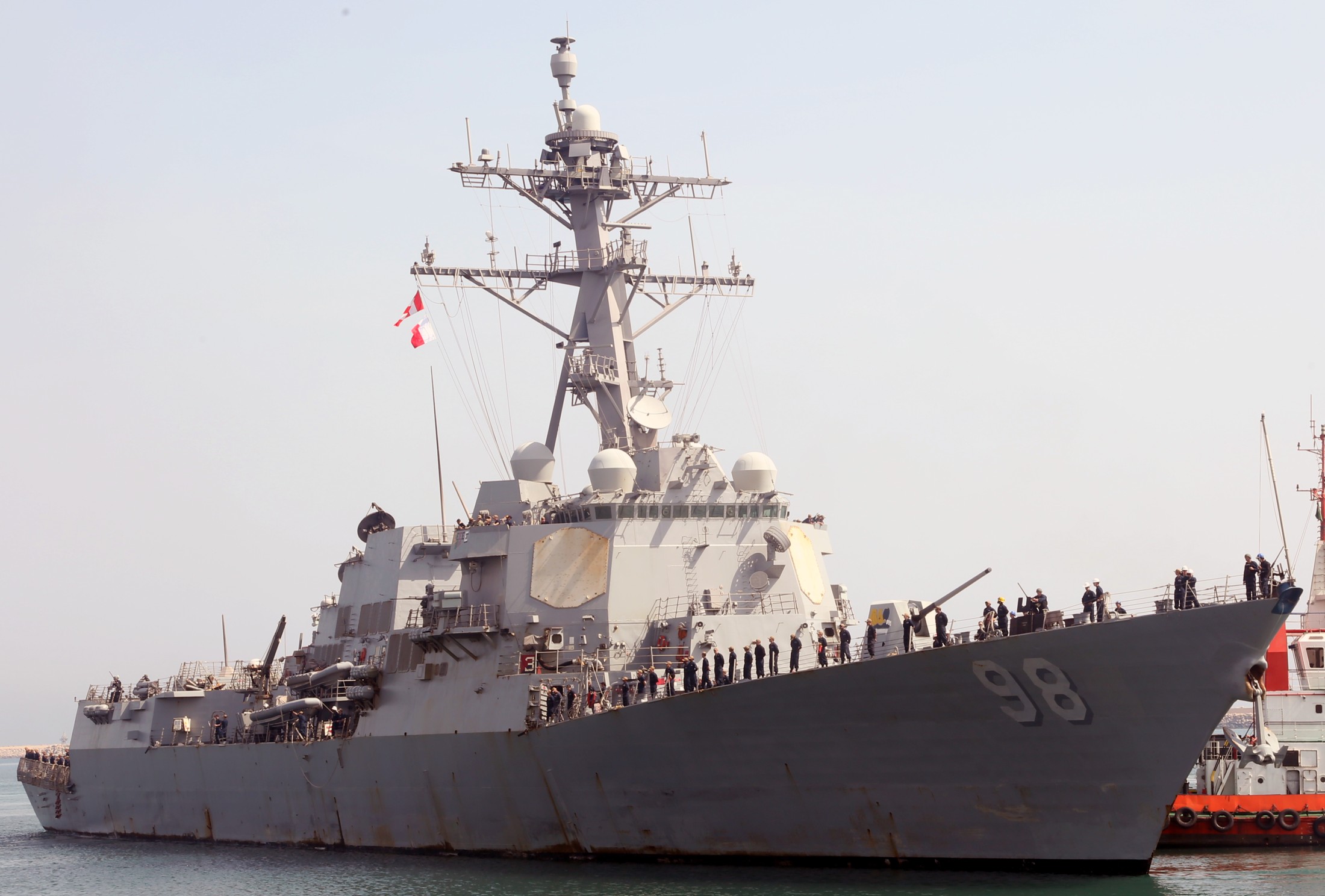 Jubail, Saudi Arabia - February 2020 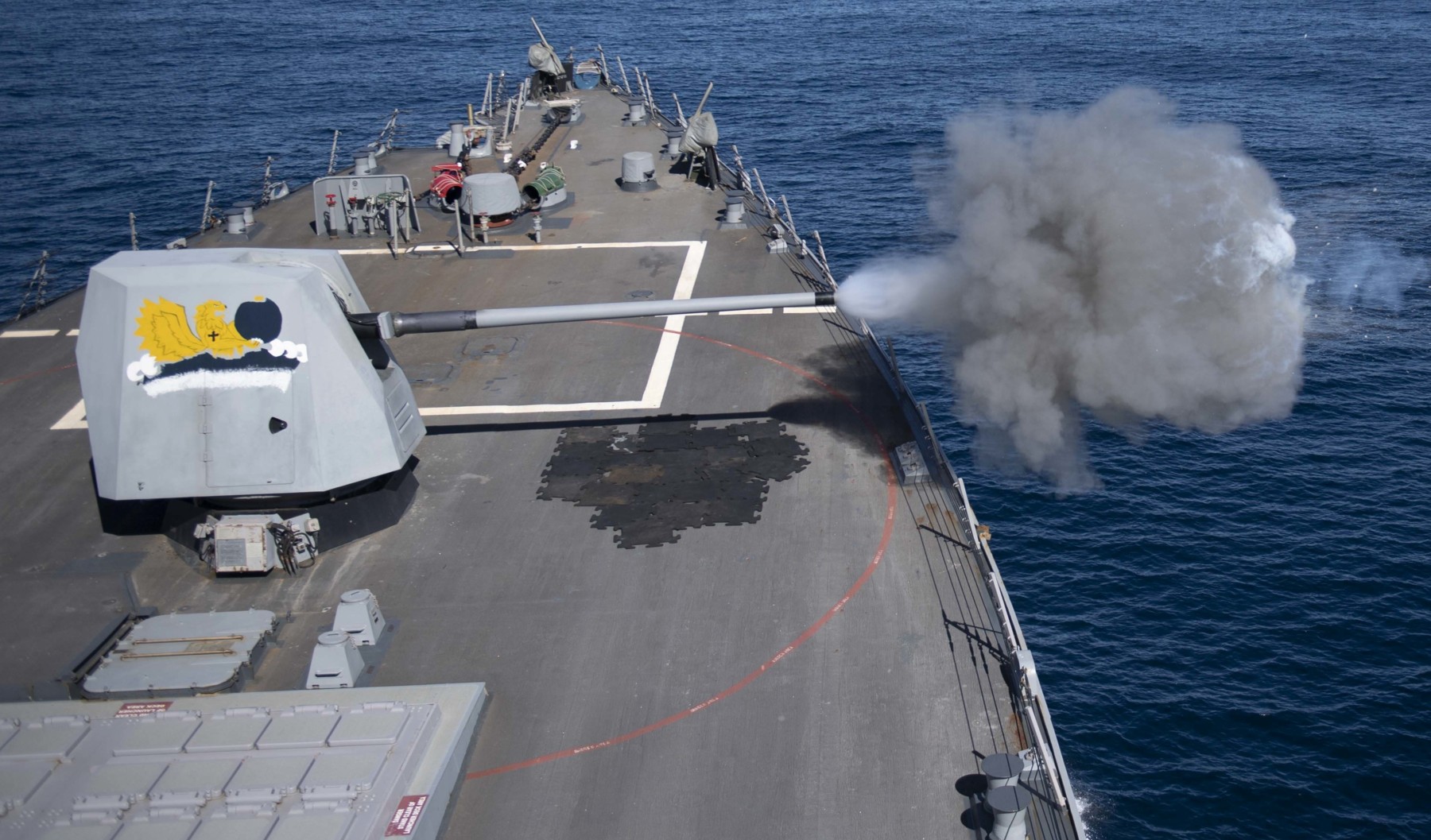 Mk.45 Mod.4 gun fire - Gulf of Aden - January 2020 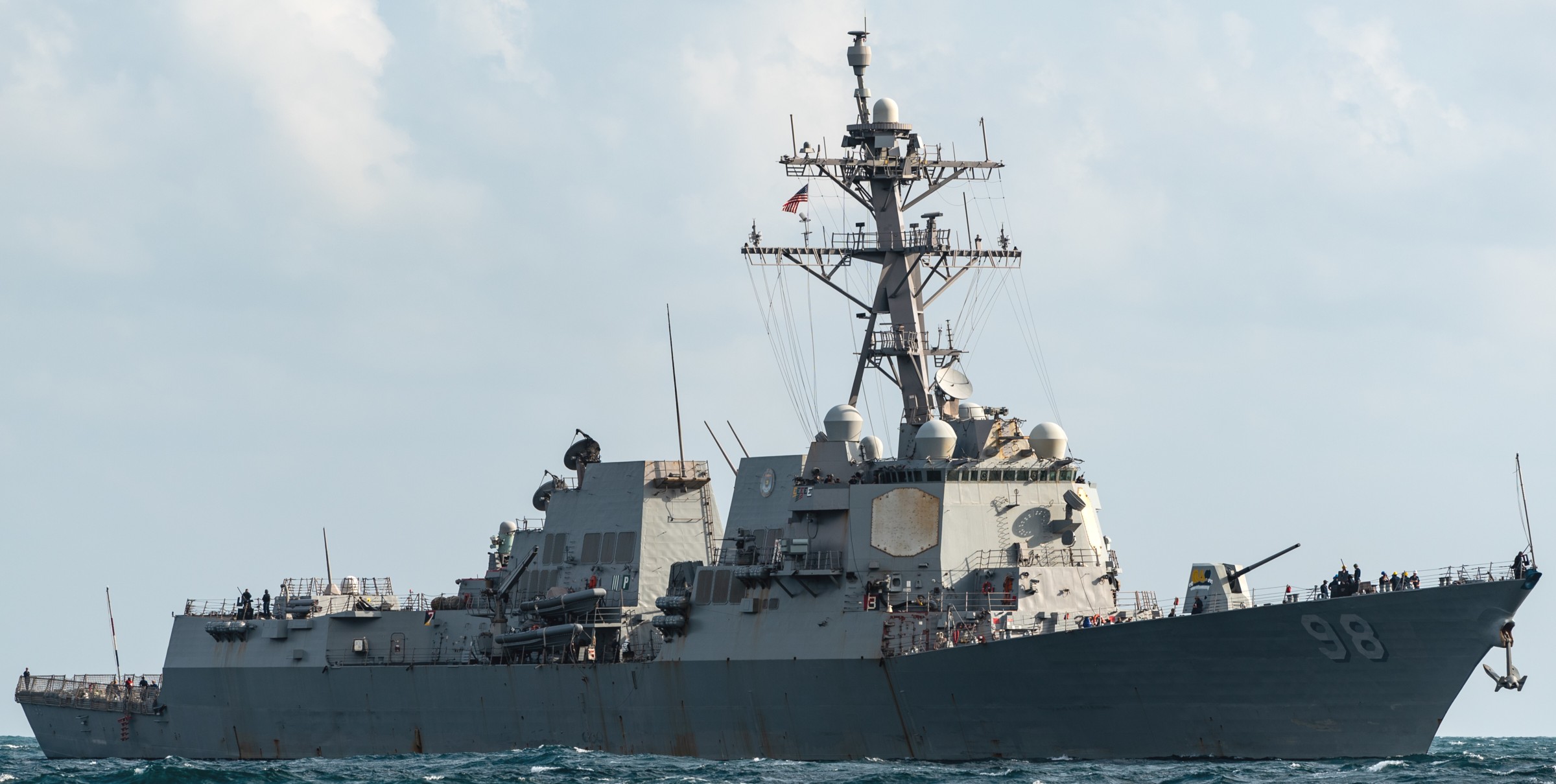 Djibouti - November 2019 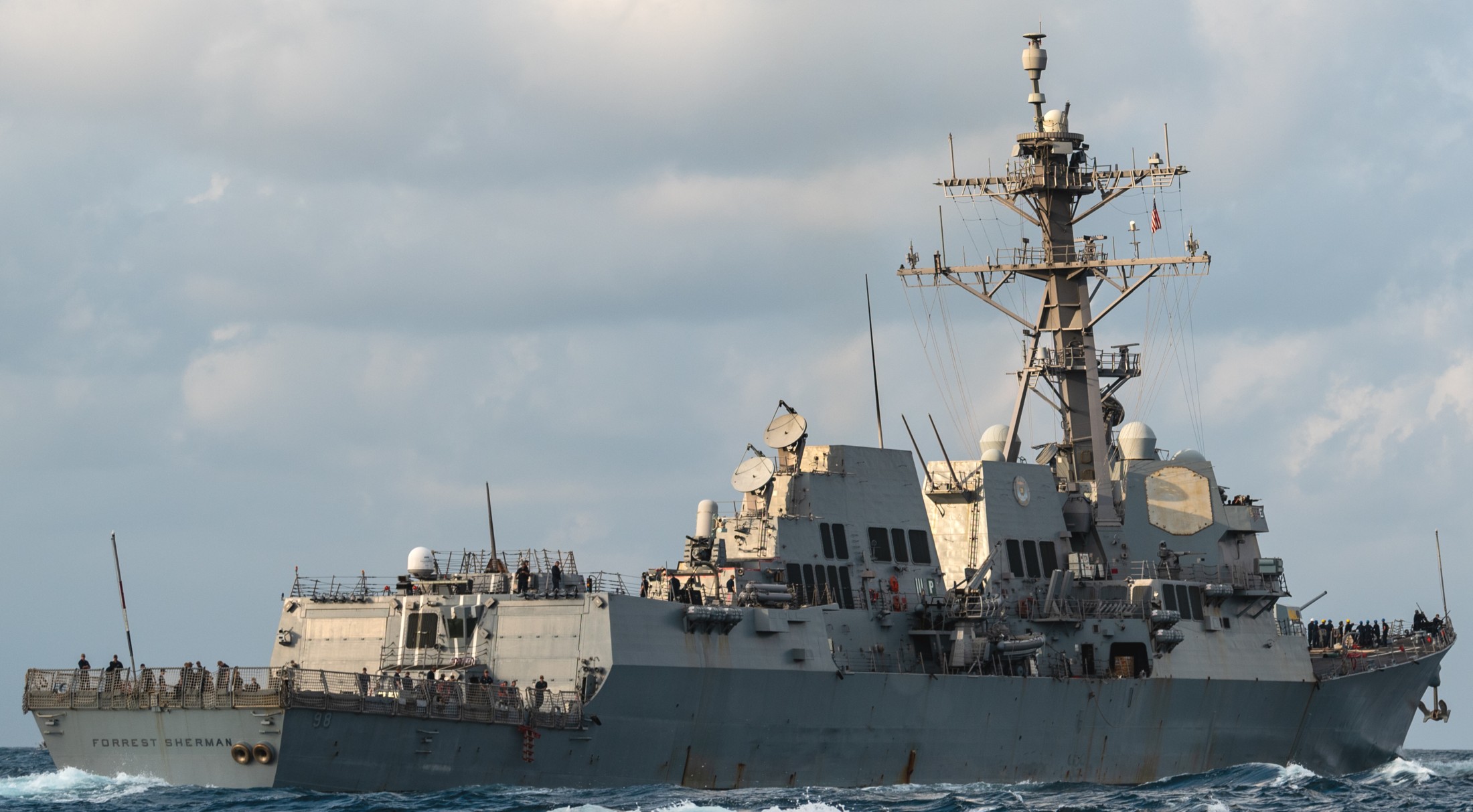 Djibouti - November 2019 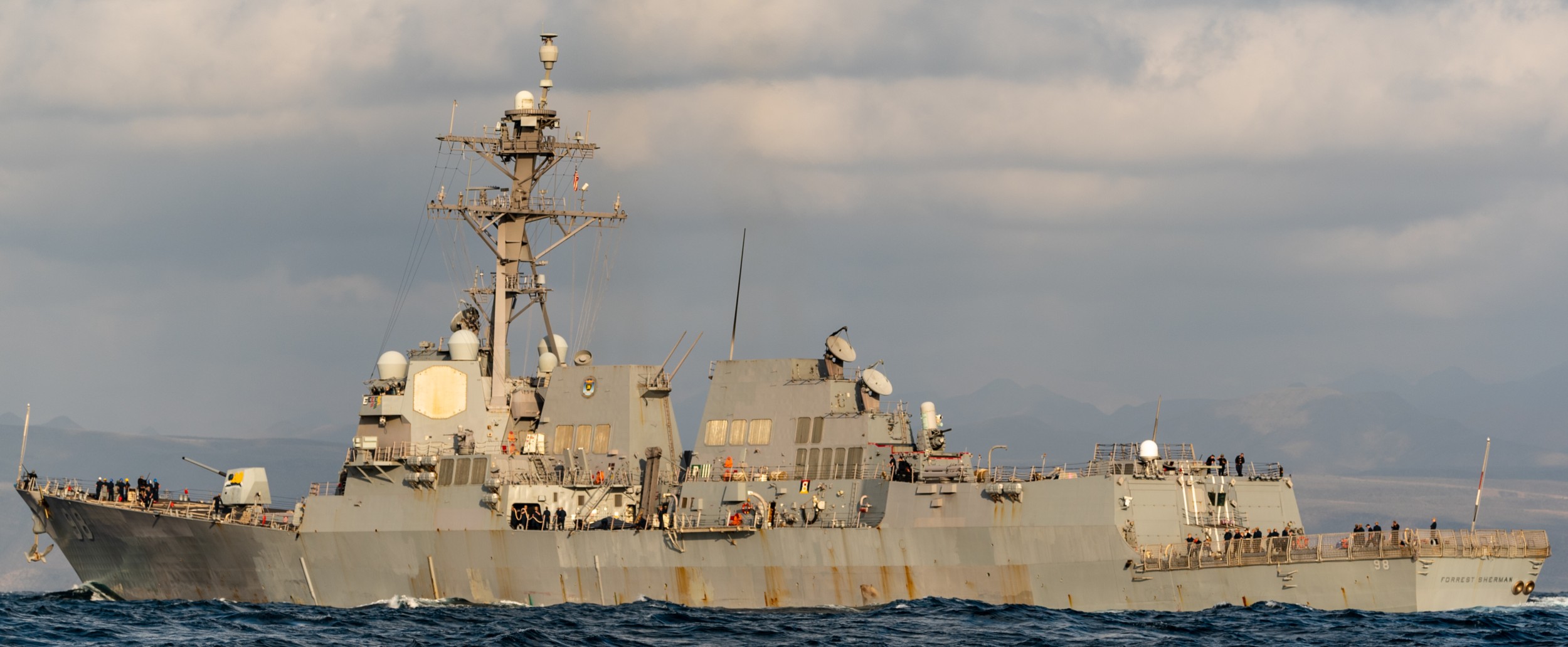 Djibouti - November 2019 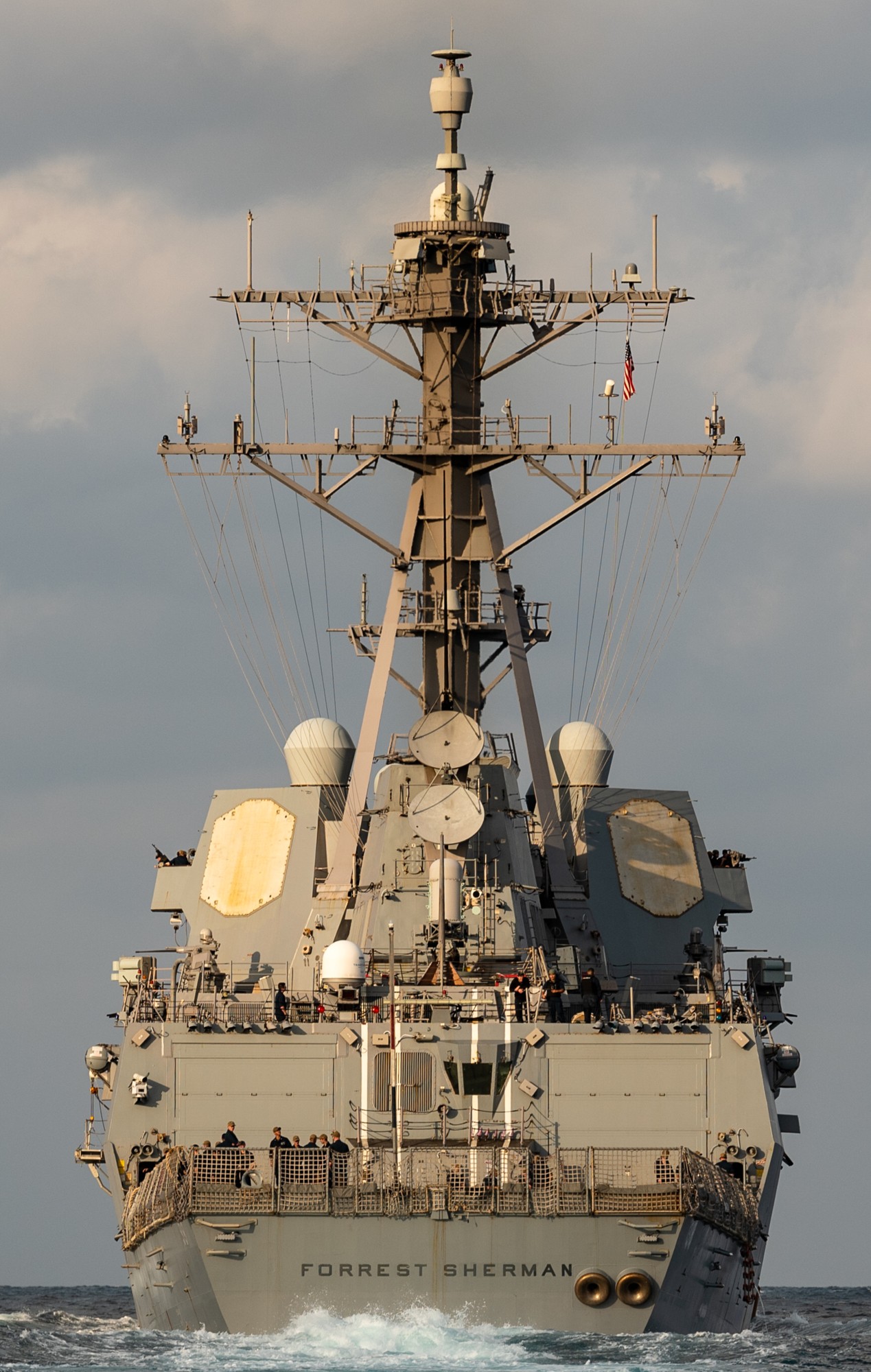 Djibouti - November 2019 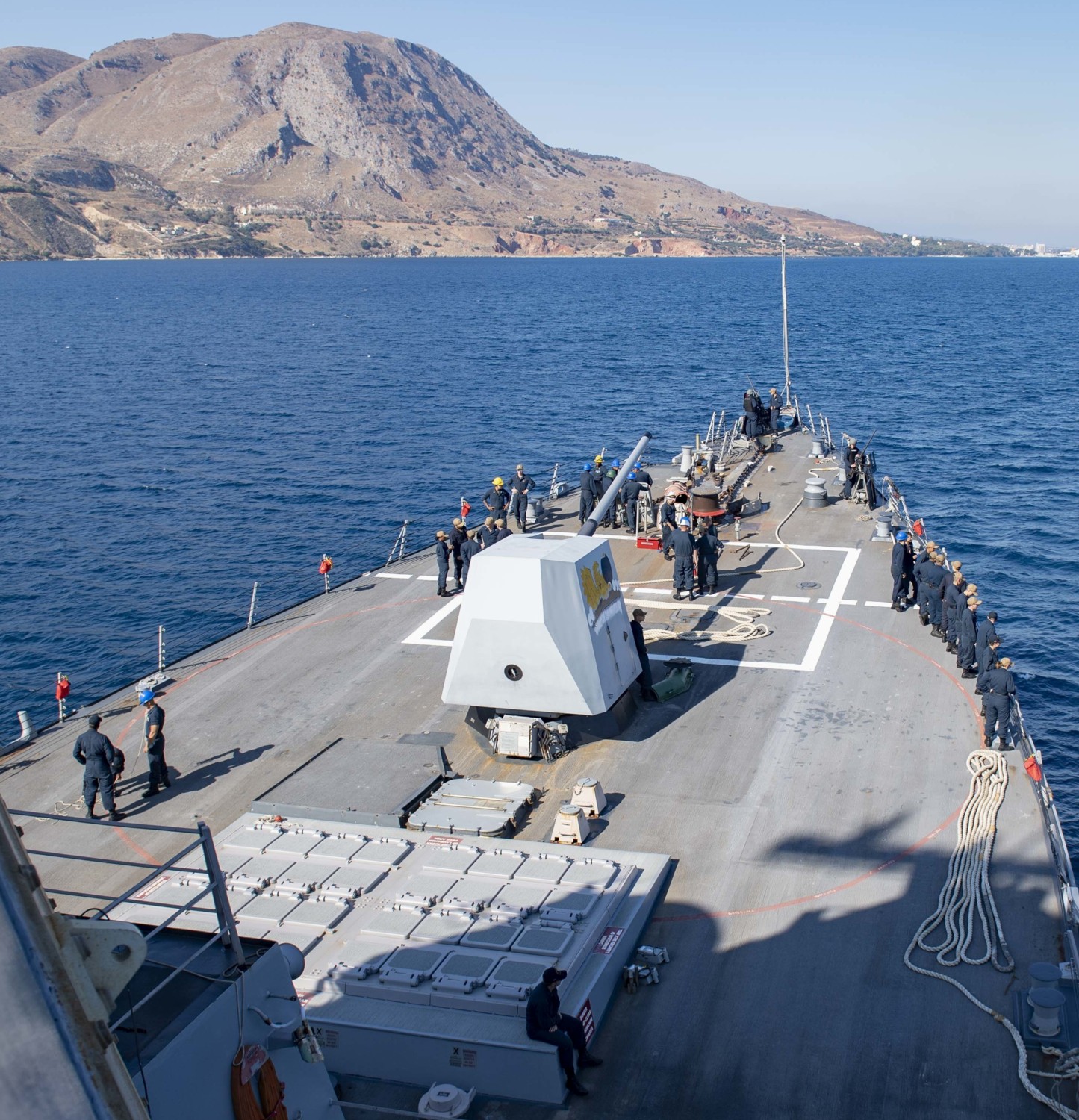 arriving at Naval Support Activity Souda Bay, Crete, Greece - October 2019 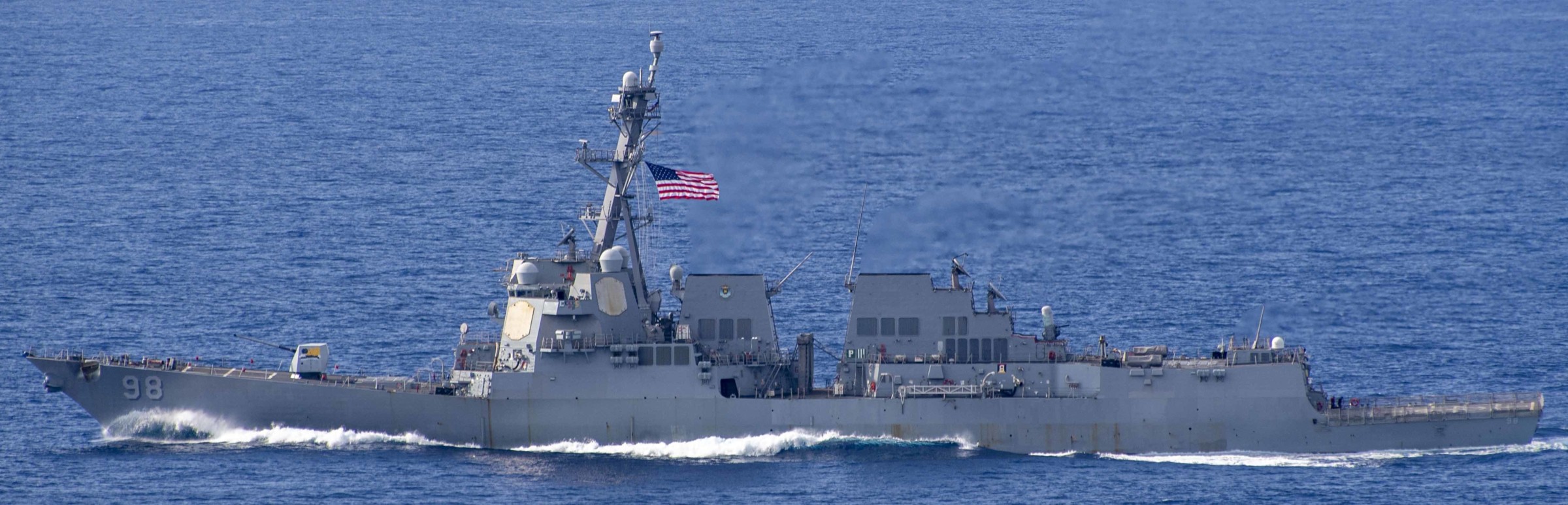 Atlantic Ocean - September 2019 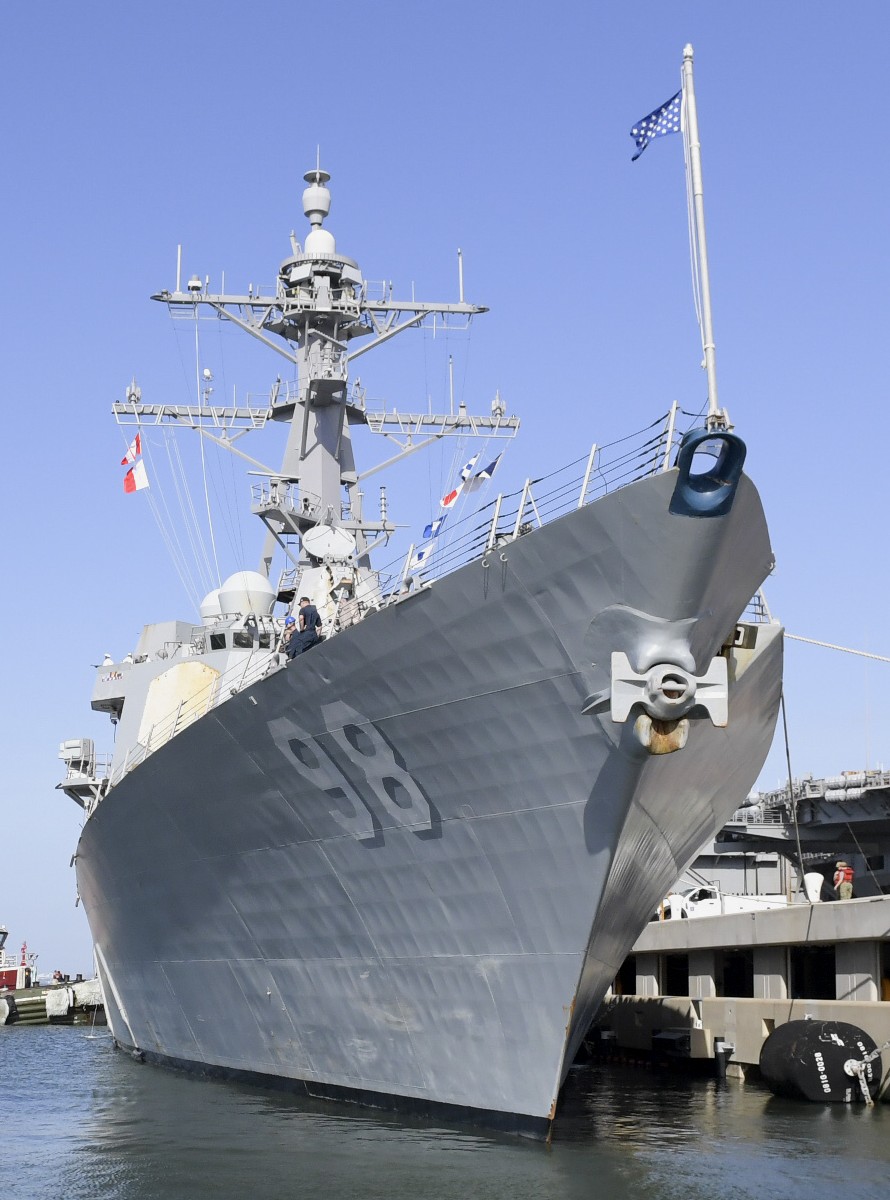 departing Naval Station Norfolk, Virginia - September 14, 2019 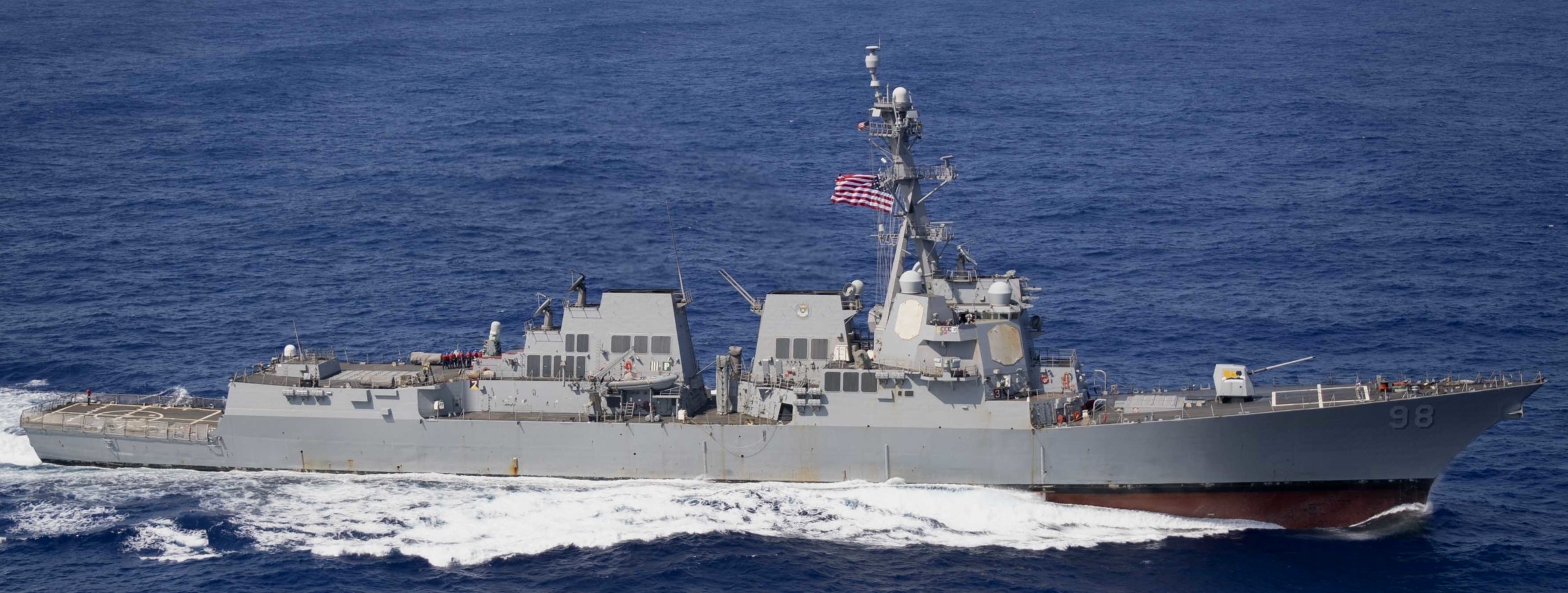 Atlantic Ocean - September 2019 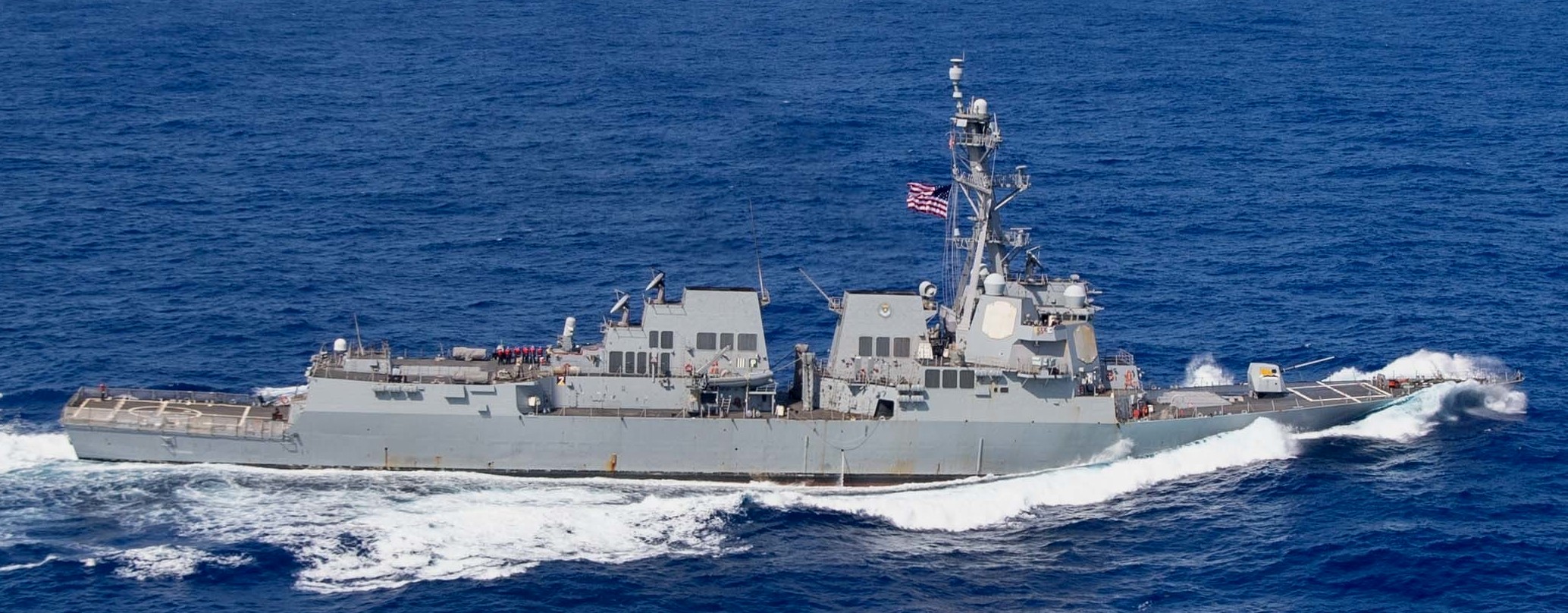 Atlantic Ocean - September 2019 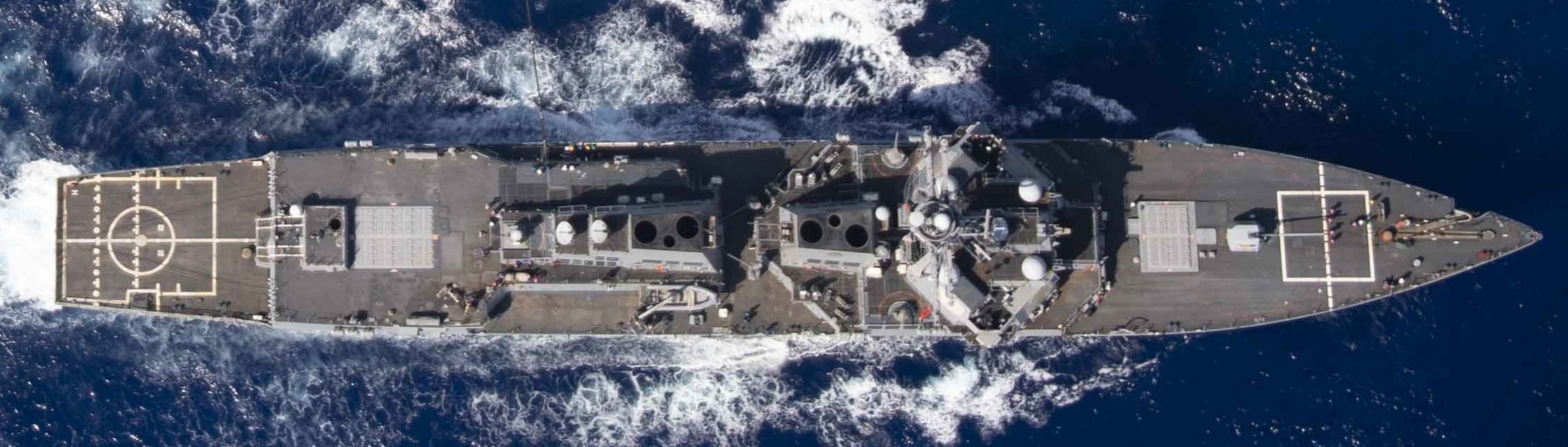 Atlantic Ocean - September 2019 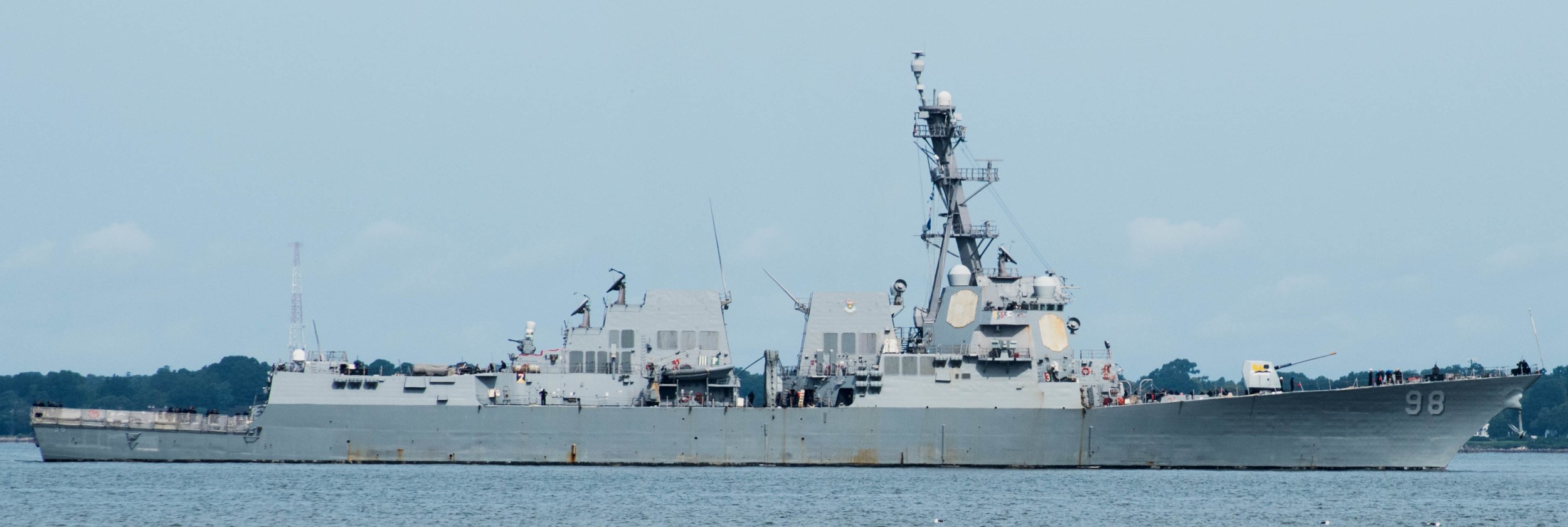 departing Naval Station Norfolk, Virginia in preparation of hurricane Dorian - September 2019 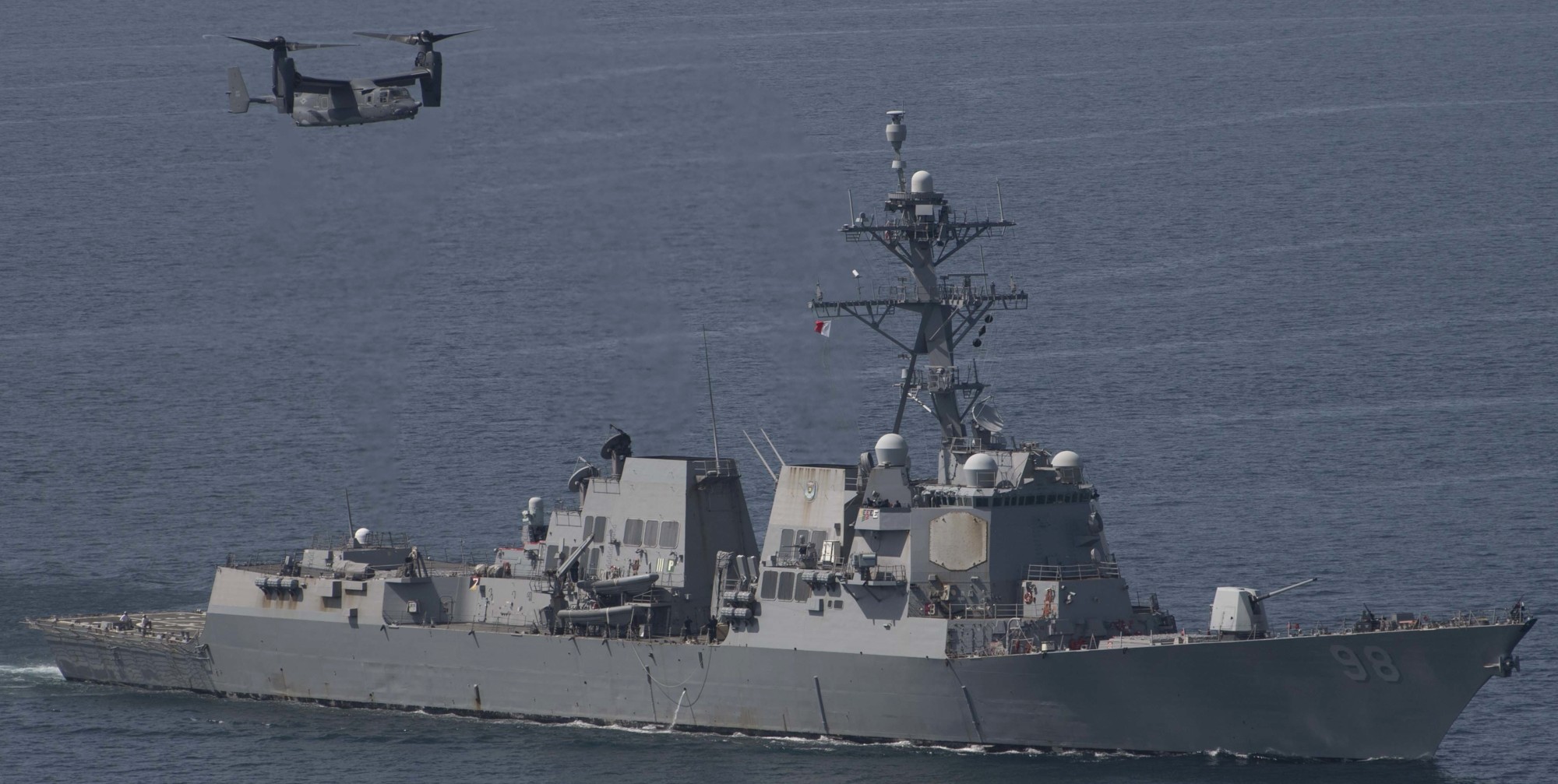 Atlantic Ocean - July 2019 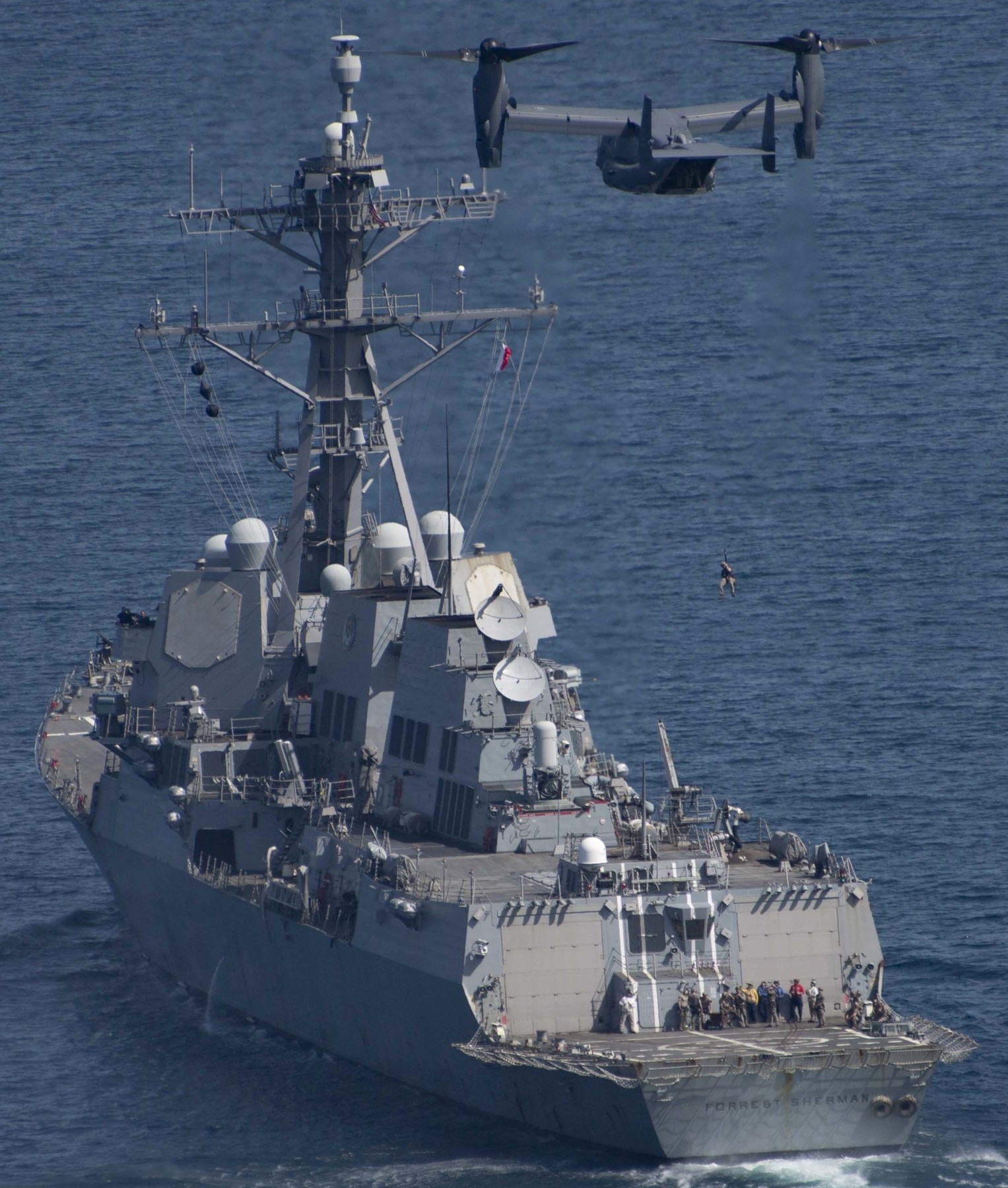 Atlantic Ocean - July 2019 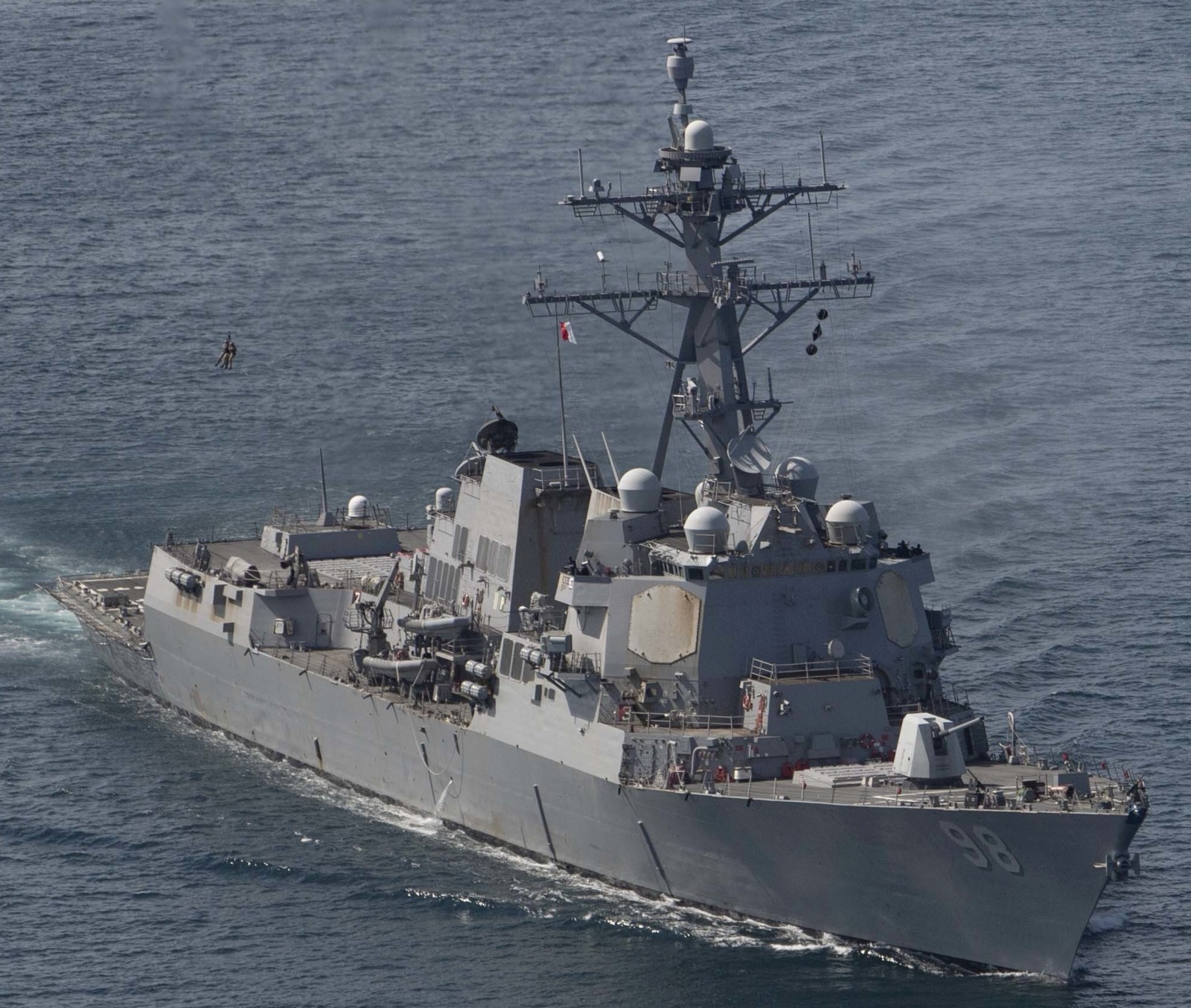 Atlantic Ocean - July 2019 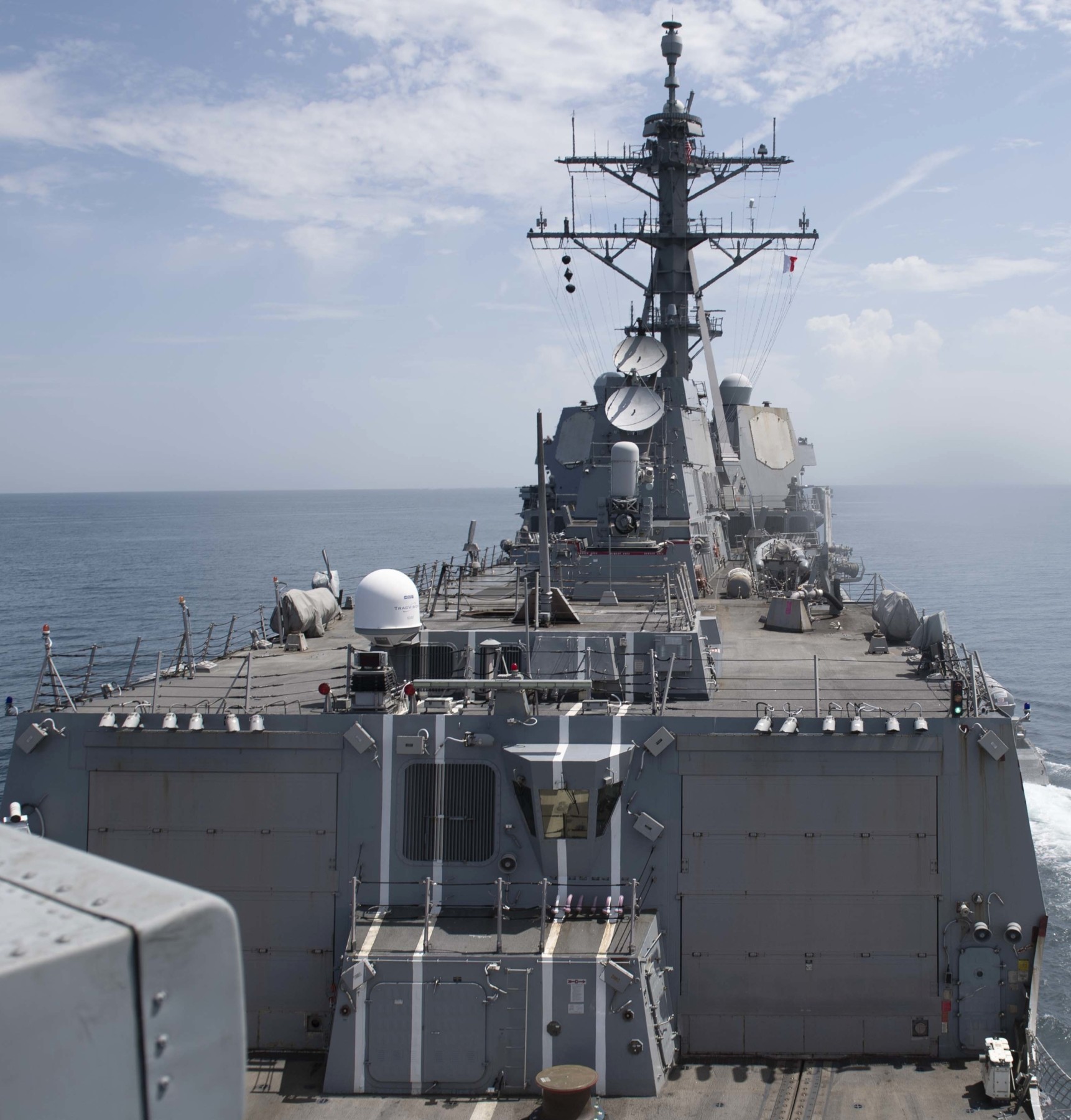 Atlantic Ocean - July 2019 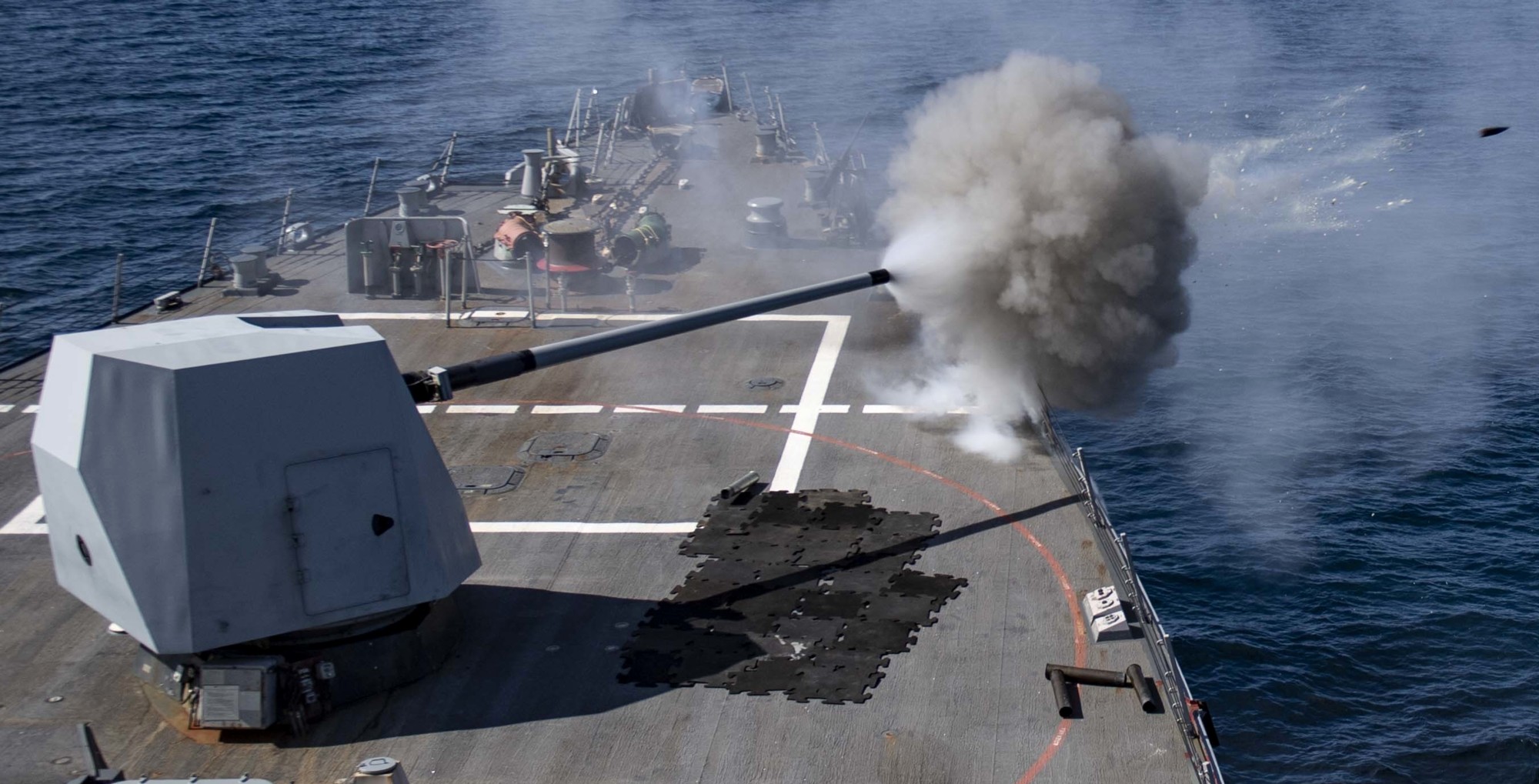 Mk.45 Mod.4 gun fire - Atlantic Ocean - July 2019 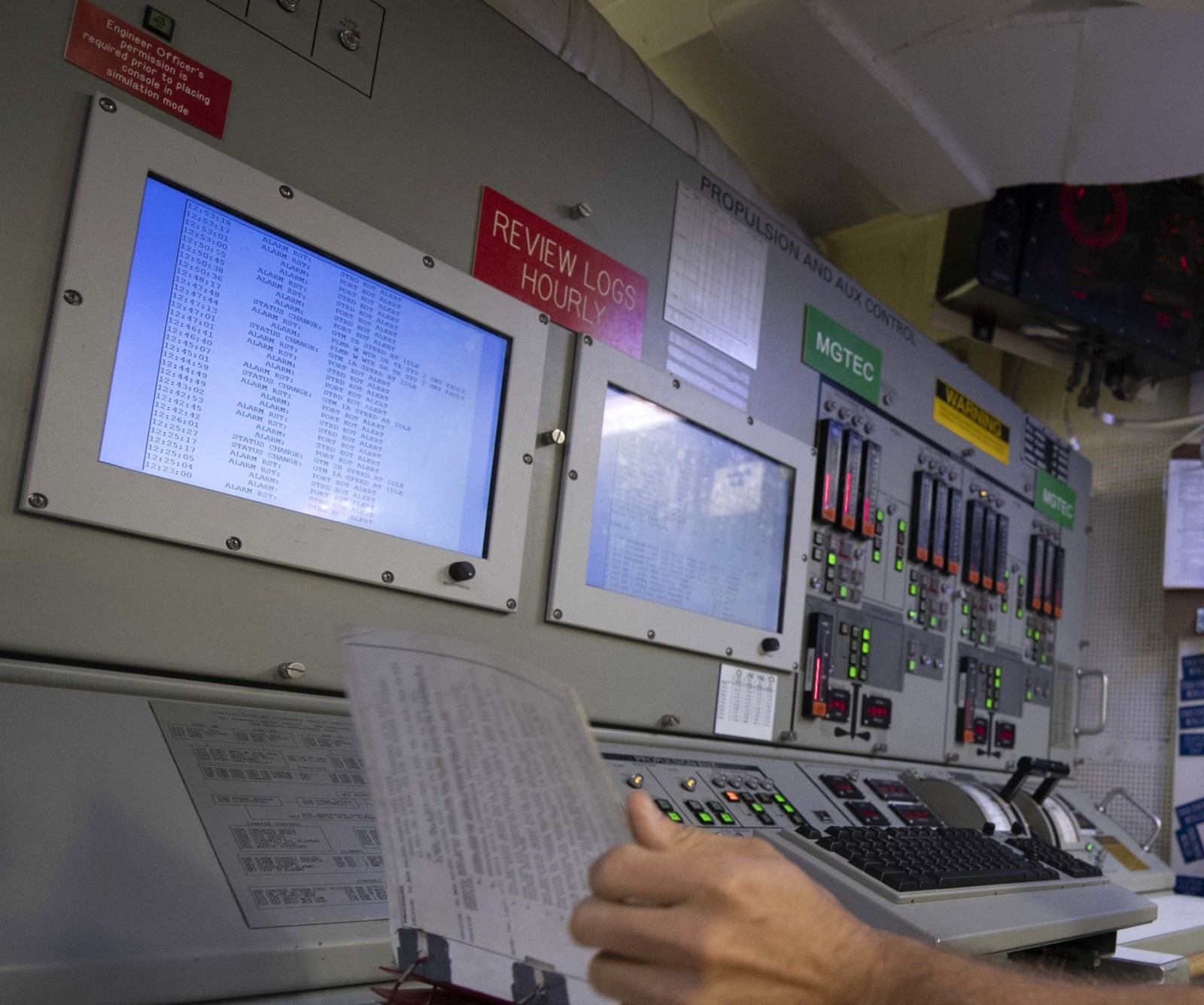 propulsion and auxilary control console - Atlantic Ocean - July 2019 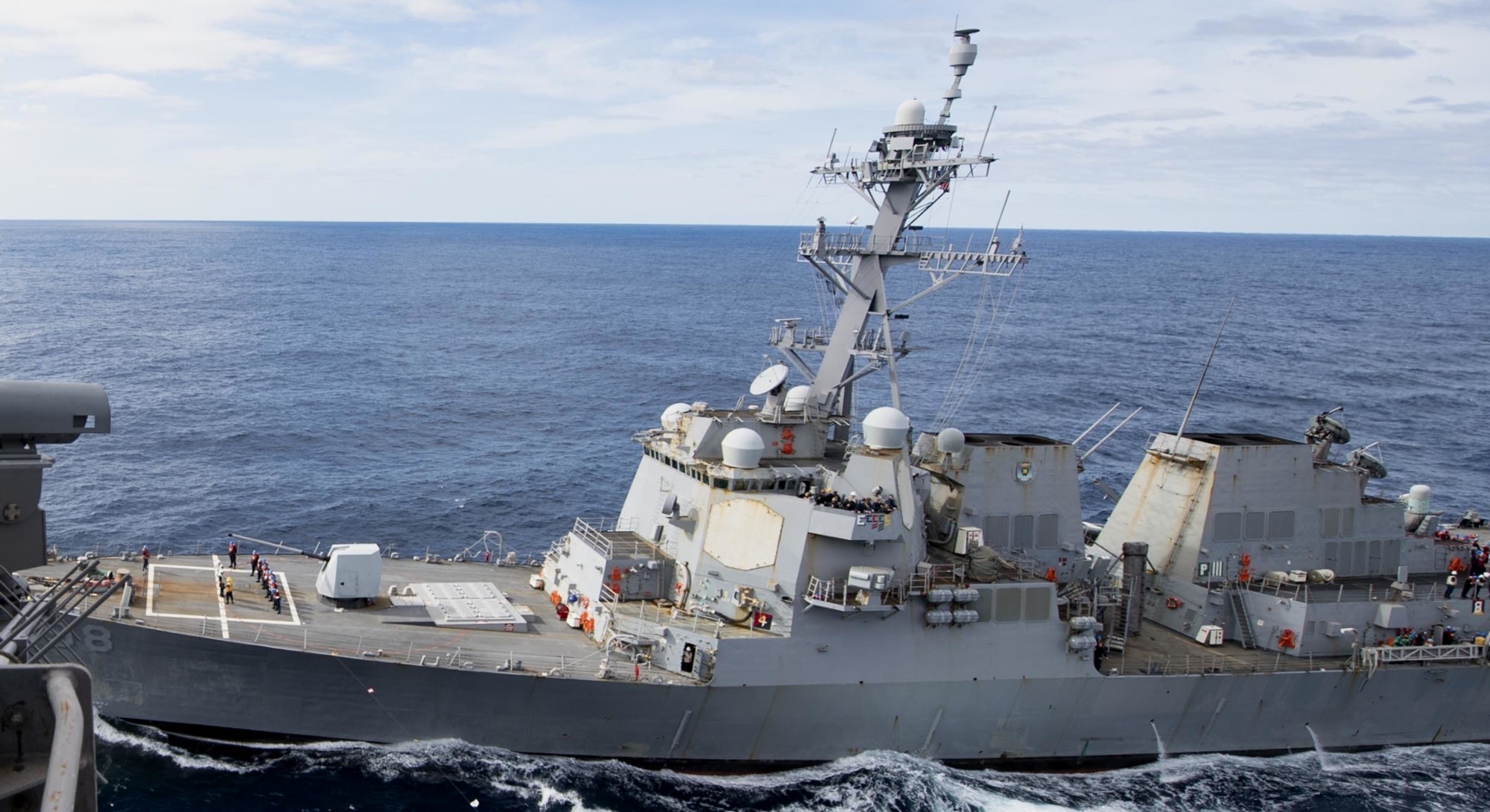 Atlantic Ocean - March 2019 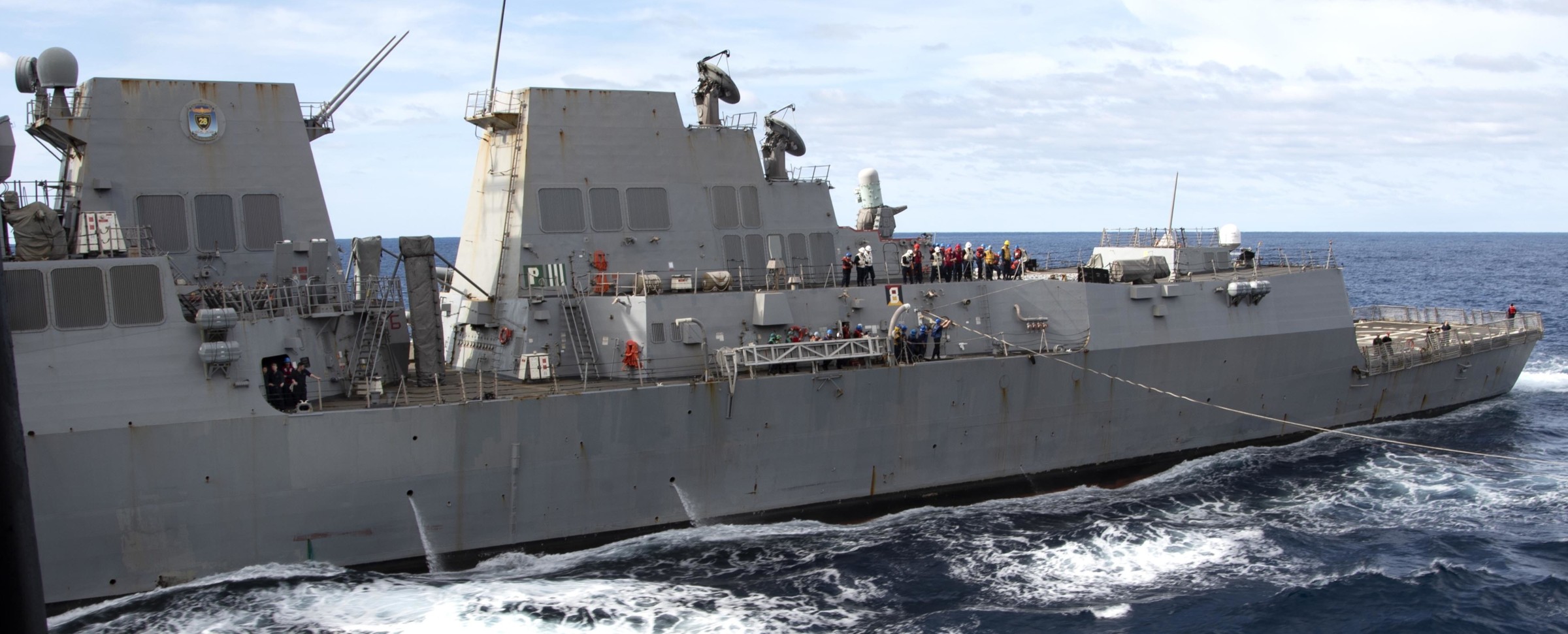 Atlantic Ocean - March 2019 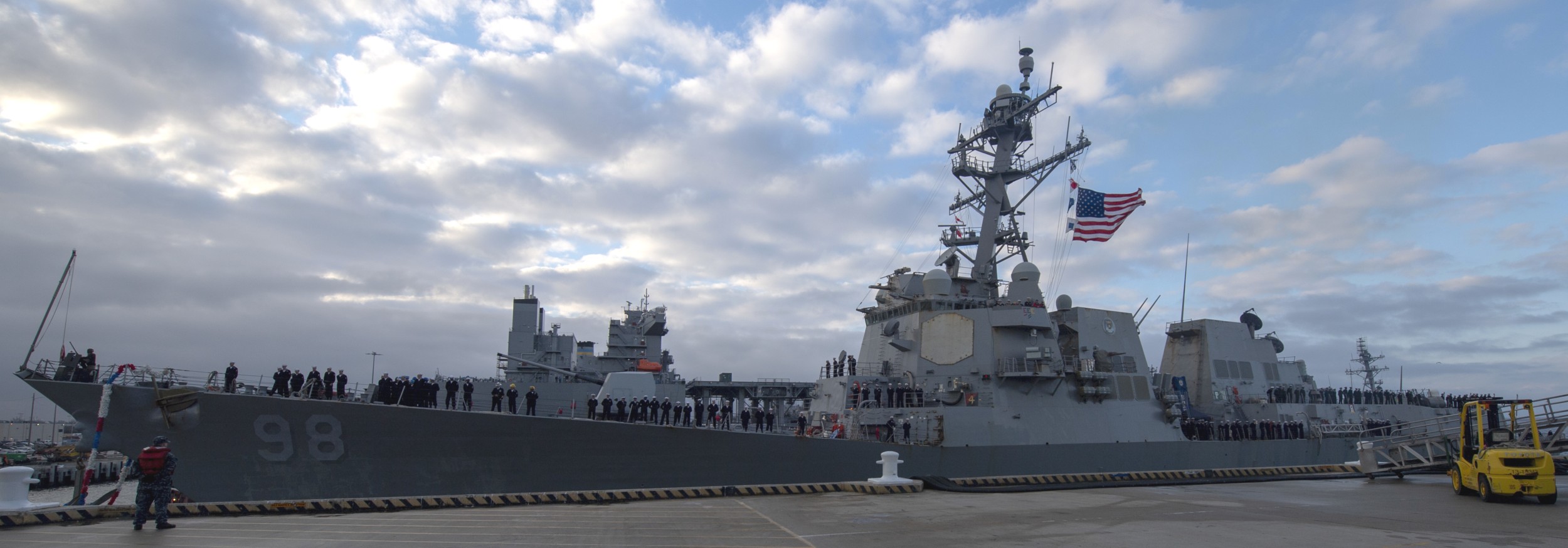 returning to Naval Station Norfolk, Virginia - December 16, 2018 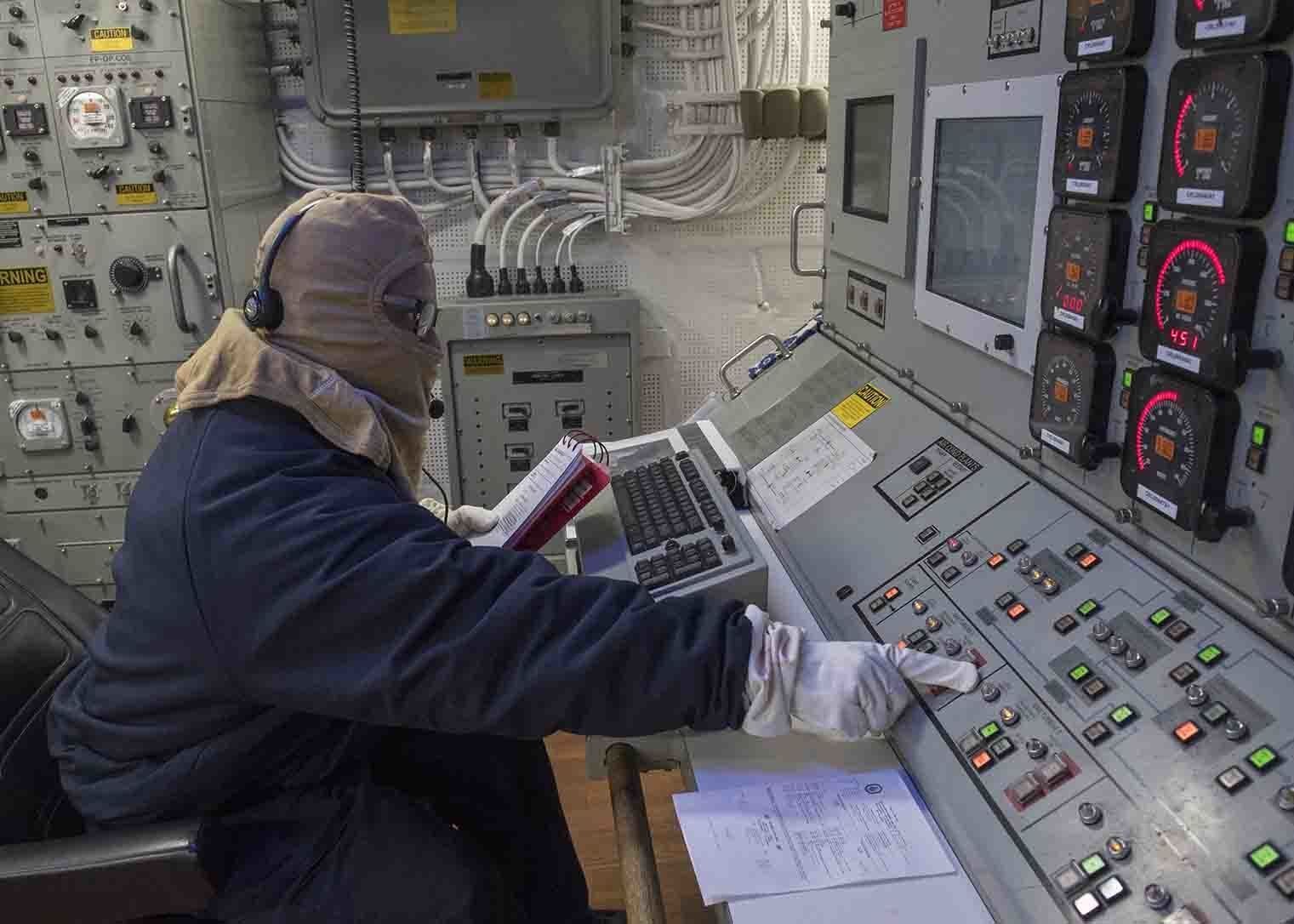 electric plant console - Norwegian Sea - October 2018 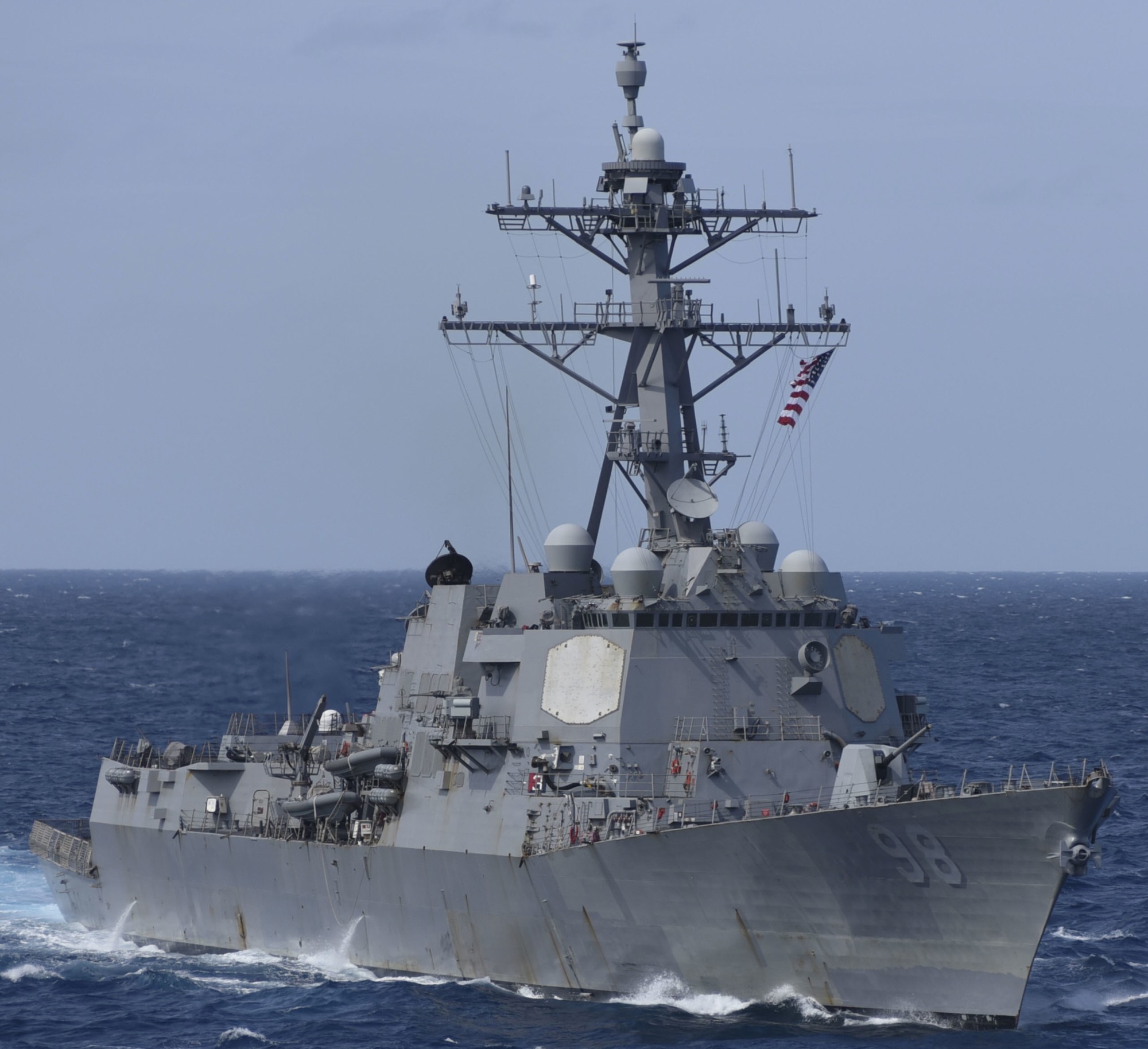 Atlantic Ocean - September 2018 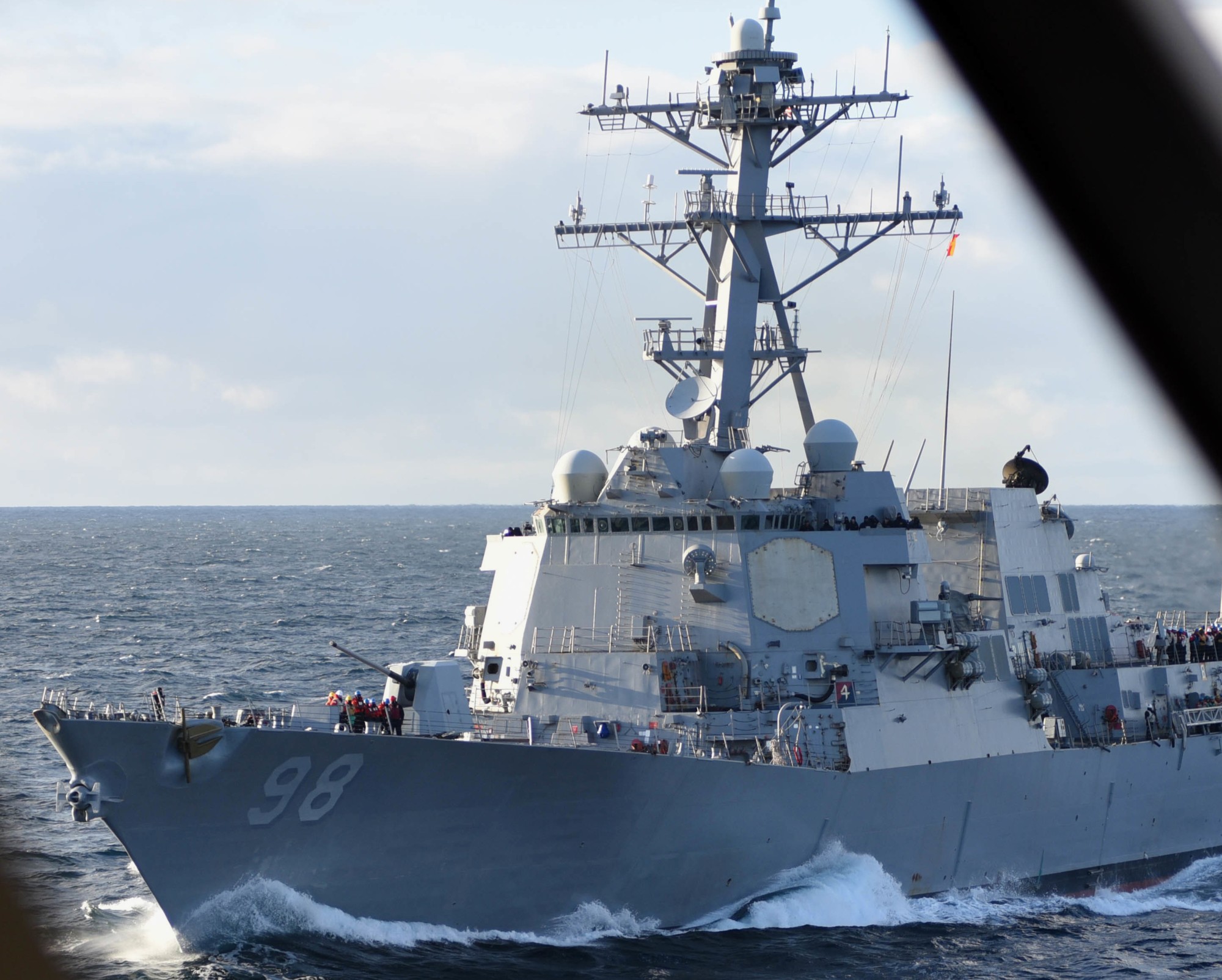 Atlantic Ocean - September 2018 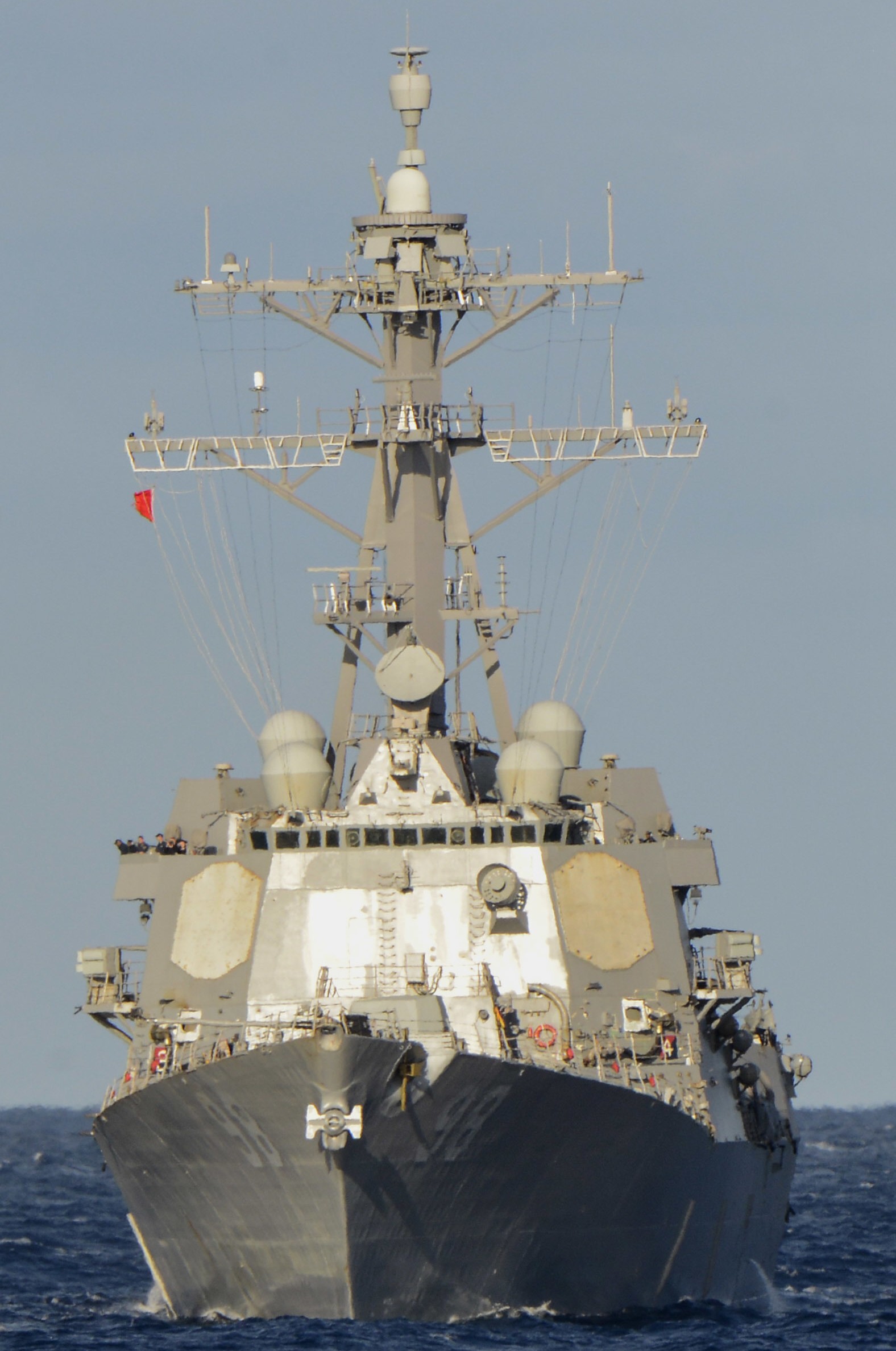 Atlantic Ocean - September 2018 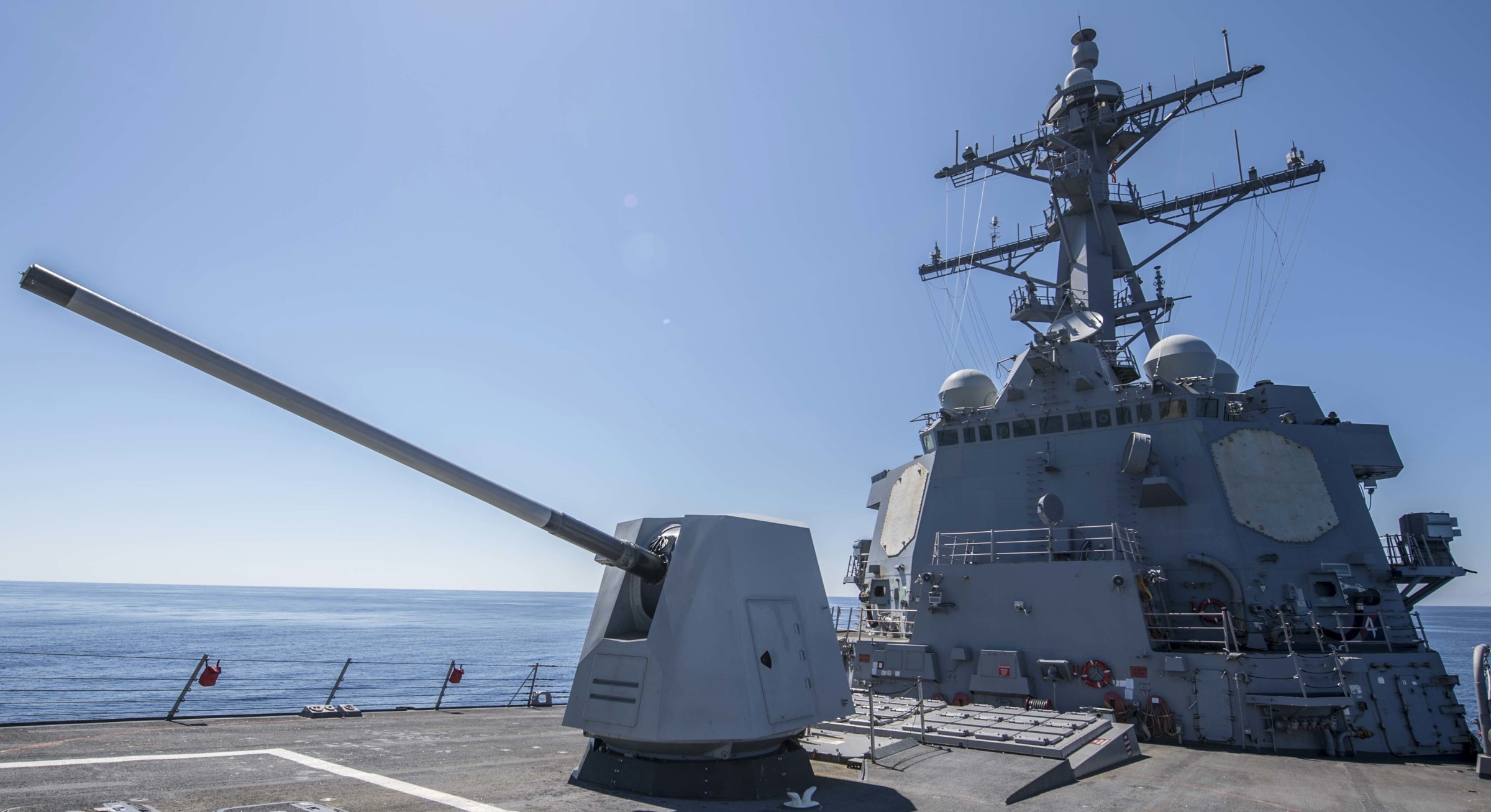 Atlantic Ocean - September 2018 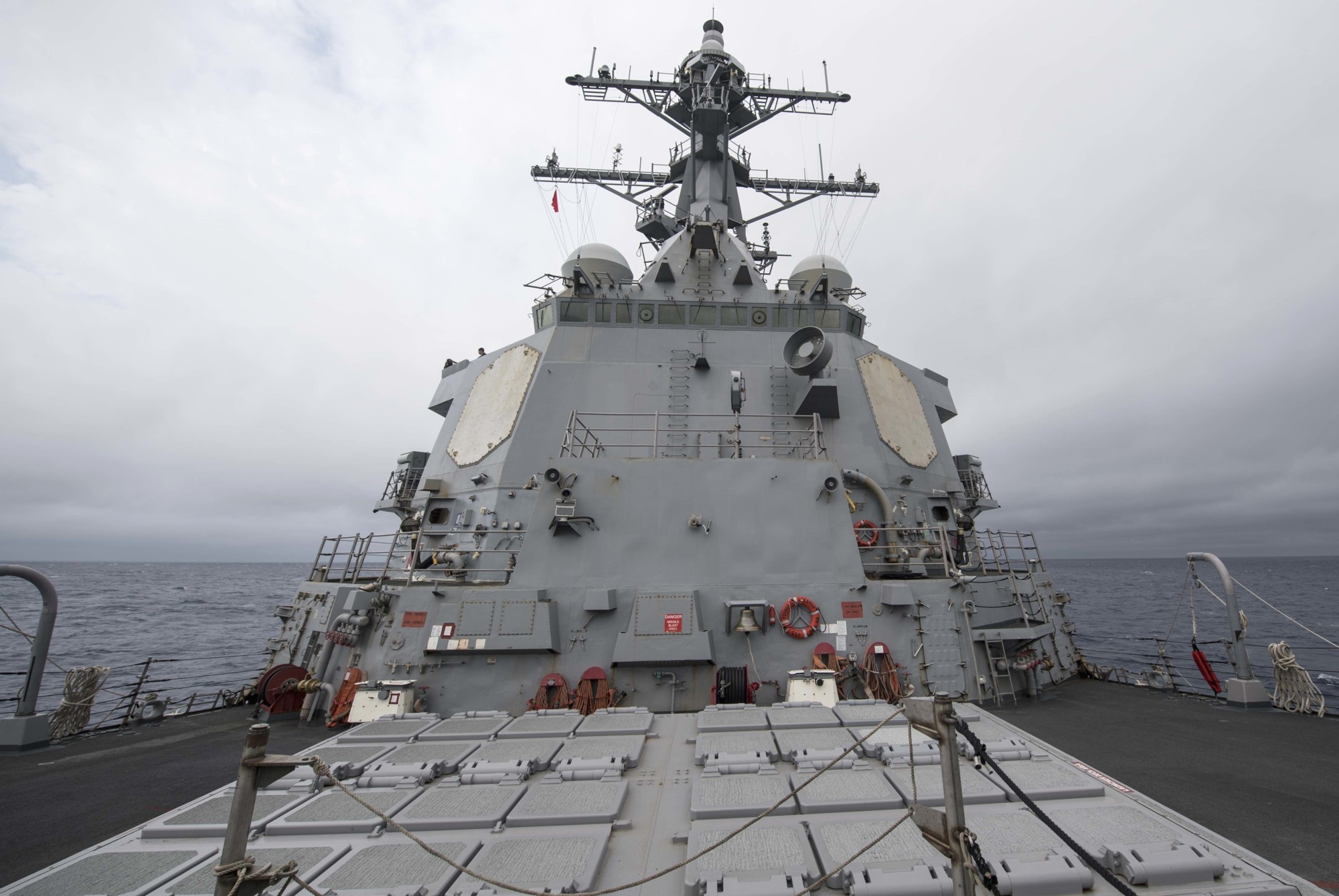 Atlantic Ocean - September 2018 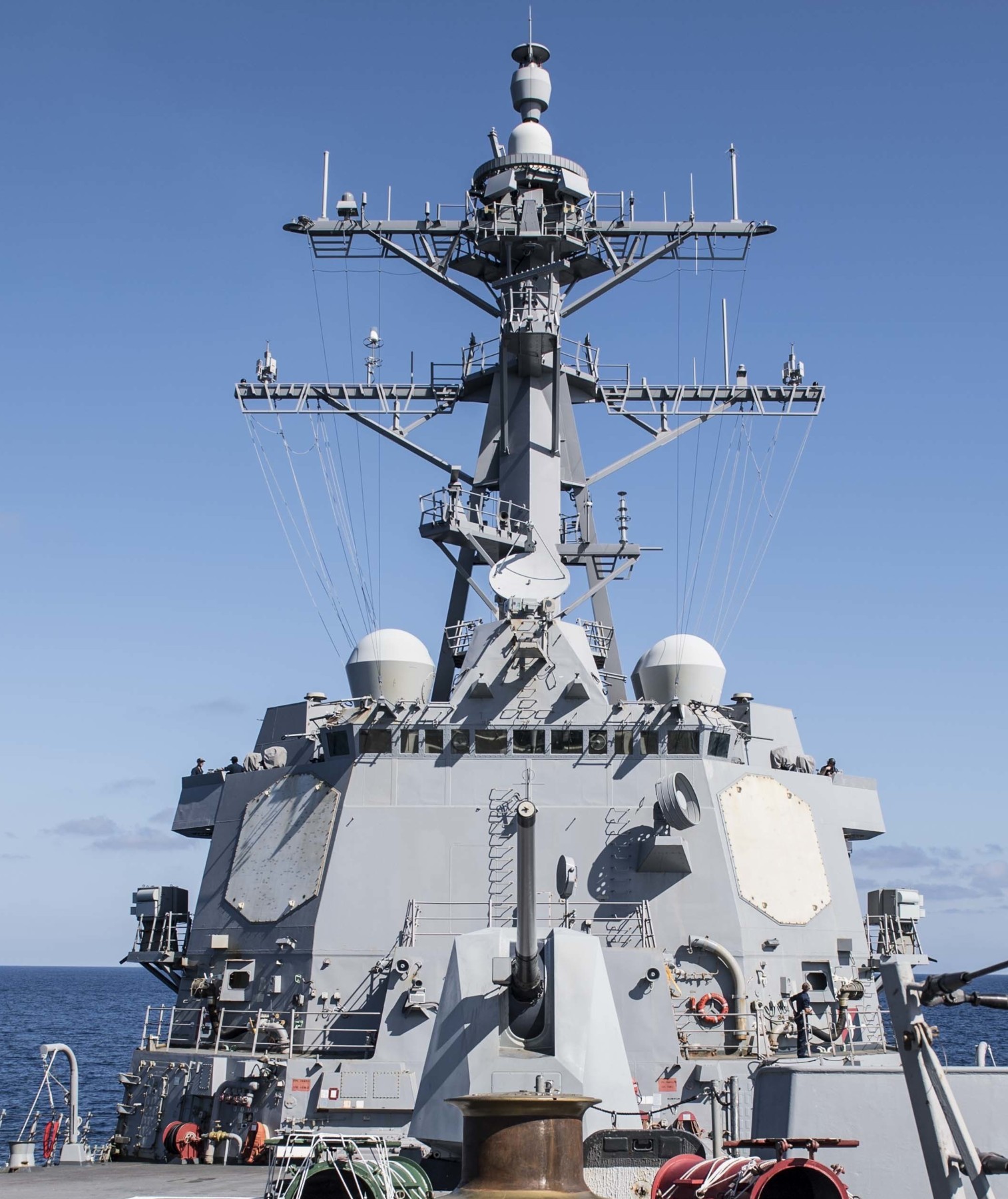 Atlantic Ocean - September 2018 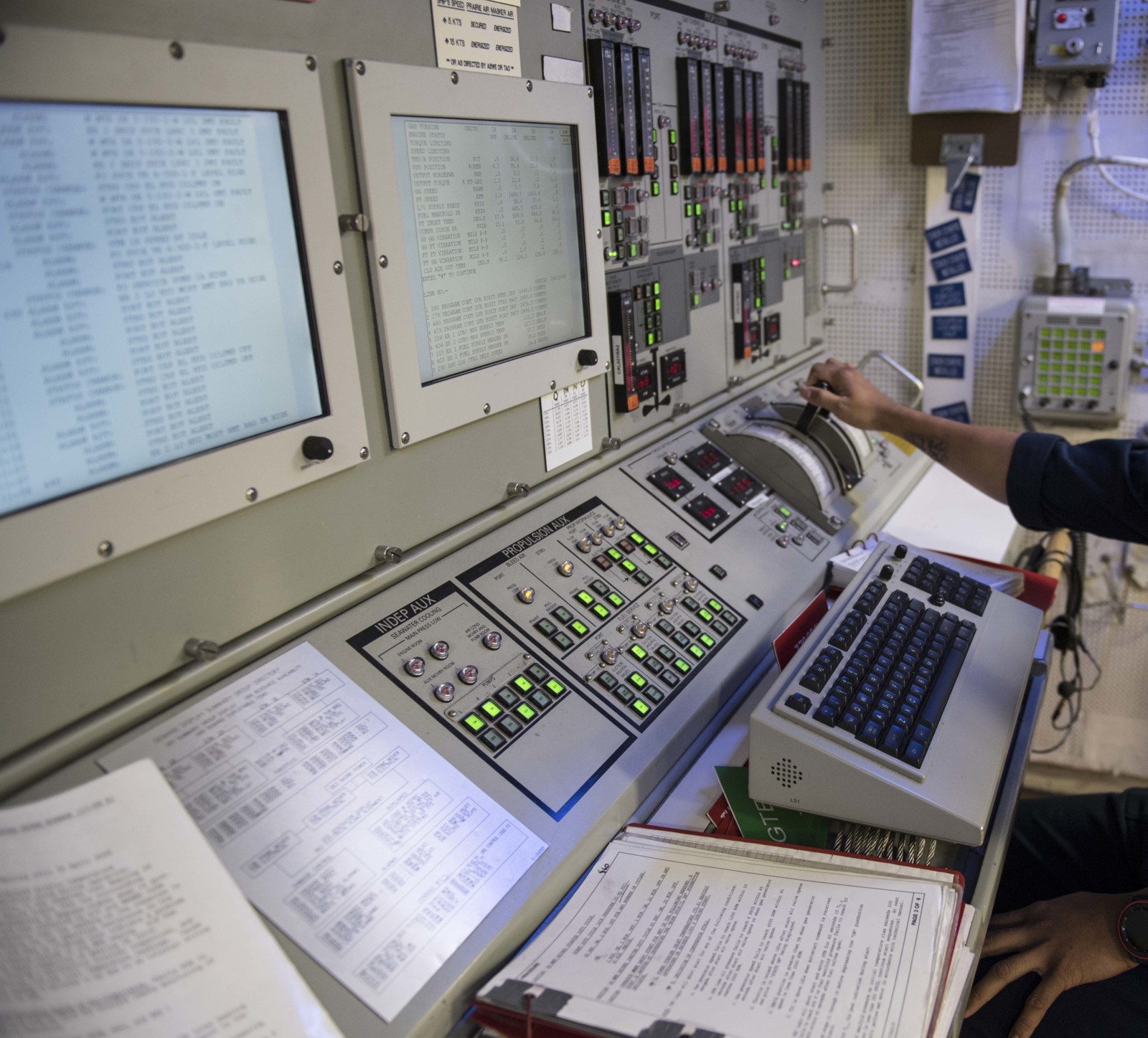 propulsion auxilary control console - Atlantic Ocean - September 2018 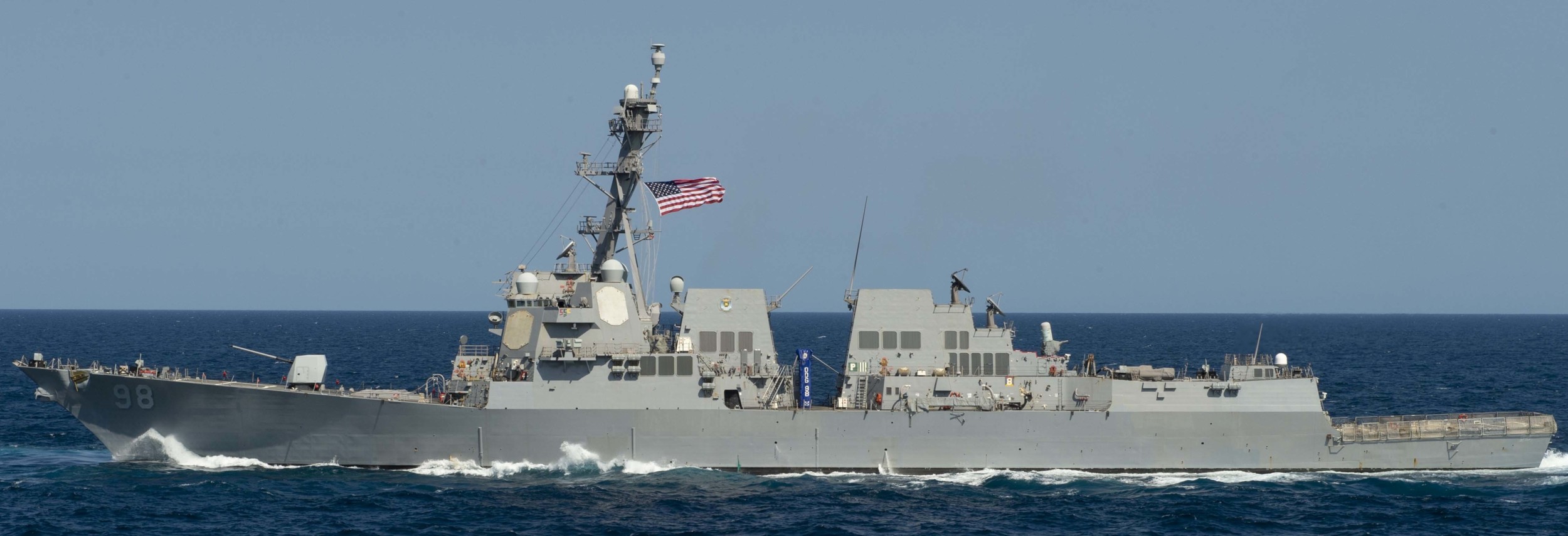 Atlantic Ocean - August 2018 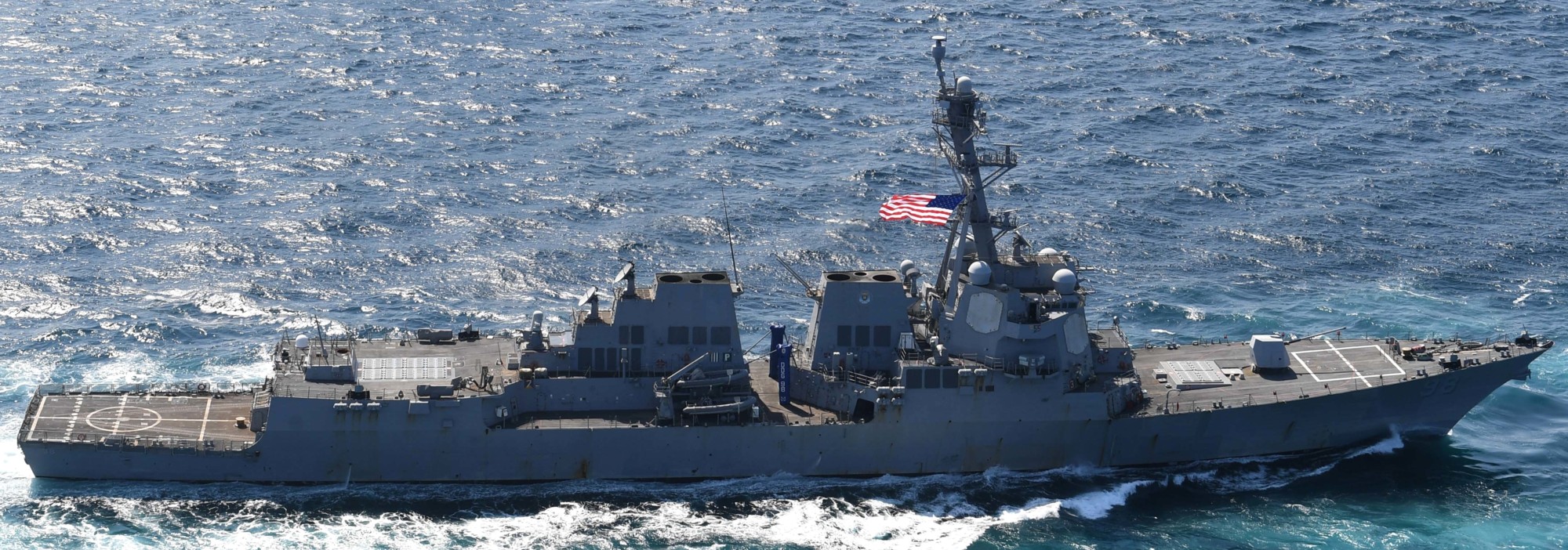 Atlantic Ocean - August 2018 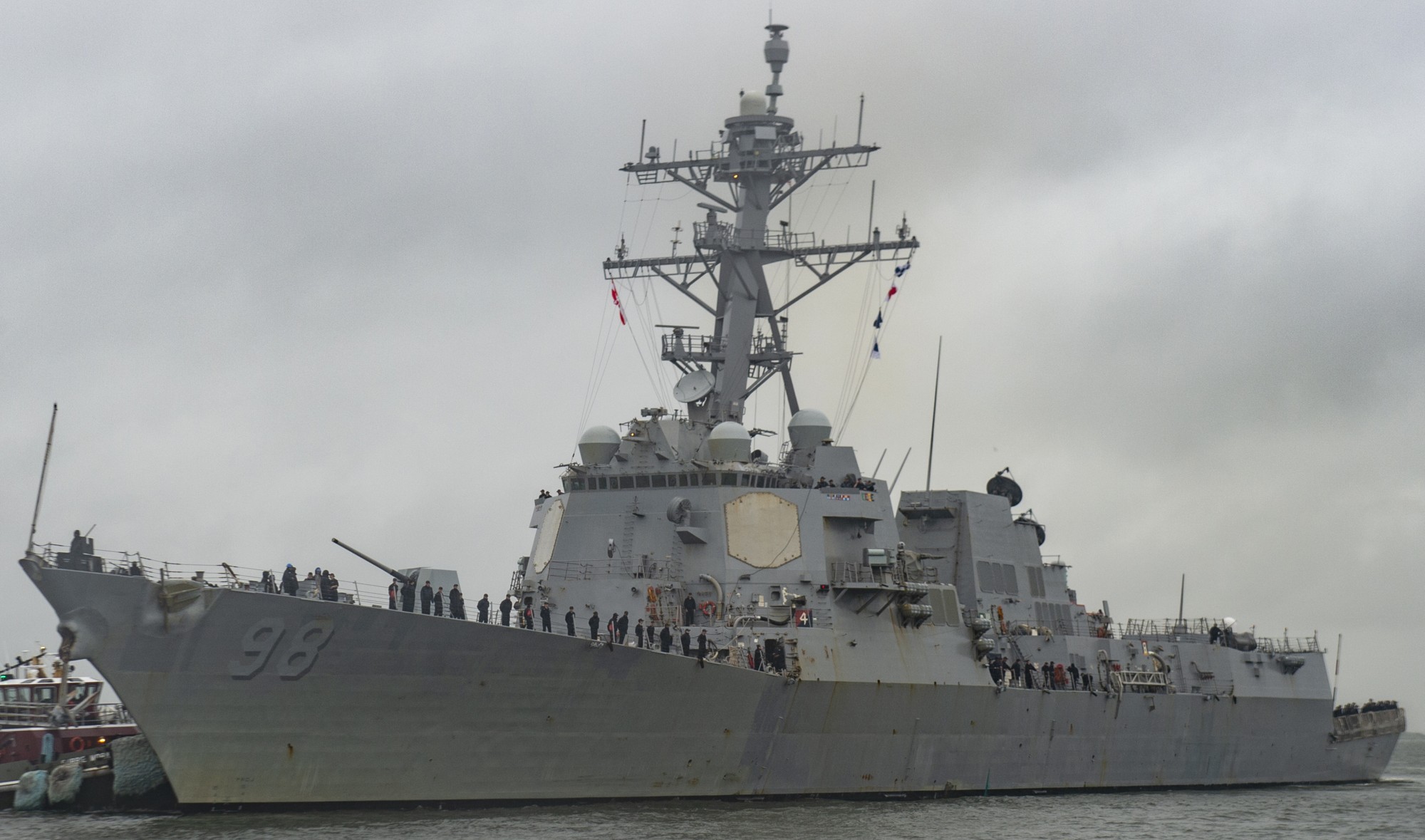 returning to Naval Station Norfolk, Virginia - July 21, 2018 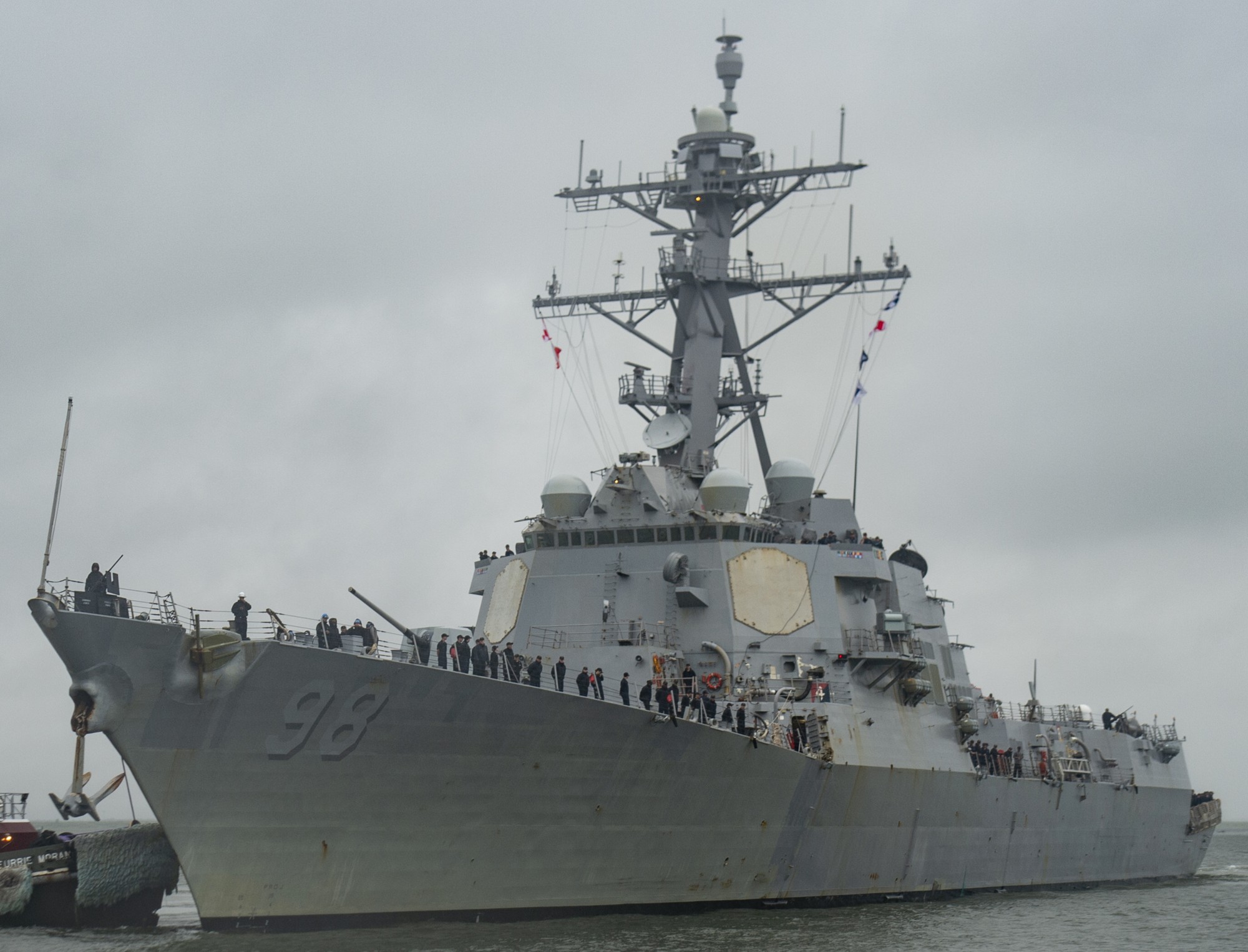 returning to Naval Station Norfolk, Virginia - July 21, 2018 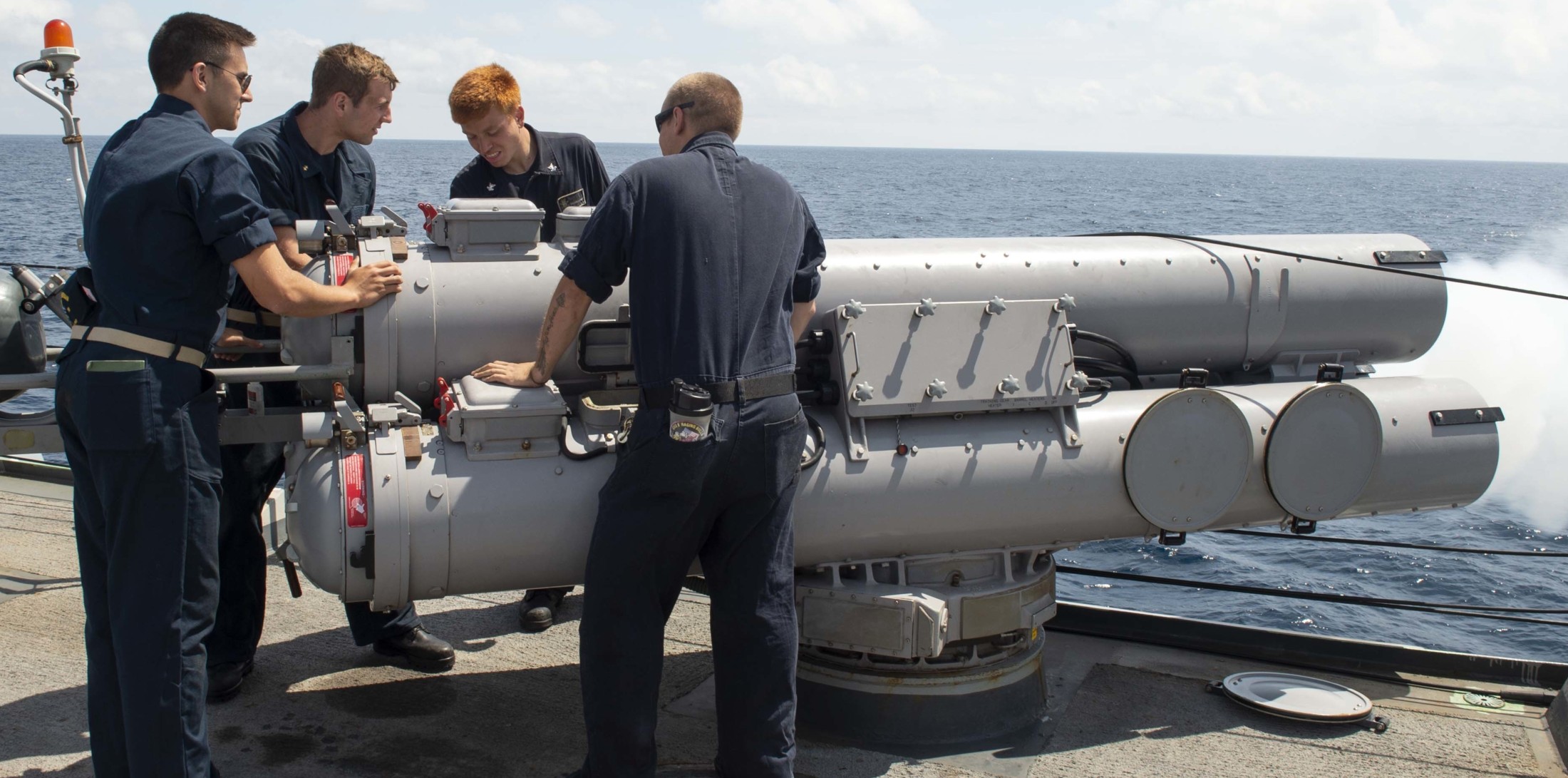 Mk.32 torpedo tubes exercise - Atlantic Ocean - July 2018 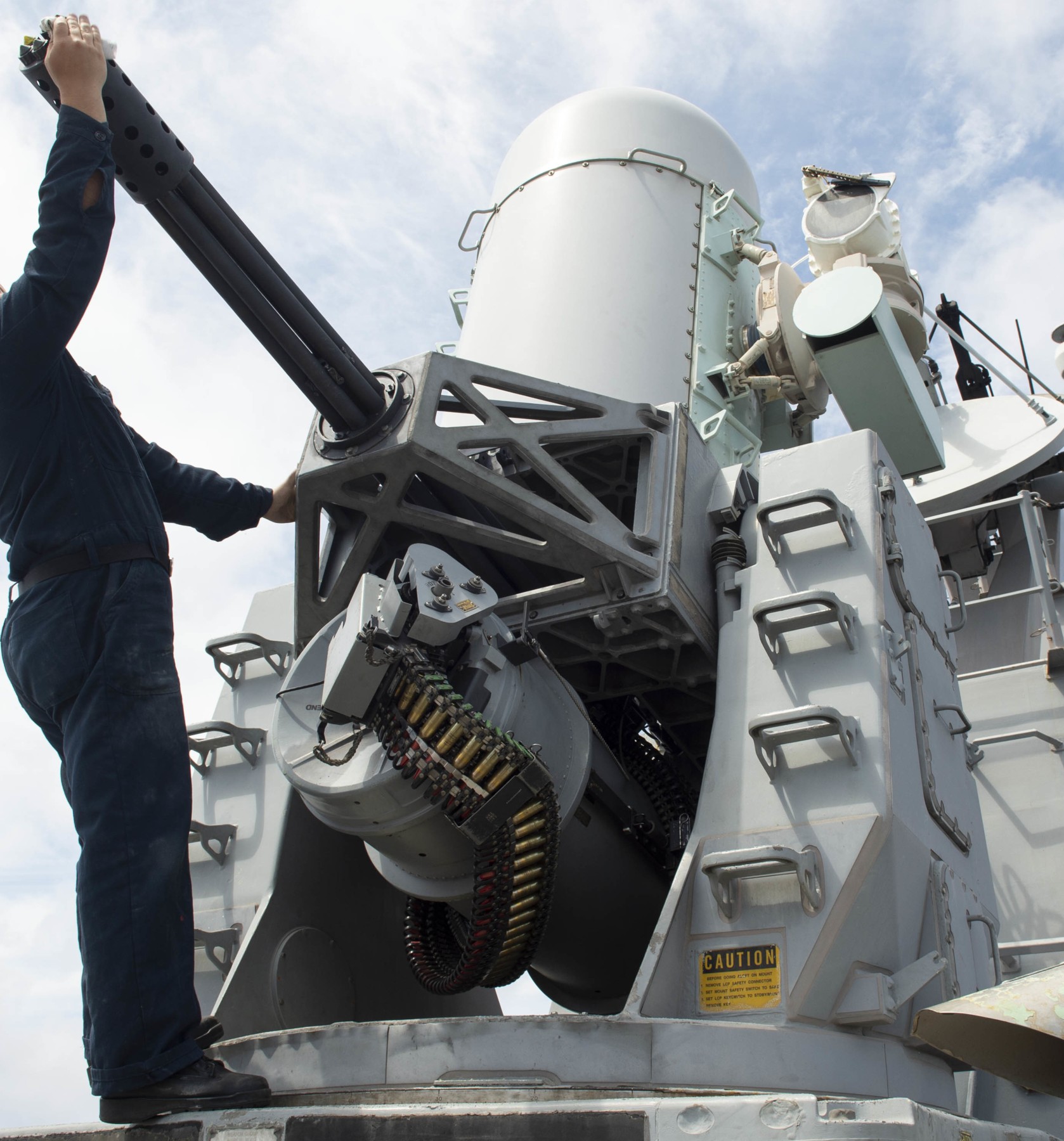 Mk.15 Phalanx CIWS maintenance - Atlantic Ocean - July 2018 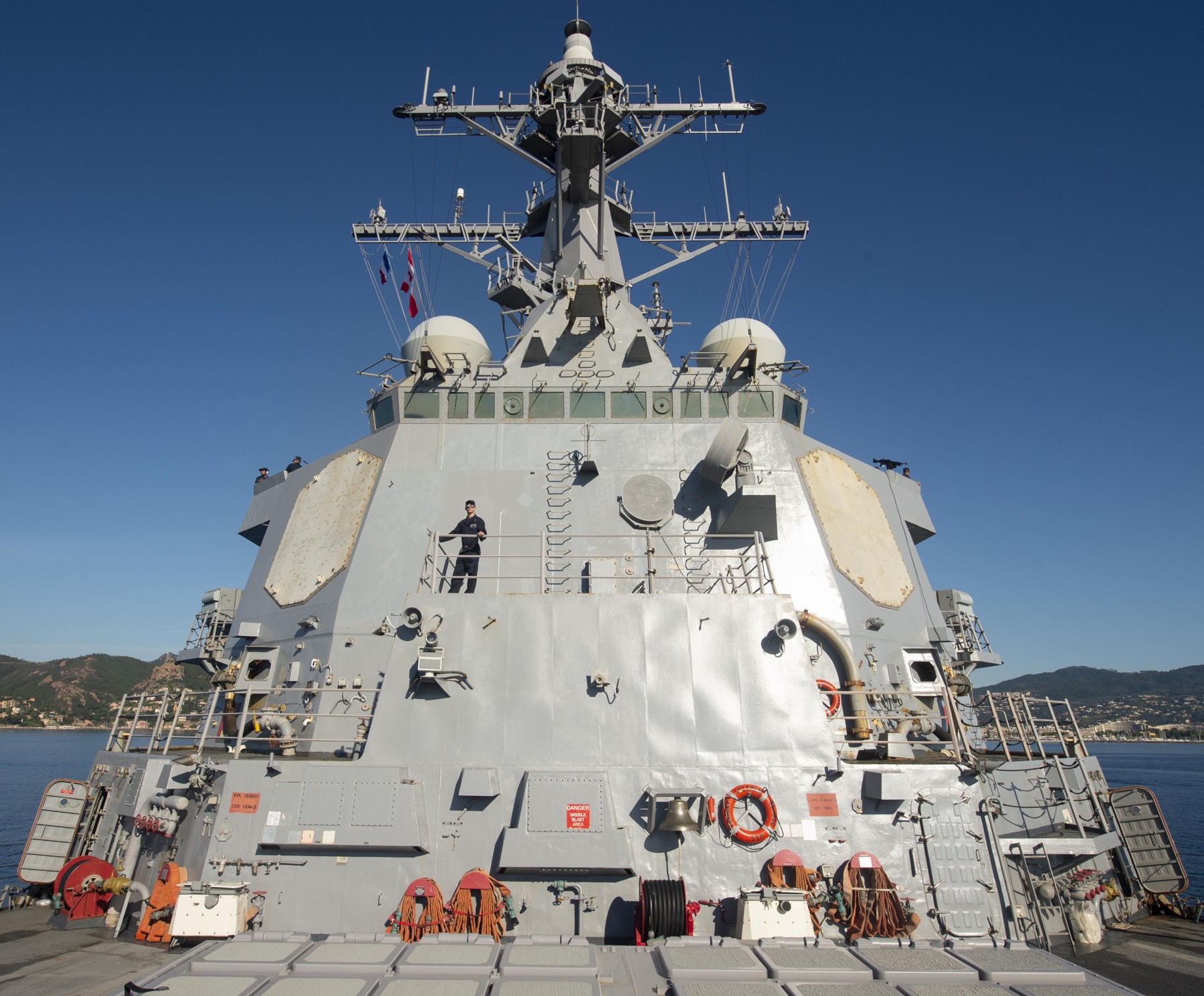 off Theoule-sur-Mer, France - June 2018 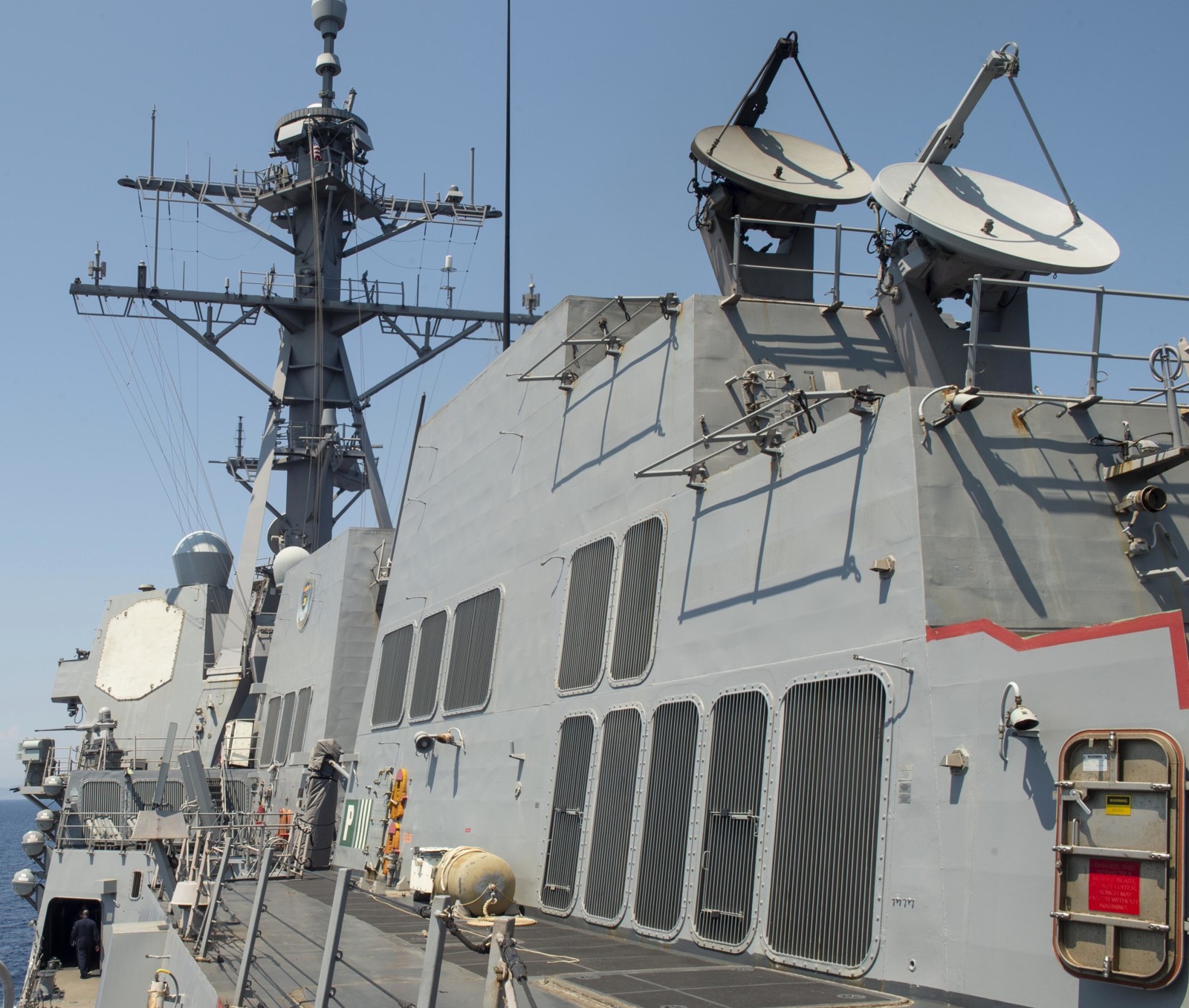 Mediterranean Sea - June 2018 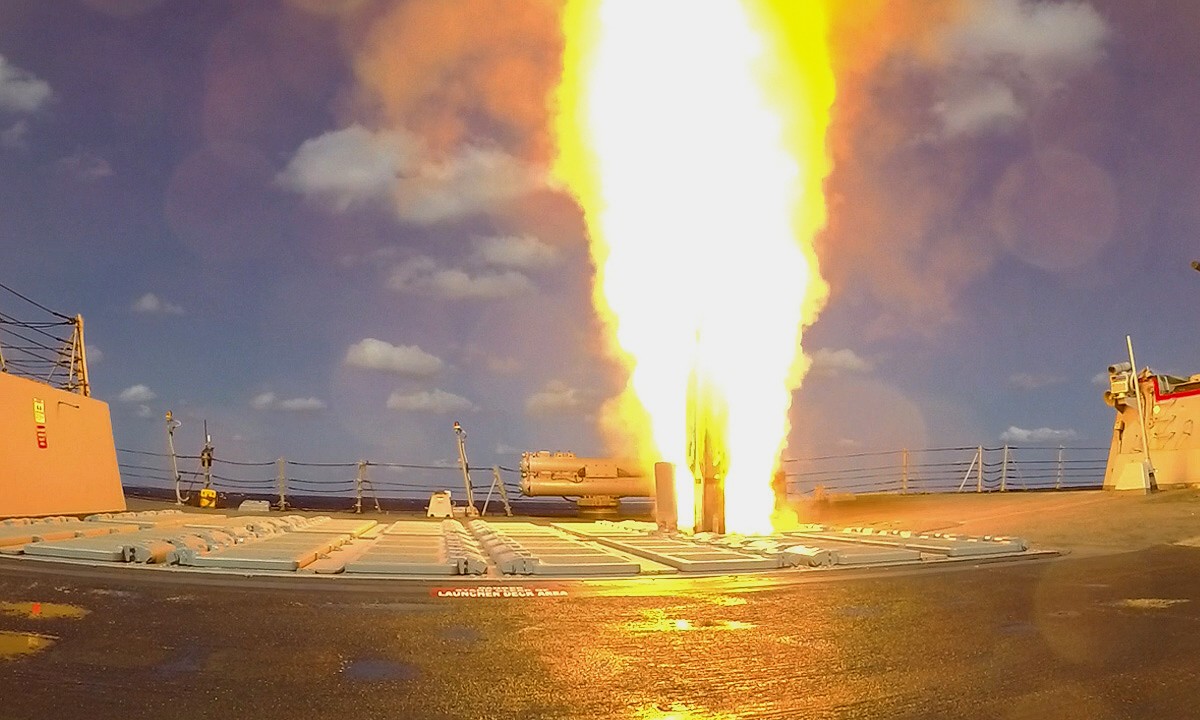 launching a Standard Missile SM-2MR - Atlantic Ocean - April 2018 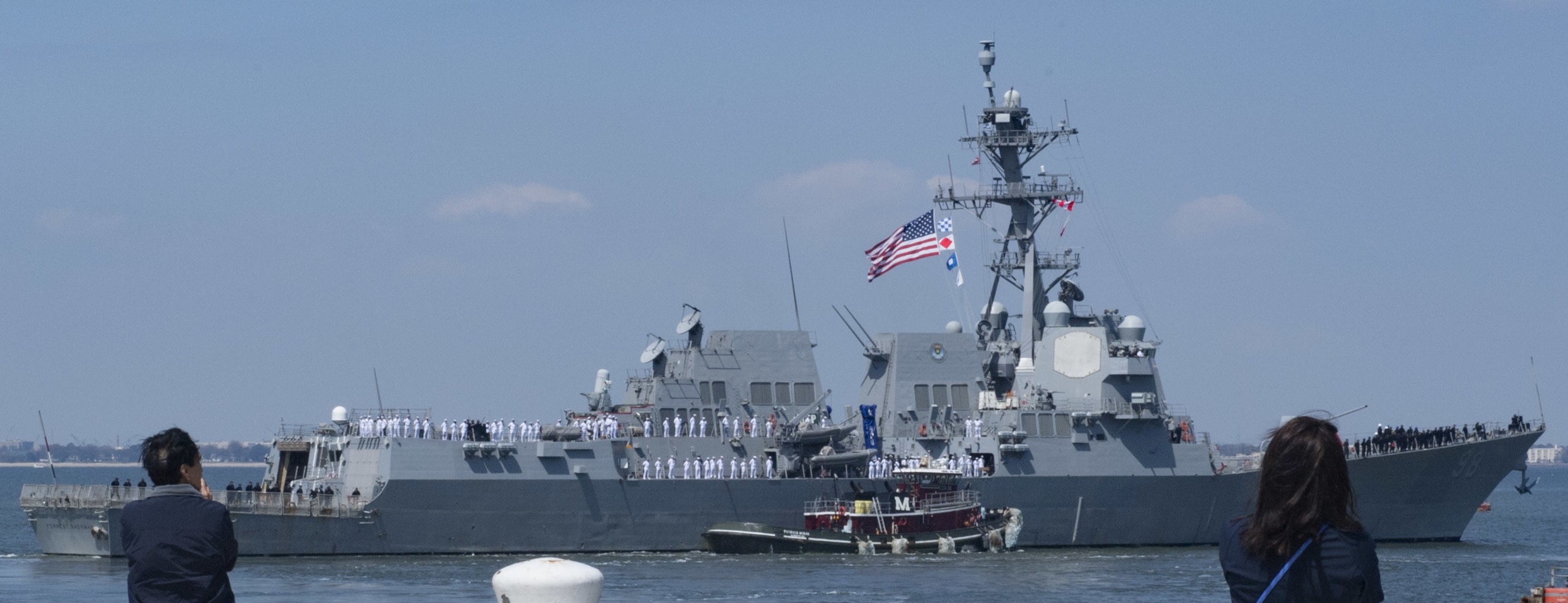 departing Naval Station Norfolk, Virginia - April 11, 2018 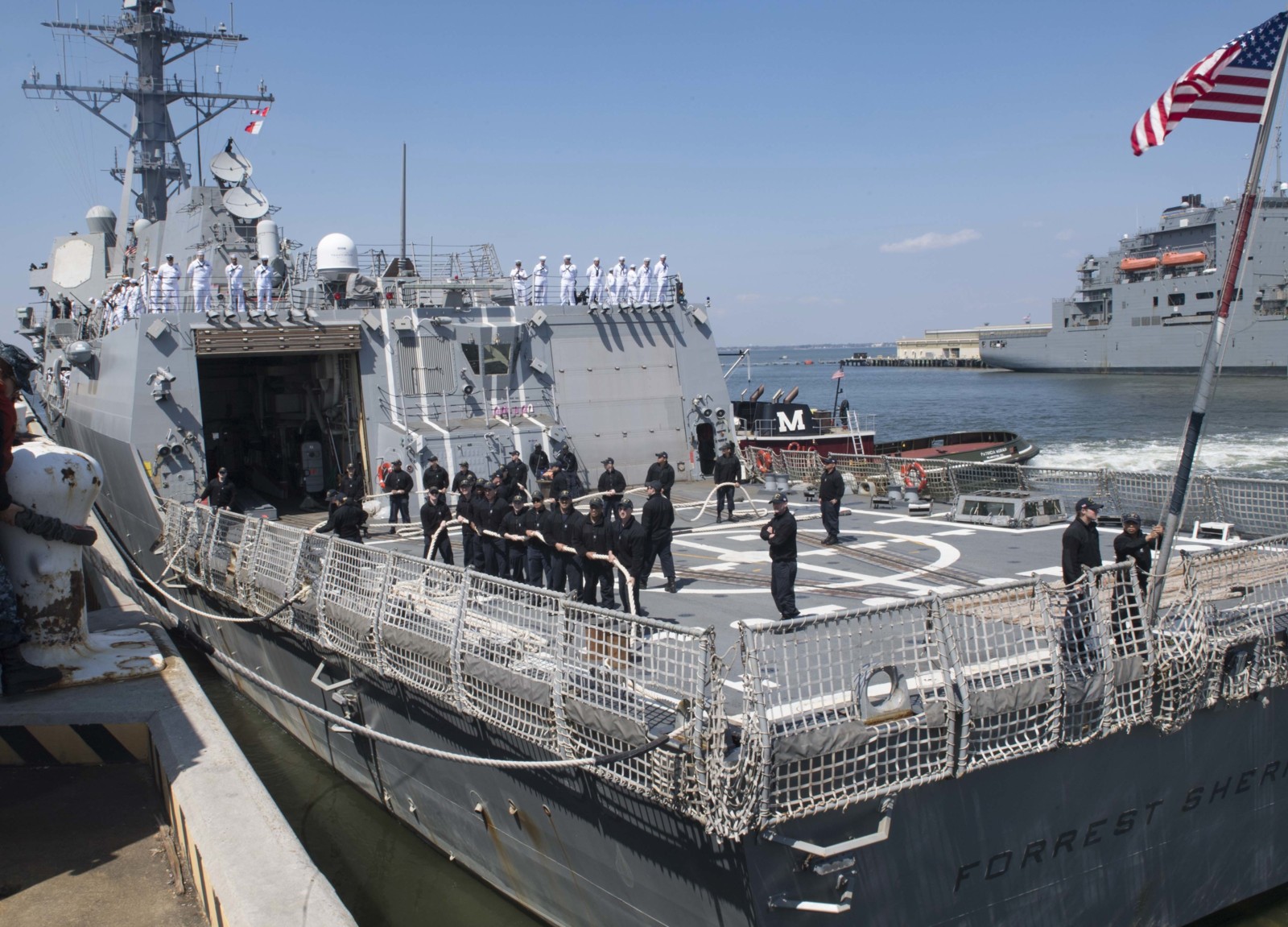 departing Naval Station Norfolk, Virginia - April 11, 2018 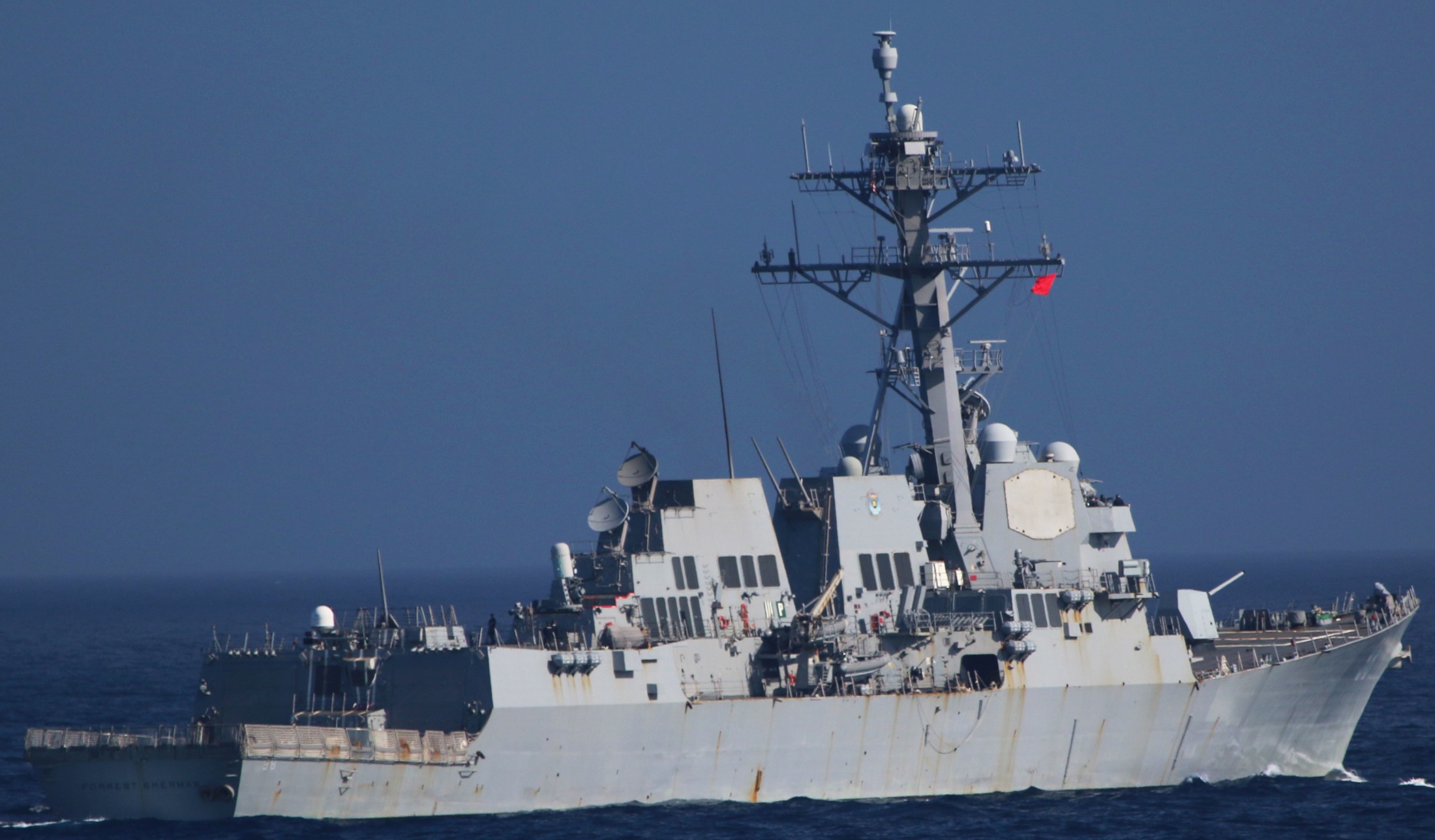 Atlantic Ocean - February 2018 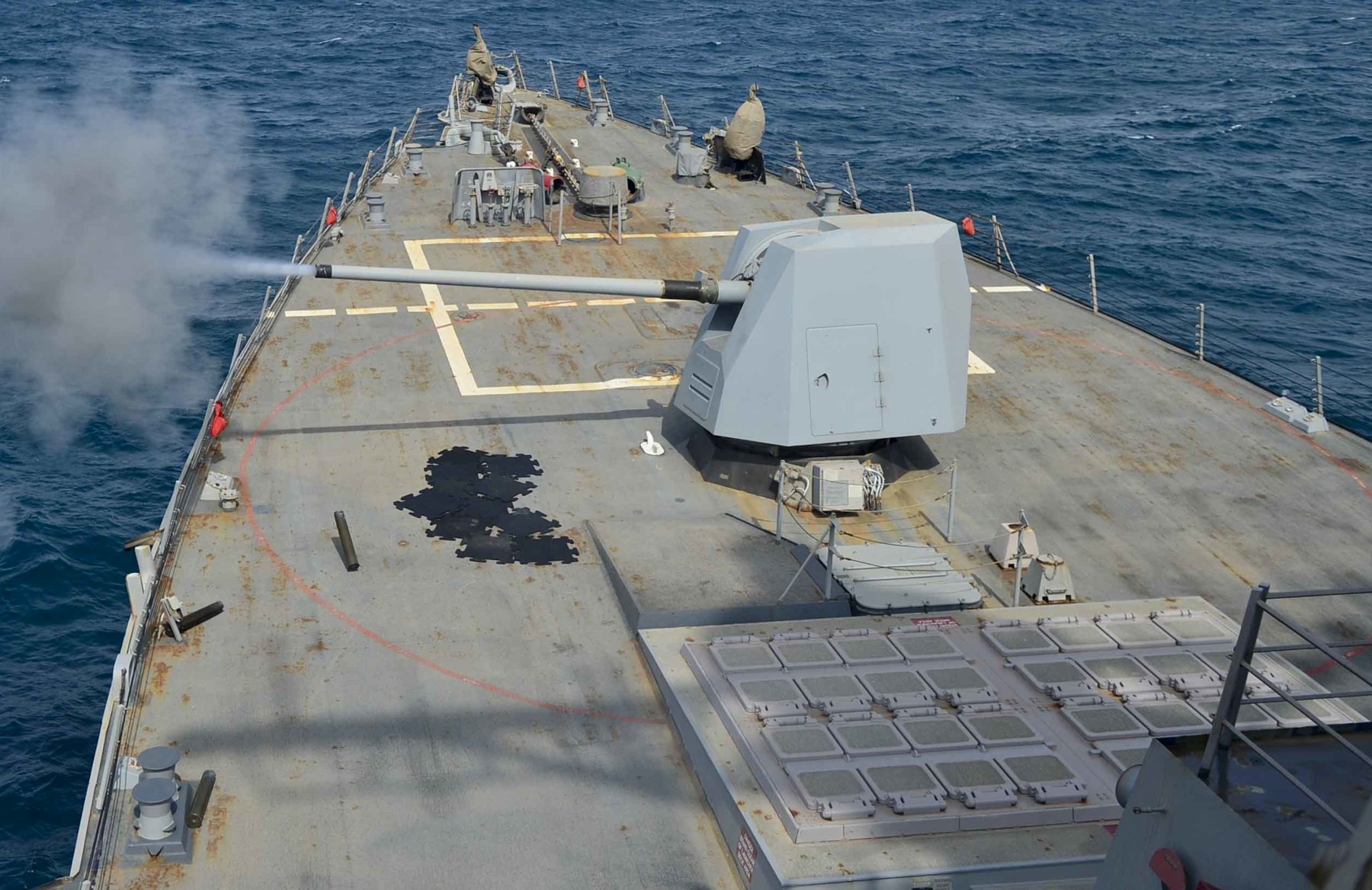 Mk.45 Mod.4 gun fire exercise - 5th Fleet AOR - August 2015 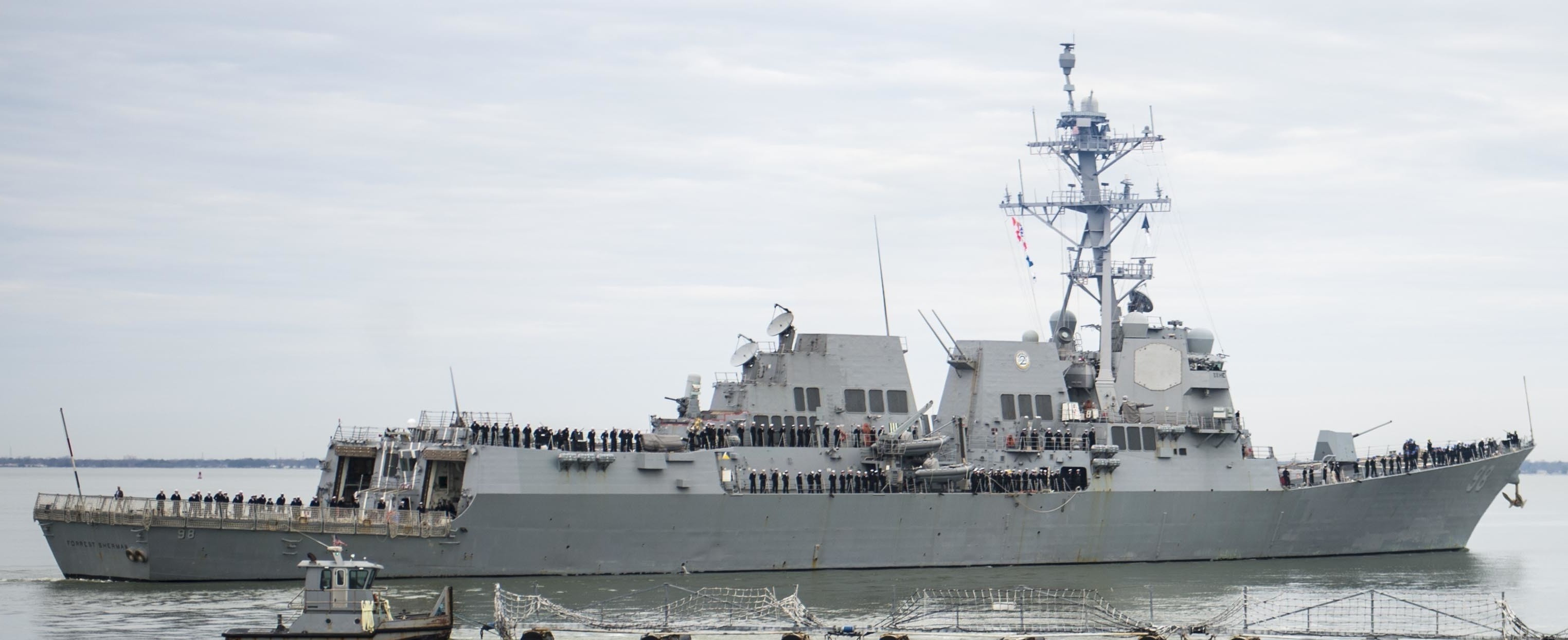 departing Naval Station Norfolk, Virginia - March 9, 2015 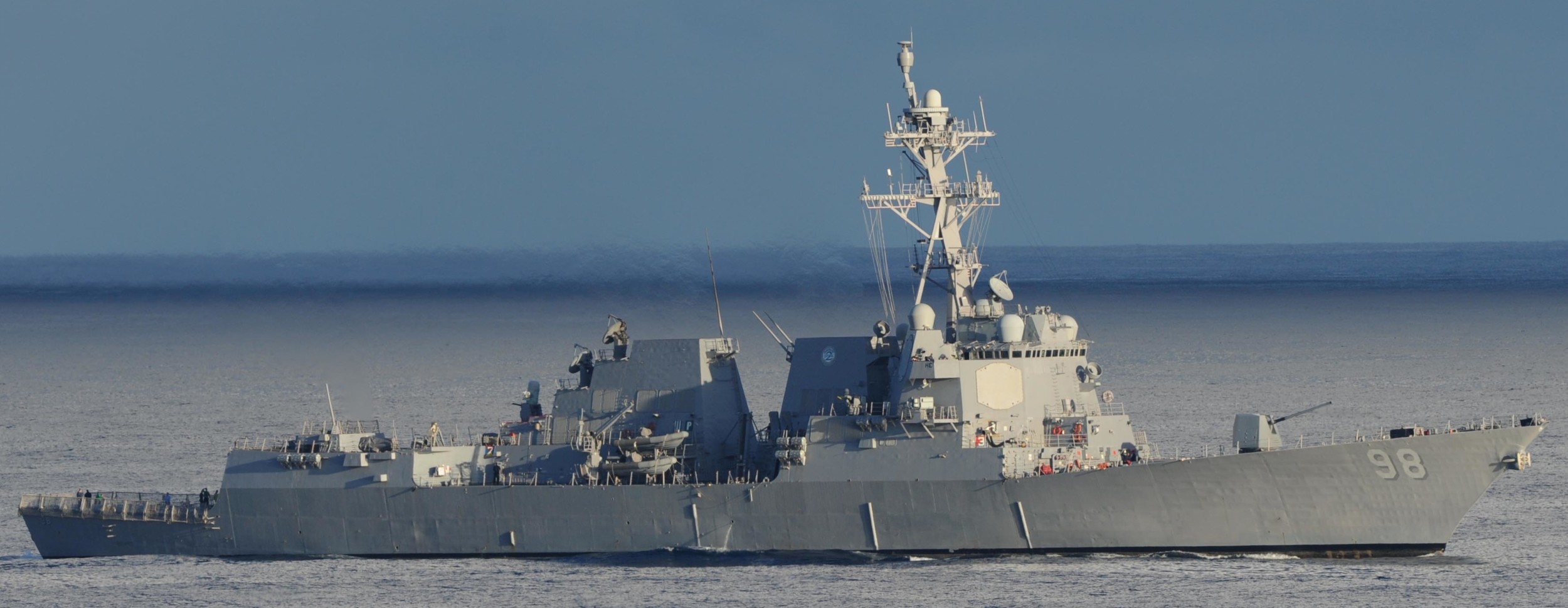 Atlantic Ocean - September 2014 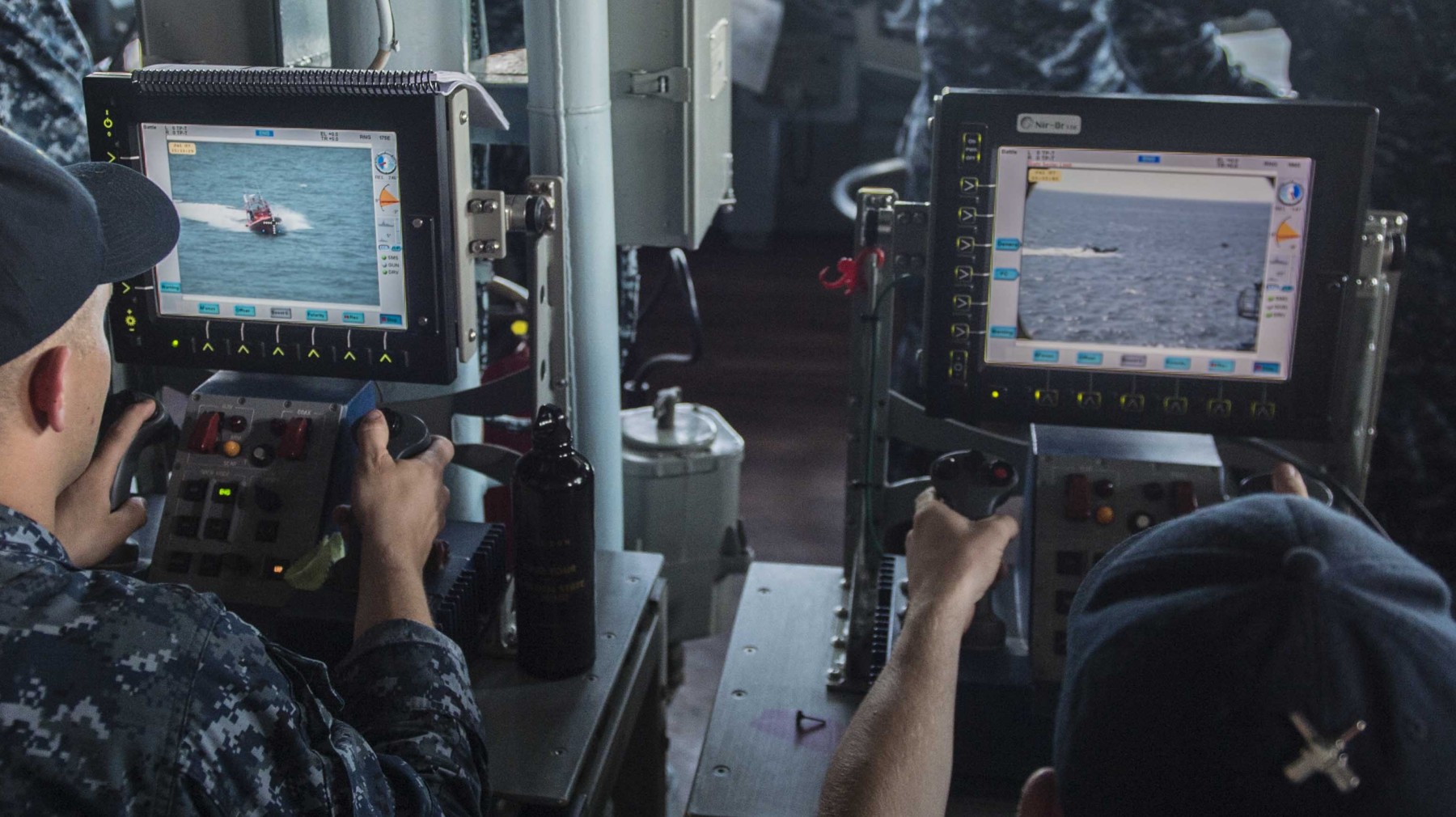 remote consoles for Mk.38 machine gun system - Atlantic Ocean - July 2014 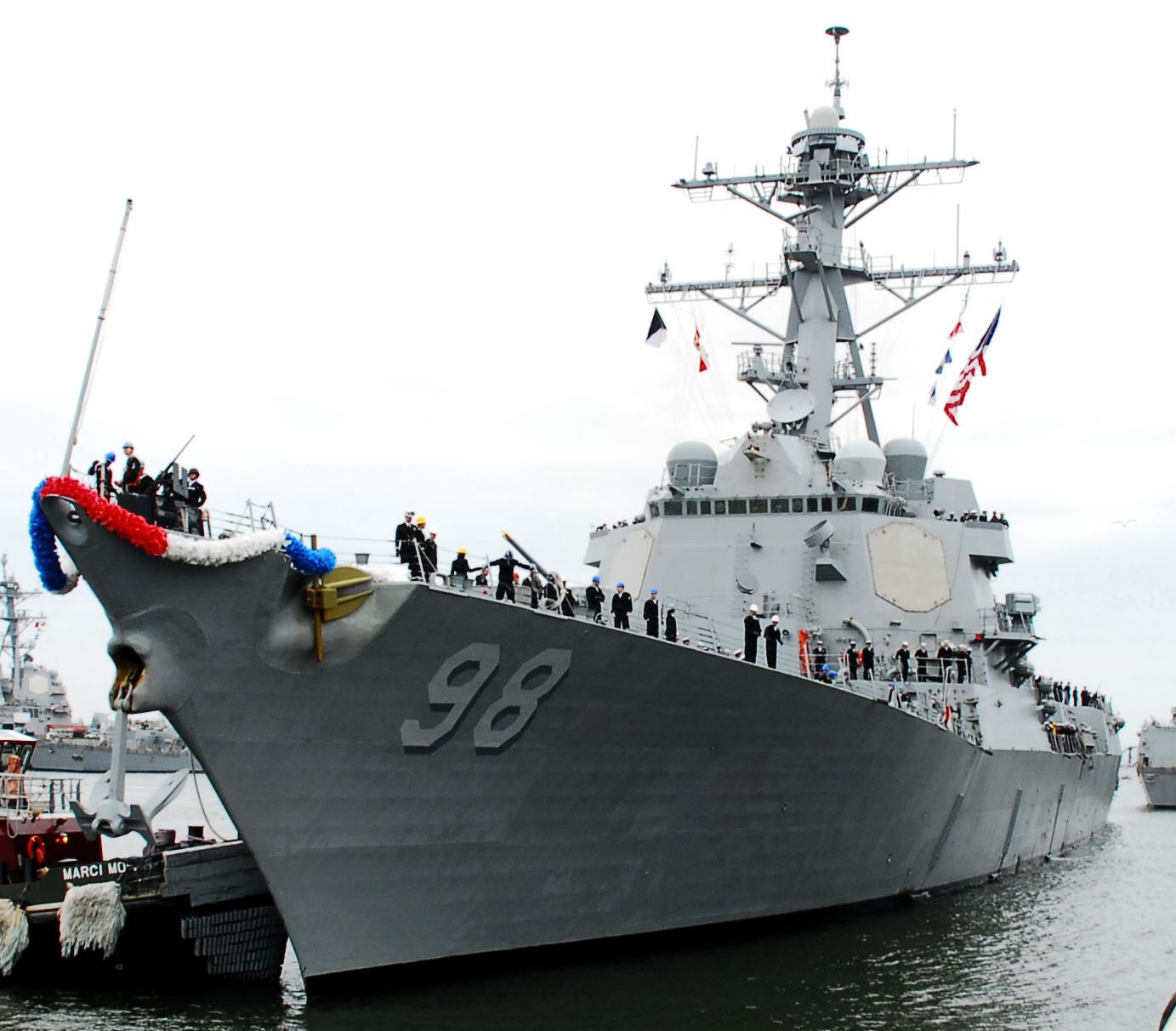 returning to Naval Station Norfolk, Virginia - February 26, 2013 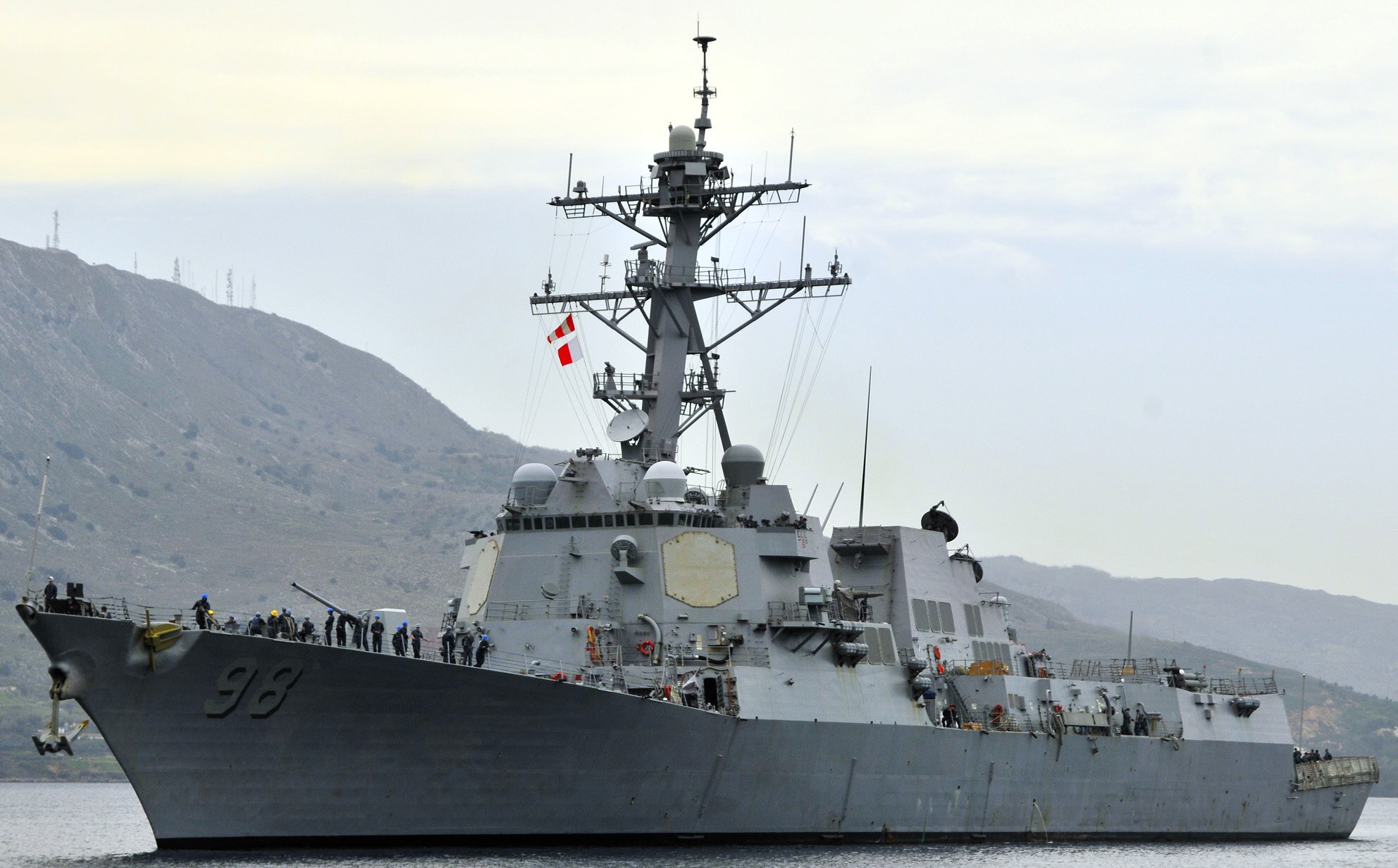 Naval Support Activity Souda Bay, Crete, Greece - December 2012 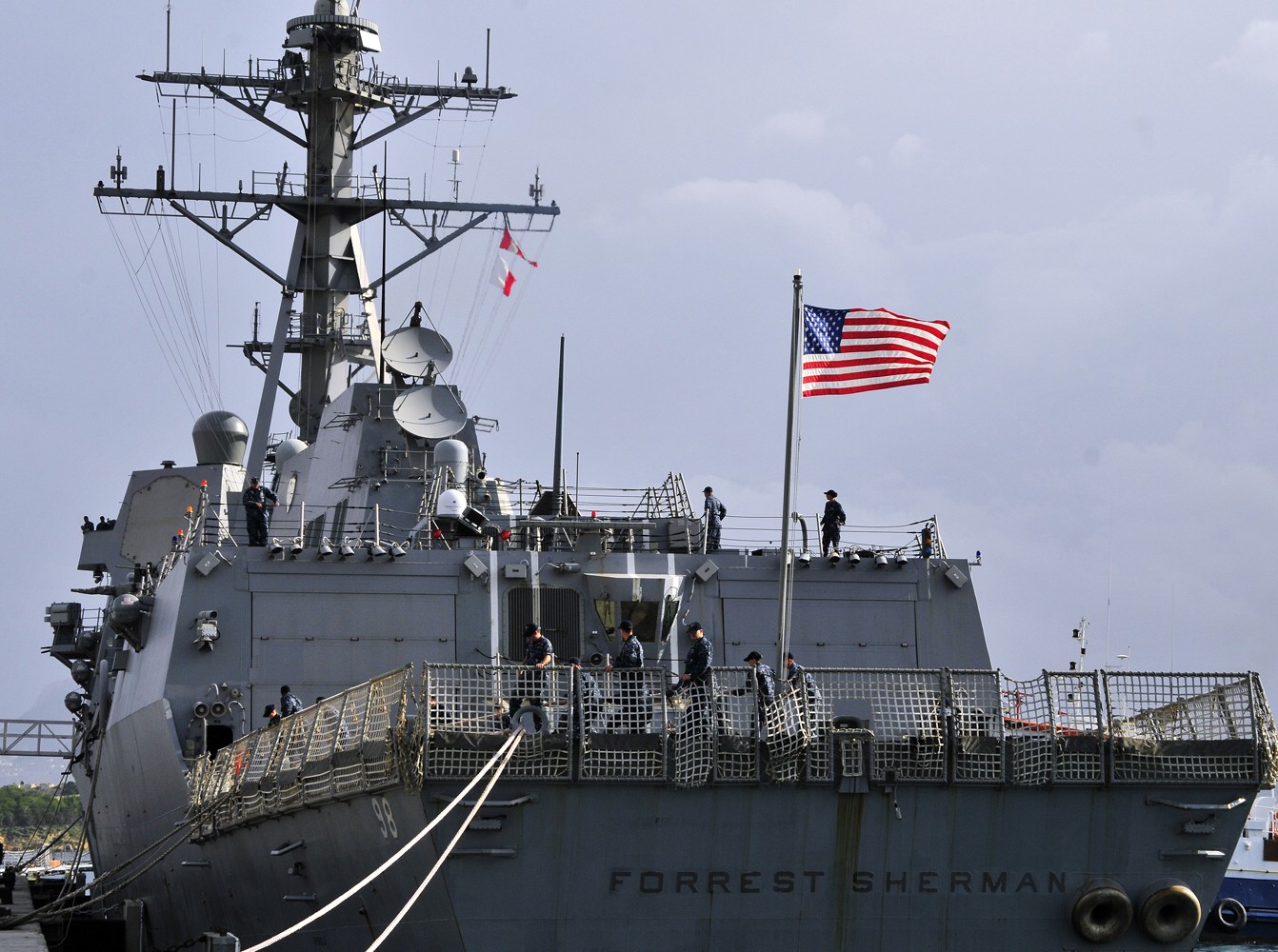 Naval Support Activity Souda Bay, Crete, Greece - December 2012 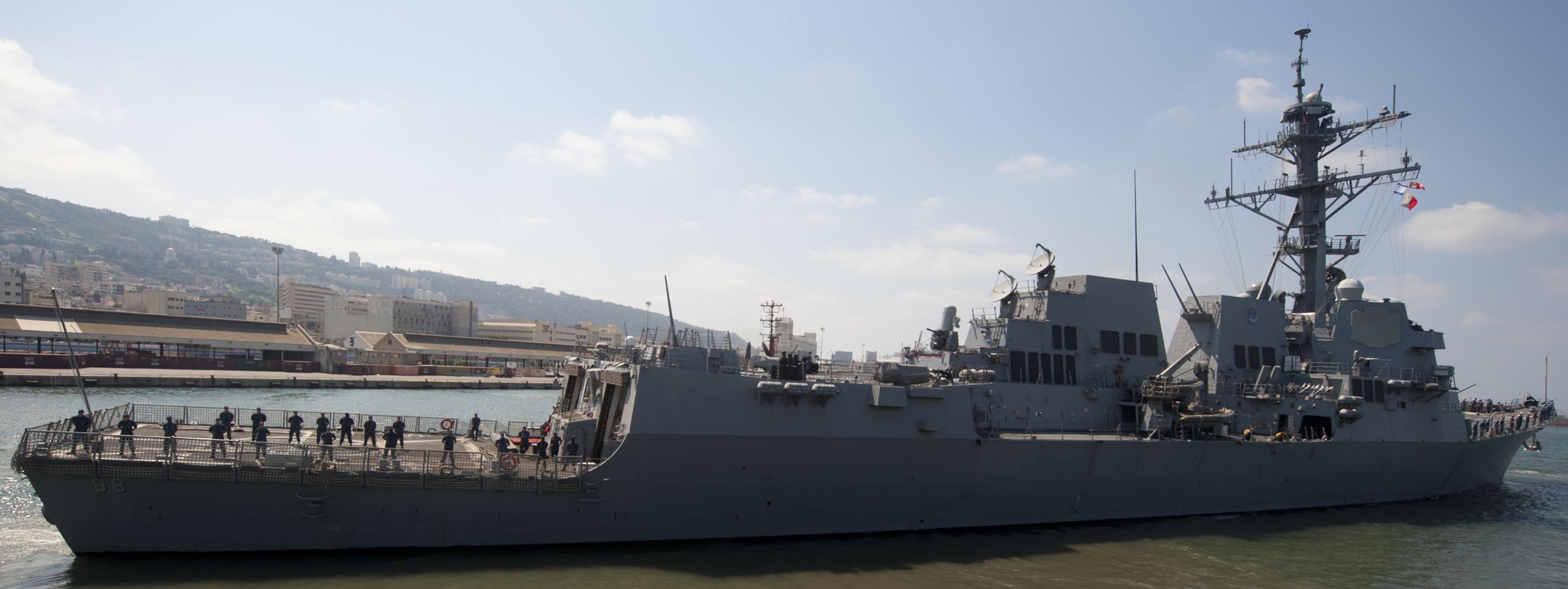 Haifa, Israel - August 2012 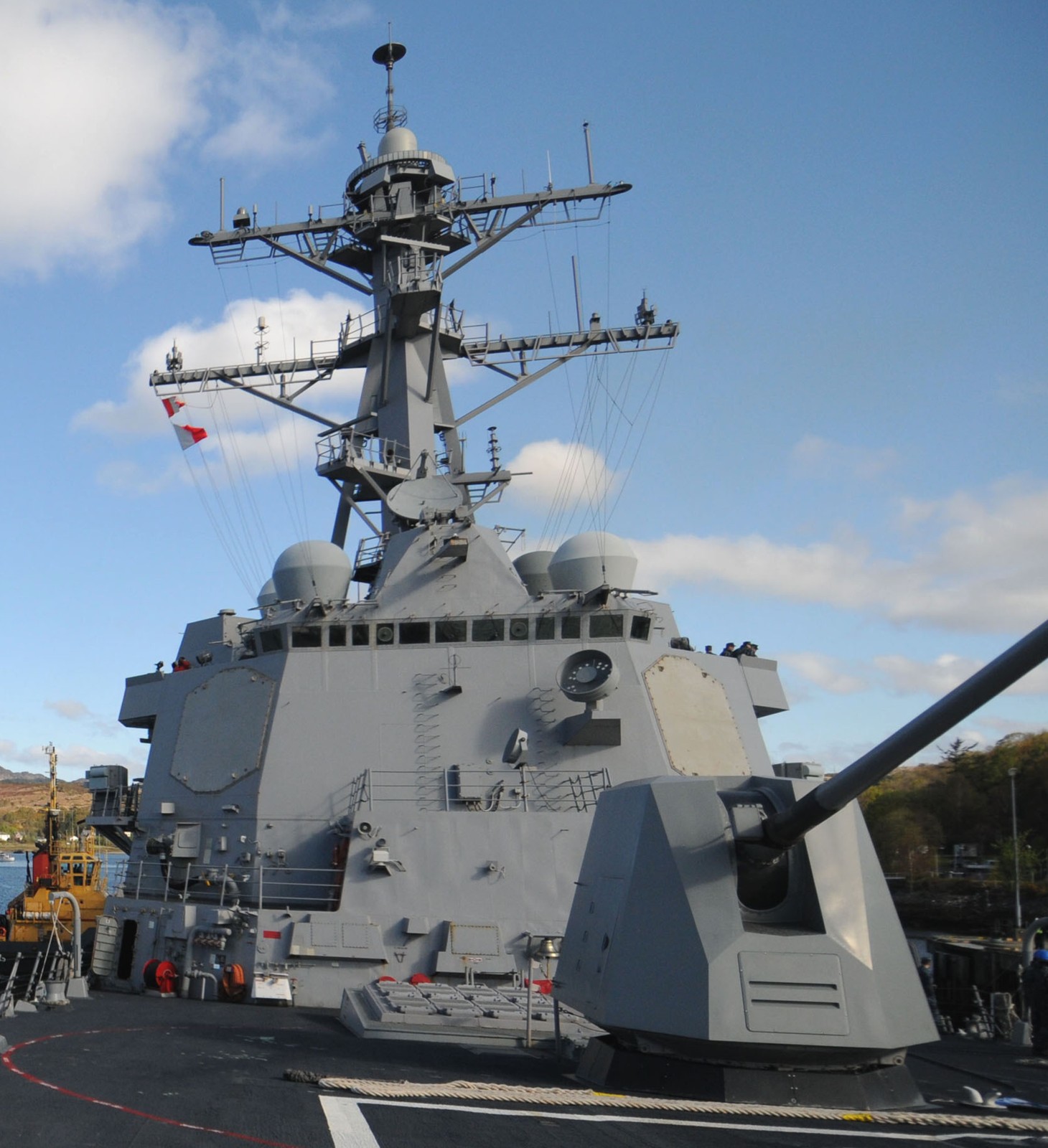 during NATO exercise Joint Warrior - Faslane, Scotland - April 2012 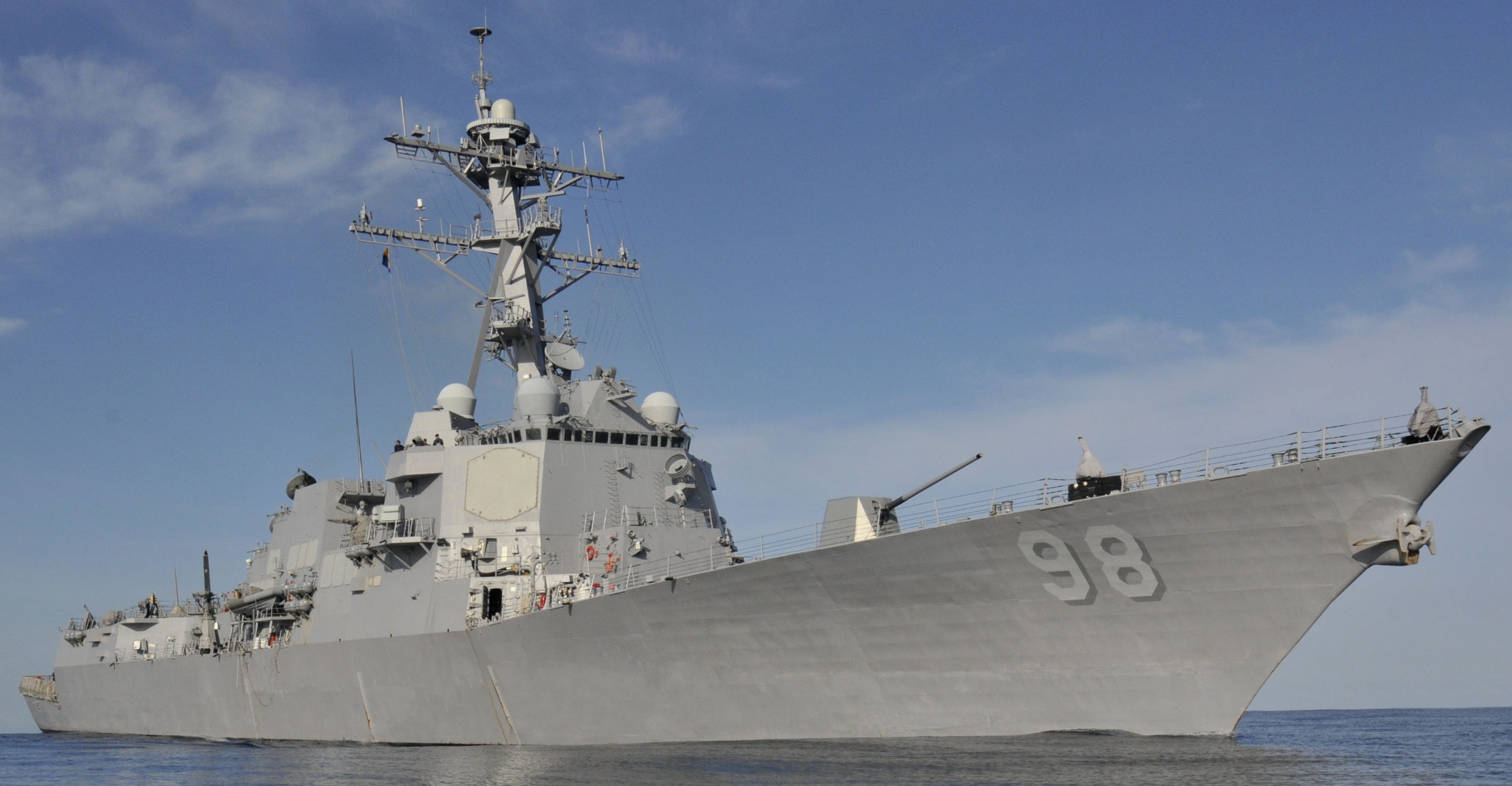 Atlantic Ocean - March 2012 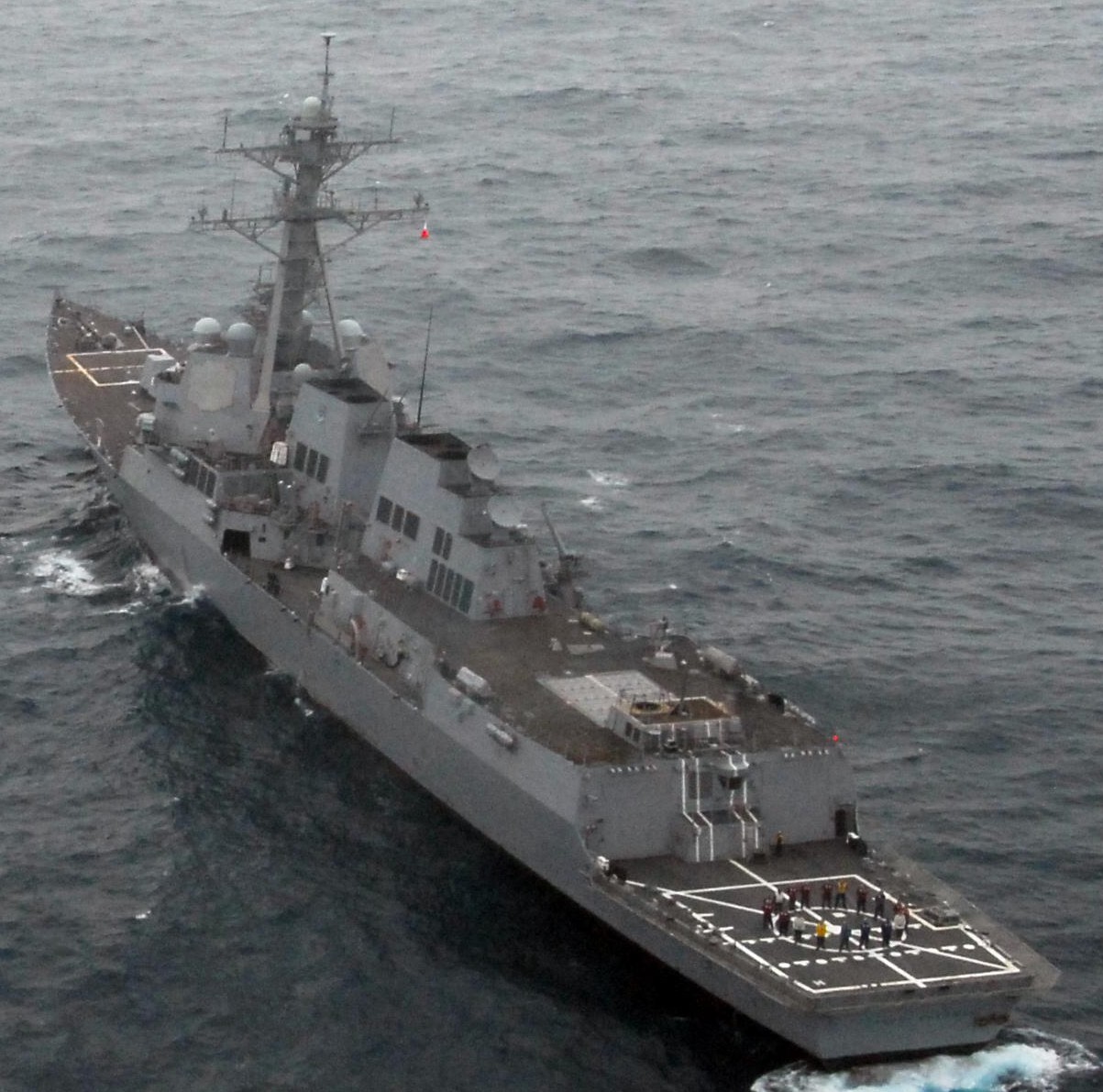 during NATO exercise Joint Warrior - Atlantic Ocean - March 2011 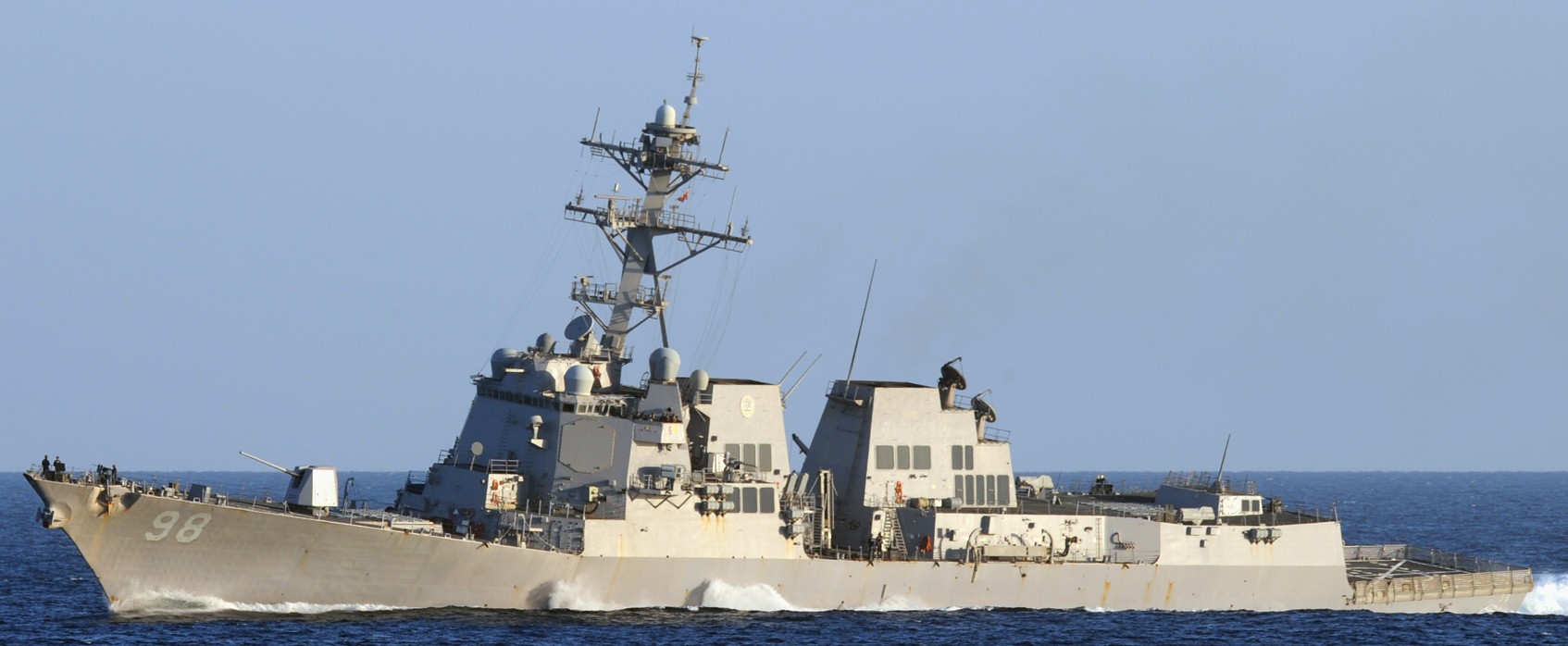 Gulf of Aden - February 2010 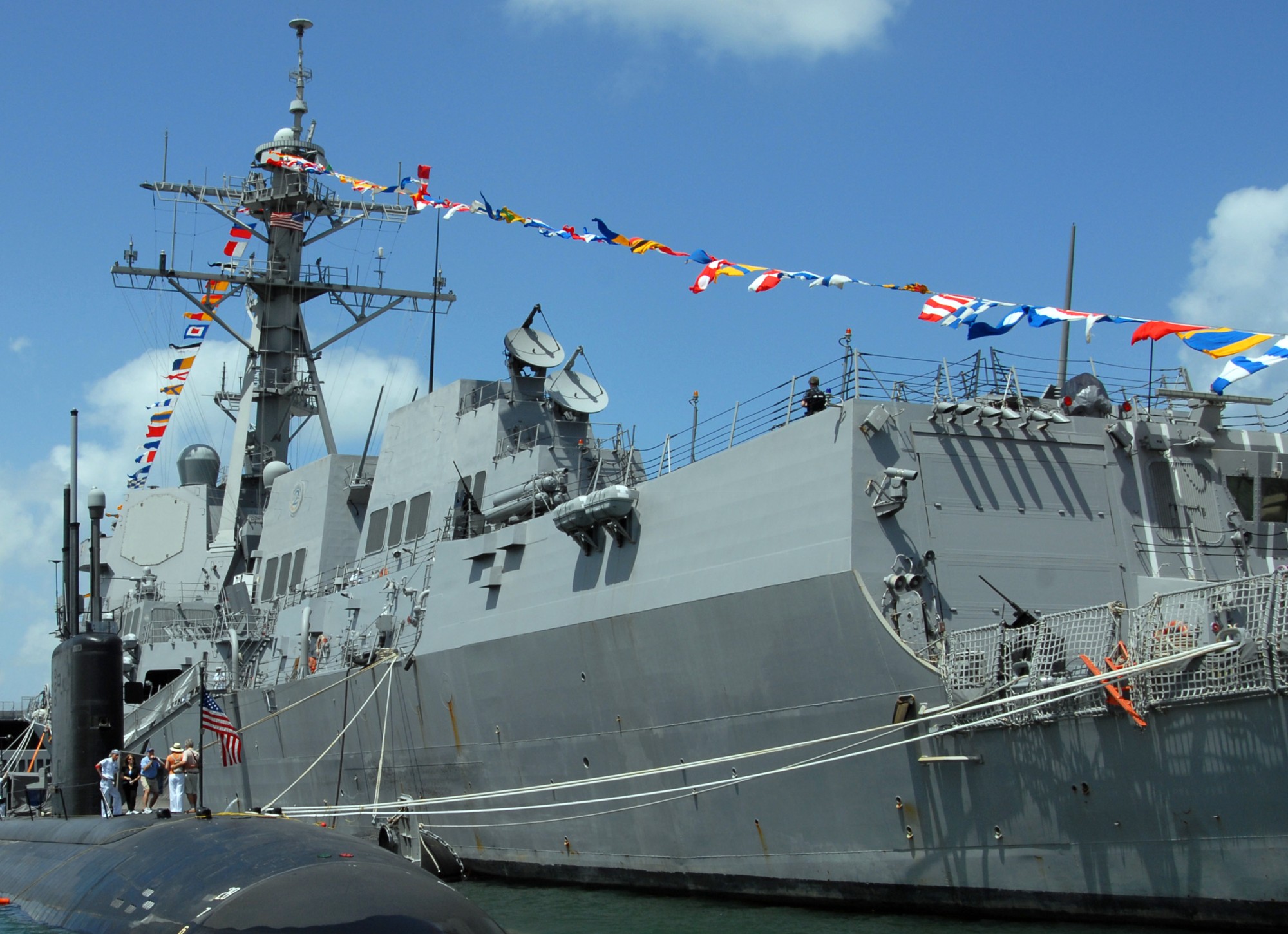 Port Everglades Fleet Week, Florida - April 2009 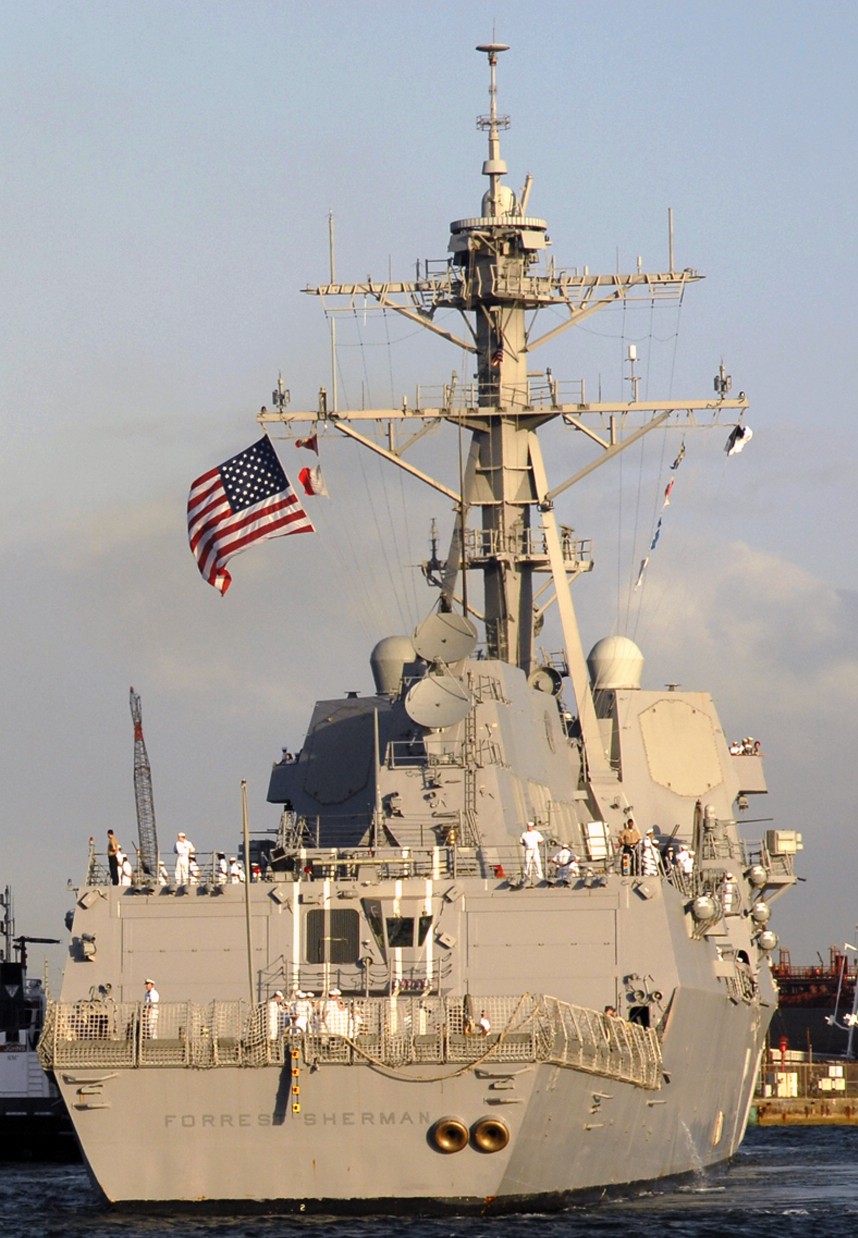 Port Everglades Fleet Week, Florida - April 2009 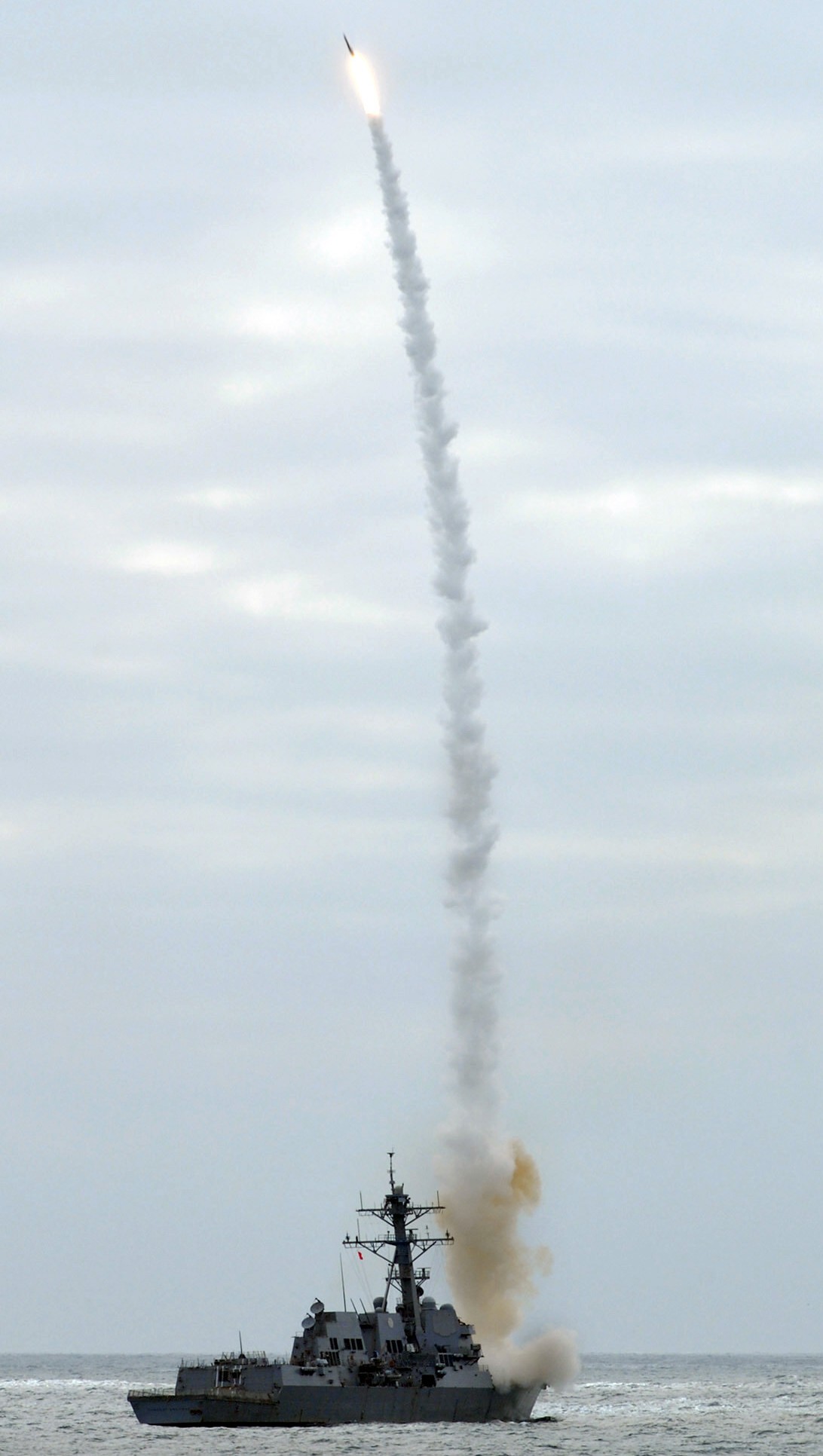 missile firing exercise - Atlantic Ocean - June 2008 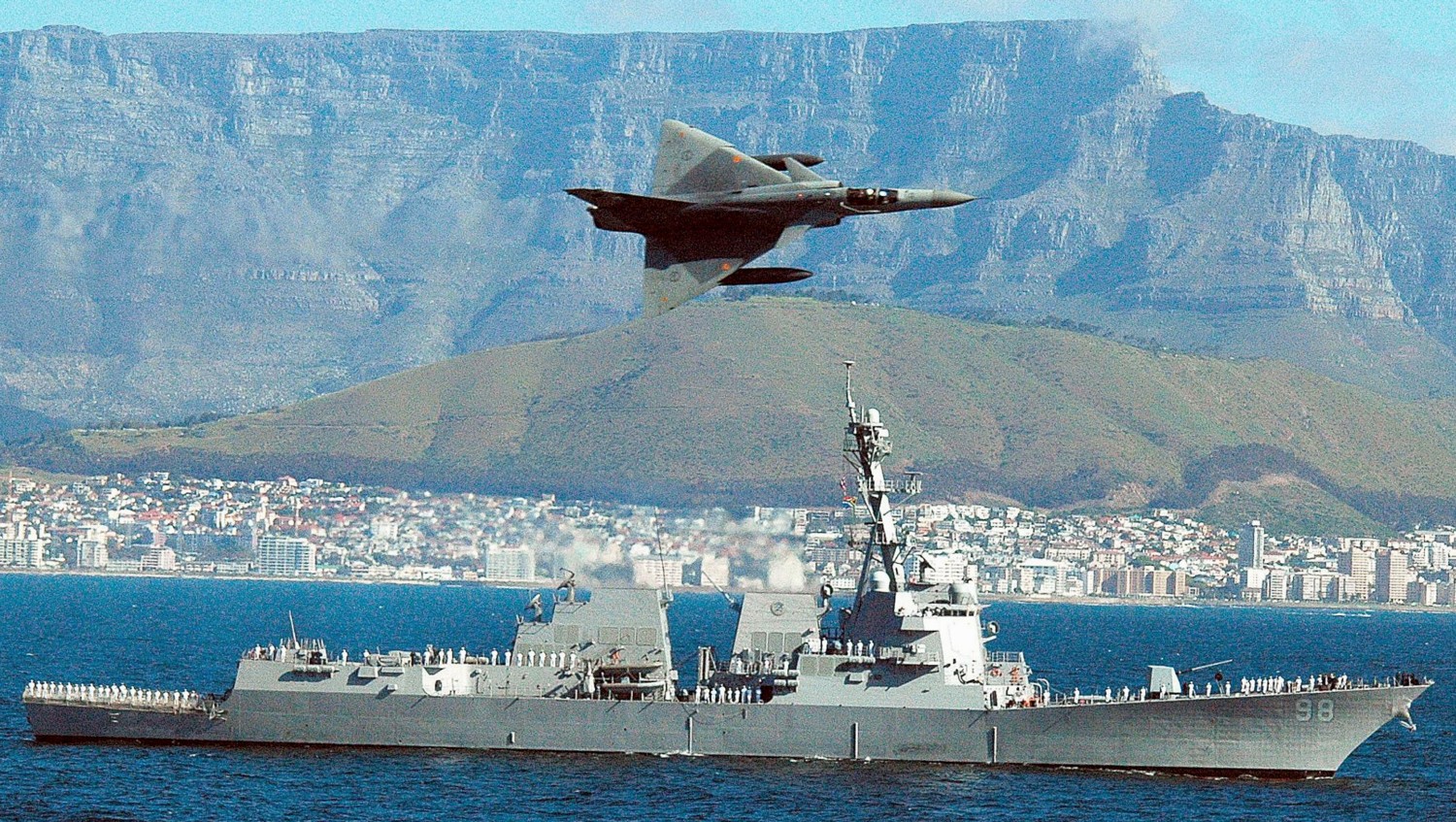 Cape Town, South Africa - October 2007 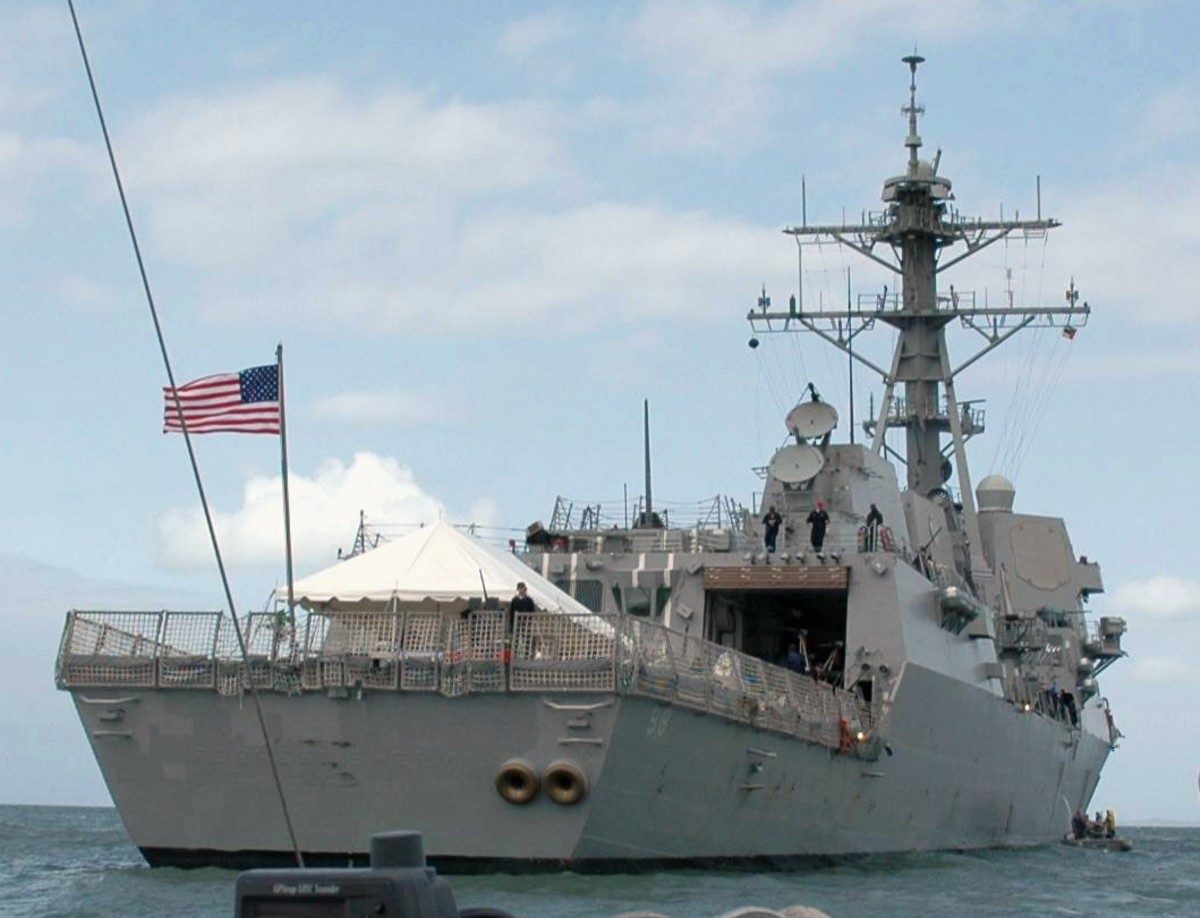 off Maputo, Mozambique - September 2007 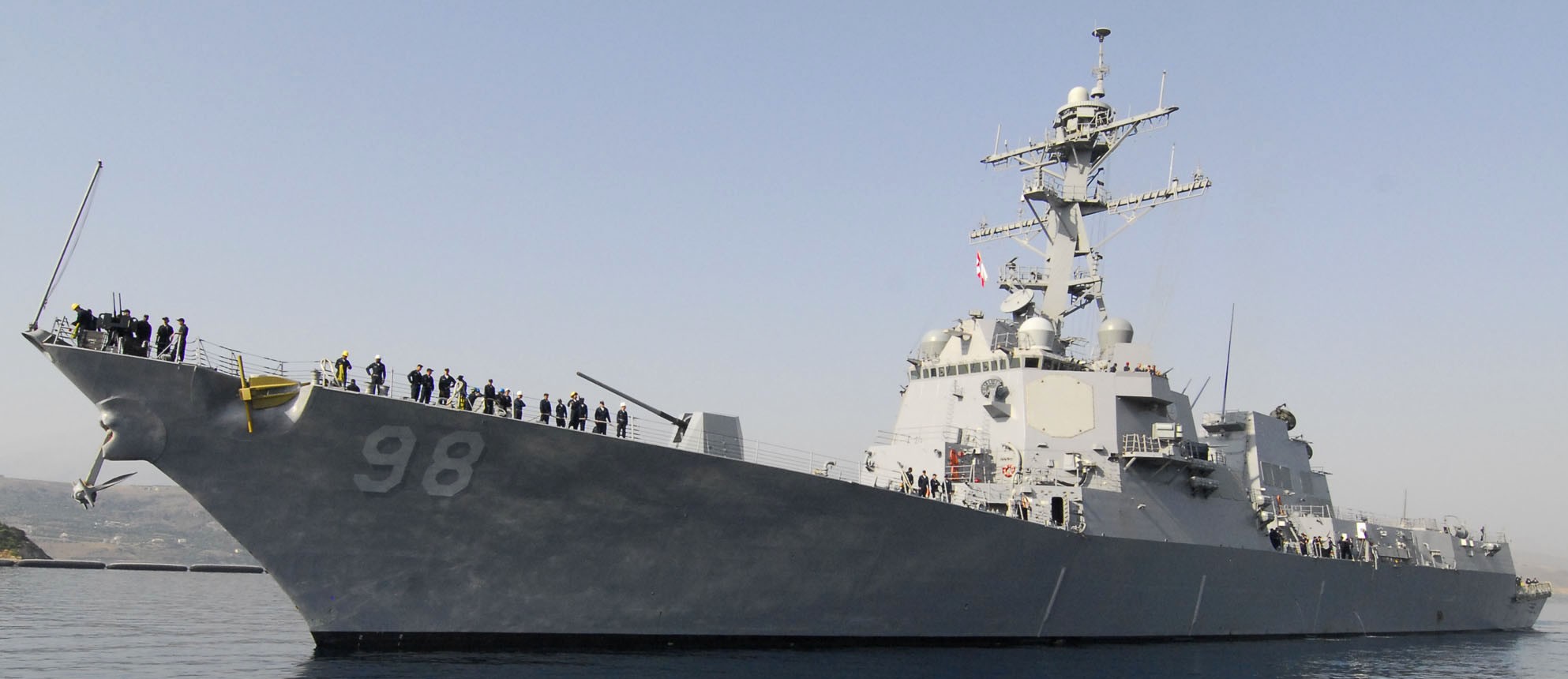 arriving at Naval Support Activity Souda Bay, Crete, Greece for the first port visit on her maiden deployment - July 2007 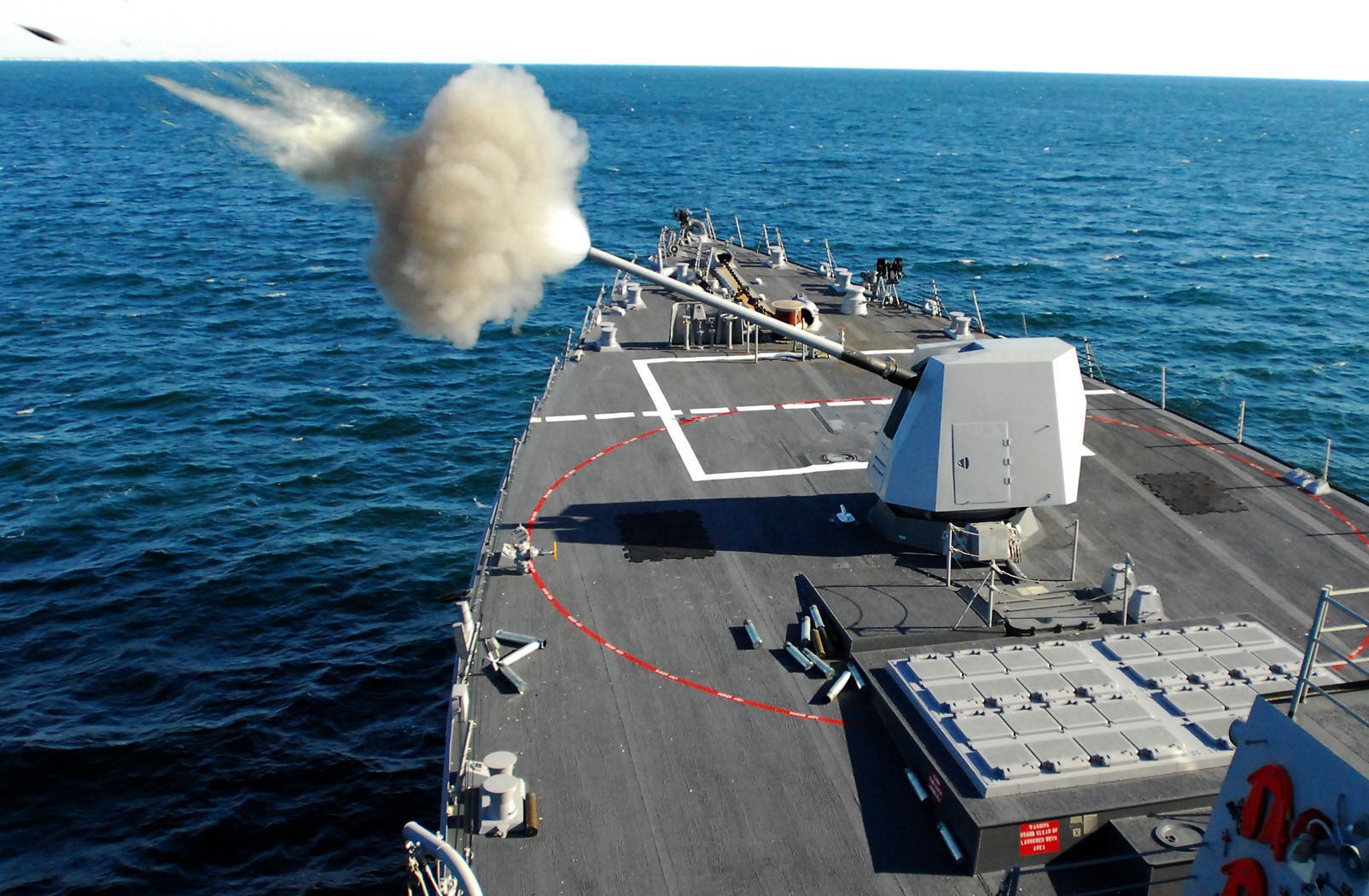 Mk.45 Mod.4 gun fire exercise - Atlantic Ocean - January 2007 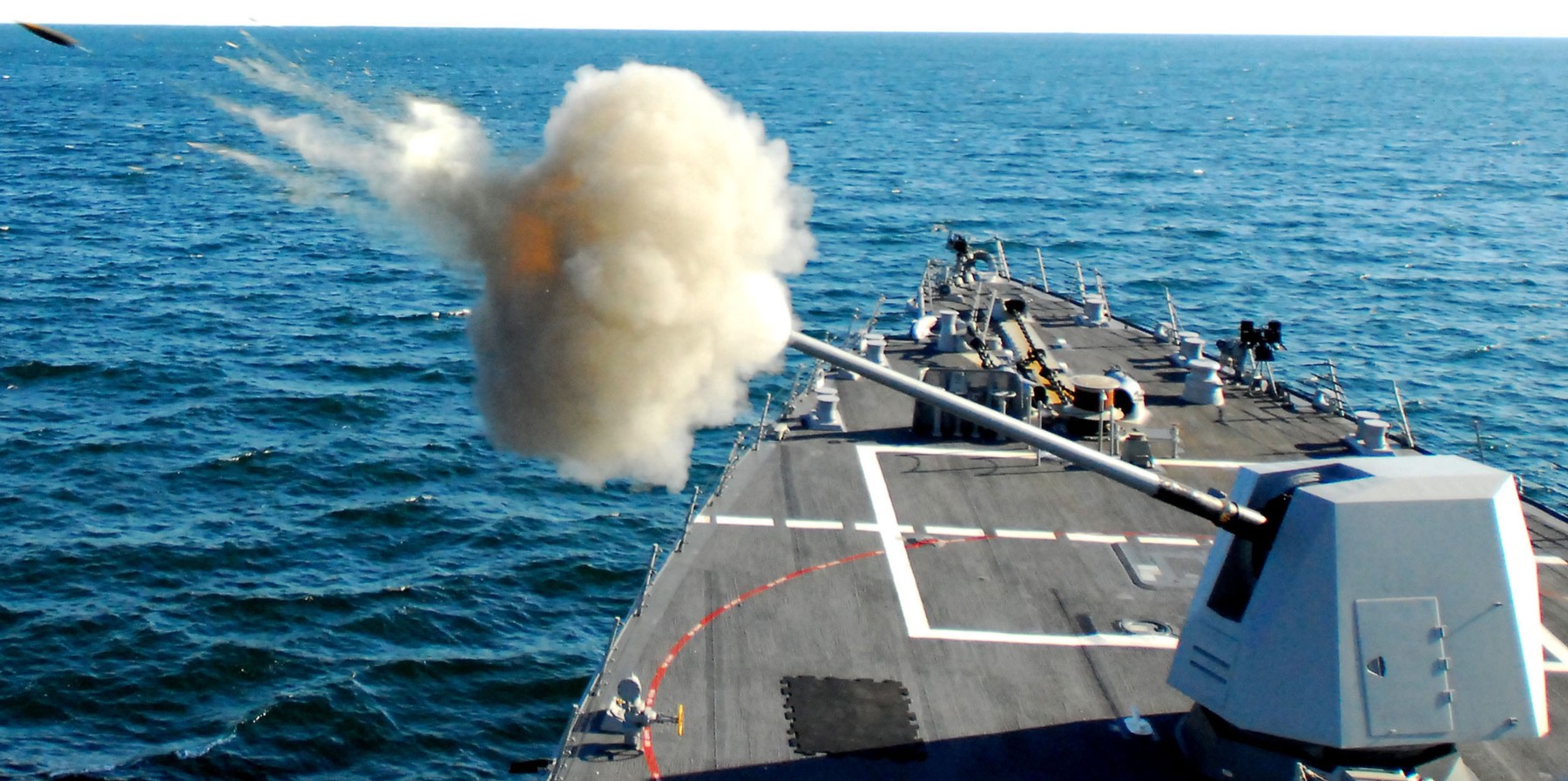 Mk.45 Mod.4 gun fire exercise - Atlantic Ocean - January 2007 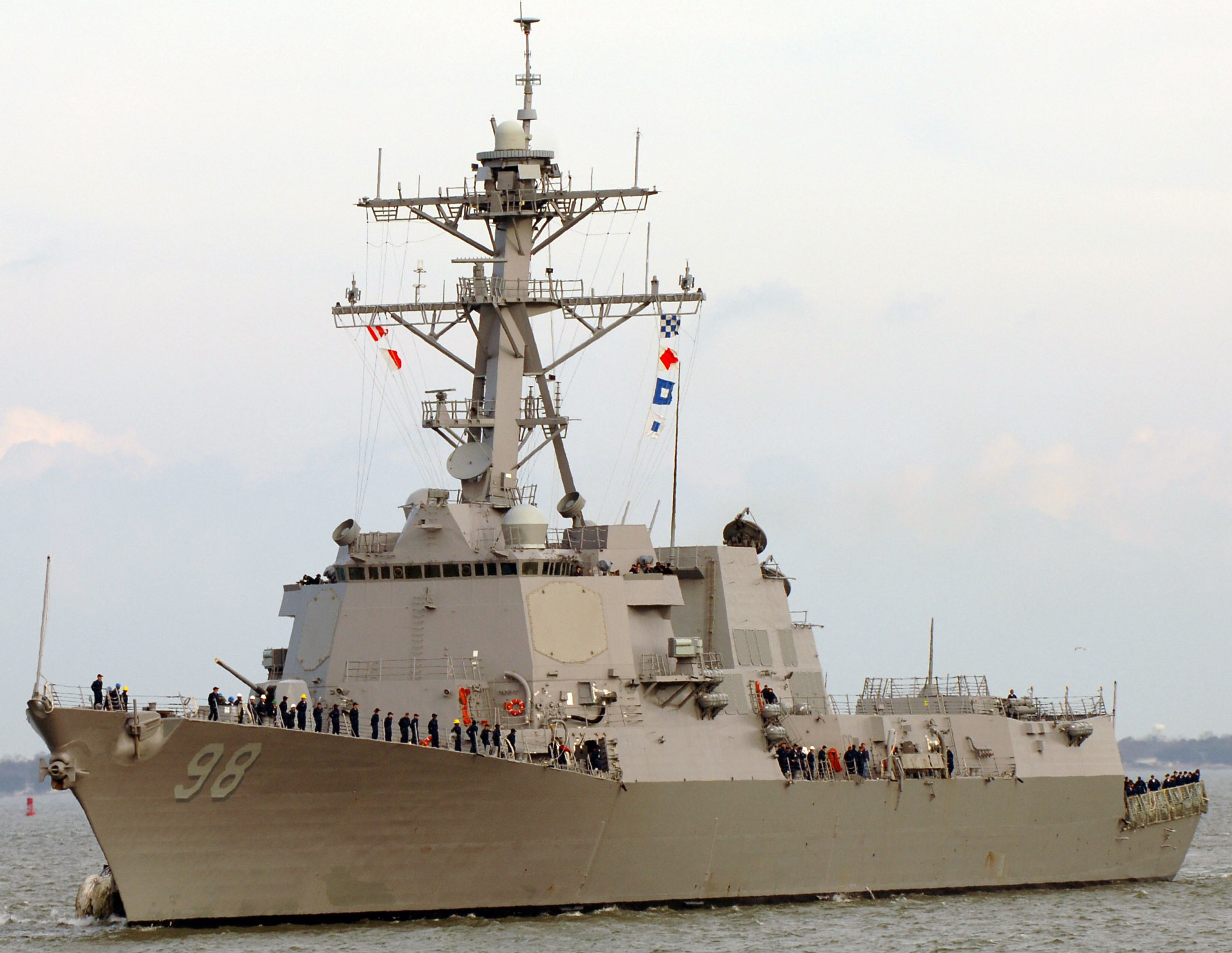 arriving at her homeport, Naval Station Norfolk, Virginia - February 3, 2006 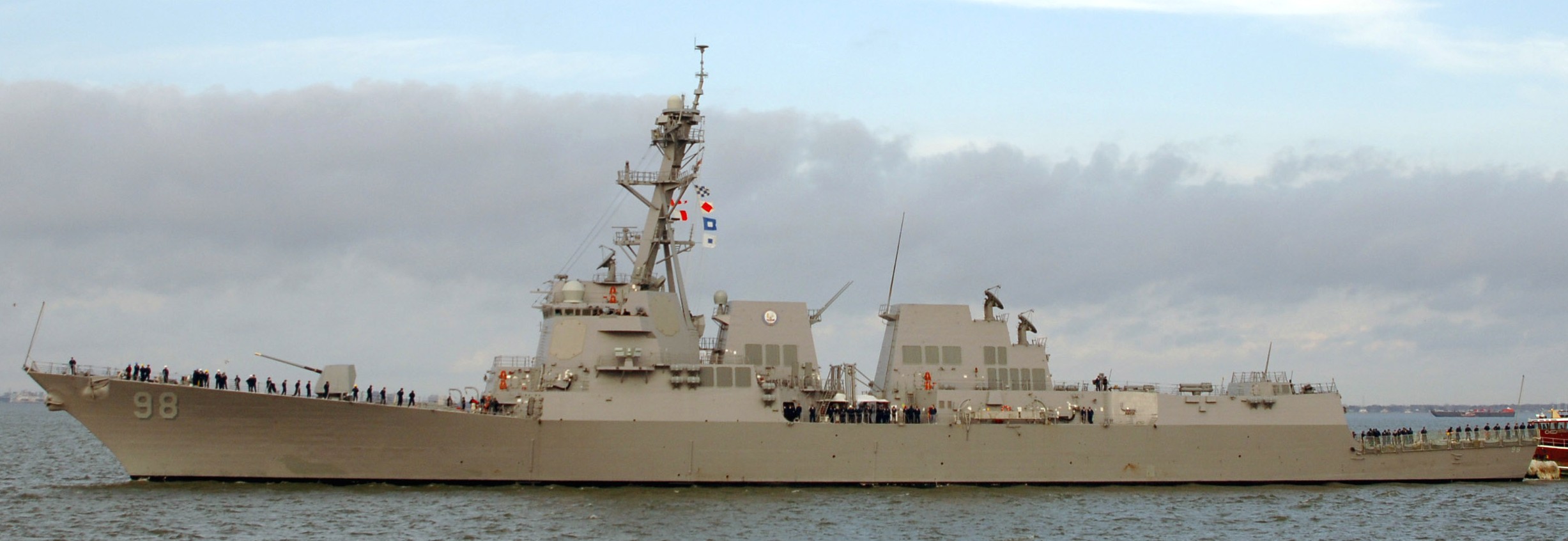 arriving at her homeport, Naval Station Norfolk, Virginia - February 3, 2006 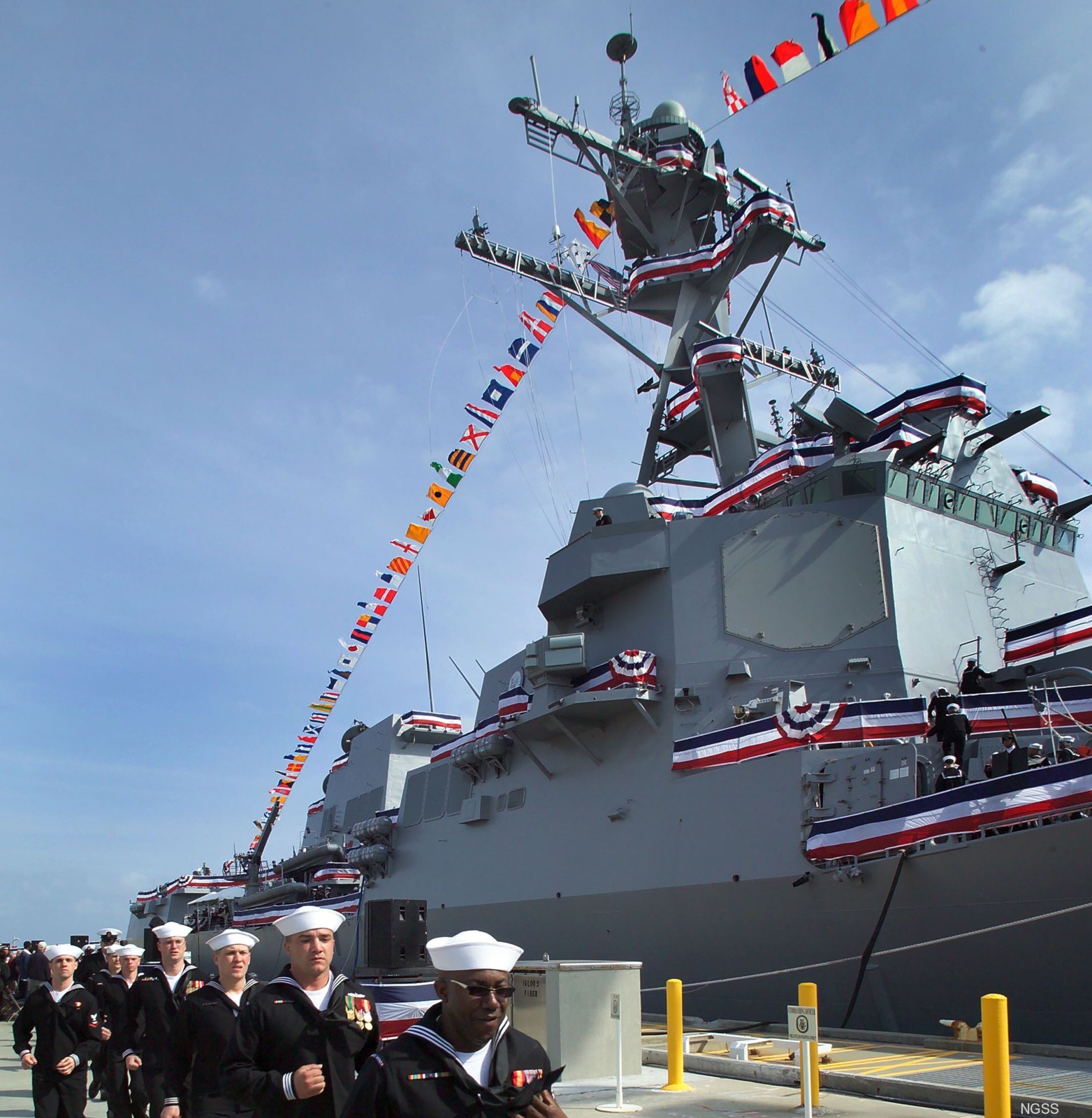 commissioning ceremony at NAS Pensacola, Florida - January 28, 2006 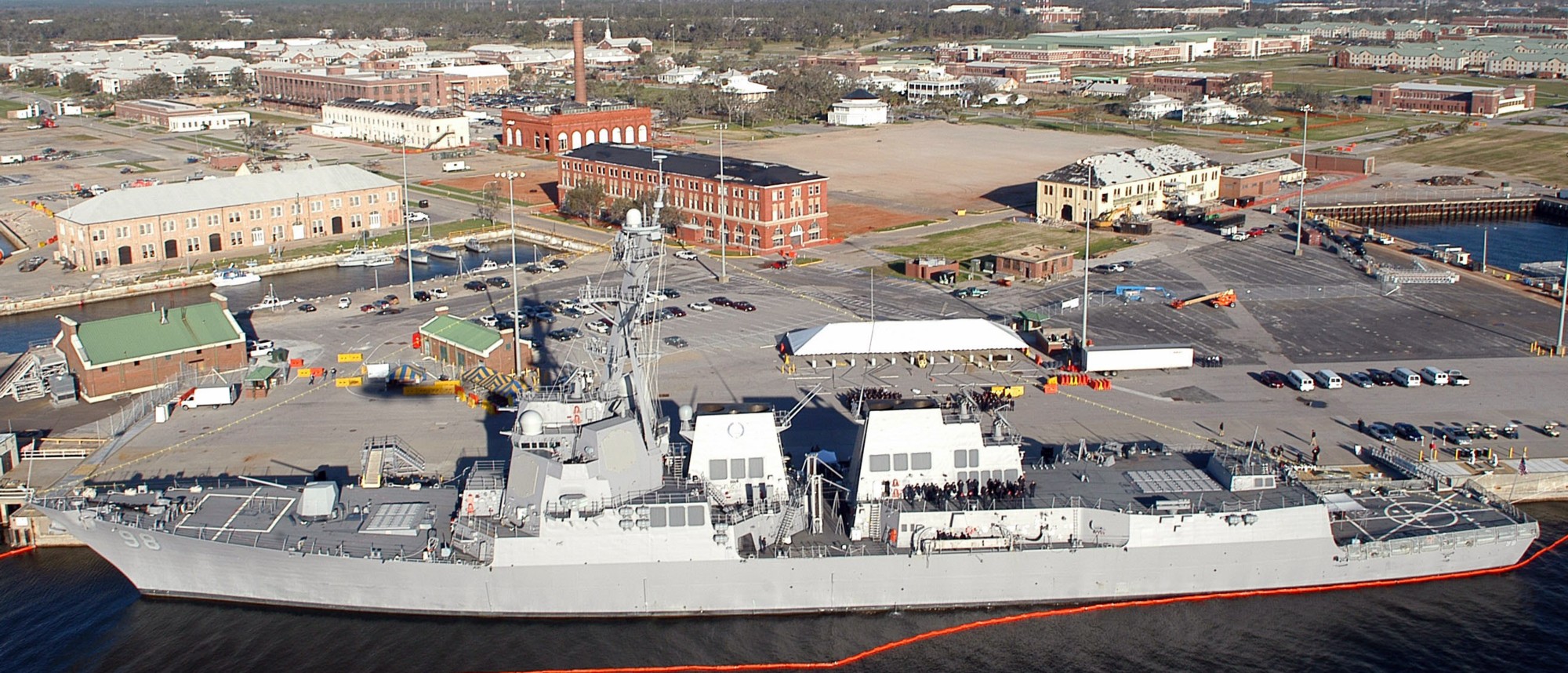 awaiting commissioning at NAS Pensacola, Florida - January 2006 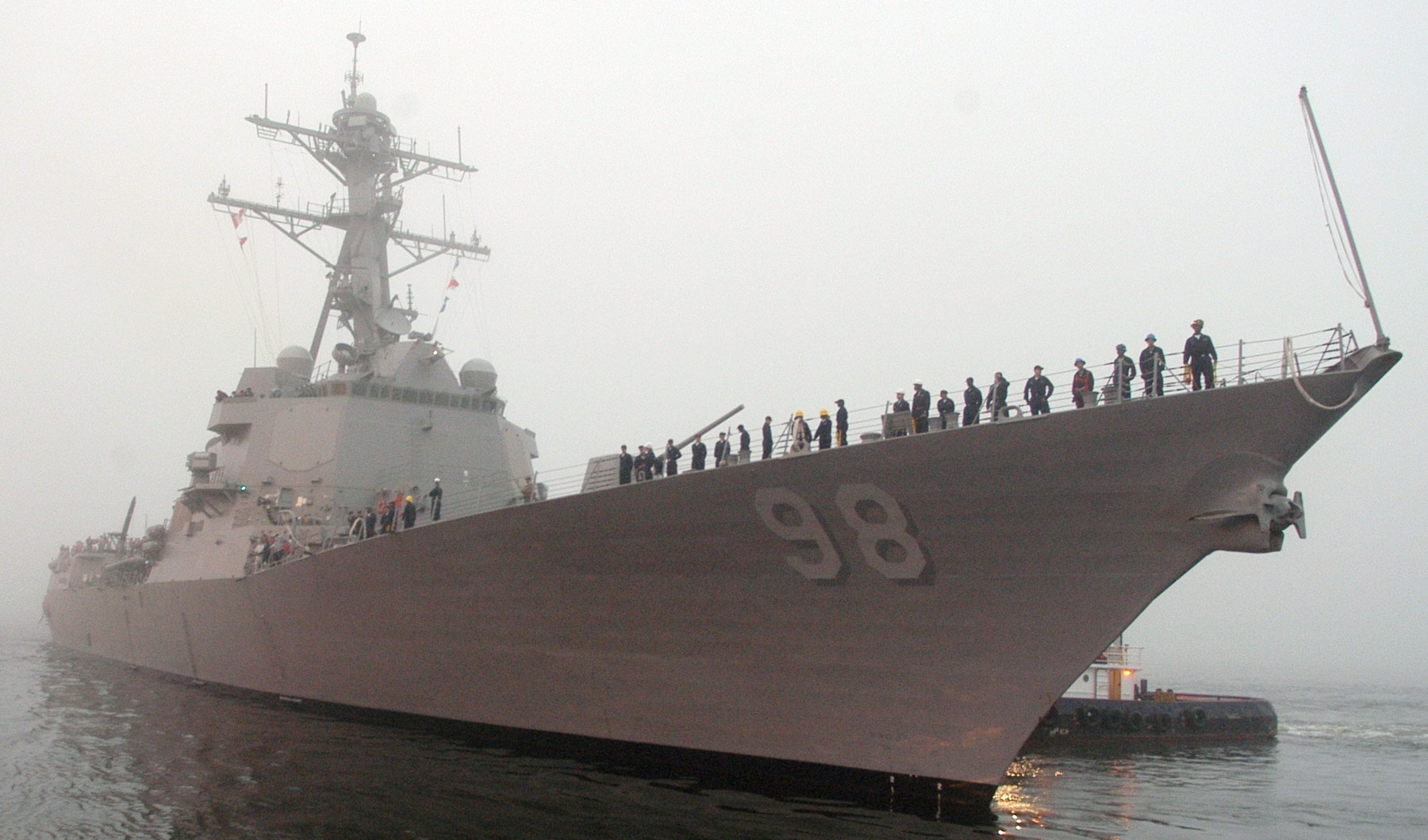 arriving at NAS Pensacola, Florida - January 2006 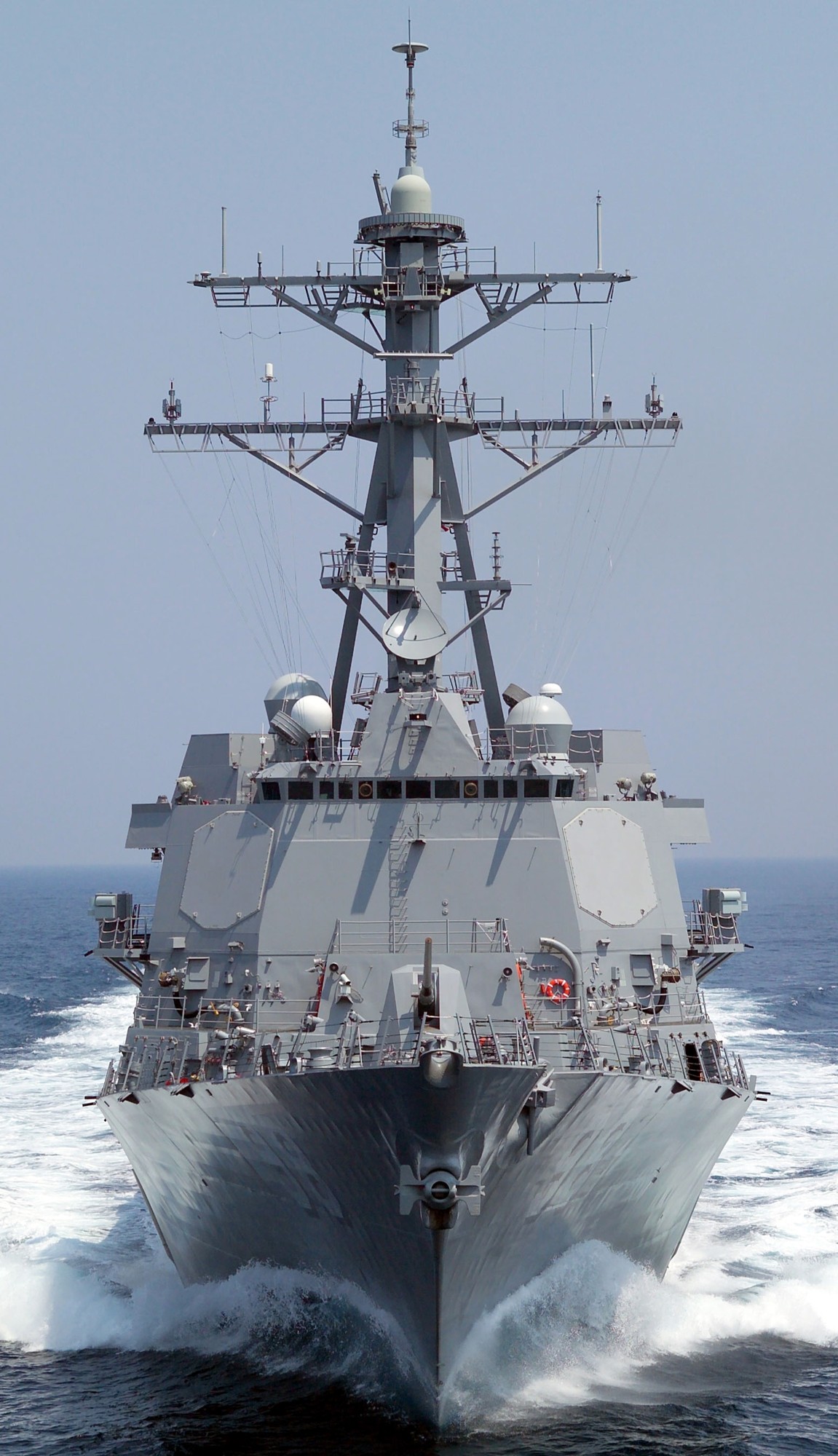 trials - Gulf of Mexico - June 2005 |
||
|
USS Forrest Sherman (DDG 98): The Forrest Sherman (DDG 98) is the U.S. Navy's 48th Arleigh Burke-class guided-missile destroyer and was named in honor of Adm. Forrest Sherman, the 12th Chief of Naval Operations, and the youngest man to serve in that position. He held the office from November 1949 until July 1951. October 2, 2004 - The Pre-Commissioning Unit (PCU) Forrest Sherman was christened and launched during a ceremony at Northrop Grumman Ship Systems, Ingalls Operation, in Pascagoula, Miss. Mrs. Ann Sherman Fitzpatrick, Admiral Sherman's daughter, served as sponsor of the ship. Cmdr. Michael G. Van Durick is the prospective commanding officer. January 28, 2006 - USS Forrest Sherman was commissioned during a ceremony at Naval Air Station (NAS) Pensacola, Fla. Returned to Norfolk on Feb. 3; Ammo onload at Naval Weapons Station Yorktown, Va., from Feb. 21-23. July 9, 2006 - USS Forrest Sherman departed Norfolk for its 5-month maiden deployment, with the USS Enterprise (CVN 65) Carrier Strike Group (CSG). June 1, 2008 - USS Forrest Sherman departed Norfolk for a 3-month deployment in support of U.S. Southern Command's Partnership of the Americas 2008 (POA 08) operation. January 2009 - USS Forrest Sherman departs for a 7-month deployment. July 3, 2011 - USS Forrest Sherman departed Norfolk for a scheduled 8-month deployment with the primary focus on Ballistic Missile Defense (BMD) operations. March 9, 2014 - USS Forrest Sherman departed homeport for a scheduled 8-month deployment as part of the Theodore Roosevelt CSG. April 11, 2018 - USS Forrest Sherman departed Norfolk for a scheduled dynamic deployment. July 21, 2018 - USS Forrest Sherman returned to Naval Station Norfolk after more than a three-month deployment in the U.S. 6th Fleet AoR. August 28 - USS Forrest Sherman departed Norfolk to resume its dynamic deployment for 4-months, as part of the USS Harry S. Truman CSG-8. September 14, 2019 - USS Forrest Sherman departed Norfolk for a scheduled 9-month Middle East deployment, as part of the USS Harry S. Truman CSG. July 20, 2020 - USS Forrest Sherman moved "dead-stick" to Berth 2, Midtown Pier on Marine Hydraulics Industries (MHI) Ship Repair & Services shipyard in Norfolk for a Selected Restricted Availability (SRA). June 11, 2022 - USS Forrest Sherman departed Norfolk for a scheduled deployment as part of NATO Standing Maritime Group 2 (SNMG-2). March 27, 2023 - USS Forrest Sherman moved "dead-stick" to Berth 6, Midtown Pier on Marine Hydraulics Industries (MHI) Ship Repair & Services shipyard in Norfolk for a Selected Restricted Availability (SRA). |
||
|
Admiral Forrest Percival Sherman (1896-1951): Forrest Percival Sherman (30 October 1896 - 22 July 1951) was an admiral in the United States Navy and the youngest man to serve as Chief of Naval Operations until Admiral Elmo Zumwalt became Chief of Naval Operations in 1970. Born in Merrimack, New Hampshire, Sherman was a member of the Naval Academy class of 1918, graduating in June, 1917 due to America's entry into World War I. During and shortly after World War I, he served in European waters as an officer of the gunboat NASHVILLE (PG-7) and destroyer MURRAY (DD-97). In 1919–21, Sherman was assigned to the battleship UTAH (BB-31) and destroyers REID (DD-292) and BARRY (DD-248), serving as Commanding Officer of the latter. Following duty as Flag Lieutenant to Commander Control Force, Atlantic Fleet, he received flight training at NAS Pensacola, Florida. Designated a Naval Aviator in December 1922, Lieutenant Sherman was assigned to Fighting Squadron TWO (VF 2) until 1924, when he returned to Pensacola as an instructor. Study at the Naval War College was followed in 1927 by service in the aircraft carriers LEXINGTON (CV-2) and SARATOGA (CV-3). While in the latter ship, he commanded Scouting Squadron TWO and was Flag Secretary to Commander Aircraft Squadrons, Battle Fleet. Promoted to the ranks of Lieutenant Commander in 1930 and Commander in 1937, during that decade Sherman served at the Naval Academy, commanded Fighting Squadron 1, had charge of the Aviation Ordnance Section of the Bureau of Ordnance, was Navigator of the aircraft carrier RANGER (CV-4), and had duty on a number of flag staffs. In 1941–42, he served with the Office of the Chief of Naval Operations and was a member of the Permanent Joint Board on Defense, Canada-United States. Captain Forrest Sherman worked closely with then US Army Major Albert C. Wedemeyer author of the "Victory Plan of 1941", "the blueprint for the mobilization of the United States Army for World War II". Wedemeyer, while working in the War Plans Department, was commissioned to write the "Victory Plan" for General George C. Marshall. The "Victory Plan" projected the future organization for an army that did not yet exist, outlined combat missions for a war not yet declared, and computed war production requirements for industries that were still committed to peacetime manufacture." Captain Forrest Sherman's personal relationship with Major Albert Wedemeyer "ensured a community of planning effort between the two services and pointed to a future in which the services would acknowledge that mobilization planning was a joint responsibility that one service alone could not conduct adequately." (From "Writing the Victory Plan of 1941" by Charles E. Kirkpatrick) In May 1942, after reaching the rank of Captain, Sherman took command of the carrier Wasp (CV-7), taking her through the first month of the Solomon Islands campaign. After Wasp was sunk by a Japanese submarine on 15 September 1942, he was awarded the Navy Cross for his extraordinary heroism in command of the carrier during the opening days of the South Pacific operations. Sherman then became Chief of Staff to Commander Air Force, Pacific Fleet. In November 1943 Rear Admiral Sherman was assigned as Deputy Chief of Staff to the Pacific Fleet commander, Admiral Chester W. Nimitz. He held that position for the remainder of World War II, playing a critical role in planning the offensives that brought victory in the Pacific, and was present when Japan surrendered on 2 September 1945. Following a short tour as a carrier division commander, in December 1945 Vice Admiral Sherman became Deputy Chief of Naval Operations. Sherman's next assignment, beginning in January 1948, was to command the Navy's operating forces in the Mediterranean Sea. He was recalled to Washington, D.C., at the end of October 1949 to become Chief of Naval Operations, with the rank of Admiral. During the next sixteen months, he helped the Navy recover from a period of intense political controversy (as in the so-called "Revolt of the Admirals"), and oversaw its responses to the twin challenges of a hot war in Korea and an intensifying cold war elsewhere in the world. On 22 July 1951, while on a military and diplomatic trip to Europe, Admiral Forrest Sherman died in Naples, Italy, following a sudden series of heart attacks. He was laid to rest in Arlington National Cemetery, Arlington, Virginia; Section 30. Grave 633. Two destroyers have been named USS Forrest Sherman in his honor, as was Sherman Island, Antarctica, Forrest Sherman Field, NAS Pensacola, home of the Blue Angels, and Forrest Sherman Field, Hospital Point, U.S. Naval Academy. The US Department of Defense school in Naples, Italy, was formerly called Forrest Sherman High School. |
||
Forrest Percival Sherman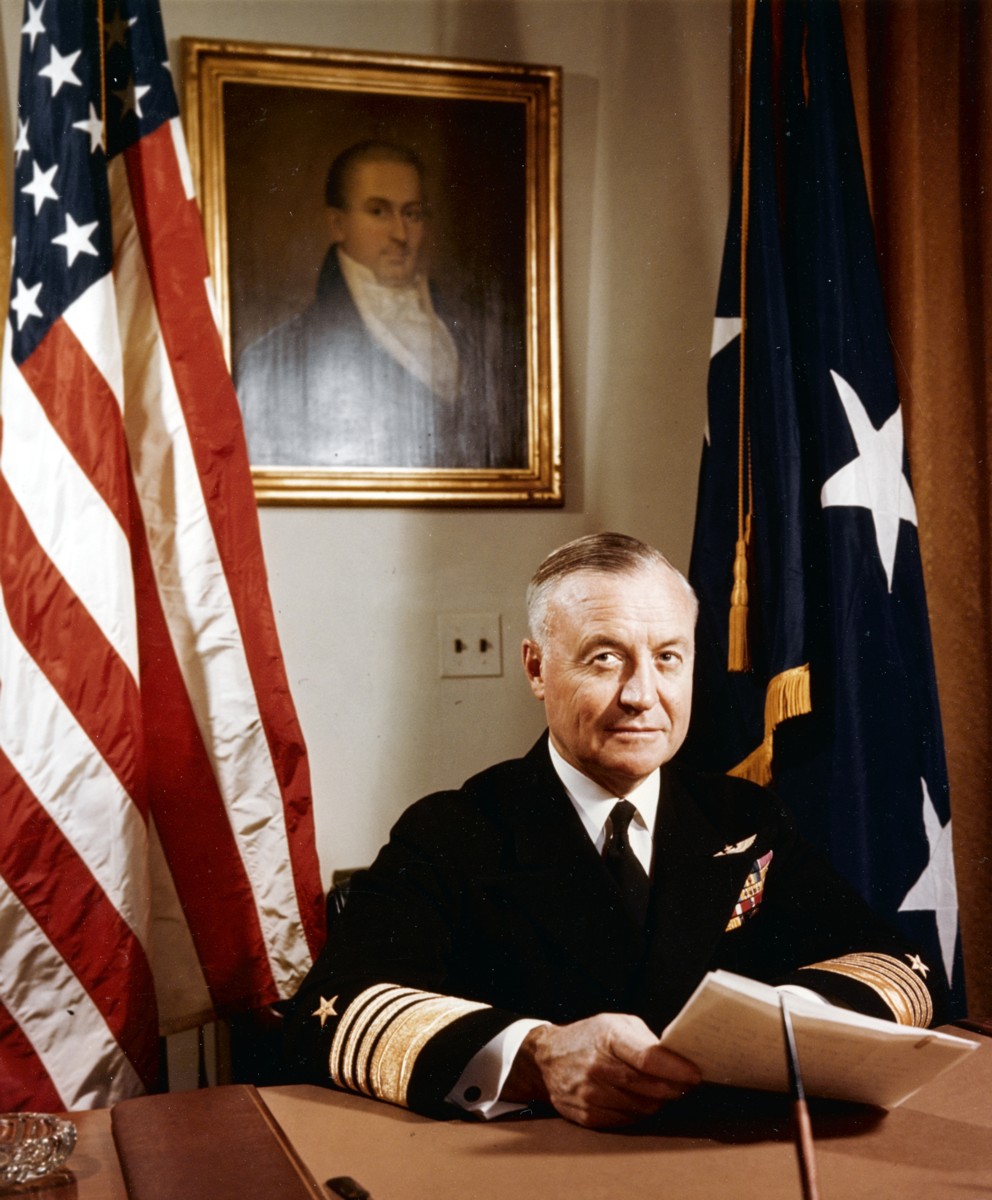 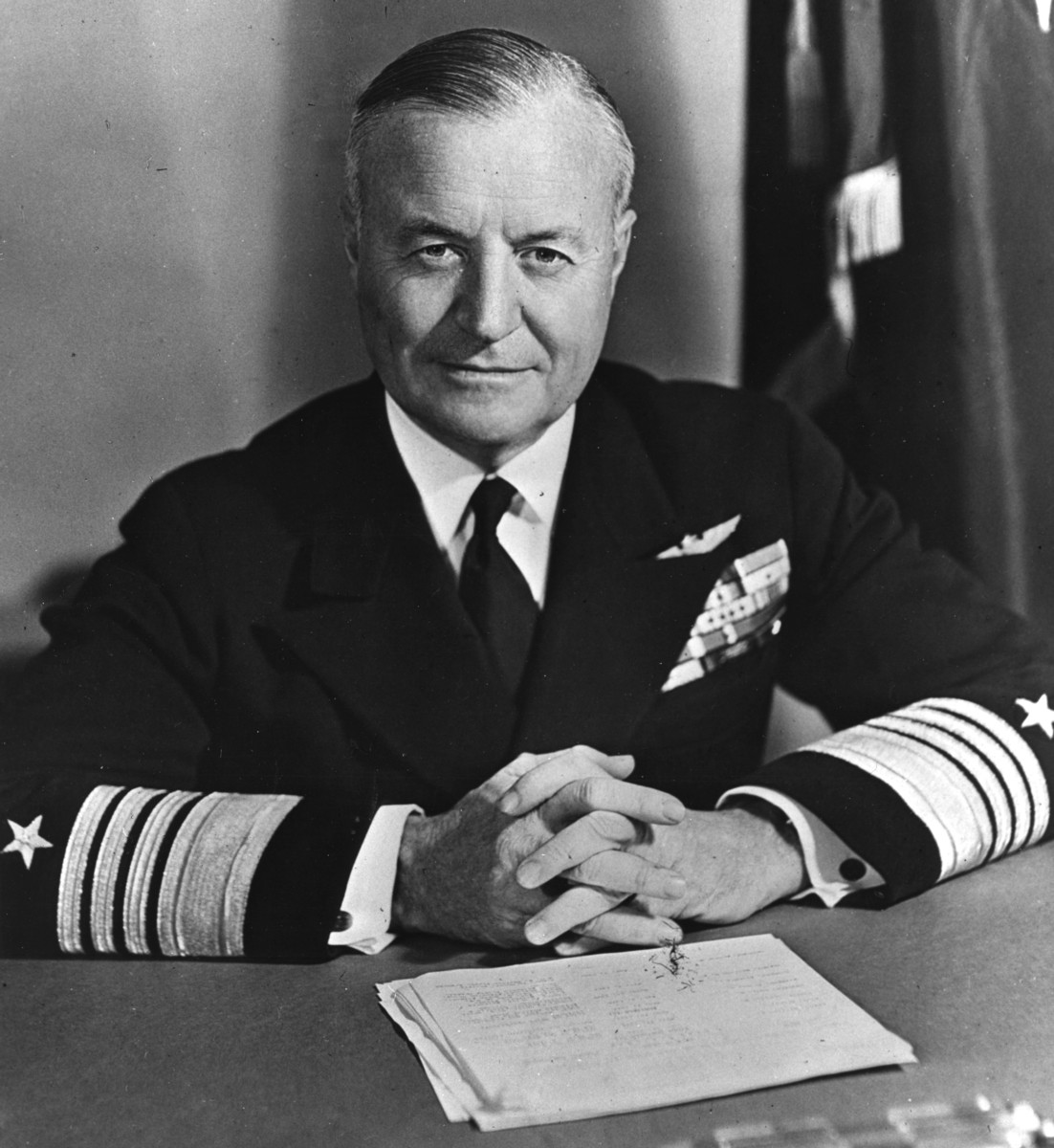 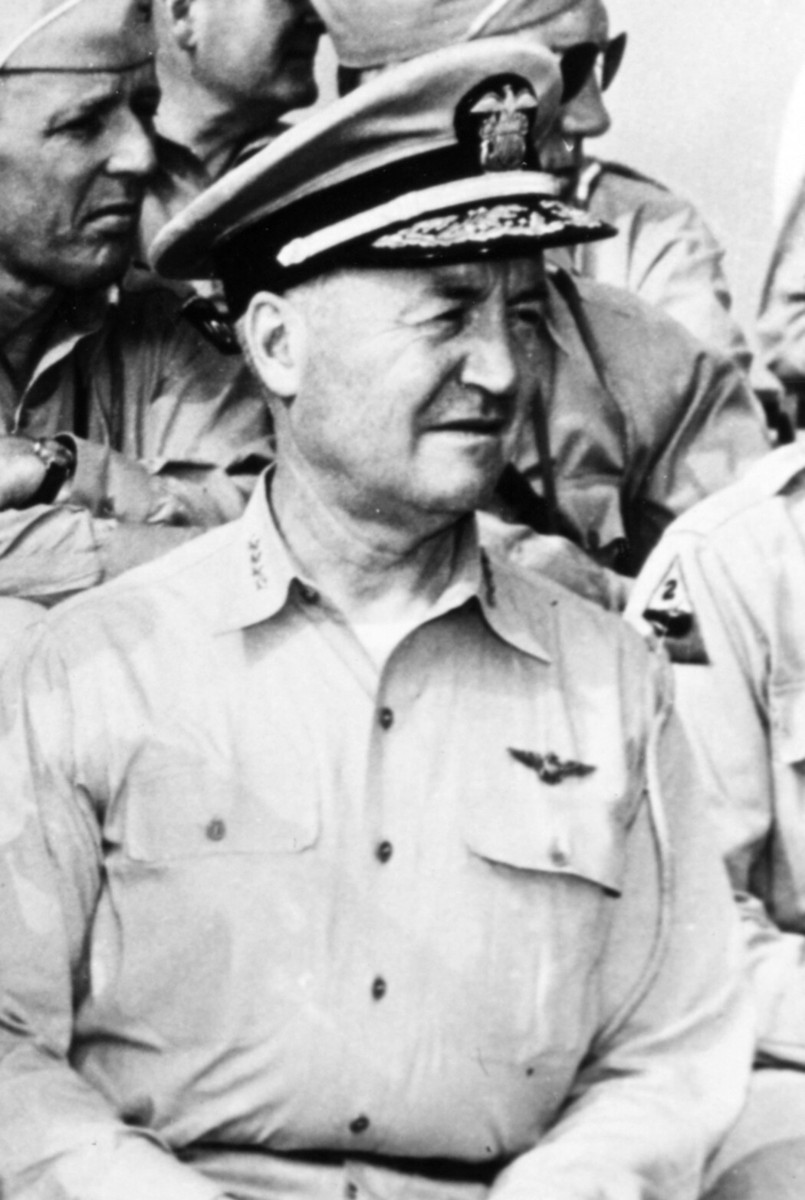
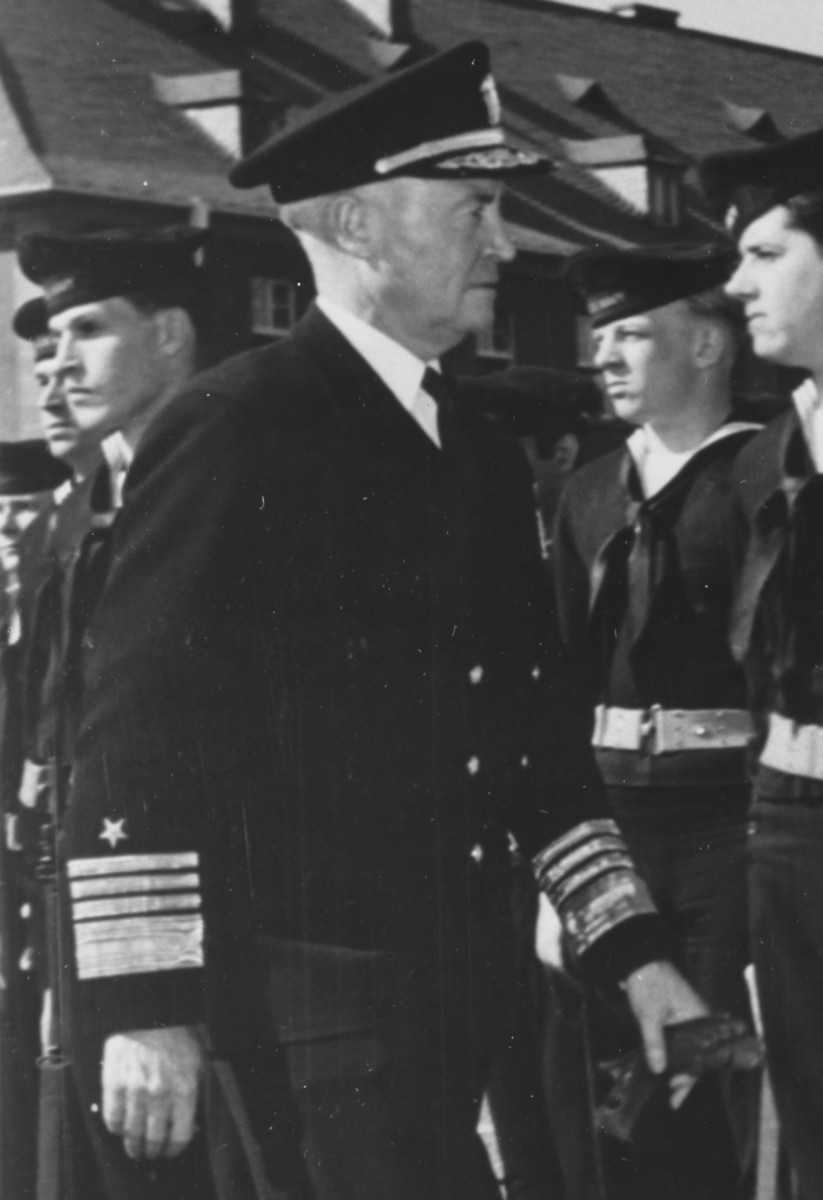 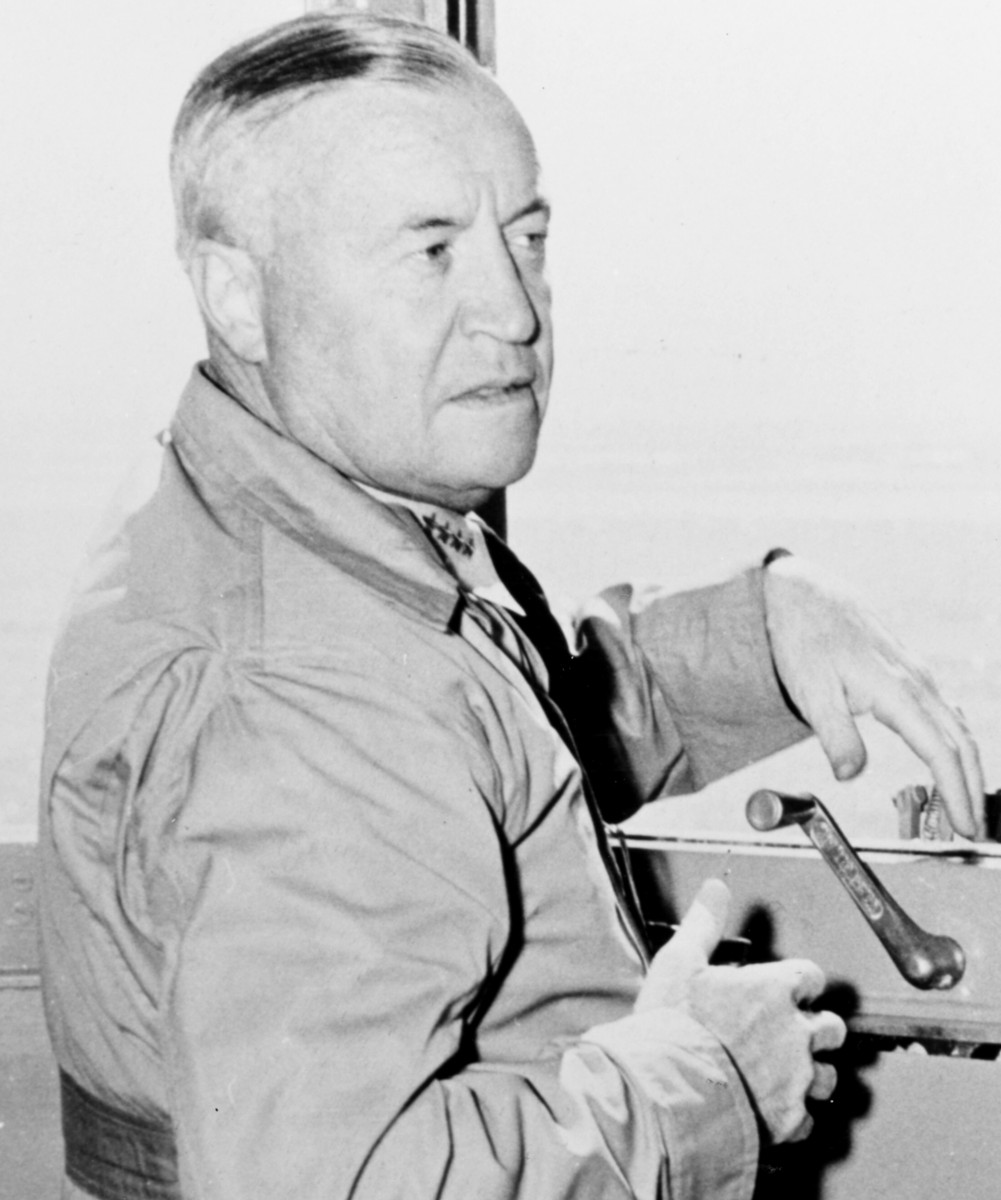
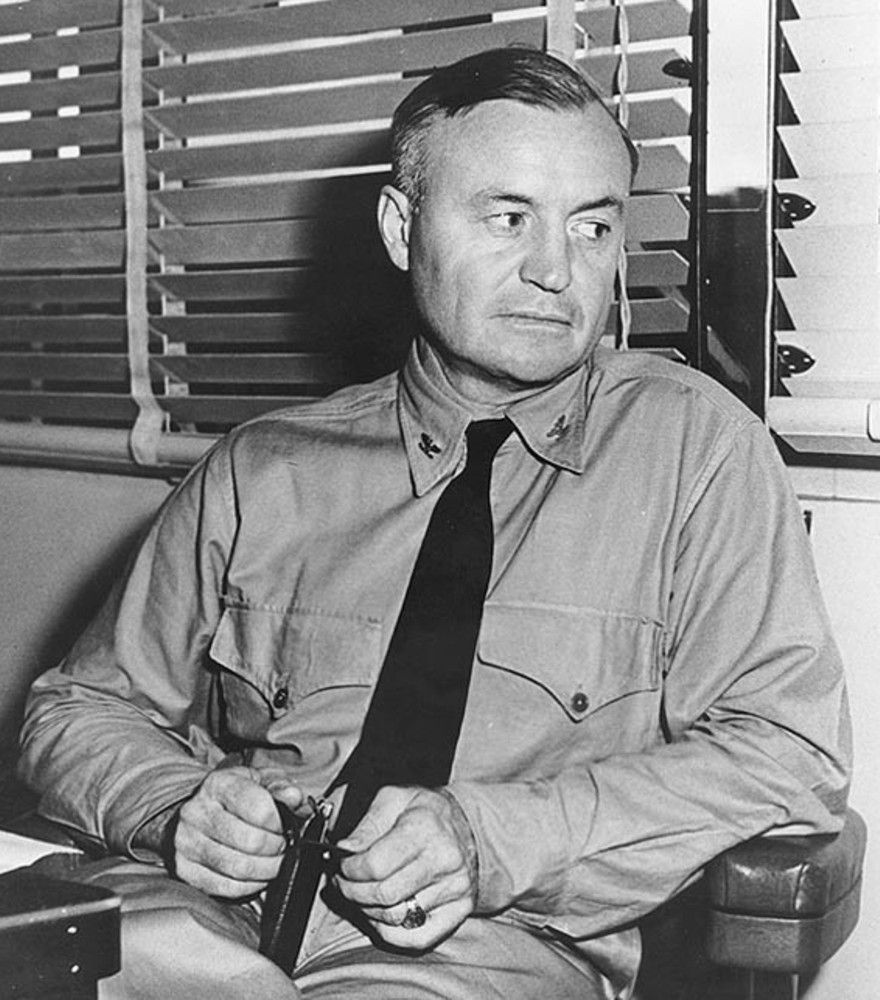 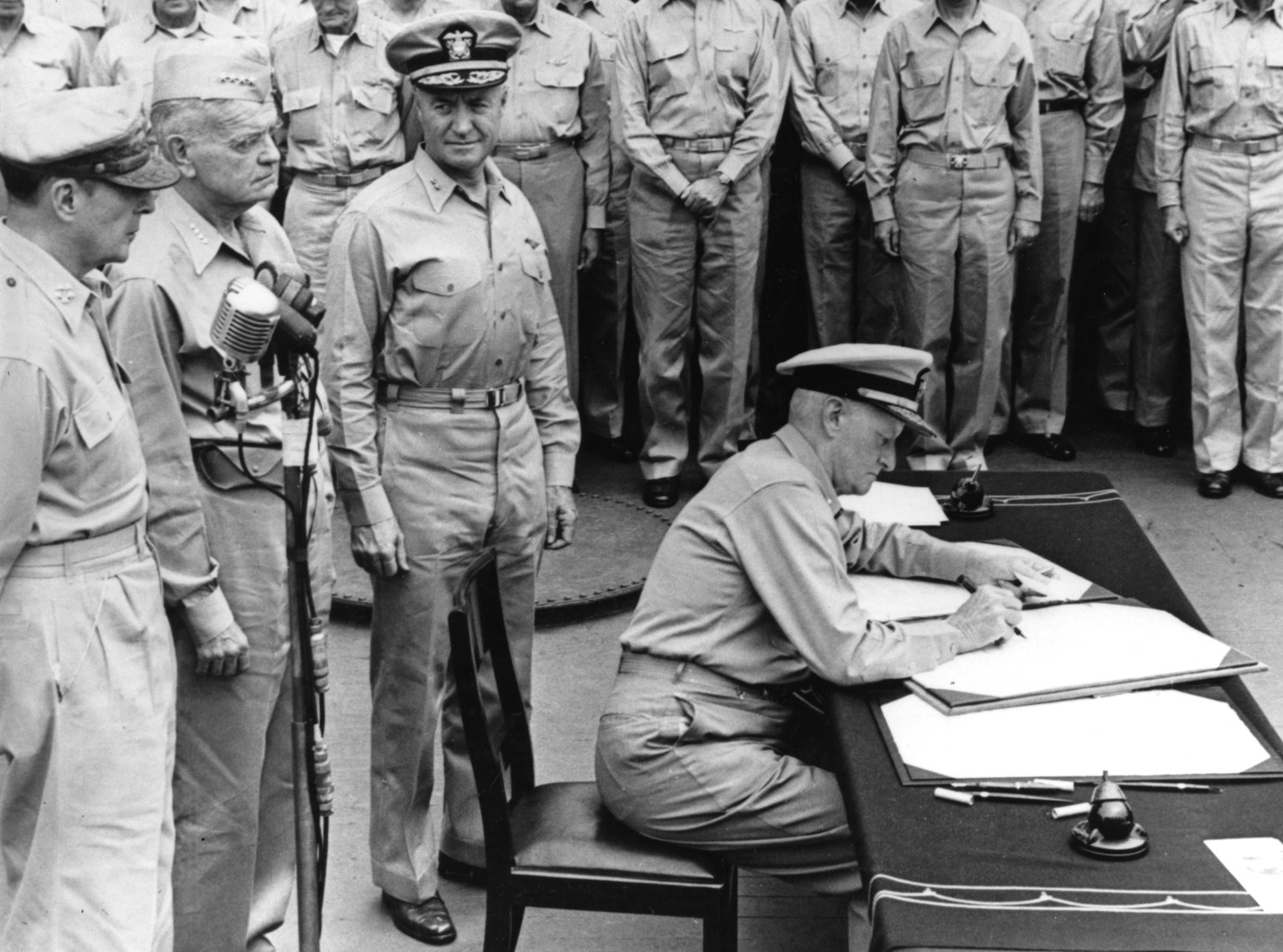 Rear Admiral Forrest P. Sherman stands behind Fleet Admiral Chester W. Nimitz aboard USS Missouri (BB 63) - Tokyo Bay, September 2, 1945 |
||
| patches + more | ||
  |
||
|
|
seaforces.org
|
USN ships
start page | |