|
||
|
HOME
|
US Navy -
ships
|
US Navy - air
units
|
USMC - air
units
|
International
Navies
|
Weapon Systems
|
Special Reports |
||
|
US Navy - Guided Missile Destroyer DDG 55 - USS Stout |
||
|
||
| 02/20 | ||
|
Type,
class: Guided Missile Destroyer - DDG; Arleigh Burke
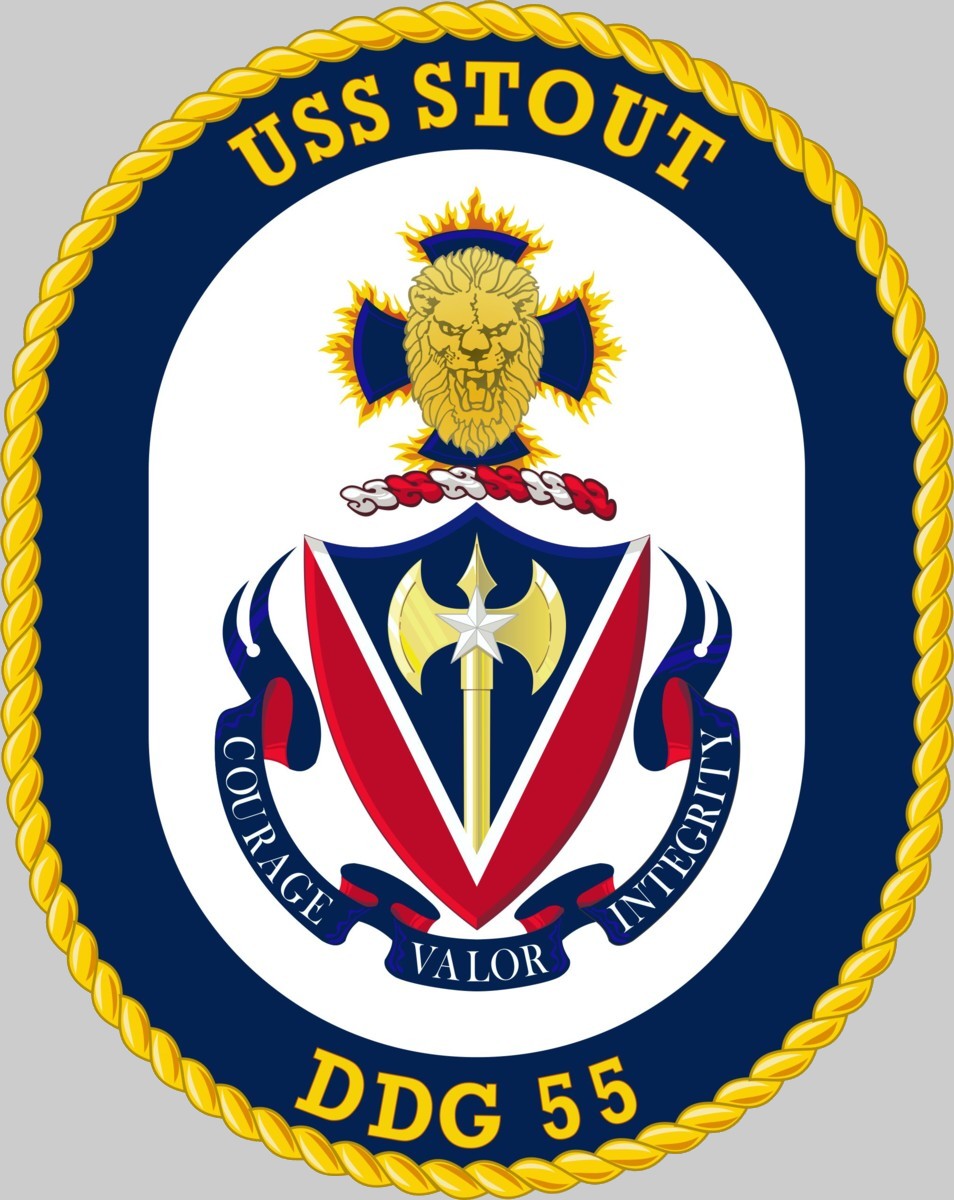
class, Flight I Builder: Ingalls Shipbuilding, Pascagoula, Mississippi, USA STATUS: Awarded: December 13, 1988 Laid down: August 8, 1991 Launched: October 16, 1992 Commissioned: August 13, 1994 IN SERVICE Homeport: Norfolk, Virginia Namesake: Rear Admiral Herald Franklin Stout (1903-1987) Ships Motto: COURAGE - VALOR - INTEGRITY Technical Data: see: INFO > Arleigh Burke class Guided Missile Destroyer - DDG |
||
| images | ||
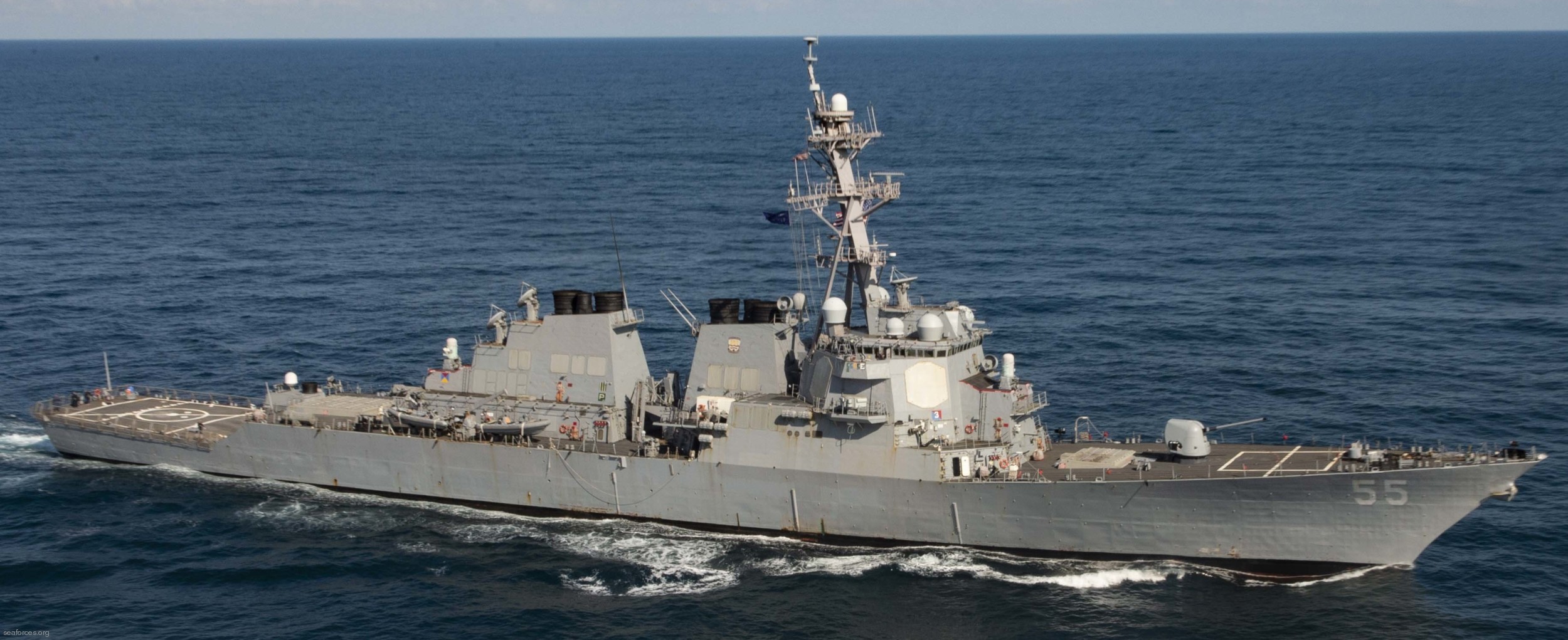 Atlantic Ocean - September 2019 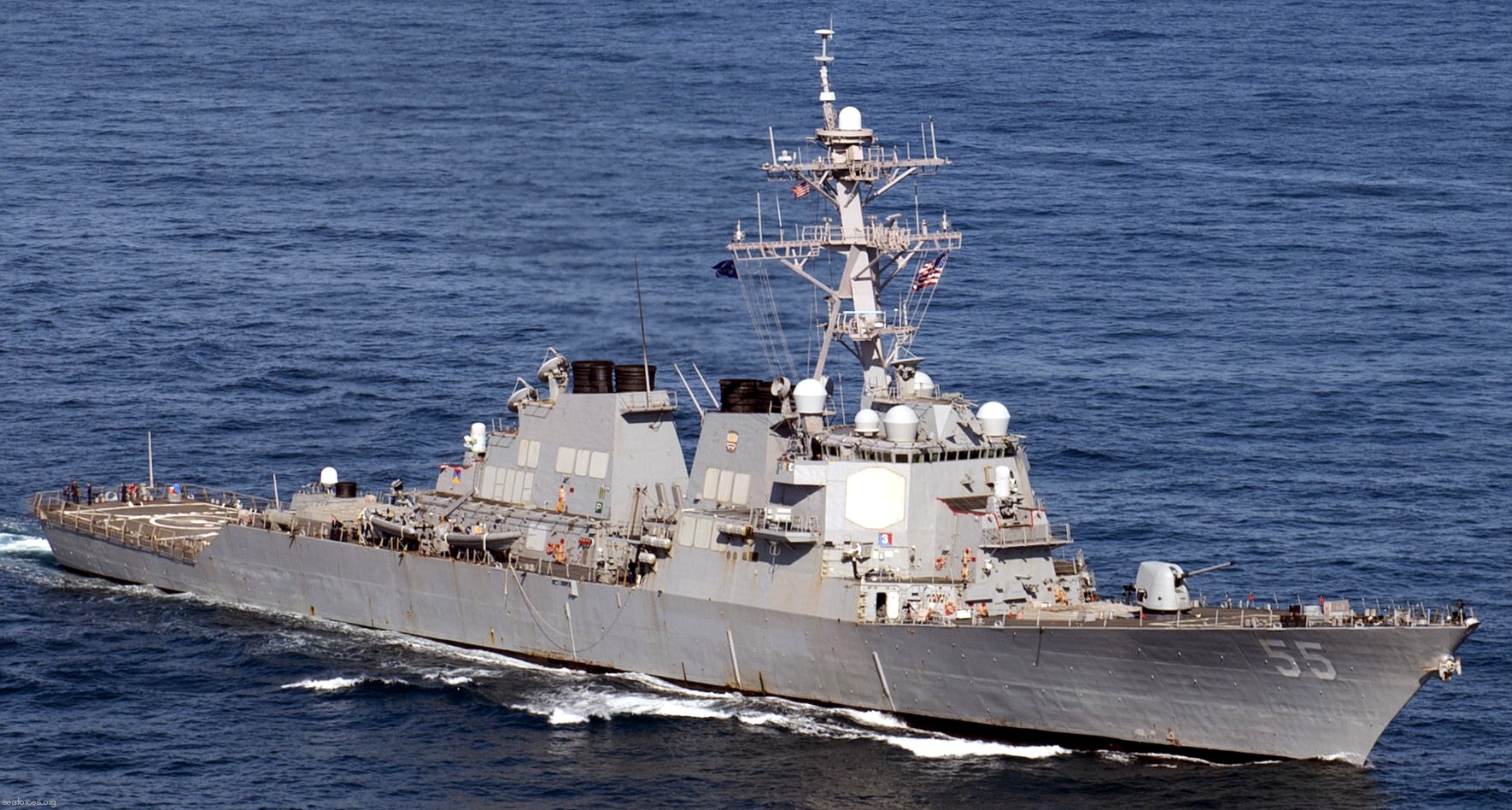 Atlantic Ocean - September 2019 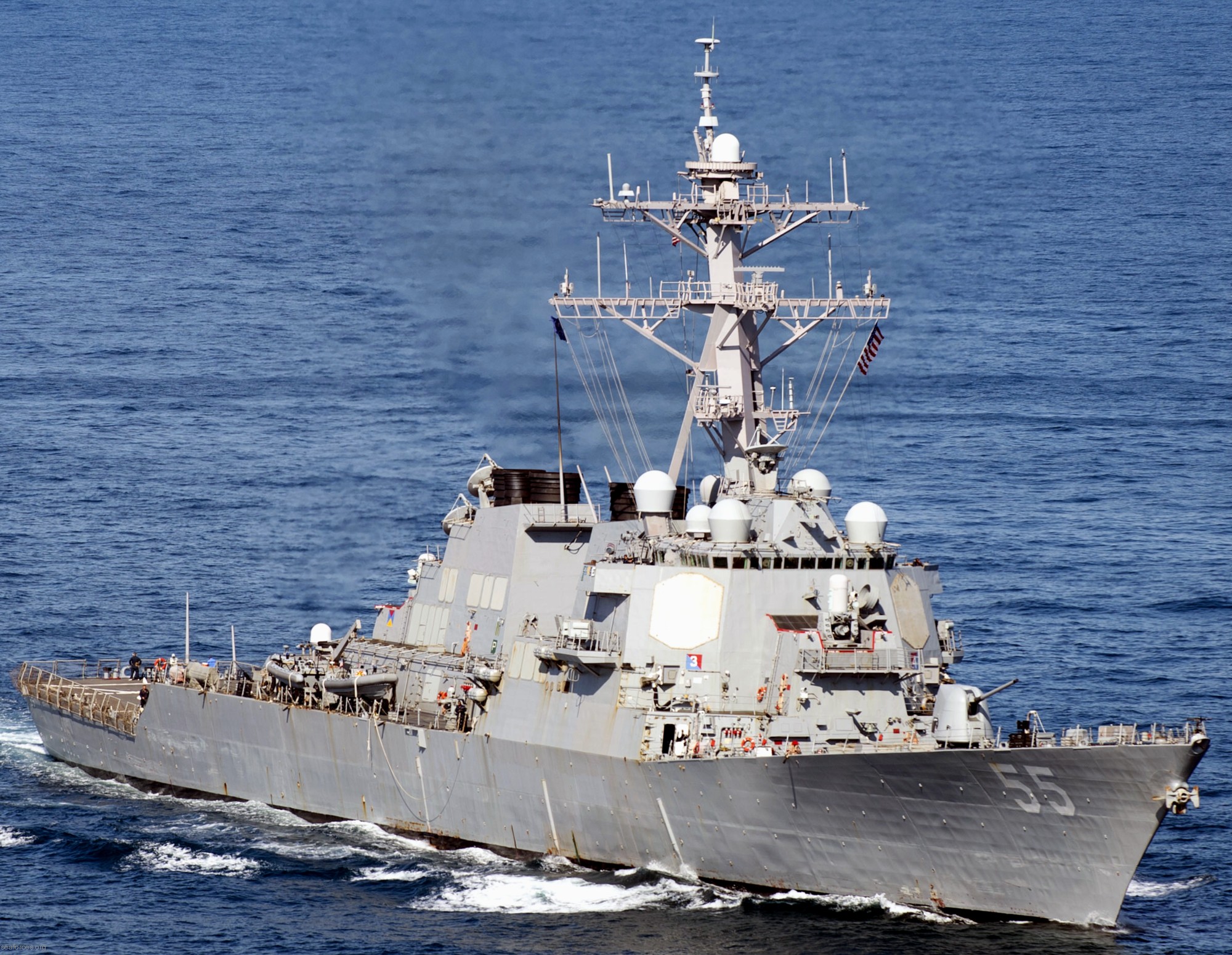 Atlantic Ocean - September 2019 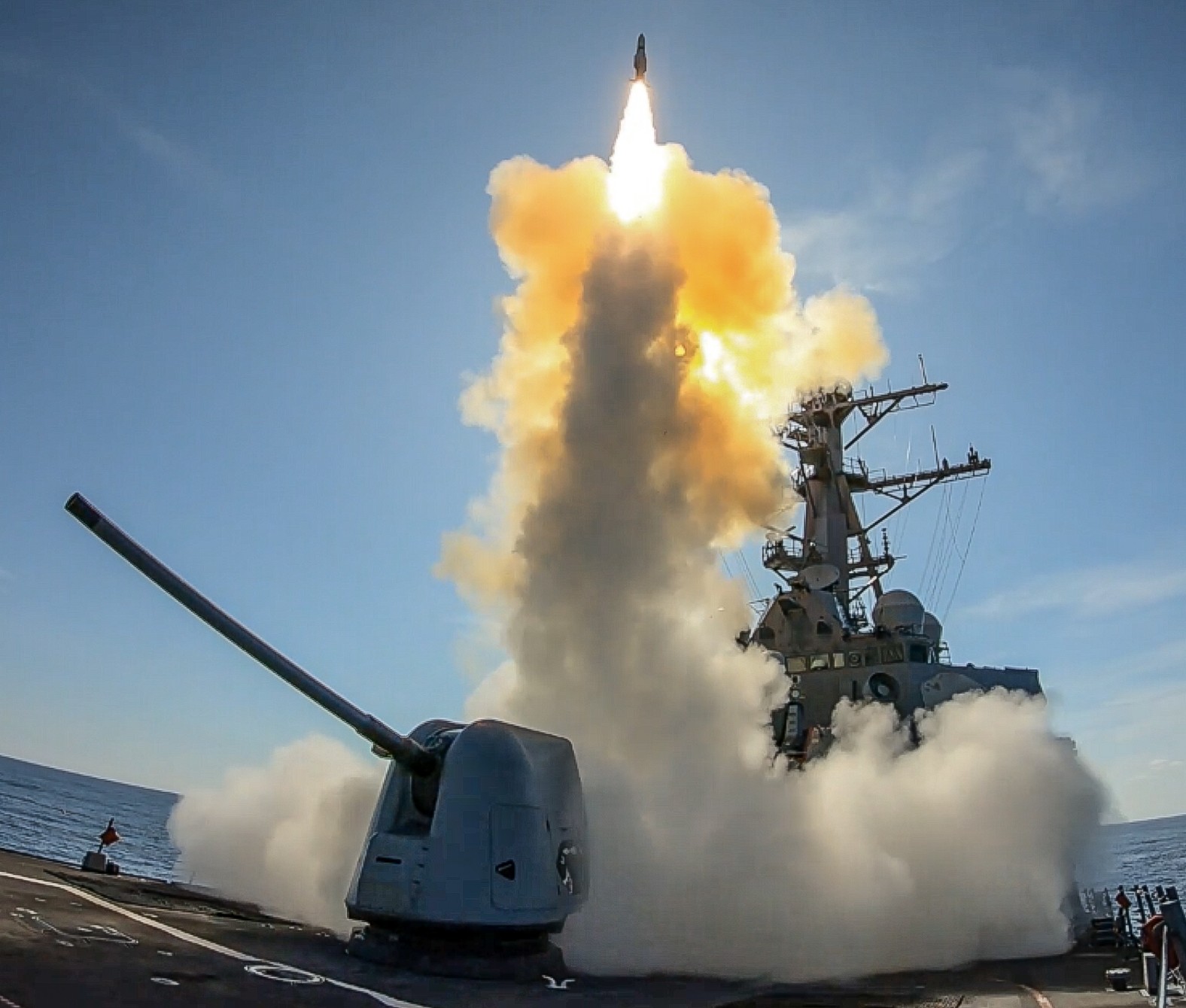 USS Stout launches a Standard Missile SM-2 - Atlantic Ocean - September 2019 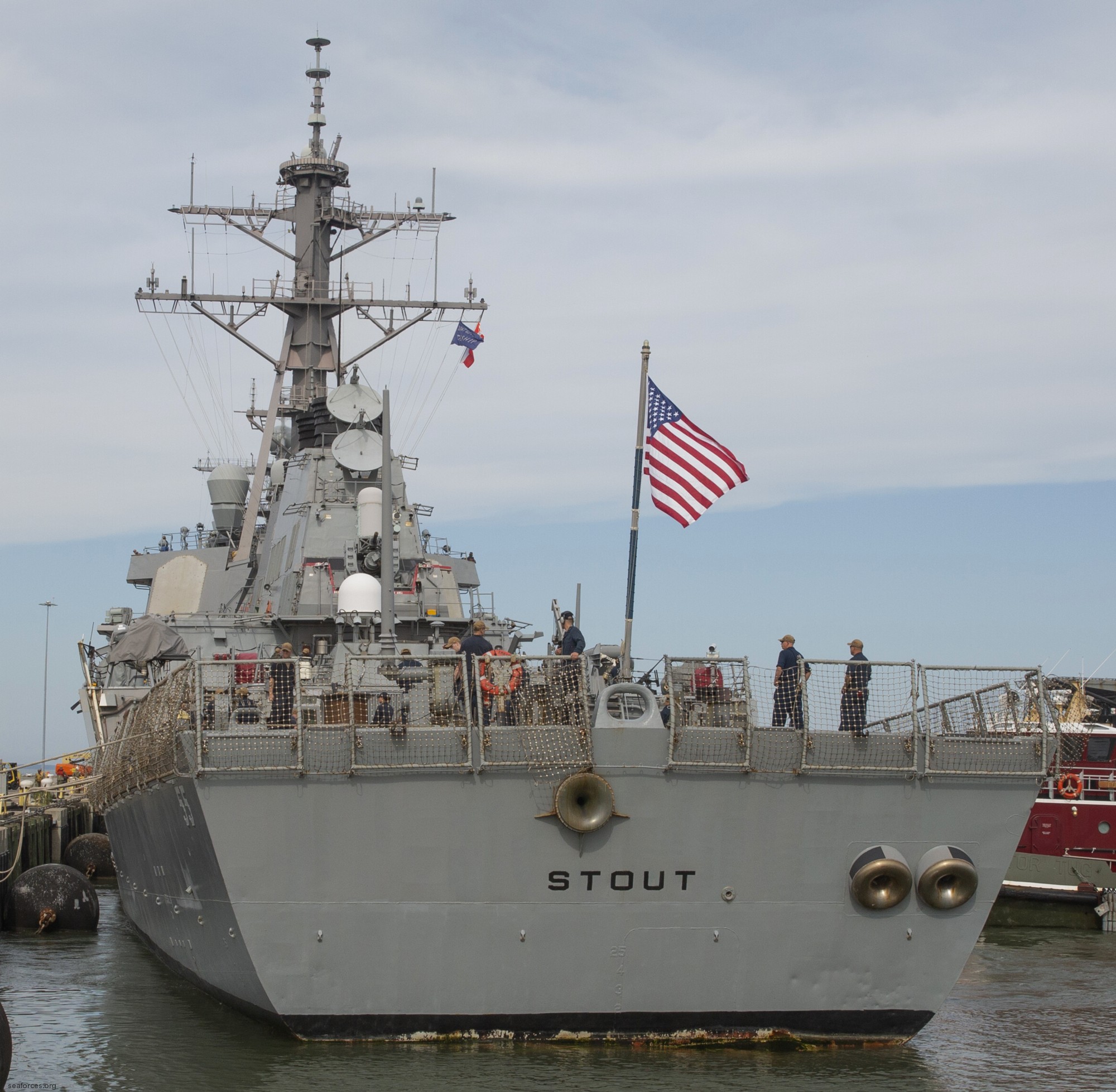 departing Naval Station Norfolk, Virginia - September 2019 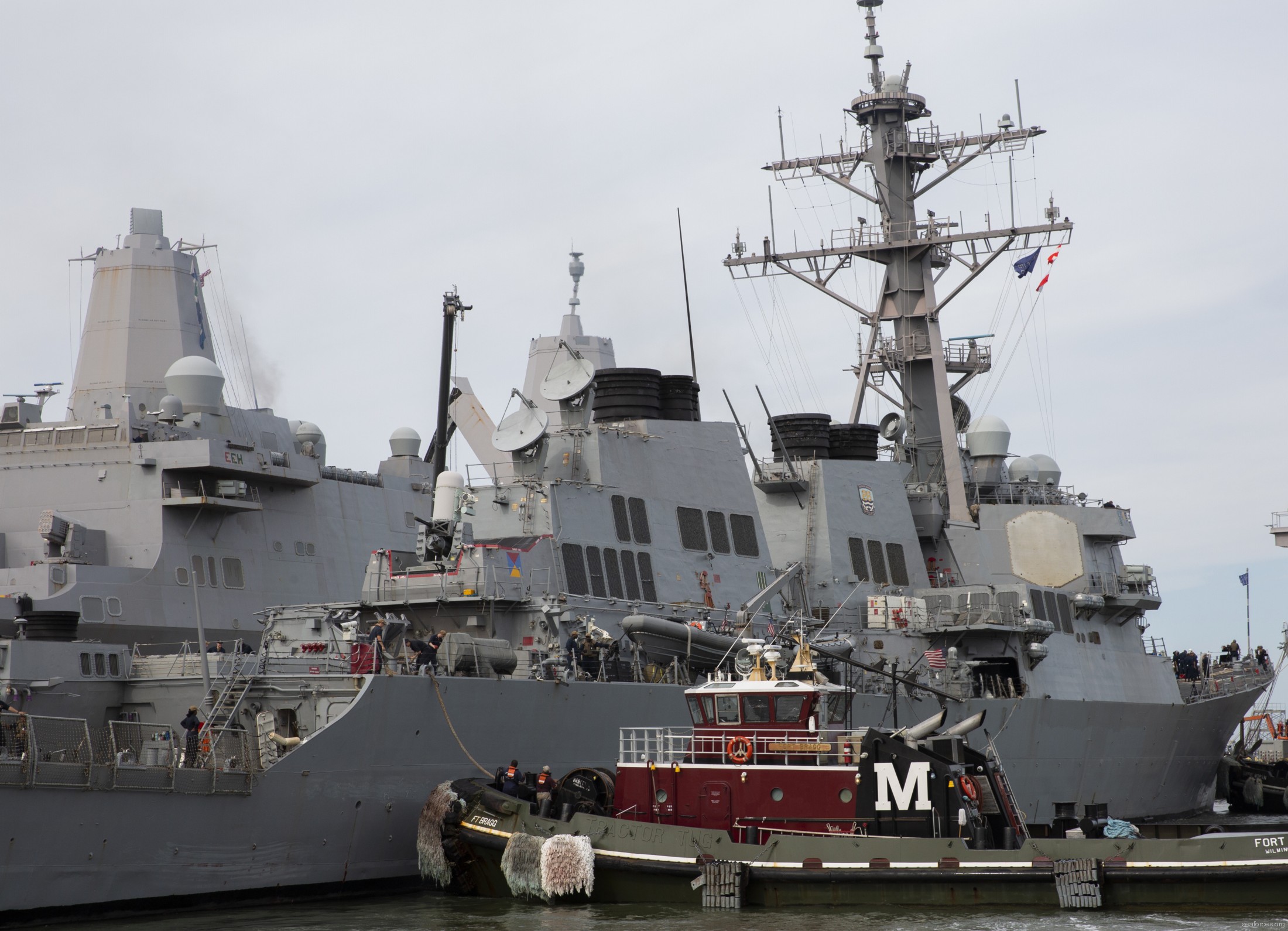 departing Naval Station Norfolk, Virginia - September 2019 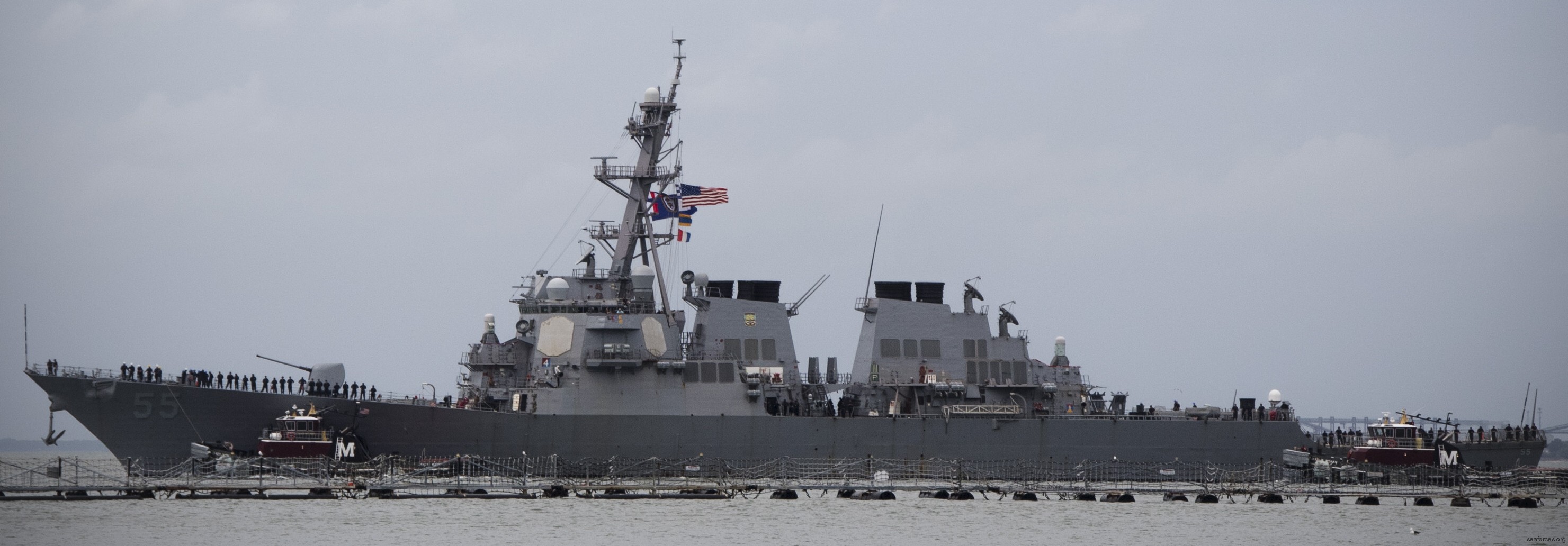 returning to Naval Station Norfolk, Virginia - September 2018 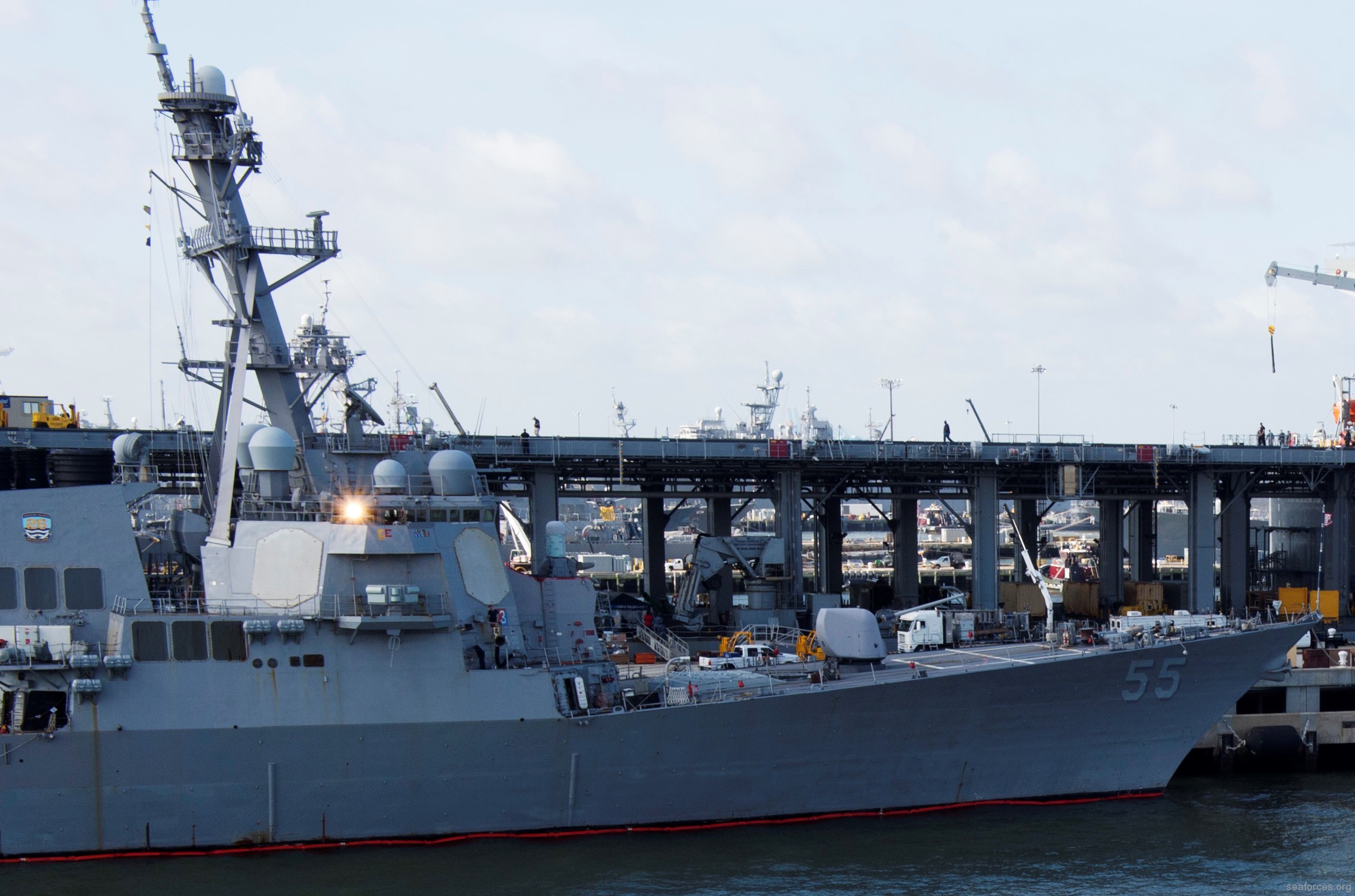 Naval Station Norfolk, Virginia - June 2017 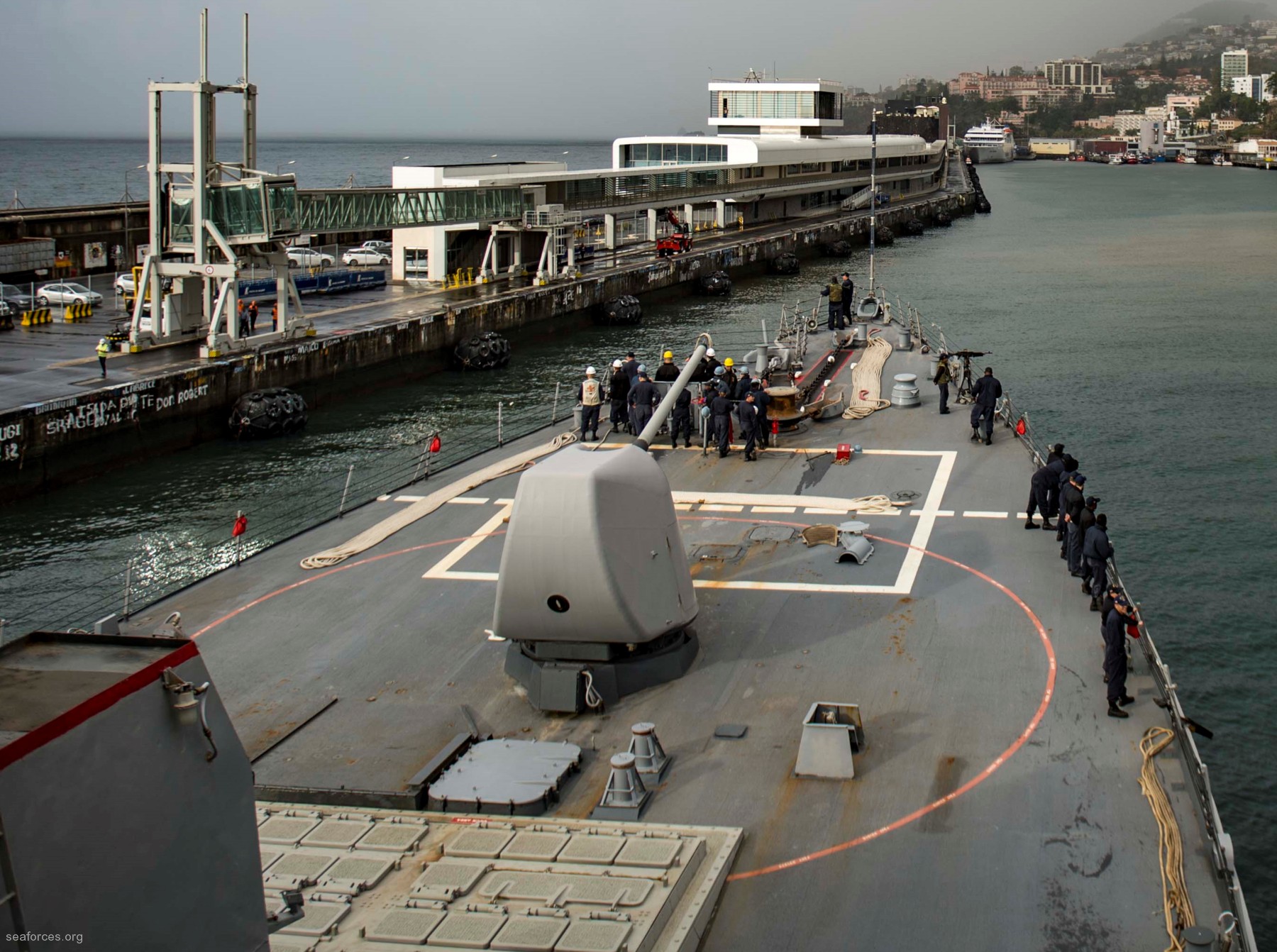 Funchal, Madeira, Portugal - November 2016 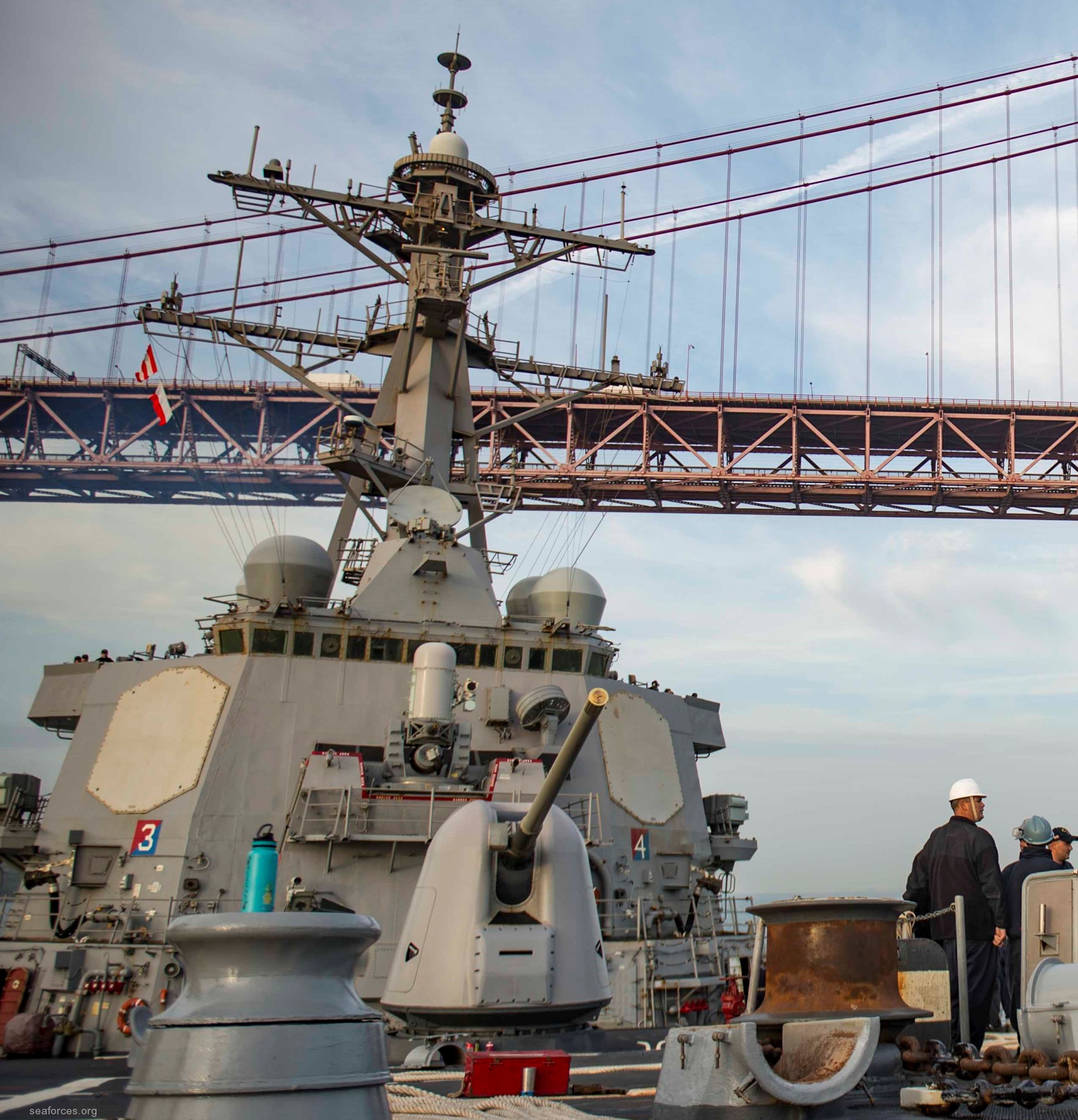 Lisbon, Portugal - October 2016 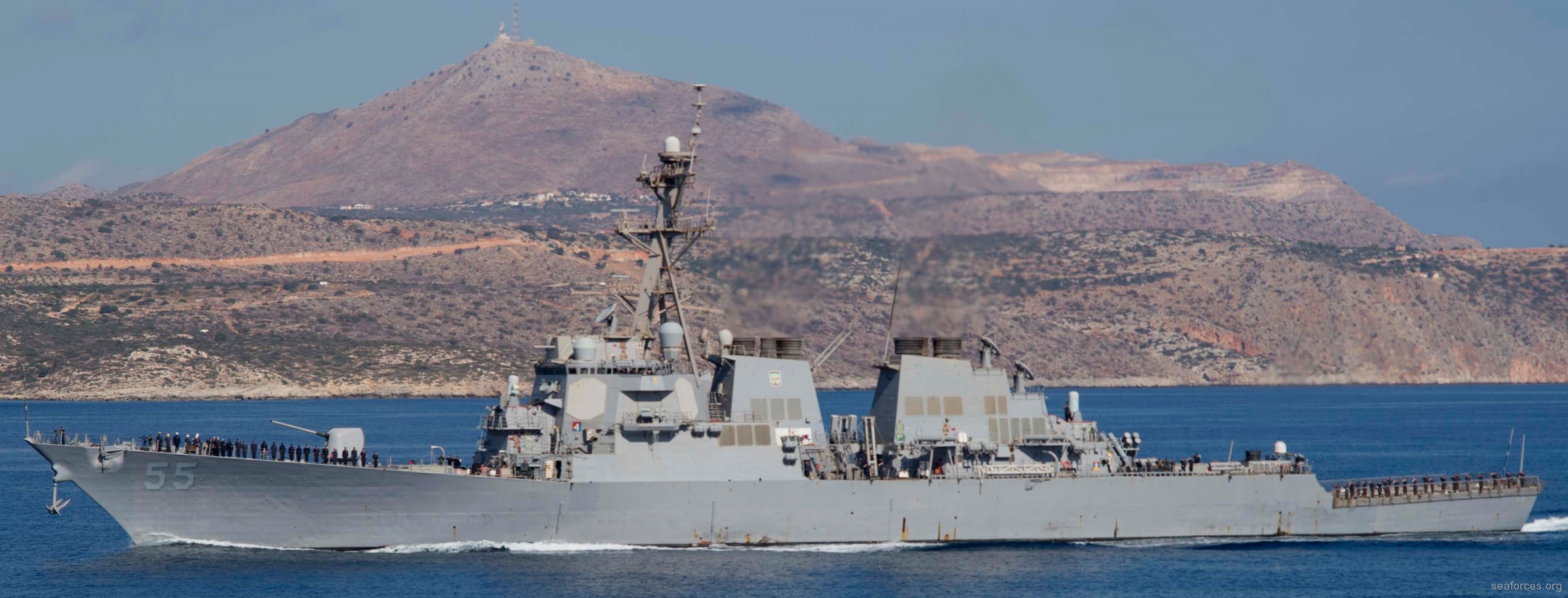 Souda Bay, Crete, Greece - October 2016 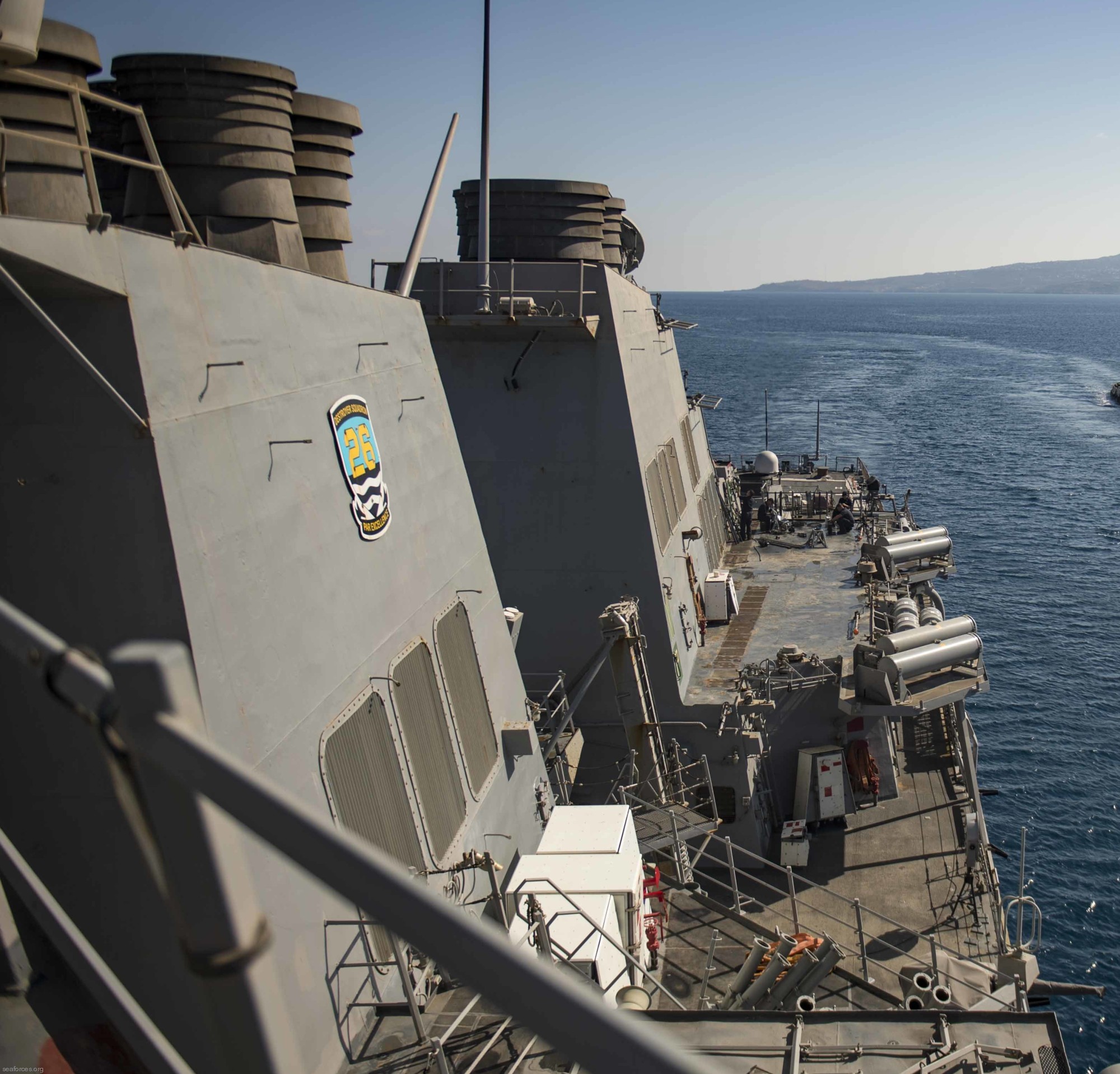 Souda Bay, Crete, Greece - October 2016 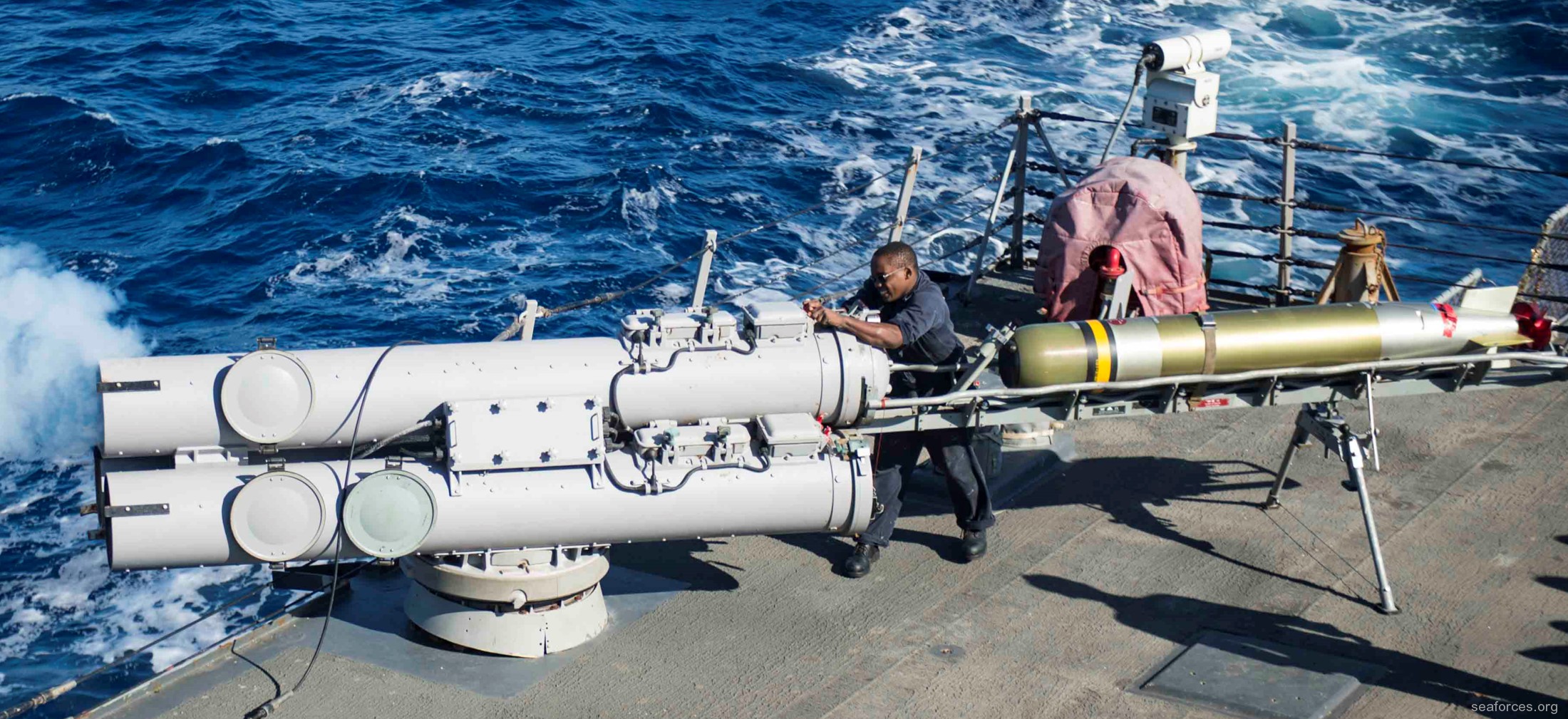 Mk-32 torpedo tubes exercise - Mediterranean Sea - October 2016 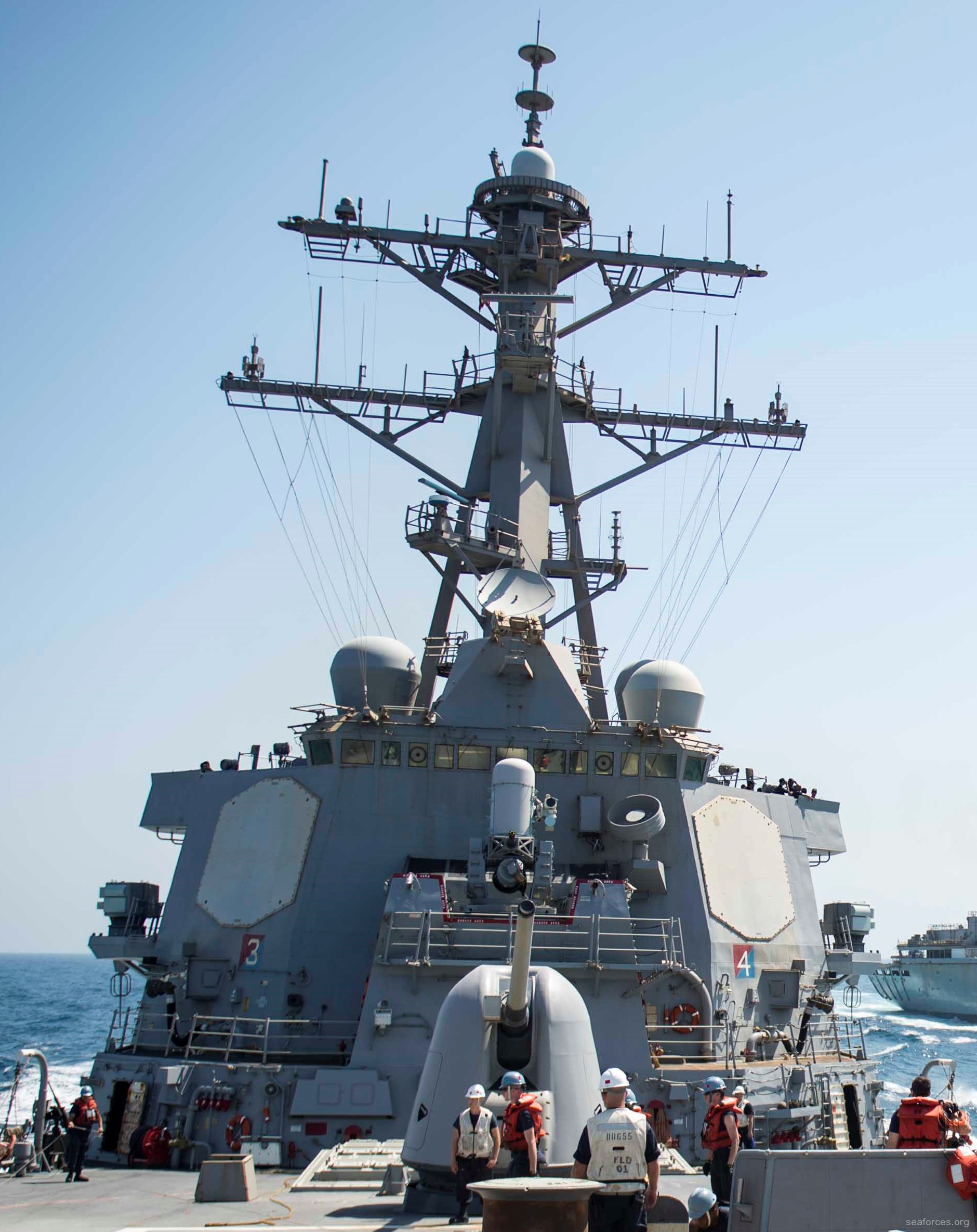 Arabian Gulf - September 2016 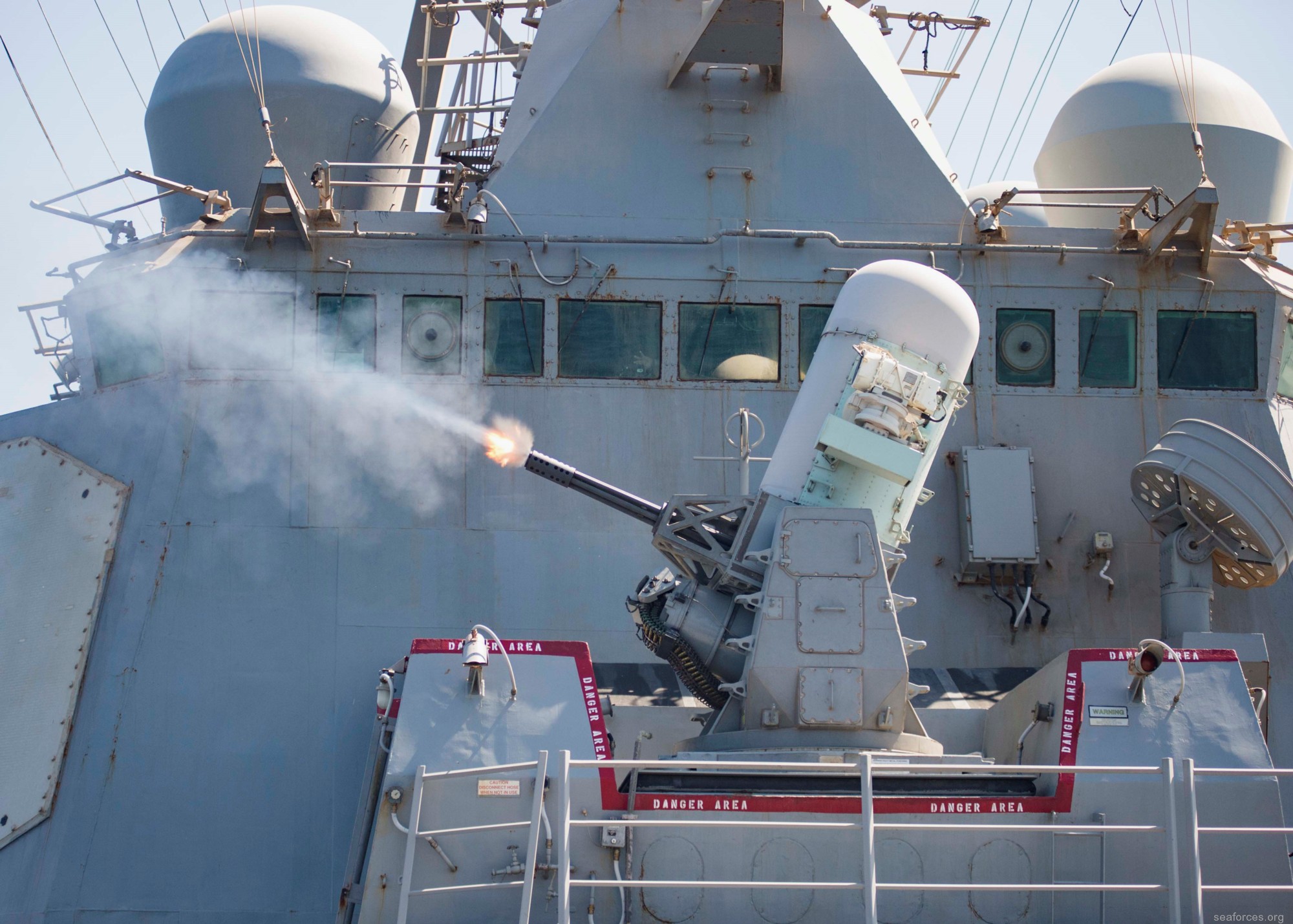 Mk-15 Phalanx CIWS live fire exercise - Arabian Gulf - September 2016 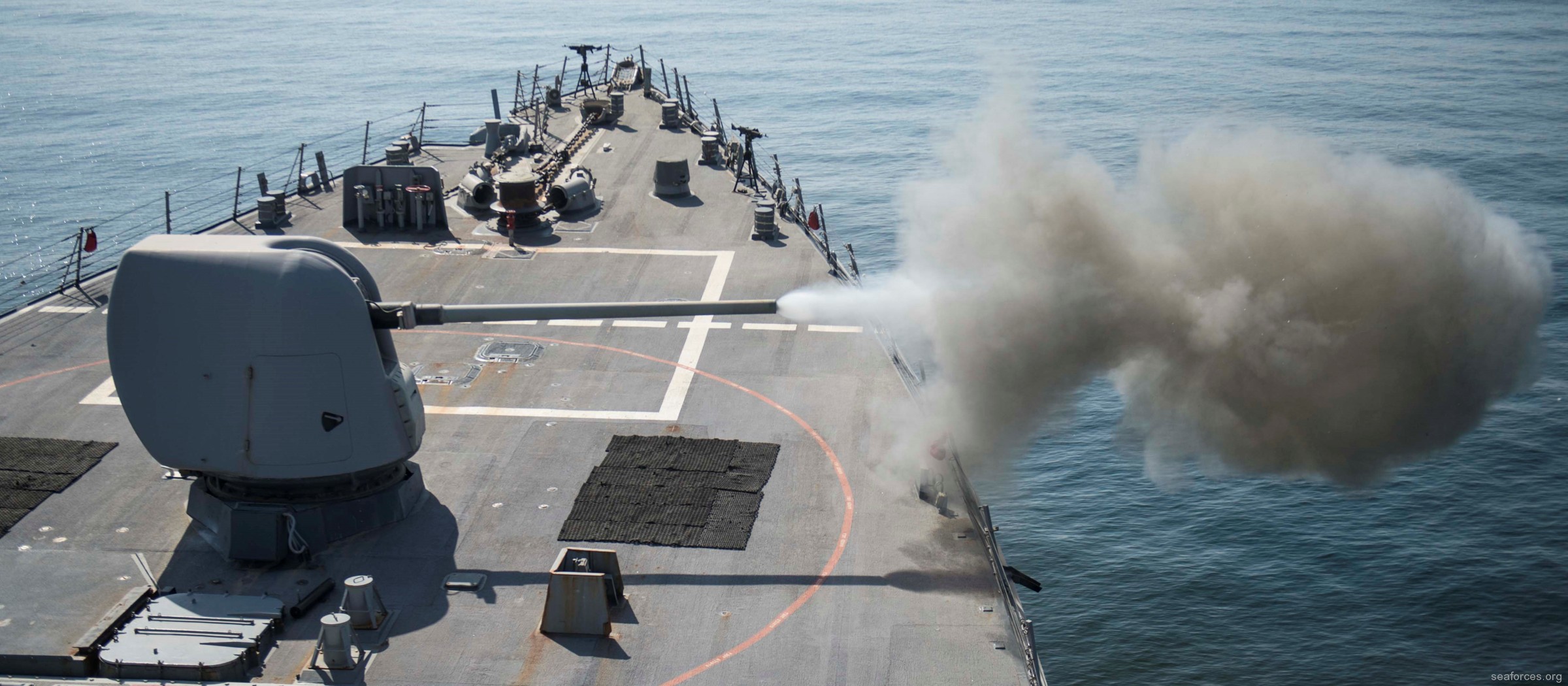 Mk-45 Mod.2 gun (5-inches 54-caliber 127mm) live fire exercise - Arabian Gulf - September 2016 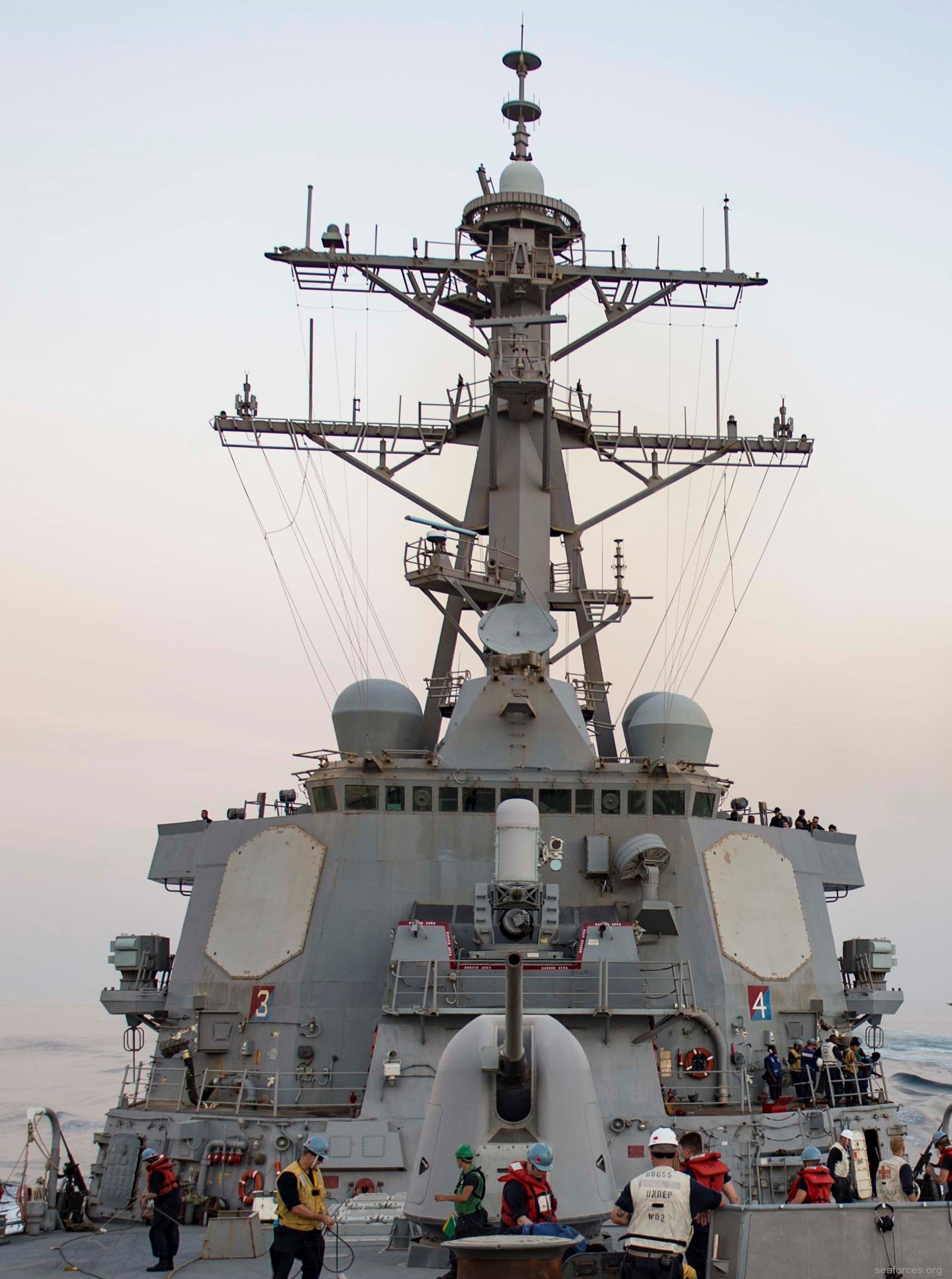 Arabian Gulf - September 2016 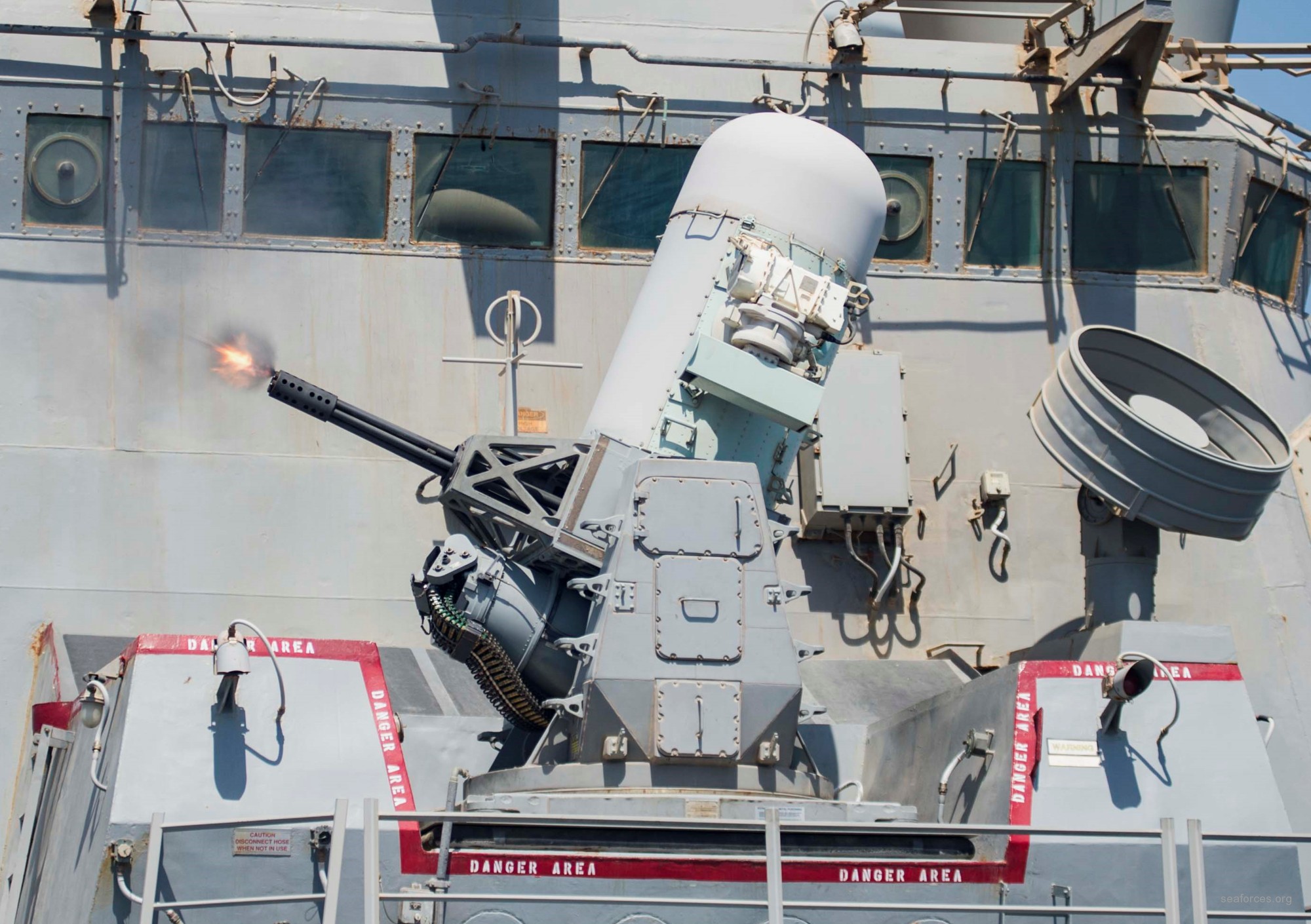 Mk-15 Phalanx CIWS live fire exercise - Arabian Gulf - August 2016 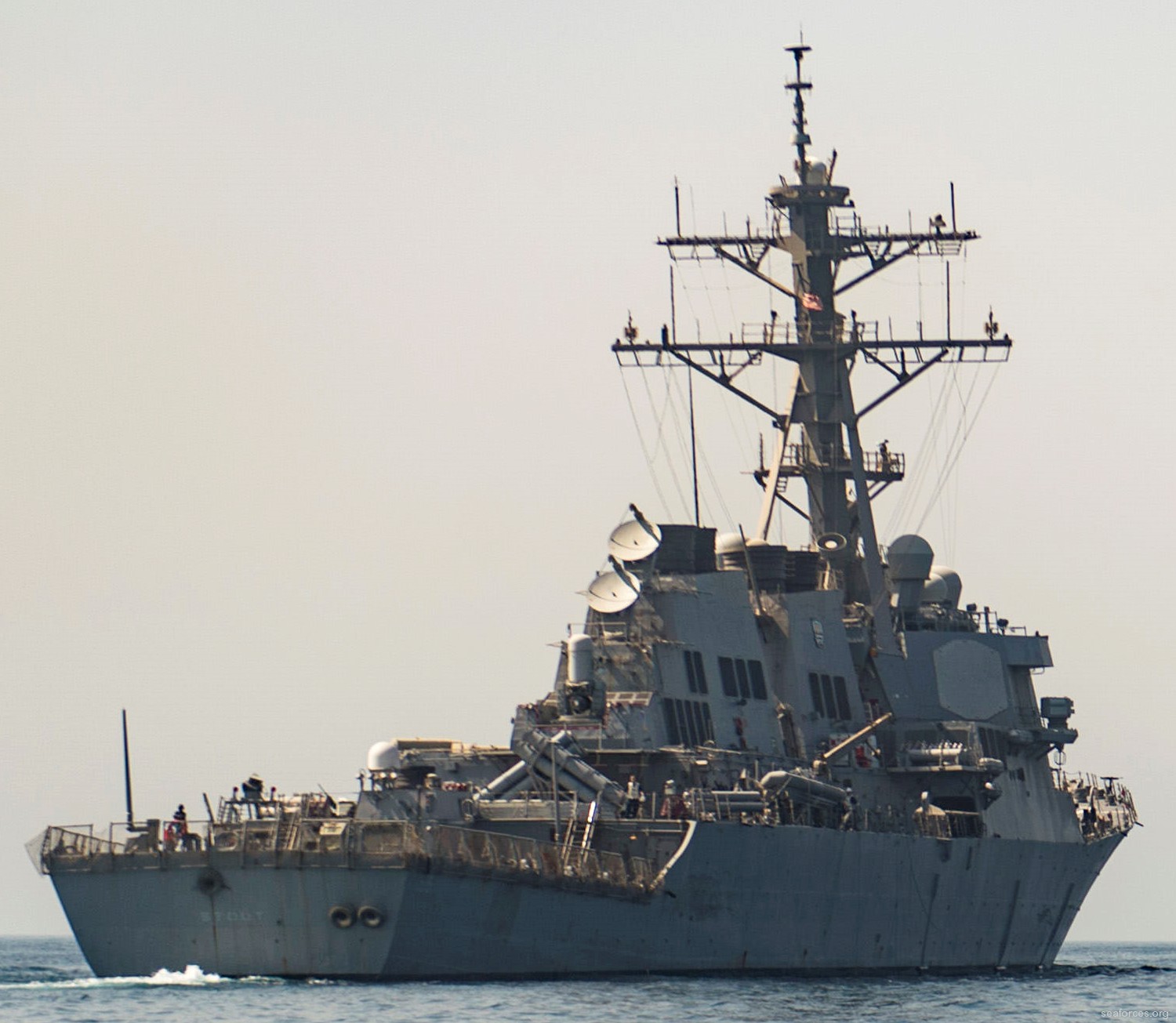 Arabian Gulf - August 2016 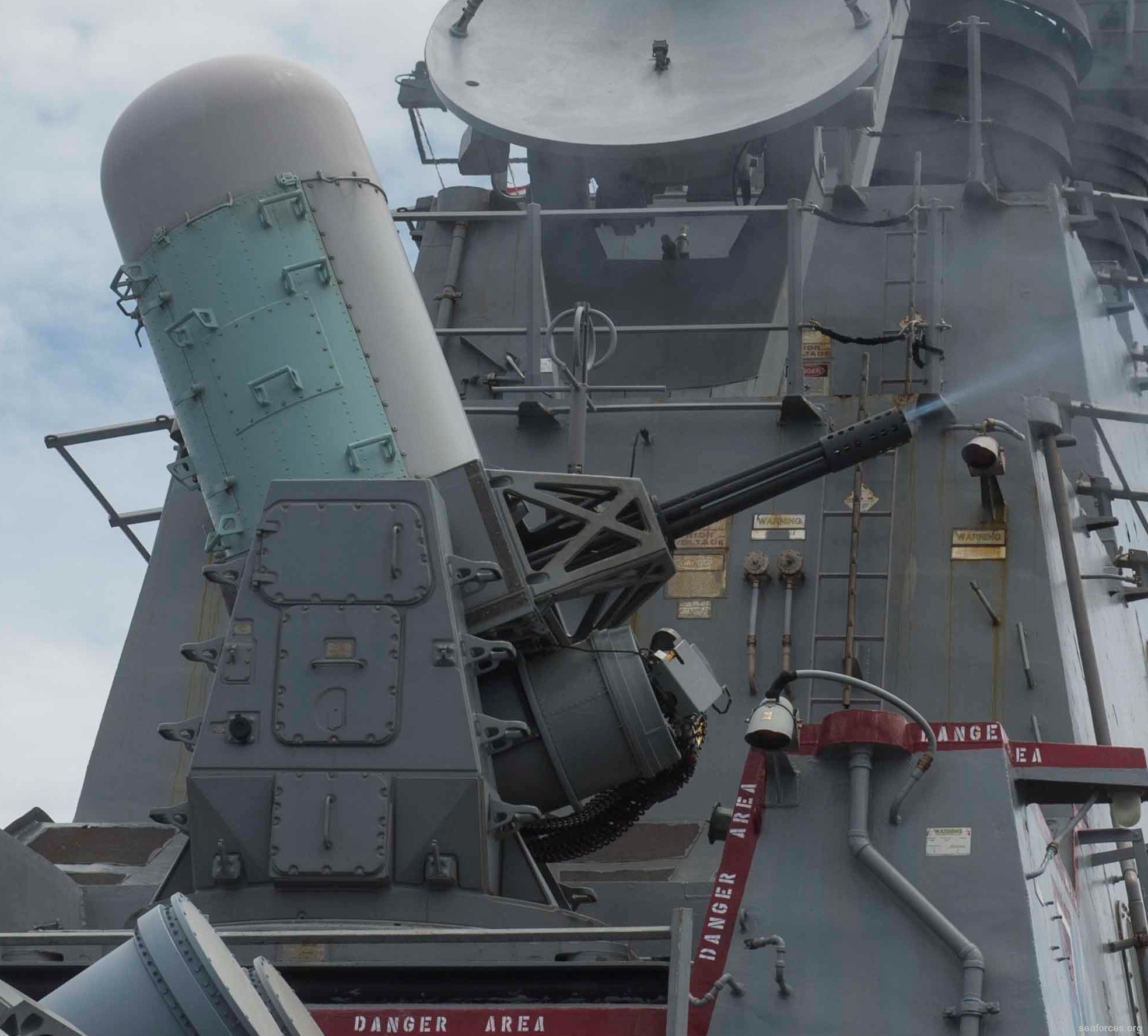 Mk-15 Phalanx CIWS live fire exercise - Atlantic Ocean - May 2016 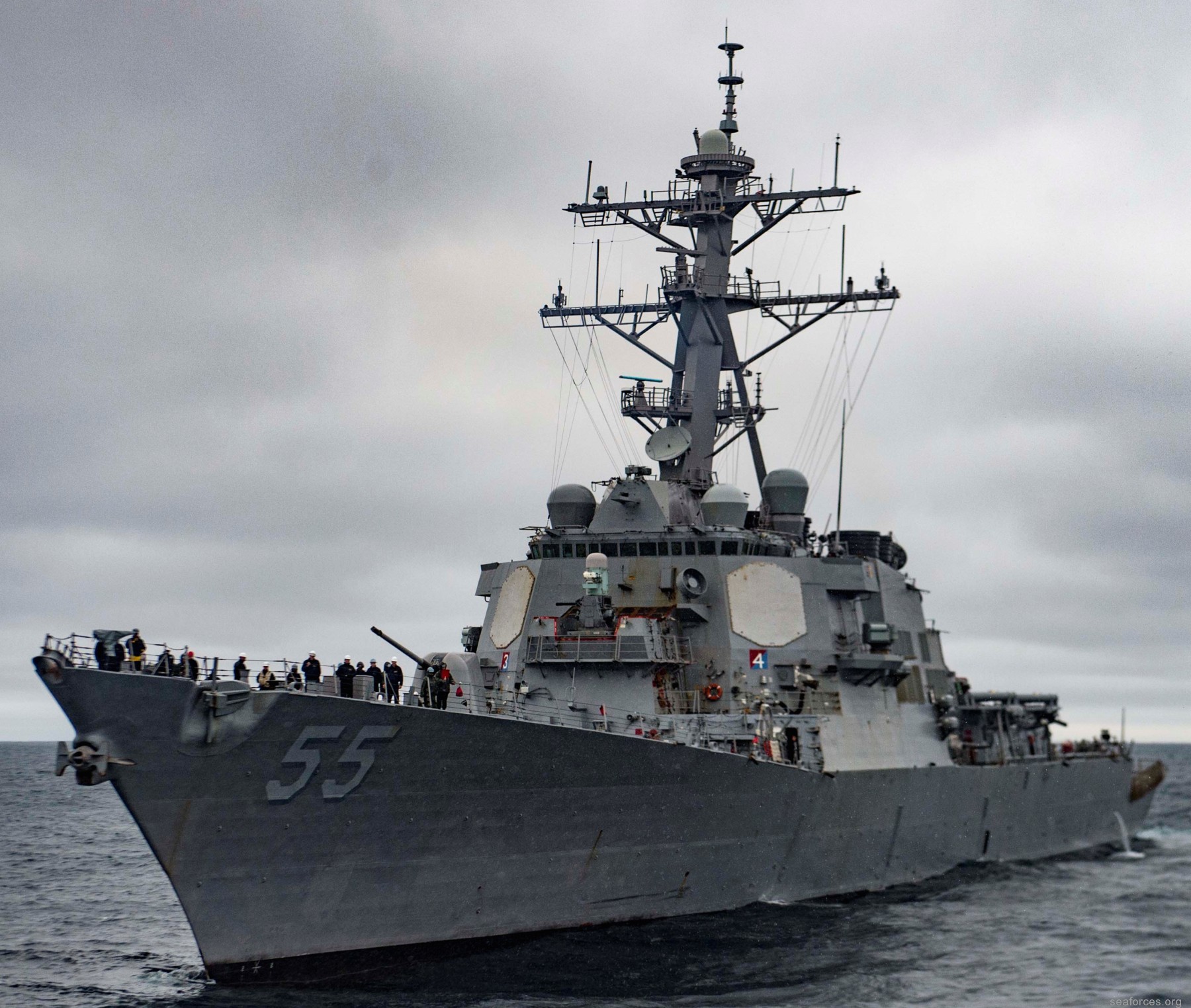 Atlantic Ocean - March 2016 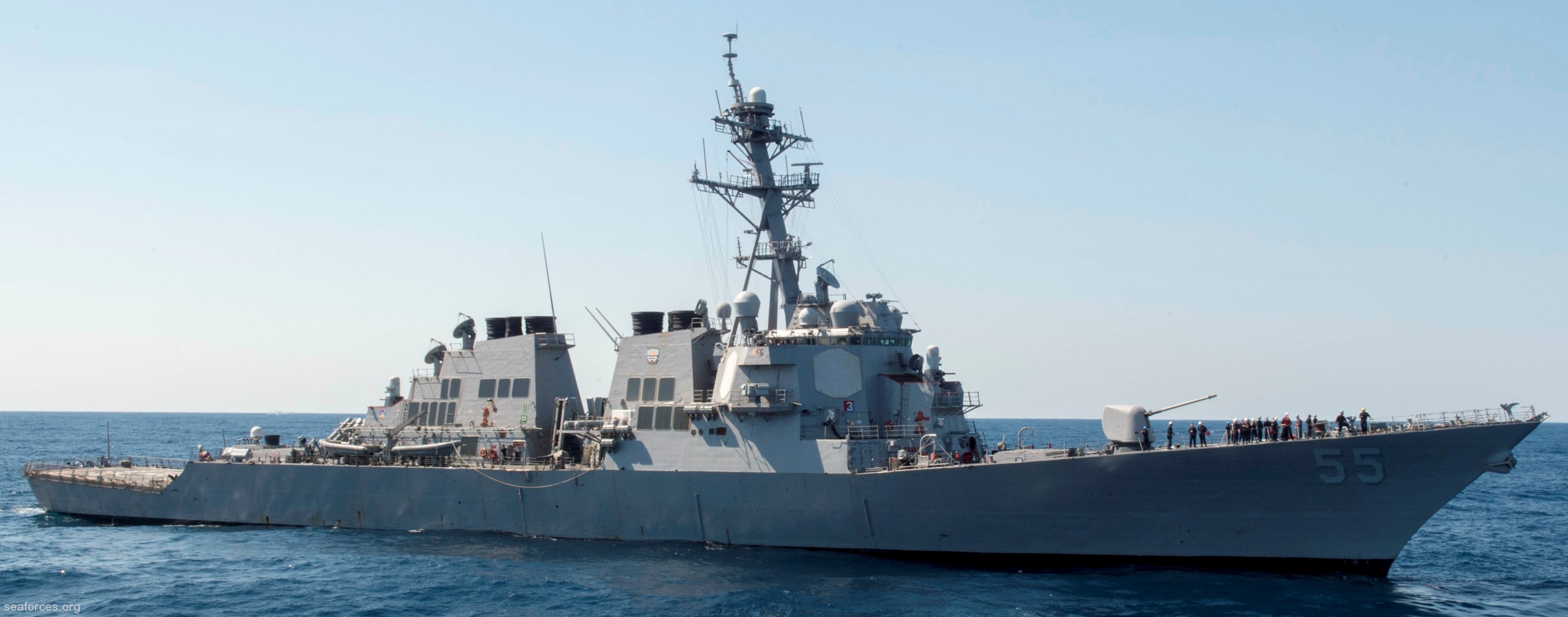 Atlantic Ocean - March 2016 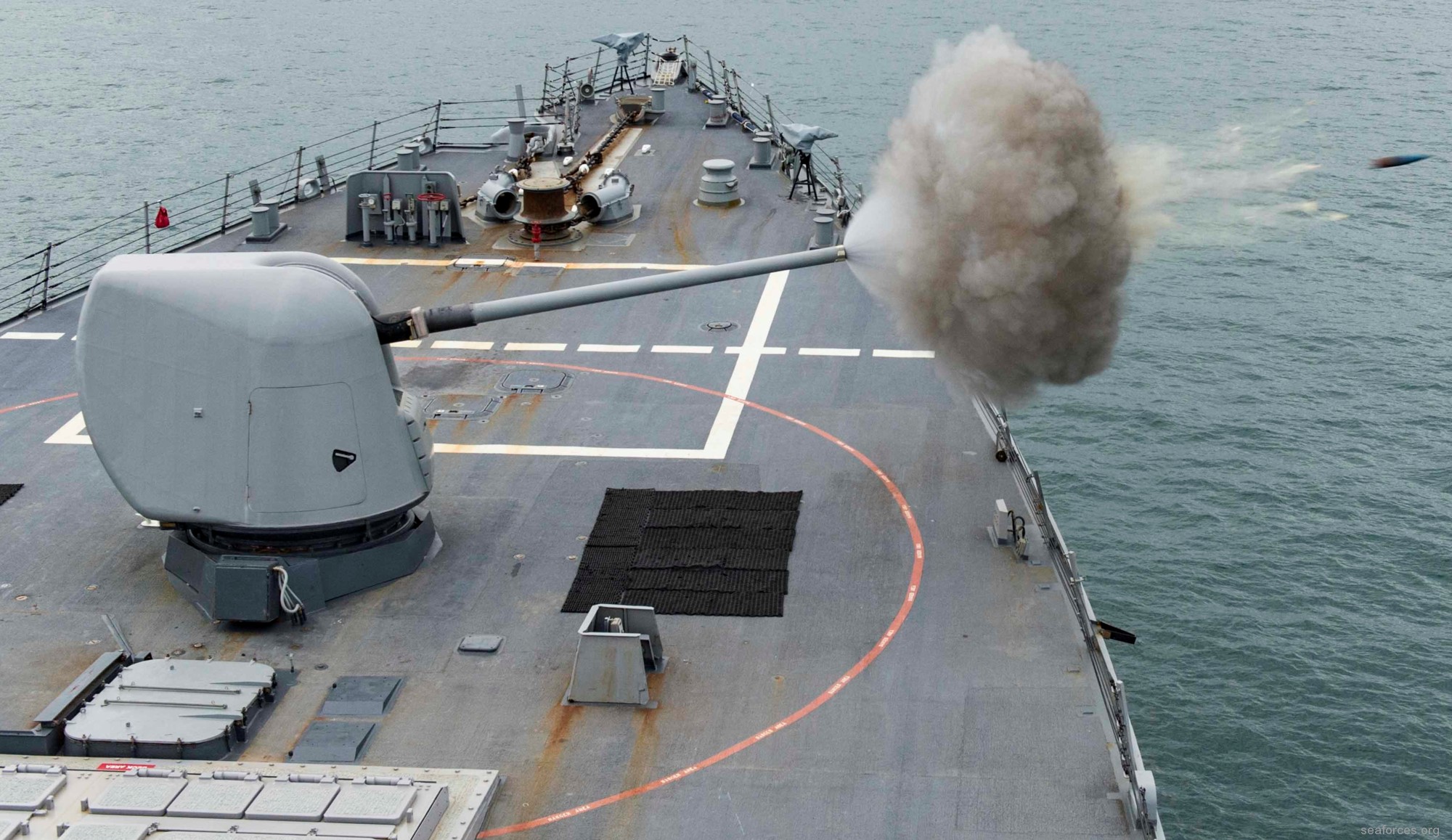 Mk-45 Mod.2 gun (5-inches 54-caliber 127mm) live fire exercise - Atlantic Ocean - March 2016 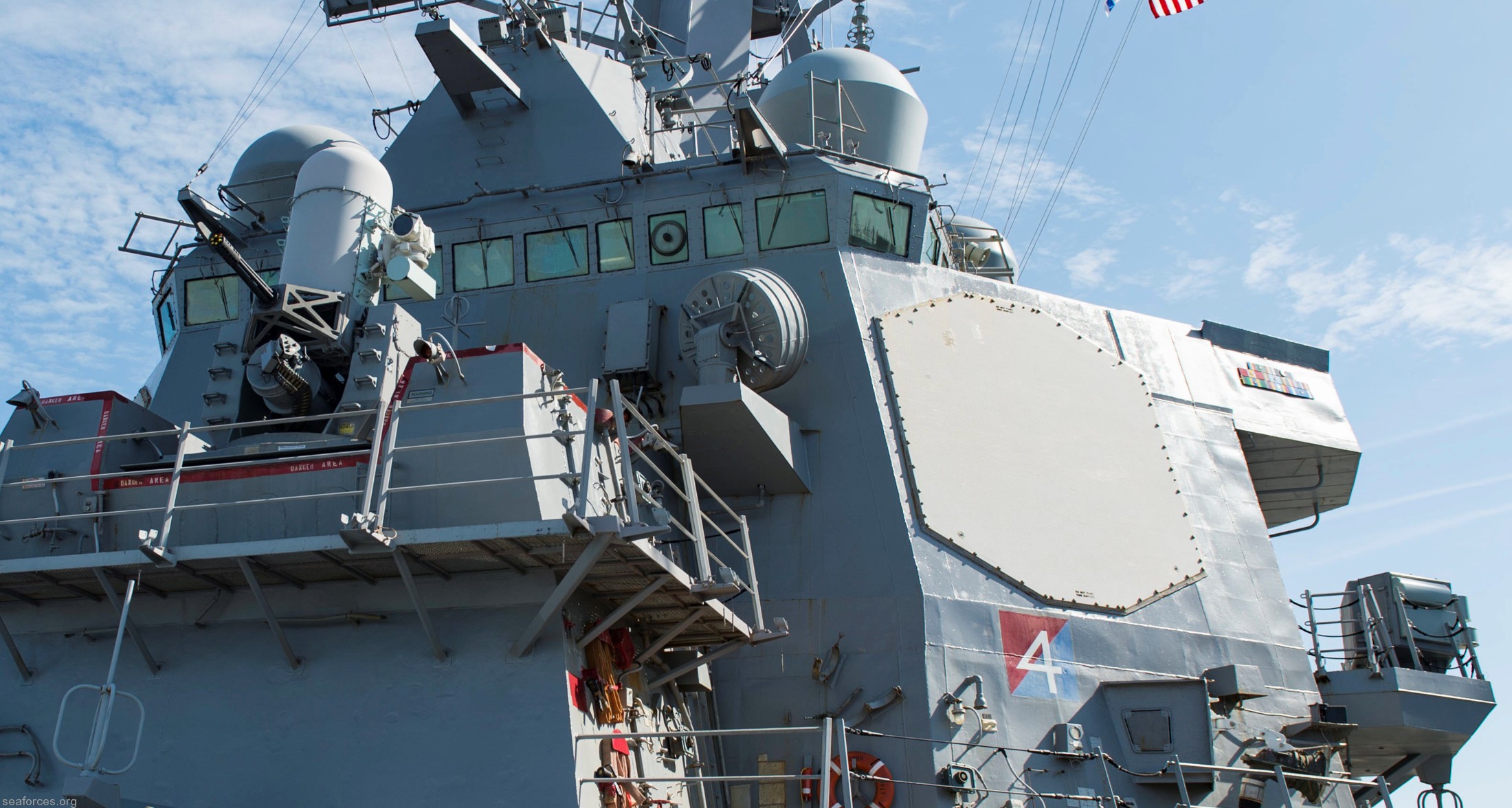 Norfolk, Virginia - March 2016 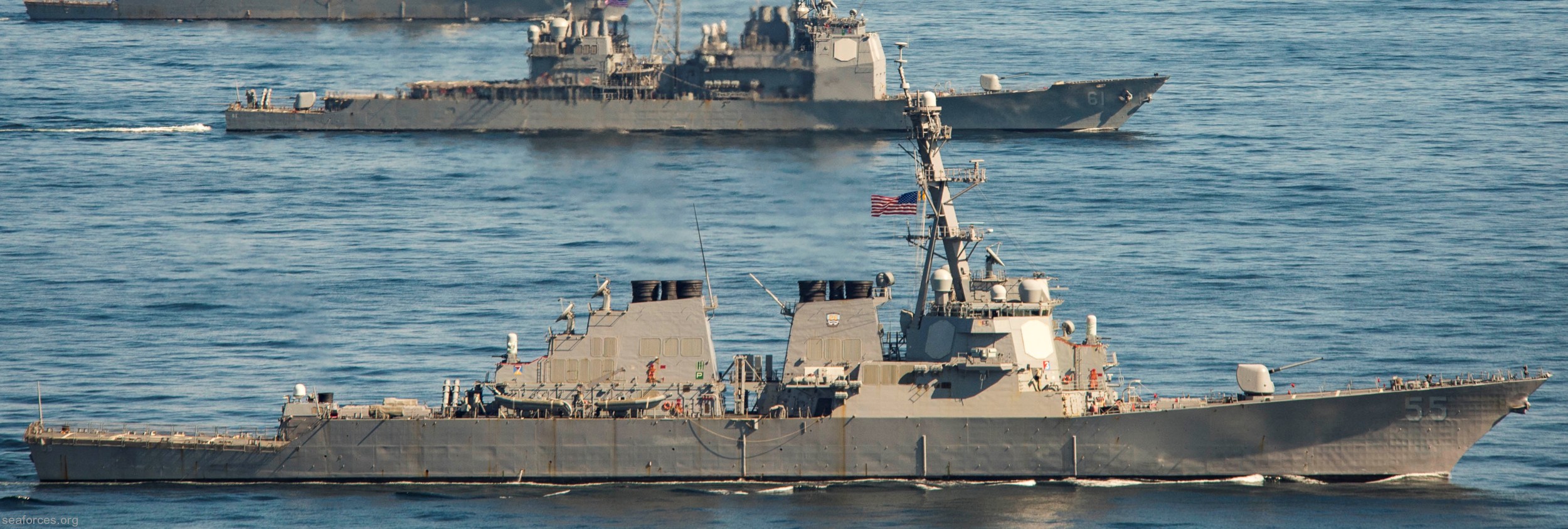 Atlantic Ocean - November 2015 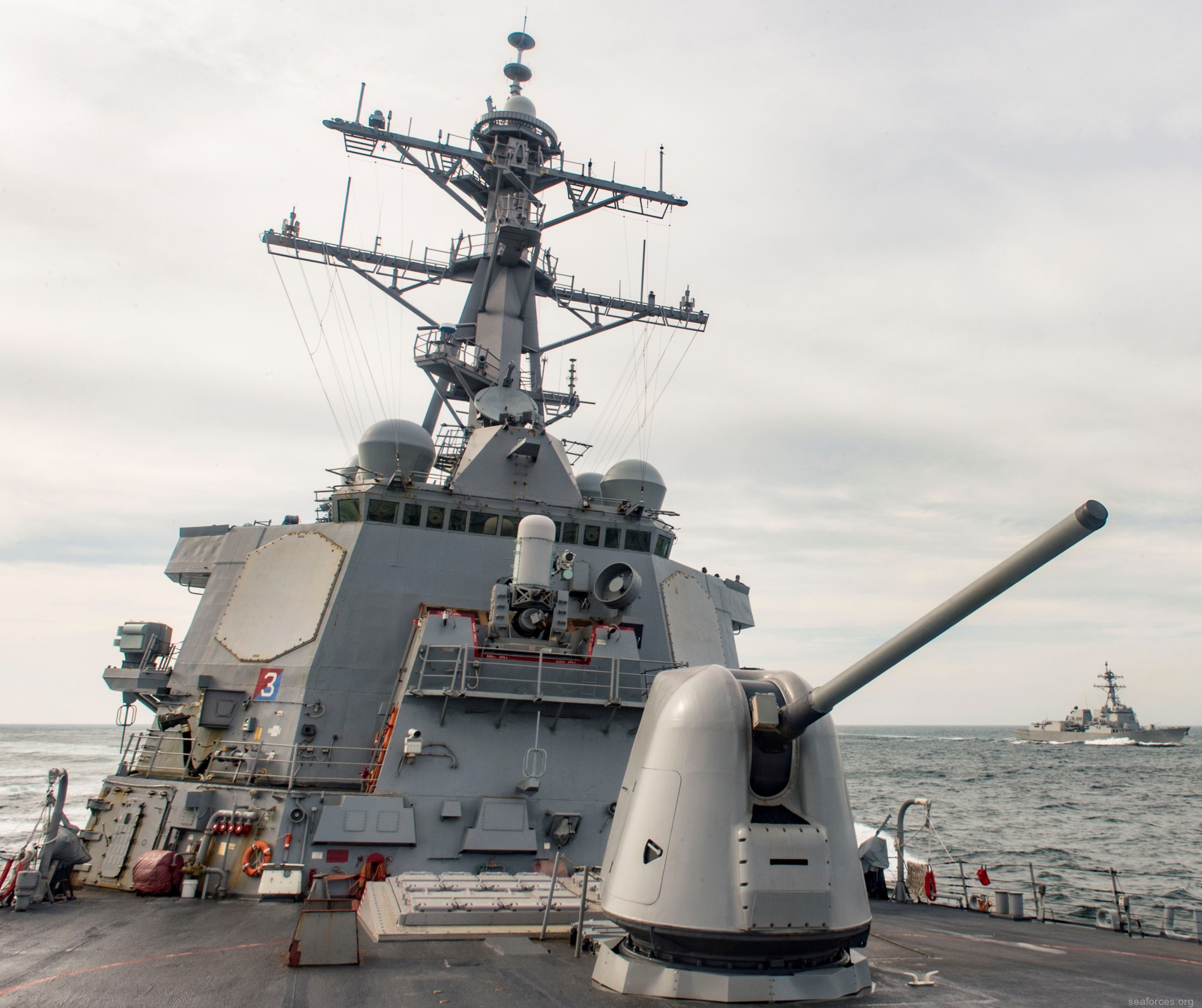 Atlantic Ocean - October 2015 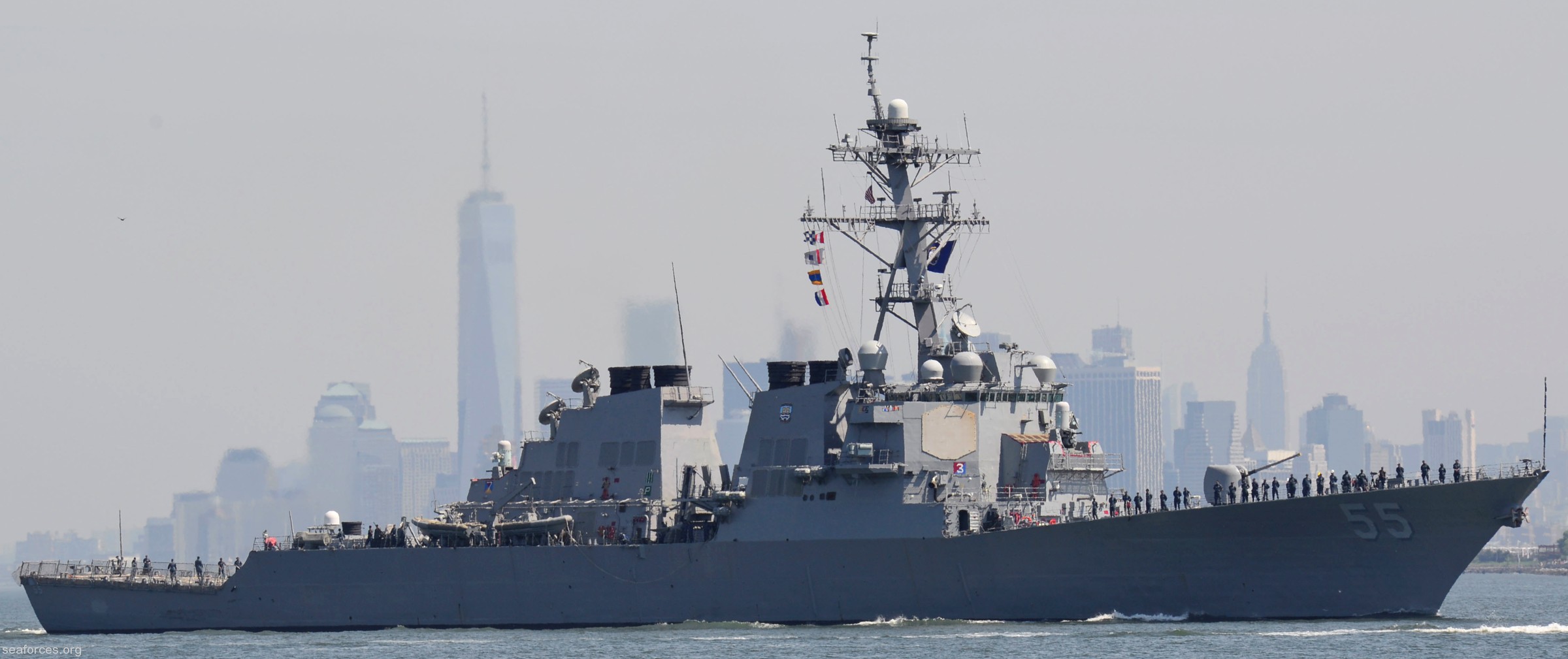 New York - May 2015 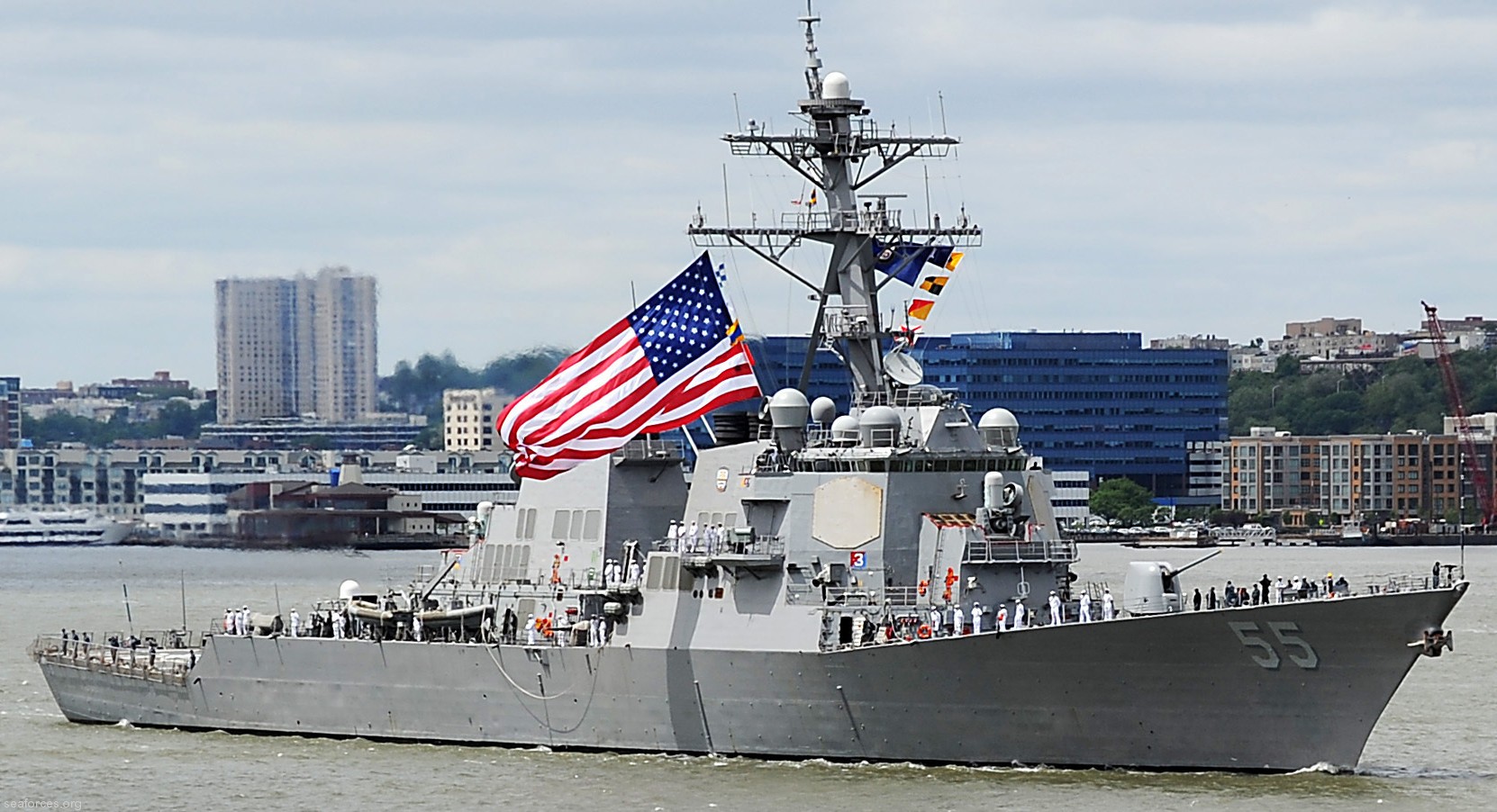 New York - May 2015 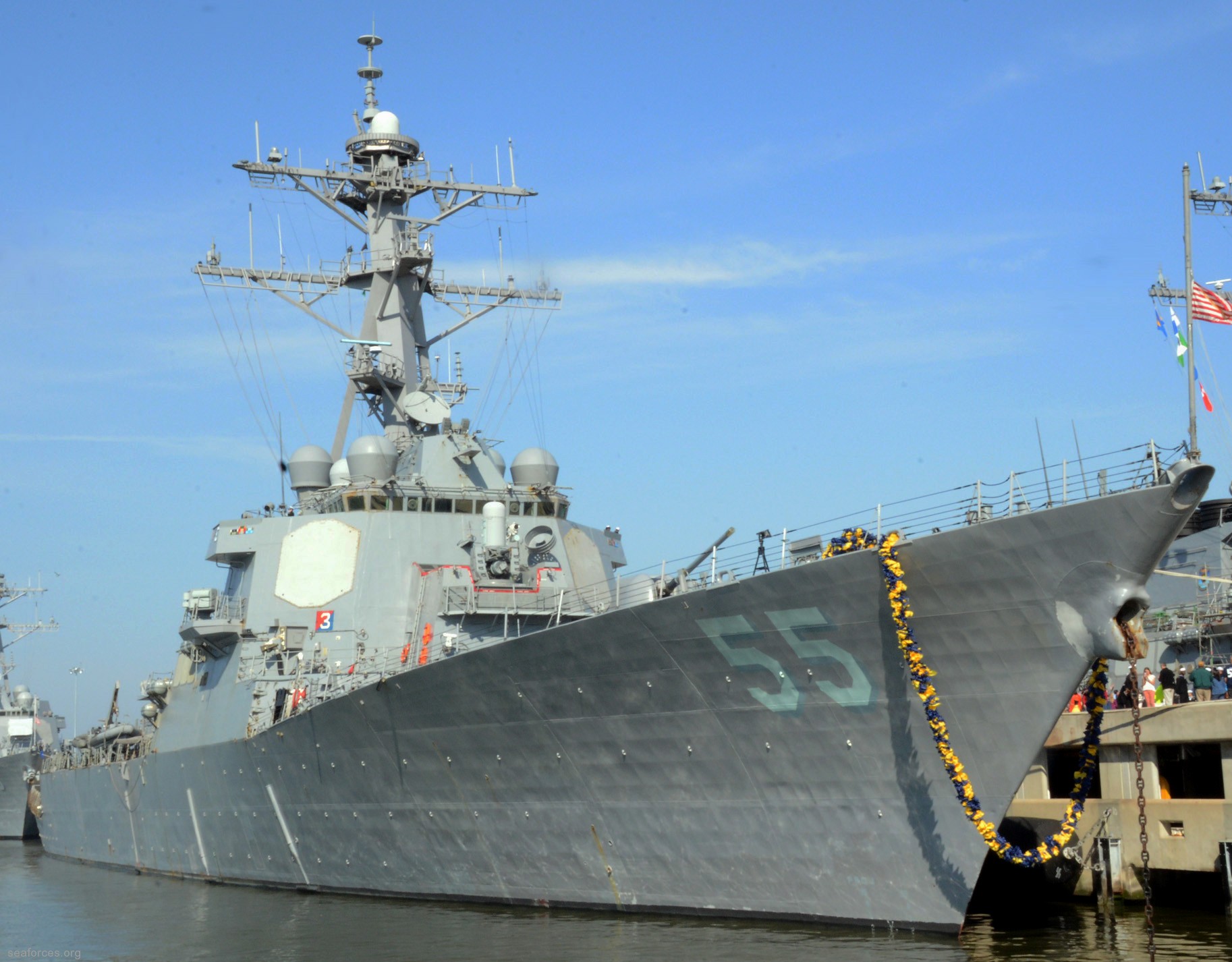 returning to Naval Station Norfolk, Virginia - April 2014 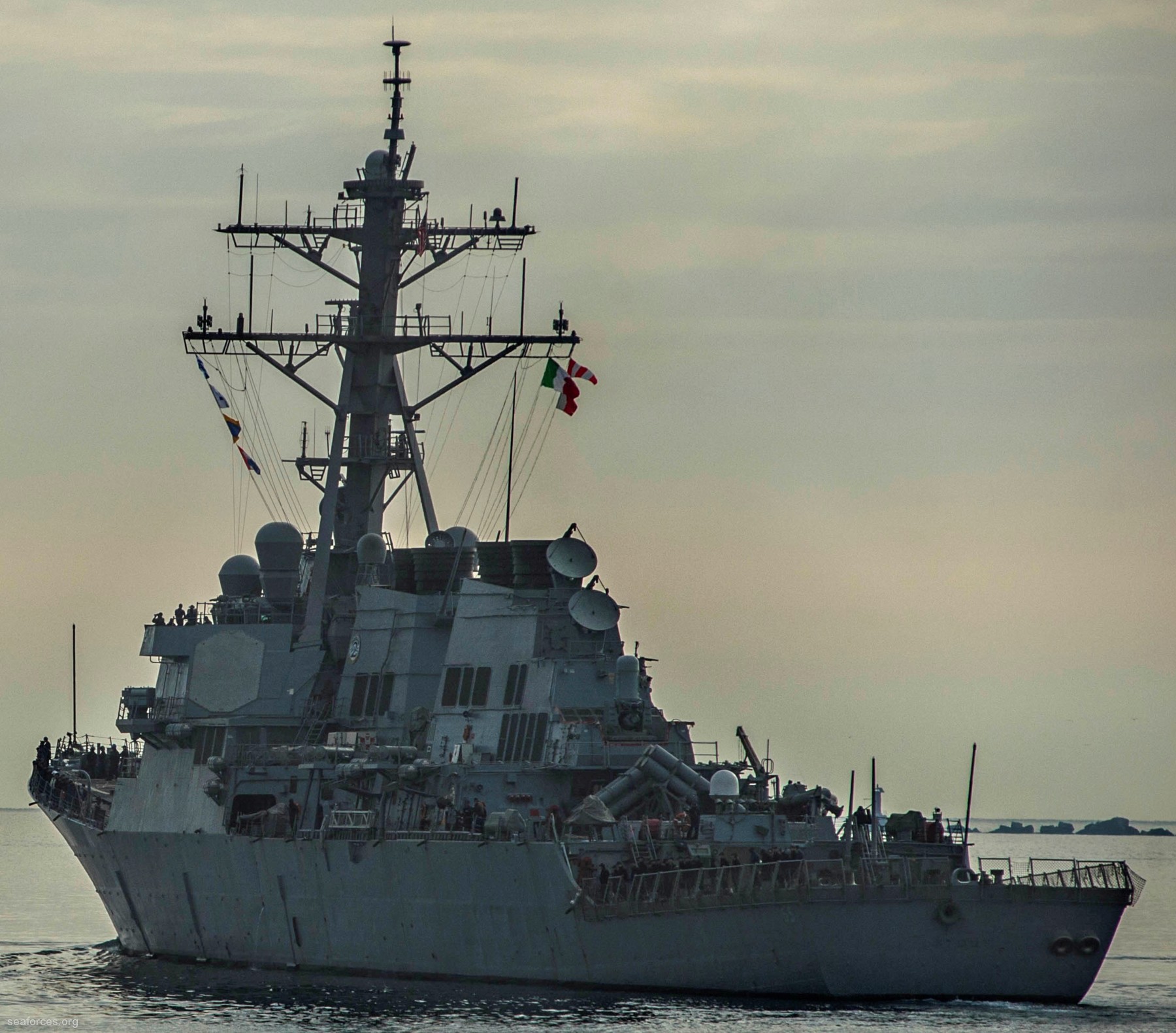 departing Augusta Bay, Sicily, Italy - March 2014 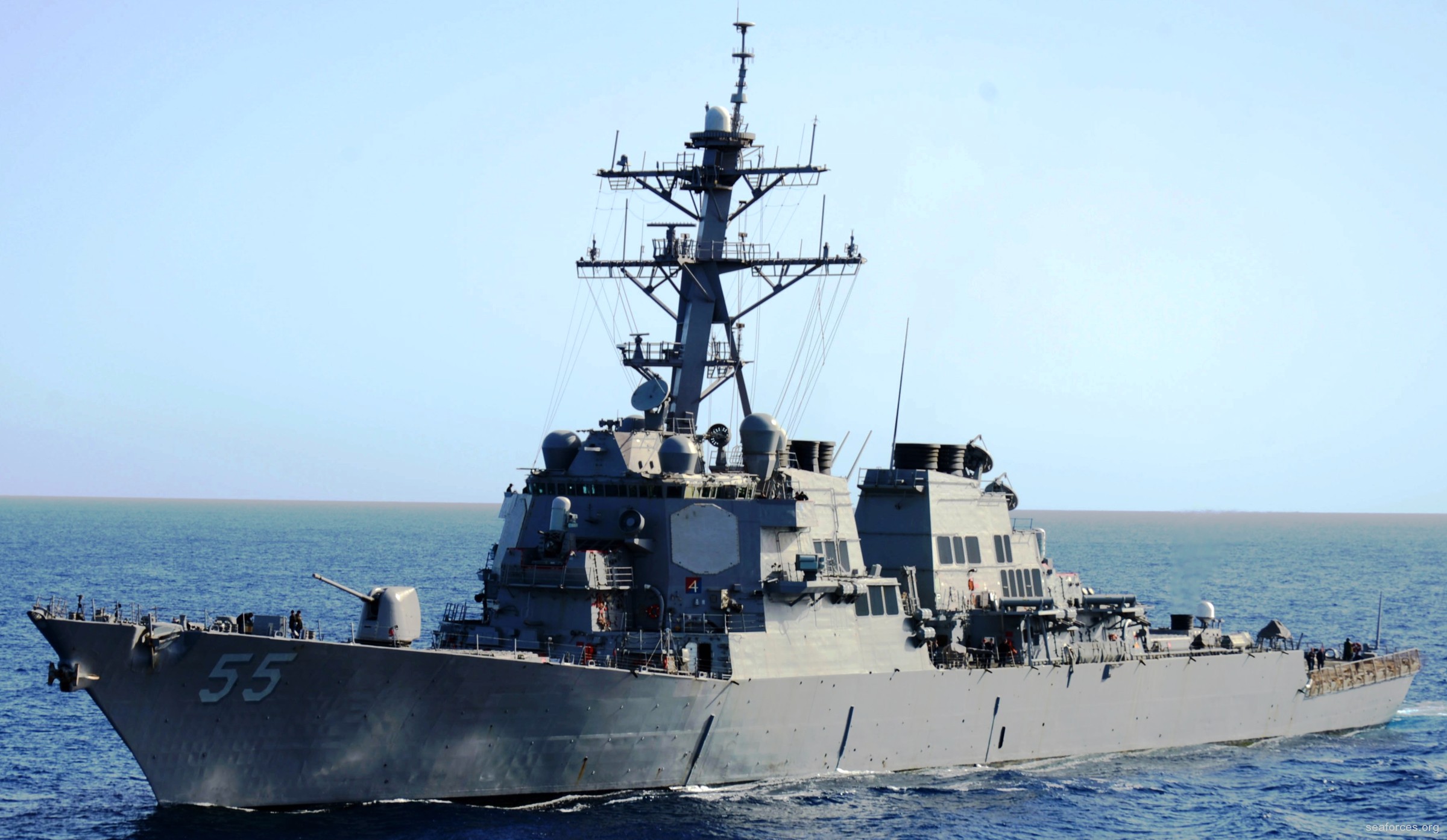 Mediterranean Sea - March 2014 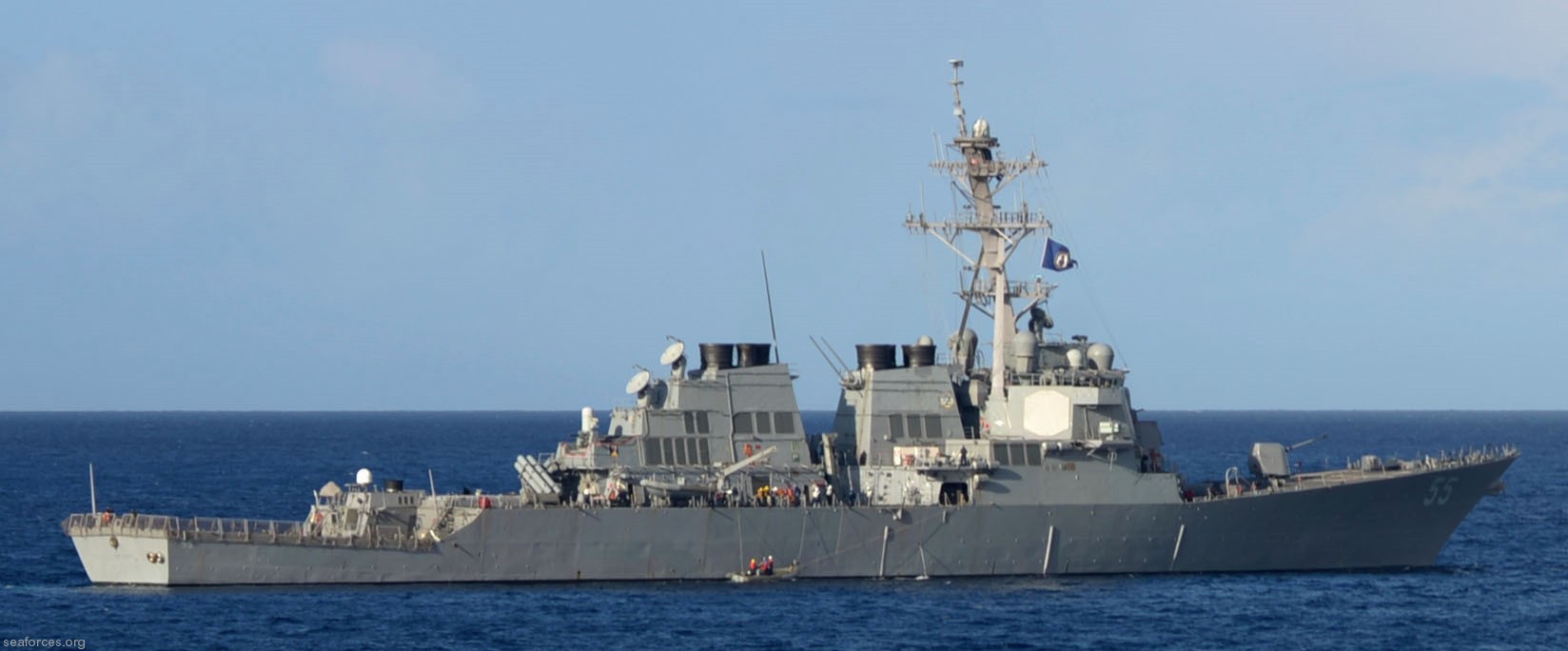 Mediterranean Sea - February 2014 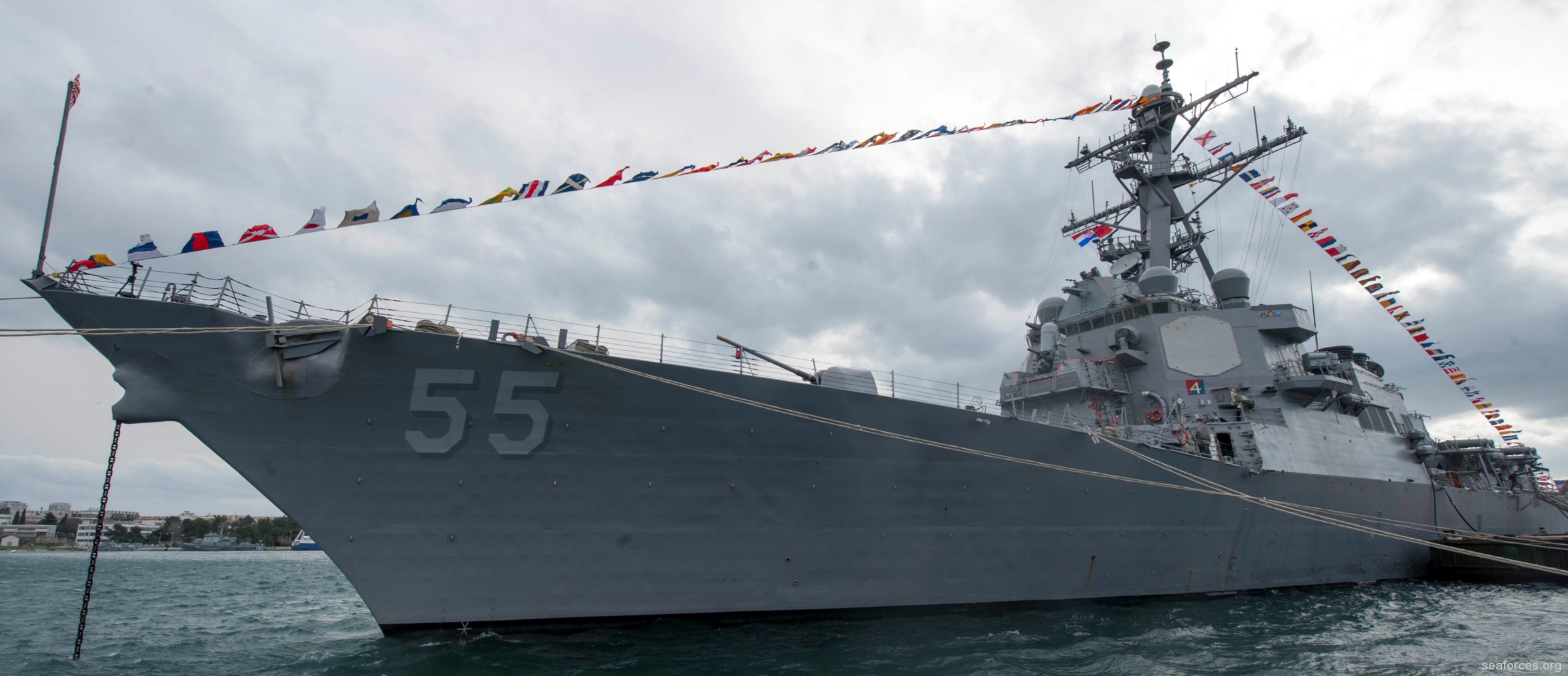 Split, Croatia - February 2014 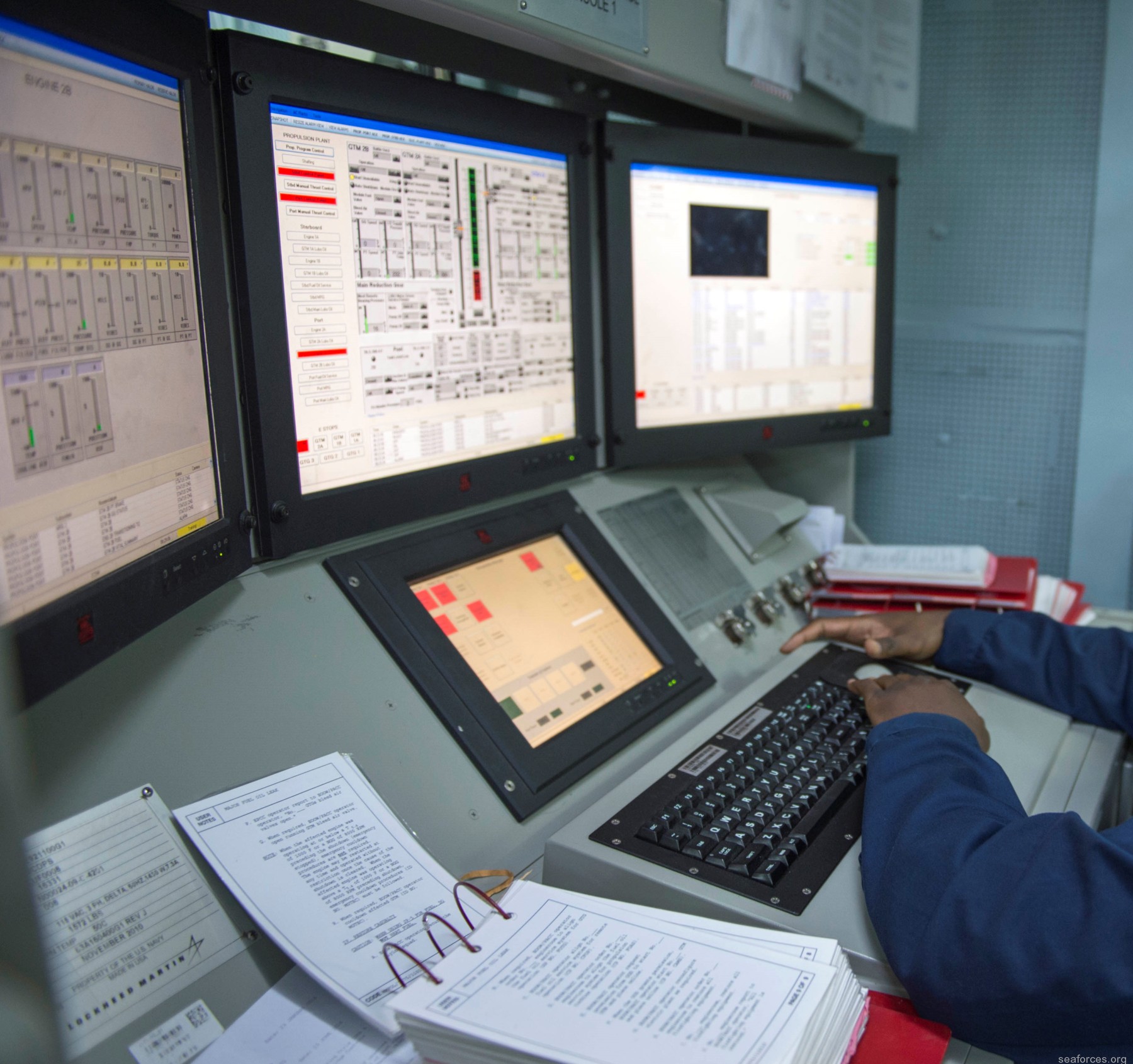 control console (machinery) - February 2014 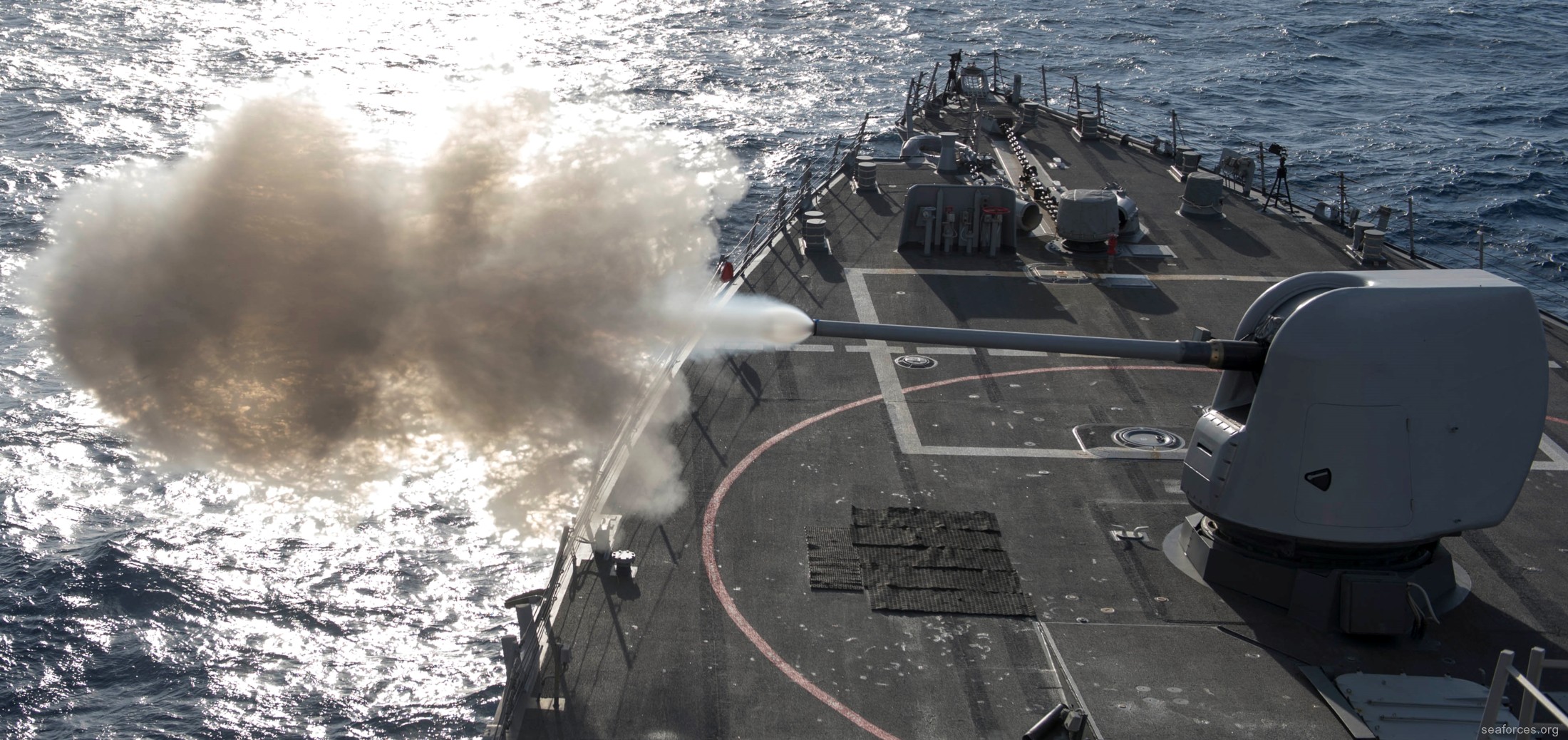 Mk-45 Mod.2 (5"/54-caliber) gun live fire exercise - Mediterranean Sea - February 2014 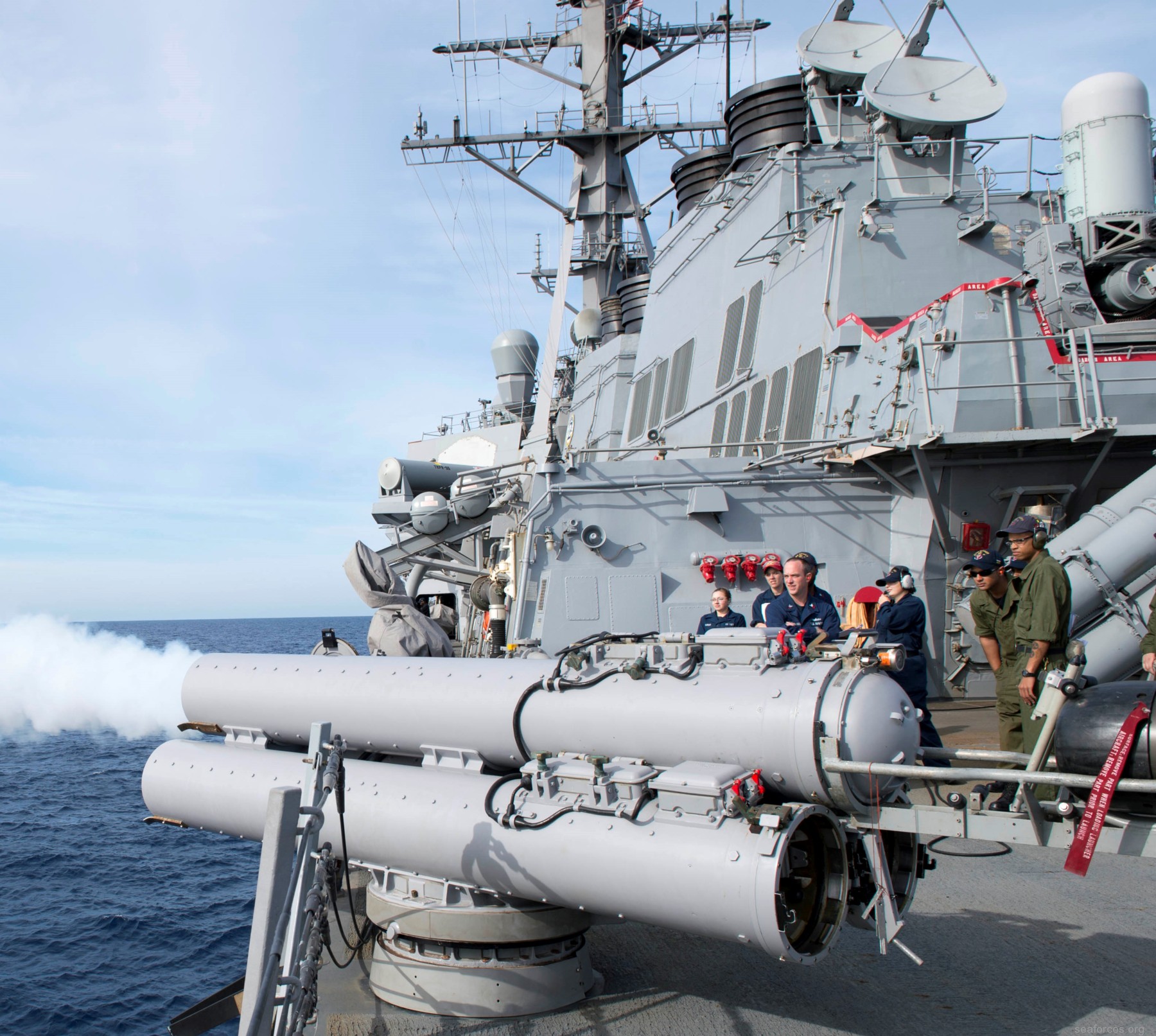 Mk-32 torpedo tubes exercise - Mediterranean Sea - January 2014 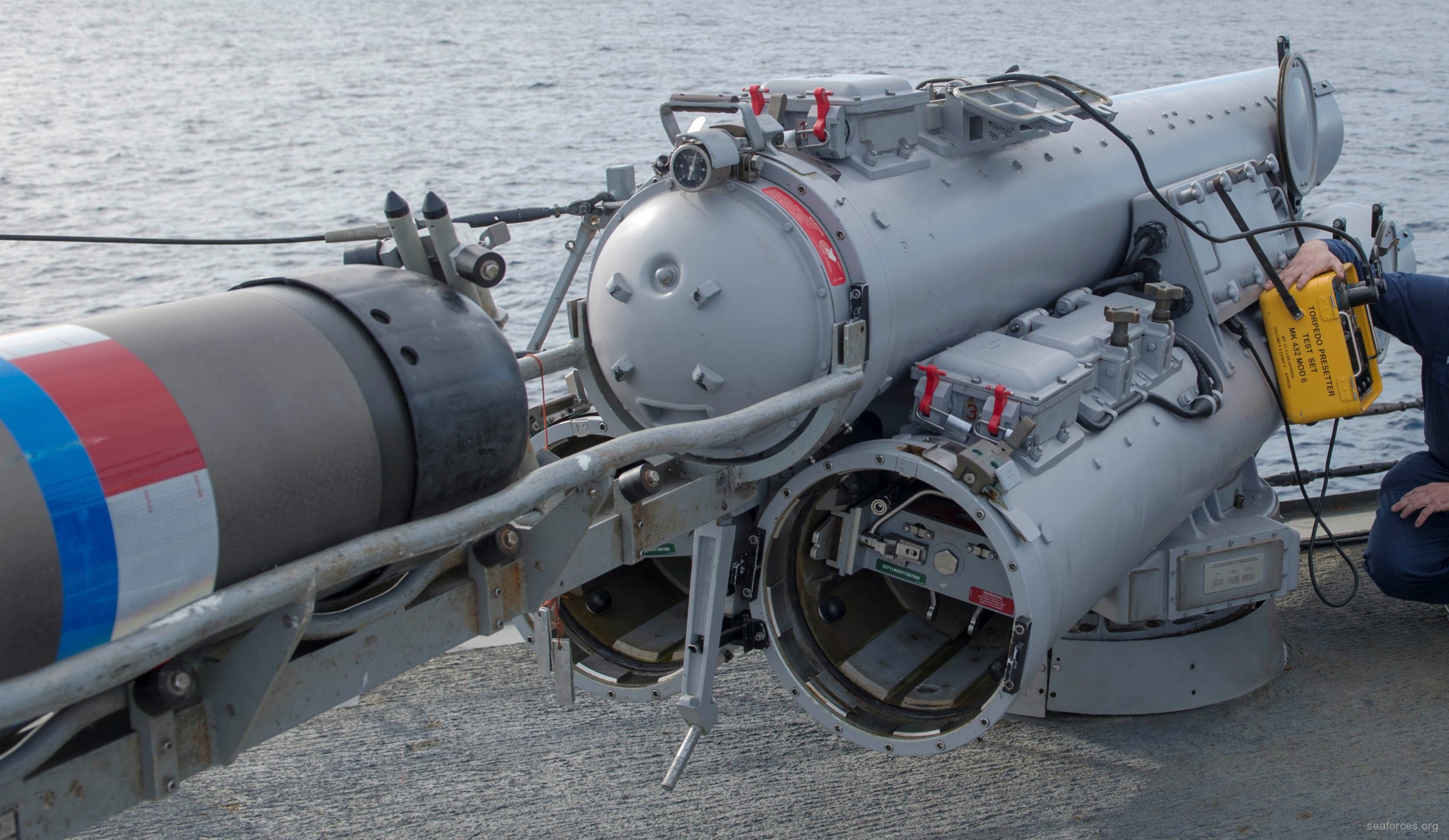 Mk-32 torpedo tubes exercise - Mediterranean Sea - January 2014 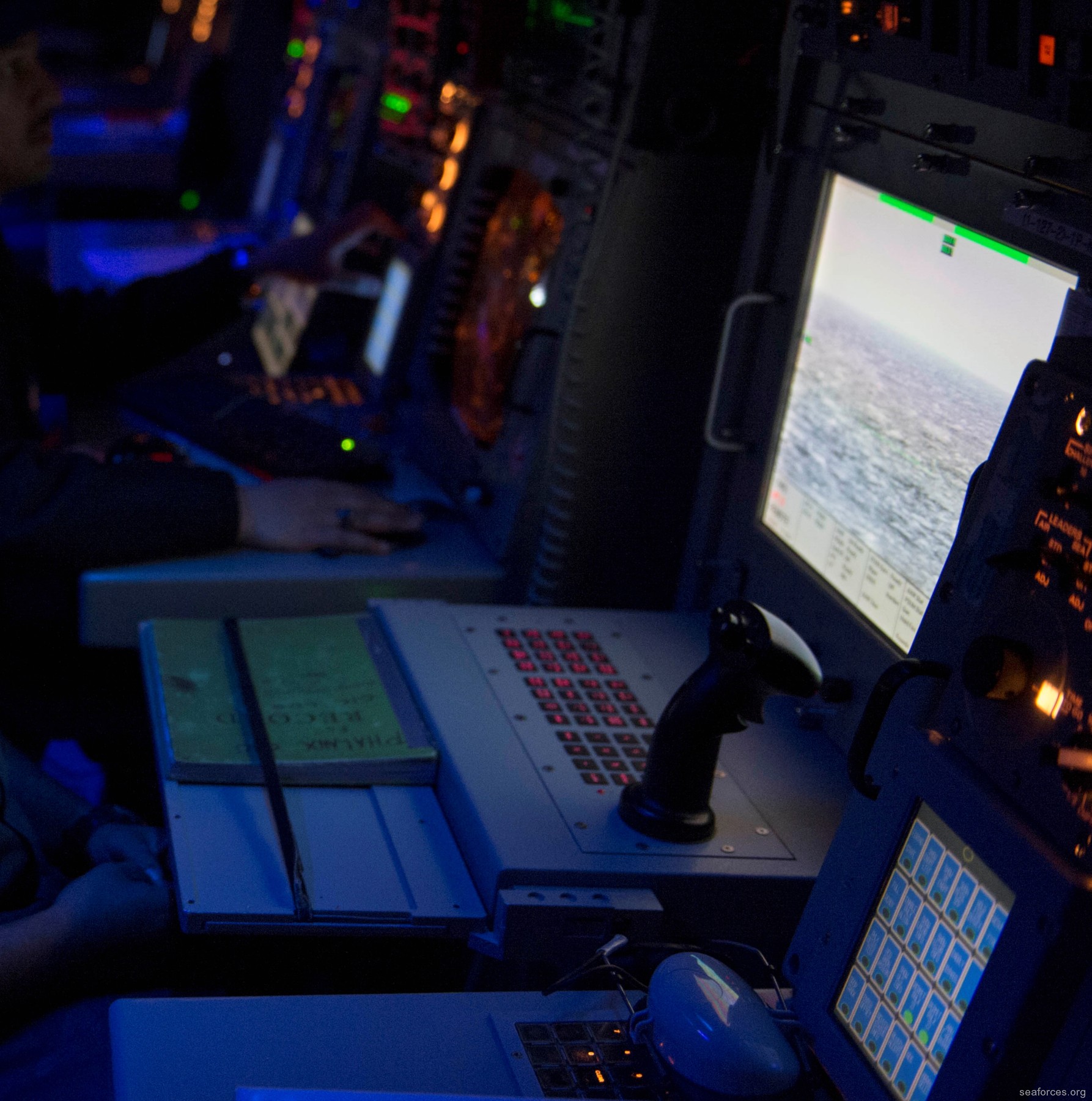 Mk-15 CIWS operator console - Mediterranean Sea - January 2014 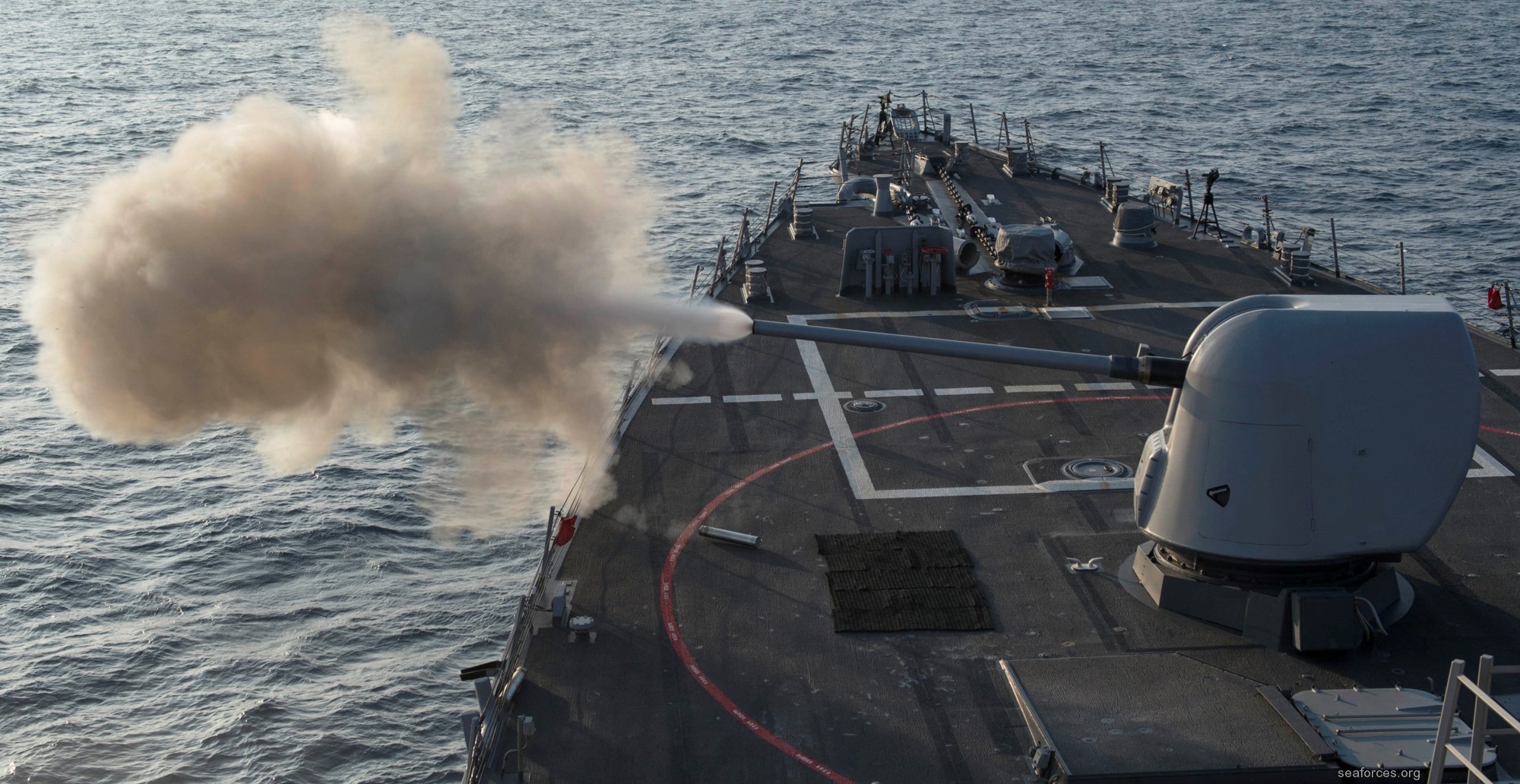 Mk-45 Mod.2 (5"/54-caliber) gun live fire exercise - Mediterranean Sea - January 2014 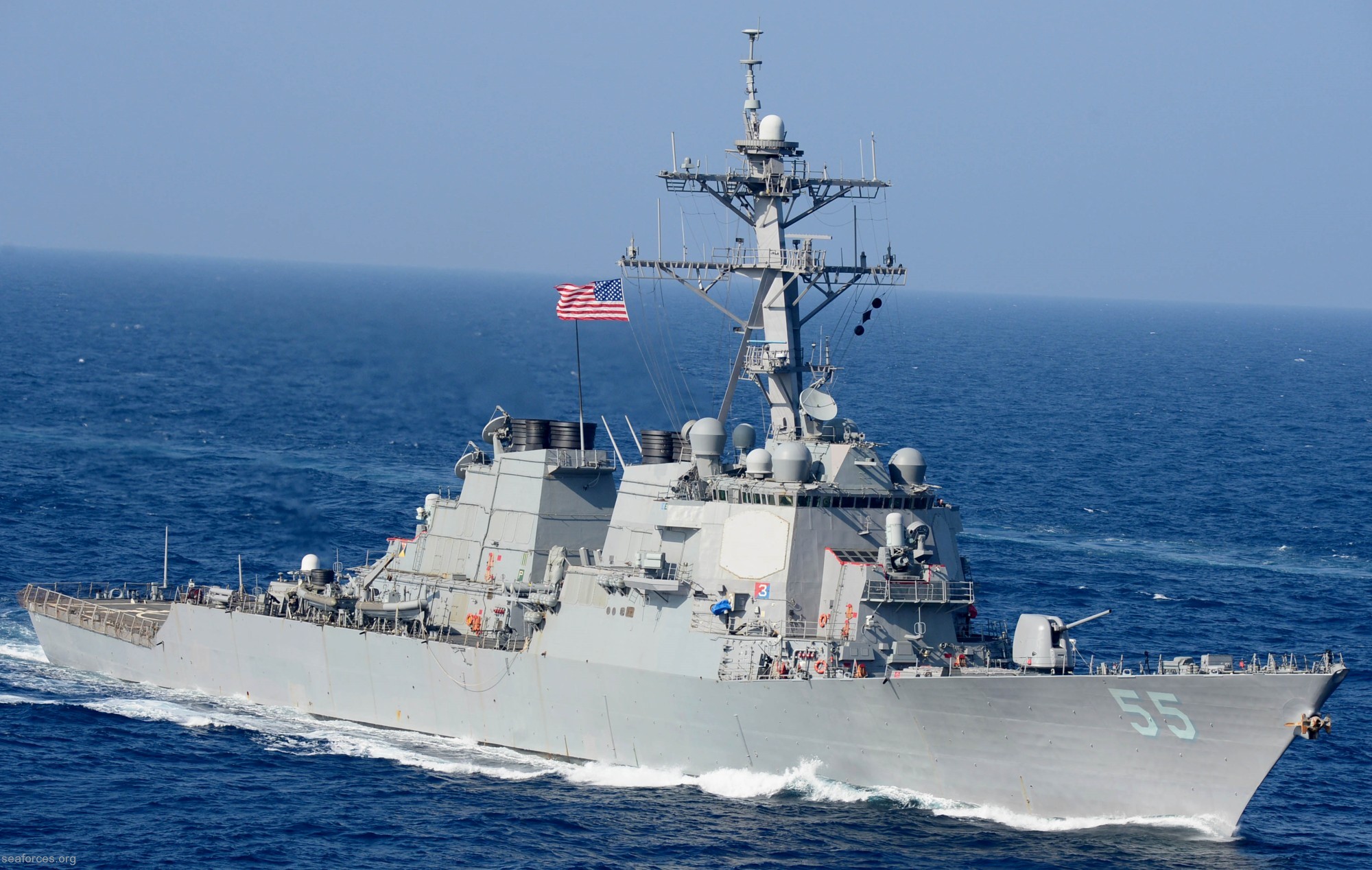 Mediterranean Sea - January 2014 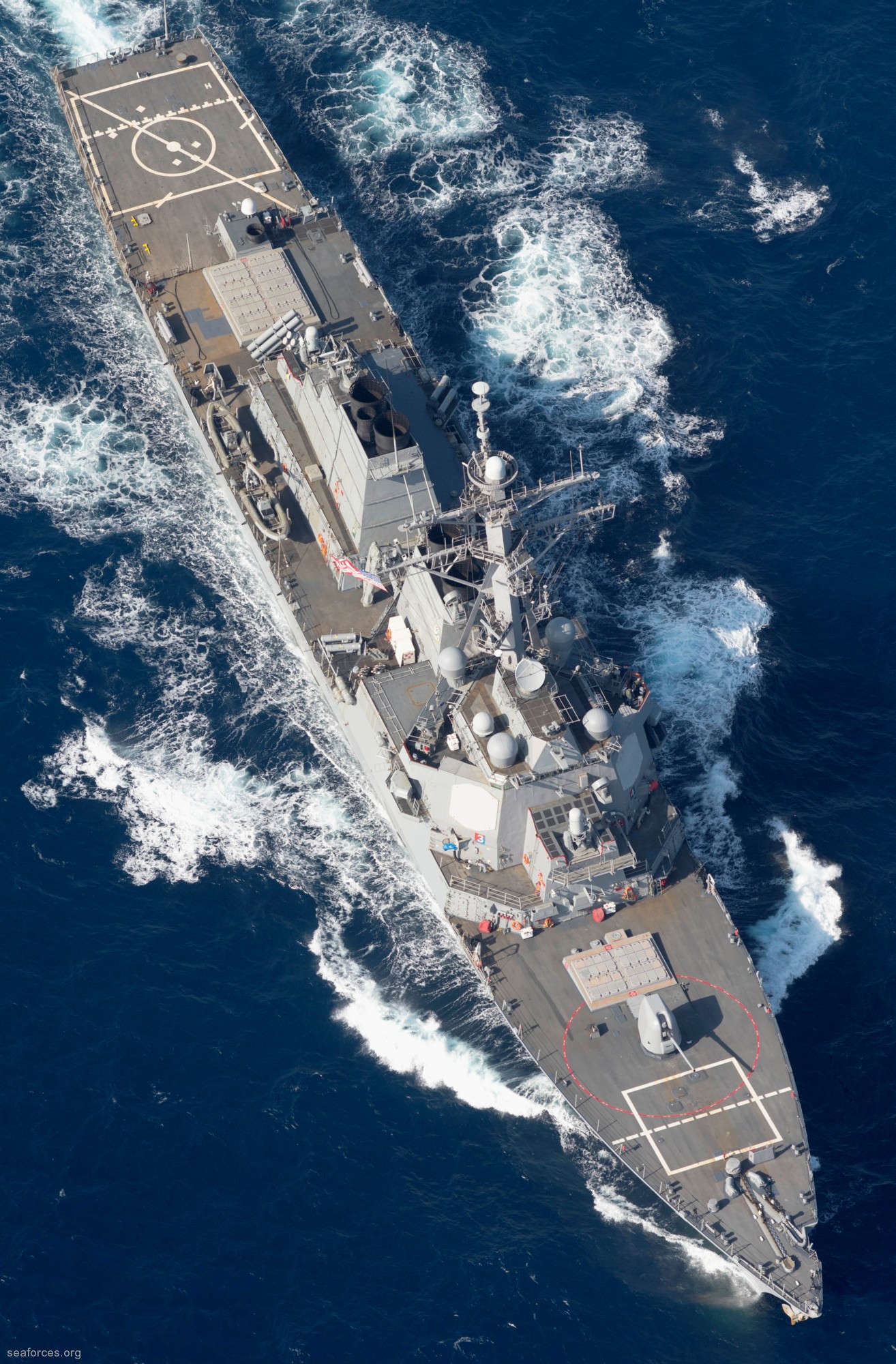 Mediterranean Sea - January 2014 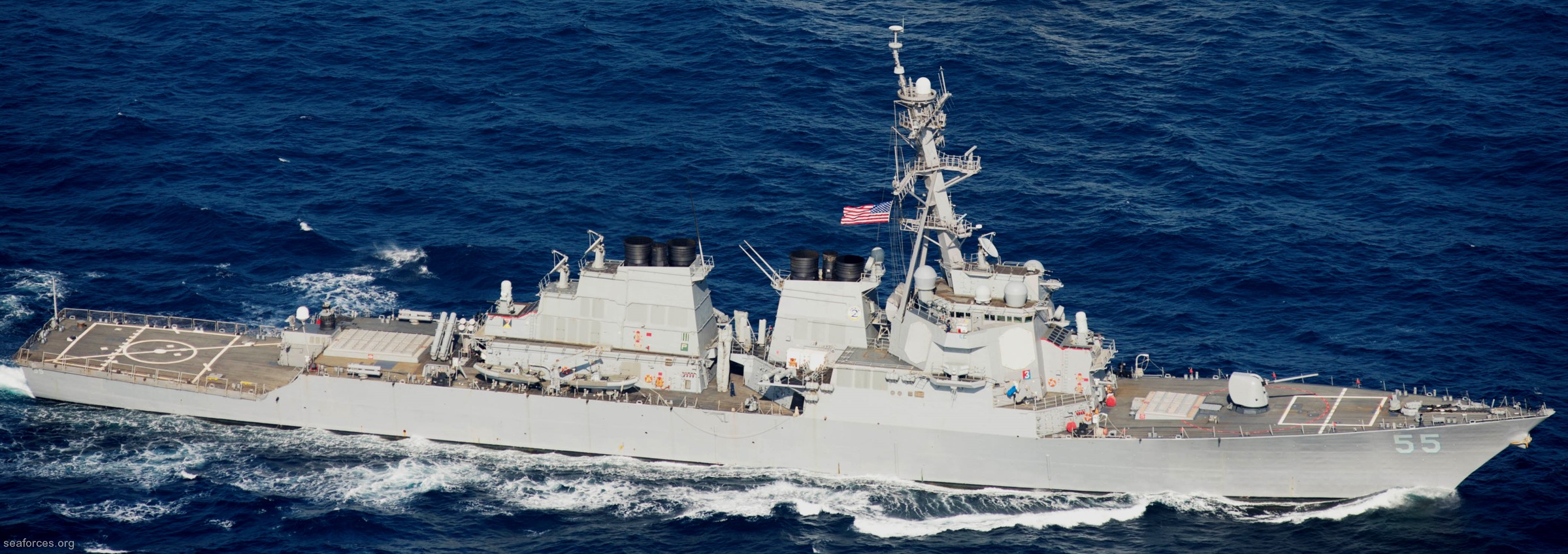 Mediterranean Sea - January 2014 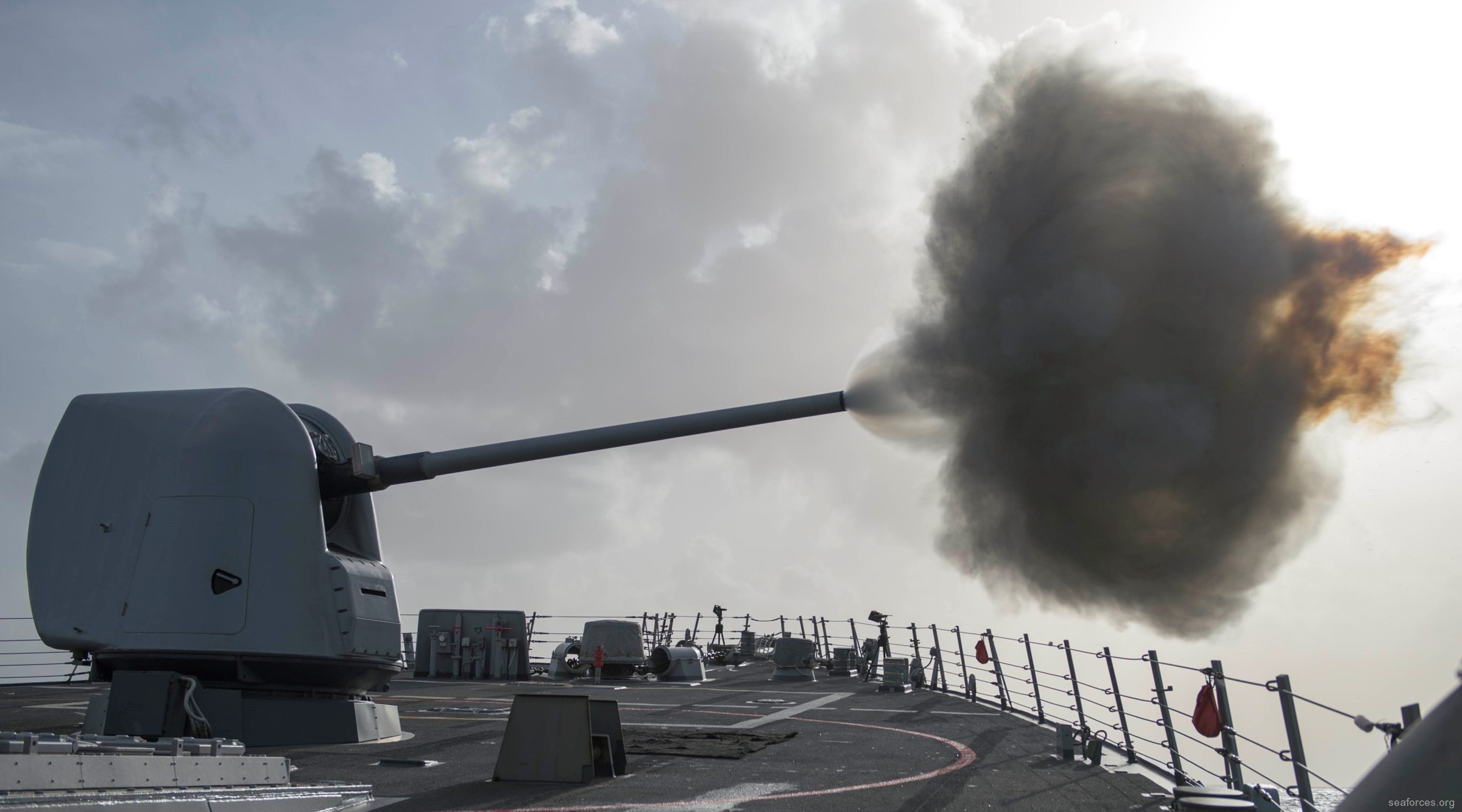 Mk-45 Mod.2 (5"/54-caliber) gun live fire exercise - Mediterranean Sea - January 2014 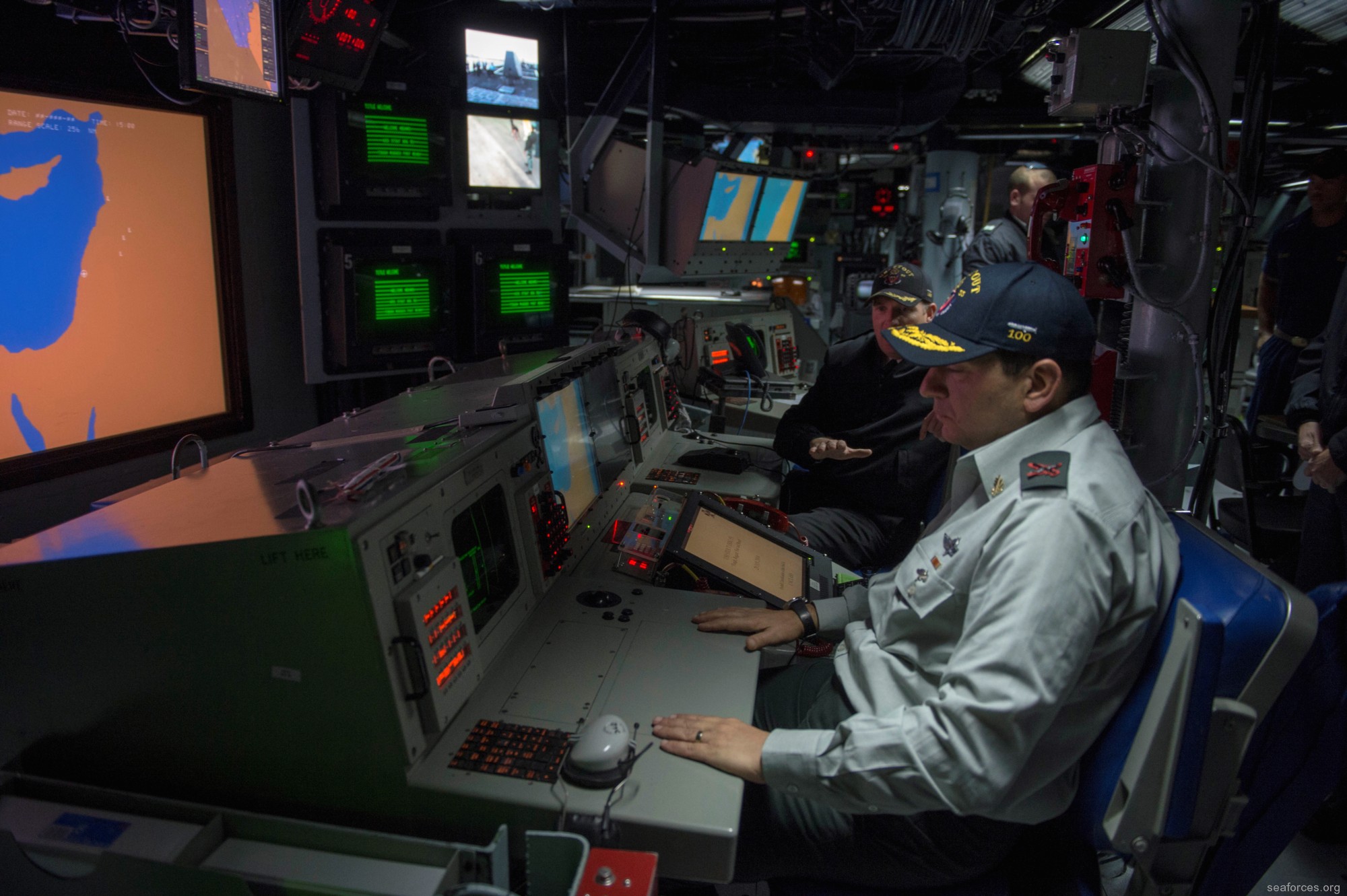 Combat Information Center (CIC) - January 2014 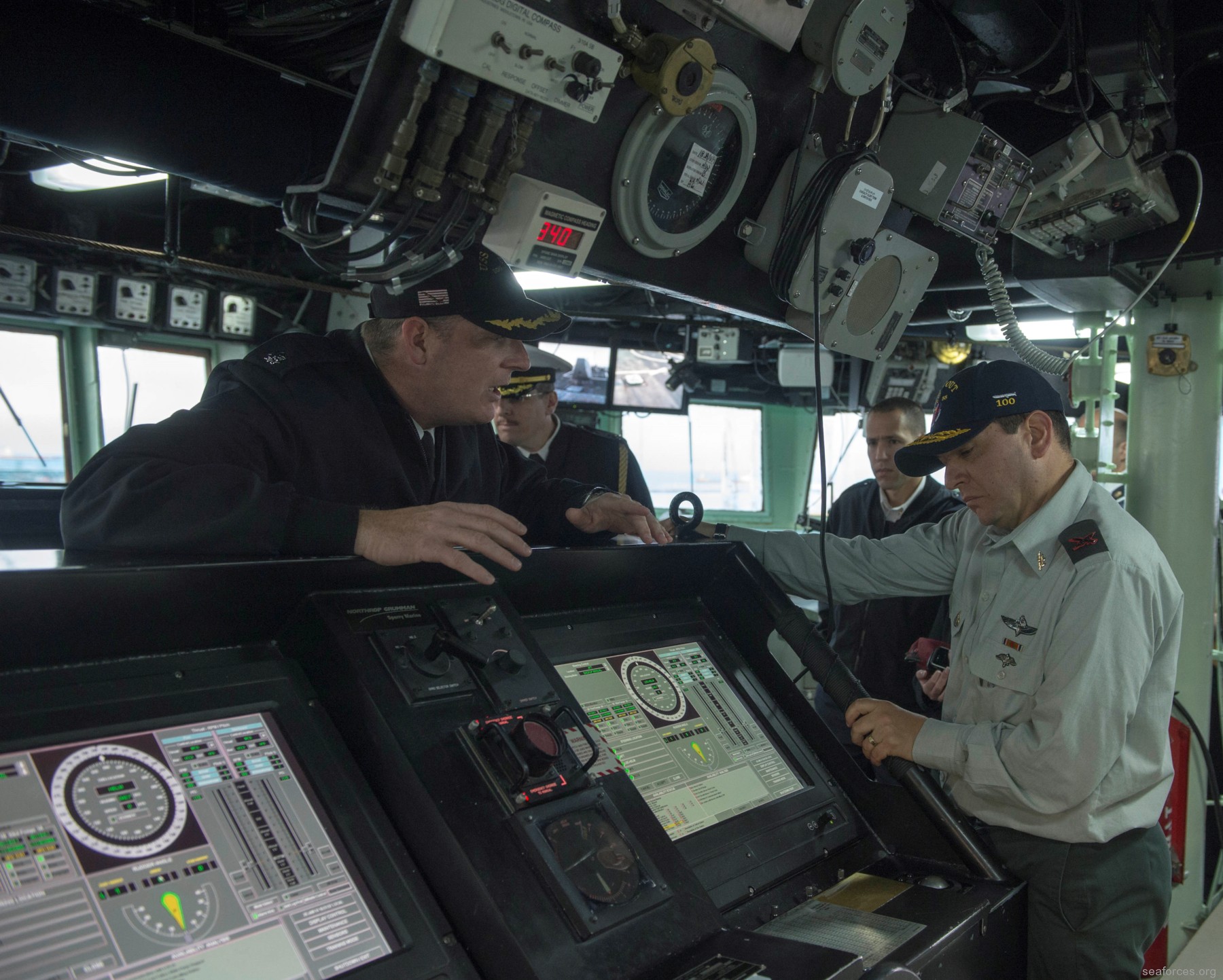 Cmdr. Robert Alpigini, CO of USS Stout gives Israeli Naval Forces Brigadier General Aharon Haliva a tour of the bridge while the ship is in Haifa, Israel for a scheduled port visit - January 2014 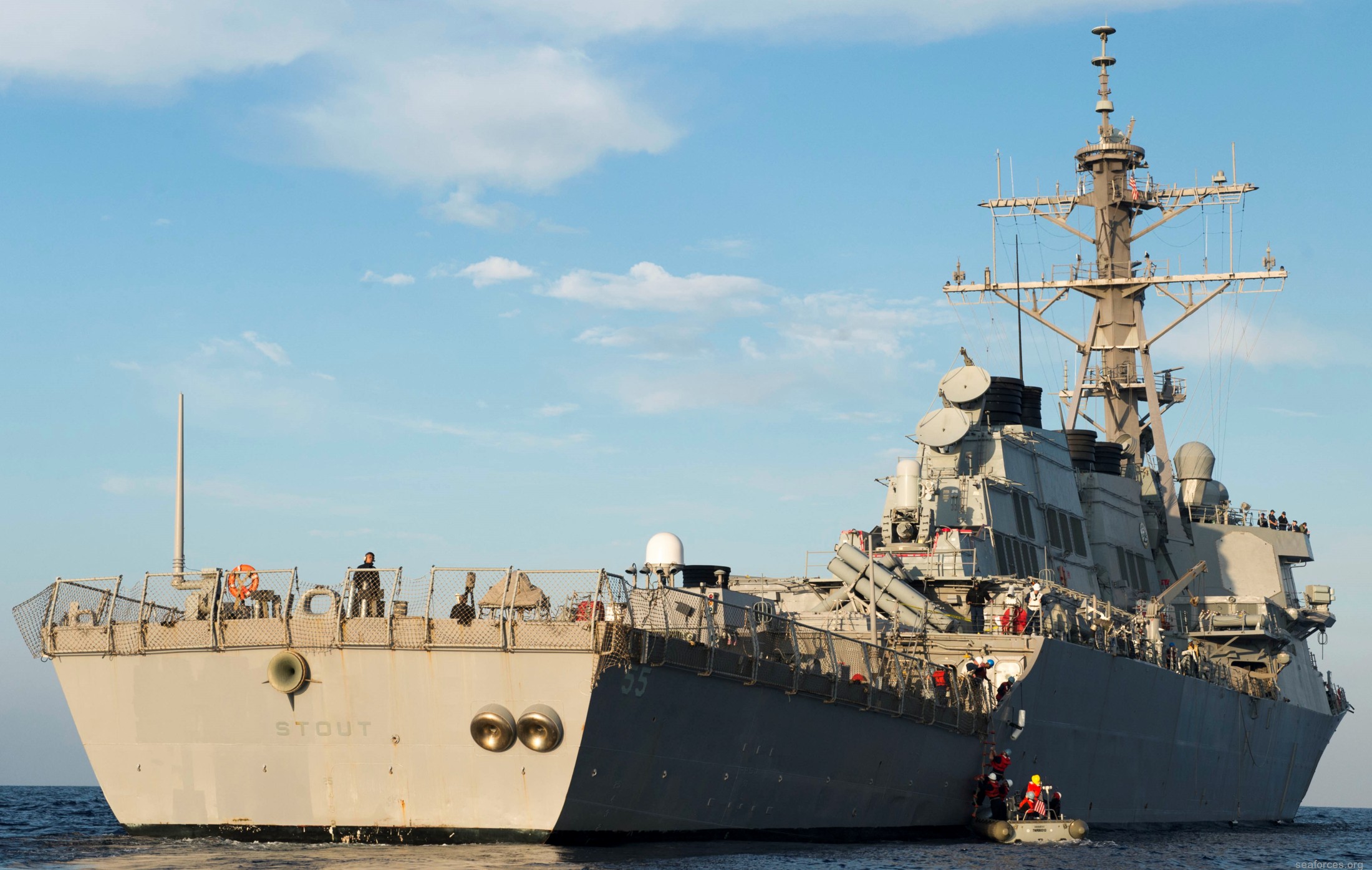 Mediterranean Sea - January 2014 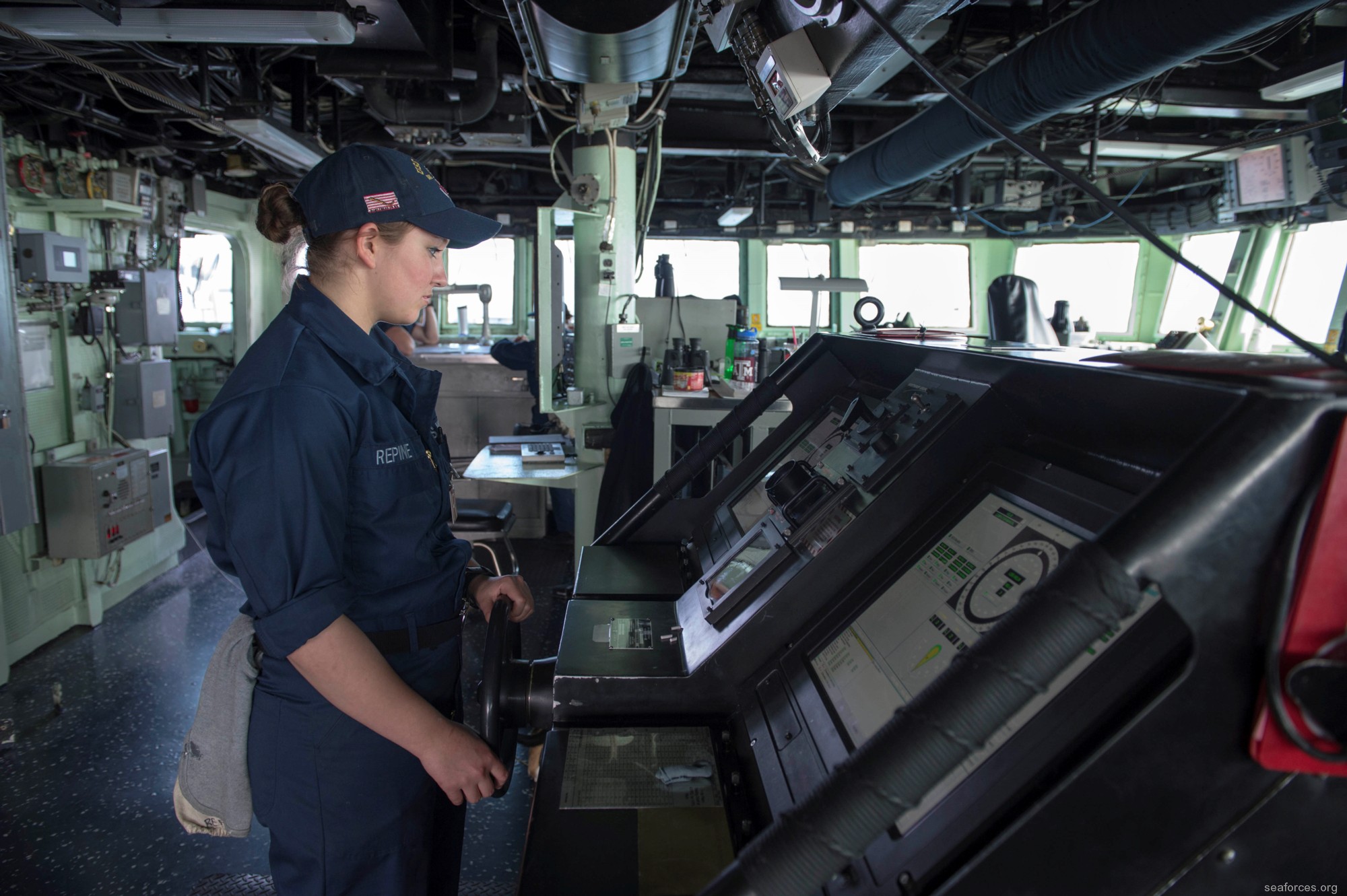 helmsman watch on the bridge - Mediterranean Sea - January 2014 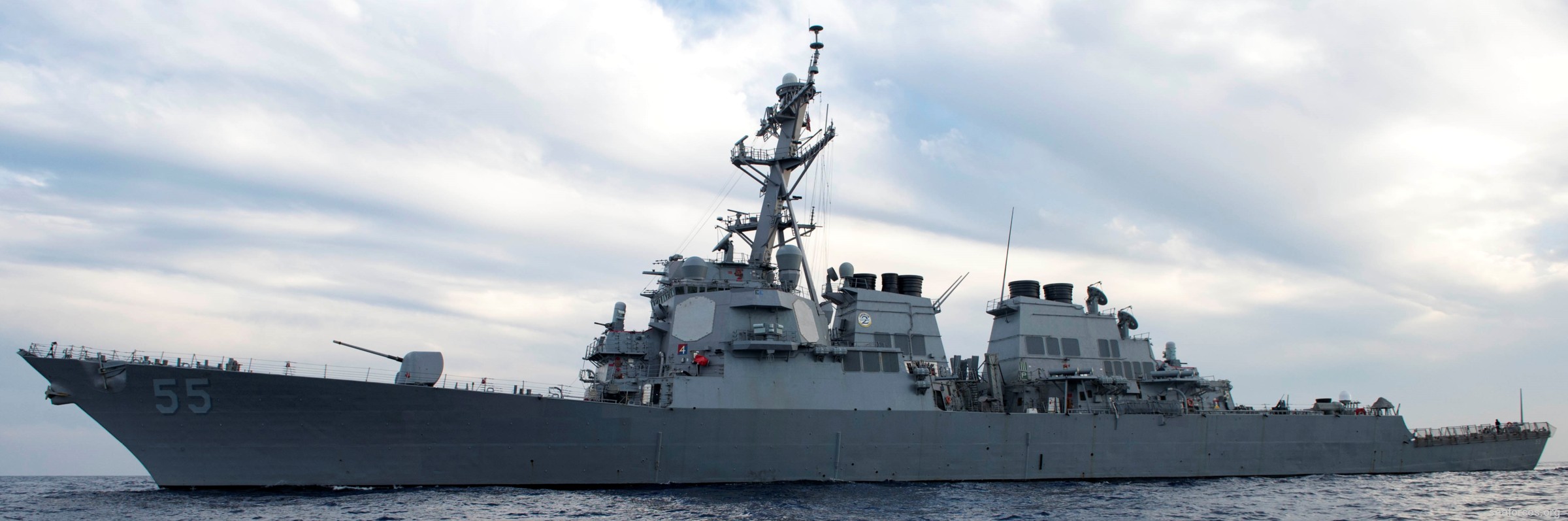 Mediterranean Sea - January 2014 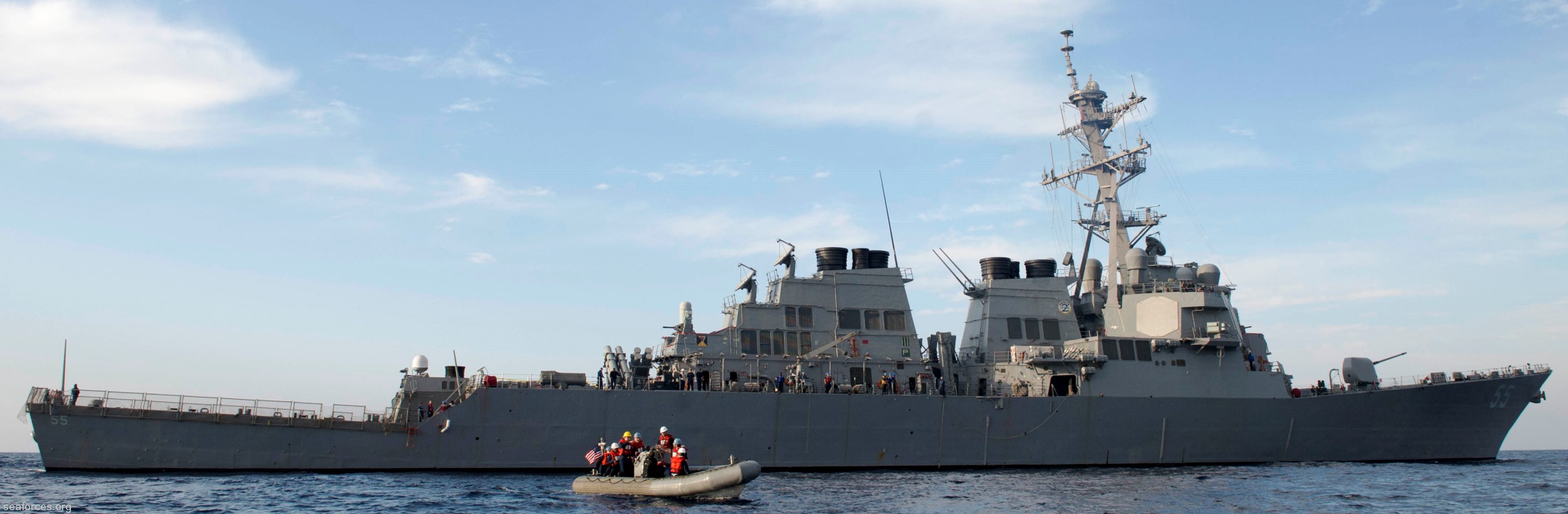 Mediterranean Sea - January 2014 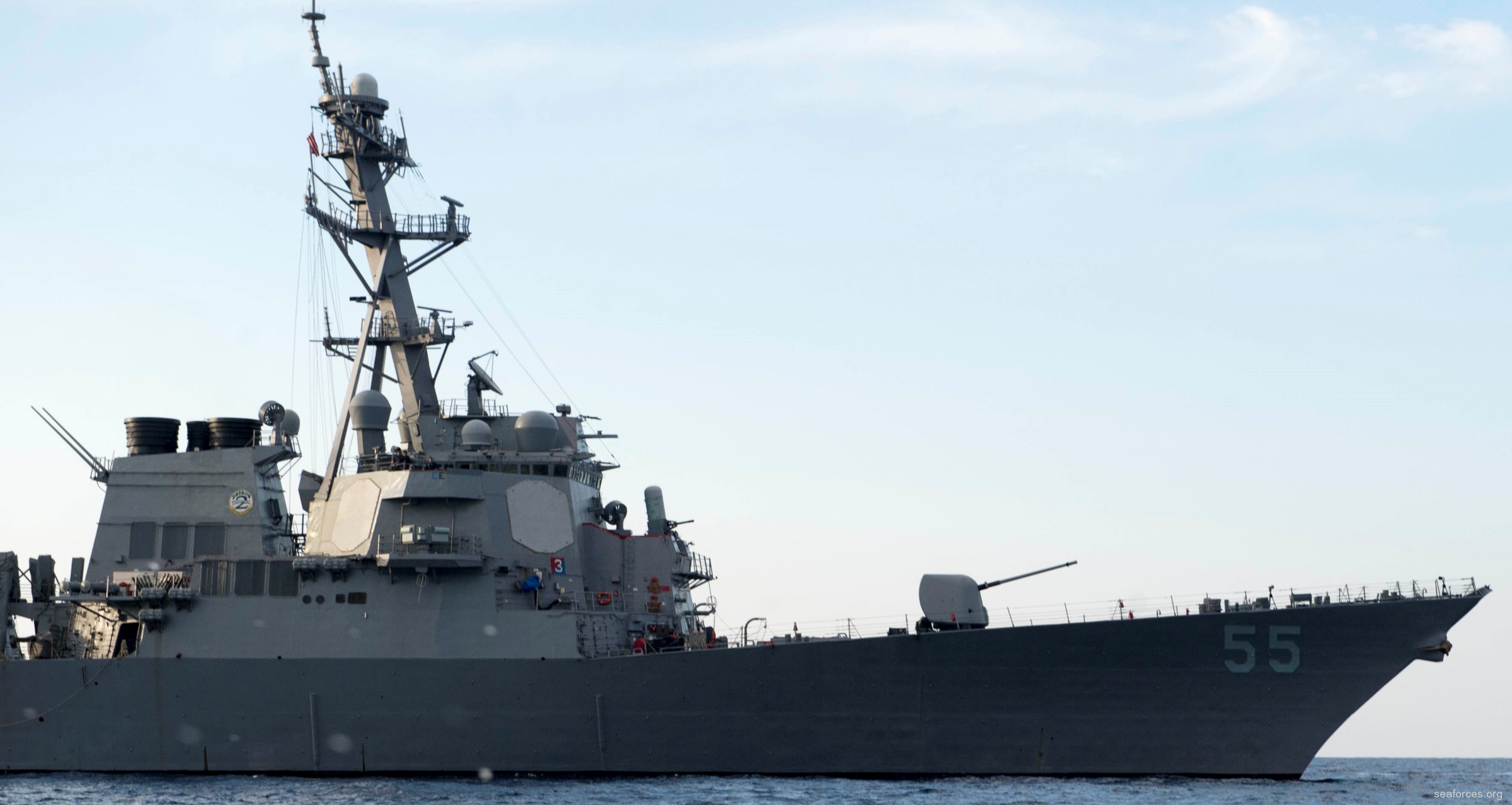 Mediterranean Sea - January 2014 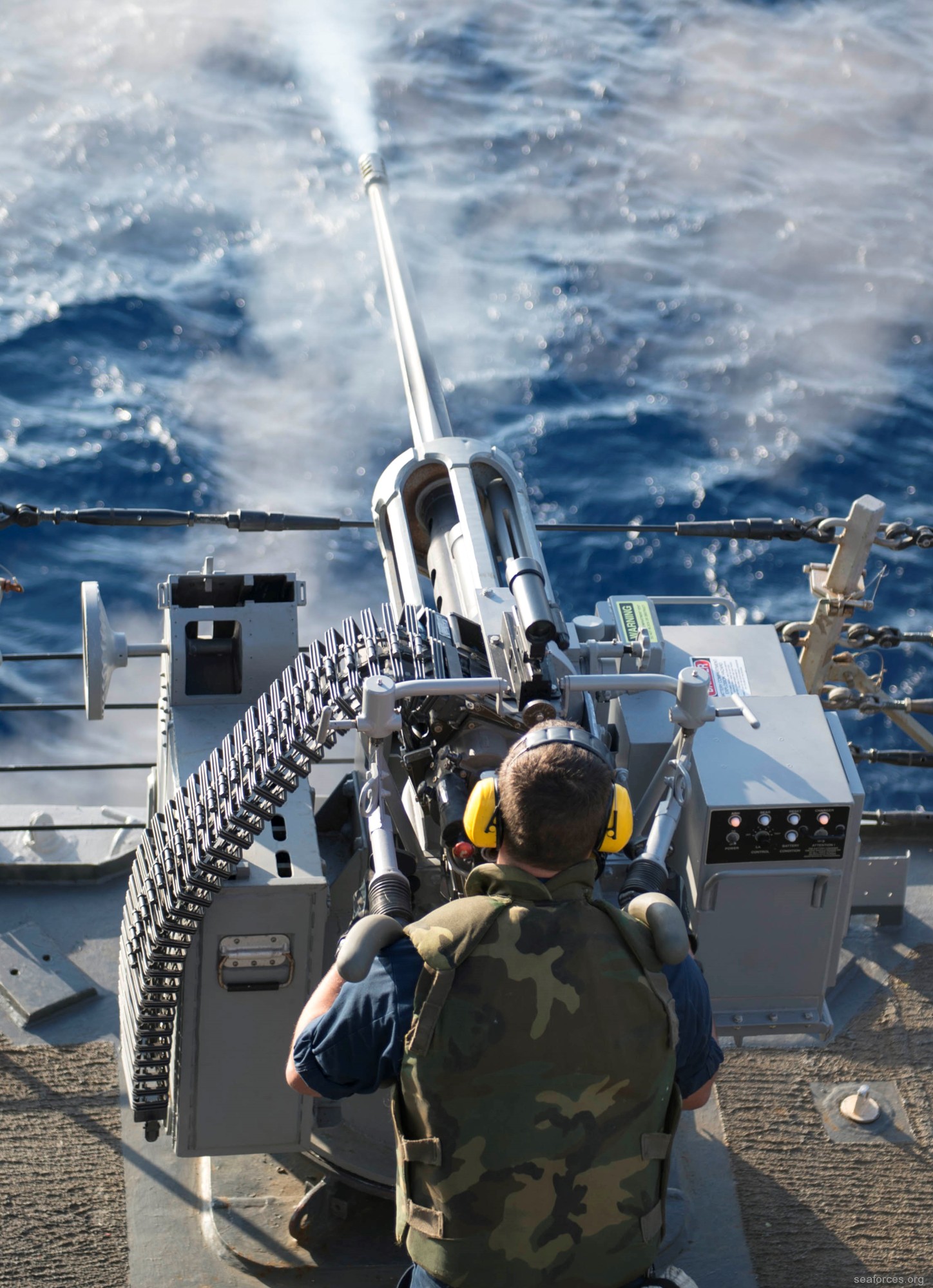 Mk-38 Mod.1 25mm machine gun live fire exercise - Mediterranean Sea - January 2014 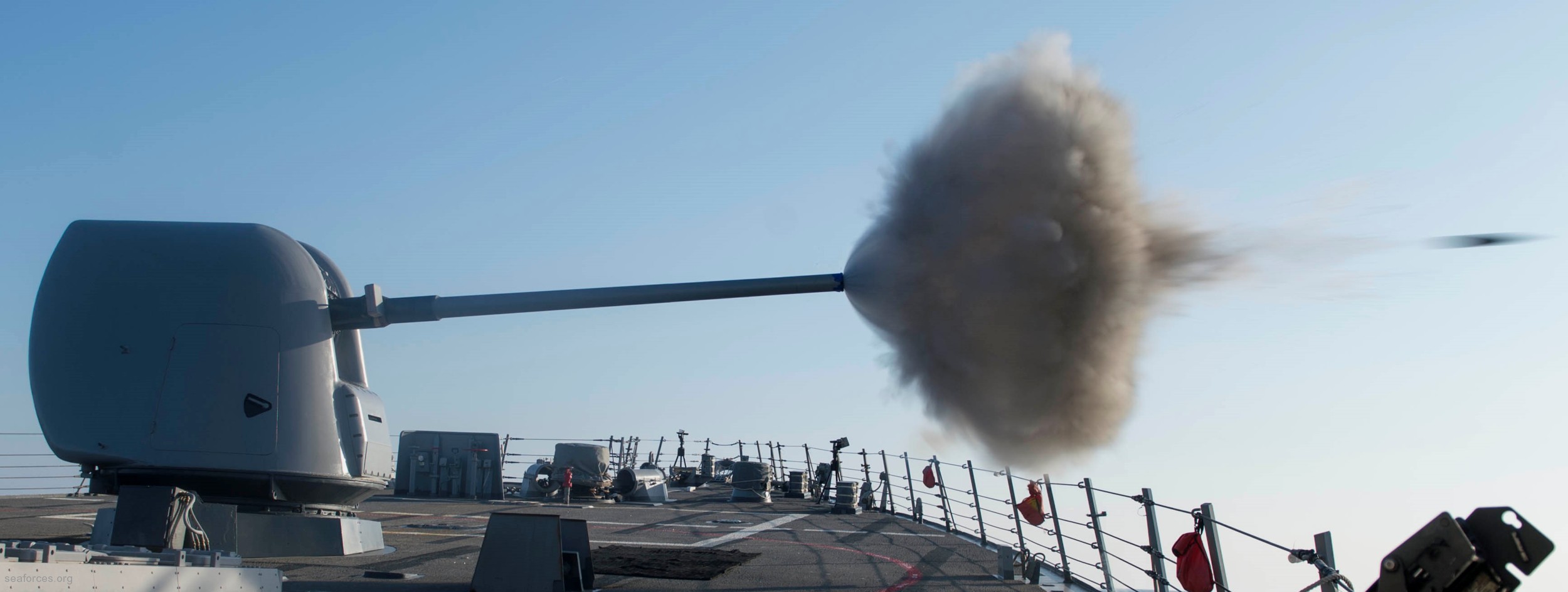 Mk-45 Mod.2 (5"/54-caliber) gun live fire exercise - Mediterranean Sea - January 2014 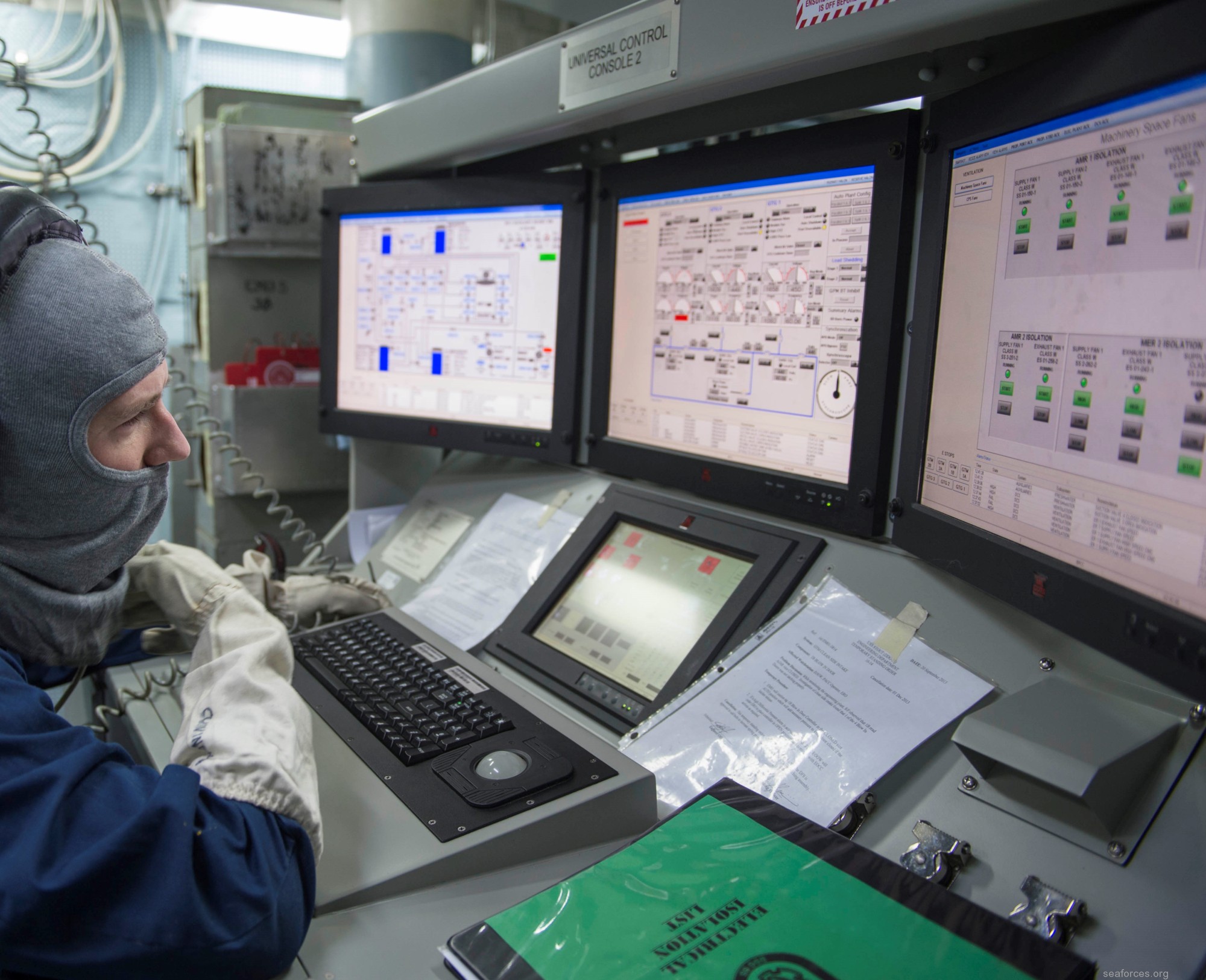 control console (machinery) - January 2014 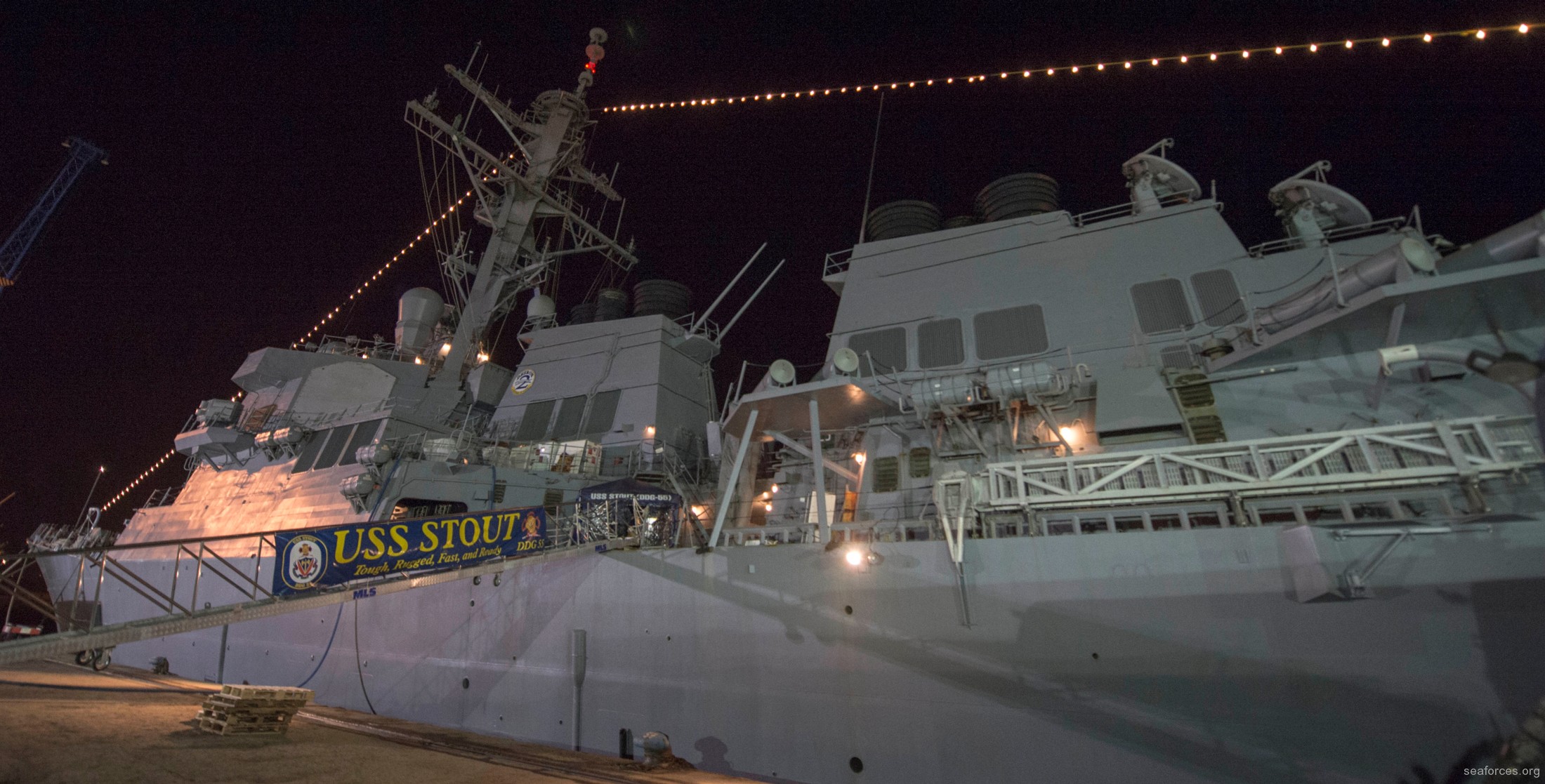 Limmasol, Cyprus - December 2013 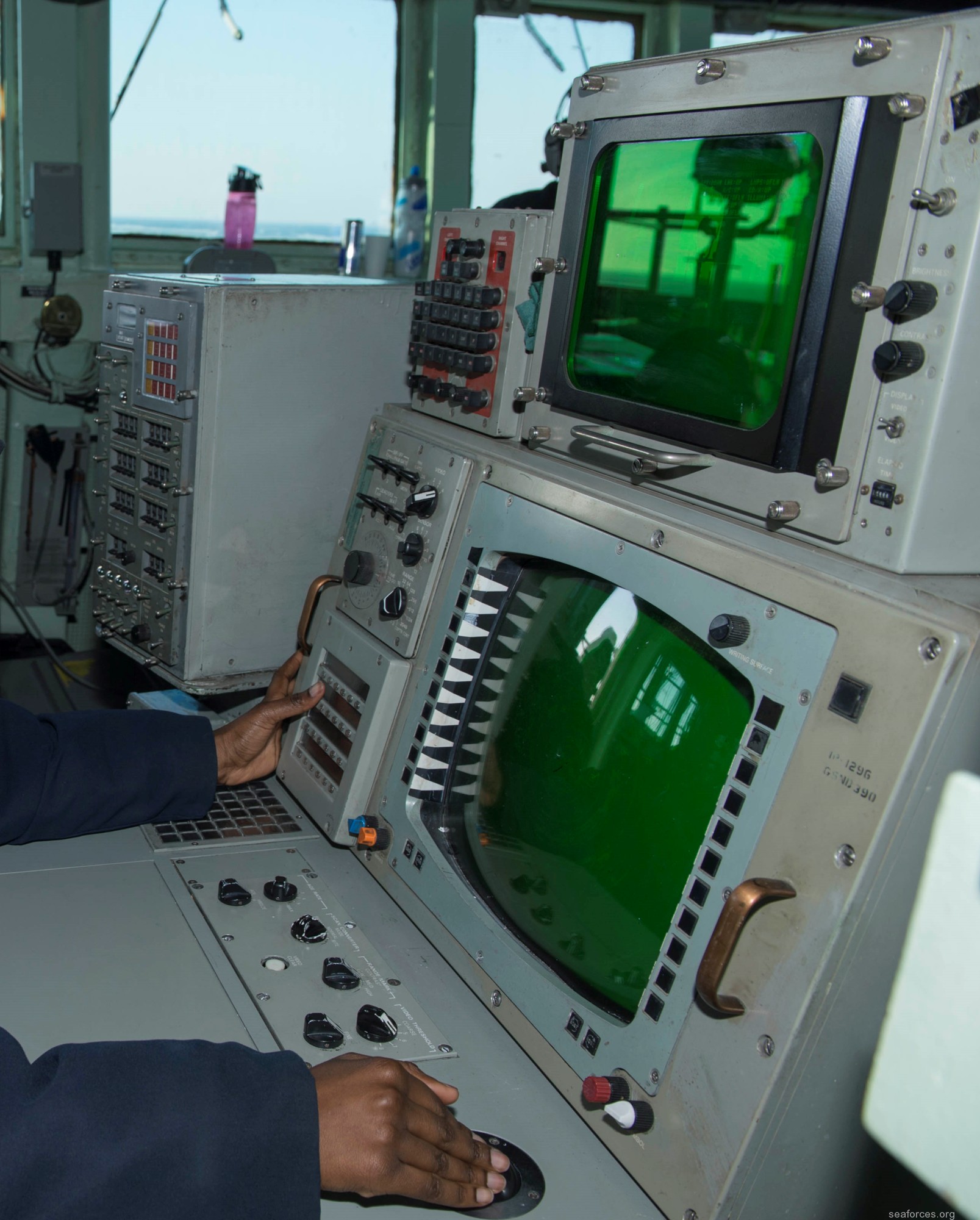 Radar control console - December 2013 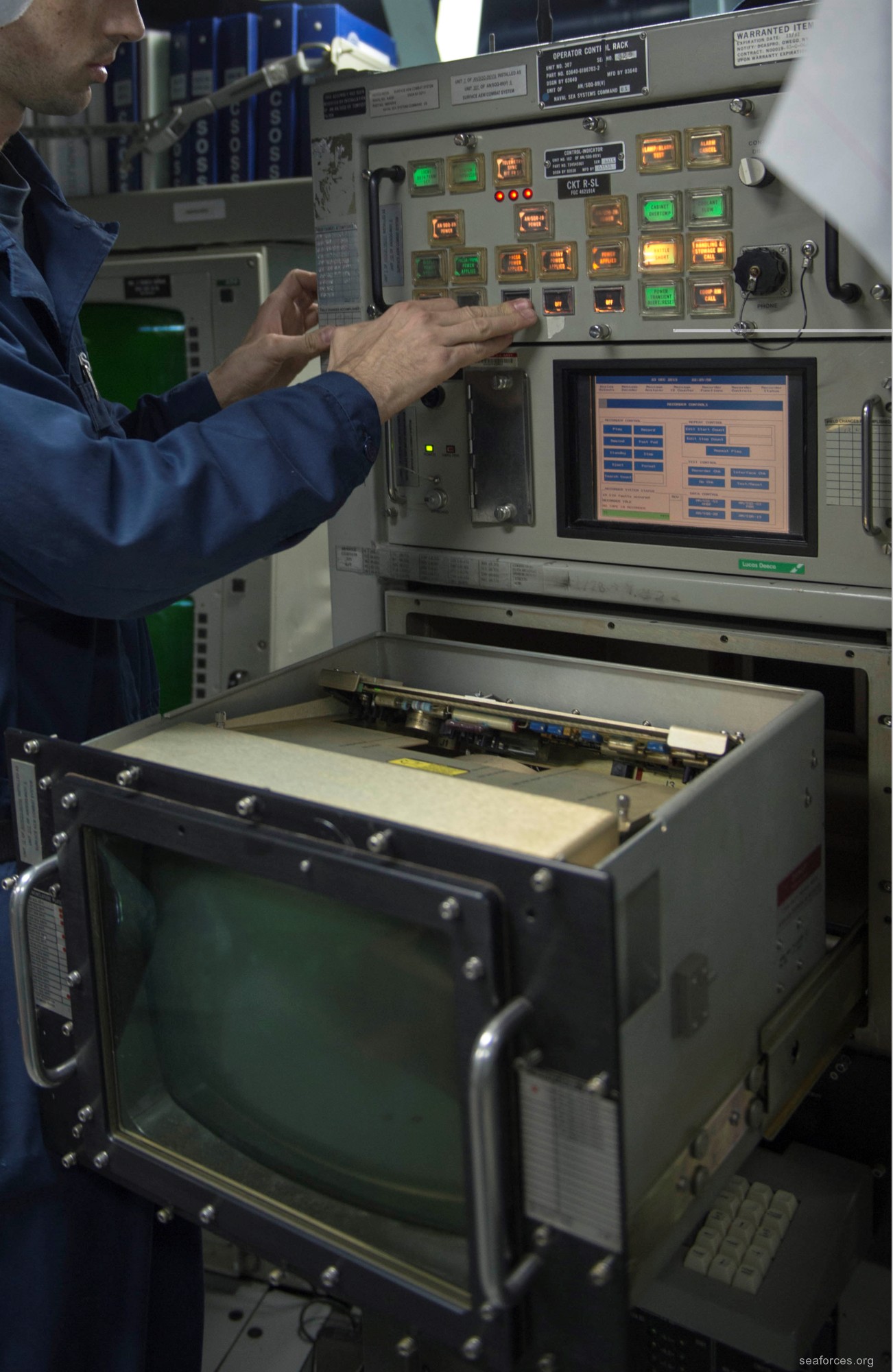 Sonar control console - December 2013 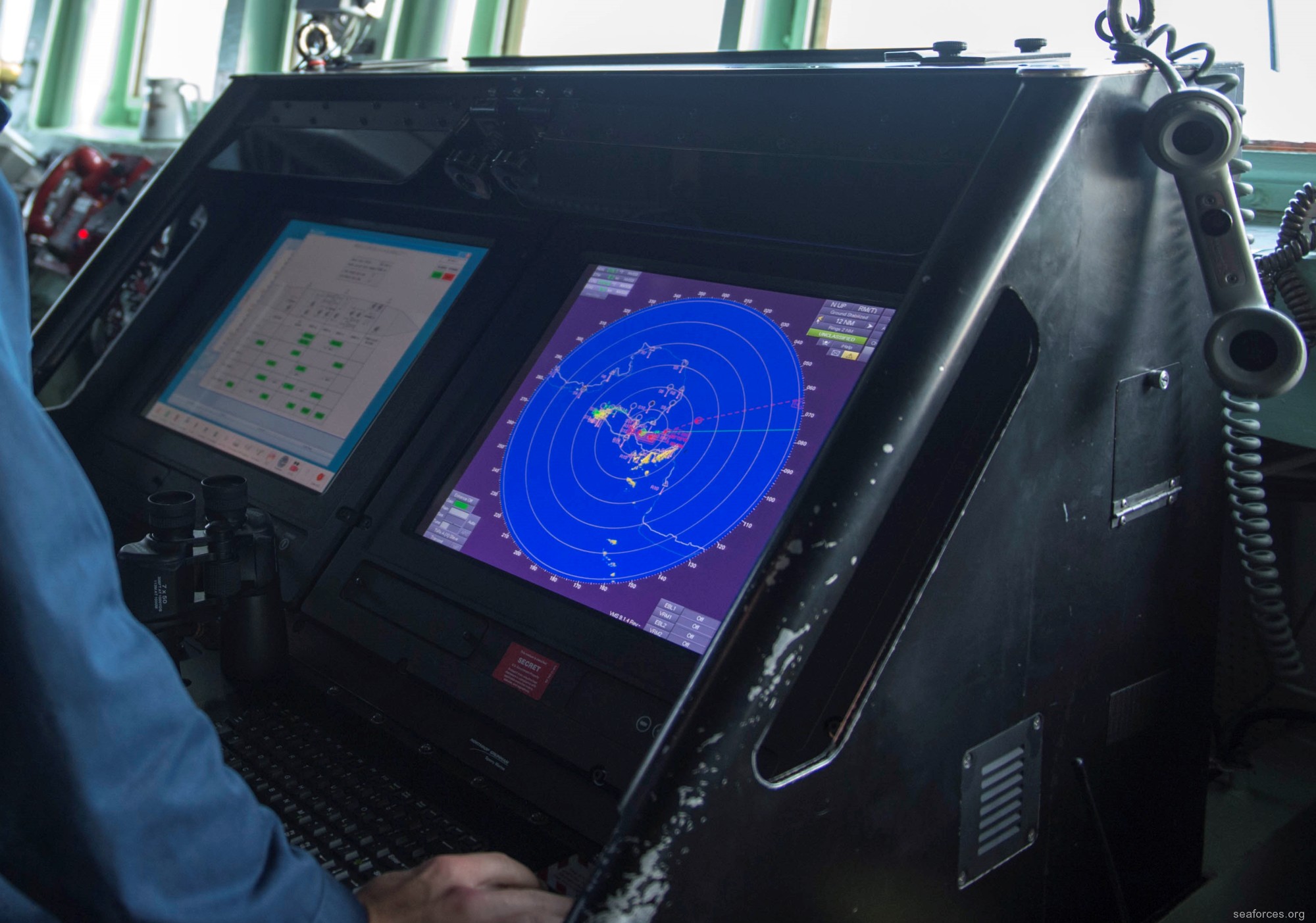 Navigation console - December 2013 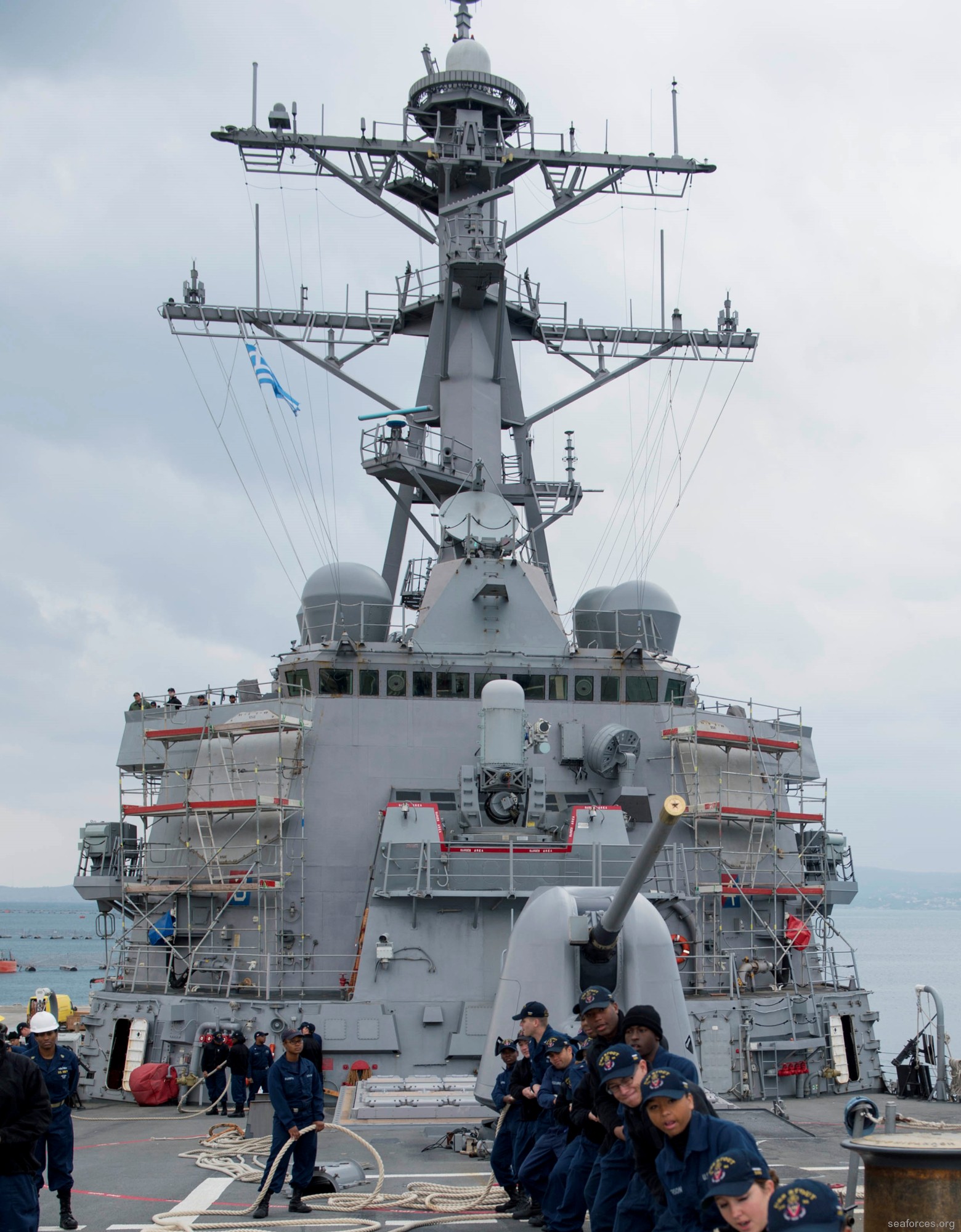 Souda Bay, Crete, Greece - December 2013 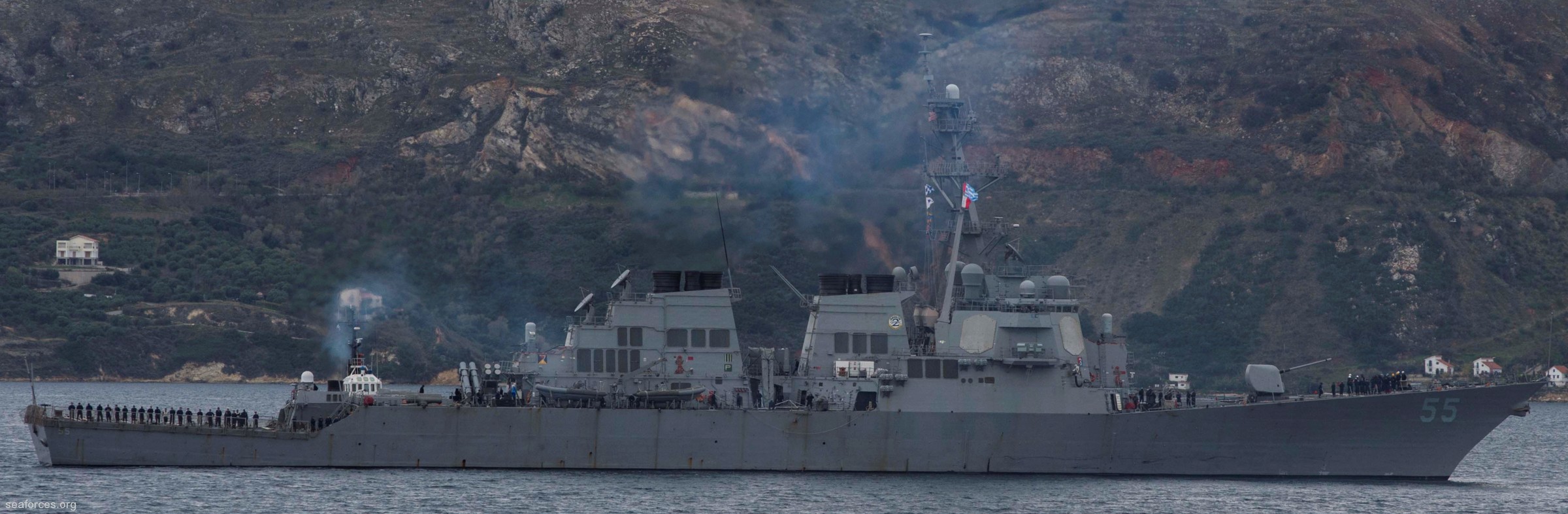 Souda Bay, Crete, Greece - November 2013 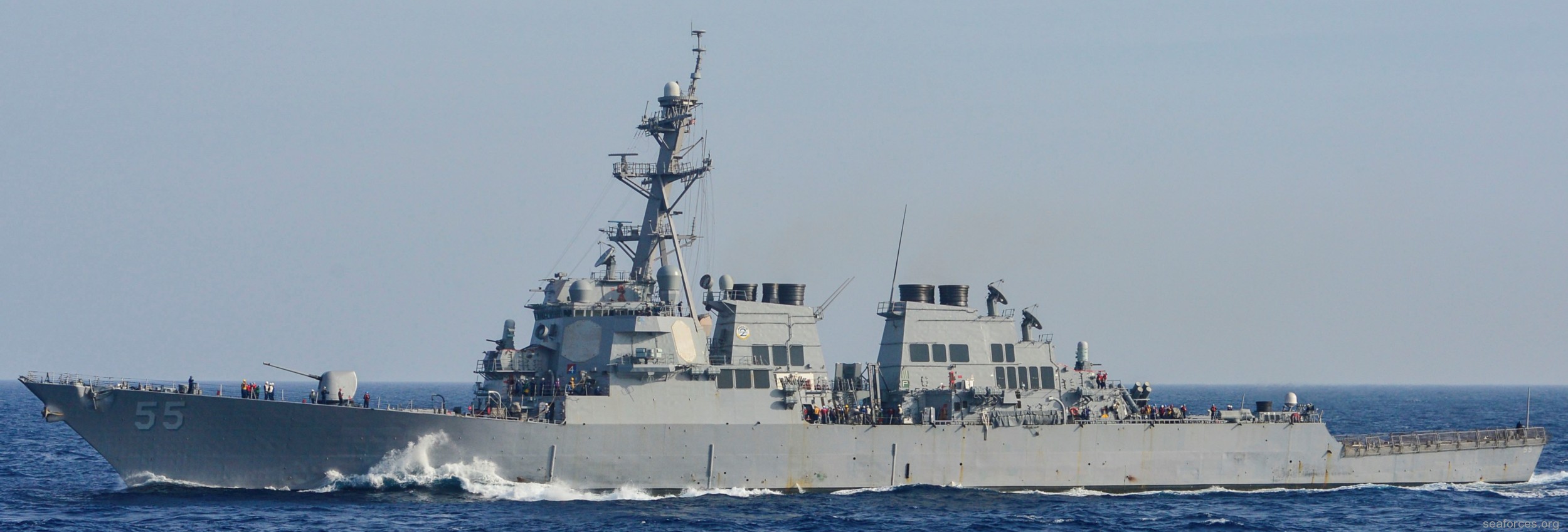 Mediterranean Sea - November 2013 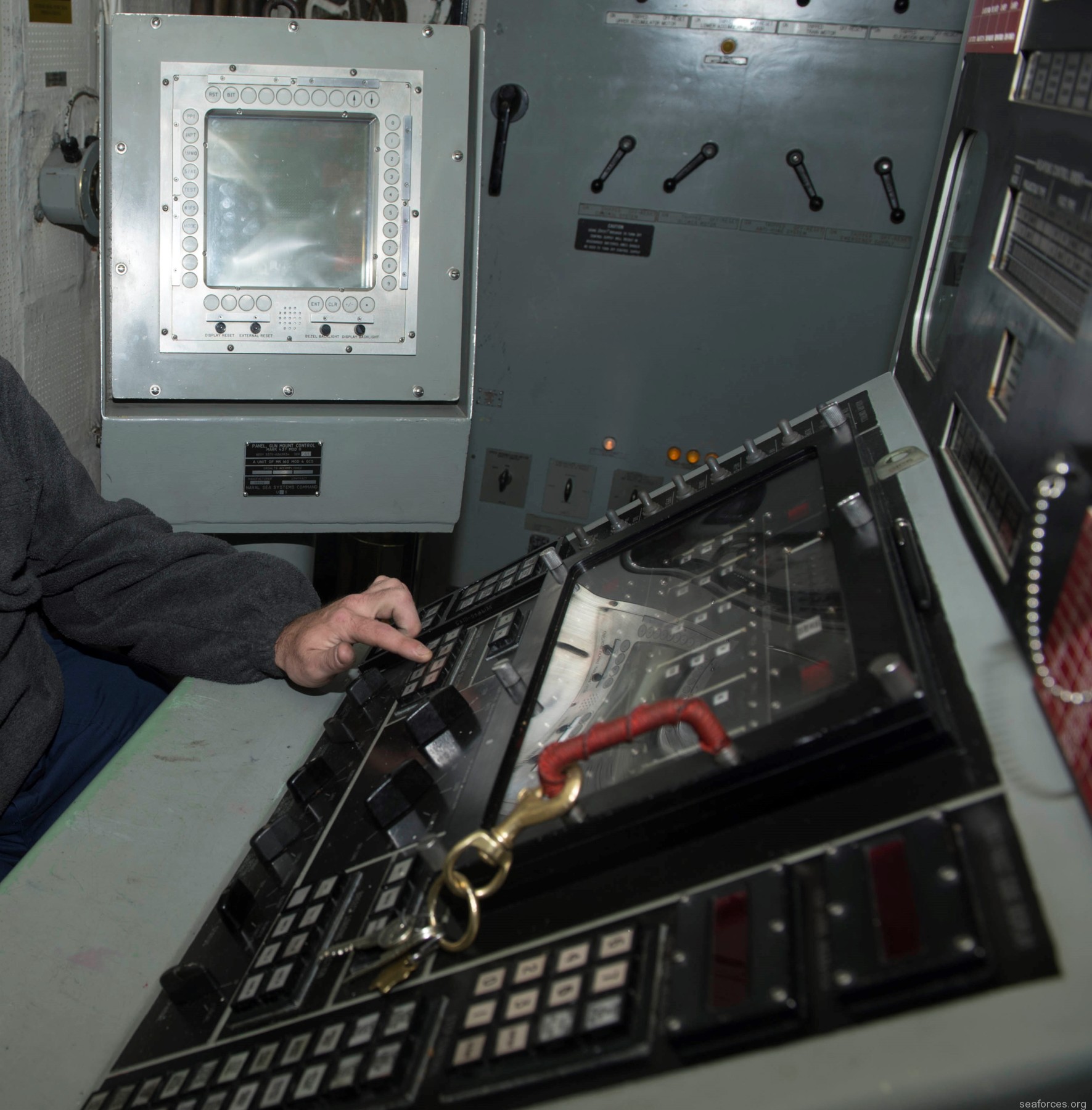 gun mount loader drum room - Mediterranean Sea - November 2013 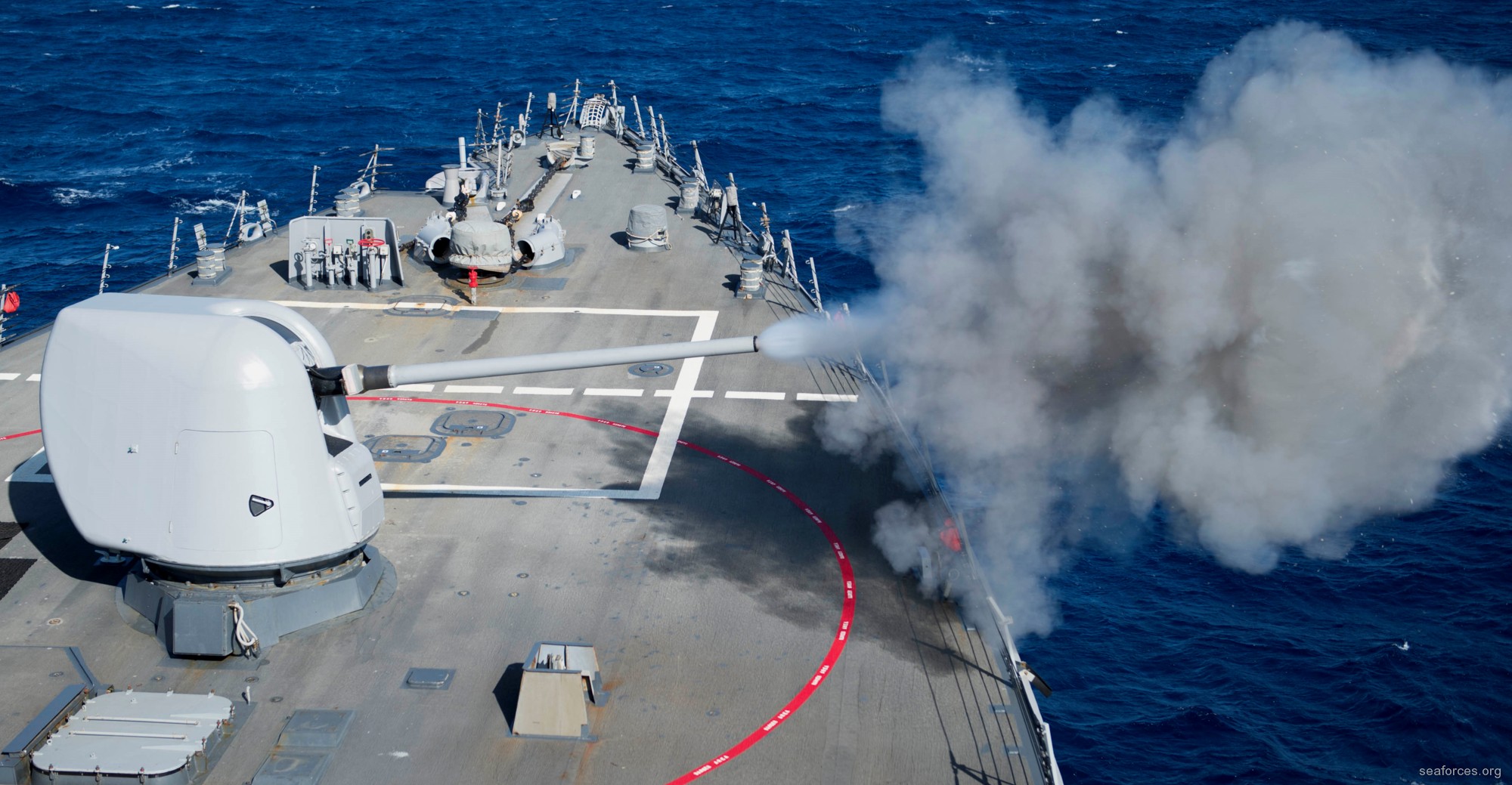 Mk-45 Mod.2 (5"/54-caliber) gun live fire exercise - Mediterranean Sea - November 2013 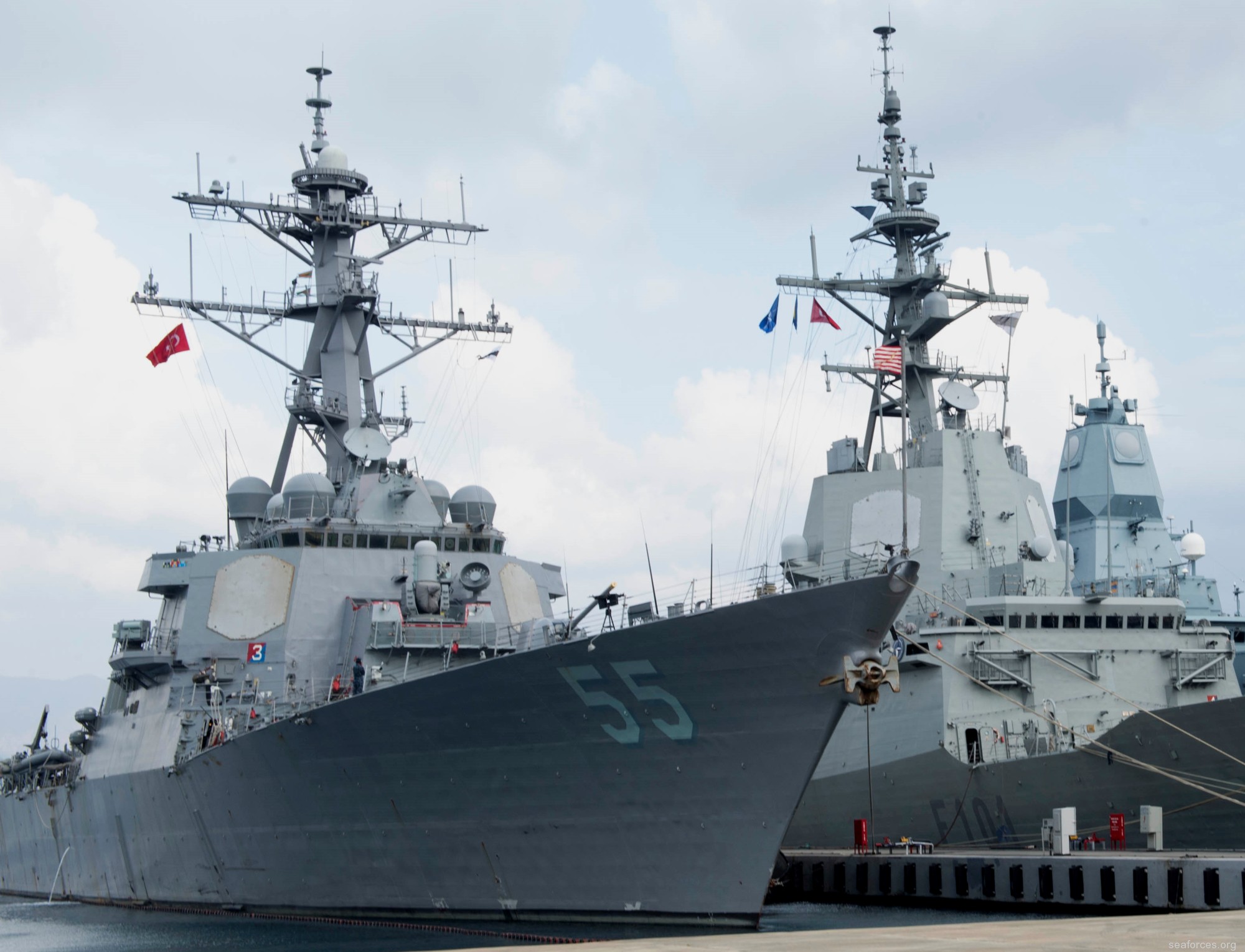 Aksaz, Turkey - November 2013 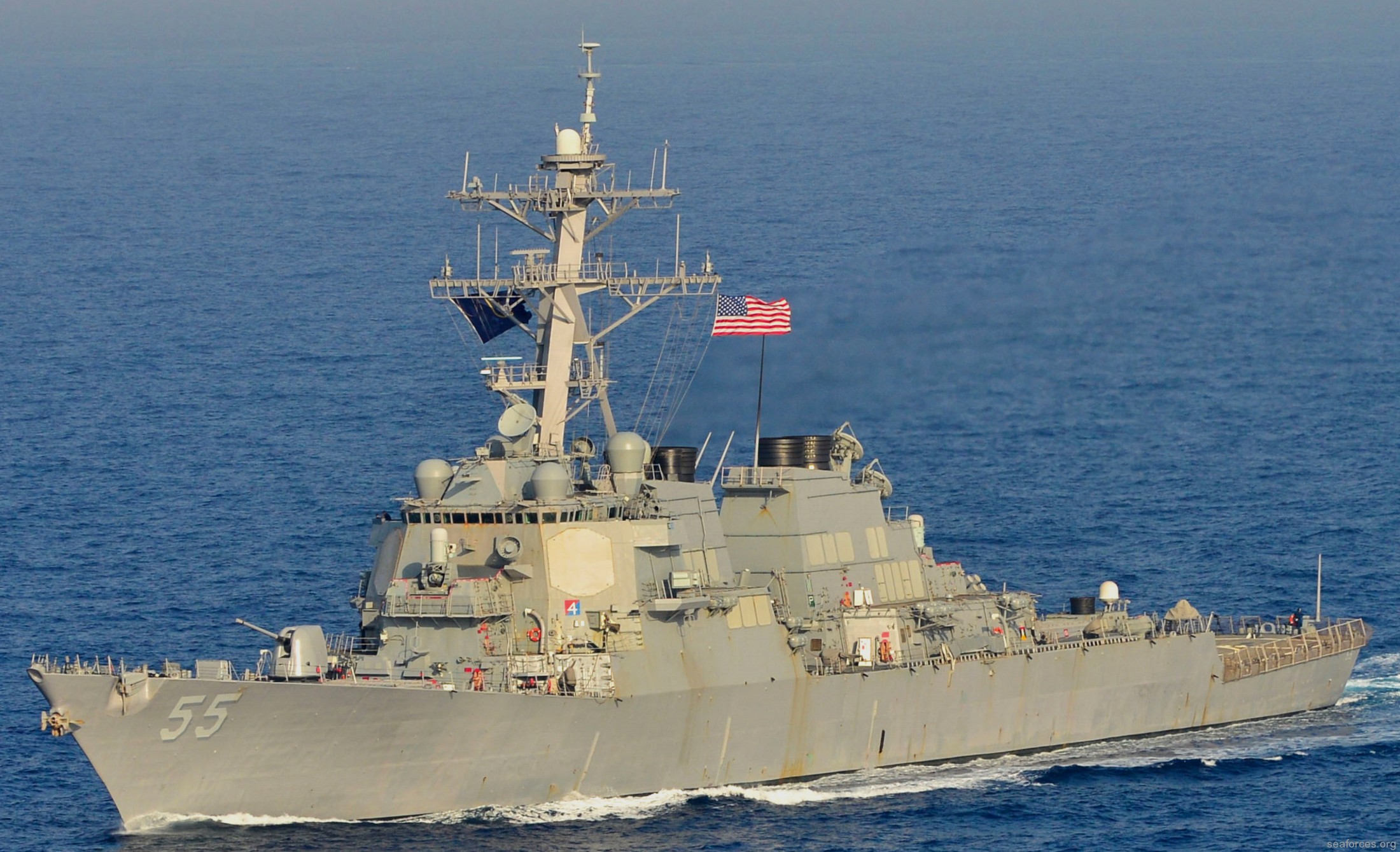 Mediterranean Sea - November 2013 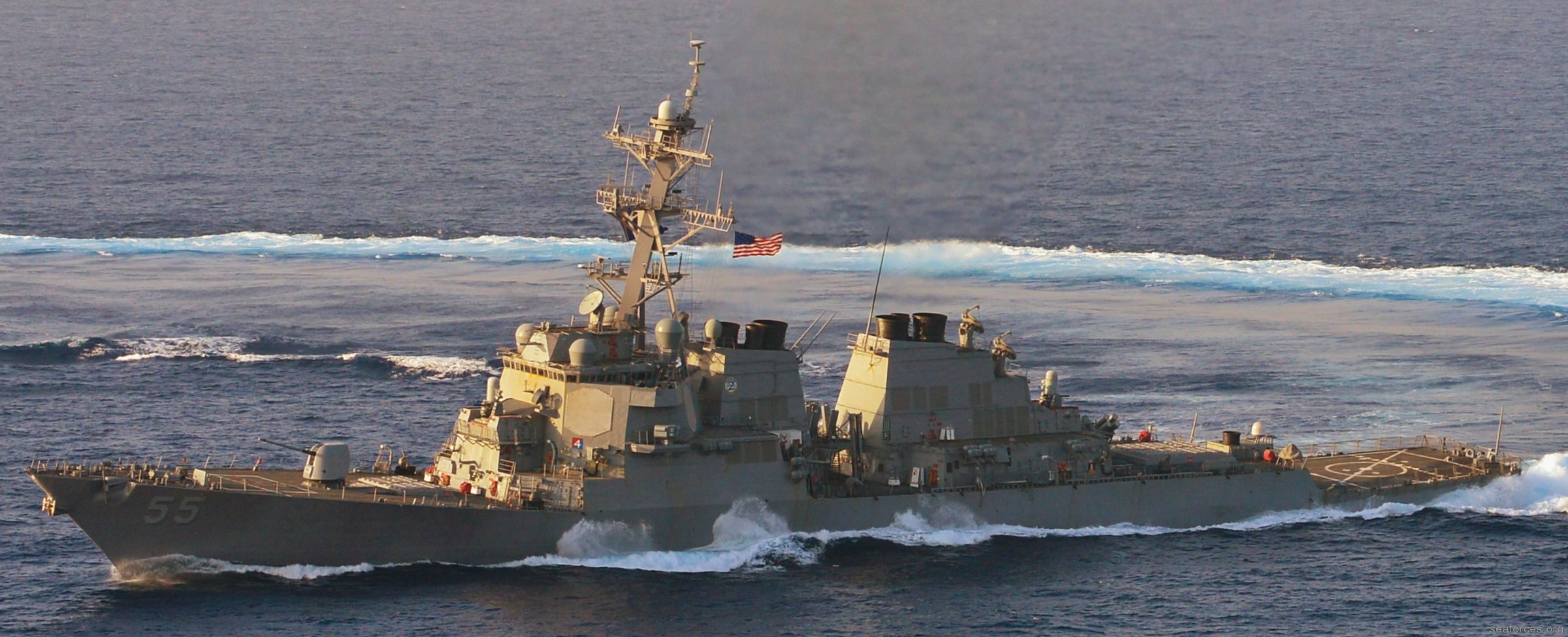 Mediterranean Sea - November 2013 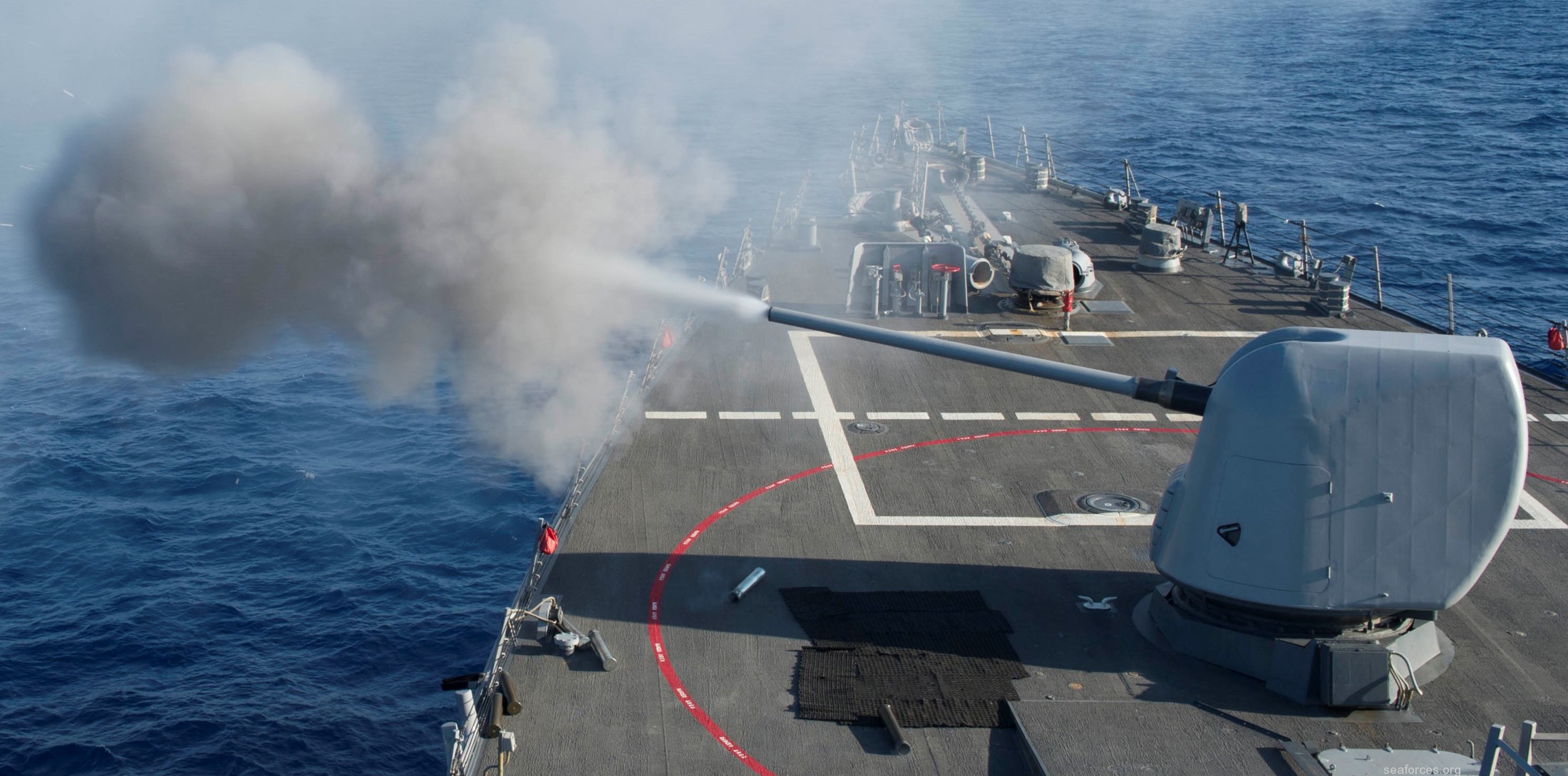 Mk-45 Mod.2 (5"/54-caliber) gun live fire exercise - Mediterranean Sea - October 2013 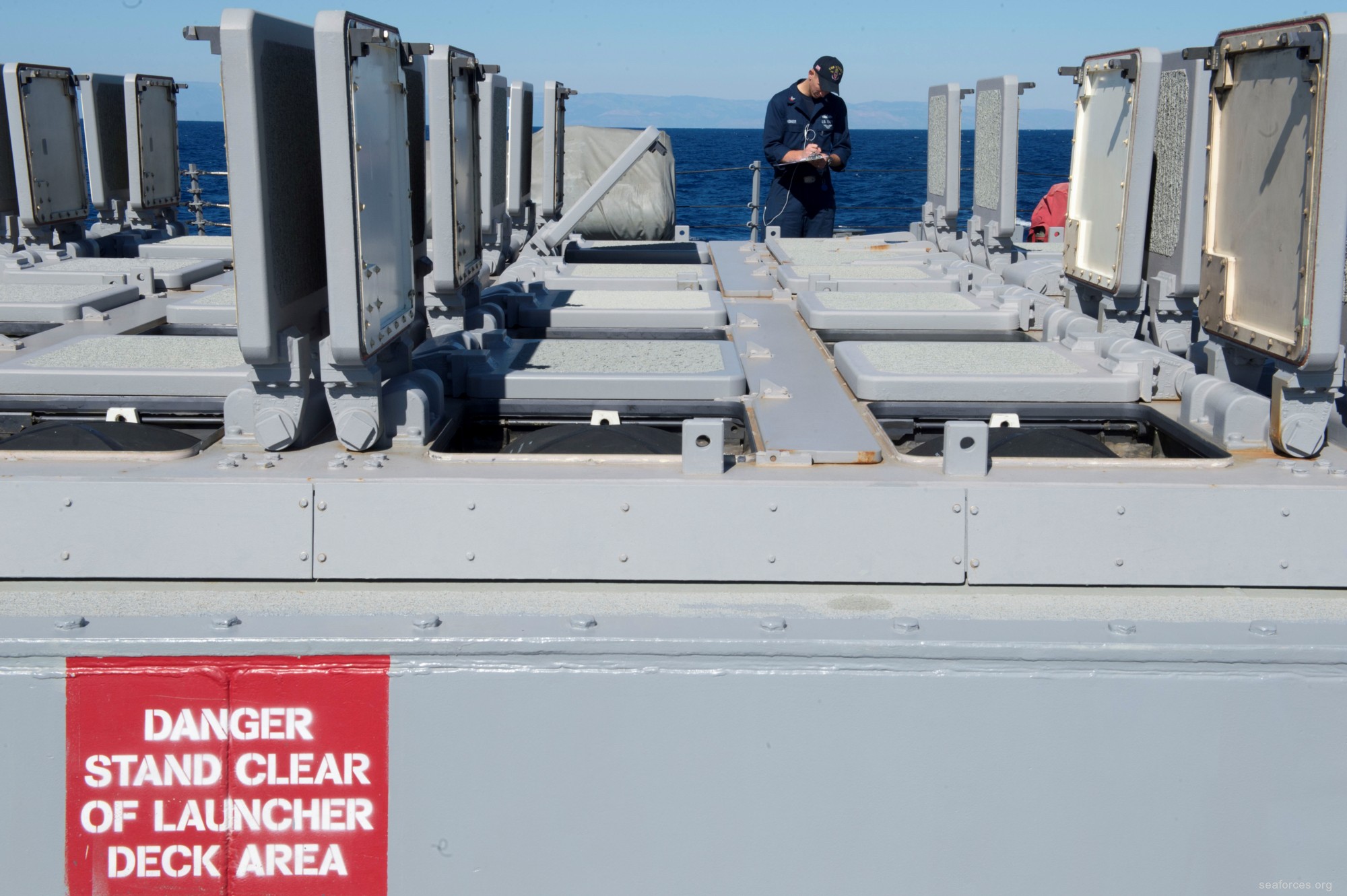 Mk-41 vertical launching system (VLS) maintenance - Mediterranean Sea - October 2013 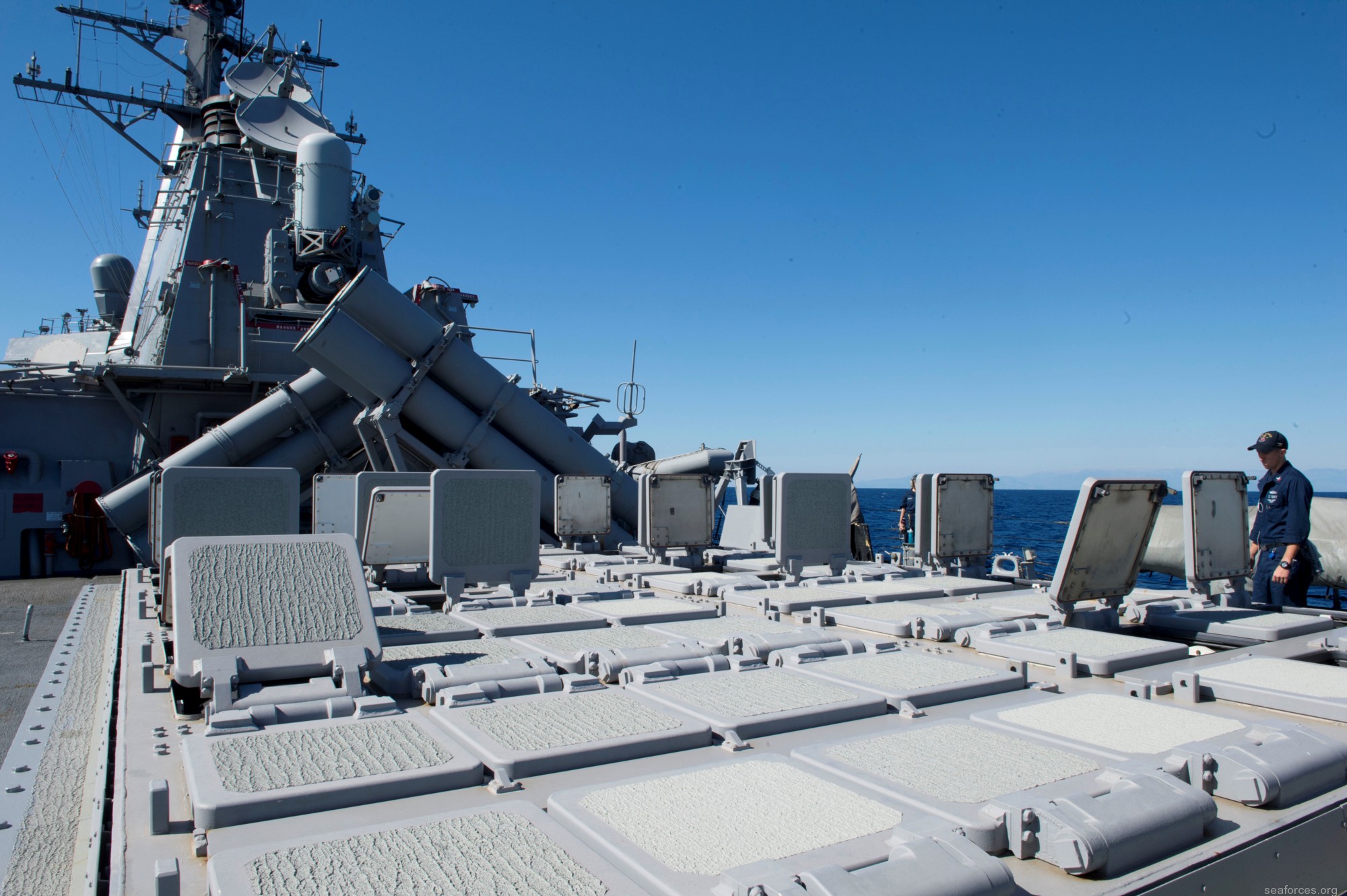 Mk-41 vertical launching system (VLS) maintenance - Mediterranean Sea - October 2013 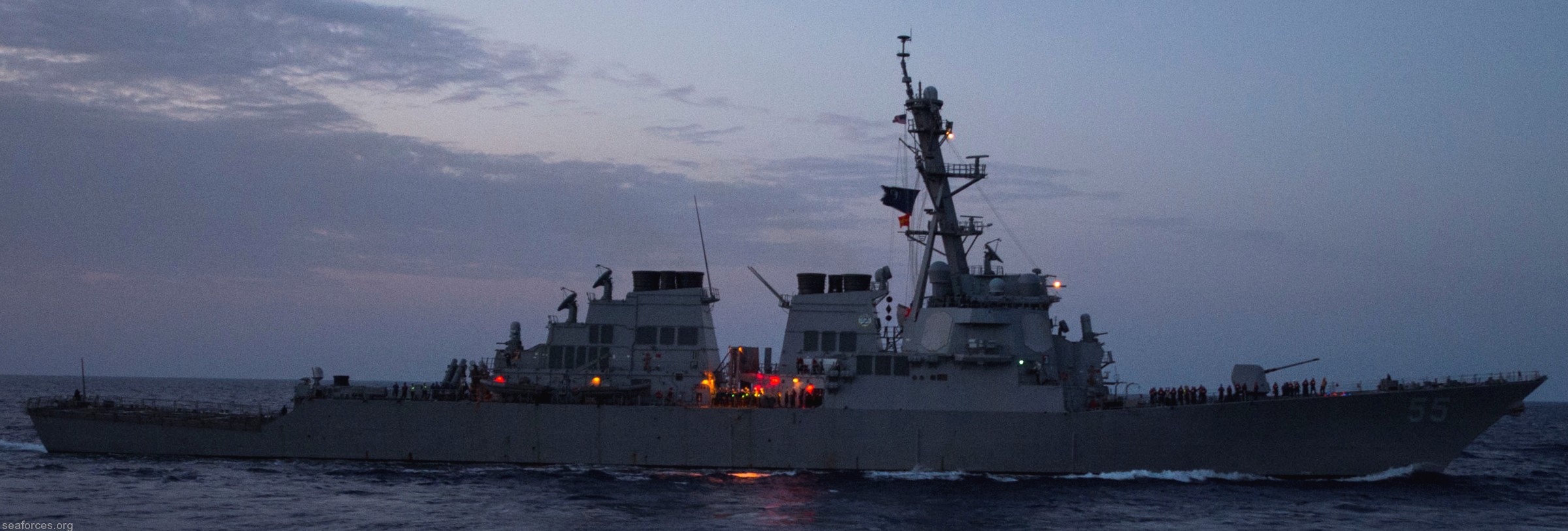 Mediterranean Sea - October 2013 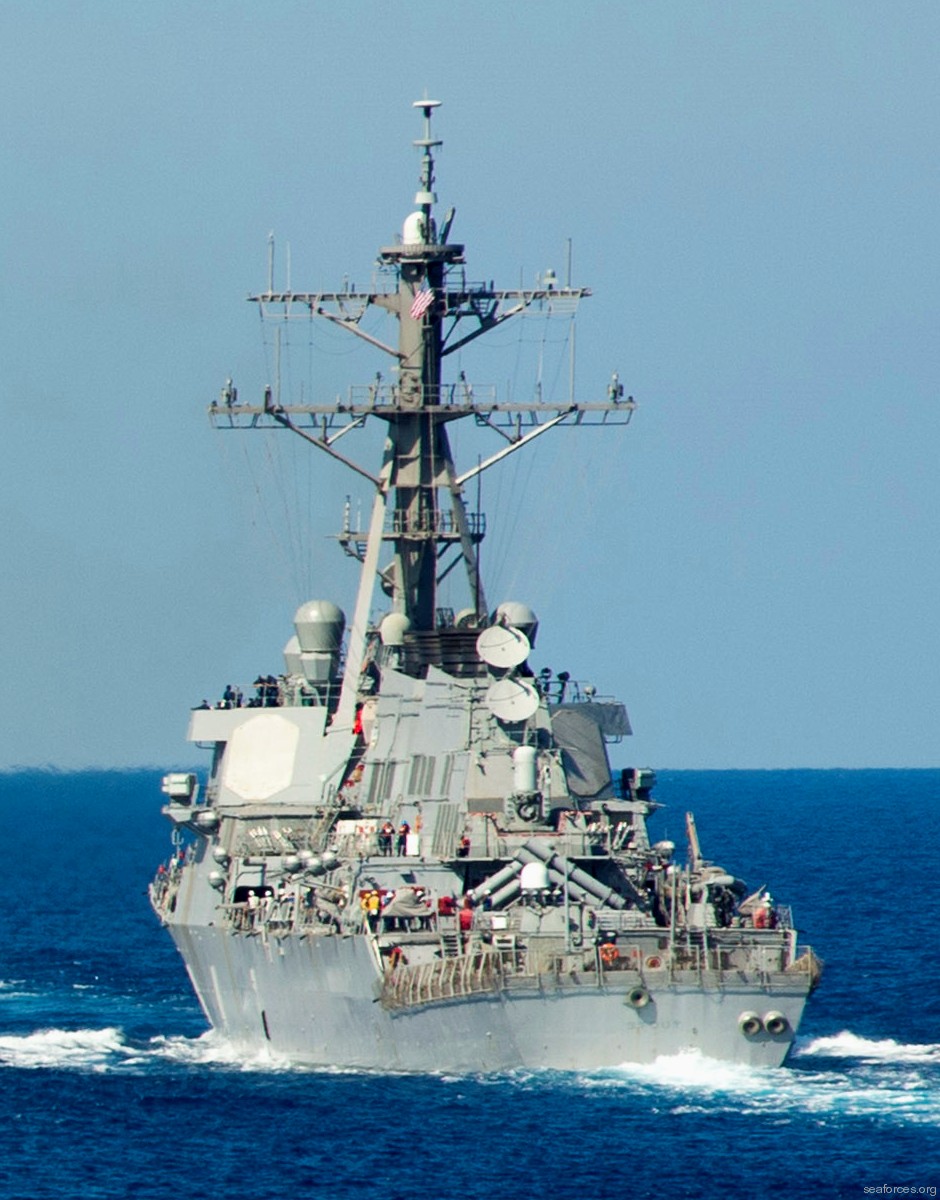 Mediterranean Sea - October 2013 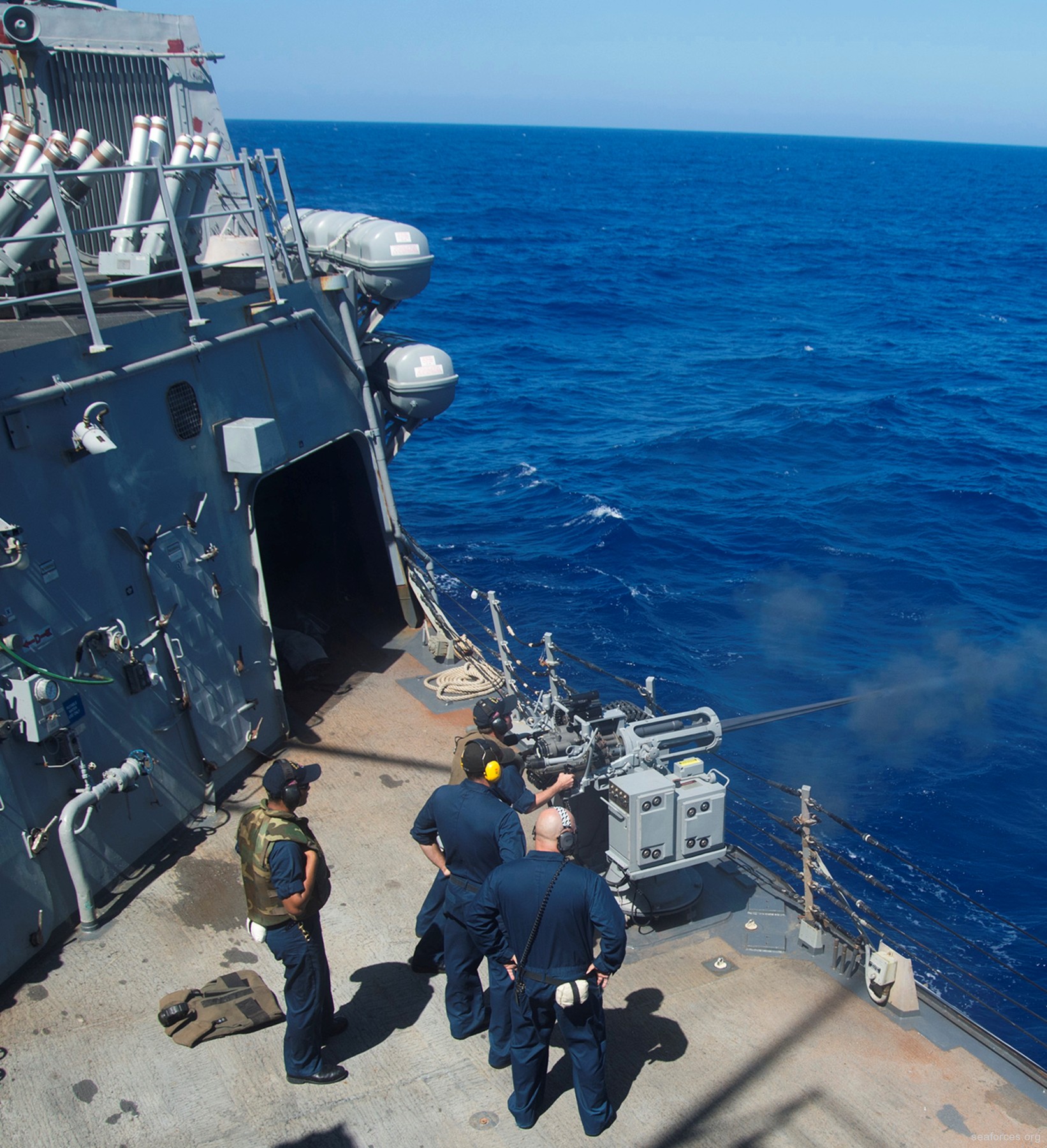 Mk-38 Mod.1 (25mm) machine gun live fire exercise - Mediterranean Sea - September 2013 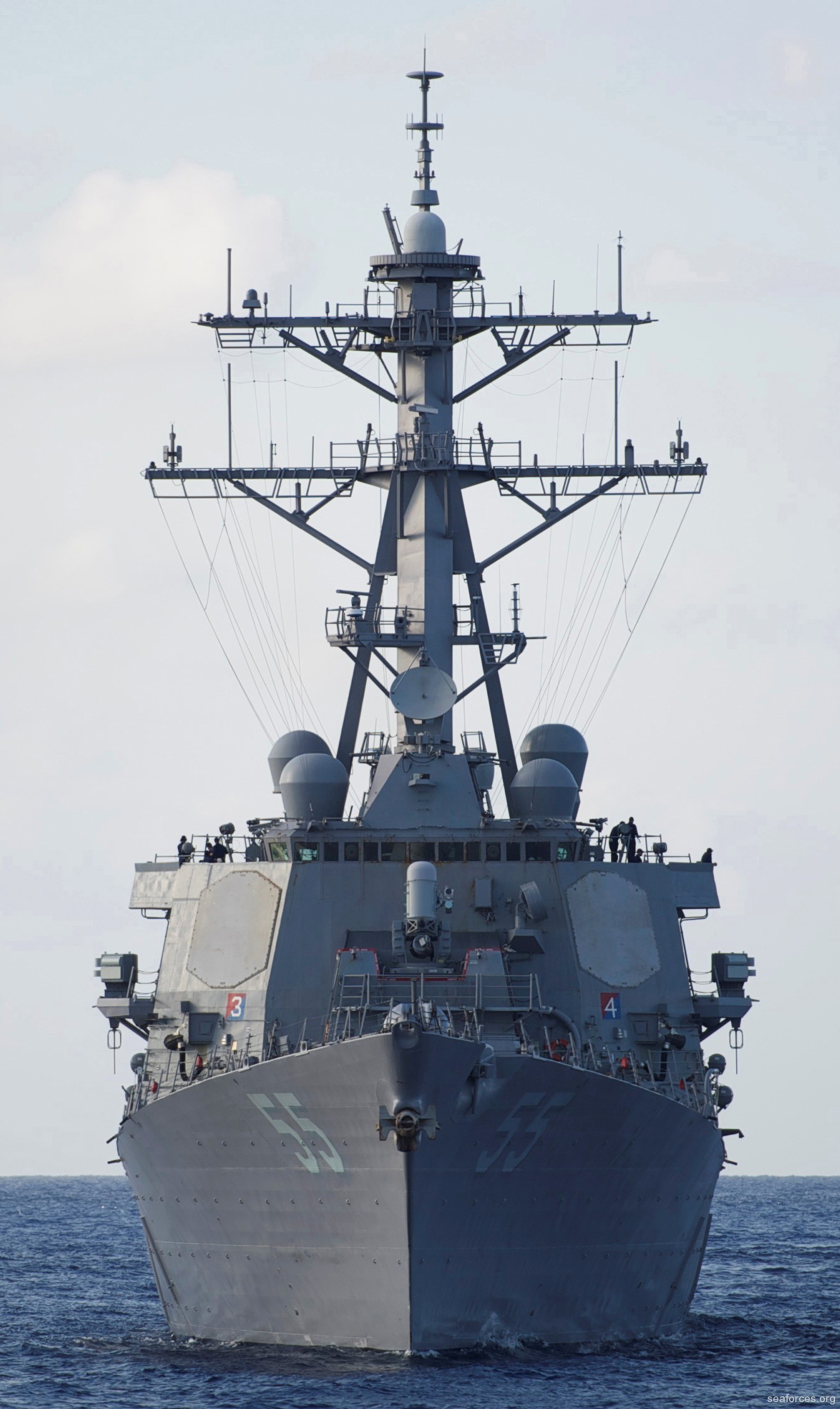 Mediterranean Sea - September 2013 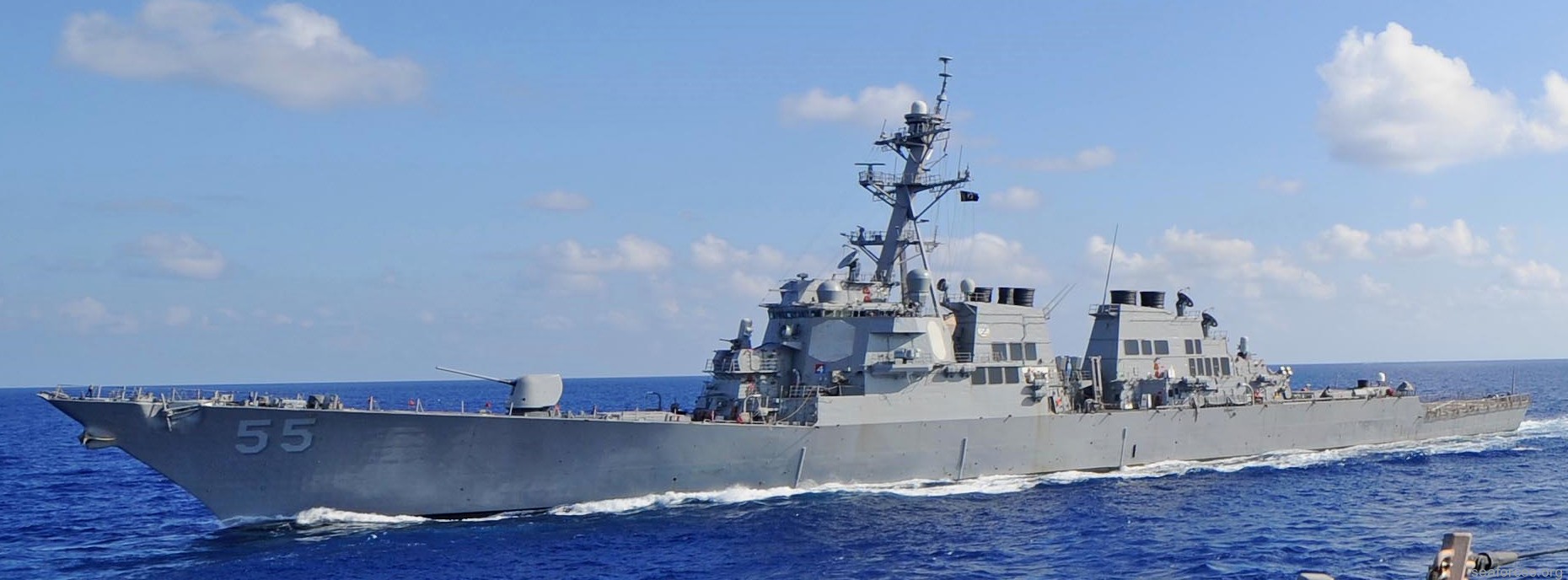 Mediterranean Sea - September 2013 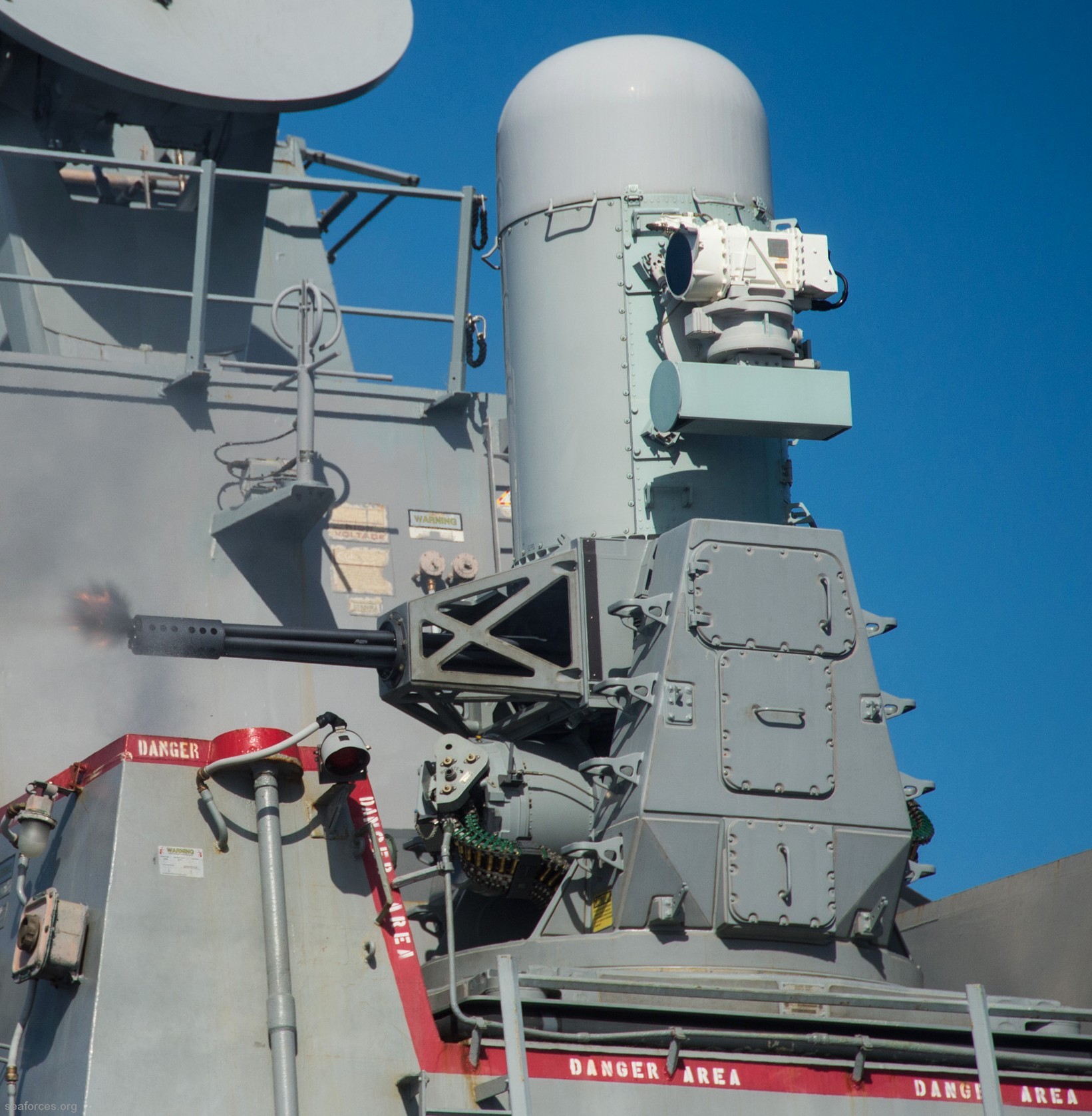 MK-15 Phalanx CIWS live fire exercise - Mediterranean Sea - September 2013 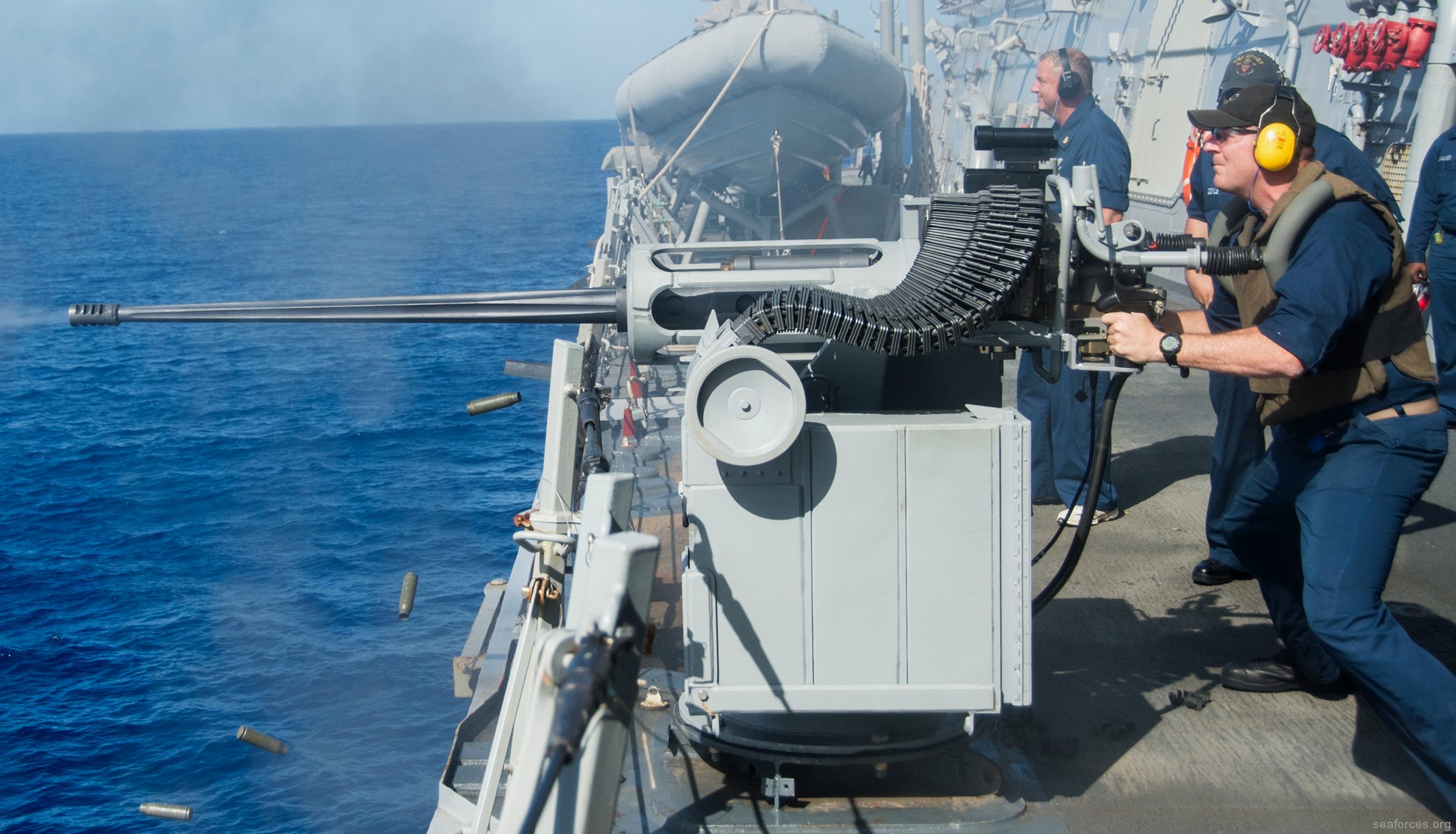 MK-38 Mod.1 machine gun live fire exercise - Mediterranean Sea - September 2013 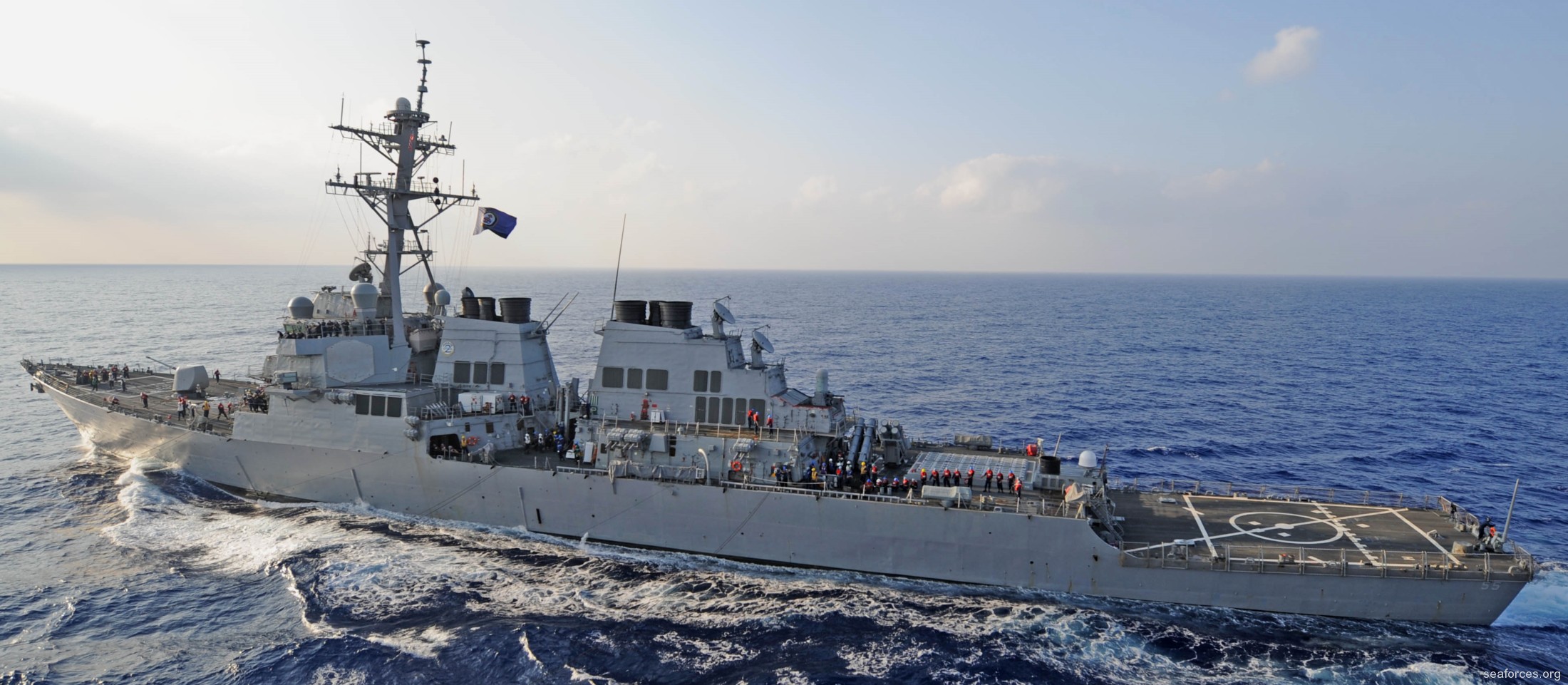 Mediterranean Sea - August 2013 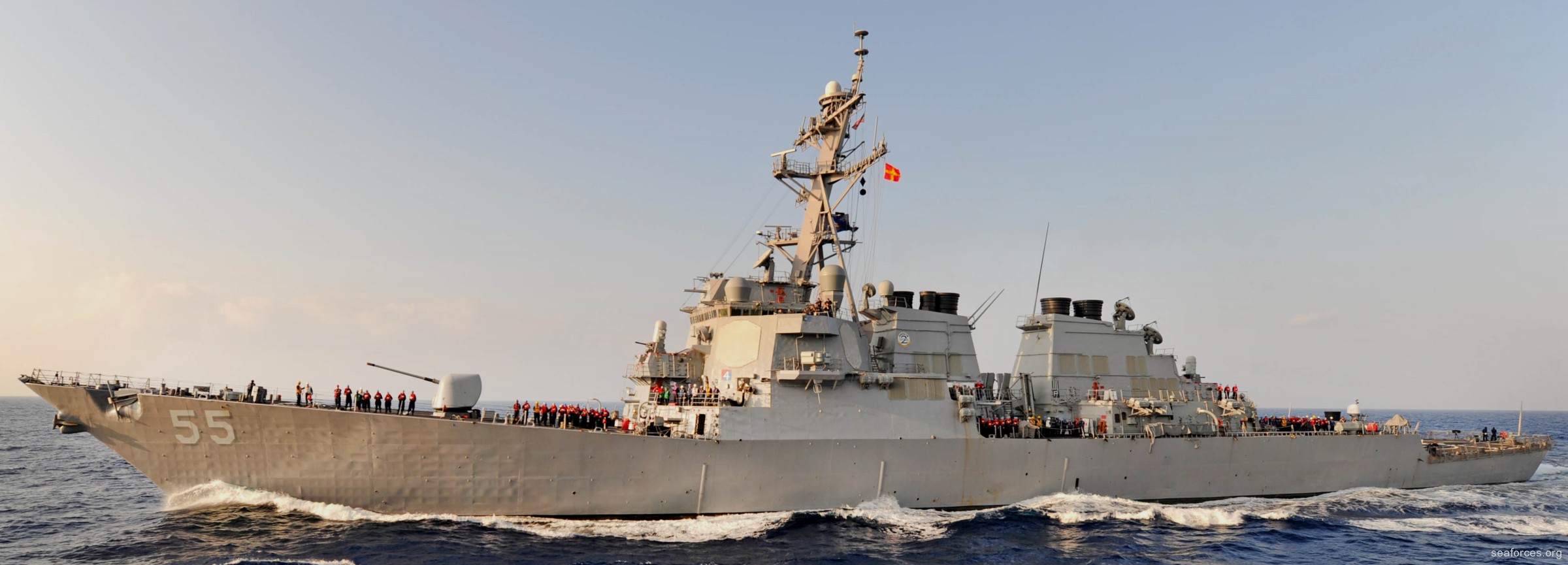 Mediterranean Sea - August 2013 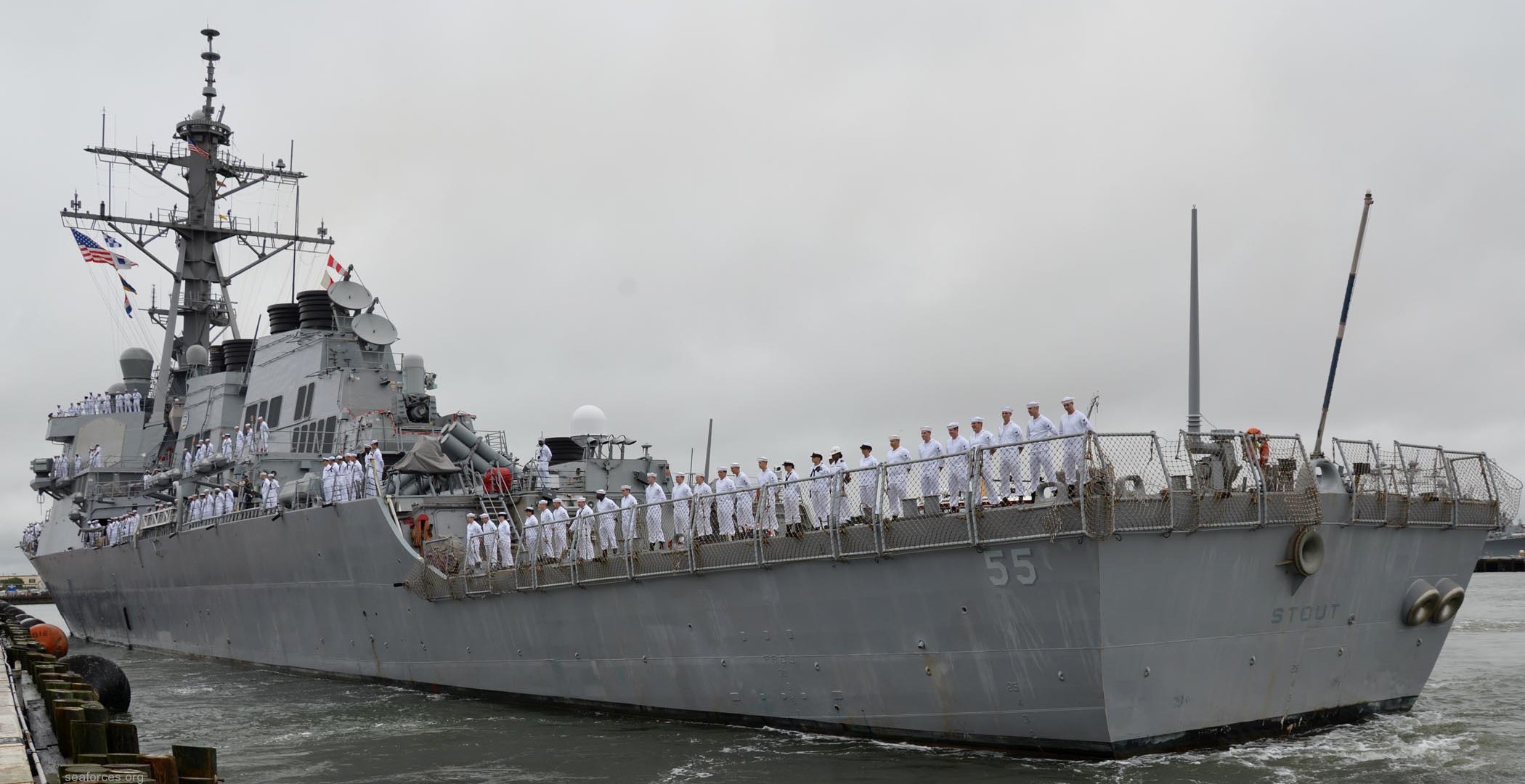 departing Naval Station Norfolk, Virginia - August 2013 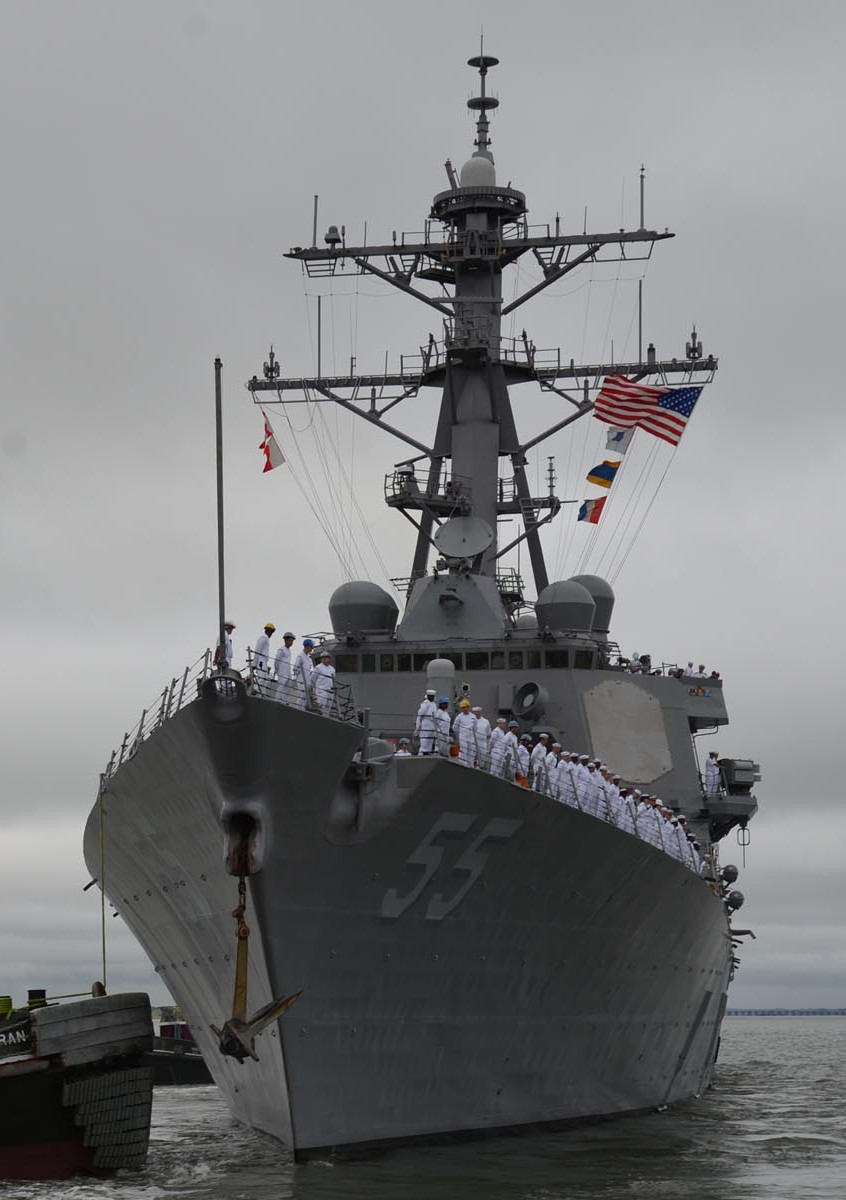 departing Naval Station Norfolk, Virginia - August 2013 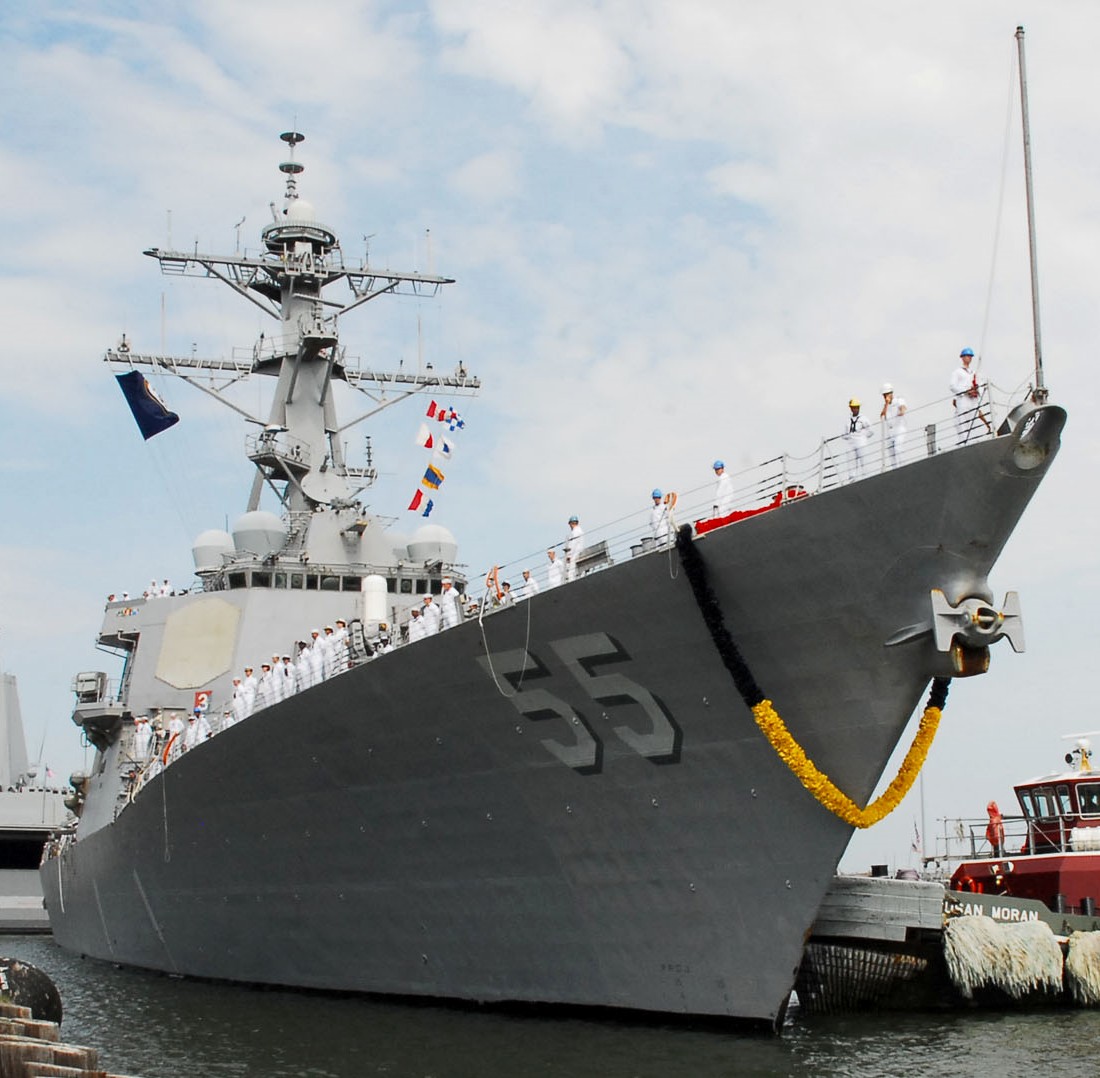 returning to Naval Station Norfolk, Virginia - June 2011 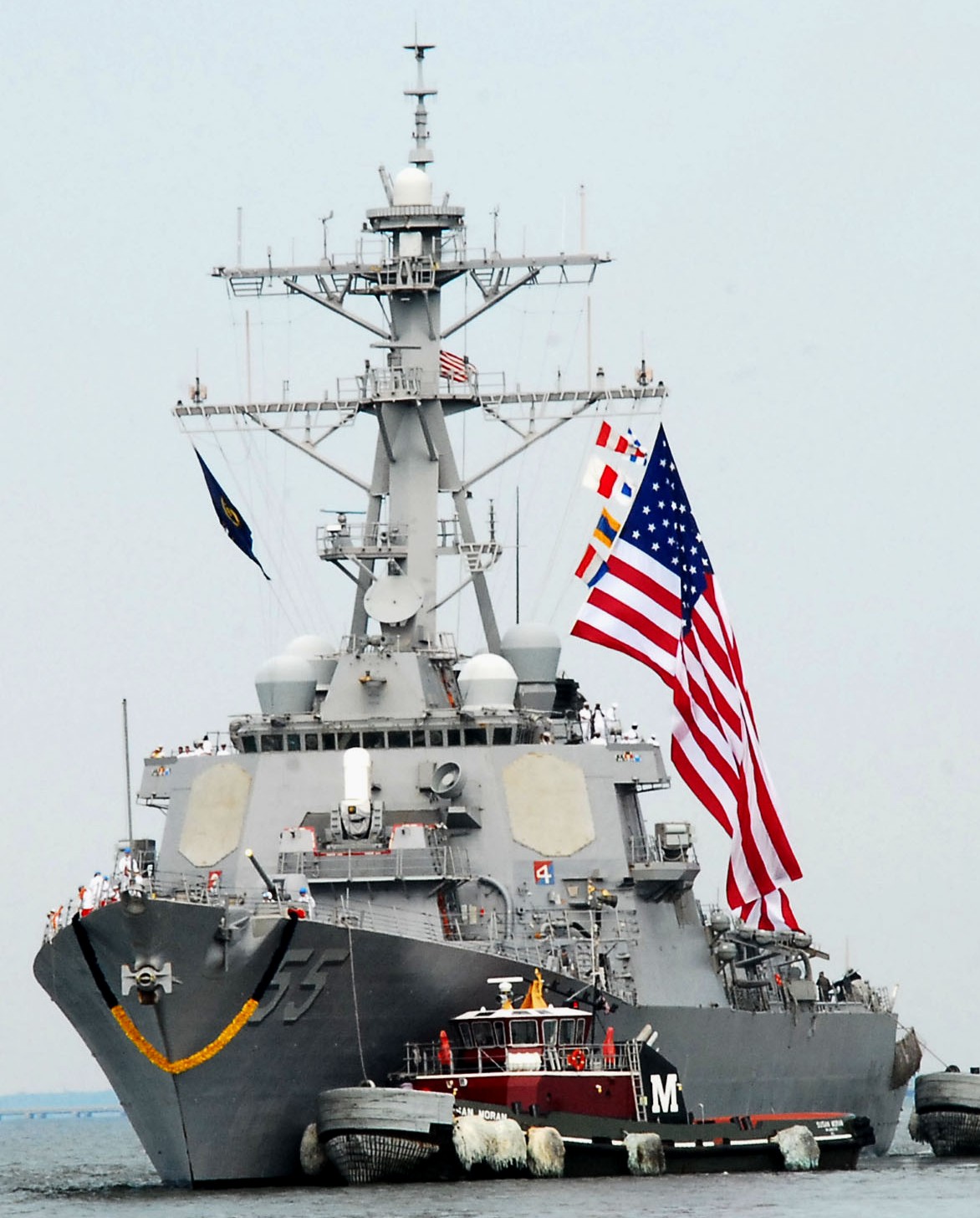 returning to Naval Station Norfolk, Virginia - June 2011 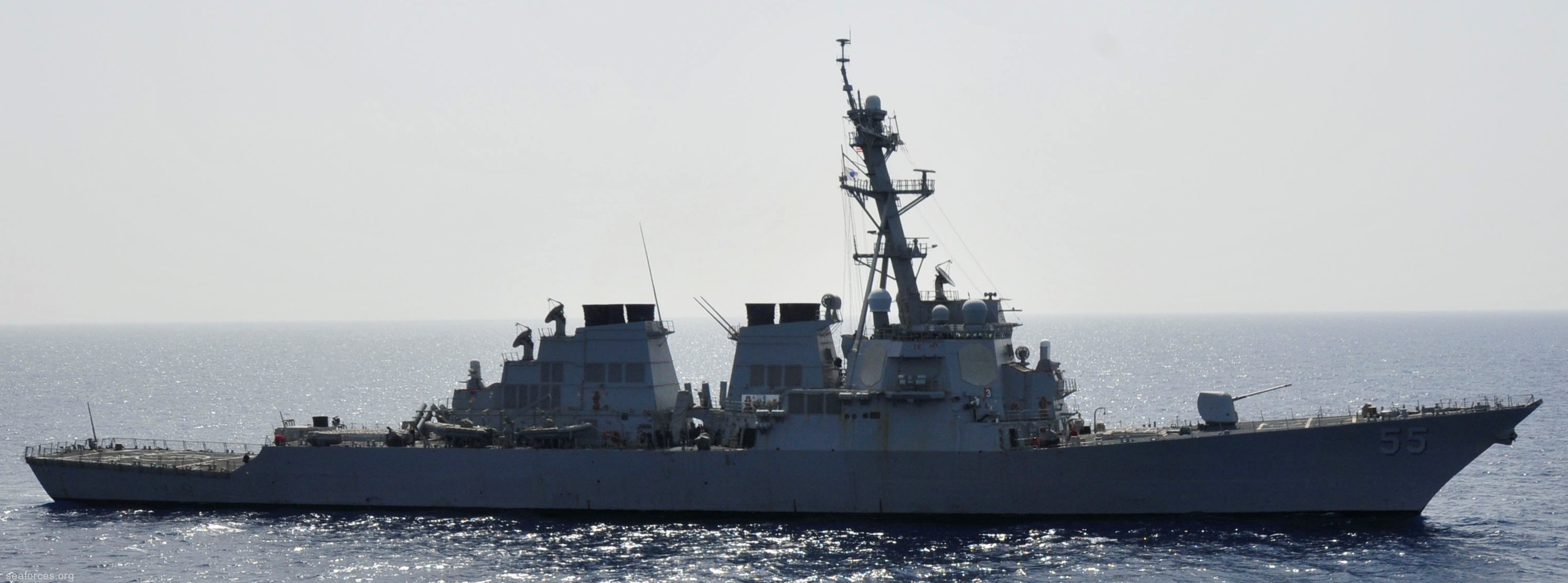 Mediterranean Sea - May 2011 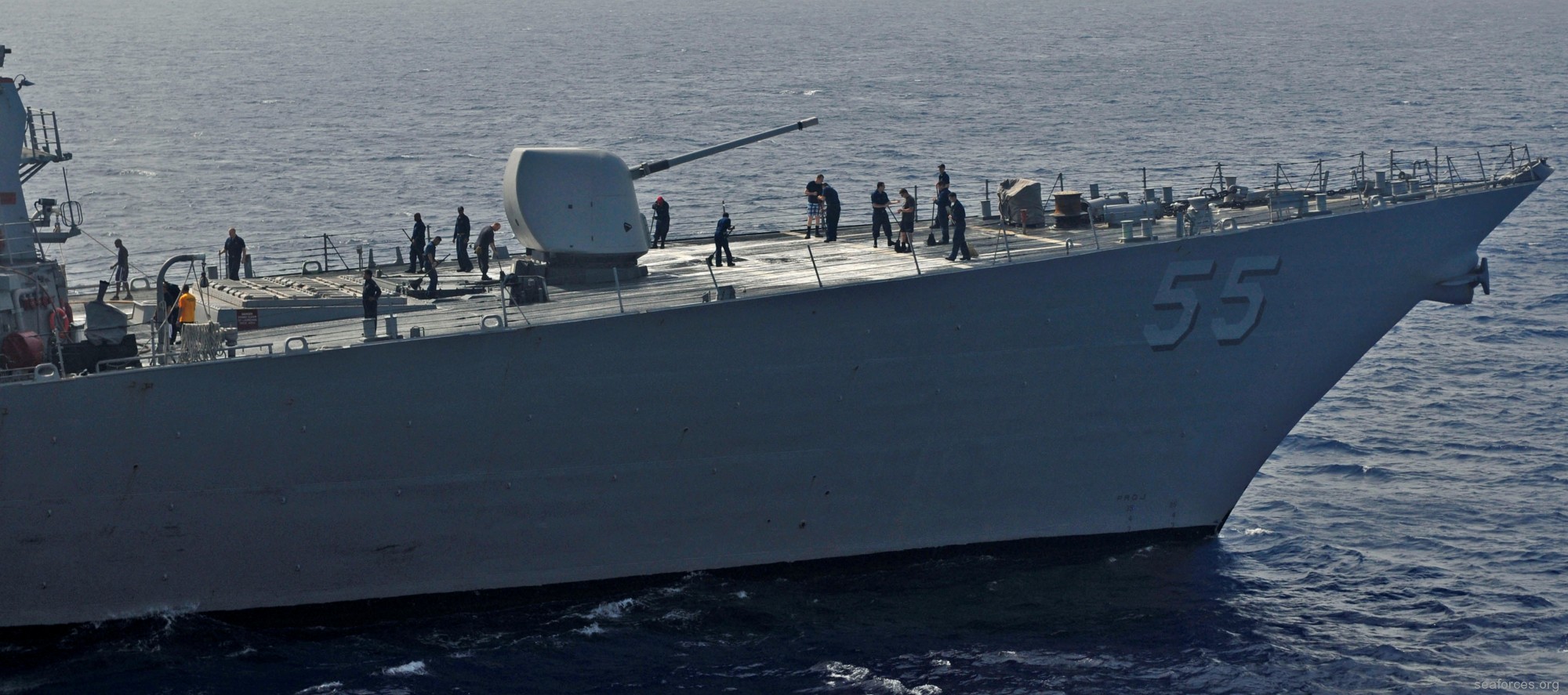 Mediterranean Sea - May 2011 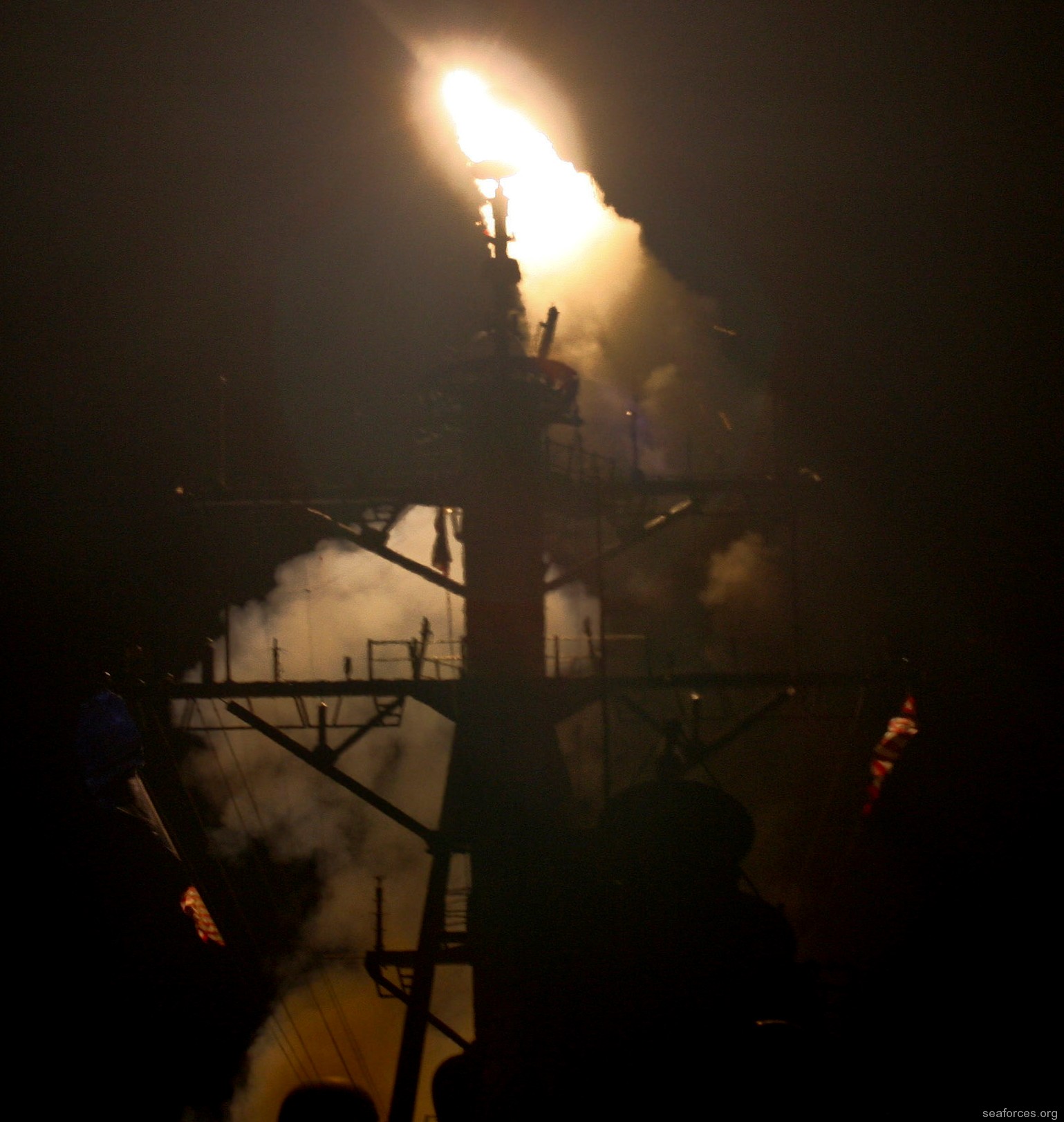 USS Stout launches a BGM-109 Tomahawk TLAM missile against Libyan targets in support of Operation Odyssey Dawn. Mediterranean Sea - March 19, 2011 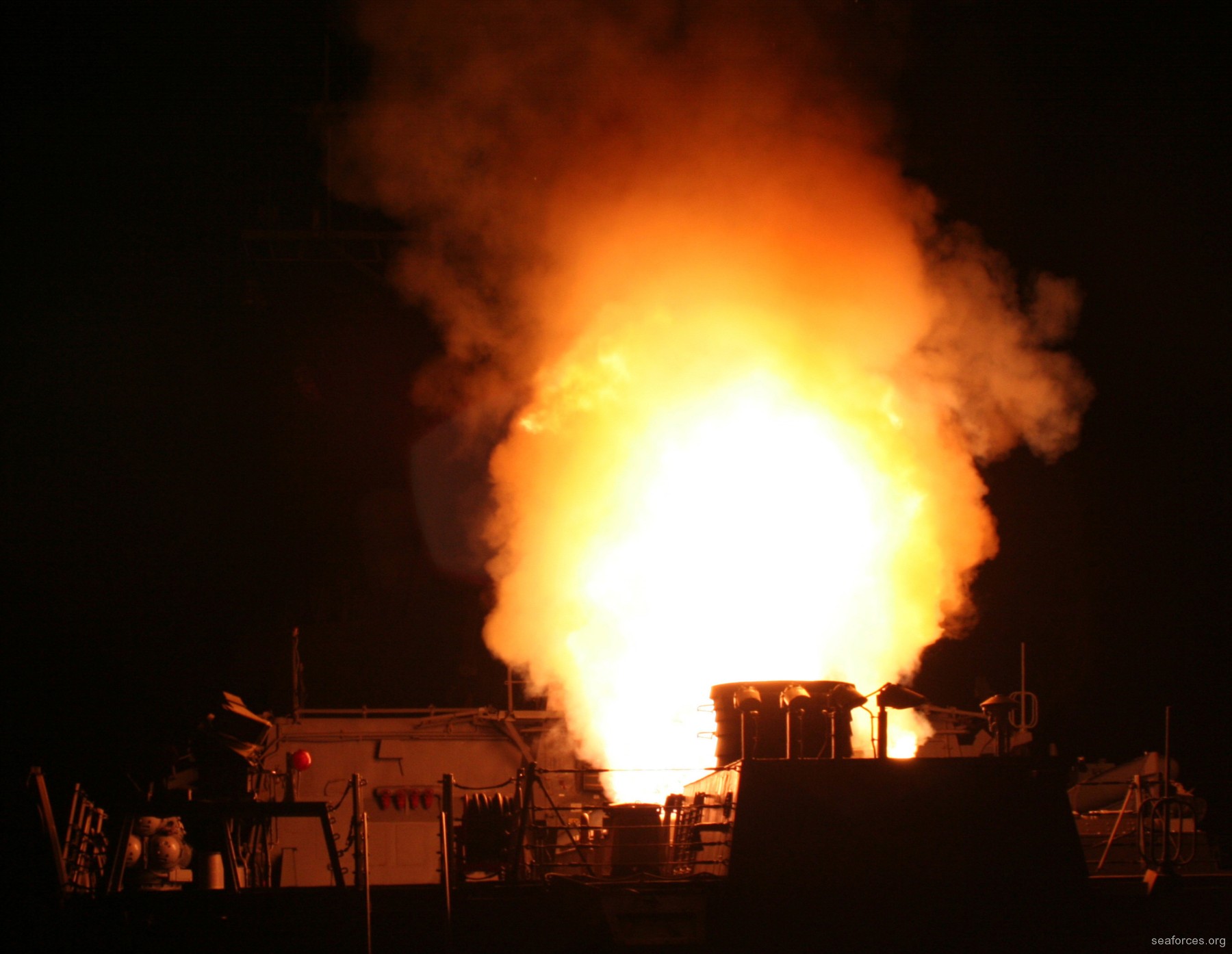 USS Stout launches a BGM-109 Tomahawk TLAM missile against Libyan targets in support of Operation Odyssey Dawn. Mediterranean Sea - March 19, 2011 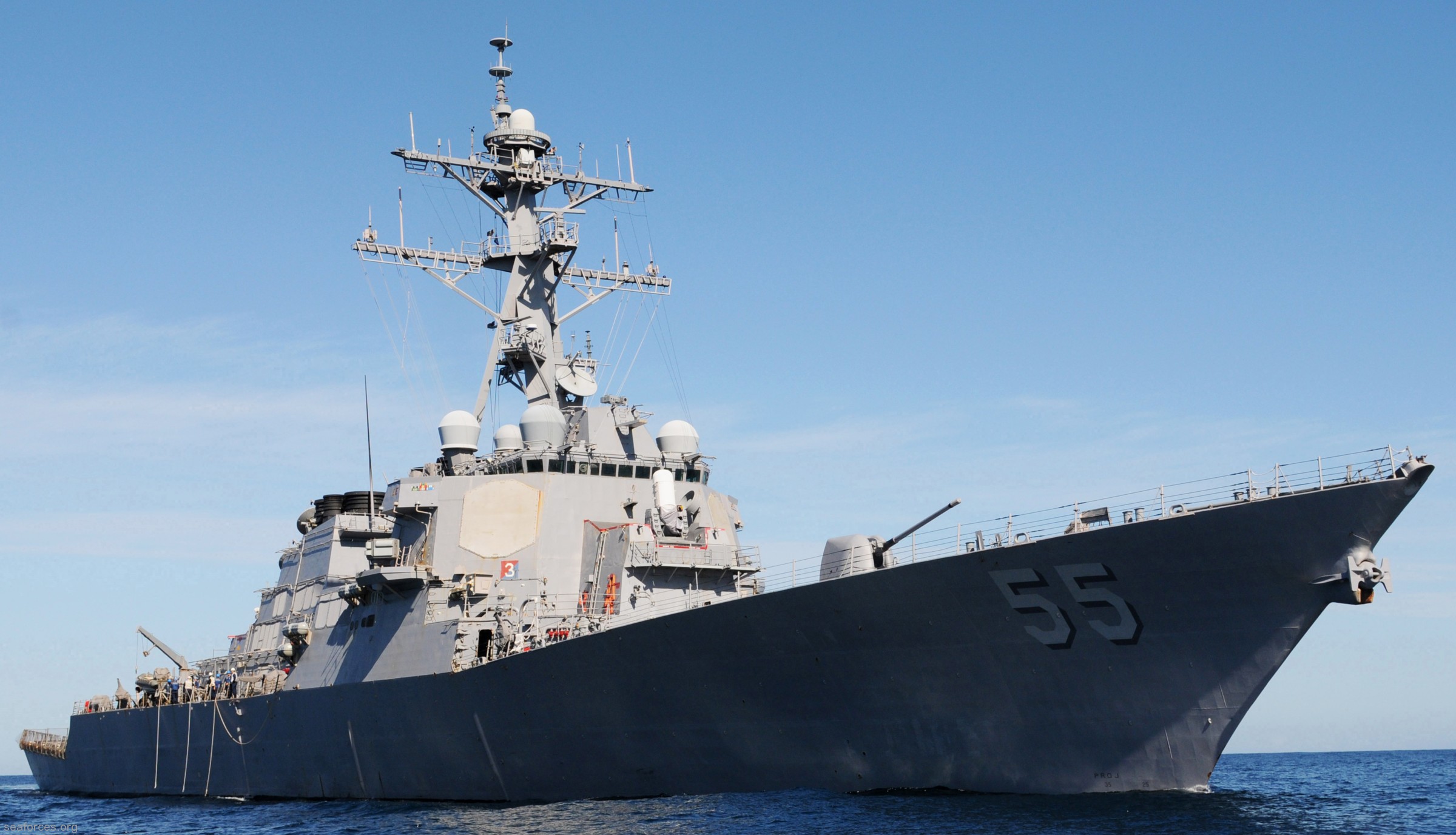 Mediterranean Sea - March 2011 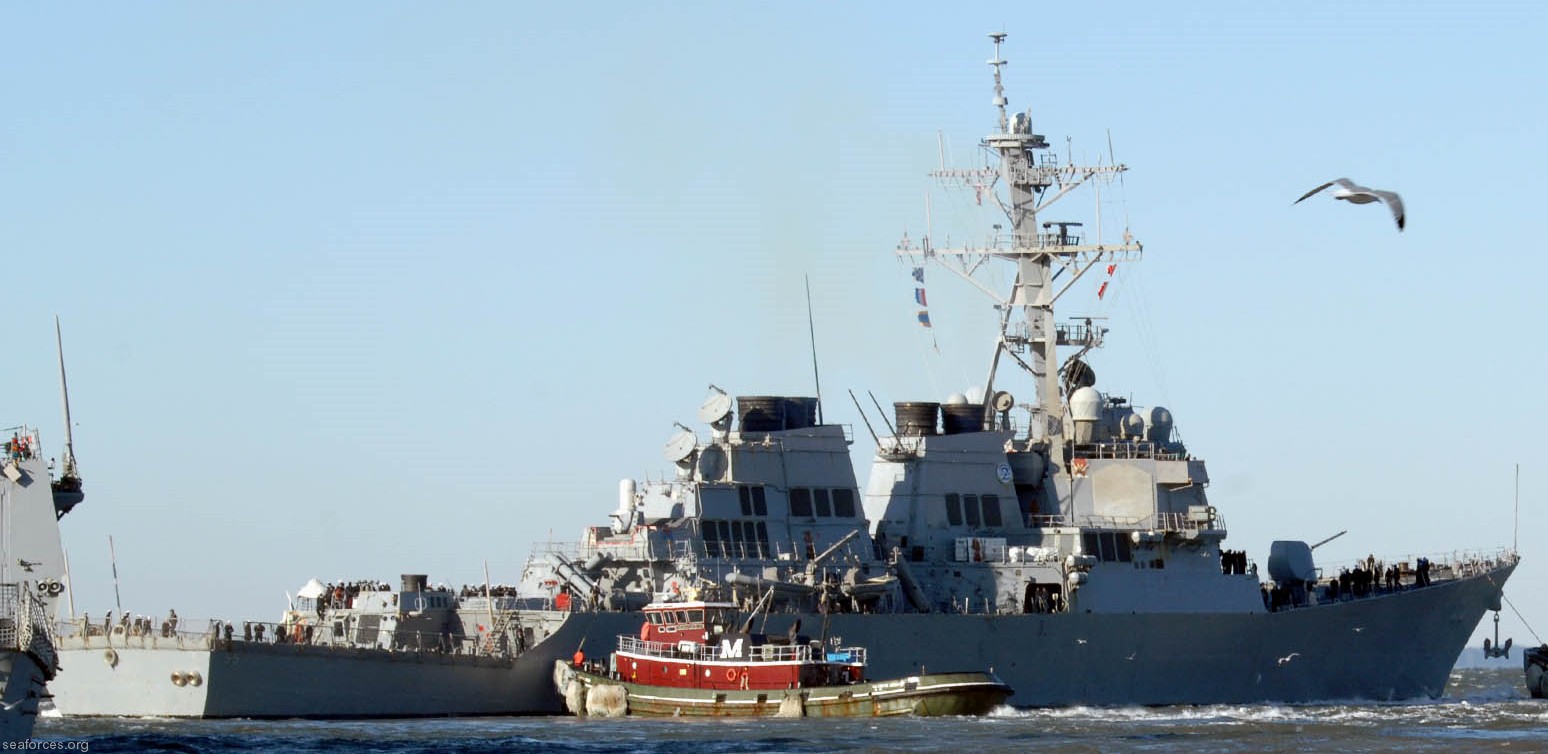 departing Naval Station Norfolk, Virginia - December 2010 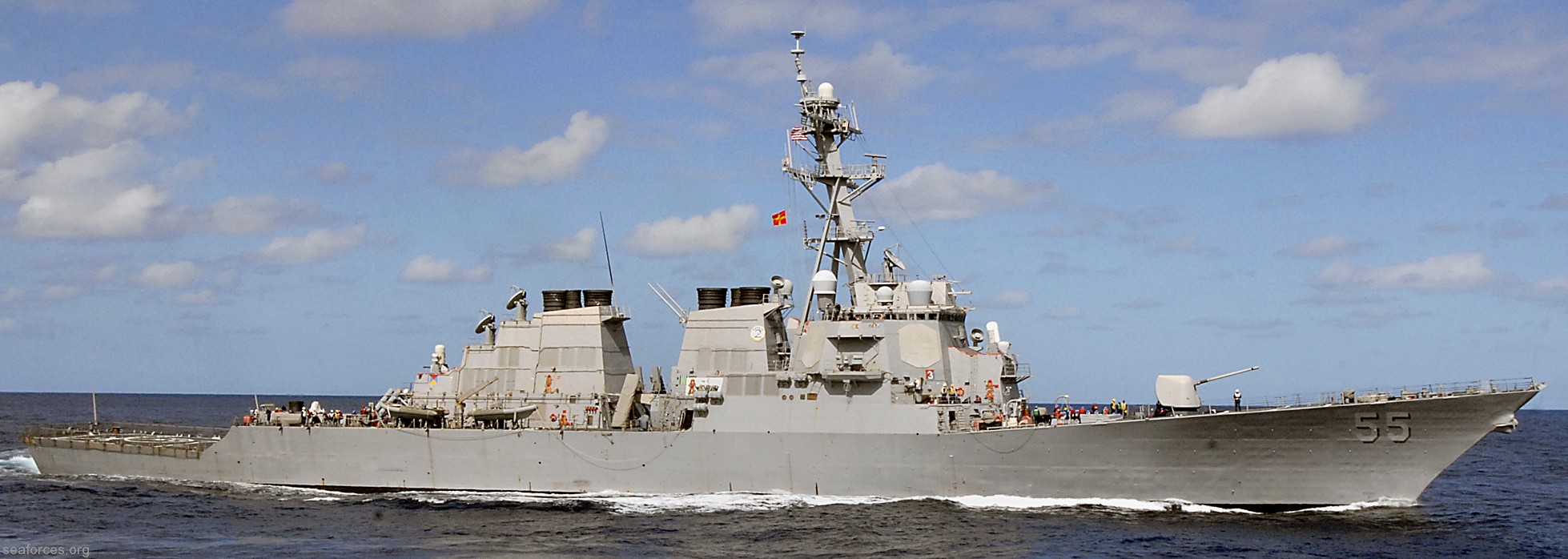 Atlantic Ocean - September 2010 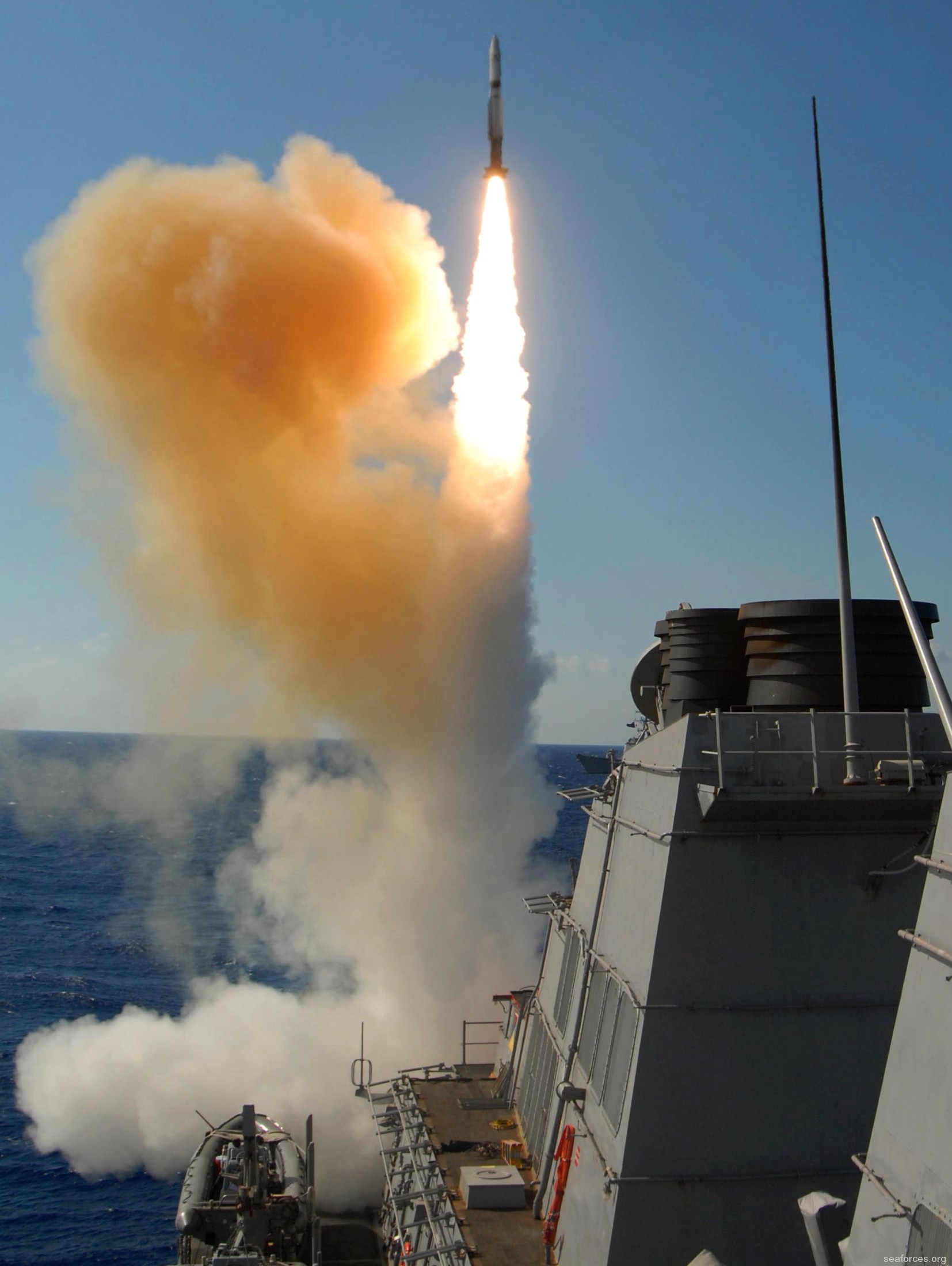 USS Stout launches a RIM-66 Standard Missile SM-2MR from her aft Mk-41 VLS - October 2008 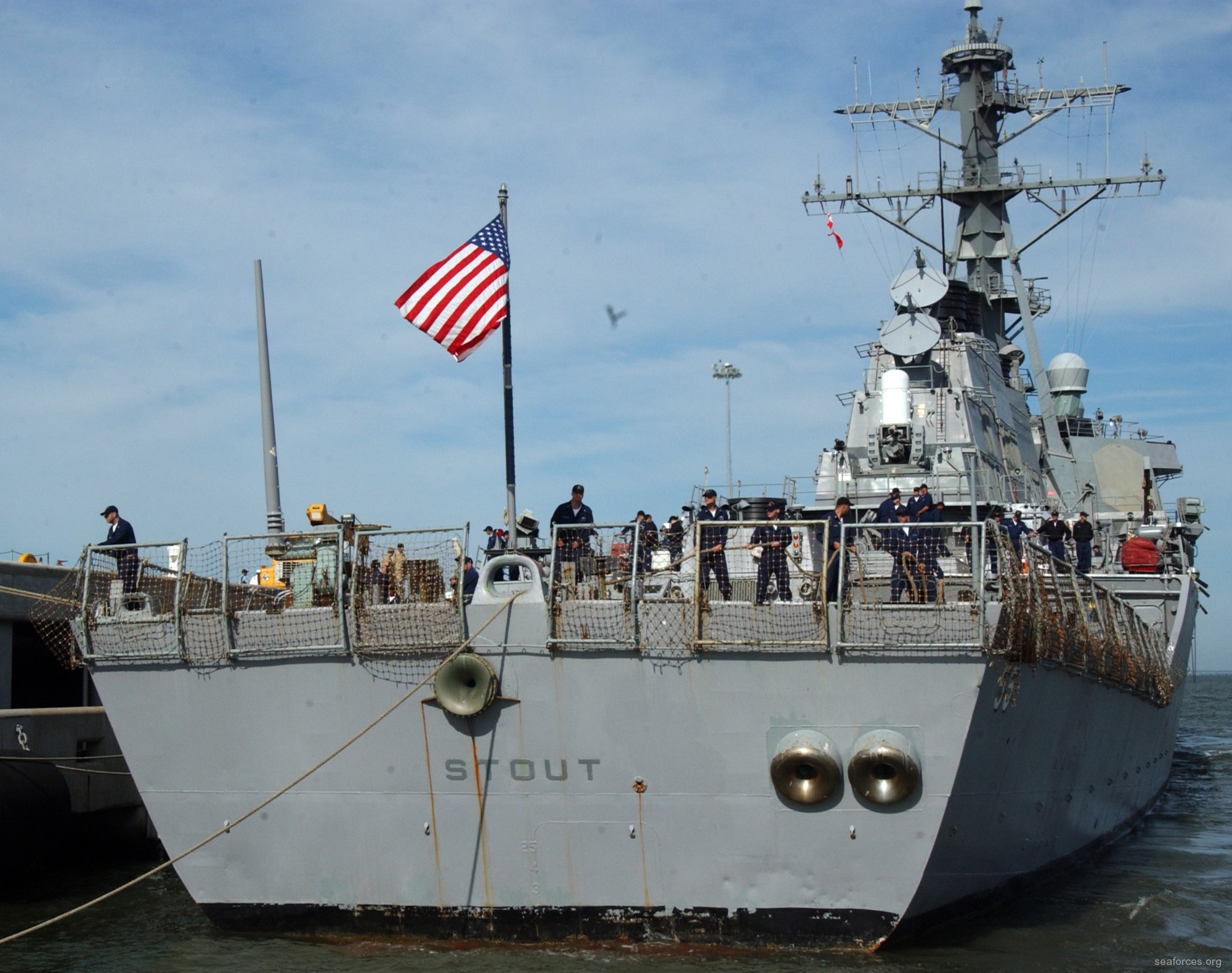 returning to Norfolk, Virginia - May 2006 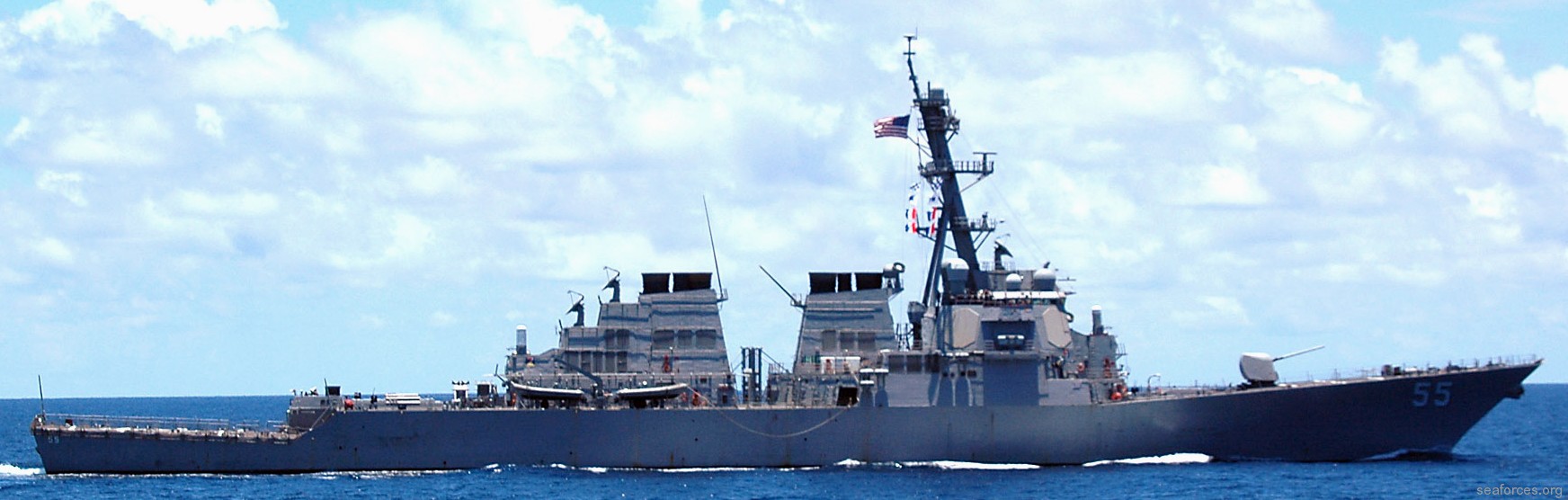 Caribbean Sea - April 2006 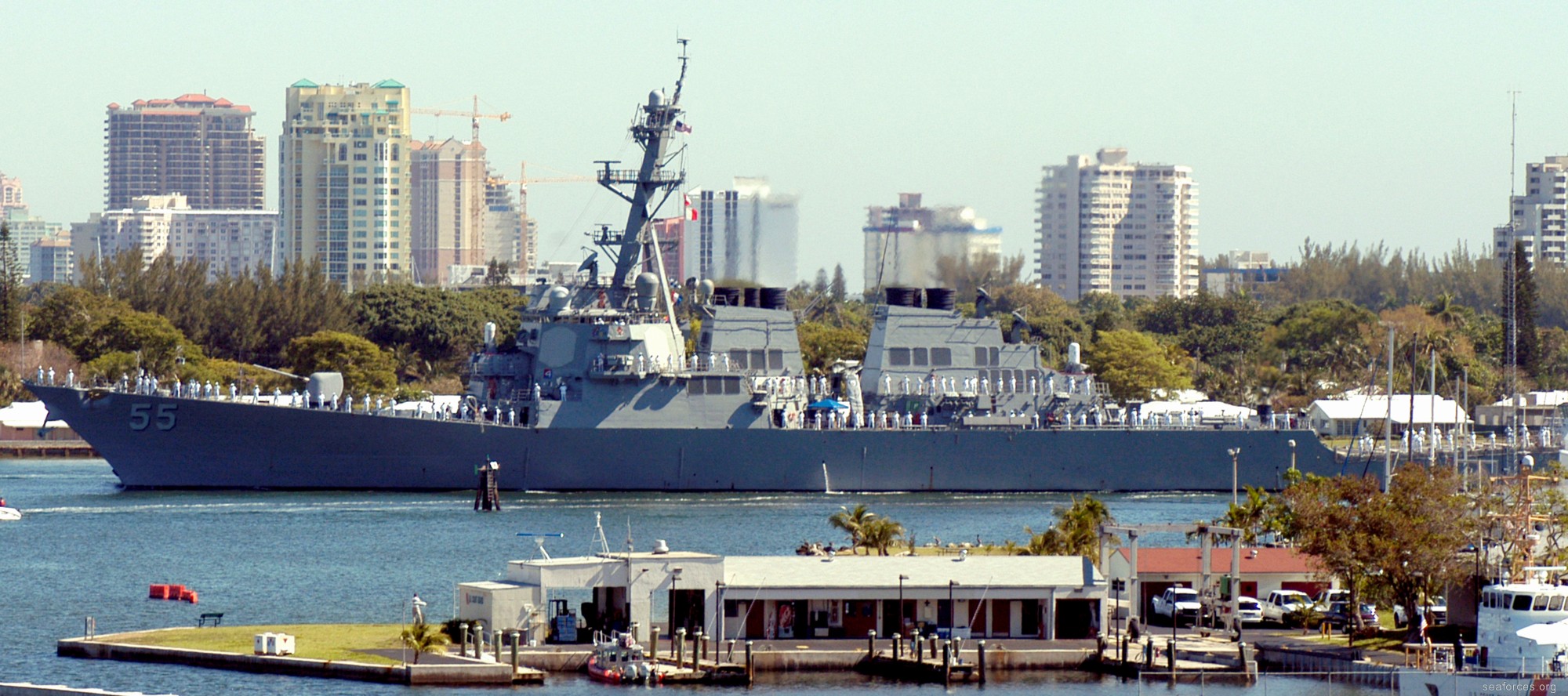 Fort Lauderdale, Florida - April 2005 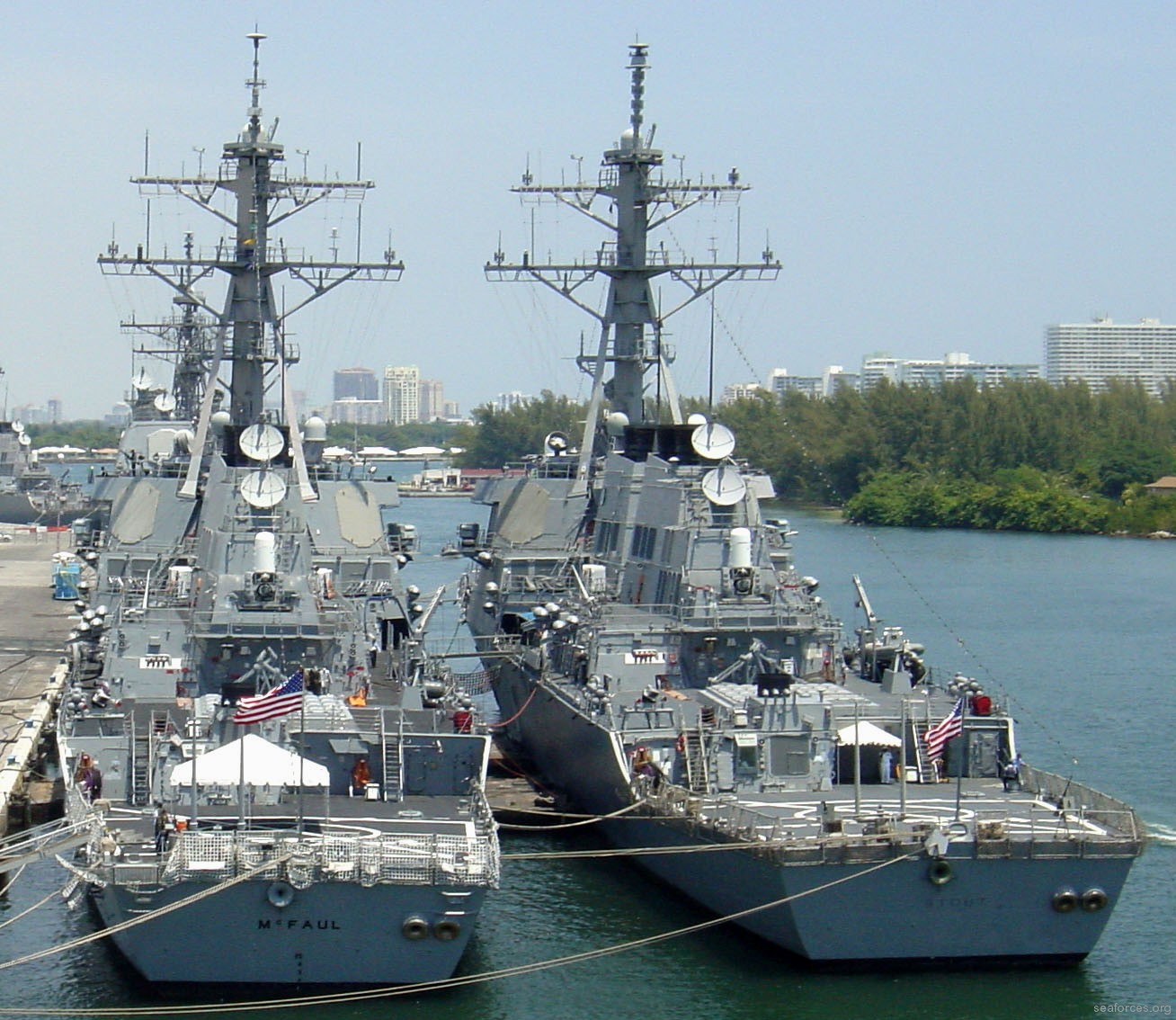 Fort Lauderdale, Florida - April 2002 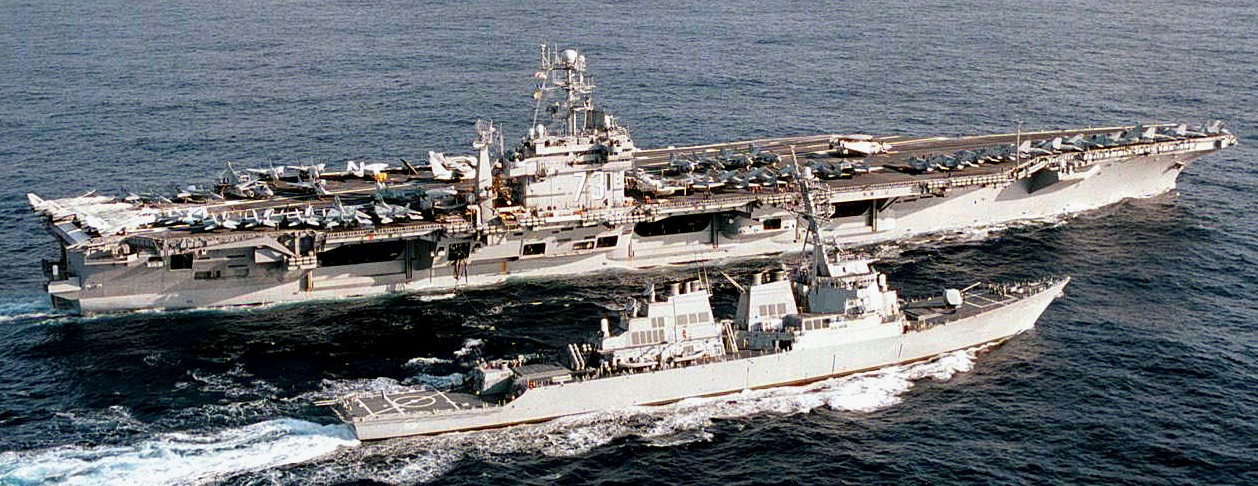 January 1996 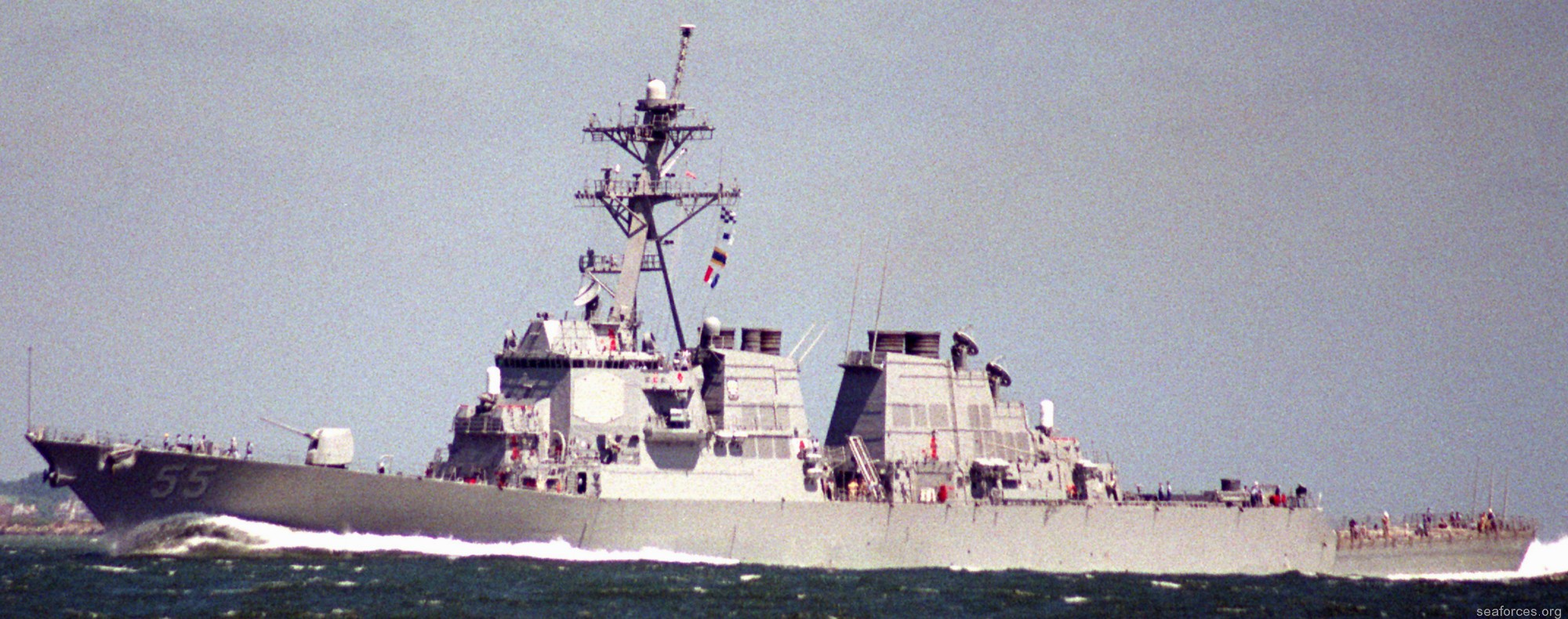 August 1995 |
||
|
USS Stout (DDG 55): Stout (DDG-55) was laid down on 8 August 1991 at Pascagoula, Miss., by Ingalls Shipbuilding Division, Litton Industries; launched on 16 October 1992; sponsored by Mrs. Bettie M. Boorda, wife of Adm. Jeremy M. Boorda, Chief of Naval Operations; and commissioned on 13 August 1994 at Houston, Texas, Cmdr. Carl E. Garrett Jr., in command. In 2011 fighting raged across Libya between Moammar Qadhafi and rebels opposed to his regime. The war drove tens of thousands of refugees across the neighboring border, and overburdened UN relief workers revealed that the plight of the fugitives reached a “crisis point.” The UN Security Council thus passed Resolution 1973 authorizing the use of force, including the implementation of a no-fly zone, to end Qadhafi’s attacks against his own people. The U.S. froze at least $30 billion worth of Libyan assets, and on the night of 19 March 2011, American, British, Canadian, Danish, French, Italian, and Spanish forces launched Operation Odyssey Dawn to destroy Qadhafi’s ability to attack civilians and to impose a no-fly zone. Air and missile strikes pounded more than 20 integrated Libyan air defense and radar systems and airfields. Four USMC McDonnell Douglas AV-8B Harrier IIs and 15 USAF aircraft including Northrop Grumman B-2 Spirits flew 19 air sorties, and guided missile destroyers Barry (DDG-52) and Stout, guided missile submarine Florida (SSGN-728), attack submarines Providence (SSN-719) and Scranton (SSN-756), and British attack submarine Triumph (S.93) fired more than 110 BGM-109 Tomahawk Land Attack Missiles (TLAMs). Grumman EA-6G Growlers and Harrier IIs subsequently jammed enemy transmissions. Adm. Samuel J. Locklear III, Commander Joint Task Force (JTF) Odyssey Dawn, broke his flag in command ship Mount Whitney (LCC-20). These attacks hit primarily SA-2, SA-3, and SA-5 surface-to-air missile batteries around Libyan airfields, as well as enemy aircraft on the ground and munitions sites, enabling the allies to enforce the no-fly zone from east to west throughout Libya. British Air Vice Marshal Gregory J. Bagwell, RAF, told reporters on 23 March that the Libyan Air Force “no longer exists as a fighting force.” JTF Odyssey Dawn was disestablished on 30 March, and the allied force shifted to NATO Operation Unified Protector. The ongoing NATO air support enabled the rebels to eventually defeat the dictator, and they ambushed and killed Qadhafi while he fled from Surt on 20 October 2011. On 28 August 2013, the U.S. Navy announced that a fifth Arleigh Burke-class destroyer, Stout, was en route to join the other four Burke-class destroyers deployed in the eastern Mediterranean Sea amid allegations that the regime of Syrian president Bashar al-Assad used chemical weapons during the ongoing Syrian civil war, including the gas attacks that occurred on 21 August 2013. USN |
||
|
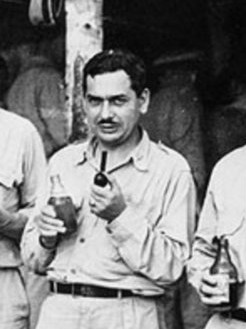
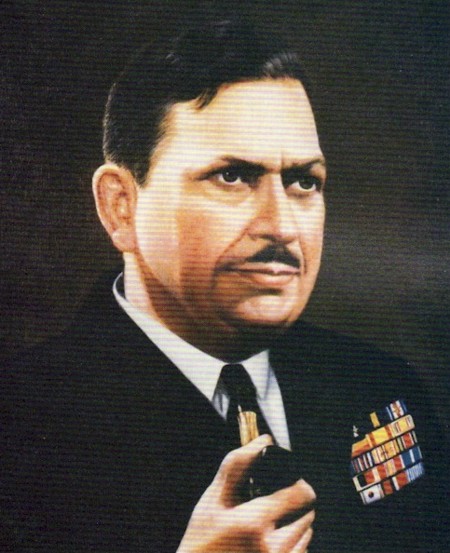
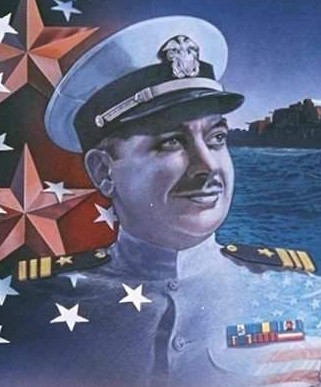
Rear Admiral Herald Franklin Stout (June 15, 1903 - March
23, 1987): Rear Admiral Stout was born 15 June 1903 in Dover, Ohio to Franklin Lee and Jemima Mae Tong Stout. After graduating as valedictorian of Roosevelt High School in Dover, he entered the United States Naval Academy, Annapolis, Maryland on appointment from the Sixteenth District of Ohio in 1922. Rear Admiral Stout graduated and was commissioned an Ensign on 3 June 1926. On the same day, he married his hometown sweetheart, Louise Frederica Finley. Rear Admiral and Mrs. Stout were the proud parents of three sons: Lieutenant Colonel Herald Franklin Stout, Jr., U.S. Army Retired, Colonel Bruce Finley Stout, U.S. Army Retired, and Captain Peter Christian Stout, U.S. Naval Reserve Retired. Following graduation, Ensign Stout joined USS CINCINNATI (CL 6) as Main Engine Division Officer, Communications Officer, Radio Officer, Ship's Secretary and then finally as Gun DivisionOfficer. Upon detachment from USS CINCINNATI in June 1931, Lieutenant Stout had a years duty as Torpedo and Communications Officer in the destroyer USS BRECKINRIDGE (DD 148). In June 1932, he was transferred to the destroyer USS HATFIELD (DD 231) to serve as Torpedo Officer and First Lieutenant until April 1933. He reported to the Naval Postgraduate School, Annapolis, Maryland in July 1933. He remained in Annapolis, serving from May 1934 to June 1936 as an instructor in the Department of Electrical Engineering and Physics at the Naval Academy. In June 1936, he was ordered to duty afloat as the Executive Officer and Navigator of the destroyer USS ELLIOT (DD 146) for three years, returning to the Naval Academy in 1939 to again serve as an instructor in the Department of Electrical Engineering and Physics. After instruction at the Mine Warfare School, Yorktown, Virginia, Lieutenant Commander Stout assumed command of USS BREESE (DM 18). He was in command of that destroyer minelayer, docked at Pearl Harbor, when the Japanese attacked on 7 December 1941. Guns from USS BREESE shot down one enemy bomber during the attack. Subsequently, USS BREESE put to sea and participated in a depth-charge attack on a midget submarine. In September 1942, Commander Stout became Commissioning Commanding Officer of the destroyer USS CLAXTON (DD 571), which operated with Destroyer Squadron TWENTY-THREE ("Little Beaver" Squadron) in the Solomons. For outstanding service in command of USS CLAXTON he was awarded two Navy Crosses. Excerpts from the citations follow: Navy Cross: "For extraordinary heroism during a night engagement with six enemy Japanese warships off Bougainville, British Solomon Islands, on 24-25 November 1943. Seeking out and fearlessly engaging a powerful enemy, (he) fought his ship with resolute courage and daring aggressiveness, frequently risking his own personal safety to press home vigorous, unrelenting attacks upon Japanese surface forces. By his extreme valor and inspiring leadership, he evoked the indomitable fighting spirit which enabled the gallant officers and men under his command to contribute materially to the crushing defeat imposed on the enemy in the sinking of four ships and the serious damaging of two others. An expert seaman and tactician, Captain Stout retired the USS CLAXTON from the engagement without loss or damage." Second Navy Cross: "For extraordinary heroism in action against enemy Japanese forces in the Solomon Islands on the night of 1-2 November 1943. With his Task Force engaging a Japanese surface force of superior fire power, (he) hurled the full fighting strength of his ship against the enemy and, by his inspiring leadership and skilled combat tactics, aided his Task Force in sinking five hostile warships, in damaging four others and in completely routing the enemy, thereby contributing materially to the successful establishment of our beachhead on Bougainville Island." He is entitled to the Presidential Unit Citation awarded to Destroyer Squadron TWENTY THREE. Detached from command of USS CLAXTON in March 1944, he next served as Commander, Destroyer Division TEN, consisting of four destroyers. "For conspicuous gallantry and intrepidity in action against enemy Japanese forces in Ormoc Bay, Leyte, Philippine Islands, 7 December 1944" he was awarded the Silver Star Medal. The Citation further states in part: "Skillfully directing the ships in his command participating in the shore bombardment and fire support of our troops, screening activities, and fighter director duties, Captain Stout contributed materially to the success of our landing forces as well as to the protection of our Naval units in the assault area. Maintaining the anti-aircraft defense of his ships, he was largely responsible for the destruction of fourteen hostile planes during the repulse of an intense enemy air attack." From February 1945 until January 1946, he was Commander, Destroyer Squadron FIFTY SIX, consisting of six to ten destroyers, after which he served as Chief Staff Officer to Commander, San Francisco Group, Pacific Reserve Fleet. In June 1948, he assumed command of the destroyer tender USS SIERRA (AD 18) and between September 1949 and January 1952 had duty in connection with industrial plants with the Officer of Naval Material, Navy Department, Washington, DC. In January 1952, he became Commander, Mine Squadron THREE, Commander, Western Pacific Minesweeping Force and Commander, Task Group 95.6, operating in the Korean area of hostilities. He was awarded the Distinguished Service Medal, cited in part as follows: "Against enemy aggressor forces in Korea from 18 February 1952 to 12 February 1953, Captain Stout used the forces at his disposal with maximum effectiveness in sweeping approach channels for amphibious landings and naval gun strikes, island defense areas, and harbors of ports under siege by naval units while providing effective patrols to safeguard swept areas. He was eminently successful in maintaining and disseminating mine intelligence, in rendering search and rescue assistance for downed aviators, in conducting salvage operations, and in furthering the training and operation of the Republic of Korea naval minesweeping force. Exhibiting exceptional versatility in deploying his group to assist in the blockade of North Korea, Captain Stout skillfully directed his units in capturing prisoners, in destroying or damaging enemy sampans and in interdicting trains along the east coast railroad carrying vital supplies to hostile forces opposing the United States EIGHTH Army. By his superb professional ability, marked courage in the face of enemy fire and unswerving devotion to the fulfillment of his mission, he contributed immeasurably to the success of naval operations in the Korean Theater." Captain Stout reported in April 1953 as Assistant Chief of Staff for Logistics to the Commandant of the Eleventh Naval District, with headquarters in San Diego, California, and in that capacity also served as District Plan Officer. He remained there and in 1956 was the Acting Commandant of the Eleventh Naval District until relieved of all active duty pending retirement. On 30 June 1956, Captain Stout was transferred to the retired list of the United States Navy and simultaneously advanced to the rank of Rear Admiral on the basis of combat awards. In addition to the Navy Cross with gold star, the Distinguished Service Medal, the Silver Star Medal, and the Presidential Unit Citation Ribbon, Rear Admiral Stout was awarded the Second Nicaraguan Campaign Medal, the Yangtze Service Medal, the American Defense Service Medal with star, the American Campaign Medal, the Asiatic-Pacific Campaign Medal with one silver star and two bronze stars (seven engagements), the World War II Victory Medal, the Navy Occupation Service Medal with Asia Clasp, the China Service Medal, the National Defense Service Medal with one bronze star, the Pearl Harbor Commemorative Medal, the Korean Service Medal, the United Nations Service Medal, the Philippine Liberation Ribbon, and the Korean Presidential Unit Citation. After Naval retirement, Rear Admiral Stout was a senior Reliability Design Engineer with Convair Corporation, who produced the Atlas missile, and later a Reliability Engineer with Astronautics, both Divisions of General Dynamics Corporation. Ten years following the death of Louise Frederica Stout, he married Zoe E. Anderson on 25 July 1976 in the church where they met and worked together. Rear Admiral Stout was a Brother of the Fraternity of Free and Accepted Masons. He was a charter and continuing member of the United Church of Christ of La Mesa, California when he died on 23 March 1987. A summary of Rear Admiral Stout's life was best said by Mrs. Stout: "Herald was a multifaceted man who brought many skills, a breadth of knowledge, a keen intellect, courage, dignity, a deeply moral and religious character, dedication to duty and a delightful sense of humor to his roles as a Naval Officer, a husband and father, a typographer, a genealogist, a publisher, and all the other activities in which he engaged. Above all else was his self identity as a Naval Officer. His greatest pride was his ship, the CLAXTON, the crew who served him on that ship, and the part they played in breaking the back of the Japanese Navy." source: US Navy
|
||
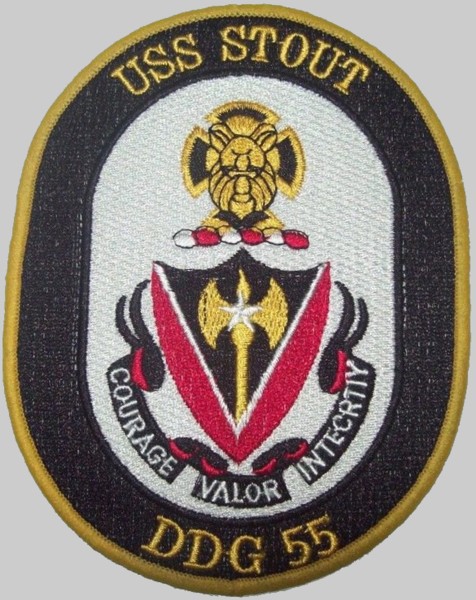
| patches + more | ||
 |
||
|
|
seaforces.org |
USN ships
start page | |