|
|
|
|
||||||
|
|
|
|
||||||
|
|
|
|
||||||
|
|
||||||||
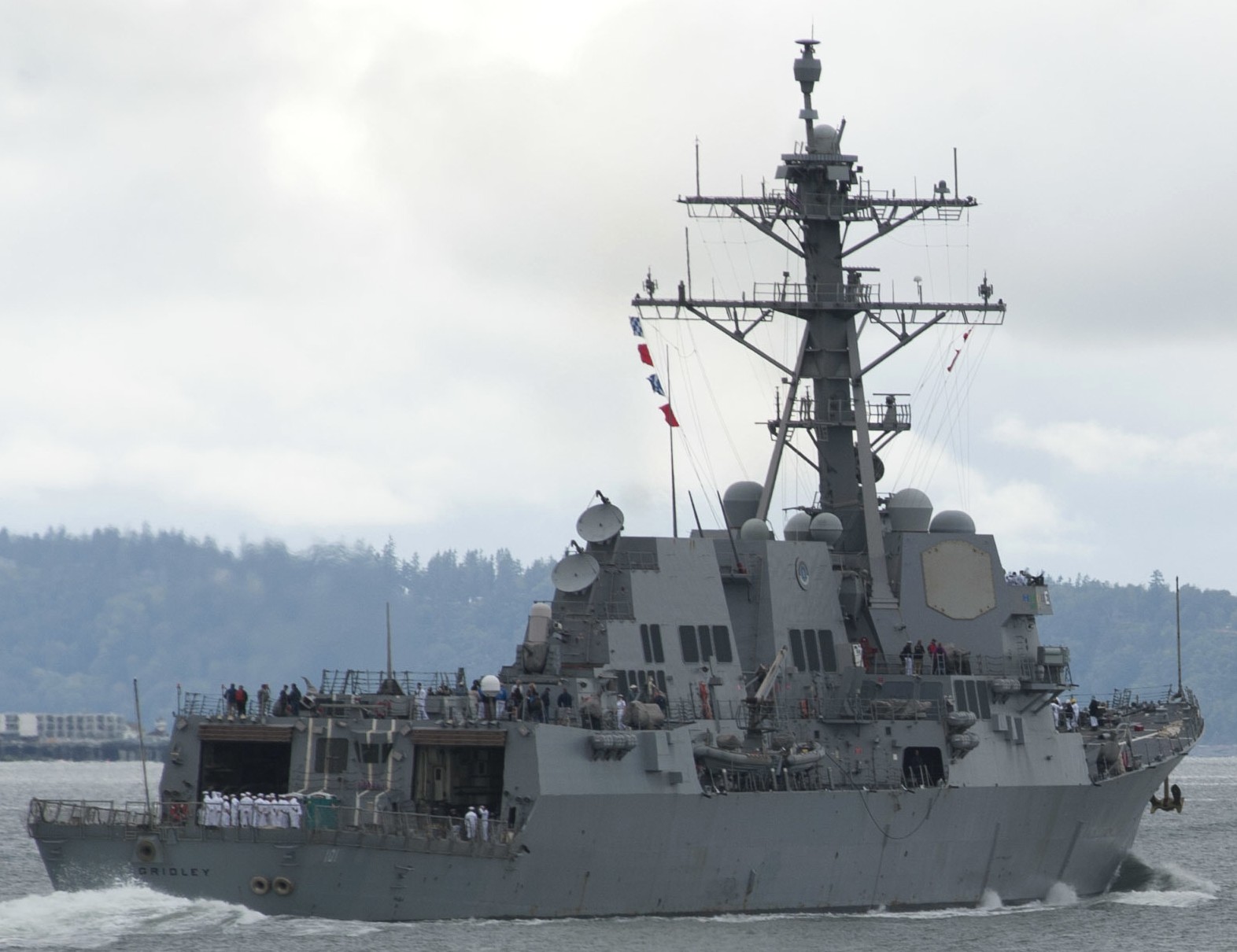
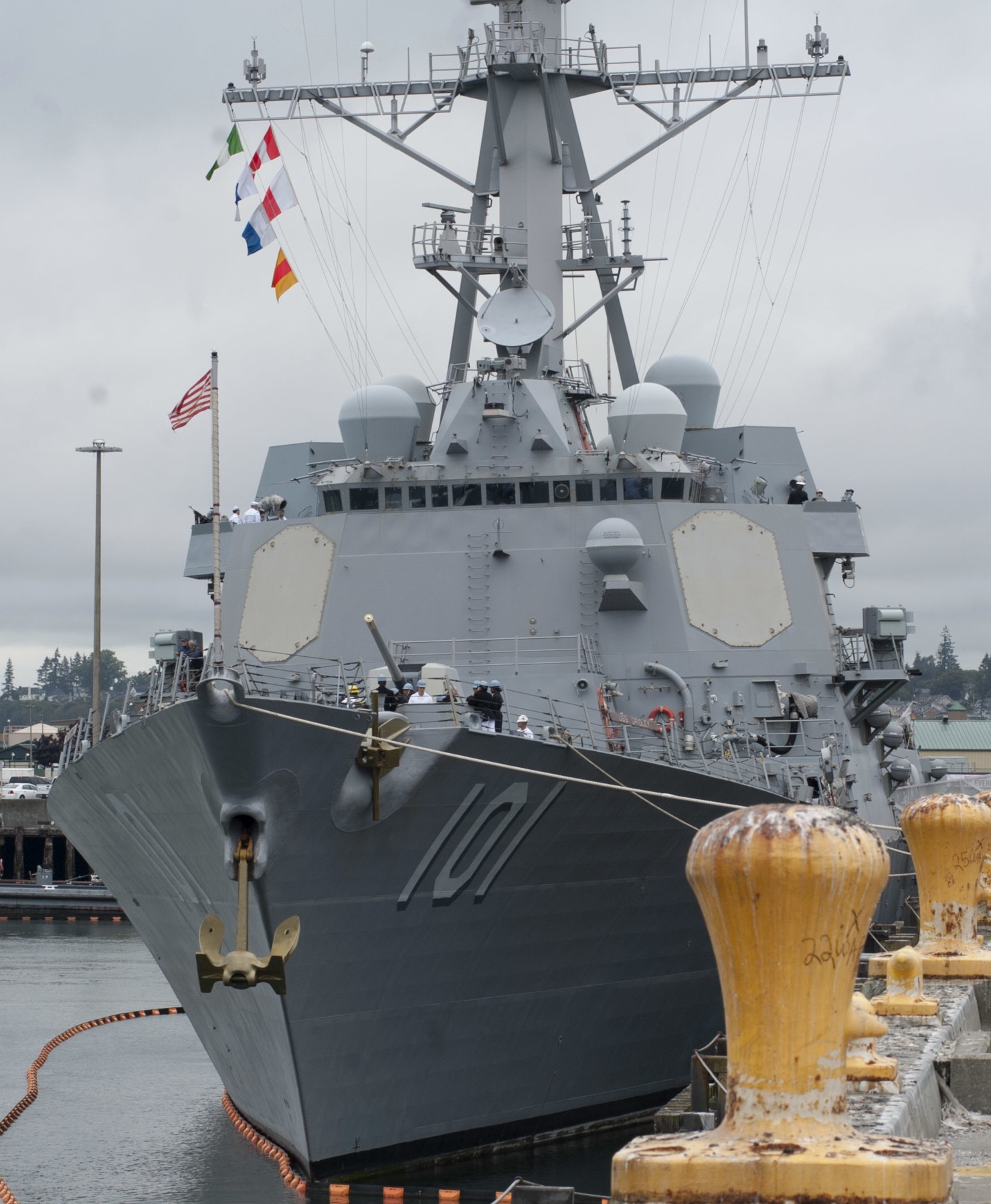
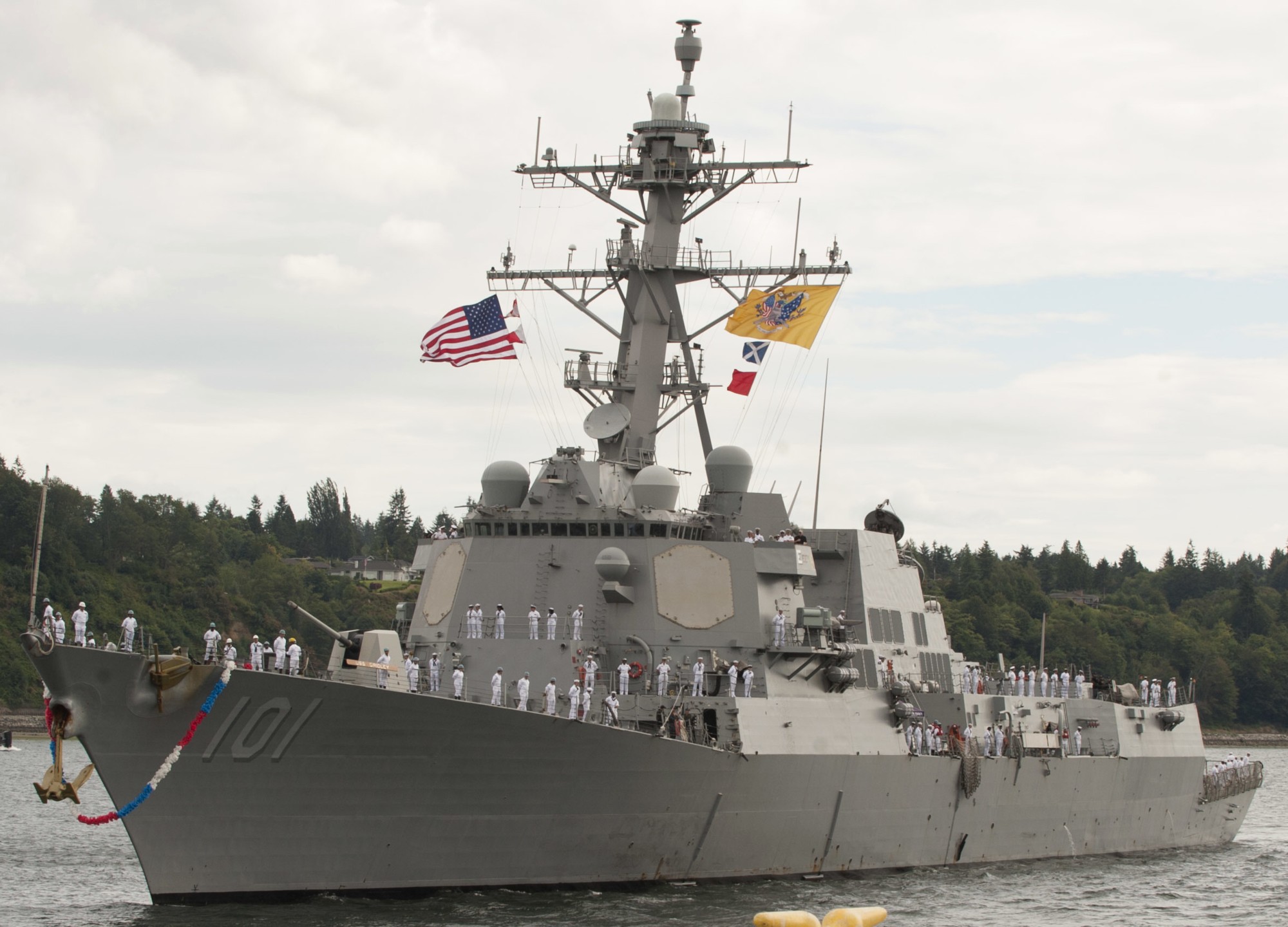
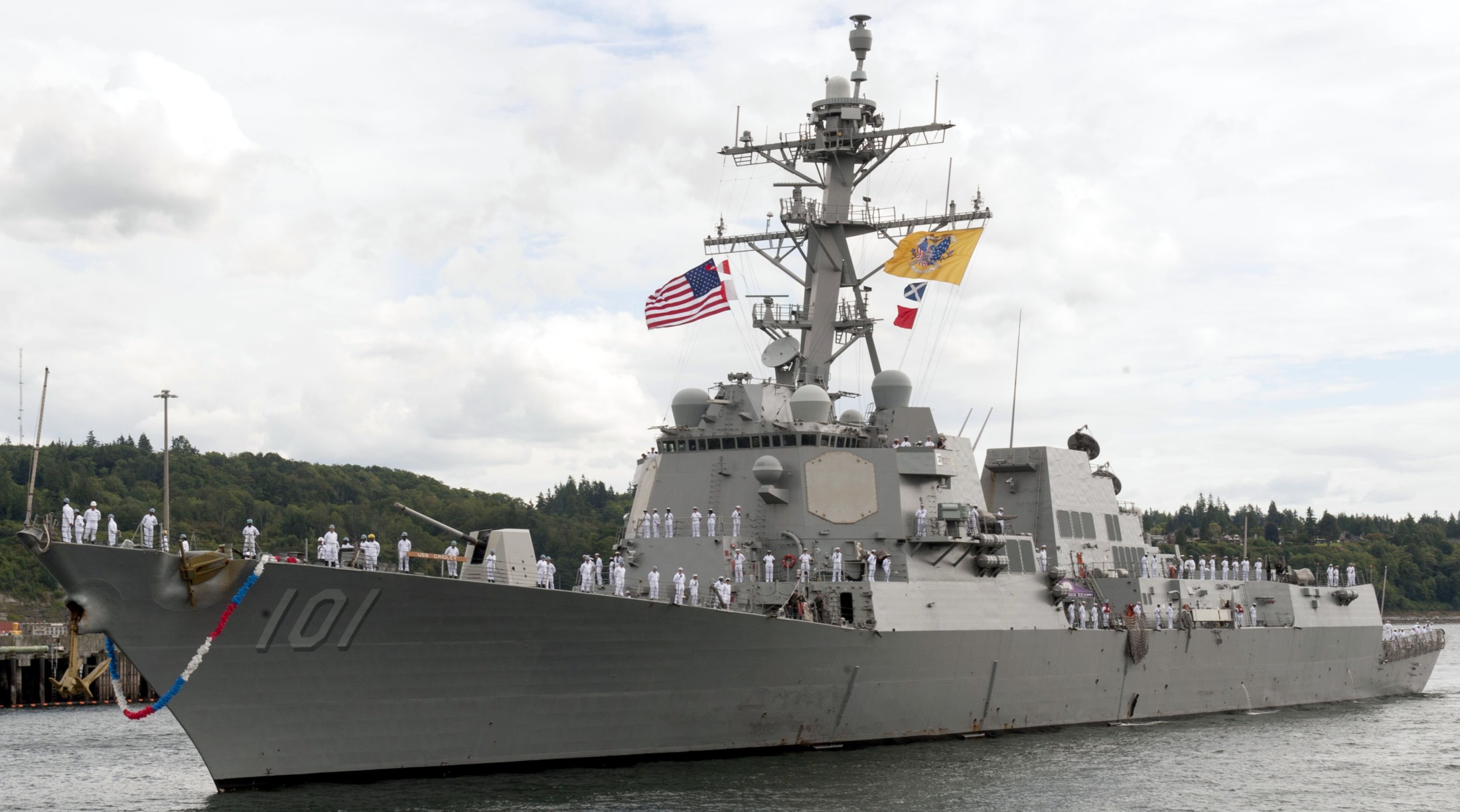
Guided Missile Destroyer
|
||||||||
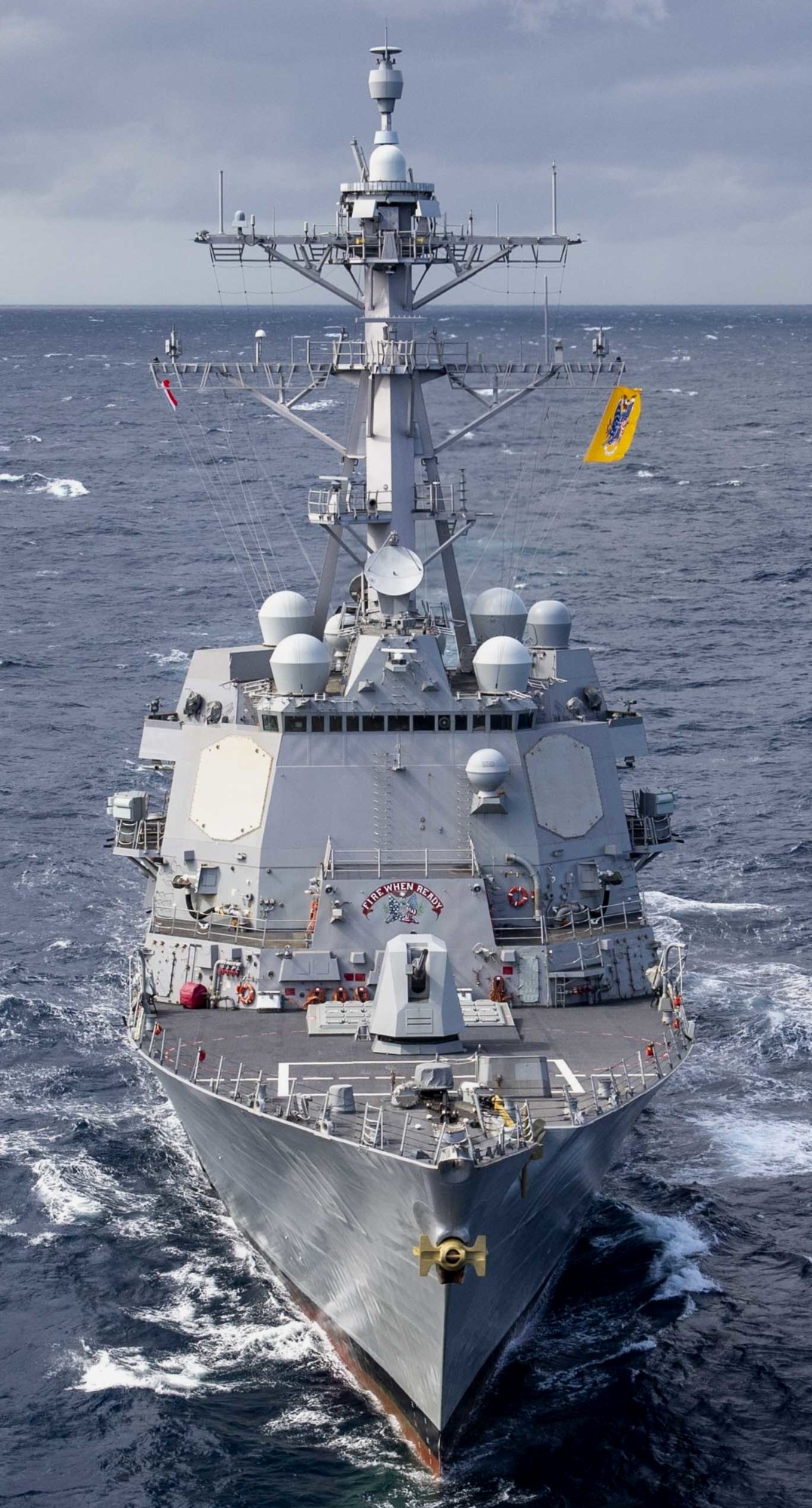
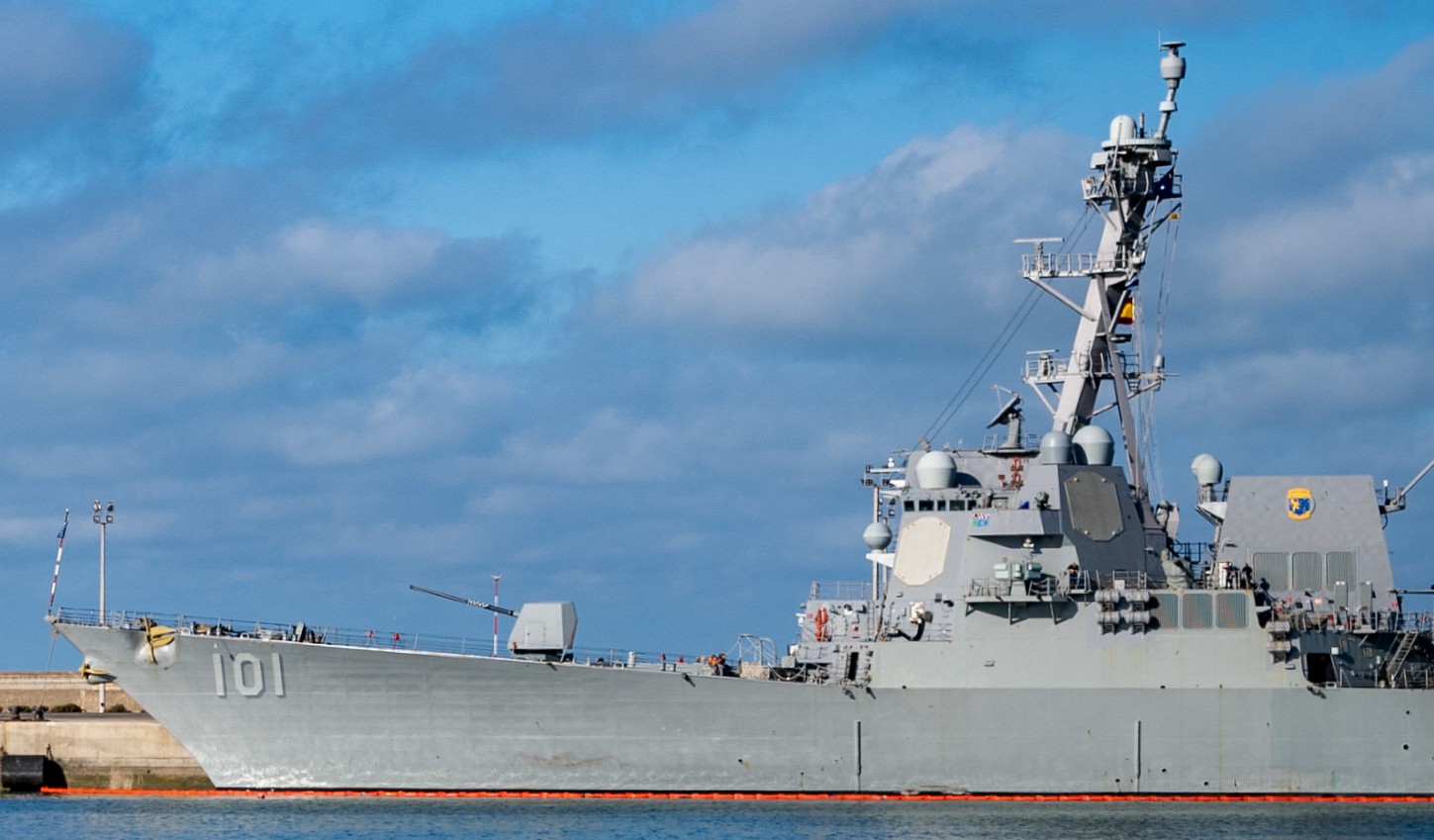
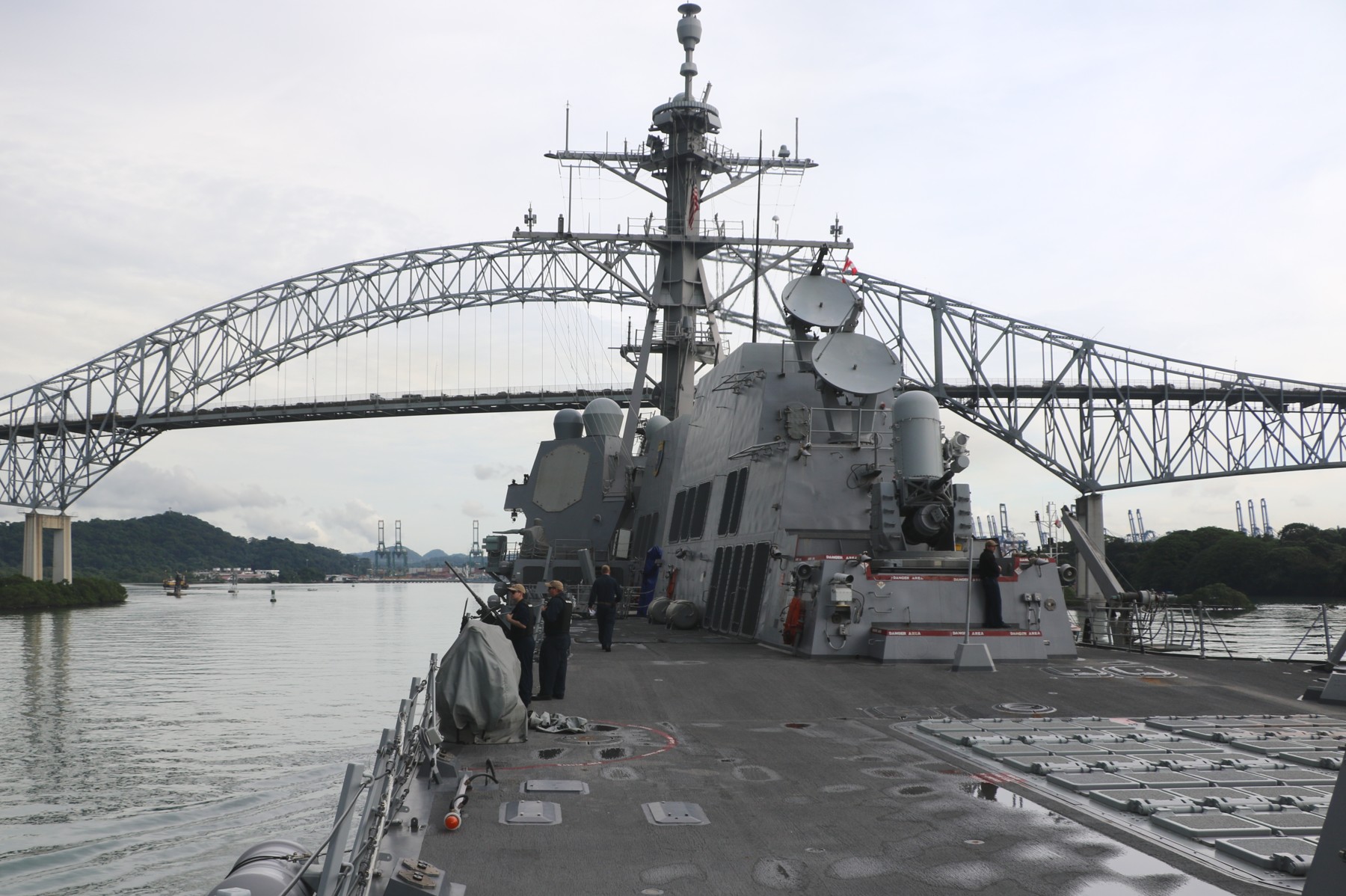
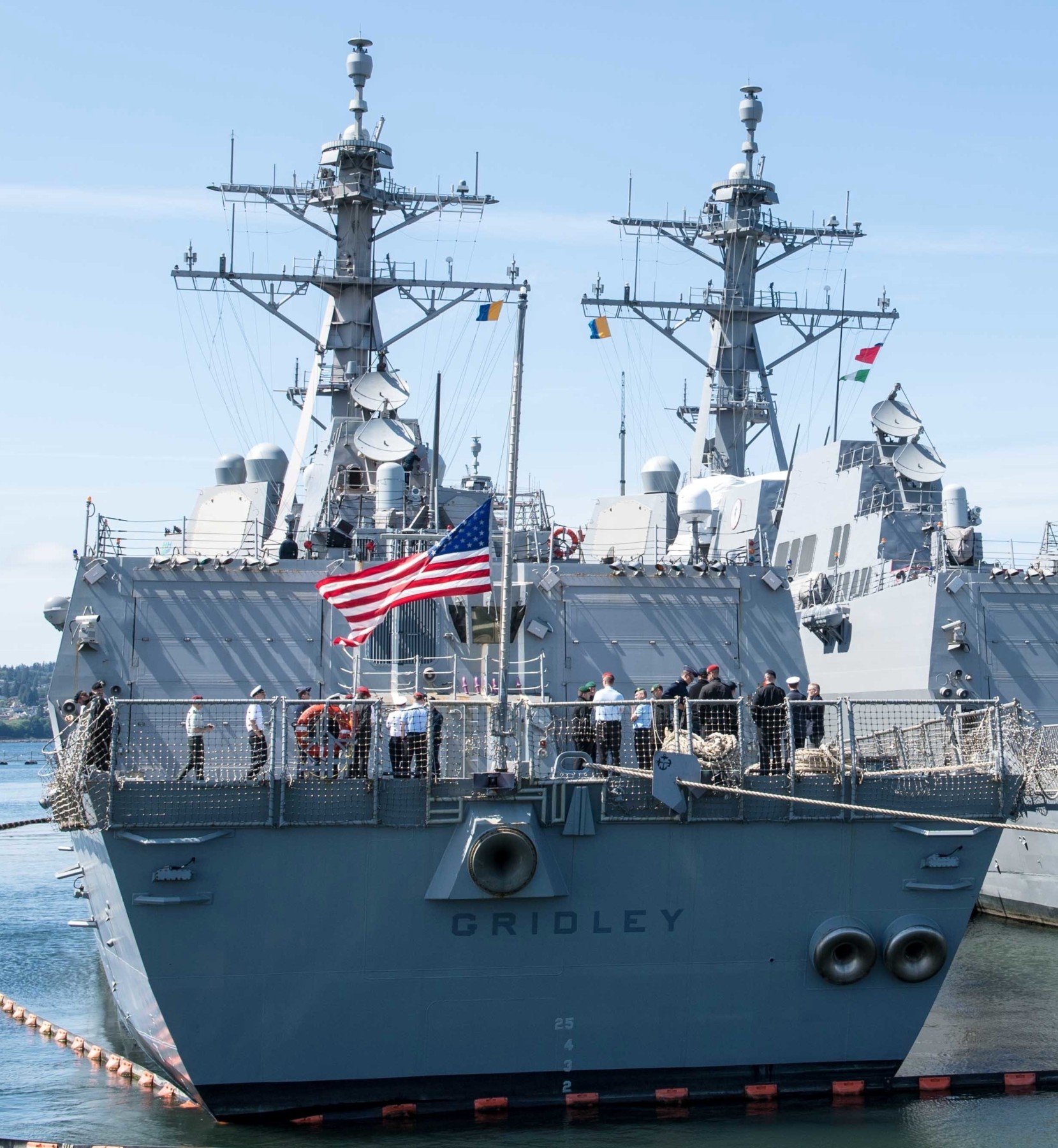
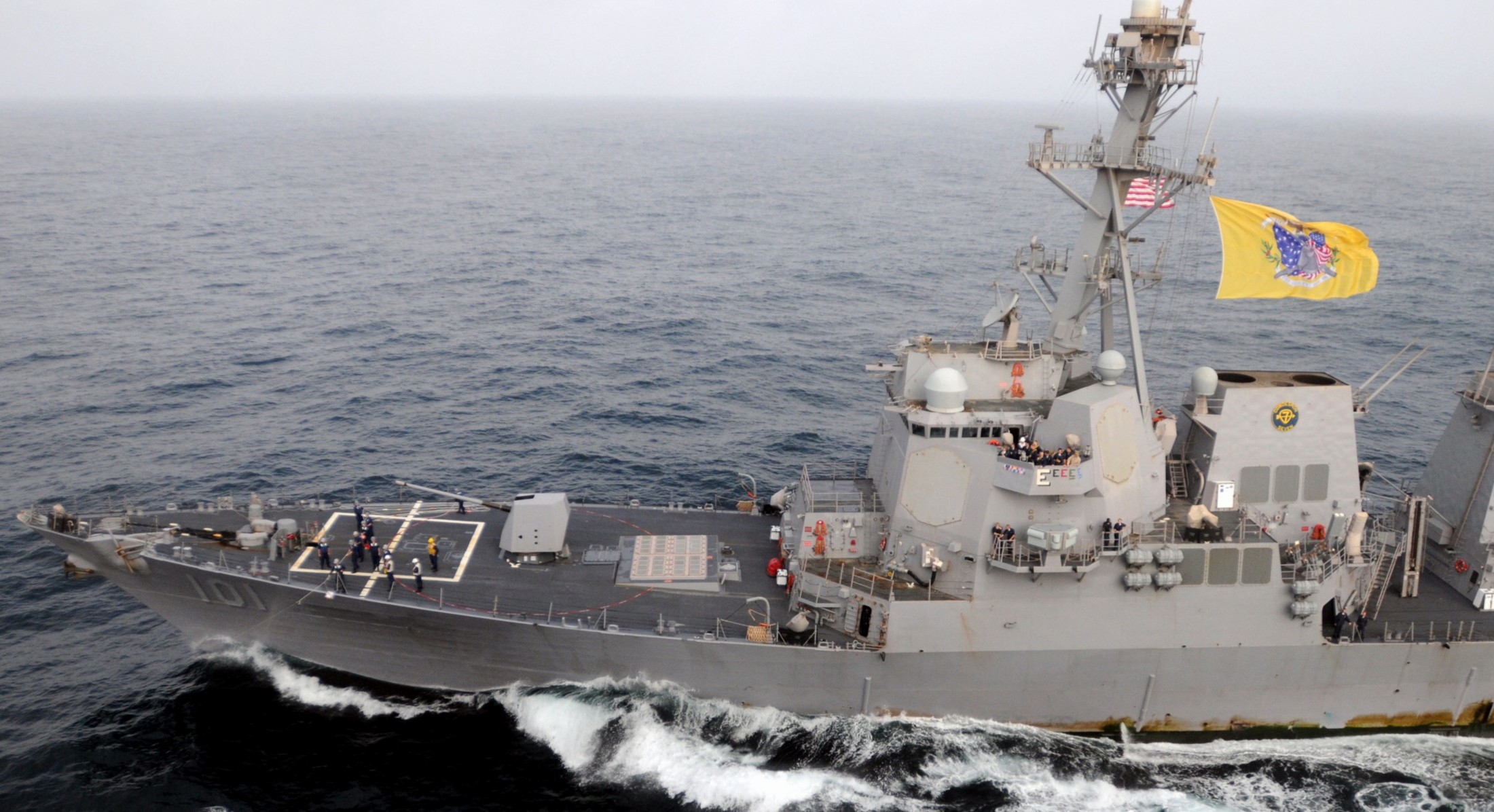
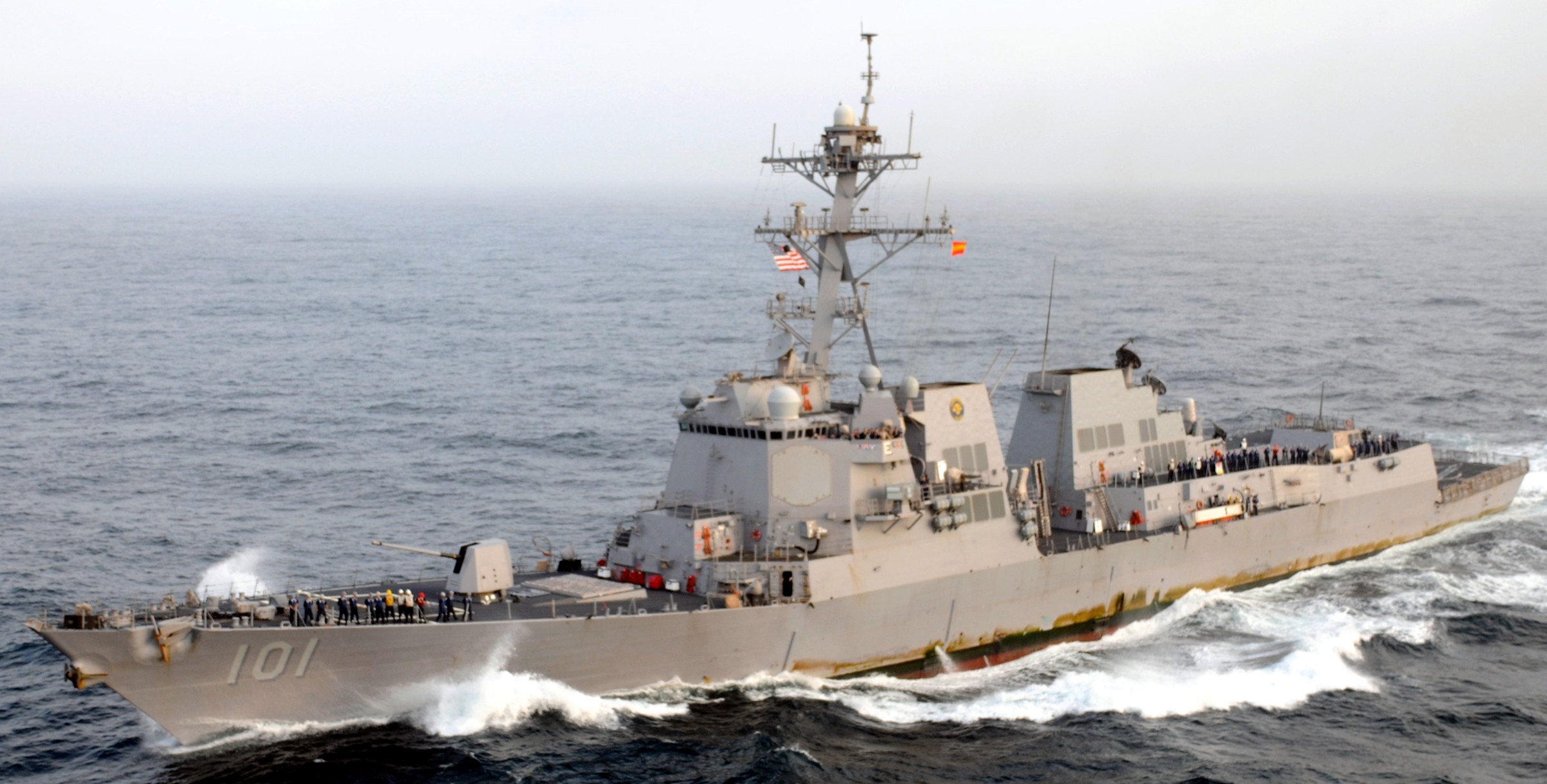
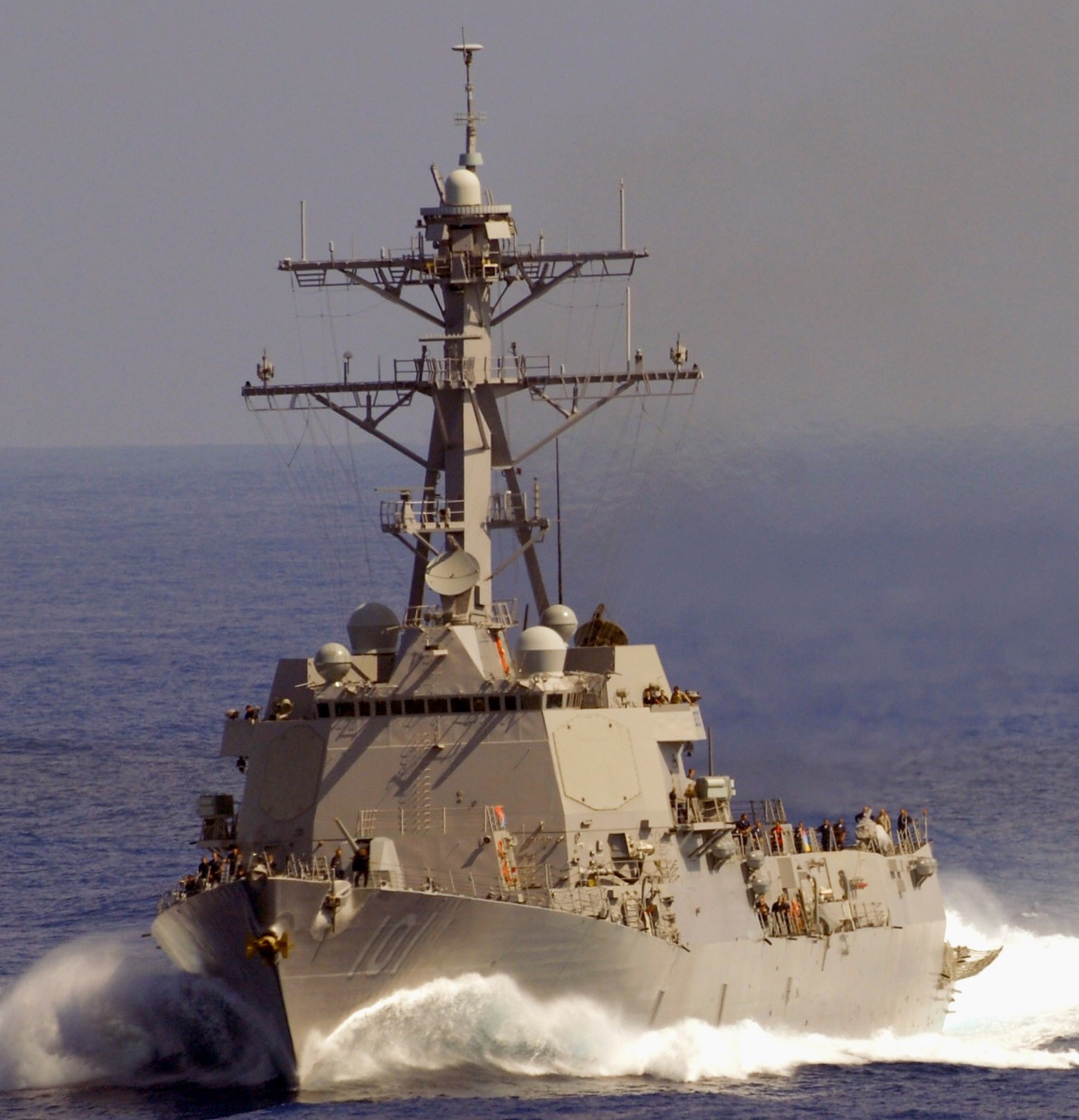
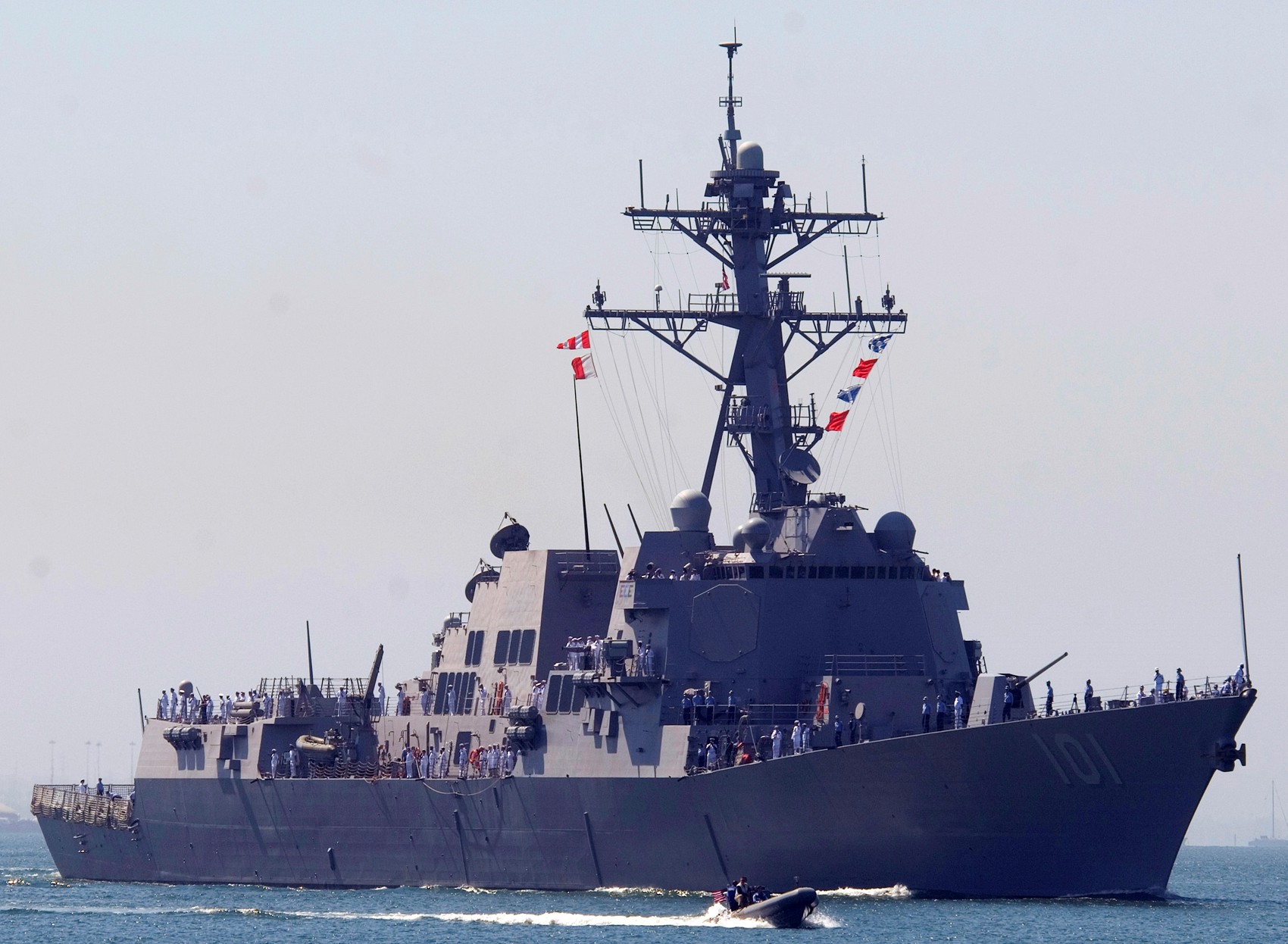
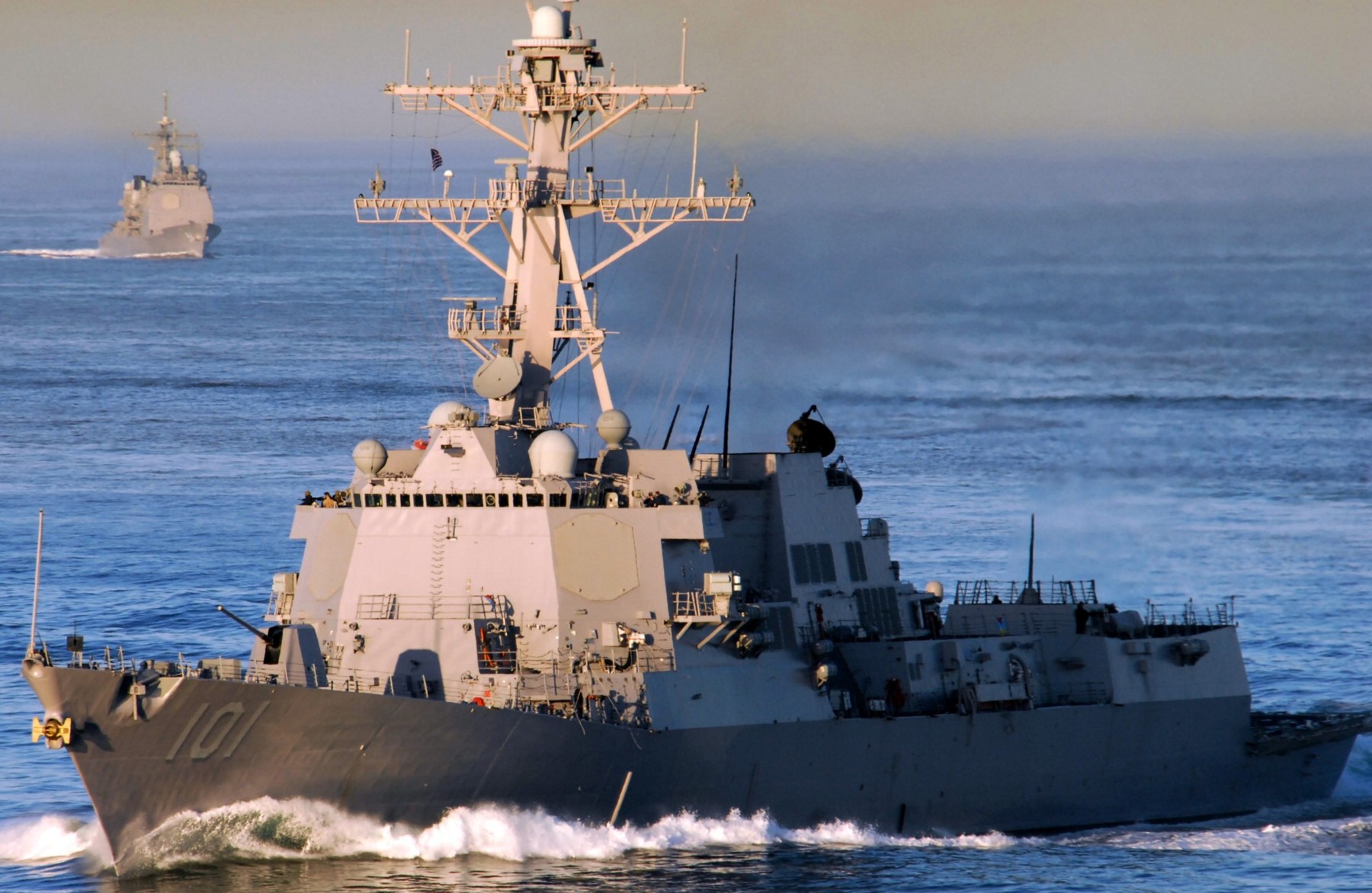
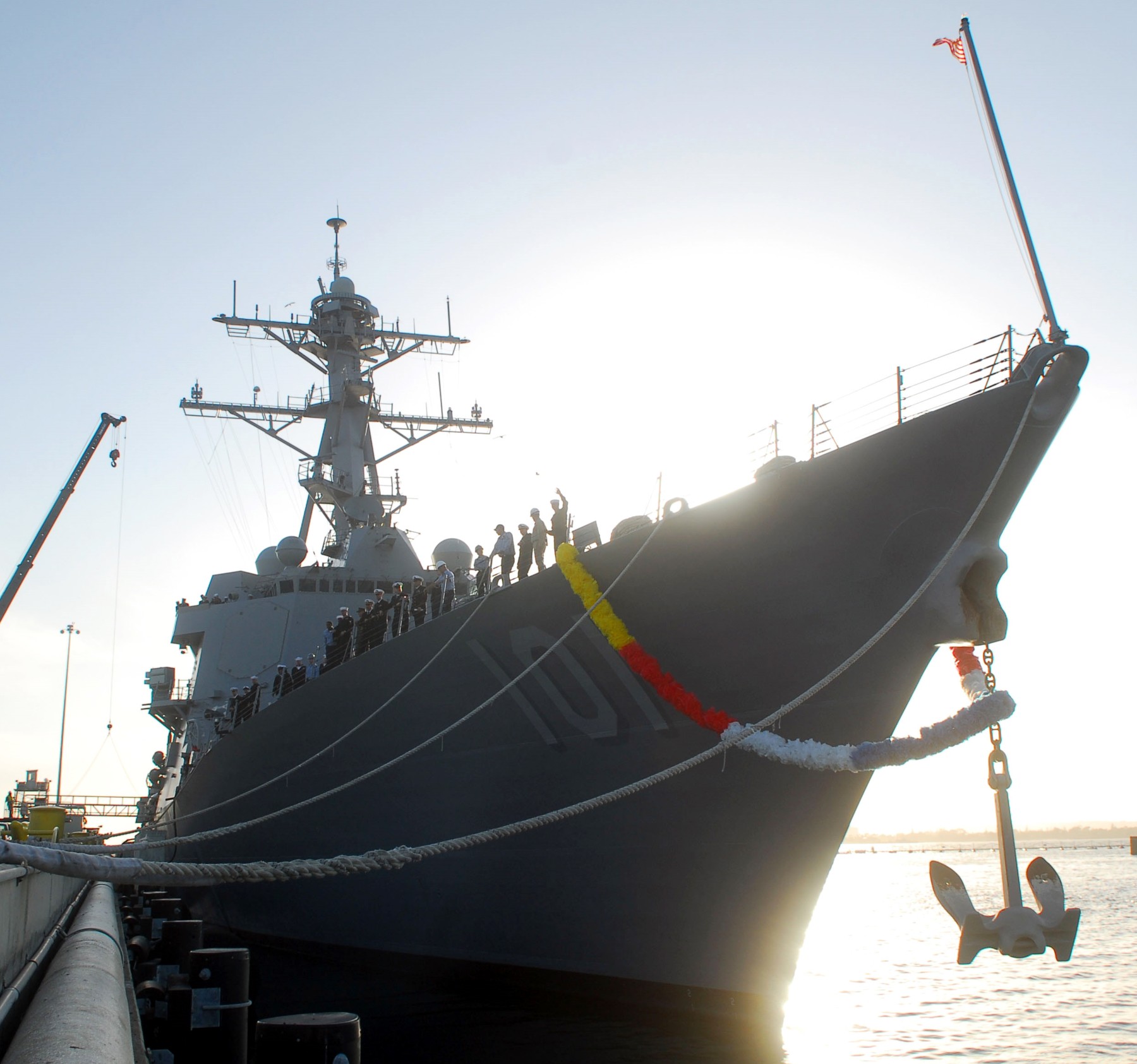
DDG 101 -
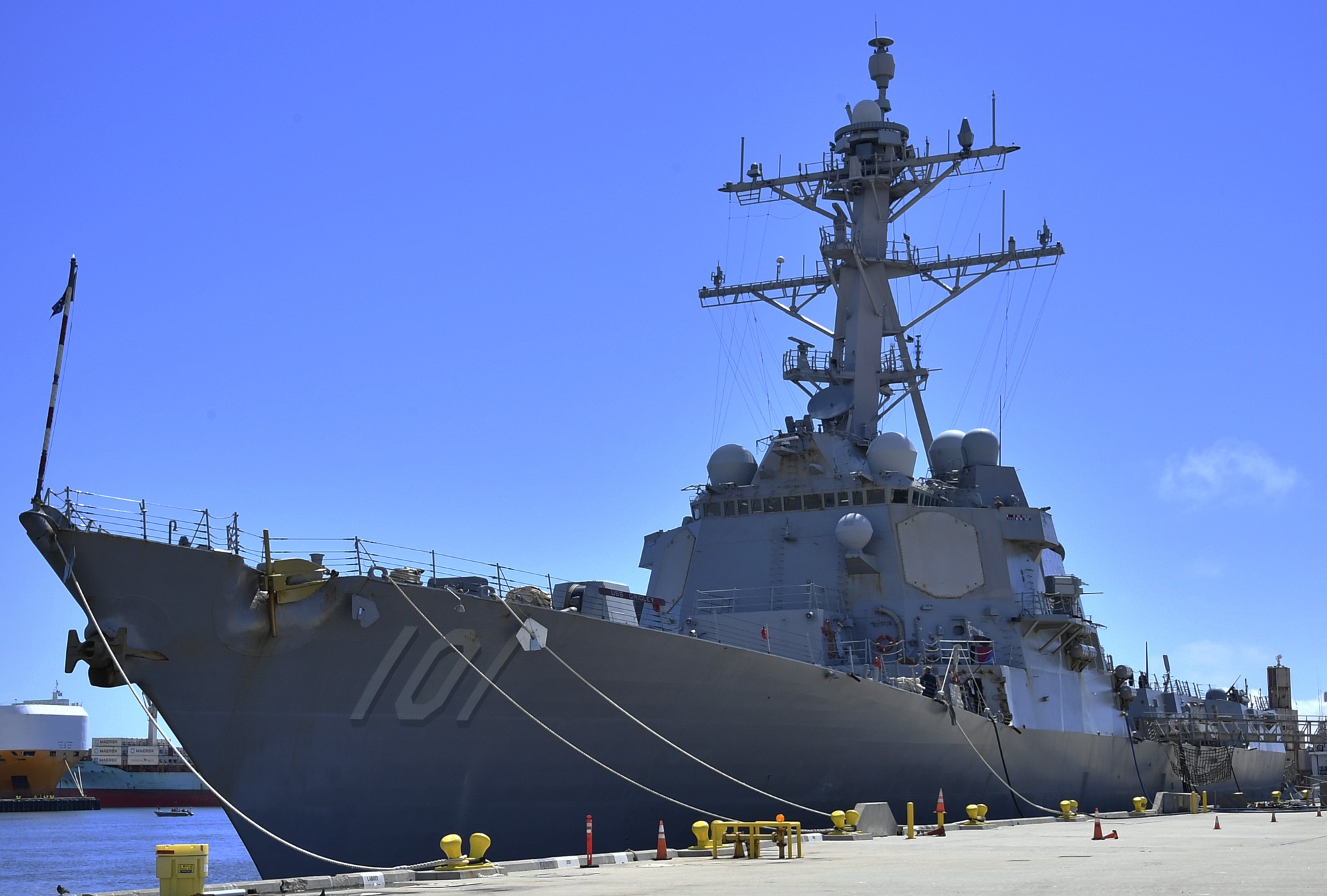
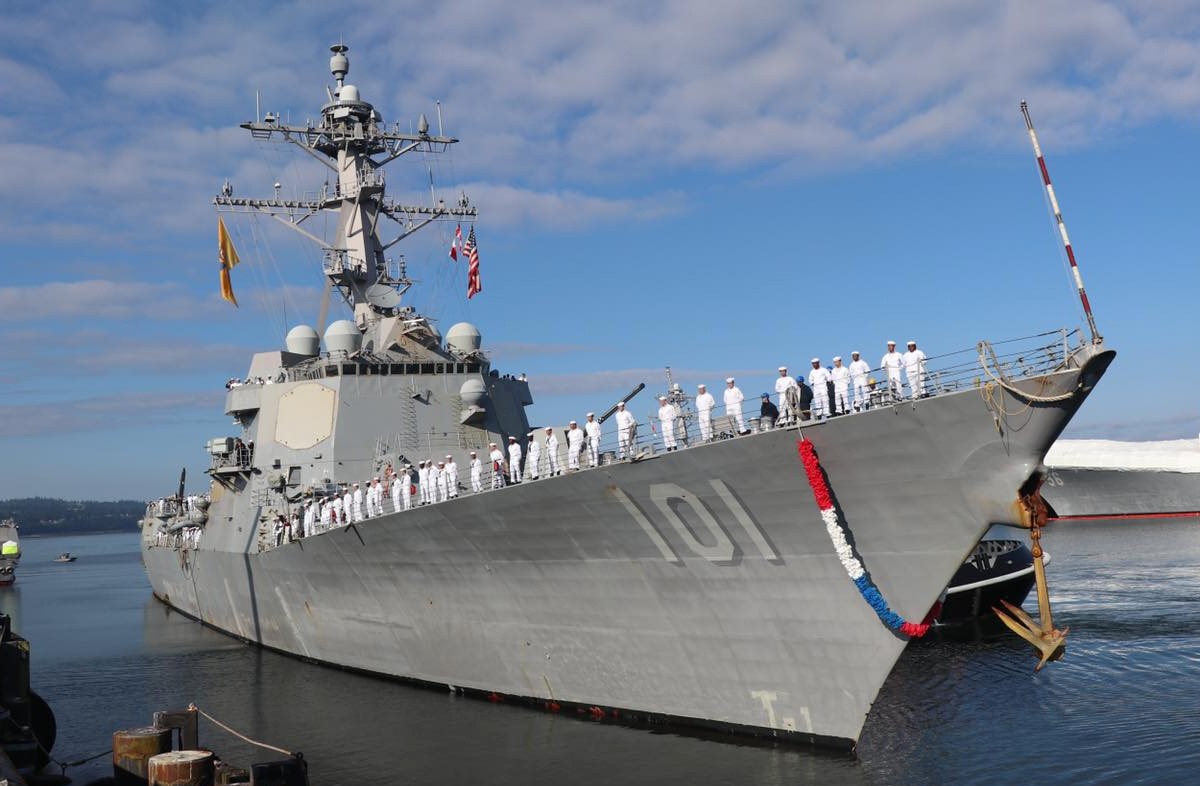
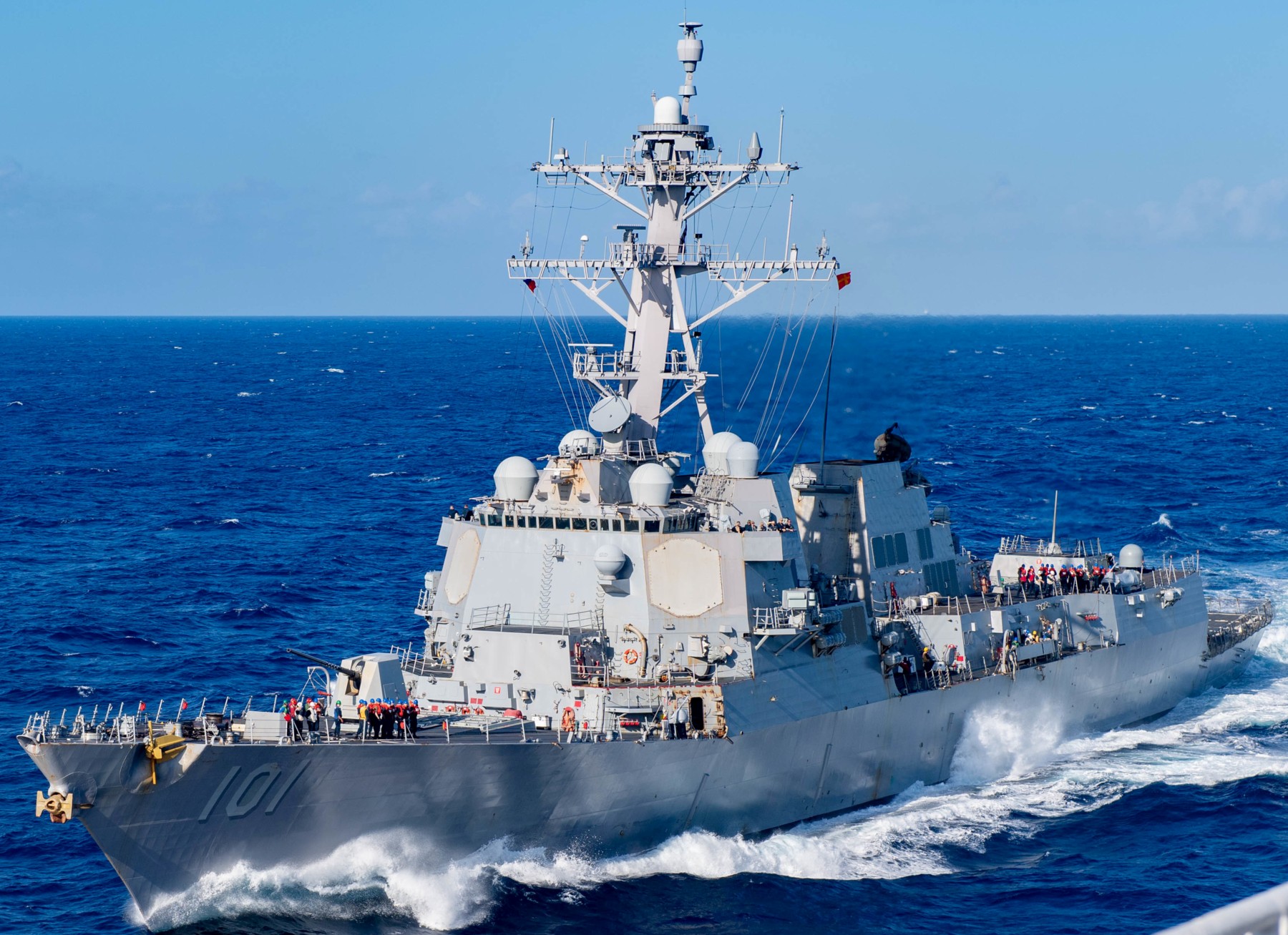
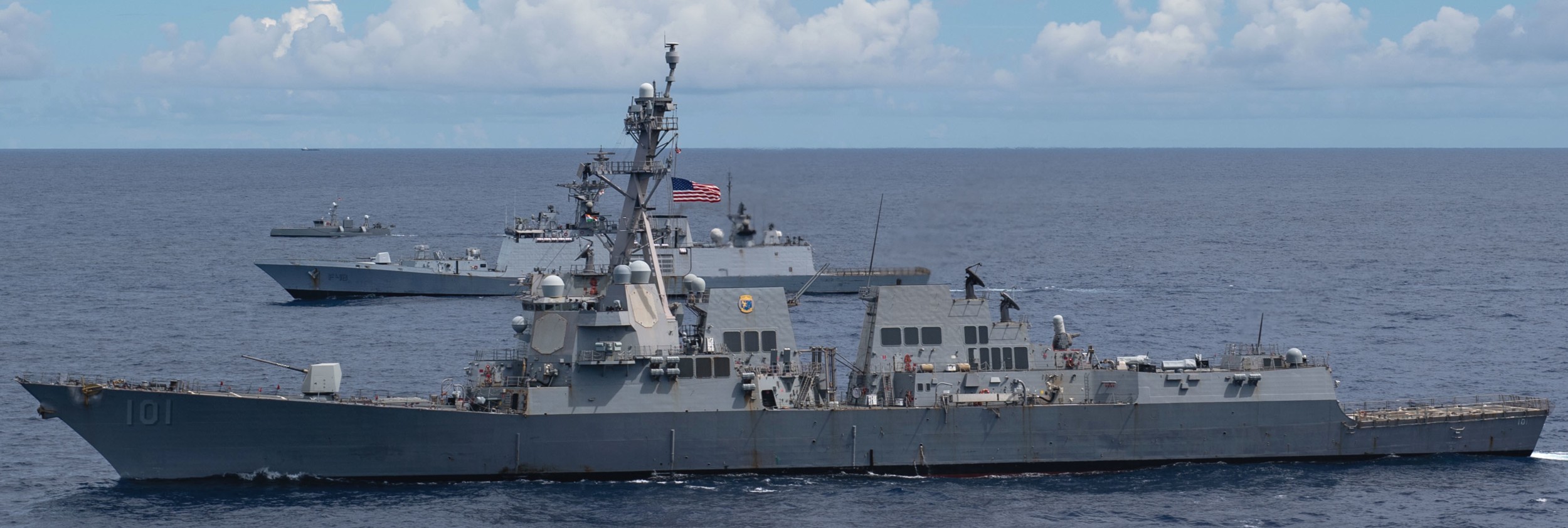
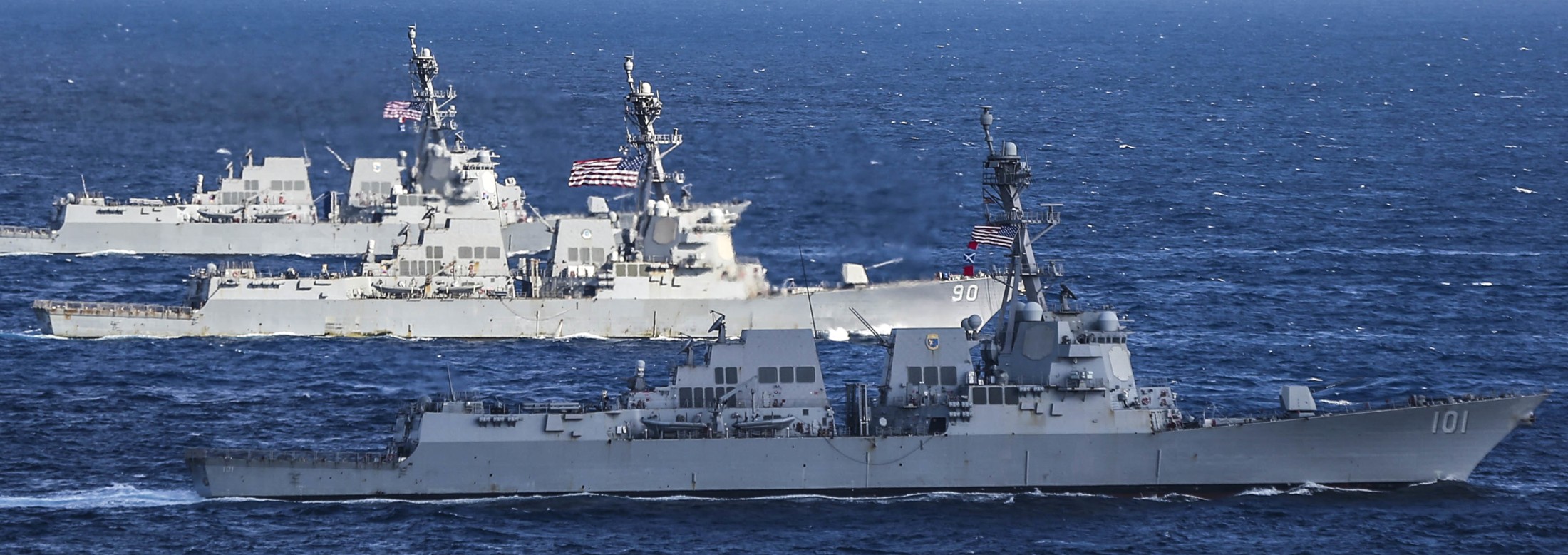
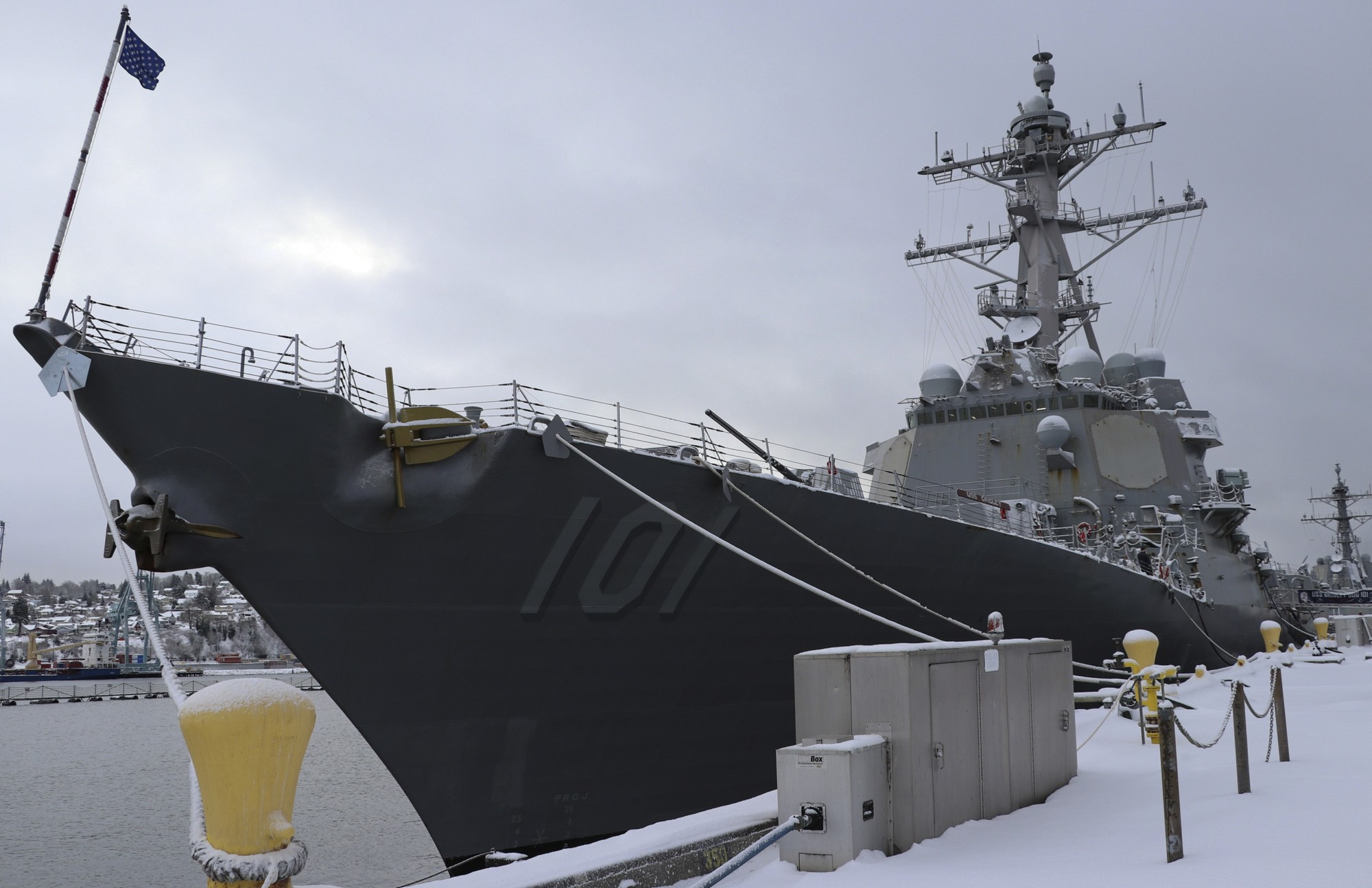
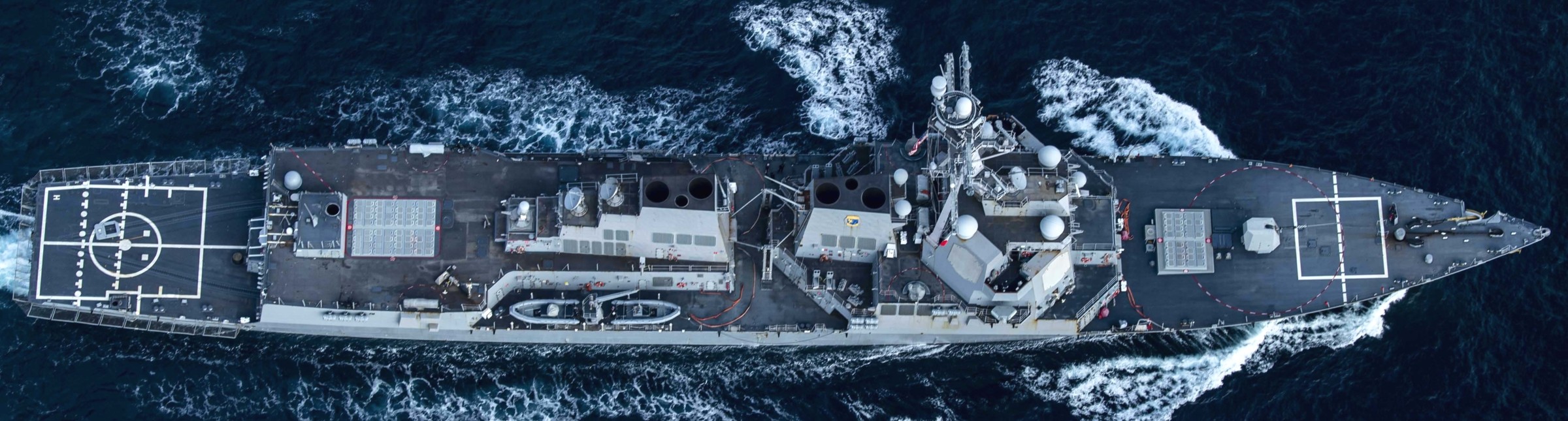
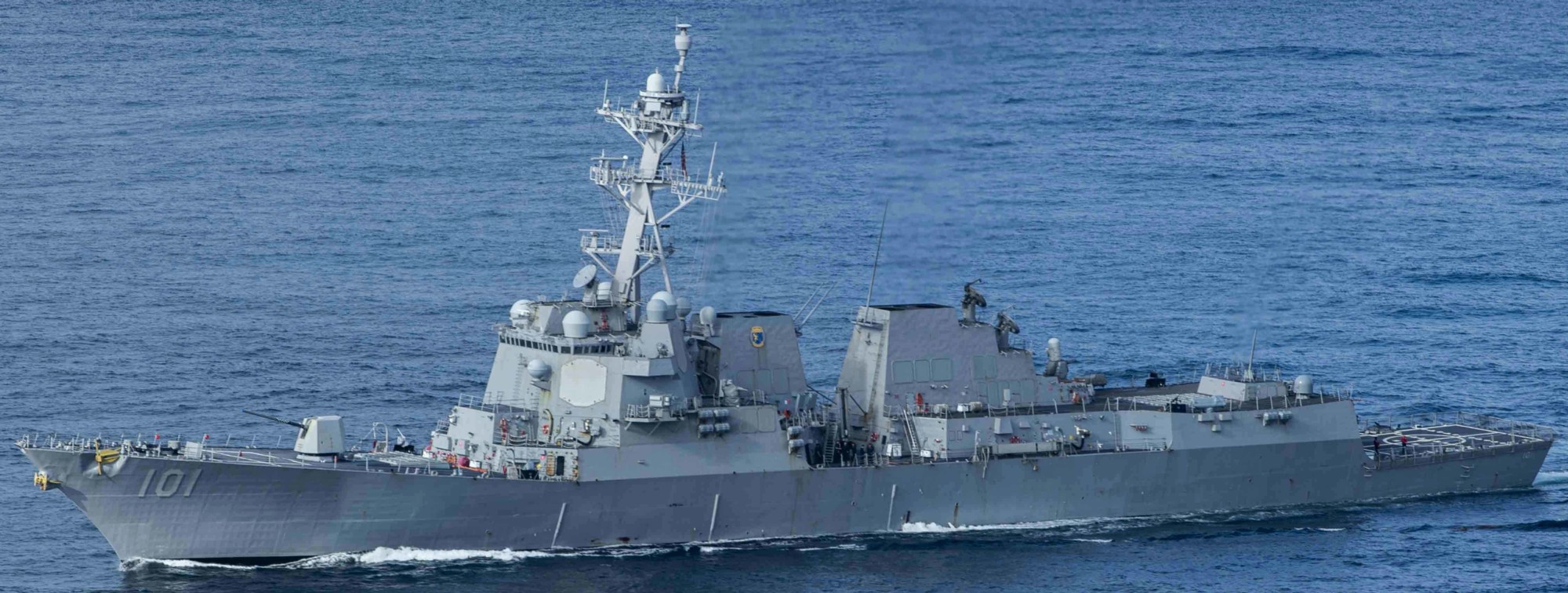
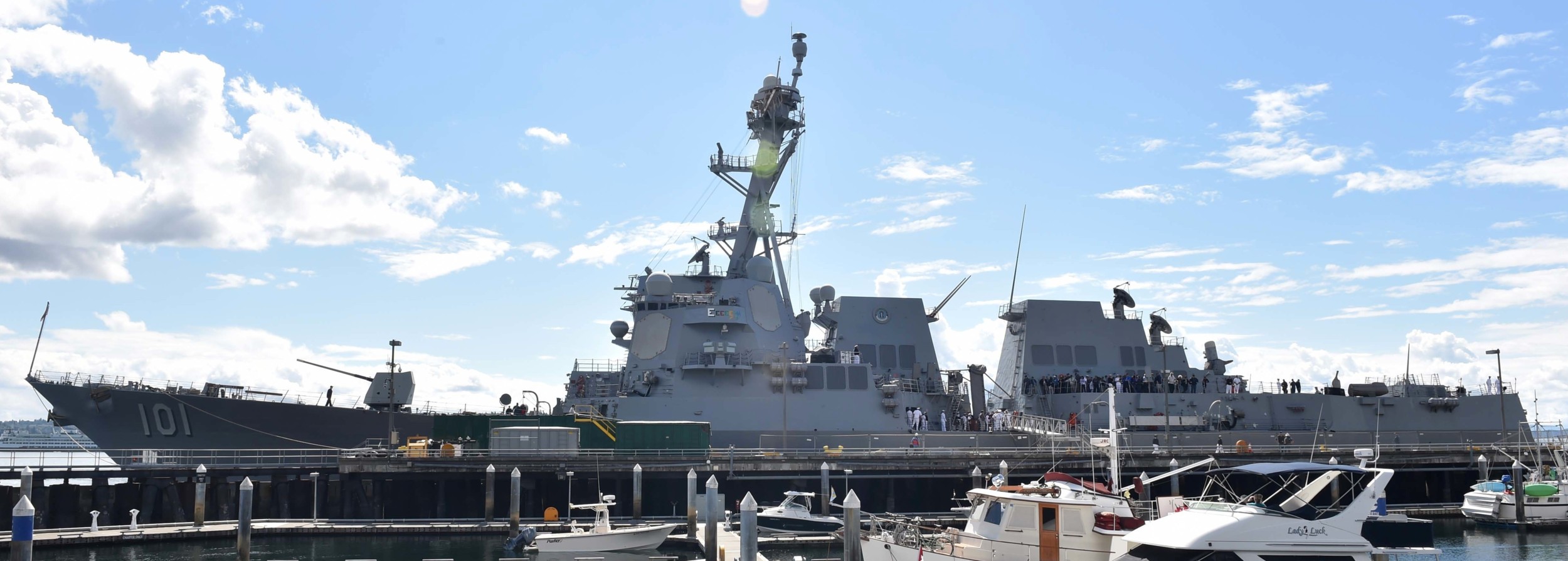
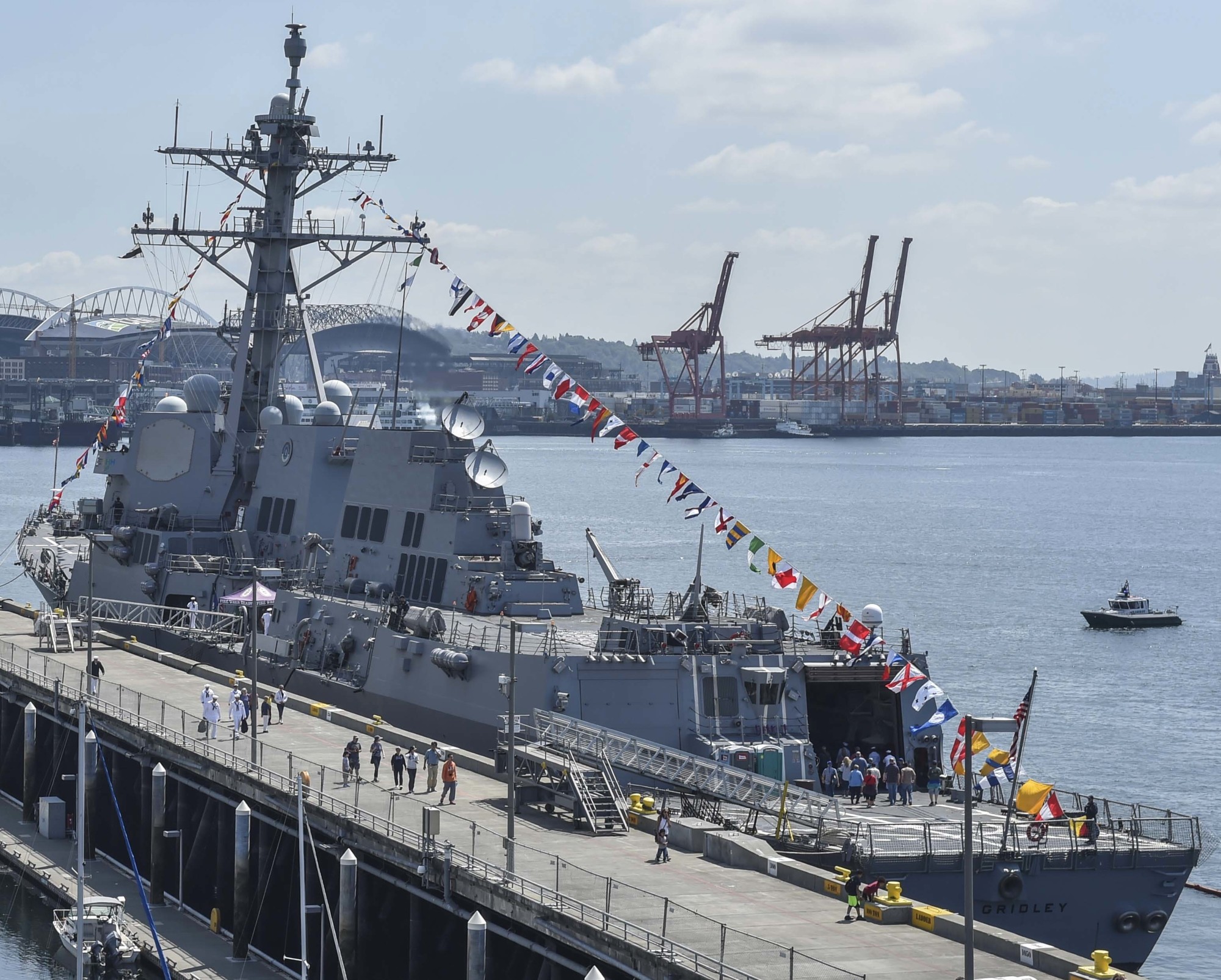
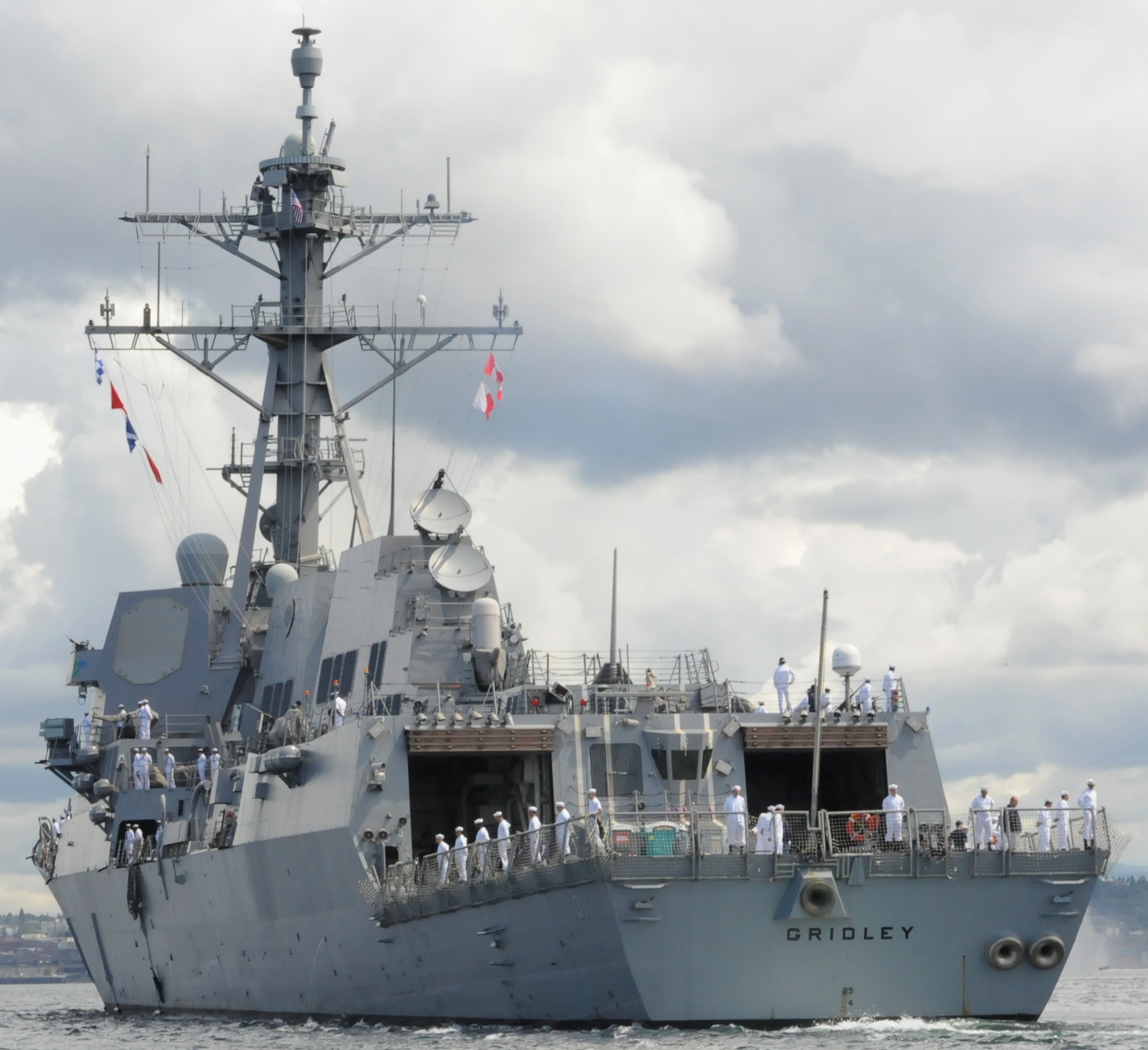
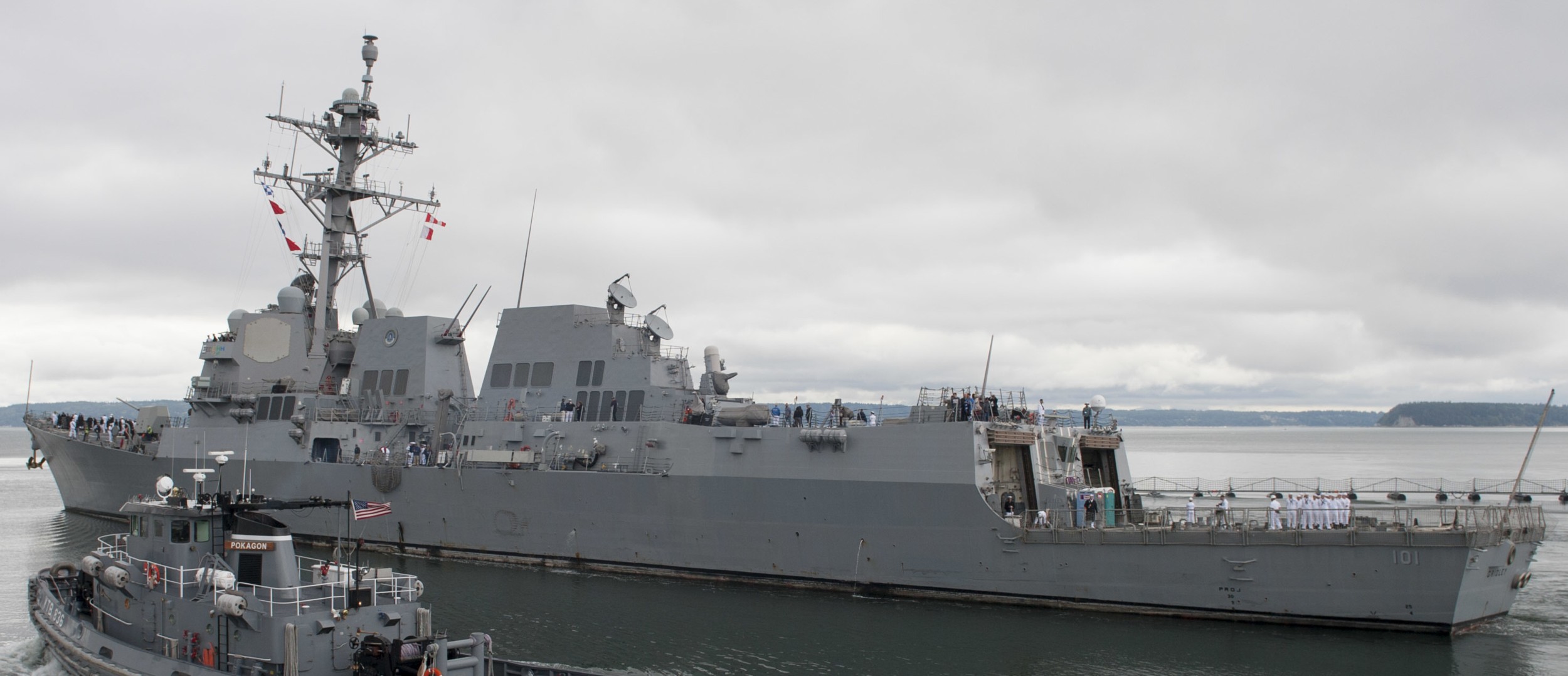
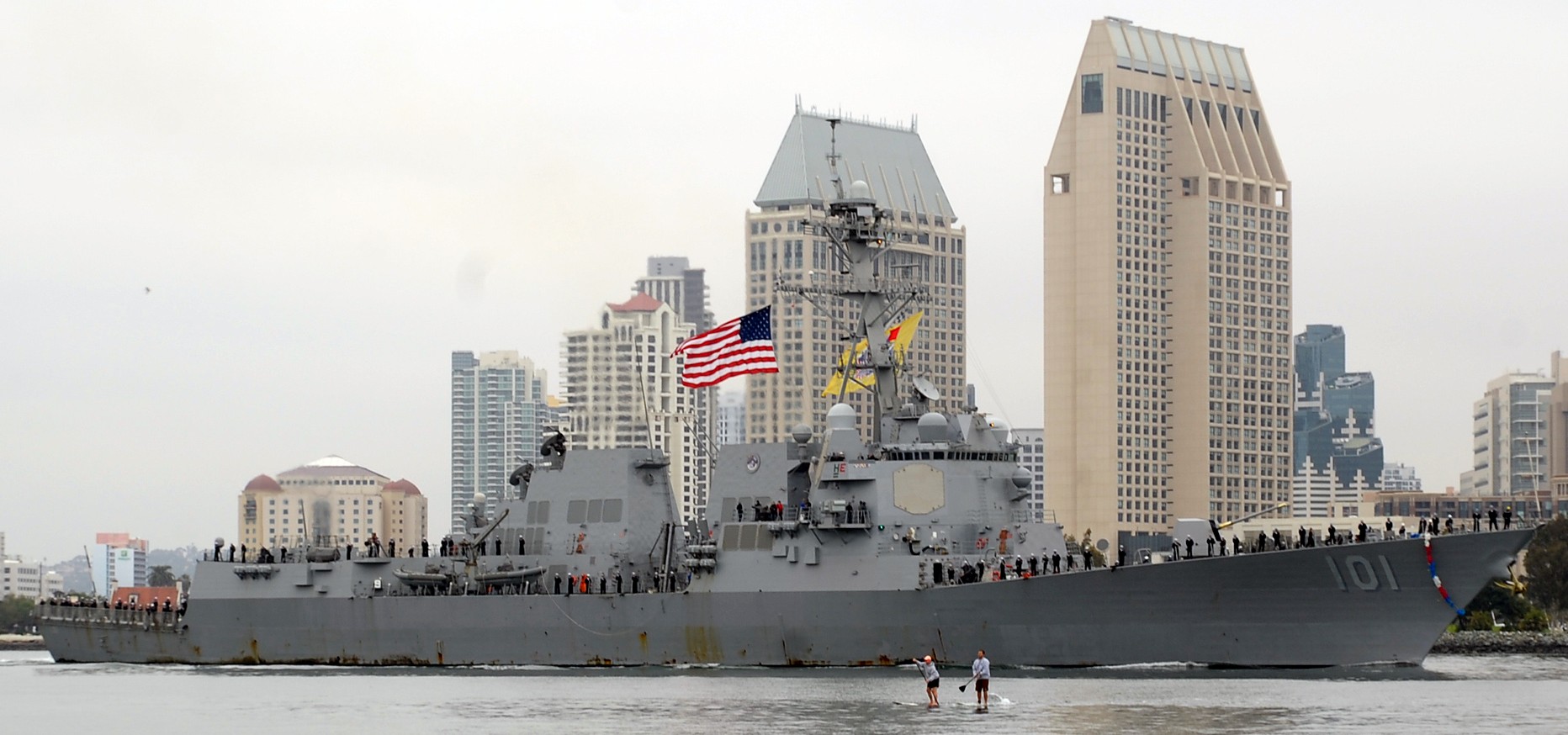
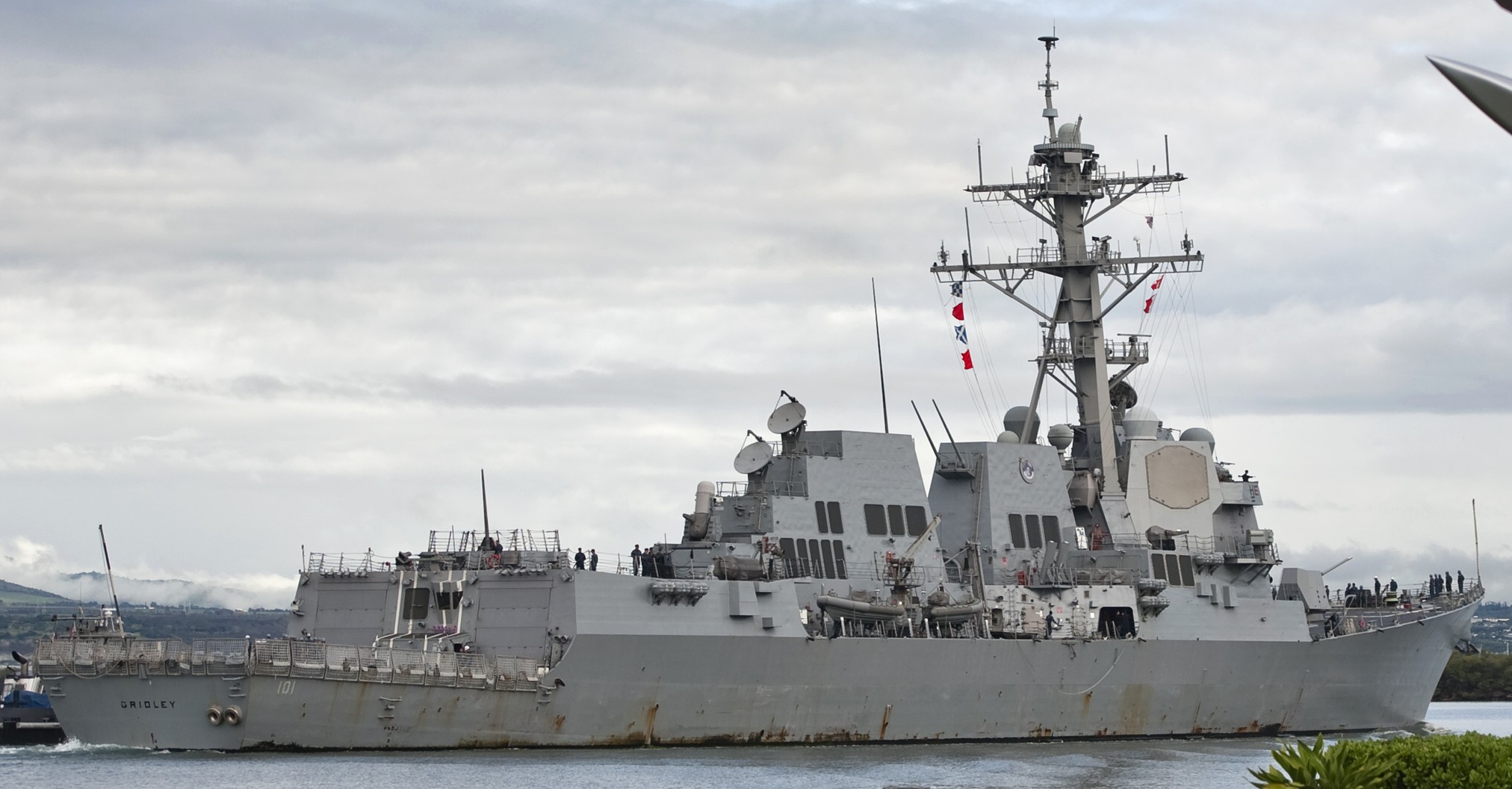
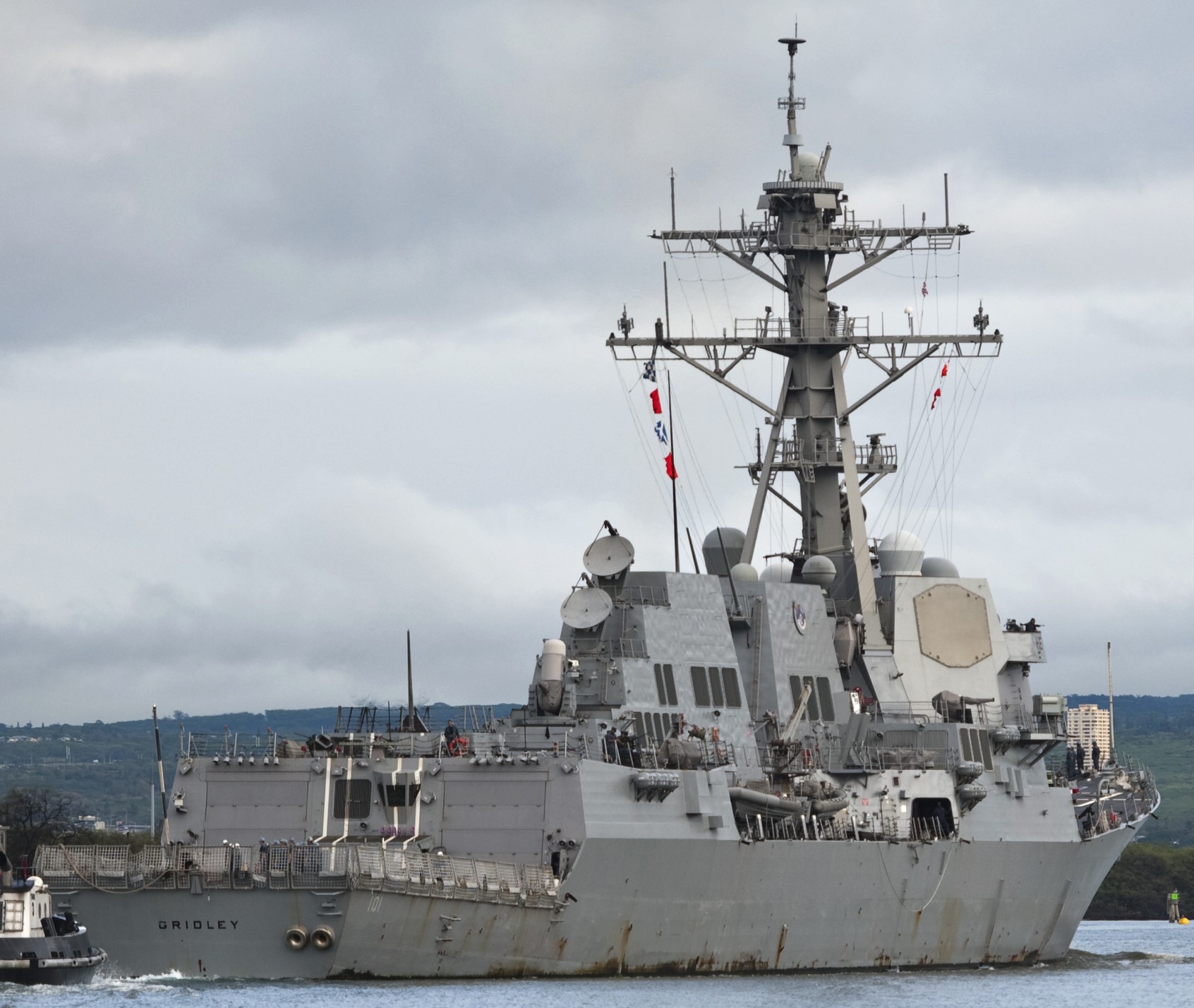
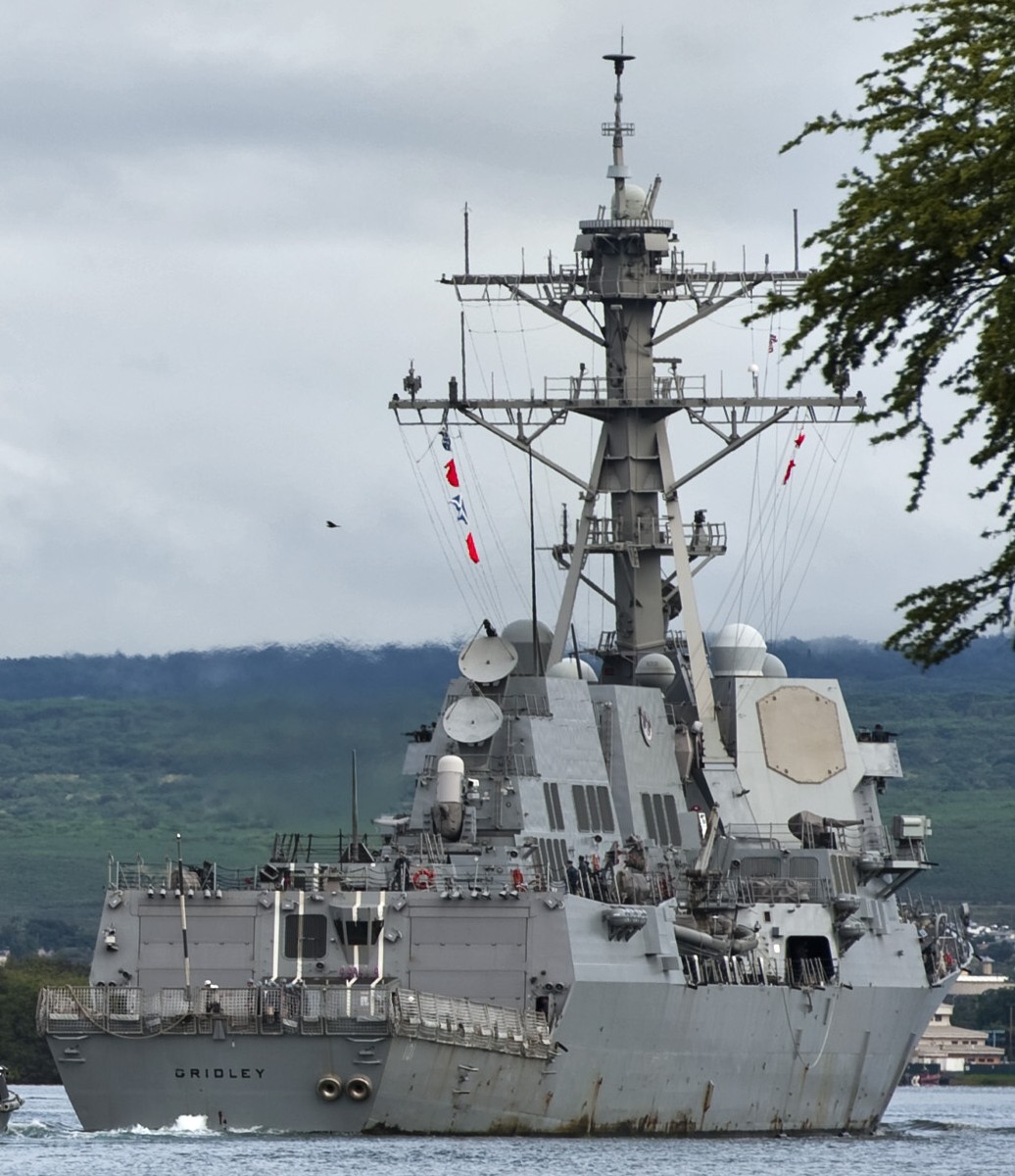
USS Gridley
|
||||||||
|
|
||||||||
|
|
|
|||||||
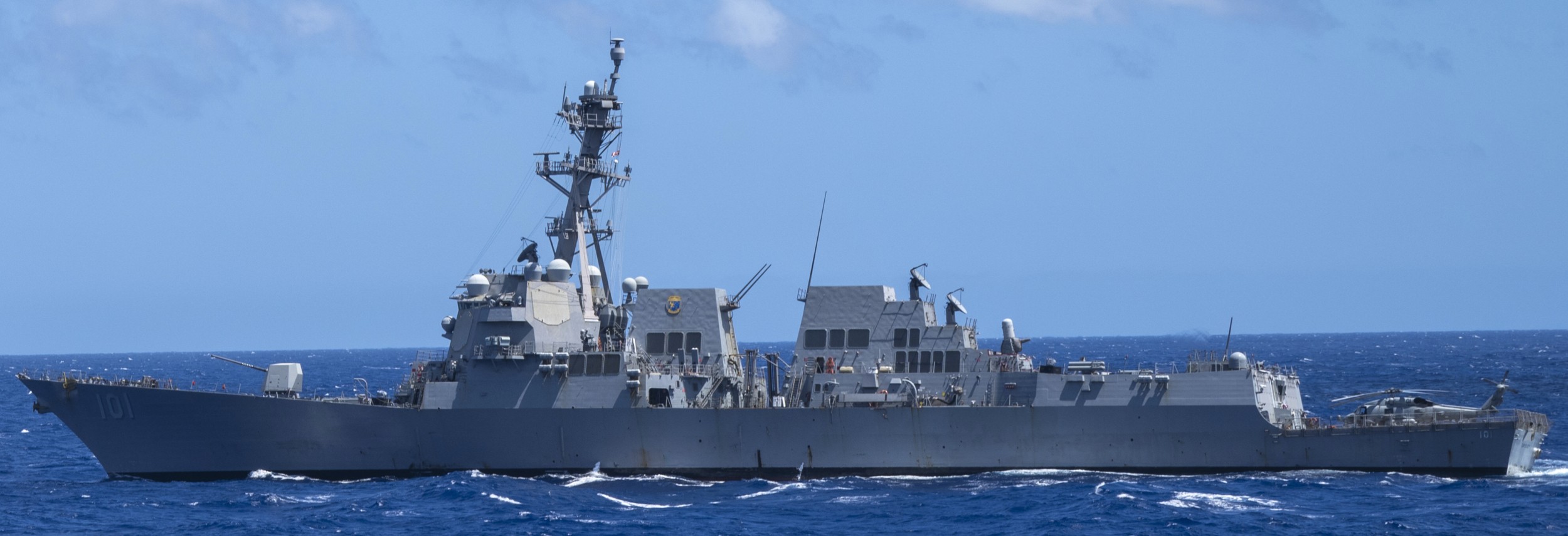
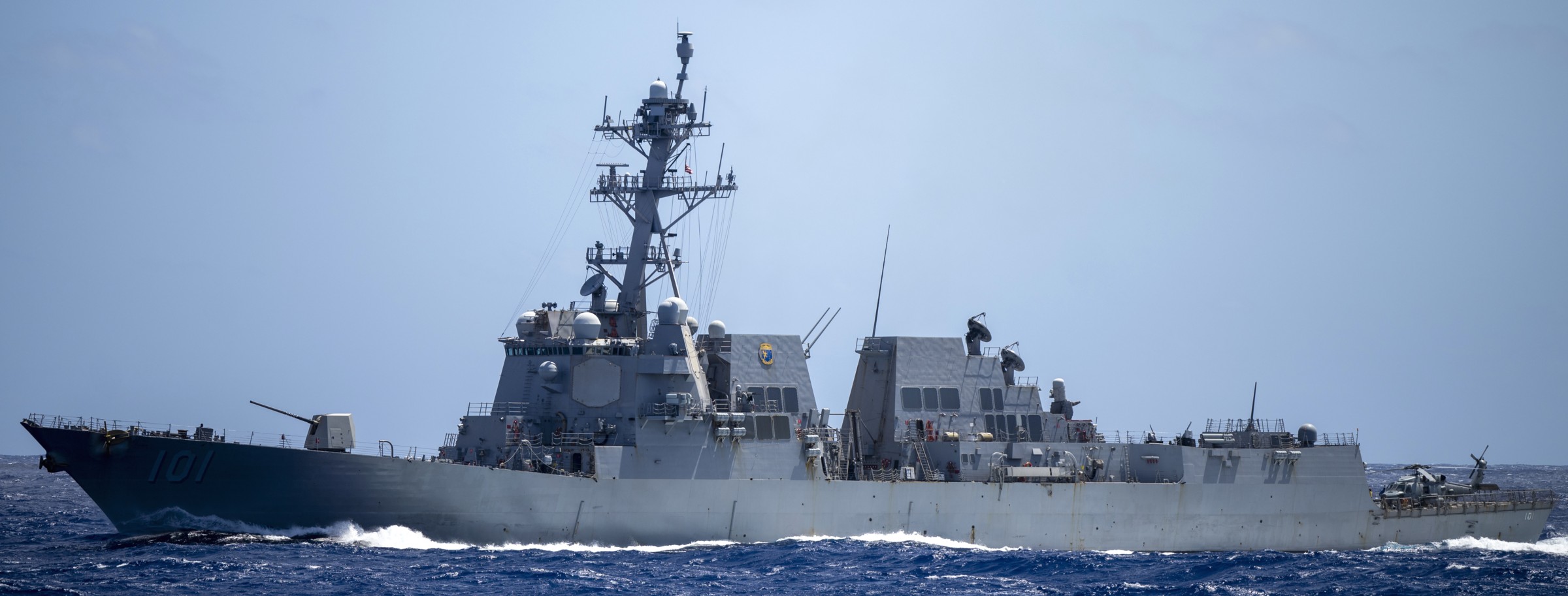
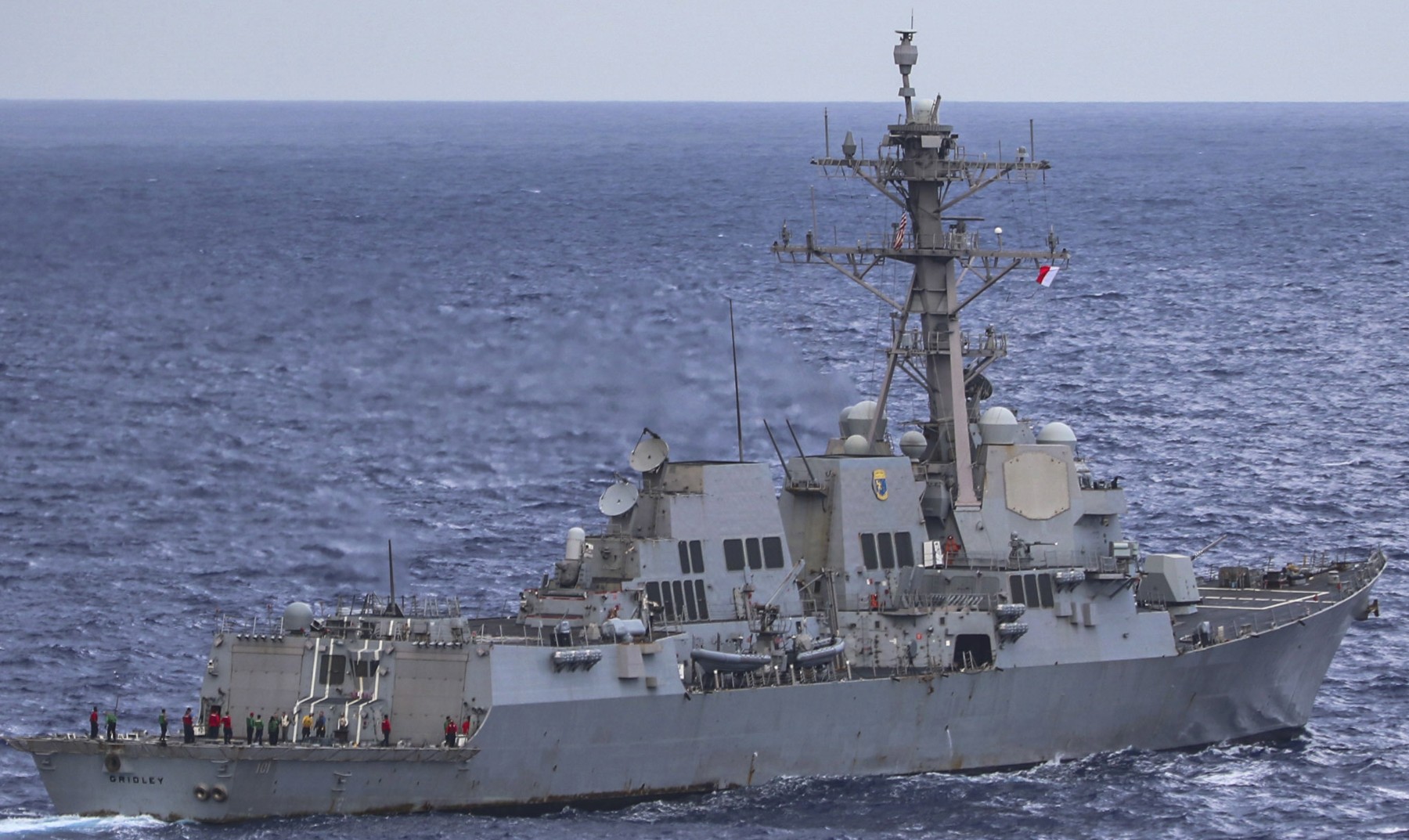
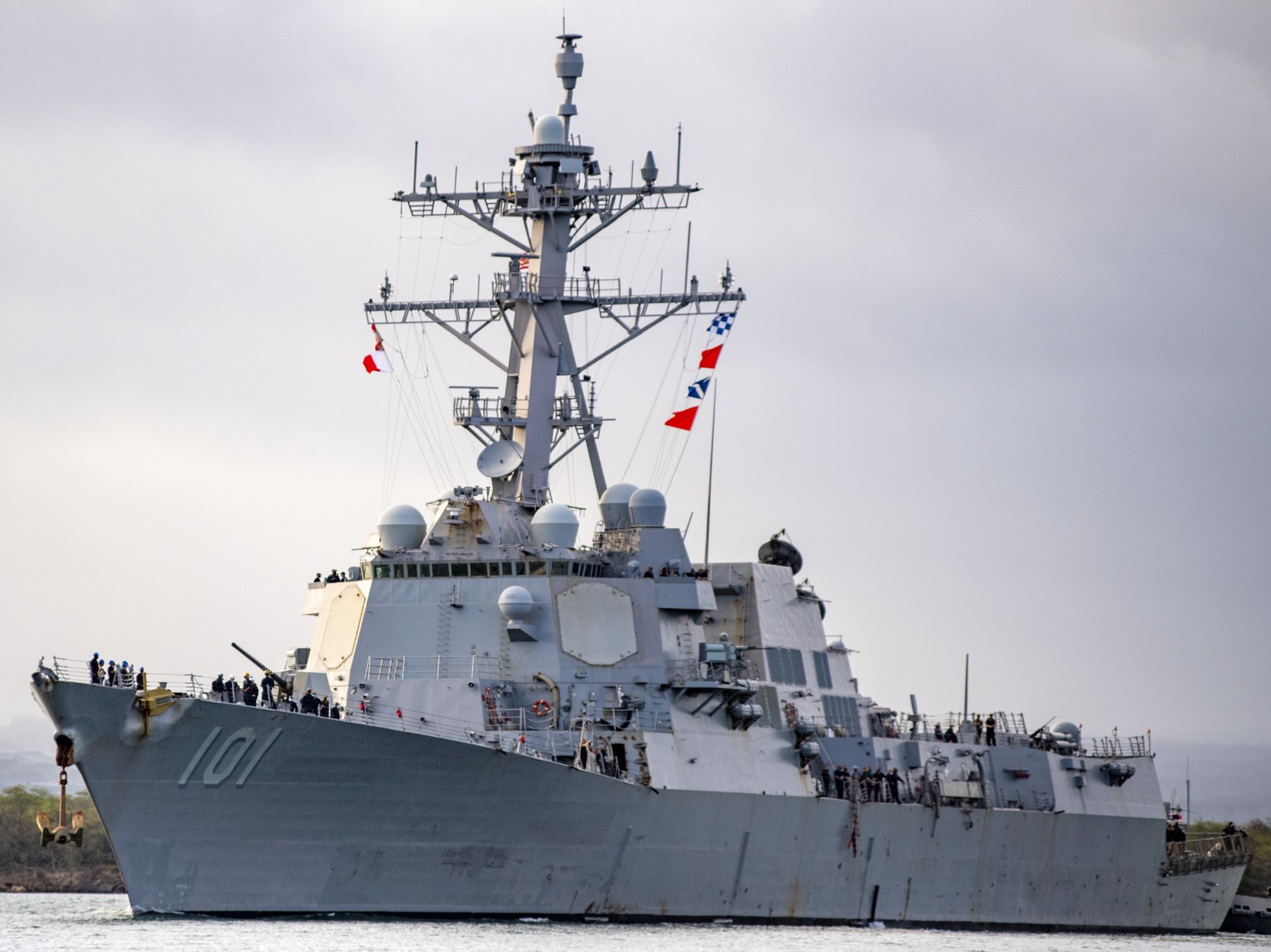
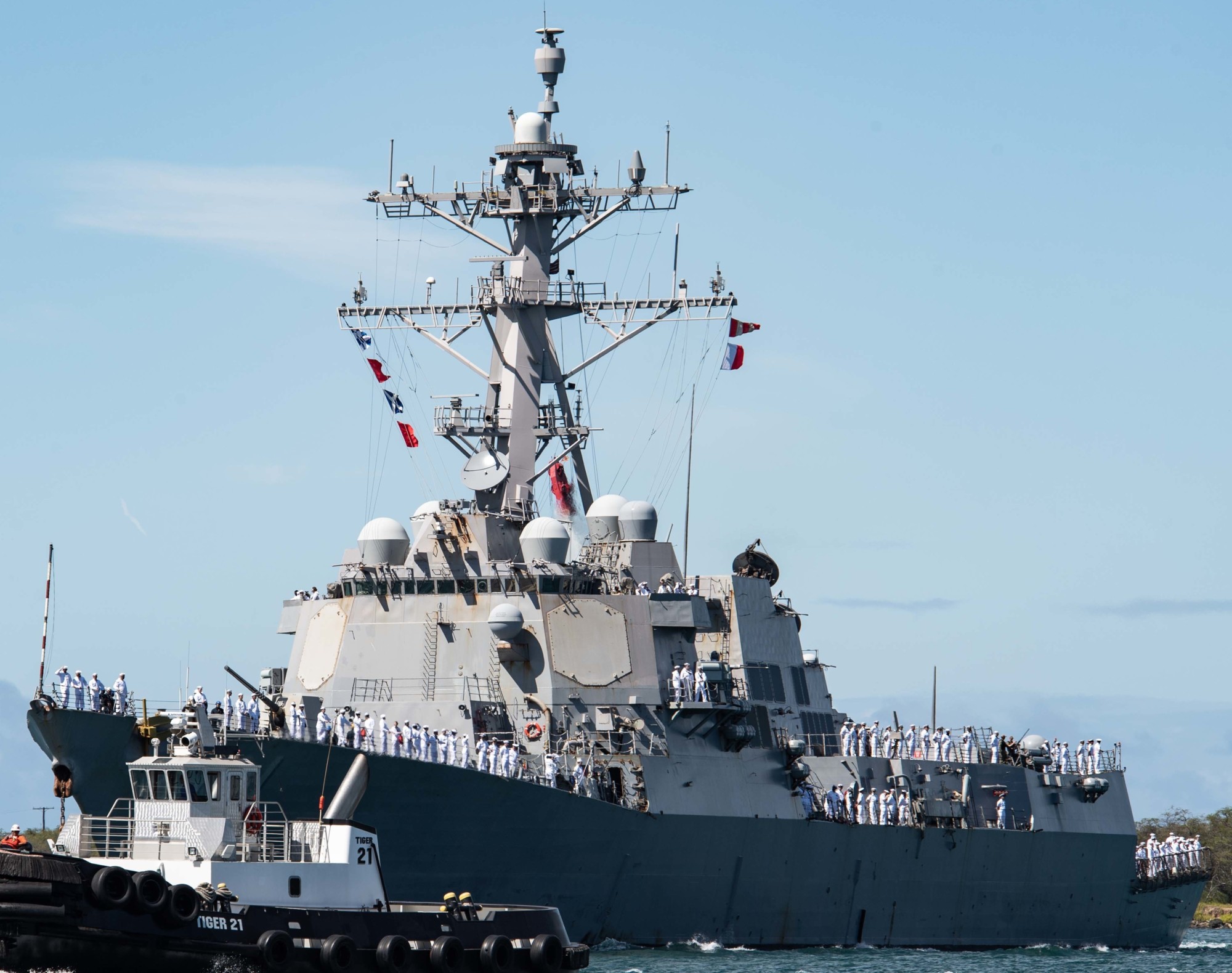
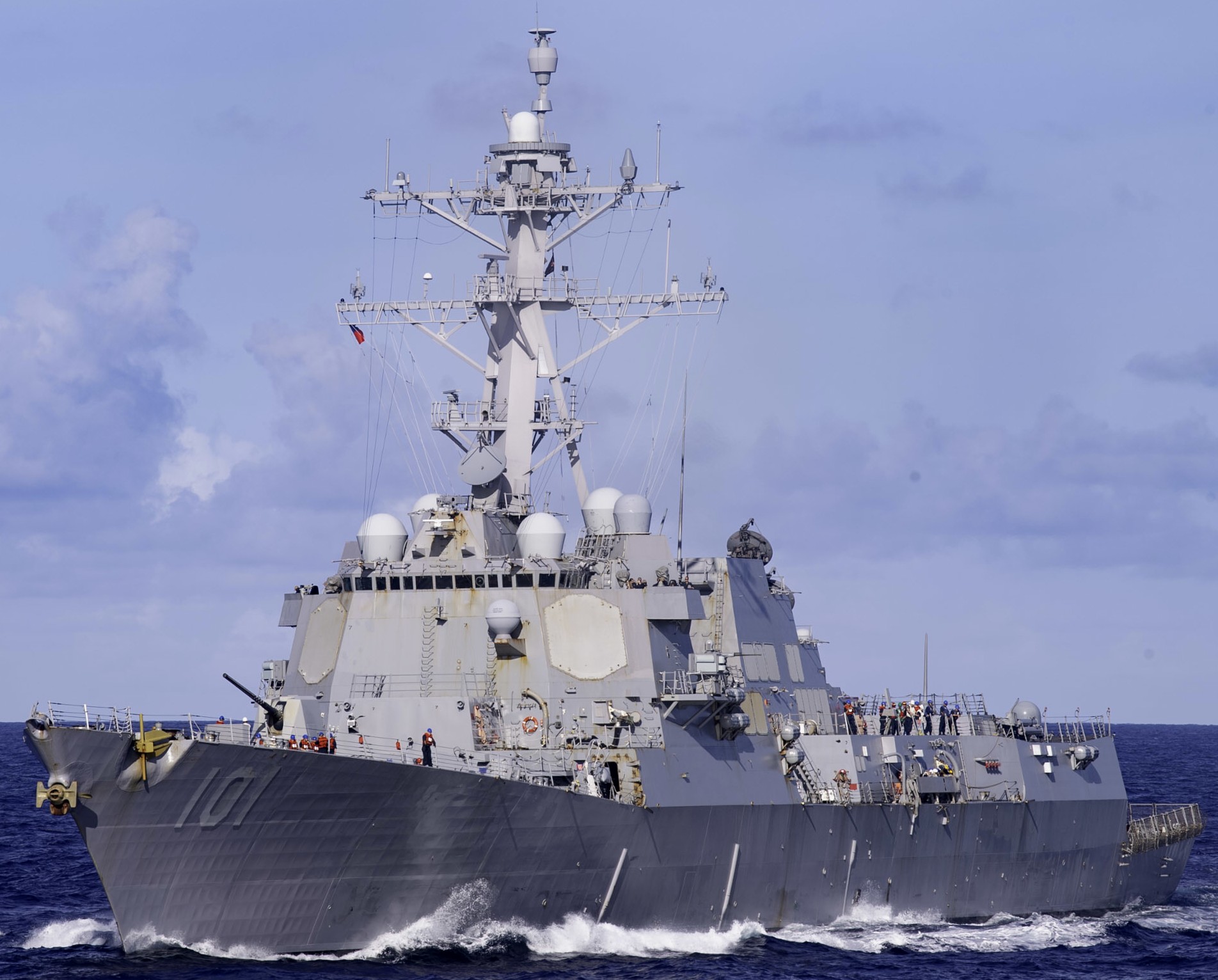
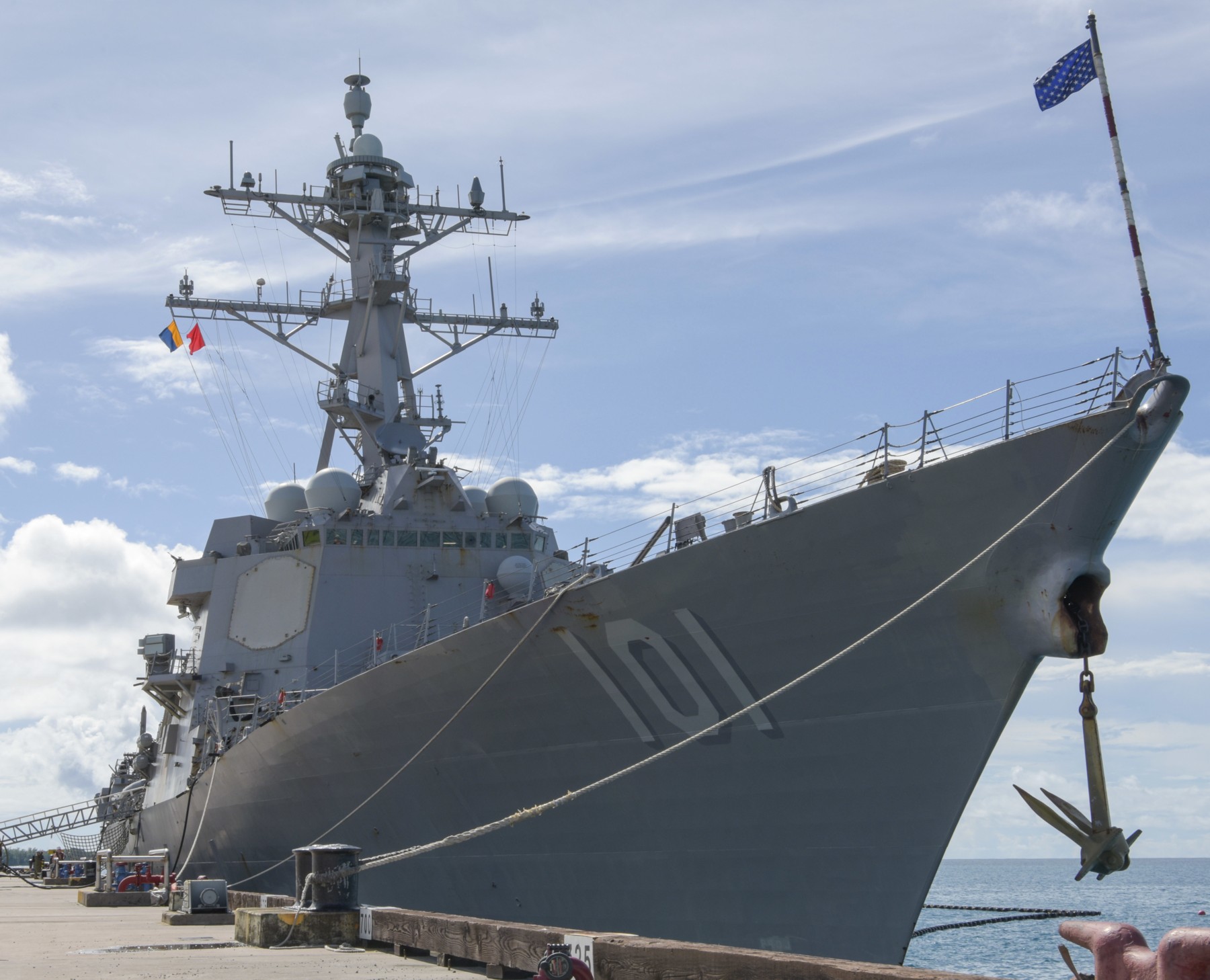
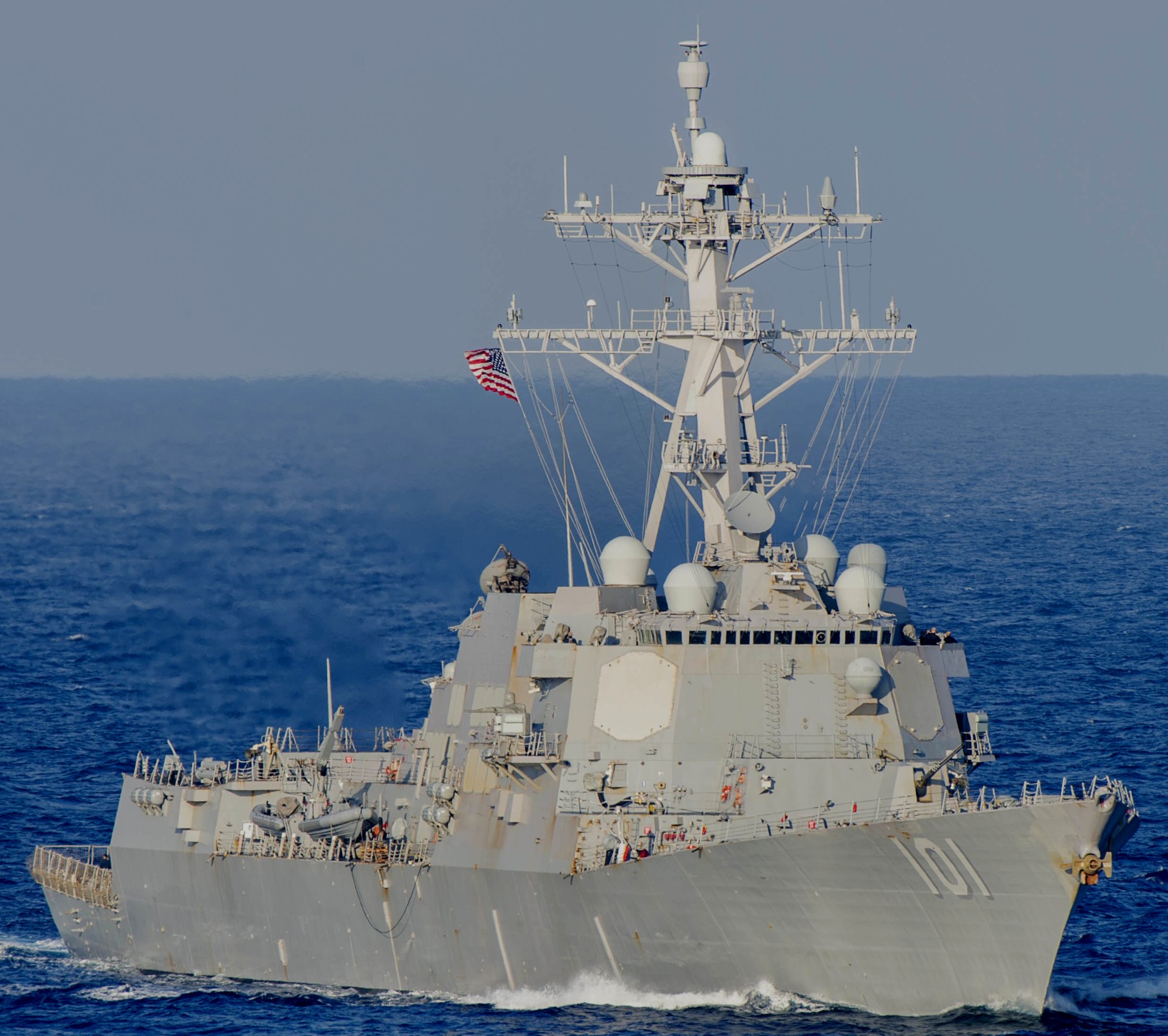
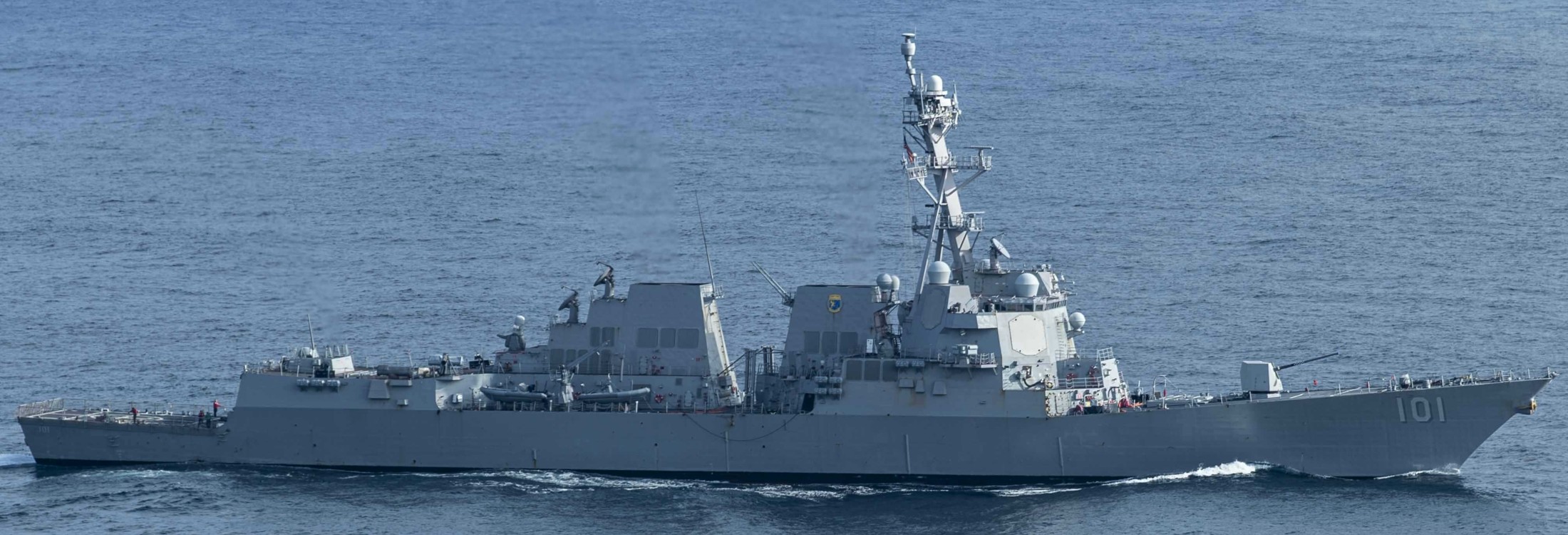
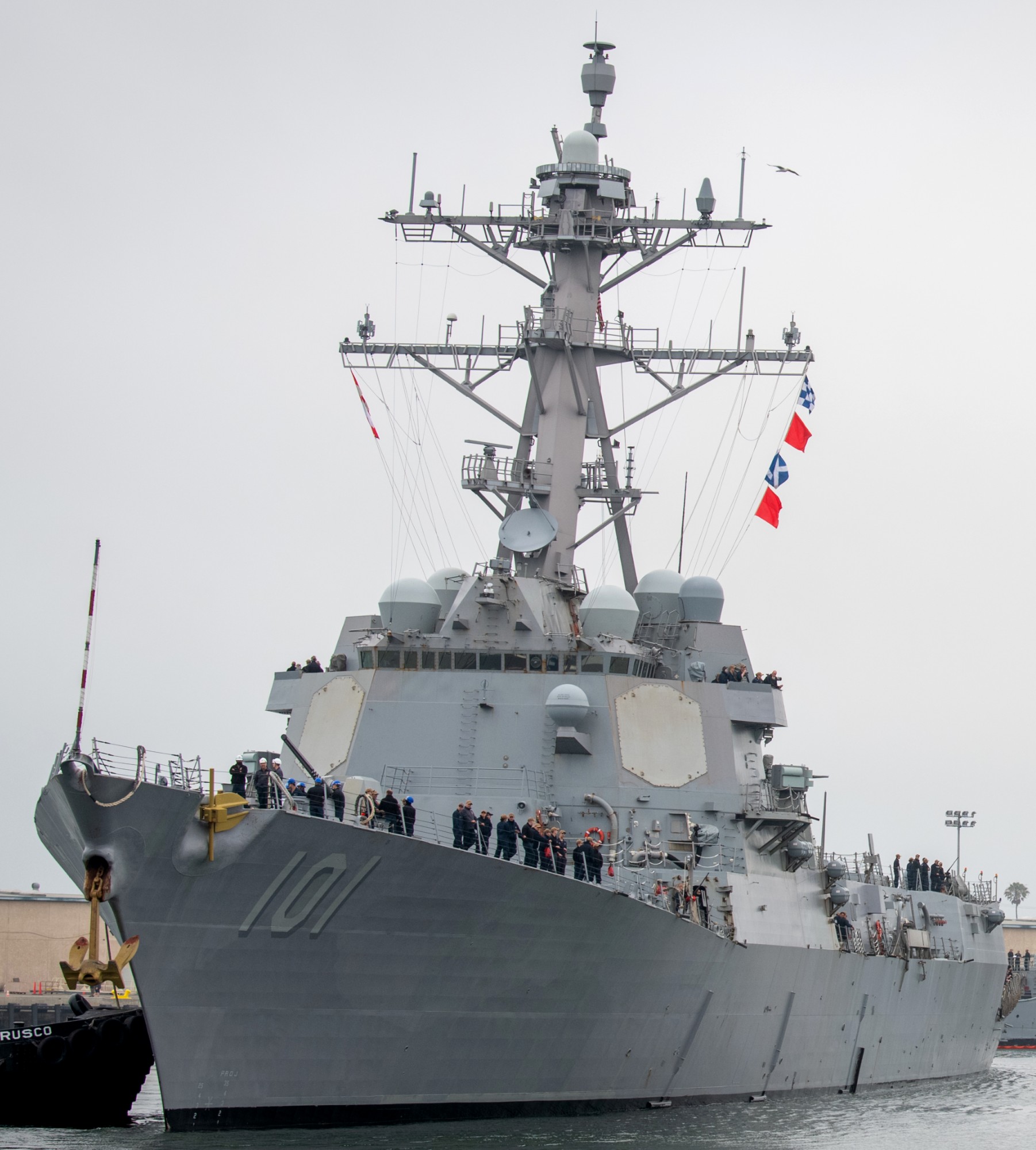
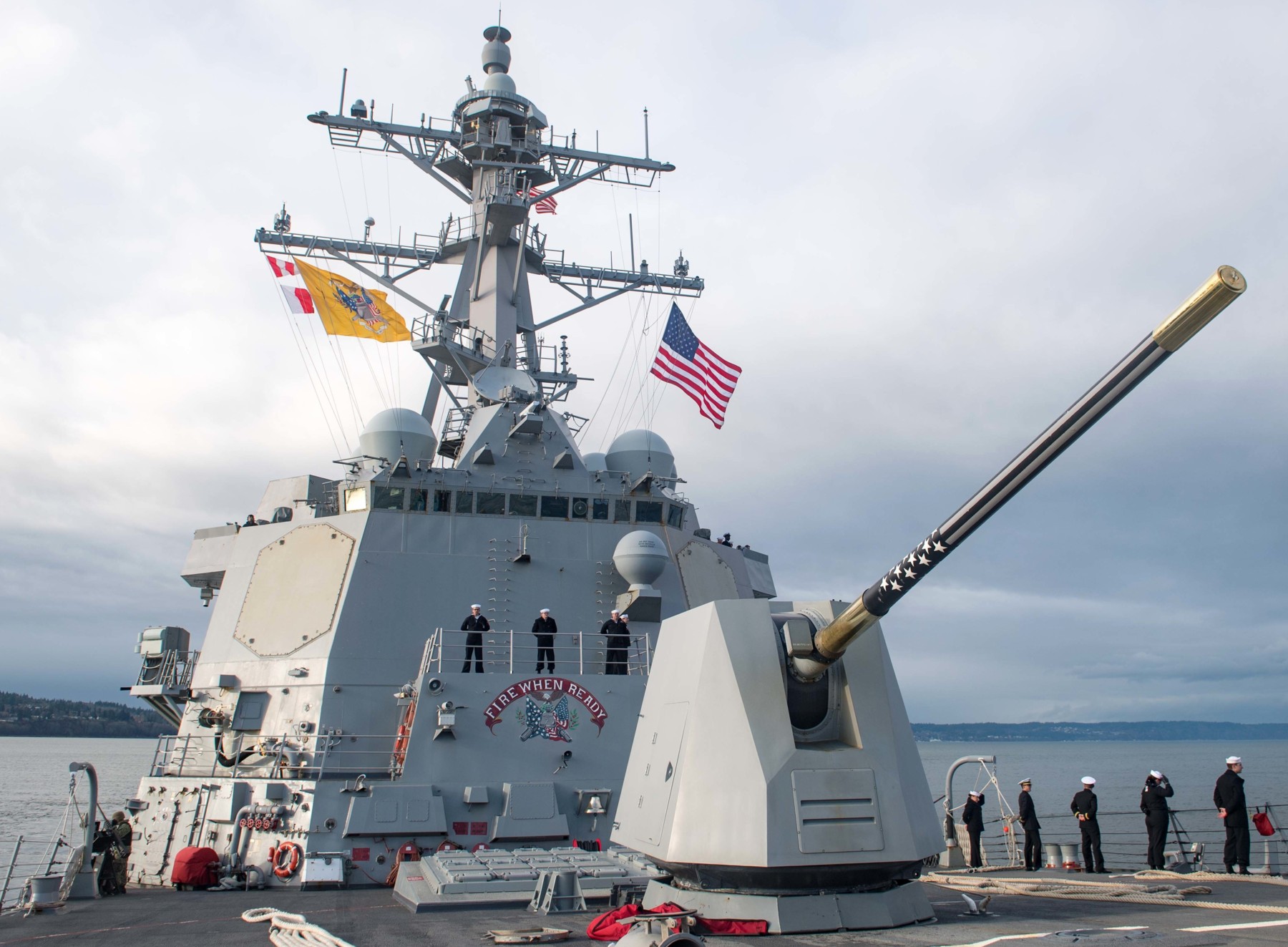
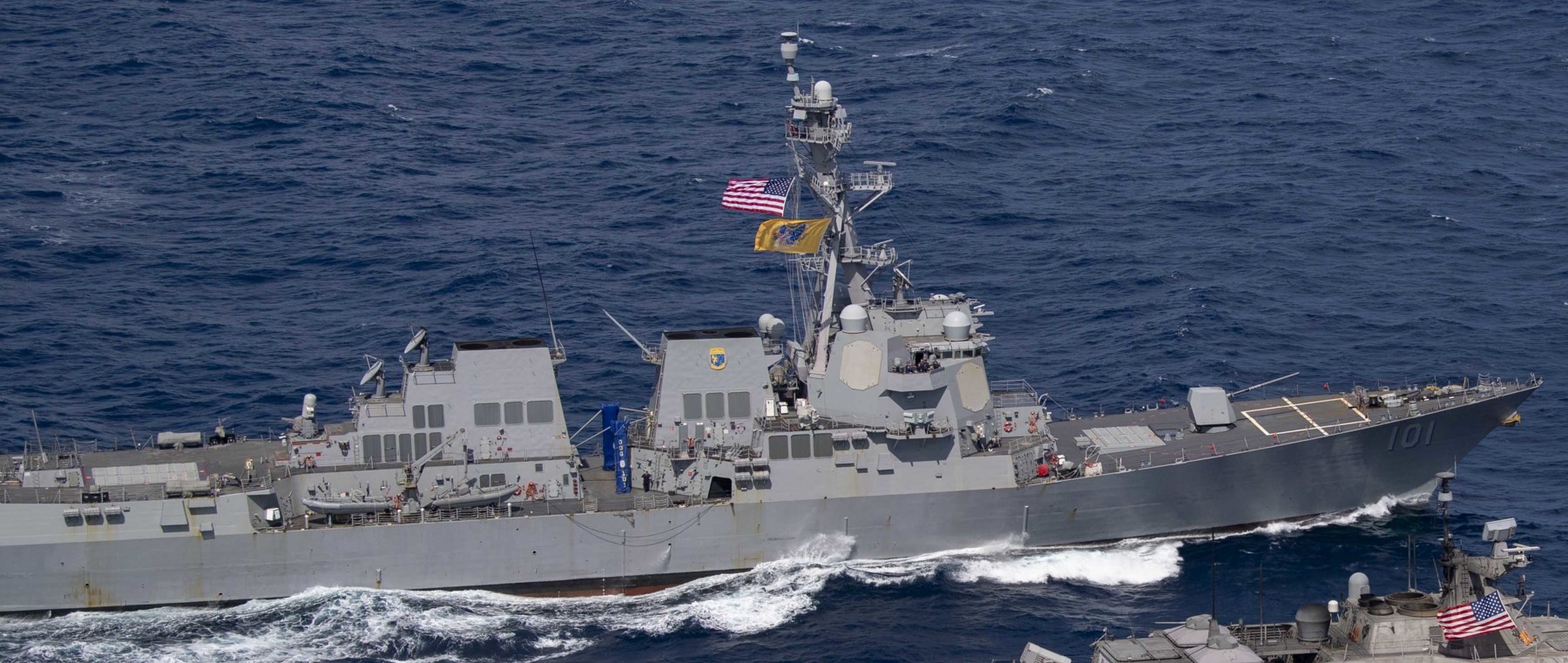
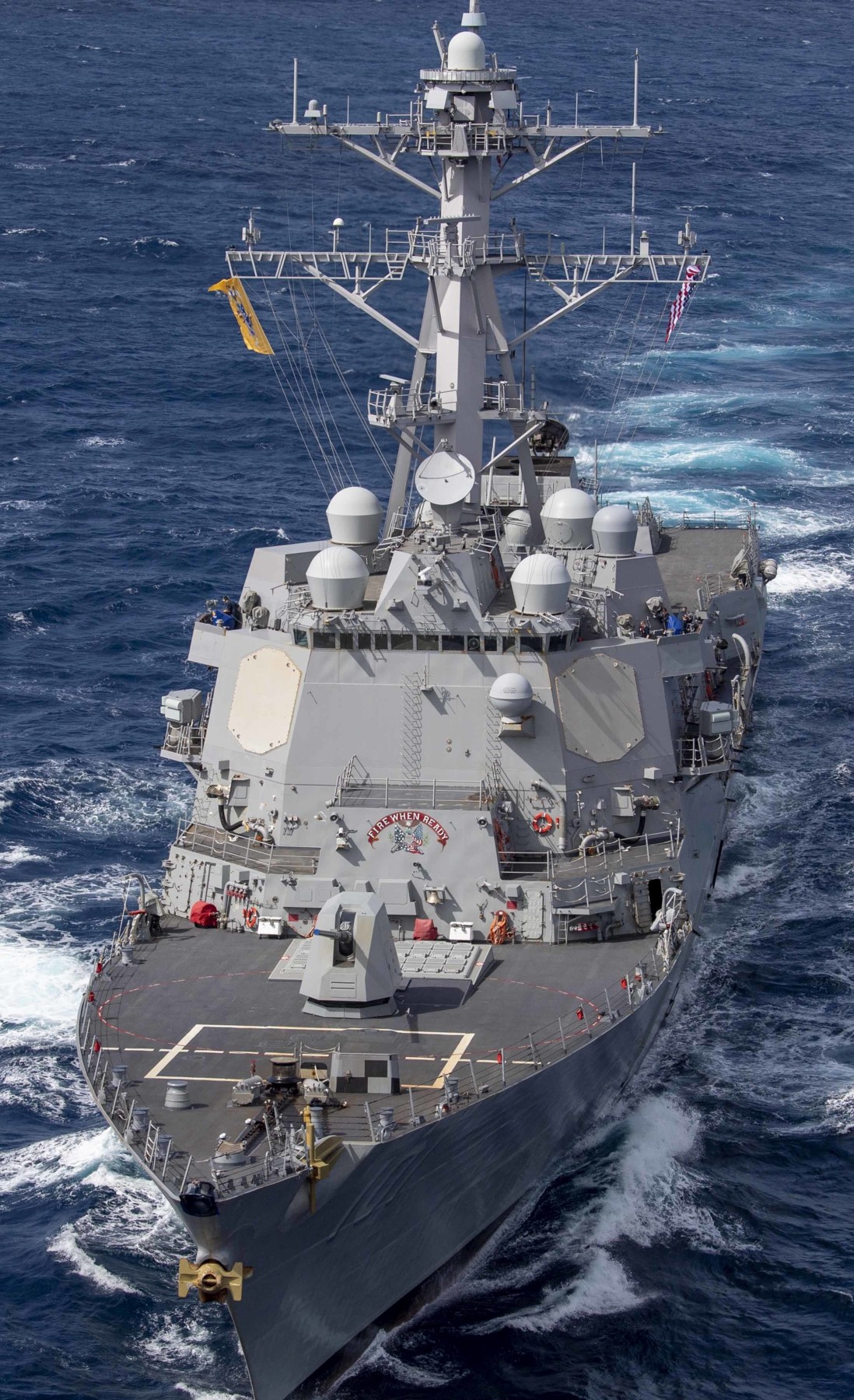
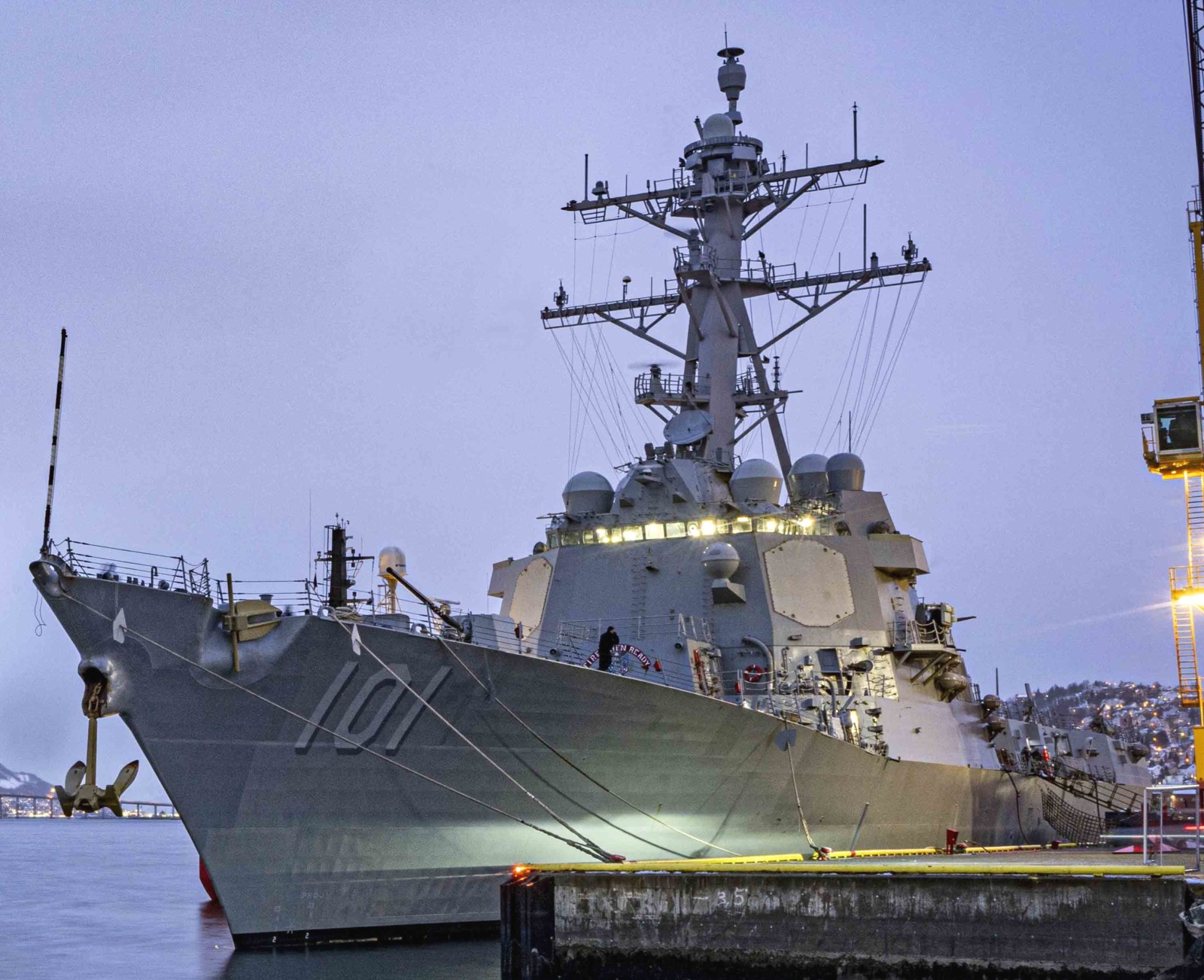
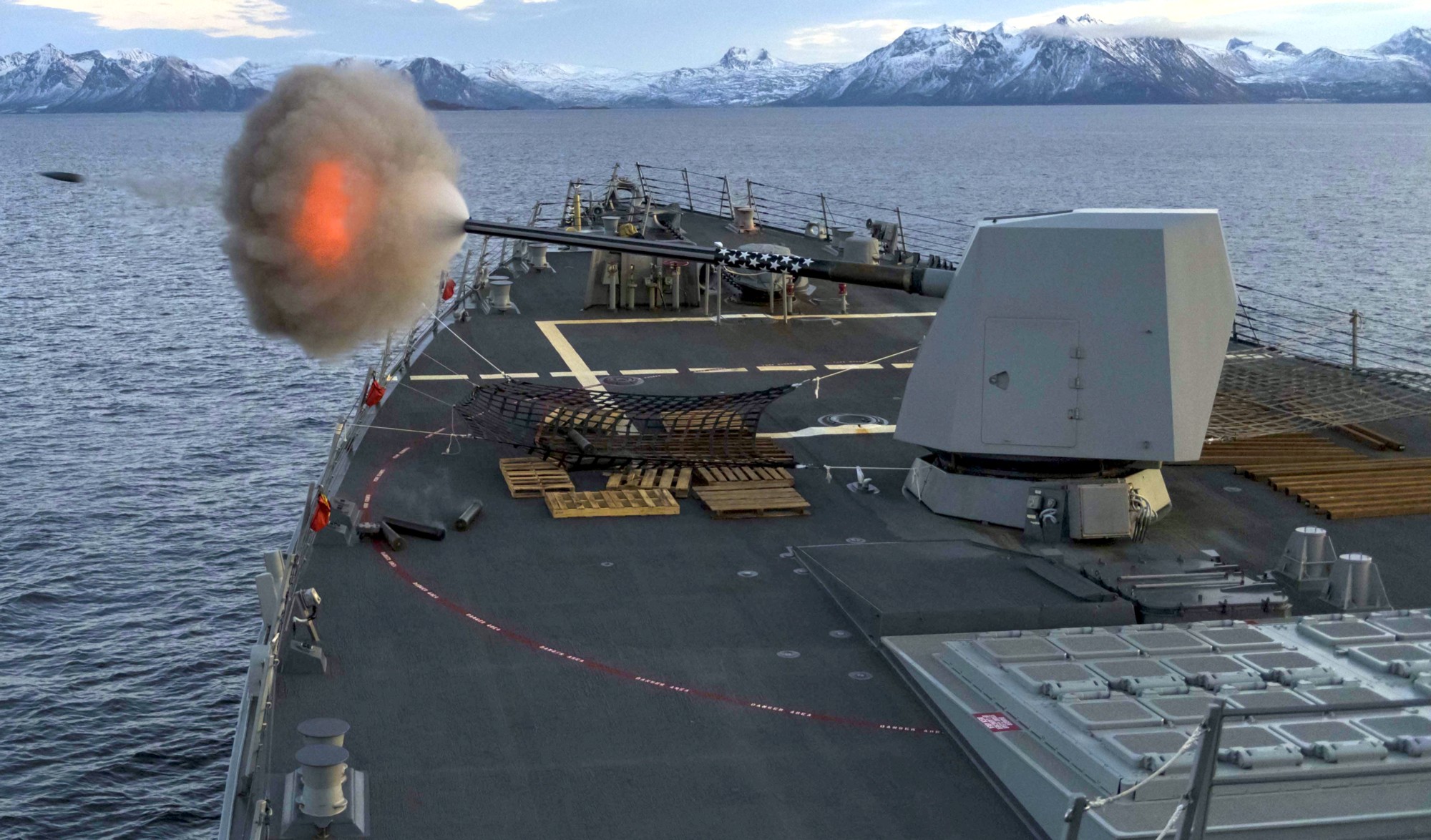
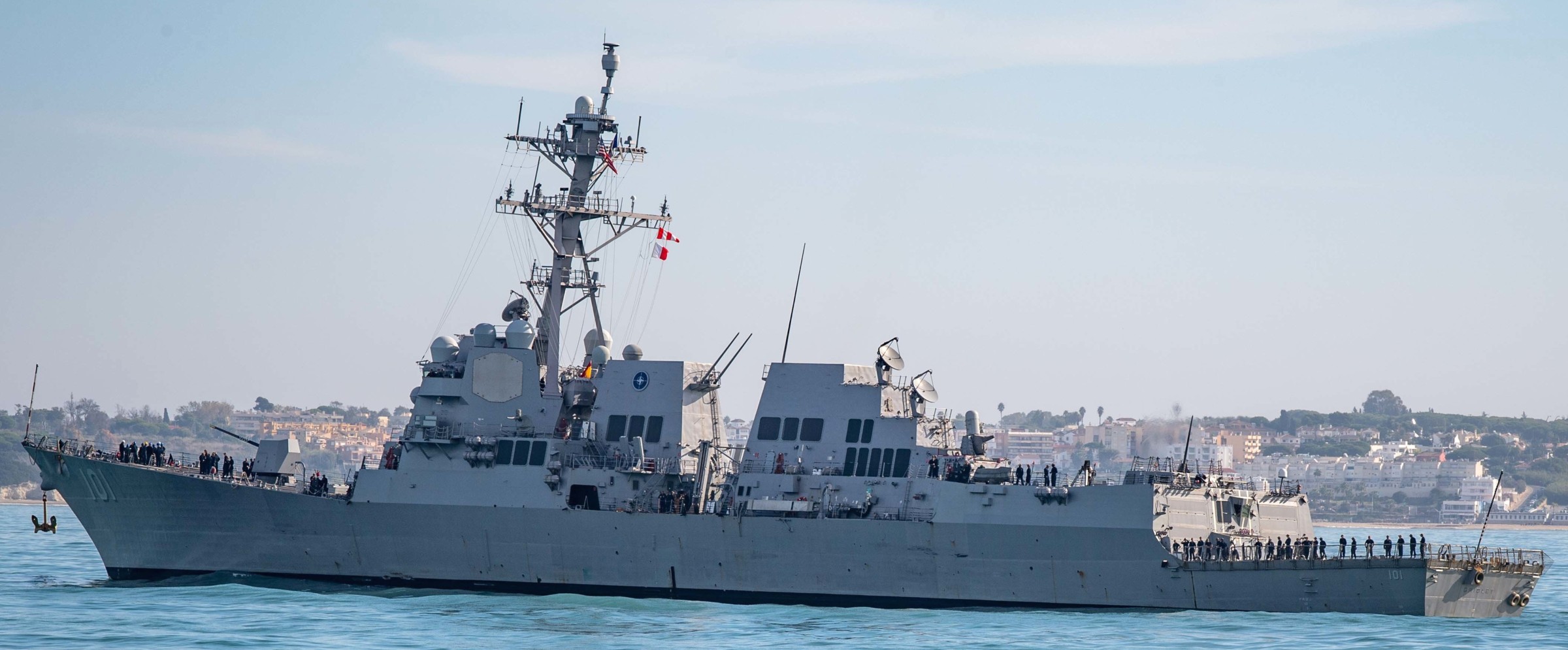
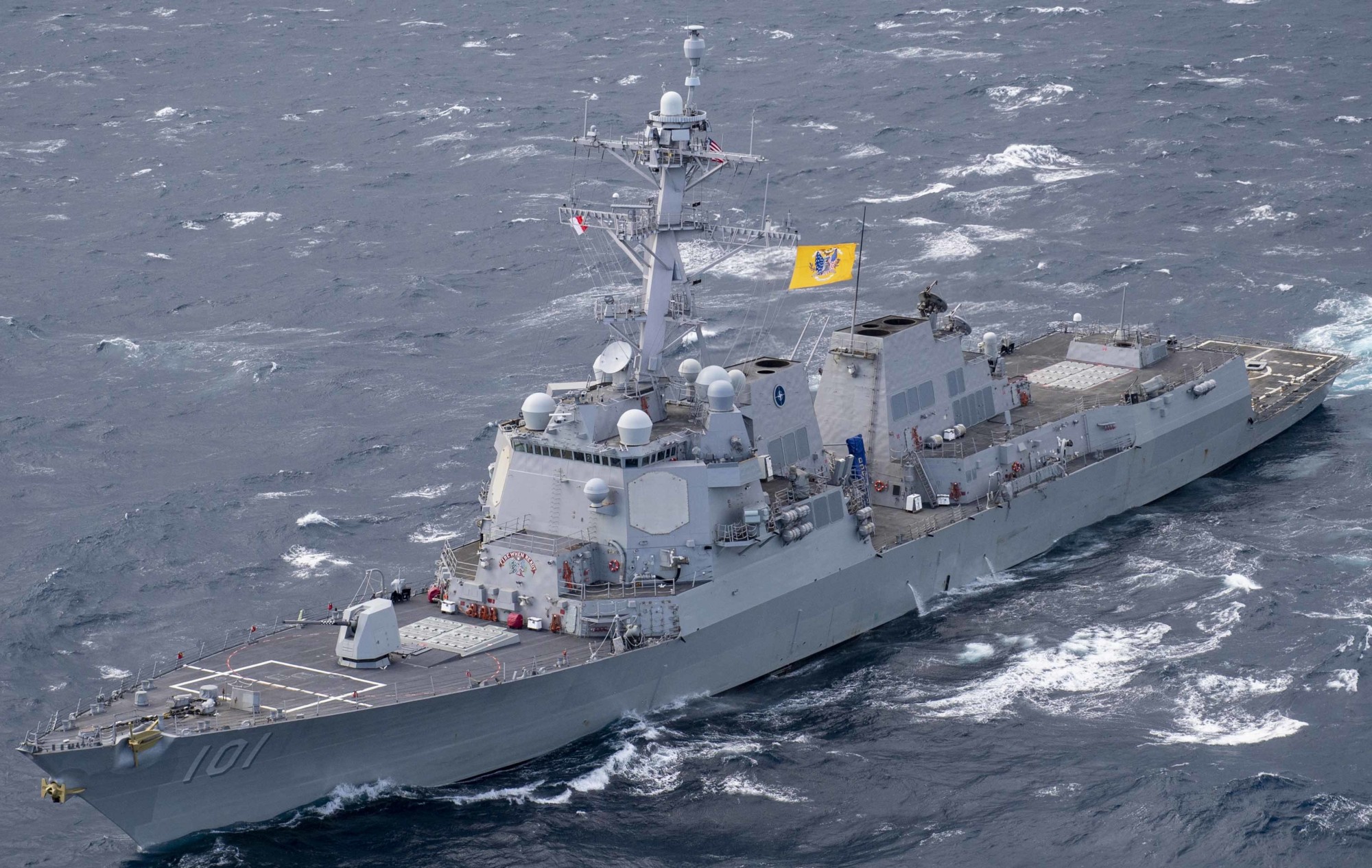
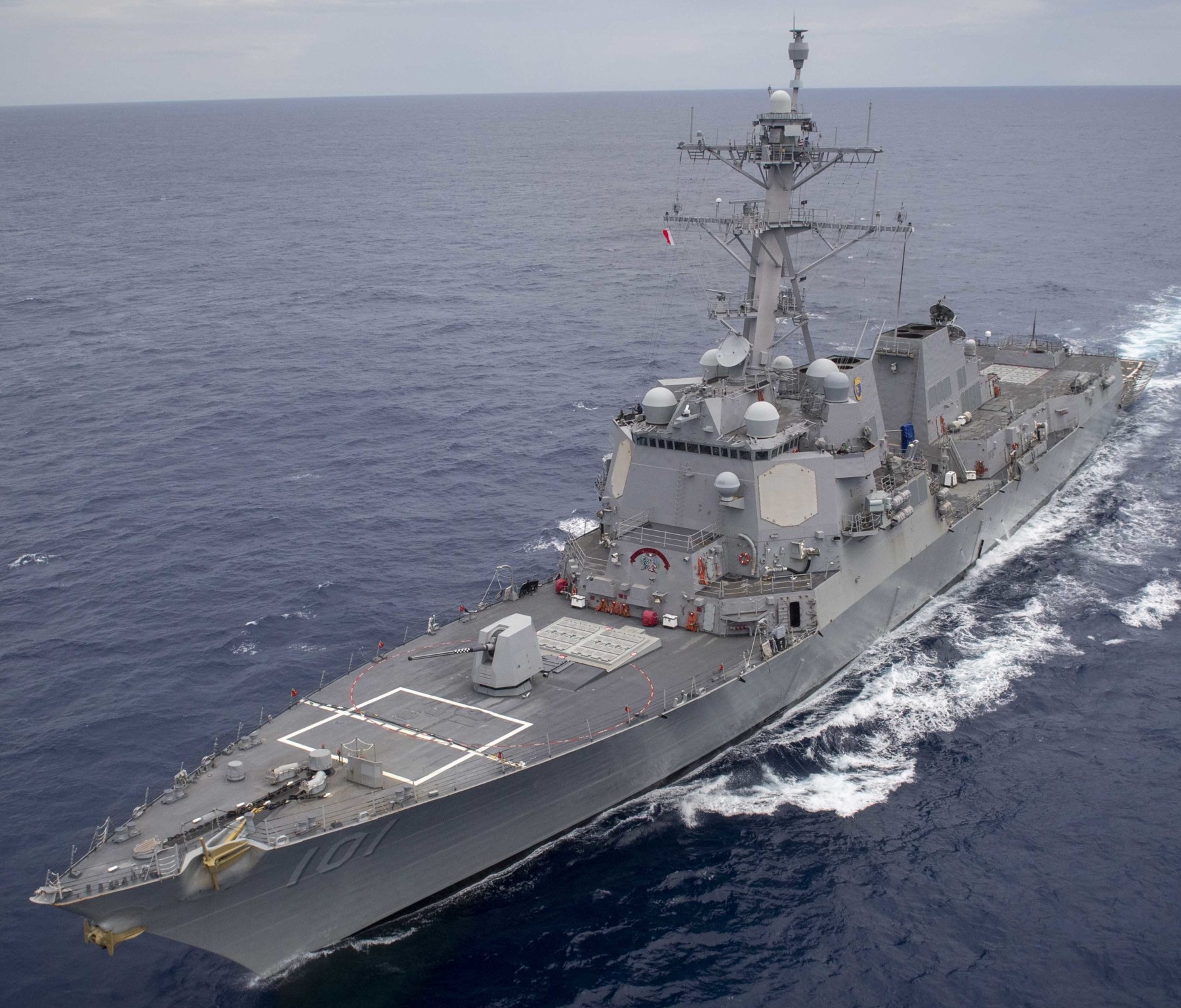
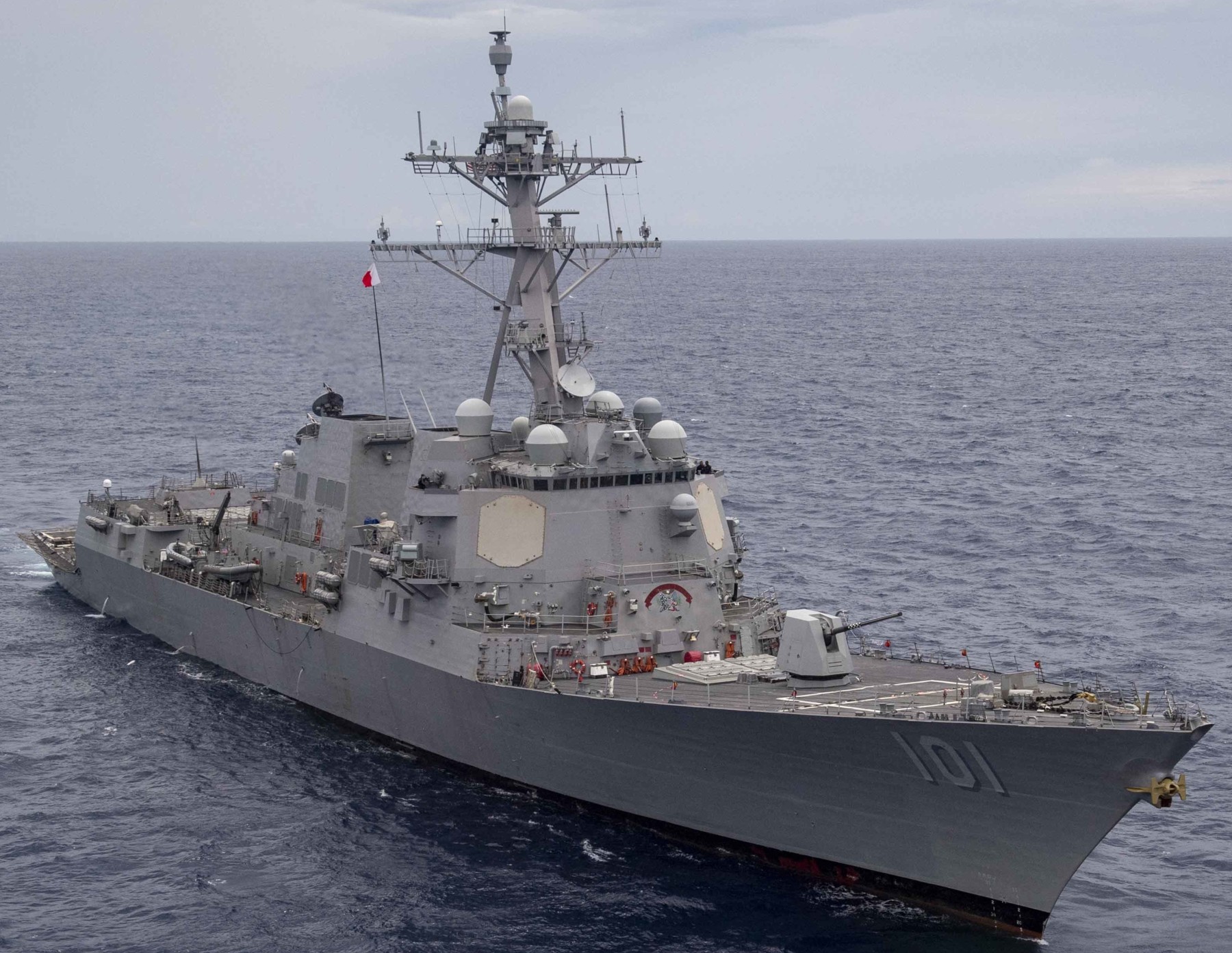
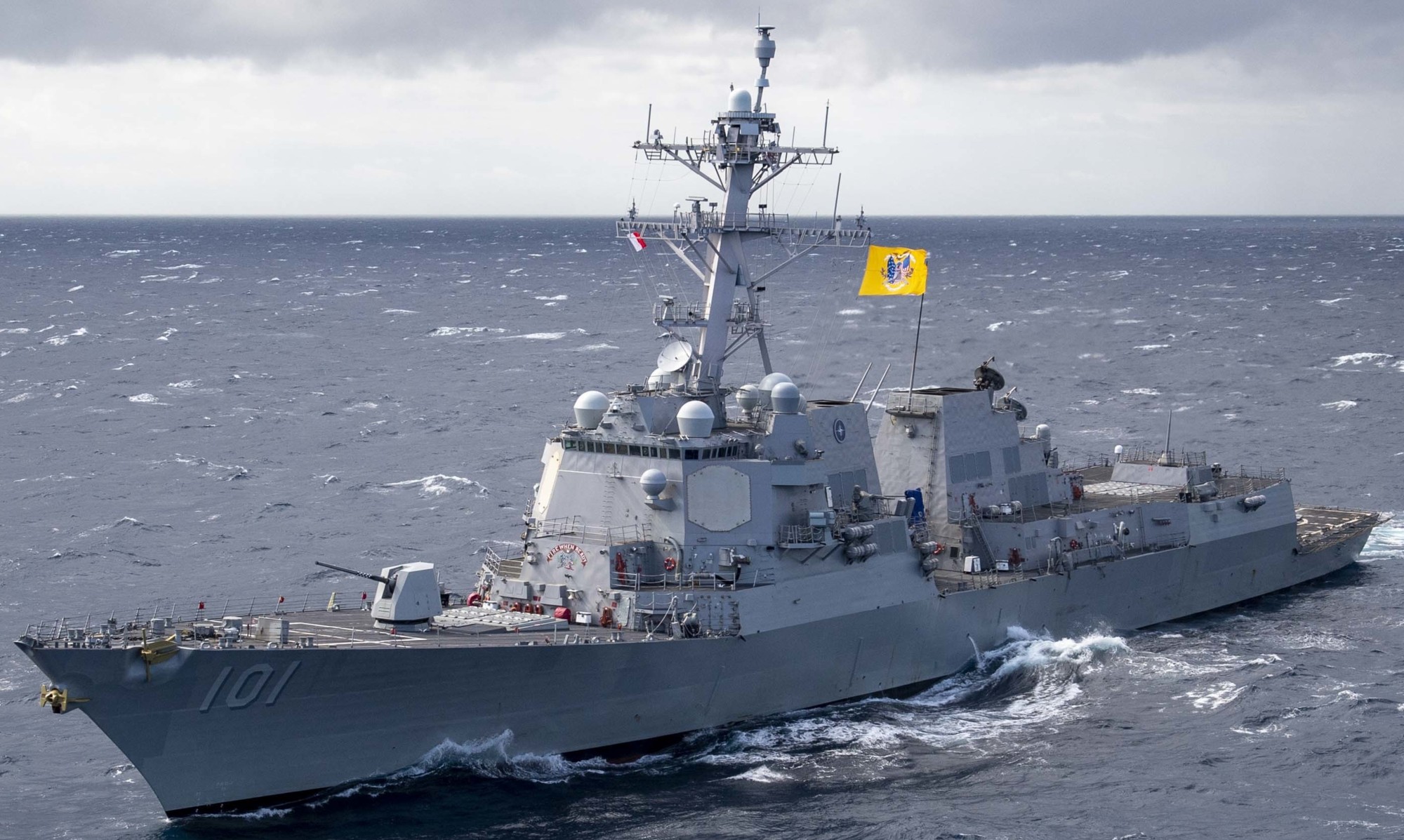
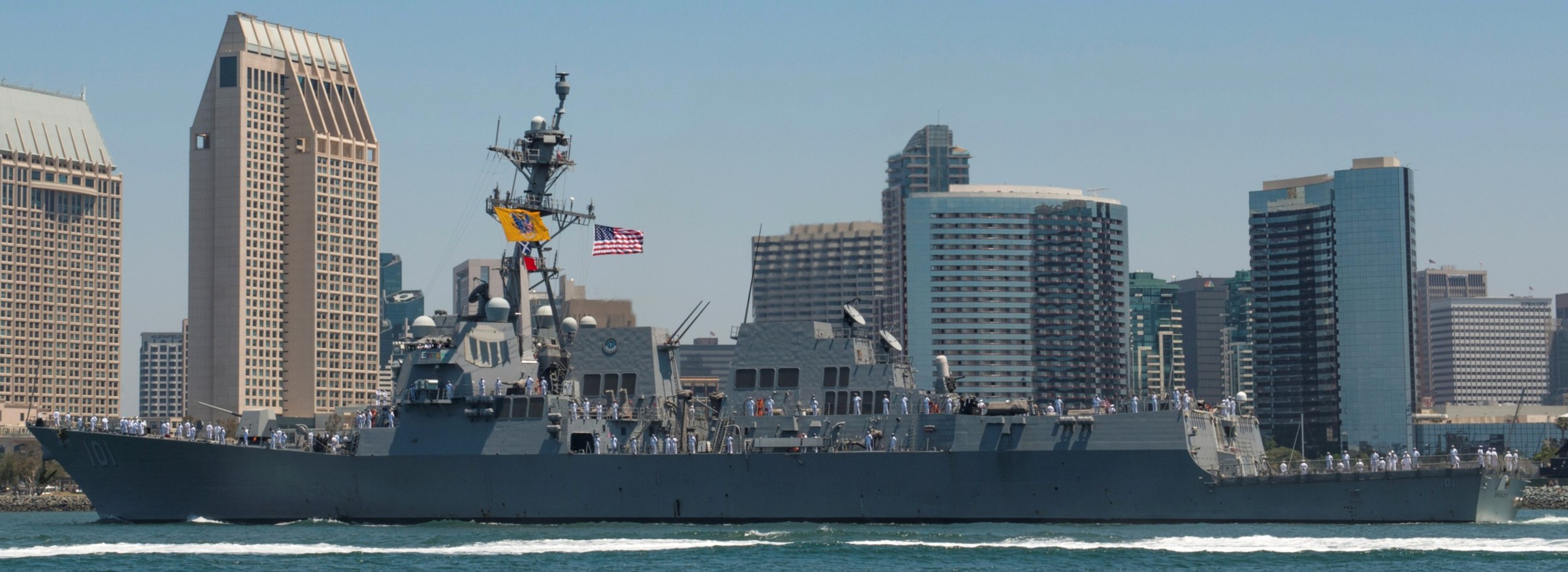
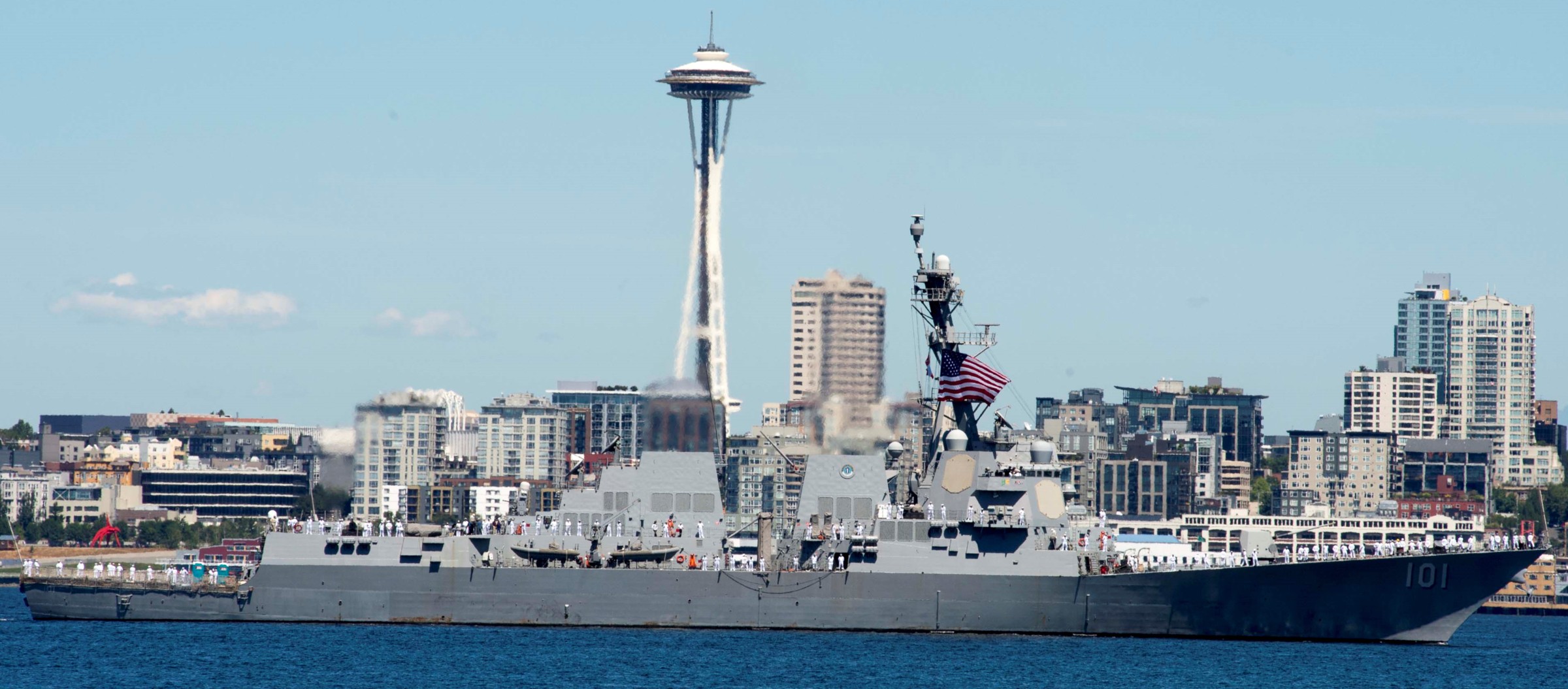
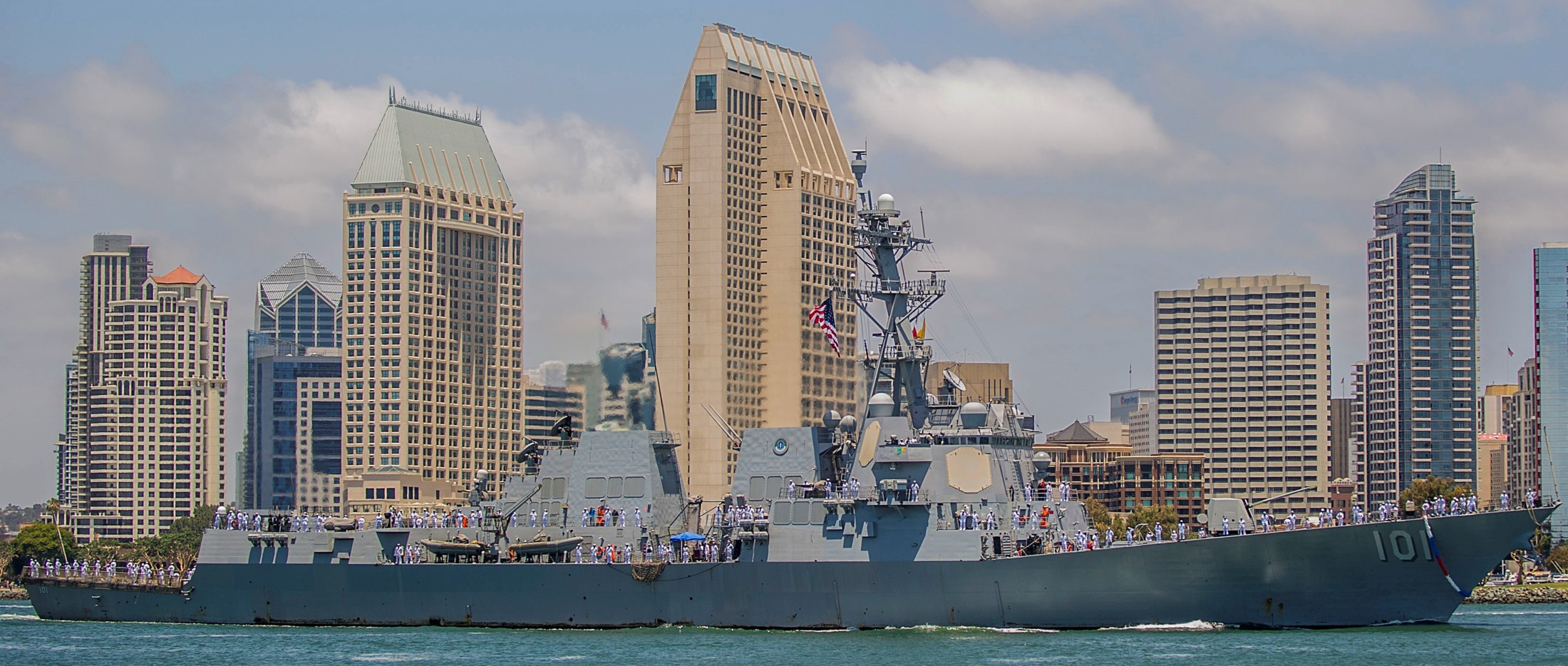
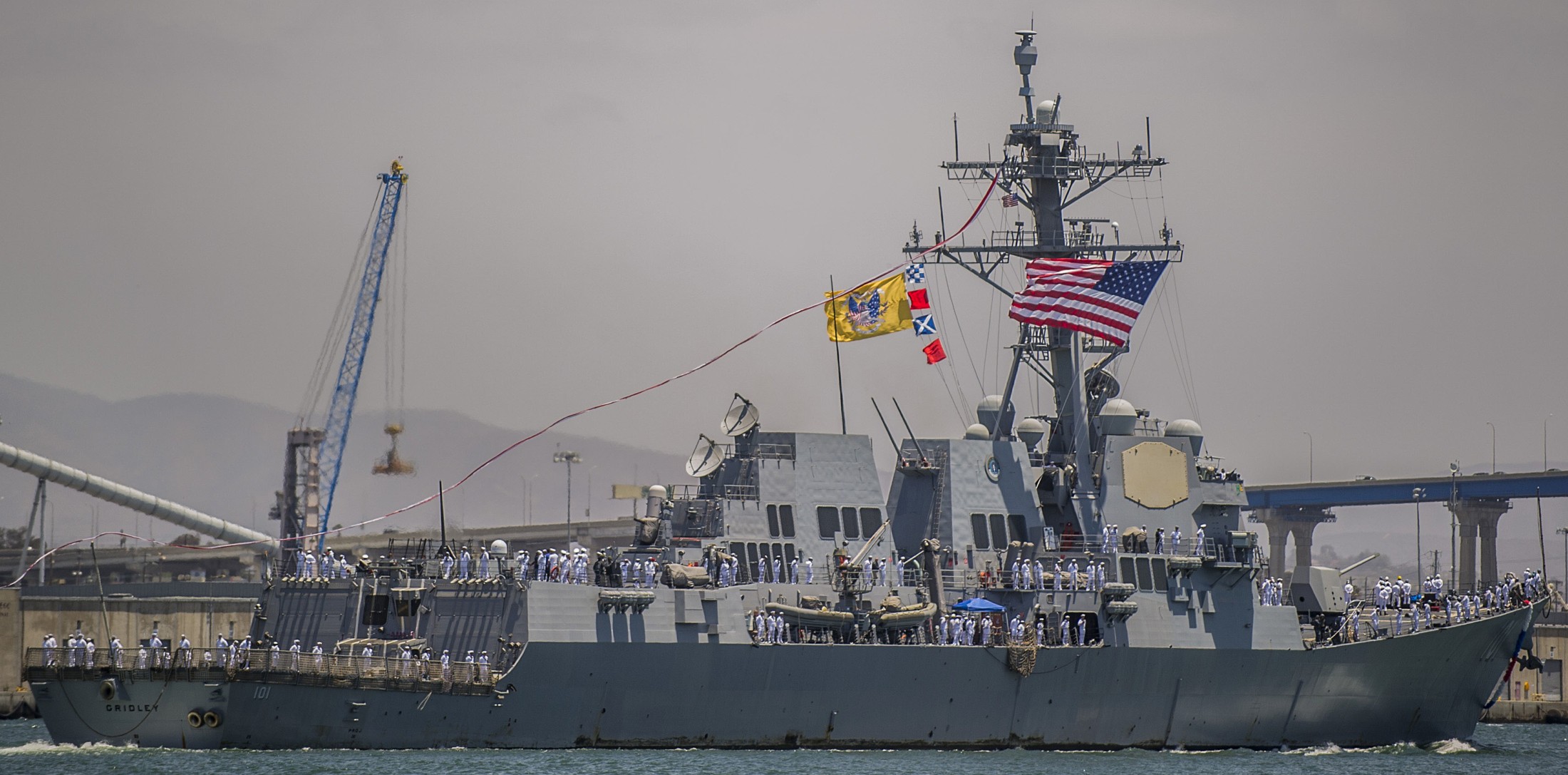
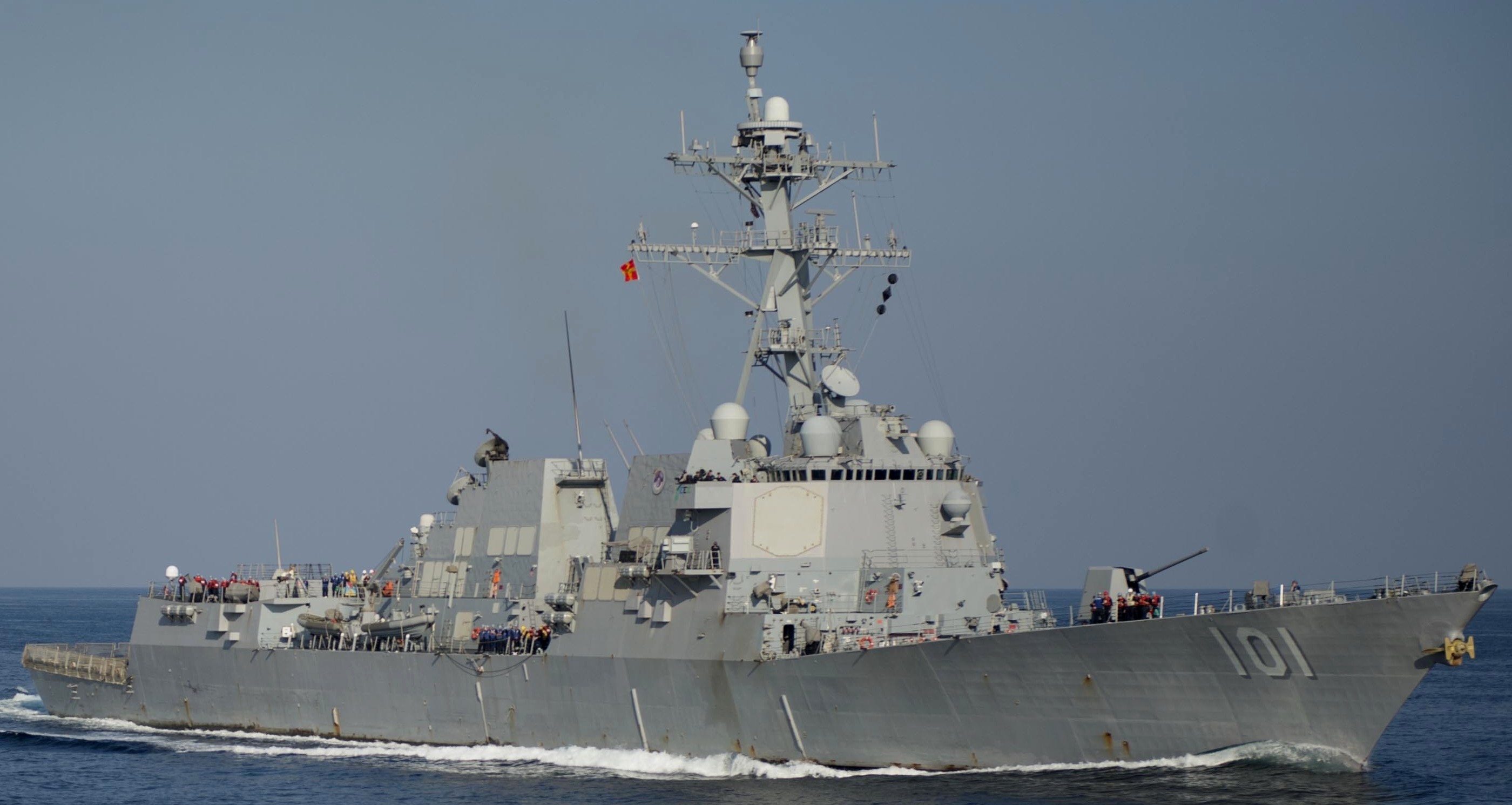
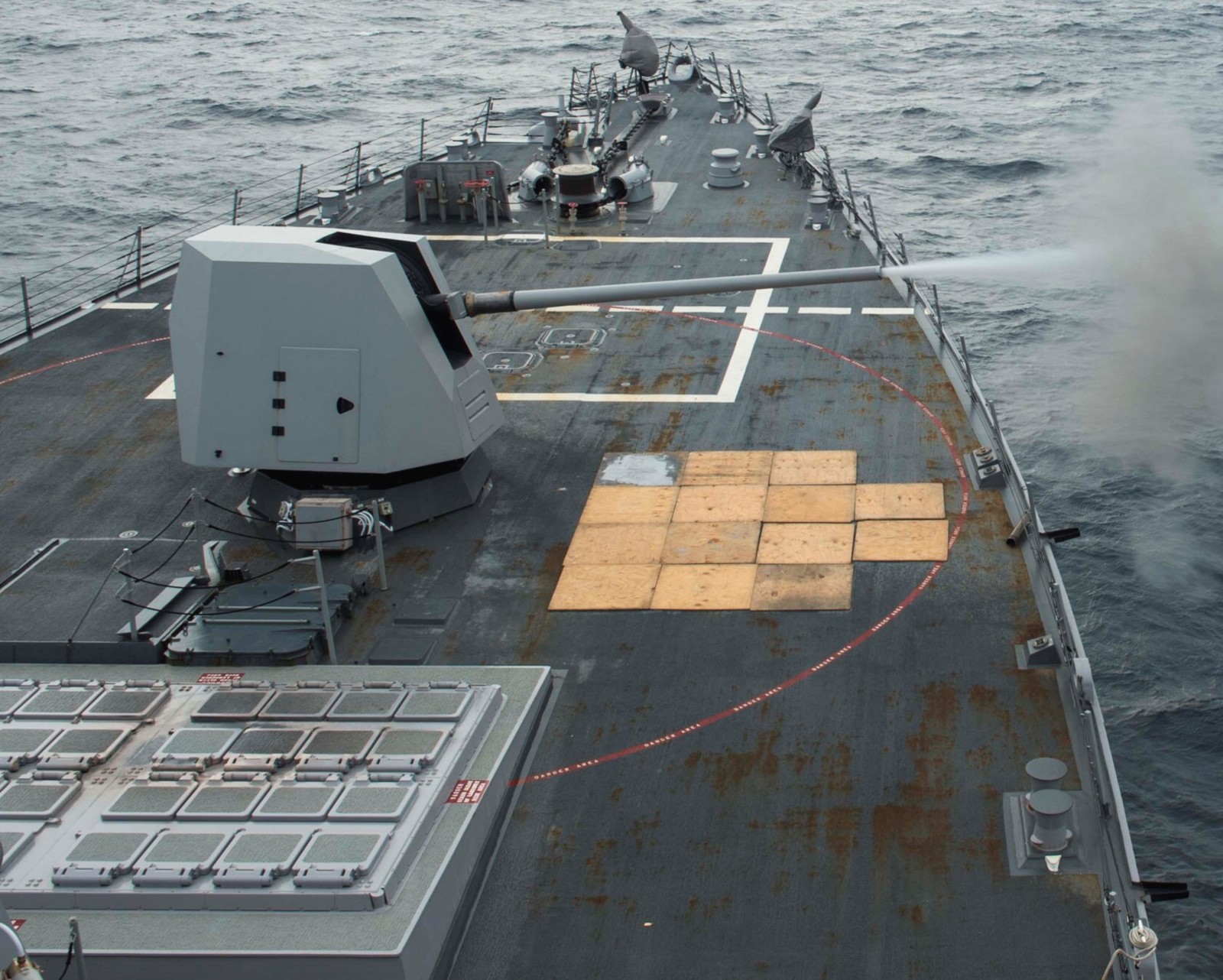
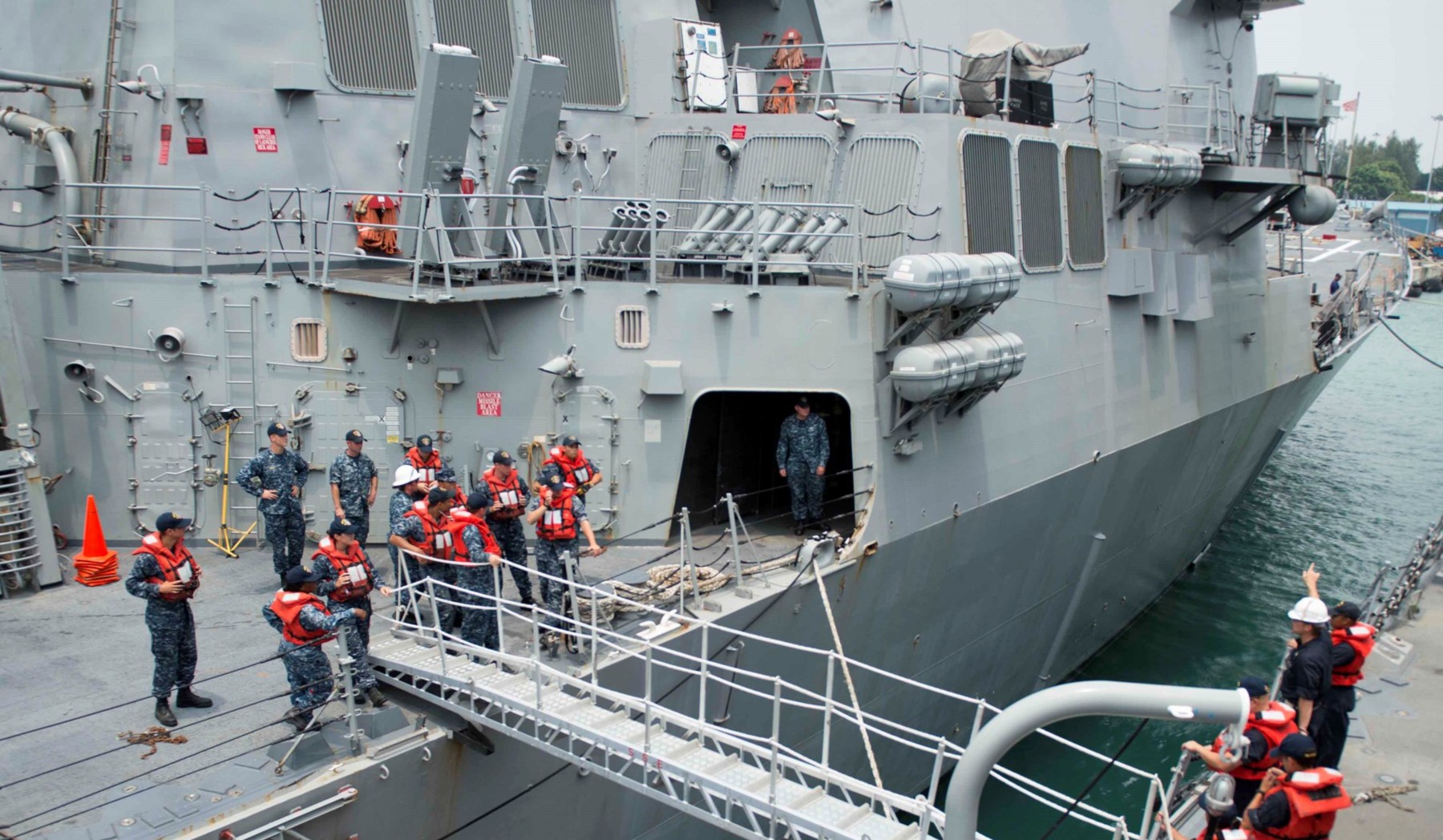
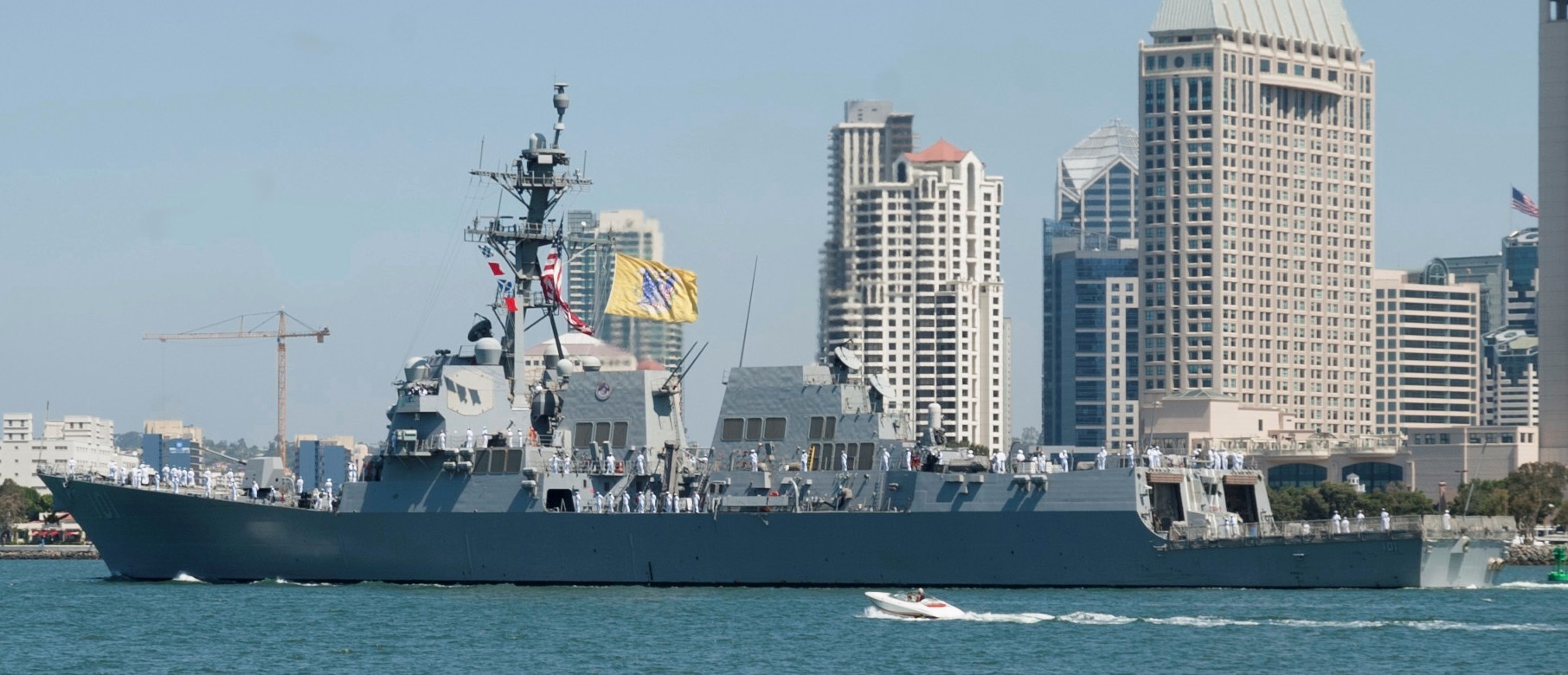
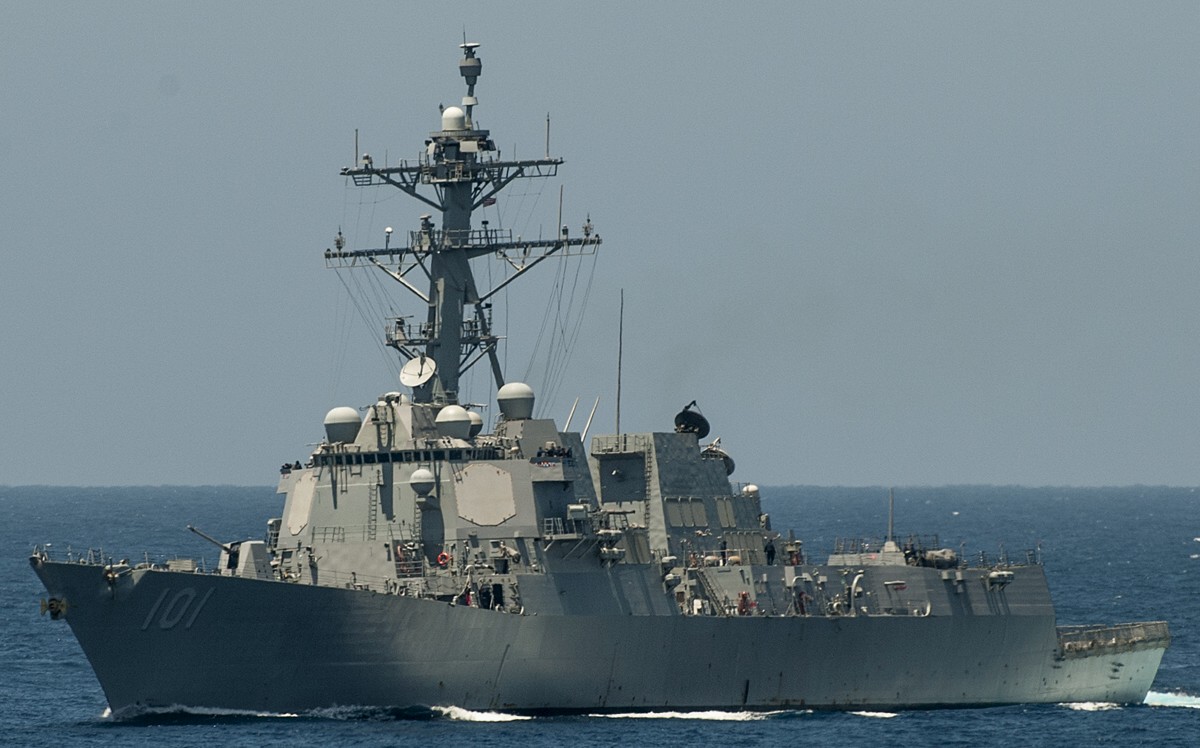
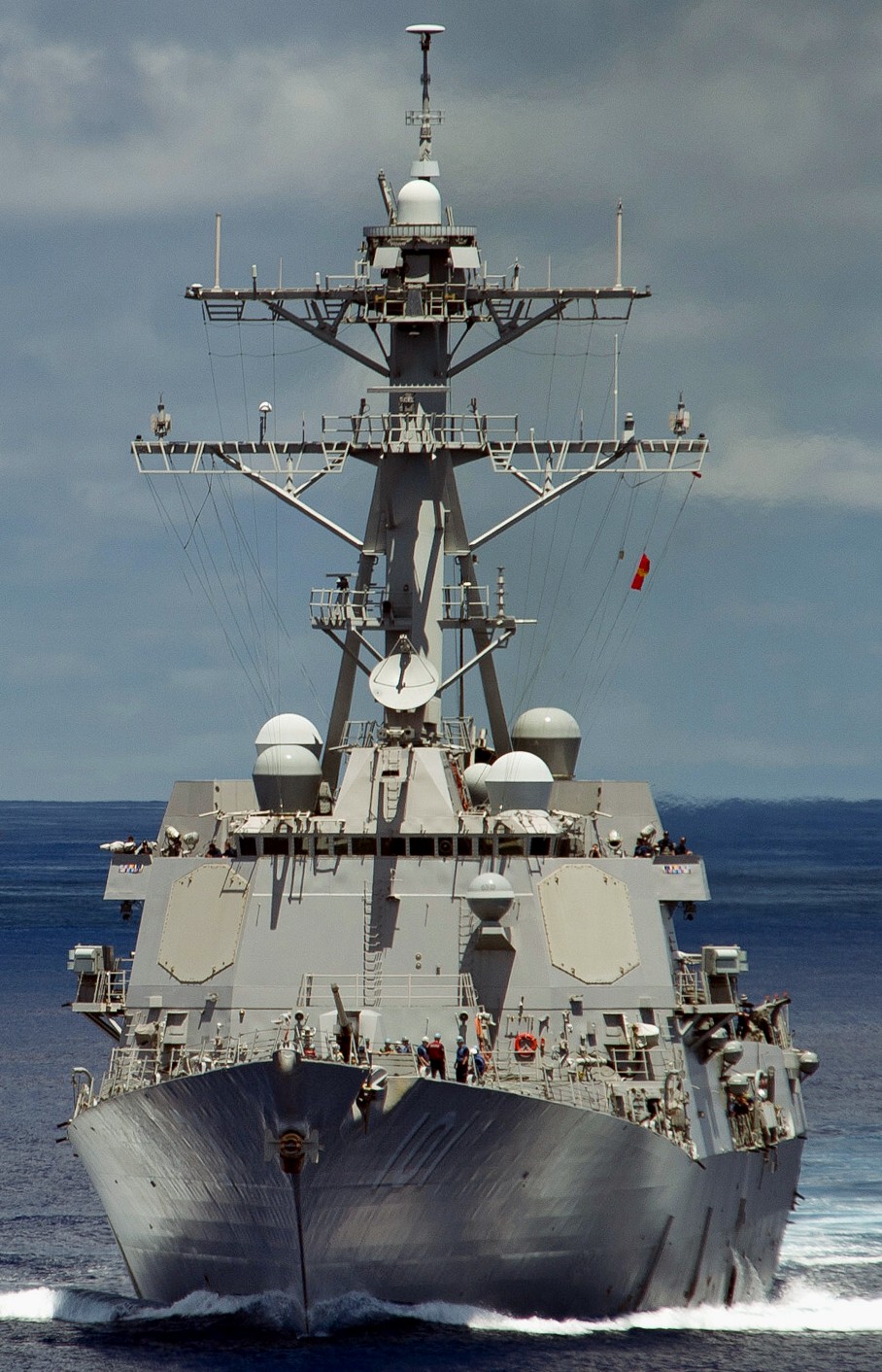
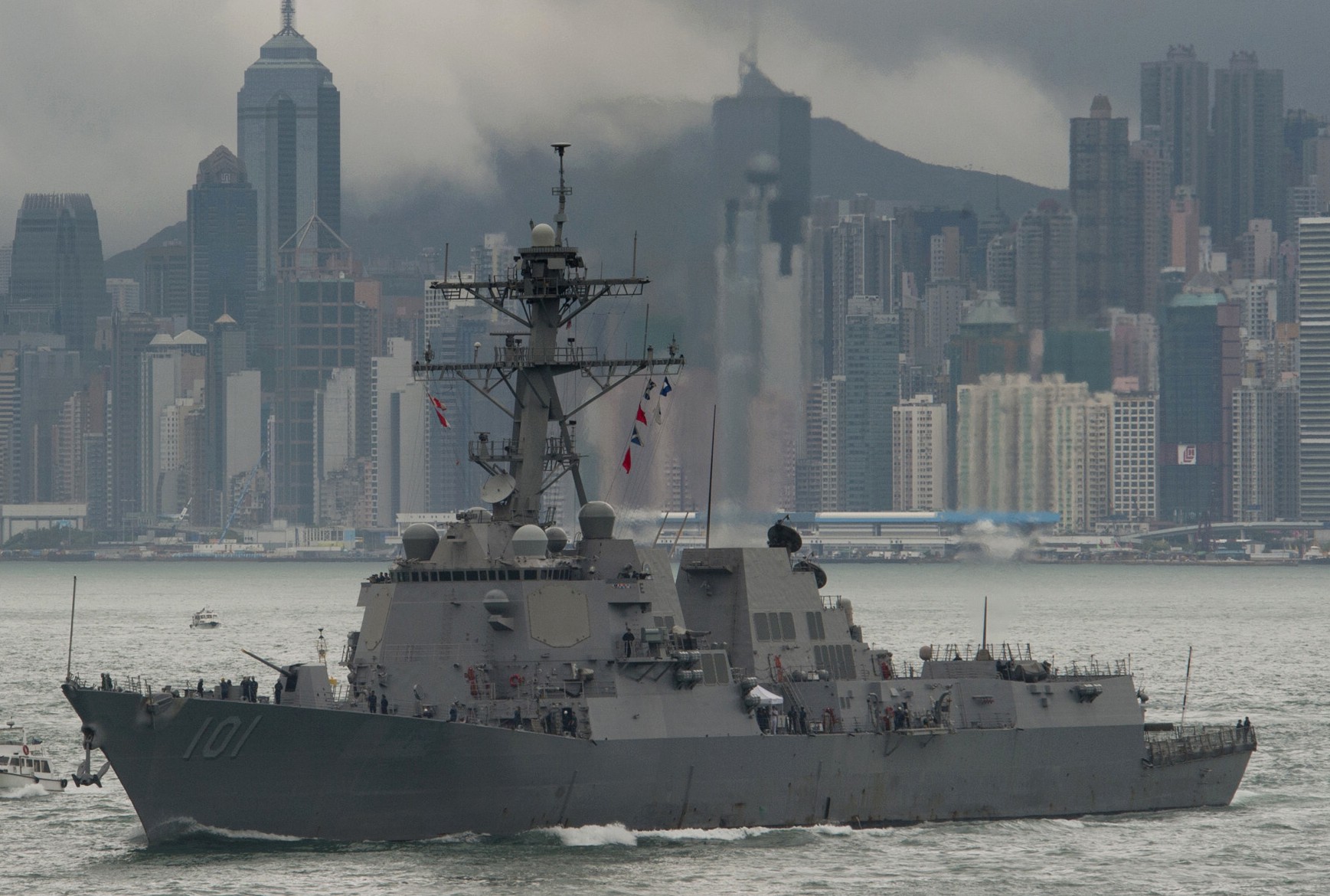
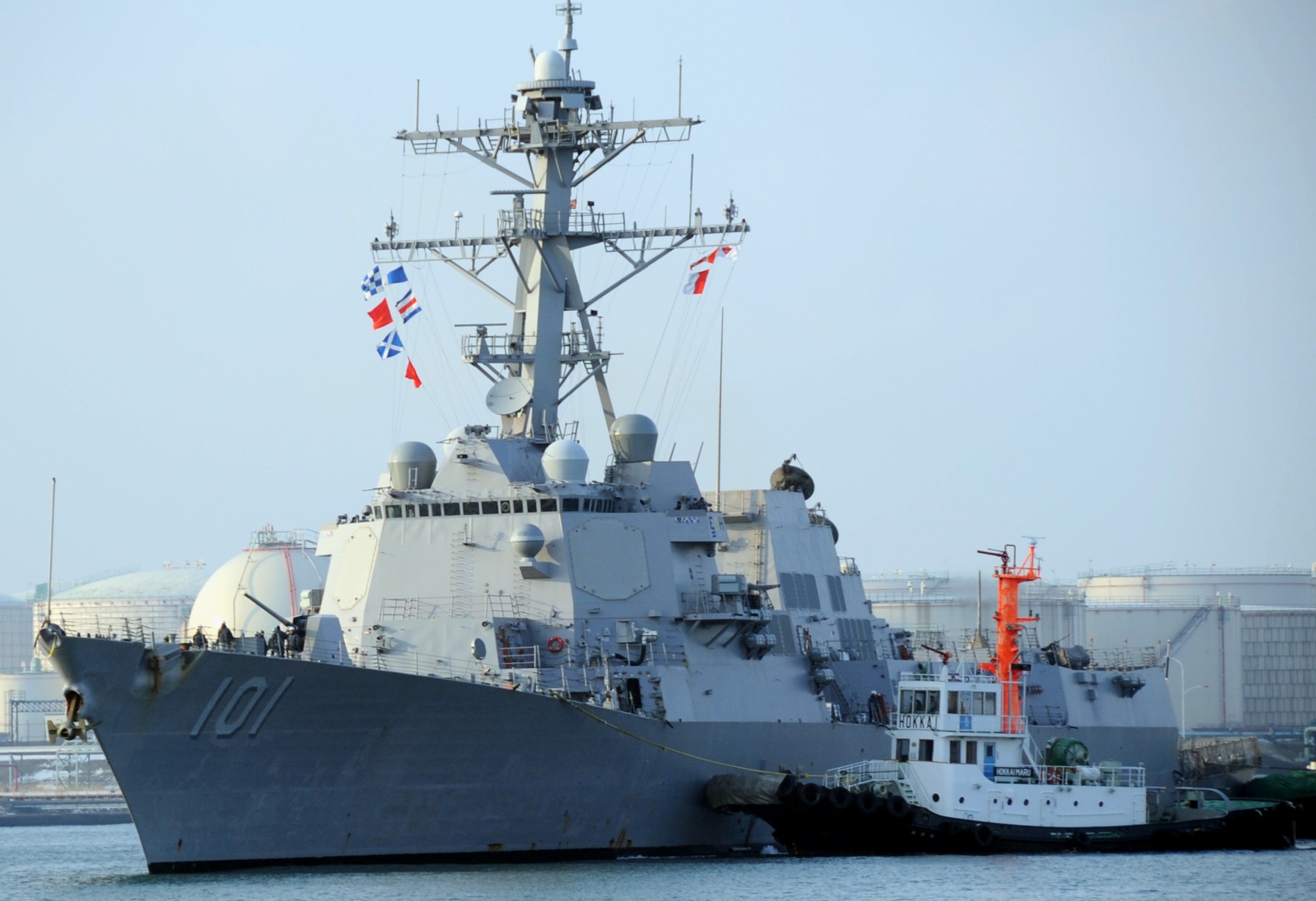
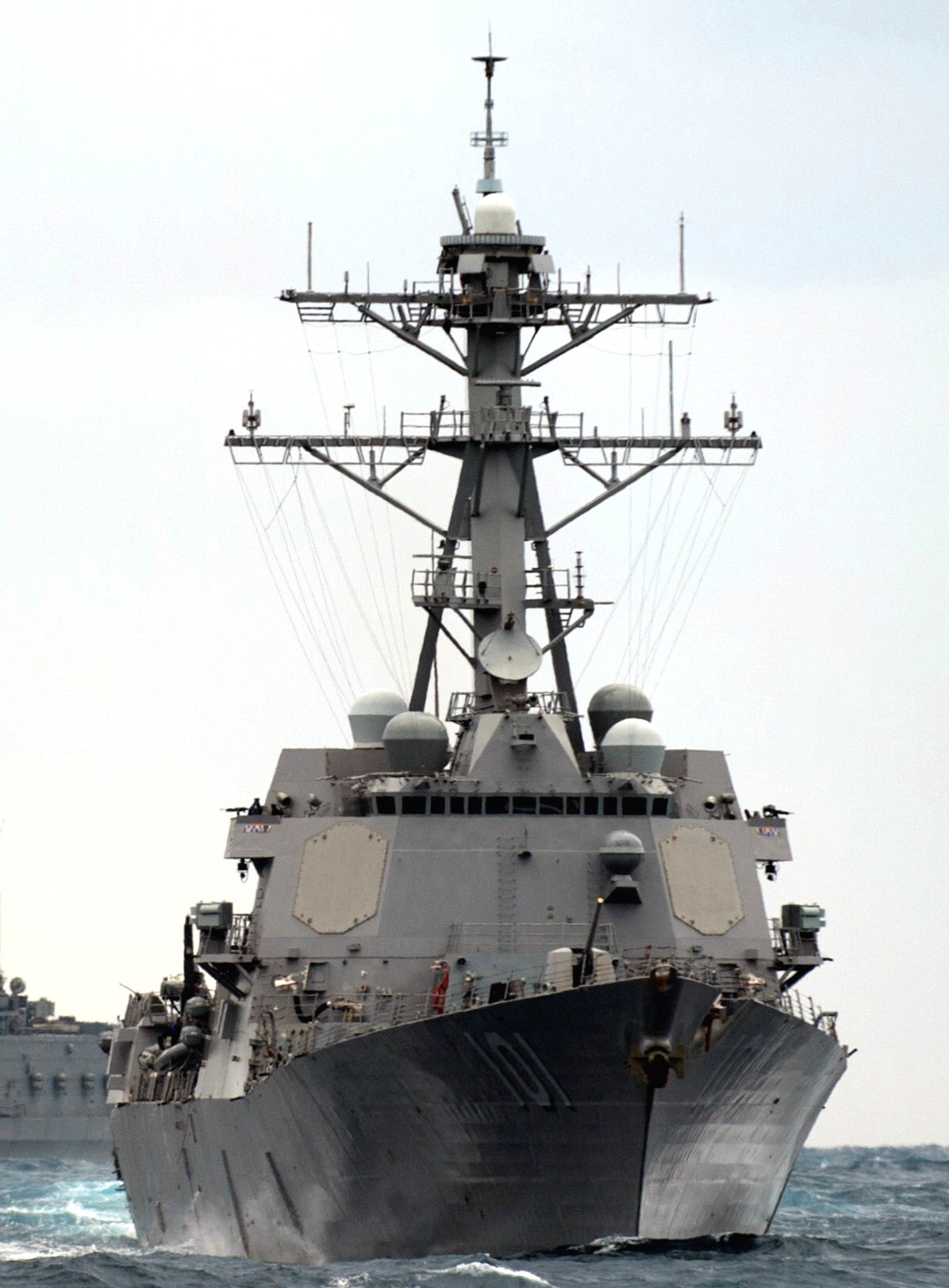
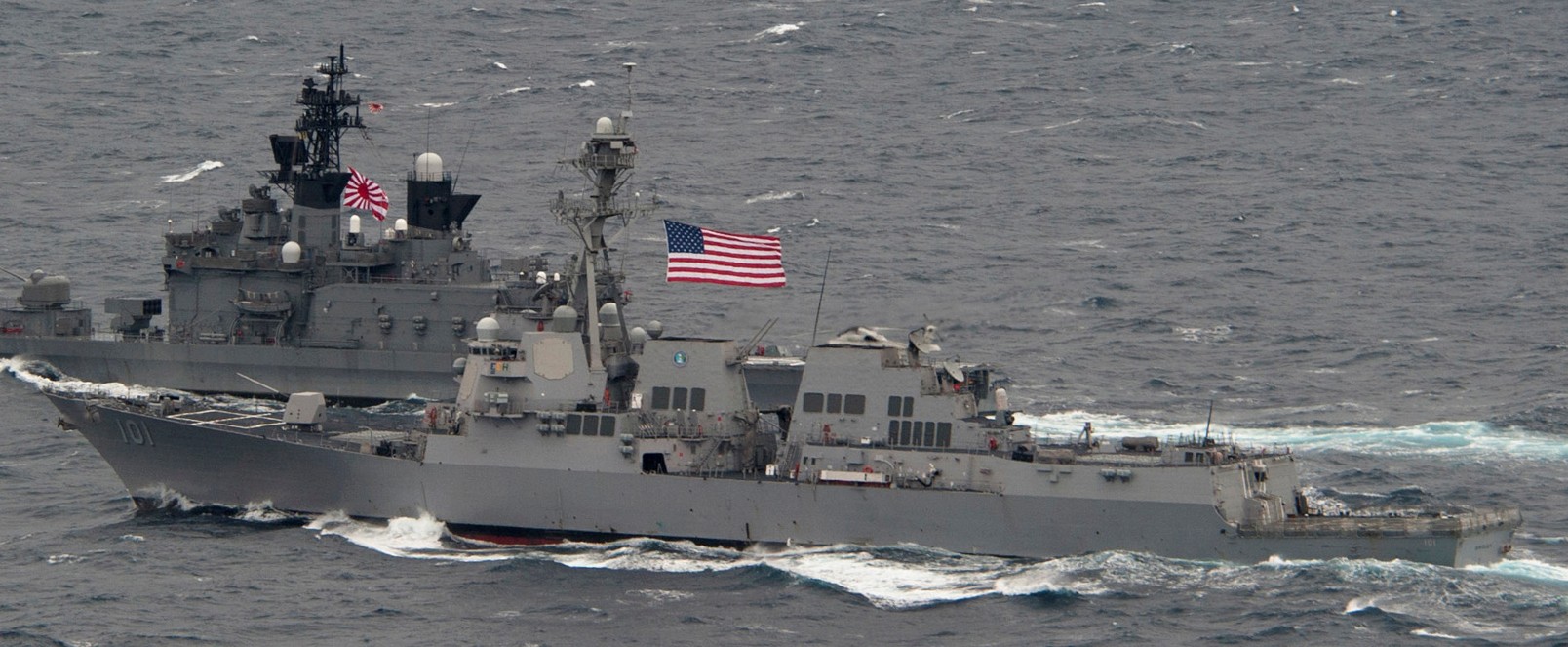
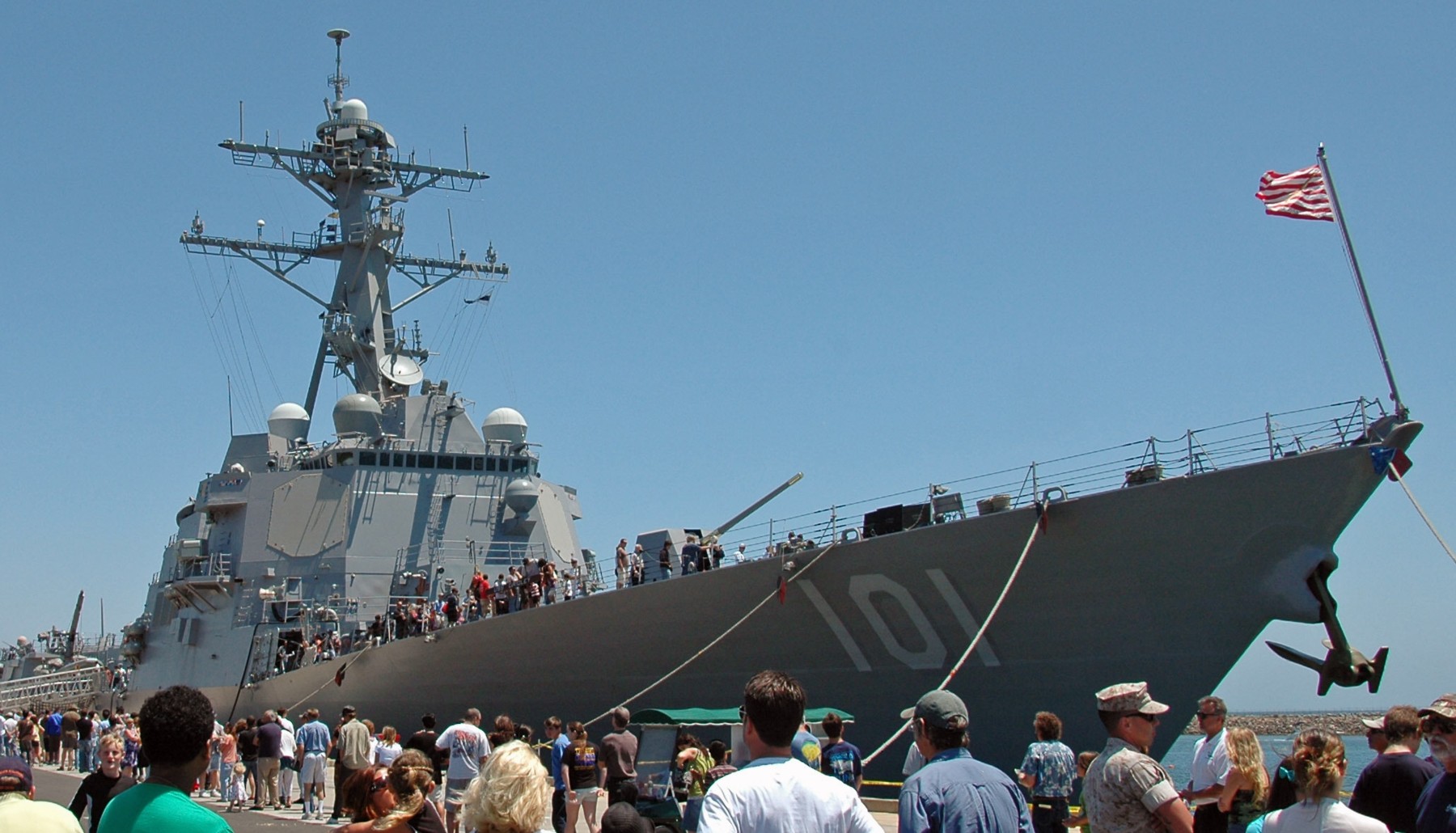
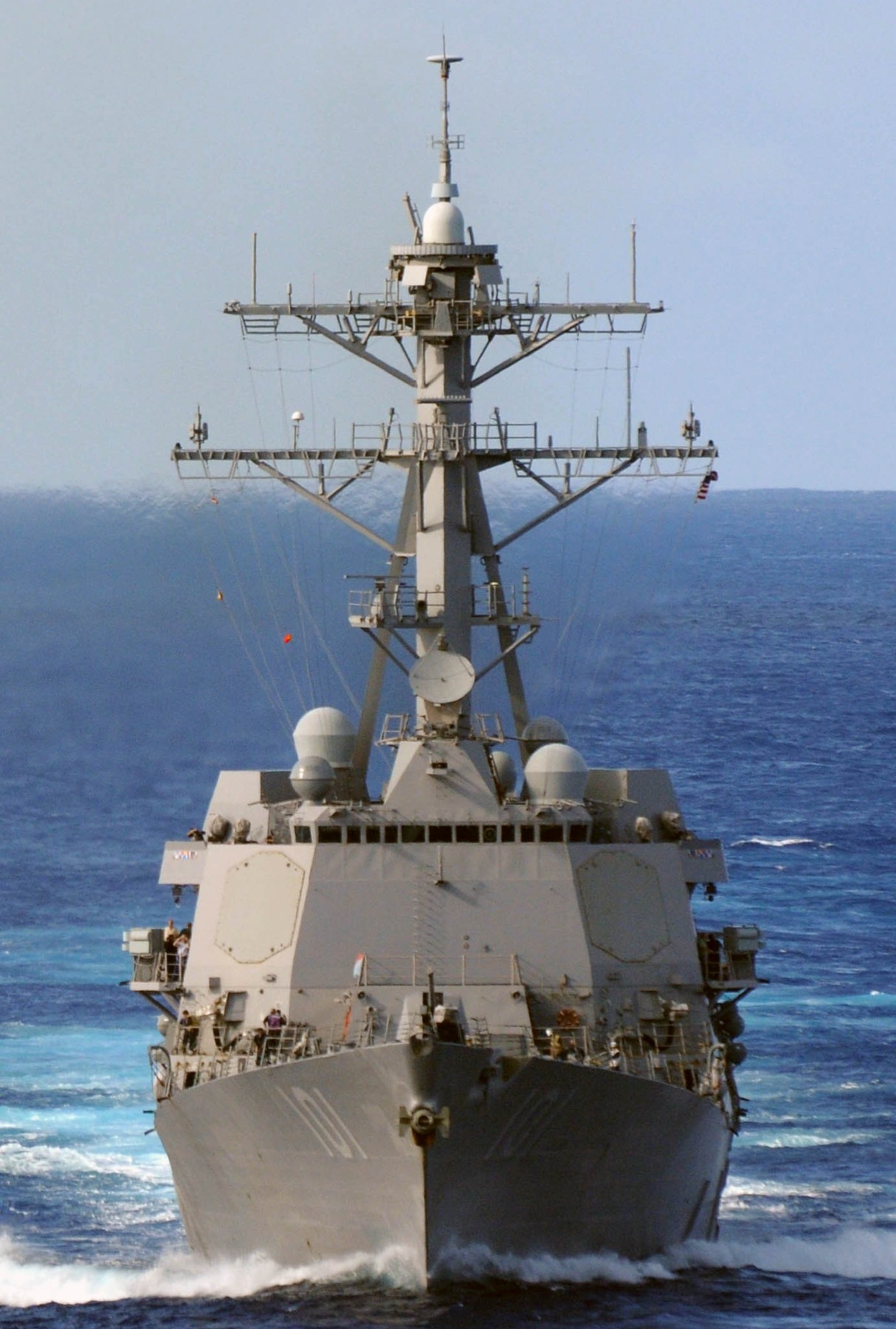
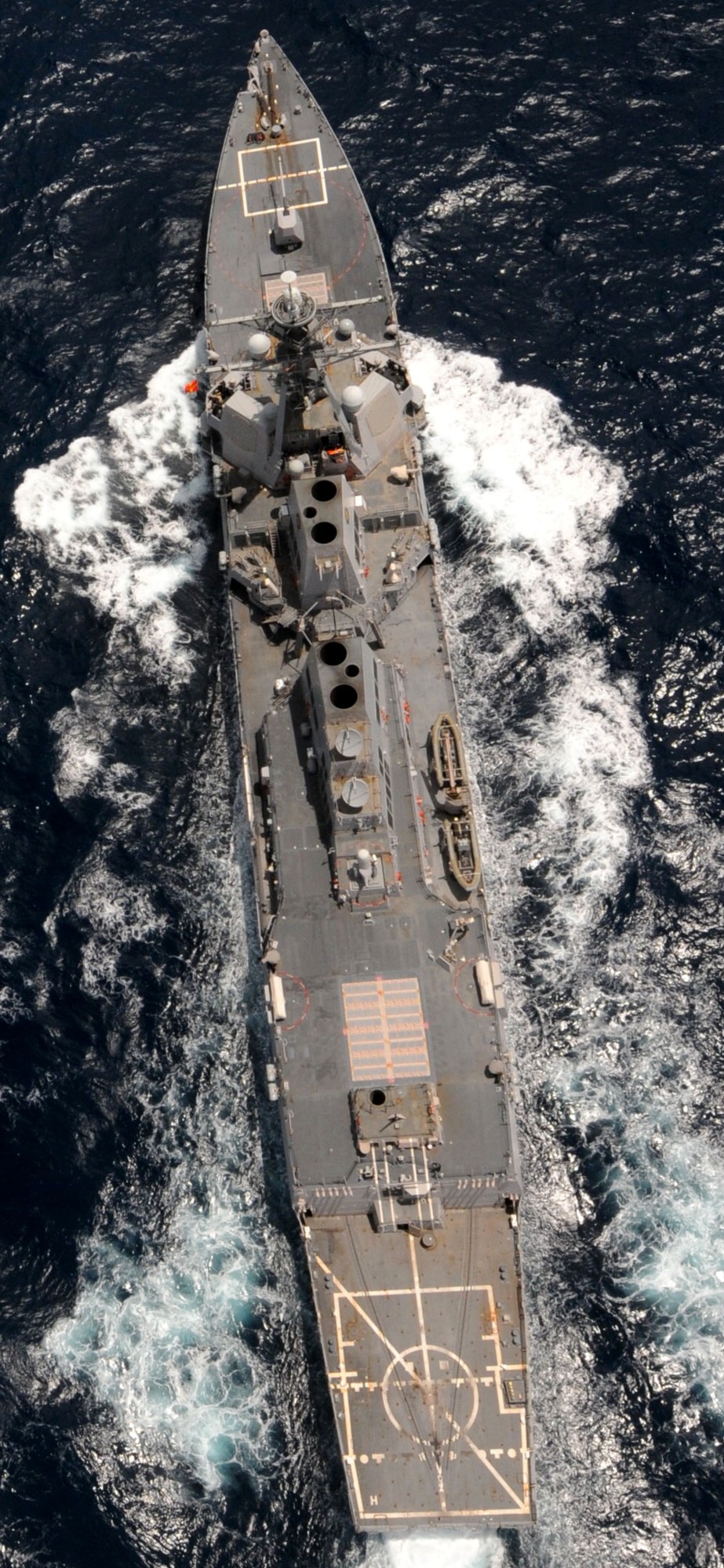
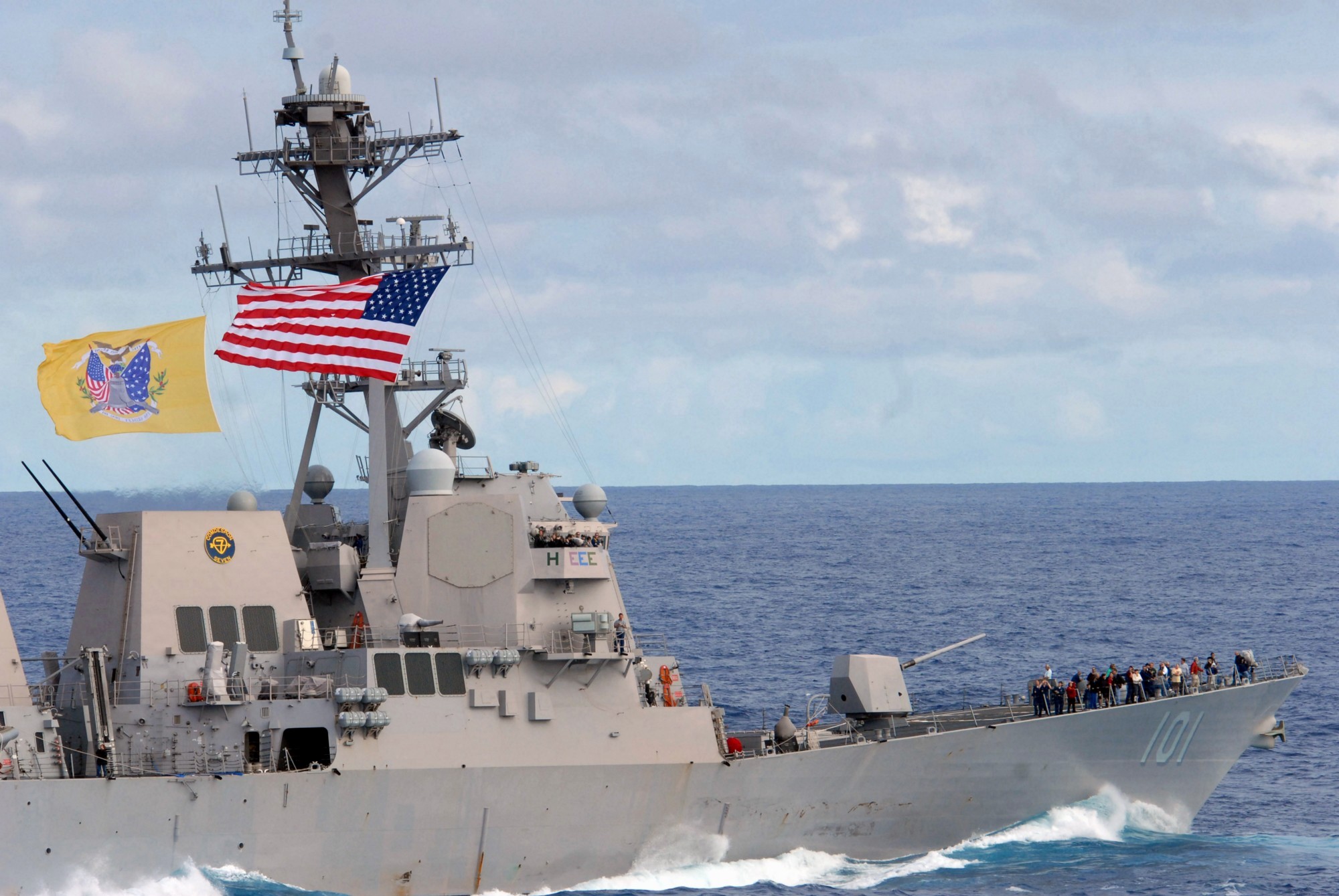
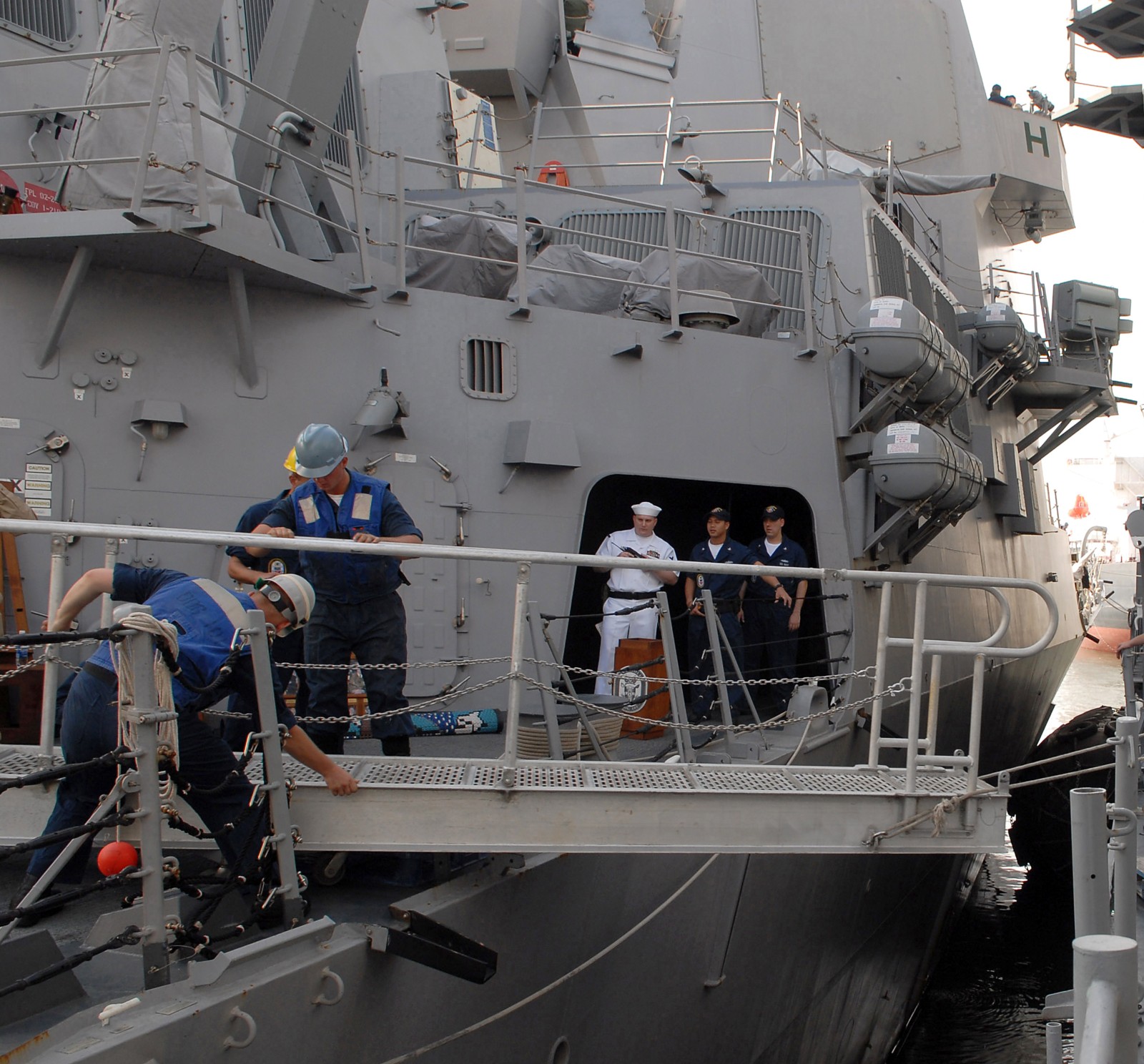
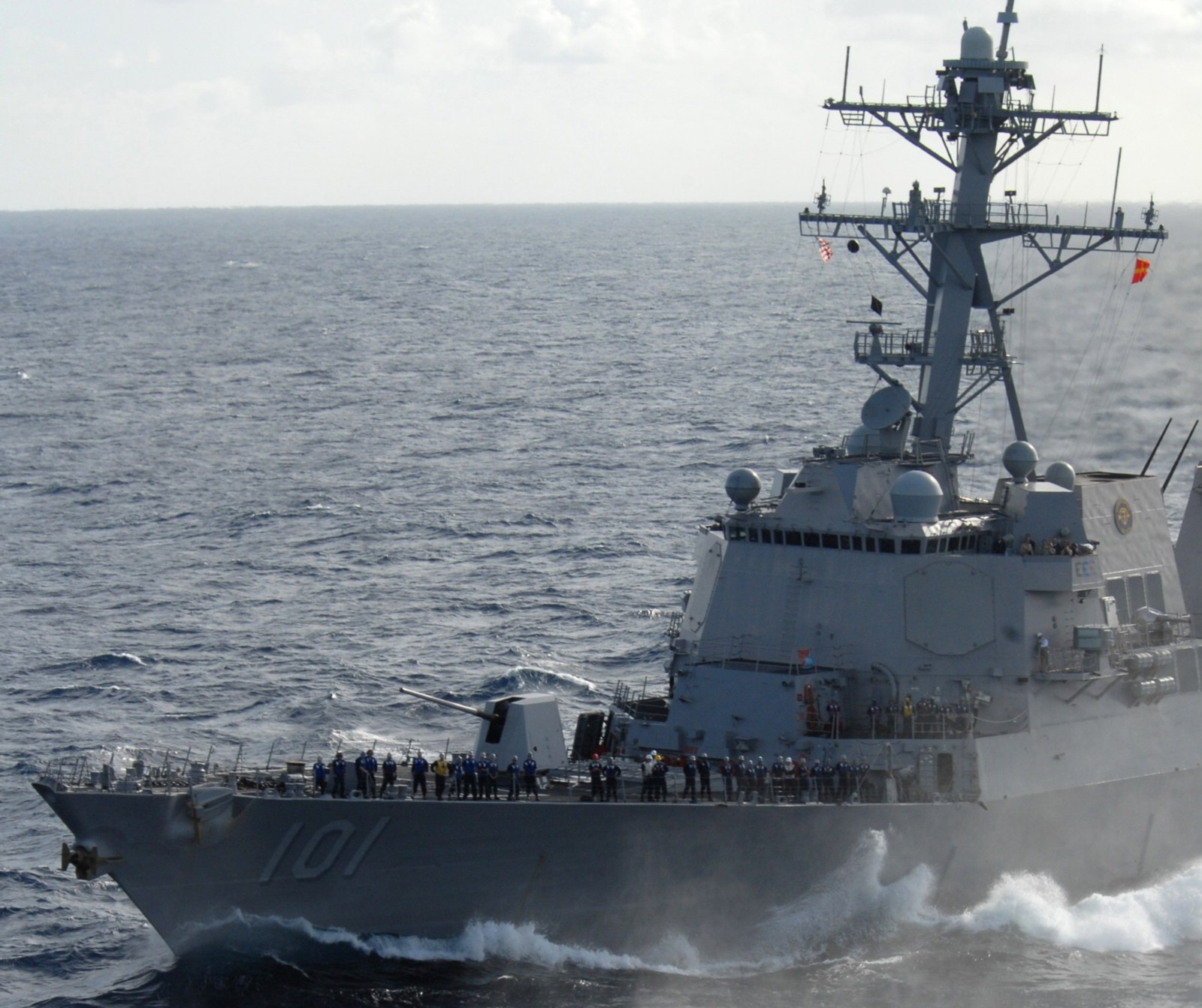
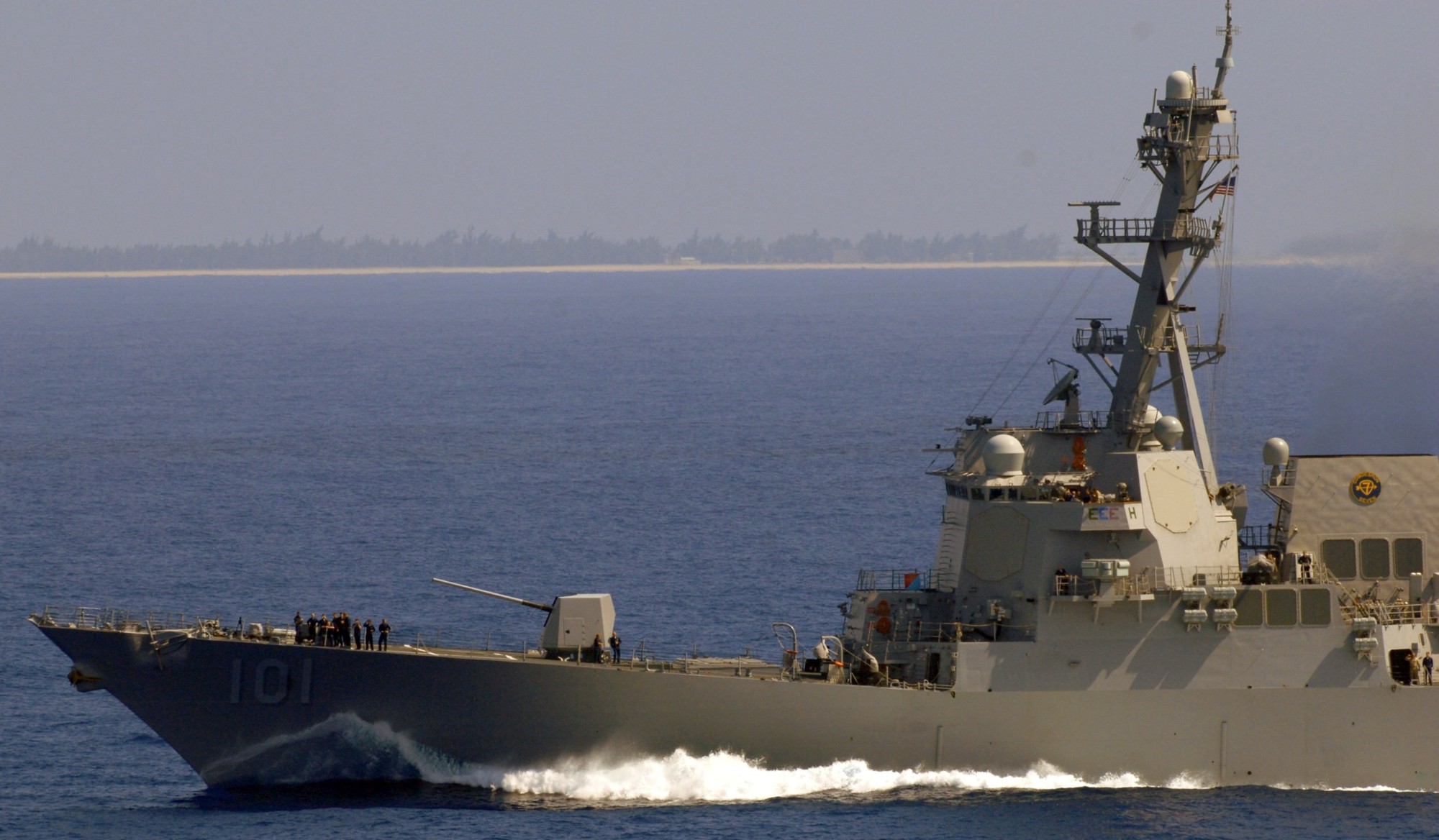
USS Gridley (DDG 101)
|
US Navy photo
|
|||||||
Type,
Class:
|
|
Guided Missile Destroyer; Arleigh Burke – class / Flight
IIA;
planned and built as DDG
101; |
||||||
Builder:
|
|
Bath Iron Works, Bath,
Maine, USA |
||||||
STATUS:
|
|
Awarded: March 6, 1998; Laid down: July 30, 2004; Launched: February 11, 2006; Commissioned: February 10, 2007; ACTIVE UNIT/ in
commission (Pacific Fleet) |
||||||
Homeport:
|
|
San Diego, California, USA
|
||||||
Namesake:
|
|
Named after and in honor of
Captain Charles V. Gridley (1844 –
1898) > see history, below;
|
||||||
Ship's
Motto:
|
|
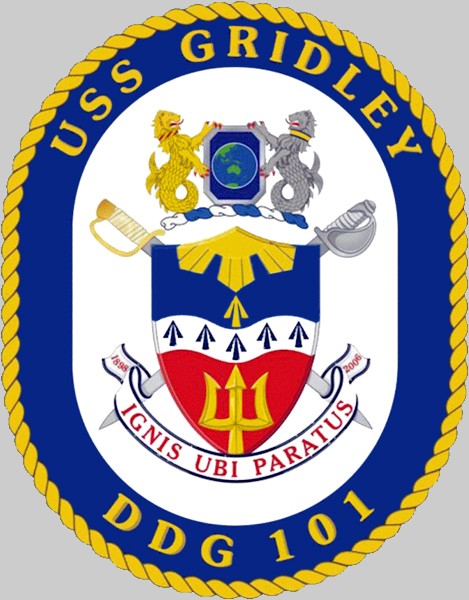
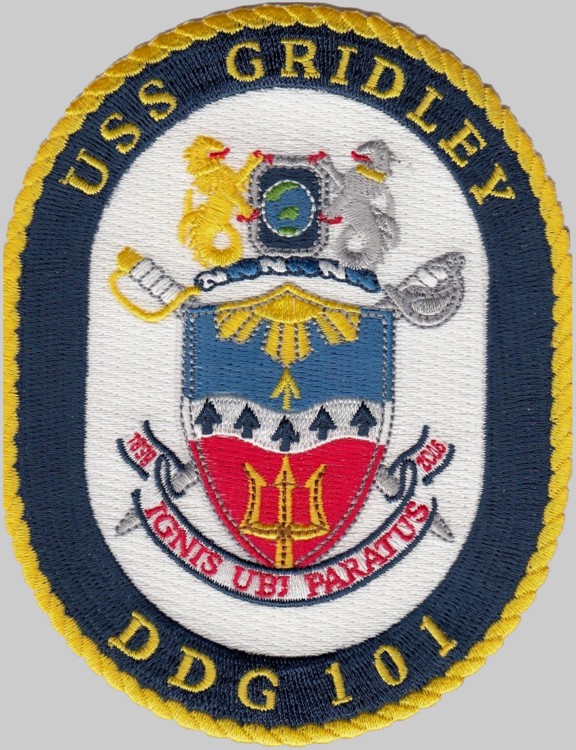
IGNIS UBI PARATUS 'FIRE WHEN READY'
|
||||||
Technical Data:
(Measures, Propulsion, Armament,
Aviation, etc.)
|
|
see: INFO > Guided Missile
Destroyer / Arleigh Burke - class … see also: USS Gridley (CG
21) |
||||||
|
|
||||||||
Pictures,
photos & more ...
|
||||||||
|
|
||||||||
|
|
||||||||
|
|
||||||||
|
|
||||||||
|
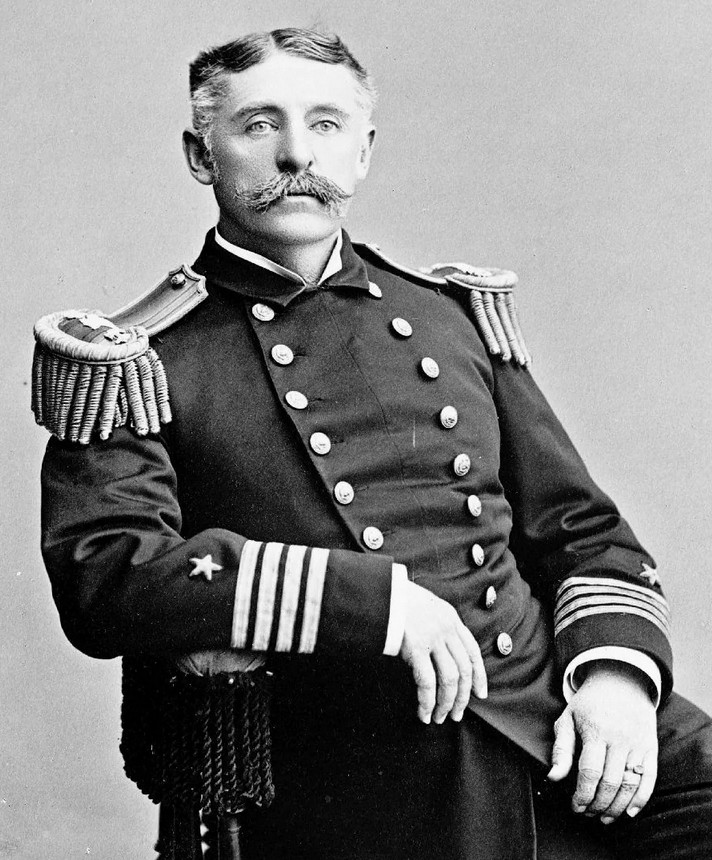
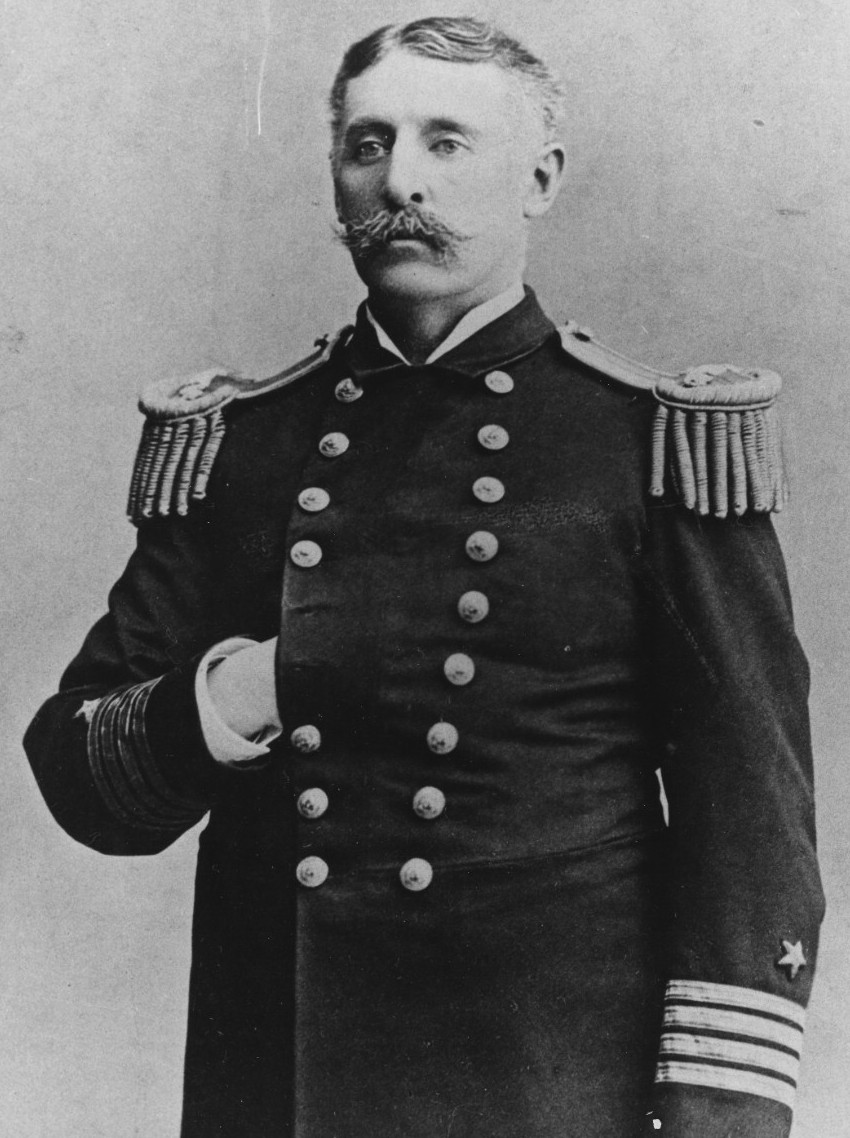
Charles Vernon
Gridley |
||||||||
|
|
|
|
||||||
|
Photo credits: US Navy, US Naval
Historical Center |
||||||||
|
|
||||||||
|
Namesake
& History: |
||||||||
|
Captain Charles Vernon
Gridley (November 24, 1844 – June 5, 1898): |
||||||||
|
Captain Gridley was the
commander of the USFS OLYMPIA, the flagship of Commodore Dewey’s Asiatic
Squadron, at the Battle of Manila Bay. Dewey, in command of the overall
squadron, was also aboard OLYMPIA. At the beginning of the battle, Dewey
uttered the sentence that became one of the most famous statements in
American naval history and which immortalized the OLYMPIA’s ailing captain:
“You may fire when you are ready, Gridley.” Biography: Charles Vernon Gridley was
born on Nov. 24, 1844 in Logansport Indiana. When thelad was but three months
old, his father moved the family to Hillsdale, Michigan. At the age of sixteen,
young Gridley received an appointment to the U.S. Naval Academy at Annapolis,
Maryland. Storm clouds loomed on the nation’s horizon, for within a
year, the American Civil War had erupted. The Naval Academy found itself in
peril. Many of its students went south to join their brothers in the fight
for states’ rights. Those that remained including the young man who had
somehow acquired the nickname of “Steve” Gridley would throw their lot with
those fighting to preserve the Union. The Academy was deep within the
state of Maryland, a border state whose allegiance to the Union was not
guaranteed. For the preservation of the Academy, it was temporarily relocated
to Newport, Rhode Island. “Steve” Gridley graduated
in 1864, in the bottom half of his class. Some of his classmates would also
go on to be well-known in the Spanish American War, such as Robley Evans who
commanded the USS IOWA at the battle of Santiago, and Charles Sigsbee who was
in command of the USS MAINE at the time of her loss, and who commanded the
USS ST. PAUL during the war itself. Gridley’s first assignment
was to the USS ONIEDA, which was part of Admiral David Farragut’s
southern blockading squadron. It was at the Battle of Mobile Bay where Acting
Ensign Gridley got his baptism of fire. He would not experience a large
action again for another thirty-four years - at Manila Bay. During the battle, Gridley
was placed all of the way forward on the ONEIDA, where he could watch the
channel, watch for mines and give steering instructions to Cmdr. J. R. M.
Mullany. During the action, the ONEIDA had eight men killed and thirty
wounded. Though a shell hit the vessel close to Gridley, he was unscathed. His commanding officer
wrote: “The conduct of Acting
Ensign C. V. Gridley is beyond all praise. He had charge of the master’s
division and assisted in conning the ship from the topgallant forecastle.” Following the war, Gridley
was detailed to transport a group of Confederate prisoners to Texas who had
accepted the option of going into exile in Mexico. On arriving, it was found
that the former Confederates would have no way of continuing south, as the
bridges across the Rio Grande had been destroyed. In spite of their being his
former enemies, Gridley did not abandon his passengers. He took it upon
himself to transport them across to Mexico. In October of 1865, Gridley
was transferred to the USS BROOKLYN, the flagship of the South Atlantic
squadron. The end of the war brought about a spate of promotions, as the navy
converted to a peacetime stance, and many officers left the service. Gridley
rose rapidly, being promoted to master on November 10, 1866, to lieutenanton
February 21, 1867 and lieutenant commander on March 12, 1868. By this
time,the navy had entered into the beginning of a very long period of
decline. The number of ships decreased, new state-of-the-art ships were
not built, and the need for officers declined. Promotion of officers of lower
rank depended on the retirement or demise of officers in the higher ranks. As
was common with this stagnation, “Steve” Gridleywould not get his next promotion
until 1882! By 1868, Gridley found
himself aboard the famous USS KEARSARGE, cruising in the South Pacific. Three
years later, after the South Pacific cruise, Lt. Cmdr. Gridley was serving
aboard an unusual vessel, the USS MICHIGAN. At this time, the MICHIGAN,
operating out of Erie, Pennsylvania, was the only U.S. navy vessel serving on
the Great Lakes. Being stationed in Erie,
gave “Steve” Gridley the opportunity to do something that his constant travel
and wartime duties had not permitted - the chance to socialize with the
fairer sex in one area for a period of time. During the long winters, the
MICHIGAN was confined to the dock in Erie by ice. The gallant, young
lieutenant commander soon met Ellie Vincent, the daughter of Judge John P.
Vincent. The two were married onMay 10, 1872. Thenceforth, Gridley would
always consider Erie his home. It was here that his family, which by 1880
included two daughters and a son, would continue to live. By 1875, Lt. Cmdr. Gridley found
himself with orders to report to his alma mater to begin teaching seamanship,
naval tactics and naval construction. Throughout his career, Gridley was to
experience an ever-growing reputation for his abilities and knowledge in sail
shiphandling and navigation Now, the man renowned for his shiphandling and
sailing abilities was training the academy’s young men aboard the MONONGAHELA
and the venerable CONSTELLATION. Gridley’s next duty was
considered to be one of the epitomes of naval service life. He was assigned
duty with the European Squadron aboard the USS TRENTON. Basically, the duty
involved sailing from port to port showing the U.S. flag attending ceremonies
and dinners. Unfortunately, the United States navy by now was at its lowest
ebb, with its vessels considered to be antiques by most nations. After a wait of fourteen
years, “Steve” Gridley finally received his next promotion. On March 10,
1882, he was appointed commander, and was immediately sent Newport, R. I. to
study at the torpedo school for three months. Torpedoes were one of the
highly-vaunted new weapons of the age, and, though the United States did not
yet have a torpedo boat, the advance in technology was noted. After this
stint, Gridley was assigned as navigation officer to the Boston Navy Yard,
and then to the Cruising Training Squadron. He was the commanding officer of
the USTS (United States Training Ship) JAMESTOWN, and the also the USTS
PORTSMOUTH. This duty extended from 1884 to 1886. Beginning in 1887,
Commander Gridley began serving as the Inspector of the 10th Lighthouse
District, which included 114 miles of the St. Lawrence River as well as Lake
Ontario, Lake Erie, and the Niagara River. He held this post until 1891. This
duty brought him close to his family, a luxury for a naval officer.
Luckily for the commander, his in-laws had political connections that would
allow him to gain this position again later in life. In 1891 Gridley was
detailed to the Washington Navy Yard as Ordnance Instructor. This was not a
favorite duty of the commander's. Ordnance was not one of his major areas of
interest or expertise. In the spring of 1892, luckily, "Steve"
Gridley found himself back at sea. He was detailed to the USS MARION, and
ordered to report to Admiral David Harmony, the commander of the Asiatic
Squadron. His duties in the Far East lead him to visit Manila Bay in 1893.
Knowledge of the harbor gained in that visit would undoubtedly be useful to
him in the future. Gridley almost did not
return from the Far East. The MARION was caught in a terrible typhoon as it
was beginning its cruise to the American west coast. The force of the storm
broke the ship's boilers loose from their saddles. The commander even
released those prisoners he had in the brig, believing that they should be
given an equal chance to survive if the ship lost its battle with the heavy
seas. Luckily, the ship survived and limped back to Yokohoma before making a
second, successful trip toMare Island, California. 1894 brought Gridley back
to his family as he again served as the Inspector of the 10th Lighthouse
District. During his duties, he would have been brought in contact with the
senior member of the Lighthouse Board, George Dewey, and the Board's
Secretary, Robley Evans. In March of 1897,
"Steve" Gridley was finally promoted to captain. On June 10, he was
ordered to take command of the USFS OLYMPIA, relieving J. J. read in
Yokohoma, Japan. He embarked on the steamer GAELIC and arrived aboard the
OLYMPIA on July 25. He ship’s newspaper noted that he didn’t stay on board
long, returning to Yokohoma to visit friends he knew from his cruise on the
MARION. The formal transfer of command came four days later. Capt. Read’s
voice broke as he read his farewell comments, and he was heartily cheered by
the men. Gridley had apparently had some “large shoes to fill.” Apparently he
did well. During his brieftenure aboard the OLYMPIA, he appears to have been
well-liked and respected bythe ship’s crew. In one instance, at Christmas of
1897, he raised all of the crewmen one class (meaning that he reduced the
length of punishment of any crewman on report, and restored
"liberty" privileges to many). This was something that had never
been done before aboard the OLYMPIA. One crewman recorded that Gridley was "one
that loves his fellow-men," an unusual sentiment between a crewmen and
his captain. As the tensions between the
United States and Spain increased, the tenuous condition of the ships of the
Asiatic Squadron became clear. A major step forward was made when the command
of the squadron was turned over to Gridley's old comrade from the Lighthouse
Board, Commodore George Dewey. Efforts were soon underway to prepare for war.
On May 1, 1898, the ships
of the Asiatic Squadron, with Gridley's OLYMPIA in the lead as the flagship,
entered Manila Bay. Within a few hours, the Battle of Manila Bay was over,
and the Spanish Fleet was defeated. Gridley was at his station, commanding
the OLYMPIA from inside the vessel’s armored conning tower. The Philippine
sun was beating on the exterior of the very small armored control center,
which, combined with the already high temperatures, must have made the
conning tower virtually uninhabitable. From this location, the captain
directed the ship's fire and controlled the actions of the vessel. At the
conclusion of the battle, however Captain Gridley, was not in a condition to
celebrate. He was a very sick man, suffering from dysentery and what appears
to have been liver cancer. The heat and stress of the conning tower further
weakened him. Dewey actually would have relieved him of command had not
Gridley protested. Still, as the days past, it became obvious that Capt.
"Steve" Gridley couldnot carry out his duties. He was to be
sent home. On May 25, Gridley was to
begin his journey home One crewmen recorded the event as follows: "He came up out of his cabin
dressed in civilian clothes and was met by the rear admiral [Dewey] who
extended him a most cordial hand. A look of troubled disappointment flitted
across the captain's brow, but vanished when he stepped to the head of the
gangway and, looking, over saw, not the launch, but a twelve-oared cutter
manned entirely by officers of the Olympia. There were men in the boat who
has not pulled a stroke for a quarter of a century. Old Glory was at the
stern and a captain's silken coach-whip at the bow; and when Captain Gridley,
beloved alike by officers and men, entered the boat, it was up oars, and all
that, just as though they were common sailors who were to row him over to the
Zafiro. When he sat down upon the handsome boat-cloth that was spread for
him, he bowed his head, and his hands hid his face as First-Lieutenant Reese,
acting coxswain, ordered, 'Shove off; out oars; give away!'Later in the day
the lookout on the bridge reported, 'Zafiro under way sir,' and the deck
officer passed on the word until a little twitter from Pat Murray's pipe
brought all the other bo's'ns around him, and in concert they sang out,
'Stand by to man the rigging!'Not the Olympia alone, but every other ship in
the squadron dressed and manned, and the last we ever saw of our dear captain
he was sitting on a chair out on the Zafiro's quarter-deck, apparently
listening to the [OLYMPIA's] old band play." Physically spent, and
finally released from the strain of command, Gridley's health began to sink
even faster. May 27, when he was transferred from the ZAFIRO to the
commercial steamer COPTIC, he had to be taken aboard in a stretcher. He knew
his condition was grave and wrote simply, "I think I am done for it,
personally." Because of his actions at
Manila Bay, Commodore Dewey recommended that Gridley be advances ten numbers
on the promotion list as a reward for services. The Navy Department advanced him
six places, still a strong testament to his ability. The action had little
effect on the ailing captain. His next promotion was of an order that
mencannot bestow. Aboard the COPTIC on June 5, 1898, Capt. Charles Vernon
"Steve" Gridley died, while the vessel was in Kobe, Japan. His body
was cremated and sent home. Services were held for the venerable captain in
Erie, Pennsylvania's Cathedral of St. Paul. He was buried in Erie's Lakeside
Cemetery. The news of Capt. Gridley’s death was conveyed to the OLYMPIA, and was received with deep regret. The OLYMPIA’s ship’s newspaper, “The Bounding Billow” ran the following article: “Captain Charles V. Gridley It is with indescribable
sorrow and regret that we hear of the untimely death of our beloved captain,
Charles V. Gridley. He died on board the O. & O. steamer ‘Coptic,’ at
Kobe, Japan, June 5th. Owing to a serious illness, he was ordered home on
sick-leave, taking with him the sincere respect and esteem of every man in
the fleet. He left on the ‘Zafiro,’ escorted to sea by the ‘Concord,’ amid
the cheering of the entire fleet. He was taken to the steamer by a boat’s
crew of officers with First Lieutenant Reese acting as coxswain. The news of
his death came like a thunder-bolt, filling our hearts with grief and pain.
We respectfully extend our our sincere sympathy to his relatives and
friends.” |
||||||||
|
|
||||||||
|
USS Gridley
(DDG 101): |
||||||||
|
USS Gridley was
commissioned at the Port of Miami on Saturday, February 10, 2007. |
||||||||
|
|
||||||||
|
patches |
||||||||
|
|
|
|
||||||
|
|
||||||||