|
|||
|
HOME
|
US Navy -
ships
|
US Navy - air
units
|
USMC - air
units
|
International
Navies
|
Weapon Systems
|
Special Reports |
|||
|
US Navy - Guided Missile Cruiser CG 69 - USS Vicksburg |
|||
|
|||
| 09/24 | |||
|
Type,
class: Guided Missile Cruiser (CG); Ticonderoga
class / planned as USS Port Royal Builder: Ingalls Shipbuilding, Pascagoula, Mississippi, USA STATUS: Awarded: February 25, 1988 Laid down: March 30, 1990 (as USS Port Royal) renamed USS Vicksburg while under construction Launched: August 2, 1991 Commissioned: November 14, 1992 Decommissioned: June 28, 2024 Homeport: Naval Station Norfolk, Virginia (final) Namesake: Battle of Vicksburg, Mississippi, American Civil War - 1863 Ships Motto: KEY TO VICTORY Technical Data: see: INFO > Ticonderoga class Guided Missile Cruiser - CG see also > Special Report: Visit to the USS Vicksburg (CG 69) in port of Koper, Slovenia - July 12, 2009 |
|||
| images | |||
 decommissioning ceremony at Naval Station Norfolk, Virginia - June 28, 2024 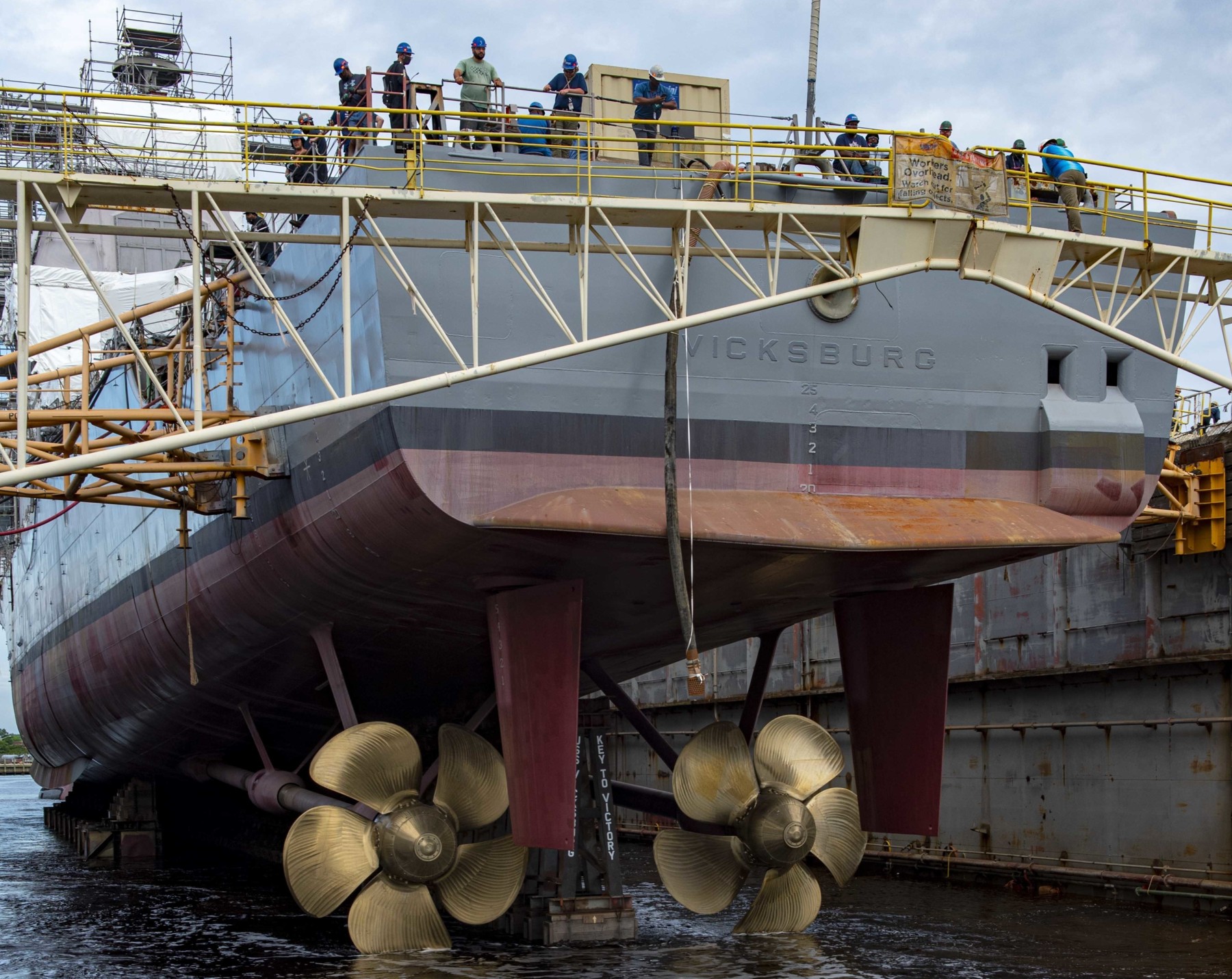 flooding the dry dock at BAE Systems Ship Repair, Norfolk, Virginia - June 2021 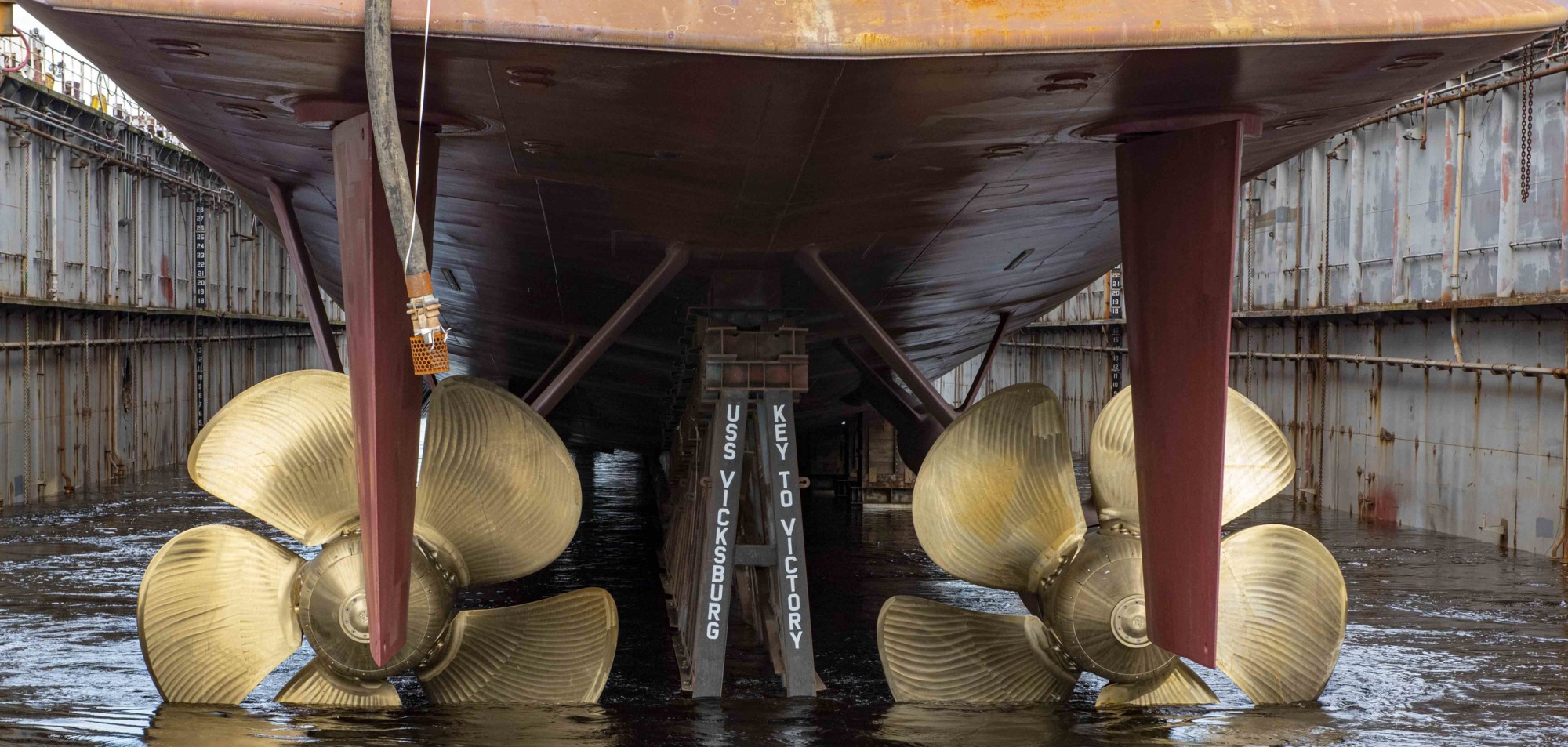 flooding the dry dock at BAE Systems Ship Repair, Norfolk, Virginia - June 2021 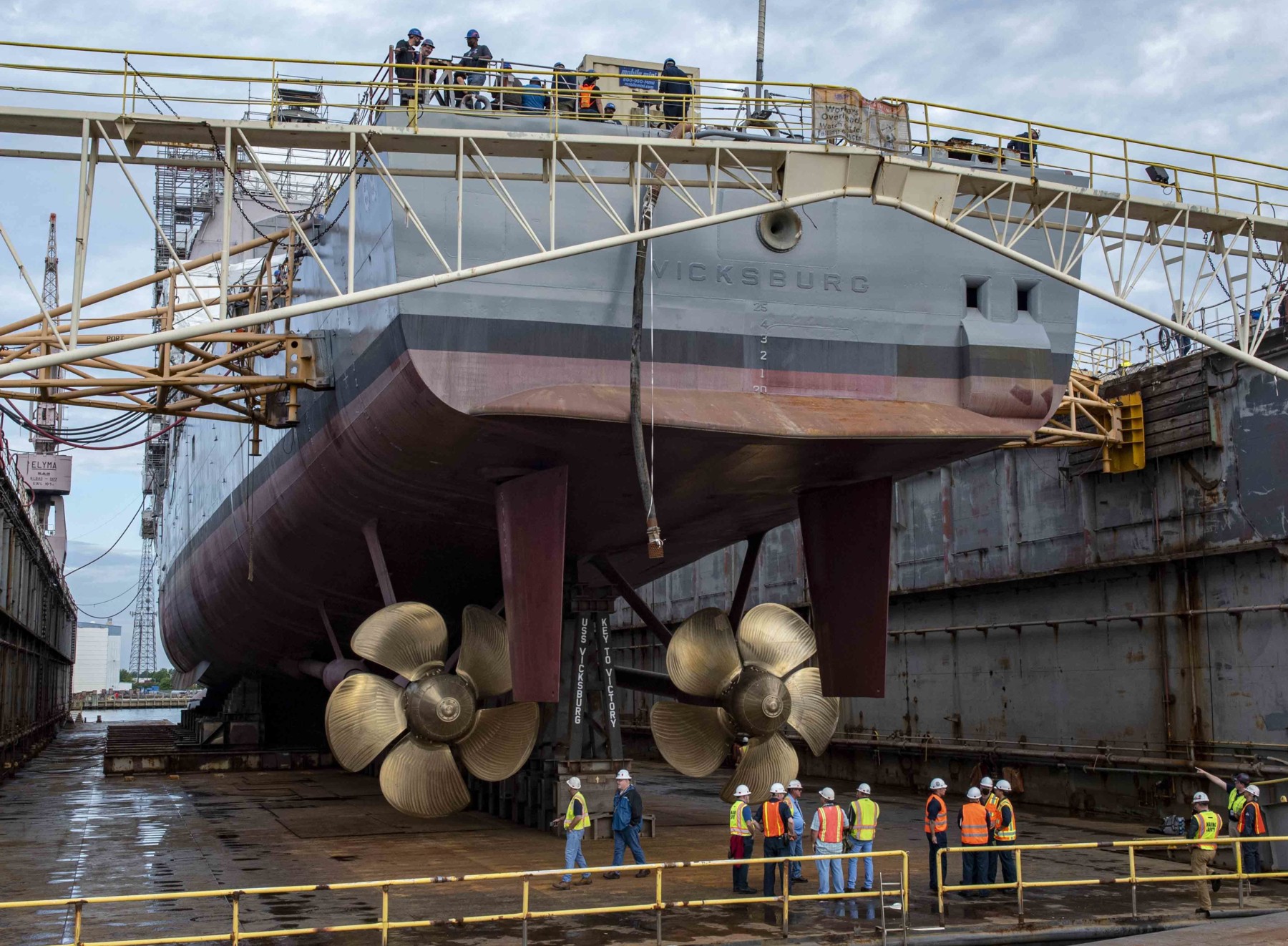 in dry dock at BAE Systems Ship Repair, Norfolk, Virginia - June 2021 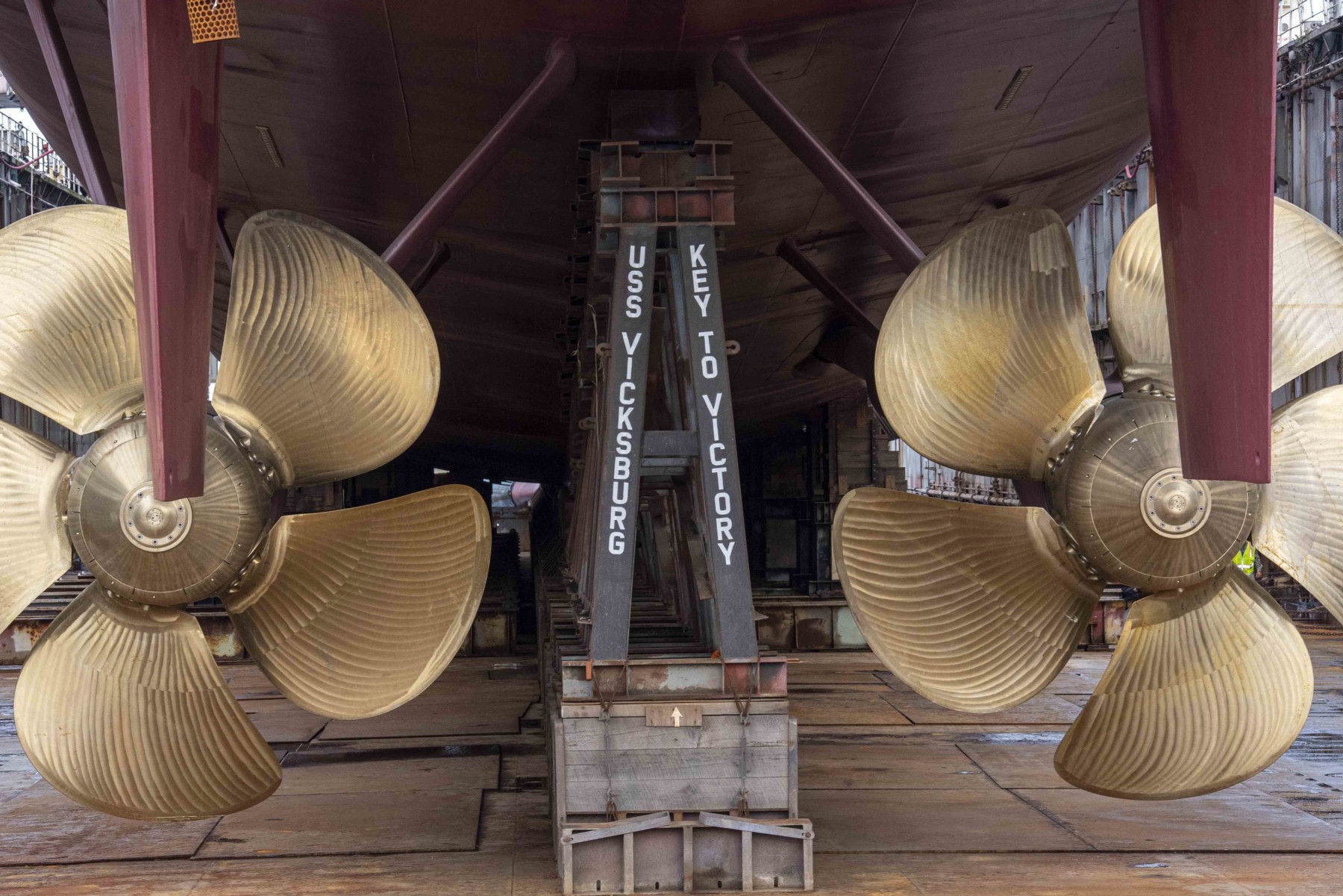 in dry dock at BAE Systems Ship Repair, Norfolk, Virginia - June 2021 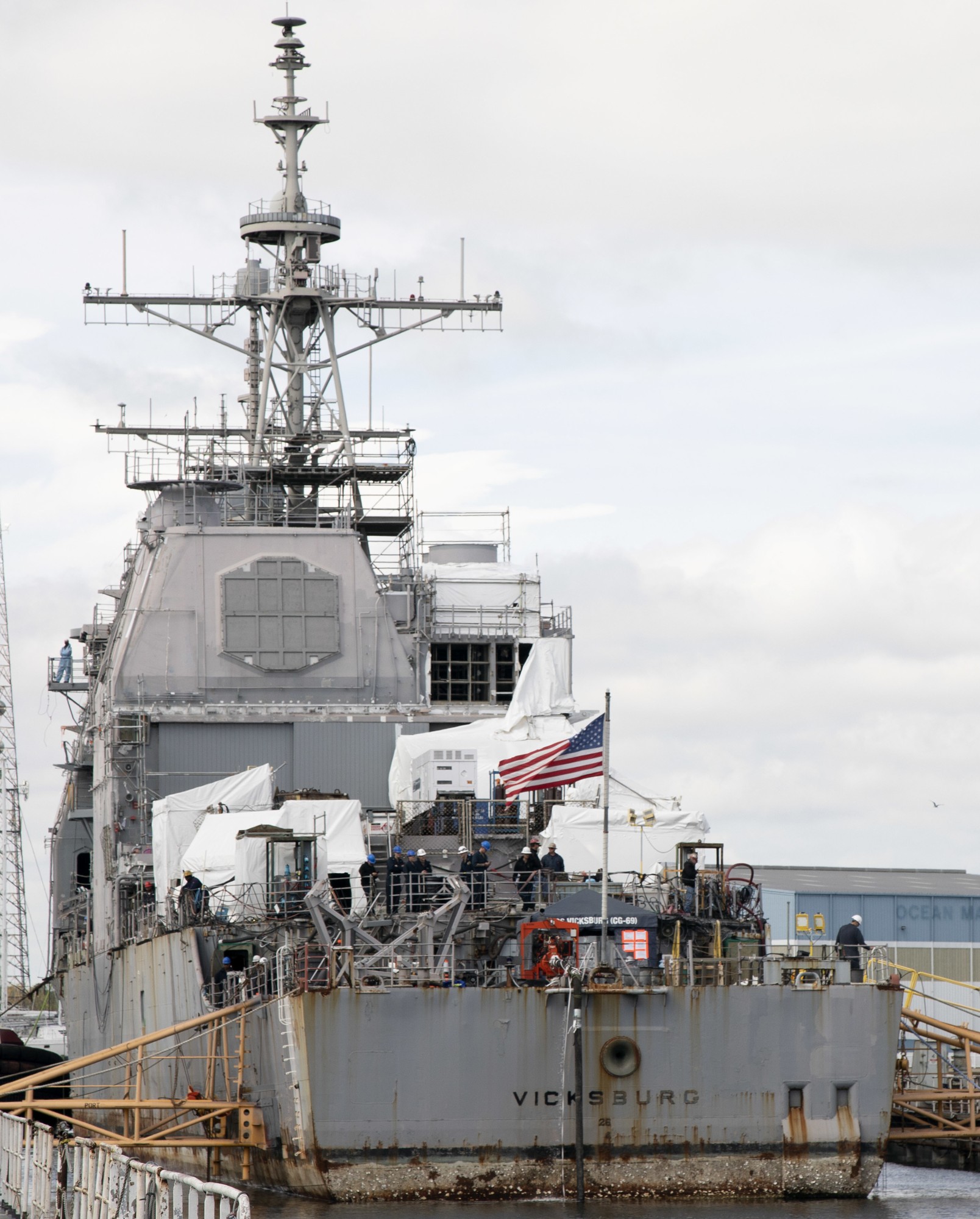 at BAE Systems Ship Repair, Norfolk, Virginia - March 2020 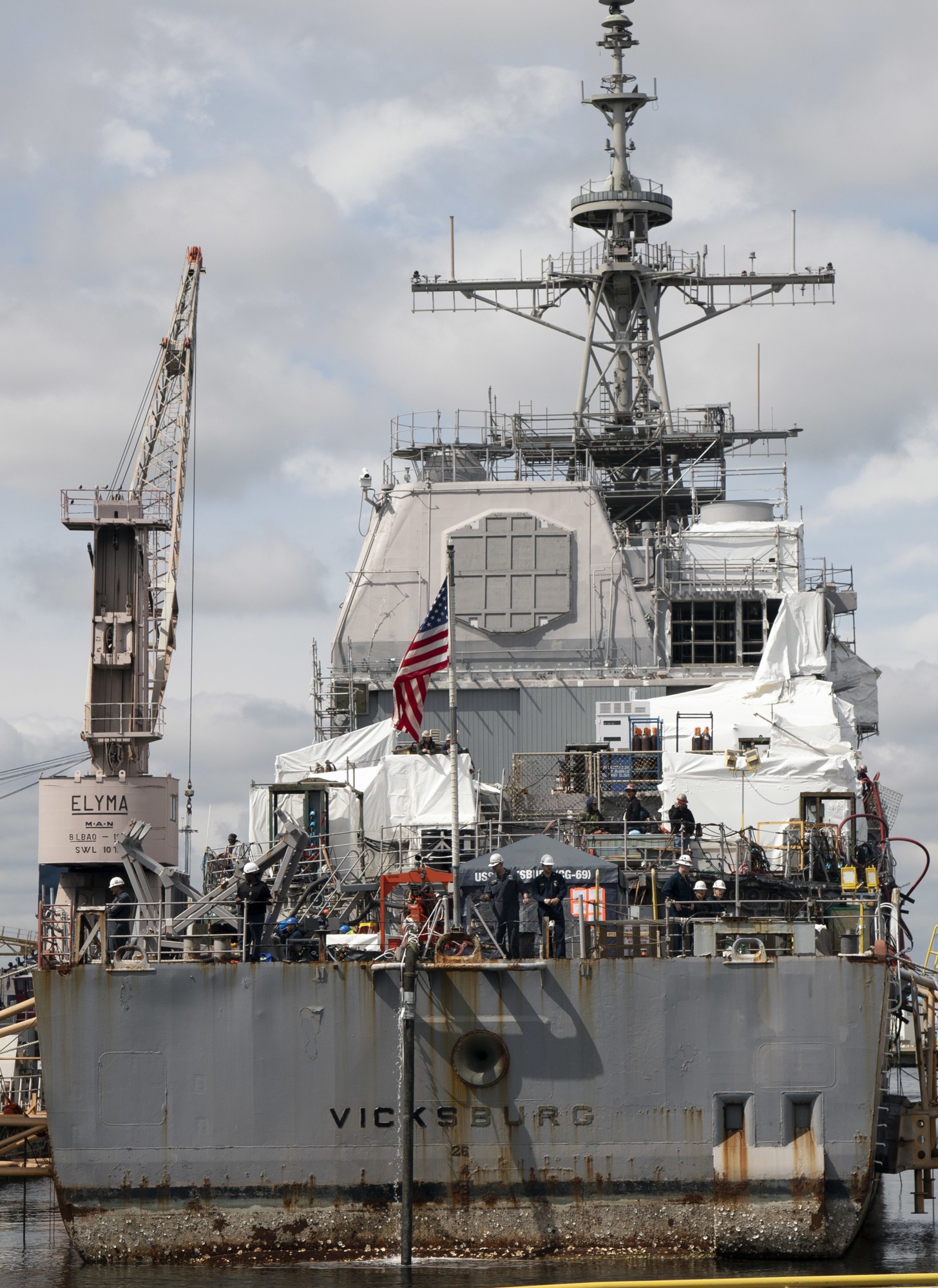 at BAE Systems Ship Repair, Norfolk, Virginia - March 2020 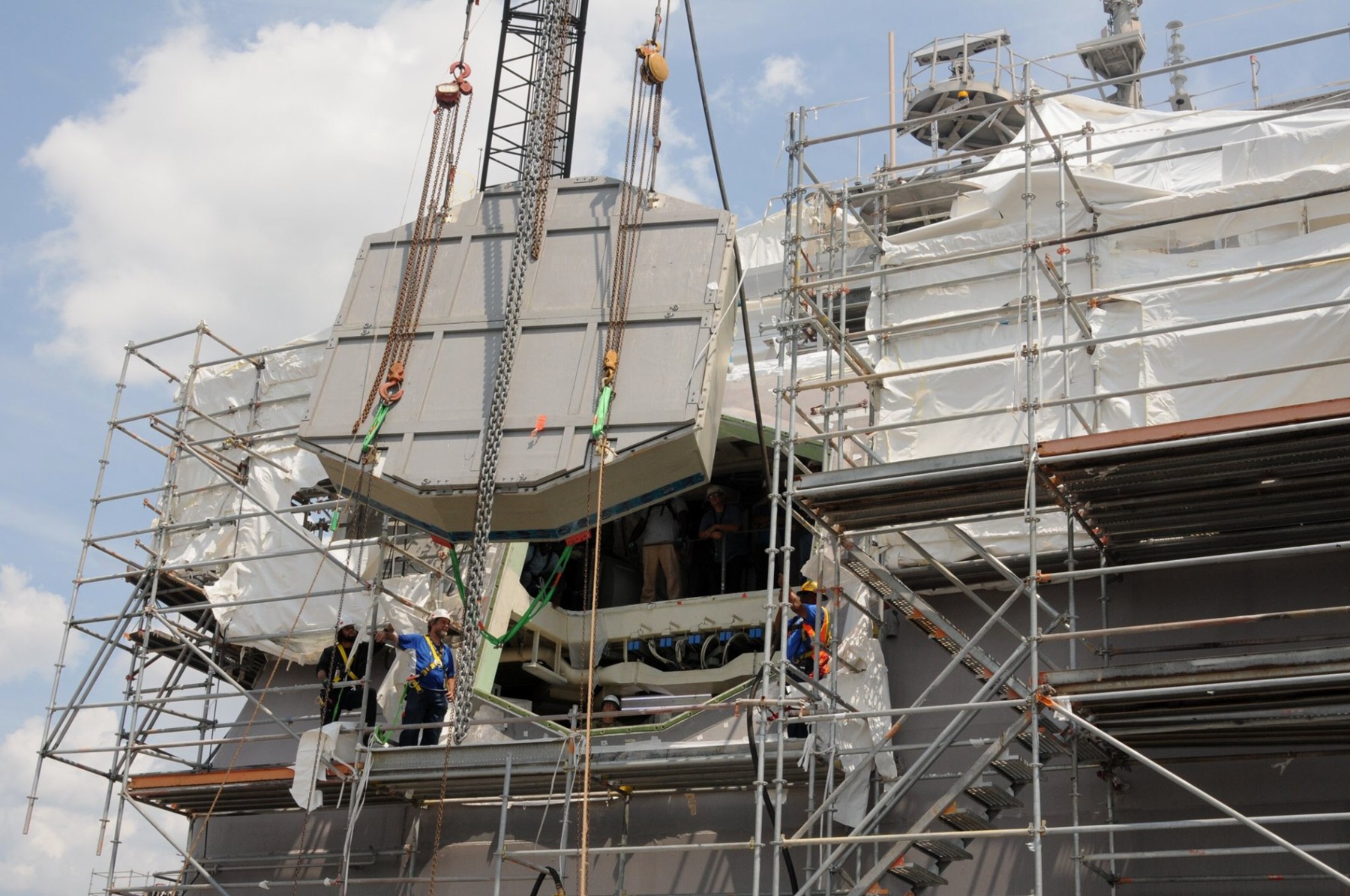 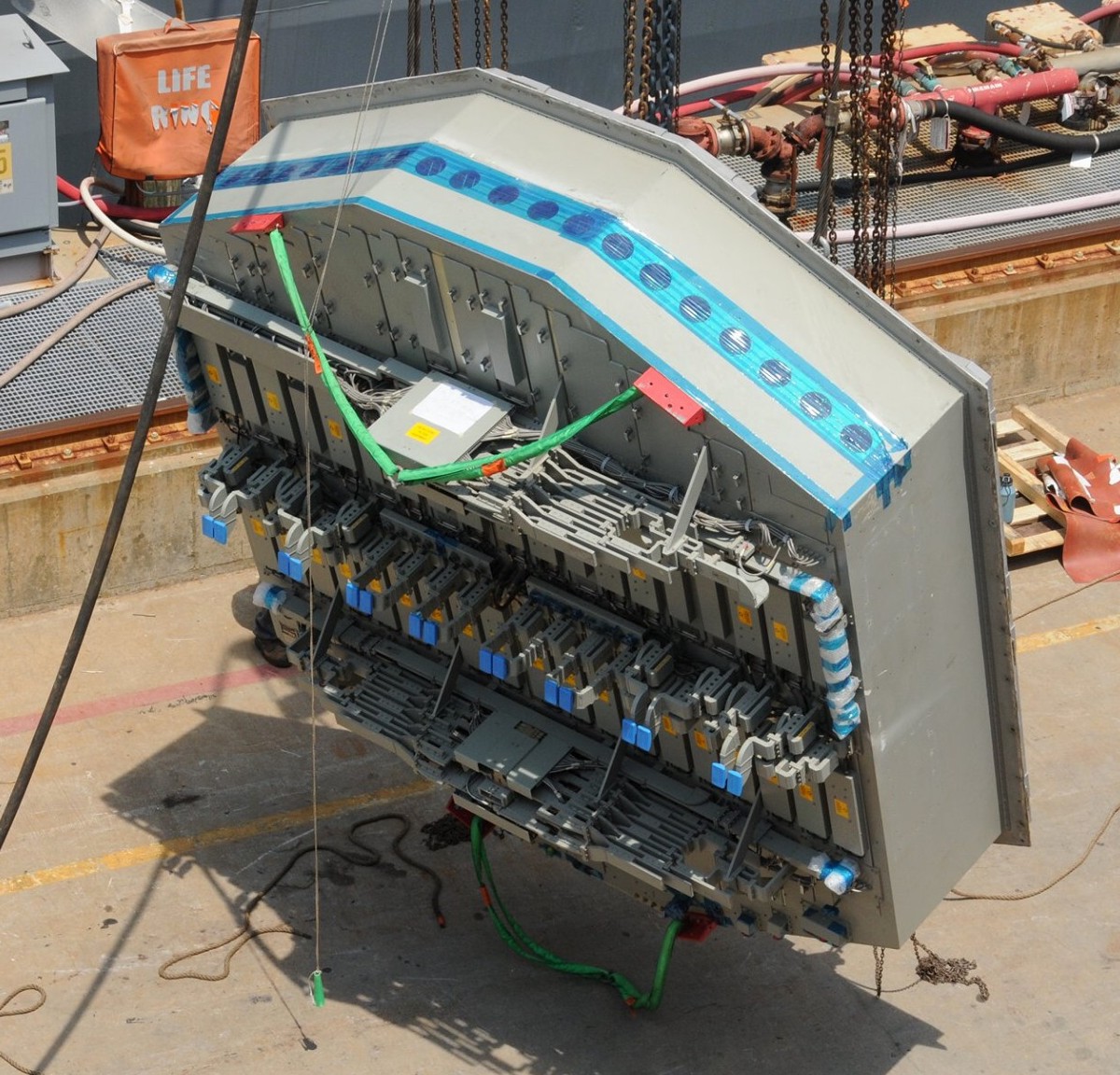 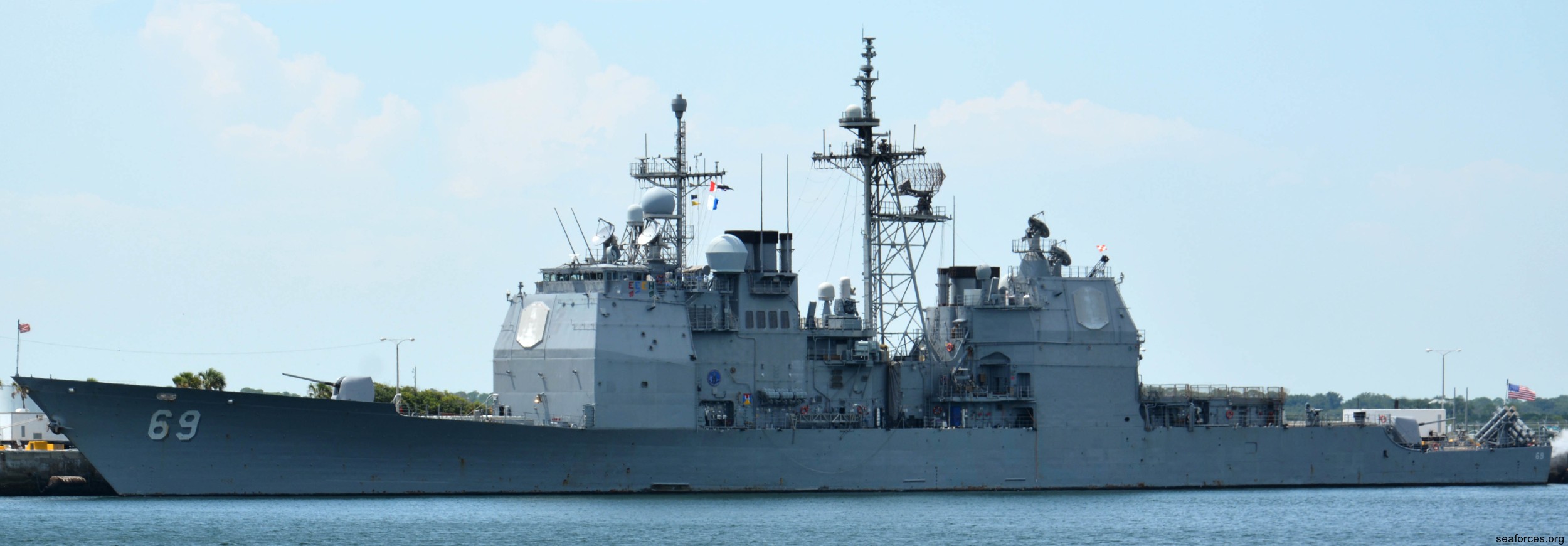 Naval Station Mayport, Florida - July 2015 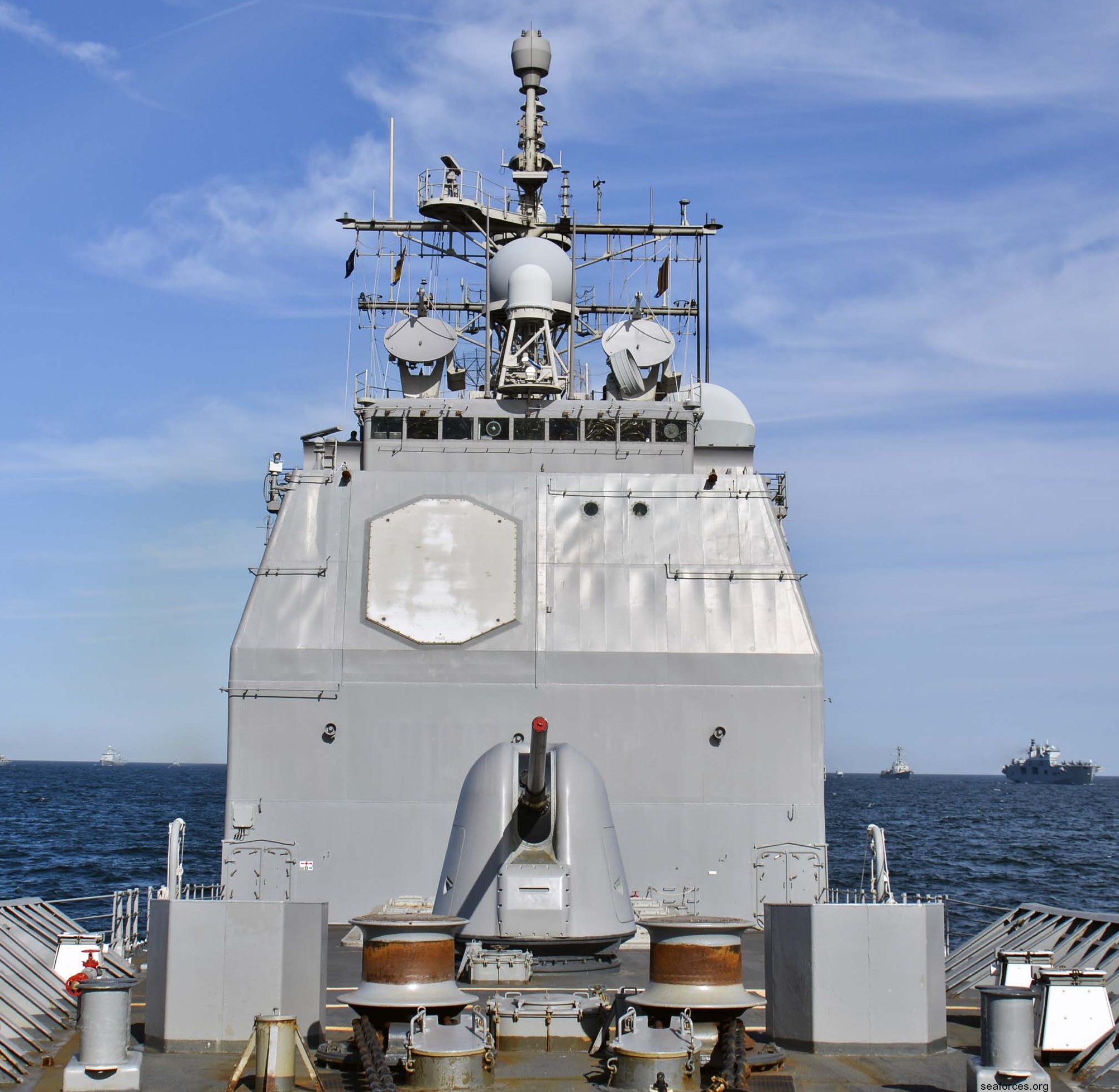 Baltic Sea - June 2015 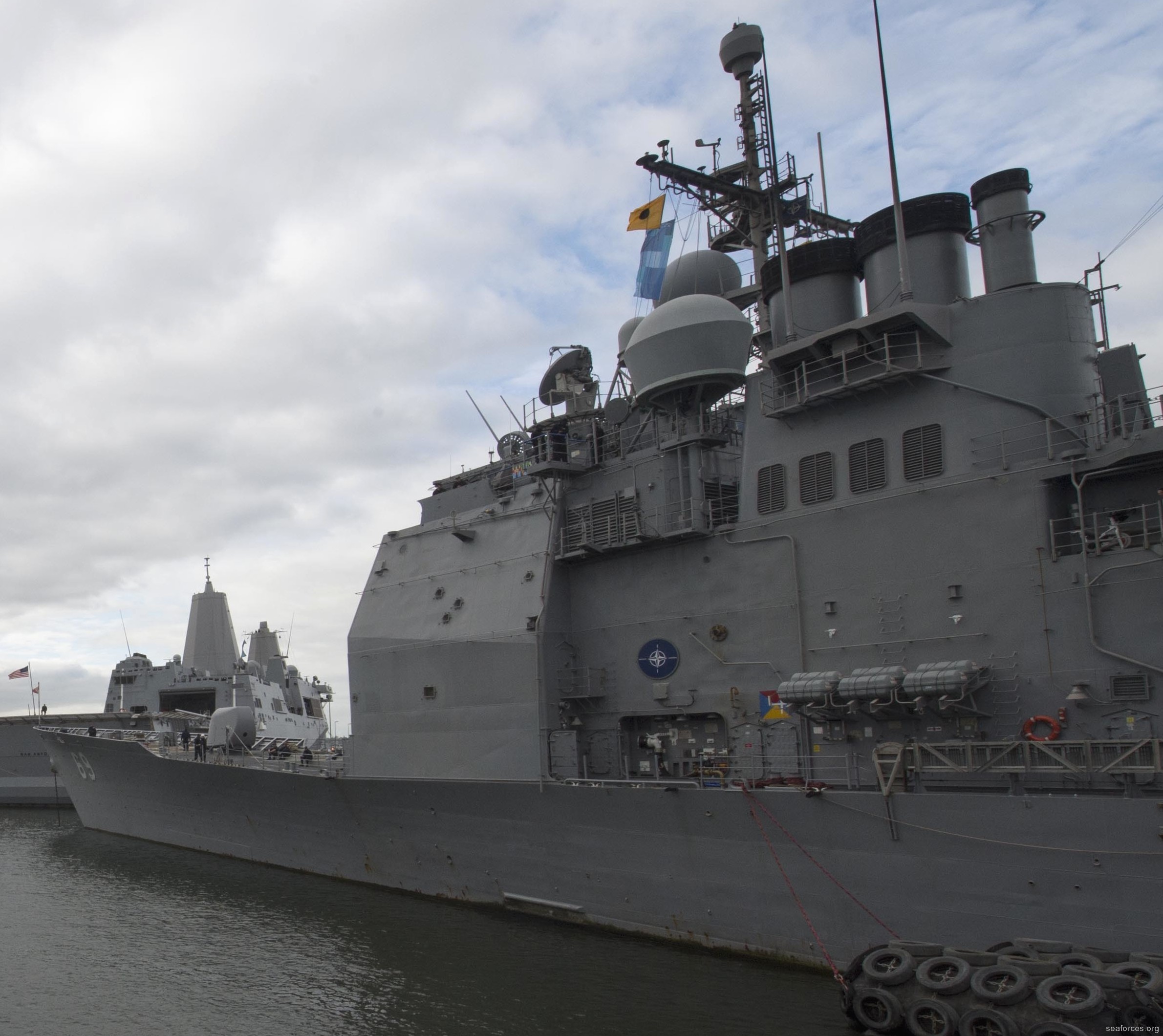 Kiel, Germany - June 2015 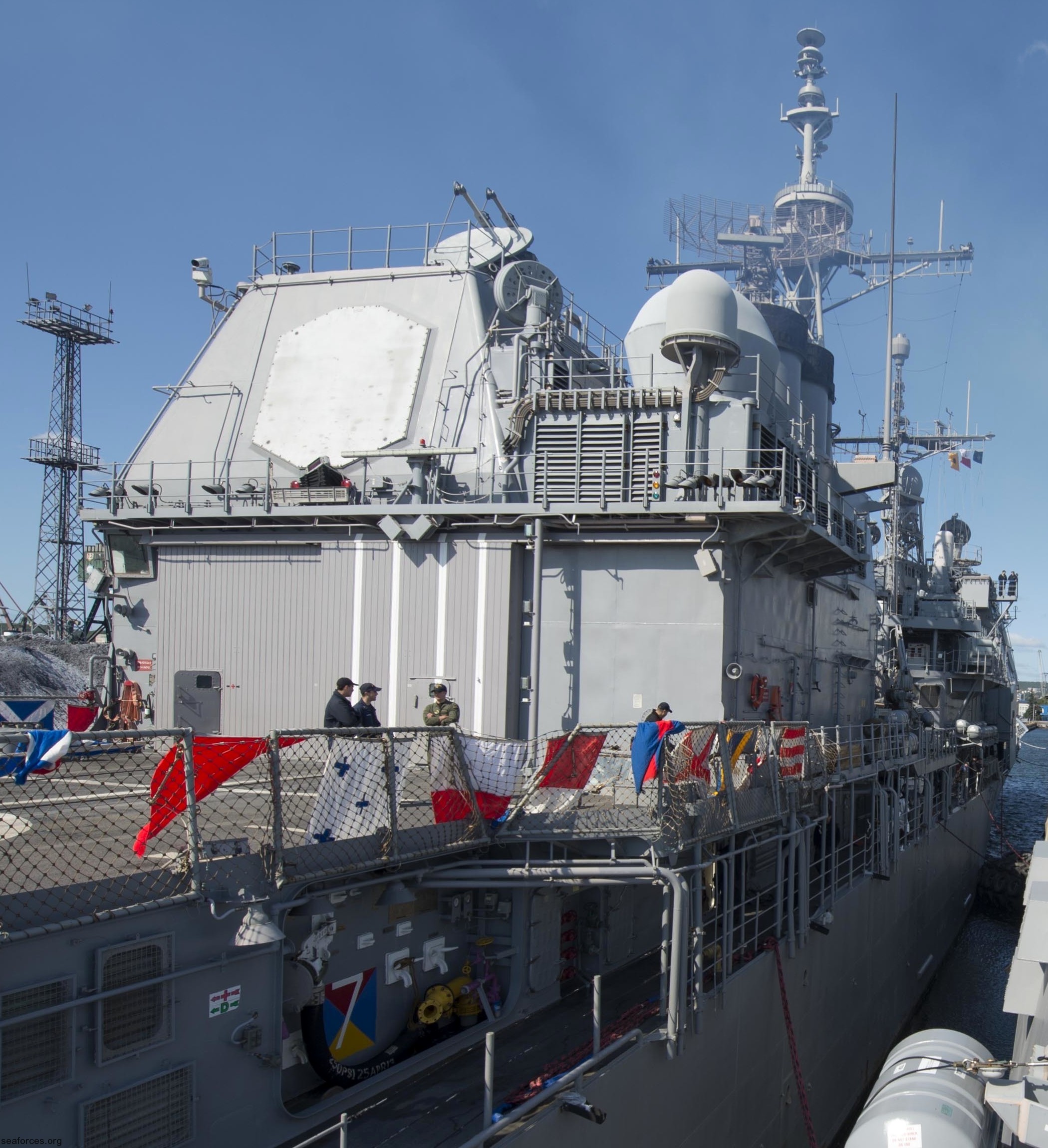 Gdynia, Poland - June 2015 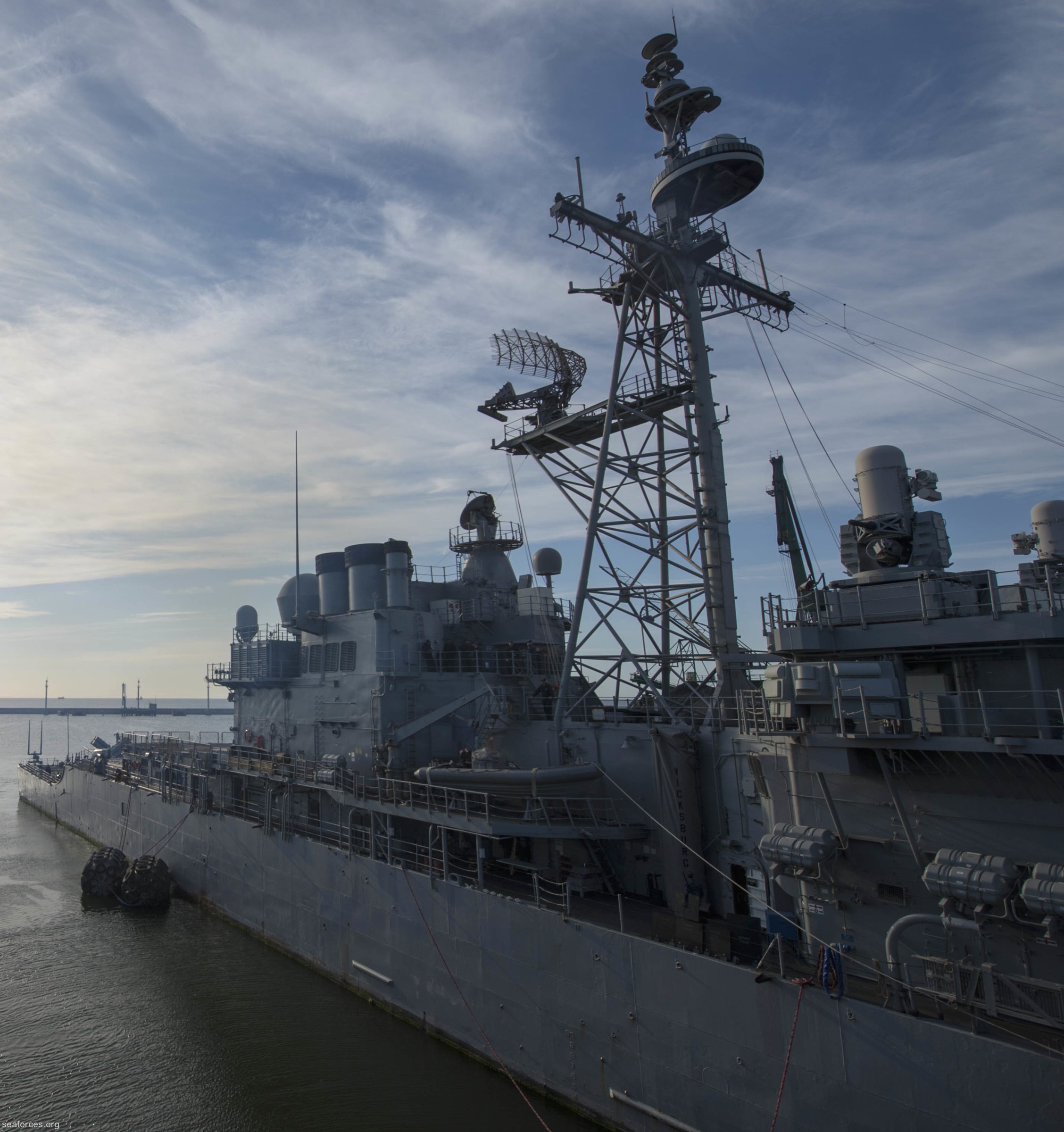 Gdynia, Poland - June 2015 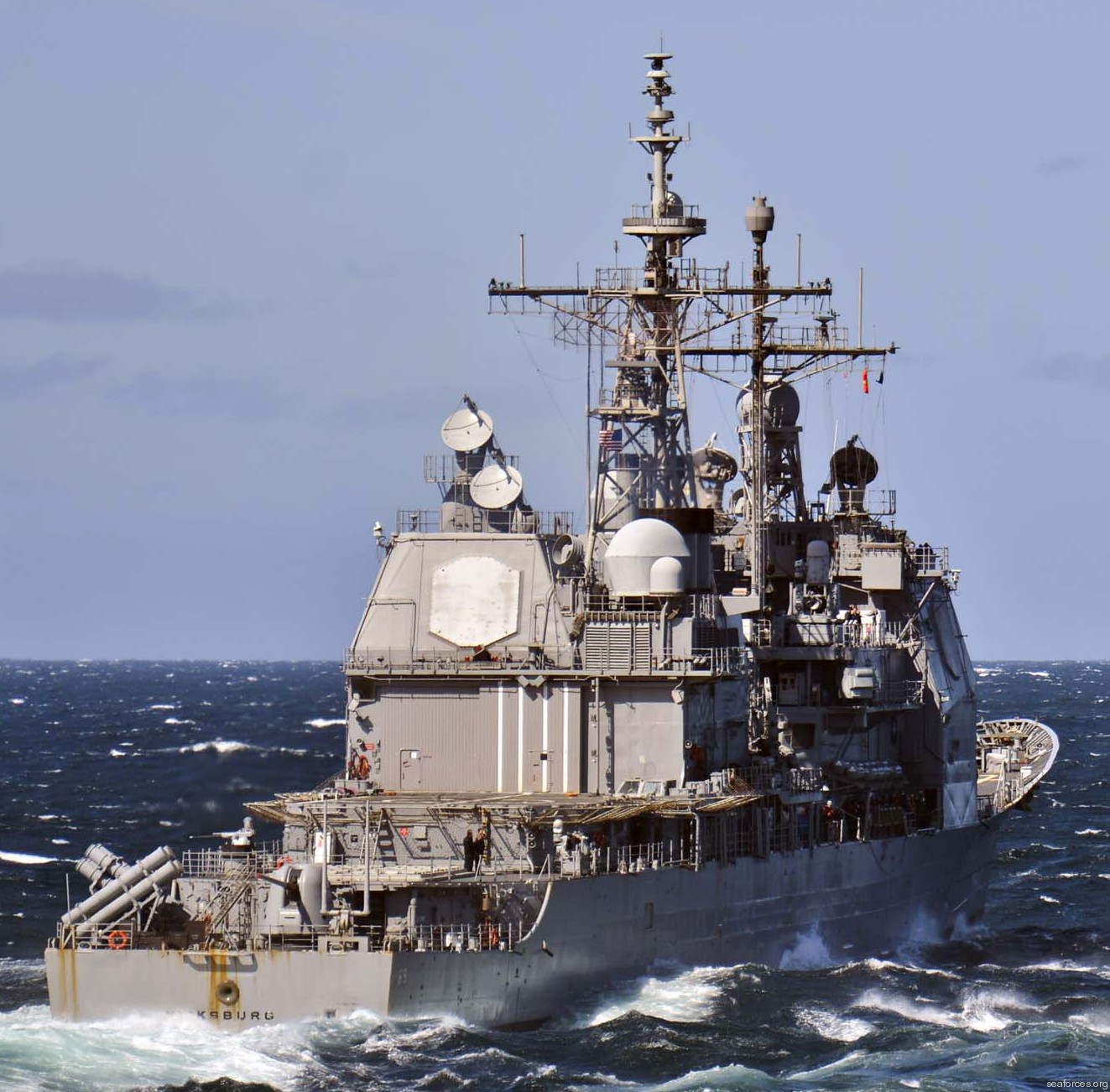 North Sea - May 2015 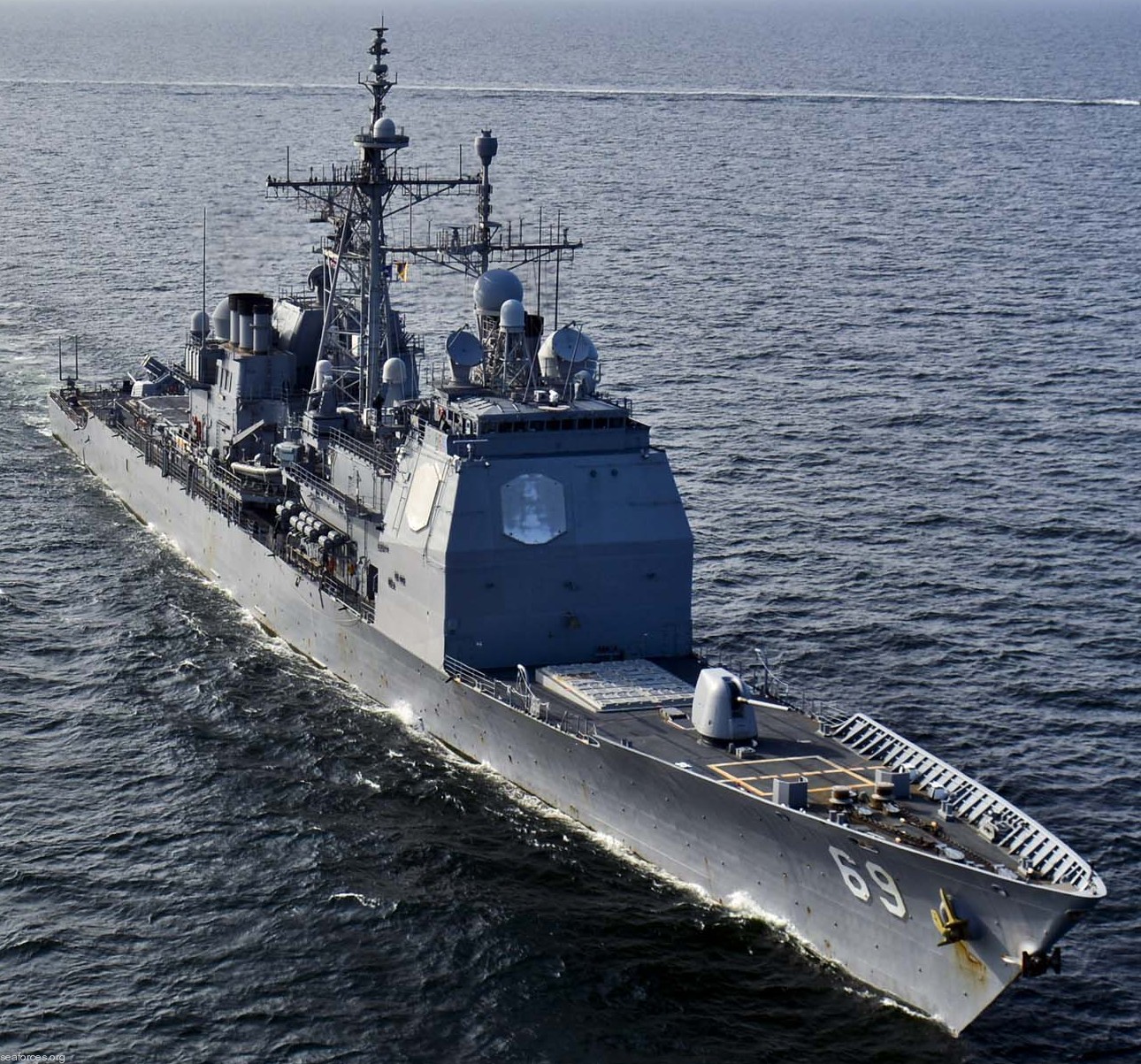 Baltic Sea - May 2015 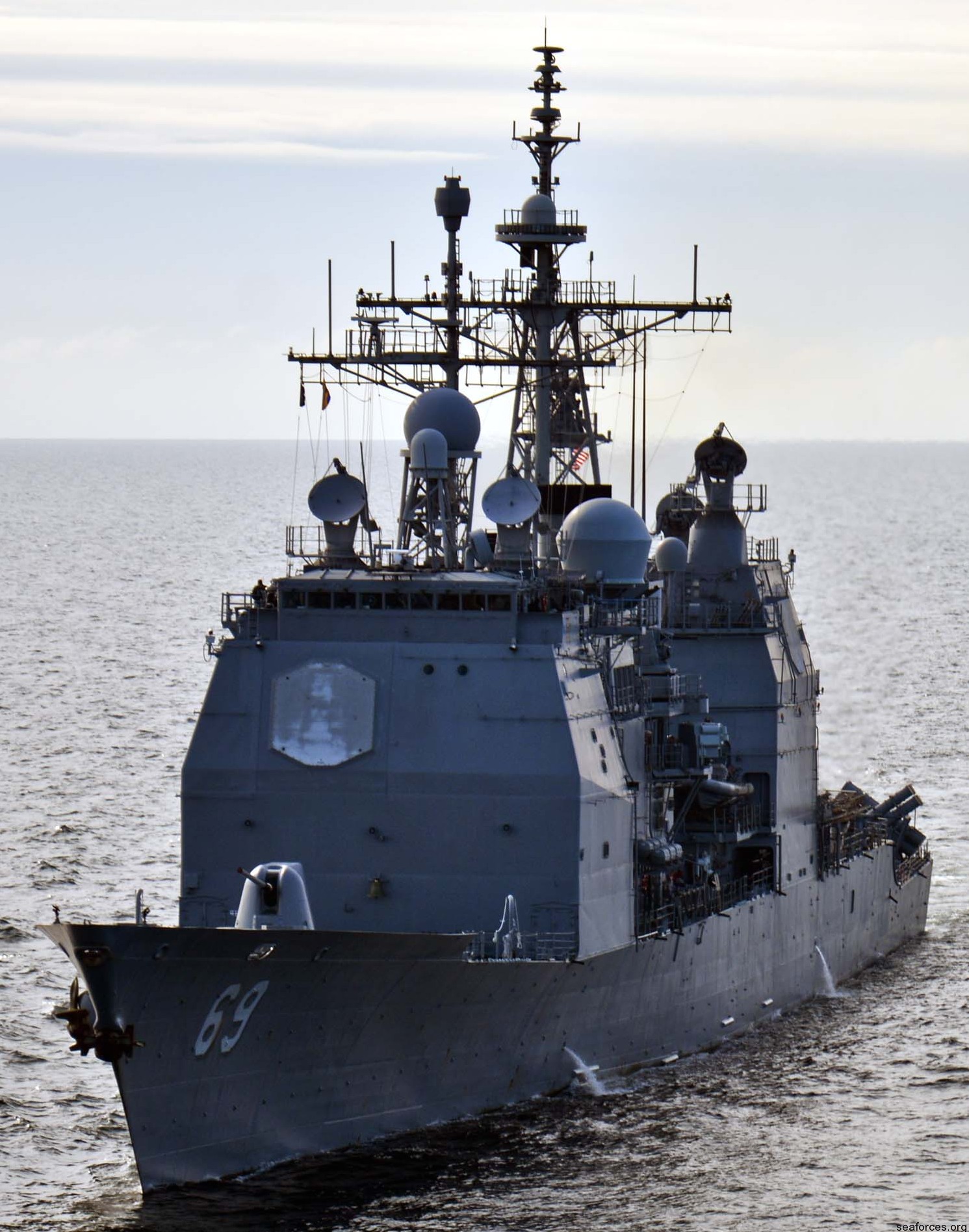 Baltic Sea - May 2015 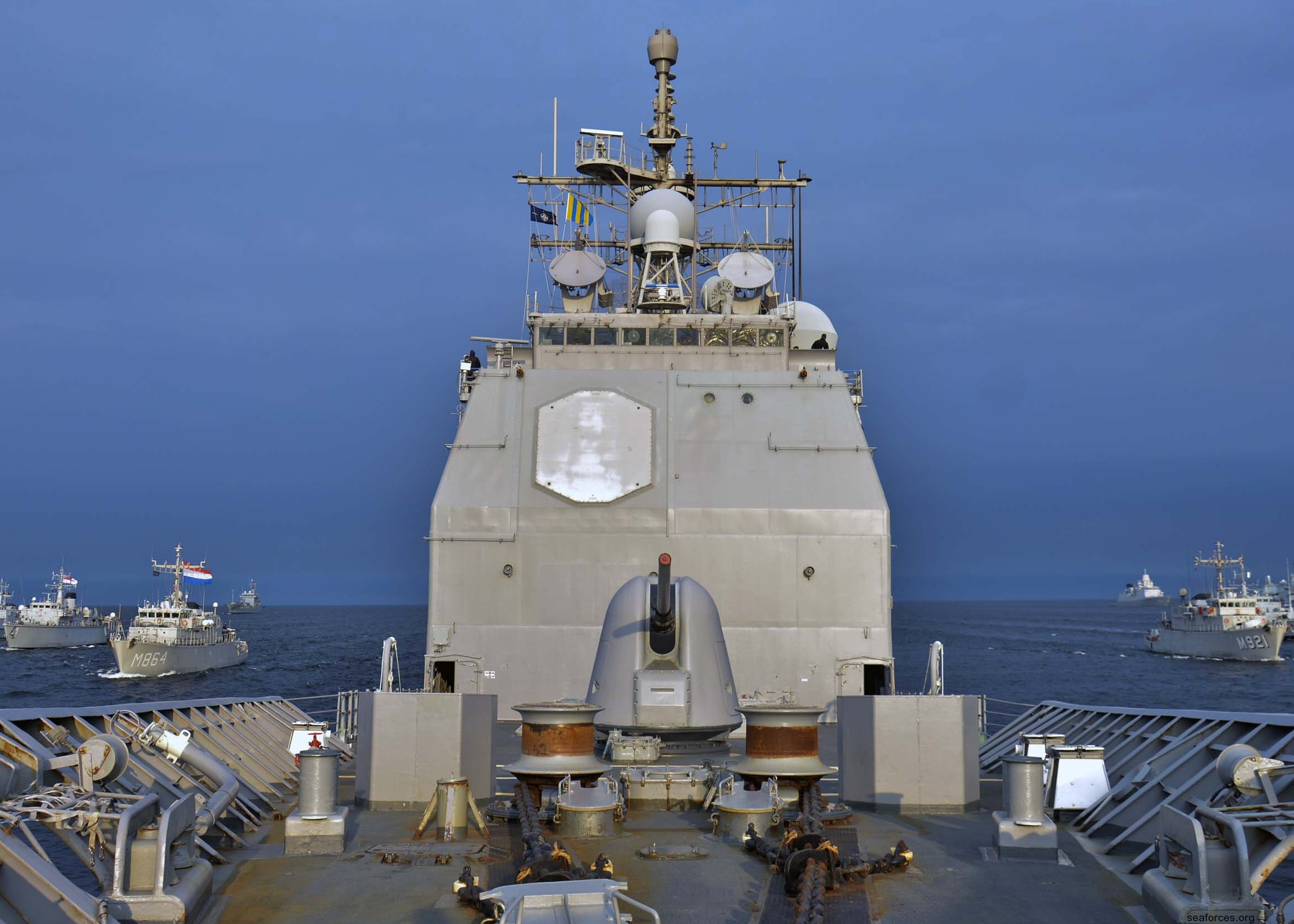 Baltic Sea - May 2015 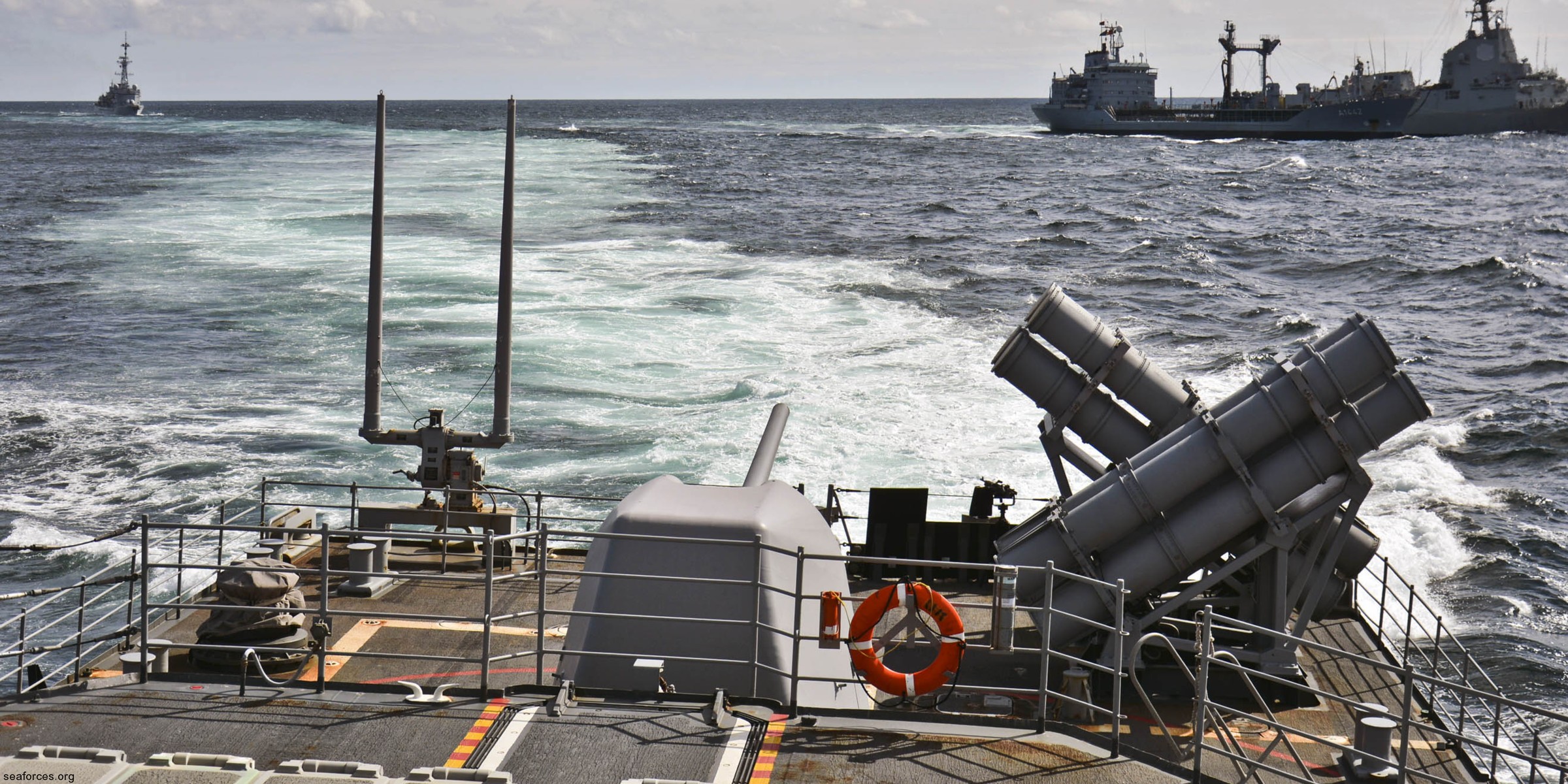 aft Mk-45 gun and Mk-141 launcher for RGM-84 Harpoon SSM missiles - Atlantic Ocean - May 2015 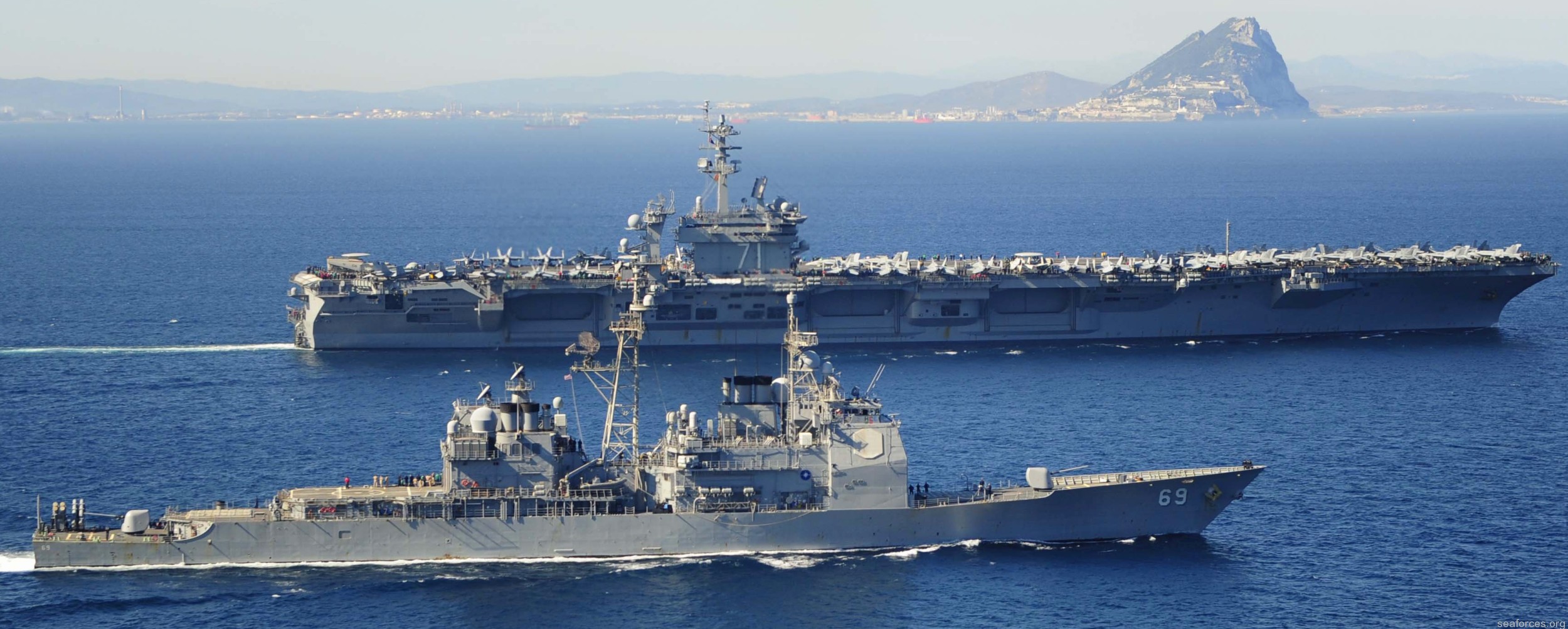 with USS Theodore Roosevelt (CVN 71) - Strait of Gibraltar - March 2015 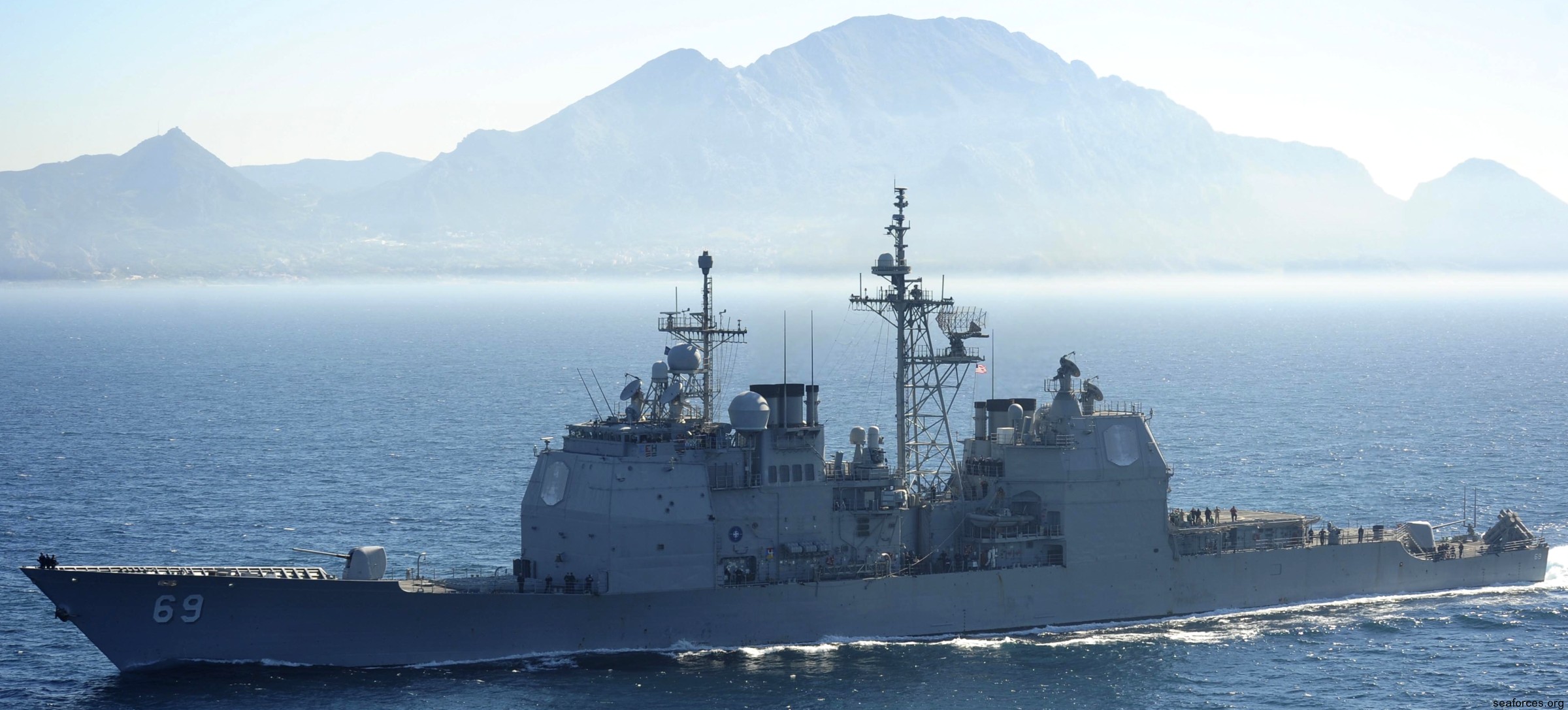 Strait of Gibraltar - March 2015 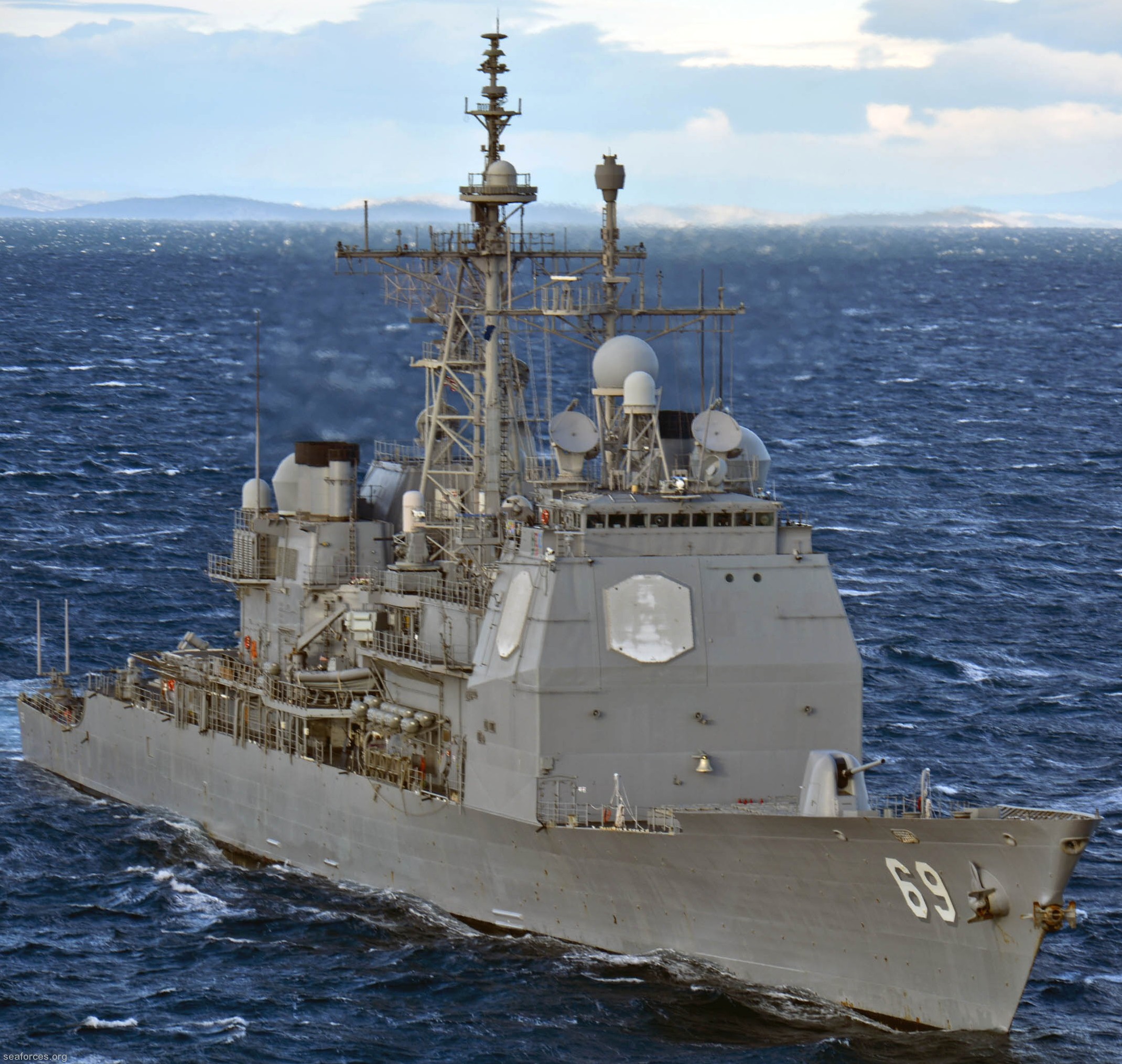 Adriatic Sea - February 2015 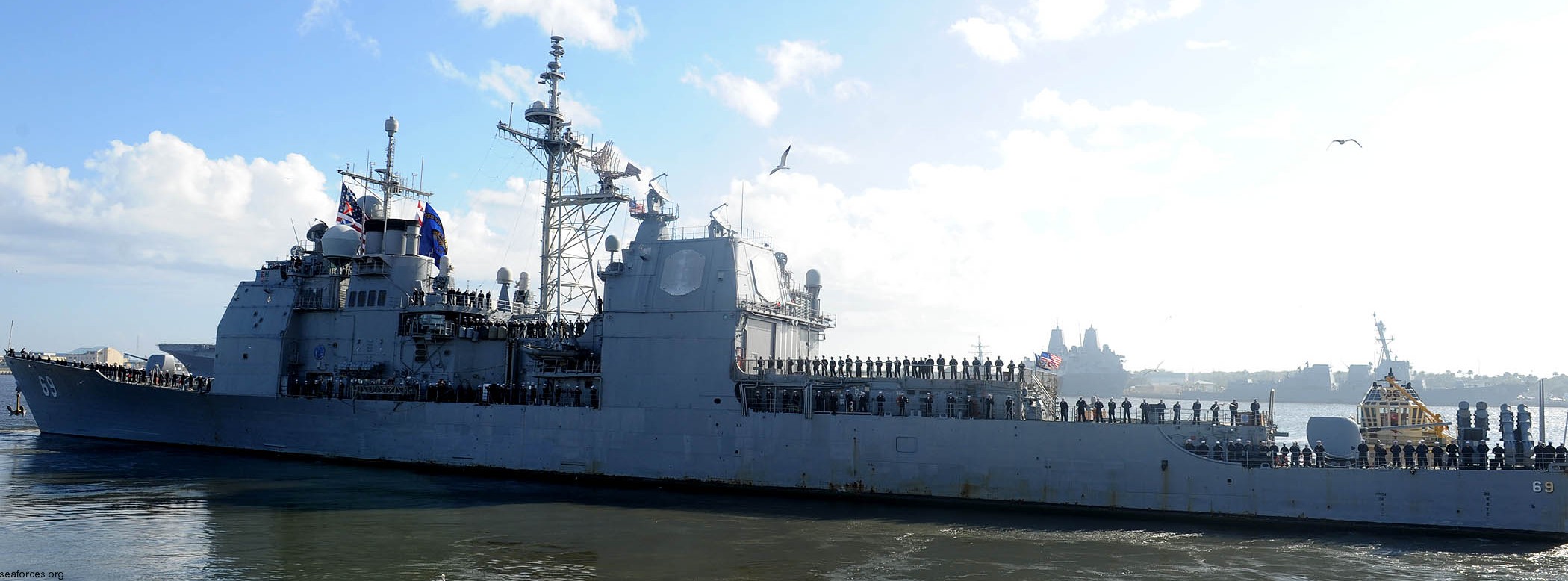 departing Naval Station Mayport, Florida - December 2014 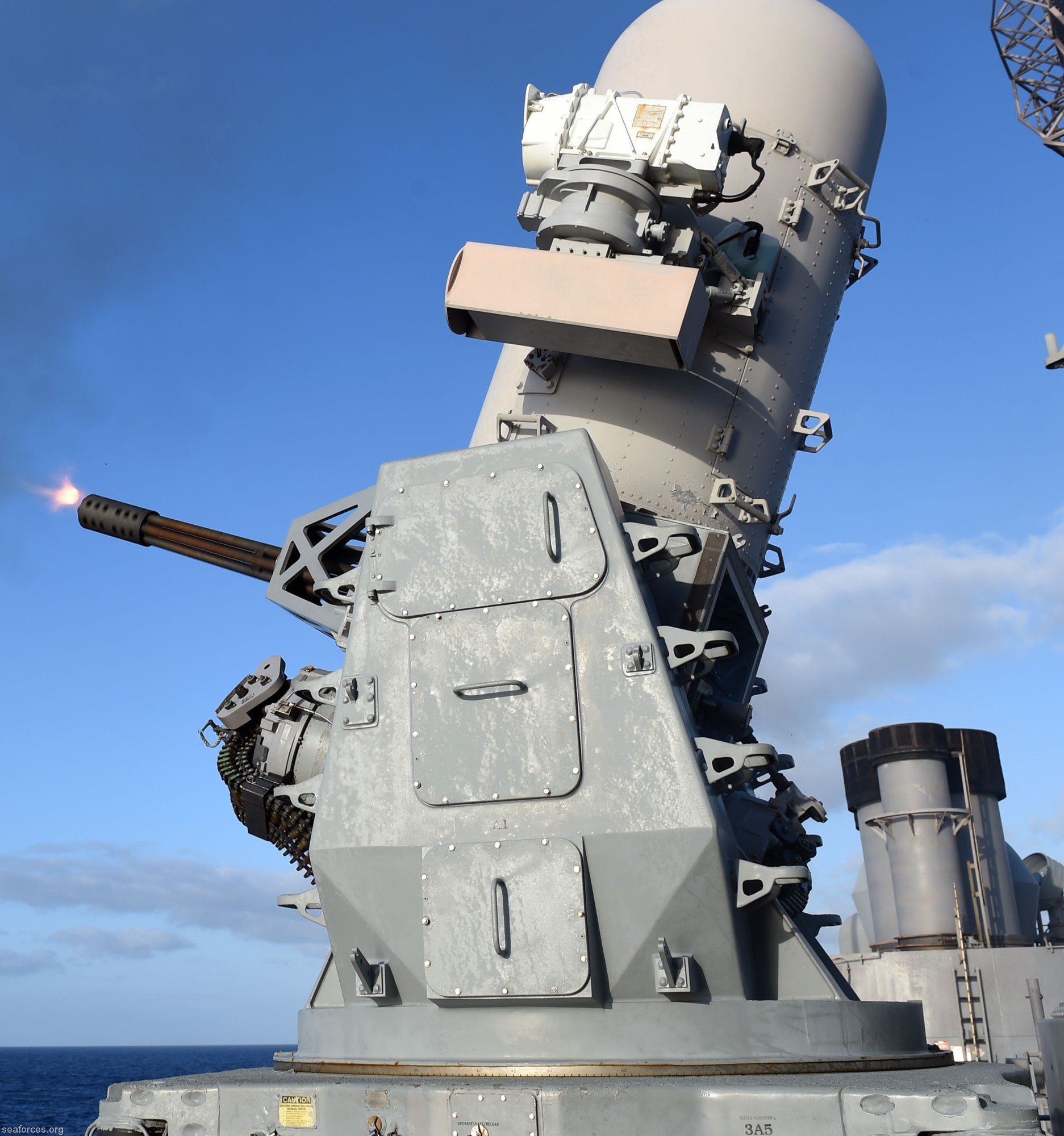 Mk-15 Phalanx CIWS fire exercise - Atlantic Ocean - September 2014 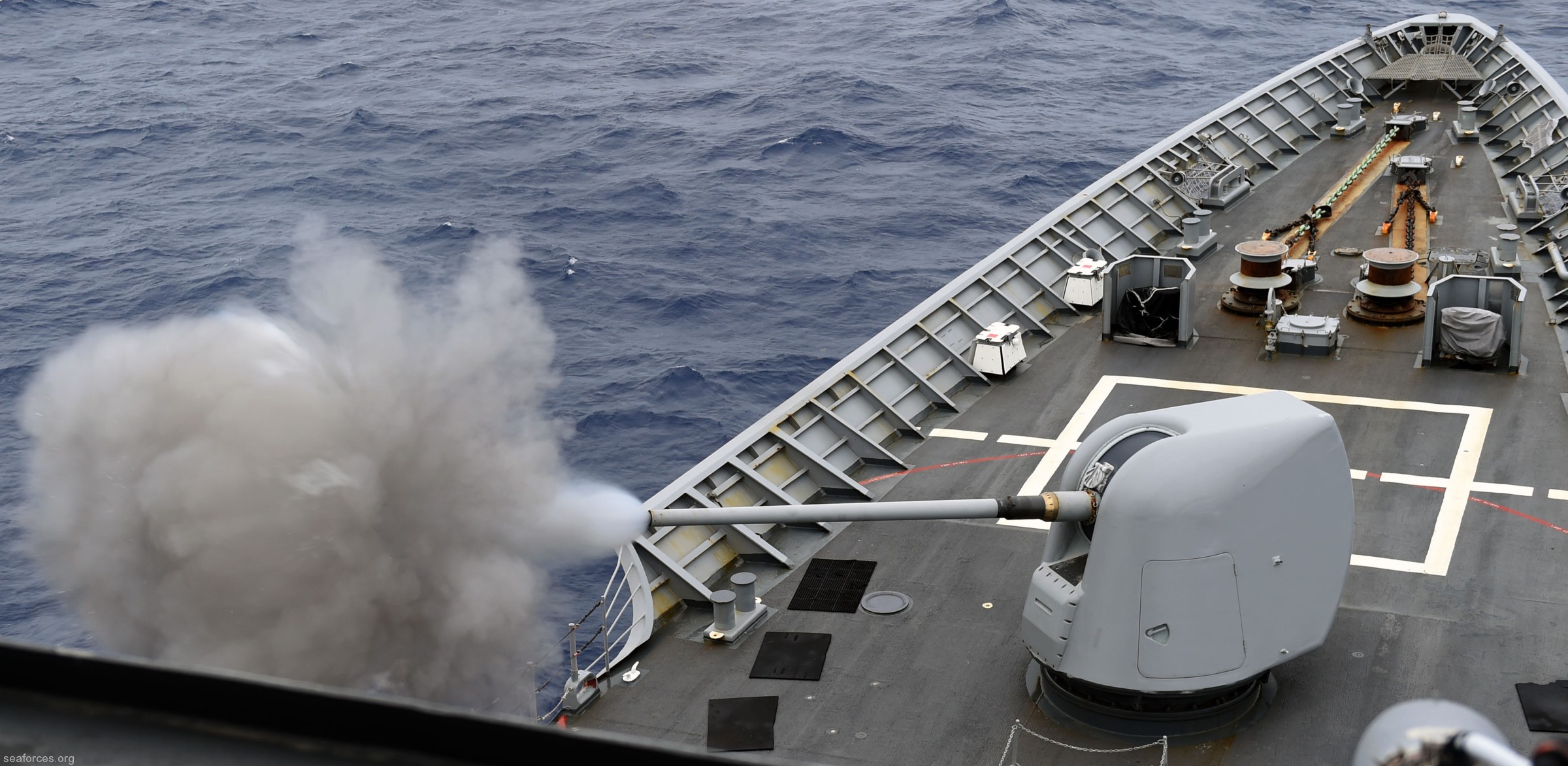 Mk-45 Mod.2 (5"/54) gun fire exercise - Atlantic Ocean - September 2014 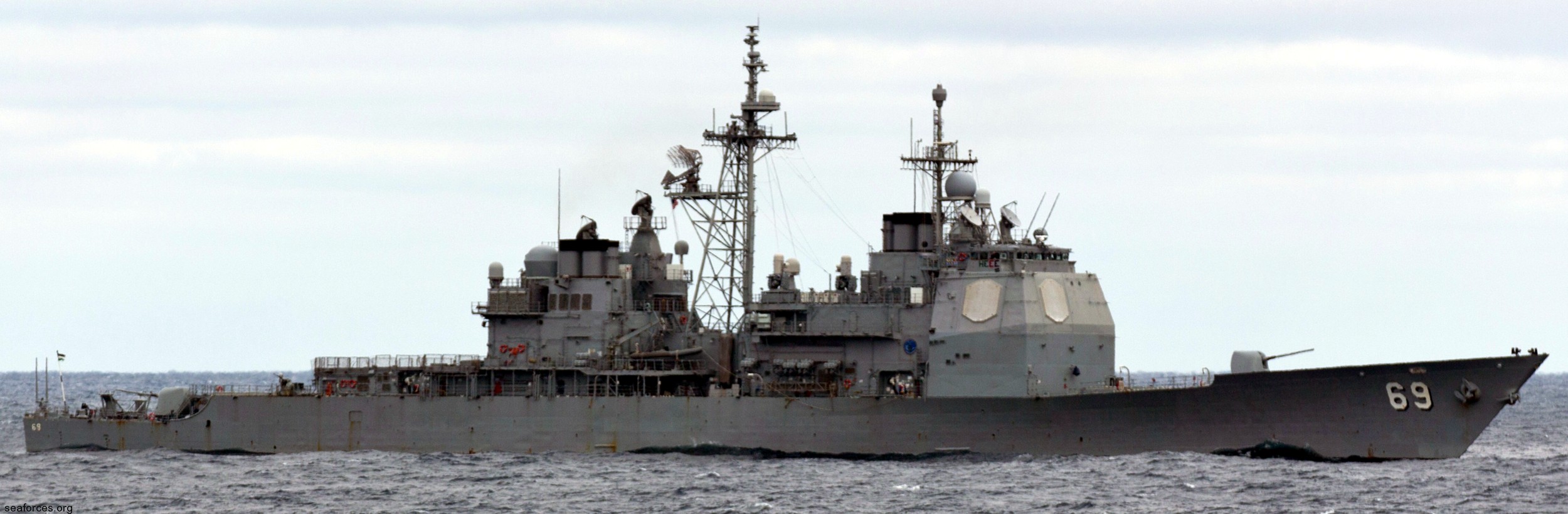 Atlantic Ocean - February 2013 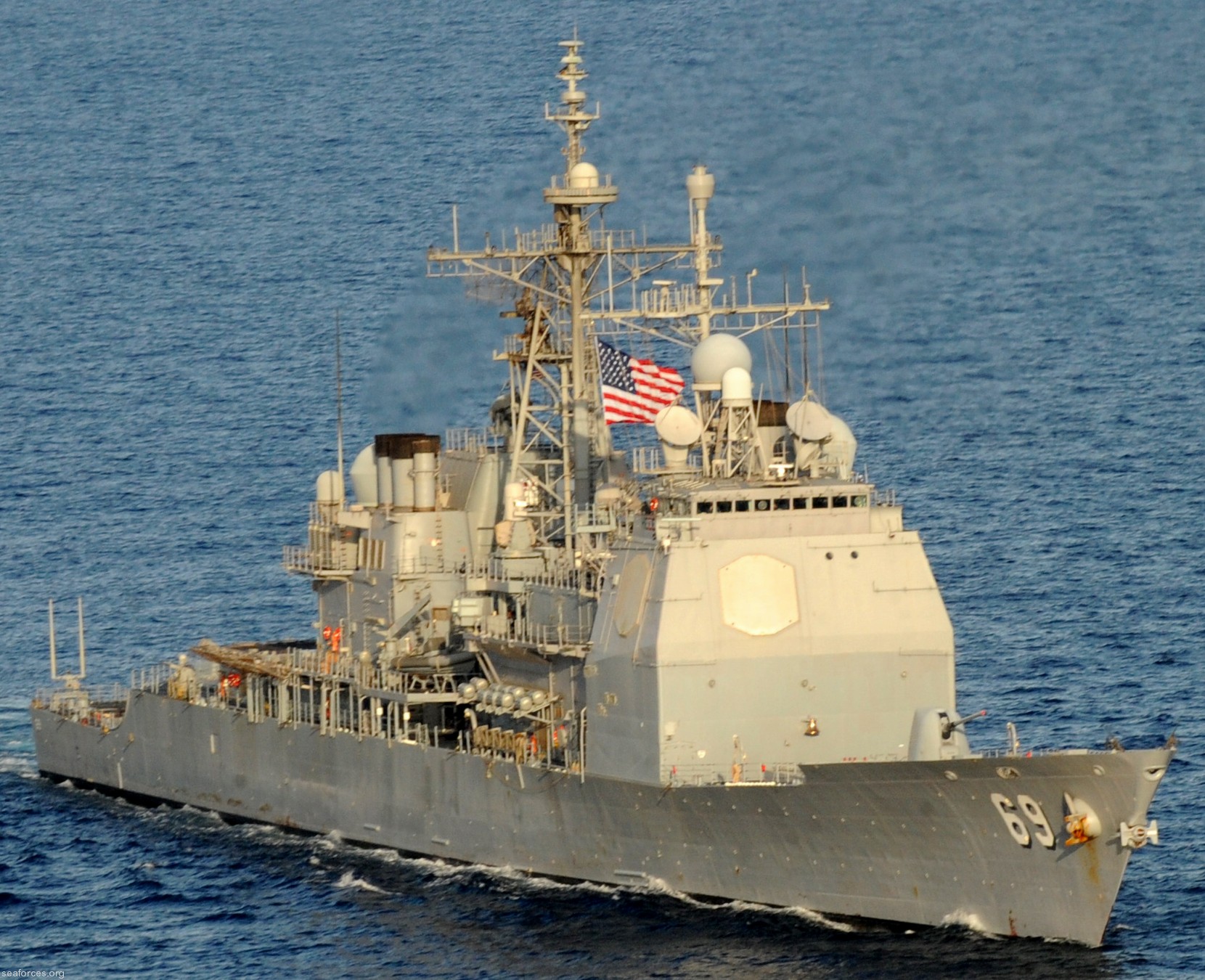 Mediterranean Sea - October 2012 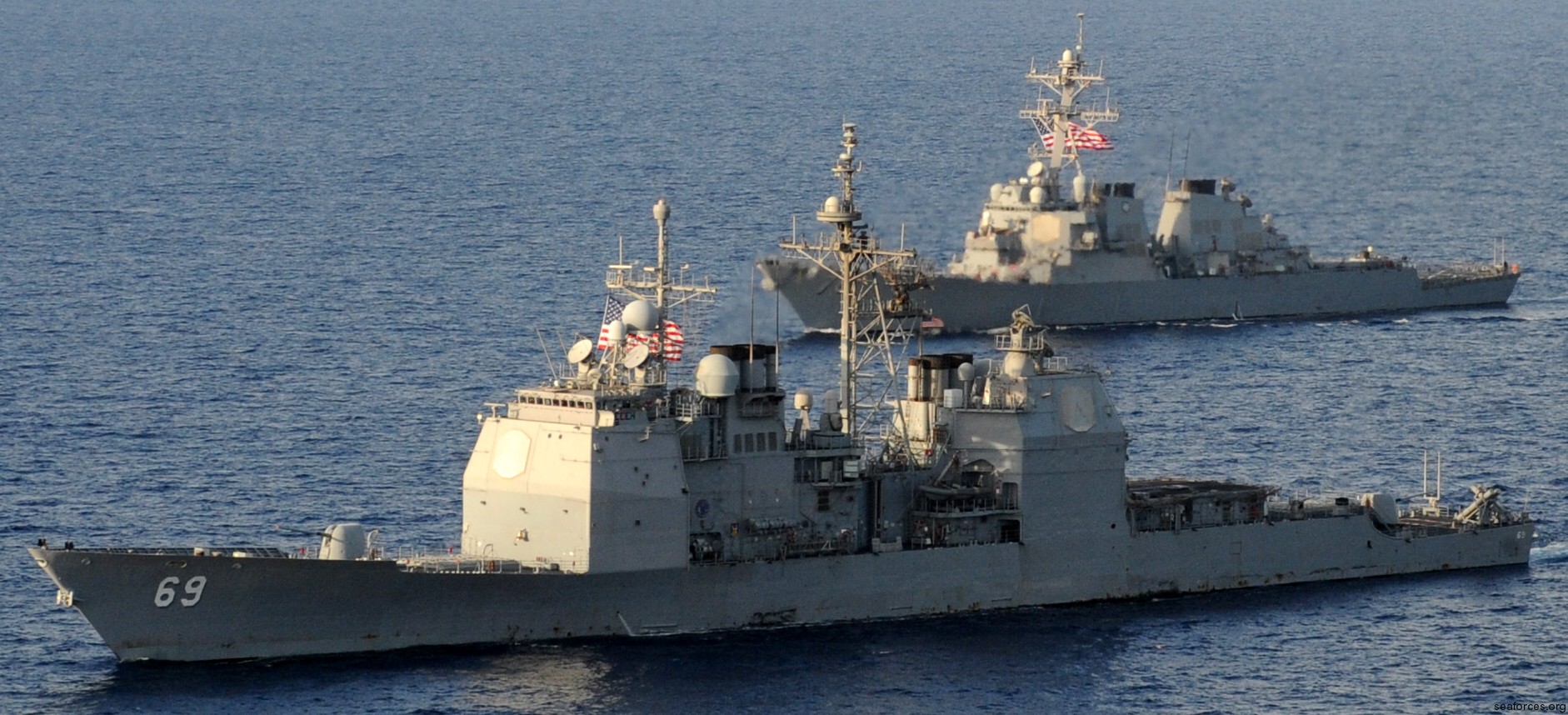 Mediterranean Sea - October 2012 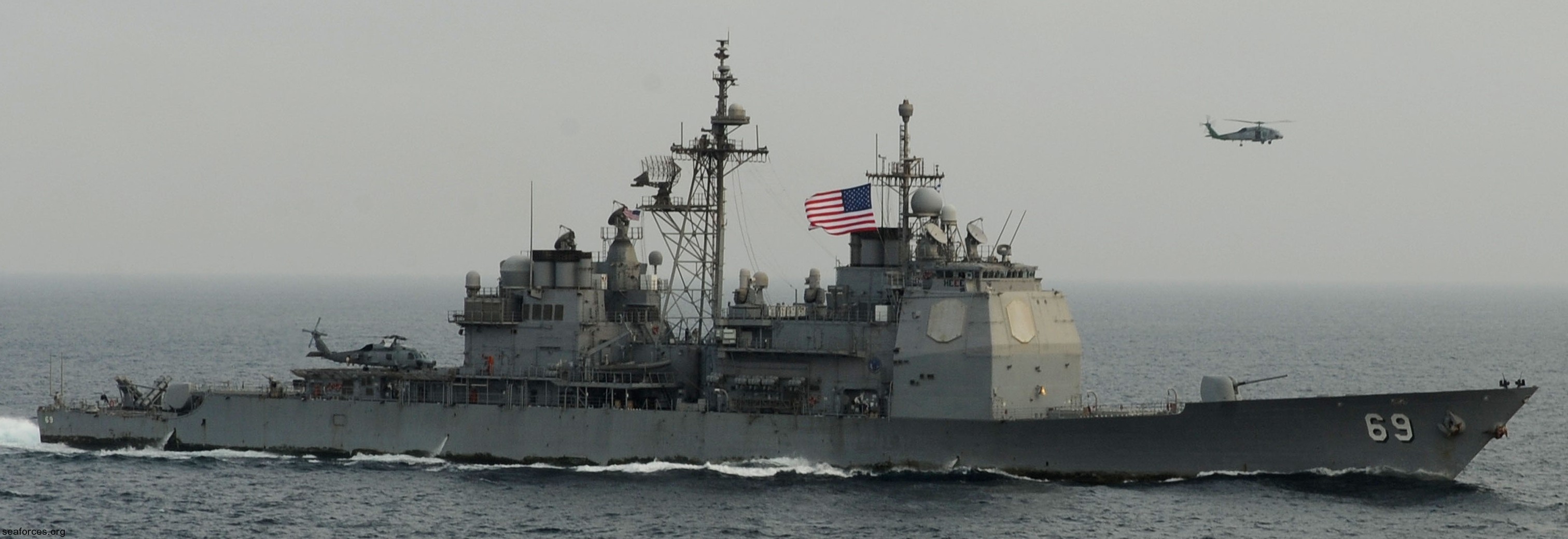 Arabian Sea - September 2012 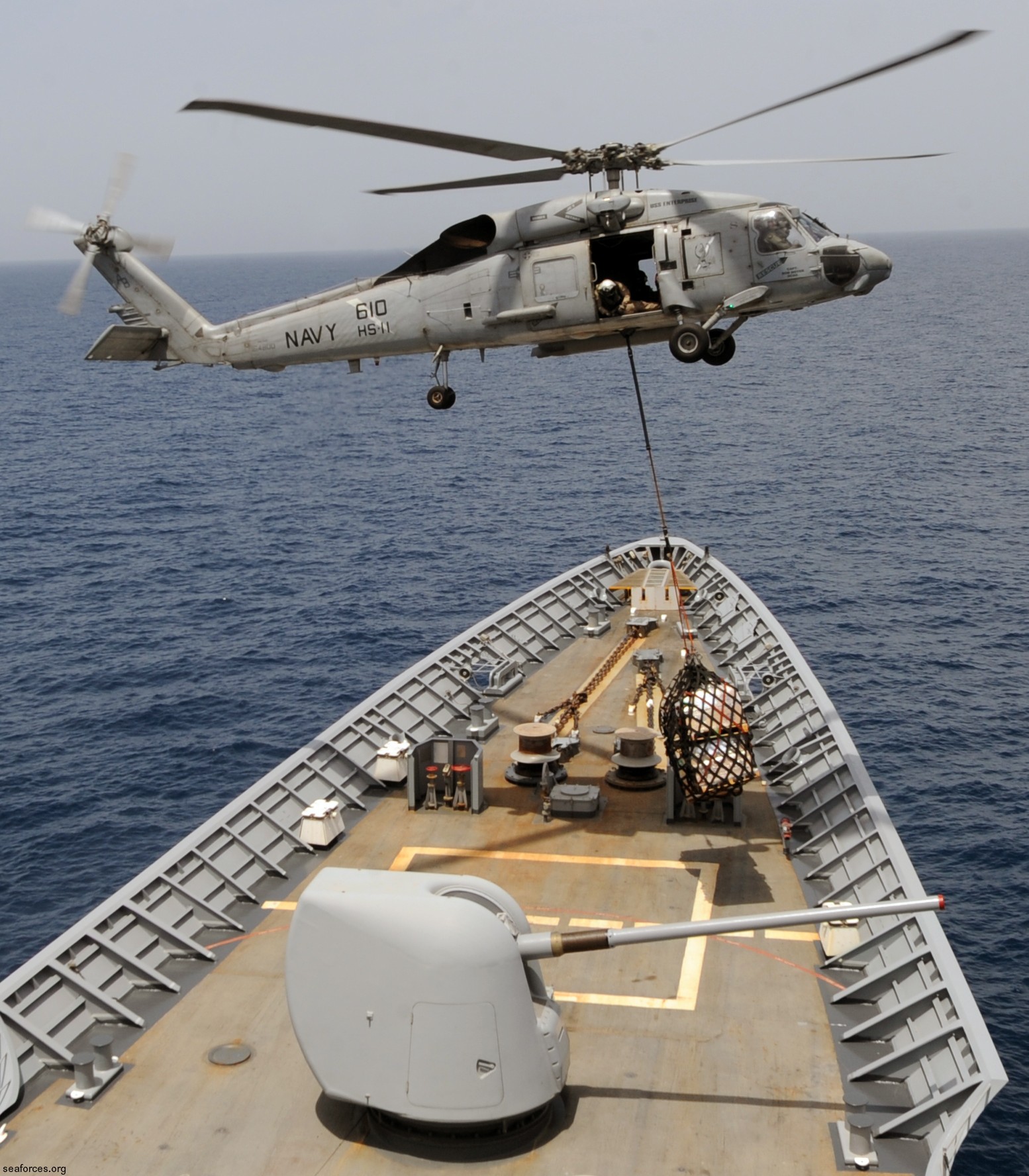 Arabian Sea - May 2012 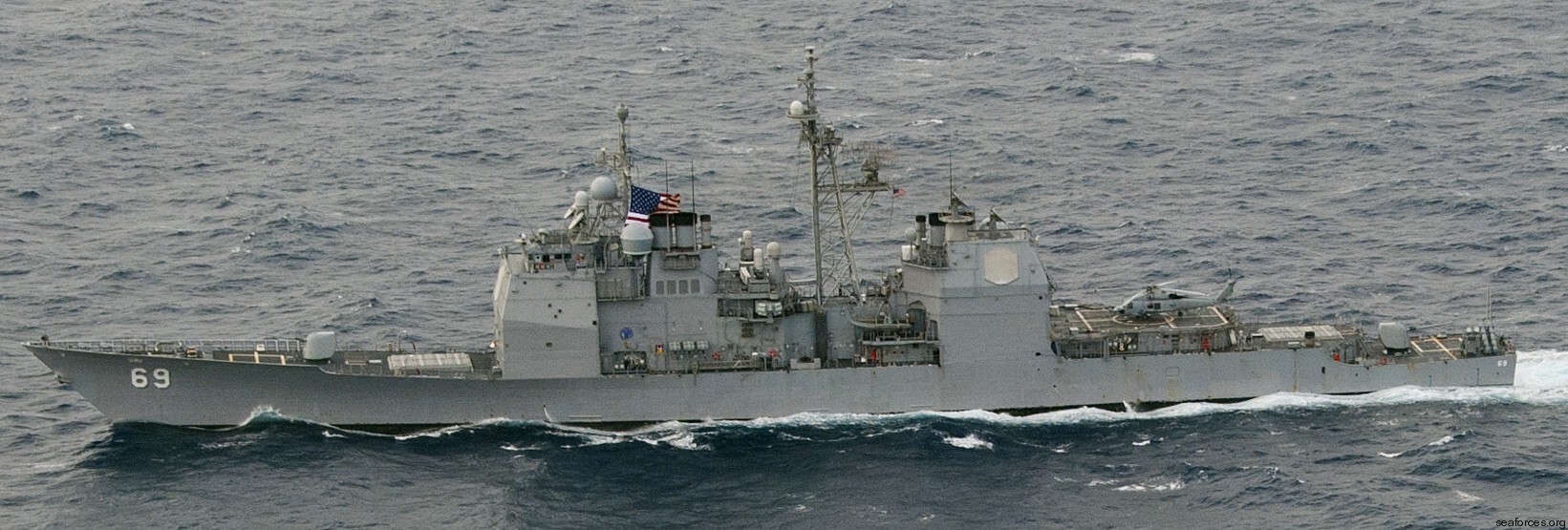 Mediterranean Sea - March 2012 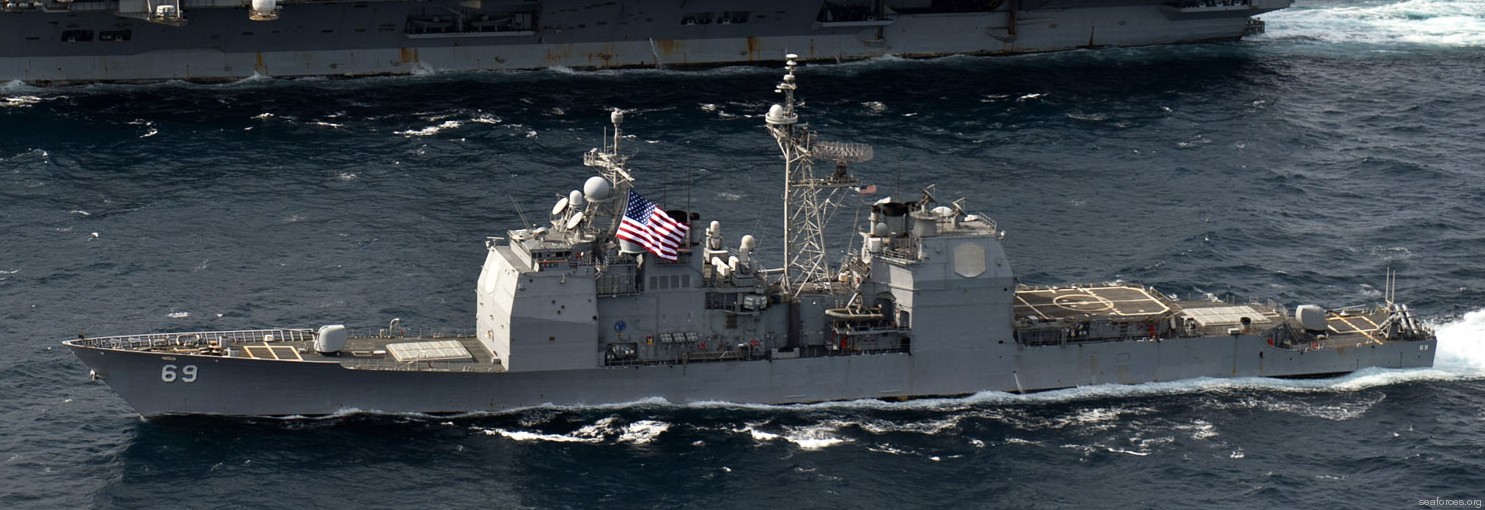 Mediterranean Sea - March 2012 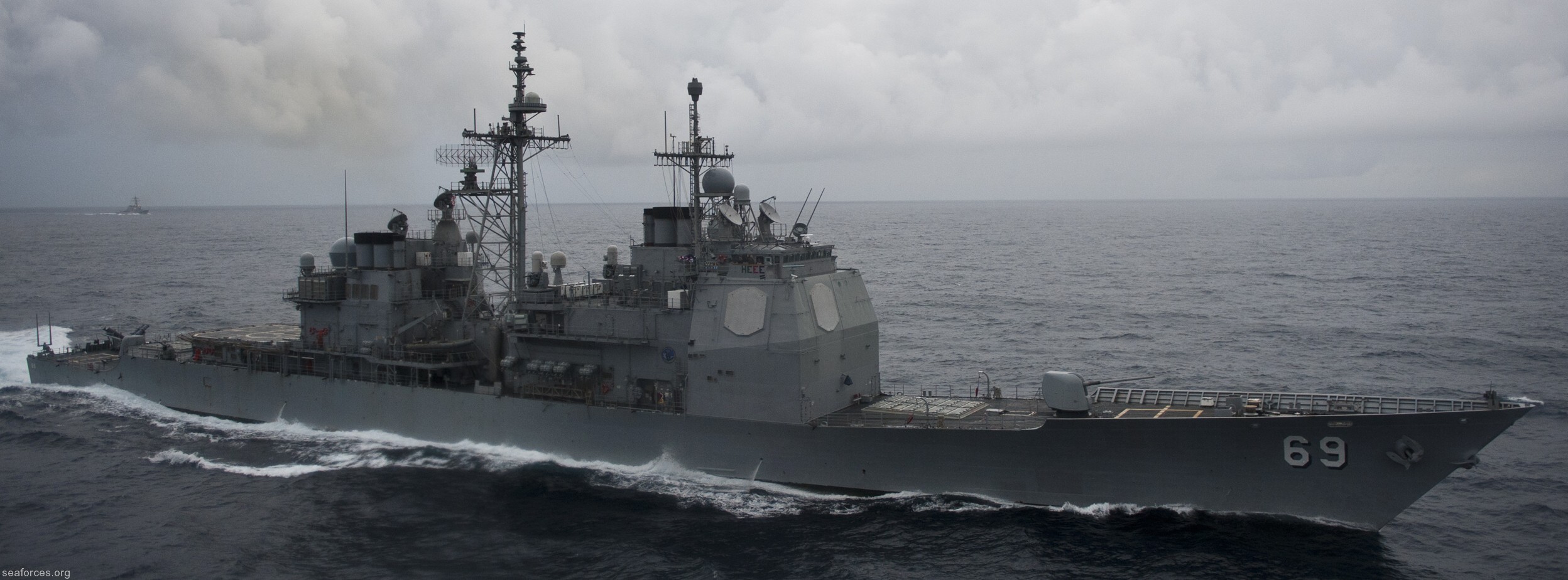 Atlantic Ocean - March 2012 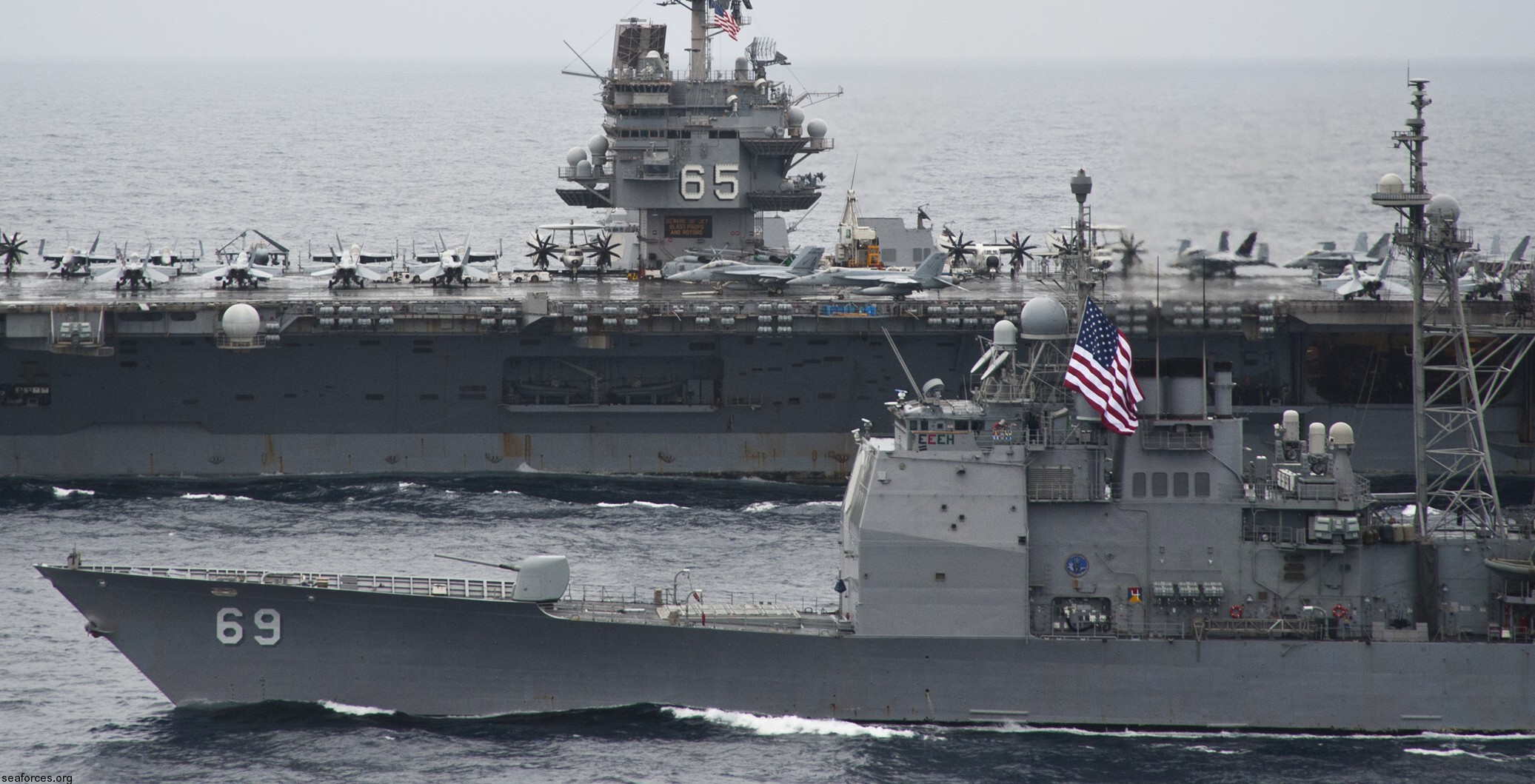 Atlantic Ocean - March 2012 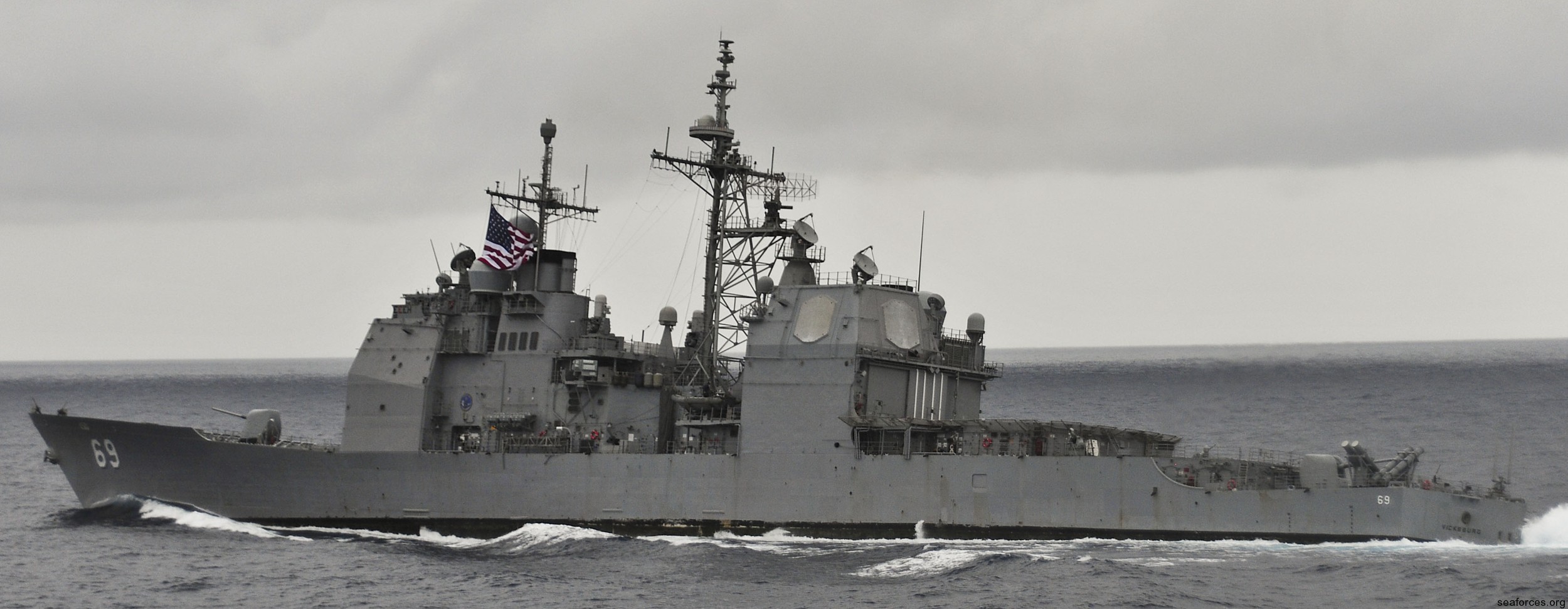 Atlantic Ocean - March 2012 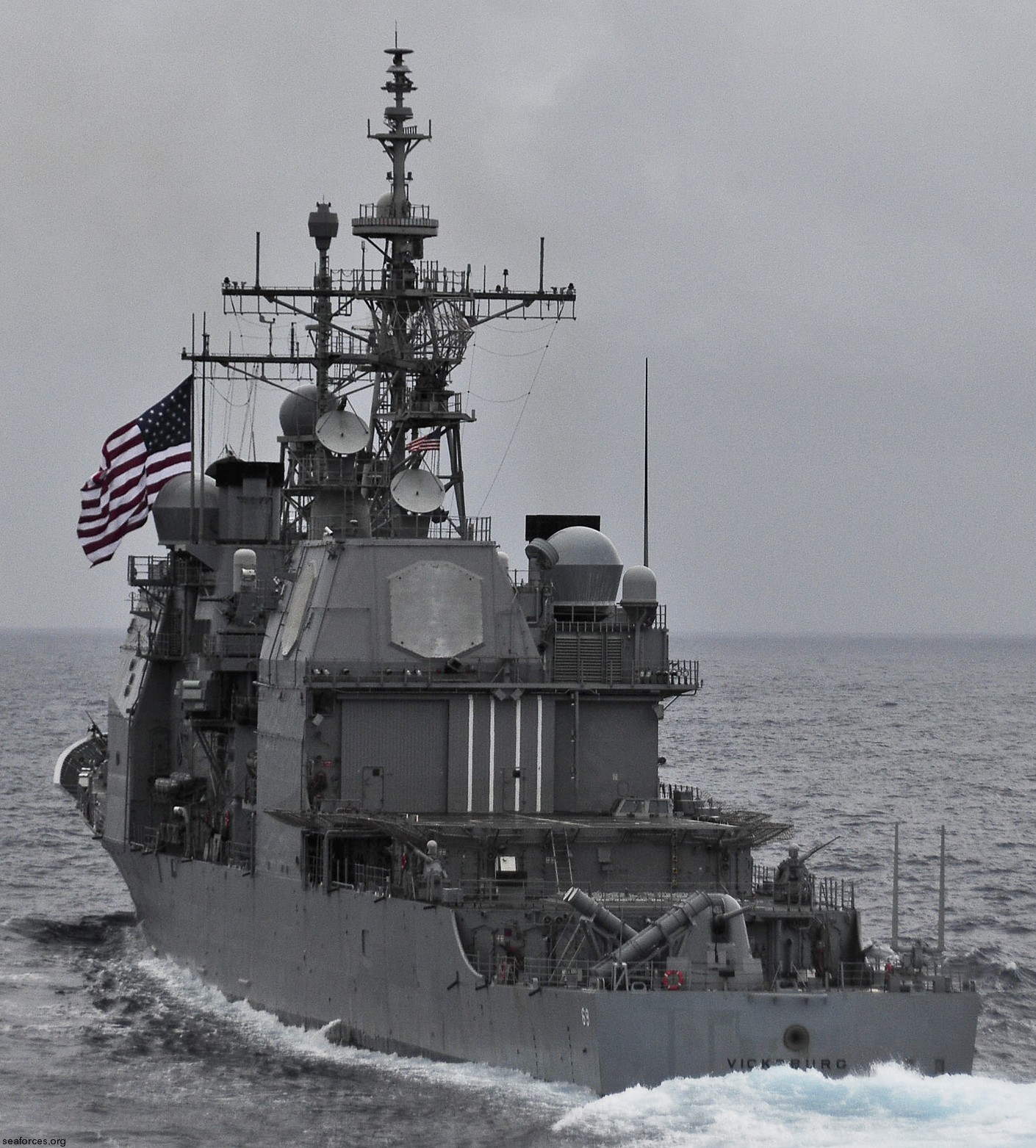 Atlantic Ocean - March 2012 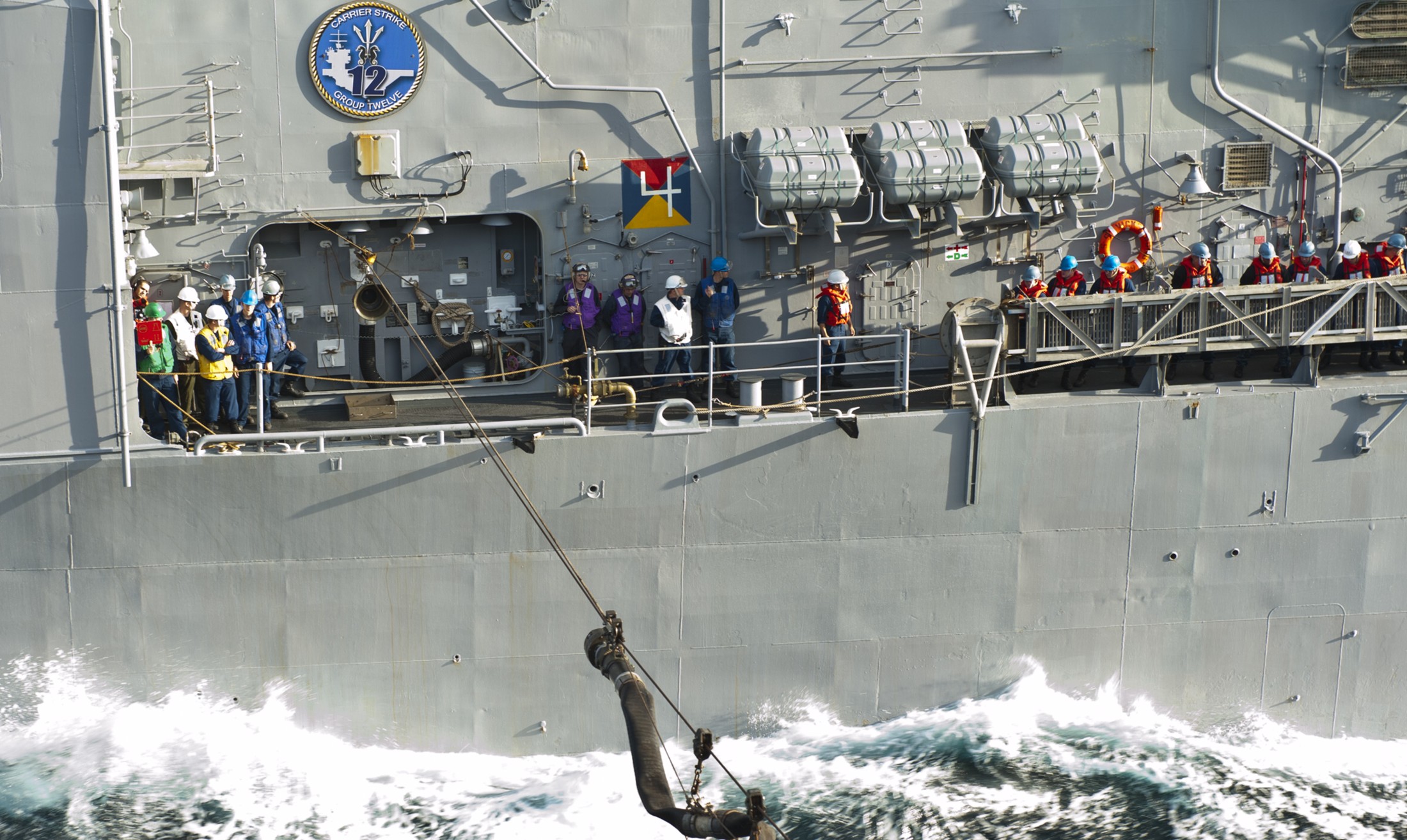 replenishment at sea (RAS) - Atlantic Ocean - March 2012 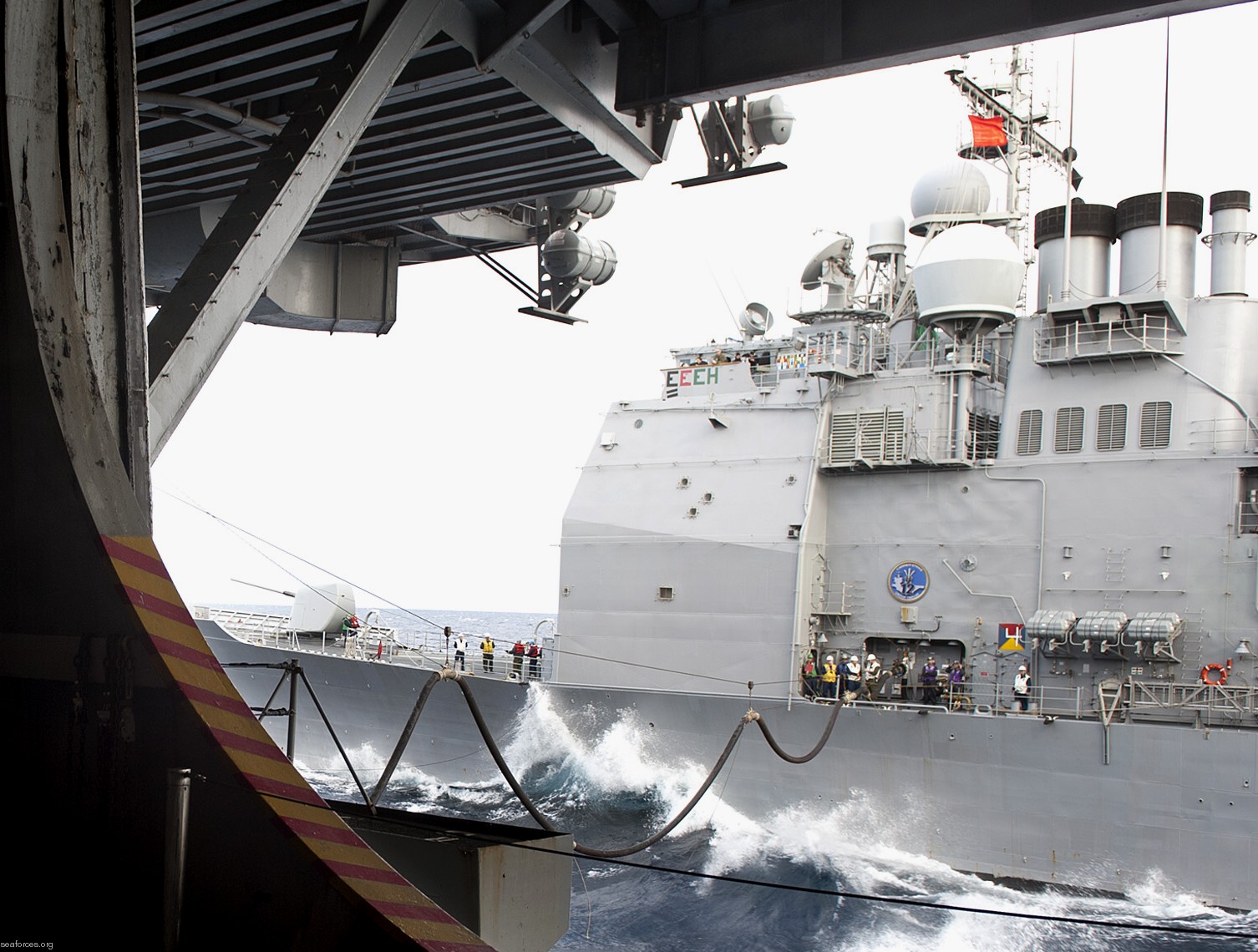 replenishment at sea (RAS) - Atlantic Ocean - March 2012 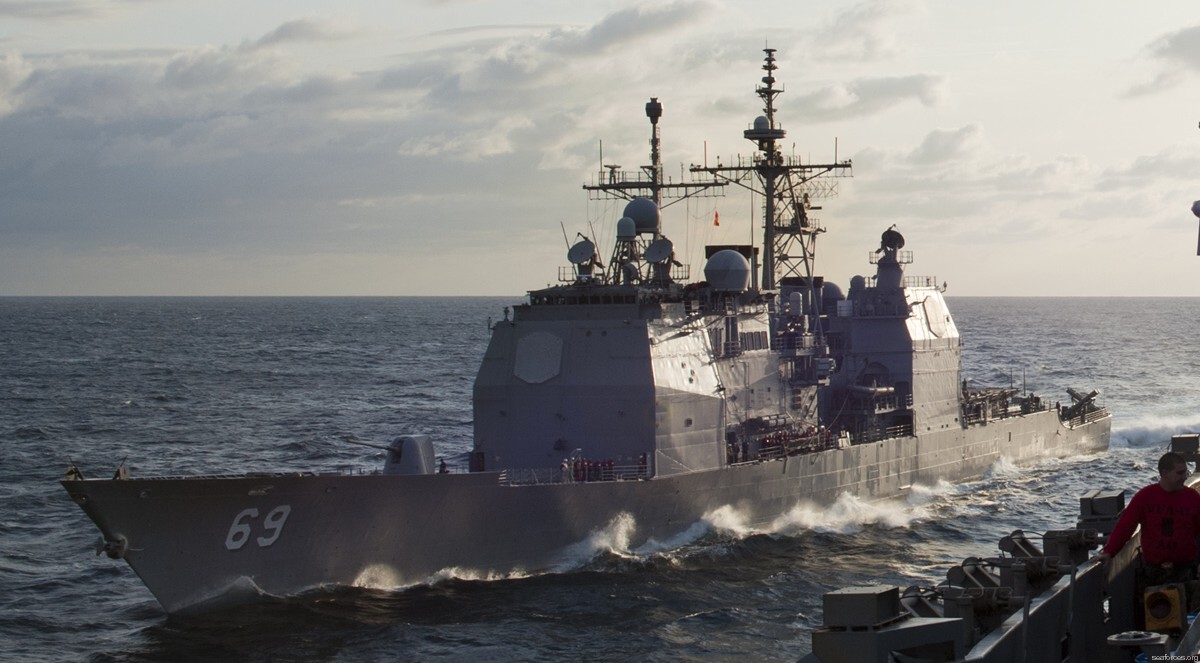 Atlantic Ocean - March 2012 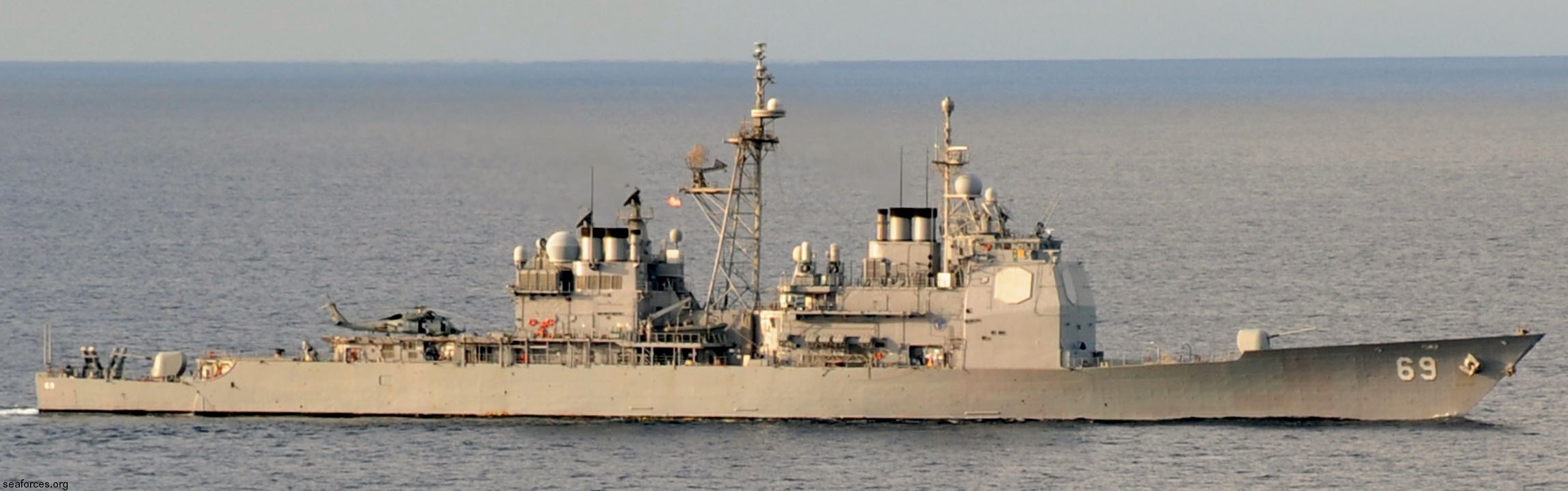 Atlantic Ocean - January 2012 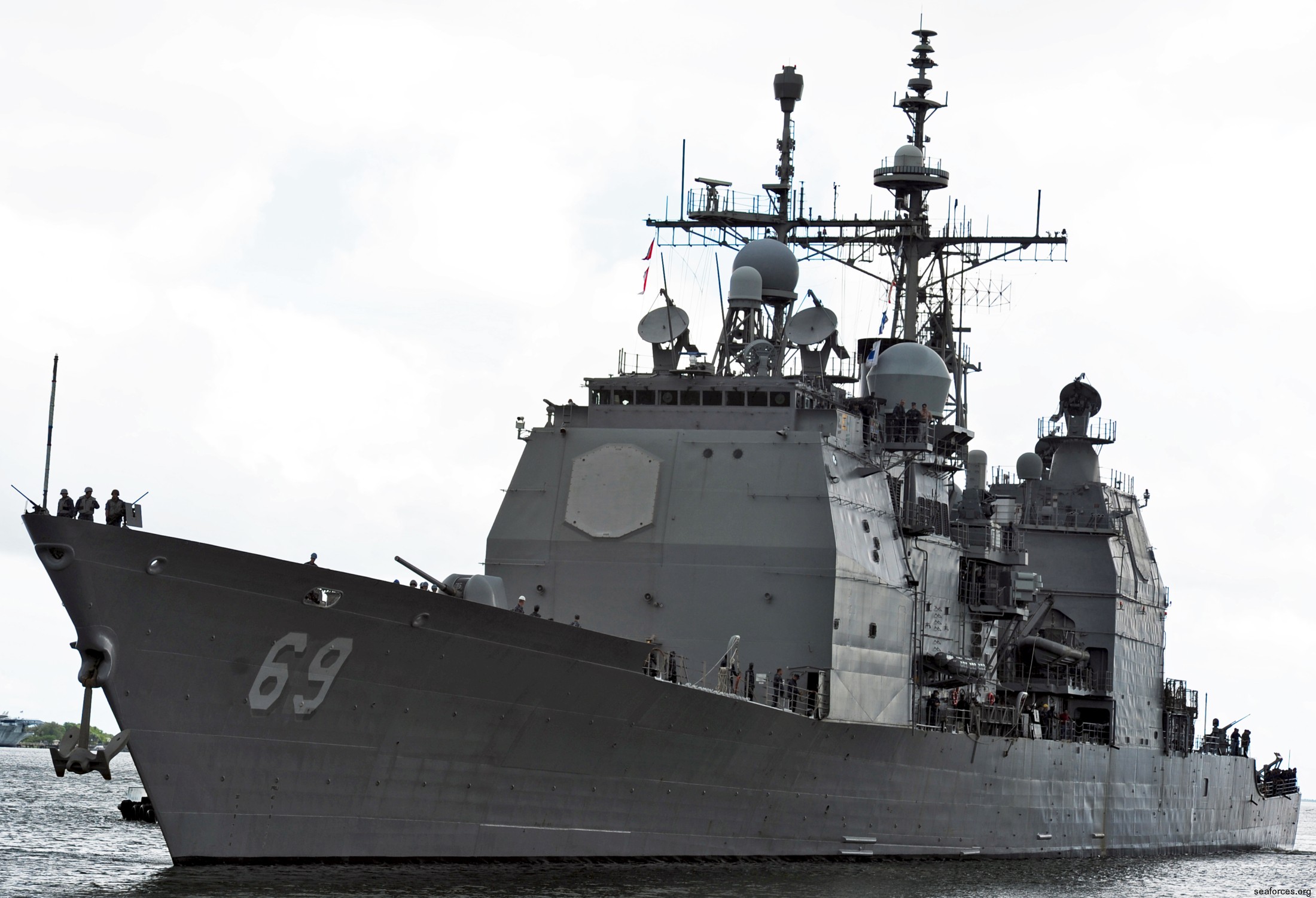 Charleston, South Carolina - September 2011 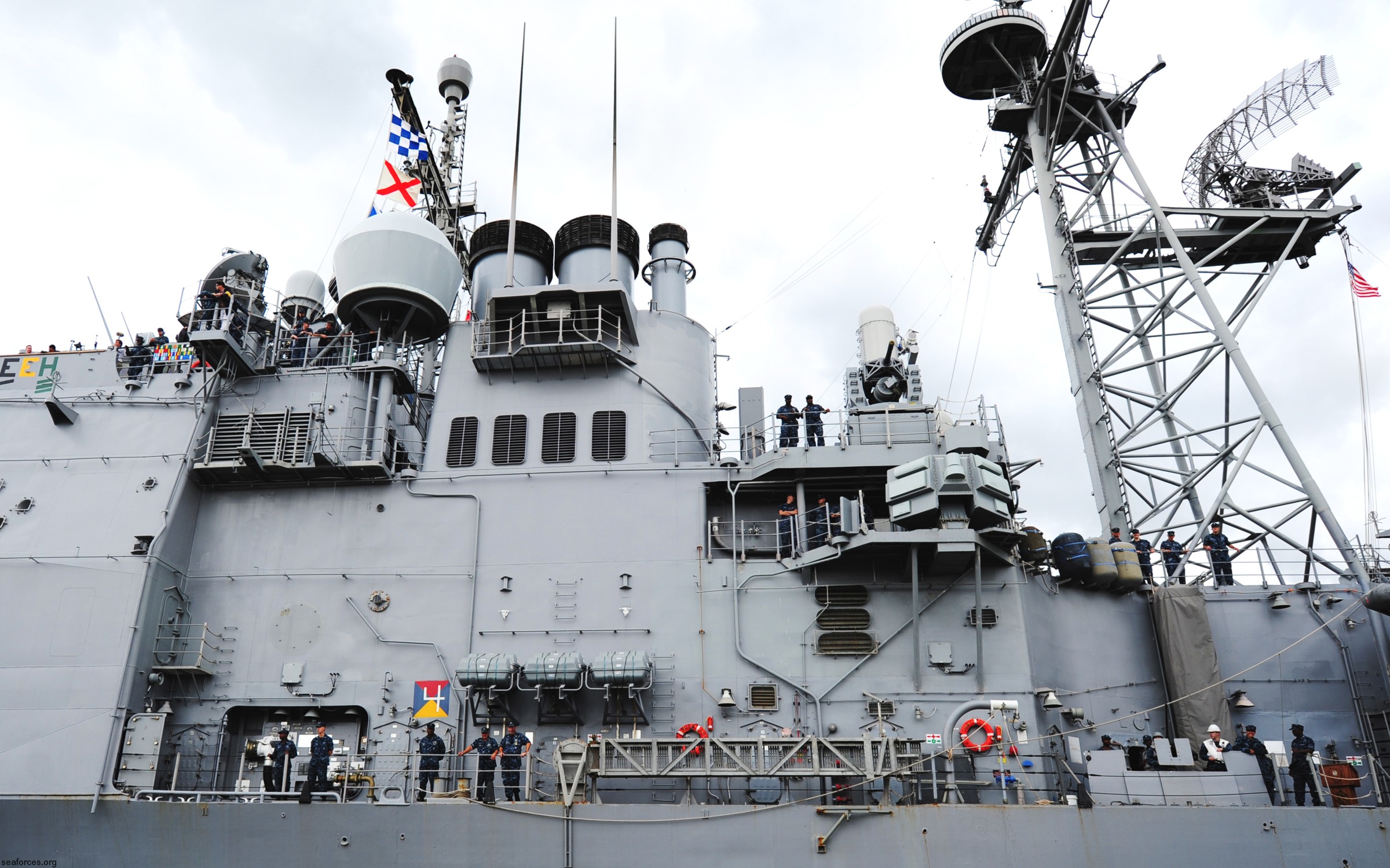 Charleston, South Carolina - September 2011 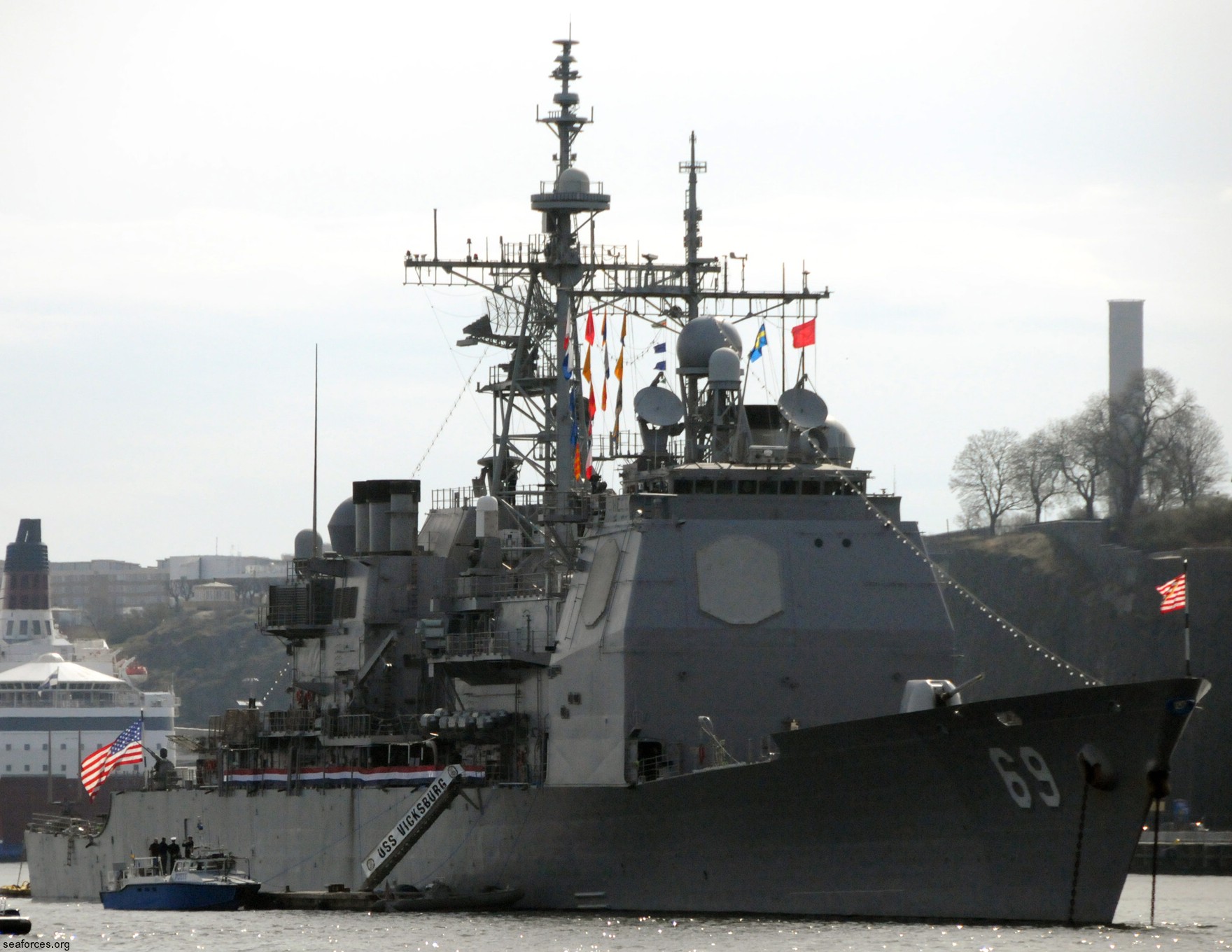 Stockholm, Sweden - April 2010 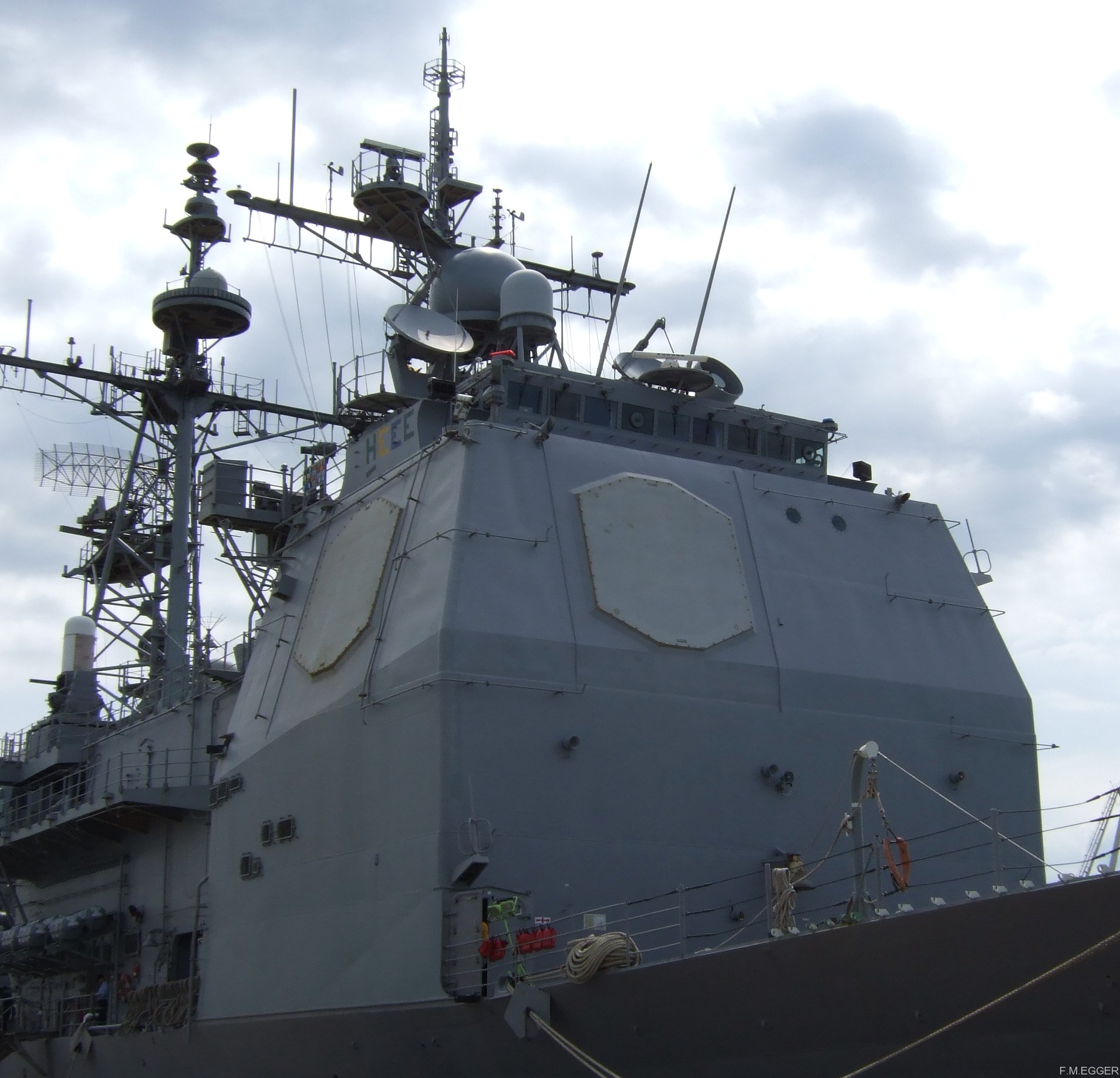 Koper, Slovenia - July 2009 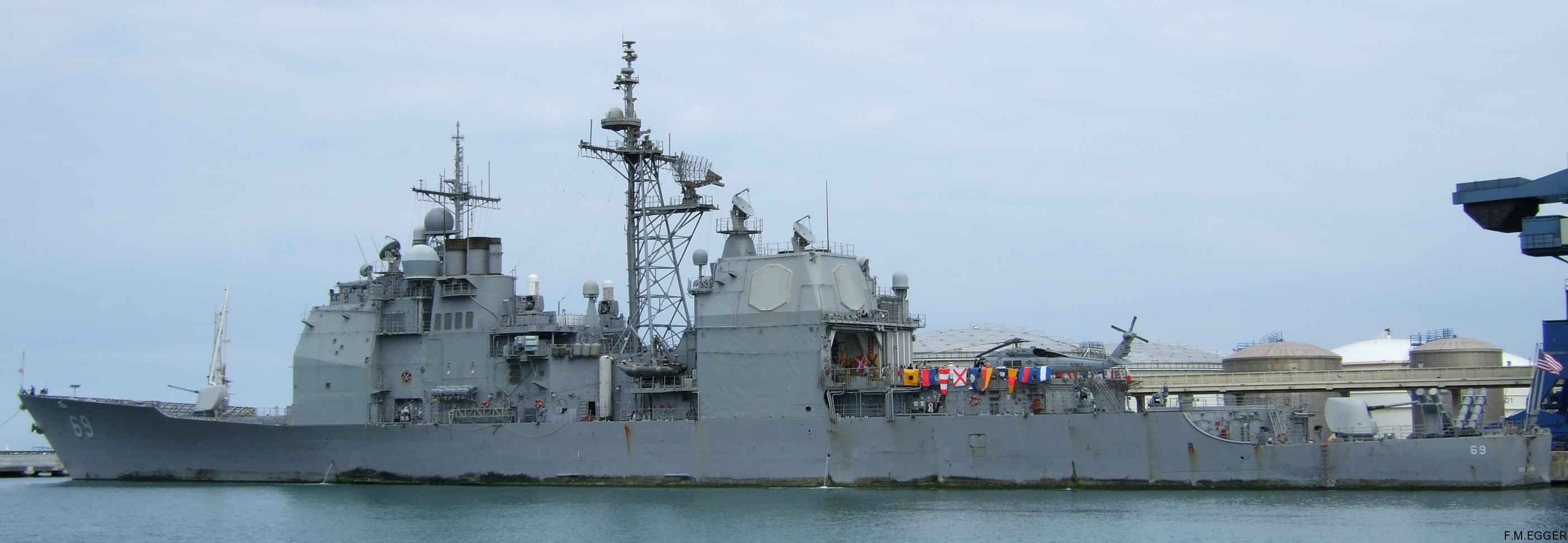 Koper, Slovenia - July 2009 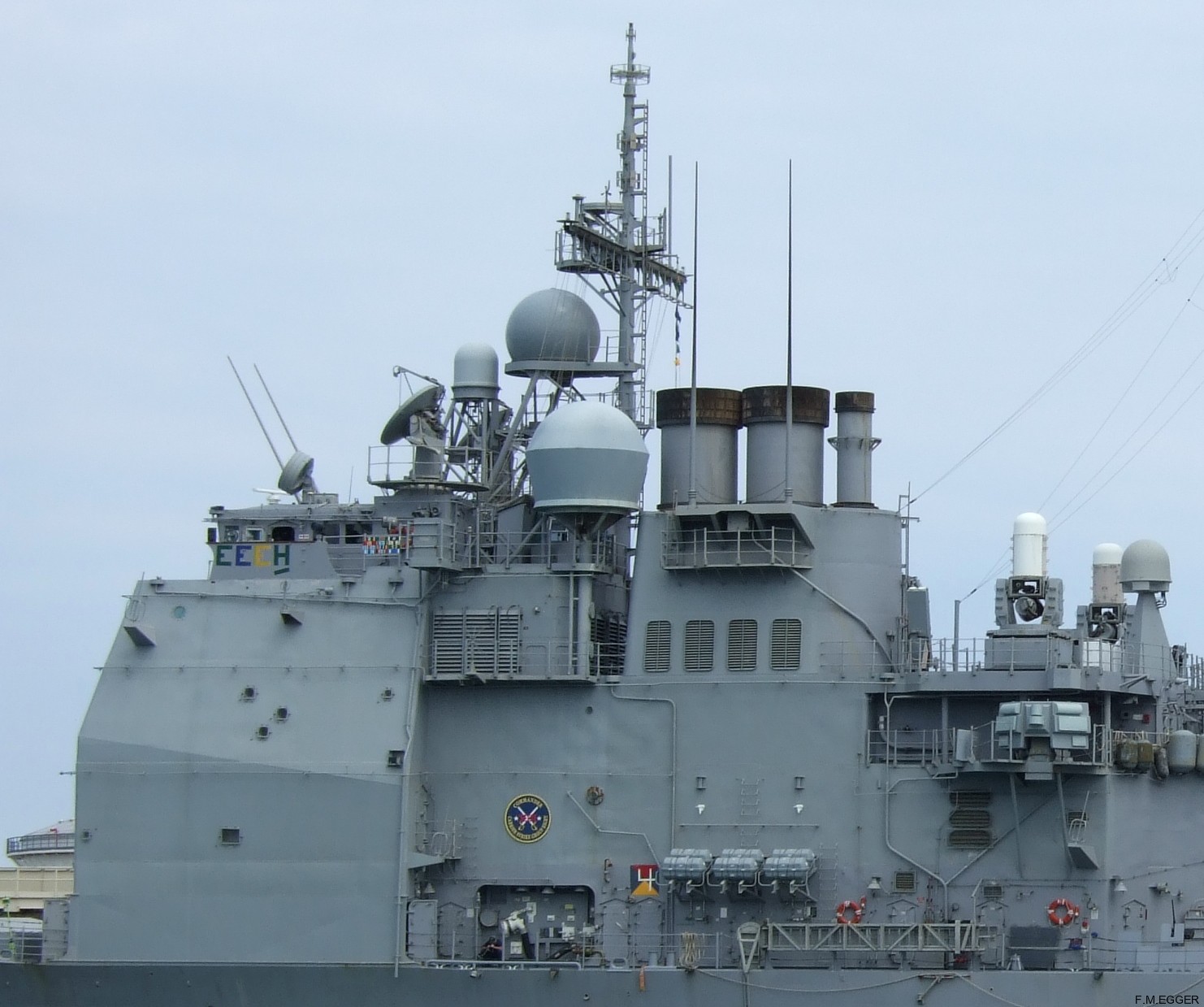 Koper, Slovenia - July 2009 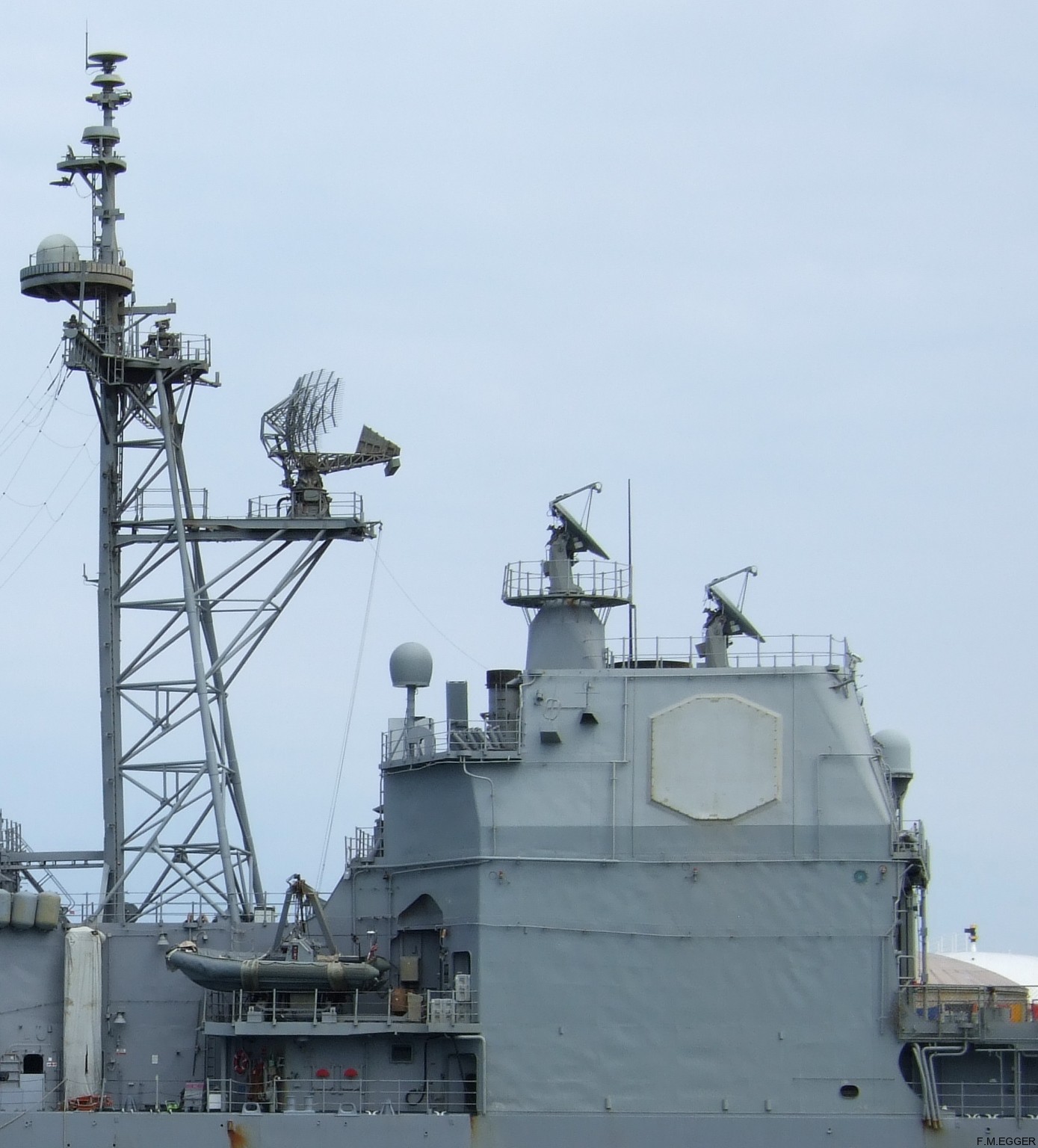 Koper, Slovenia - July 2009 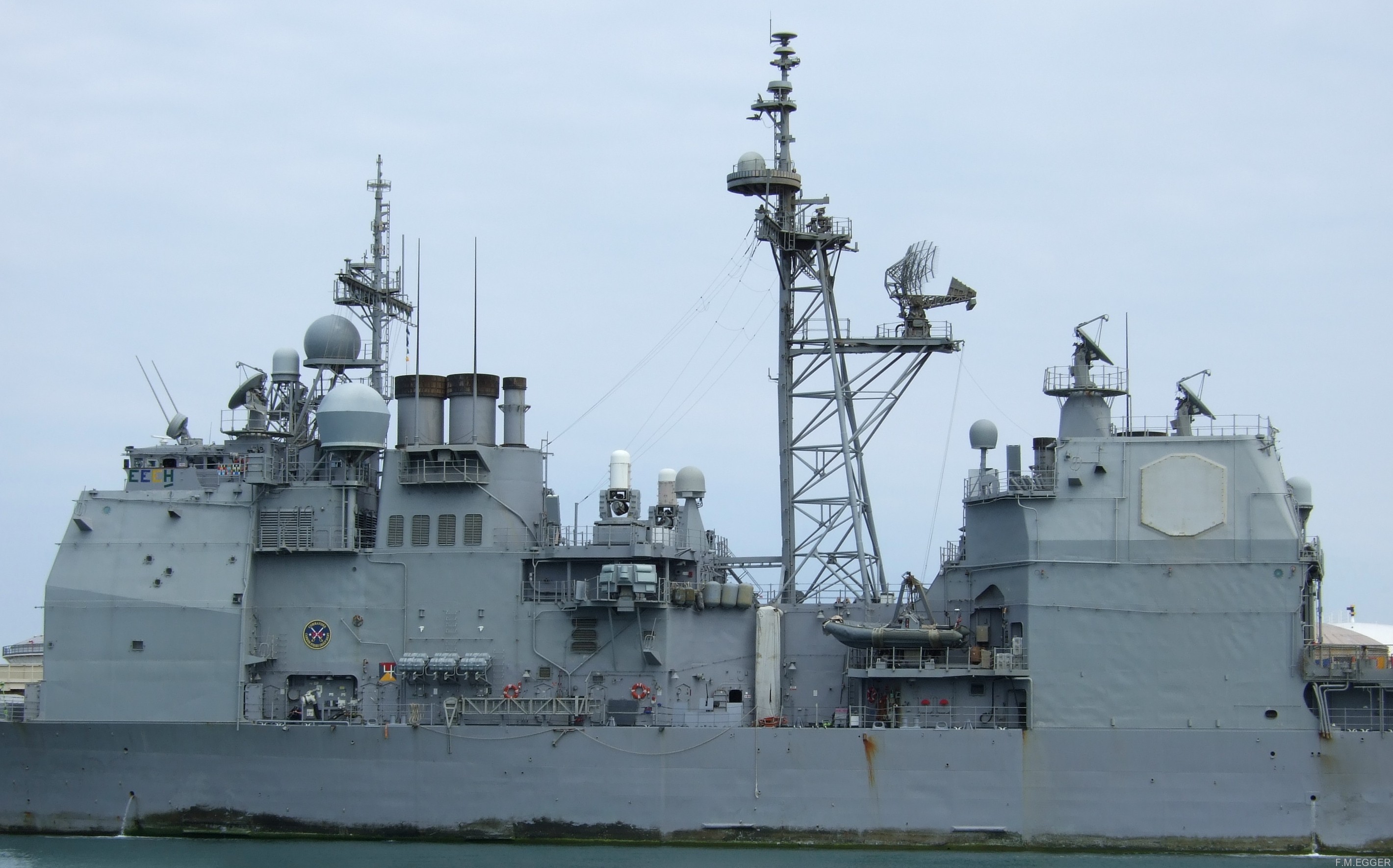 Koper, Slovenia - July 2009 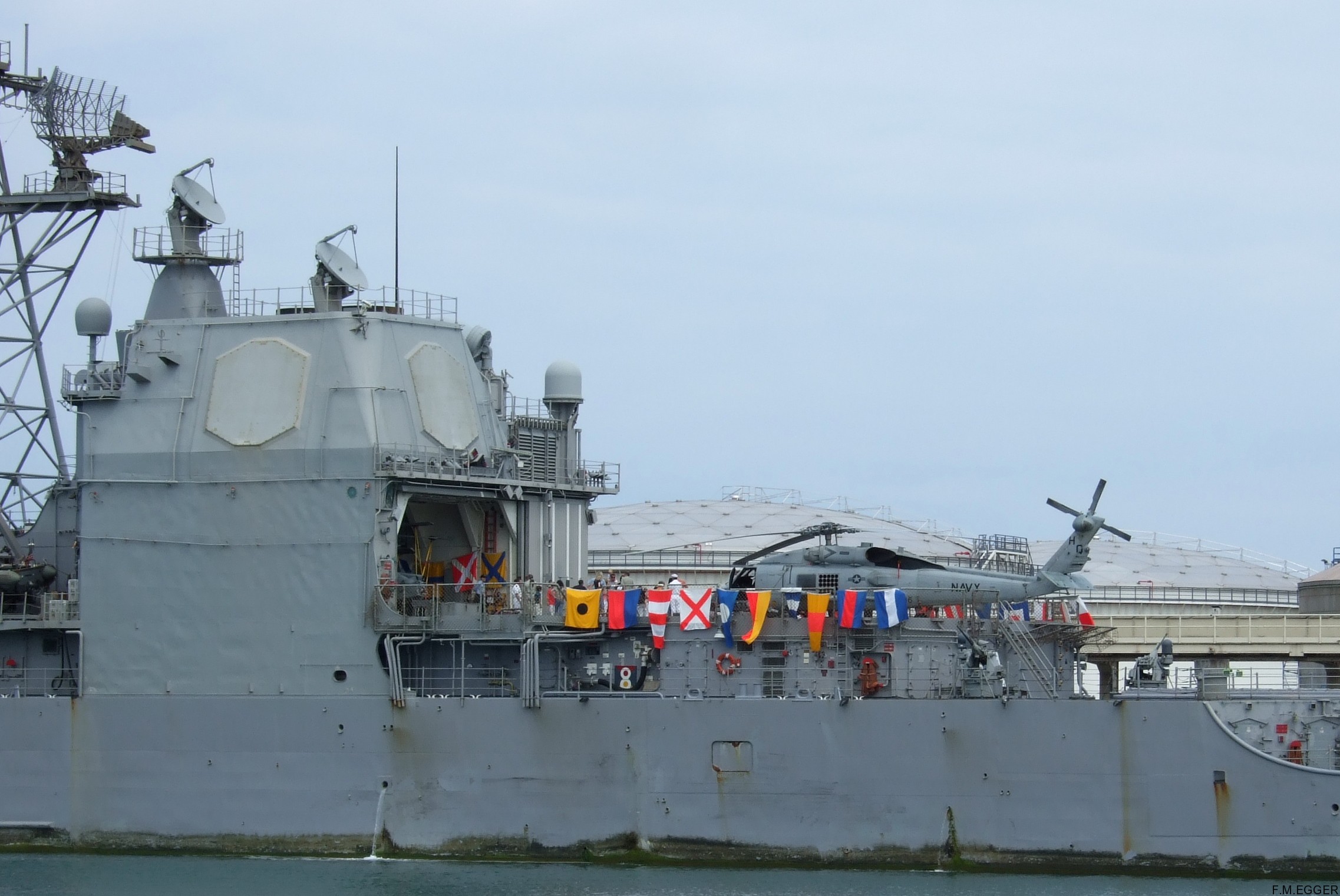 Koper, Slovenia - July 2009 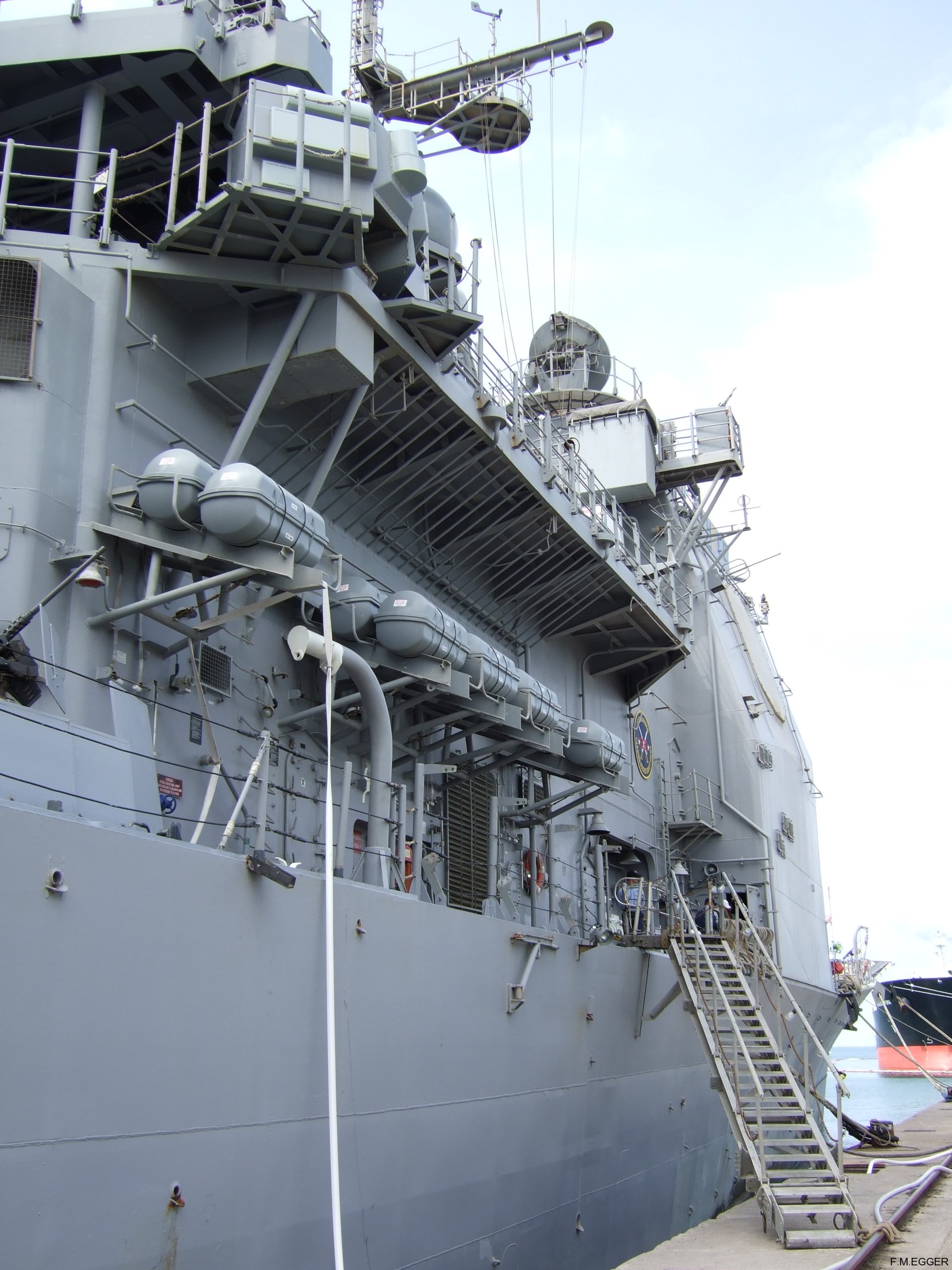 Koper, Slovenia - July 2009 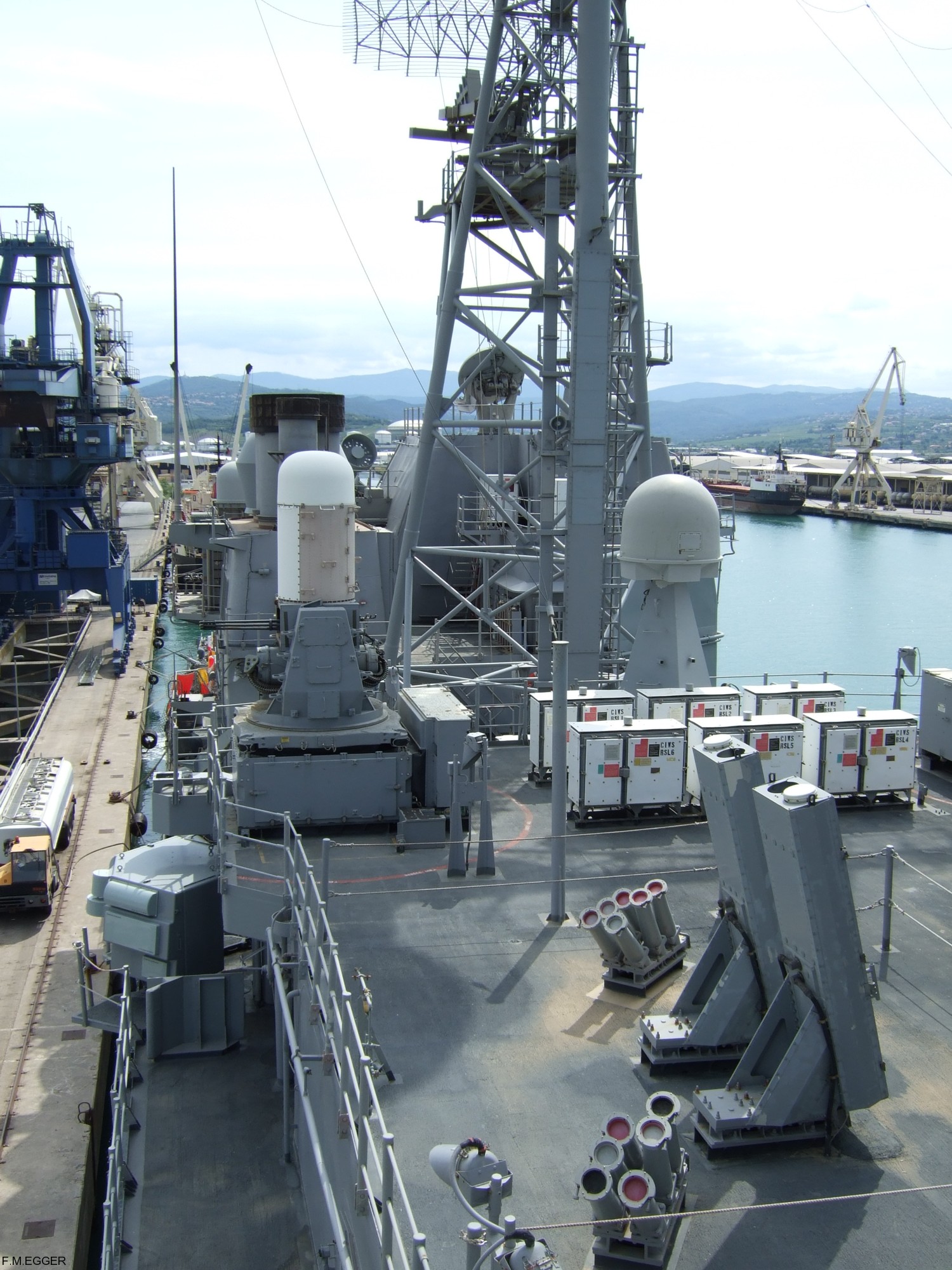 Koper, Slovenia - July 2009 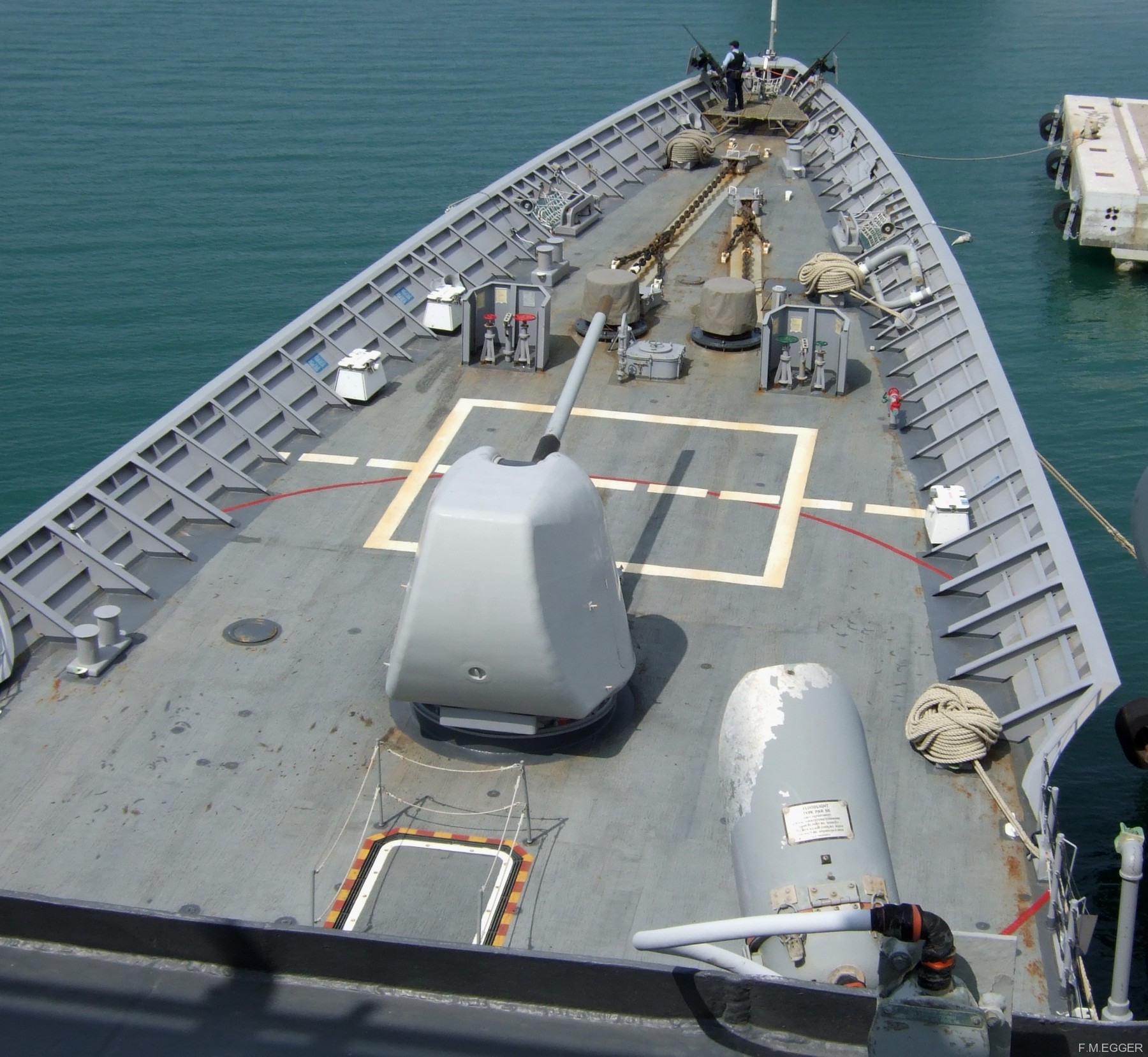 Koper, Slovenia - July 2009 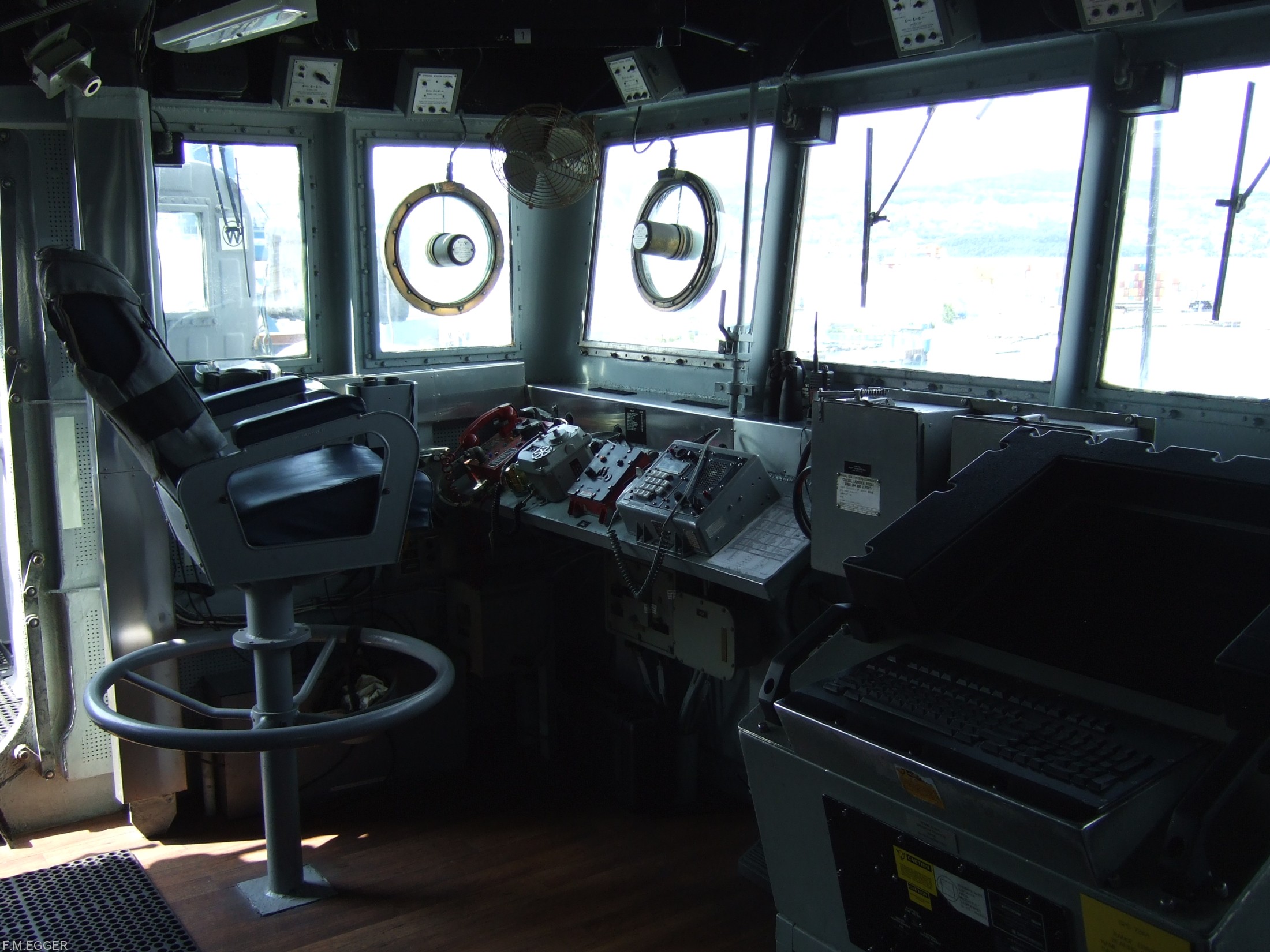 Koper, Slovenia - July 2009 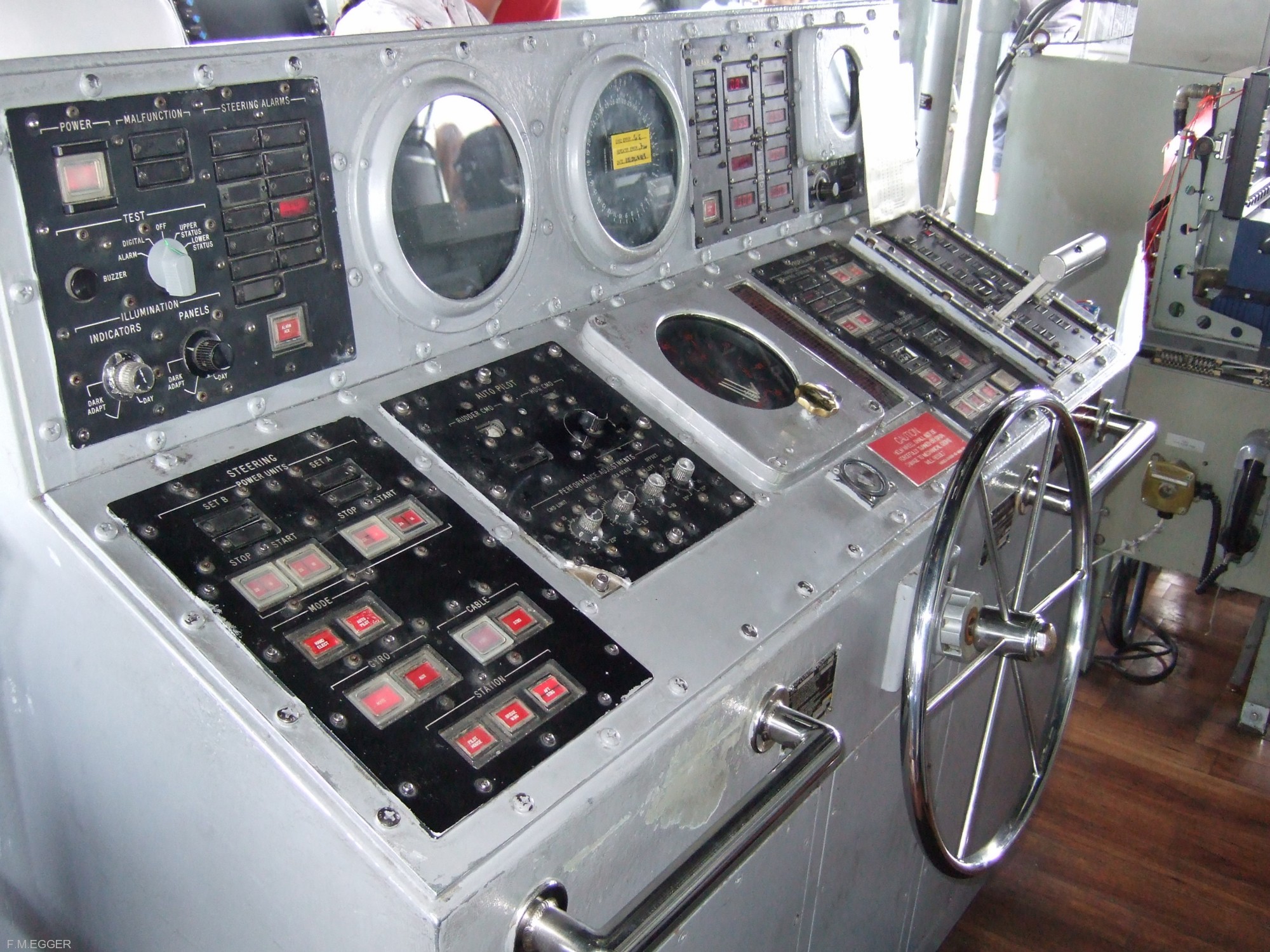 Koper, Slovenia - July 2009 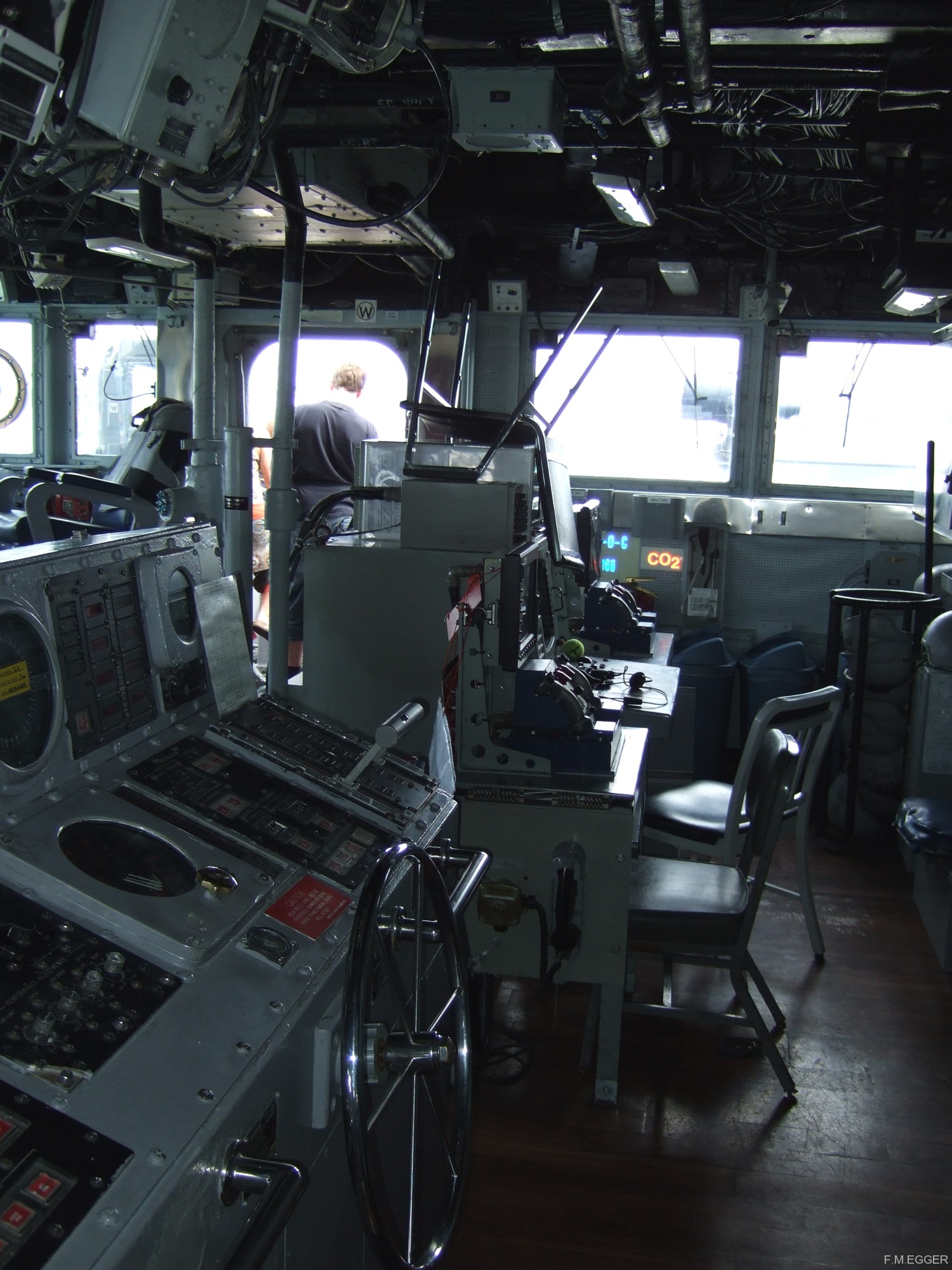 Koper, Slovenia - July 2009 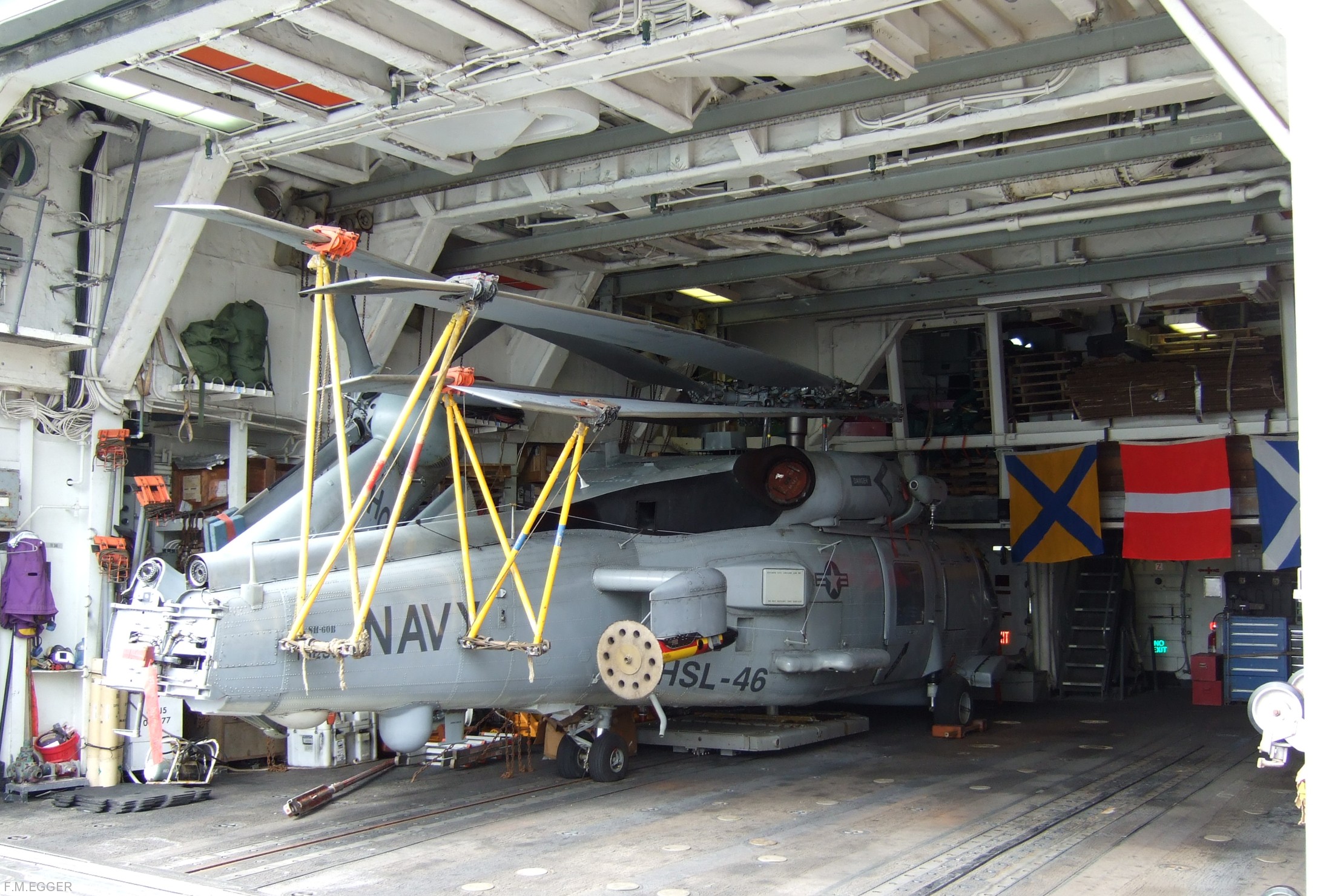 Koper, Slovenia - July 2009 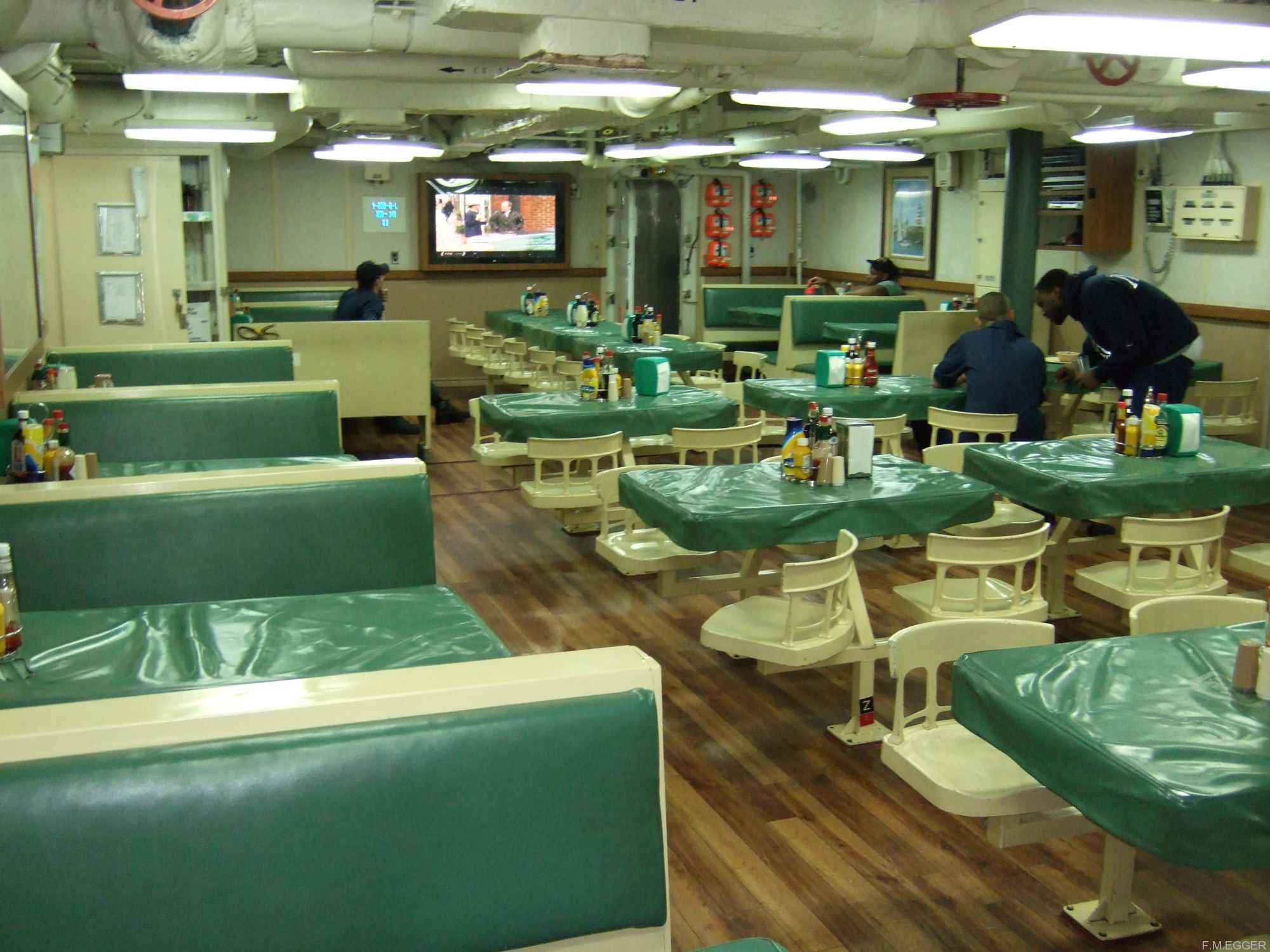 Koper, Slovenia - July 2009 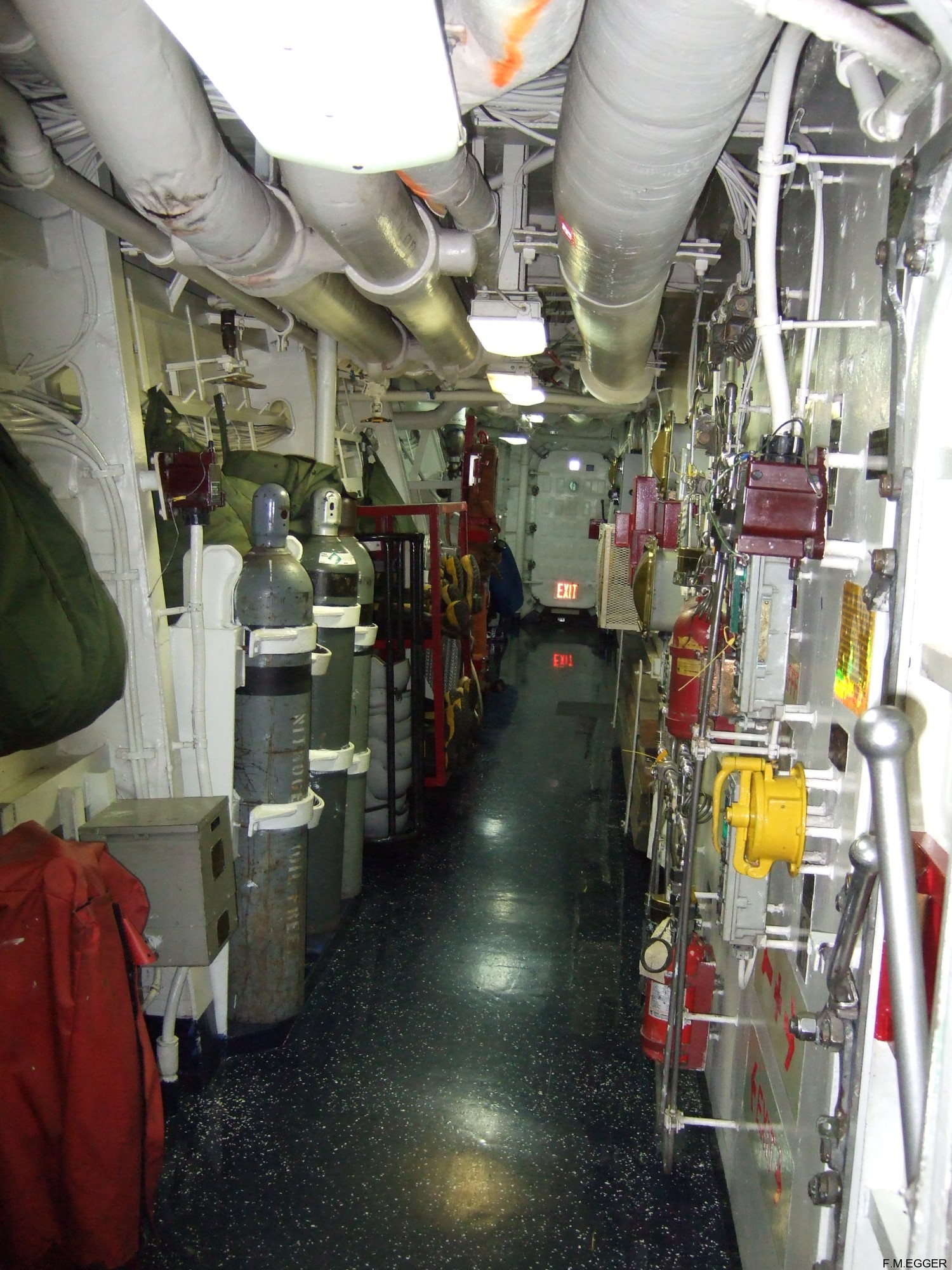 Koper, Slovenia - July 2009 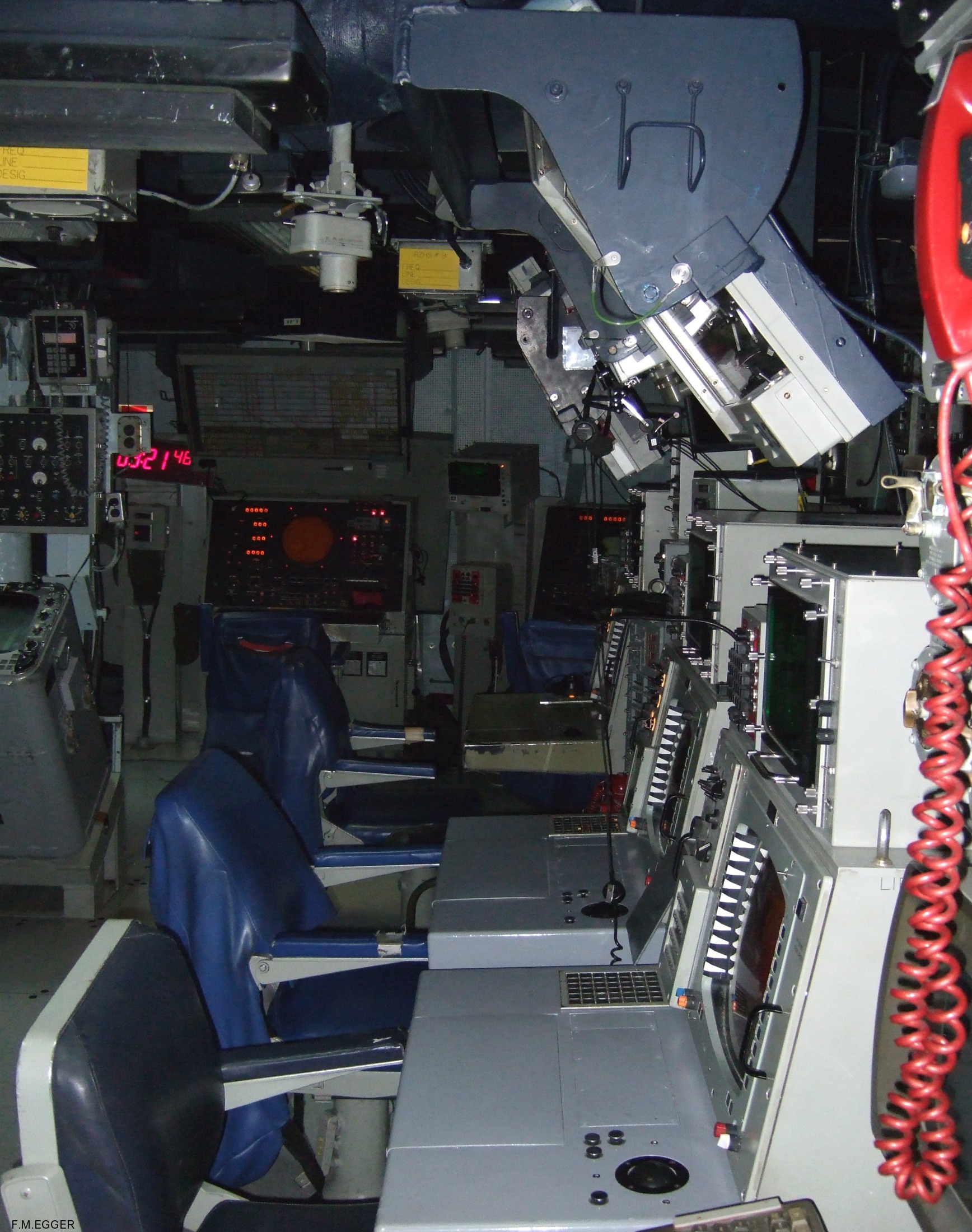 Koper, Slovenia - July 2009 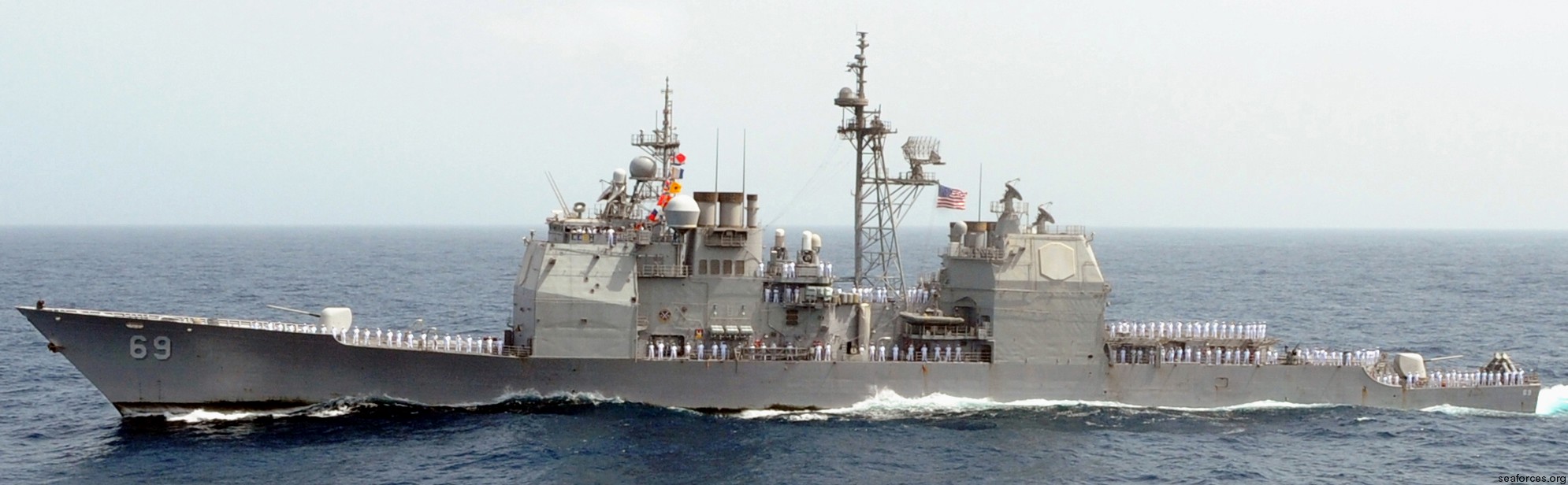 Arabian Sea - June 2009 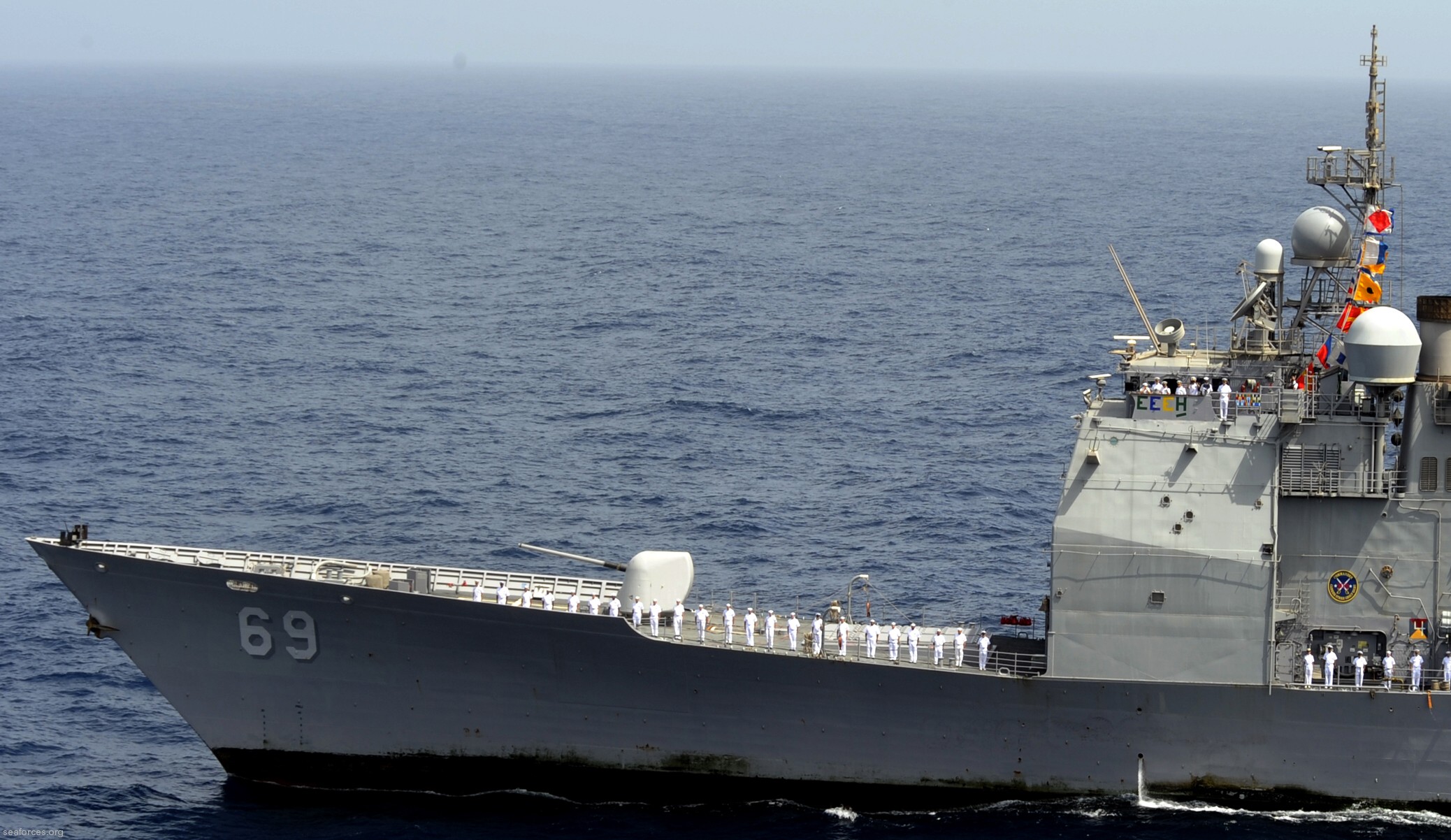 Arabian Sea - June 2009 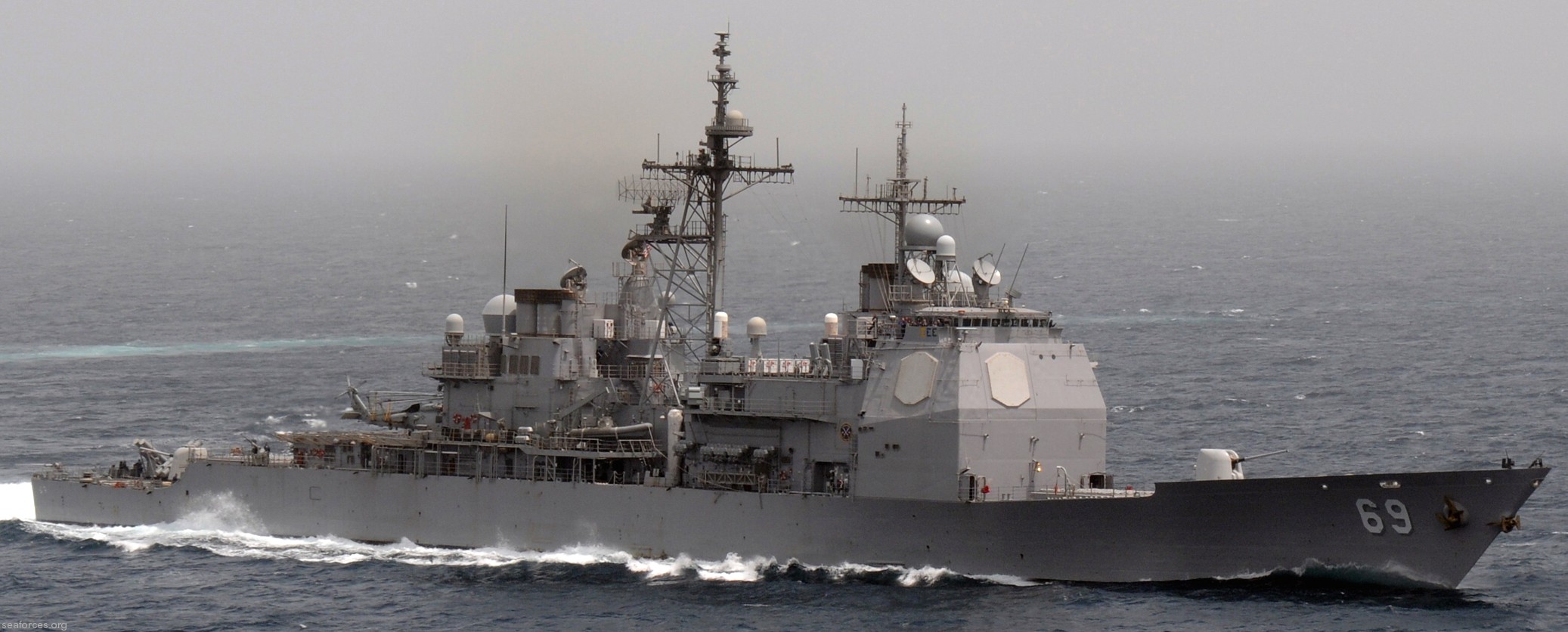 Arabian Sea - April 2009 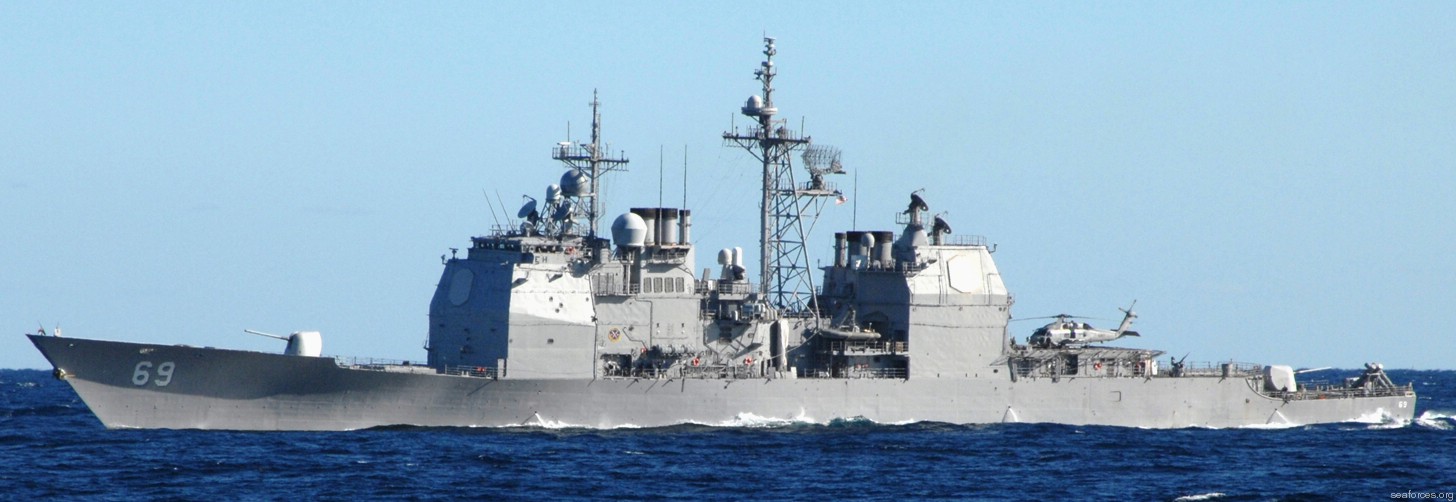 Atlantic Ocean - January 2009 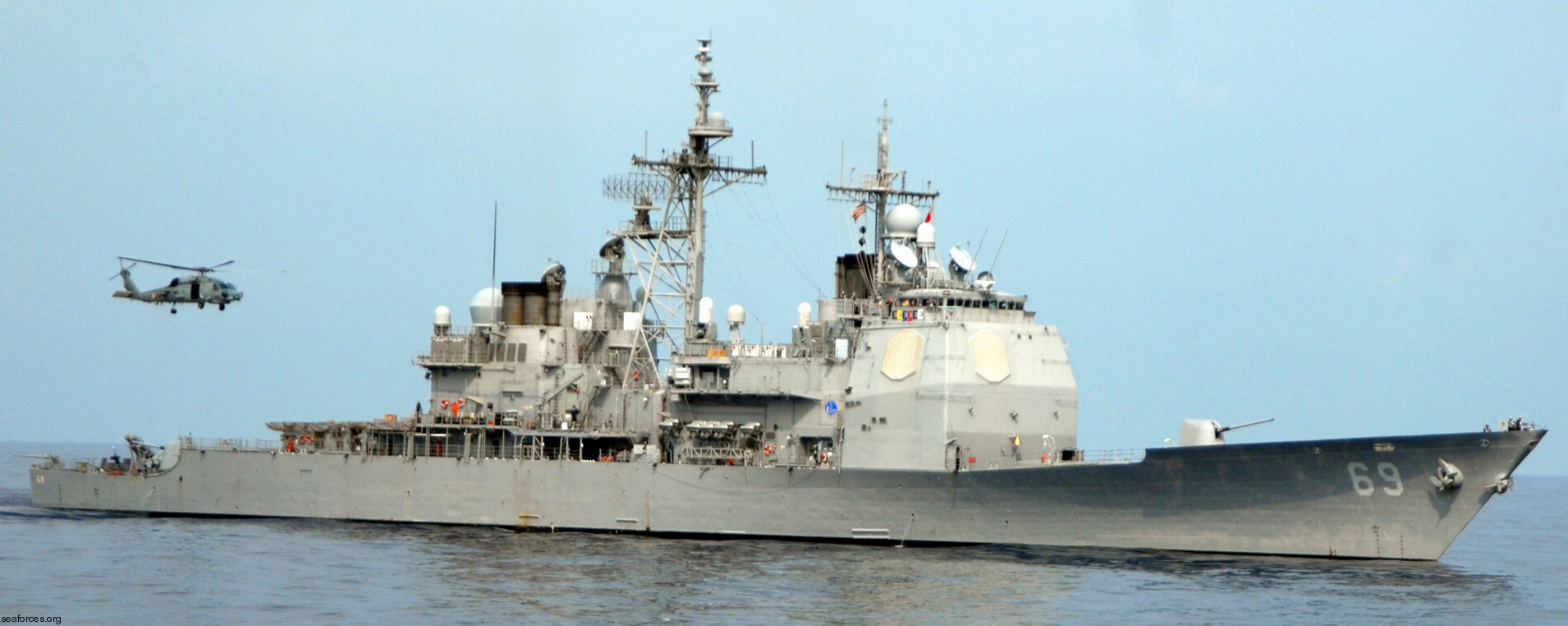 Atlantic Ocean - June 2007 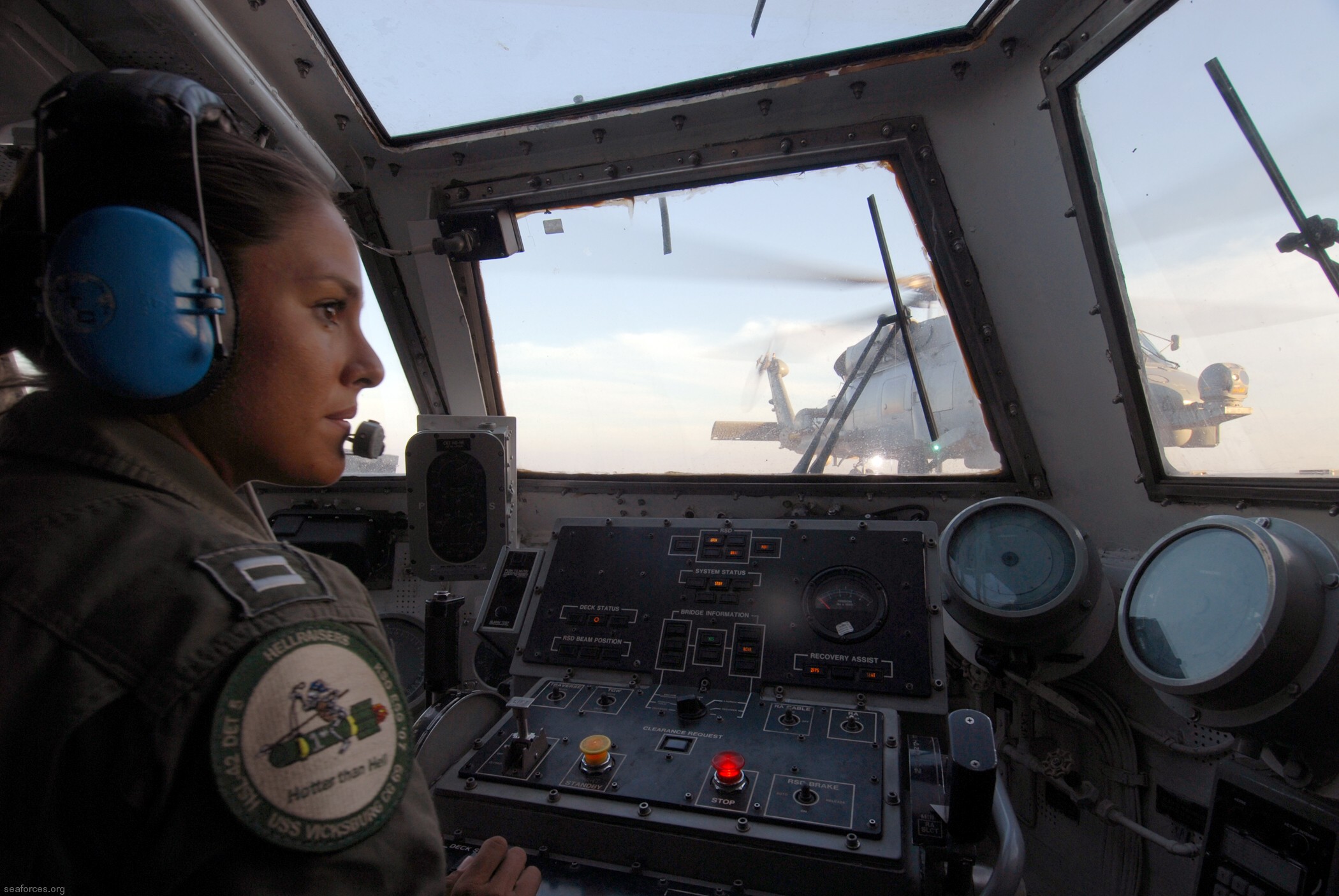 flight deck control - Atlantic Ocean - June 2007 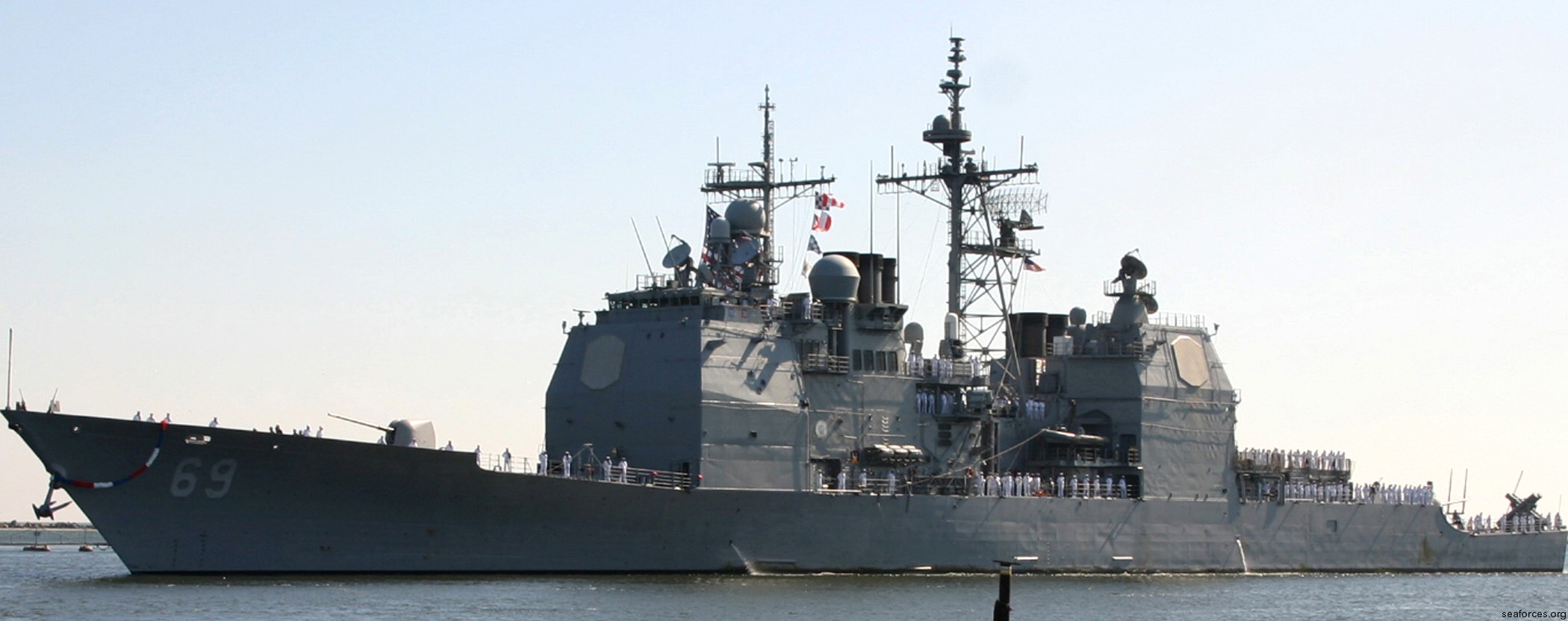 returning to Naval Station Mayport, Florida - June 2006 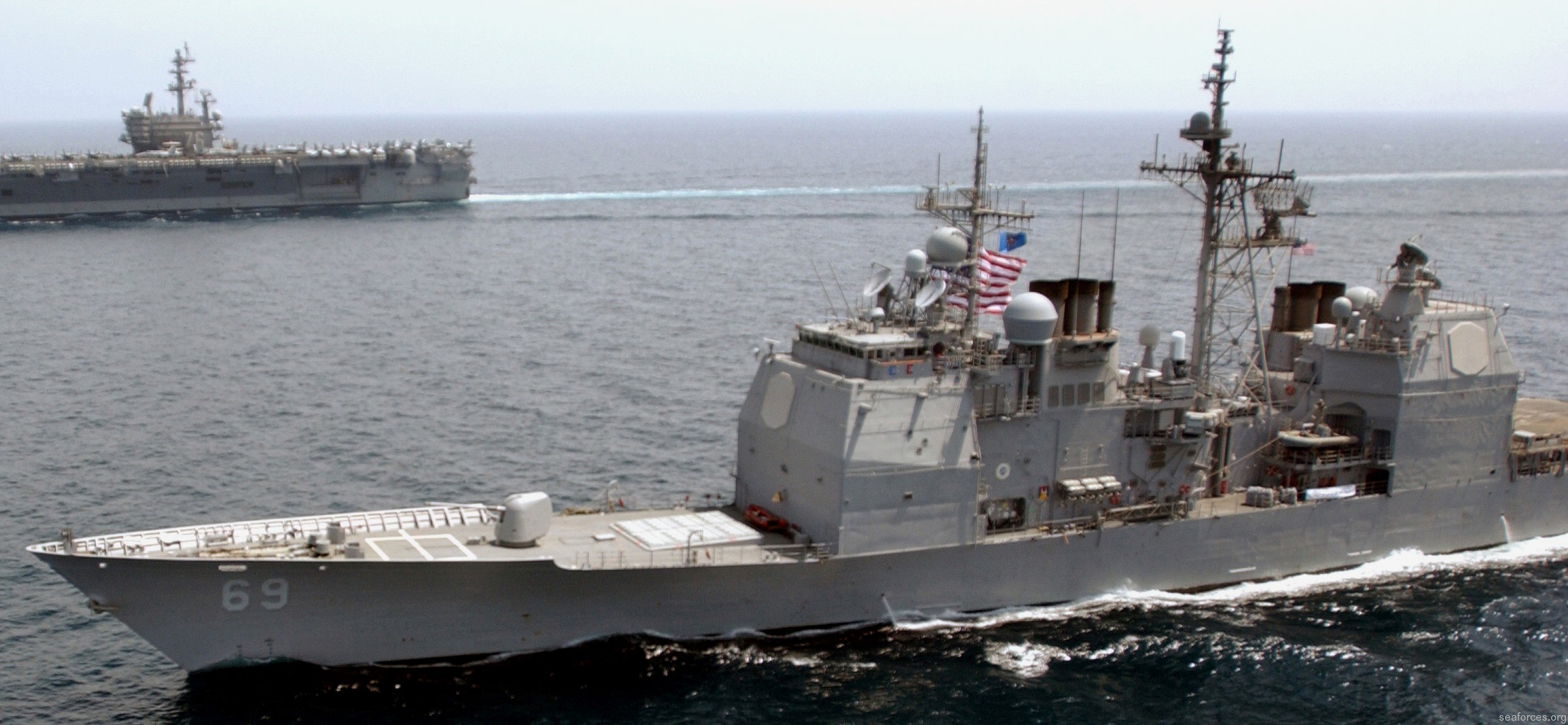 Persian Gulf - April 2006 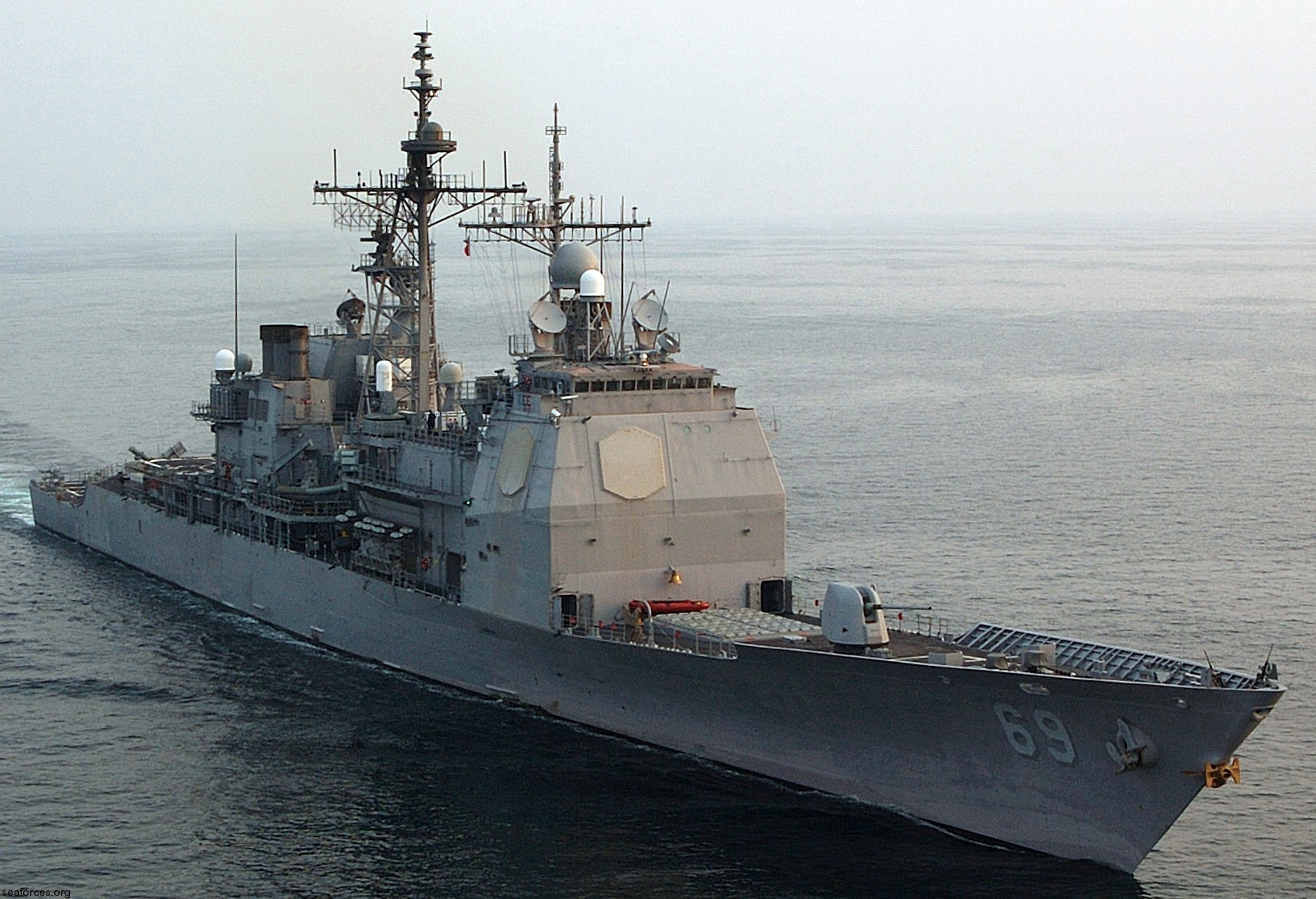 Arabian Gulf - November 2004 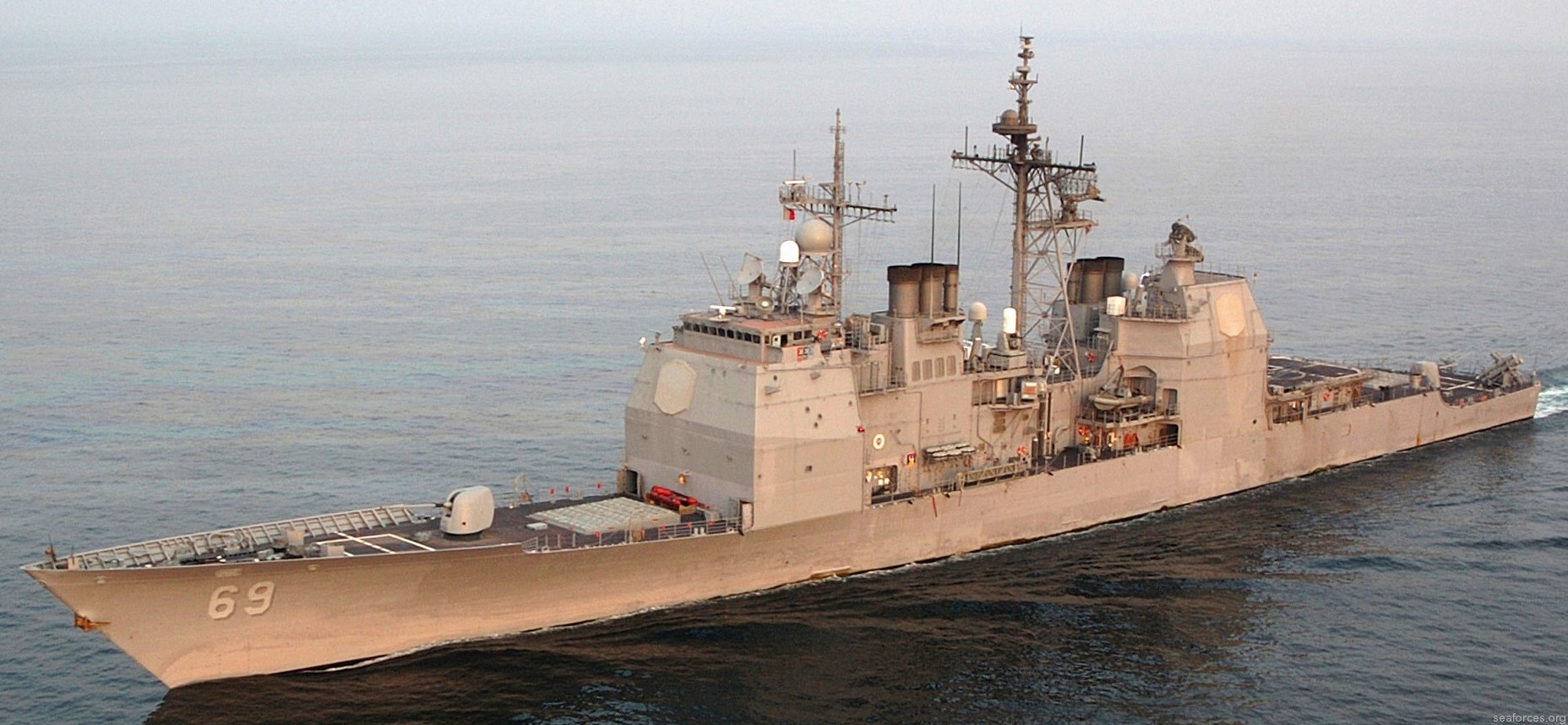 Arabian Gulf - November 2004 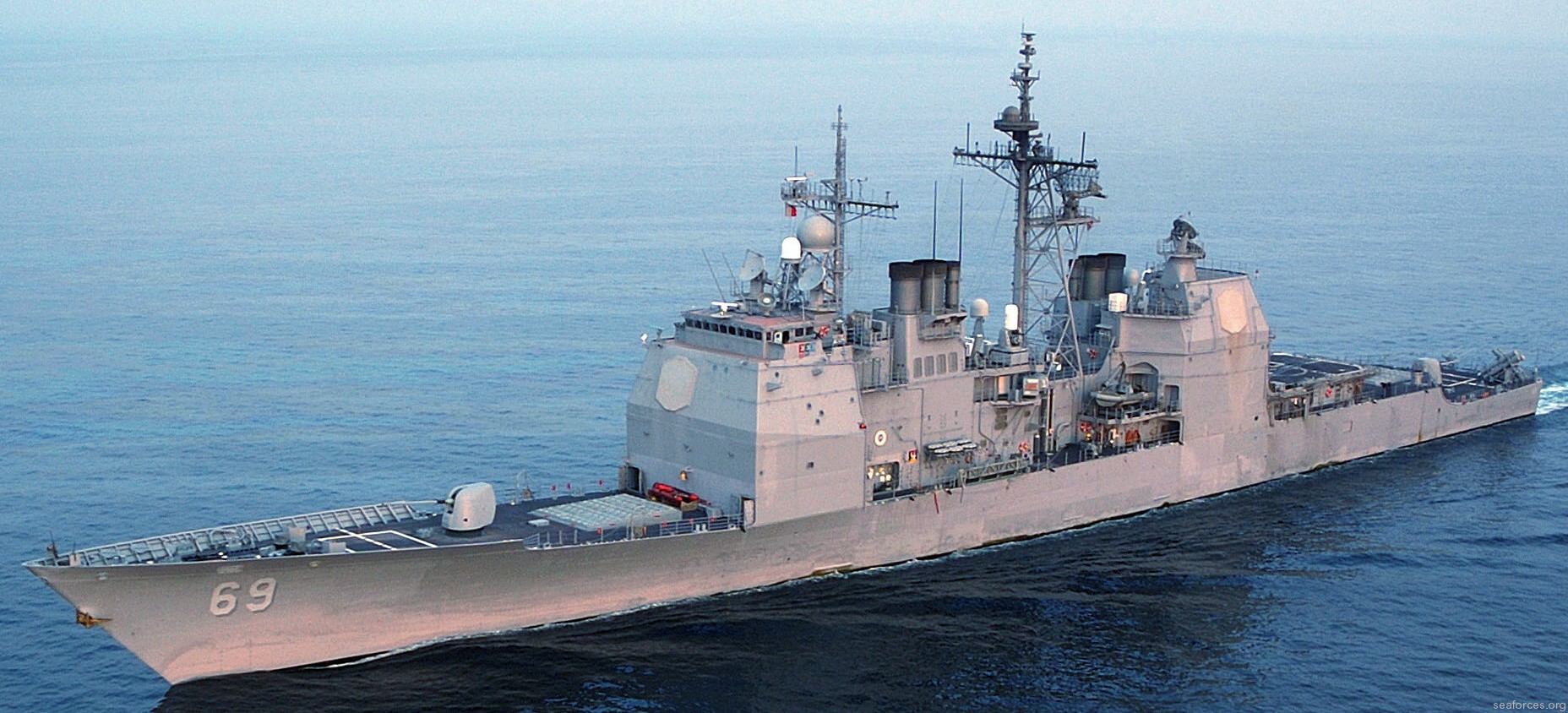 Arabian Sea - November 2004 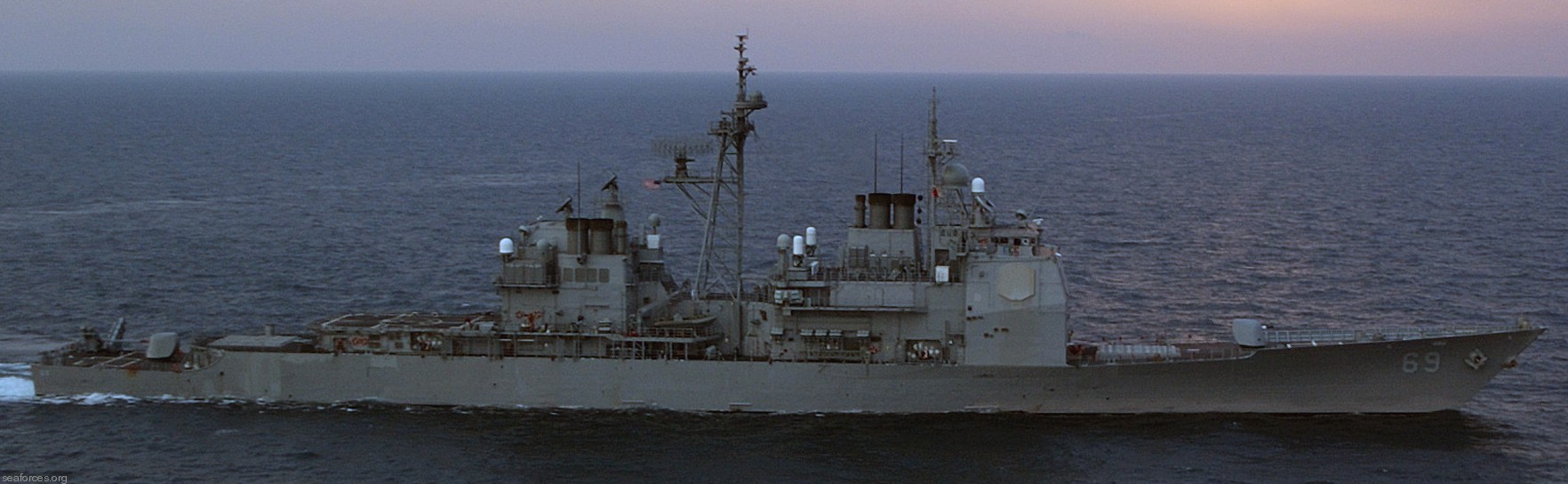 Arabian Gulf - November 2004 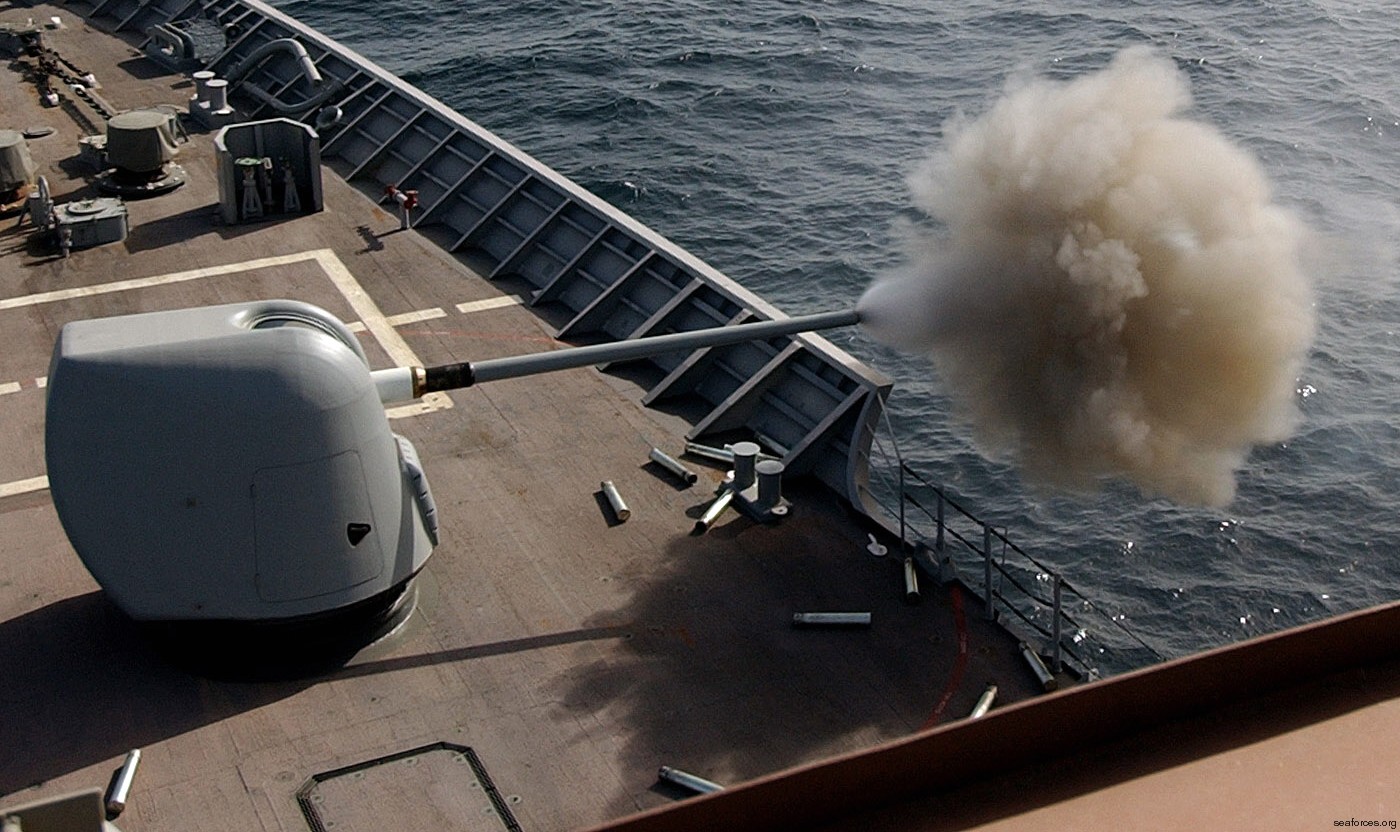 Mk-45 gun fire exercise - Arabian Gulf - October 2004 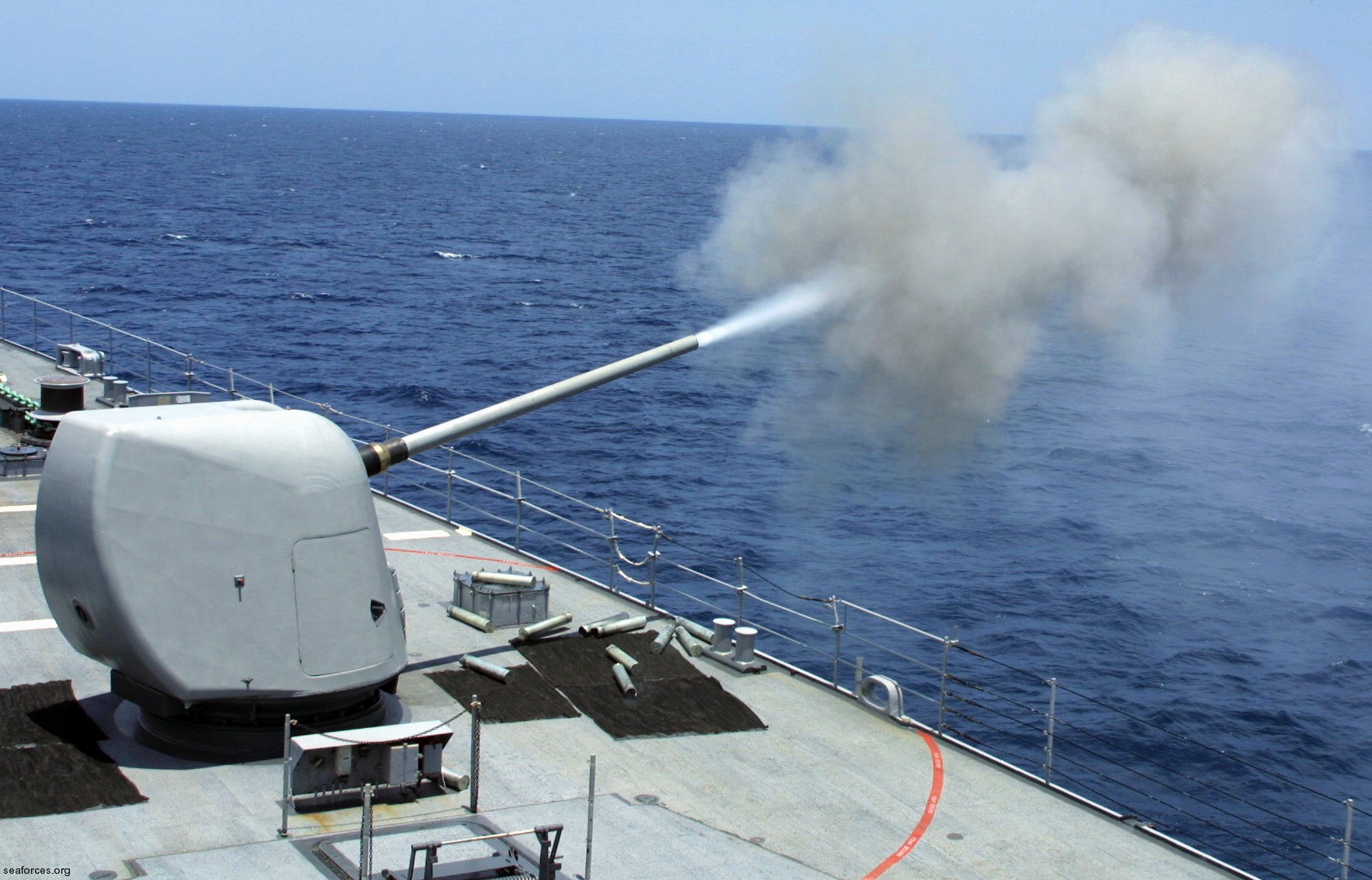 Mk-45 gun fire exercise - Arabian Gulf - September 2004 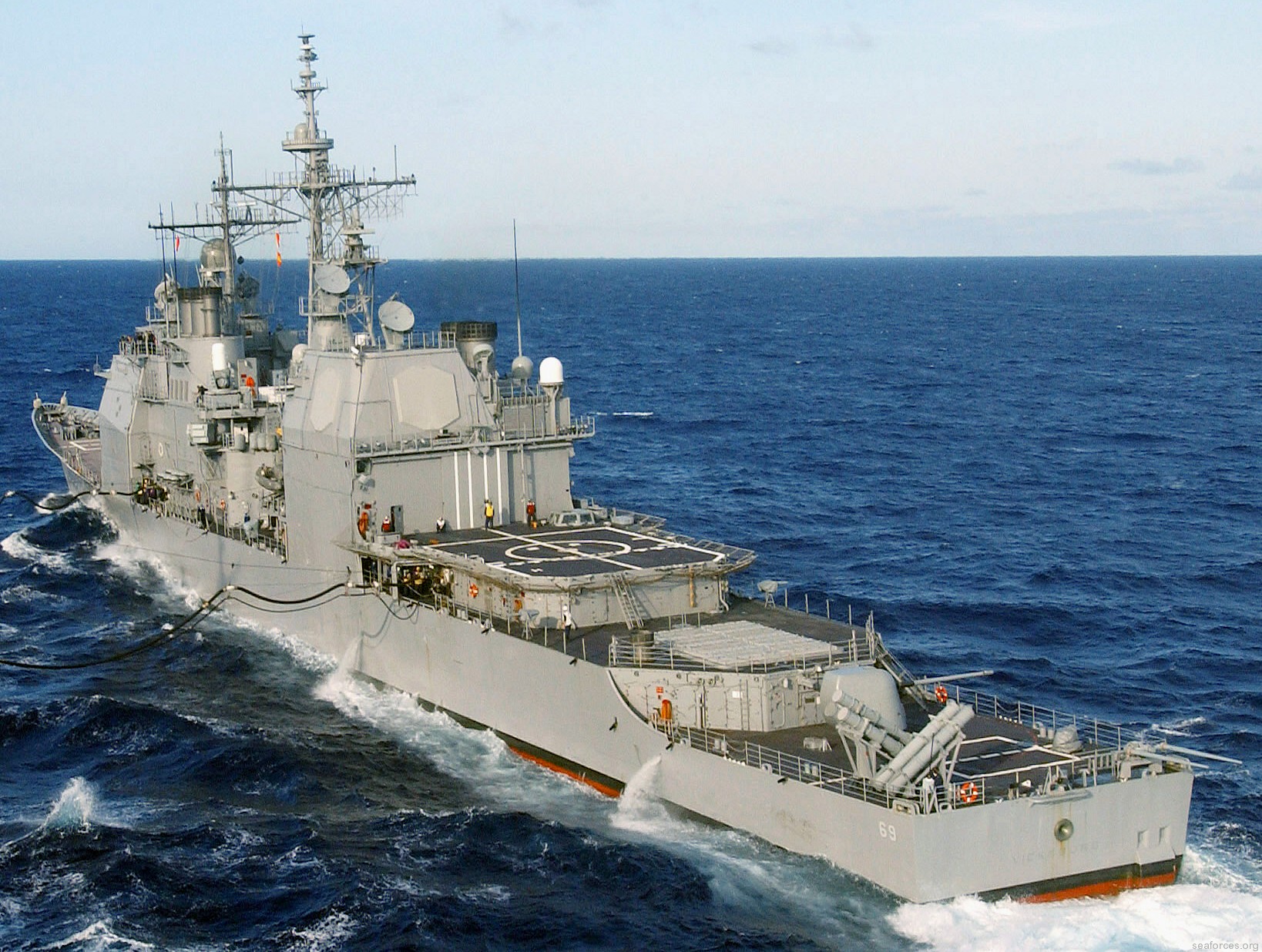 Atlantic Ocean - June 2004 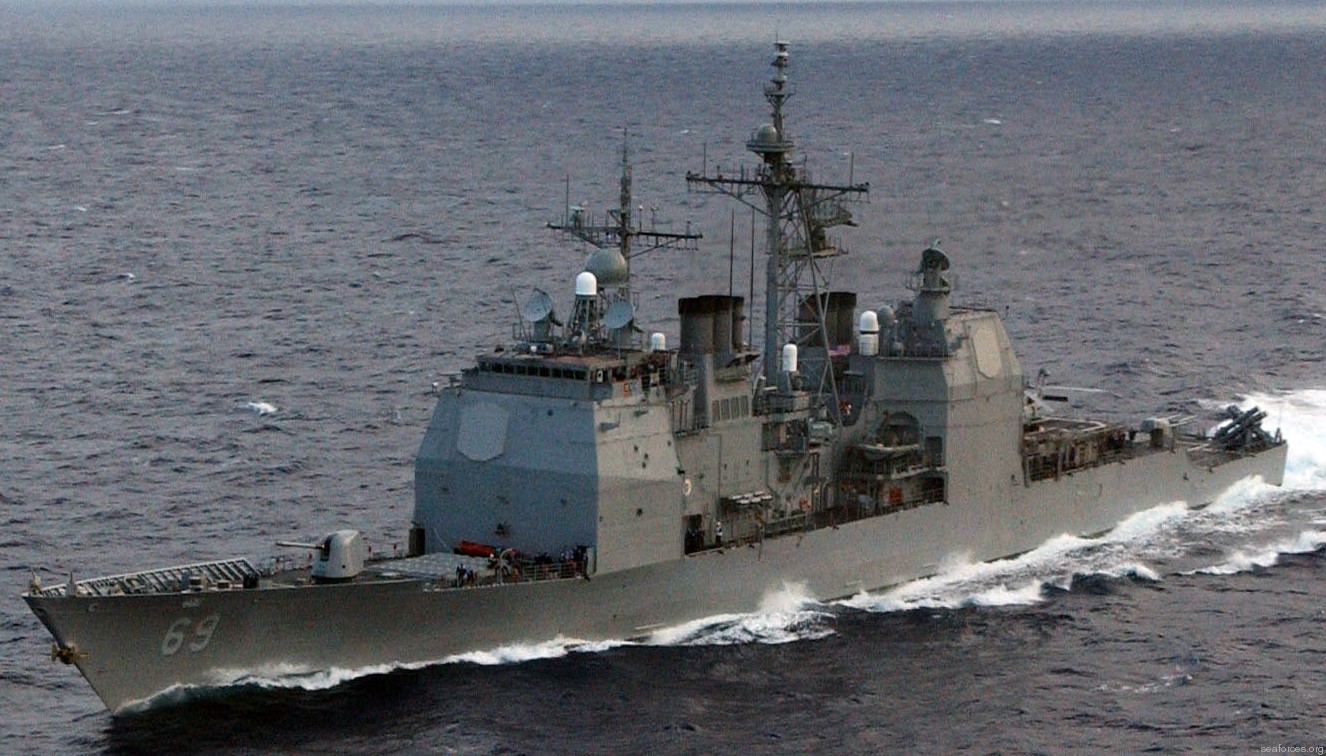 Atlantic Ocean - June 2004 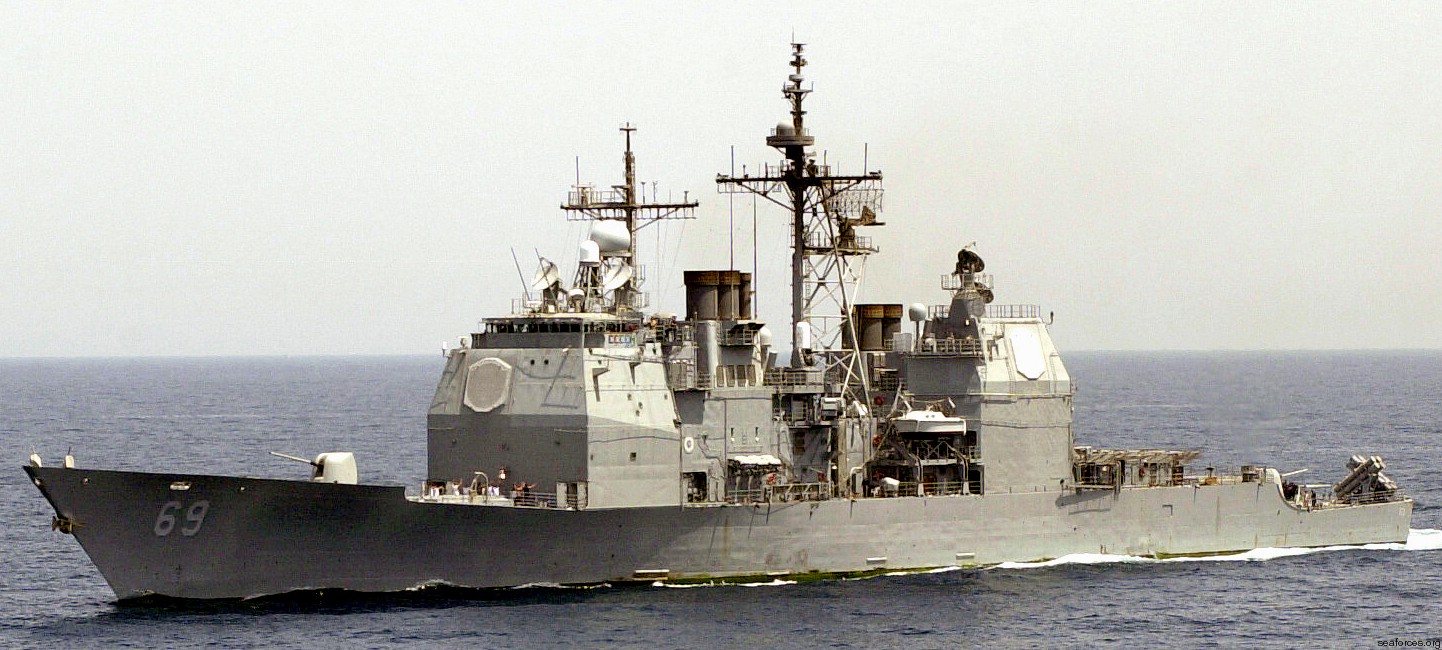 Arabian Sea - June 2002 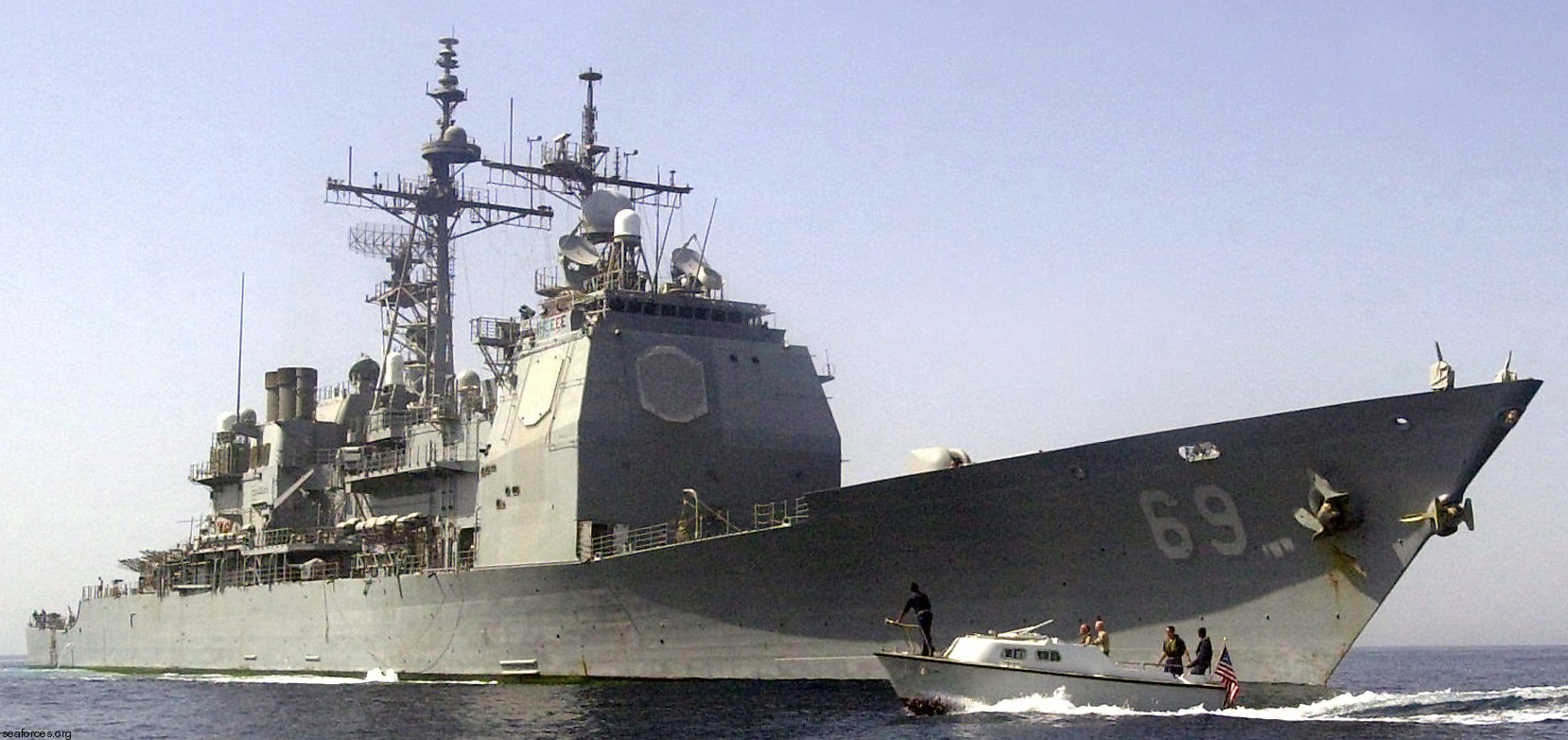 Arabian Sea - June 2002 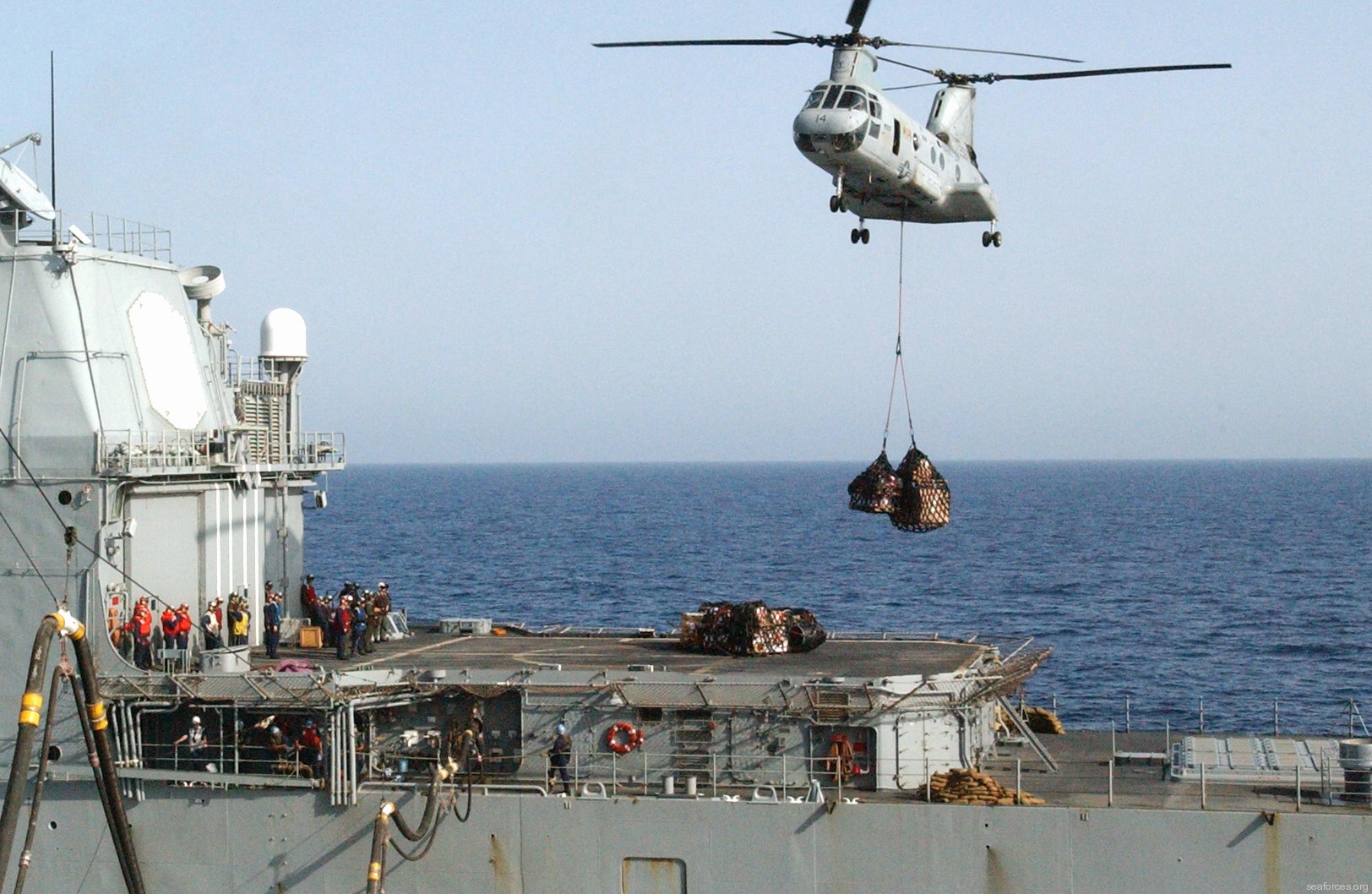 Vertical Replenishment (VERTREP) - May 2002 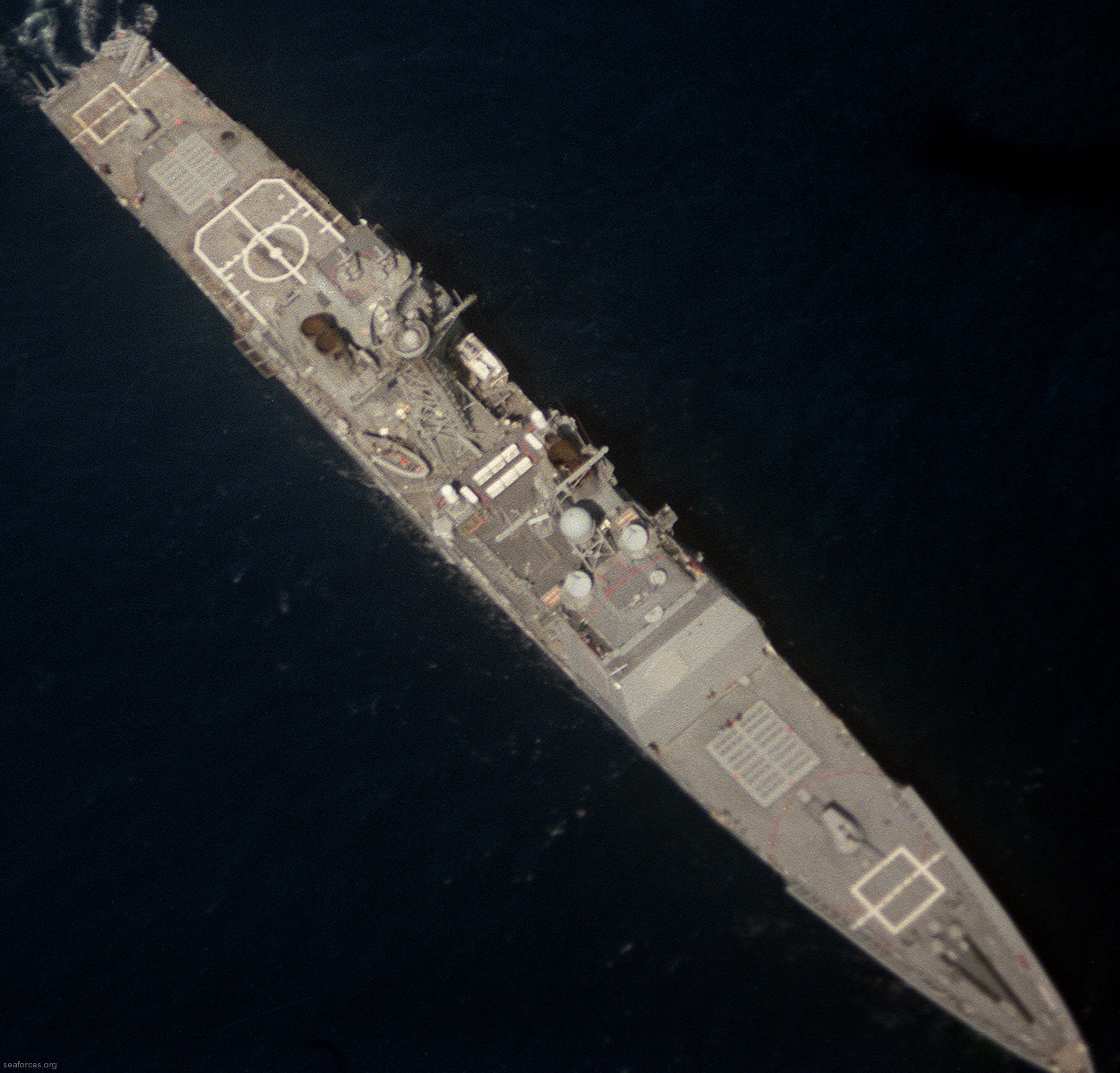 Operation Support Democracy - off Haiti - October 1993 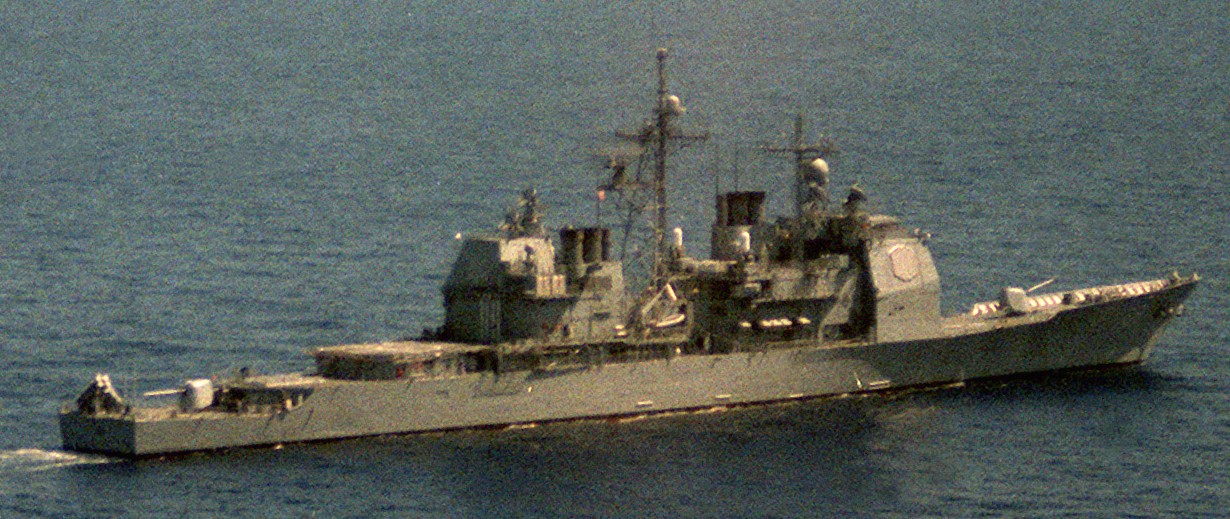 Operation Support Democracy - off Haiti - October 1993 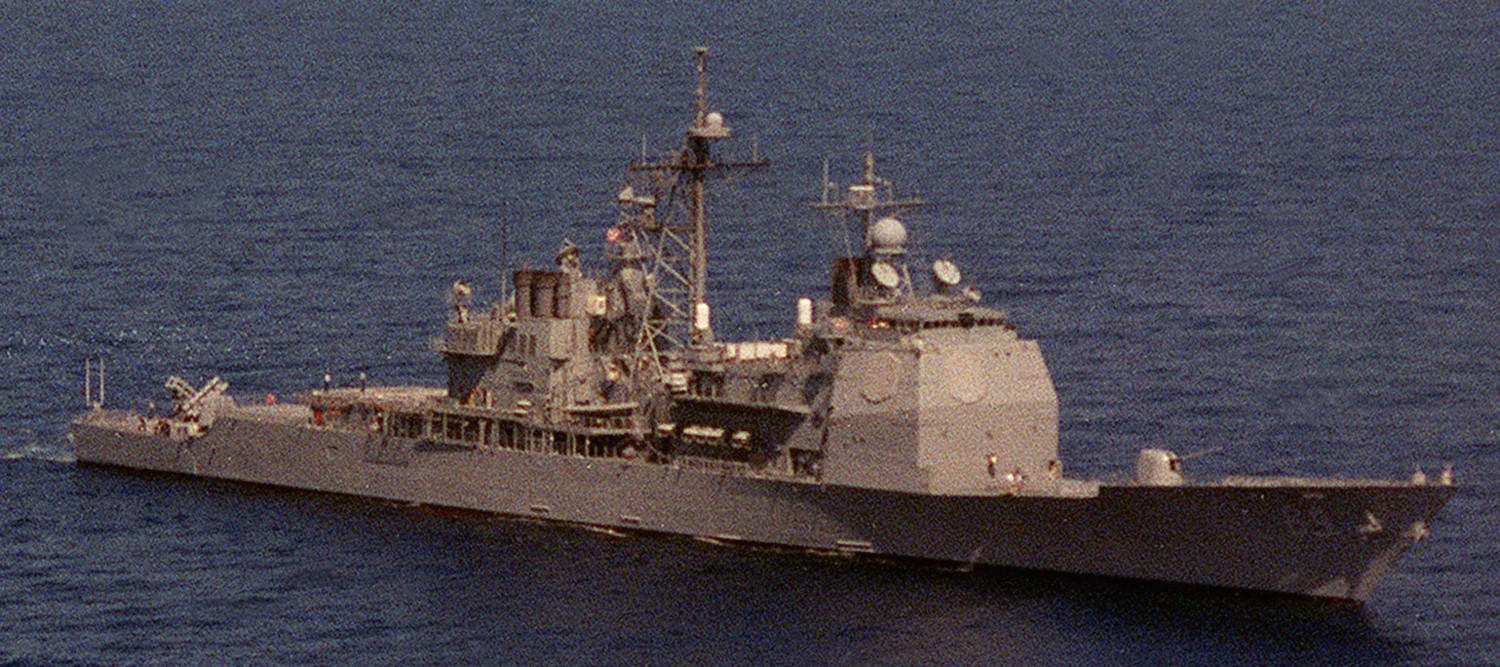 Operation Support Democracy - off Haiti - October 1993 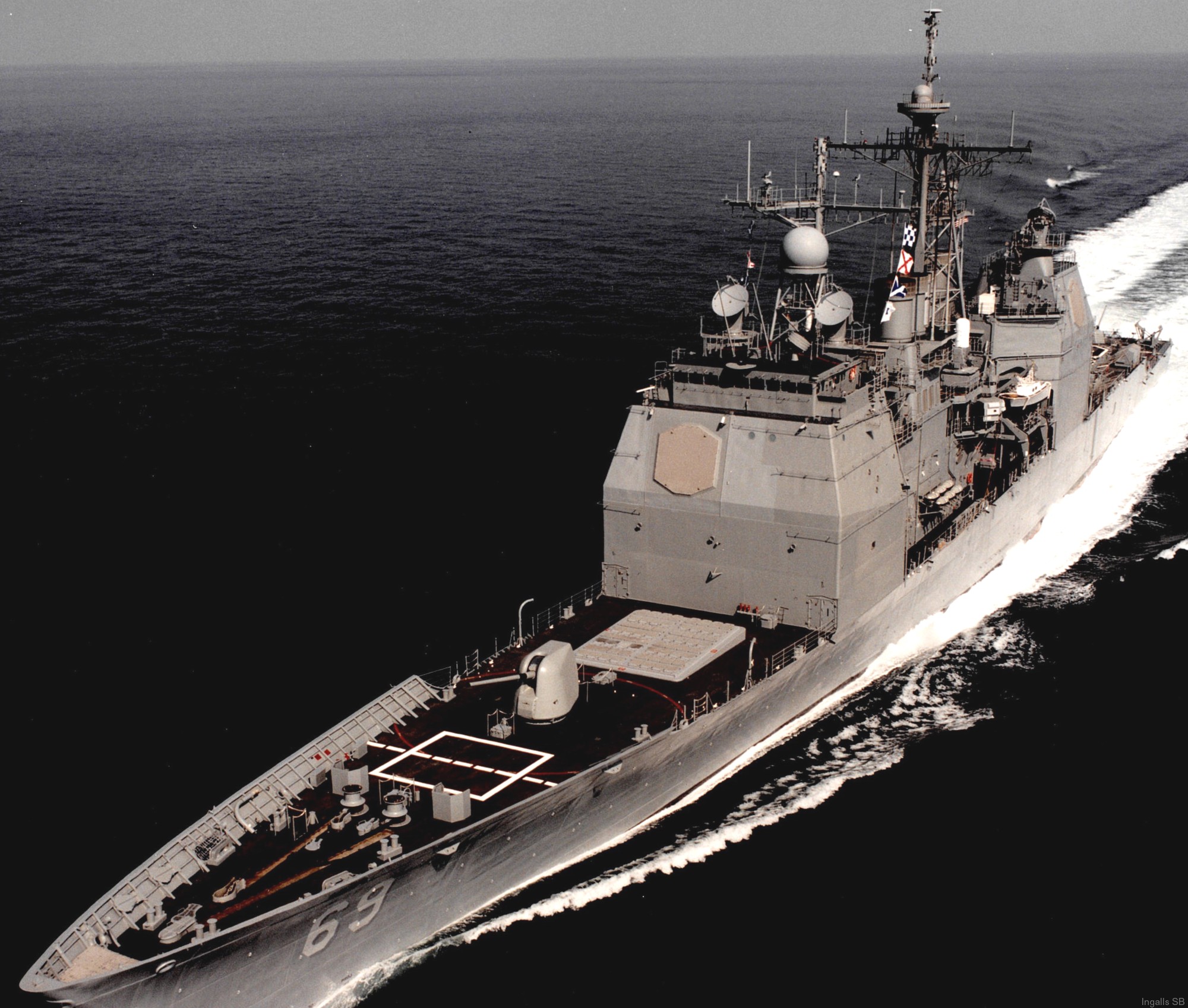 trials - November 1992 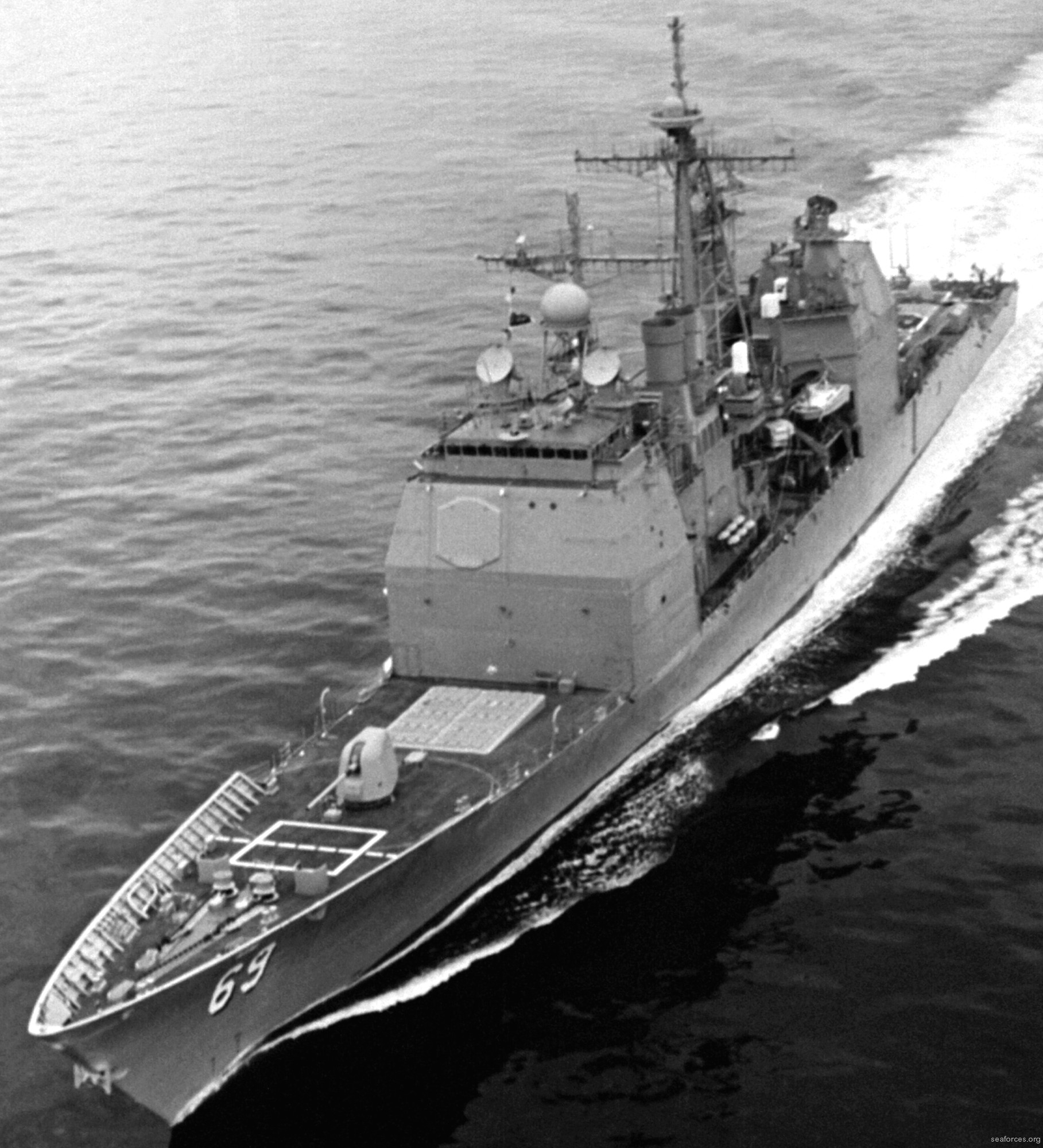 acceptance trials - August 1992 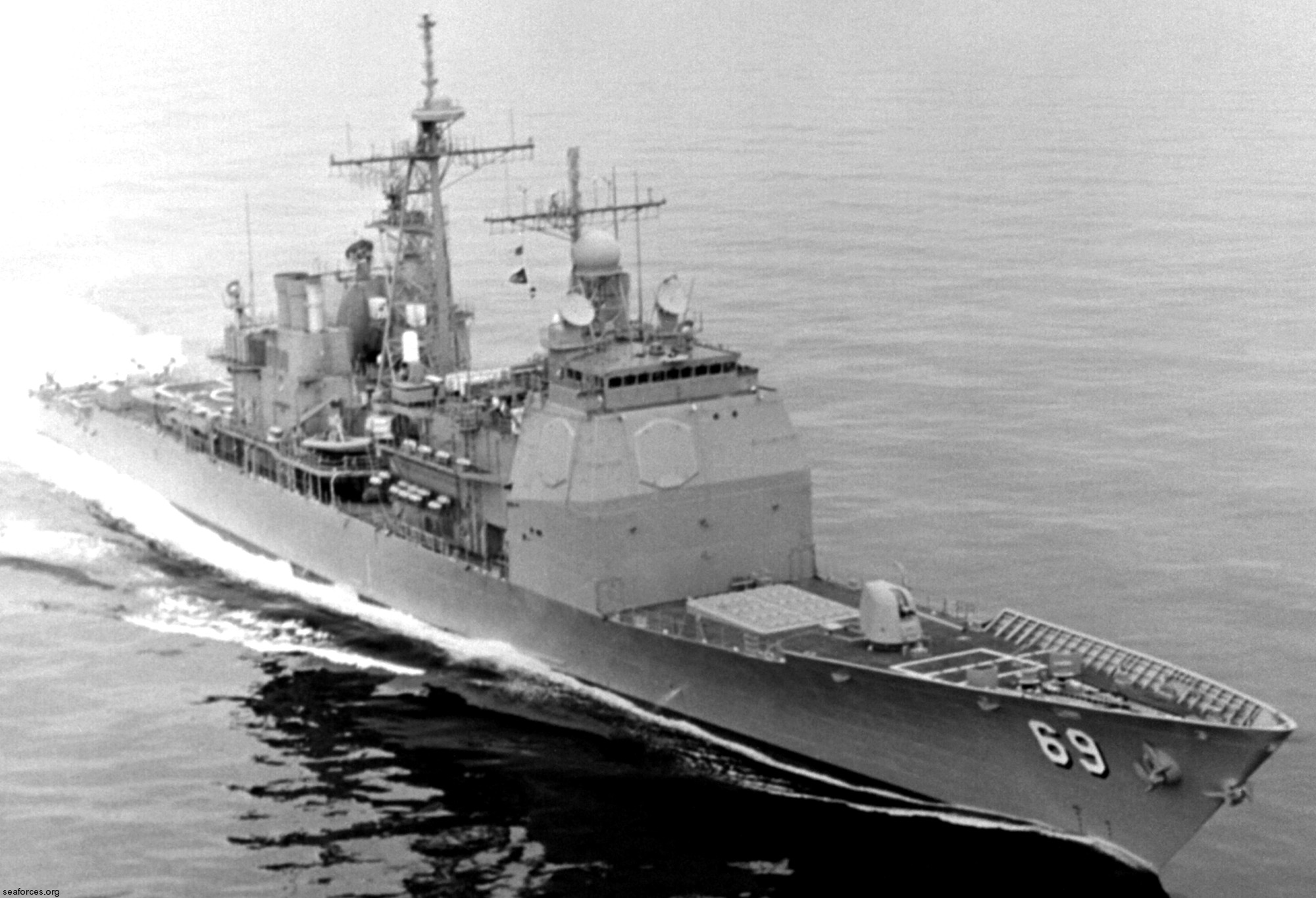 acceptance trials - August 1992 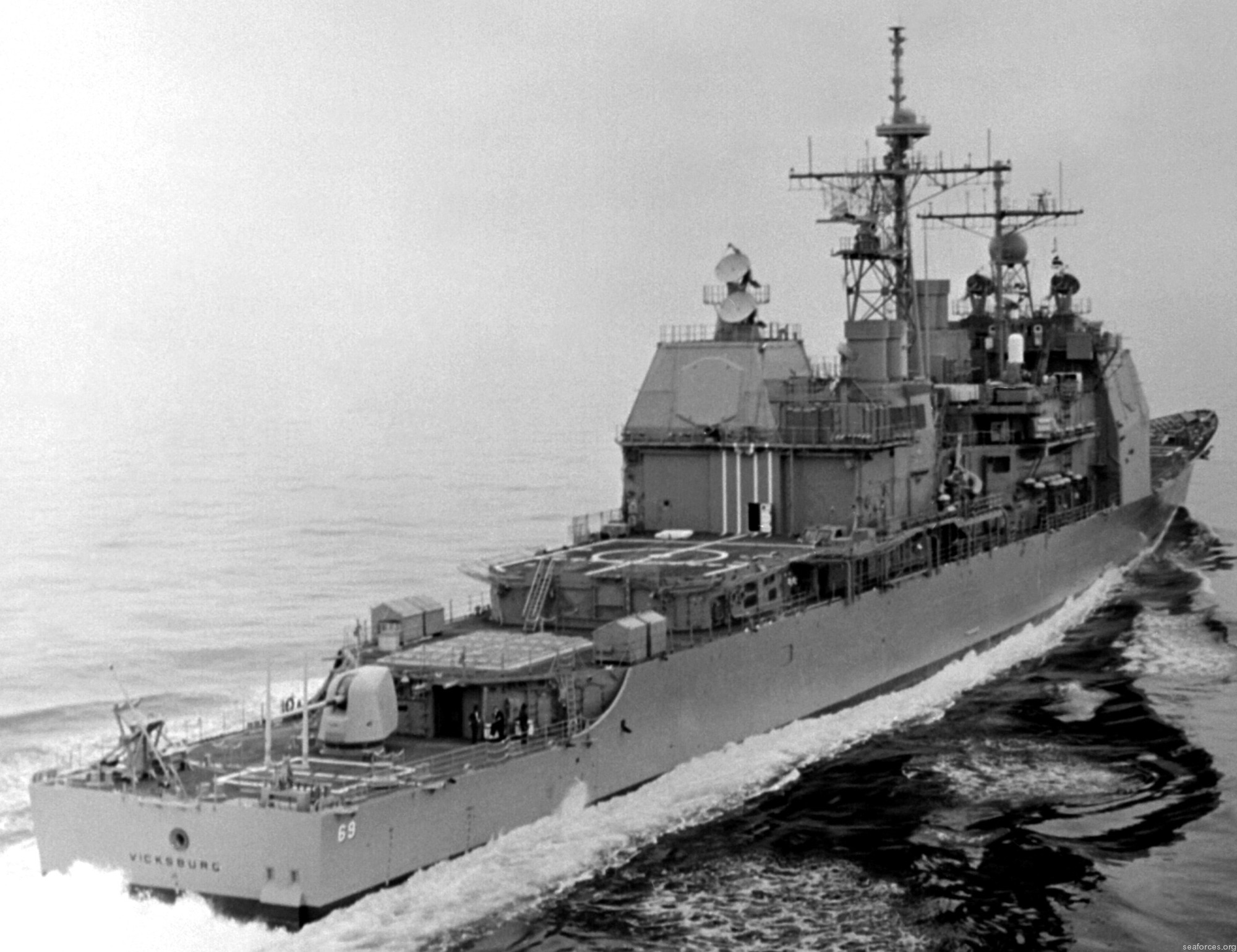 acceptance trials - August 1992 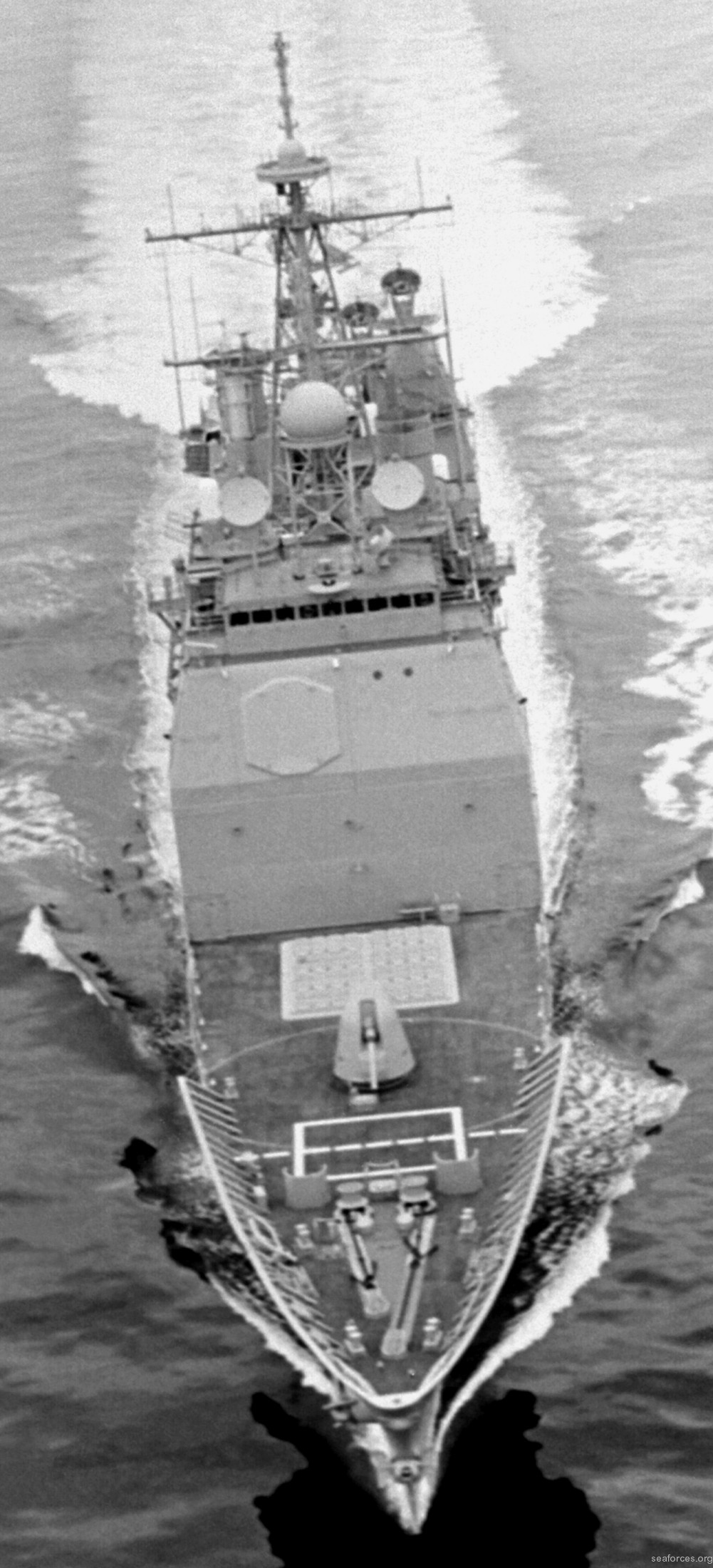
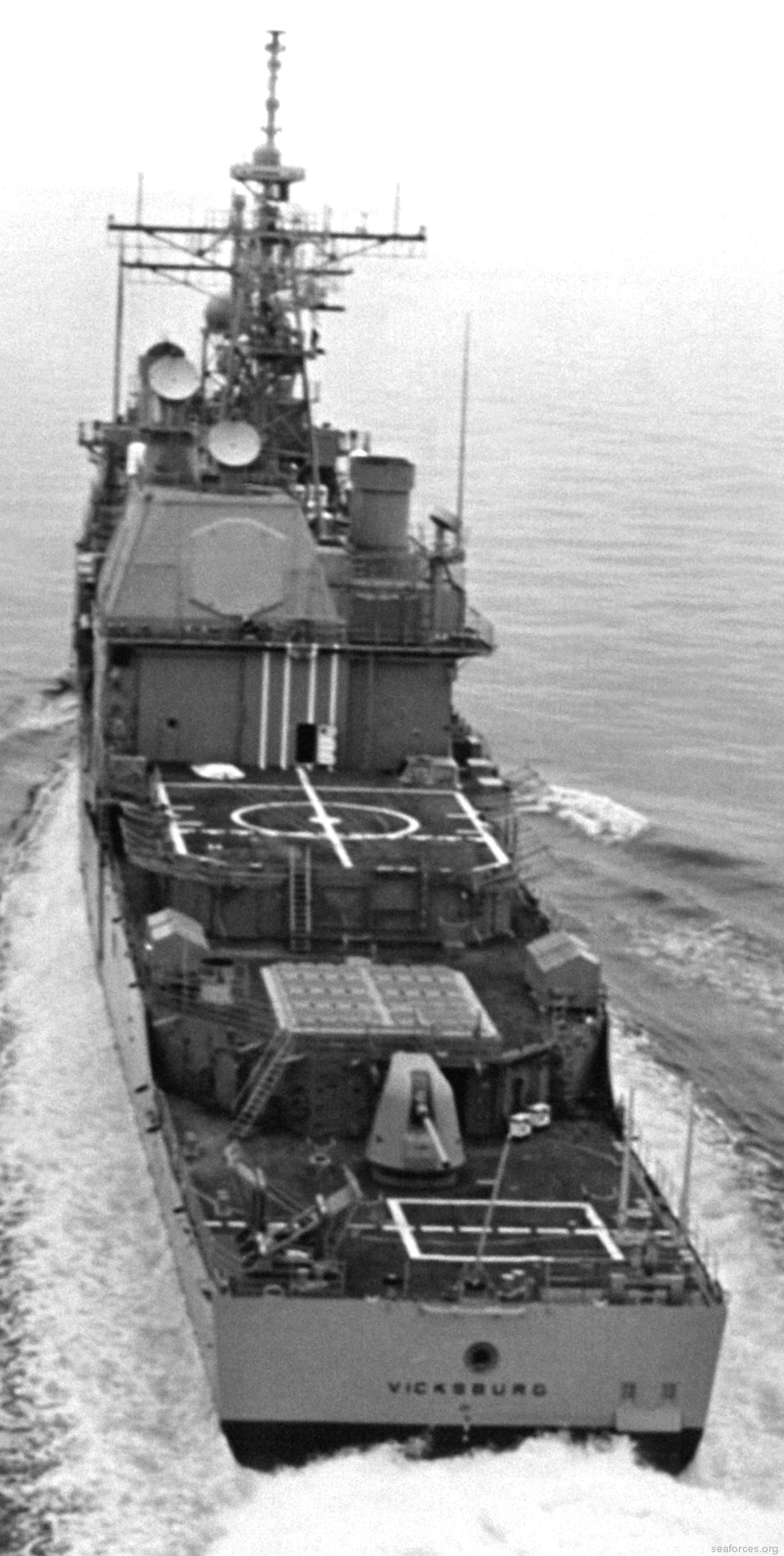 acceptance trials - August 1992 |
|||
|
USS Vicksburg (CG 69): Built by Ingalls Shipbuilding, at Pascagoula, MS, USS VICKSBURG's keel was laid on May 30, 1990 and she was launched on September 7, 1991. USS VICKSBURG was sponsored by Tricia Lott, wife of the Honorable Trent Lott, United States Senator, Mississippi. On October 12, 1991, Mrs. Lott christened CG 69 as "VICKSBURG". The ship was commissioned on November 14, 1992. On her six month maiden deployment to the Mediterranean and Adriatic seas as a part of the USS SARATOGA joint task group, USS VICKSBURG operated as "redcrown" cruiser, an airspace deconfliction and command and control platform, in support of United Nations operations "Deny Flight", "sharp Guard" and "Provide Promise" off the coast of Montenegro. In May 1994, USS VICKSBURG participated, as part of the USS SARATOGA (CV 60) Battle Group, in the major annual spring NATO exercise "Dynamic Impact 94", a conventional major NATO exercise for maritime, amphibious, land based air and ground forces in the central and western Mediterranean area. The exercise was being held in the Western Mediterranean. USS VICKSBURG was on station in the Florida Straits in August 1994 for Operation Able Vigil. While deployed, USS VICKSBURG was tasked with providing support to the interdicting and transporting Cuban migrants in the Florida Straits to U.S. Naval Station Guantanamo Bay, Cuba, and assisting the U.S. Coast Guard which had the primary responsibility for Operation Able Vigil. As a precautionary measure, in September 1996, USS VICKSBURG was one of 13 Navy ships homeported at Naval Station Mayport, and sent to sea to avoid Hurricane Fran. The USS VICKSBURG left its homeport on April 29, 1997 for a six-month overseas deployment with the USS JOHN F. KENNEDY (CV 67) Battle Group (CVBG) to relieve the USS THEODORE ROOSEVELT (CVN 71) CVBG, which had been operating in the Mediterranean Sea, Adriatic Sea, Red Sea and Persian Gulf. The USS JOHN F. KENNEDY (CV 67) Battle Group deployed in support of Operation Deliberate Guard and Operation Southern Watch. As part of that battle group, USS VICKSBURG took part, in July, in the 6th Fleet exercise Invitex involving 12 nations, and from September 23-October 7, in NATO'S Exercise Dynamic Mix. That exercise placed JOHN F. KENNEDY Battle Group units on opposing sides and was designed to increase task force and unit readiness as forces implemented NATO strategy and doctrine. In 1998, USS VICKSBURG experienced significant problems with AEGIS Baseline 6.1 and CEC 2.0 integration, which forced re-scheduling its deployments and caused a major rework of these computer programs. USS VICKSBURG took part in U.S. Baltic Operations (BALTOPS) '99 in the Western Baltic Sea in mid-1999. The exercise included 53 ships, submarines and aircraft from European allies and Partnership for Peace (PfP) nations Poland, Germany, France, United Kingdom, The Netherlands, Finland, Latvia, Sweden, Denmark, Estonia, Lithuania and the United States. In the fall of 1999, USS VICKSBURG, participated solely in the modernized phase of the 40th annual UNITAS deployment to South America. During that deployment, it served as Flagship for the Commander, South Atlantic Force, U.S. Atlantic Fleet, and Commander, Destroyer Squadron Six. The 40th UNITAS was a three-week exercise was hosted by Brazil and included 23 ships from six countries, including the host, the United States, Argentina, Uruguay, Portugal and Spain. USS VICKSBURG took part in September 2000 in Underway No. 10", one in a series of tests leading to the Cooperative Engagement Capability (CEC) Operation Evaluation (OPEVAL) scheduled for Spring 2001. The CEC system provides the capability to cooperatively engage targets by a warship using data from other CEC-equipped ships, aircraft, and land-based sensors, even in an electronic-jamming environment. It also provides a common, consistent and highly accurate air picture, allowing battle group defenses to act as one seamless system. The test, off Wallops Island, VA, simulated missile firings from some of the Navy's most technically advanced ships against unmanned drones. From February 9, 2001, to March 2, 2001, USS VICKSBURG took part in a technical evaluation (TECHEVAL) to test whether the Cooperative Engagement Capability (CEC) was on track to a successful Operational Evaluation (OPEVAL) in April and May of 2001. The TECHEVAL was conducted in two phases, the first off the coast of Puerto Rico and the second off Wallops Island, Va. The tests included live missile firings and tracking exercises from some of the Navy's most technically advanced ships. As part of the USS GEORGE WASHINGTON (CVN 73) Carrier Battle Group (CVBG), and in response to the terrorist attacks of September 11, 2001, USS VICKSBURG set sail in support of defense and humanitarian efforts off the coast of New York. USS VICKSBURG, as part of the JOHN F. KENNEDY (CV 67) Battle Group (CVBG) participated in Joint Task Force Exercise (JTFEX) 02-1, with Phase I of the exercise running from January 19 through 26, 2002, and Phase II running from February 7-14. USS VICKSBURG deployed as part of the USS JOHN F. KENNEDY Battlegroup, which relieved on March 8, 2002, the USS THEODORE ROOSEVELT (CVN 71) Carrier Battle Group, in support of Operation Enduring Freedom. USS VICKSBURG was tasked with helping protect the USS JOHN F. KENNEDY (CV 67) from threats in the sky, on the surface, or underwater. In March 2003, she was assigned to Naval Surface Group Two. On 16 February 2007, Vicksburg was awarded the 2006 Battle "E" award. She was part of Carrier Strike Group Twelve, which was led until December 2012 by USS Enterprise (CVN-65). The U.S. Navy was planning to retire Vicksburg along with eight other Ticonderoga class cruisers in fiscal year 2013 in line with U.S. Defense Department budget reductions. The ship was scheduled to be decommissioned on 31 March 2013. Language inserted into the FY13 House of Representatives Defense Bill retains Vicksburg and two other of her sister ships that were slated for decommissioning. Retaining the ships in the active fleet was not supported by the United States Secretary of Defense, and final outcome will be determined by the final FY13 Defense Bill negotiated with the United States Senate. Vicksburg and two other Ticonderoga-class cruisers were retained under the National Defense Authorization Act for Fiscal Year 2013. In 2014, the cruiser participated in Joint Warrior 14-2, a United Kingdom-led multinational exercise in British coastal waters. The training was designed to provide allied forces a multiwarfare environment to prepare for global operations. On 4 December 2014, Vicksburg departed Naval Station Mayport to relieve USS Leyte Gulf (CG-55) as the Standing NATO Maritime Group 2 flagship and to support theater security cooperation efforts in Europe. 2020-2023 ? Vicksburg is at BAE Systems Norfolk Ship Repair for modernization and Service Life Extension Program (SLEP). |
|||
|
The Siege of Vicksburg - American
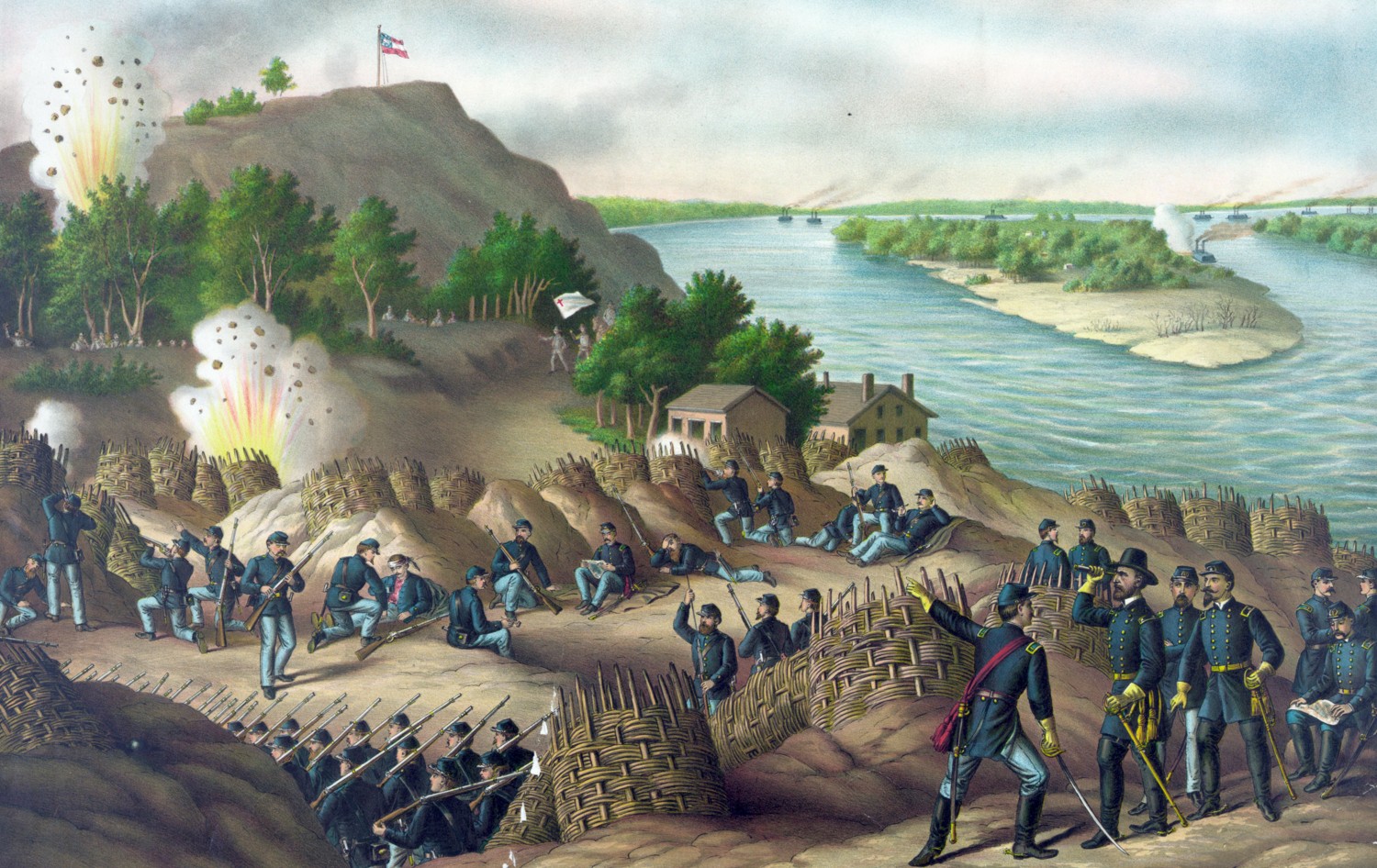
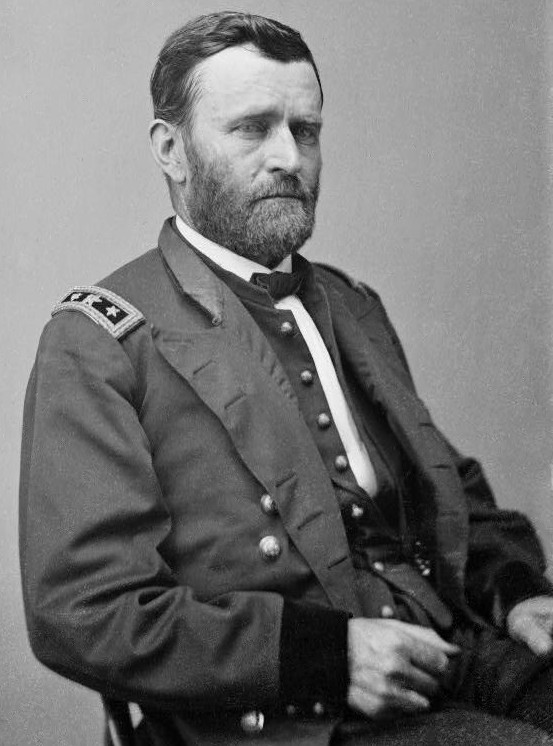
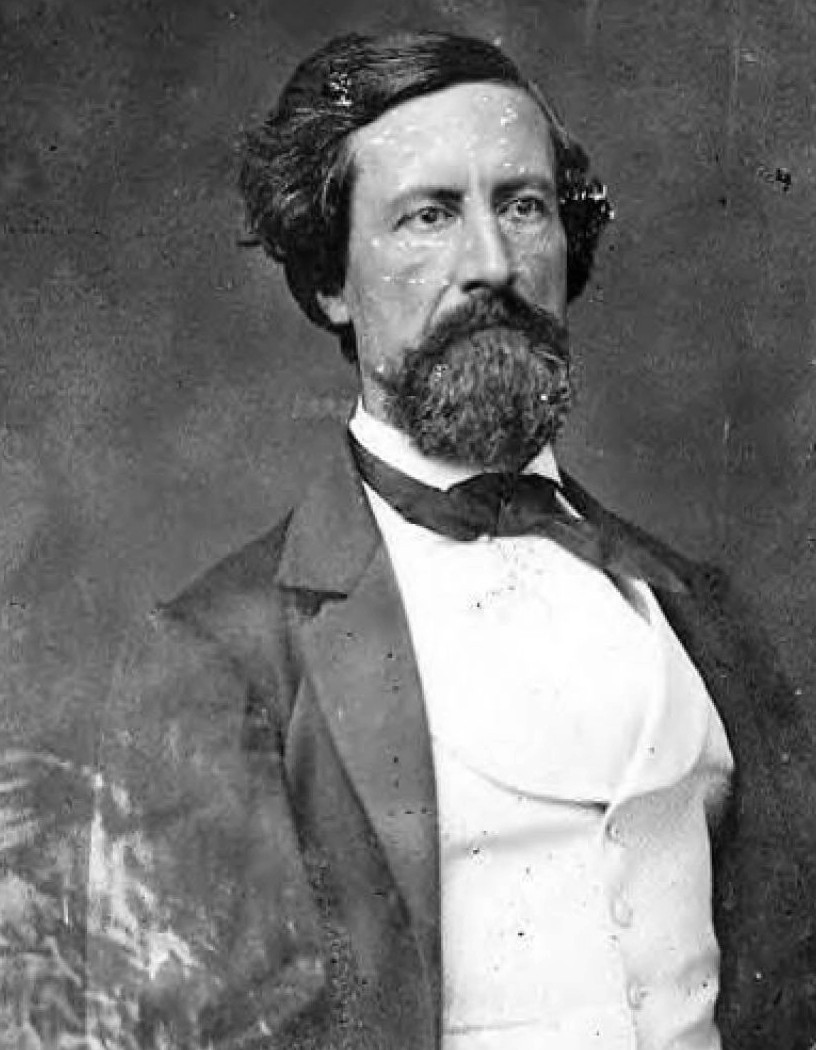
Civil War (1863): Between Cairo IL and the Gulf of Mexico, the Mississippi river meanders over a course of more than a thousand miles long. During the Civil War, control of this stretch of the river was of vital importance to the Federal Government. Command of that waterway would allow uninterrupted passage of Union troops and supplies into the South. It would also have the desired effect of isolating the states of Texas and Arkansas and most of Louisiana, comprising nearly half the land area of the Confederacy and a region upon which the South depended heavily for supplies and recruits. From the beginning of the war in 1861, the Confederates, to protect this vital lifeline, erected fortifications at strategic points along the river. Federal forces, however, fighting their way southward from Illinois and northward from the Gulf of Mexico, captured post after post, until by late summer of 1862 only Vicksburg and Port Hudson posed major obstacles to Union domination of the Mississippi. Of the two posts, Vicksburg was the strongest and most important. It sat on a high bluff overlooking a bend in the river, protected by artillery batteries along the riverfront and by a maze of swamps and bayous to the north and south. President Abraham Lincoln called Vicksburg " the key" and believed that "the war can never be brought to a close until that key is in our pocket". So far the city had defied Union efforts to force it into submission. In October 1862, Ulysses S. Grant was appointed commander of the Department of the Tennessee and charged with clearing the Mississippi of Confederate resistance. That same month, Lt. Gen. John C. Pemberton, a West Point graduate and a Pennsylvanian by birth, assumed command of the roughly 50,000 widely scattered Confederate troops defending the Mississippi. His orders were to keep the river open. Vicksburg became the focus of military operations of both generals. On March 31, 1863, Grant moved his army south from its encampments at Milliken's Bend, 20 miles northwest of Vicksburg. By April 28, the Northerners were established at hard Times on the Mississippi above Grand Gulf. On the 29th, RADM David D. Porter's gunboats bombarded the Confederate forts at Grand Gulf to prepare the way for a crossing, but the attack was repulsed. Undaunted, Grant marched a little further south and, on April 30, crossed unopposed at Bruinsburg. Striking rapidly eastward to secure the bridgehead. The Northerners met elements of Pemberton's Confederate forces near Port Gibson on May 1. The Southerners fought a gallant holding action, but they were overwhelmed and fell back toward Vicksburg. After meeting and defeating a small Confederate force near Raymond on May 12, Grant's troops captured Jackson, the state capitol, on may 14, scattering Southern defenders. Turning his army westward, Grant moved along the line of the Southern Railroad of Mississippi. At Champion Hill on May 16, and at Big Black River Bridge on May 17, his soldiers attacked and overwhelmed Pemberton's disorganized Confederates, driving them back into the Vicksburg fortifications. By May 18, advanced units of the Federal army were approaching the bristling Confederate defenses. Believing that the battles of Champion Hill and Big Black River Bridge had broken Confederate morale, Grant immediately scheduled an assault on the Vicksburg lines. The first attack took place on May 19. It failed. A second attack, launched on the morning of May 22, was also repulsed.Realizing that it was useless to expend further lives in attempts to take the city by storm, Grant reluctantly began formal siege operations. Batteries of artillery were established to hammer the confederate fortifications from land, while Admiral Porter's gunboats cut off communications and blasted the city from the river. By the end of June, with little hope of relief and no chance to break out of the Federal cordon, Pemberton knew that it was only a matter of time before he must "capitulate upon the best attainable terms." On the afternoon of July 3, he met with Grant to discuss terms for the surrender of Vicksburg. Grant demanded unconditional surrender; Pemberton refused. The meeting broke up. During the afternoon, the Federal commander modified his demands and agreed to let the Confederates sign paroles not to fight again until exchanged. In addition, officers could retain side arms and a mount. Pemberton accepted these terms, and at 10 a.m. on July 4, 1863 Vicksburg was officially surrendered. source: US Navy
|
|||
| patches + more | |||
  |
|||
|
|
seaforces.org |
USN ships
start page | |