|
|||
|
HOME
|
US Navy -
ships
|
US Navy - air
units
|
USMC - air
units
|
International
Navies
|
Weapon Systems
|
Special Reports |
|||
|
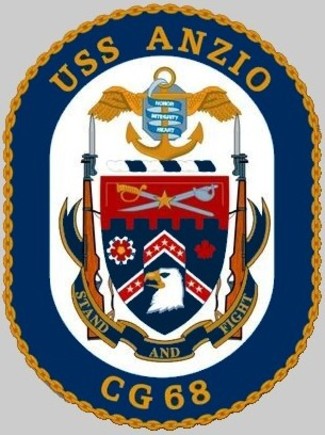
US Navy - Guided Missile Cruiser CG 68 - USS Anzio |
|||
|
|||
| 09/24 | |||
|
Type,
class: Guided Missile Cruiser (CG); Ticonderoga
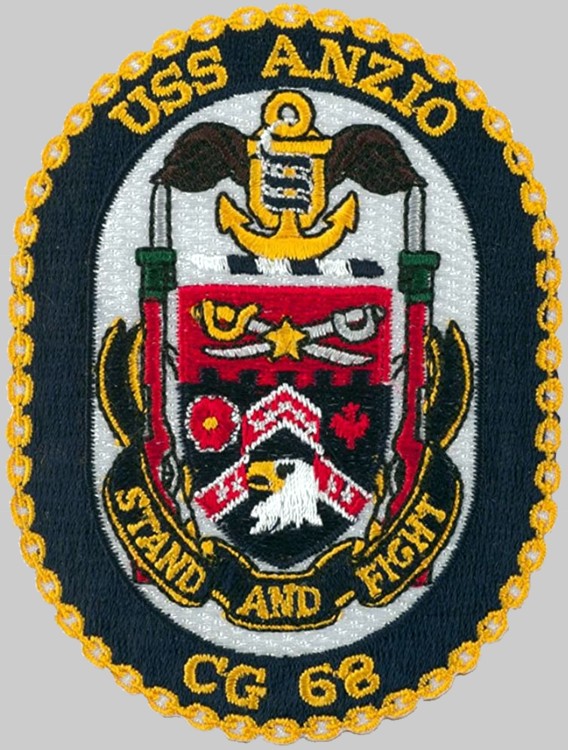
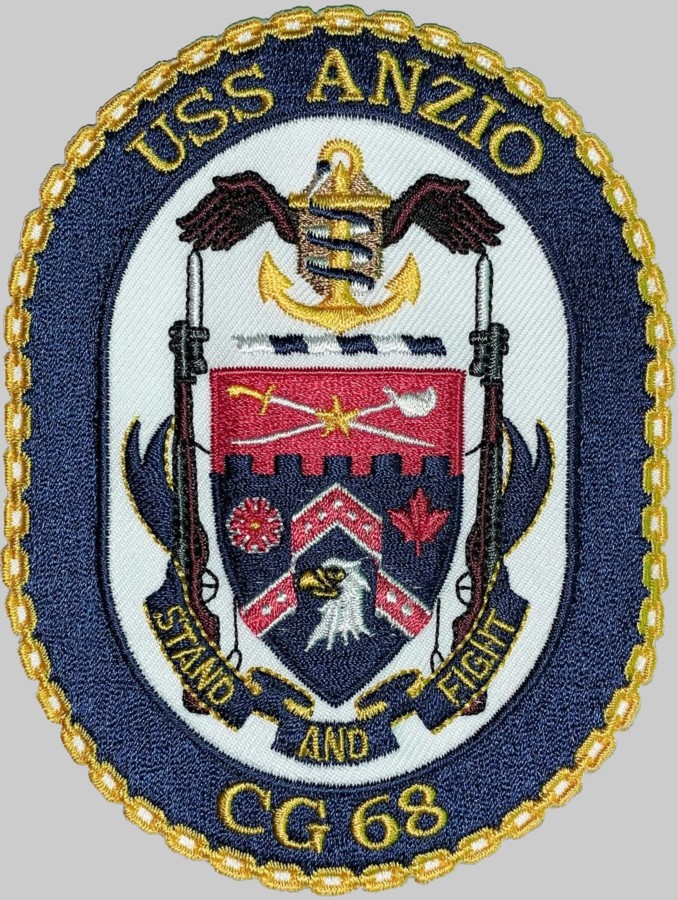
class Builder: Ingalls Shipbuilding, Pascagoula, Mississippi, USA STATUS: Awarded: April 16, 1987 Laid down: August 21, 1989 Launched: November 2, 1990 Commissioned: May 2, 1992 Decommissioned: September 22, 2022 Fate: laid up at Naval Inactive Ship Maintenance Facility (NISMF) Philadelphia, Pennsylvania Homeport: Naval Station Norfolk, Virginia (former) Namesake: the Battle of Anzio, Italy / World War II - 1944 Ships Motto: STAND AND FIGHT Technical Data: see: INFO > Ticonderoga class Guided Missile Cruiser - CG |
|||
| images | |||
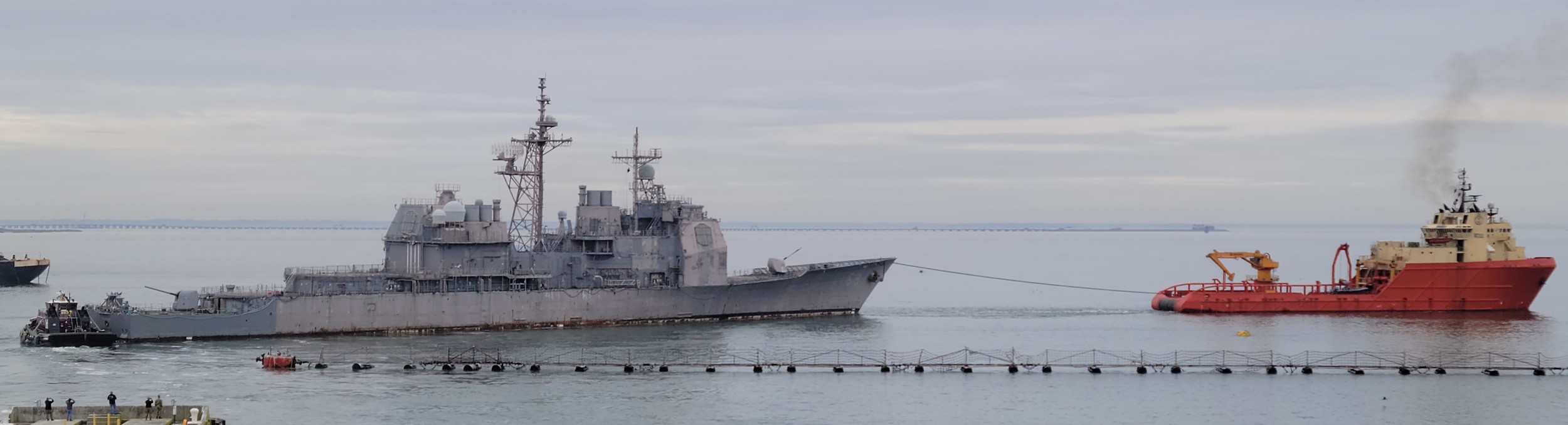 Motor Vessel Gary Chouest completed a Dead Ship Tow of the ex-USS Anzio (CG 68) on December 9, 2022. Steaming 250 nautical miles, MV Gary Chouest’s three-day tow began on Dec. 6 from Naval Station Norfolk and ended on Dec. 9 in Philadelphia, Pennsylvania, at the Naval Inactive Ship Maintenance Facility (NISMF), where the vessel will be designated as Out of Commission in Reserve (OCIR). 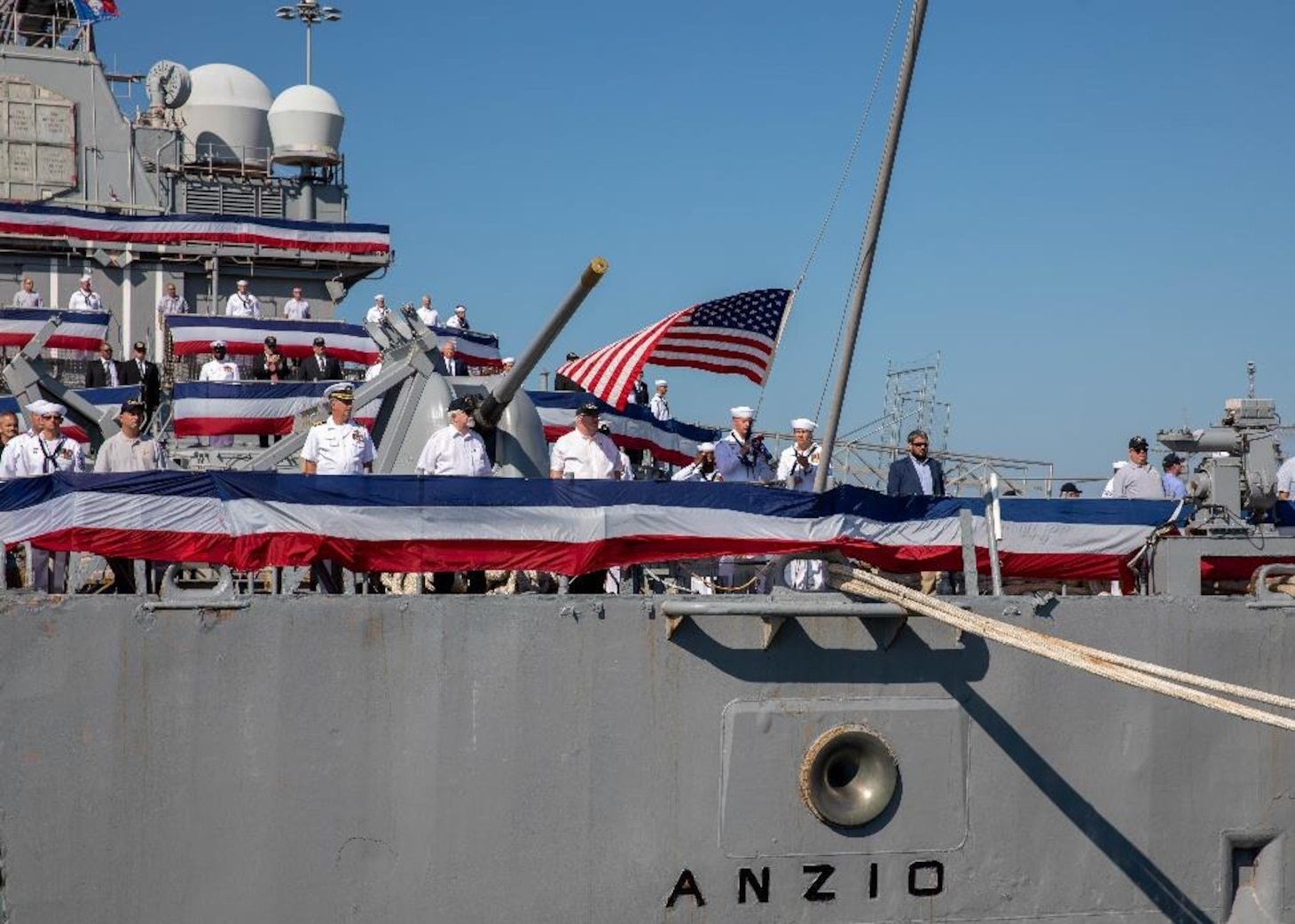 decommissioning ceremony at Naval Station Norfolk, Virginia - September 22, 2022 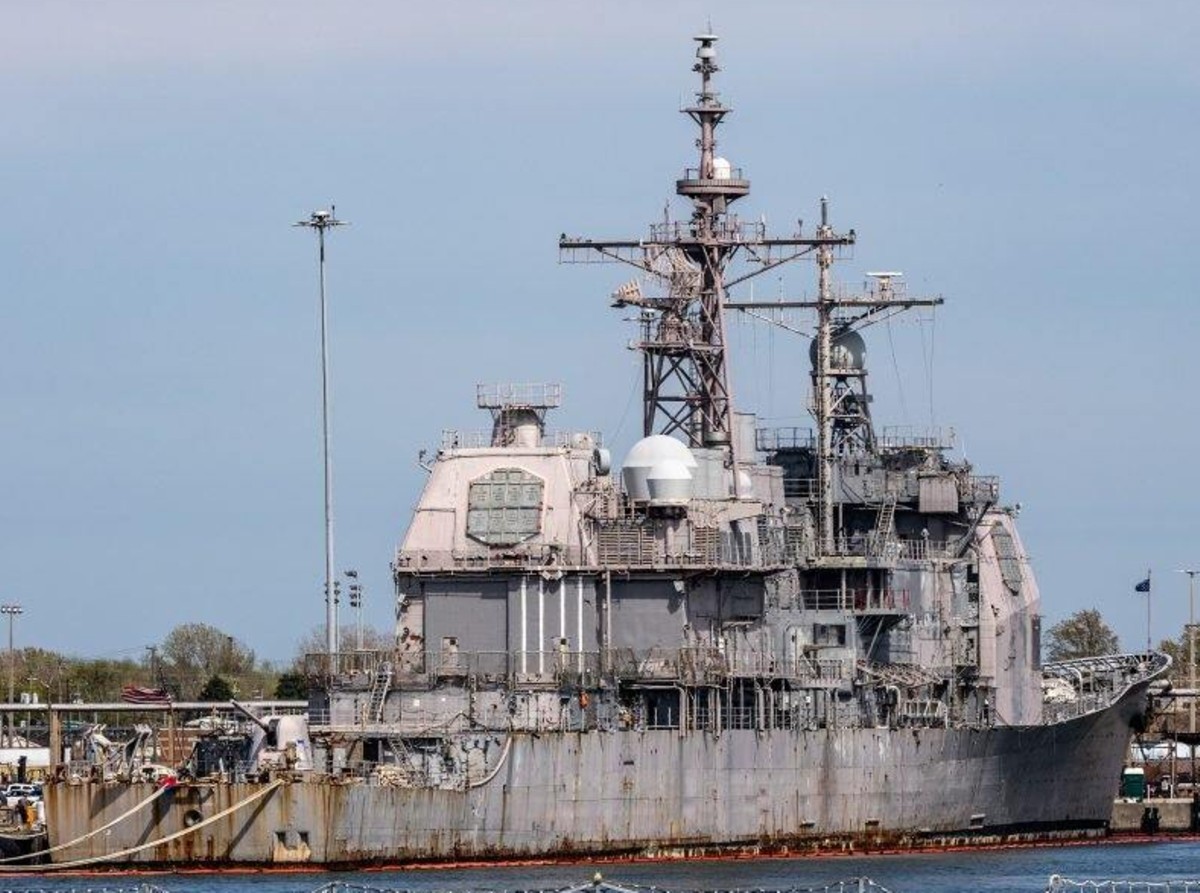 awaiting decommissioning at Naval Station Norfolk, Virginia - April 2022 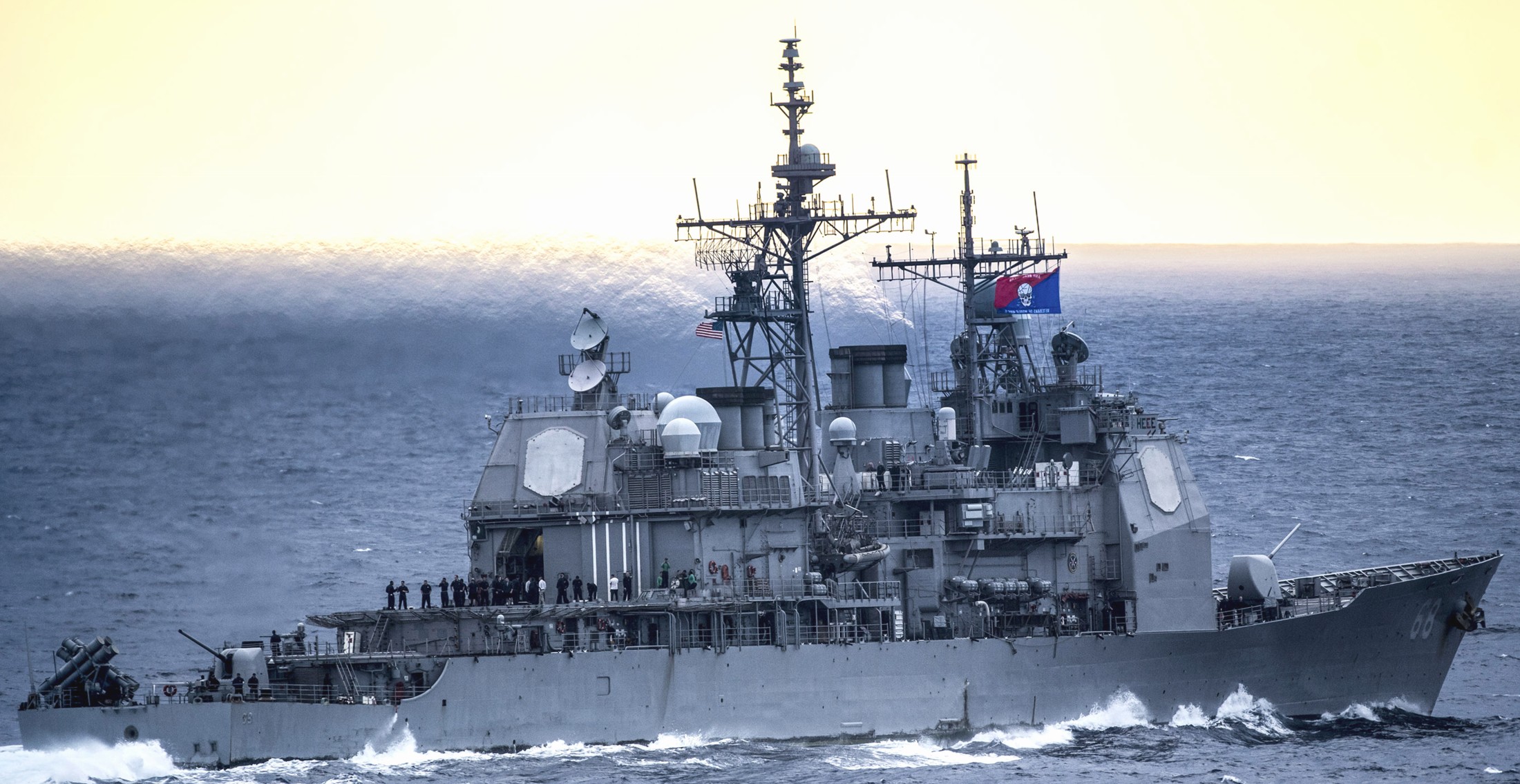 Atlantic Ocean - July 2016 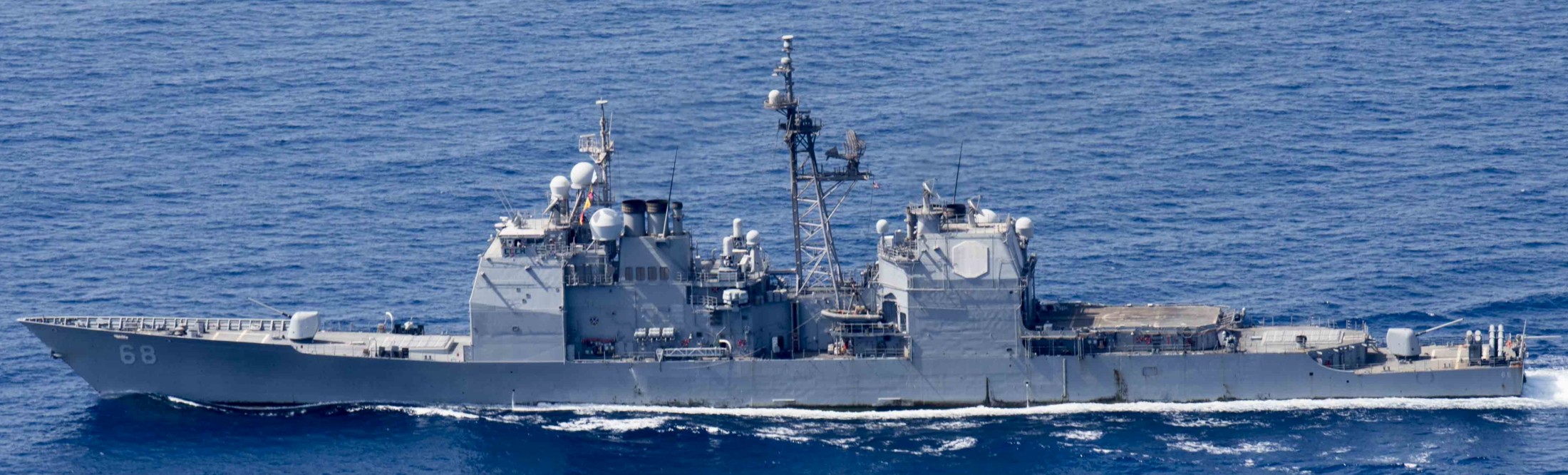 Atlantic Ocean - July 2016 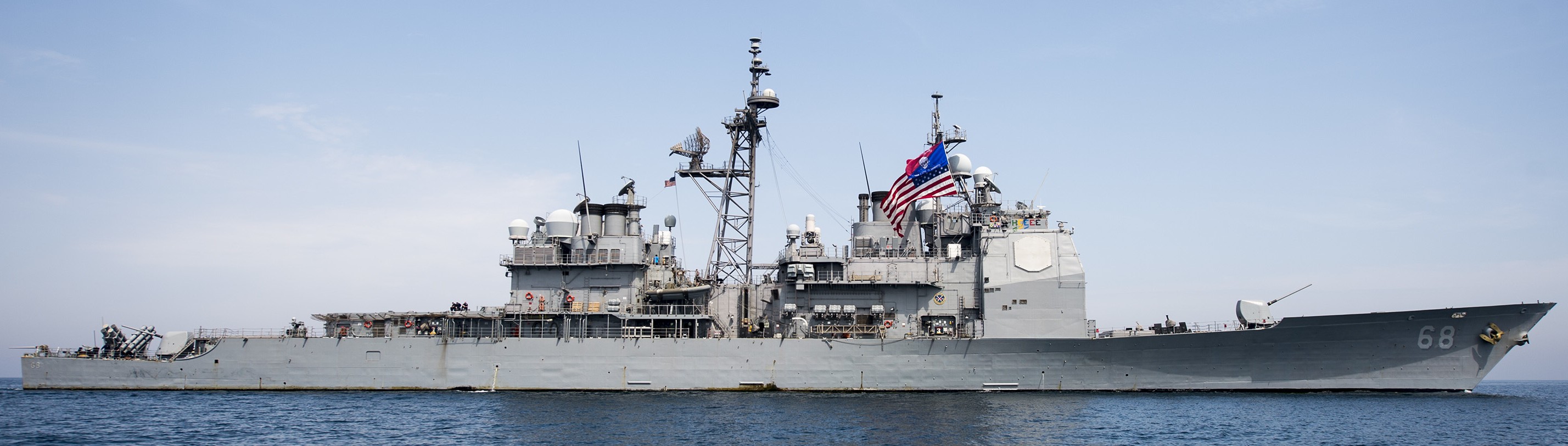 Arabian Gulf - March 2016 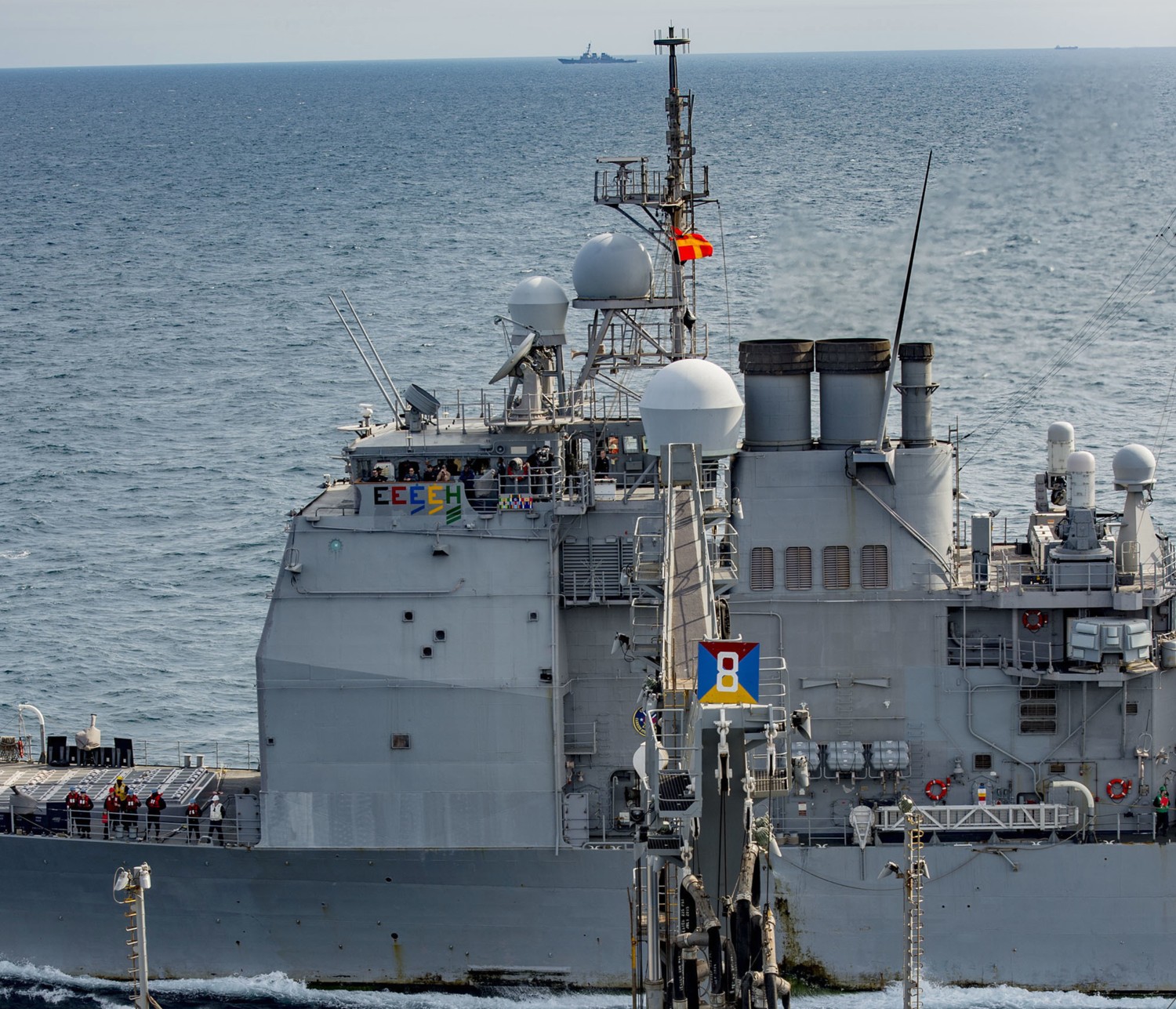 Arabian Gulf - March 2016 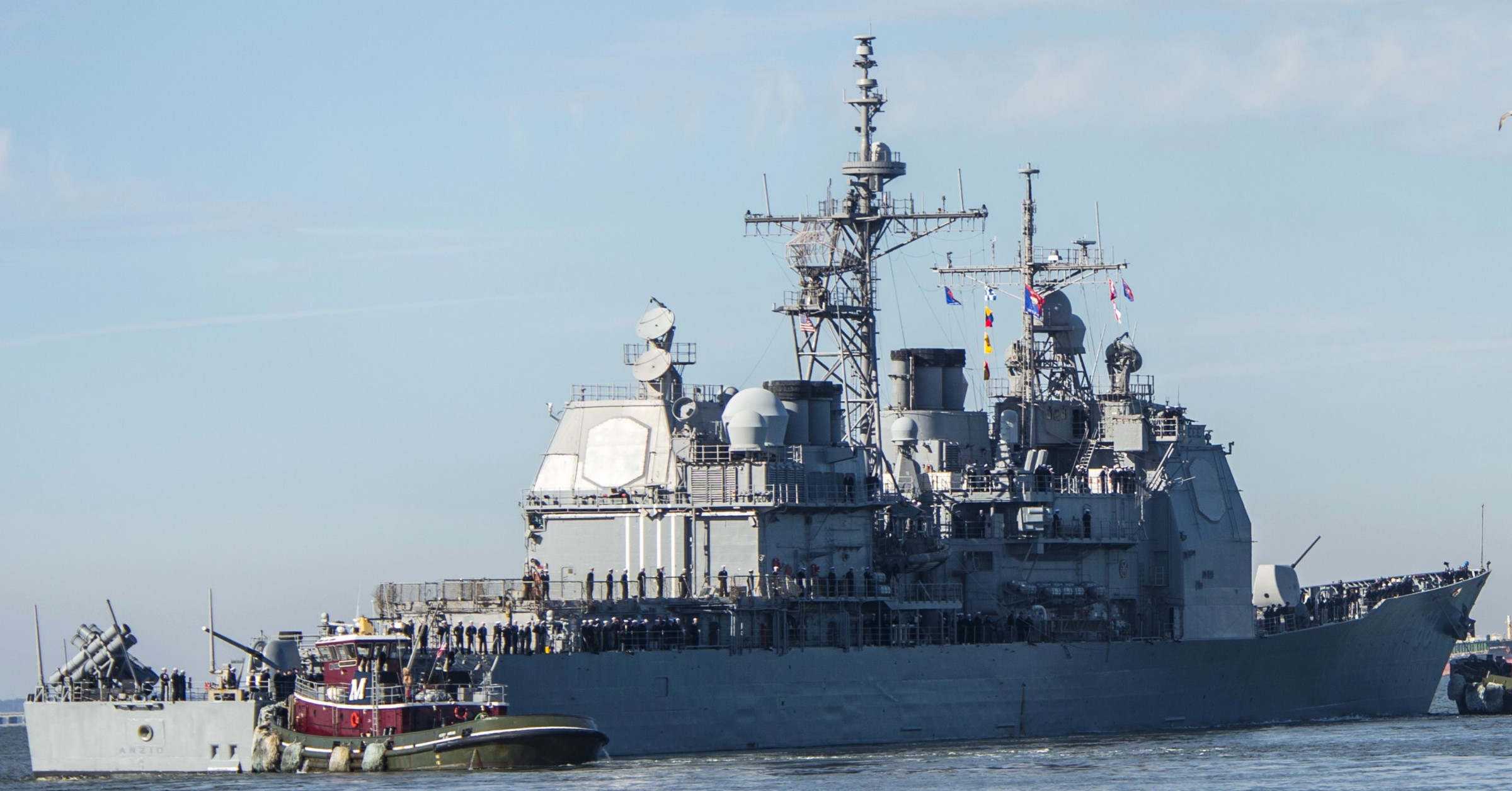 departing Naval Station Norfolk, Virginia - November 2015 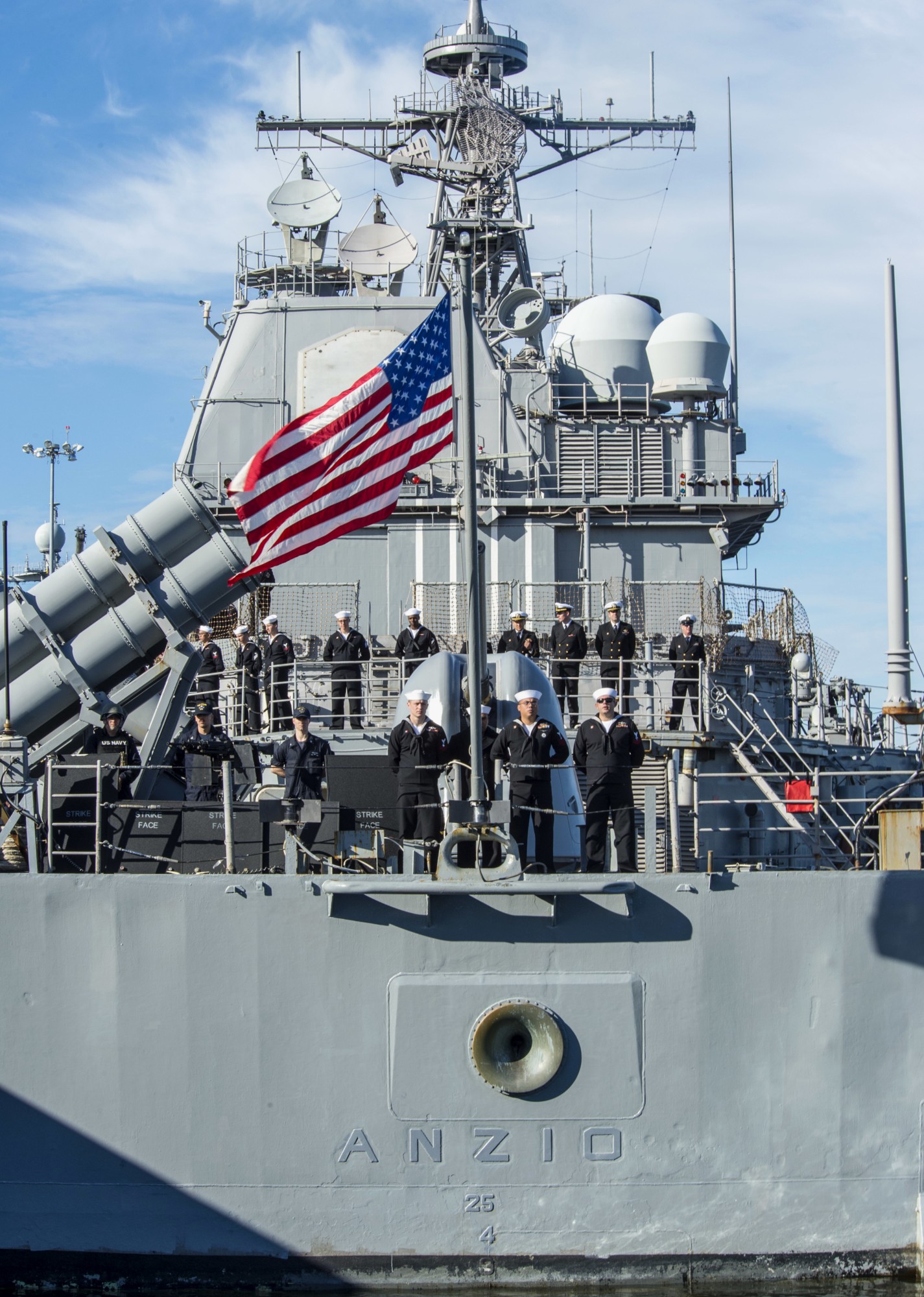 departing Naval Station Norfolk, Virginia - November 2015 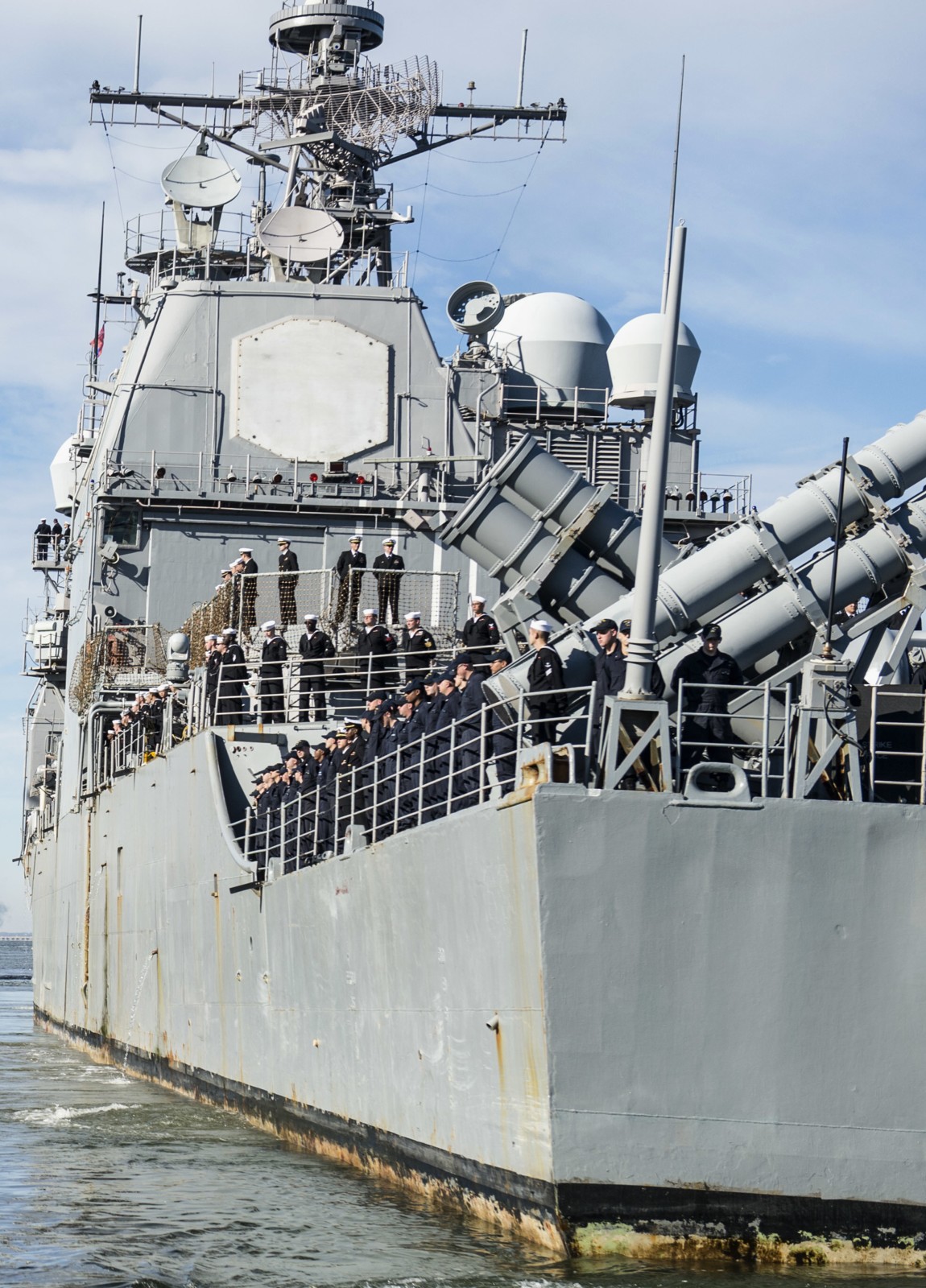 departing Naval Station Norfolk, Virginia - November 2015 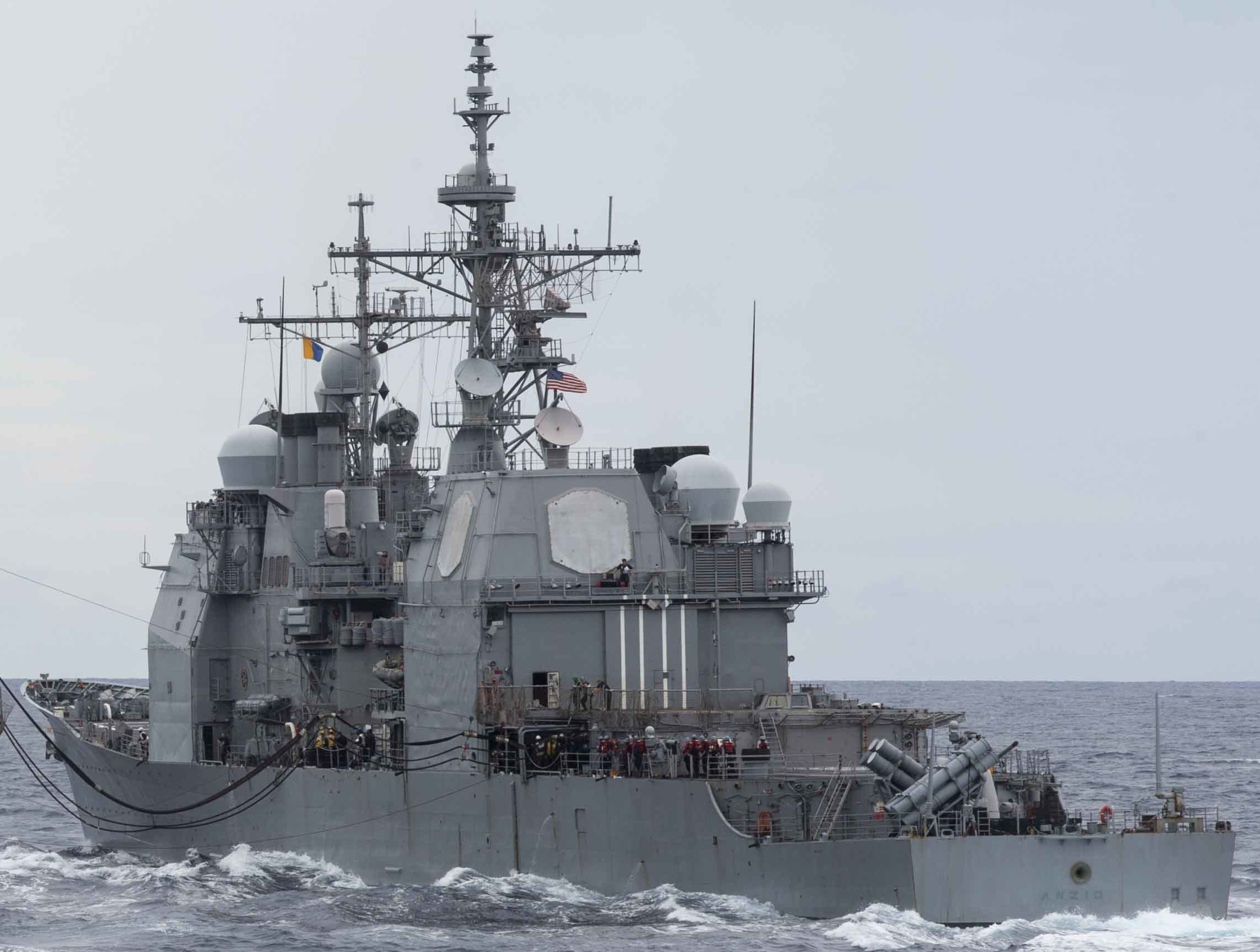 Atlantic Ocean - September 2015 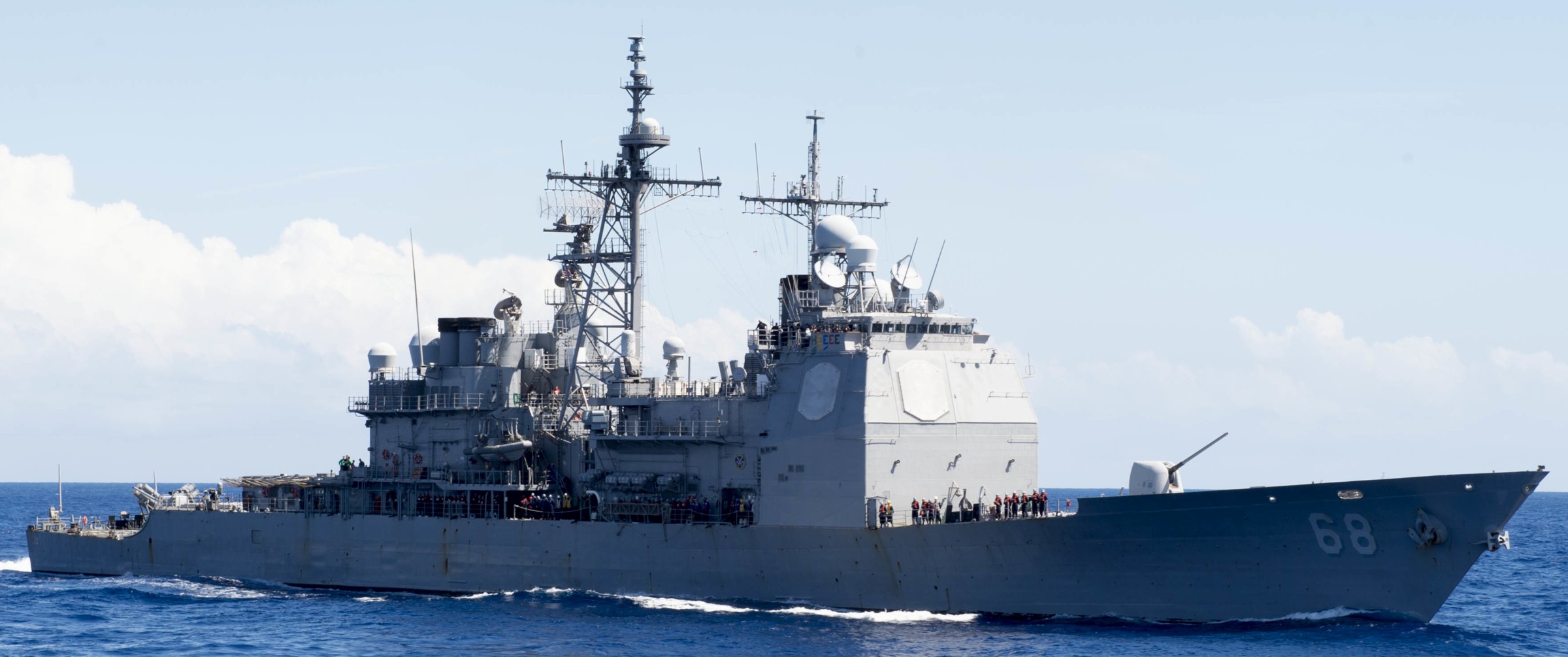 Atlantic Ocean - September 2015 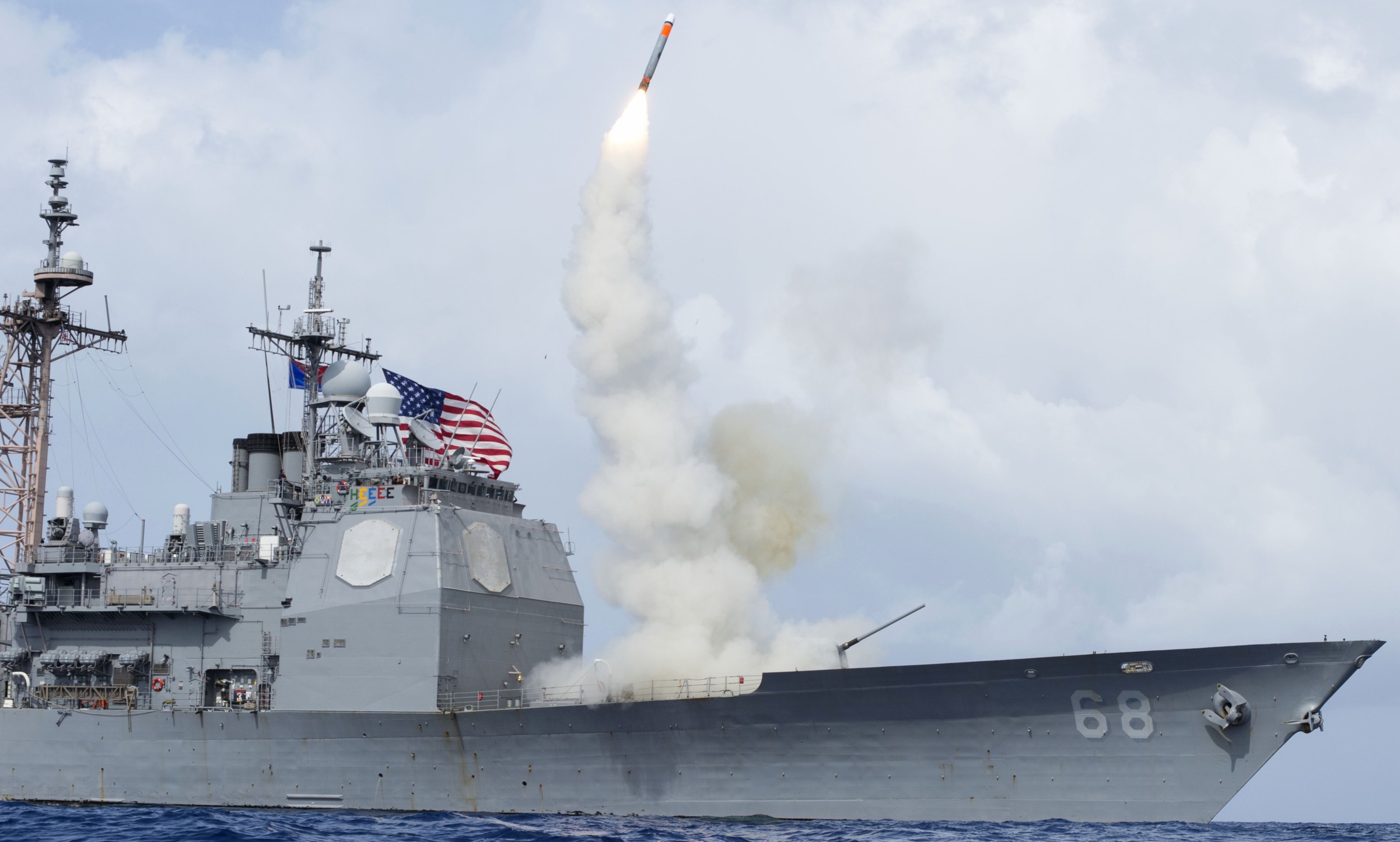 launching a BGM-109 Tomahawk Land Attack Missile (TLAM) - June 2015 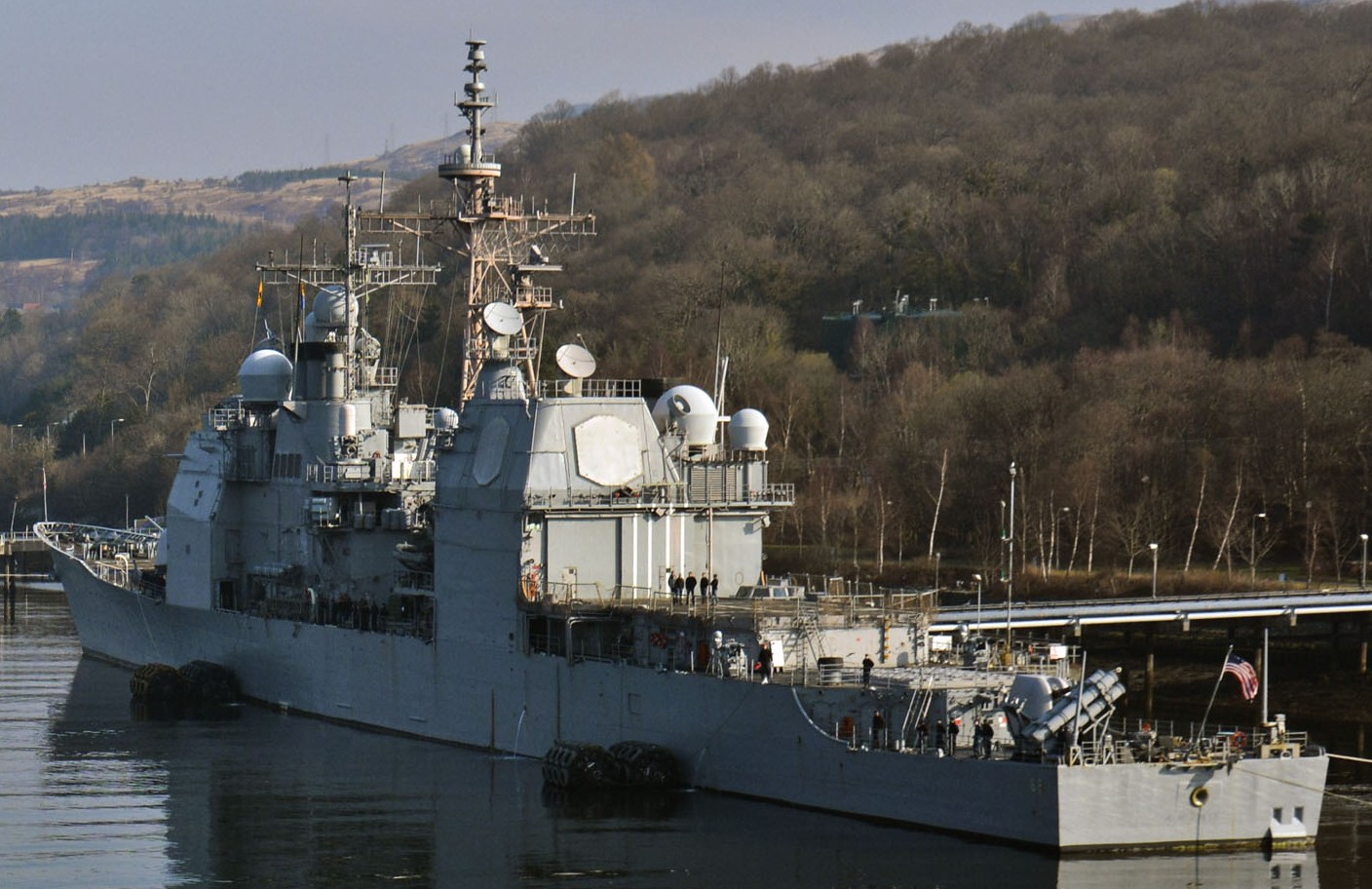 Faslane, Scotland - April 2015 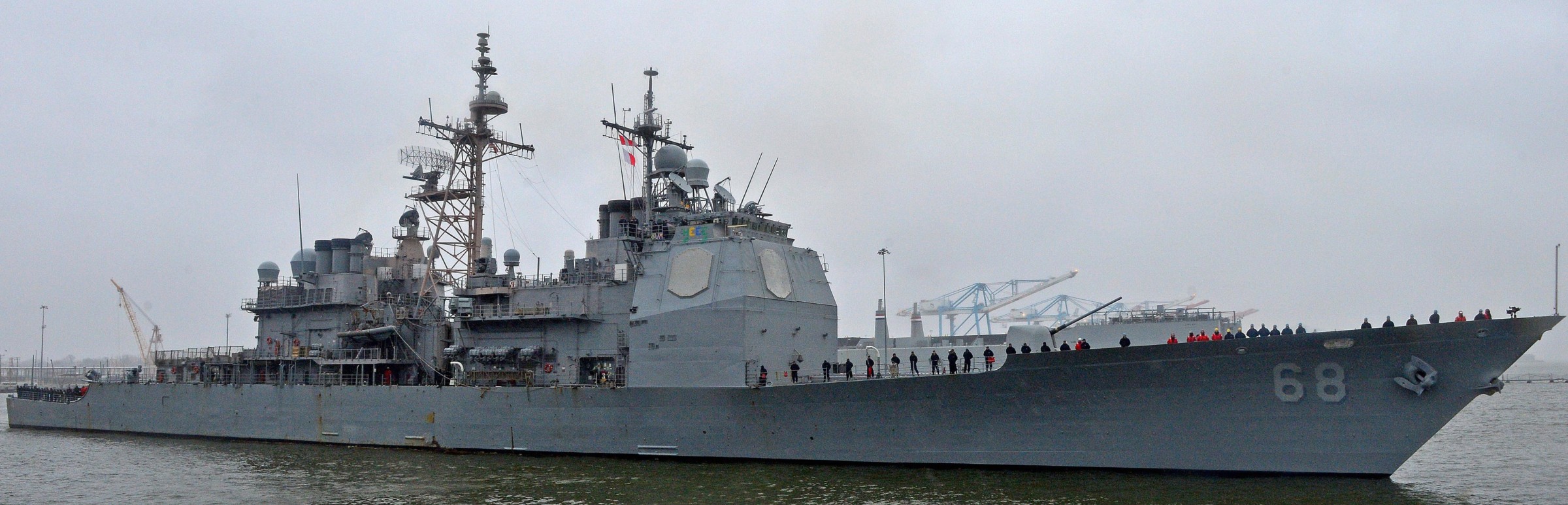 departing Naval Station Norfolk, Virginia - March 2015 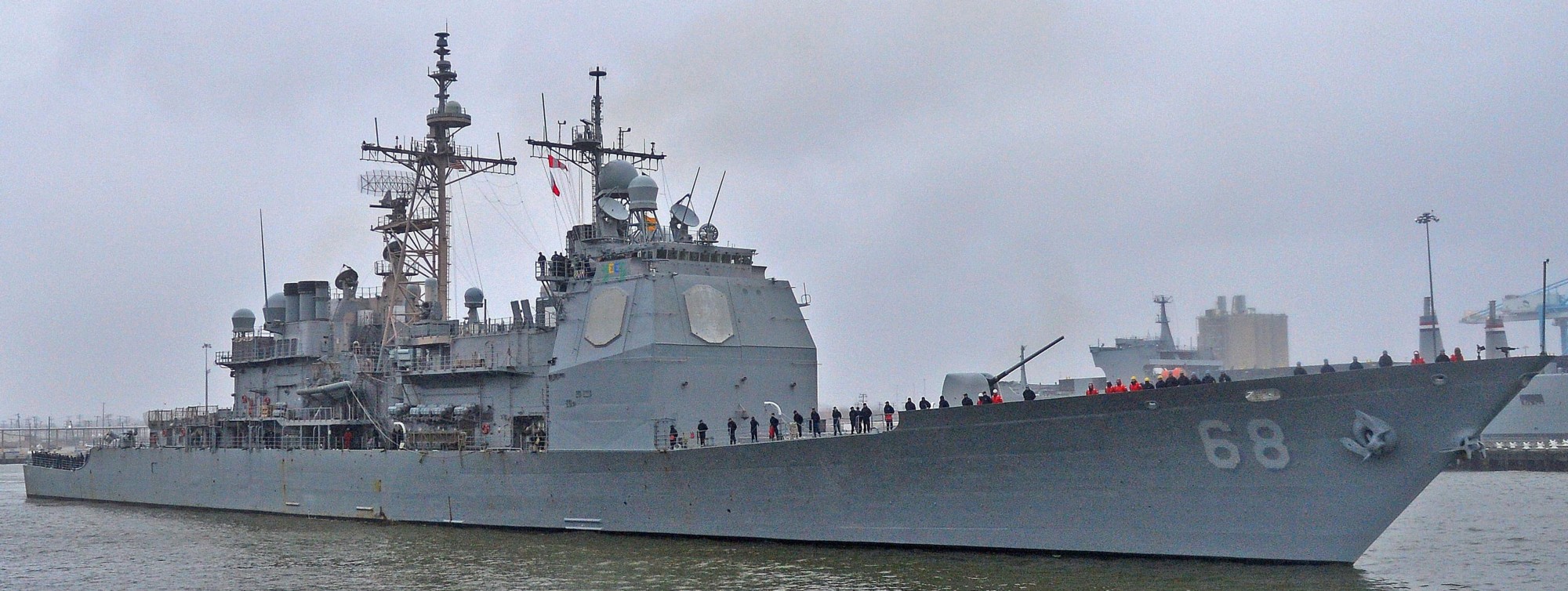 departing Naval Station Norfolk, Virginia - March 2015 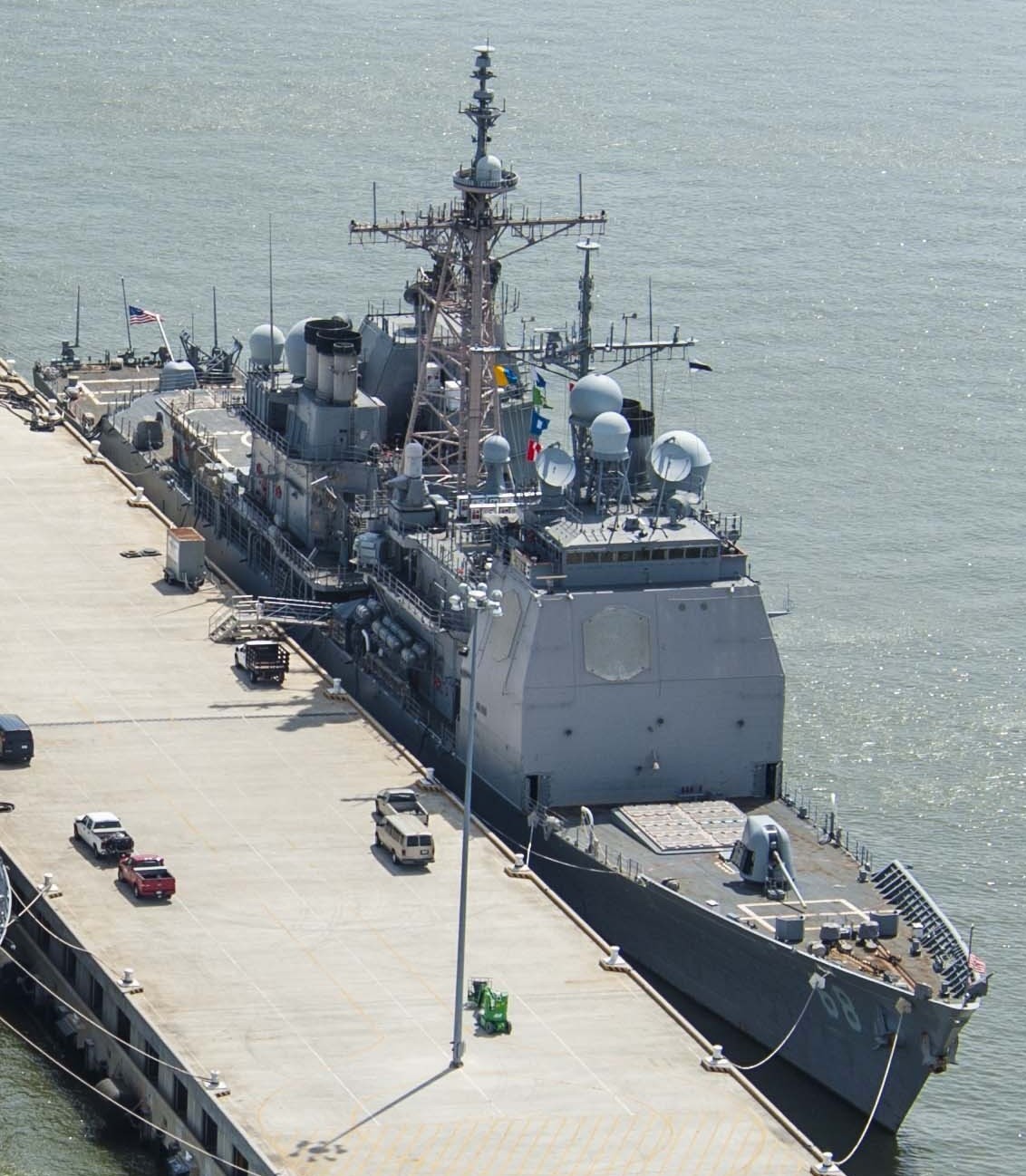 Naval Station Norfolk, Virginia - April 2013 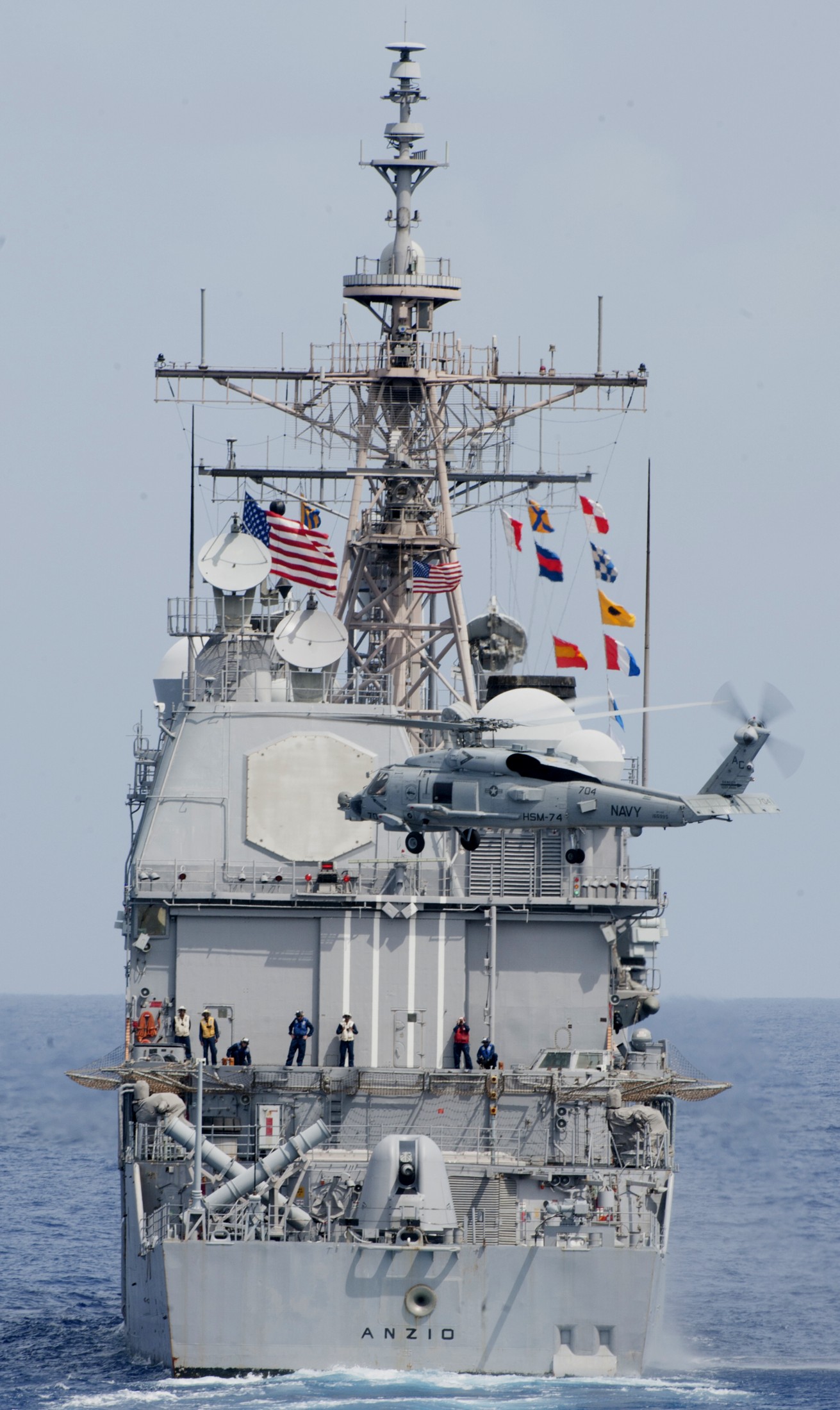 Atlantic Ocean - September 2012 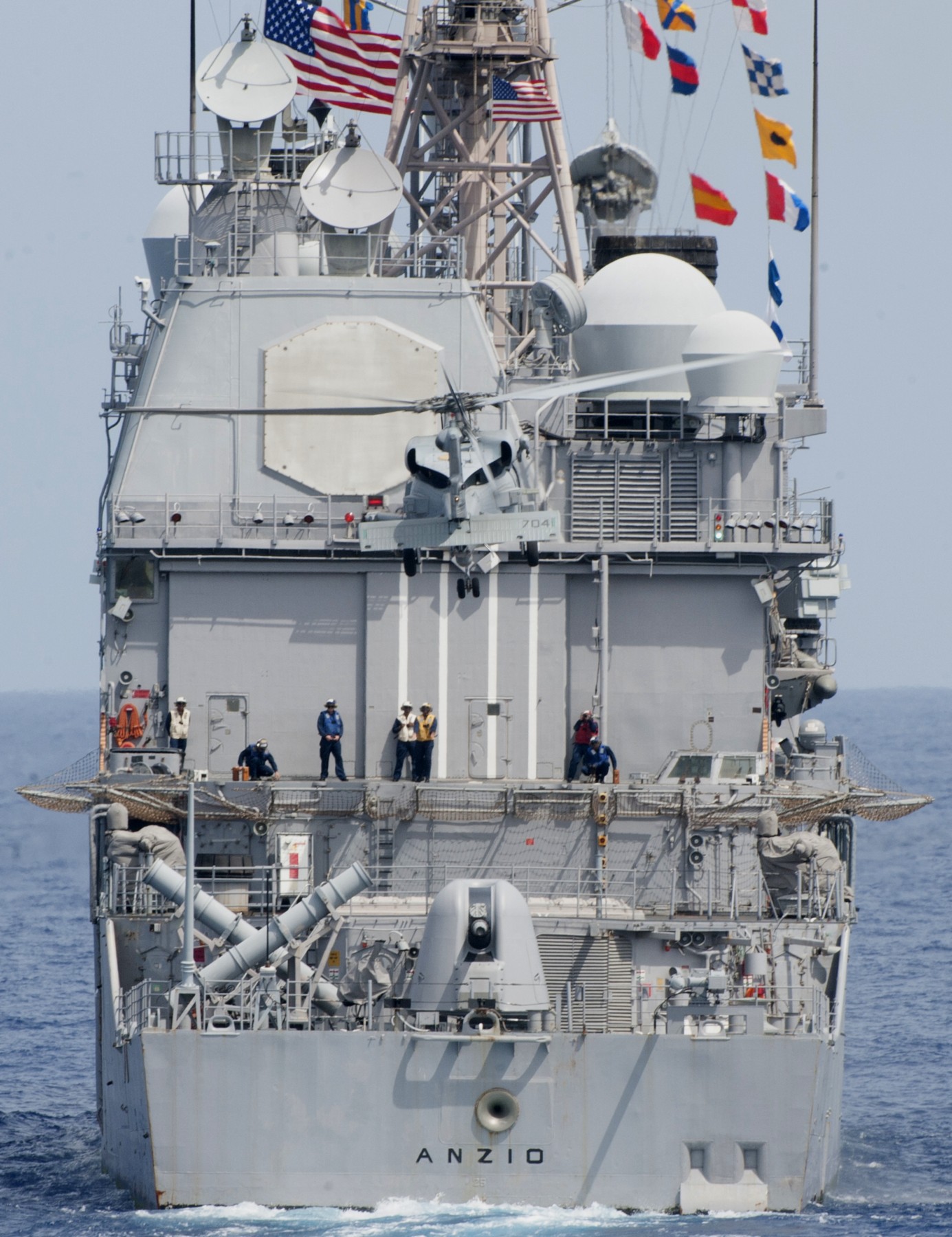 Atlantic Ocean - September 2012 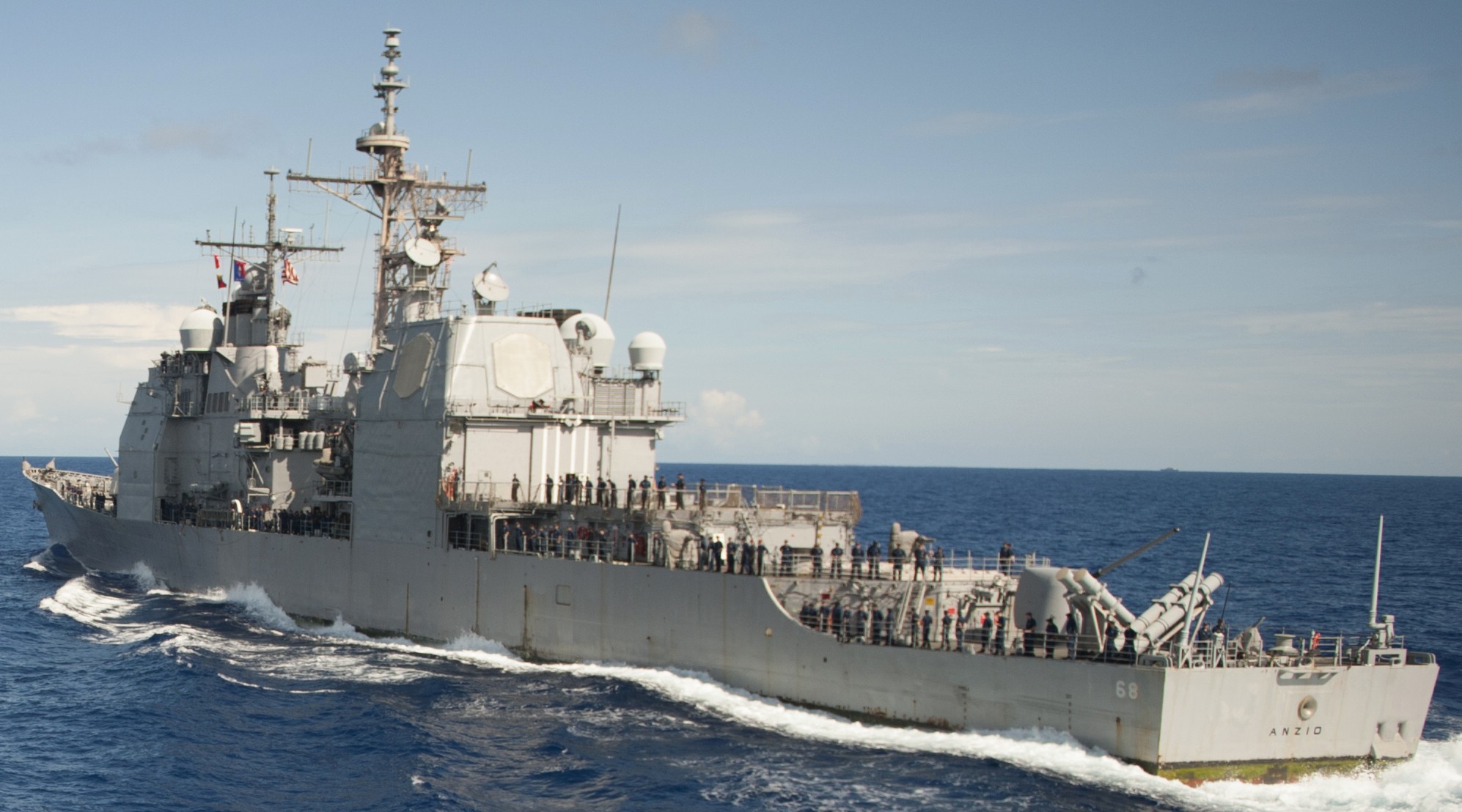 Atlantic Ocean - September 2012 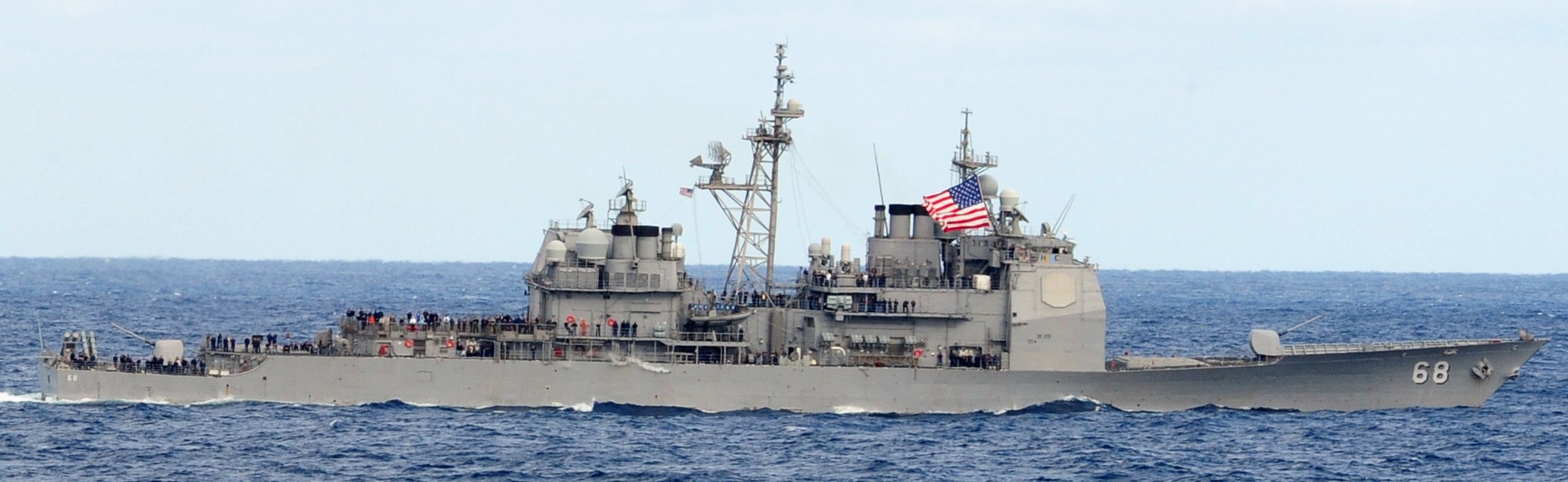 Tiger Cruise - Atlantic Ocean - December 2011 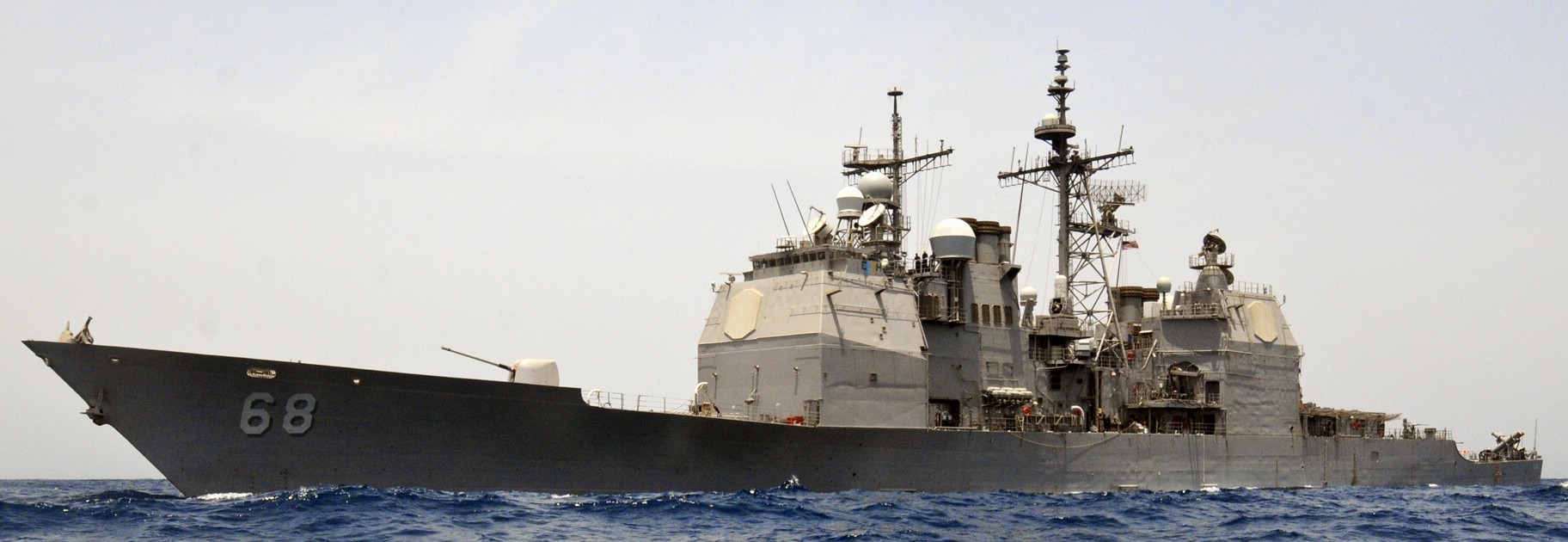 Gulf of Aden - July 2011 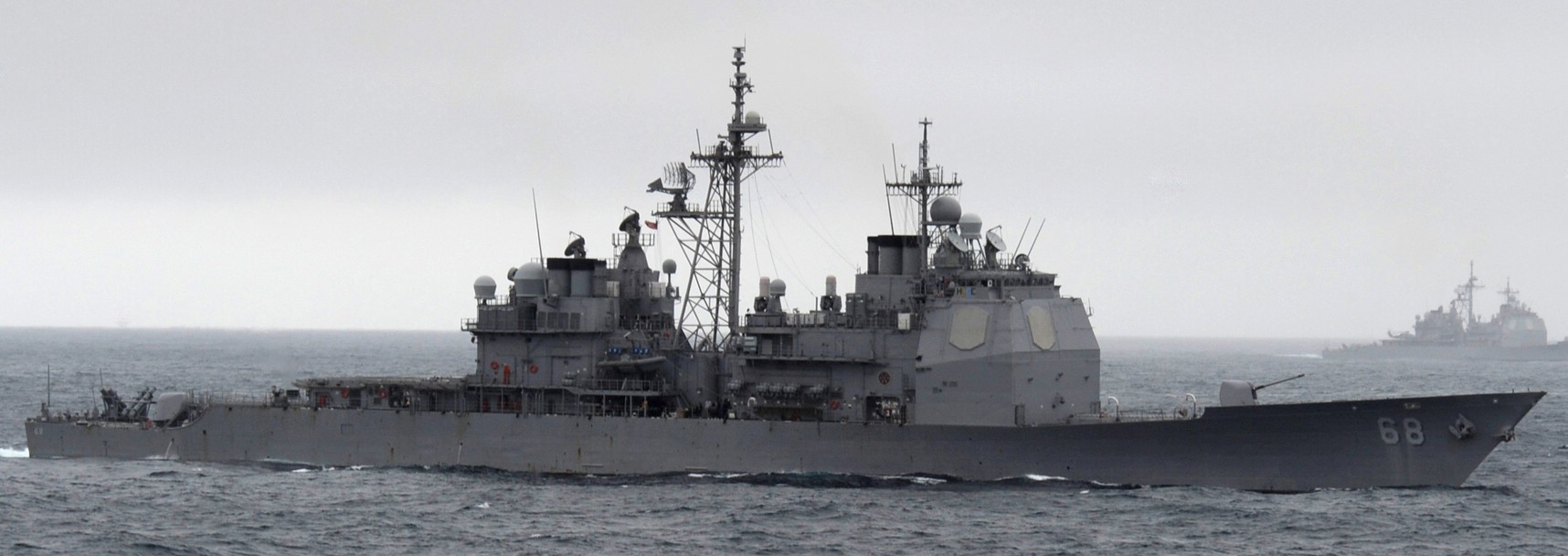 May 2011 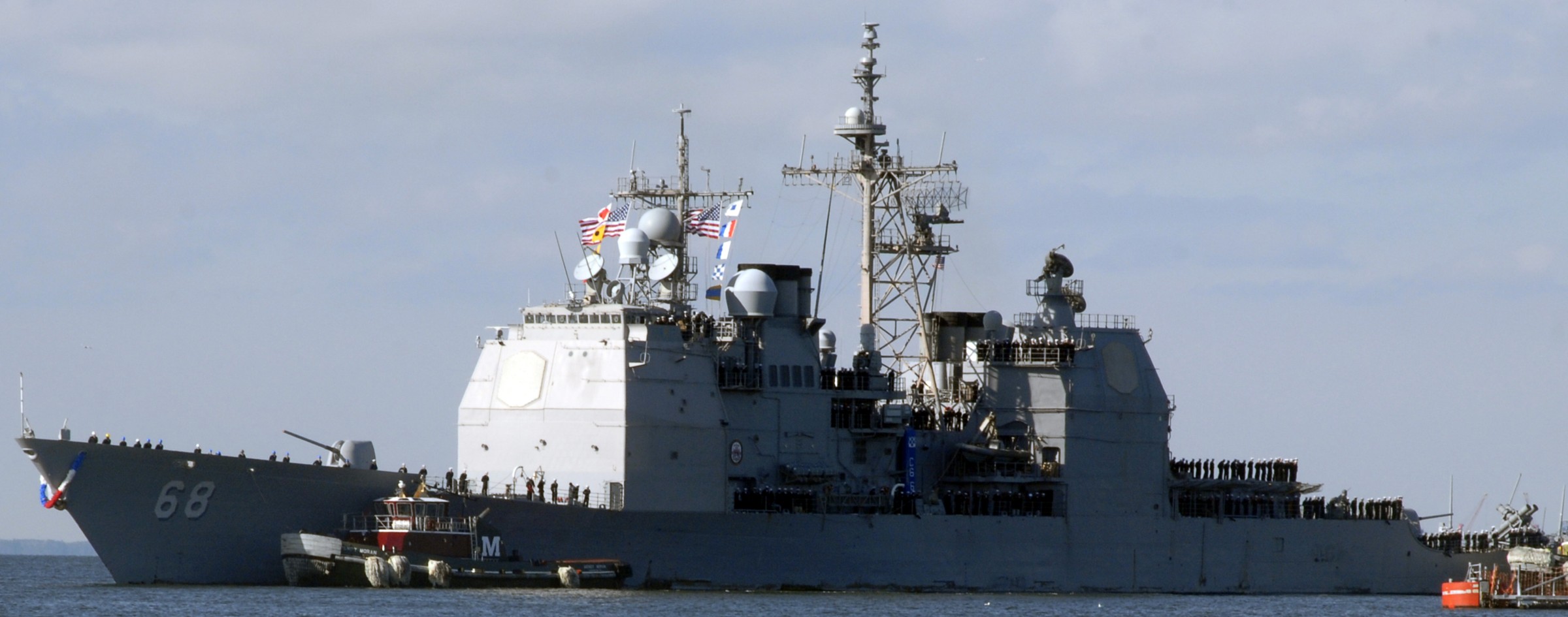 returning to Naval Station Norfolk, Virginia - December 2009 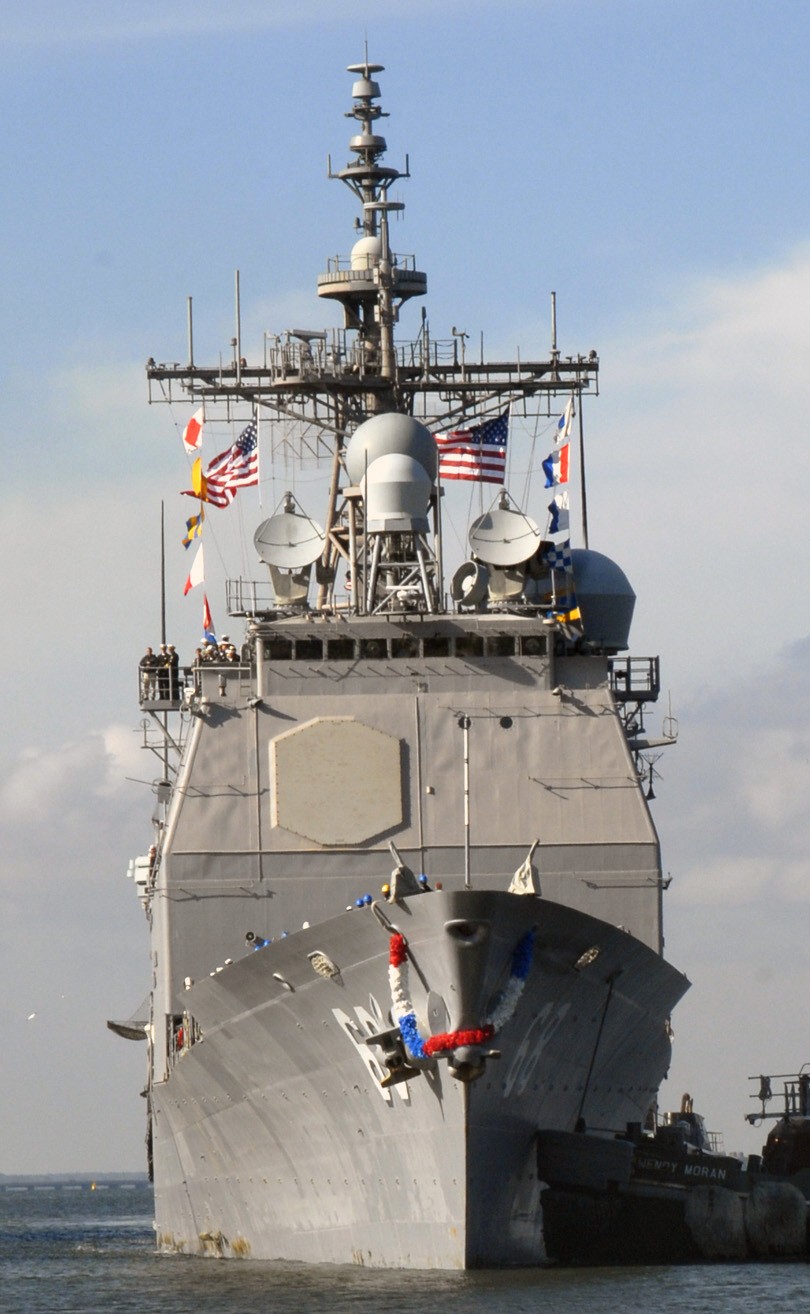 returning to Naval Station Norfolk, Virginia - December 2009 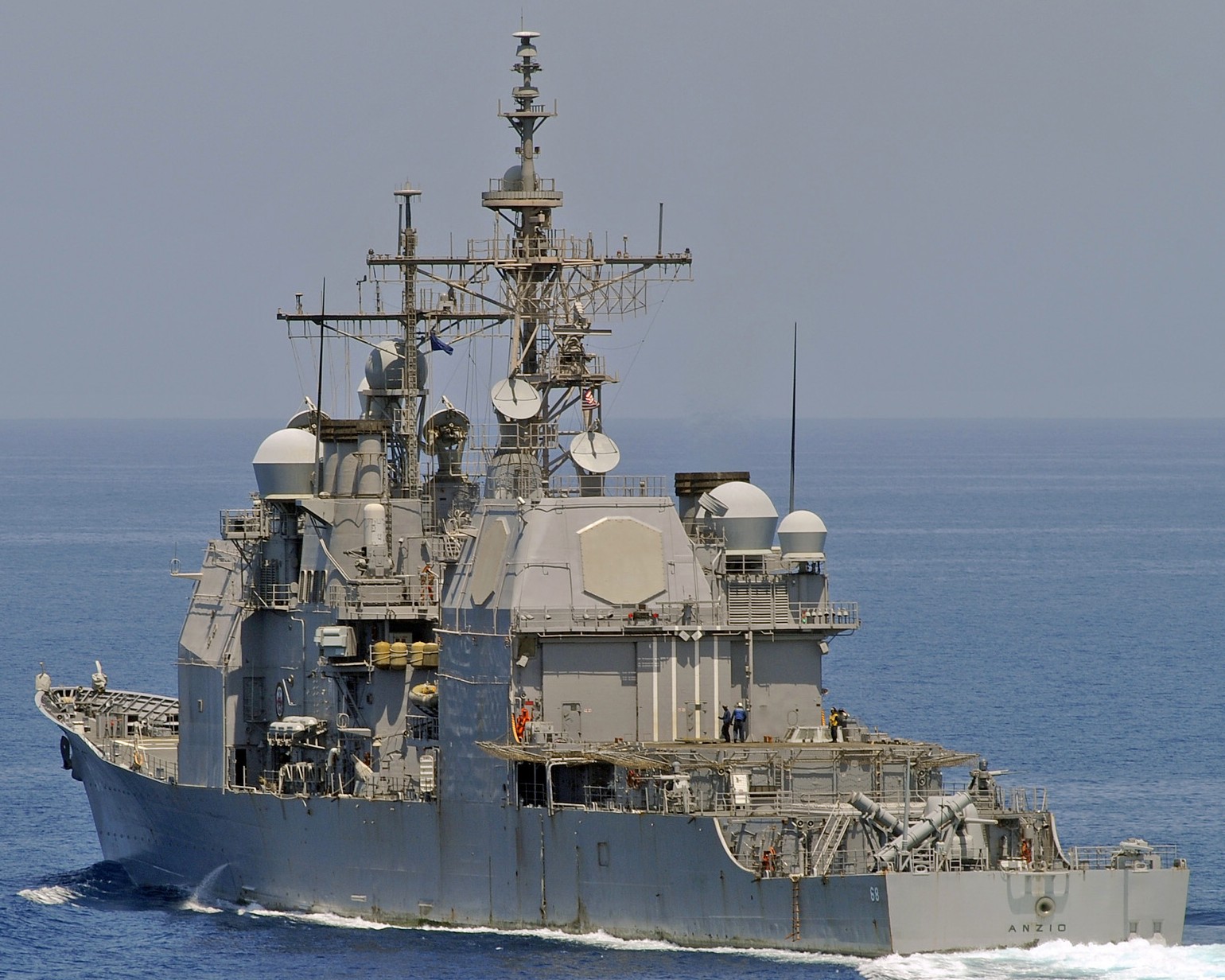 Gulf of Aden - October 2009 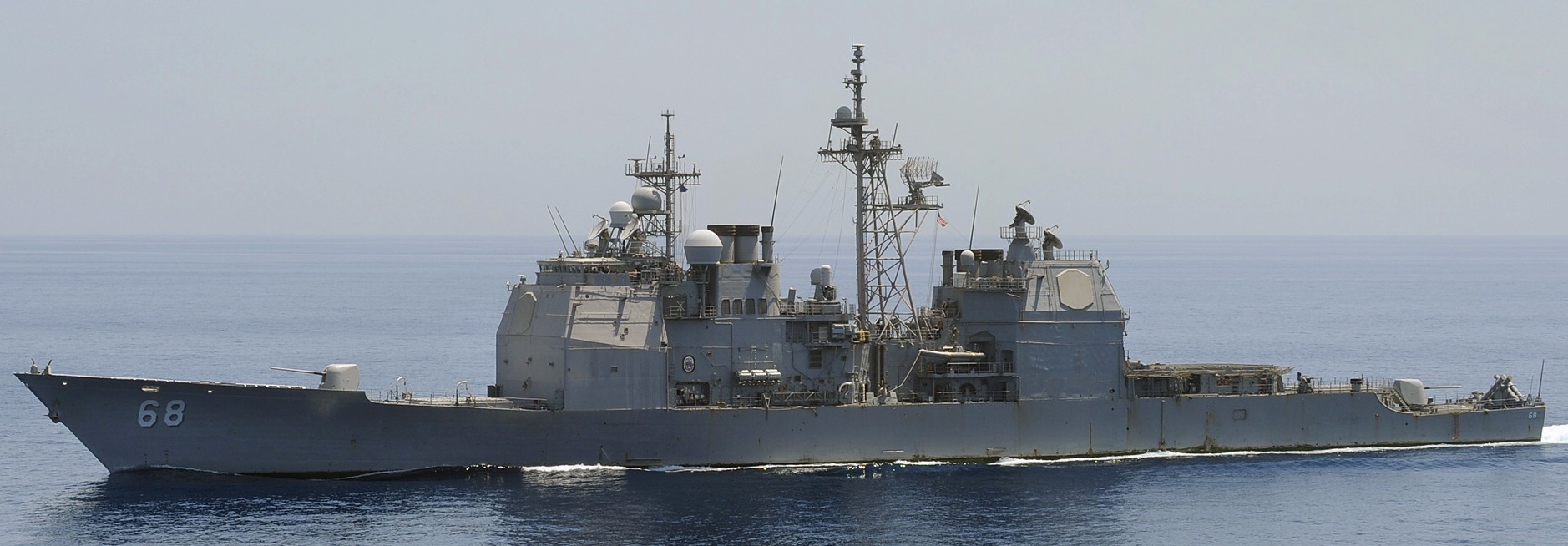 Gulf of Aden - October 2009 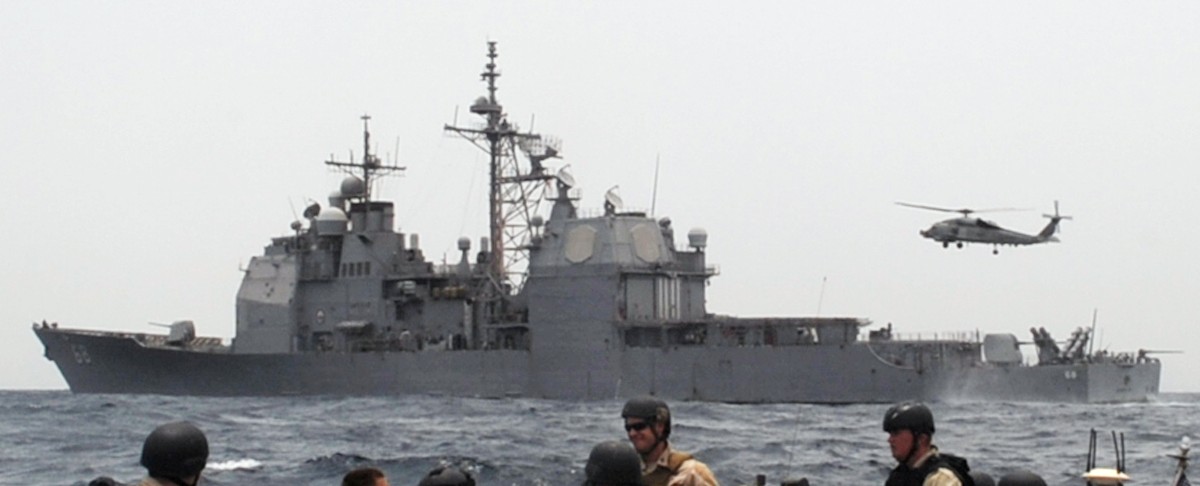 Gulf of Aden - September 2009 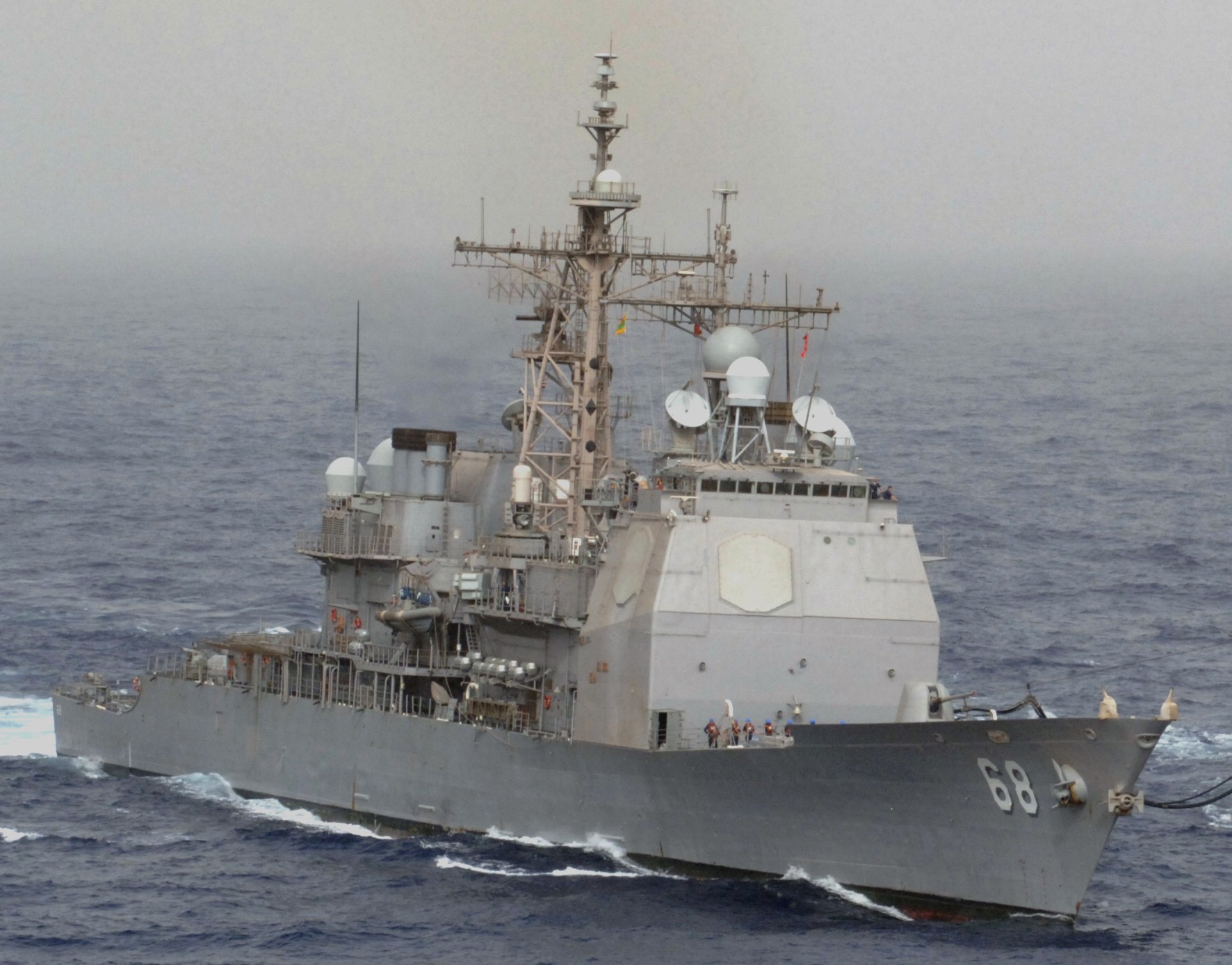 Gulf of Aden - July 2009 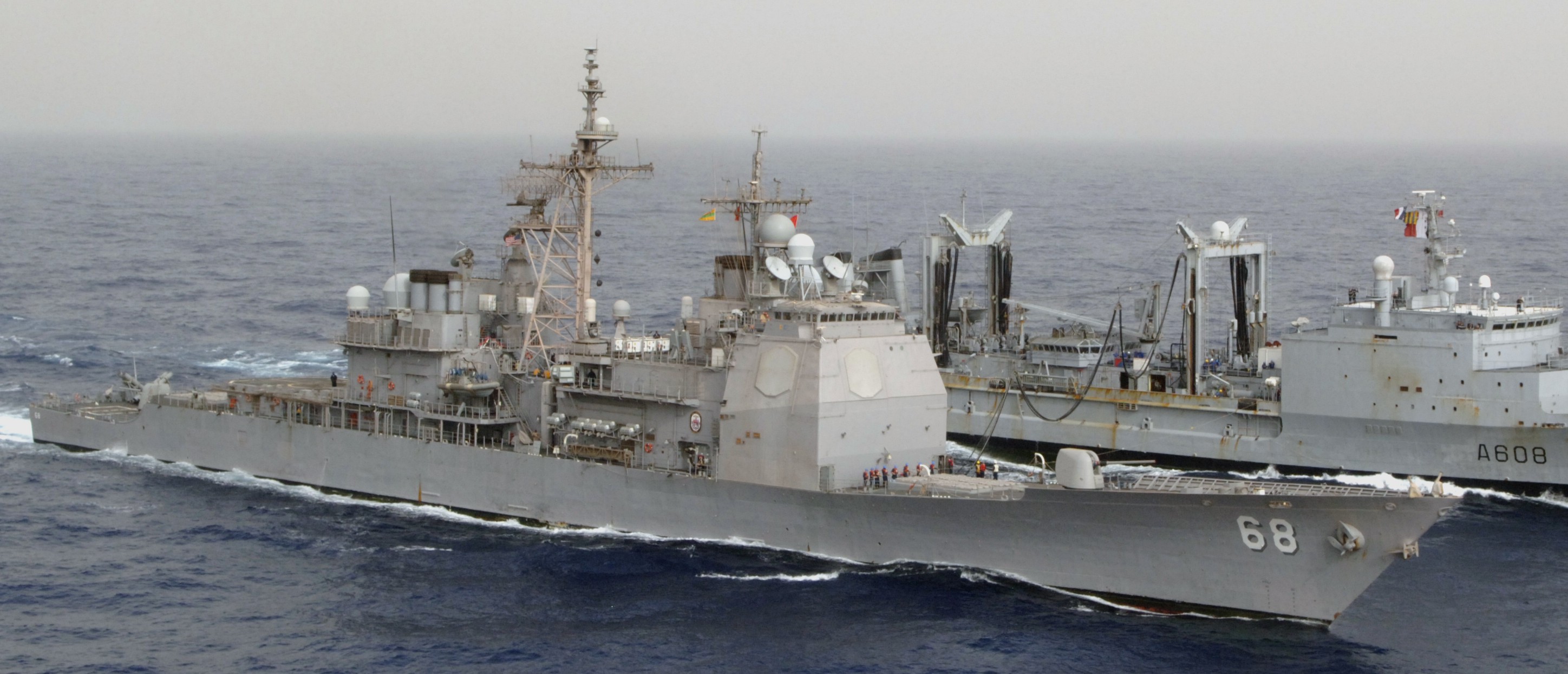 Gulf of Aden - July 2009 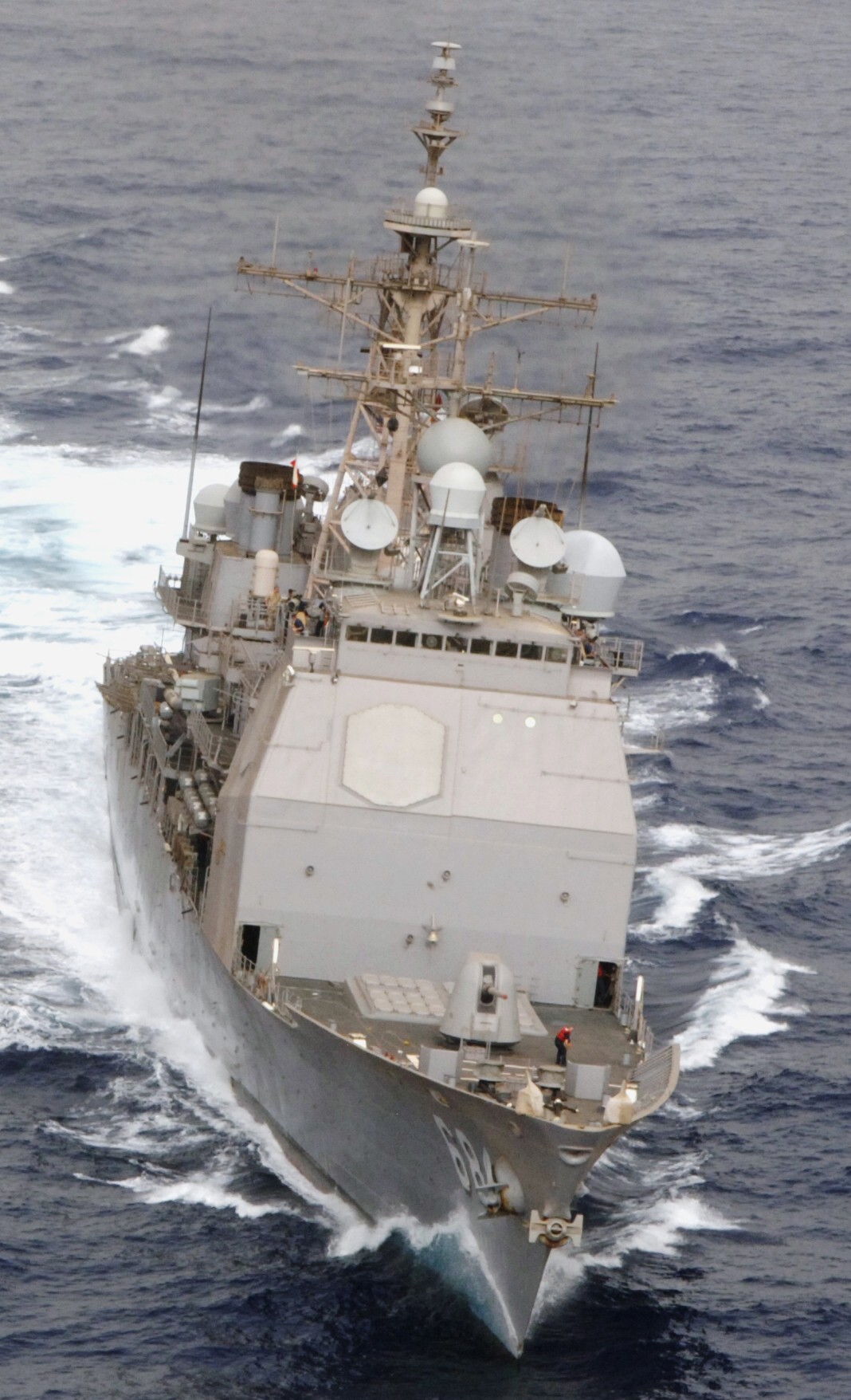 Gulf of Aden - July 2009 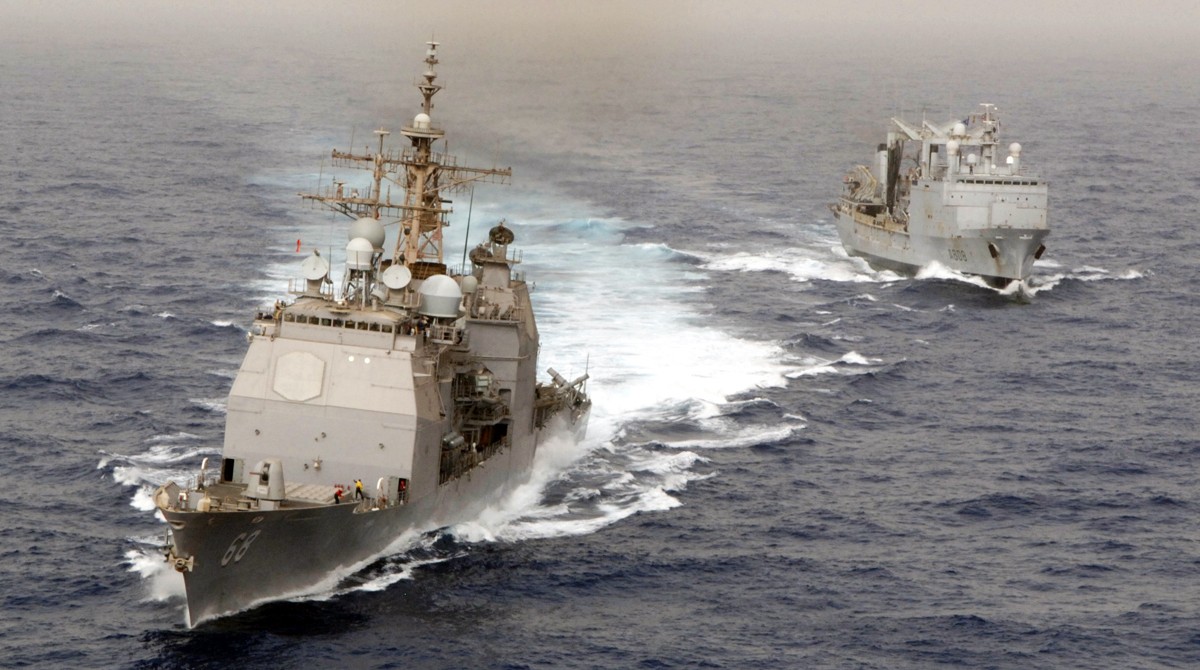 Gulf of Aden - July 2009 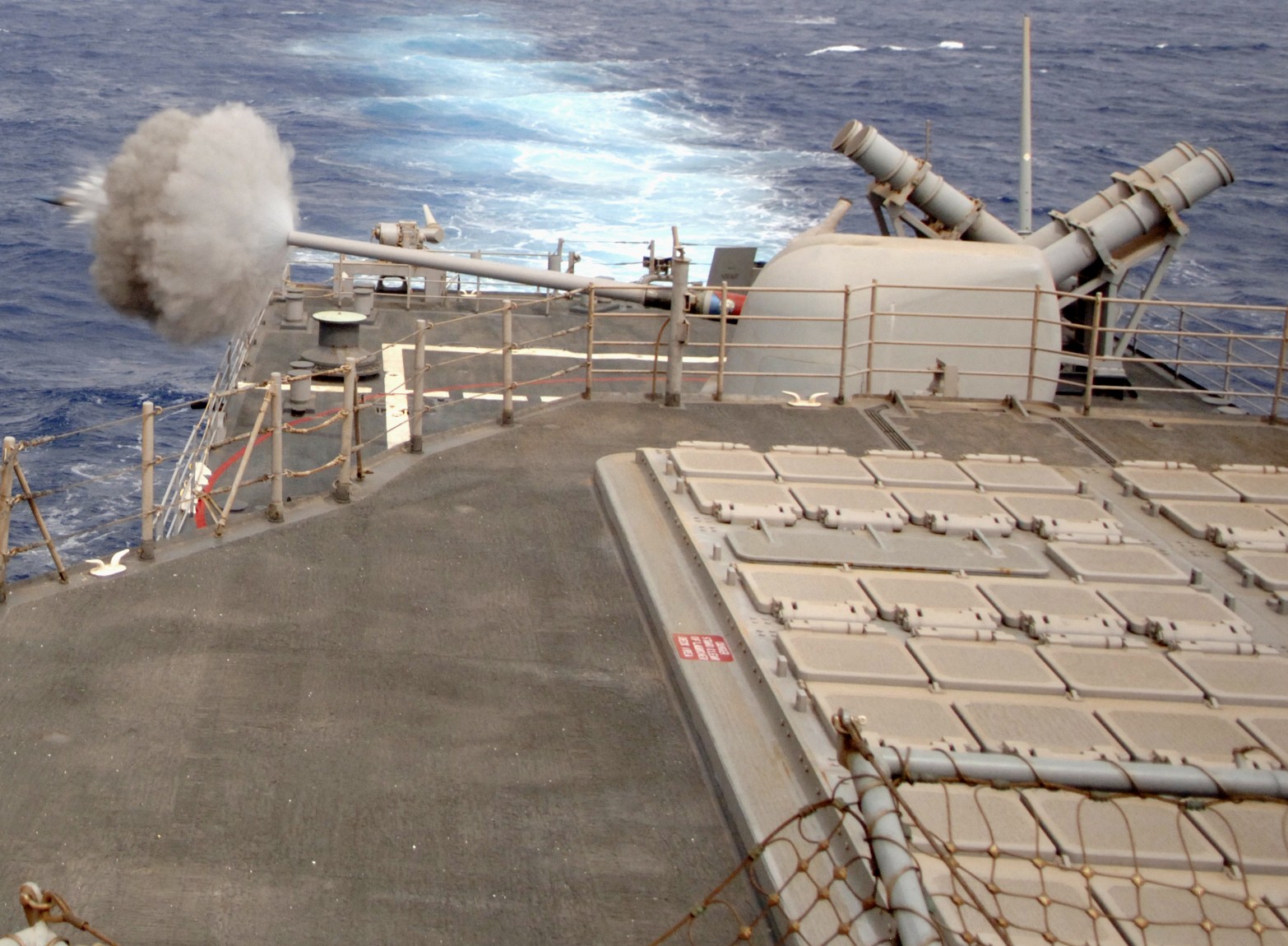 Mk.45 gun fire exercise - off Somalia - July 2009 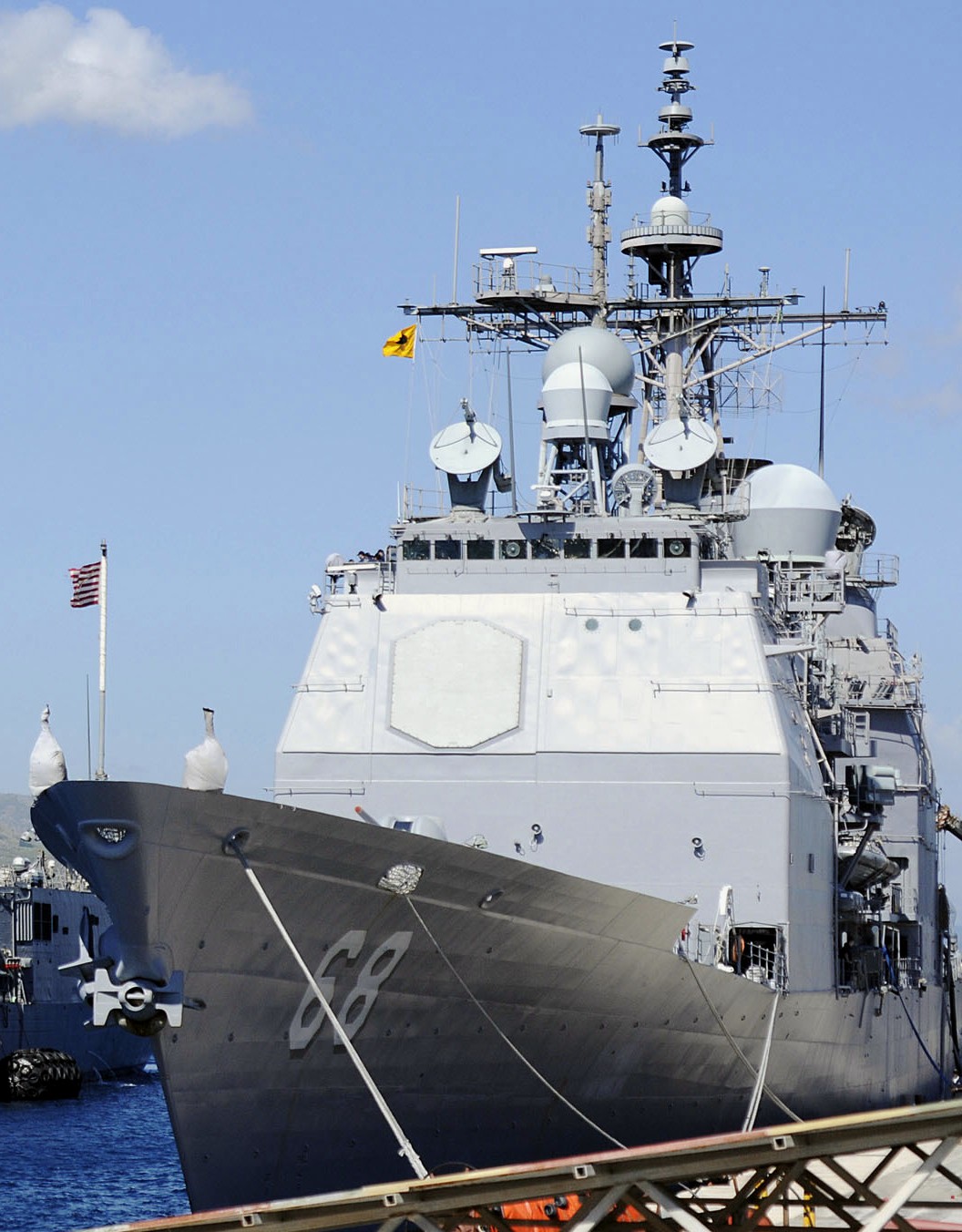 Souda Bay, Crete, Greece - June 2009 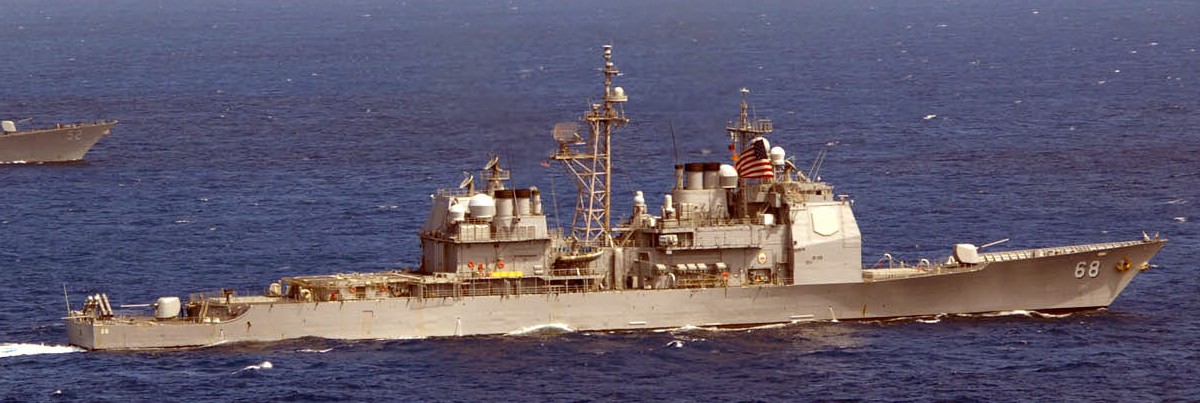 Atlantic Ocean - April 2008 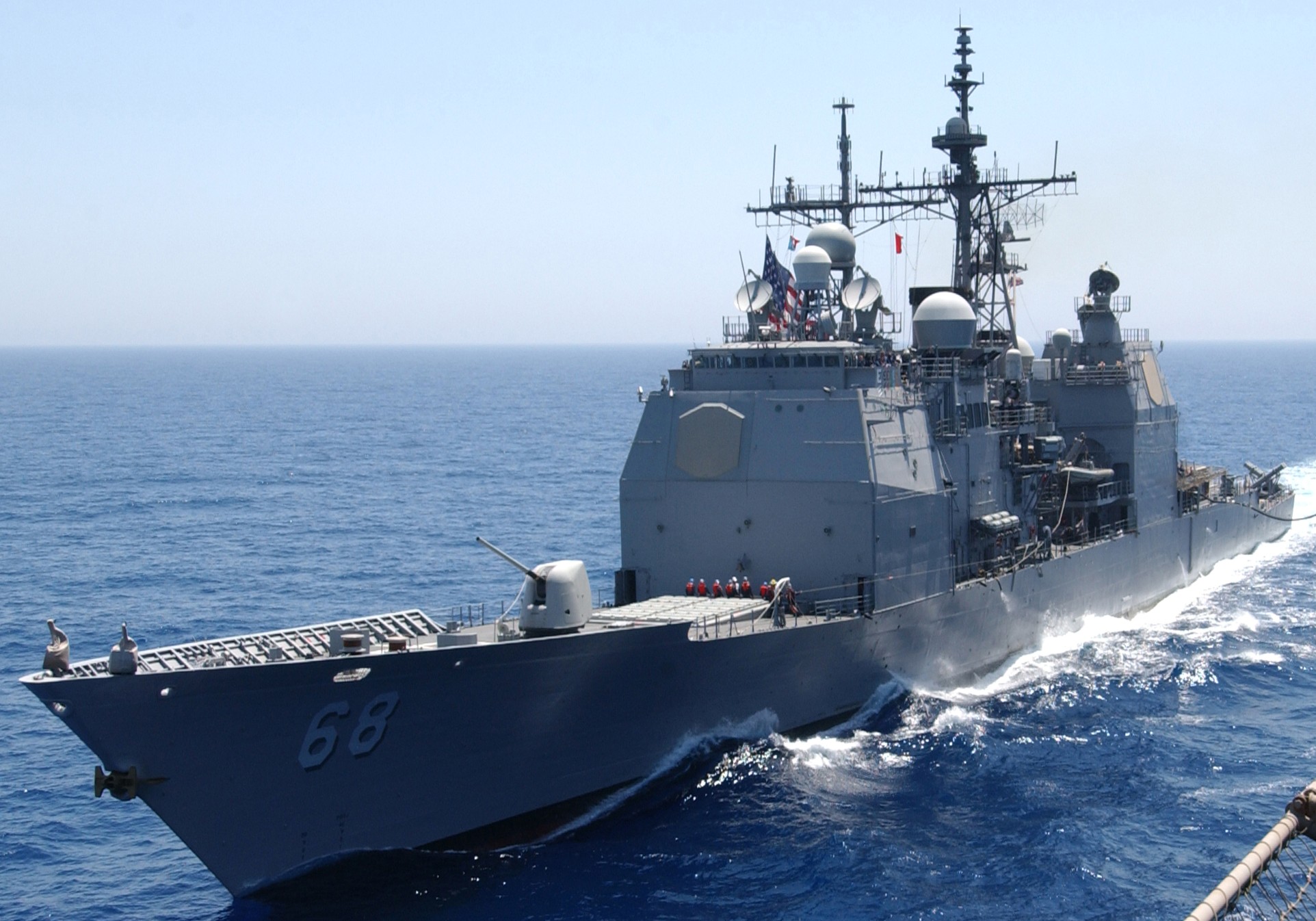 Mediterranean Sea - May 2007 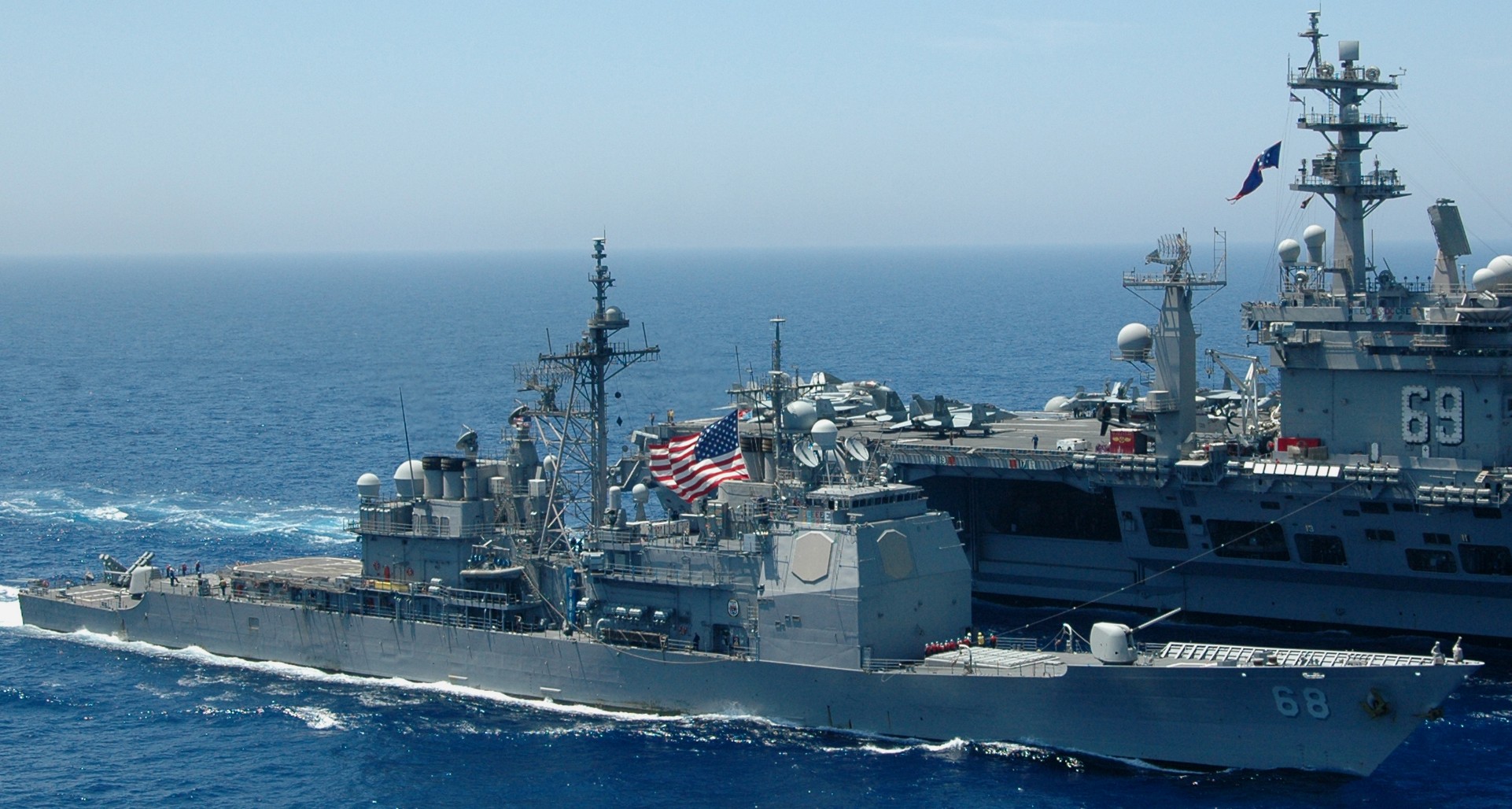 Mediterranean Sea - May 2007 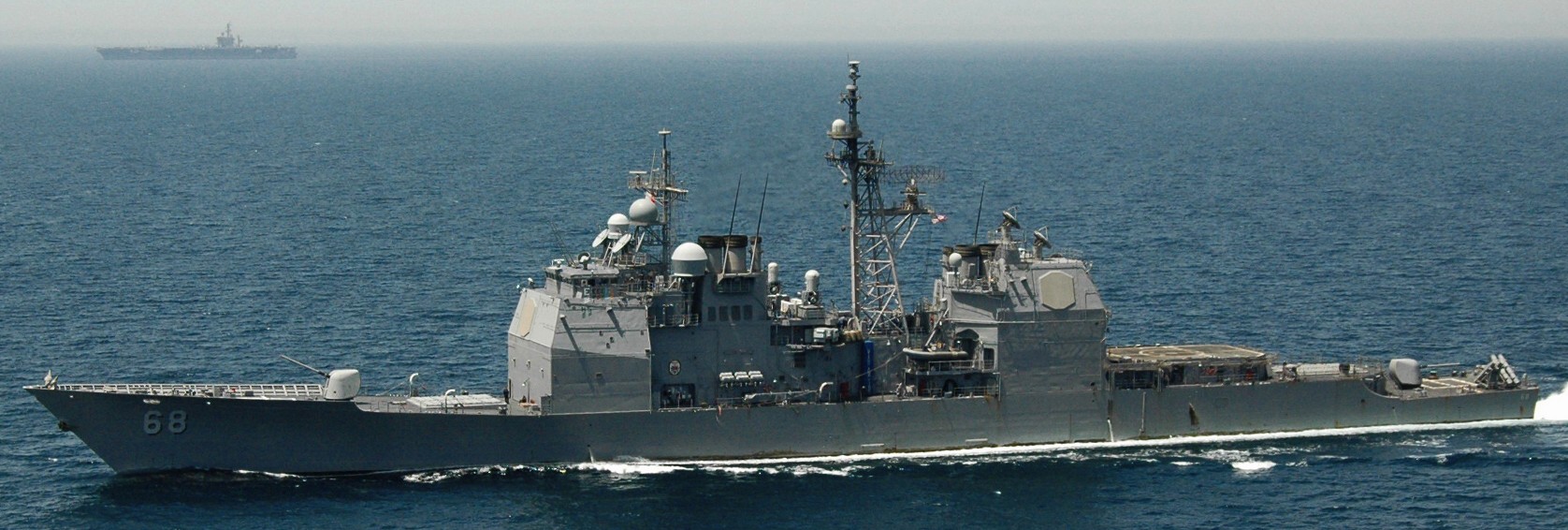 Persian Gulf - April 2007 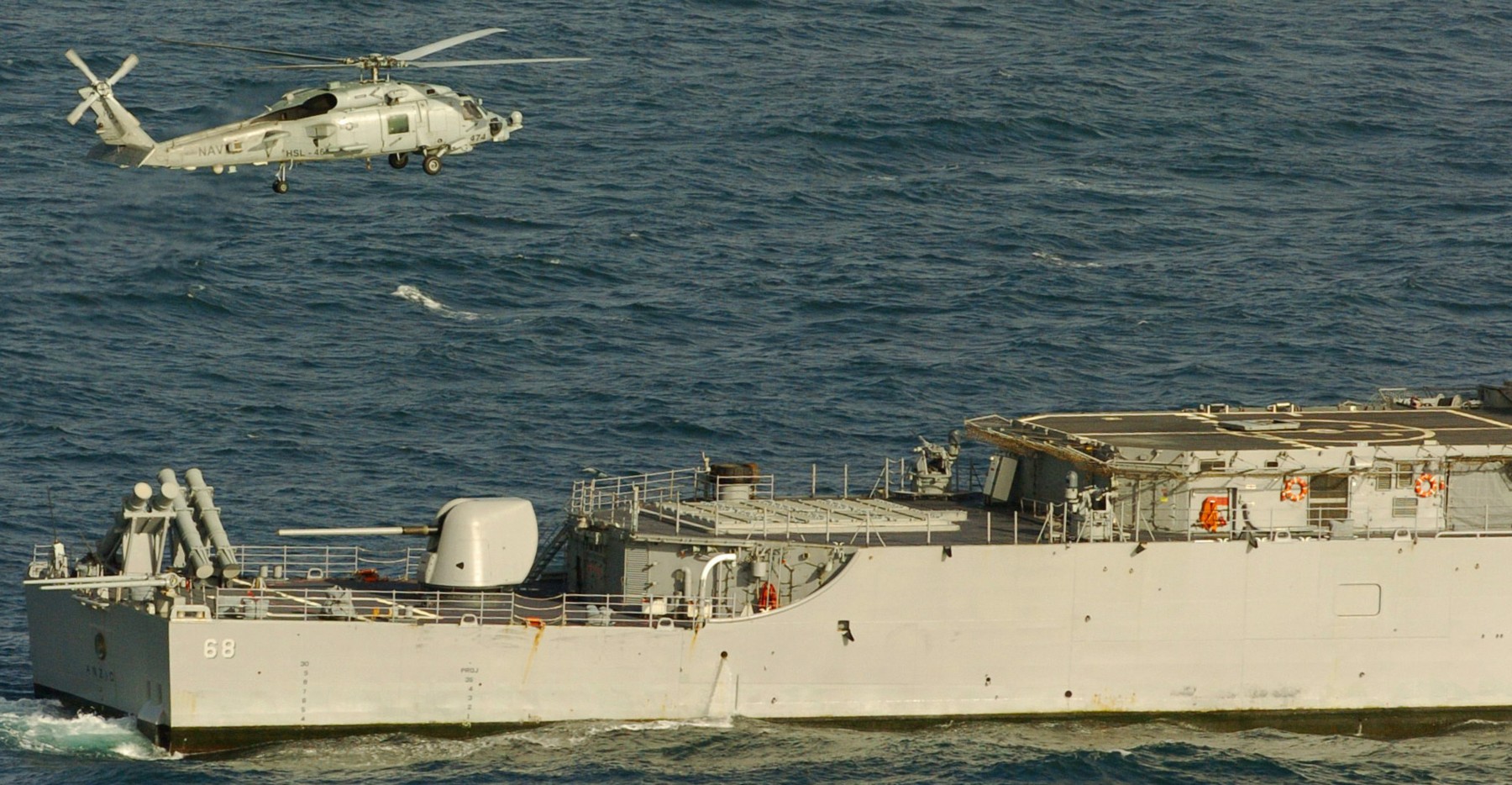 helicopter operations - 5th Fleet AOR - January 2007 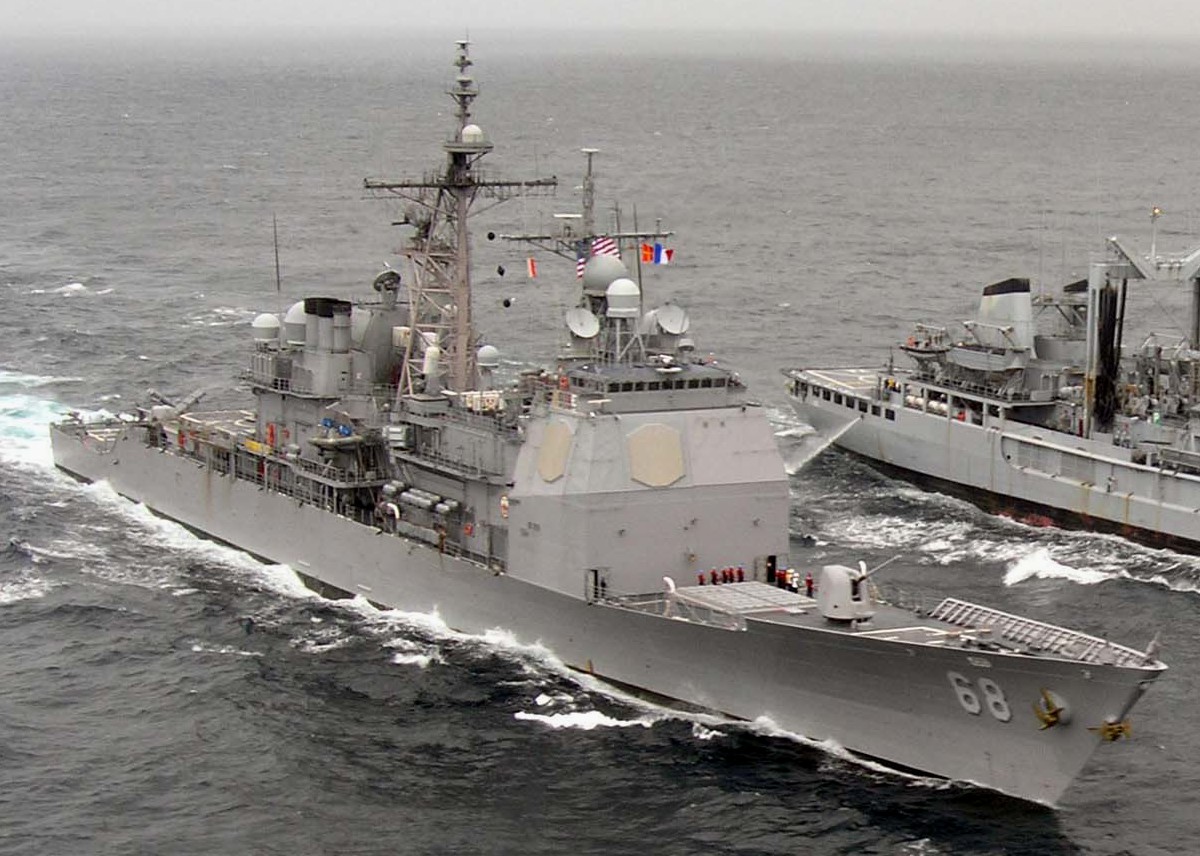 Arabian Sea - December 2006 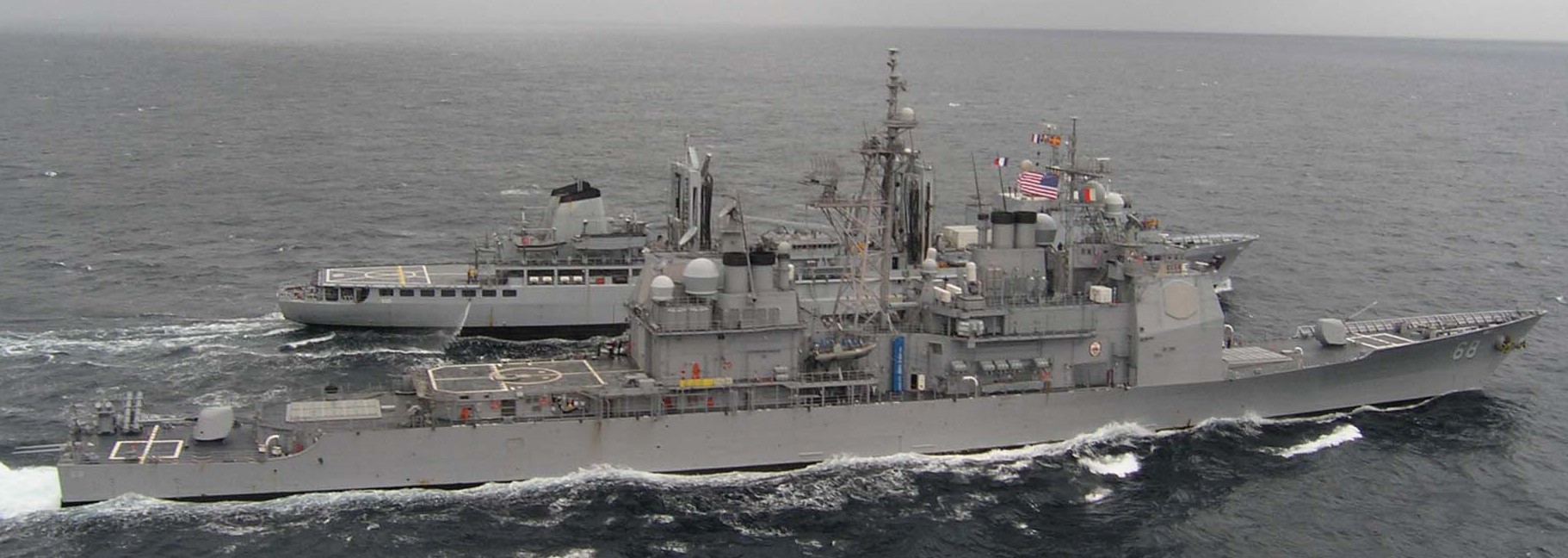 Arabian Sea - December 2006 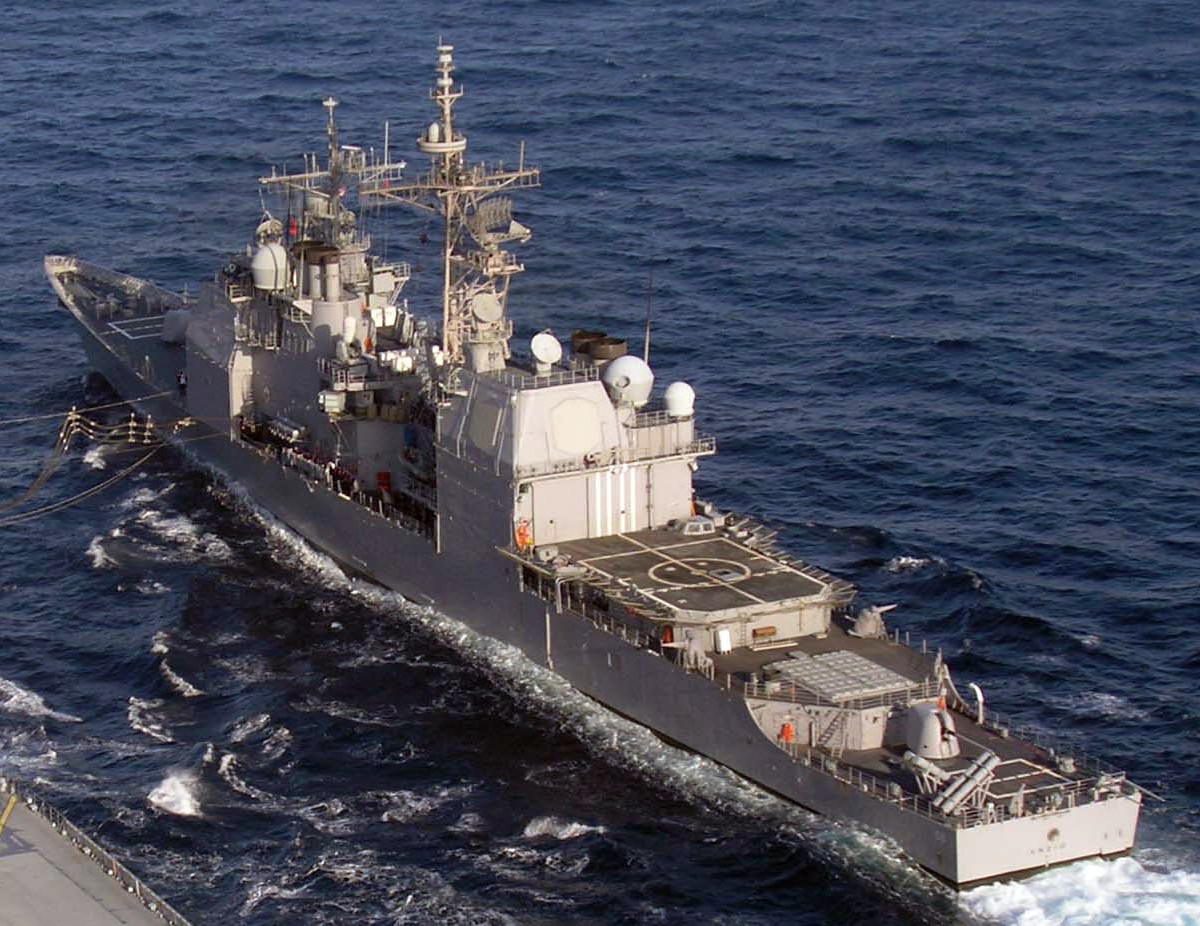 Arabian Sea - November 2006 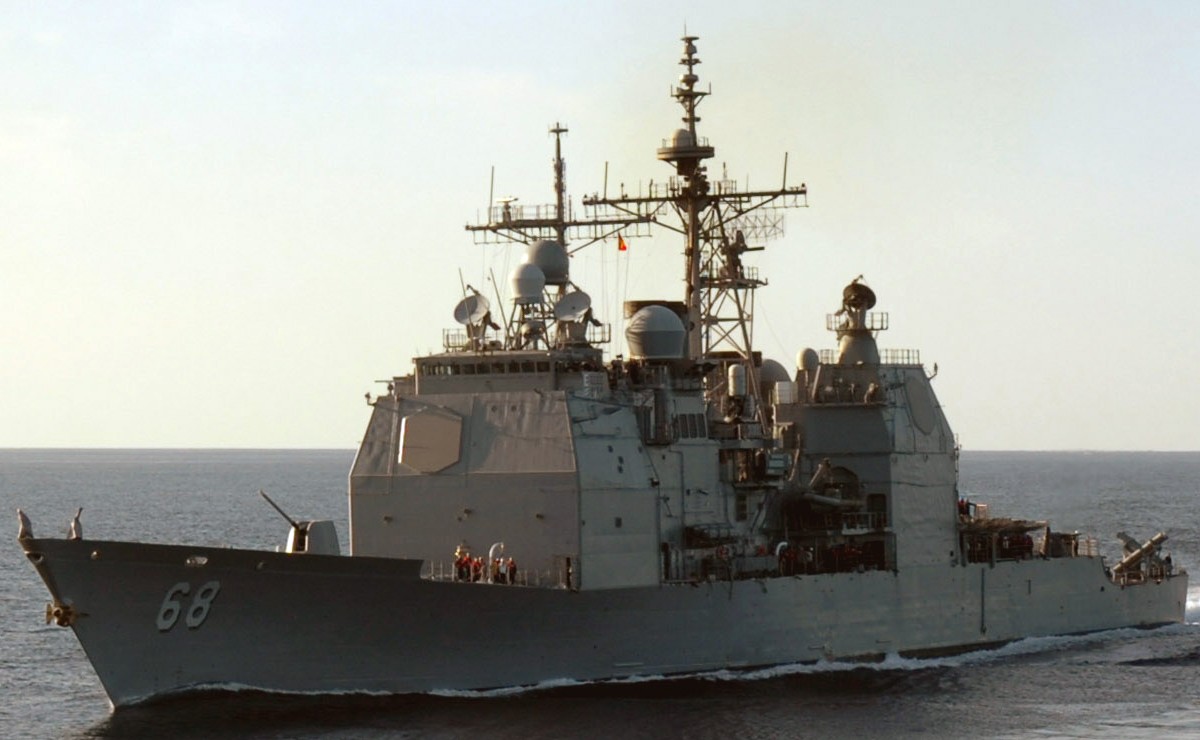 Persian Gulf - November 2006 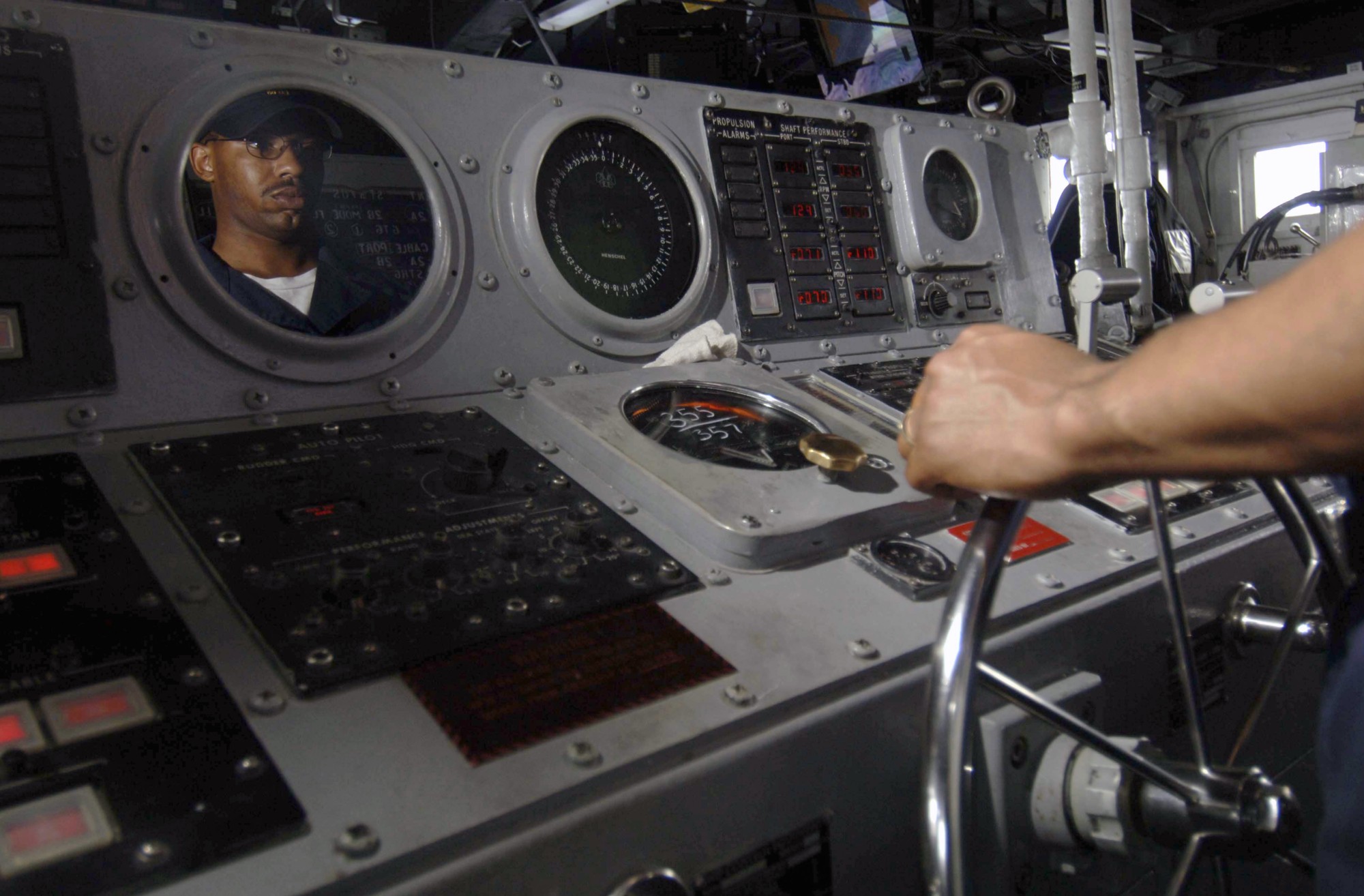 helm - October 2006 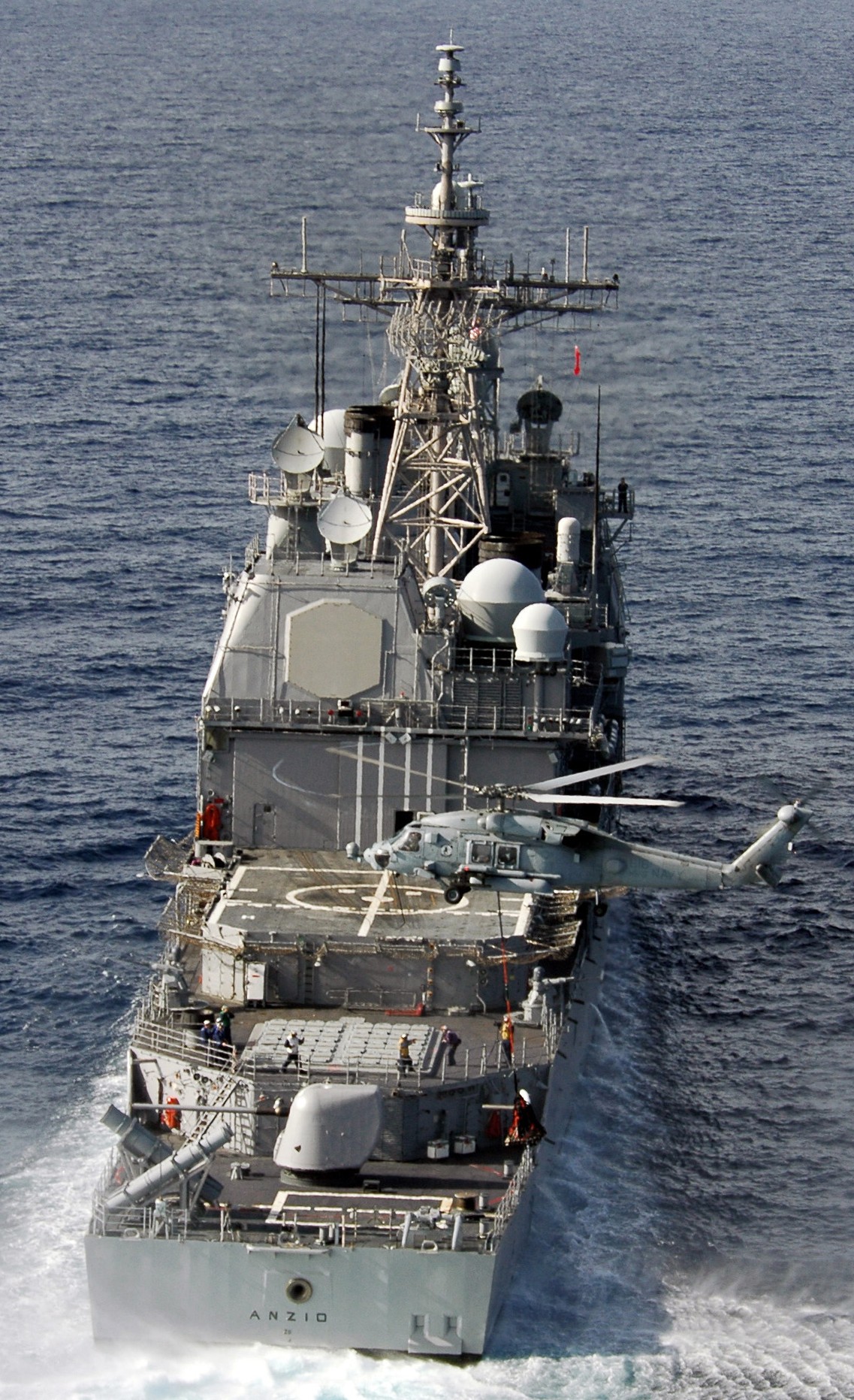 Mediterranean Sea - October 2006 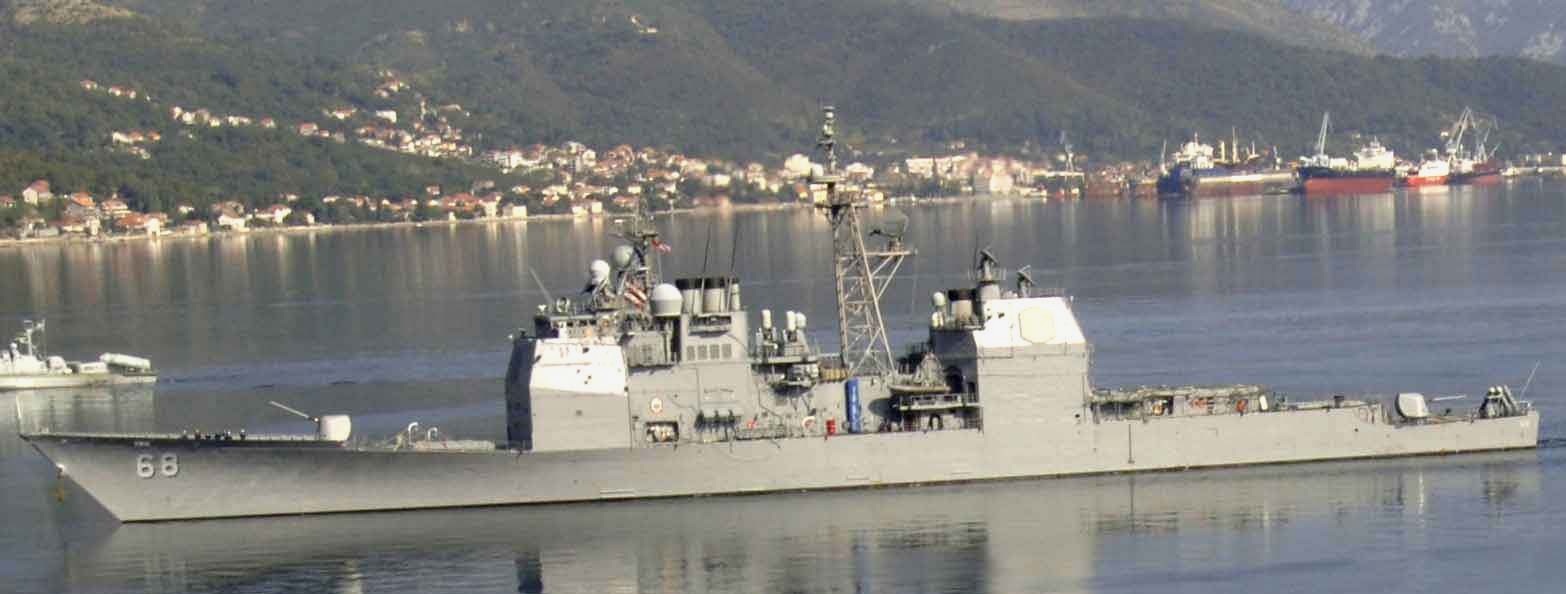 Tivat, Montenegro - October 2006 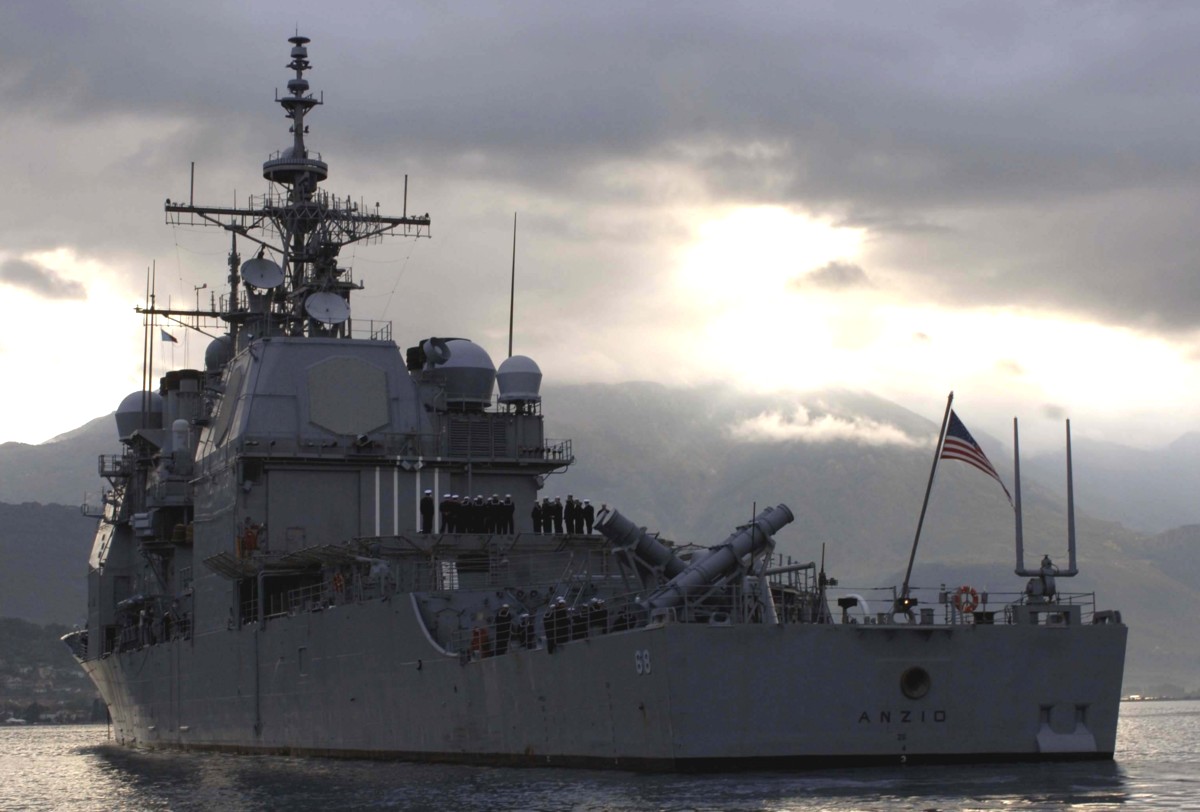 Tivat, Montenegro - October 2006 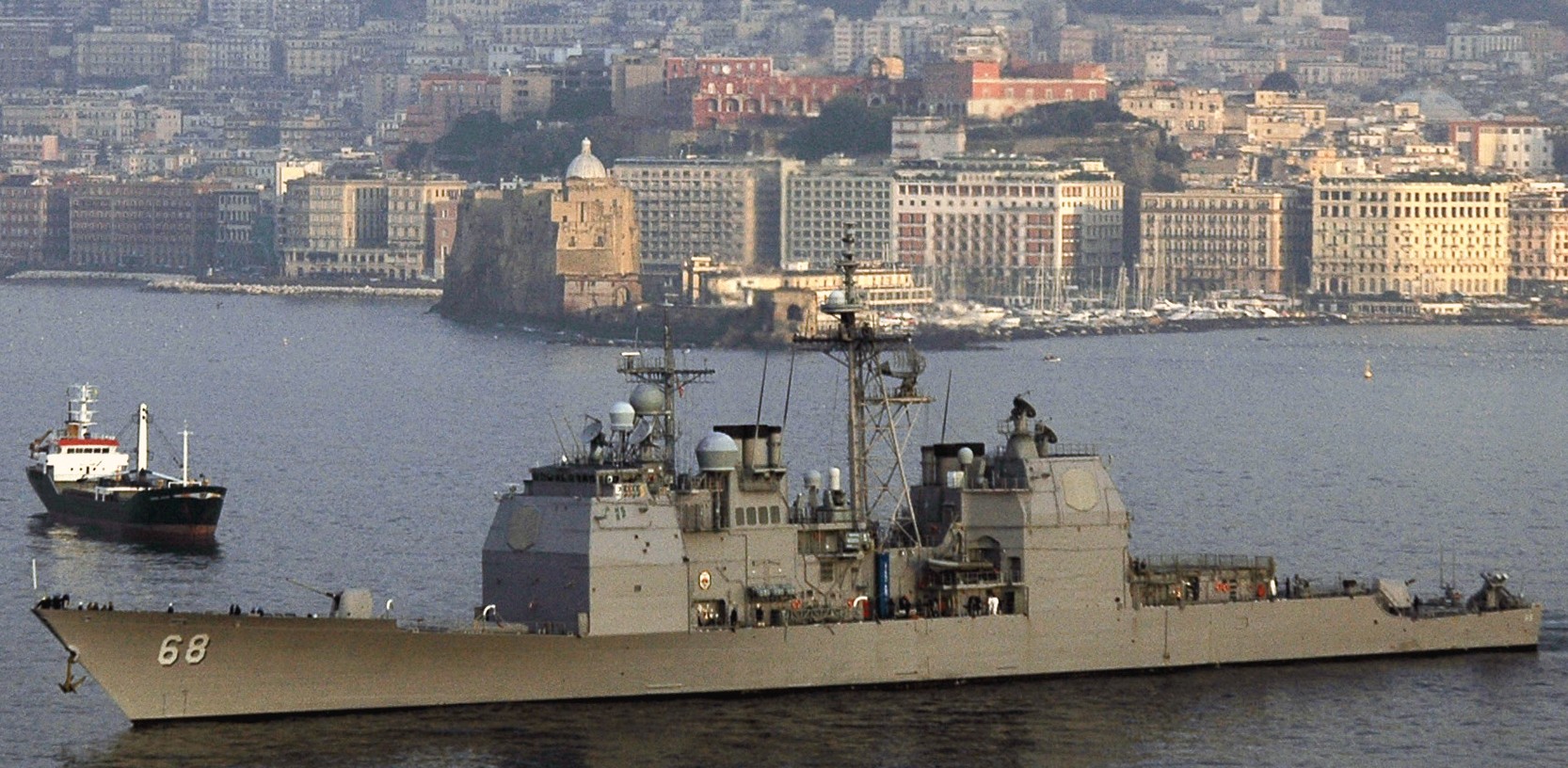 Naples, Italy - October 2006 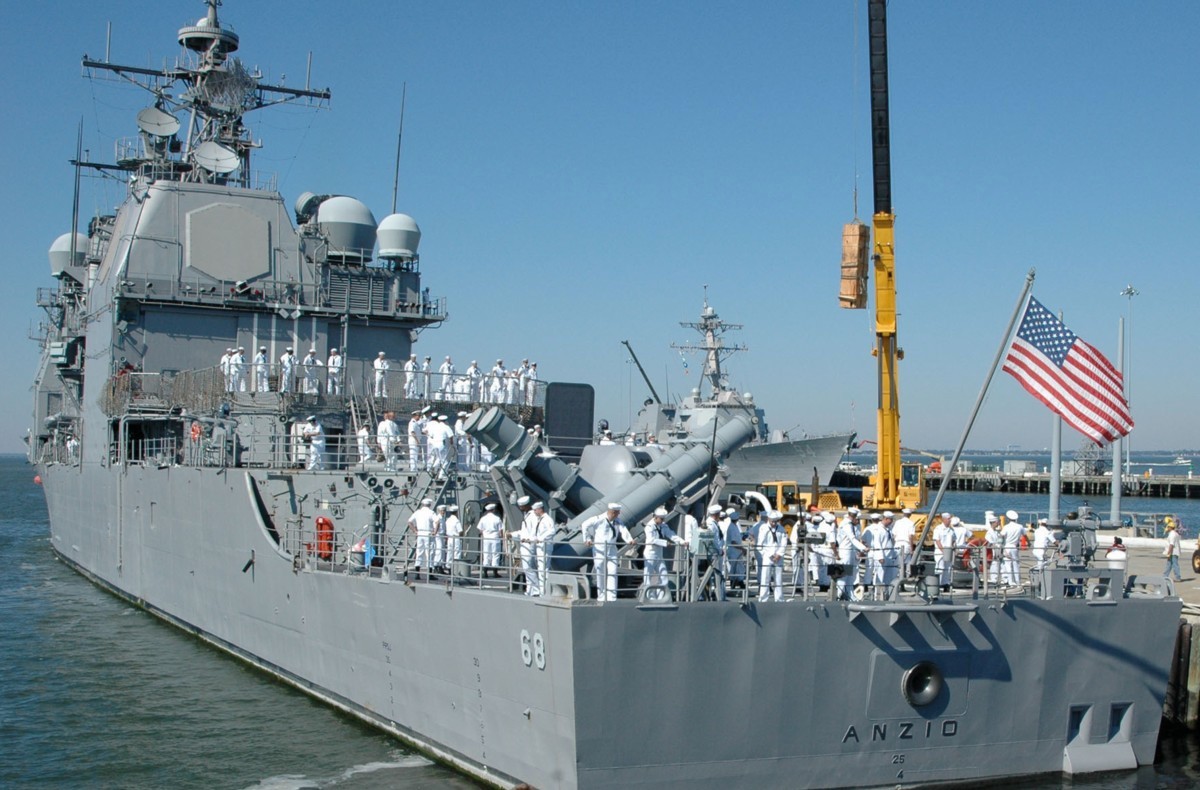 Norfolk, Virginia - October 2006 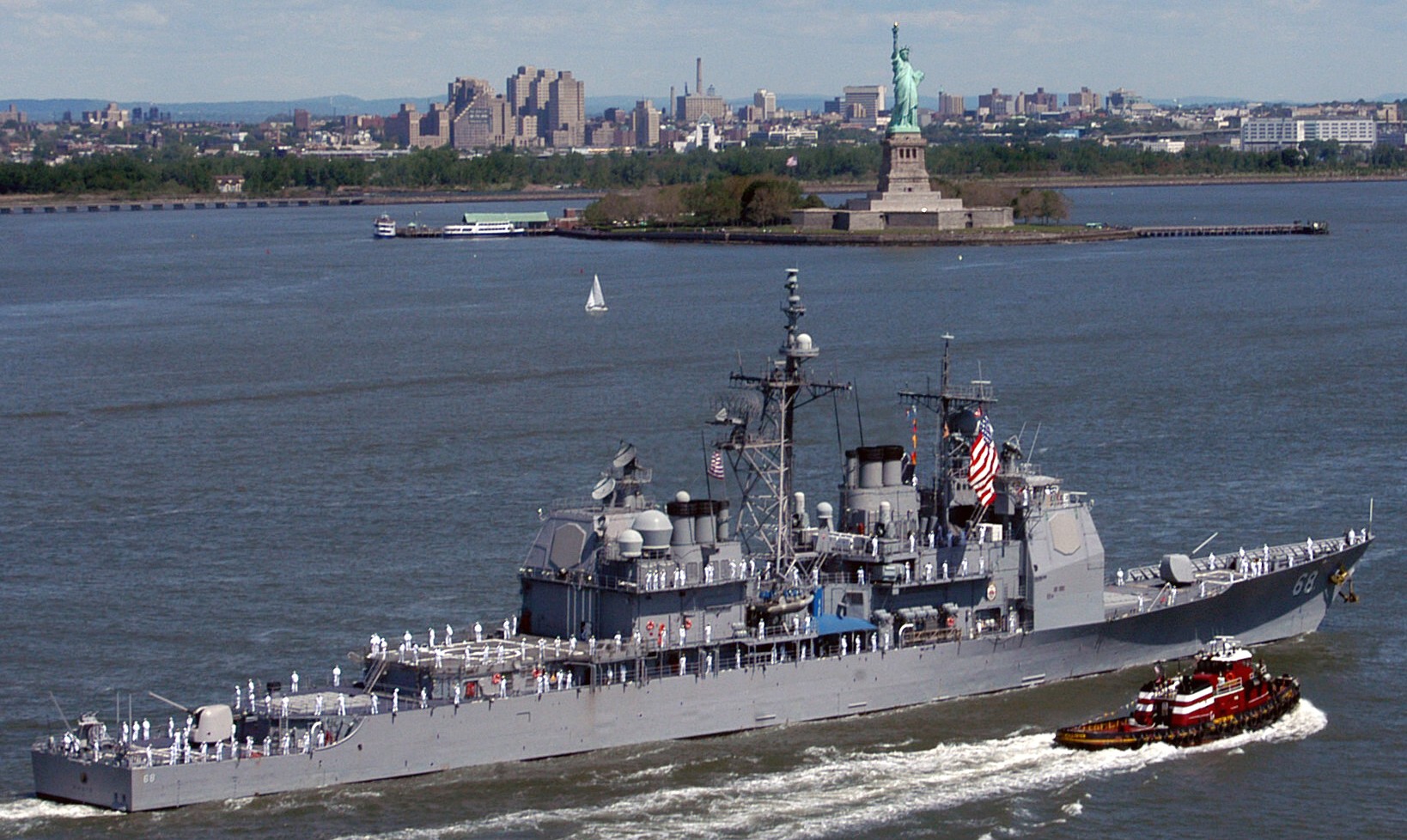 Fleet Week New York - May 2006 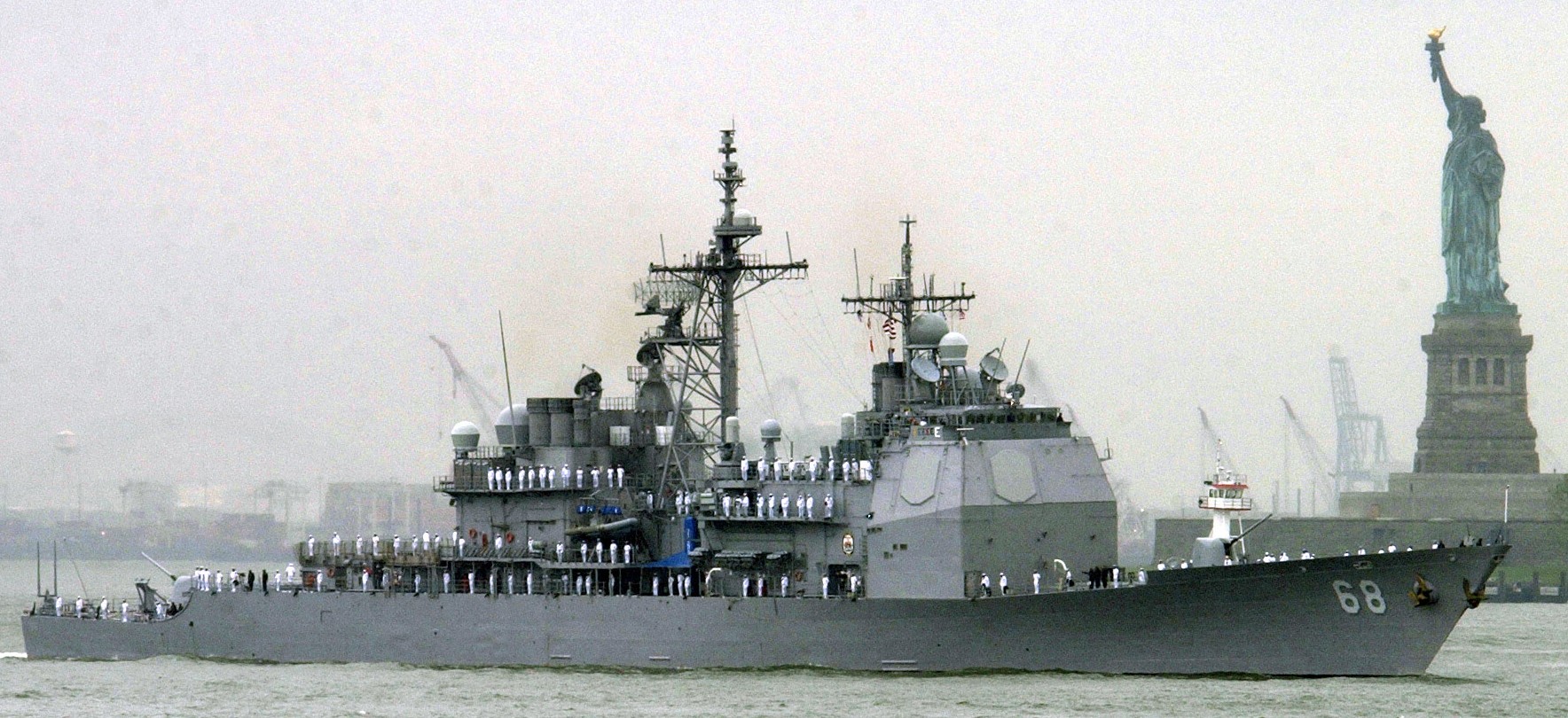 Fleet Week New York - May 2004 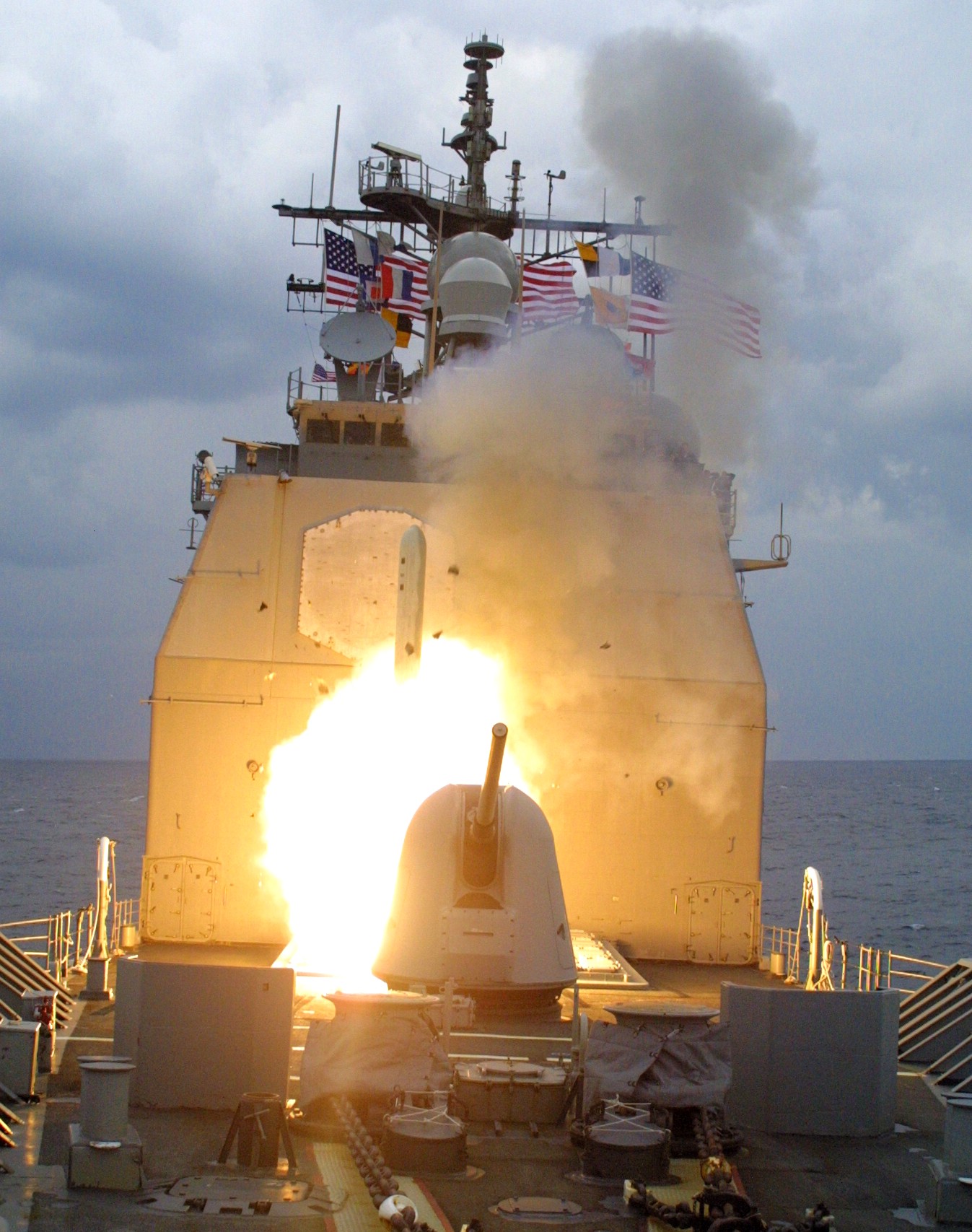 a BGM-109 Tomahawk Land Attack Missile (TLAM) was launched during Operation Iraqi Freedom - Mediterranean Sea - March 2003 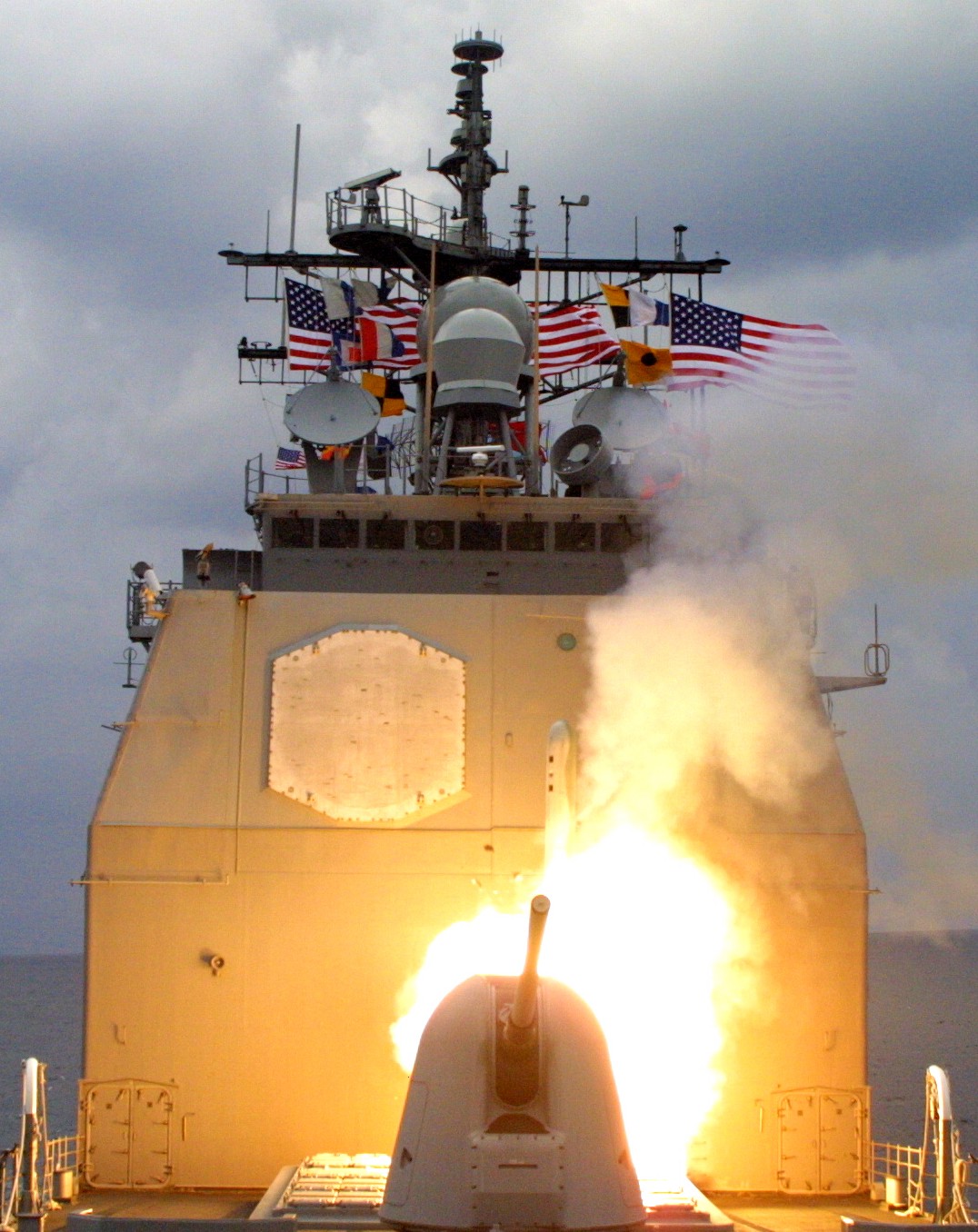 a BGM-109 Tomahawk Land Attack Missile (TLAM) was launched during Operation Iraqi Freedom - Mediterranean Sea - March 2003 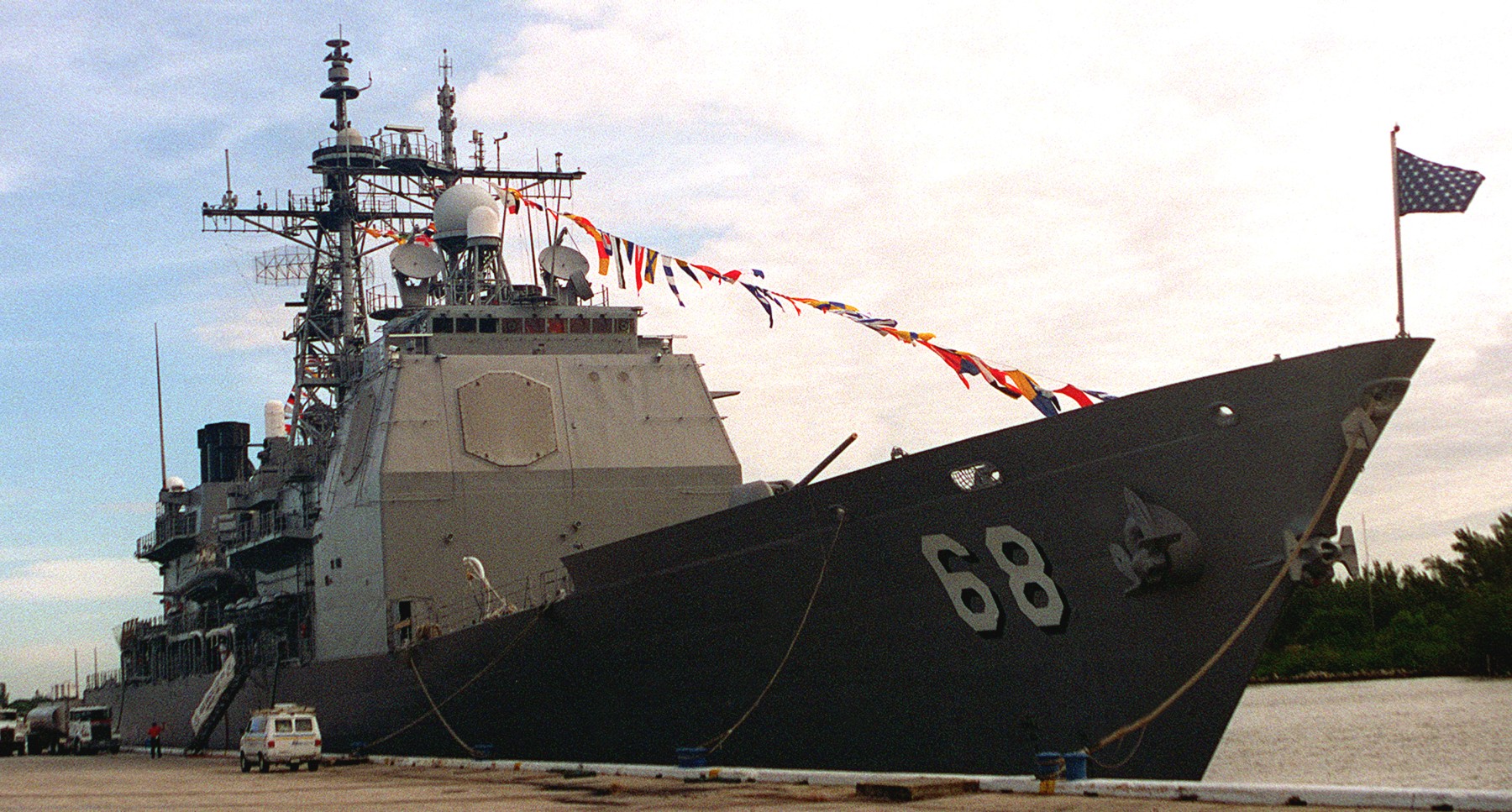 Port Everglades, Florida - October 1996 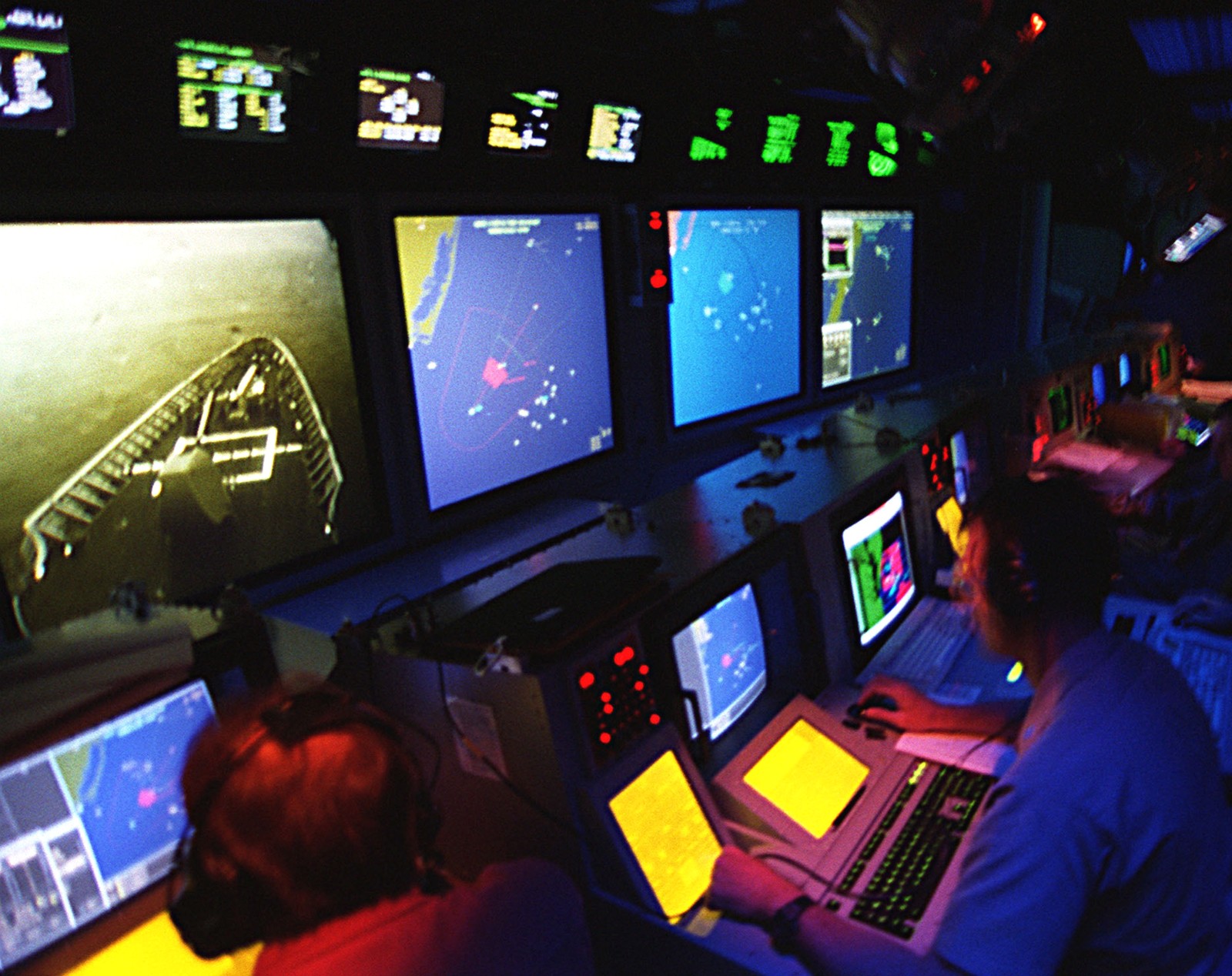 Combat Information Center (CIC) - September 1996 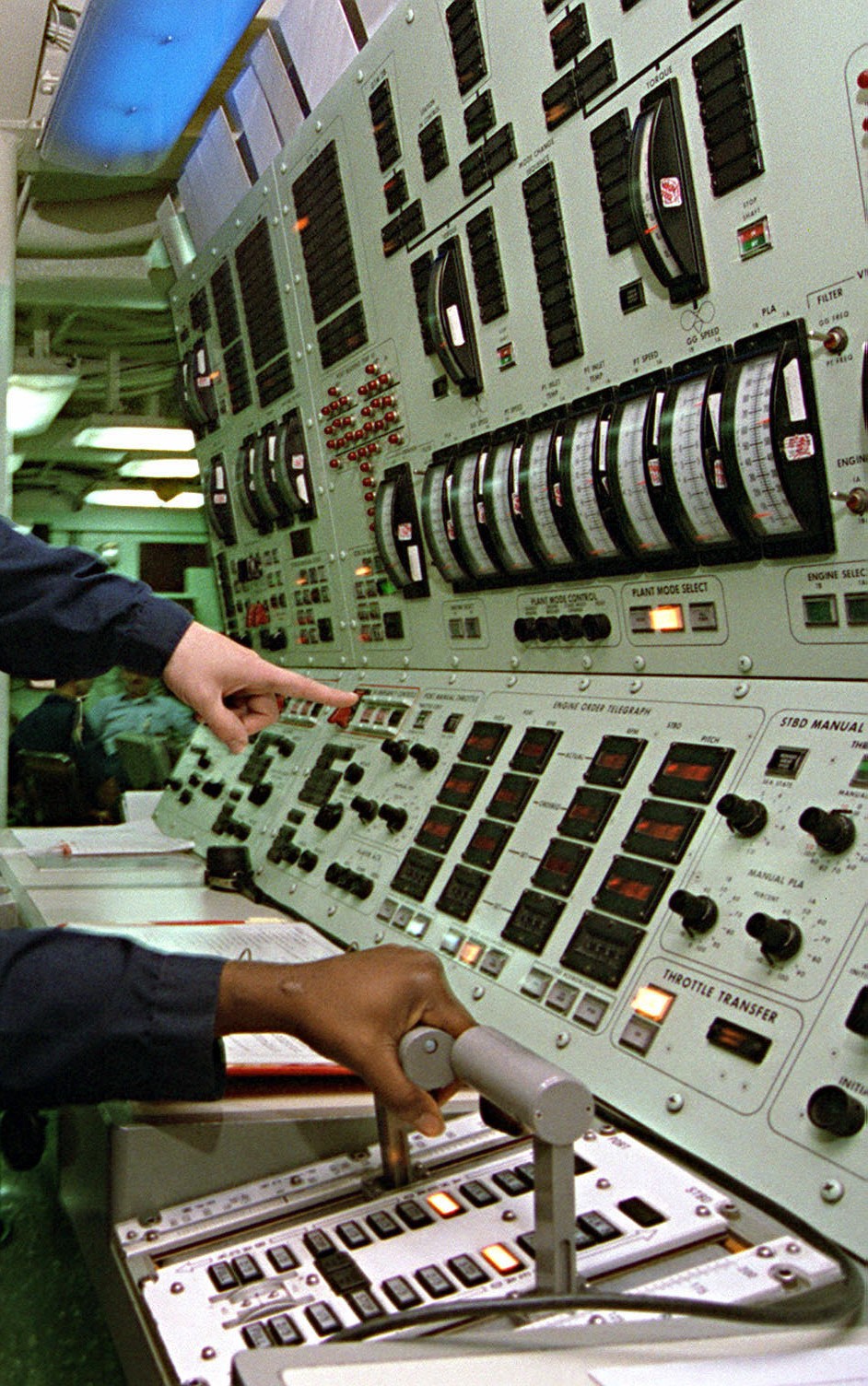 propulsion control console - September 1996 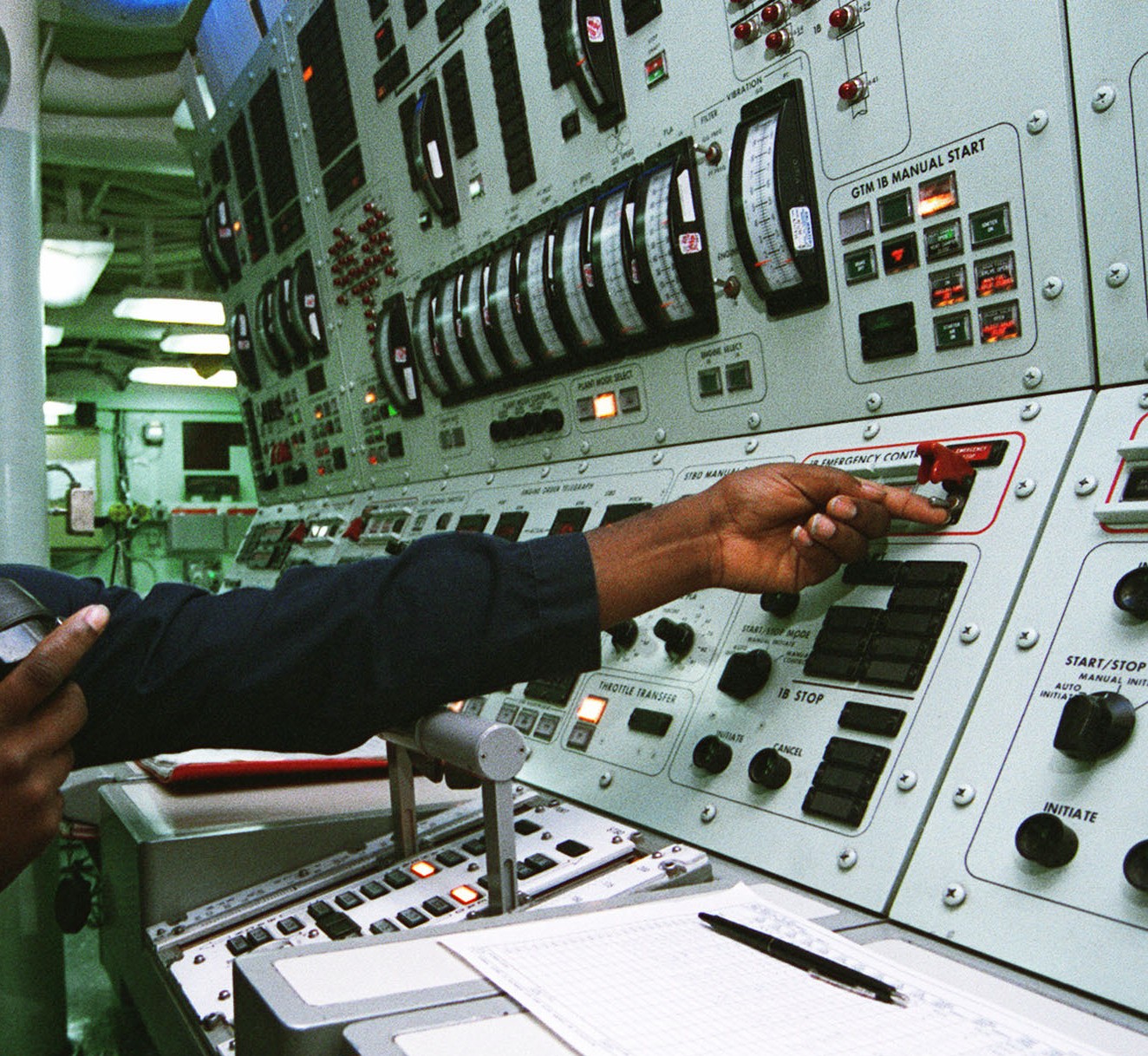 propulsion control console - September 1996 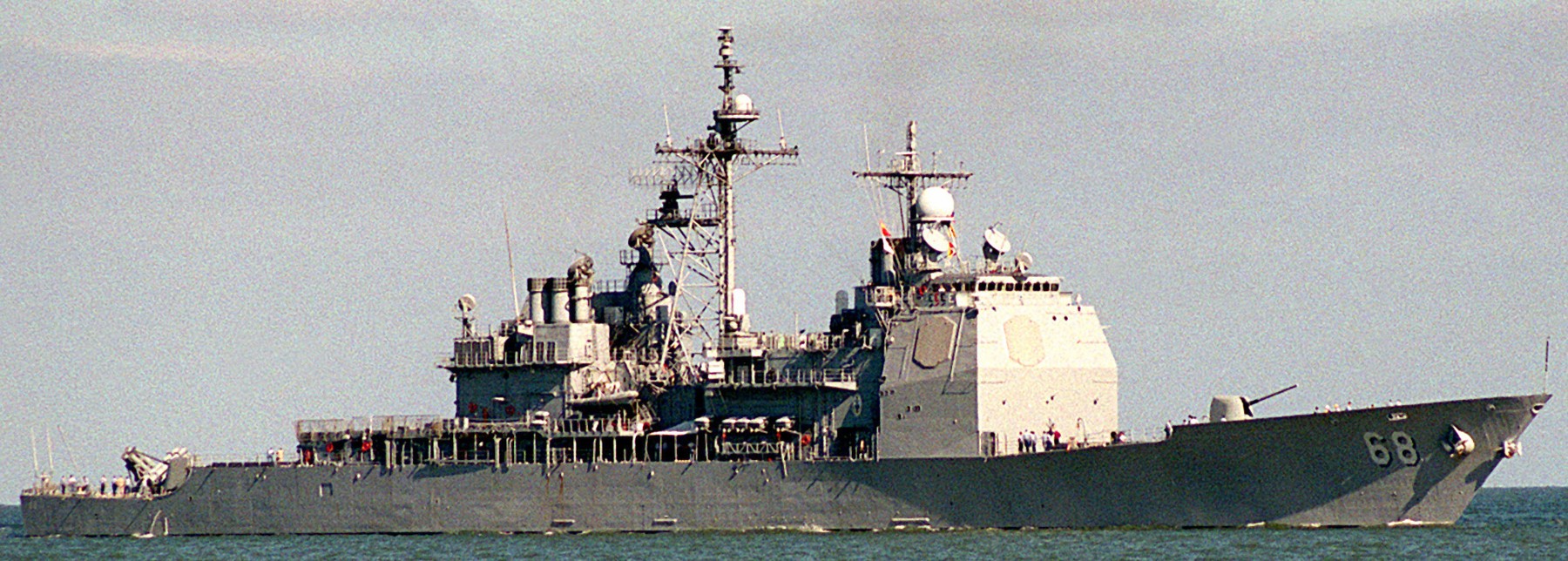 returning to Naval Station Norfolk, Virginia - August 1995 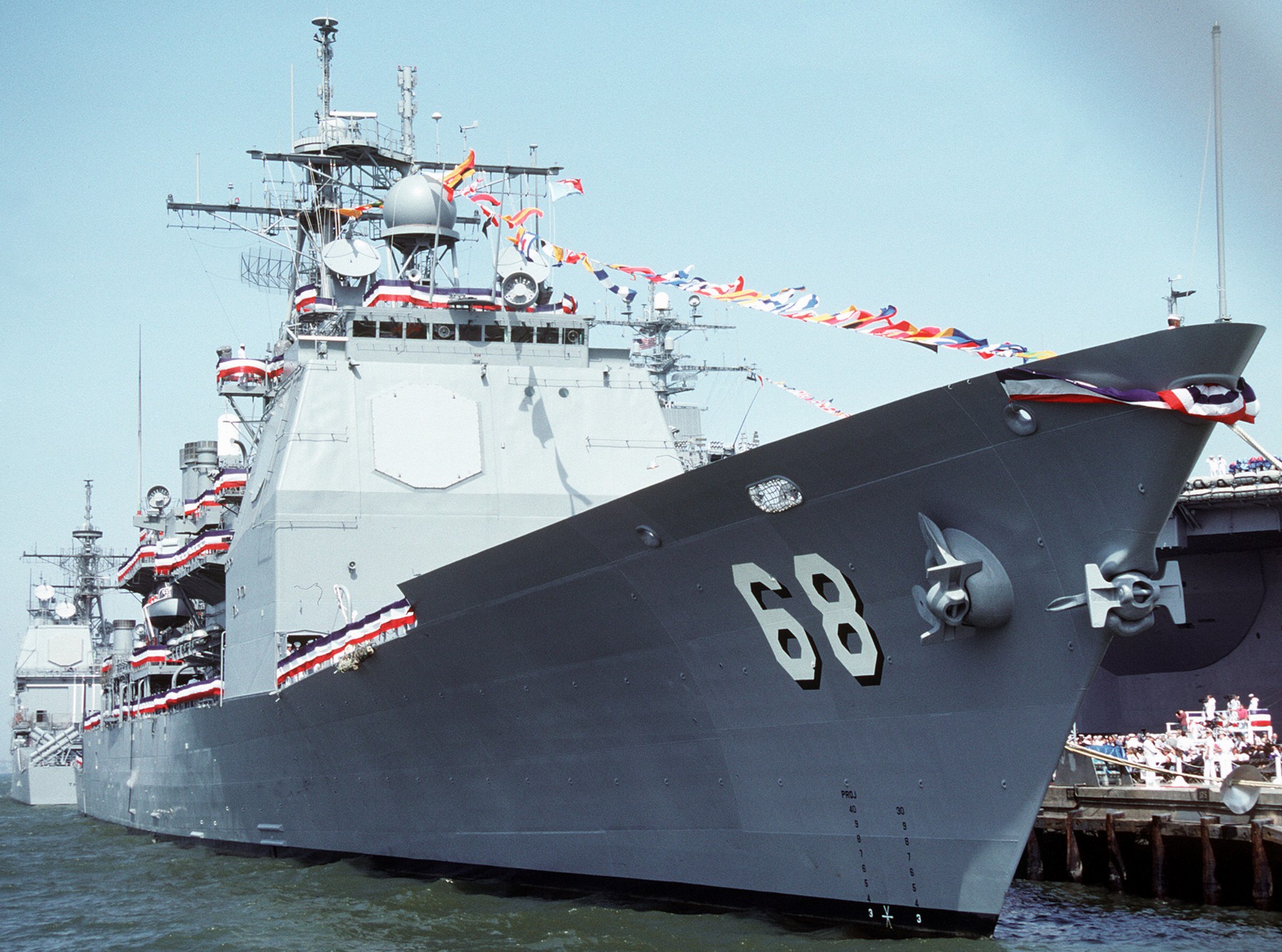 commissioning ceremony - Norfolk, Virginia - May 2, 1992 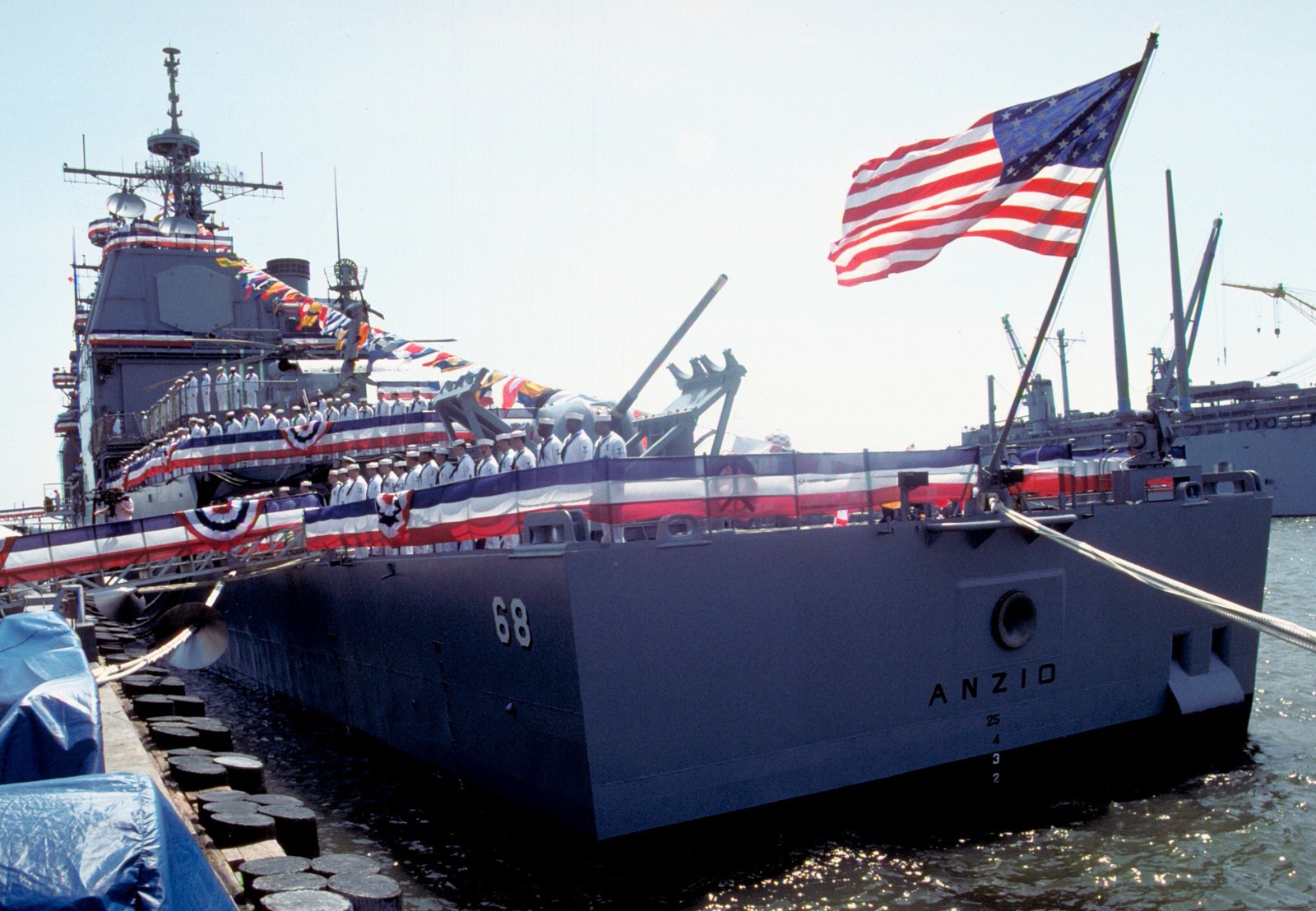 commissioning ceremony - Norfolk, Virginia - May 2, 1992 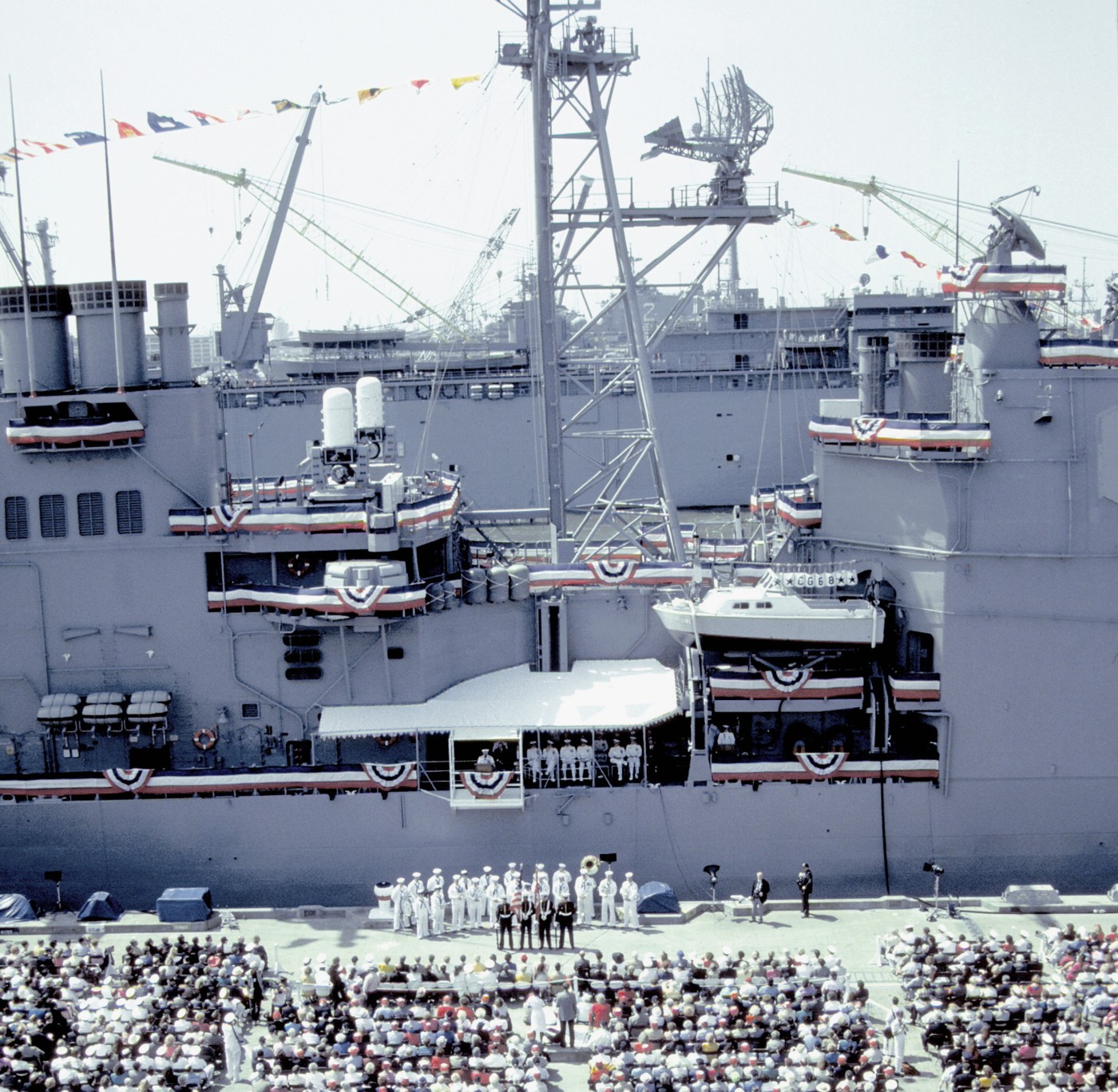 commissioning ceremony - Norfolk, Virginia - May 2, 1992 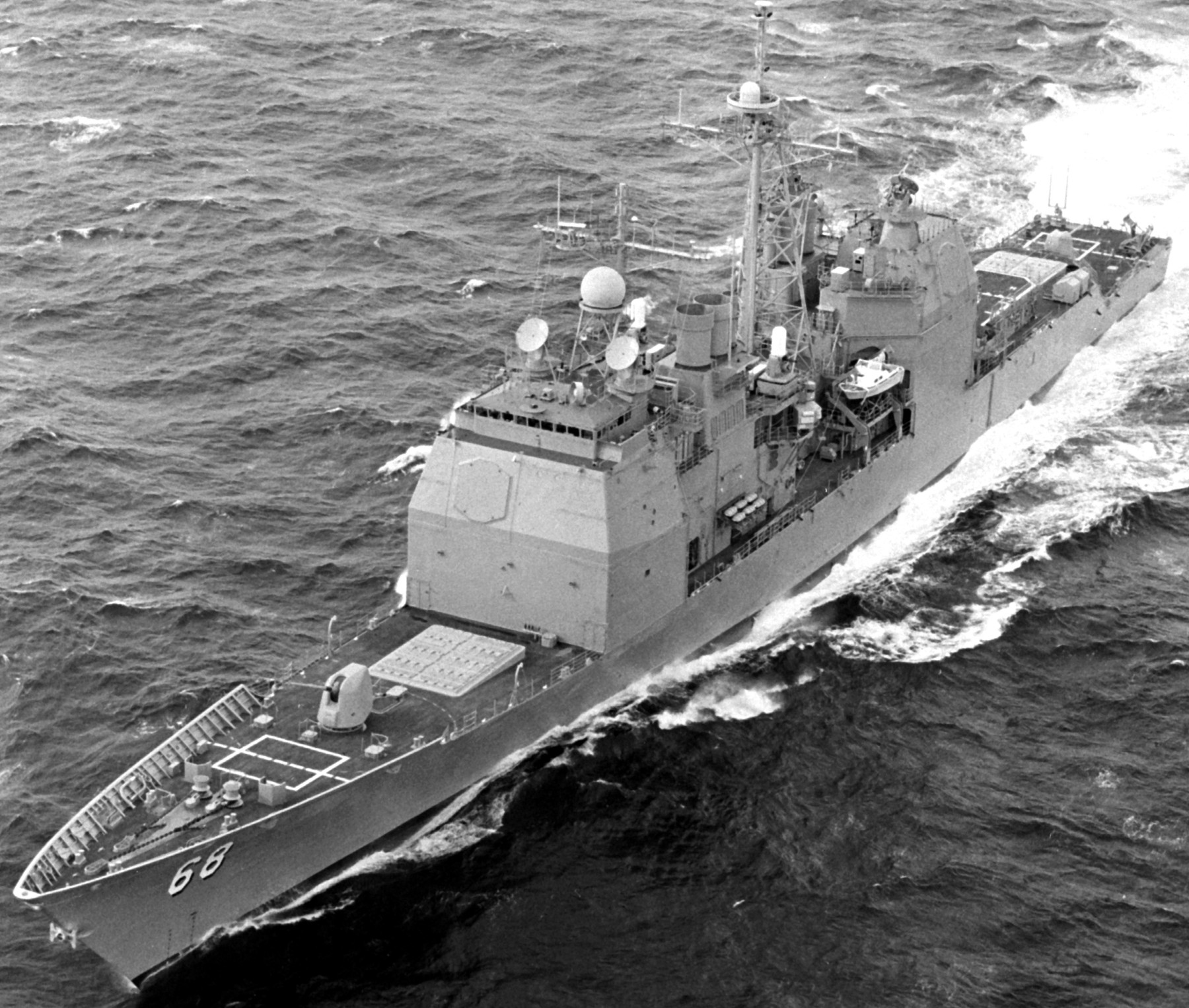 trials - April 1992 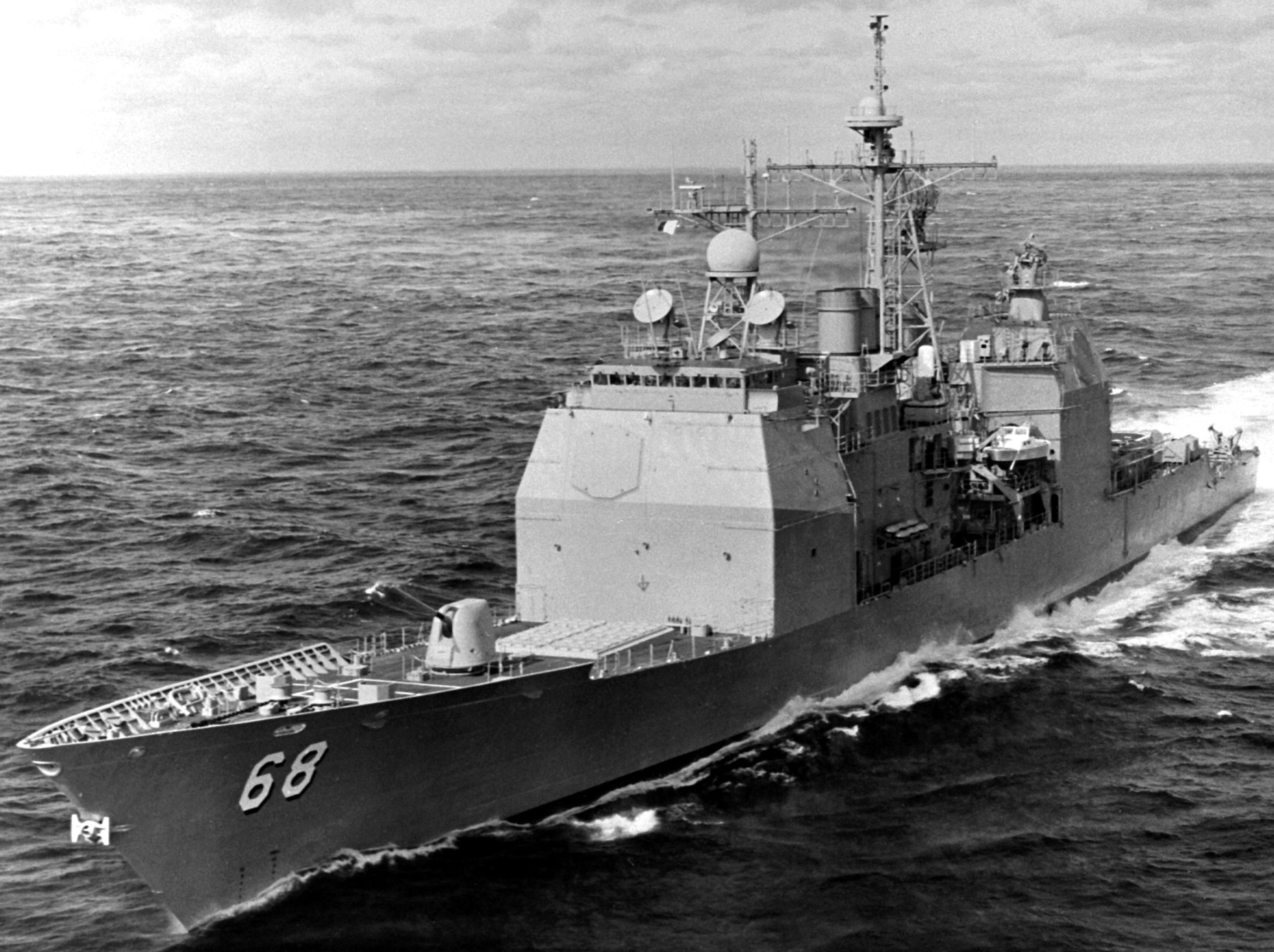 trials - April 1992 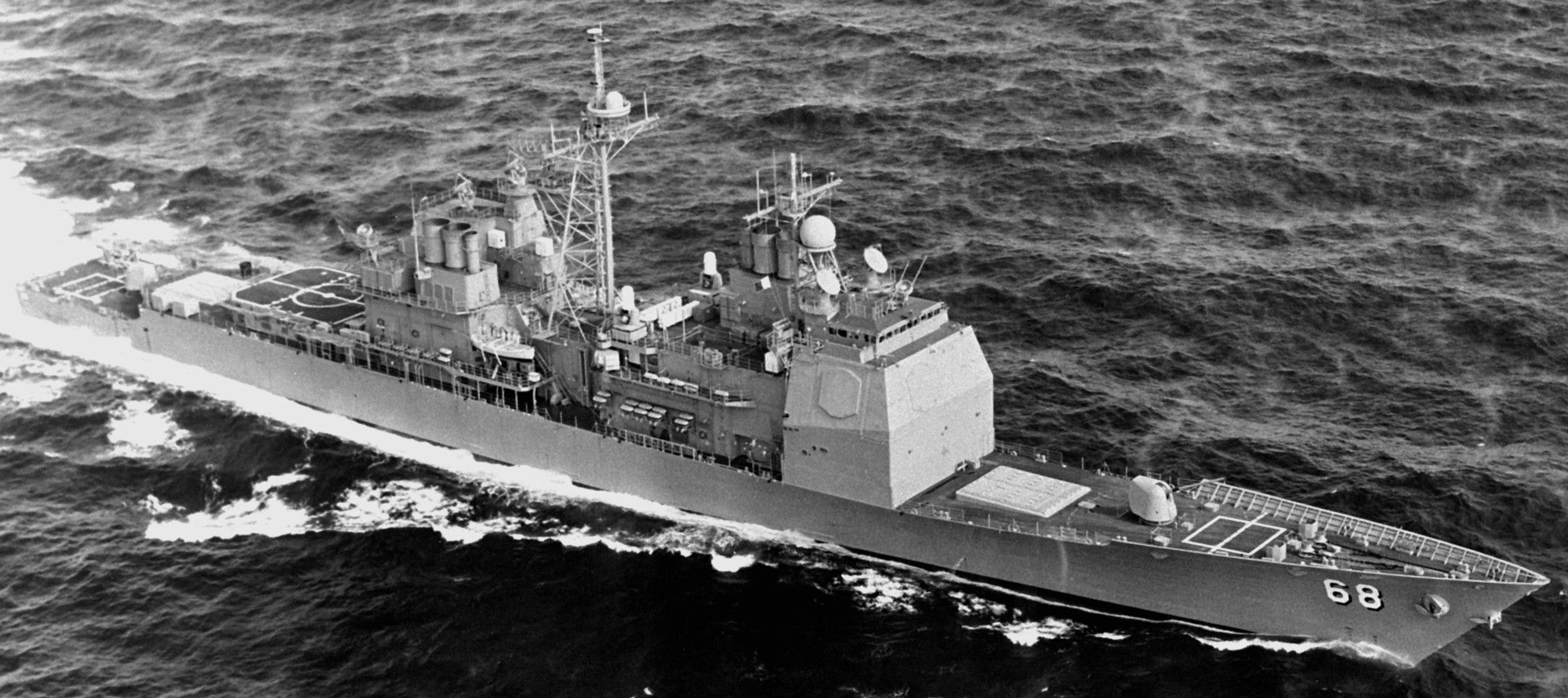 trials - April 1992 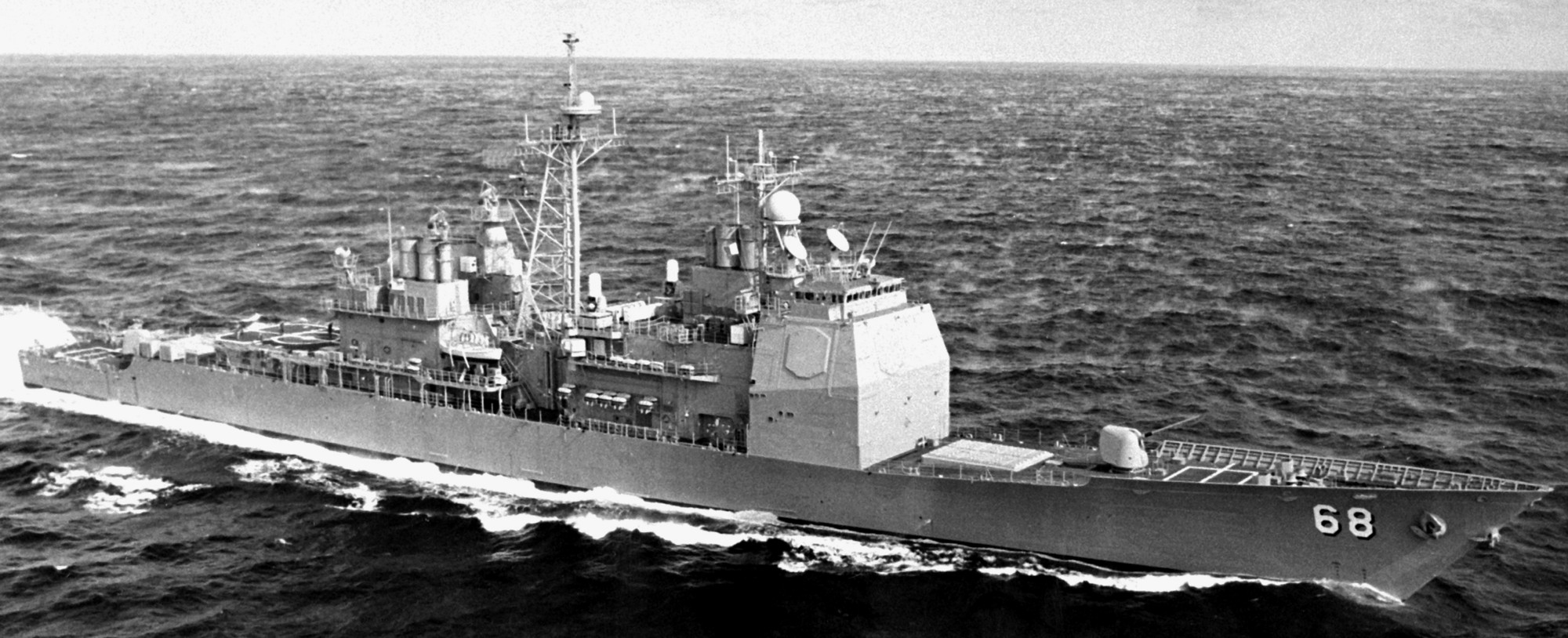 trials - April 1992 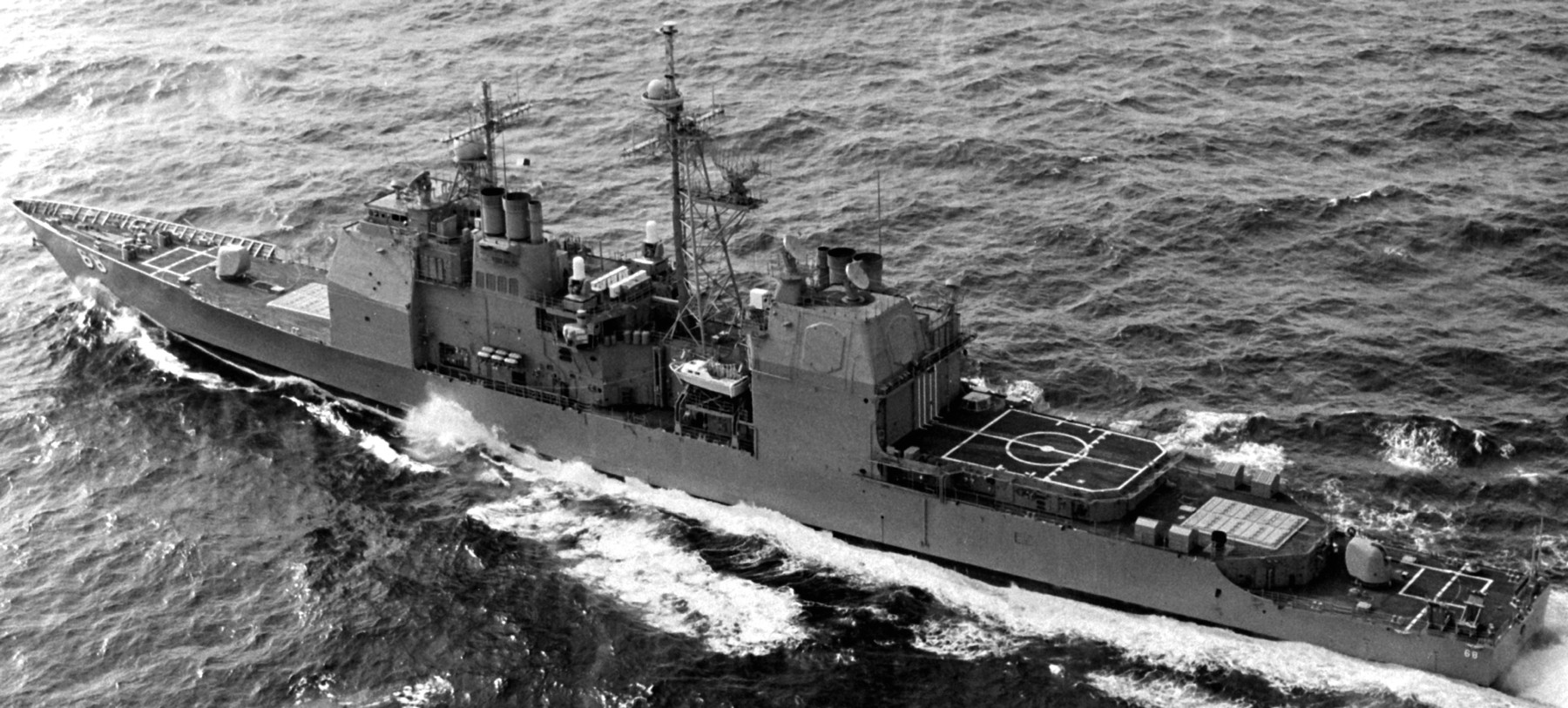 trials - April 1992 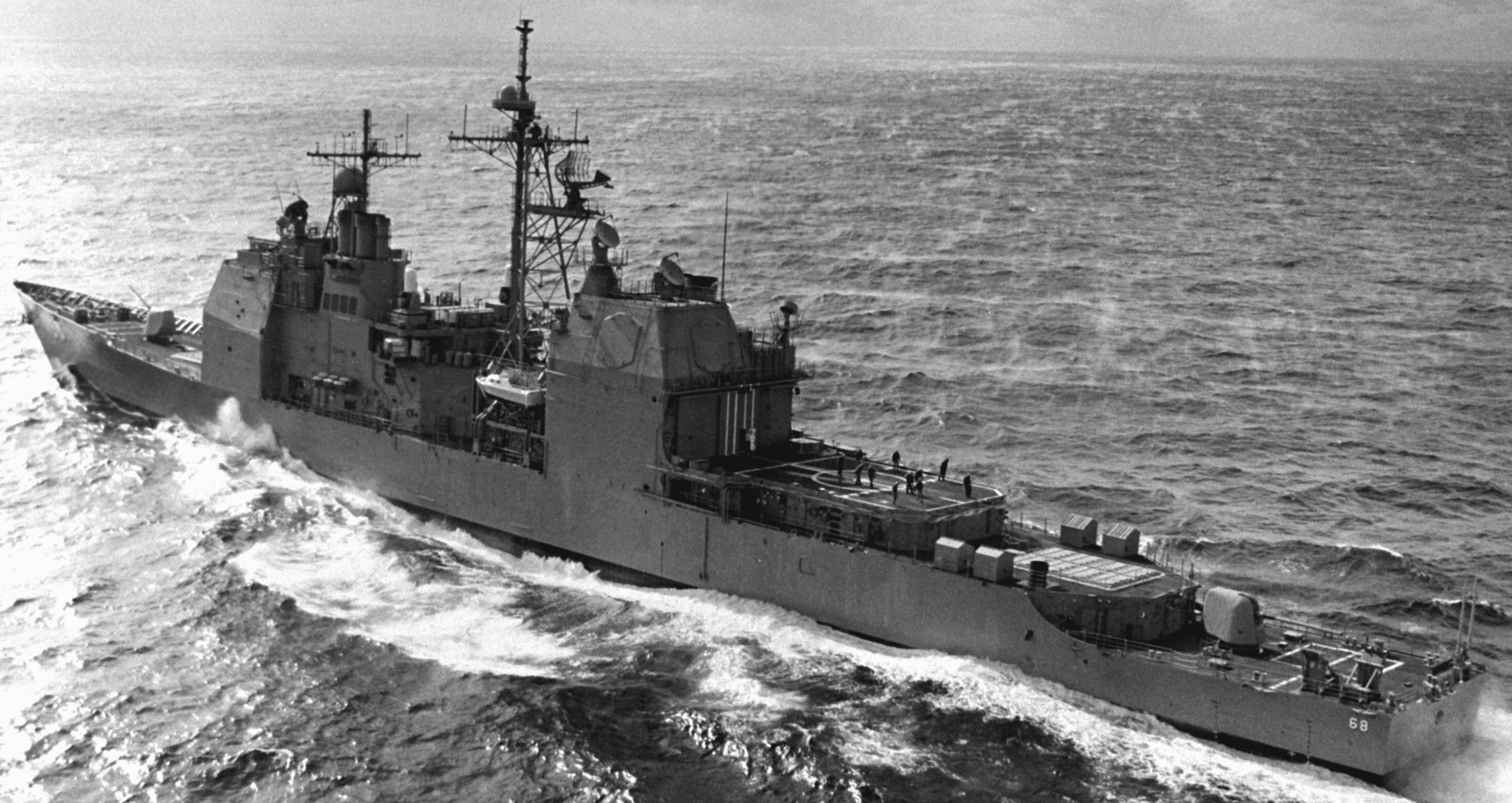 trials - April 1992 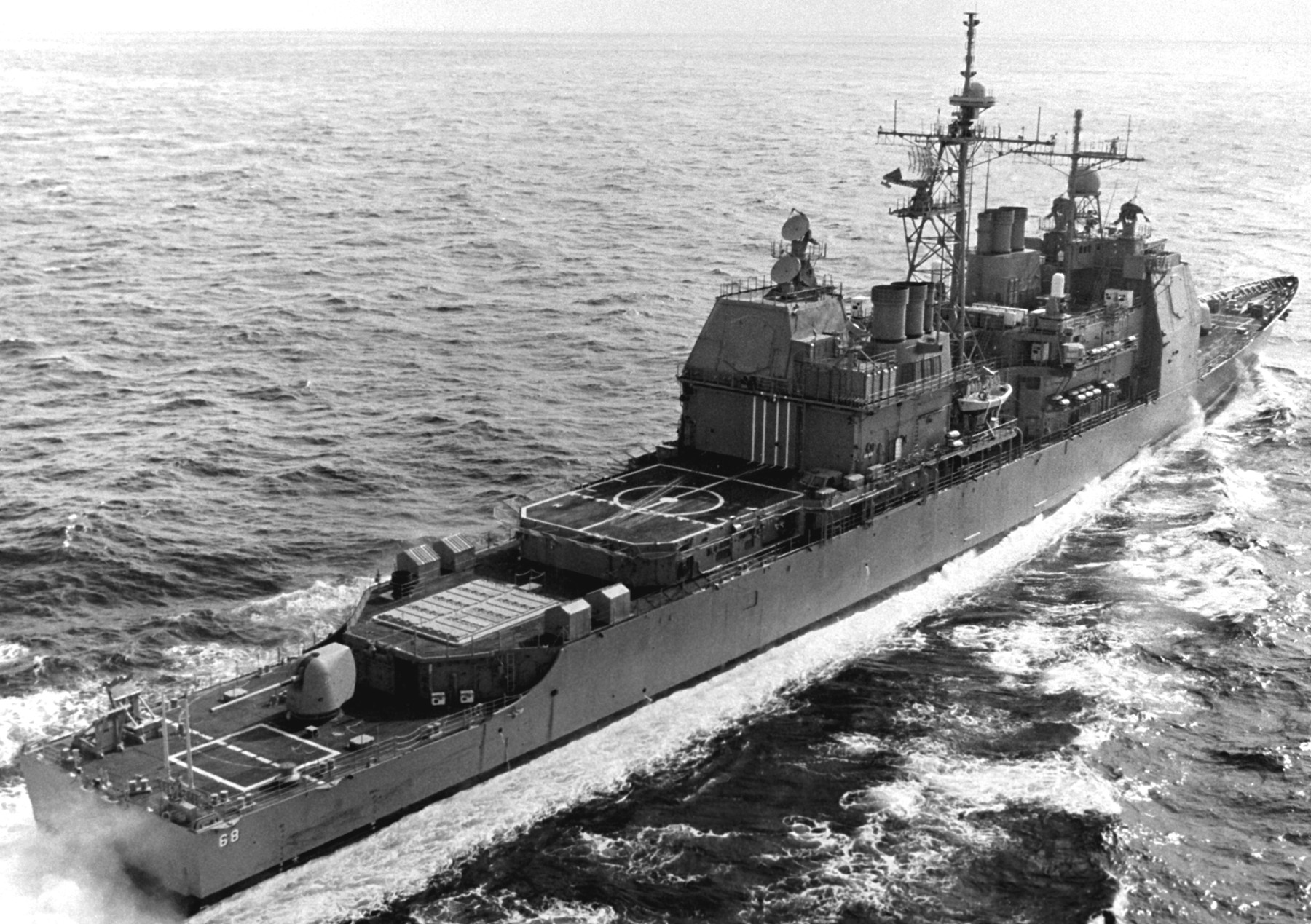 trials - April 1992 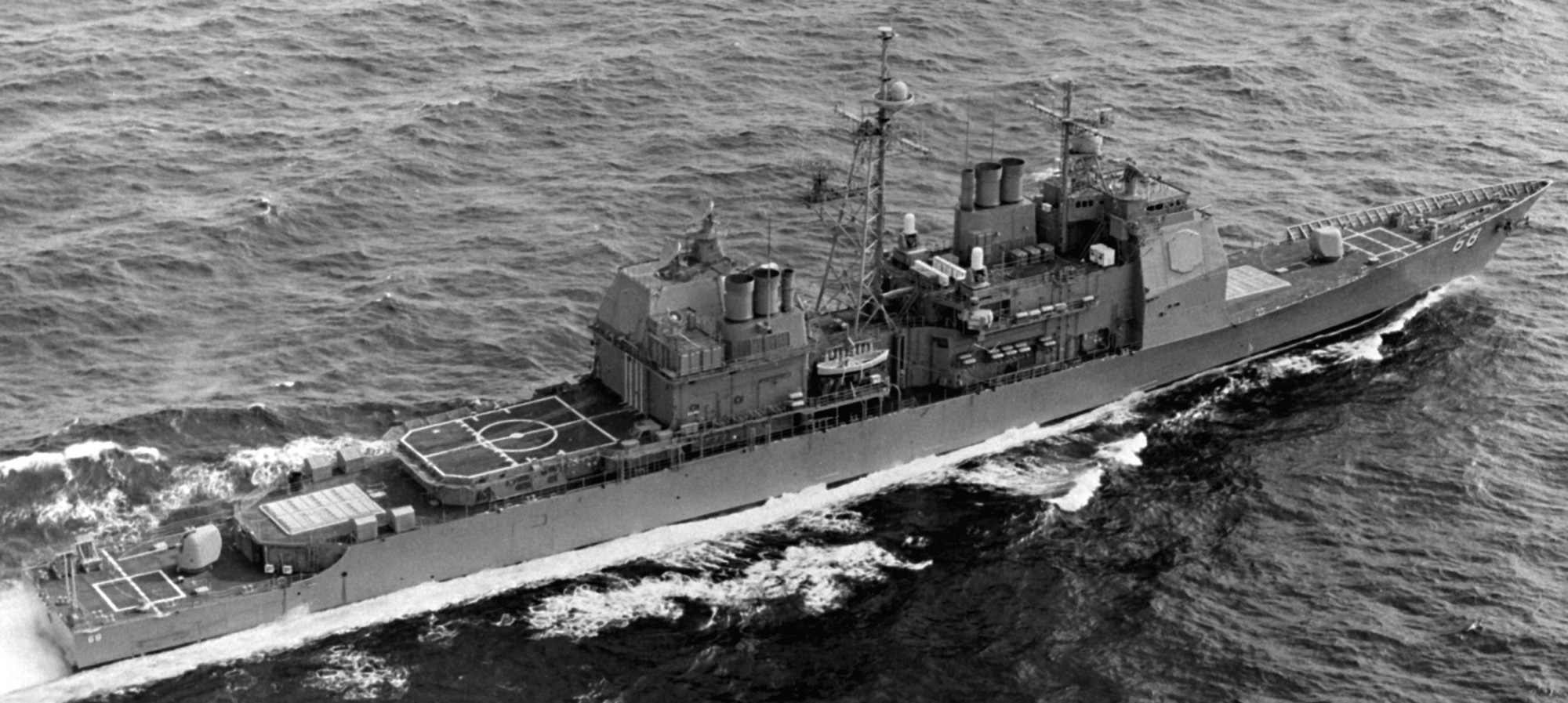 trials - April 1992 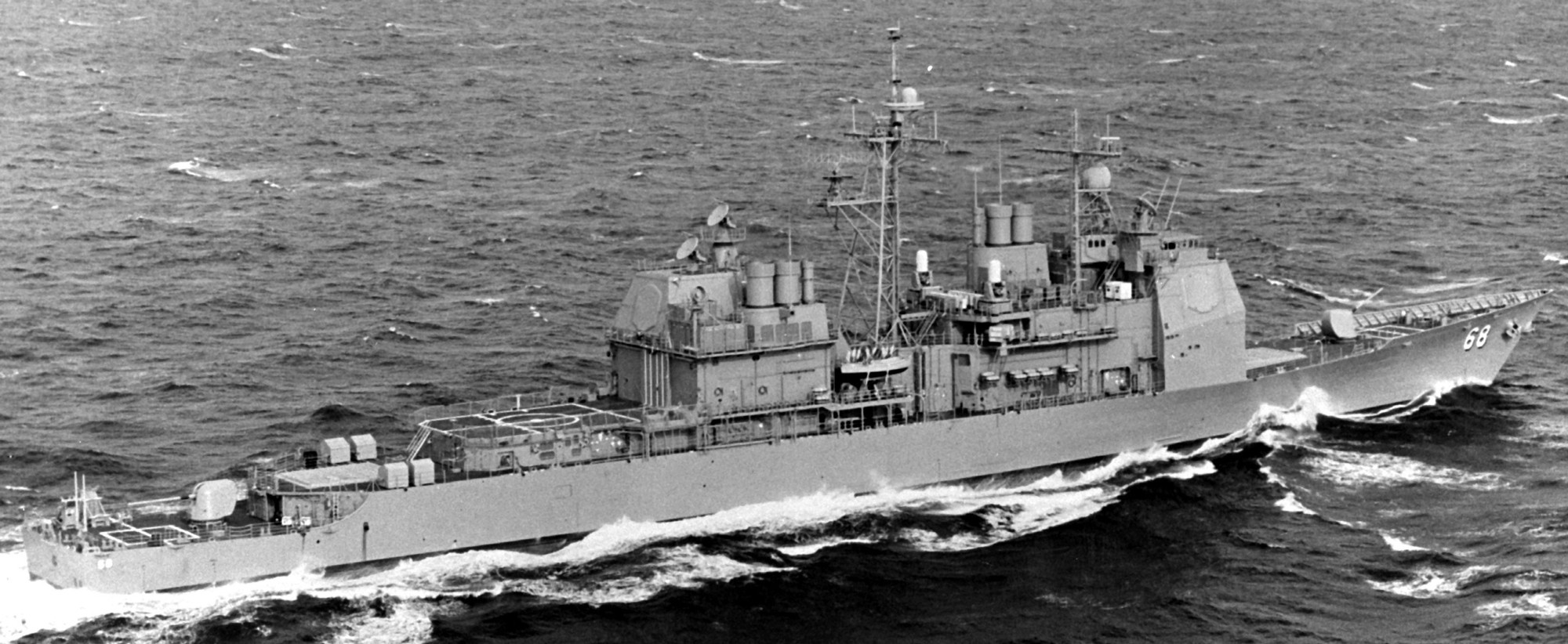 trials - April 1992 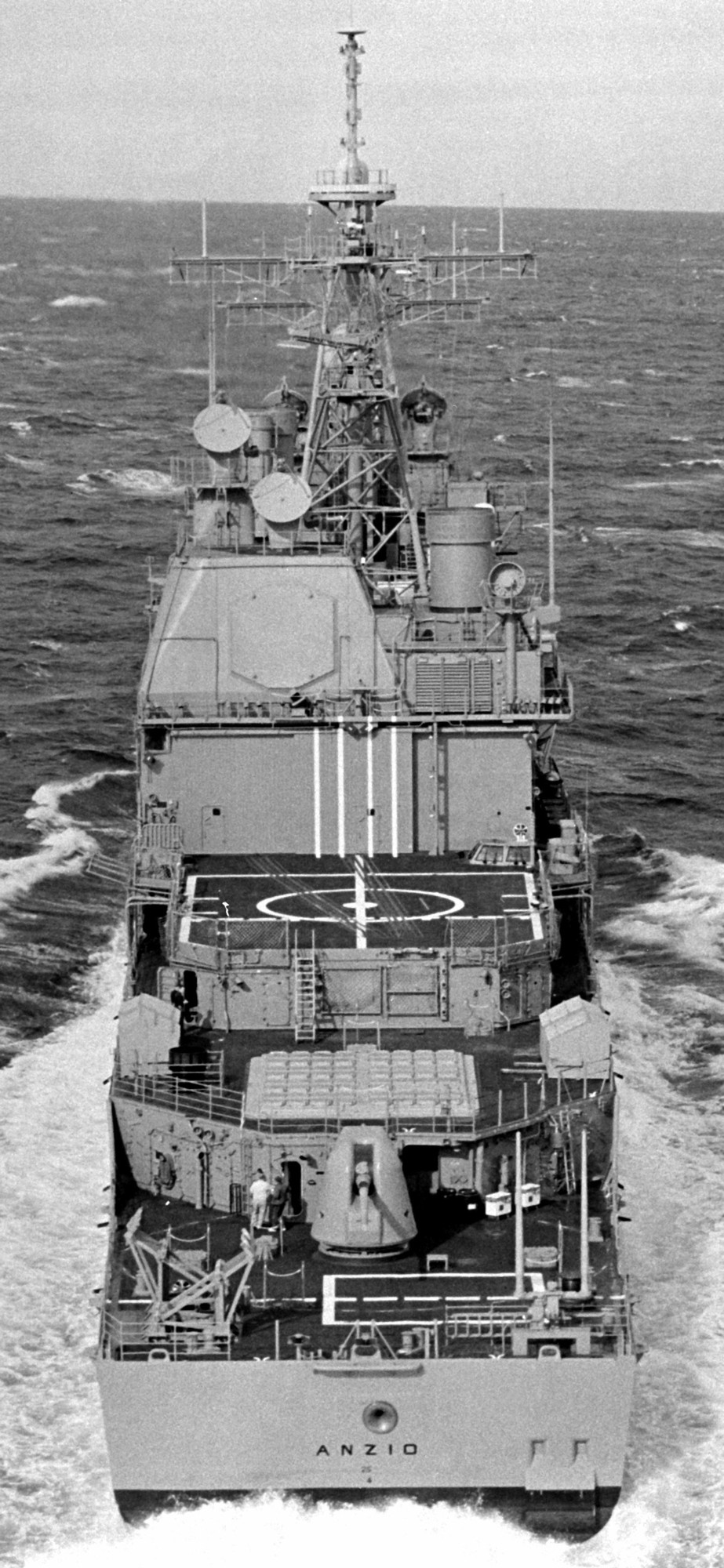
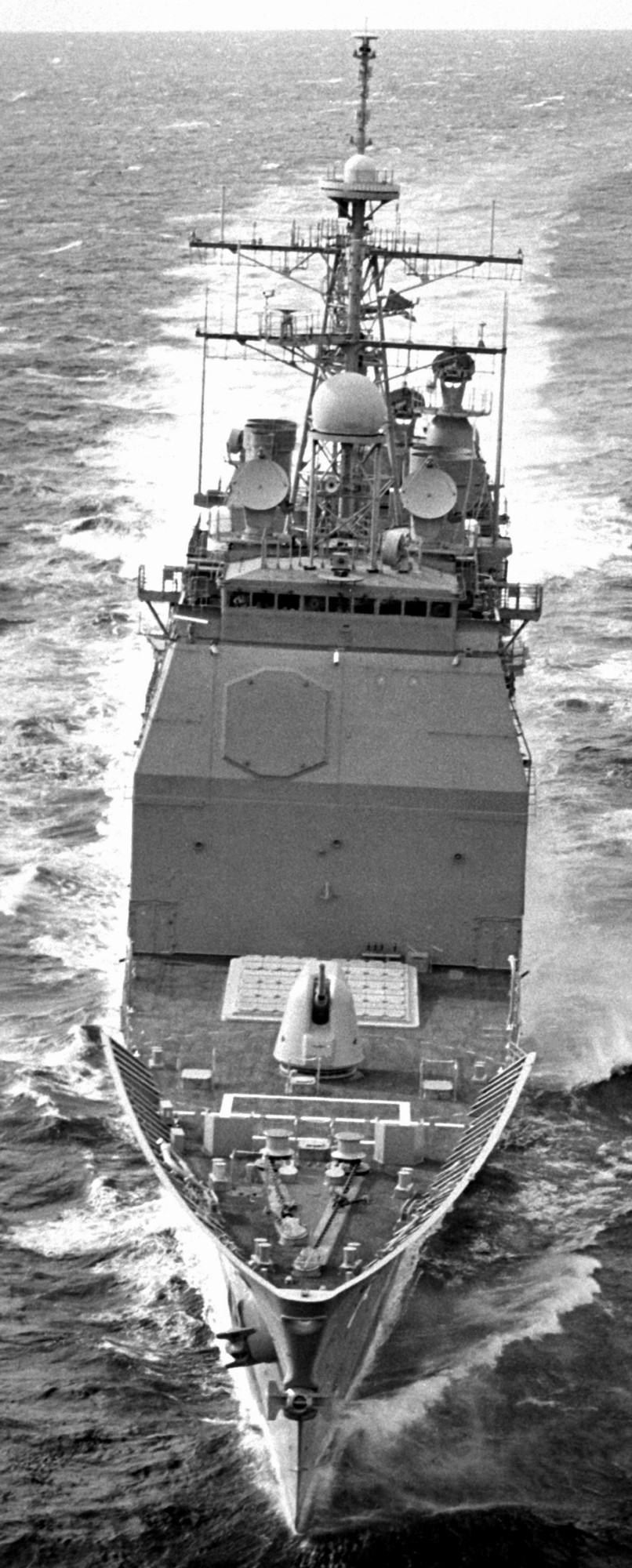 trials - April 1992 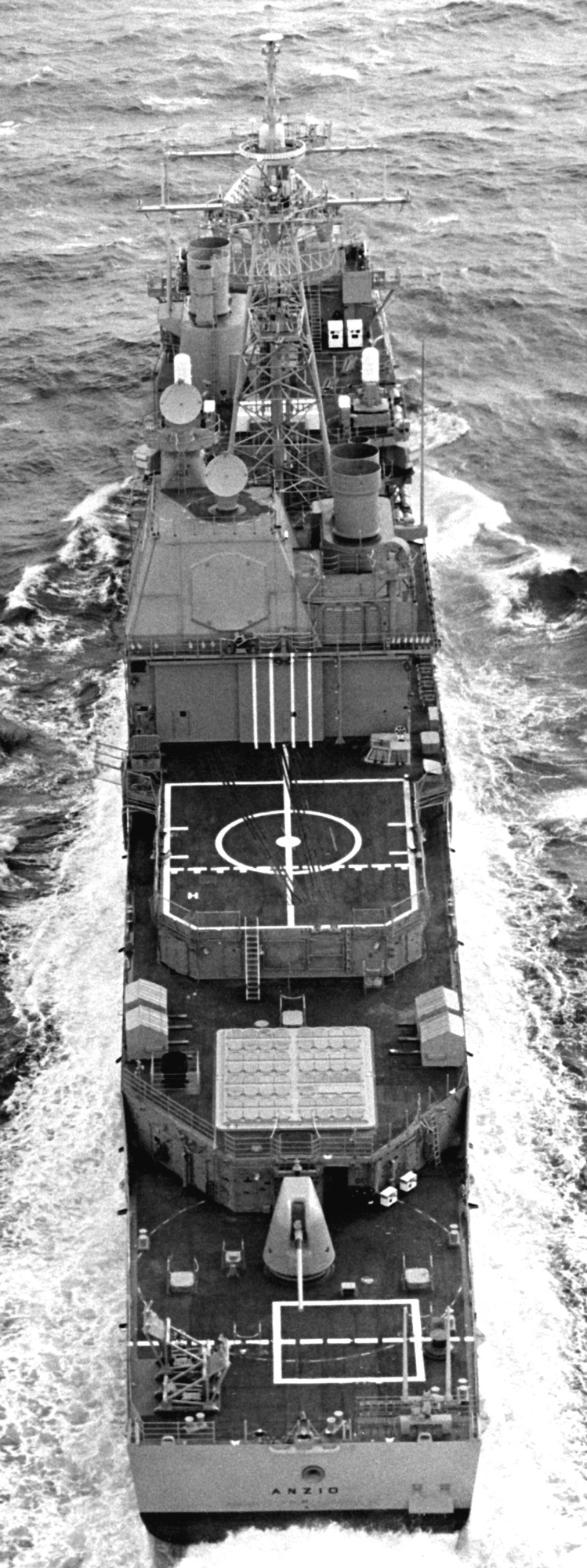
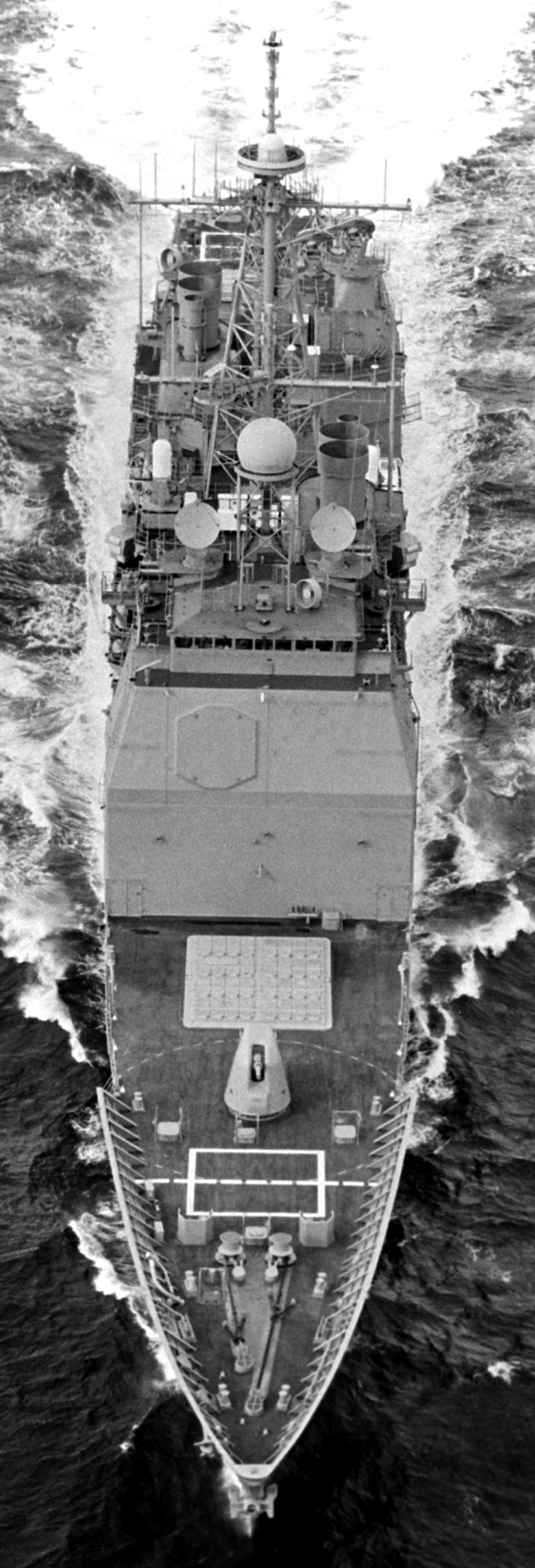 trials - April 1992 |
|||
|
USS Anzio (CG 68): USS ANZIO is the twenty-second vessel in the TICONDEROGA-class of Aegis cruisers and the fifteenth built by Ingalls Shipbuilding in Pascagoula, MS. Her keel was laid on August 24, 1989 and she was launched on November 2, 1990. USS ANZIO's sponsor, Mrs. Lee Baggett, wife of Adm. Lee Baggett, Jr., USN (Ret.), christened ANZIO on November 10, 1990. USS ANZIO was commissioned in Norfolk, VA, May 2, 1992. USS ANZIO deployed to the Mediterranean on October 20, 1994, as part of the USS DWIGHT D. EISENHOWER (CVN 69) Battle Group for a six-month deployment. During that deployment it took part in operations conducted in the Mediterranean Sea, Indian Ocean, Arabian Gulf, Adriatic Sea and Black Sea. Upon relieving the GEORGE WASHINGTON Battle Group, DWIGHT D. EISENHOWER and its support ships began operations in the Arabian Gulf region which included support for Operations Southern Watch and Vigilant Warrior. Steaming into the Adriatic, the battle group participated in peacekeeping and sanctions-enforcement operations including Deny Flight, Provide Promise and Sharp Guard. On the diplomatic front, the battle group helped reaffirm ties with traditional allies and foster new friendships with emerging nations through more than 96 bilateral and multilateral military exercises and exchanges with 20 nations. USS ANZIO returned home in mid-April, 1995. Following successful live missile firings and testing of the U.S. Navy's Cooperative Engagement Capability (CEC) by USS ANZIO and USS CAPE ST. GEORGE (CG 71), near the AEGIS Combat Systems Center, Wallops Island, VA, the CEC received final approval for fleet tactical use, on September 30, 1996. USS ANZIO departed on May 23, 1997, and took part in Exercise BALTOPS '97 in the Baltic Sea, from June 16 to 27, 1997, joining 47 other ships from 12 European nations in the Partnership for Peace exercise. During that exercise, USS ANZIO served as the flagship, for the Commander of Cruiser Destroyer Group Eight, who commanded the exercise. As part of the USS DWIGHT D. EISENHOWER (CVN 69) Carrier Battle Group (CVBG), USS ANZIO, along with the USS SAIPAN (LHA 2) Amphibious Ready Group (ARG), took part in Joint Task Force Exercise 98-2 from April 27 through May 13, 1998. The exercise took place in waters off Virginia and North Carolina, as well as the Puerto Rico operating area. The exercise involved more than 10,000 service members from the Navy, Marine Corps and Air Force and incorporated the third in a series of Navy "Fleet Battle Experiments". This particular exercise was called Fleet Battle Experiment Charlie (FBE-C) and featured two amphibious assaults one in Camp Lejeune, NC, and the other at Roosevelt Roads, Puerto Rico. Following the exercise, the DWIGHT D. EISENHOWER (CVN 69), USS ANZIO, USS CAPE ST. GEORGE (CG 71) and USS SUPPLY (AOE 6) were to depart the exercise area and proceed directly on deloyment, thus enabling the Navy to maintain its current tasking of providing a two-carrier presence in the Arabian Gulf. The units were to return home six months after the JTFEX 98-2 start date. On 26 June 1998, with the USS DWIGHT D. EISENHOWER Carrier Battle Group, USS ANZIO conducted a routine, previously scheduled deployment to the Mediterranean and Black Seas. The DWIGHT D. EISENHOWER Battle Group arrived in the Mediterranean on June 20. Units of the DWIGHT D. EISENHOWER Battle Group participated in 14 exercises during their deployment to the European Theater of operations, including several NATO and multinational exercises throughout the Mediterranean and Black Seas. USS DWIGHT D. EISENHOWER (CVN 69), USS CAPE ST. GEORGE and USS ANZIO operated in the Adriatic sea in support of NATO's operation "Joint Forge", "Deliberate Forge" and the continued Stabilization Force (SFOR) - contributing to the secure environment necessary for the consolidation of peace in Bosnia and Herzegovina. While deployed with the USS DWIGHT D. EISENHOWER Battle Group for a routine six-month deployment, USS ANZIO took part in a French-sponsored bilateral carrier battle group exercise, FANCY '98, scheduled from September 24-29, 1998, in the Western Mediterranean. Seven ships from the French FS FOCH carrier battle group and six ships from the DWIGHT D. EISENHOWER carrier battle group conducted at sea and overland combined air, surface and sub-surface training. As part of the USS DWIGHT D. EISENHOWER battle group, USS ANZIO participated in a series of increasingly demanding exercises and operations. The training culminated in Joint Task Force Exercise 00-1 held in December 1999. However, because it was unable to complete live-fire training with ground spotters, and thus complete training prior to deploying on February 18, 2000, USS ANZIO had to perform its Naval Surface Fire Support training at the Cape Wrath, Scotland training range. This came as a result of the Navy training range at Vieques, Puerto Rico, being closed since April. The use of the range at Cape Wrath was a unique circumstance demonstrating cooperation with British allies who operate the range. Working through heavy seas and high winds, USS ANZIO, as well as the USS CAPE ST. GEORGE (CG 71) and USS MAHAN (DDG 72) were able to complete their training and attain certification in naval surface fire support. The training at Cape Wrath was performed with ground spotters for directing fire. However, the training lacked the coordinated live-fire exercises with Marines ashore, which is a hallmark of the training received at the Navy's Atlantic Fleet Weapons Training Facility range on Vieques. The ships and squadrons returned home in August. In mid-2000, USS ANZIO took part in one of the largest NATO (North Atlantic Treaty Organization) exercises Dynamic Mix 2000. The purpose of Dynamic Mix 2000 was to enhance U.S. military force warfighting and interoperability skills and to develop a common understanding of NATO operational procedures that could apply to future NATO warfighting missions. NATO forces that participated in the operation included military elements from Belgium, Canada, Denmark, France, Germany, Greece, Hungary, Italy, The Netherlands, Portugal, Spain, Turkey and England. In late September 2000, USS ANZIO took part in Underway No. 10", one in a series of tests leading to the Cooperative Engagement Capability (CEC) Operation Evaluation (OPEVAL) scheduled for Spring 2001. The CEC system provides the capability to cooperatively engage targets by a warship using data from other CEC-equipped ships, aircraft, and land-based sensors, even in an electronic-jamming environment. It also provides a common, consistent and highly accurate air picture, allowing battle group defenses to act as one seamless system. The test, off Wallops Island, VA, simulated missile firings from some of the Navy's most technically advanced ships against unmanned drones. USS ANZIO left its homeport of Norfolk, VA, on May 21, 2001, and took part, in the Baltic Sea, in the 29th annual maritime exercise Baltic Operations (BALTOPS) 2001. With naval vessels and over 40 aircraft of 14 nations taking part, the exercise is intended to improve interoperability with Baltic Sea nations and Partnership for Peace countries by conducting a peace support operation at sea. The operation involved exercises in gunnery, replenishment-at-sea, undersea warfare, radar tracking, mine countermeasures, seamanship, search and rescue, and maritime interdiction operations. Additionally, the nations conducted personnel exchanges amongst the ships so that officers and sailors could see how their contemporaries from other navies live and operate. In summer of 2002, ANZIO and CAPE ST. GEORGE returned to the Baltic Sea for BALTOPS 2002. The exercise was concluded with a 4-day port visit to Kiel, Germany from June 21-24. On 9 January 2003 Anzio was pre-deployed in support of Operation Iraqi Freedom. Ordered first to the eastern Mediterranean Sea for the initial phase of President George W. Bush's Shock and Awe strategy, during which the US Navy deployed to obliterate and defeat the Iraq military before ground forces were sent in. Once the Anzio completed her mission in the eastern Mediterranean, she forward-deployed to the Persian Gulf. Once the Anzio arrived in the Gulf, she had marked her 45th straight day at sea. In the Gulf, the Anzio continued carrier-flight support operations and coastal surveillance. After President Bush announced major combat had concluded in the Iraq War, on 1 May 2003, the Anzio was relieved of its duties, returning home on 3 July 2003 after over 200 days at sea. In 2004, Anzio participated at the annual Fleet Week in New York City. In January 2007, the warship was sent to the coast of Somalia to conduct antiterrorist operations as part of the USS Dwight D. Eisenhower task force. On 16 February 2007, Anzio was awarded the 2006 Battle "E" award. The Anzio was docked and a participant for 'Windjammer Days' in Boothbay Harbor, Maine, 25 June-26, 2008. Anzio has served as the flagship of the horn of Africa international anti-piracy Combined Task Force 151. On or around October 14, 2009 a team from the cruiser working with US Coast Guard personnel seized a skiff carrying an estimated 4 tons of hashish worth an estimated $28 million about 170 miles southwest of Salalah, Oman. The boarding team destroyed the drugs by dumping them into the ocean and released the skiff's crew. Anzio embarked Detachment 2 of Helicopter Maritime Strike Squadron 46 (HSM-46) for operations in 2012. Anzio was tentatively scheduled to be decommissioned and designated for disposal on 31 March 2013. However, Anzio was retained under the National Defense Authorization Act for Fiscal Year 2013. On 13 January 2016, ten U.S. Navy sailors were picked up by Anzio for transport and medical evaluations after being held in Iranian custody. The sailors were captured by Iran on 12 January 2016 after their two naval boats entered Iranian waters. "The evidence suggests that they unintentionally entered the Iranian waters because of the failure of their navigational system," Islamic Revolutionary Guard Corps spokesman Ramazan Sharif said on Press TV.[12] Anzio was also involved in a replenishment at sea operation with HMS Defender, USS Harry S. Truman, USS Ramage, USNS Pecos, and USNS Medgar Evers. In December 2020 the U.S. Navy's Report to Congress on the Annual Long-Range Plan for Construction of Naval Vessels stated that the ship was planned to be placed Out of Commission in Reserve in 2022. |
|||
|
About the Battle of Anzio, Italy
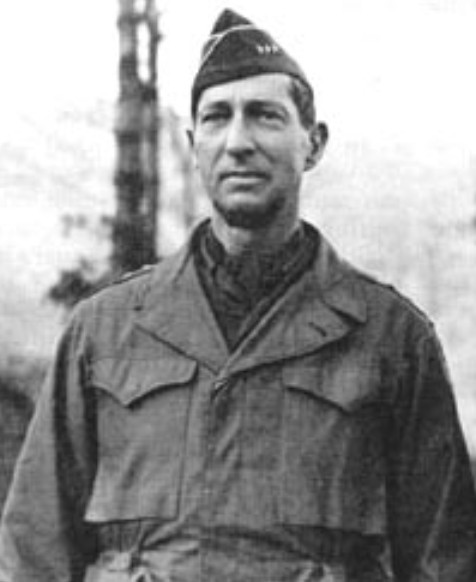
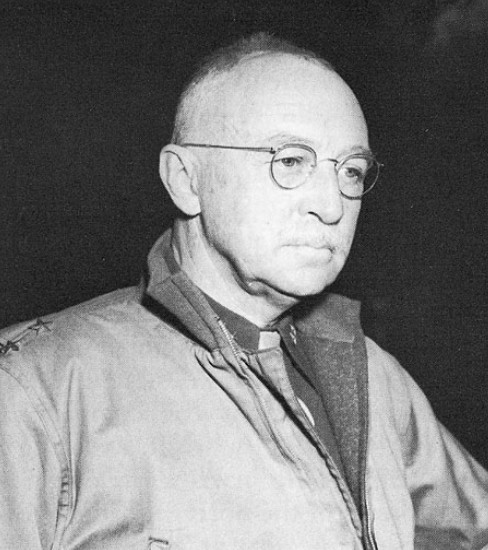
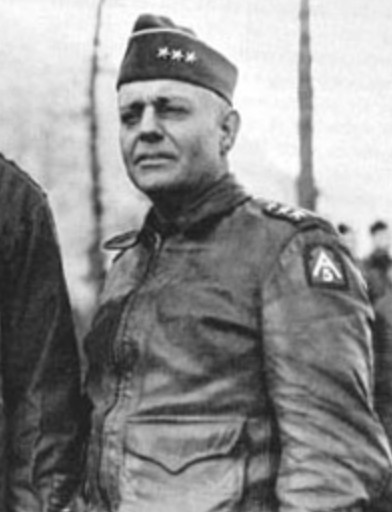
/ World War II - 1944: Operation Shingle (January 22, 1944), during the Italian Campaign of World War II, was an Allied amphibious landing against Axis forces in the area of Anzio and Nettuno, Italy. The operation was commanded by Major General John P. Lucas and was intended to outflank German forces of the Winter Line and enable an attack on Rome. The resulting combat is commonly called the Battle of Anzio. Introduction At the end of 1943, following the Allied invasion of Italy Allied forces were bogged down at the Winter Line, a defensive line across Italy south of the strategically key objective of Rome. The terrain of central Italy had proved ideally suited to defense, and Generalfeldmarschall Albert Kesselring had proved more than able in exploiting it. A number of Allied proposals were made to break the stalemate, but Winston Churchill's idea for "Operation Shingle" was accepted by Franklin D. Roosevelt and Joseph Stalin. A major attack in the South by U.S. Fifth Army and the British Eighth Army would draw Germany's depleted forces away from the areas around Rome, and from the hills between Rome and the coast. This would make possible a surprise landing by the U.S. VI Corps under the command of Maj. Gen. Lucas in the Anzio/Nettuno area, and a rapid advance into the Alban Hills to cut German communications and "threaten the rear of the German XIV Corps". The Plan Planners argued that if Kesselring (in charge of German forces in Italy) pulled troops out of the Gustav Line to defend against the Allied assault, then Allied forces would be able to break through the line; the planners felt that if Kesselring did not pull troops out of the Gustav Line, then Operation Shingle would threaten to capture Rome and cut off the German units defending the Gustav Line. Should Germany have adequate reinforcements available to defend both Rome and the Gustav Line, the Allies felt that the operation would nevertheless be useful in engaging forces which could otherwise be committed on another front. The operation was officially cancelled on December 18, 1943. However, it was later reselected and executed. Lucas did not have full confidence in either his superiors or the operational plan. A few days prior to the attack, he wrote in his diary, "Unless we can get what we want, the operation becomes such a desperate undertaking that it should not, in my opinion, be attempted." and "[The operation] had a strong odor of Gallipoli and apparently the same amateur was still on the coach's bench." The 'amateur' can only have referred to Winston Churchill, architect of the disastrous Gallipoli landings of World War I, and personal advocate of Shingle. Availability of Naval forces One of the problems with the plan was the availability of landing ships. The American commanders in particular were determined that nothing should delay the Normandy invasion and the supporting landings in southern France (Operation Dragoon). Operation Shingle would require the use of landing ships necessary for these operations. Initially Shingle was to release these assets by January 15. However, this being deemed problematic, President Roosevelt granted permission for the craft to remain until February 5. Only enough Tank Landing Ships (LSTs) to land a single division were initially available to Shingle. Later, at Churchill's personal insistence, enough were made available to land two divisions. Allied intelligence thought that five or six German divisions were in the area. Allied Force Composition Allied forces in this attack consisted of 5 cruisers, 24 destroyers, 238 landing craft, 62+ other ships, 40,000 soldiers, and 5,000+ vehicles. The attack consisted of three groups: British Force This force attacked the coast 10 km north of Anzio. 1st Division 46th Royal Tank Regiment 2 Special Service Brigade (partial) No.9 Commando No.43 Commando (RM) Northwestern U.S. Force This force attacked the port of Anzio. There had been plans to use the 504th Parachute Infantry Battalion in an airborne attack north of Anzio, however these plans were scrapped. 1st Ranger Battalion 3rd Ranger Battalion 4th Ranger Battalion 509th Parachute Infantry Battalion (PIB) 83rd Chemical Battalion 93rd Evacuation Hospital Southwestern U.S. Force This force attacked the coast 6 km east of Anzio. 3rd Infantry Division The Southern Attack The Fifth Army's attack on the Gustav Line began on 16 January 1944 at Monte Cassino. Although the operation failed to capture its target, it did succeed in part in its primary objective. General Heinrich von Vietinghoff, commanding the Gustav Line, called for reinforcements, and Kesselring transferred the 29th and 90th Panzergrenadier Divisions from Rome. For more details of this actions, look for informations about the Gustav Line. Initial Landings The landings began on January 22, 1944. Although resistance had been expected, as seen at Salerno during 1943, the initial landings were essentially unopposed, with the exception of desultory Luftwaffe strafing runs. By midnight, 36,000 soldiers and 3,200 vehicles had landed on the beaches. 13 Allied troops were killed, and 97 wounded; about 200 Germans had been taken as POWs. The 1st Division penetrated 3 km inland, the Rangers captured Anzio's port, the 509th PIB captured Nettuno, and the 3rd Division penetrated 5 km inland. After the landings It is clear that Lucas's superiors expected some kind of offensive action from him, possibly even an assault on Rome. The point of the invasion was to either divert German strength from the Winter Line, or take advantage of German weakness in the rear areas. However, Lucas instead poured more men and material into his tiny bridgehead, and strengthened his defences. Winston Churchill was clearly displeased with this action. "I had hoped we were hurling a wildcat into the shore, but all we got was a stranded whale." he said. Lucas's decision remains a controversial one. Noted military historian John Keegan wrote, "Had Lucas risked rushing at Rome the first day, his spearheads would probably have arrived, though they would have soon been crushed. Nevertheless he might have 'staked out claims well inland'". As noted above, Lucas did not have confidence in the strategic planning of the operation. Also, his orders from Gen. Mark Clark told him to "land, secure the beachhead and advance". With two divisions landed, and facing two or three times that many Germans, it would not have been unreasonable for Lucas to consider the beachhead insecure. But according to Keegan, Lucas's actions "achieved the worst of both worlds, exposing his forces to risk without imposing any on the enemy." Lucas was relieved of his command on 23 February, to be replaced by General Lucian Truscott. Kesselring's Response Kesselring was informed of the landings at 0300 hours on January 22nd. At 0500 he ordered the 4th Fallschirmjäger and replacement units of the Hermann Göring Division to defend the roads leading from Anzio to the Alban Hills. In addition, he requested that OKW send reinforcements from France, Yugoslavia, and Germany. Later that morning, he would order Generaloberst Eberhard von Mackensen (14th Armee) and Gen. von Vietinghoff (10th Armee - Gustav Line) to send him additional reinforcements. The German units in the immediate vicinity had in fact been dispatched to reinforce the Gustav Line only a few days earlier. All available reserves from the southern front or on their way to it were rushed toward Anzio; these included the 3rd Panzer Grenadier and 71st Infantry Divisions, and the bulk of the Luftwaffe's Hermann Goering Panzer Division. Kesselring initially considered that a successful defense could not be made if the Allies launched a major attack on the 23rd or 24th. However, by the end of the 22nd, the lack of aggressive action convinced him that a defense could be made. The Wehrmacht's Fourteenth Army, commanded by Gen. von Mackensen, assumed control of the defense on 25 January. Elements of eight German divisions were employed in the defense line around the beachhead, and five more divisions were on their way to the Anzio area. Kesselring ordered an attack on the beachhead for 28 January, though it was postponed to 1 February. Lucas initiated a two-pronged attack on 30 January. While one force cut Highway 7 at Cisterna before moving east into the Alban Hills, a second was to advance northeast up the Albano Road. 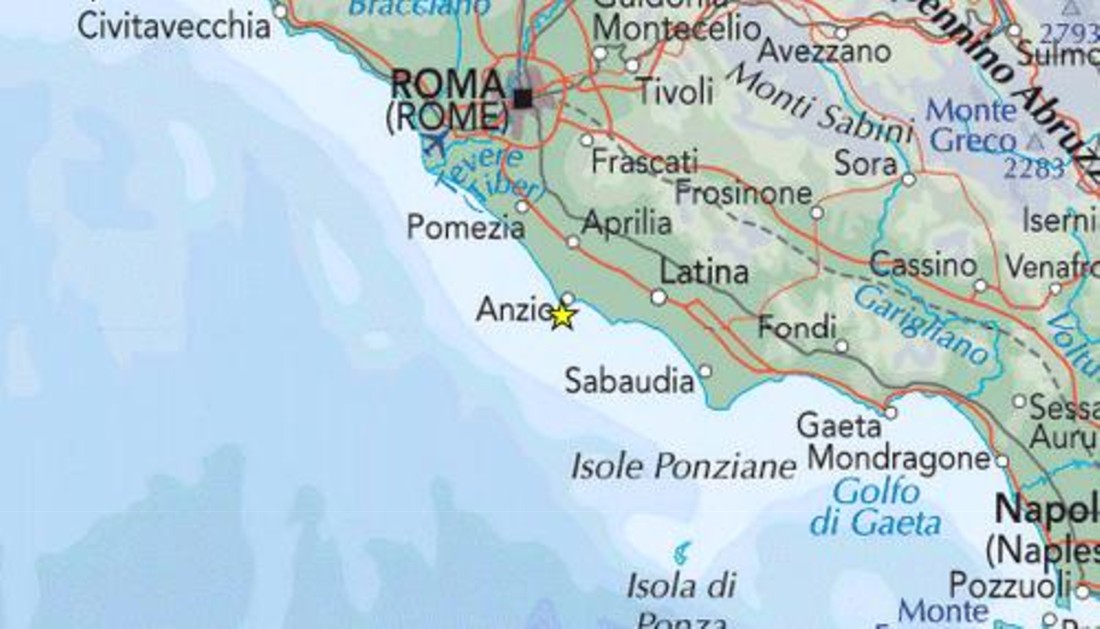
|
|||
| patches + more | |||
   |
|||
|
|
seaforces.org |
USN ships
start page | |