|
||
|
HOME
|
US Navy -
ships
|
US Navy - air
units
|
USMC - air
units
|
International
Navies
|
Weapon Systems
|
Special Reports |
||
|
US Navy - Guided Missile Cruiser CG 65 - USS Chosin |
||
|
||
| 08/22 | ||
|
Type,
class: Guided Missile Cruiser (CG); Ticonderoga
class Builder: Ingalls Shipbuilding, Pascagoula, Mississippi, USA STATUS: Awarded: January 8, 1986 Laid down: July 2, 1988 Launched: September 1, 1989 Commissioned: January 12, 1991 IN SERVICE Homeport: Naval Station Everett, Washington Namesake: the Battle of Chosin Reservoir, Korea / November-December 1950 Ships Motto: INVICTUS (invincible or unconquered) Technical Data: see: INFO > Ticonderoga class Guided Missile Cruiser - CG |
||
| images | ||
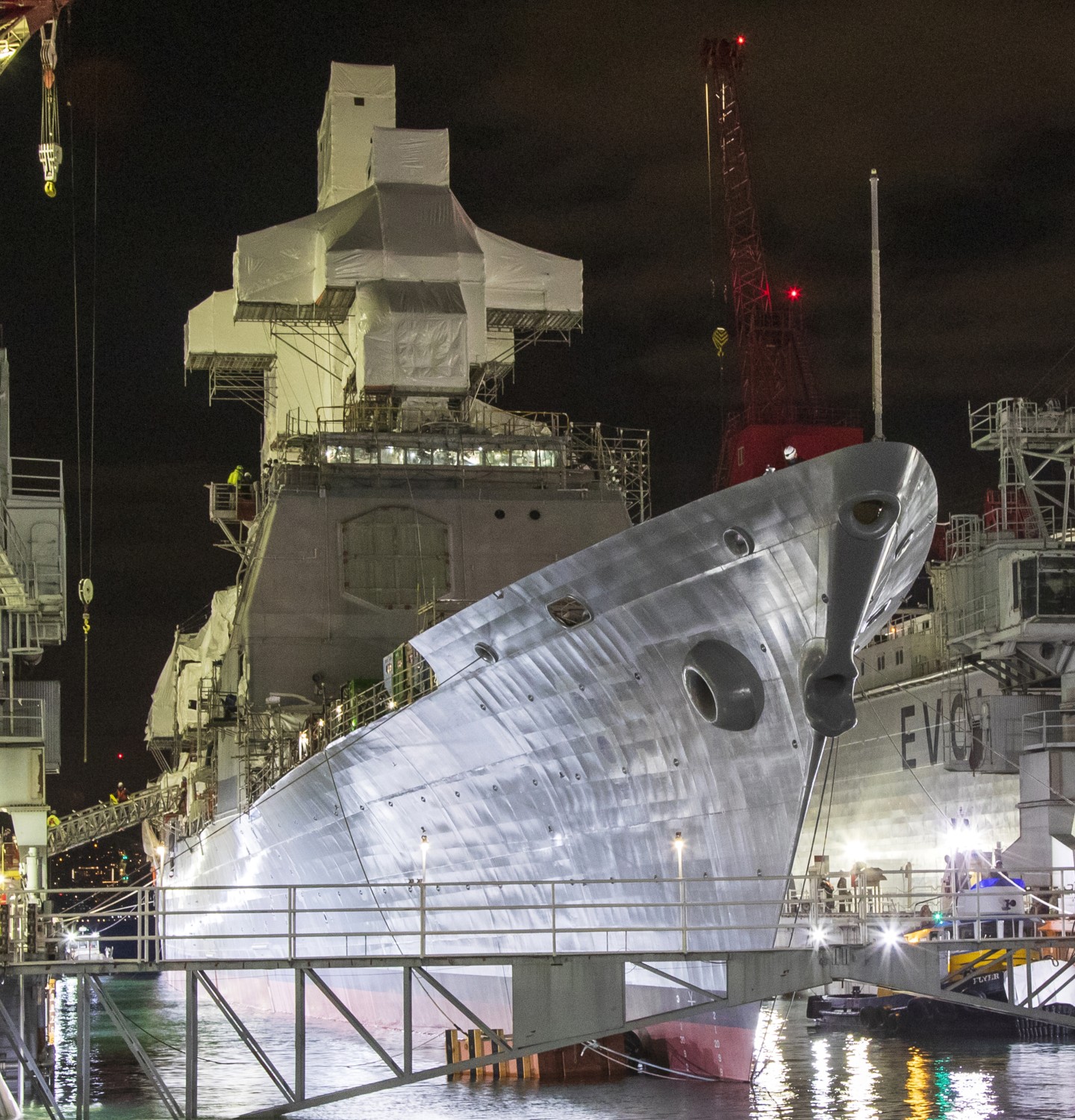 at Vigor Shipyards, Seattle, Washington - June 2021 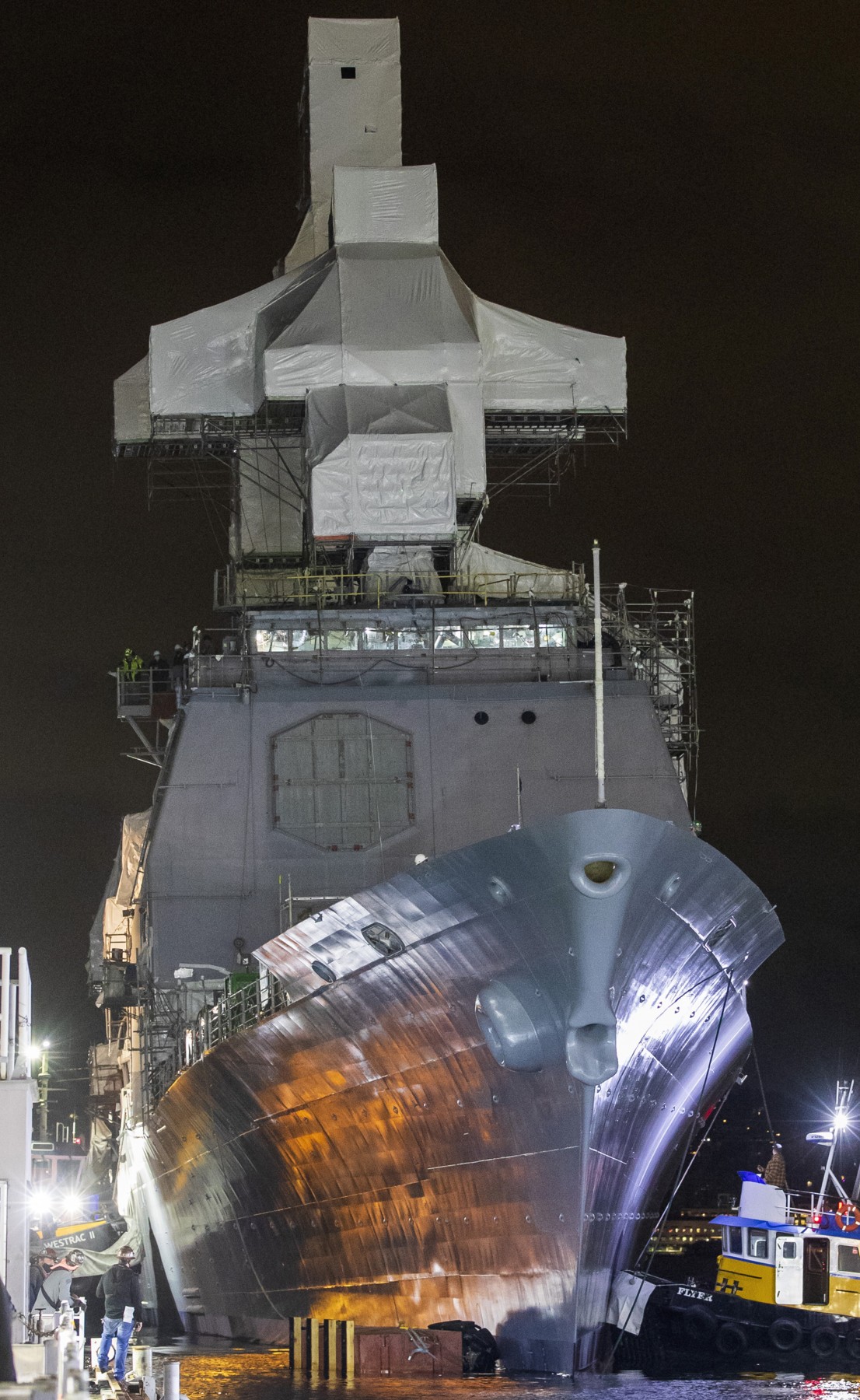 at Vigor Shipyards, Seattle, Washington - June 2021 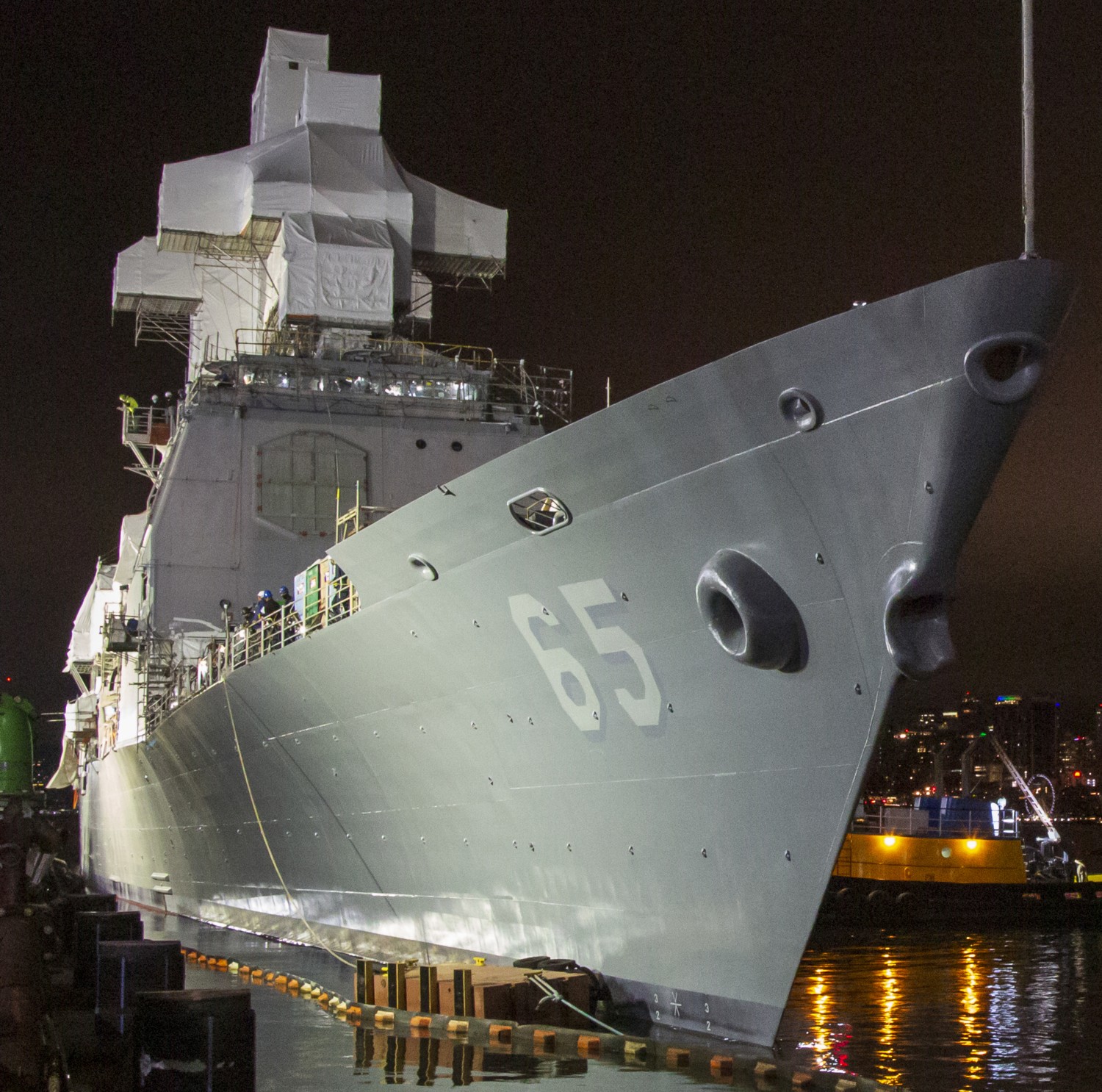 at Vigor Shipyards, Seattle, Washington - June 2021 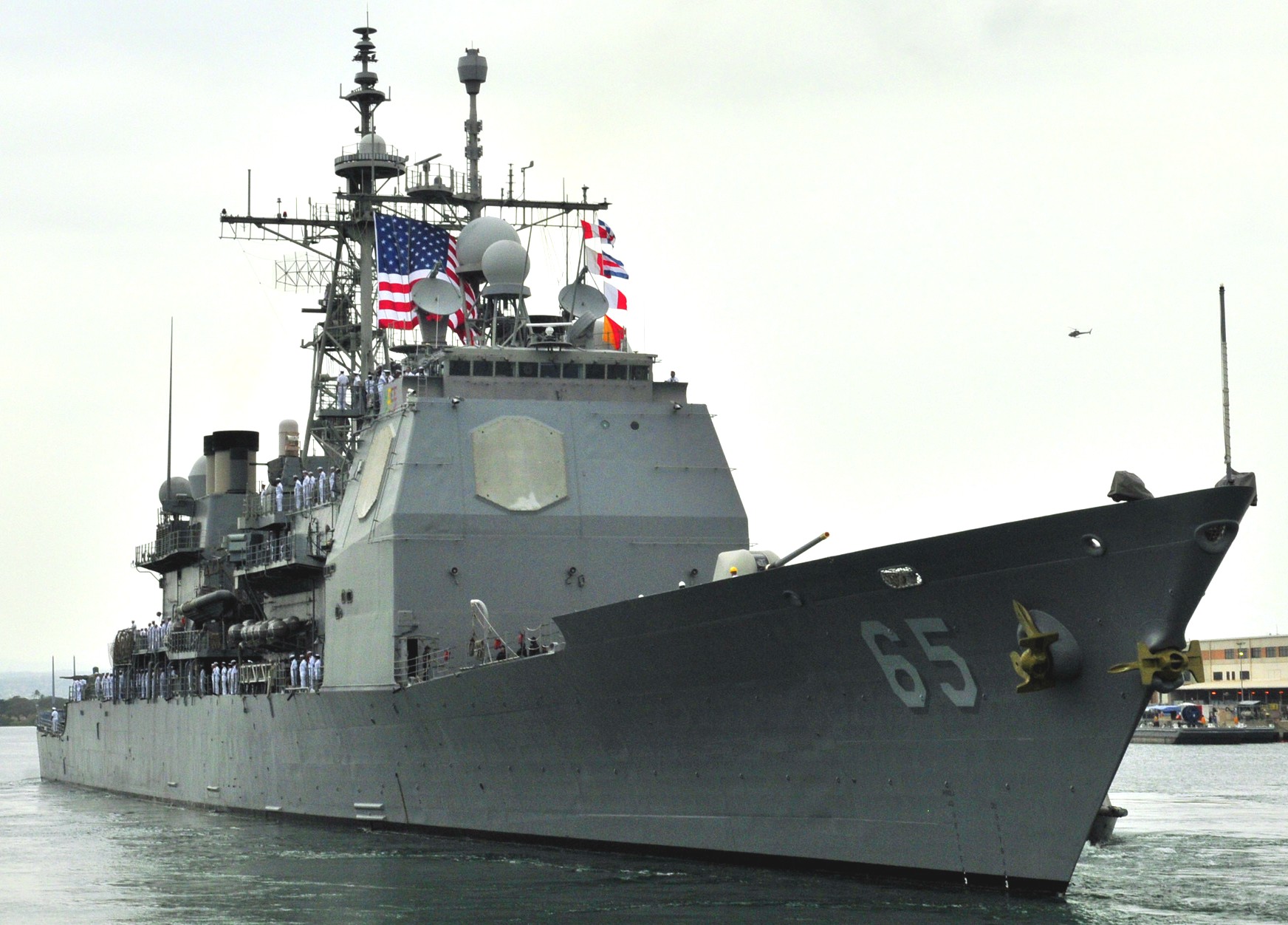 departing Joint Base Pearl Harbor-Hickam, Hawaii for her new homeport in San Diego, California - March 2016 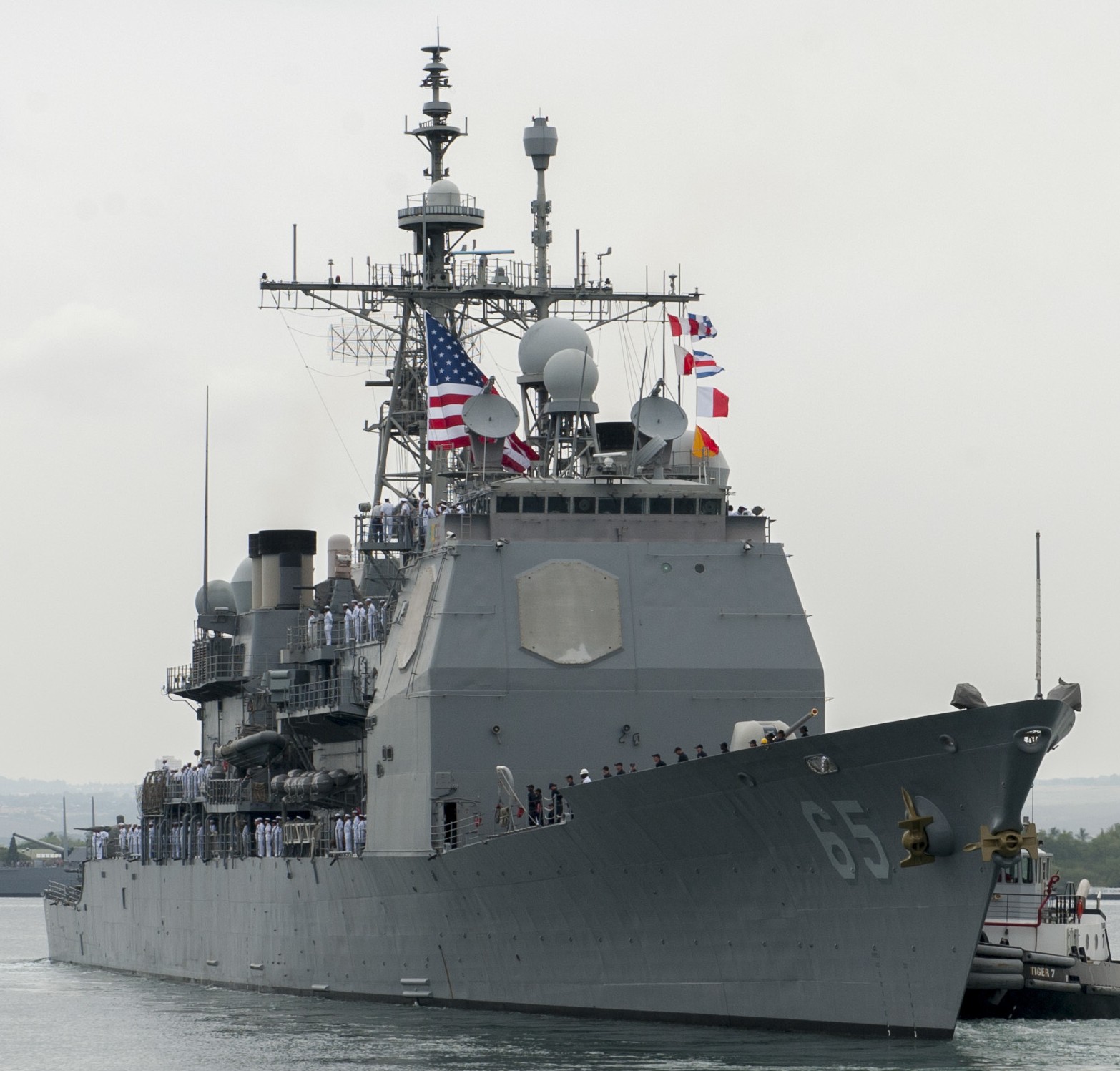 departing Joint Base Pearl Harbor-Hickam, Hawaii for her new homeport in San Diego, California - March 2016 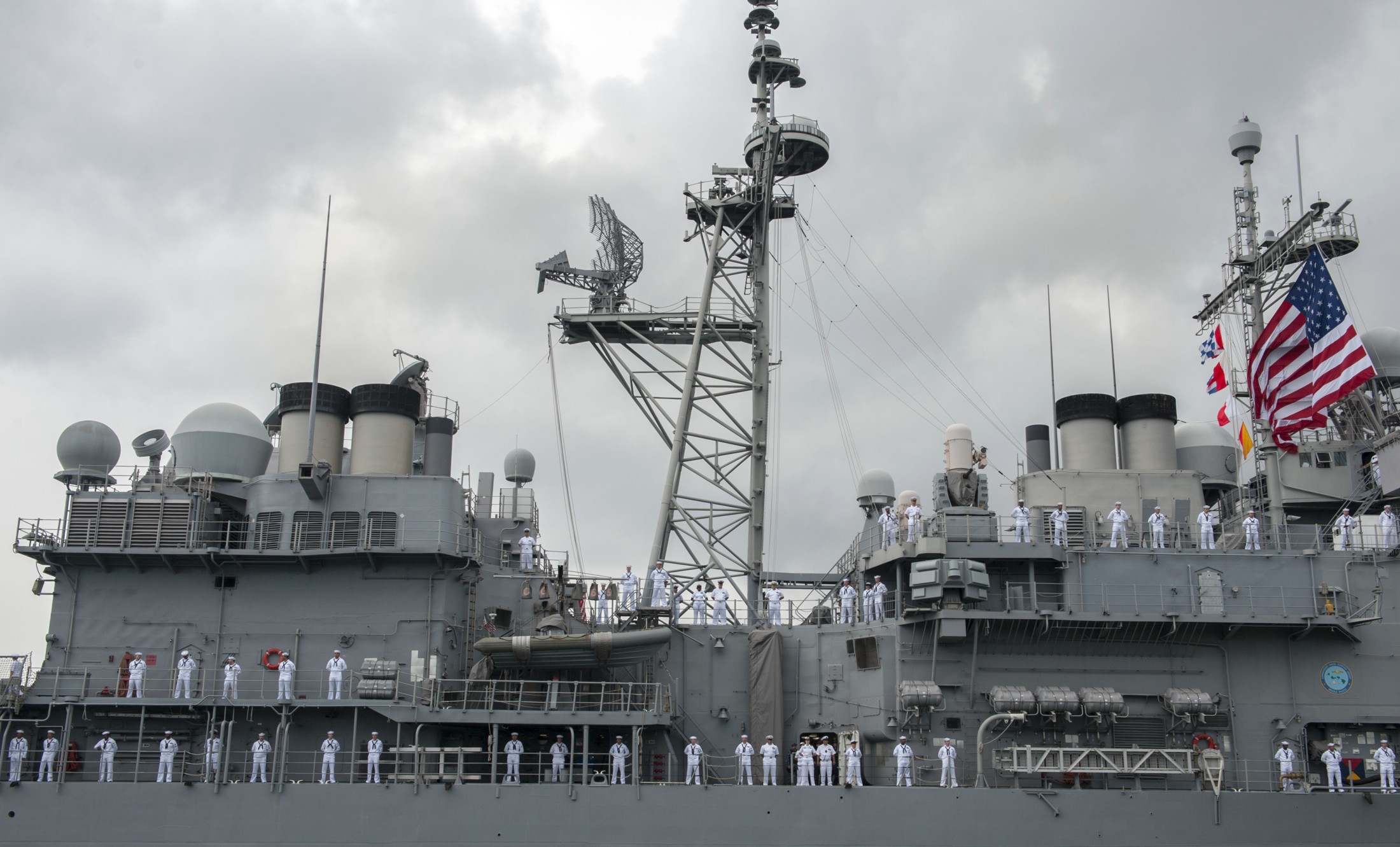 departing Joint Base Pearl Harbor-Hickam, Hawaii for her new homeport in San Diego, California - March 2016 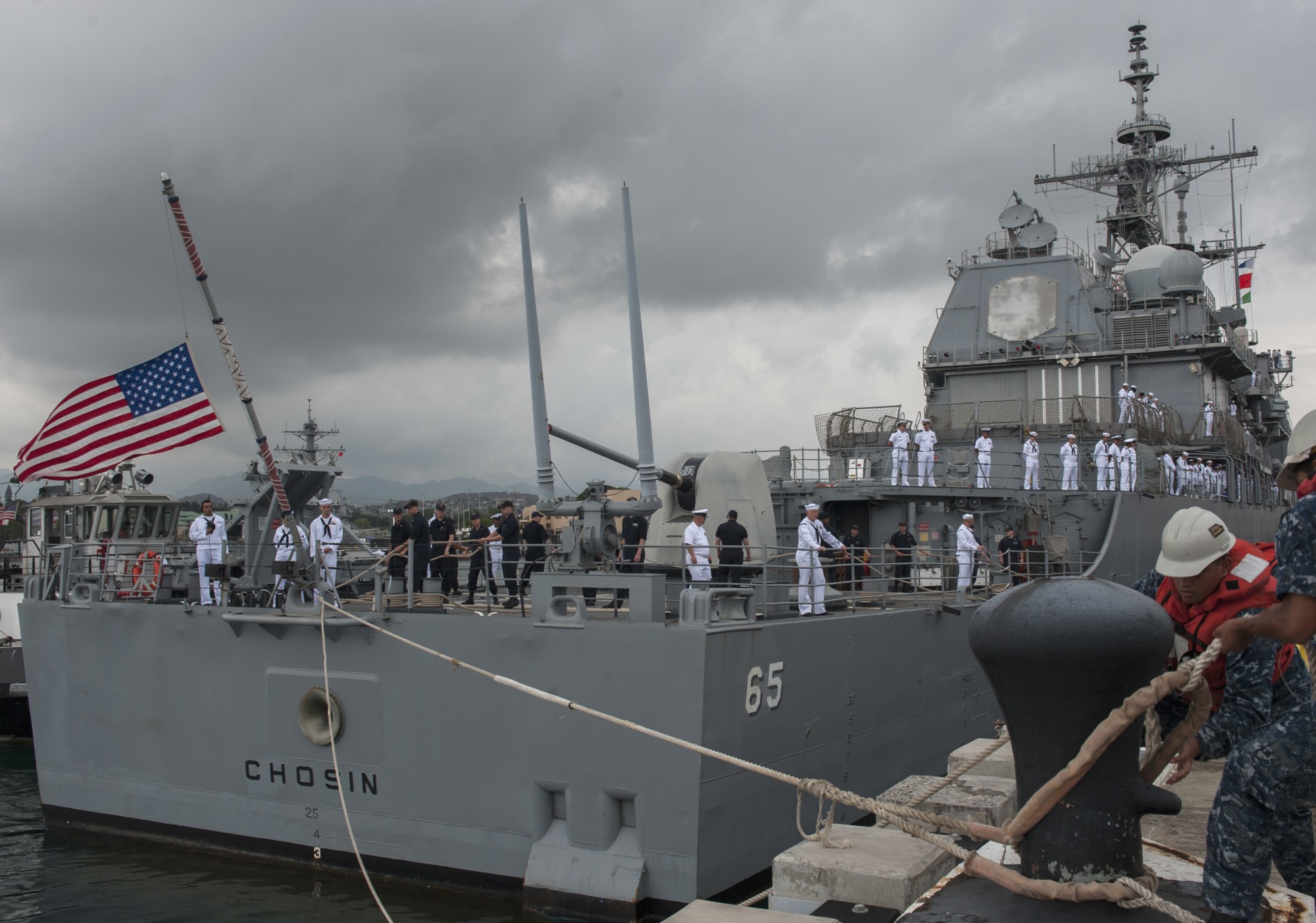 departing Joint Base Pearl Harbor-Hickam, Hawaii for her new homeport in San Diego, California - March 2016 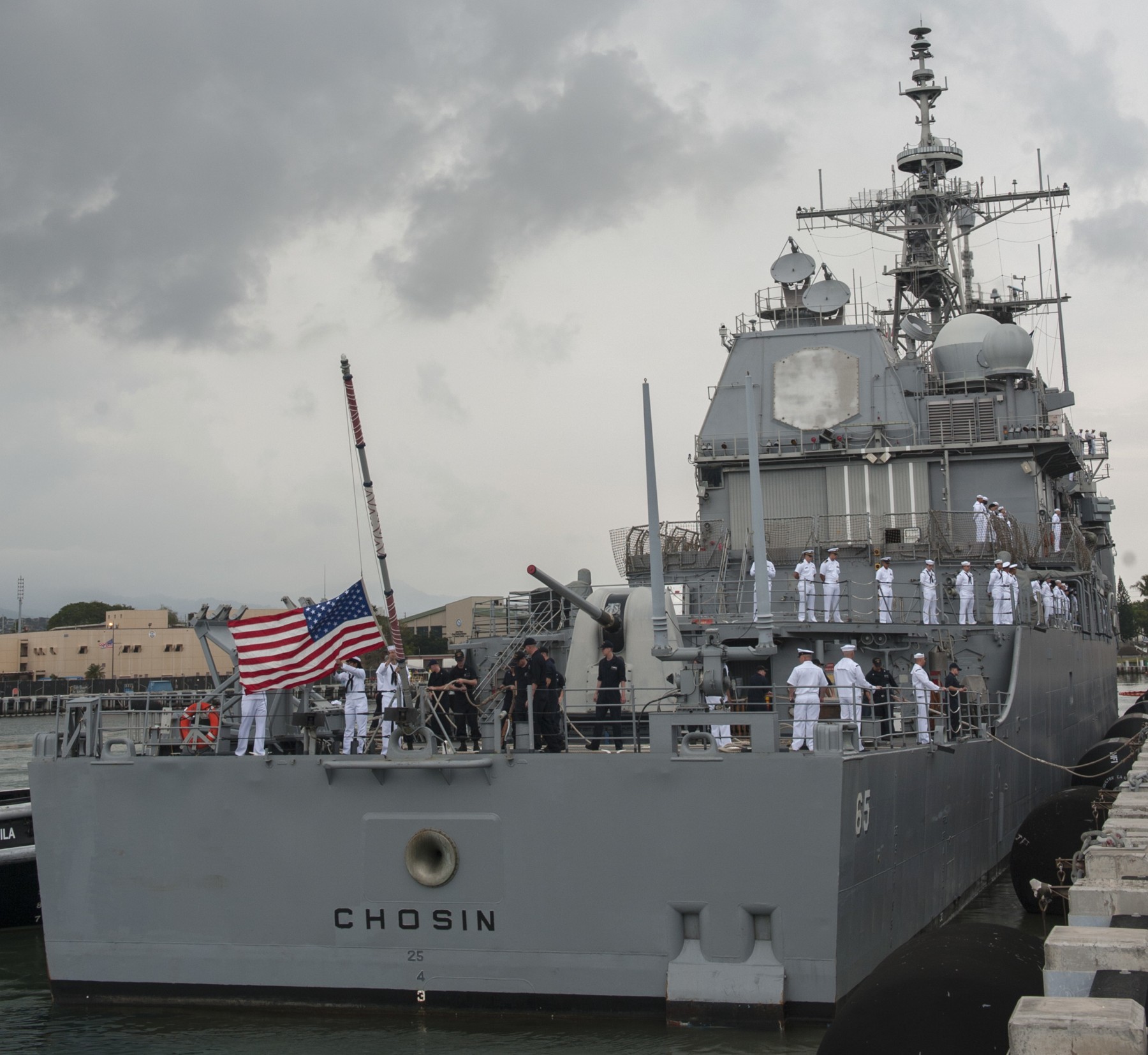 departing Joint Base Pearl Harbor-Hickam, Hawaii for her new homeport in San Diego, California - March 2016 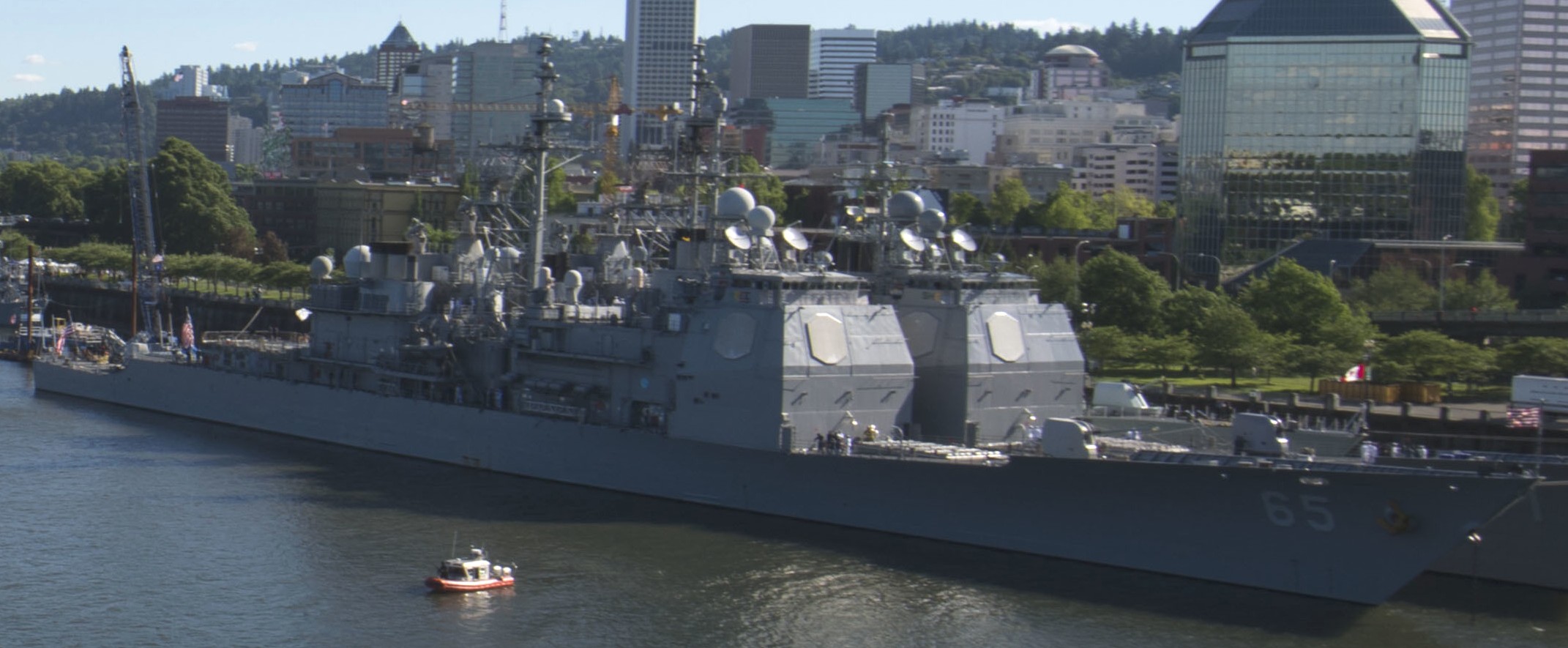 Rose Festival and Fleet Week - Portland, Oregon - June 2015 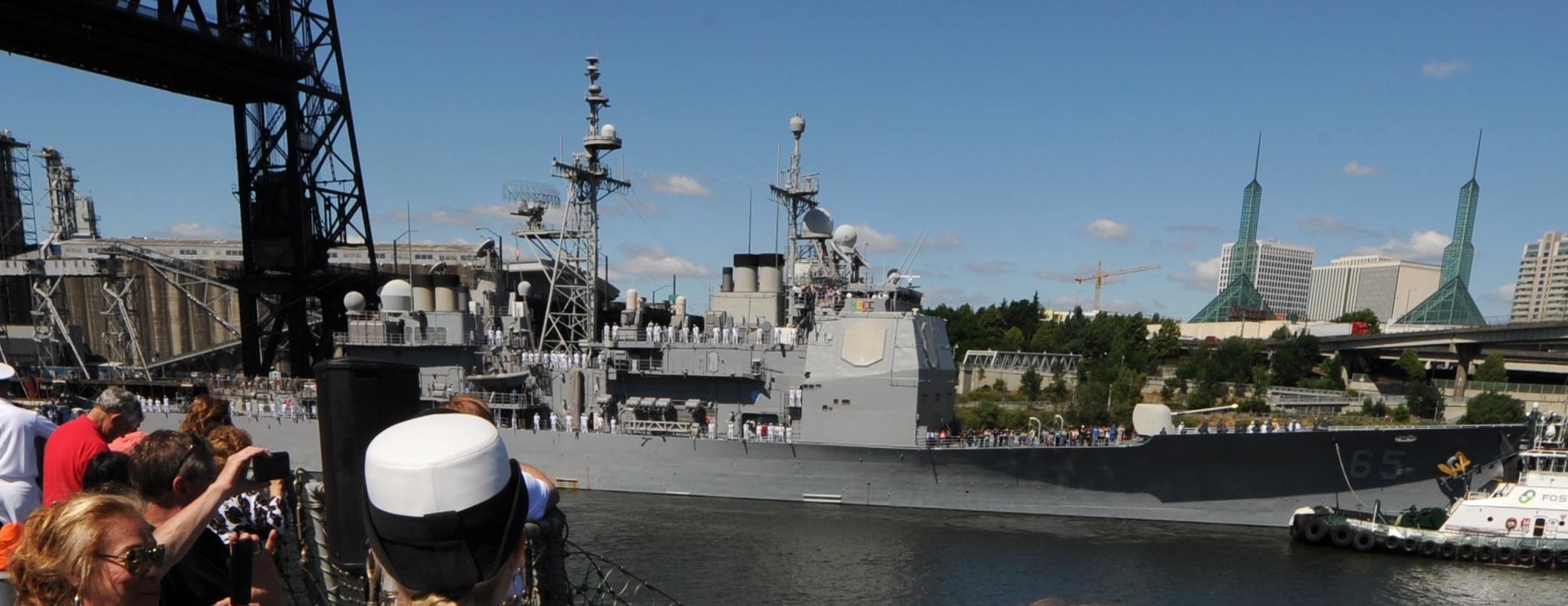 arriving for Rose Festival and Fleet Week - Portland, Oregon - June 2015 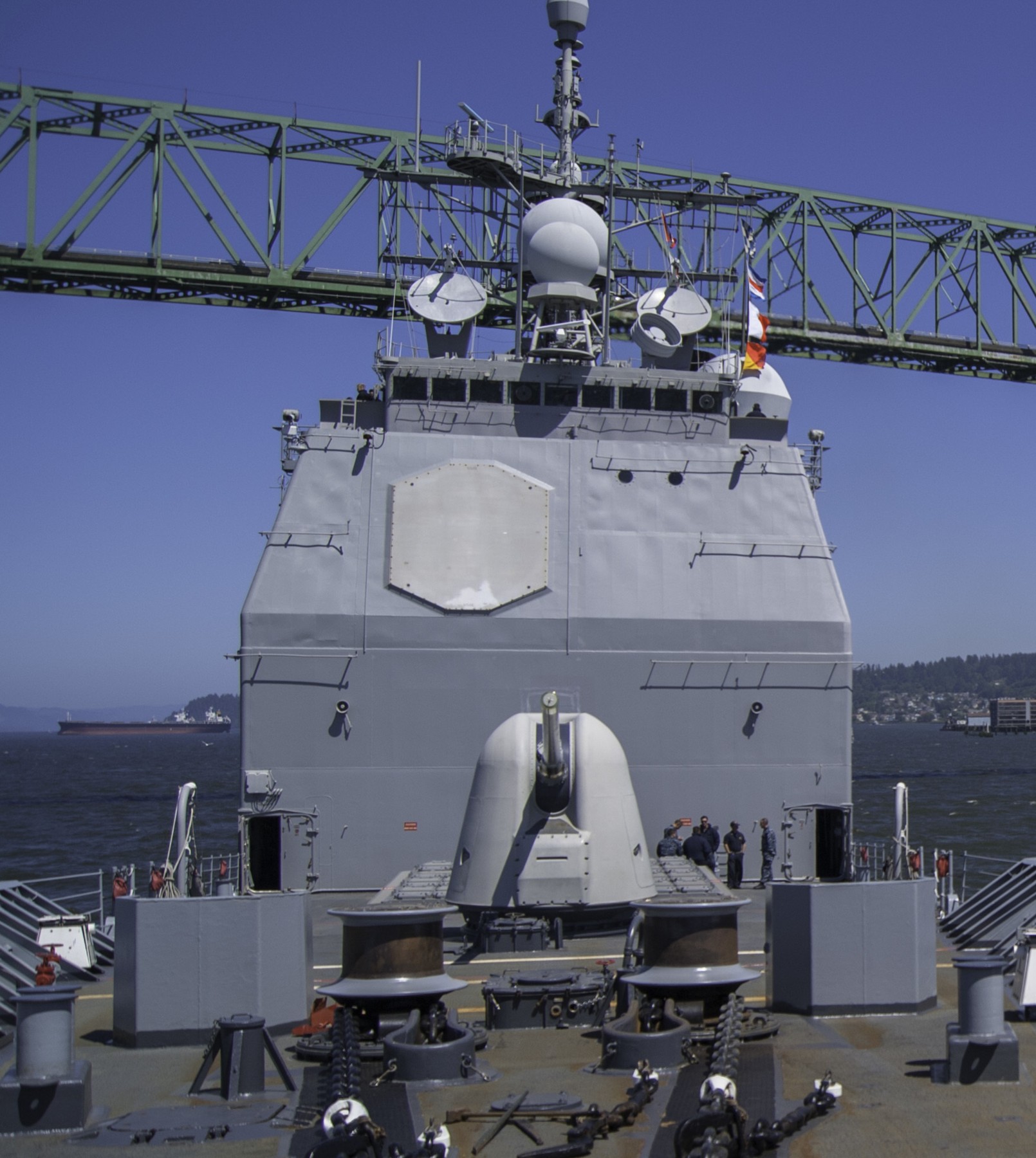 arriving for Rose Festival and Fleet Week - Portland, Oregon - June 2015 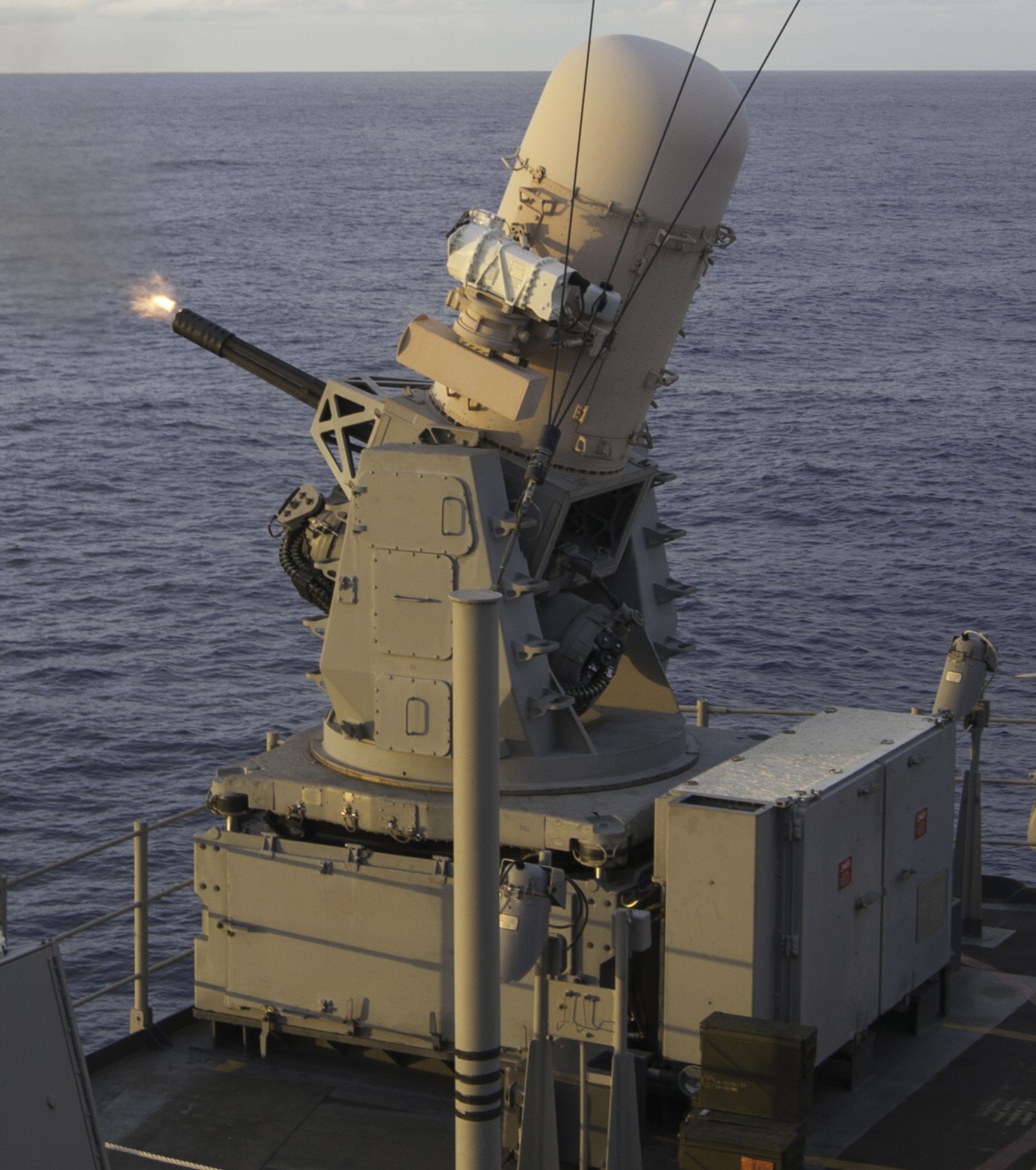 Mk.15 Phalanx CIWS fire exercise - off Hawaii - January 2015 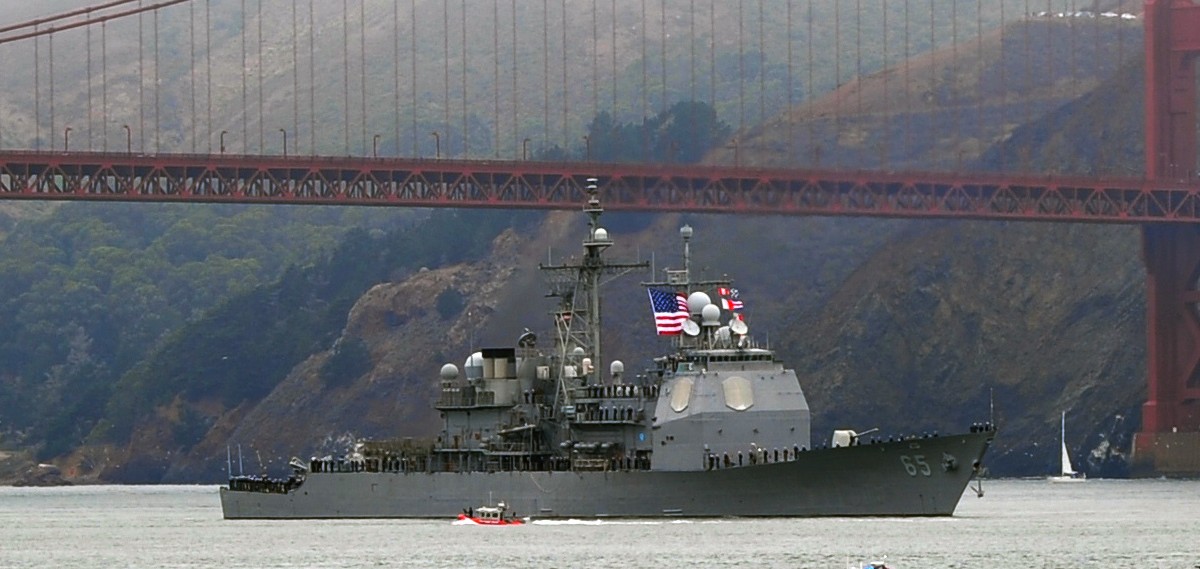 San Francisco Fleet Week - October 2014 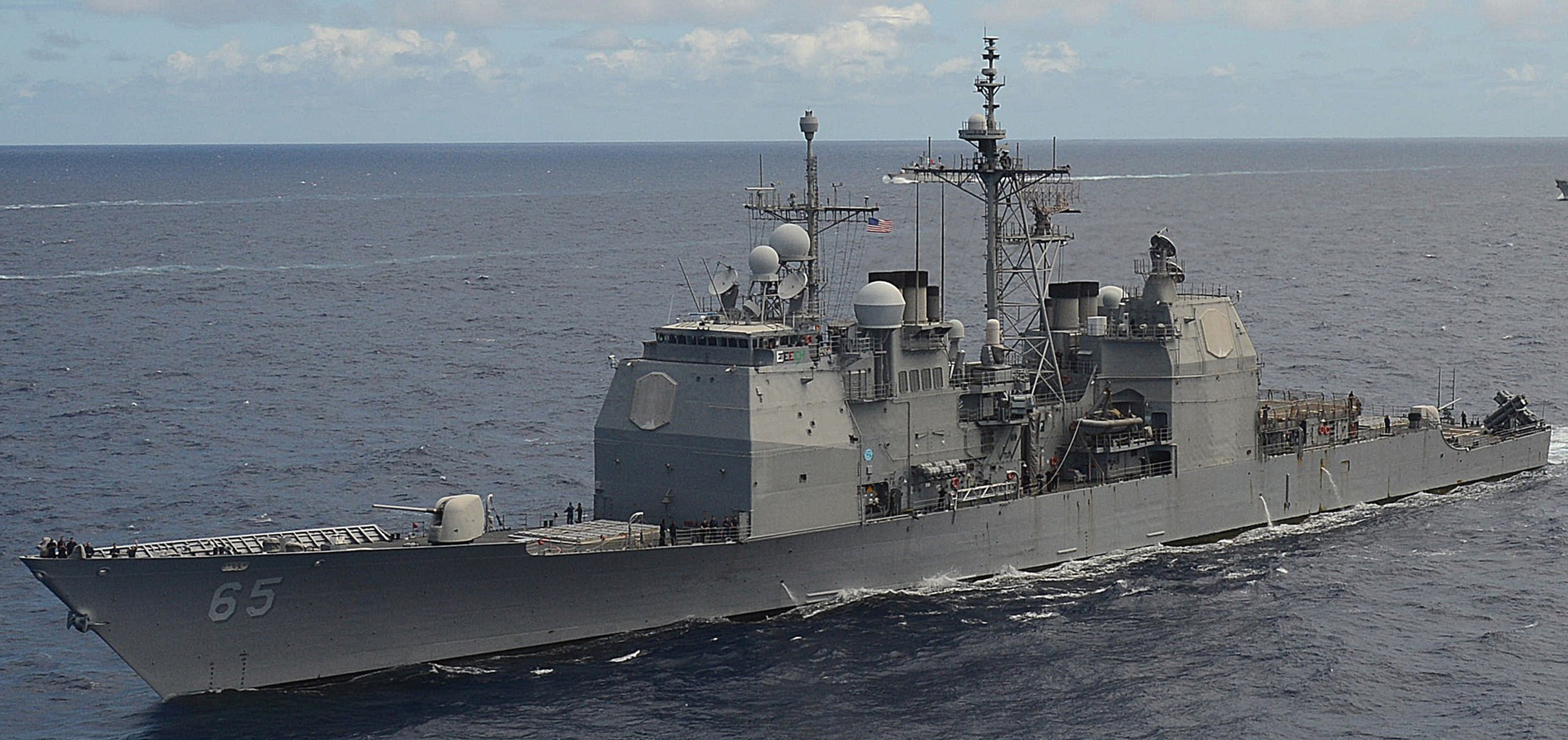 during Exercise RIMPAC 14 - off Hawaii - July 2014 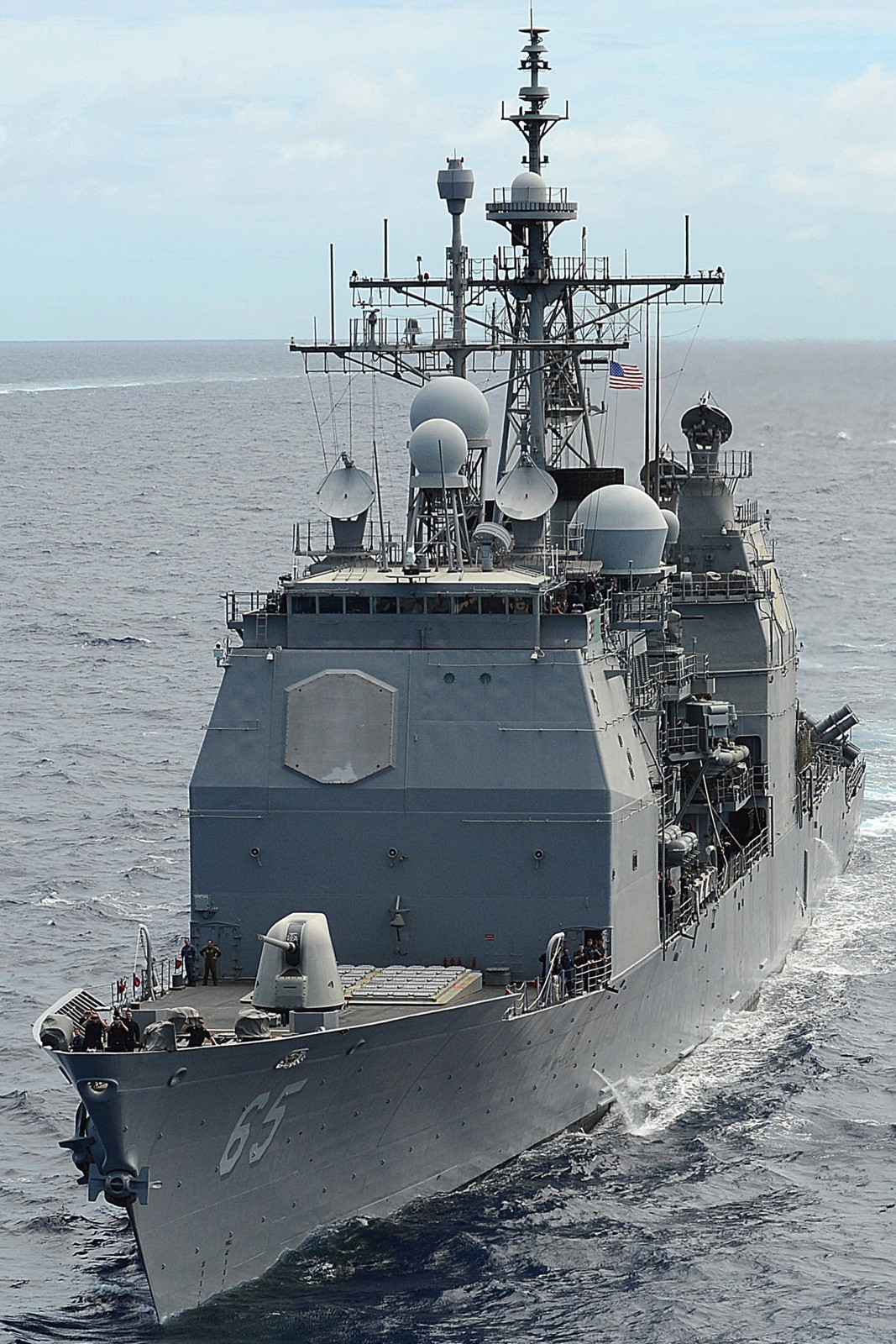 during Exercise RIMPAC 14 - off Hawaii - July 2014 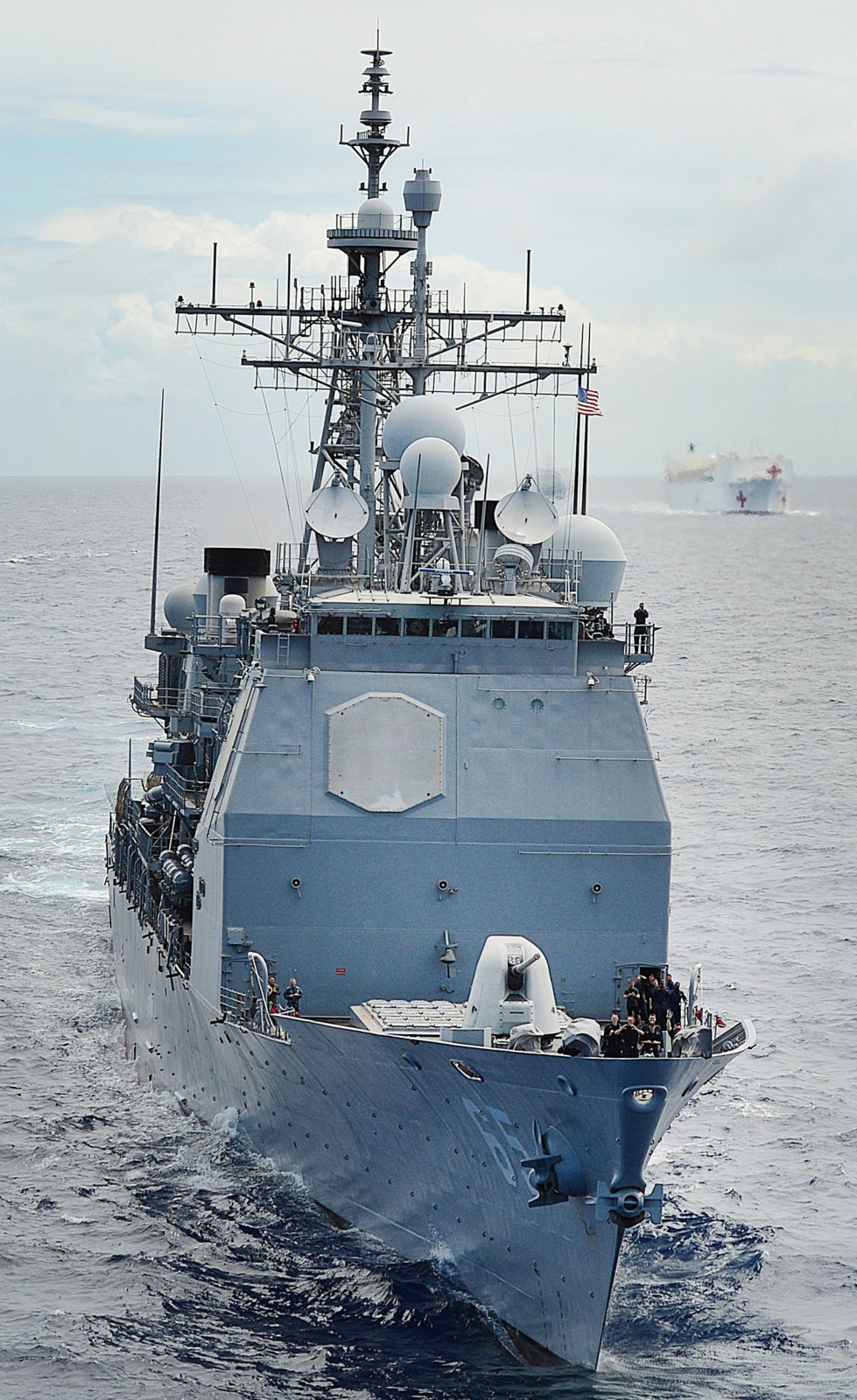 during Exercise RIMPAC 14 - off Hawaii - July 2014 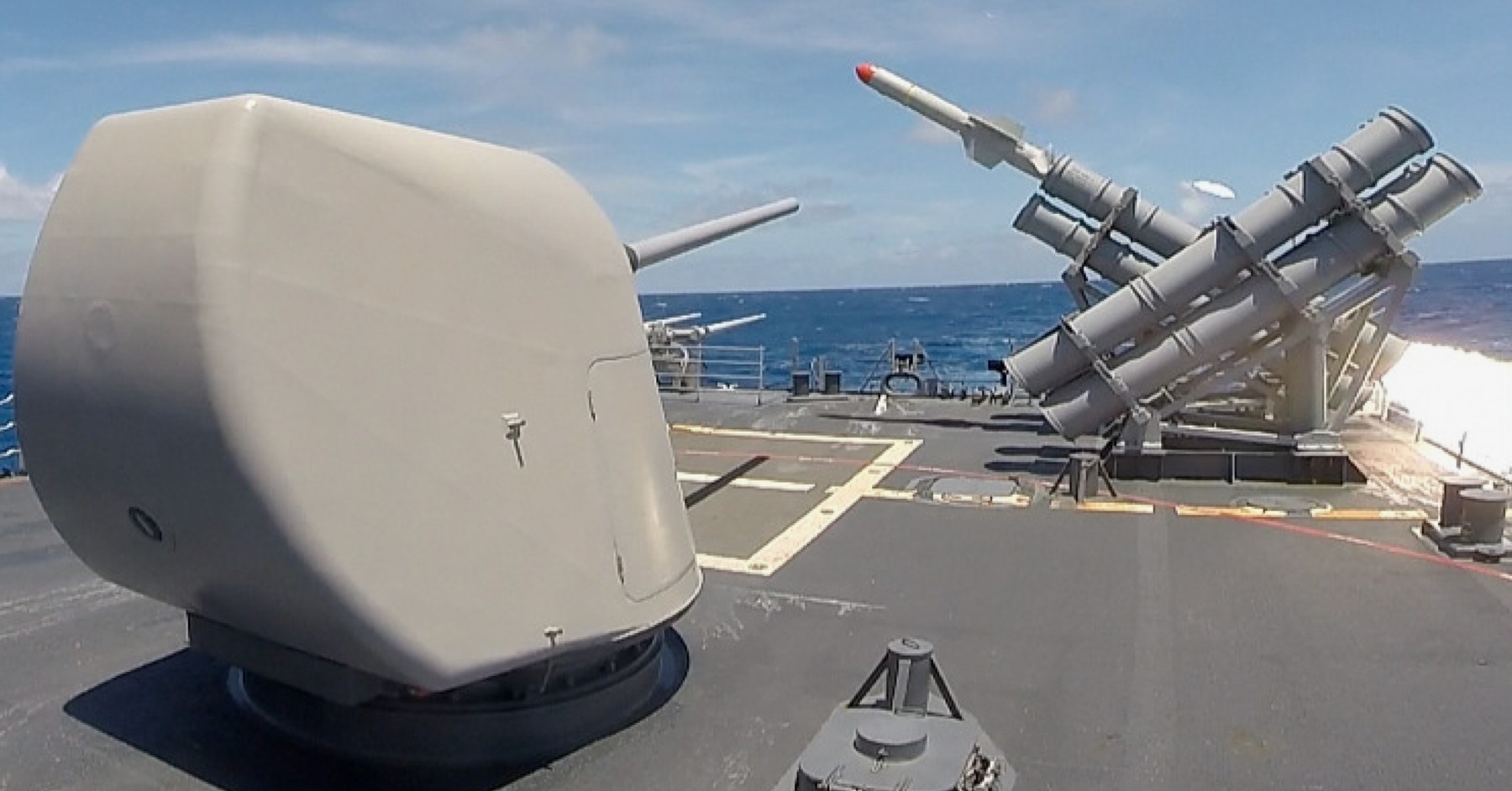 RGM-84 Harpoon SSM missile live-fire exercise during Exercise RIMPAC 14 - off Hawaii - July 2014 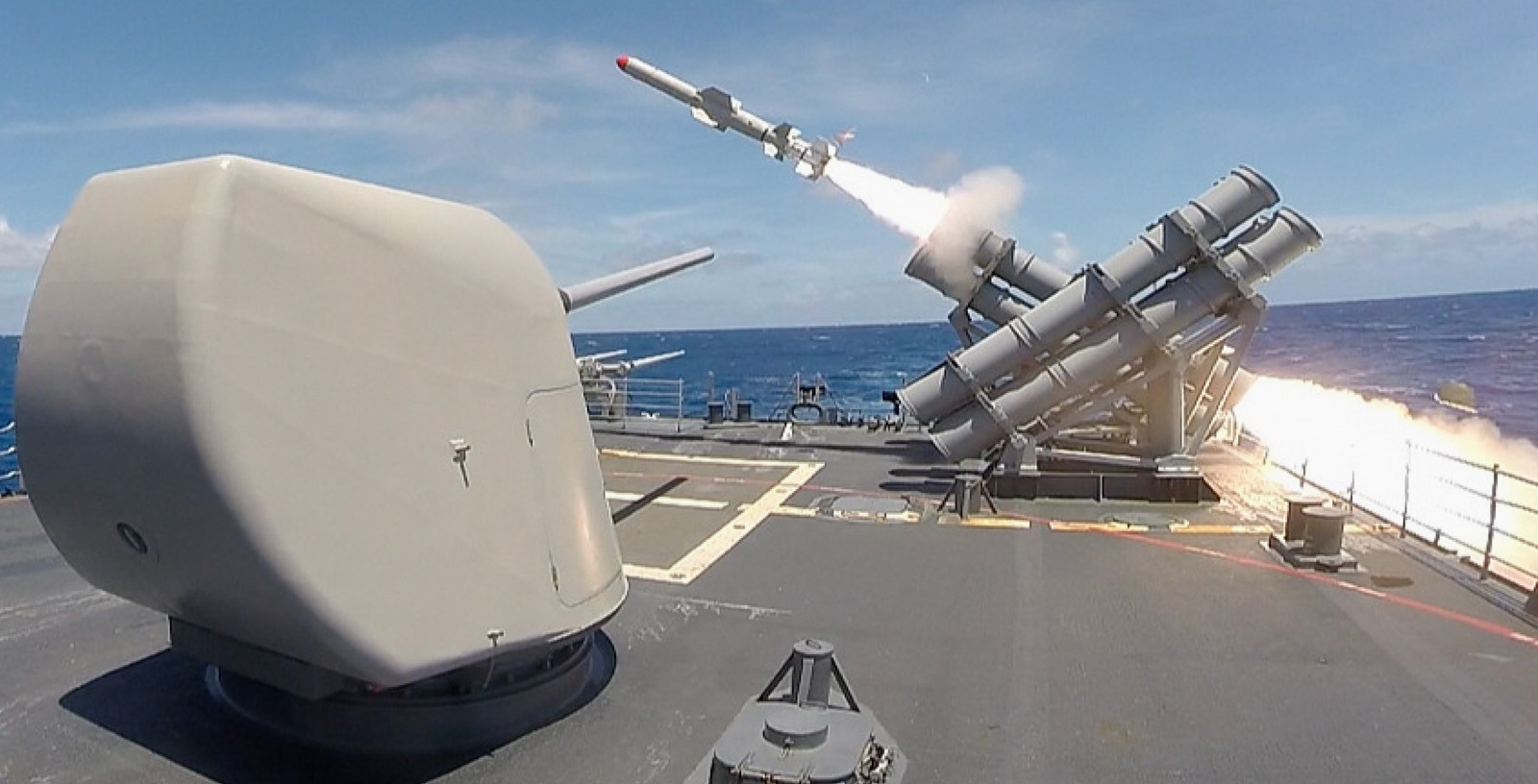 RGM-84 Harpoon SSM missile live-fire exercise during Exercise RIMPAC 14 - off Hawaii - July 2014 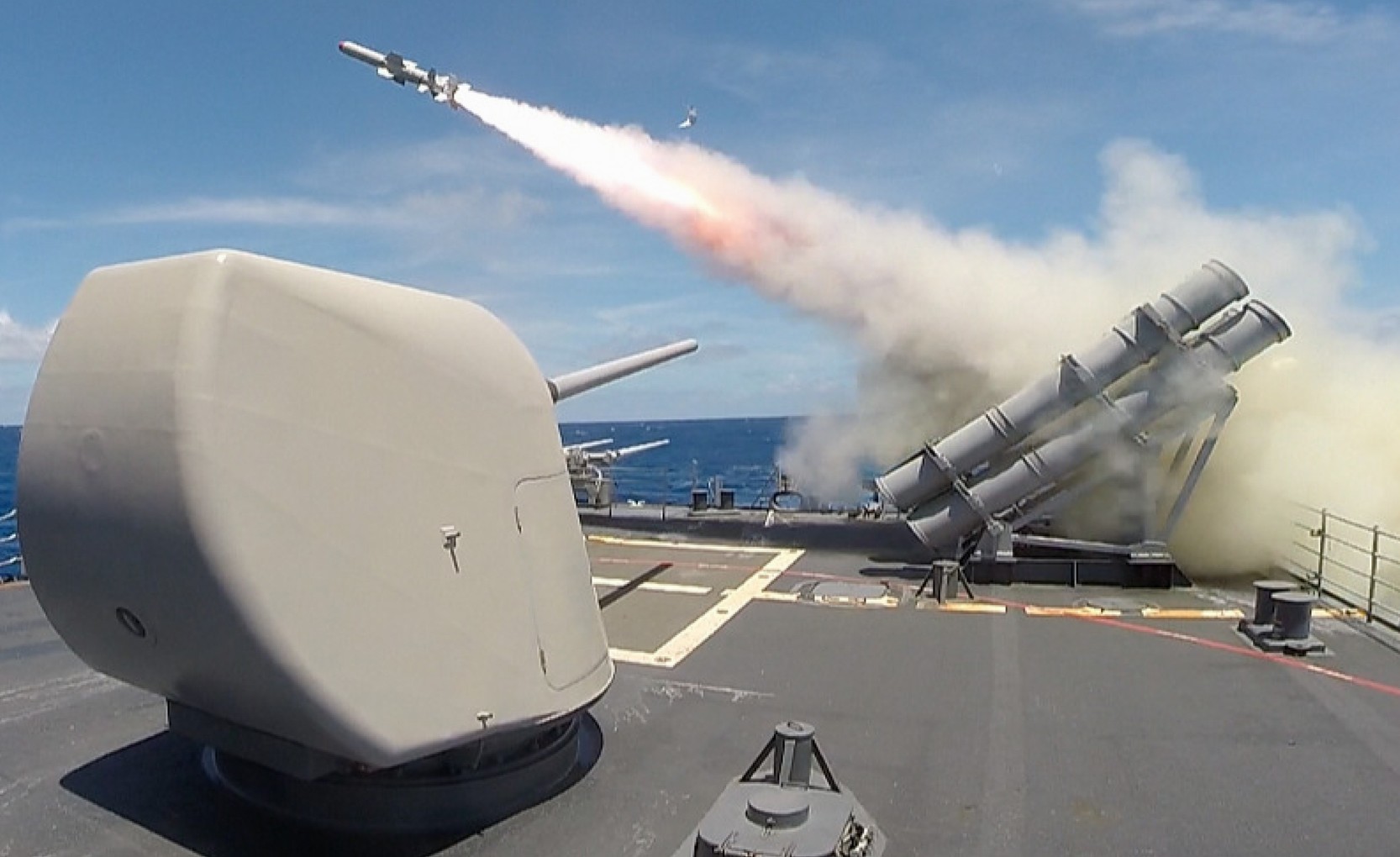 RGM-84 Harpoon SSM missile live-fire exercise during Exercise RIMPAC 14 - off Hawaii - July 2014 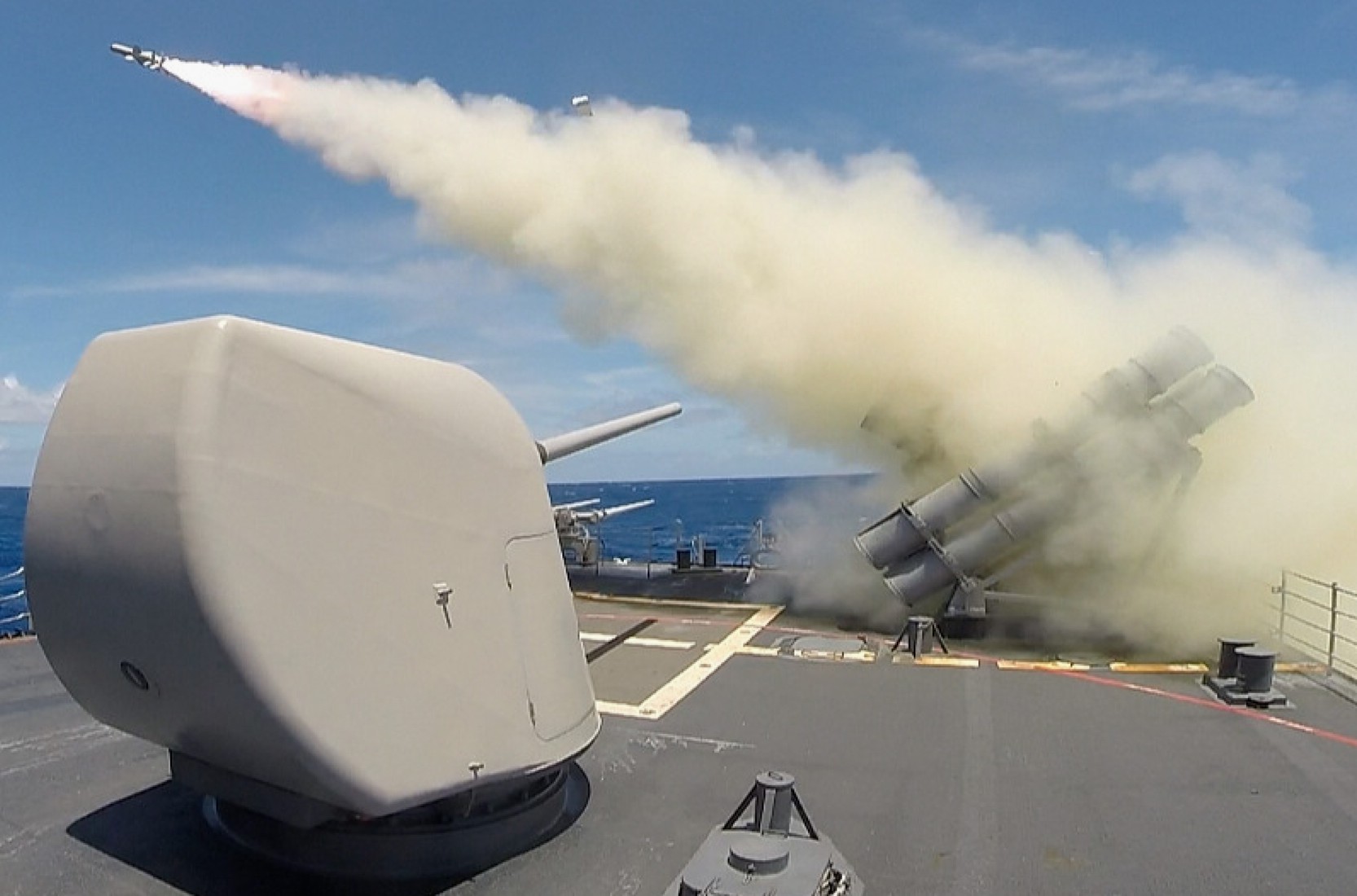 RGM-84 Harpoon SSM missile live-fire exercise during Exercise RIMPAC 14 - off Hawaii - July 2014 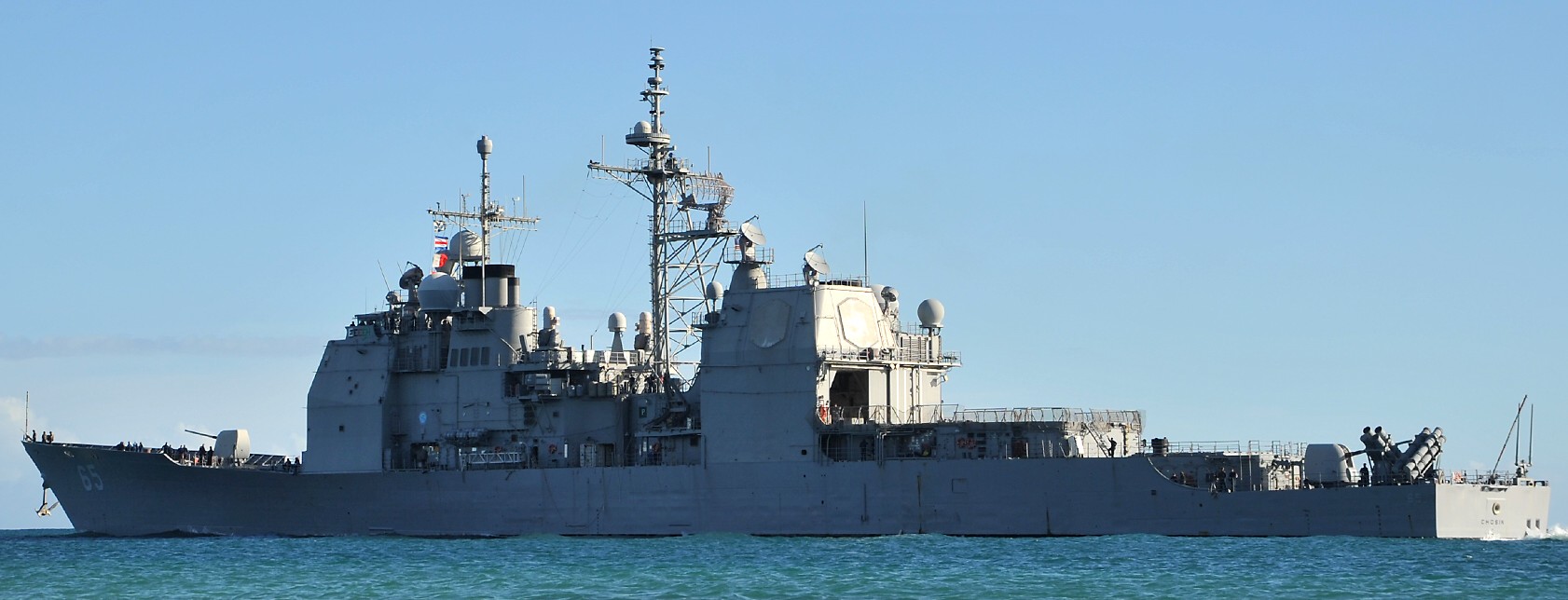 during Exercise RIMPAC 14 - off Hawaii - July 2014 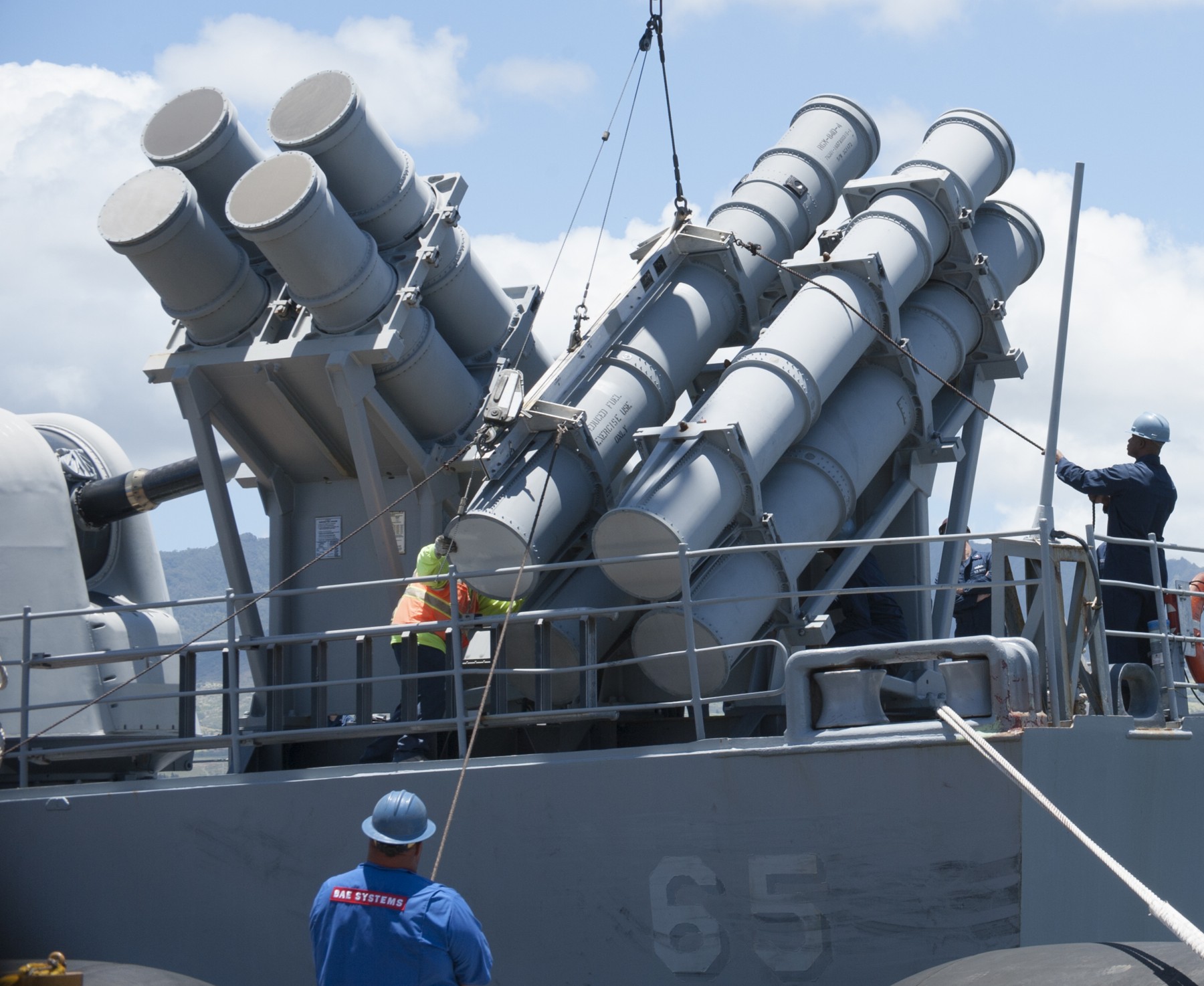 RGM-84 Harpoon SSM missile onload - Joint Base Pearl Harbor-Hickam, Hawaii - July 2014 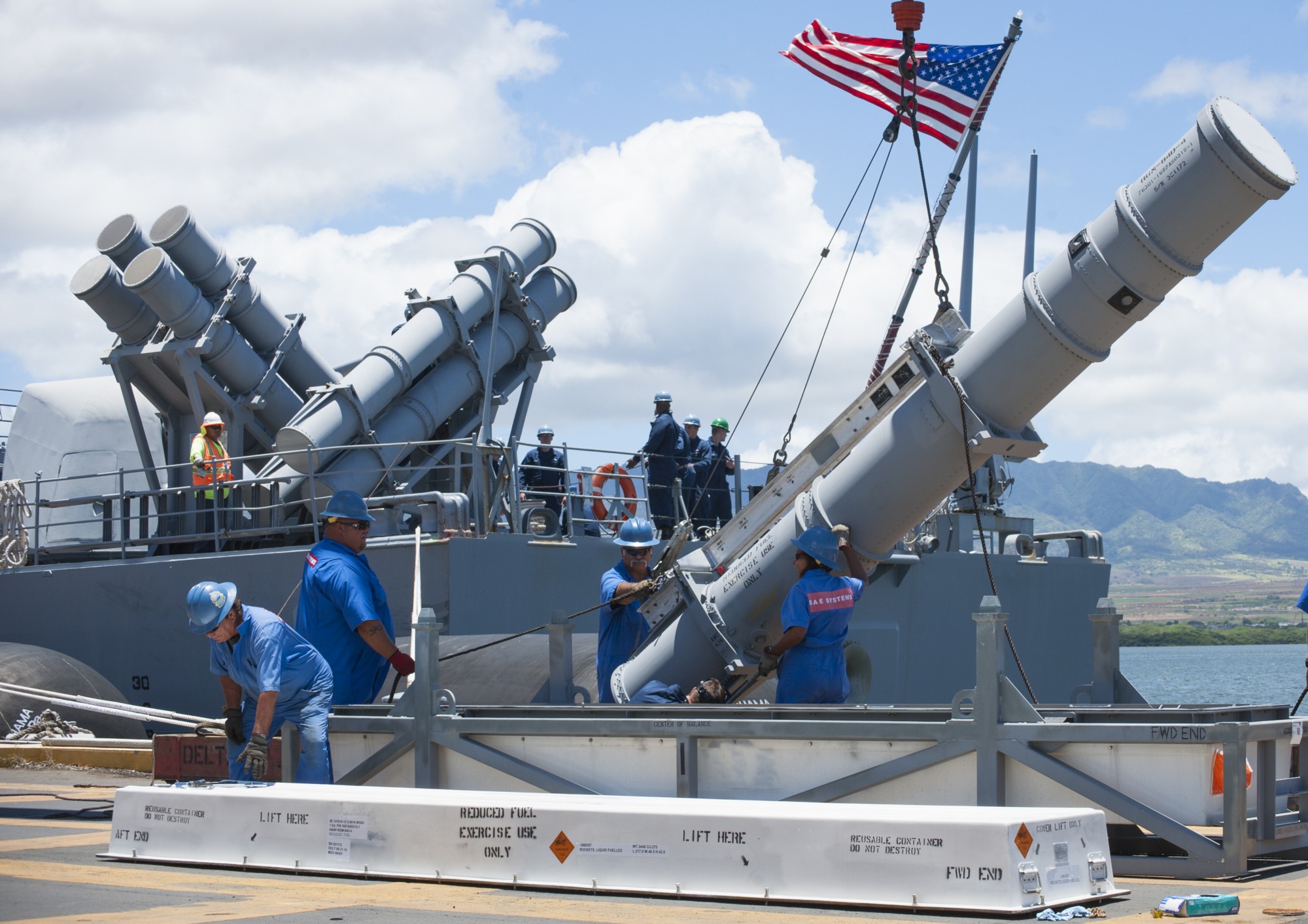 RGM-84 Harpoon SSM missile onload - Joint Base Pearl Harbor-Hickam, Hawaii - July 2014 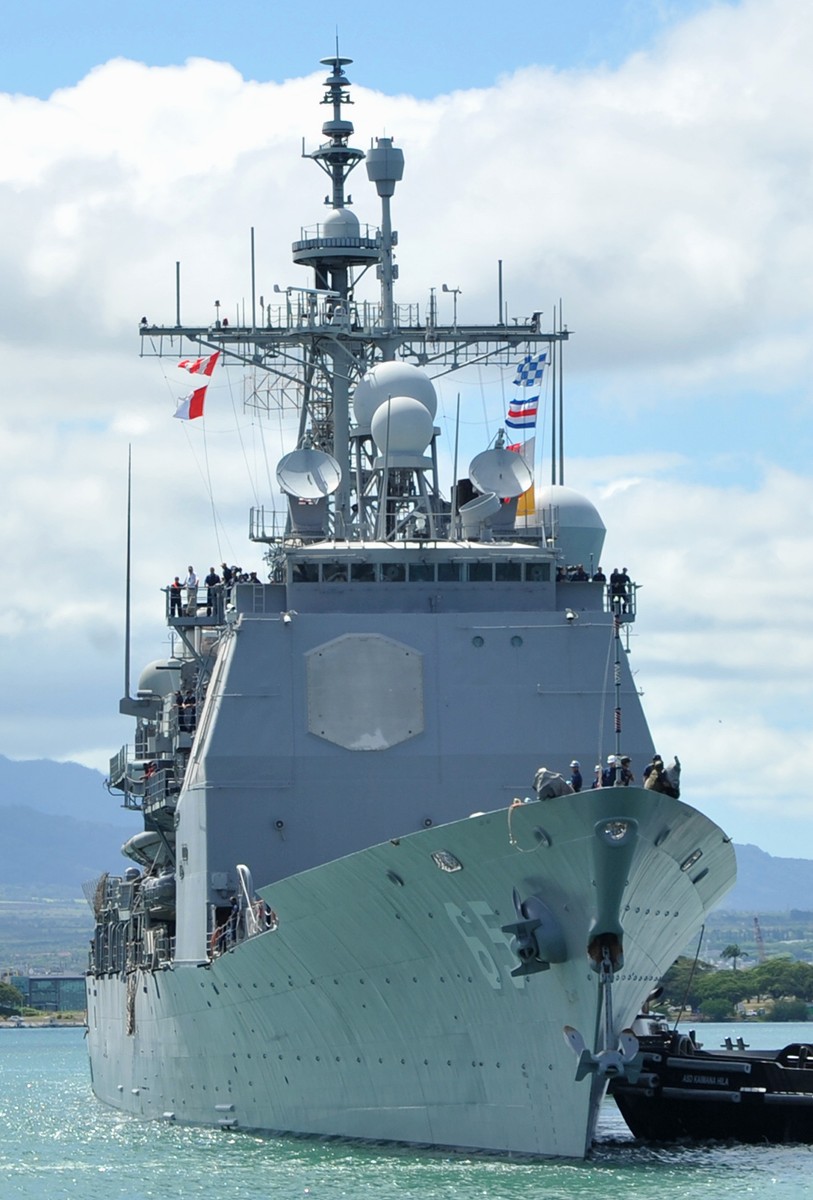 Joint Base Pearl Harbor-Hickam, Hawaii - June 2014 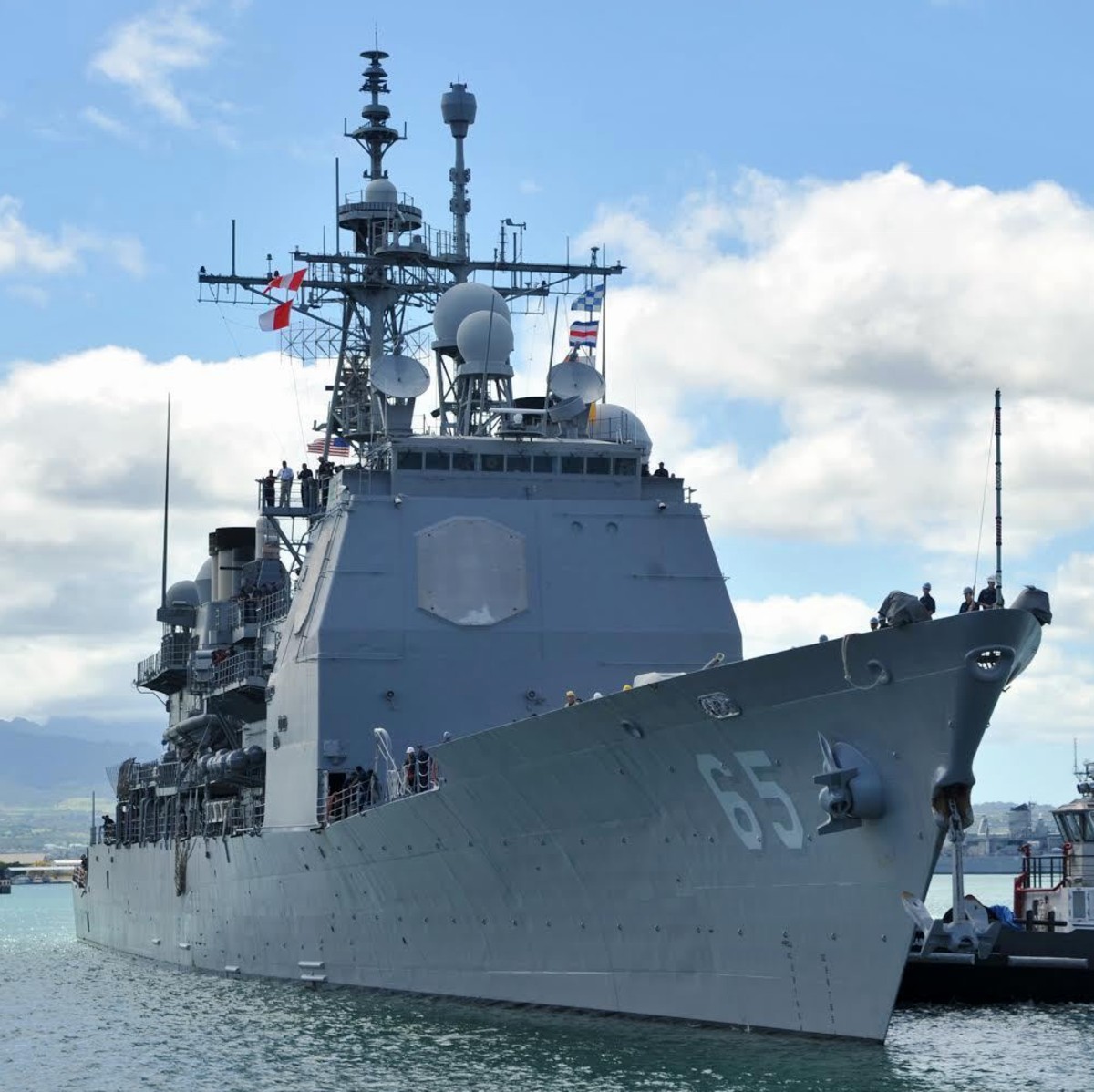 Joint Base Pearl Harbor-Hickam, Hawaii - June 2014 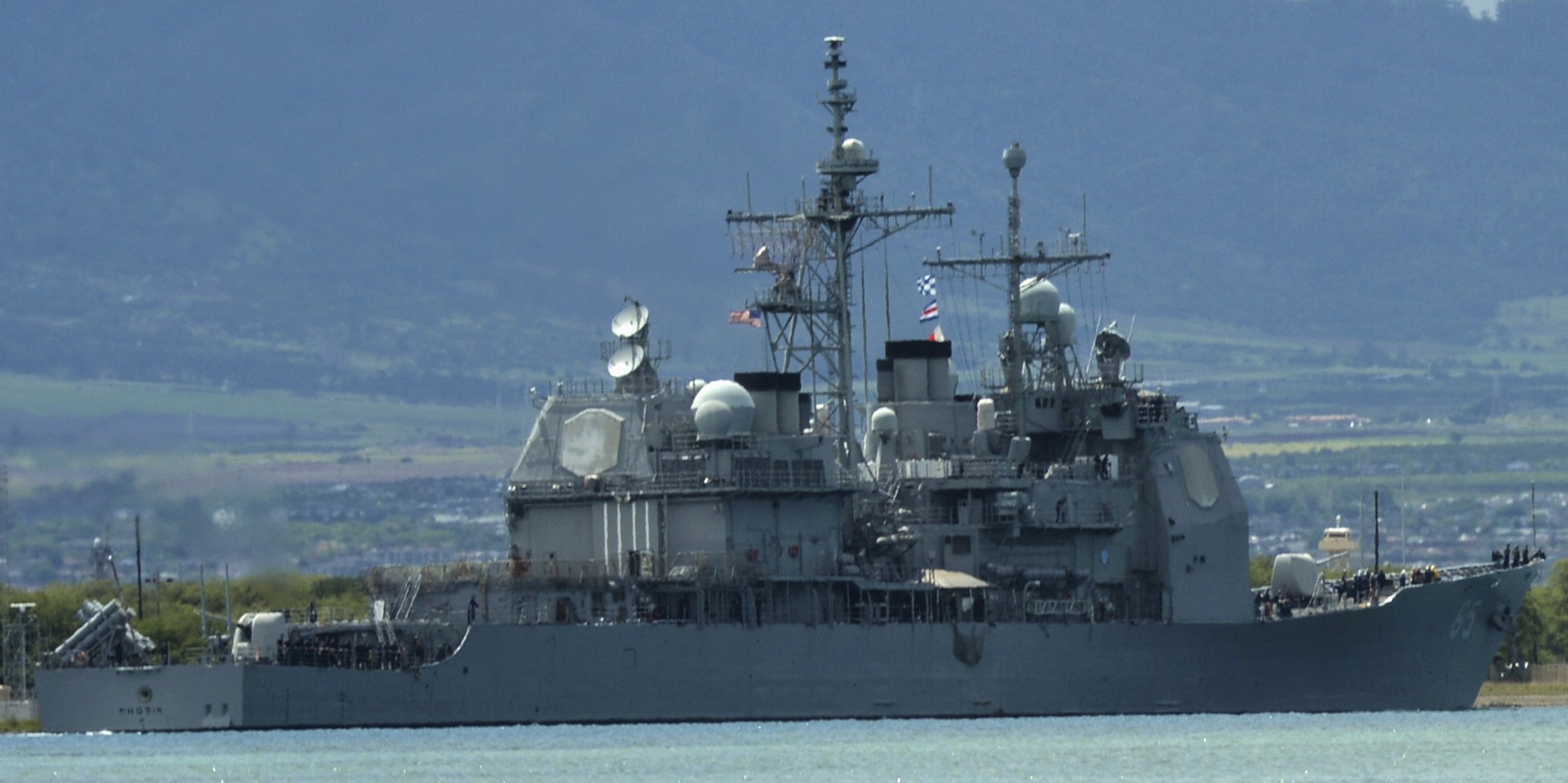 Joint Base Pearl Harbor-Hickam, Hawaii - June 2014 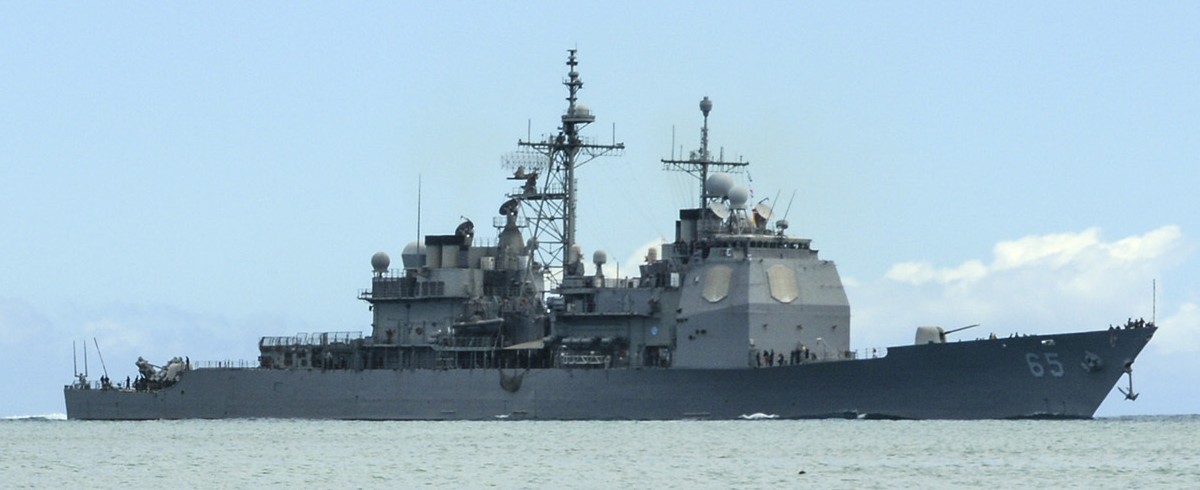 Joint Base Pearl Harbor-Hickam, Hawaii - June 2014 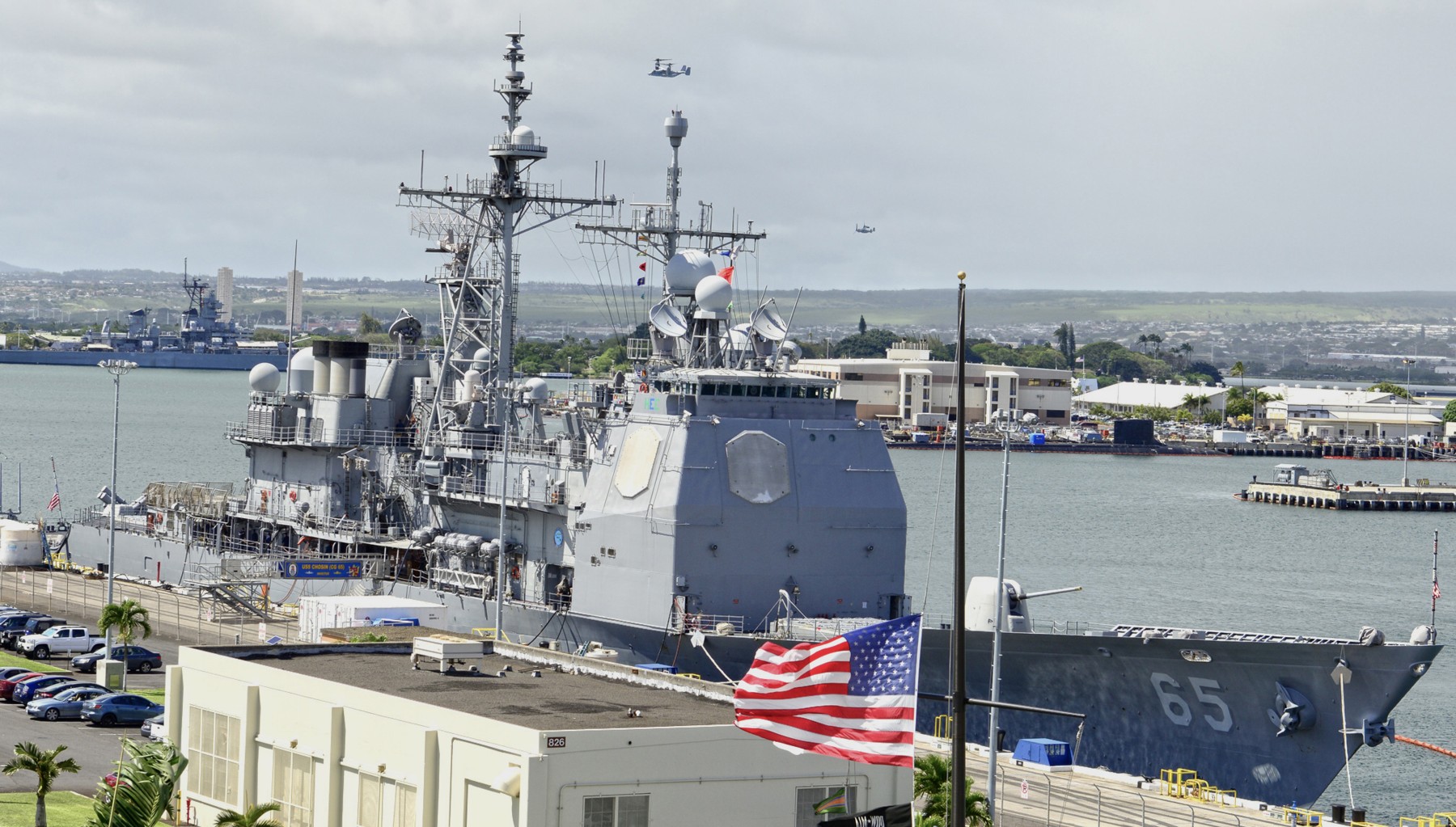 Joint Base Pearl Harbor-Hickam, Hawaii - April 2014 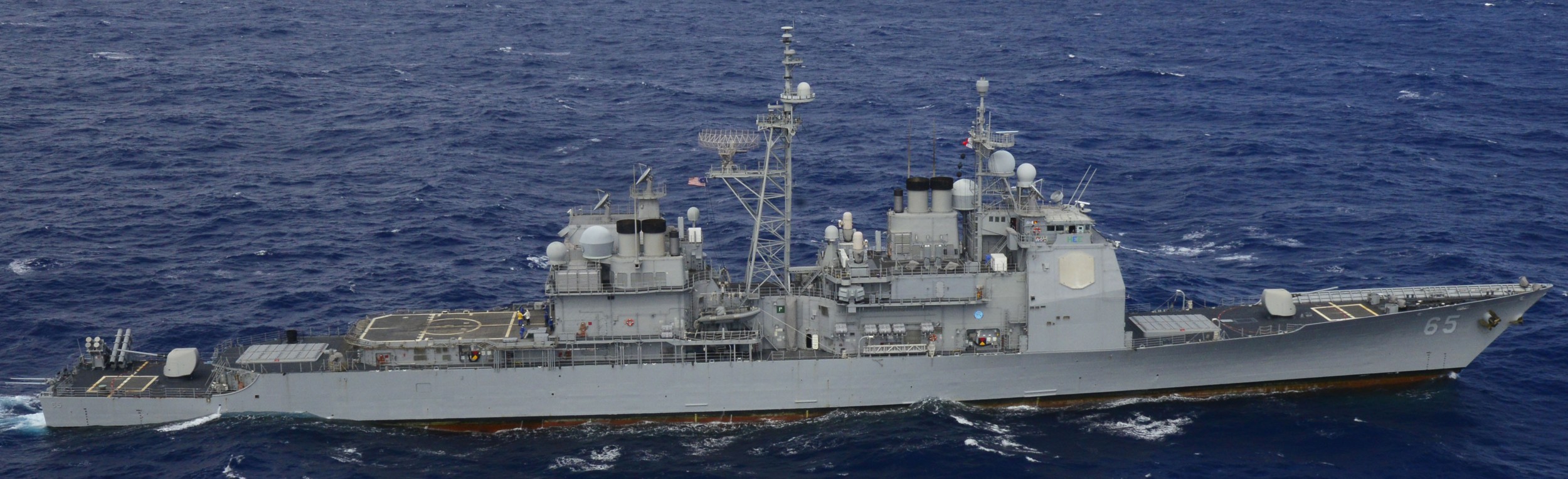 during Exercise Koa Kai 14-1 - Pacific Ocean - January 2014 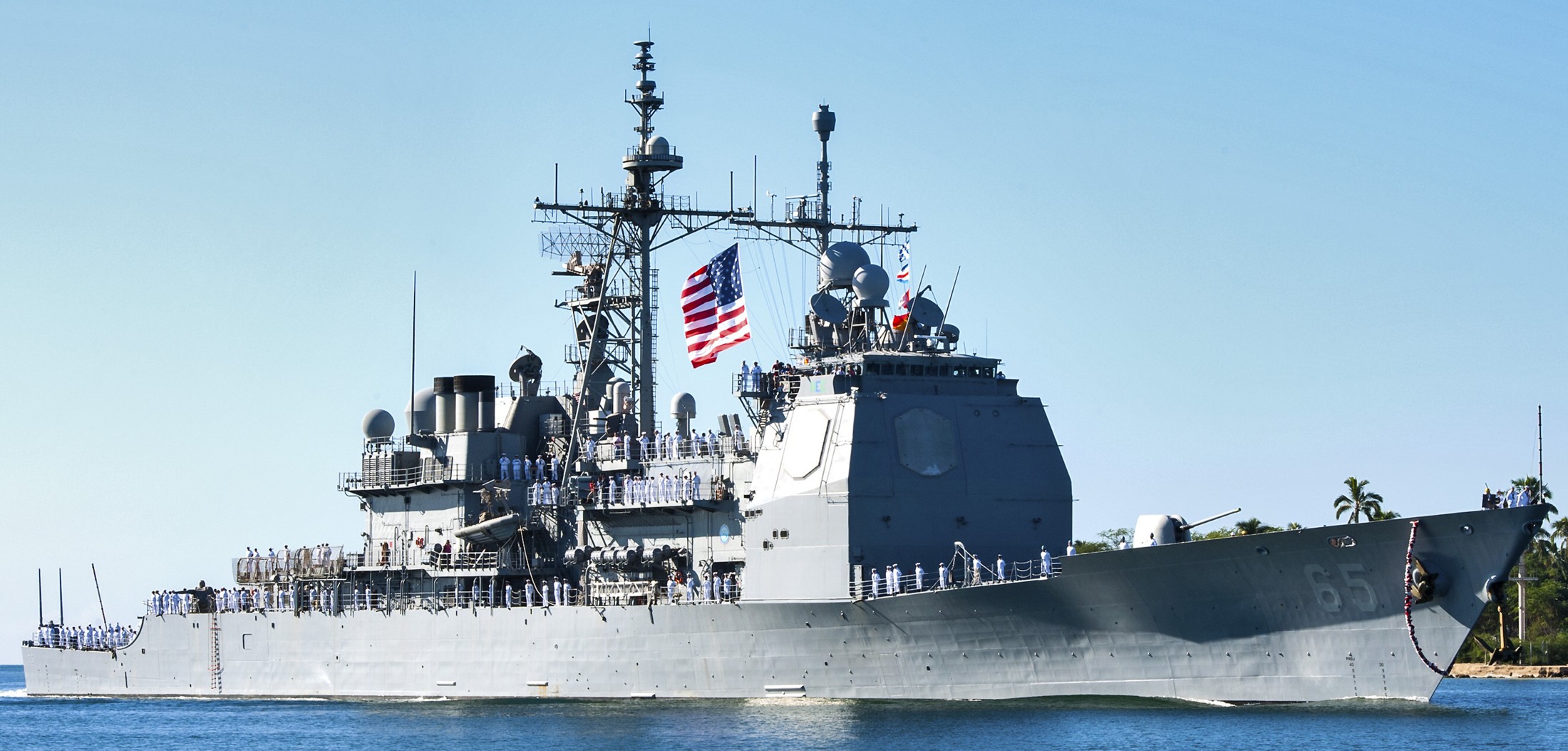 returning to Joint Base Pearl Harbor-Hickam, Hawaii - November 2013 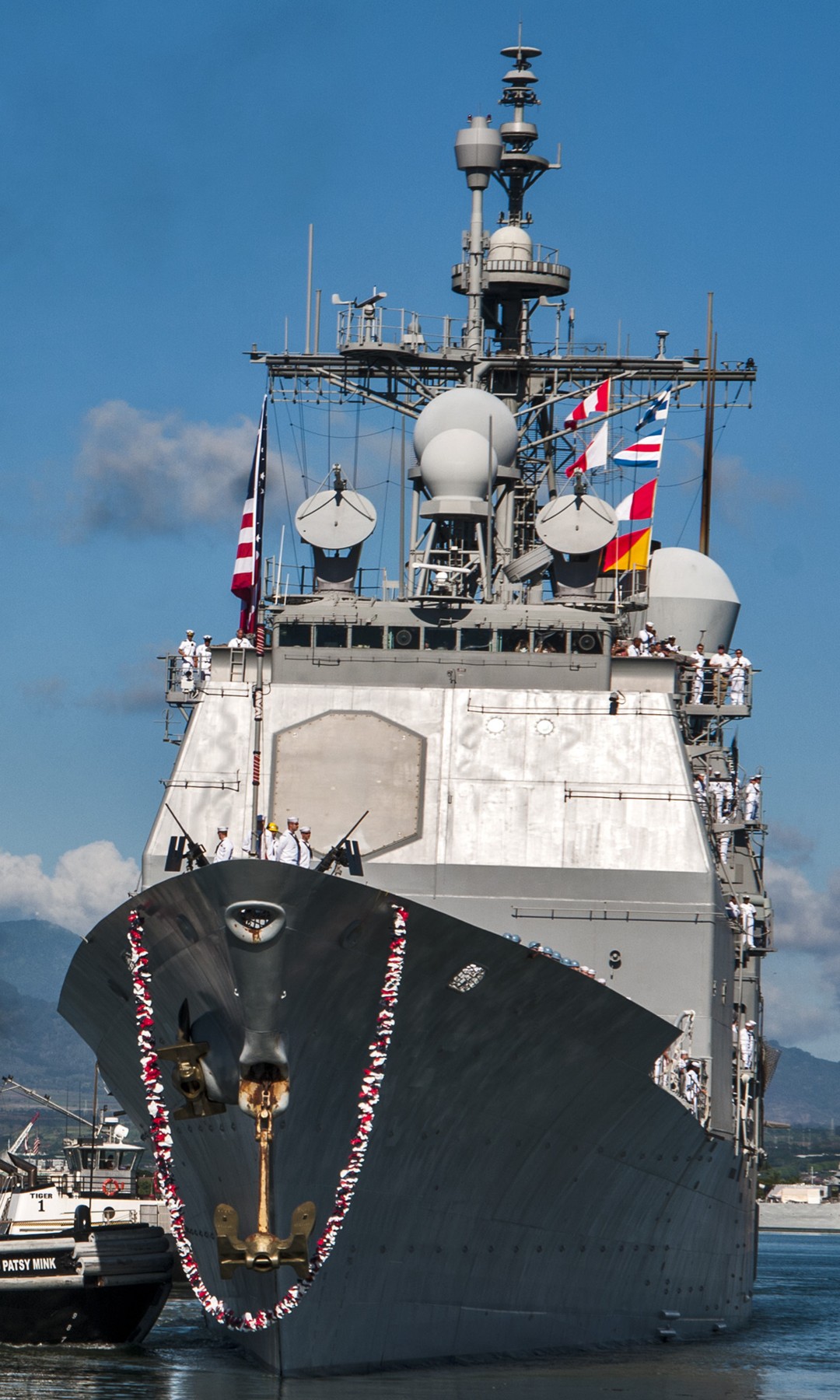 returning to Joint Base Pearl Harbor-Hickam, Hawaii - November 2013 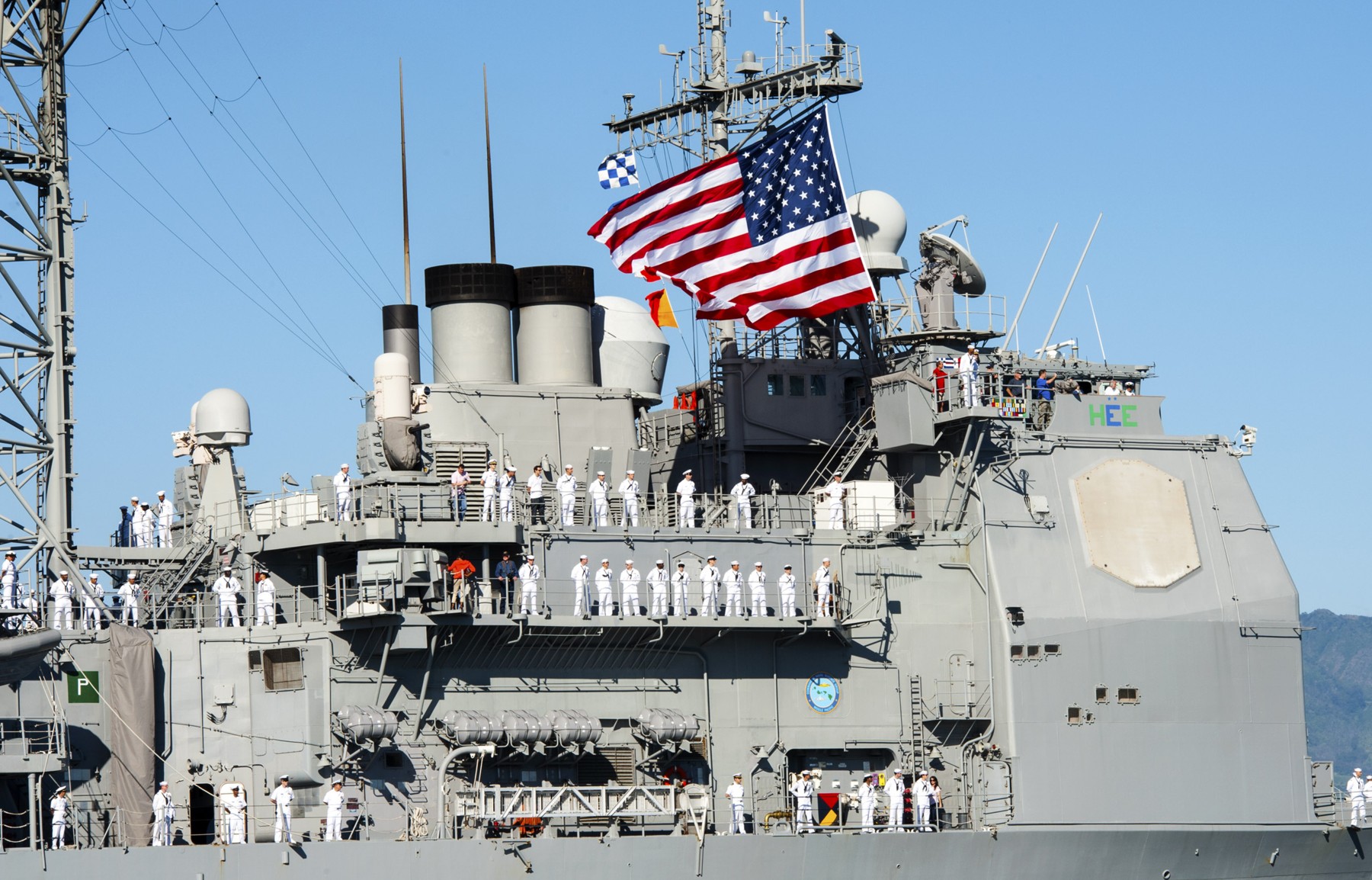 returning to Joint Base Pearl Harbor-Hickam, Hawaii - November 2013 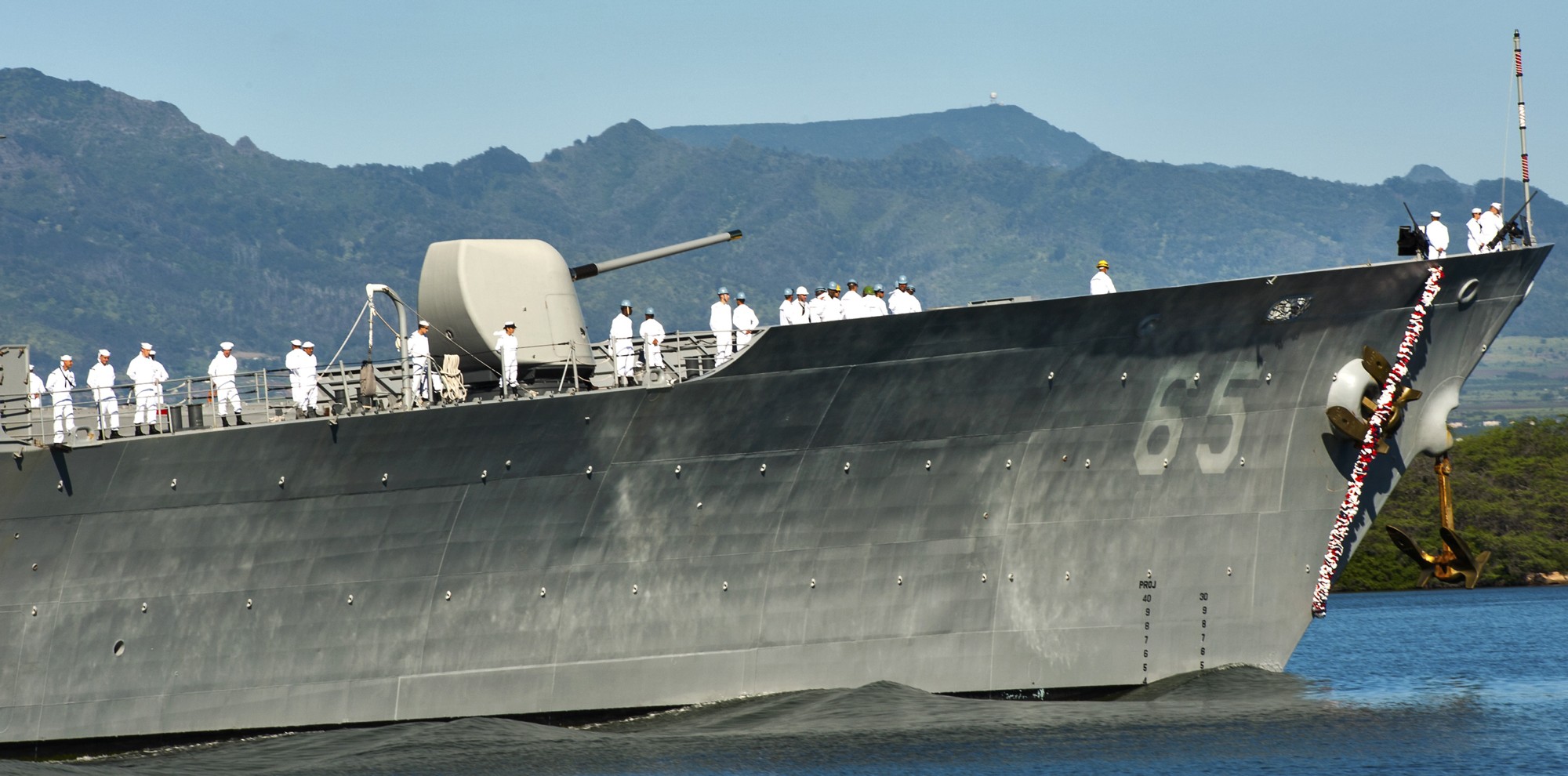 returning to Joint Base Pearl Harbor-Hickam, Hawaii - November 2013 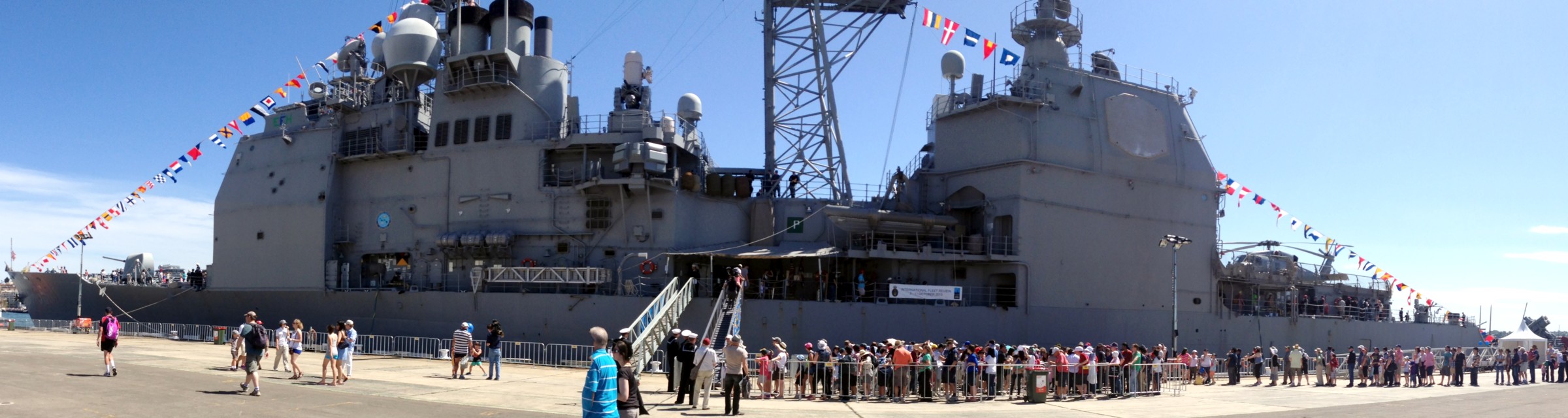 Sydney, Australia - October 2013 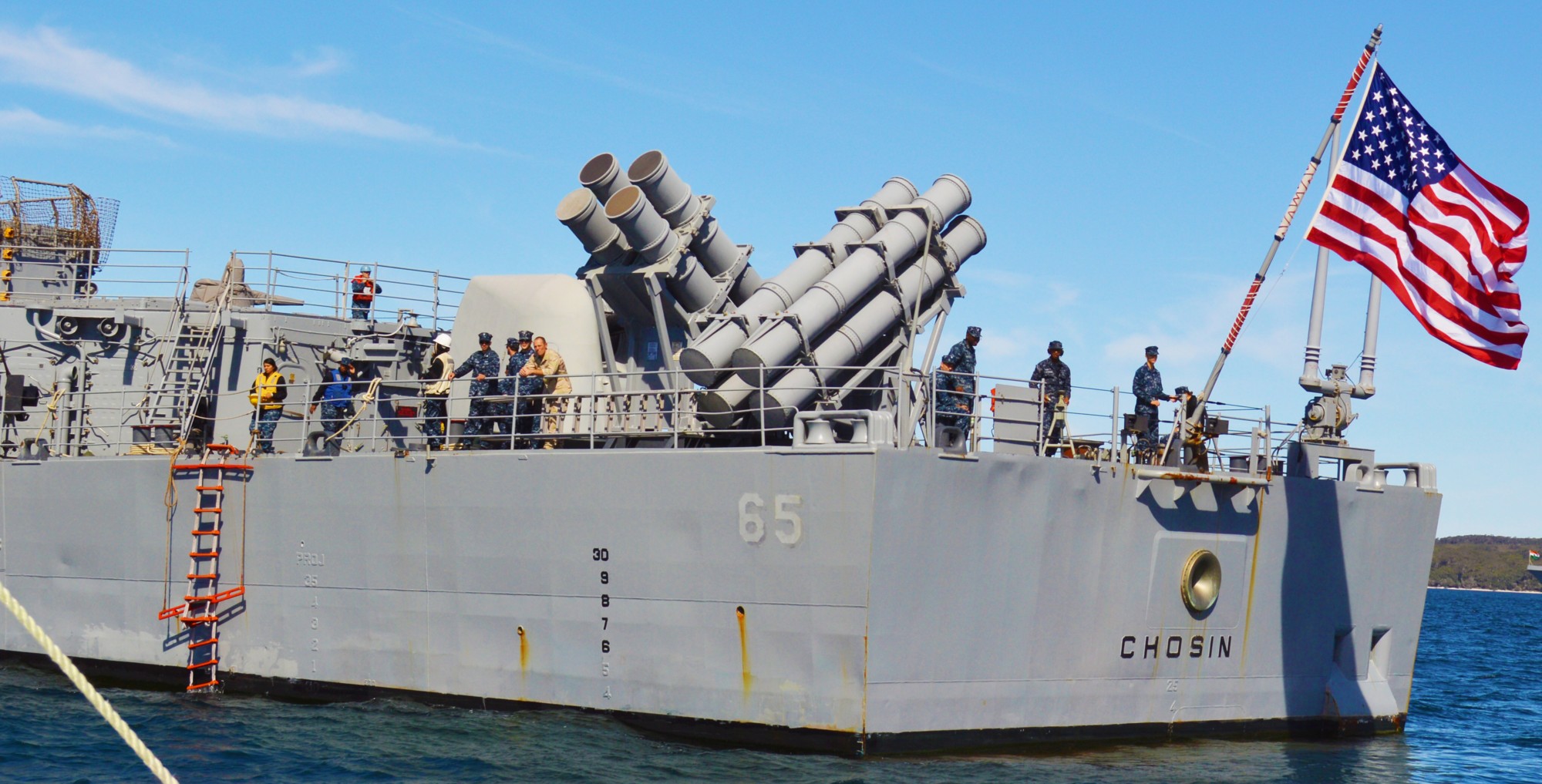 Sydney, Australia - October 2013 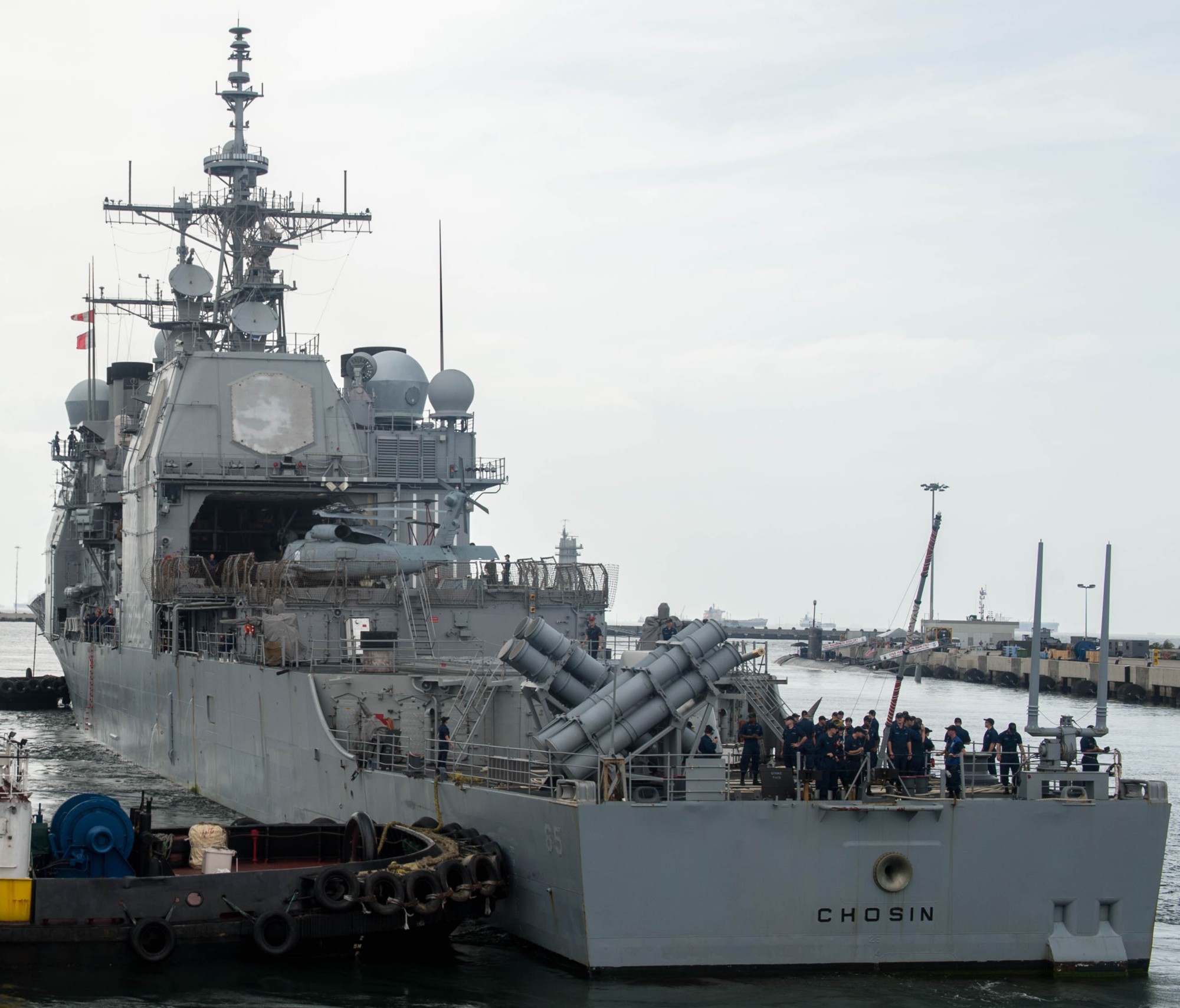 Changi Naval Base, Singapore - August 2013 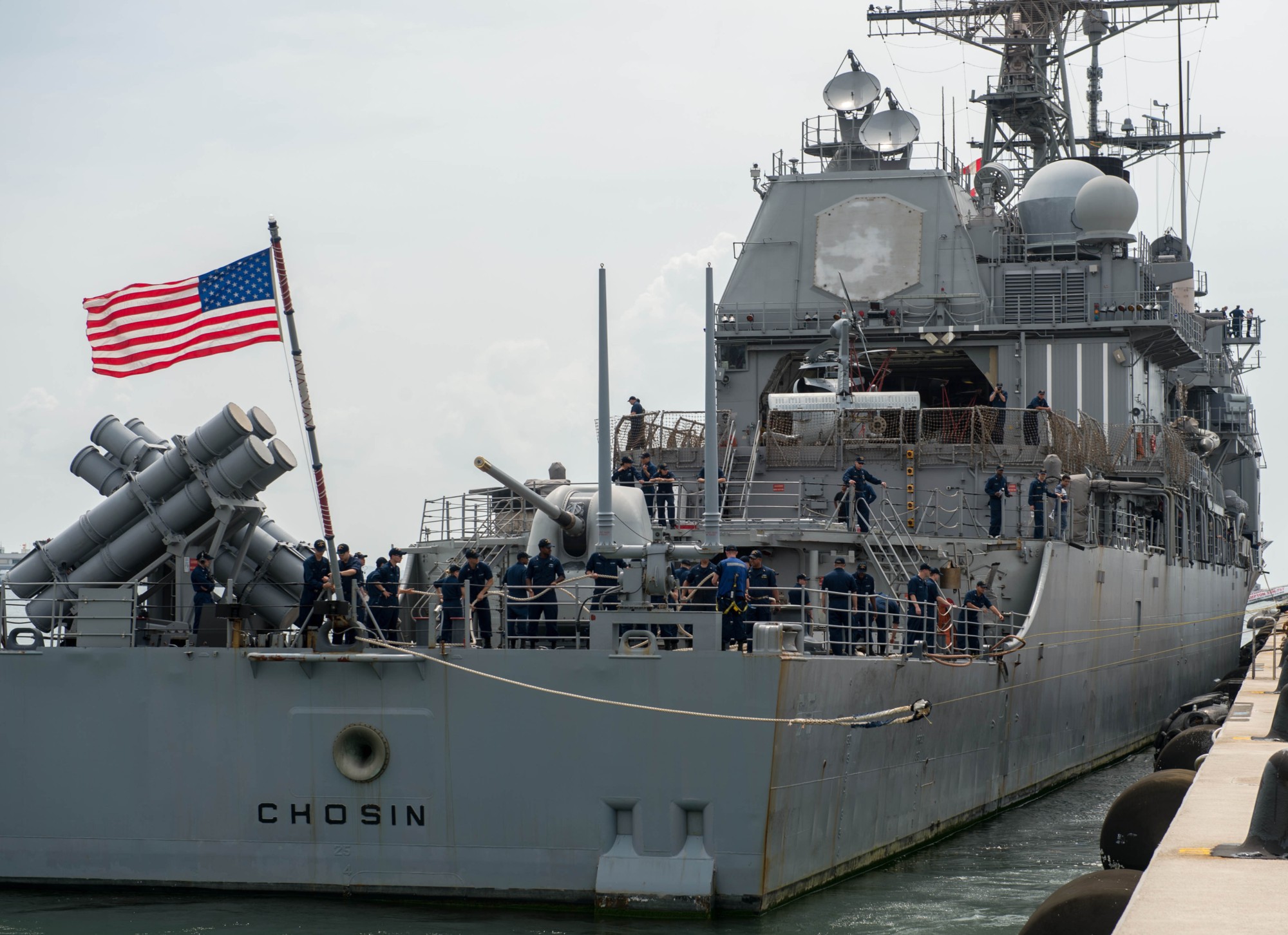 Changi Naval Base, Singapore - August 2013 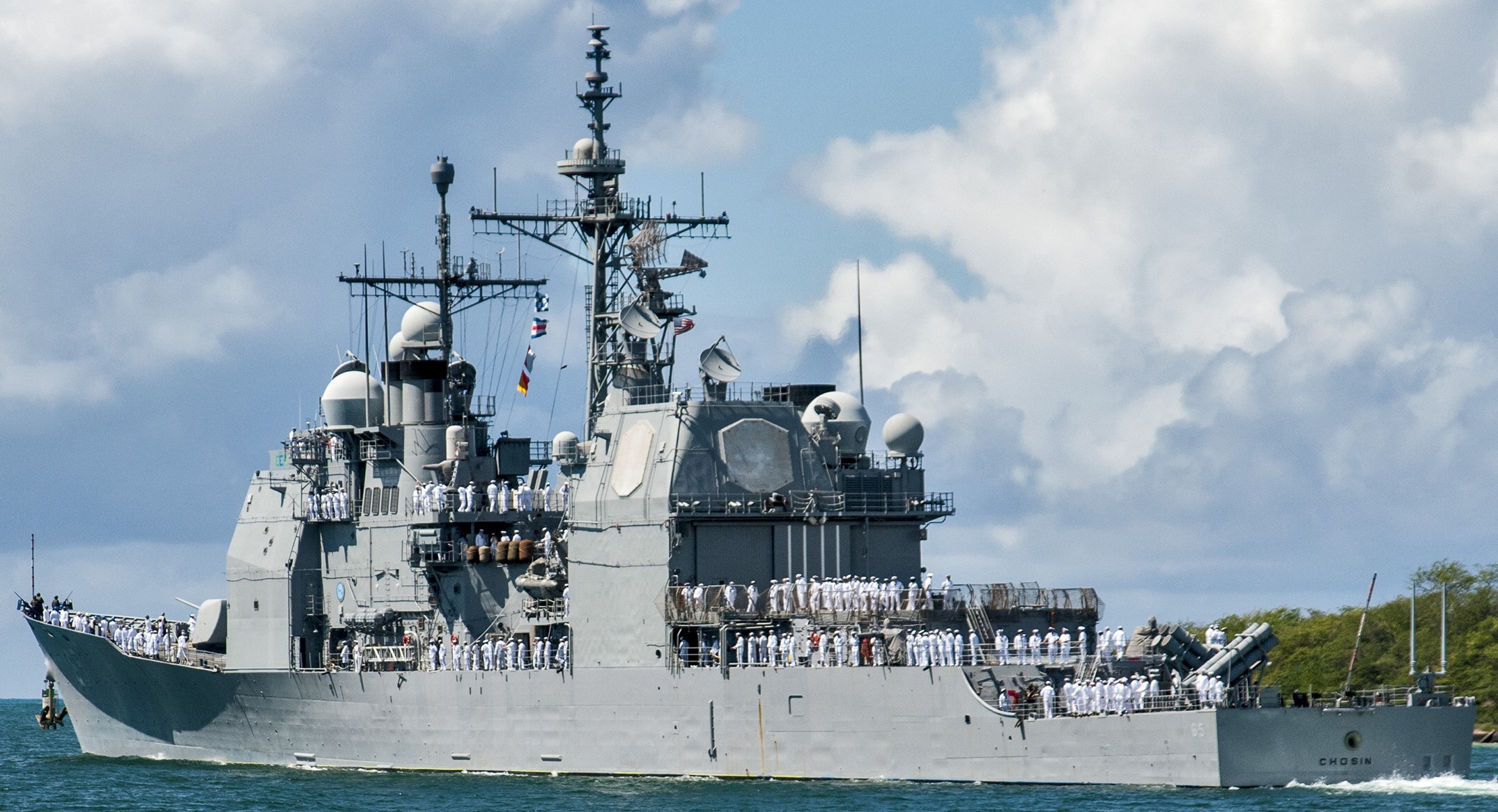 departing Joint Base Pearl Harbor-Hickam, Hawaii - April 2013 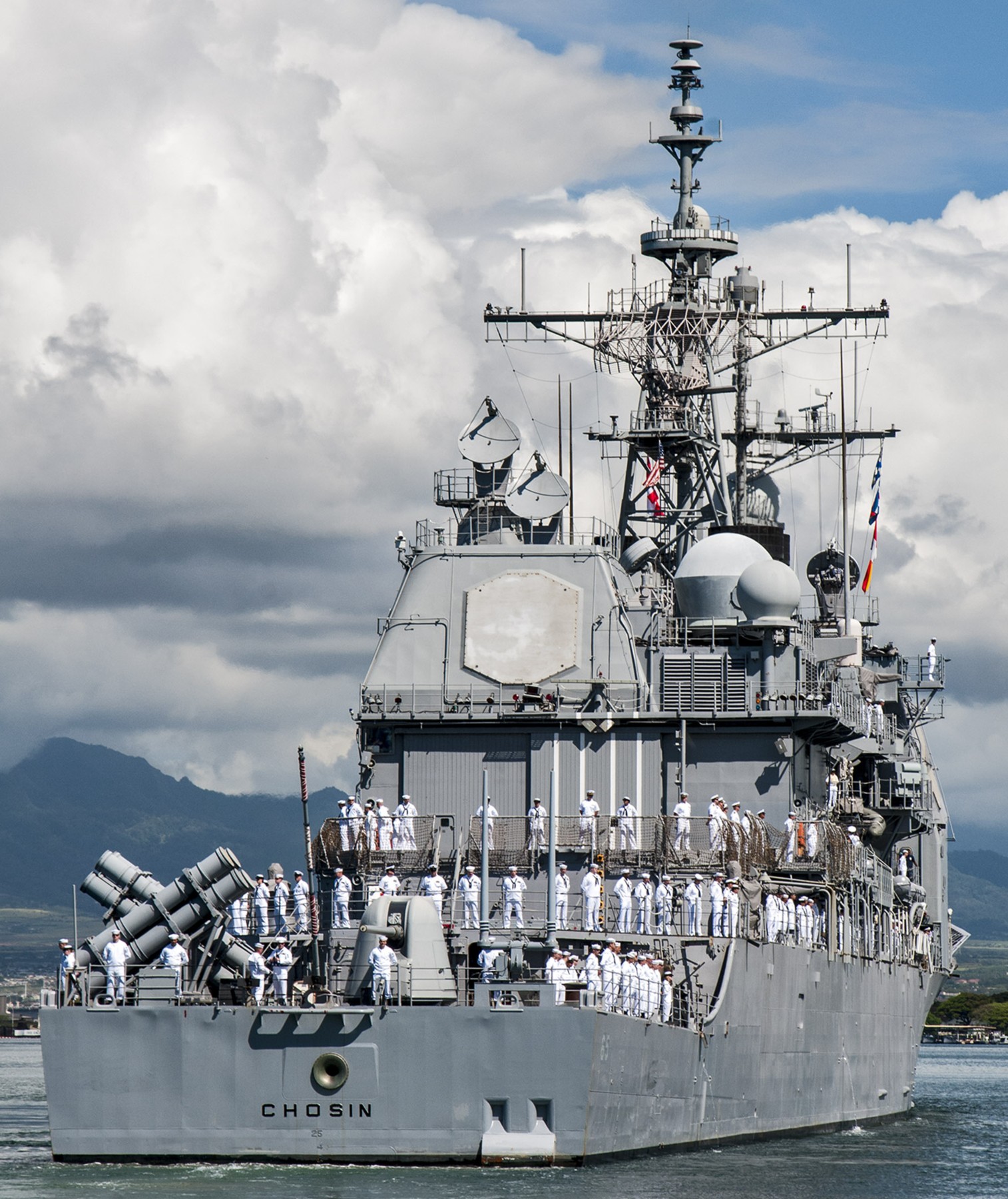 departing Joint Base Pearl Harbor-Hickam, Hawaii - April 2013 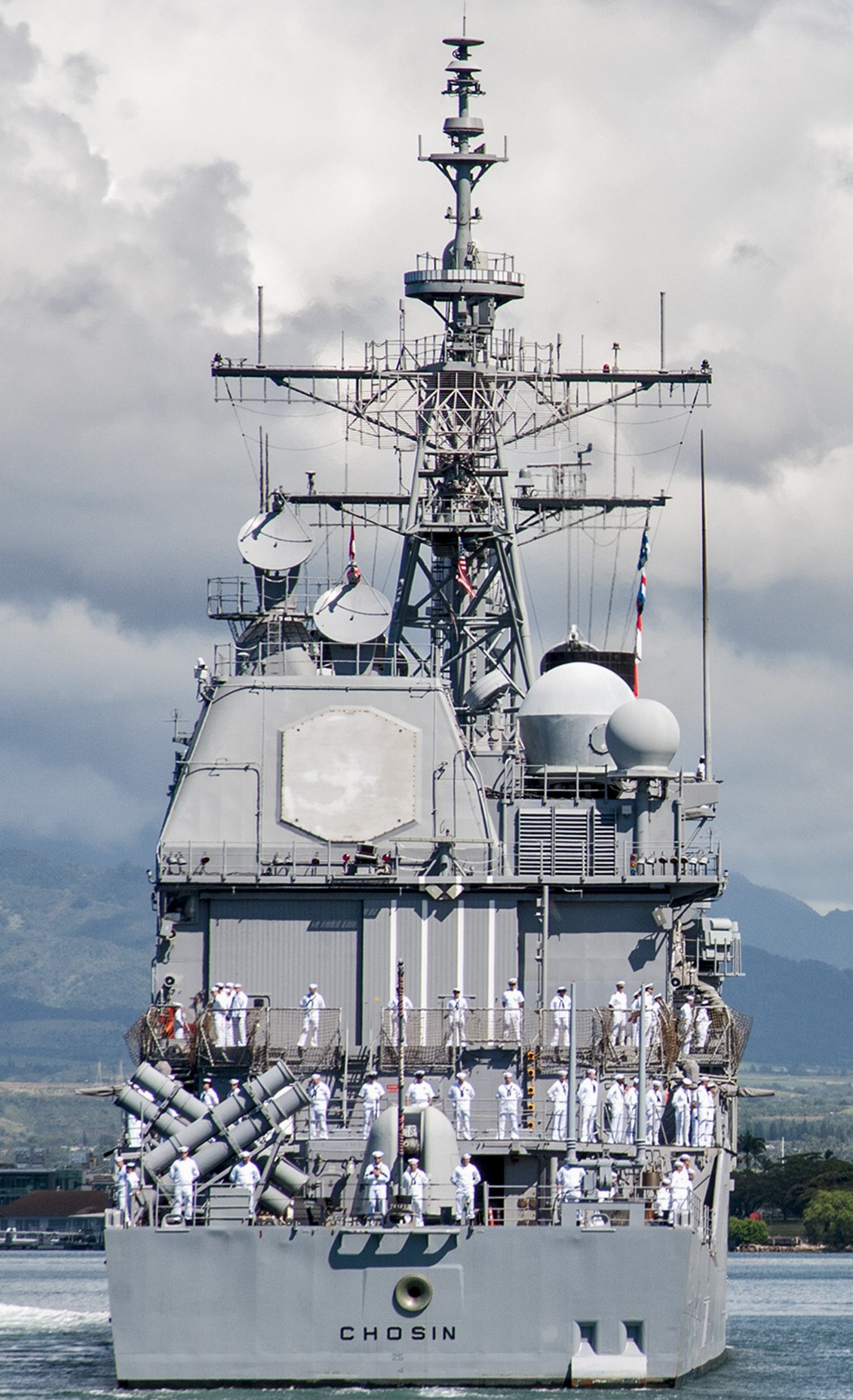 departing Joint Base Pearl Harbor-Hickam, Hawaii - April 2013 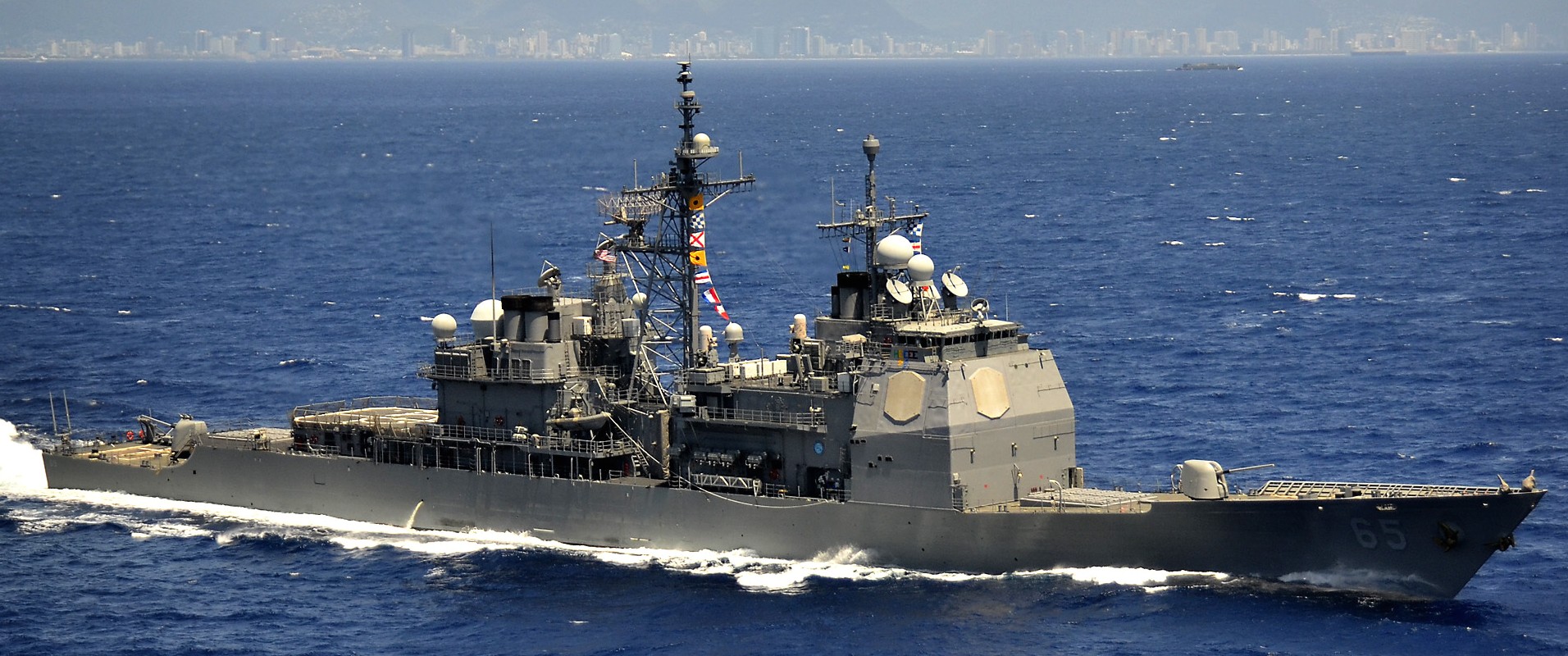 off Hawaii - March 2012 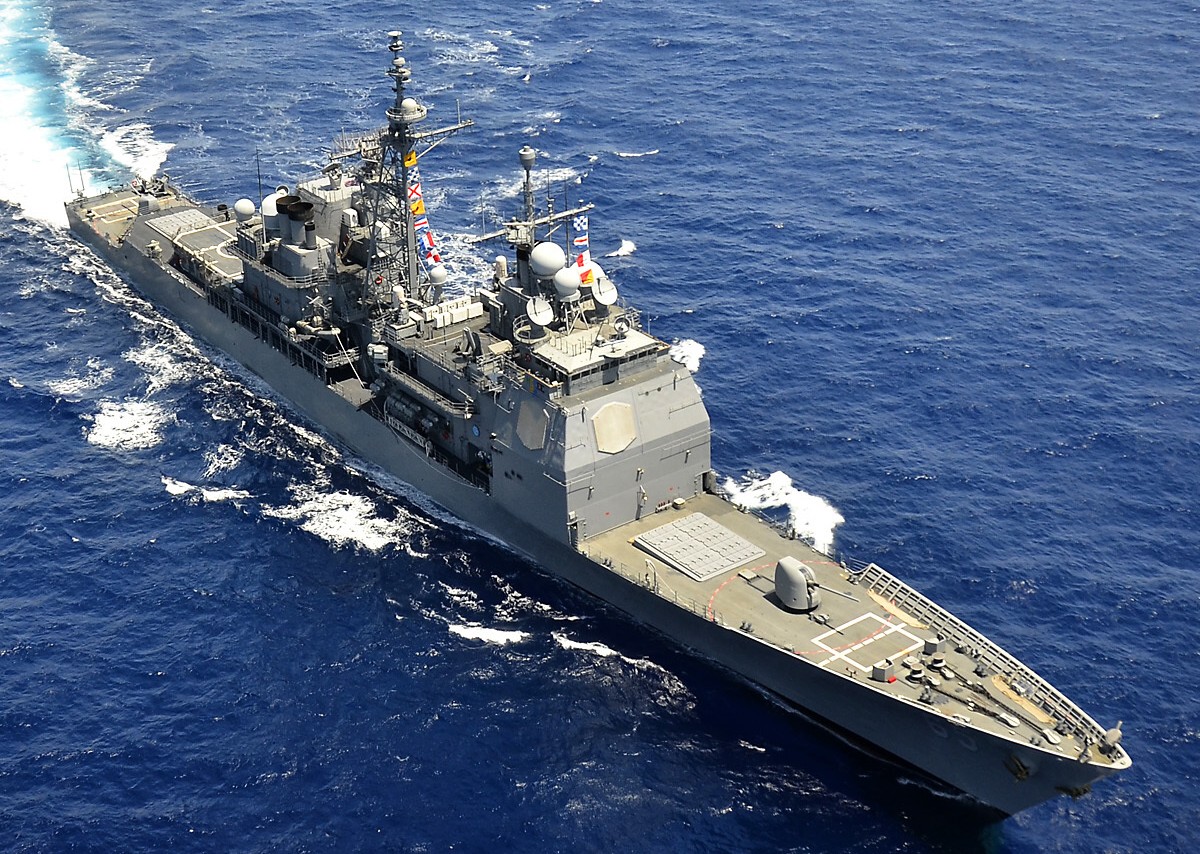 off Hawaii - March 2012 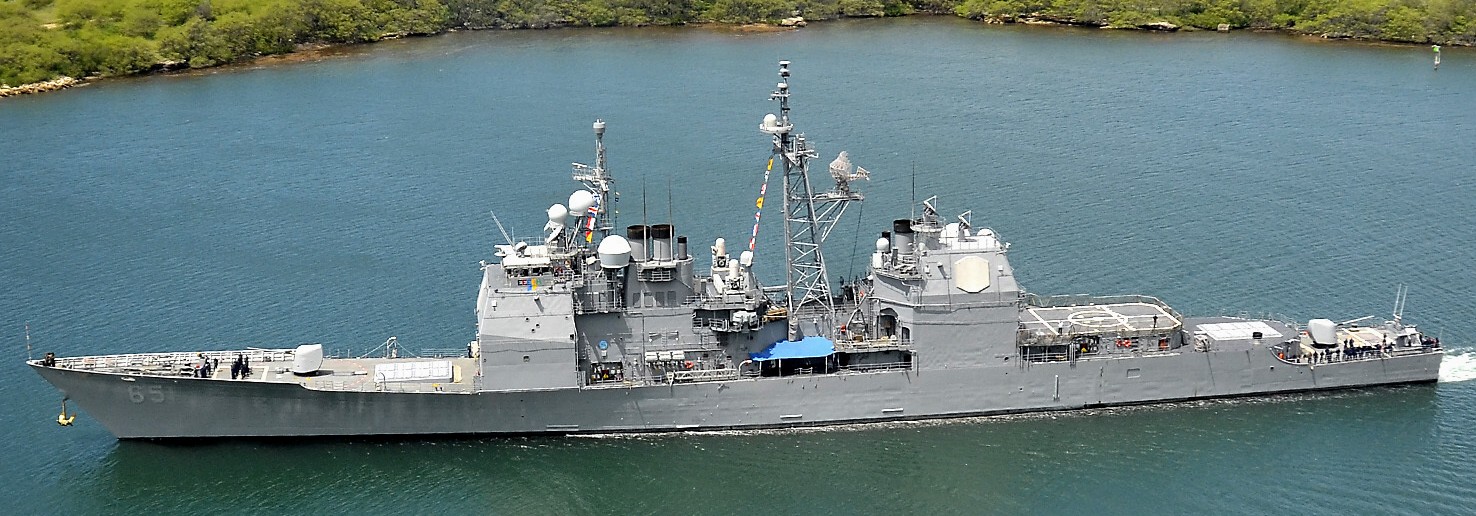 departing Joint Base Pearl Harbor-Hickam, Hawaii - March 2012 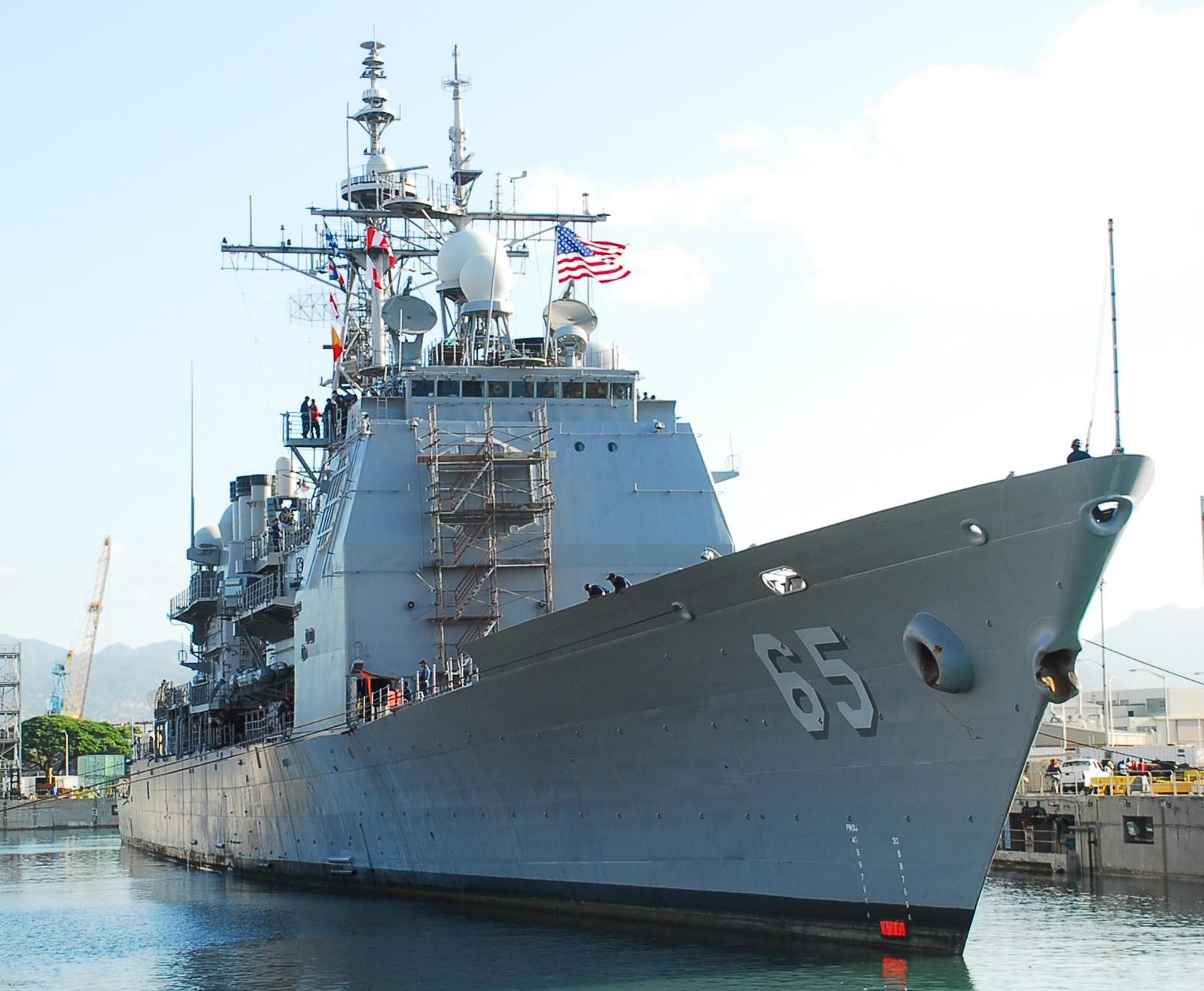 entering dry-dock at Pearl Harbor Naval Shipyard, Hawaii - December 2011 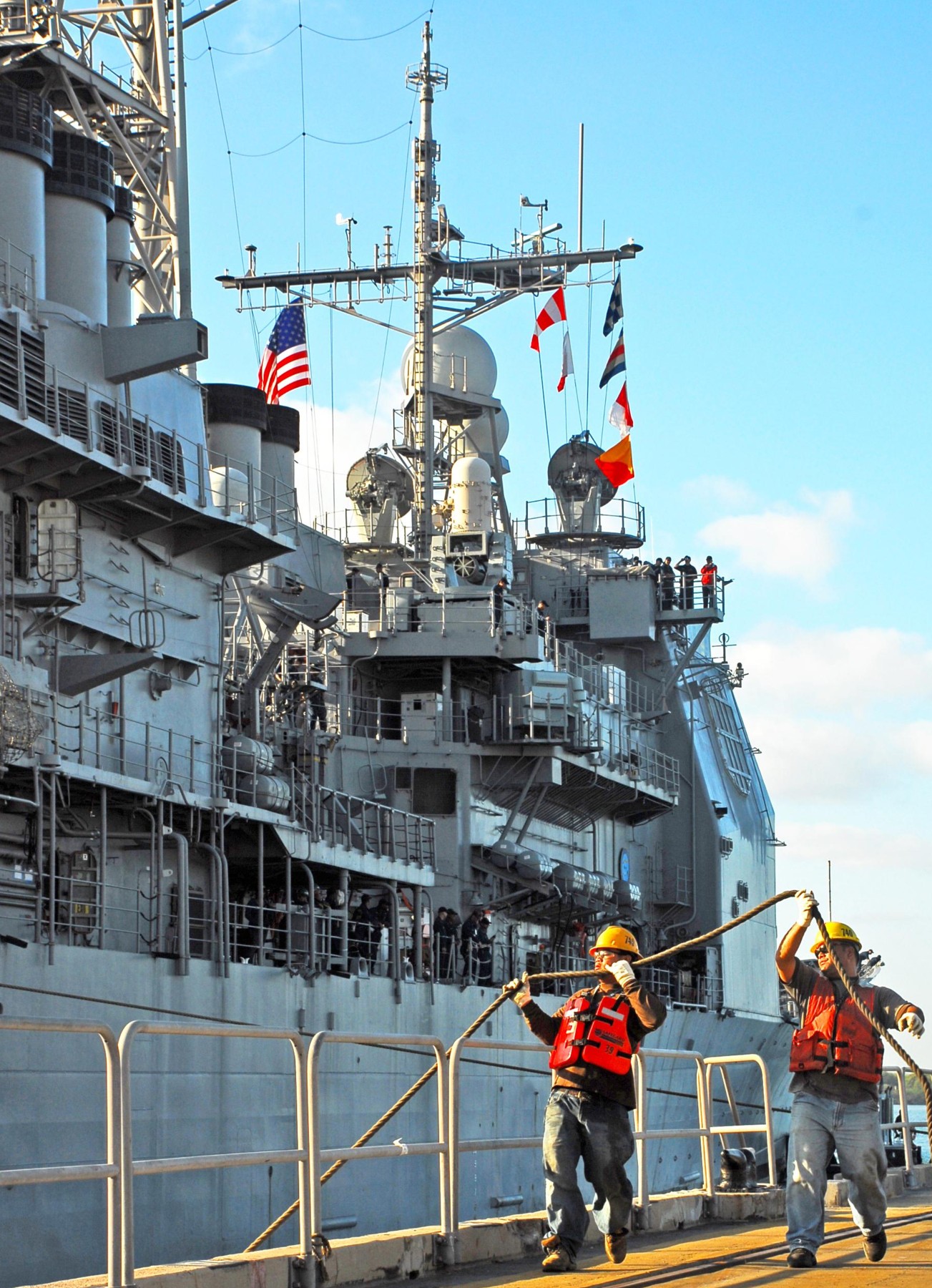 entering dry-dock at Pearl Harbor Naval Shipyard, Hawaii - December 2011 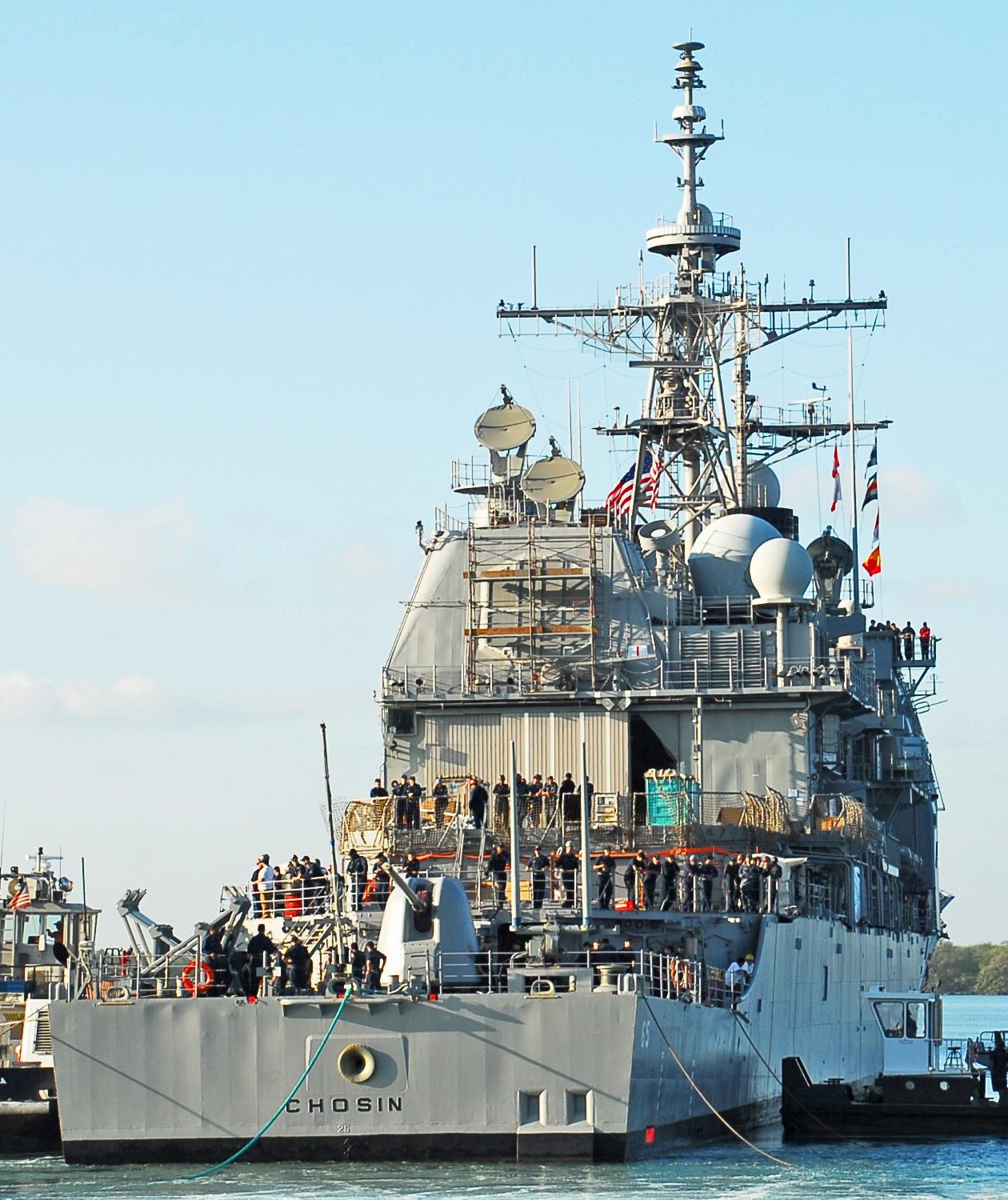 entering dry-dock at Pearl Harbor Naval Shipyard, Hawaii - December 2011 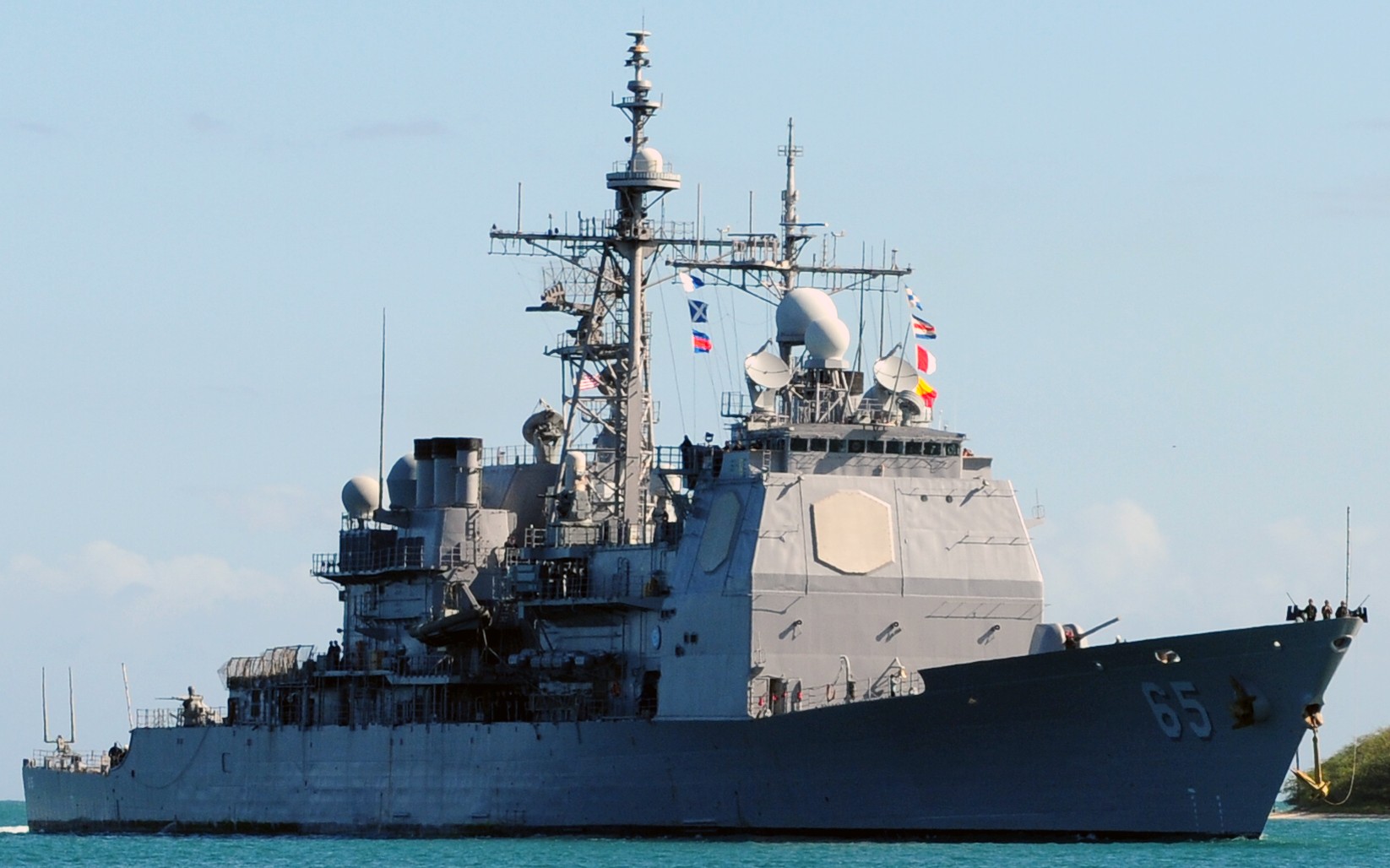 during Exercise RIMPAC 10 - Pearl Harbor, Hawaii - July 2010 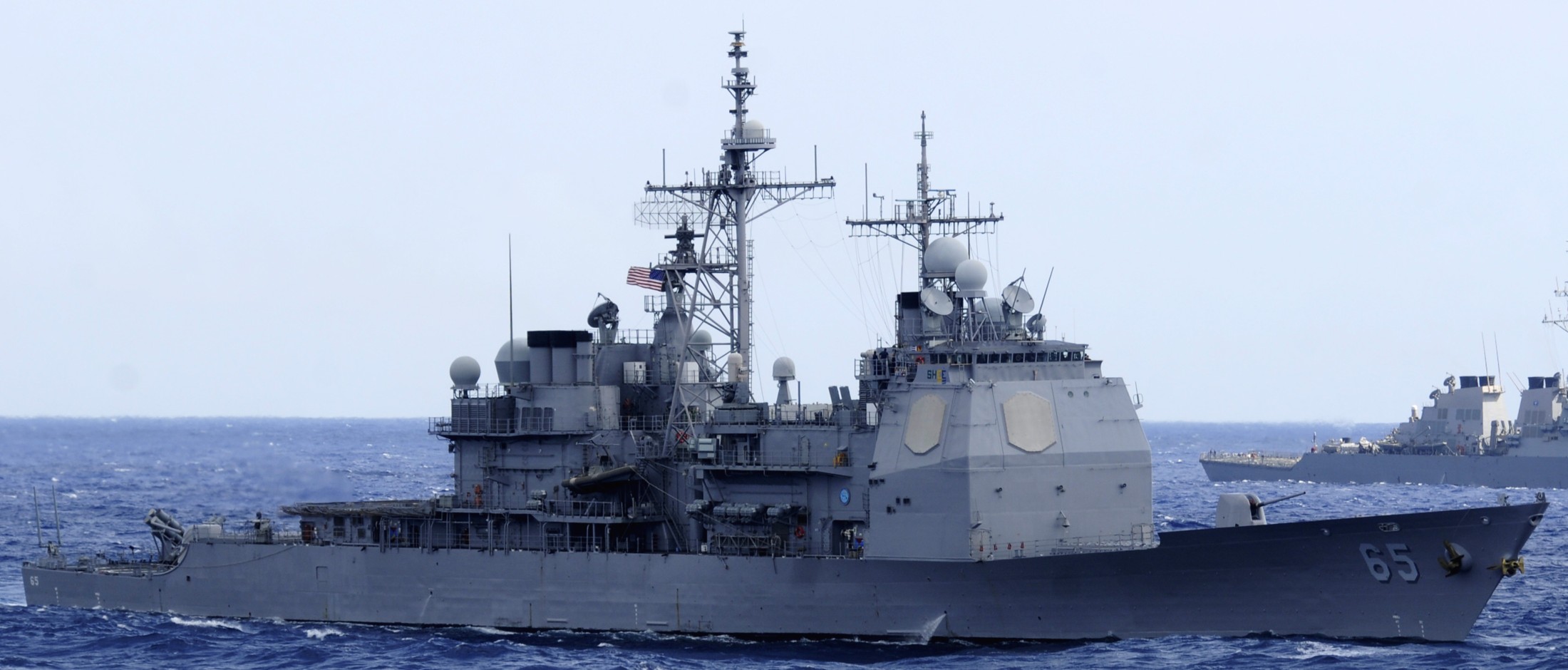 during Exercise RIMPAC 10 - Pacific Ocean - July 2010 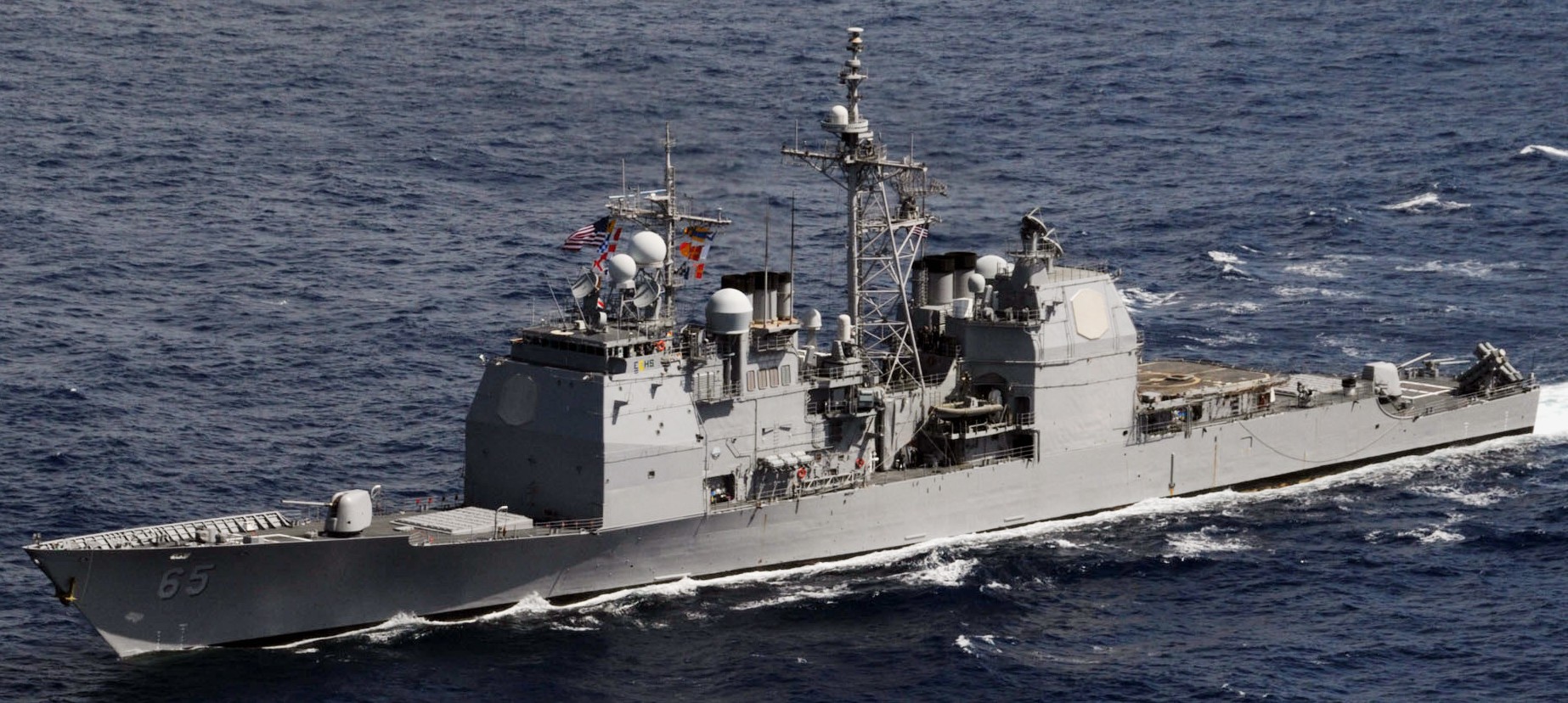 during Exercise RIMPAC 10 - Pacific Ocean - July 2010 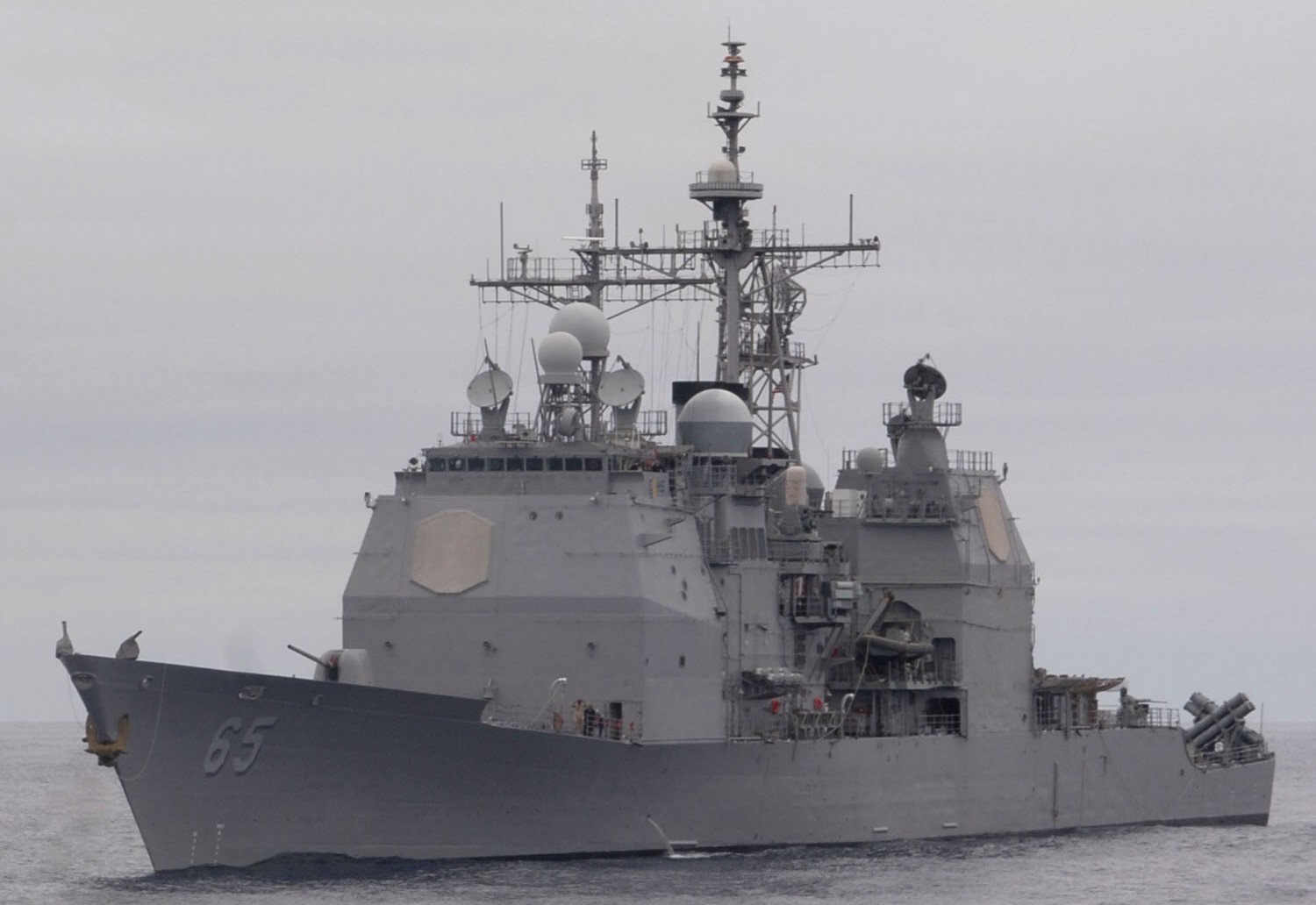 Pacific Ocean - June 2010 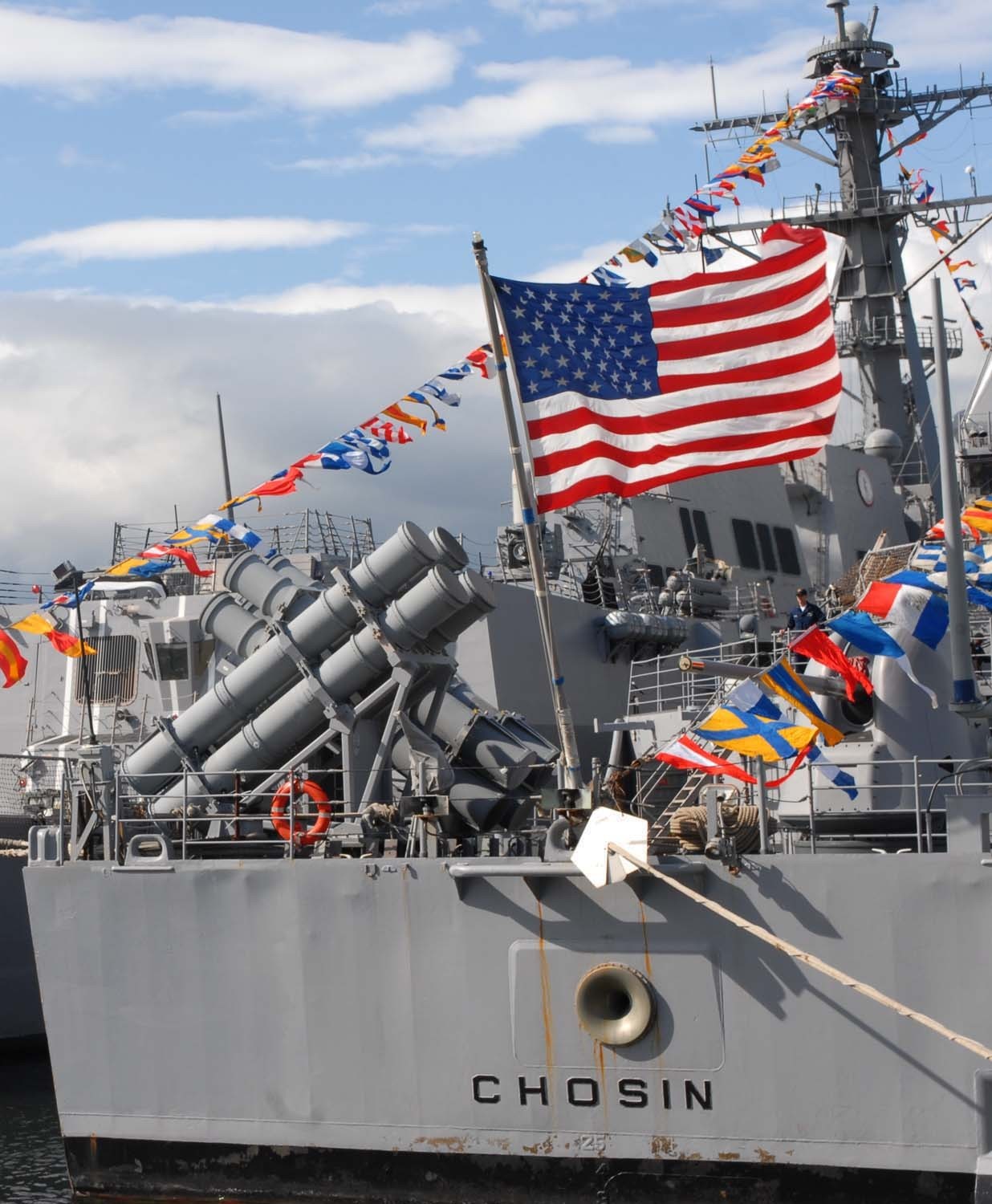 Victoria, British Columbia, Canada - June 2010 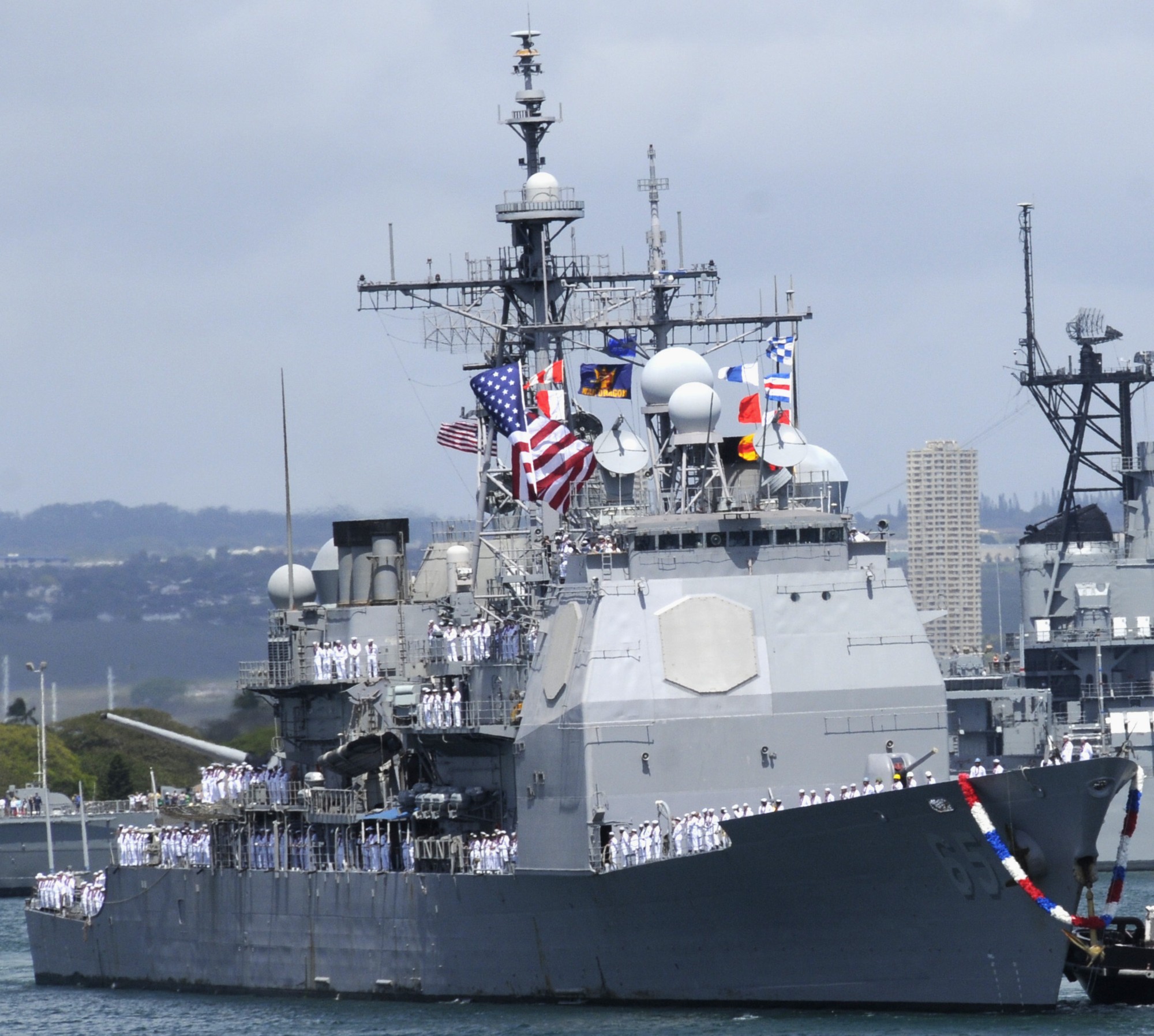 returning to Naval Station Pearl Harbor, Hawaii - March 2010 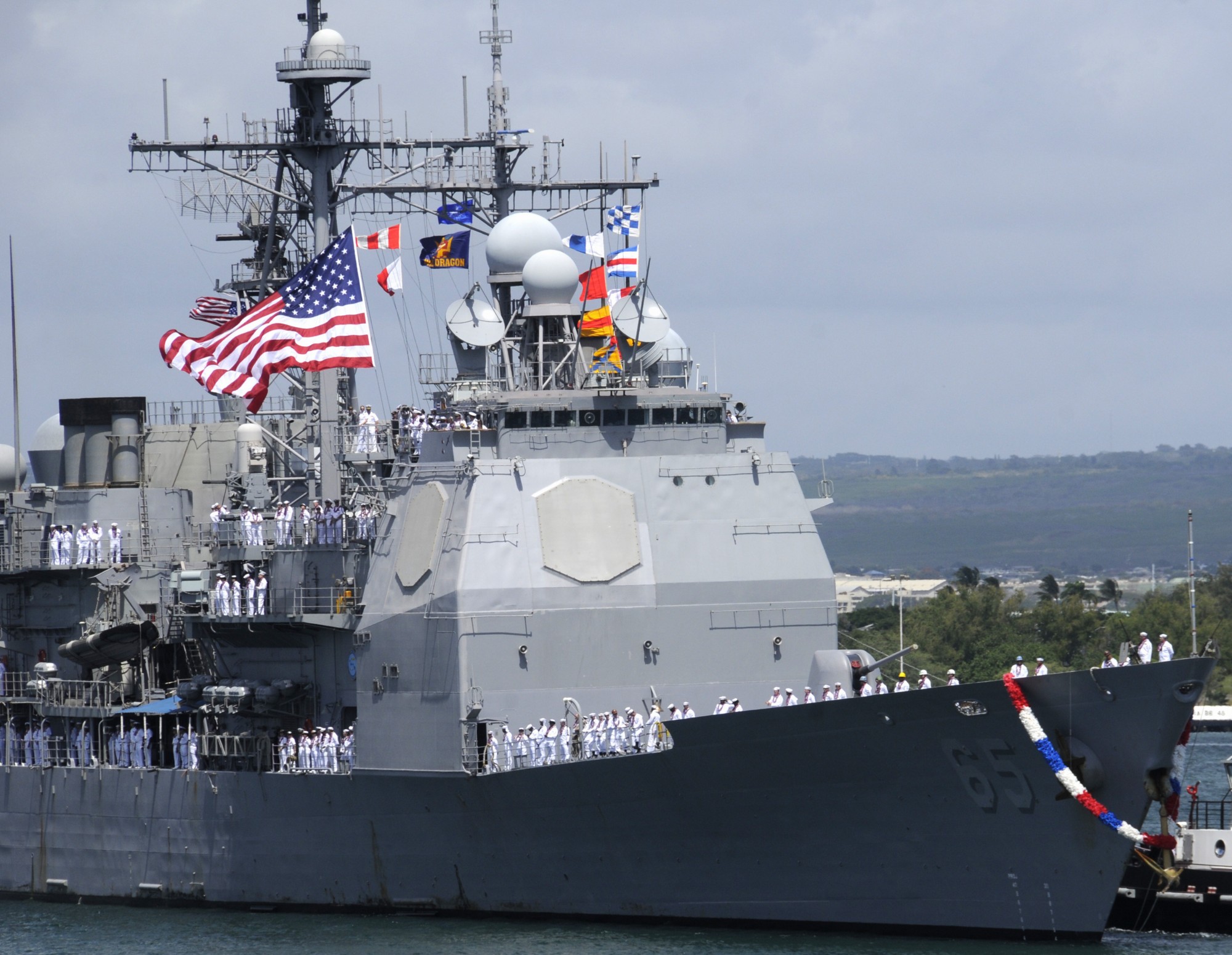 returning to Naval Station Pearl Harbor, Hawaii - March 2010 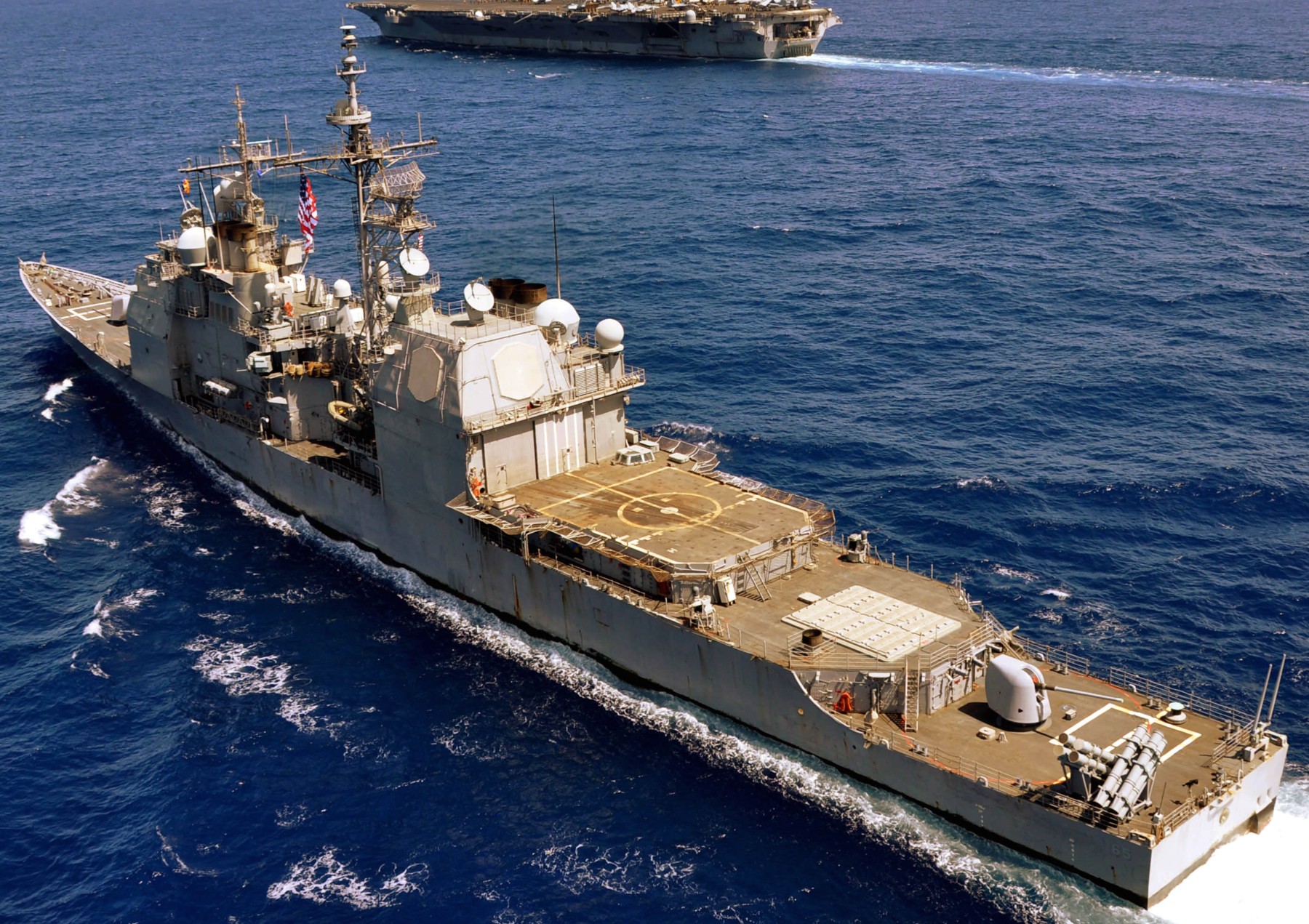 South China Sea - February 2010 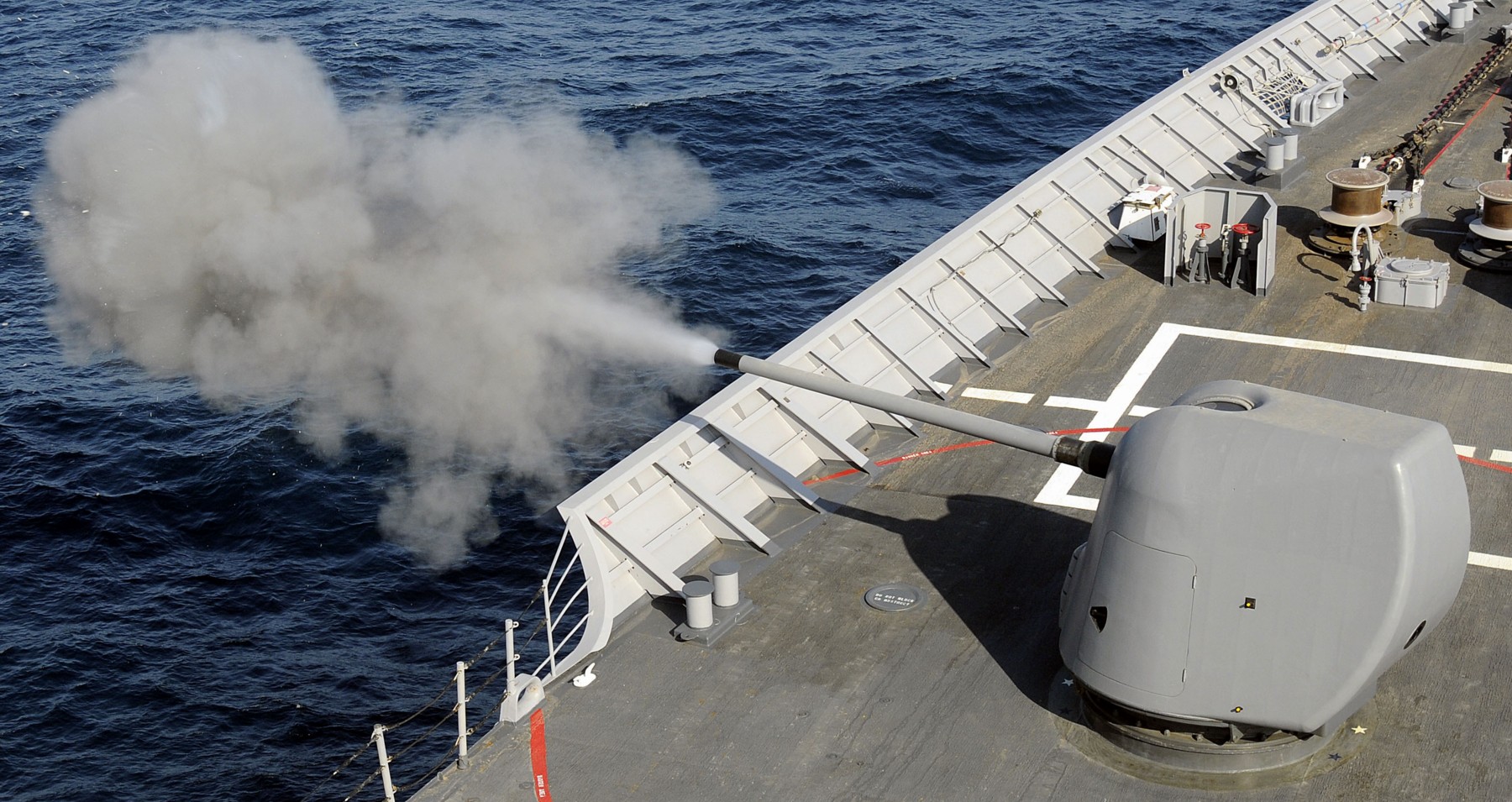 Mk.45 gun fire exercise - off Somalia - December 2009 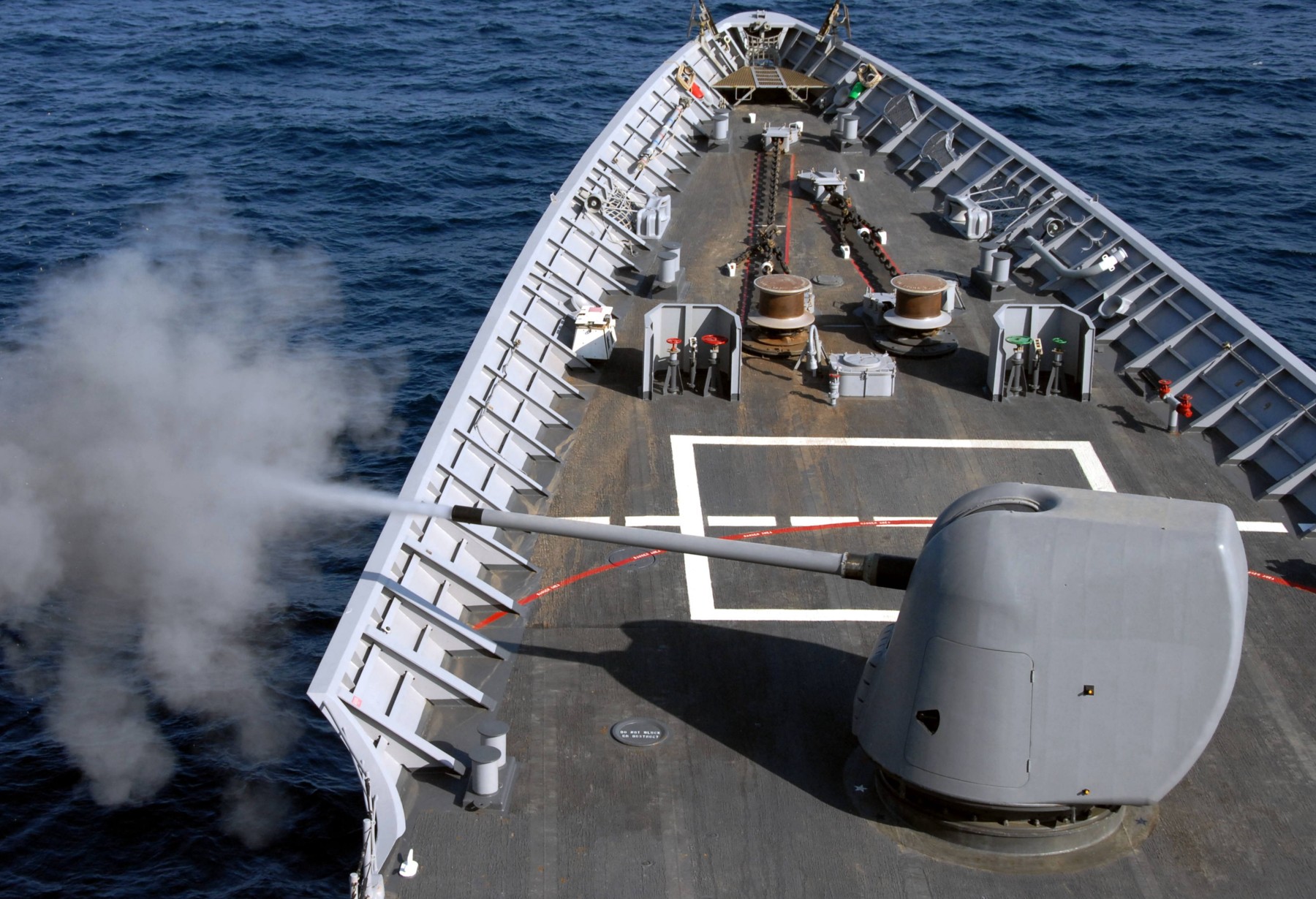 Mk.45 gun fire exercise - off Somalia - December 2009 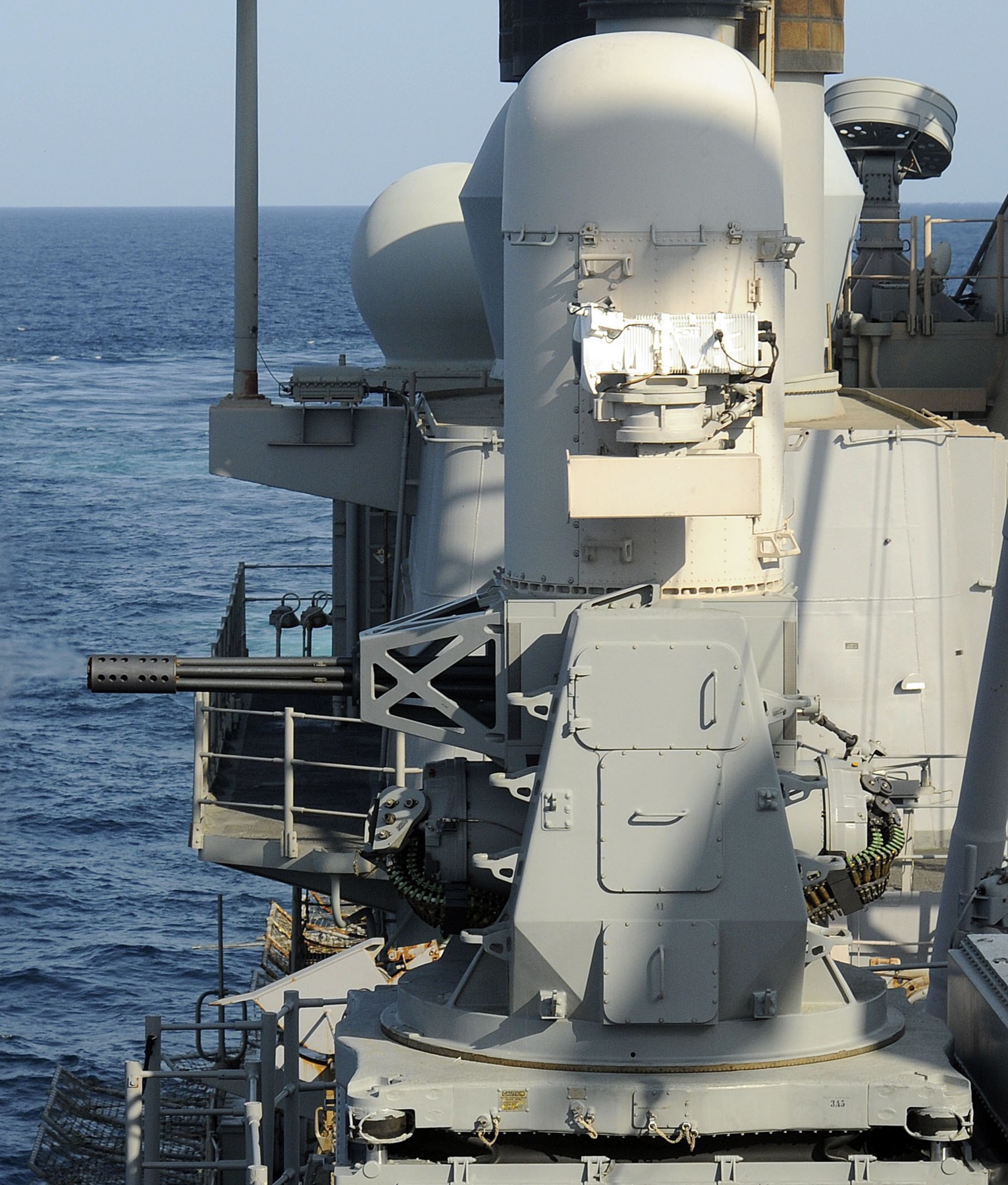 Mk.15 Phalanx CIWS fire exercise - off Somalia - December 2009 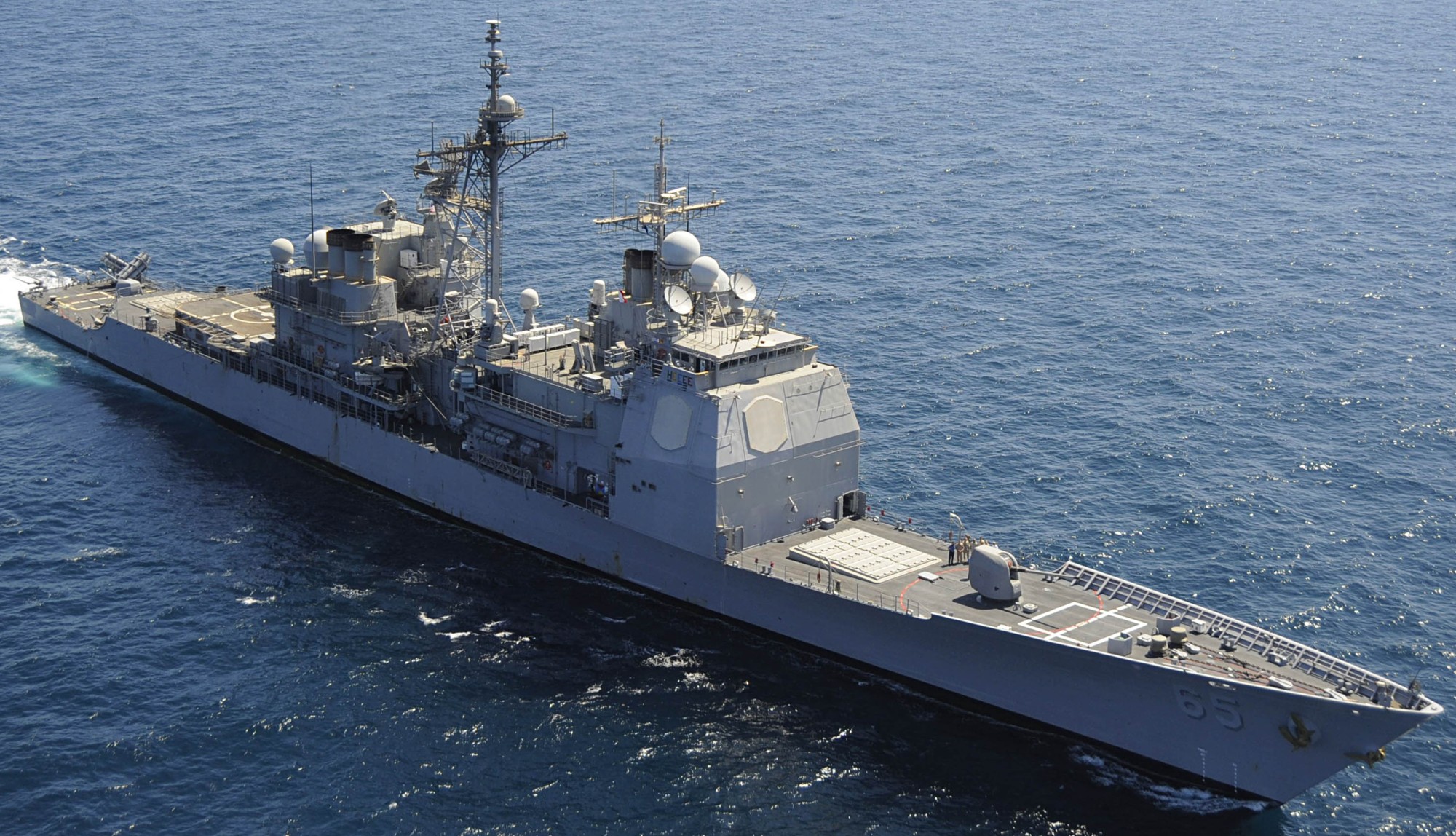 Gulf of Aden - November 2009 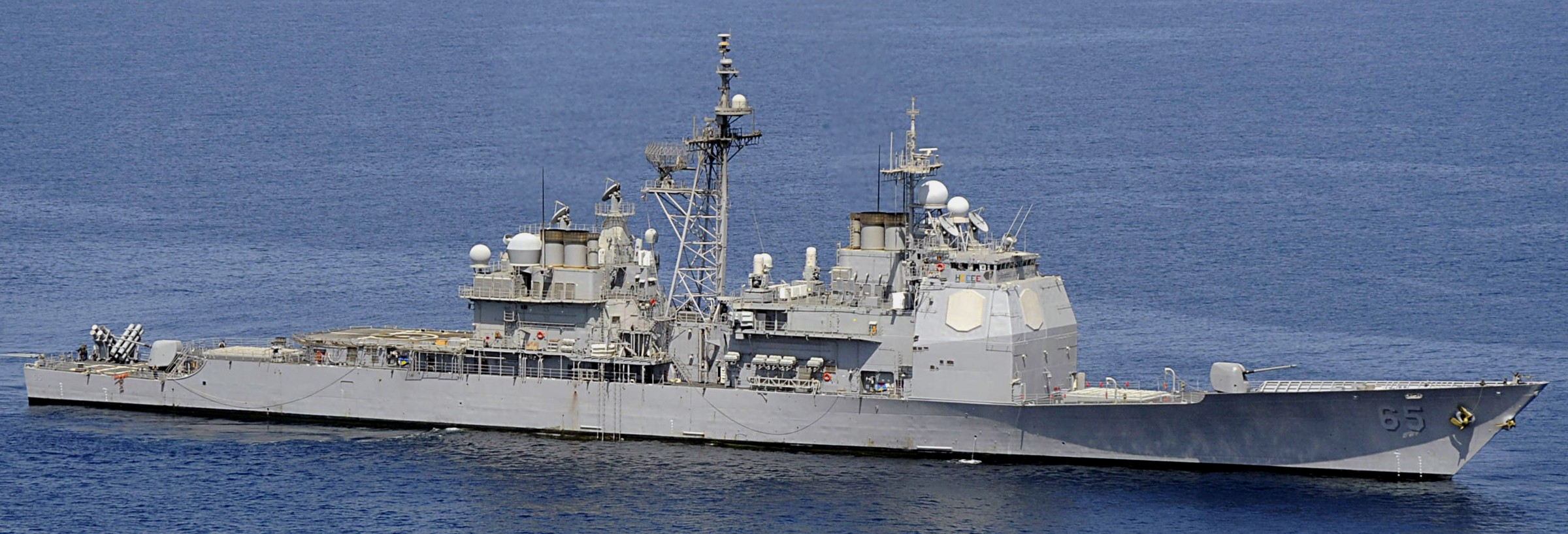 Gulf of Aden - November 2009 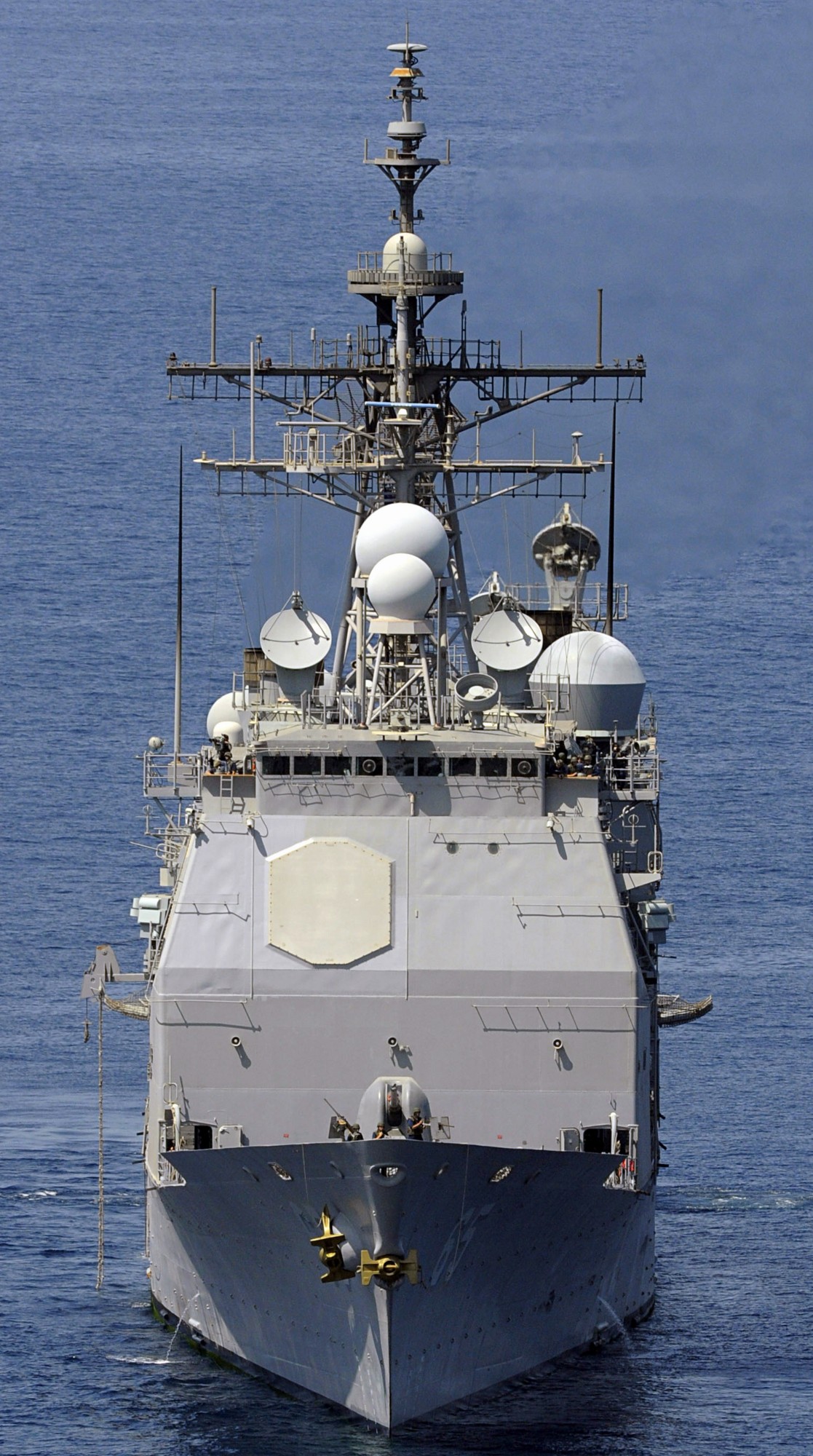 Gulf of Aden - November 2009 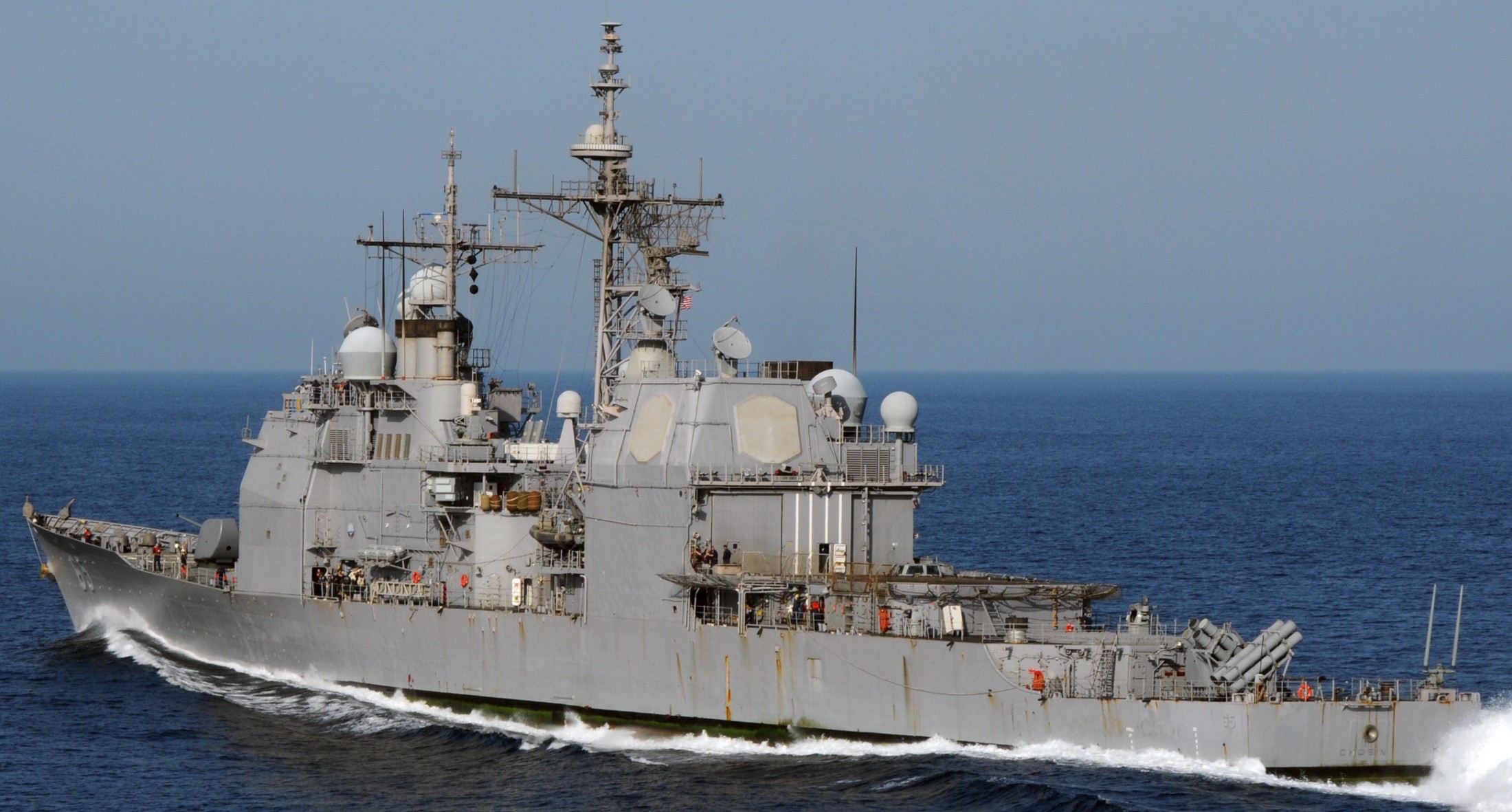 Indian Ocean - October 2009 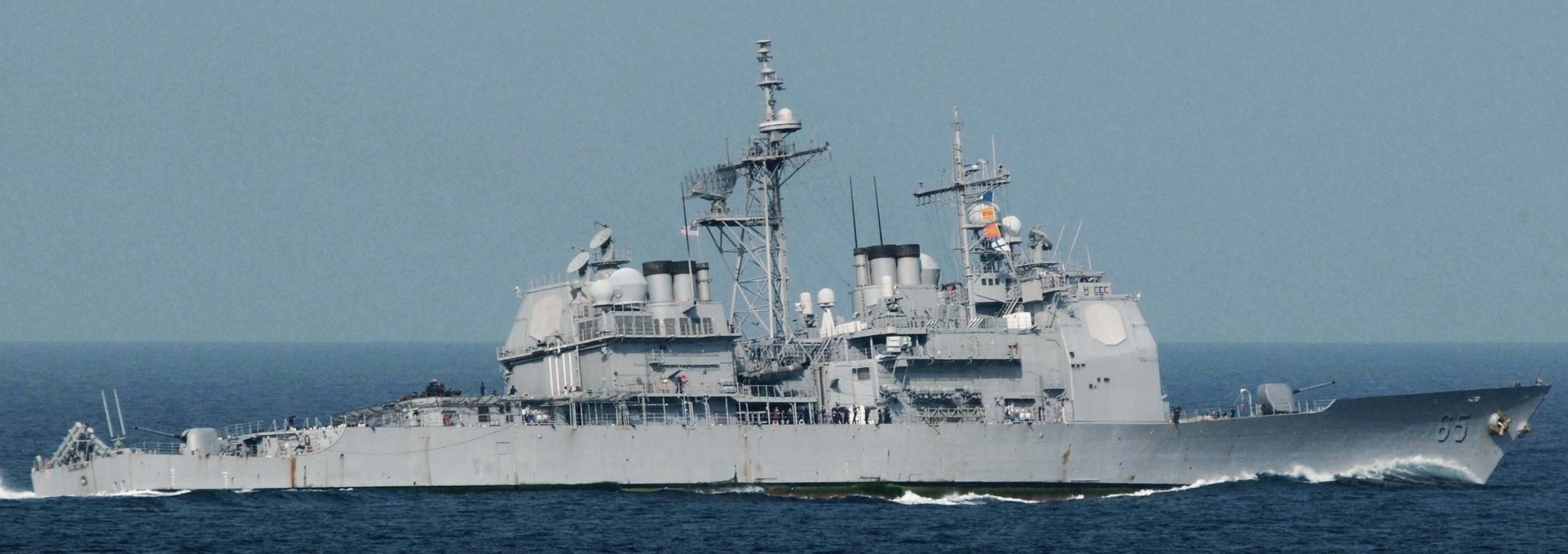 Indian Ocean - October 2009 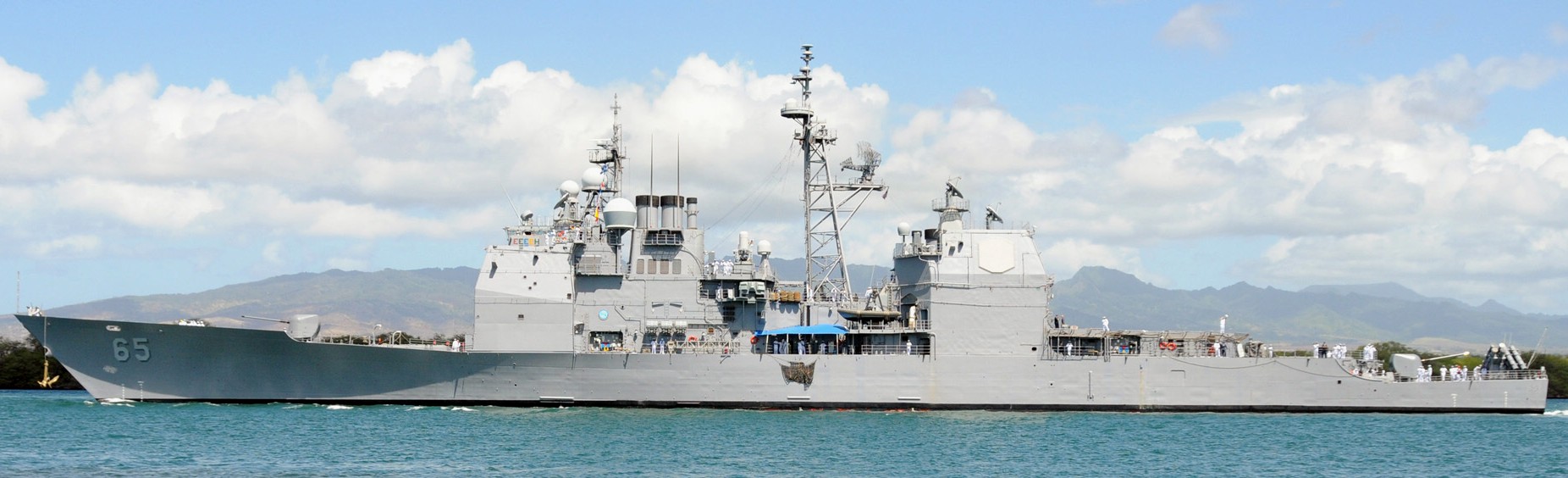 departing Naval Station Pearl Harbor, Hawaii - August 2009 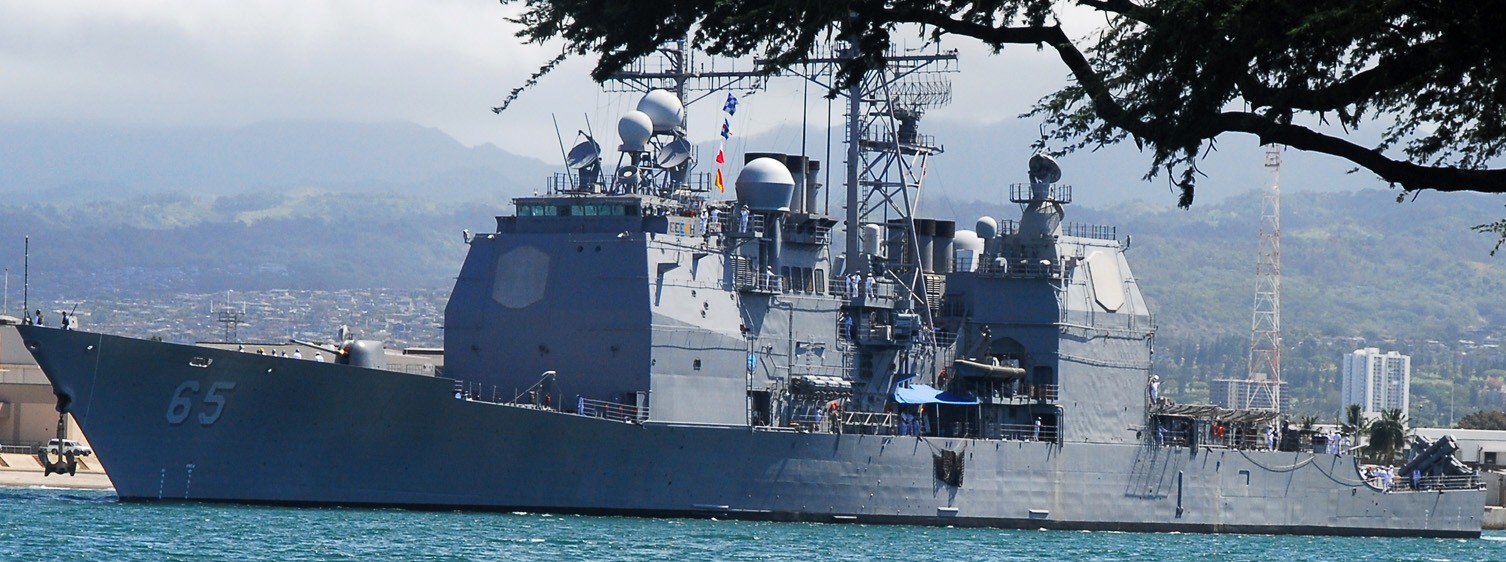 departing Naval Station Pearl Harbor, Hawaii - August 2009 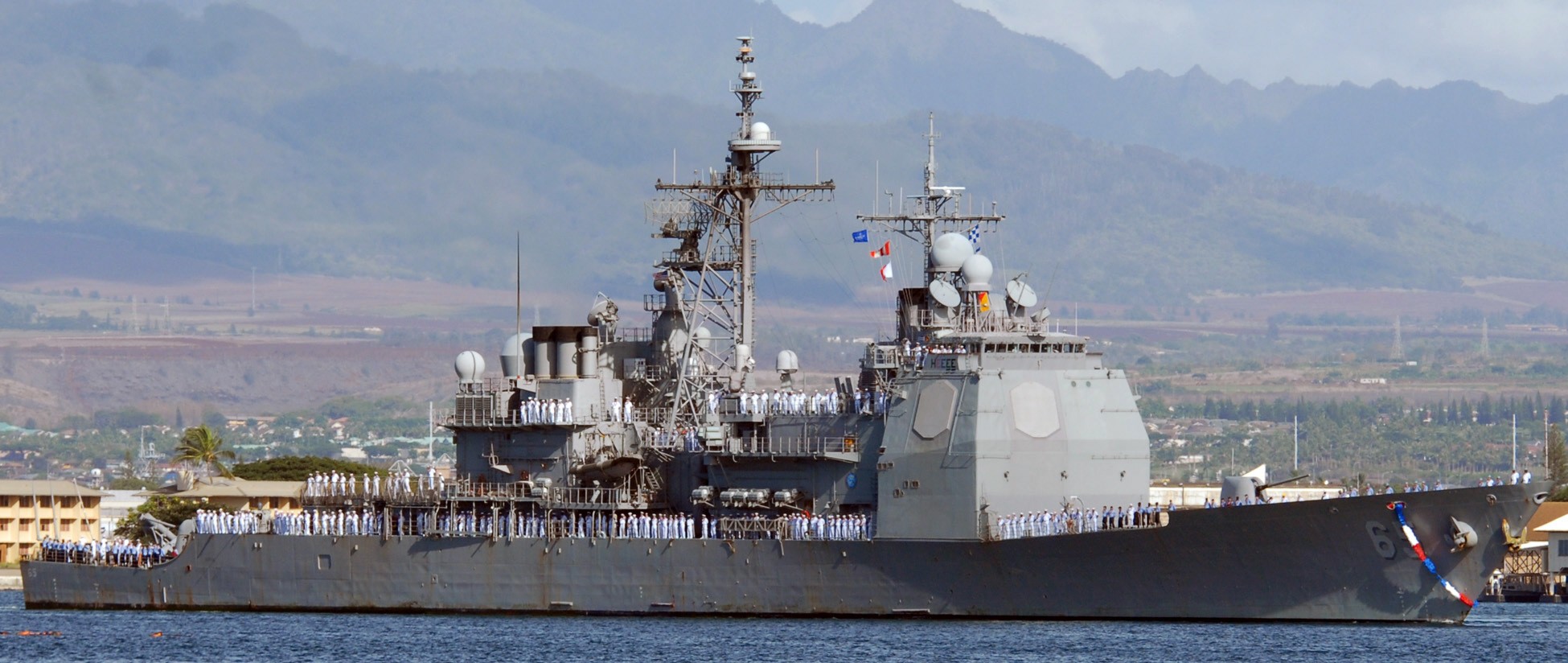 returning to Naval Station Pearl Harbor, Hawaii - September 2007 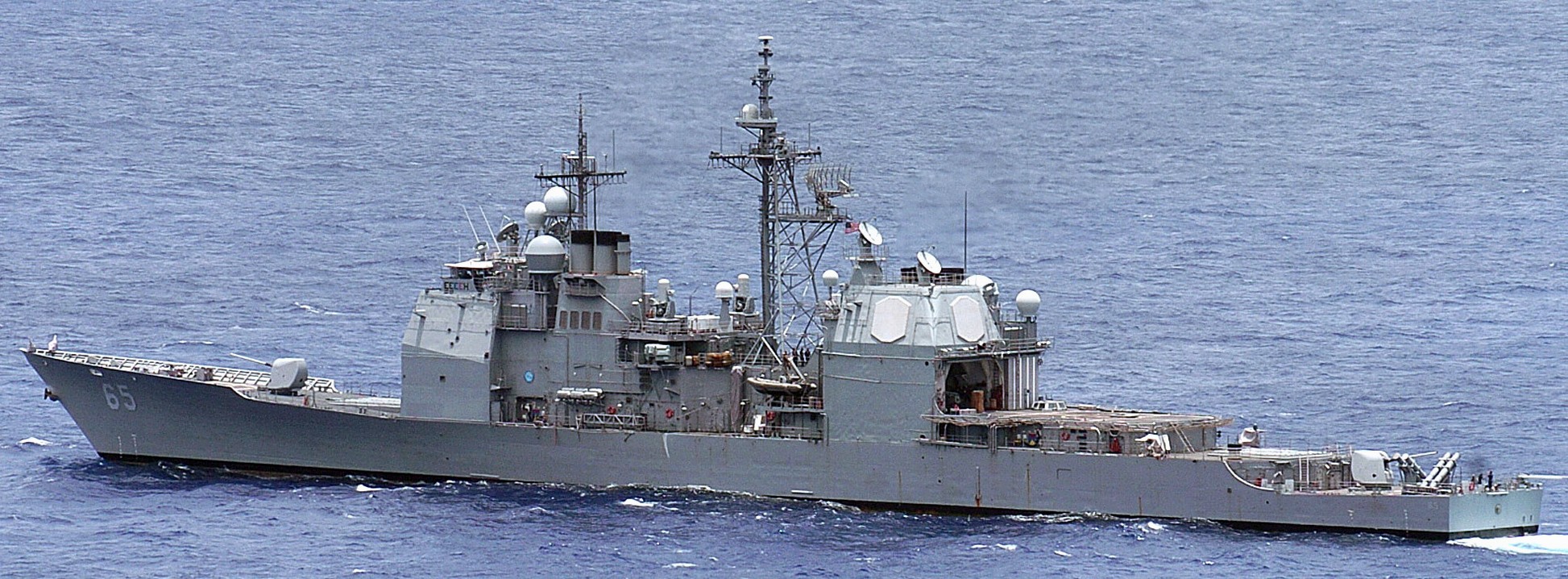 Pacific Ocean - May 2007 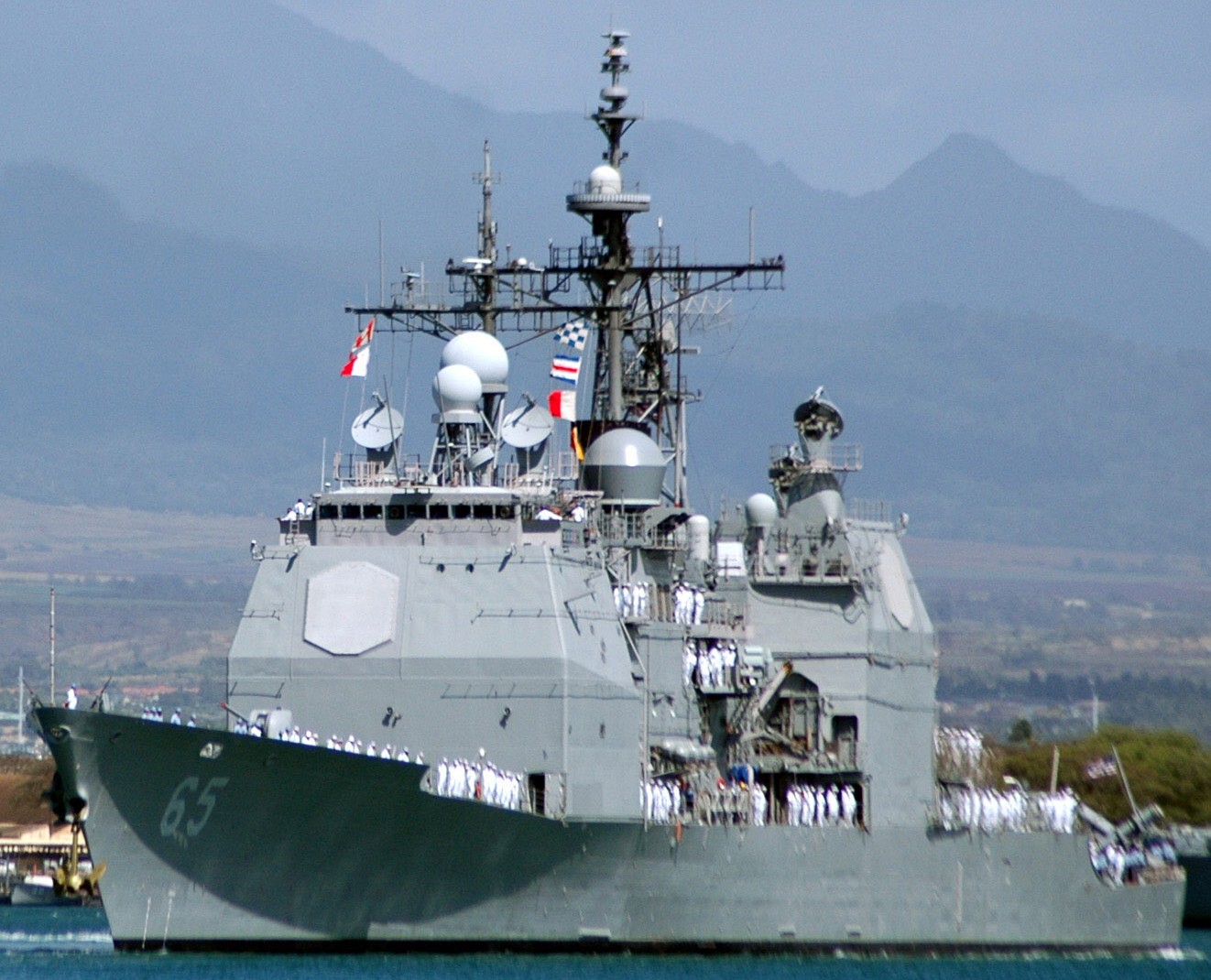 departing Naval Station Pearl Harbor, Hawaii - April 2007 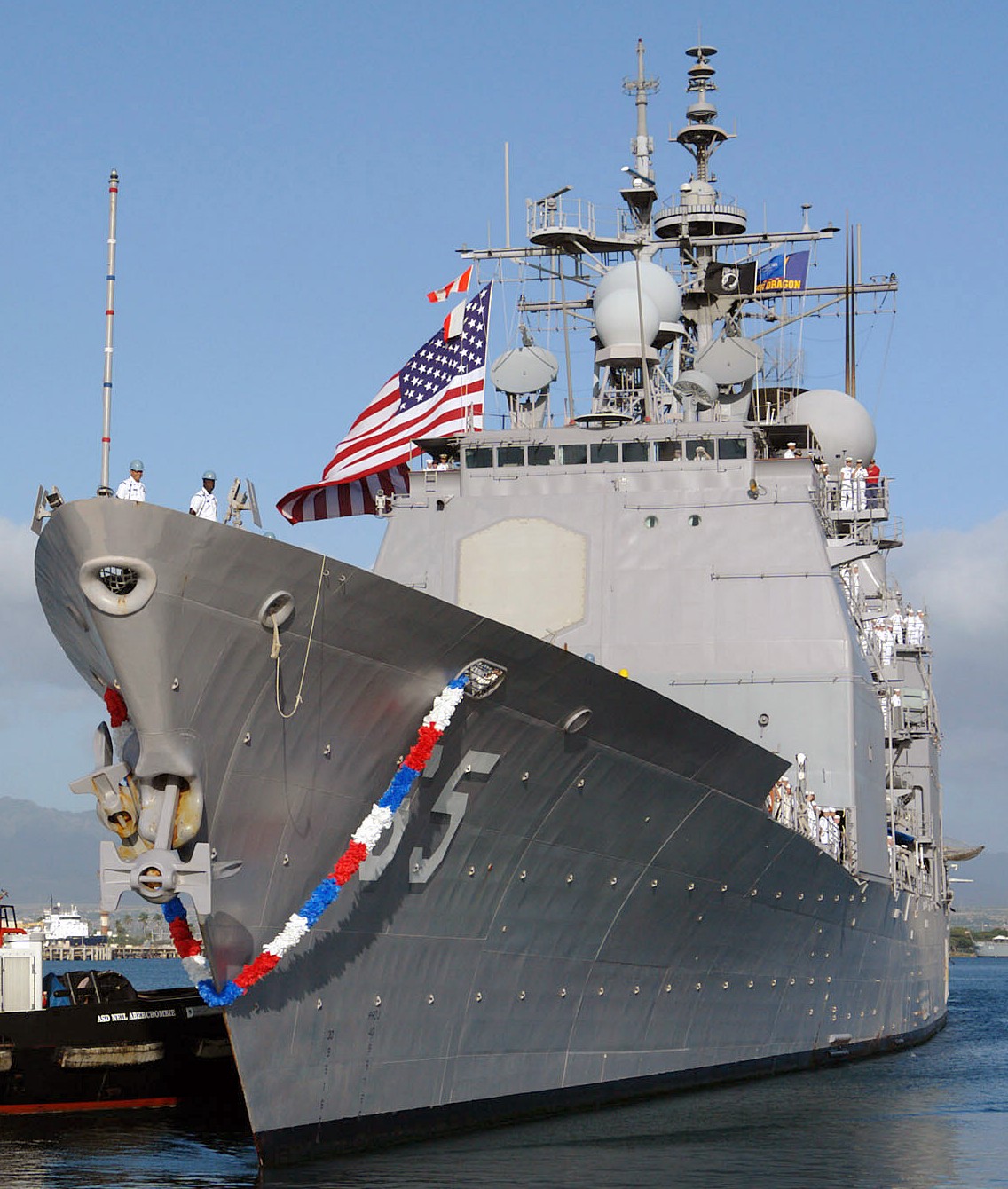 returning to Naval Station Pearl Harbor, Hawaii - January 2006 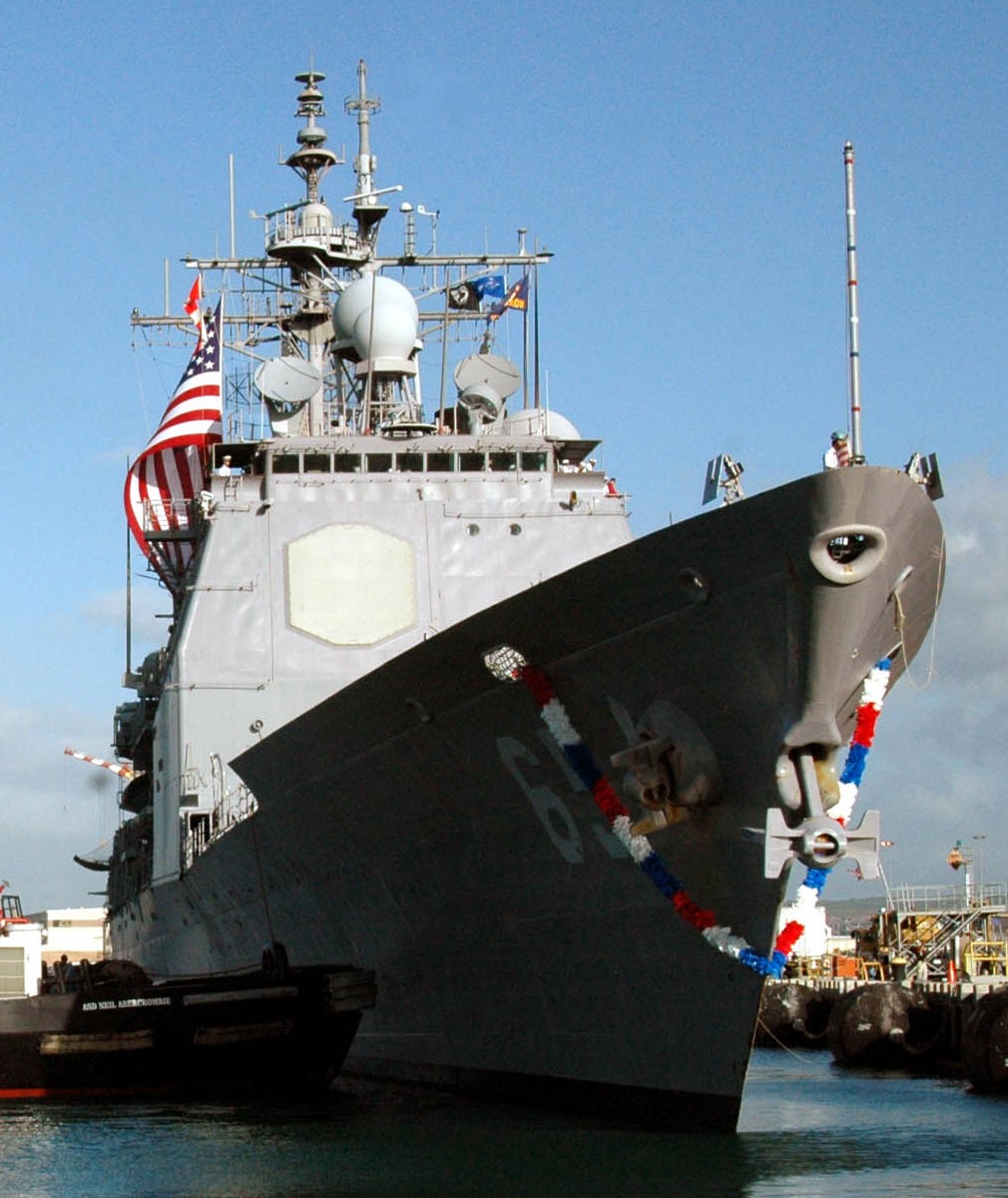 returning to Naval Station Pearl Harbor, Hawaii - January 2006 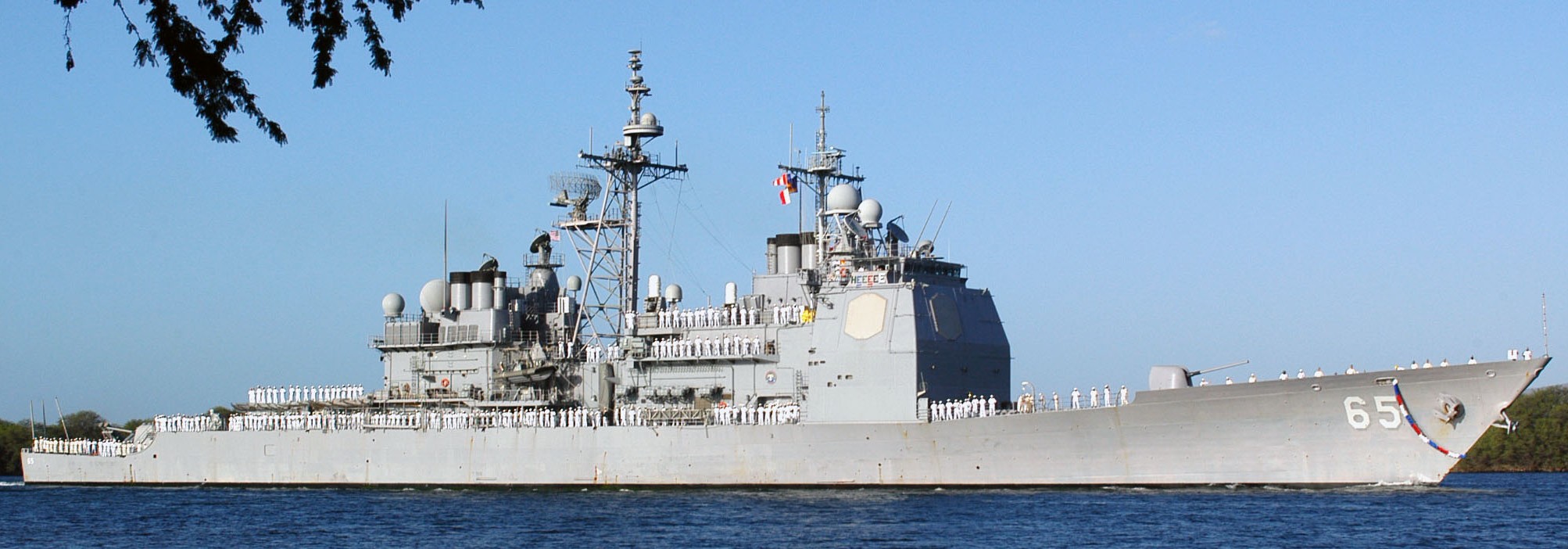 returning to Naval Station Pearl Harbor, Hawaii - January 2006 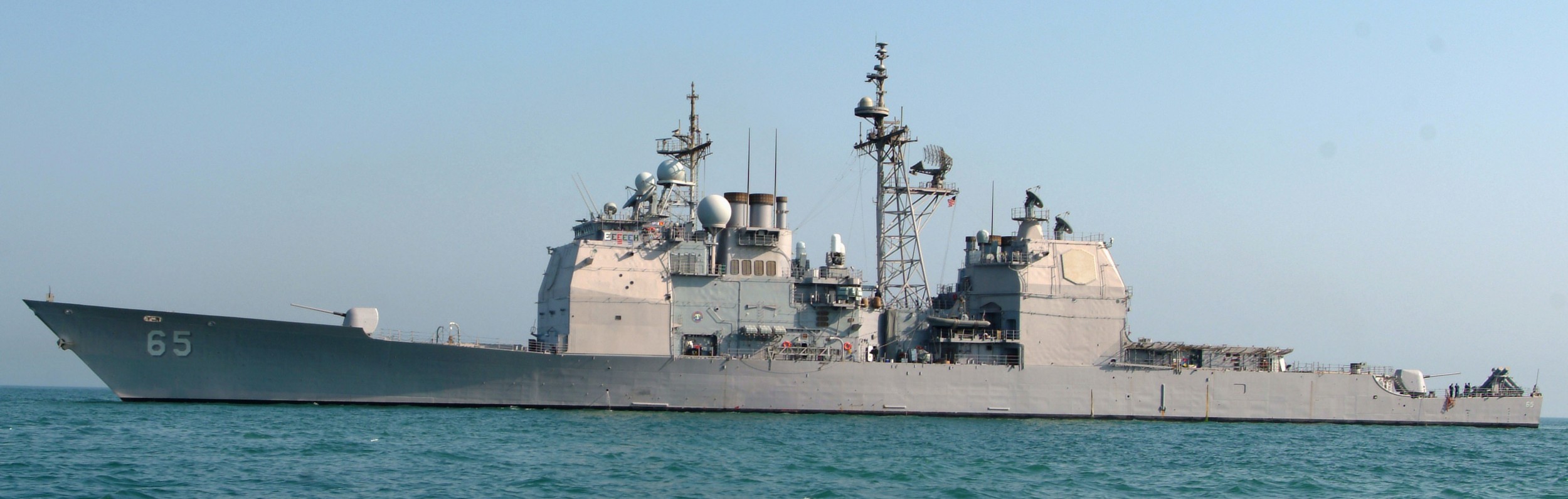 Persian Gulf - October 2005 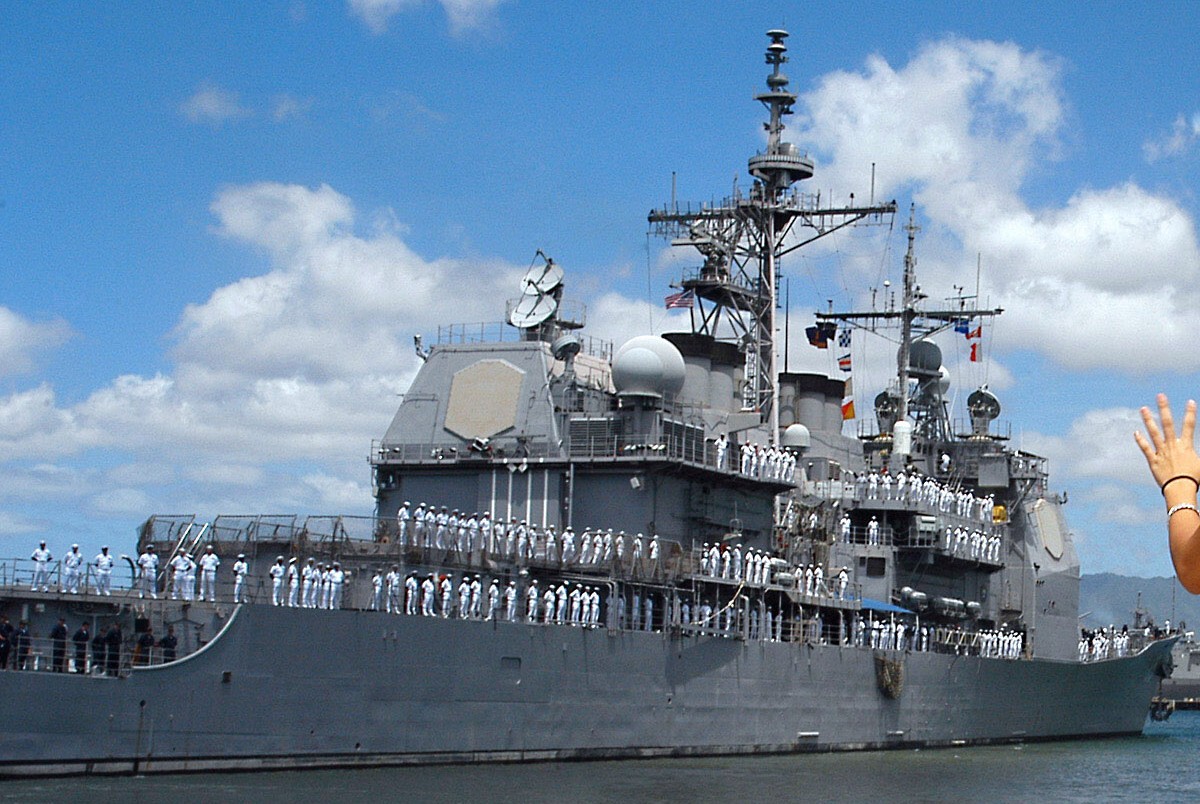 departing Naval Station Pearl Harbor, Hawaii - July 2005 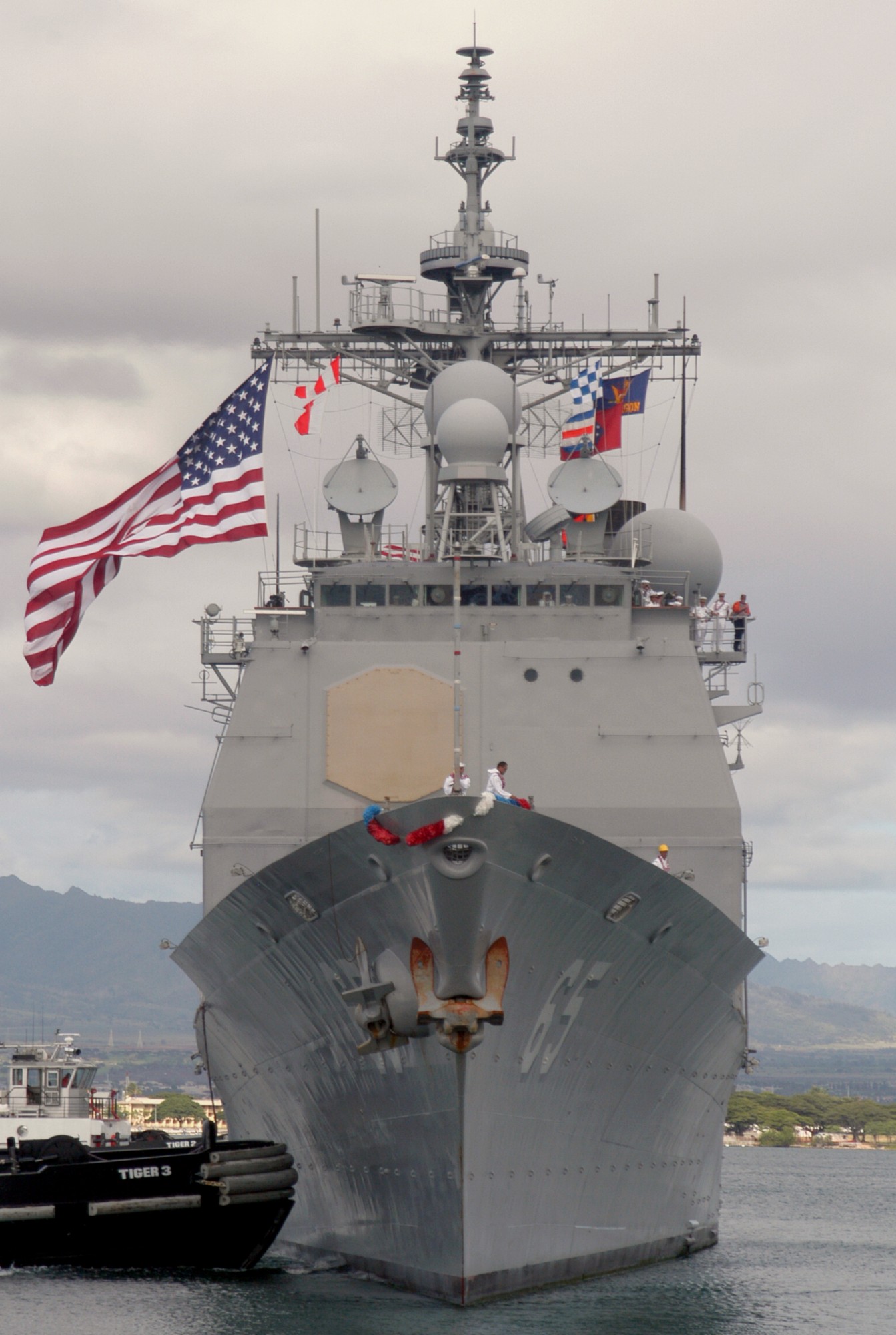 returning to Pearl Harbor, Hawaii - November 2003 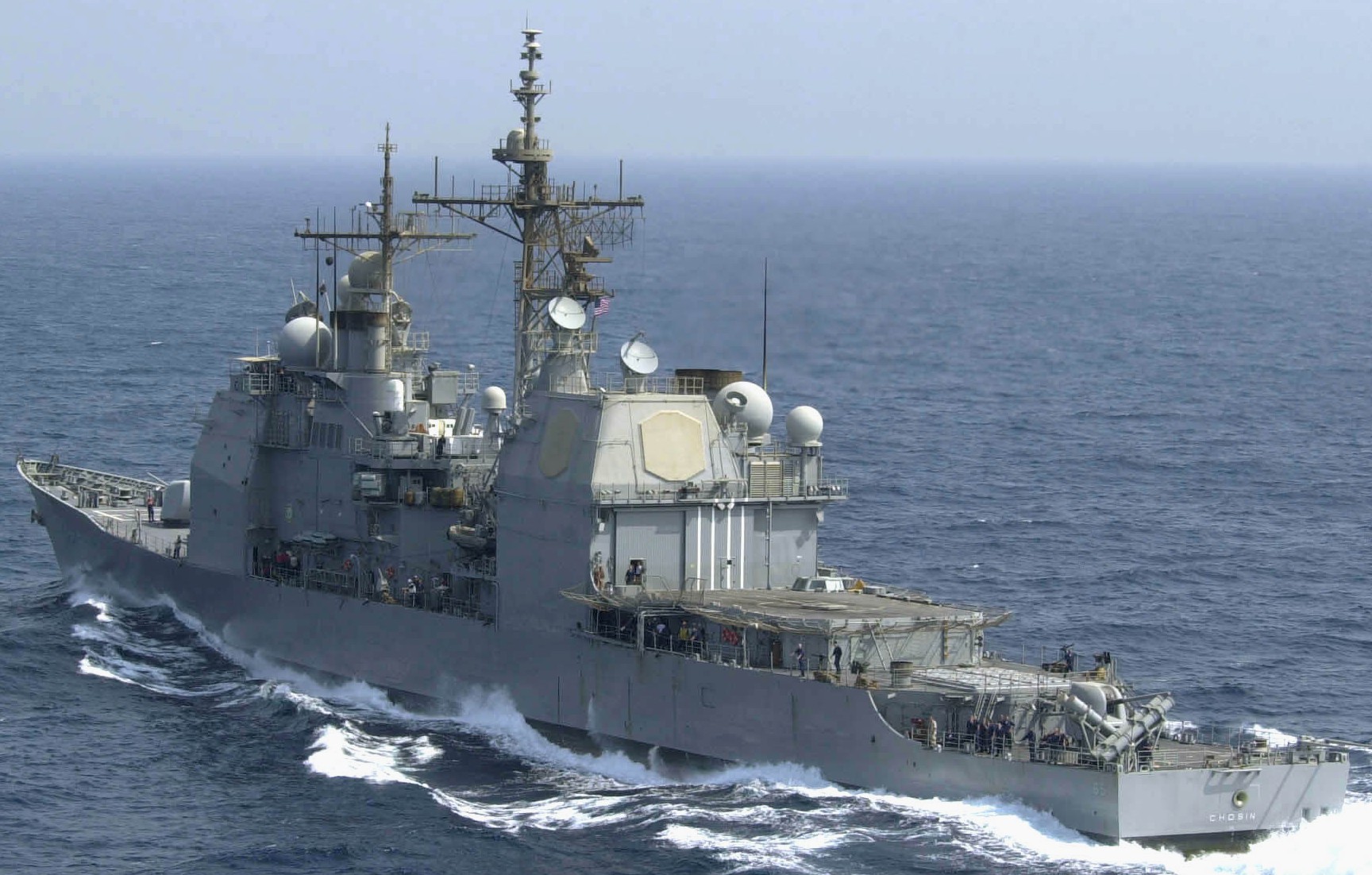 CENTCOM AOR - July 2003 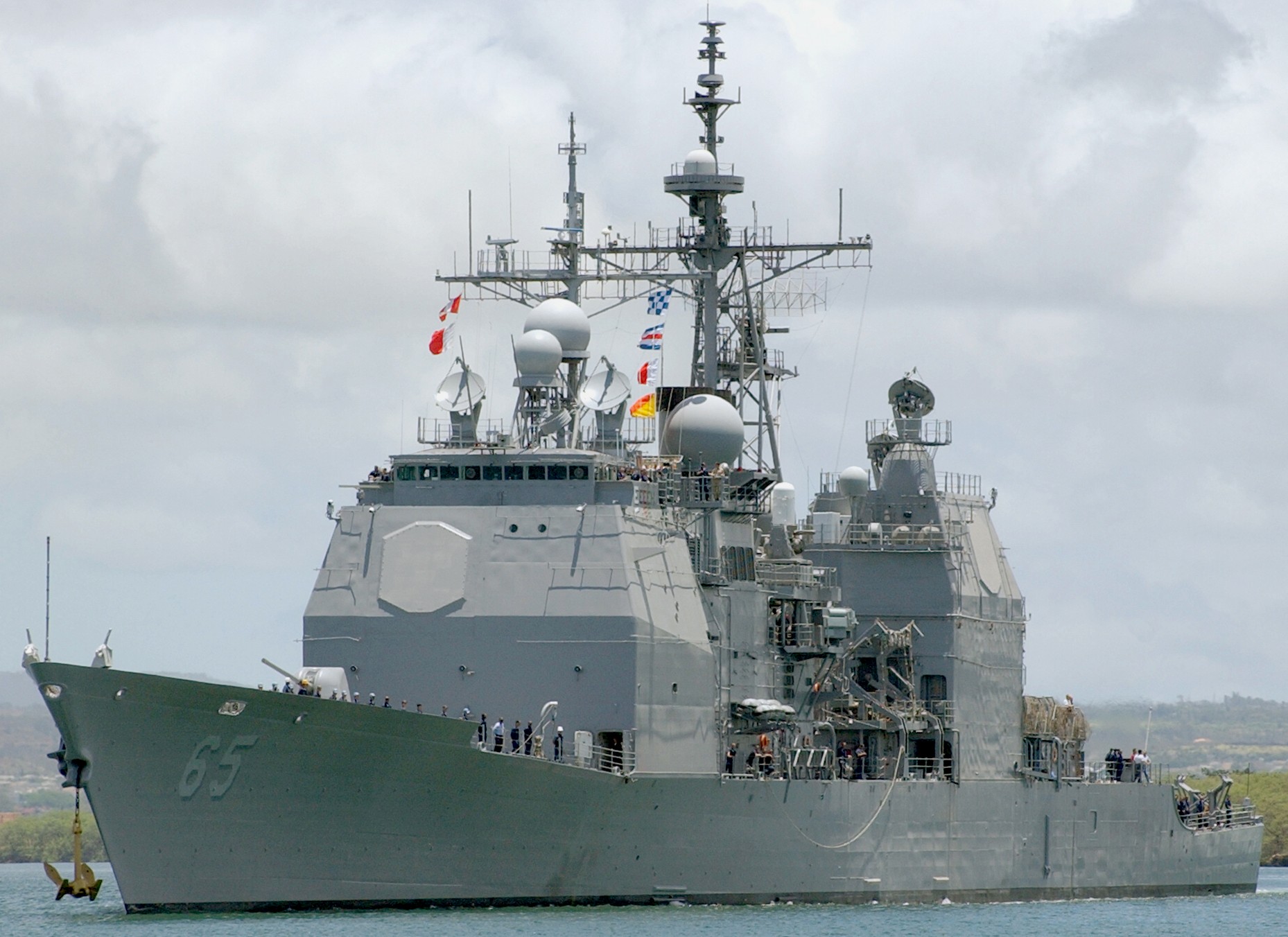 Naval Station Pearl Harbor, Hawaii - June 2002 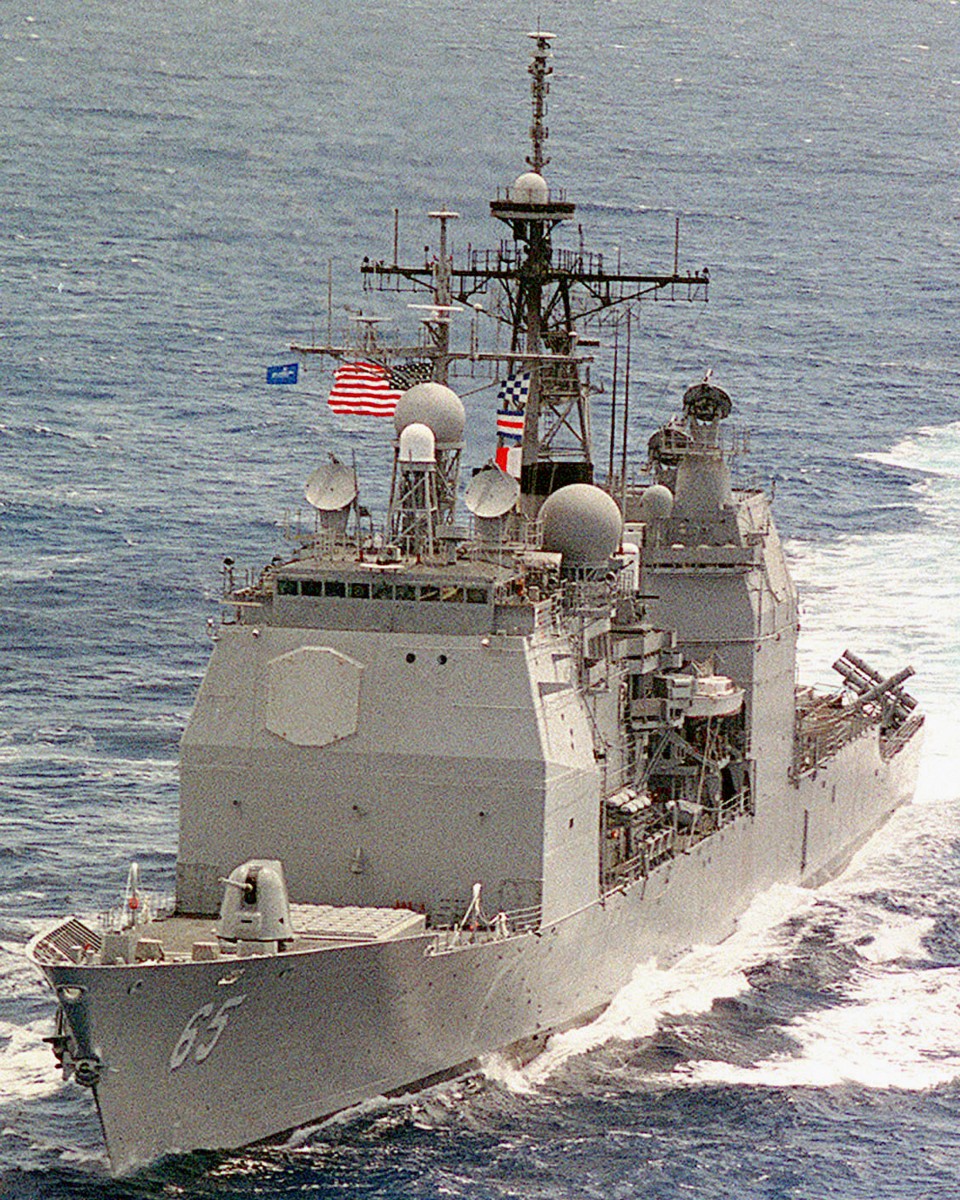 Pacific Ocean - March 2001 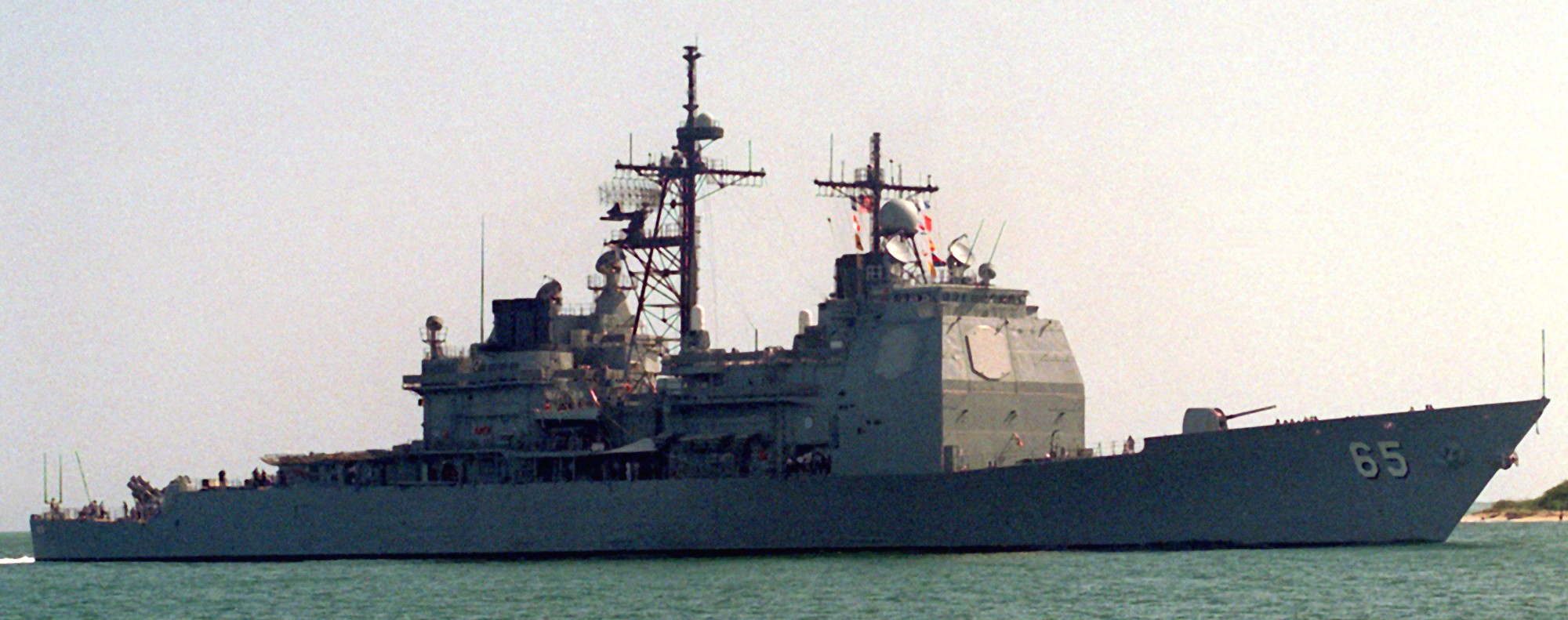 Pearl Harbor, Hawaii - June 1991 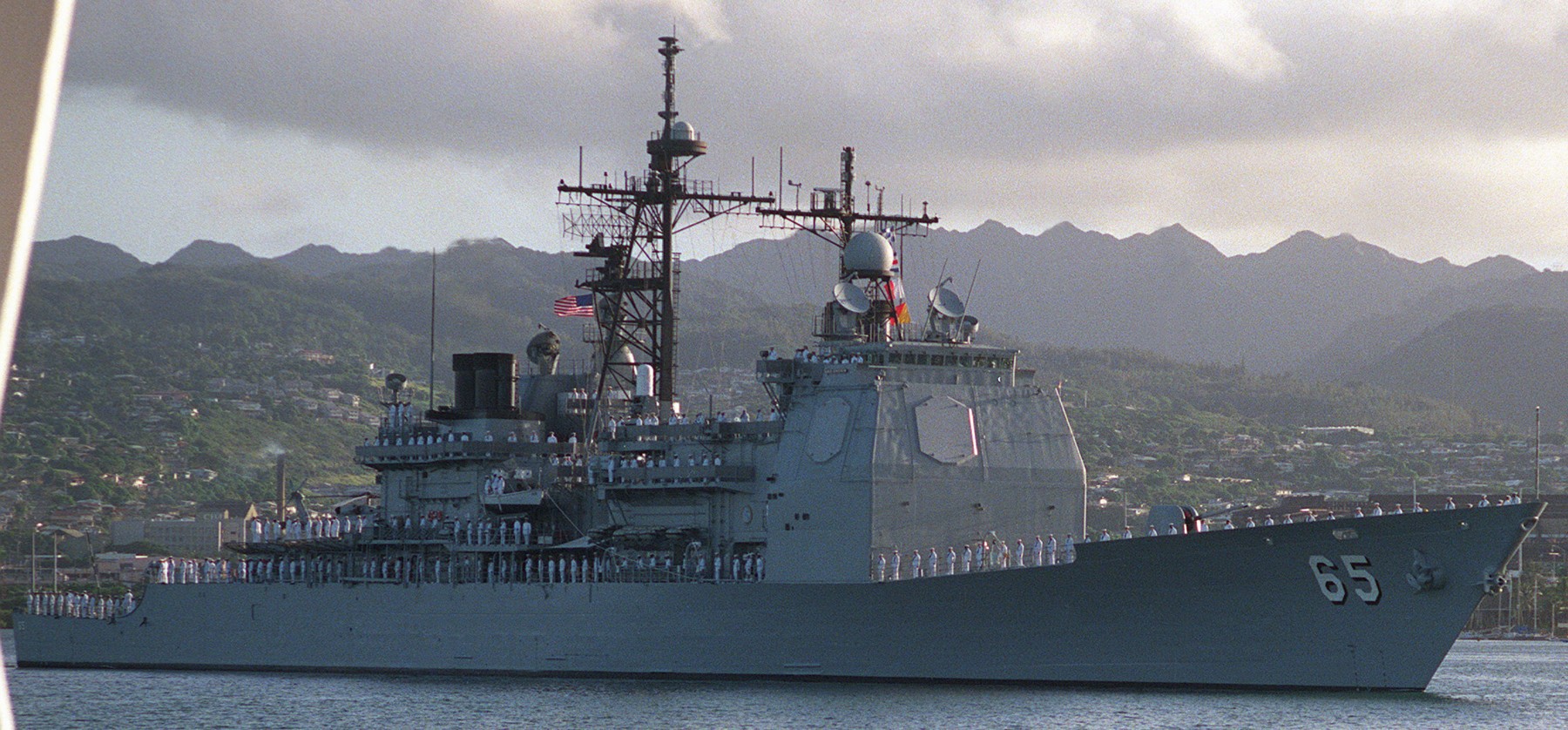 Pearl Harbor, Hawaii - December 1991 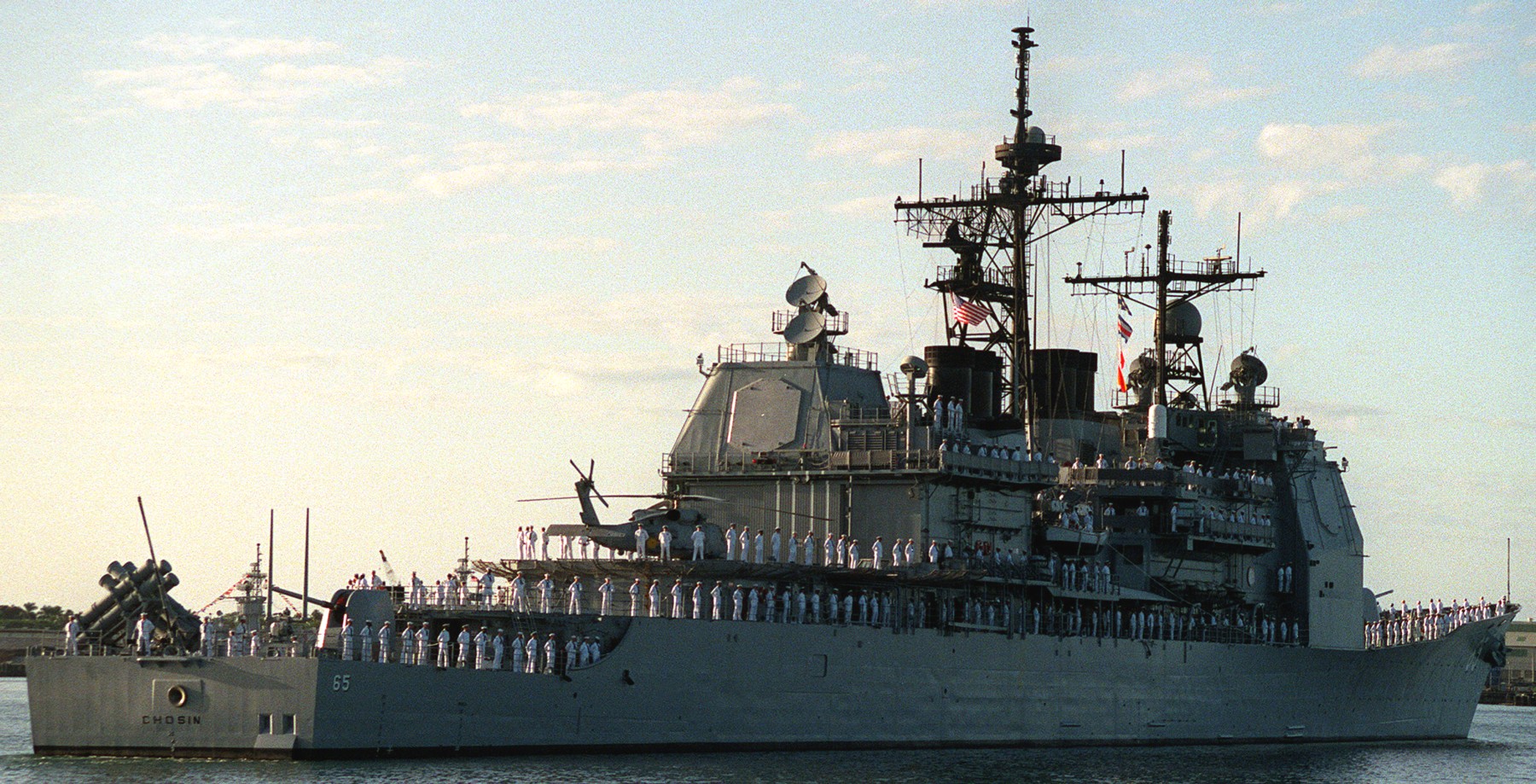 Pearl Harbor, Hawaii - December 1991 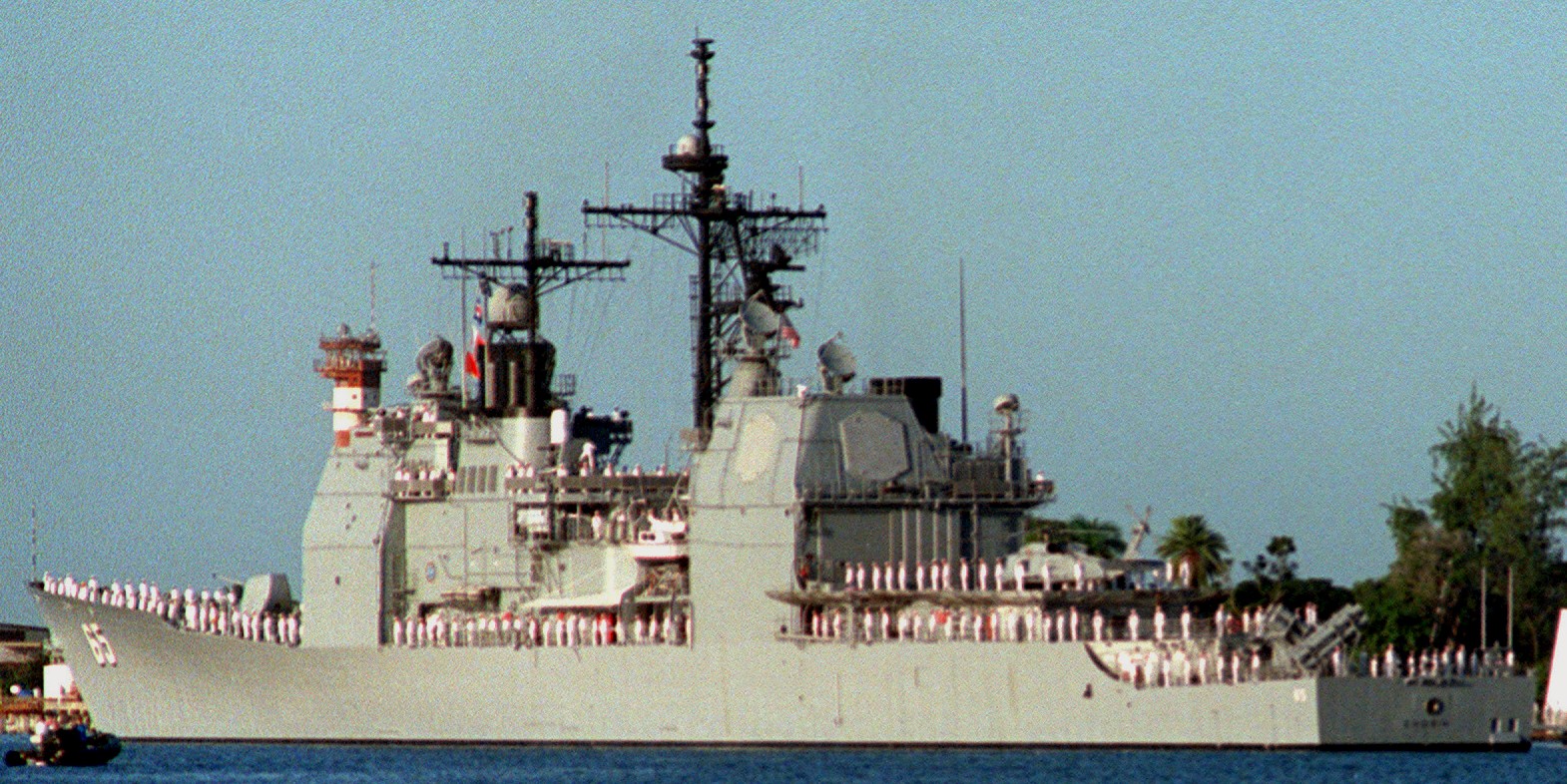 Pearl Harbor, Hawaii - December 1991 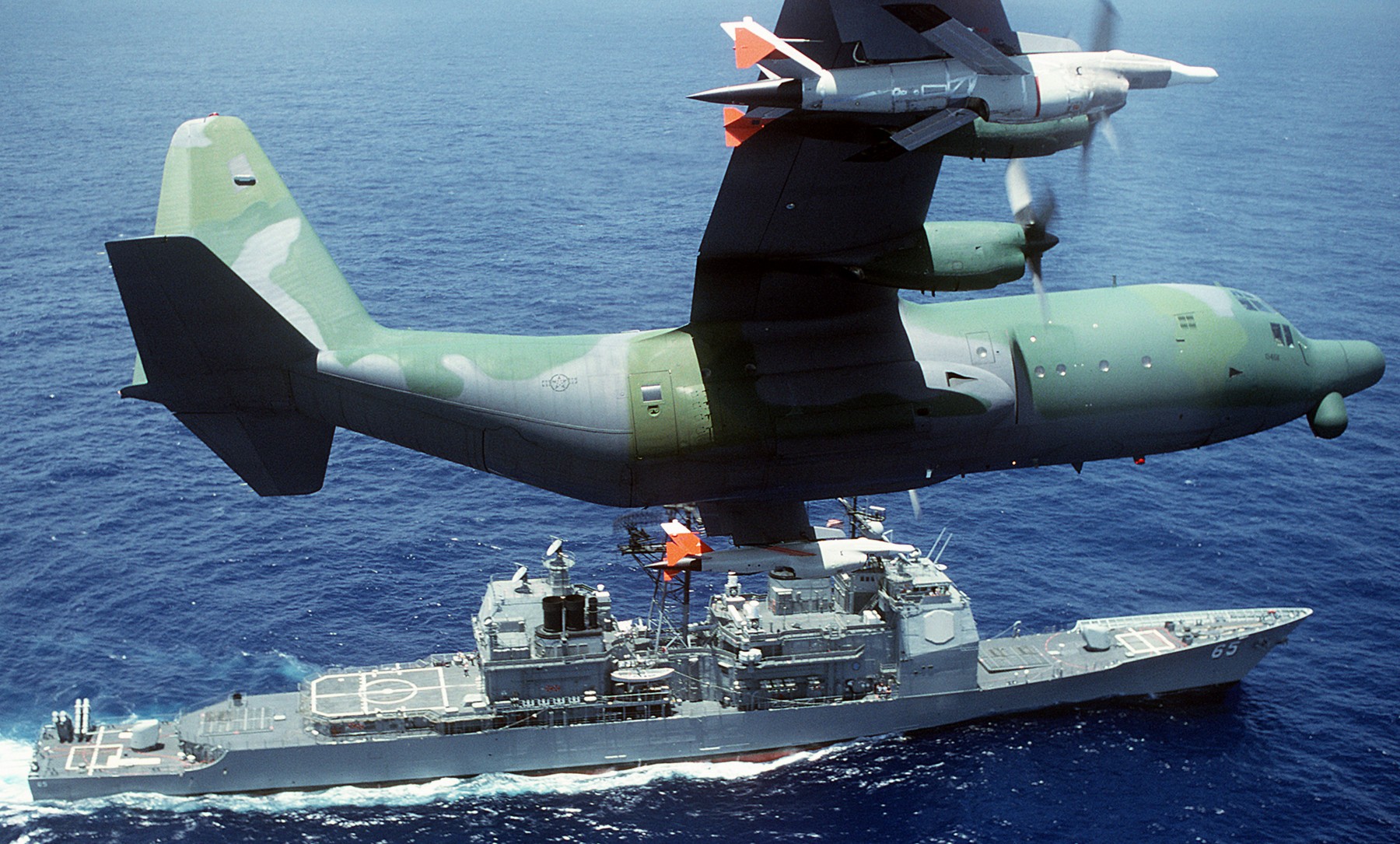 DC-130H Hercules drone-control aircraft with an AQM-34 Firebee target drone over USS Chosin - Pacific Ocean - May 1991 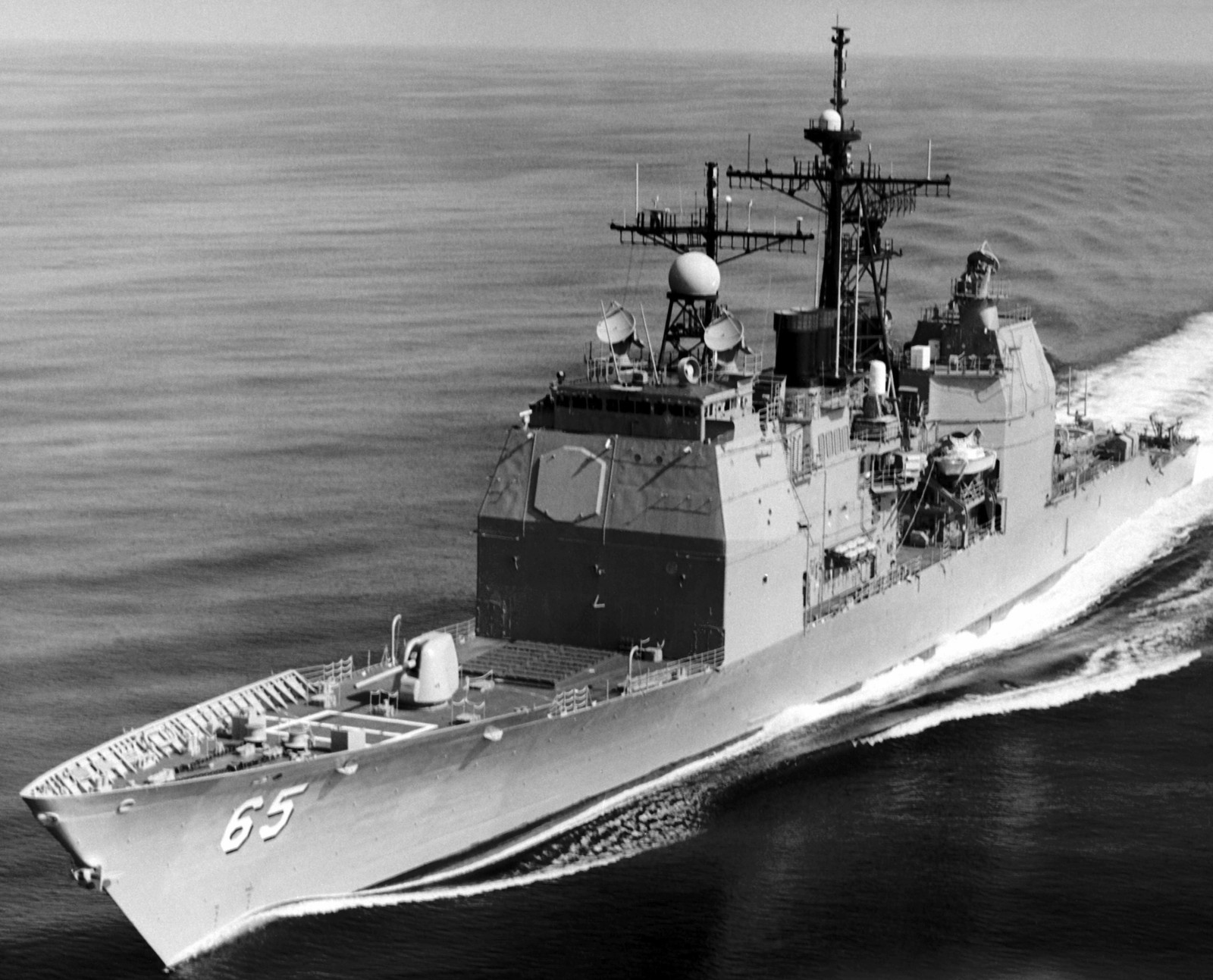 sea trials - Gulf of Mexico - December 1990 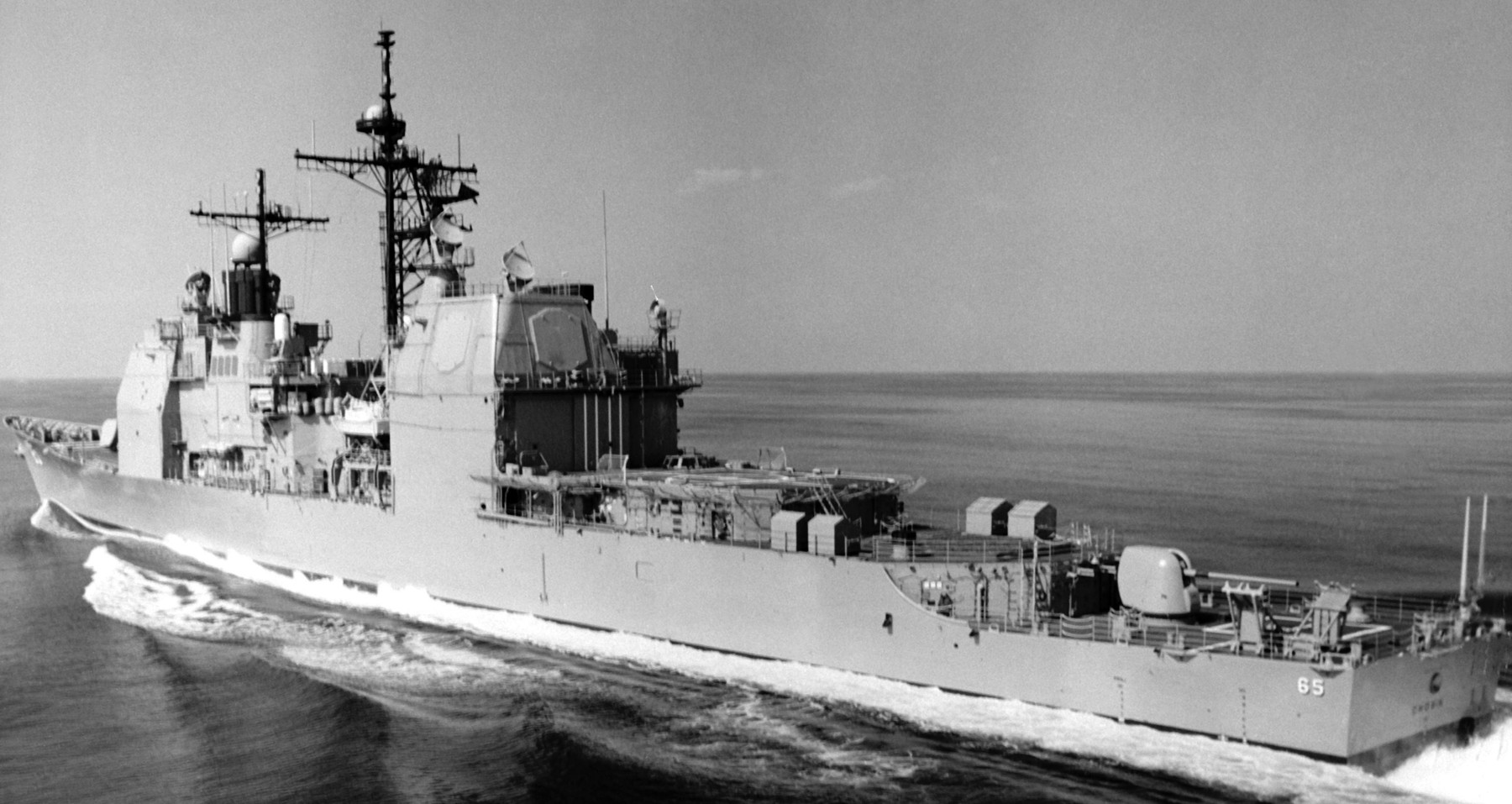 sea trials - Gulf of Mexico - December 1990 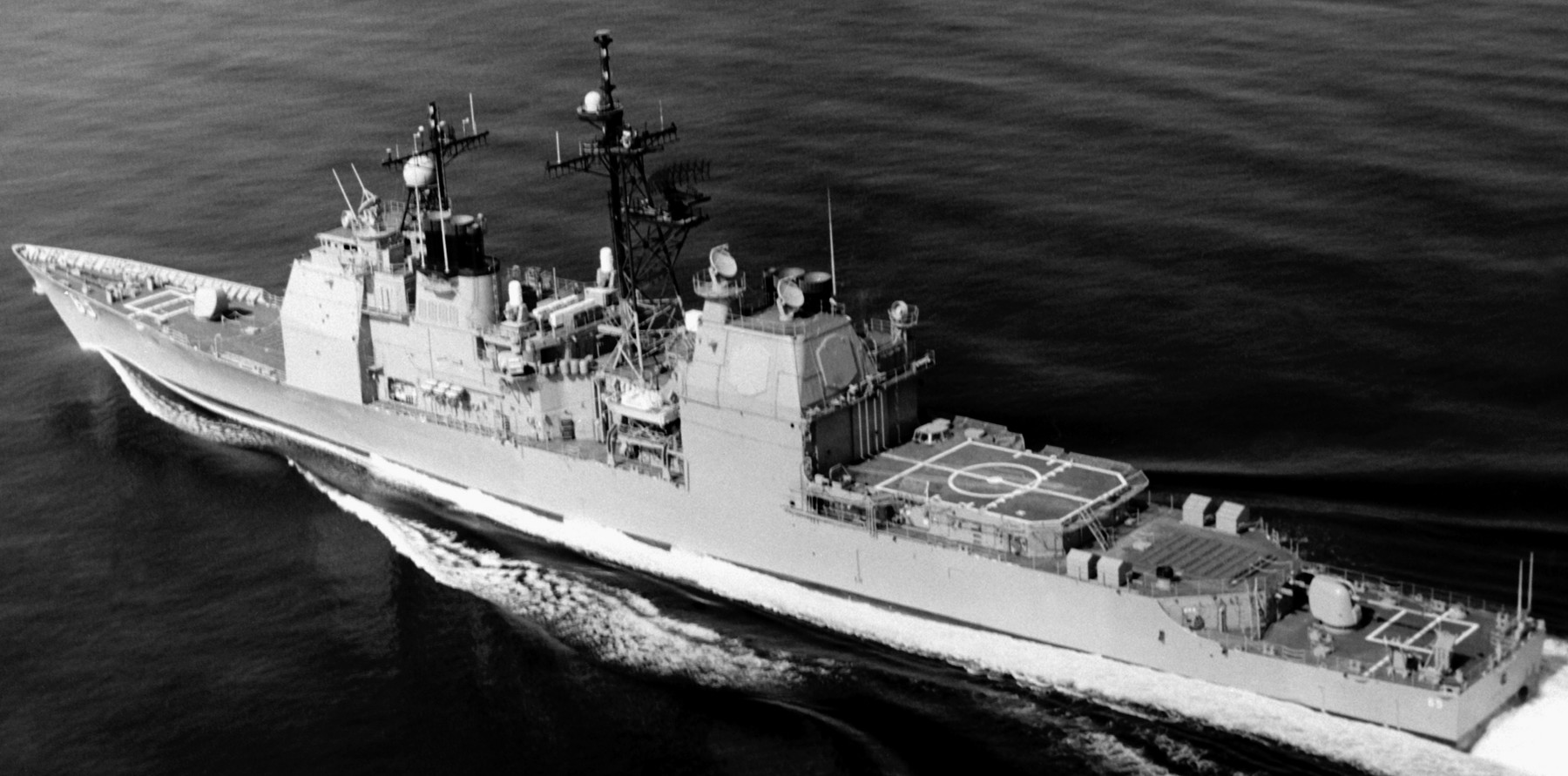 sea trials - Gulf of Mexico - December 1990 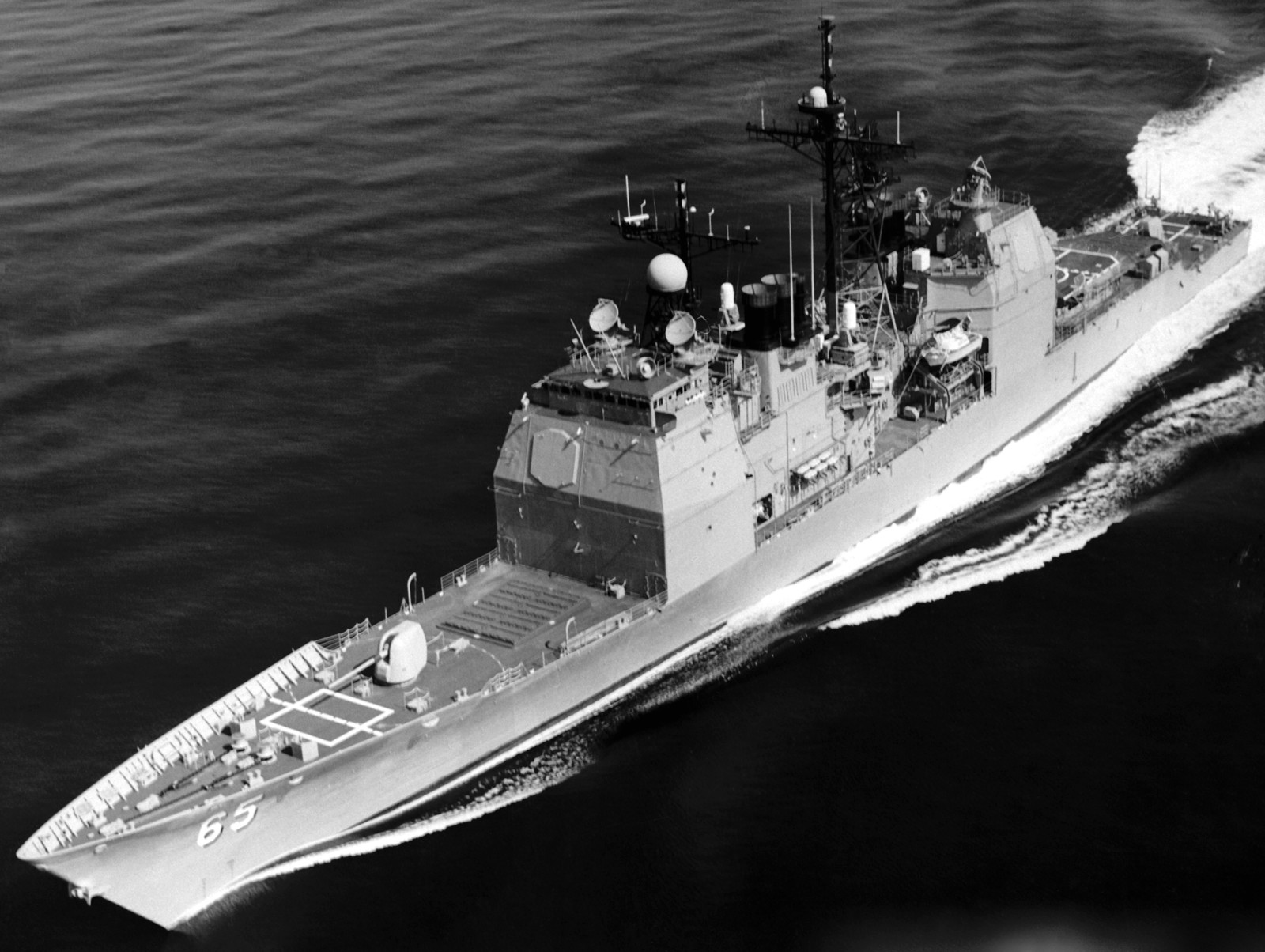 sea trials - Gulf of Mexico - December 1990 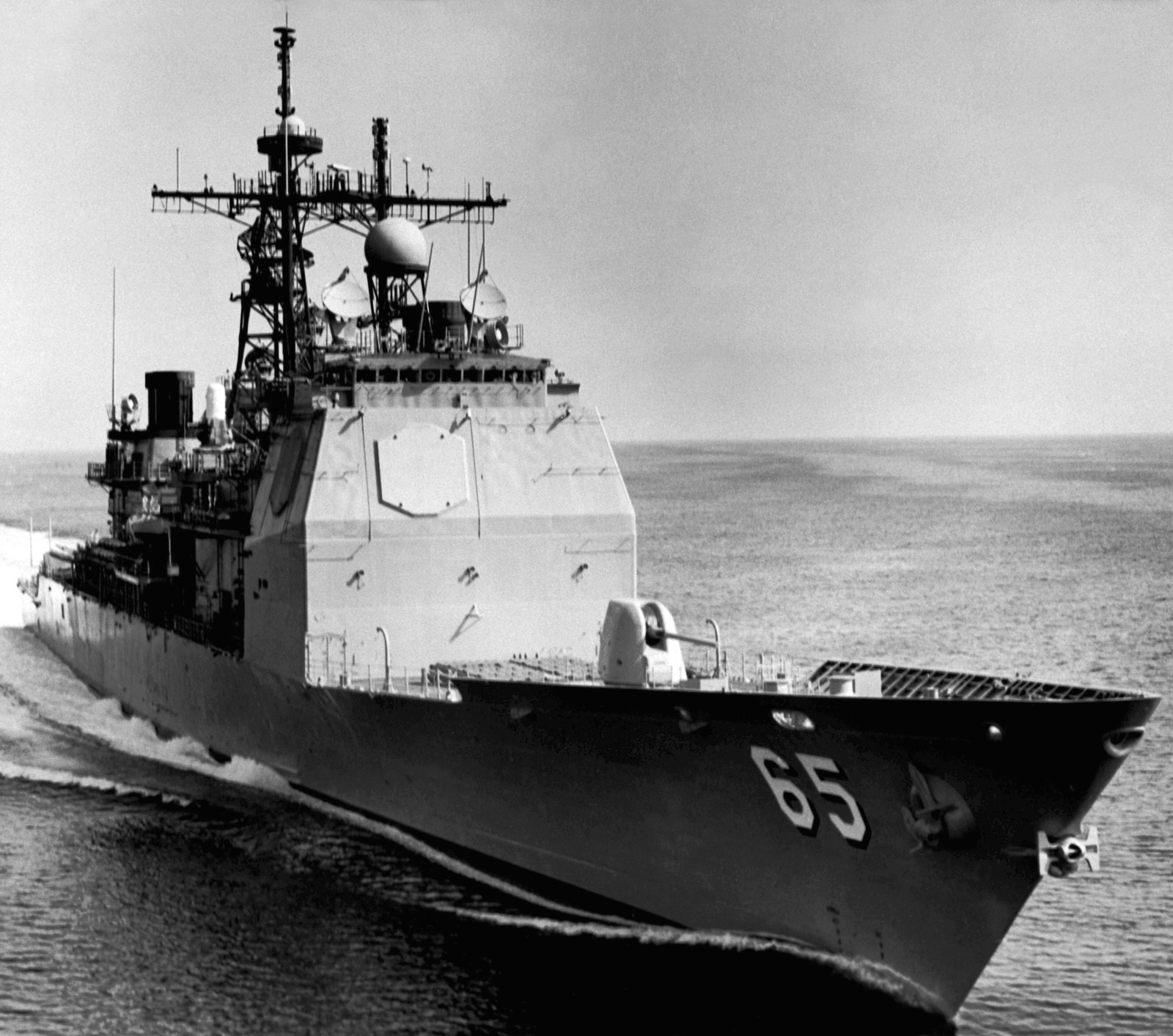 sea trials - Gulf of Mexico - December 1990 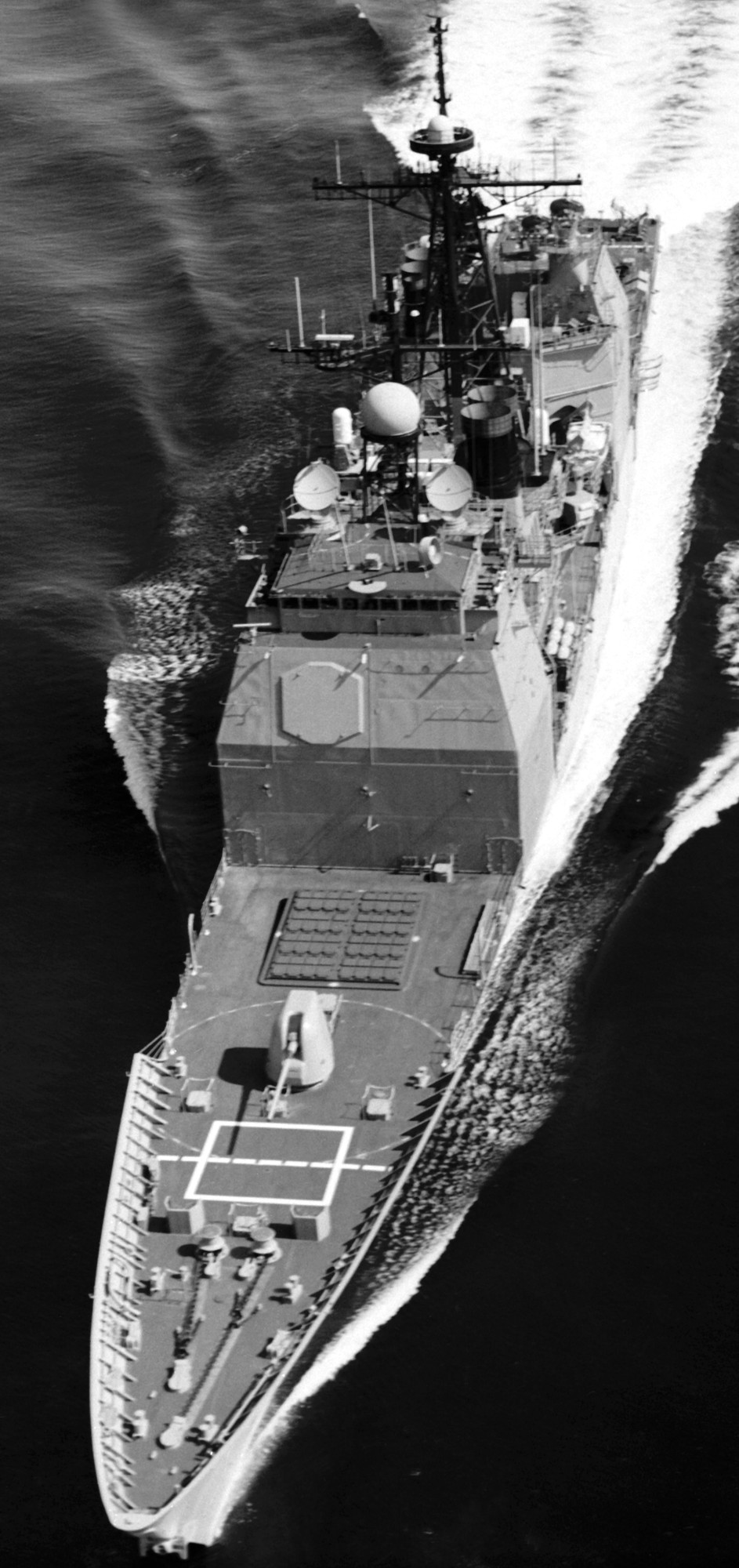
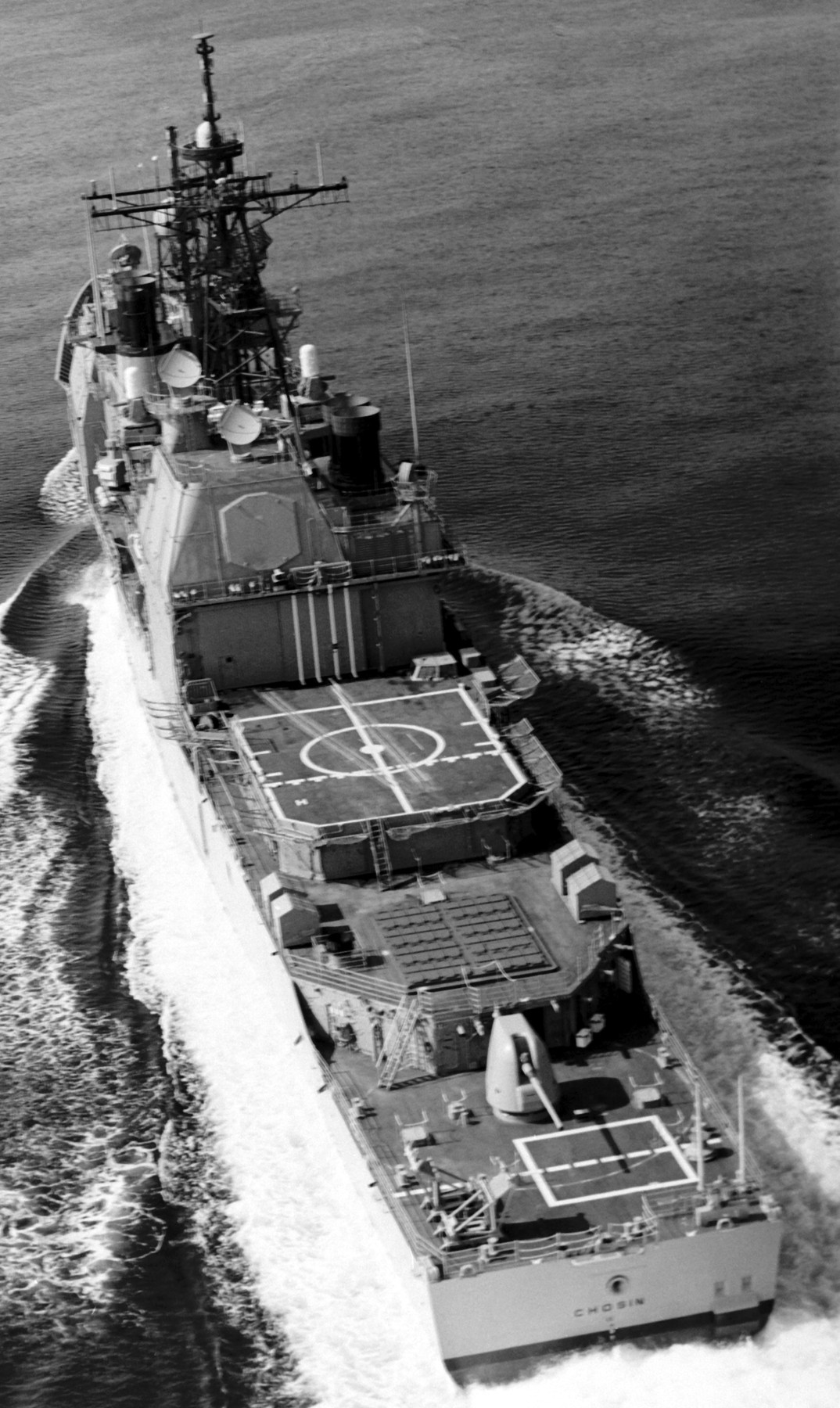 sea trials - Gulf of Mexico - December 1990 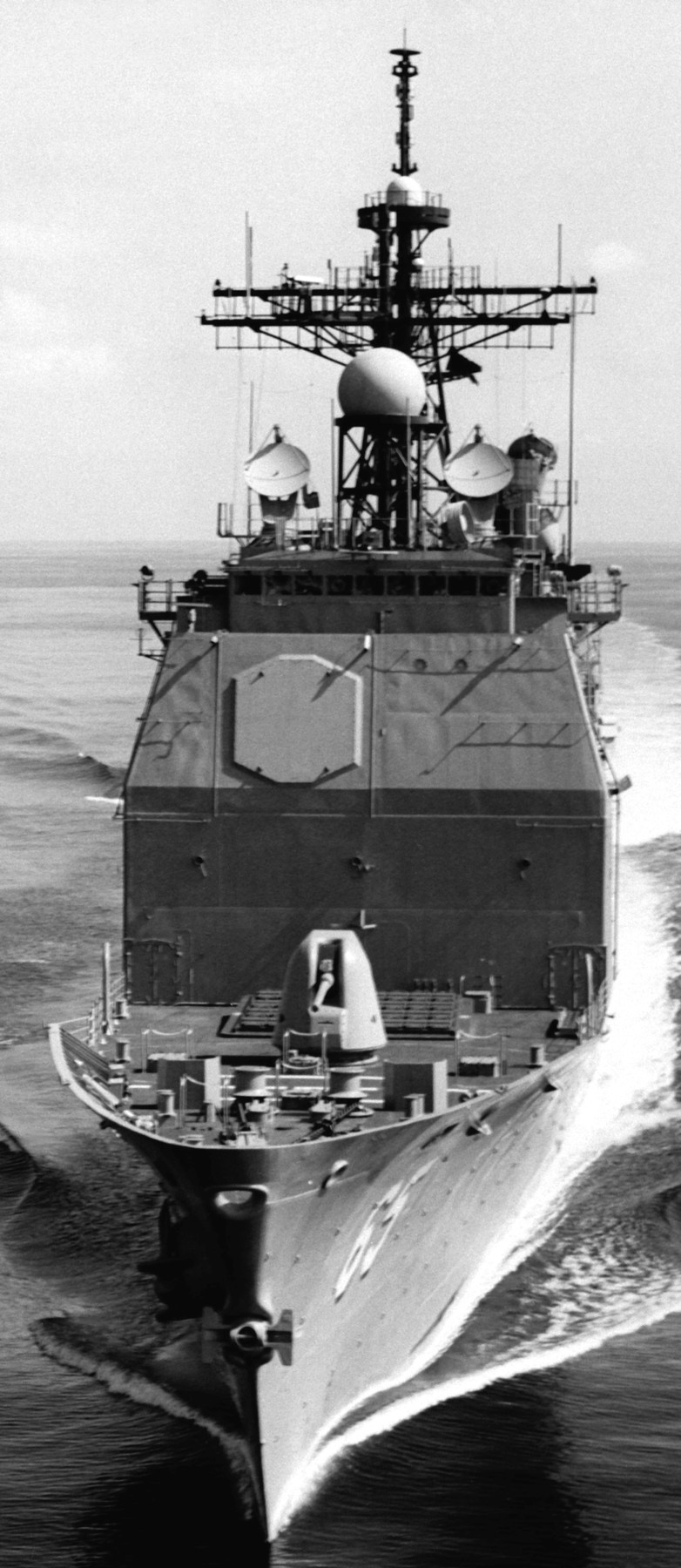
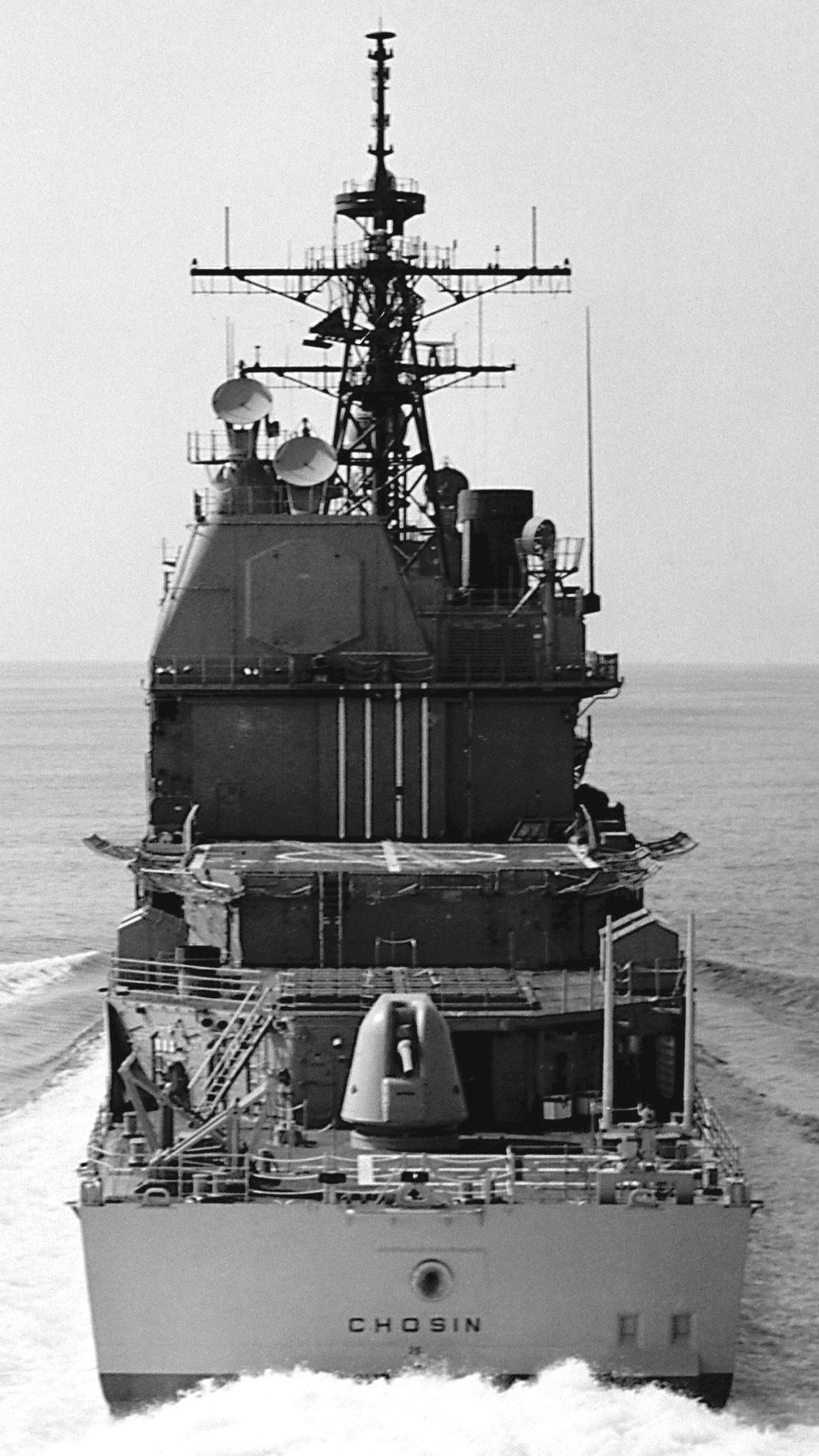 sea trials - Gulf of Mexico - December 1990 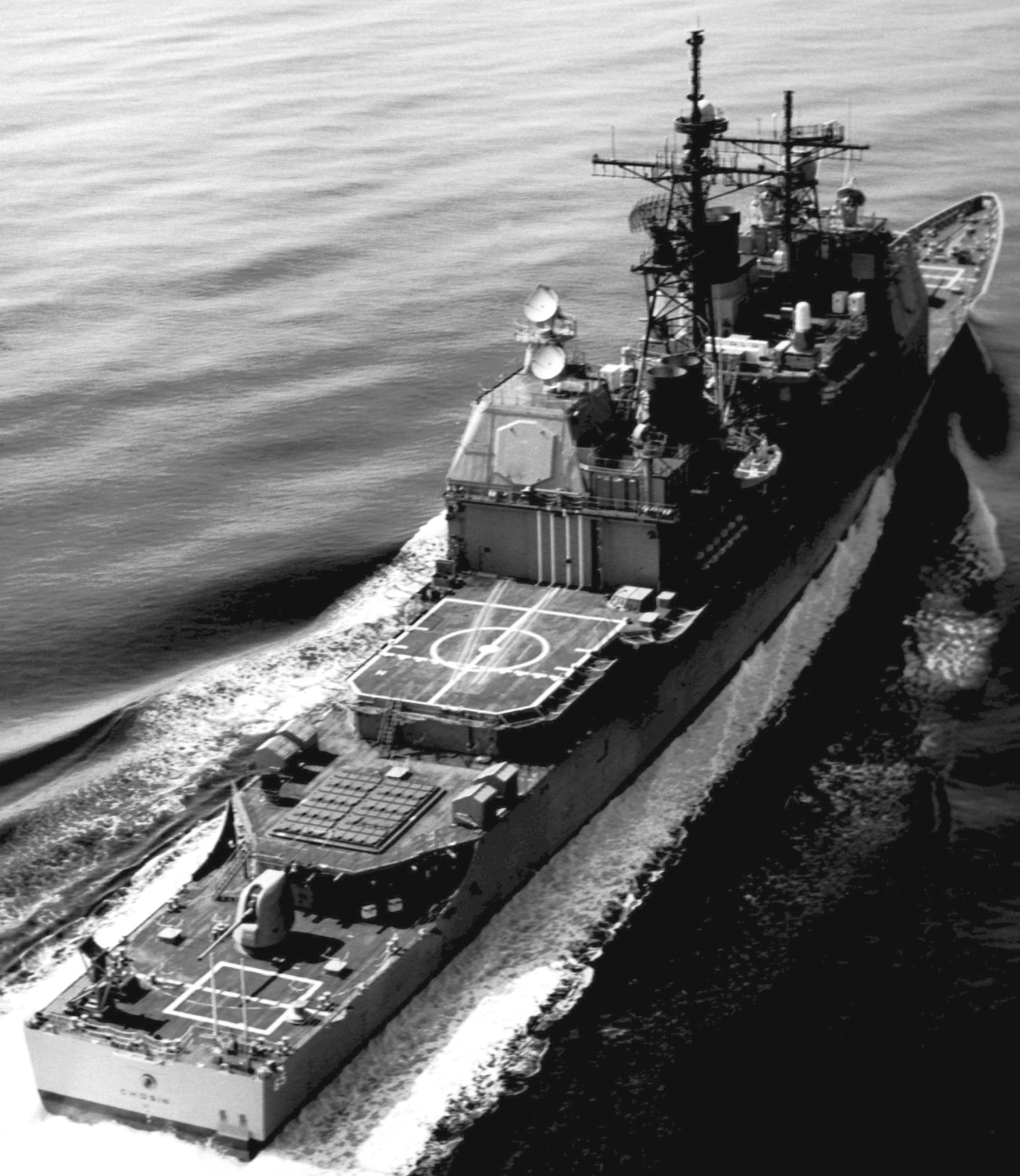 sea trials - Gulf of Mexico - December 1990 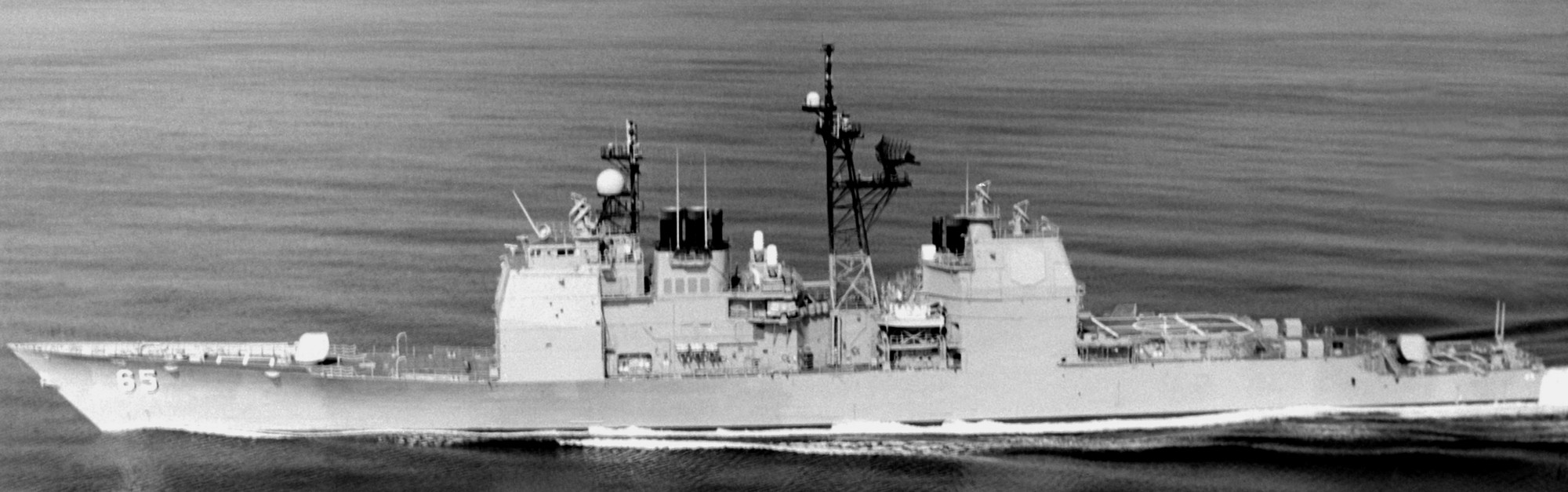 sea trials - Gulf of Mexico - December 1990 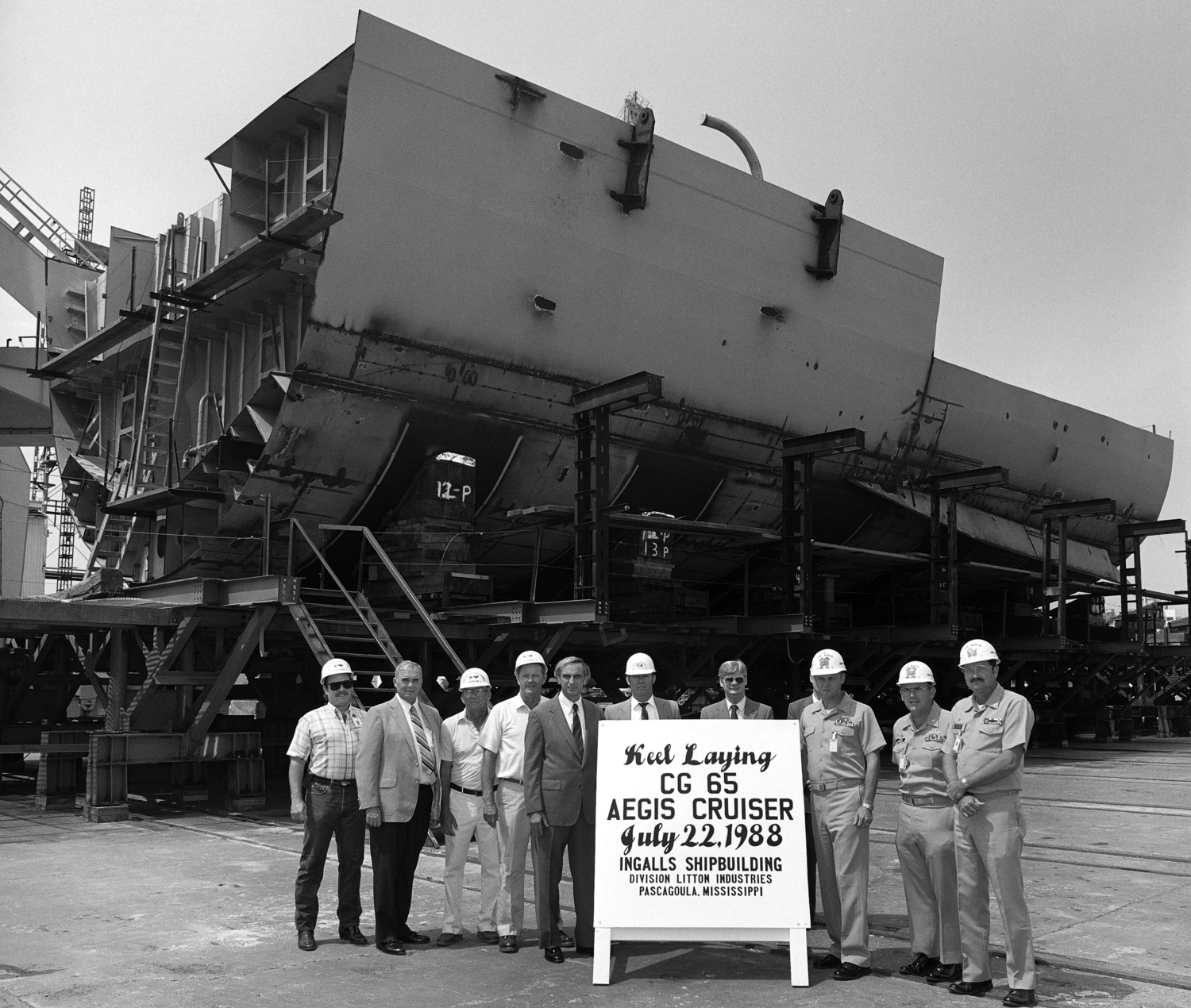 keel laying ceremony - Ingalls Shipbuilding, Pascagoula, Mississippi - July 22, 1988 |
||
|
USS Chosin (CG 65): The construction of CHOSIN began on August 3, 1987 by Ingalls Shipbuilding division of Litton in Pascagoula, Mississippi. Her keel was laid on July 2, 1988. She was launched on September 1, 1989 and Christened on October 14, 1989. July 30 marked CHOSIN's first of many underway periods as she sailed into the Gulf of Mexico for her first sea trials. Upon her completion of the sea trials, she was delivered to the Navy on November 5, 1990 in preparation for commissioning in Pascagoula, Mississippi, on January 12, 1991. After reporting to her new homeport in Pearl Harbor, Hawaii, CHOSIN began preparation to become an active fleet asset. Upon completion of Refresher Training in November of 1991, CHOSIN chopped to THIRD fleet for operational duties as part of the RANGER Battle Group. On August 10, 1992 CHOSIN set sail on her maiden deployment. Most of the Underway time was spent in the Northern Persian Gulf in support of Operation Southern Watch. CHOSIN's mission was to assist in protecting the southern Iraqi no-fly zones directed by United Nations Security Council resolutions. Upon Completion of that deployment, CHOSIN returned to homeport on February 10, 1993. CHOSIN embarked on her second six month deployment to the Western Pacific and Arabian Gulf on November 15, 1994. Operating as part of the CONSTELLATION Battle Group, she carried out various assignments in support of Operations Desert Storm and Southern Watch. CHOSIN conducted port visits in Yokosuka, Japan; Pusan, Korea; Hong Kong; Singapore; Dubai and Jebel Ali, United Arab Emirates; as will as Perth, Sydney, and Newcastle, Australia. While in the Gulf, the War Dragon's primary mission was that of Air Warfare Commander. In this role, CHOSIN was responsible for the air defense of the Battle Group. CHOSIN's versatility and that of her crew ensured the successful completion of all assigned duties. The ship returned to its homeport in May 1995. USS CHOSIN took part in Pacific Joint Task Force Exercise (PACJTFEX) 97-1, from February 10 through 21, 1997 off the Southern California coast. PAC JTFEX 97-1 was part of a series of exercises previously named "FLEETEX". The name reflected the increasing focus on preparing naval forces for joint operations with other U.S. military services. In April 1997, CHOSIN got underway for her next deployment. As the CONSTELLATION (CV 64) Battle Group entered the Arabian Gulf on May 16, 1997, USS CHOSIN turned over the duties of being regional Air Defense Commander to USS LAKE ERIE (CG 70) and reported for maritime interception duties in the far northern Arabian Gulf. While patrolling off the coast of Iraq, CHOSIN was supporting the UN resolutions that prohibit the import or export of materials with Iraq, except for food and medicine. Within three days, CHOSIN intercepted and boarded five vessels, including three large cargo carriers. In August 1997, USS CHOSIN completed two major Theater Ballistic Missile Defense (TBMD) exercises in the Arabian Gulf. The exercises, named ARABIAN SKIES, were directed by Commander Cruiser Destroyer Group 1 and involved Army Patriot missile batteries, Air Force data relay stations, CHOSIN, USS LAKE ERIE (CG 70), USS JOHN PAUL JONES (DDG 53) and Carrier Air Wing 2 operating from USS CONSTELLATION (CV 64). During the exercises, the CONSTELLATION Battle Group demonstrated a viable TBMD capability using the existing command and control architecture while CHOSIN provided advance notification to other battle group assets and to an in-theater Army Patriot missile battery. This advance notice enabled the Patriot battery to bring their weapons system online quicker, and focus their search efforts toward simulated incoming missiles. The exercises used Tactical Data Link-A (TADIL- A) for most data exchange. CHOSIN was a prototype for the future technology exchange, termed TADIL-J, is also known as the Joint Tactical Information Data System (JTIDS). One important feature TADIL-J will provide is the ability to pass projected impact point for theater ballistic missiles. This capability will dovetail into the existing TBMD architecture and improve its flexibility, while providing the civilian populace quicker accress to vital information. CHOSIN, with the CONSTELLATION, departed the Gulf on August 17, 1997, on schedule to continue its routine six-month deployment in the waters of the Indian and Pacific Oceans. USS CHOSIN left Pearl Harbor in mid-June 1999 for a routinely scheduled deployment with the USS CONSTELLATION (CV 64) Battle Group and the USS PELELIU (LHA 5) Amphibious Ready Group, to the Western Pacific and Arabian Gulf. During that six-month deployment, the crew of the "War Dragons" was the Air Defense Commander for the USS CONSTELLATION (CV 64) Battle Group, supported the enforcement of oil sanctions against Iraq, traveled more than 44,000 miles, saw operations around Japan, Korea, the South China Sea, Indian Ocean, and Arabian Gulf, and visited ten ports in seven different countries. CHOSIN made port visits to Pusan, Korea; Yokosuka, Japan; Singapore; Phuket, Thailand; Jebel Ali, United Arab Emirates; and Bahrain. The end of CHOSIN’s deployment included three port visits in Australia to the cities of Albany, Melbourne and Sydney. Chosin’s last stop was in Pago Pago, American Samoa. It returned to its homeport on December 17, 1999. During this deployment, while conducting Maritime Interception Operations in support of United Nations sanctions against Iraq, USS CHOSIN was able to uphold a time-honored code of 'Assisting fellow sailors in peril at sea' by rescueing eight stranded Iraqi fishermen. With their boat’s rudder broken and unable to steer, the Iraqi fishermen had been stranded for six days in the Northern Arabian Gulf more than 25 miles from the nearest land. With only three days of food and water remaining, and no radio, the fishermen frantically waved red rags as the Pearl Harbor-based cruiser CHOSIN passed by. Upon spotting the distressed vessel, CHOSIN’s Officer of the Deck, Lt. Joshua Brooks, immediately dispatched the ship’s inflatable lifeboat to investigate. The fishermen at first appeared to be frightened by the presence of American Sailors. "As we made our approach, they realized we were an American ship and they began waving for us to go away", said Brooks. GSM3 Mohammad Betemour, who spoke fluent Arabic, was able to act as interpreter. "We were the first Americans they had ever met", said Betemour, a native of Jordan. "They had been told that Americans were violent, seven feet tall and full of muscles." While at first apprehensive, the fishermen soon realized they had nothing to be afraid of. According to the fishermen, during the time they were stranded, two other ships had passed by them and had not stopped to render aid. They were surprised that an American warship, a country they had been led to believe hated them, would stop and take the time to help. Once the nature of the casualty had been determined, a repair team was dispatched to examine the dhow boat and come up with a plan for repairing it so the fishermen could safely make their way home. USS CHOSIN assumed duties as the air defense commander for the joint Japanese and American Bi-lateral Force (BIF) in support of Rim Of the Pacific Exercise 2000. In May 2000, two weeks following a Ship’s Selected Restricted Availability (SRA) that saw significant modifications to USS CHOSIN’s AEGIS Combat System, Communications suite and Electronic Warfare Systems, the crew of CHOSIN underwent a Comprehensive Assessment of Readiness and Training (CART). Following this, CHOSIN embarked a cadre of air defense experts from AEGIS Training and Readiness Command (ATRC), Pearl Harbor, to provide Force Air Defense and Undersea Warfare training to CHOSIN’s Air Defense and Undersea Warfare watch standers. It then made a port visit to Acapulco, Mexico. USS CHOSIN deployed on March 16, 2001, for a six-month Western Pacific deployment, as part of the CONSTELLATION Battle Group. The entire battle group trained for six months in preparation for this deployment through a series of increasingly exercises and operations. Those pre-deployment exercises culminated in February 2001 with the successful completion of Joint Task Force Exercise 01-1. CHOSIN operated in support of Operation Southern Watch in the Arabian Gulf region for 14-weeks and made visits to Australia, United Arab Emirates, Singapore and Hong Kong. In August 2001, CHOSIN arrived in Dili, East Timor to assist the United States Support Group East Timor (USGET) with humanitarian and civic action assistance projects. USS CHOSIN returned home to Pearl Harbor on September 14, 2001. In March 2003, Chosin was assigned to Cruiser-Destroyer Group One. In April 2008, Chosin failed her Board of Inspection and Survey (InSurv) examination and was judged "unfit for sustained combat operations." In Spring of 2008, Chosin had received replacement gun barrels for both of her 5-inch guns. On 6 November 2009, Chosin assumed the role as flagship for the counter-piracy task force Combined Task Force 151. On 17 November 2009, Chosin rescued three stranded Yemeni fishermen in the Gulf of Aden. According to the fishermen, they were left stranded in the water after 12 suspected Somali pirates hijacked their vessel. The fishermen also said that the pirates gave them an ultimatum to either jump overboard with only a wooden plank as a flotation device or be killed. Chosin medical personnel treated the fishermen and gave them food and water. Once the fishermen were deemed to be medically stable, Chosin transferred the fishermen to a Yemen Navy vessel. In April 2013, Chosin passed its Board of Inspection and Survey (InSurv). On 30 April 2013, Chosin departed her home port of Joint Base Pearl Harbor-Hickam (JBPHH) for a scheduled Western Pacific deployment. While deployed, Chosin was scheduled to conduct theater security operations with partner nations while providing deterrence, promoting peace and security, preserving freedom of the seas and providing humanitarian assistance/disaster response. In October 2013, the cruiser participated in the International Fleet Review 2013 in Sydney, Australia. In February 2014, Chosin dispatched supplies via helicopter to Royal Canadian Navy ship HMCS Protecteur after a severe engine room fire left her dead in the water about 630 km (390 mi) off the coast of Hawaii. For providing assistance to Protecteur, the Canadian government awarded Chosin a Canadian Forces Unit Commendation. In June 2016, Chosin's homeport was changed to San Diego. In October 2019 it was announced that Chosin would be shifting to Seattle, WA to complete a Depot Level Modernization Period at Vigor Marine's Harbor Island facility starting in December 2019. Chosin arrived in Seattle in February, 2020. |
||
|
About the Battle of Chosin Reservoir / November - December
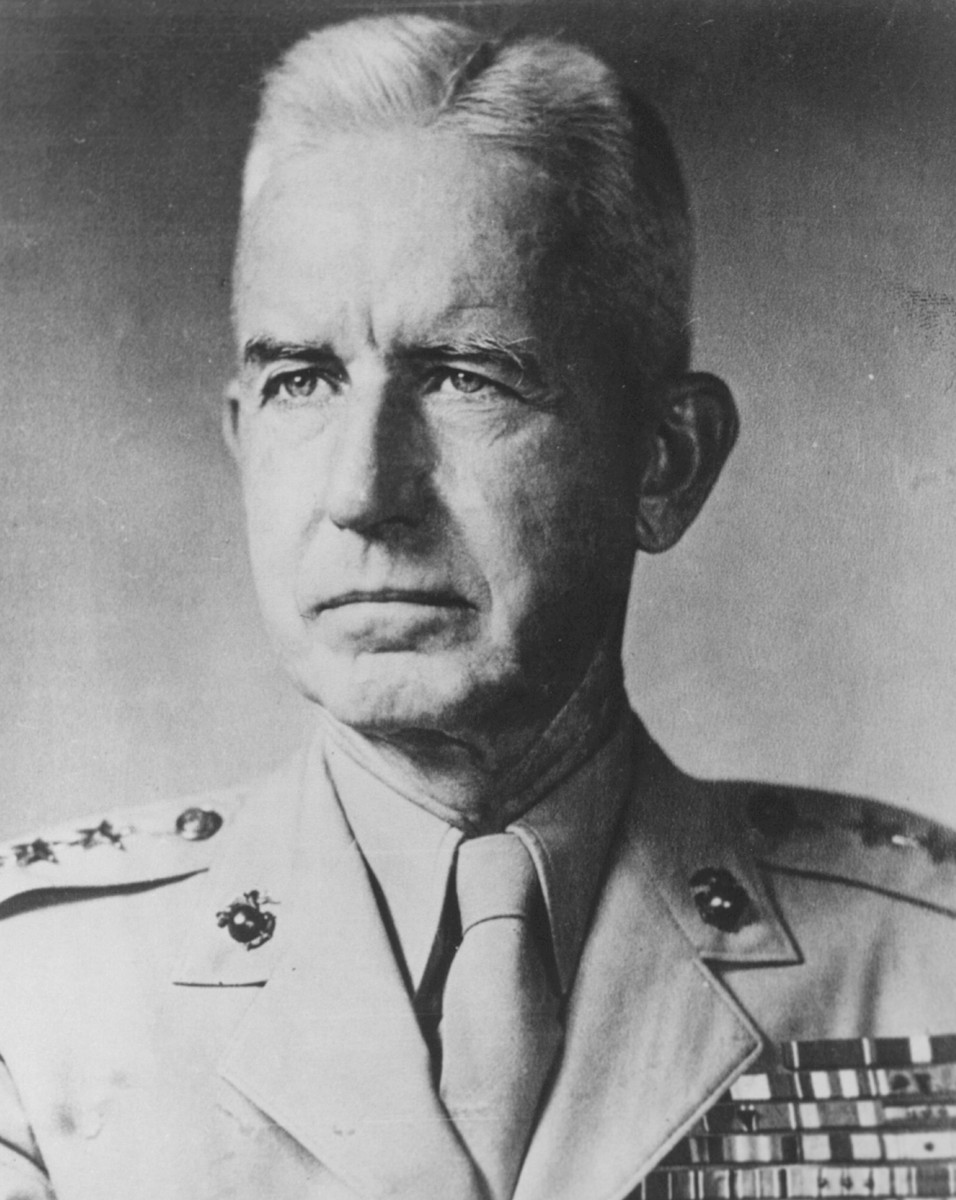
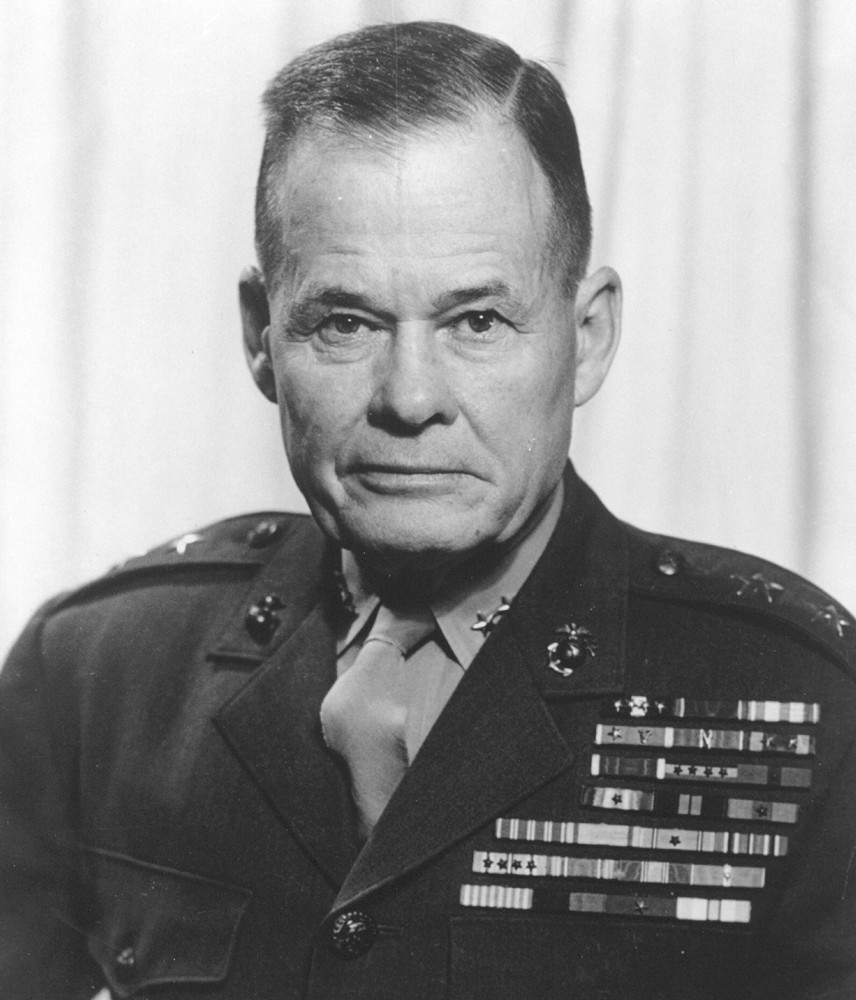
1950: The Battle of Chosin Reservoir (Korean: Changjin Reservoir) / (26 November–13 December 1950) was a battle in the Korean War. 20,000 United Nations troops under the command of American General Douglas MacArthur faced 200,000 Chinese volunteers, shortly after the People's Republic of China's entry into the conflict. Large numbers of Chinese soldiers swept across the Yalu river, encircling the United Nations (UN) troops at the Chosin Reservoir, in the northeastern part of North Korea. A brutal battle in freezing weather followed. Although they inflicted enormous casualties on the Chinese forces, the Americans were vastly outnumbered and were forced to evacuate North Korea after they withdrew from the reservoir to the port of Hungnam. Overview By mid-October, 1950, the Korean War looked like it was nearly over. Most of North Korea had been captured by the American-led UN forces. However, on 19 October 1950, China entered the war and huge numbers of Chinese soldiers poured across the border into Korea. The UN command, under General Douglas MacArthur, was slow to appreciate the implications of this new reality. MacArthur ordered his ground units, the U.S. Eighth Army in the west, and the X Corps in the east, to continue their offensive to the Yalu River, the border with China. The X Corps - commanded by Lieutenant-General Ned Almond, U.S. Army - was widely spread out over northeastern Korea, its units far apart and out of supporting distance from each other. The X Corps troops at Chosin, mainly the US 1st Marine Division, elements of the US 7th Infantry Division, and 41 Independent Commando Royal Marines were, by late November, surrounded by units of the Ninth Army Group of the People's Liberation Army (designated "Chinese People's Volunteers" by the Chinese government.) The Chinese launched heavy attacks that halted the UN offensive. MacArthur and Almond ordered Major General O.P. Smith, commander of the 1st Marine Division and associated forces in the Chosin area to fight his way out of the trap. Starting on 26 November 1950, the UN troops began a fighting withdrawal to the south, towards Hungnam. Battle Around 20,000 UN troops, with advanced weaponry and air power, clashed with 200,000 poorly equipped but well organized Chinese soldiers. In extremely fierce fighting that lasted until 11 December, there were 15,000 UN casualties (7,500 to cold related injuries) and possibly 40,000 Chinese casualties (mostly to cold related injuries) as the UN forces withdrew to Hungnam. On the eastern side of the Chosin Reservoir, a U.S. Army unit from the 7th Infantry Division, Task Force Faith, was isolated by a Chinese division, worn down by incessant attacks, and eventually wiped out. Survivors from the 7th I.D. reached Marine lines on 2 December 1950. Some survivors of this force, along with an army tank company and combat engineers, joined Smith's forces and participated in the breakout. Keeping his units concentrated and moving deliberately, Smith made an aggressive assault to break out of the reservoir. When asked if the Marines were, like the U.S. Eighth Army (to the west), retreating, Smith explained that their fighting withdrawal through Chinese lines did not constitute a retreat. His explanation was abbreviated into the famous misquote, "Retreat, hell! We're attacking in a different direction!" (recalling the famous quote from Captain Lloyd Williams at Belleau Wood during the First World War, "Retreat, hell! We just got here!") In their withdrawal, the Marines were either attacking - conducting numerous assaults to clear Chinese roadblocks and overlooking hill positions - or under furious Chinese attack themselves. The sub-zero temperatures inflicted even more casualties than the Chinese (who also suffered greatly from the extreme cold). The Marines enjoyed total air supremacy, with Navy, Marine, and Air Force fighter-bombers flying hundreds of sorties a day against the encircling Chinese. Over 4,000 wounded were flown out and 500 replacements flown in during the operation, contributing considerably to its success. The Marines and soldiers were able to destroy or effectively disable all seven Chinese divisions that tried to block their escape from the reservoir. Despite the heroism of the Marines, which attracted world-wide attention and was considered something of a "moral victory" in the midst of defeat, the strategic situation was now highly unfavorable for UN forces and it was decided to withdraw the entire X Corps from North Korea. The Marines, the rest of X Corps, and thousands of civilian refugees were soon evacuated by ship from the port of Hungnam, which was then destroyed to deny its use to the communists. Aftermath While the Chinese were able to expel the UN forces from the reservoir, the U.S. Marines inflicted heavy casualties on the Chinese as they fought for their own survival. The Marines retreat was helped in part by Chinese American Marines who overheard the People's Liberation Army battle plans in Chinese. (The History Channel briefly covered that forgotten part of the war in a documentary.) After their departure from North Korea, the Marines were returned to the South, where they continued to fight as part of UN forces until the armistice in July of 1953. To this day, the U.S. Marines consider the Battle of the Chosin Reservoir to be one of the proudest parts of their own history despite the heavy losses. Likewise, the Chinese People's Liberation Army considers the Battle of the Chosin Reservoir an honor. This campaign, with the simultaneous victory against U.S. forces to the west, was the first time in a century a Chinese army was able to defeat a Western army in a major battle, despite the heavy losses.
|
||
| patches + more | ||
 |
||
|
|
seaforces.org |
USN ships
start page | |