|
||
|
HOME
|
US Navy -
ships
|
US Navy - air
units
|
USMC - air
units
|
International
Navies
|
Weapon Systems
|
Special Reports |
||
|
US Navy - Guided Missile Cruiser CG 64 - USS Gettysburg |
||
|
||
| 06/25 | ||
|
Type,
class: Guided Missile Cruiser (CG); Ticonderoga
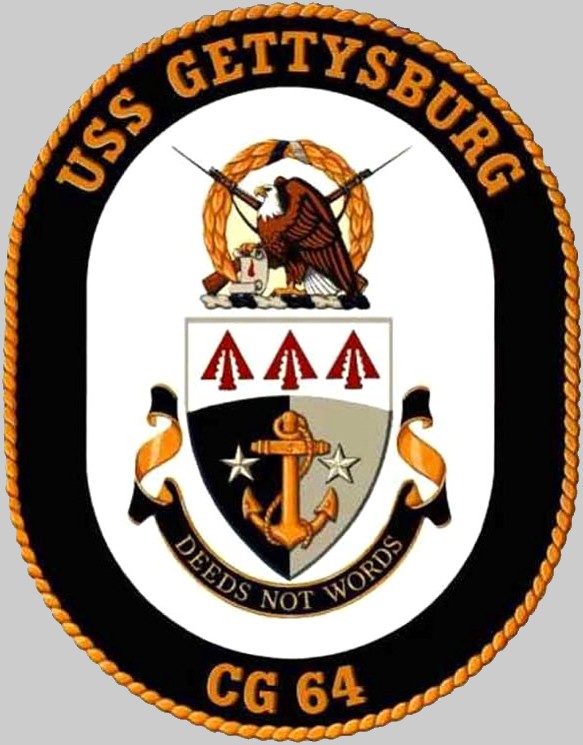
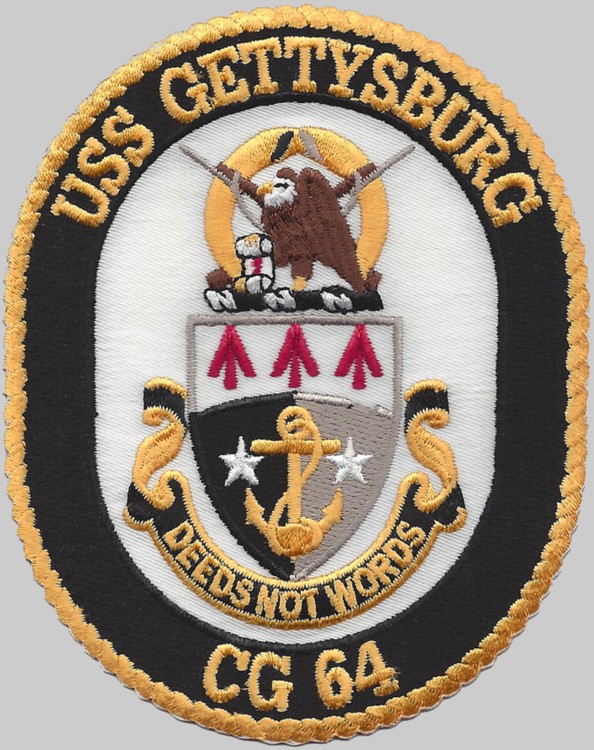
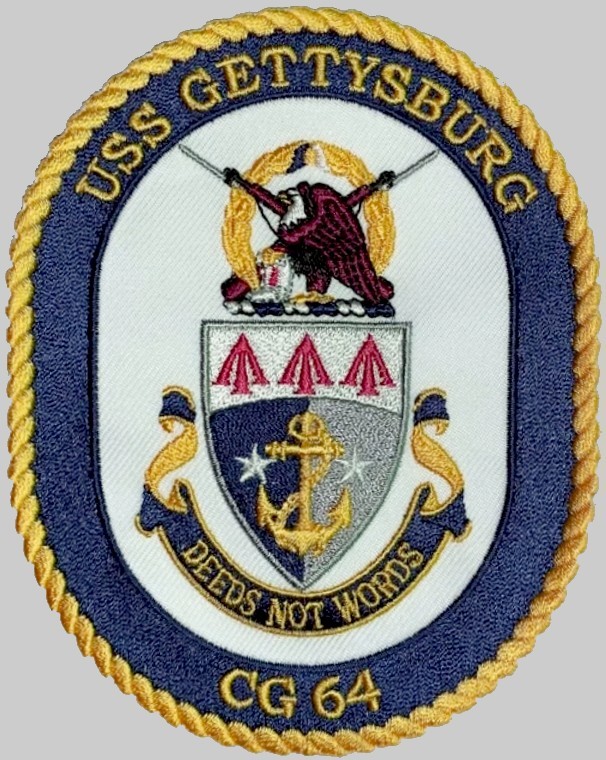
class Builder: Bath Iron Works, Bath, Maine, USA STATUS: Awarded: January 8, 1986 Laid down: August 17, 1988 Launched: July 22, 1989 Commissioned: June 22, 1991 IN SERVICE Homeport: Naval Station Norfolk, Virginia Namesake: the Battle of Gettysburg, Pensylvania / July 1-3, 1863 Ships Motto: DEEDS NOT WORDS Technical Data: see: INFO > Ticonderoga class Guided Missile Cruiser - CG |
||
| images | ||
 returning to Naval Station Norfolk, Virginia - June 6, 2025  Mediterranean Sea - May 2025  5th Fleet AOR - May 2025  5th Fleet AOR - April 2025  5th Fleet AOR - February 2025  5th Fleet AOR - January 2025 USS Gettysburg shot down an F/A-18F Super Hornet from VFA-11 Red Rippers (operating from CVN 75 USS Harry S. Truman) over the Red Sea by mistake on December 22, 2024  Red Sea - December 2024  Mediterranean Sea - December 15, 2024  Naval Station Rota, Spain - December 3, 2024  departing Naval Station Norfolk, Virginia as part of the USS Harry S. Truman Carrier Strike Group - September 24, 2024  departing Naval Station Norfolk, Virginia as part of the USS Harry S. Truman Carrier Strike Group - September 24, 2024  COMPTUEX as part of the USS Harry S. Truman Carrier Strike Group - Atlantic Ocean - August 2024  COMPTUEX as part of the USS Harry S. Truman Carrier Strike Group - Atlantic Ocean - August 2024 USS Gettysburg entered into the Service Life Extension Program (SLEP) on September 30, 2015. She was drydocked and underwent extensive modernization and material repairs including an upgrade of her radar and AEGIS weapon system. She went underway again for the first time in nearly nine years on February 28, 2023 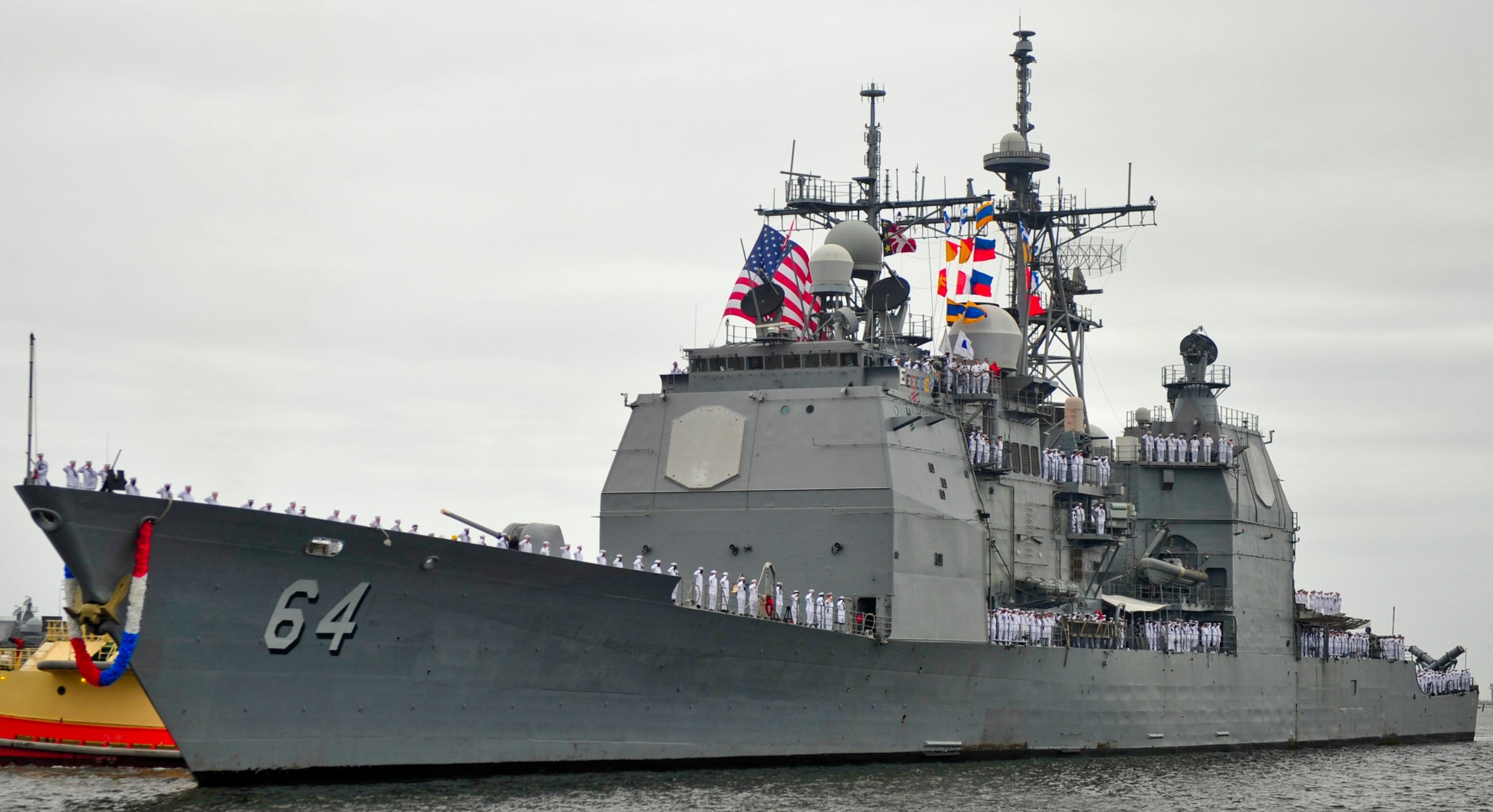 returning to Naval Station Mayport, Florida - April 2014 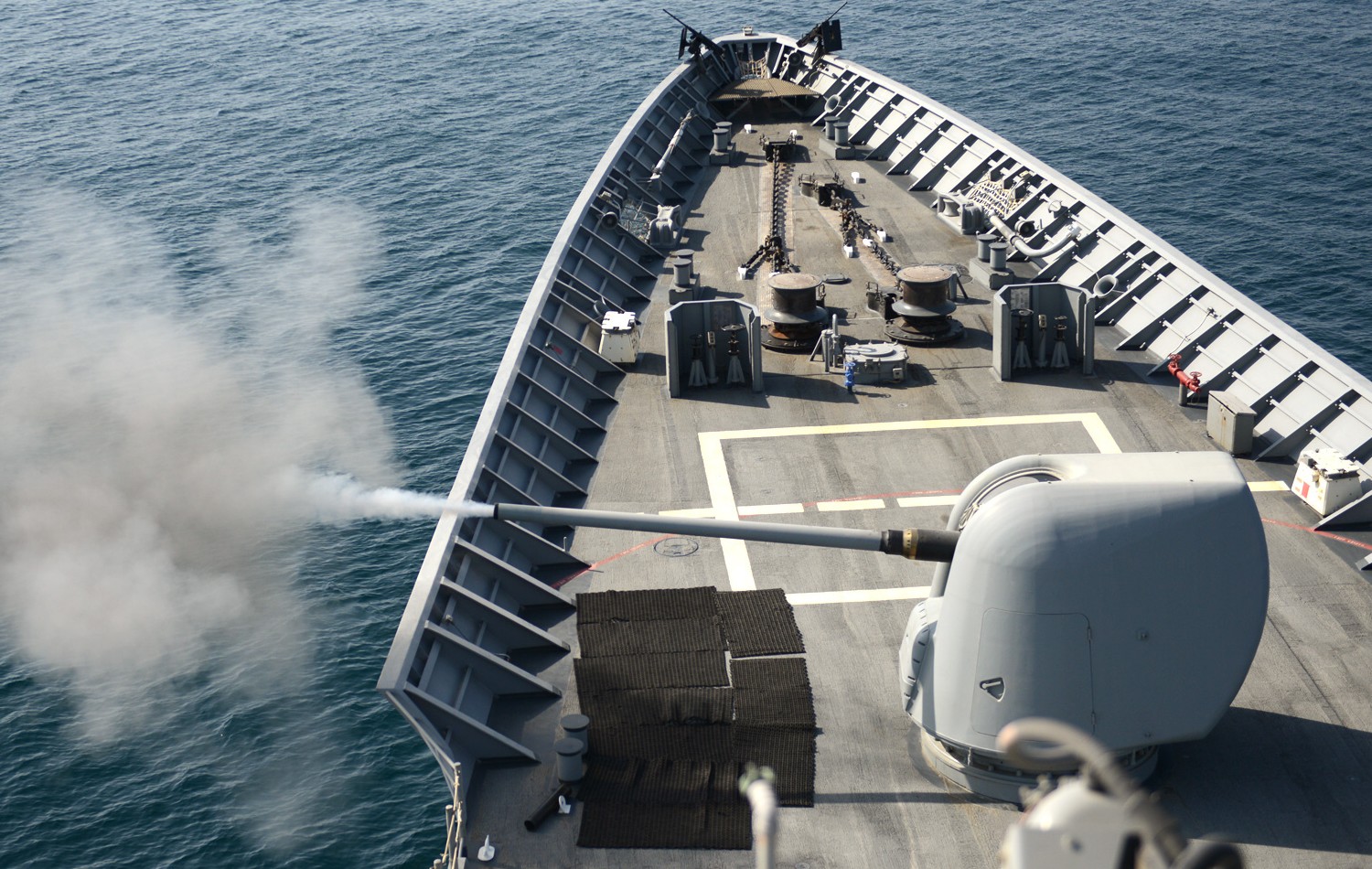 Mk.45 gun fire exercise - Gulf of Oman - November 2013 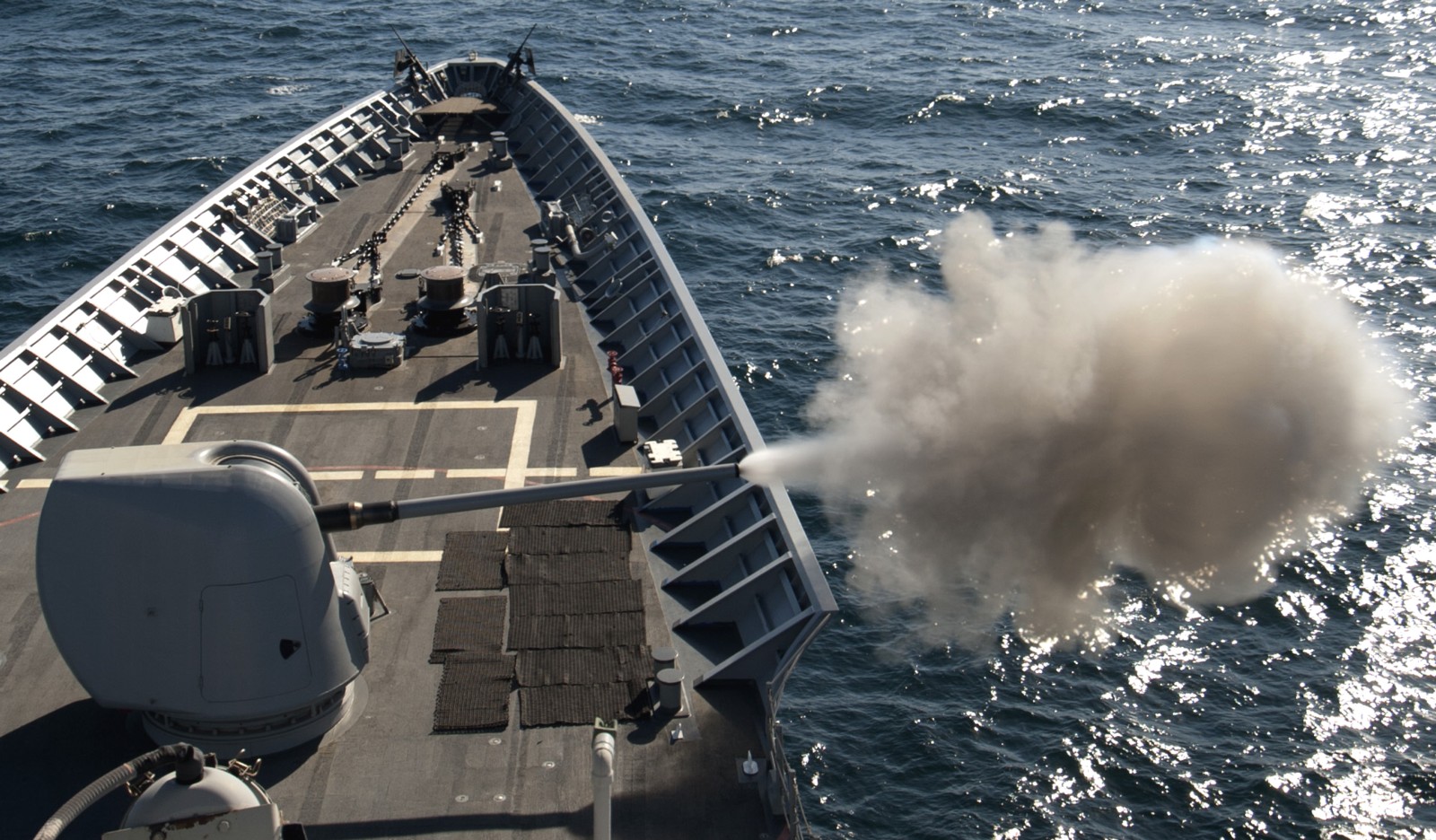 Mk.45 gun fire exercise - Gulf of Oman - November 2013 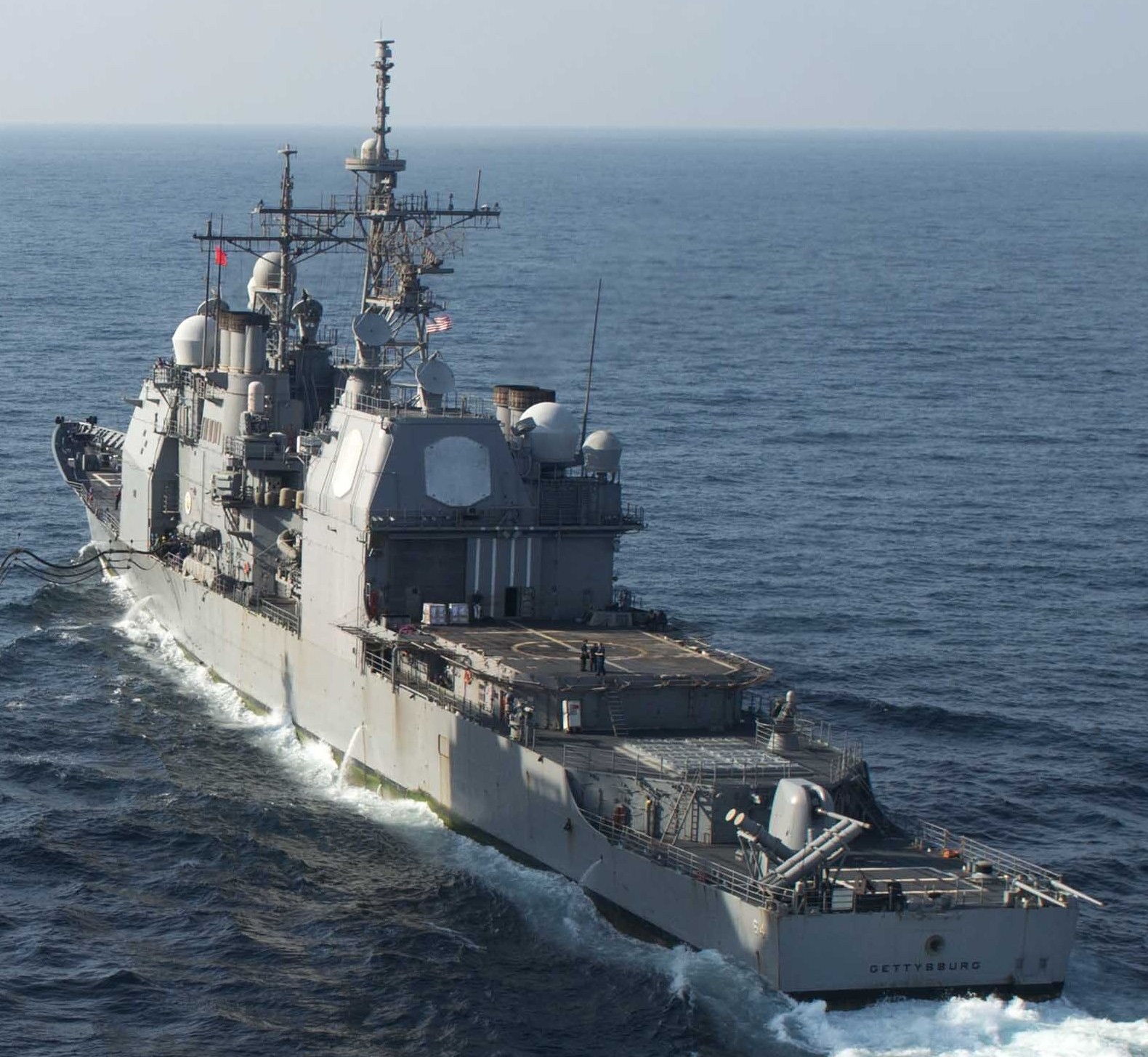 Gulf of Oman - October 2013 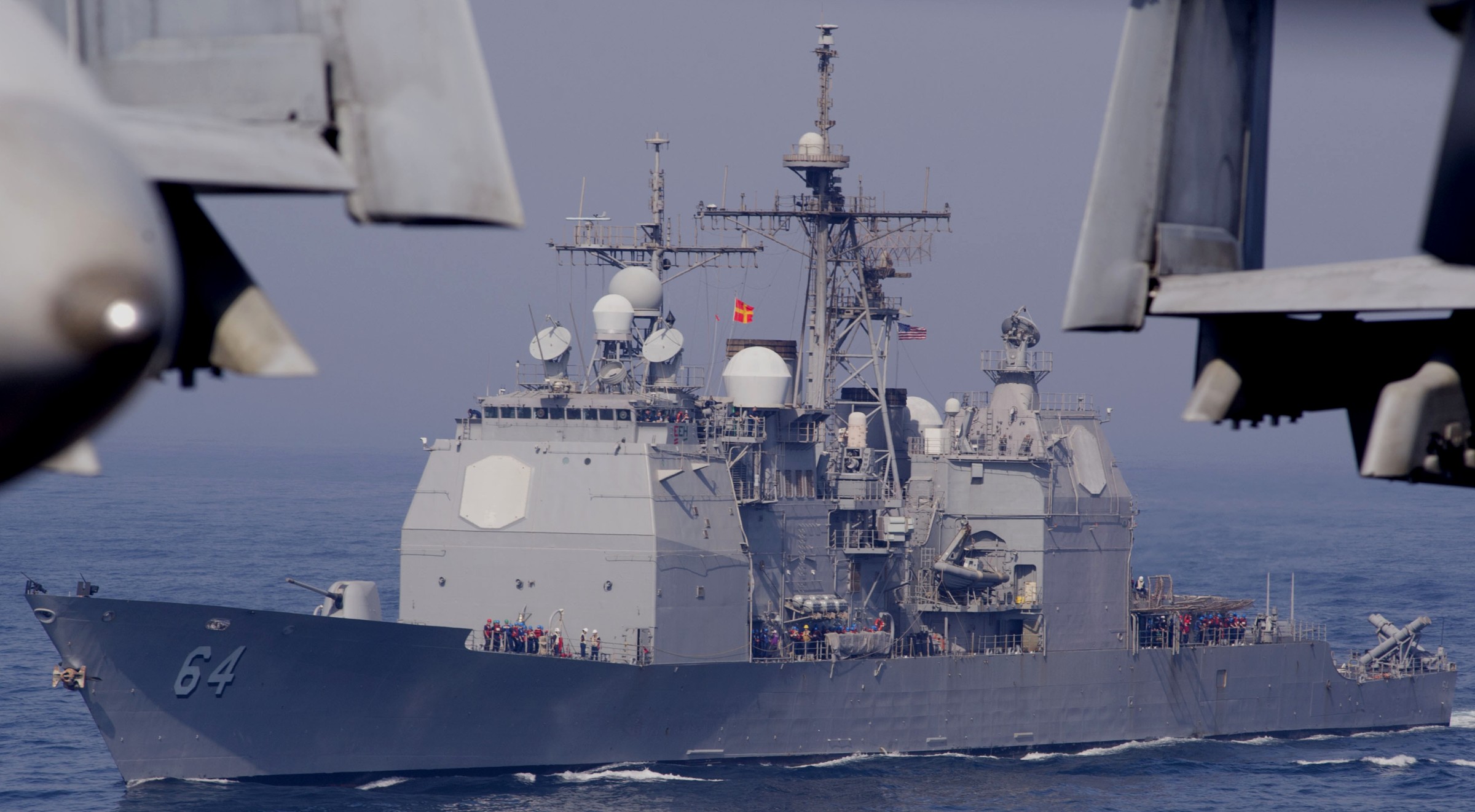 Gulf of Oman - September 2013 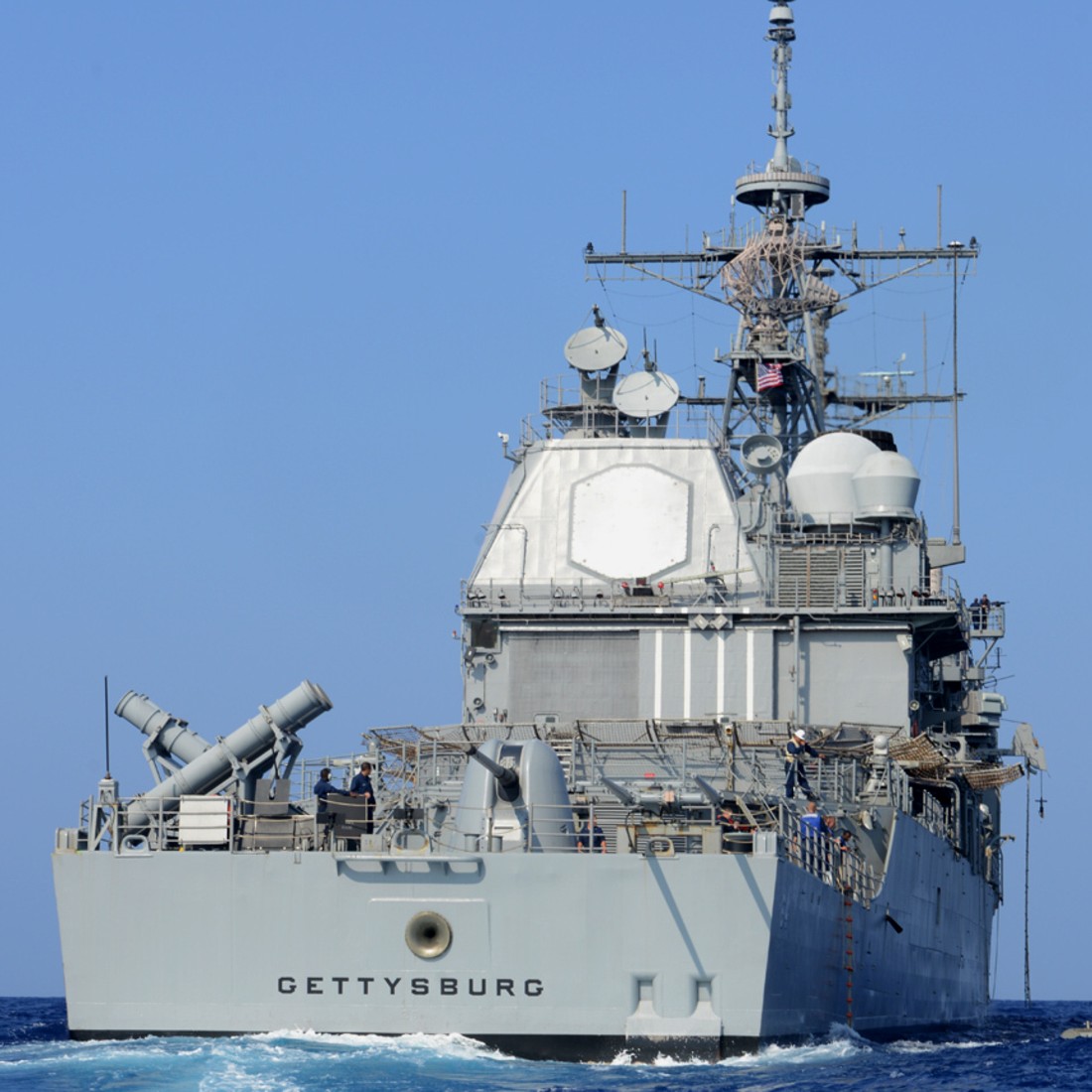 Mediterranean Sea - August 2013 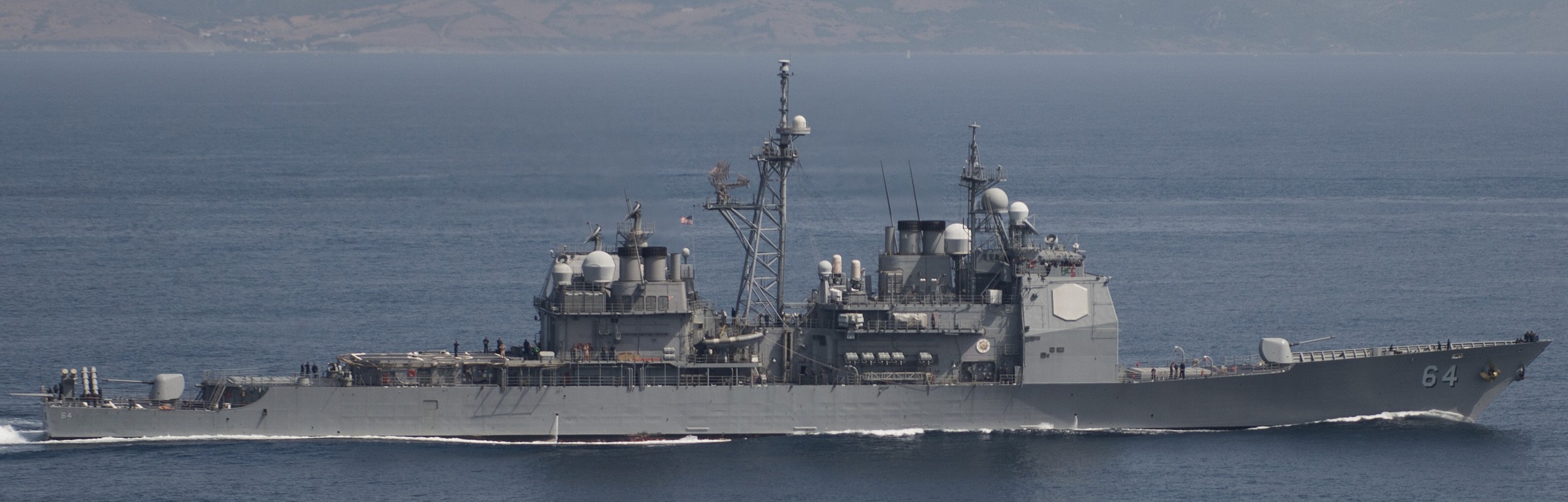 Strait of Gibraltar - August 2013 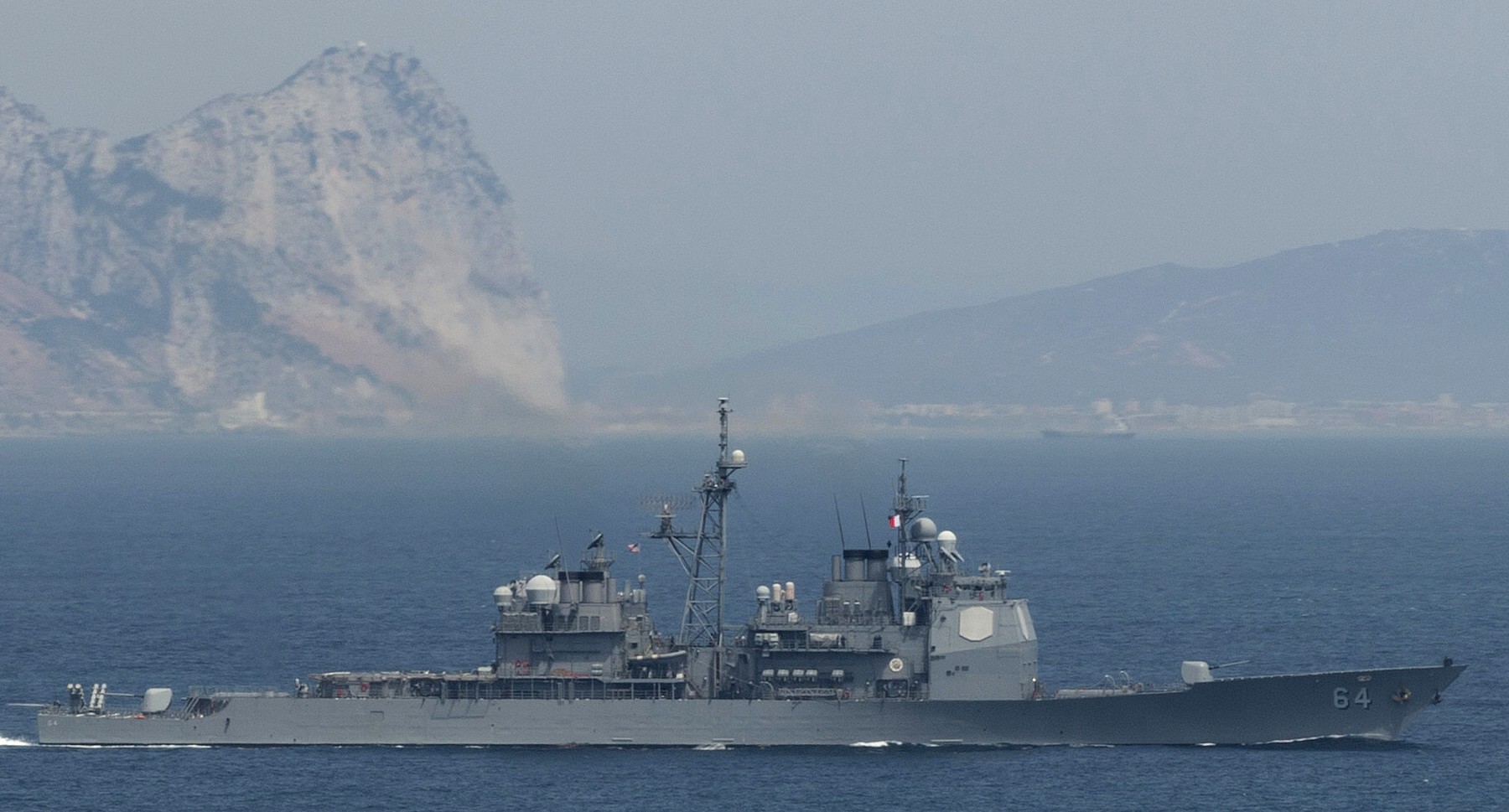 Strait of Gibraltar - August 2013 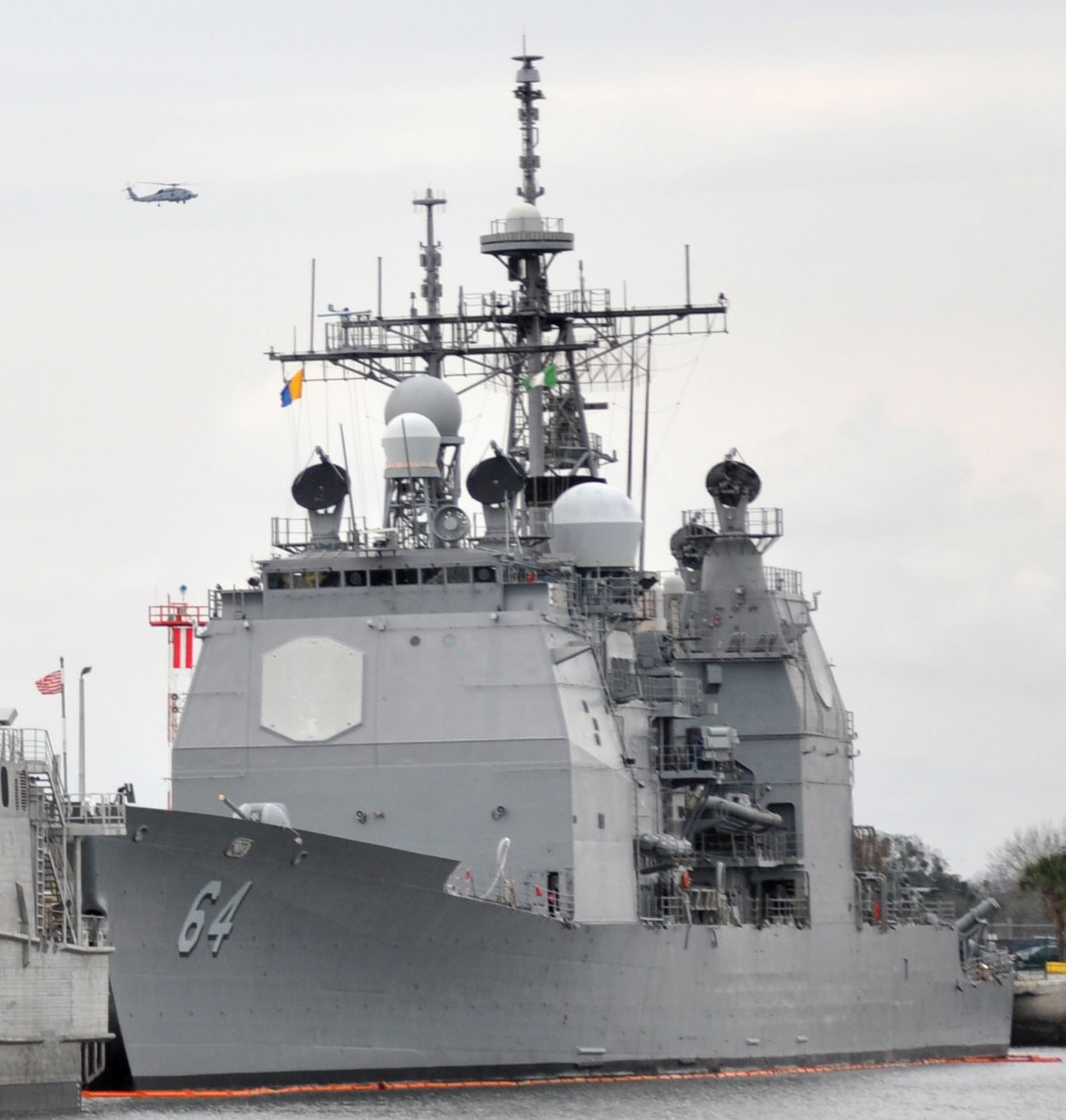 Naval Station Mayport, Florida - February 2013 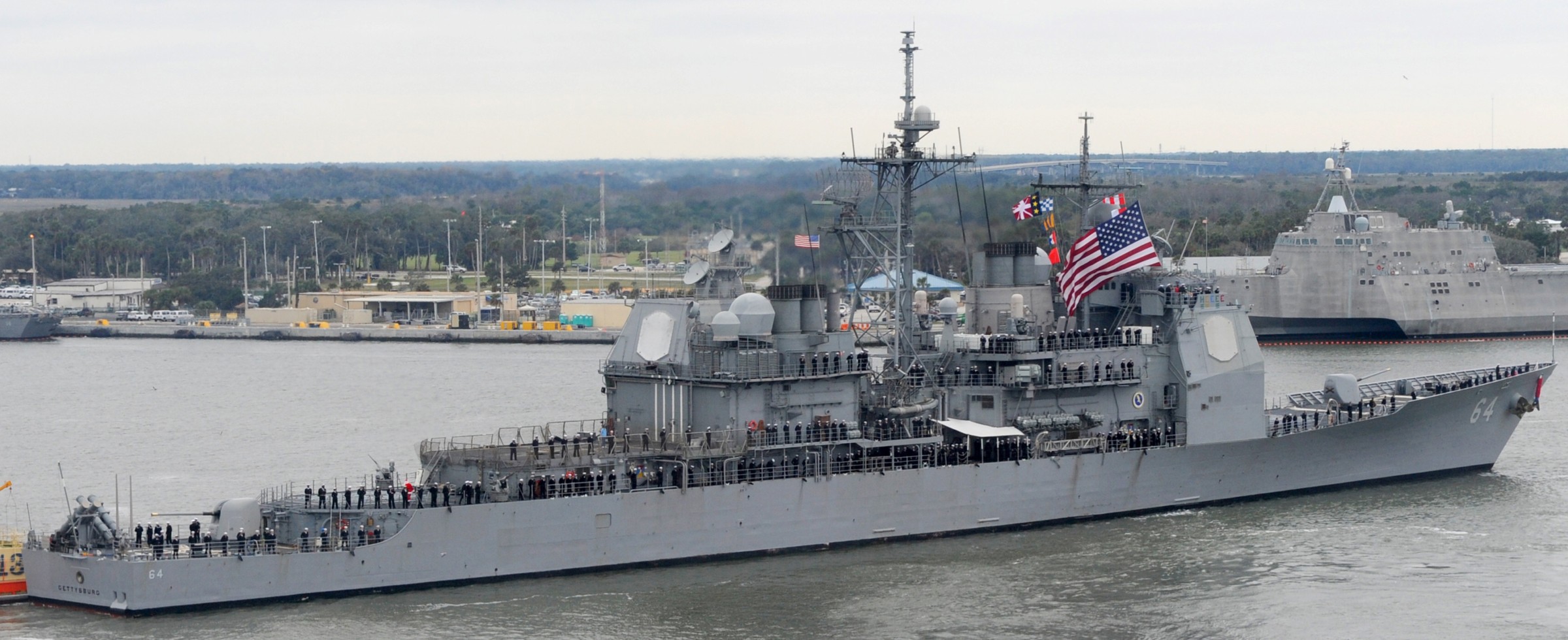 returning to Naval Station Mayport, Florida - December 2011 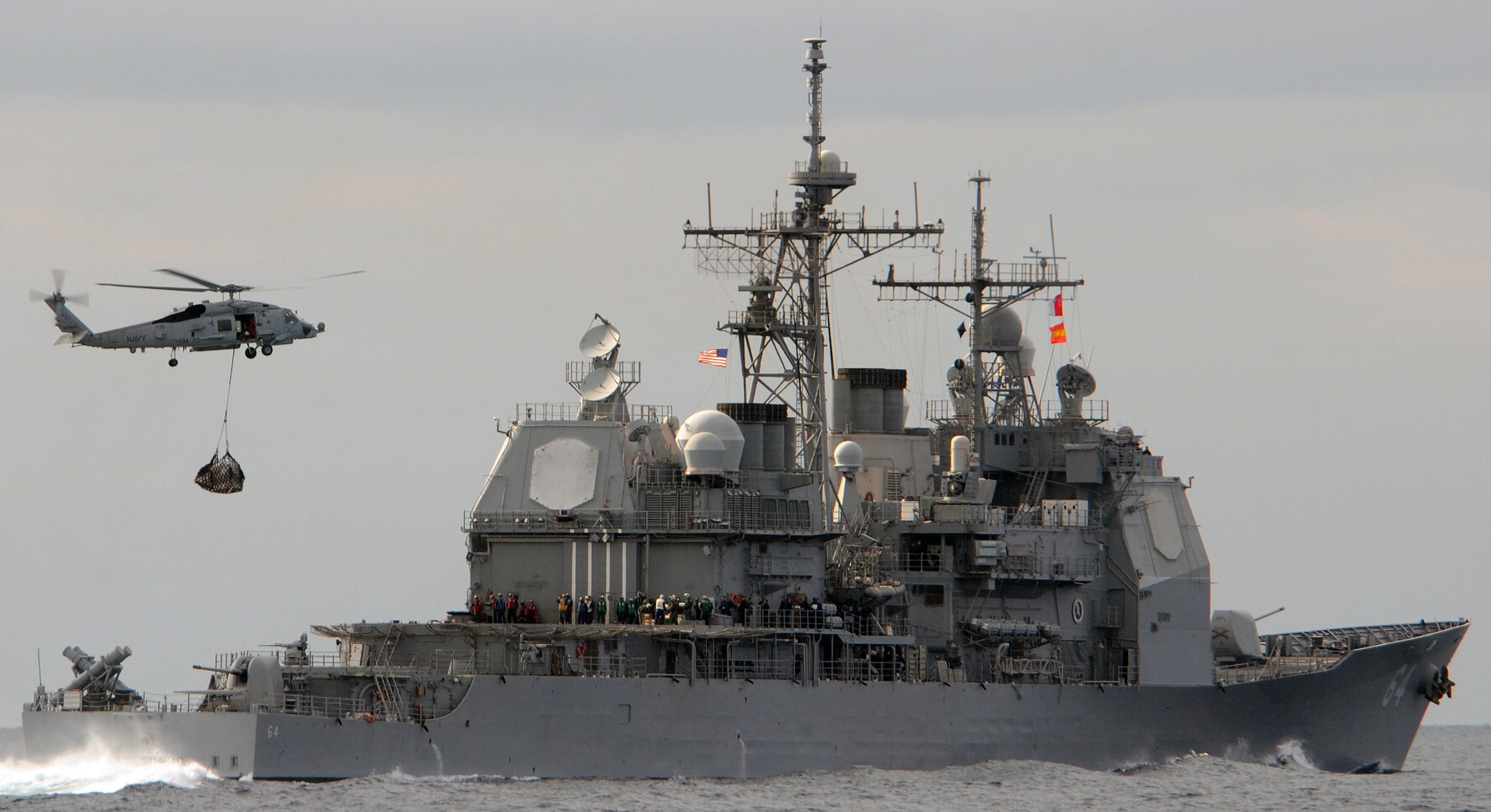 Atlantic Ocean - November 2011 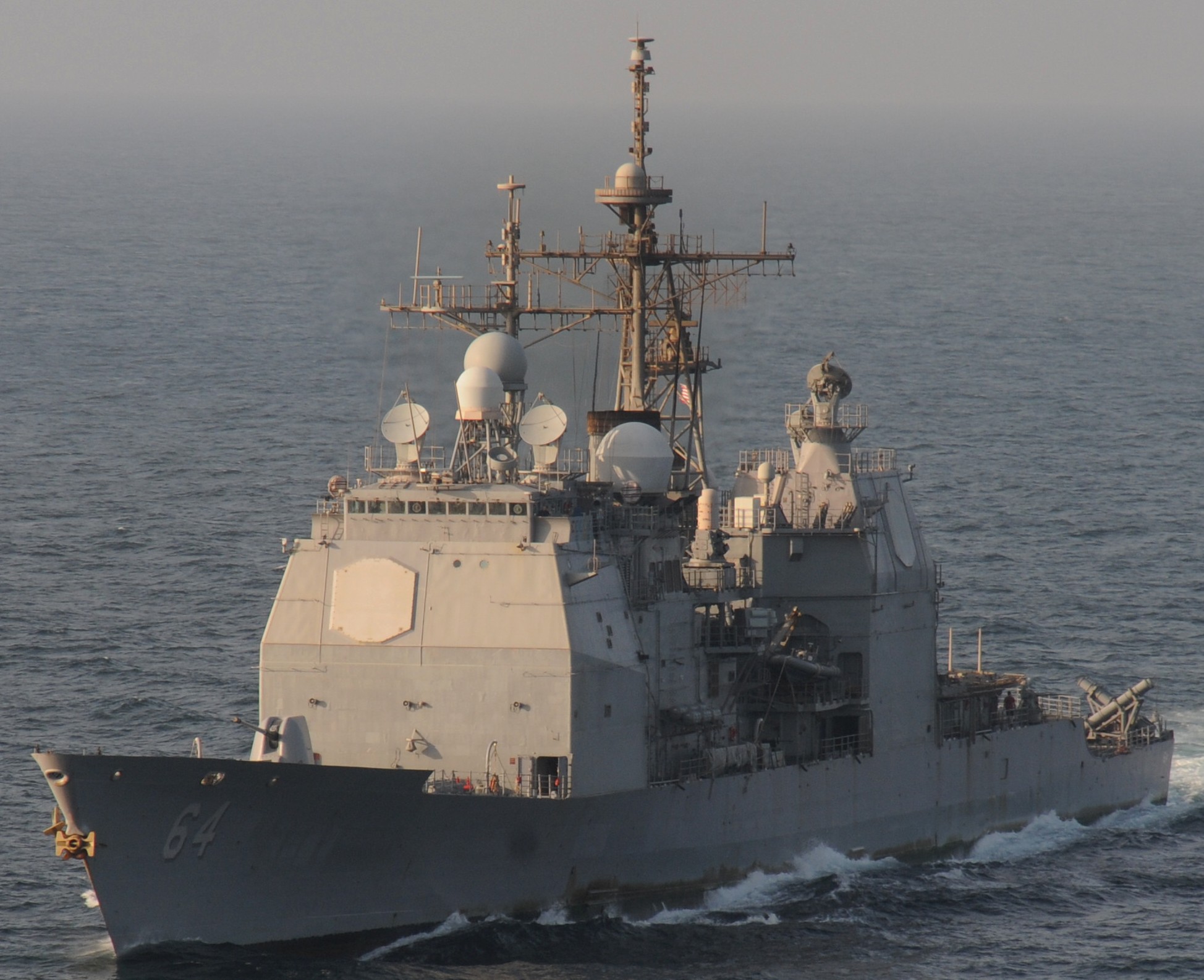 Arabian Sea - October 2011 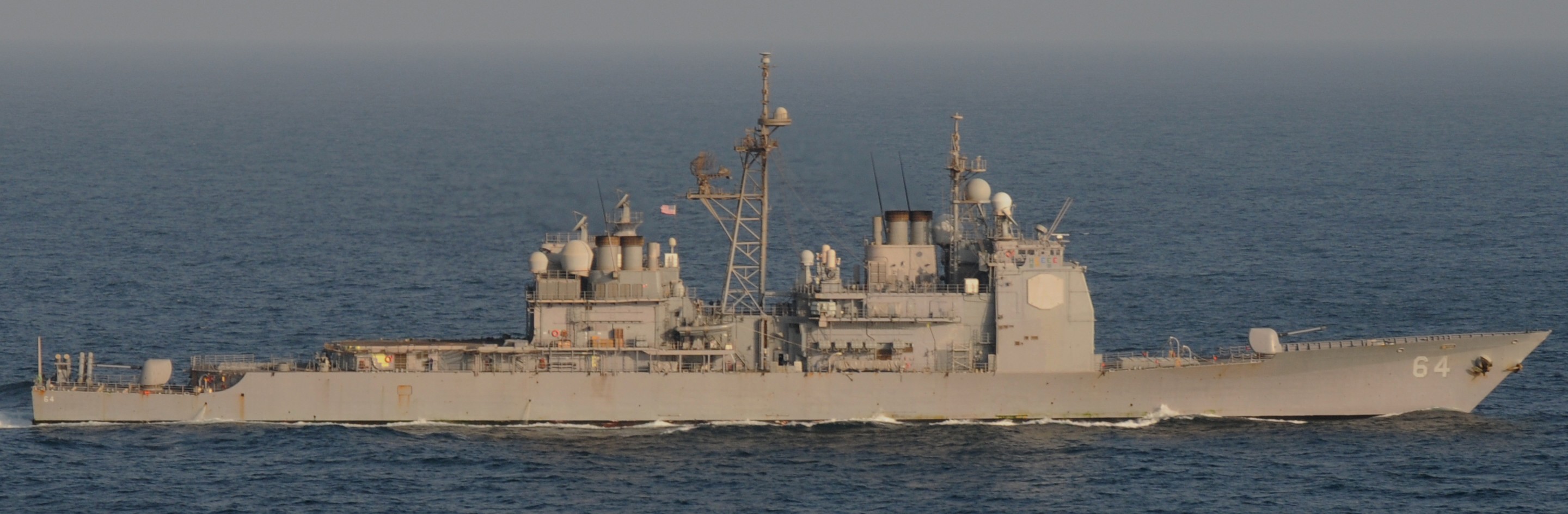 Arabian Sea - October 2011 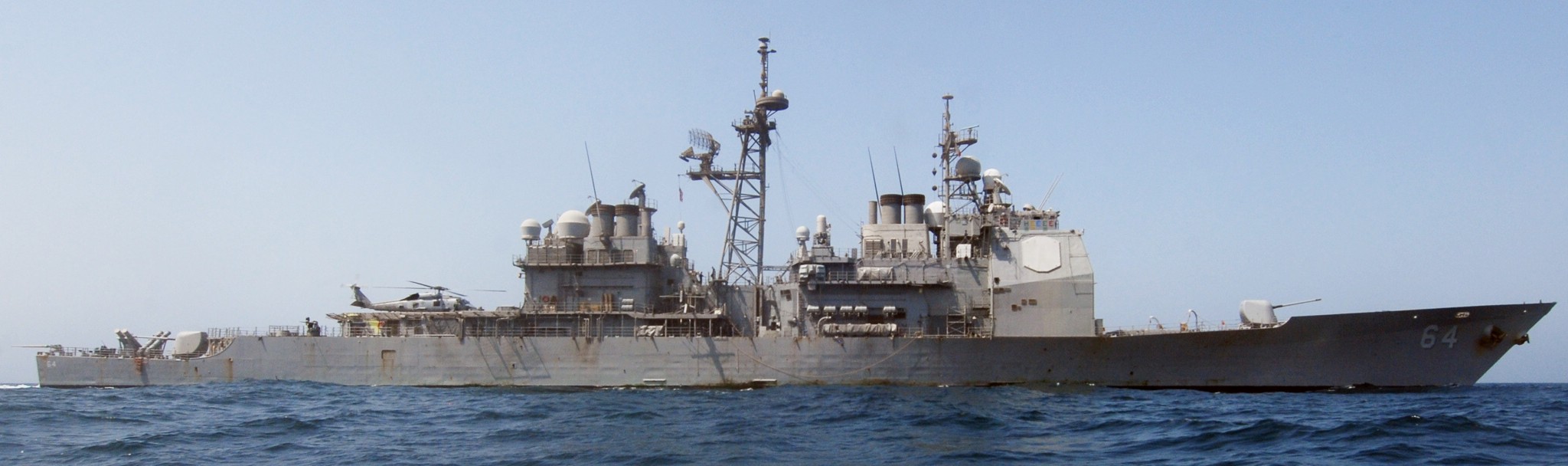 Arabian Sea - September 2011 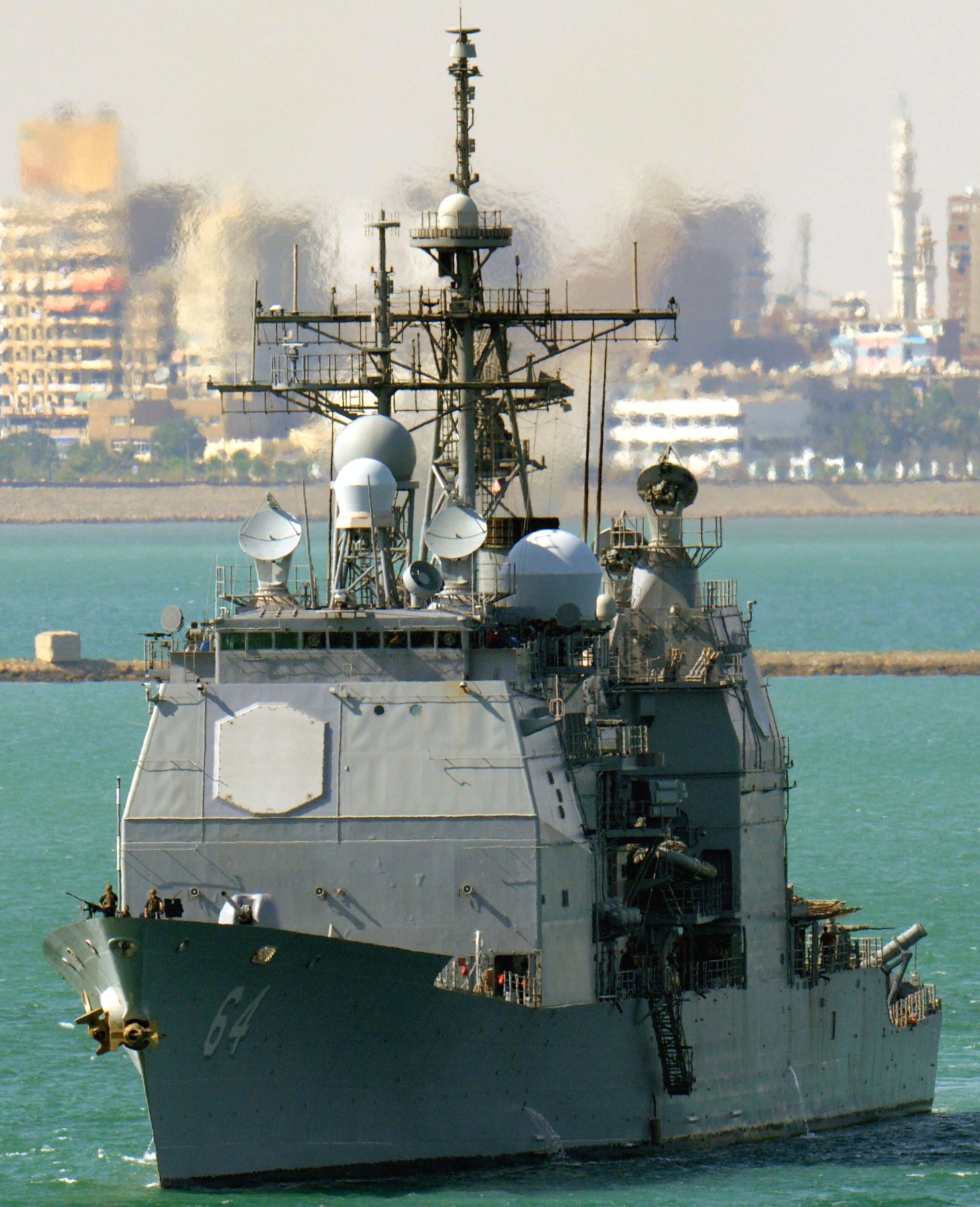 Suez Canal - June 2011 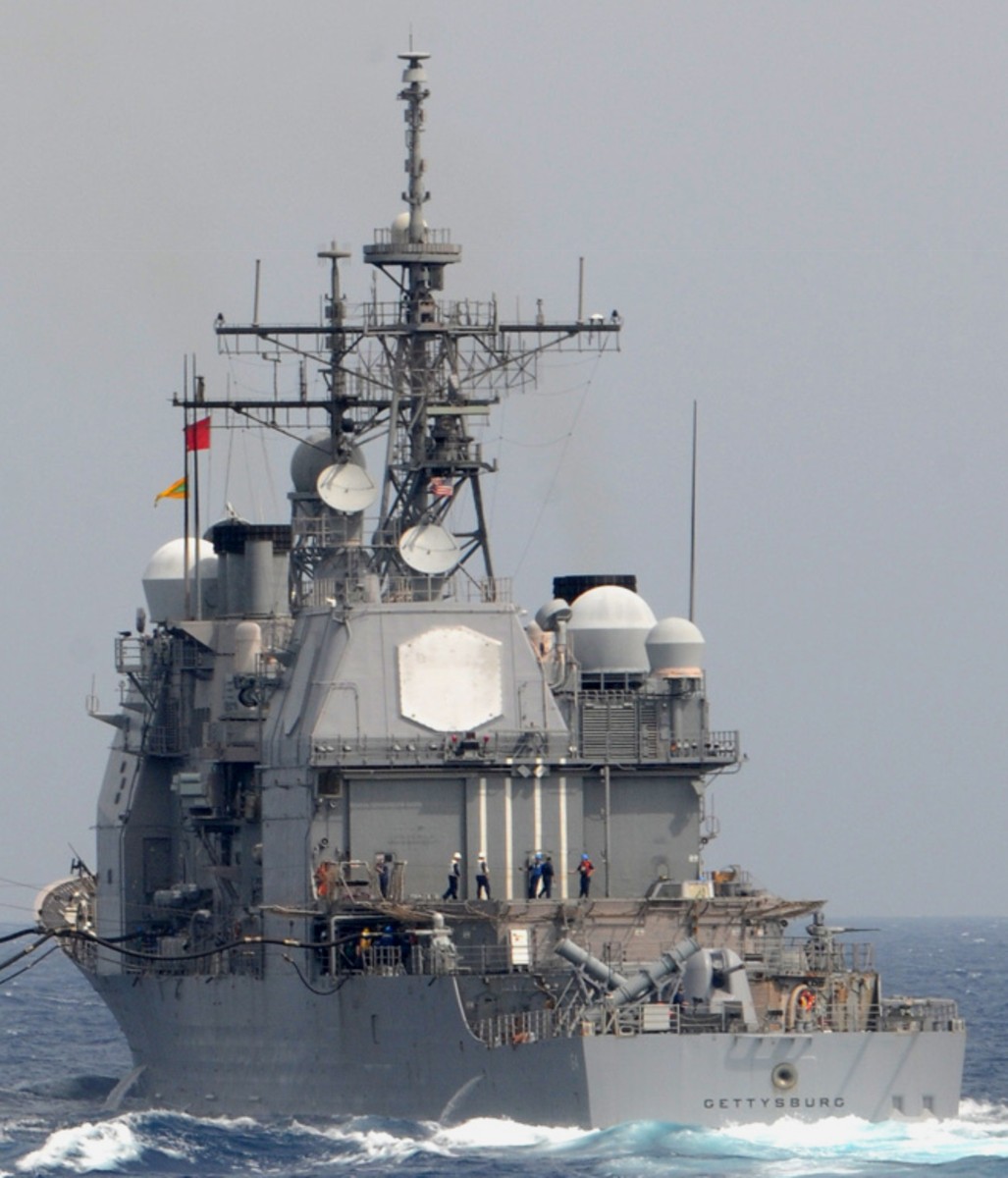 June 2011 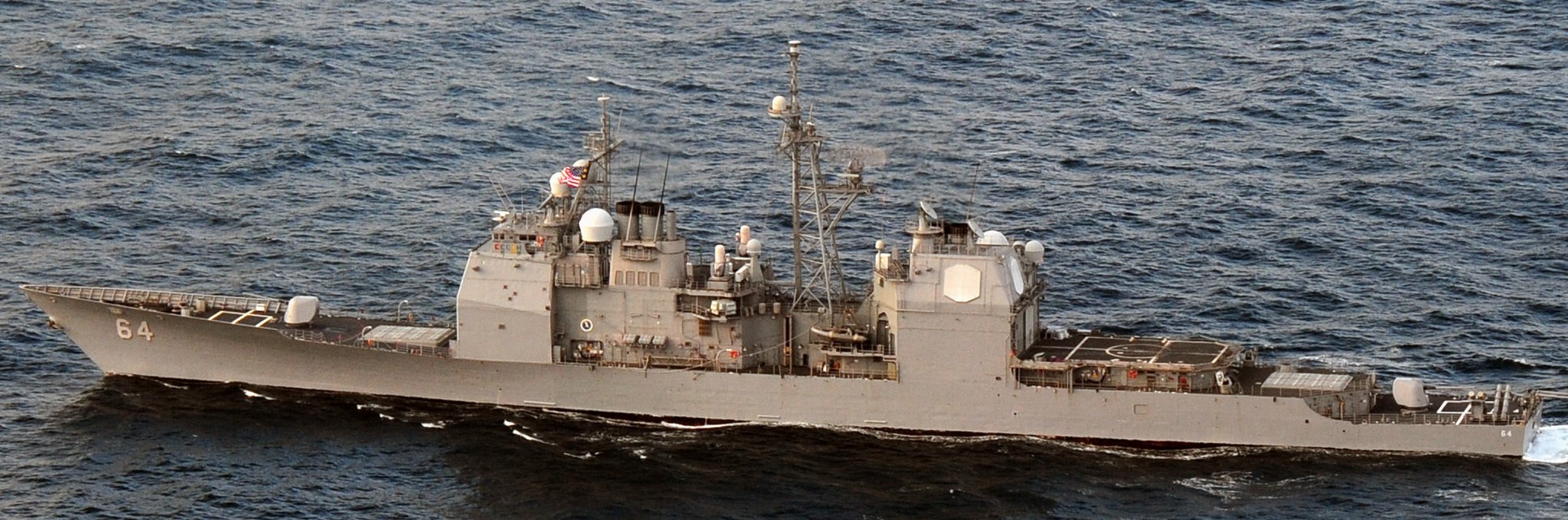 Exercise Saxon Warrior - Atlantic Ocean - May 2011 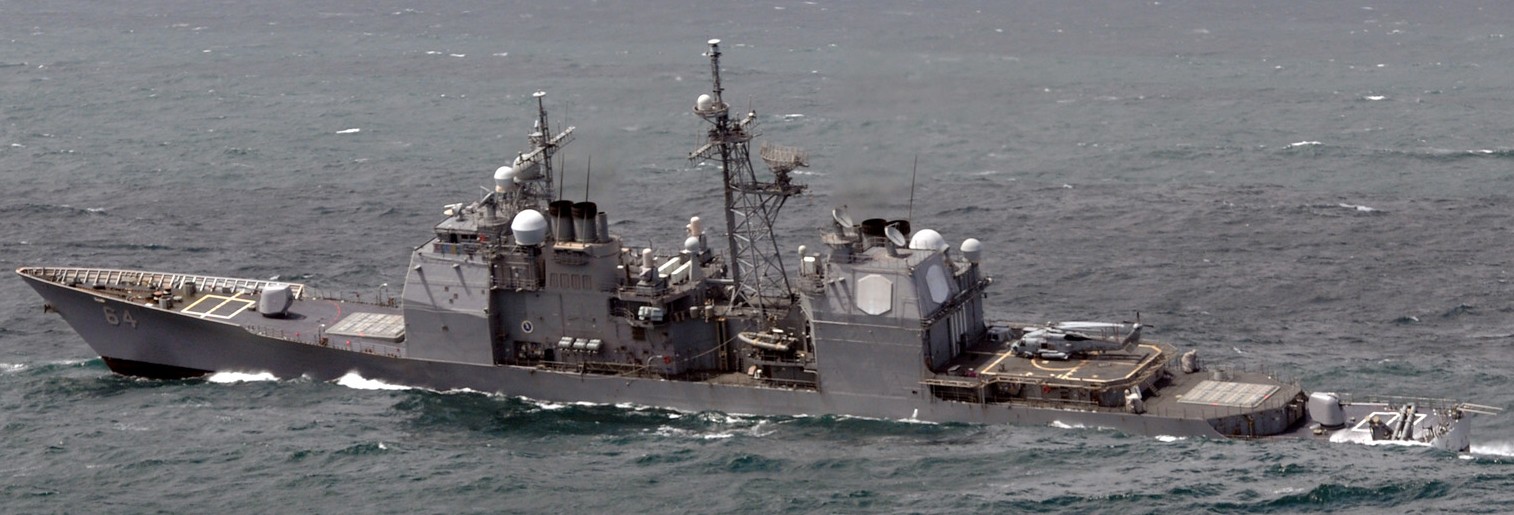 Exercise Saxon Warrior - Atlantic Ocean - May 2011 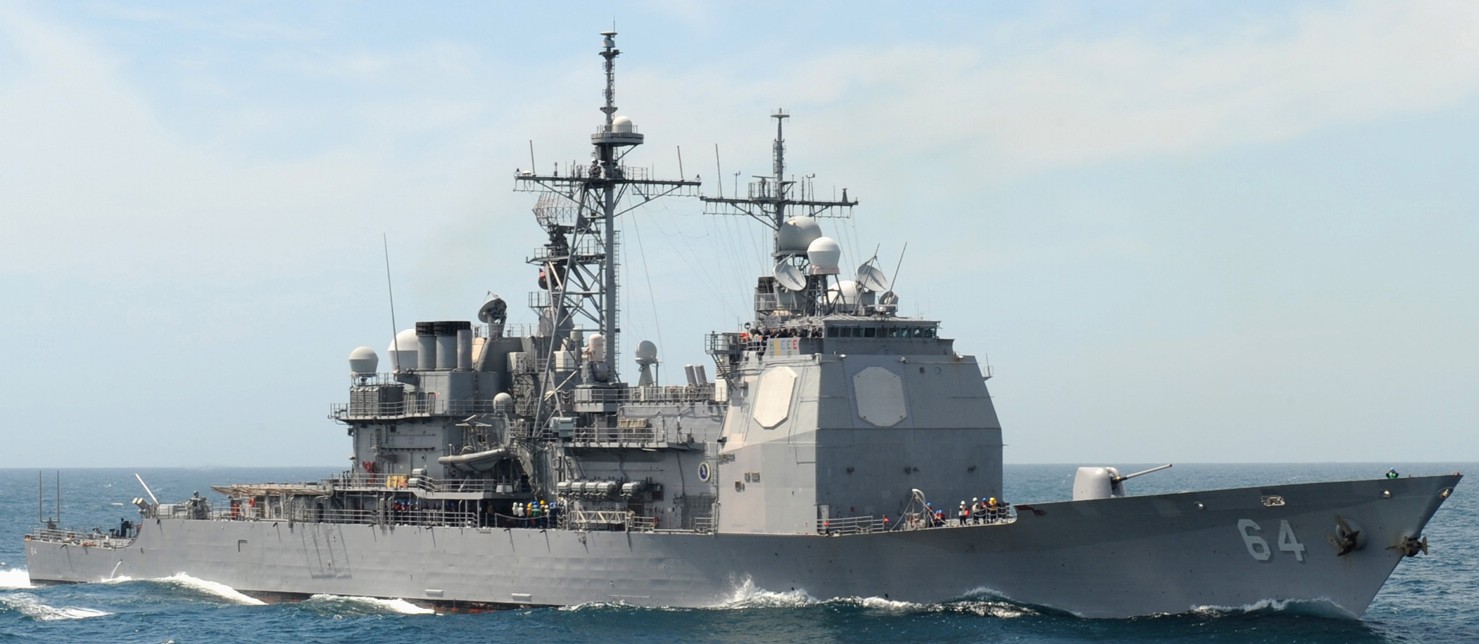 Atlantic Ocean - May 2011 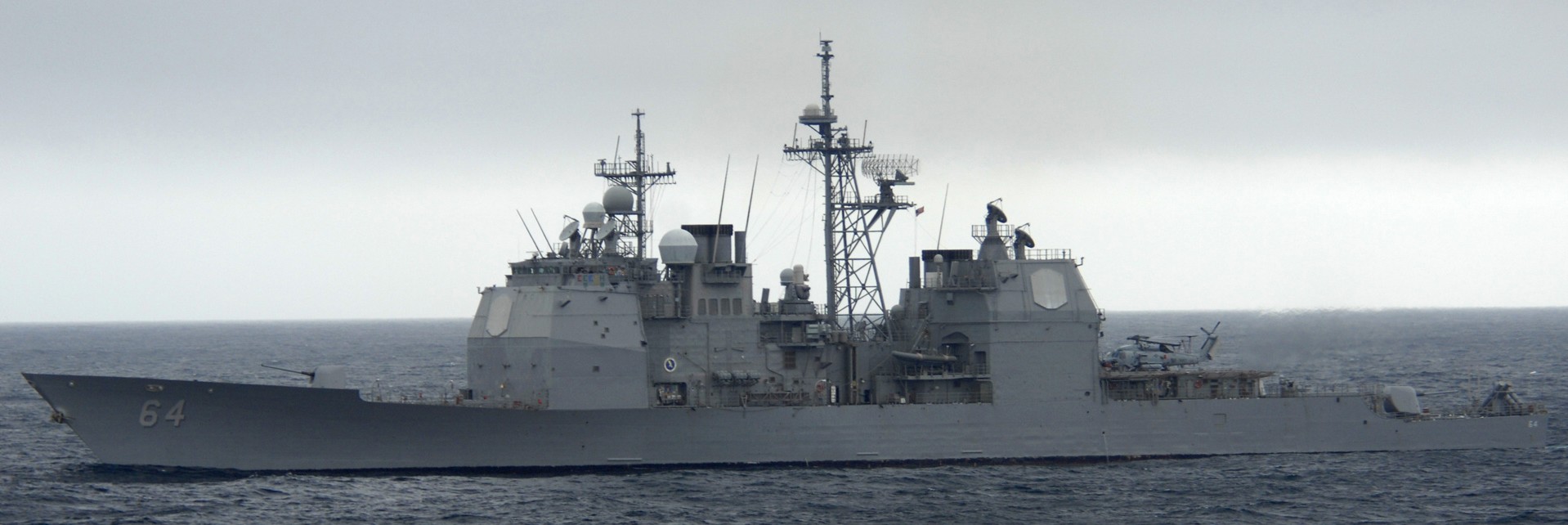 Atlantic Ocean - May 2011 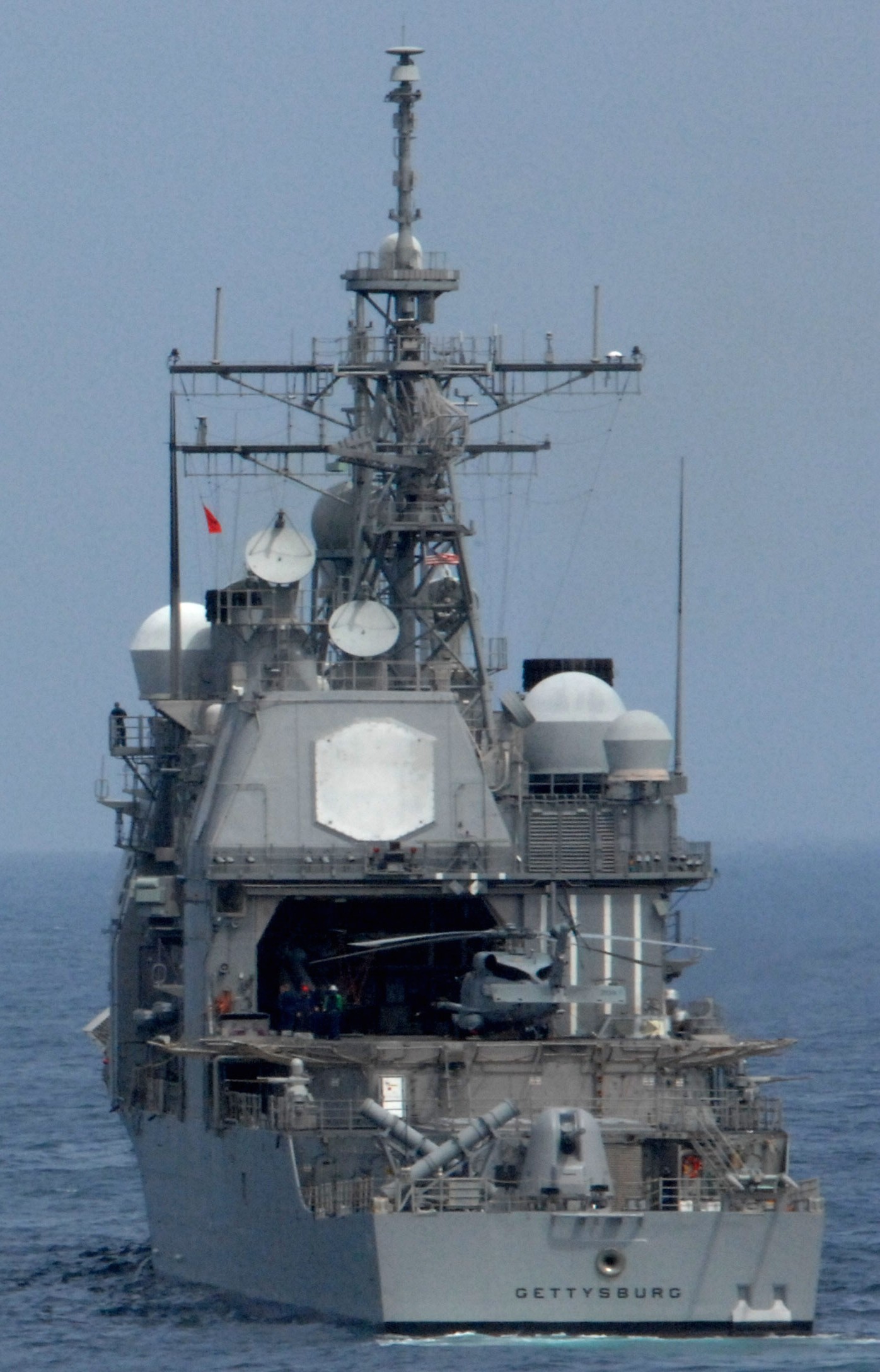 Atlantic Ocean - May 2011 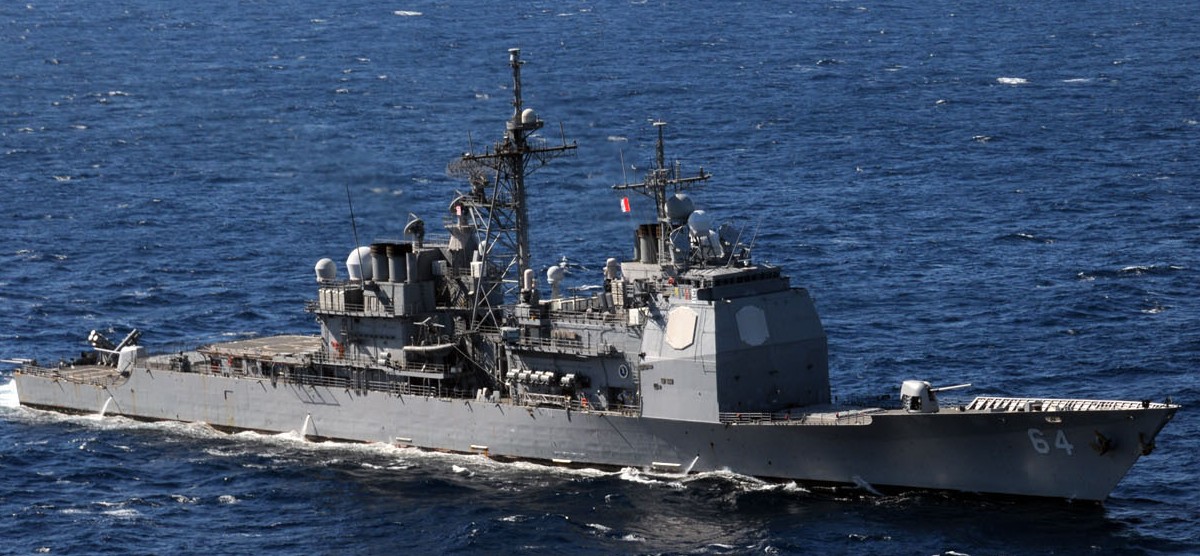 Atlantic Ocean - October 2010 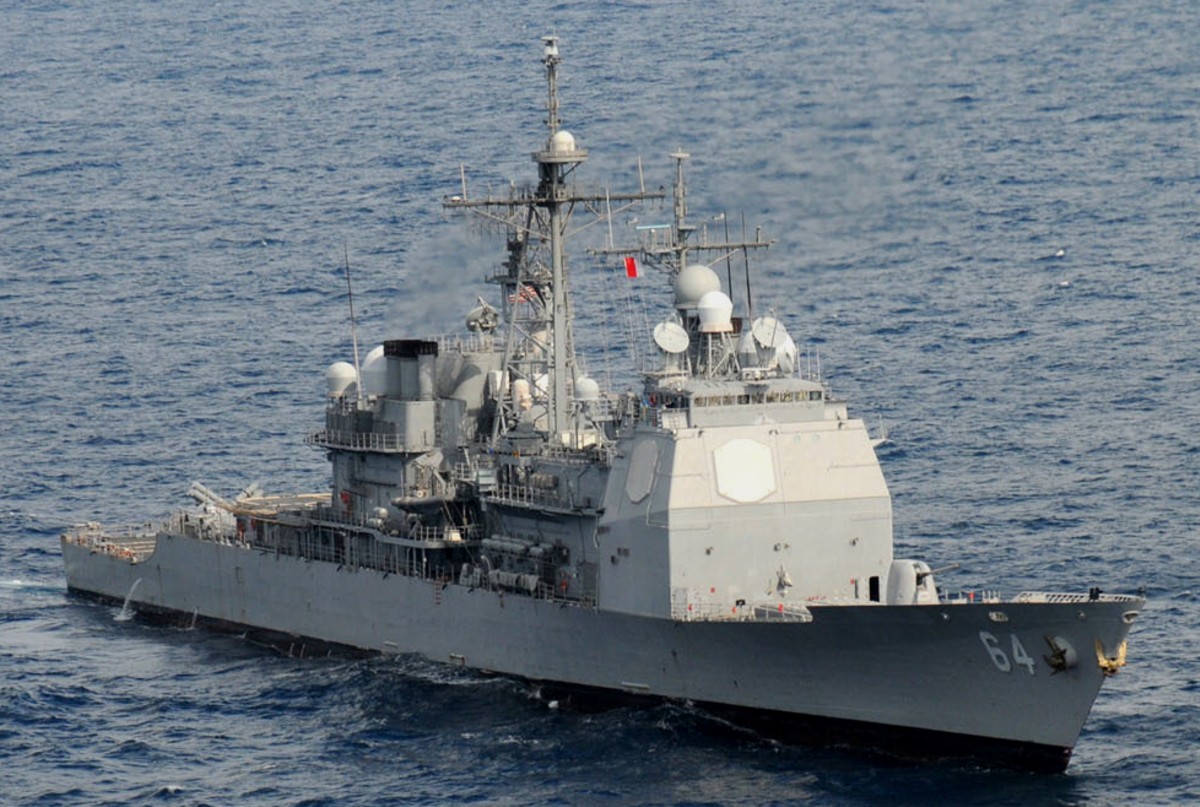 Atlantic Ocean - October 2010 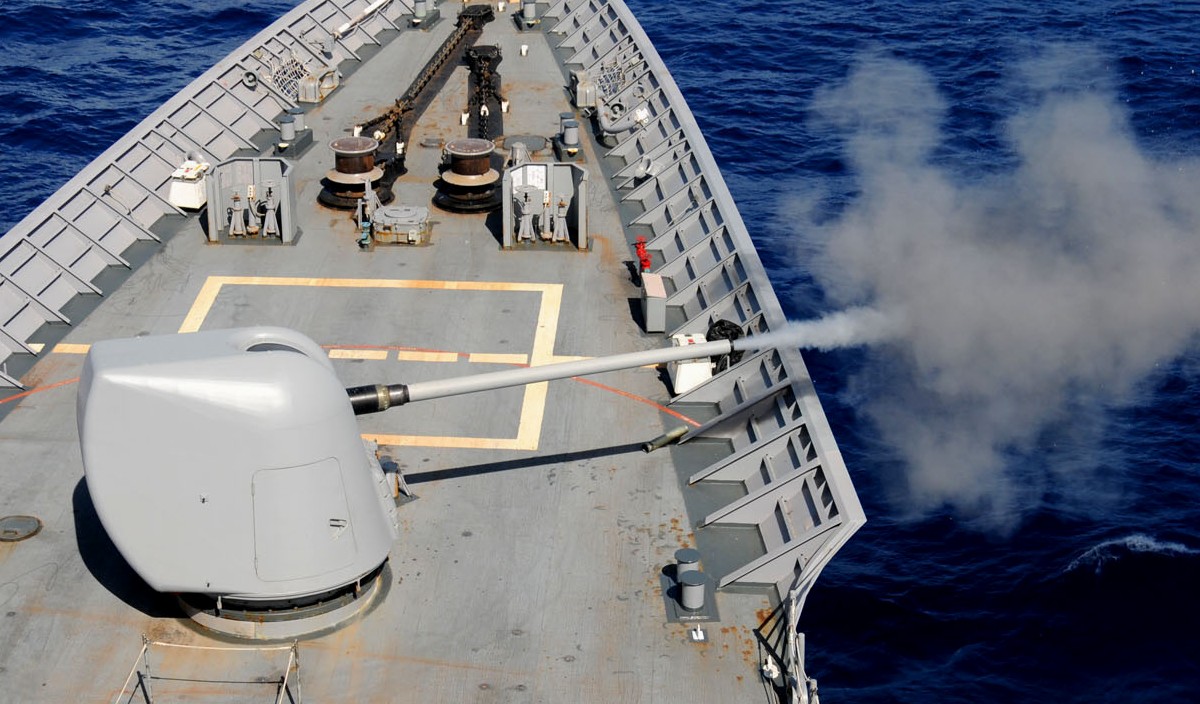 Mk.45 gun fire exercise - Atlantic Ocean - October 2010 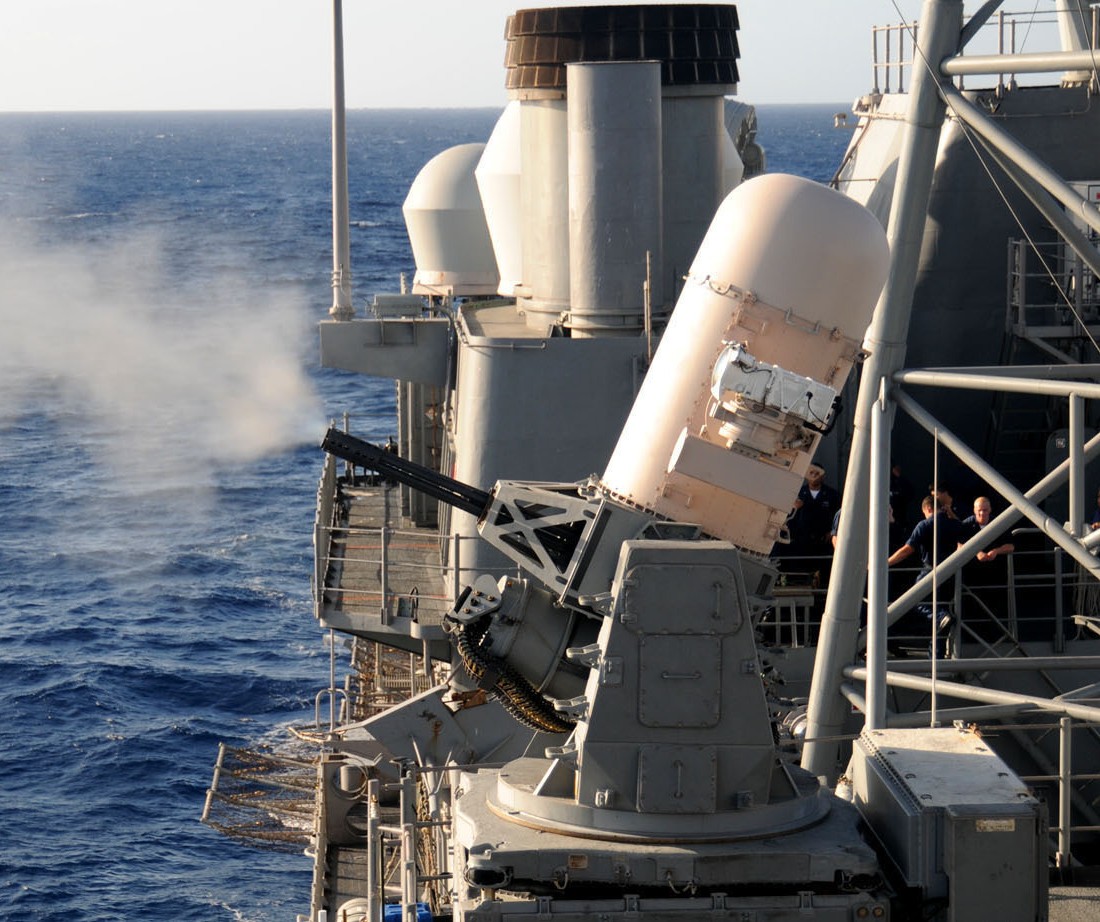 Mk.15 Phalanx CIWS fire exercise - Atlantic Ocean - October 2010 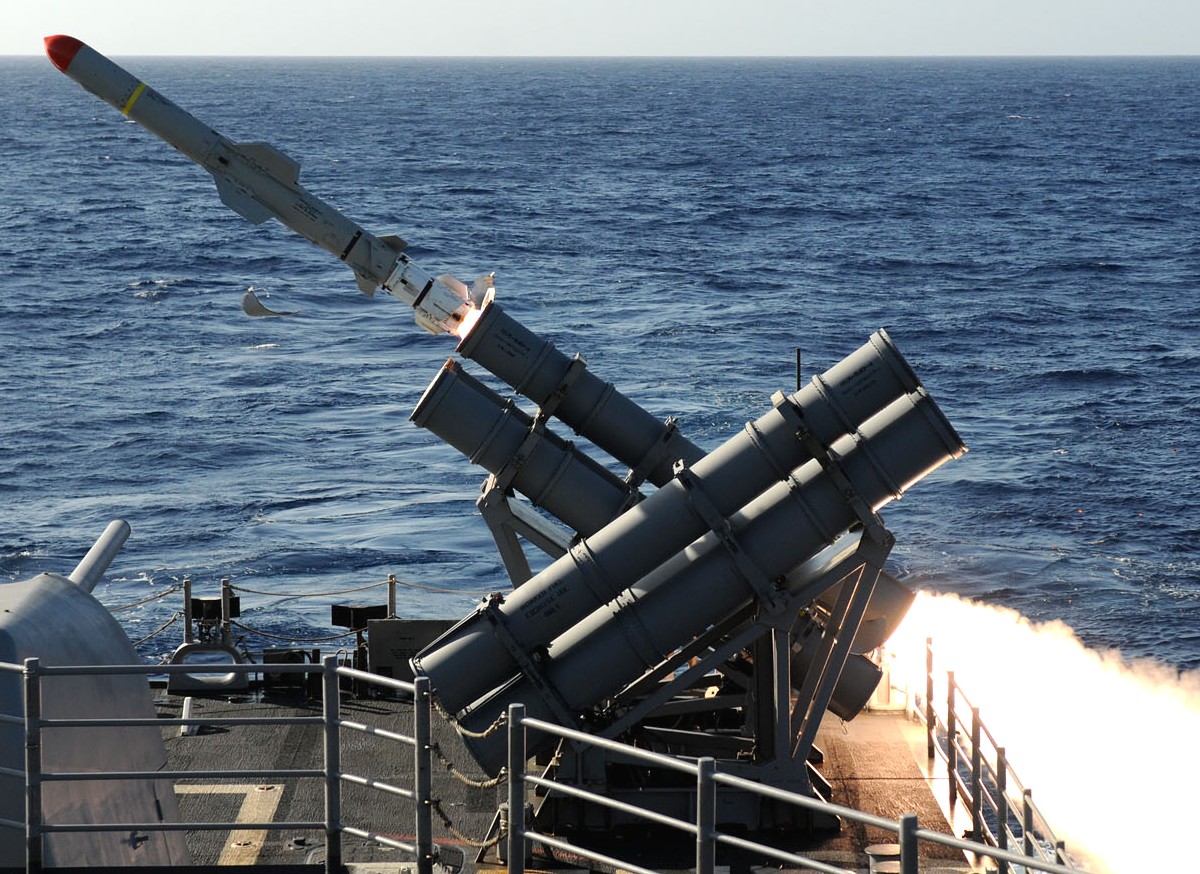 a RGM-84 Harpoon SSM was fired - Atlantic Ocean - October 2010 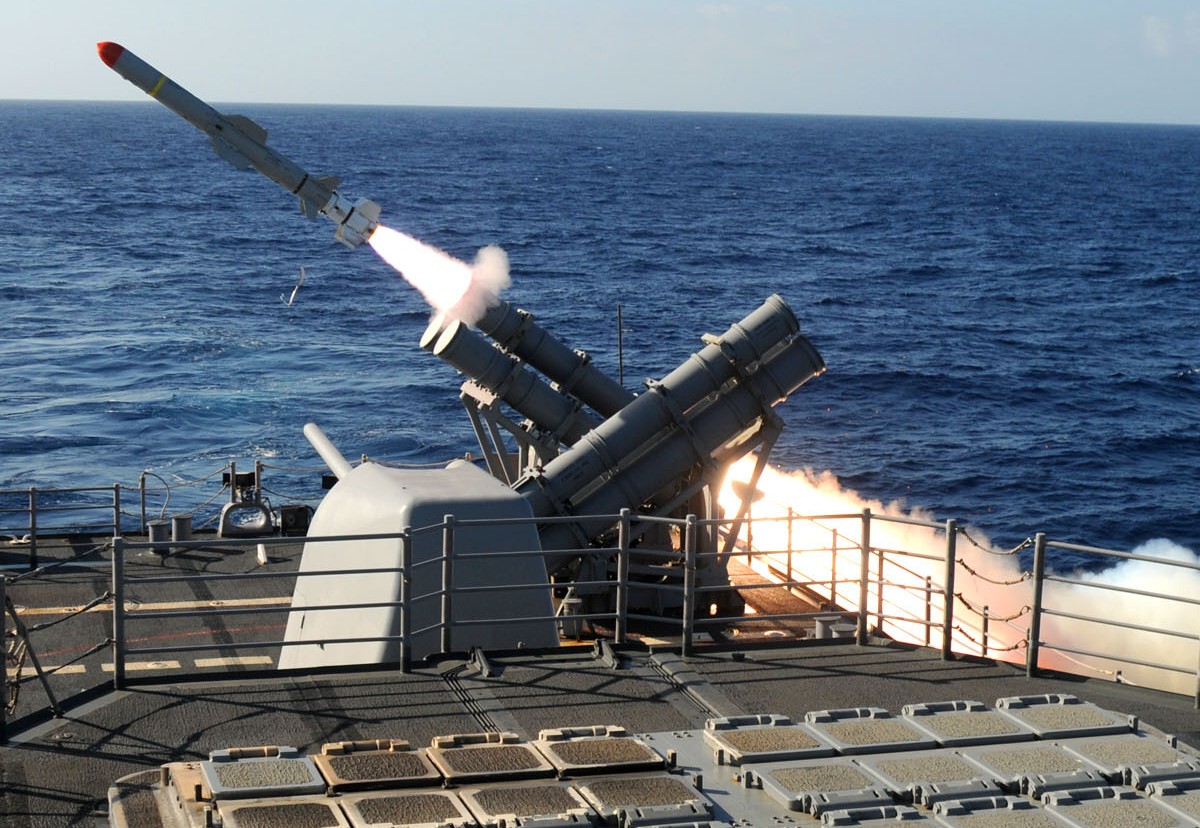 a RGM-84 Harpoon SSM was fired - Atlantic Ocean - October 2010 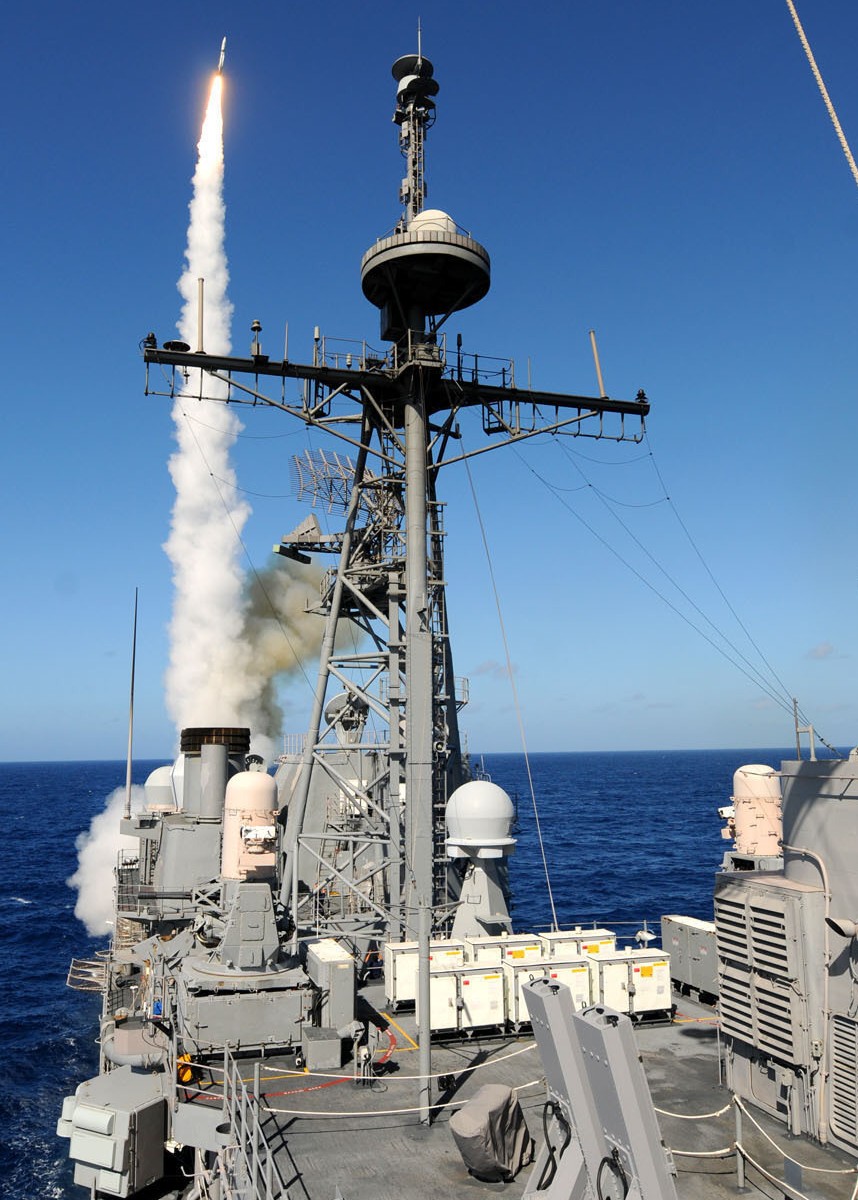 a Standard Missile SM-2 was fired - Atlantic Ocean - October 2010 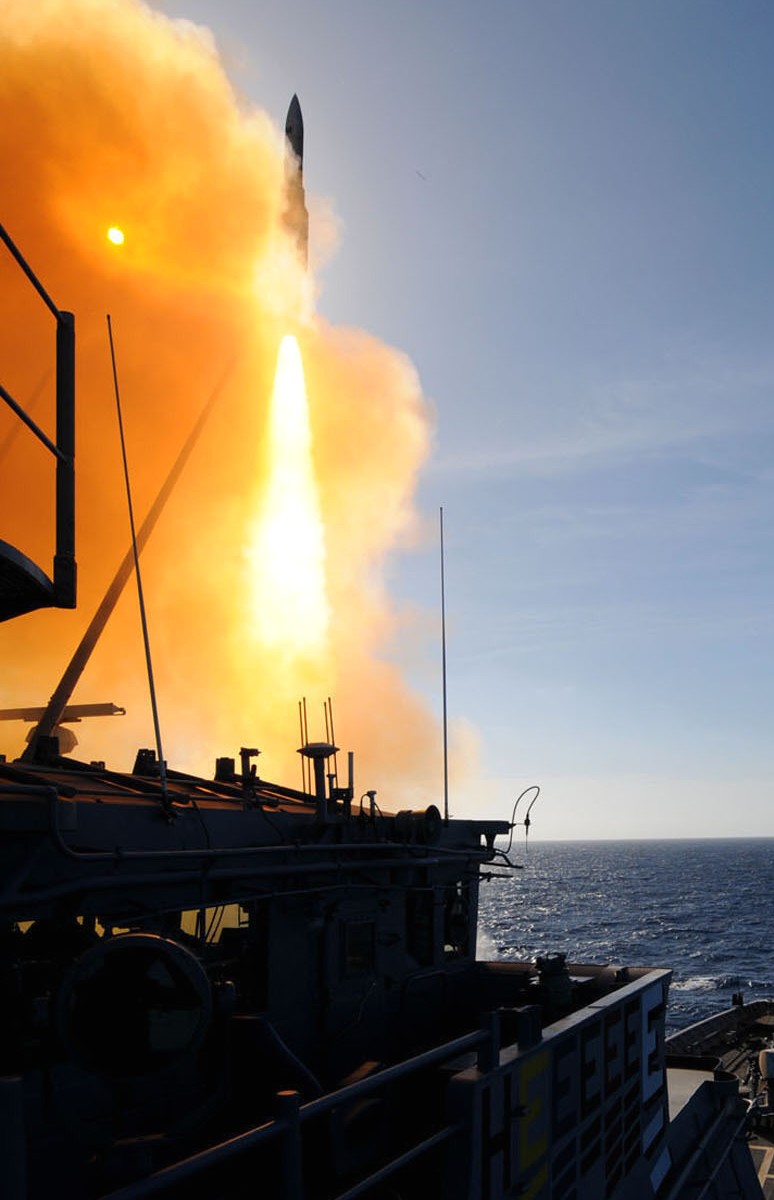 a Standard Missile SM-2 was fired - Atlantic Ocean - October 2010 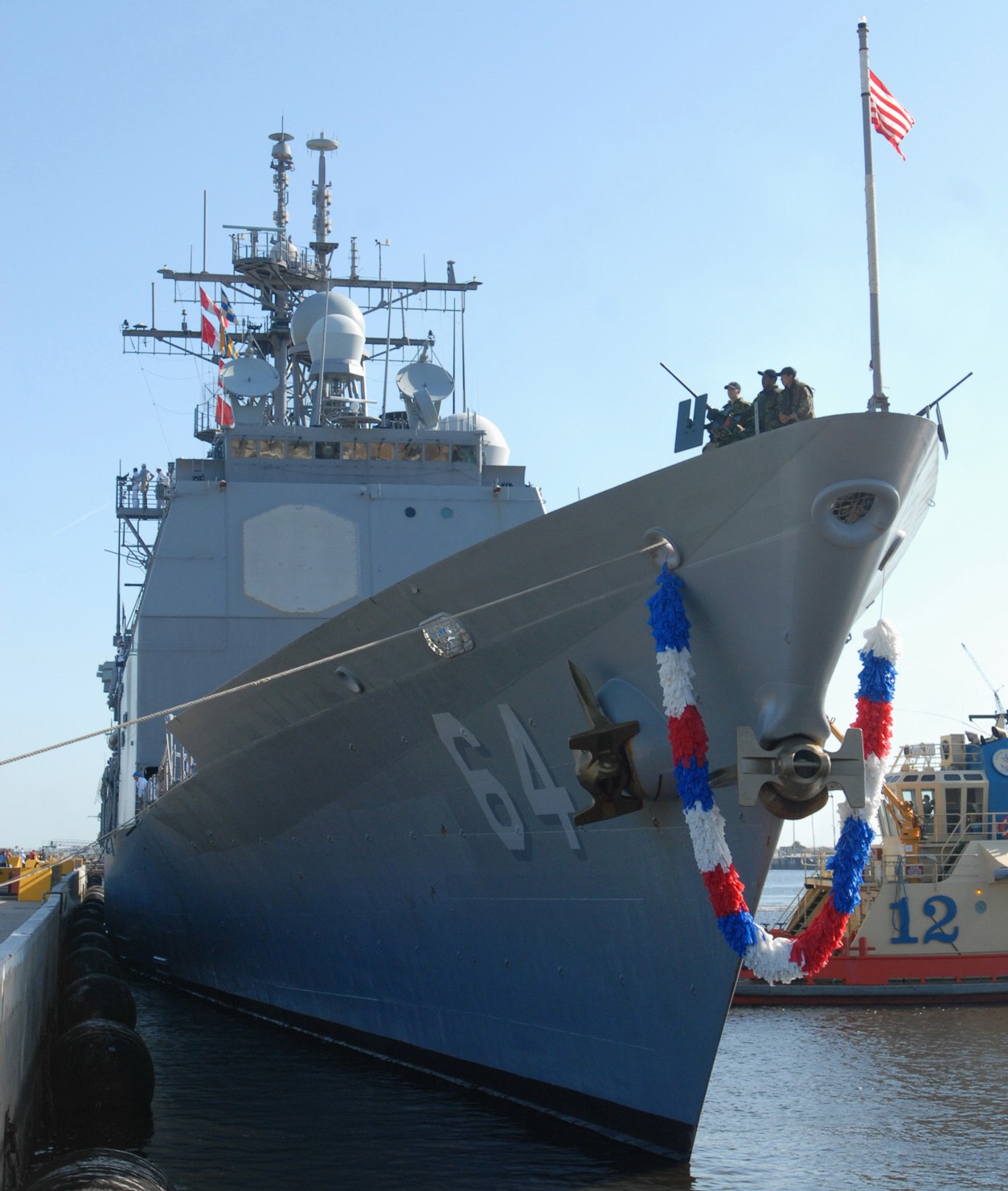 returning to Naval Station Mayport, Florida - July 2009 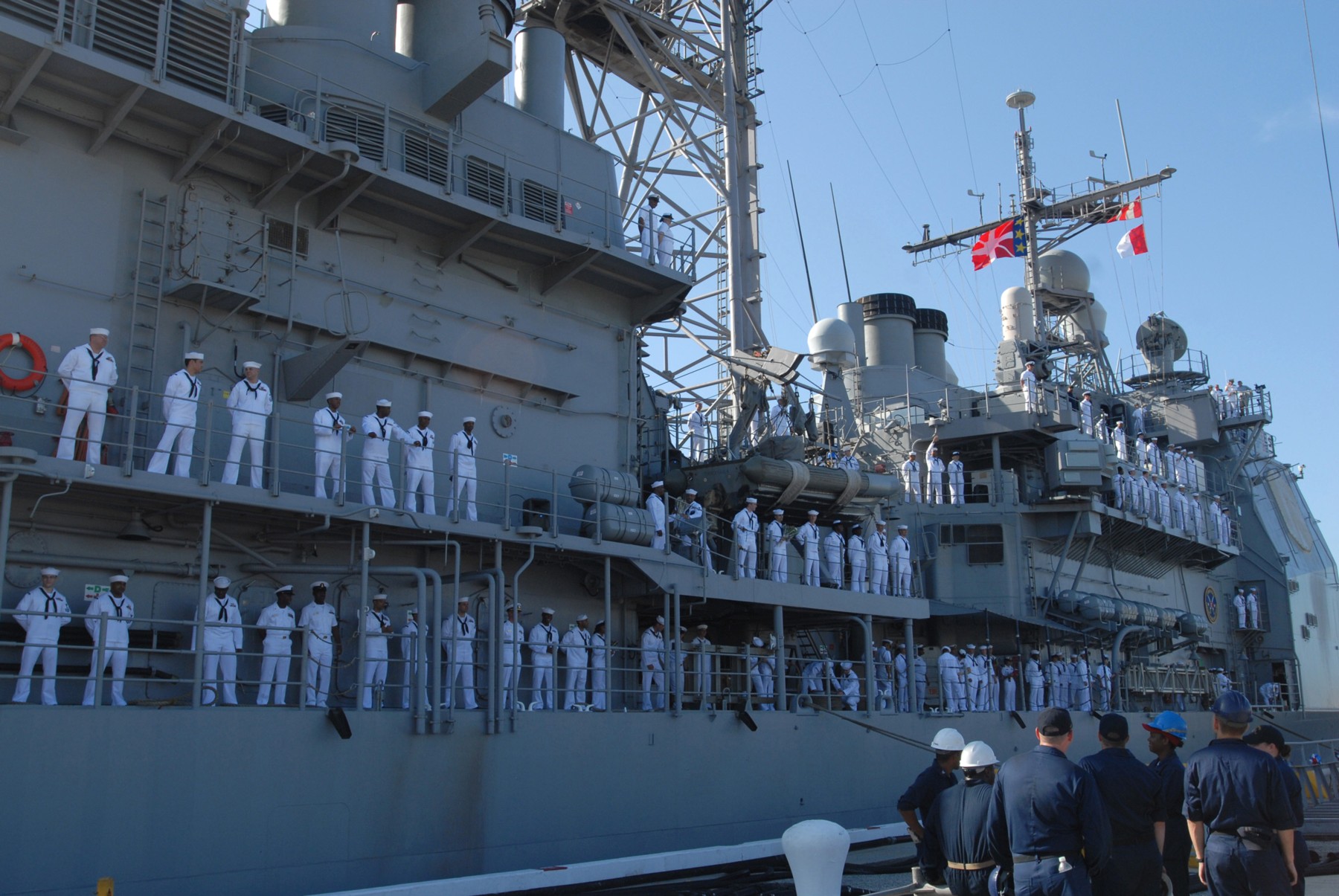 returning to Naval Station Mayport, Florida - July 2009 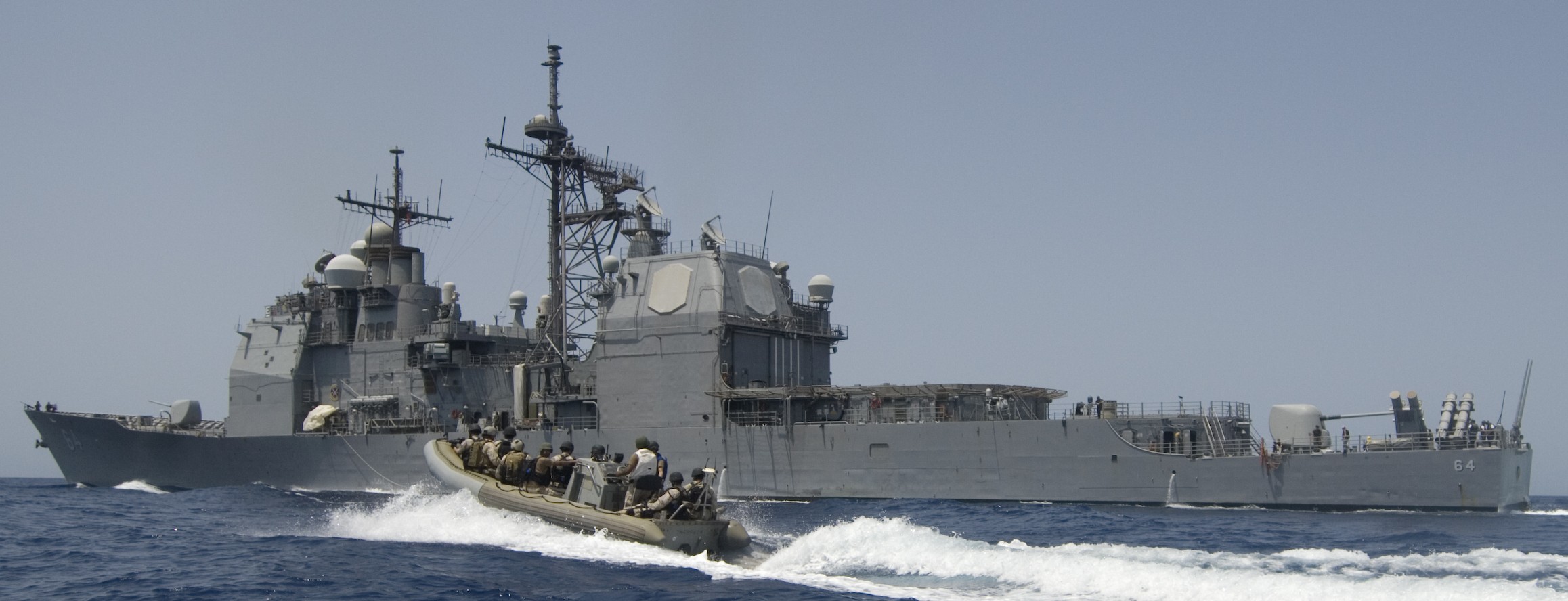 Gulf of Aden - June 2009 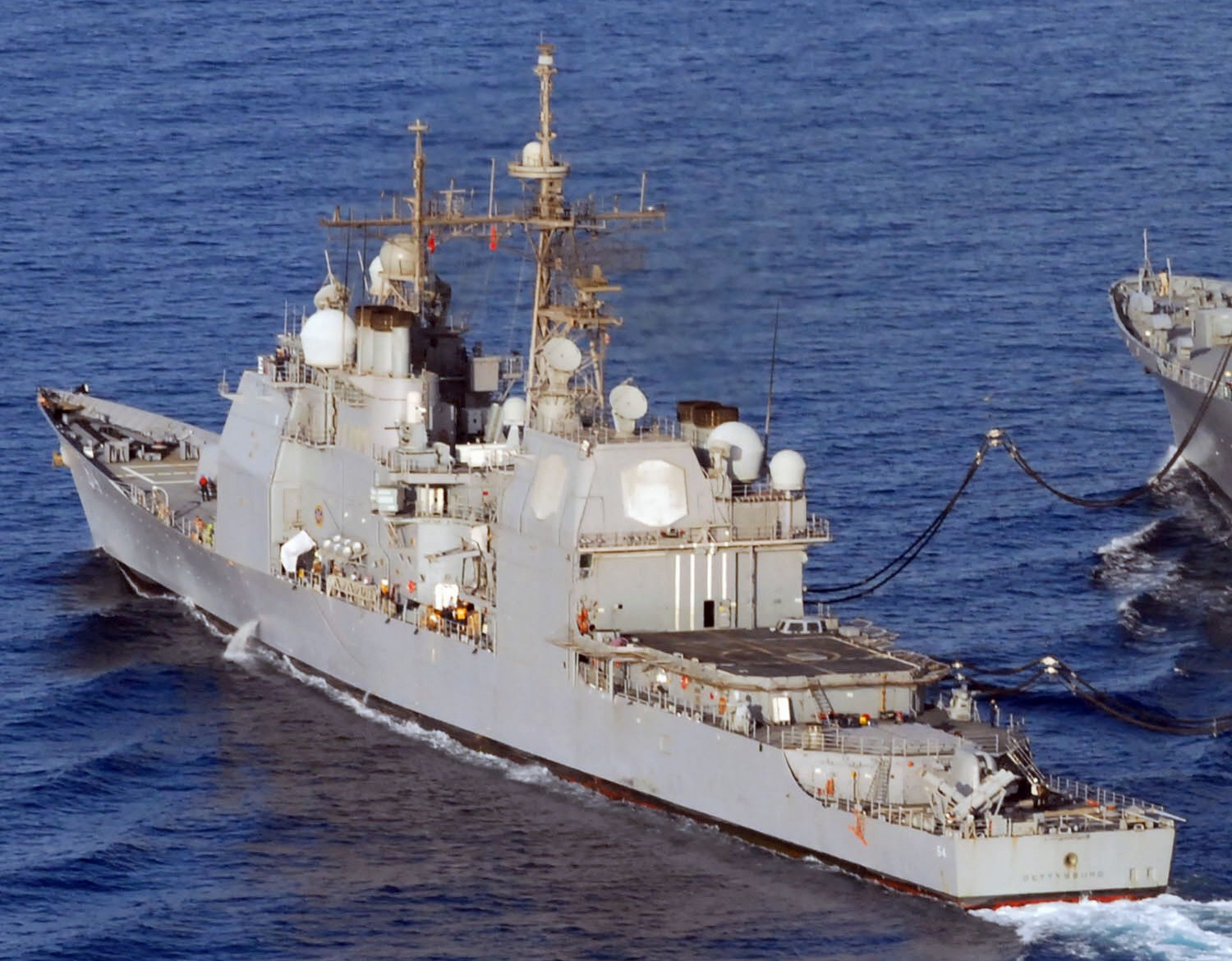 Gulf of Aden - May 2009 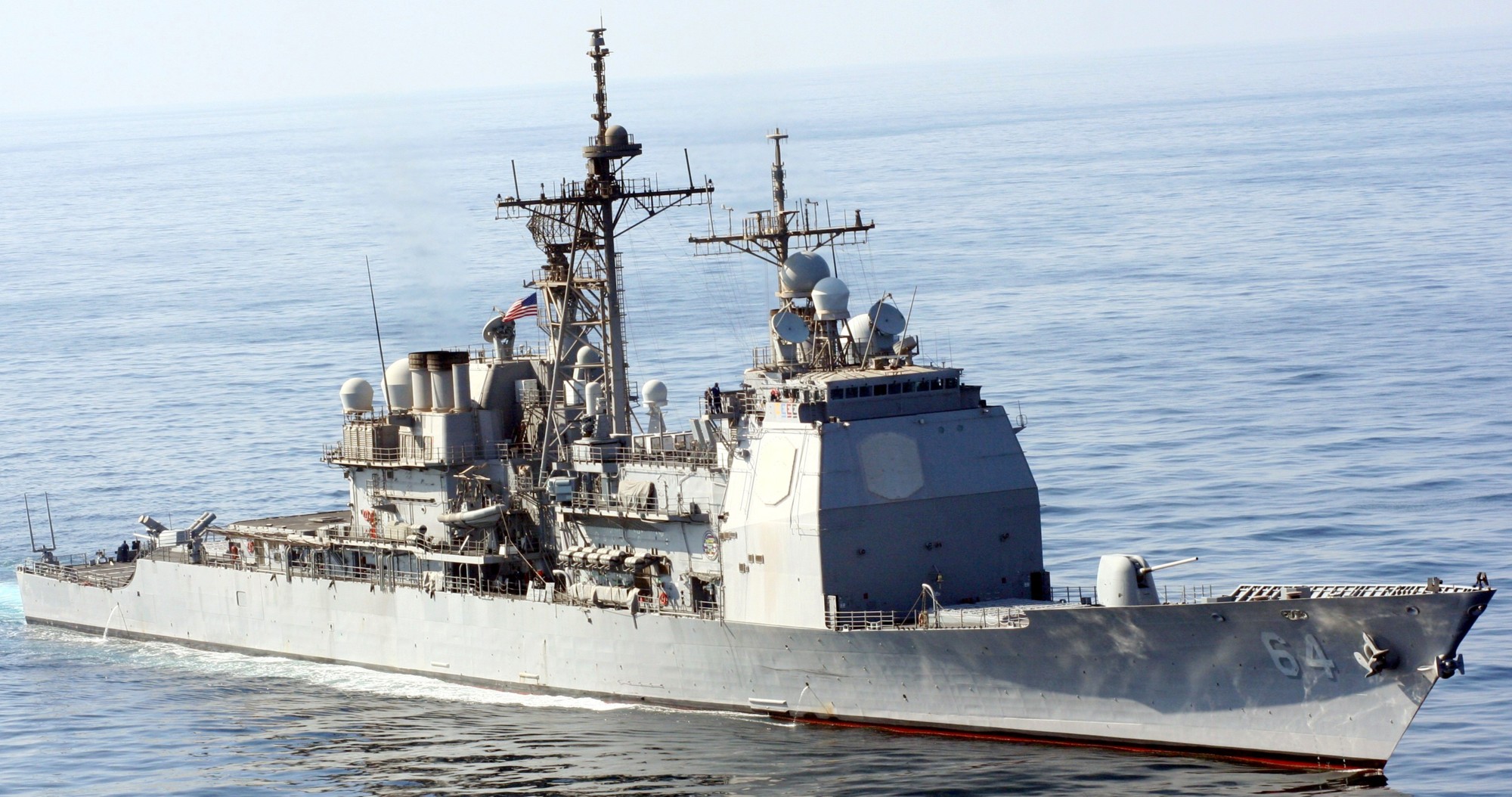 Persian Gulf - November 2007 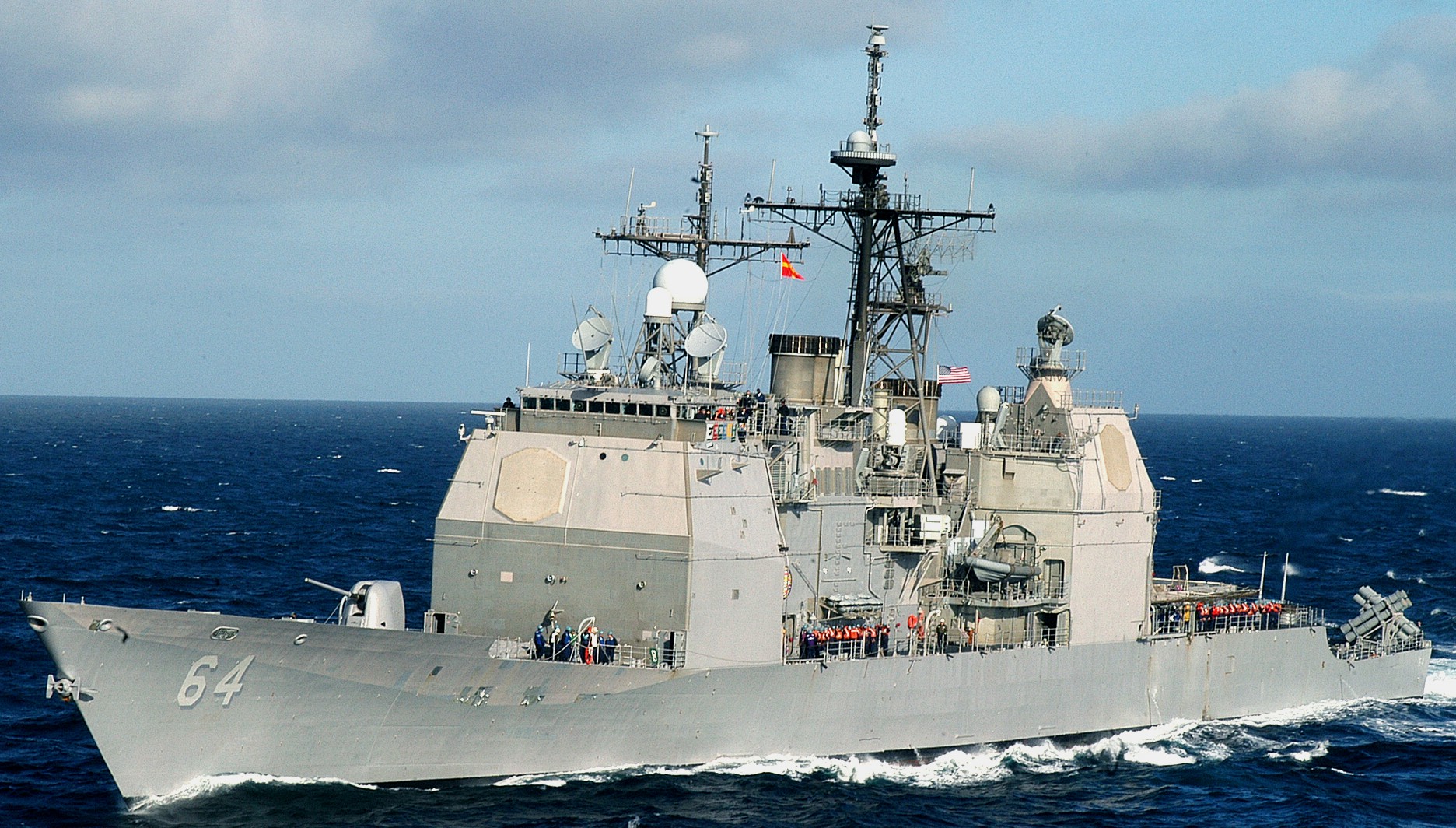 Exercise Summer Pulse - Atlantic Ocean - June 2004 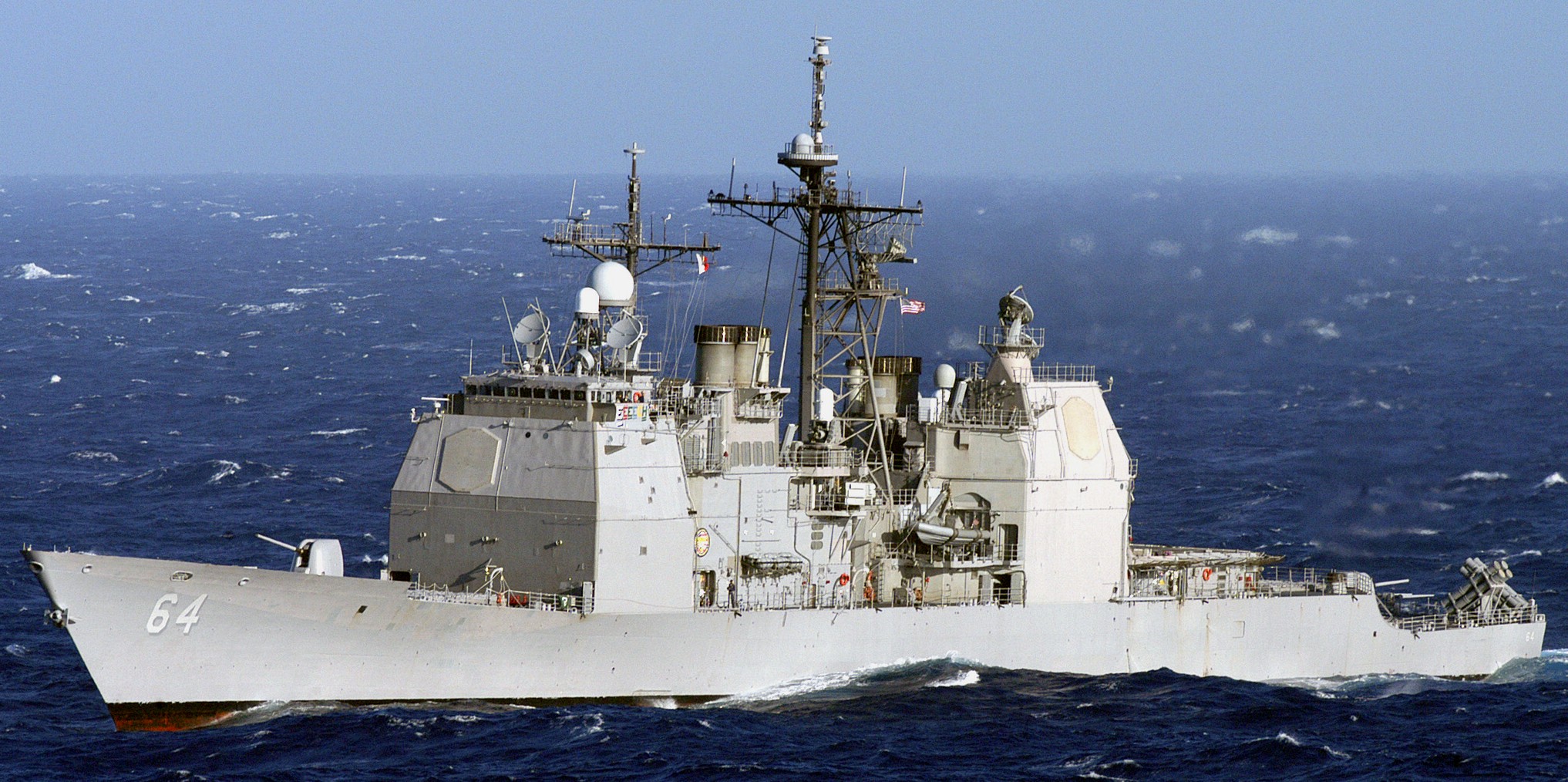 Exercise Summer Pulse - Atlantic Ocean - June 2004 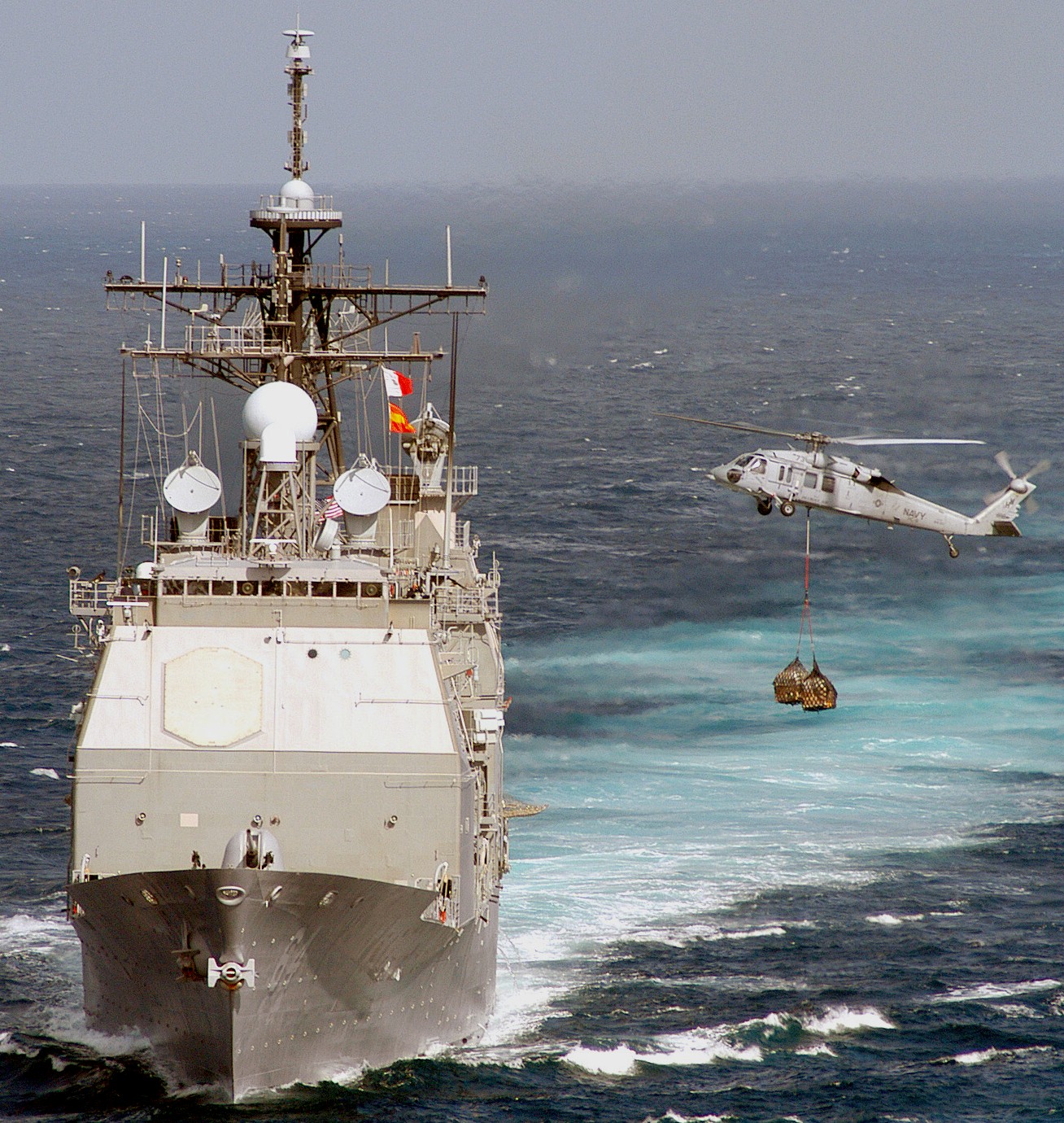 Exercise Summer Pulse - Atlantic Ocean - June 2004 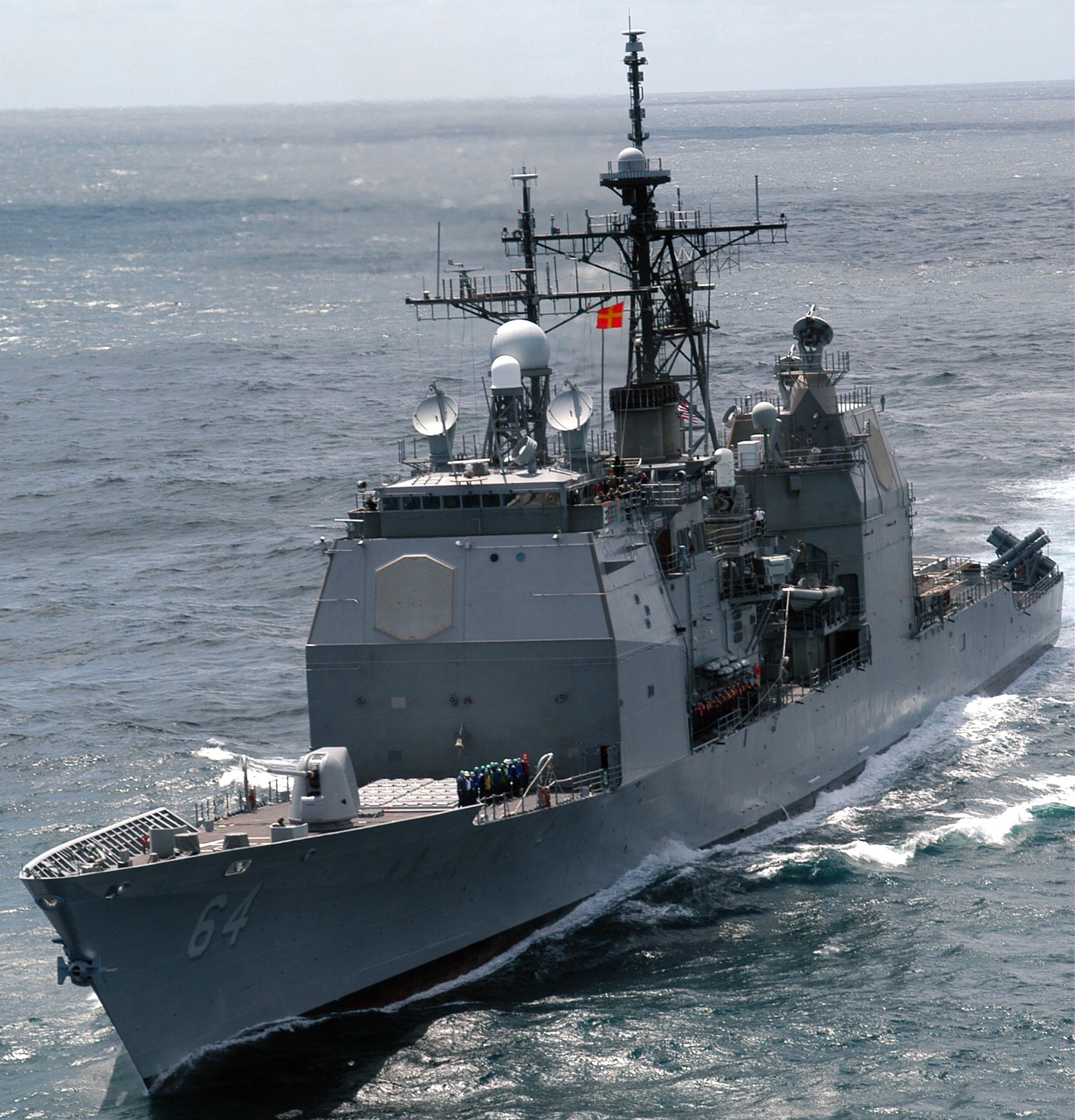 Atlantic Ocean - June 2004 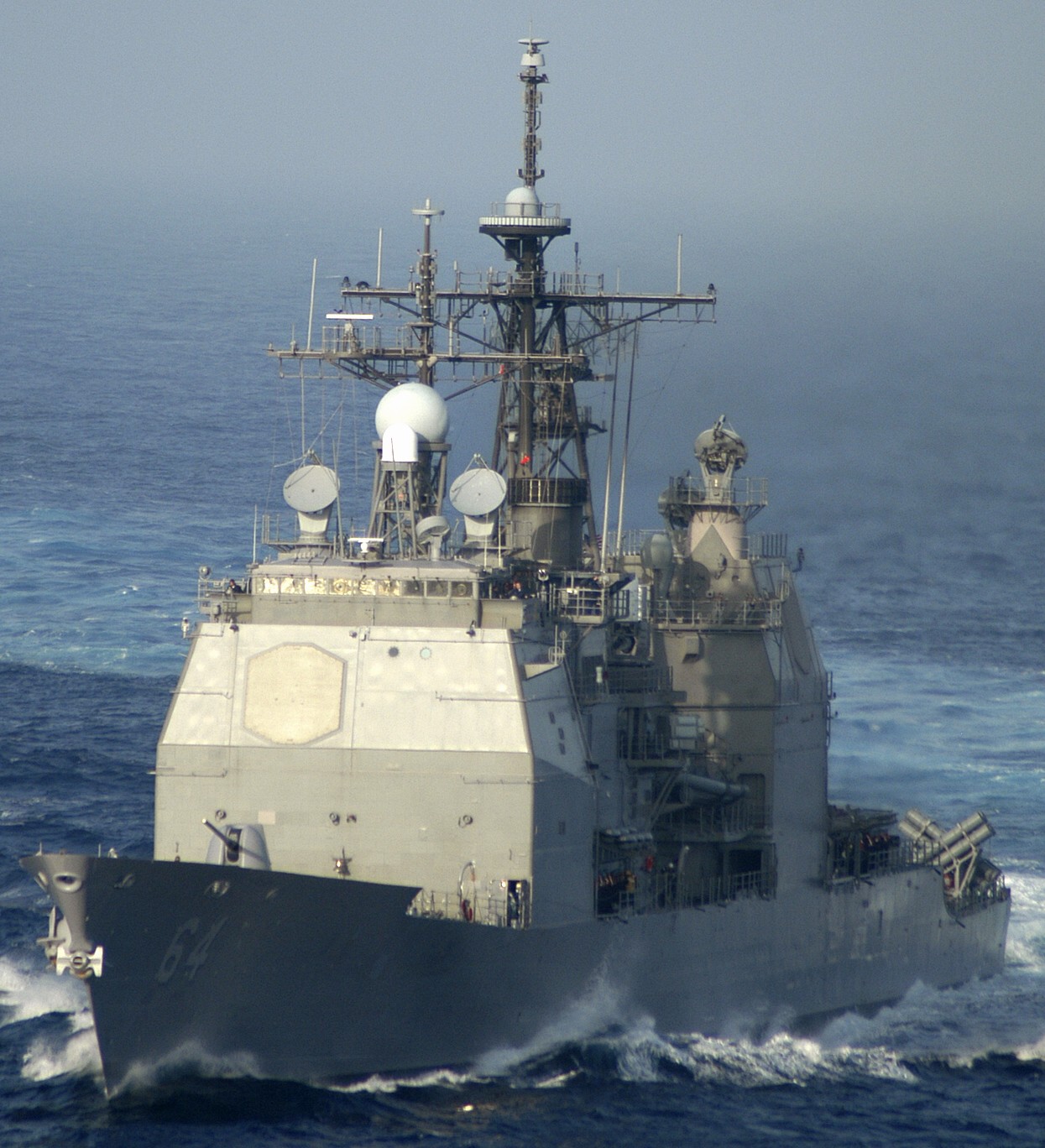 Atlantic Ocean - June 2004 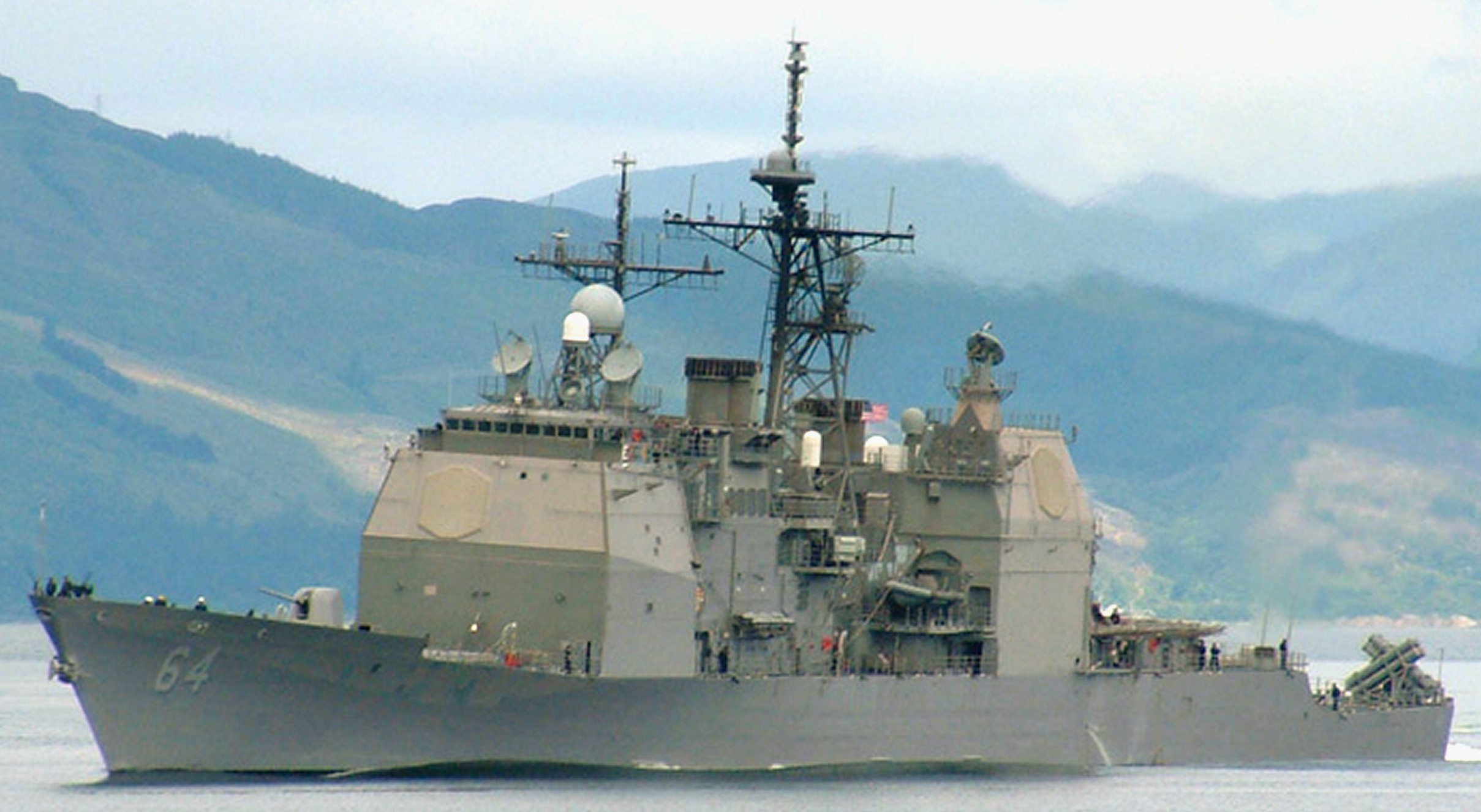 Faslane, Scotland - June 2004 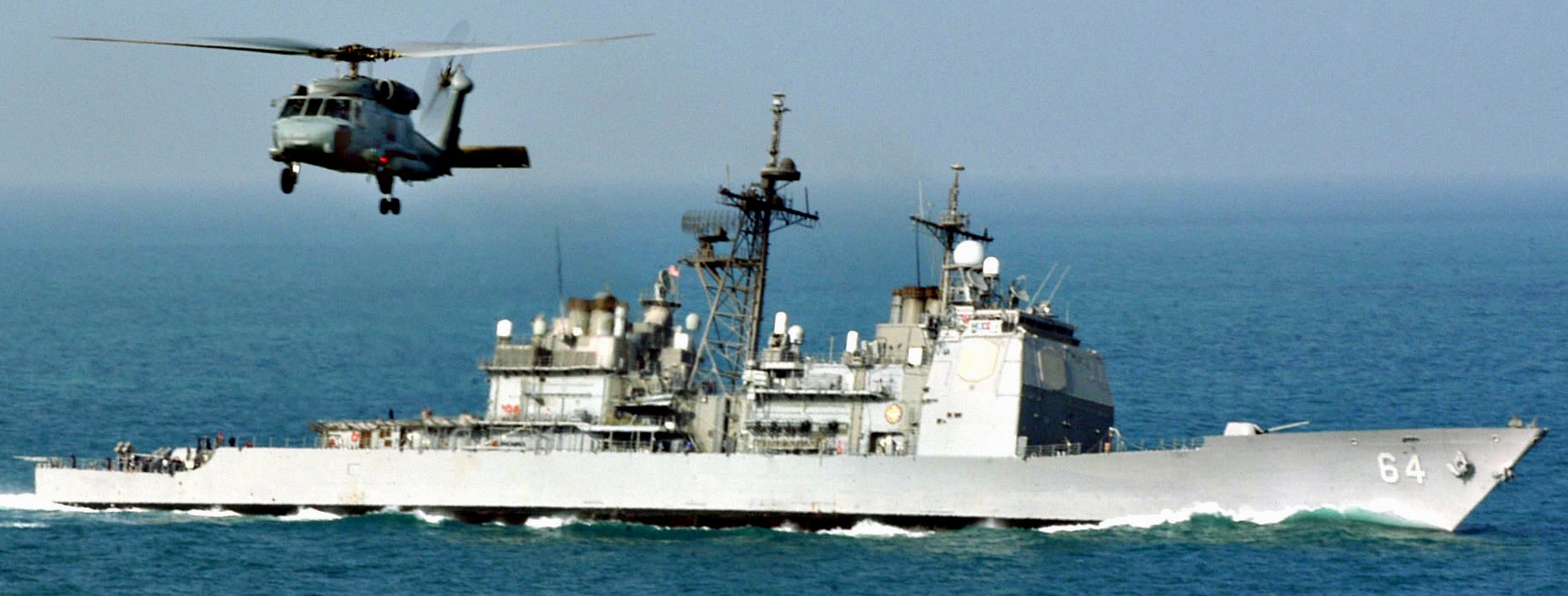 Arabian Gulf - December 2003 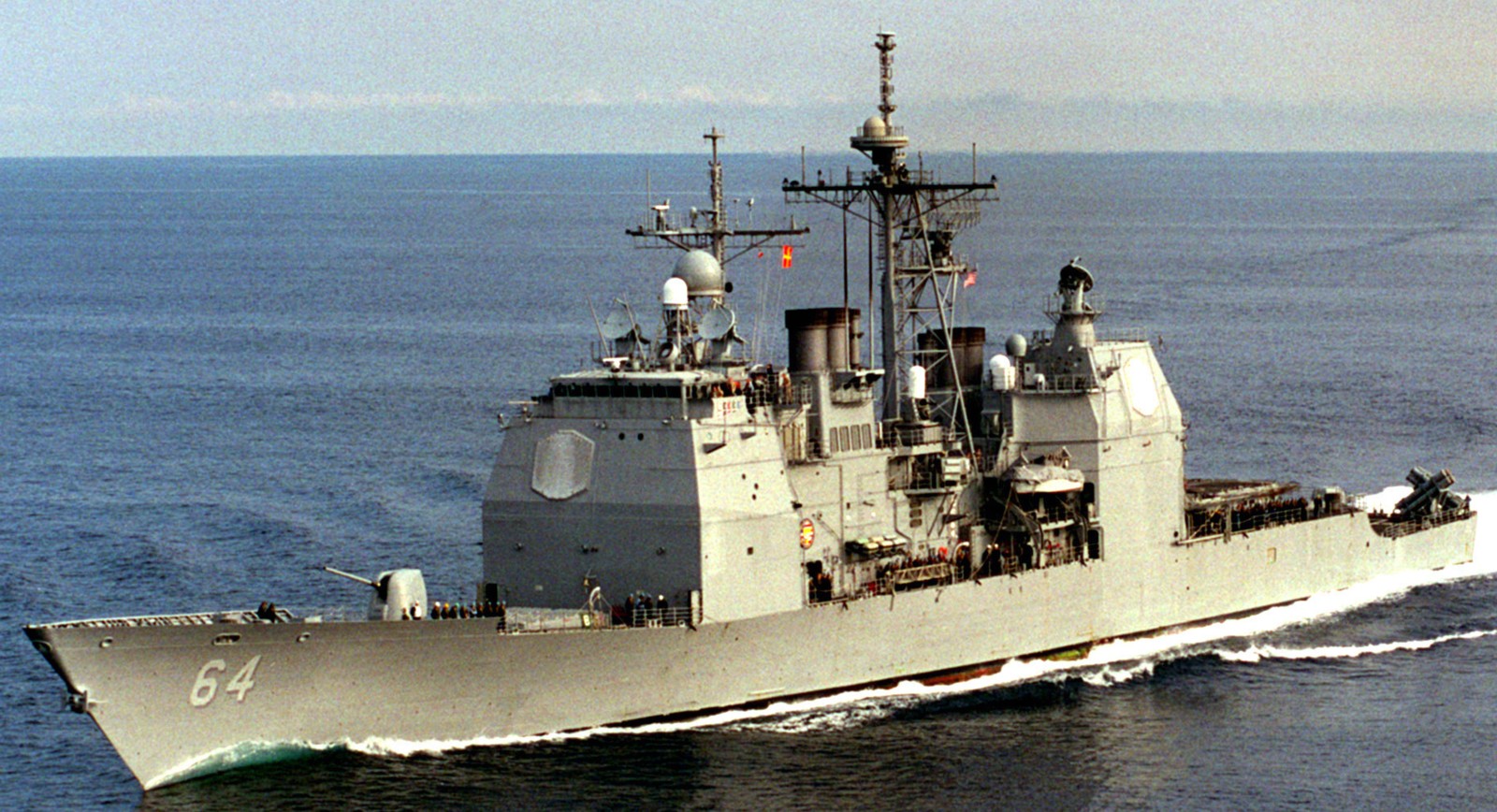 off Virginia - March 2003 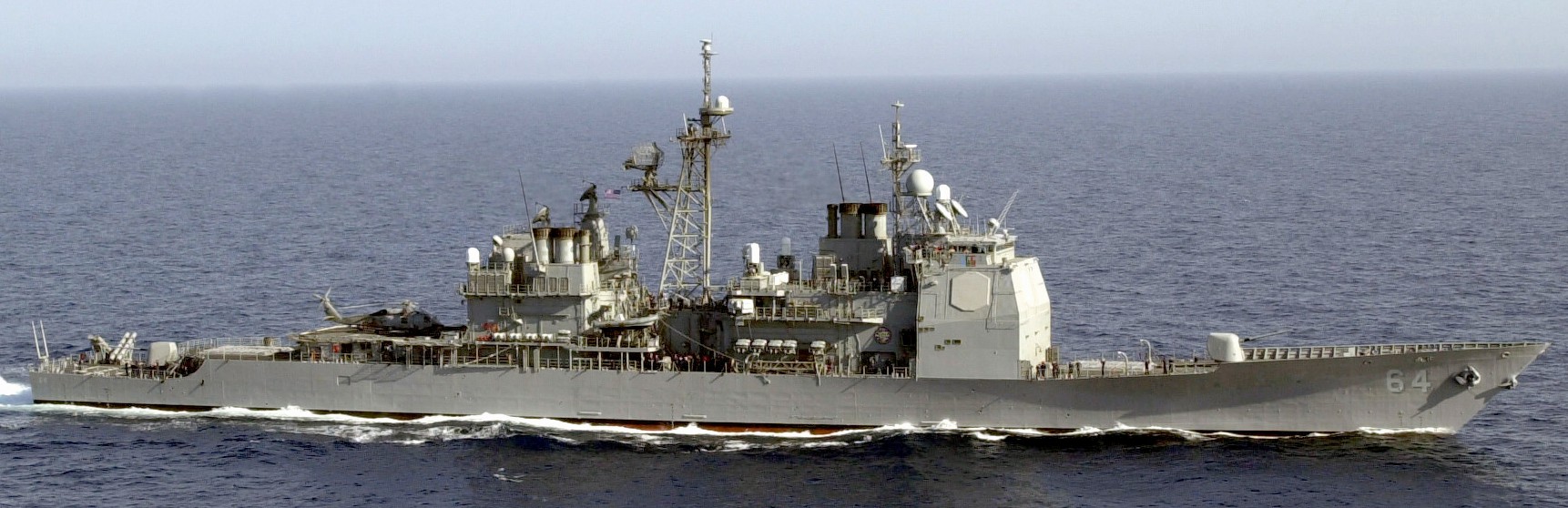 Mediterranean Sea - May 2001 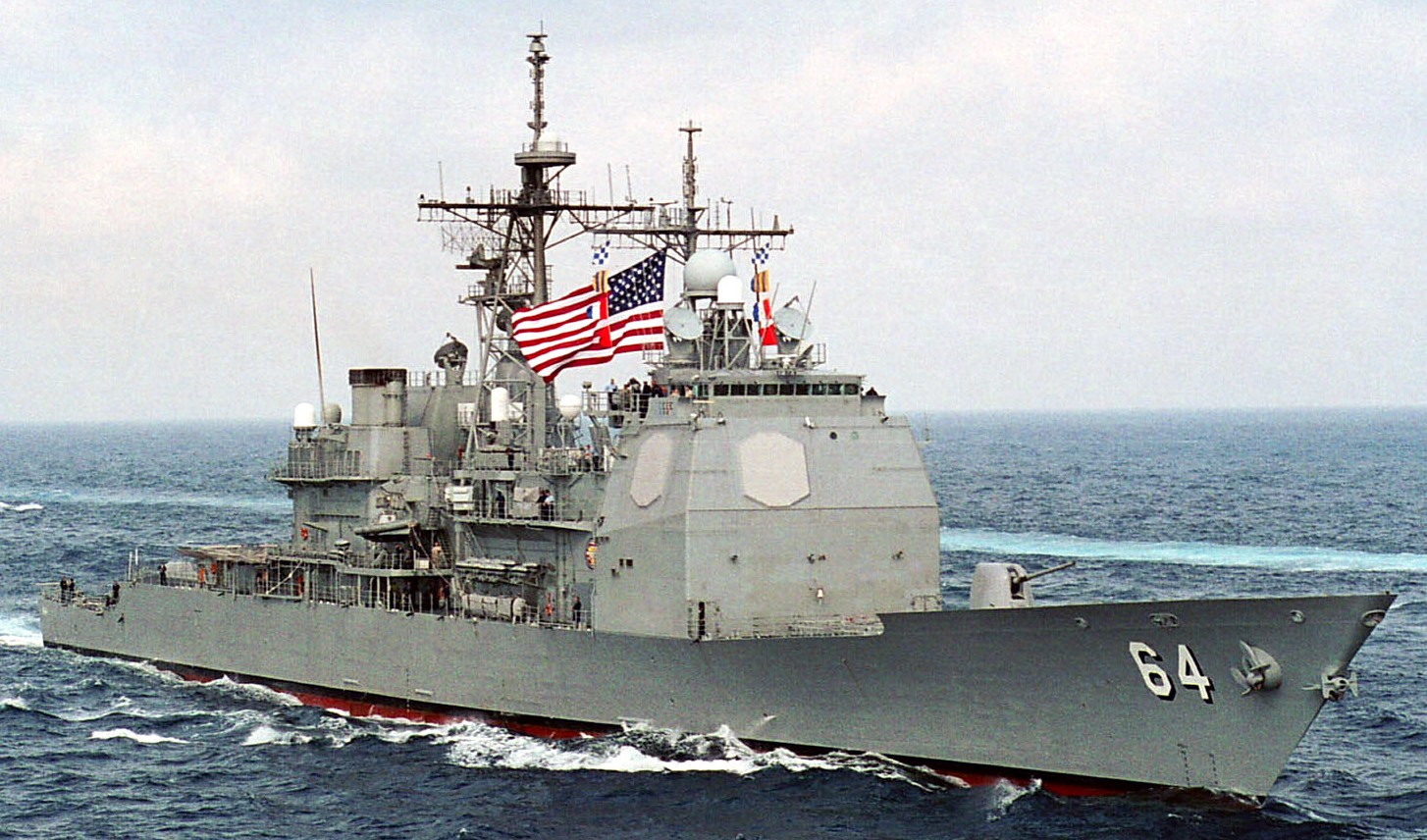 Atlantic Ocean - September 2000 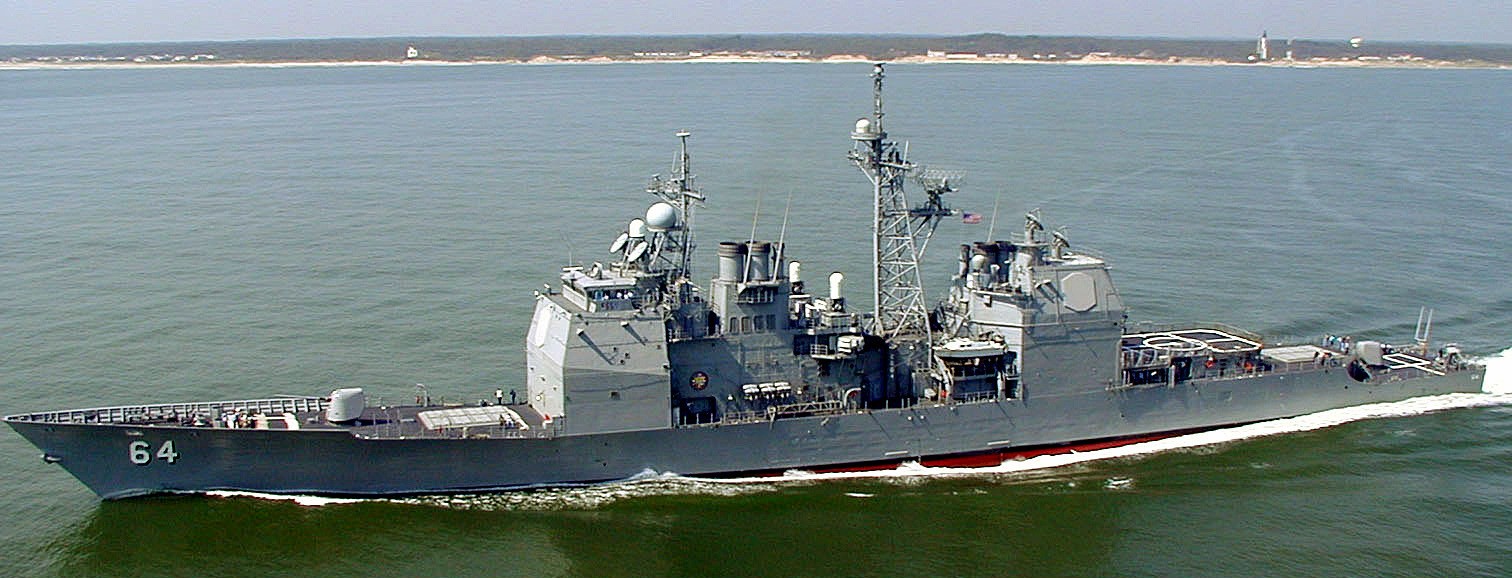 off Virginia - June 2000 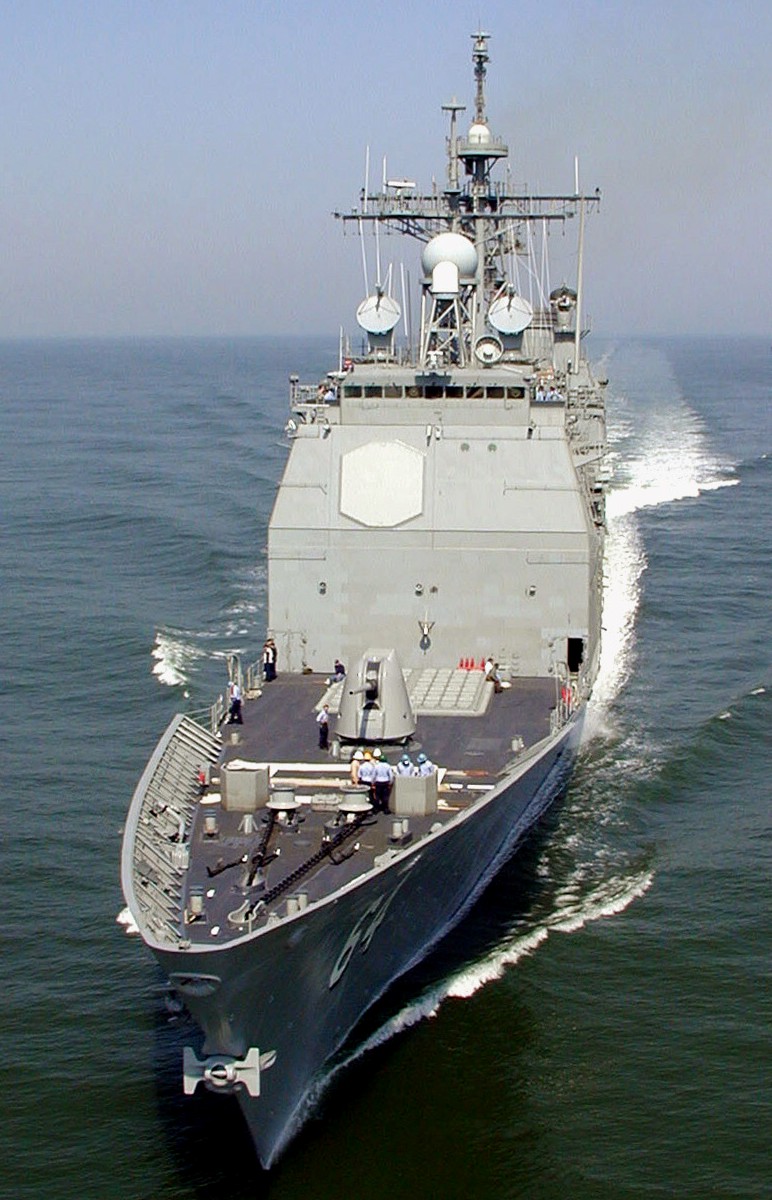 off Virginia - June 2000 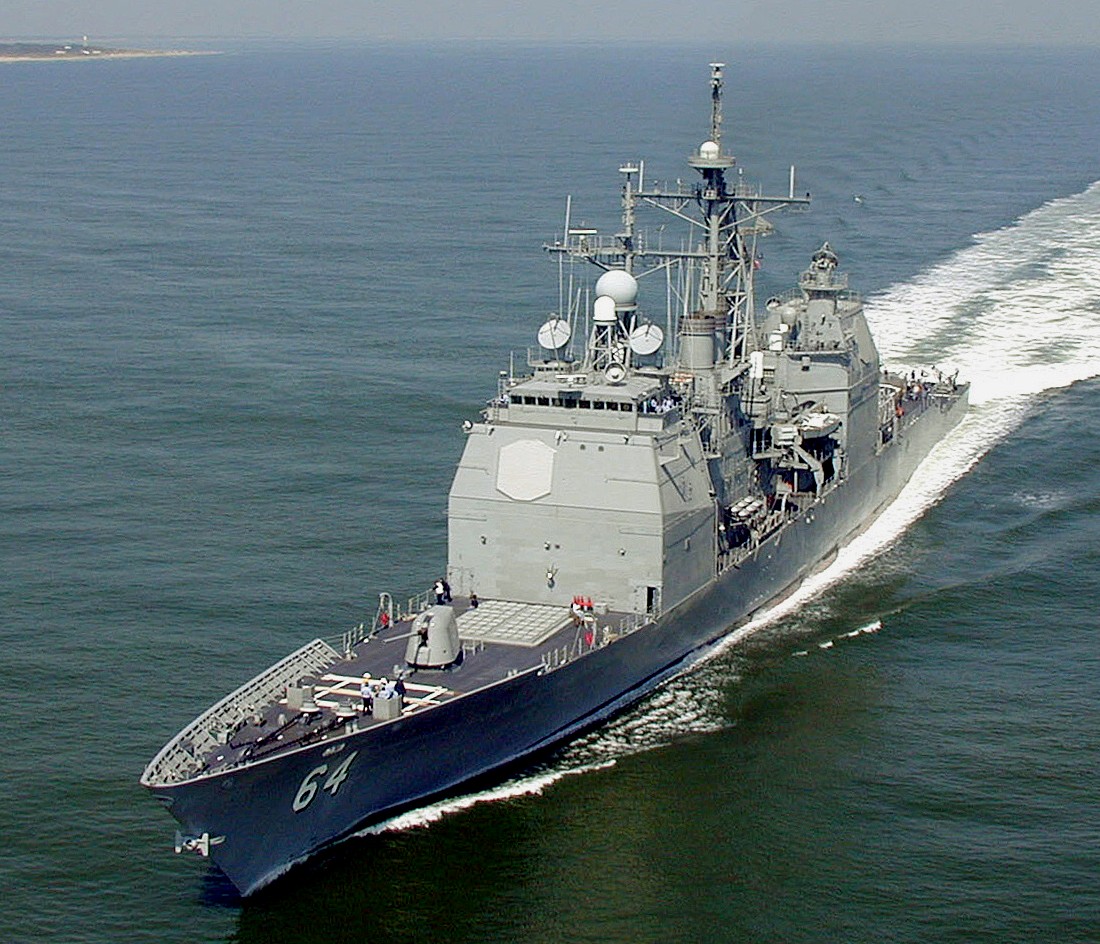 off Virginia - June 2000 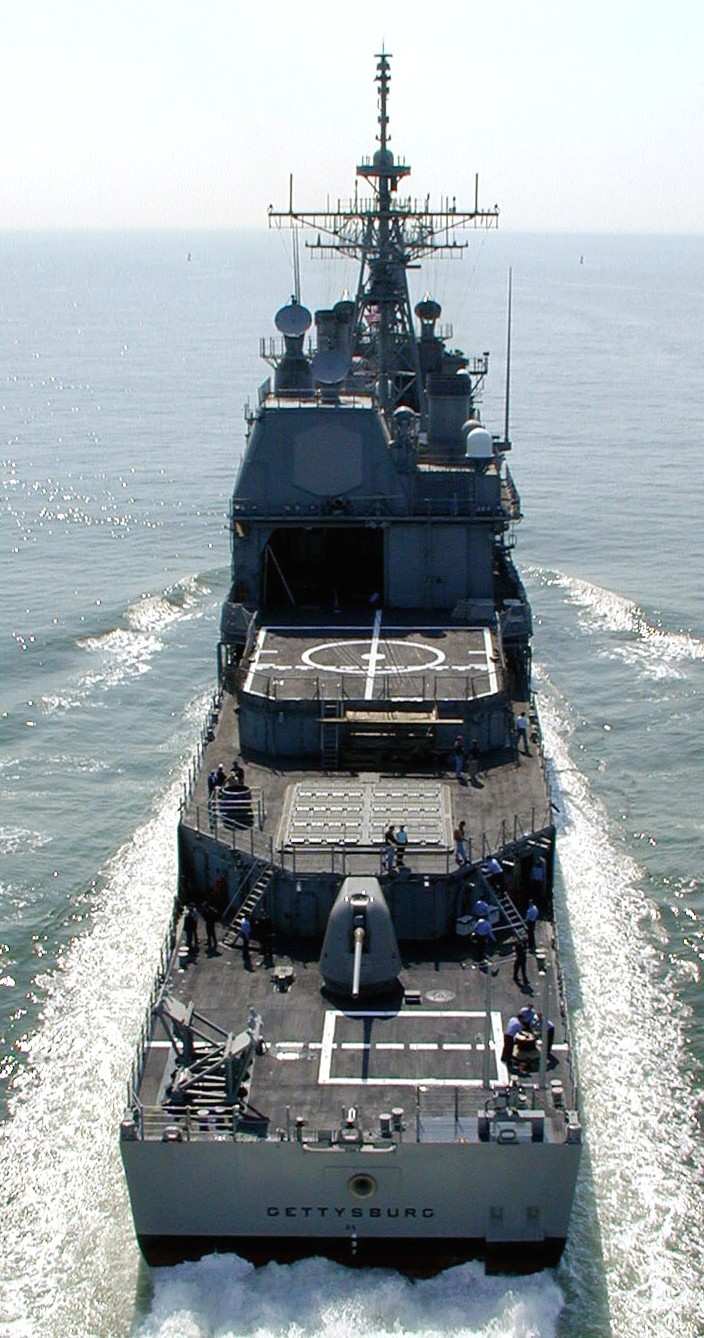 off Virginia - June 2000 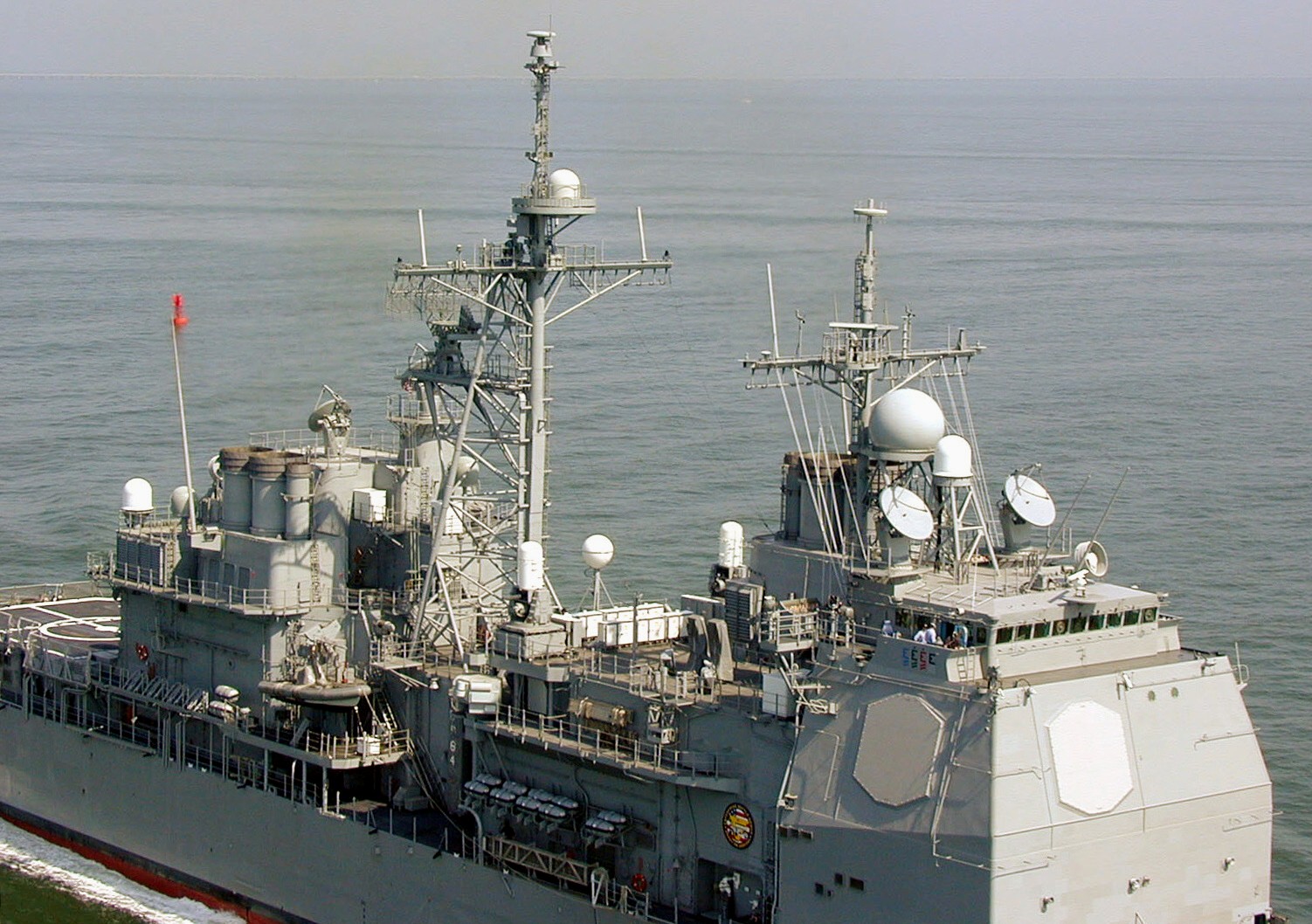 off Virginia - June 2000 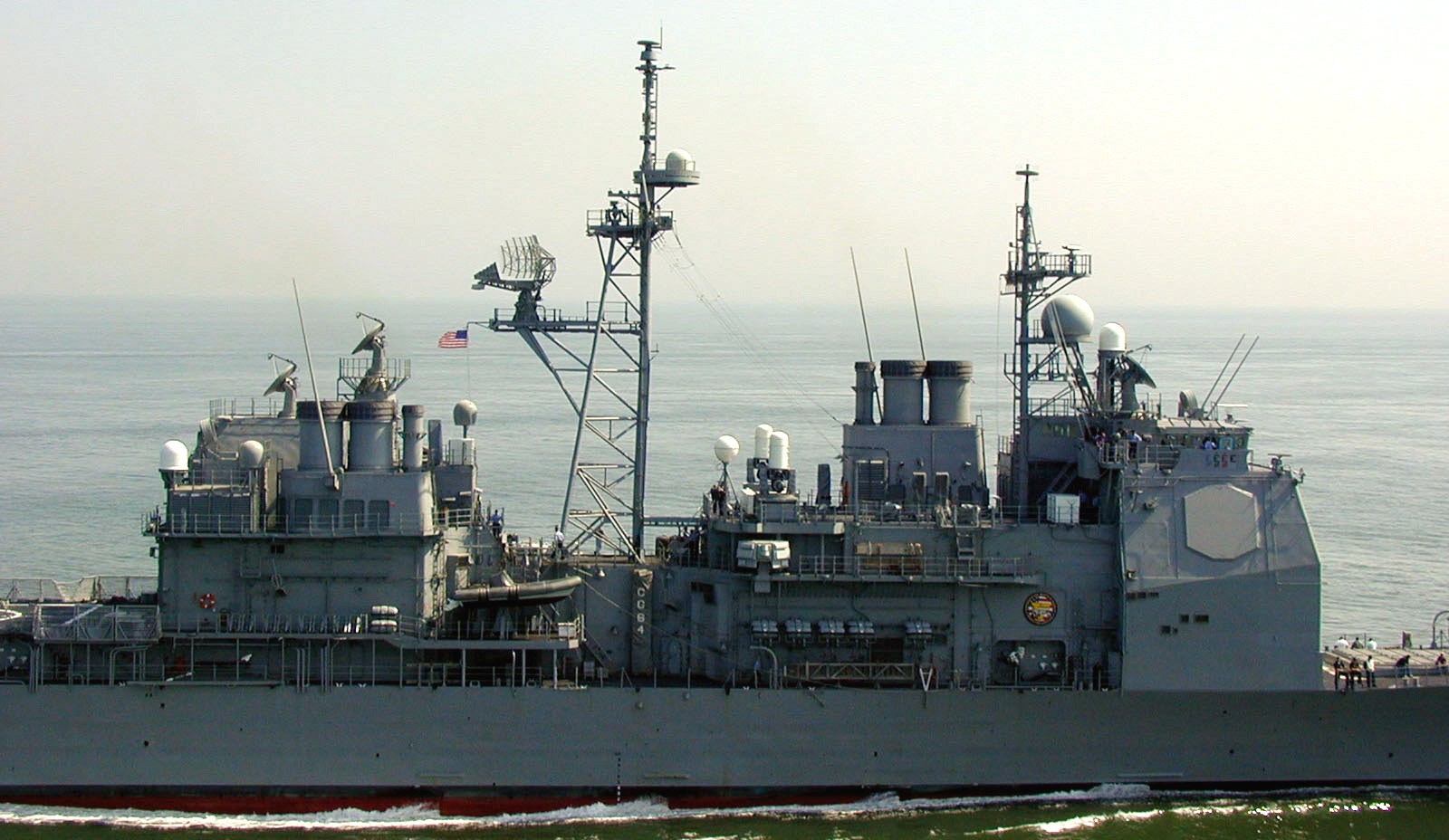 off Virginia - June 2000 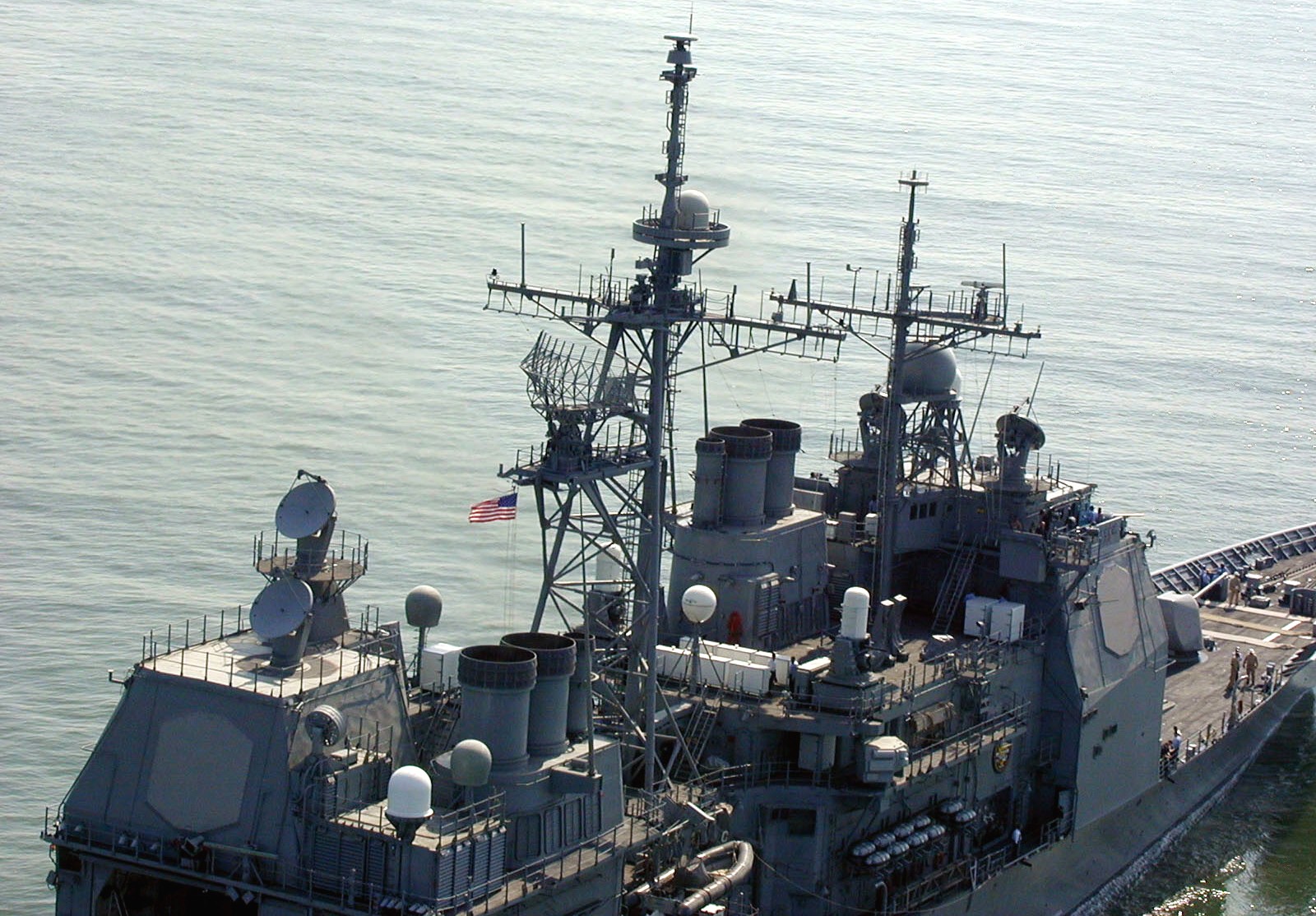 off Virginia - June 2000 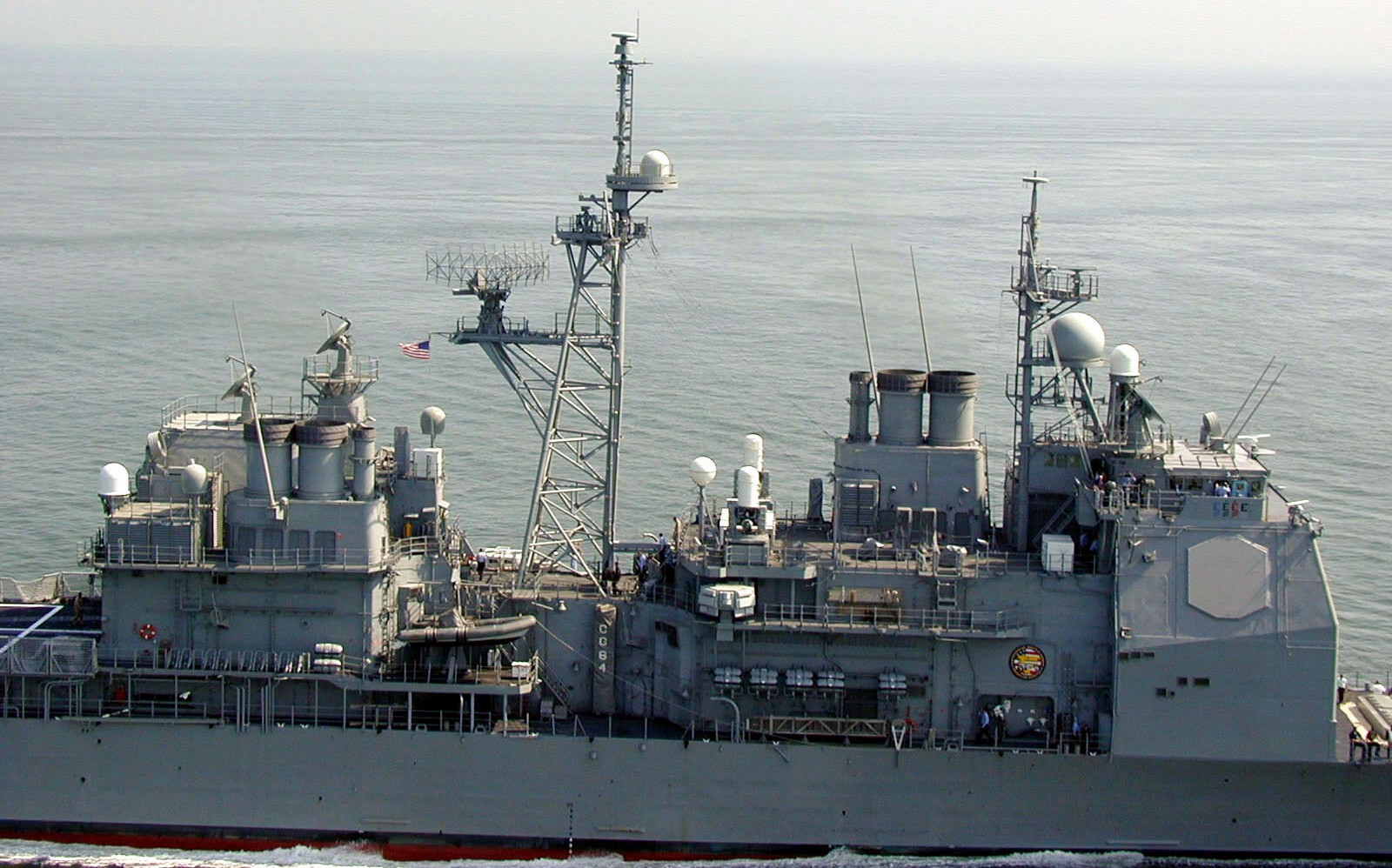 off Virginia - June 2000 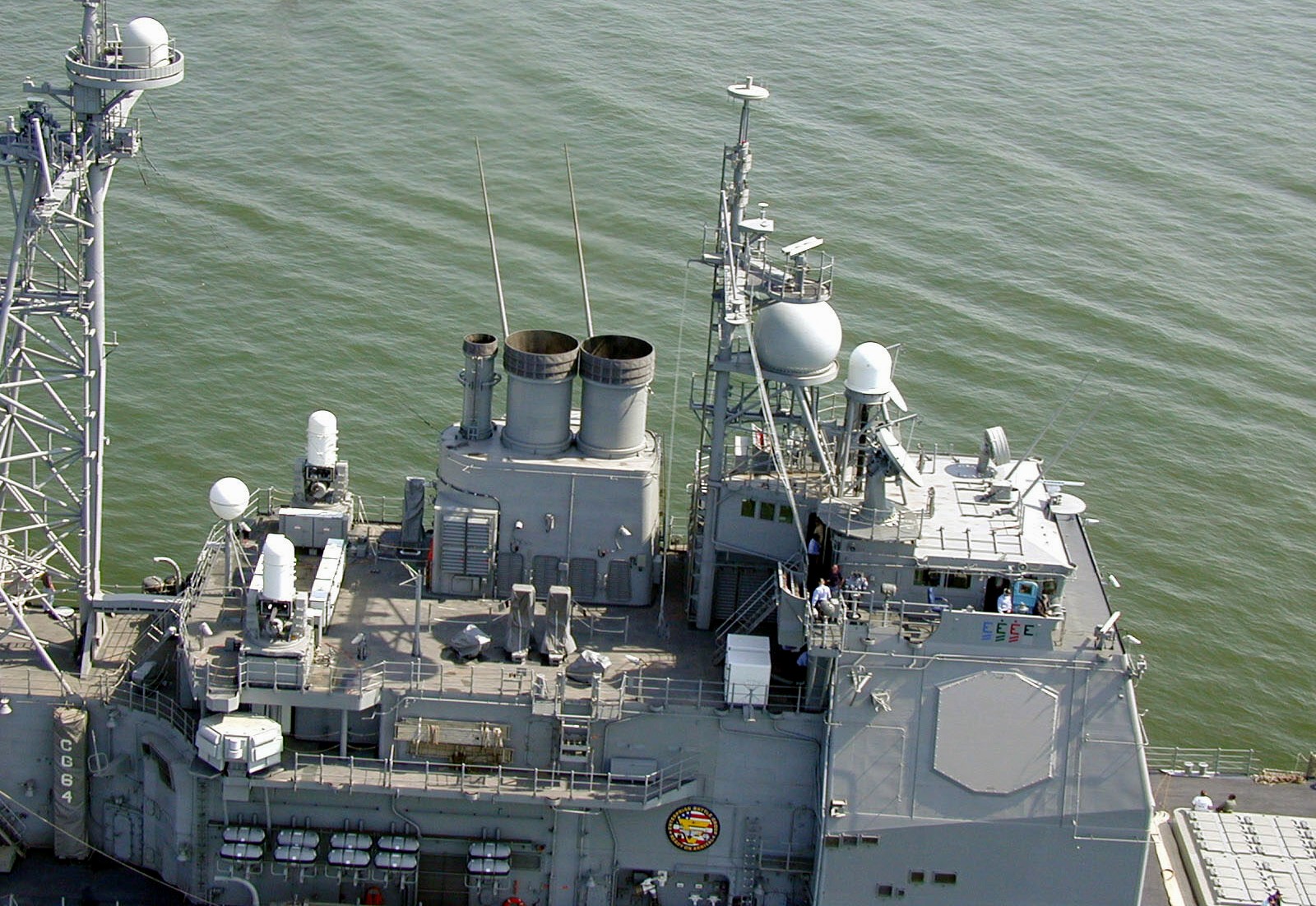 off Virginia - June 2000 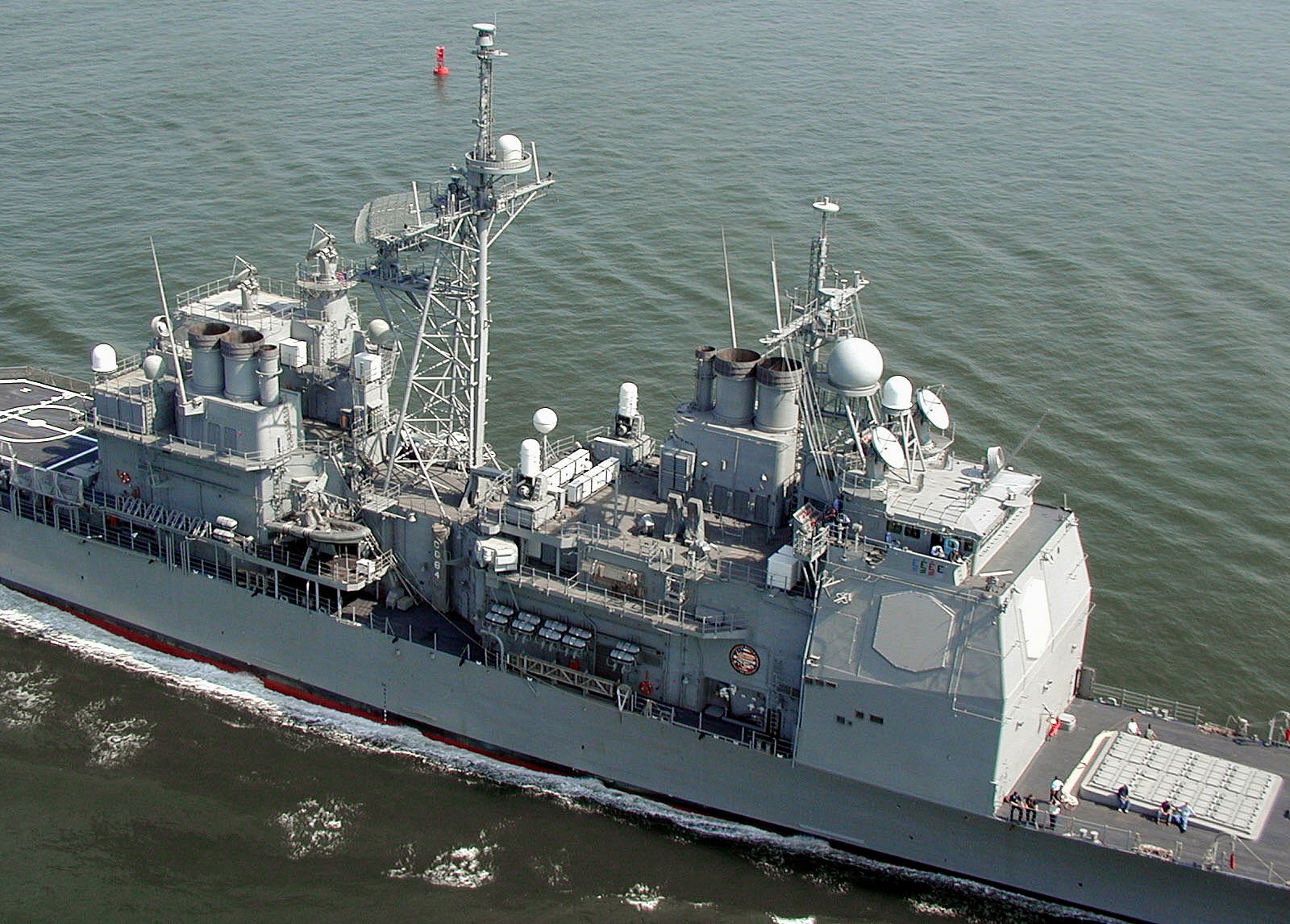 off Virginia - June 2000 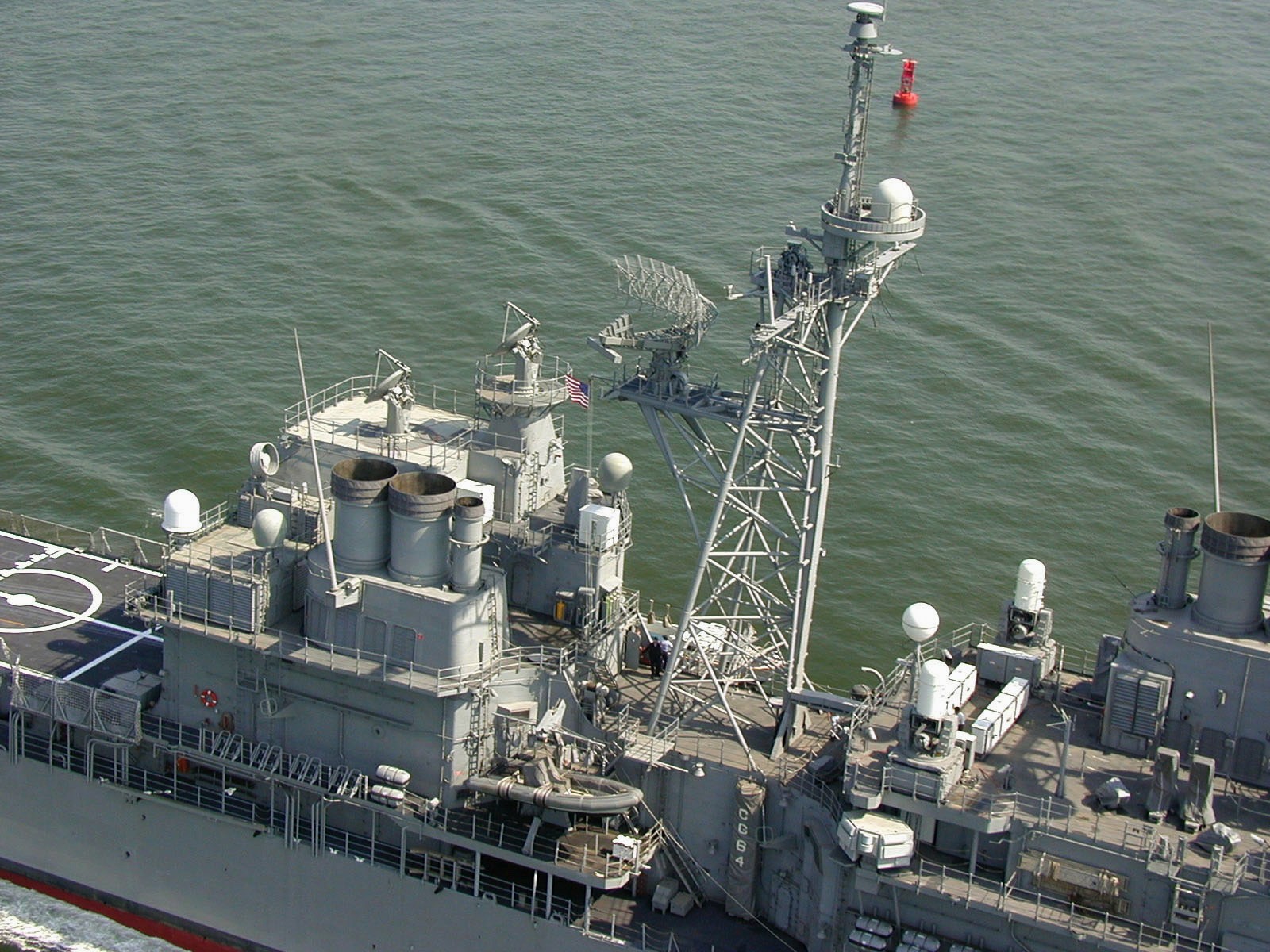 off Virginia - June 2000 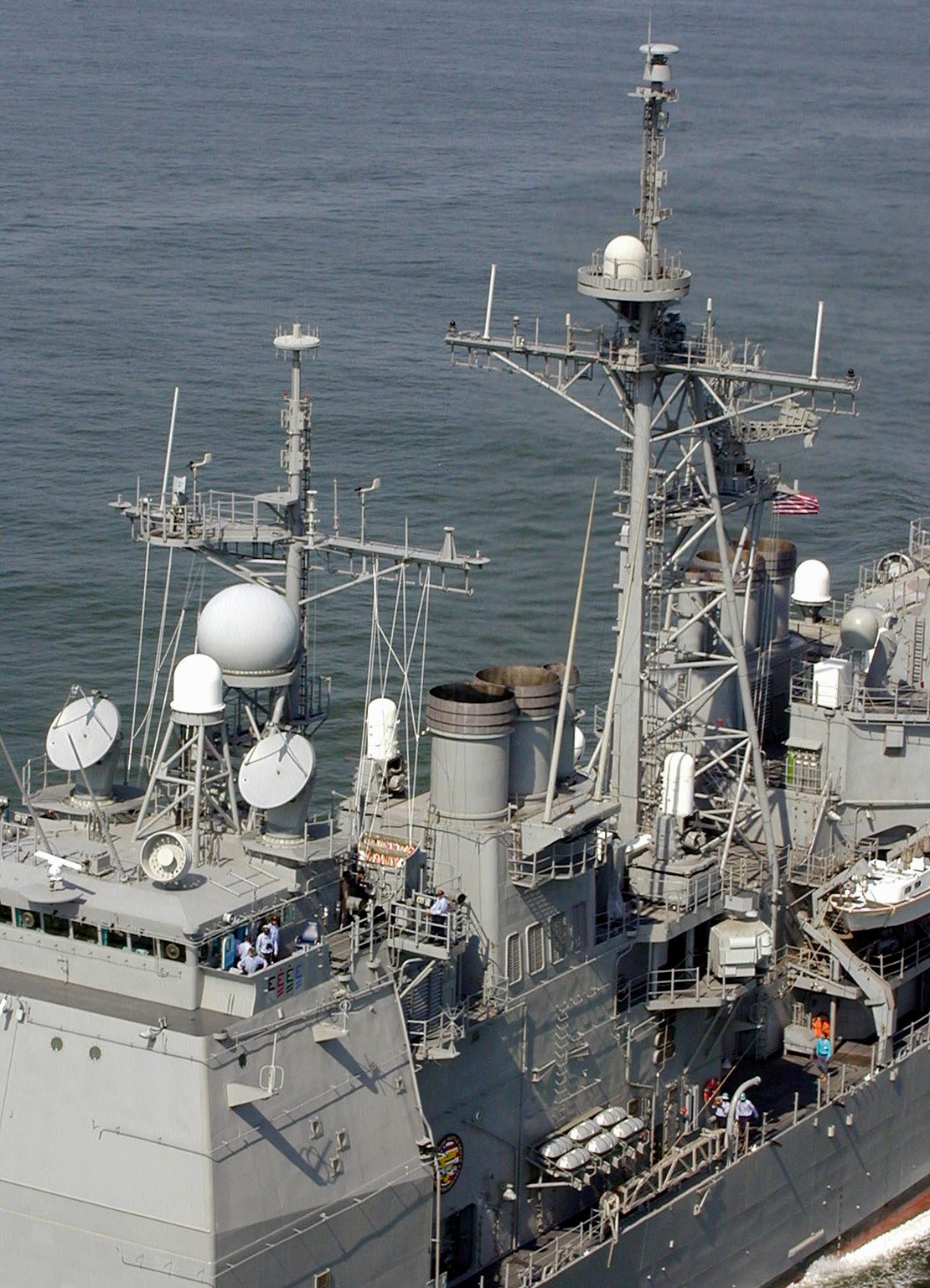 off Virginia - June 2000 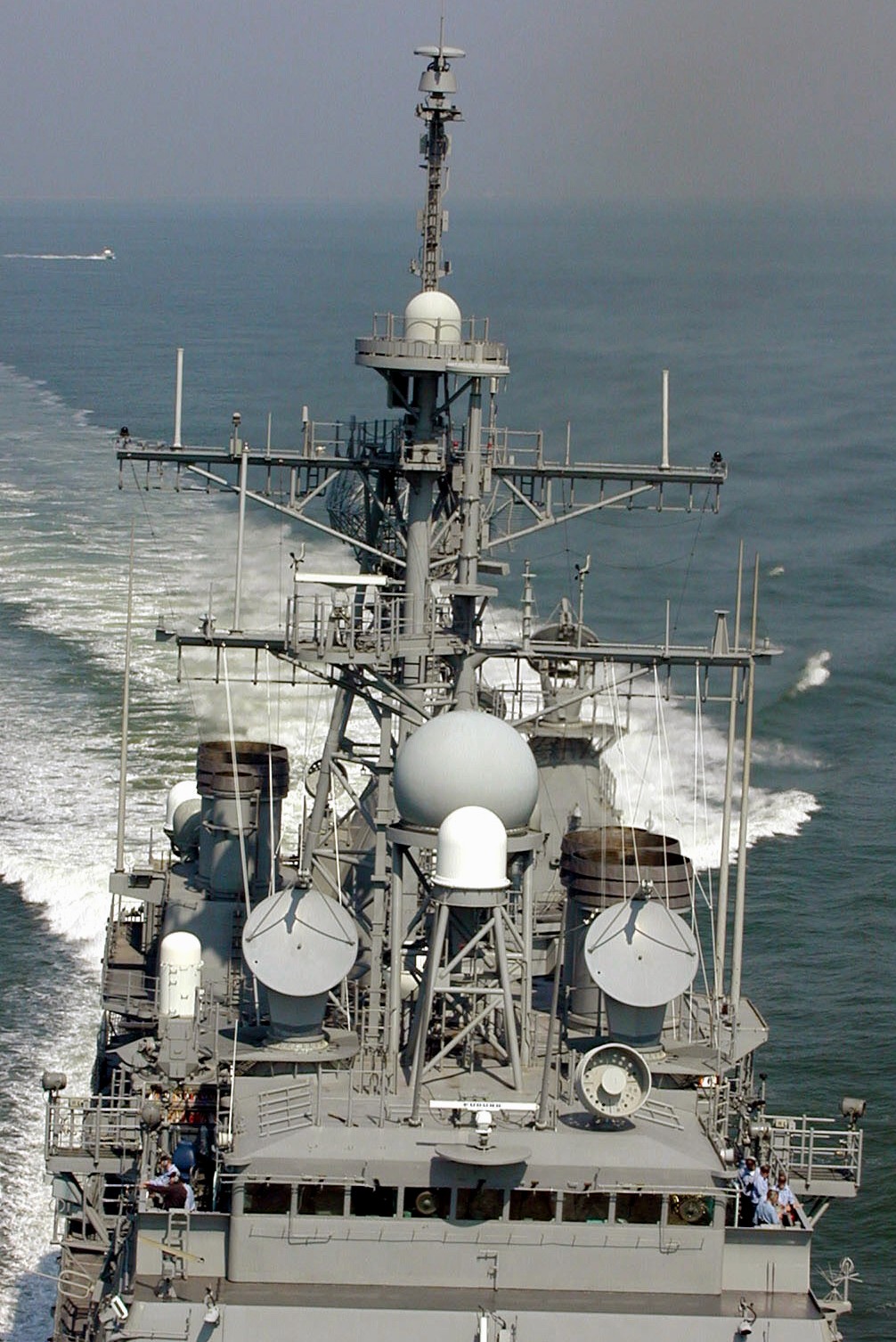 off Virginia - June 2000 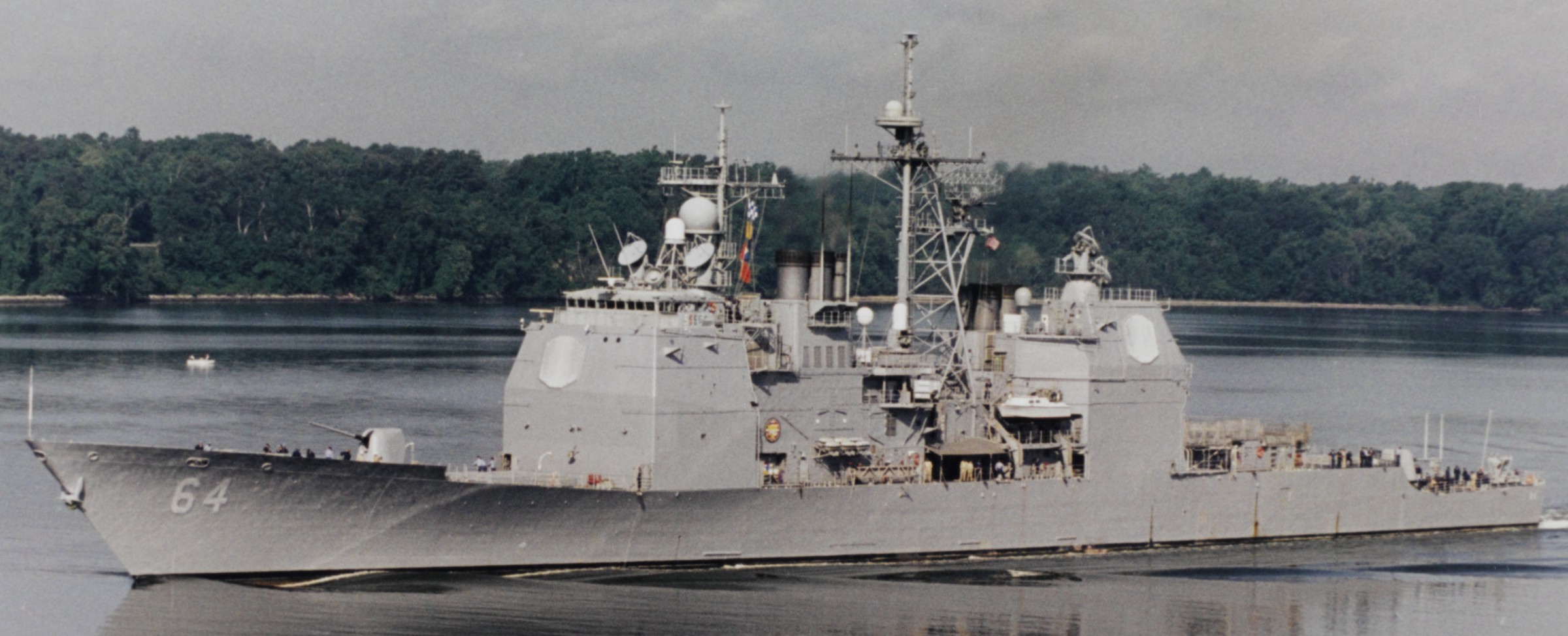 off Virginia - June 1999 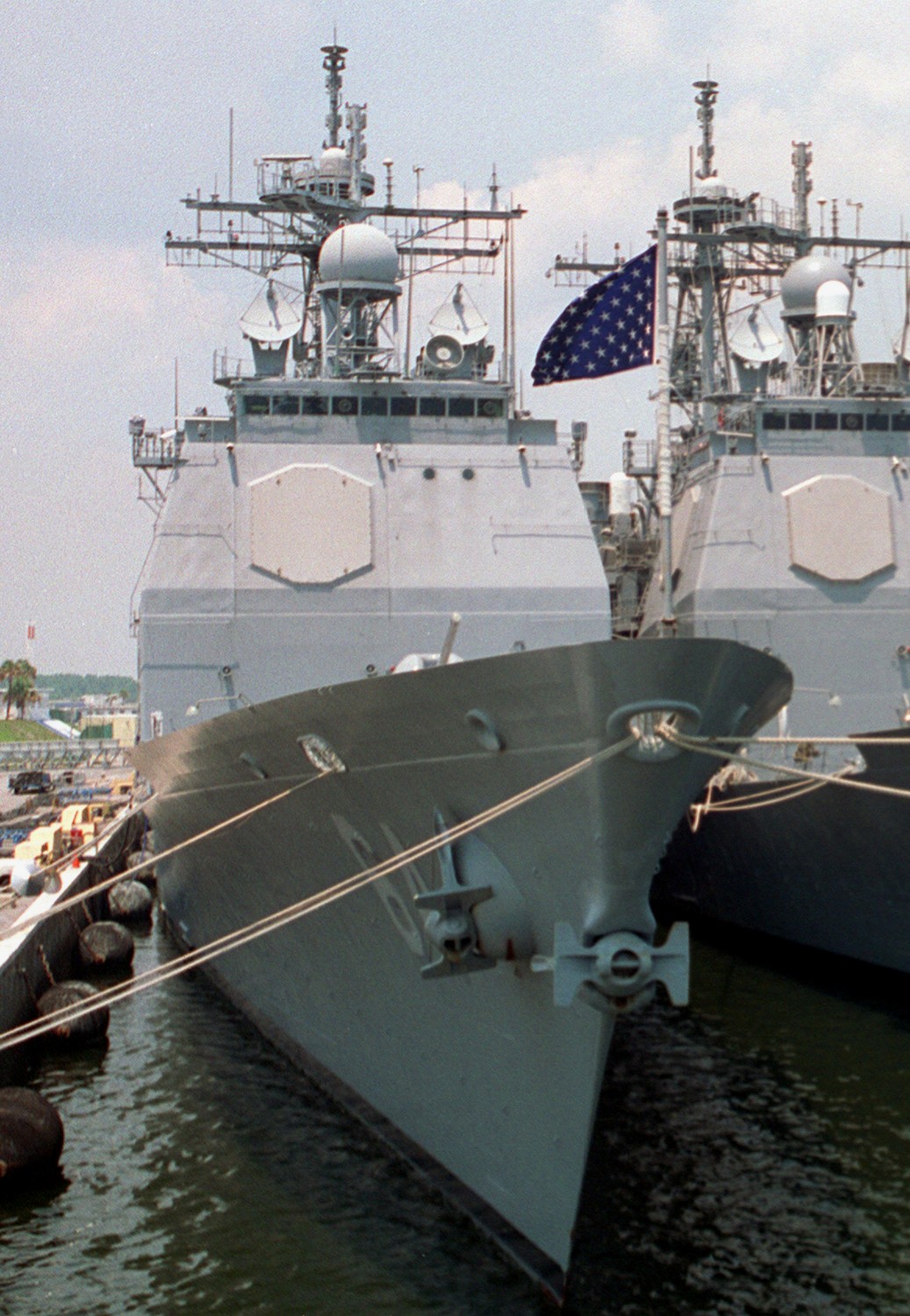 Naval Station Mayport, Florida - August 1993 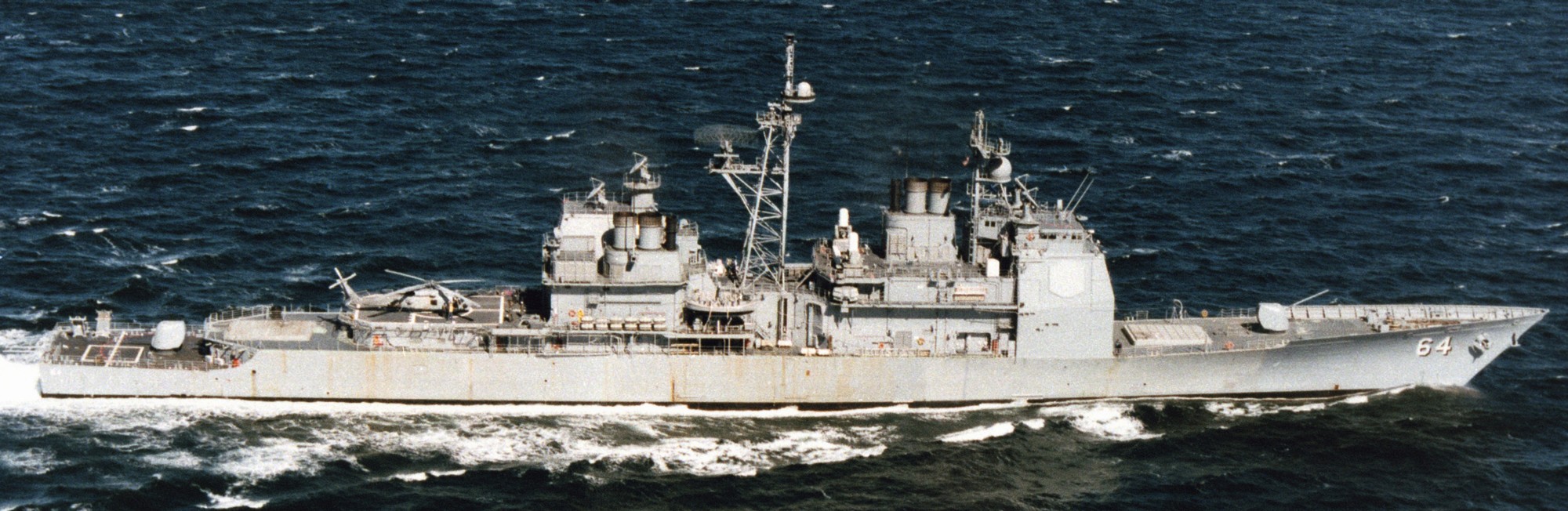 sea trials - Atlantic Ocean - March 1991 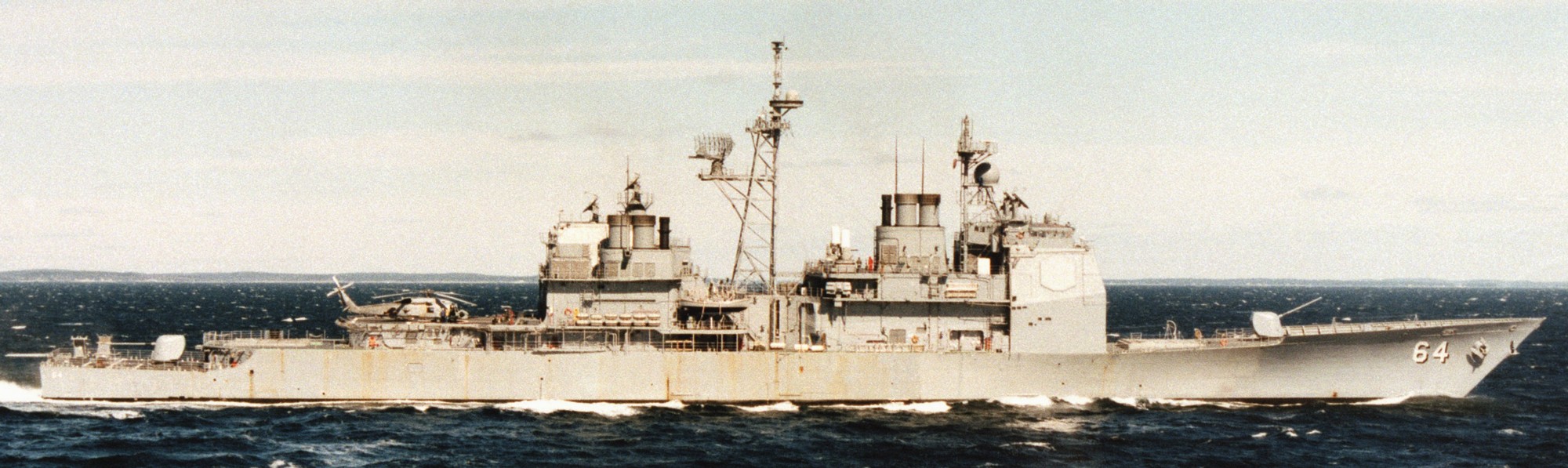 sea trials - Atlantic Ocean - March 1991 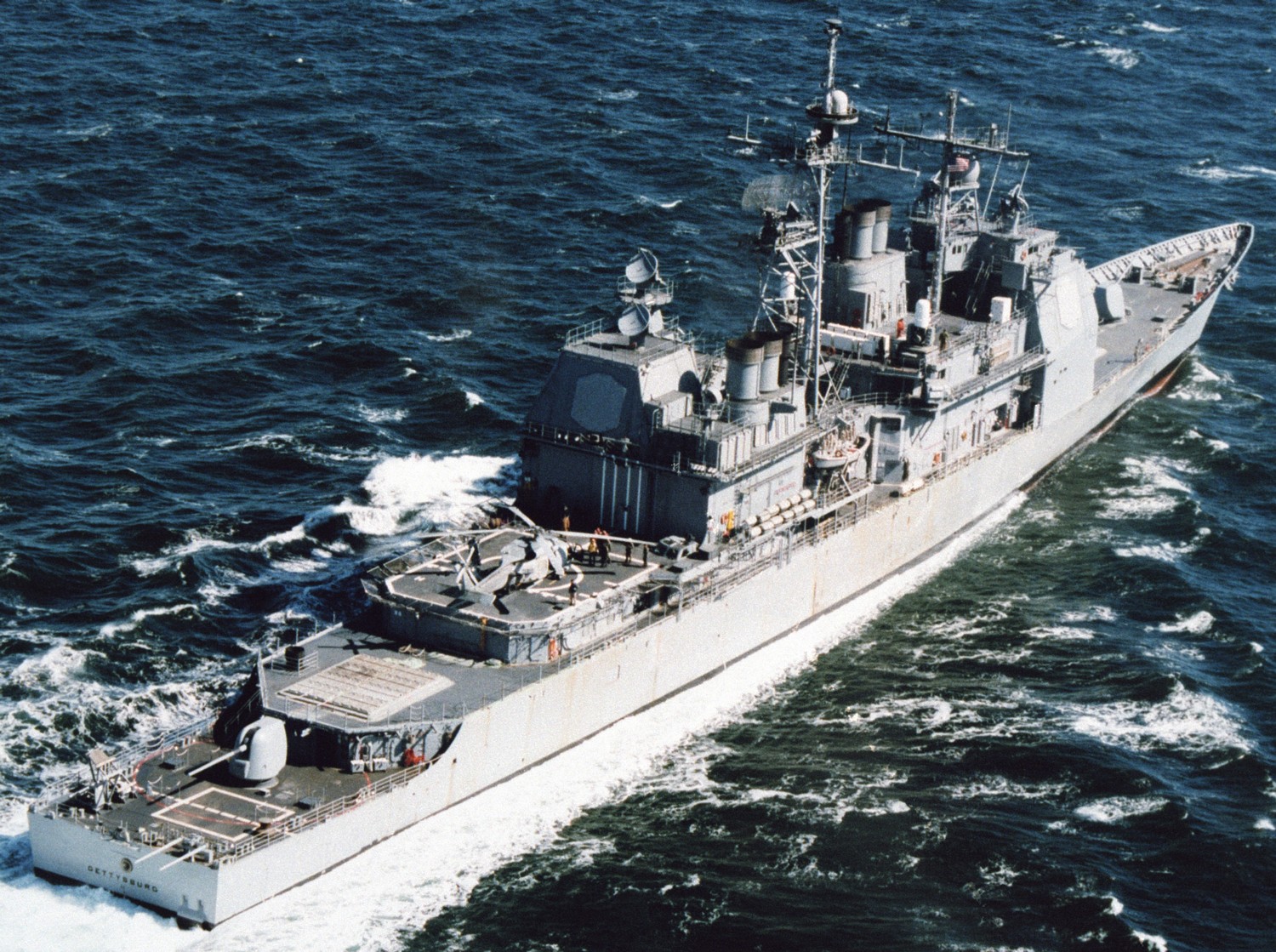 sea trials - Atlantic Ocean - March 1991 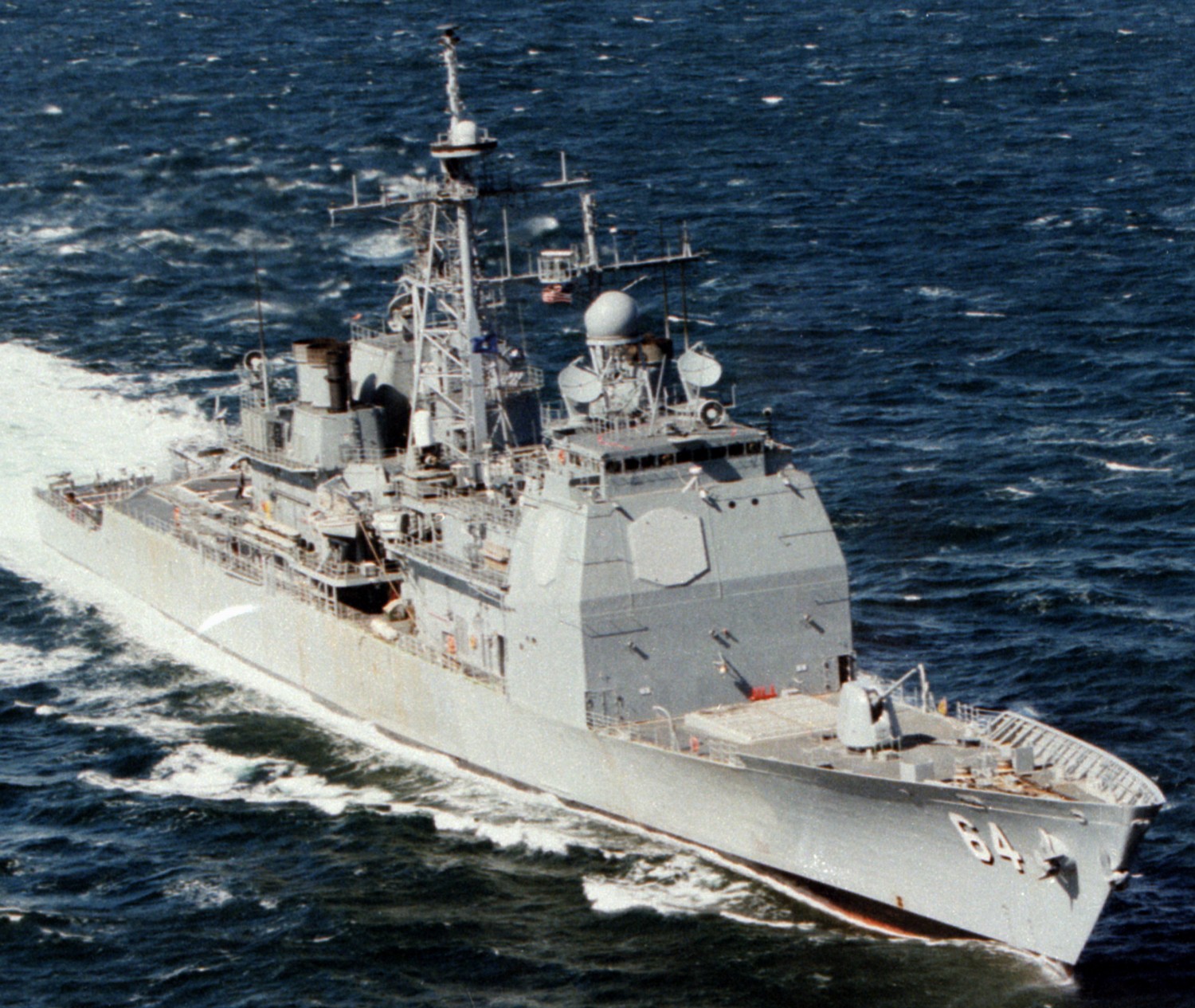 sea trials - Atlantic Ocean - March 1991 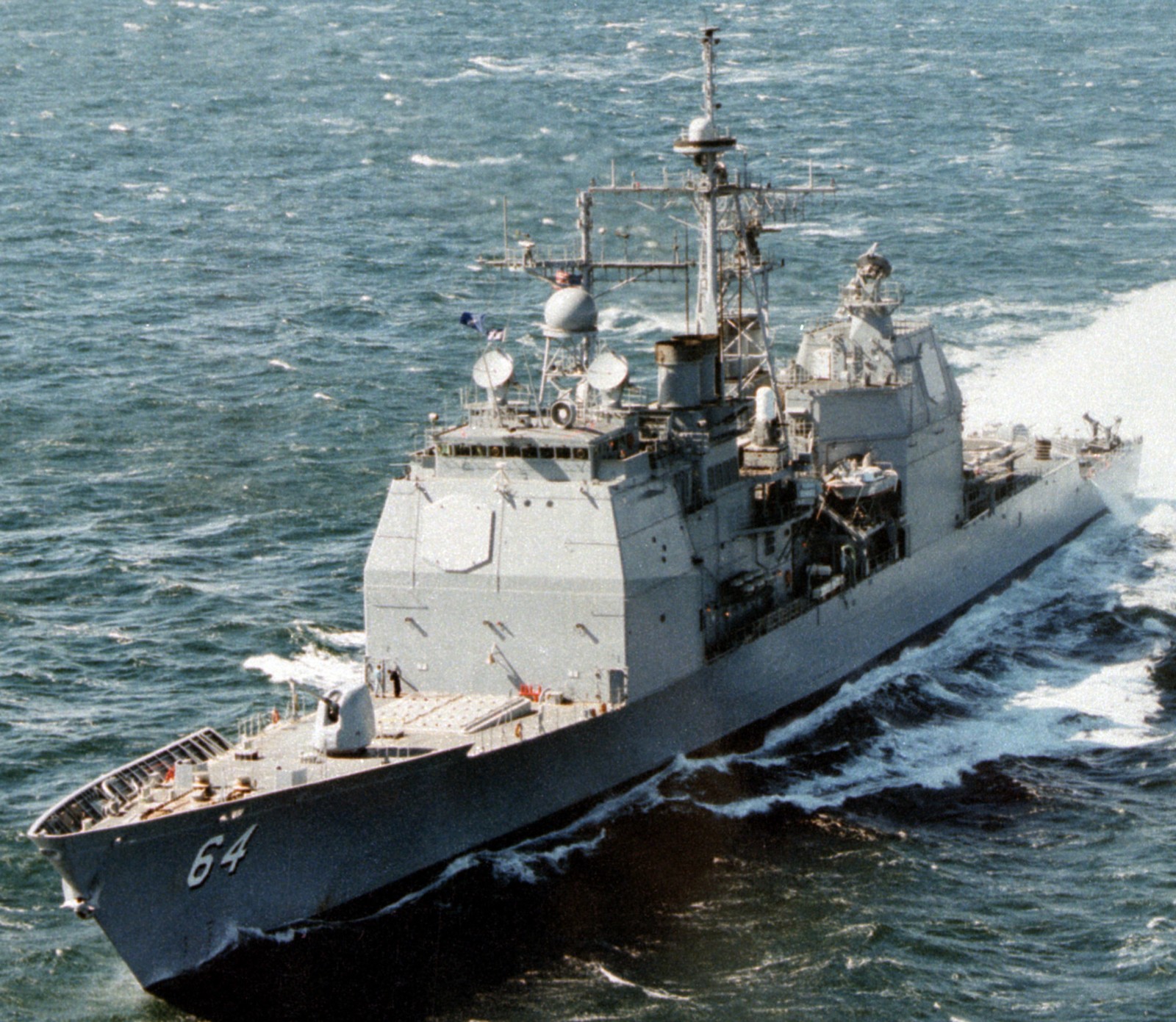 sea trials - Atlantic Ocean - March 1991 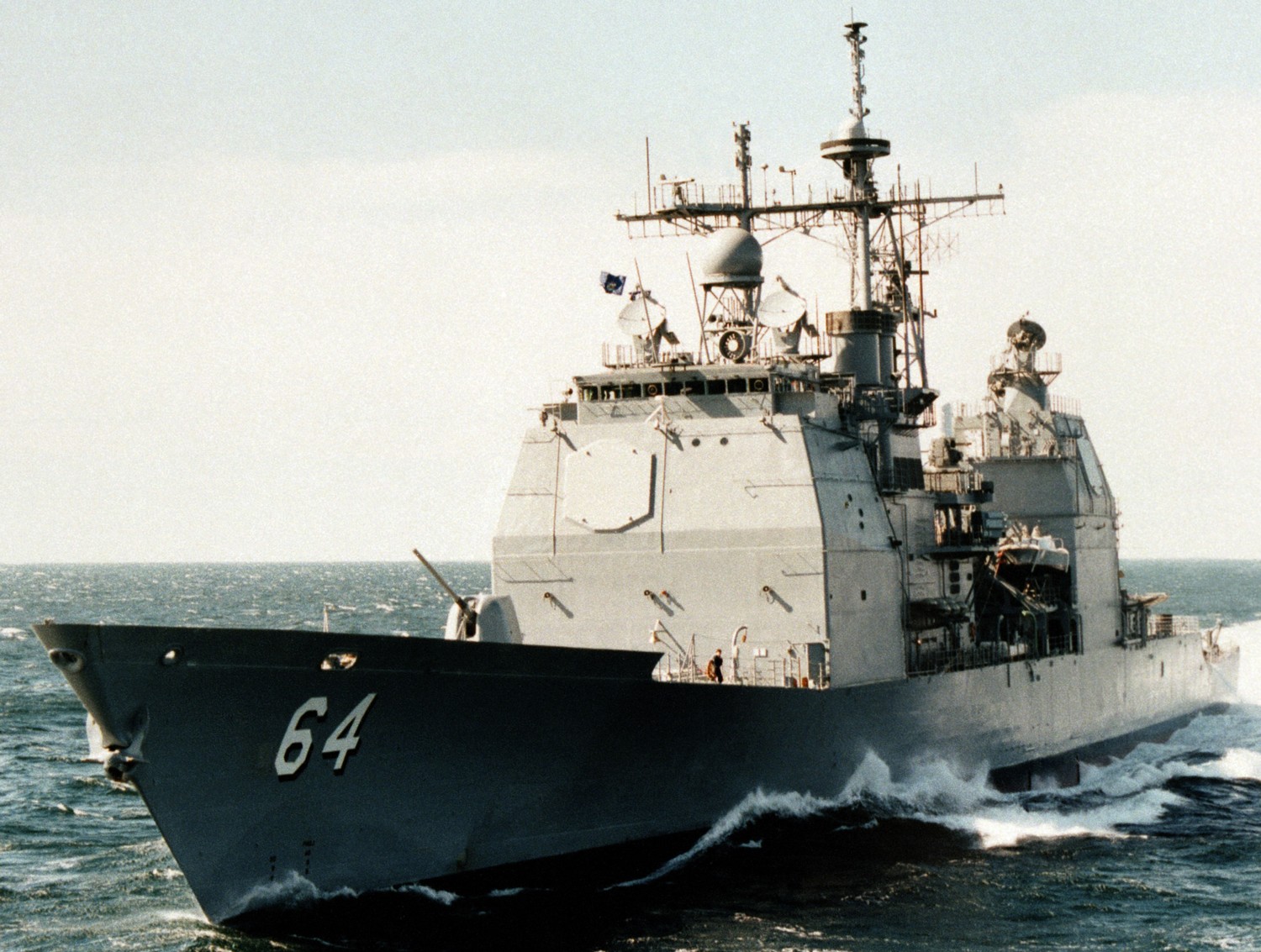 sea trials - Atlantic Ocean - March 1991 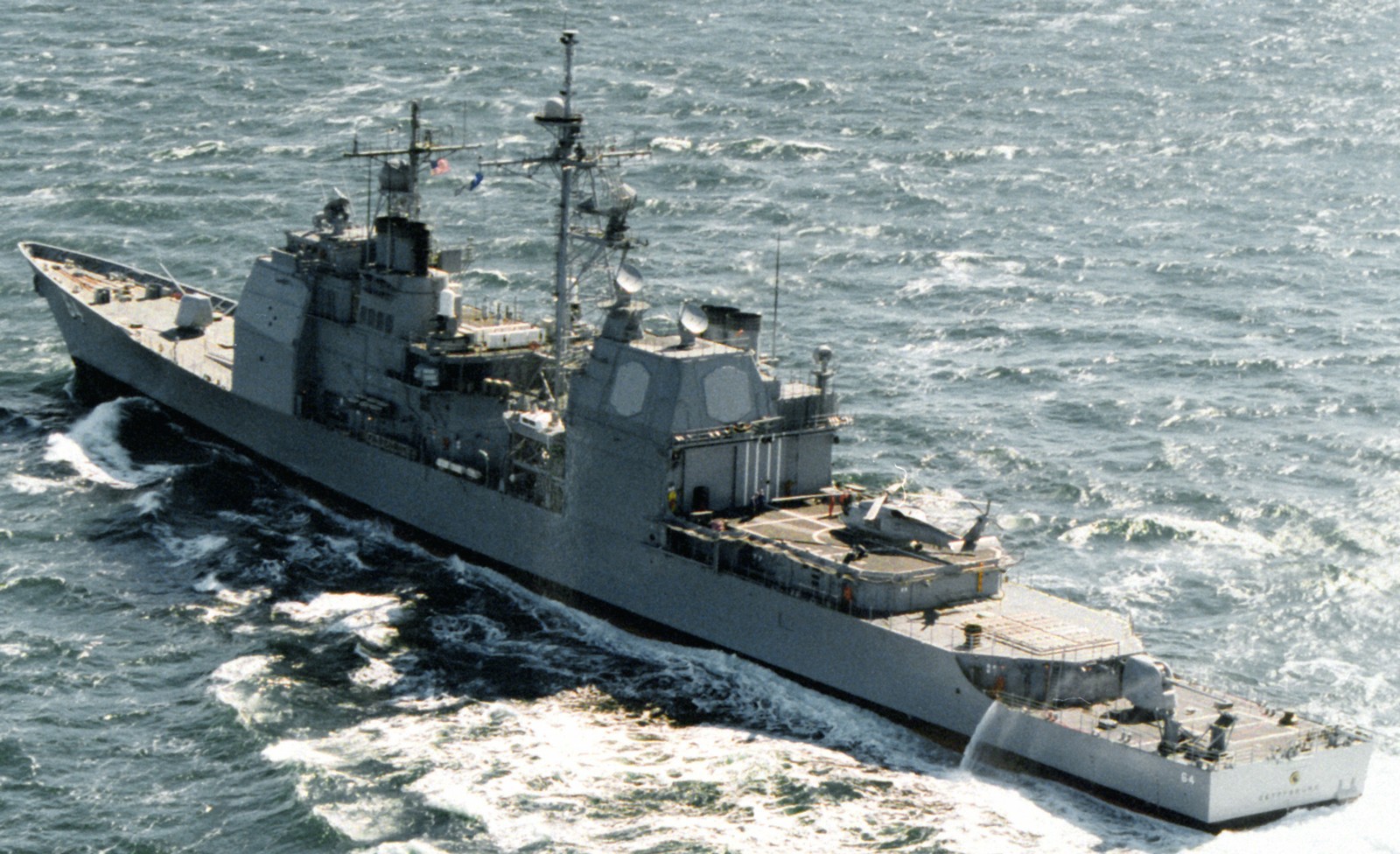 sea trials - Atlantic Ocean - March 1991 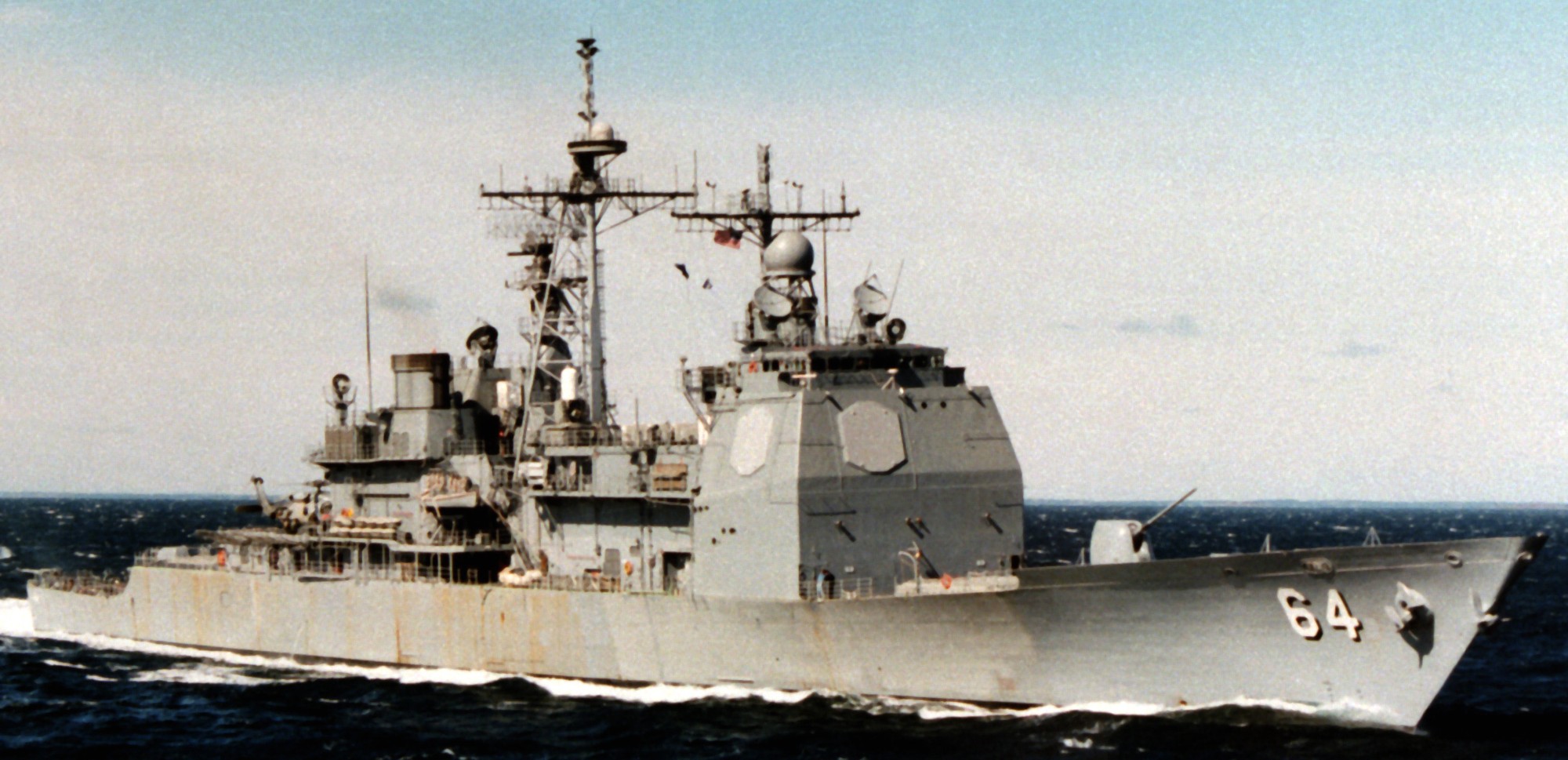 sea trials - Atlantic Ocean - March 1991 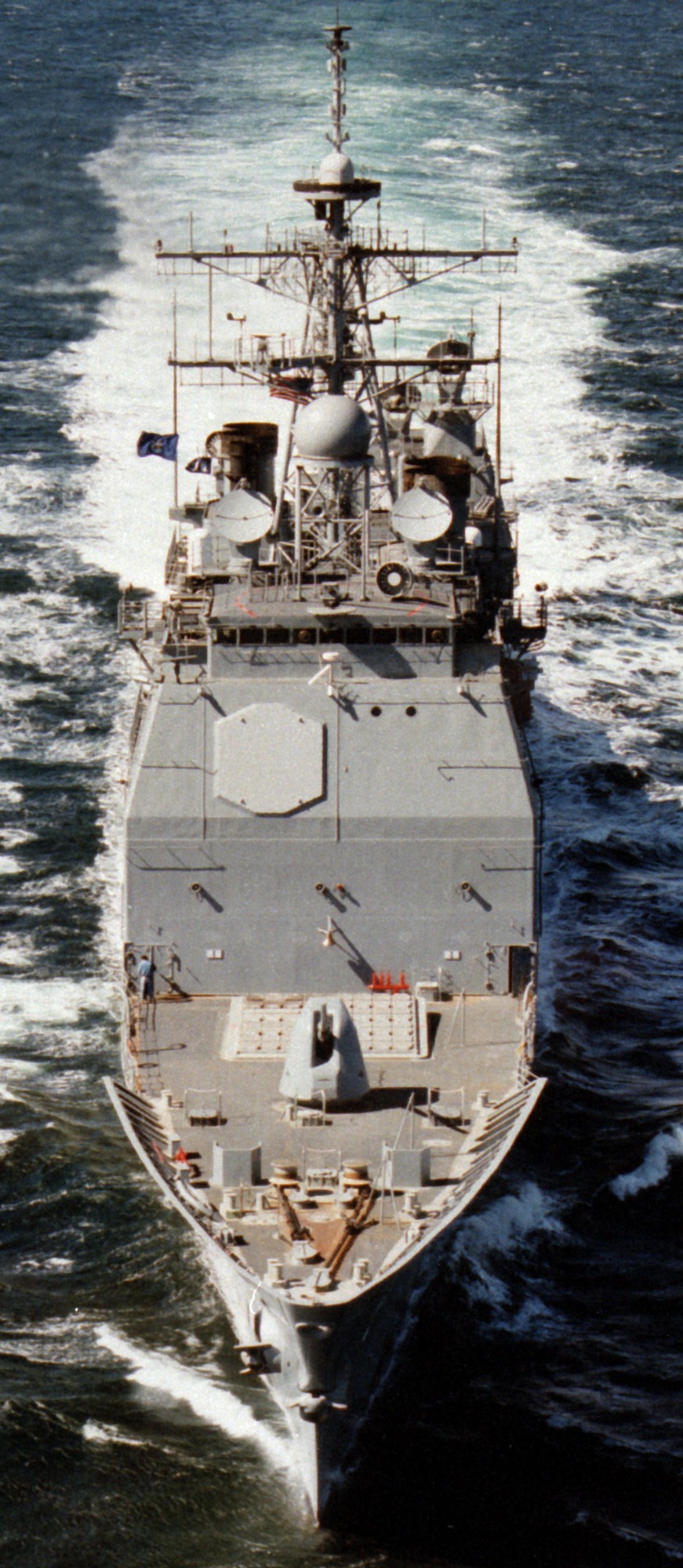
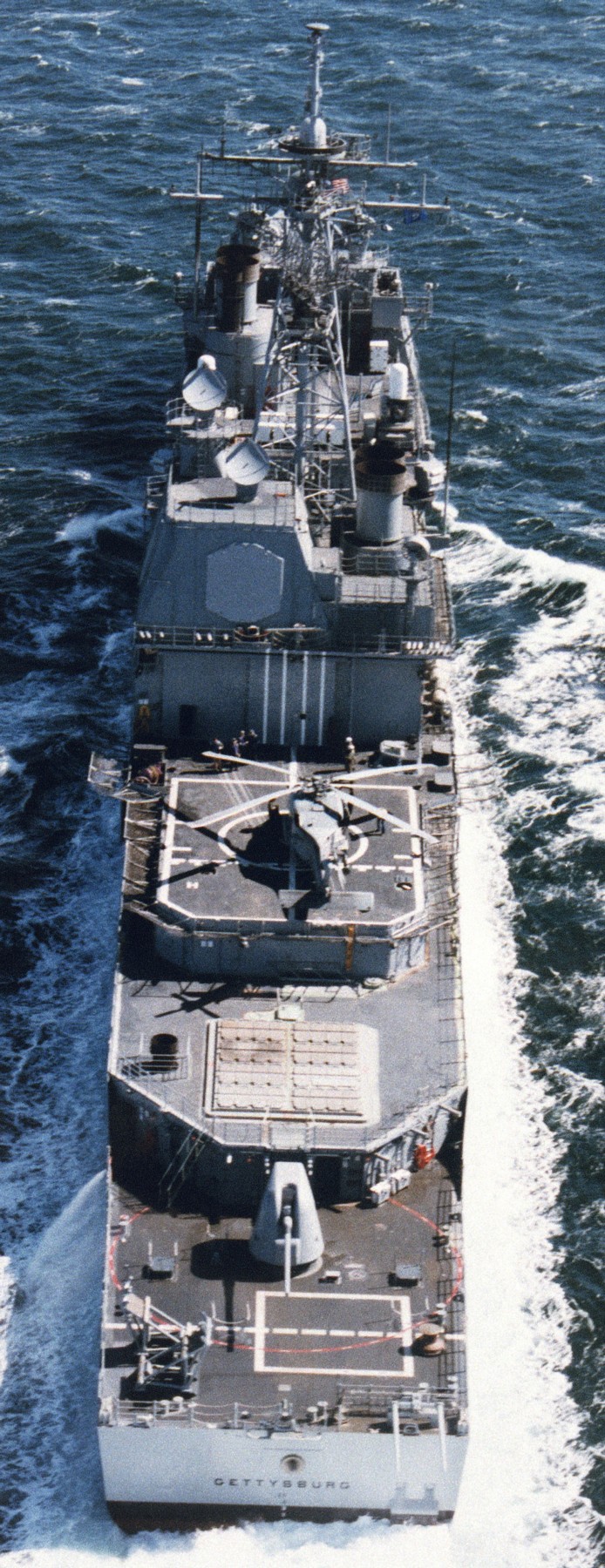 sea trials - Atlantic Ocean - March 1991 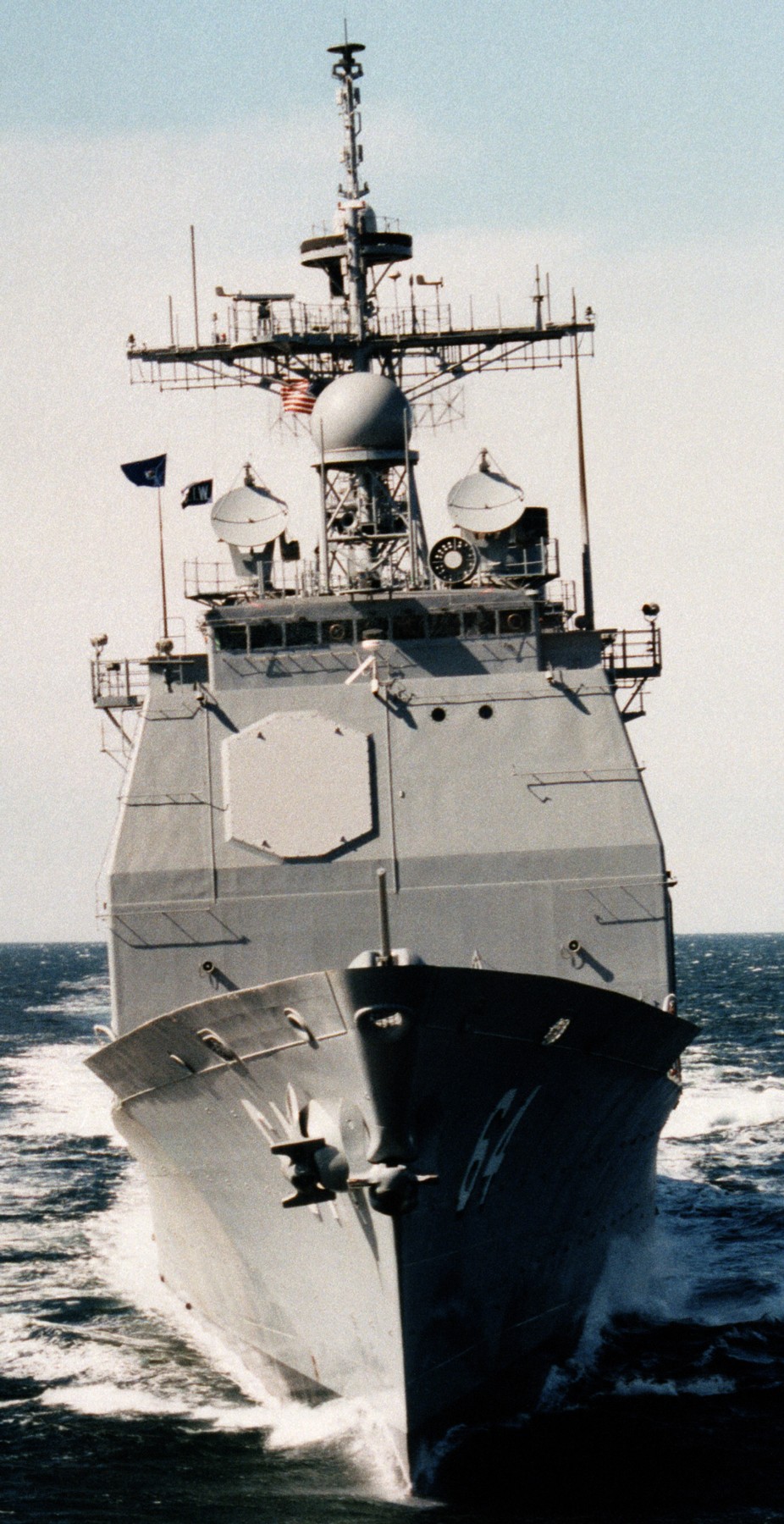
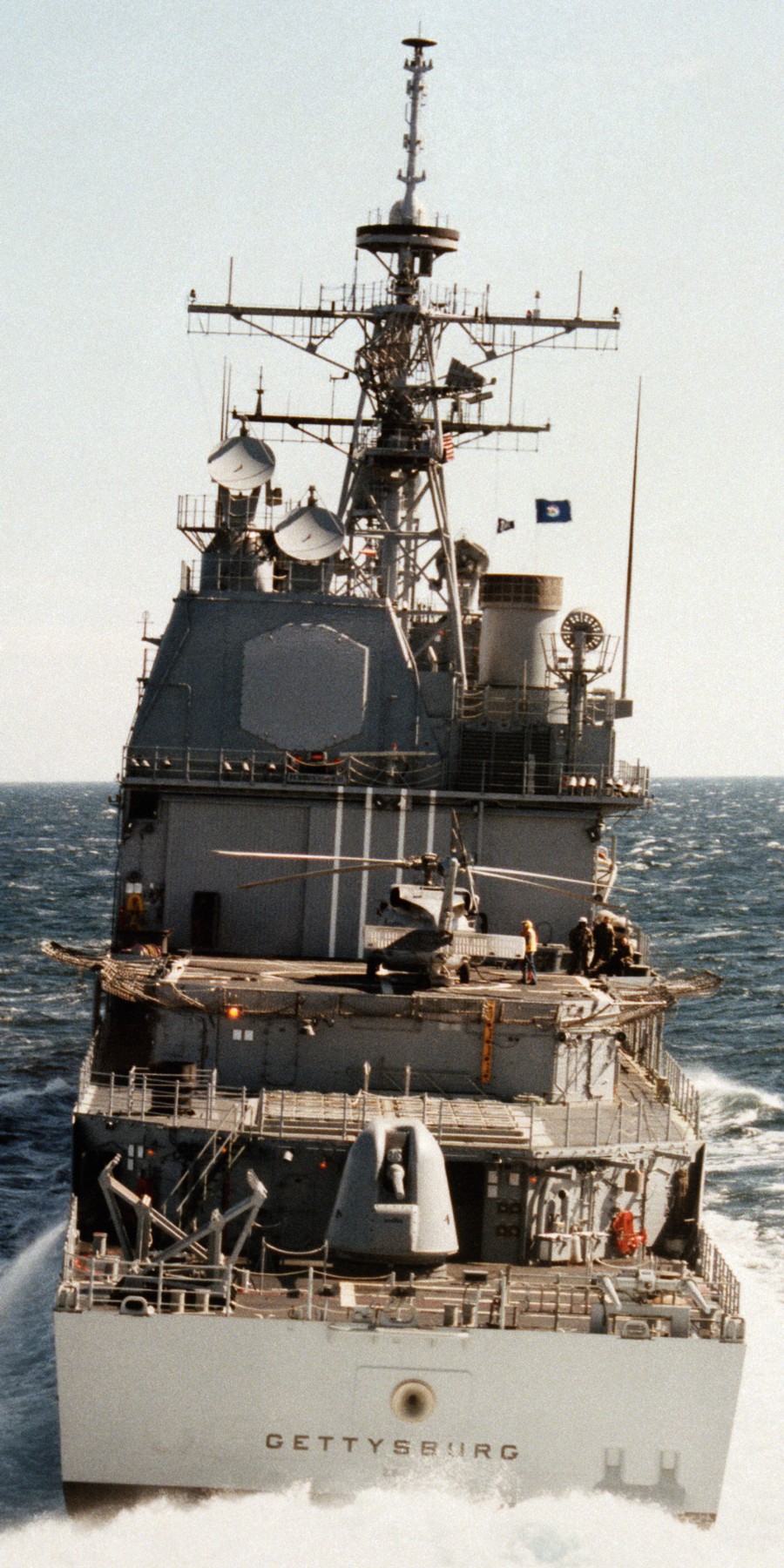 sea trials - Atlantic Ocean - March 1991 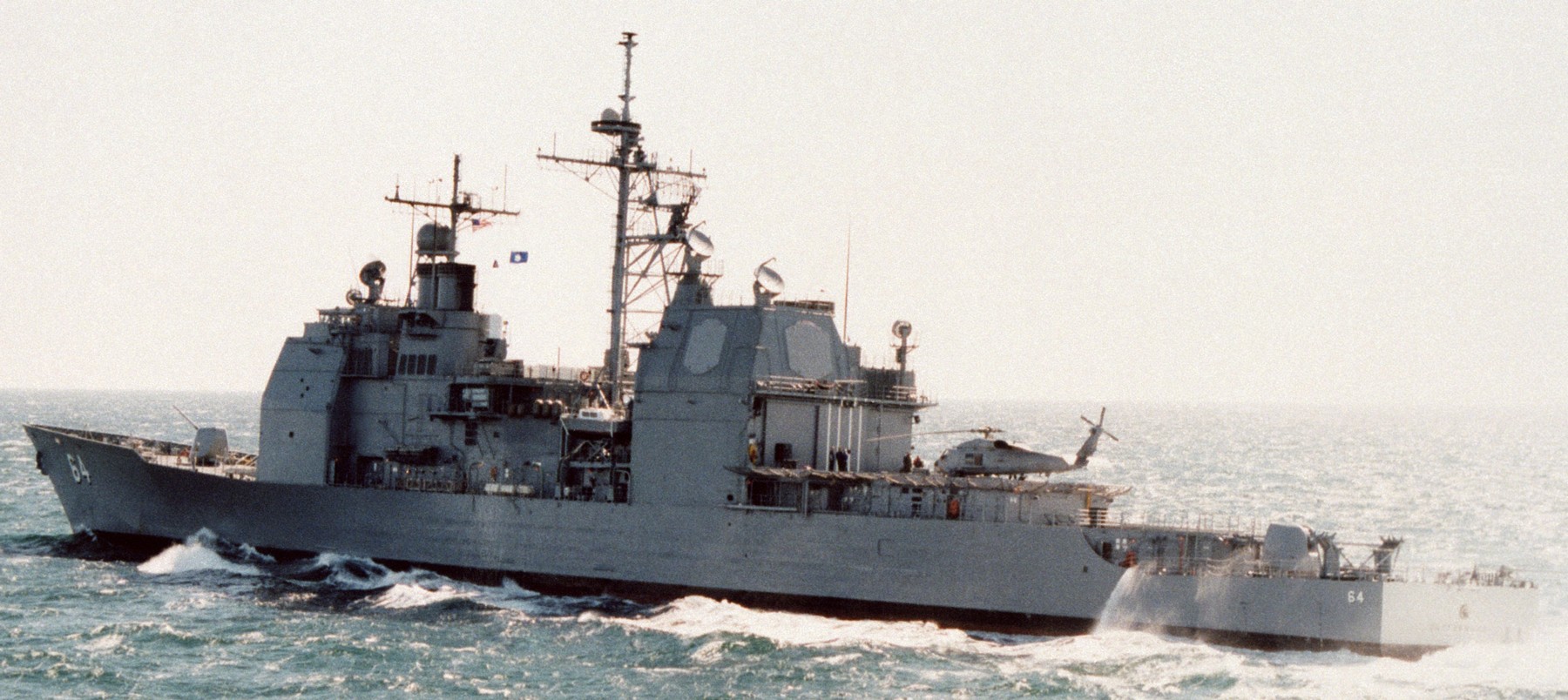 trials - January 1991 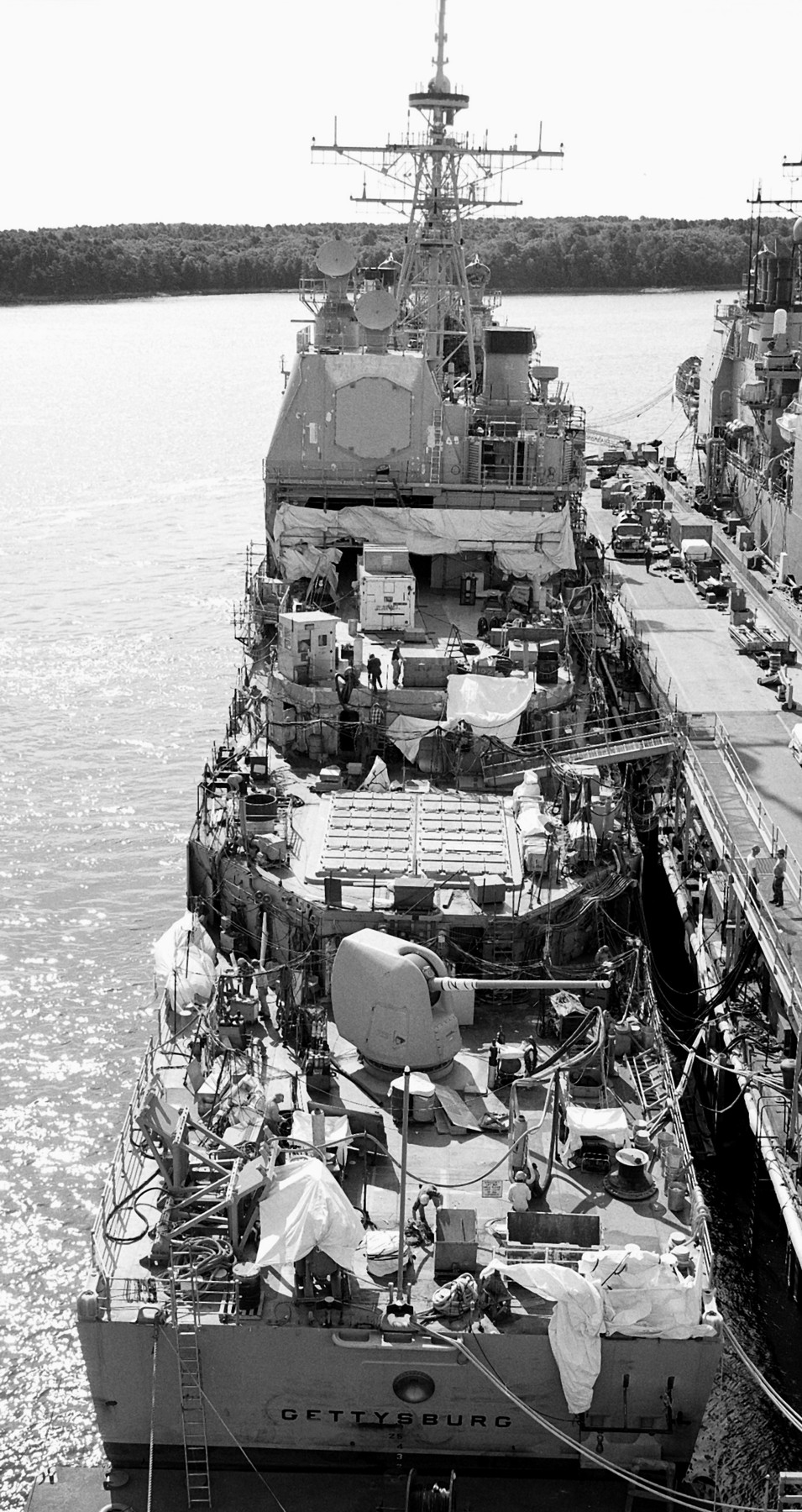 80 percent complete - Bath Iron Works, Maine - August 1990 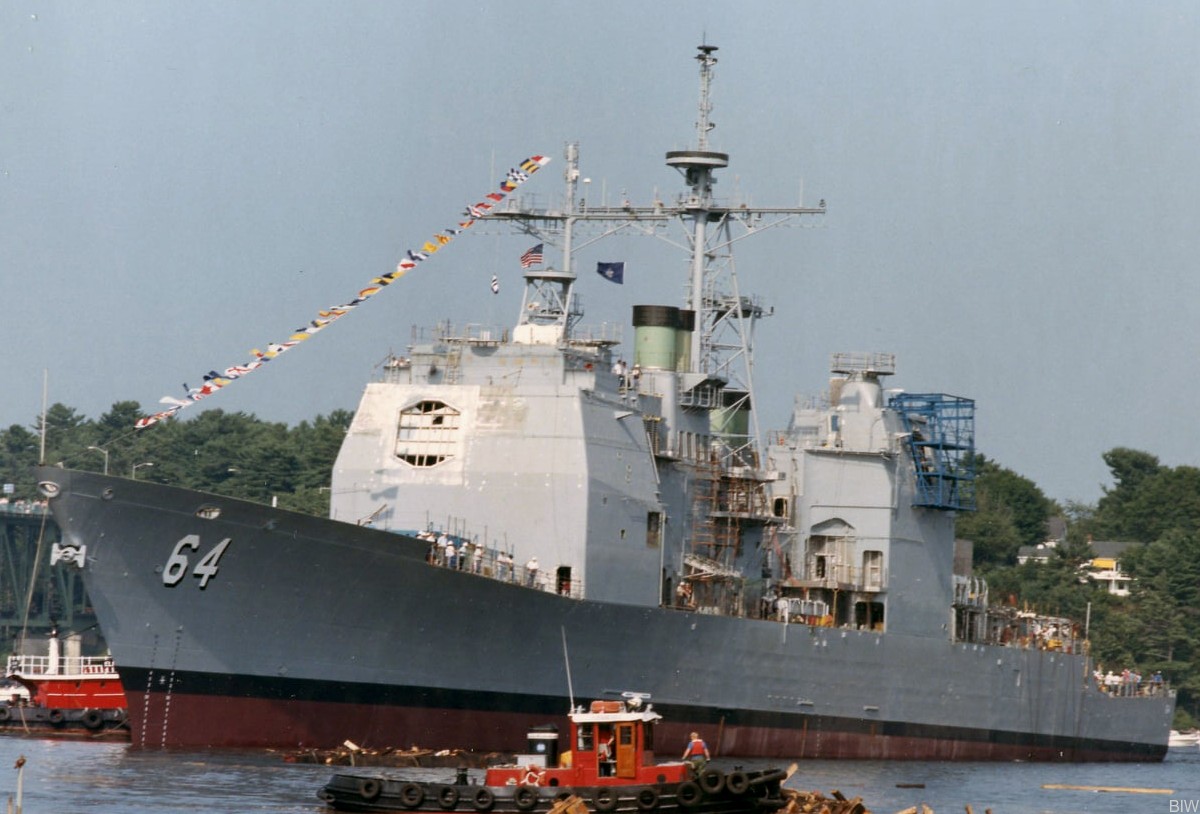 immediately after launching at Bath Iron Works, Maine - July 22, 1989 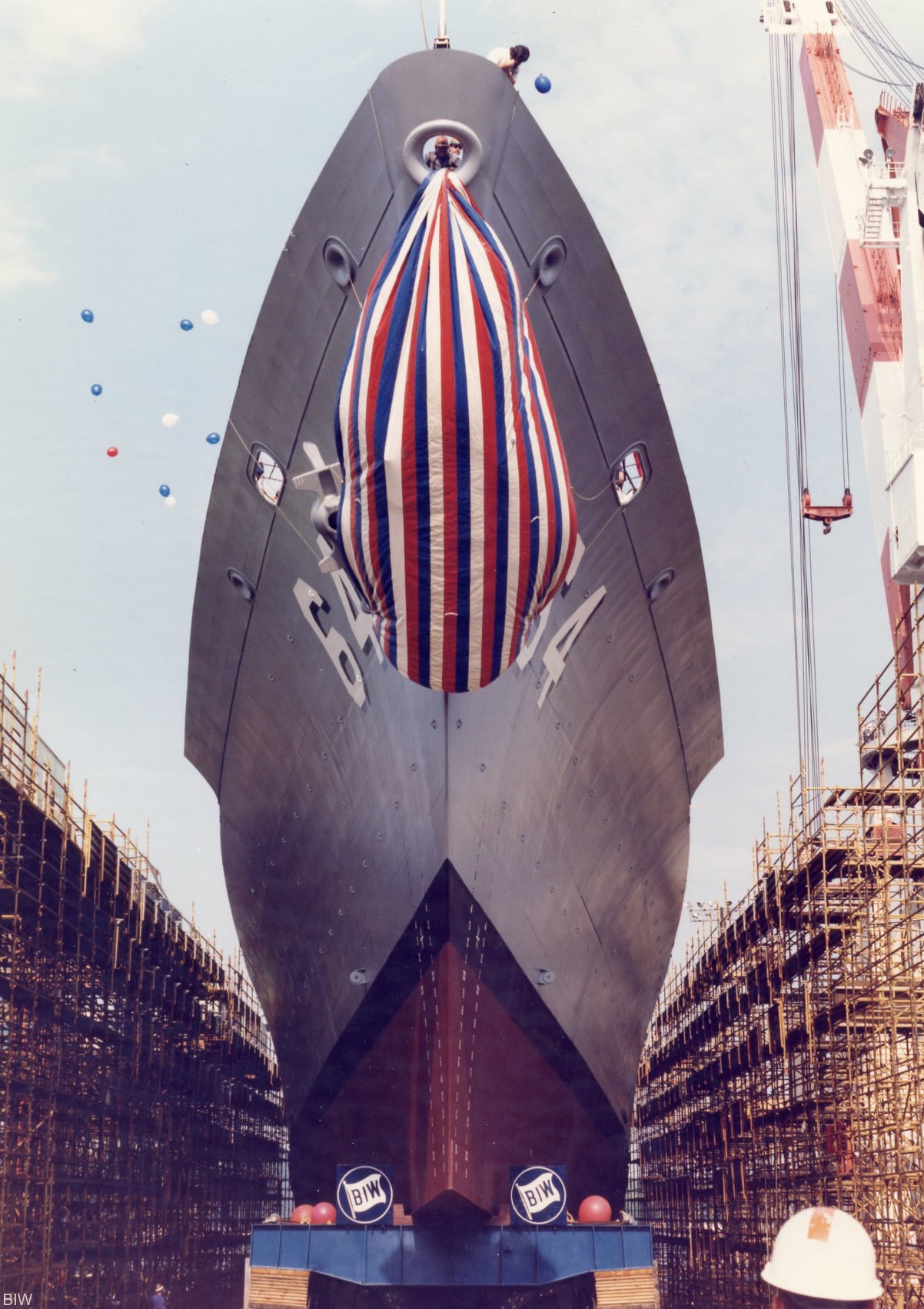 launching ceremony - Bath Iron Works, Maine - July 22, 1989 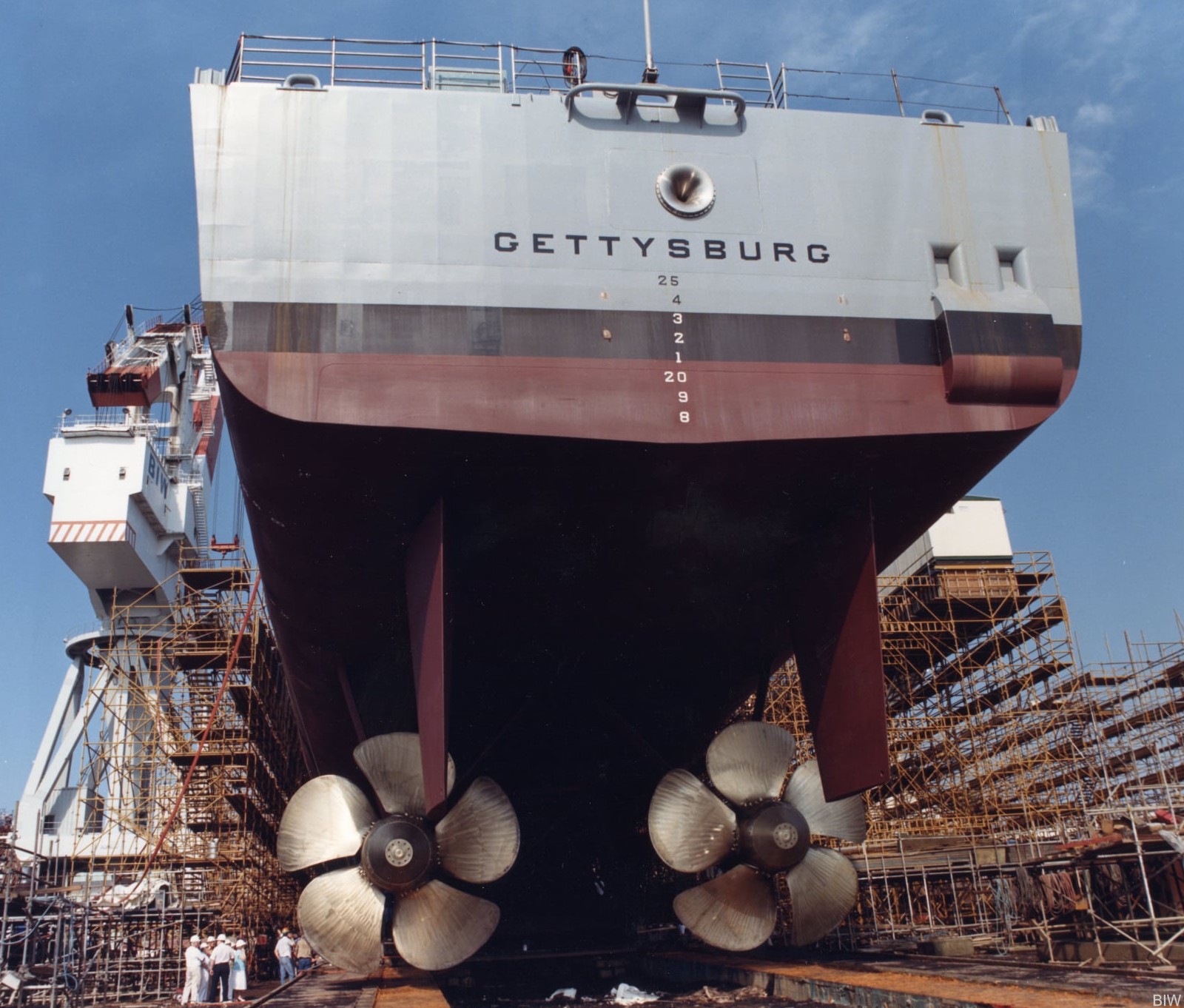 ready for launching at Bath Iron Works, Maine - July 1989 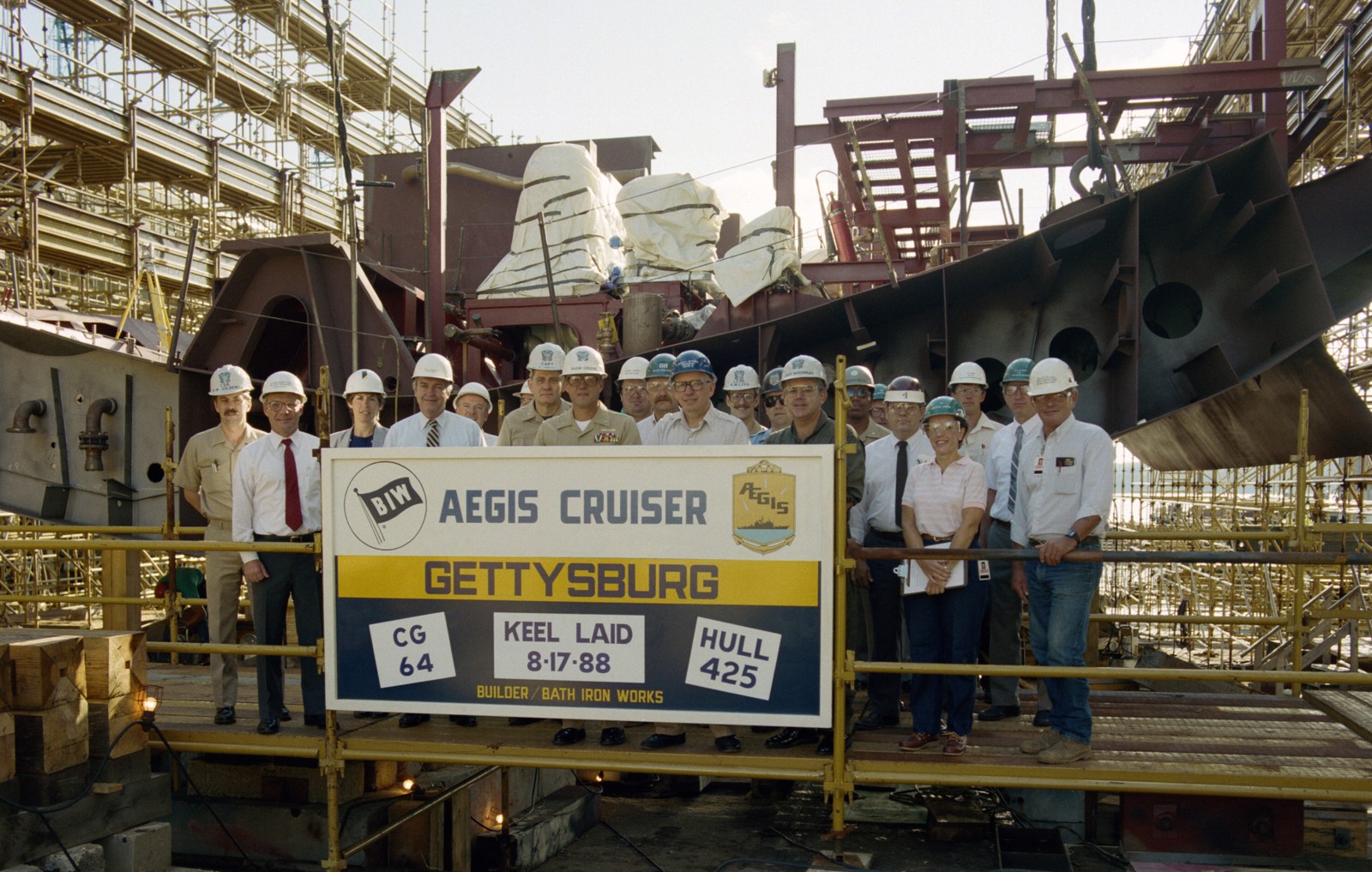 keel laying ceremony - Bath Iron Works, Maine - August 17, 1988 |
||
|
USS Gettysburg (CG 64): Gettysburg (CG-64) was laid down by Bath Iron Works, Bath, Maine - 17 August 1988; launched 22 July 1989; and commissioned 22 June 1991. She serves with the Atlantic Fleet, homeported at Mayport Florida. USS Gettysburg was one of six U.S. Navy ships ordered by President Clinton on October 15, 1993, to be deployed to enforce a trade embargo against Haiti as part of Operation "Support Democracy". The order came the day after the United Nations Security Council voted to reimpose stiff sanctions against Haiti, including an embargo on oil products, until order was restored and the Governors Island process clearly resumed. Gettysburg was one of five ships replaced less than two weeks later so as to permit it and the others to resume previously scheduled assignments. In June 1994, USS Gettysburg participated in the twenty-second edition of Baltic Operations, "BALTOPS 94". USS Gettysburg, along with the guided missile frigate USS Halyburton (FFG 40), then made port calls to Capetown and Simonstown in South Africa from November 8-14, 1994, marking the first visit to South African ports in 27 years by a U.S. Navy warship; the last one having been the aircraft carrier USS Franklin D. Roosevelt in February 1967. On November 30, 1994, USS Gettysburg, along with the USS Halyburton (FFG 40), was diverted by COMUSNAVCENT on a rescue mission and to provide assistance to the Italian cruise ship ACHILLE LAURO, made famous by its hijcking in October 1985, which was on fire about 130 miles east off Somalia in the Indian Ocean. The decision to divert the ships was made after receiving word of the fire from the search and rescue center in Norway. The Navy ships were operating about 350 miles north of the ACHILLE LAURO's position. ACHILLE LAURO's burnt out hulk sunk a few days later on December 2. As the Navy ships approached the scene, a helicopter operating from the deck of Gettysburg overflew the merchants, then returned to Gettysburg to retrieve medical supplies and food to support the evacuated passengers. Gettysburg’s Commanding Officer, was designated the Navy's on-scene commander, and was tasked with assessing further rescue operations upon his ship's arrival. USS Gettysburg then deployed to the Arabian Gulf. Along with the USS Enterprise, USS Pittsburgh (SSN 720), USS Supply, the USS Gettysburg transitted in mid-September 1996, to join the U.S. Naval Forces Central Command area of responsibility, as part of Operation Desert Strike. The USS Enterprise (CVN 65) Battle Group, which included the USS Gettysburg, deployed for a scheduled six-month period on November 6, 1998 to the Arabian Gulf. During this deployment, Gettysburg took part in Operation Desert Fox, an operation designed to degrade Saddam Hussein's ability to deliver chemical, biological and nuclear weapons, and wage war against his neighbors. The operation was a 70-hour-long assault which took place from December 16-20. The Gettysburg performed as the Air Defense Commander for the Enterprise Battle Group, conducted Tomahawk strikes against Iraq during Operation Desert Fox, and conducted Maritime Interdiction Operations in support of UN sanctions against Iraq. USS Gettysburg operated in 1998 in the Adriatic as part of Operation Deliberate Forge adding military weight to ongoing diplomatic negotiations regarding Kosovo. USS Gettysburg, sailed into the Adriatic Sea on January 20, 1999 as part of the USS Enterprise (CVN 65) Battle Group. Gettysburg deployed with the USS Enterprise (CVN 65) Battle Group as it was conducting training in the Atlantic in September 2000. Gettysburg deployed in 2001 for a six-month period with the USS Enterprise, to conduct multinational and joint operations with navies of various European countries, and visit ports in Mediterranean and Arabian Gulf nations. The ships and squadrons of the Battle Group were scheduled to return home in October 2001. She took part in Fleet Week USA docking at Port Everglades FL along with destroyers Cole, McFaul, and Thorn, docking there on 28 April 2003. She then deployed with the Enterprise (CVN-65) battle group to the Arabian Gulf. As part of this battle group, she deployed the Spartan Scout, a Department of Defense Advanced Concept Technology Demonstration developed by the Naval Undersea Warfare Center (NUWC), Newport, RI. Spartan is a modular, reconfigurable, multi-mission, semi-autonomous unmanned surface vehicle (USV) which carries a payload of 3,000 lbs (7-meter version) or 5,000 lbs (11-meter version). It can be used as an expeditionary sensor and weapons platform. She deployed with the Enterprise Carrier Battle Group to the Persian Gulf 2 October 2003 and returned to Mayport, Florida on 27 February 2004. Gettysburg, Captain Philip C. Davidson in command, and with a Sikorsky SH-60B Seahawk of Helicopter Antisubmarine Squadron Light (HSL) 46 Detachment 5 and a Coast Guard law enforcement detachment (LEDET) embarked, sailed from Naval Station Mayport, on a two-part counter narcotics deployment to the Western Caribbean and Eastern Pacific, 11 October - 23 December 2005 and 1 January - 4 April 2006. She visited Curaçao, Netherlands Antilles, 21-25 October, passed through the Panama Canal, 3-4 November, and provided air surveillance and evacuation support for a visit by President George W. Bush to Panama. In addition, the ship visited Vasco Nunez de Balboa, Panama, 18-22 November and 5-6 and 16-18 December. Gettysburg intercepted three narcotics smuggling vessels, 14 metric tons (13.8 long tons; 15.4 short tons) of cocaine, and 17 smugglers before the New Year. She came about on 17 December, and intercepted her third suspect, a vessel carrying more than 11 metric tons (10.8 long tons; 12.1 short tons) of cocaine in the Eastern Pacific, on 22 December. The ship, with HSL-46 Detachment 5 and Coast Guard LEDET 409 embarked, intercepted MV Perseus V on 12 January 2006. The boarding team discovered a hidden compartment containing 1.6 metric tons (1.6 long tons; 1.8 short tons) of cocaine and detained 11 suspected smugglers. The boarders then placed a custody crew on board, which delivered the boat to host nation authorities more than 500 miles (800 km) away four days later. On 7 February Gettysburg, with LEDET 404 embarked, carried out a covert, nighttime surveillance and pre-dawn interception of fishing boat Divi, which analysts suspected of smuggling up to 15 metric tons (14.8 long tons; 16.5 short tons) of cocaine. The suspects sighted Gettysburg, set fire to their vessel, and abandoned ship in a skiff. The cruiser deployed two rigid hull inflatable boats (RHIBs) to battle the blaze, but the intense, fuel-fed flames overwhelmed Divi and she sank. The boarders observed more than 150 bales of cocaine on the smuggler’s deck, but only retrieved less than 150 kilograms (330 lb). The Americans took the eight crewmen into custody. Gettysburg patrolled an area about 1,750 nautical miles (3,240 km; 2,010 mi) west of the Galapagos Islands when a Lockheed P-3C Orion directed her to query fishing boat William, on 24 February 2006. The Orion aggressively monitored the suspected vessel, preventing her from rendezvousing with a go-fast. Gettysburg meanwhile launched Cutlass 467, her Seahawk, which guided the ship toward William, but the suspects attempted to scuttle their boat. Gettysburg's rescue and assistance teams and LEDET 404 saved William, enabling her boarding team to recovery 4.9 metric tons (4.8 long tons; 5.4 short tons) of cocaine and apprehend the eight smugglers. An Orion located a stealthy go-fast steaming westerly courses through a known drug-trafficking area on 11 March. Gettysburg closed and under cover of darkness, deployed LEDET 404 and a security team on board a RHIB, which boarded the suspected vessel, seizing 3.75 metric tons (3.7 long tons; 4.1 short tons) of cocaine, 8 kilograms (18 lb) of heroin, and detaining five smugglers. In addition, she sailed through the Panama Canal twice, 30-31 January and 15–16 March, and visited Cartagena, Colombia, 20-21 January, Vasco Nunez de Balboa, 16-19 February and 4-5 and 15-16 March, Curaçao, 23-26 March, and Port Everglades, Florida, 29 March-1 April. During this second voyage she seized or interdicted four suspected smuggling vessels and more than 25 metric tons (24.6 long tons; 27.6 short tons) of cocaine with a street value of $1.7 billion, detaining 34 suspected smugglers. Additionally, she issued return-to-port orders to two Colombian-flagged vessels capable of providing logistics support to narcotics traffickers. Working with other agencies and Orions during the two deployments, Gettysburg proved instrumental in the seizure of seven vessels, 45 smugglers, and 750 bales totaling more than 28 metric tons (27.6 long tons; 30.9 short tons) of cocaine and heroin valued at $1.95 billion. Amphibious assault ship Boxer, which operated as the afloat staging base for Combined Task Force (CTF) 151, coordinated the apprehension of six pirates in the Gulf of Aden on 20 March 2009. A skiff containing the suspects pursued Philippine-flagged MV Bison Express, which sent a distress call. Gettysburg's embarked SH-60B from HSL-46 spotted the pirates throwing objects overboard, and a visit, board, search, and seizure team from the cruiser seized the suspects, who were then transferred to Boxer for questioning. CTF-151, Turkish Rear Admiral Caner Bener, in command, defeated a pirate attack in the Gulf of Aden on 13 May 2009. Gettysburg and South Korean helicopter destroyer ROKS Munmu the Great (DDH-976) responded to a distress call from Egyptian-flagged MV Amira when pirates attacked her 75 nautical miles (139 km; 86 mi) south of Al Mukalla, Yemen. A Seahawk from HSL-46 Detachment 9, embarked on board Gettysburg, located a dhow suspected of serving as a “mother ship” for pirates. A visit, board, search, and seizure team and Coast Guard LEDET 409 from the cruiser discovered a variety of weapons on board the dhow and detained her 17 crewmembers. Gettysburg rescued another ship during her busy deployment when a Seahawk from the cruiser responded to Yemeni MV Alaseb and her 11 passengers, adrift in the Gulf of Aden on 26 May. The helo guided Gettysburg to the area, which towed Alaseb to a rendezvous with the Yemen Coast Guard for repairs. The 13 May 2009, incident with MV Amira was filmed and featured on the Spike TV network special U.S. Navy: Pirate Hunters. Gettysburg completed her Composite Unit Training Exercise as part of Carrier Strike Group Two on 10 February 2011. Gettysburg deployed with an embarked Helicopter Maritime Strike Squadron 70 (HSM-70) detachment as part of Carrier Strike Group Two, departing Naval Station Mayport on 10 May 2011. Gettysburg subsequently participated in NATO naval exercise Exercise Saxon Warrior off the coast of England, under the operational control of Flag Officer Sea Training (FOST). During this exercise, Gettysburg operated with the new British guided-missile destroyer HMS Dauntless (D33). In May 2015, Gettysburg's homeport was changed from NAVSTA Mayport to Naval Station Norfolk, Virginia. |
||
|
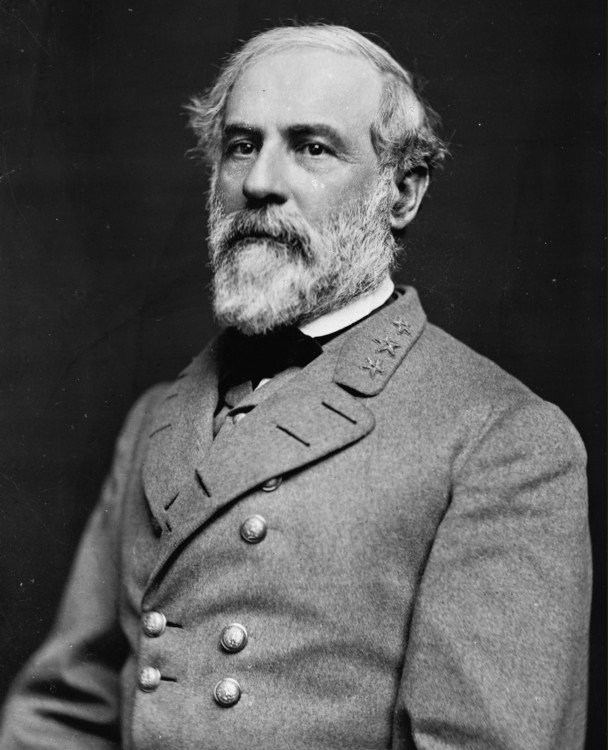
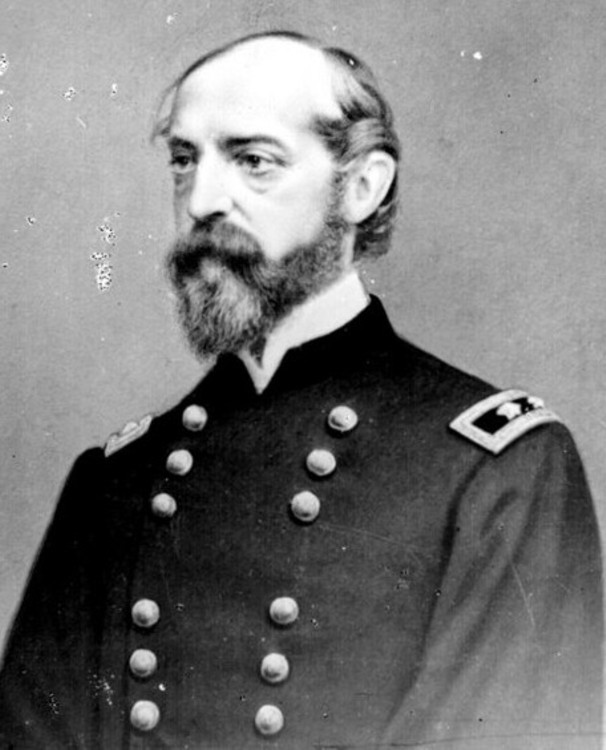
The Battle of Gettysburg (July 1-3, 1863) ... was fought in and around the town of Gettysburg, Pennsylvania, by Union and Confederate forces during the American Civil War. In the battle, Union Major General George Meade's Army of the Potomac defeated attacks by Confederate General Robert E. Lee's Army of Northern Virginia, halting Lee's invasion of the North. The battle involved the largest number of casualties of the entire war and is often described as the war's turning point due to the Union's decisive victory and concurrence with the Siege of Vicksburg. After his success at Chancellorsville in Virginia in May 1863, Lee led his army through the Shenandoah Valley to begin his second invasion of the North - the Gettysburg Campaign. With his army in high spirits, Lee intended to shift the focus of the summer campaign from war-ravaged northern Virginia and hoped to influence Northern politicians to give up their prosecution of the war by penetrating as far as Harrisburg, Pennsylvania, or even Philadelphia. Prodded by President Abraham Lincoln, Major General Joseph Hooker moved his army in pursuit, but was relieved of command just three days before the battle and replaced by Meade. Elements of the two armies initially collided at Gettysburg on July 1, 1863, as Lee urgently concentrated his forces there, his objective being to engage the Union army and destroy it. Low ridges to the northwest of town were defended initially by a Union cavalry division under Brigadier General John Buford, and soon reinforced with two corps of Union infantry. However, two large Confederate corps assaulted them from the northwest and north, collapsing the hastily developed Union lines, sending the defenders retreating through the streets of the town to the hills just to the south. On the second day of battle, most of both armies had assembled. The Union line was laid out in a defensive formation resembling a fishhook. In the late afternoon of July 2, Lee launched a heavy assault on the Union left flank, and fierce fighting raged at Little Round Top, the Wheatfield, Devil's Den, and the Peach Orchard. On the Union right, Confederate demonstrations escalated into full-scale assaults on Culp's Hill and Cemetery Hill. All across the battlefield, despite significant losses, the Union defenders held their lines. On the third day of battle, fighting resumed on Culp's Hill, and cavalry battles raged to the east and south, but the main event was a dramatic infantry assault by 12,500 Confederates against the center of the Union line on Cemetery Ridge, known as Pickett's Charge. The charge was repelled by Union rifle and artillery fire, at great loss to the Confederate army. Lee led his army on a torturous retreat back to Virginia. Between 46,000 and 51,000 soldiers from both armies were casualties in the three-day battle, the most costly in US history. On November 19, President Lincoln used the dedication ceremony for the Gettysburg National Cemetery to honor the fallen Union soldiers and redefine the purpose of the war in his historic Gettysburg Address.
|
||
| patches + more | ||
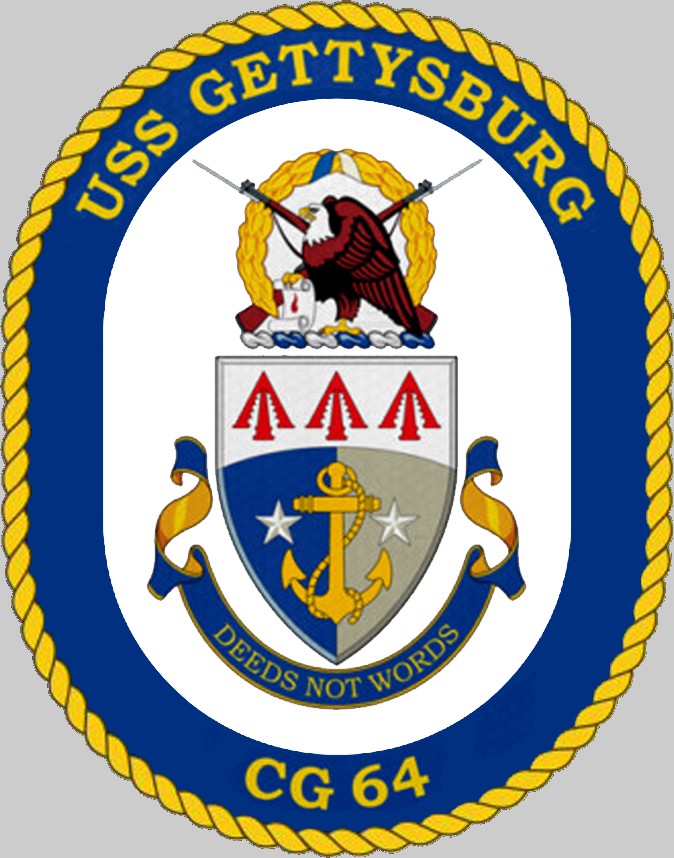    |
||
|
|
seaforces.org |
USN ships
start page | |