 |
||
|
HOME
|
US Navy -
ships
|
US Navy - air
units
|
USMC - air
units
|
International
Navies
|
Weapon Systems
|
Special Reports |
||
|
US Navy - Guided Missile Cruiser CG 59 - USS Princeton |
||
|
||
| 09/22 | ||
|
Type,
class: Guided Missile Cruiser (CG); Ticonderoga
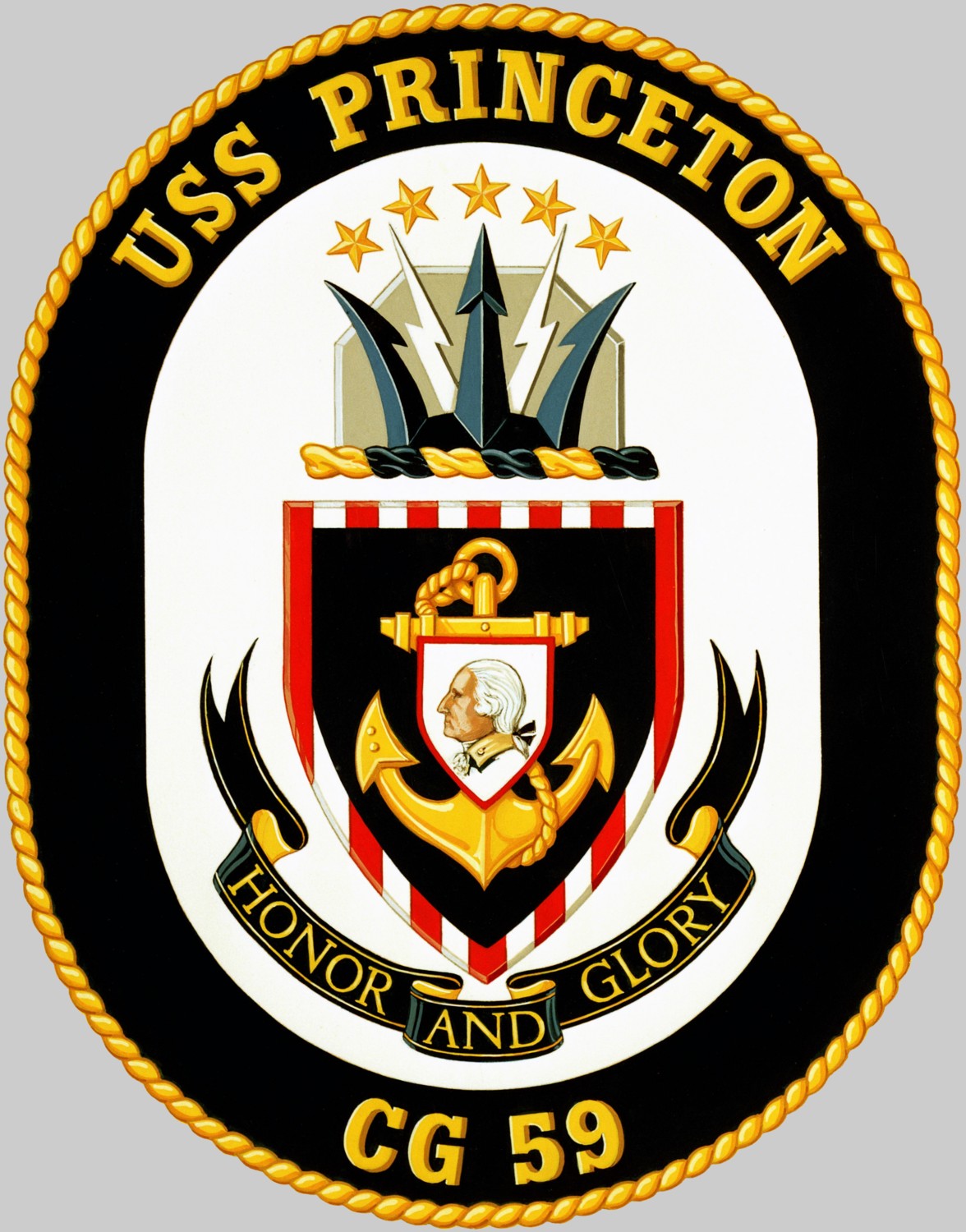
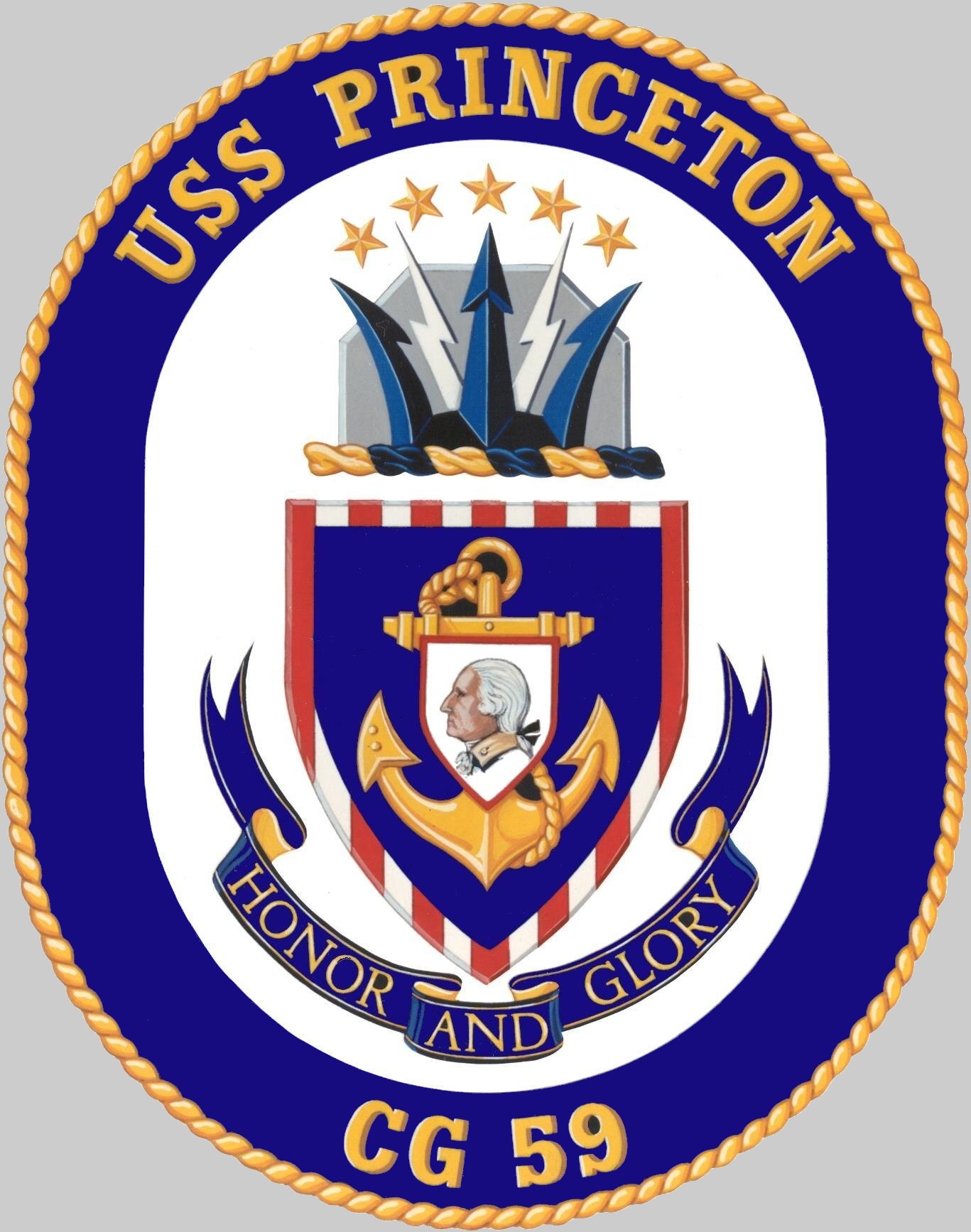
class Builder: Ingalls Shipbuilding, Pascagoula, Mississippi, USA STATUS: Awarded: December 16, 1983 Laid down: October 15, 1986 Launched: October 2, 1987 Commissioned: February 11, 1989 IN SERVICE Homeport: Naval Base San Diego, California Namesake: the Battle of Princeton / American Revolutionary War - 1777 Ships Motto: HONOR AND GLORY Technical Data: see: INFO > Ticonderoga class Guided Missile Cruiser - CG |
||
| images | ||
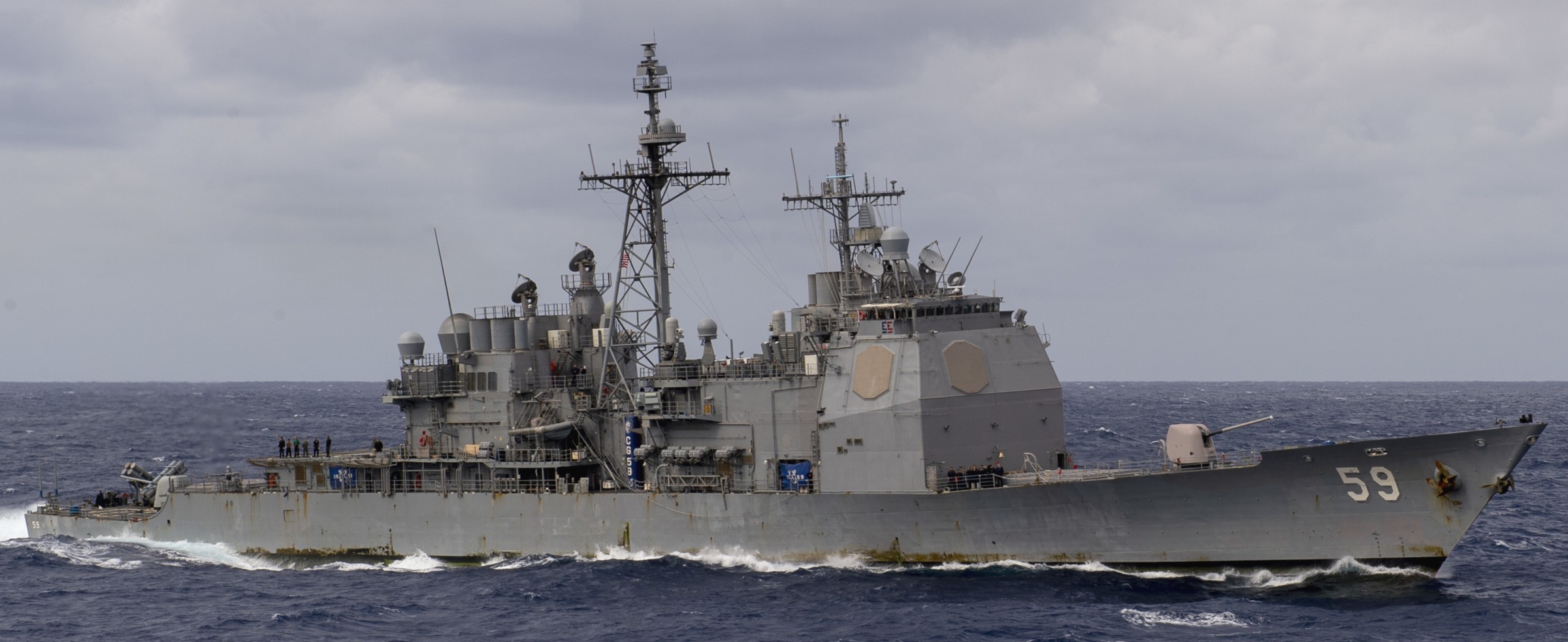 Pacific Ocean - February 2021 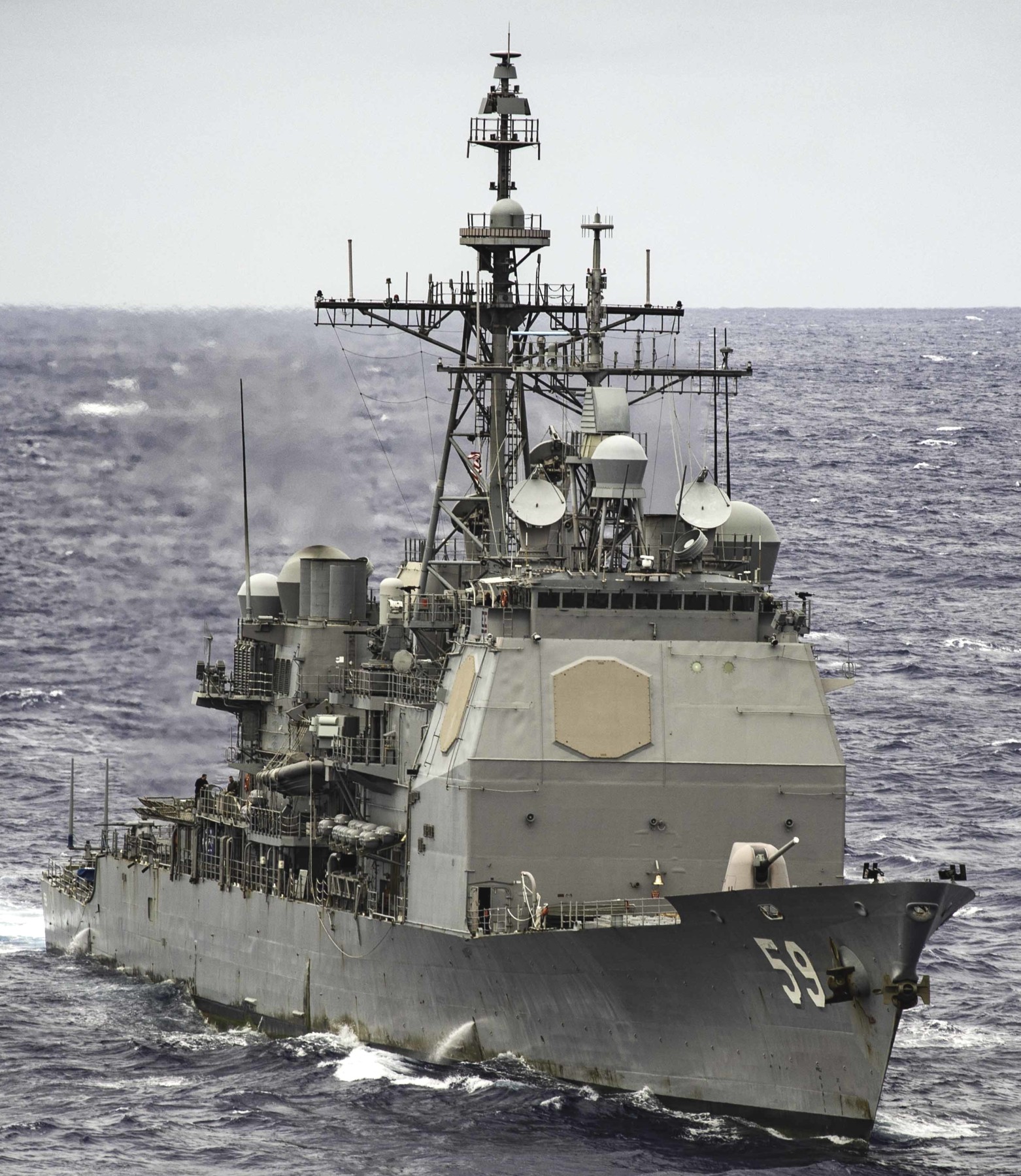 Pacific Ocean - February 2021 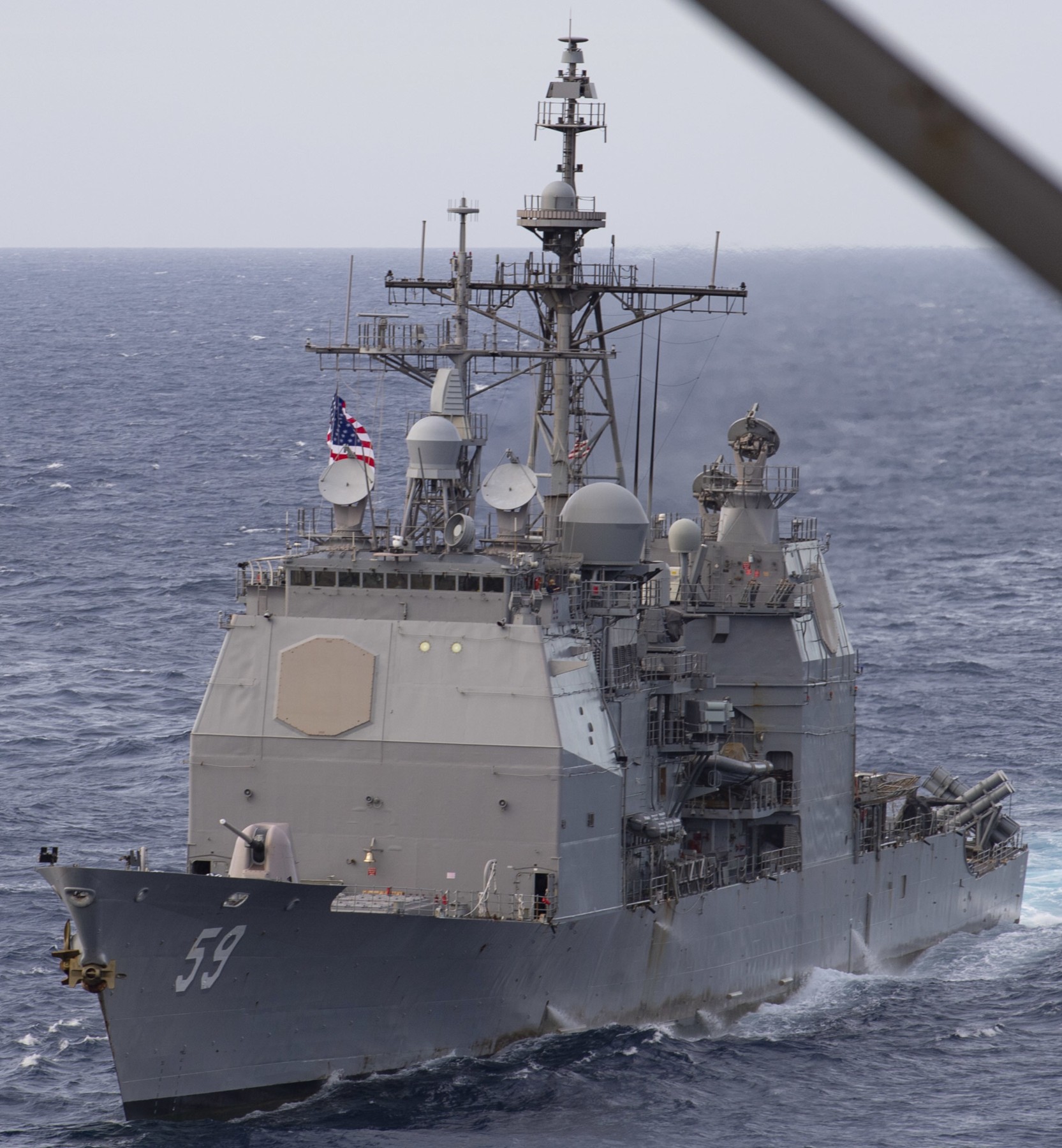 South China Sea - February 2021 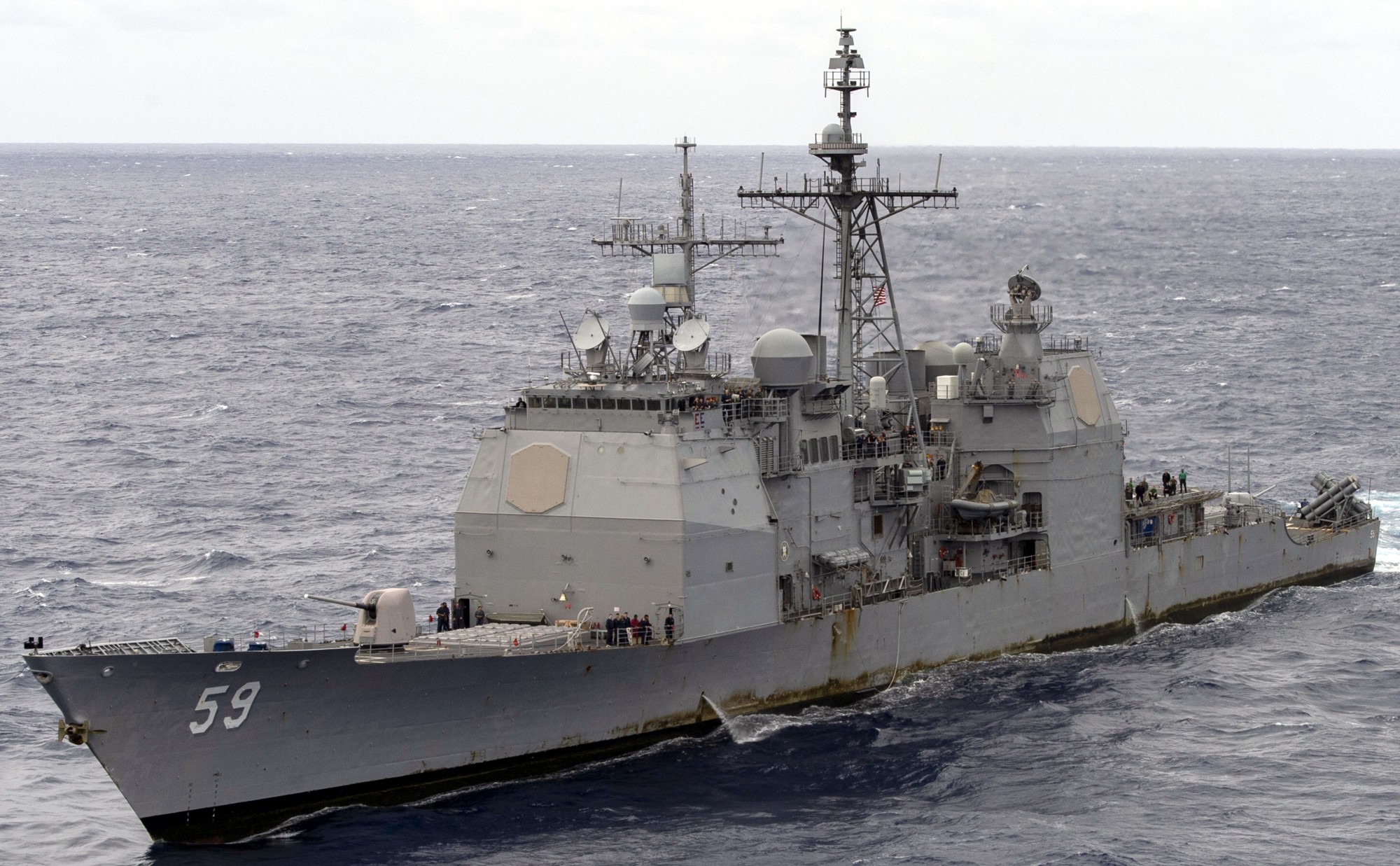 South China Sea - February 2021 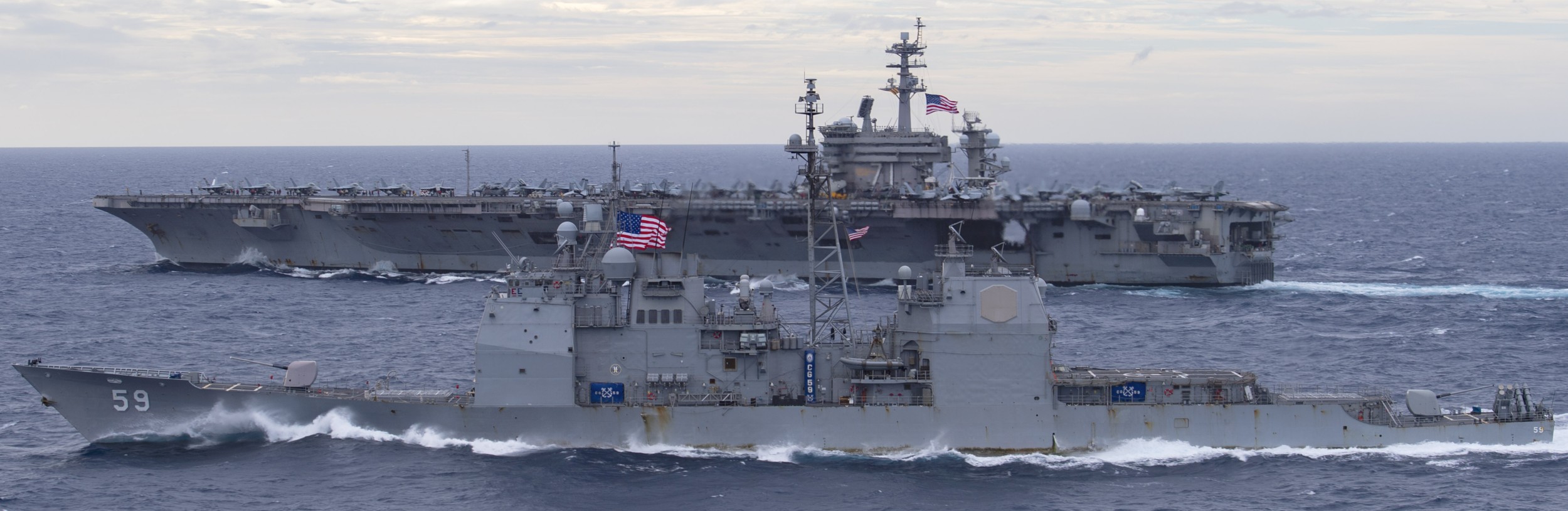 South China Sea - February 2021 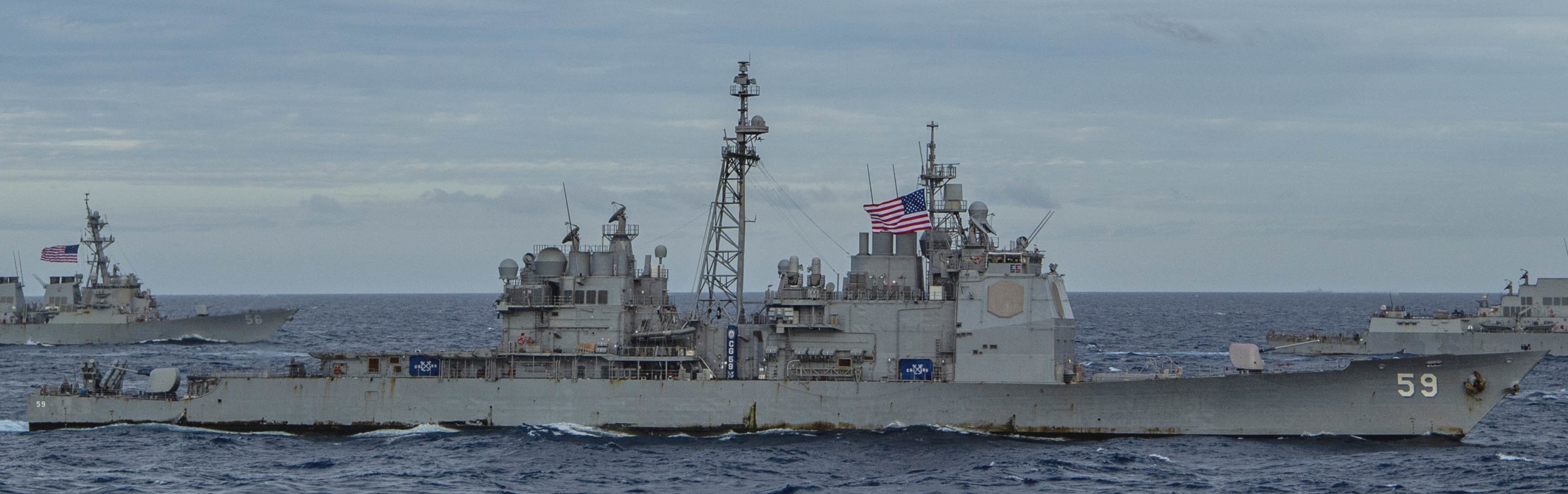 South China Sea - February 2021 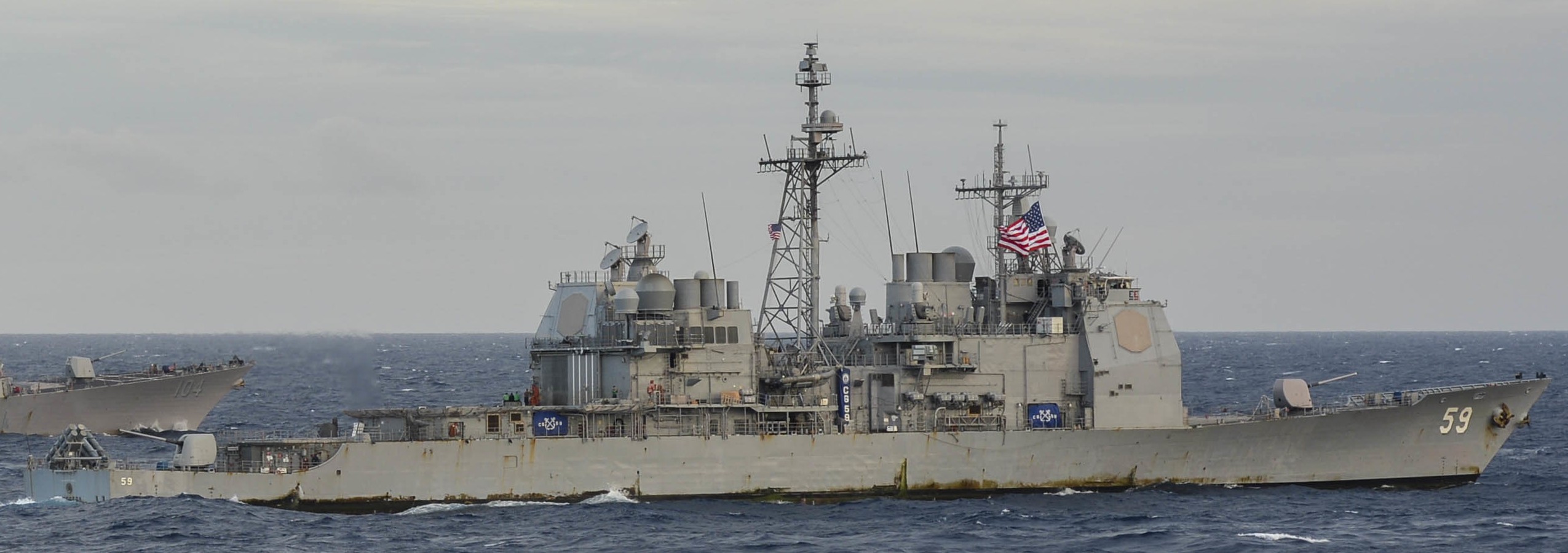 South China Sea - February 2021 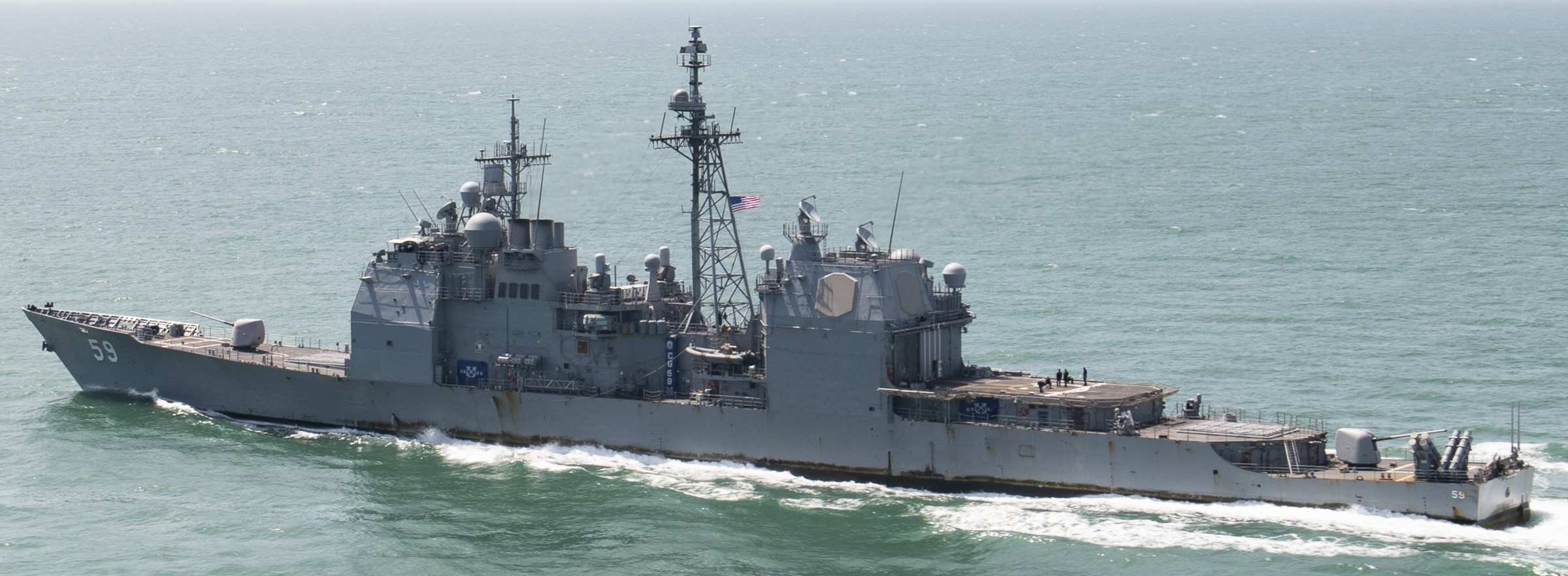 Strait of Malacca - February 2021 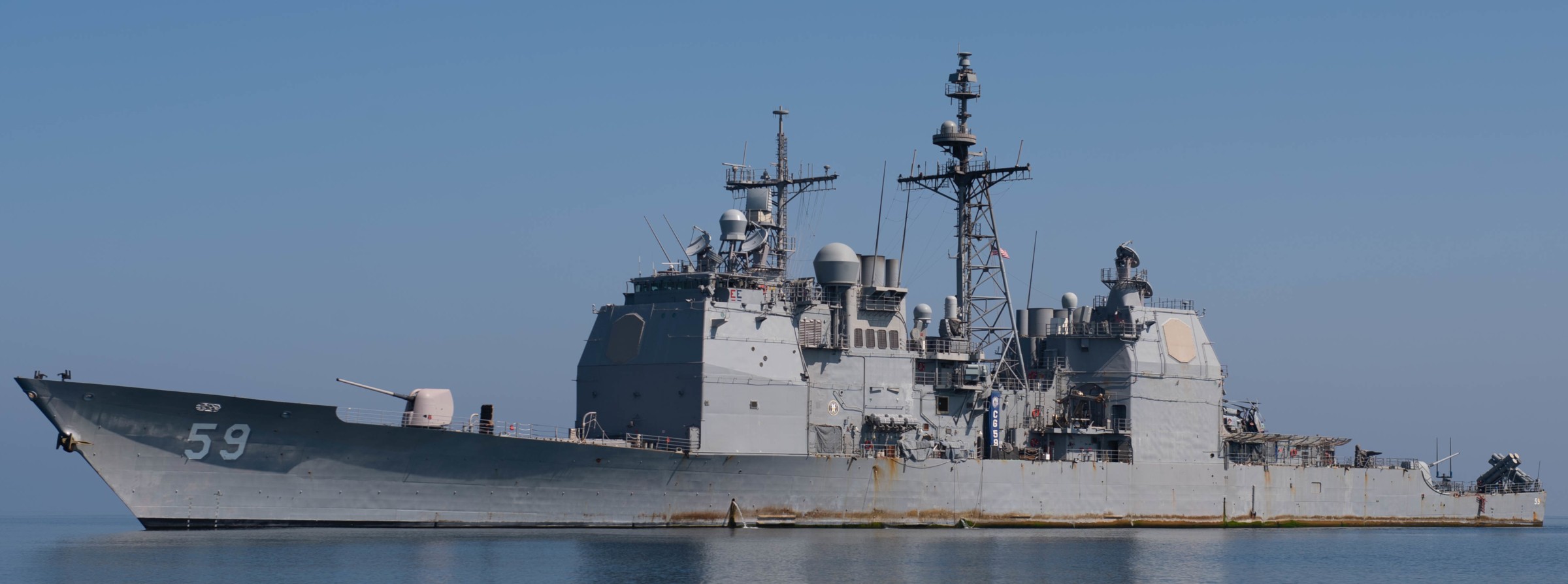 Arabian Sea - January 2021 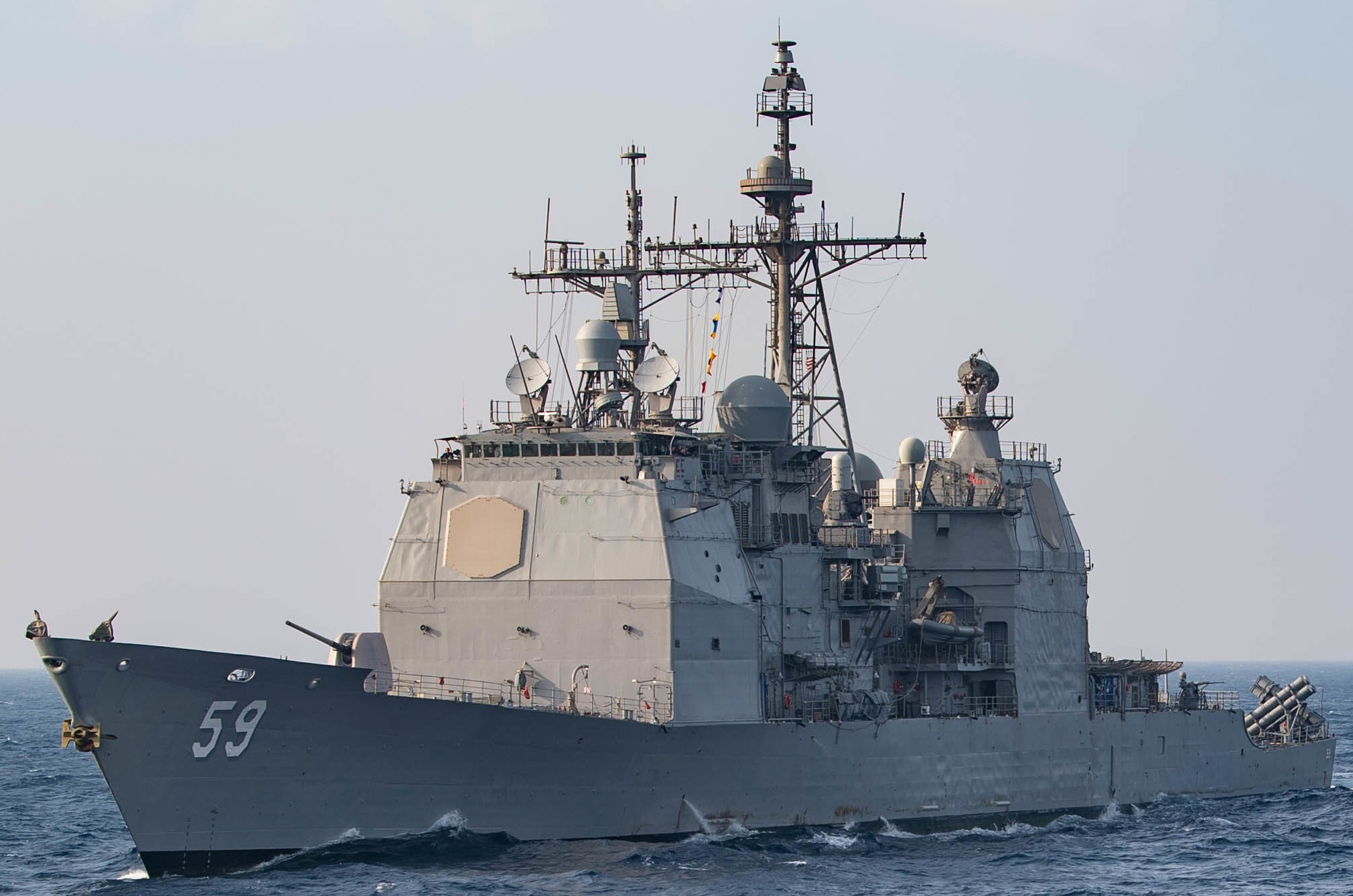 Arabian Sea - November 2020 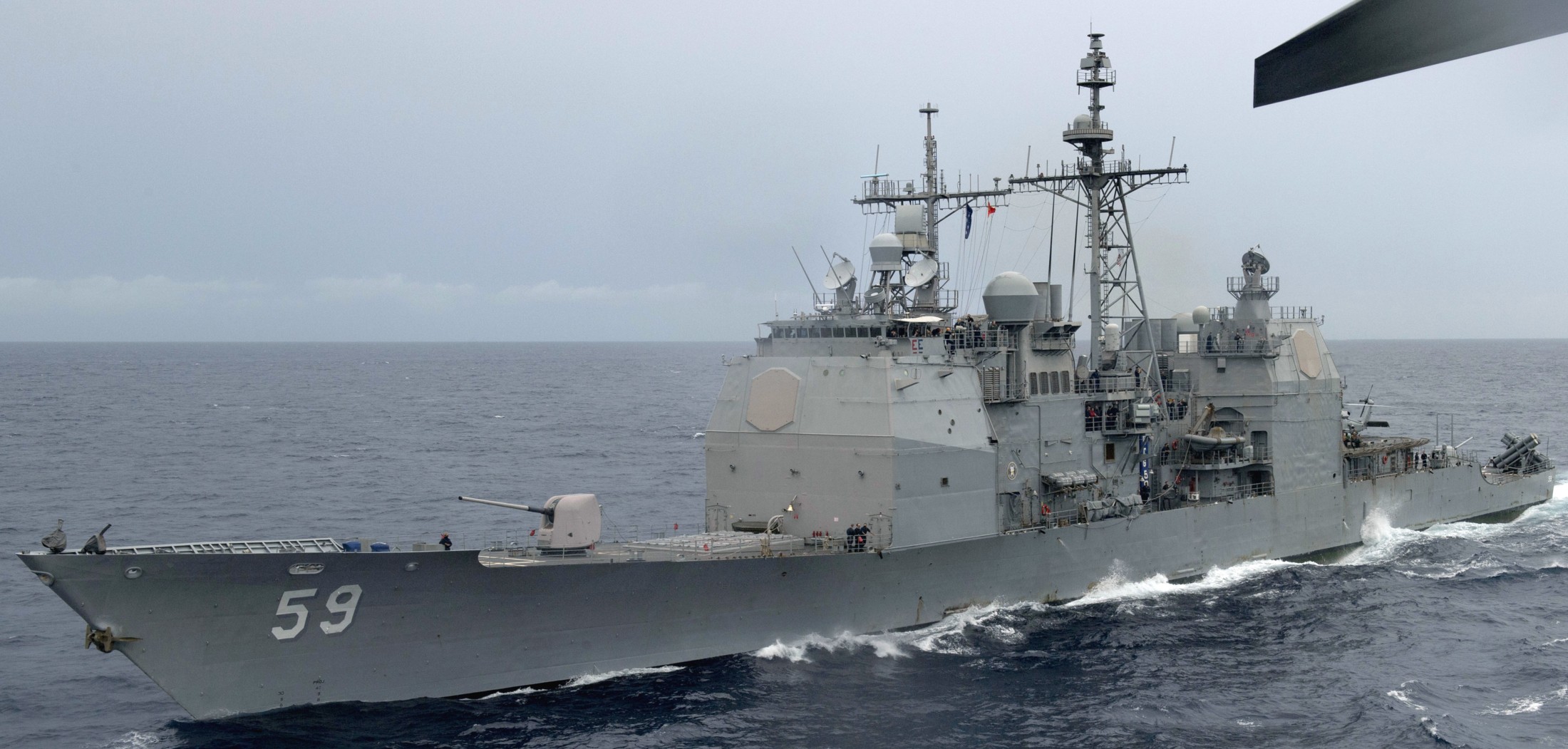 Arabian Sea - November 2020 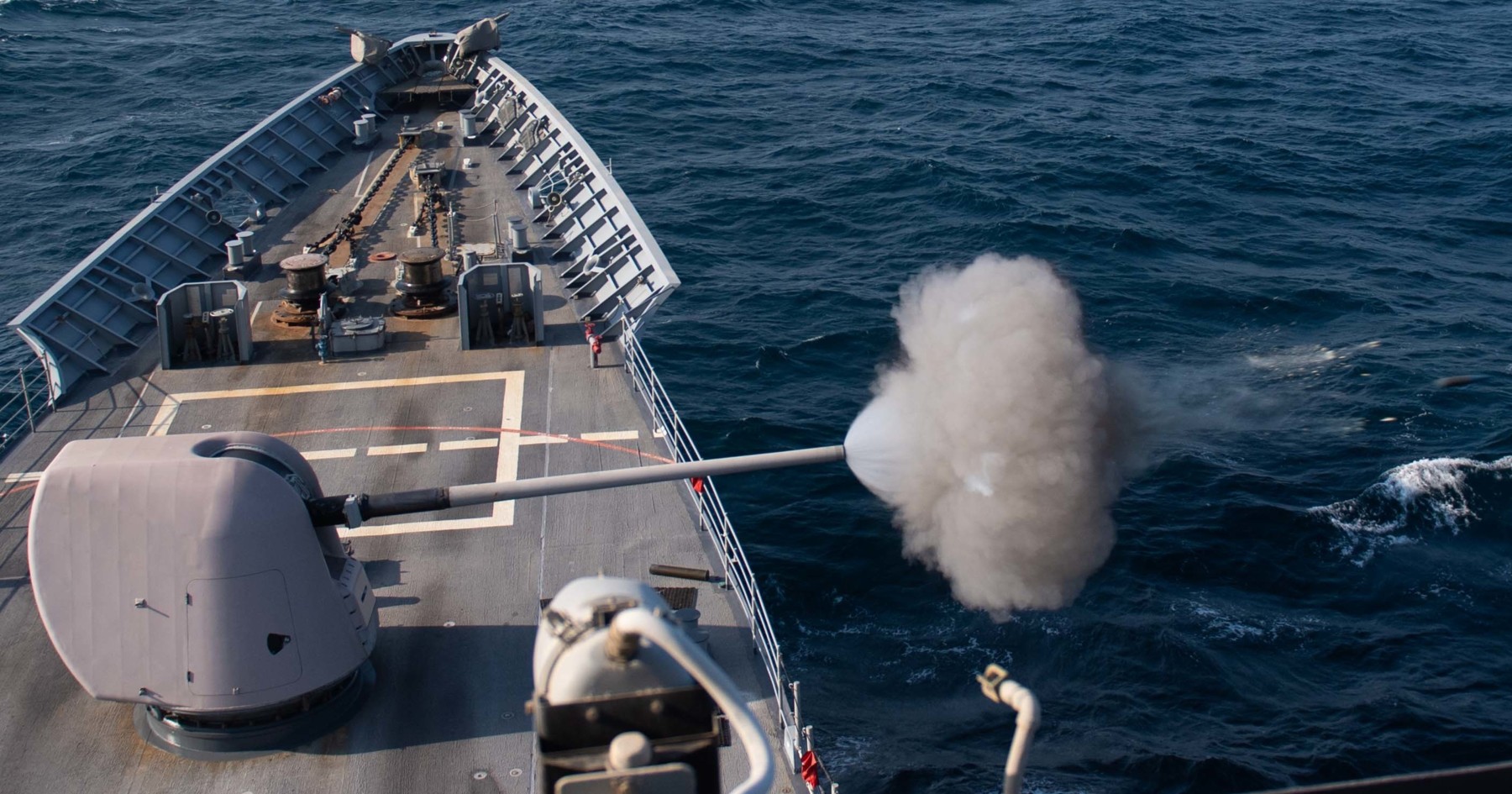 Mk.45 Mod.2 gun fire exercise - Arabian Sea - August 2020 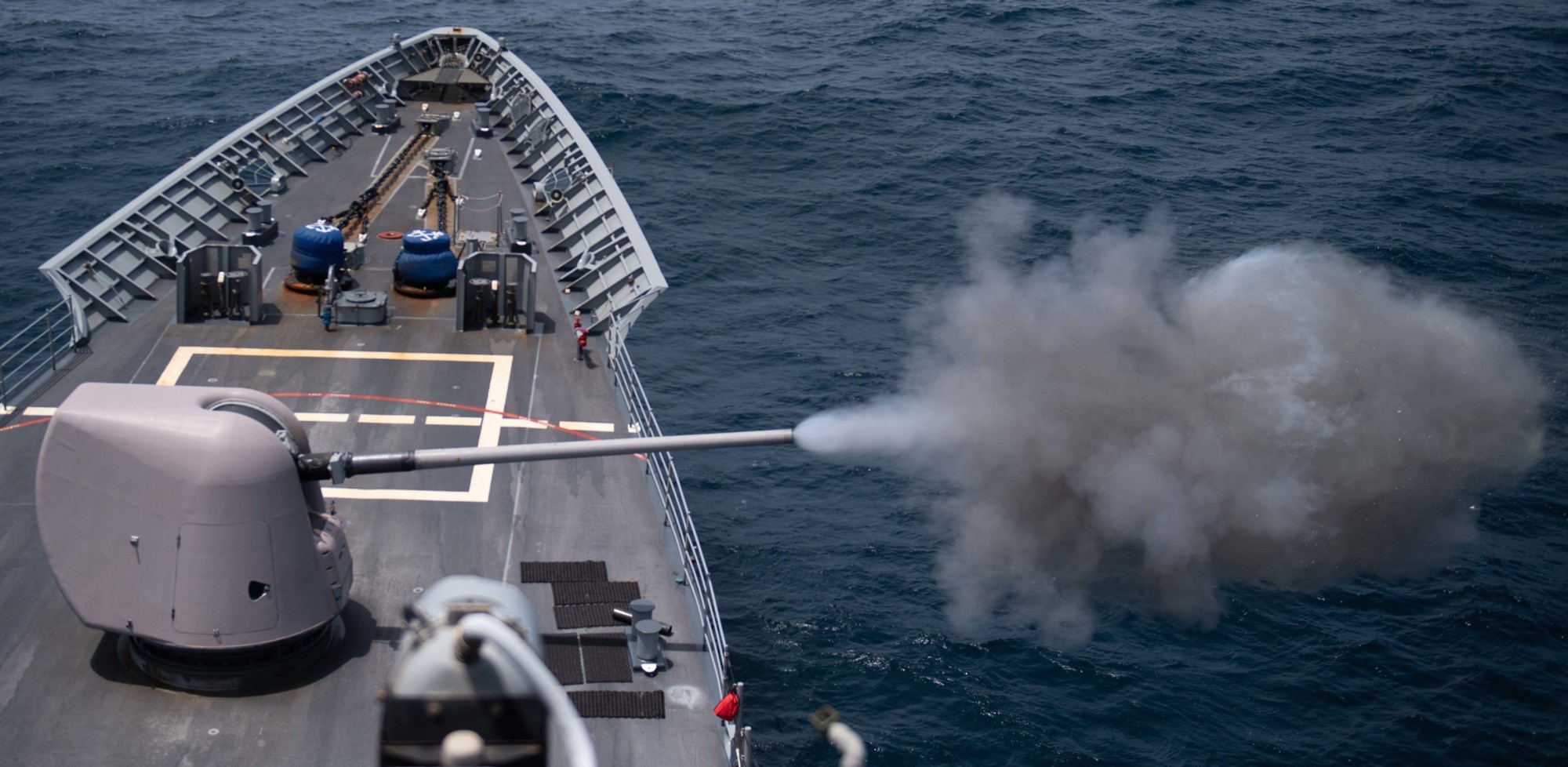 Arabian Sea - August 2020 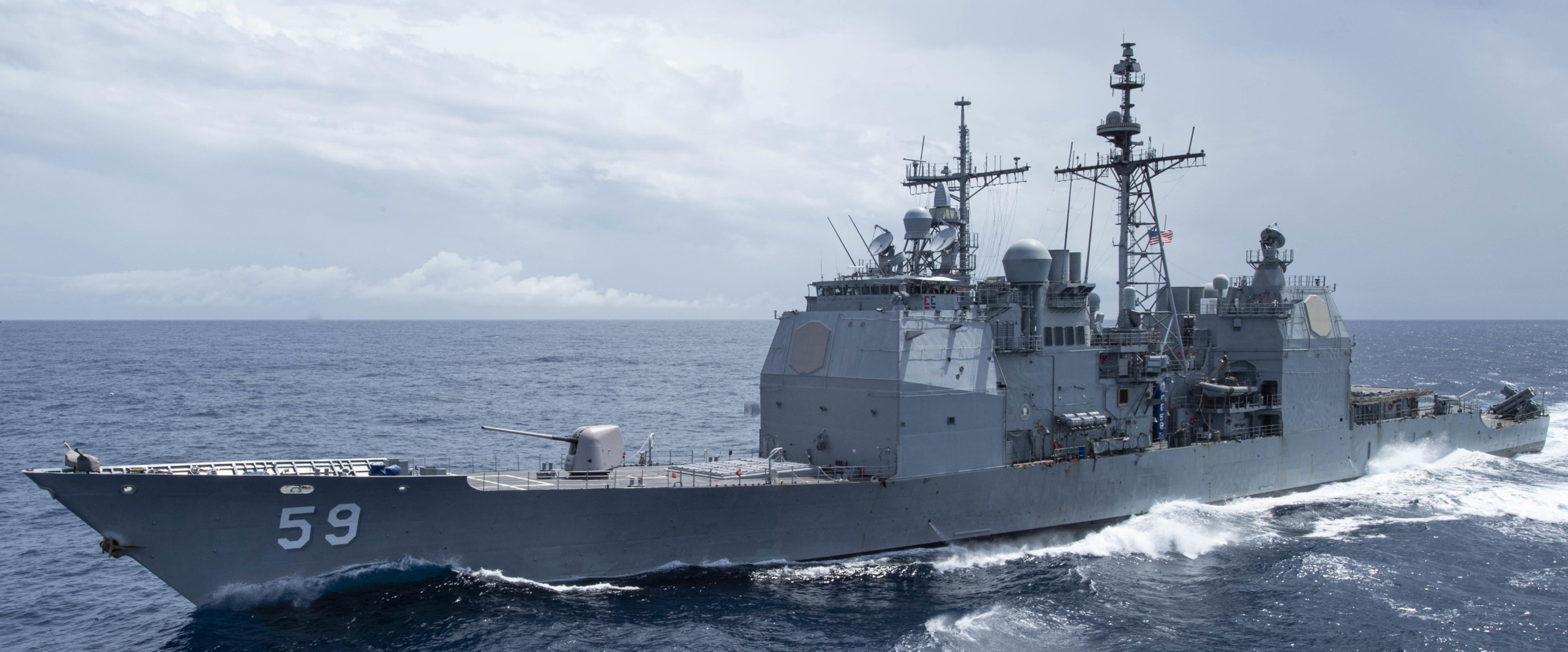 Indian Ocean - July 2020 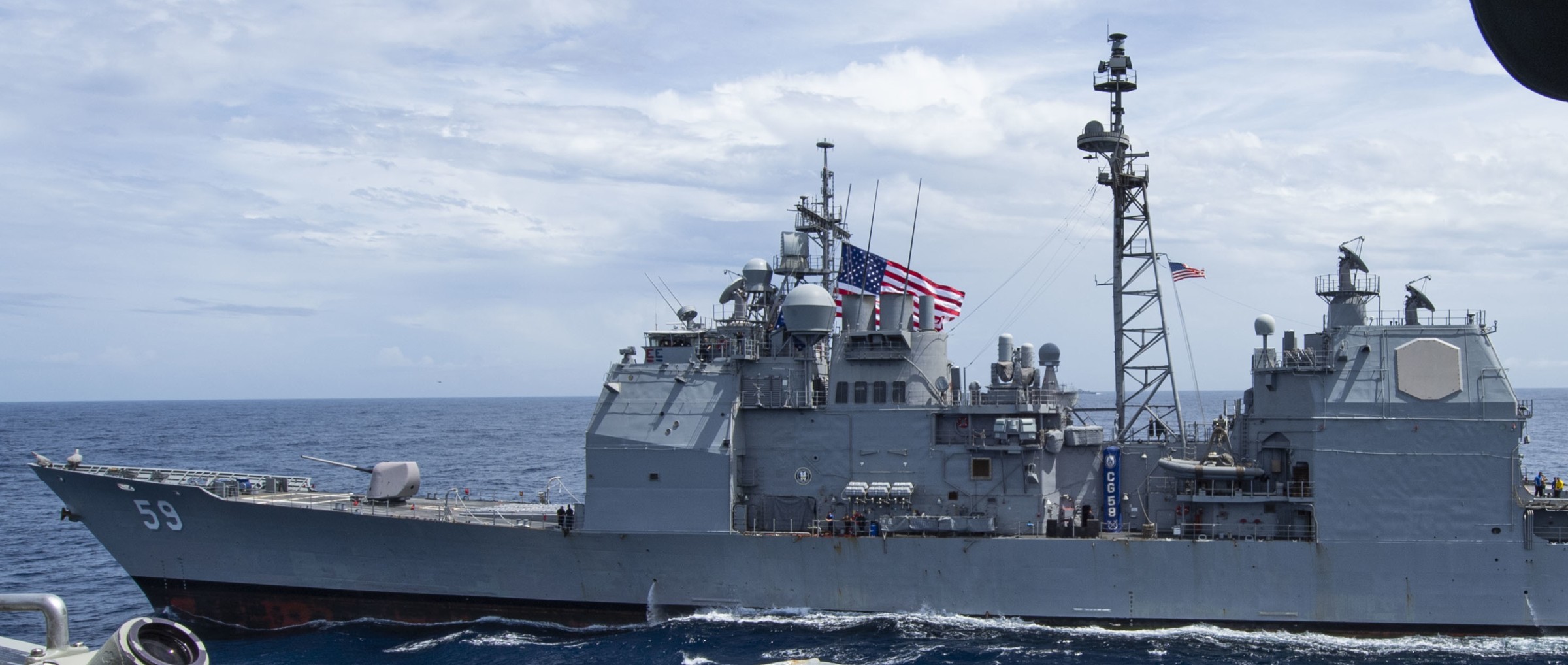 Indian Ocean - July 2020 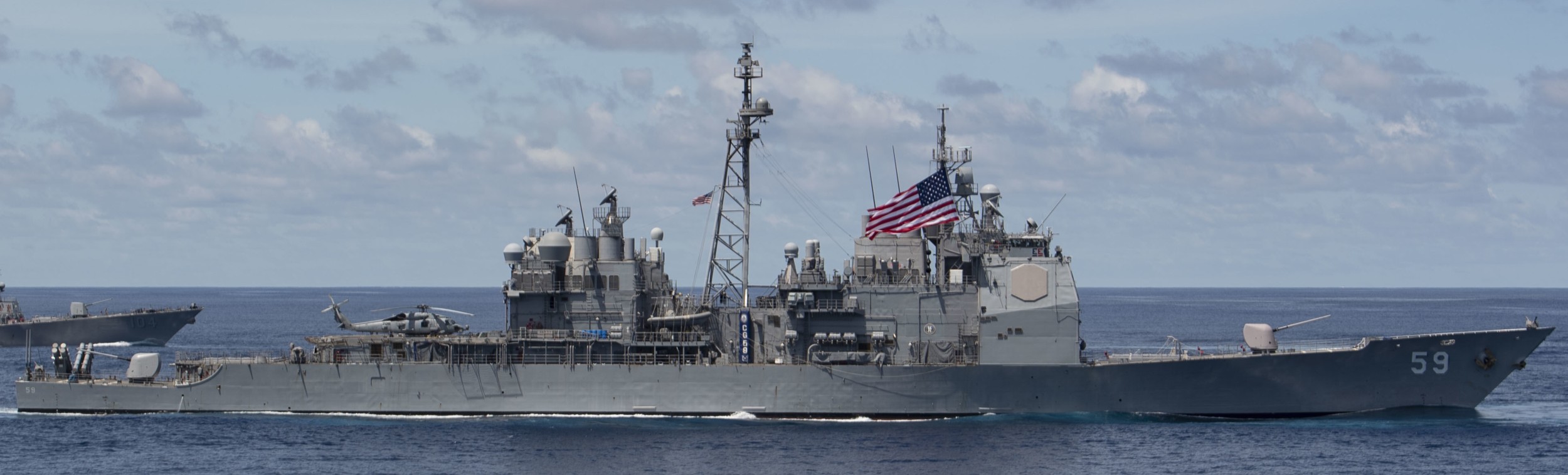 Indian Ocean - July 2020 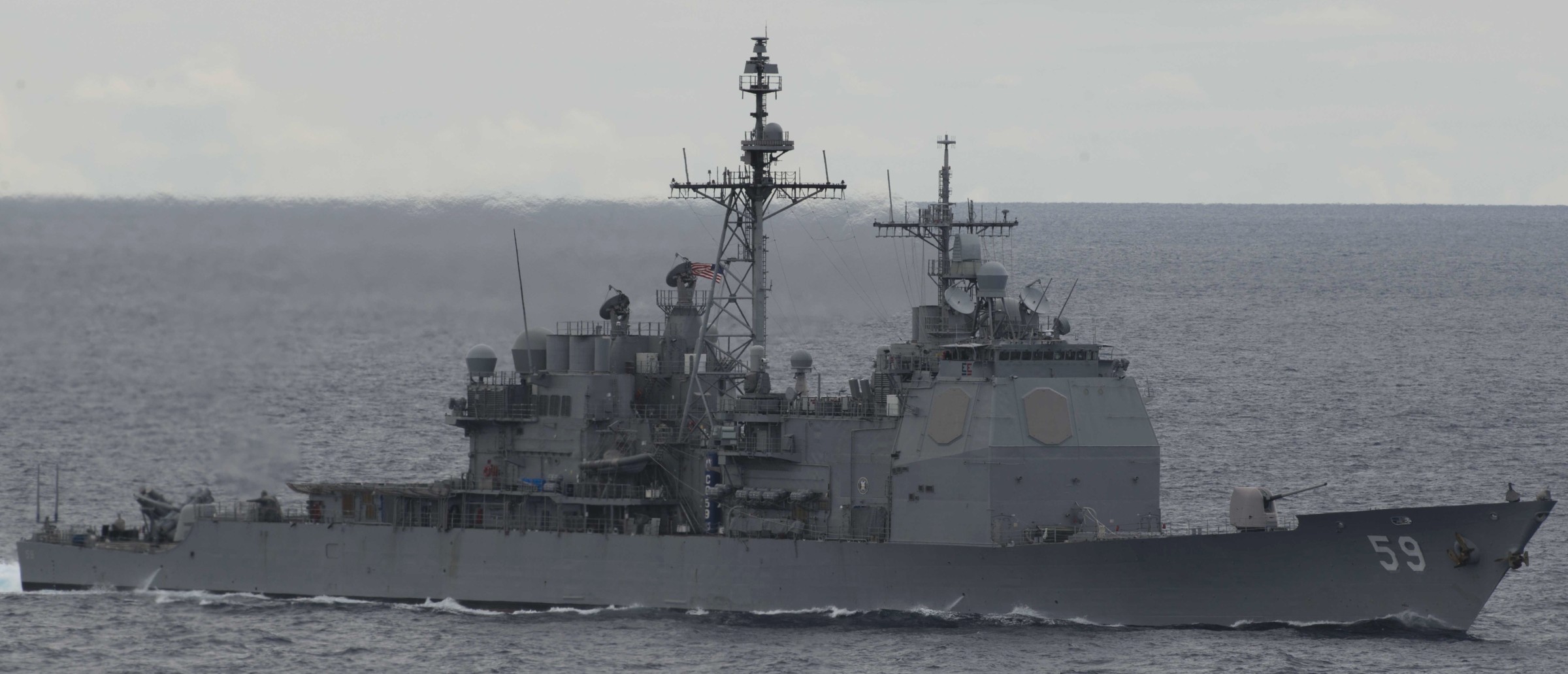 South China Sea - July 2020 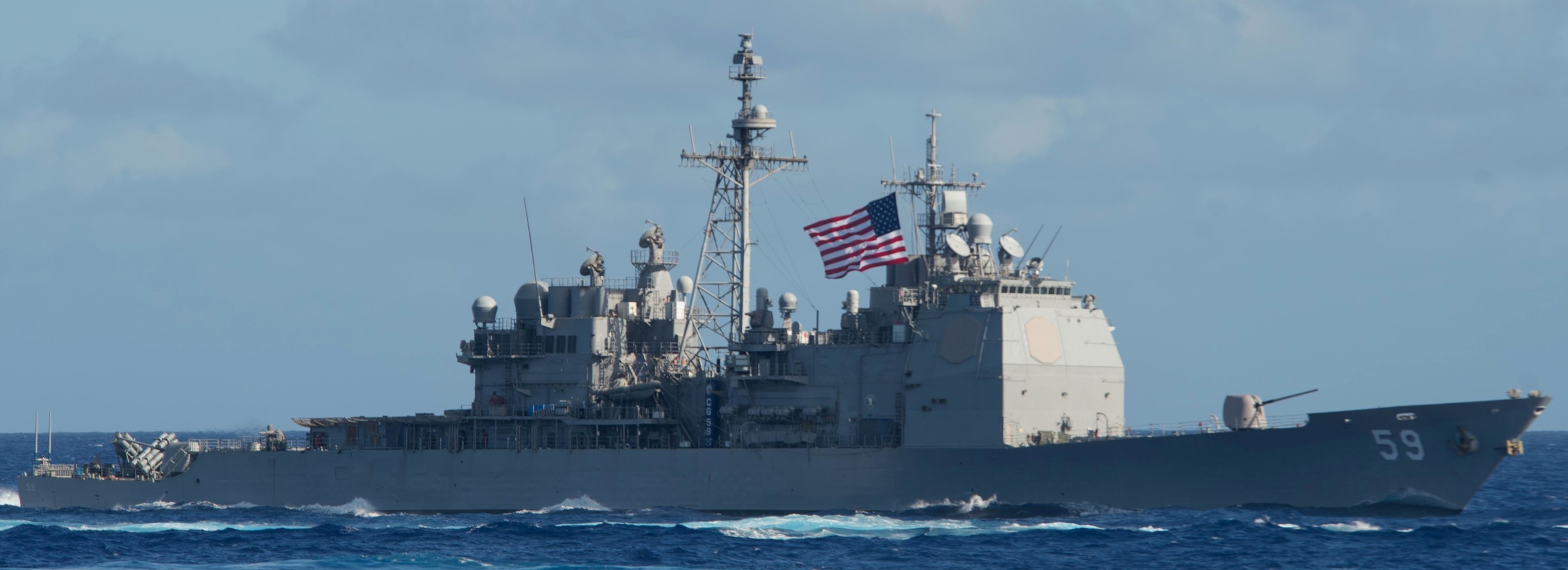 Philippine Sea - June 2020 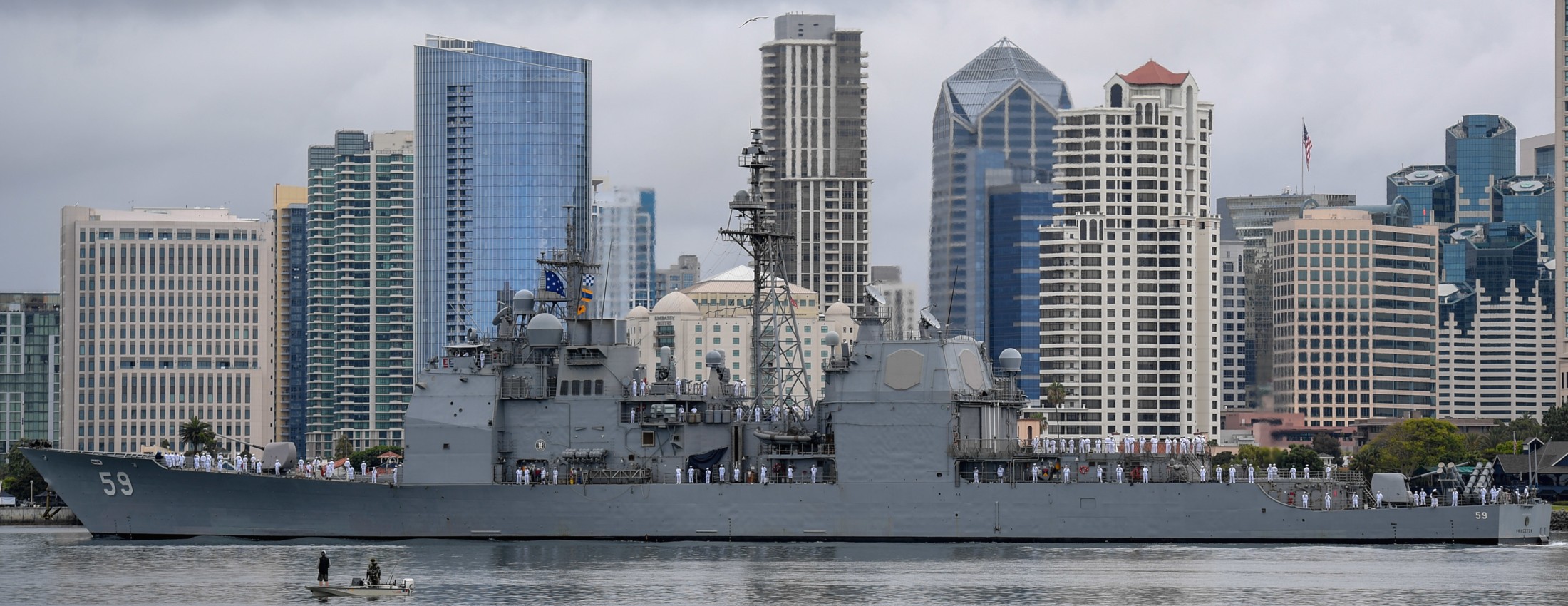 departing Naval Base San Diego, California - June 2020 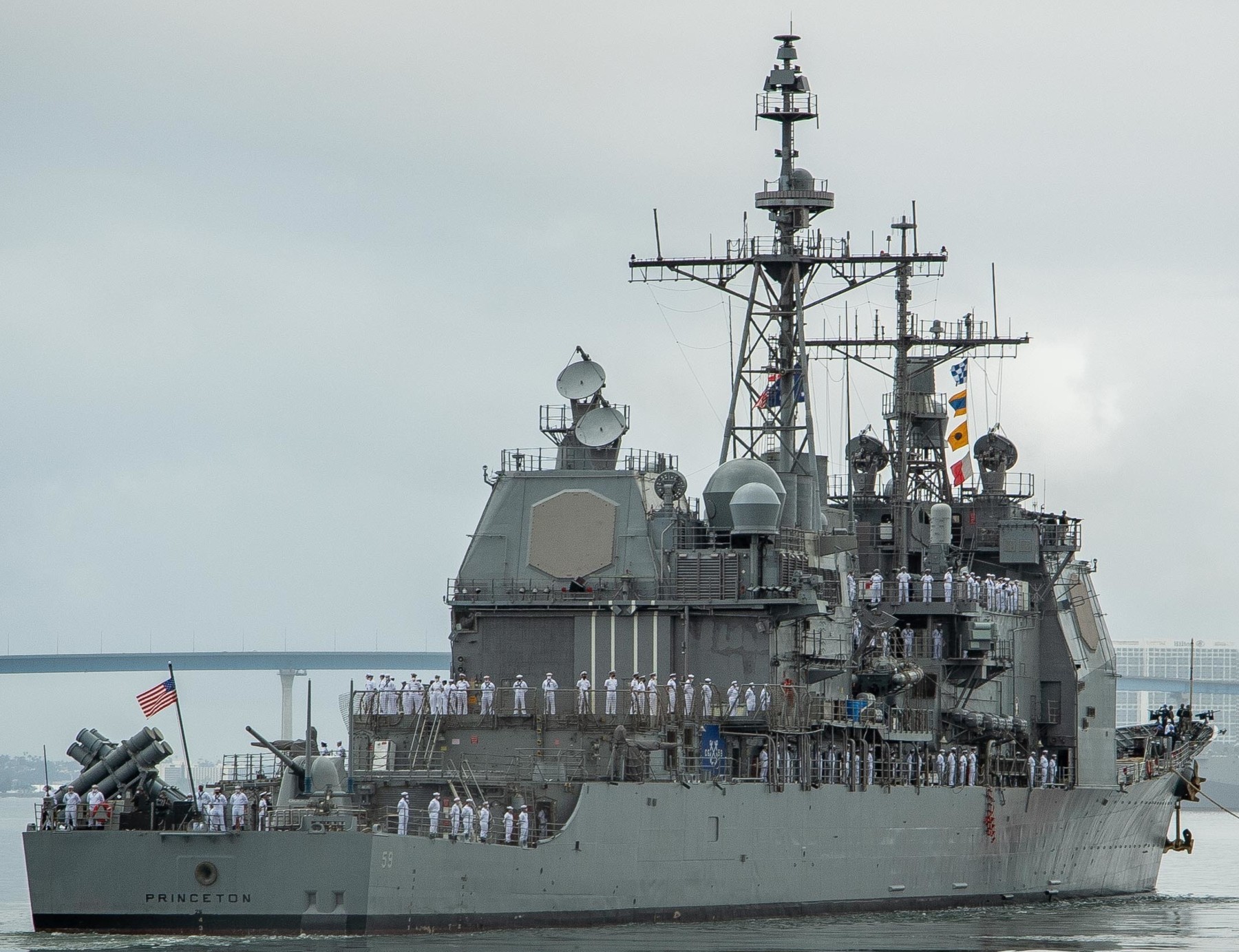 departing Naval Base San Diego, California - June 2020 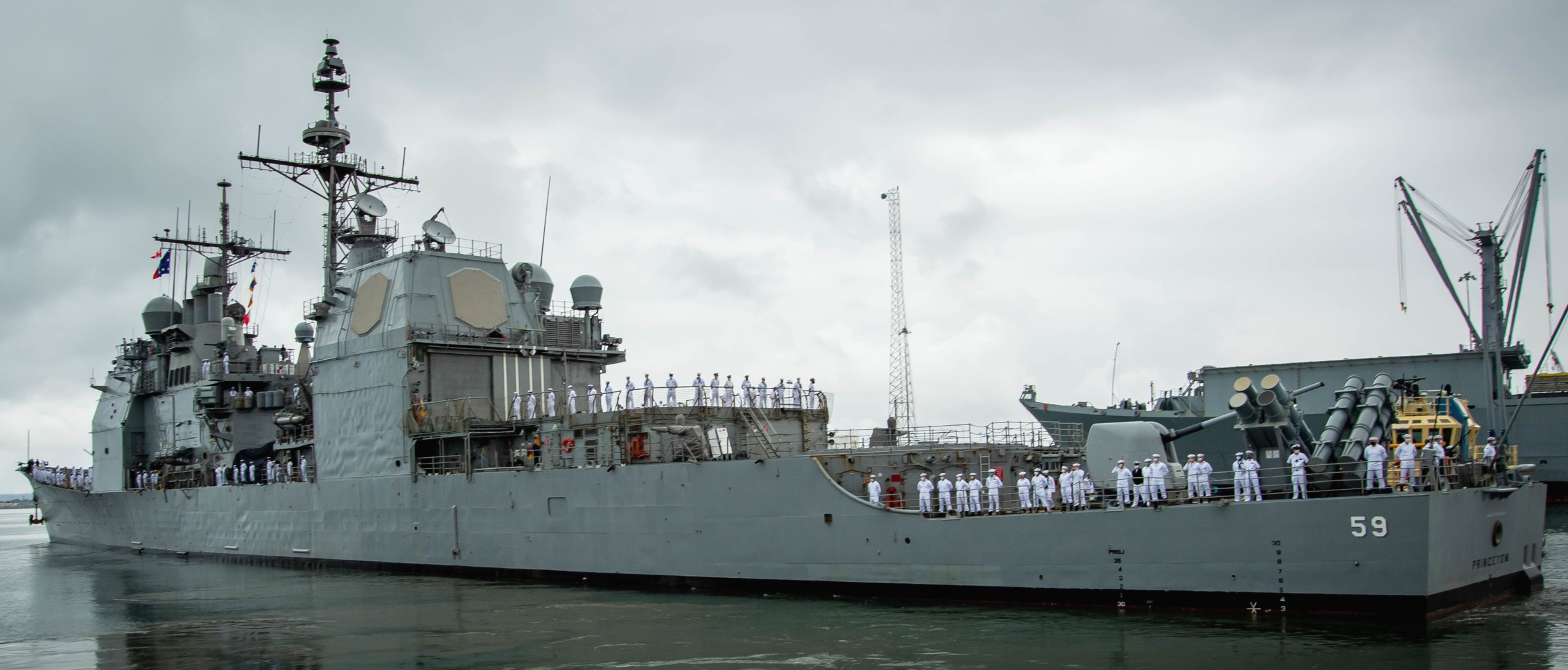 departing Naval Base San Diego, California - June 2020 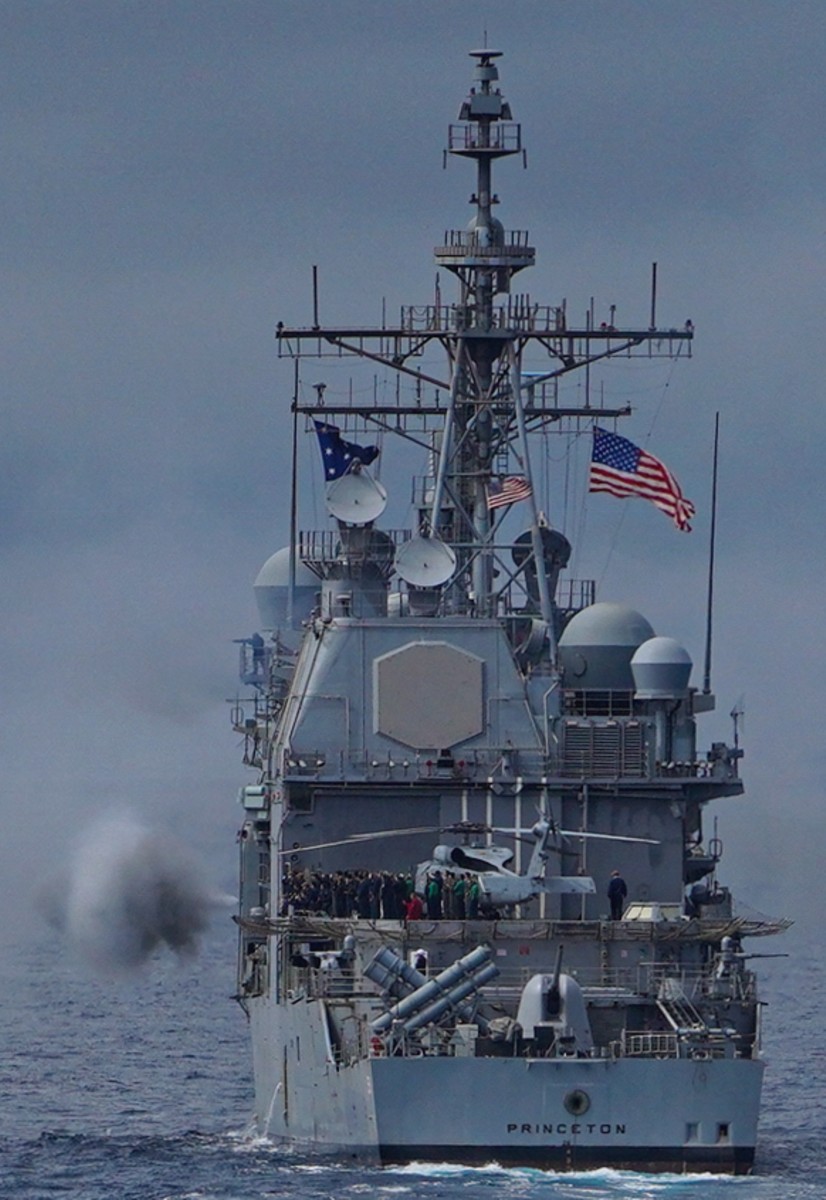 Pacific Ocean - May 2020 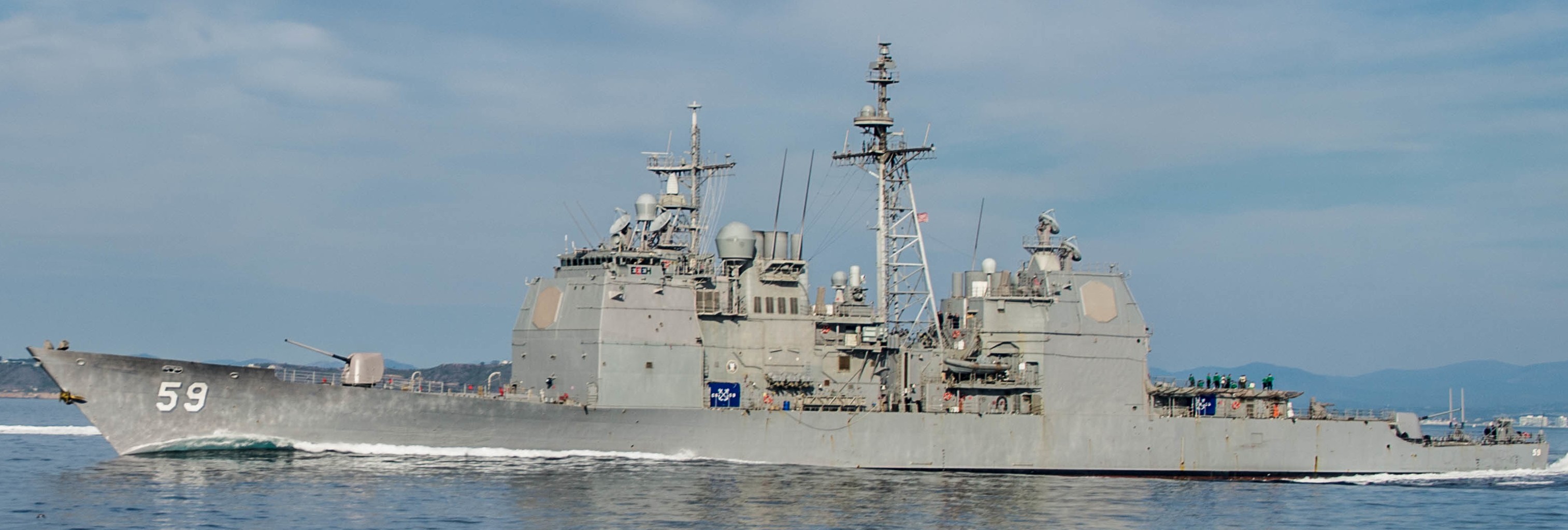 San Diego, California - November 2019 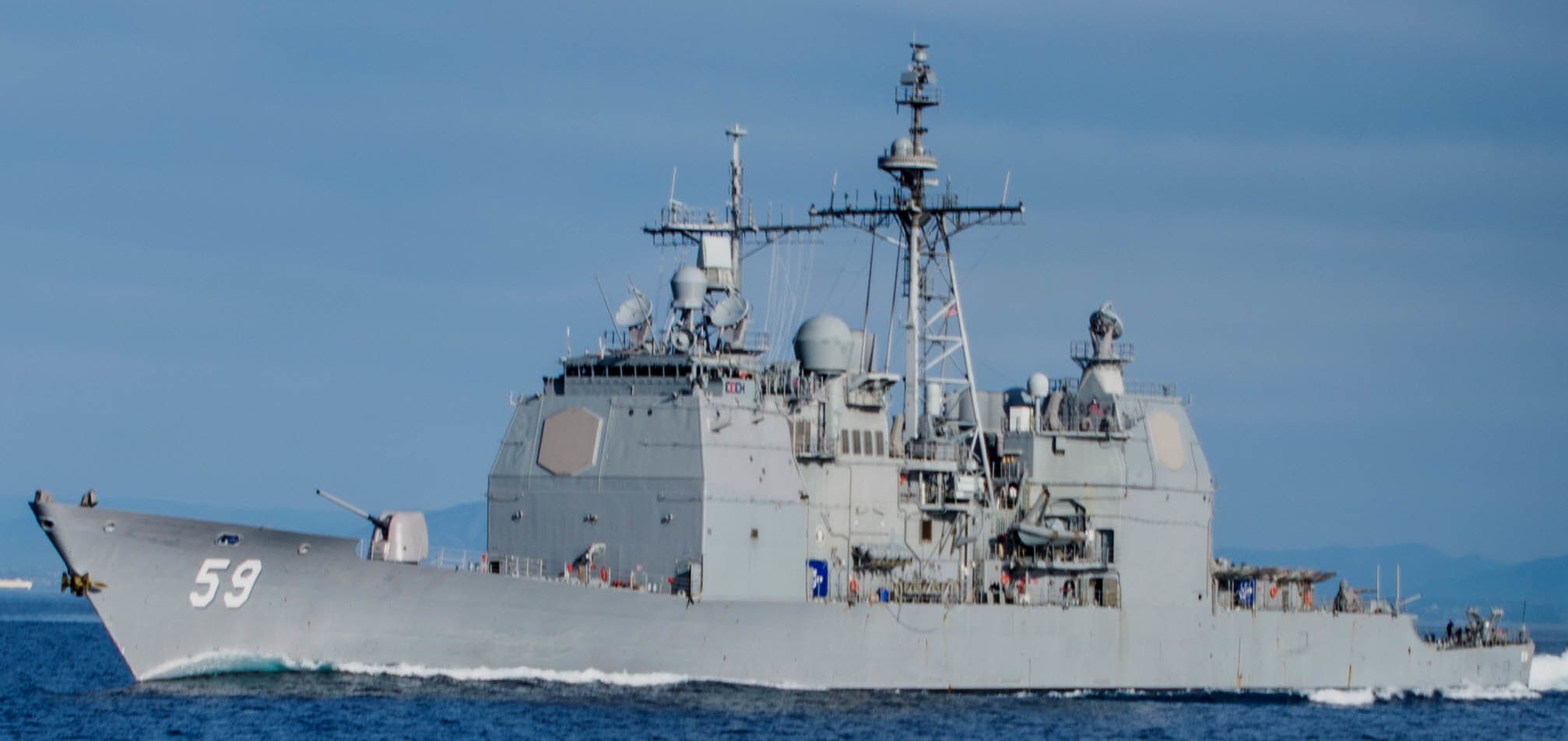 San Diego, California - November 2019 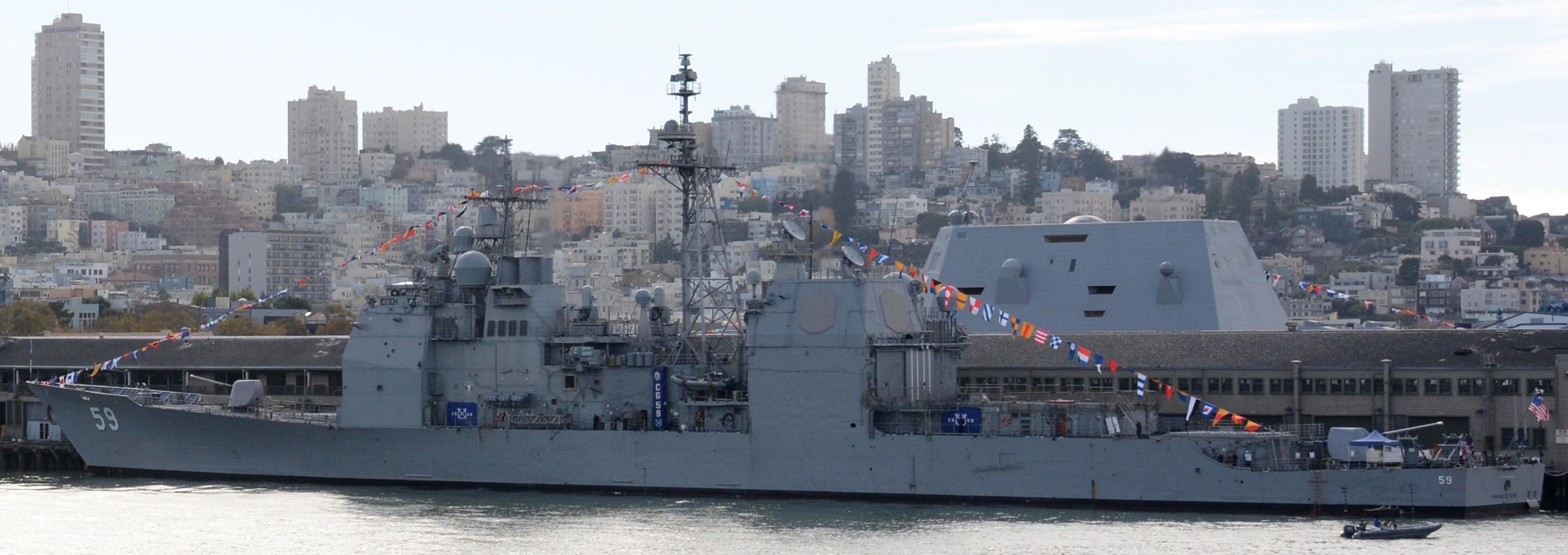 San Francisco Fleet Week - October 2019 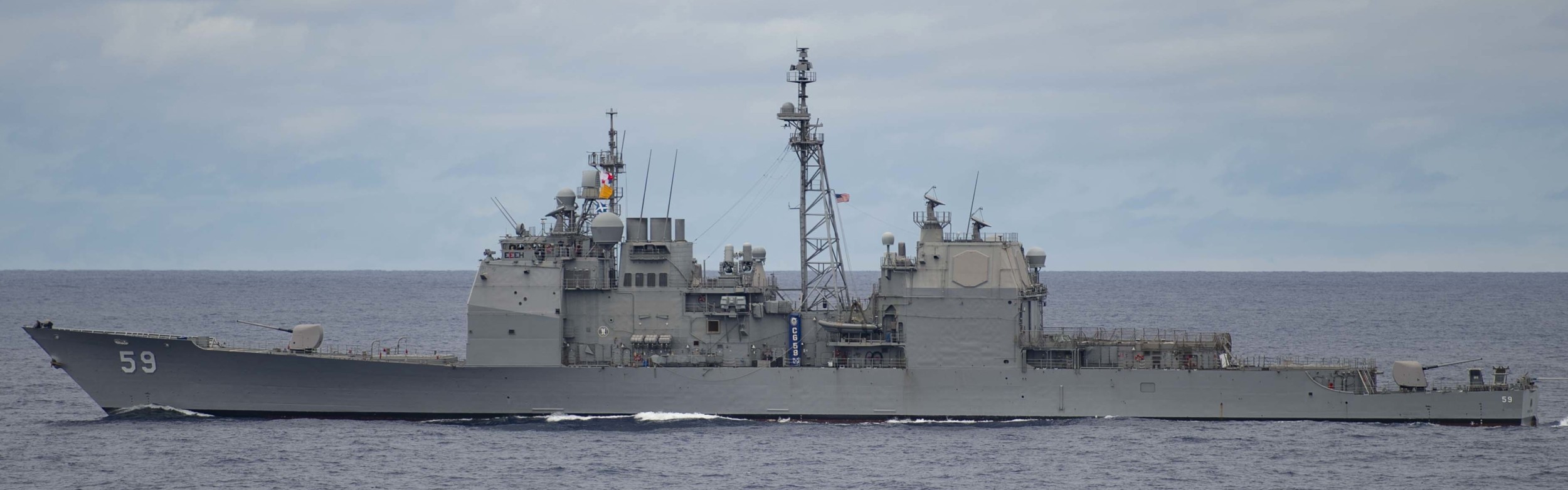 Pacific Ocean - May 2019 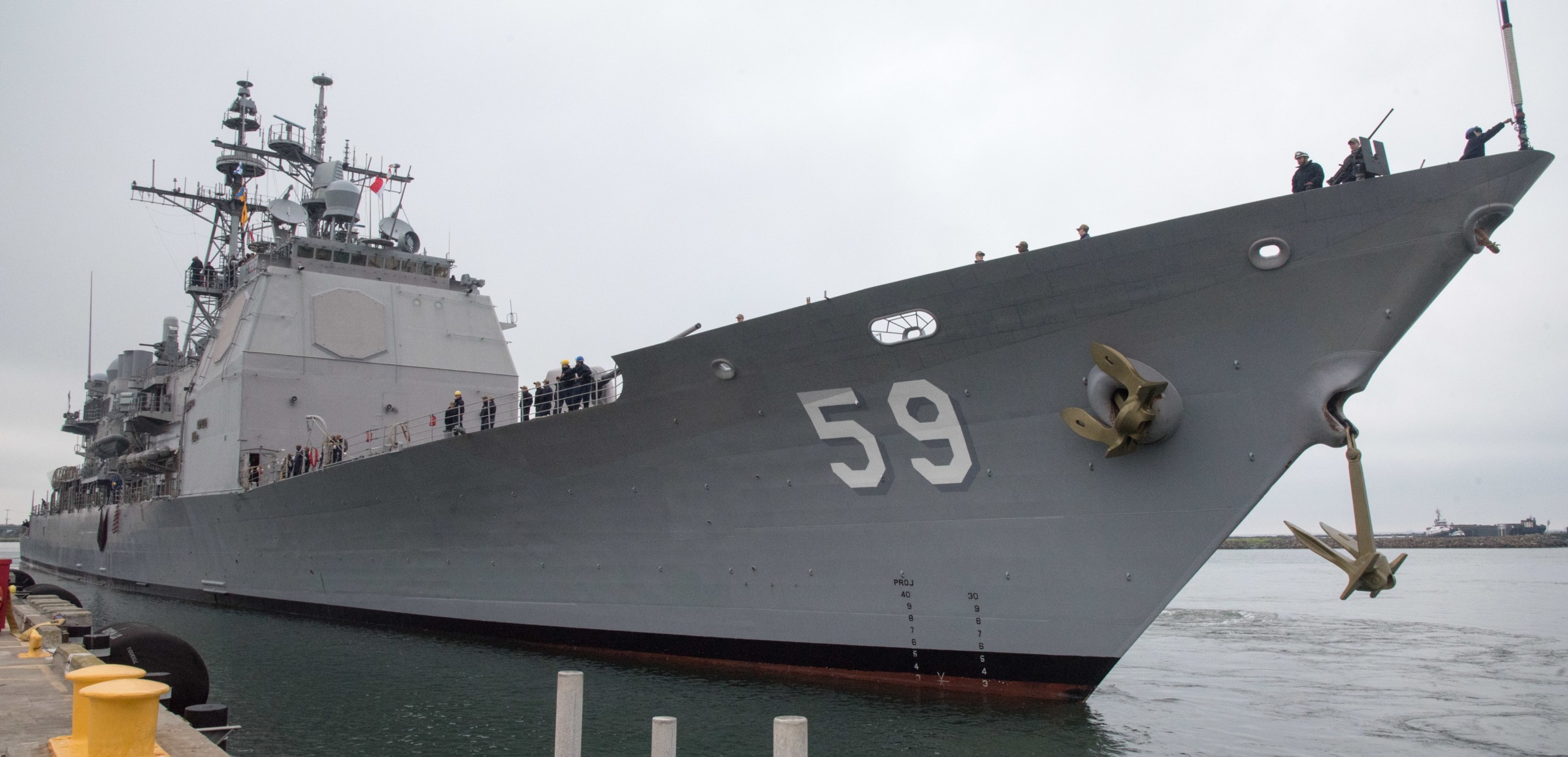 Seal Beach, California - March 2019 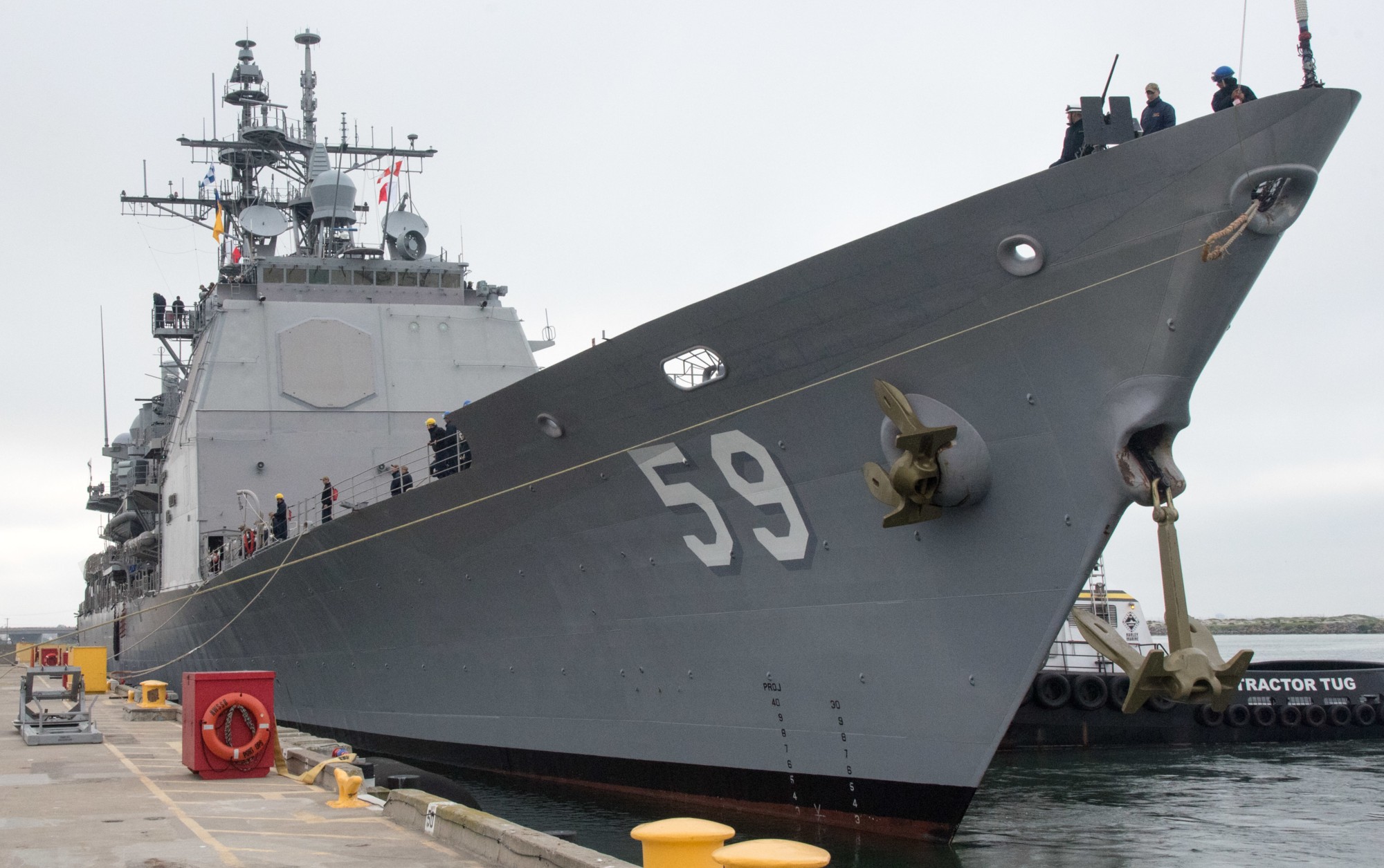 Seal Beach, California - March 2019 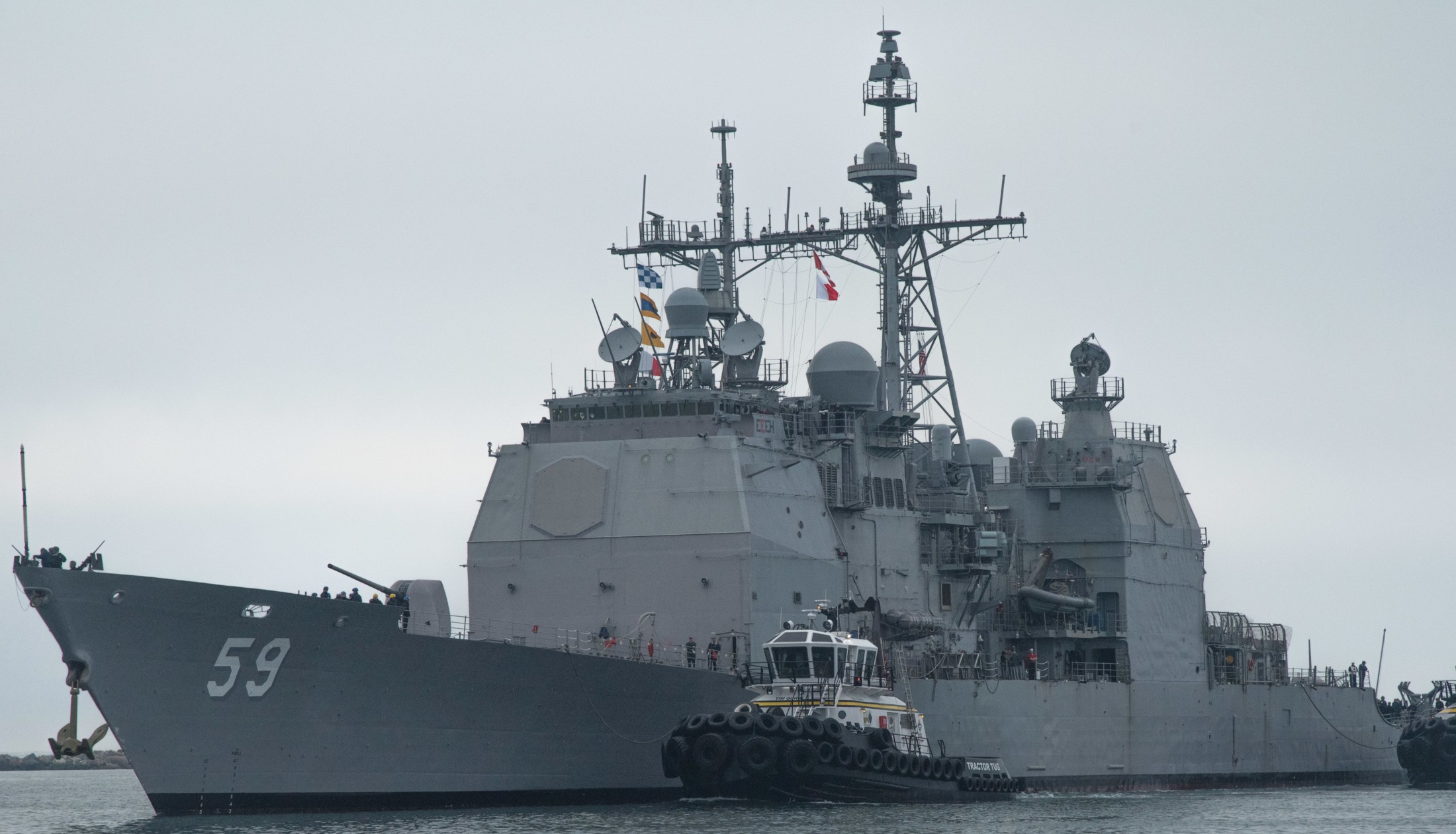 Seal Beach, California - March 2019 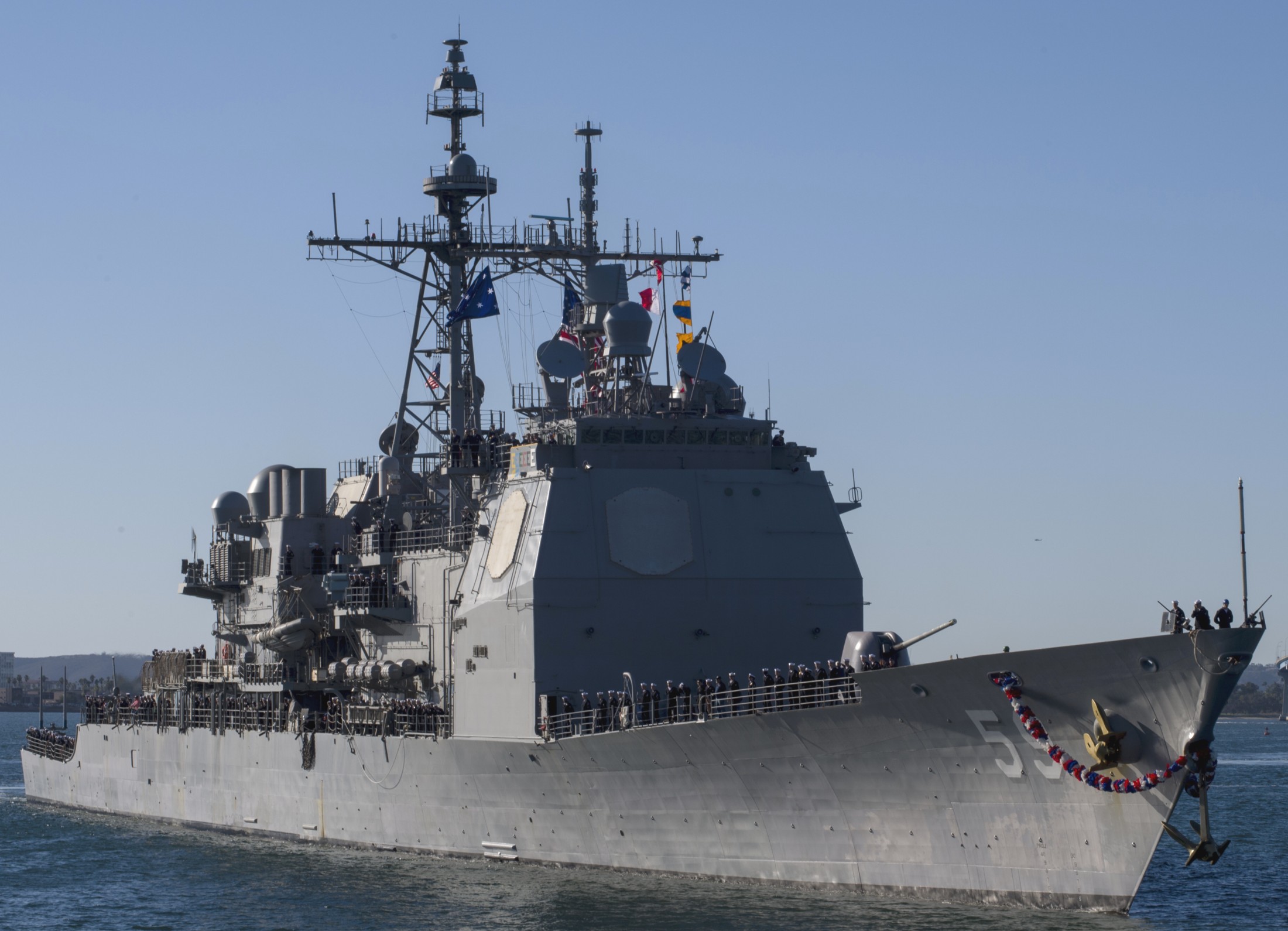 returning to Naval Base San Diego, California - December 2017 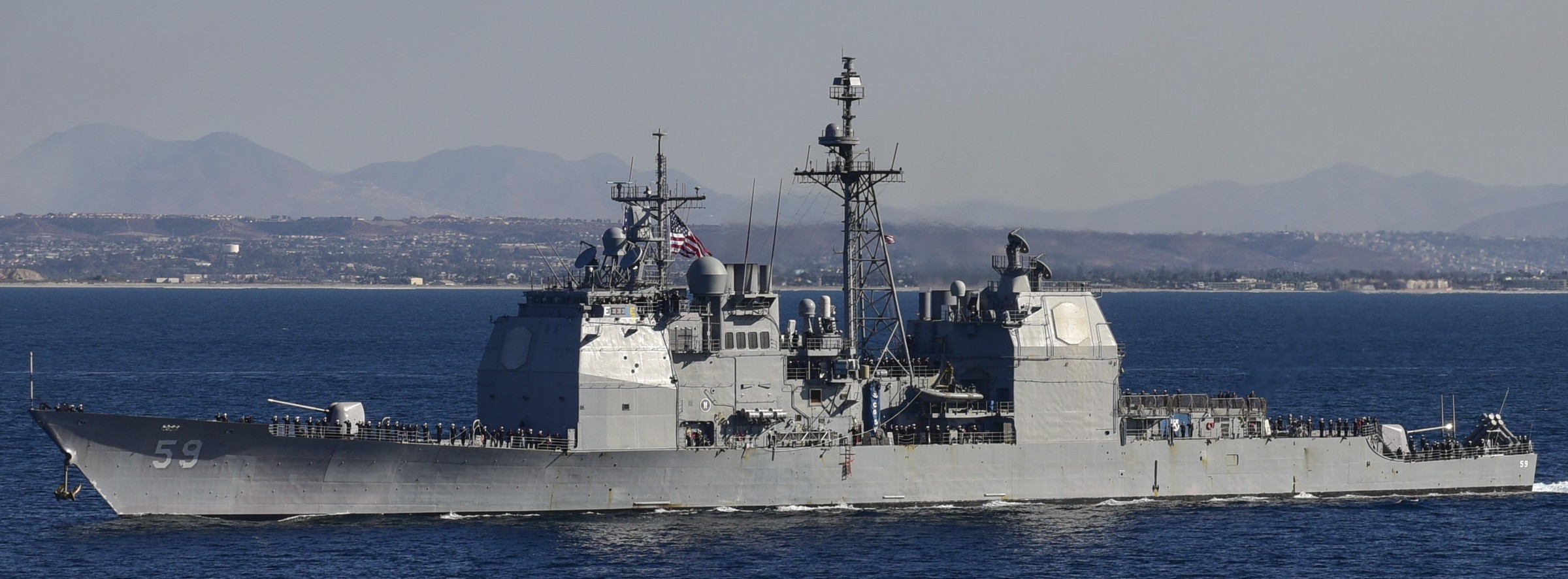 Pacific Ocean - December 2017 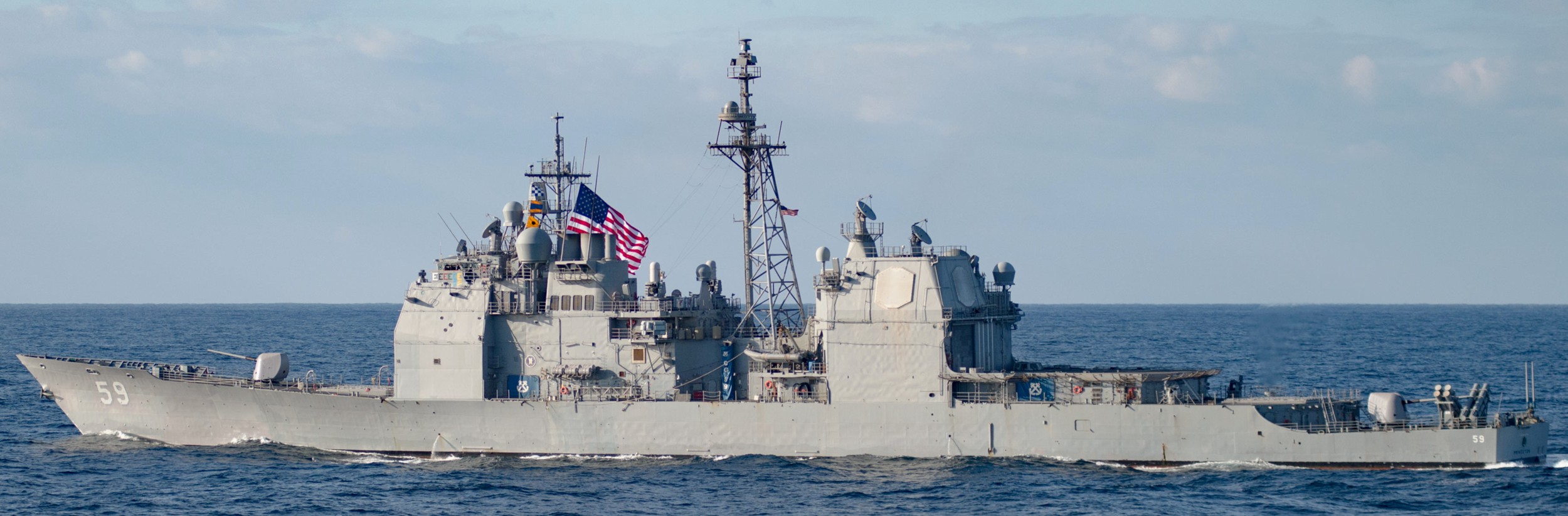 Pacific Ocean - November 2017 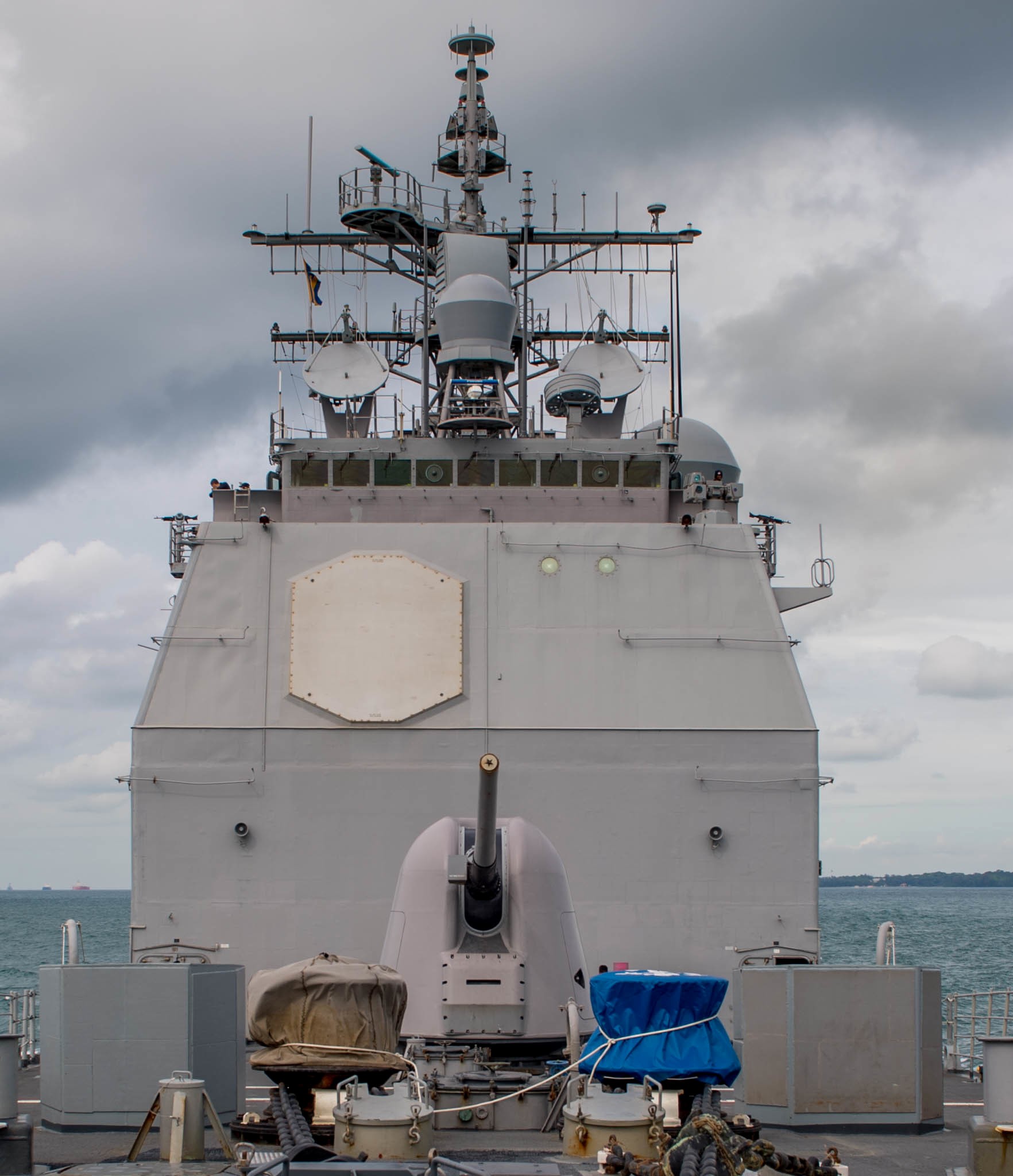 Singapore Strait - November 2017 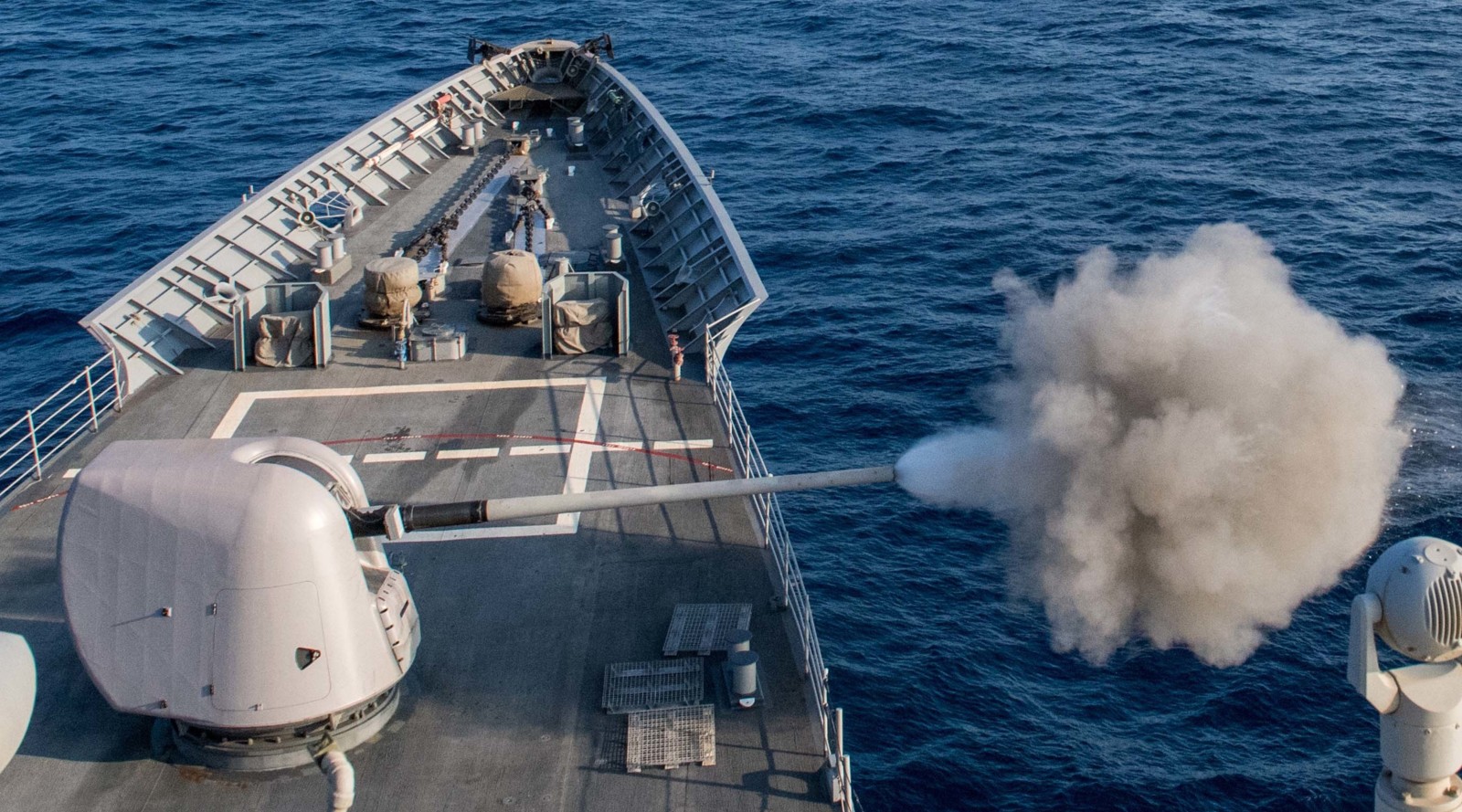 Mk.45 Mod.2 gun fire exercise - 5th Fleet AOR - October 2017 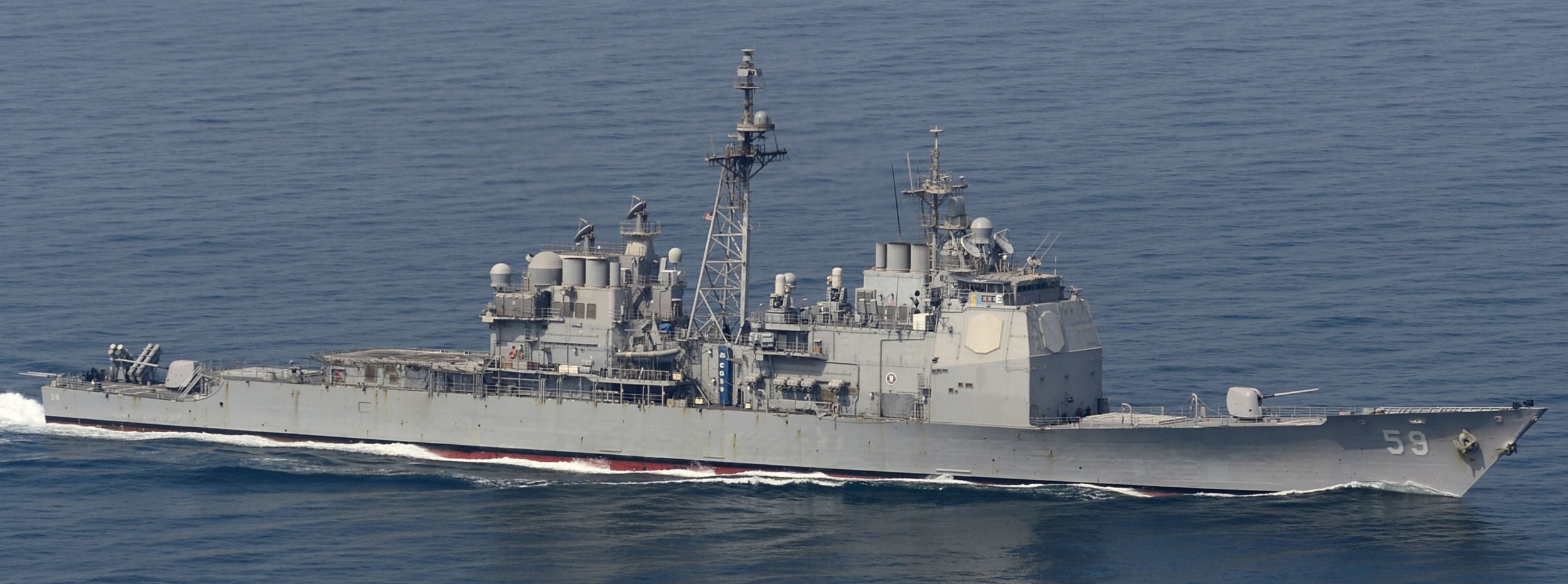 Arabian Gulf - September 2017 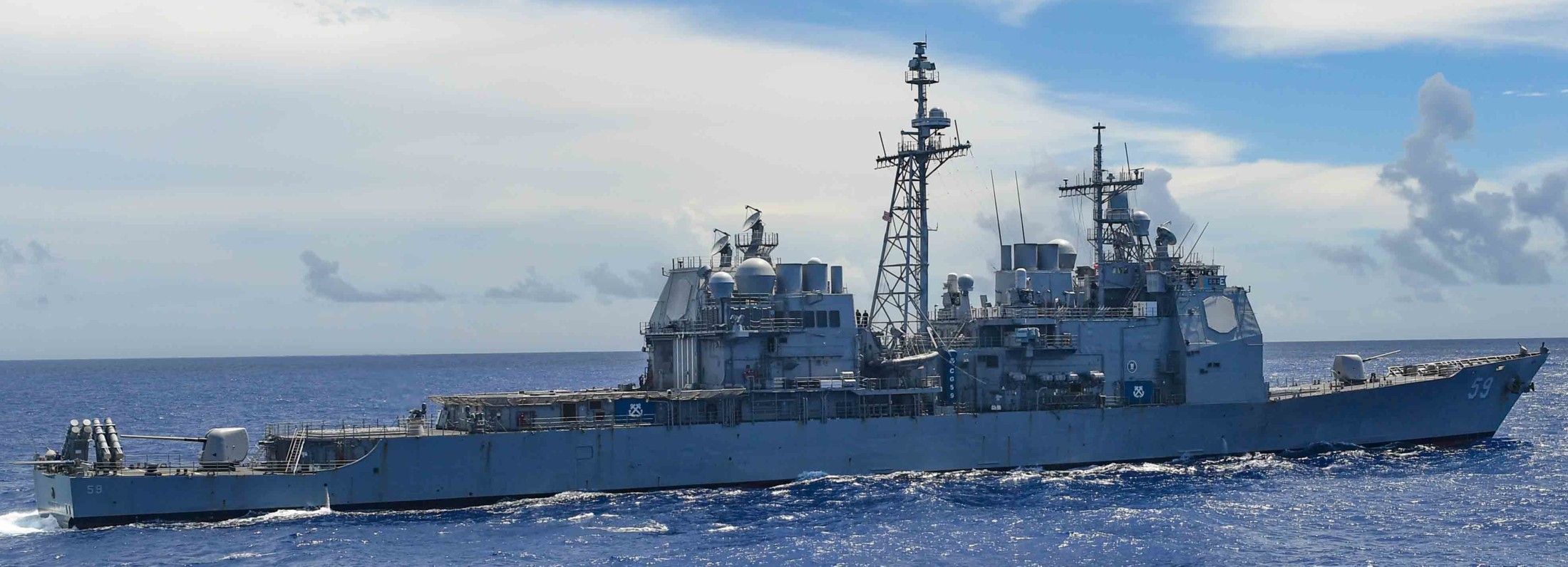 off Guam - June 2017 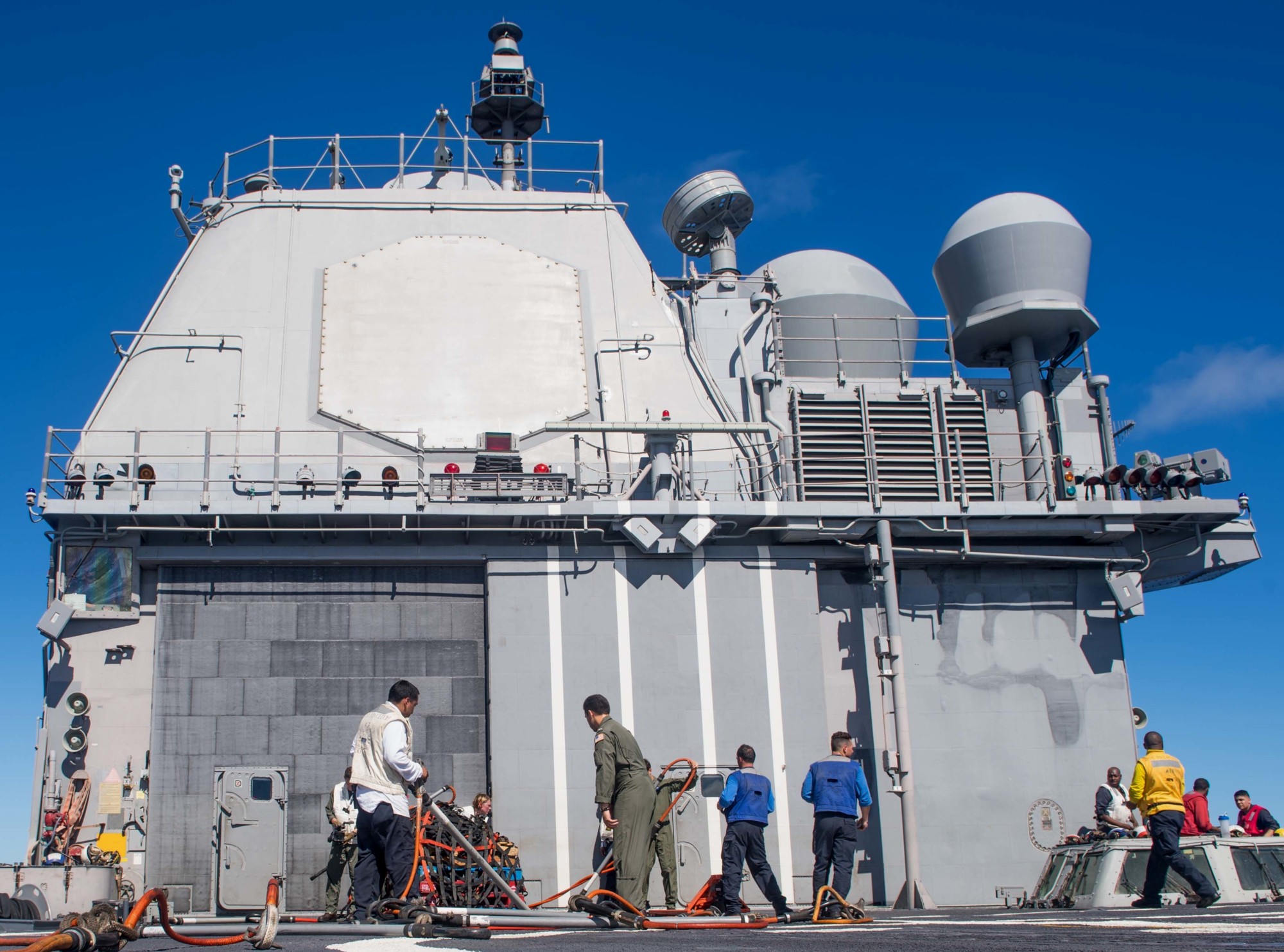 Pacific Ocean - June 2017 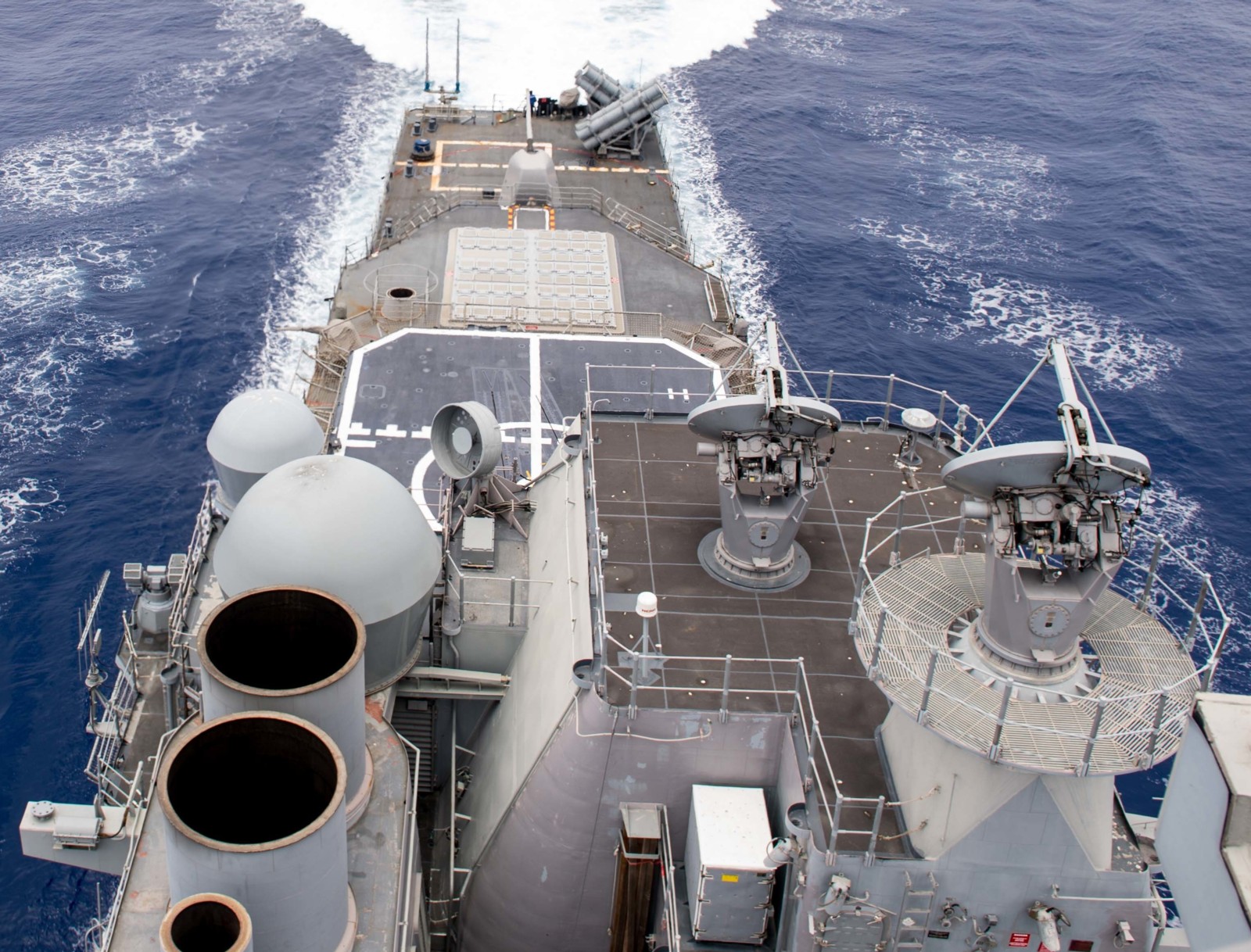 Pacific Ocean - June 2017 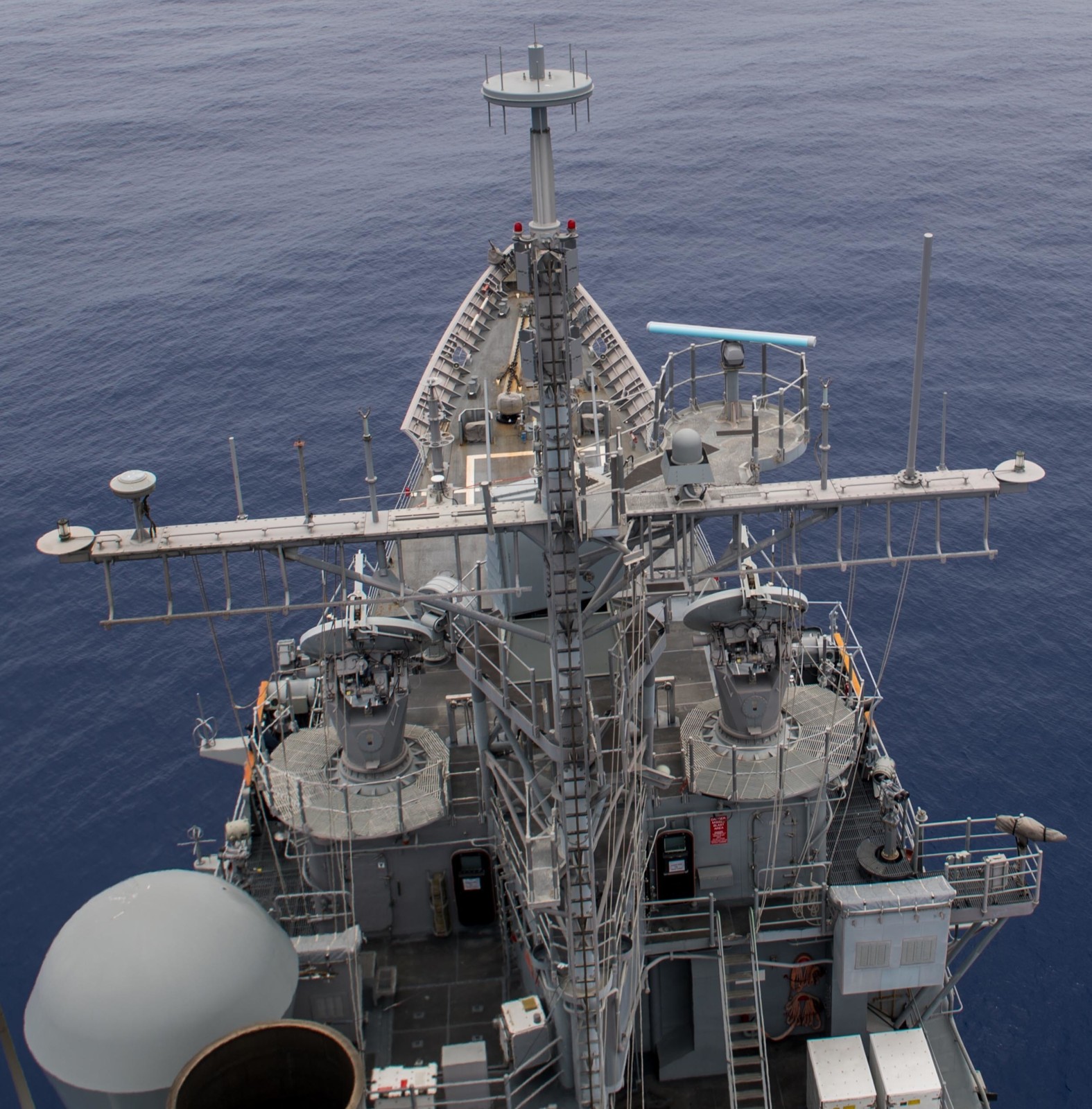 Pacific Ocean - June 2017 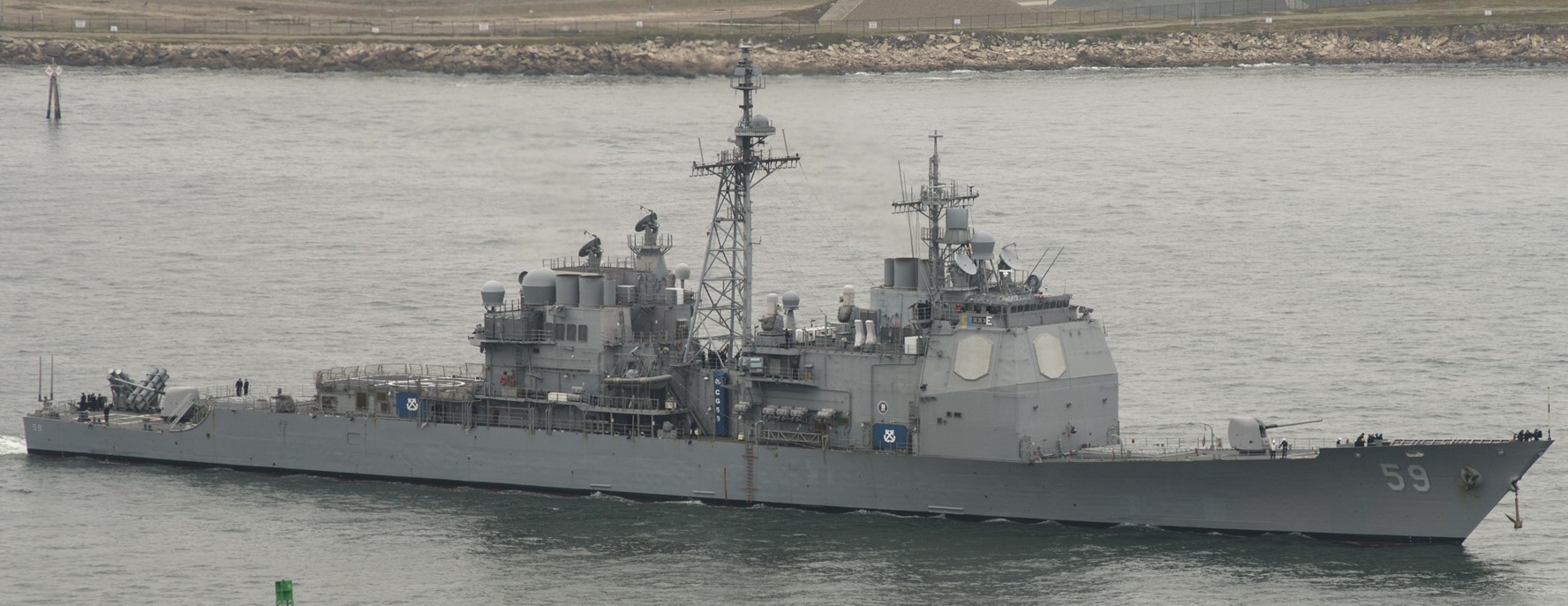 departing San Diego, California - June 2017 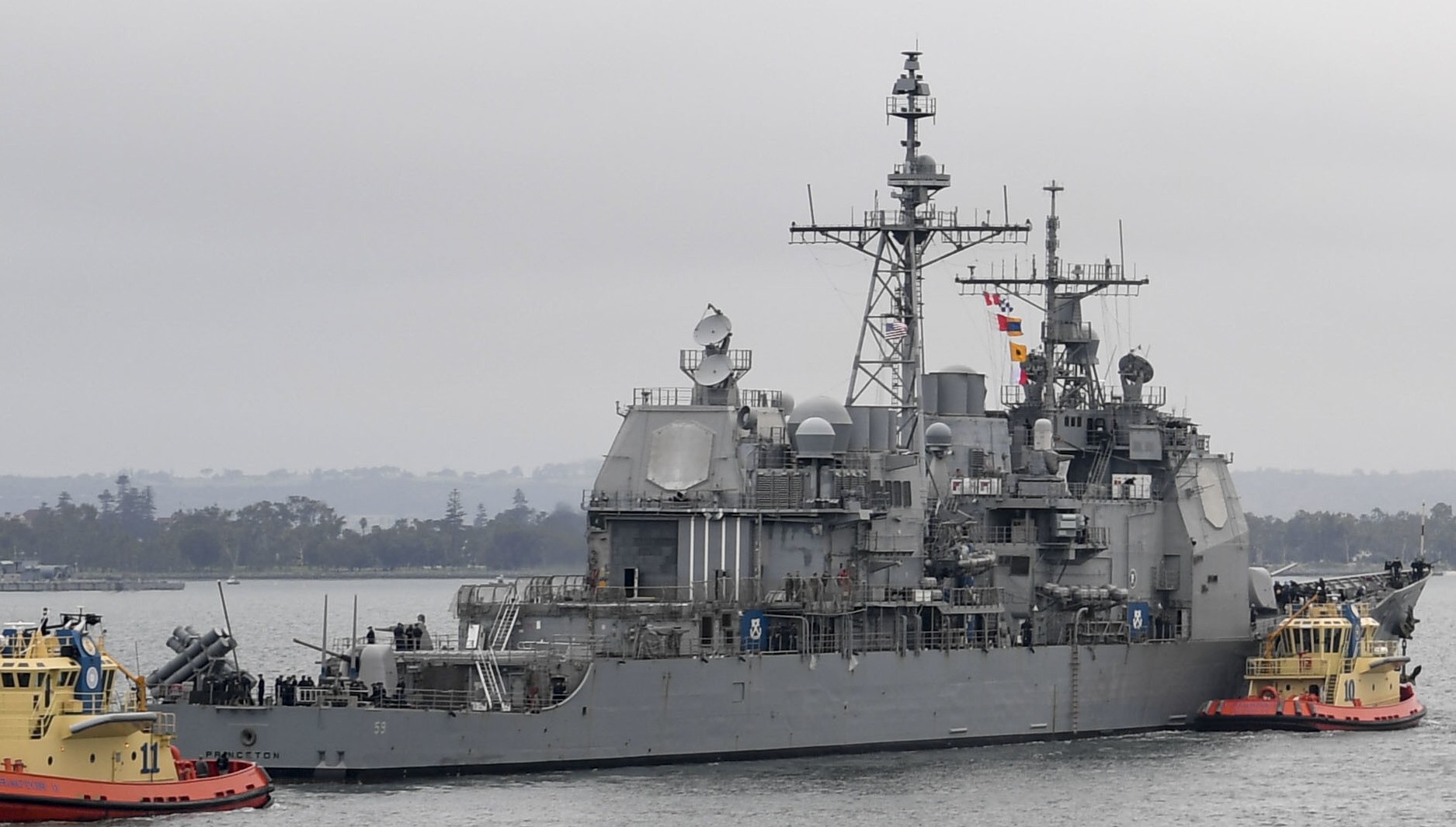 departing San Diego, California - June 2017 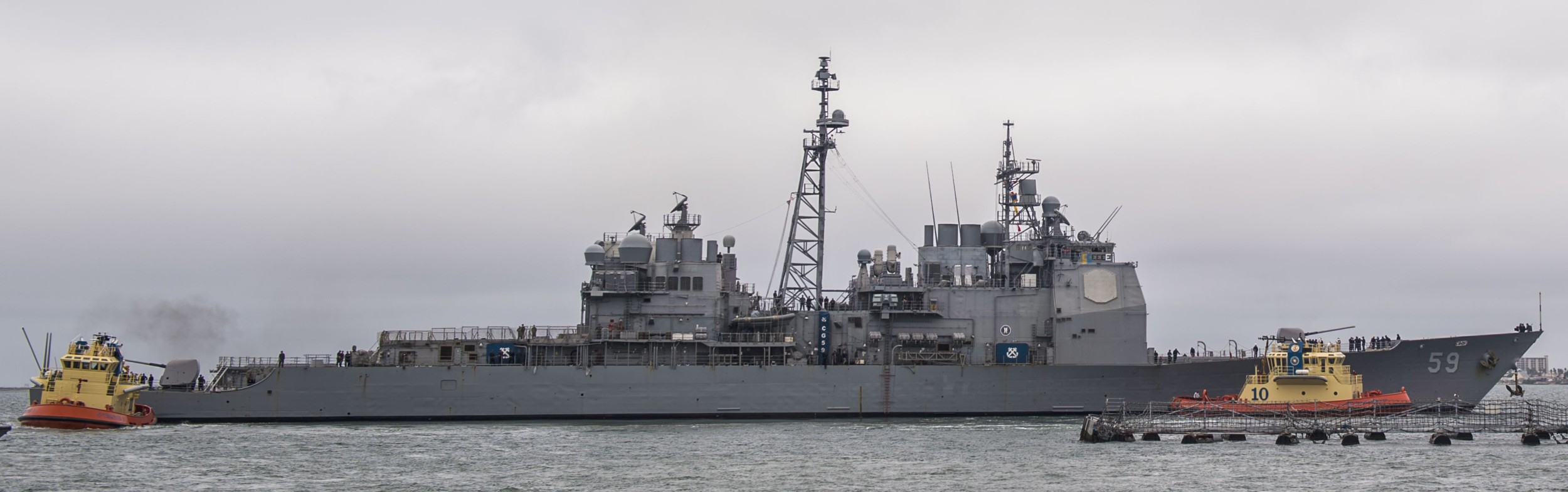 departing San Diego, California - June 2017 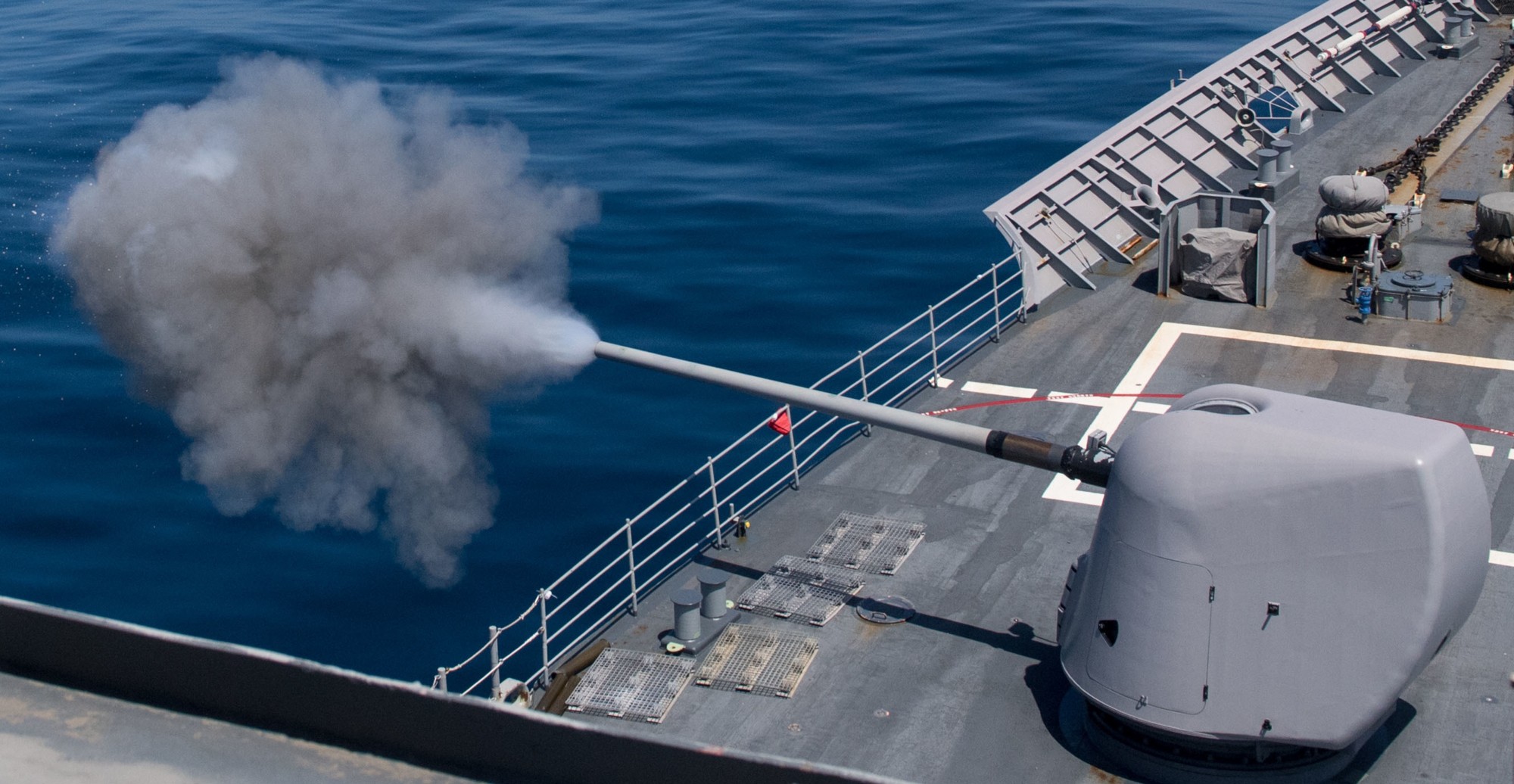 Mk.45 Mod.2 gun fire exercise - Pacific Ocean - April 2017 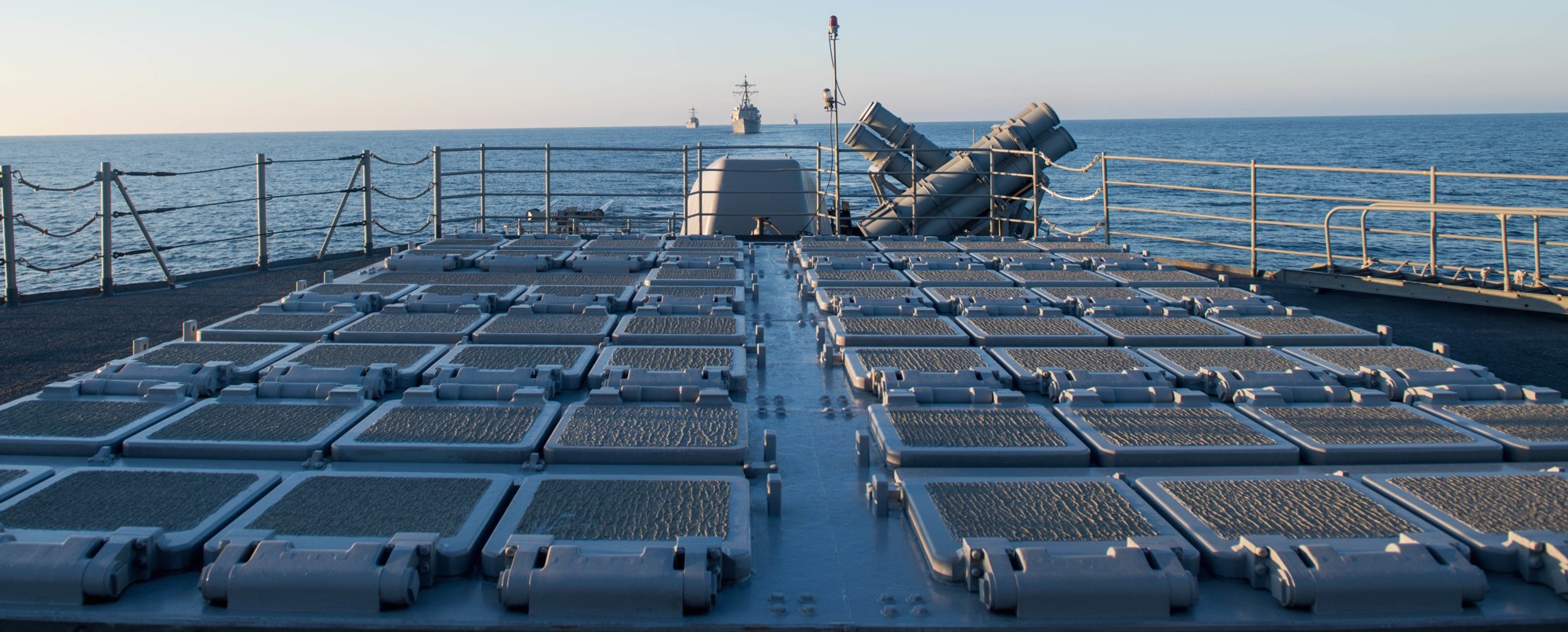 aft Mk.41 VLS - Pacific Ocean - March 2017 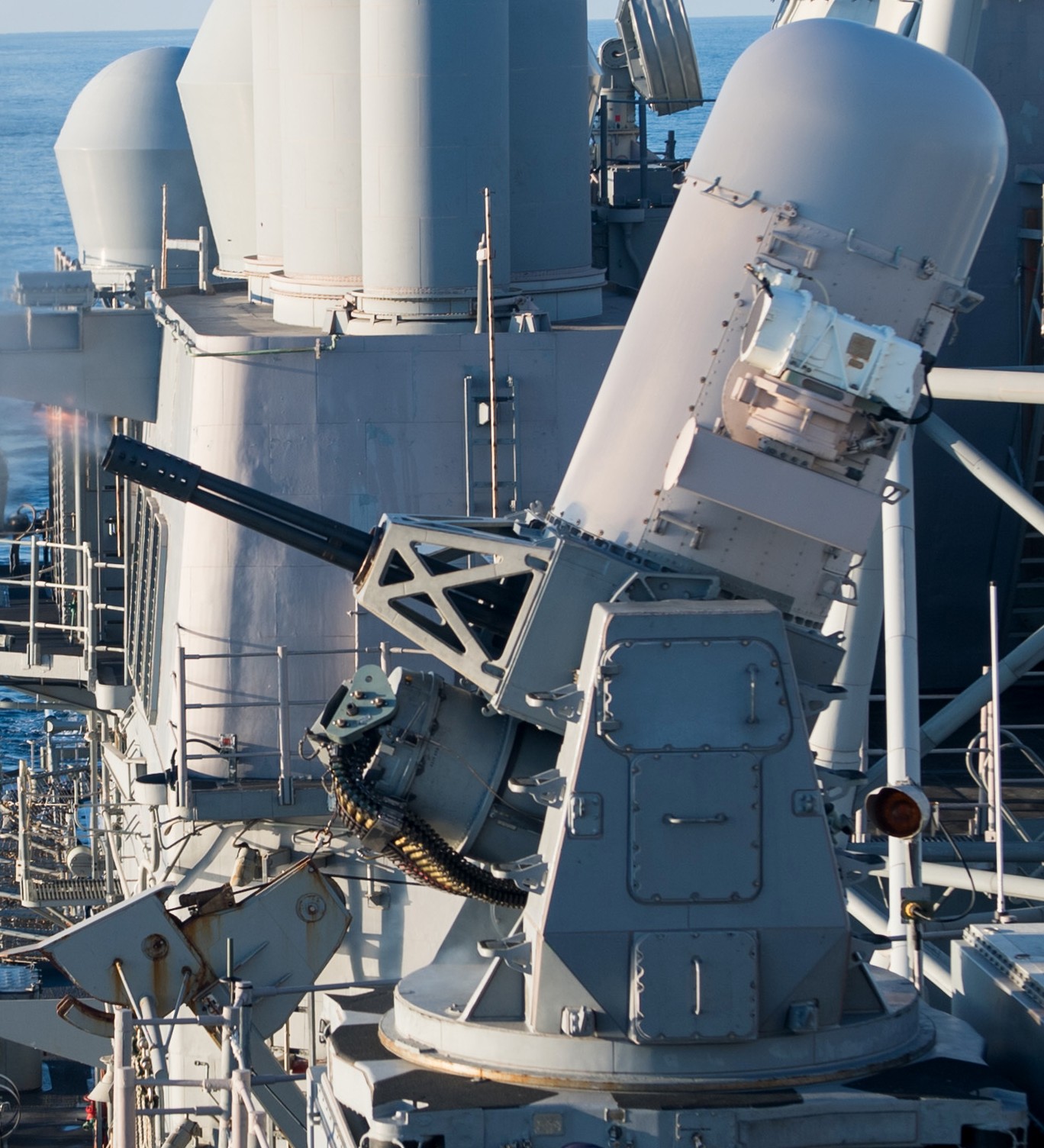 Mk.15 Phalanx CIWS fire exercise - Pacific Ocean - March 2017 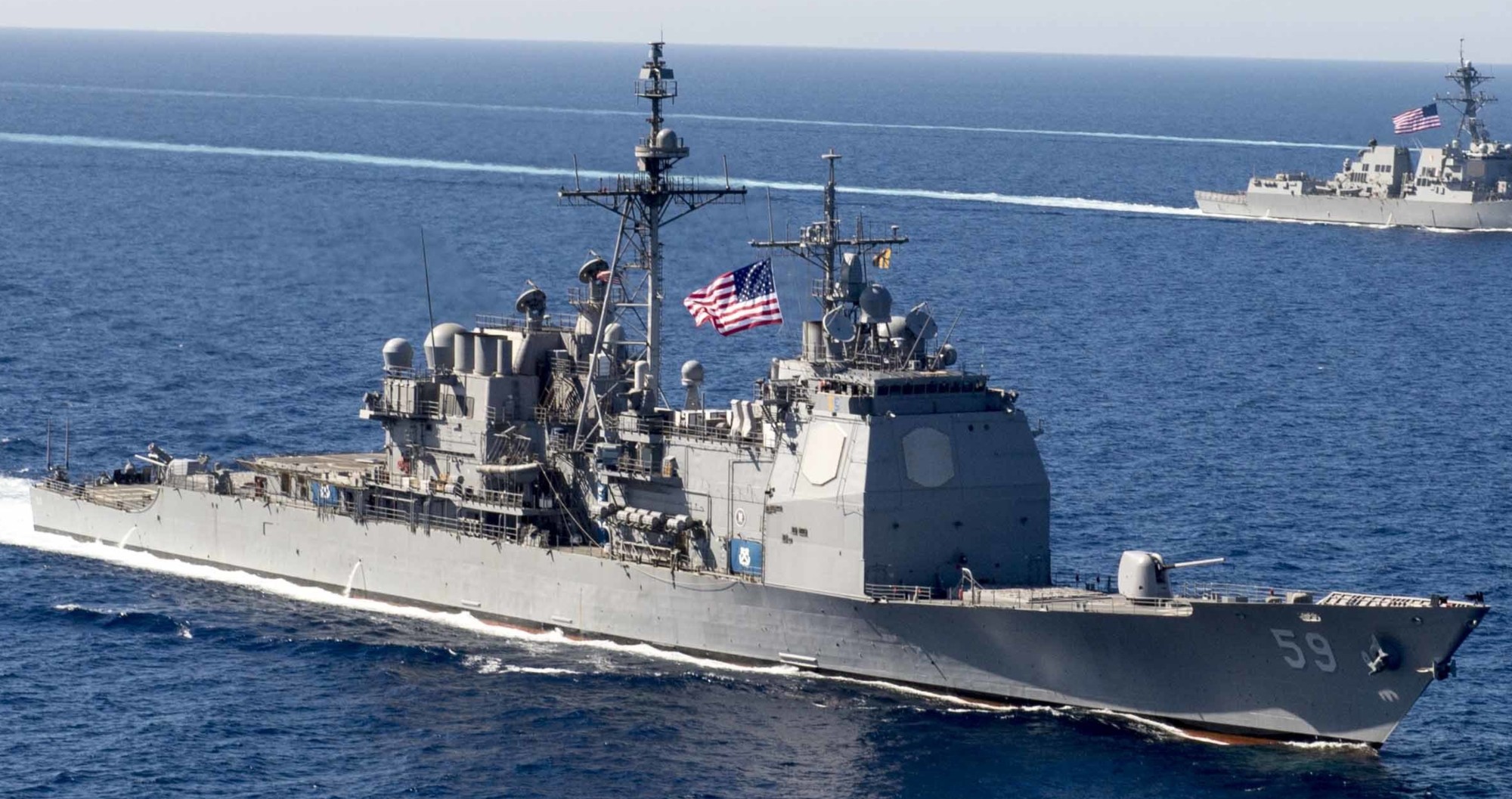 Pacific Ocean - October 2016 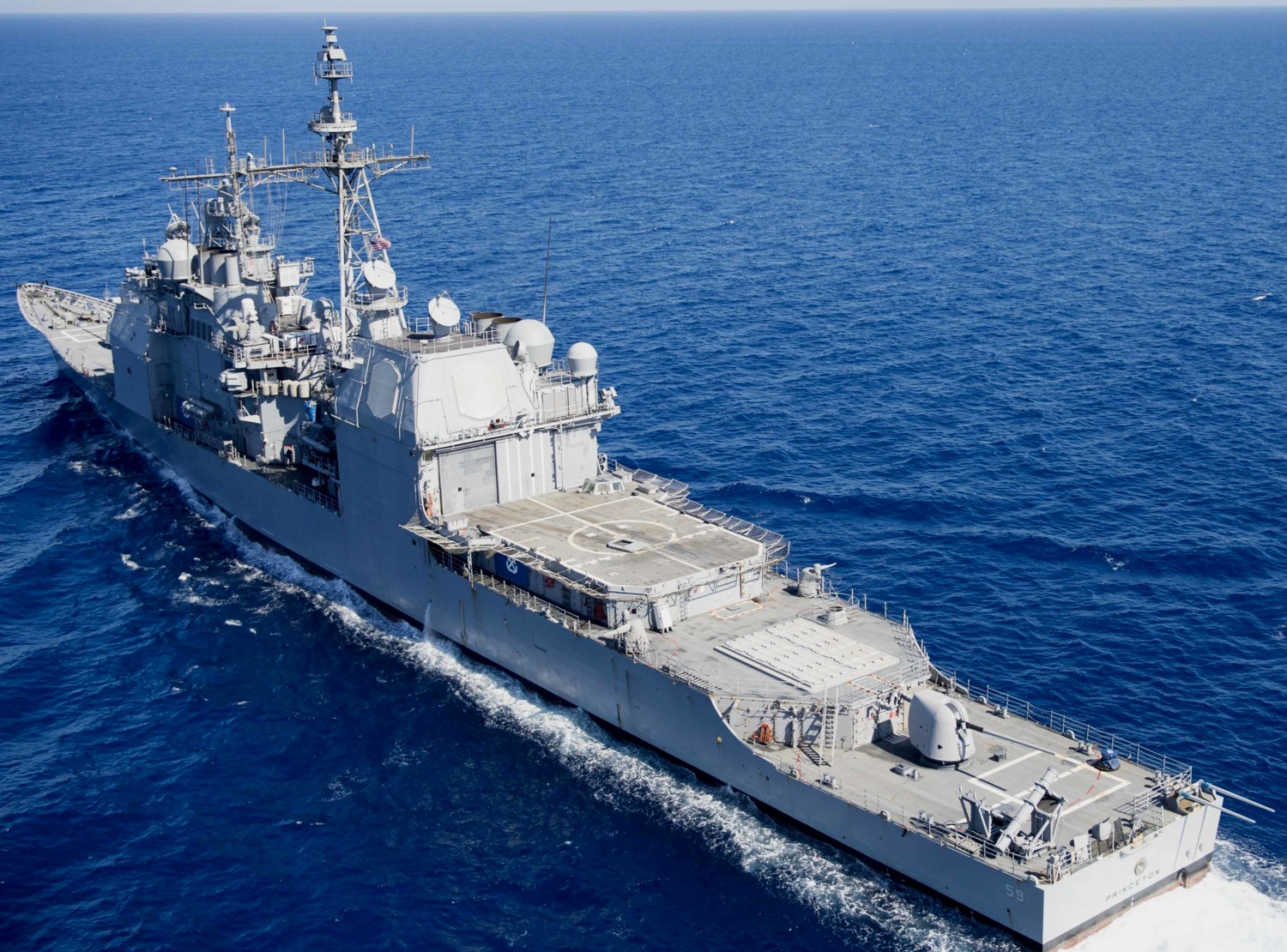 Pacific Ocean - October 2016 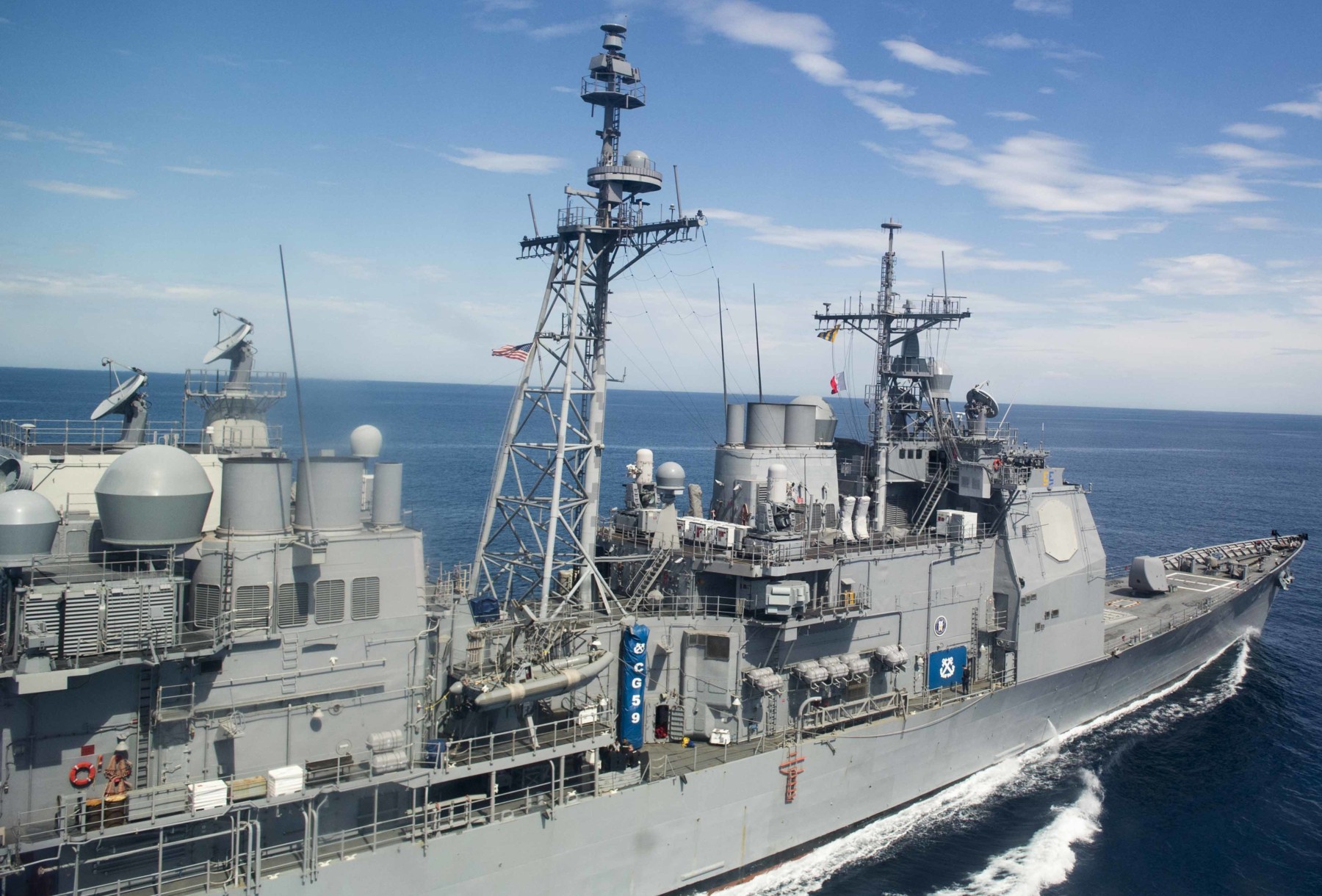 Pacific Ocean - September 2016 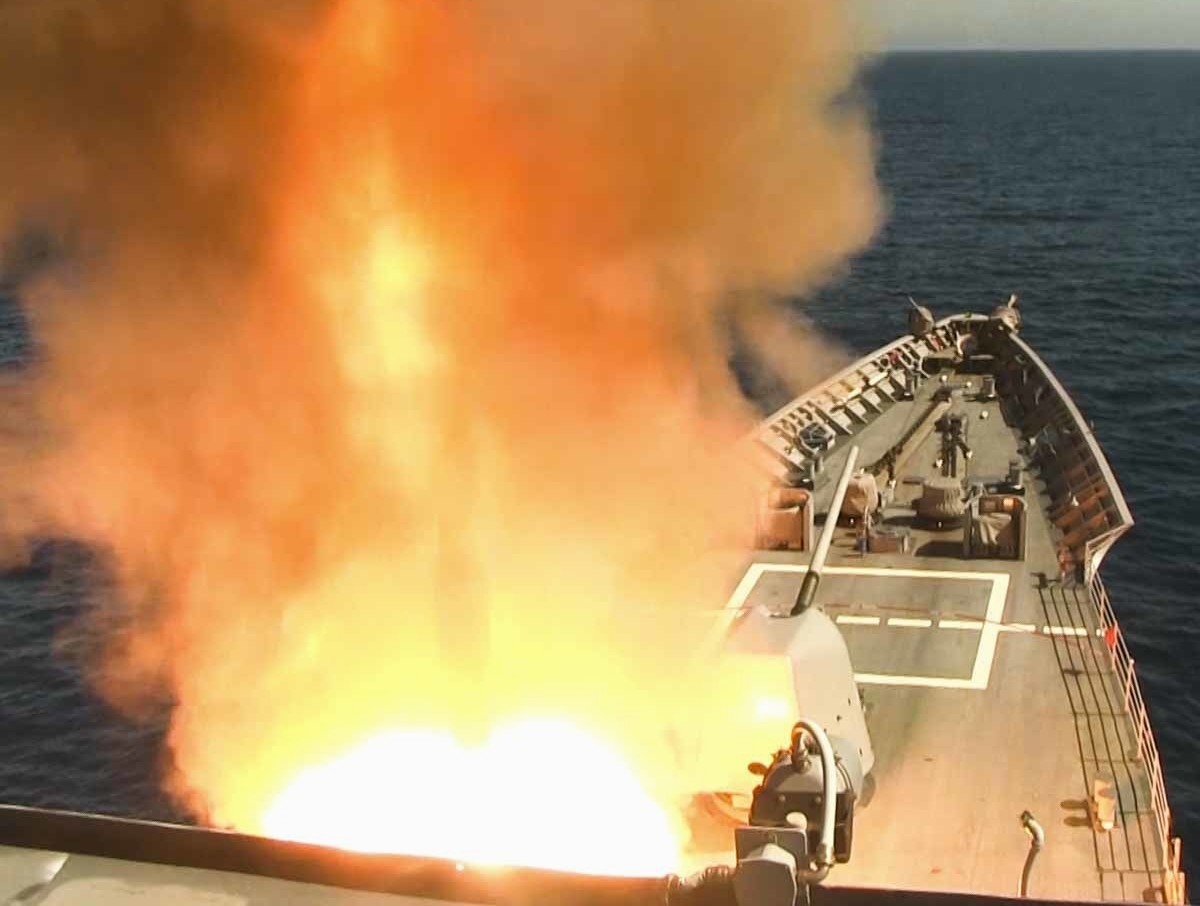 missile launch - Pacific Ocean - September 2016 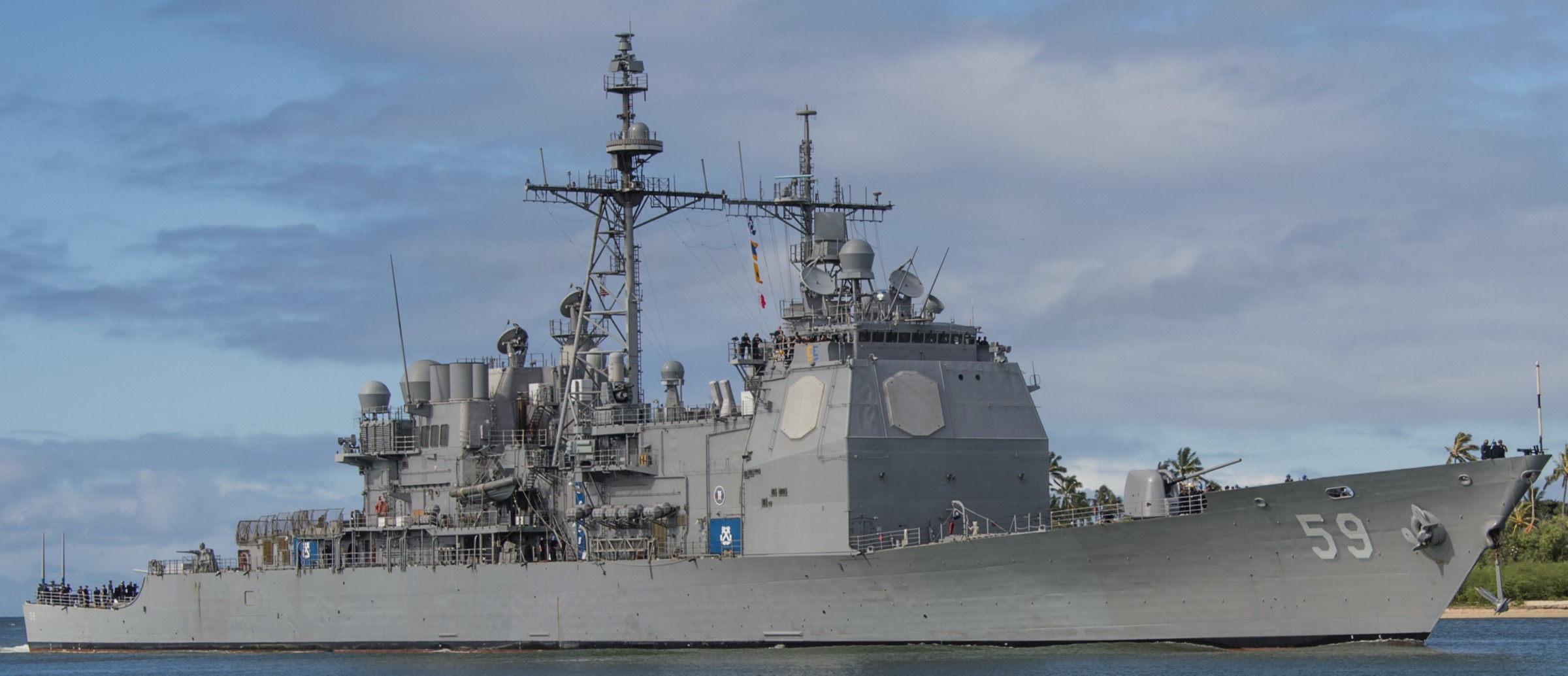 returning to Joint Base Pearl Harbor-Hickam, Hawaii after exercise RIMPAC - July 2016 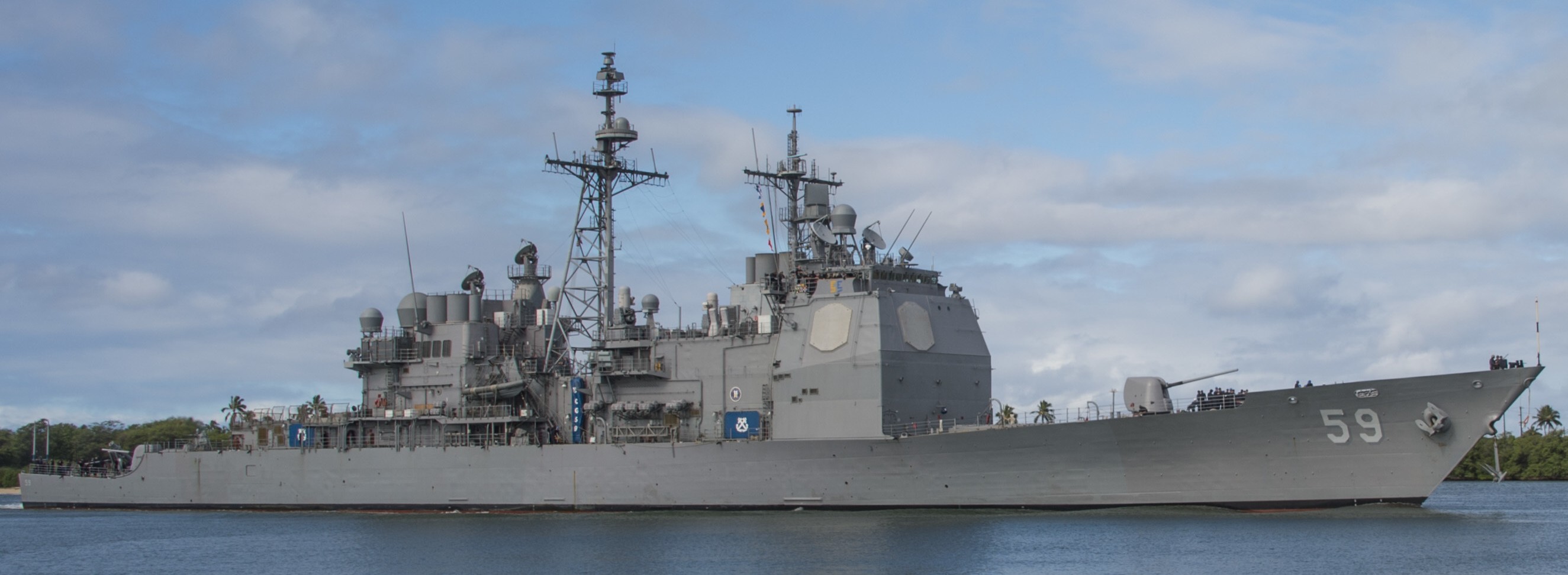 returning to Joint Base Pearl Harbor-Hickam, Hawaii after exercise RIMPAC - July 2016 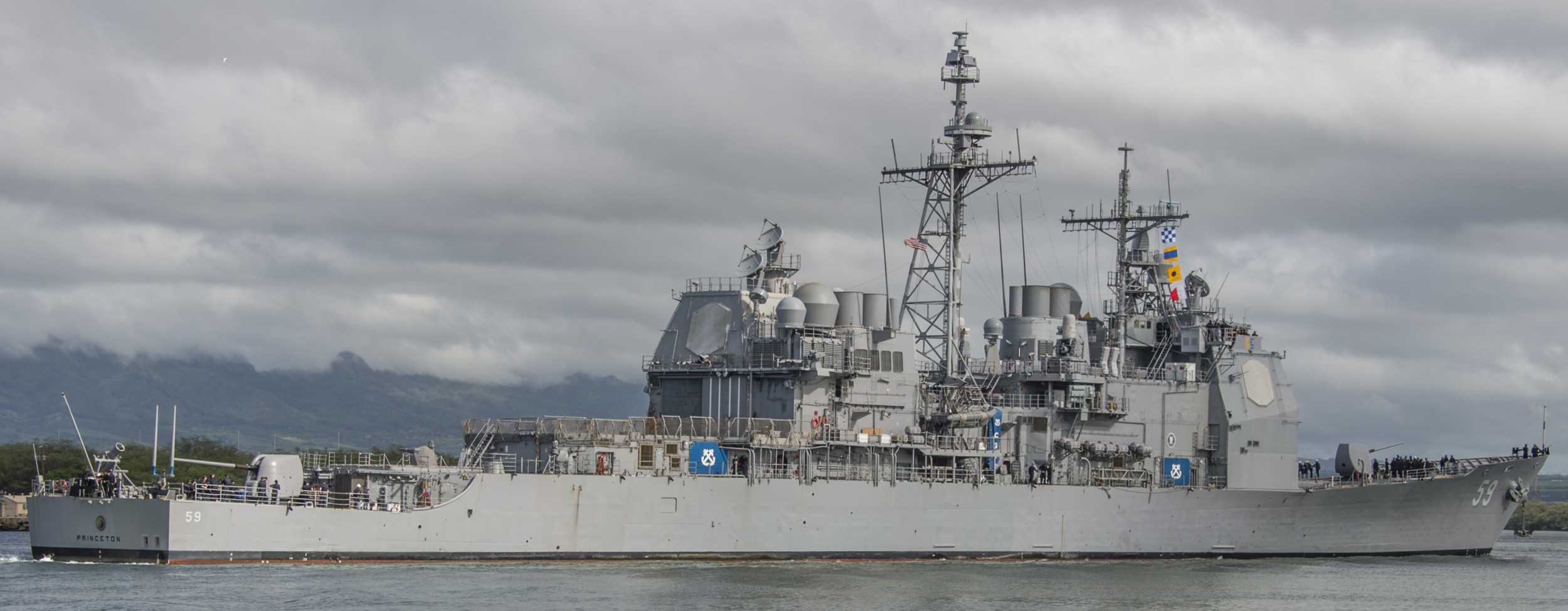 returning to Joint Base Pearl Harbor-Hickam, Hawaii after exercise RIMPAC - July 2016 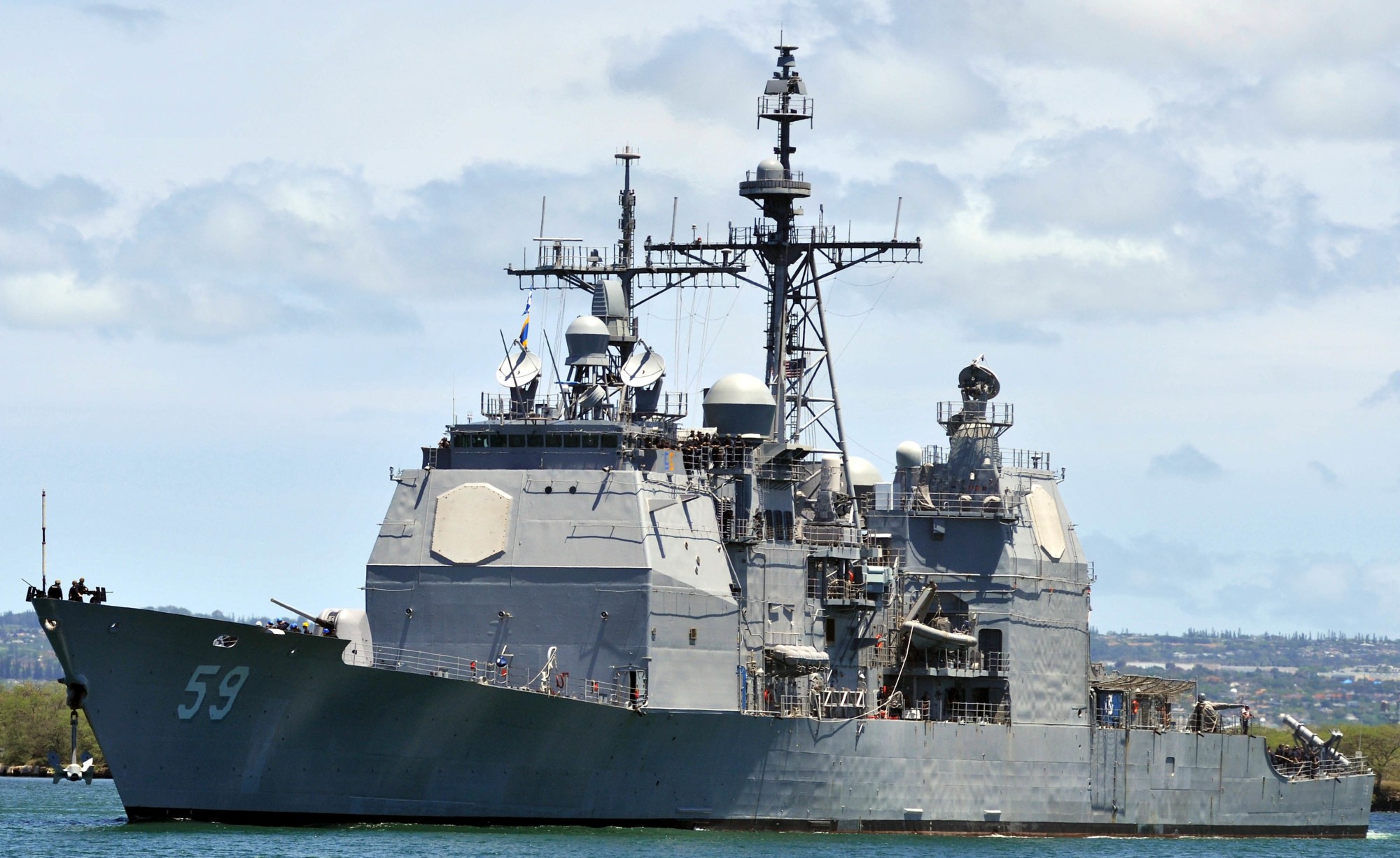 returning to Joint Base Pearl Harbor-Hickam, Hawaii after exercise RIMPAC - July 2016 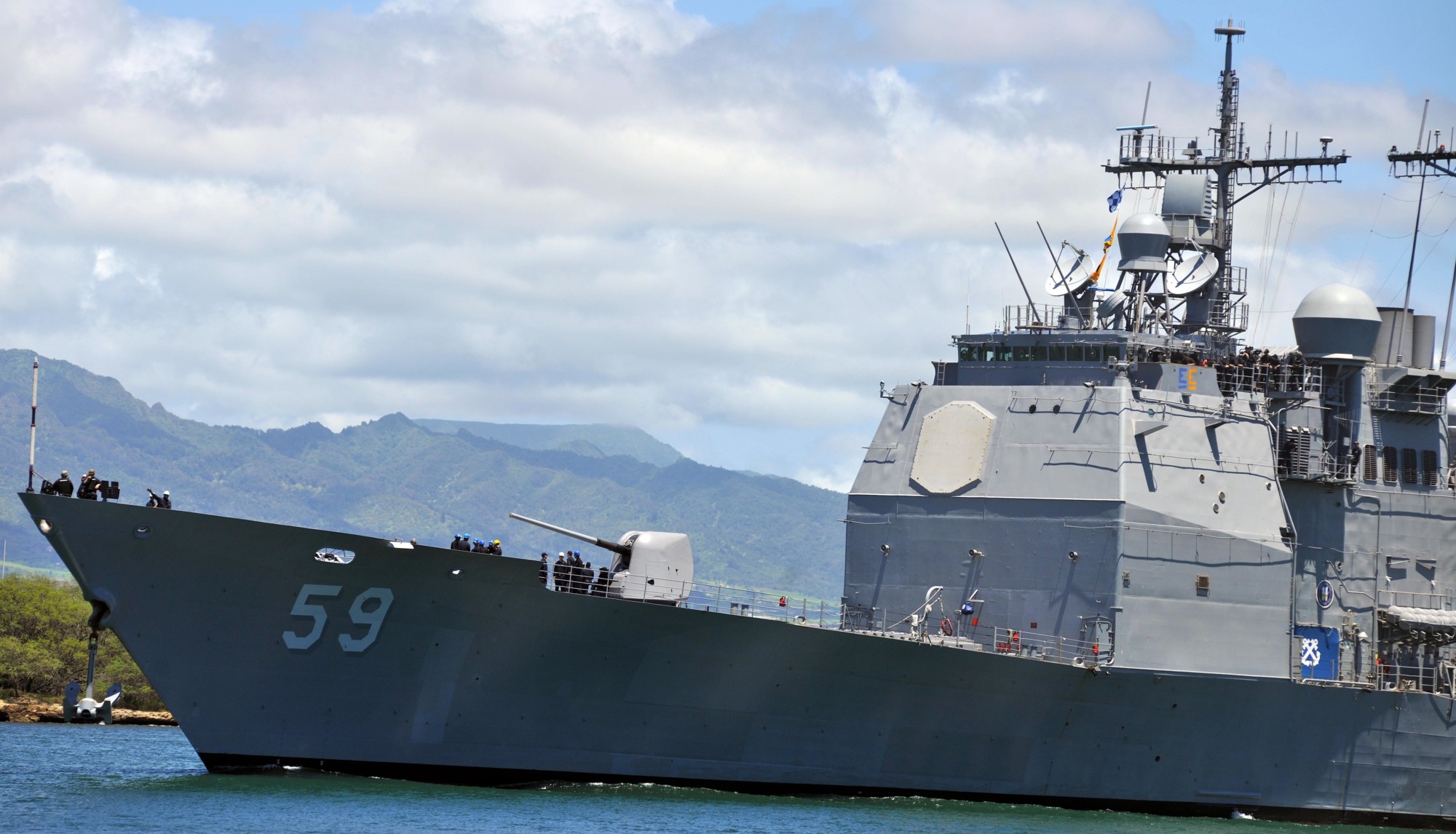 returning to Joint Base Pearl Harbor-Hickam, Hawaii after exercise RIMPAC - July 2016 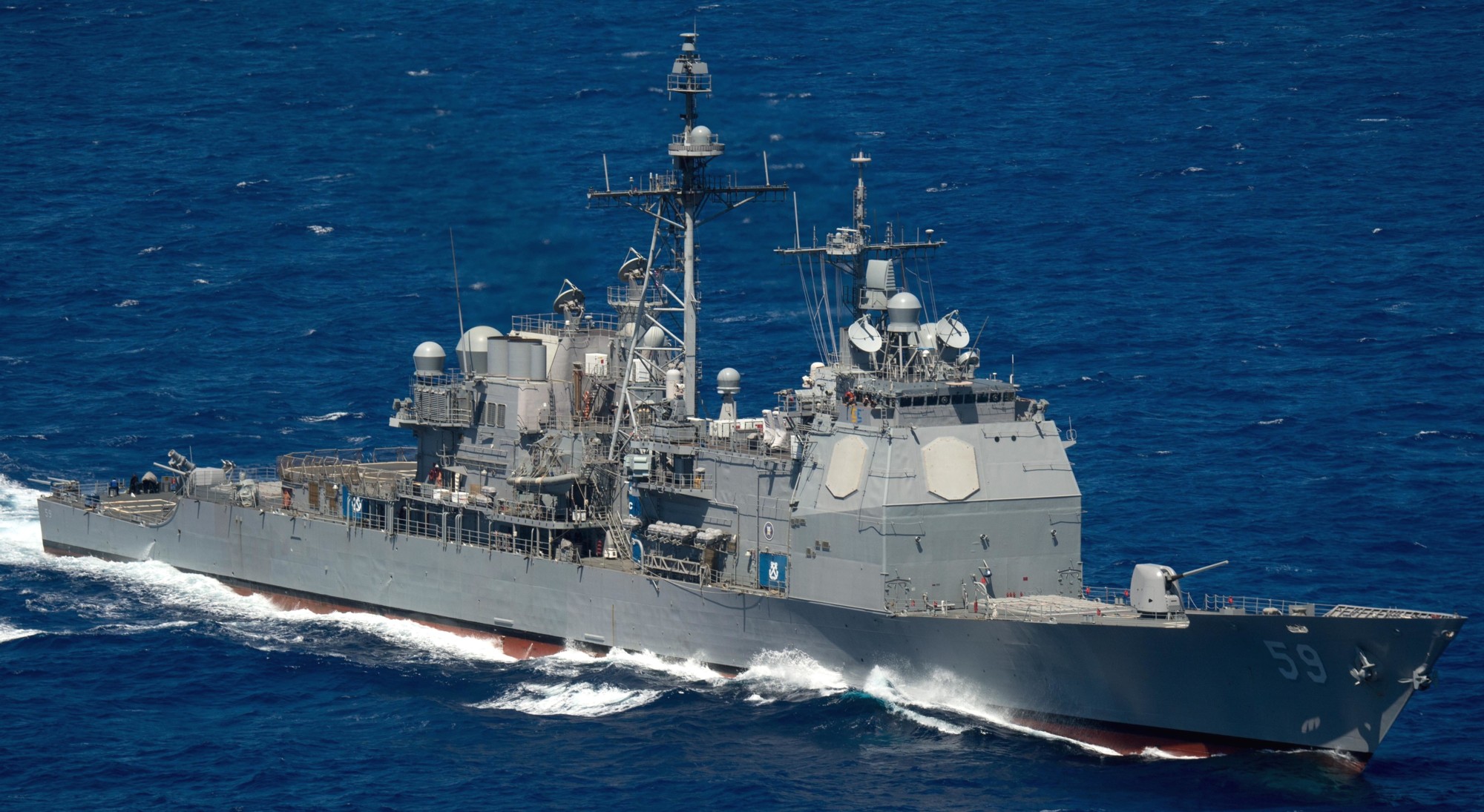 during exercise RIMPAC - Pacific Ocean - July 2016 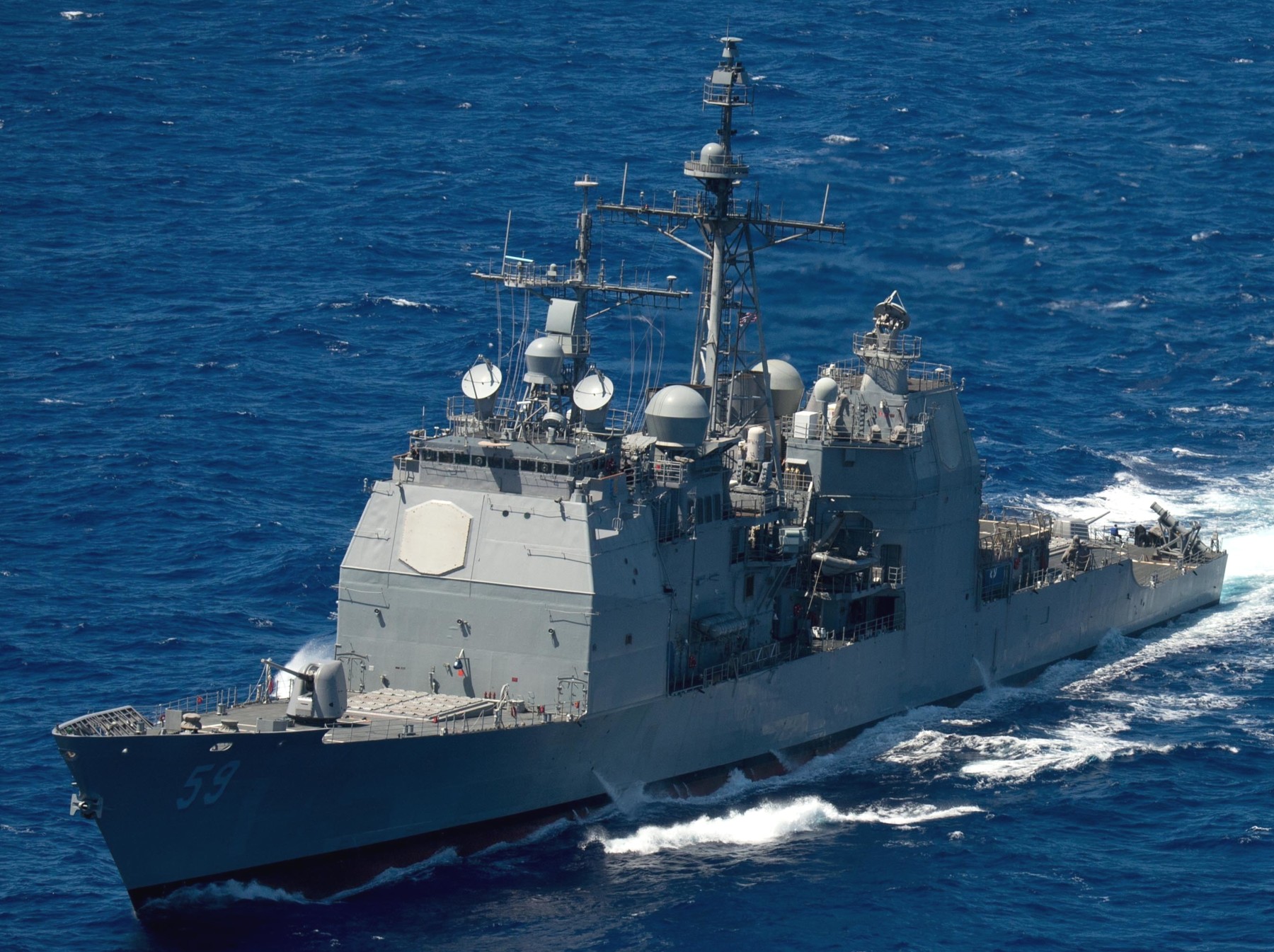 during exercise RIMPAC - Pacific Ocean - July 2016 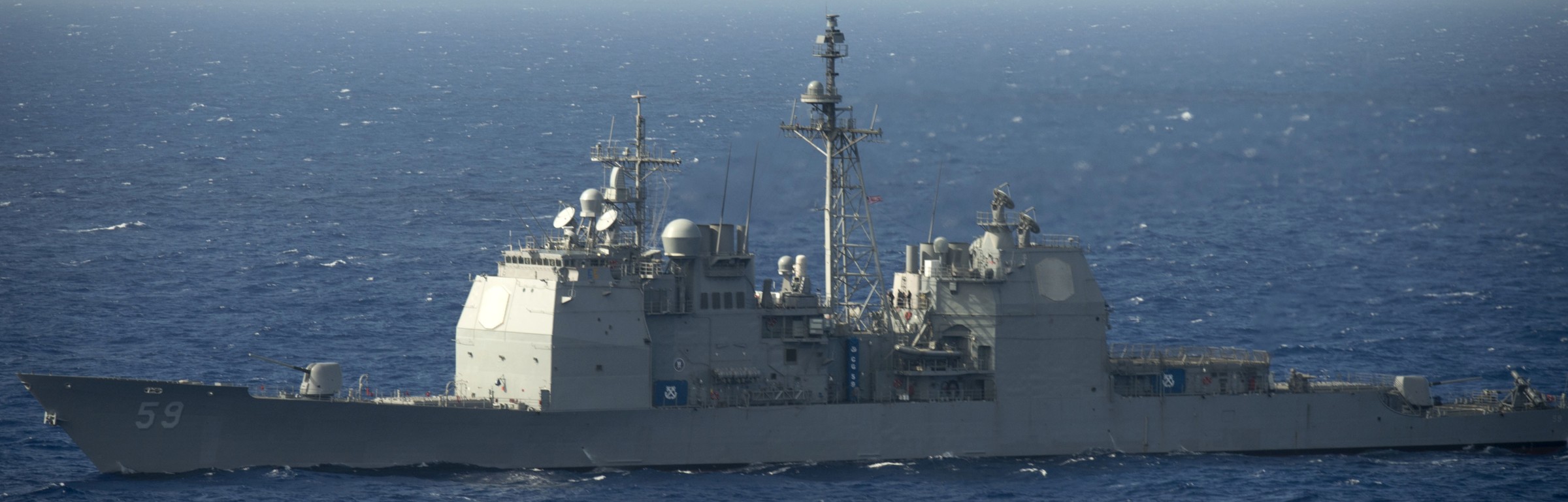 during exercise RIMPAC - Pacific Ocean - July 2016 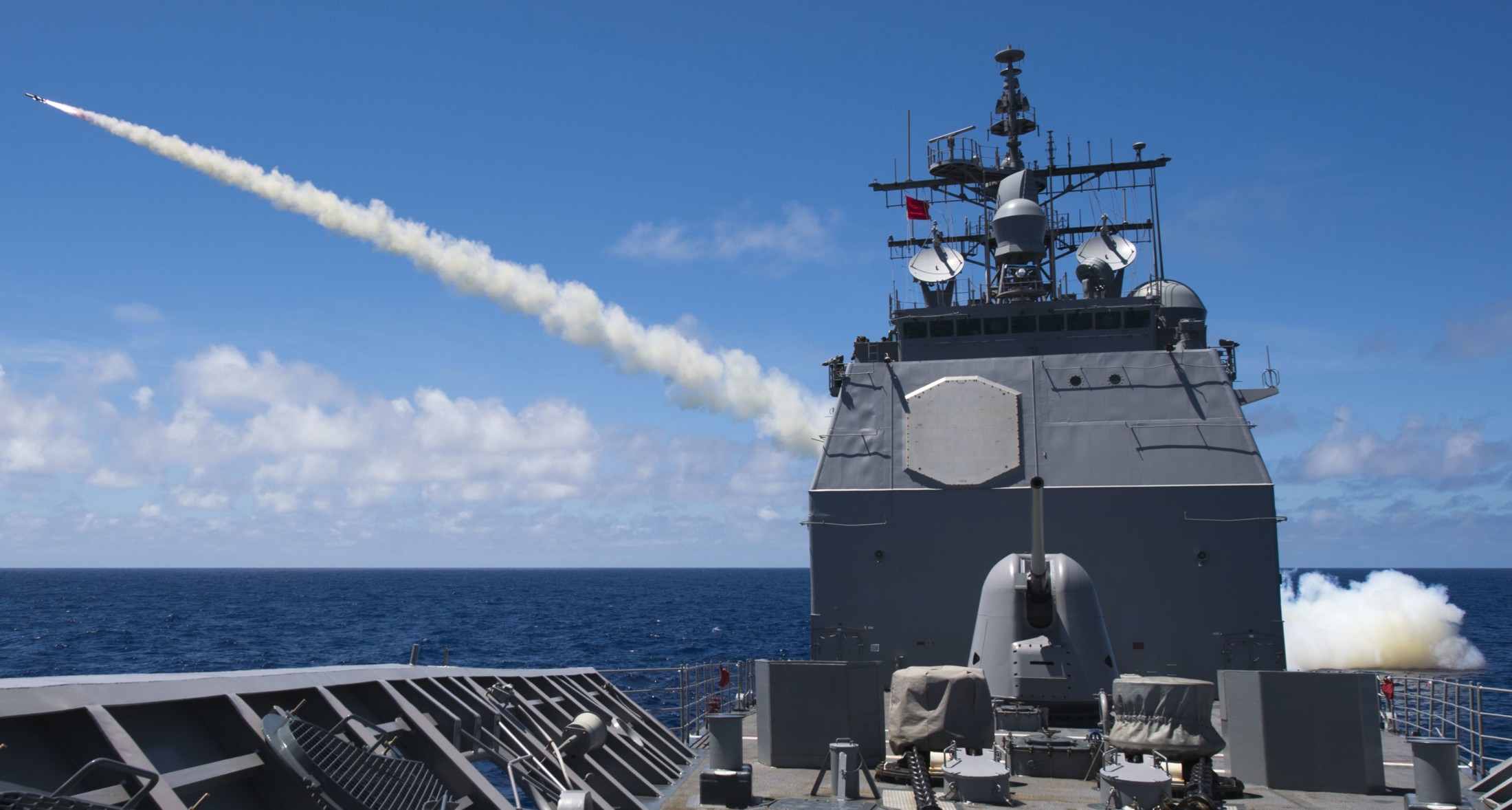 launching an RGM-84 Harpoon SSM missile during exercise RIMPAC - July 2016 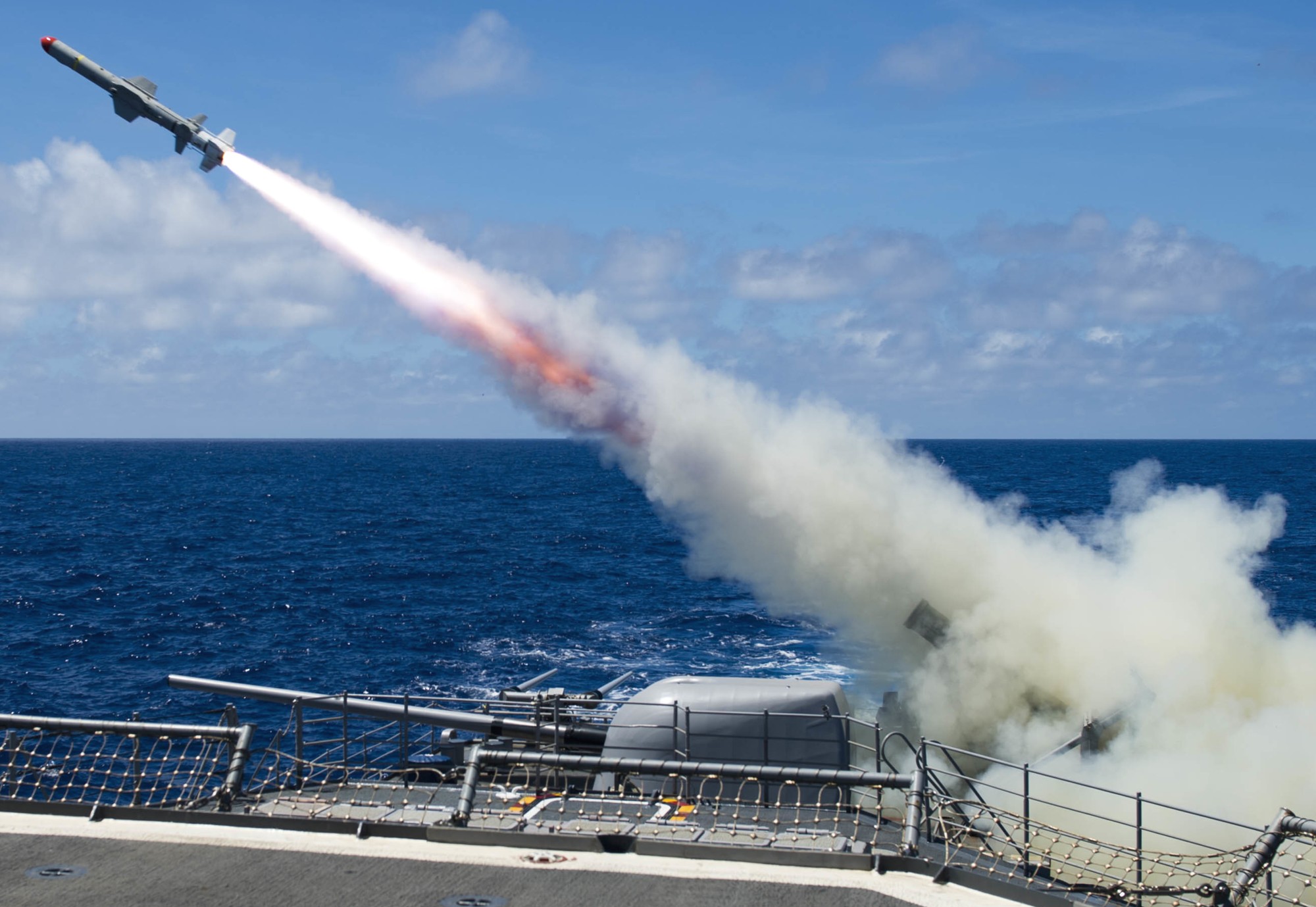 launching an RGM-84 Harpoon SSM missile during exercise RIMPAC - July 2016 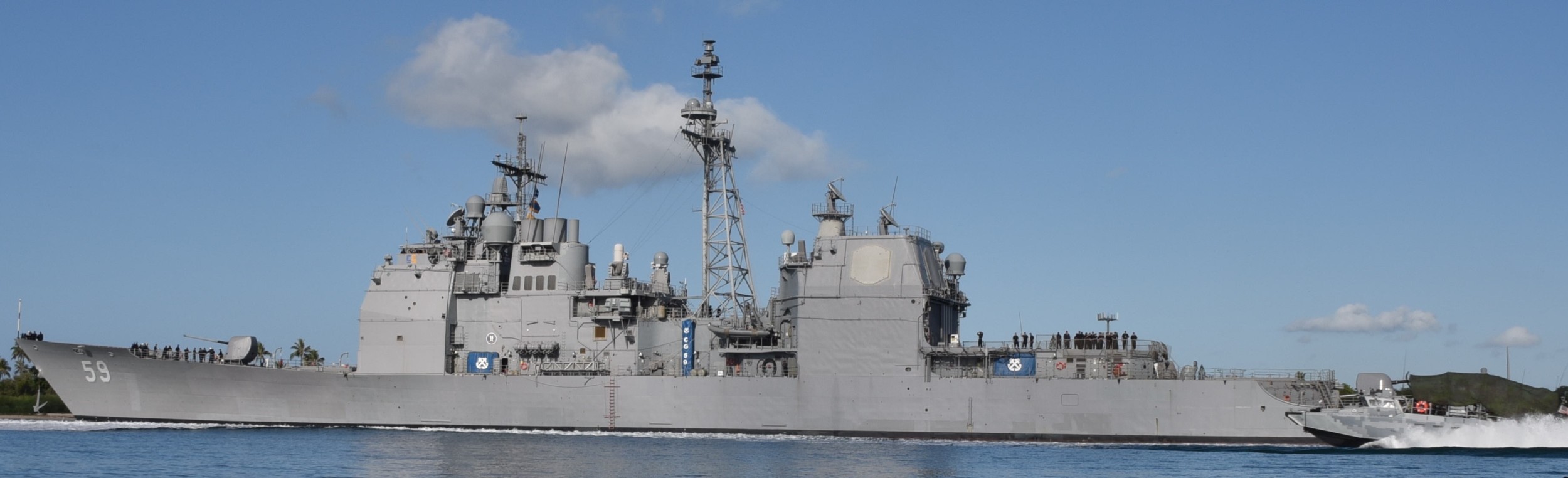 departing Joint Base Pearl Harbor-Hickam, Hawaii for exercise RIMPAC - July 2016 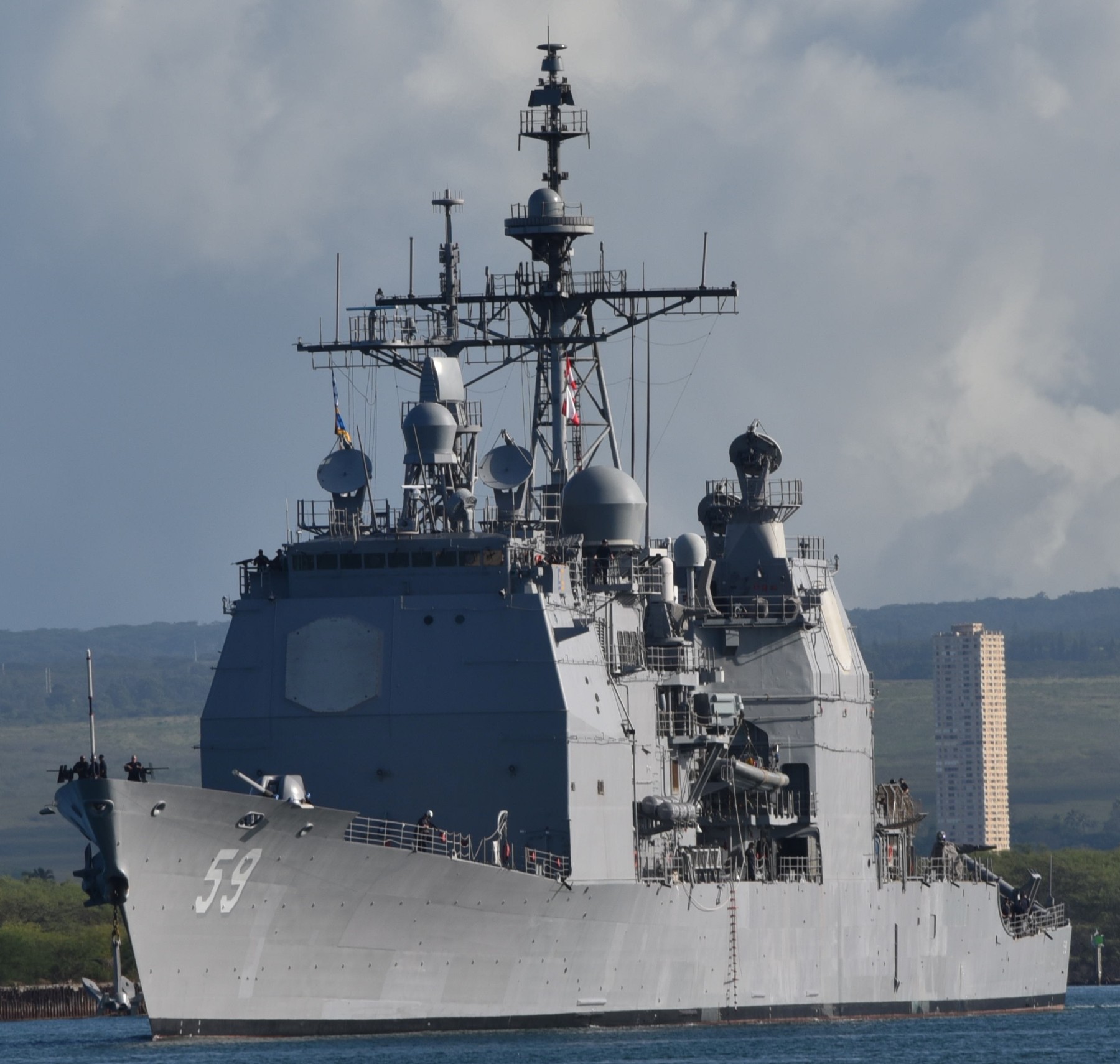 departing Joint Base Pearl Harbor-Hickam, Hawaii for exercise RIMPAC - July 2016 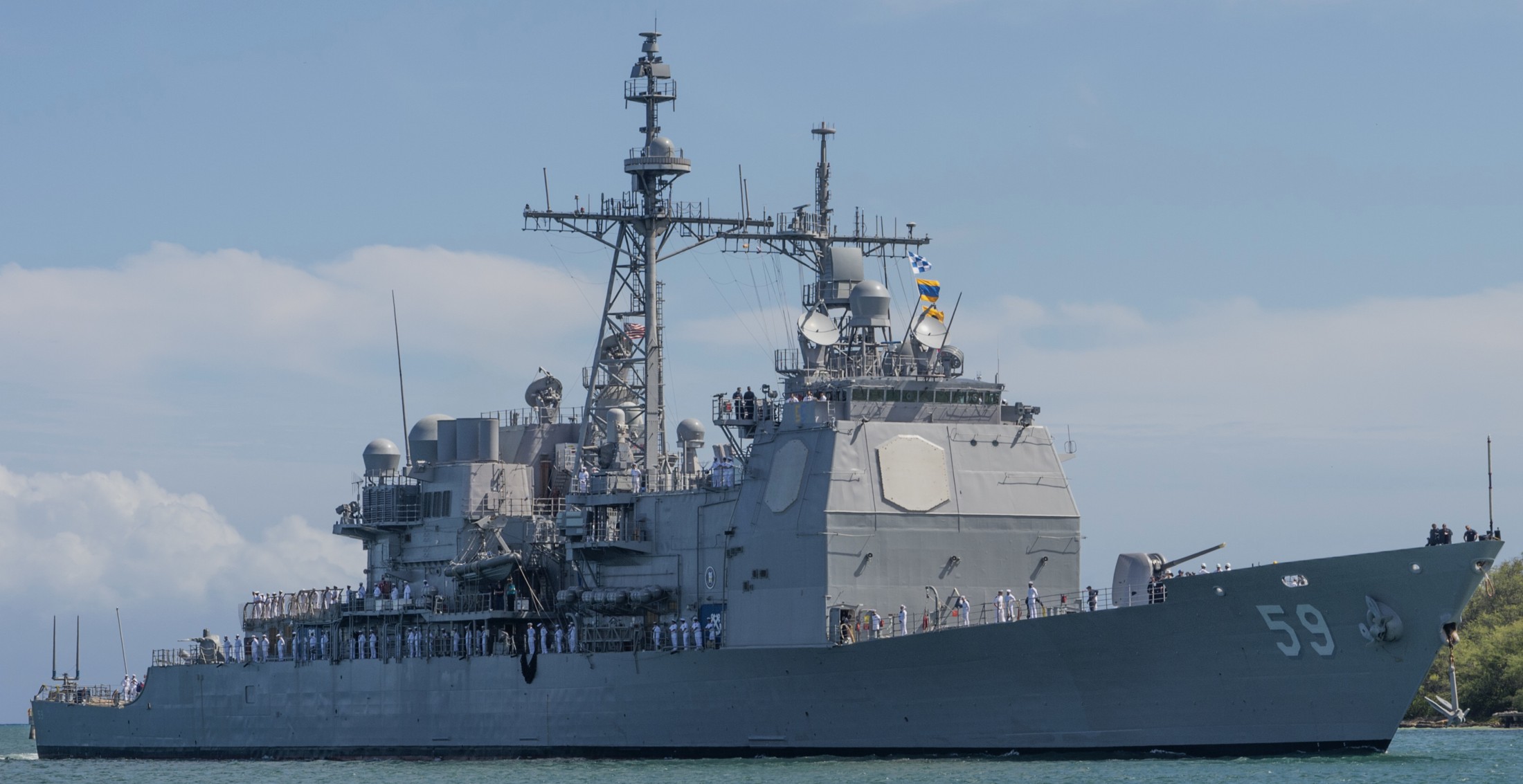 arriving Joint Base Pearl Harbor-Hickam, Hawaii for exercise RIMPAC 16 - June 2016 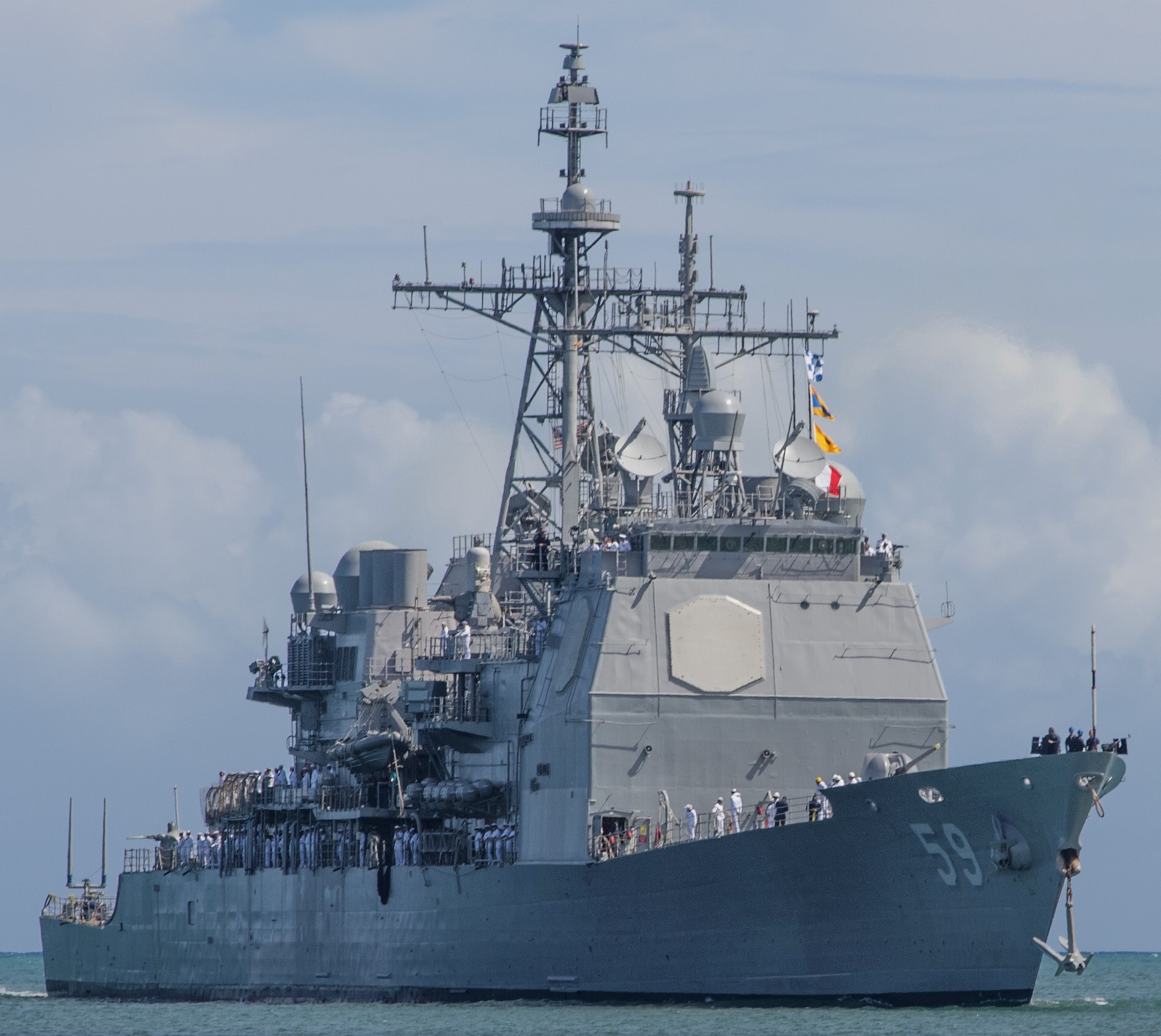 arriving Joint Base Pearl Harbor-Hickam, Hawaii for exercise RIMPAC 16 - June 2016 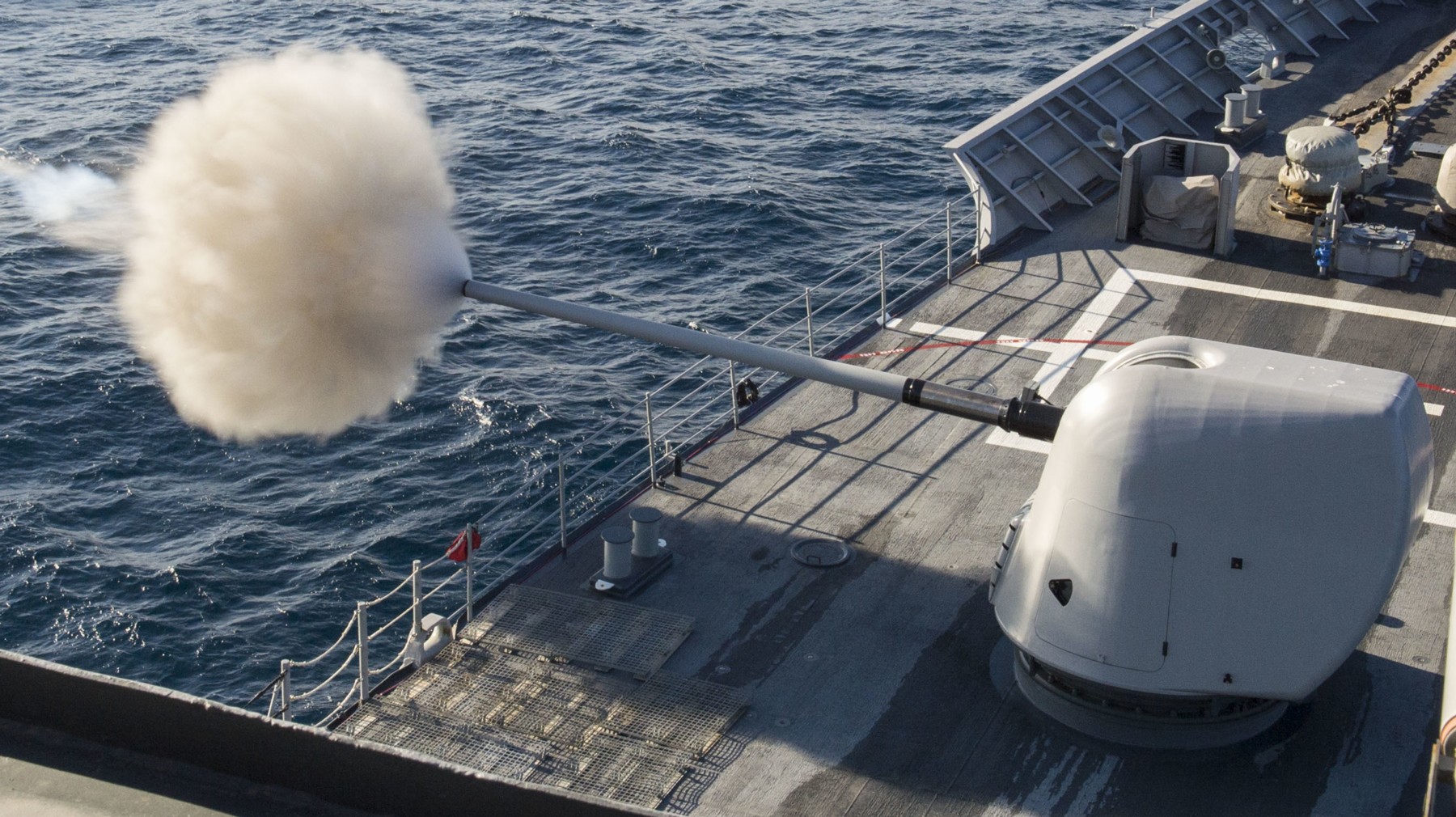 Mk.45 Mod.2 gun fire exercise - Pacific Ocean - December 2015 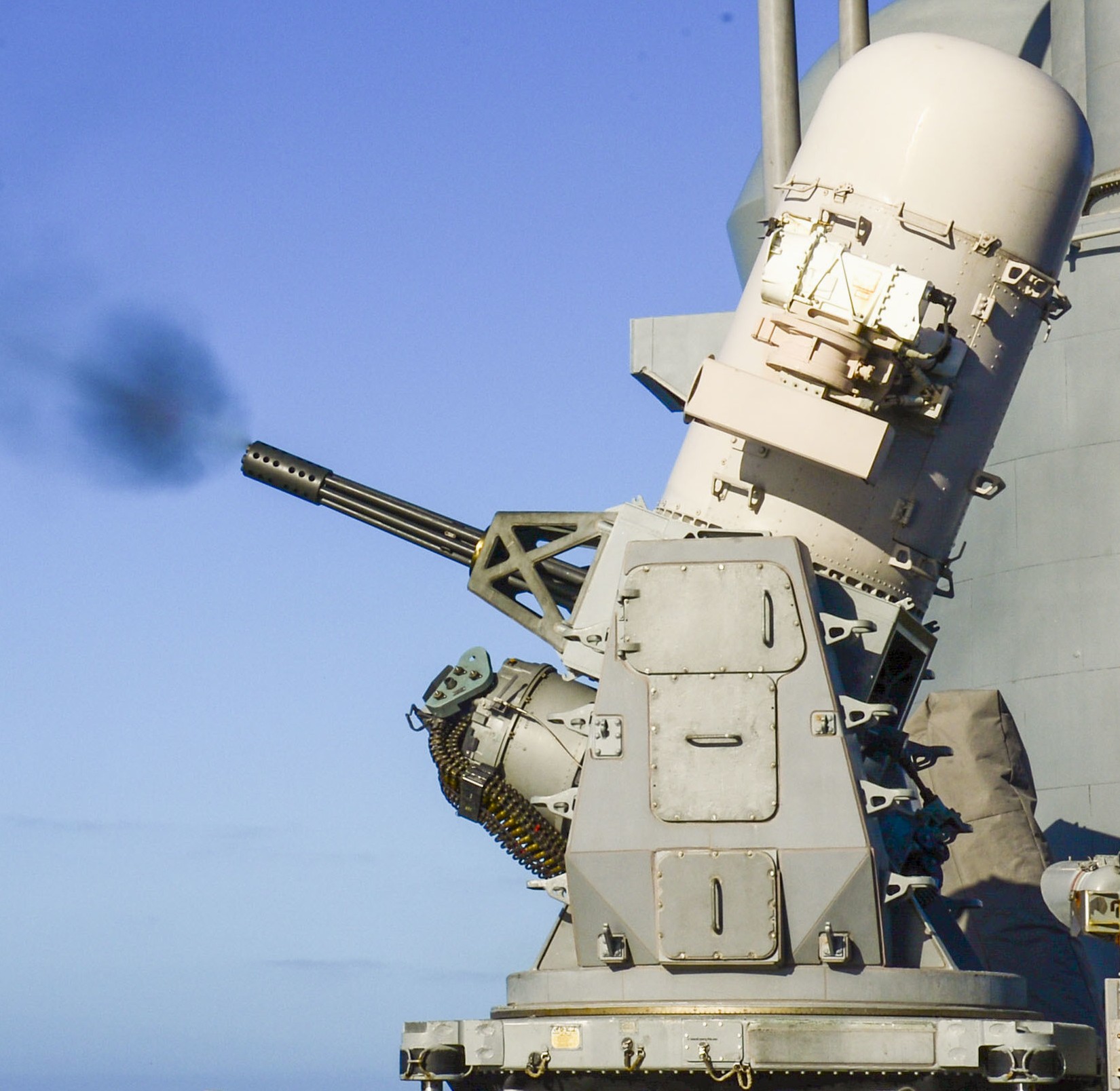 Mk.15 Phalanx CIWS fire exercise - Pacific Ocean - December 2015 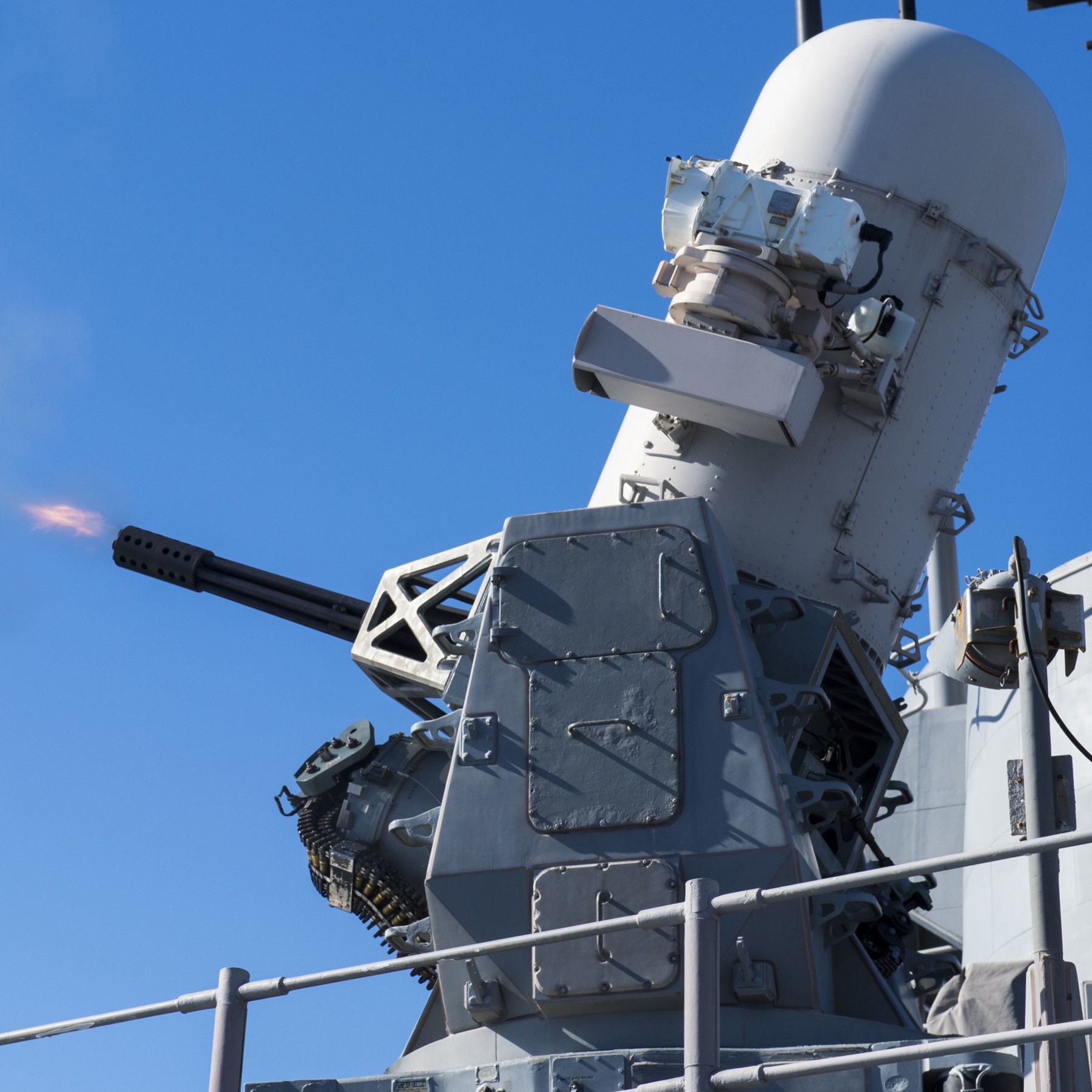 Mk.15 Phalanx CIWS fire exercise - Pacific Ocean - December 2015 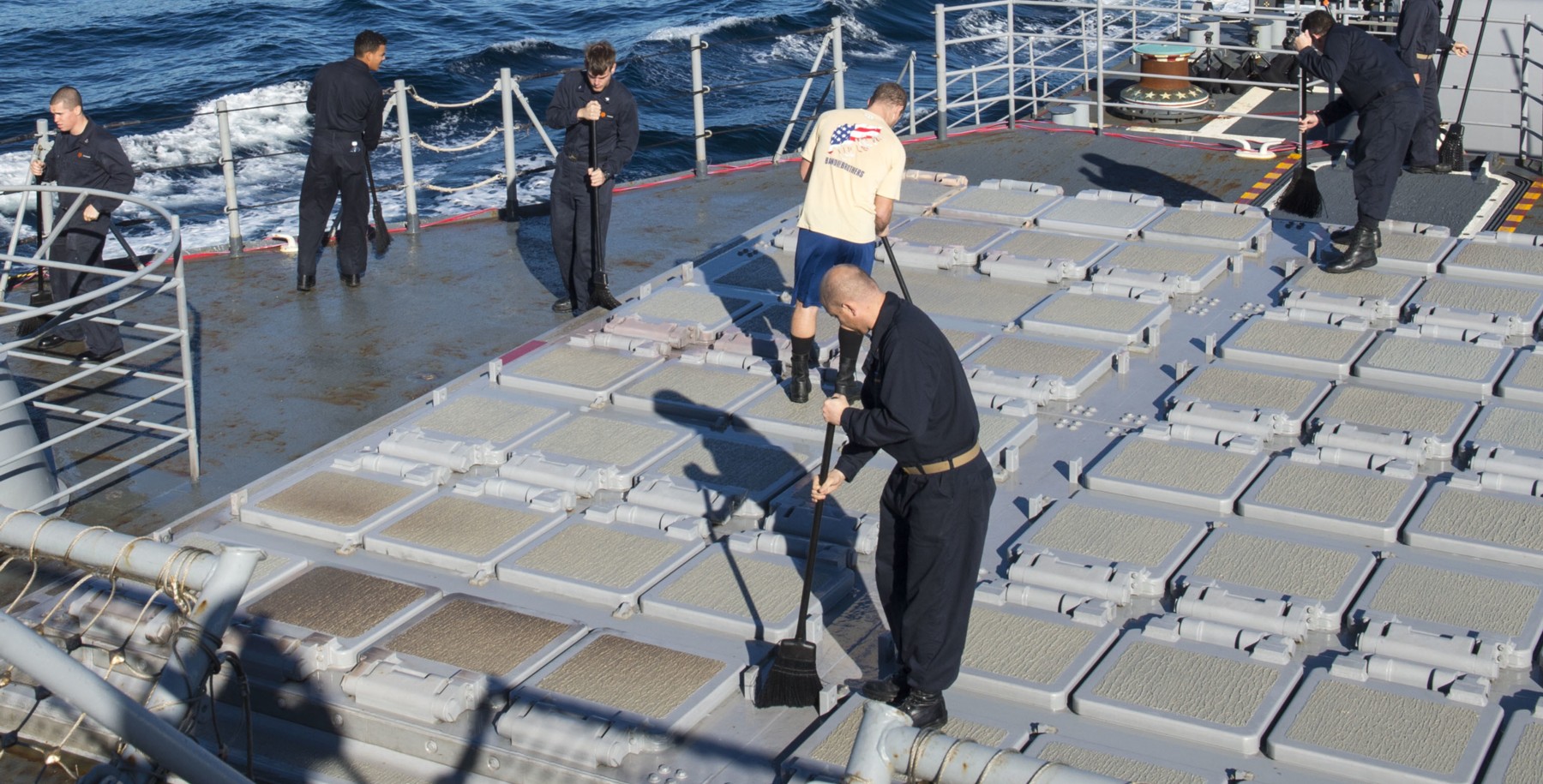 aft missile deck - Pacific Ocean - December 2015 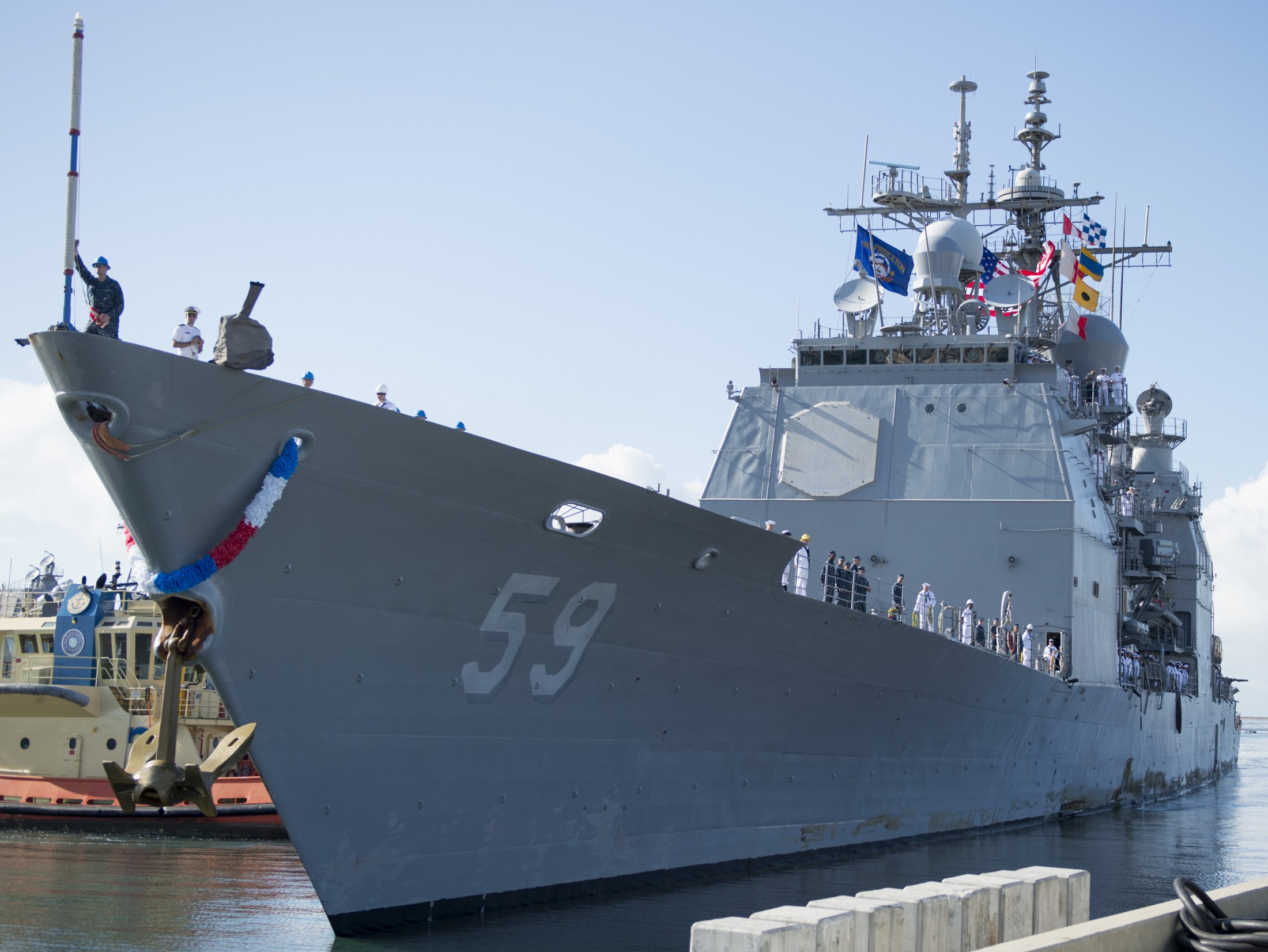 returning to Naval Base San Diego, California - October 2013 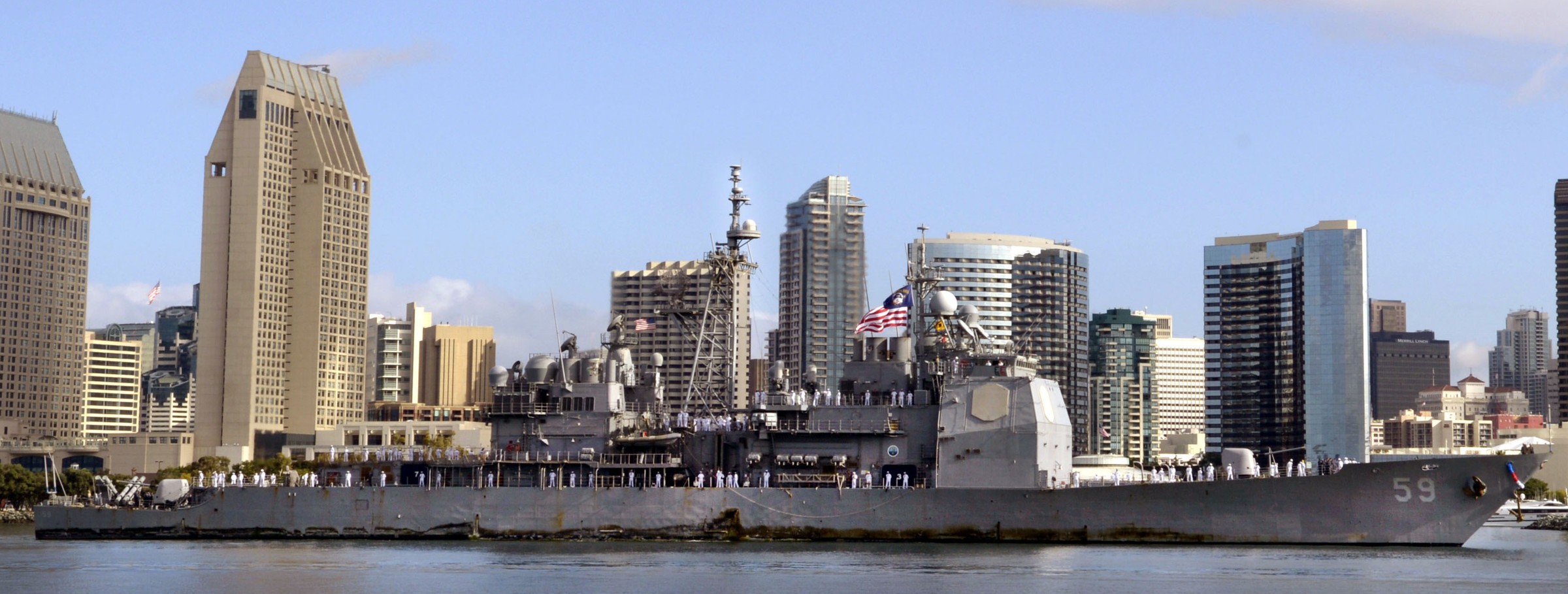 returning to Naval Base San Diego, California - October 2013 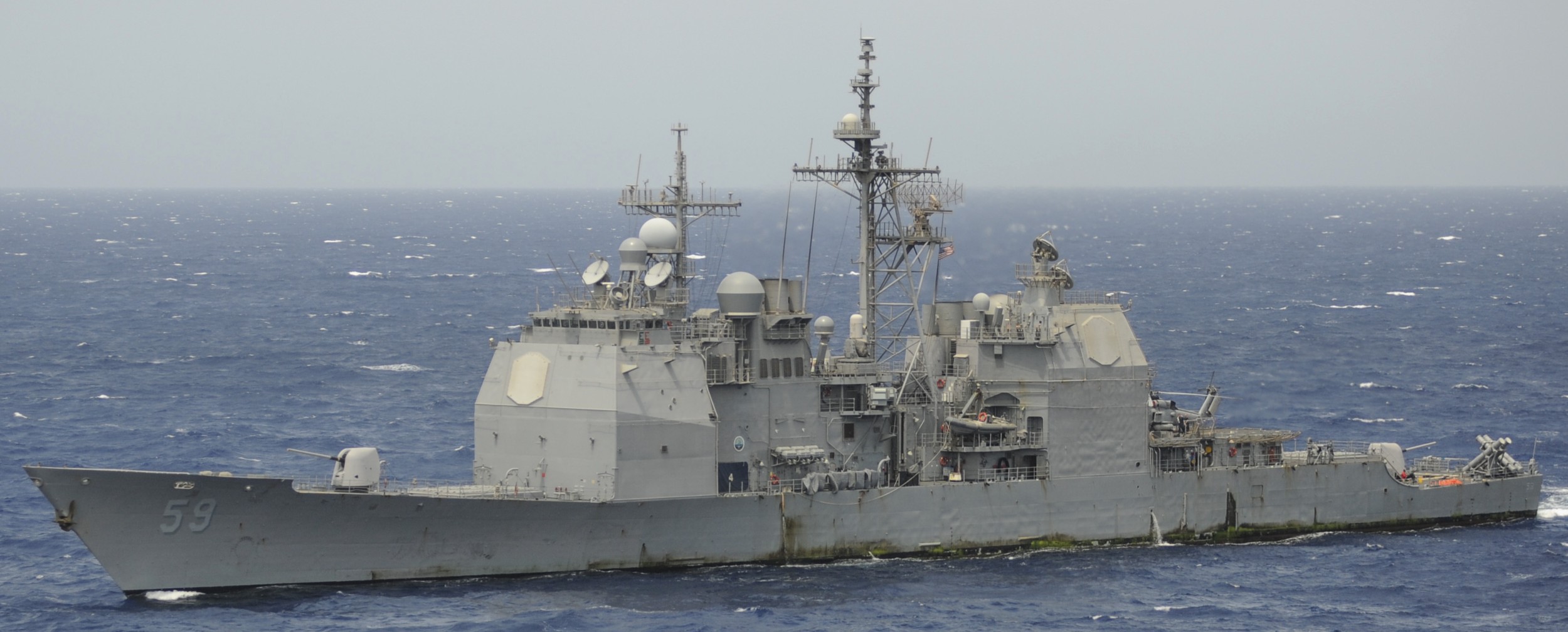 Red Sea - Sepember 2013 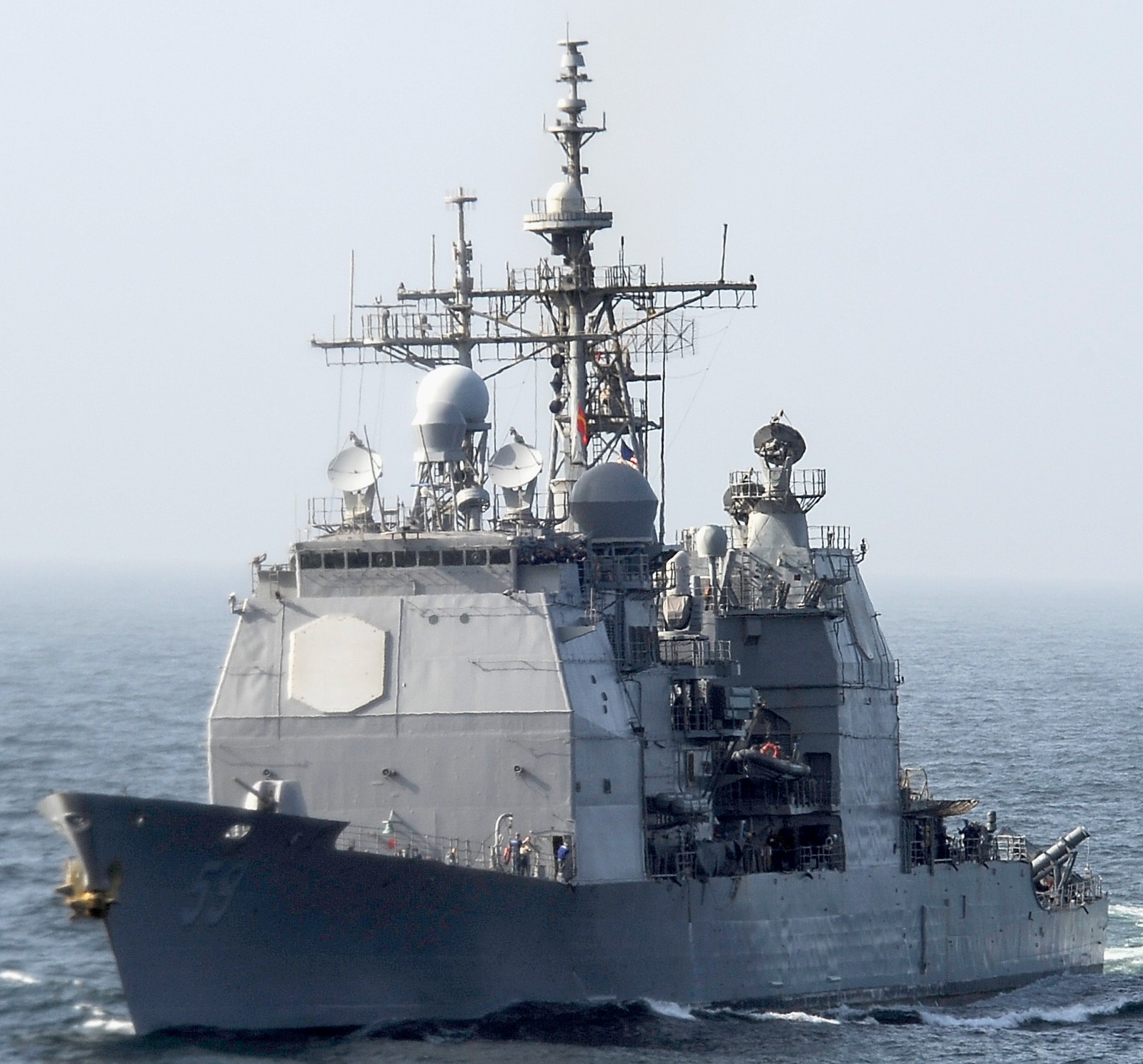 Gulf of Oman - June 2013 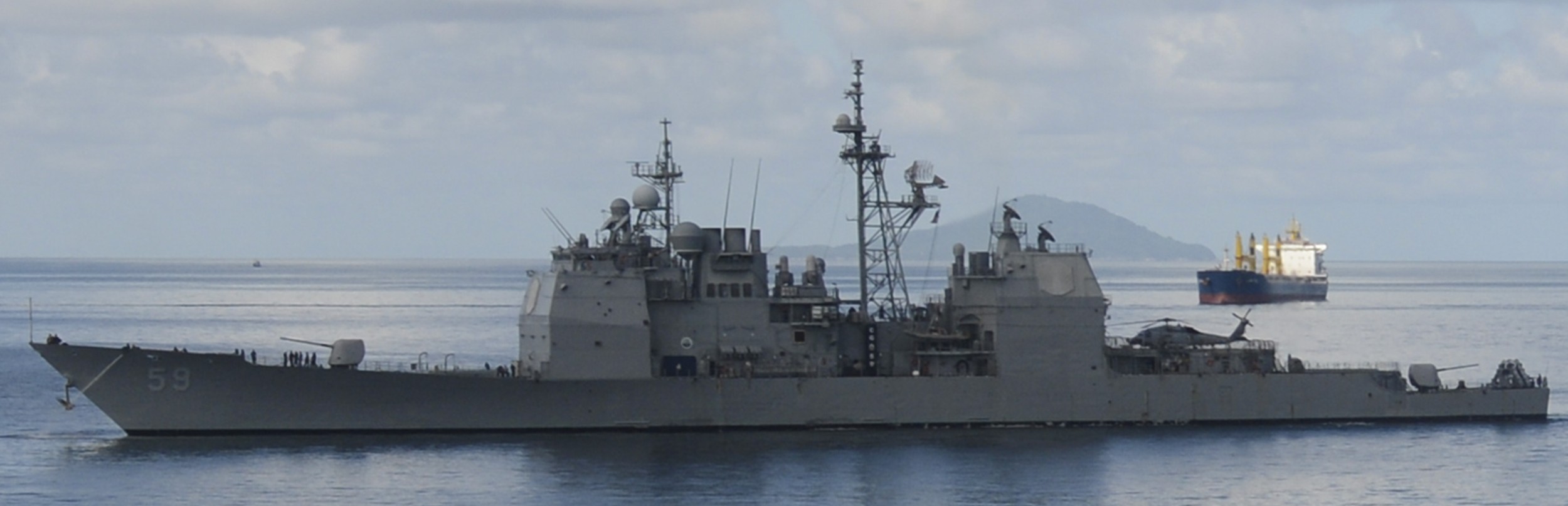 Phuket, Thailand - June 2013 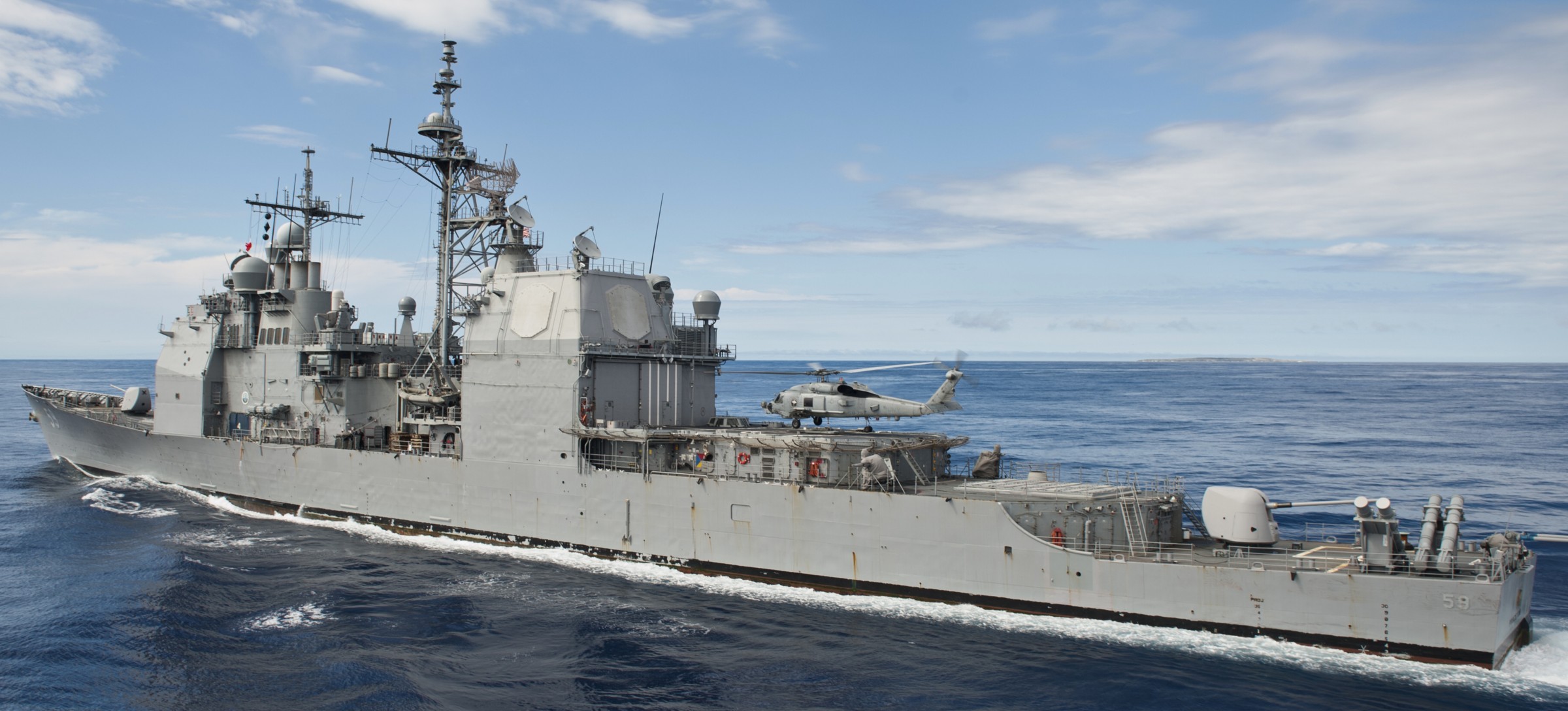 South China Sea - May 2013 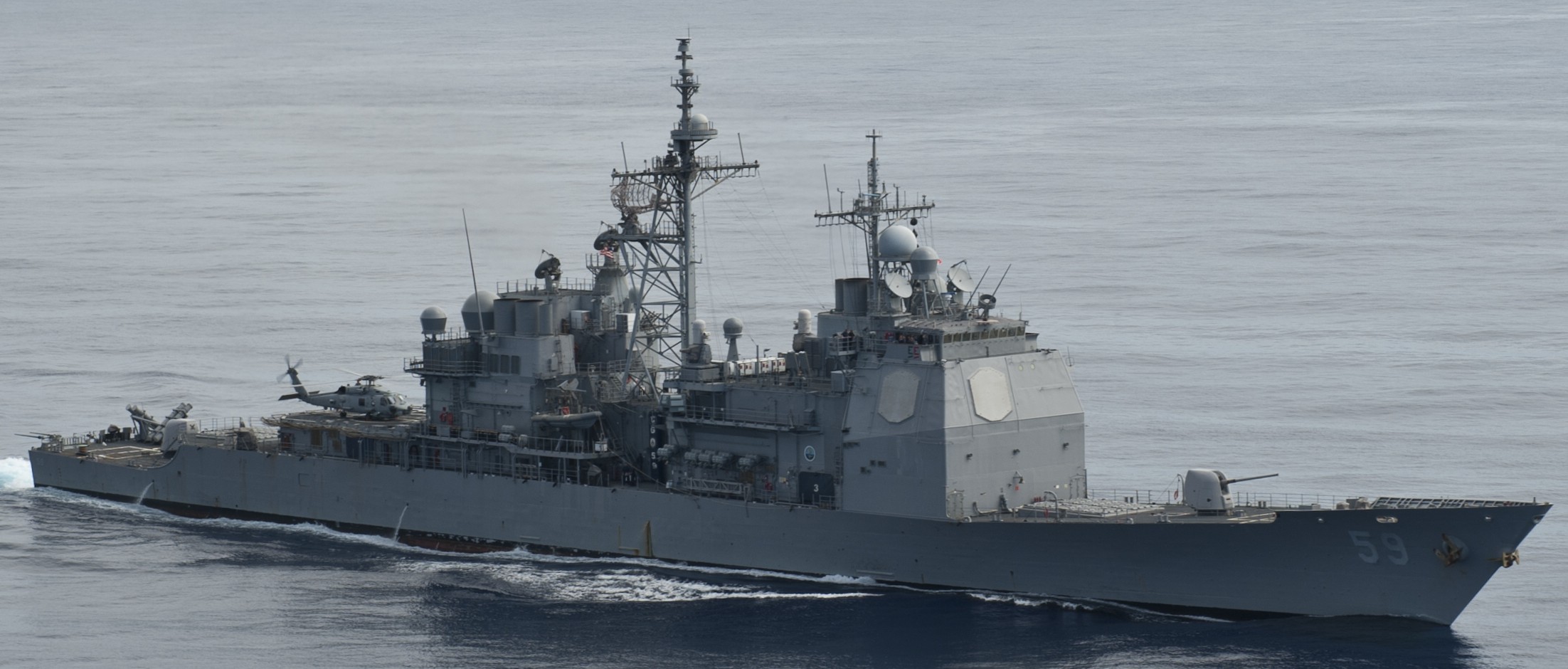 South China Sea - May 2013 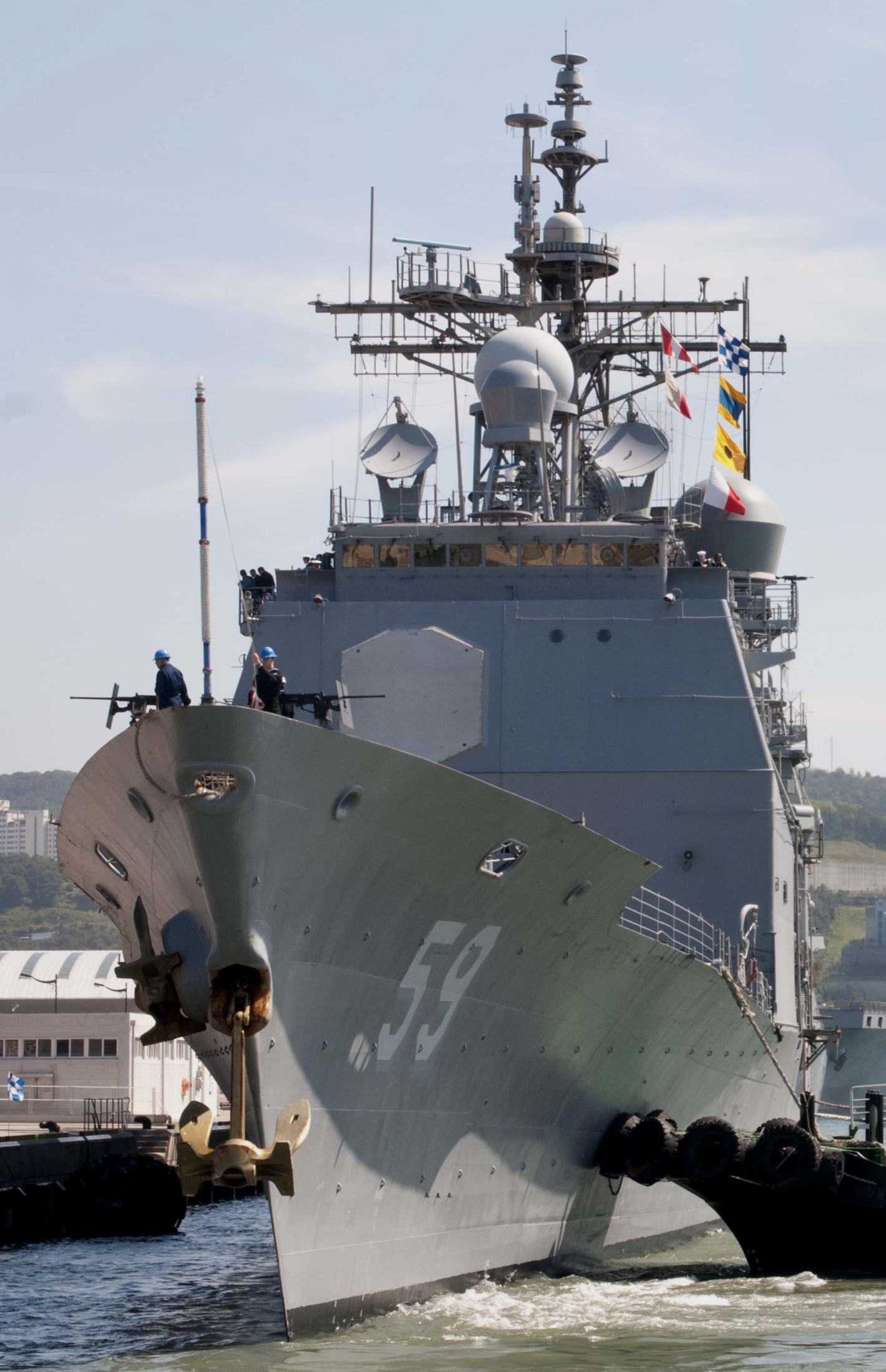 Busan, Republic of Korea - May 2013 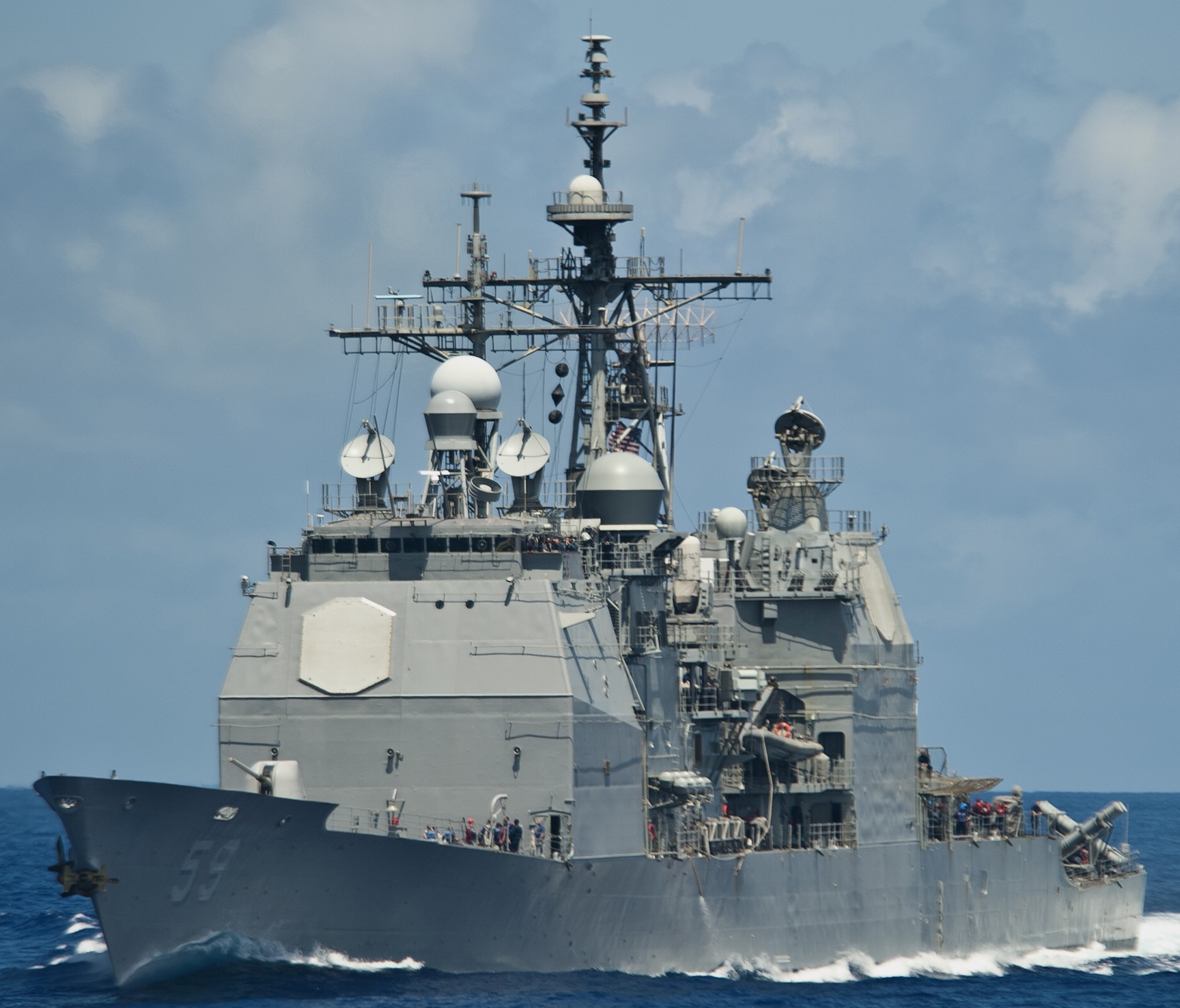 Pacific Ocean - April 2013 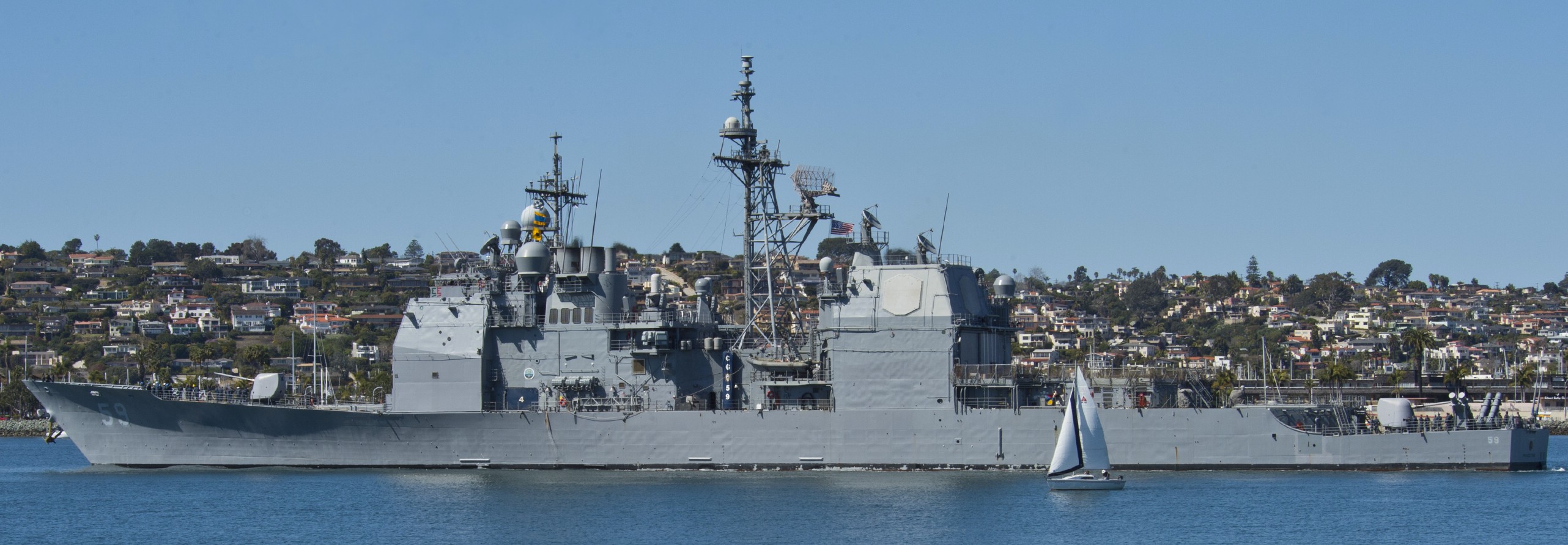 departing Naval Base San Diego, California - February 2013 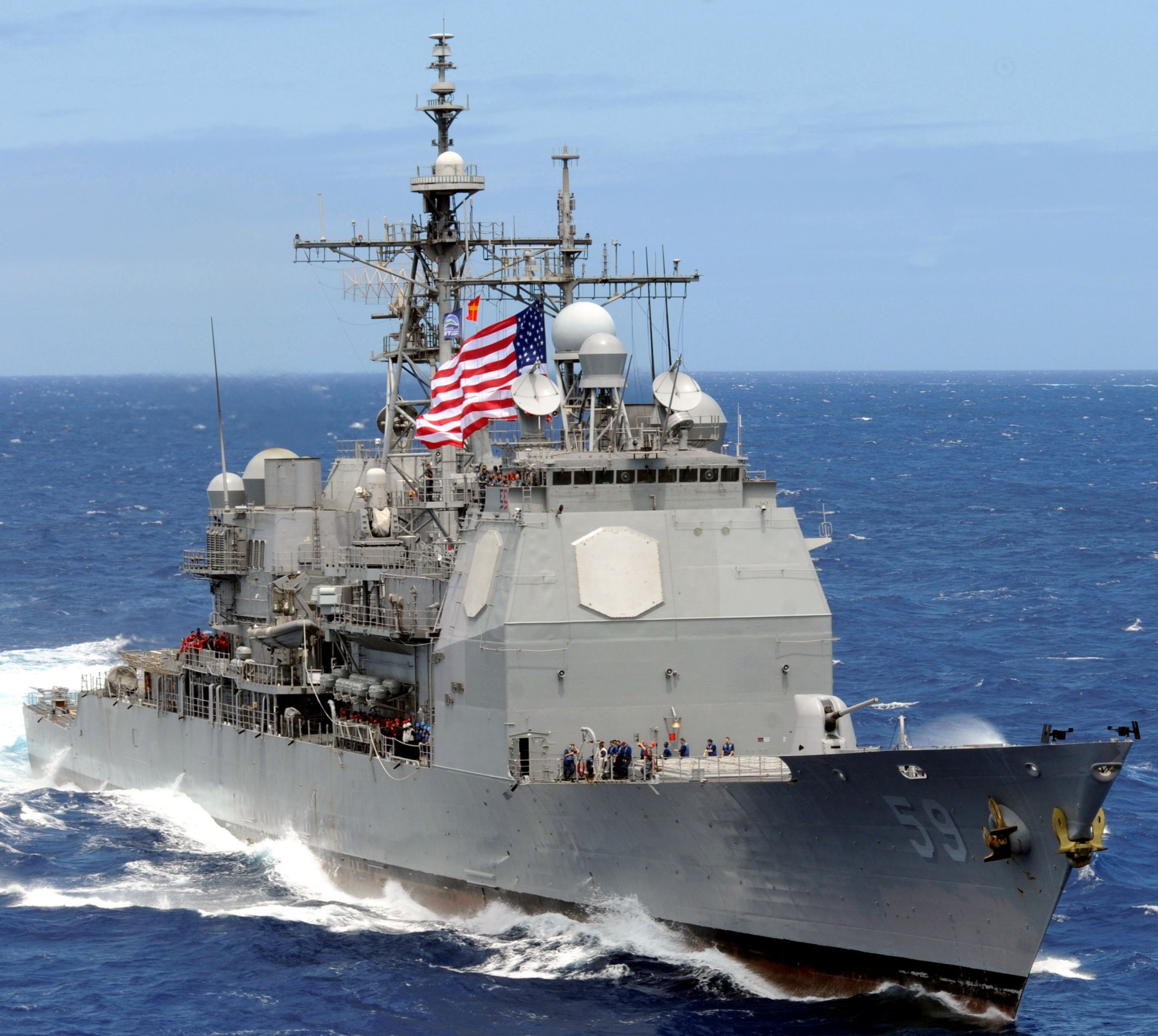 during exercise RIMPAC 12 - Pacific Ocean - July 2012 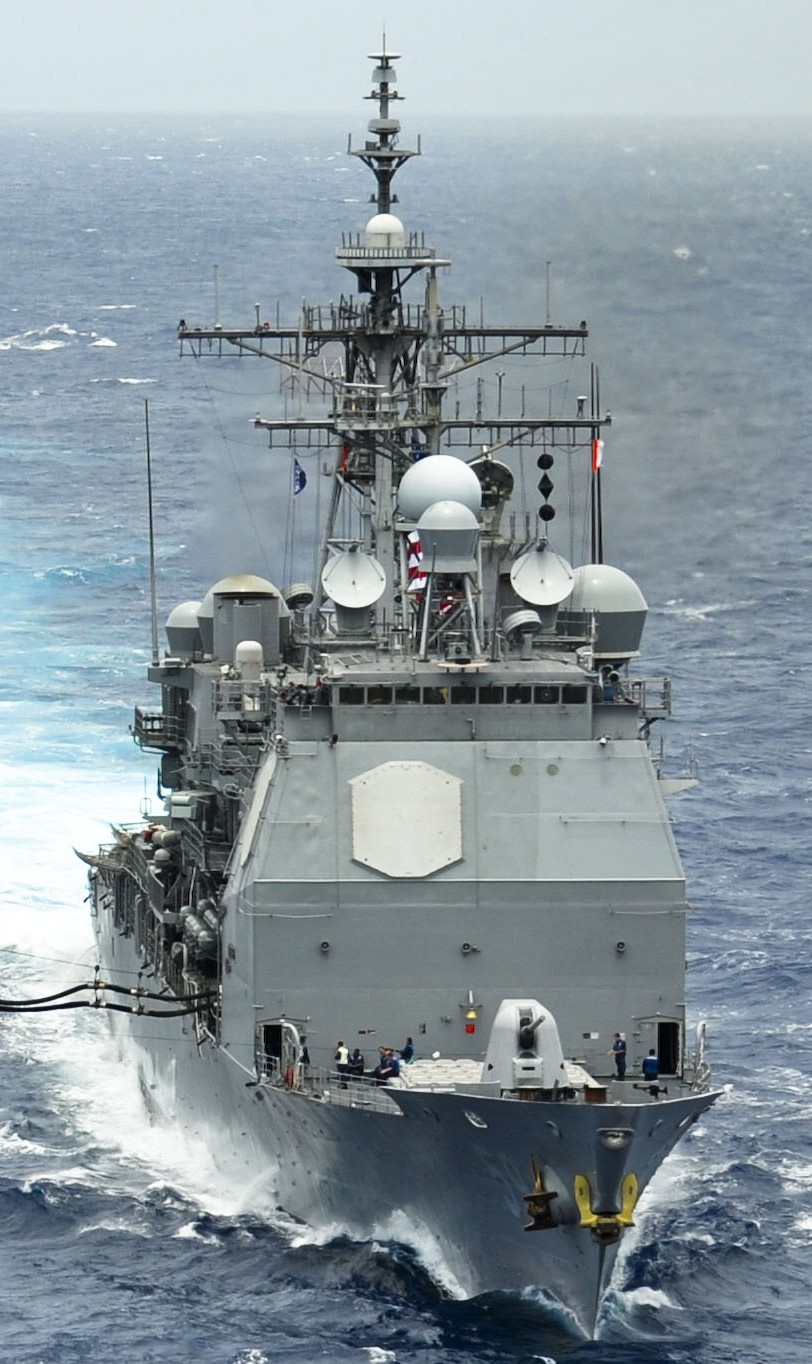 during exercise RIMPAC 12 - Pacific Ocean - July 2012 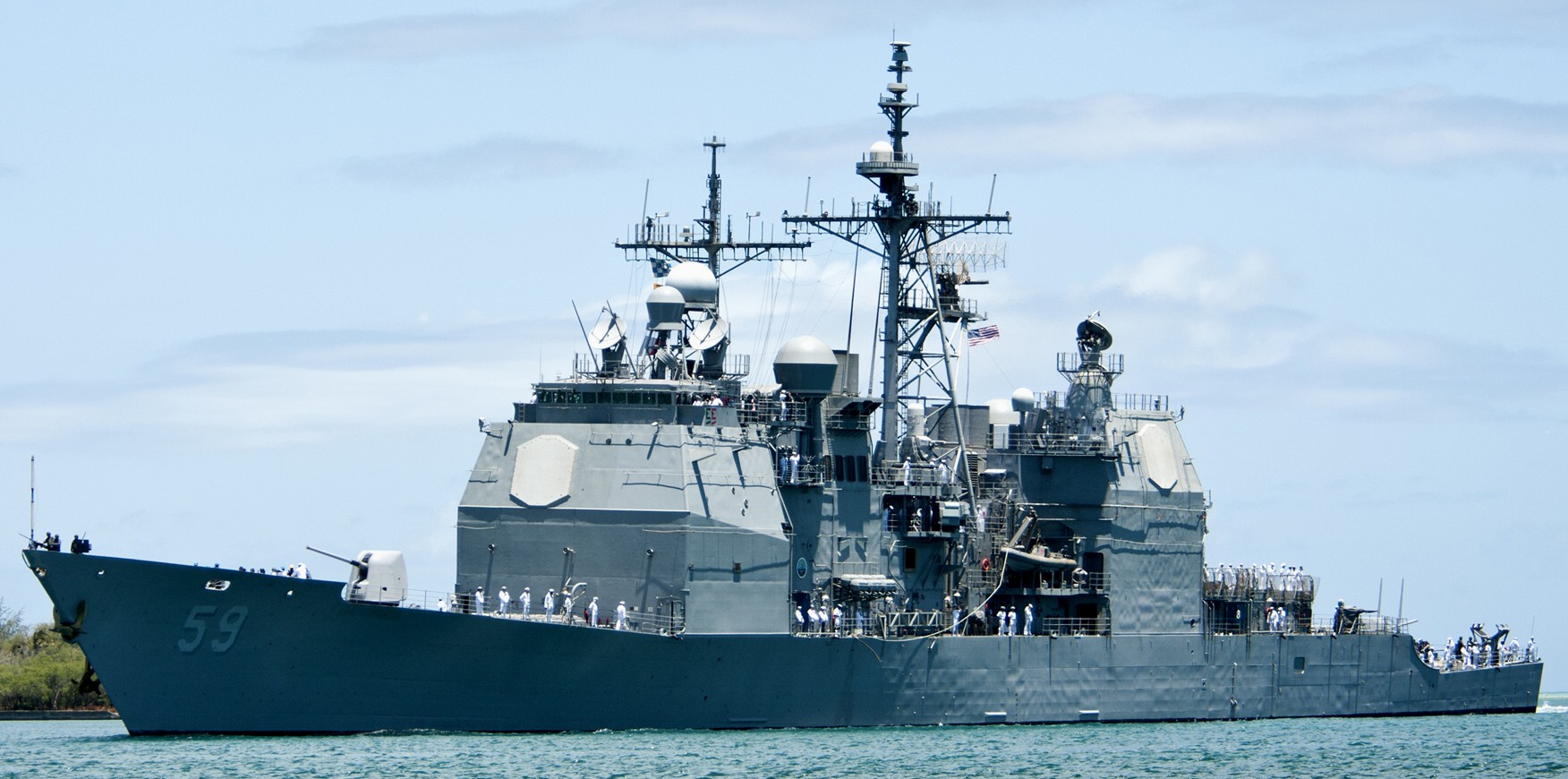 arriving Joint Base Pearl Harbor-Hickam, Hawaii - July 2012 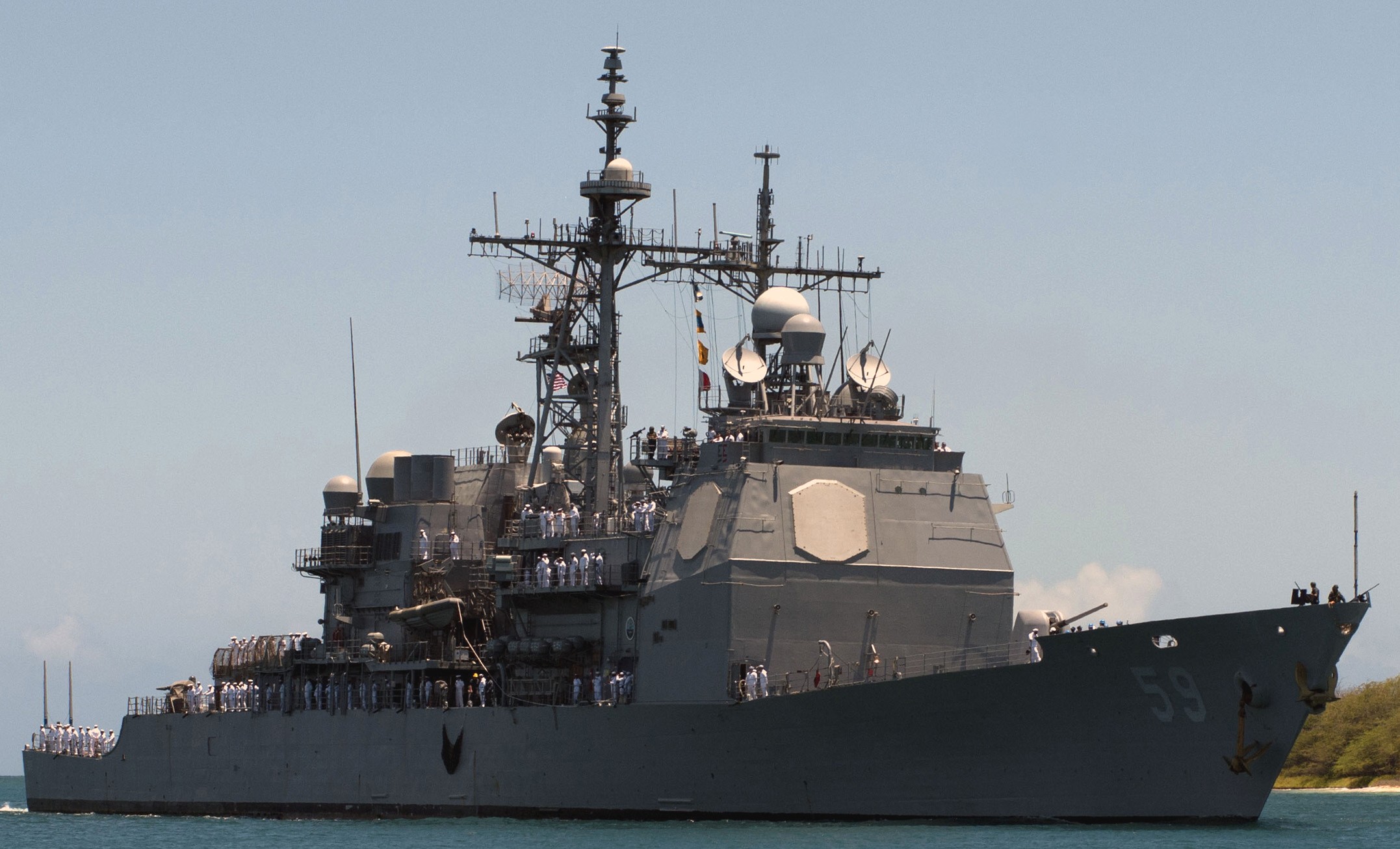 arriving Joint Base Pearl Harbor-Hickam, Hawaii - July 2012 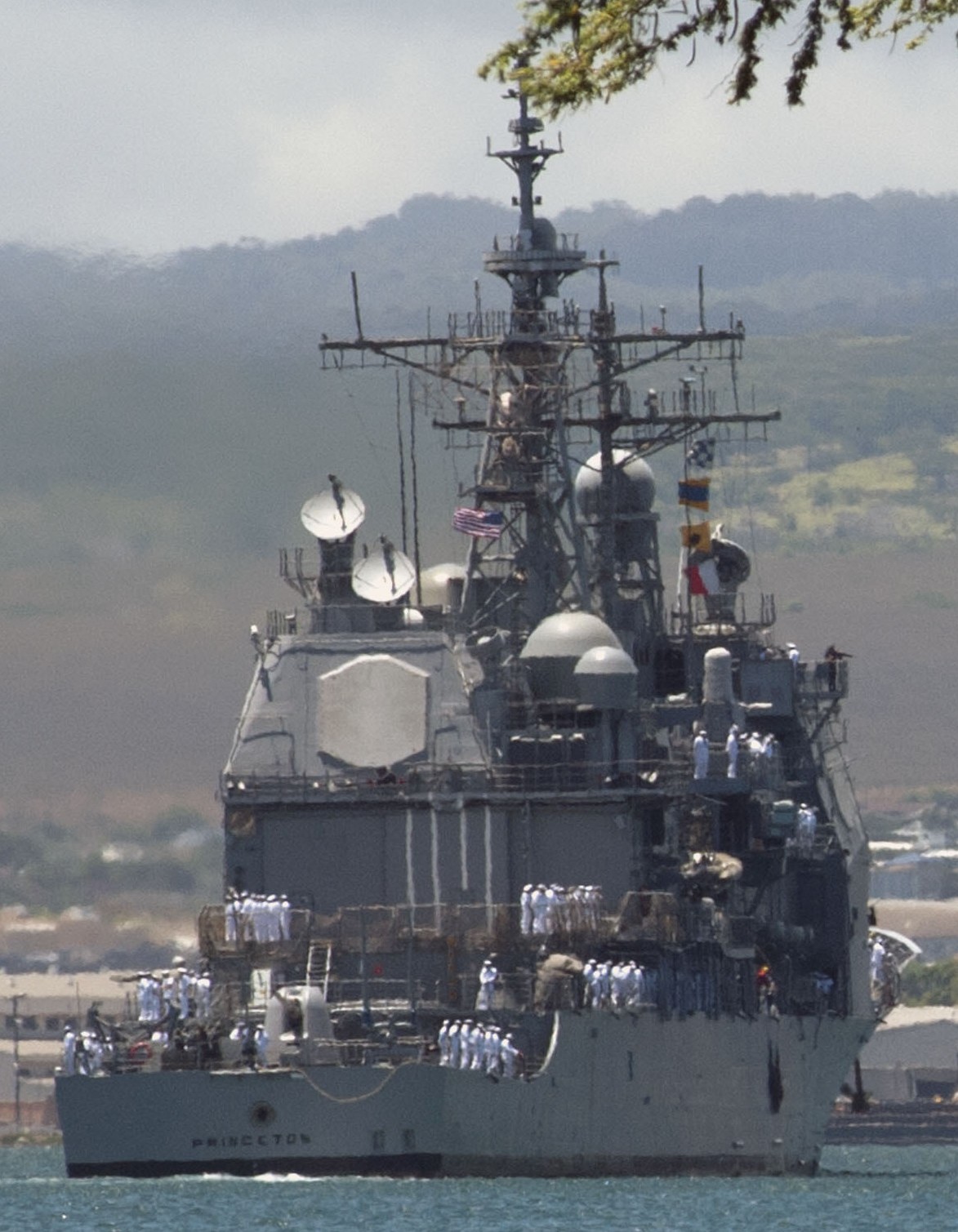 arriving Joint Base Pearl Harbor-Hickam, Hawaii - July 2012 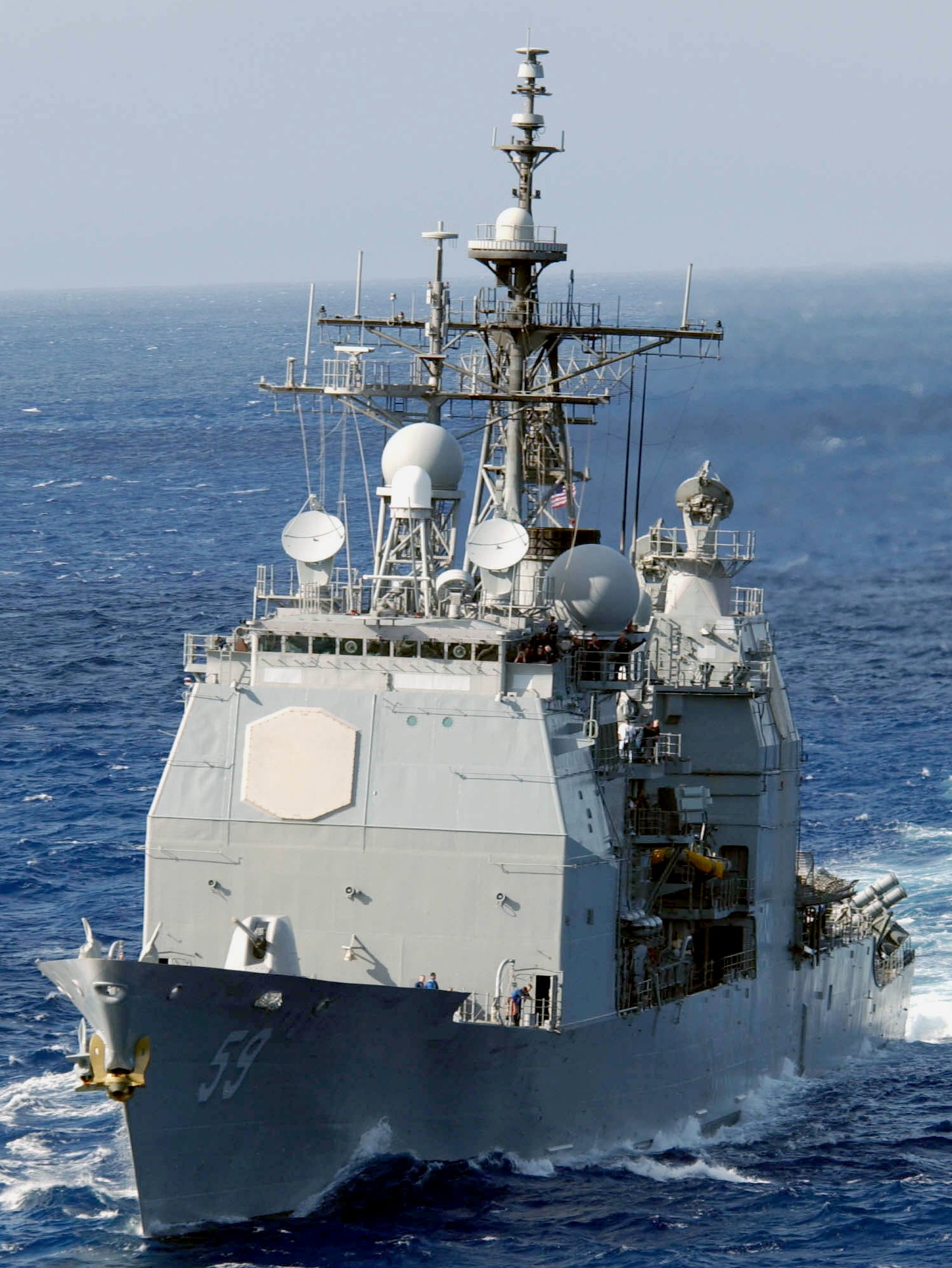 Pacific Ocean - March 2011 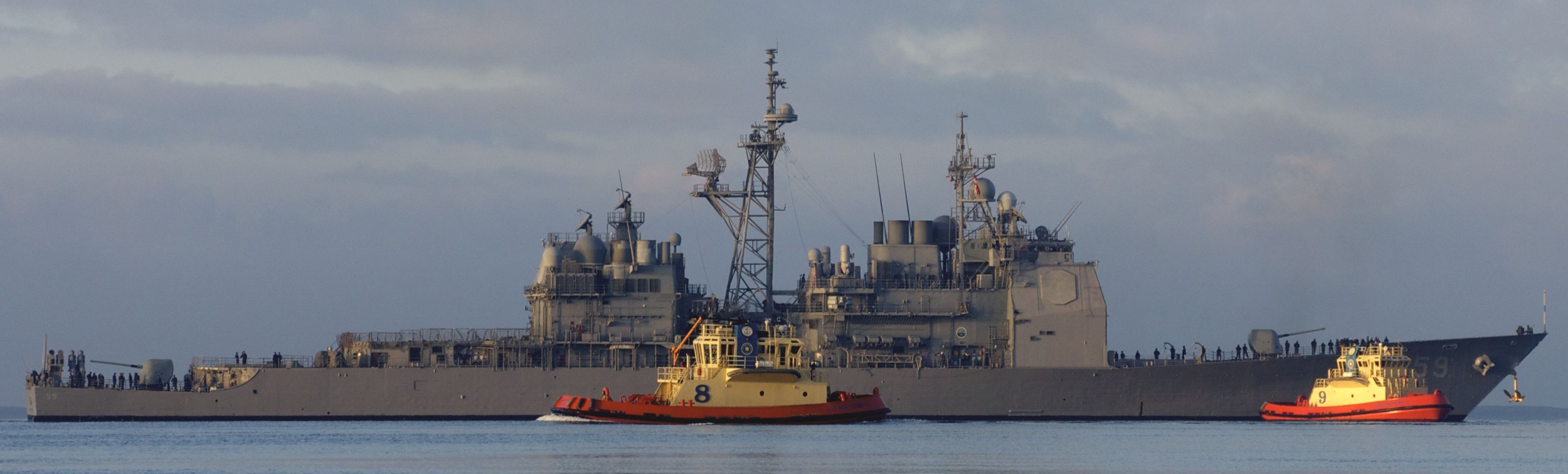 departing Naval Base San Diego, California - February 2011 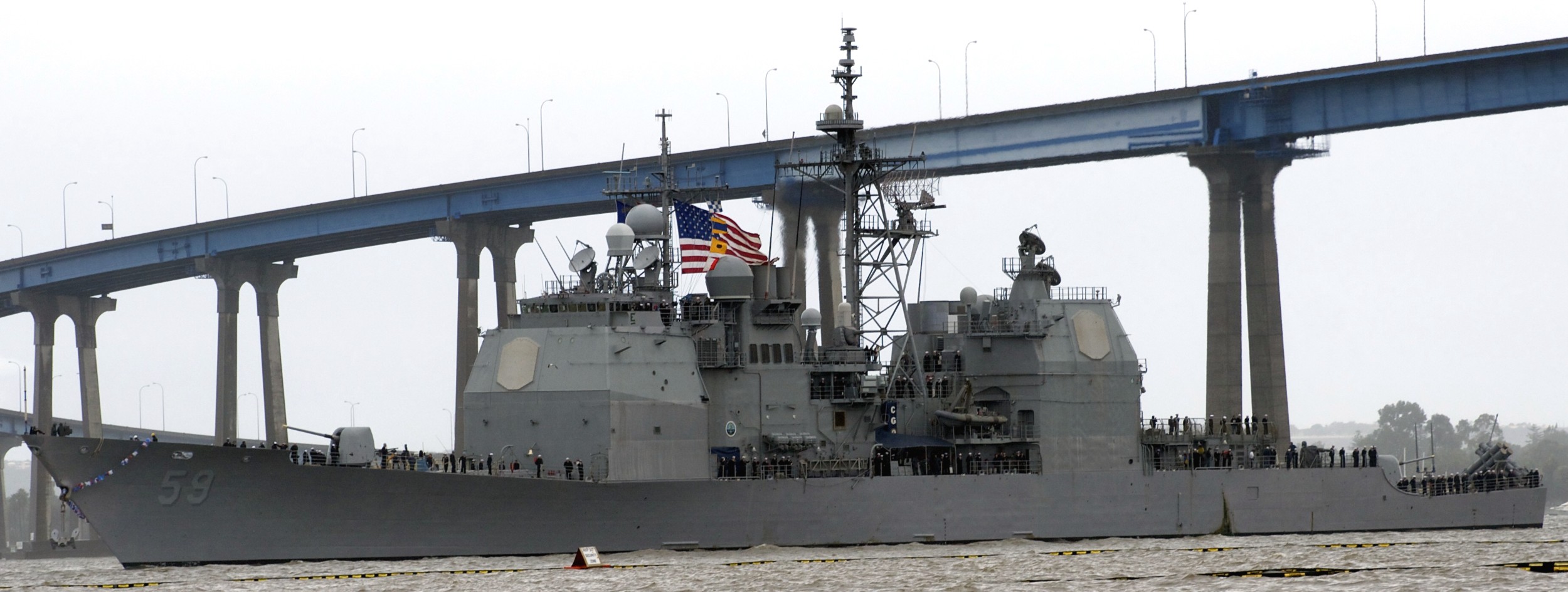 returning to Naval Base San Diego, California - December 2010 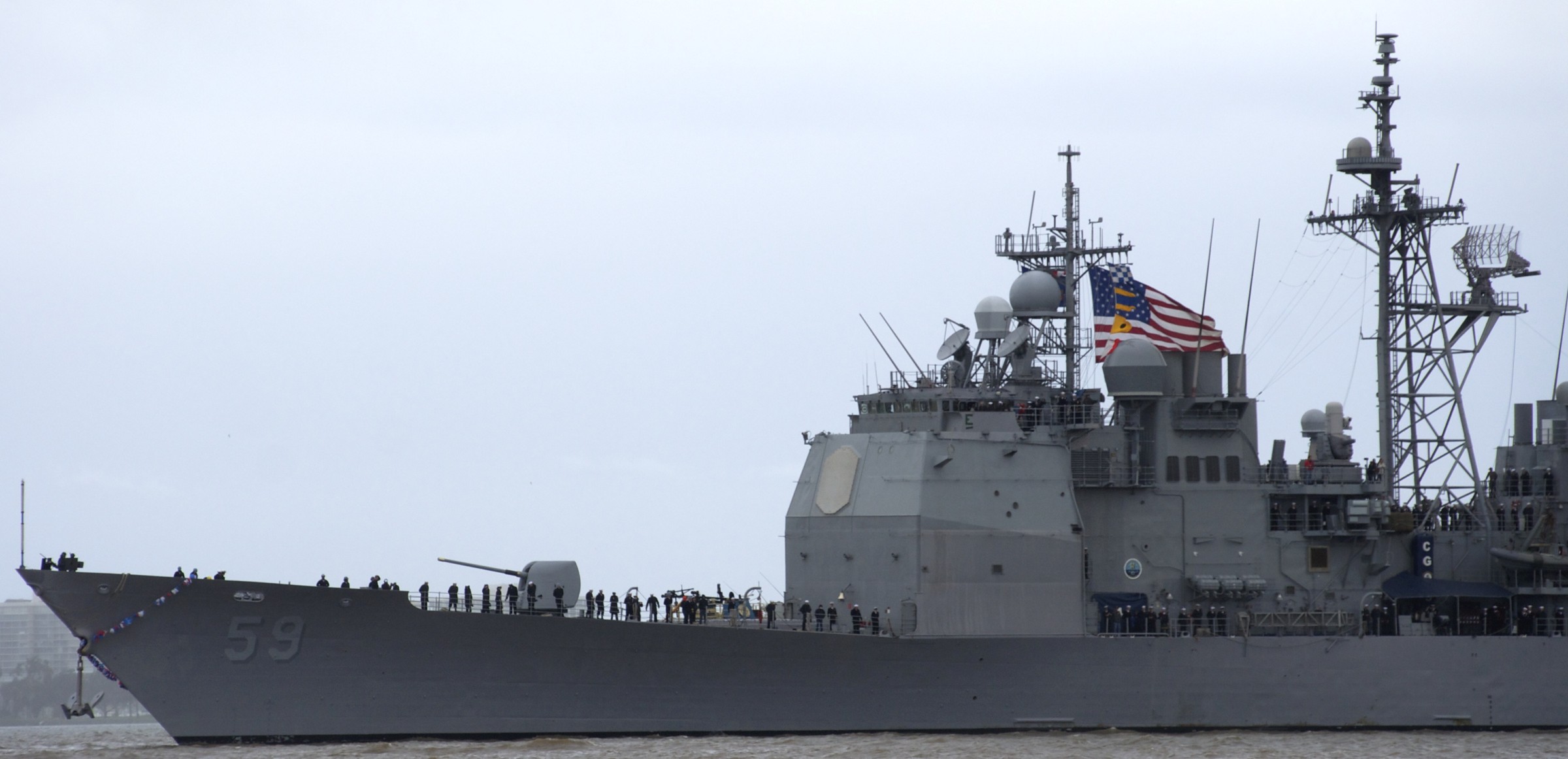 returning to Naval Base San Diego, California - December 2010 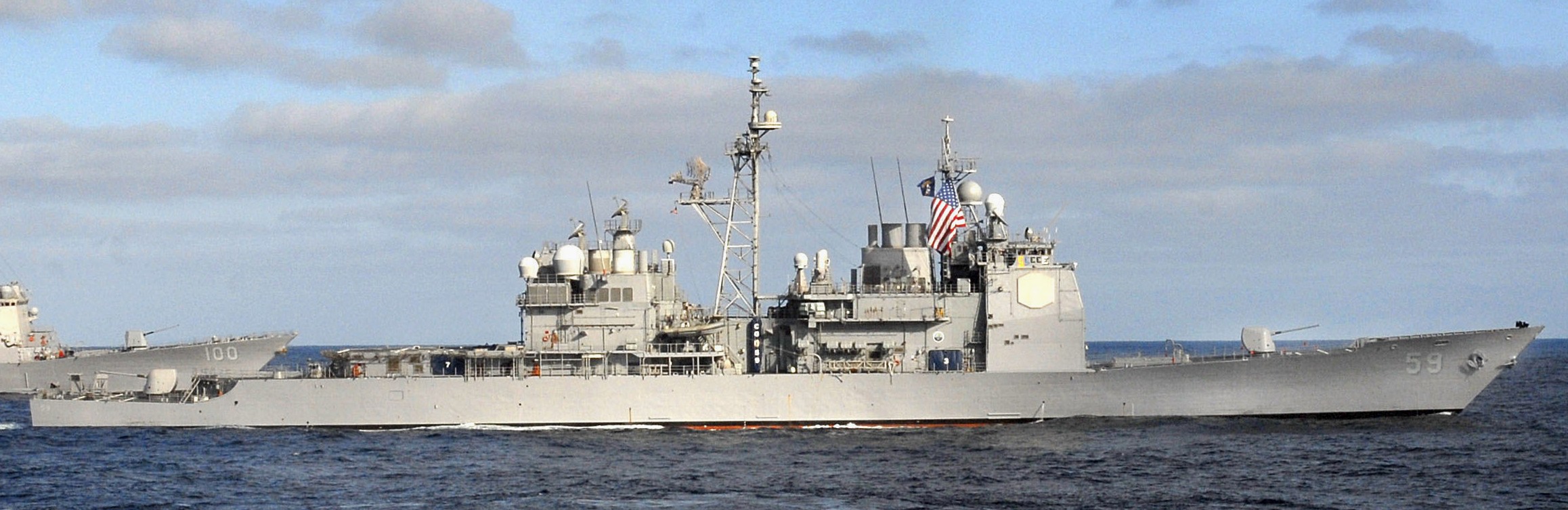 Pacific Ocean - November 2009 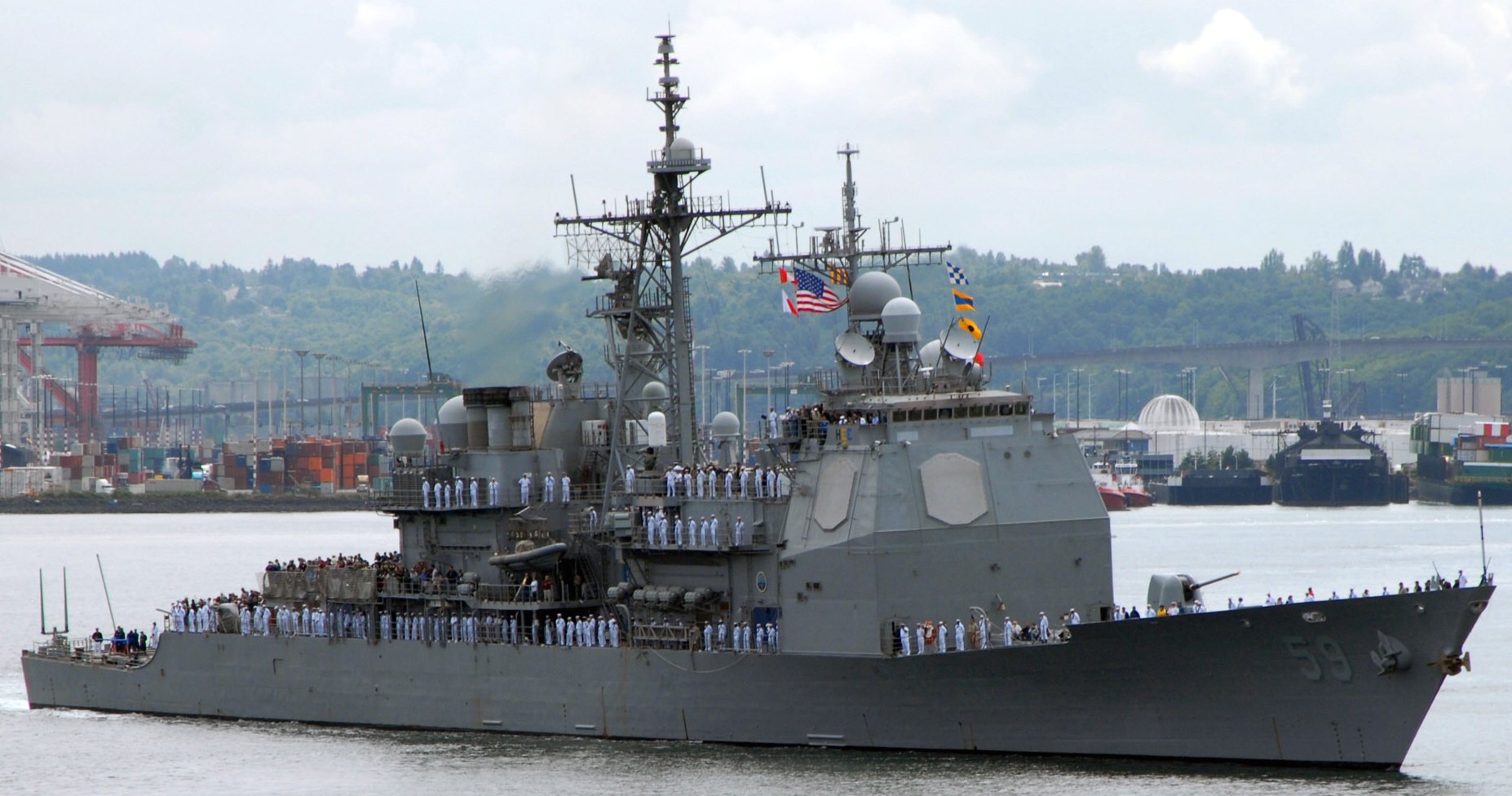 Seattle Sea Fair and Fleet Week - July 2008 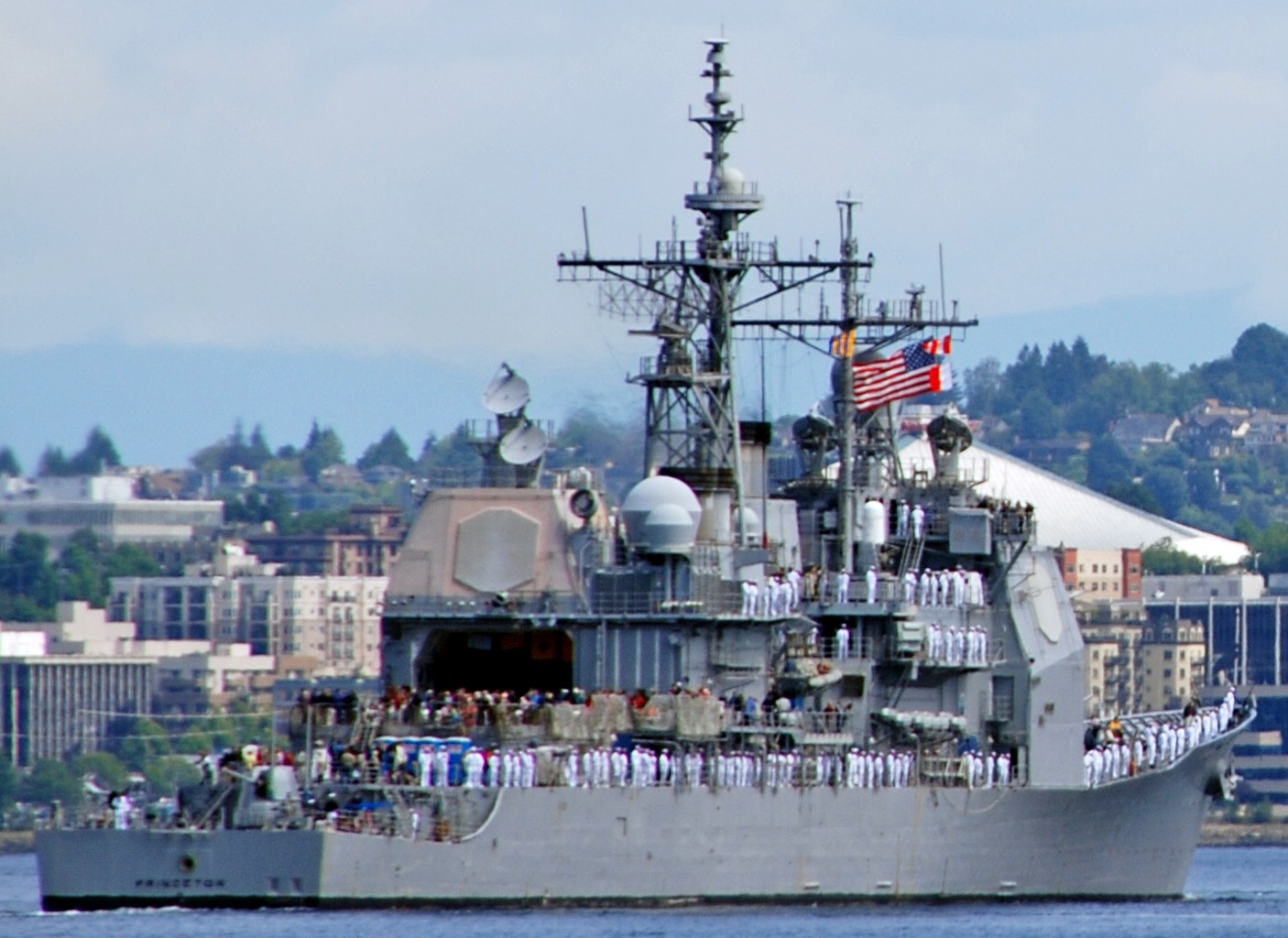 Seattle Sea Fair and Fleet Week - July 2008 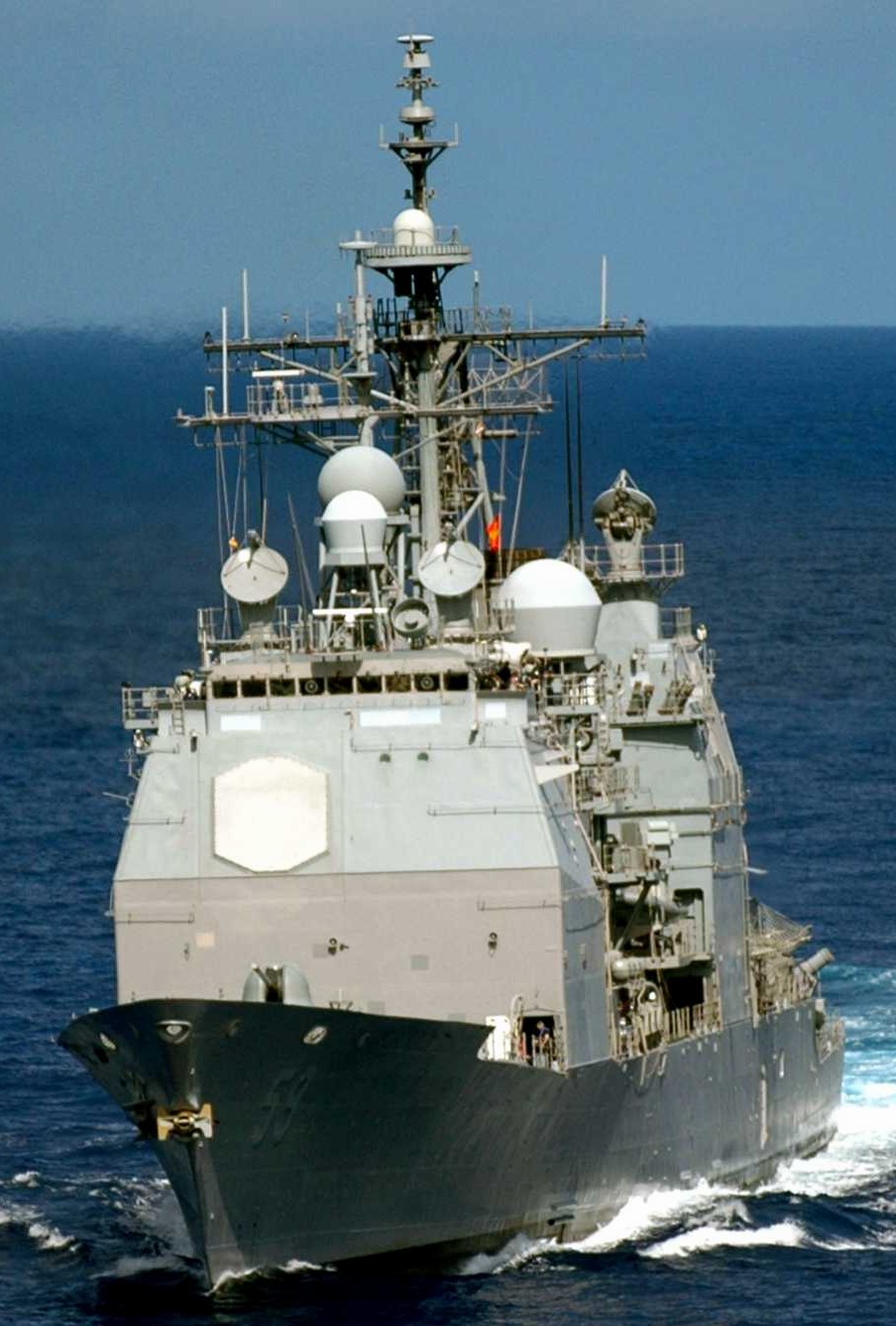 Pacific Ocean - April 2008 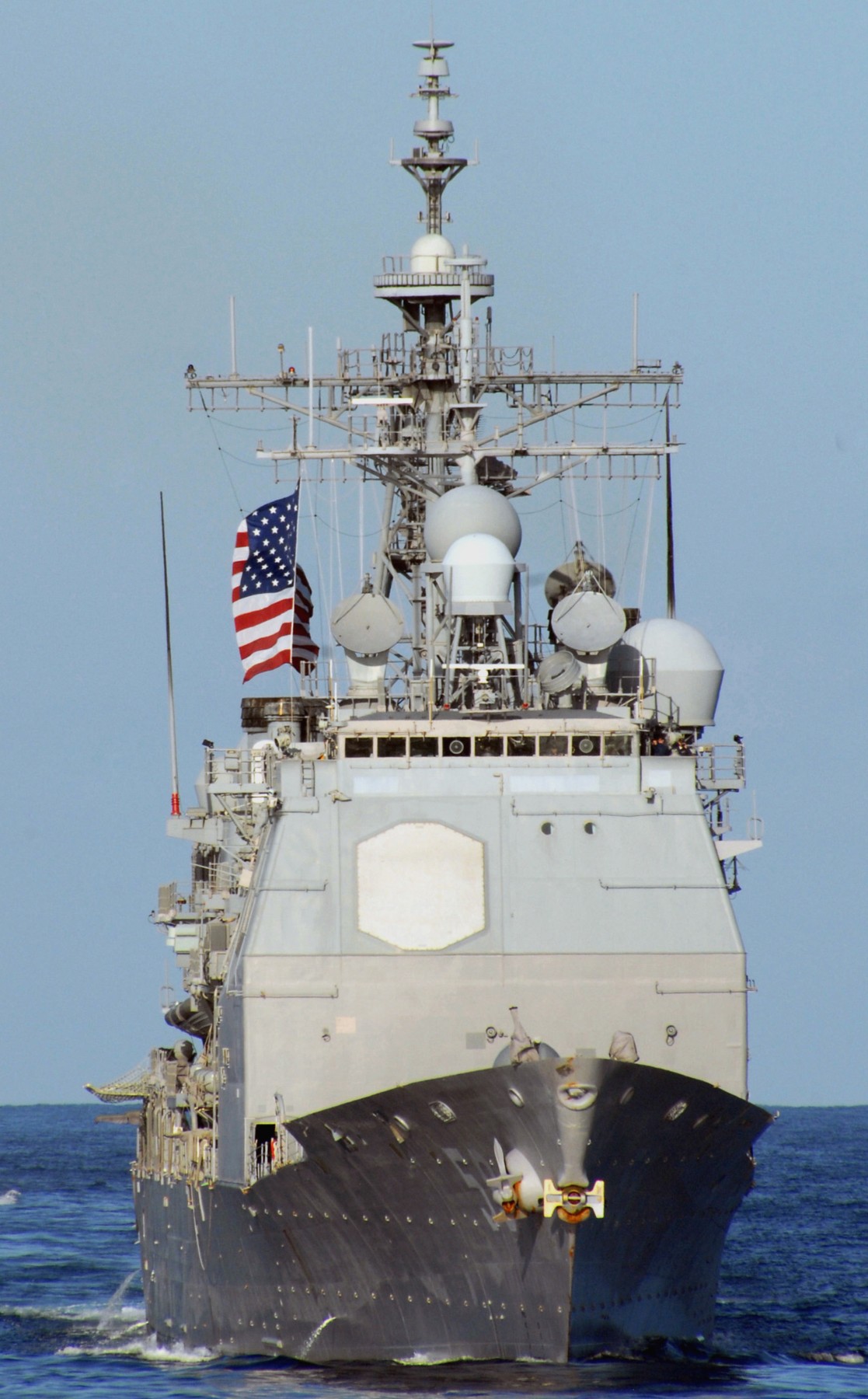 East China Sea - March 2008 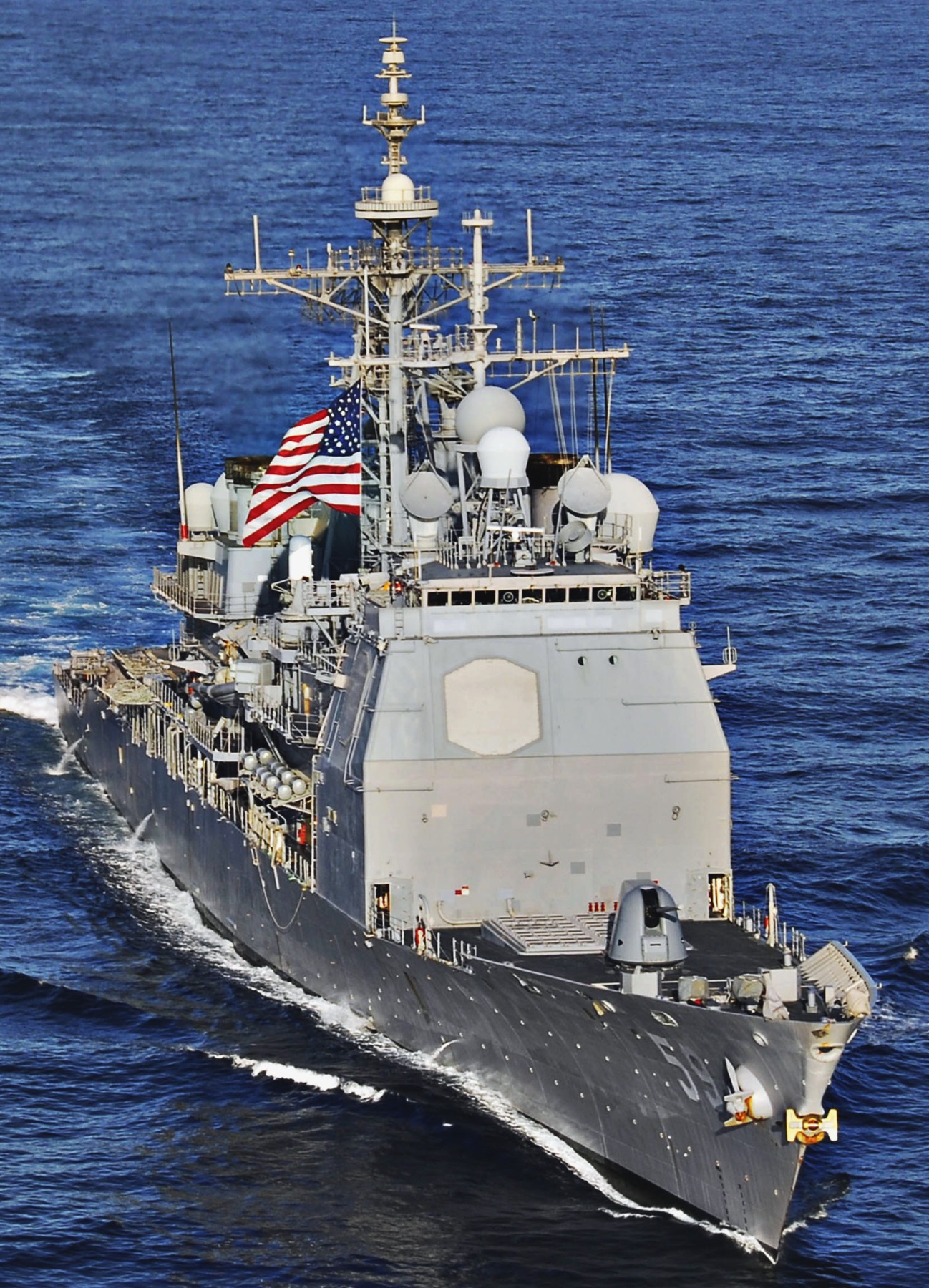 East China Sea - March 2008 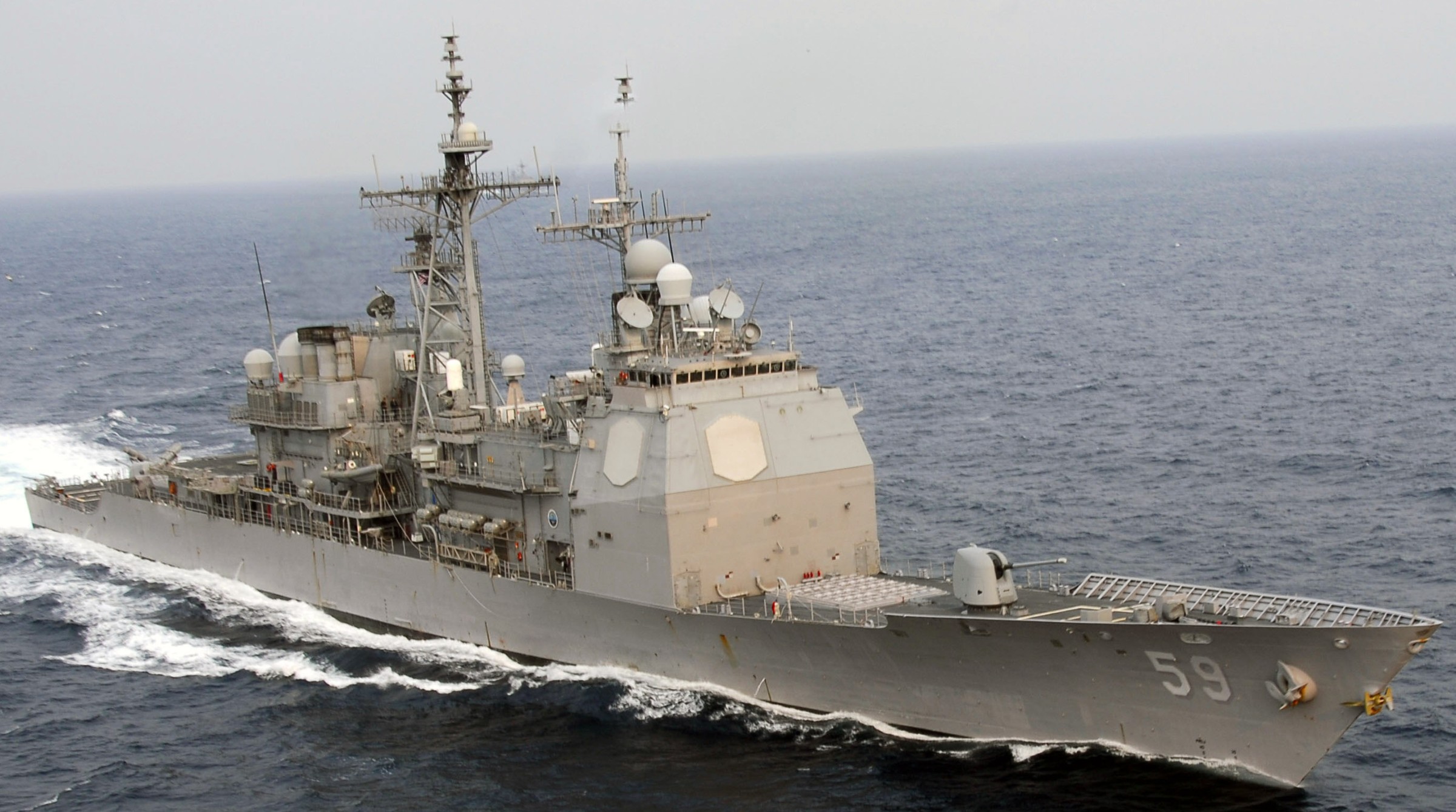 Pacific Ocean - March 2008 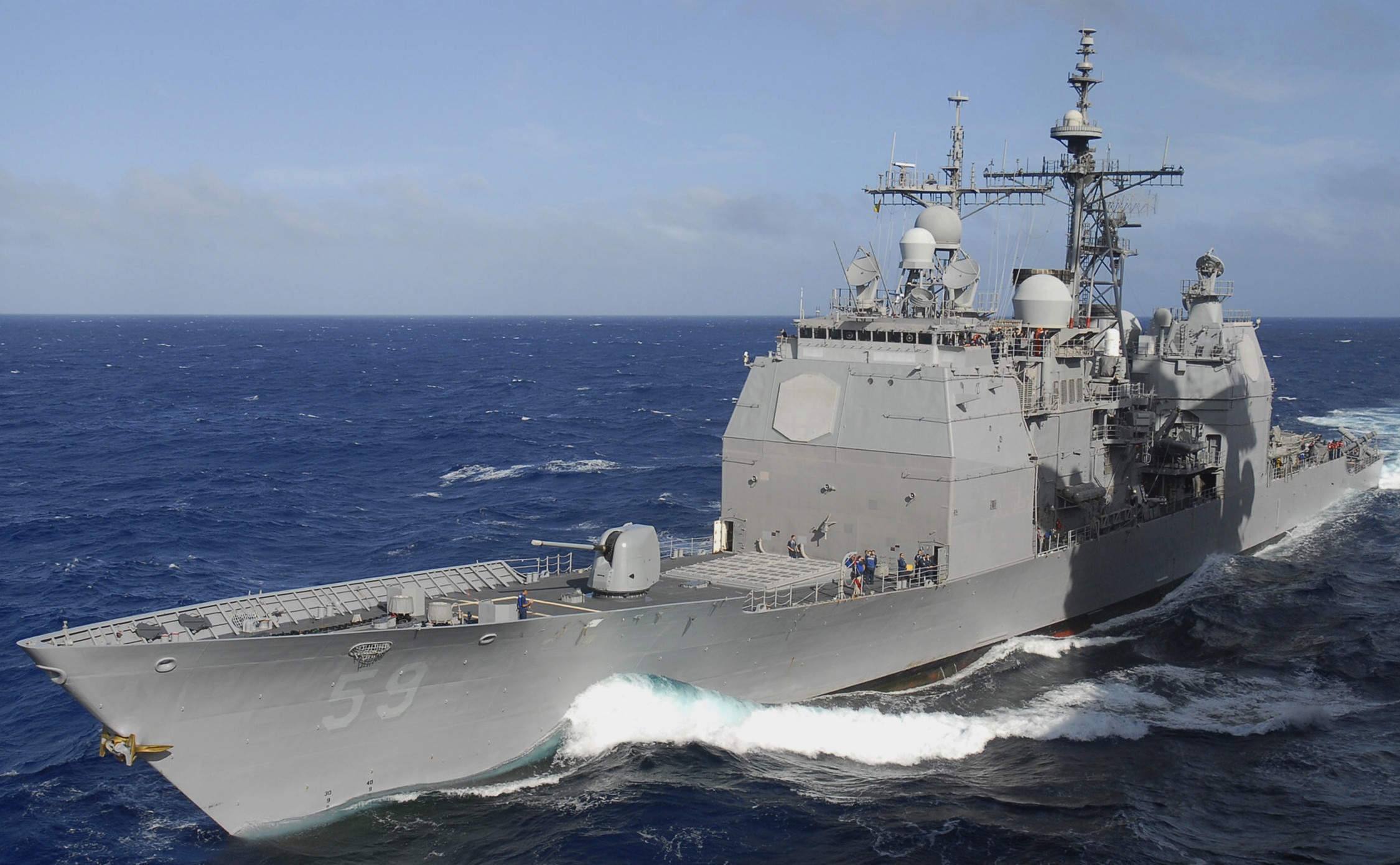 Pacific Ocean - February 2008 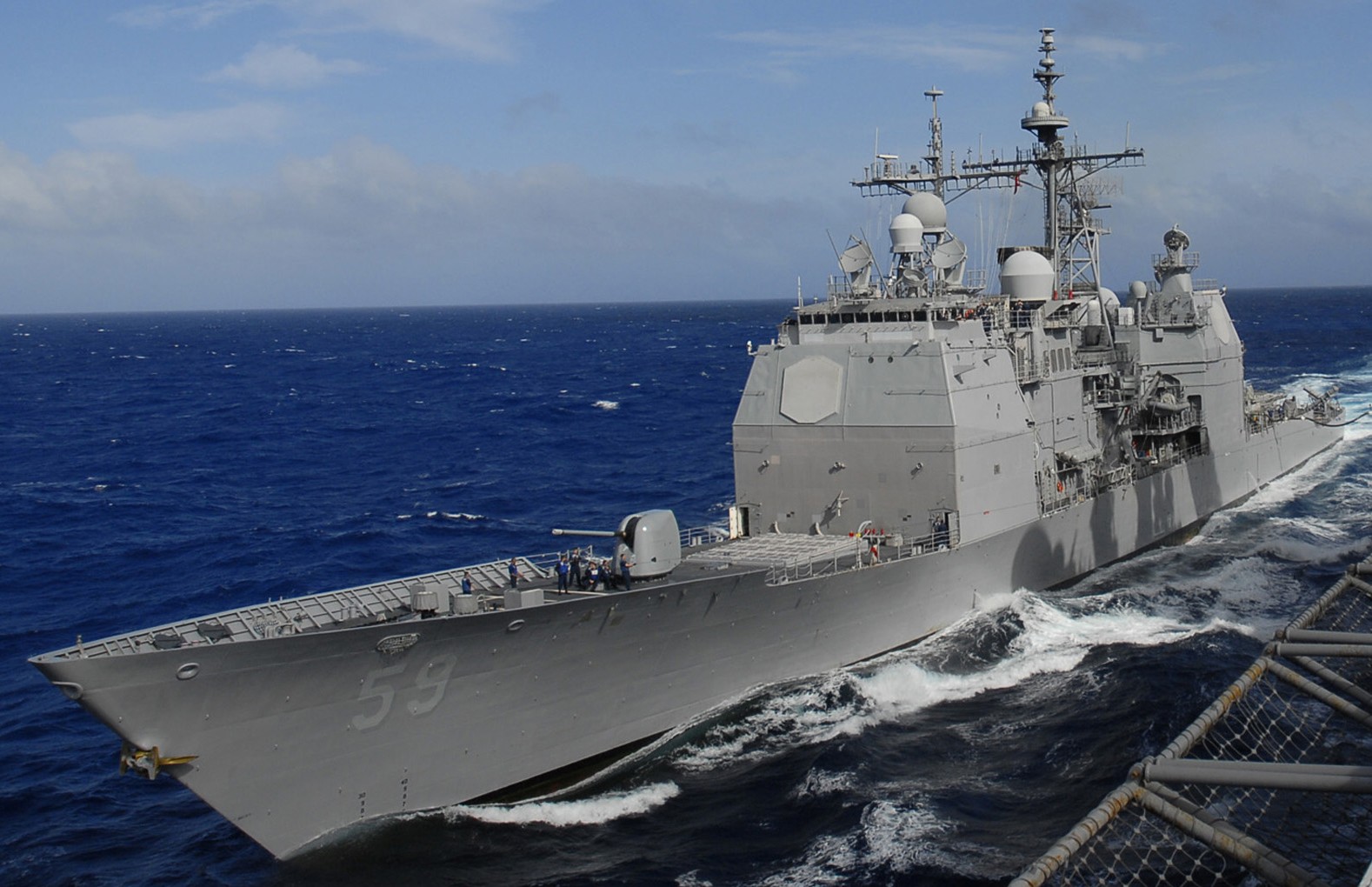 Pacific Ocean - February 2008 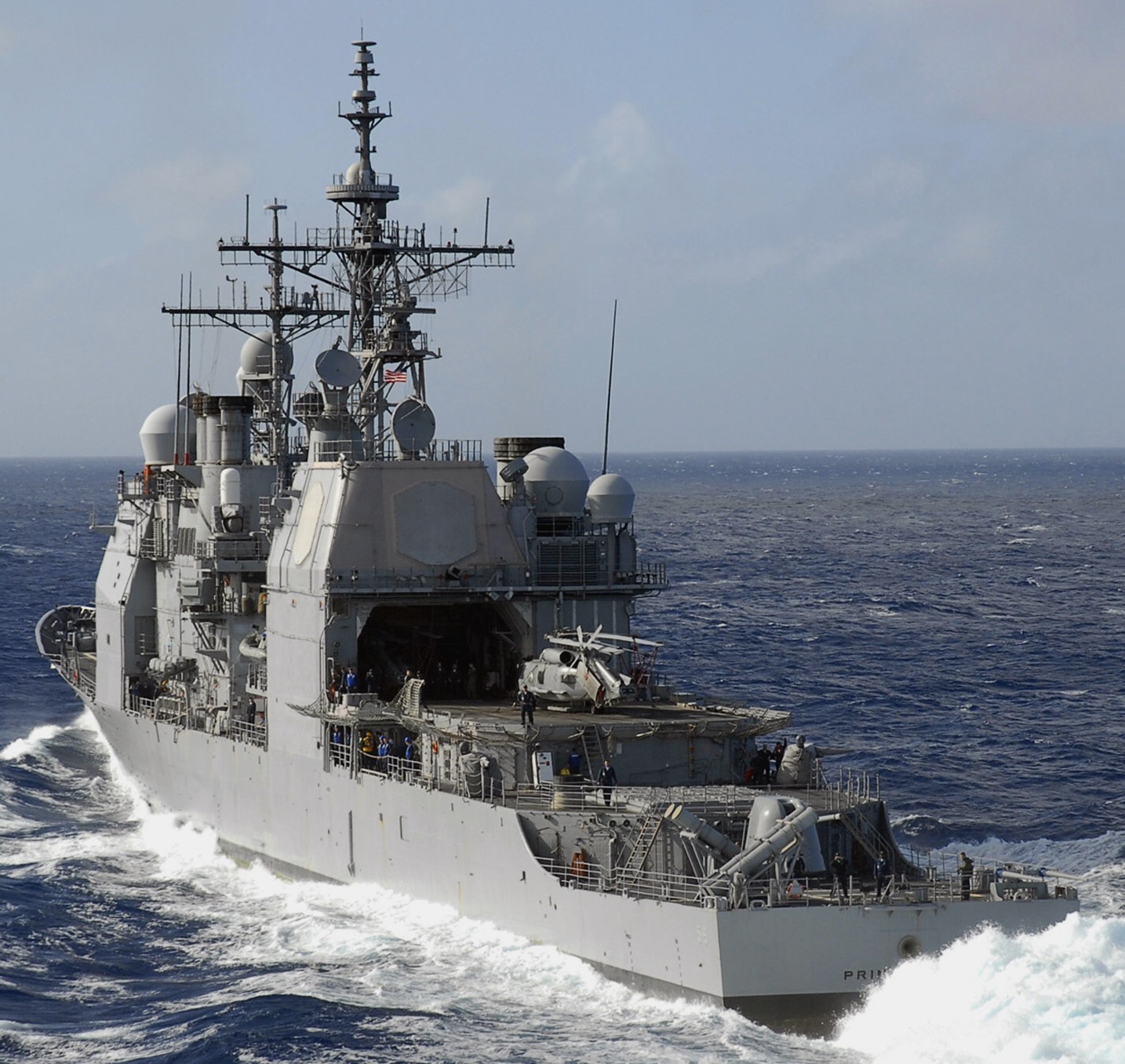 Pacific Ocean - February 2008 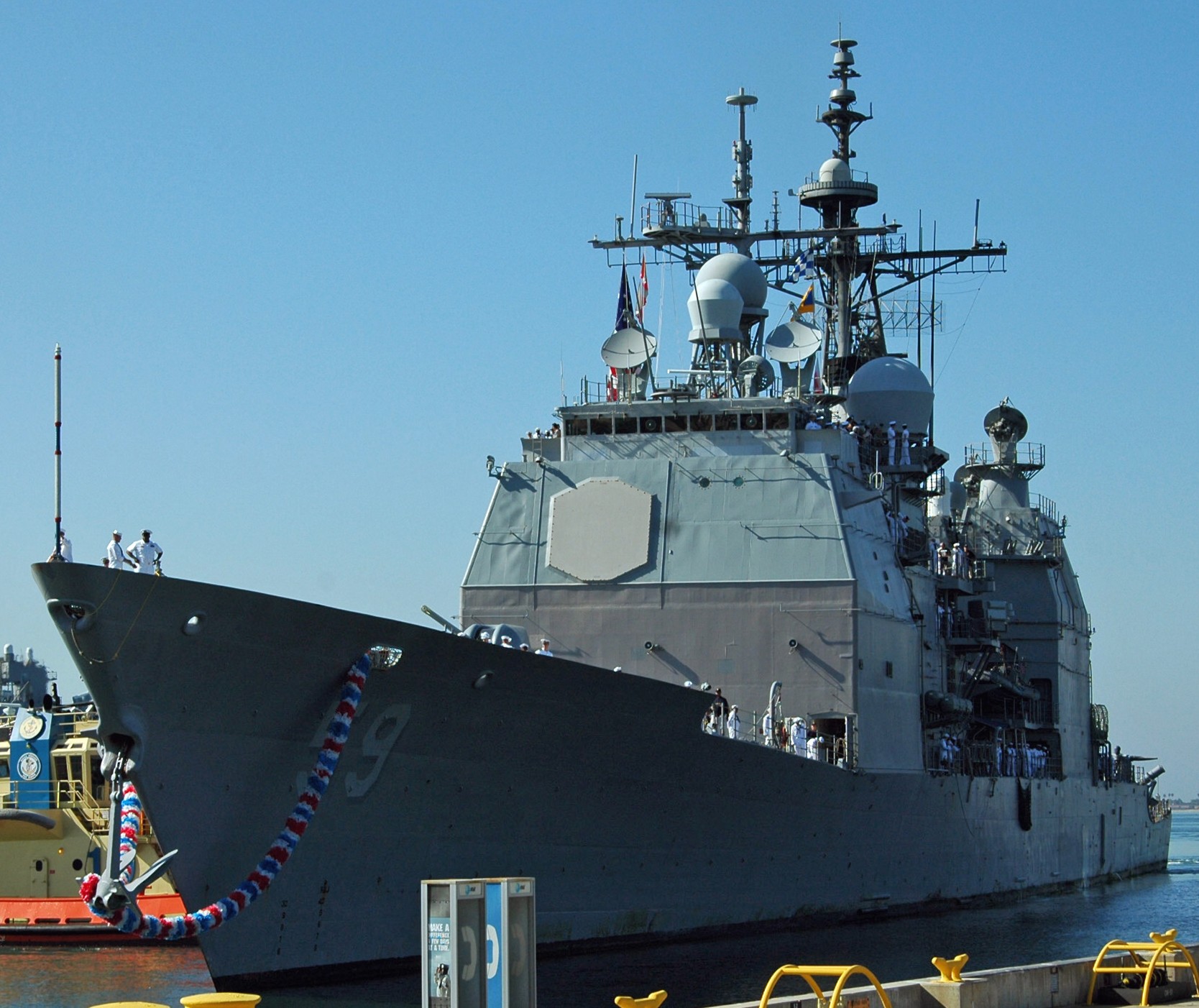 returning to Naval Base San Diego, California - September 2007 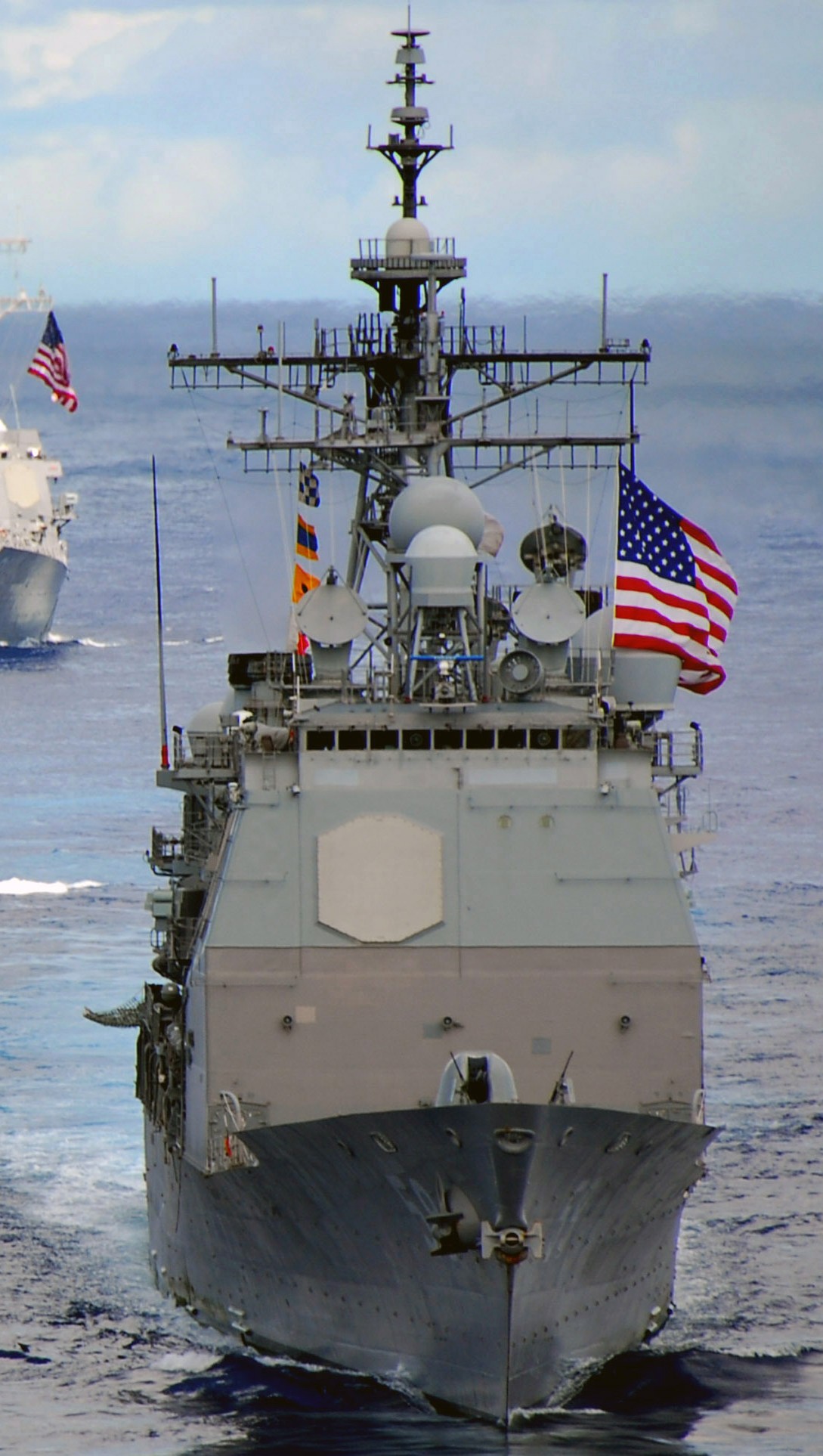 Pacific Ocean - August 2007 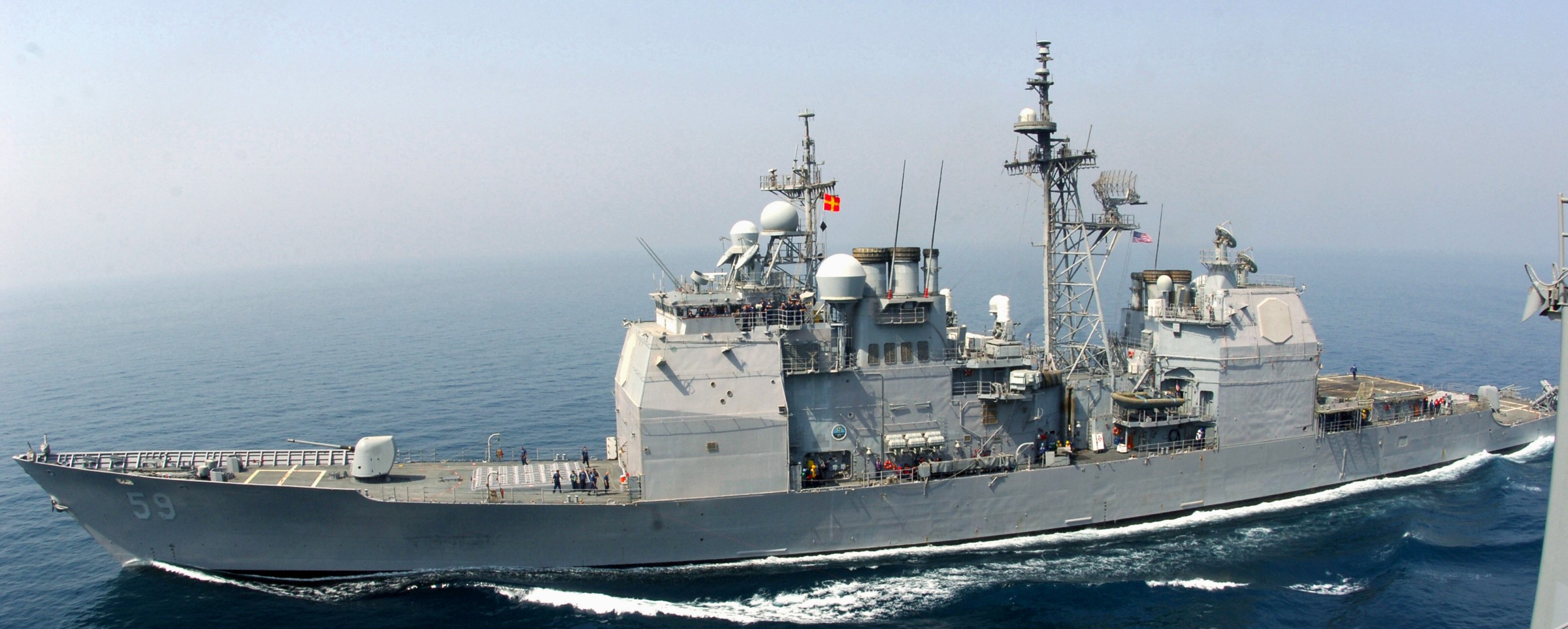 Arabian Sea - June 2007 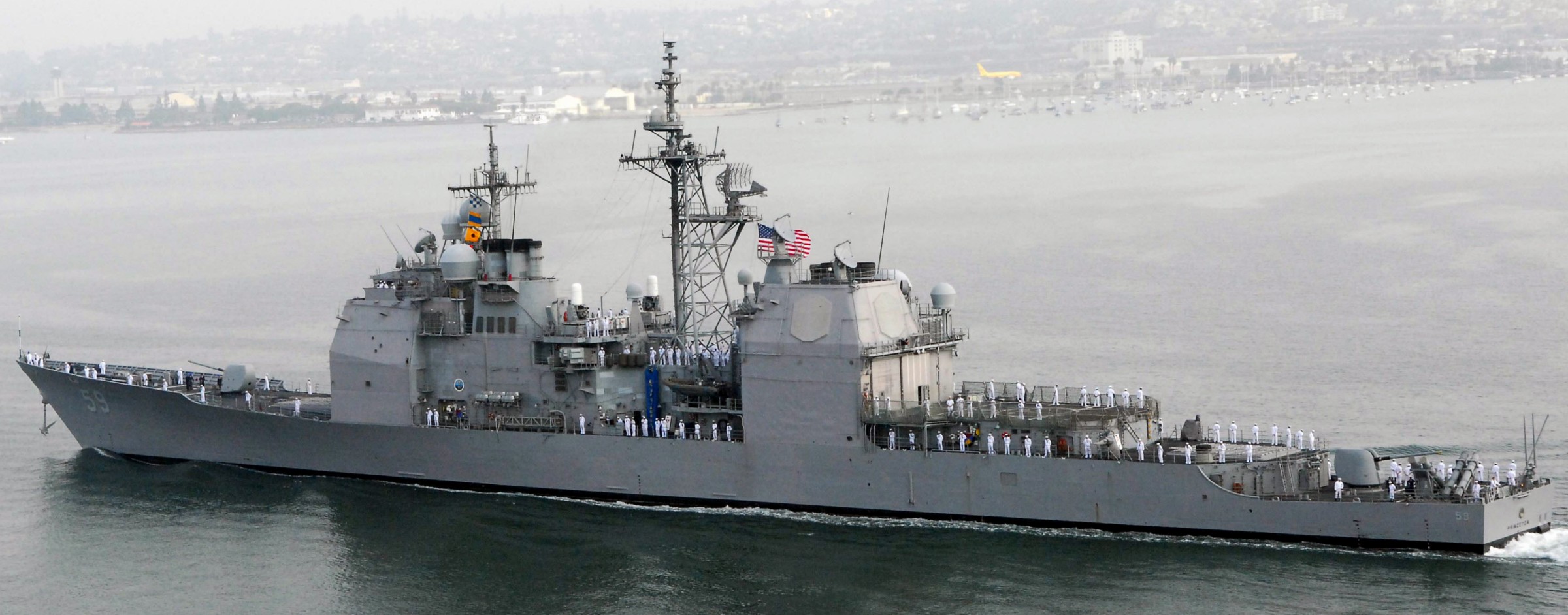 departing Naval Base San Diego, California - April 2007 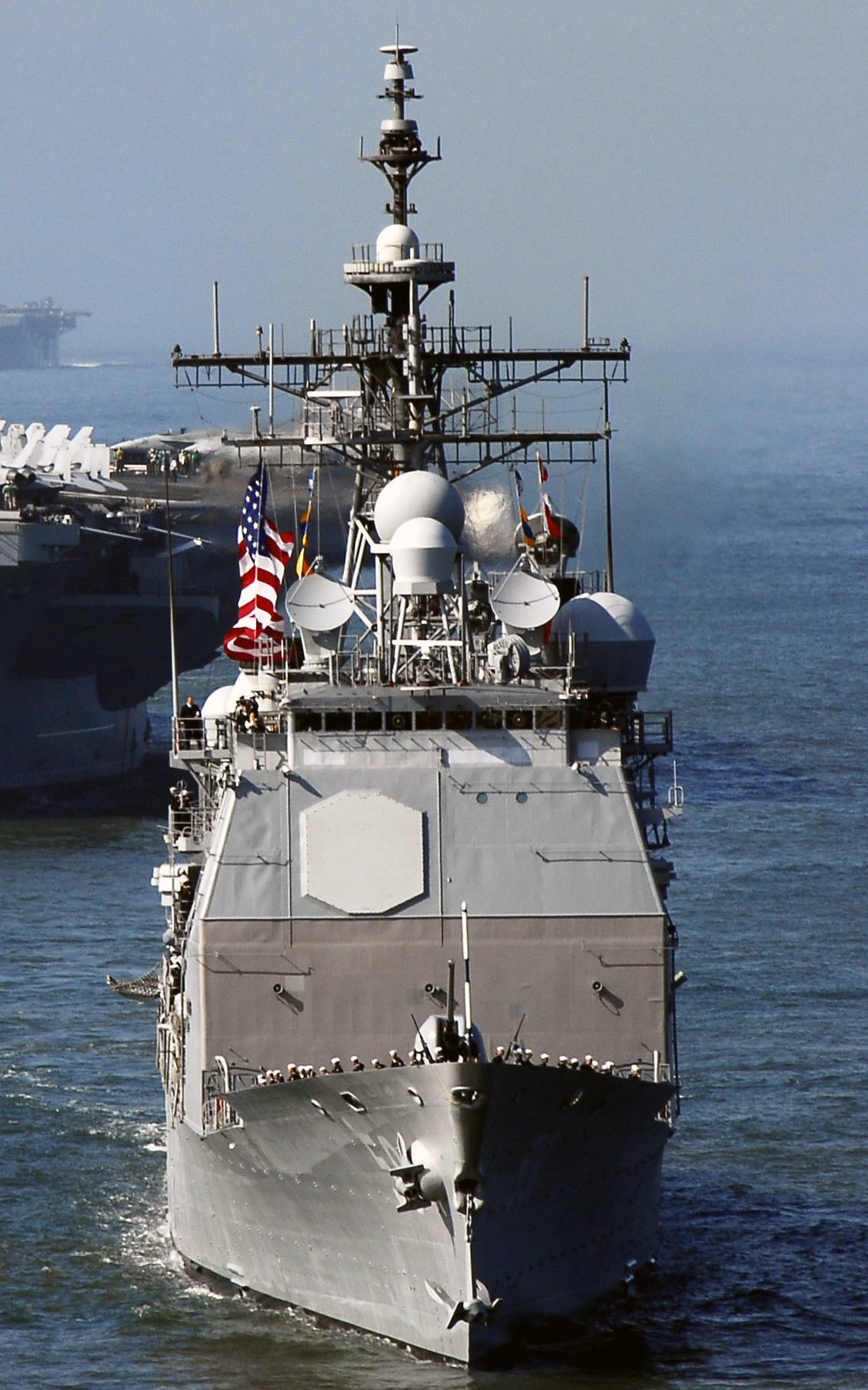 San Francisco Fleet Week - October 2006 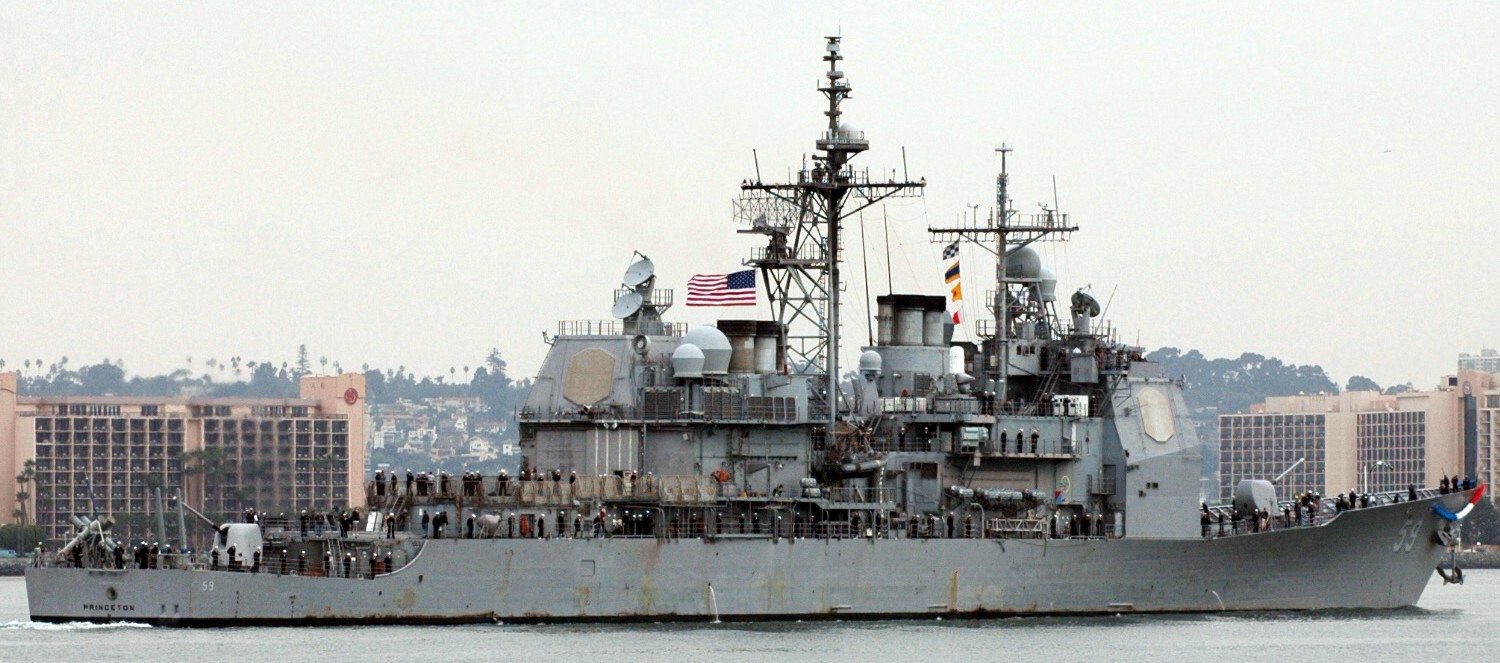 returning to Naval Base San Diego, California - November 2005 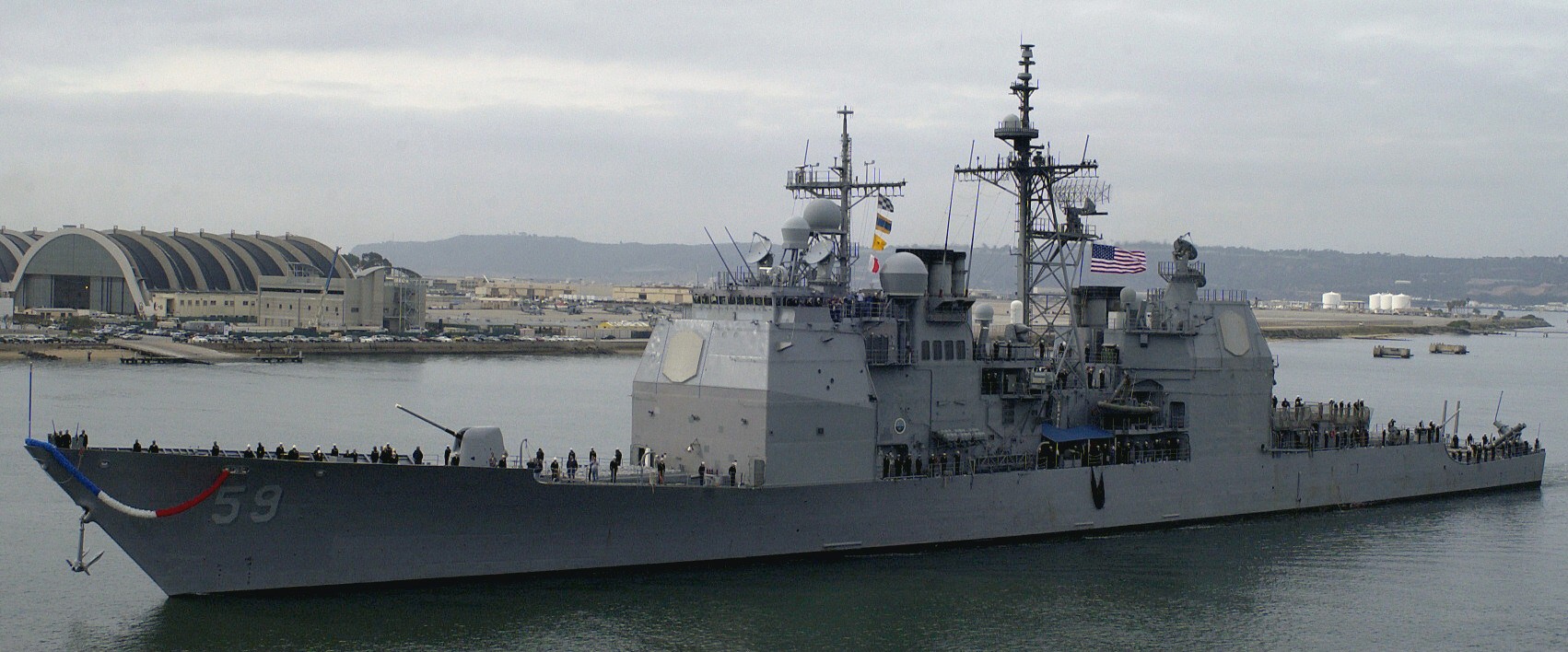 passing Naval Air Station North Island, California - November 2005 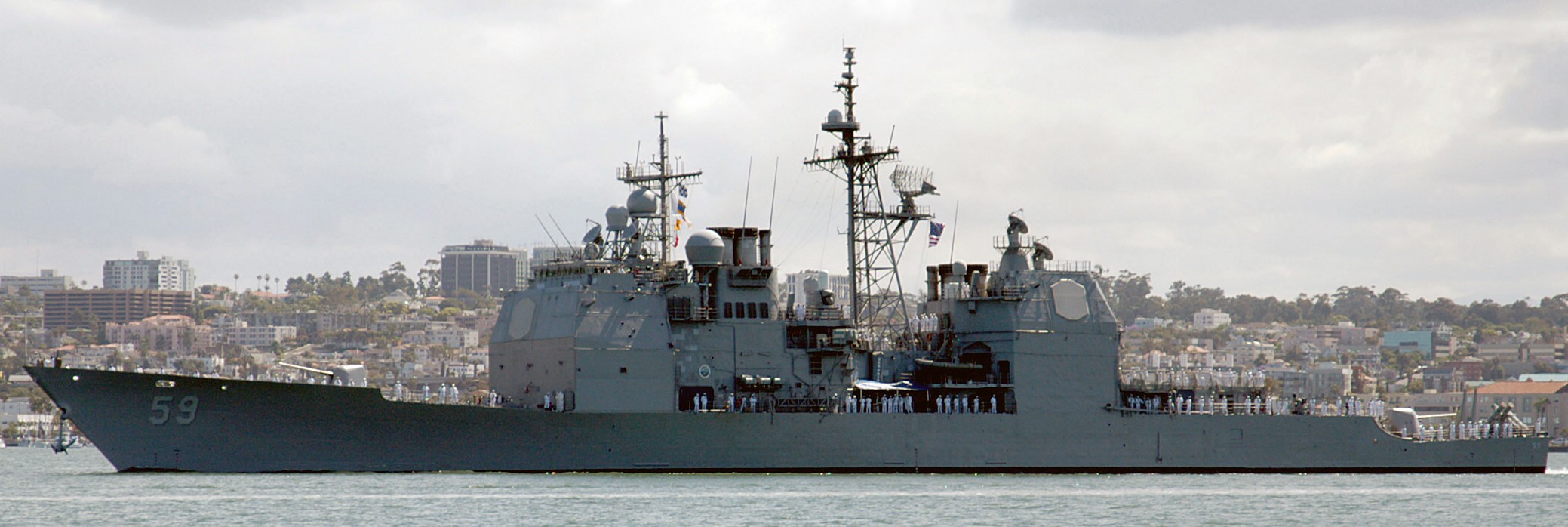 San Diego, California - May 2005 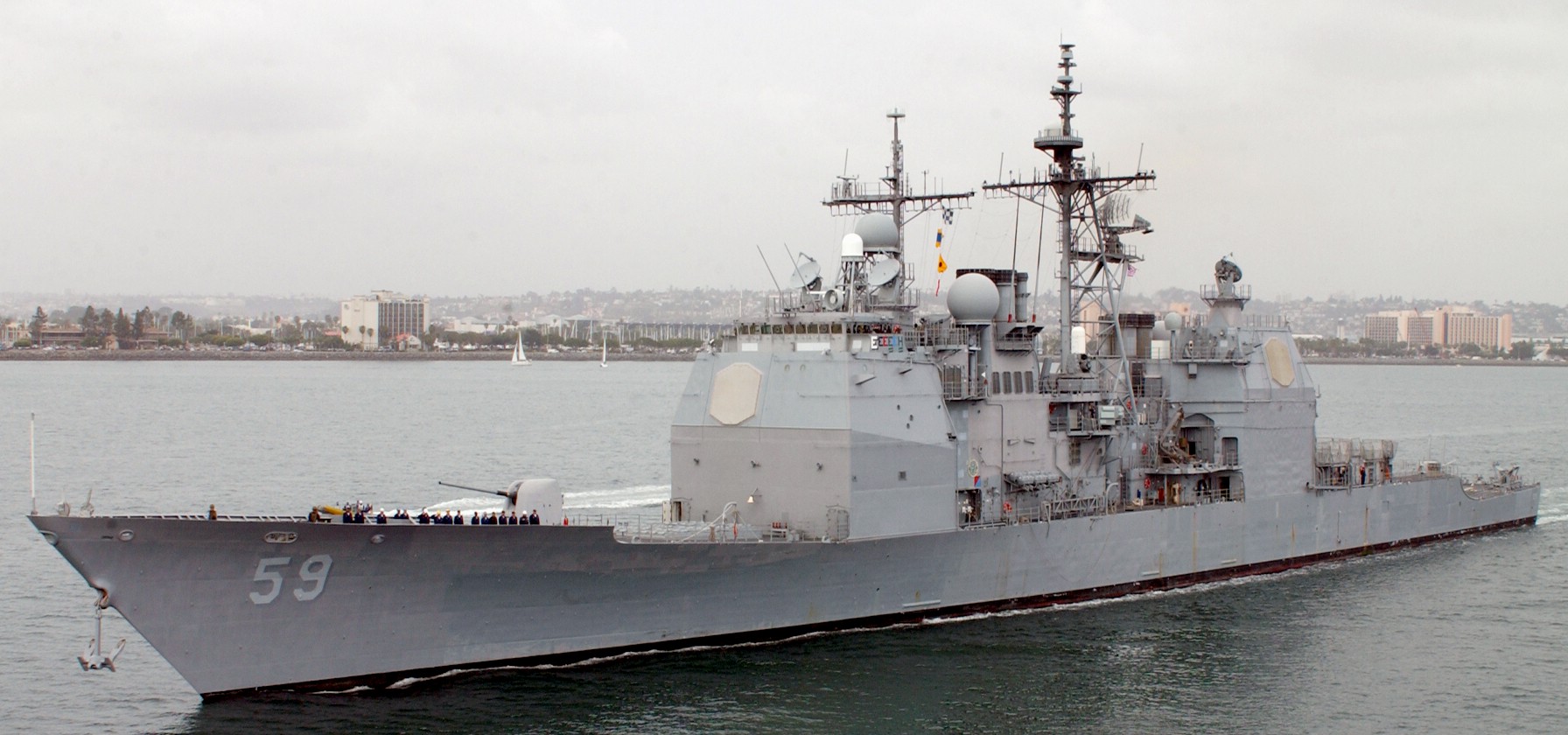 San Diego, California - April 2004 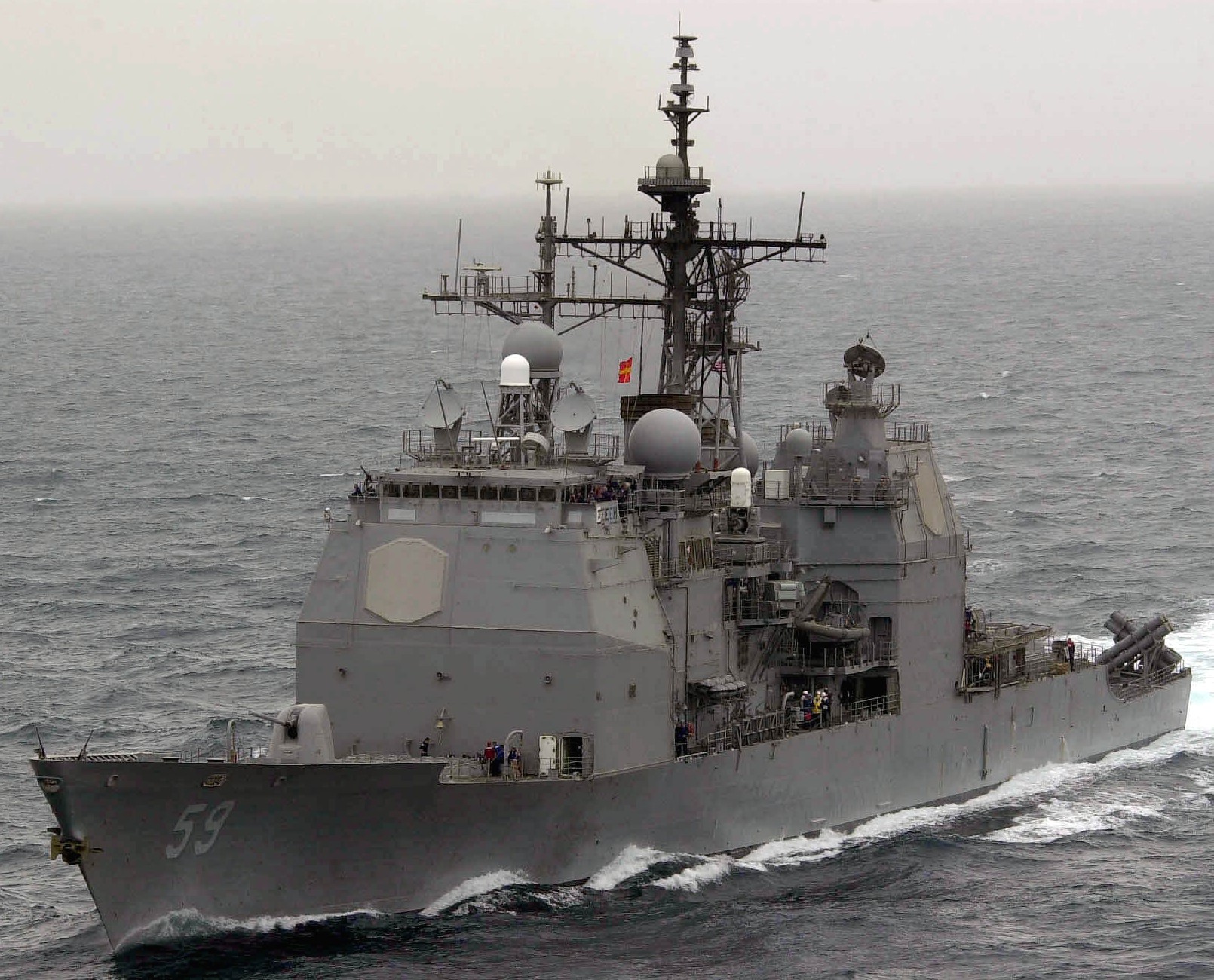 Arabian Gulf - April 2003 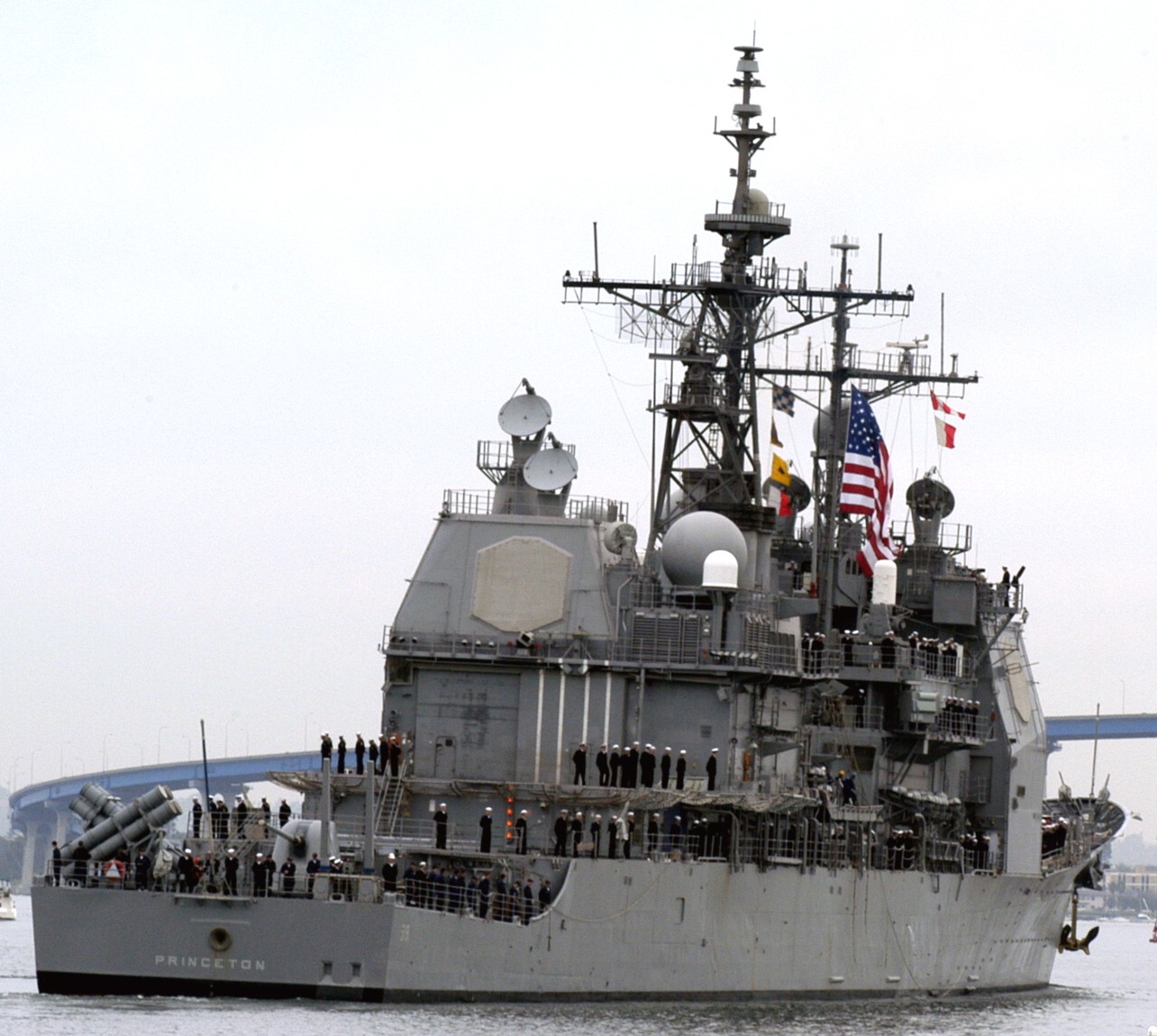 departing Naval Base San Diego, California - March 2003 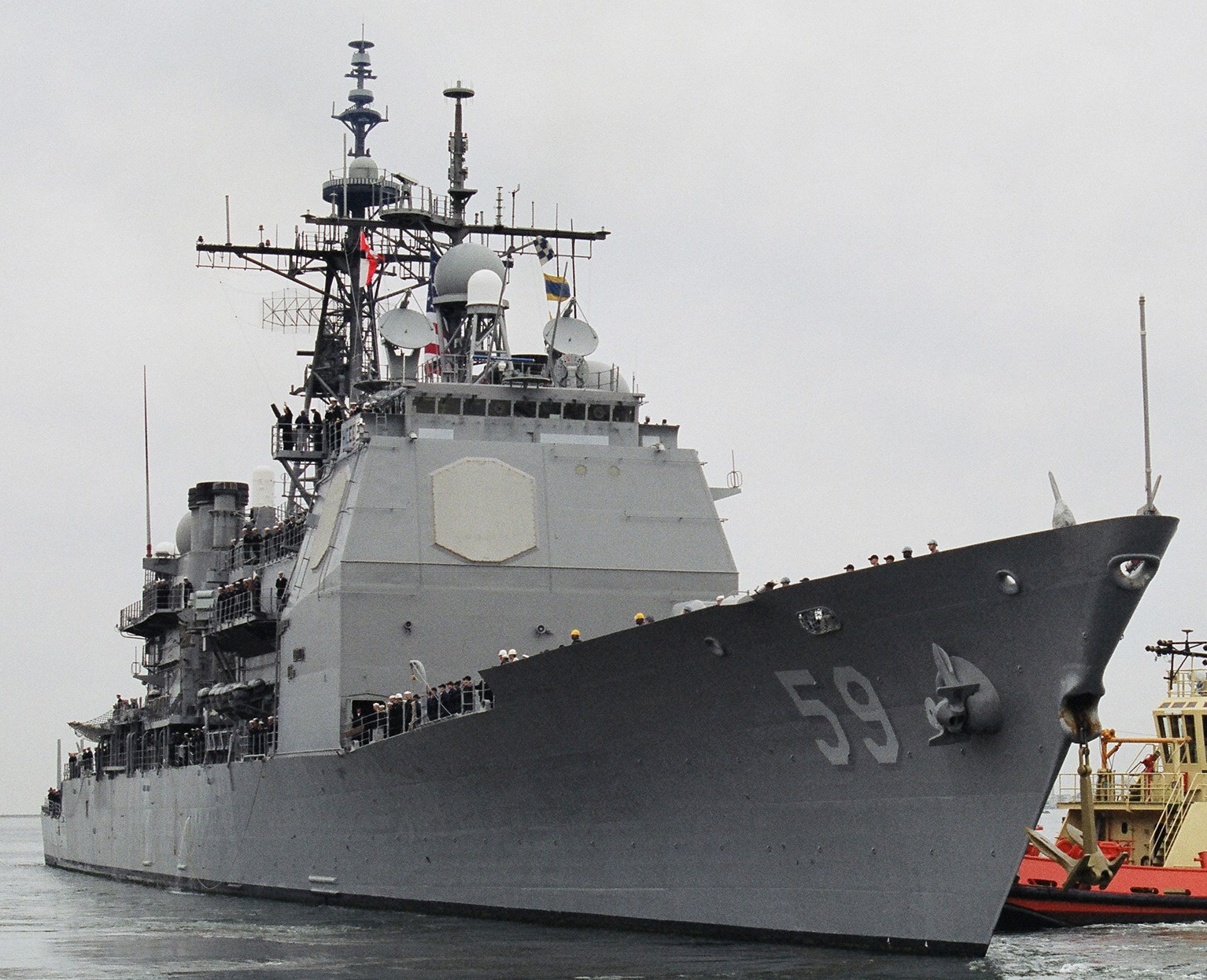 departing Naval Base San Diego, California - March 2003 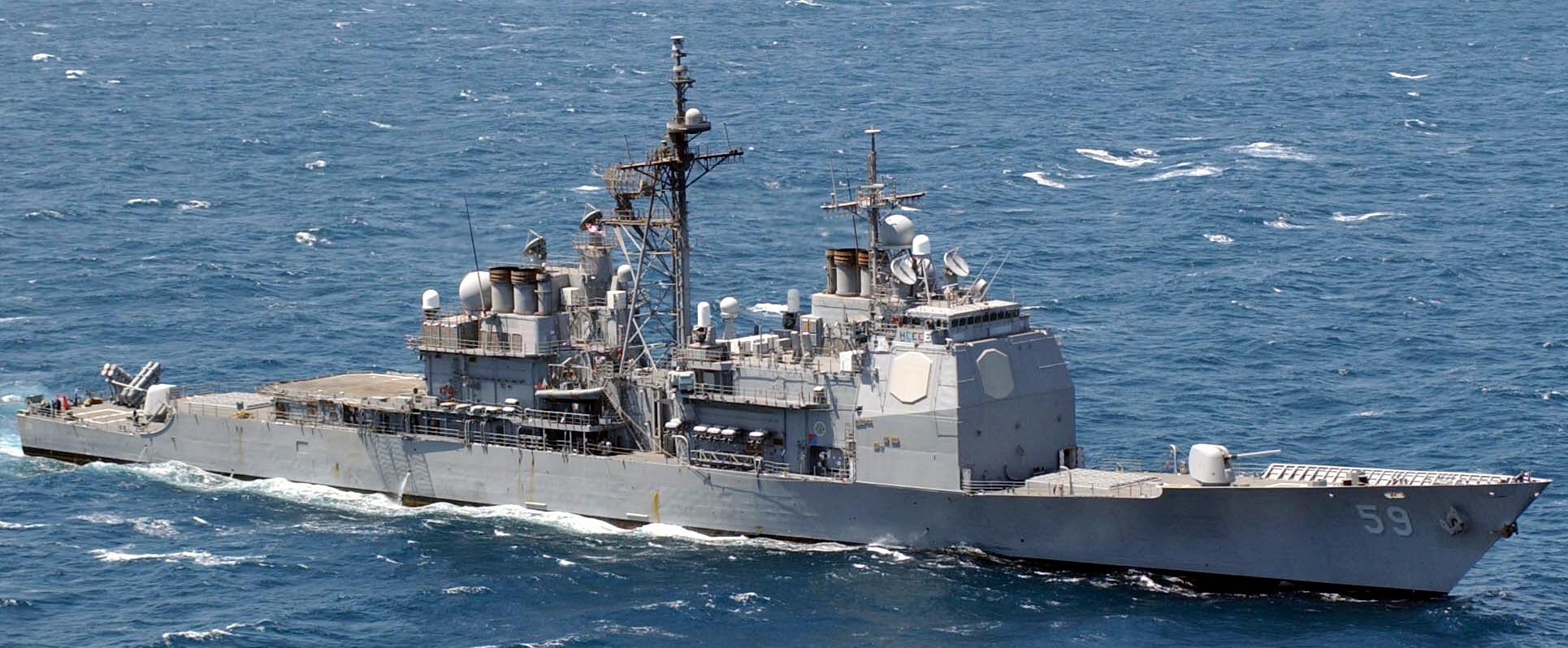 April 2002 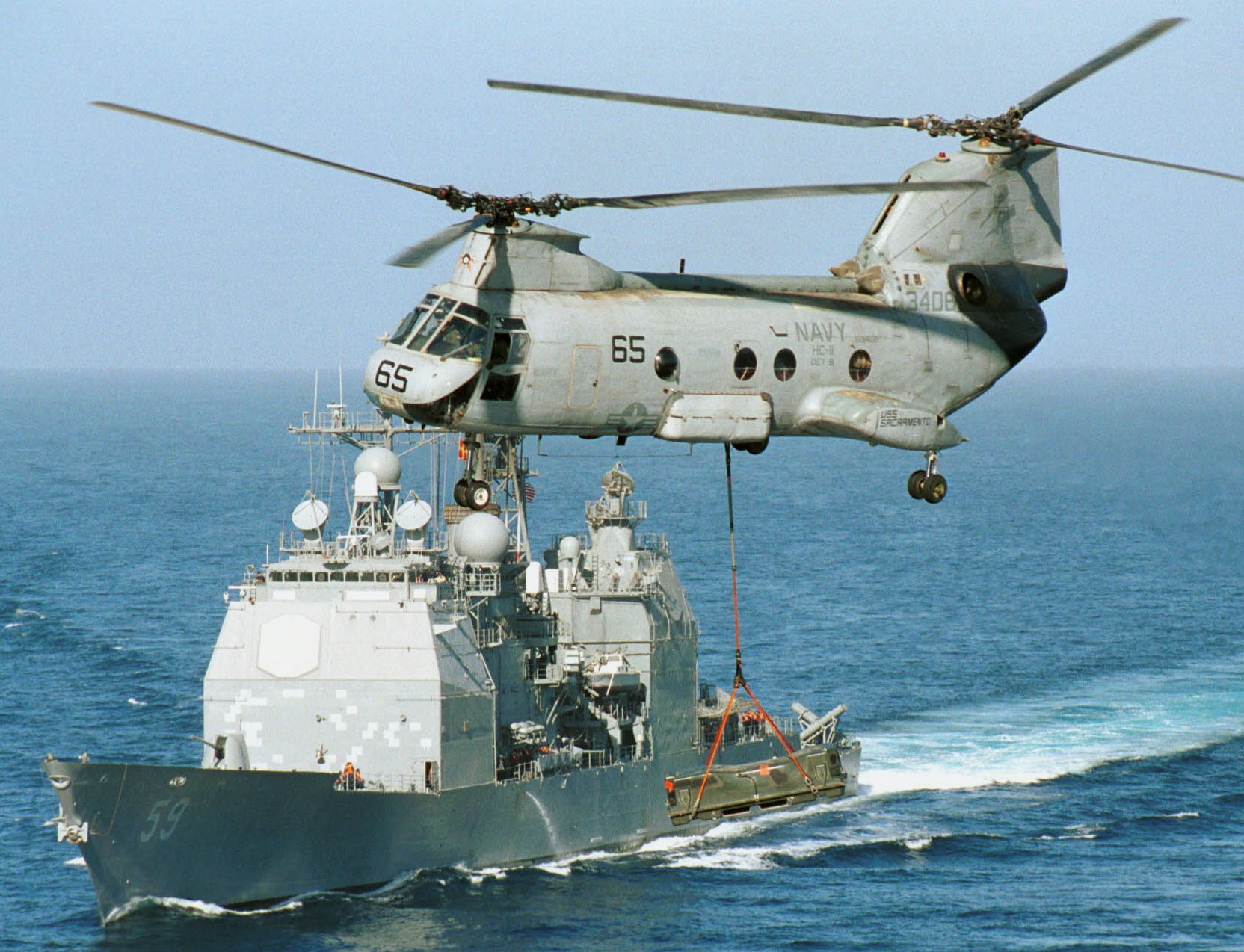 Operation Enduring Freedom - October 2001 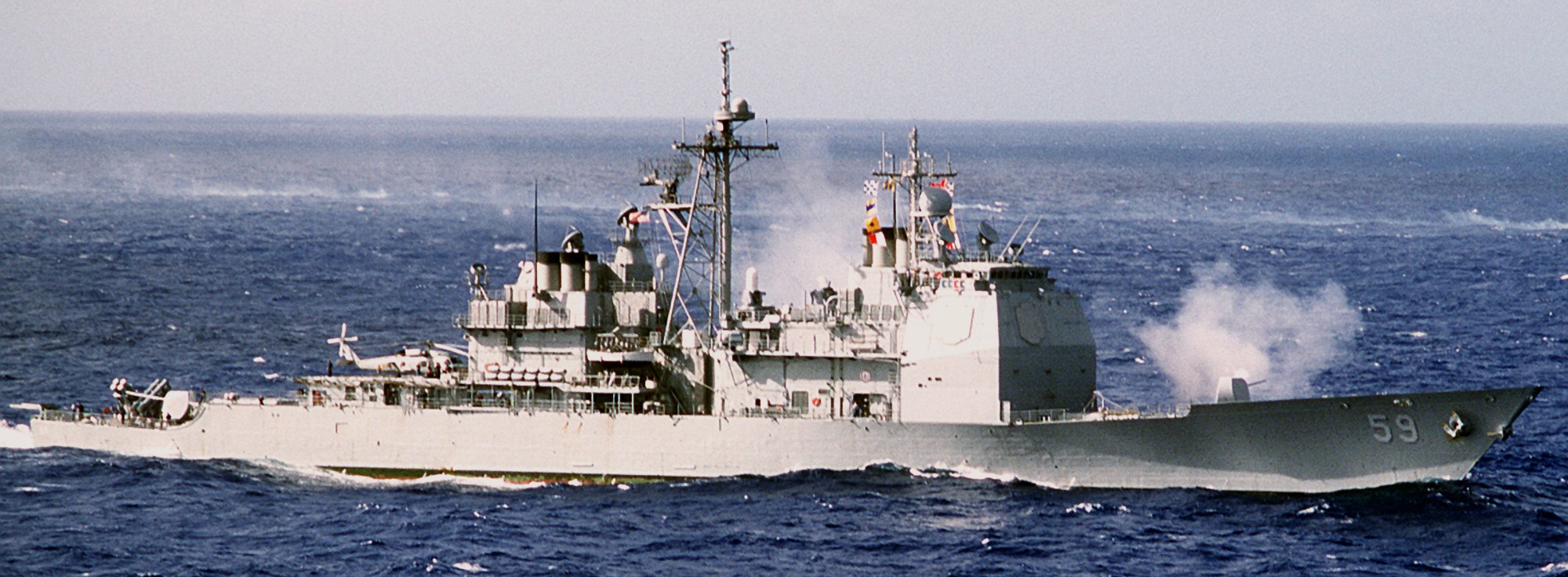 Pacific Ocean - June 1993 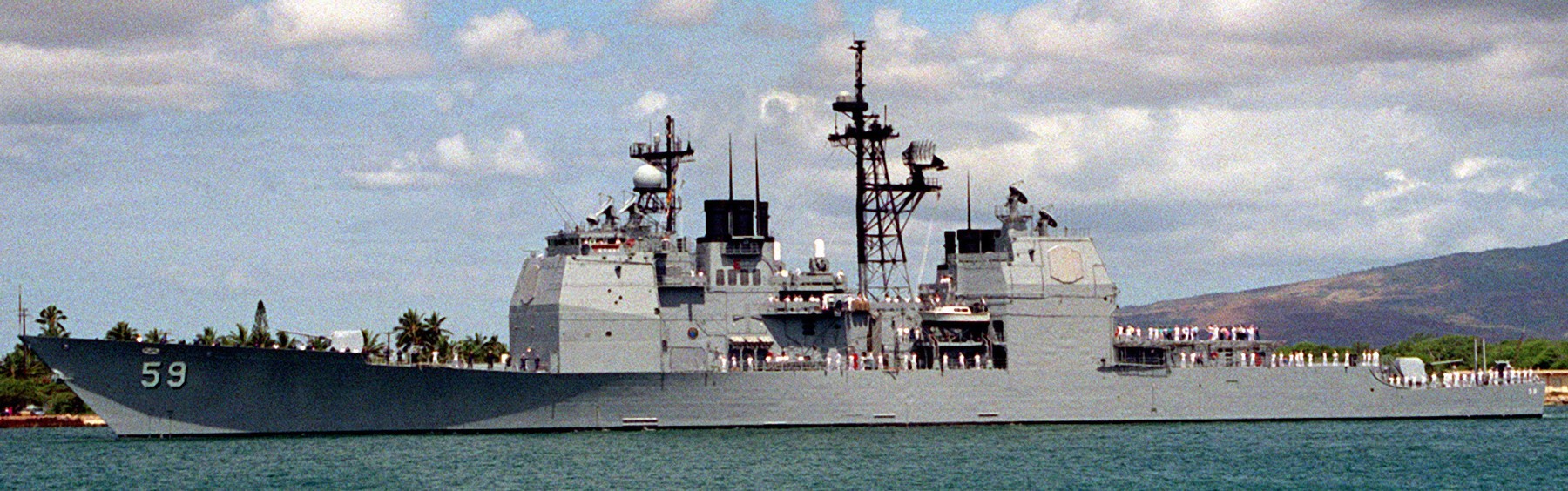 Pearl Harbor, Hawaii - June 1991 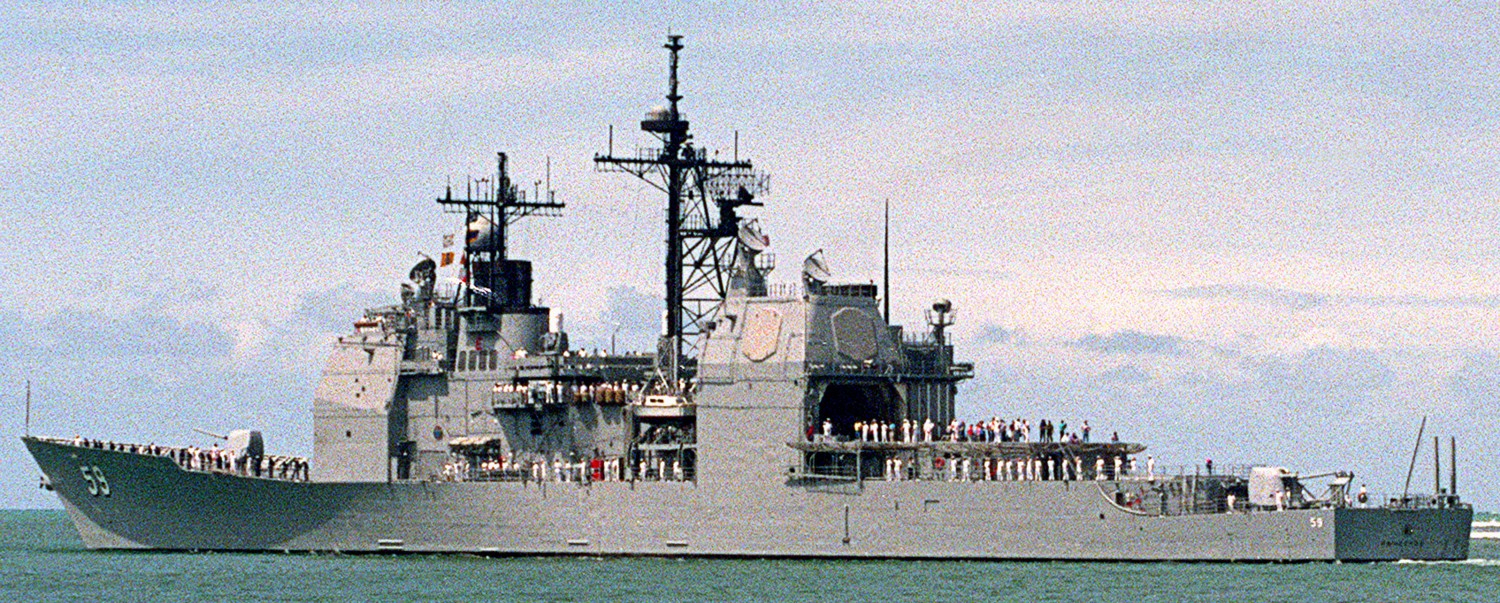 Pearl Harbor, Hawaii - June 1991 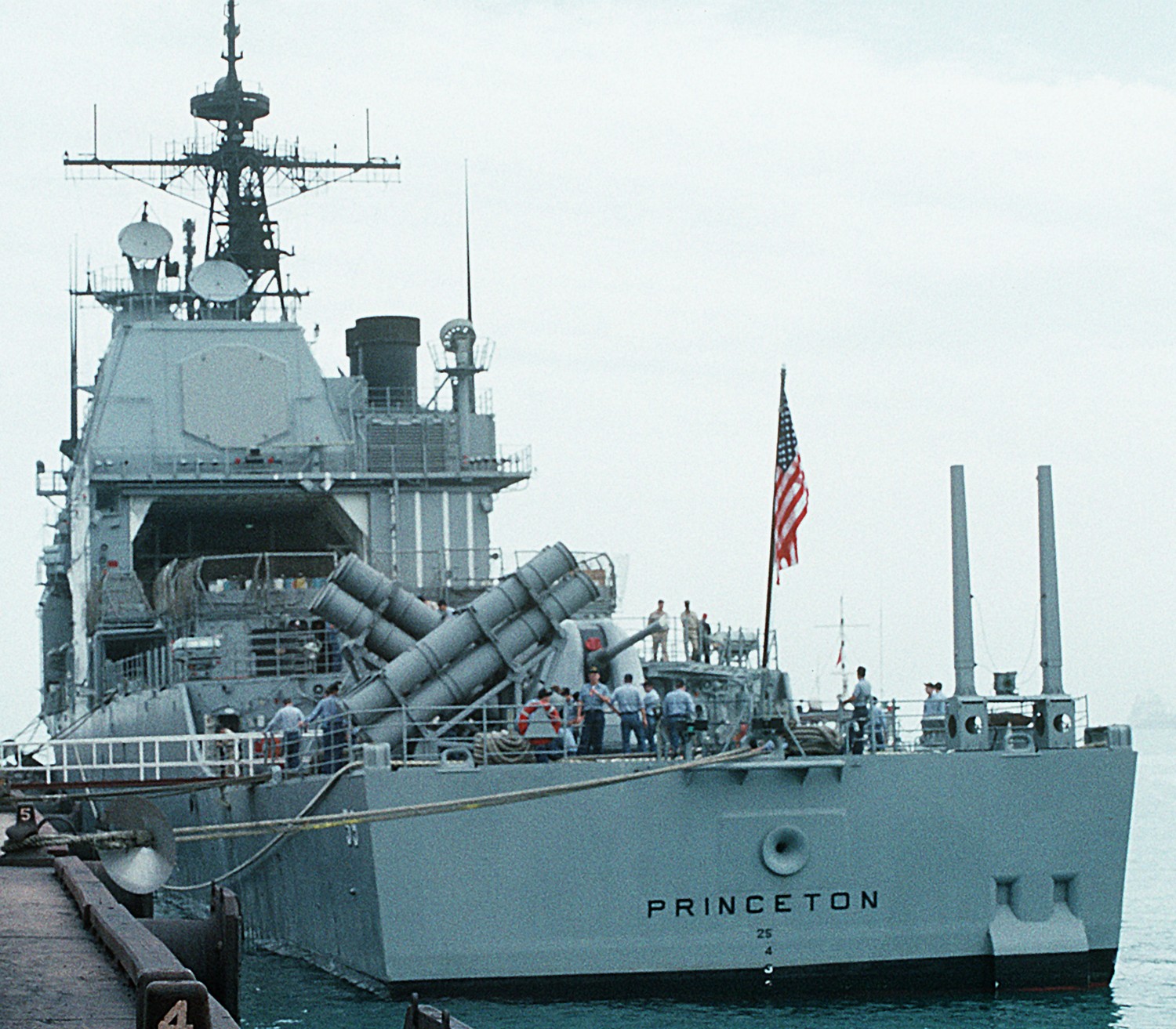 Manama, Bahrain for repairs after damage by an Iraqi mine - February 1991 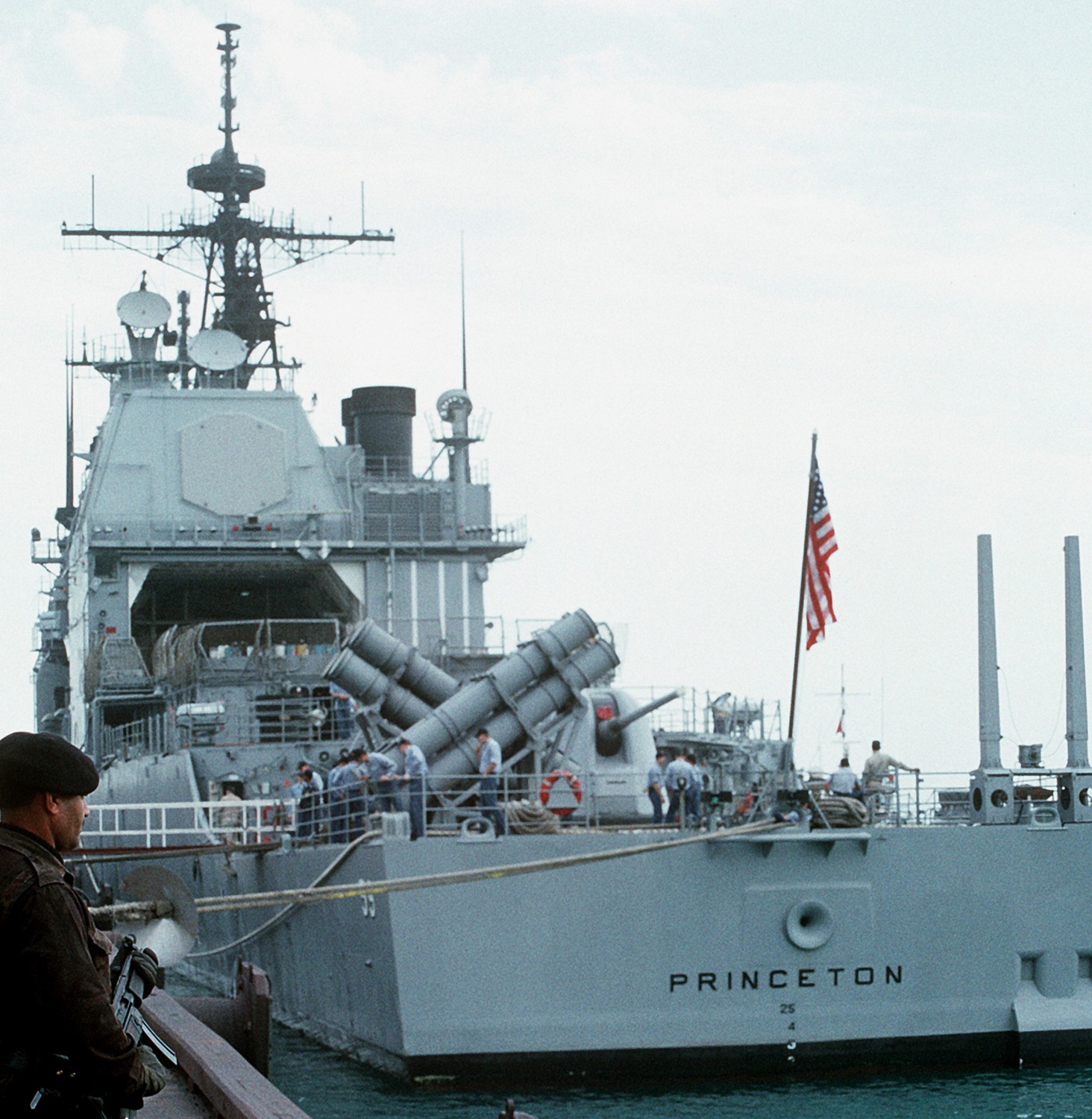 Manama, Bahrain for repairs after damage by an Iraqi mine - February 1991 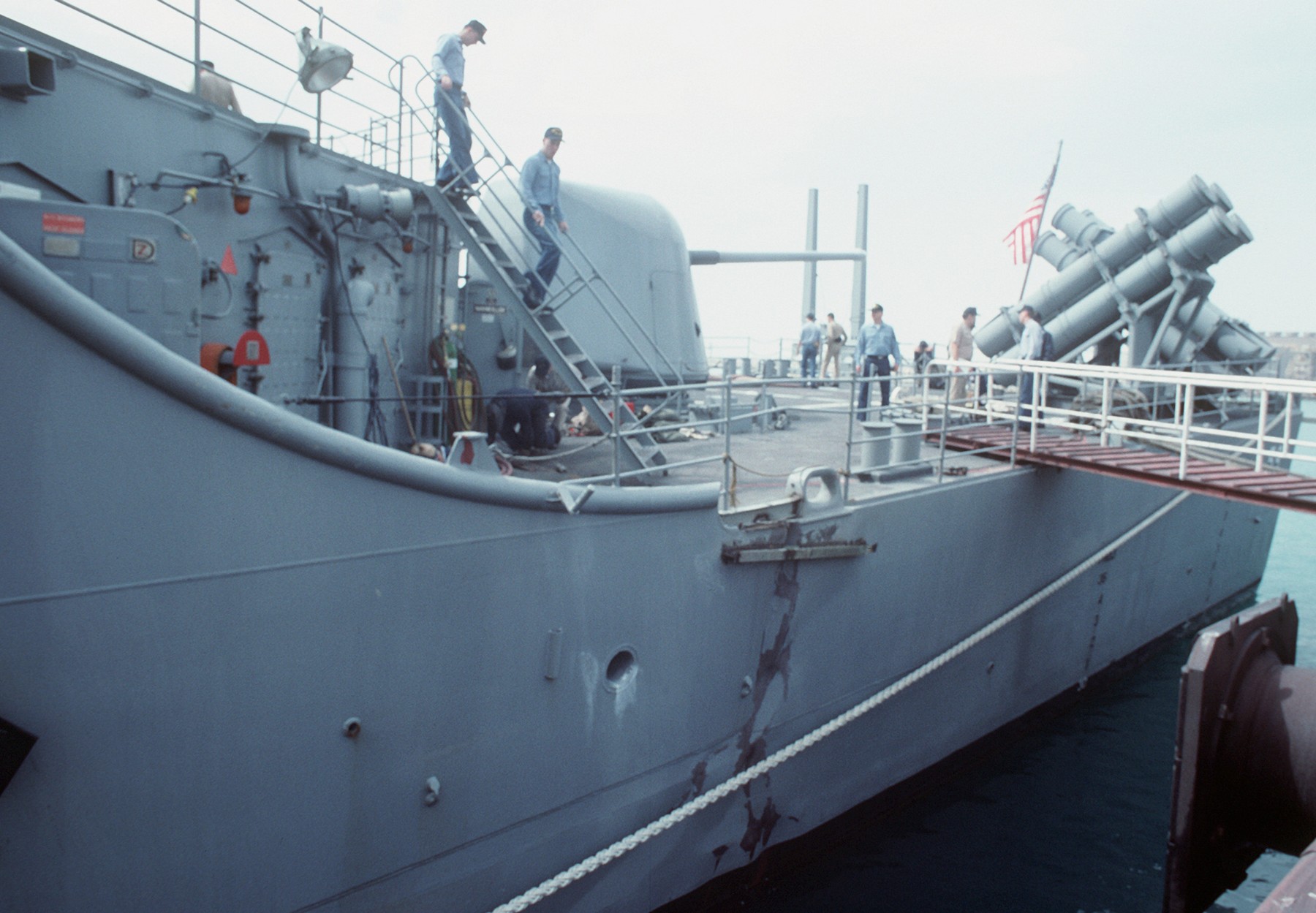 Manama, Bahrain for repairs after damage by an Iraqi mine - February 1991 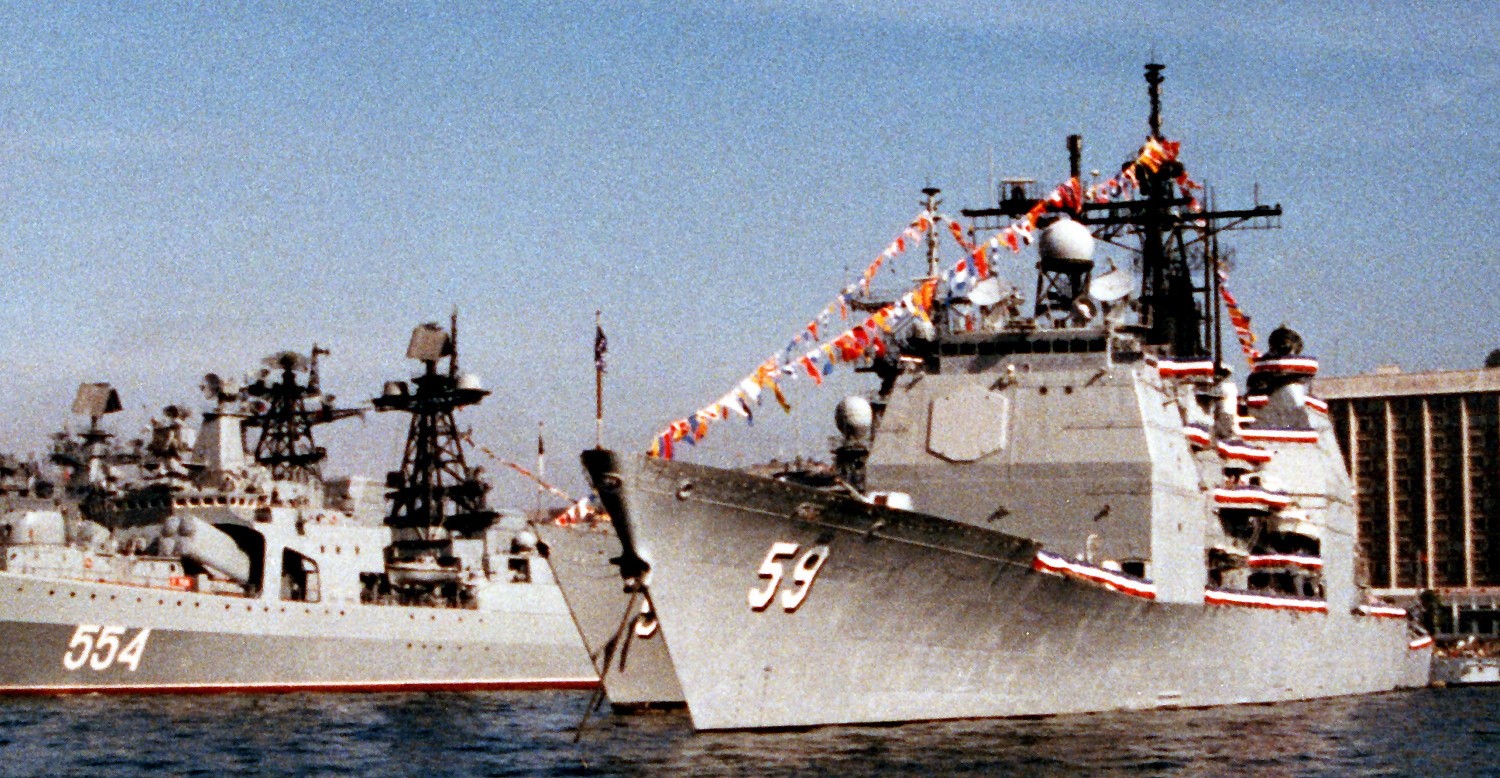 Vladivostok, Soviet Union - September 1990 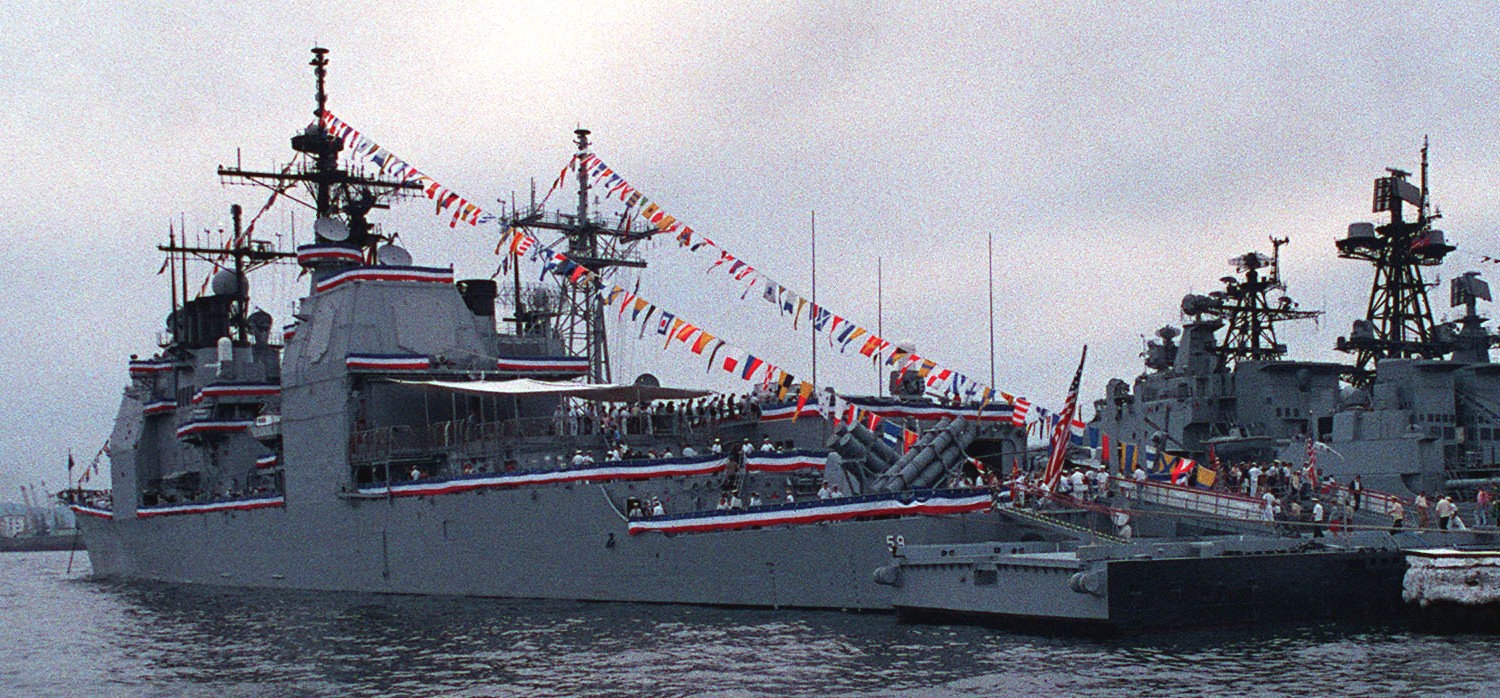 Vladivostok, Soviet Union - September 1990 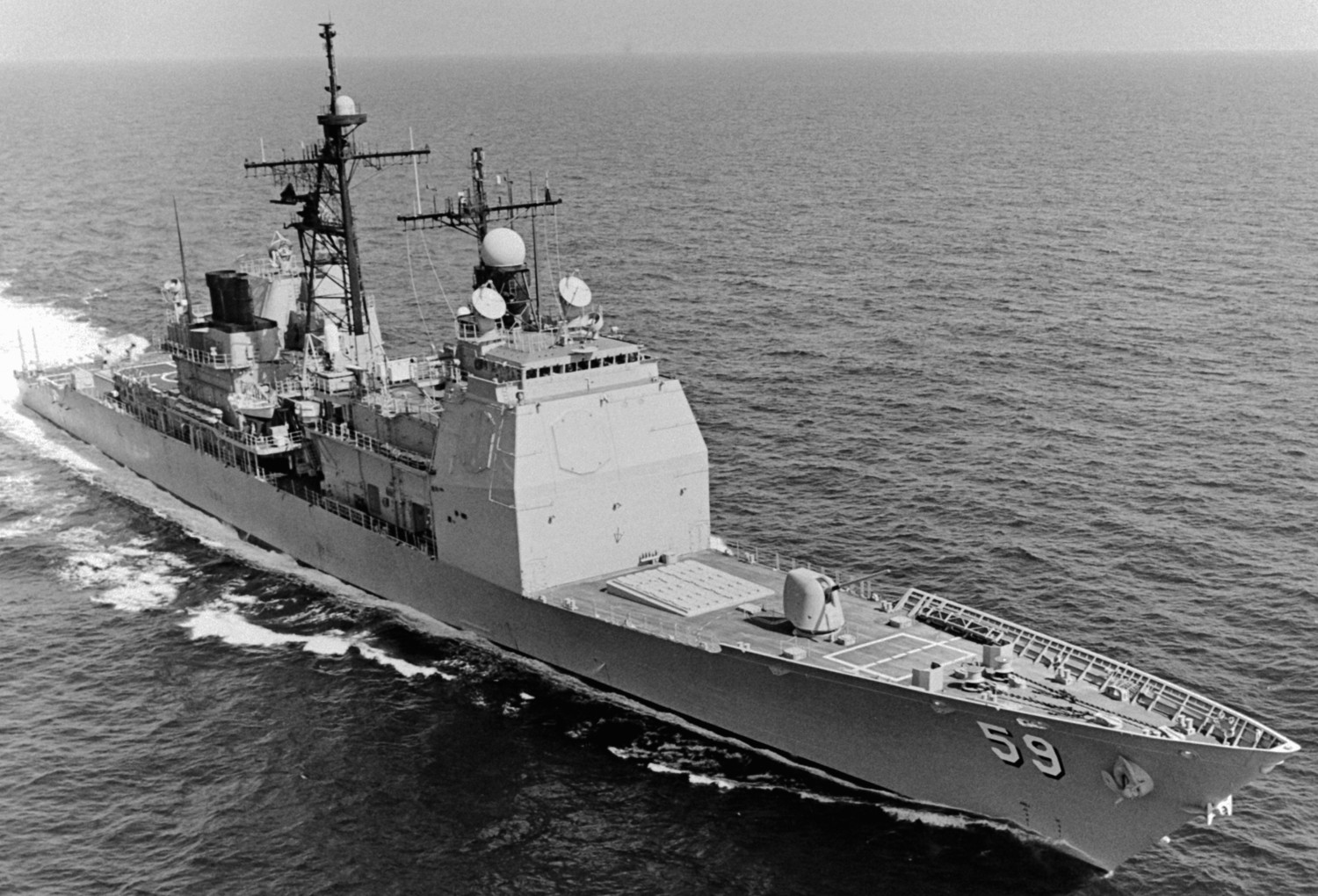 sea trials - Gulf of Mexico - December 1988 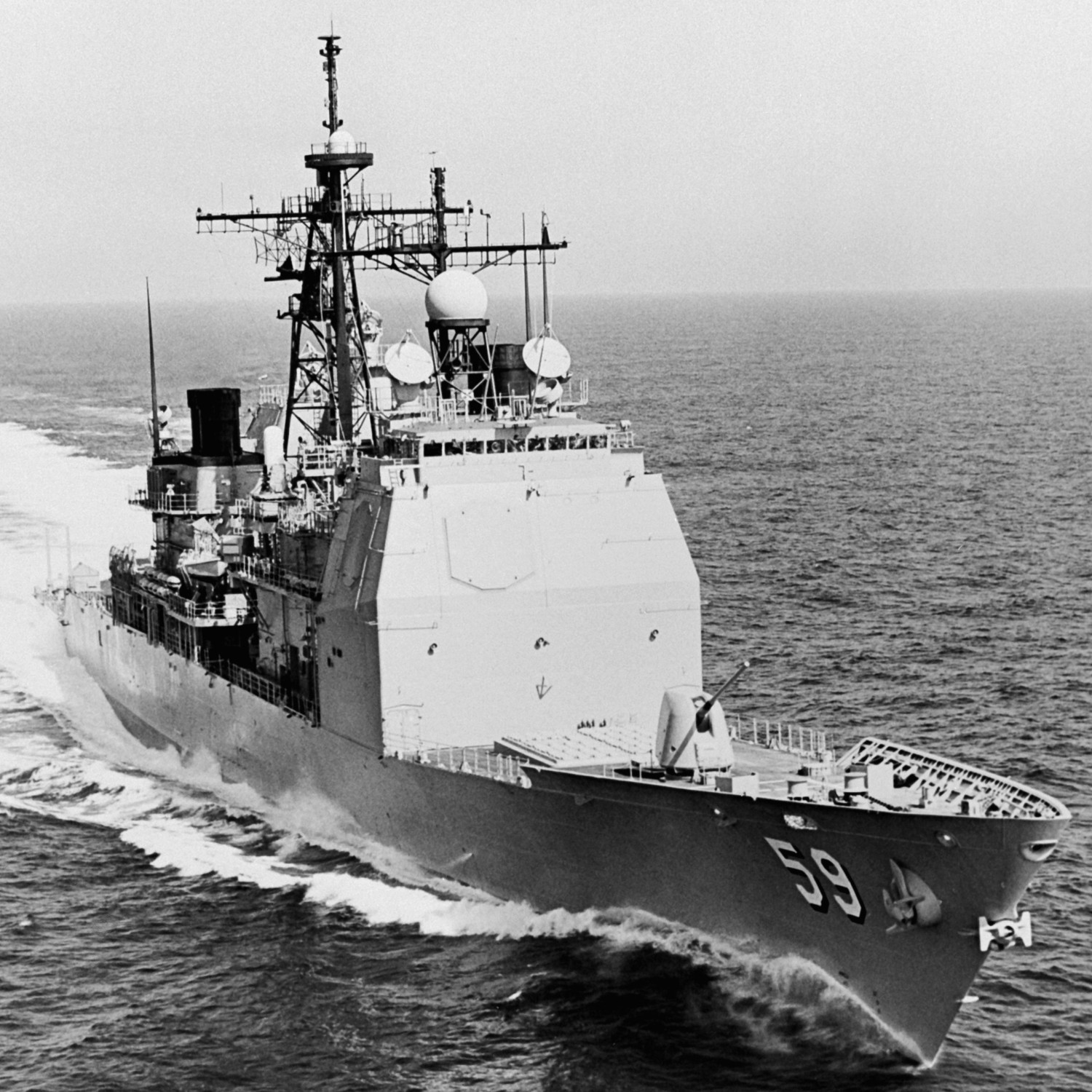 sea trials - Gulf of Mexico - December 1988 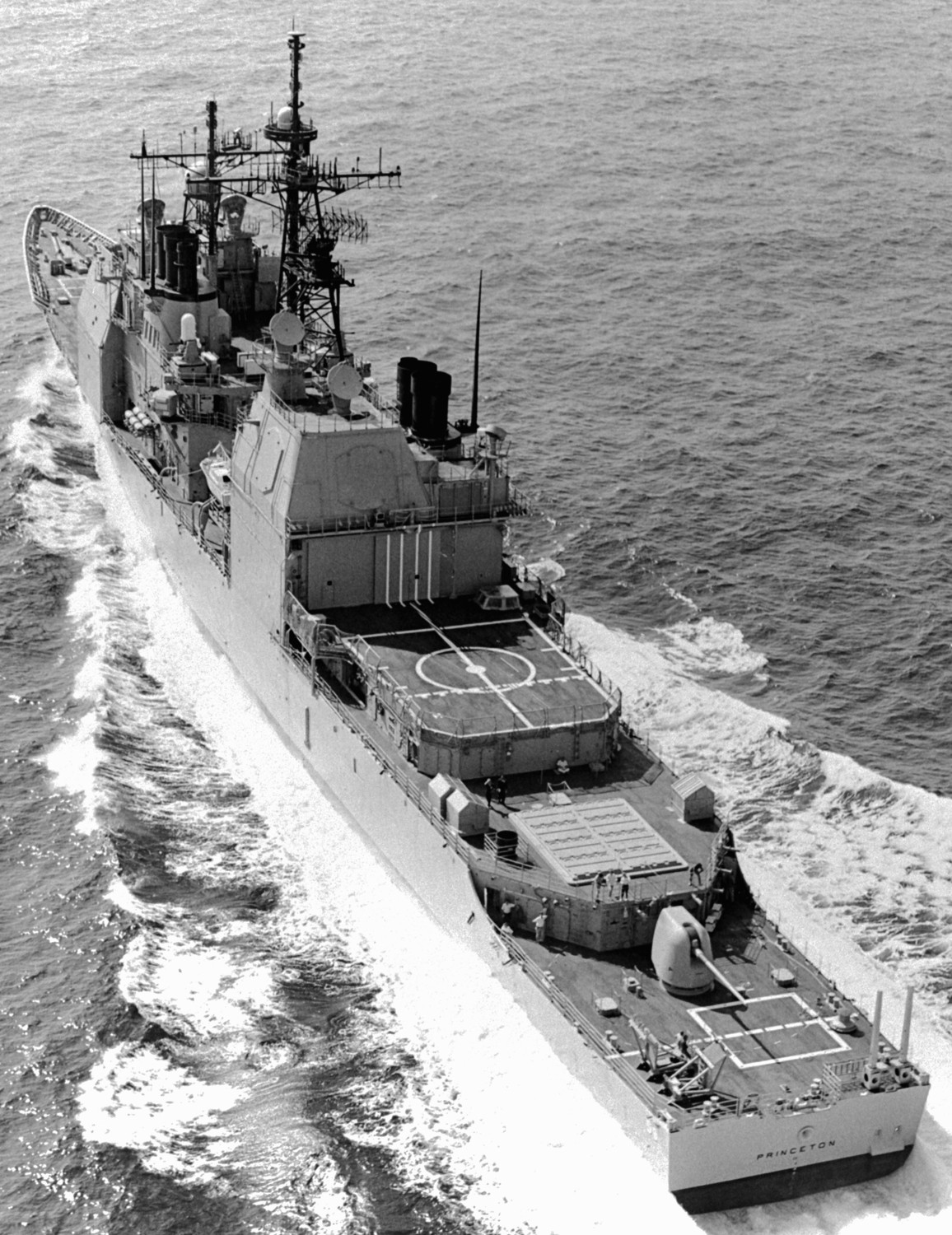 sea trials - Gulf of Mexico - December 1988 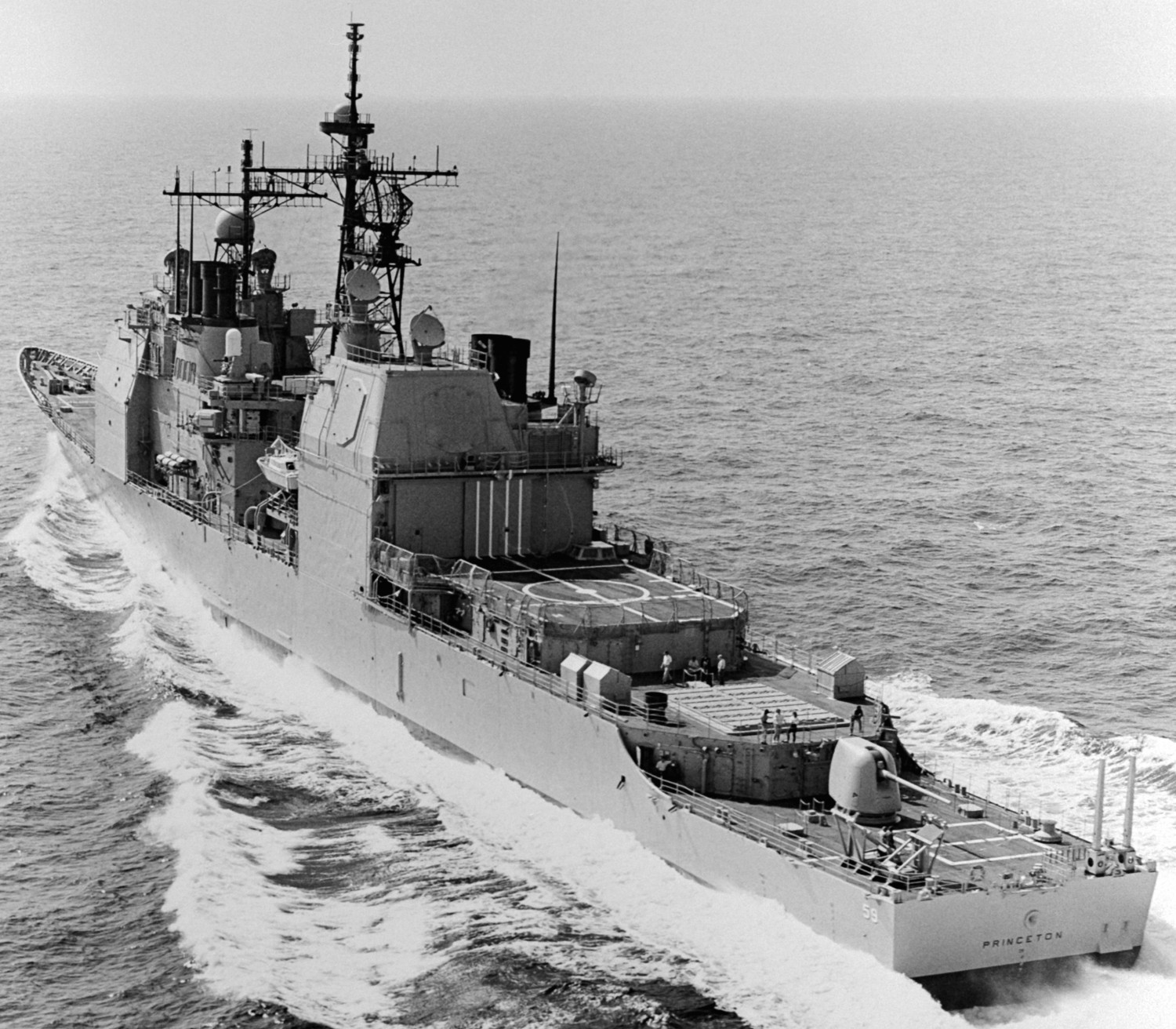 sea trials - Gulf of Mexico - December 1988 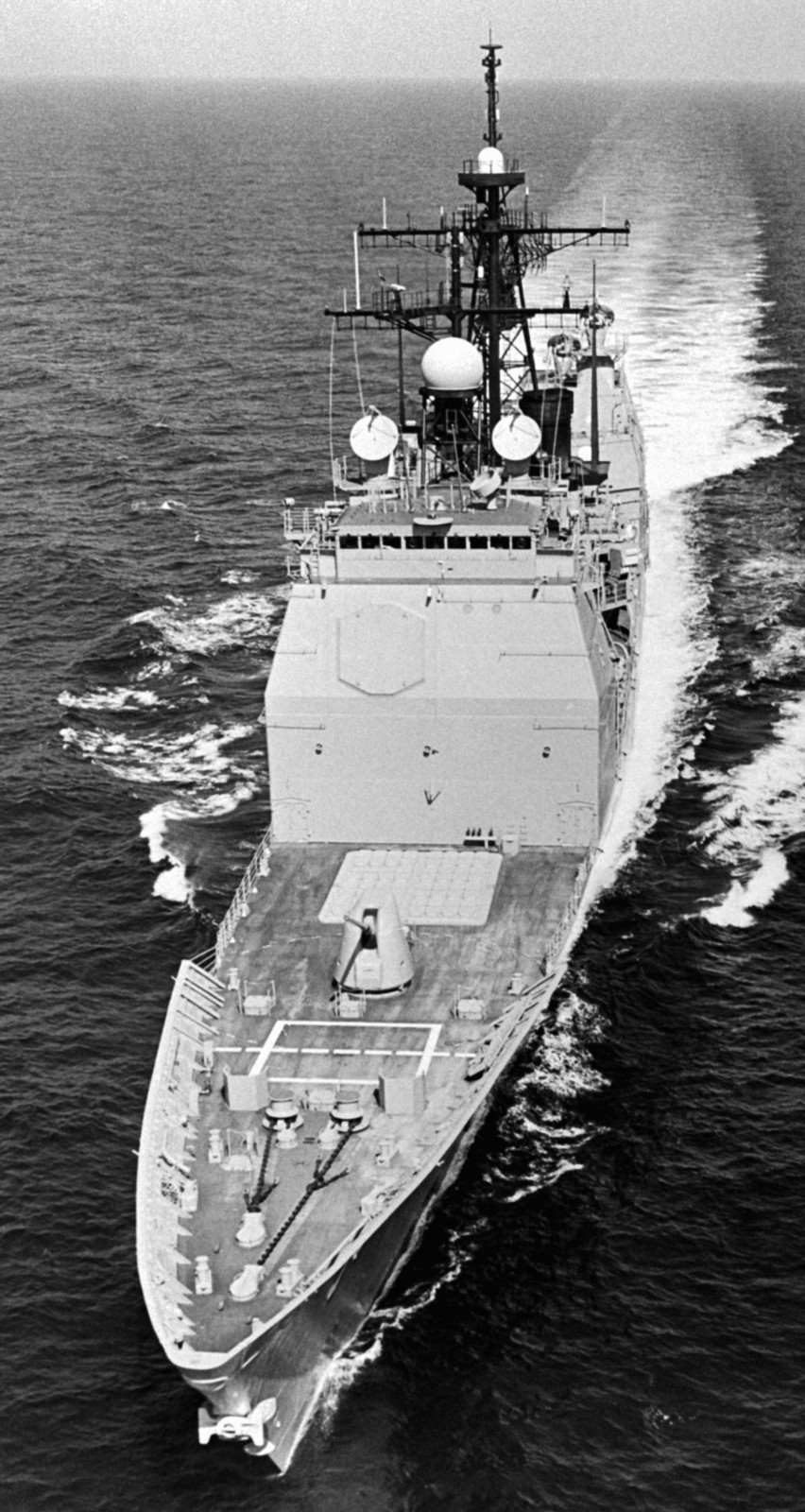
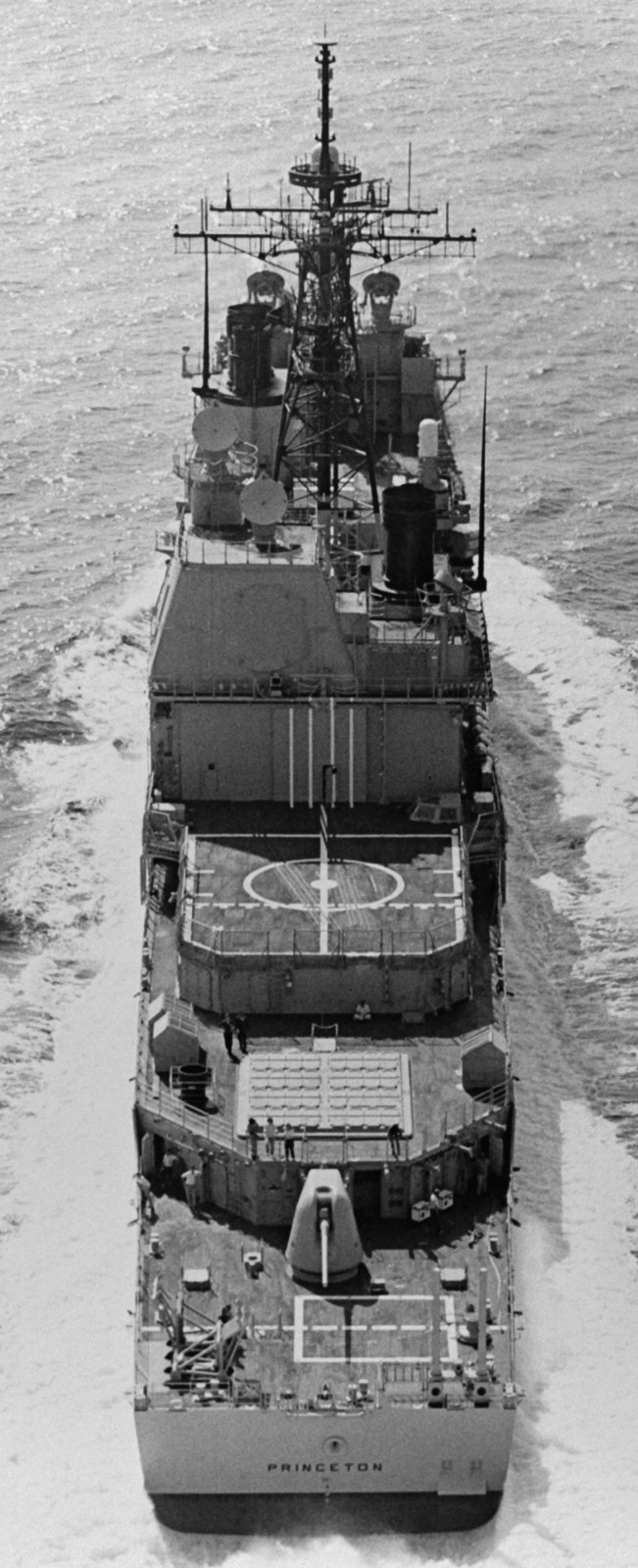 sea trials - Gulf of Mexico - December 1988 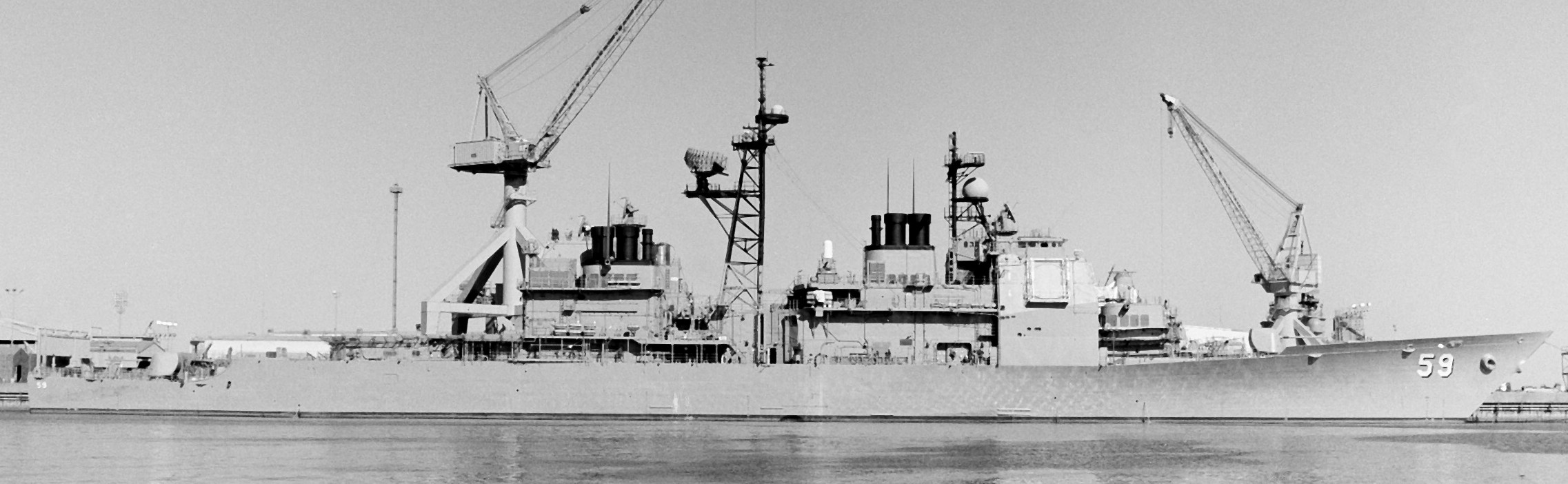 at Ingalls Shipbuilding, Pascagoula, Mississippi - December 1988 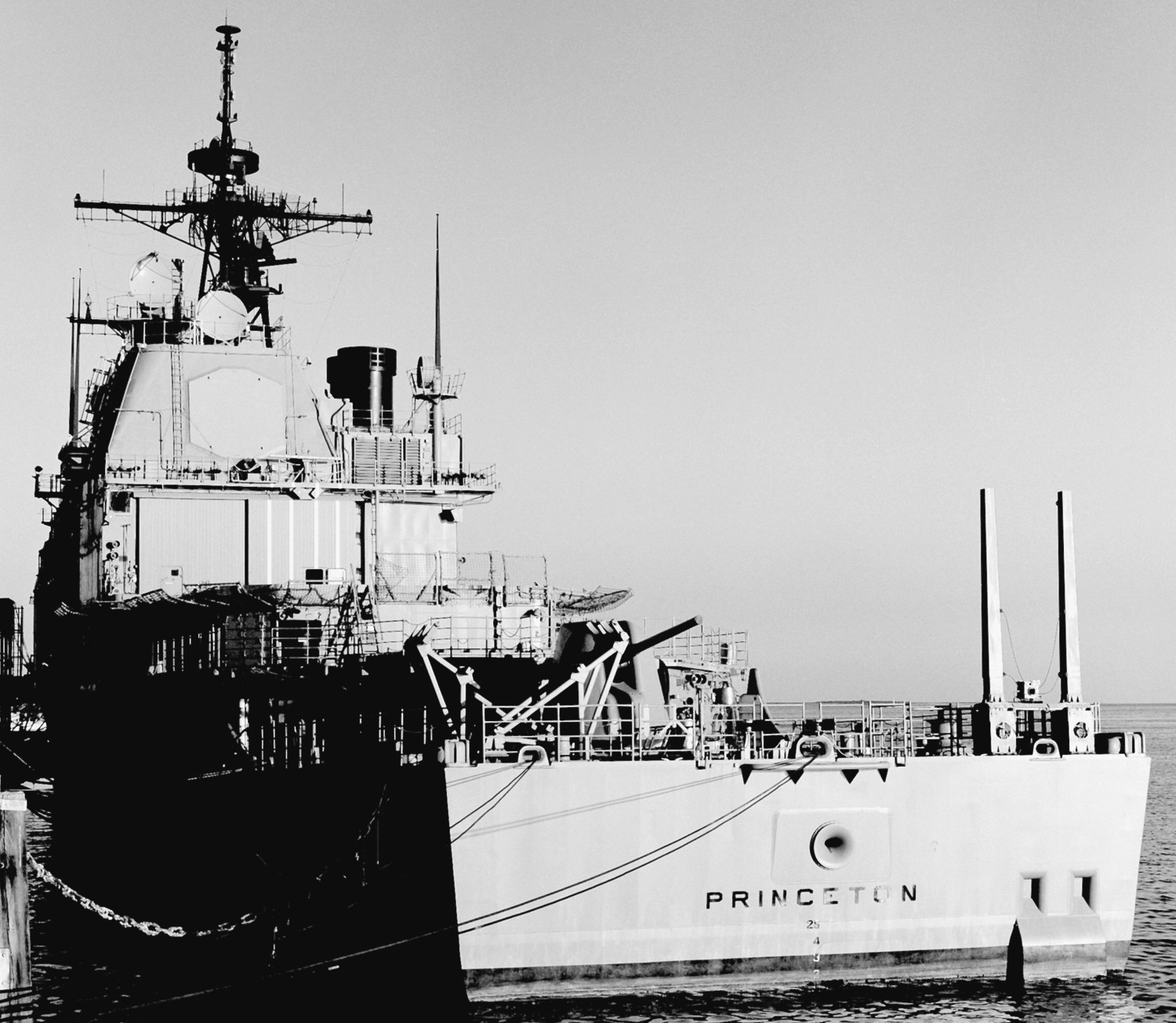 at Ingalls Shipbuilding, Pascagoula, Mississippi - December 1988 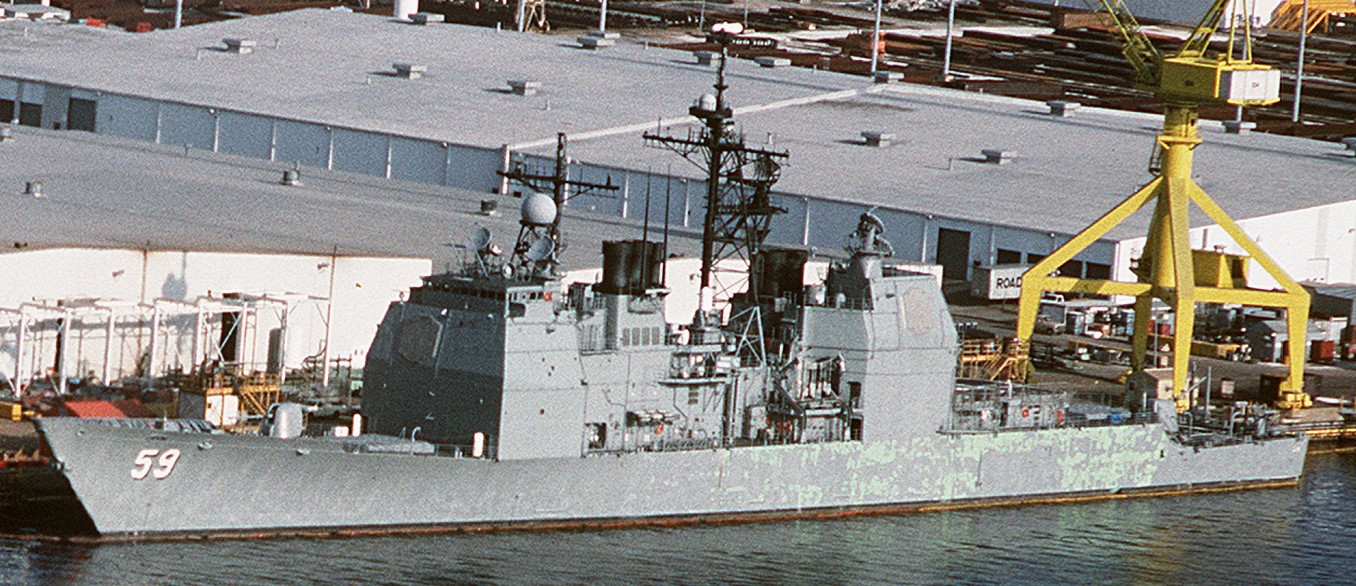 at Ingalls Shipbuilding, Pascagoula, Mississippi - August 1988 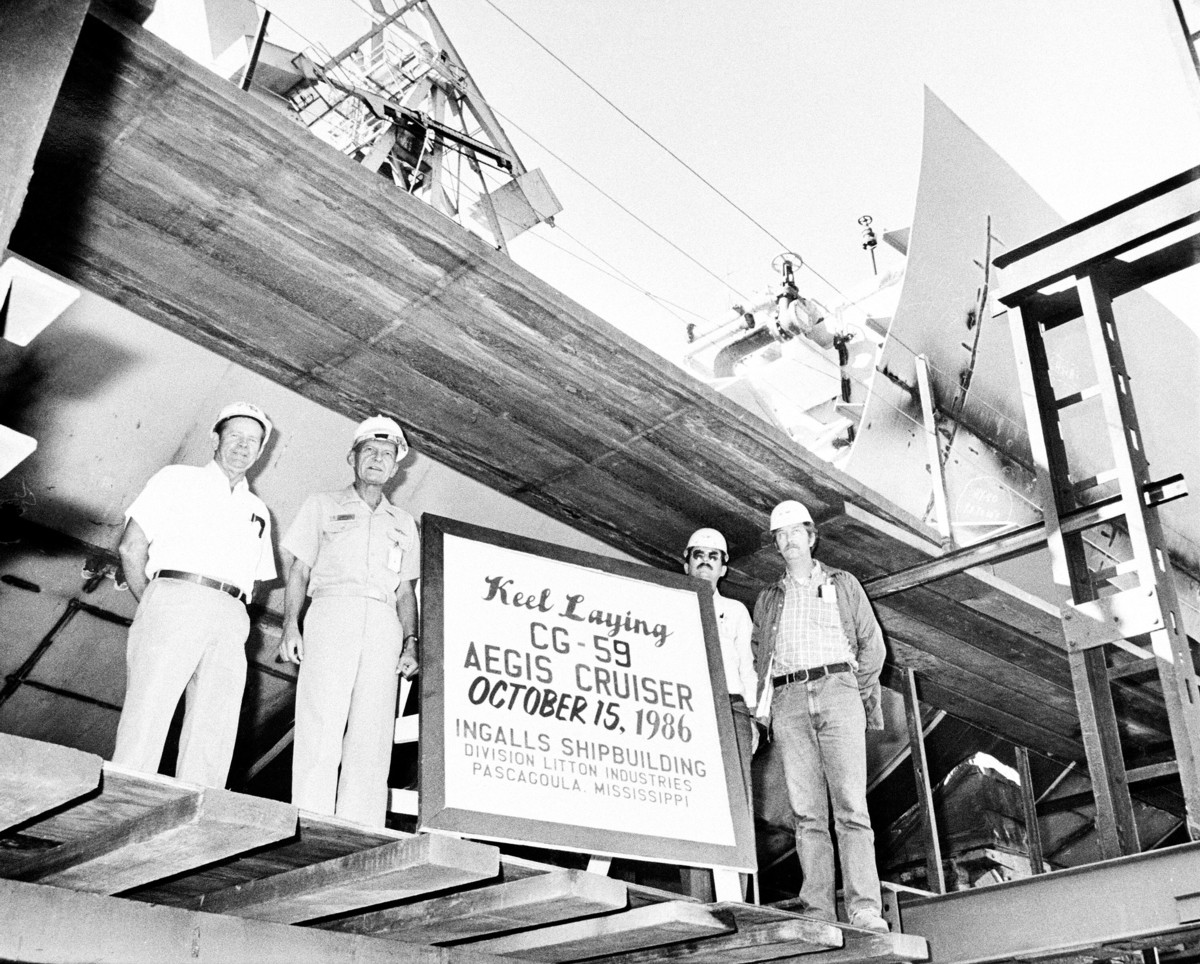 keel laying ceremony at Ingalls Shipbuilding, Pascagoula, Mississippi - October 15, 1986 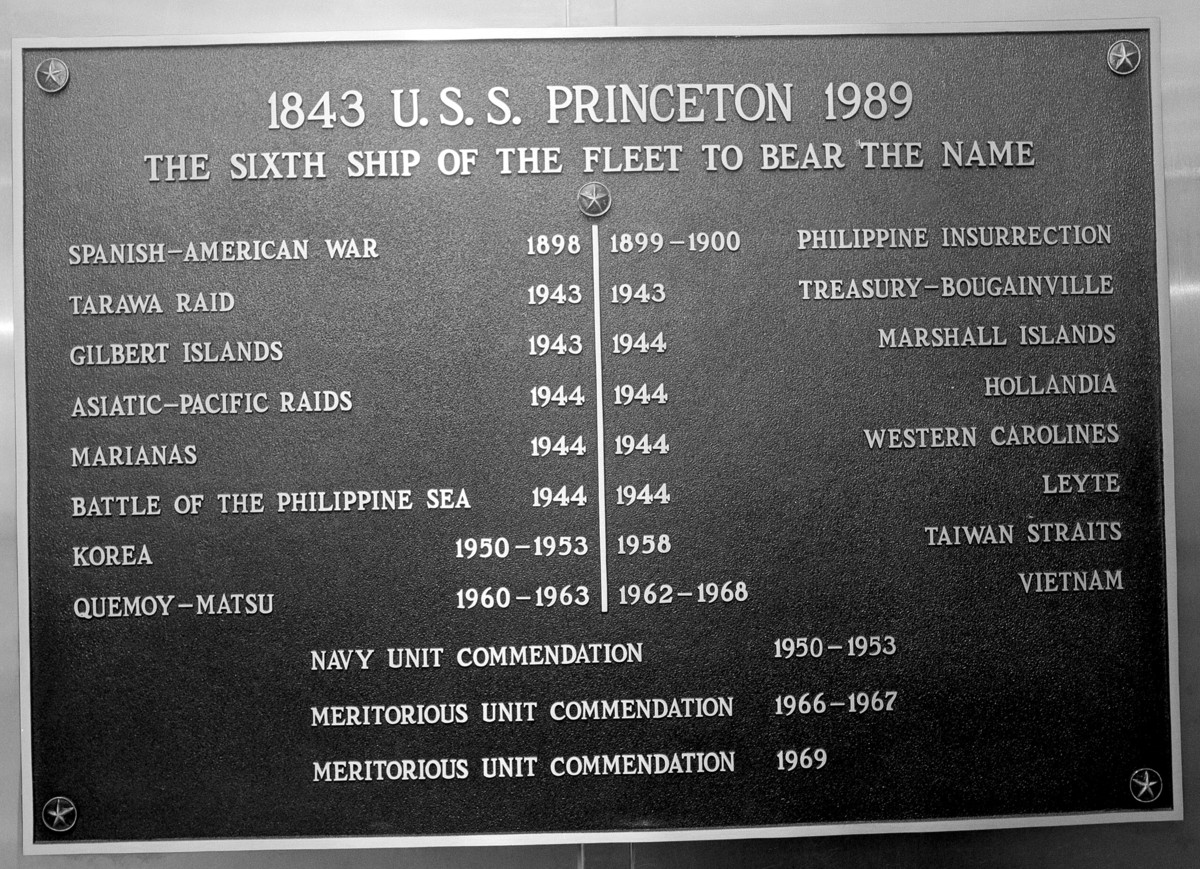 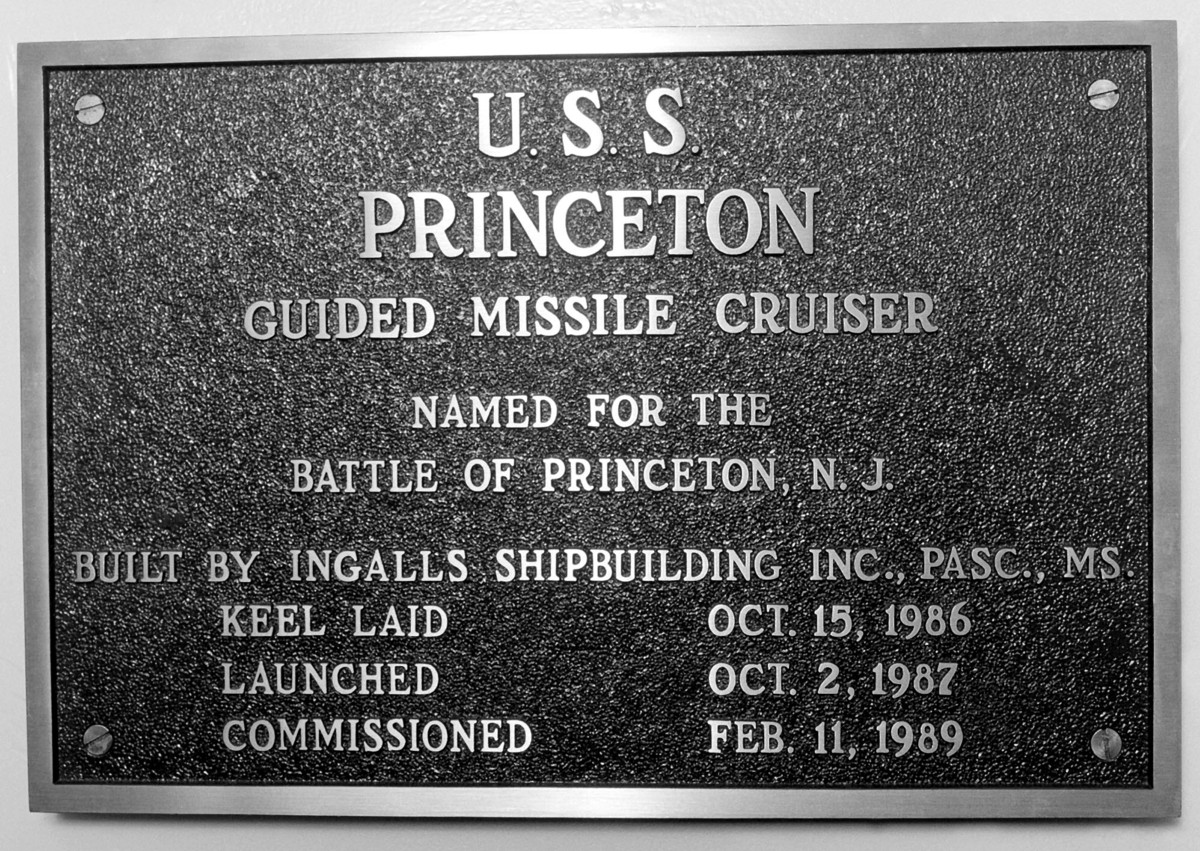 |
||
|
USS Princeton (CG 59): Princeton (CG-59) was laid down 15 October 1986 by Ingalls Shipbuilding, Pascagoula MS; launched 2 October 1987; and commissioned 11 February 1989. She was assigned to the Pacific Fleet and homeported at San Diego California. Princeton was the Navy's first cruiser equipped with the AN/SPY-1B radar system, which provided a significant improvement in the detection capabilities of the AEGIS Weapons System. This radar system incorporates significant advances over earlier radars, particularly in its resistance to enemy Electronic Countermeasures (ECM). With the SPY-1B radar and the ship's MK 99 Fire Control System, the ship can guide its Standard Missile to intercept hostile aircraft and missiles at extended ranges. During Operation Desert Storm, the Princeton hit two influence mines on 18 February 1991 while conducting operations in the northern Arabian Gulf. This resulted in a cracked superstructure, a jammed port rudder and leaking port shaft seal. In recognition of the superior and arduous work the crew put in to keep the ship in war-fighting status, the Princeton (CG-59) and crew were awarded a Combat Action Ribbon. The Princeton underwent a complete overhaul and modernization from mid-June 1999 to the end of March 2000. The overhaul was performed in Southwest Marine Inc.'s San Diego yard. Princeton set sail from San Diego on 27 July 2001, headed west towards the Arabian Gulf in company with the other ships of the Carl Vinson Battle Group. The Princeton mission was to provide maritime support for Operation Southern Watch. As a result of September 11, 2001, the Princeton was assigned duties as Air Defense Commander for Task Force 50, which encompasses all Navy and coalition forces operating in the Arabian Gulf and the North Arabian Sea. The Enterprise (CVN-65) Battle Group, along with Carrier Air Wing 8, diverted from their homeward transit and headed back towards the North Arabian Sea as the Princeton north through the Indian Ocean to join them. Several days later, the Kitty Hawk (CV-63) was underway from Japan. Within two weeks, the Princeton was assigned to Operation Enduring Freedom. The Princeton's primary duty throughout deployment has been providing air defense for all the ships in the task force, which at one point, included four carriers, three air wings and one ARG. With this came the responsibility of managing over 1500 square miles of airspace in which every type of aircraft from Navy F/A-18 Hornets to Air Force AWACS to British Nimrods operated on a daily basis. Additionally, the ship was called on to launch missiles, conduct boarding operations, and surveillance tasking. At night, the ships's gas turbine engines roared to full power to maintain precise station 2,000 yards off the Carl Vinson’s starboard quarter in "planeguard" station. She returned to San Diego on 19 January 2002, after 111 consecutive days on station in the North Arabian Sea. On 5 November 2003 the Princeton returned from a WESTPAC to the Persian Gulf region. During her deployment, Princeton escorted Nimitz while performing duties as Arabian Gulf Air Defense Commander and Tactical Data Coordinator. Princeton also spent several weeks as the Northern Arabian Gulf Maritime Intercept Commander, directing a coalition of naval forces providing security throughout Iraqi territorial waterways. source: US Navy - - - - - another history: The ship was commissioned on 11 February 1989 in the Ingalls shipyard in Pascagoula, Mississippi. After traveling through the Panama Canal, Princeton was home-ported at the Long Beach Naval Shipyard, California. Vladivostok port visit: In 1990, Princeton served as the flagship for the first US Navy visit to the Soviet Union's Pacific port of Vladivostok since before World War II. She sailed with Reuben James. Before the visit was completed, the crew received word that their Pacific cruise was canceled. They returned to Long Beach and joined the Ranger Battle Group preparing to deploy to the Persian Gulf. Mine strike: On the morning of 18 February 1991, during Operation Desert Storm, Princeton was patrolling 28 nautical miles (52 km) off Failaka Island in the Persian Gulf, on the west side of the decoy United States Marine Corps and naval invasion forces afloat. At exactly 7:15 AM local time two Italian-made MN103 Manta bottom-mounted influence mines detonated, one just under the port rudder and the other just forward of the starboard bow, the second explosion most likely being a sympathetic detonation caused by the first. The blasts cracked the superstructure, buckled three lines in the hull, jammed the port rudder, flooded the #3 switchboard room through chilled water pipe cracks, and damaged the starboard propeller shaft. Three crewmembers were injured, one seriously. Despite the severe damage, the forward weapons and the AEGIS combat system were back online within 15 minutes. At great peril, the Canadian destroyer HMCS Athabaskan moved north through the minefield to deliver damage-control supplies to the severely damaged Princeton, which remained on station for 31 hours until she was relieved. Princeton's commanding officer, Captain Edward Hontz, specifically requested the assistance of Athabaskan despite the latter not originally assigned to the area. Unlike most ships of her size, Athabaskan could simultaneously operate two large CH-124 Sea King helicopters, which could search out mines for long periods. As a gesture of solidarity, Athabaskan winched over several cases of beer for the crew of Princeton, since United States Navy vessels were dry. Princeton, which suffered from a locked starboard propeller shaft and a locked port rudder, was guided through the minefield by the minesweeper Adroit. Temporary repairs were conducted first in Bahrain, and then in the port of Jebel Ali near Dubai by the duty destroyer tender Acadia, and finally in a Dubai drydock. After eight weeks, Princeton returned to the United States under the ship's power for additional repairs. The ship and her crew were awarded the Combat Action Ribbon. Captain Edward Hontz turned over command to Captain J. Cutler Dawson before moving on to command the Aegis Training Command in Dahlgren, Virginia. Future Chief of Naval Operations, Michael M. Gilday was serving aboard Princeton as an officer during the ordeal, and was awarded the Navy Commendation Medal with Valor for his actions. When the U.S. Naval Base in Long Beach was closed due to BRAC action, the home port of Princeton was moved to the Naval Base San Diego. Princeton was overhauled from 1999 to 2000 in San Diego, California. In 2003, the ship was assigned to Carrier Strike Group Three. Princeton aerial object incident: While training in the Pacific Ocean, in November 2004 Princeton tracked unidentified flying objects that were capable of accelerating and maneuvering at extraordinary speeds. Princeton subsequently contacted two Navy F/A-18F fighters from Nimitz who tracked and filmed their interactions with the objects. The incident was publicly disclosed in December 2017 with the revelation of the funding of the Advanced Aerospace Threat Identification Program. Hamid rescue: On 21 July 2005, Princeton responded to a radio call from an Iranian dhow, named Hamid, that was dead in the water and in need of engineering assistance. A rescue and assistance team was dispatched to Hamid where it was determined that the engine would not start due to corroded batteries that were low on power. The batteries were removed and brought back to Princeton for maintenance, cleaning and recharging. Princeton rescue team restored power onboard Hamid, restarted the engines, and then provided minor medical assistance and fresh water to the dhow's crew. Man overboard incident: In 2005, the warship was acting as an escort for Carrier Strike Group Eleven, led by Nimitz, and was featured in the documentary Carrier. While in the Persian Gulf on the night of 12 September 2005, or the early morning of 13 September, during the filming of the documentary, a sailor fell overboard. Despite a search lasting over five days, and covering a 360-square-mile (930 km2) area, the sailor was not found. Magellan Star: In September 2010, Princeton was involved in the rescue of the hostages aboard the pirated MV Magellan Star in the Gulf of Aden. source: wikipedia |
||
|
About the Battle of Princeton / American Revolutionary War -
January 3, 1777: The Battle of Princeton was a battle of the American Revolutionary War, fought near Princeton, New Jersey on January 3, 1777. Lieutenant General Charles Cornwallis had left 1,400 British troops under the command of Lieutenant Colonel Charles Mawhood in Princeton, New Jersey. Following a surprise victory at the Battle of Trenton early in the morning of December 26, 1776, General George Washington of the Continental Army decided to attack the British in New Jersey before entering winter quarters. On December 30, he crossed the Delaware River back into New Jersey. His troops followed on January 3, 1777. Washington's Army was cornered at Trenton by the larger British army led by General Cornwallis. Washington's army built up their campfires that night before silently slipping away after midnight while an unsuspecting Cornwallis slumbered. Cornwallis had failed to post adequate scouts to detect movements by Washington's army. Washington advanced to Princeton by a back road, where he attacked and defeated a smaller British force shortly after sunrise. Cornwallis, awakening to the sounds of cannon fire behind his position, wheeled his army to race to Princeton. But Washington's rear guard destroyed the bridge at Stony Brook, and snipers further delayed Cornwallis' army while the Continentals slipped away. The victory at Princeton cost the British some 500 men killed, wounded or captured and greatly boosted the morale of the Continental troops, leading 8,000 new recruits to join the Continental Army. General Hugh Mercer of the Continental Army suffered multiple bayonet wounds and died nine days after the battle. |
||
| patches + more | ||
    |
||
|
|
seaforces.org |
USN ships
start page | |