 |
||
|
HOME
|
US Navy -
ships
|
US Navy - air
units
|
USMC - air
units
|
International
Navies
|
Weapon Systems
|
Special Reports |
||
|
US Navy - Guided Missile Cruiser CG 56 - USS San Jacinto |
||
|
||
| 09/24 | ||
|
Type,
class: Guided Missile Cruiser (CG); Ticonderoga
class Builder: Ingalls Shipbuilding, Pascagoula, Mississippi, USA STATUS: Awarded: June 20, 1983 Laid down: July 24, 1985 Launched: November 14, 1986 Commissioned: January 23, 1988 Decommissioned: September 15, 2023 Fate: laid up at Navy Inactive Ship Maintenance Facility, Philadelphia, Pennsylvania Homeport: Naval Station Norfolk, Virginia (former) Namesake: Battle of San Jacinto - Texas Revolution, 1836 Ships Motto: VICTORY IS CERTAIN Technical Data: see: INFO > Ticonderoga class Guided Missile Cruiser - CG |
||
| images | ||
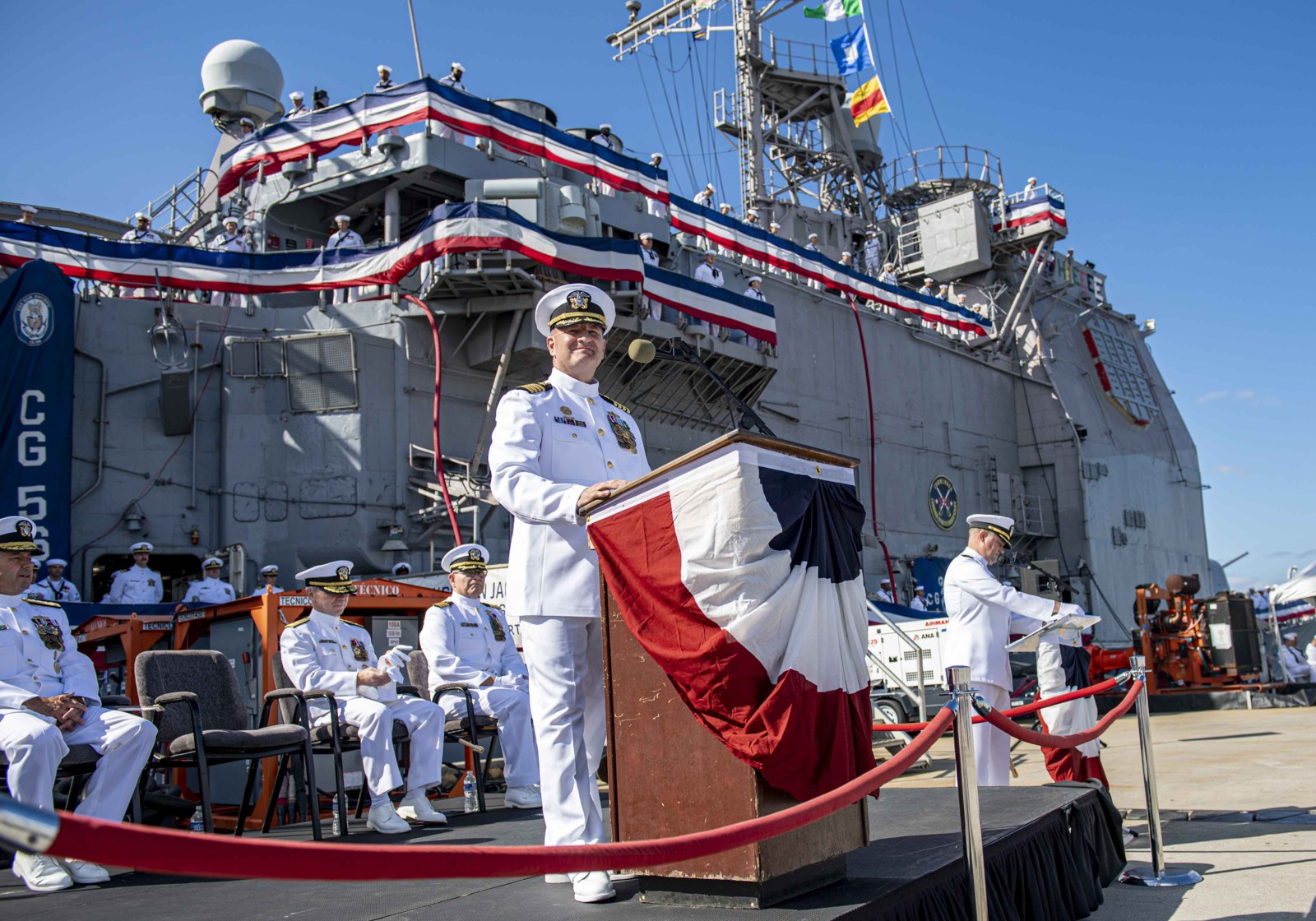 decommissioning ceremony at Naval Station Norfolk, Virginia - September 15, 2023 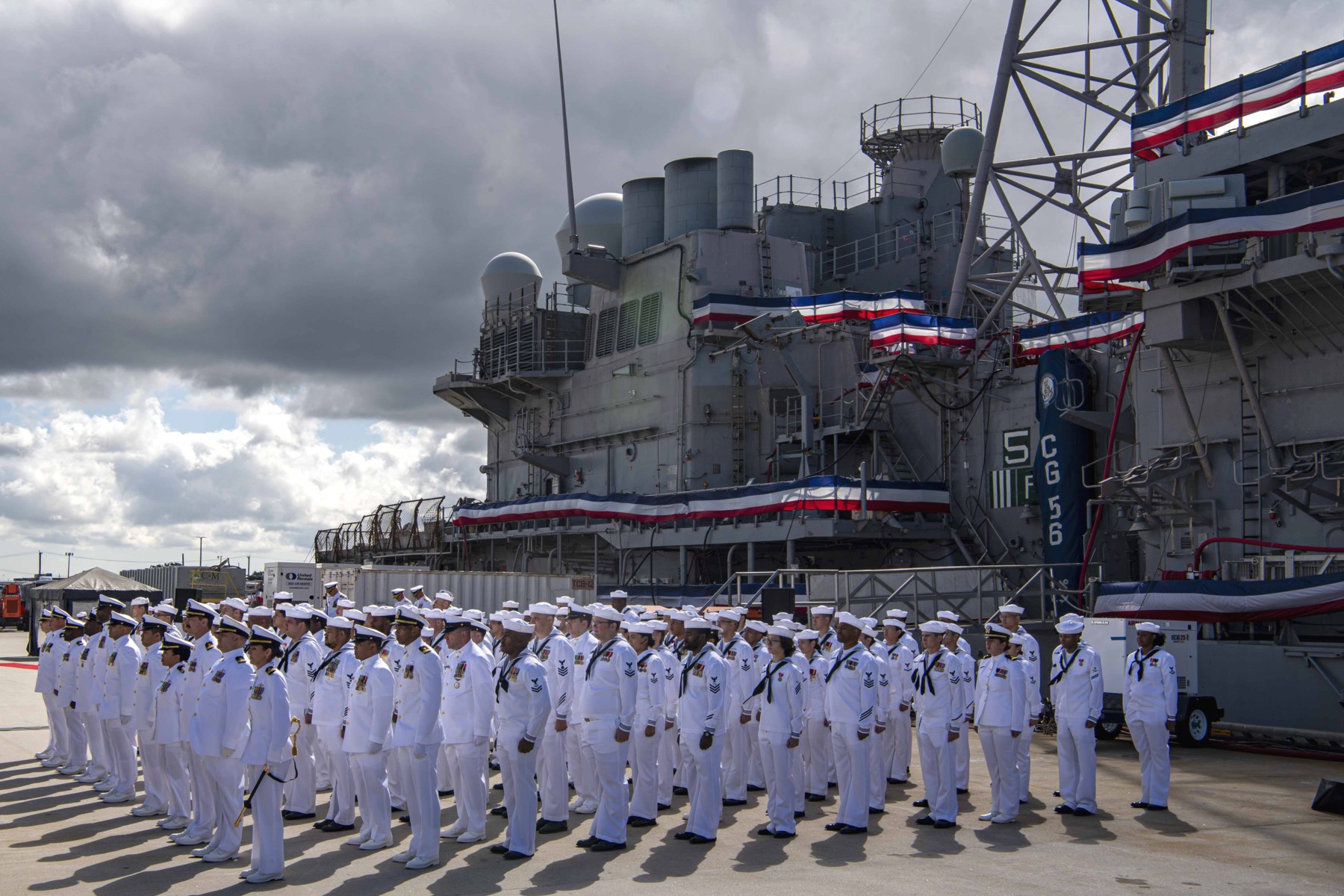 decommissioning ceremony at Naval Station Norfolk, Virginia - September 15, 2023 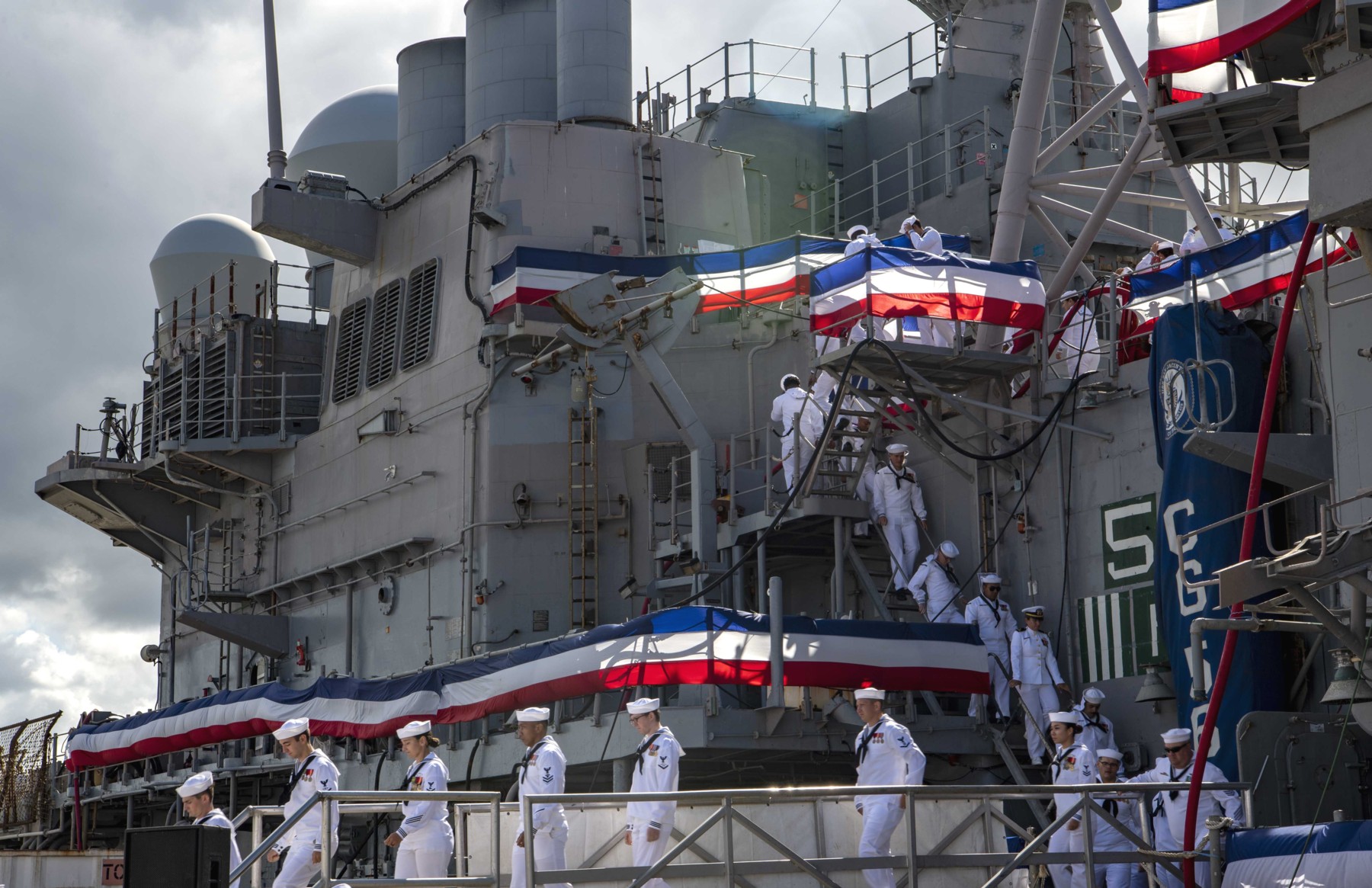 decommissioning ceremony at Naval Station Norfolk, Virginia - September 15, 2023 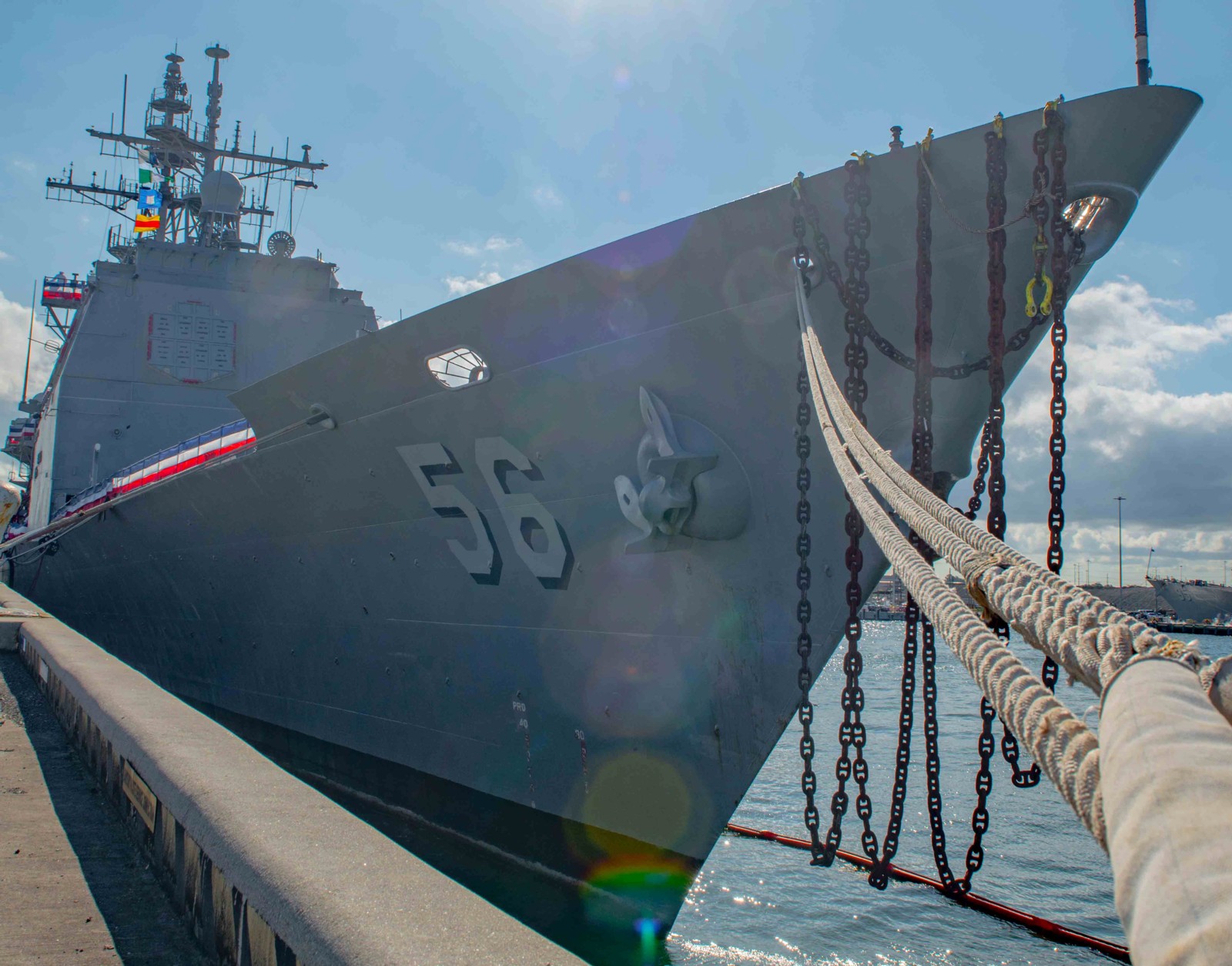 decommissioning ceremony at Naval Station Norfolk, Virginia - September 15, 2023 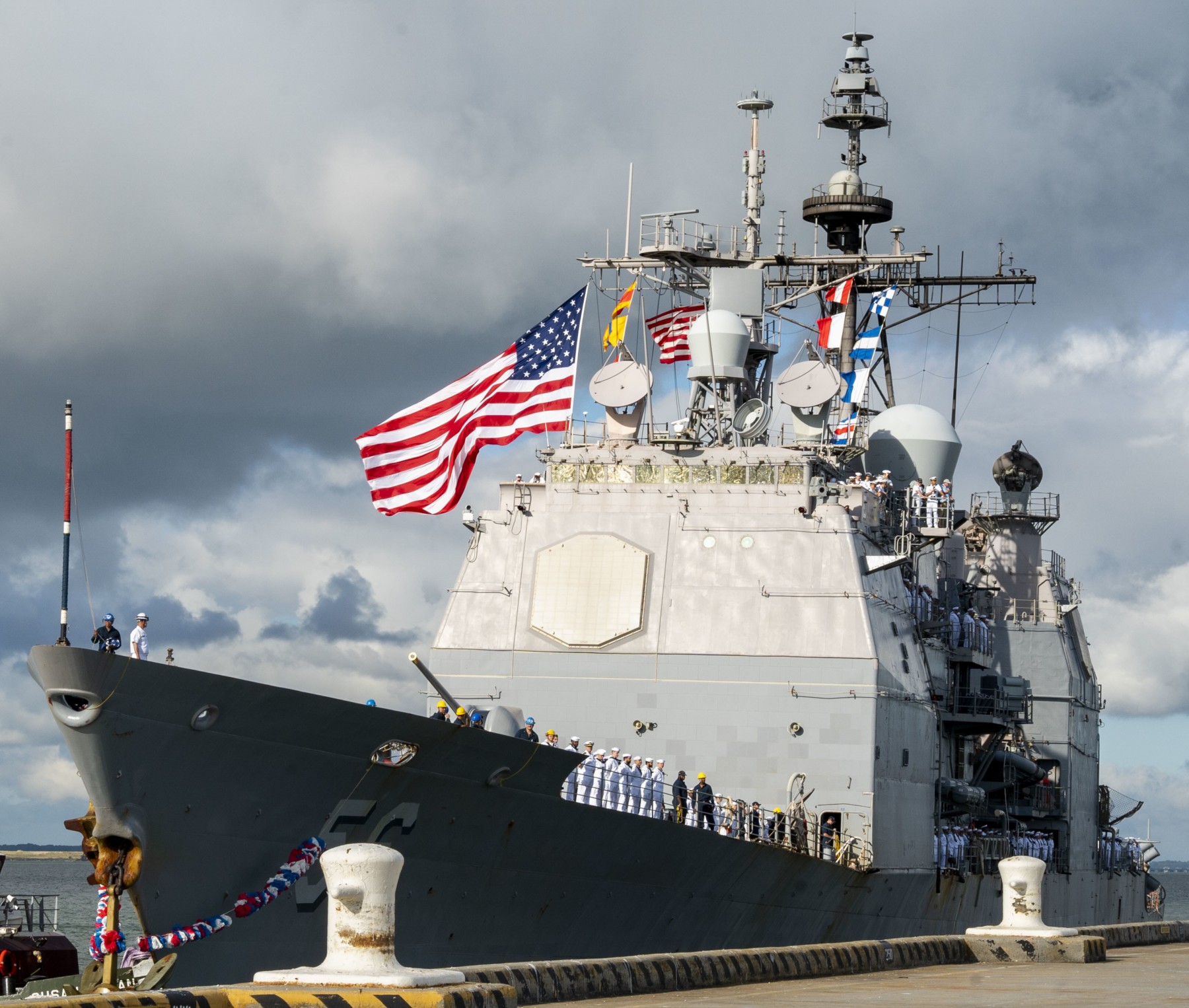 returning to Naval Station Norfolk, Virginia - September 8, 2022 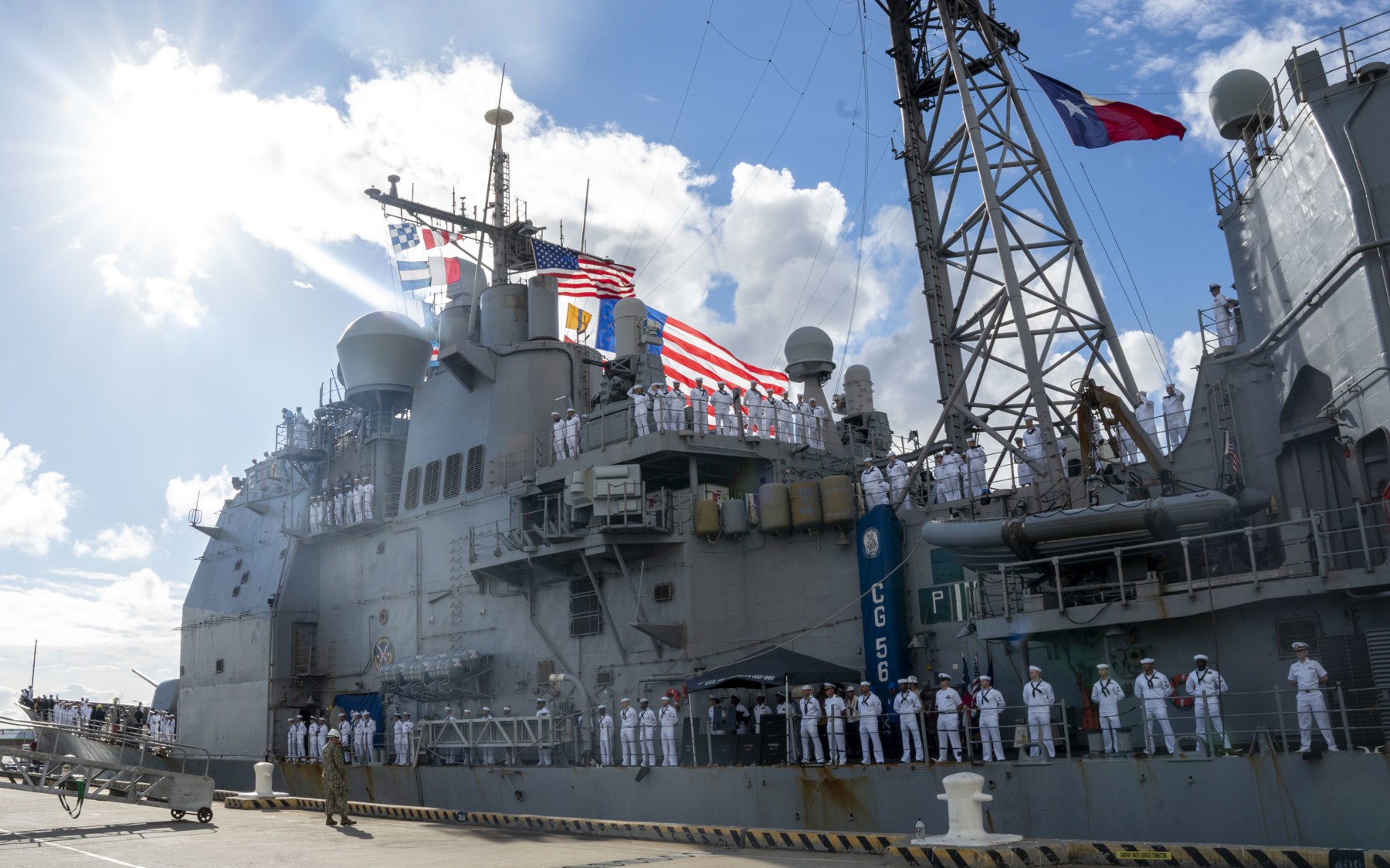 returning to Naval Station Norfolk, Virginia - September 8, 2022 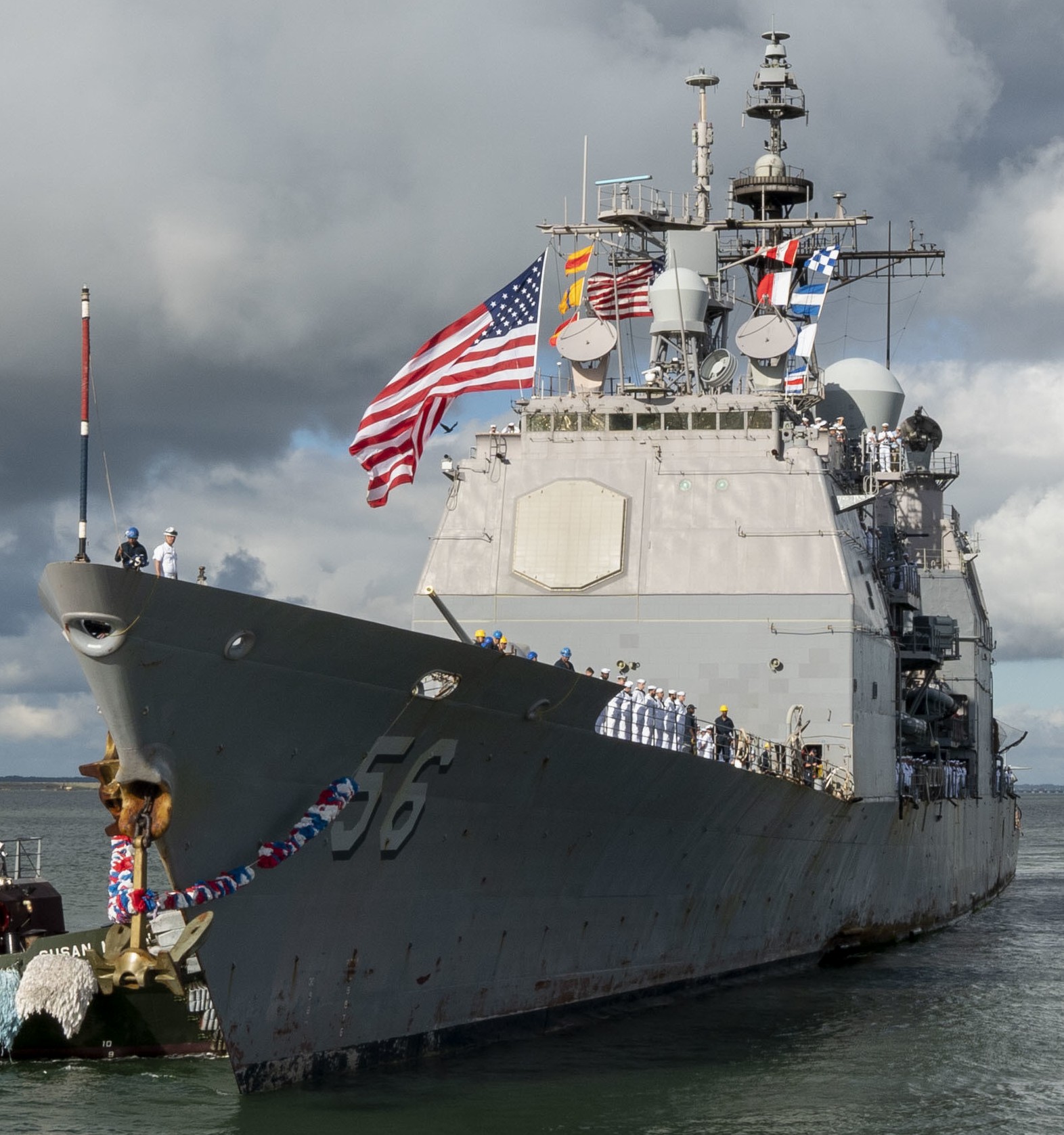 returning to Naval Station Norfolk, Virginia - September 8, 2022 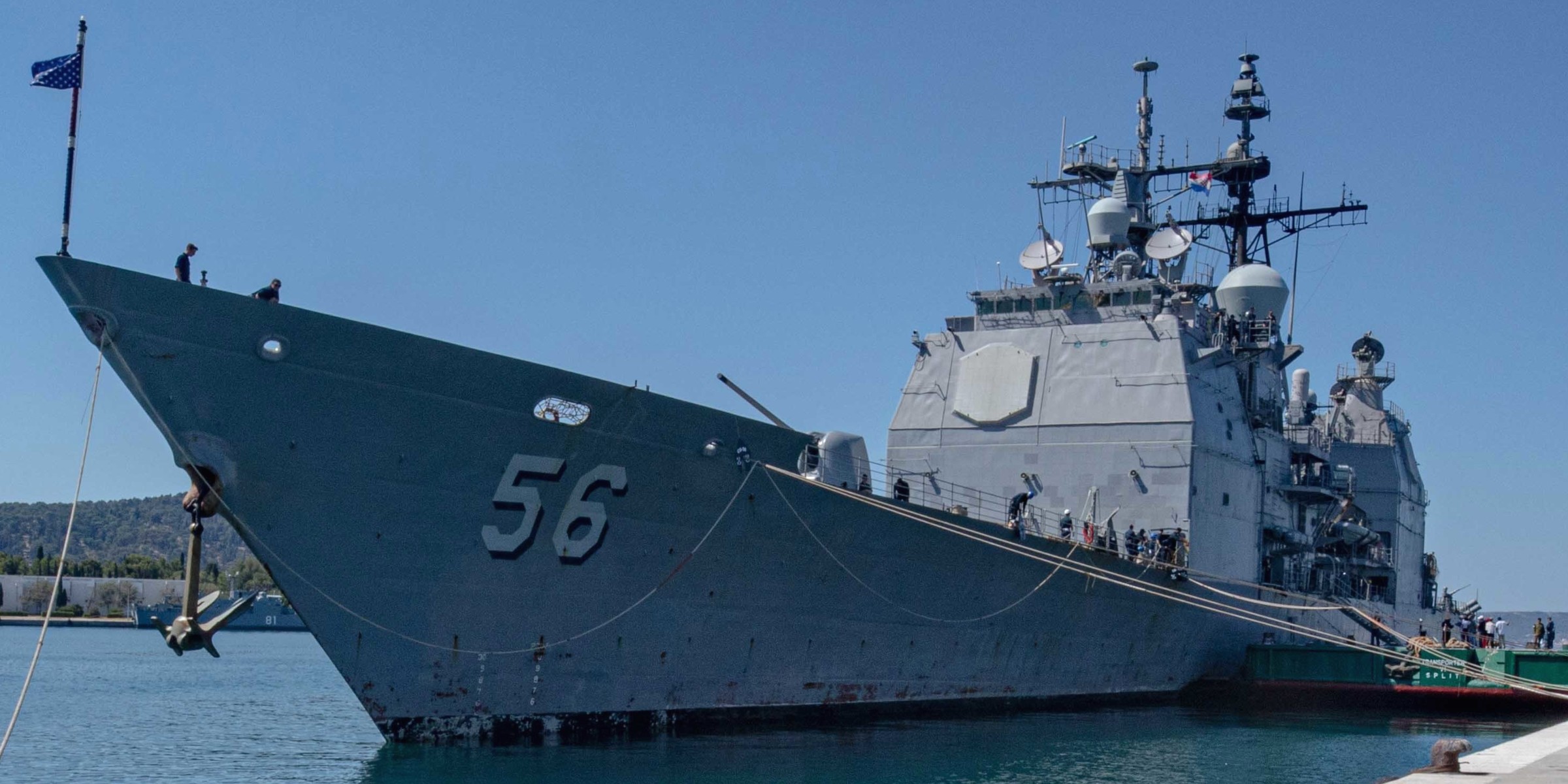 Split, Croatia - July 2022 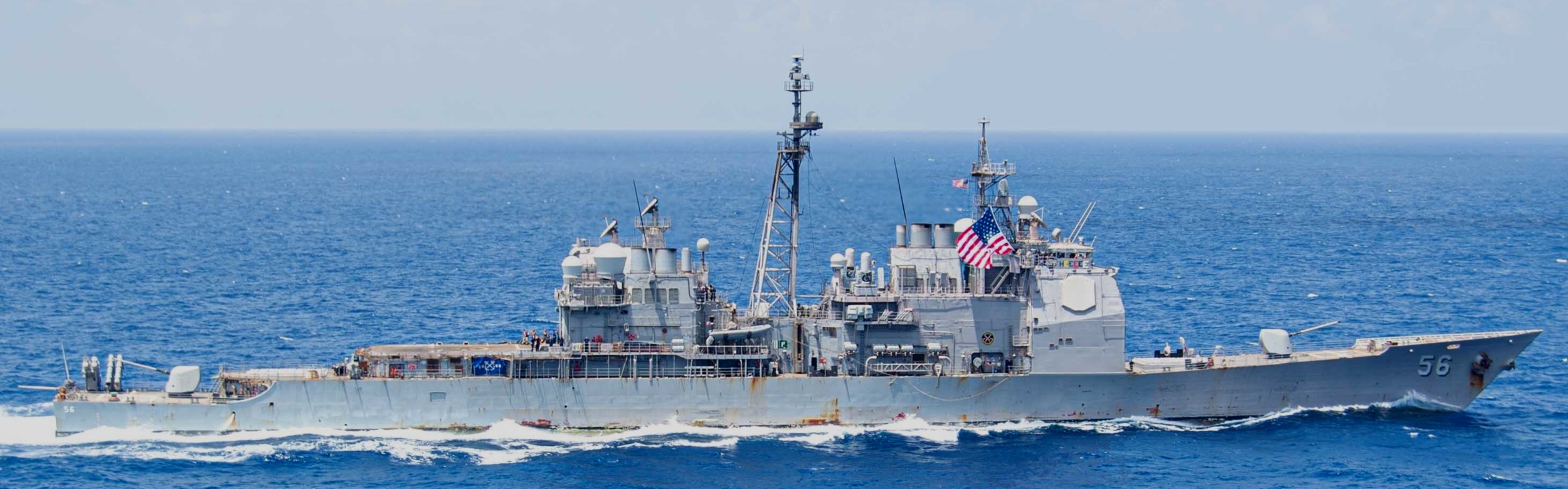 Ionian Sea - July 2022 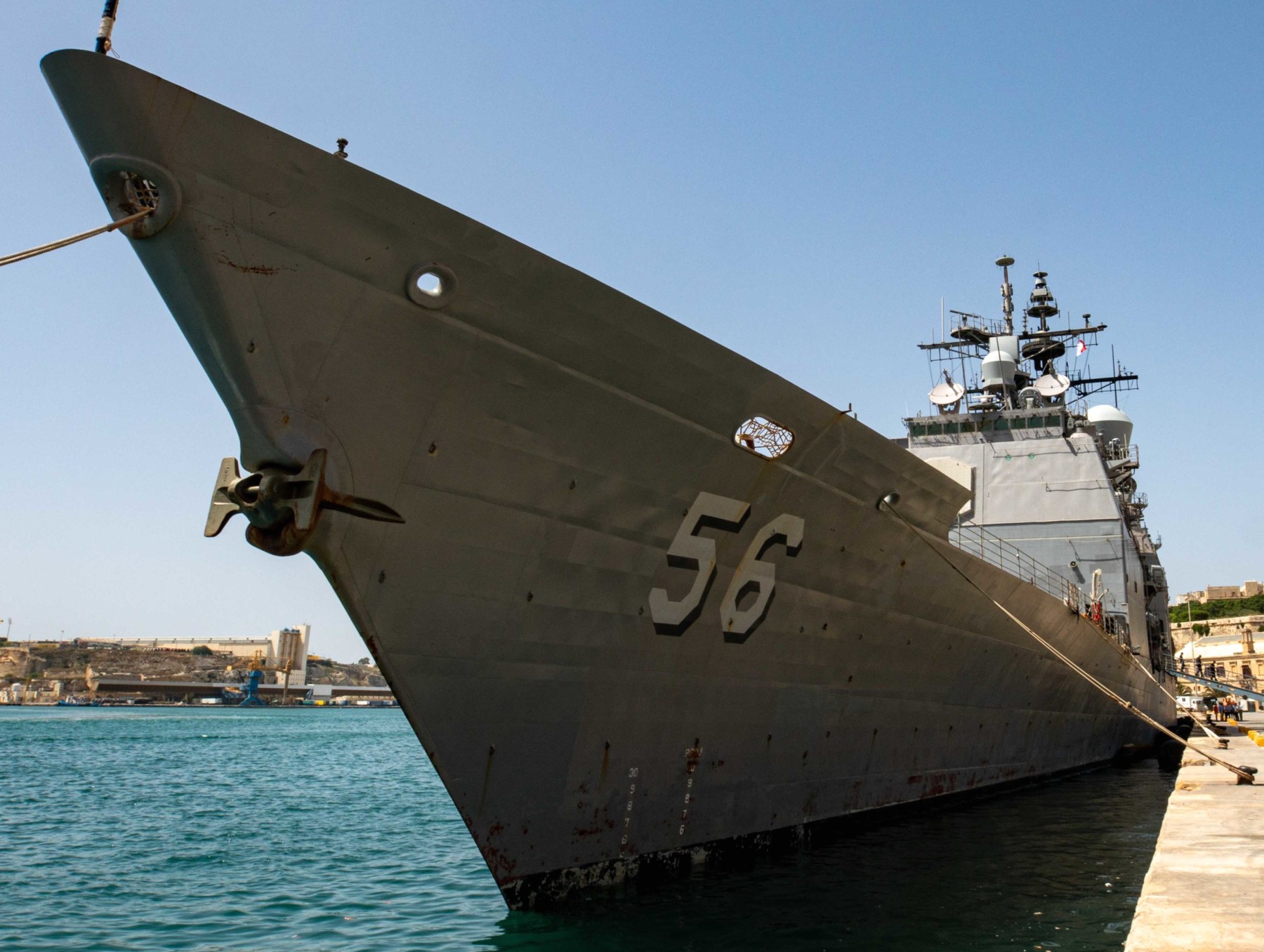 Valletta, Malta - June 2022 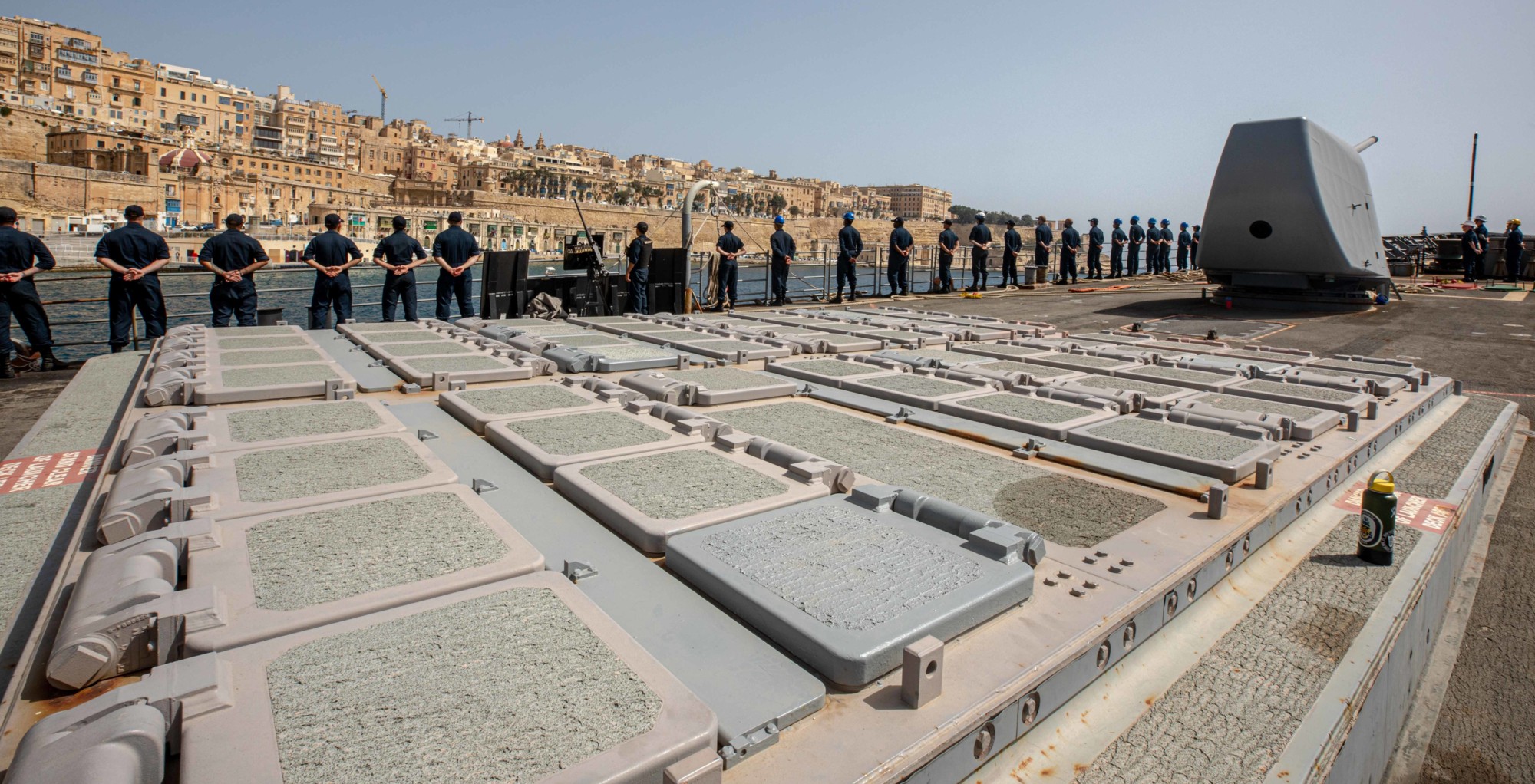 Valletta, Malta - June 2022 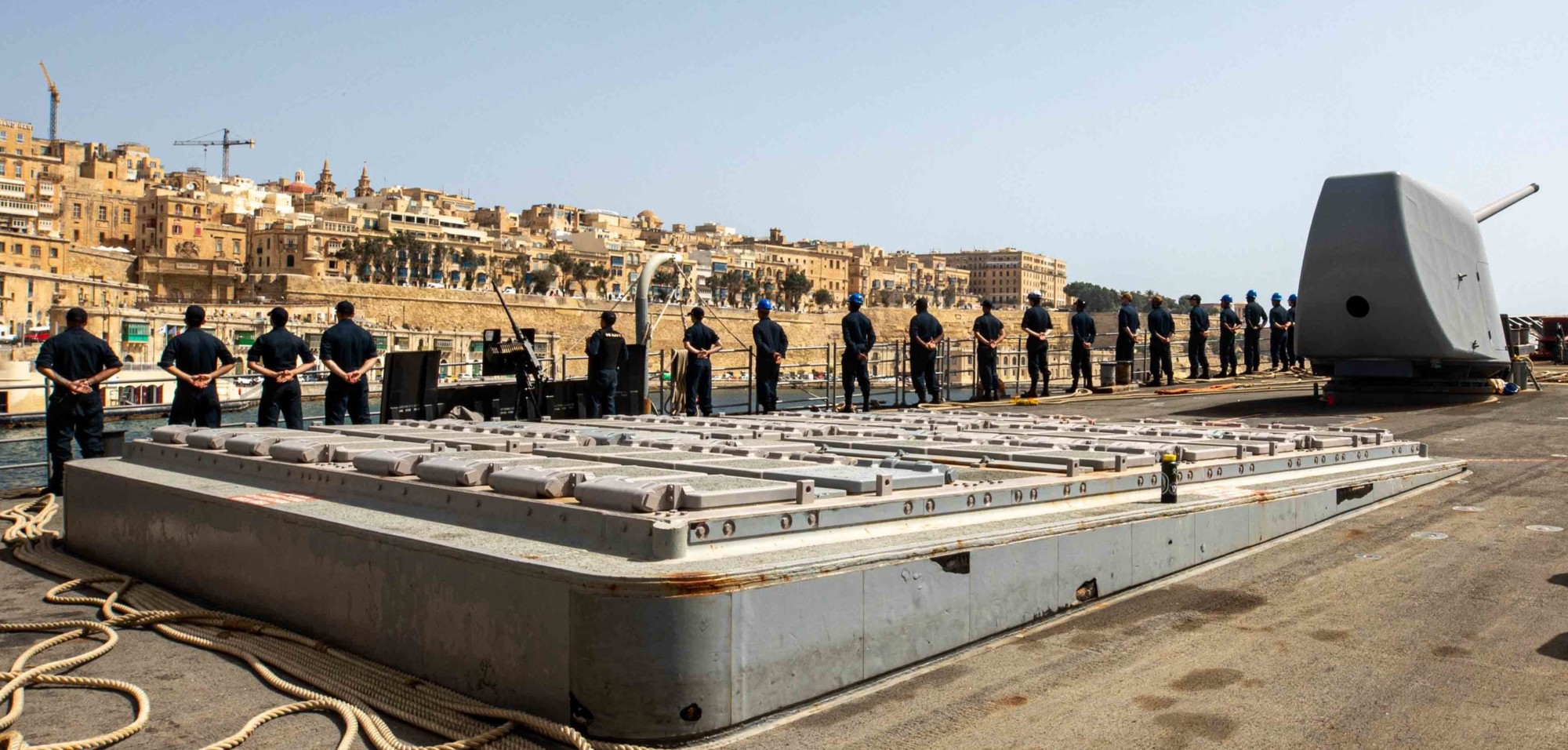 Valletta, Malta - June 2022 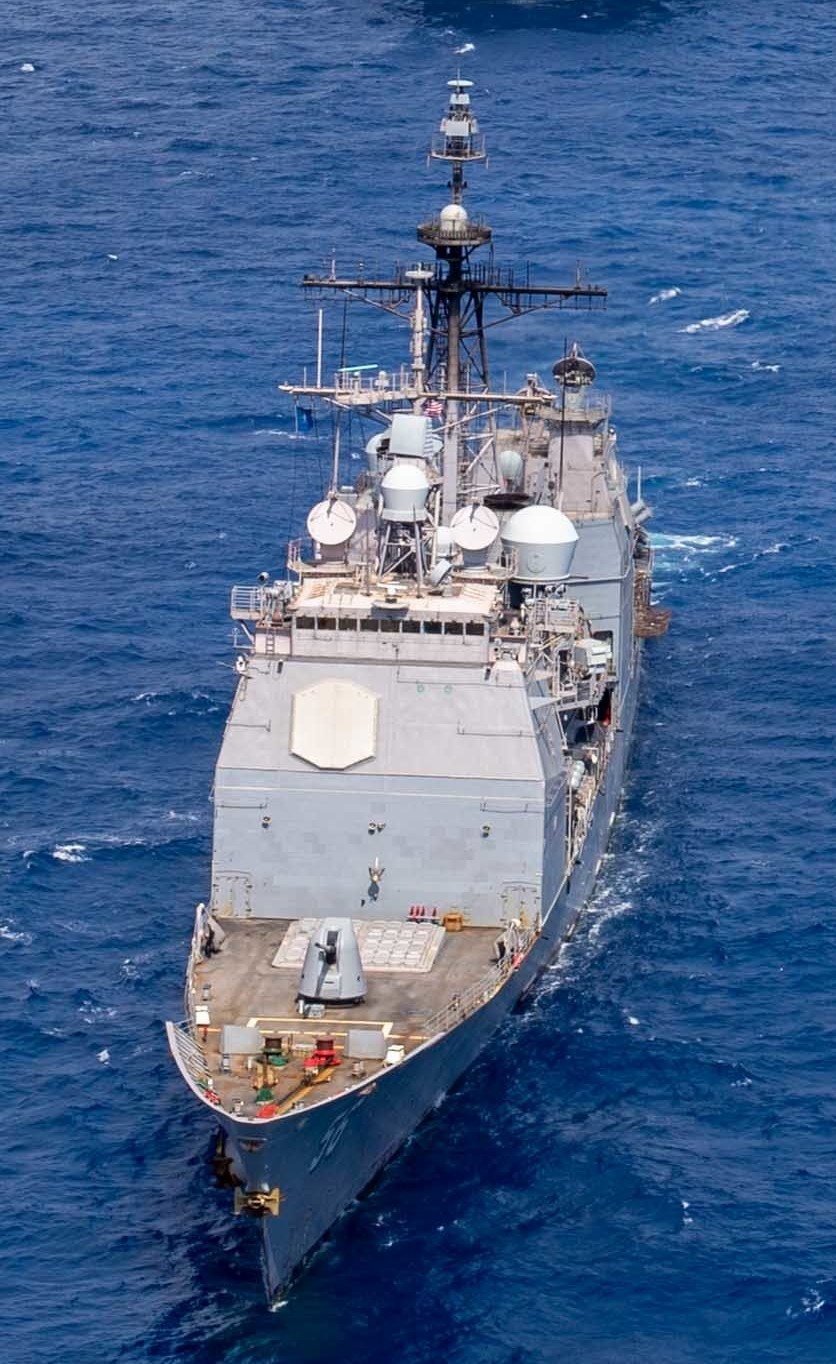 Mediterranean Sea - May 2022 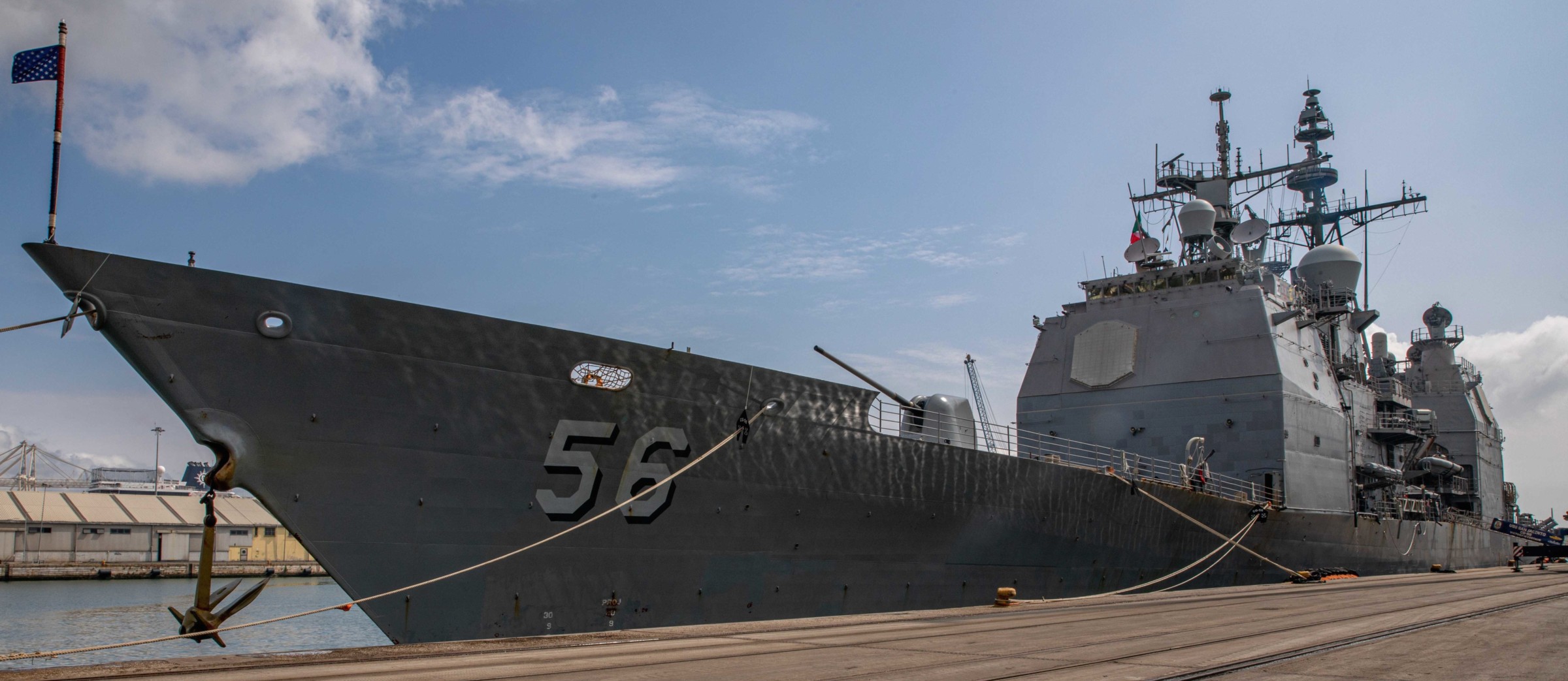 Marghera, Italy - April 2022 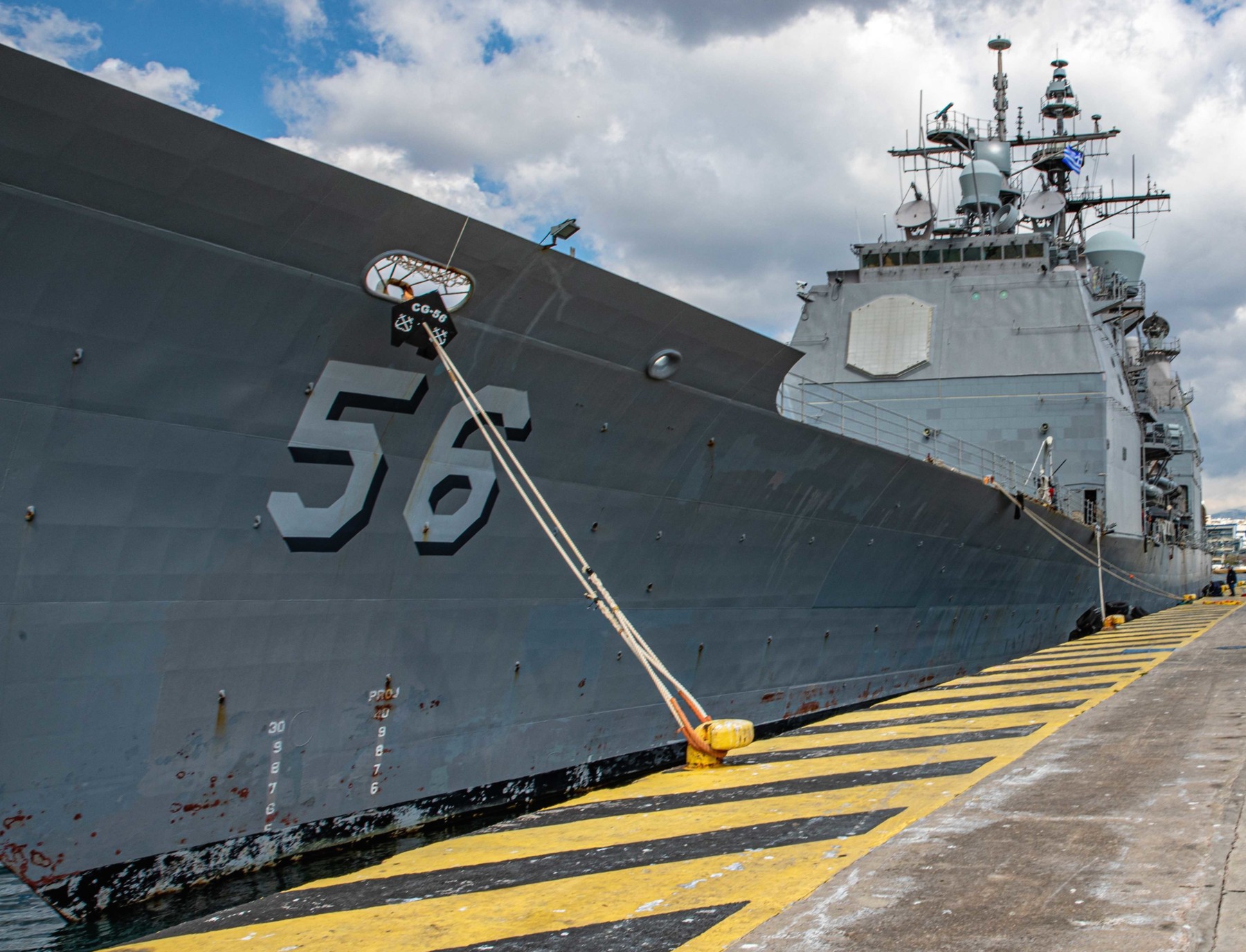 Piraeus, Greece - March 2022 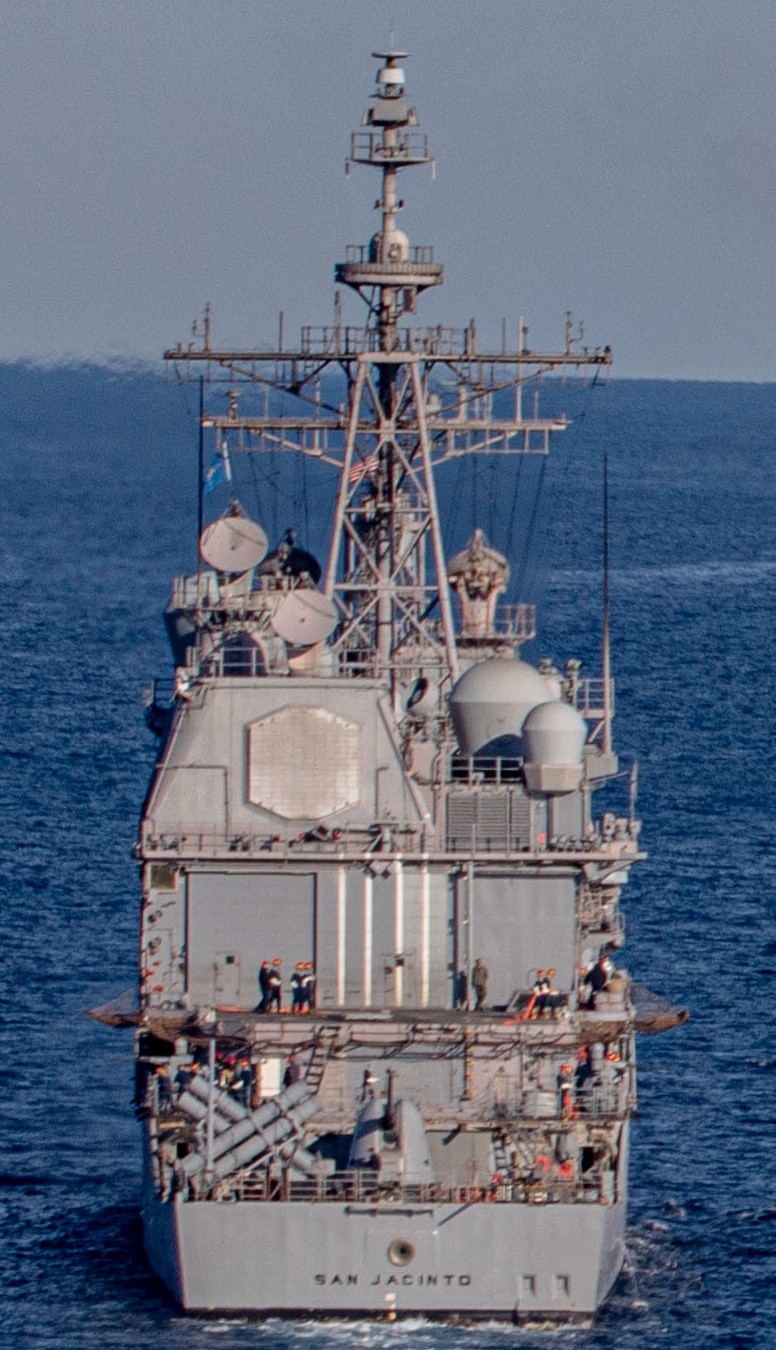 Adriatic Sea - February 2022 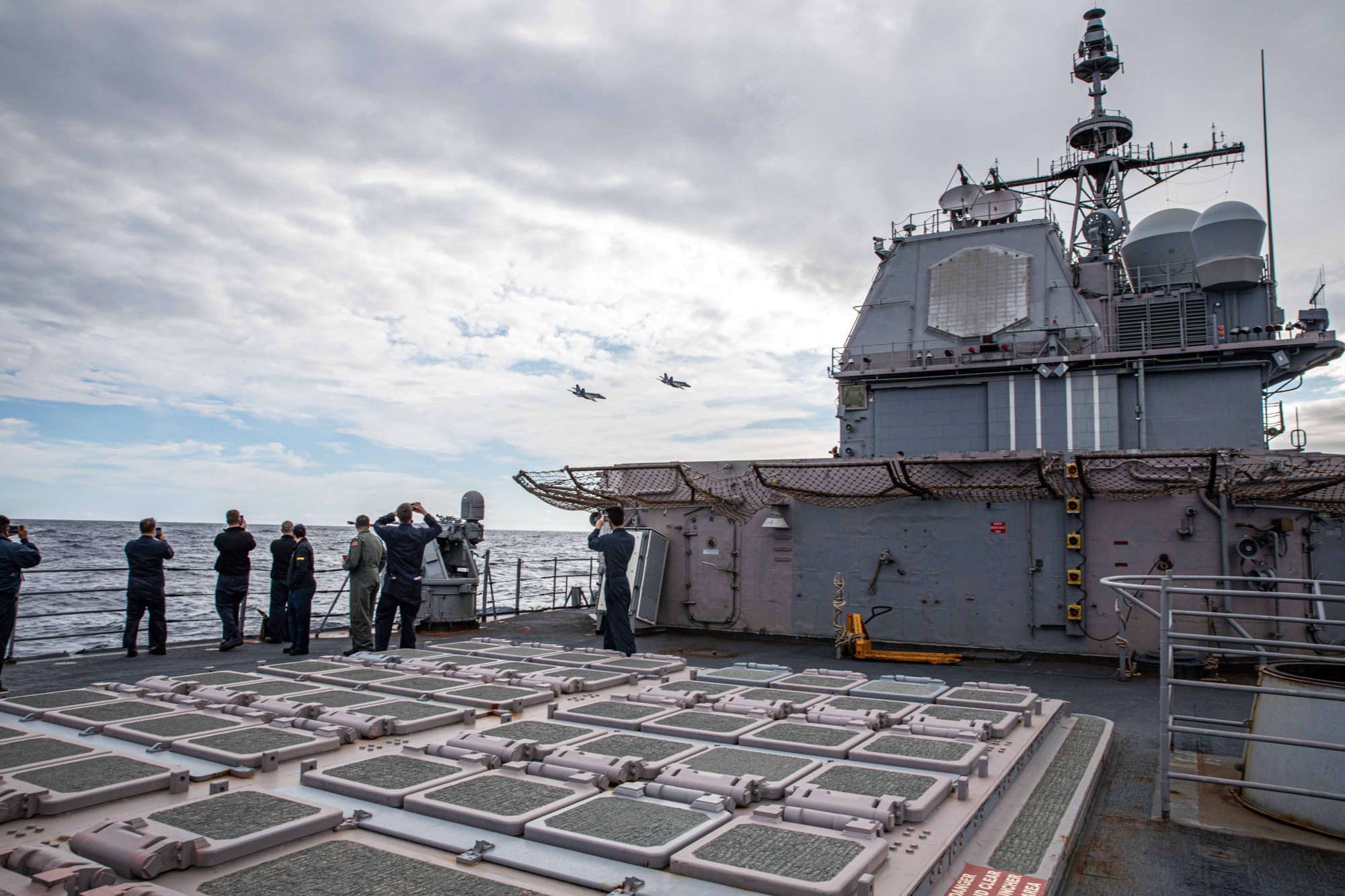 Adriatic Sea - January 2022 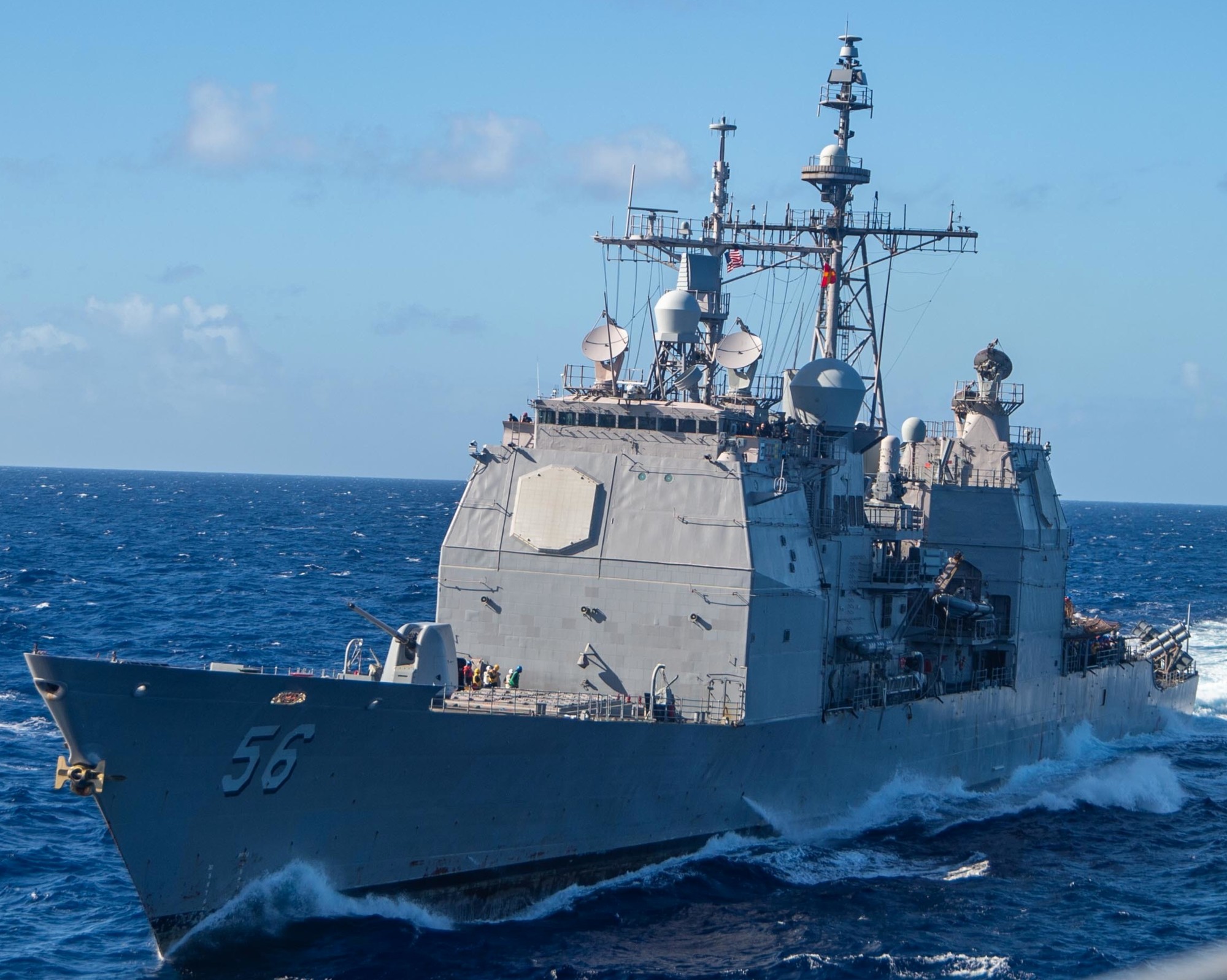 Atlantic Ocean - December 2021 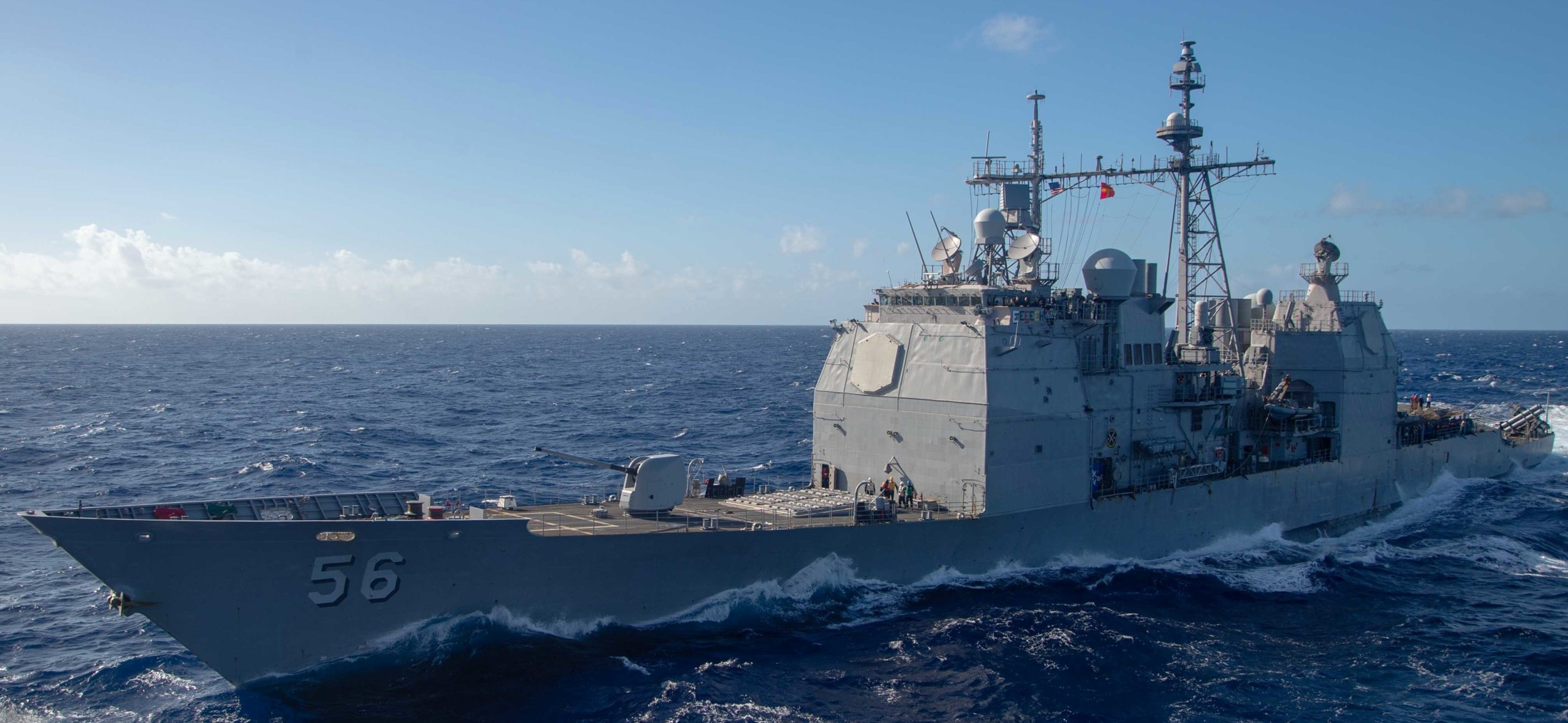 Atlantic Ocean - December 2021 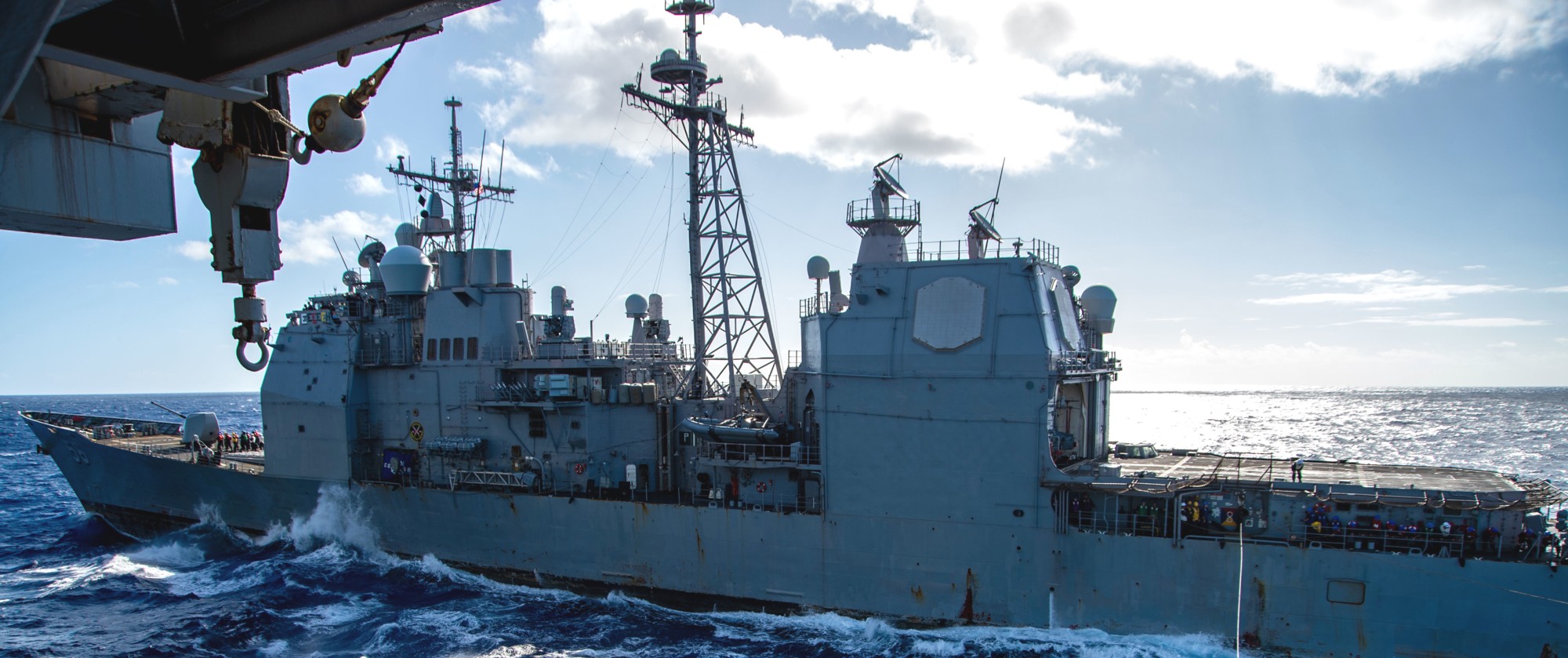 Atlantic Ocean - December 2021 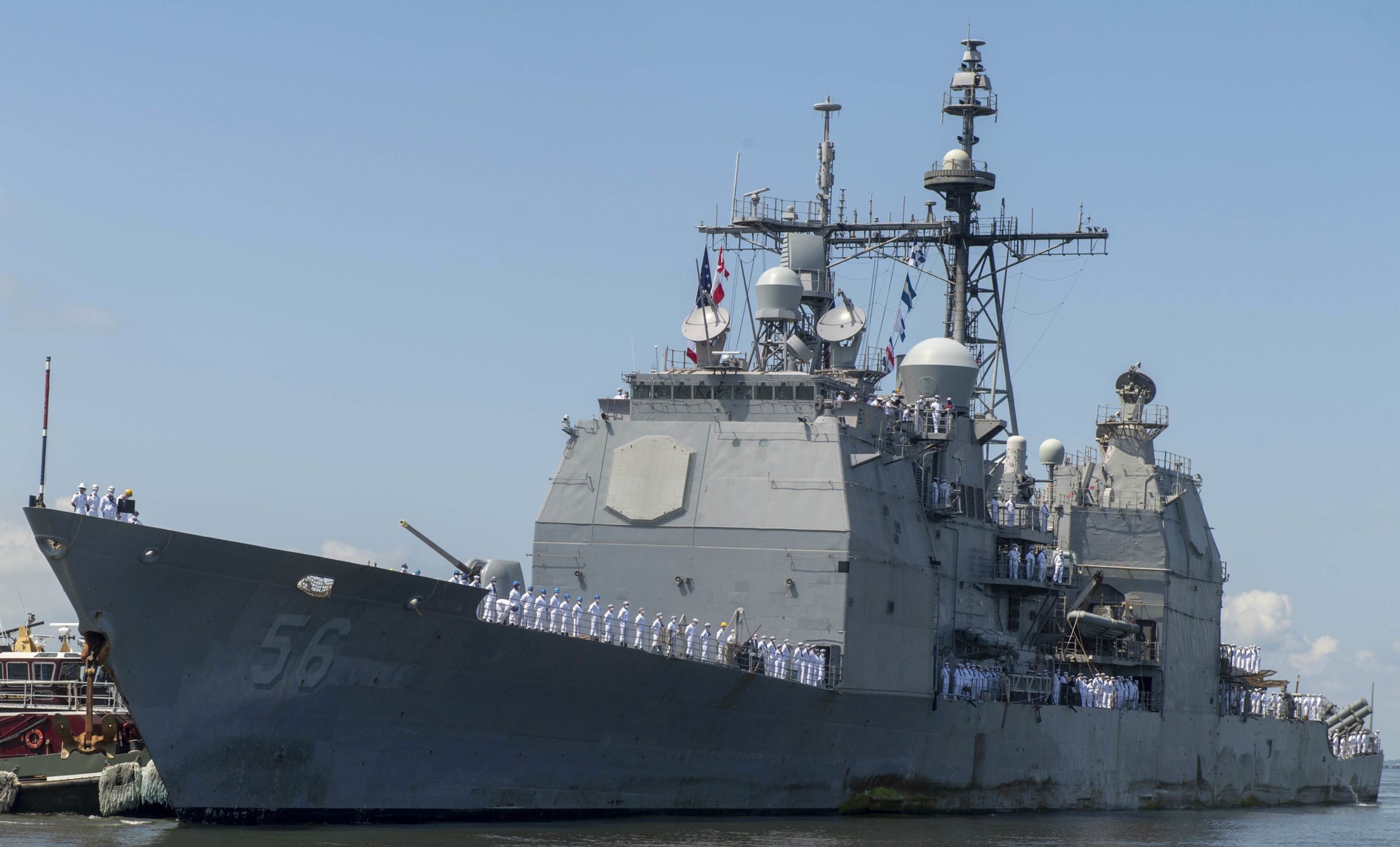 returning to Naval Station Norfolk, Virginia - August 2020  Mediterranean Sea - July 2020 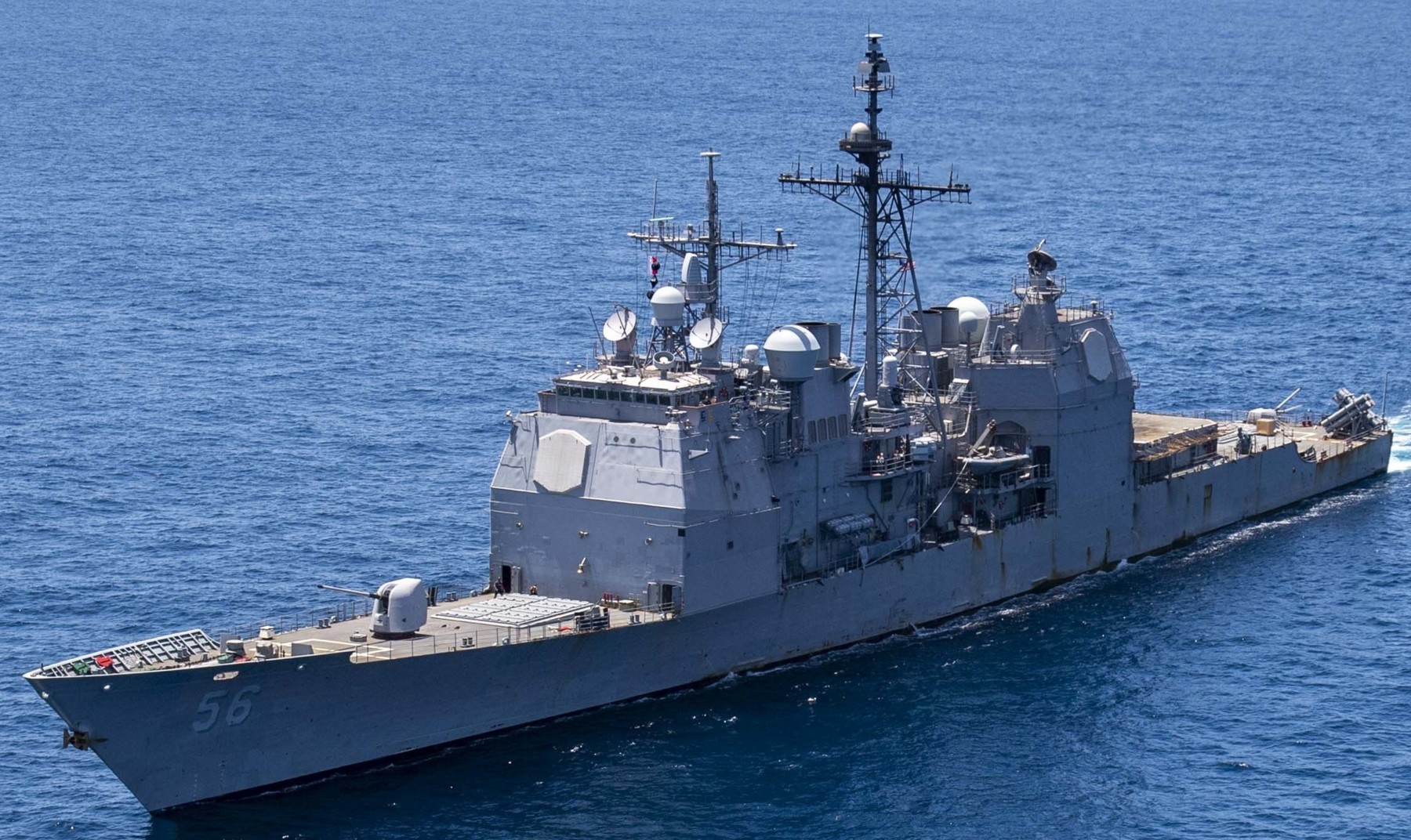 Arabian Gulf - May 2020 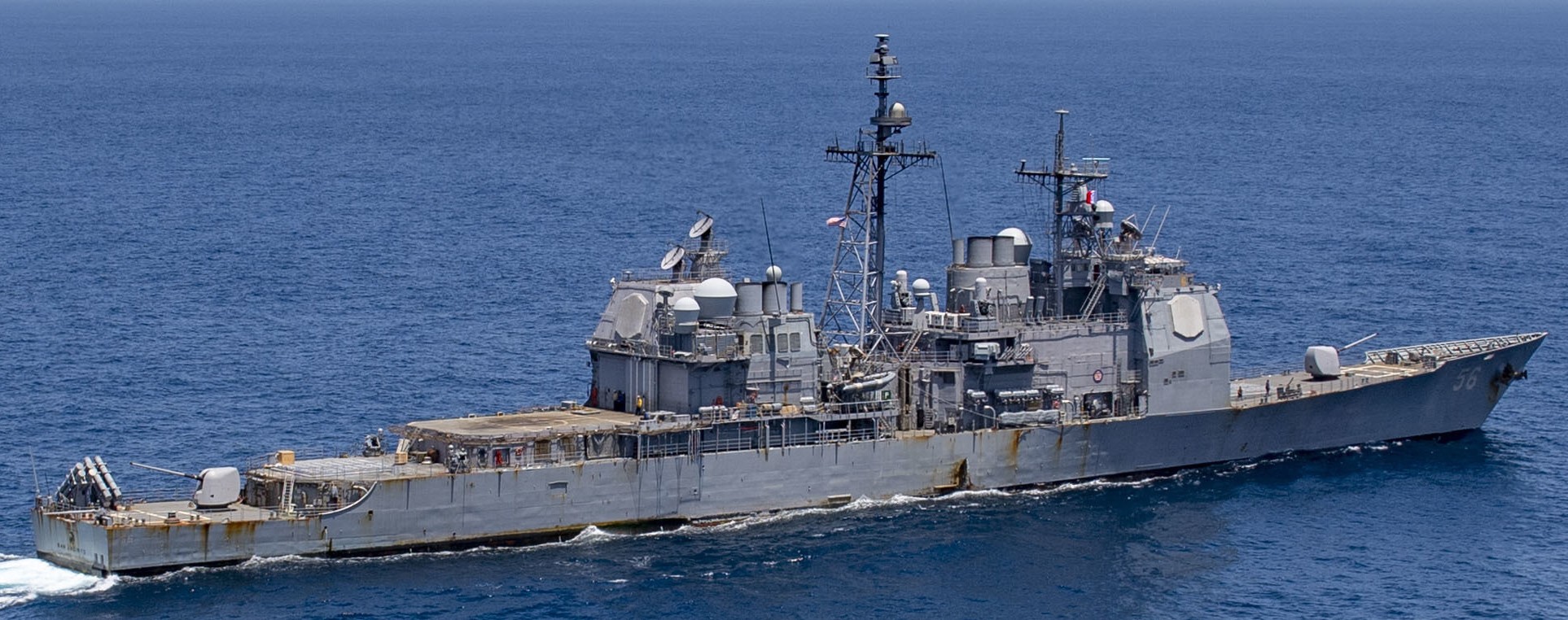 Arabian Gulf - May 2020 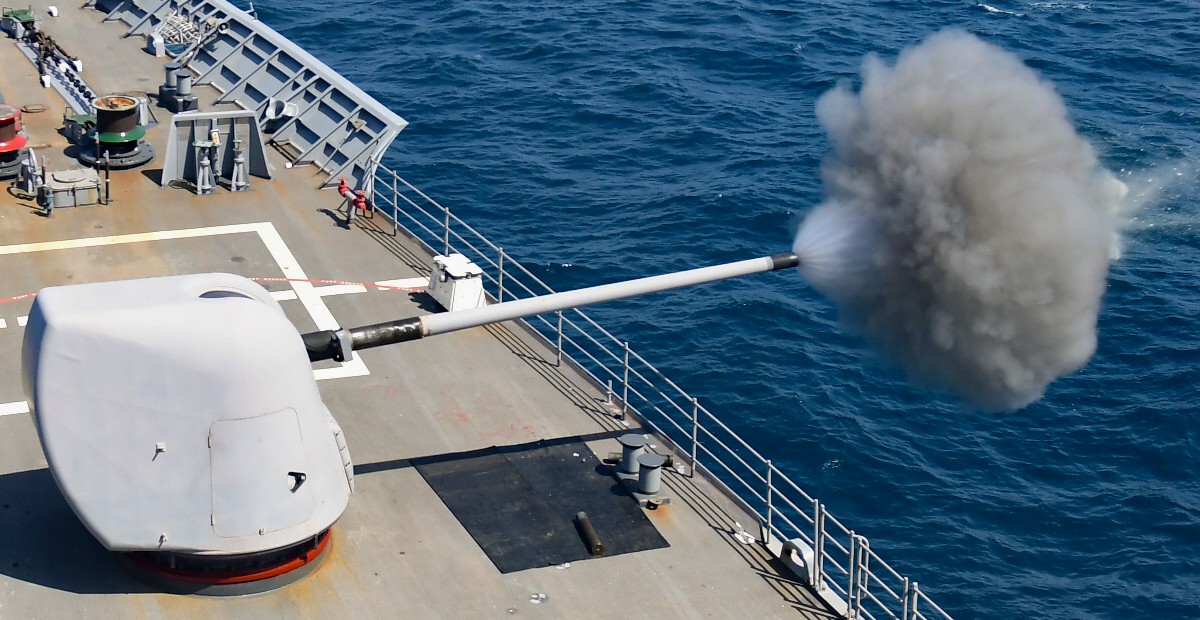 Mk.45 Mod.2 gun fire exercise - Arabian Sea - April 2020 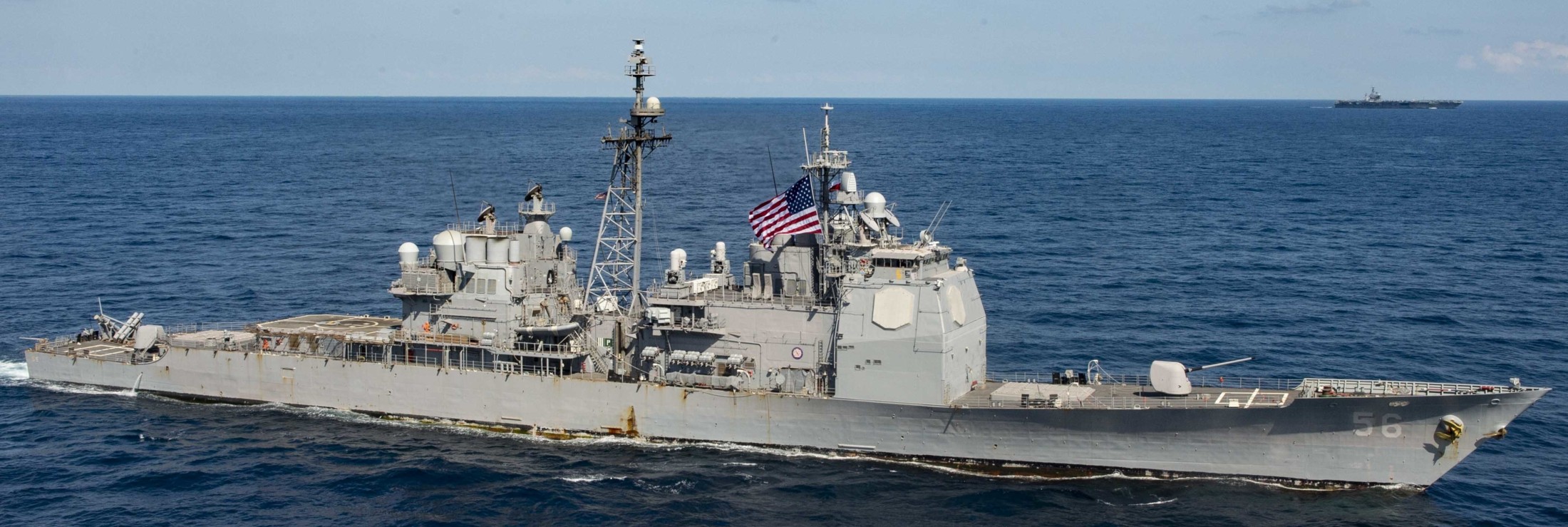 Atlantic Ocean - September 2019 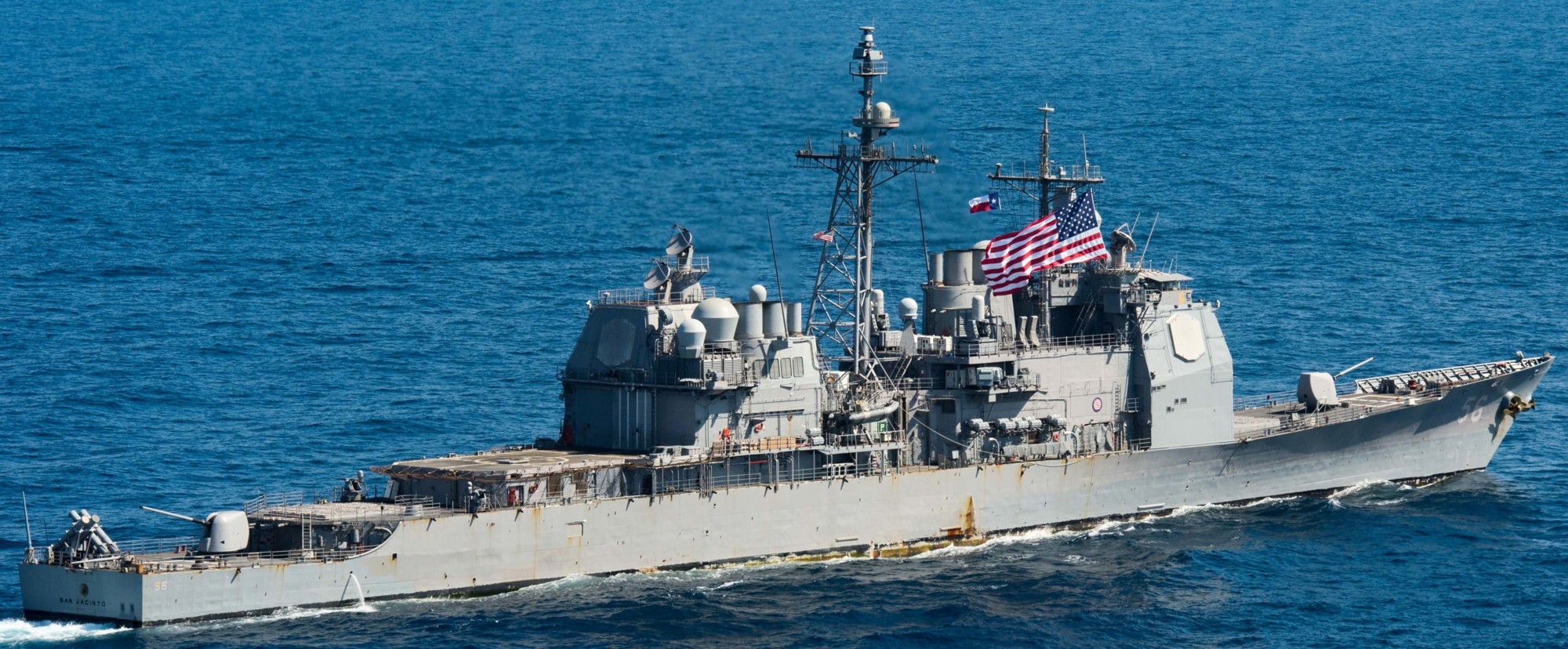 Atlantic Ocean - September 2019 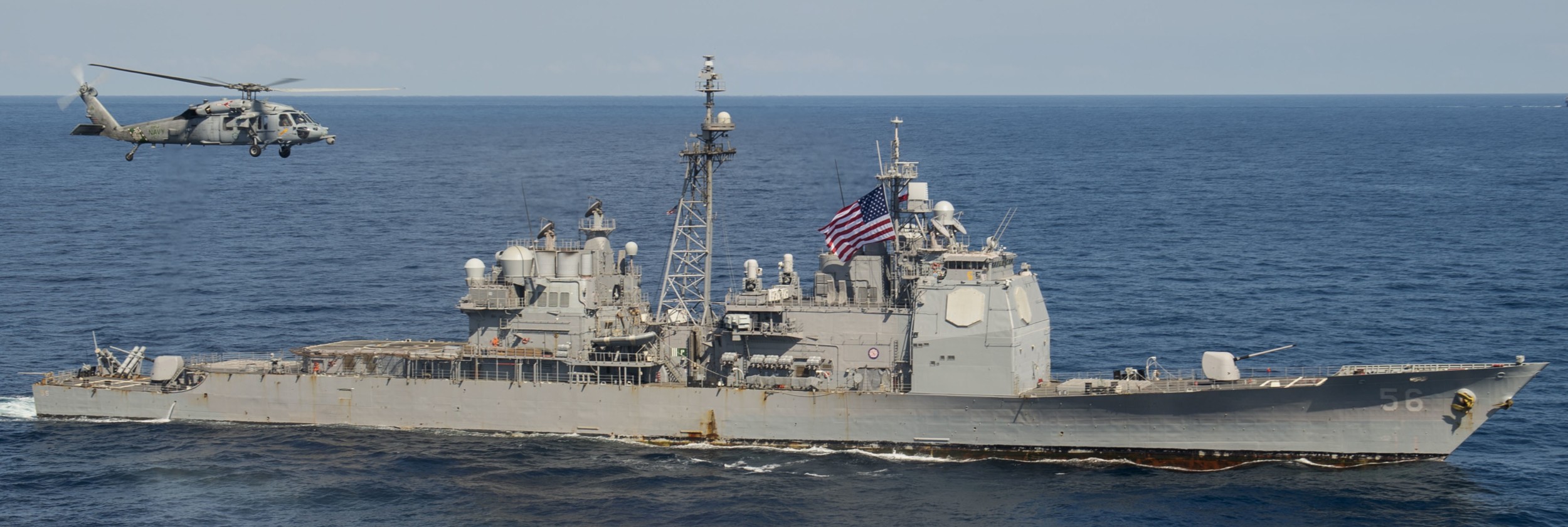 Atlantic Ocean - September 2019 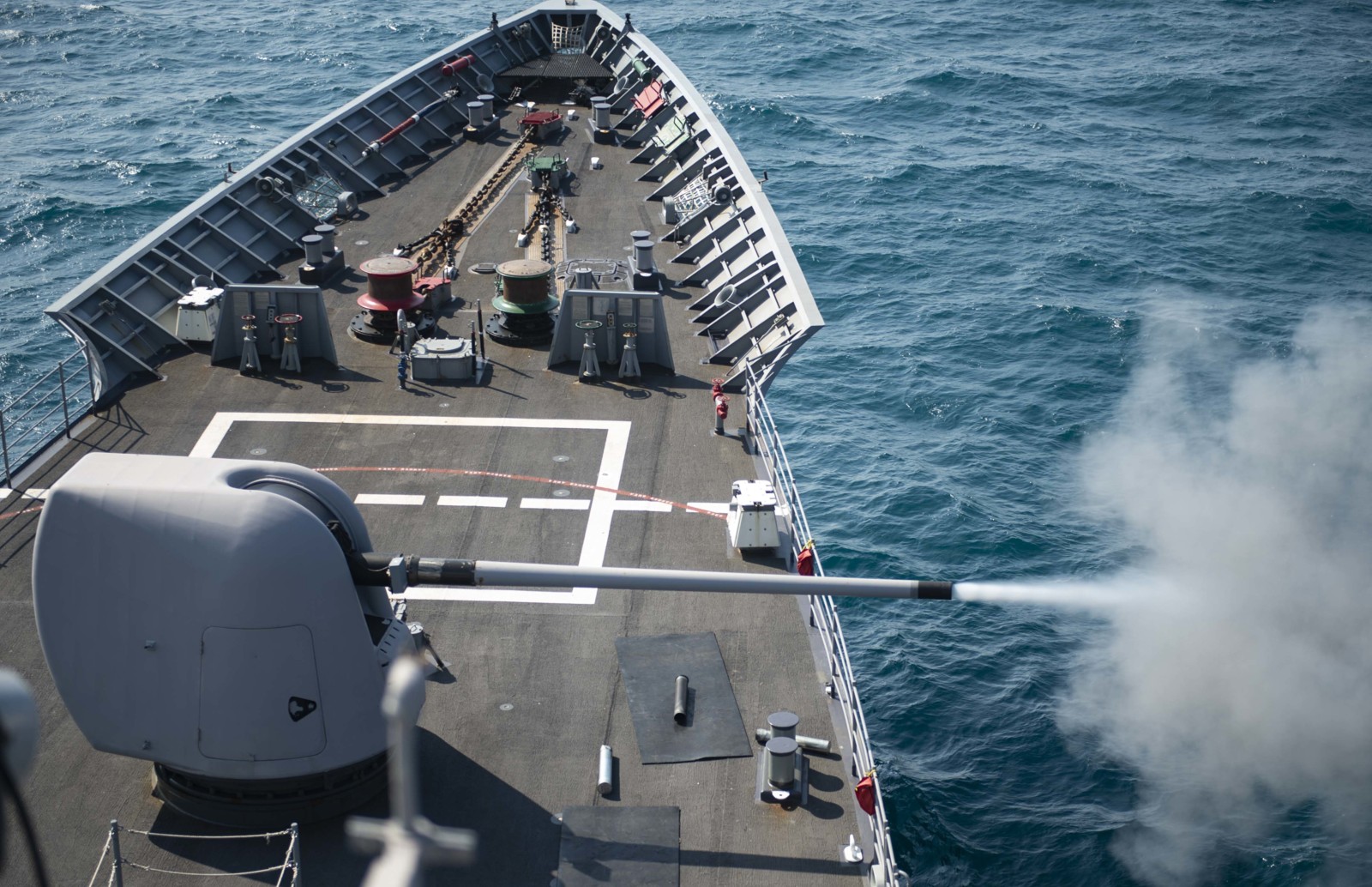 Mk.45 Mod.2 gun fire exercise - Atlantic Ocean - September 2019 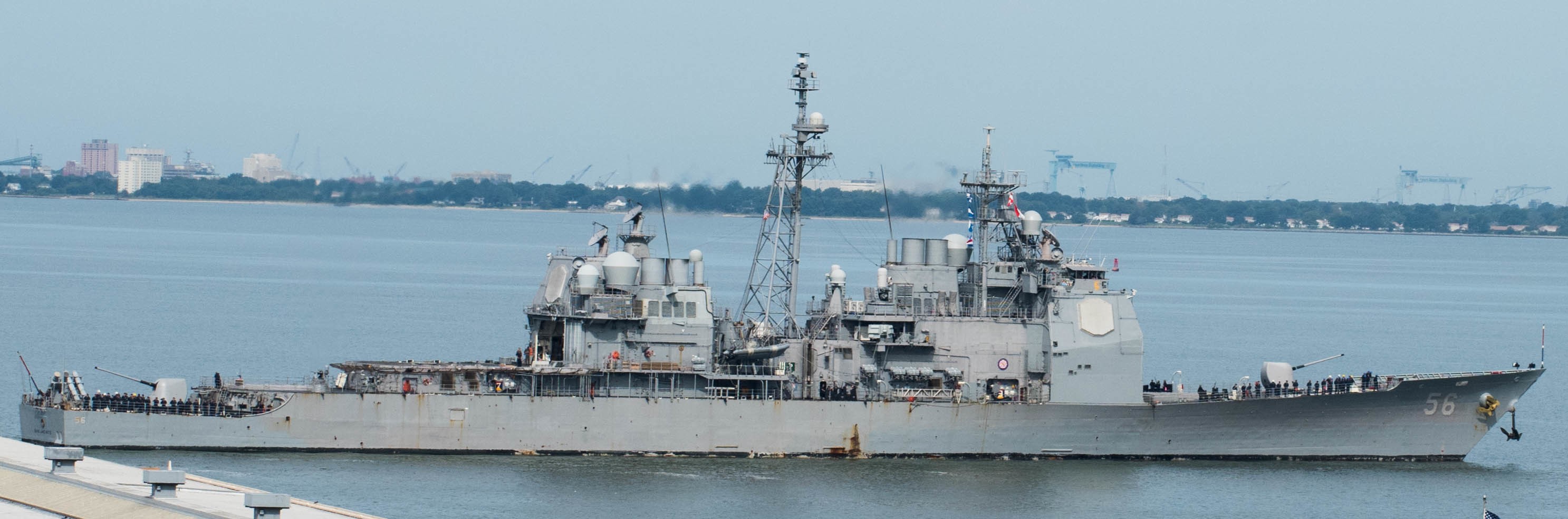 departing Naval Station Norfolk, Virginia in preparation of Hurricane Dorian - September 2019 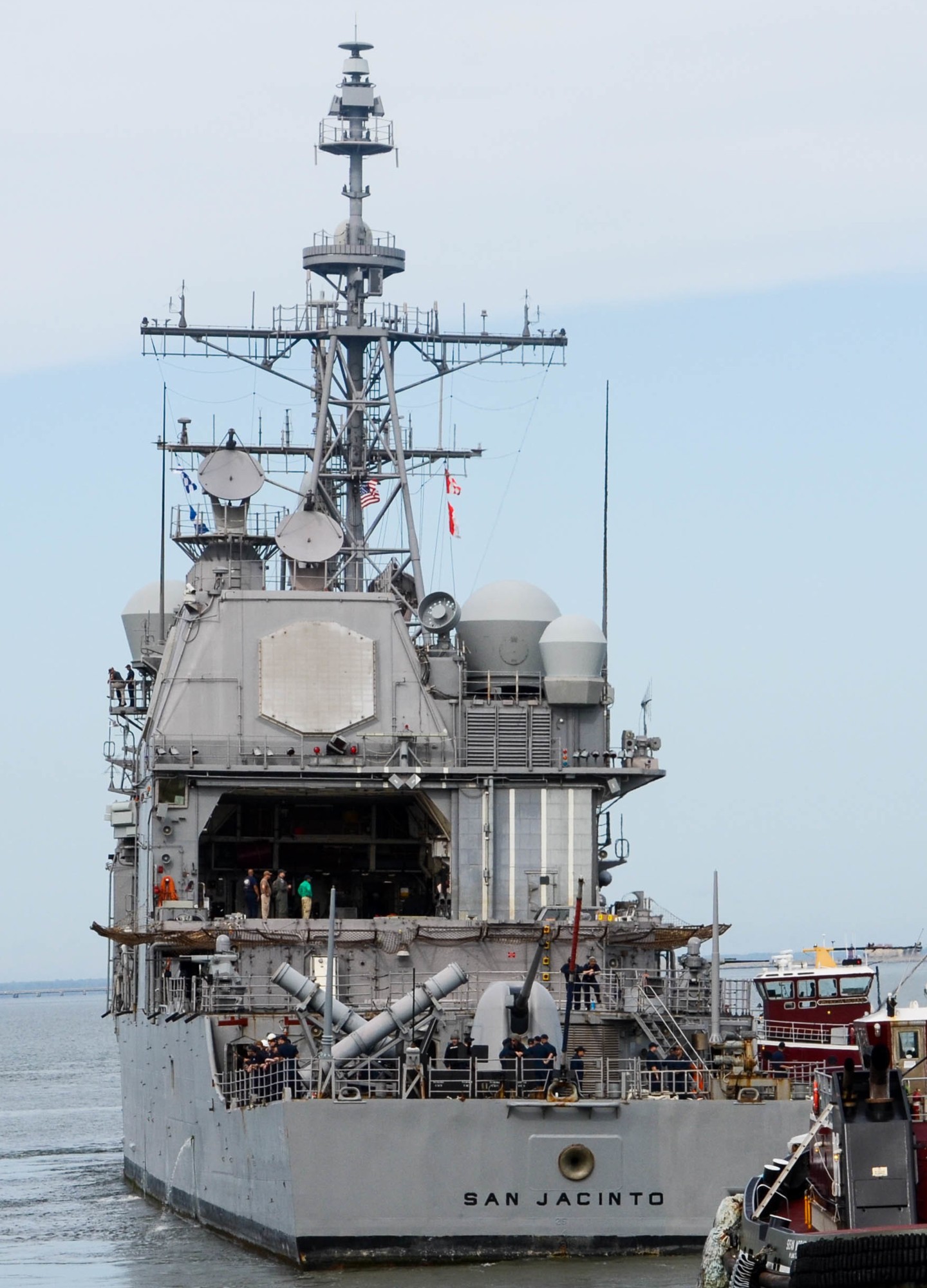 departing Naval Station Norfolk, Virginia in preparation of Hurricane Dorian - September 2019 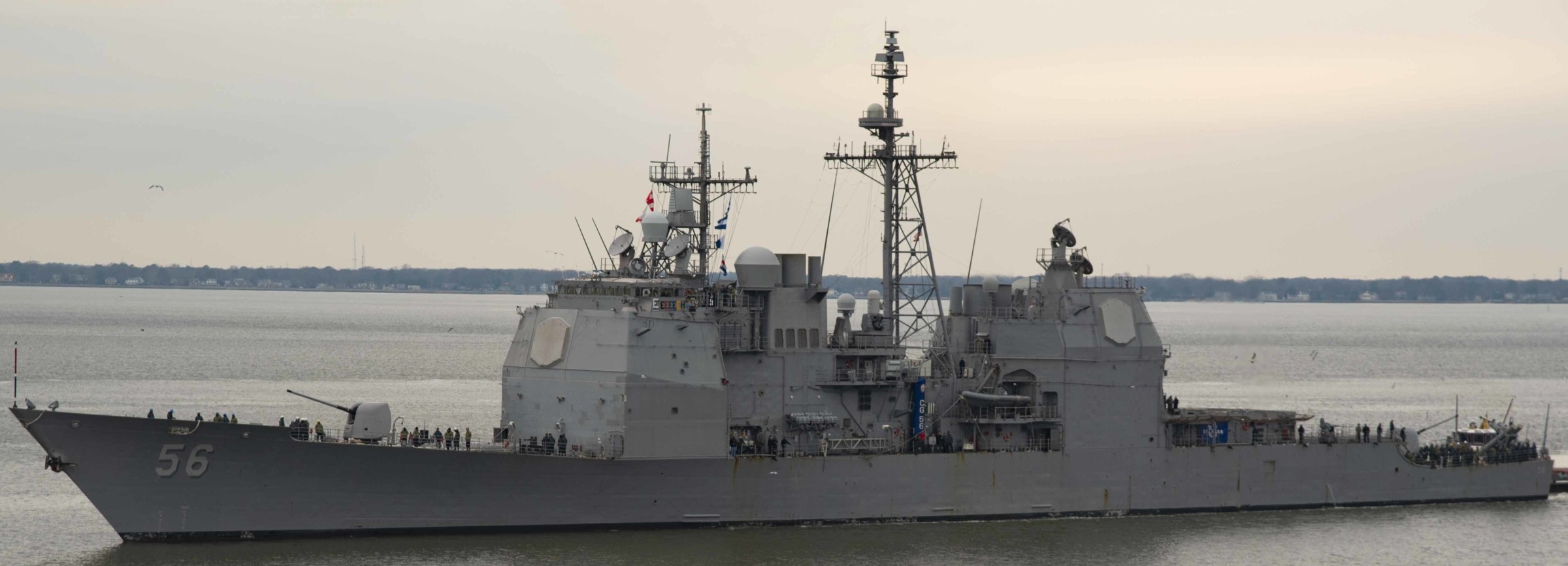 Naval Station Norfolk, Virginia - February 2019 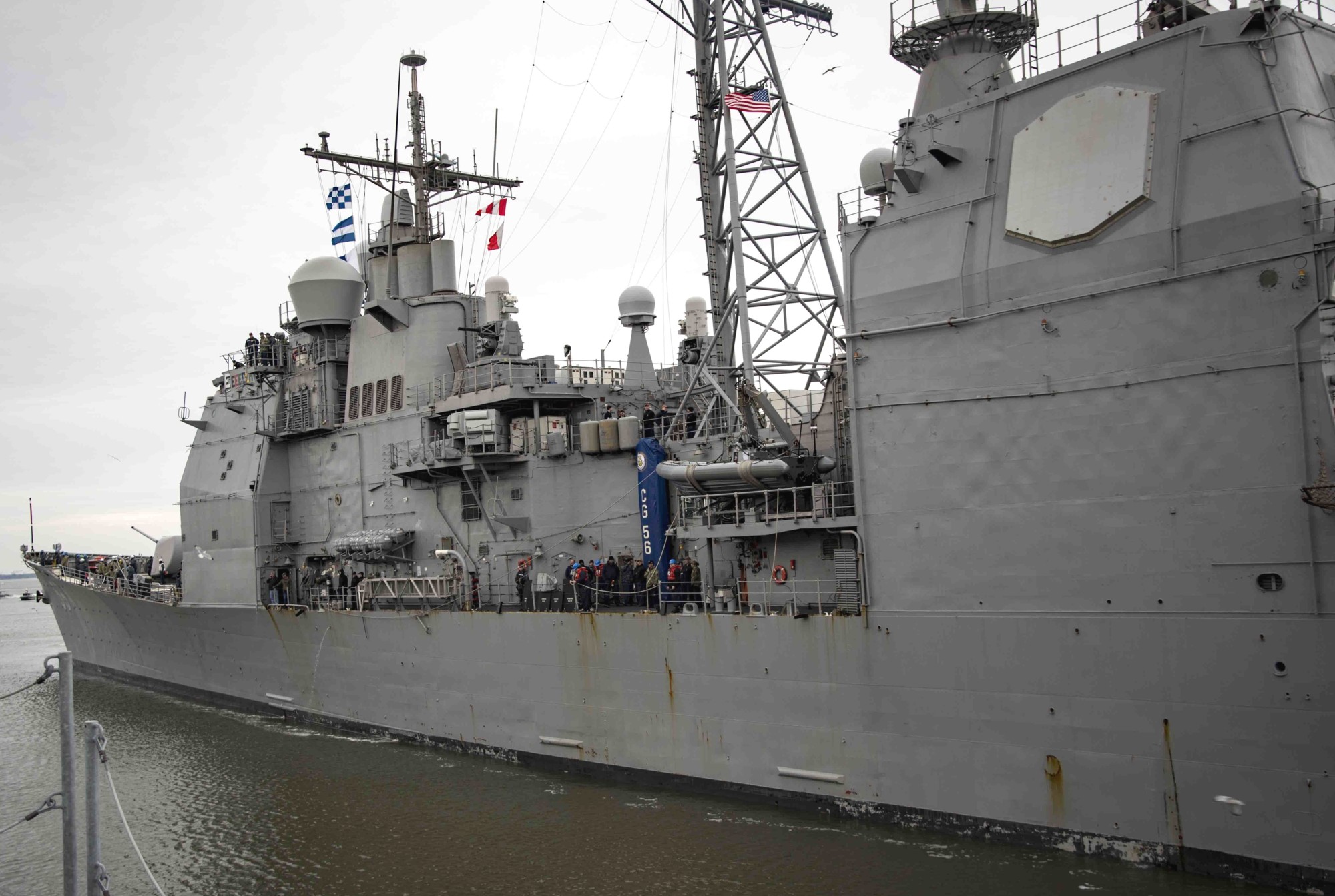 Naval Station Norfolk, Virginia - February 2019 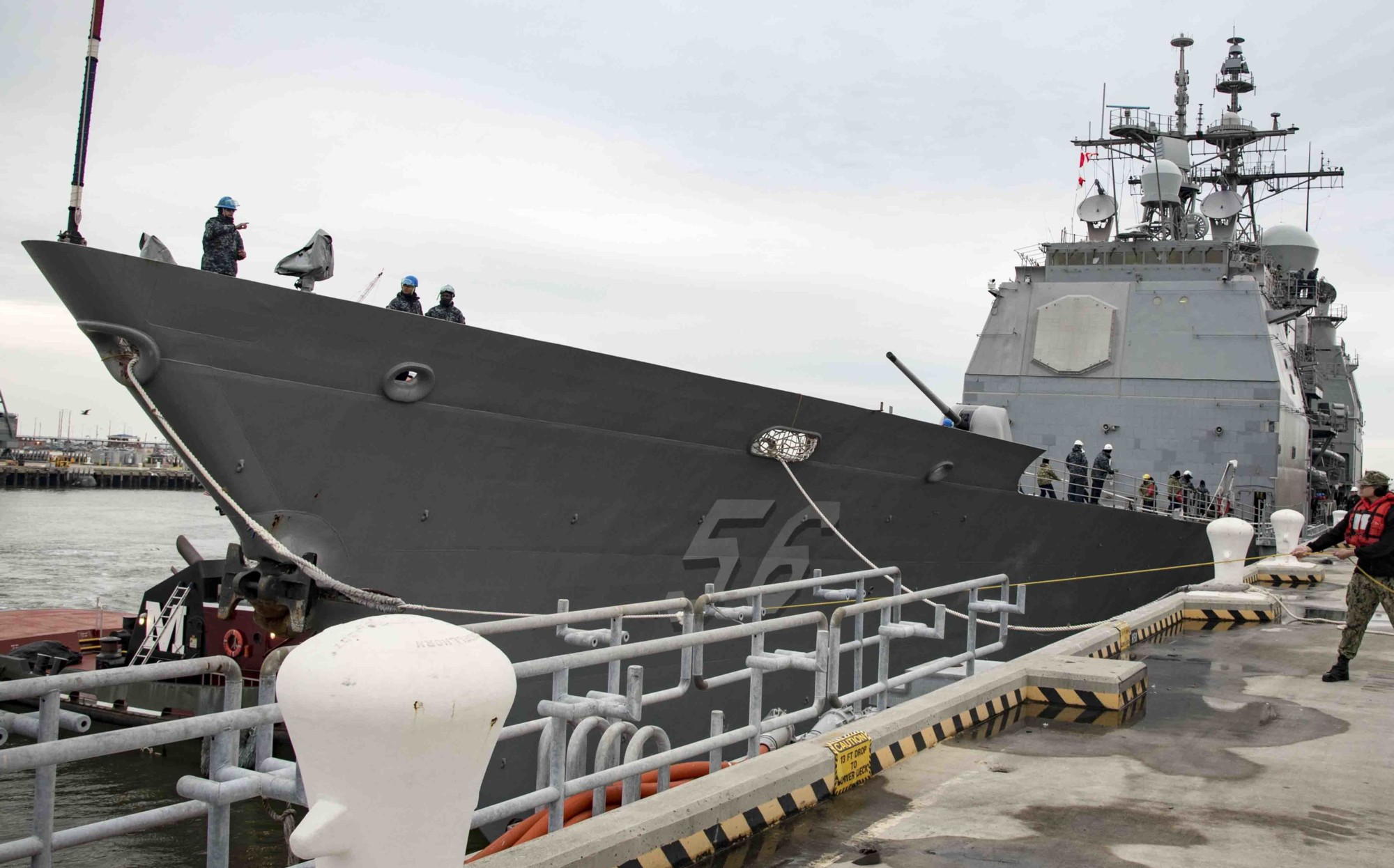 Naval Station Norfolk, Virginia - February 2019 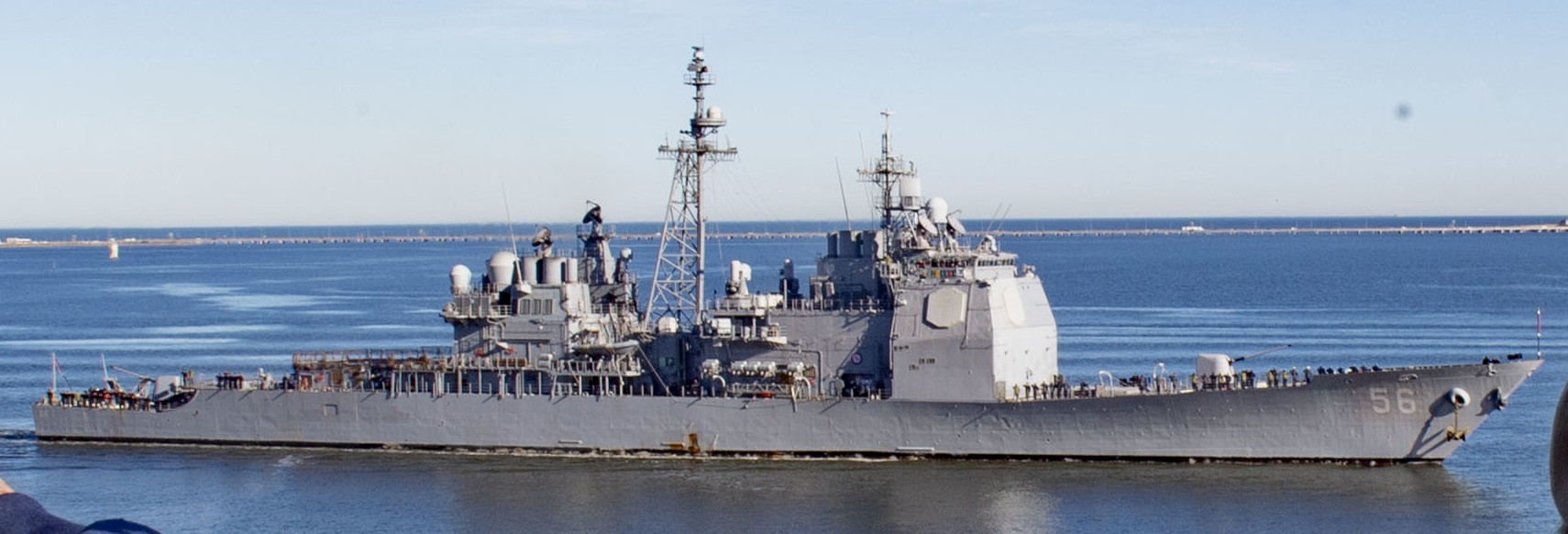 Naval Station Norfolk, Virginia - December 2018 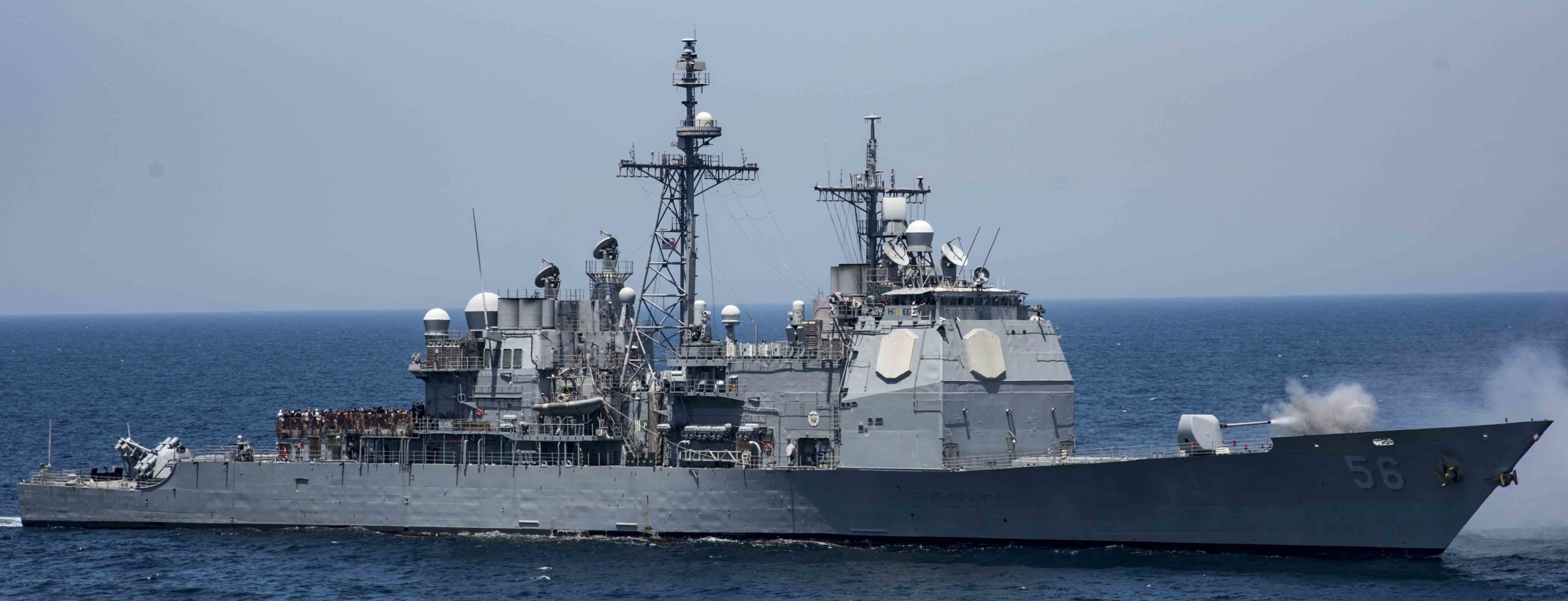 Atlantic Ocean - July 2017 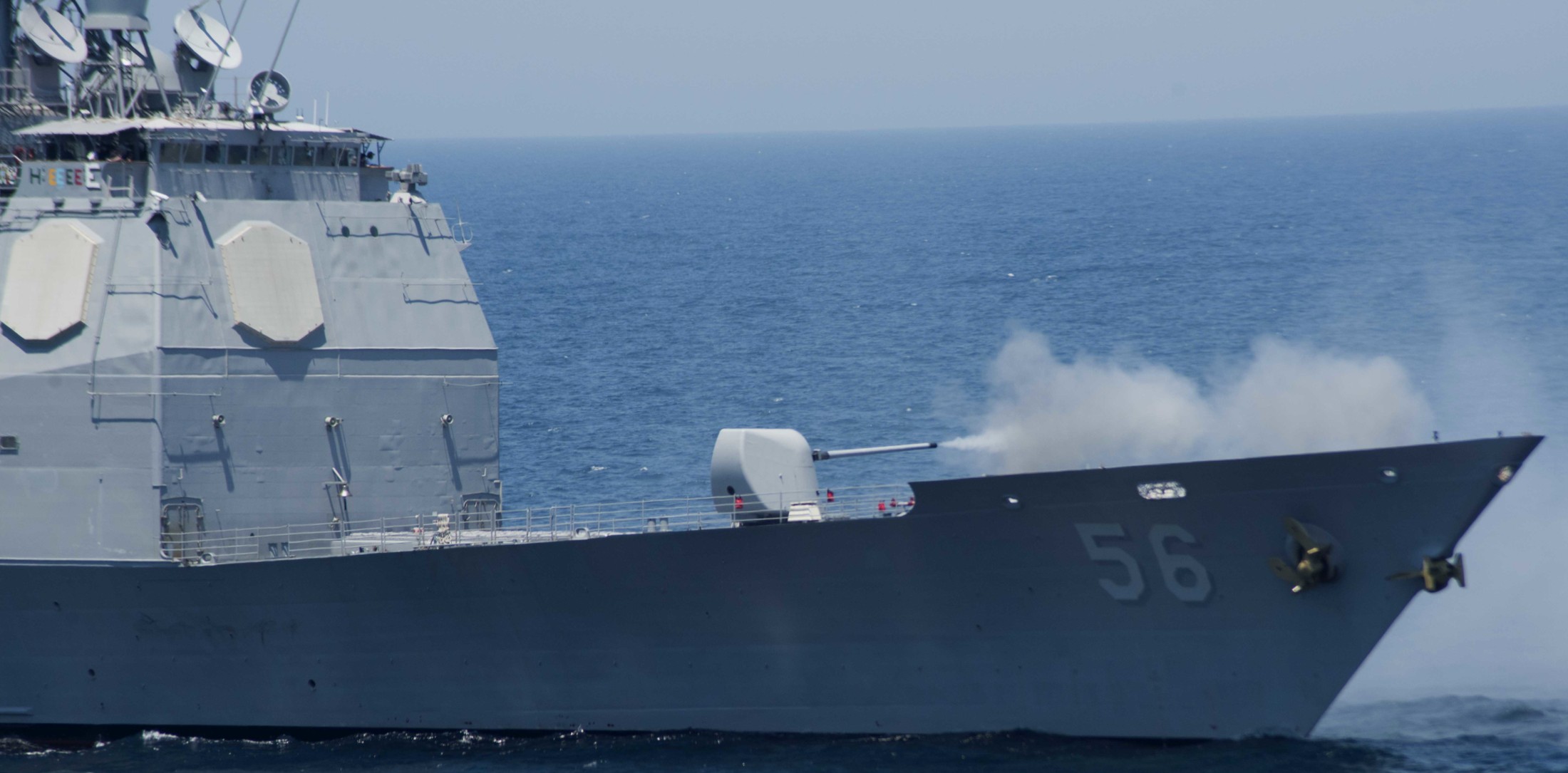 Mk.45 Mod.2 gun fire exercise - Atlantic Ocean - July 2017 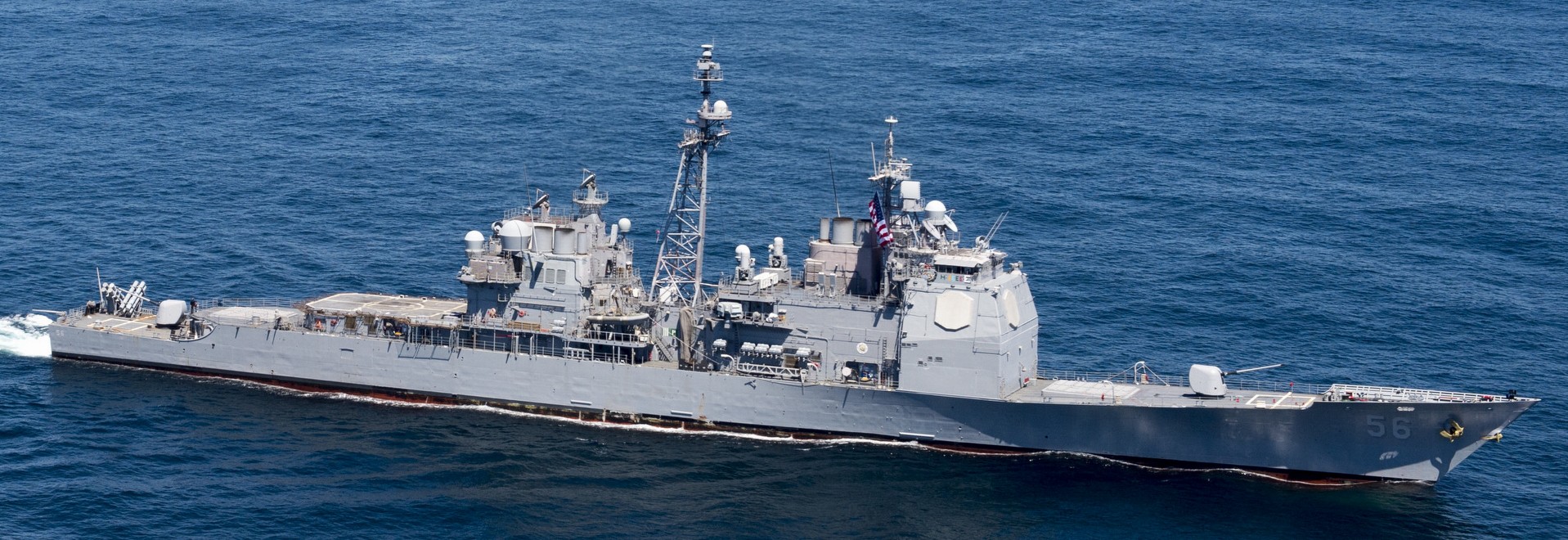 Atlantic Ocean - June 2017 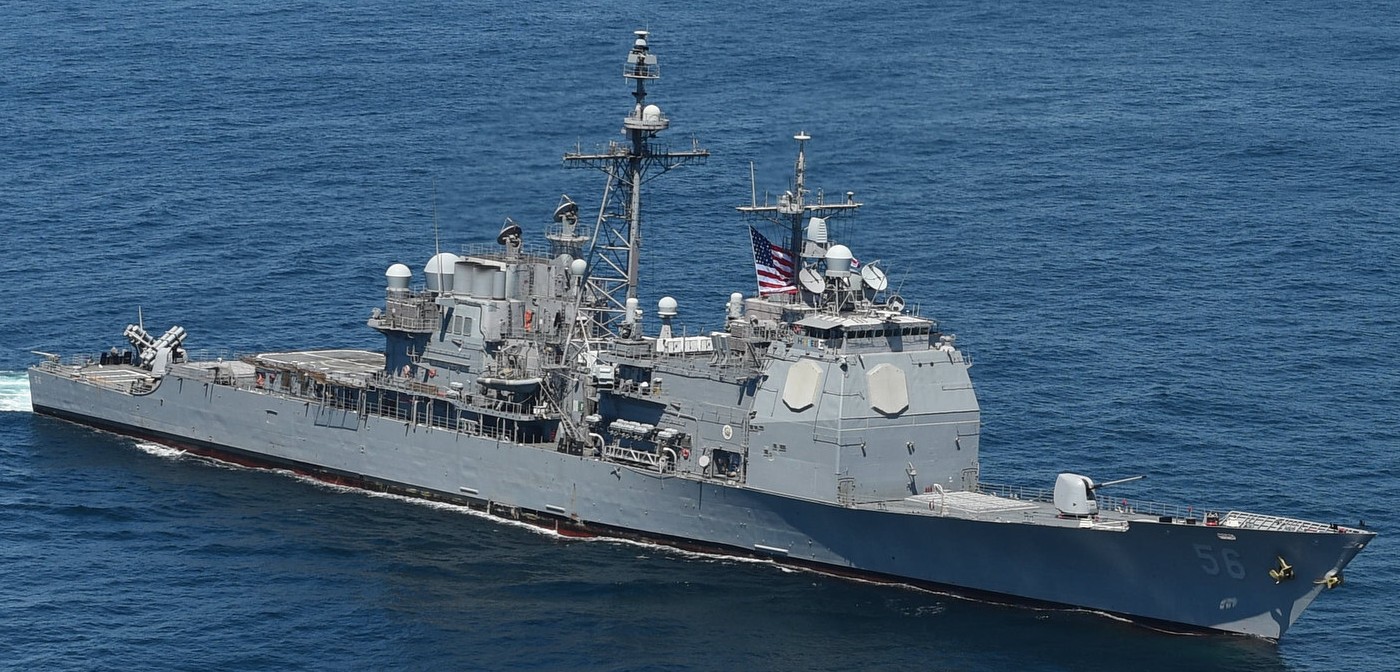 Atlantic Ocean - June 2017 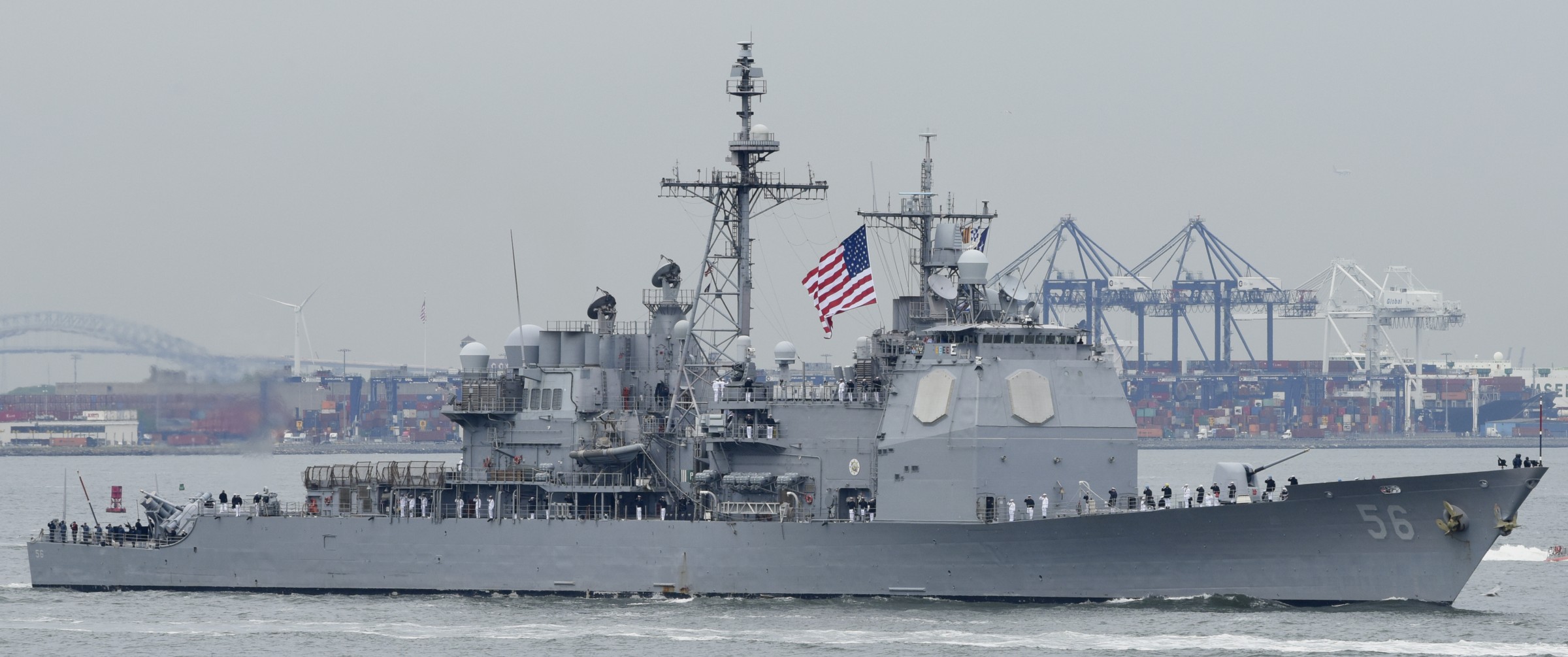 Fleet Week New York - May 2017 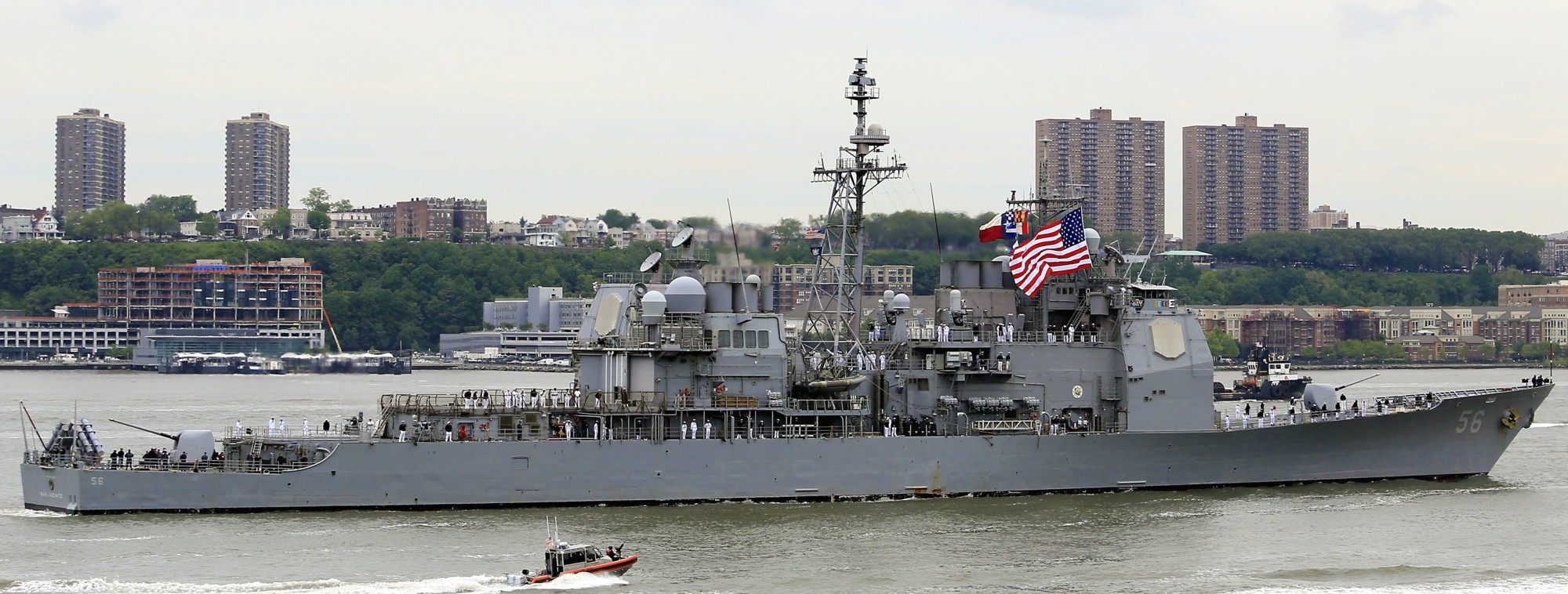 Fleet Week New York - May 2017 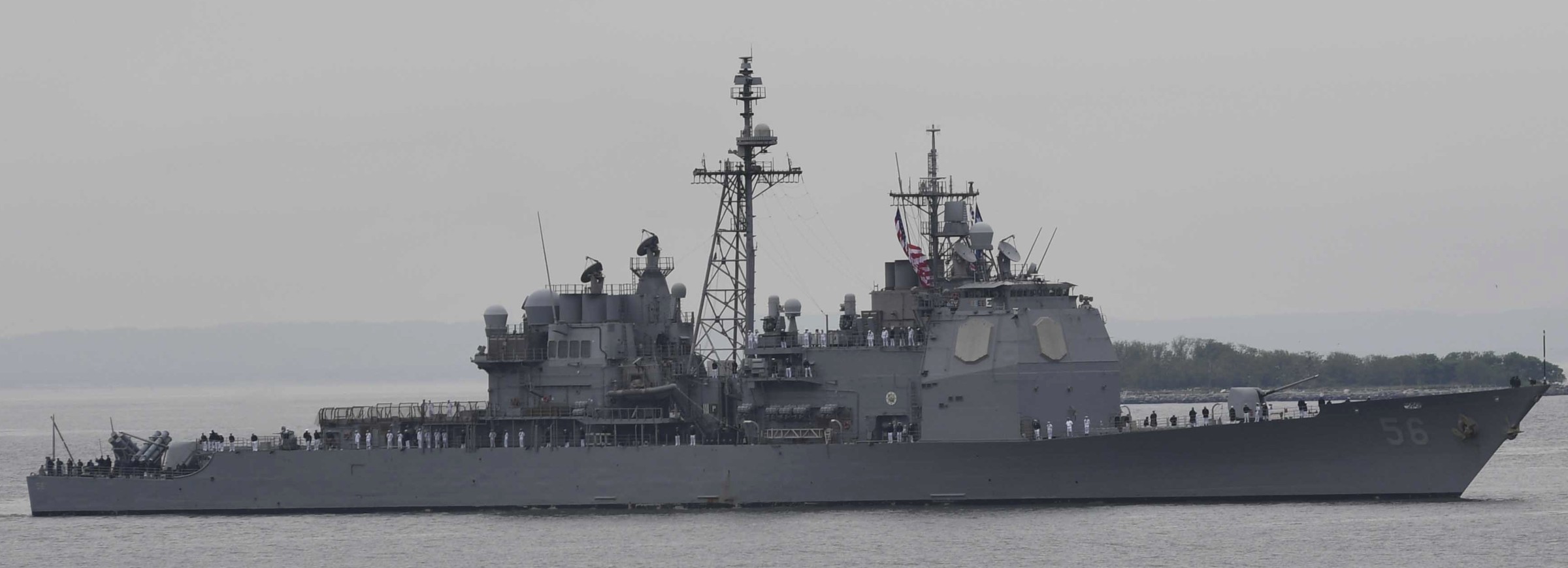 Fleet Week New York - May 2017 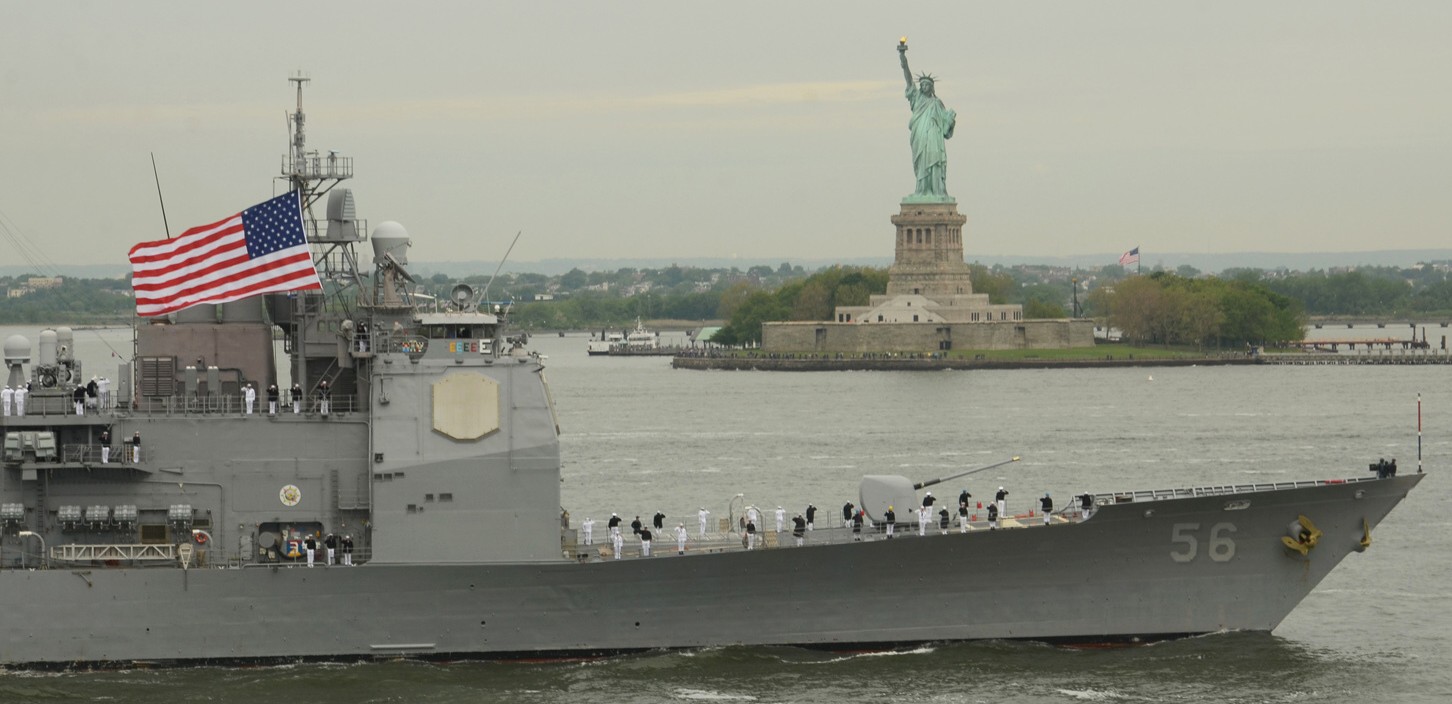 Fleet Week New York - May 2017 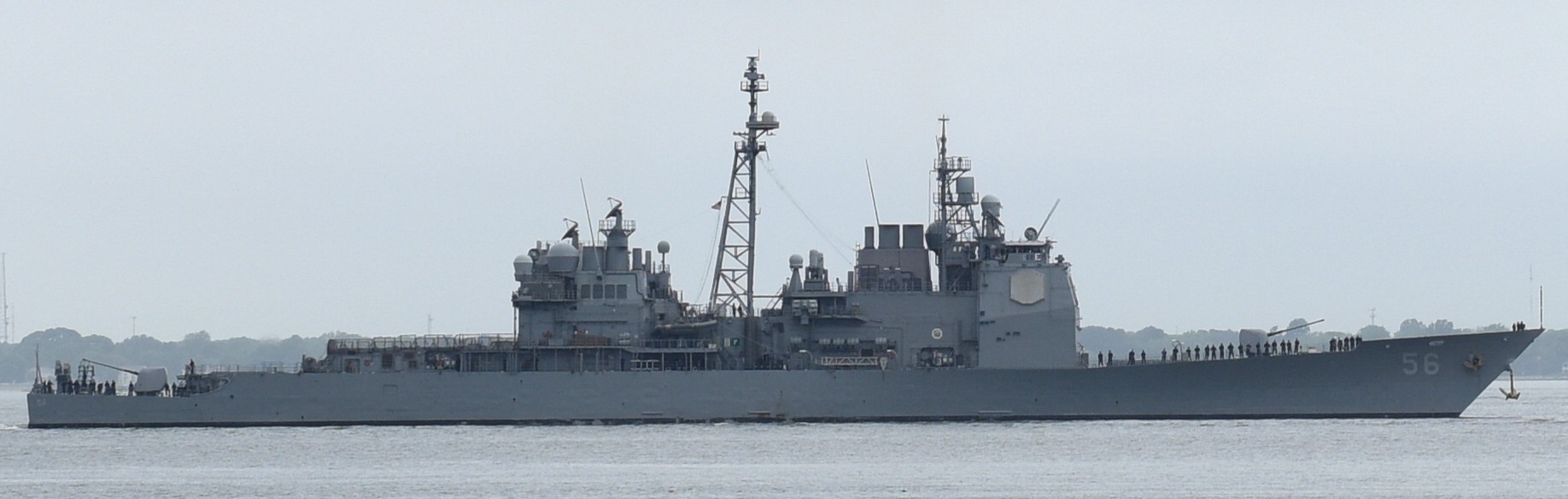 departing Naval Station Norfolk, Virginia - May 2017 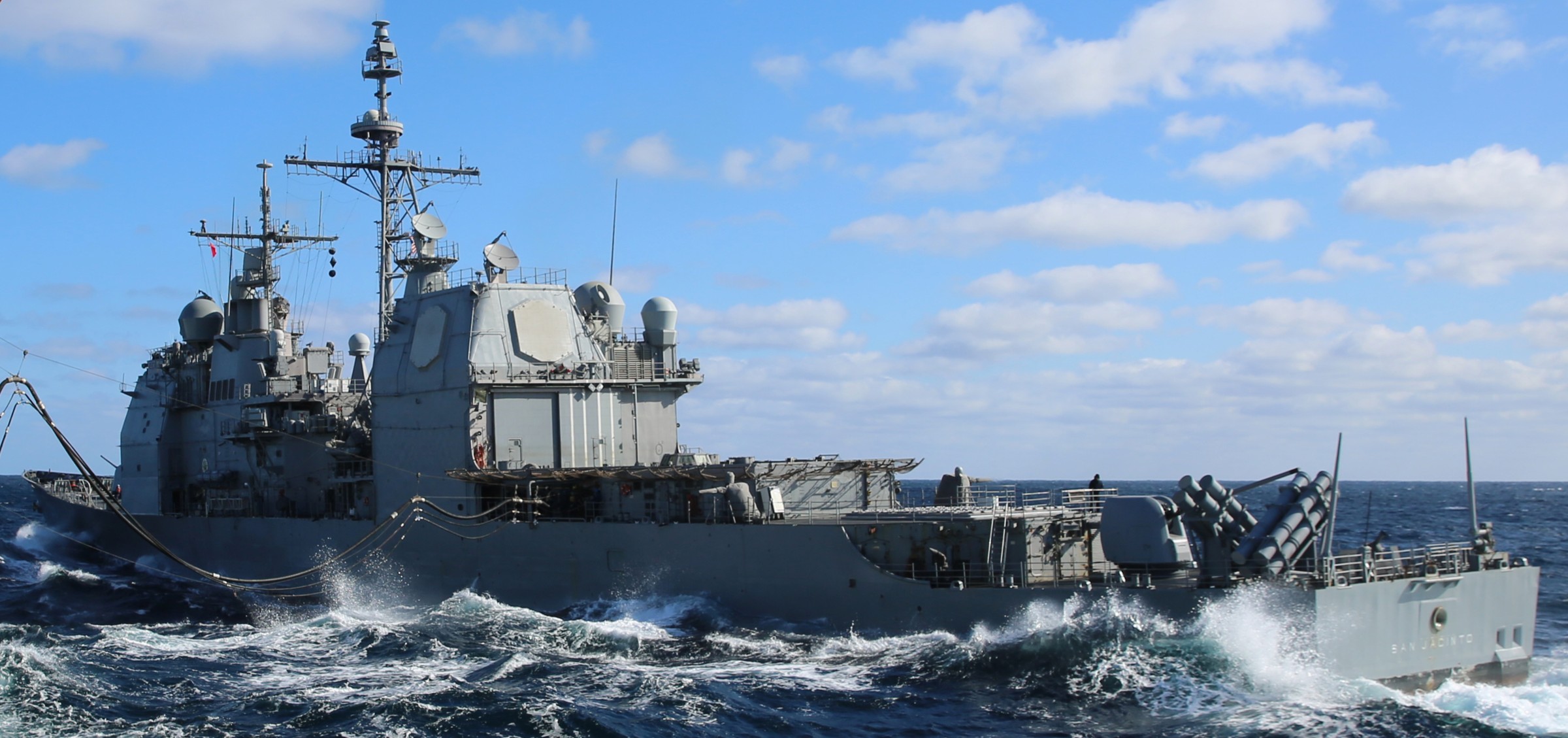 Atlantic Ocean - March 2017 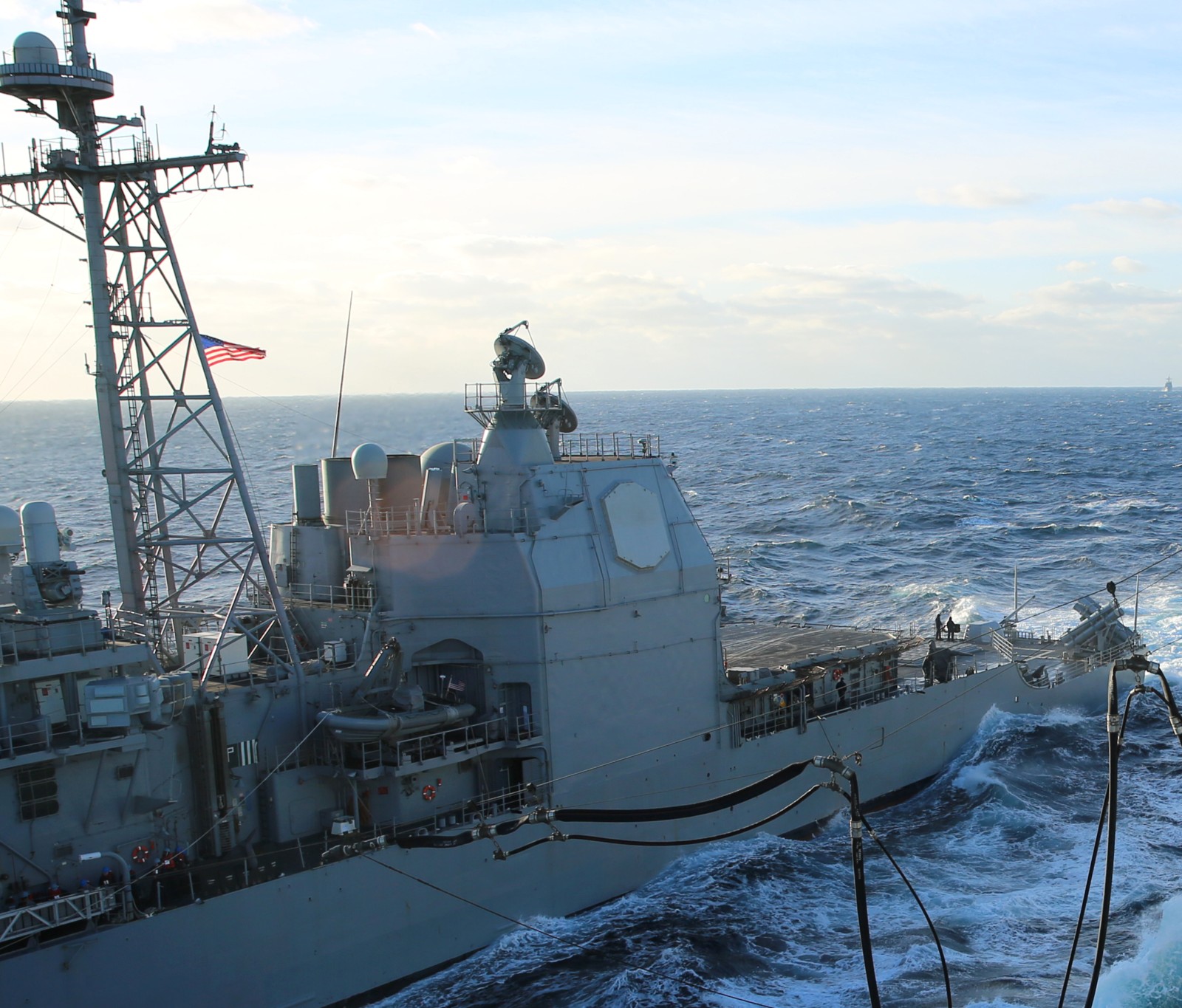 Atlantic Ocean - March 2017 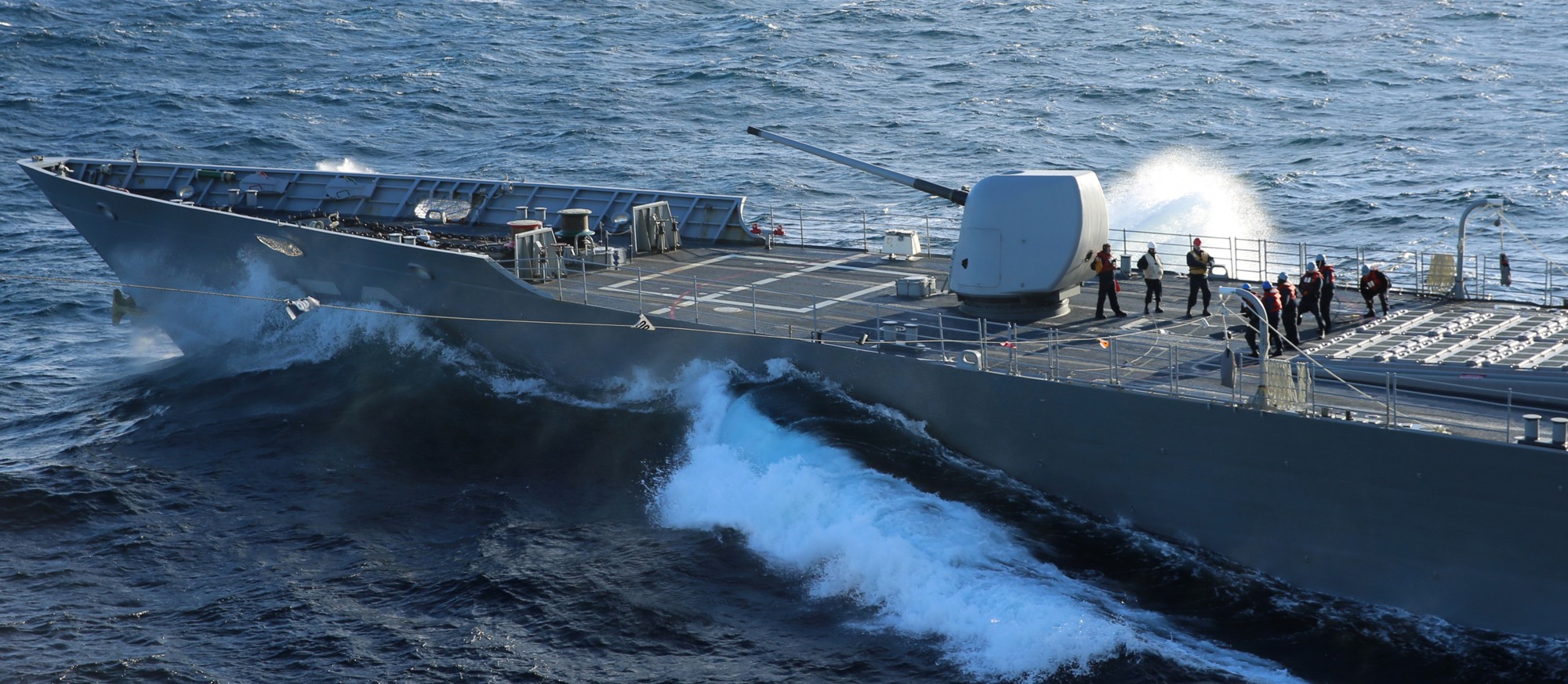 Atlantic Ocean - March 2017 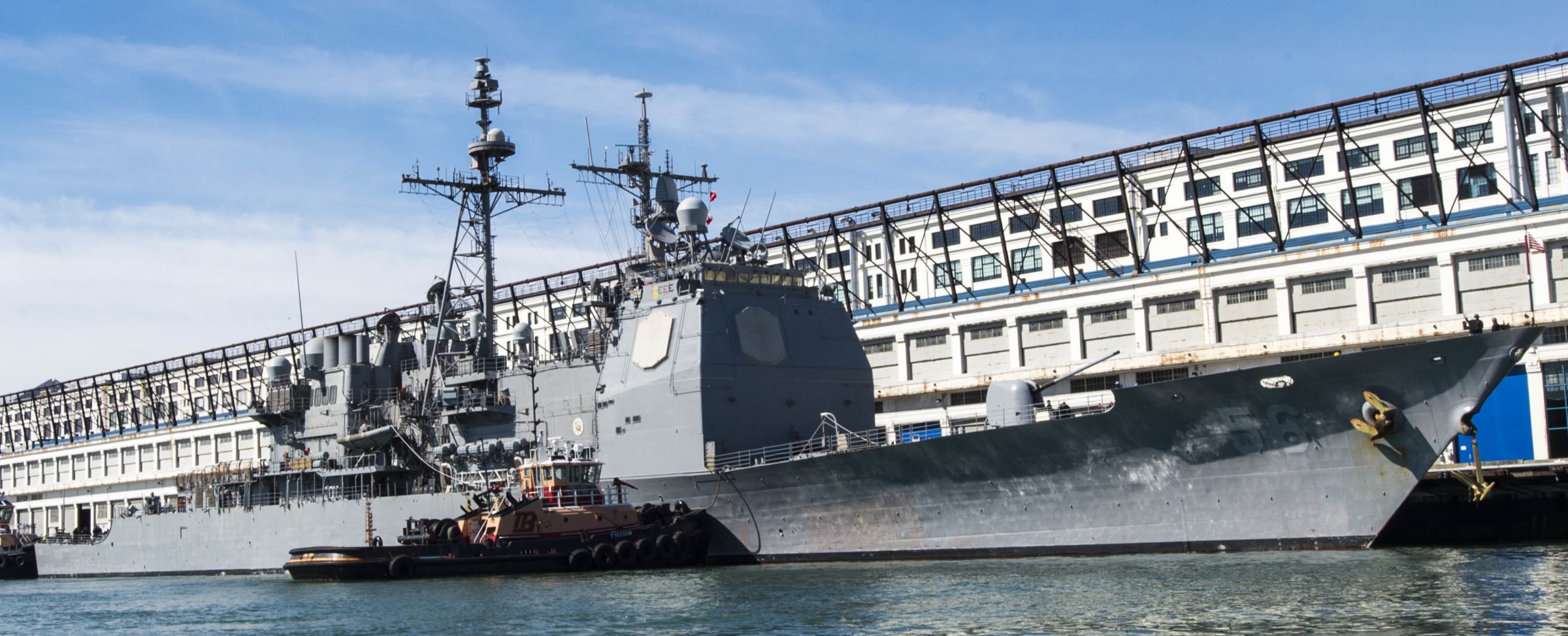 Boston, Massachusetts - March 2017 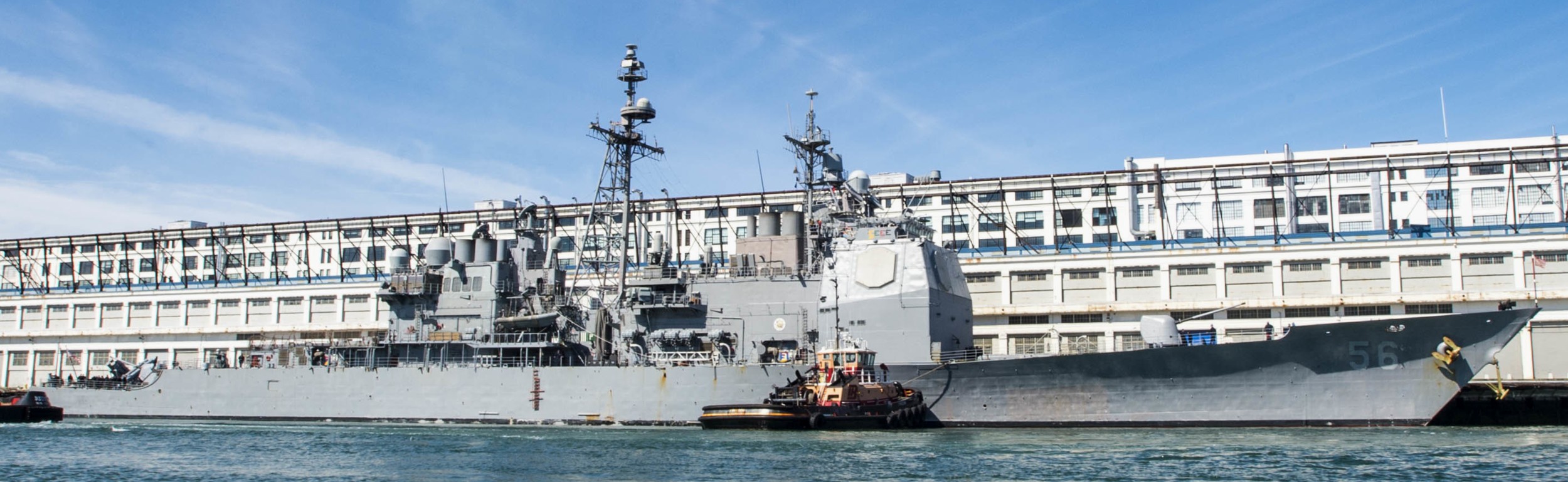 Boston, Massachusetts - March 2017 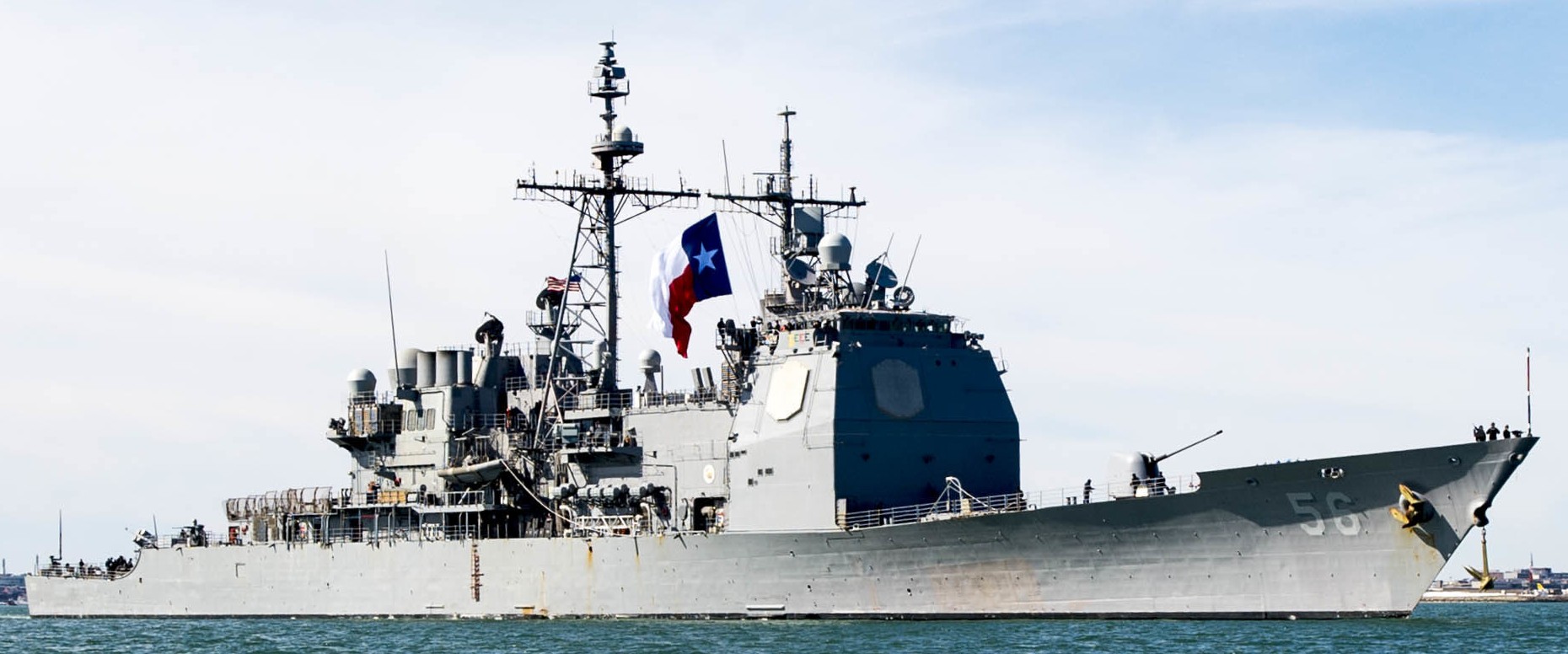 Boston, Massachusetts - March 2017 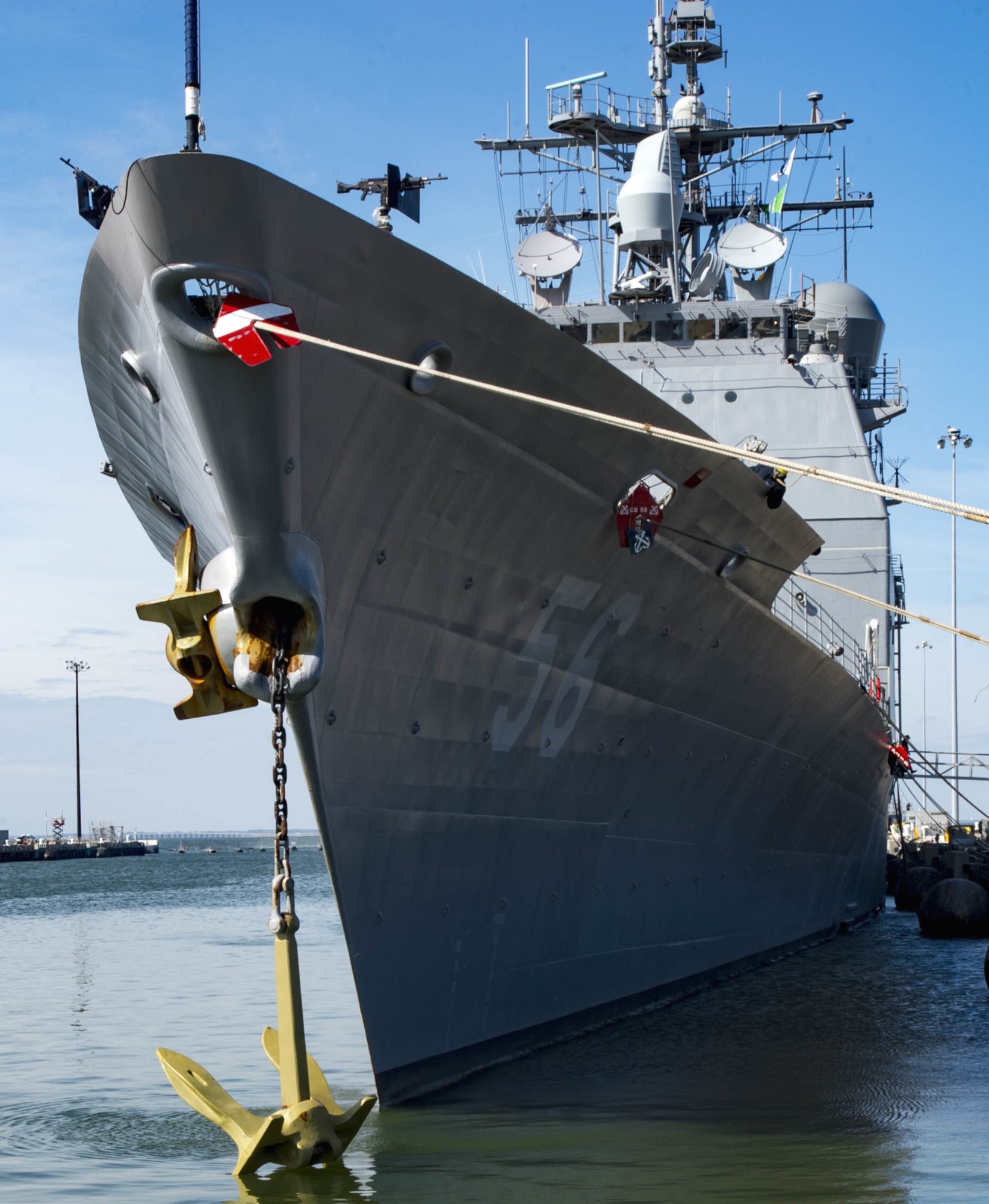 Naval Station Norfolk, Virginia - March 2017 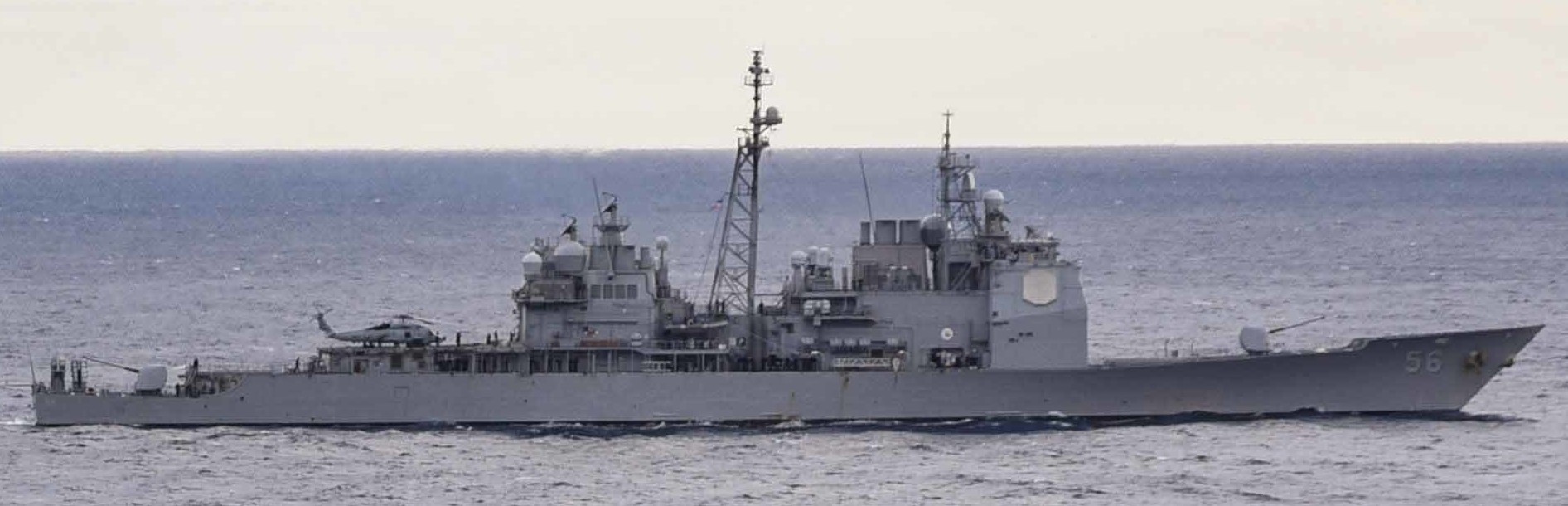 Atlantic Ocean - December 2016 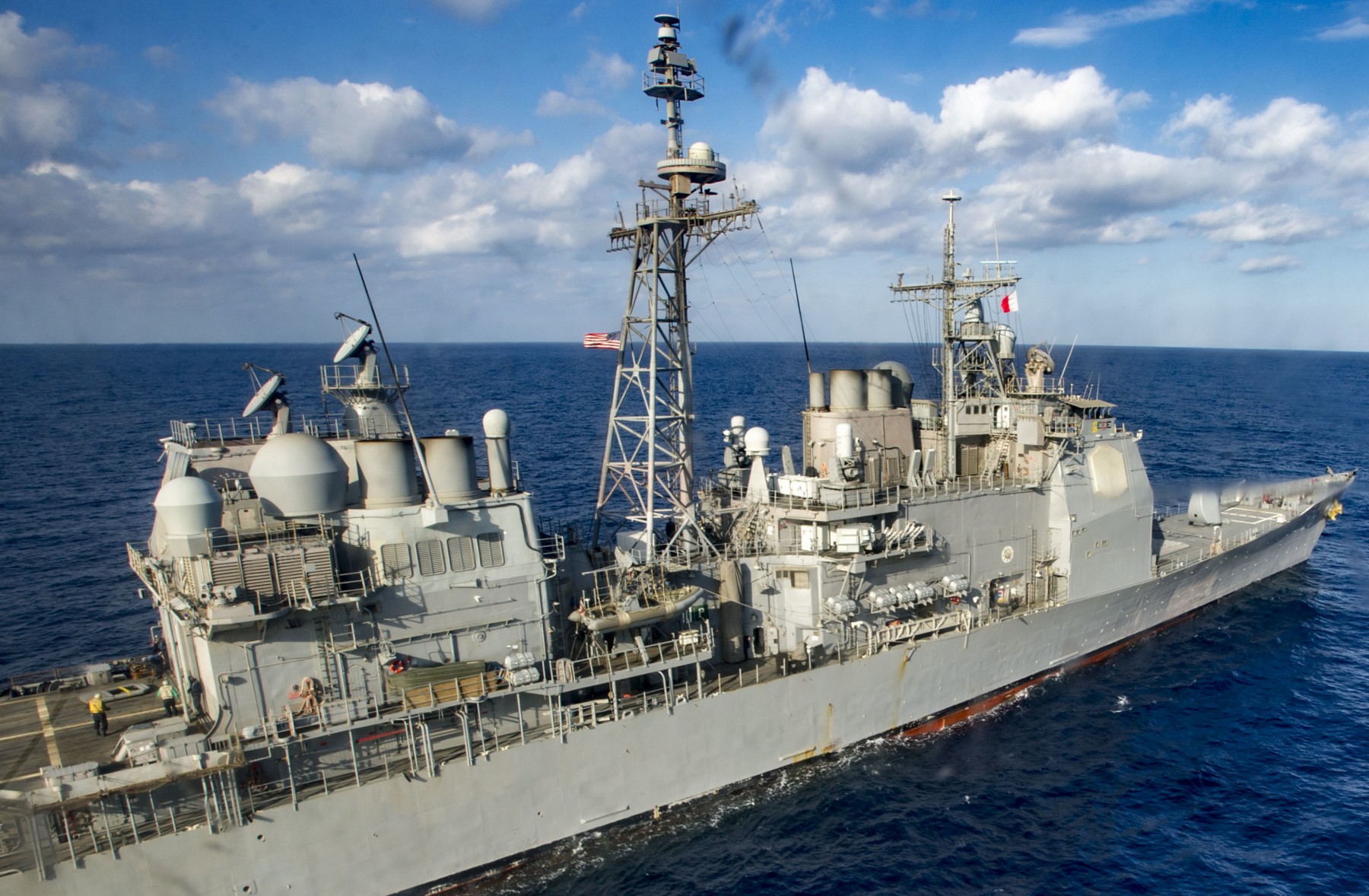 Mediterranean Sea - December 2016 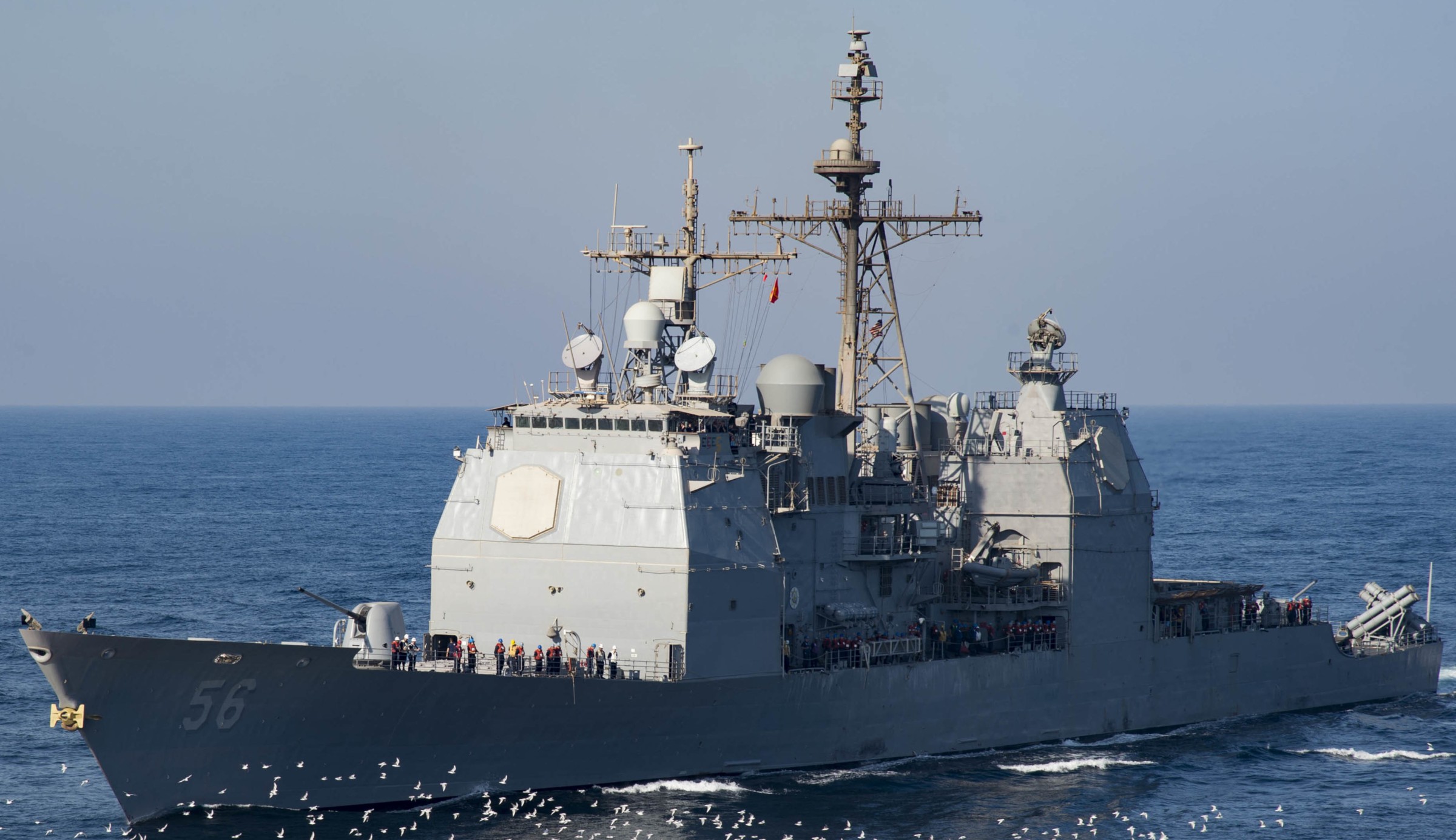 Arabian Gulf - November 2016 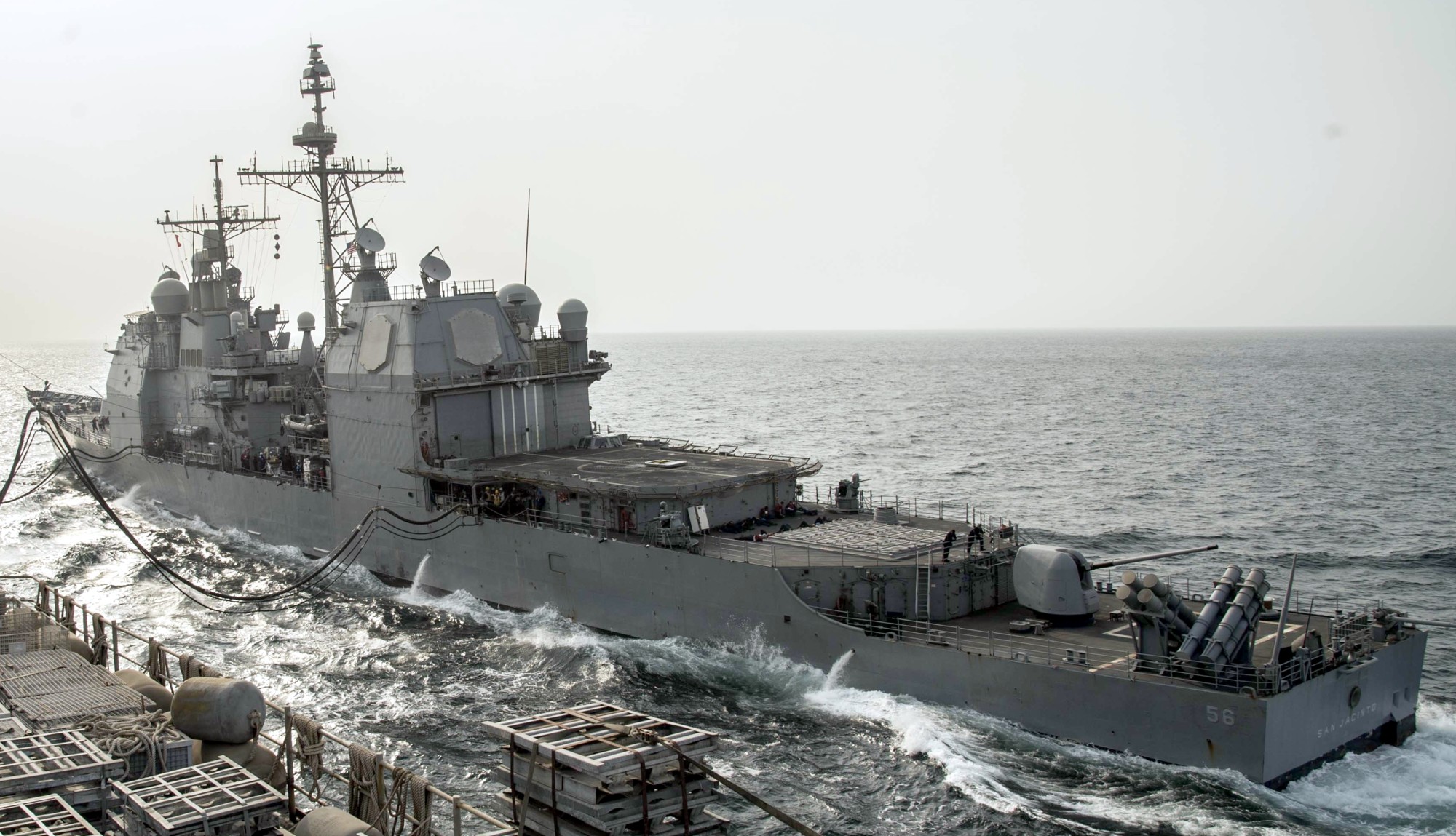 Arabian Gulf - November 2016 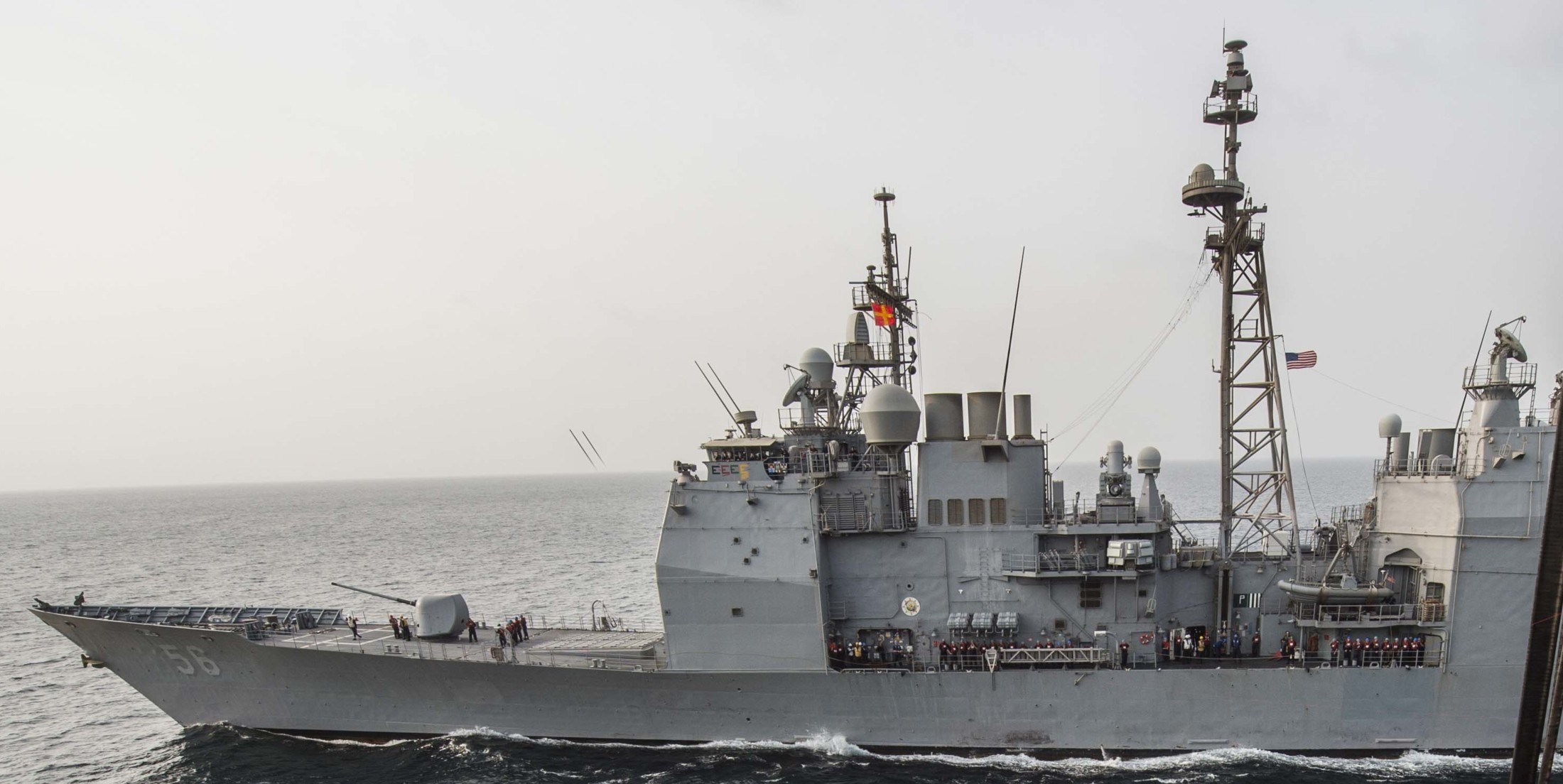 Arabian Gulf - November 2016 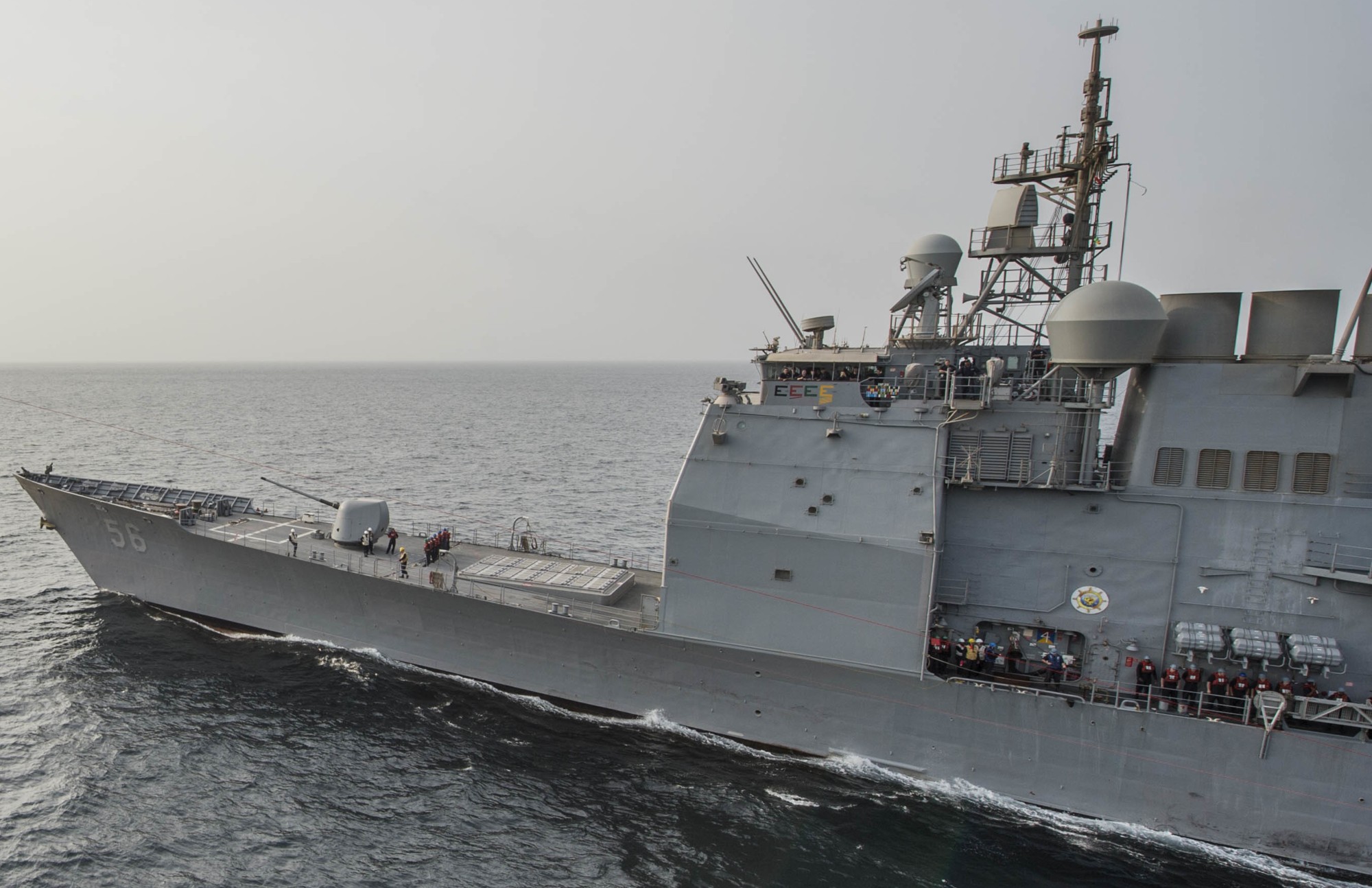 Arabian Gulf - November 2016 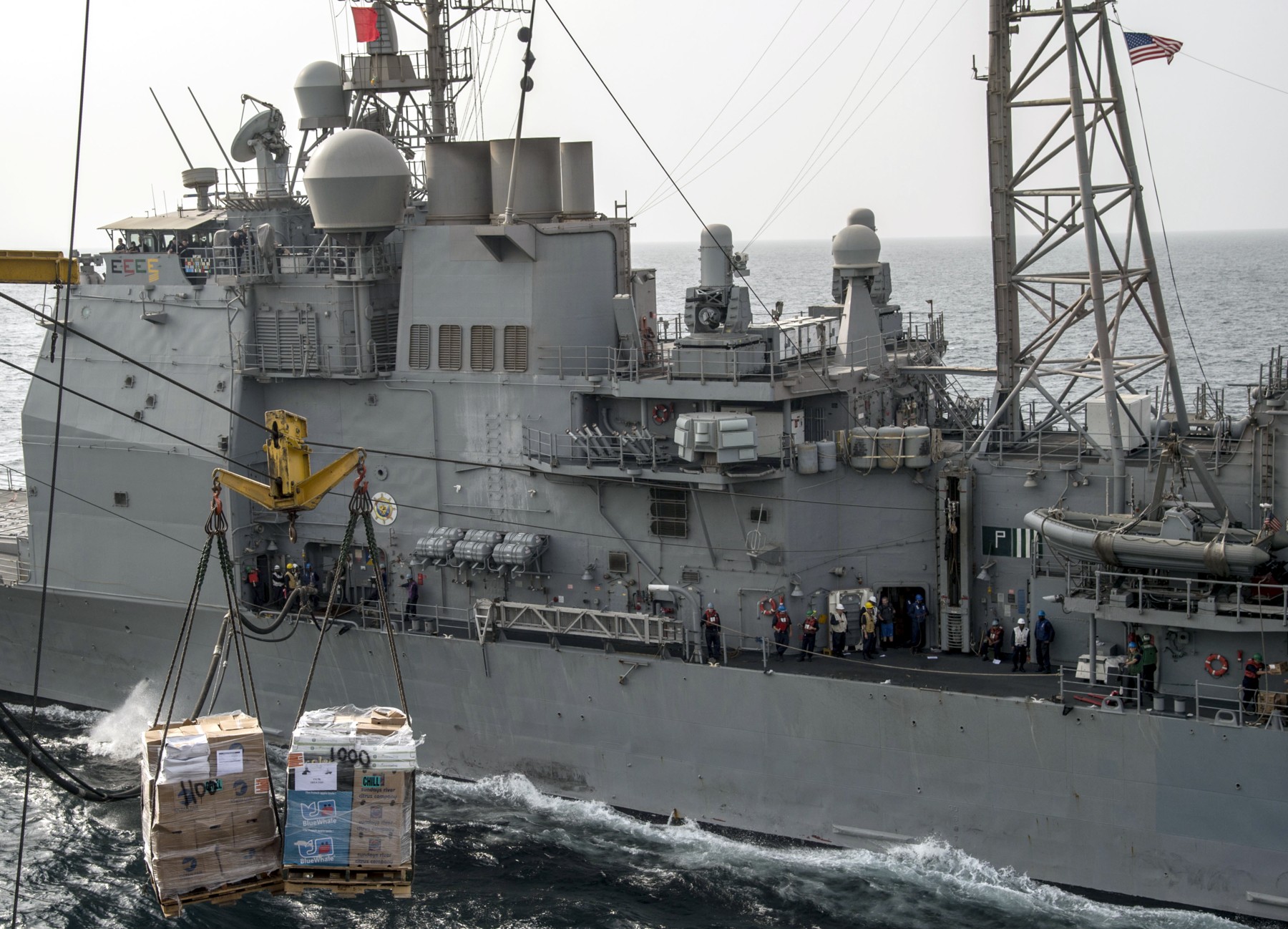 Arabian Gulf - November 2016 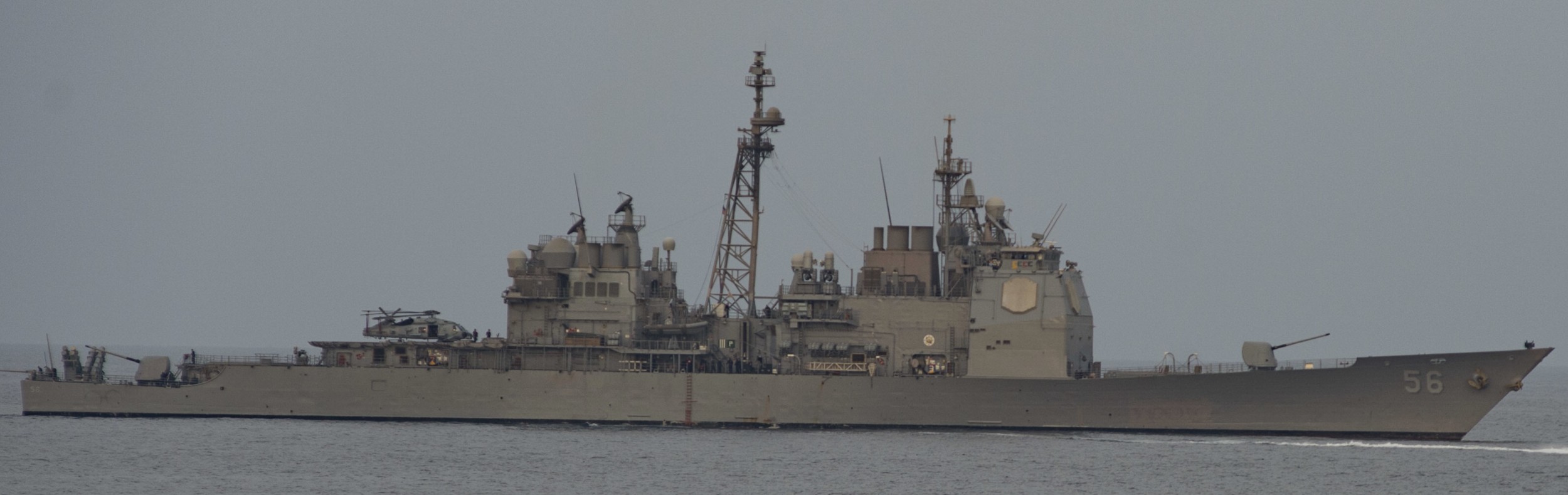 Arabian Gulf - November 2016 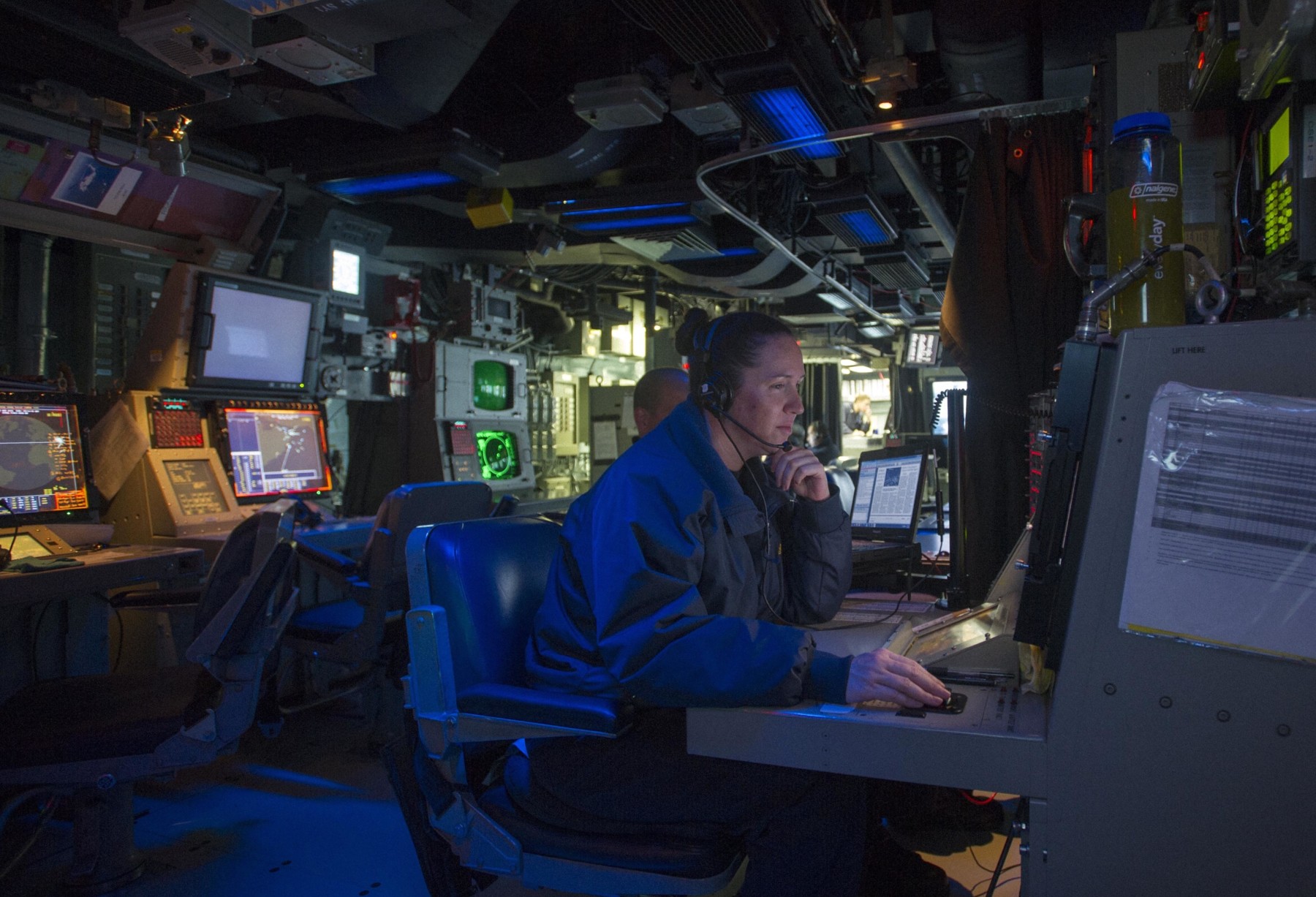 combat information center (CIC) - 5th Fleet AOR - November 2016 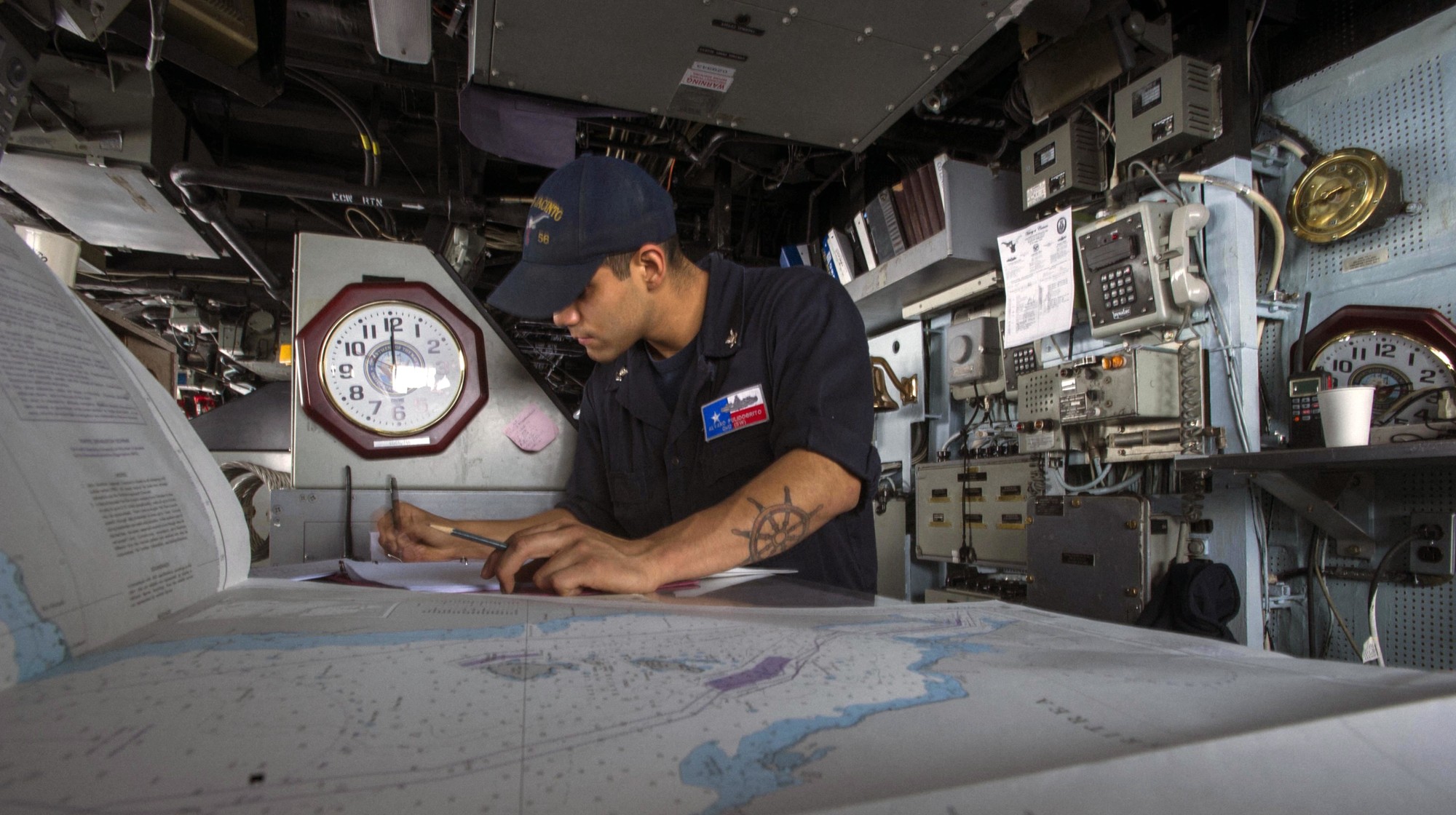 bridge / map-desk - 5th Fleet AOR - November 2016 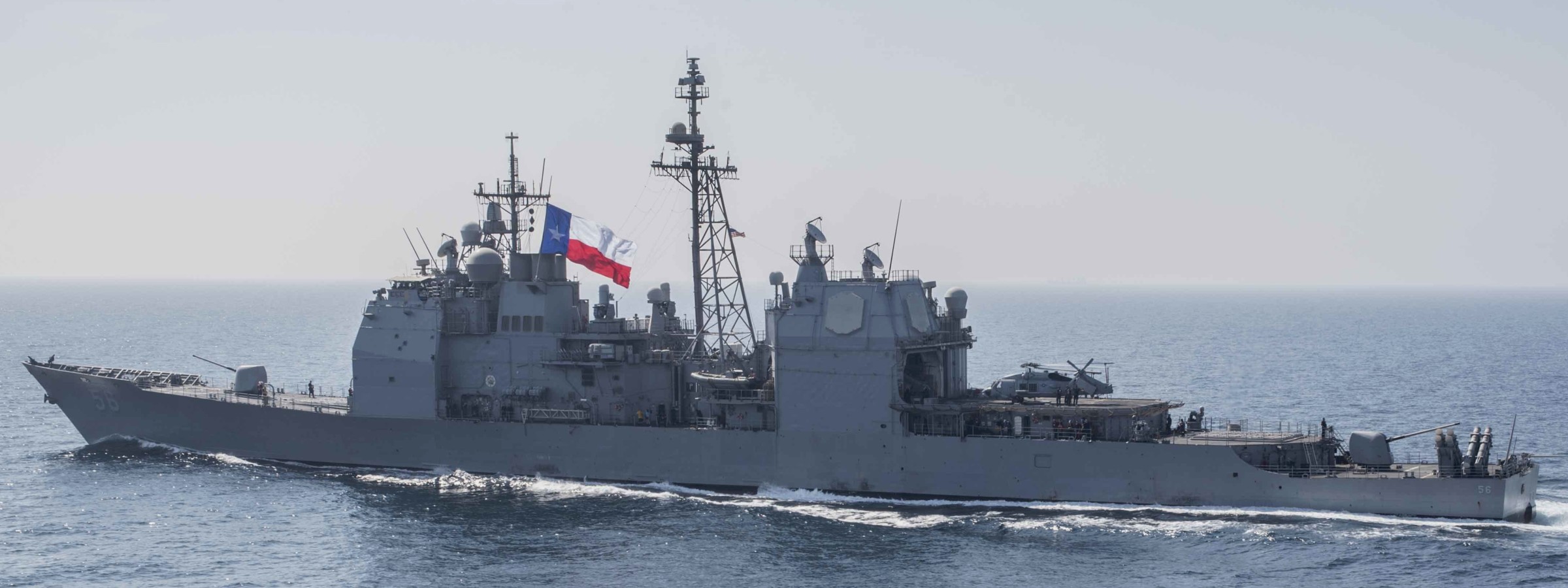 Arabian Gulf - October 2016 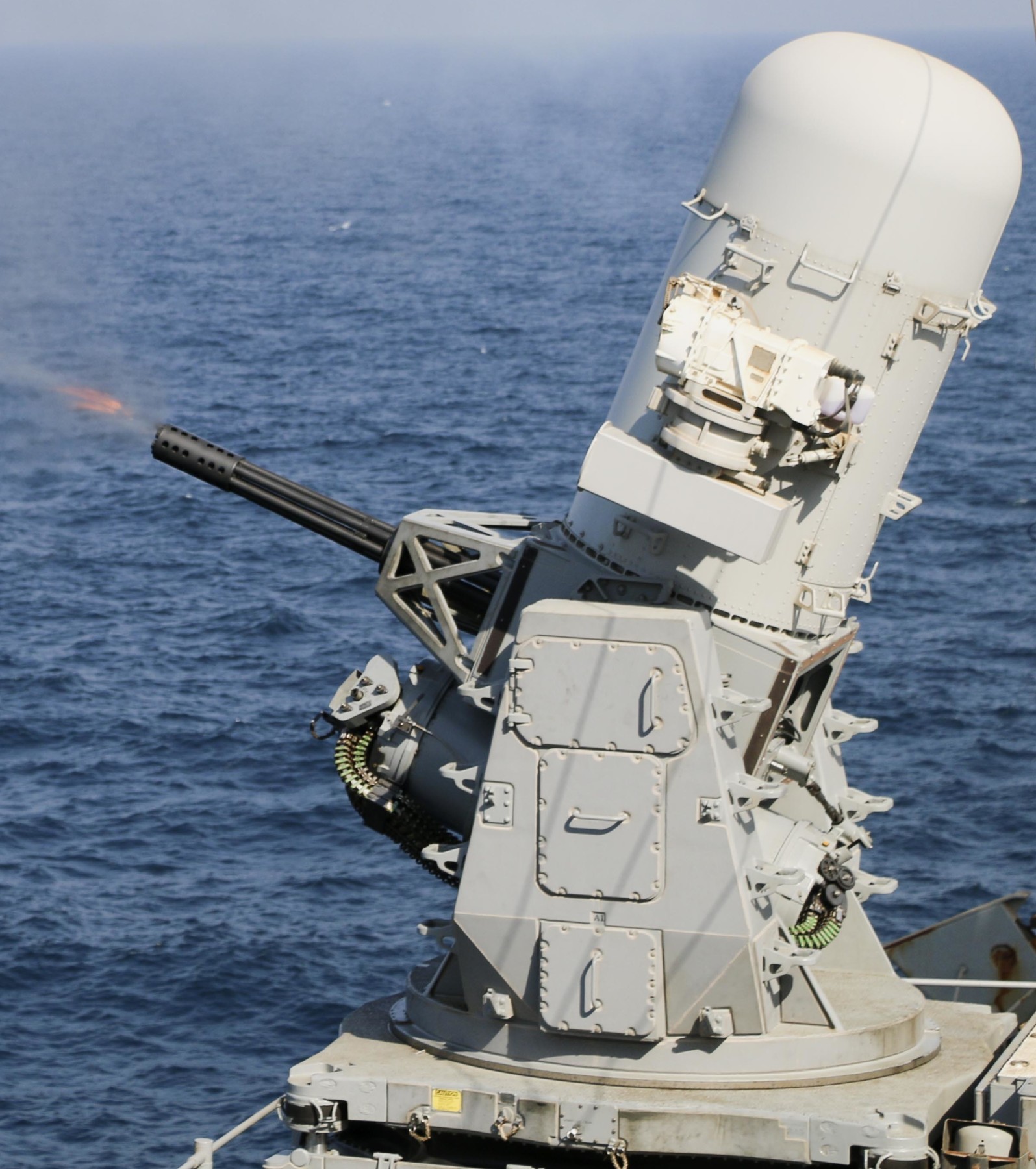 Mk.15 Phalanx CIWS fire exercise - Arabian Gulf - October 2016 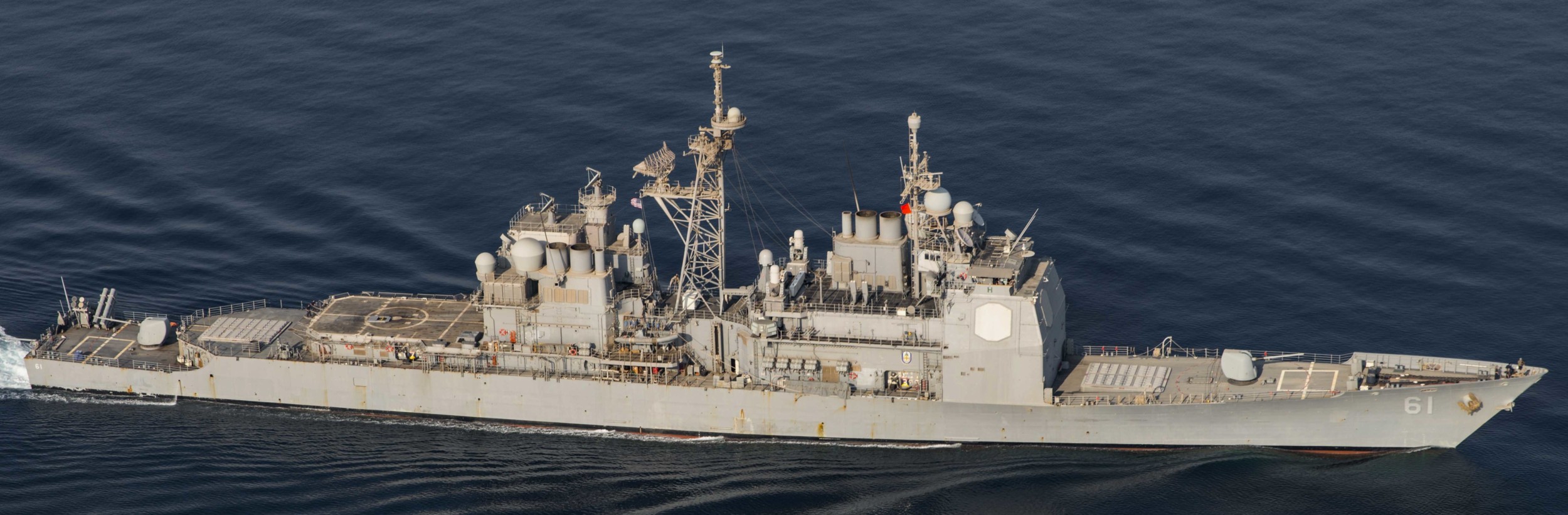 Arabian Gulf - August 2016 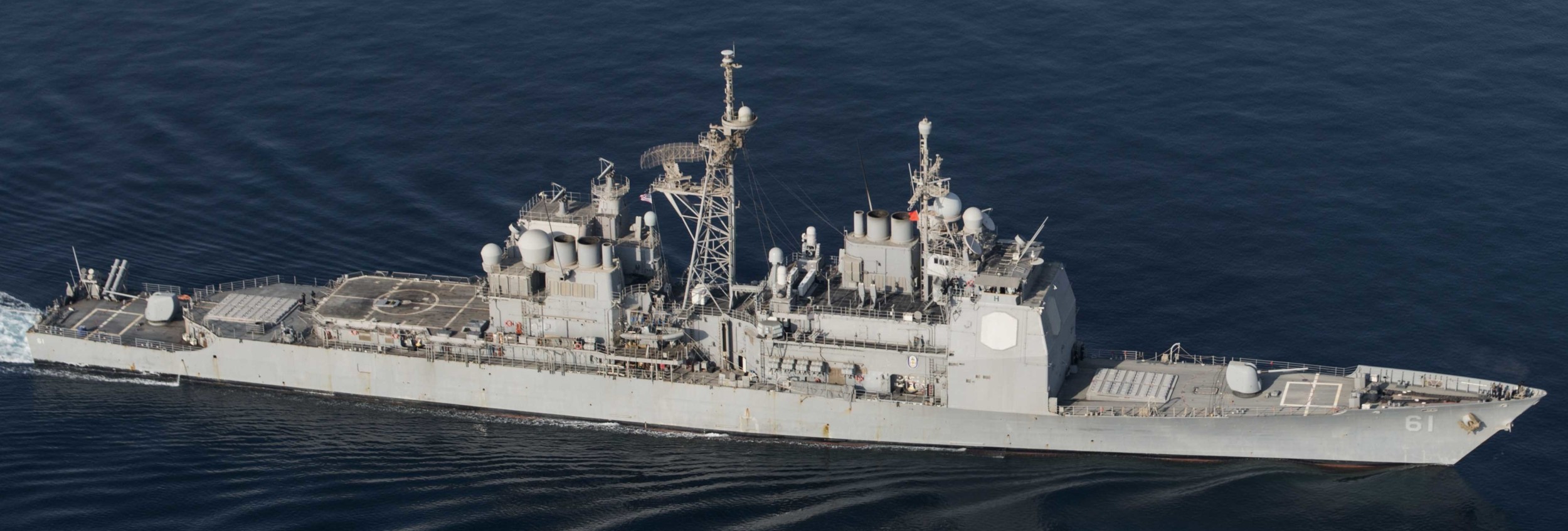 Arabian Gulf - August 2016 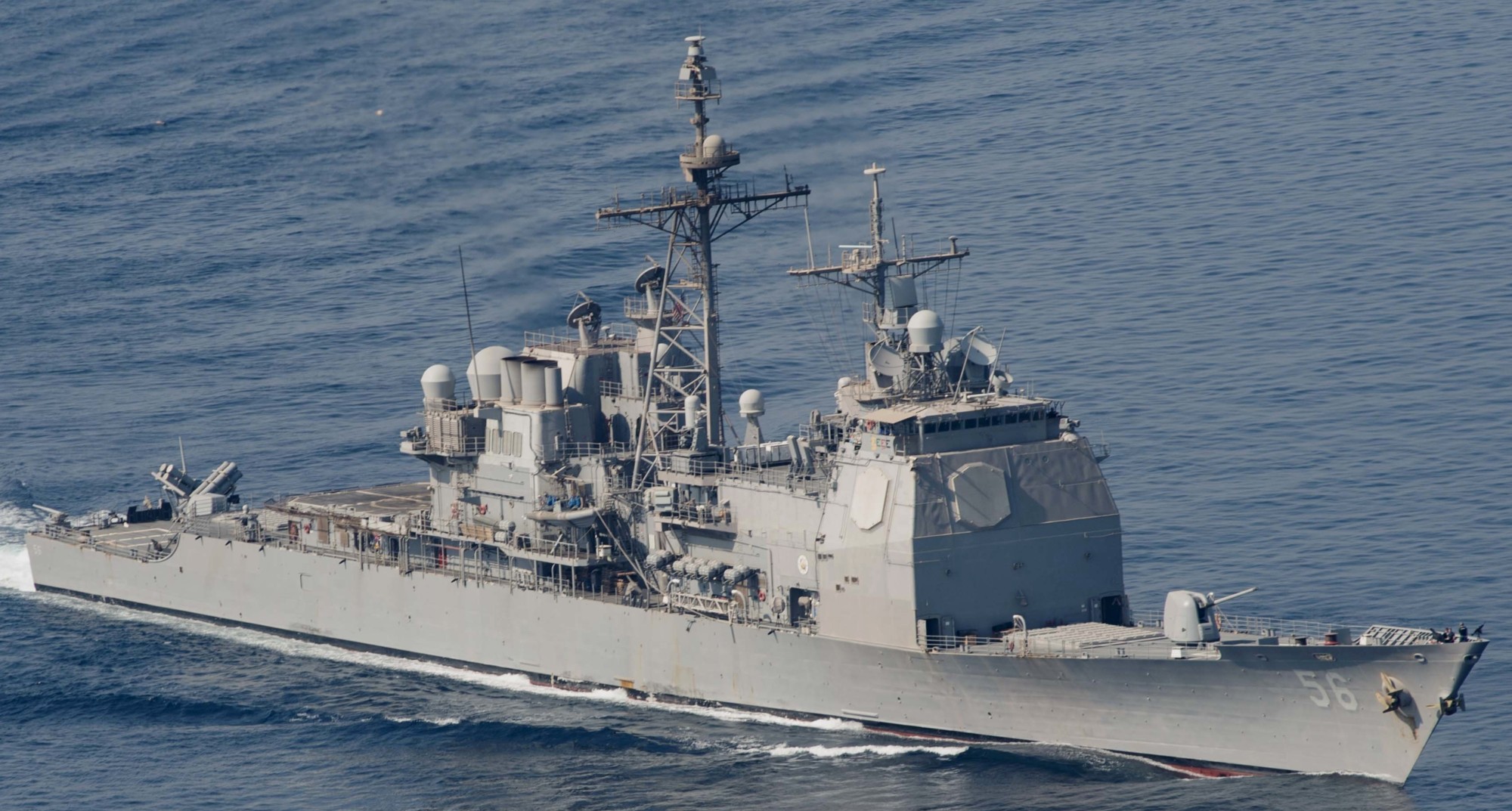 Arabian Gulf - August 2016 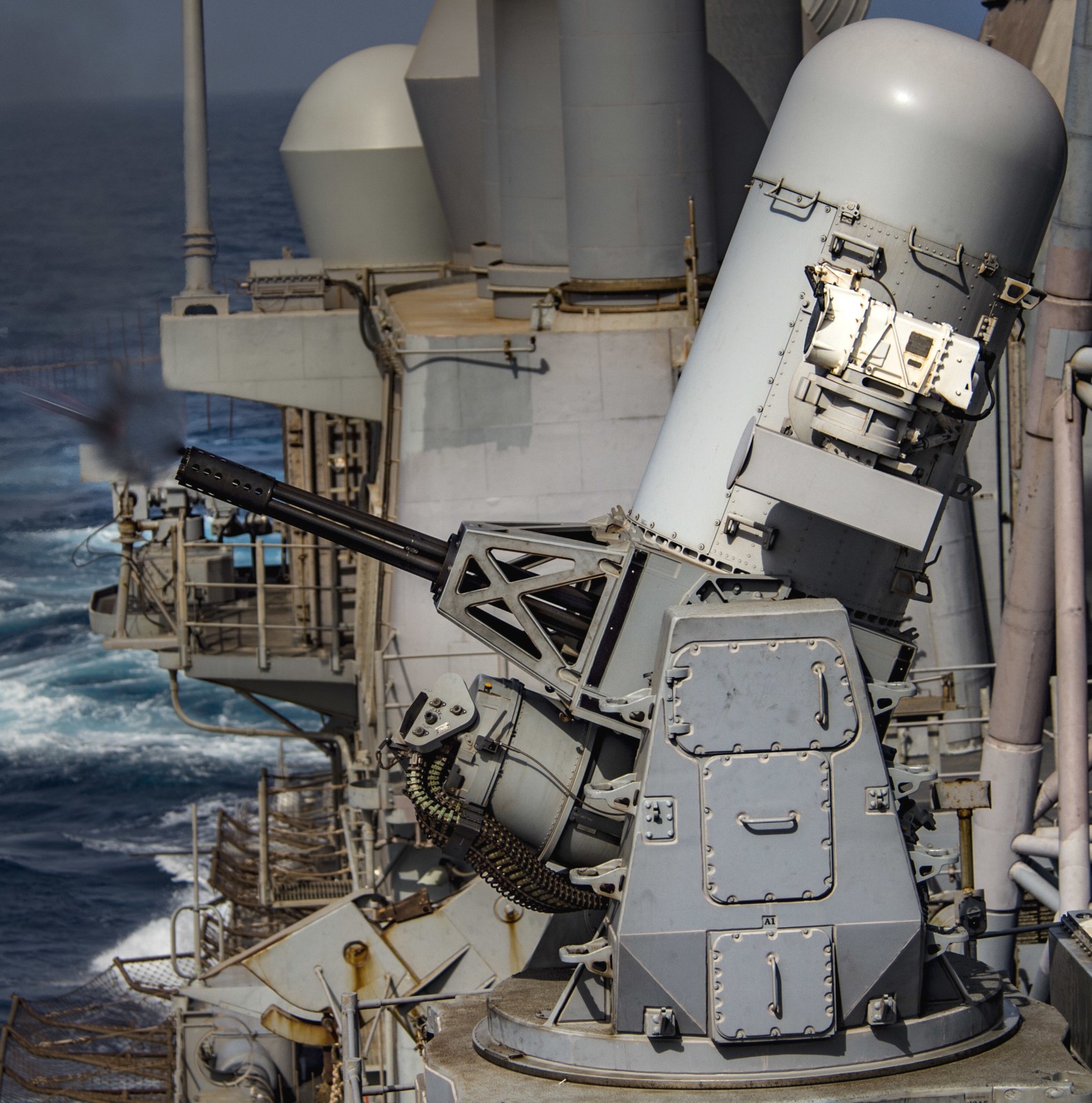 Mk.15 Phalanx CIWS fire exercise - Gulf of Aden - July 2016 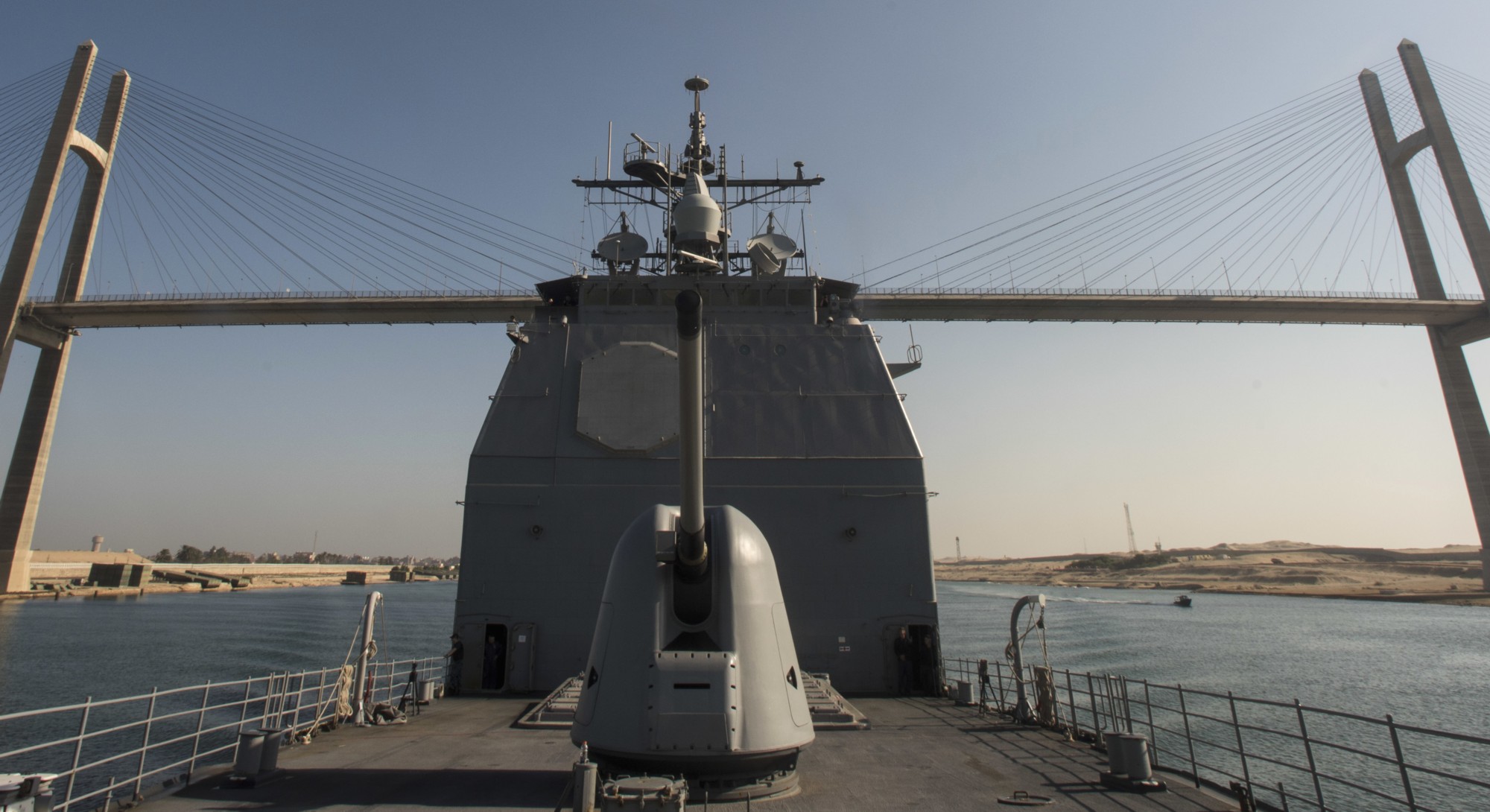 Suez Canal - July 2016 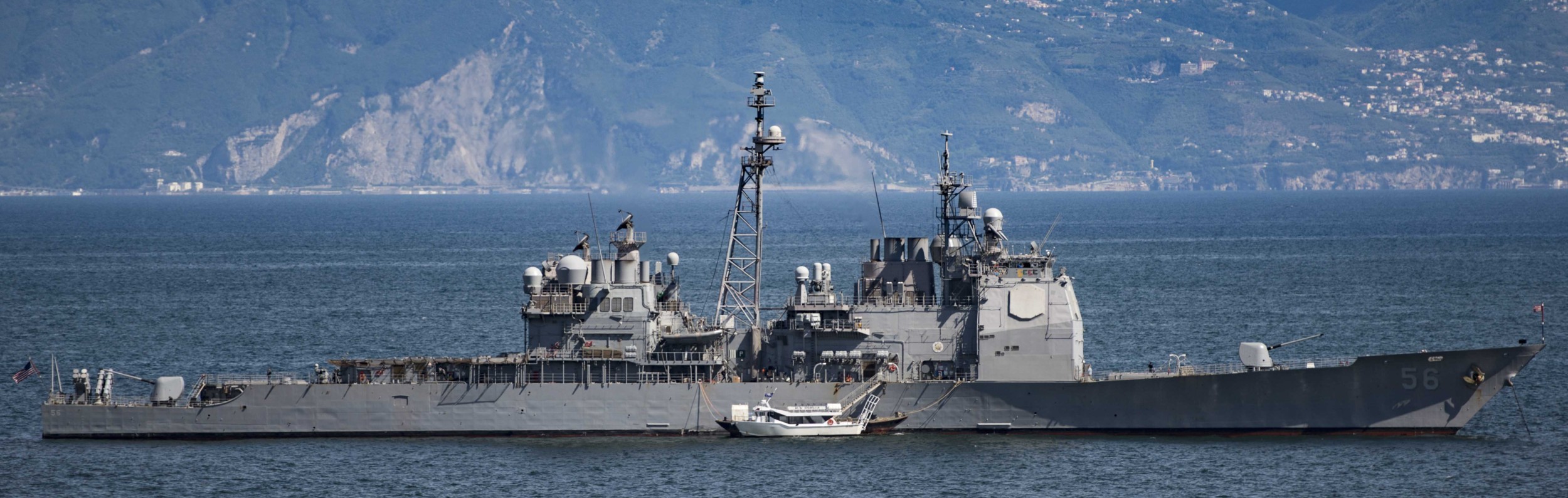 Naples, Italy - June 2016 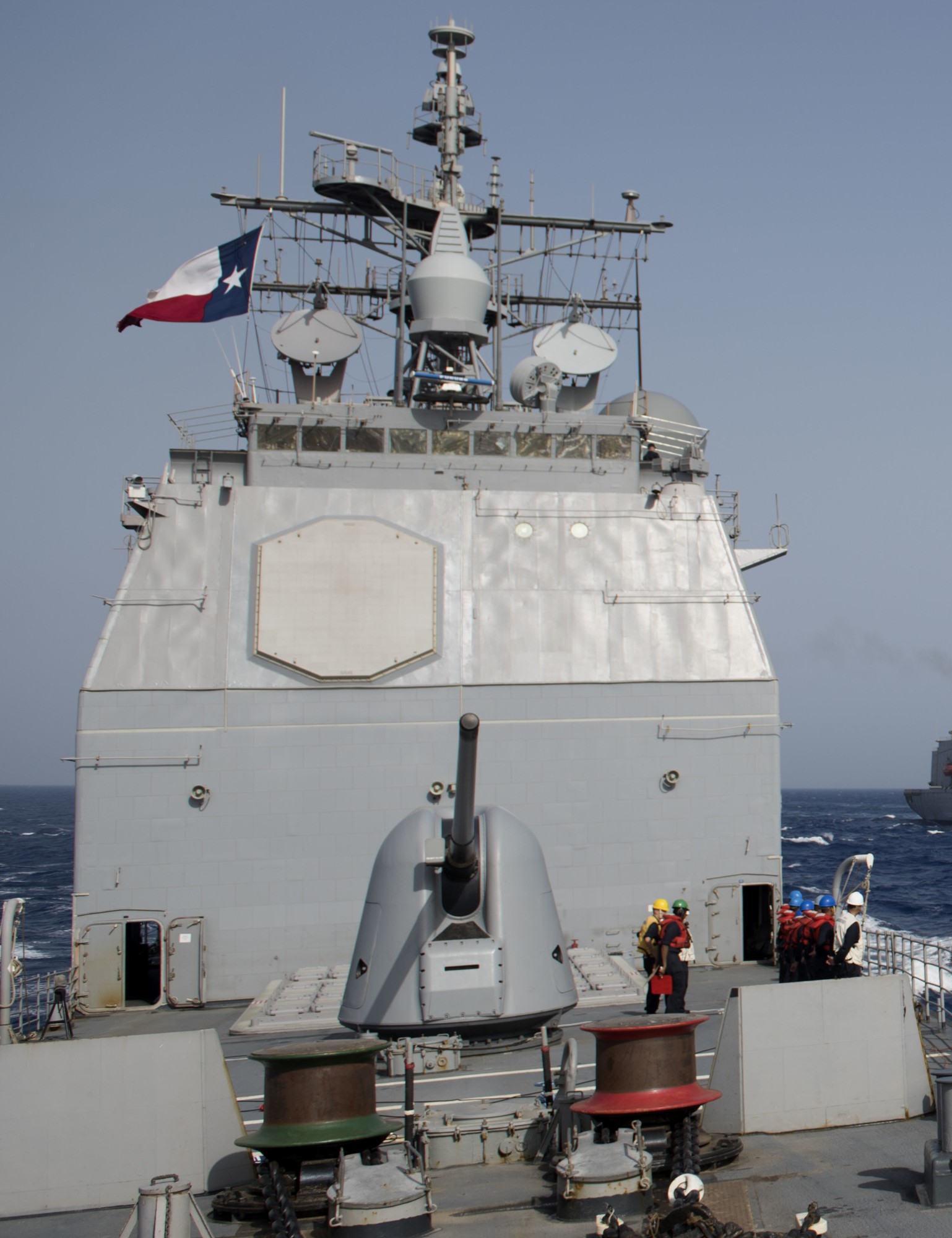 Mediterranean Sea - June 2016 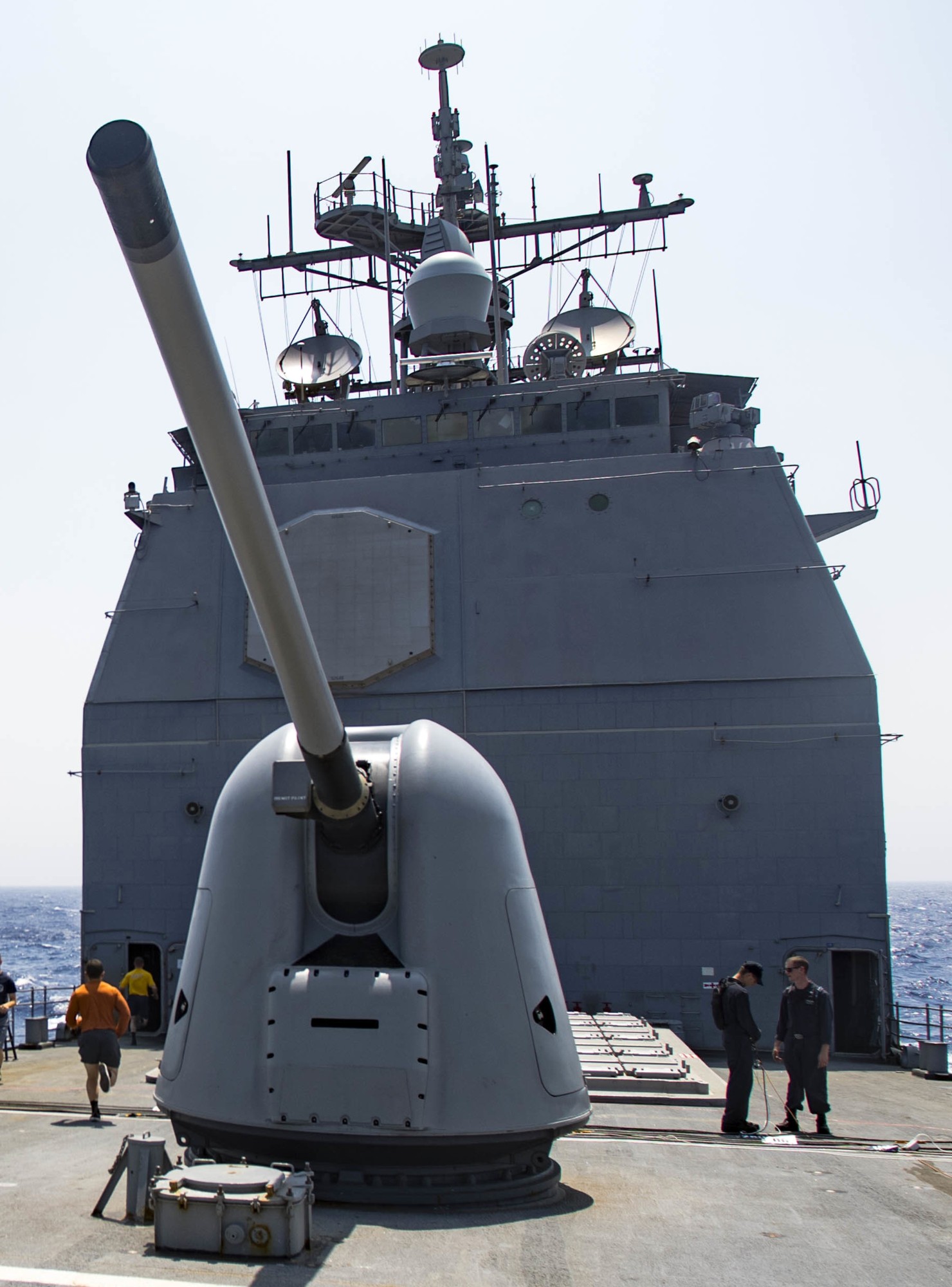 Mediterranean Sea - June 2016 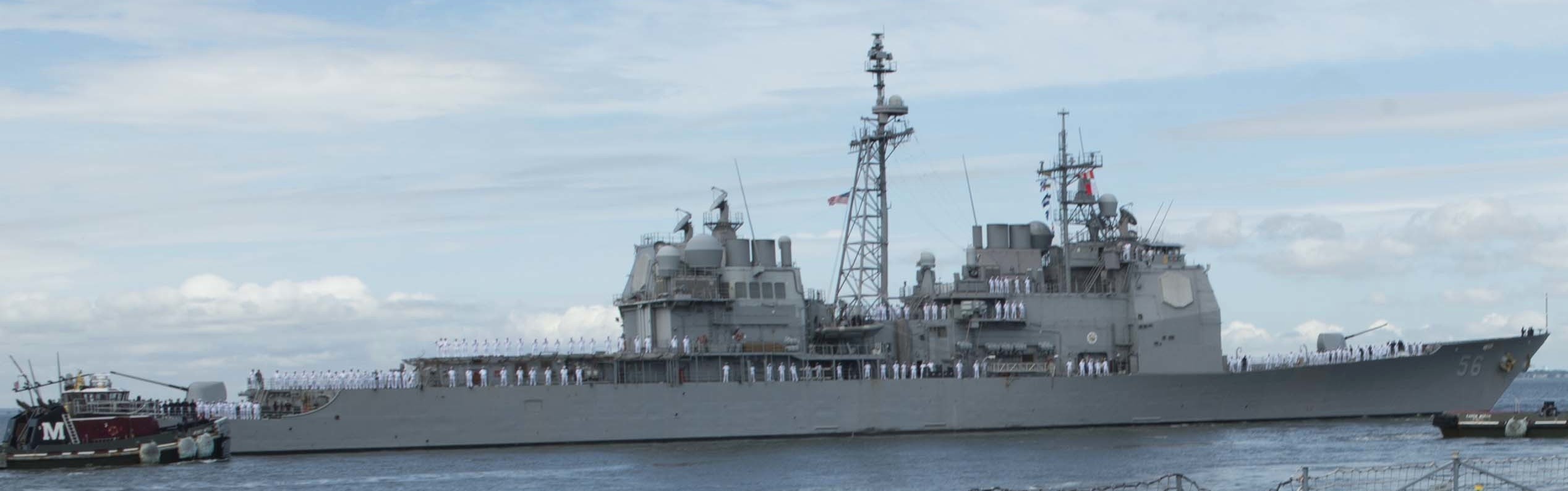 departing Naval Station Norfolk, Virginia - June 2016 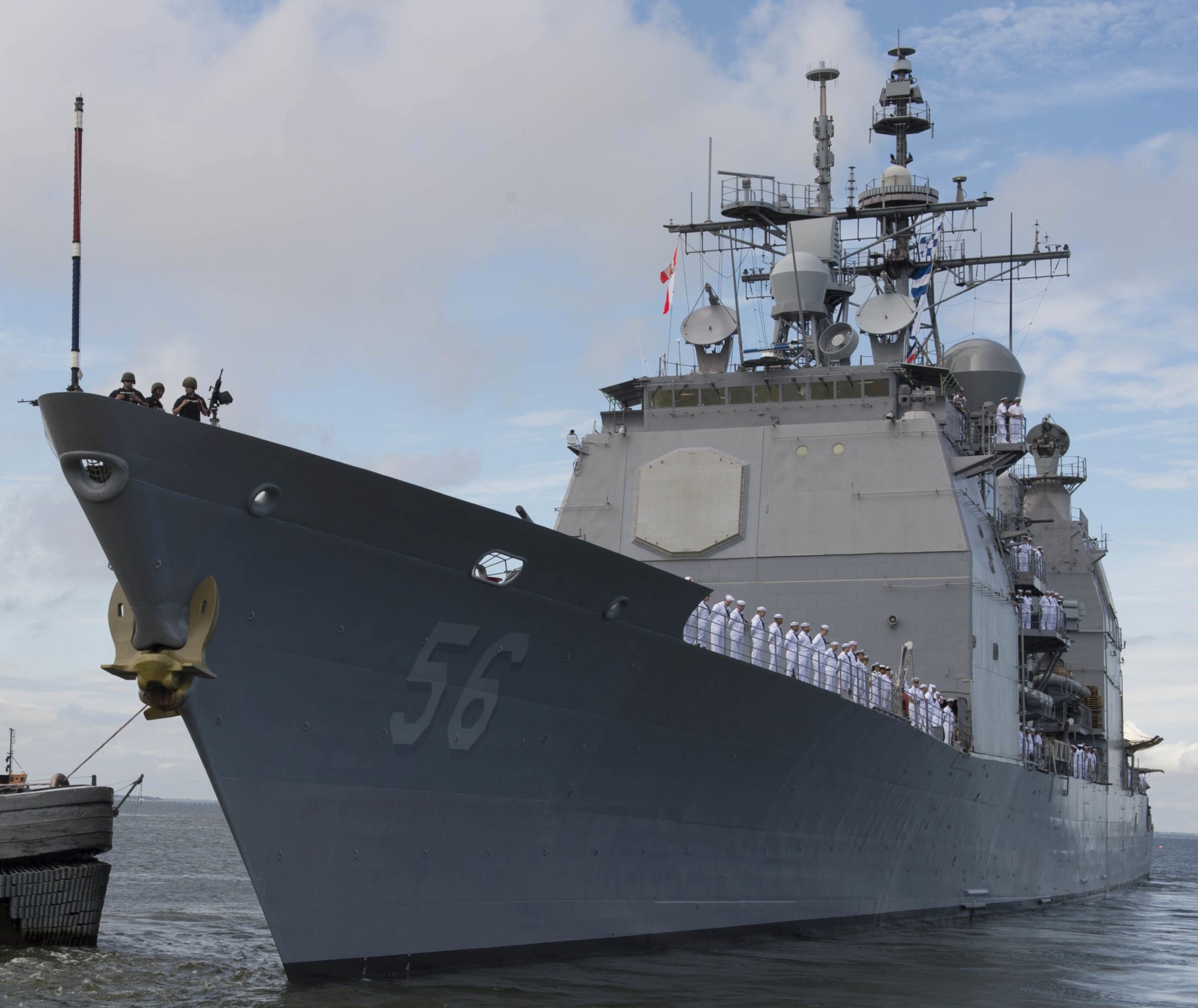 departing Naval Station Norfolk, Virginia - June 2016 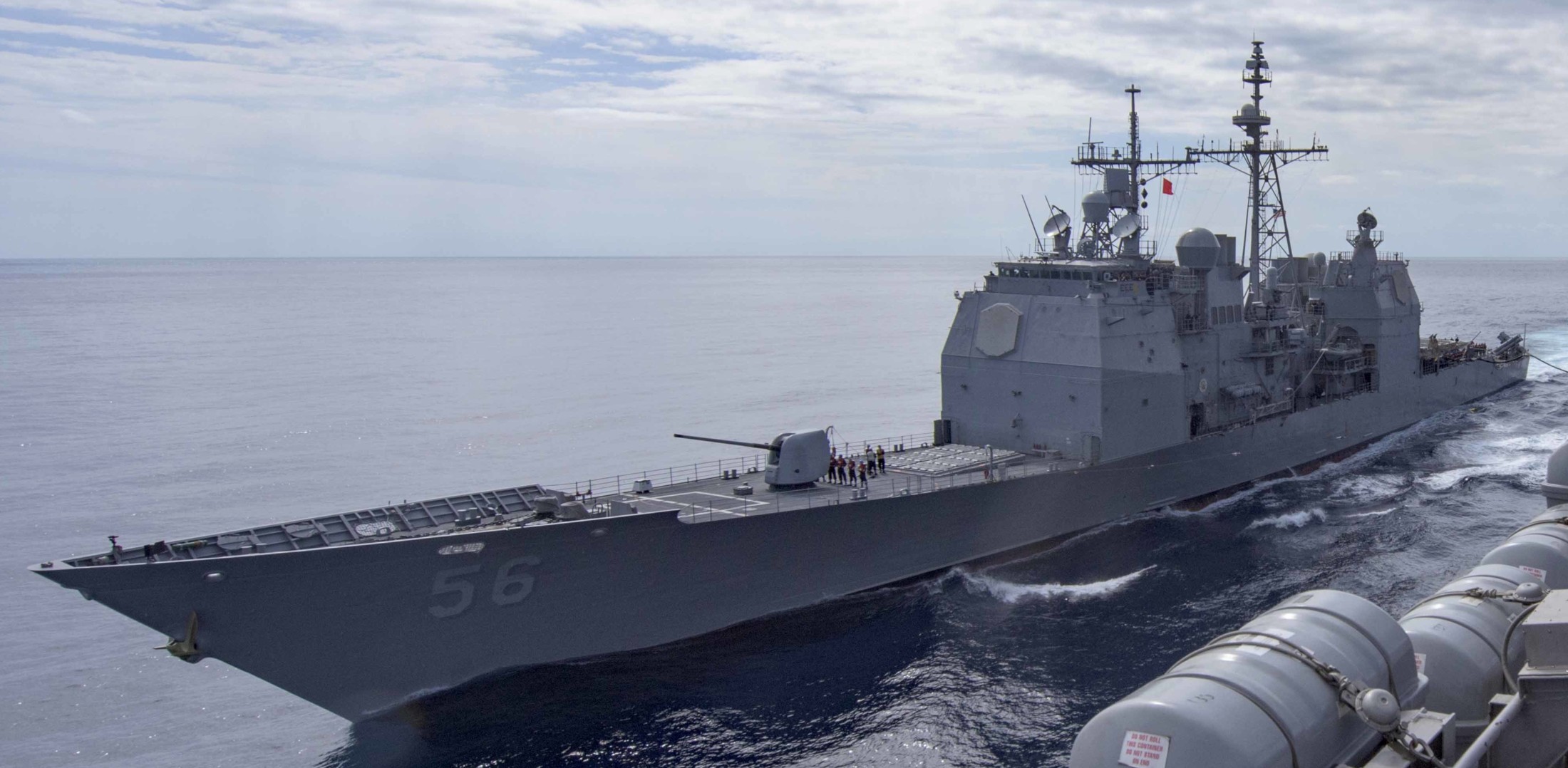 Atlantic Ocean - April 2016 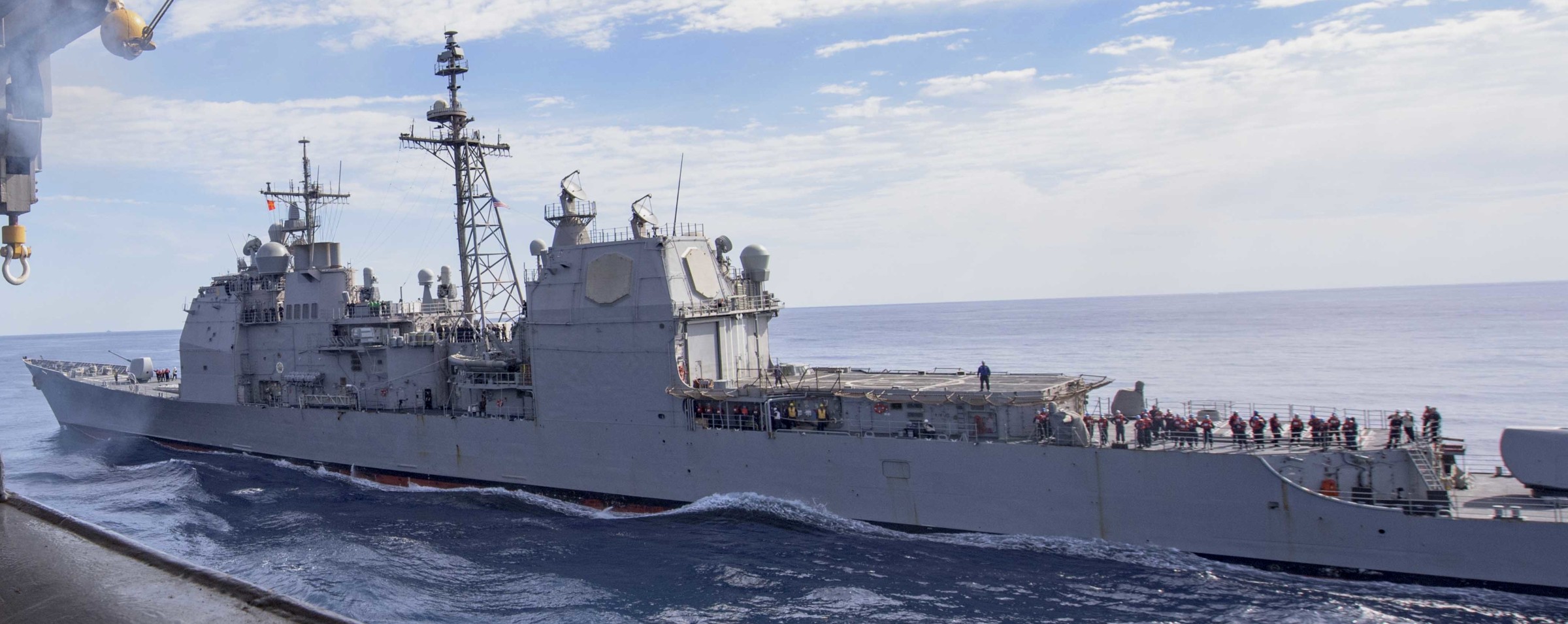 Atlantic Ocean - April 2016 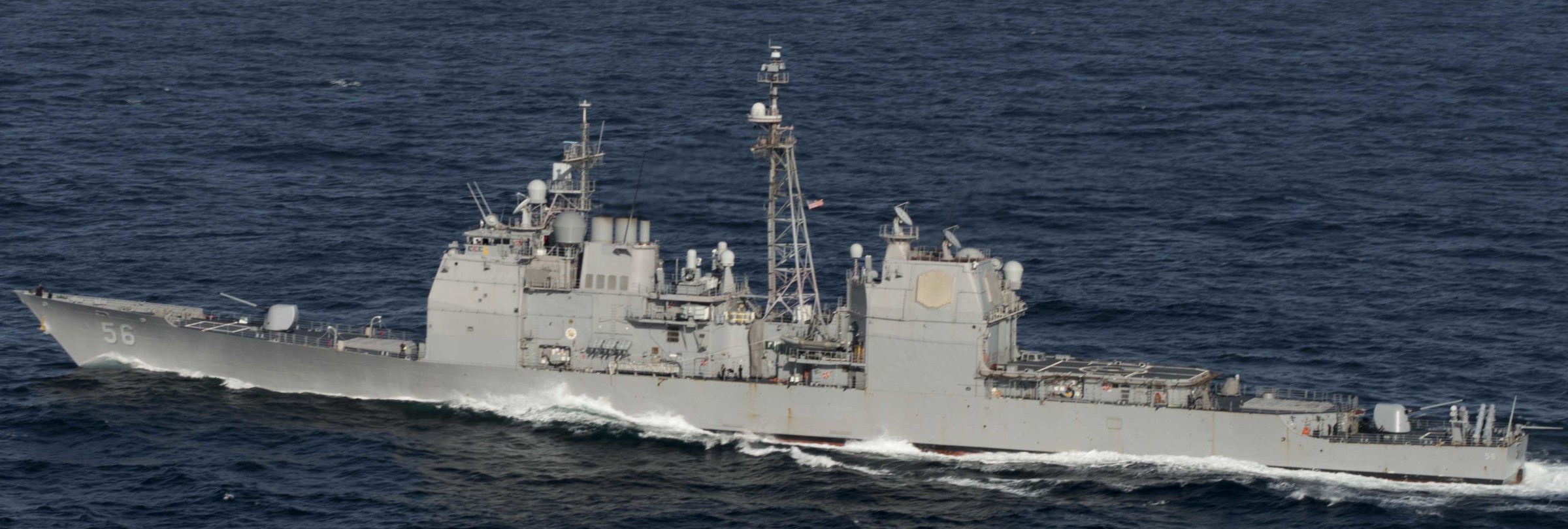 Atlantic Ocean - March 2016 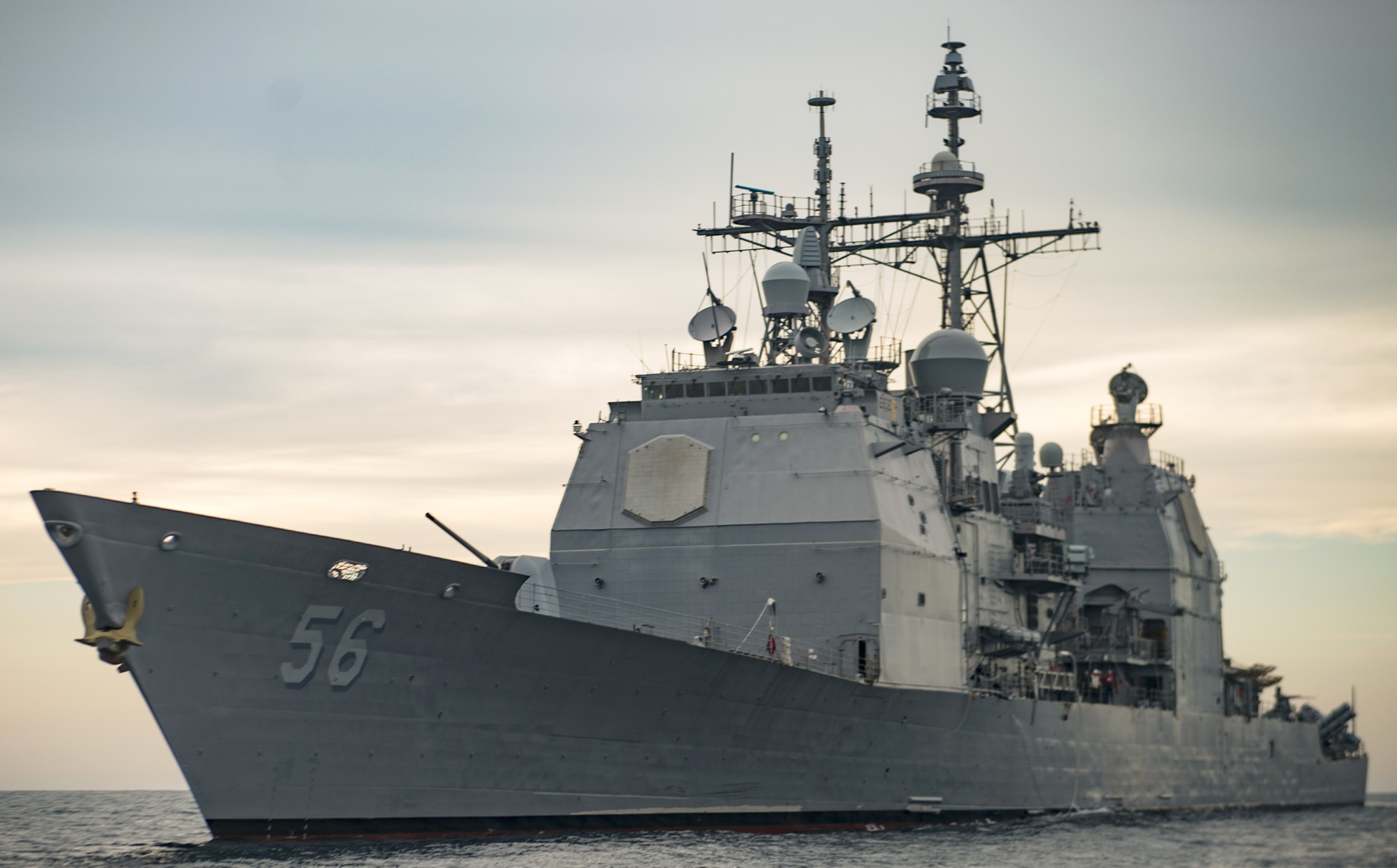 Atlantic Ocean - March 2016 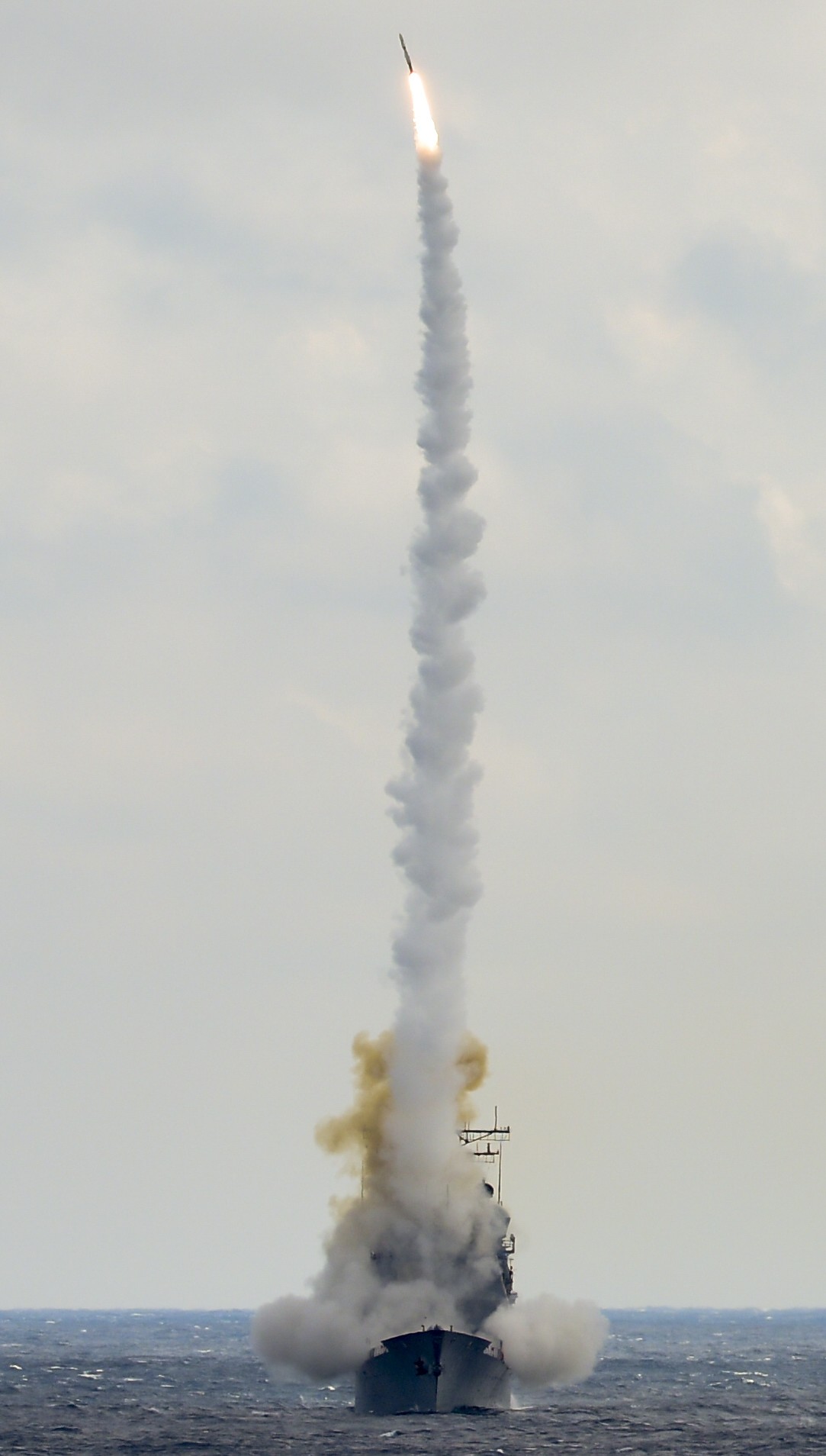 launching an SM-2 Standard Missile - Atlantic Ocean - March 2016 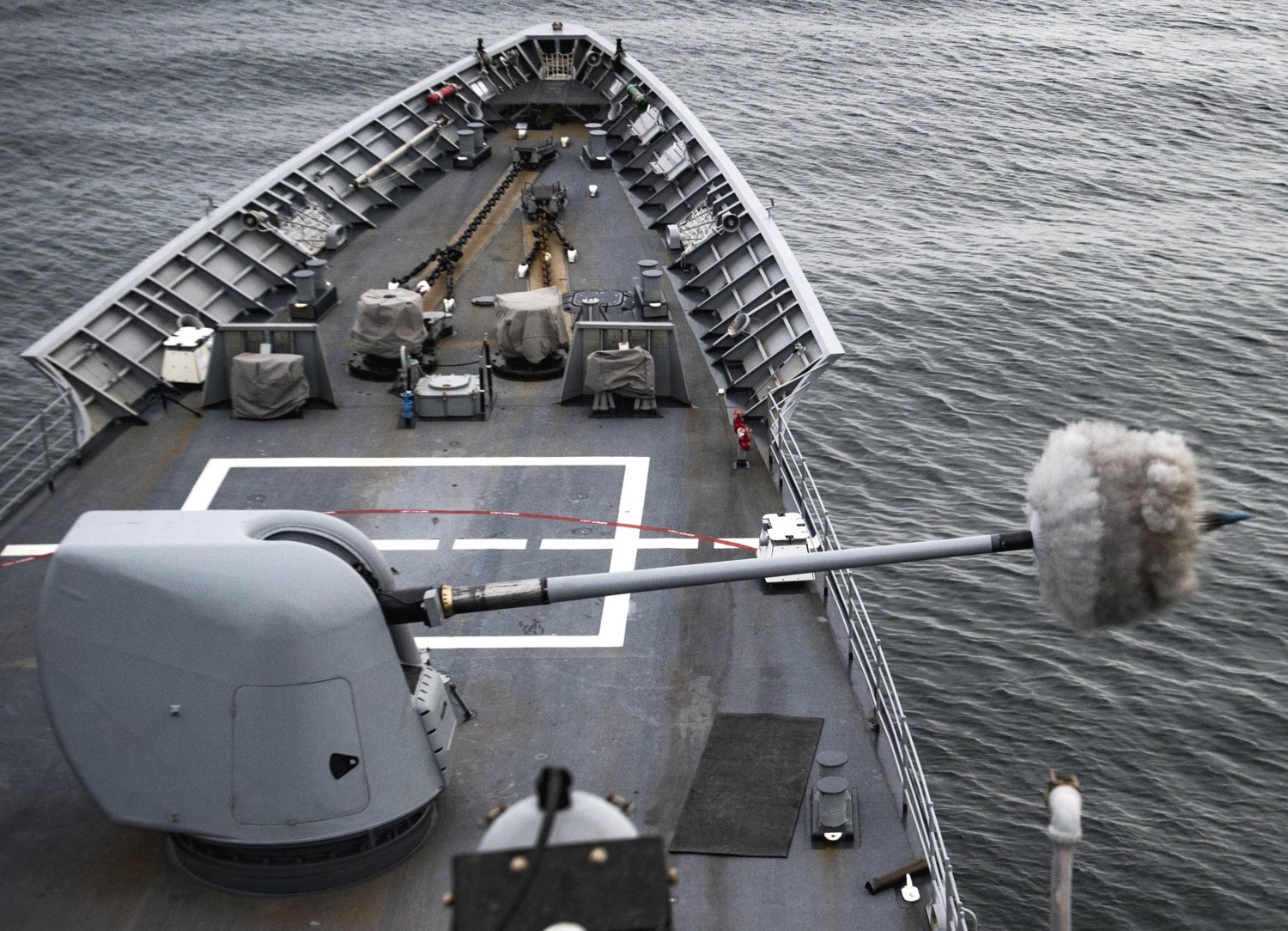 Mk.45 Mod.2 gun fire exercise - Atlantic Ocean - March 2016 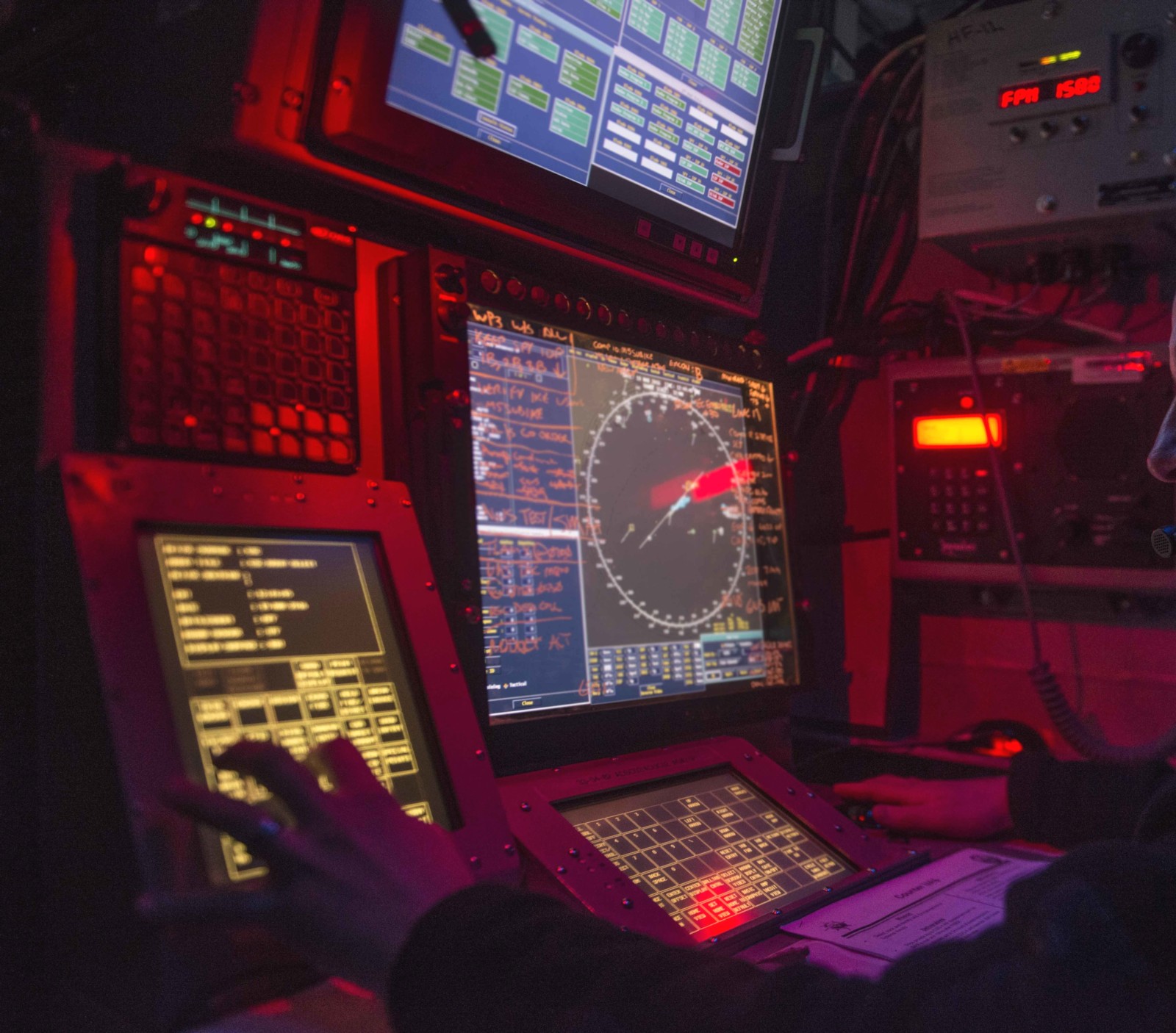 combat information center (CIC) - Atlantic Ocean - March 2016  Palma de Mallorca, Spain - April 2014 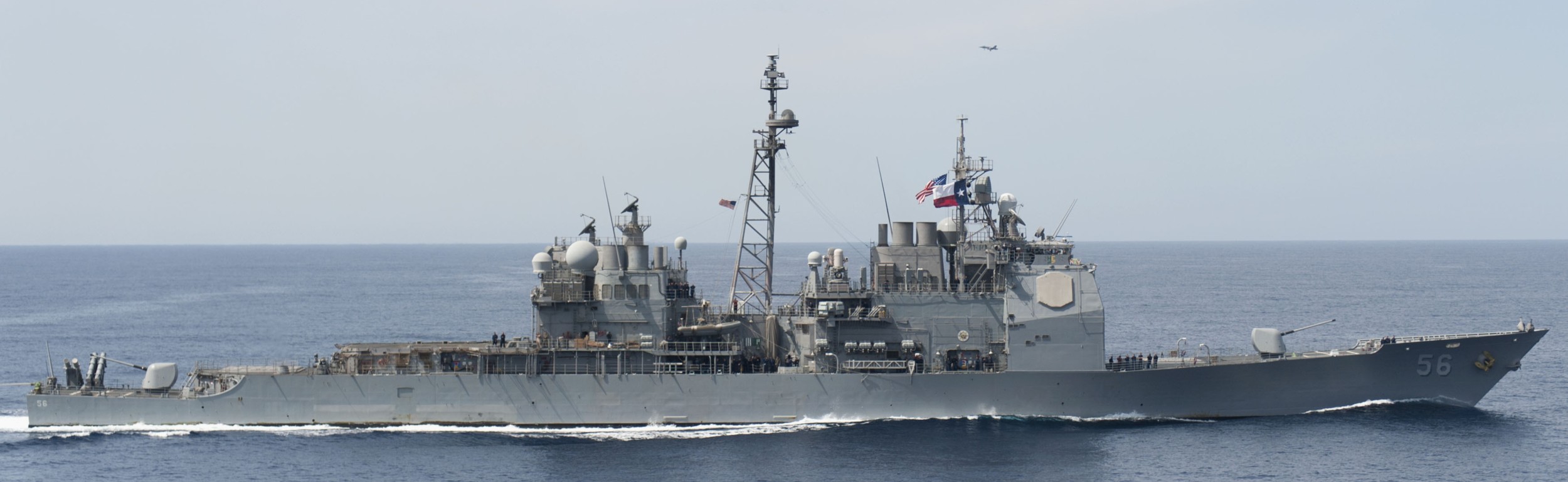 Mediterranean Sea - March 2014 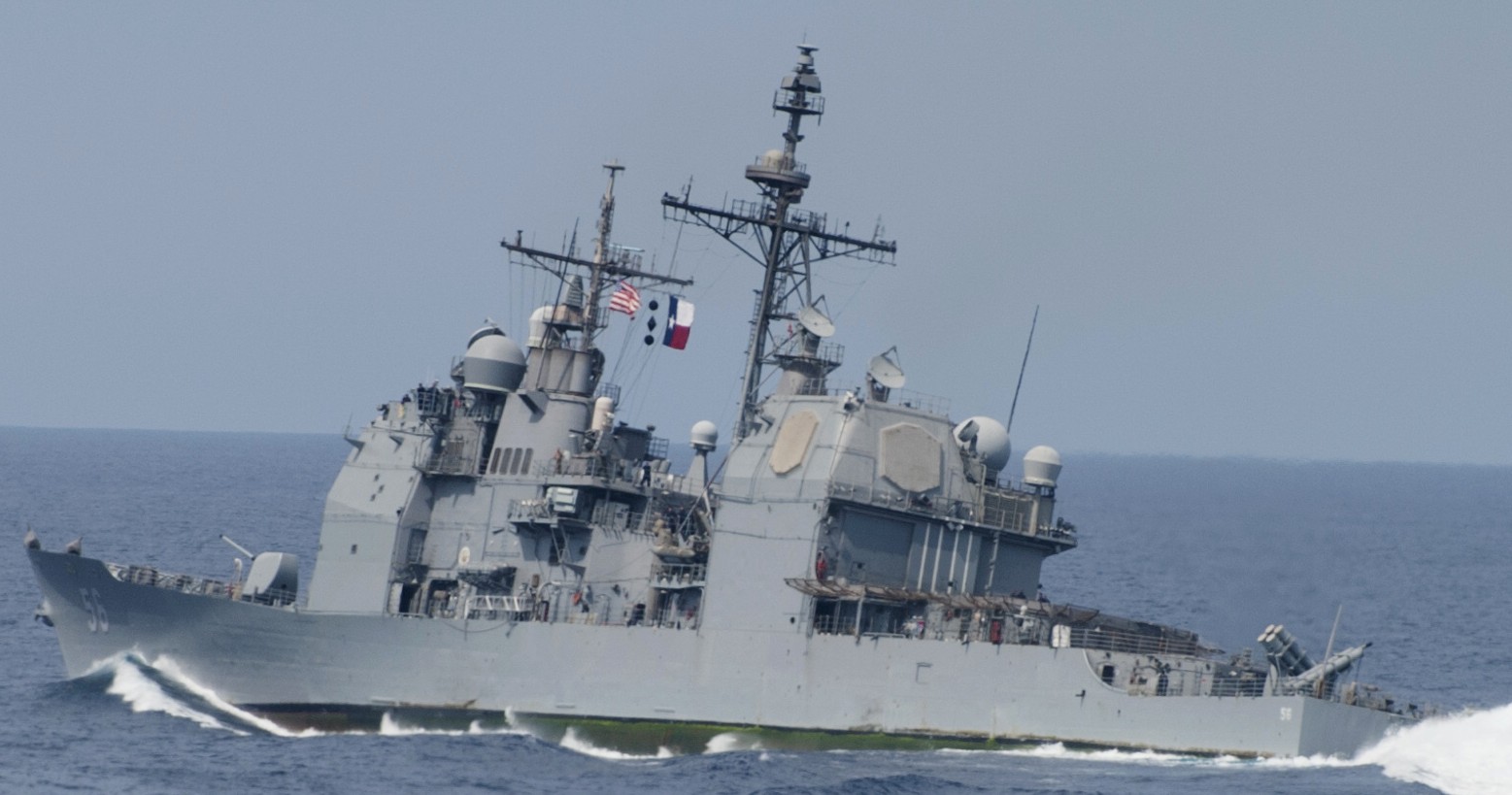 Mediterranean Sea - March 2014 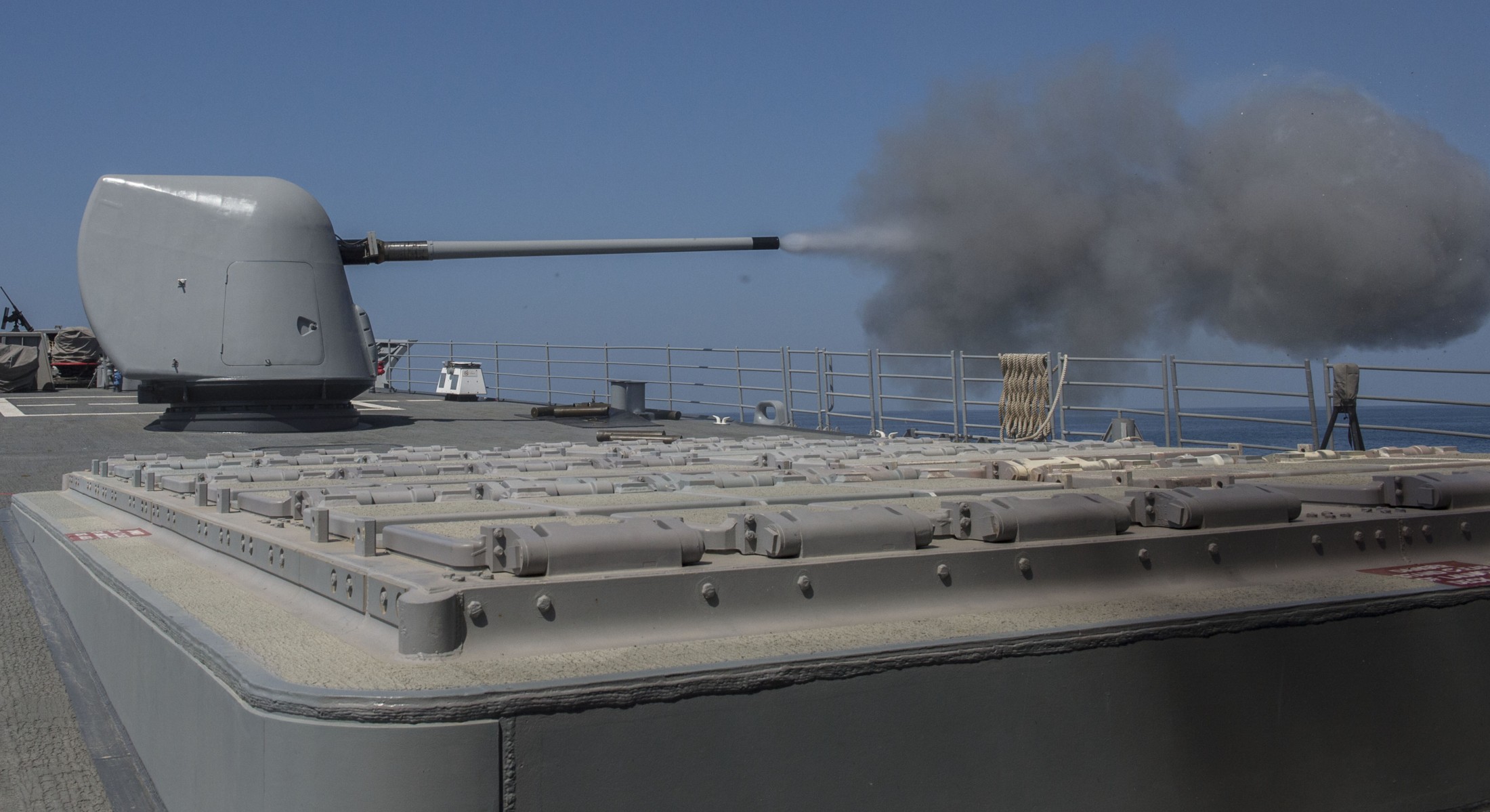 forward Mk.41 vertical launching system (VLS) and Mk.45 Mod.2 gun - 5th Fleet AOR - March 2014 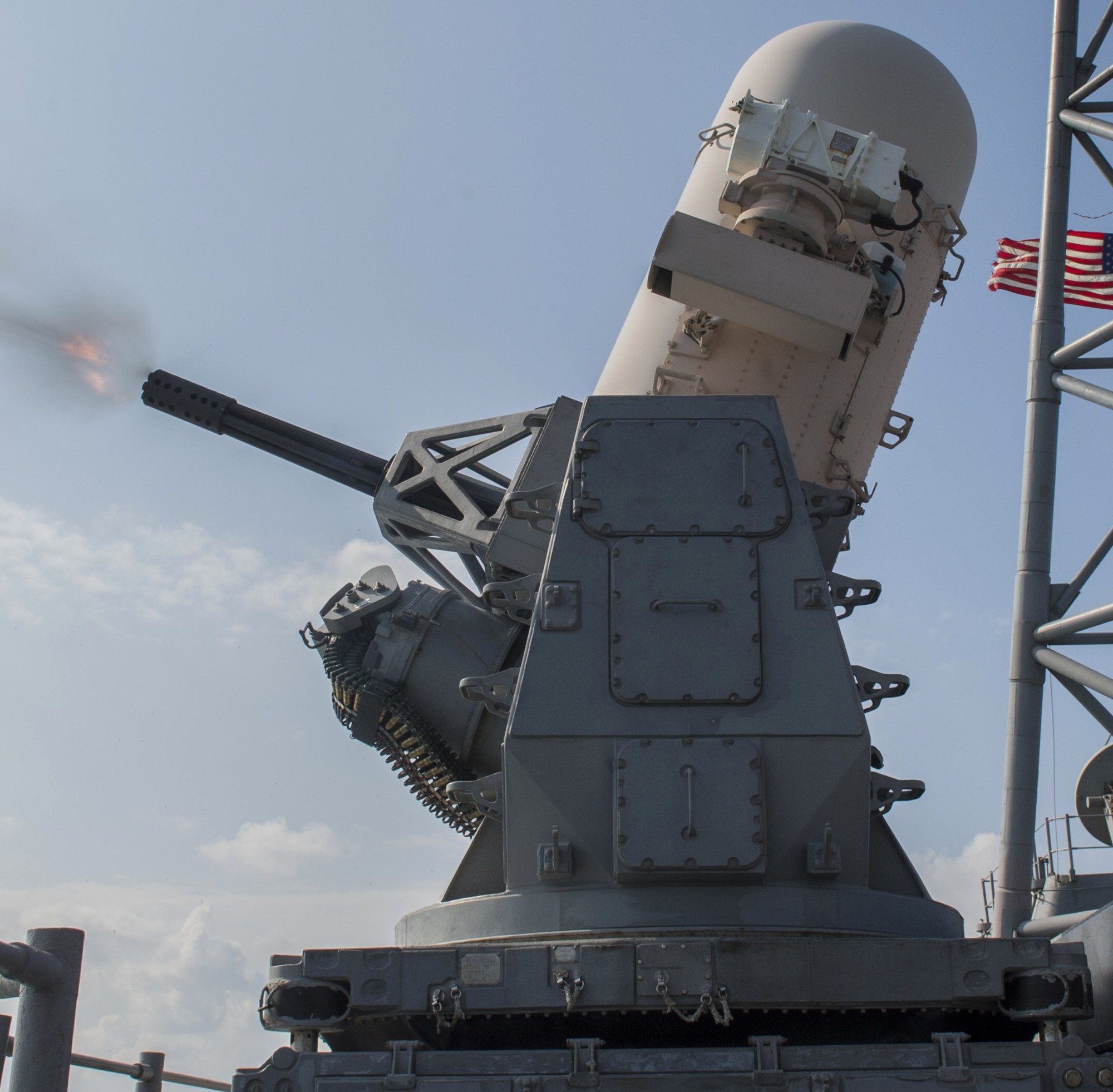 Mk.15 Phalanx CIWS fire exercise - 5th Fleet AOR - January 2014 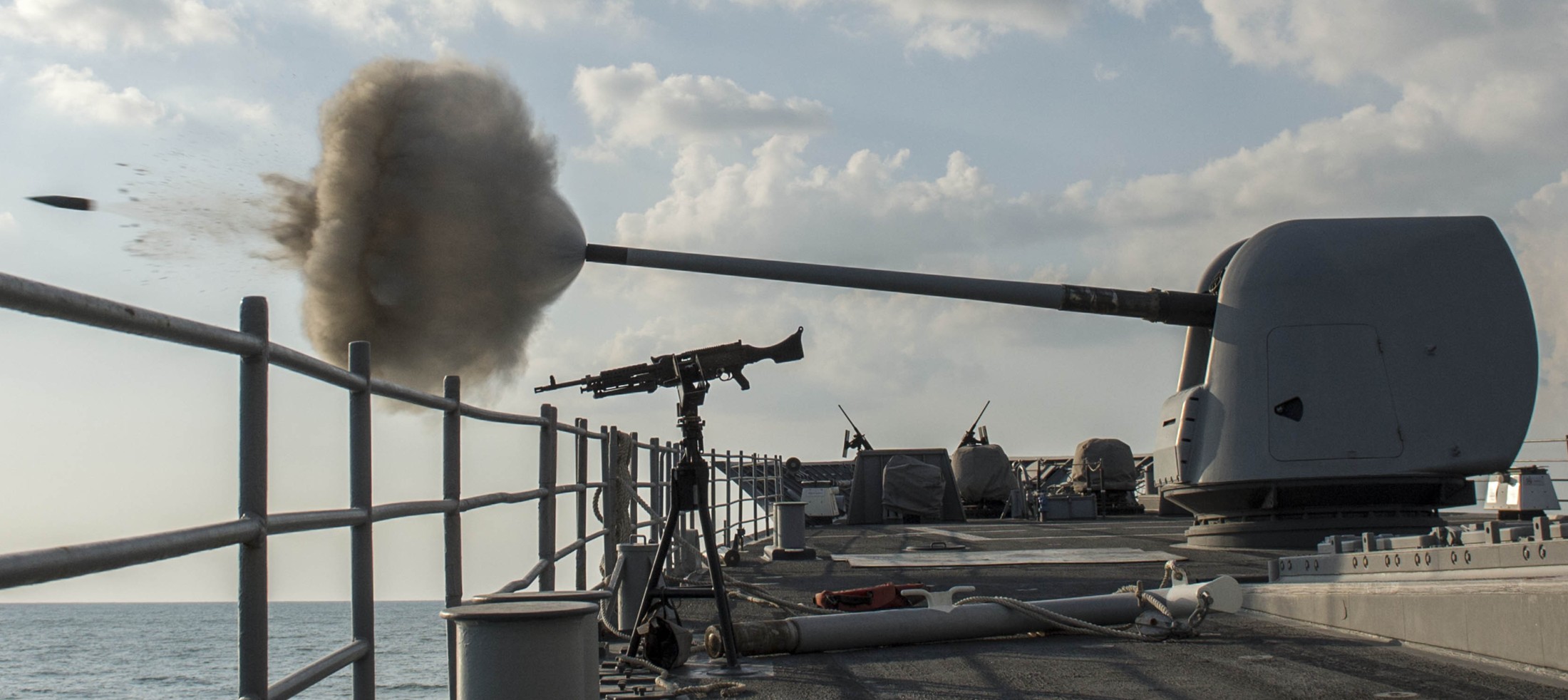 Mk.45 Mod.2 gun fire exercise - 5th Fleet AOR - December 2013 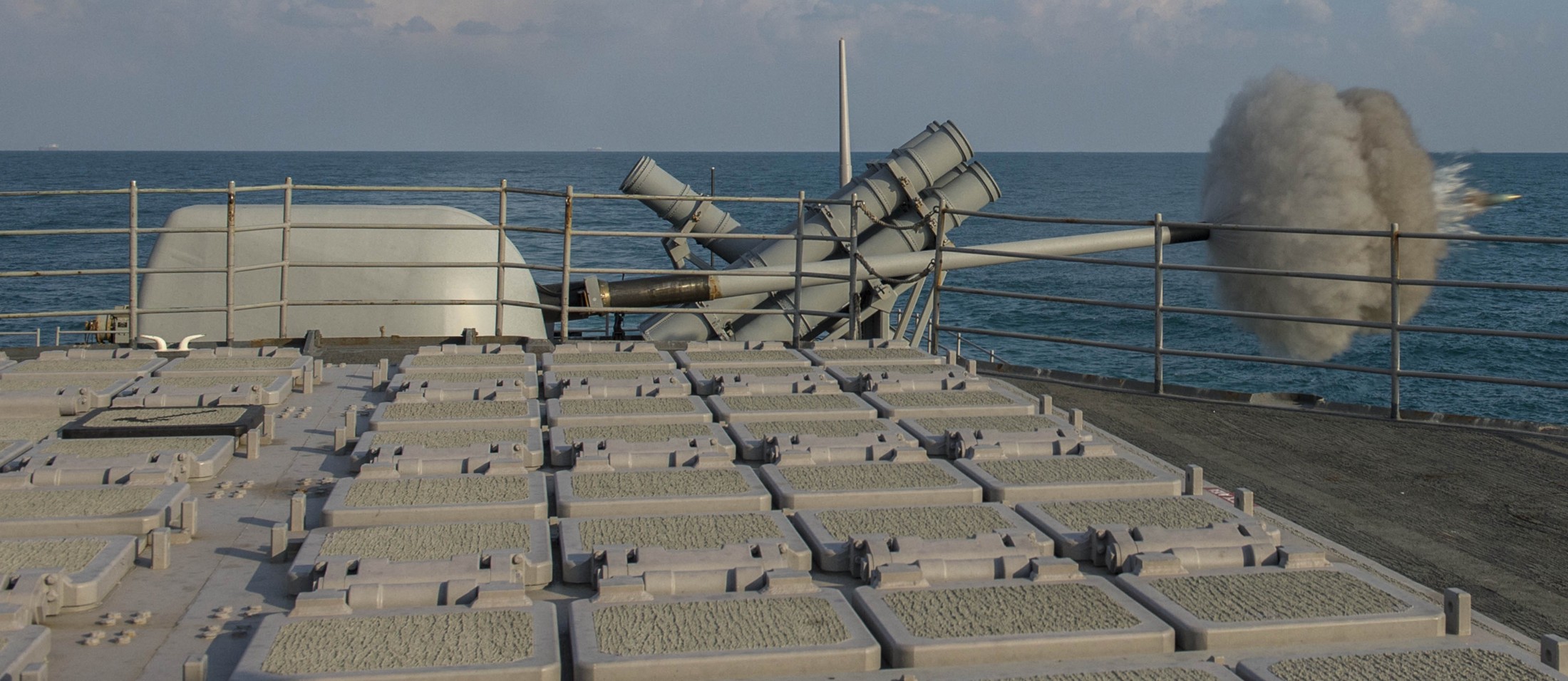 Mk.45 Mod.2 gun fire exercise - 5th Fleet AOR - December 2013 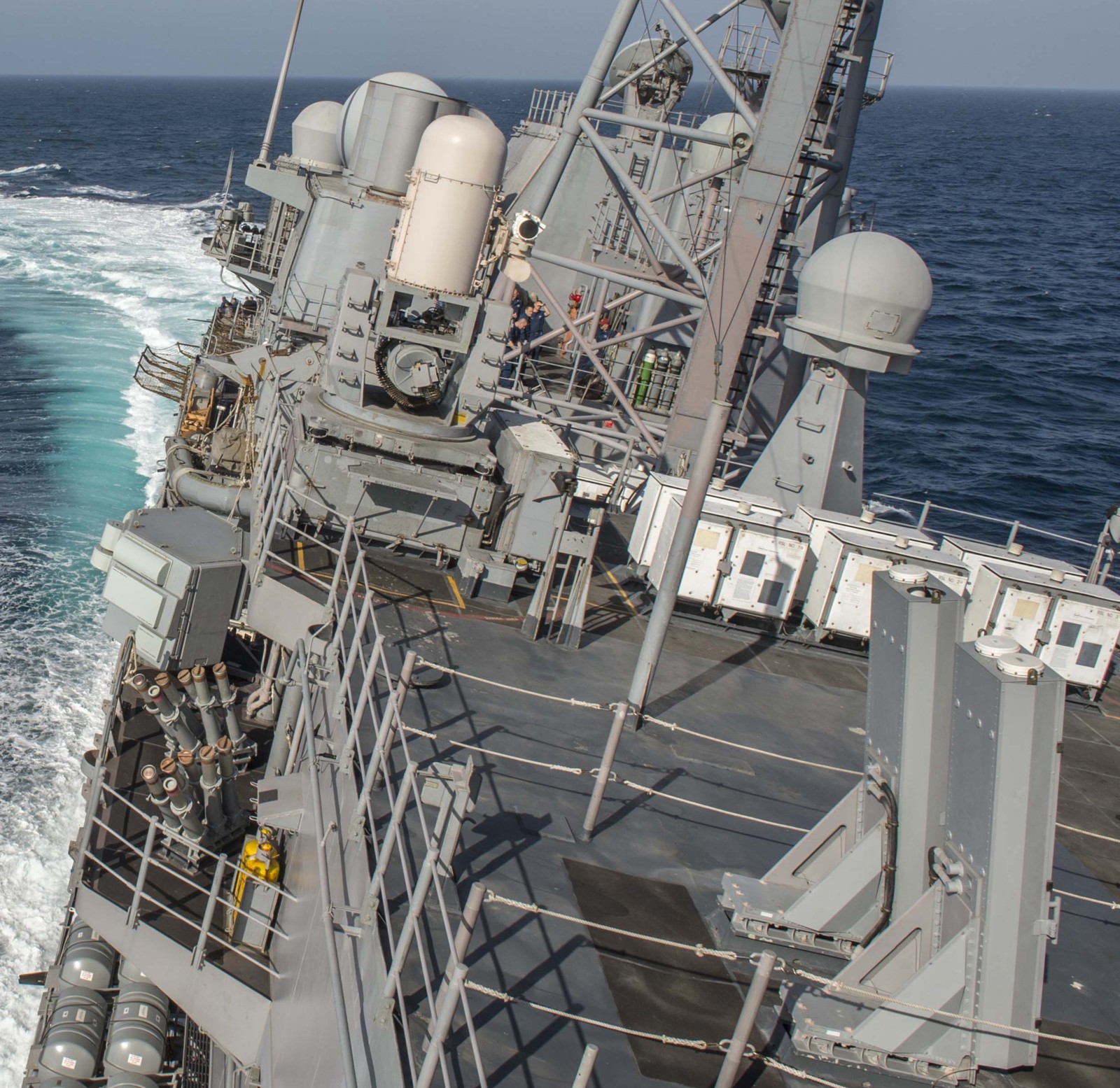 5th Fleet AOR - December 2013 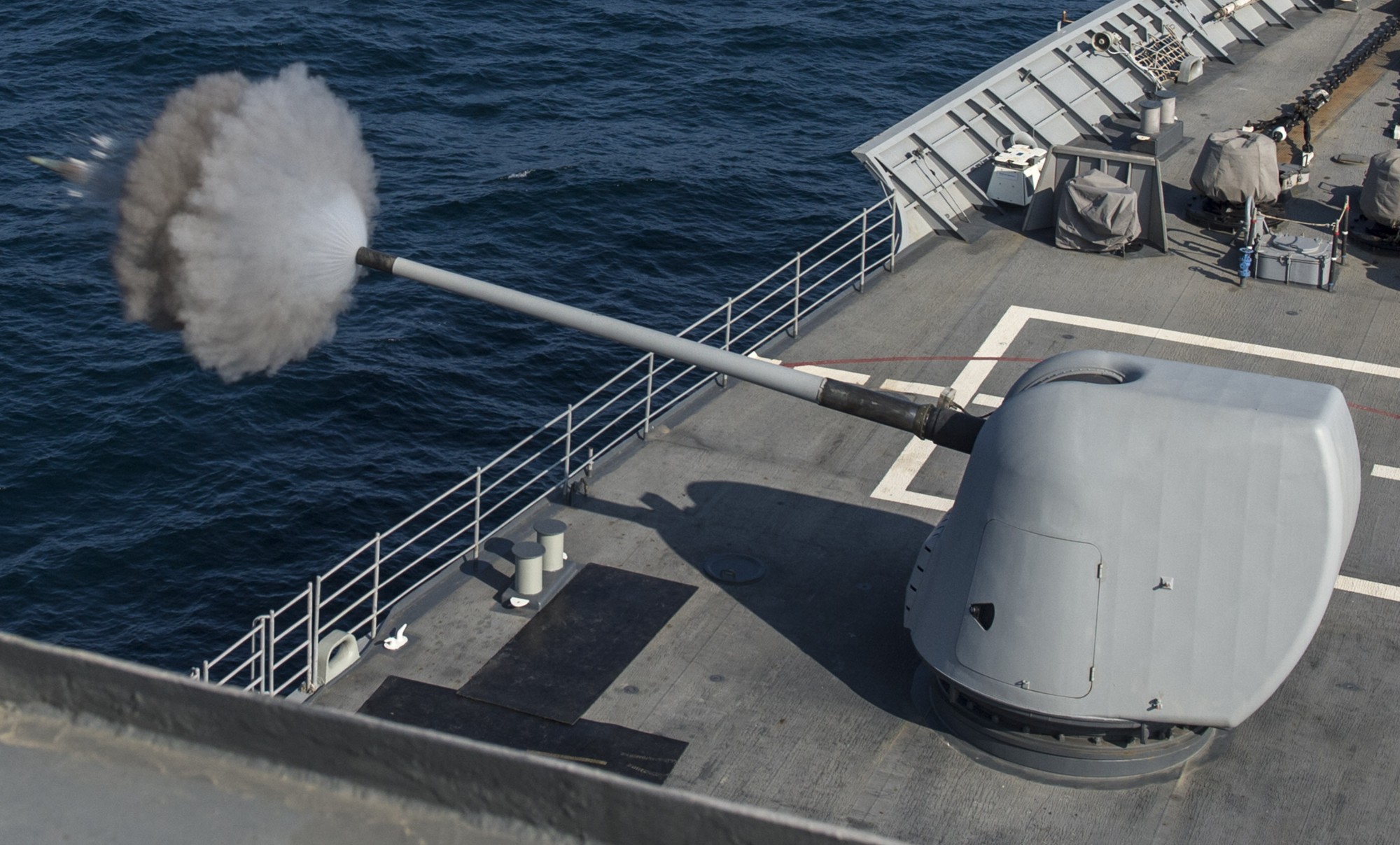 Mk.45 Mod.2 gun fire exercise - Arabian Sea - November 2013 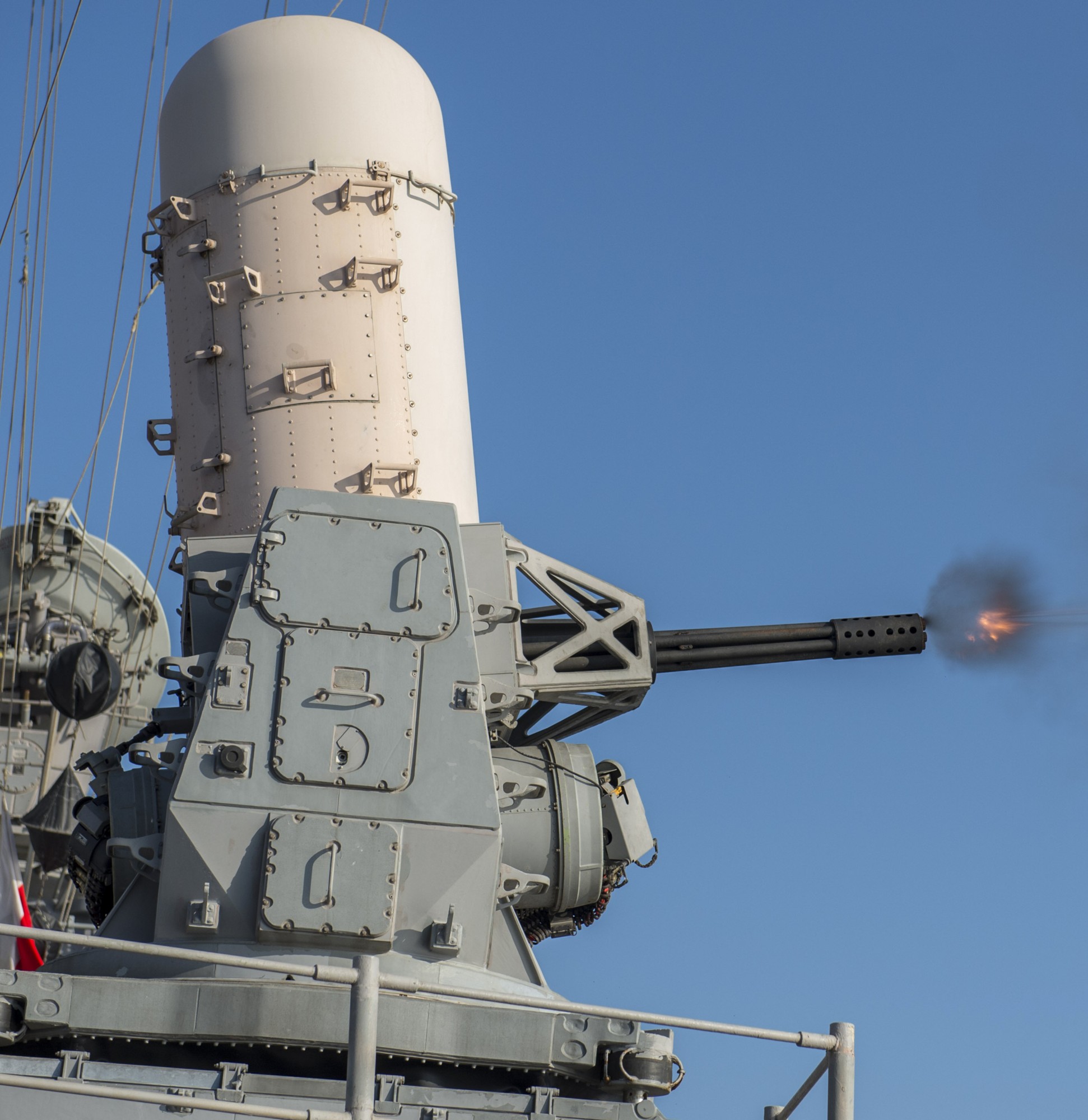 Mk.15 Phalanx CIWS fire exercise - Arabian Sea - November 2013 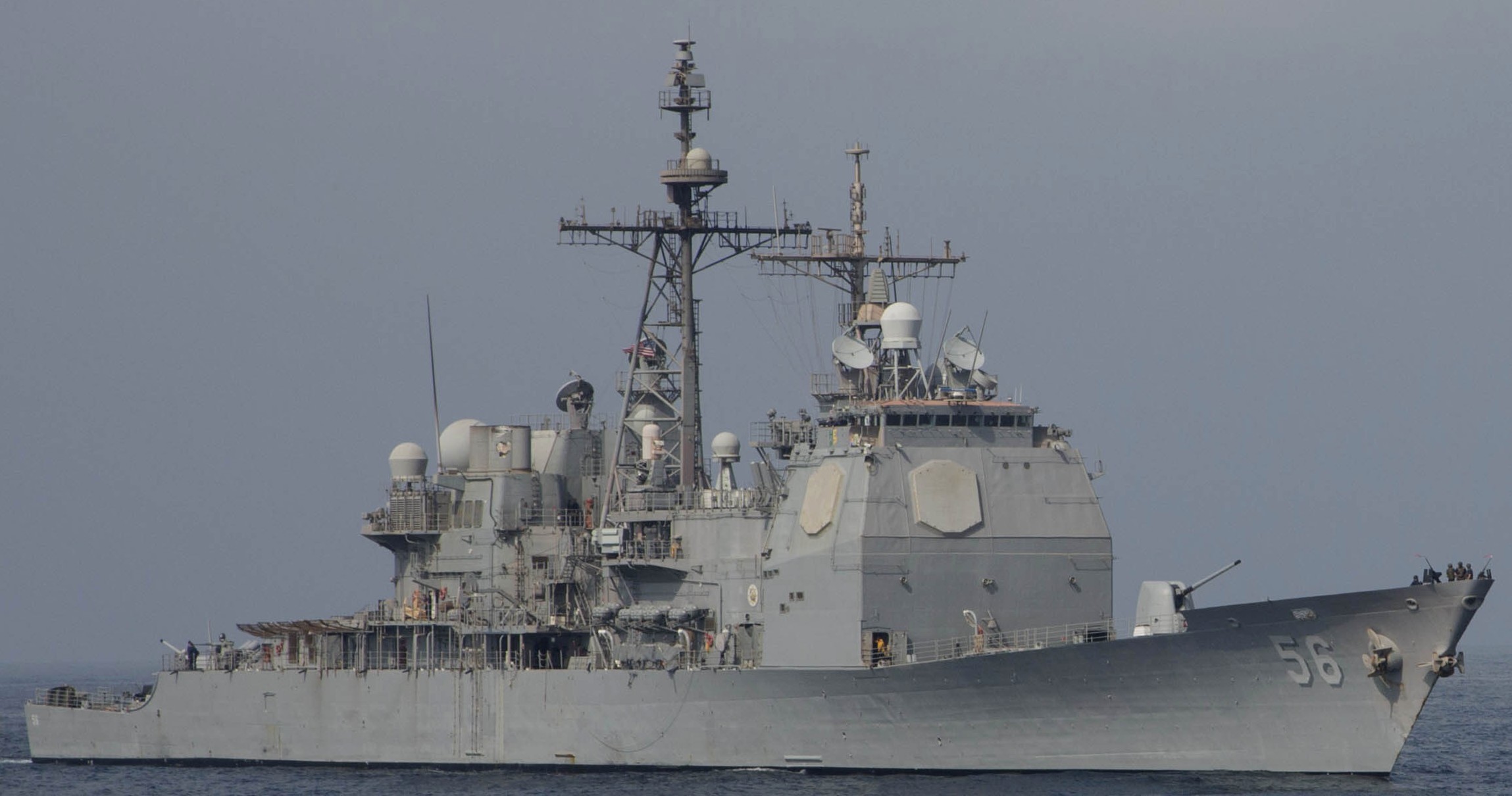 Red Sea - November 2013 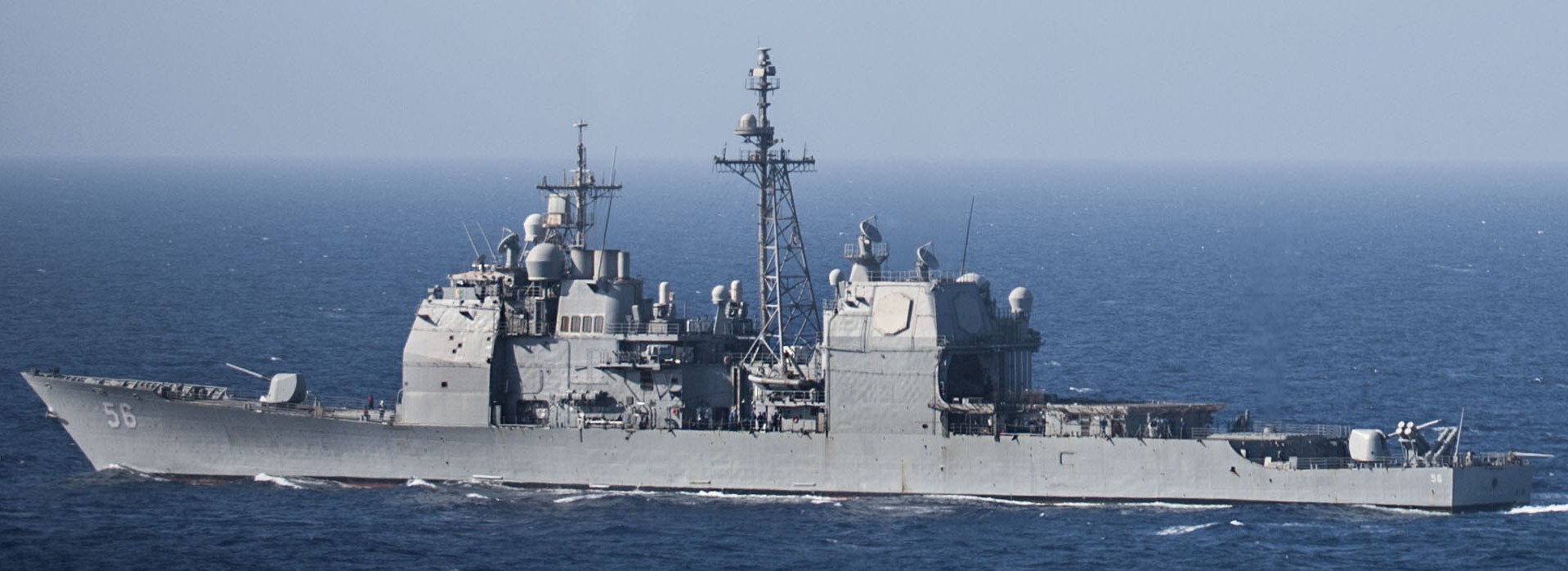 5th Fleet AOR - October 2013 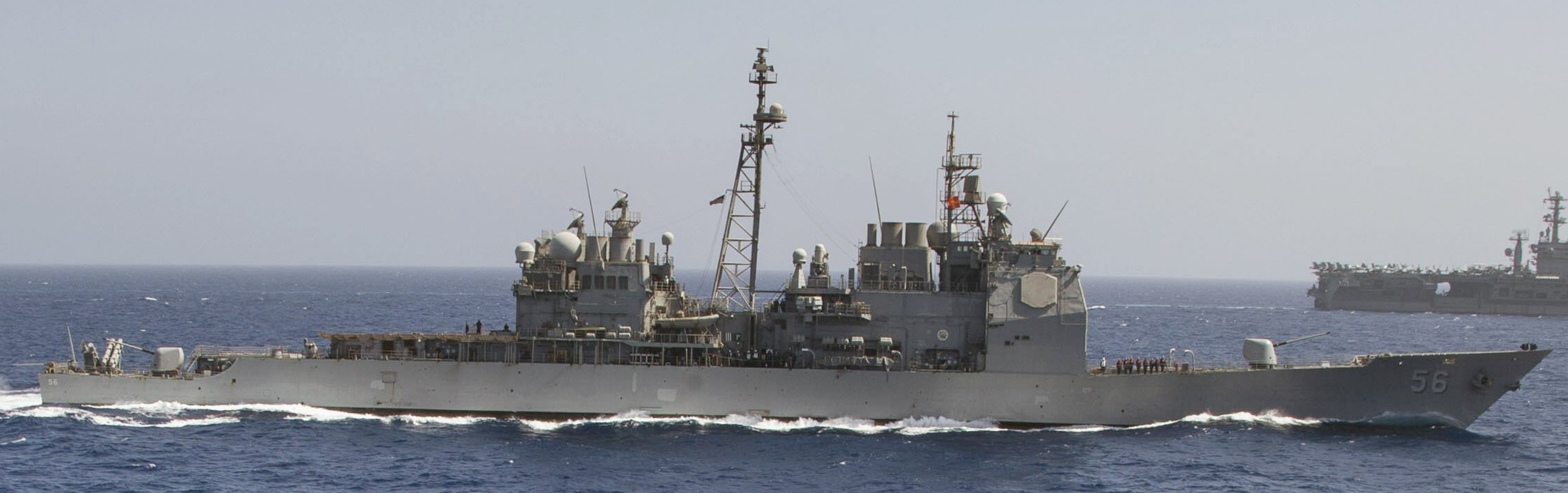 5th Fleet AOR - October 2013 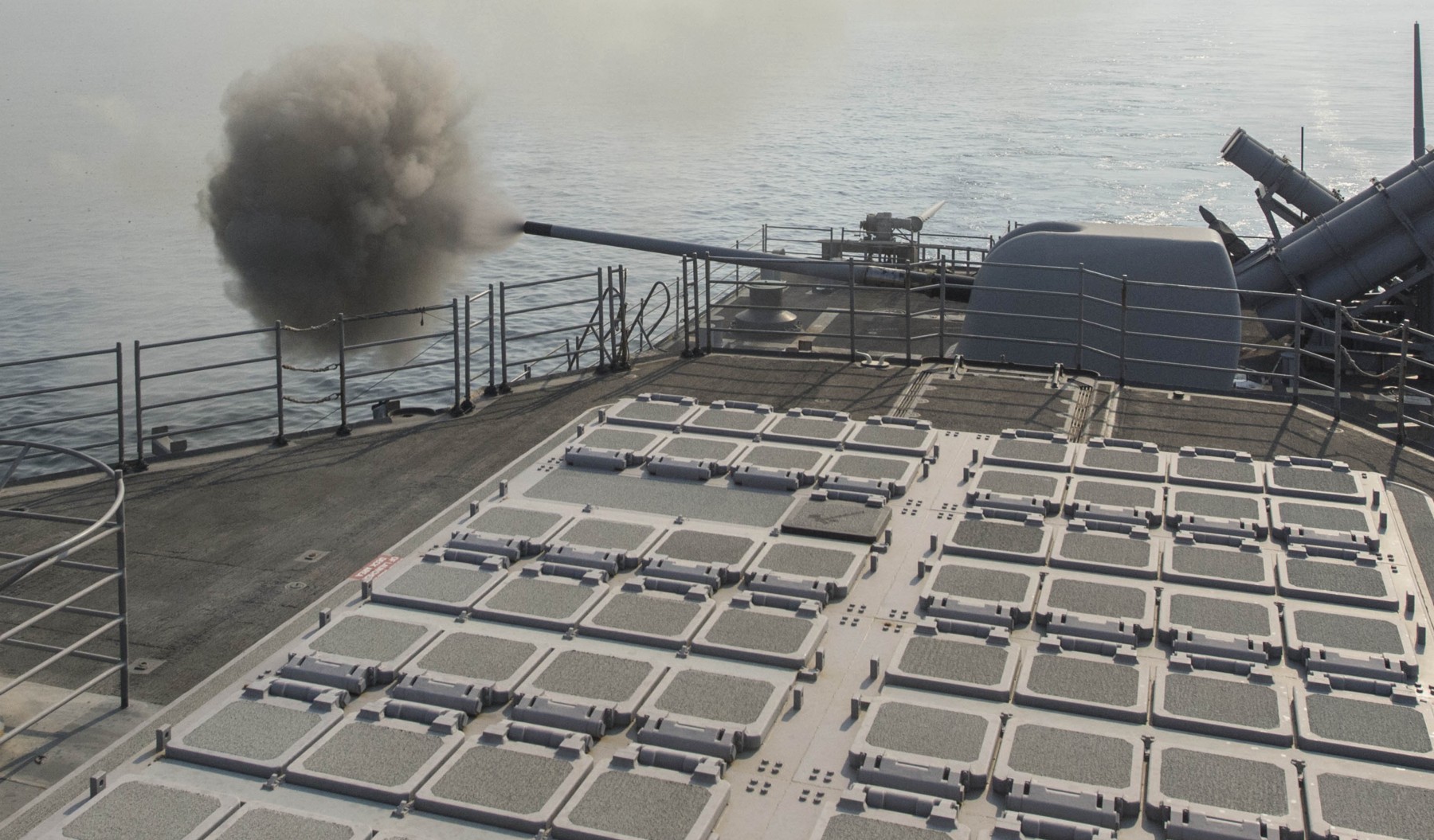 Mk.45 Mod.2 gun fire exercise - 5th Fleet AOR - September 2013 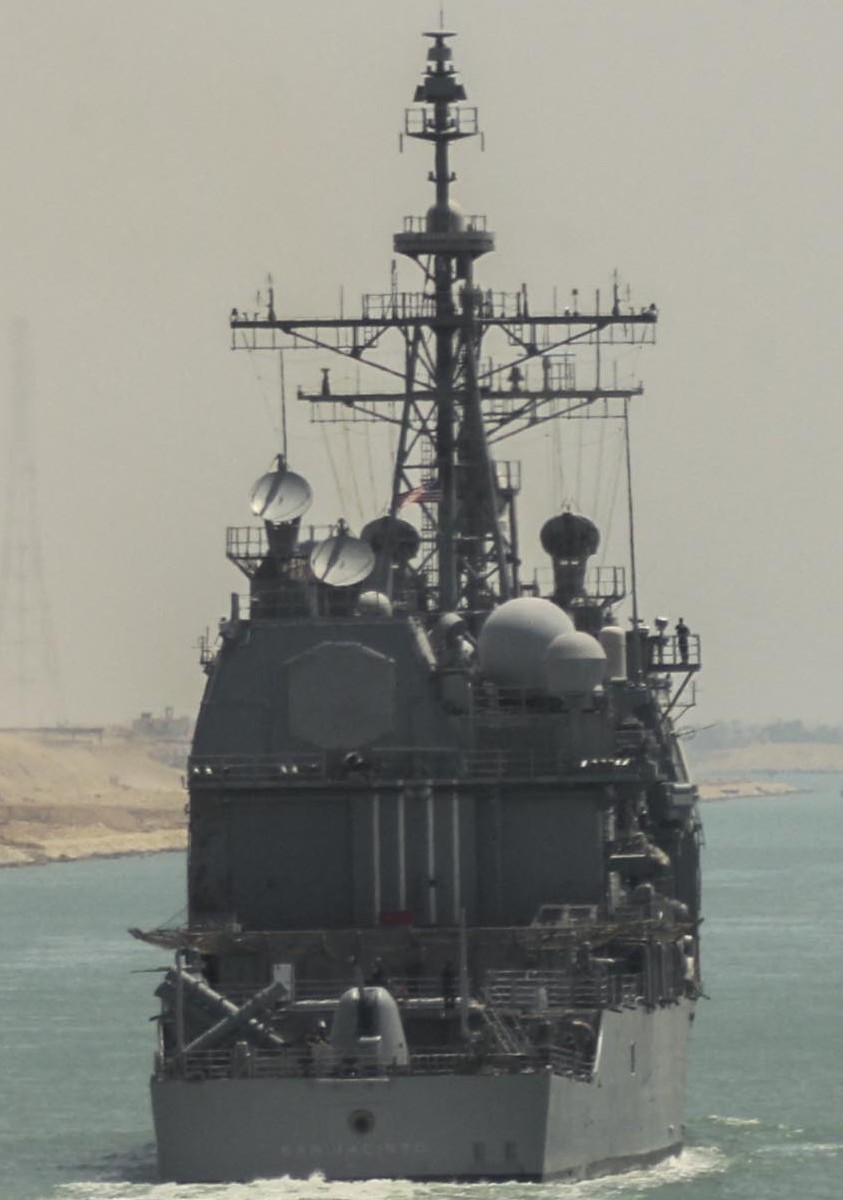 Suez Canal - August 2013 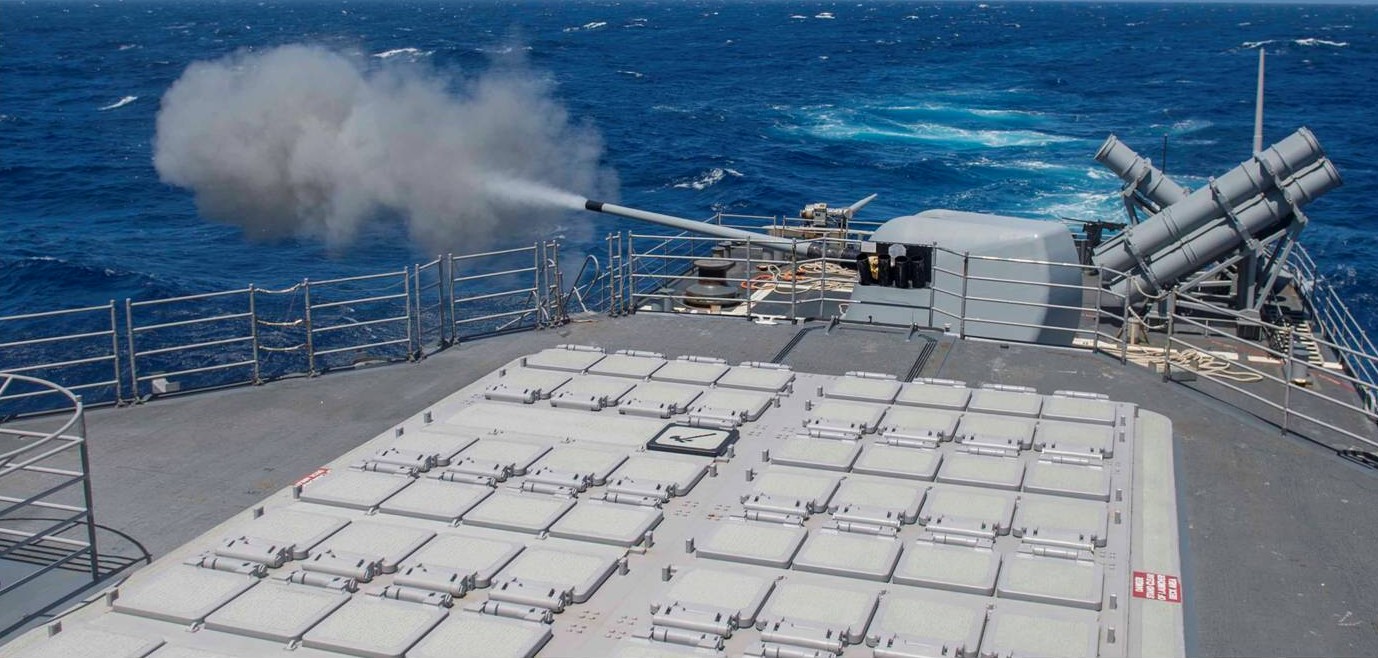 Atlantic Ocean - July 2013 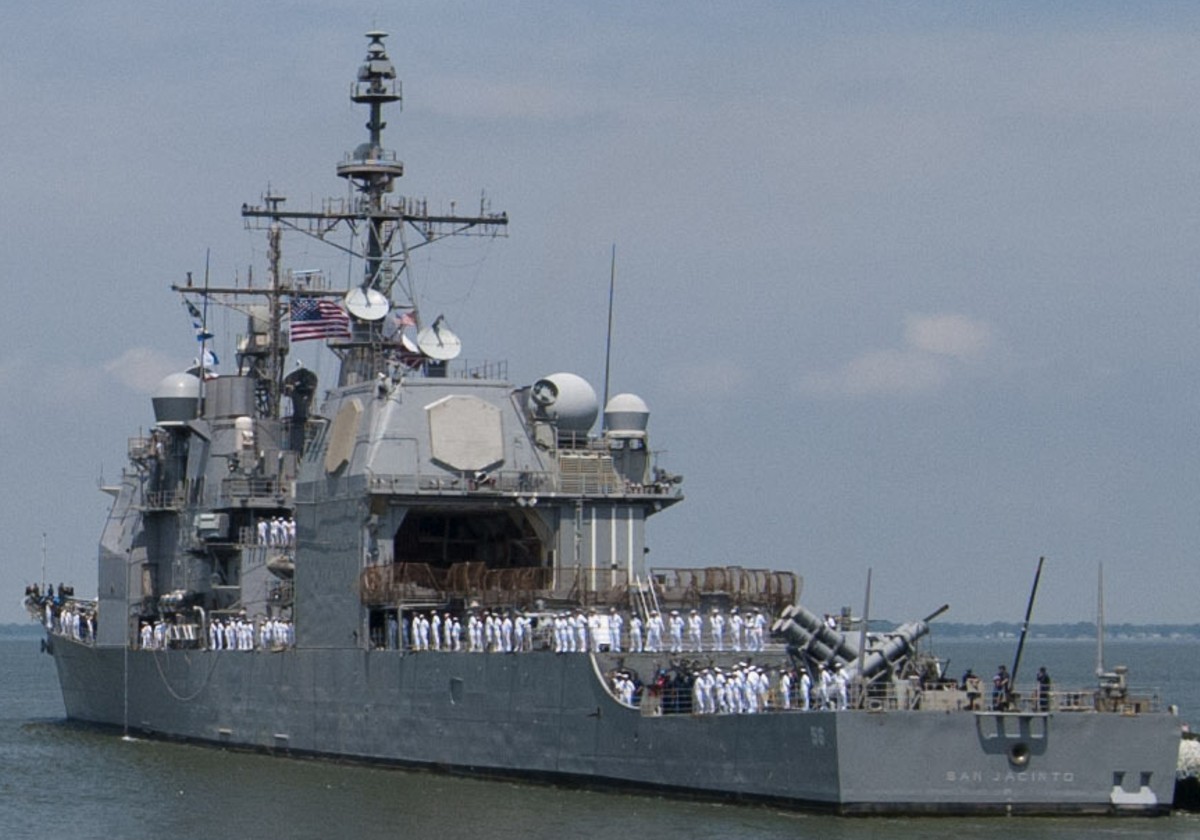 departing Naval Station Norfolk, Virginia - July 2013 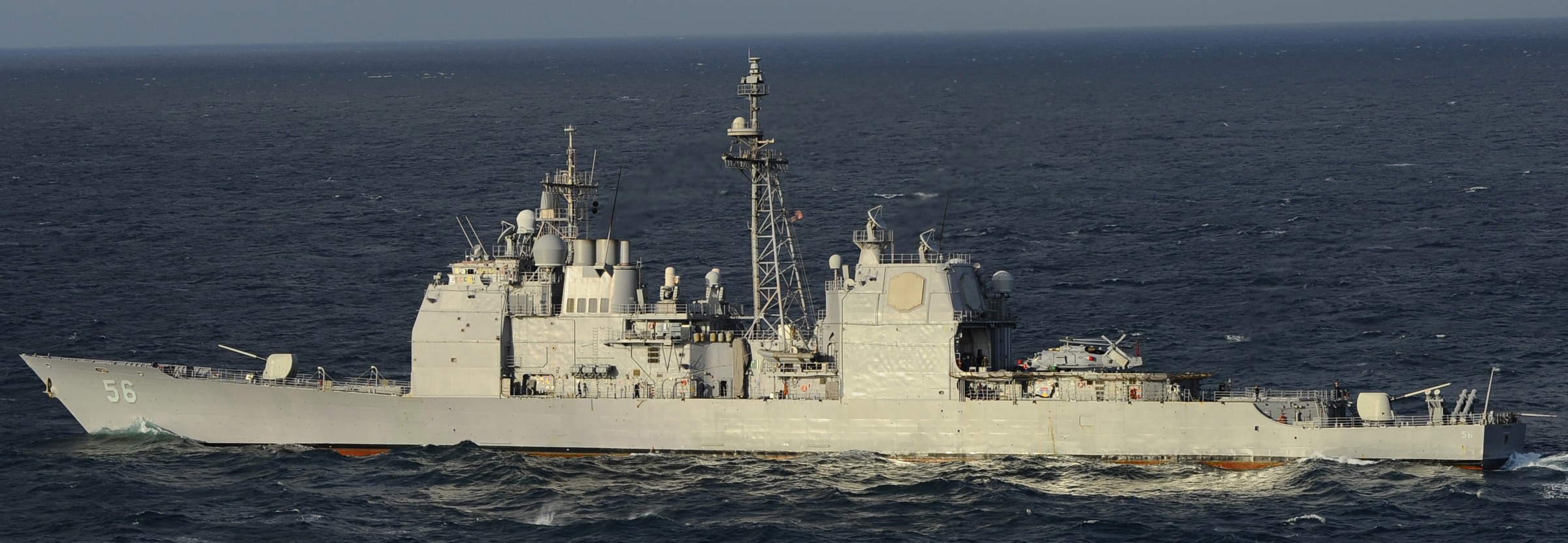 Atlantic Ocean - October 2012 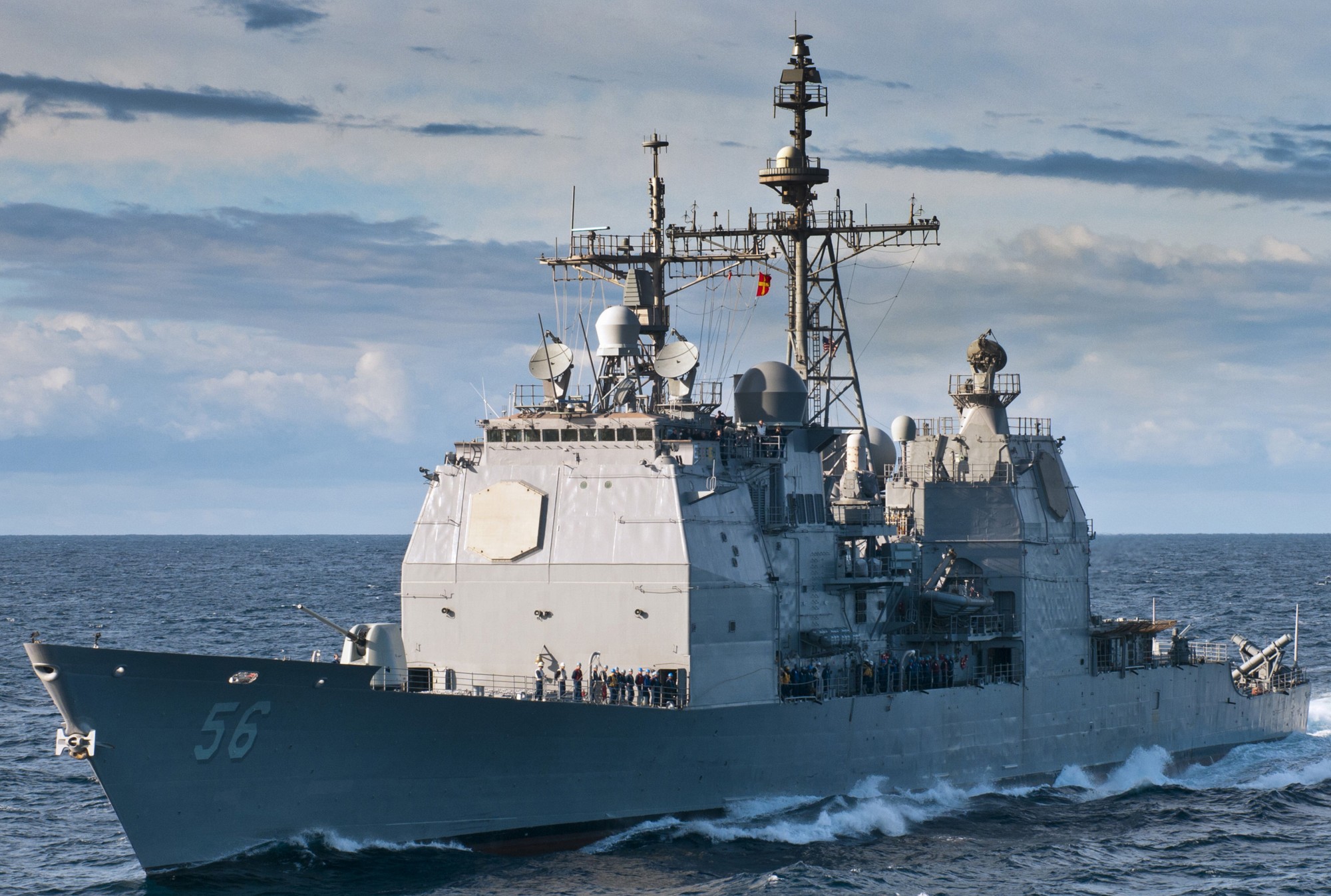 Atlantic Ocean - June 2012 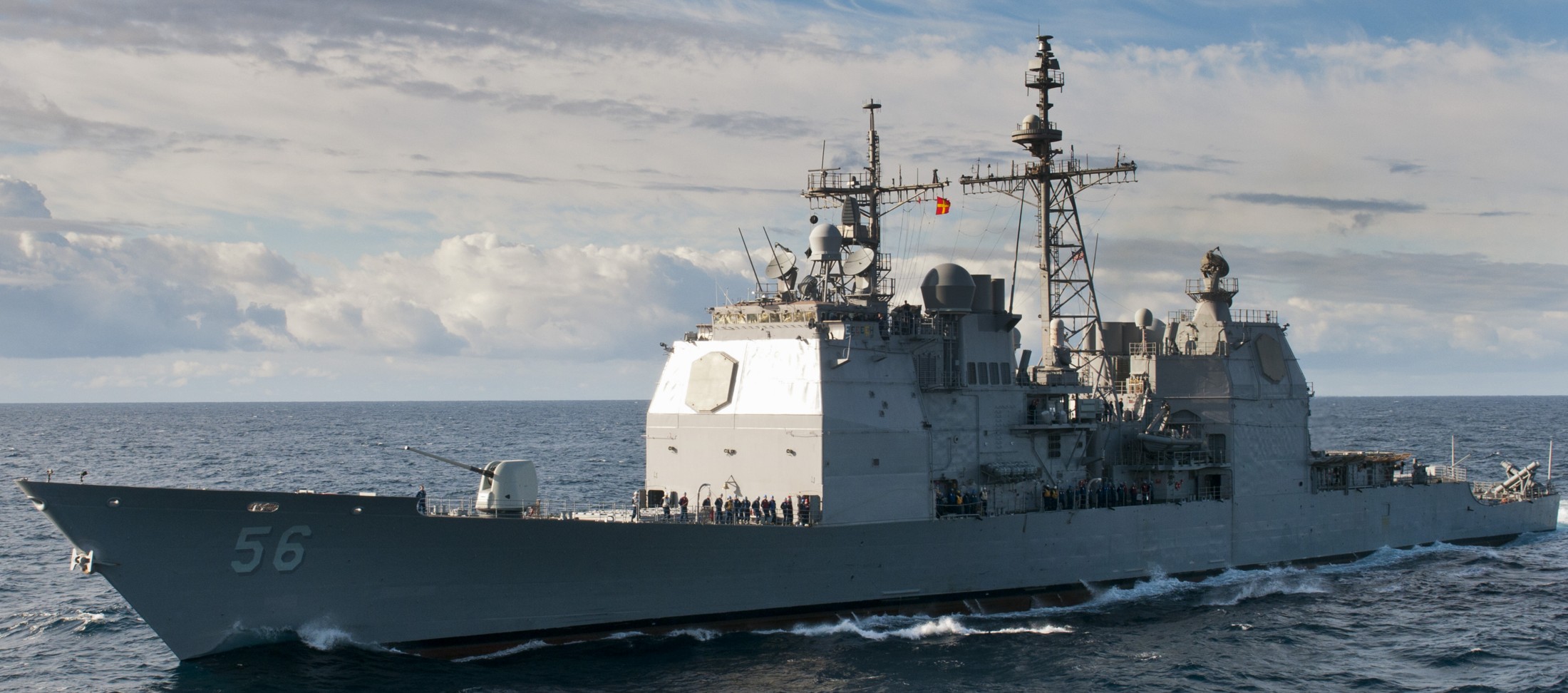 Atlantic Ocean - June 2012 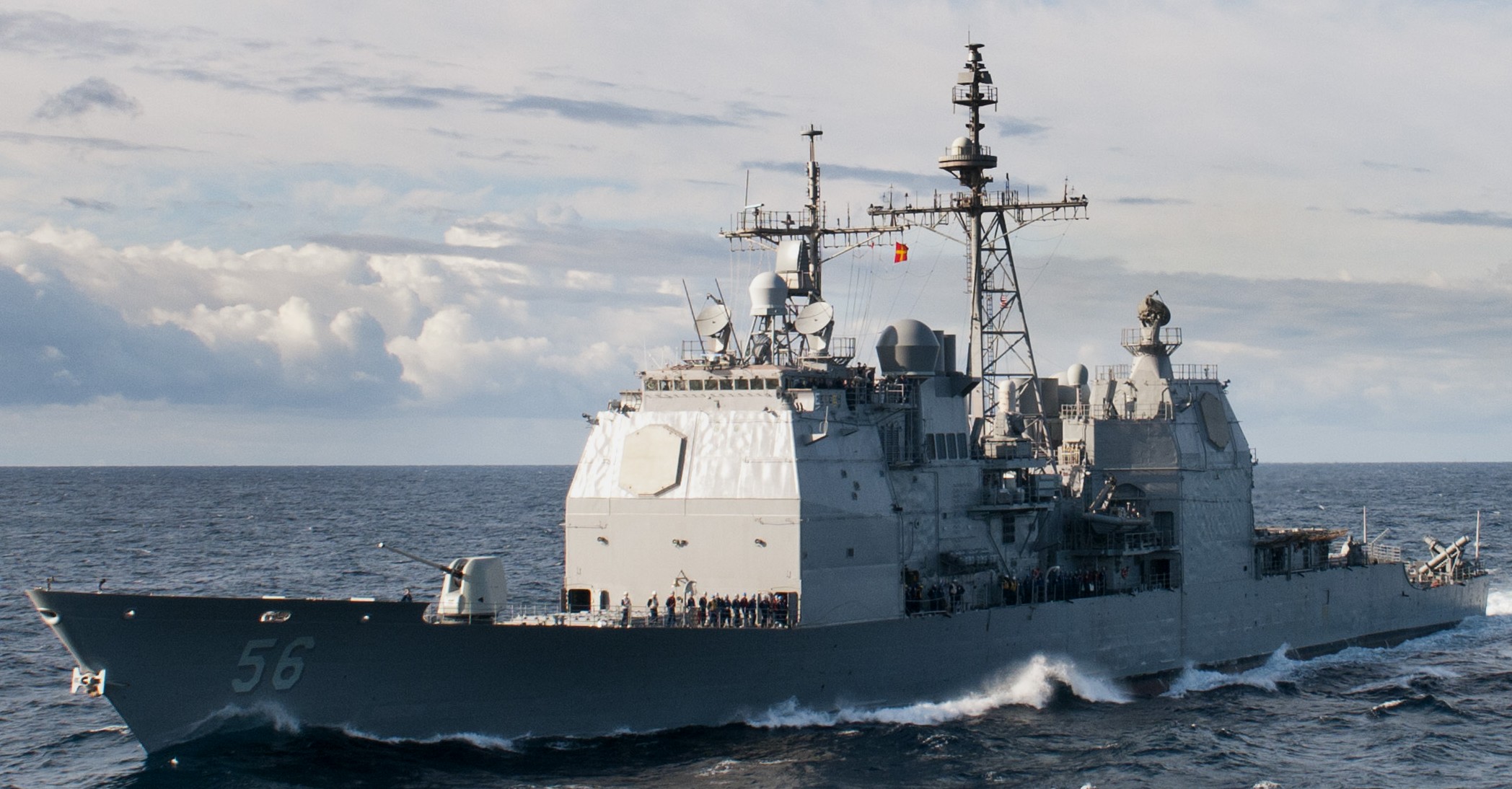 Atlantic Ocean - June 2012 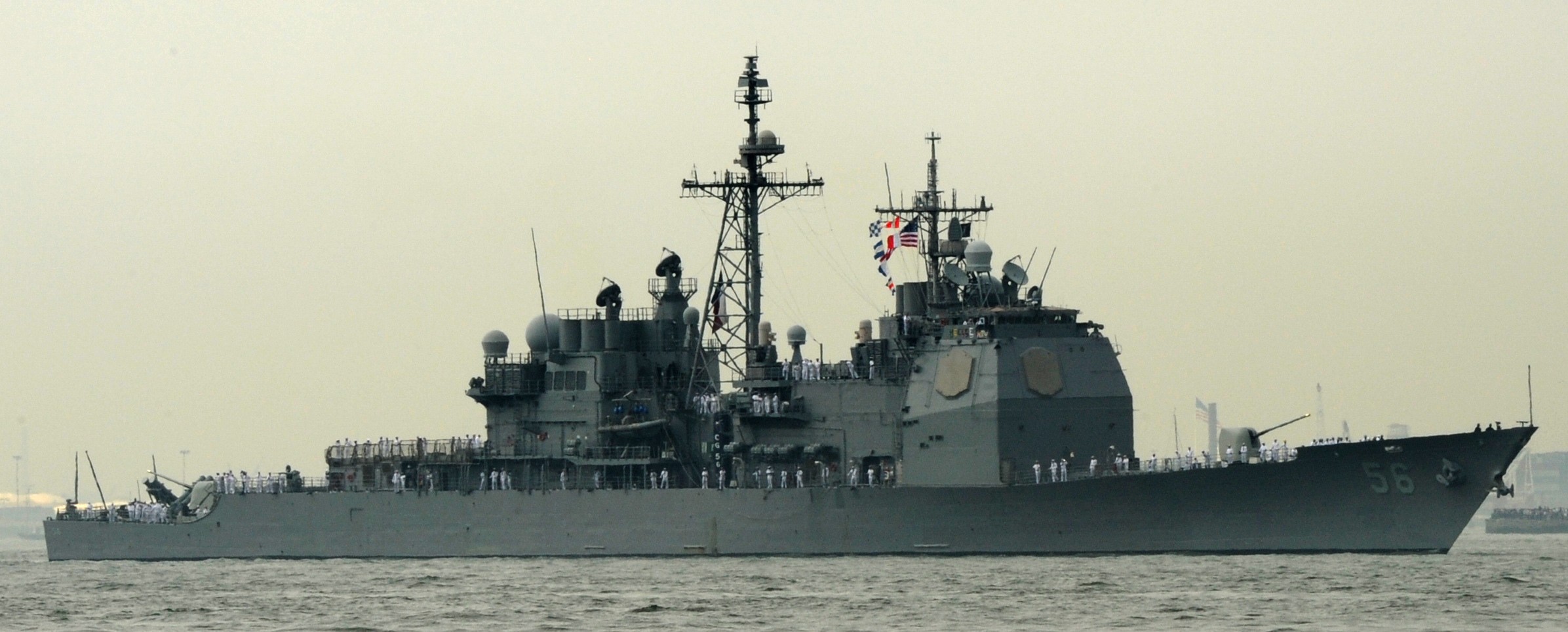 New York Fleet Week - May 2012 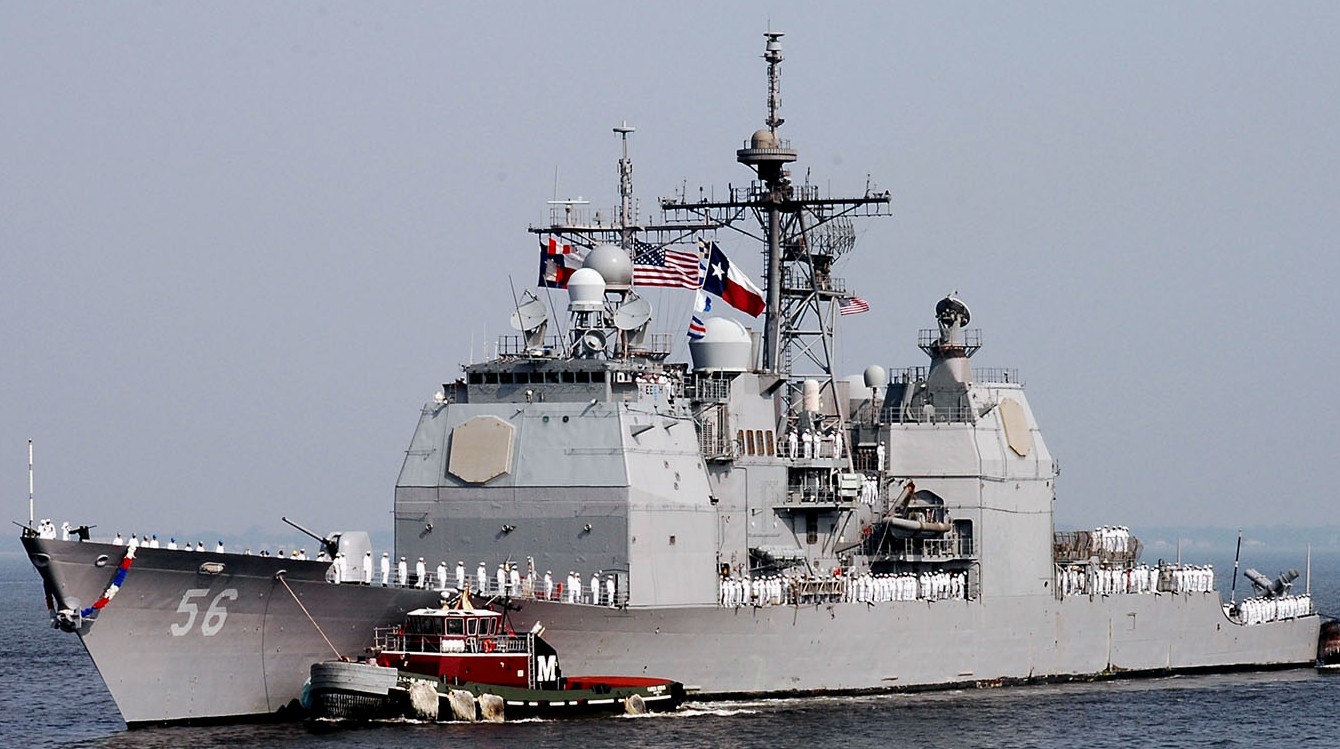 returning to Naval Station Norfolk, Virginia - August 2010 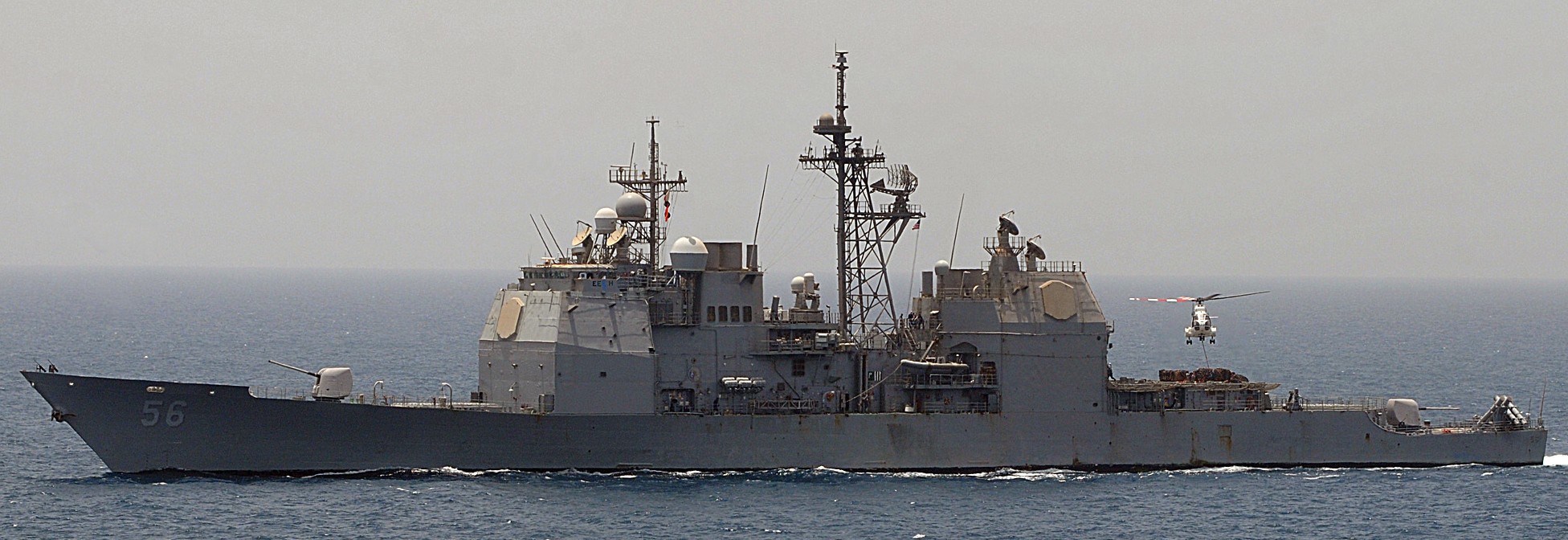 5th Fleet AOR - July 2010 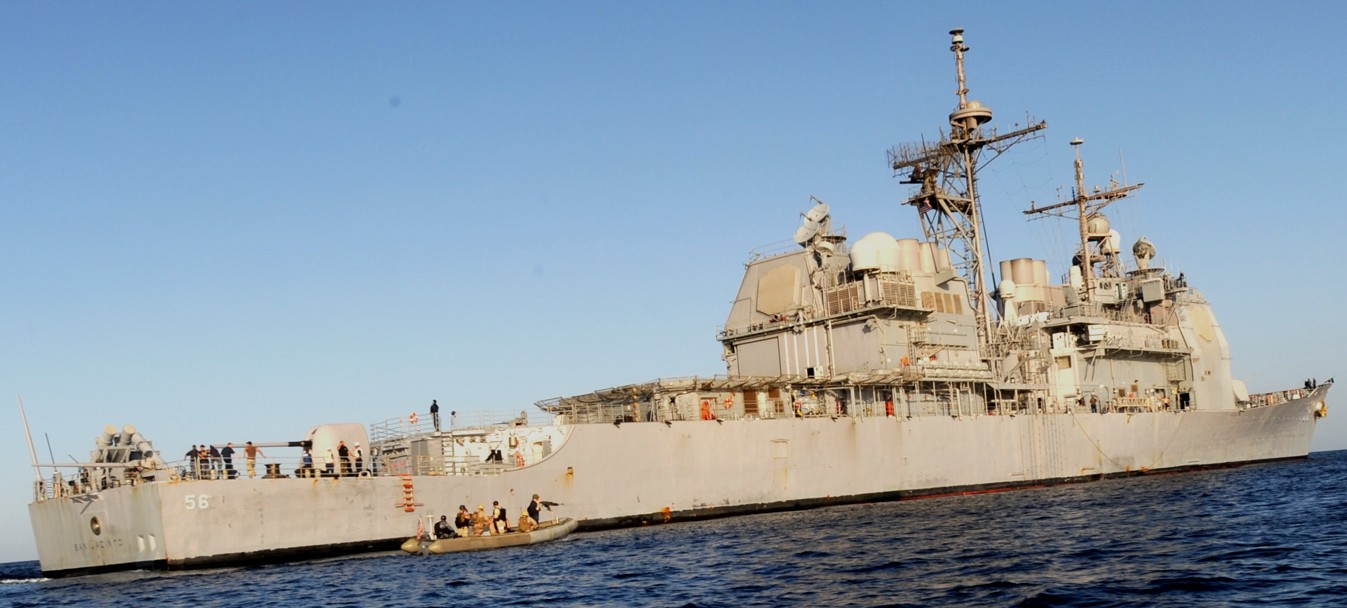 Gulf of Aden - May 2010 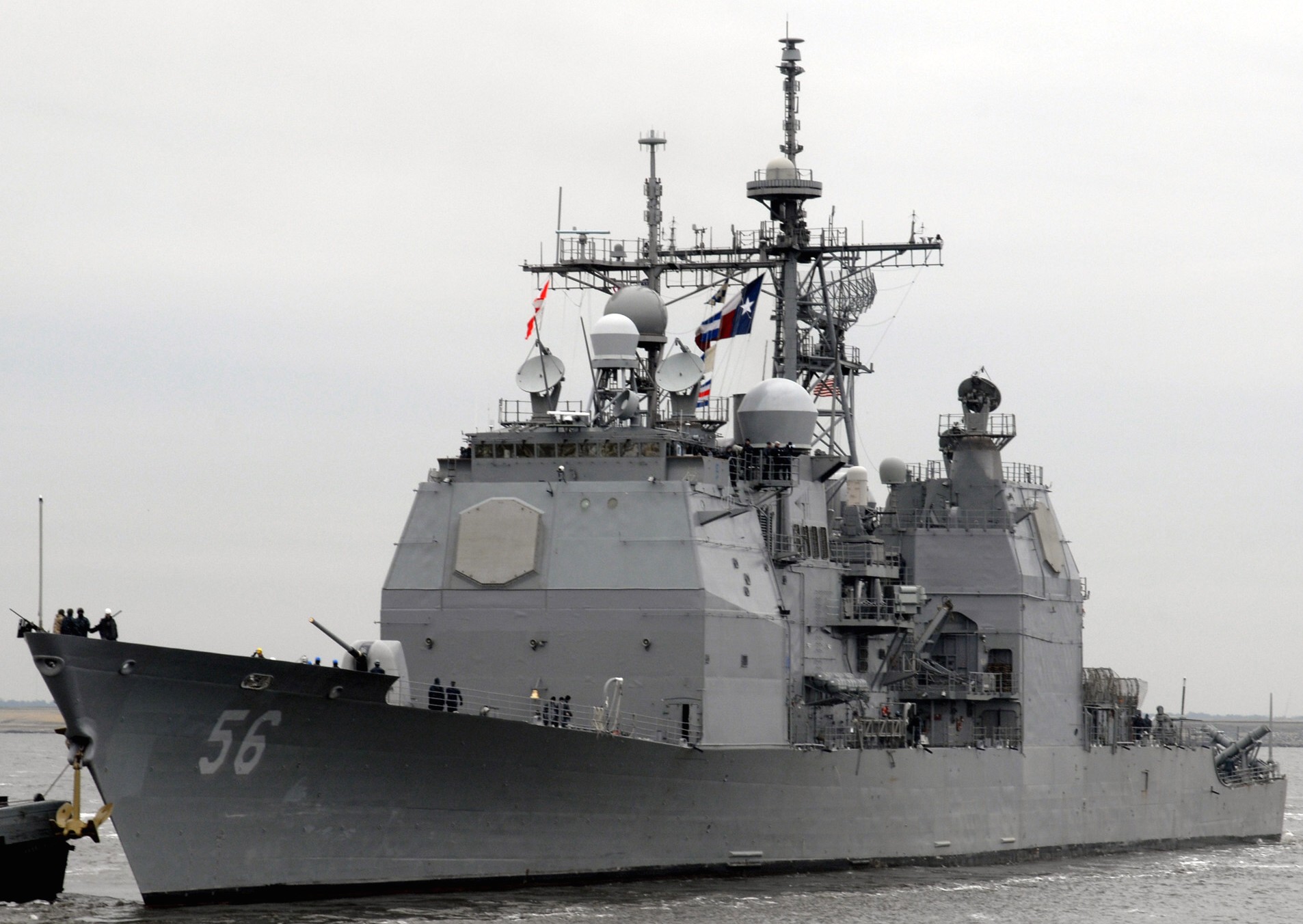 departing Naval Station Norfolk, Virginia - January 2010 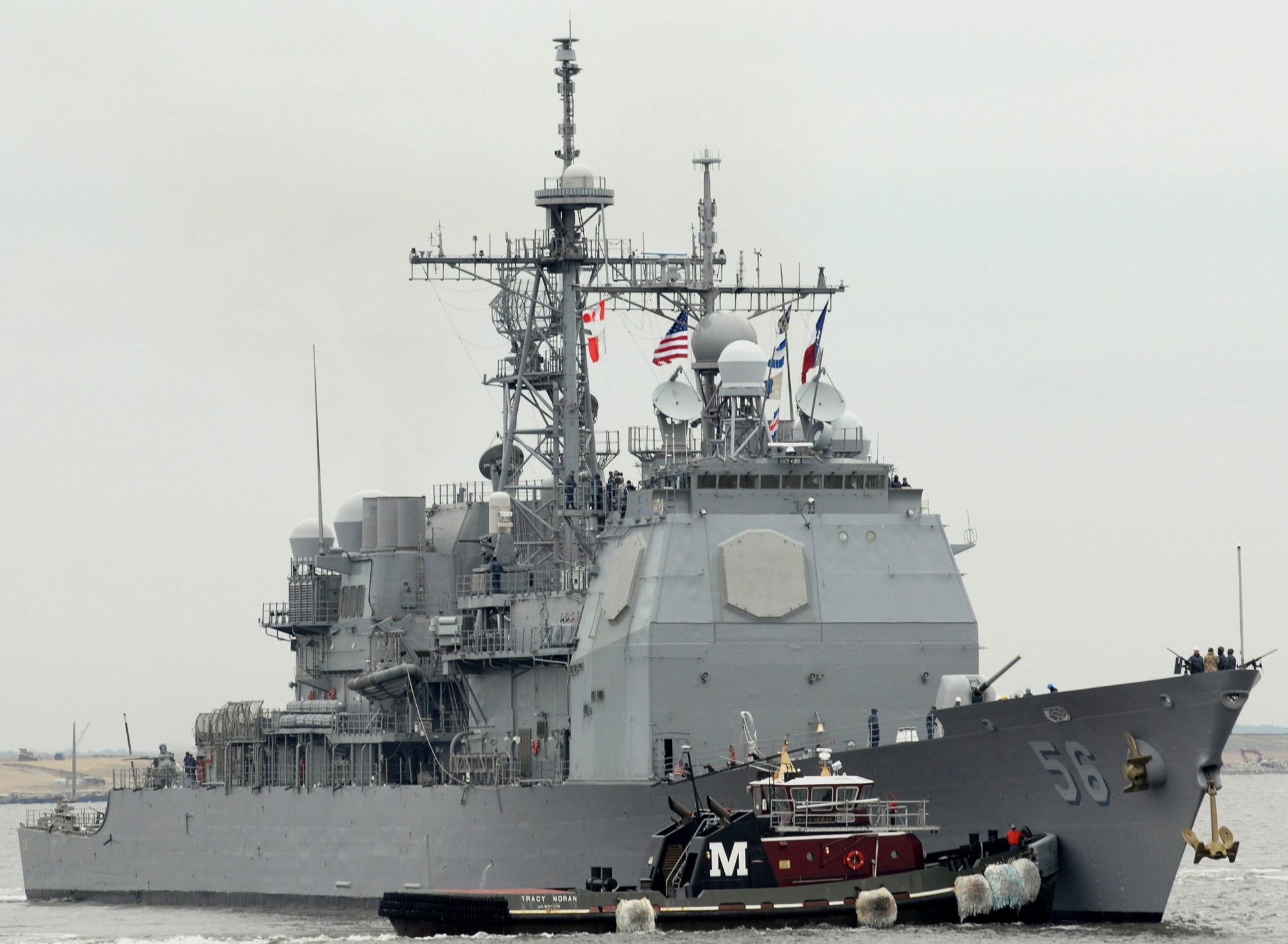 departing Naval Station Norfolk, Virginia - January 2010 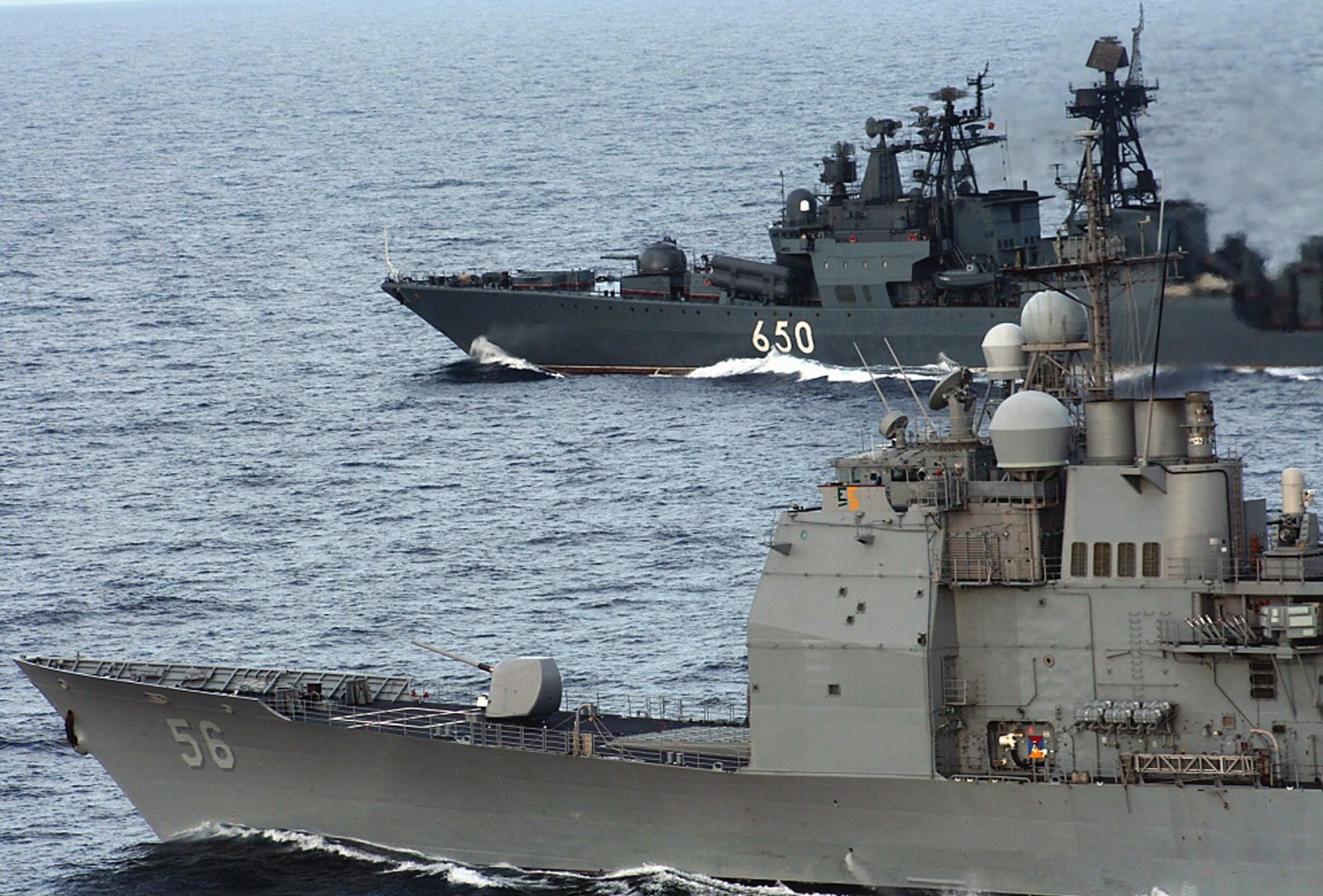 Mediterranean Sea - May 2008 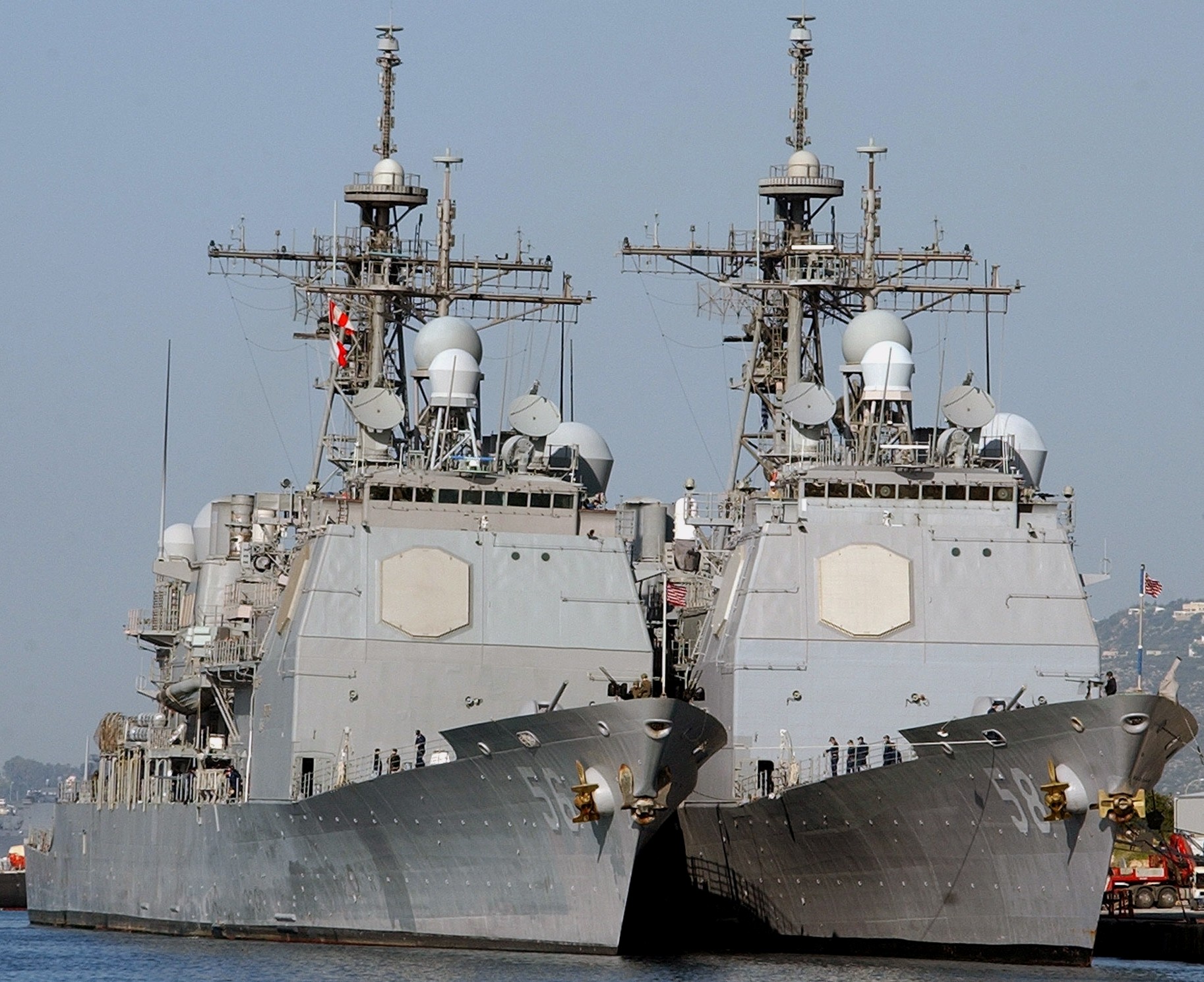 with USS Philippine Sea (CG 58) - Naval Support Activity Souda Bay, Crete, Greece - March 2008 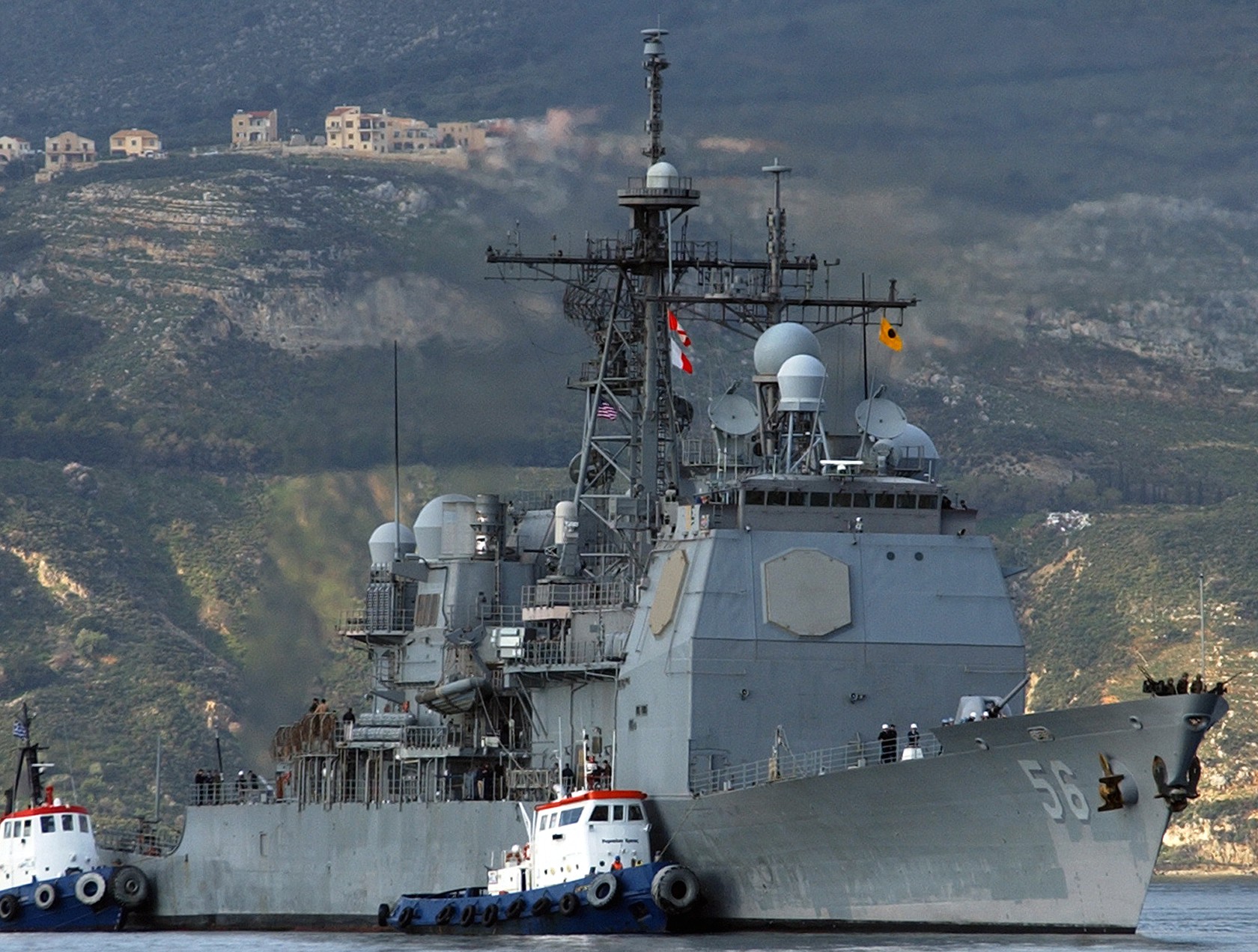 Naval Support Activity Souda Bay, Crete, Greece - March 2008 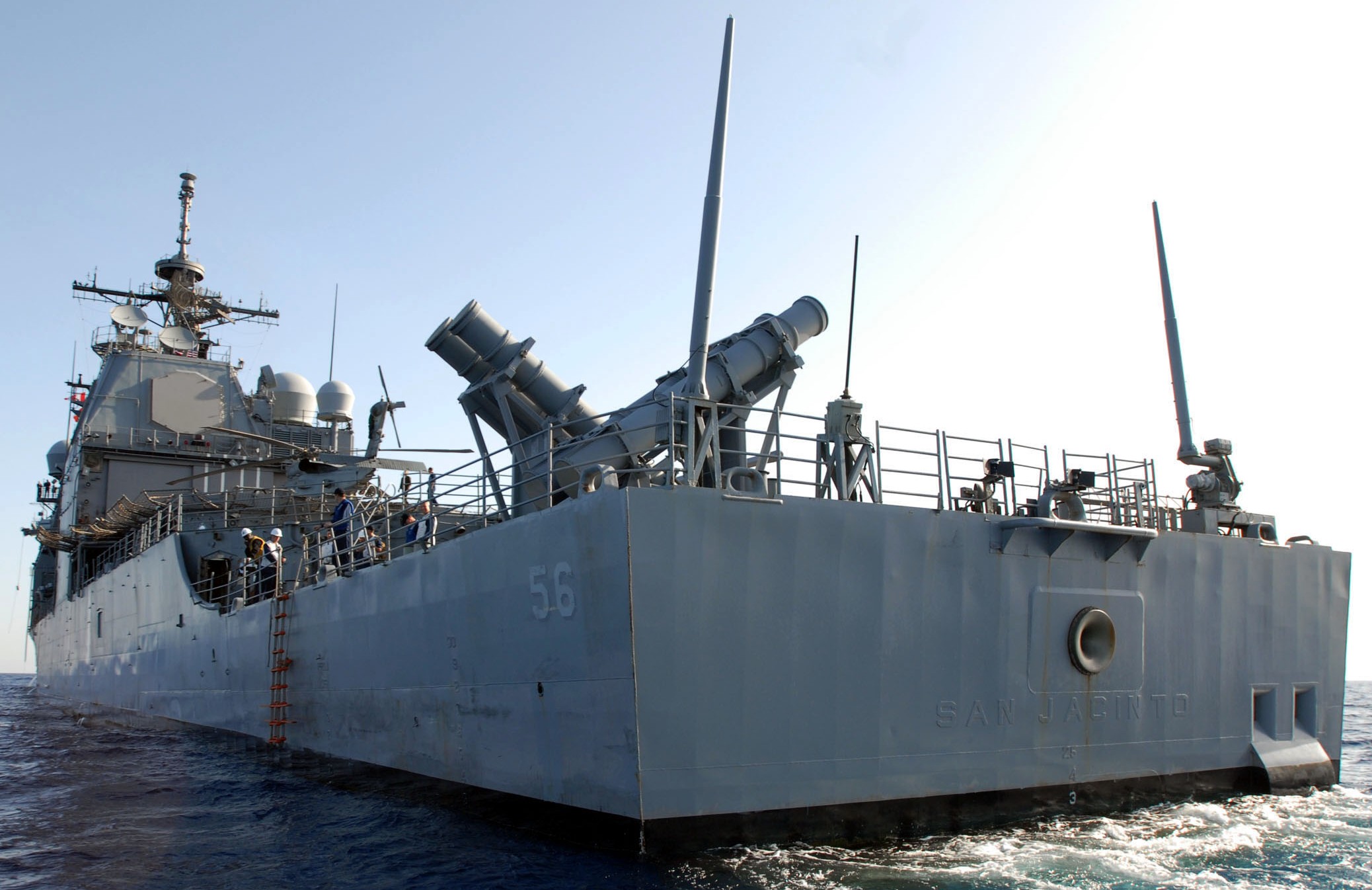 Naval Support Activity Souda Bay, Crete, Greece - March 2008 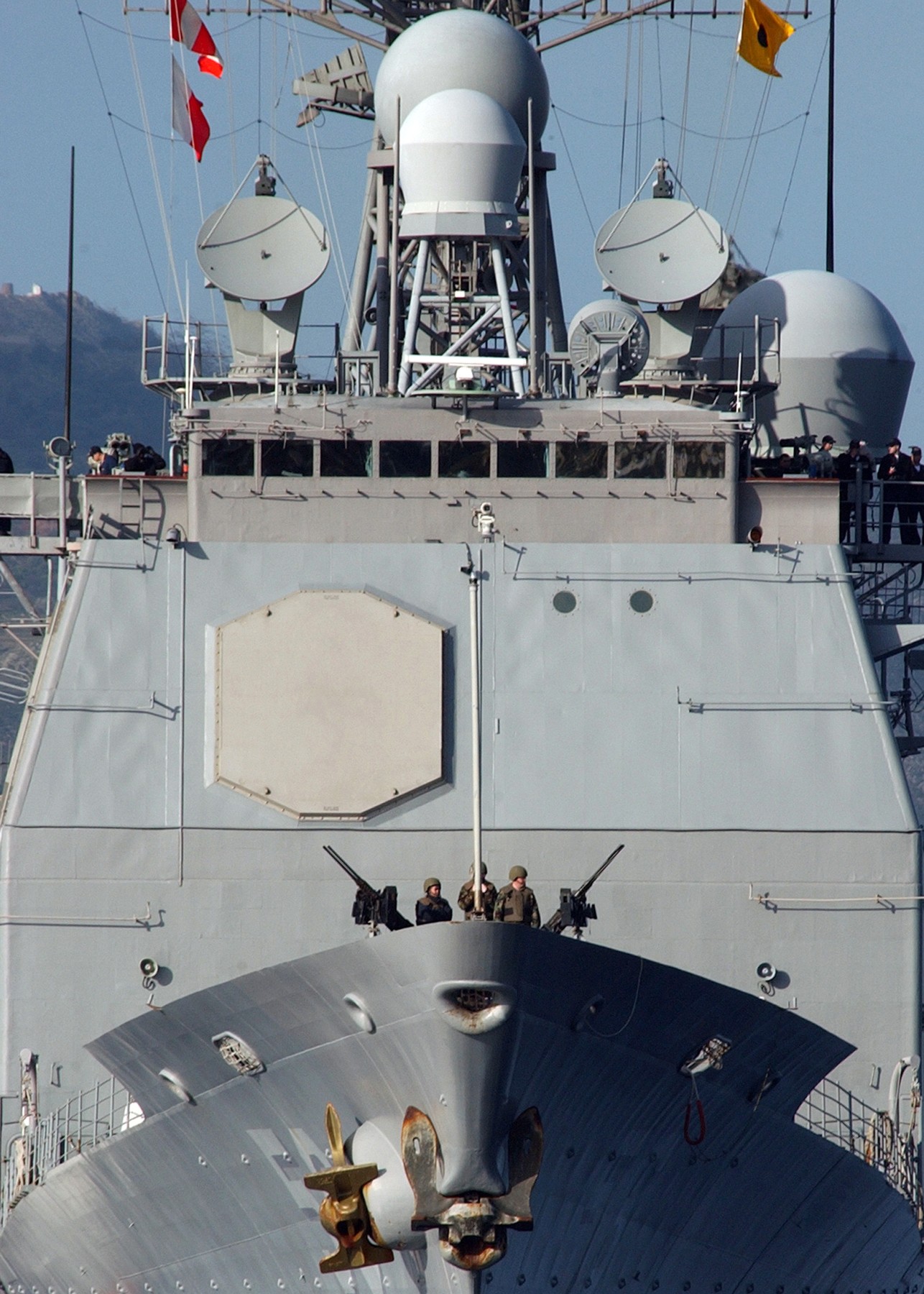 Naval Support Activity Souda Bay, Crete, Greece - March 2008 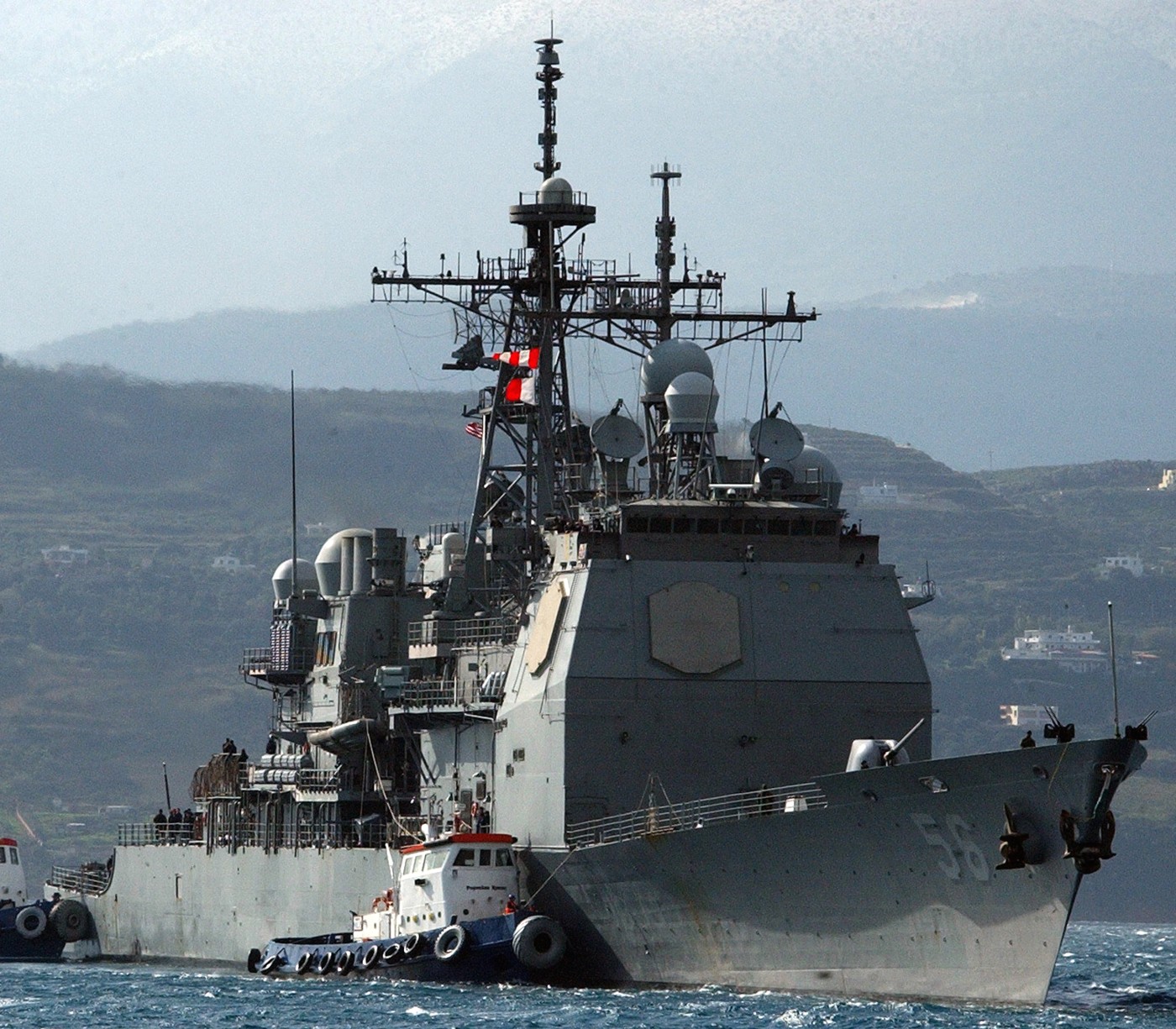 Naval Support Activity Souda Bay, Crete, Greece - January 2008 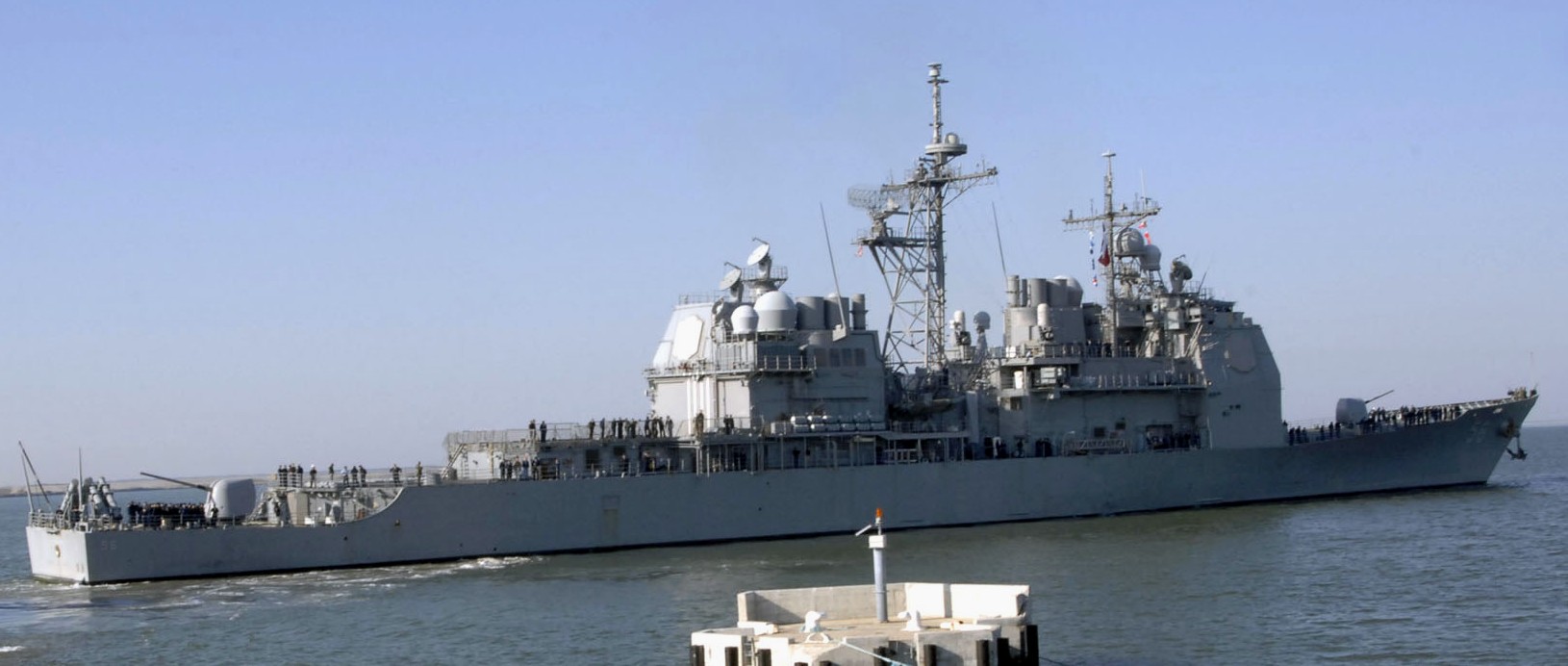 departing Naval Station Norfolk, Virginia - November 2007 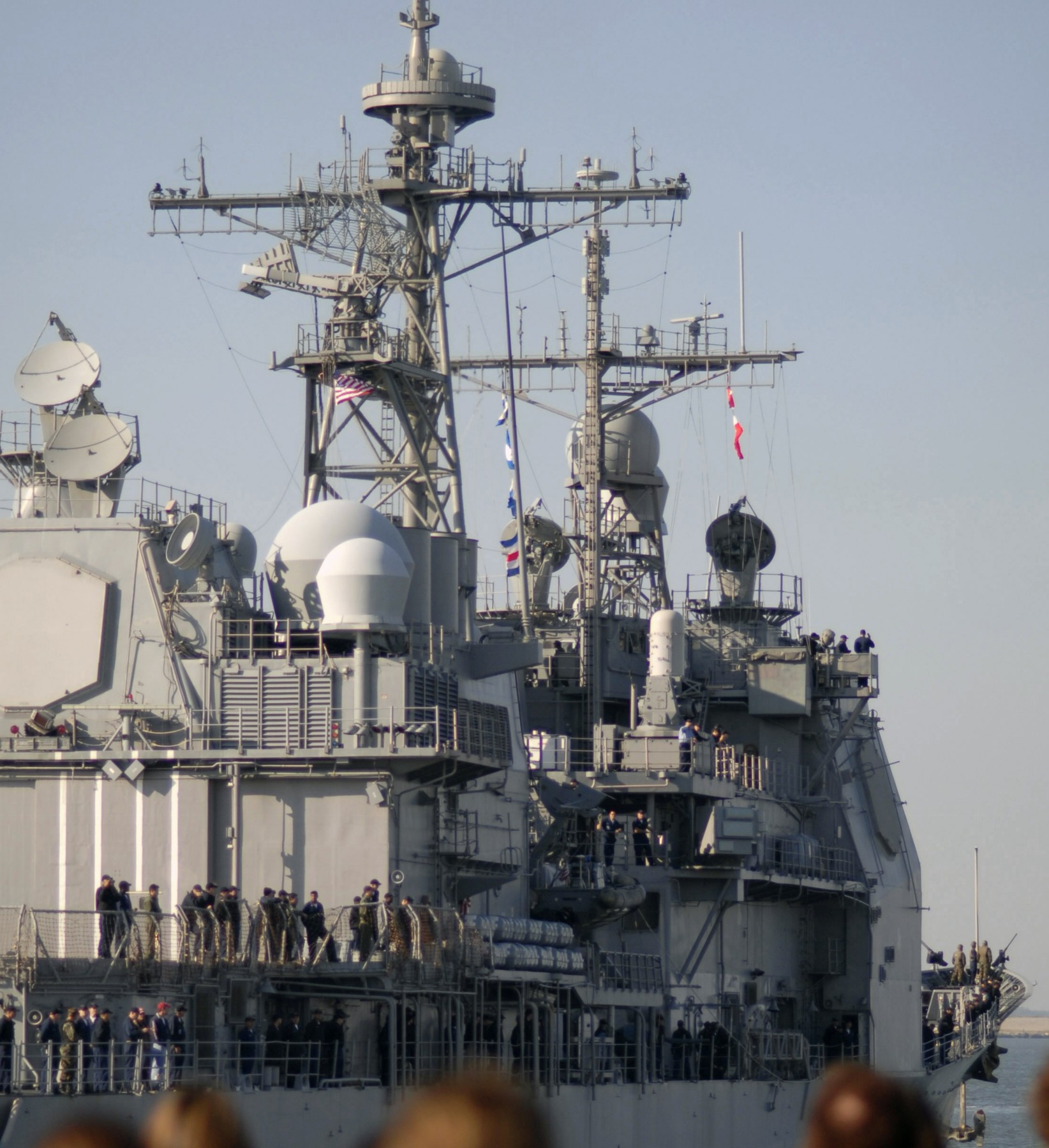 departing Naval Station Norfolk, Virginia - November 2007 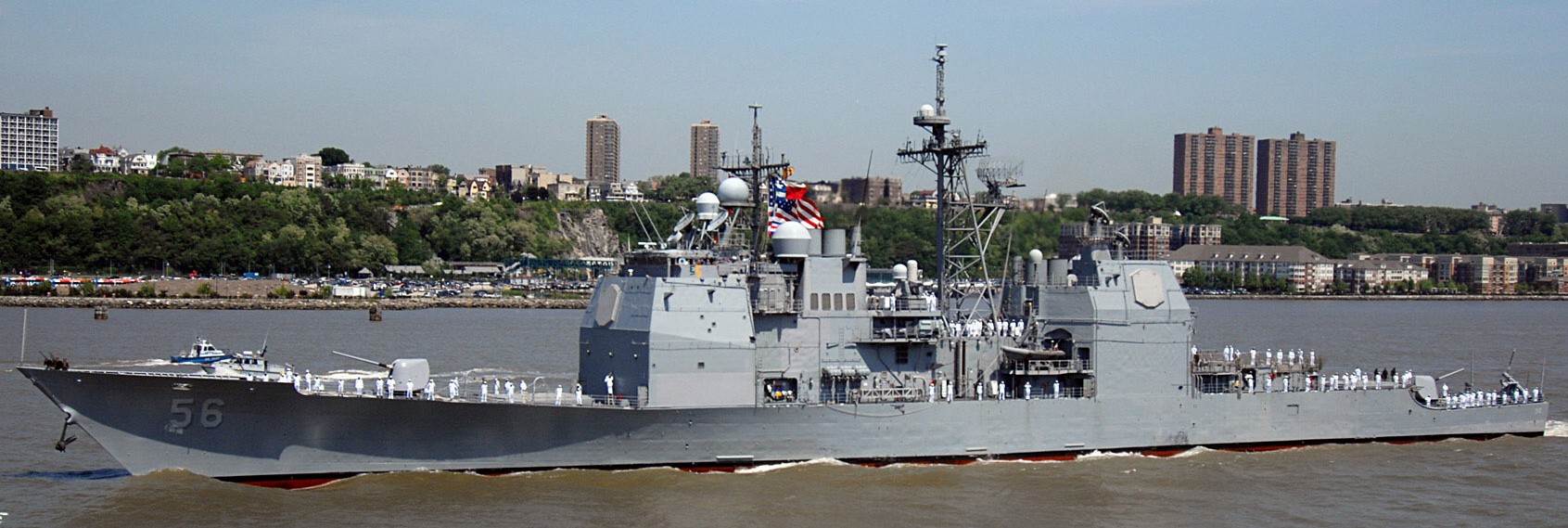 Fleet Week New York - May 2007 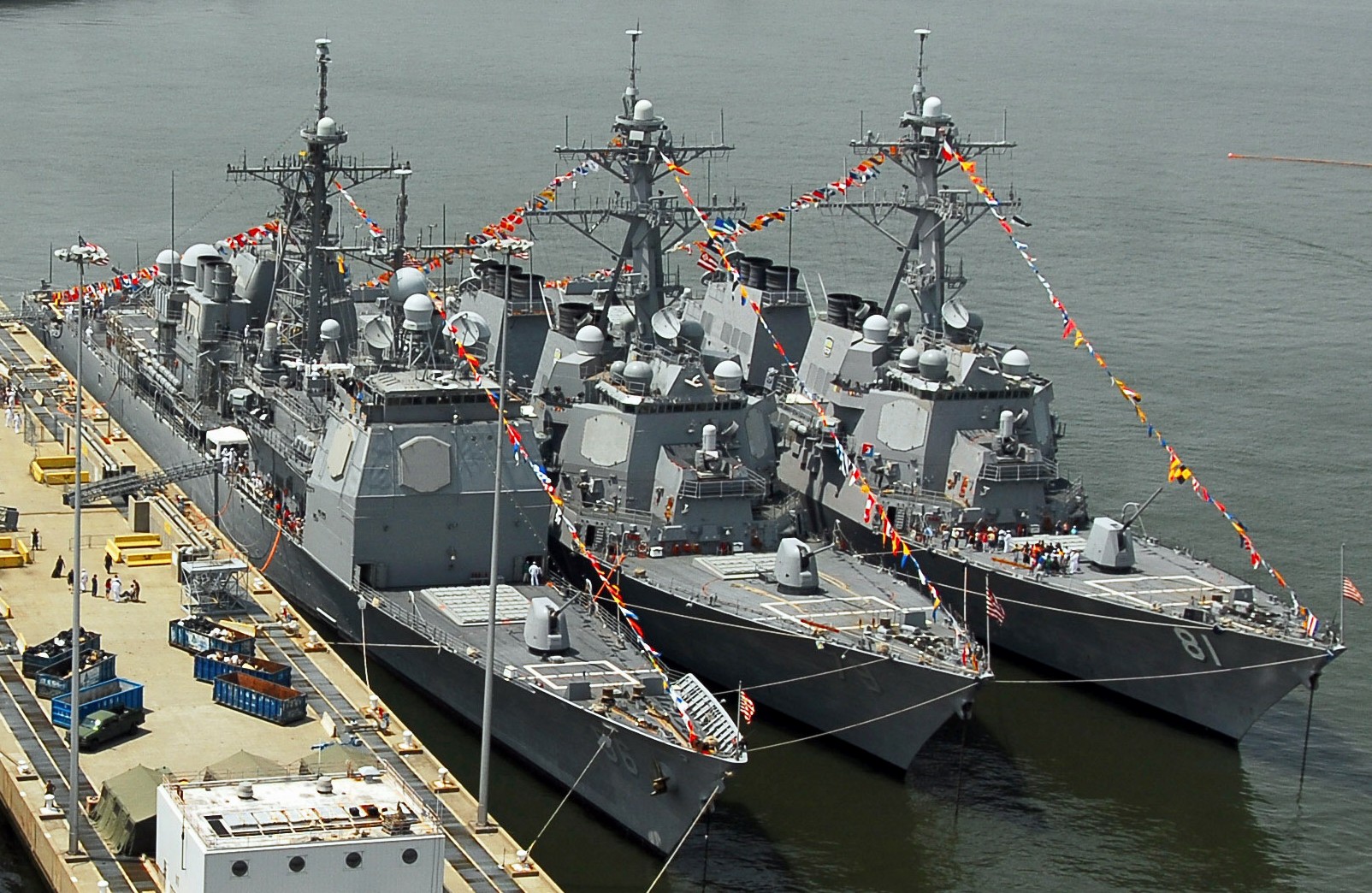 Fleet Week New York - May 2007 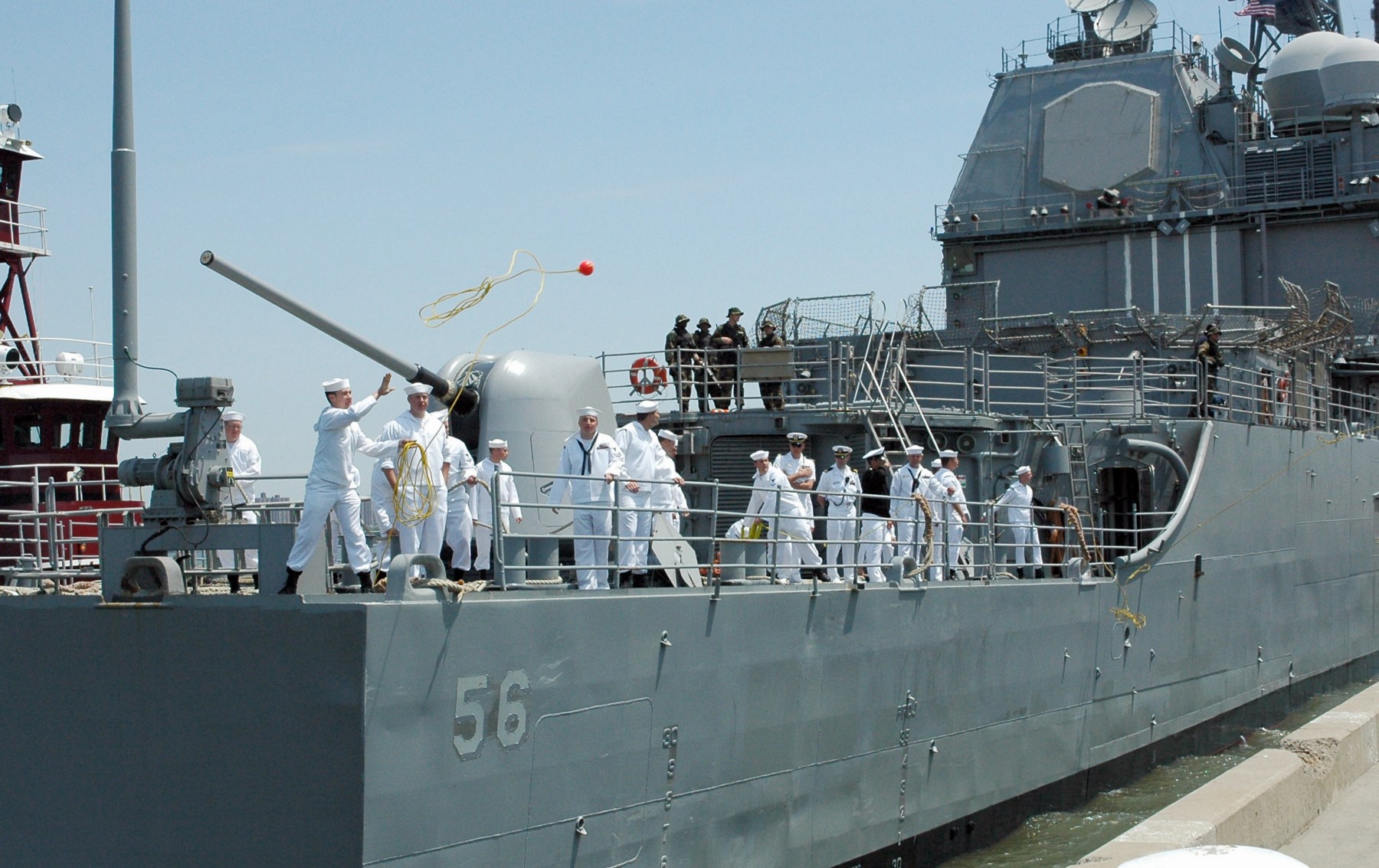 Fleet Week New York - May 2007 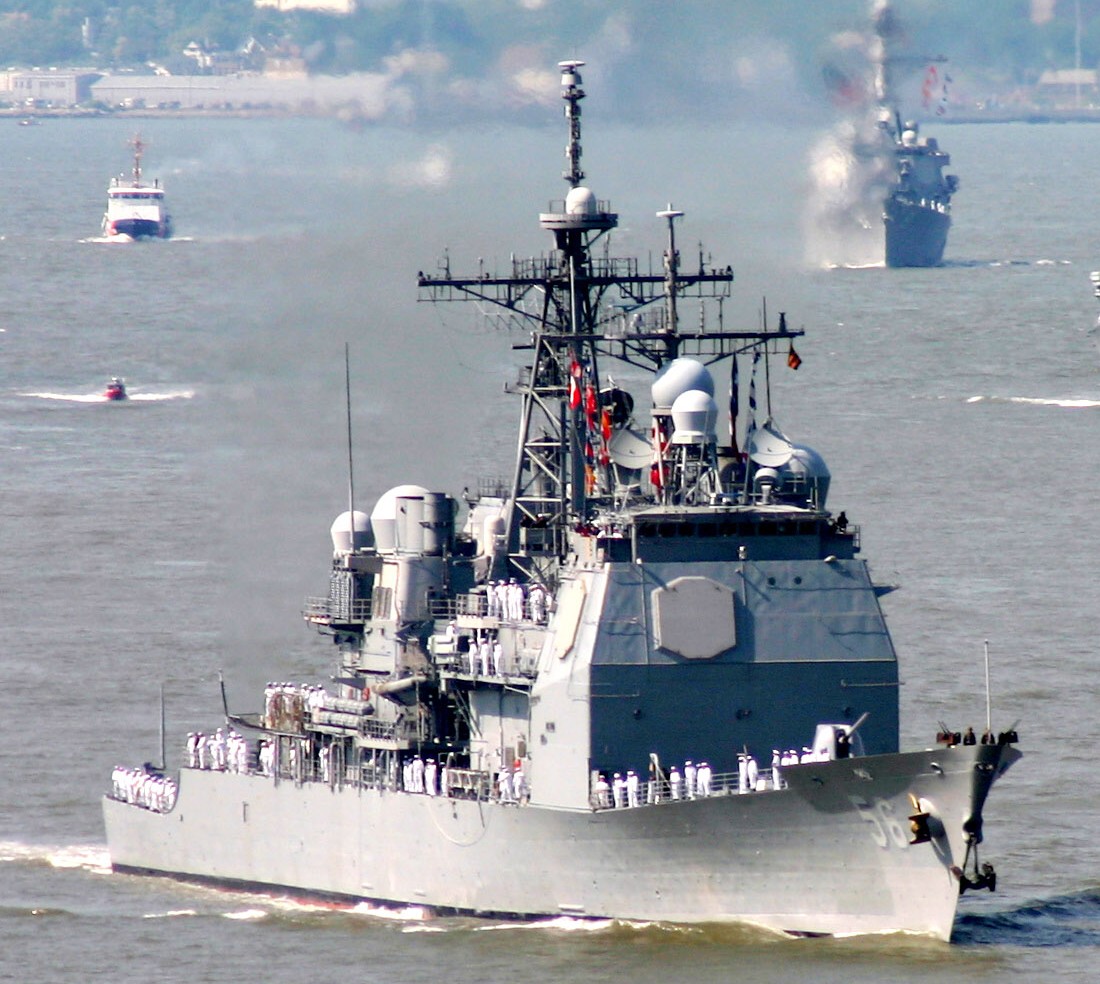 Fleet Week New York - May 2007 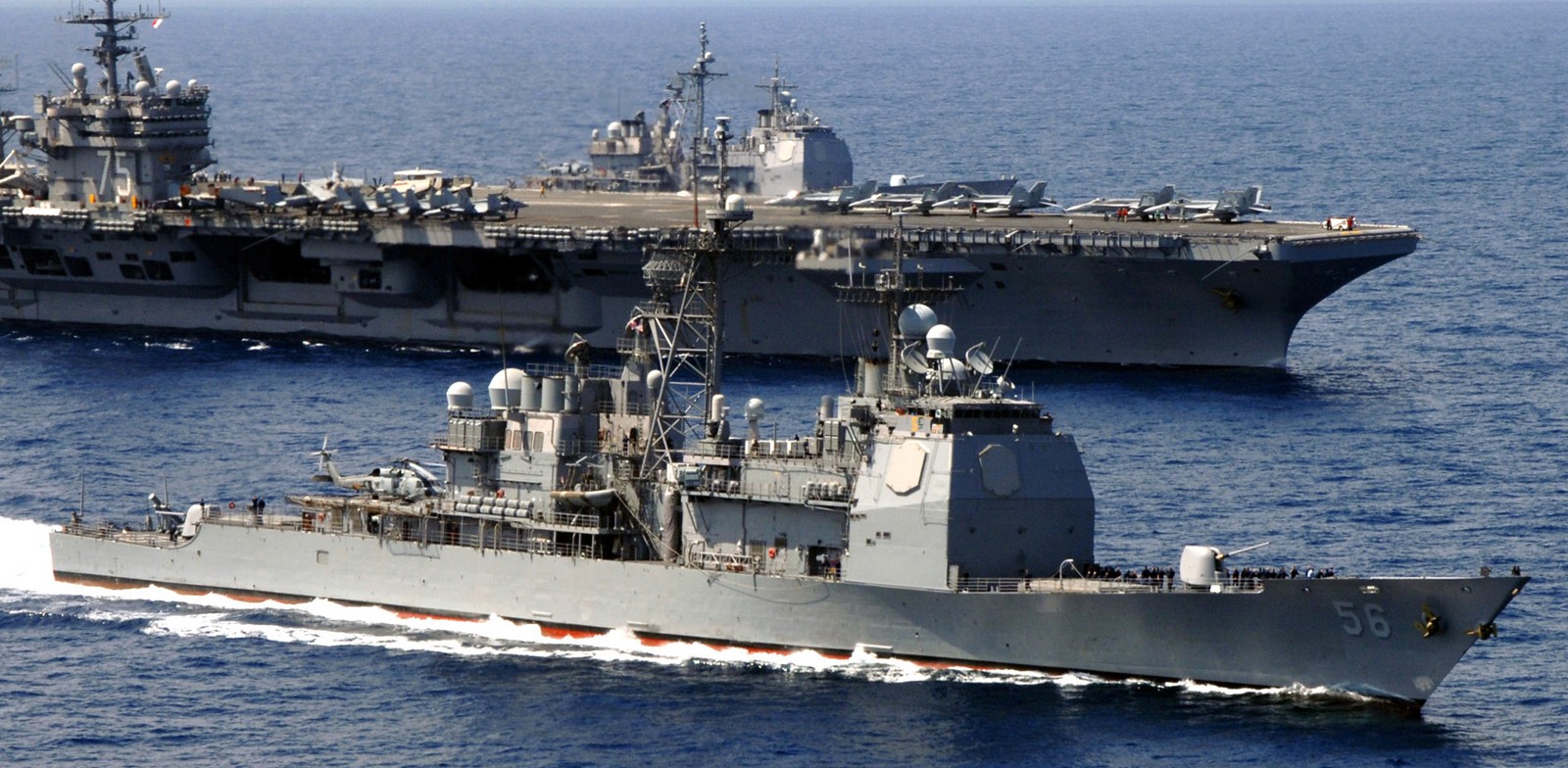 April 2007 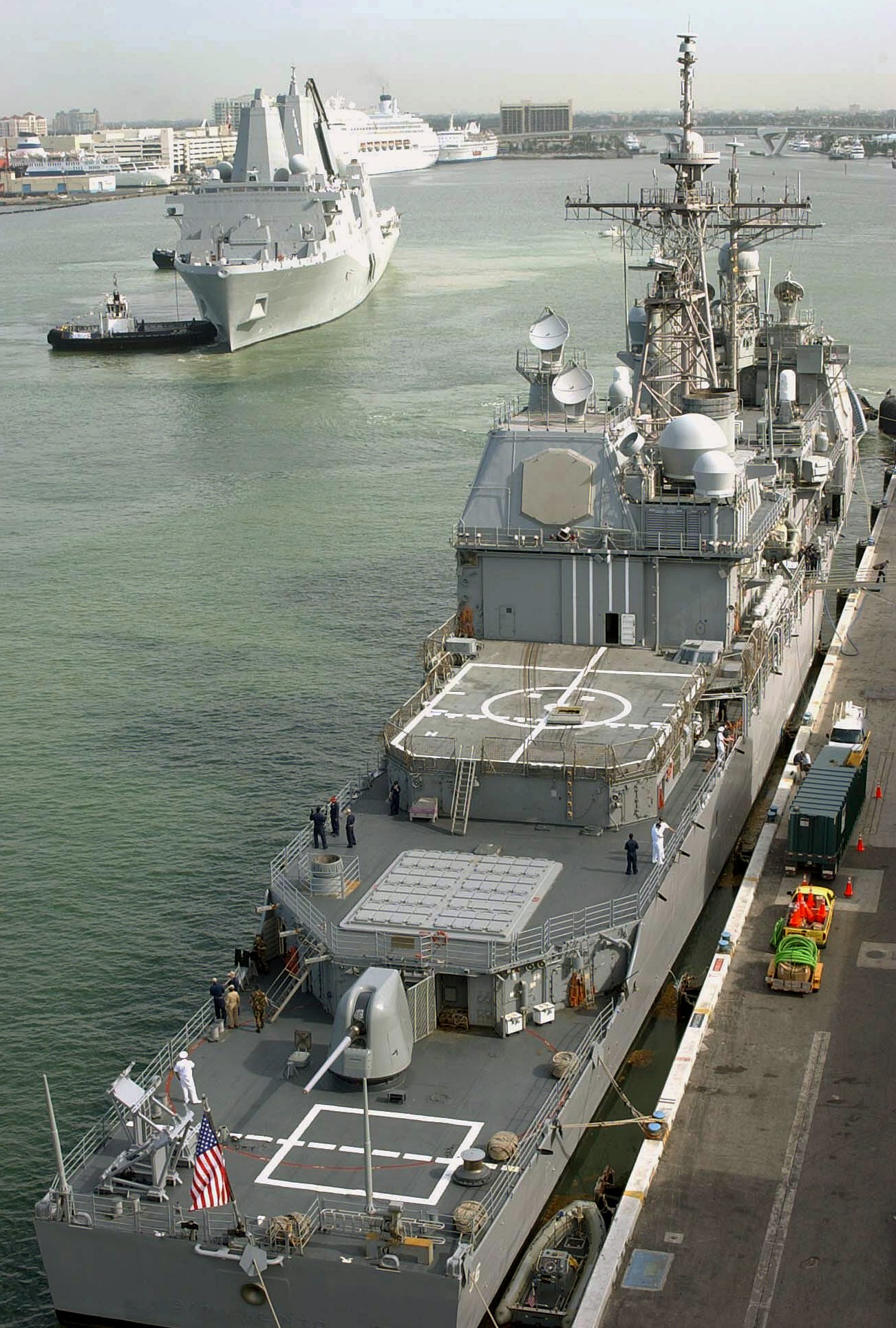 Port Everglades, Florida - May 2006 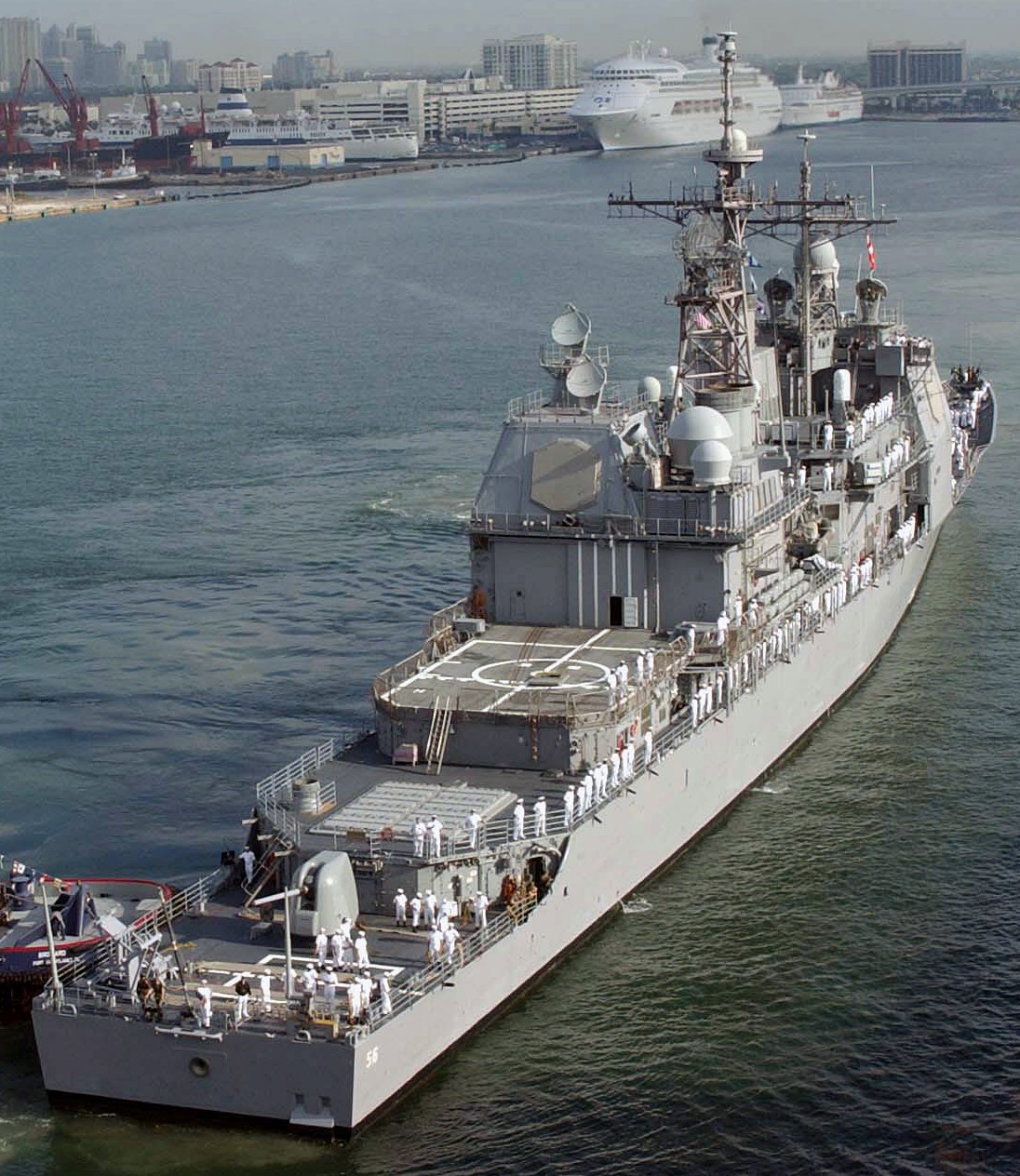 Port Everglades, Florida - May 2006 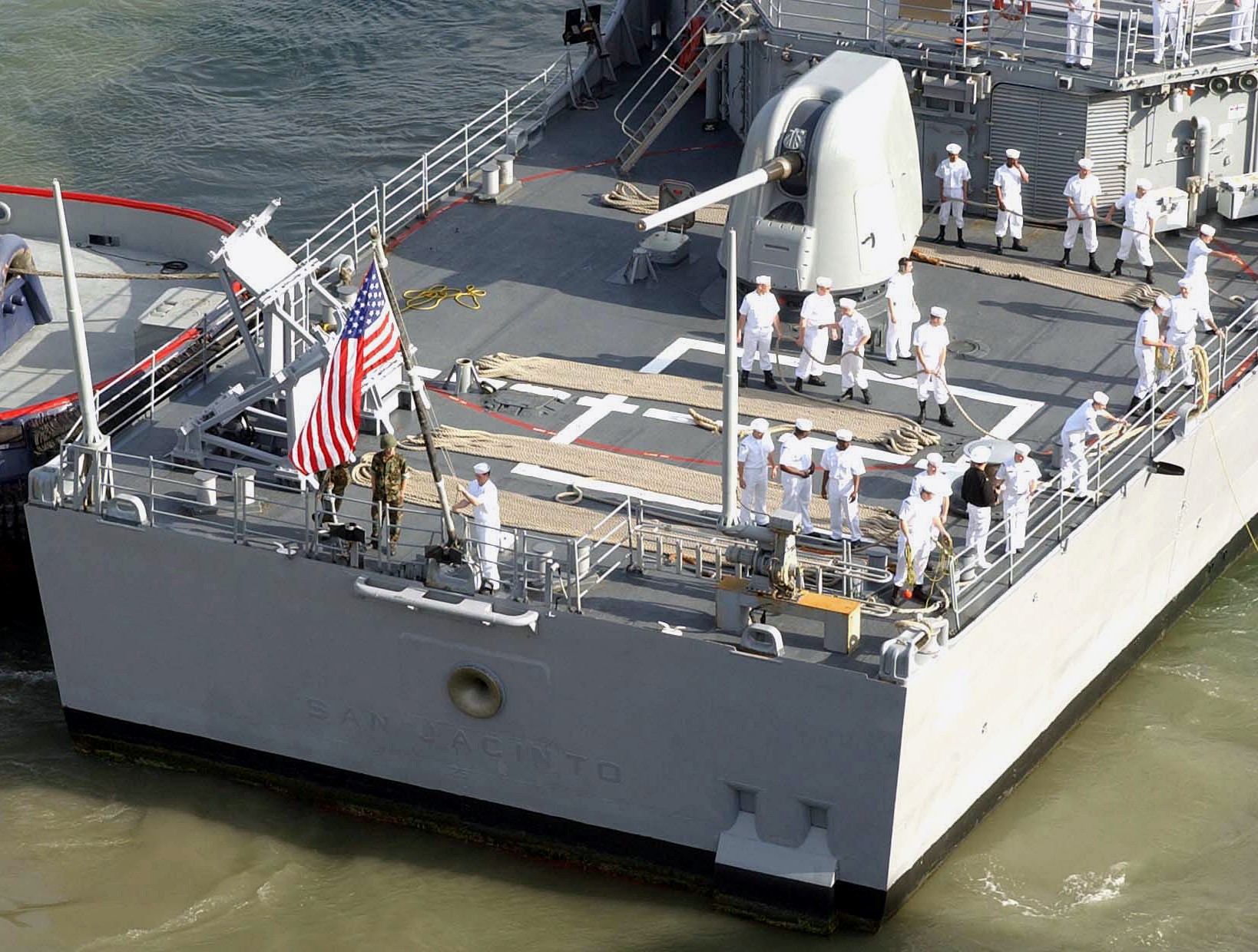 Port Everglades, Florida - May 2006 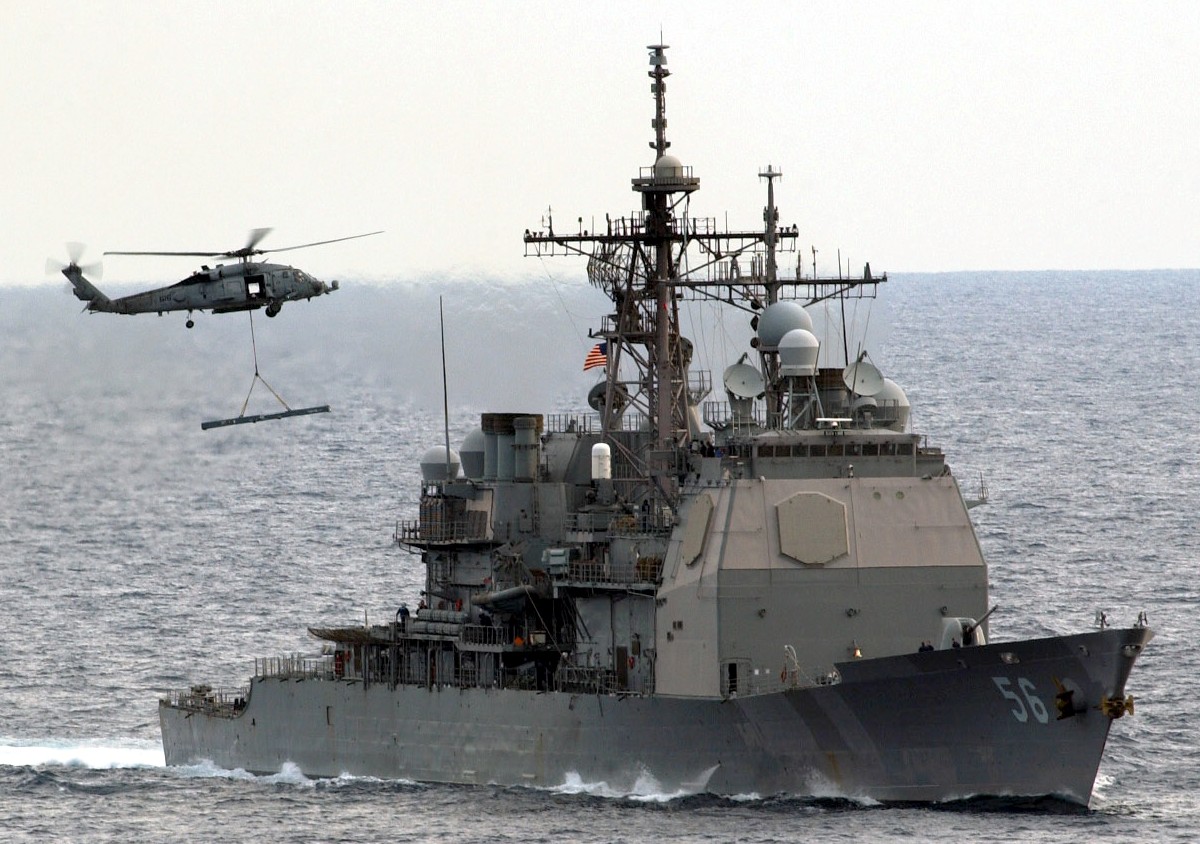 Red Sea - February 2006 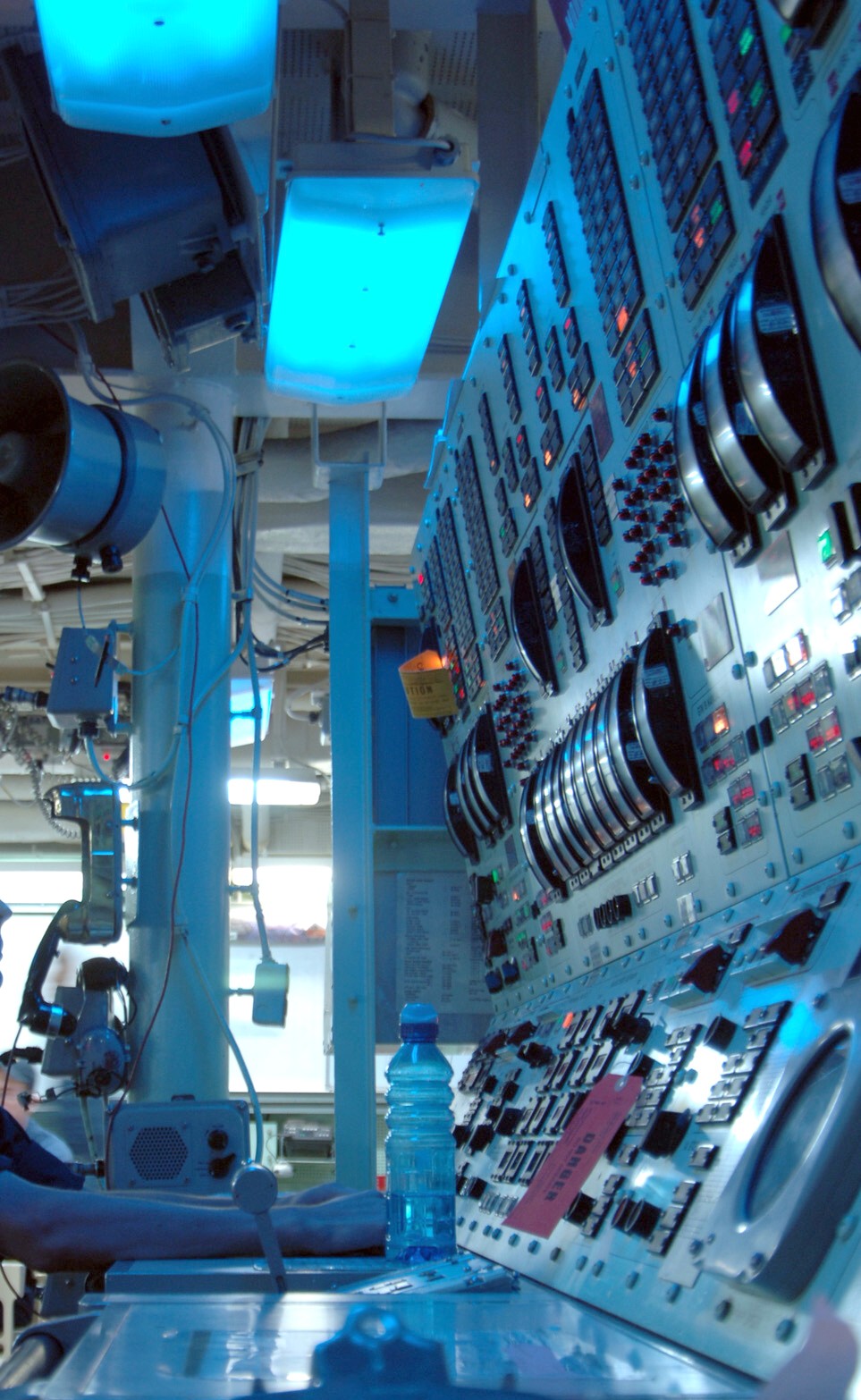 machinery control console - November 2005 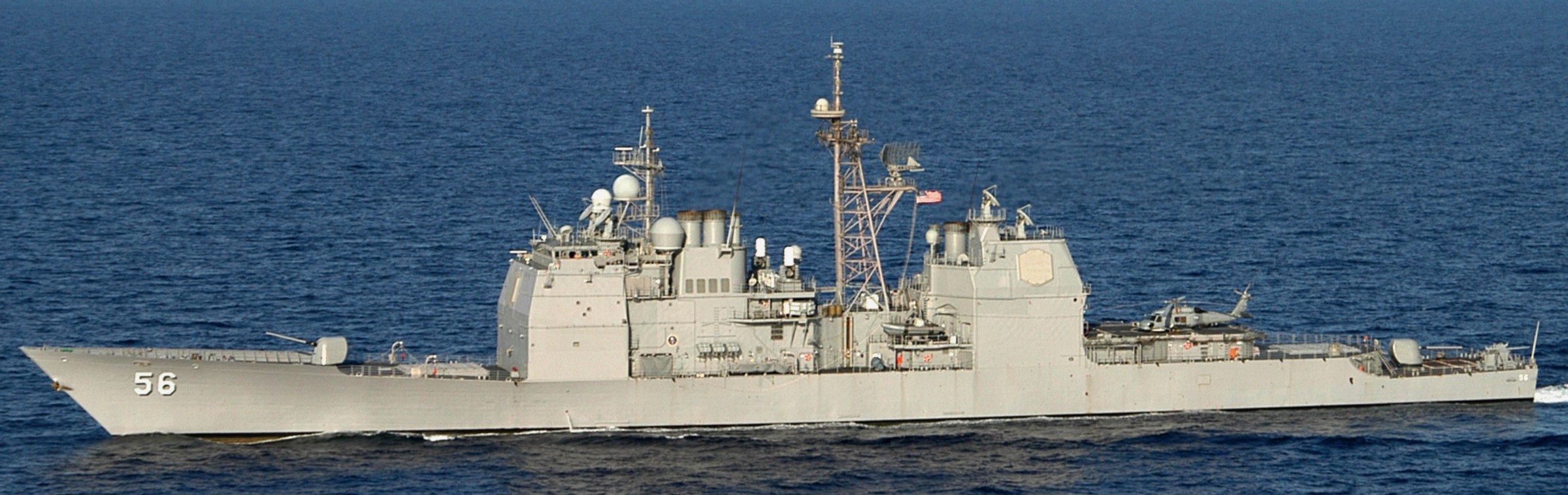 Atlantic Ocean - July 2005 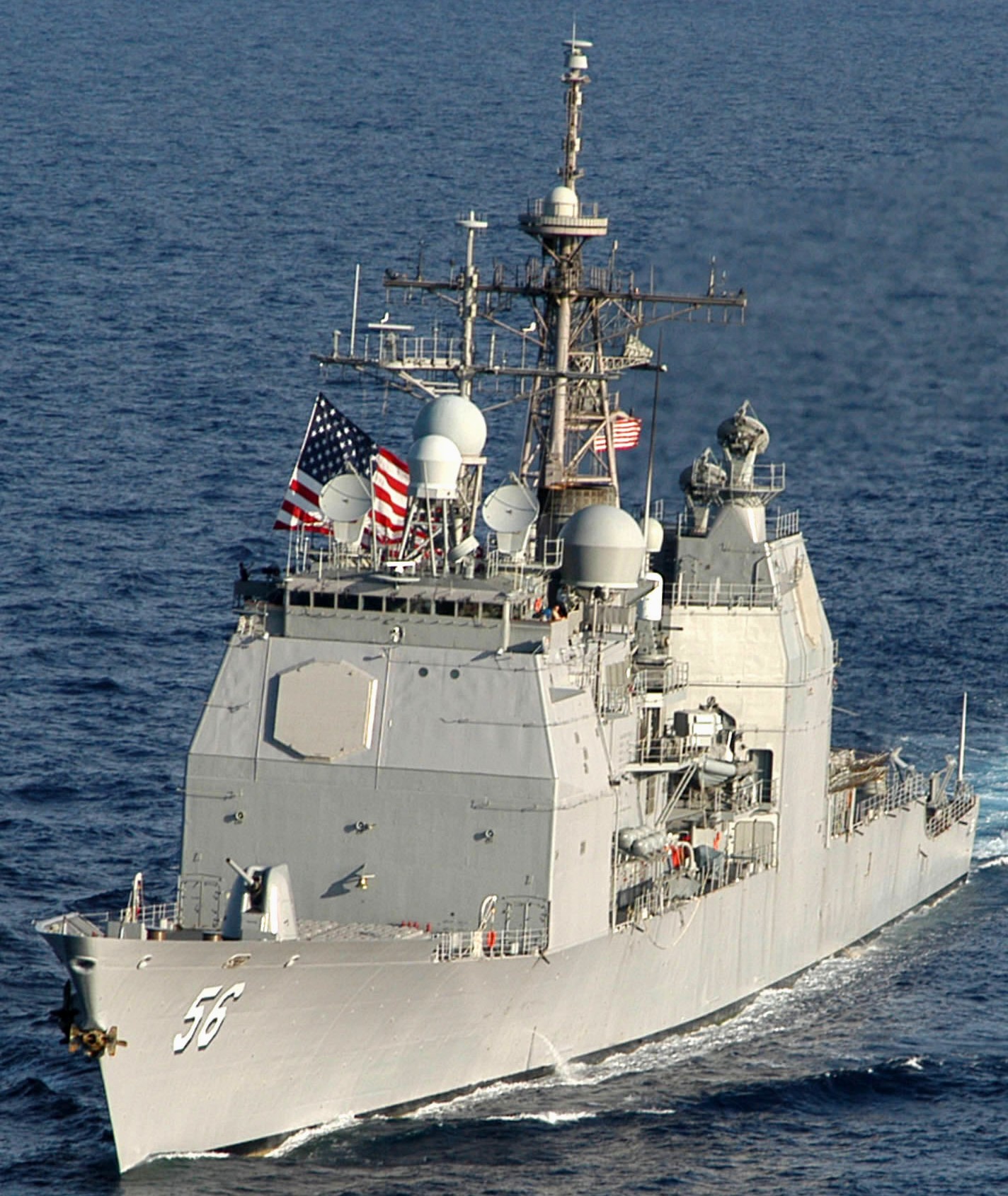 Atlantic Ocean - July 2005 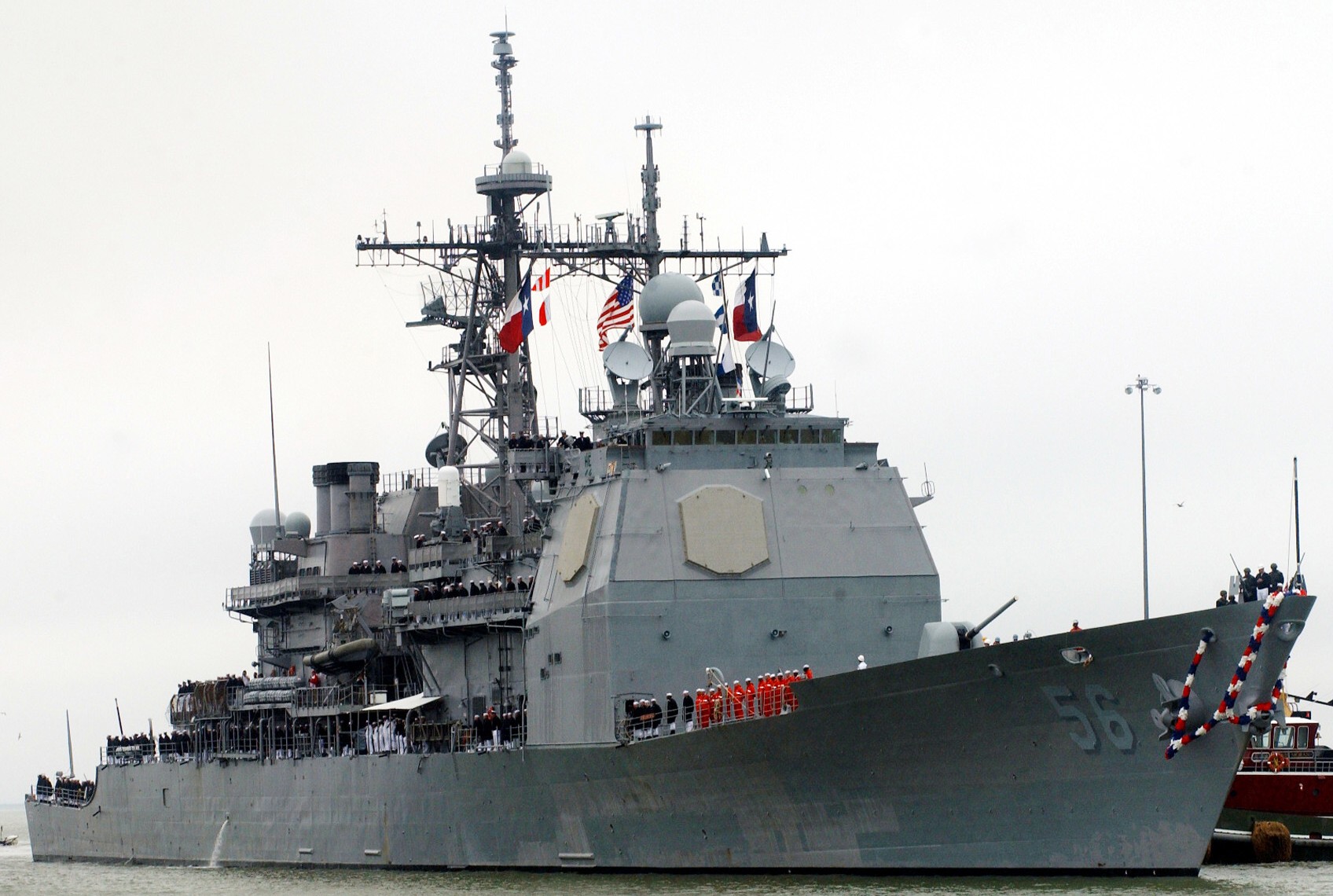 returning to Naval Station Norfolk, Virginia - May 2003 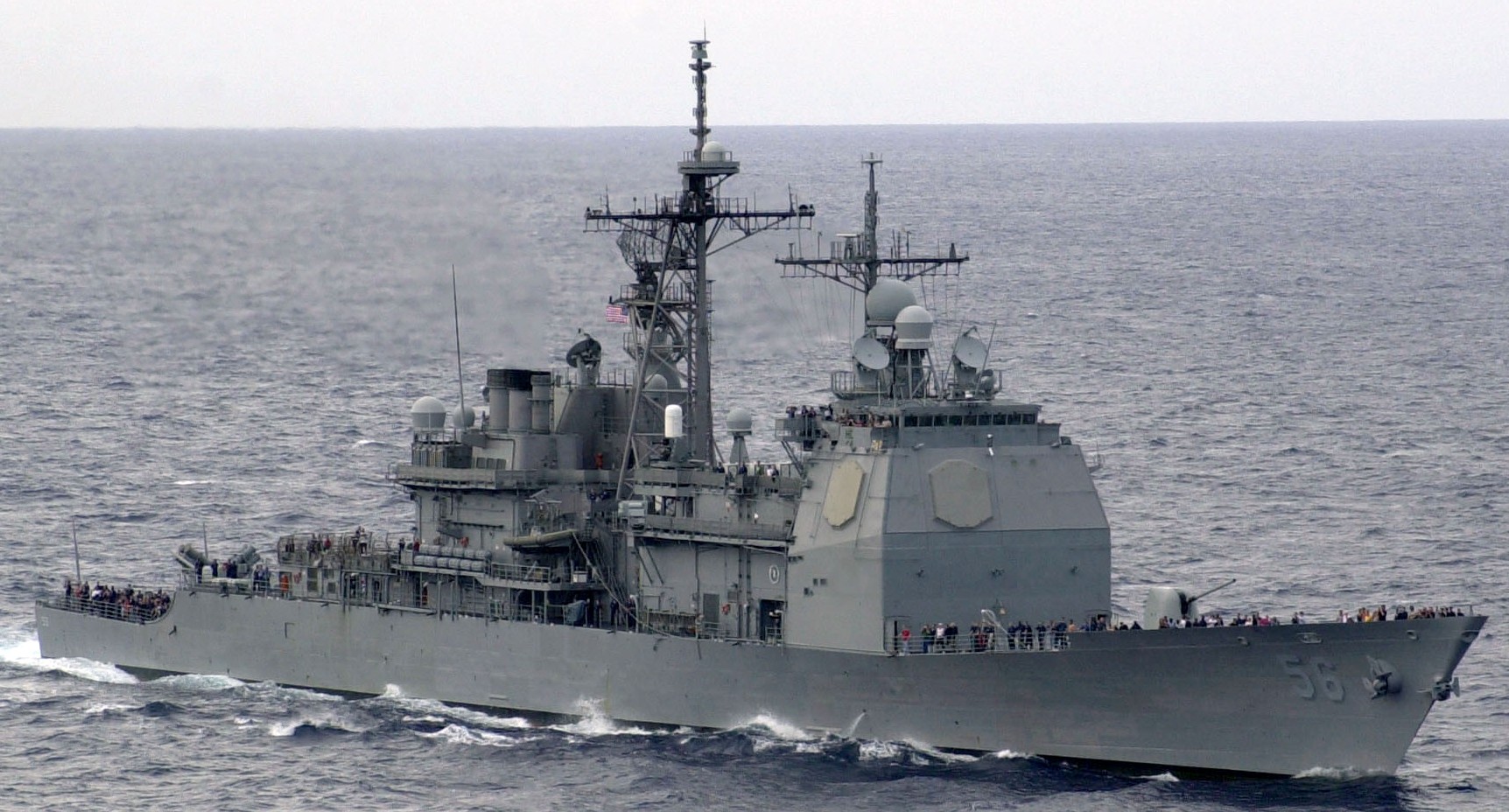 during Operation Iraqi Freedom - May 2003 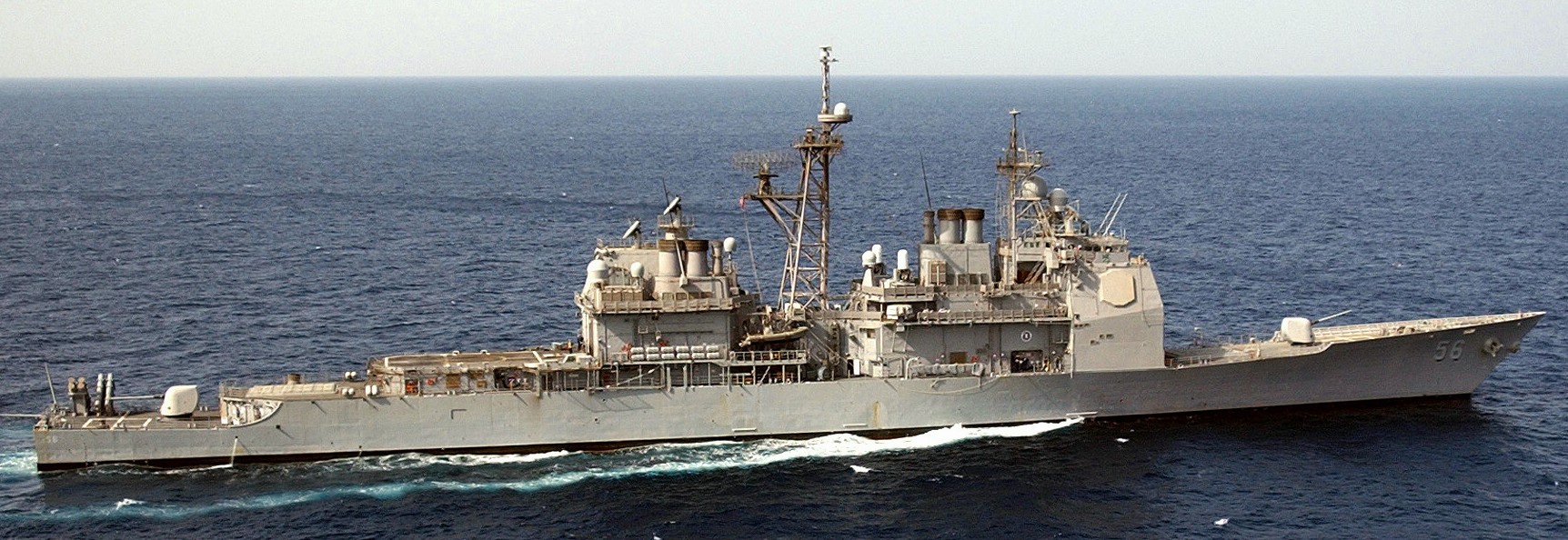 US CENTCOM AOR - March 2003 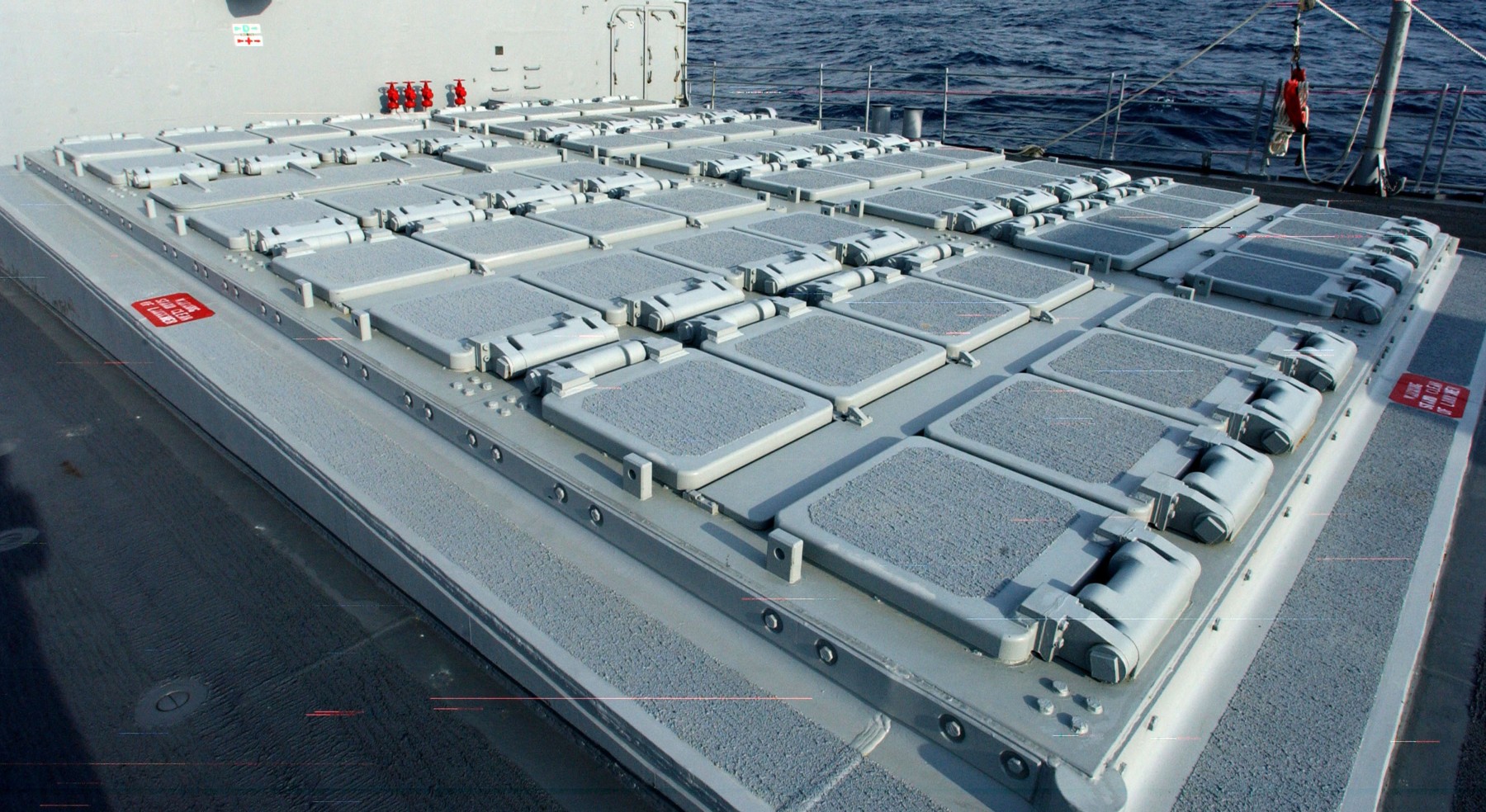 forward Mk.41 vertical launching system (VLS) - March 2003 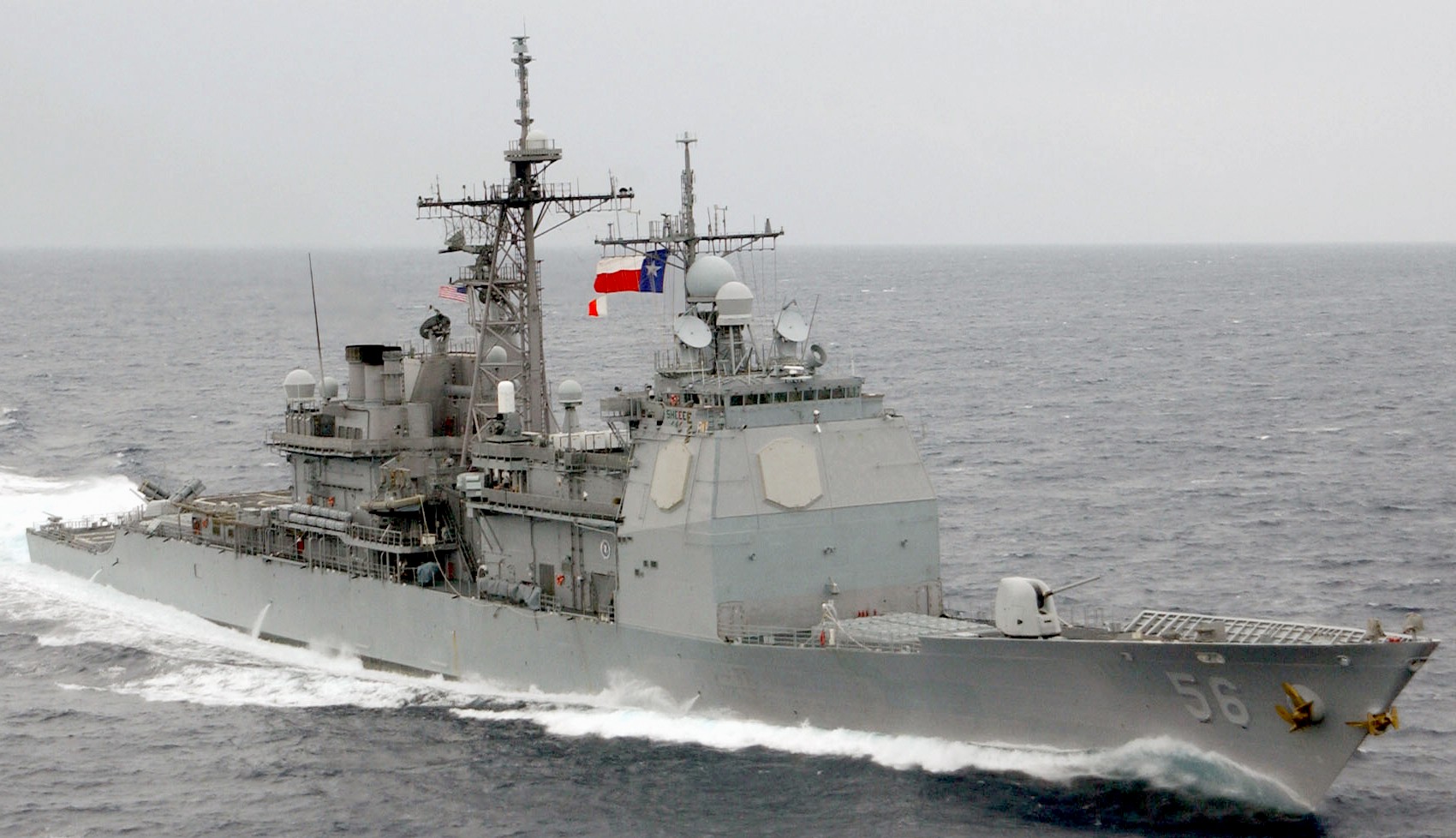 Mediterranean Sea - January 2003 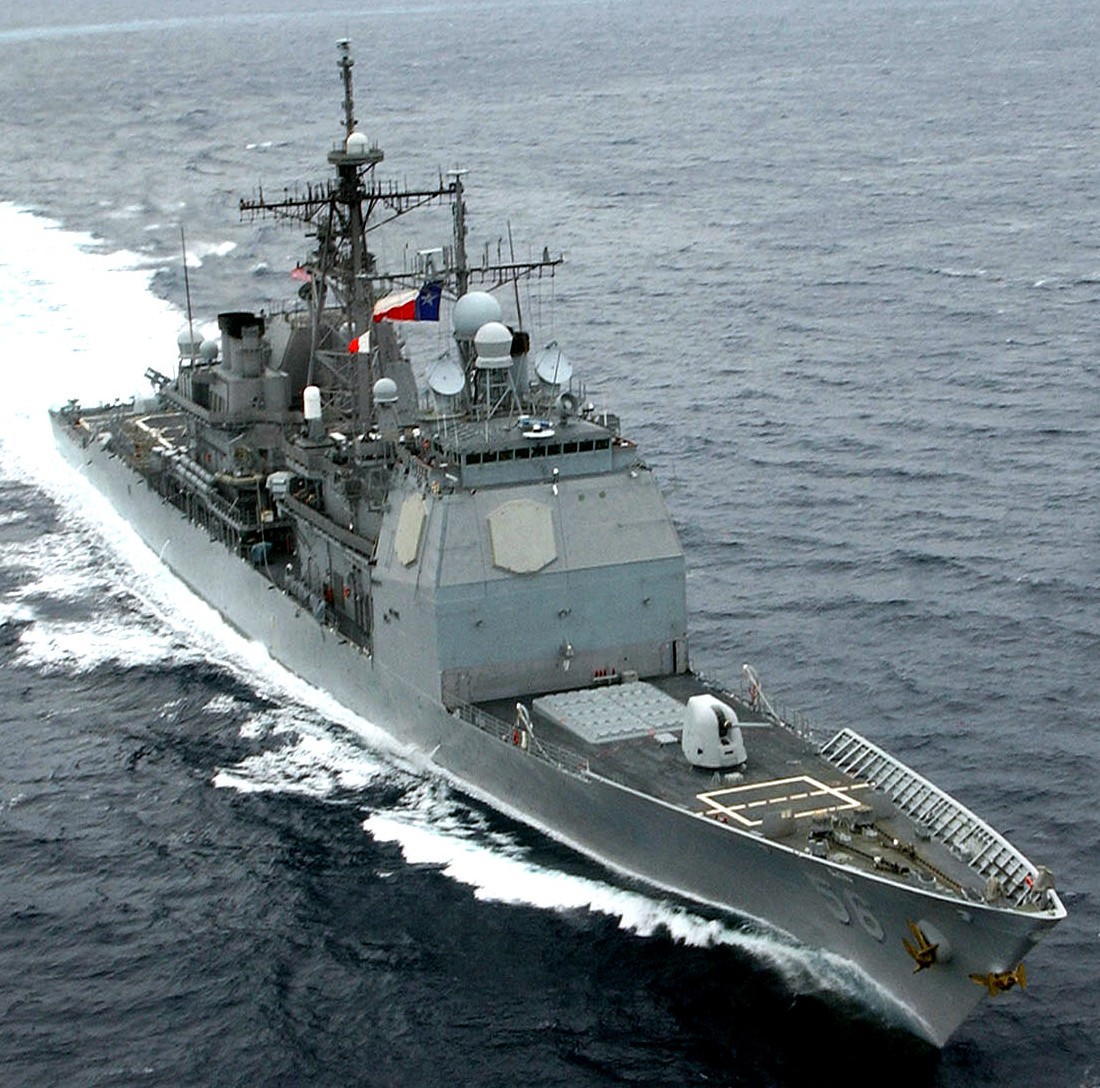 Mediterranean Sea - January 2003 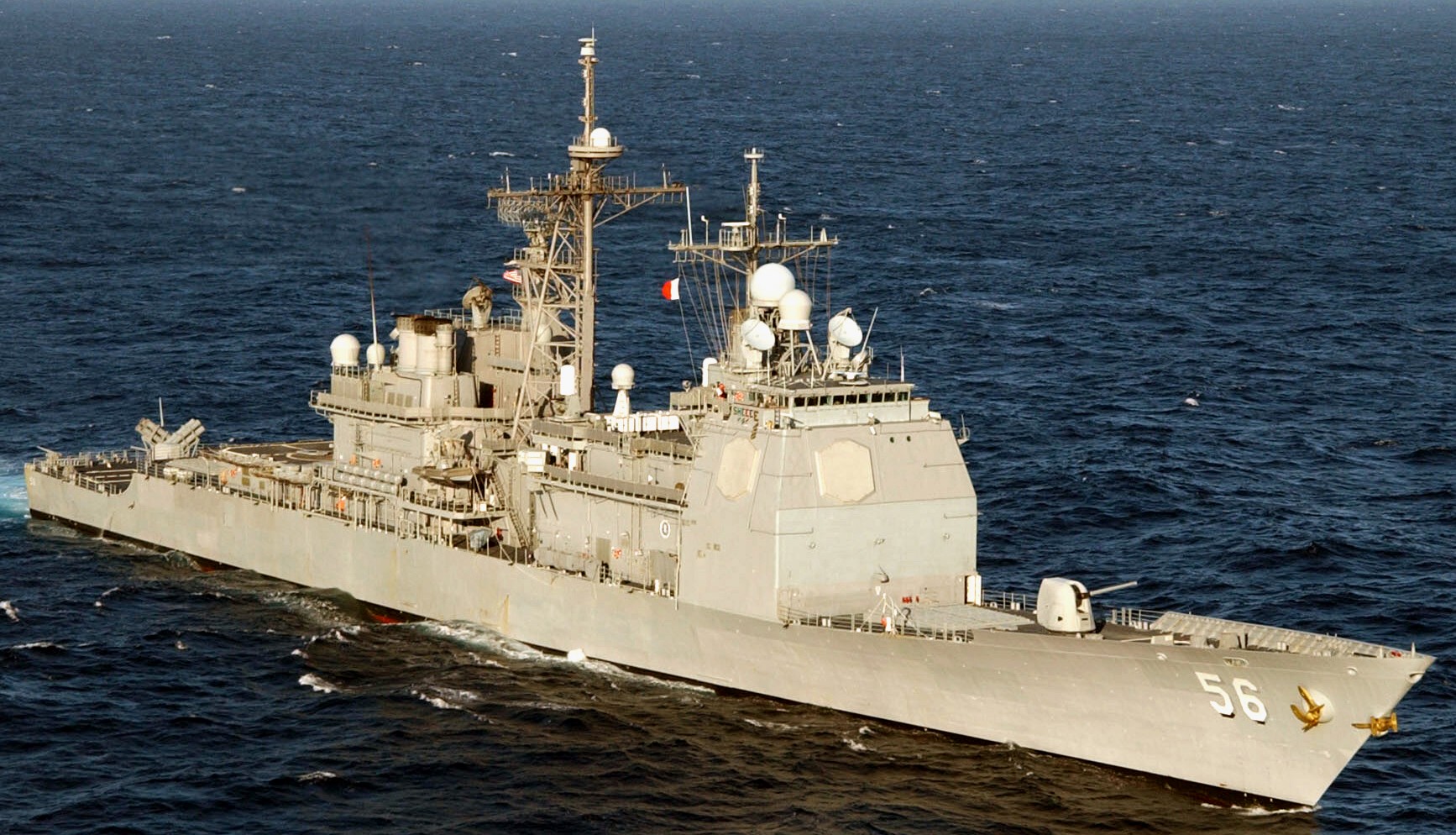 Mediterranean Sea - December 2002 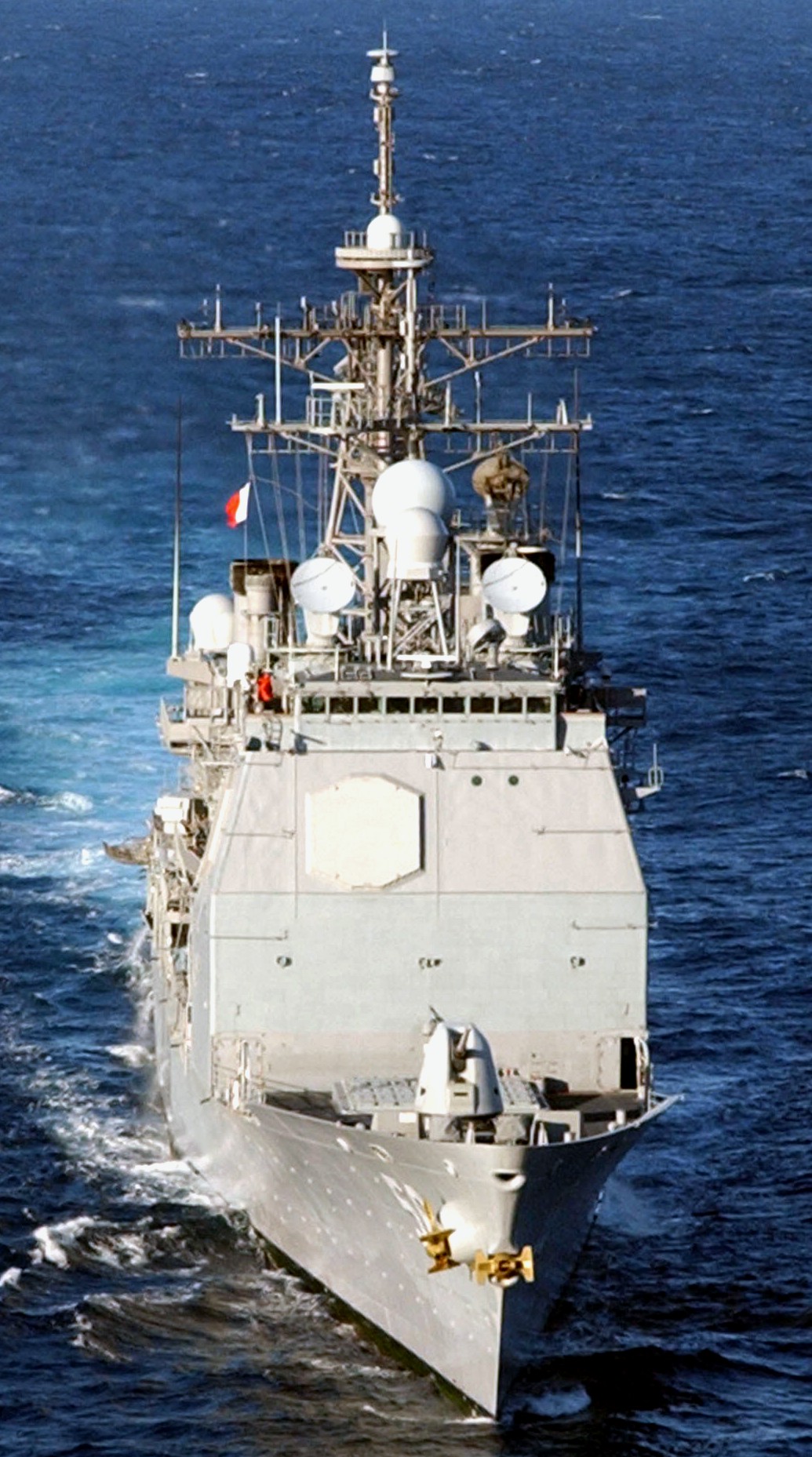 Mediterranean Sea - December 2002 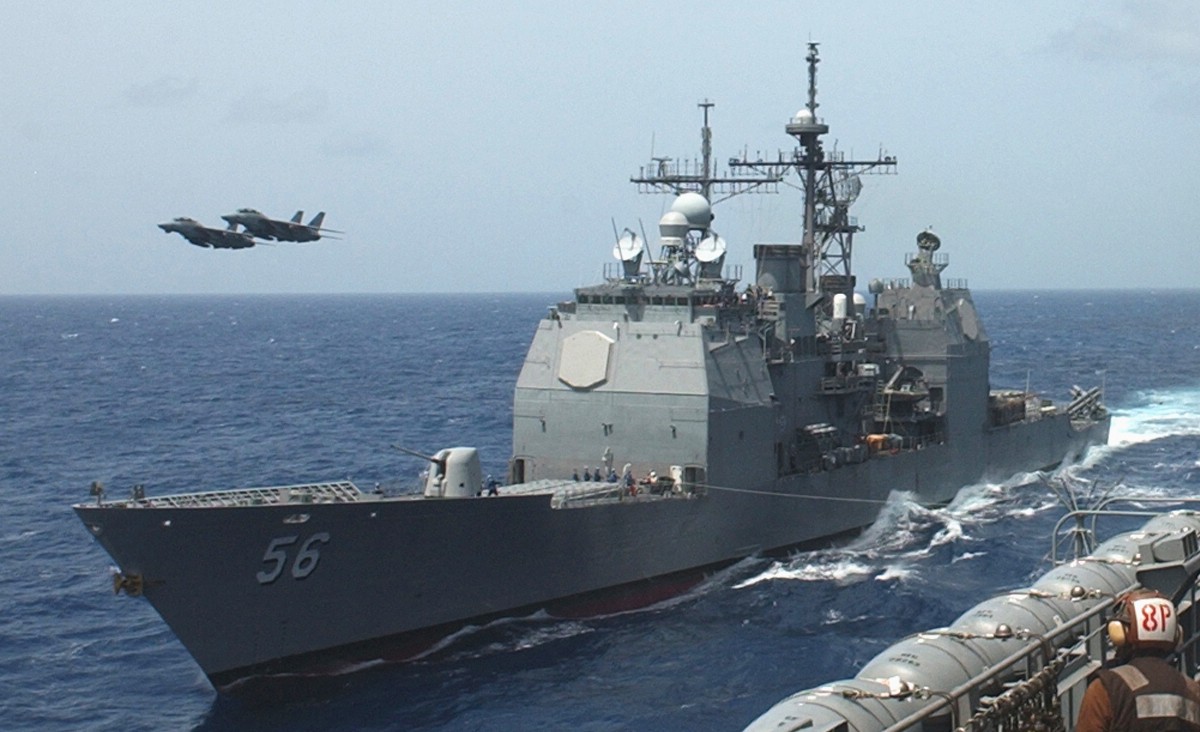 September 2002 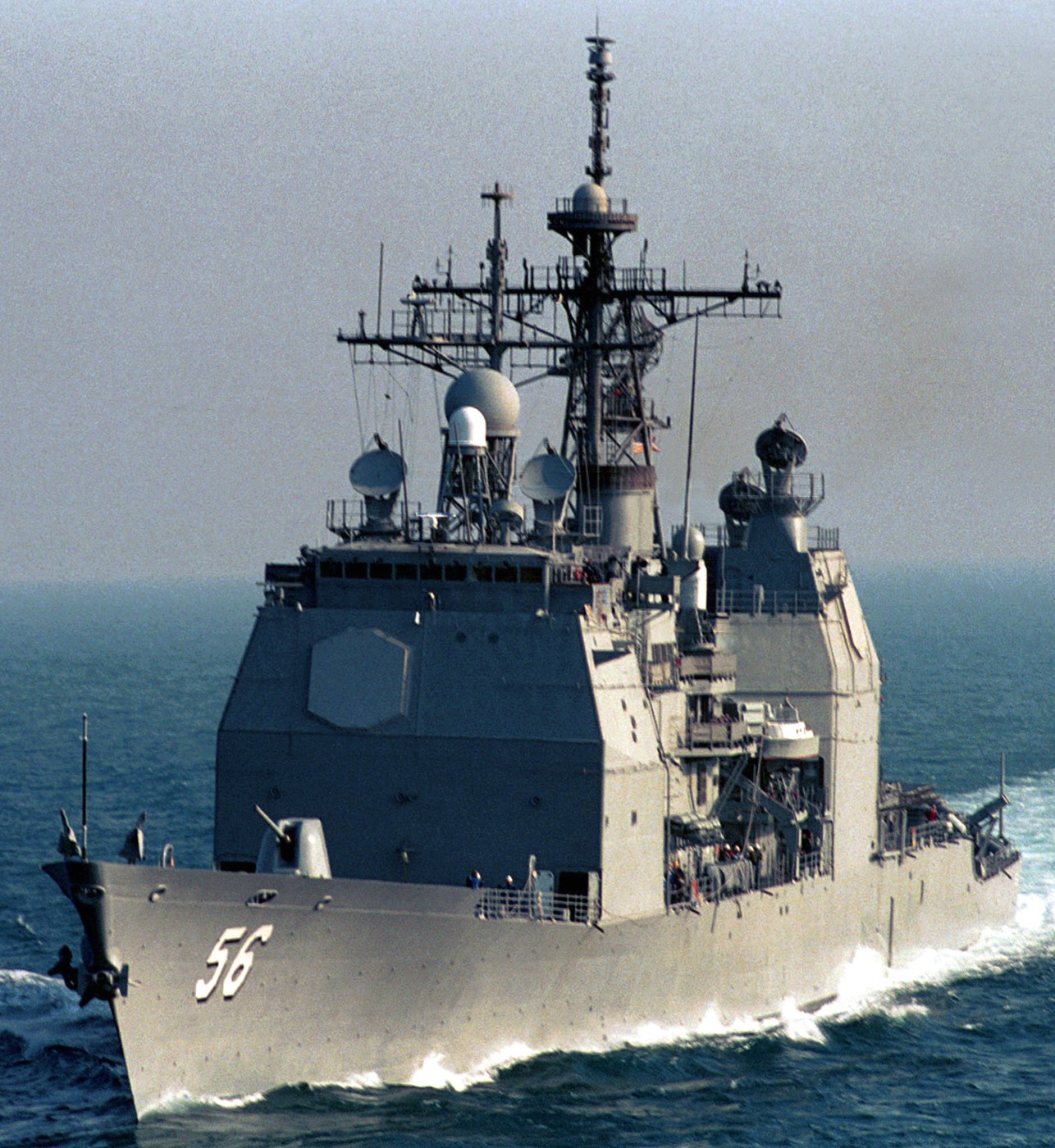 January 2001 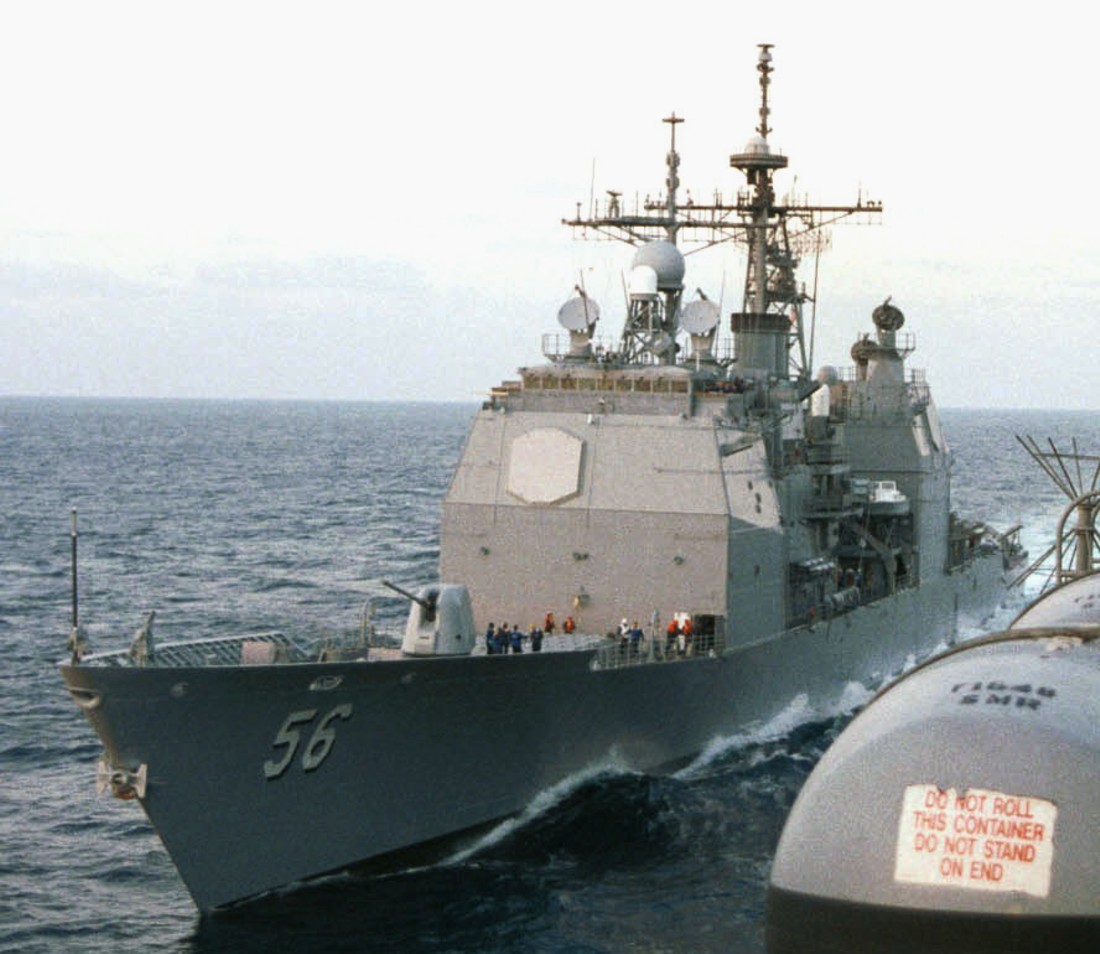 Operation Southern Watch - December 2000 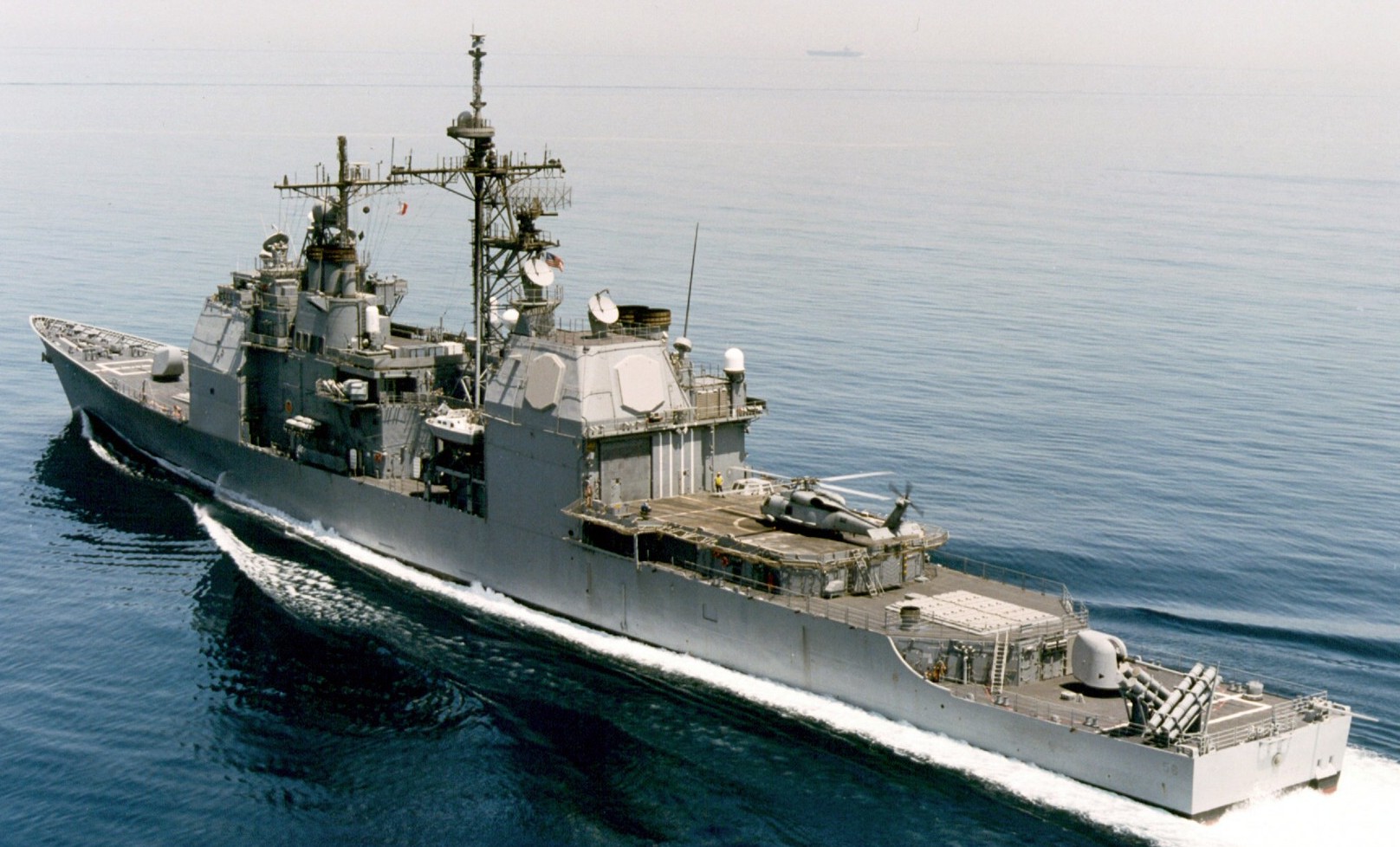 Persian Gulf - May 1998 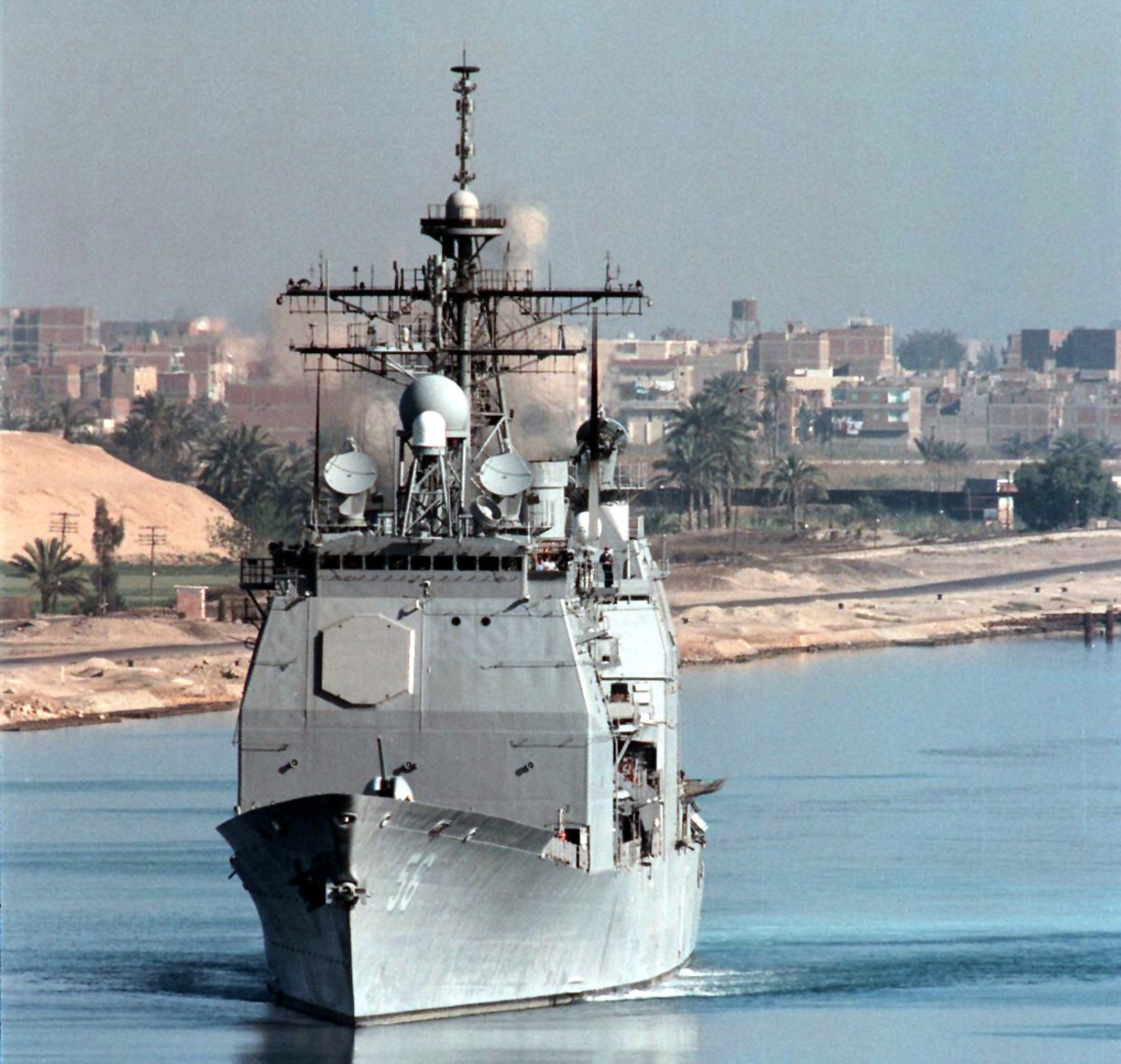 Suez Canal - March 1996 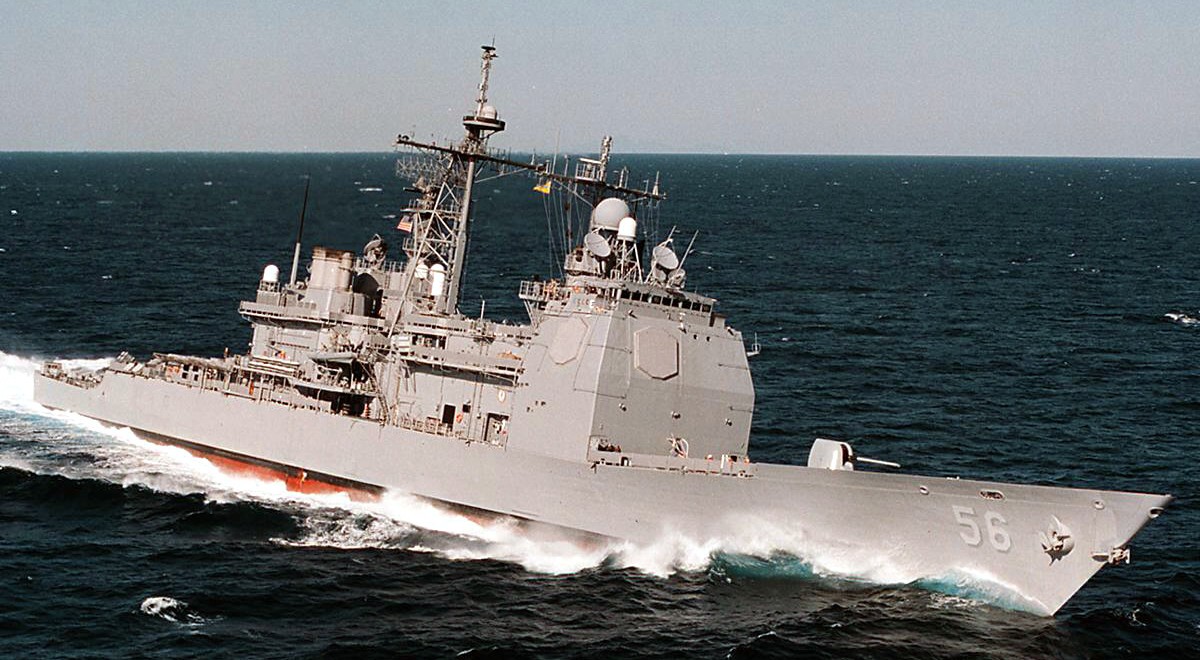 Mediterranean Sea - February 1996 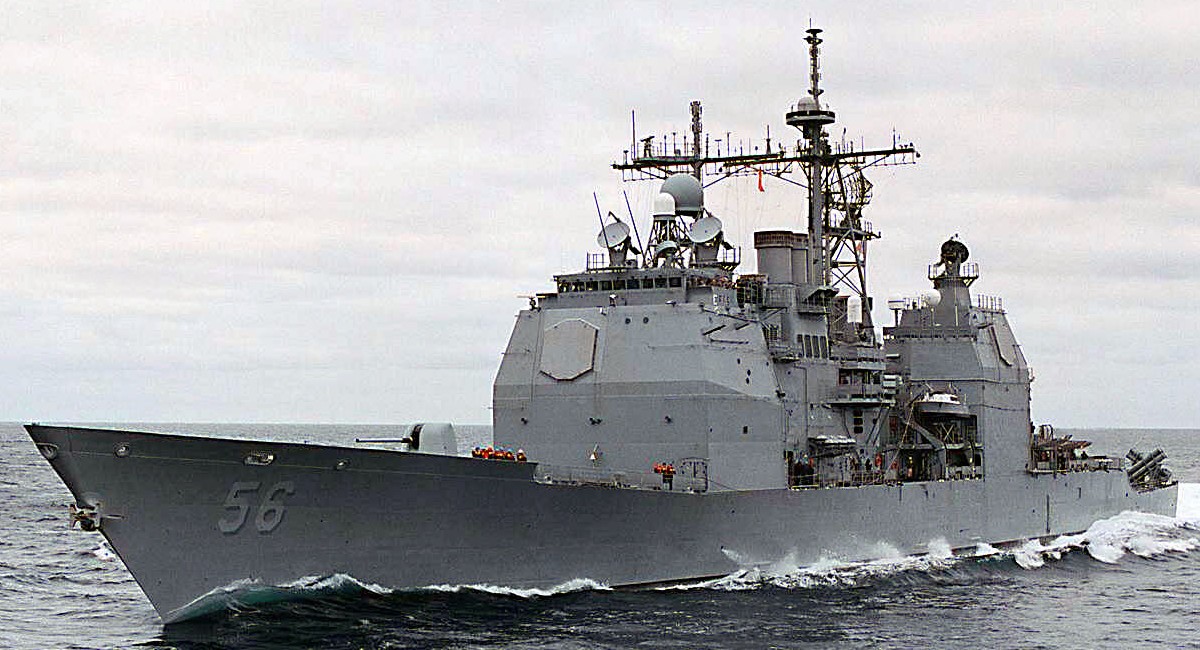 Operation Joint Endeavour - Adriatic Sea - February 1996 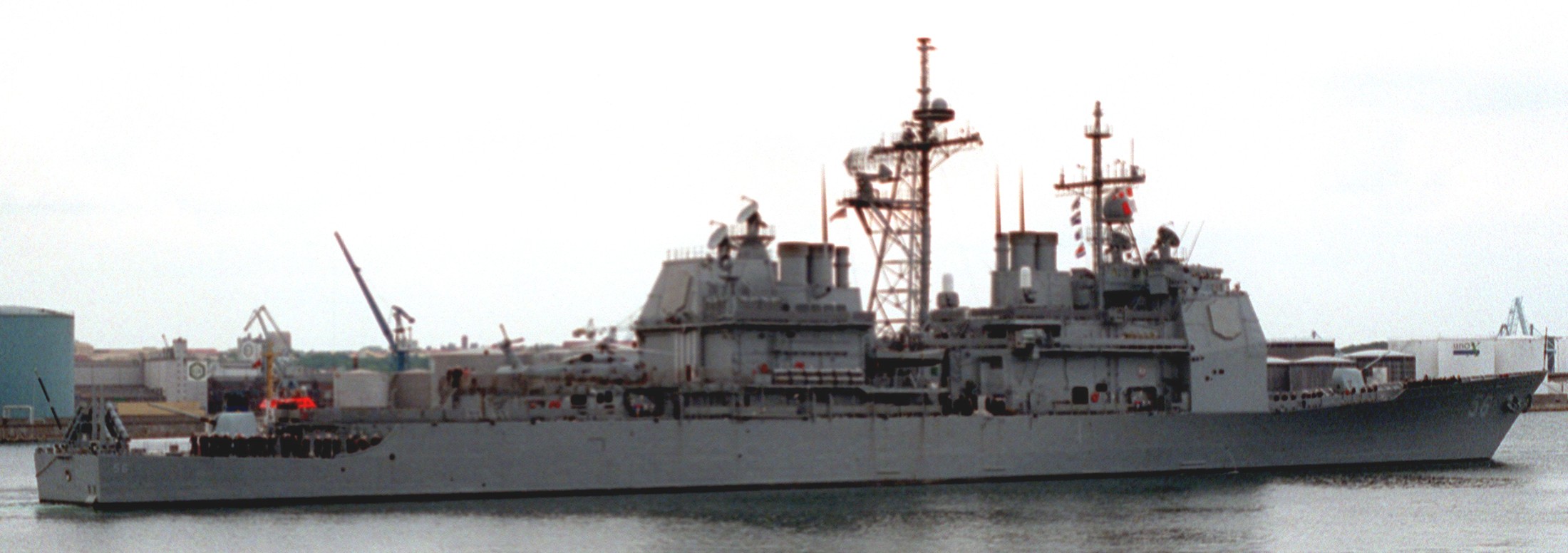 Aarhus, Denmark - June 1993 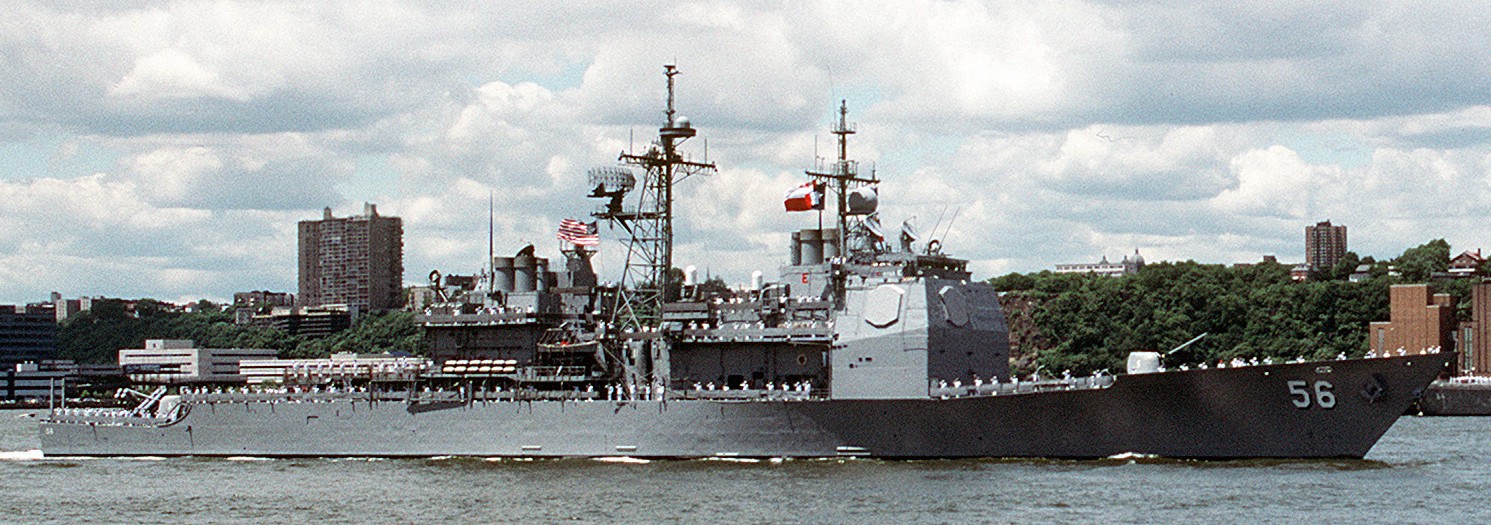 Fleet Week New York - June 1991 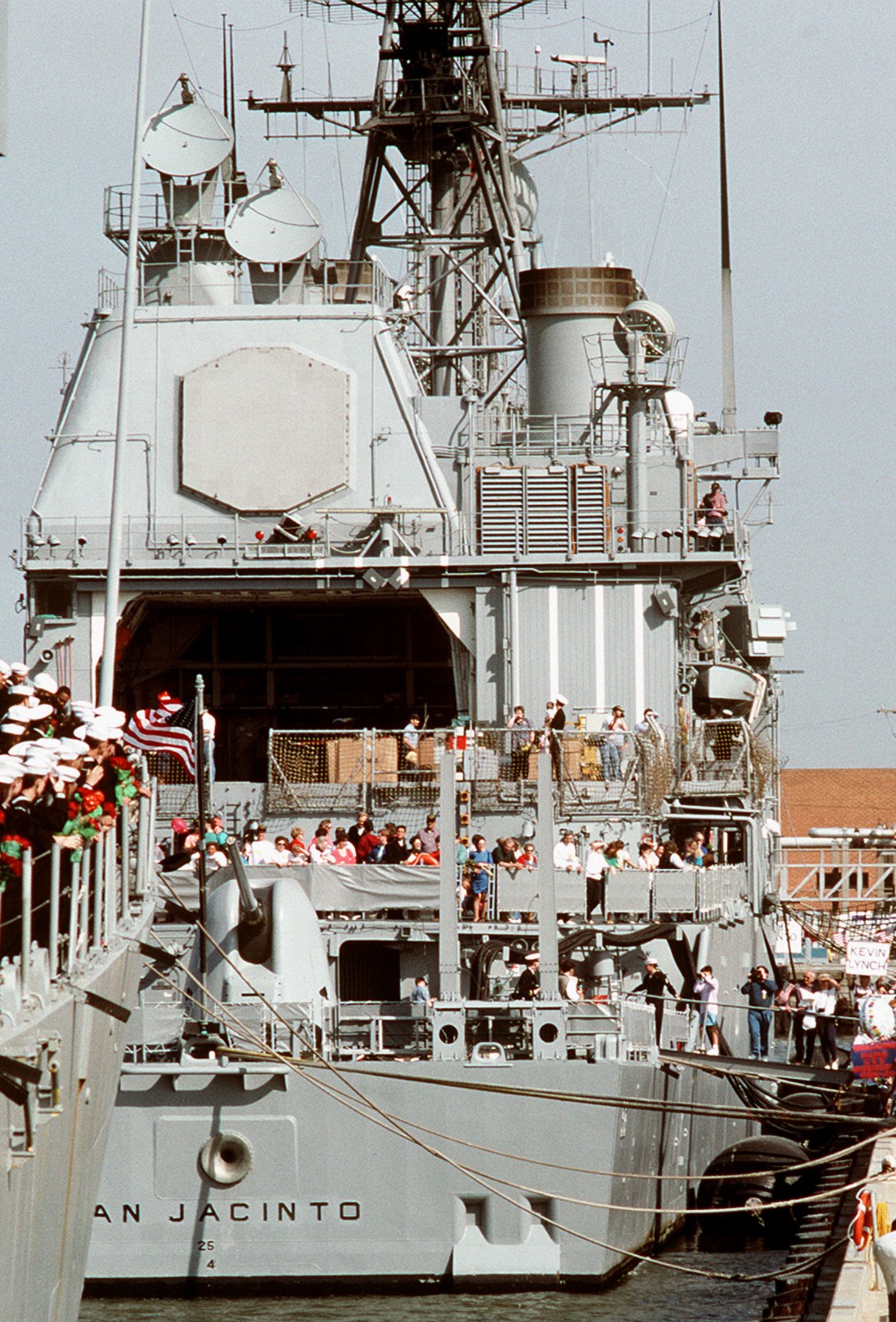 returning to Naval Station Norfolk, Virginia - March 28, 1991 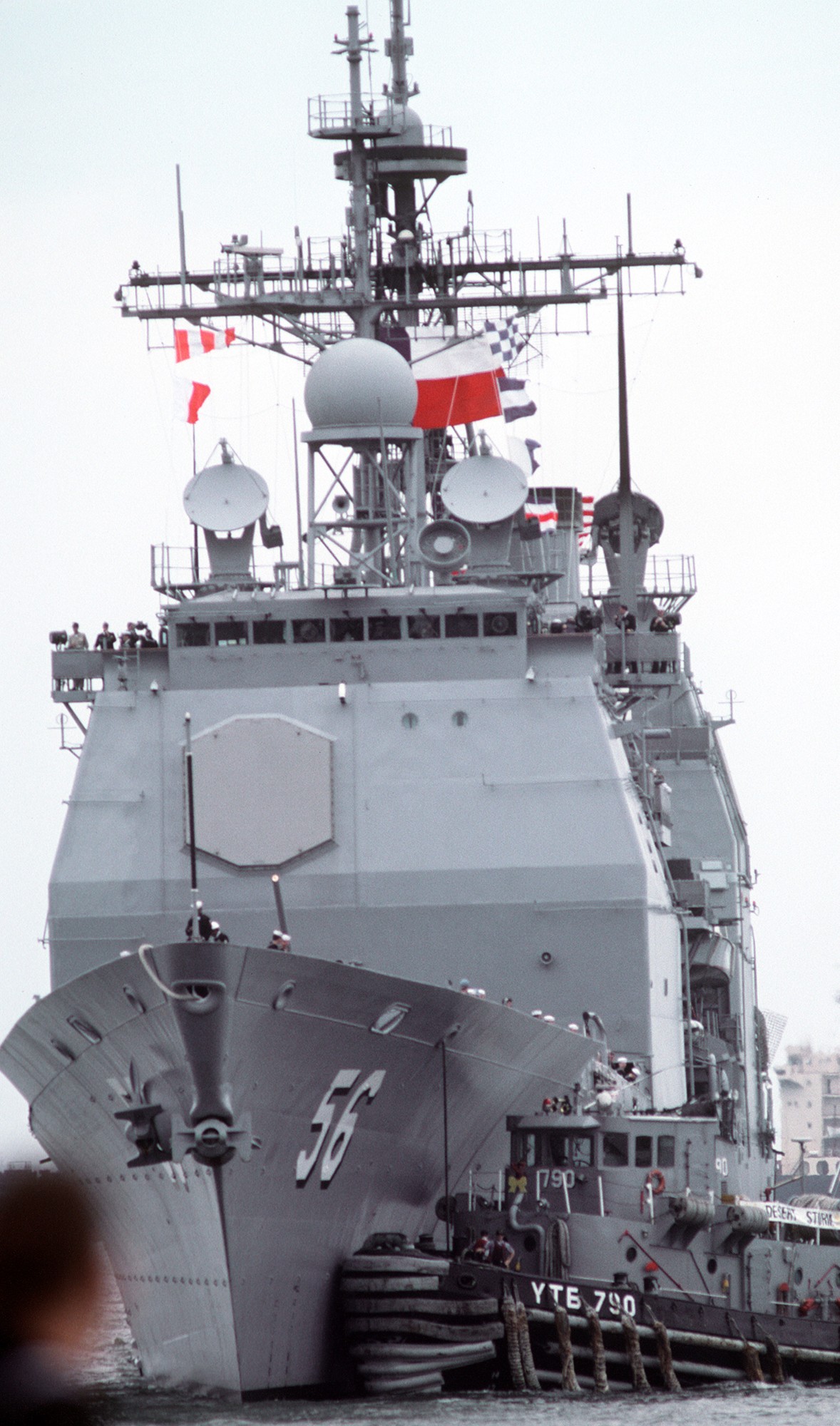 returning to Naval Station Norfolk, Virginia - March 28, 1991 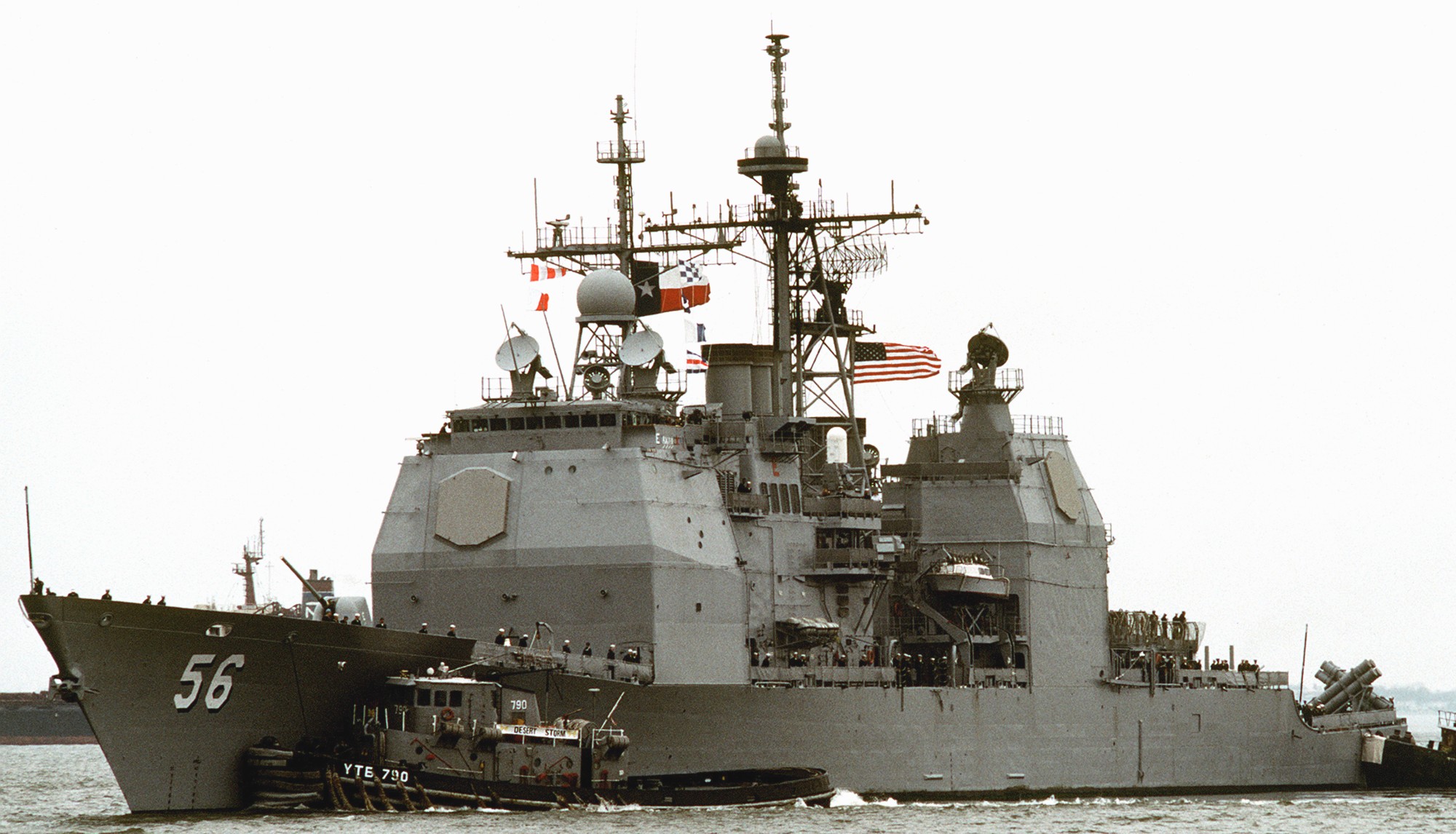 returning to Naval Station Norfolk, Virginia - March 28, 1991 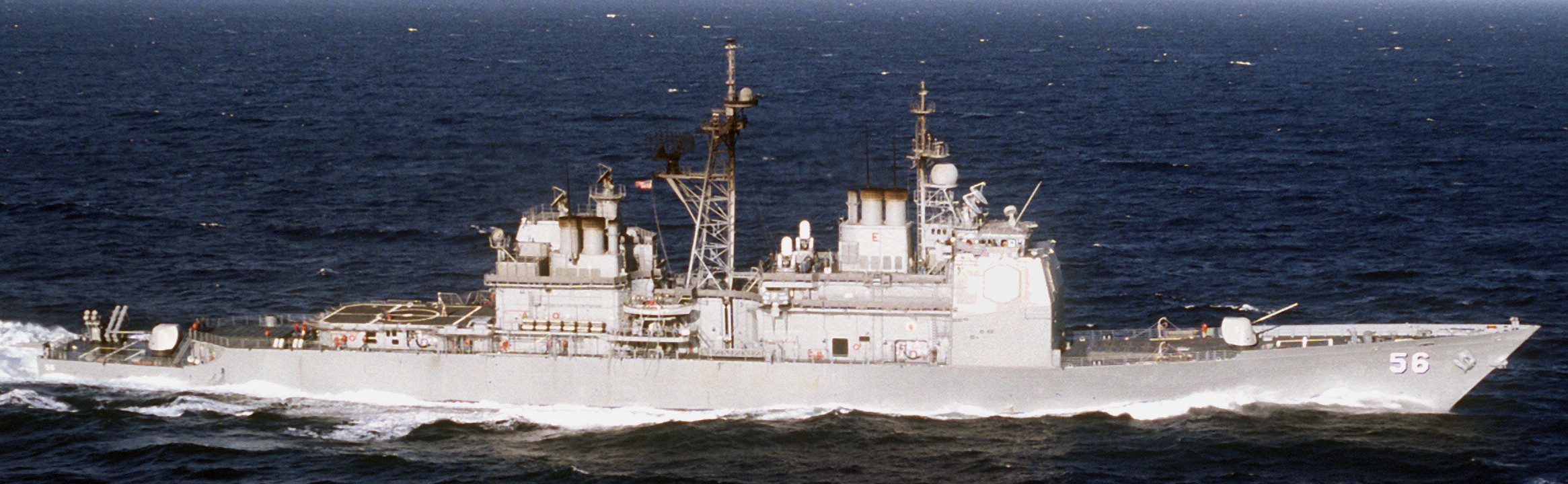 Operation Desert Storm - 5th Fleet AOR - February 1991 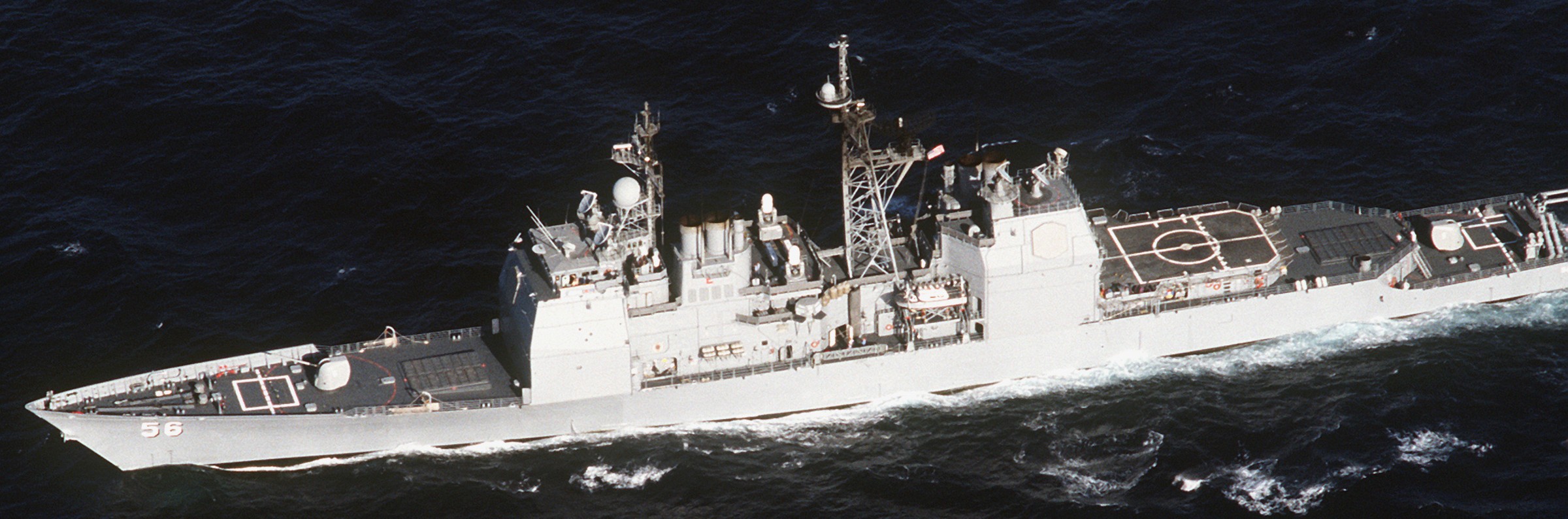 Operation Desert Storm - 5th Fleet AOR - February 1991 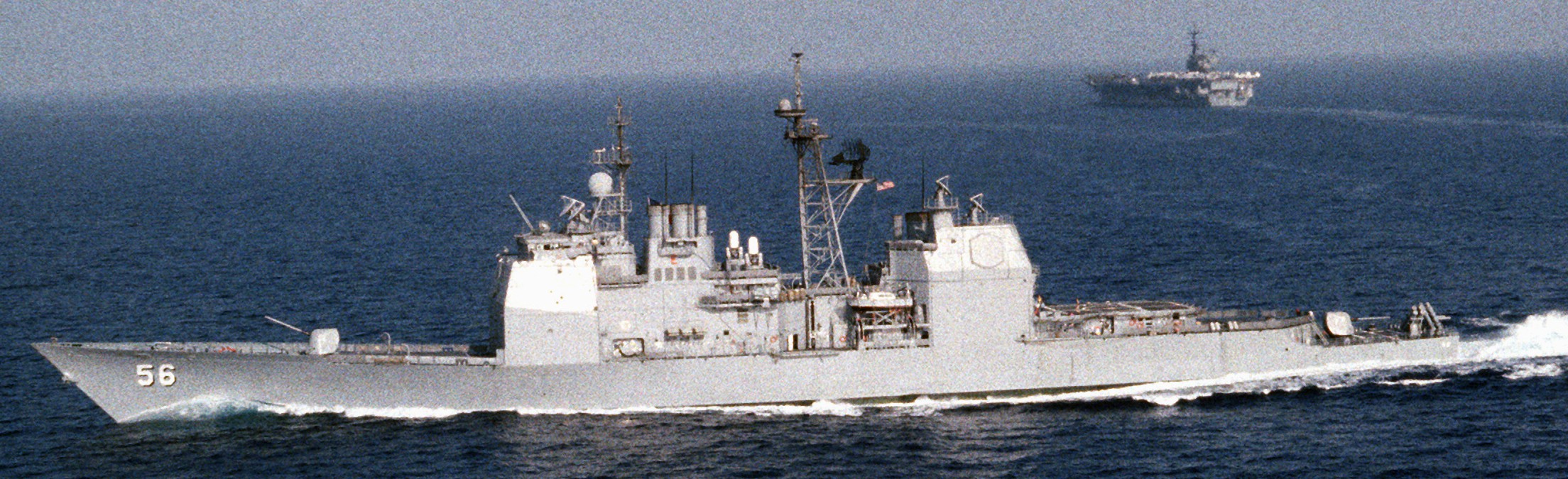 Operation Desert Shield - Red Sea - October 1990 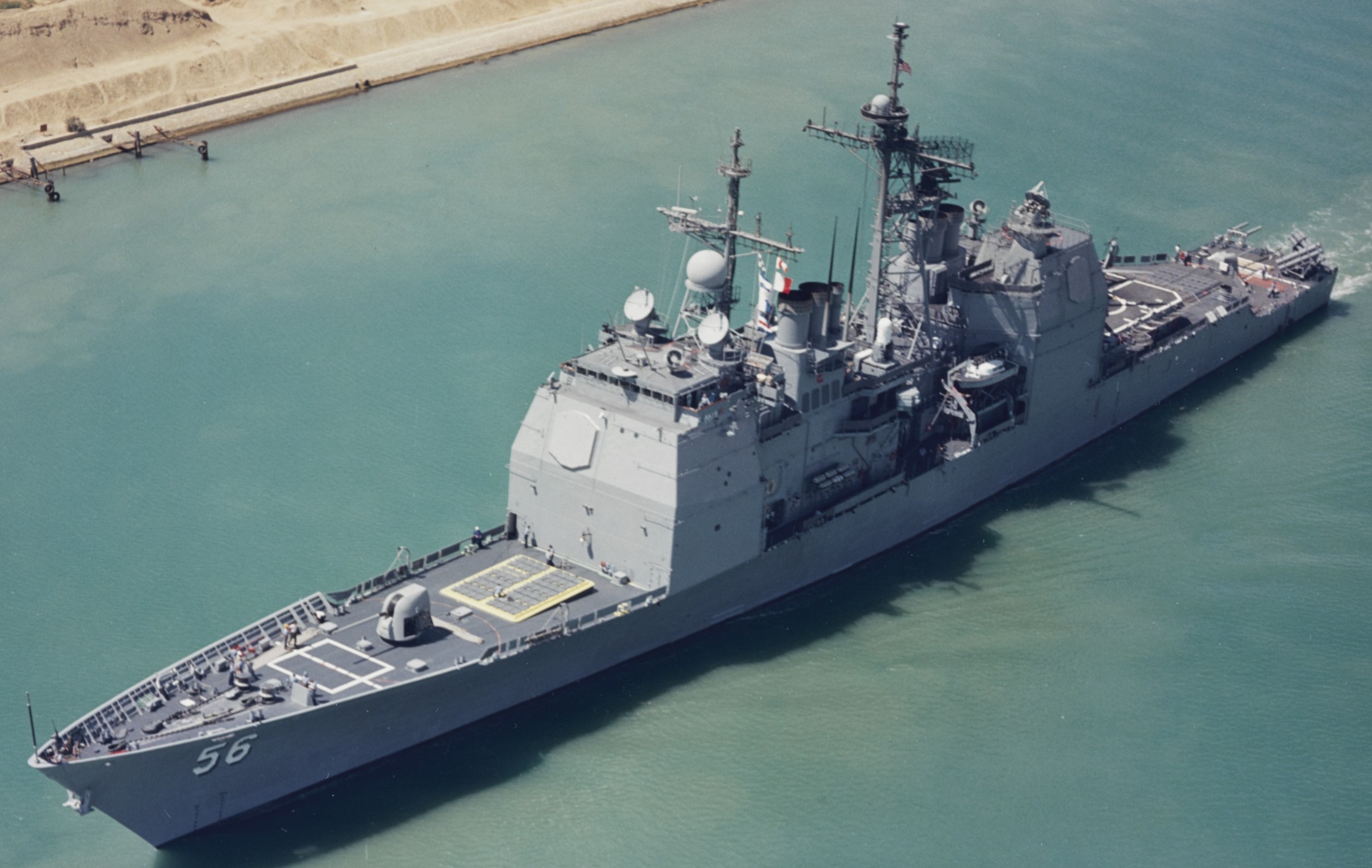 Suez Canal - September 1990 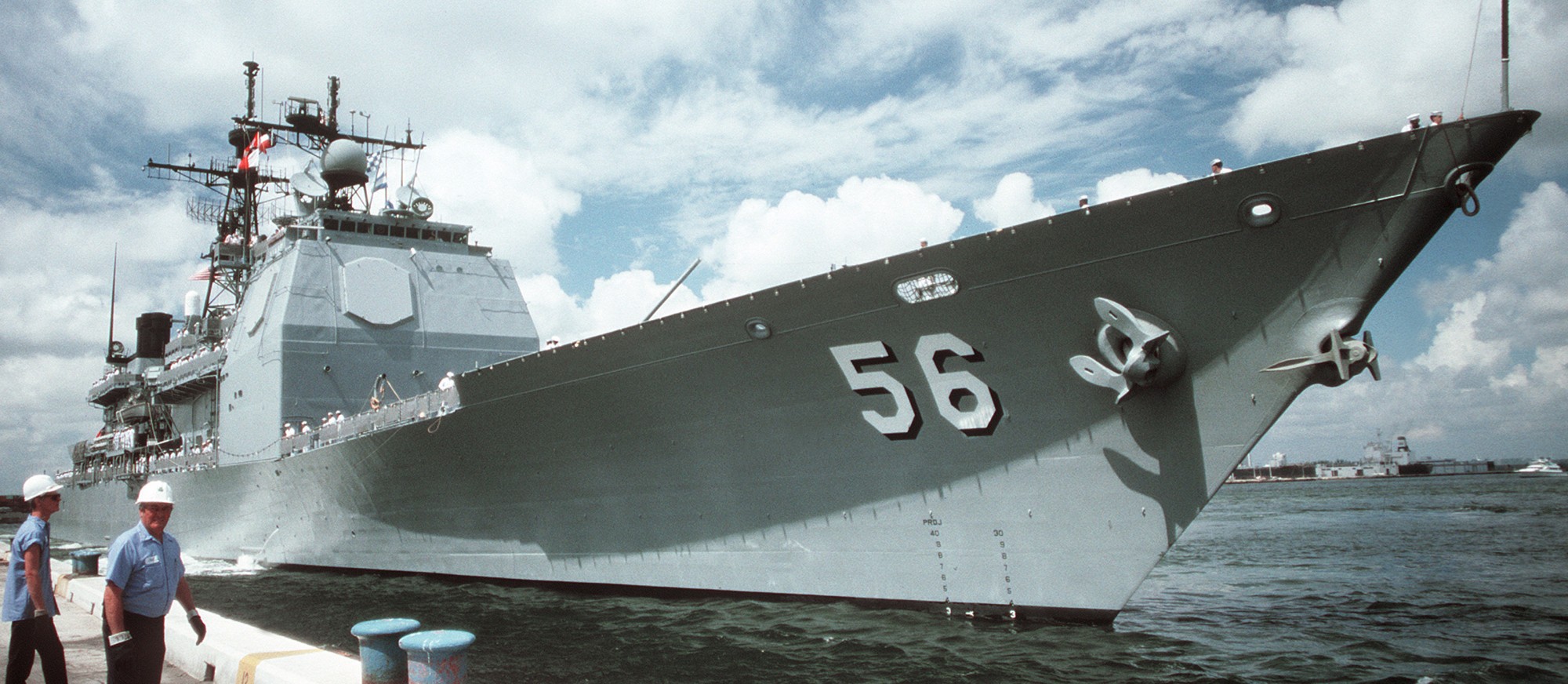 Port Everglades, Florida - October 1988 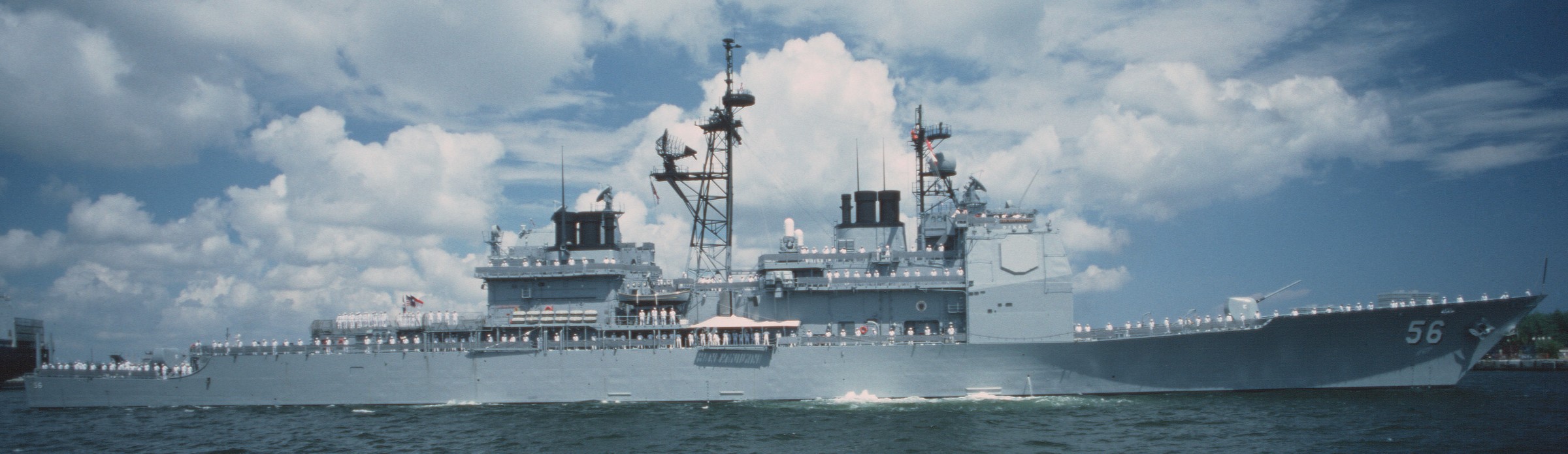 Port Everglades, Florida - October 1988 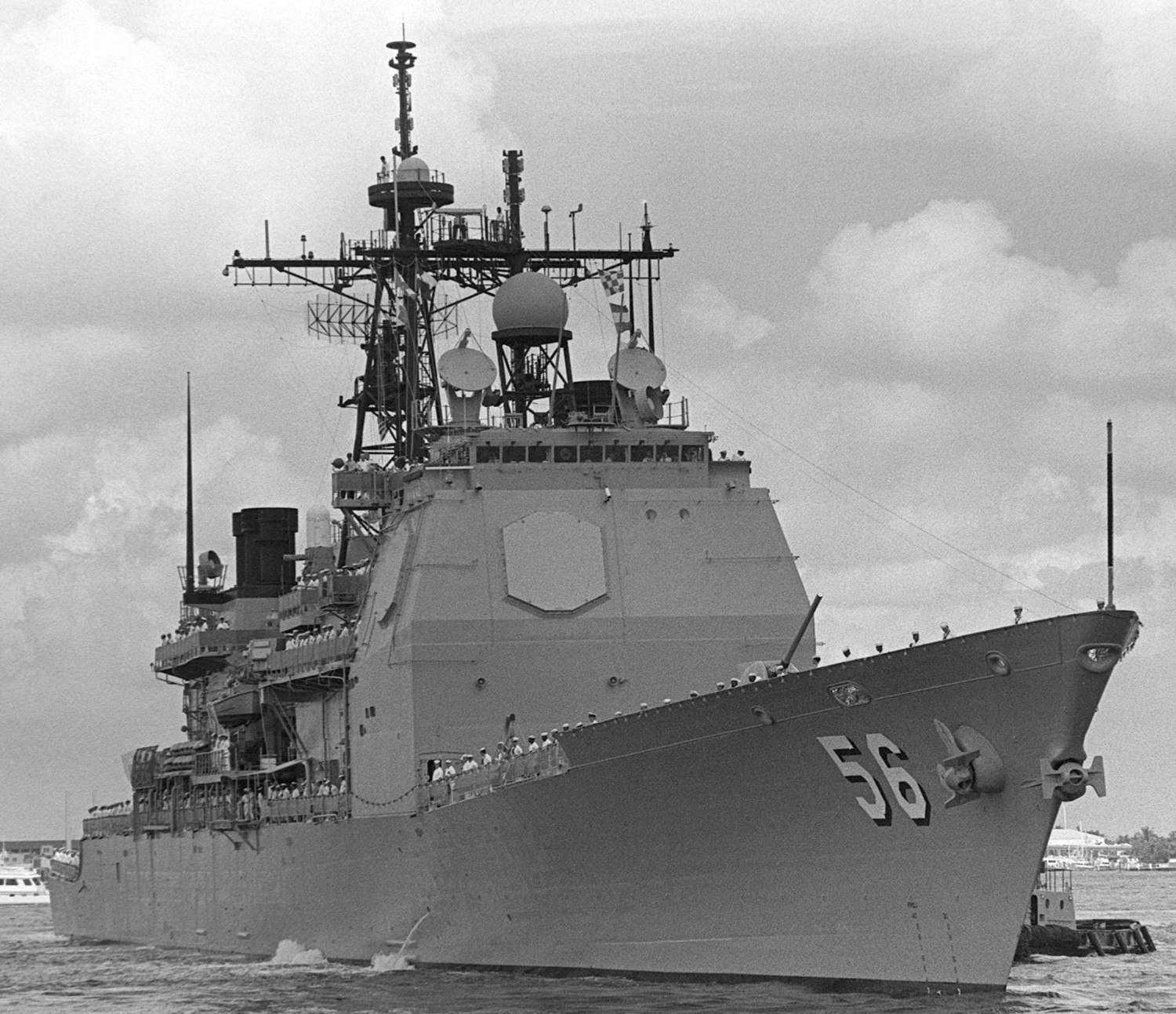 Port Everglades, Florida - October 1988 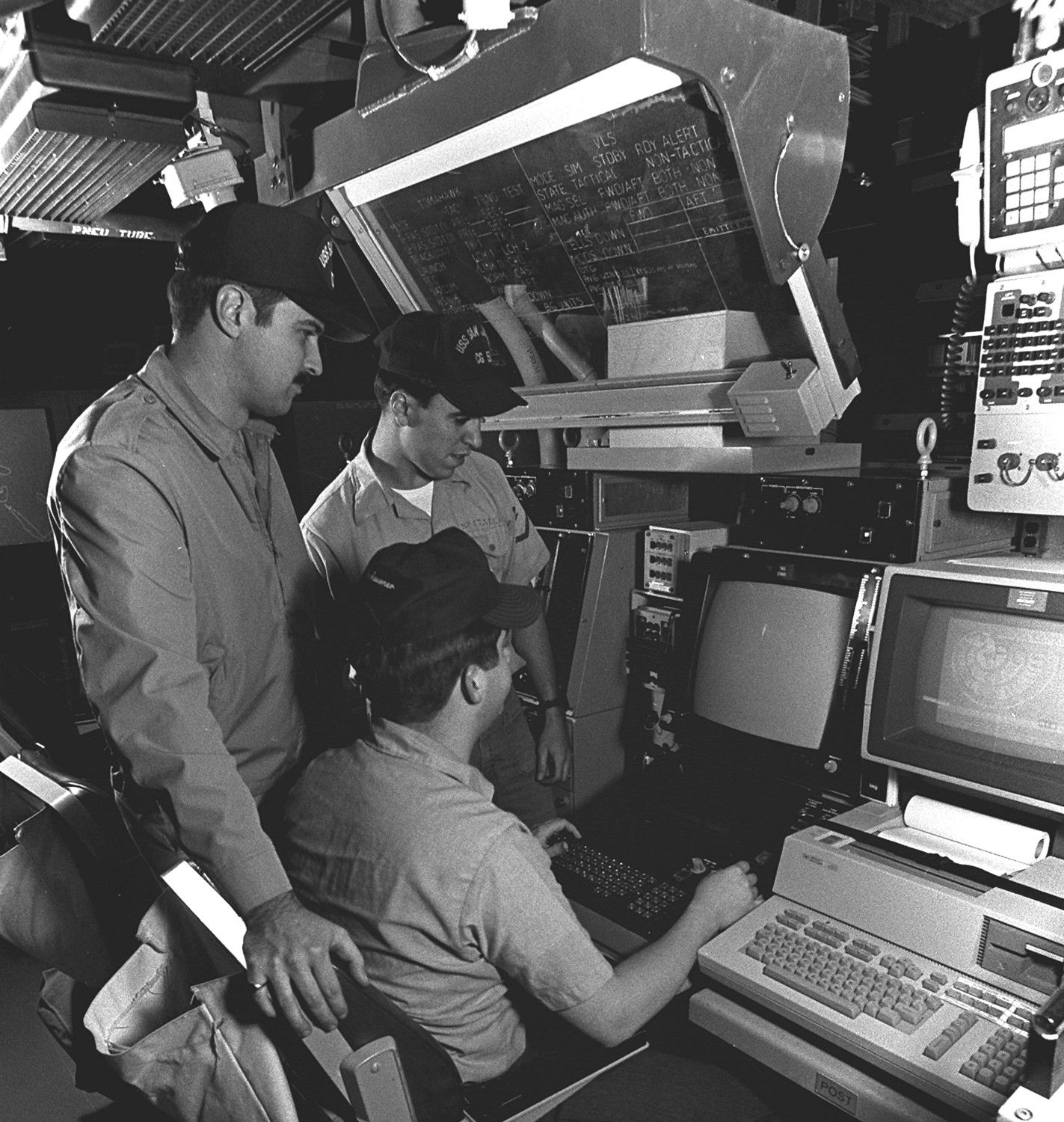 Tomahawk TLAM missile control console in the combat information center (CIC) - October 1988 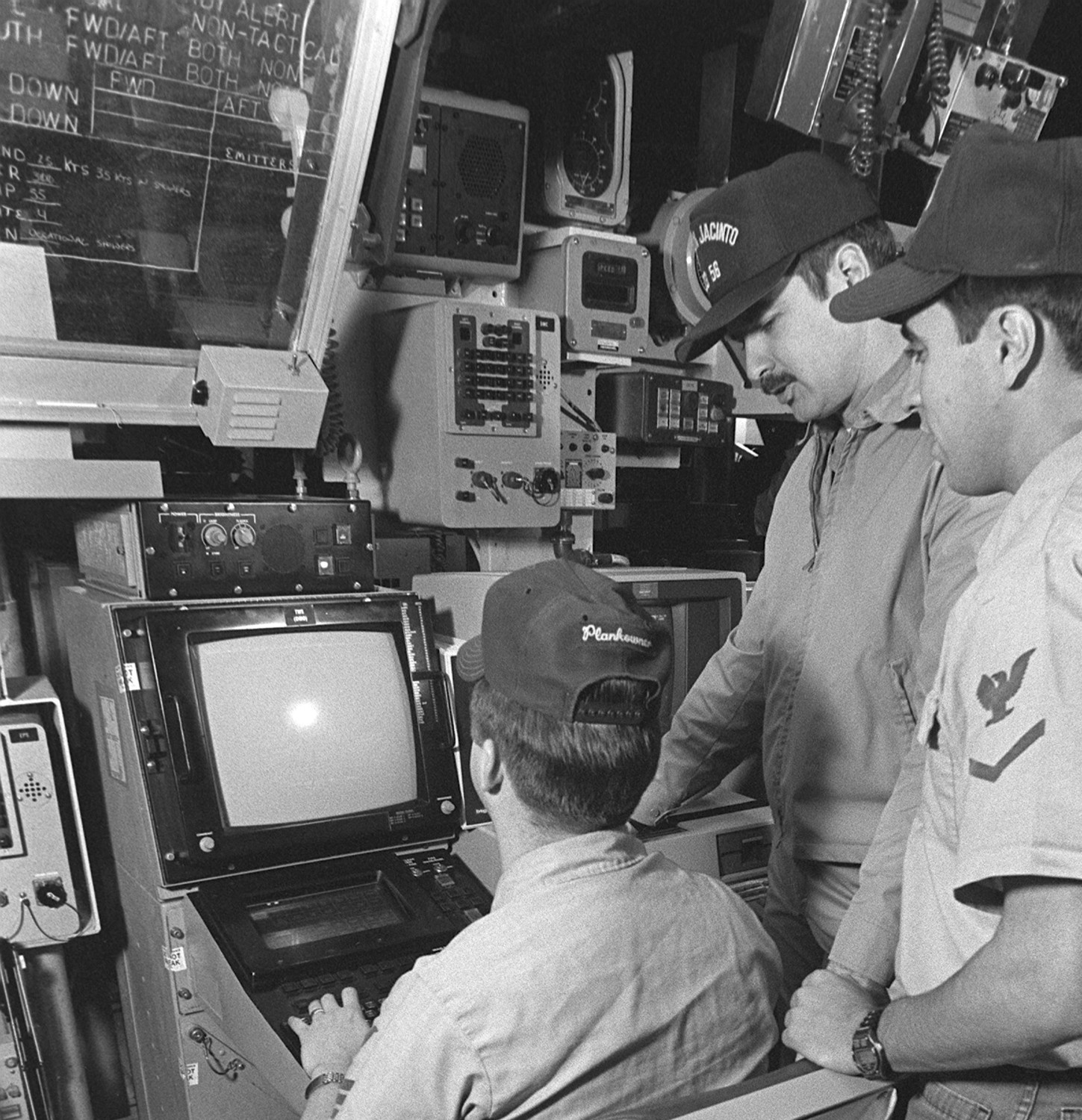 Tomahawk TLAM missile control console - October 1988 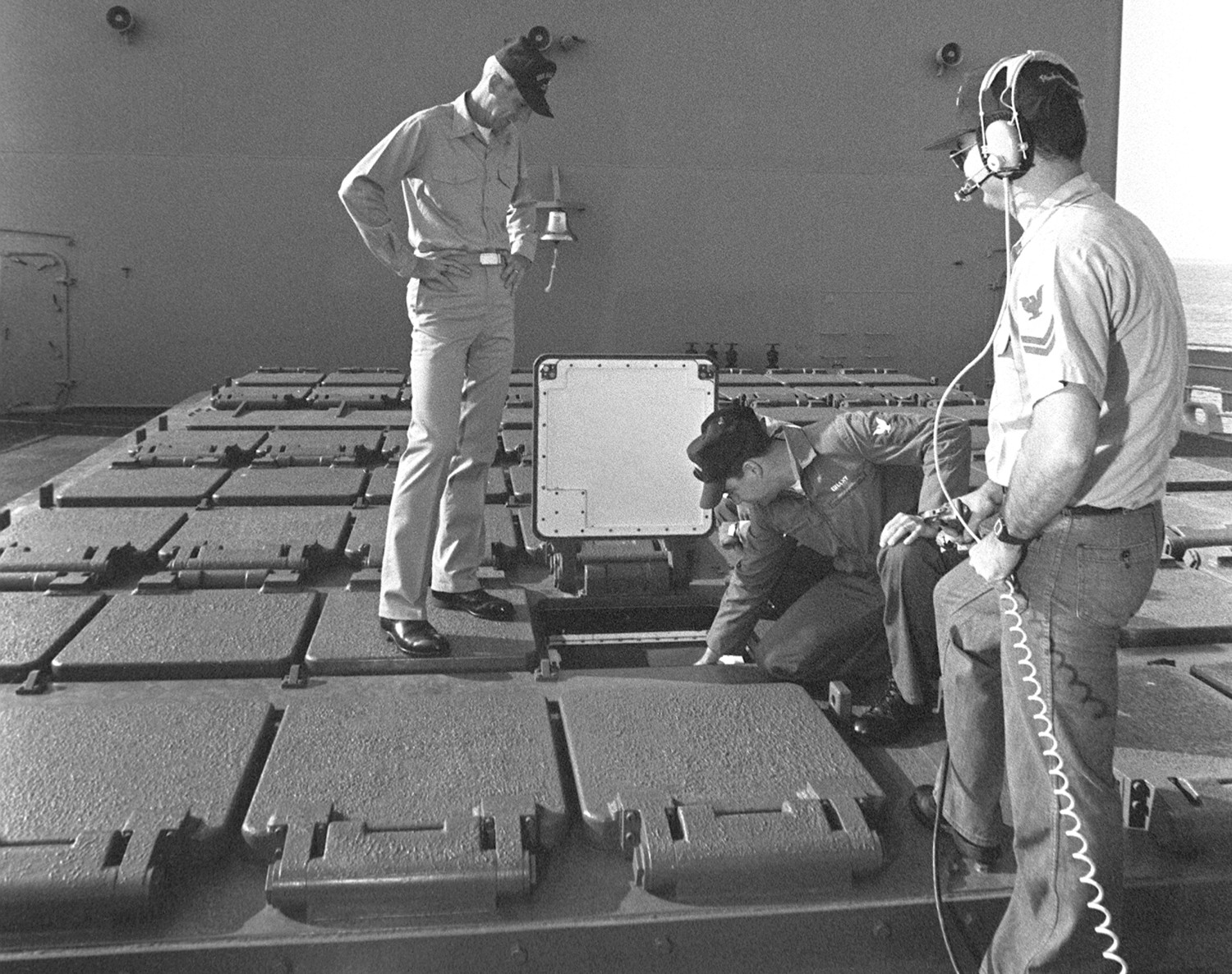 Mk.41 vertical launching system (VLS) maintenance - October 1988 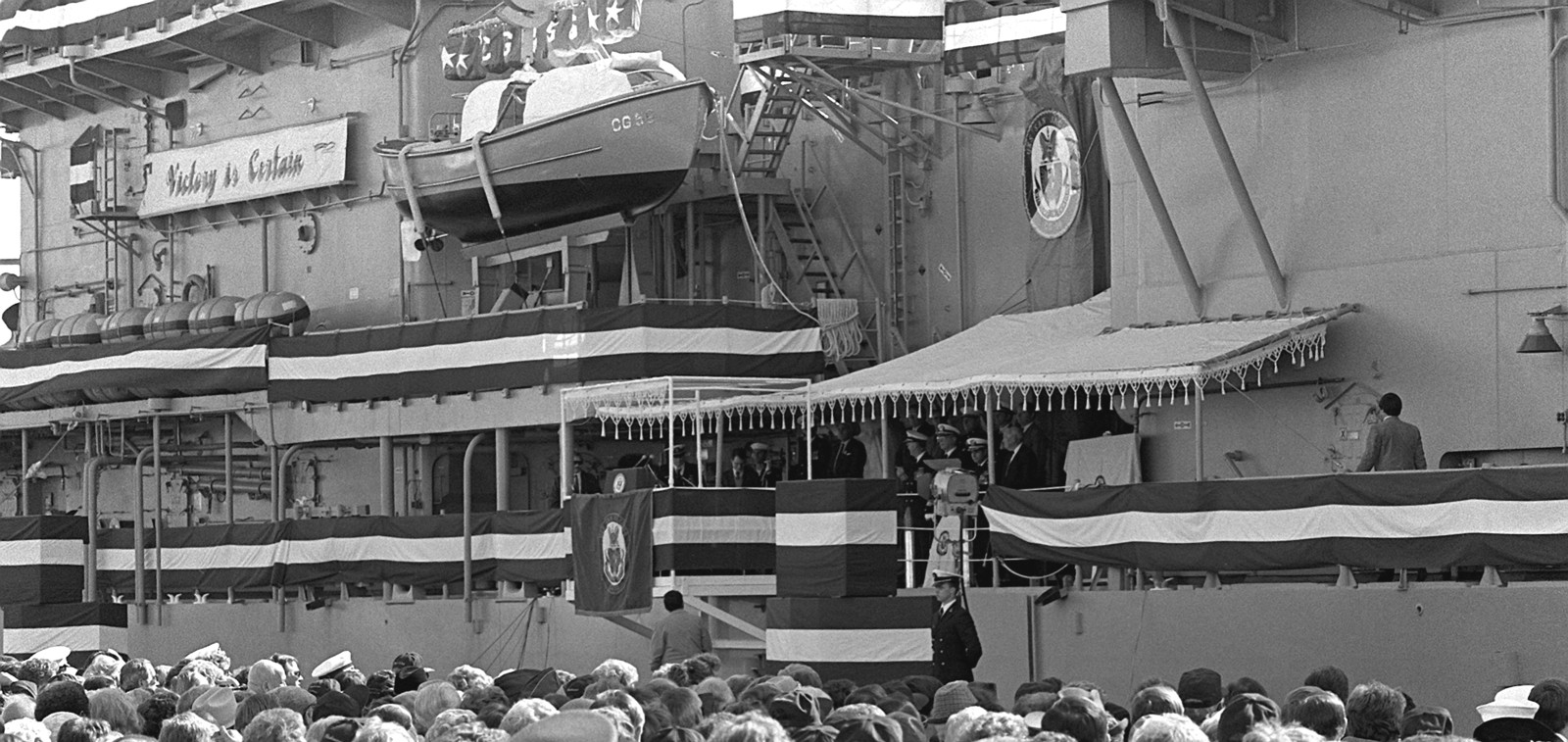 commissioning ceremony - Houston, Texas - January 23, 1988 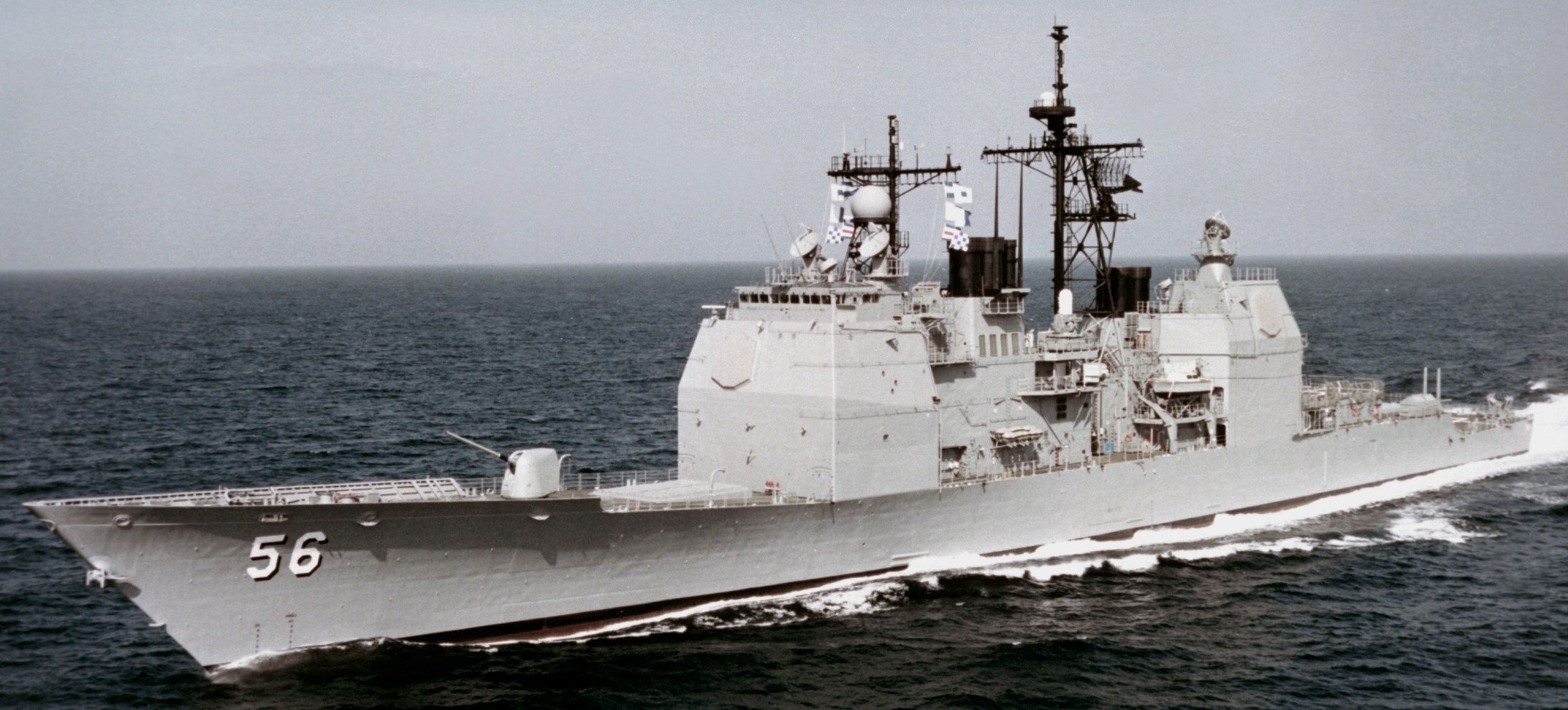 trials - Gulf of Mexico - January 1988 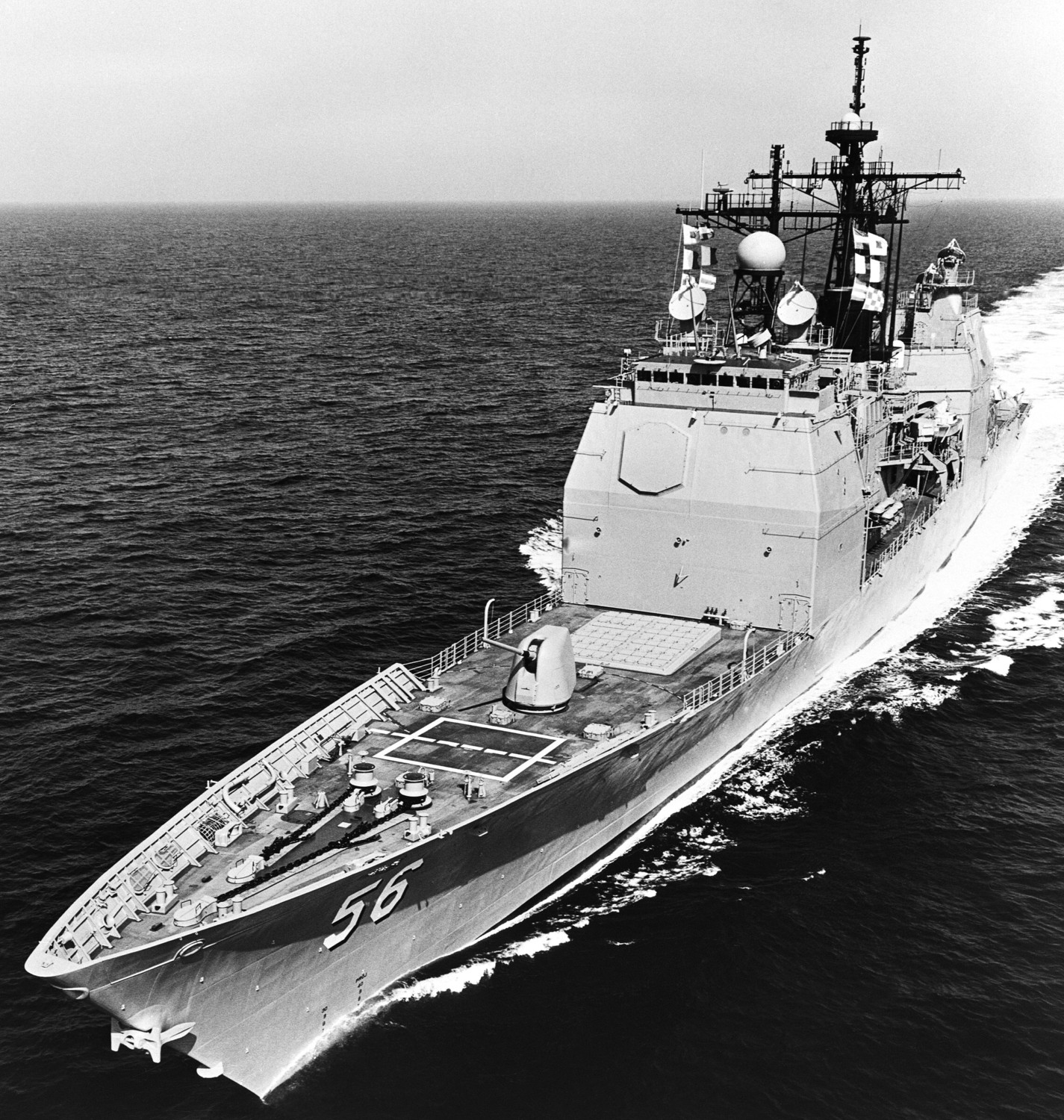 trials - Gulf of Mexico - January 1988 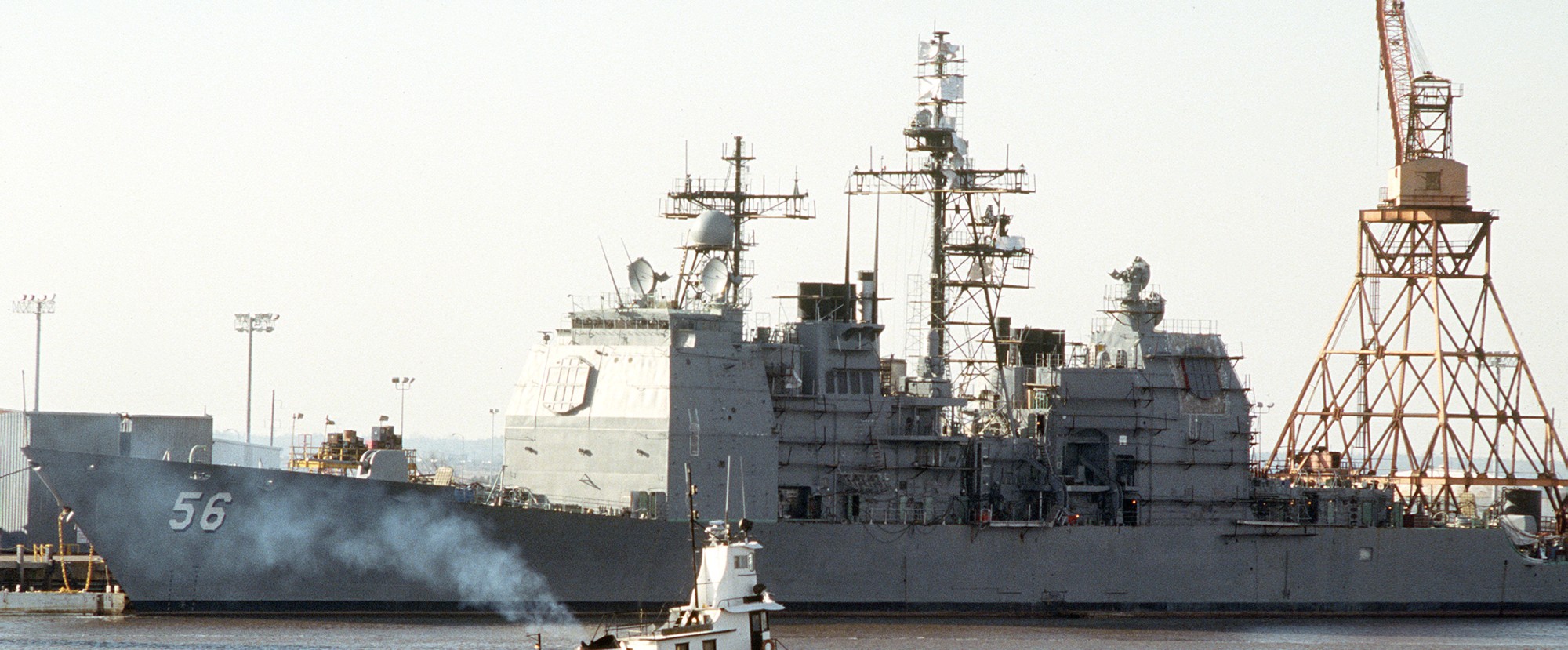 outfitting at Ingalls Shipbuilding, Pascagoula, Mississippi - September 1987 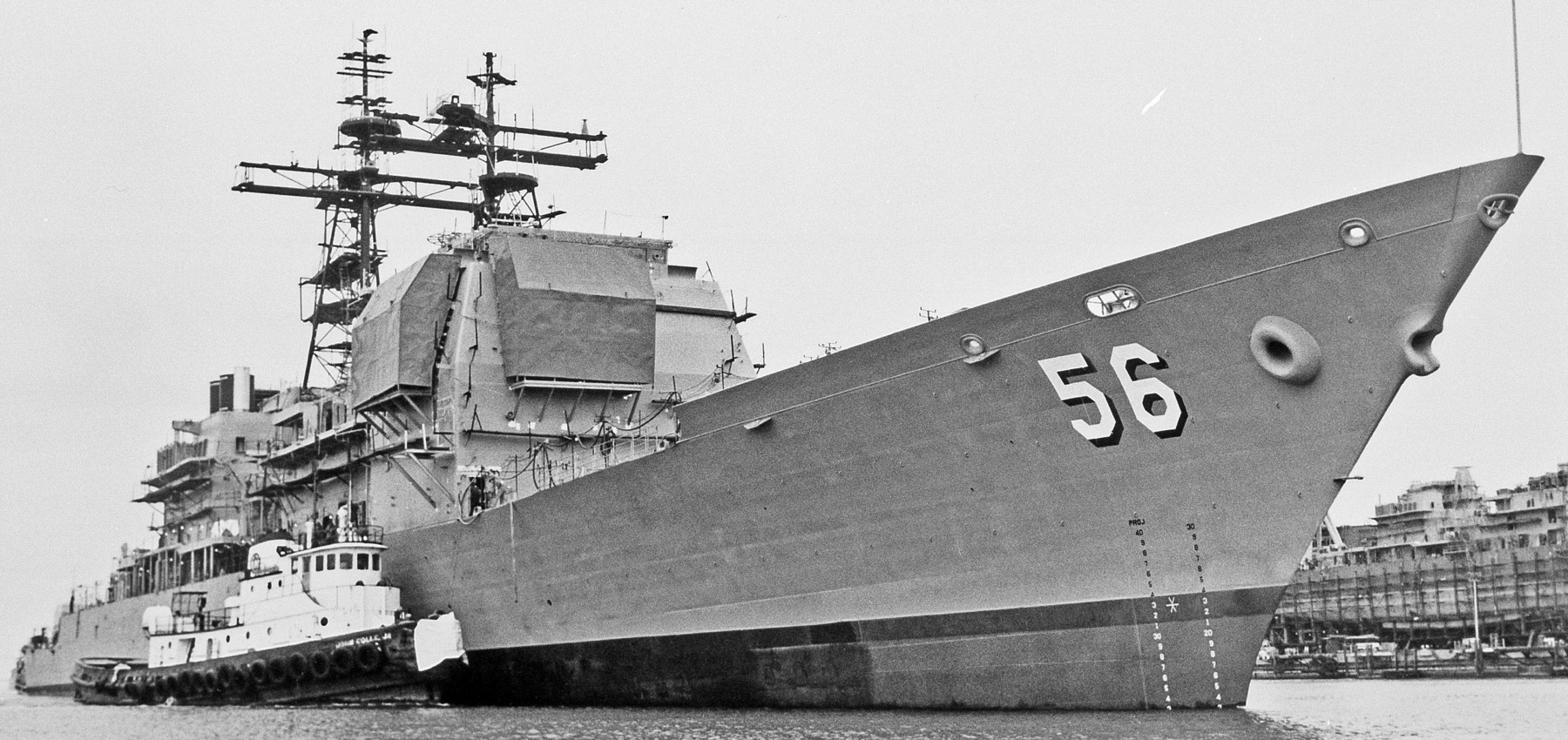 launching at Ingalls Shipbuilding, Pascagoula, Mississippi - November 14, 1986 |
||
|
USS San Jacinto (CG 56): San Jacinto distinguished herself on her maiden deployment in 1989, by providing strike warfare capability during a rare aircraft carrier gap in the Mediterranean. In August 1990, she deployed with only five days’ notice for Operation Desert Shield, where she served as Red Sea Battle Force Anti-Air Warfare Commander and launched the first Tomahawk Cruise missiles ever fired in combat during the opening salvos of Operation Desert Storm. Following that deployment, San Jacinto circumnavigated South America in 1992 during UNITAS XXXIII, a multinational naval exercise. Following UNITAS, San Jacinto deployed again in support of BALTOPS ’93 exercises where she embarked the first-ever LAMPS SH-60B and SH-60F combined detachment. San Jacinto deployed to the Mediterranean and Red Sea in 1994 as part of the George Washington Battle Group, during which she enforced the “No-Fly” zone over Bosnia-Herzegovina and the UN-sanctioned arms embargo. When Saddam Hussein once again sent his forces toward Kuwait in October, San Jacinto responded rapidly, taking Tomahawk Strike Station in the Red Sea just as she had done three years prior. In 1996, San Jacinto deployed again to the Mediterranean and Red Sea as part of the George Washington Battle Group. While there, she participated in joint operations with the Russian Navy, and distinguished herself during a rescue operation of the merchant ship Saudi Hoffuf. San Jacinto deployed with the John C. Stennis Battle Group to the Arabian Gulf in February 1998. She made a record 16-day transit to the Gulf in response to critical national tasking. While there, she served as Air Defense Commander for the entire region. San Jacinto accompanied the USS Harry S. Truman on her maiden deployment in December 2000, serving as the Air Warfare Commander for the Battle Group. She distinguished herself during the rescue at sea of a stranded Yemeni fishing vessel, becoming the first U.S. warship to return to Yemen since the attack on the USS Cole. In December 2003, San Jacinto deployed to the Mediterranean and Red Sea as the Air Defense Commander for the Harry S. Truman Strike Group and later during Operation Iraqi Freedom joined with the Theodore Roosevelt Strike Group. During this time, she fired 30 Tomahawk Land Attack missiles, the most launched by any ship in the Red Sea. San Jacinto deployed in September of 2005 to the Mediterranean and Arabian Gulf in support of the Global War on Terror. During this time, she conducted operations as the flagship for Combined Task Force 58, leader of the multinational coalition forces responsible for conducting maritime security operations in the North Arabian Gulf. San Jacinto deployed again in November 2007, and conducted operations throughout the Mediterranean and Black Sea. On her 2010 Middle East deployment, she conducted anti-piracy operations and was responsible for the apprehension of 13 pirates along with disrupting attempted boardings of merchant ships in the region. San Jacinto’s deployments in 2013 and 2016 took her throughout the Mediterranean and Middle East, conducting operations in the Red Sea and Arabian Gulf. Most recently, San Jacinto deployed in January 2020 as a part of the Dwight D. Eisenhower strike group to the Arabian Sea. During her deployment, she broke the U.S. Navy record for longest consecutive days at sea. Leaving Norfolk, Virginia, in January she did not return to port until pulling back into Norfolk in August, a total of 206 consecutive days at sea. In December 2020 the U.S. Navy's Report to Congress on the Annual Long-Range Plan for Construction of Naval Vessels stated their intention to decommission the ship in Fiscal Year 2022. The Navy formally asked Congress for permission to decommission the ship in the FY2022 budget in July 2021 along with six other cruisers, but Congress only allowed the Navy to retire five cruisers, and the Navy chose to retain San Jacinto. The Navy again asked Congress for permission to retire the ship in the 2023 budget request, and as of June 2022 the budget is still being debated. On 6 May 2022, San Jacinto conducted an underway replenishment (UNREP) with USNS Supply (T-AOE-6). San Jacinto was a part of Carrier Strike Group 8 led by the USS Harry S. Truman in the Mediterranean Sea. San Jacinto was decommissioned on 15 September 2023 in a ceremony at her homeport Naval Station Norfolk. - - - - - US Navy press release: USS San Jacinto (CG-56) honored more than three decades of naval service during a decommissioning ceremony at Naval Station Norfolk, September 15, 2023. Vice Adm. Jim Kilby, deputy commander, U.S. Fleet Forces Command, who previously served two tours aboard San Jacinto, presided over the ceremony and provided keynote remarks. “When we serve on a ship, it becomes part of us, I mean who we are, how we think, and how we conduct ourselves.” said Vice Adm. Kilby. “San Jacinto is the most formative and significant ship I have ever served on. I worked for five consecutive commanding officers, as Operations Officers and Executive Officer. I owe San Jacinto and many of you an unpayable debt of gratitude.” Capt. Christopher E. Marvin, who served as the twentieth and final commanding officer of San Jacinto, oversaw a crew of 30 officers and 300 enlisted members, and led the warship during their final deployment in the Mediterranean Sea as part of the Harry S. Truman Carrier Strike Group in support of U.S. 6th Fleet and NATO exercises in 2022. “The professionalism and warfighting excellence San Jacinto has imparted on those that have served aboard over 35 years will provide an enduring legacy and serve the Navy and nation for years to come.” San Jacinto is the tenth Ticonderoga-Class cruiser, and the third warship in the Navy named for the Battle of San Jacinto. The first San Jacinto was a frigate built in 1851, fought in the Civil War for the Union, and was sold in 1871. The second San Jacinto (CVL 30) was an aircraft carrier that was commissioned Nov. 15, 1943, fought in WWII and was decommissioned March 1, 1947. The San Jacinto’s construction began Oct. 5, 1984, at Ingalls Shipbuilding in Pascagoula, Mississippi. Her keel was laid July 24, 1985. She was launched on Nov. 14, 1986, and christened Jan. 24, 1987 by the warship’s sponsor, Dr. Wendy Lee Gramm, wife of United States Senator from Texas, Phil Gramm. San Jacinto was commissioned on Jan. 23, 1988, in Houston, Texas, by then-Vice President George H.W. Bush, who himself served aboard the second San Jacinto (CVL 30) during World War II. Since her maiden deployment in 1989, the warship has demonstrated the combat credibility of our Navy and has served as an exemplar for the Navy’s mission to defend freedom, preserve economic prosperity, and keep the seas open and free. In August 1990, she executed short-fused deployment in support of Operation Desert Shield, where she served as Red Sea Battle Force Anti-Air Warfare Commander and launched the first Tomahawk Cruise missiles ever fired in combat during the opening salvos of Operation Desert Storm. Other operation highlights include: directly supporting Operations Southern Watch, Inherent Resolve, and Iraqi Freedom; counter terrorism operations following the September 11 attacks; various maritime interdiction and interception operations; humanitarian assistance and disaster relief efforts as well as a sustained focus on partnership building during multi-national, Joint, and NATO exercises. In January 2020, she deployed as a part of the Dwight D. Eisenhower strike group to the Arabian Sea, breaking the U.S. Navy record for consecutive days at sea at 206. The name San Jacinto honors the April 21, 1836 battle by the San Jacinto River in Texas, where Gen. Sam Houston and his greatly outnumbered Texas soldiers won independence for the Republic of Texas, decisively defeating Gen. Santa Anna and his 1,200-1,500 man Mexican Army. Houston made an eloquent speech to his troops, closing with inspiring words, "Victory is certain! ... Remember the Alamo!" Embodying that same toughness, grit, and tenacity, San Jacinto Sailors adopted this same mantra. “Throughout her service, San Jacinto executed 16 deployments, many availabilities, and as many training cycles. She was upgraded with the latest combat systems, her crew professionally trained over her life to continue to be a true lynchpin in our Fleet,” said Kilby. “By my rough estimates she has had over 6,000 Sailors serve on her and steamed over 500,000 nautical miles during deployments. She earned 15 Battle E’s as a testament to her sustained excellence. San Jacinto’s legacy is a tribute to her crews, all of us, she certainly lived up to her motto, “Victory is Certain.” In the warship’s storied 35 years of service, her crew has been awarded the Chief of Naval Operations Commendation, Humanitarian Service Medal, Southwest Asia Service Medal, Joint Meritorious Unit Commendation, Secretary of the Navy Letter of Commendation, Global War on Terrorism Expeditionary Medal, Armed Forces Expeditionary Medal, Armed Forces Service Medal, Navy Unit Commendation, Presidential Unit Citation, Meritorious Unit Commendation, and Navy E Ribbon. San Jacinto will be inactivated and towed to the Navy’s Inactive Ship Maintenance Facility in Philadelphia, Pennsylvania where they will be in a Logistic Support Asset (LSA) status. USN |
||
|
The Battle of San Jacinto (Spanish: Batalla de San
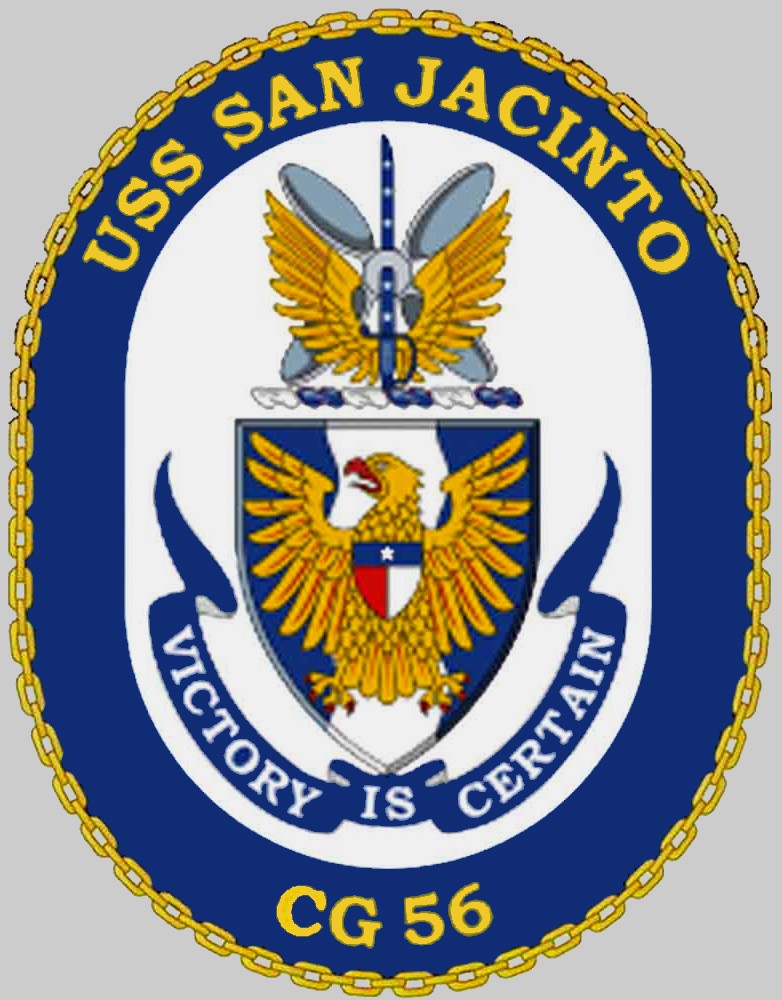
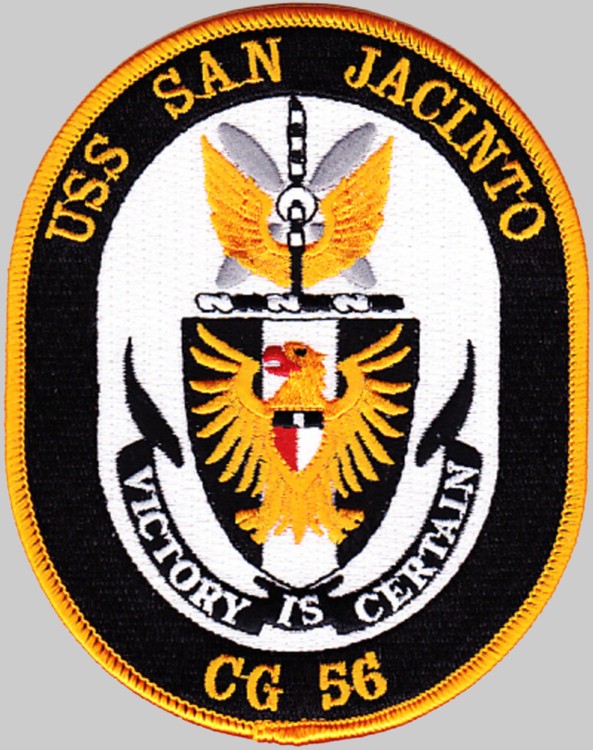
Jacinto) ... fought on April 21, 1836, in present-day La Porte and Pasadena, Texas, was the final and decisive battle of the Texas Revolution. Led by General Samuel Houston, the Texan Army engaged and defeated General Antonio López de Santa Anna's Mexican army in a fight that lasted just 18 minutes. A detailed, first-hand account of the battle was written by General Houston from the headquarters of the Texan Army in San Jacinto on April 25, 1836. Numerous secondary analyses and interpretations have followed. General Santa Anna, the president of Mexico, and General Martín Perfecto de Cos both escaped during the battle. Santa Anna was captured the next day on April 22 and Cos on April 24. After being held for about three weeks as a prisoner of war, Santa Anna signed the peace treaty that dictated that the Mexican army leave the region, paving the way for the Republic of Texas to become an independent country. These treaties did not necessarily recognize Texas as a sovereign nation but stipulated that Santa Anna was to lobby for such recognition in Mexico City. Sam Houston became a national celebrity, and the Texans' rallying cries from events of the war, "Remember the Alamo" and "Remember Goliad" became etched into Texan history and legend. The motto's words, "Victory is Certain", is a quote from General Sam Houston's speech as he spoke to his outnumbered men before the Battle of San Jacinto. |
||
| patches + more | ||
  |
||
|
|
seaforces.org |
USN ships
start page | |