 |
||
|
HOME
|
US Navy -
ships
|
US Navy - air
units
|
USMC - air
units
|
International
Navies
|
Weapon Systems
|
Special Reports |
||
|
US Navy - Guided Missile Cruiser CG 50 - USS Valley Forge |
||
|
||
| 11/23 | ||
|
Type,
class: Guided Missile Cruiser (CG); Ticonderoga
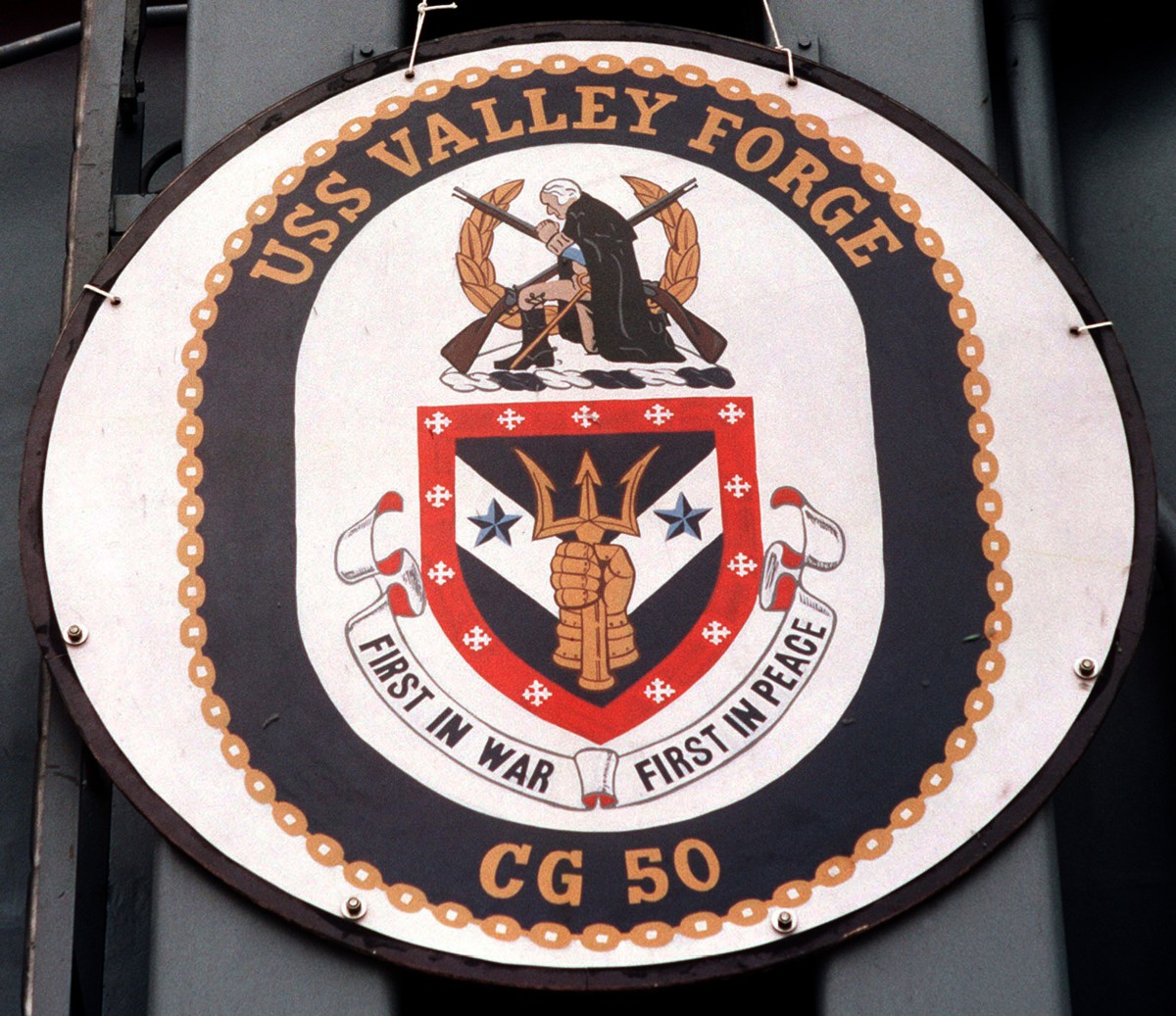
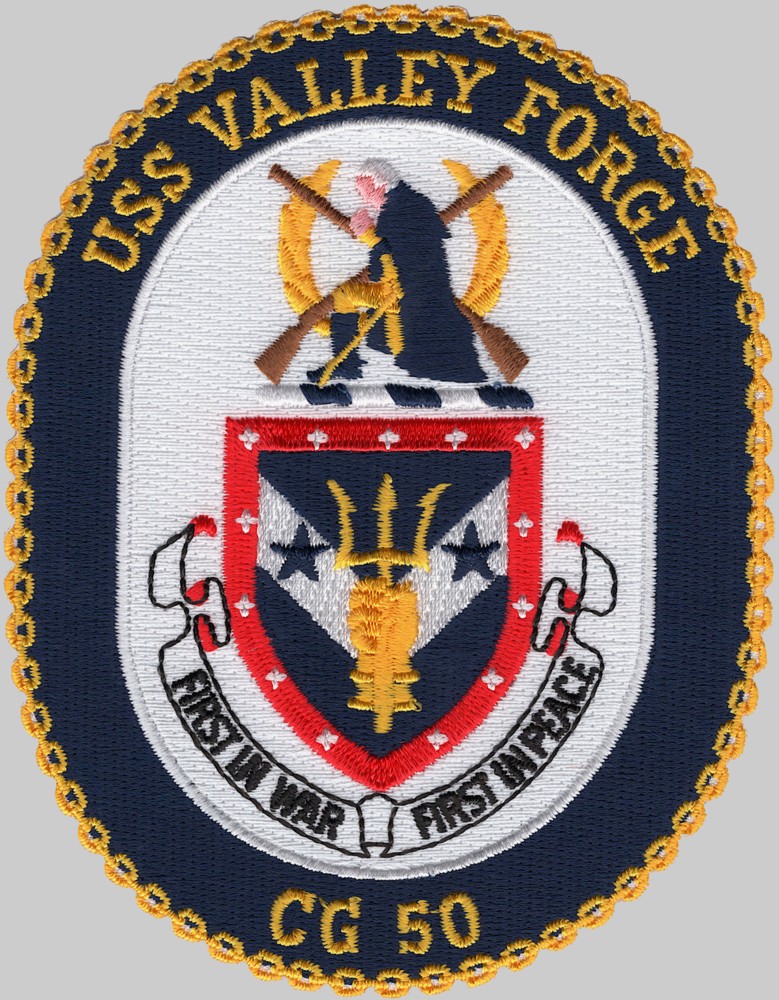
class Builder: Ingalls Shipbuilding, Pascagoula, Mississippi, USA STATUS: Awarded: August 28, 1981 Laid down: April 14, 1983 Launched: June 23, 1984 Christened: September 29, 1984 Commissioned: January 18, 1986 Decommissioned: August 30, 2004 Fate: sunk as a target off Kauai, Hawaii on November 2, 2006 Namesake: winter encampment in Valley Forge, December 1777 - June 1778 Ships Motto: FIRST IN WAR - FIRST IN PEACE Technical Data: see: INFO > Ticonderoga class Guided Missile Cruiser - CG |
||
| images | ||
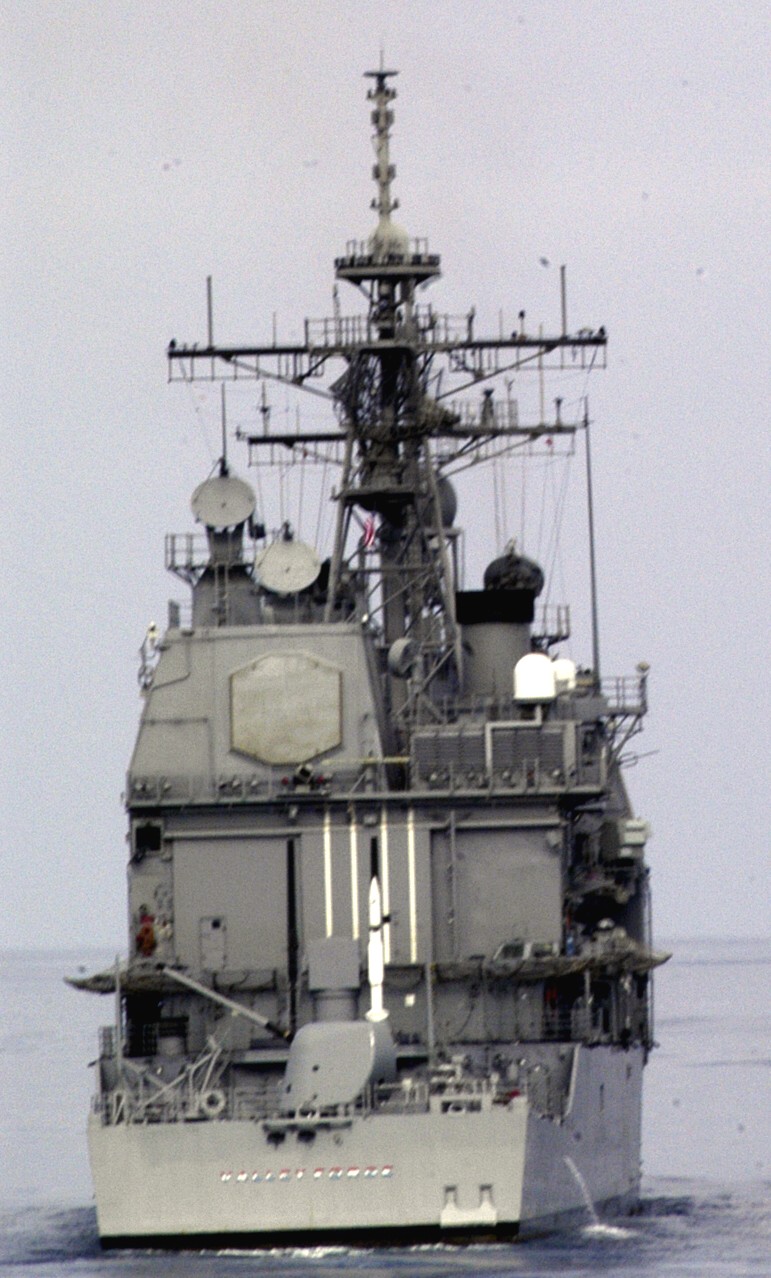 off California - October 2003 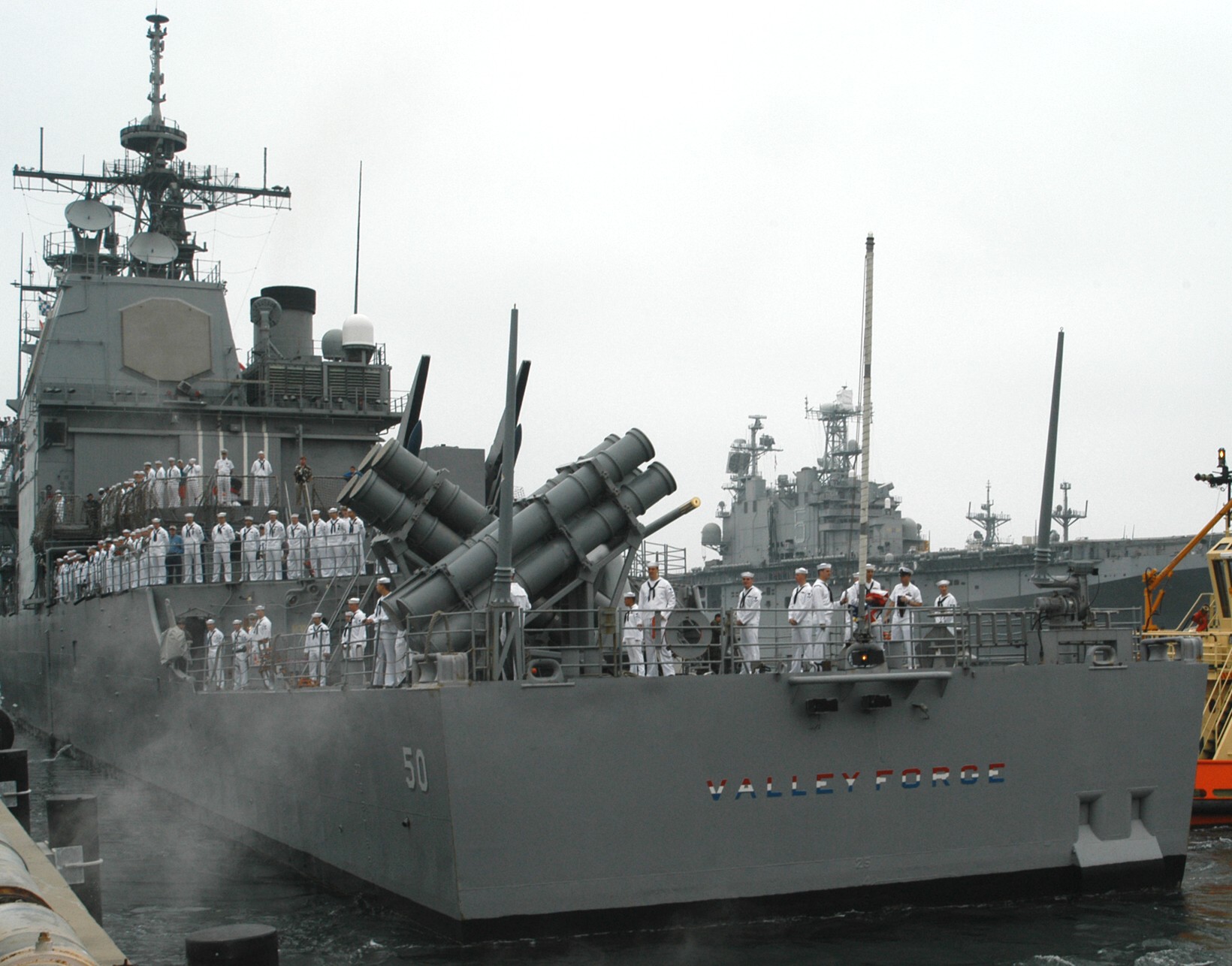 returning to Naval Base San Diego, California - June 2003 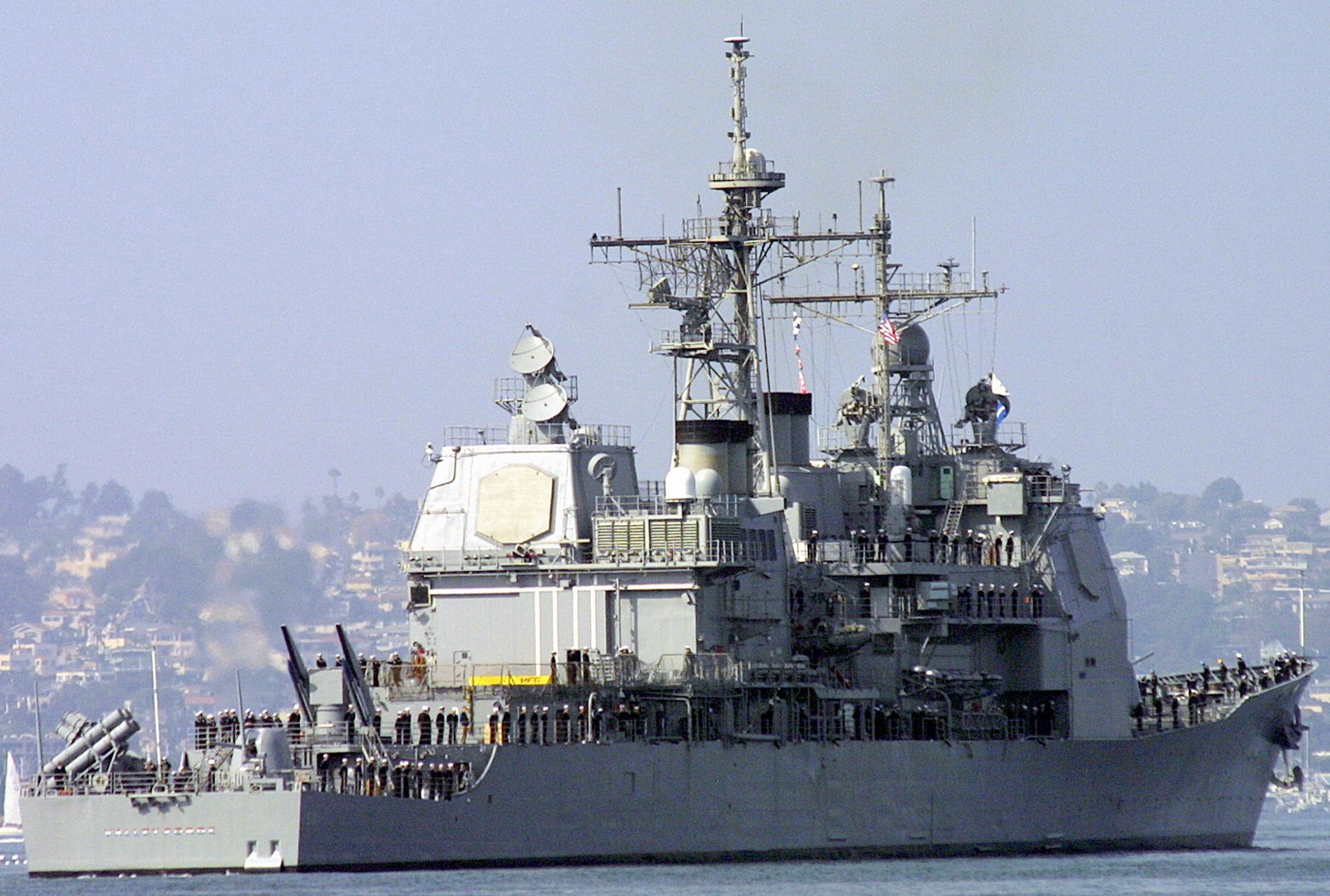 departing Naval Base San Diego, California - November 2002 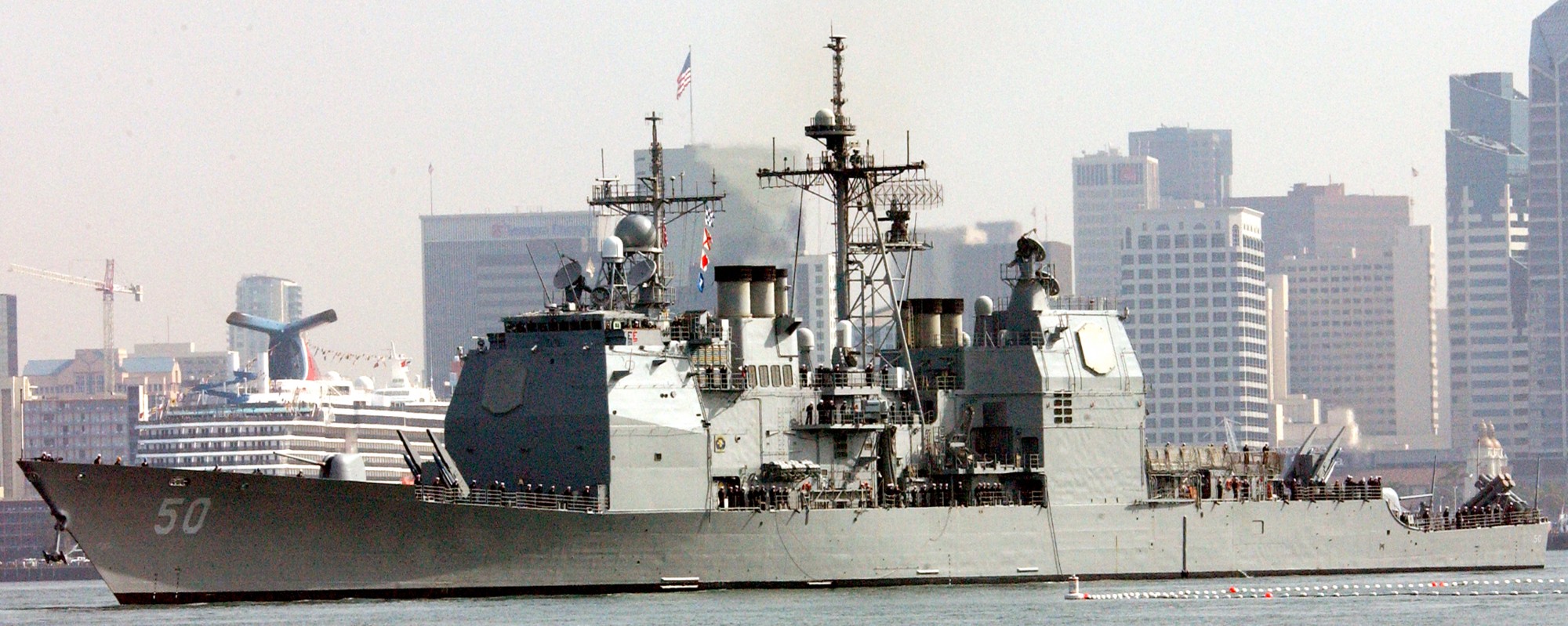 departing Naval Base San Diego, California - November 2002 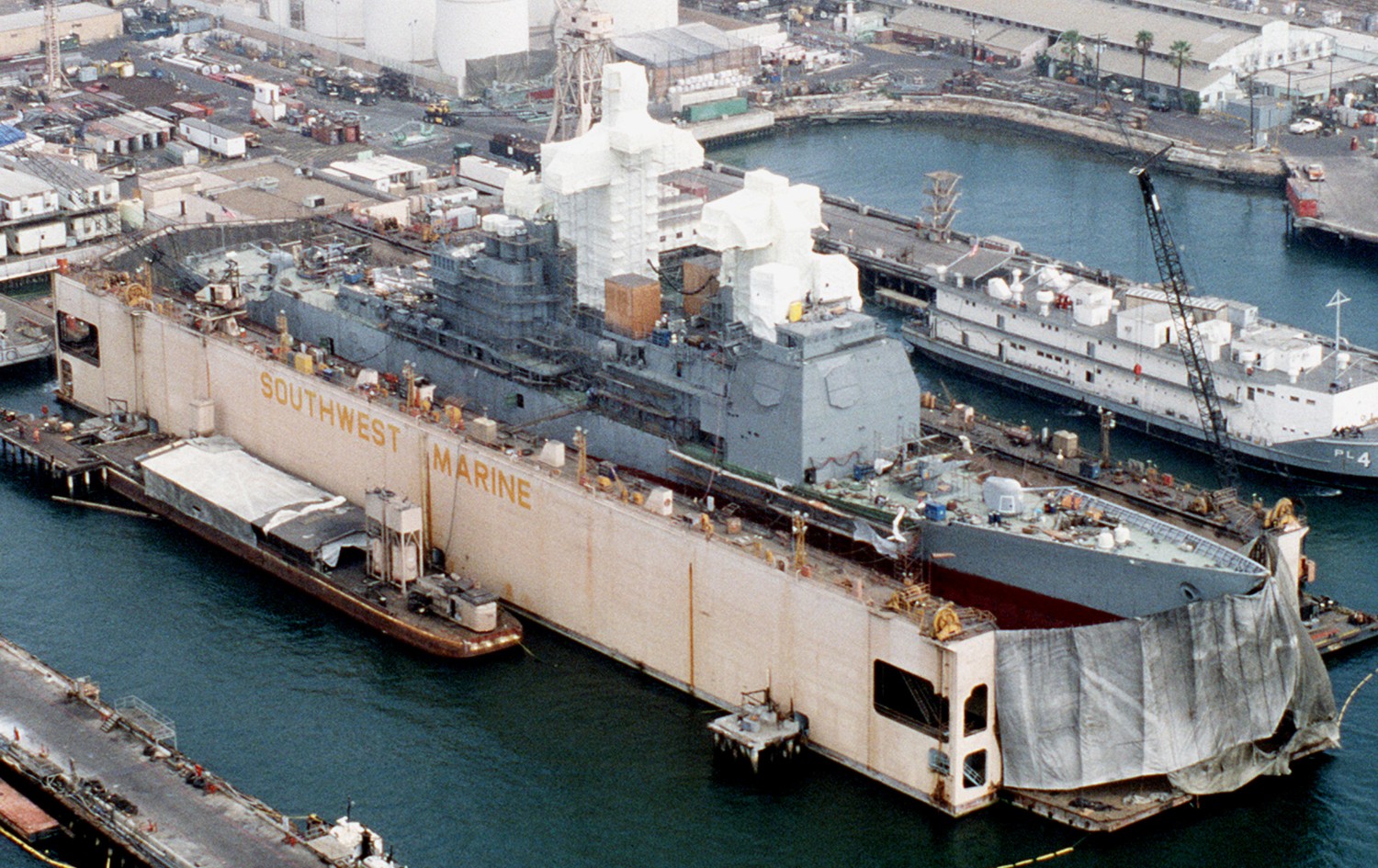 overhaul at Southwest Marine Shipyard - San Diego, California - October 1993 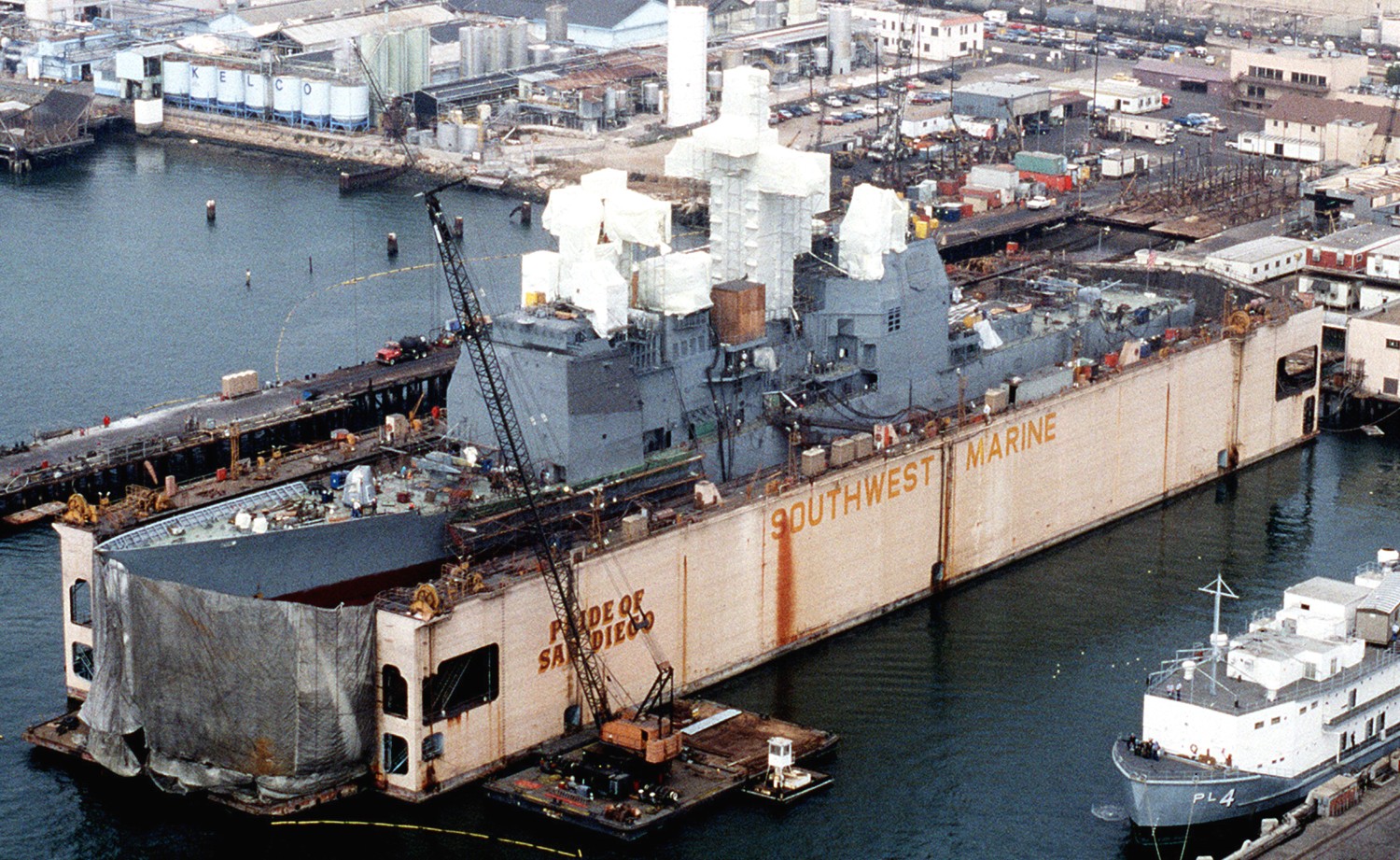 overhaul at Southwest Marine Shipyard - San Diego, California - October 1993 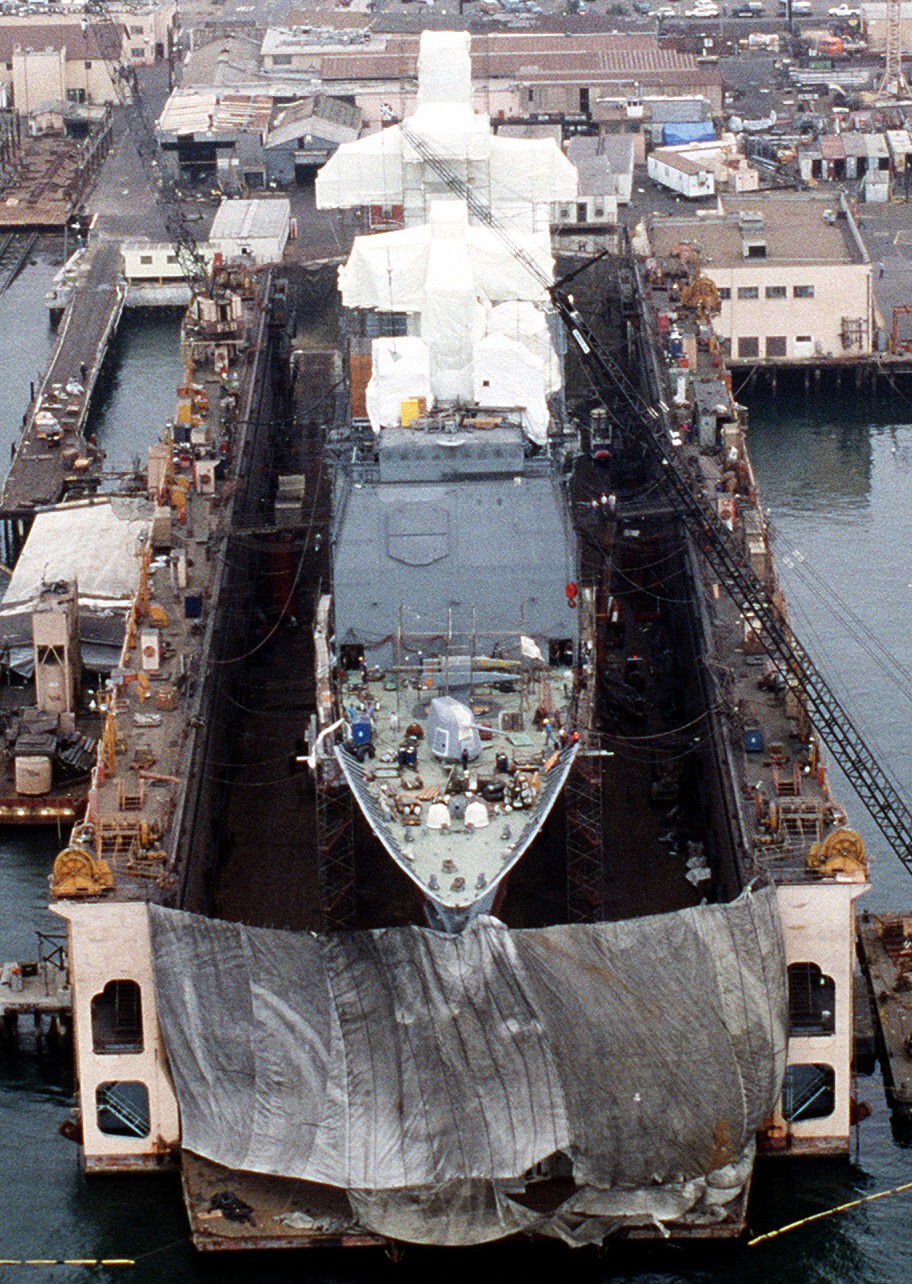 overhaul at Southwest Marine Shipyard - San Diego, California - October 1993 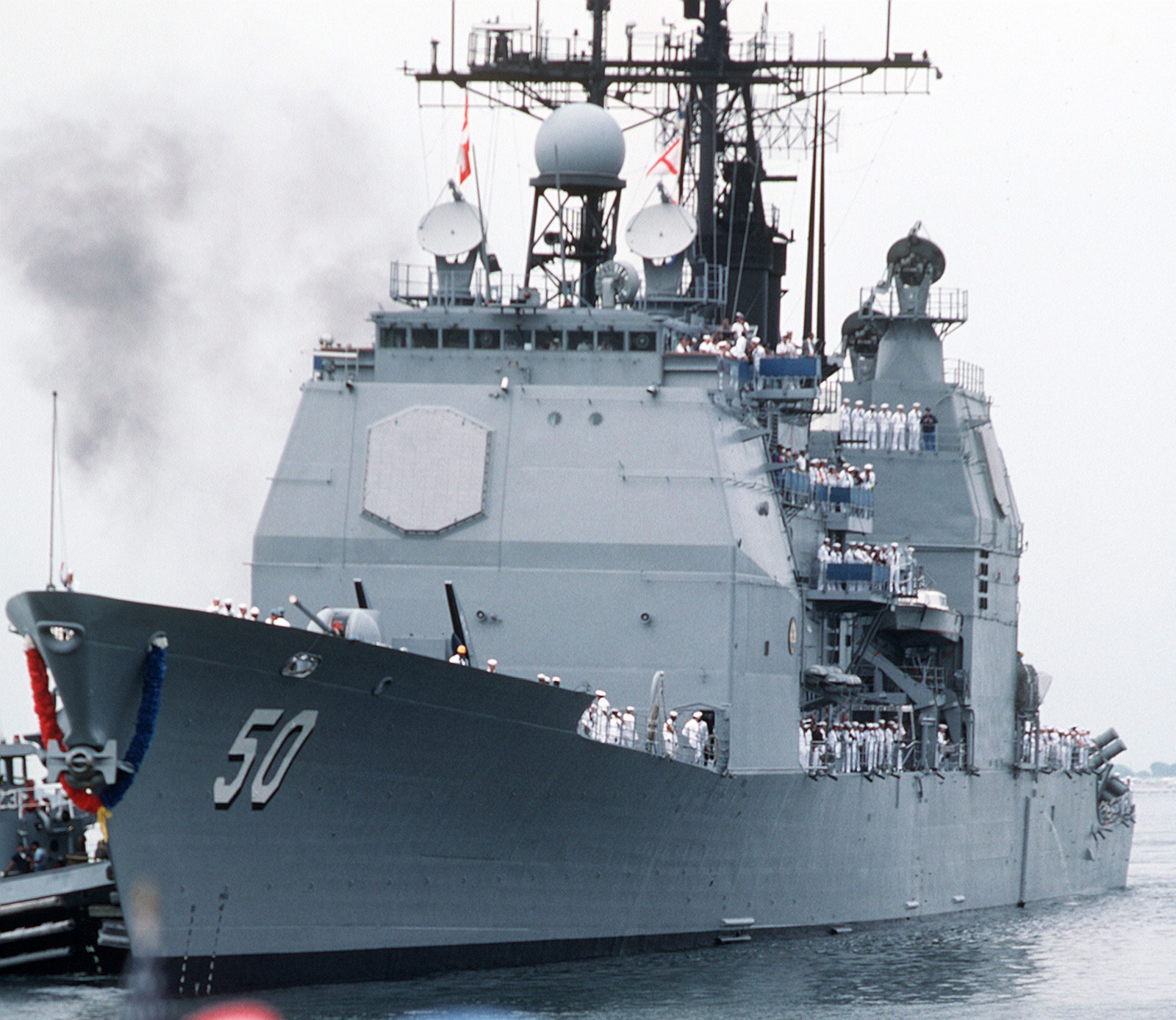 returning to Naval Base San Diego, California - June 1991 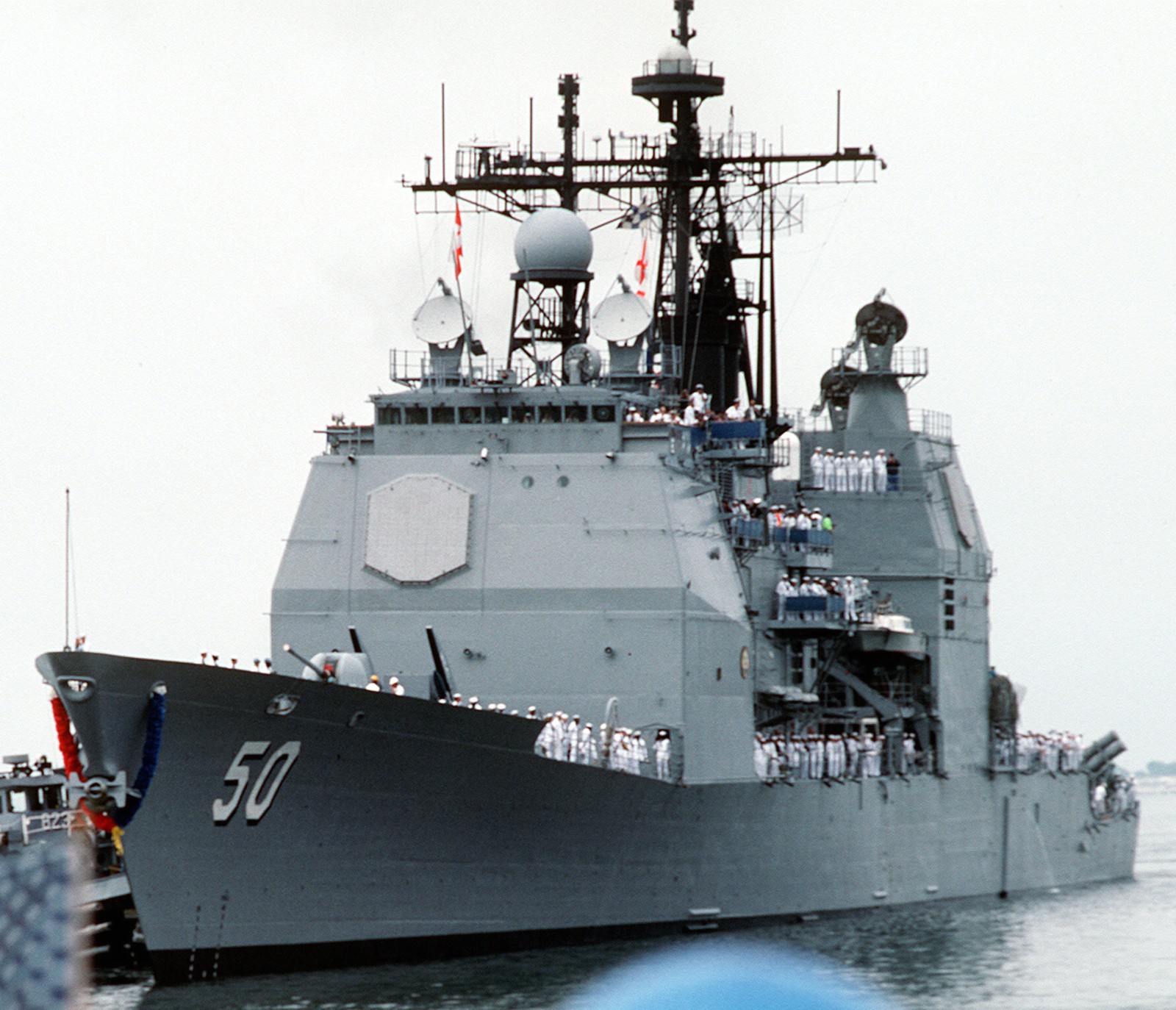 returning to Naval Base San Diego, California - June 1991 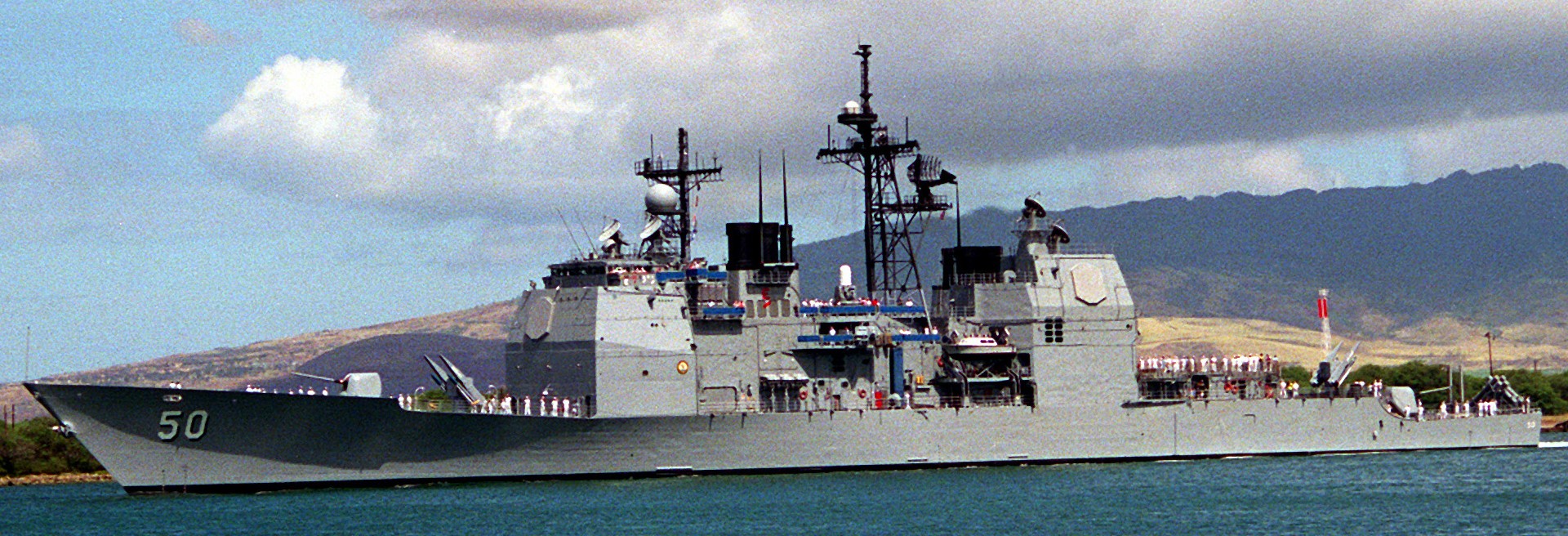 Pearl Harbor, Hawaii - June 1991 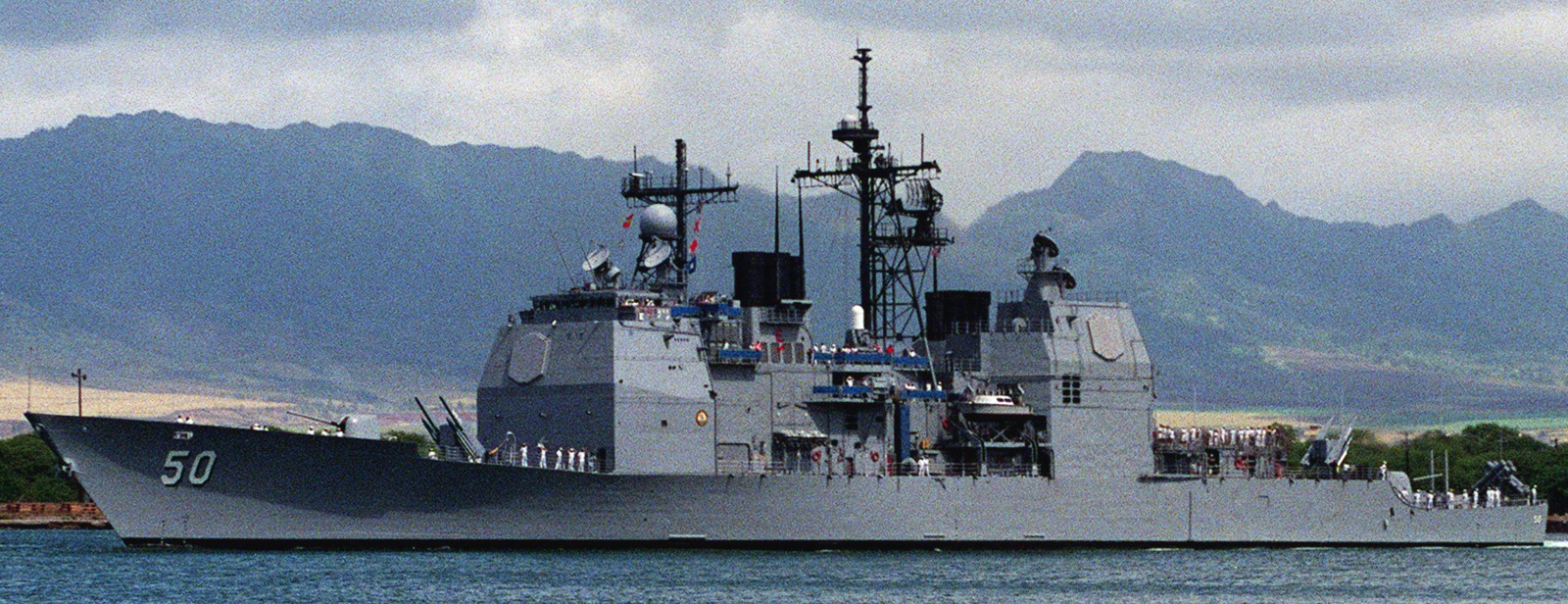 Pearl Harbor, Hawaii - June 1991 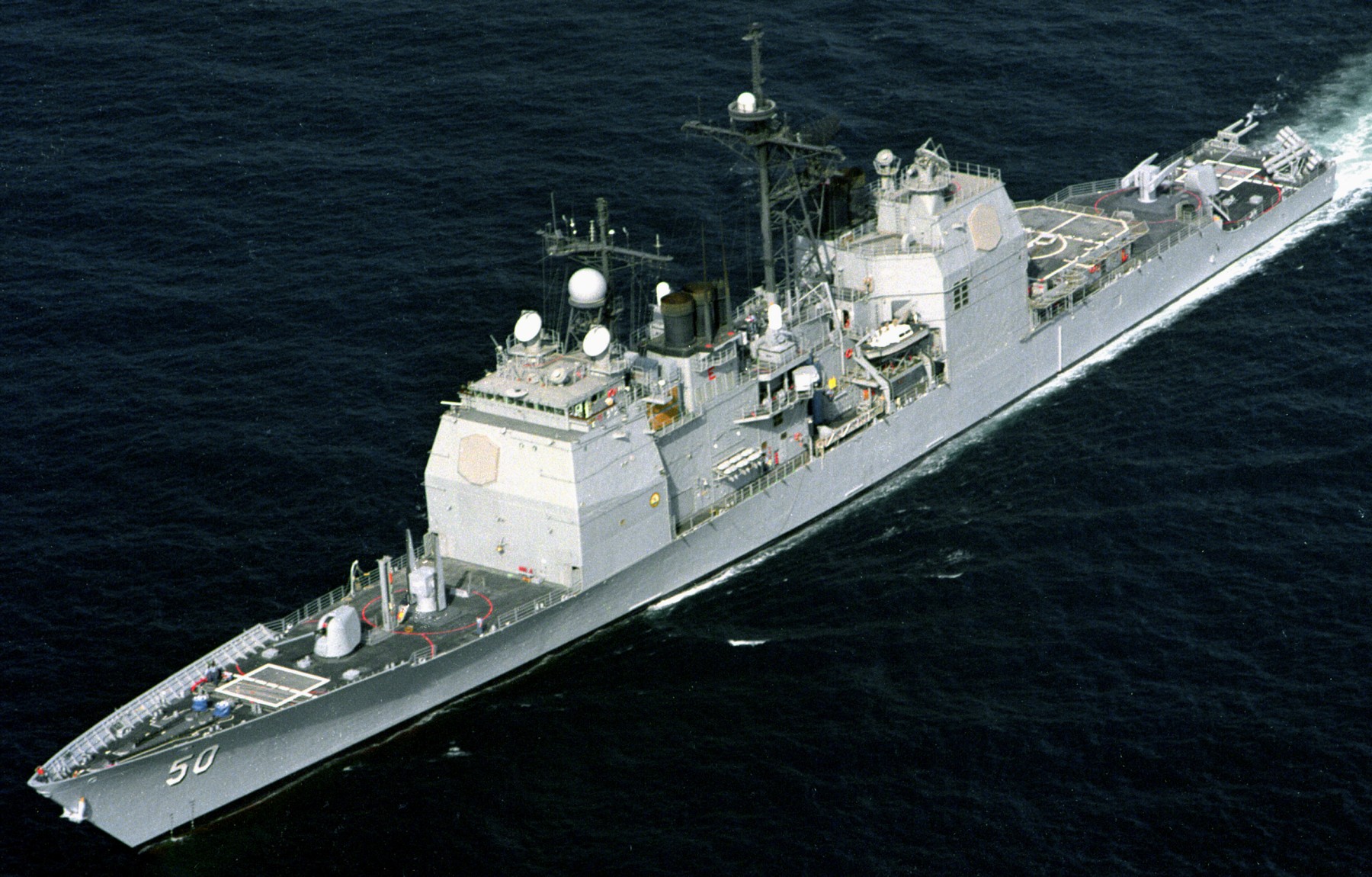 Pacific Ocean - March 1991 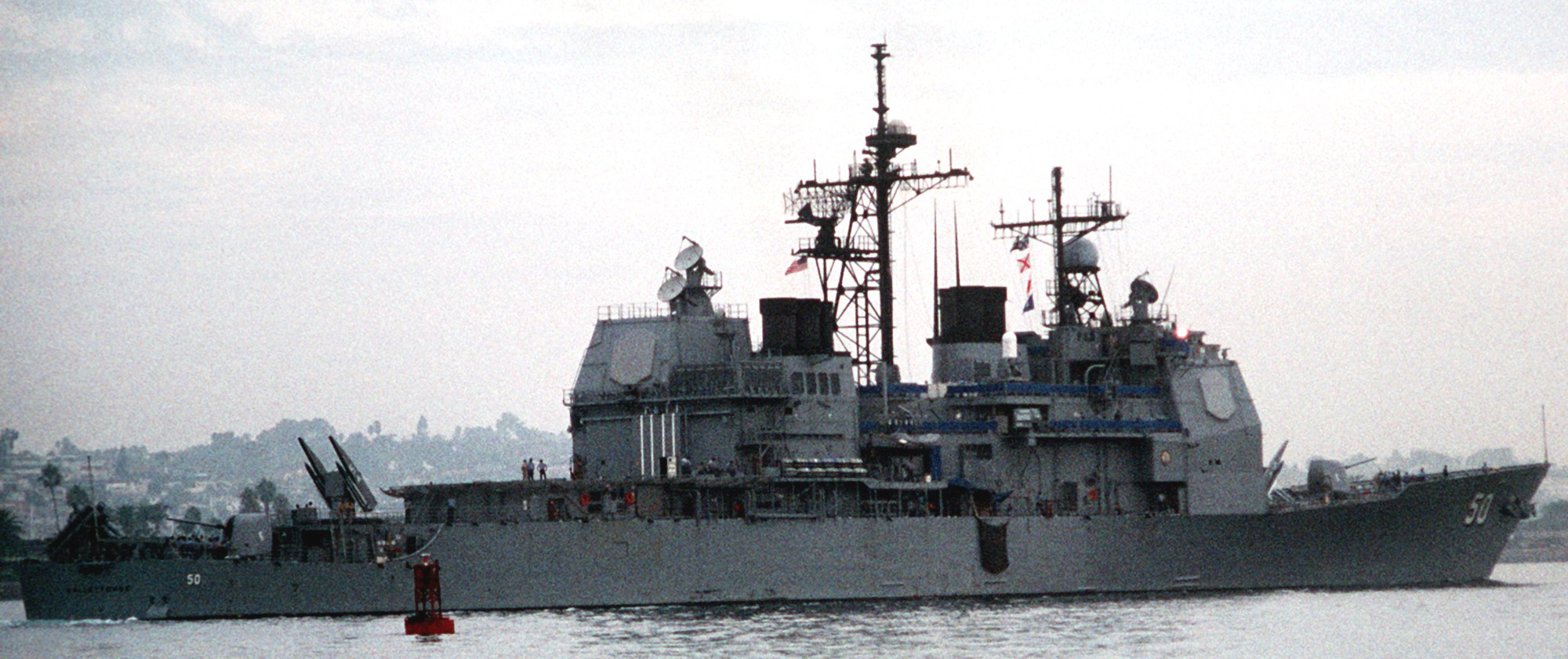 San Diego, California - September 1989 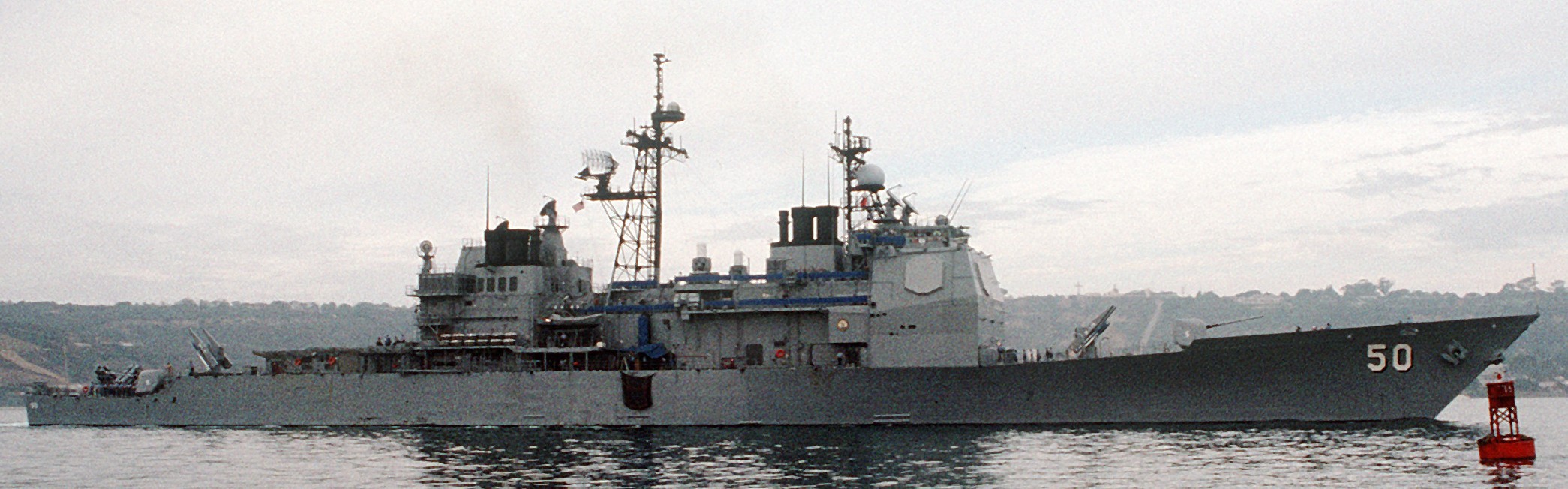 San Diego, California - September 1989 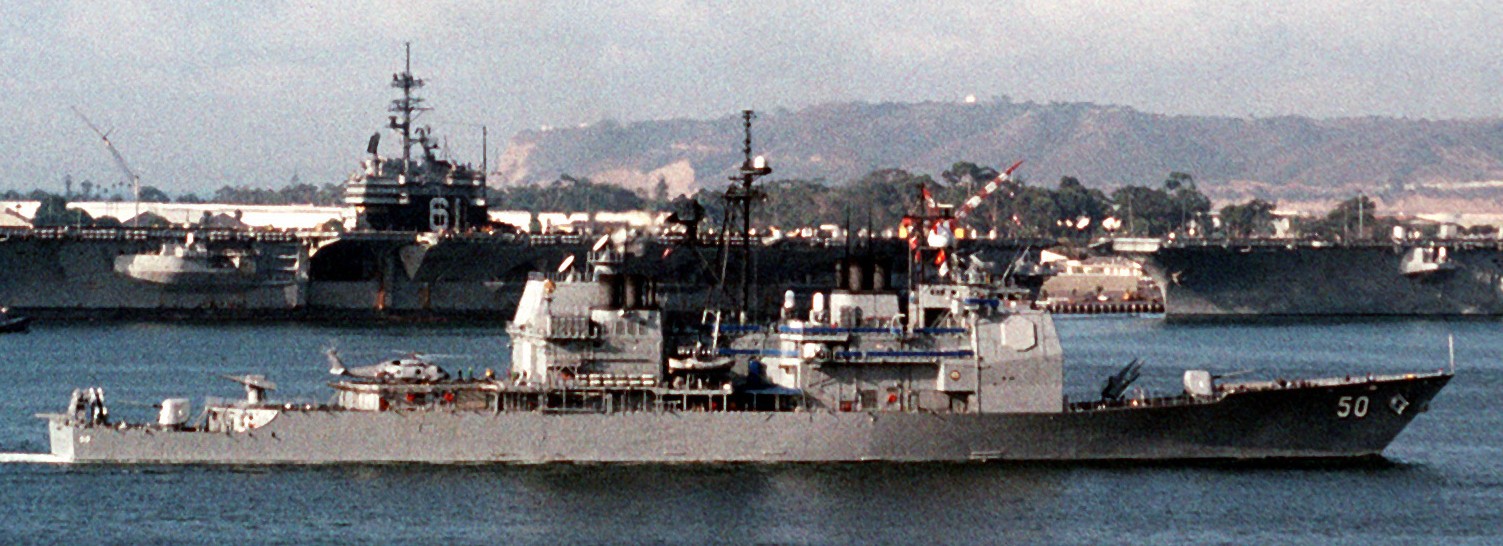 San Diego, California - September 1989 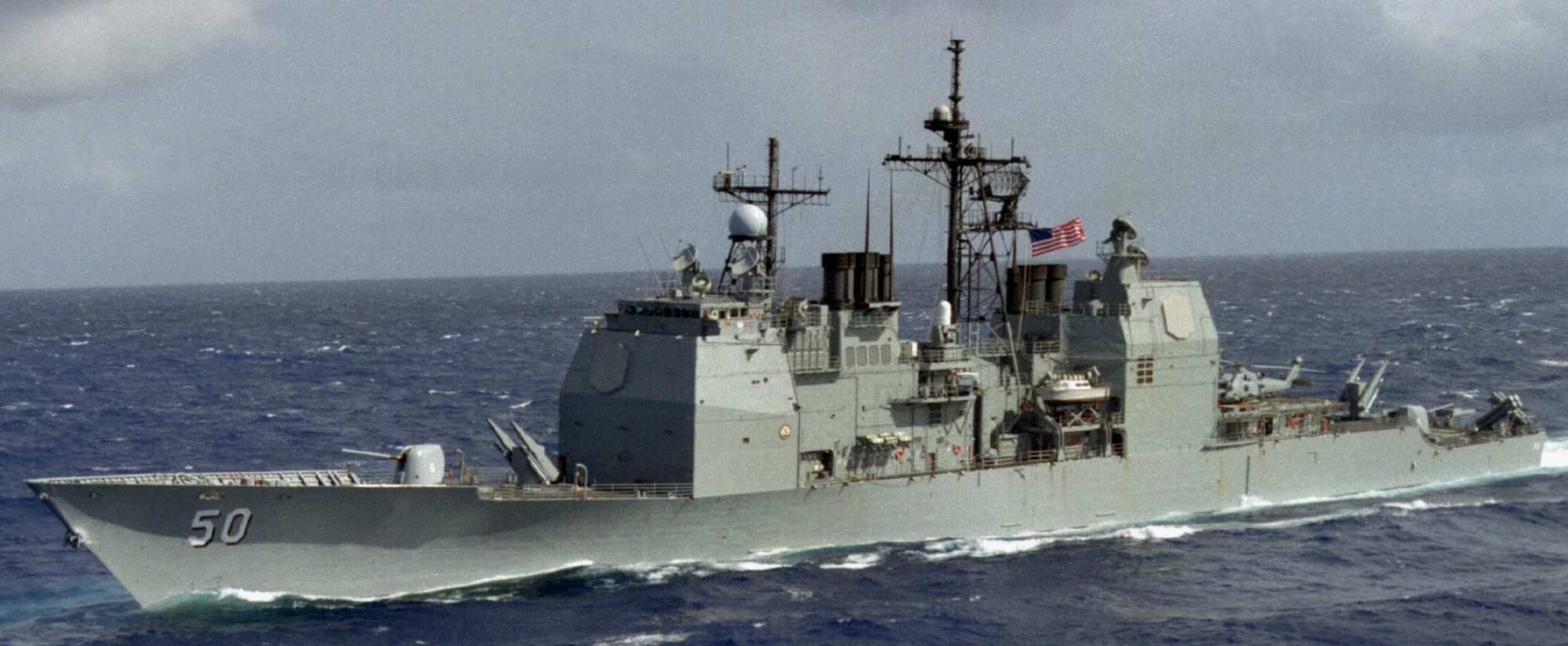 Pacific Ocean - December 1987 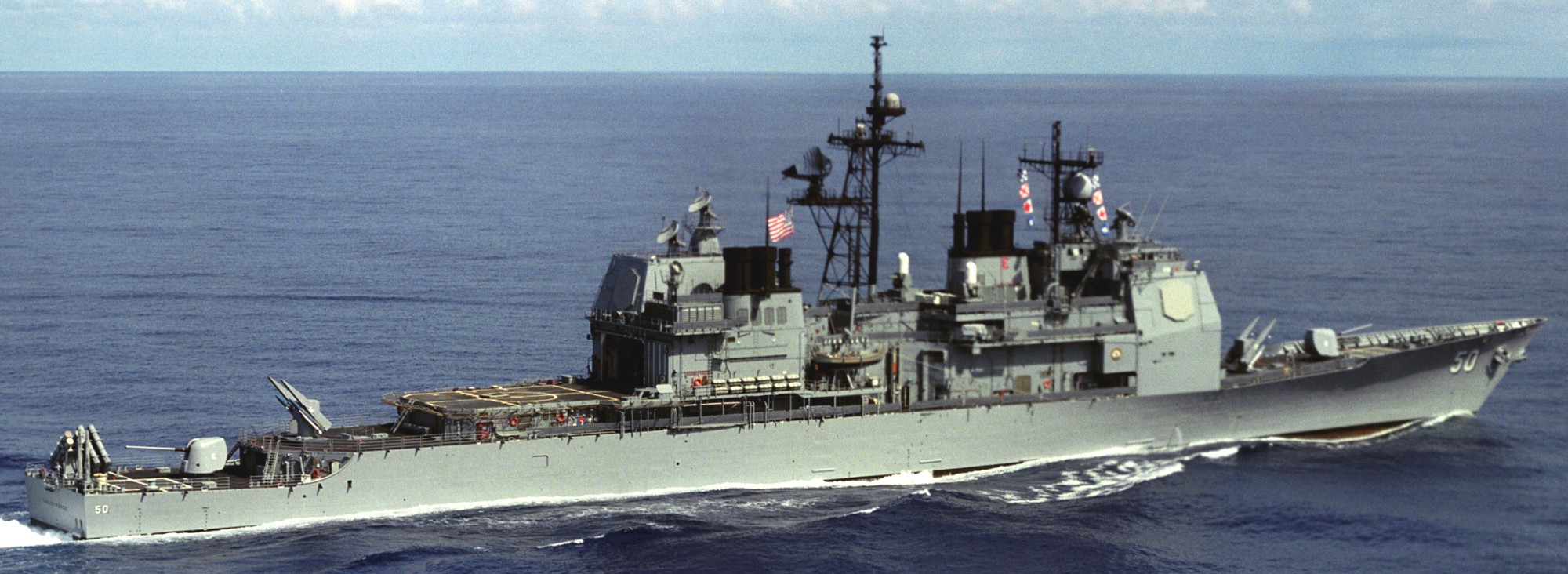 Pacific Ocean - August 1987 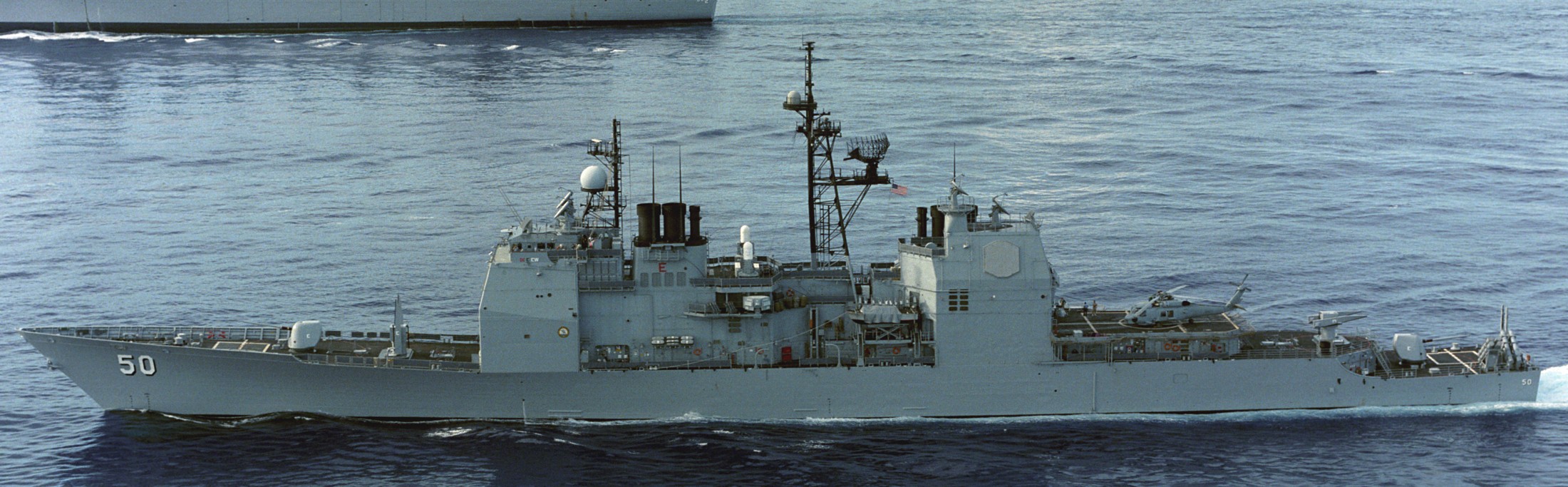 Pacific Ocean - August 1987 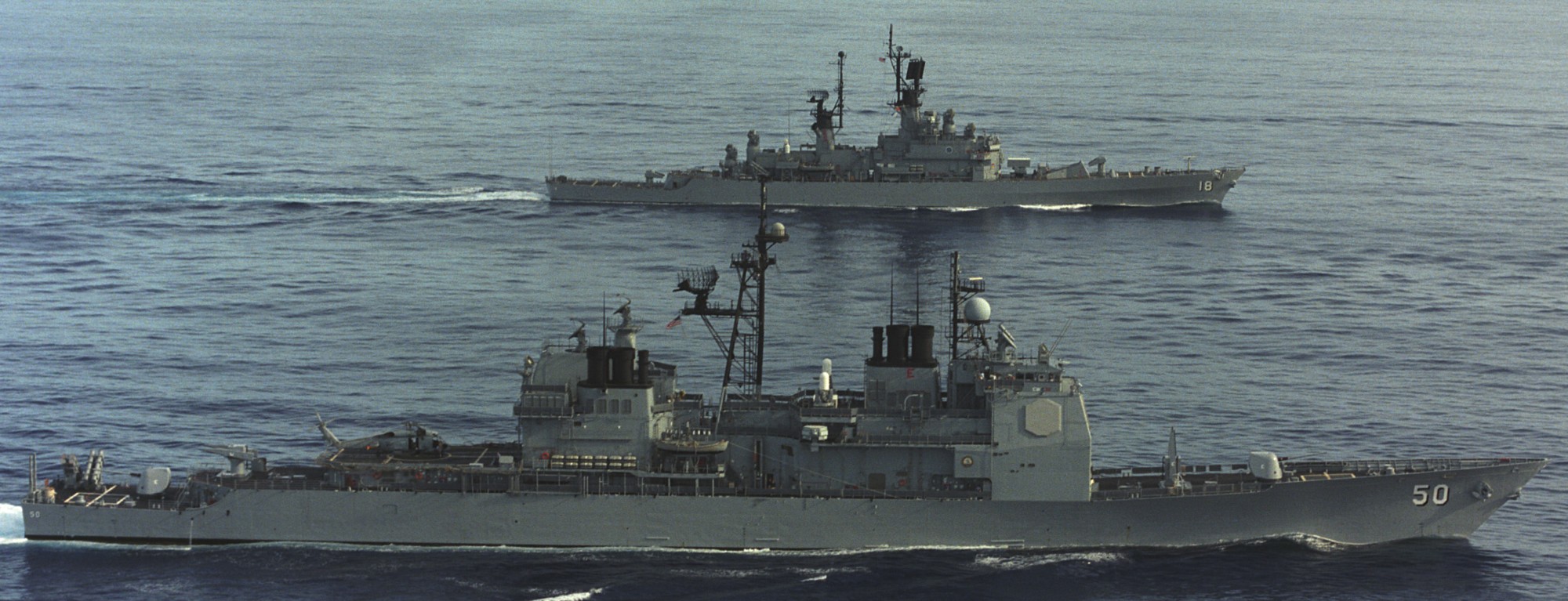 Pacific Ocean - August 1987 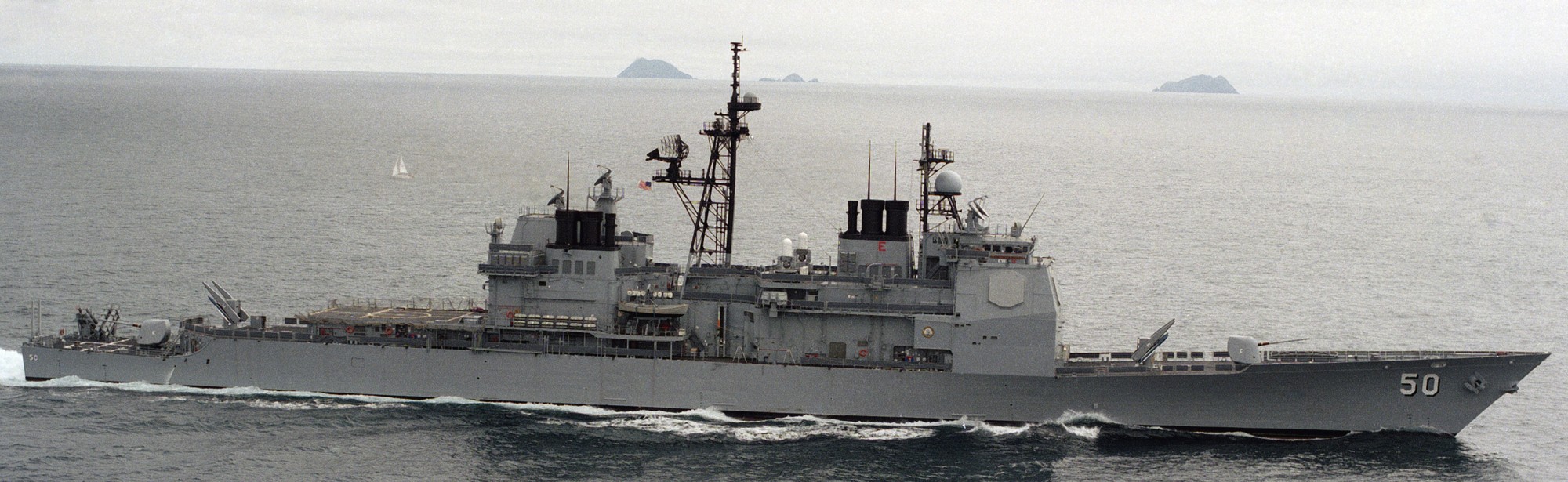 Pacific Ocean - April 1987 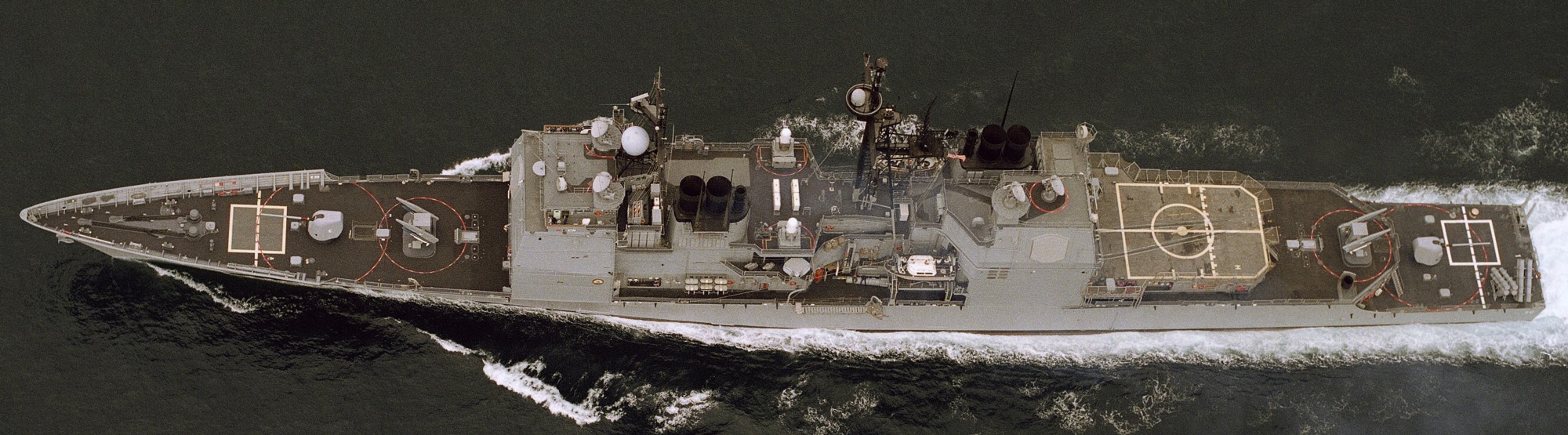 Pacific Ocean - April 1987 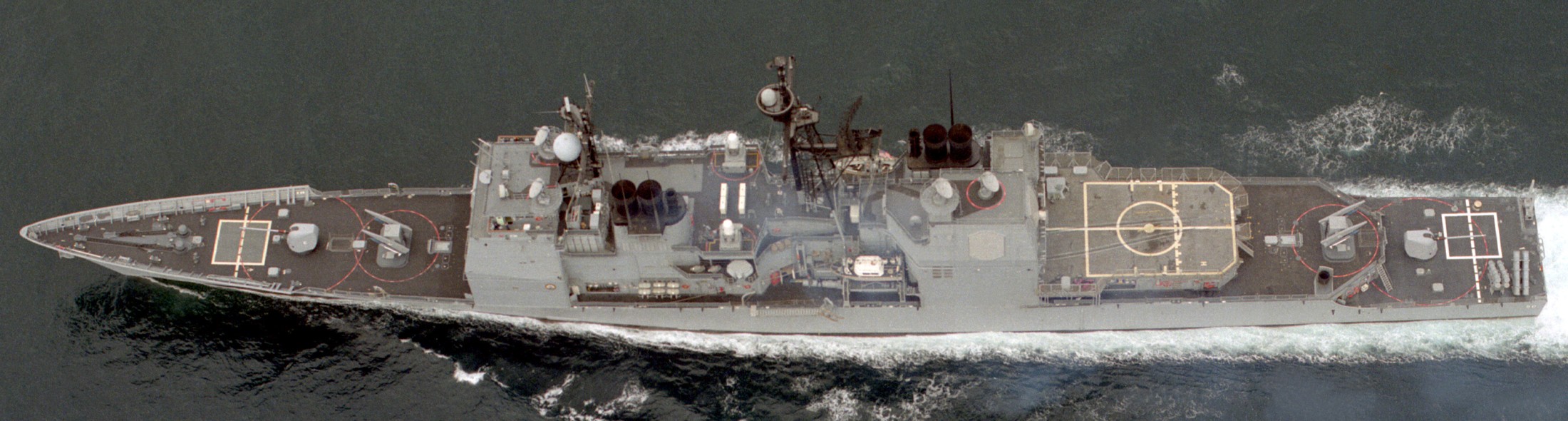 Pacific Ocean - April 1987 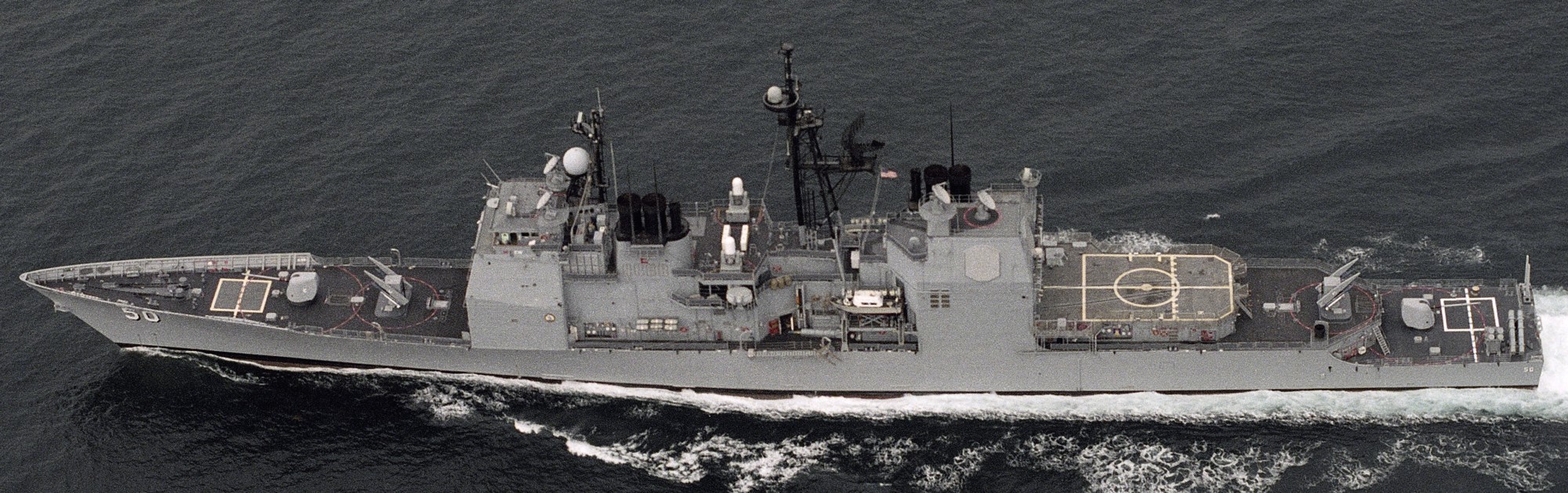 Pacific Ocean - April 1987 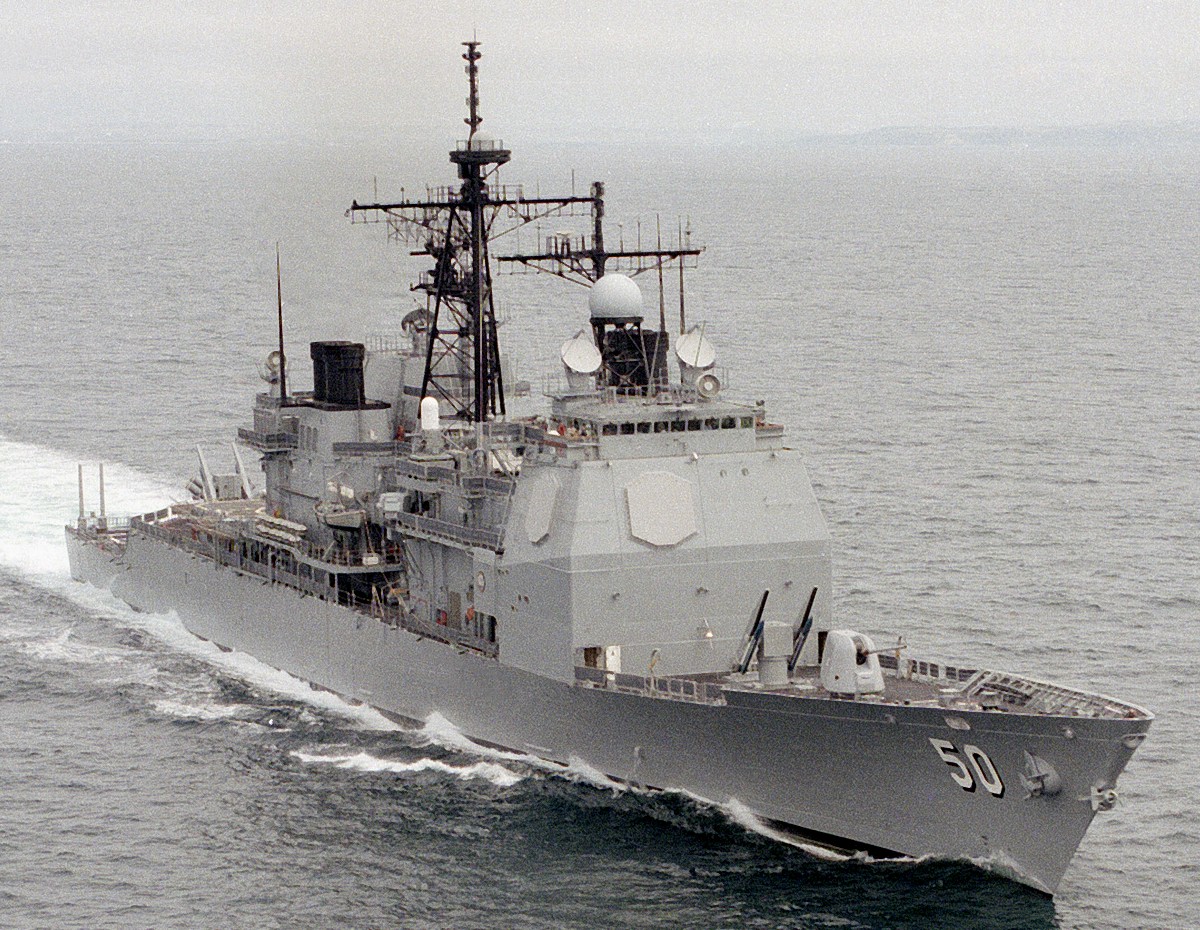 Pacific Ocean - April 1987 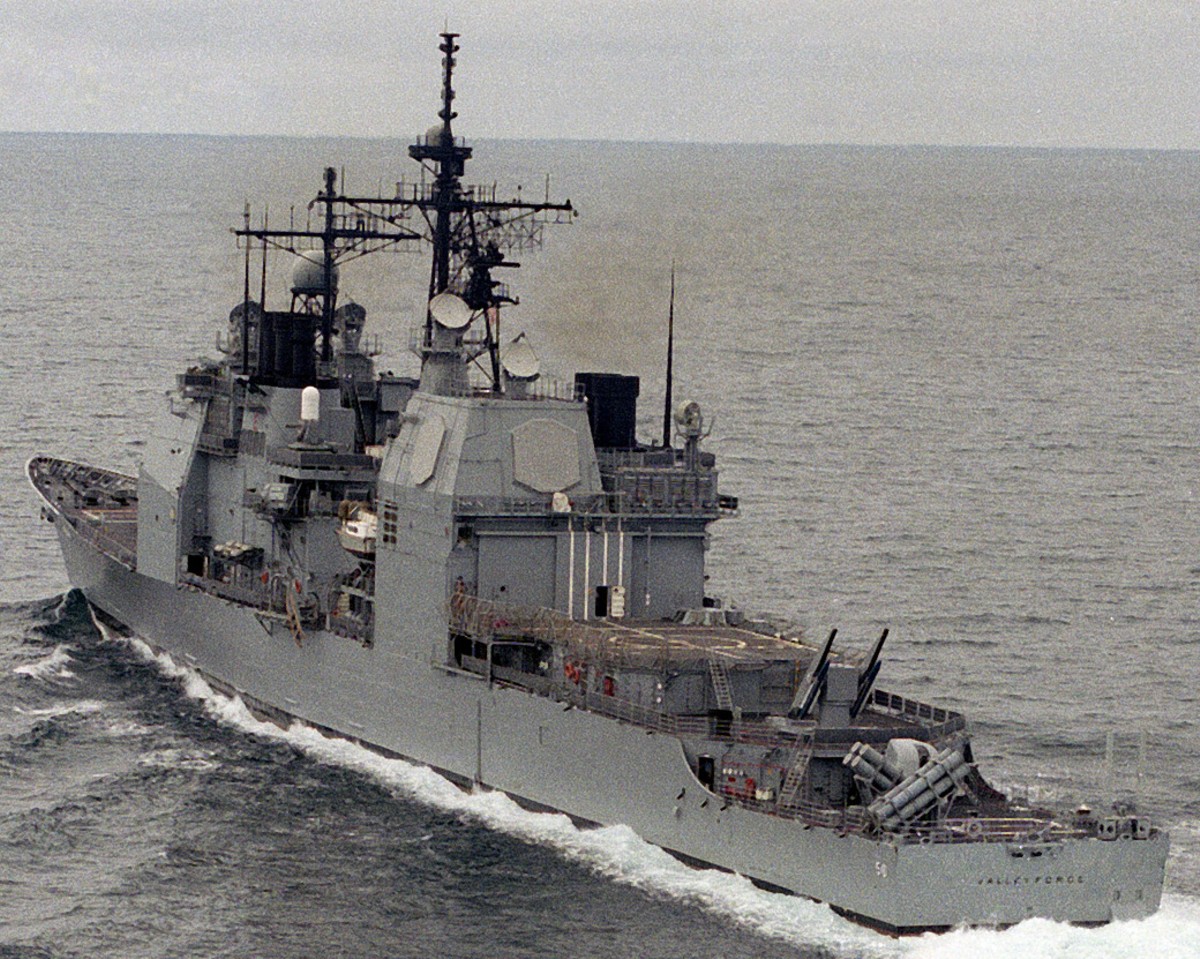 Pacific Ocean - April 1987 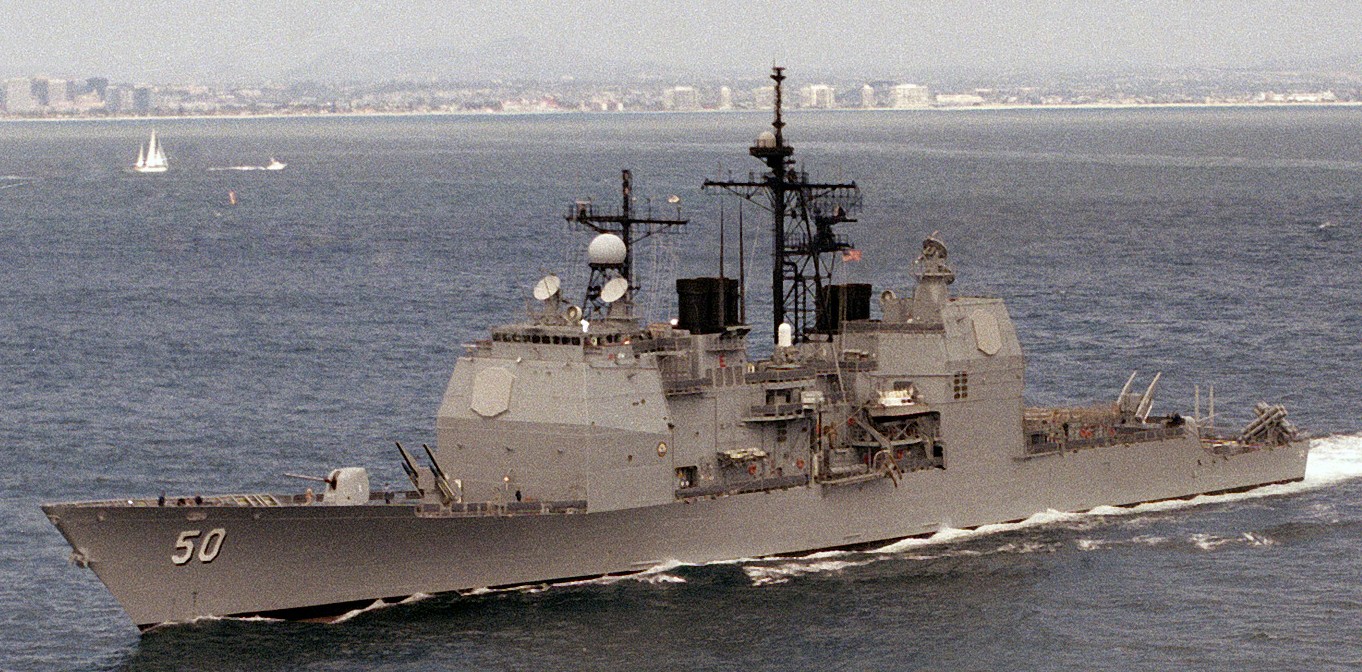 Pacific Ocean, off California - April 1987 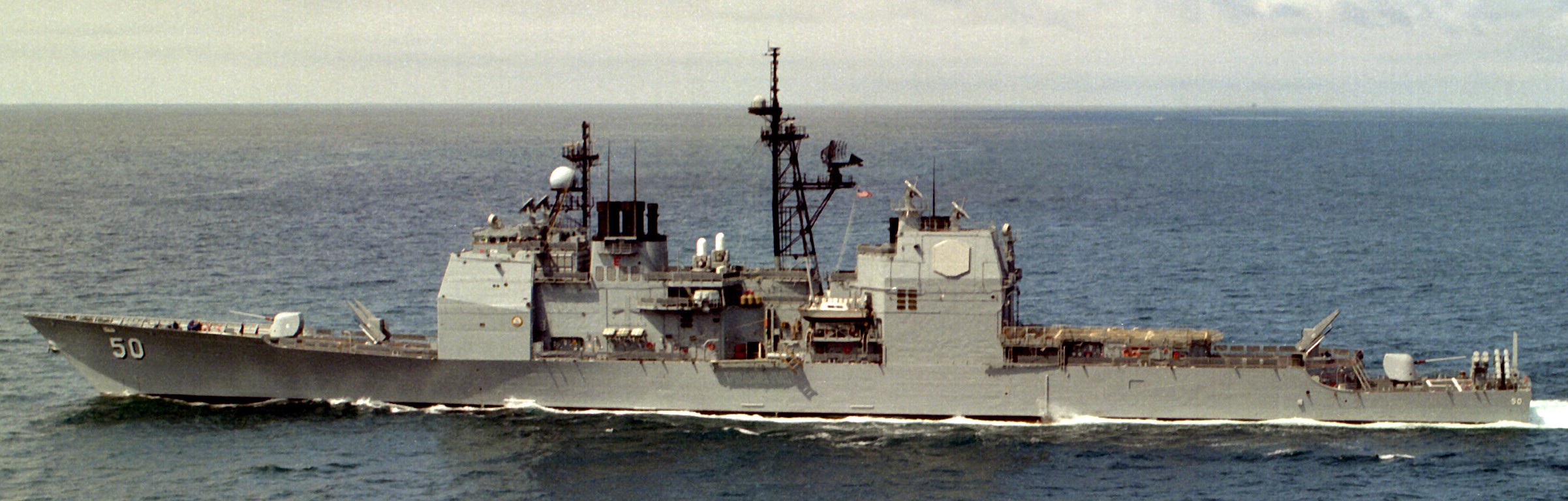 Pacific Ocean, off California - April 1987 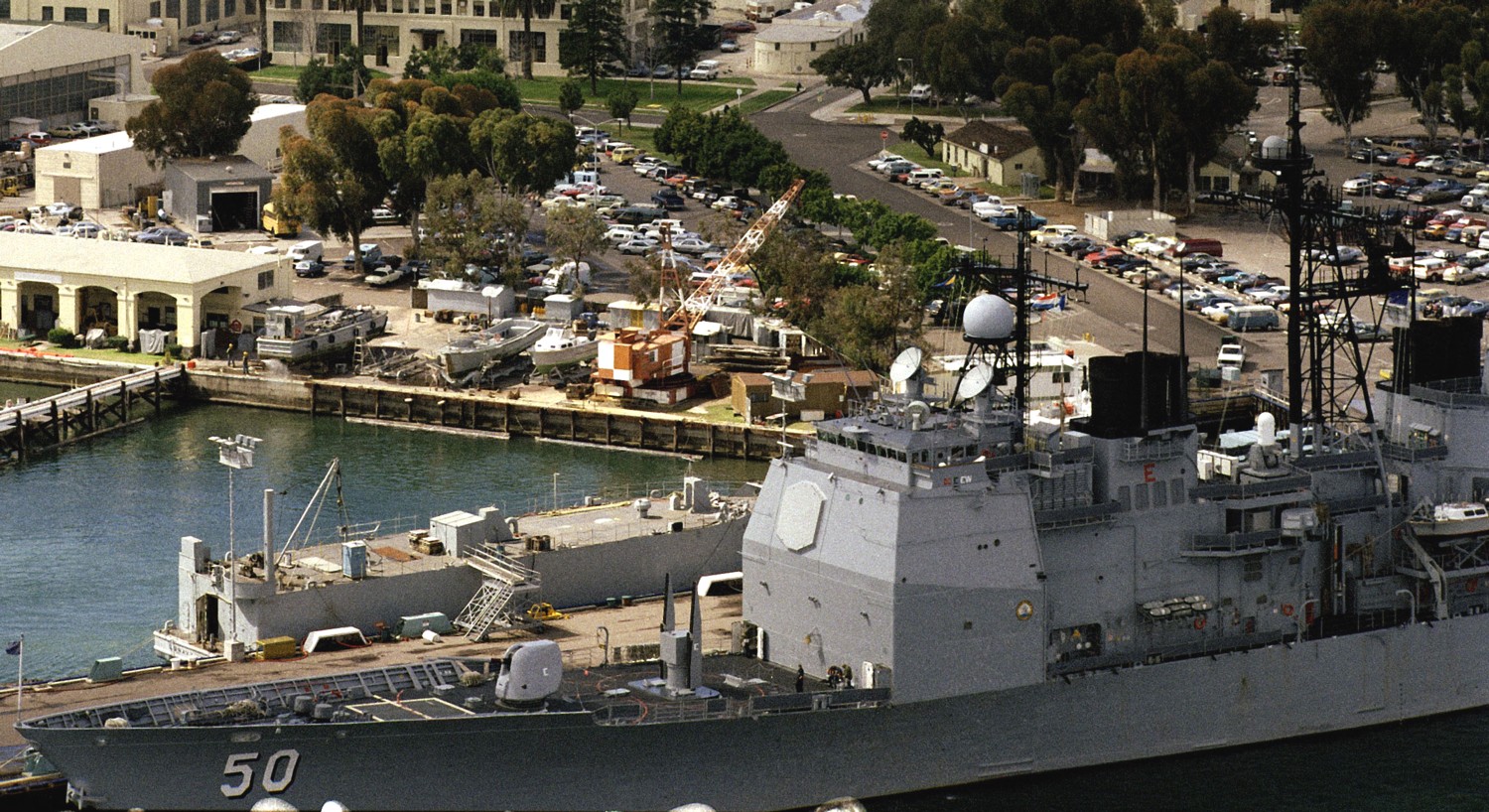 NAS North Island, California - February 1987 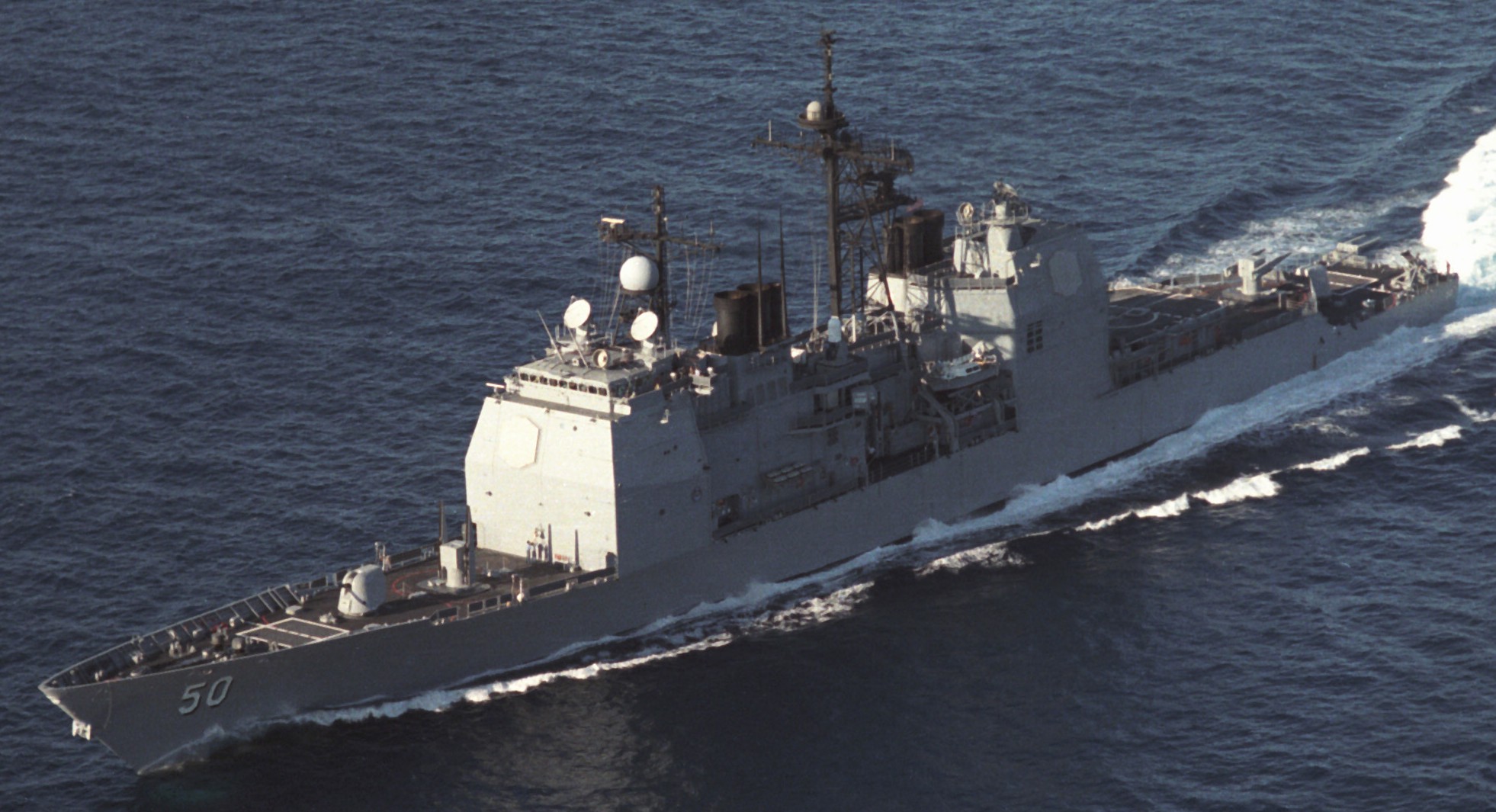 Pacific Ocean - July 1986 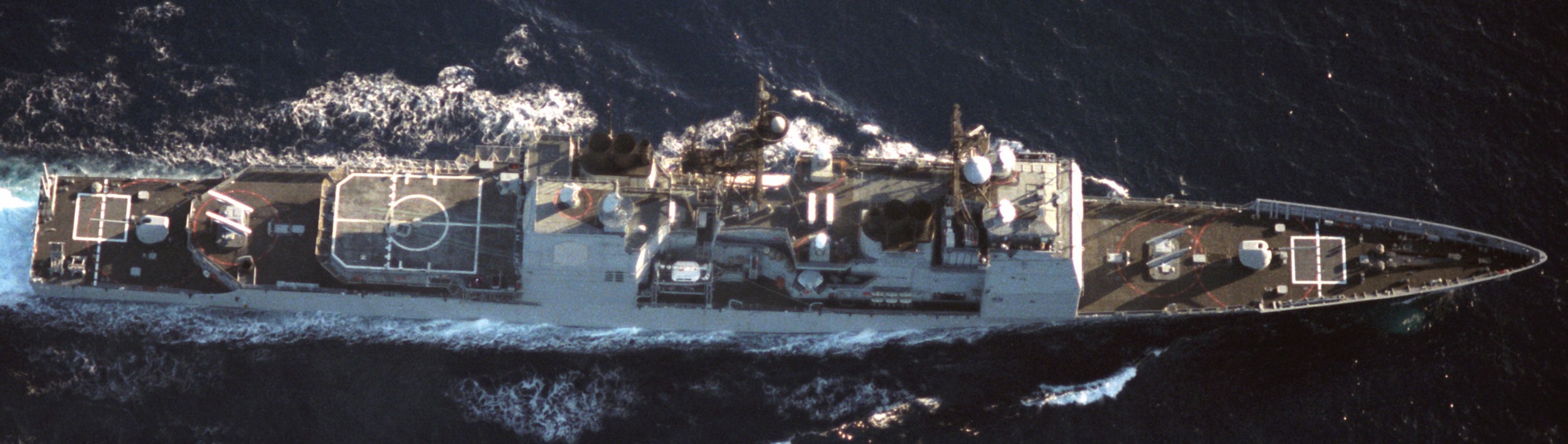 Pacific Ocean - July 1986 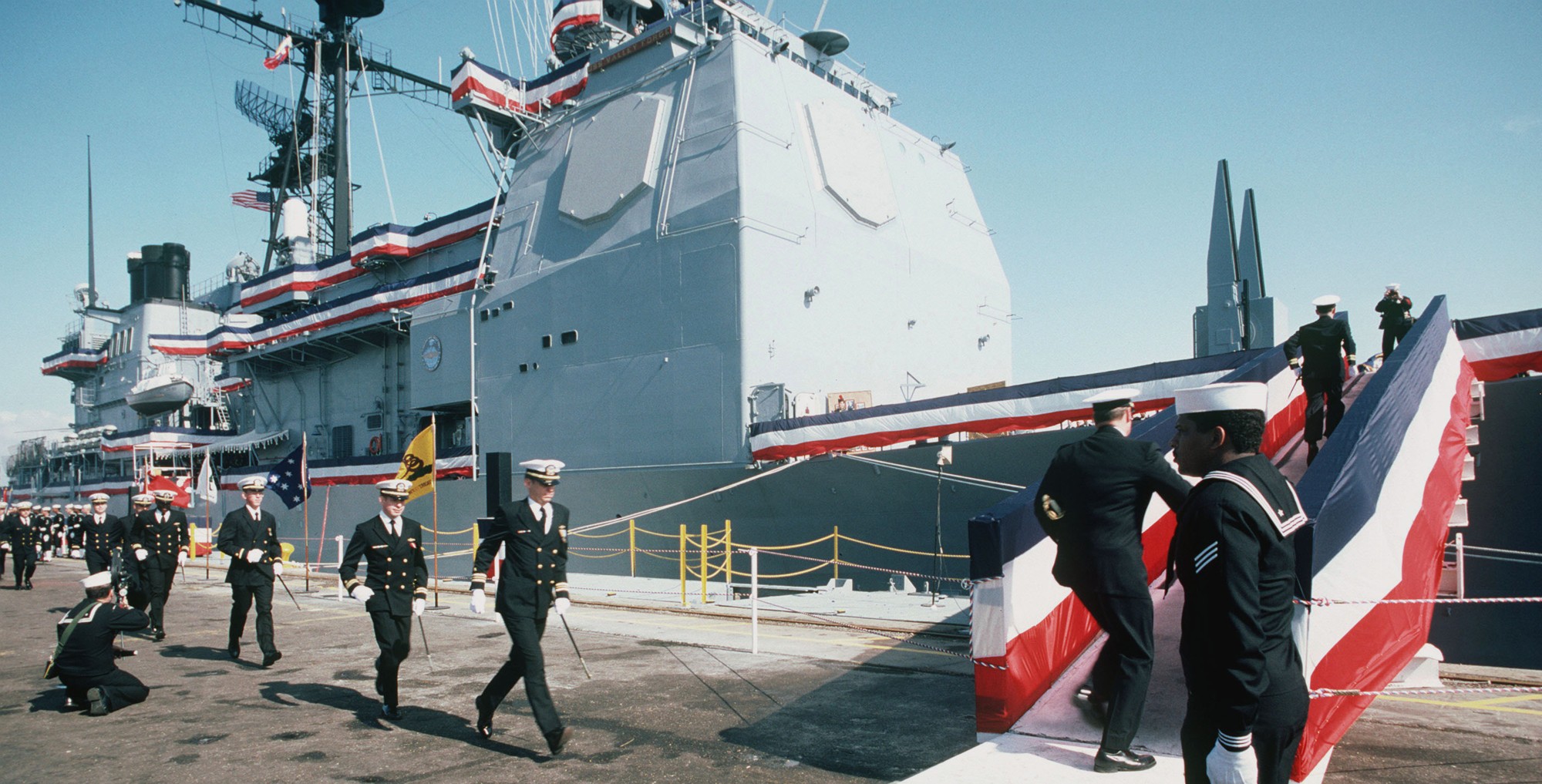 commissioning ceremony - Pascagoula, Mississippi - January 18, 1986 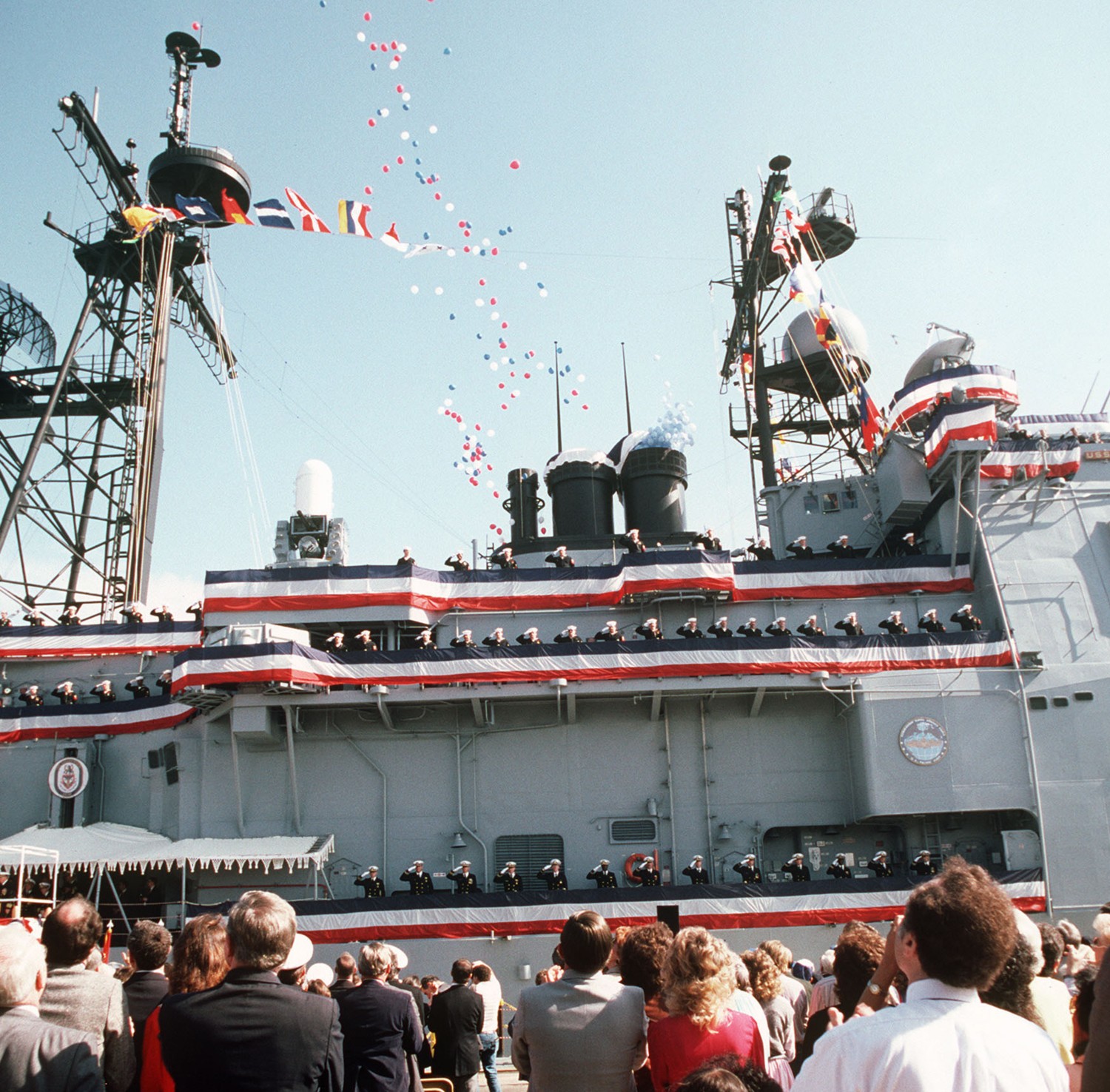 commissioning ceremony - Pascagoula, Mississippi - January 18, 1986 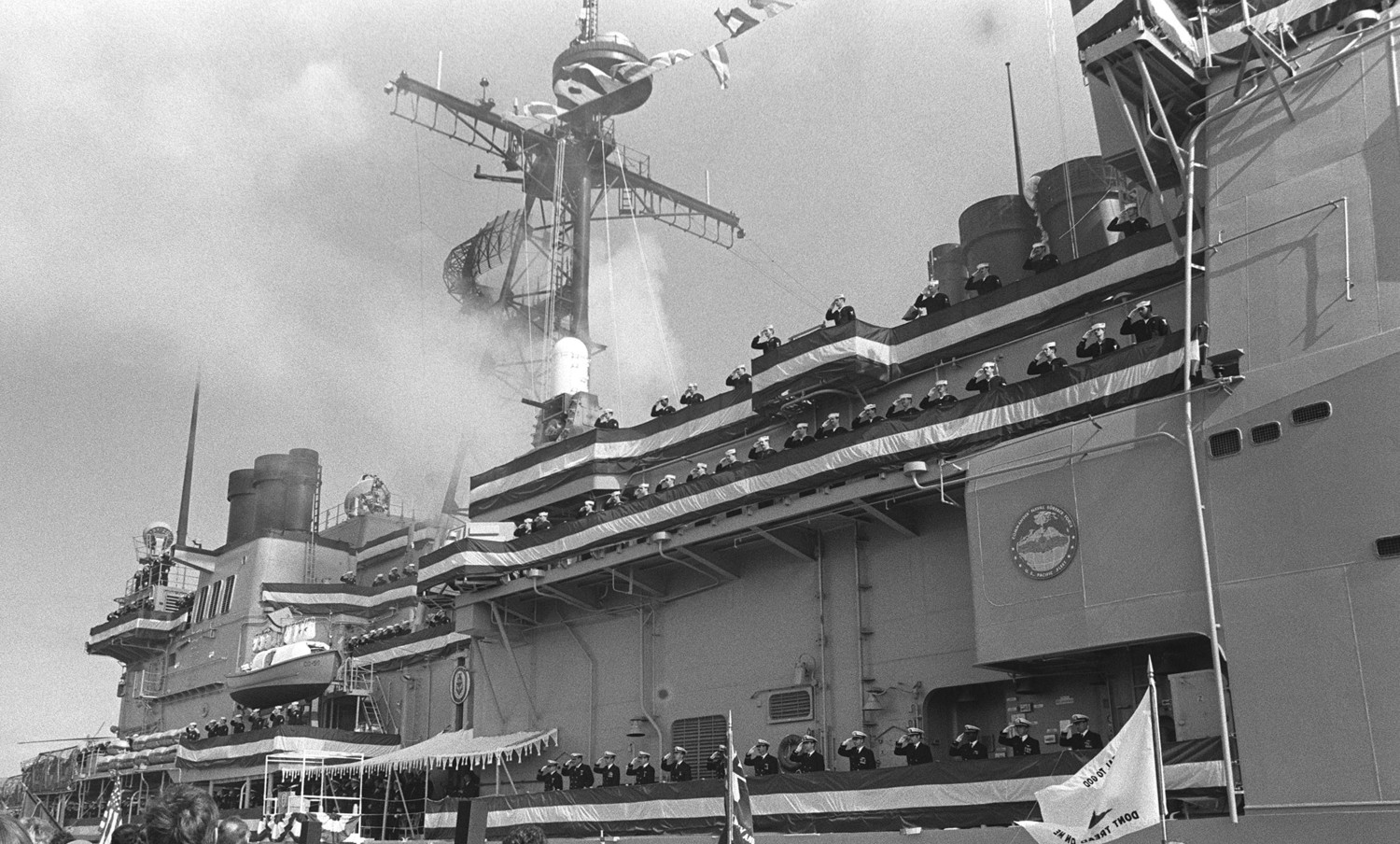 commissioning ceremony - Pascagoula, Mississippi - January 18, 1986 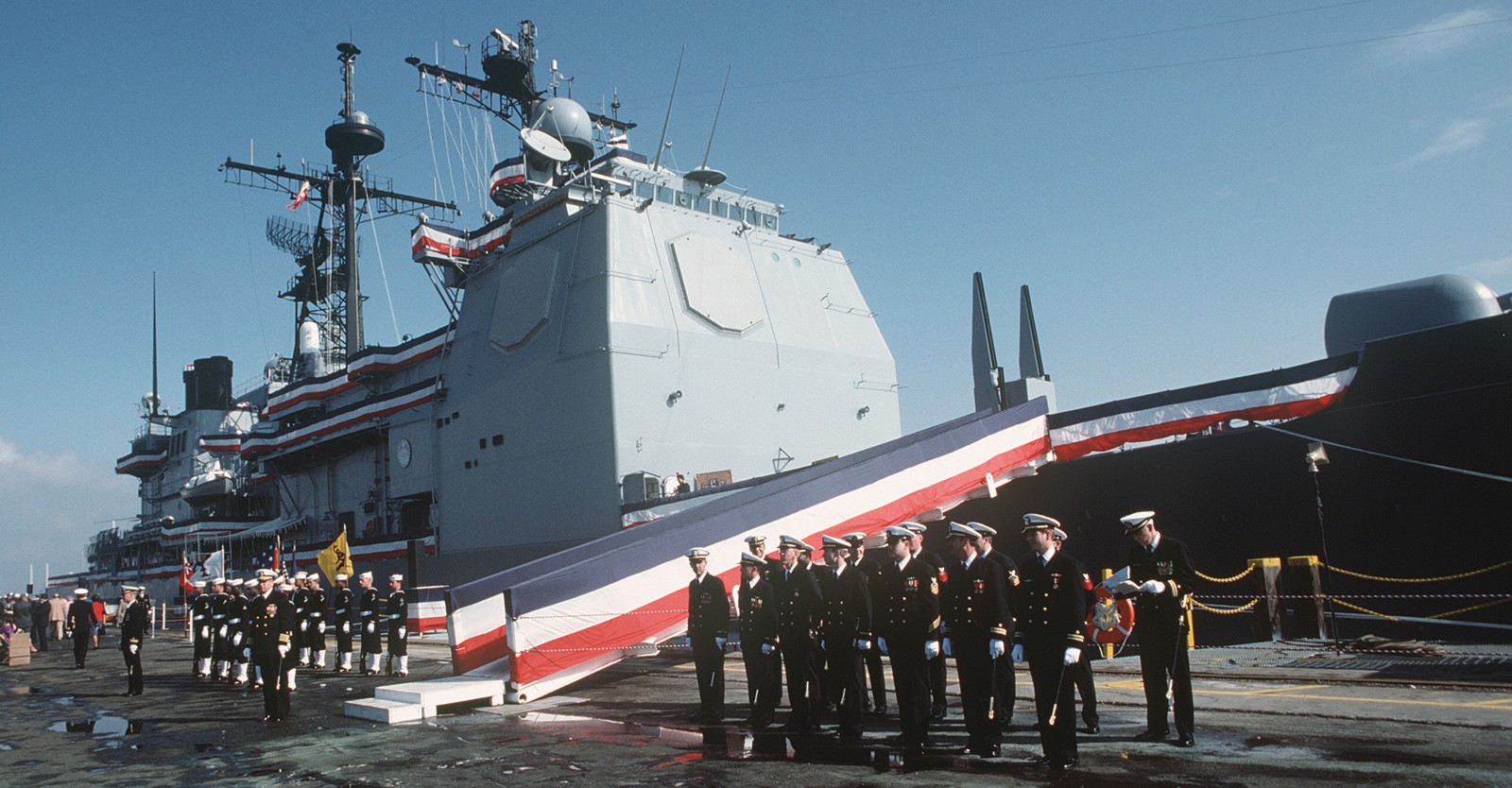 commissioning ceremony - Pascagoula, Mississippi - January 18, 1986 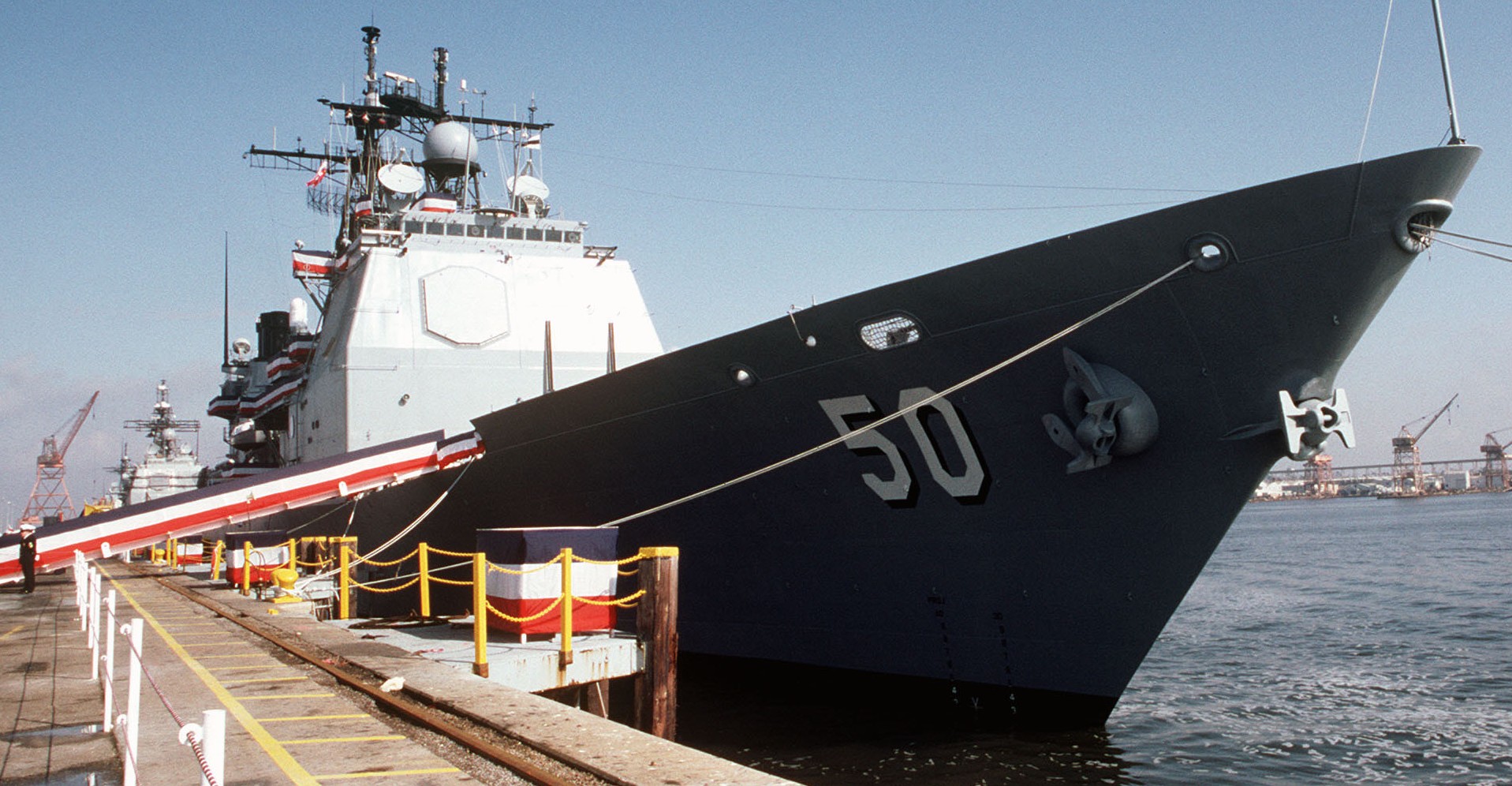 commissioning ceremony - Pascagoula, Mississippi - January 18, 1986 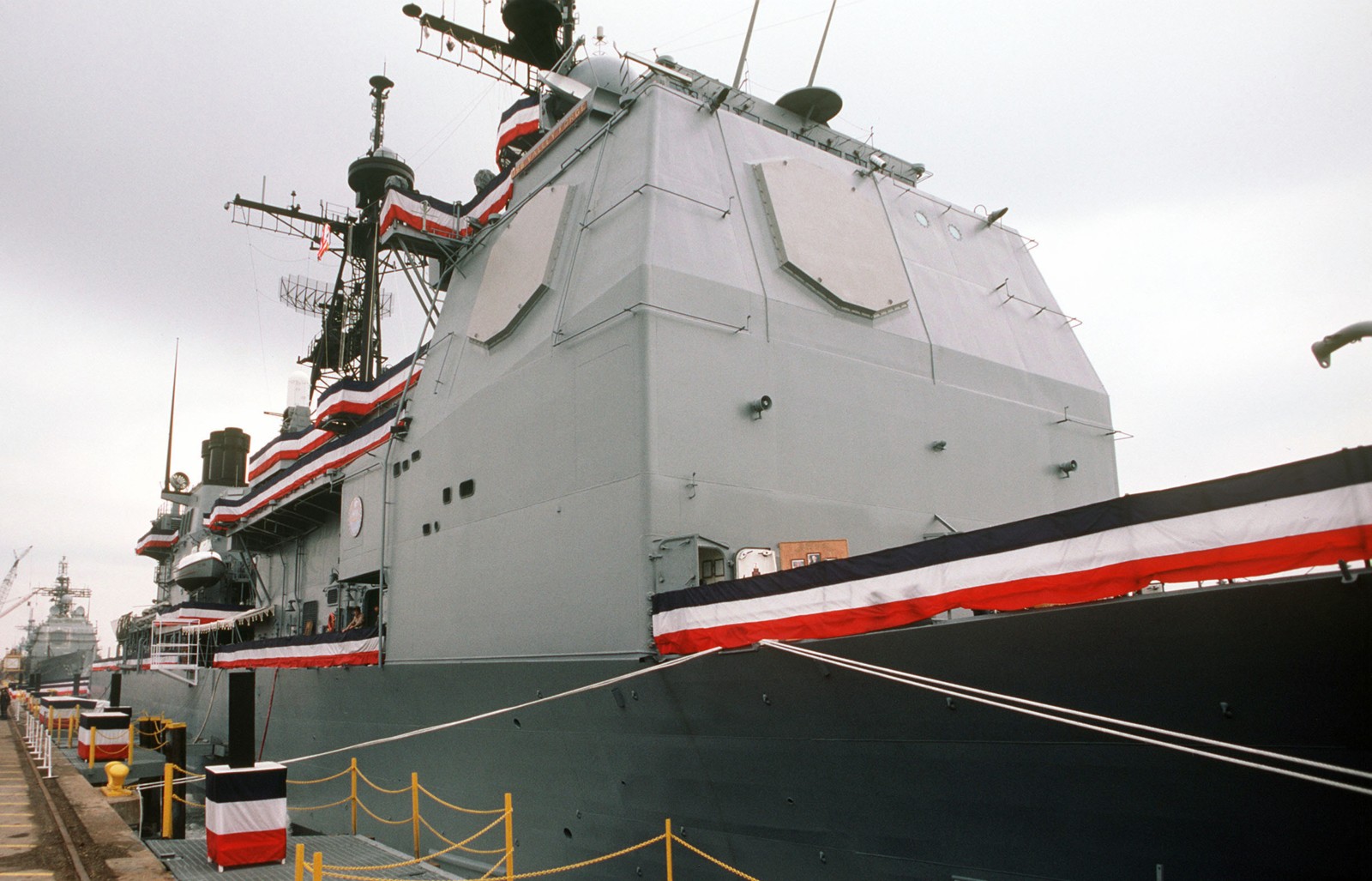 commissioning ceremony - Pascagoula, Mississippi - January 18, 1986 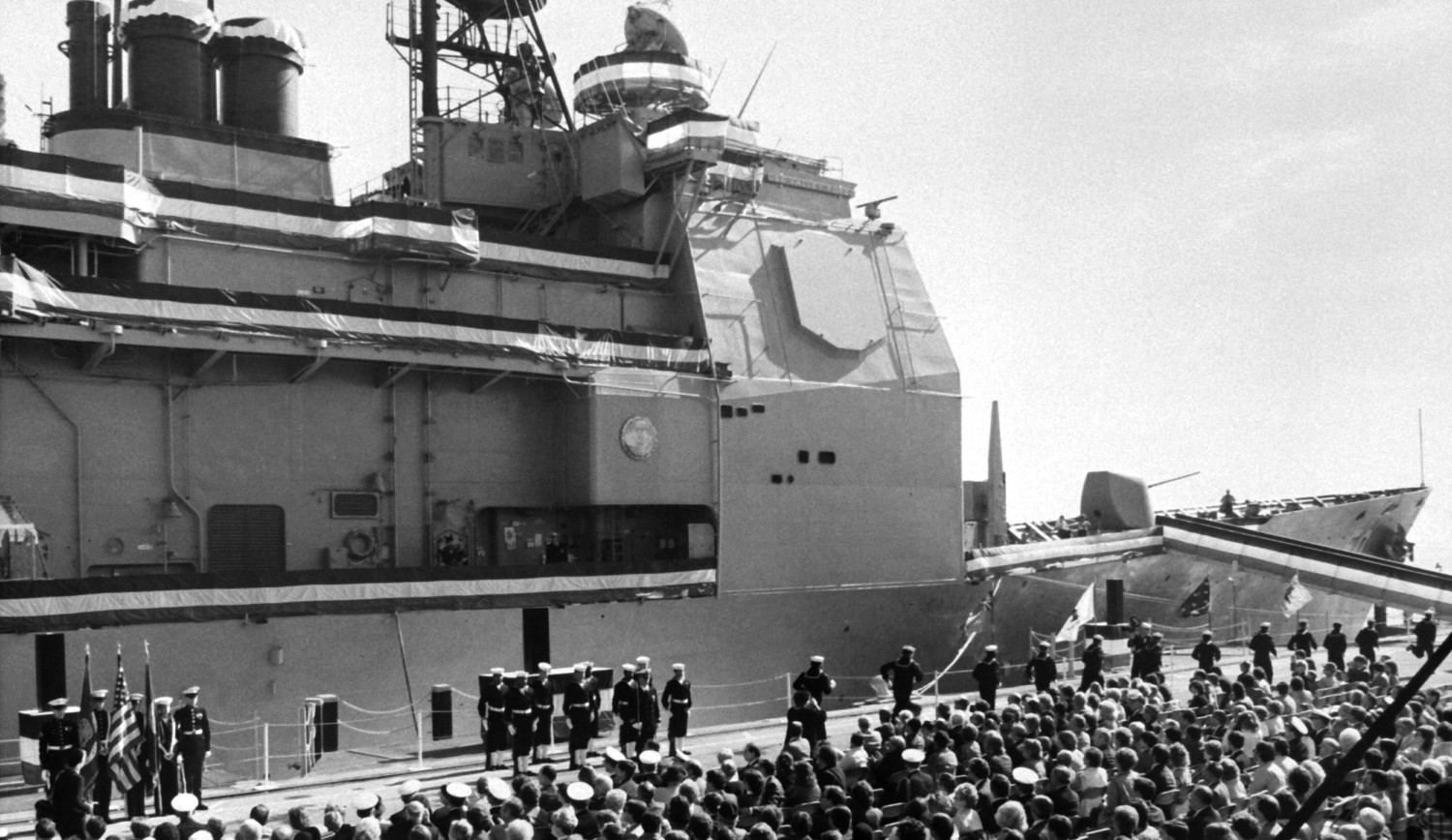 commissioning ceremony - Pascagoula, Mississippi - January 18, 1986 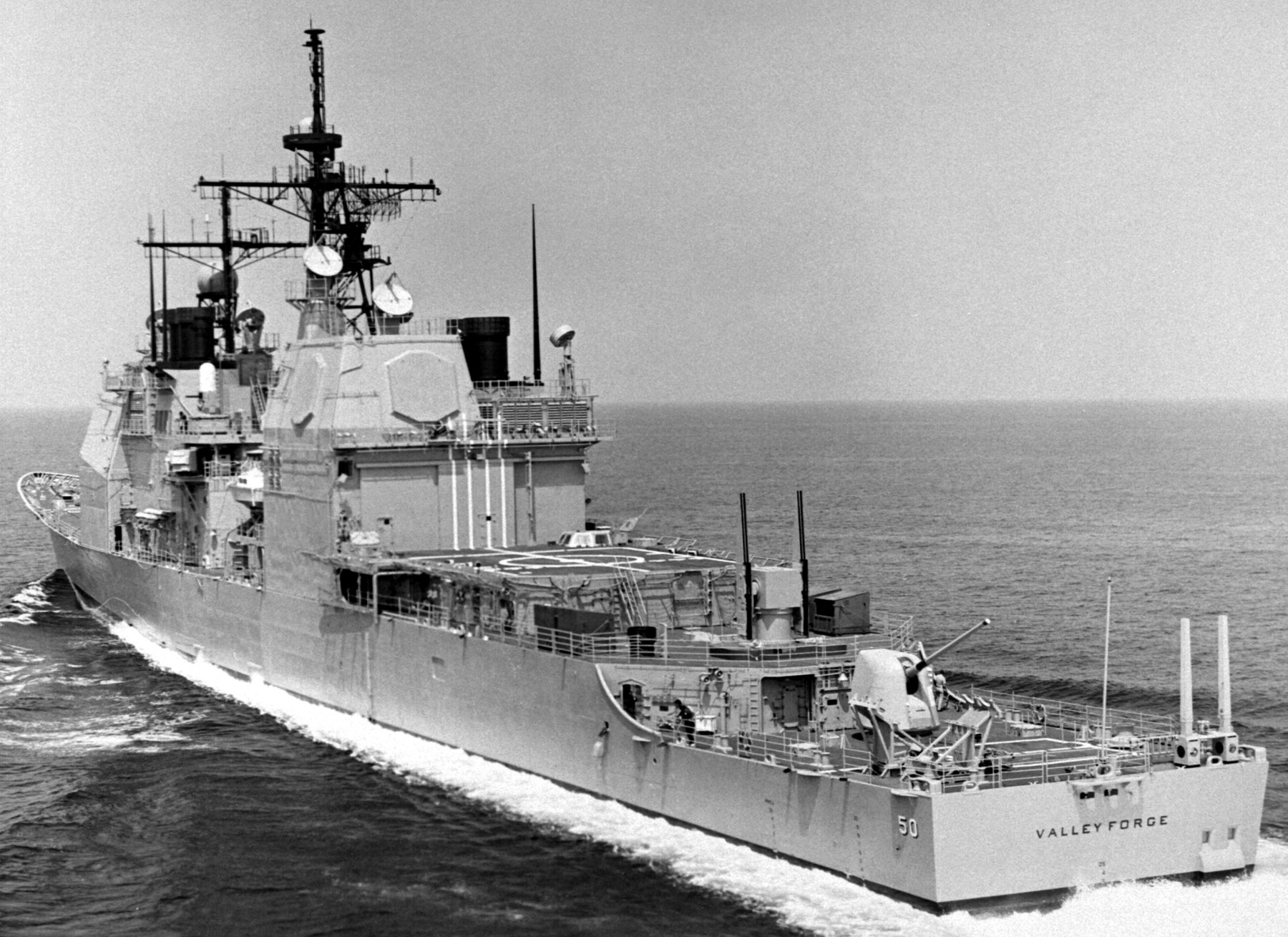 sea trials - 1985 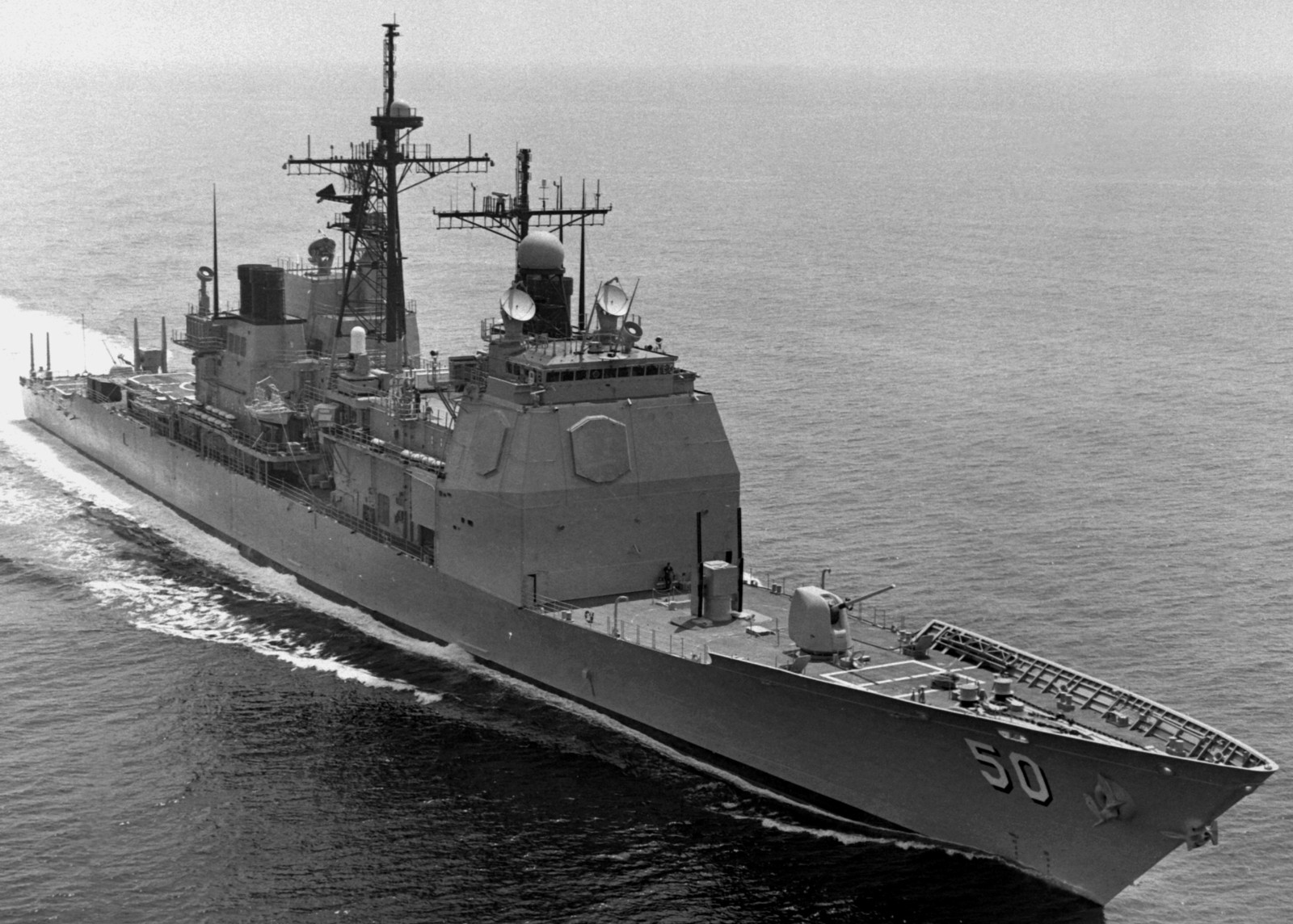 sea trials - 1985 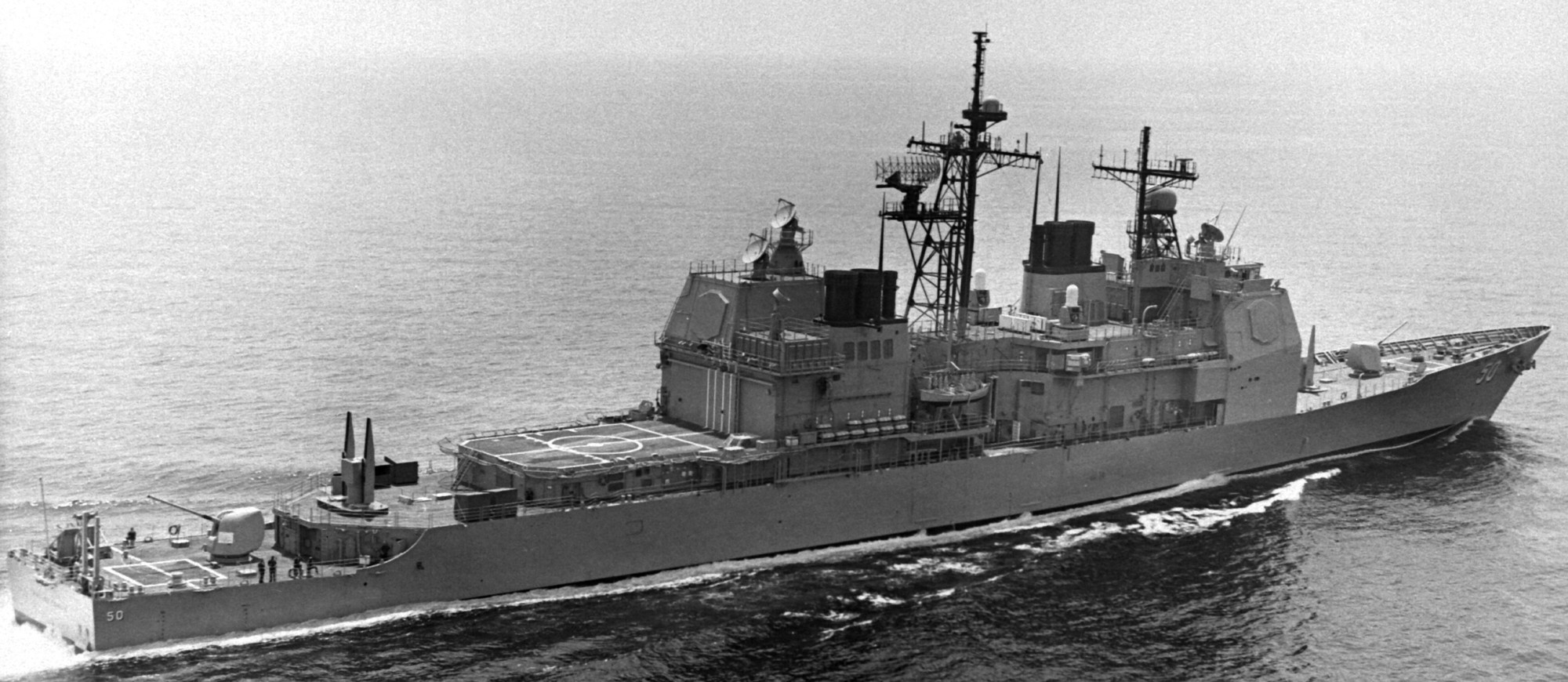 sea trials - 1985 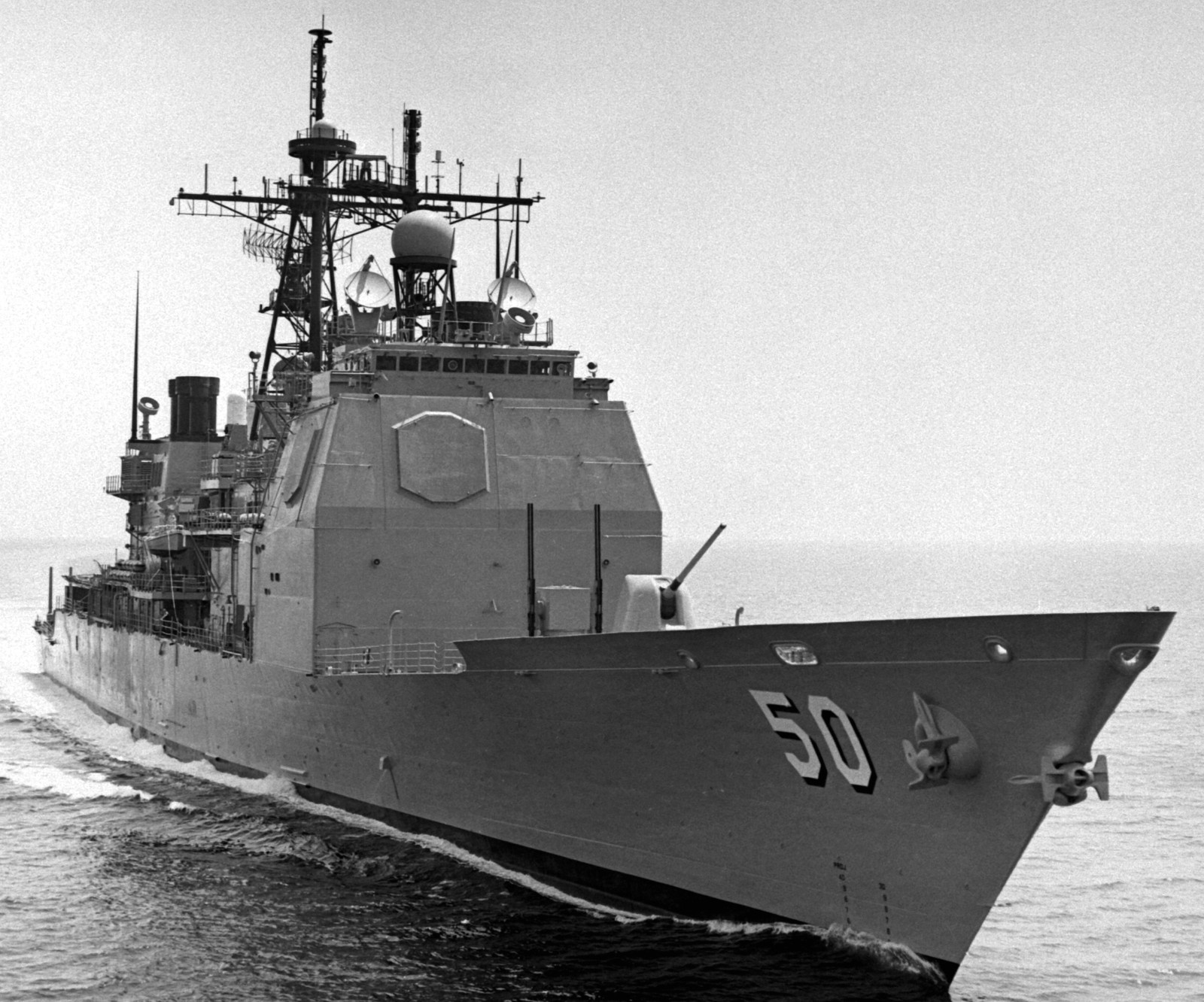 sea trials - 1985 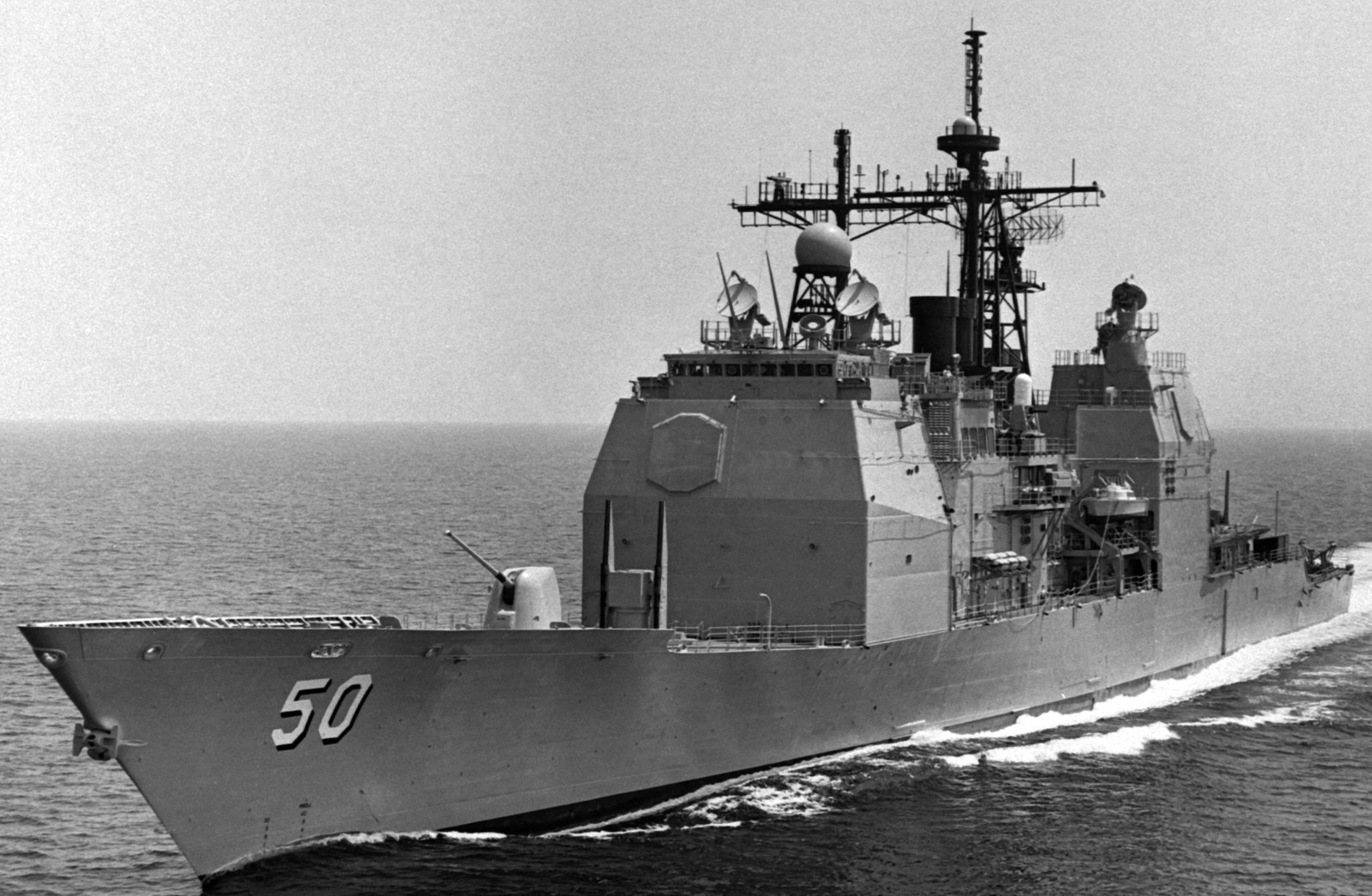 sea trials - 1985 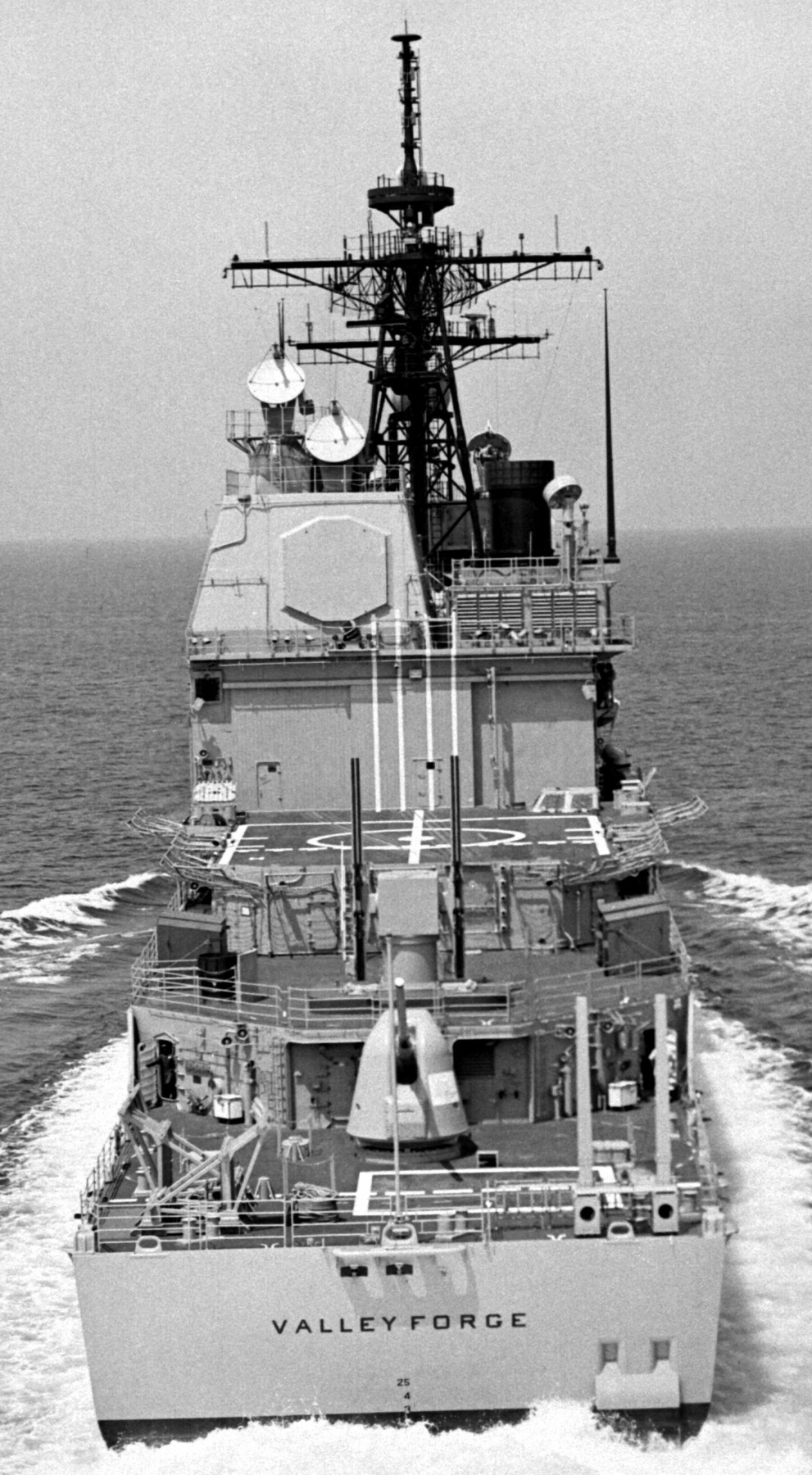 sea trials - 1985 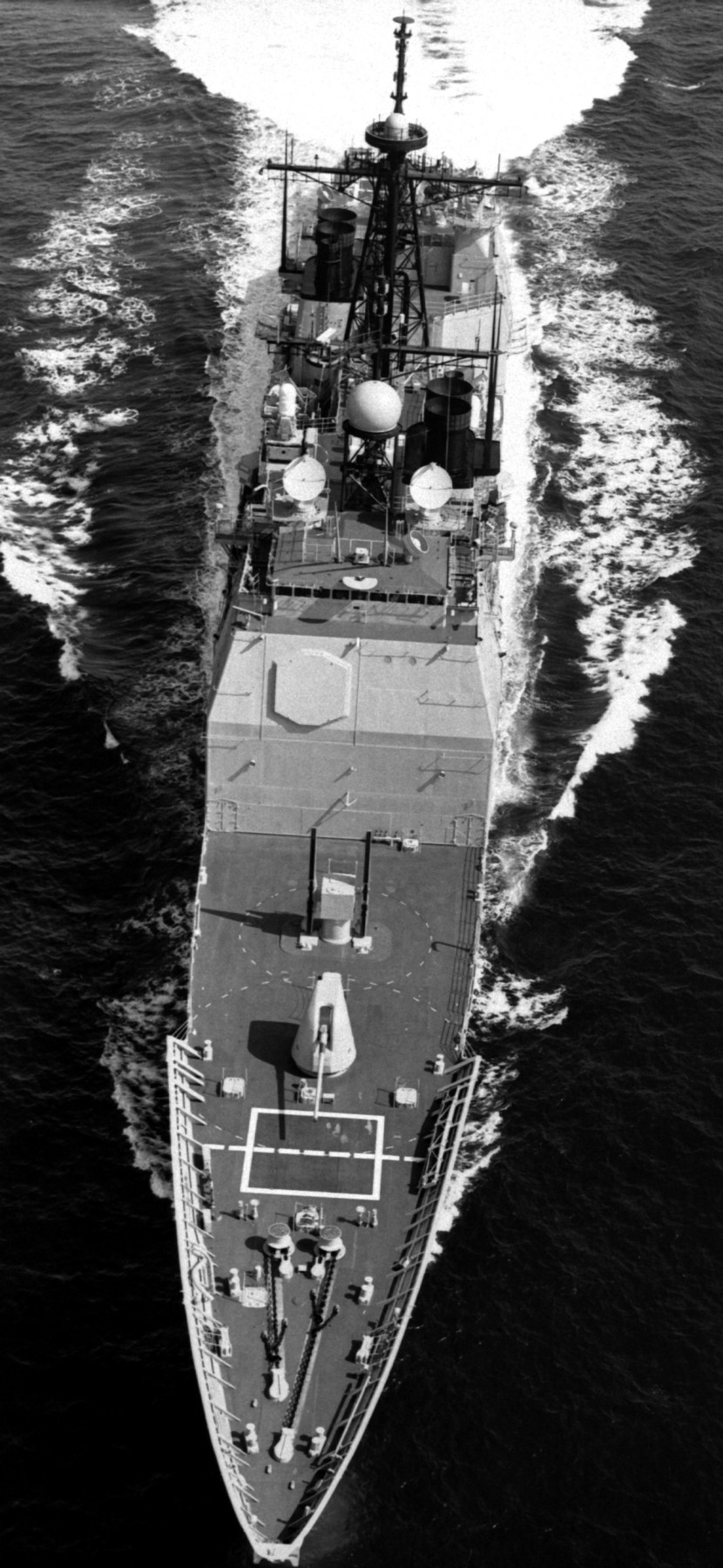
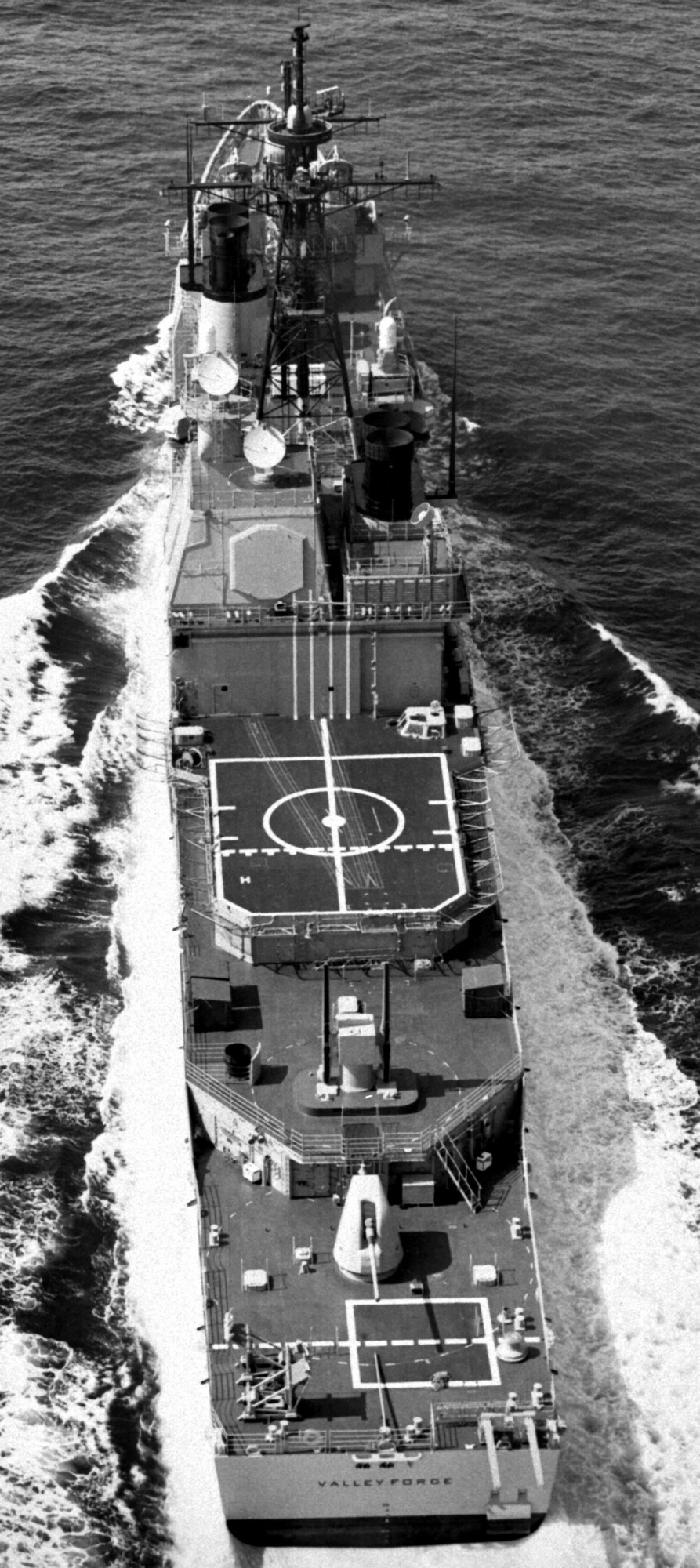 sea trials - 1985 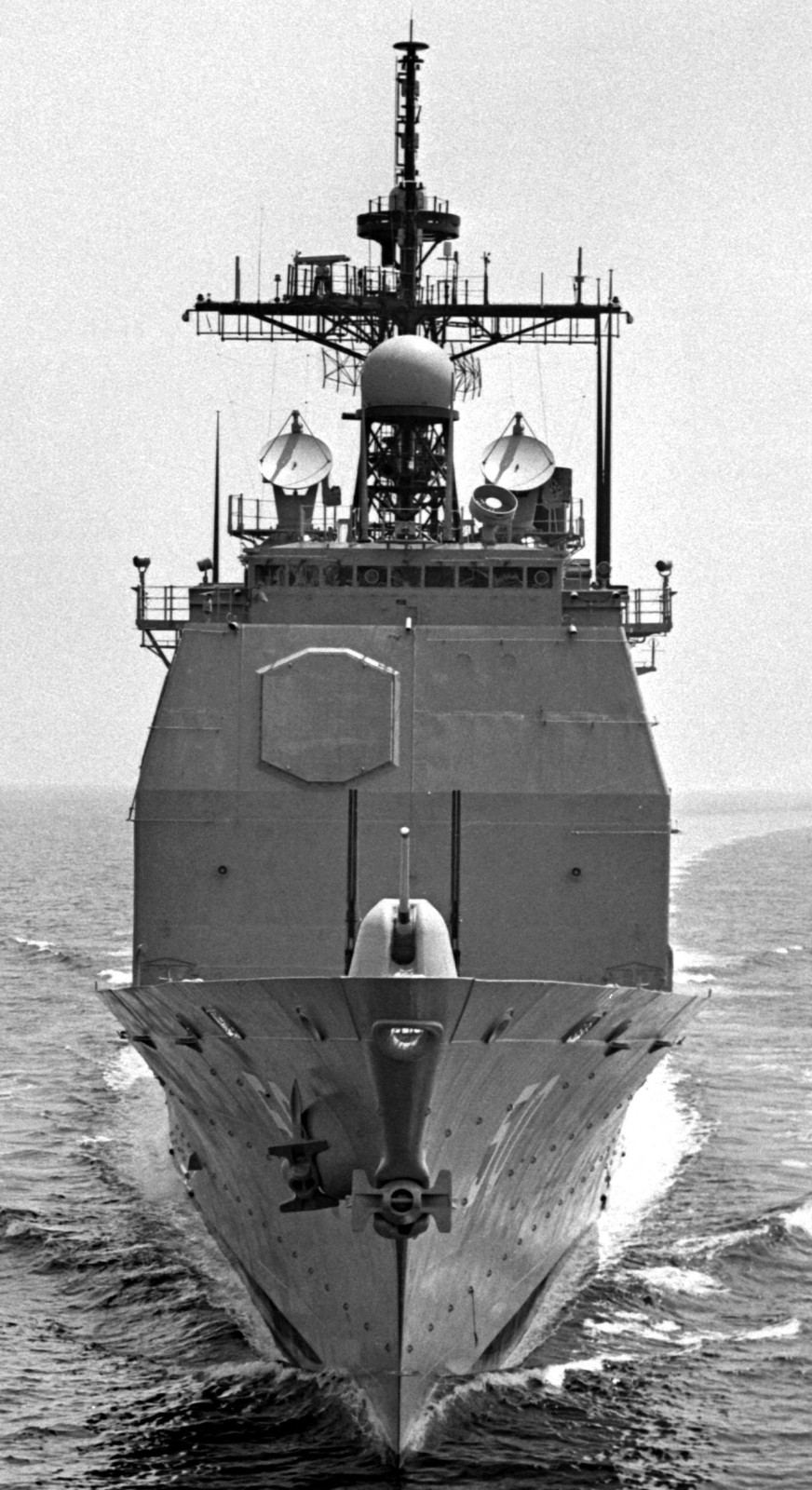 sea trials - 1985 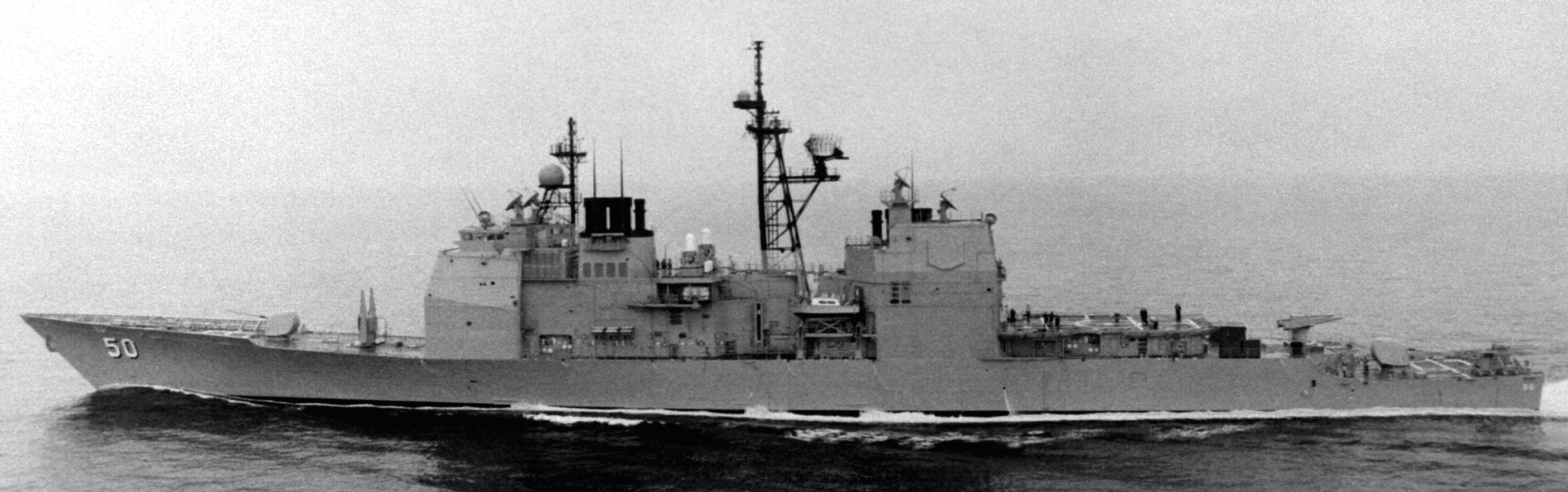 sea trials - 1985 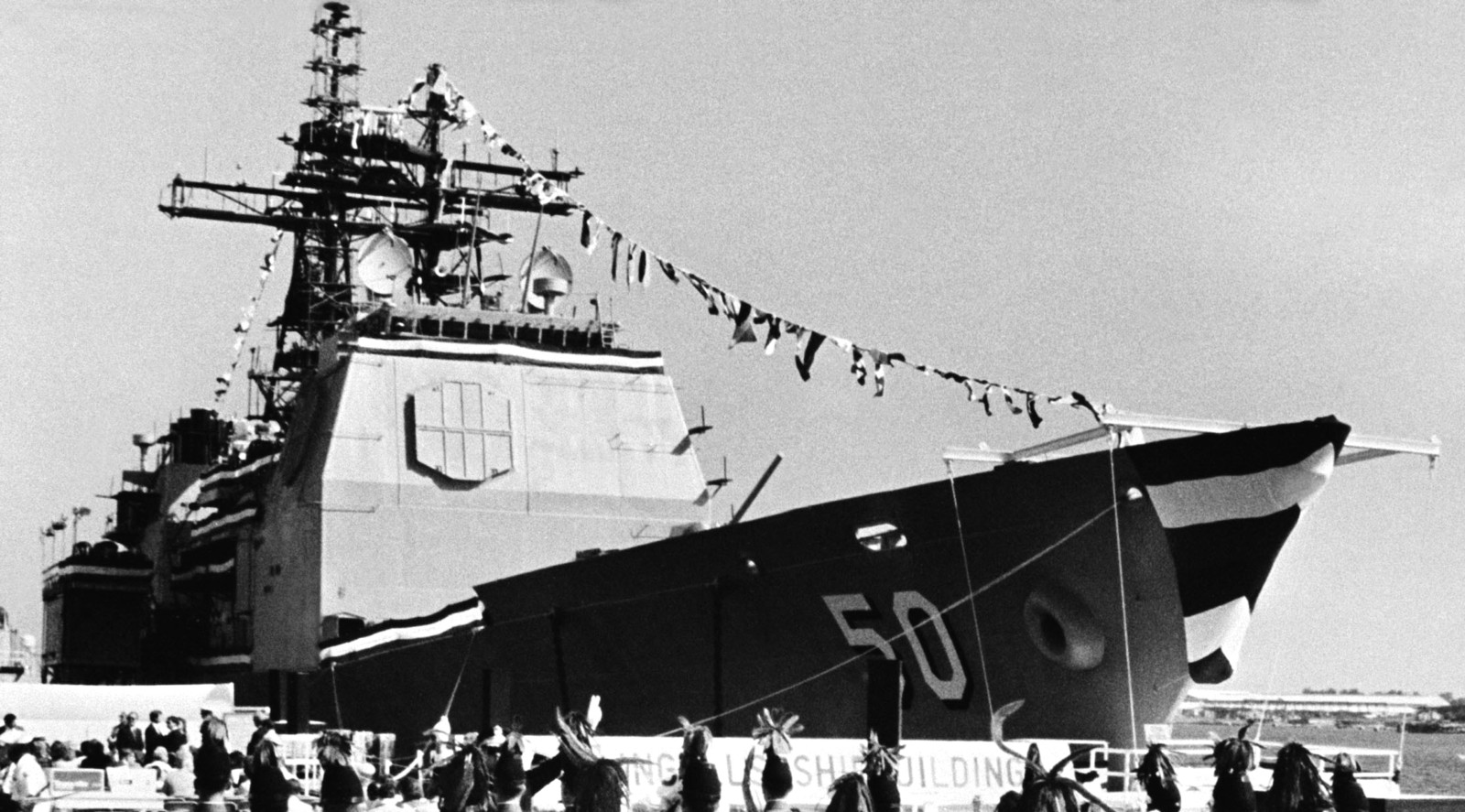 christening ceremony - Pascagoula, Mississippi - September 29, 1984 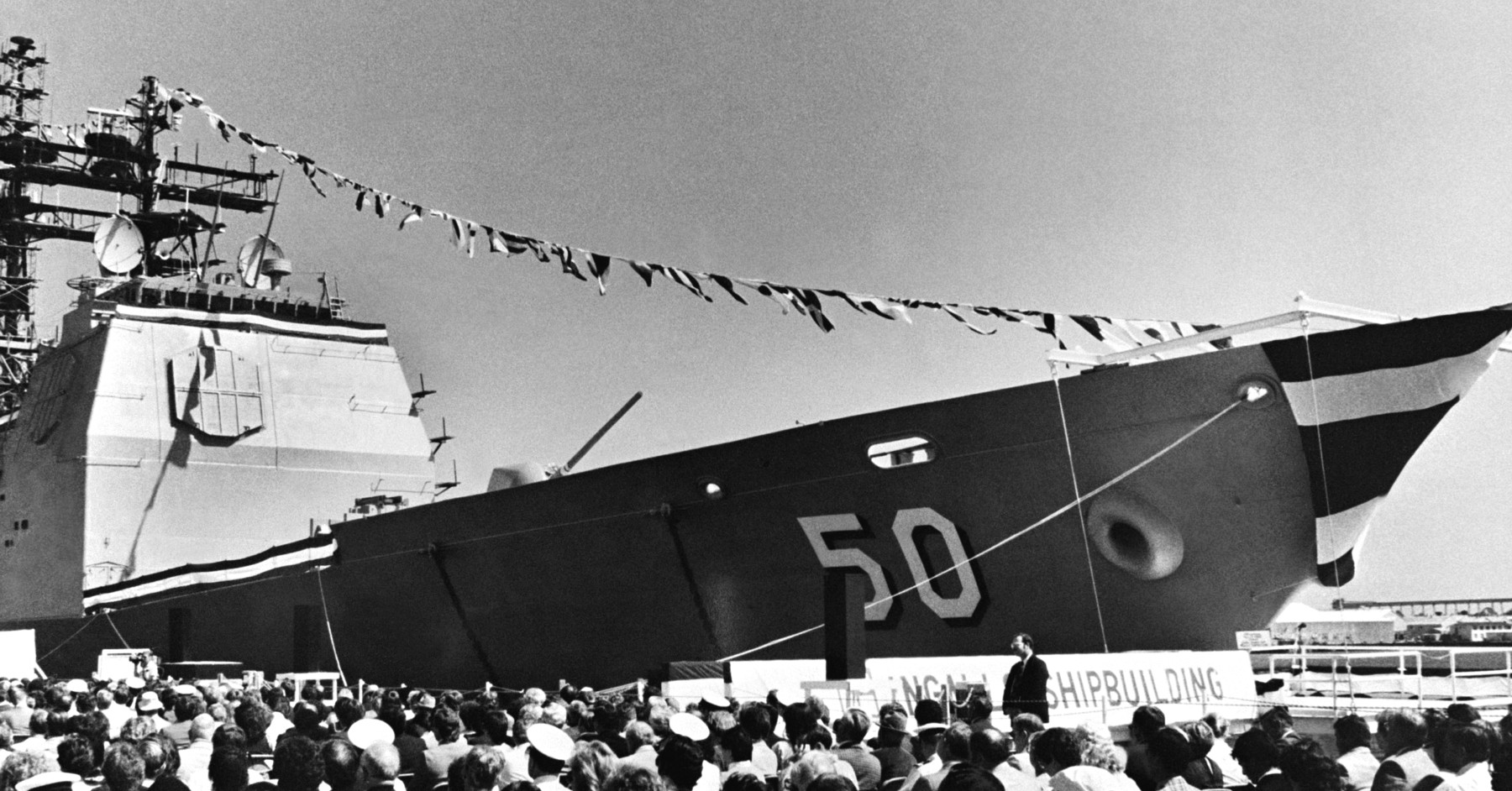 christening ceremony - Pascagoula, Mississippi - September 29, 1984 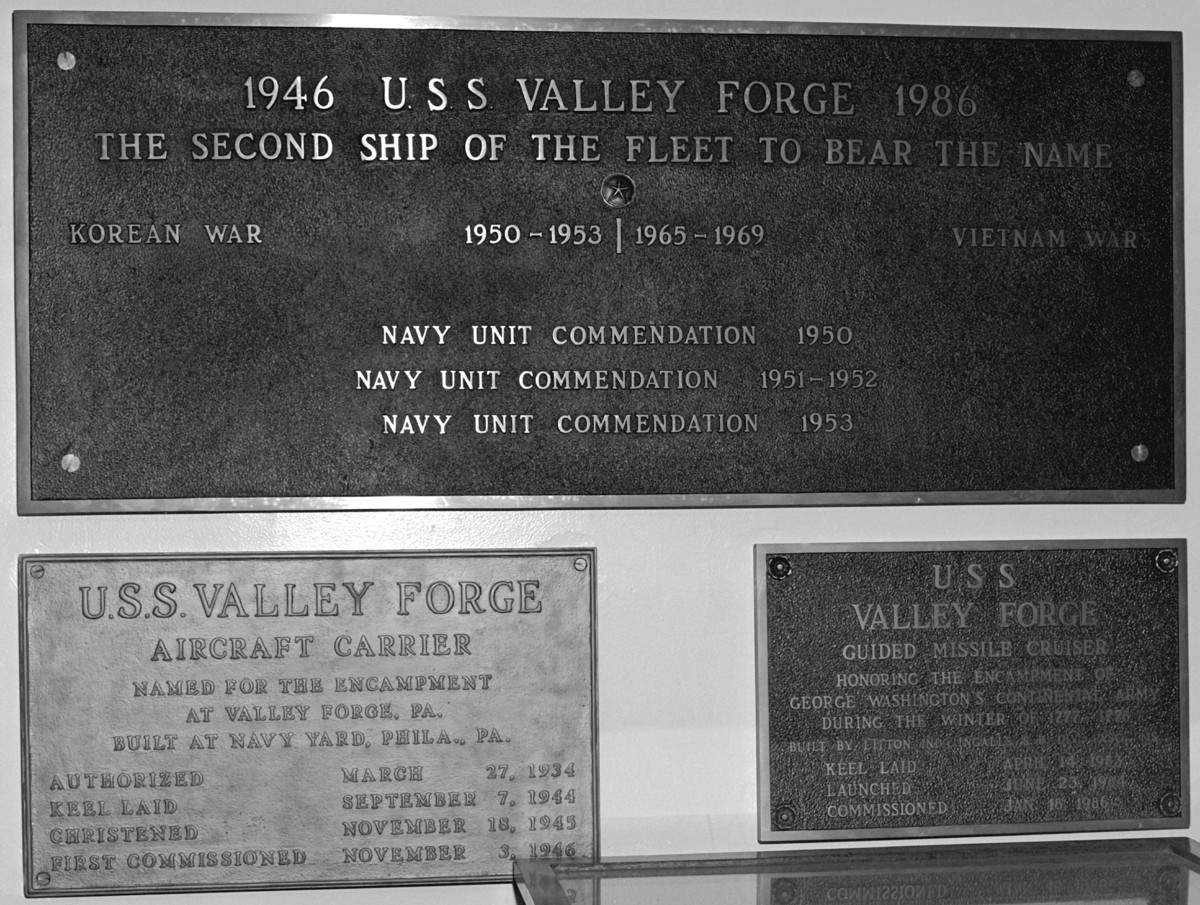 commemoration plaque |
||
|
USS Valley Forge (CG 50): Valley Forge (CG-50) was laid down by Ingalls Shipbuilding, Pascagoula, Mississippi 14 April 1983; launched 23 June 1984; and commissioned 18 January 1986. In April 1987, Valley Forge made her initial deployment to the Western Pacific and Indian Ocean. This was the first time an Aegis cruiser deployed with a Pacific Fleet Battle Group. While in the North Arabian Gulf, Valley Forge conducted escort operations with reflagged Kuwaiti tankers in support of Operation Earnist Will. The ship deployed to the Western Pacific and Indian Ocean in December 1988. In December 1990, Valley Forge returned to the Arabian Gulf in support of Operations Desert Shield and Desert Storm. As Anti-Air Warfare Commander for two battle groups, the ship provided protection to coalition ships deployed to the Arabian Gulf. In addition, Valley Forge played a key role in the elimination of the Iraqi Navy as a threat to coalition forces. In July 1992, Valley Forge returned to the Pacific and Indian Oceans in support of Operation Southern Watch and Operation Restore Hope. Off the coast of Somalia, the ship acted as the Air Defense Zone Coordinator, Anti-Air Warfare Commander, and primary naval gunfire support ship. Valley Forge departed San Diego in April 1993 to conduct extended counter-narcotics operations. While deployed, the ship served in a coordinated air surveillance network that included our Air Force, Coast Guard, Drug Enforcement Agency, and Customs Department. The operations culminated in the seizure of five tons of cocaine from the motor vessel Sea Chariot. From December 1994 until May 1995, Valley Forge again deployed to the Eastern Pacific Ocean and Caribbean Sea in support of counter-narcotics operations. The ship served as the Anti-Air Warfare Commander for the Joint Interagency task Force East, providing air traffic surveillance and coordinated joint drug-interdiction efforts. In August 1995, Valley Forge transited to Pearl Harbor, Hawaii to participate in "Cooperation from the Sea "95," the first combined U.S.-Russian exercise to take place on American Soil, and the Commemoration of the Fiftieth Anniversary of the end of World War II with Russian, Canadian, New Zealand, and Australian naval units. In August 1996, Valley Forge conducted a Middle East Force deployment with extensive operations in the Arabian Gulf in support of Operation Southern Watch. While in the Arabian Gulf, Valley Forge conducted carrier escort duties, acted as Air, Surface and Subsurface Coordinator, and detained and boarded numerous Iraqi sanction violators. While deployed in the region, Valley Forge (CG-50) participated in the joint U.S.-British GULFEX 97-1 exercise in the Gulf of Oman. GULFEX 97-1 was a three-day exercise involving eight American and British ships, including the aircraft carriers Enterprise (CVN-65) and HMS Invincible and a U.S. submarine. Valley Forge returned to San Diego in February after port visits to Manila, Singapore, Bahrain, Muscat, Bali, Perth, Sydney, New Caledonia and Pearl Harbor. The Valley Forge, in September 1997, took part in Teamwork North 97, an undersea warfare exercise against the Chilean diesel submarine Simpson and Salt Lake City (SSN-716), off the coast of Southern California. The exercise provided the Valley Forge (CG-50), Elliot (DD-967) and Jarrett (FFG-33) an opportunity to evaluate search, classification and engagement techniques against a diesel submarine threat, as well as providing an opportunity to determine how ships and aircraft can best protect other assets from a submarine attack. The week began with submarine familiarization exercises designed to train personnel on the characteristics of submarine sensors. Next, the exercise focused on protecting two priority assets - an oiler and an aircraft carrier - while refueling. That was followed by a choke point/barrier transit exercise in which the three surface combatants had to transit a narrow water lane, while screening the carrier or oiler and avoiding the enemy submarine. The week concluded with an exercise torpedo firing by Valley Forge and Jarrett. The Valley Forge finished WESTPAC 98 in December. The deployment was an overwhelming success for the ship and the Abraham Lincoln Battlegroup. Valley Forge saw liberty in Japan, Hong Kong, Singapore, Albany and Melbourne Australia, and several Arabian Gulf ports. The ship's time on station in the Middle East was action packed with many new and interesting missions. In April of 2000, Valley Forge conducted a six months Counter Drug Operations in the Southern Pacific as a part of the Joint-Interagency Task Force interdicting the illegal flow of narcotics into the United States and other countries being transported via the sea-lanes. Working in conjuntion with the Coast Guard, Valley Forge seized approximately two and a half tons of cocaine. Valley Forge returned in September after port visits to Acapulco, Panama, Ecuador, Puerto Vallarta, Cartegena, Mayport, Aruba, and Curacao. The Valley Forge completed in mid-2001 its installation of a new integrated control system which utilizes the Navy's advanced smart ship technology, and is designed to provide an improved command and control system throughout the entire ship and in nearly every mission area. During Operation Iraqi Freedom, the Valley Forge was designated as the flagship for the commander of Maritime Interception Operations in the Northern Arabian Gulf. It also served as the logistics command for many of the coalition ships in the Arabian Gulf, and in the days prior to the start of Operation Iraqi Freedom, Valley Forge played a crucial role as the command and control platform for Special Forces Units (U.S. Navy SEALs and USMC Fast Platoons) for the seizing of two Iraqi offshore oil platforms. Throughout OIF combat operations, Valley Forge was the closest U.S. cruiser or destroyer to Iraq. Valley Forge was decommissioned 30 August 2004 but retained in maintenance as a surge asset. ex USS Valley Forge was sunk on November 2, 2006 as part of a target practice on a test range near Kauai, Hawaii. |
||
|
Valley Forge and the War for Independence: The late summer and fall of 1777 saw America's War for Independence going badly for the American troops under the command of George Washington. In late August 1777, the British had landed their forces at the upper end of the Chesapeake Bay with the objective of occupying Philadelphia, the American capital. Washington's efforts to defend Philadelphia failed. After defeating the Americans at Brandywine, the British occupied Philadelphia on September 26, 1777. Efforts to retake the capital also failed when the American troops were defeated at the Battle of Germantown on October 4. With winter approaching, Washington sought quarters for his weary troops to pass the winter. He selected Valley Forge, located 18 miles northwest of Philadelphia. The area was named for an iron forge on Valley Creek. Valley Forge was selected since it was considered easily defensible, with Mount Joy and Mount Misery to the west and the Schuylkill River to the North. Yet it was close enough to the British in Philadelphia to prevent any attempts by the British to move inland to the rich farmlands of the interior of Pennsylvania. On December 19, 1777, over 12,000 members of the Continental Army arrived at Valley Forge. Weary, ill-fed and poorly equipped, the men struggled to construct shelters for protection against the rapidly approaching winter. While no battles against the British were fought that winter, casualties mounted at alarming rates as the army faced irregular food supplies, inadequate clothing. Over 2000 soldiers died from disease such as dysentery, pneumonia, typhus and typhoid. Little help arrived from Congress and the suffering continued to grow worse. The arrival of Friedrich Wilhelm von Steuben in February 1778 marked a turning point in encampment at Valley Forge. A former member of the General Staff of Frederick the Great, king of Prussia, von Steuben was without work and willing to assist the struggling Continental Army. Arriving at Valley Forge with a letter of introduction from Benjamin Franklin, Washington quickly assigned von Steuben the position of Acting Inspector General and charged him with developing and implementing a training program for the American troops. Von Steuben's work with the troops over the next months instilled a new confidence in the soldiers and in their ability to succeed in their mission. As Spring arrived, so did much needed supplies and fresh troops to replace those who had deserted or died. Spring also brought news that the Continental Congress had forged an alliance with the French that guaranteed military support. The British had departed Philadelphia. On June 19, 1778, the Continental Army under the command of General George Washington marched away from Valley Forge in pursuit of the British who were heading towards New York. While the War for Independence would continue for several more years, the young army had survived its most difficult tests yet during its winter encampment at Valley Forge. |
||
| patches + more | ||
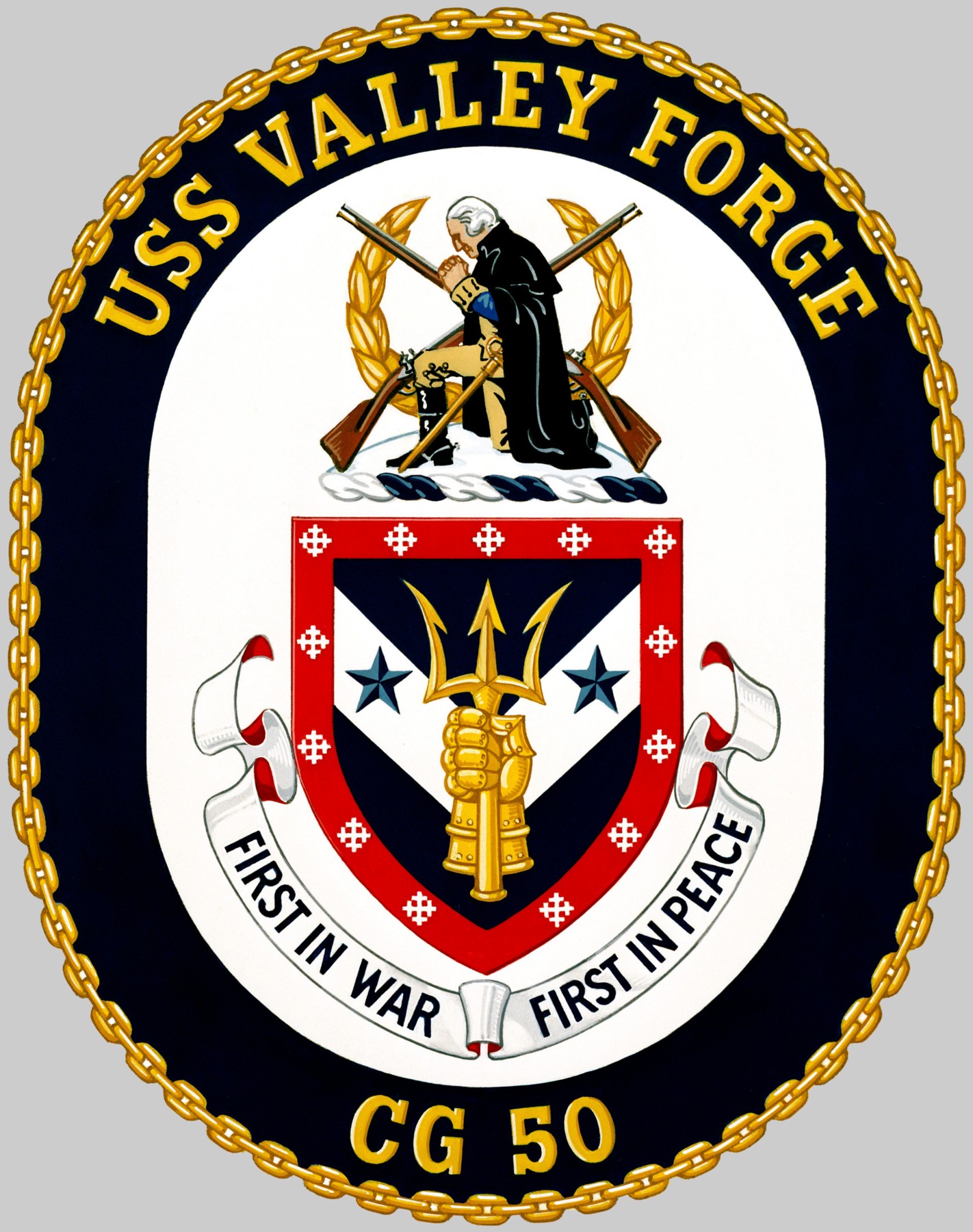 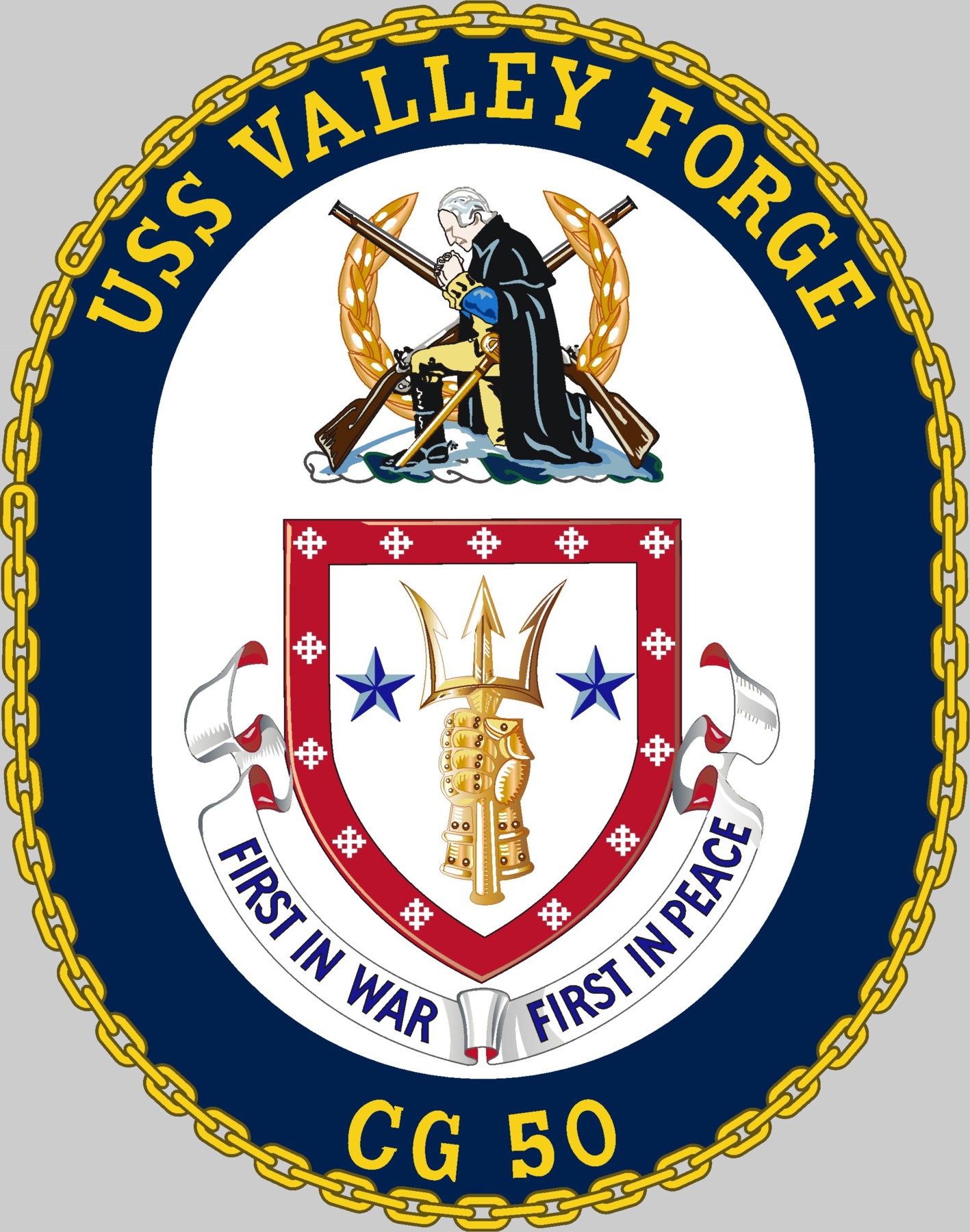   |
||
|
|
seaforces.org |
USN ships
start page | |