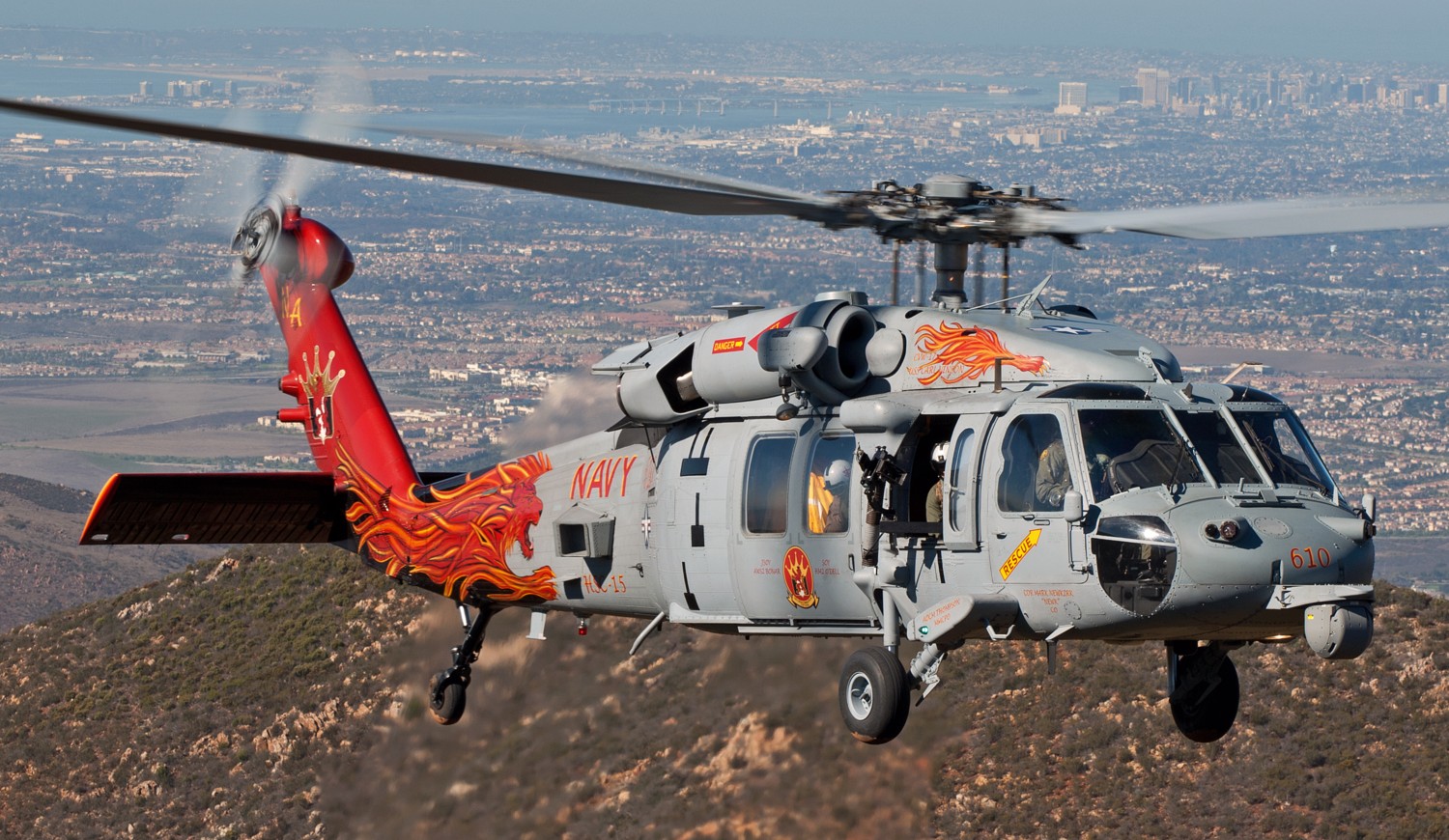
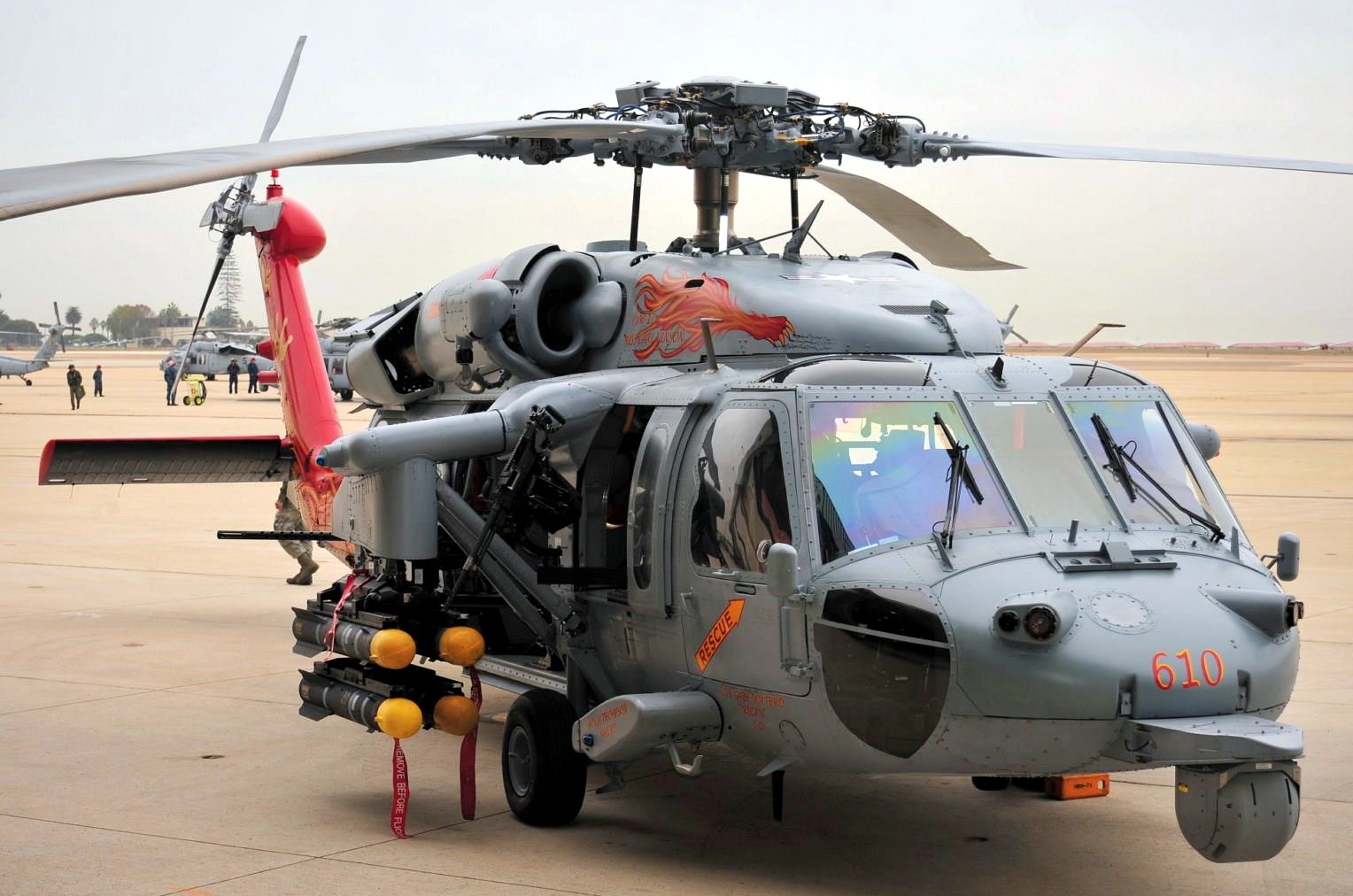
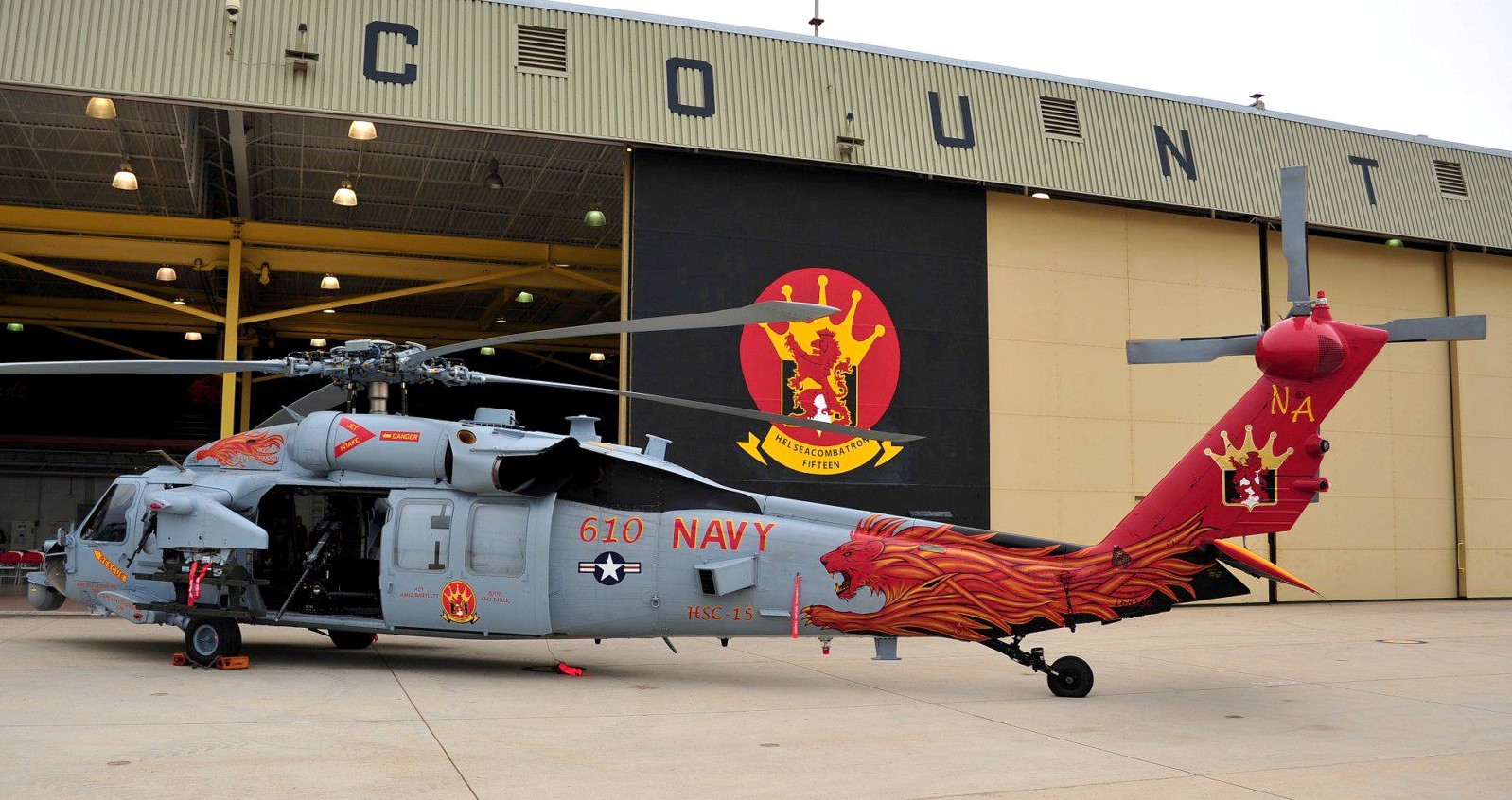
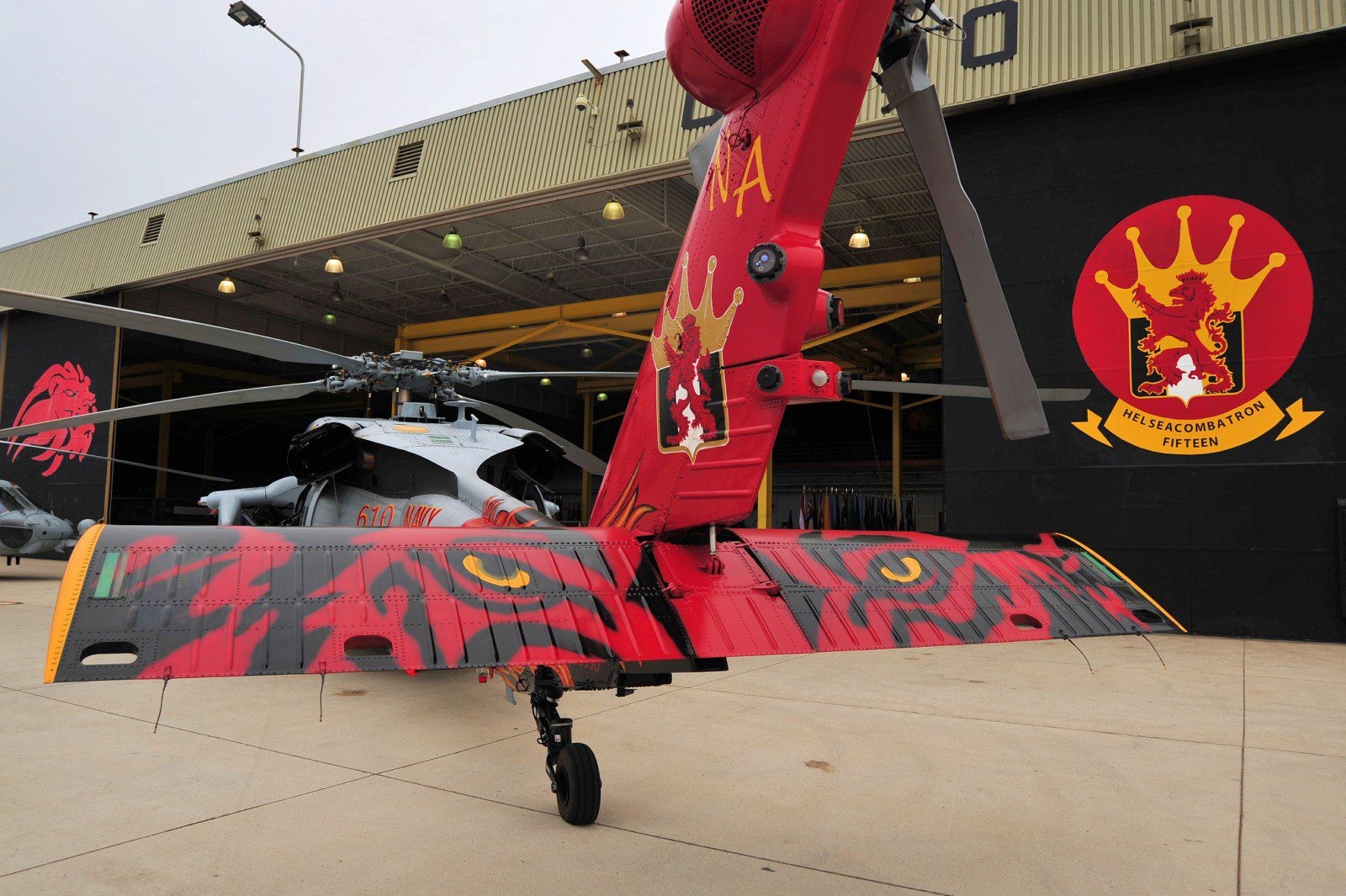
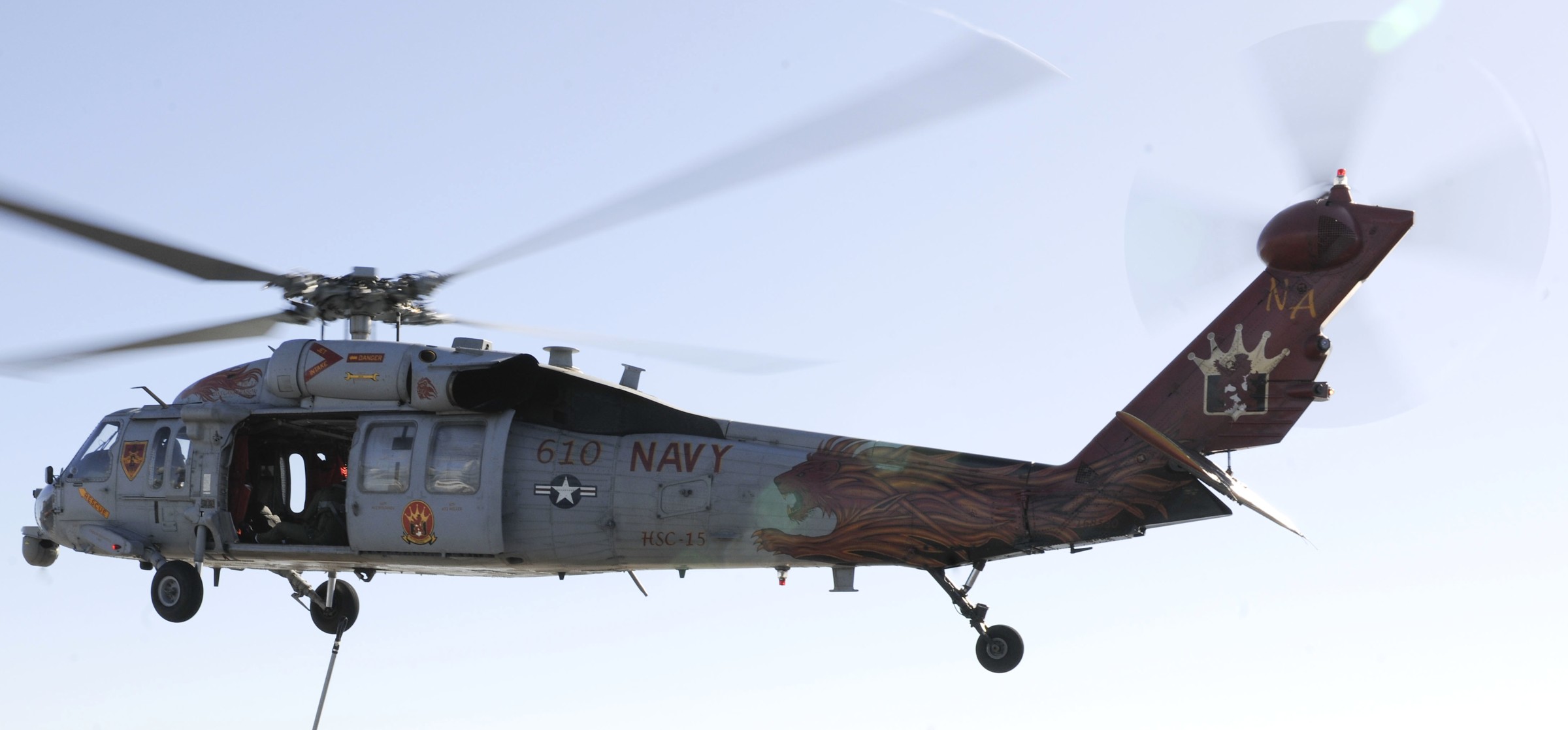
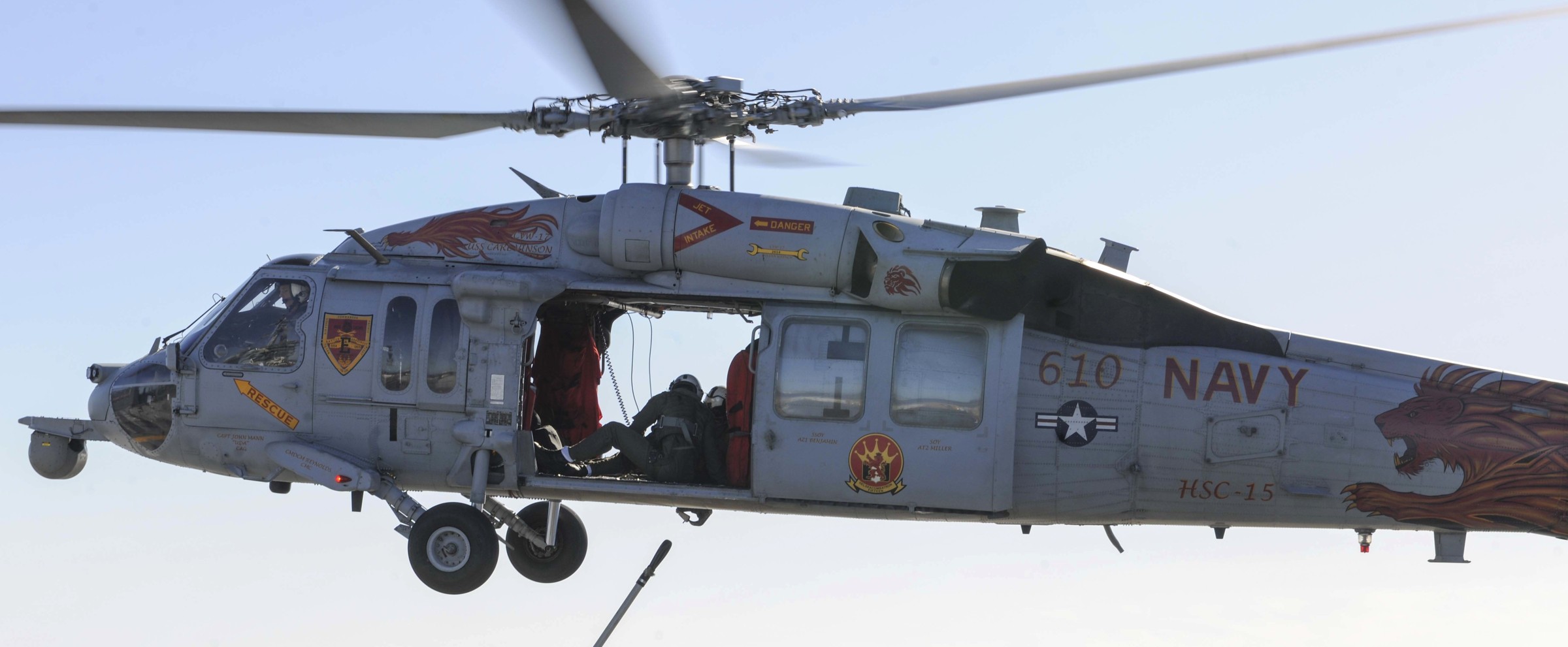
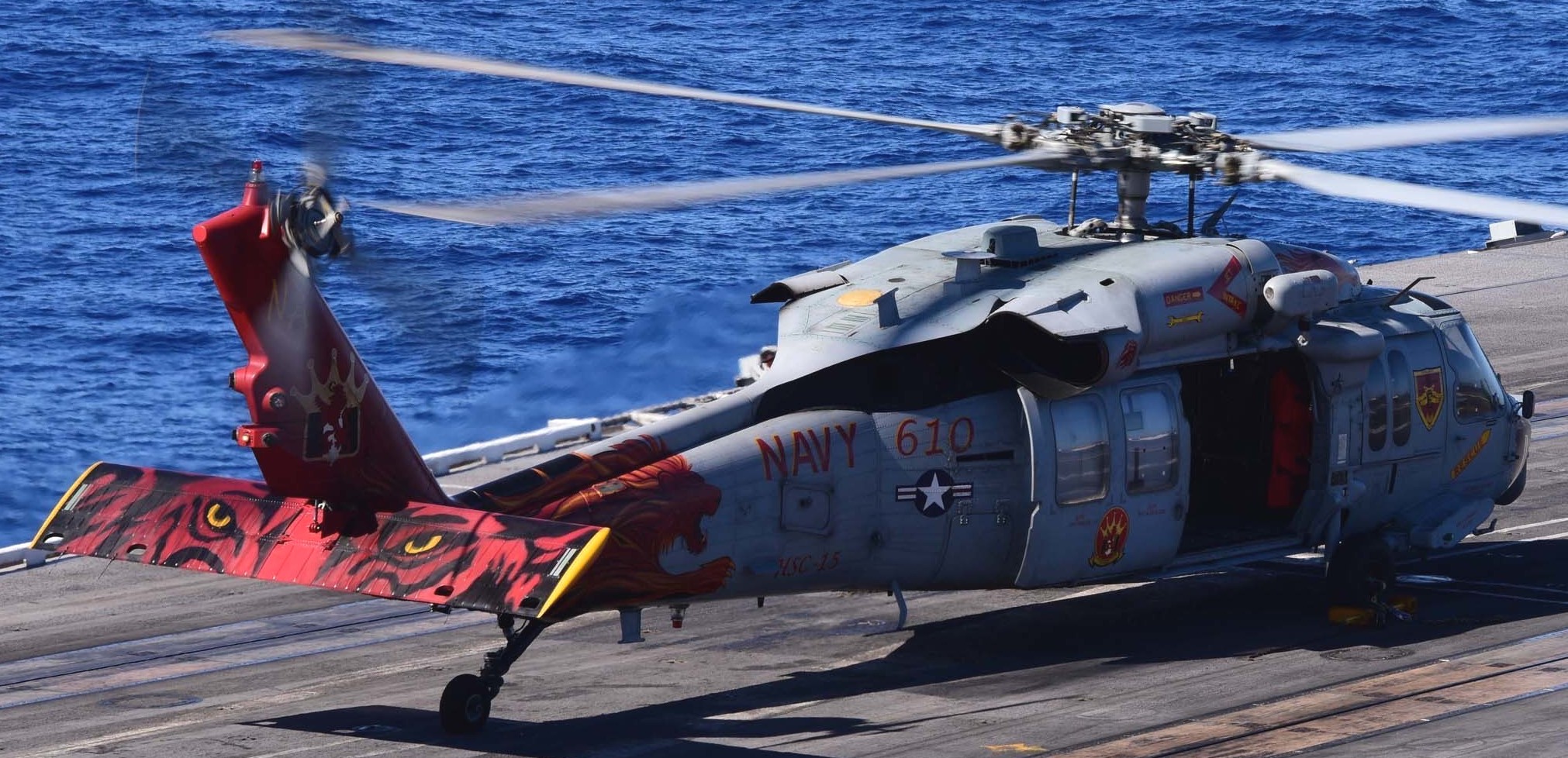
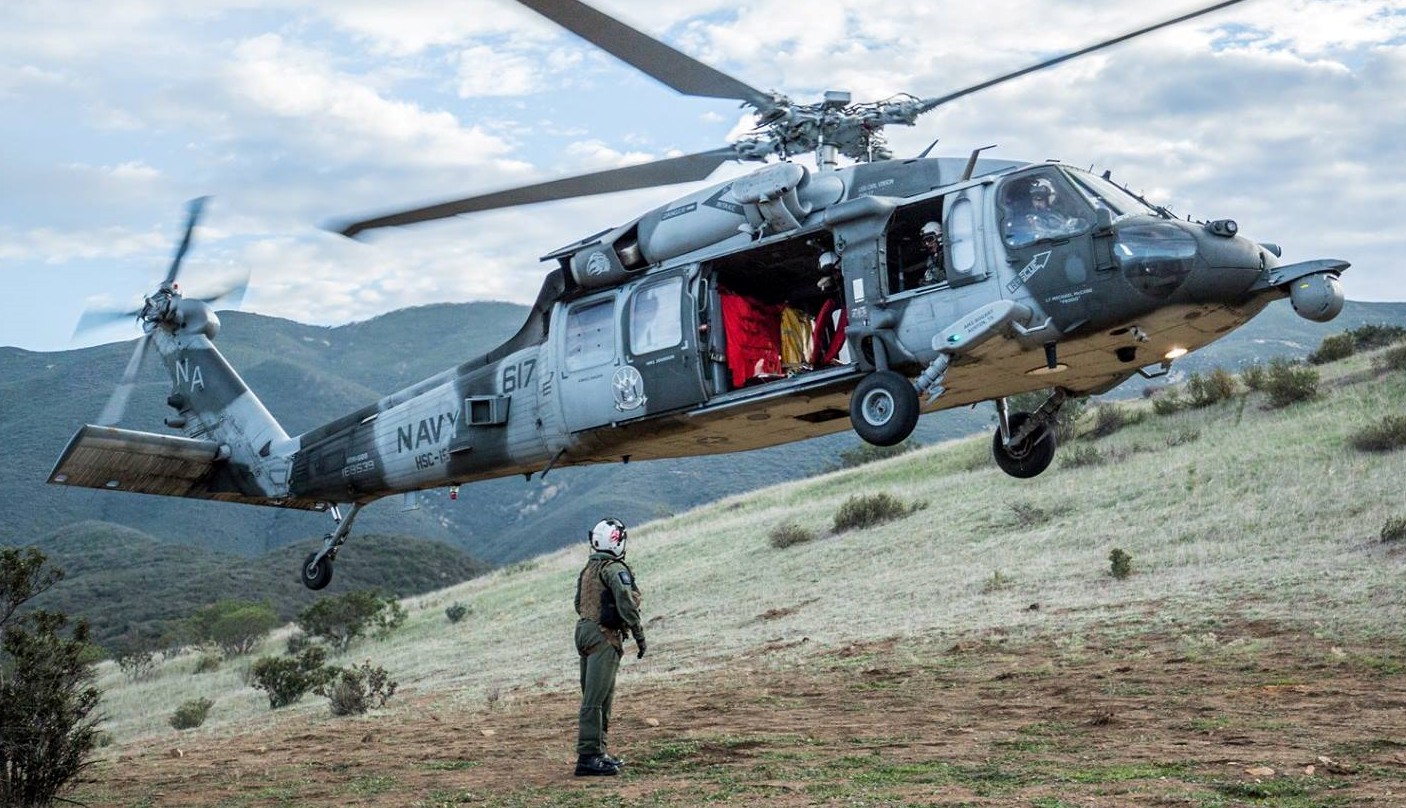
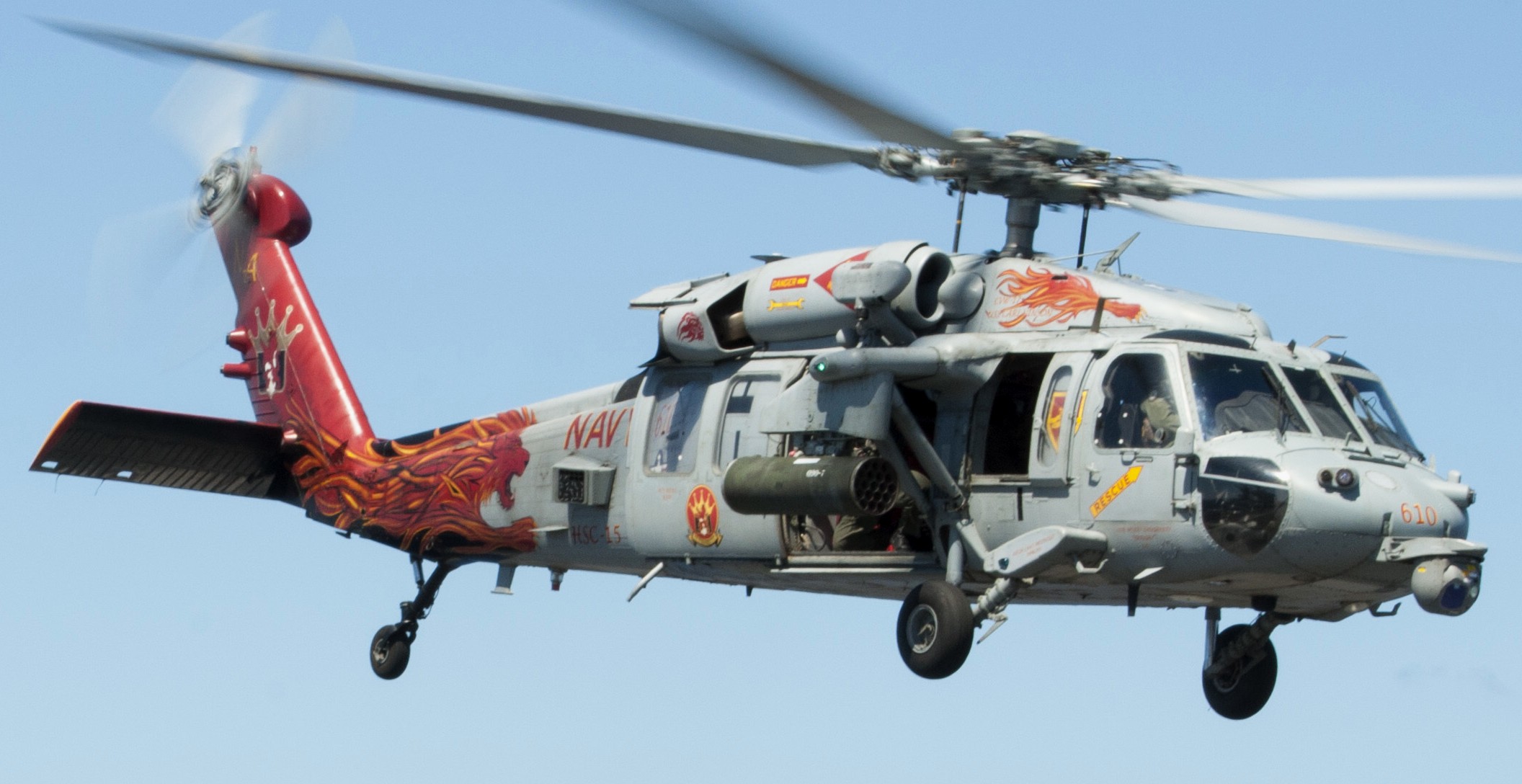
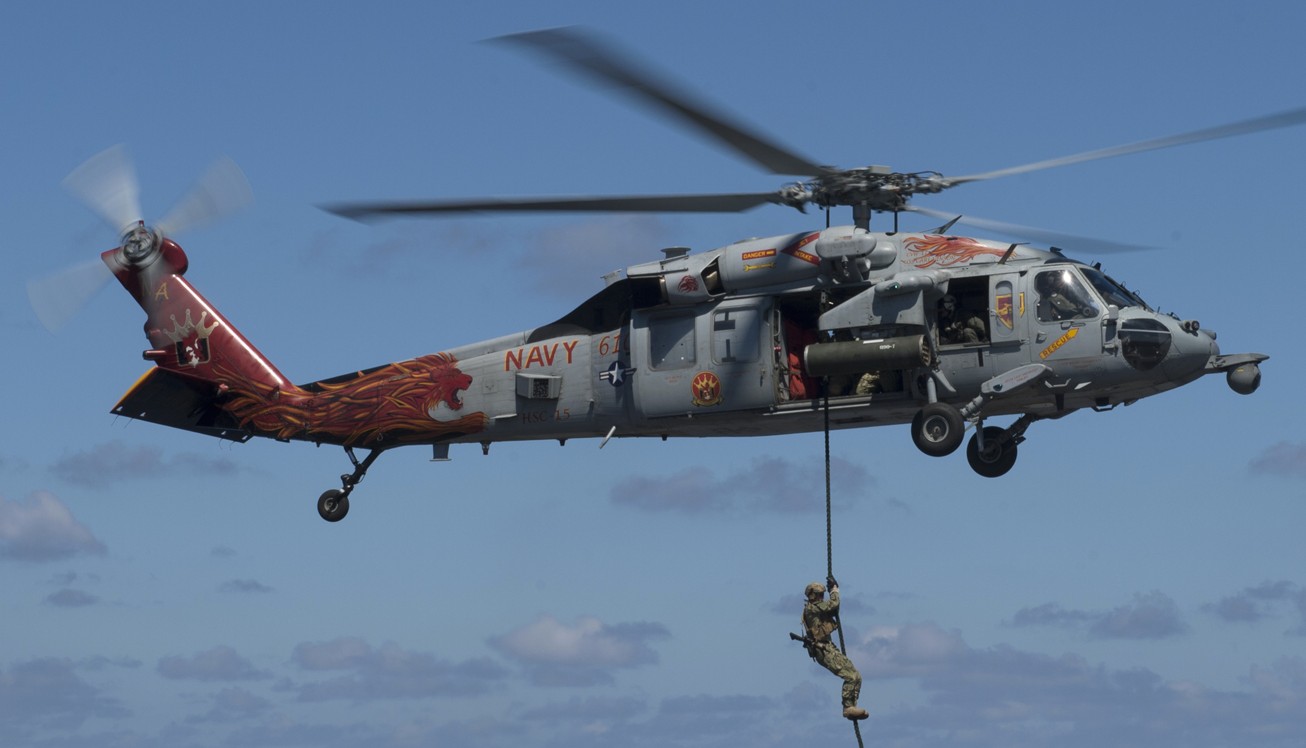
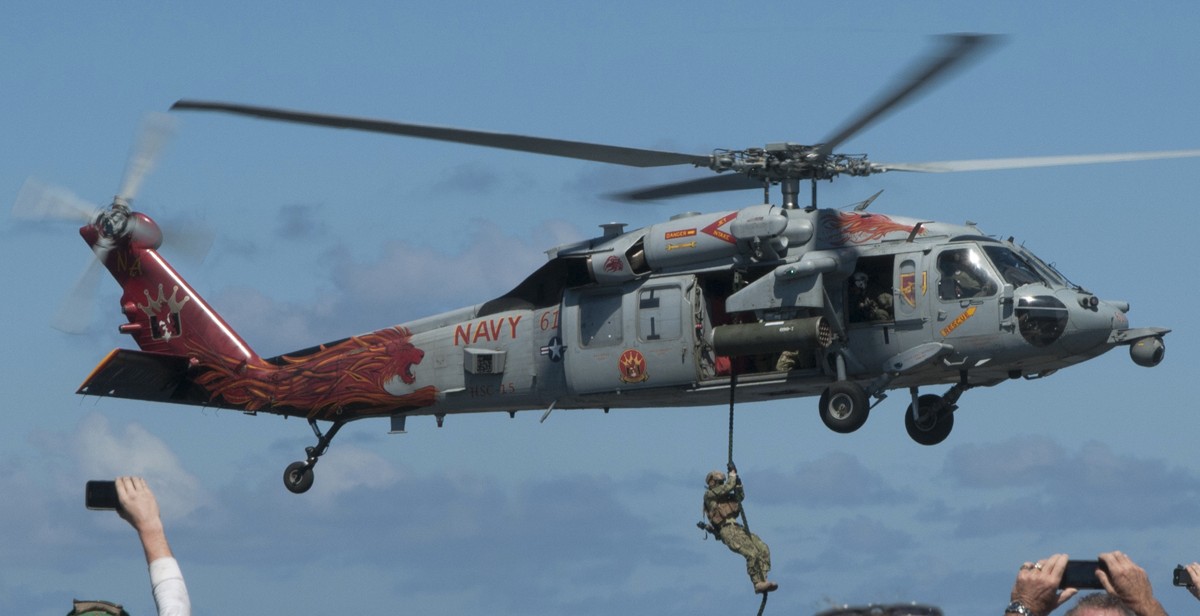
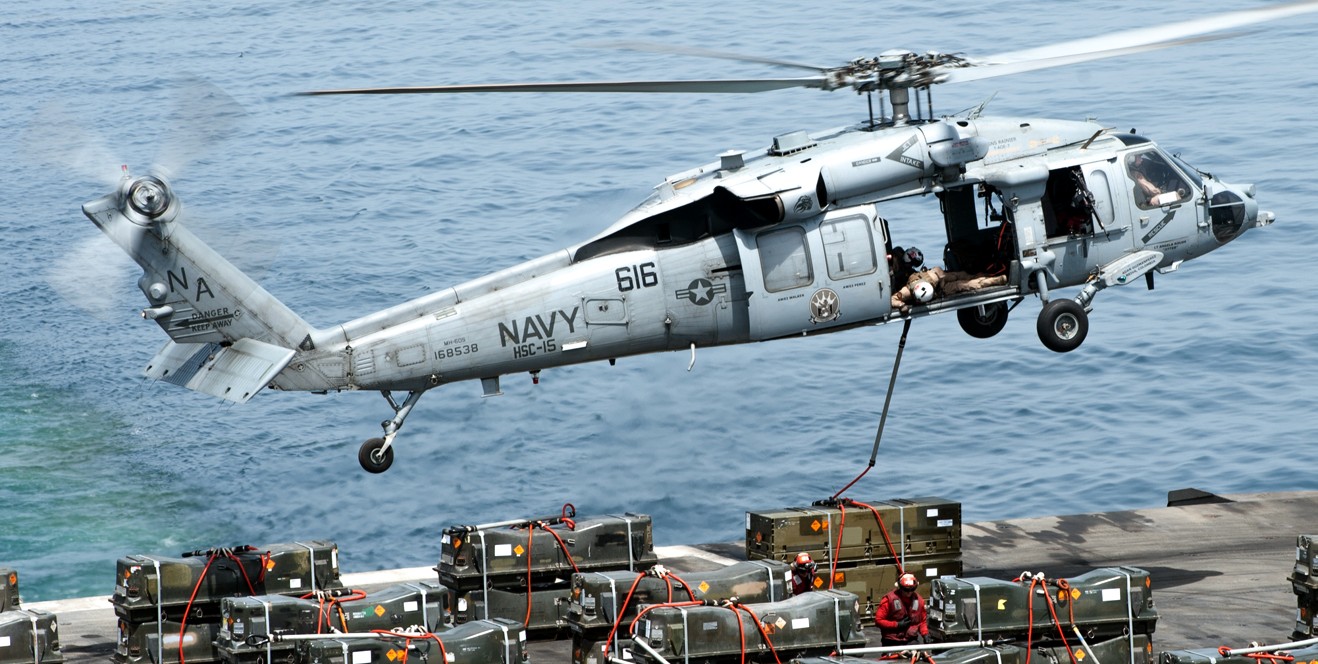
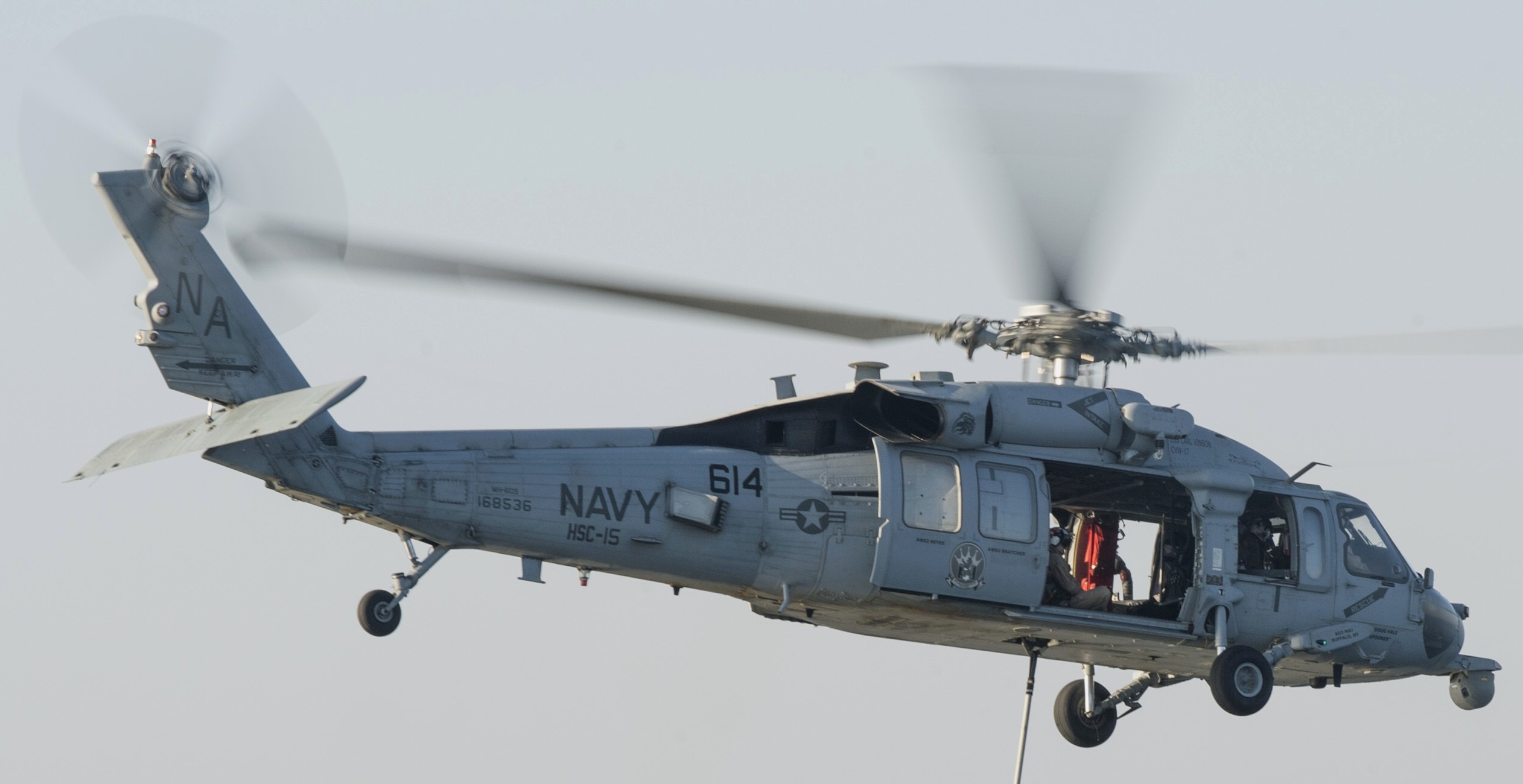
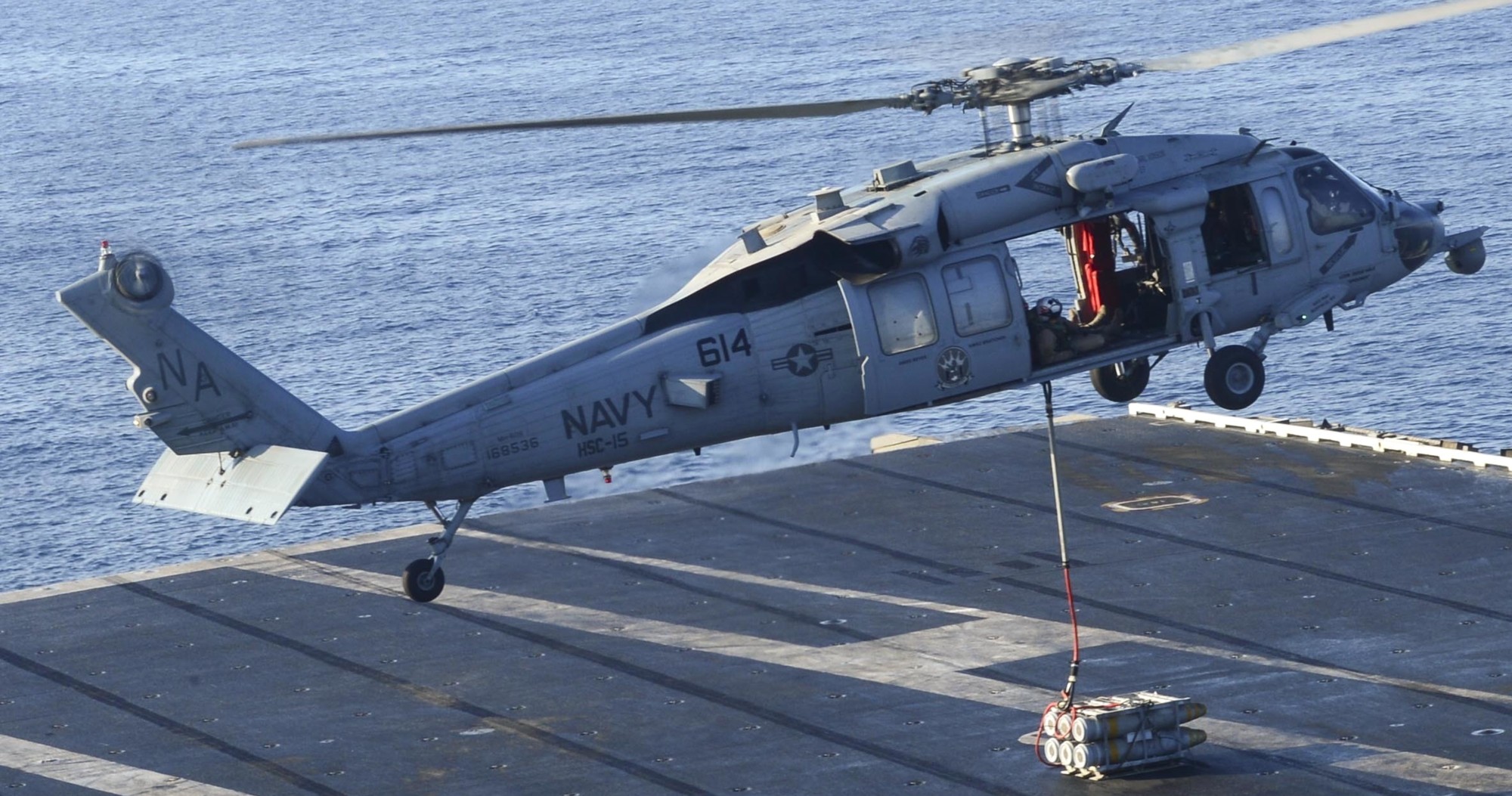
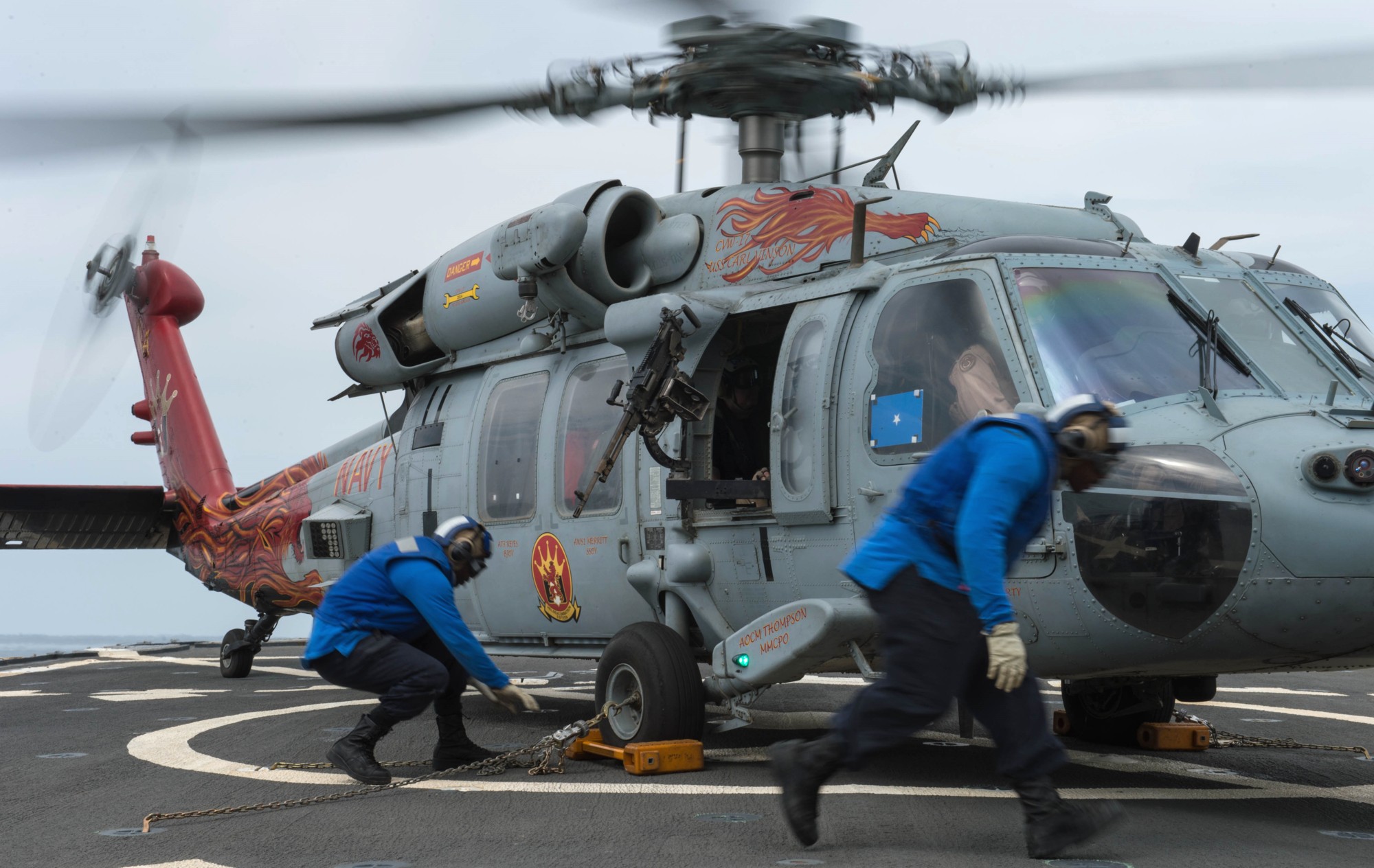
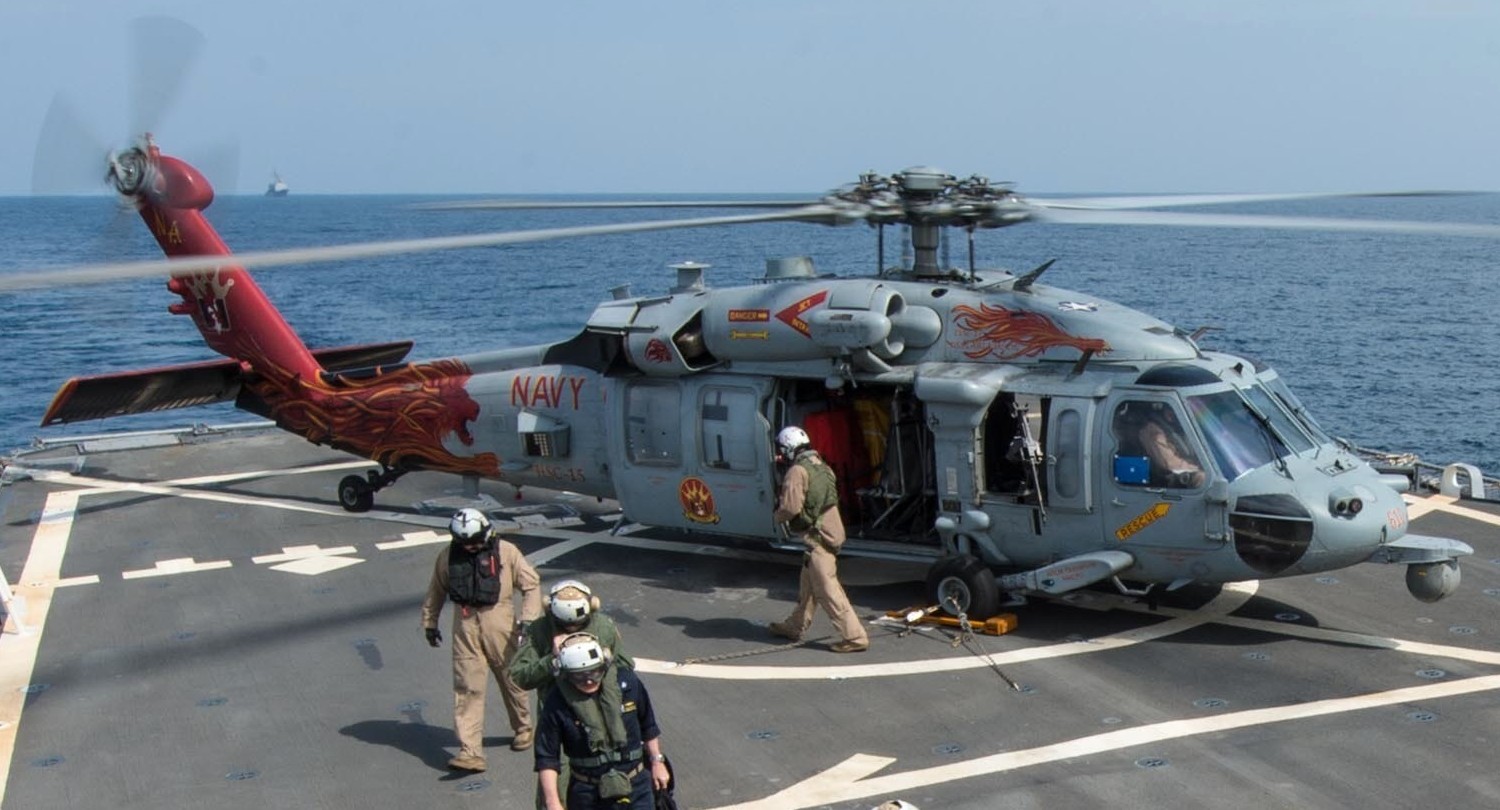
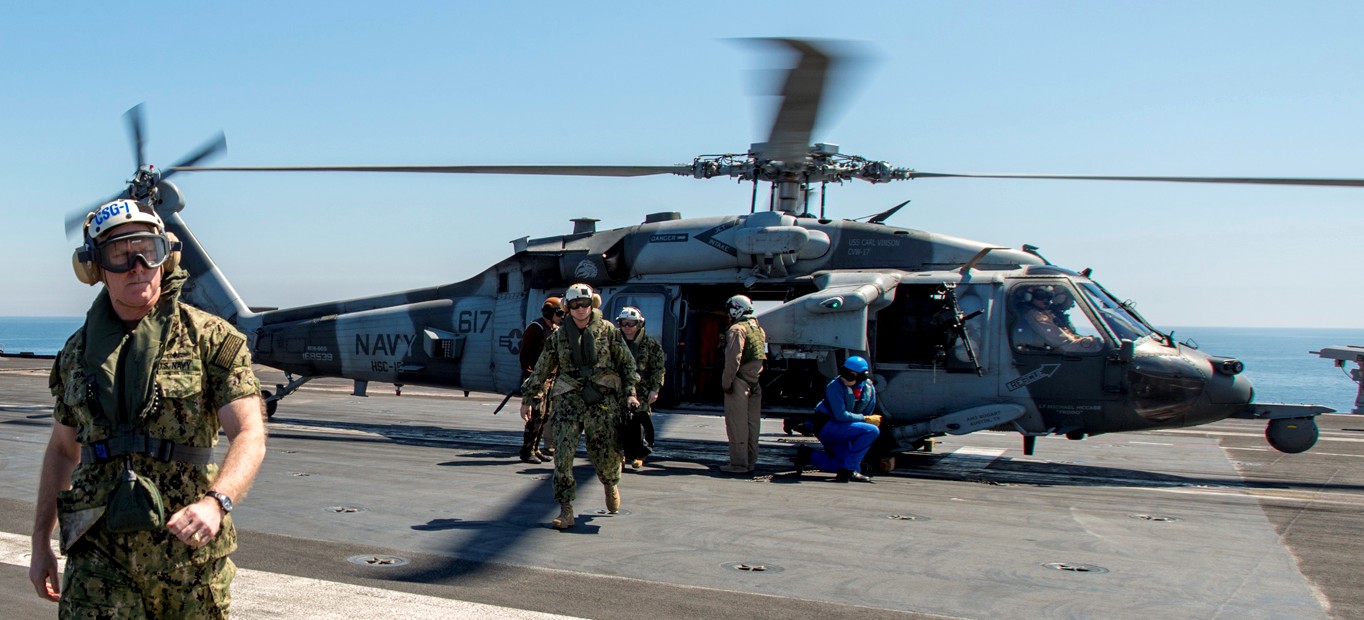
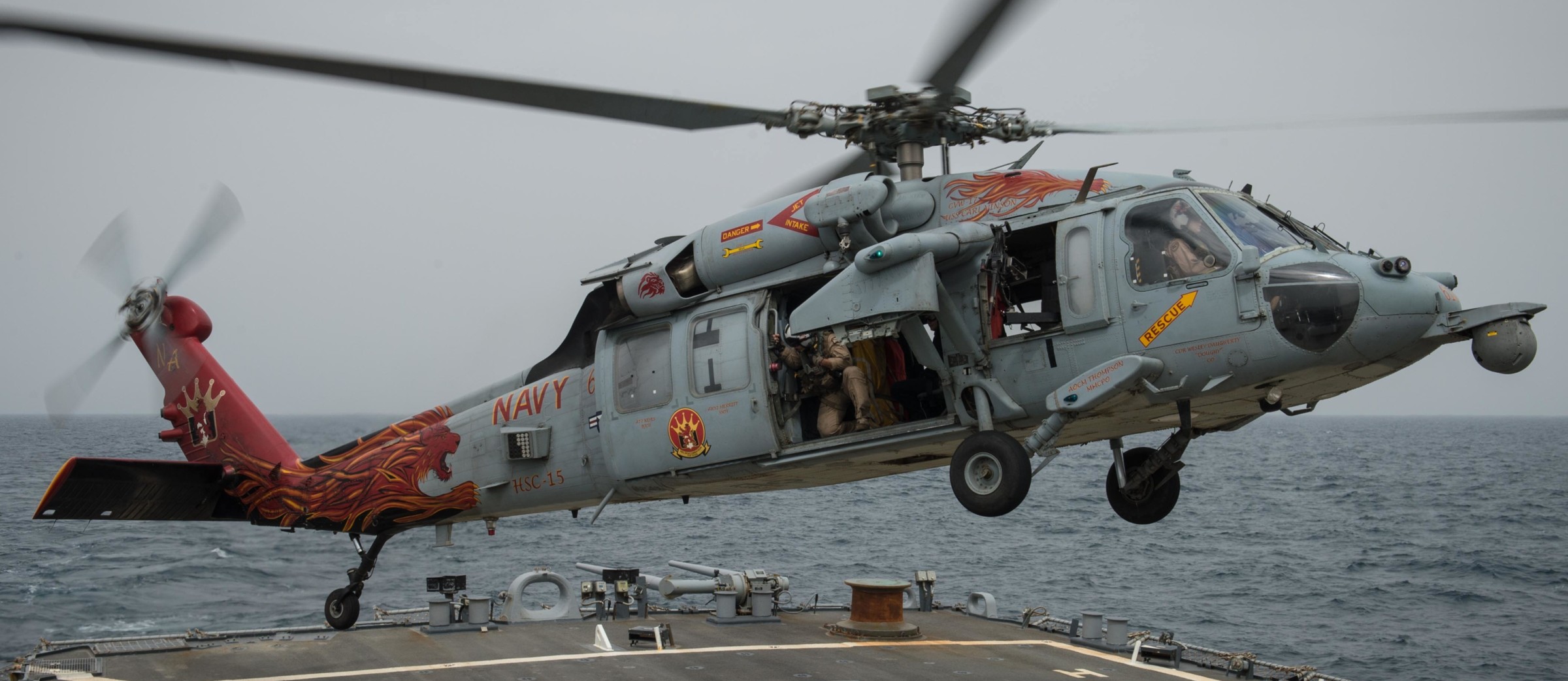
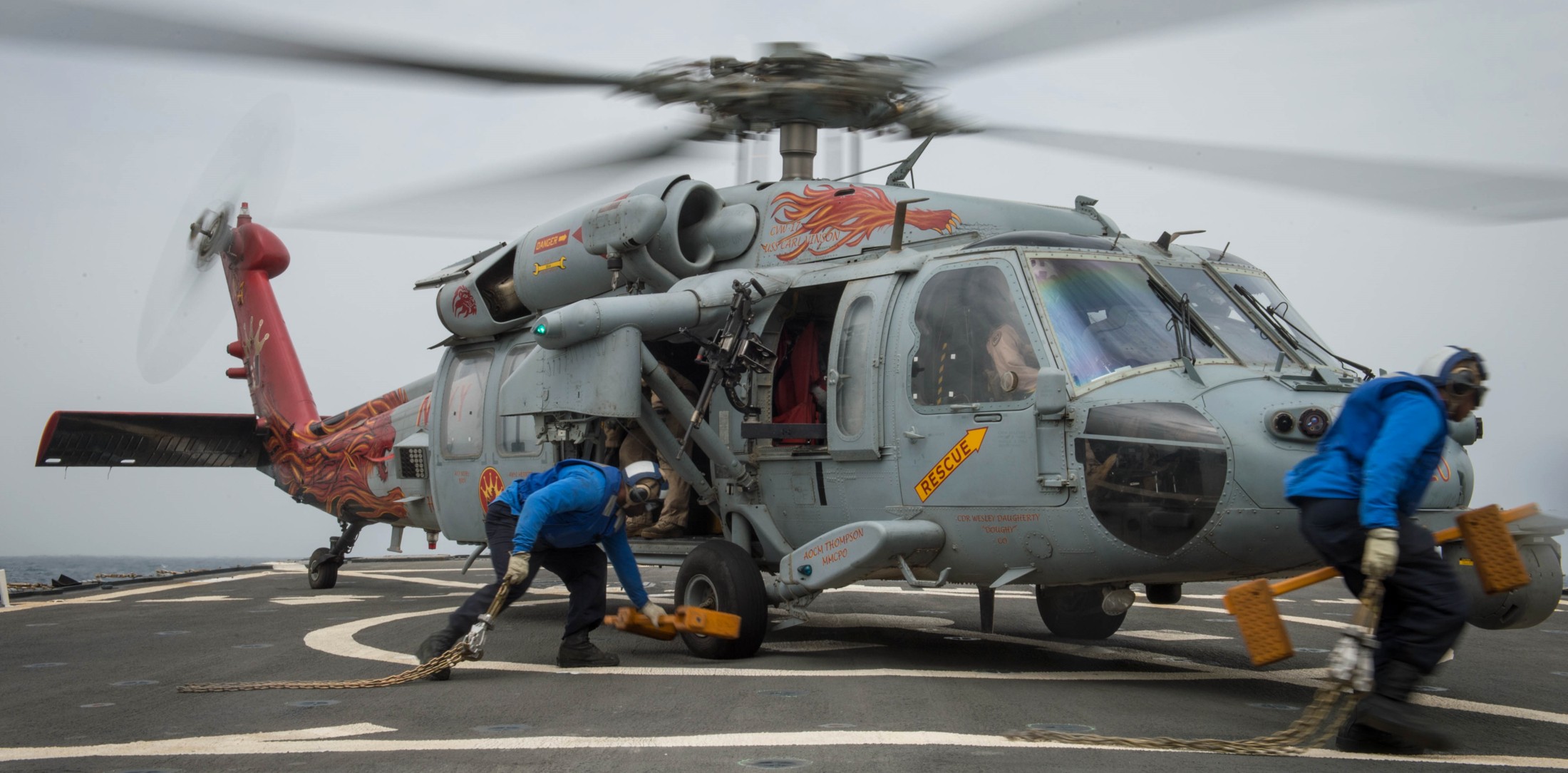
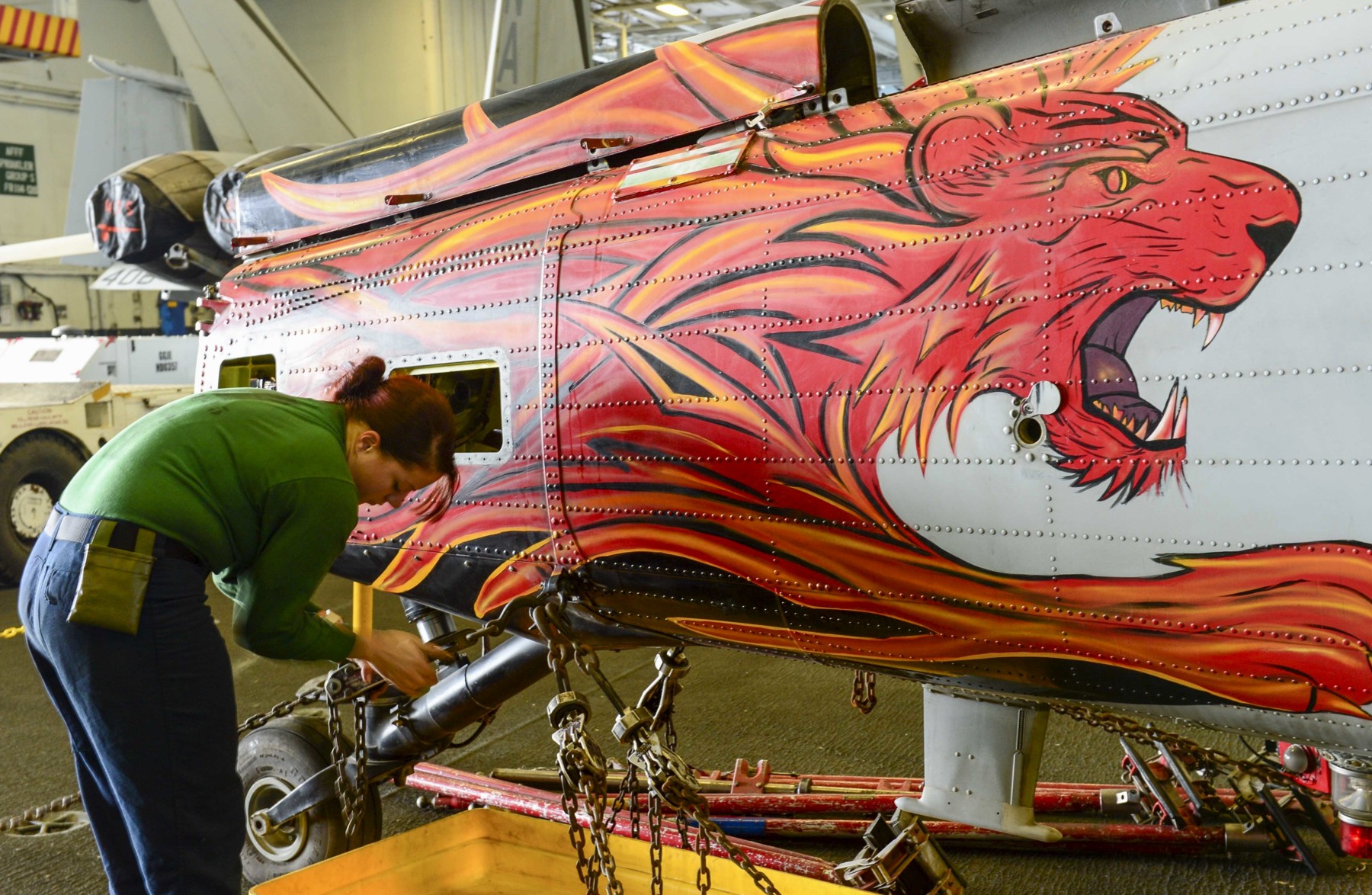
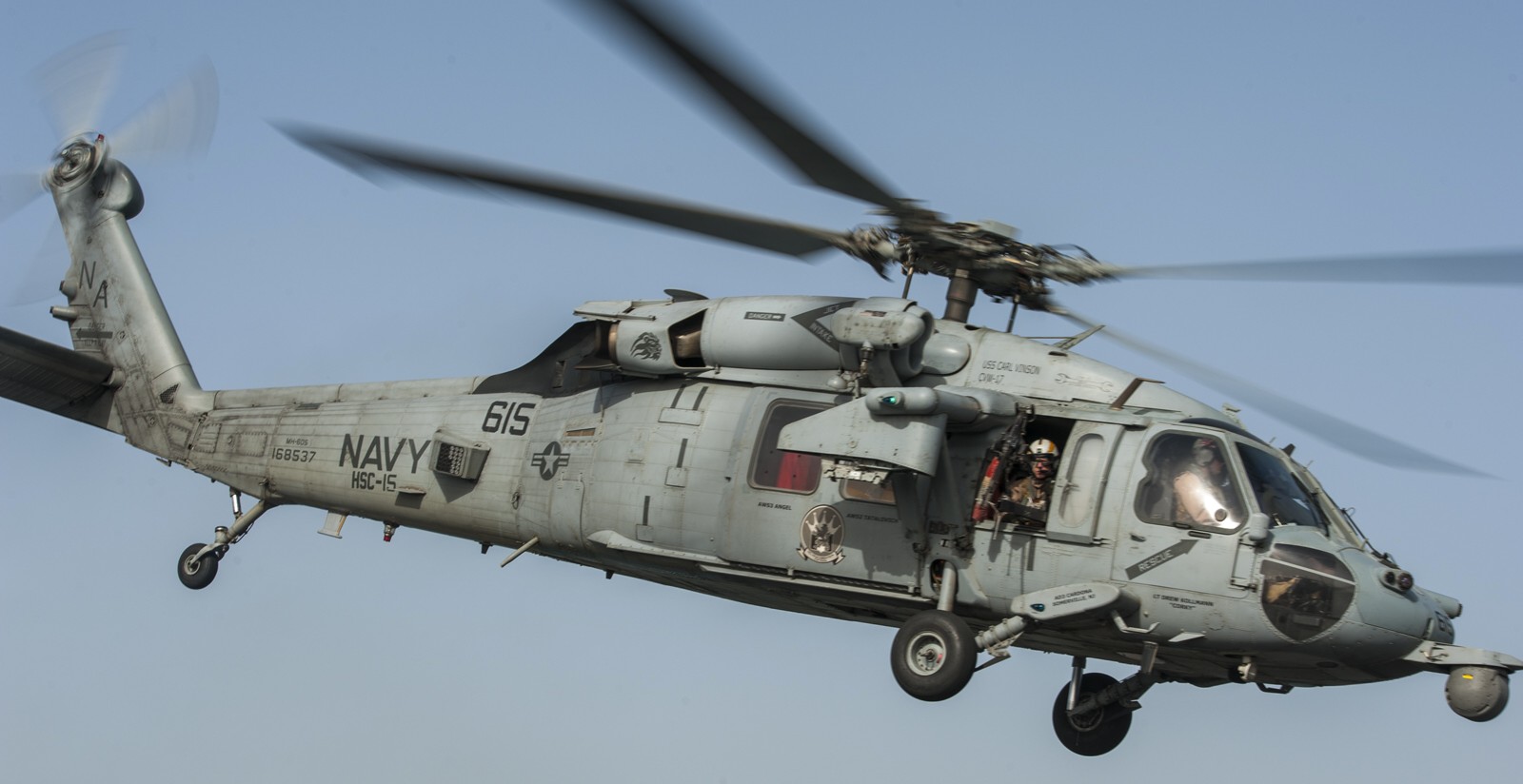
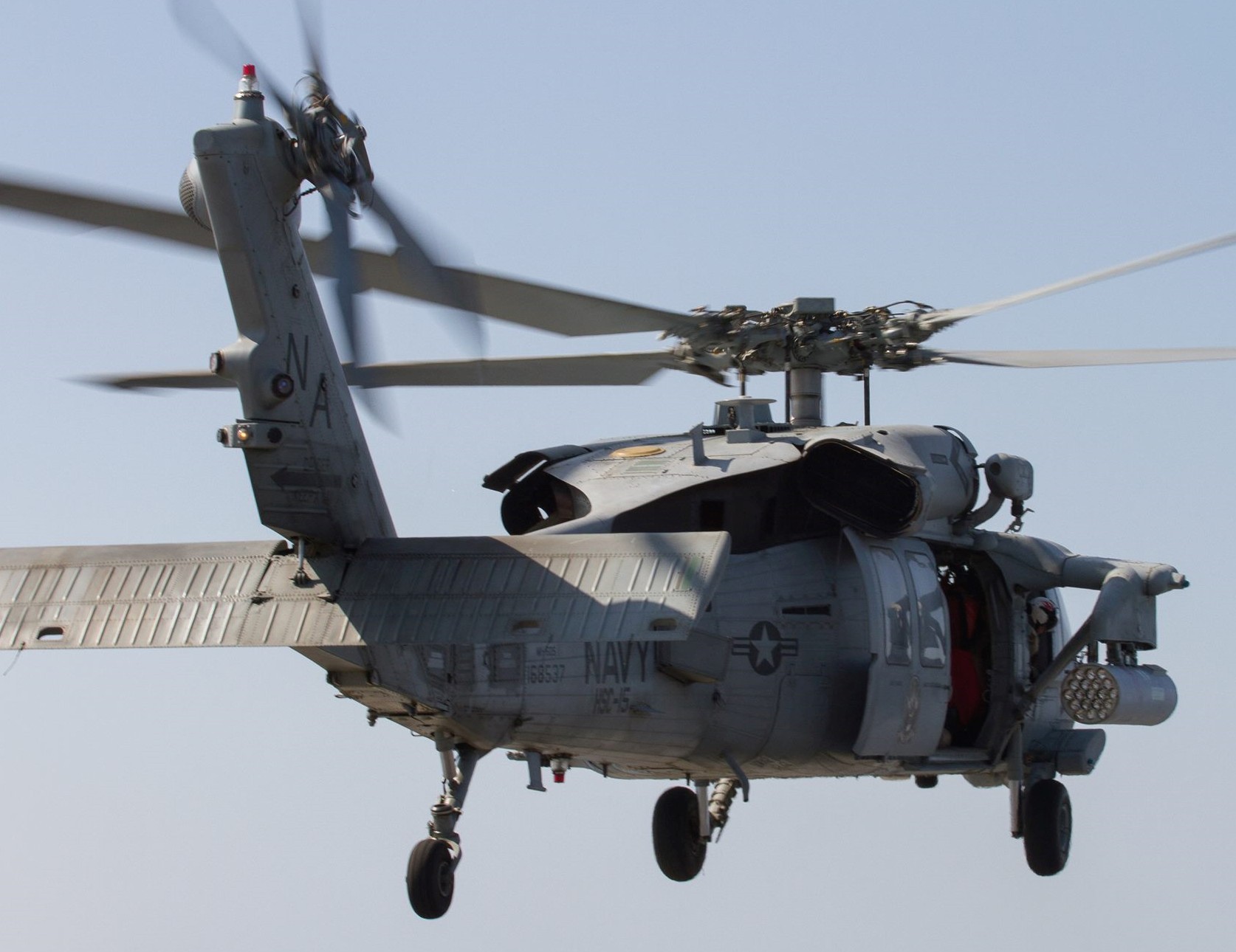
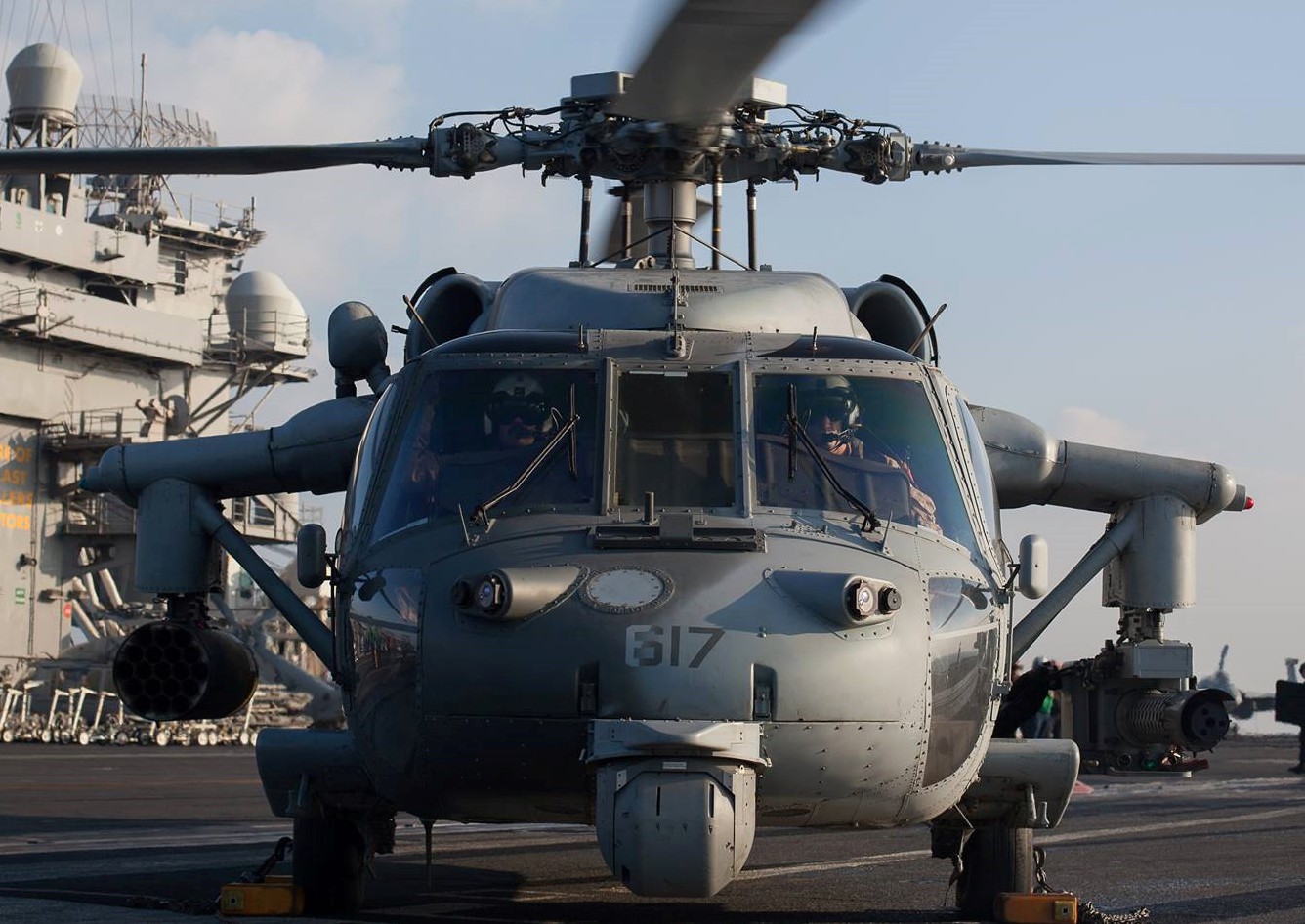
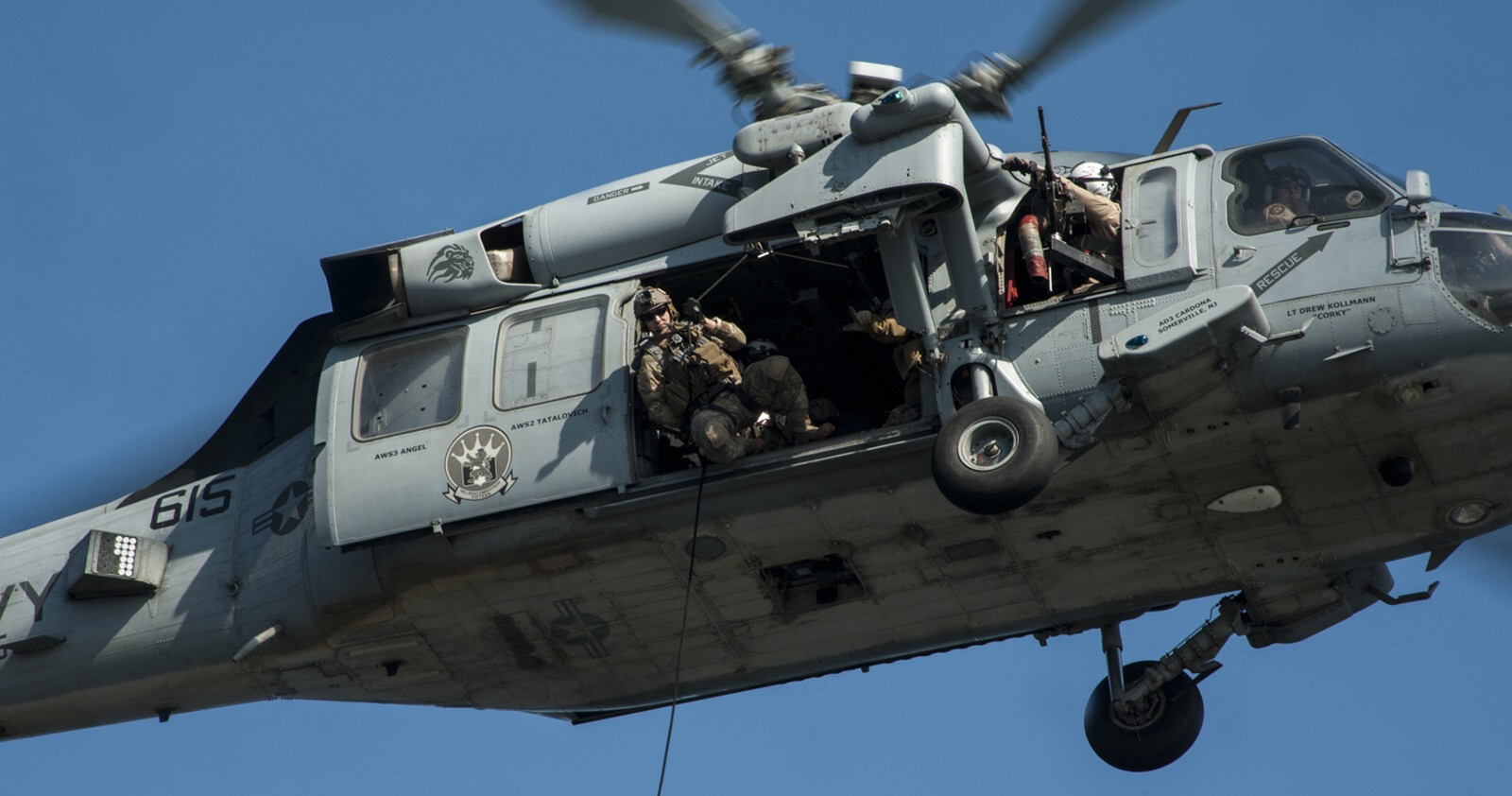
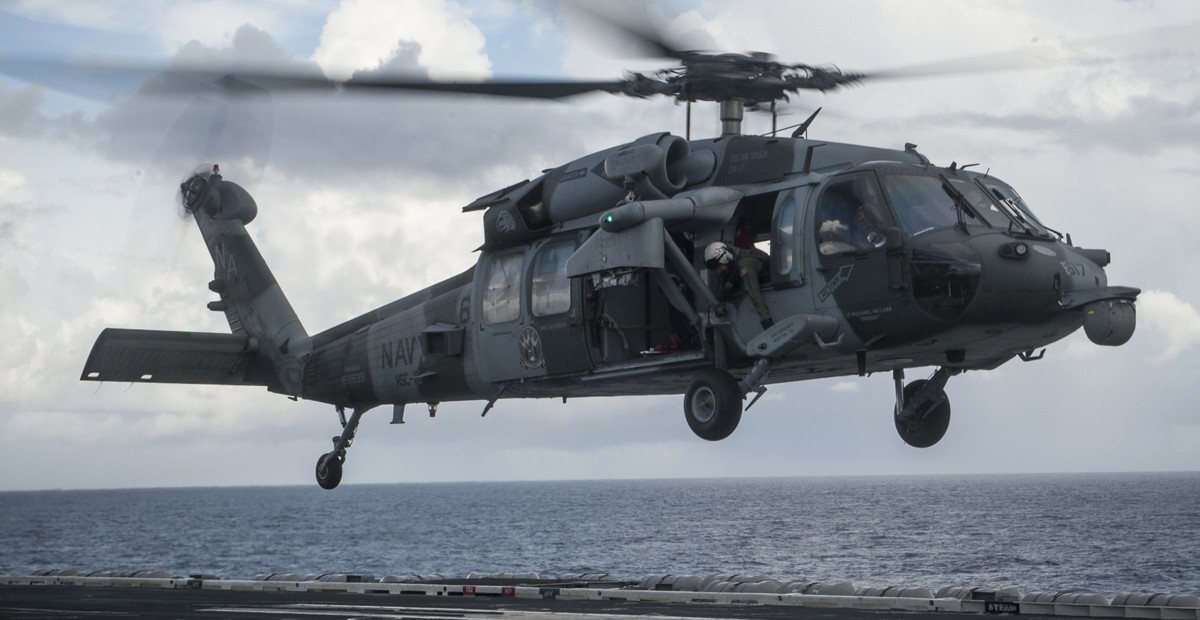
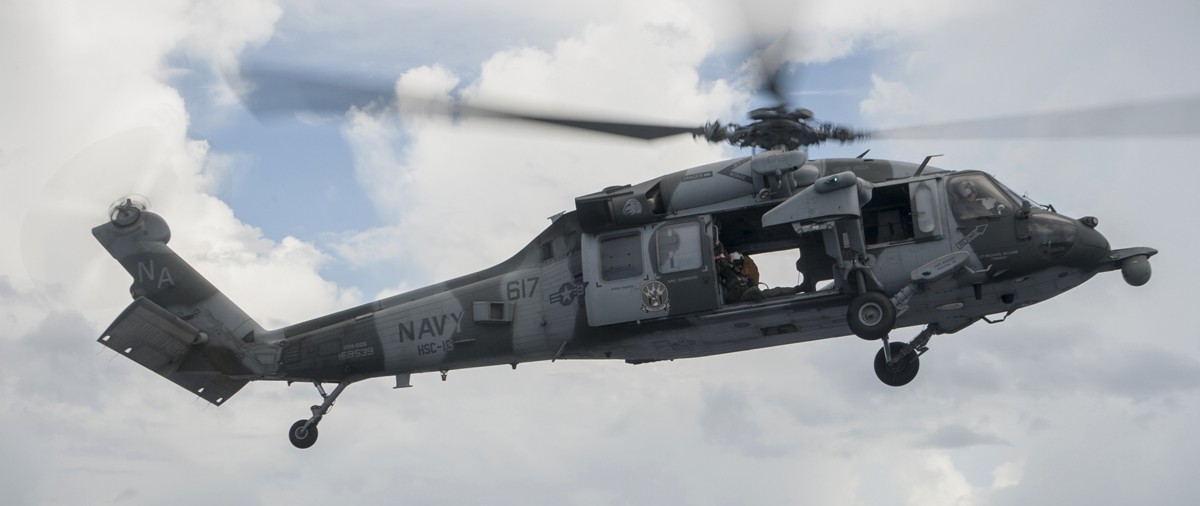
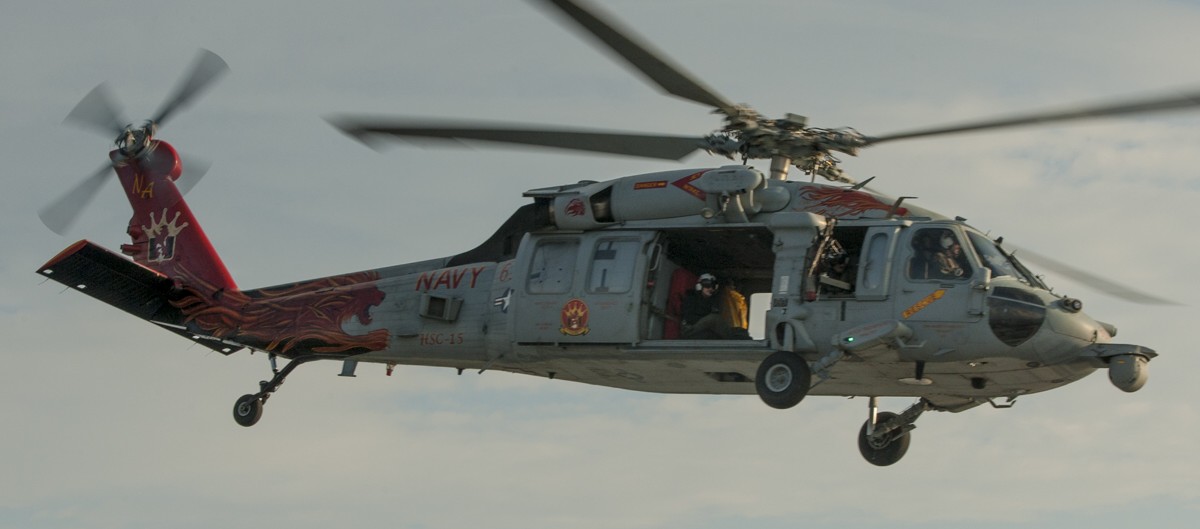
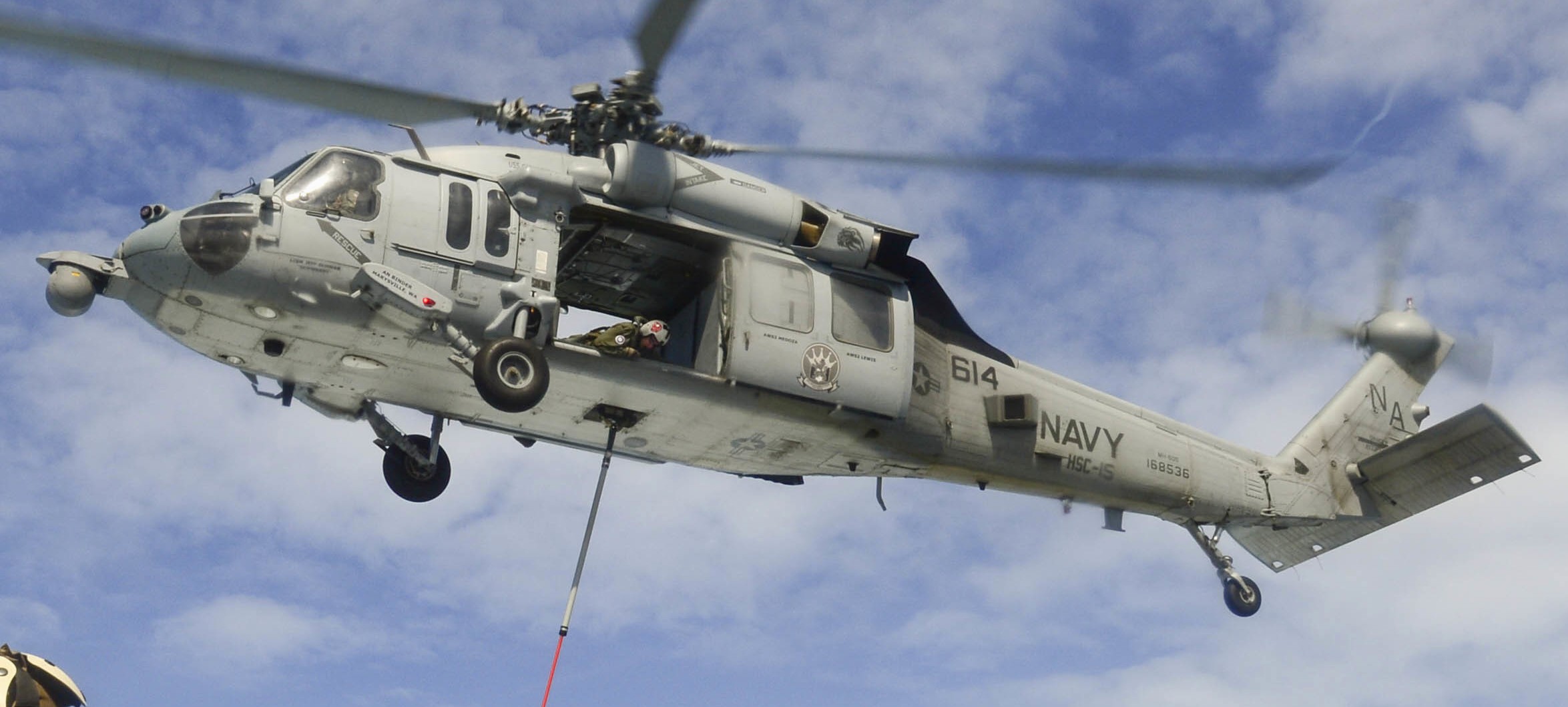
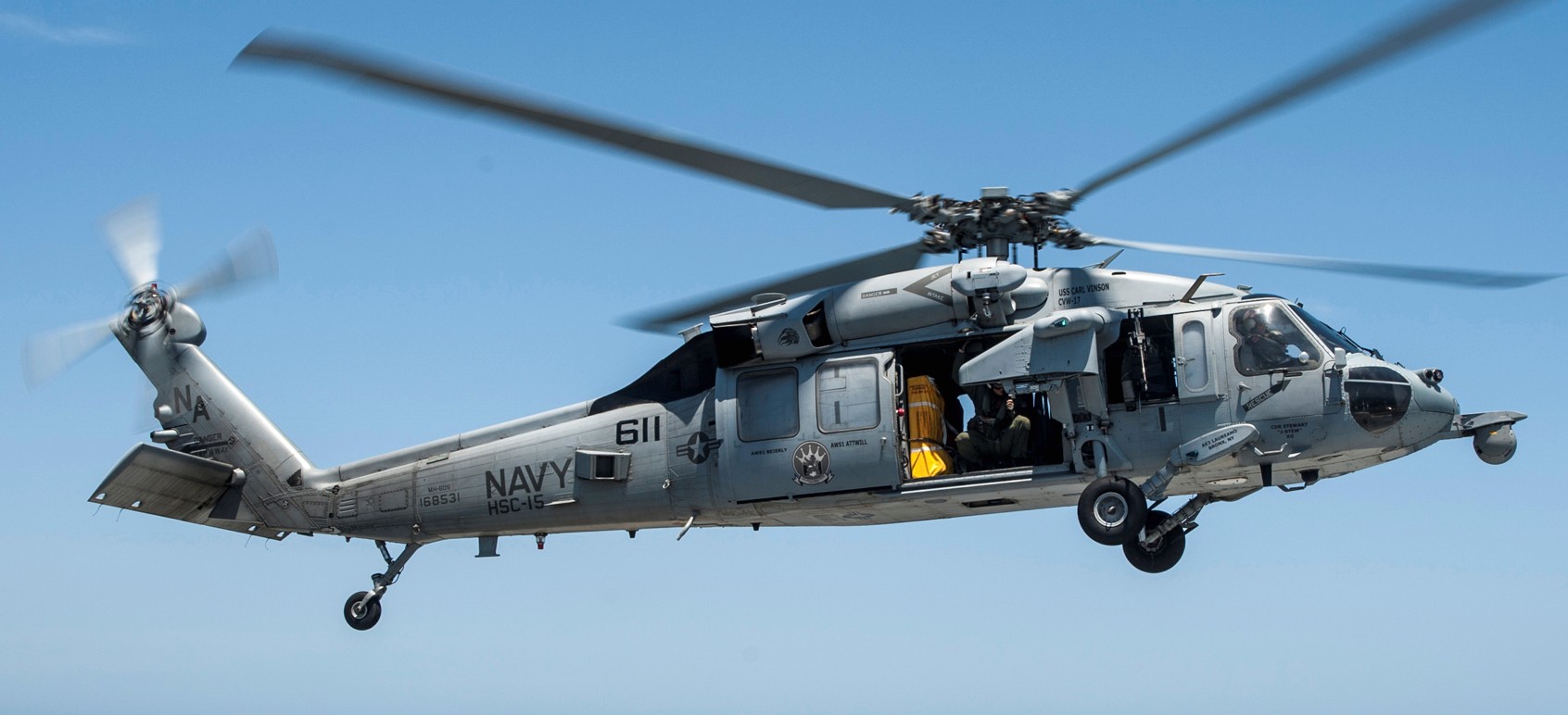
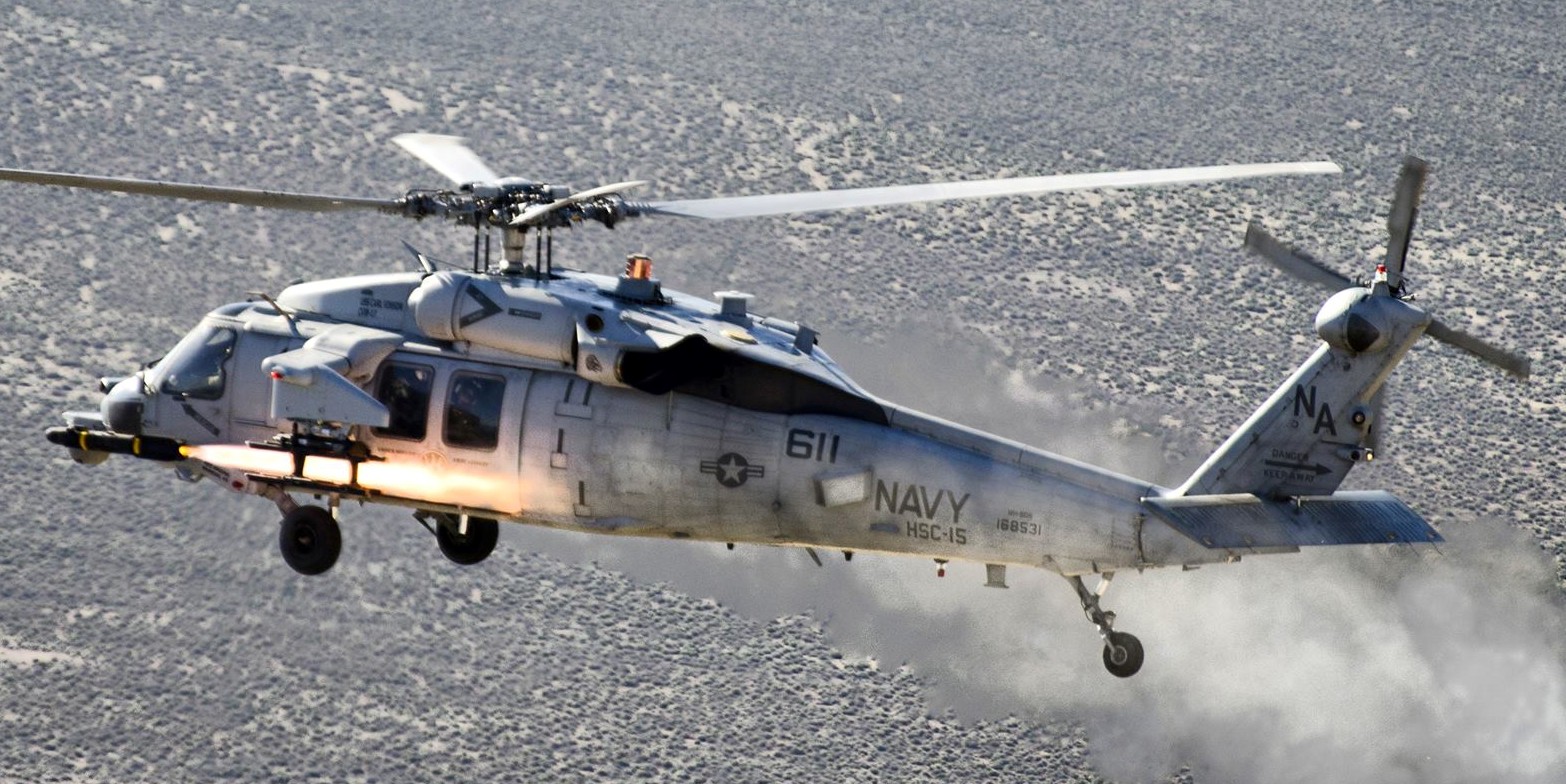
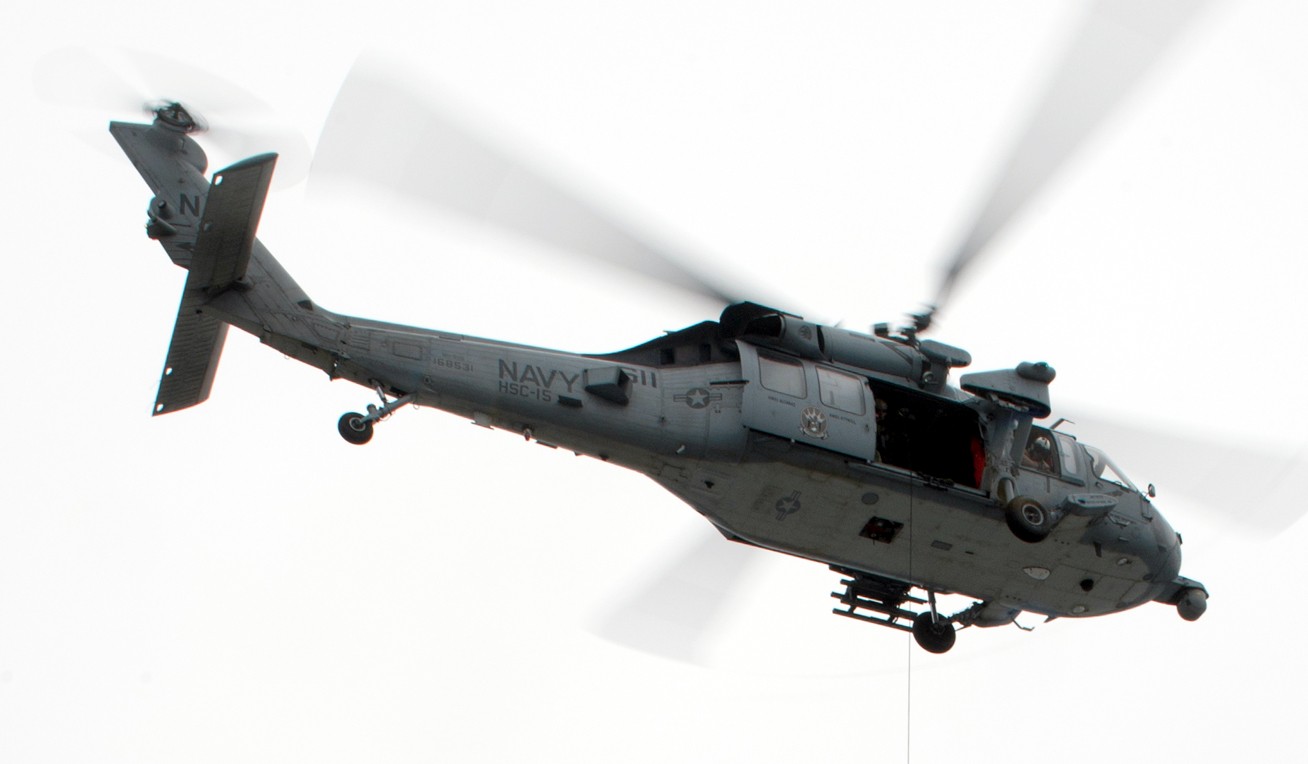
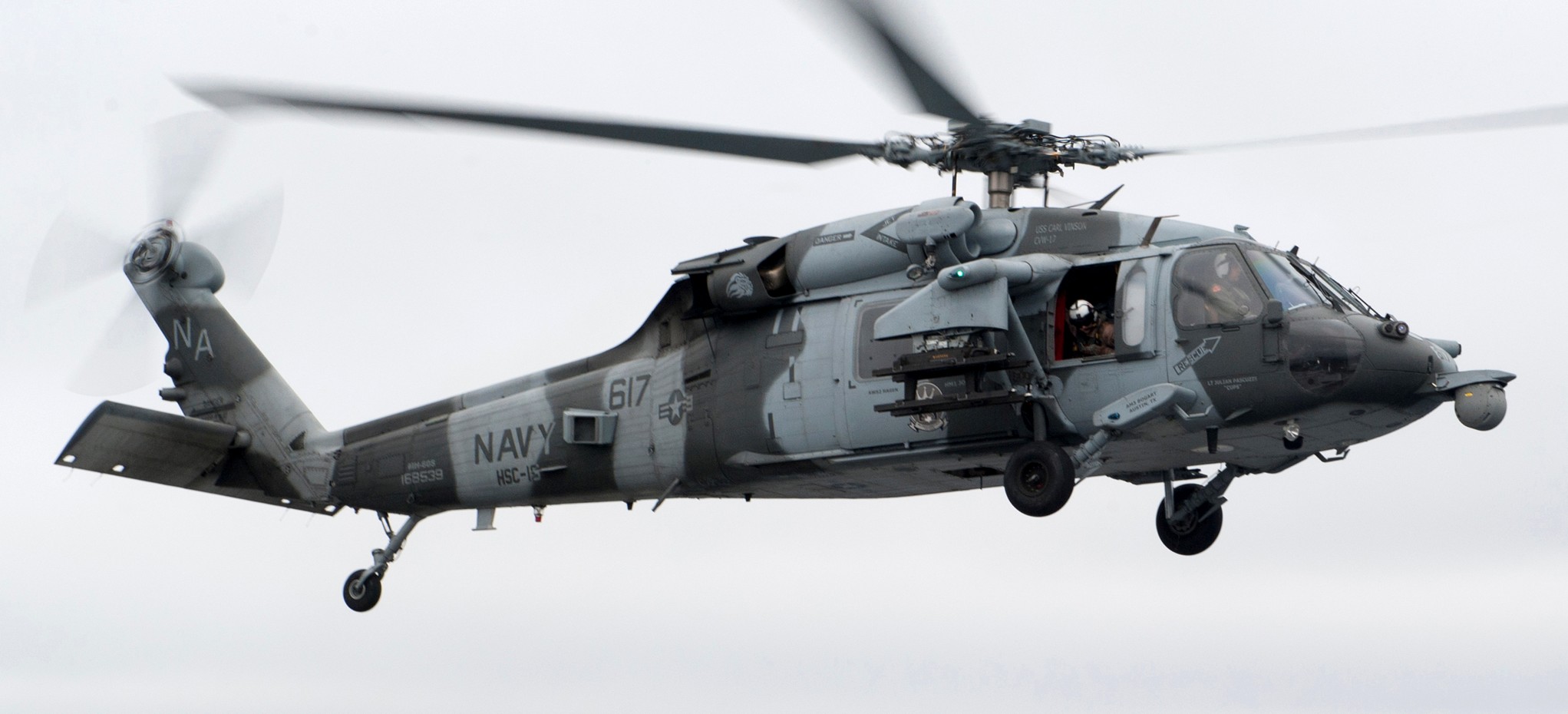
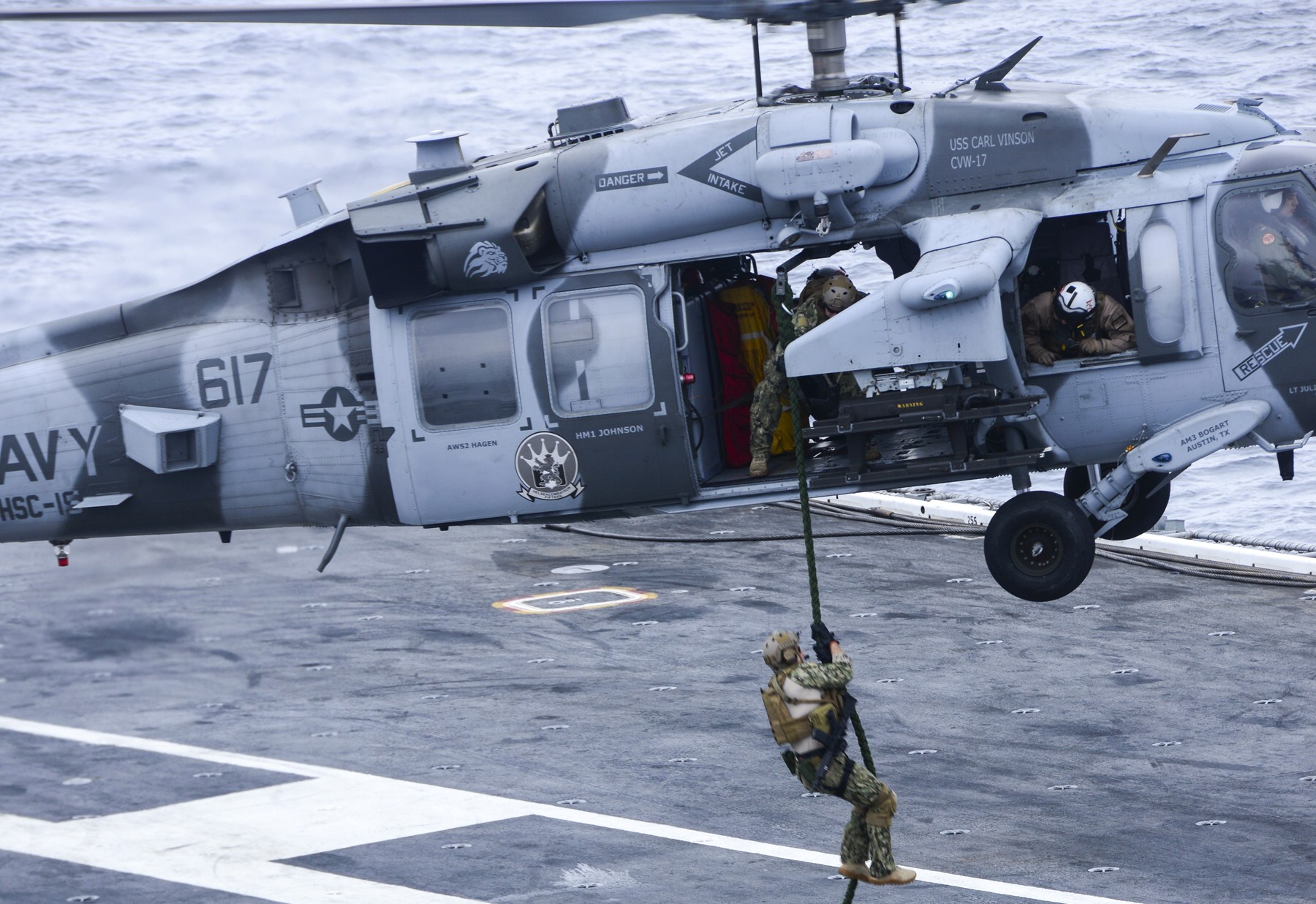
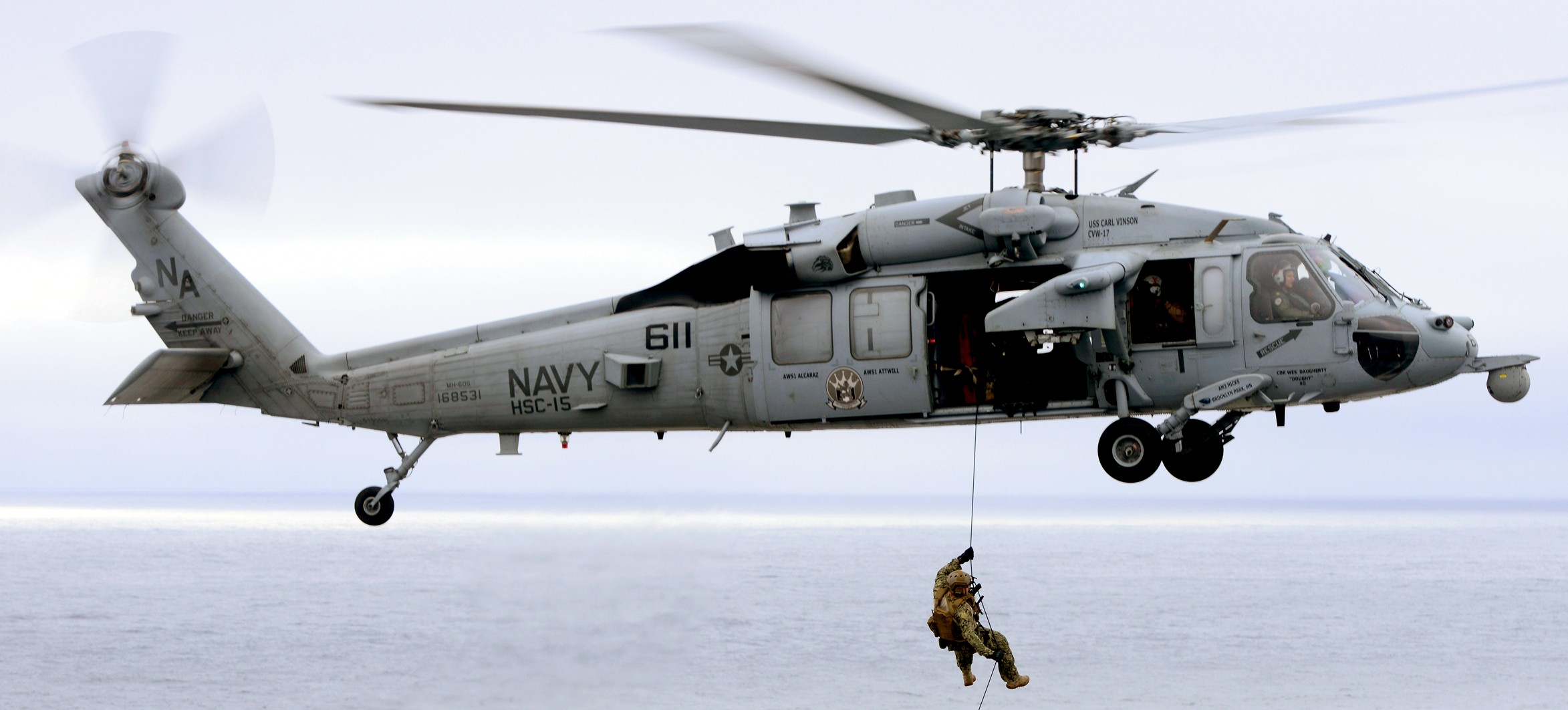
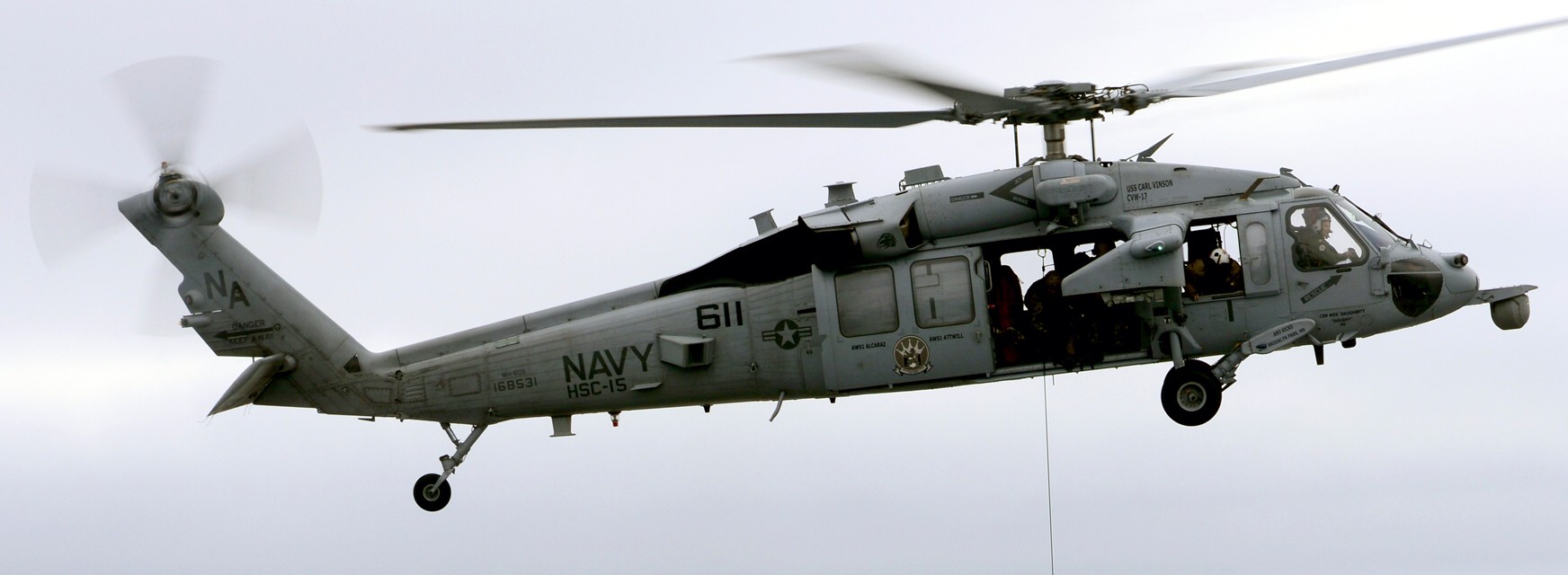
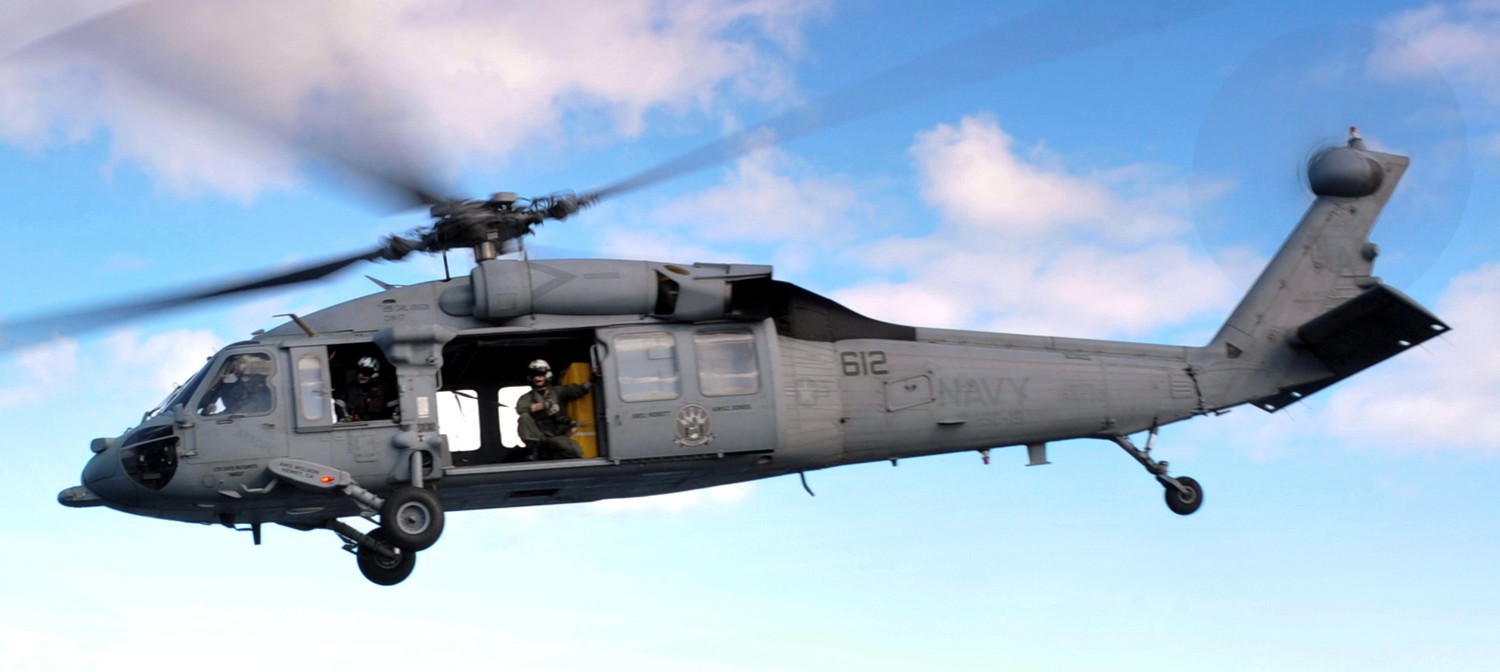
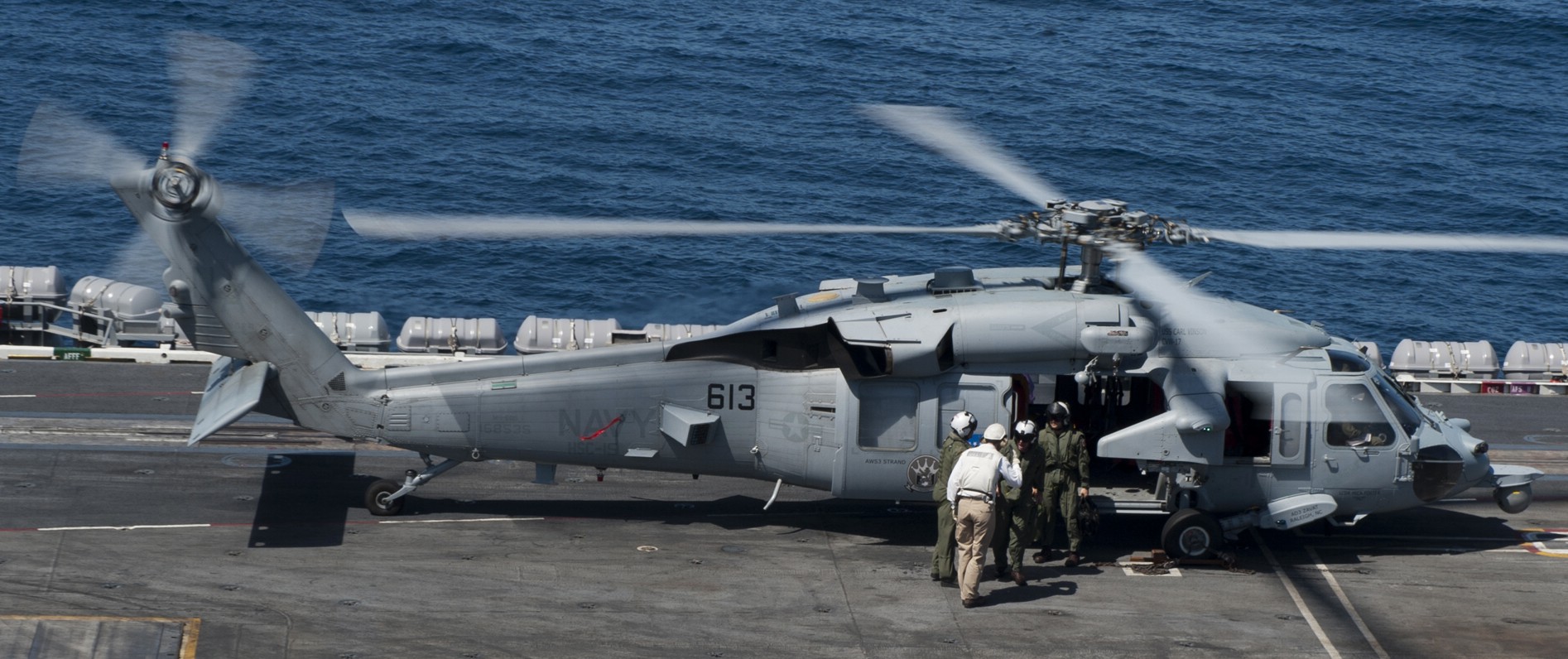
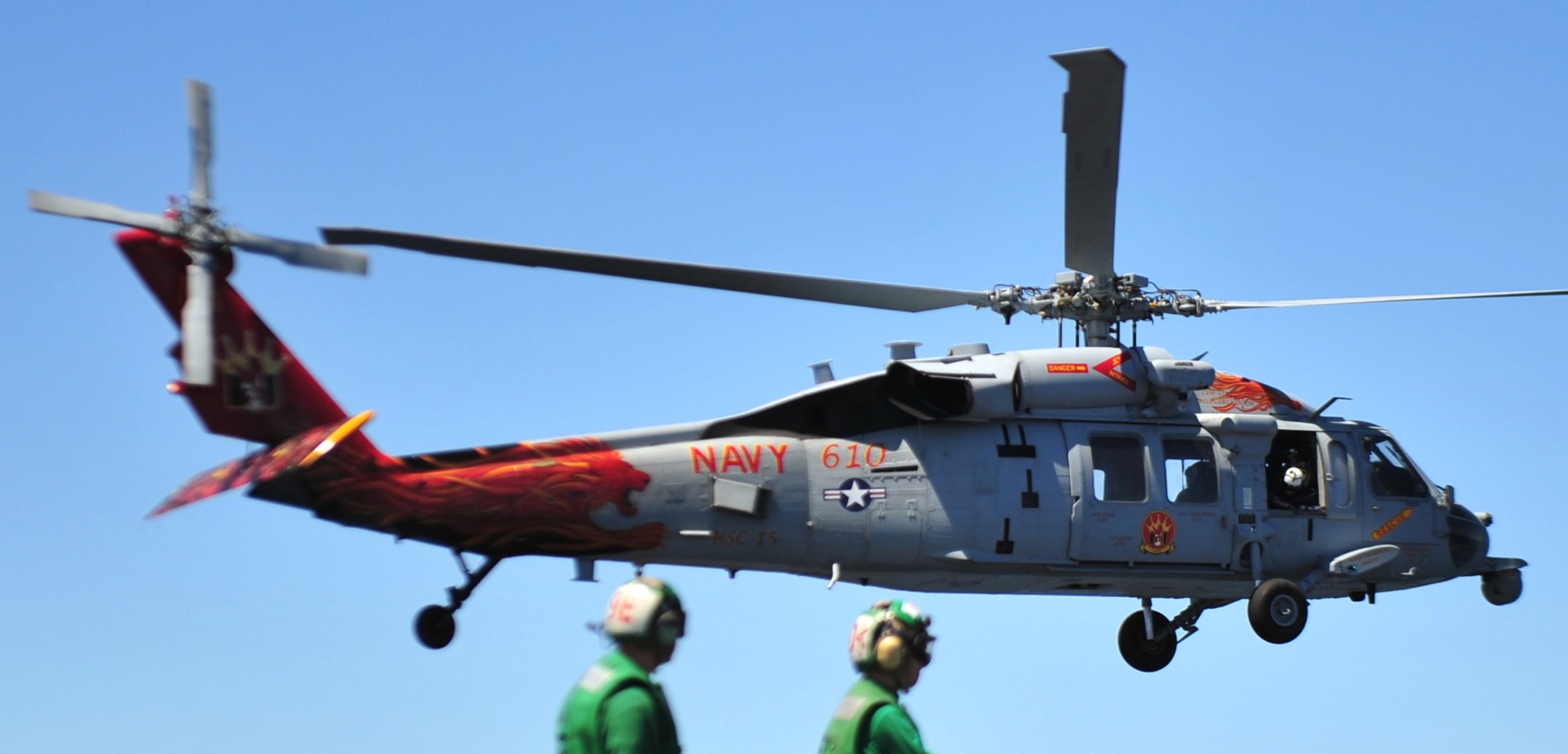
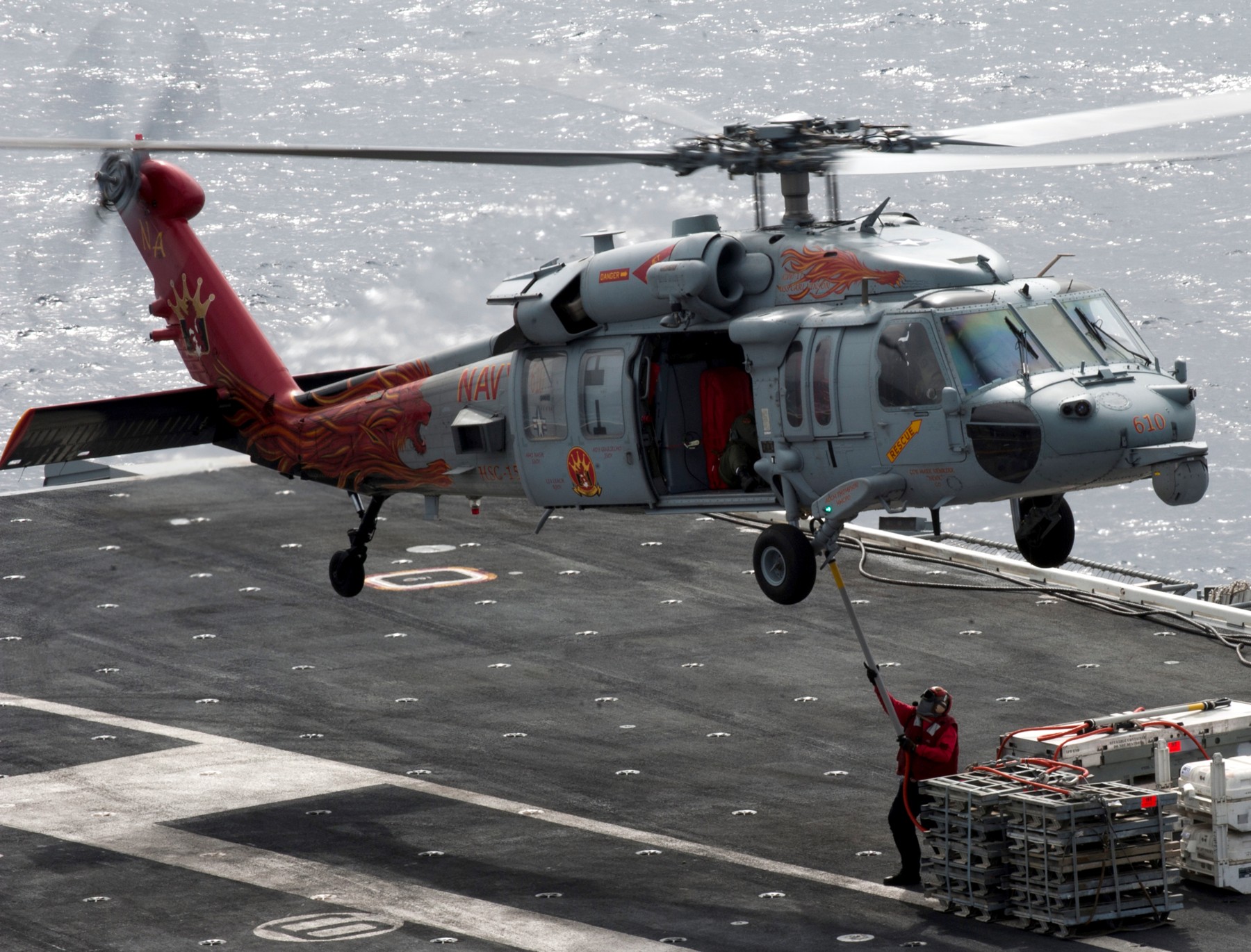
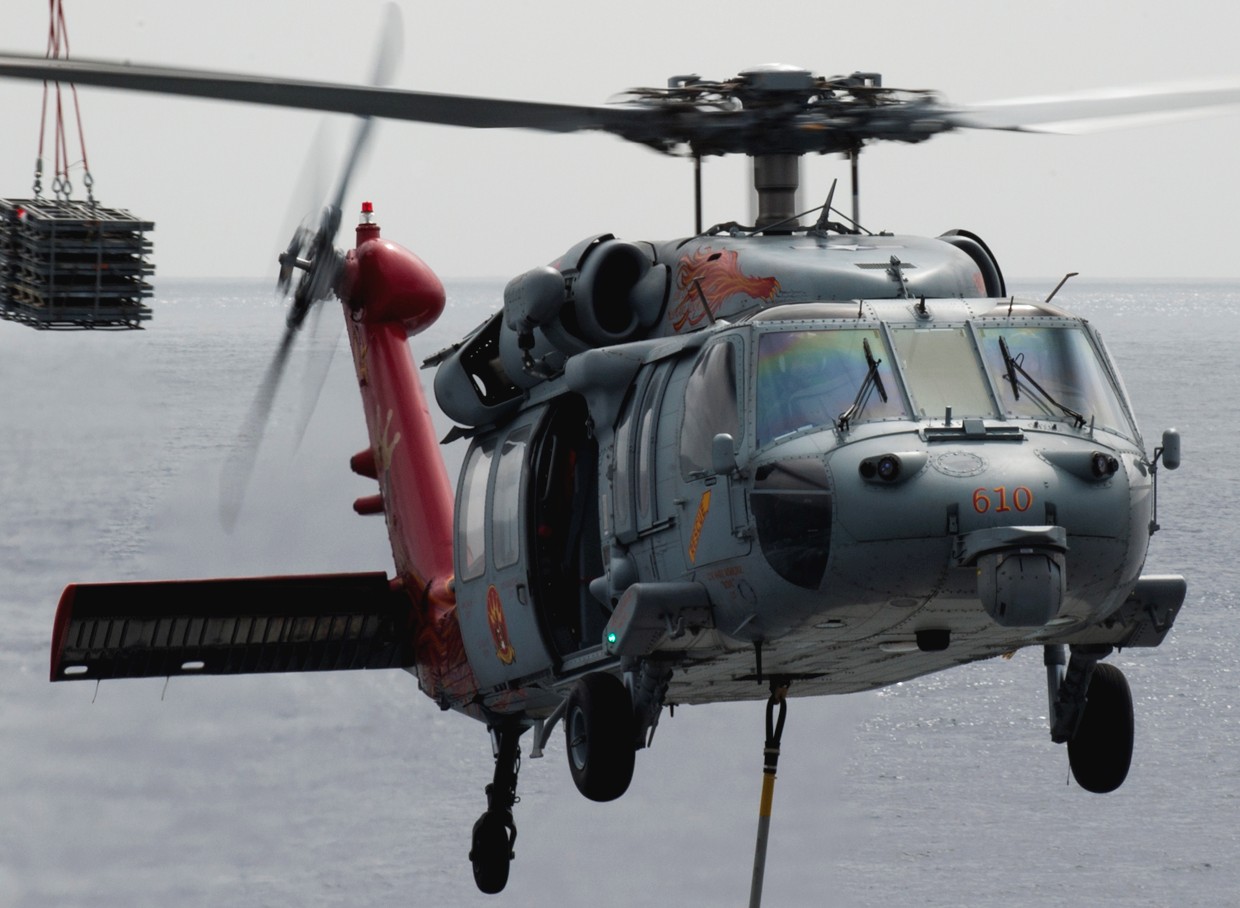
Helicopter Sea Combat Squadron 15 (HELSEACOMBATRON 15)

HSC-15 ‘Red Lions’


hsc-15 red lions insignia crest patch badge helicopter sea combat squadron helseacombatron mh-60s seahawk

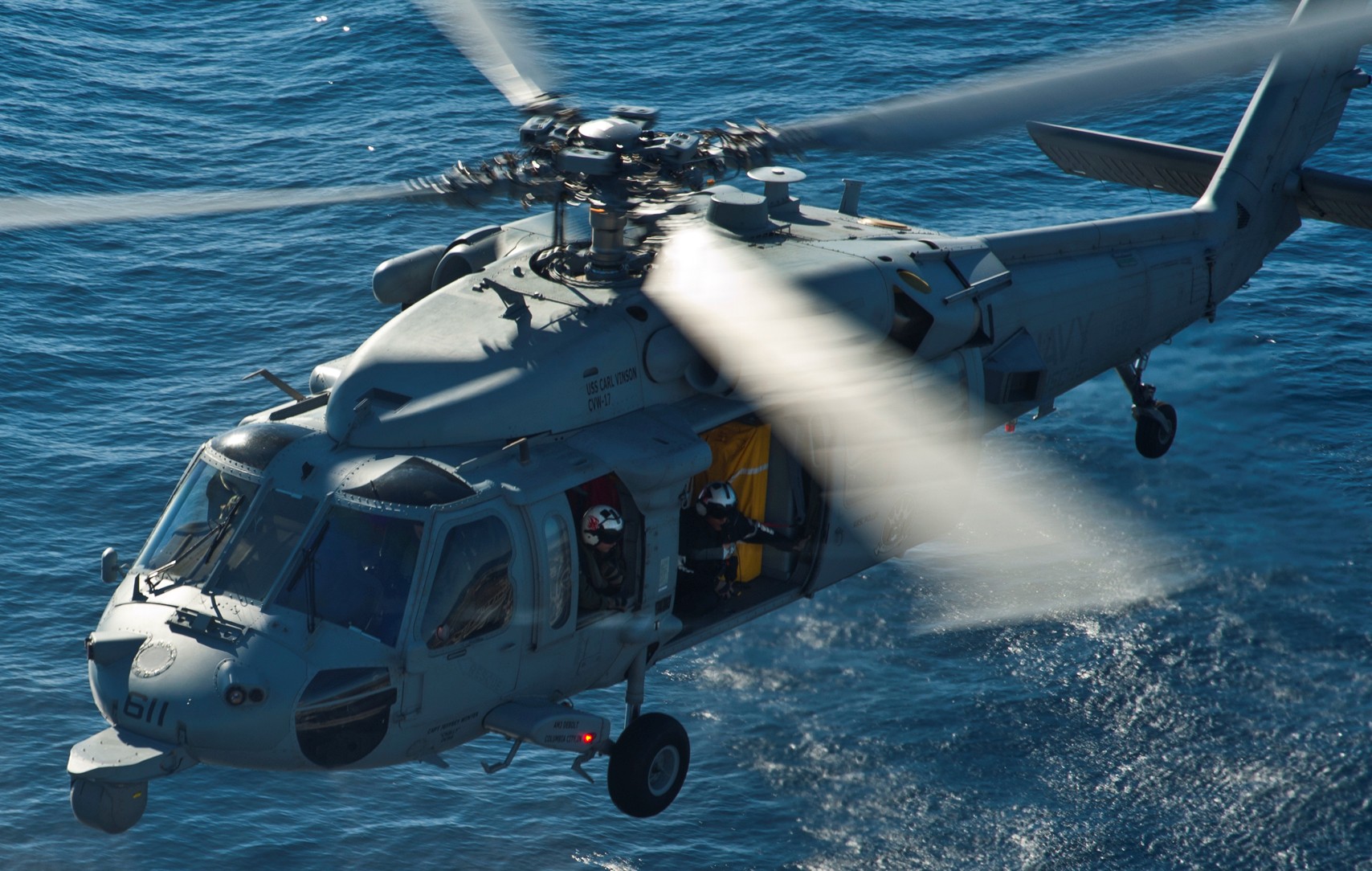
hsc-15 red lions helicopter sea combat squadron mh-60s seahawk knighthawk helseacombatron nas north island san diego california


STATUS:

established: November 15, 2012 (redesignated from HS-15)

Homebase: NAS North Island, San Diego, California

ACTIVE UNIT

AIRCRAFT:

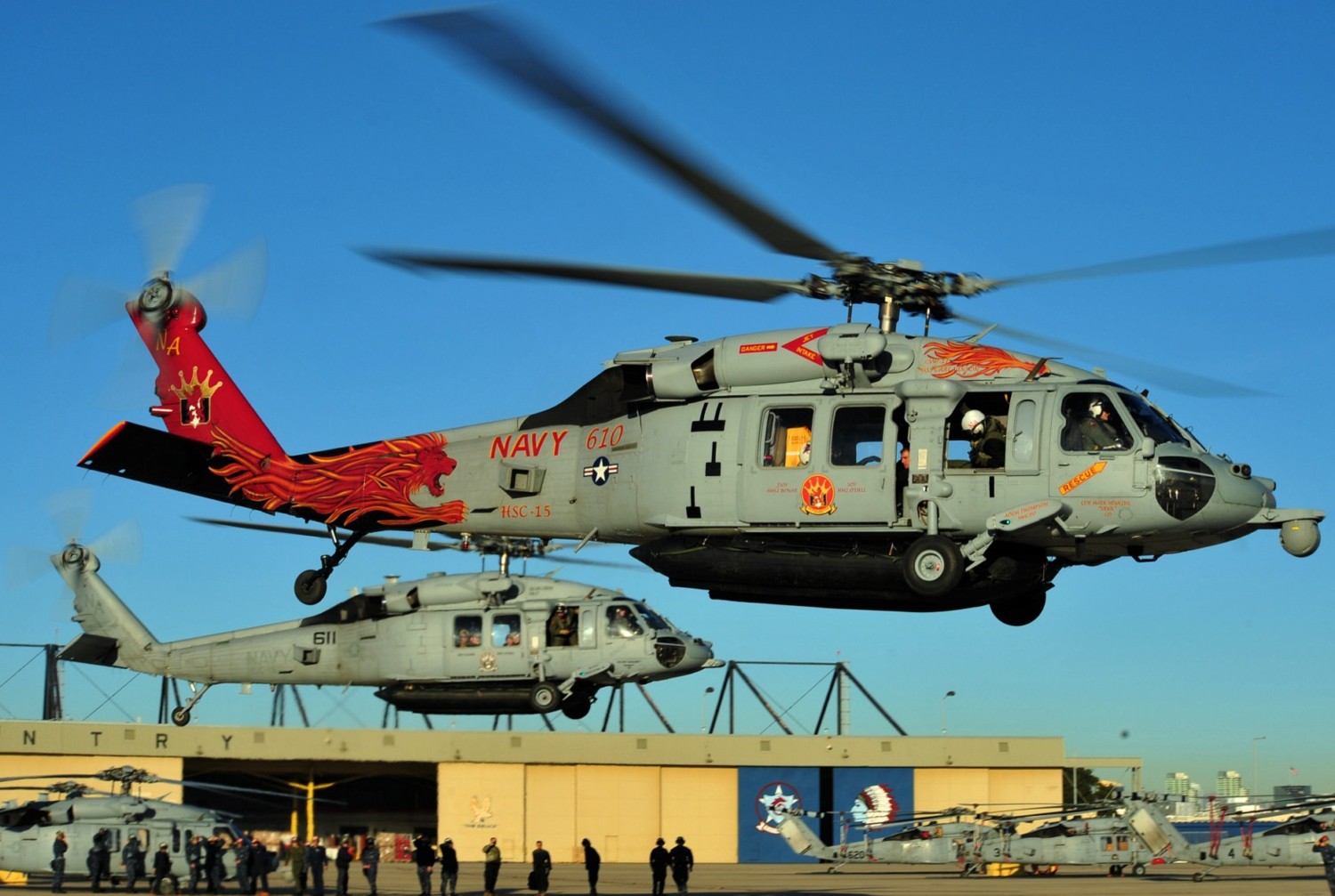
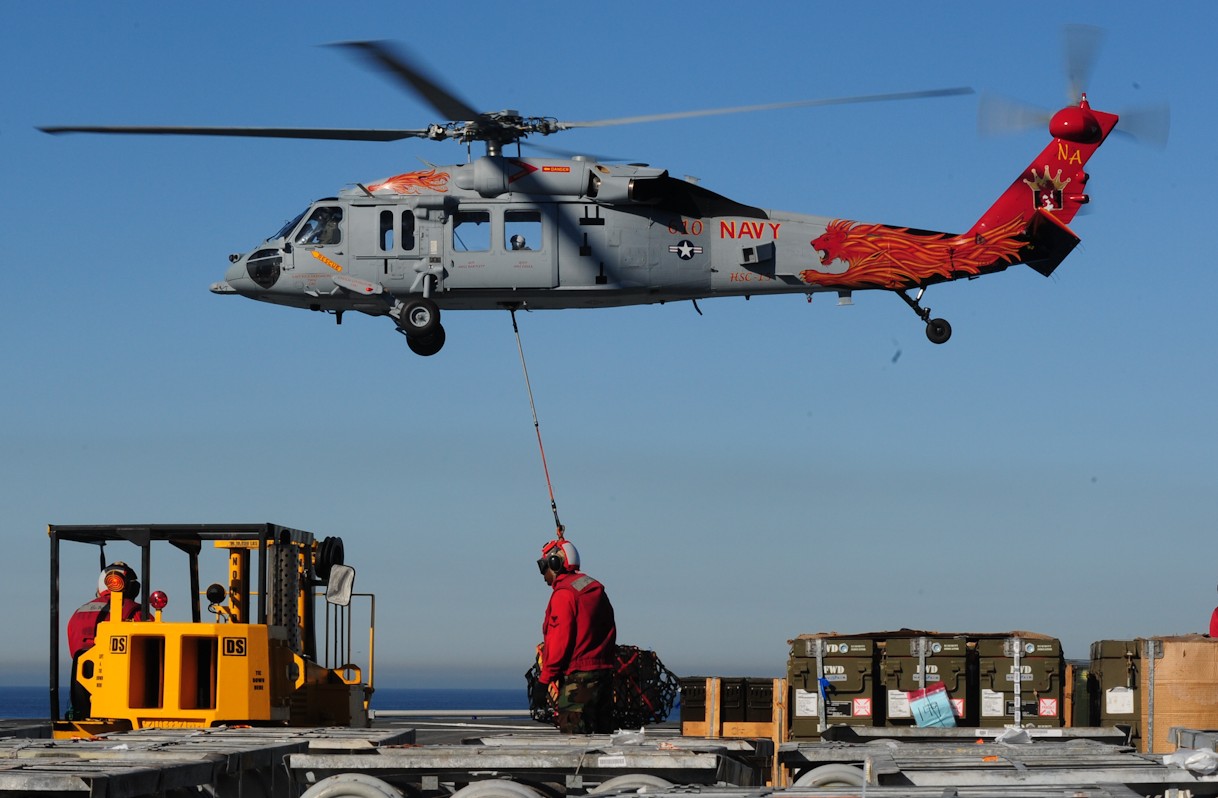
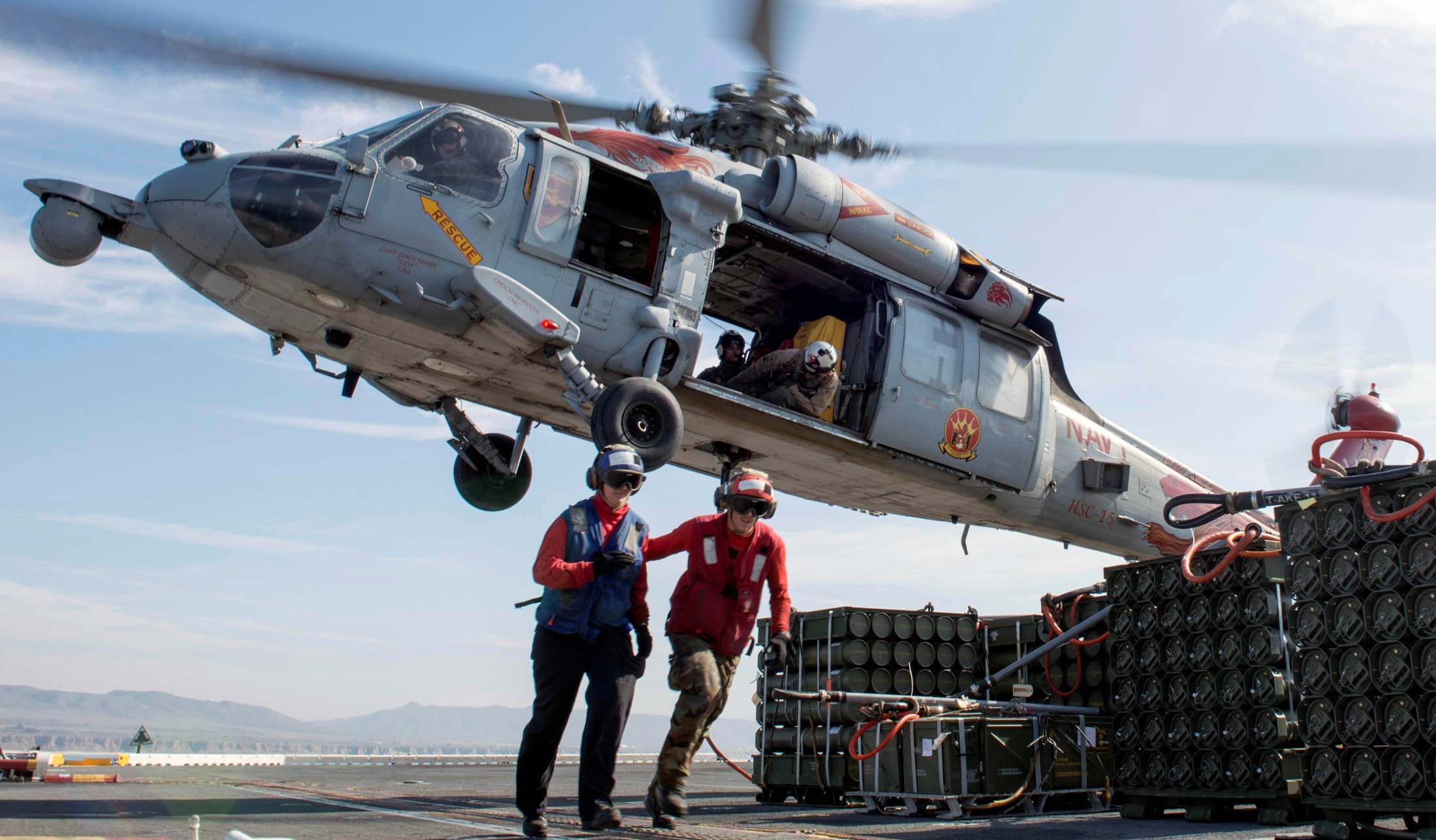
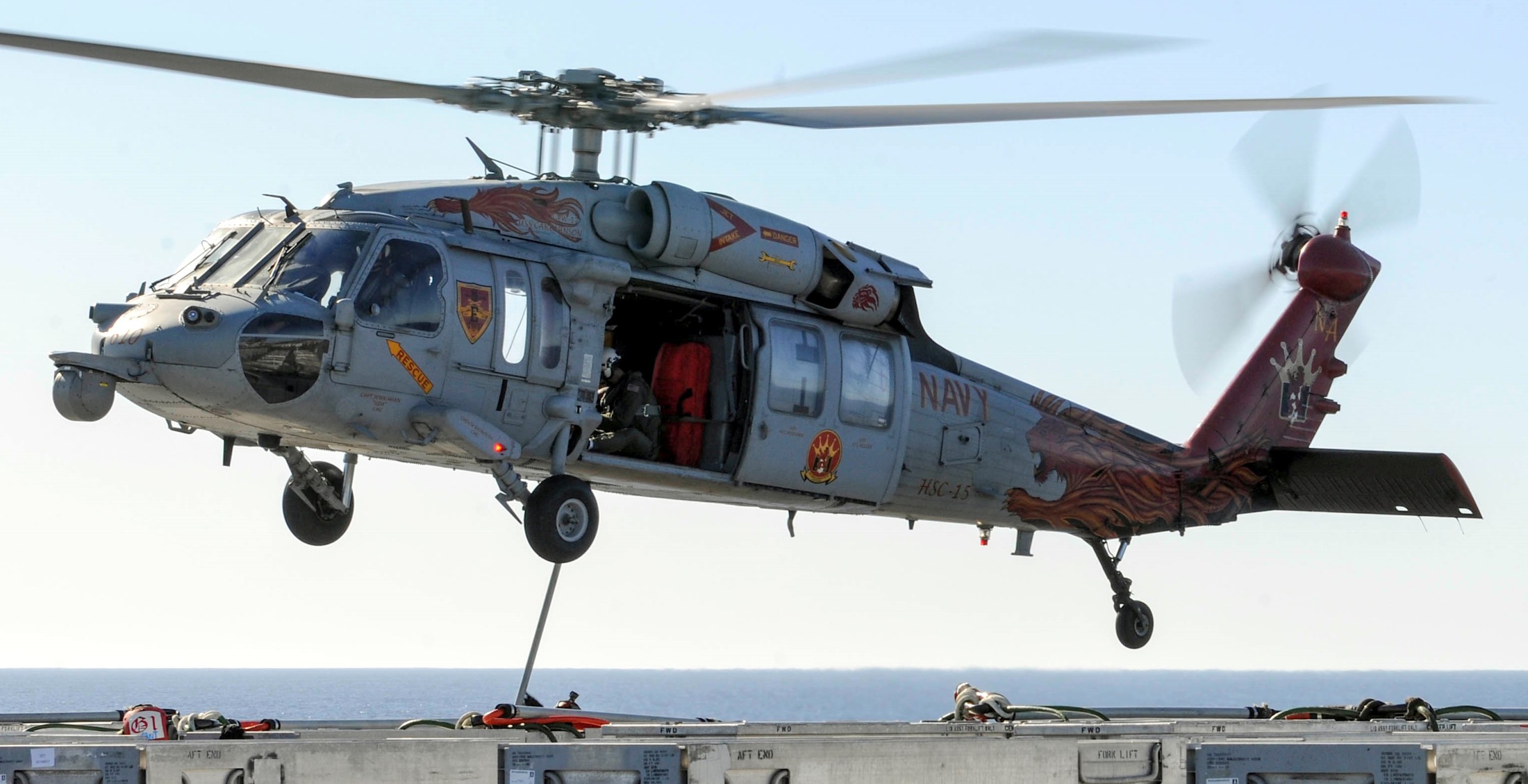
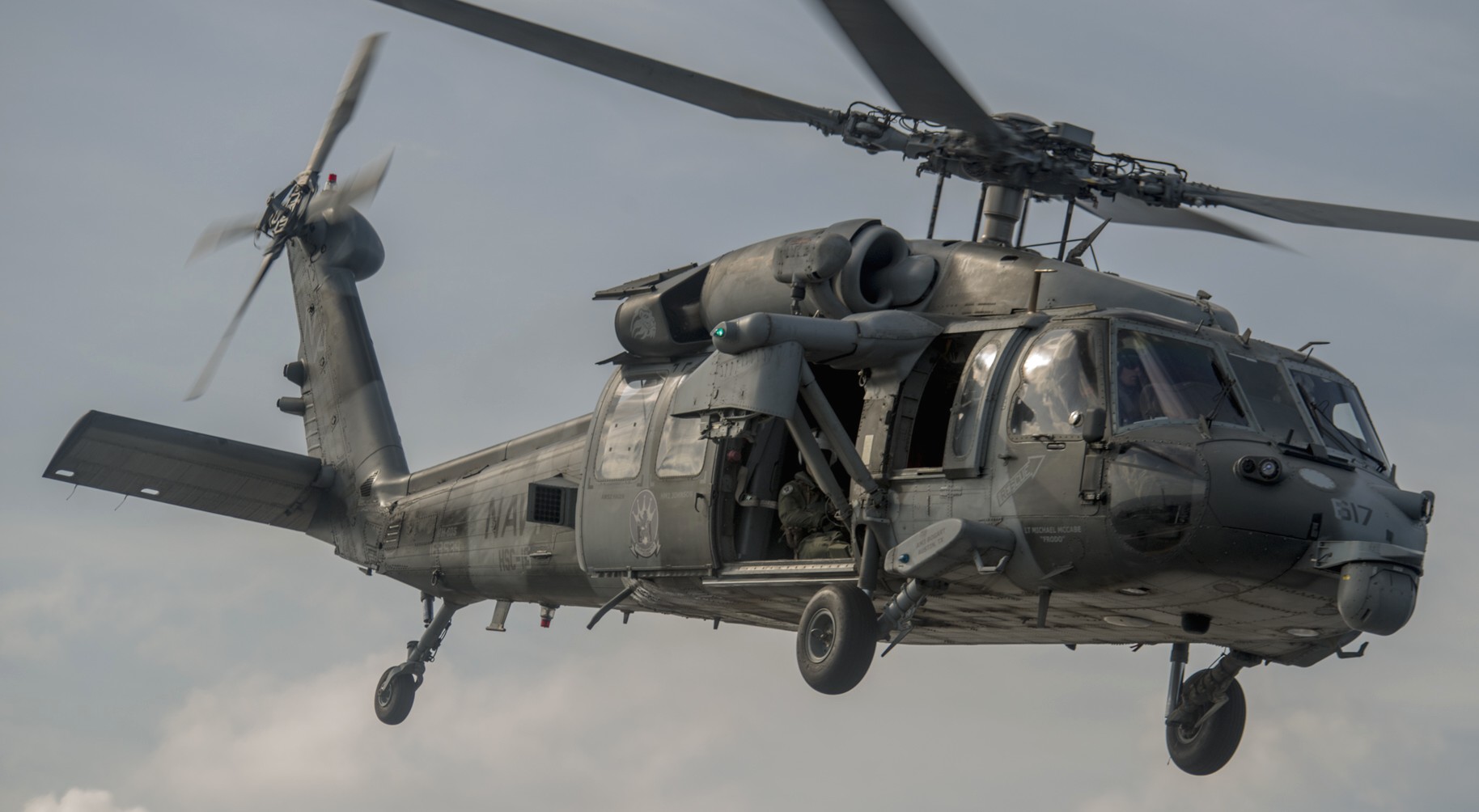
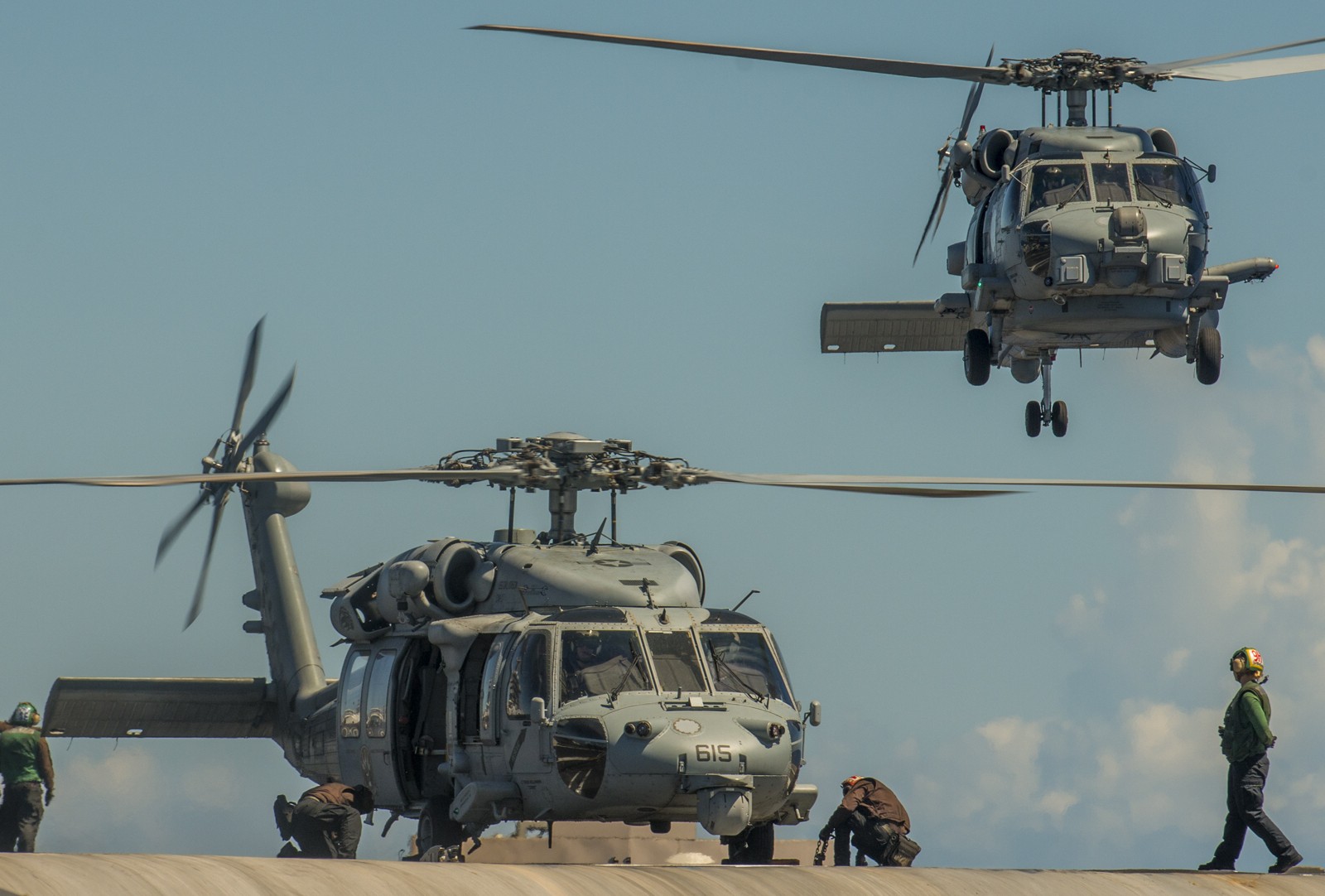
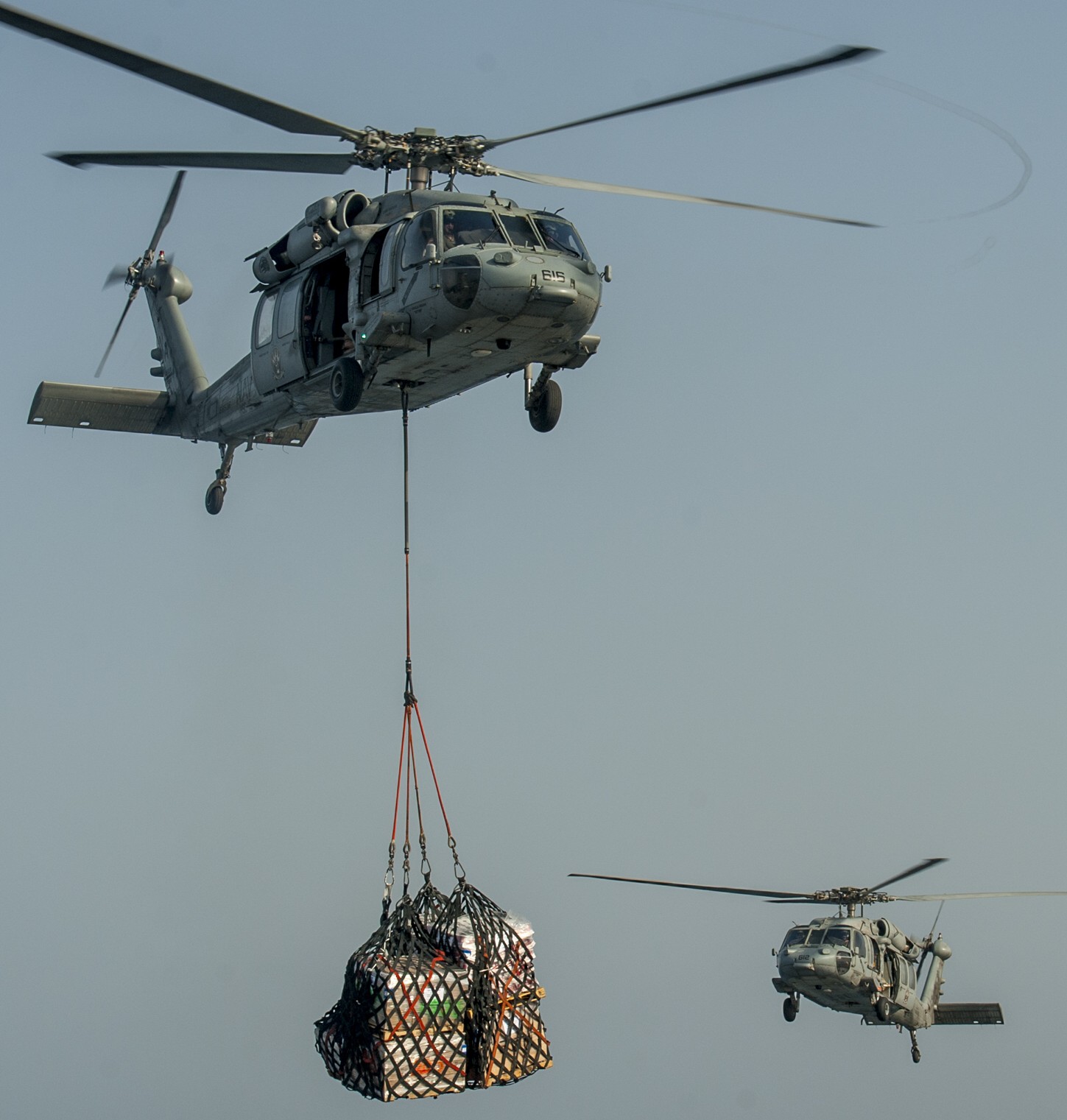
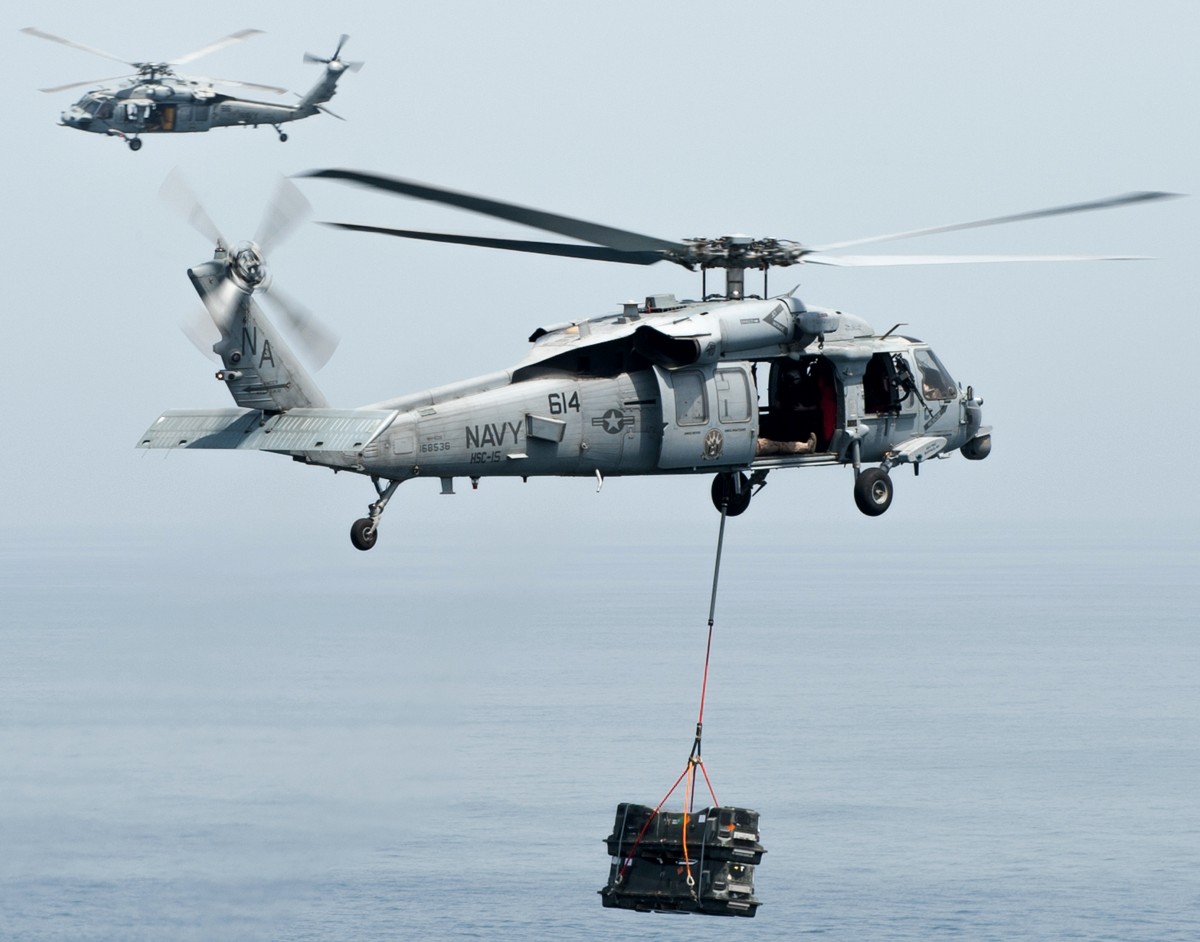
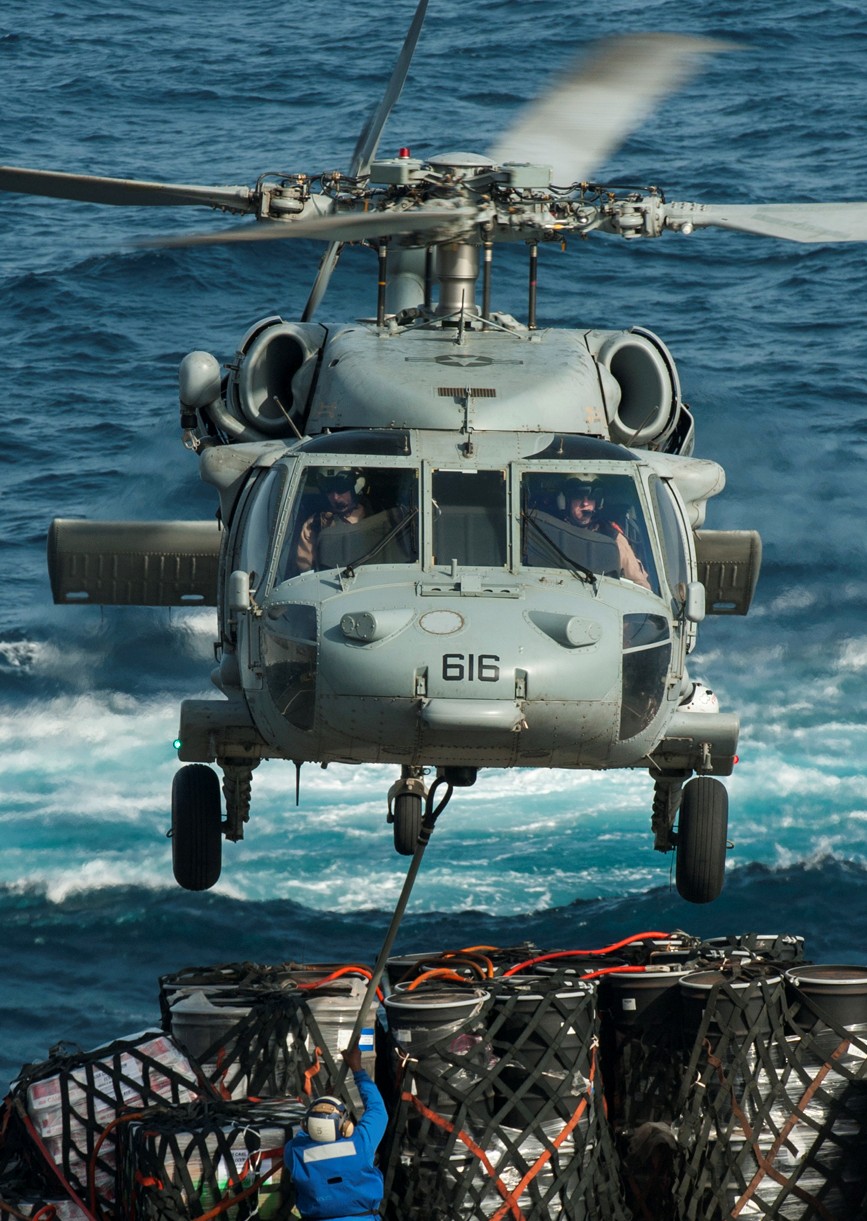
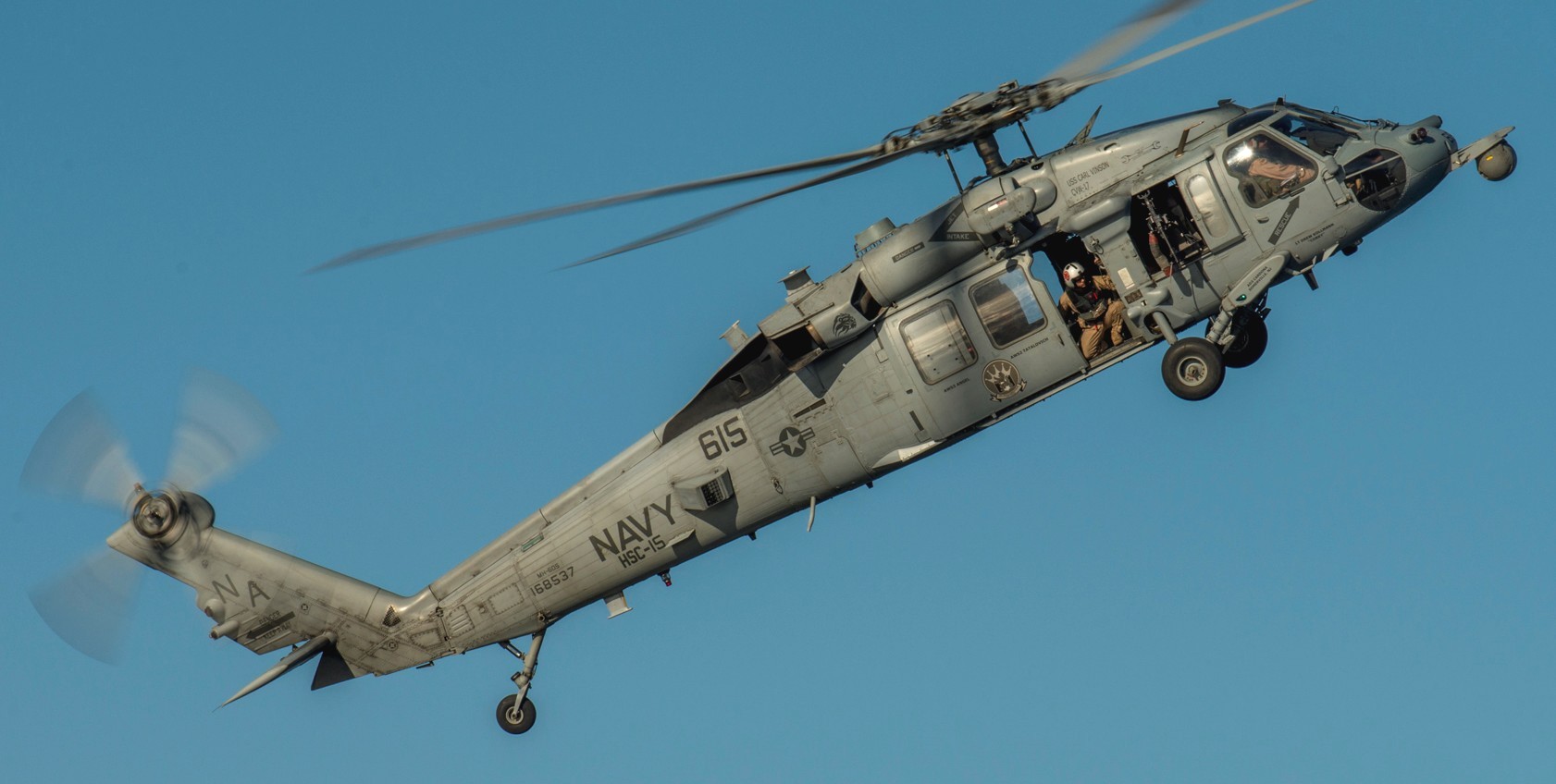
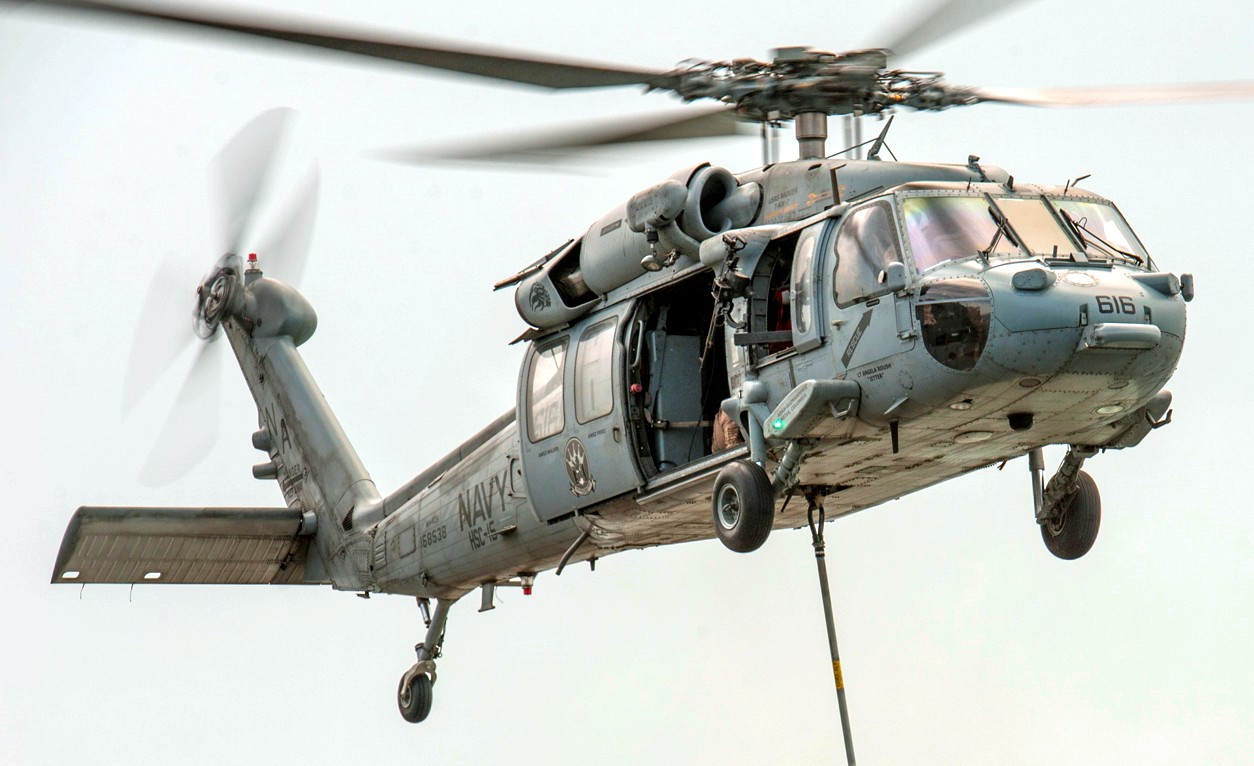
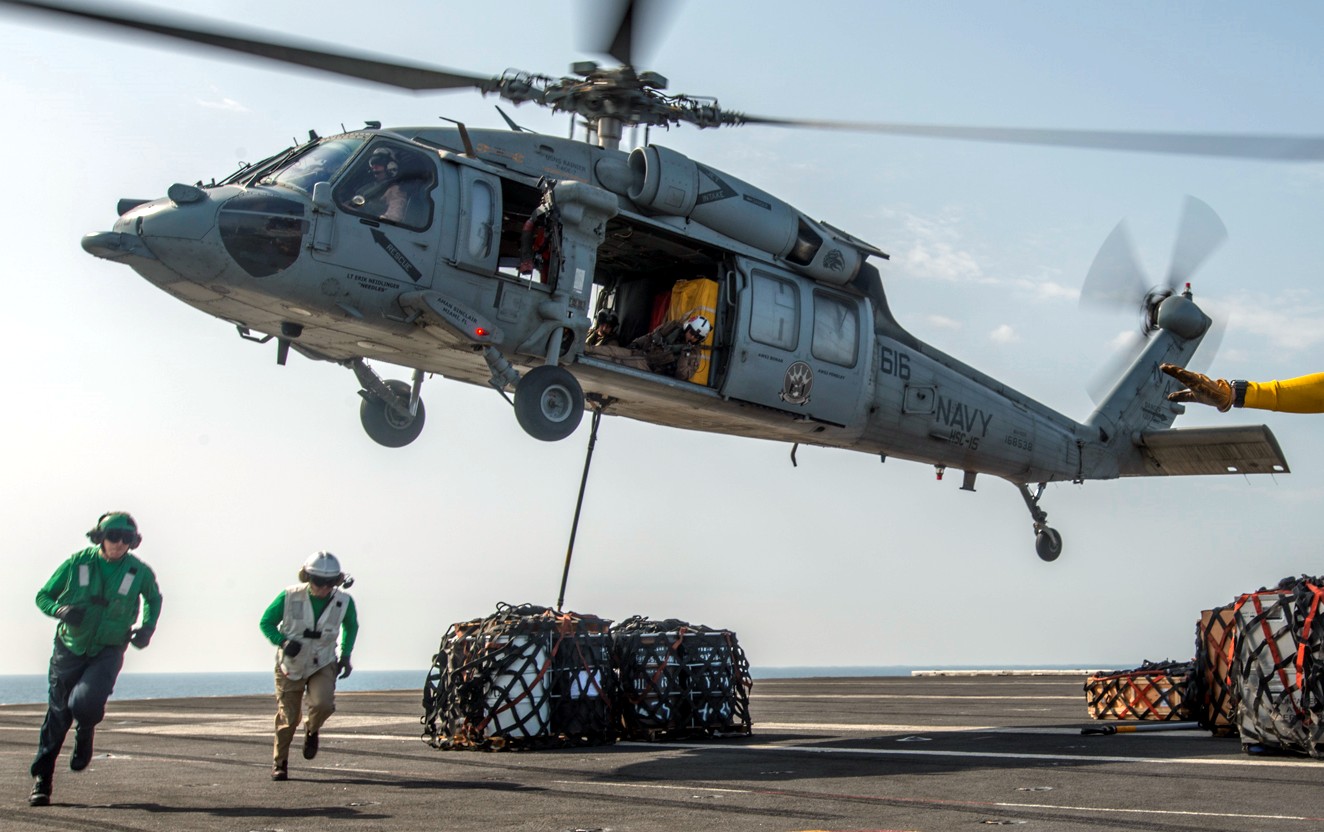
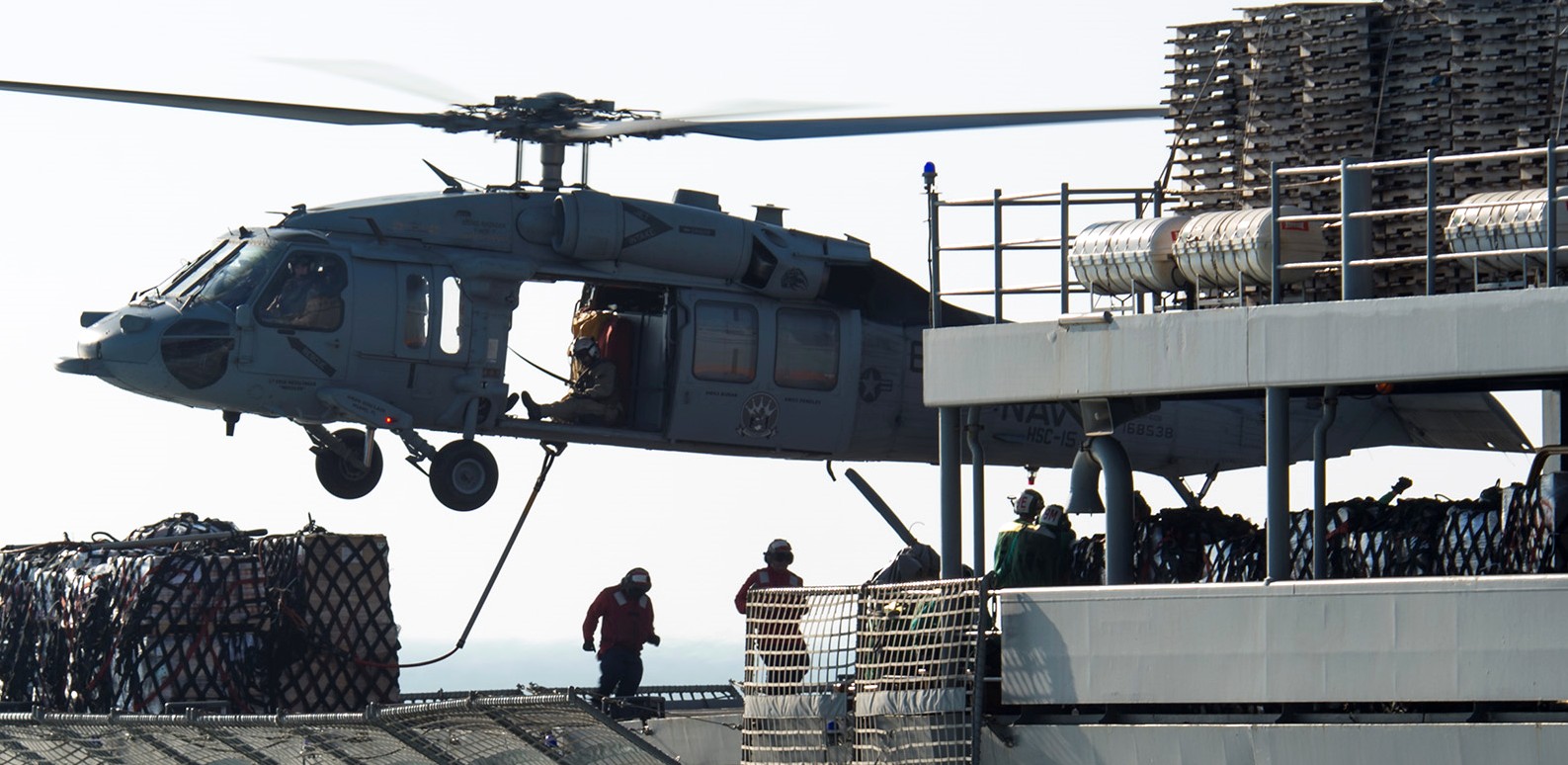
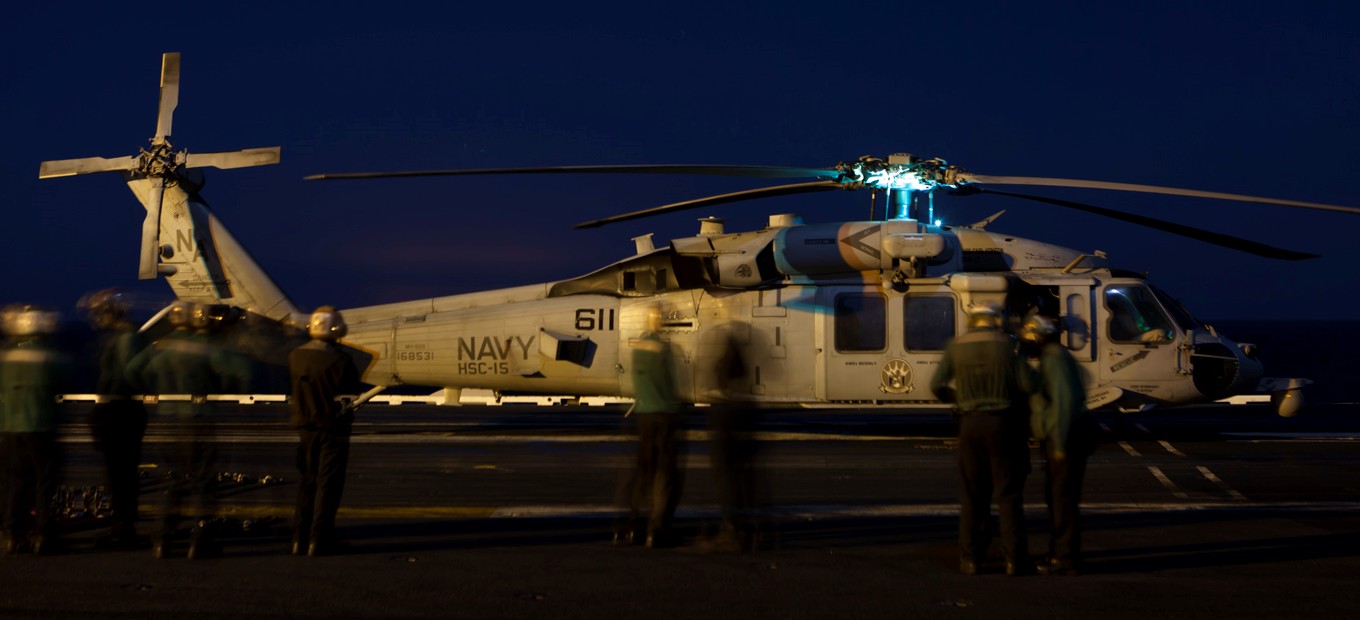
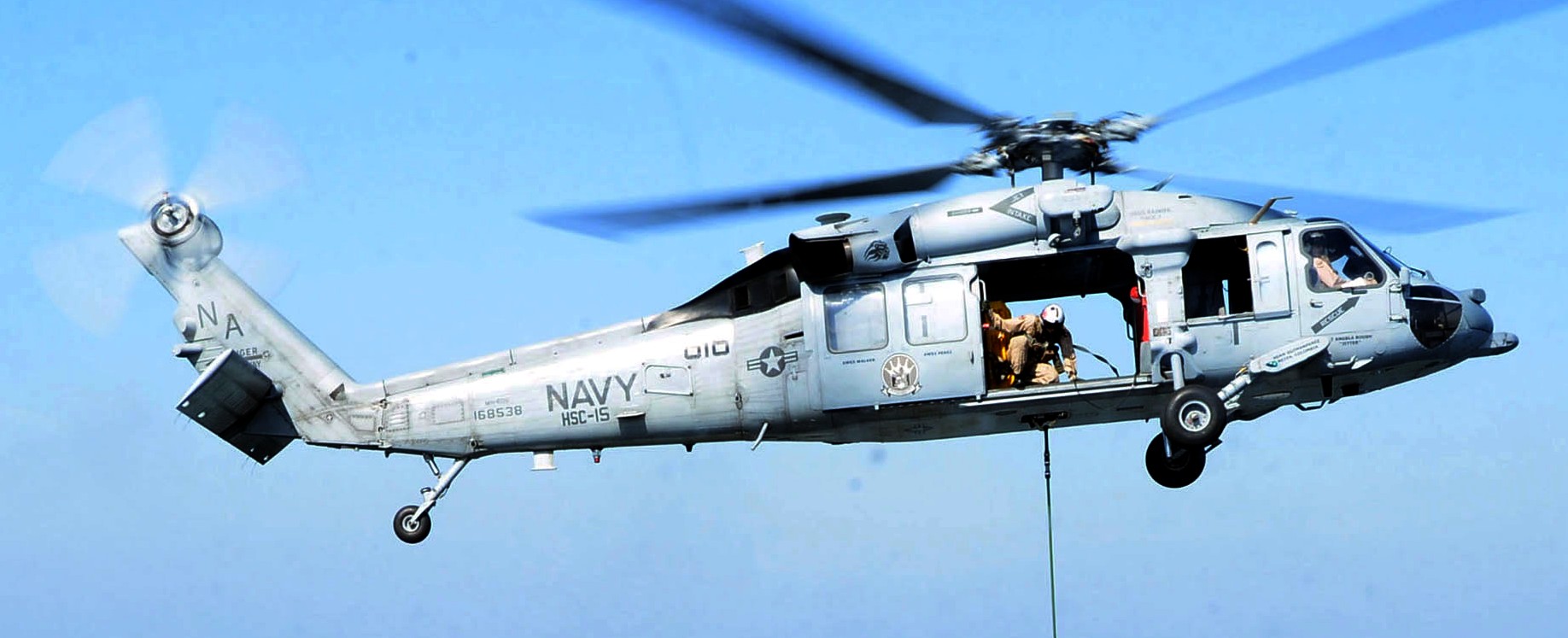
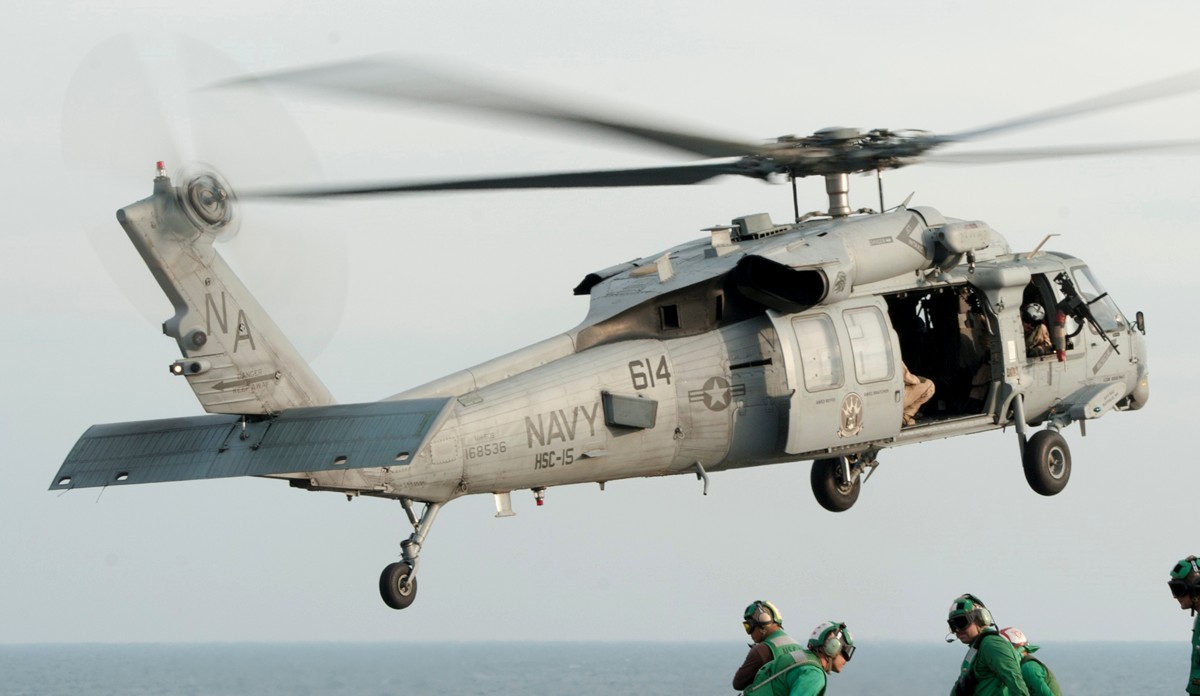
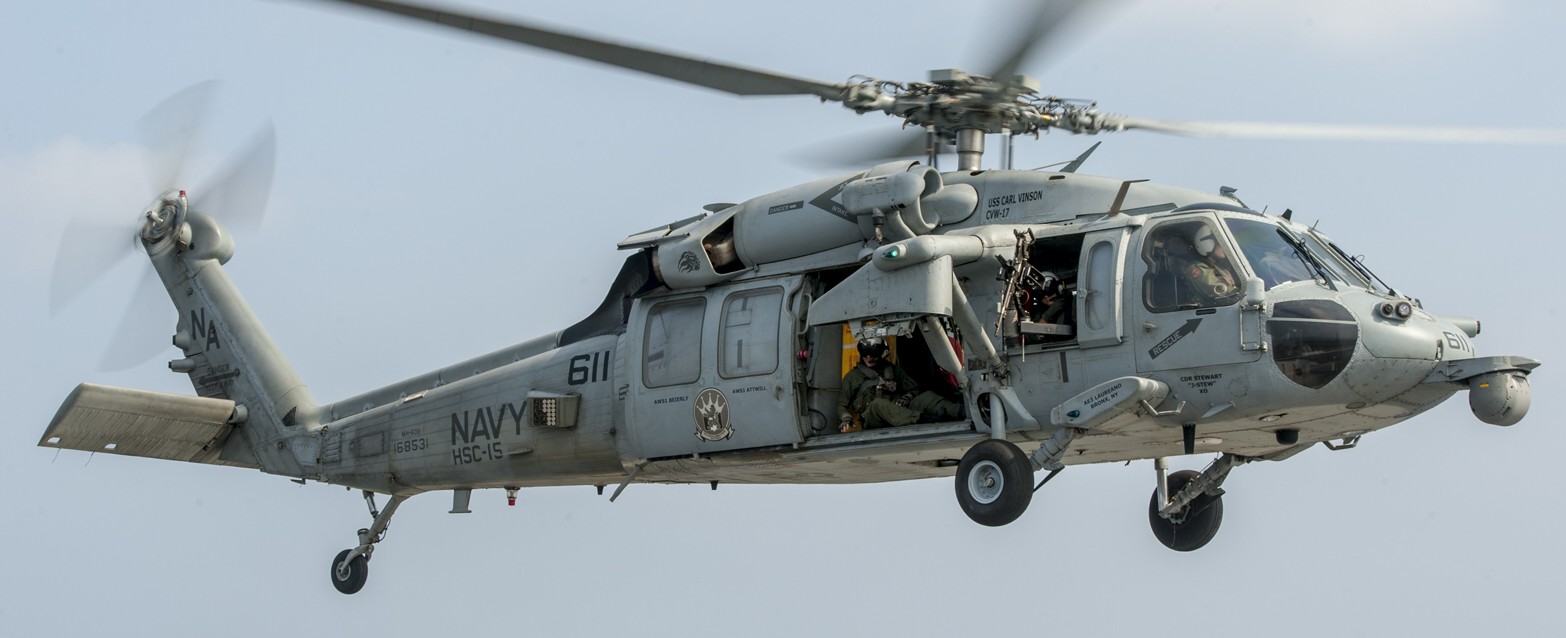
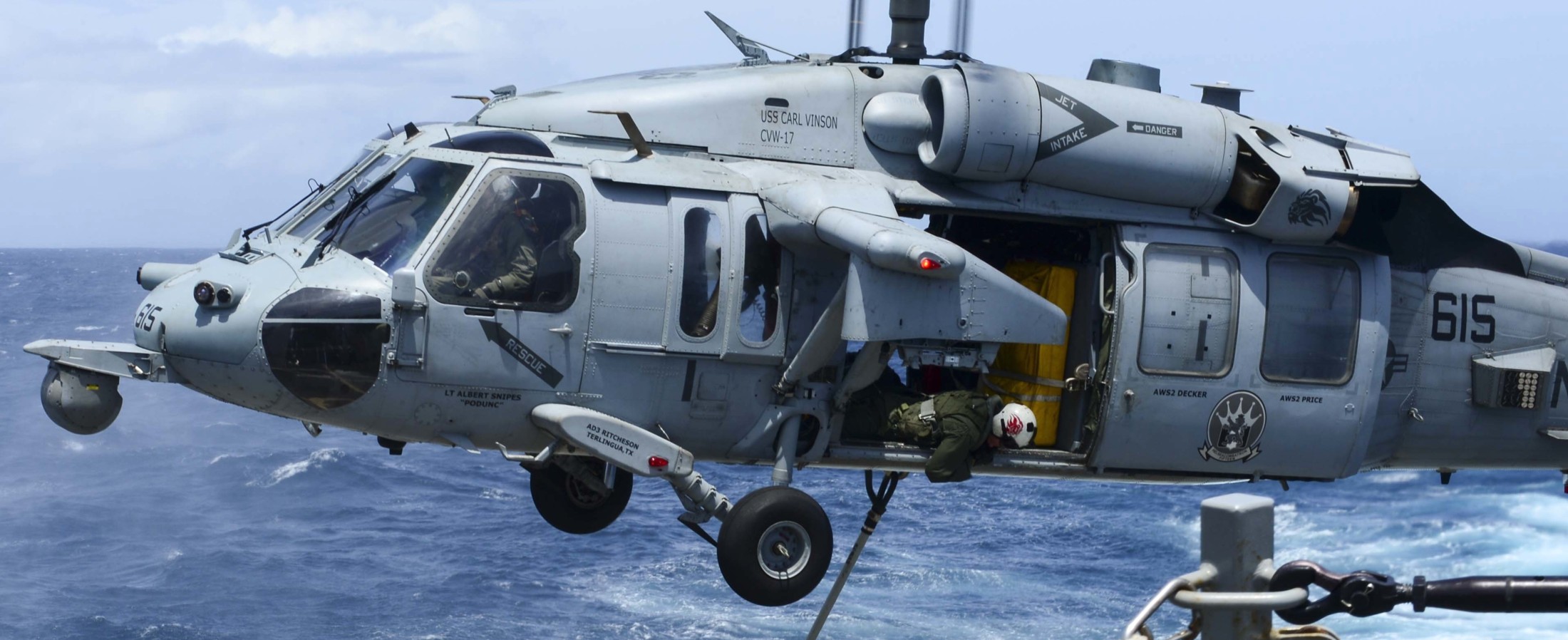
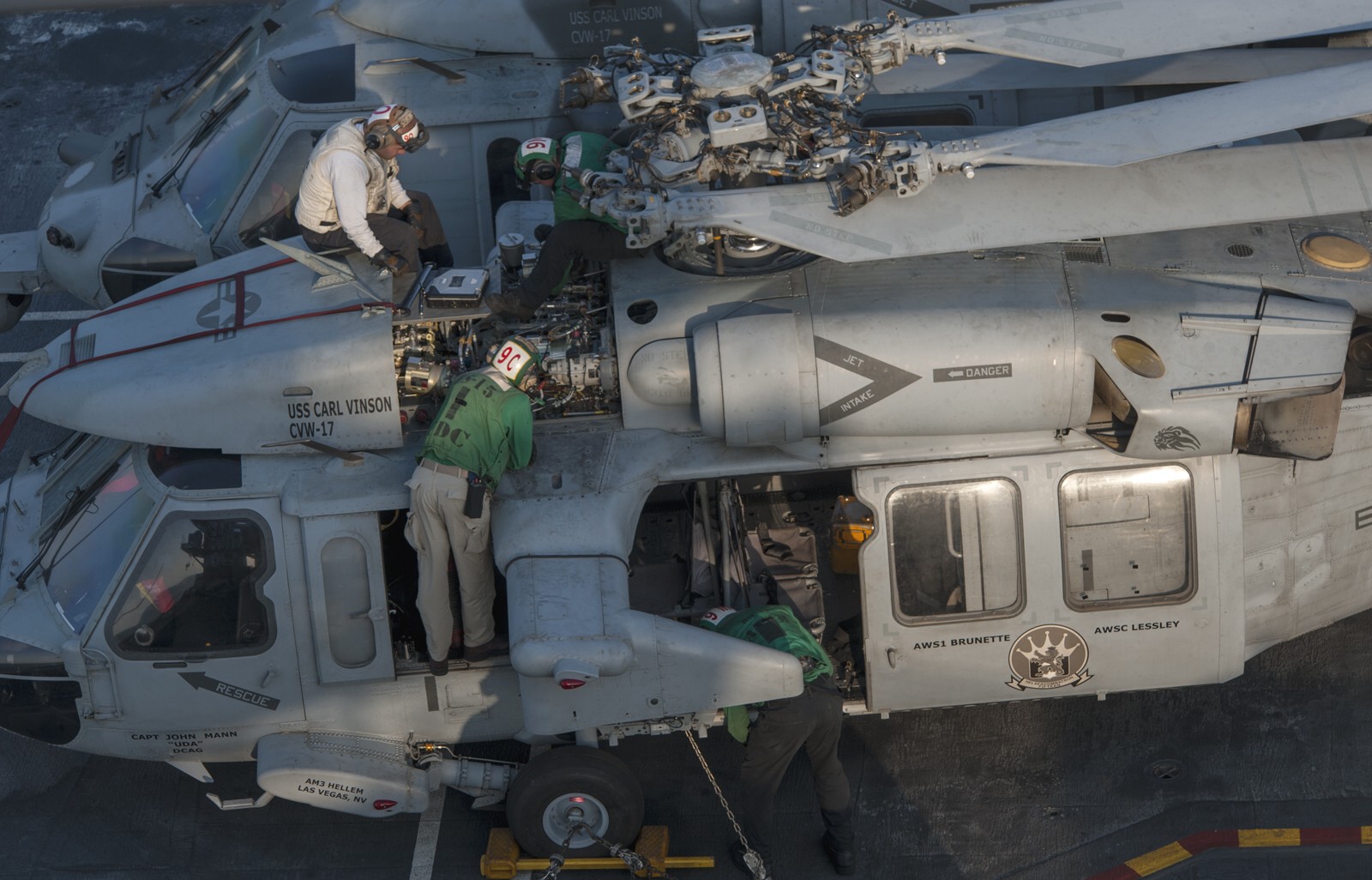
MH-60S Seahawk (Knighthawk)


images


sorry, no images at this time


history

SAN DIEGO (NNS) -- Helicopter Anti-Submarine Squadron (HS) 15 officially transitioned to Helicopter Sea Combat Squadron (HSC) 15 during a ceremony, Nov. 15, at Naval Air Station North Island.

The "Red Lions" are the latest anti-submarine squadron to make the transition to a sea combat squadron as part of the Navy's new direction for the rotary wing community, said Cmdr. Gabriel Soltero, commanding officer of HSC-15.

"The Navy has been moving toward using the MH-60 helicopter as a very versatile platform," Soltero said. "Part of that included two new airframes, the MH-60R and MH-60S. As that concept of operations evolved, we decided to leave the anti-submarine warfare mission to the MH-60R, and the sensors in that aircraft are quite capable of carrying out that mission. So, we're still just as capable, if not more, as a rotary wing community. We just have different aircraft now to carry it out."

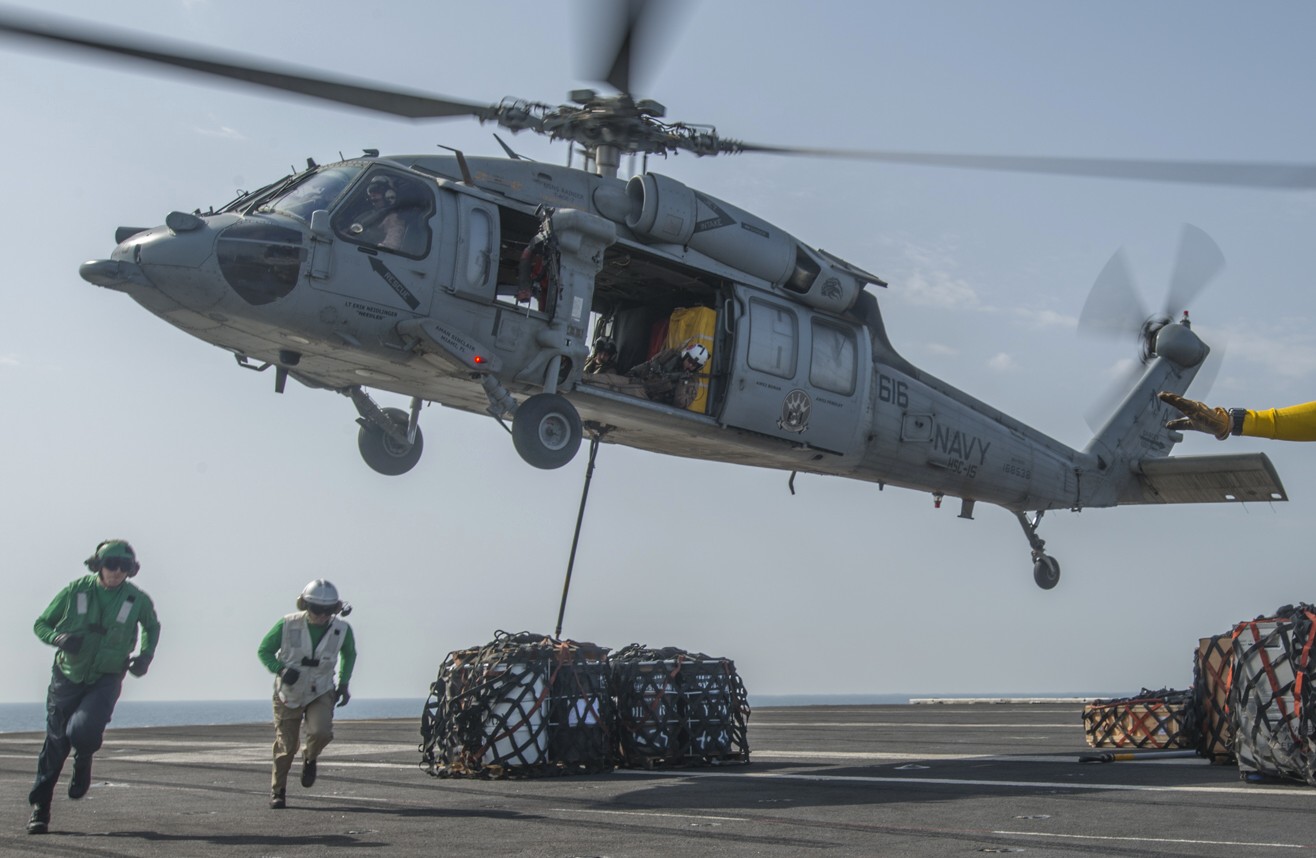
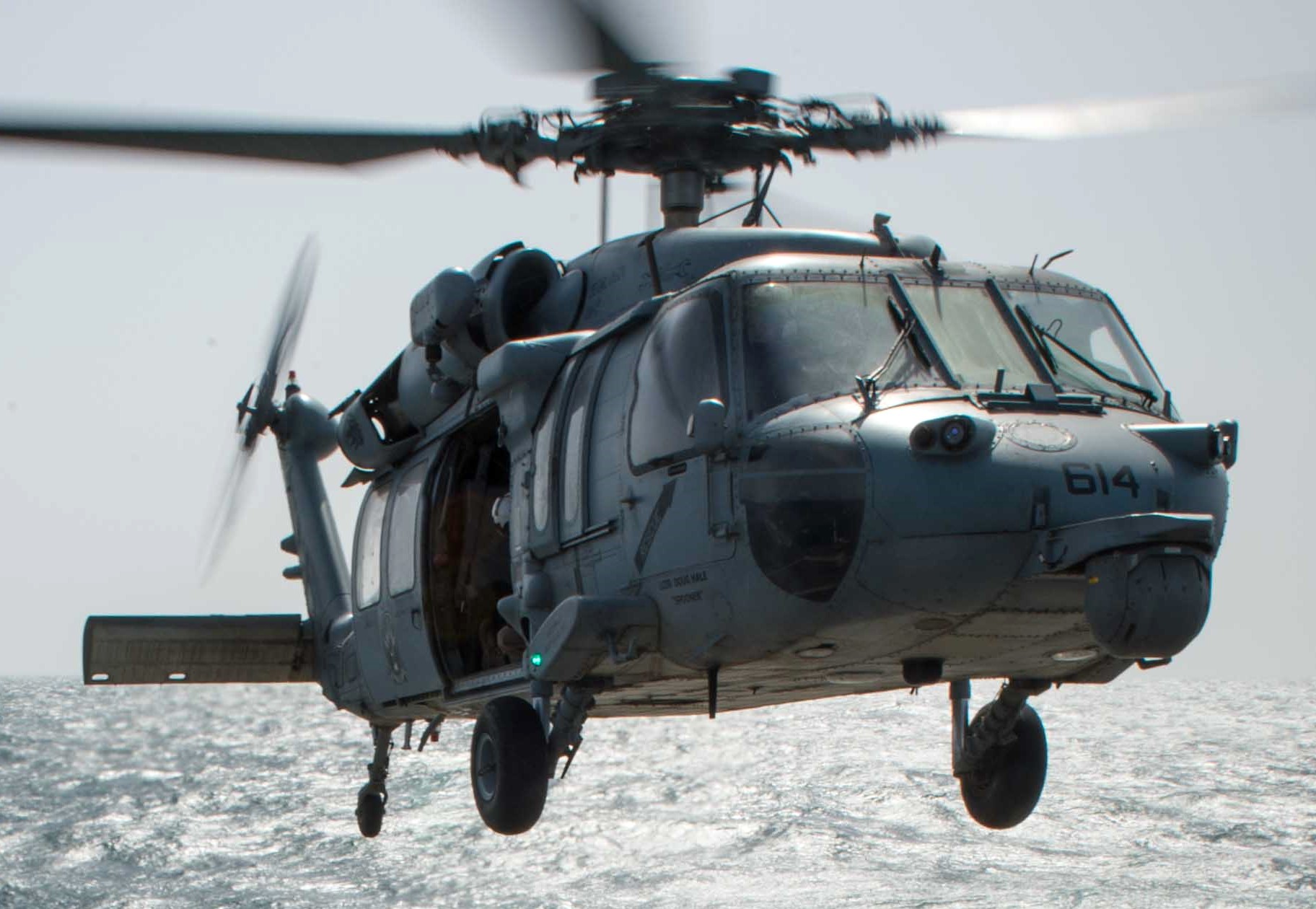
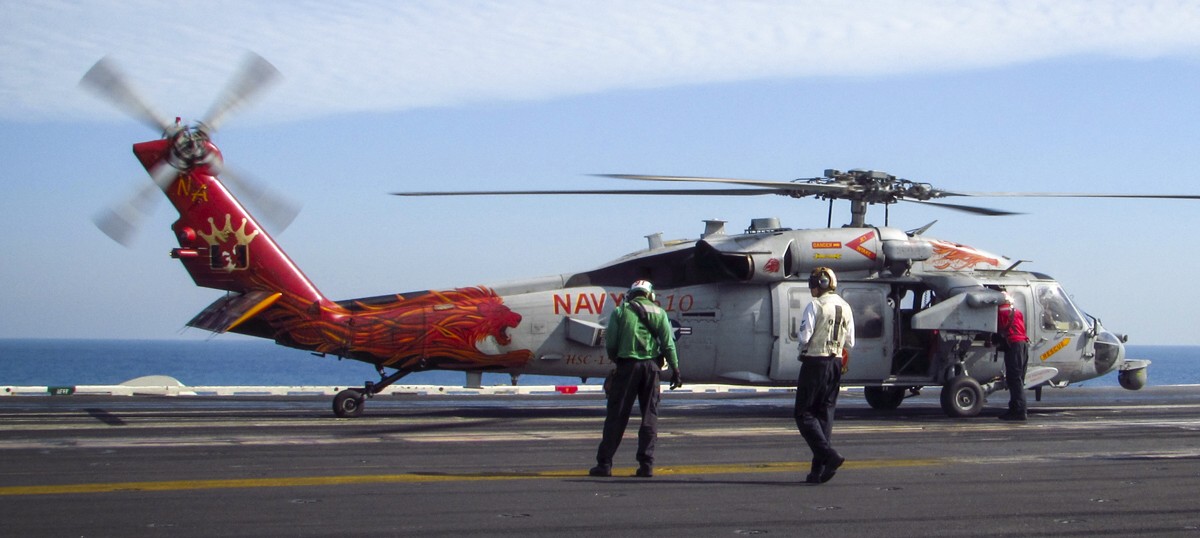
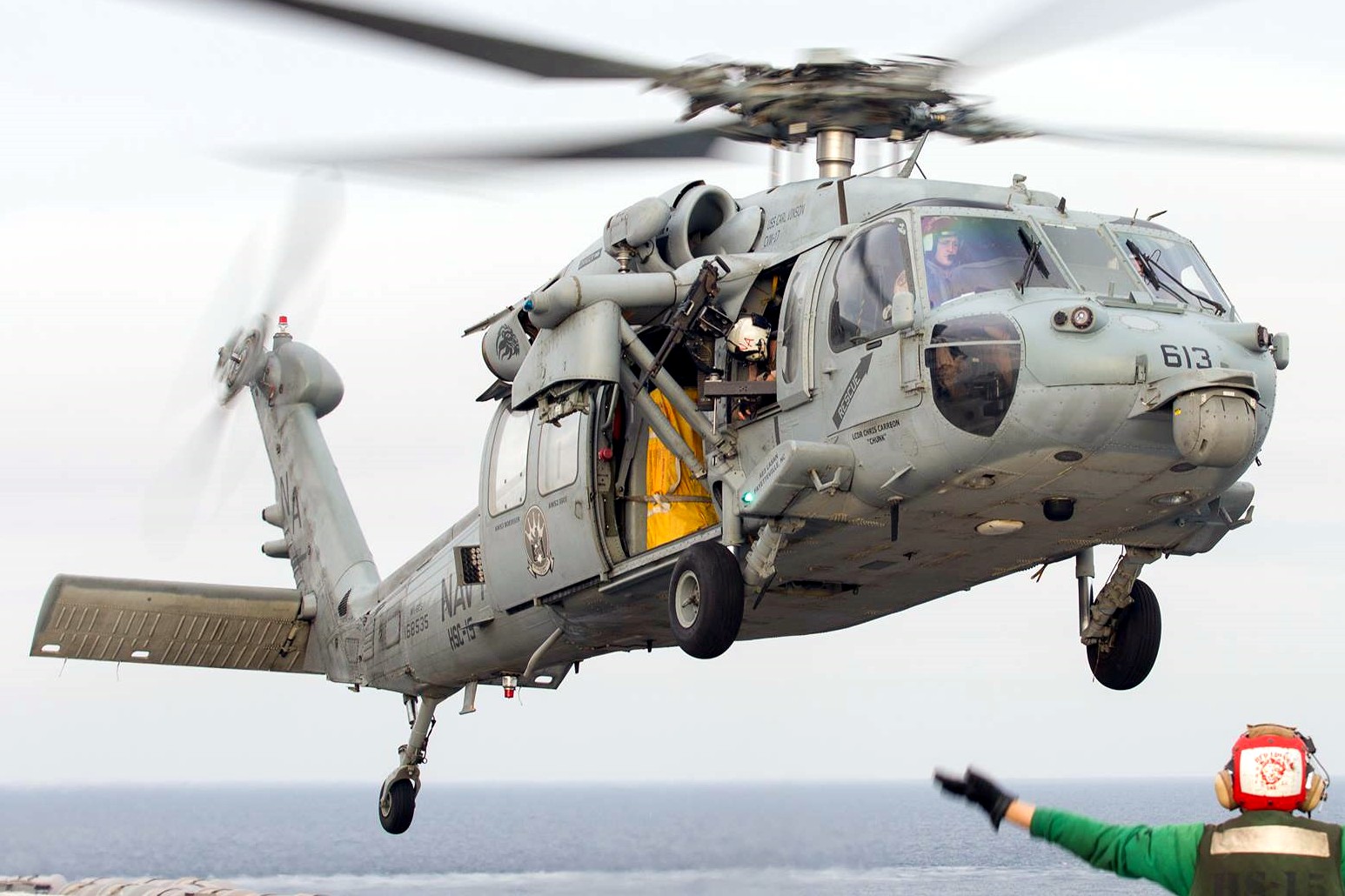
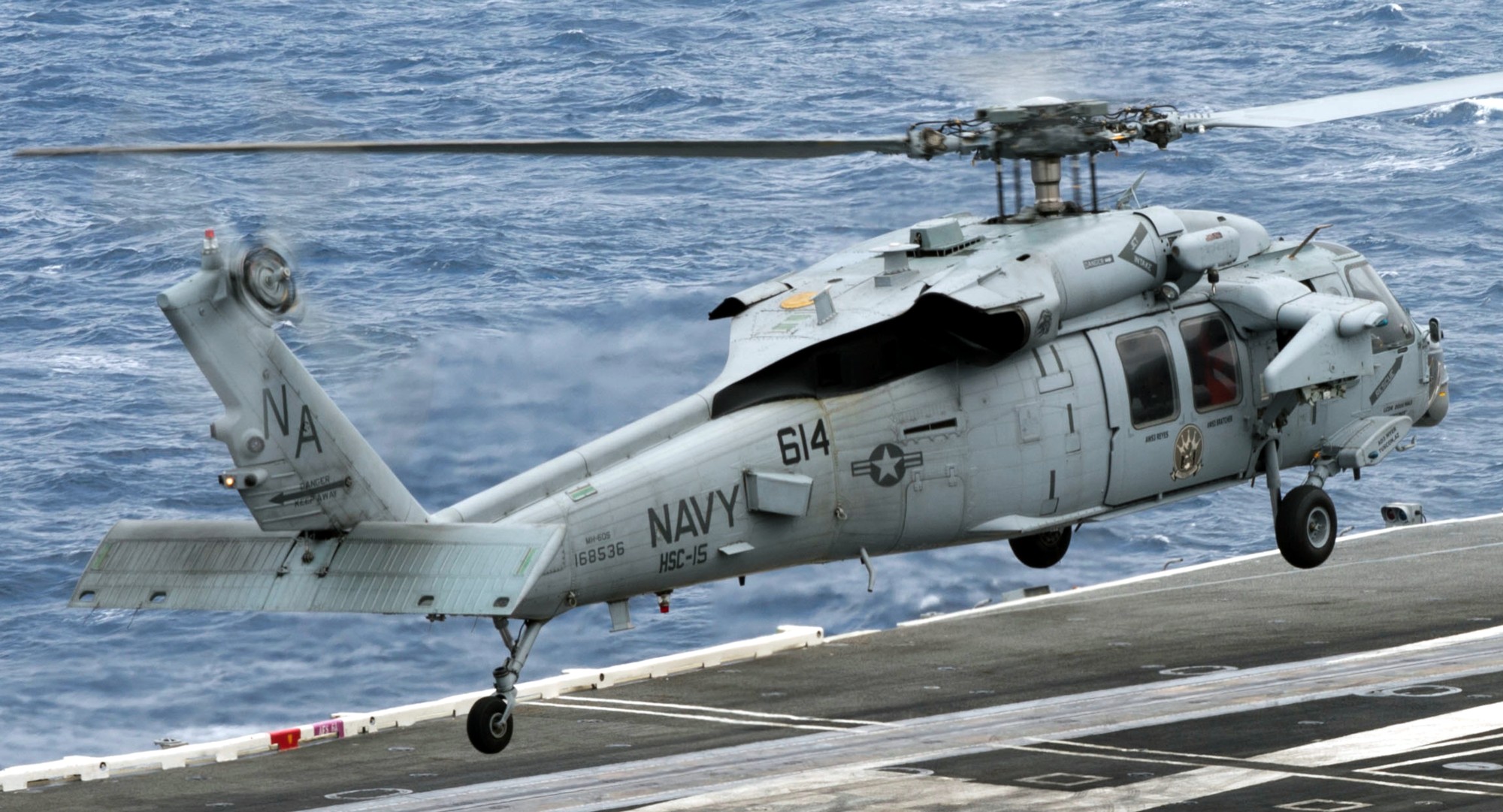
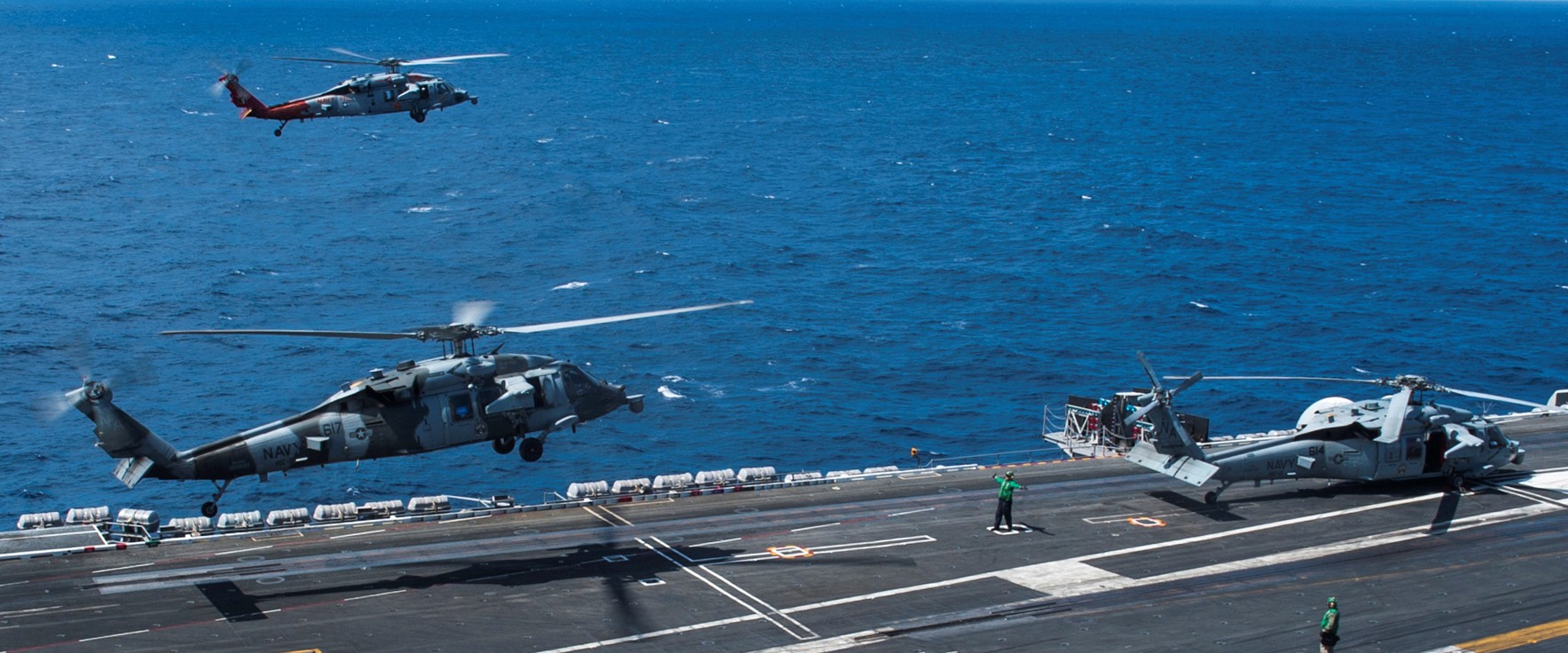
The MH-60S Seahawk will replace the SH-60F/H aircraft previously used by HS-15. Soltero said that the squadron had to undergo extensive training to prepare to fly and maintain the new aircraft.

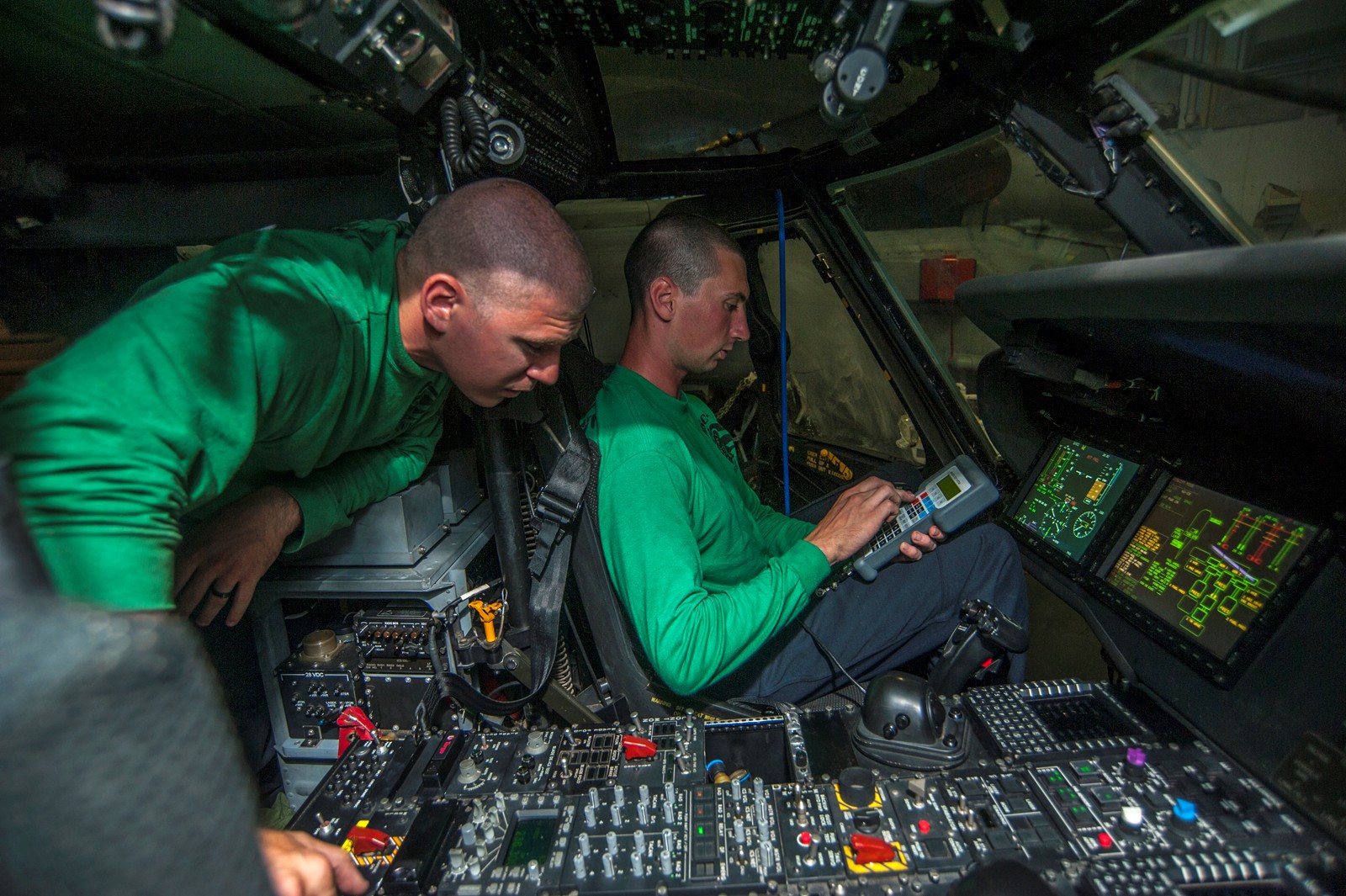
"The squadron had to send quite a few Sailors to learn how to work and maintain the new MH-60S," said Soltero. "Luckily, many of the systems are similar but some are not. Those that were not similar, specifically avionics and ordnance, required some new training on the part of our Sailors. So when we returned from deployment this past May, we took some time to arrange for our Sailors to receive this training. In addition, our pilots had to go to undergo training here to learn how to fly the MH-60S."

Aviation Structural Mechanic 3rd Class Rodney Faulk, assigned to HSC-15, was one of the Sailors who underwent more than five months of training to prepare for the transition.

"My job has changed a lot because of the new aircraft," Faulk noted. "There are no more anti-submarine components. It's more combat-related now. So, there are more weapons systems, which mean more airframe systems to support those weapons systems. We had to re-qualify on everything."

Despite the new aircraft and some changes to the squadron's mission, they will continue to perform many of the core missions they have been carrying out for years, Soltero said.

"We're retaining many of our other mission sets including anti-surface warfare, naval special warfare support, and combat search and rescue," said Soltero. "Those are missions that were part of our core set as an HS squadron, and we will continue to perform those missions as an HSC squadron."

Soltero said he has enjoyed the experience of leading the squadron through the transition.

"My very first operational squadron was HS-15, when I was a young lieutenant, about 15 years ago. To me, it's been a very high honor to be able to stand up in front of the squadron and lead it through the transition. The Sailors have done a fantastic job, the pilots are top notch, and there is really nothing else I would rather be doing."


from the HS-15 website:


HELICOPTER ANTISUBMARINE SQUADRON FIFTEEN was commissioned to fly the SH-3 Sea King in October 1971 at Naval Air Station, Lakehurst, New Jersey. In November 1973, the squadron moved from Lakehurst to Jacksonville, and in 1992 HS-15 transitioned to the SH-60F and HH-60H Seahawk helicopters. As an aircraft carrier-based squadron, HS-15 has operated aboard ten East Coast carriers: USS NIMITZ, USS AMERICA, USS INDEPENDENCE, USS FORRESTAL, USS SARATOGA, USS ENTERPRISE, USS DWIGHT D. EISENHOWER, USS GEORGE WASHINGTON, USS RONALD REAGAN and USS JOHN F. KENNEDY.

Over the years, operations have taken HS-15 to the Atlantic, Arctic, and Indian Oceans, as well as the Adriatic, Arabian, Caribbean, Mediterranean, and Norwegian Seas. During deployments the Red Lions have long played a role in U.S. foreign policy and military actions, including Iraq and Afghanistan; Contingency Operations with the U.S. Multinational Peacekeeping Force in Lebanon; in combat operations during URGENT FURY in Grenada; in extensive North Atlantic antisubmarine warfare (ASW) operations with NATO, Operation PROVIDE COMFORT in Iraq, Operation PROVIDE PROMISE/DENY FLIGHT in the former Yugoslavia, Operations DECISIVE ENDEAVOR and SOUTHERN WATCH in the Arabian Gulf, and Operations DELIBERATE GUARD and COOPERATIVE ASSEMBLY supporting U.S. involvement in the Balkans conflict.

While conducting peacekeeping operations off the coast of Lebanon in 1982, the Red Lions were specifically tasked with shuttling U.S. Special Envoy Phillip Habib to and from Beirut as he negotiated a settlement to the Israeli-Palestinian conflict. During the USS INDEPENDENCE (CV 62) 1983-84 deployment, HS-15 was deployed as an element of CVW-6. Throughout hostilities in Grenada, the Red Lions provided combat search and rescue (CSAR) service as well as small boat interdiction patrols while operating a forward detachment from the deck of the USS MOOSBRUGGER (DD 980).

The squadron returned to the Mediterranean Sea and Indian Ocean for a last deployment on USS INDEPENDENCE before reassignment. Embarked in USS FORRESTAL, the squadron deployed to the Mediterranean Sea in June 1986, and in August 1987 to the Norwegian Sea as participants in OCEAN SAFARI '87. The squadron's 1988 deployment took the Red Lions to the Persian Gulf through the Mediterranean Sea and included an impressive 108 consecutive days at sea. Among the high points of the deployment was the opportunity to meet the Commander-in-Chief, President George Bush, prior to his "Summit on the Sea" with Soviet President Mikhail Gorbachev.

Following the first Persian Gulf War, HS-15 returned to Jacksonville and left CVW-6 with the decommissioning of USS FORRESTAL. HS-15 transitioned in 1992 to the H-60F/H and was subsequently assigned to the CVW-17/USS SARATOGA team. The Red Lions returned to sea in June 1993, and joined CVW-17 on USS SARATOGA’s last deployment.

In 1994, the Red Lions moved to USS ENTERPRISE, deploying in 1996 and participating in Operations DECISIVE ENDEAVOR and SOUTHERN WATCH. In 1997, HS-15 welcomed its first female aviators and moved to USS EISENHOWER. 1998 found the Red Lions once again on deployment in the Mediterranean Sea and ended with the squadron receiving the Battle “E” and the Safety “S”.

In 1999, the Red Lions transitioned to USS GEORGE WASHINGTON. The Red Lions were honored with the Arleigh Burke Award for the most improved squadron, ship or submarine in the entire U.S. Atlantic Fleet for their outstanding performance in 1998. In 2000, the Red Lions deployed in USS GEORGE WASHINGTON, returning just prior to the holiday season.

HS-15 entered the global war on terror on September 12th, 2001, the day after the tragic terrorist attacks on the World Trade Center and the Pentagon. Within twenty-four hours the Red Lions had four aircraft and over half of their Sailors aboard USS GEORGE WASHINGTON, in New York City Harbor, supporting Combat Air Patrols.

Throughout 2002 the Red Lions continued their involvement in the war on terror. During the first three months of their 2002 deployment in USS GEORGE WASHINGTON, HS-15 actively participated in operations ENDURING FREEDOM and SOUTHERN WATCH, providing numerous SAR flights and Combat SAR alerts, enabling CVW-17 aircraft to constantly provide airpower in support of U.S. ground forces in Afghanistan. During deployment, the Red Lions also participated in numerous Coalition exercises with allied countries, including “Med Shark” with the Moroccan Air Force; “Destined Glory” with the Italian Navy; “Joint Wings 2002” in Pula, Croatia; and “PHIBLEX 02” over Albania.

Constant training throughout 2003 and the first half of 2004 was followed by a June through December 2004 deployment on USS JOHN F. KENNEDY (CV 67) to the Middle East. The Red Lions logged over 2,000 hours supporting a wide array of missions, including over 200 sorties supporting Special Operations units in Southern Iraq, as well as the rescue of six Iranian nationals off their sinking vessel.

In 2005 the Red Lions began preparations for the Secretary of Defense directed, Central Command Navy Air Ambulance combat MEDEVAC mission to Kuwait. Throughout the year squadron pilots and aircrew completed U.S. Army Medical Evacuation doctrine schools, flew training missions with Army MEDEVAC pilots at Fort Rucker, Alabama and successfully completed a Helicopter Advanced Readiness Program specially designed to earn U.S. Army MEDEVAC certification prior to deployment. During this unique and intensive training period the Red Lions also sent a two helicopter detachment on board USS HARRY S TRUMAN (CVN 75) to assist with the evacuation and rescue efforts in the wake of the devastation left along the U.S. gulf coast following Hurricane Katrina. In November, the Red Lions, as the lead squadron, along with the Island Knights of HSC-25, formed the 2515th Navy Air Ambulance Detachment, and relieved the 236th Army Air Ambulance Company as the primary MEDEVAC asset in Kuwait and Southern Iraq. It is with great pride that HS-15 assumed the long distinguished “DUSTOFF” call sign which is synonymous with all Medical Evacuation Units.

2006 began with one half of the Red Lions deployed to Kuwait and the other half continuing MEDEVAC training. In May 2006, the Red Lions deployed their second detachment to Kuwait to complete the year-long deployment. The squadron was reunited on Thanksgiving. While deployed the 2515th Navy Air Ambulance Detachment flew 1,443 sorties, 2,503 hours, and conducted 331 MEDEVACS transporting 324 patients to follow-on medical care. The Red Lions’ tireless contribution in Kuwait and Iraq embodied the DUSTOFF credo “When I have your wounded” while instilling the Navy Search and Rescue credo “So Others May Live” in the rich tradition of U.S. Army MEDEVAC.

While the Red Lions did not deploy in 2007, they were still very busy. The squadron supported Fleet and Training Command operations with eight Carrier Qualification (CQ) Detachments on board the USS HARRY S TRUMAN, USS DWIGHT D. EISENHOWER, and the USS GEORGE WASHINGTON. Additionally, with both aircraft and personnel they assisted sister squadrons HS-3 on a CQ Detachment on board USS HARRY S TRUMAN, and HS-2 on their HARP Detachments at NAS Fallon and the U.S. Atlantic Undersea Test and Evaluation Center on Andros Island, Bahamas.

In early 2008 the Red Lions joined the USS GEORGE WASHINGTON for Partnership of the Americas deployment. Later in the year, the squadron was engaged in training with Naval Special Warfare units across the country. The squadron had flown to Norfolk, VA and Ft. Knox, KY to integrate and develop its tactics and establish procedures with the various ground units, with a potential deployment in support of special operations looming for 2009.

HS-15 was officially tasked with deploying to Iraq in the beginning of 2009 and continued preparation right away. In January HS-15 sent a squadron detachment to Barstow, Ca to work with the SEAL teams and other USMC units. From Barstow HS-15 moved to MCAS Yuma to finish a SEAL Team CERT-EX.

The month of February was consumed with preparing four HH-60Hs to travel aboard two C-5 Air Force aircraft to Balad, Iraq in direct support of Combined Joint Special Operations Air Component Command. The four aircraft and 63 personal traveled to Balad to begin operations.

The aircraft landed in Iraq and were flying within 72 hours. The squadron was tasked with its first mission within a week. The missions were flown throughout the country, as far north as Mosul, Iraq and as far south as Najaf, Iraq. After five months of operations, the squadron tallied 455 combat flight hours resulting in the capture/kill of 21 High Value Targets.

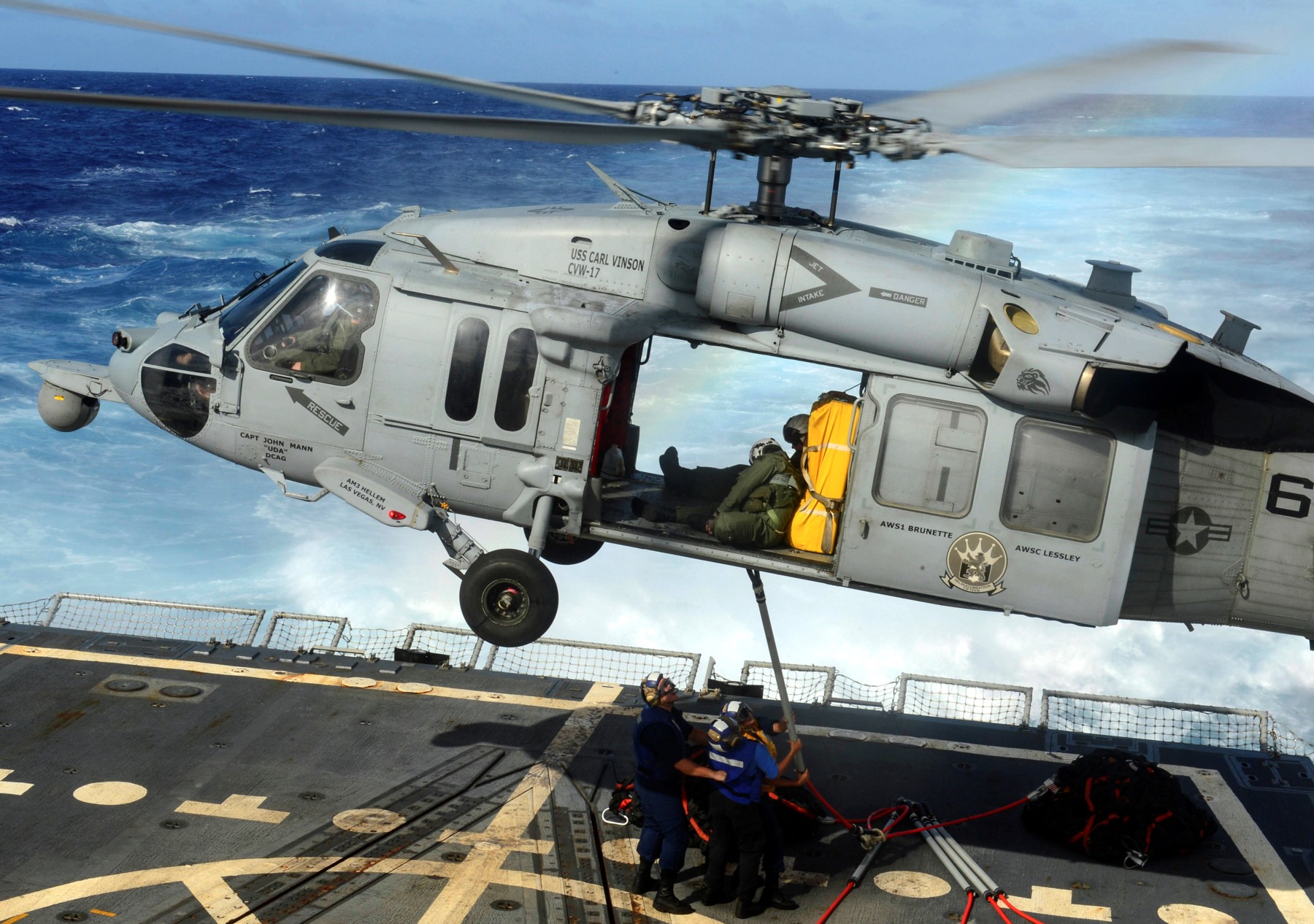
While a portion of the squadron was in Balad, Iraq, the remaining members in the squadron were continuing to fulfill the shipboard requirement. In July 2009, the squadron detached two H-60 aircraft onboard USS CARL VINSON (CVN-70) to support a Carrier Qualification Detachment proving its ability to operate in two separate places with two different mission sets flawlessly.

Upon return from Balad, Iraq the squadron re-integrated and prepared for multiple inspections spanning each department. HS-15 performed well under each evaluation and began to prepare for the upcoming SOUTHERN SEAS 2010 deployment in January 2010. In an effort to prepare for shipboard operations, the squadron proceeded to AUTEC Atlantic Undersea Training and Evaluation Center in Andros Island, Bahamas to hone their Antisubmarine Warfare skills. The squadron successfully released four torpedoes on various targets during their nine day detachment, proving ready for a sea-going deployment. Helicopter Visit Board Search and Seizure as well as Hellfire employment were also trained to, rounding out our Sea Combat capabilities. This was the pinnacle of transition, proving the squadron could operate from an overland desert environment, to an operational and traditional carrier based helicopter squadron.

2010 kicked off with a bang, as the squadron flew five of their aircraft up to Norfolk to embark on CVN-70 for their SOUTHERN SEAS 2010 deployment. The Carrier Strike Group’s mission was to deliver USS Carl Vinson to San Diego, CA battle ready. We were planning on a minimal amount of flying; day one of the deployment changed that expectation. 12 January, Port au Prince was rocked with an earthquake and the ship proceeded south to assist. USS CARL VINSON proceeded at 30 knots for two full days in order to arrive on station.

HS-15 played a crucial role during Operation Unified Response: Haiti as a major responder. The squadron provided a great deal of that support utilizing its five embarked SH-60F/HH-60H Seahawk helicopters. The Red Lions crew launched their first crews into Haiti immediately upon arriving within 50 miles of the island. At the end of the operation, the squadron had flown 323 hours, transporting 135 MEDEVACs, 50 tons of food and 75 tons of water.

The SOUTHERN SEAS deployment continued and the squadron finished with the execution of 890 flight hours, 324 sorties with a 100% completion rate. HS-15 has proven its valor over the course of the past 18 months, executing its Primary Mission Areas in an Operational Environment. Whether a Direct Action mission in Iraq or a MEDEVAC off the coast of Haiti, the Red Lions have executed as tasked. The squadron was recognized for its efforts in the calendar year 2009, by receiving the Battle E. This prestigious award is presented to the aviation squadron in each competitive category that achieves the highest standards of cost-wise and performance readiness. This award recognizes a unit’s training and operational achievements while including a balance that incentivizes efficiency and cost-wise readiness. The HS-15 Red Lions were the HSCWINGLANT recipient for 2009.


patches


| seaforces.org | US Navy Air Units start page |